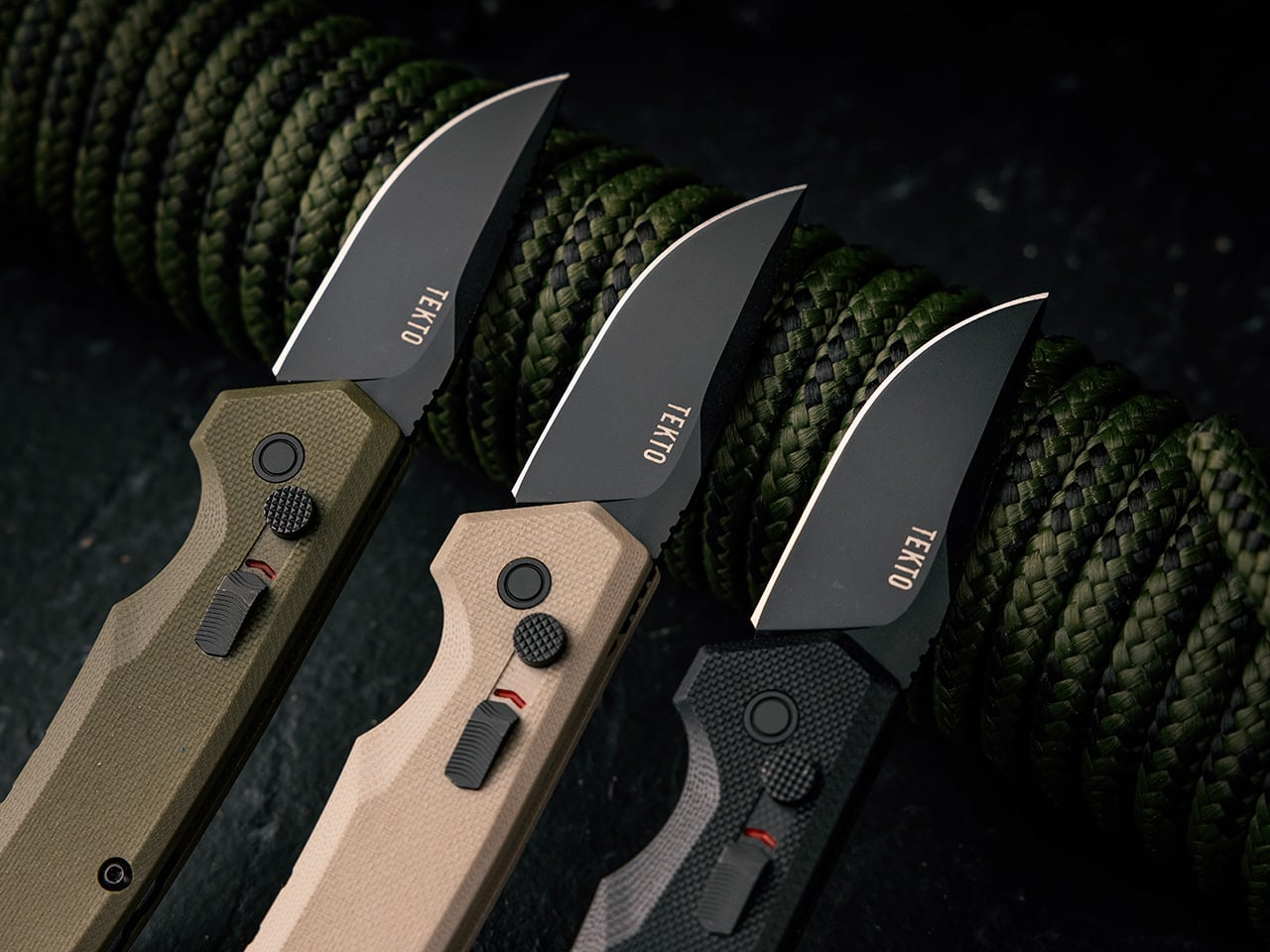
Why OTF Knives are Objectively Better than Folding Knives

Speed settles a lot of arguments. Ask anyone who carries a knife daily and they’ll eventually get around to the deployment question: how fast can you get the blade out, how cleanly, and with how many fingers occupied. Folders demand a pivot, a swing, and depending on the locking mechanism, a deliberate wrist motion before the blade is truly ready. OTF knives skip all of that. One thumb movement sends the blade straight out the front in a single linear motion, and it locks automatically. There’s no arc, no fiddle factor, and no grip position the hand needs to be in before deployment works. That mechanical simplicity is a genuine advantage that compounds across every use case, whether it’s emergency cutting, utility tasks, or the kind of one-handed operation that makes a real difference when your other hand is occupied.

The A3 Delta, the A5 Spry, and the Spry Mini all operate on that same core principle: forward, fast, locked. Tekto’s folder range earns its place as refined everyday carry, but the OTF models are engineered around the reality that access speed and single-hand operation are non-negotiable for a tool you actually rely on. The A5 Spry, carrying an S35VN blade in a precision-contoured handle, represents the tactical end of that thinking. The A3 Delta Mini takes the same OTF discipline and packages it into a compact, California-legal form. The through-line across the range is a commitment to the mechanism itself, treating the out-the-front action as a feature worth designing around, a mechanical conviction rather than a marketing angle.

Click Here to Buy Now: 15% off, use coupon code “YANKO”. Hurry, deal ends in 48-hours!

Single-Motion Deployment Changes the Entire Calculation
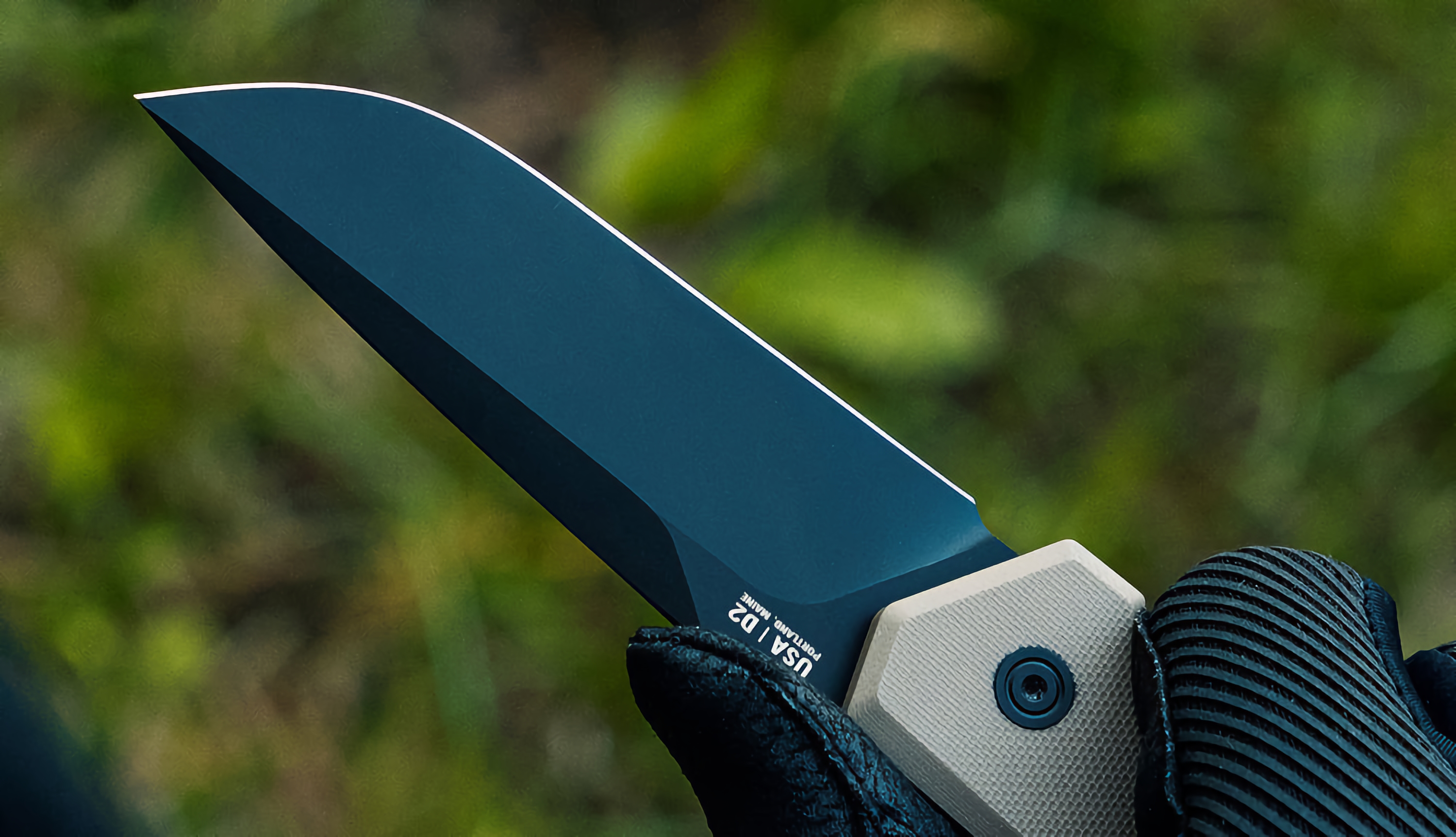
The A3 Delta

The core mechanical difference between a folder and an OTF comes down to the number of steps involved in getting the blade ready. A folder, even a fast one with ball bearings, requires the user to find a stud or flipper, apply pressure in a specific direction to initiate a pivot, and wait for the lock to engage. That sequence takes a fraction of a second for a practiced user, but it’s still a sequence. An OTF knife reduces that sequence to a single linear push. The thumb finds the switch and moves it forward; the knife does the rest. This removes the pivot, the swing, and the lock engagement from the user’s list of responsibilities.

This single-motion system translates to a higher degree of real-world reliability. When one hand is busy holding something in place, there’s no need to adjust your grip or use a second hand to get the blade out. The best OTF designs place the deployment switch exactly where the thumb naturally falls, making the act of gripping the knife and deploying it part of the same fluid motion. It’s a small ergonomic detail that makes a huge operational difference, turning the knife into an extension of the hand in a way a folder’s more complex mechanics can’t quite match.

Grip Position Has No Bearing on Whether the Knife Opens
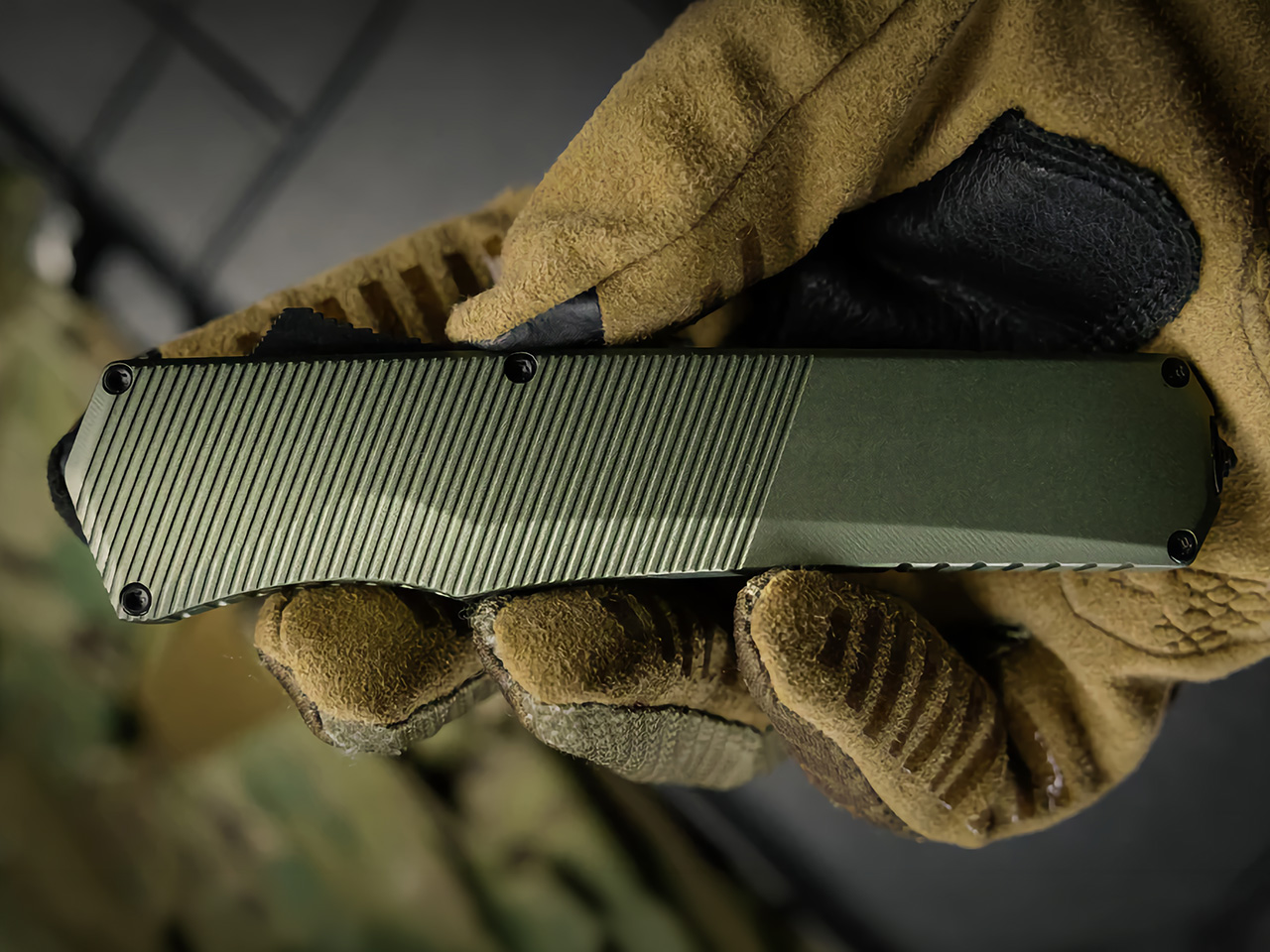
The A5 SPRY

Folders have a specific vulnerability that rarely gets acknowledged: they require a deliberate, practiced grip to open reliably. The thumb has to find its target, and the wrist needs to be oriented correctly for the blade to swing out without obstruction. In calm, controlled conditions, this is a minor point of practice. But in a hurry, or when wearing gloves, or when your hands are wet or cold, that small dependency becomes a legitimate failure point. OTF knives are functionally immune to this problem. Because the blade travels on an internal, linear track, the mechanism doesn’t care how the handle is being held.

This operational consistency is one of the strongest arguments for the OTF format, and it becomes even more apparent in smaller knives. Compact folders can be notoriously fiddly, with tiny thumb studs and short handles that are hard to manage. A compact OTF, however, deploys with the same authority as its full-sized counterpart. Models with blade lengths under two inches still offer an excellent blade-to-handle ratio and a full, confident grip, proving that the mechanism scales down without losing its inherent mechanical advantage.

Retraction Is as Fast as Deployment, and That Actually Matters
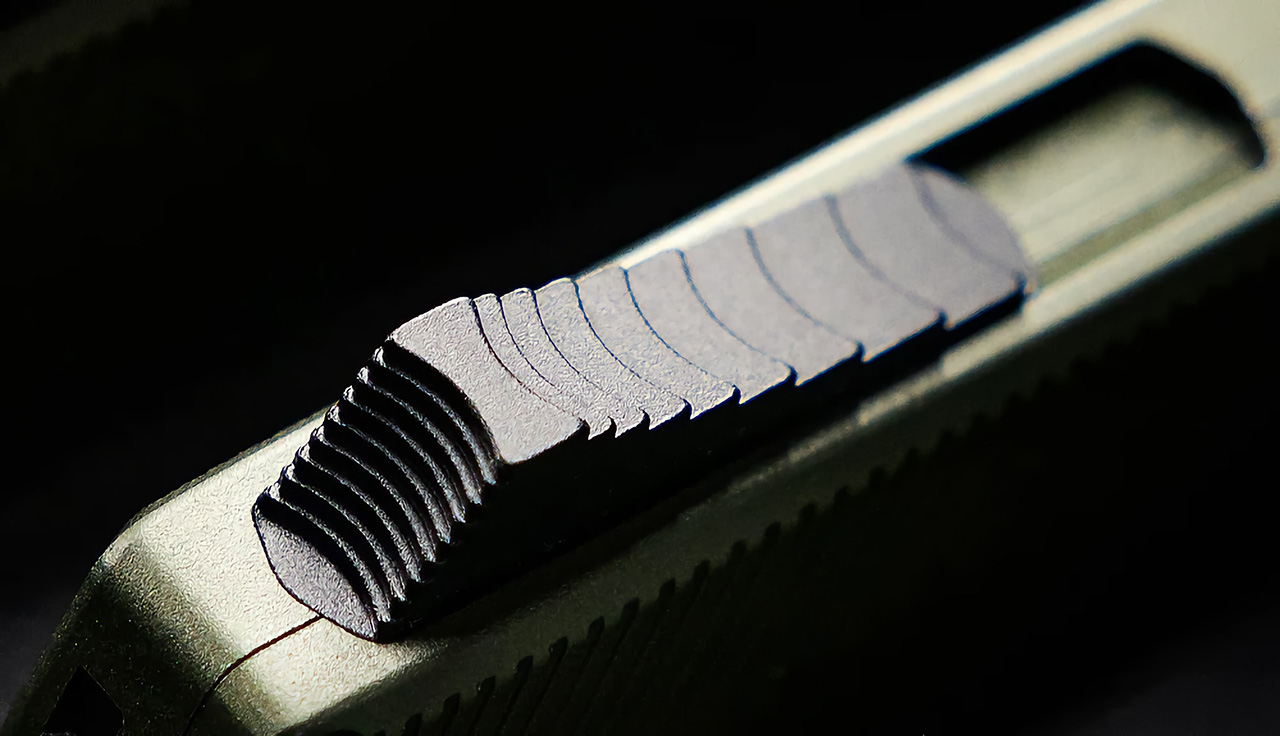
The A5 SPRY MINI

Closing a folding knife is a deliberate act. You have to consciously disengage the liner lock, frame lock, or button lock, then carefully fold the blade back into the handle, making sure your fingers are clear. On a well-made folder, it’s a secure process, but it requires your full attention. An OTF knife retracts with the same speed and simplicity as it deploys. A single pull on the switch sends the blade back into the handle, where it locks just as securely as it does when open. The knife is either fully engaged or fully stowed, with no hazardous in-between state.

This bidirectional action has practical value in any scenario where a tool needs to be put away quickly and safely. It also introduces a level of safety that folders can’t offer. A half-closed folder is a risk; a retracted OTF is a mechanically secured object. The confidence this provides is tangible for anyone who uses their knife frequently throughout the day. The crisp, reliable action of modern OTF mechanisms, both in and out, is a testament to how mature the engineering has become.

The Slim Profile Comes Without Mechanical Trade-offs
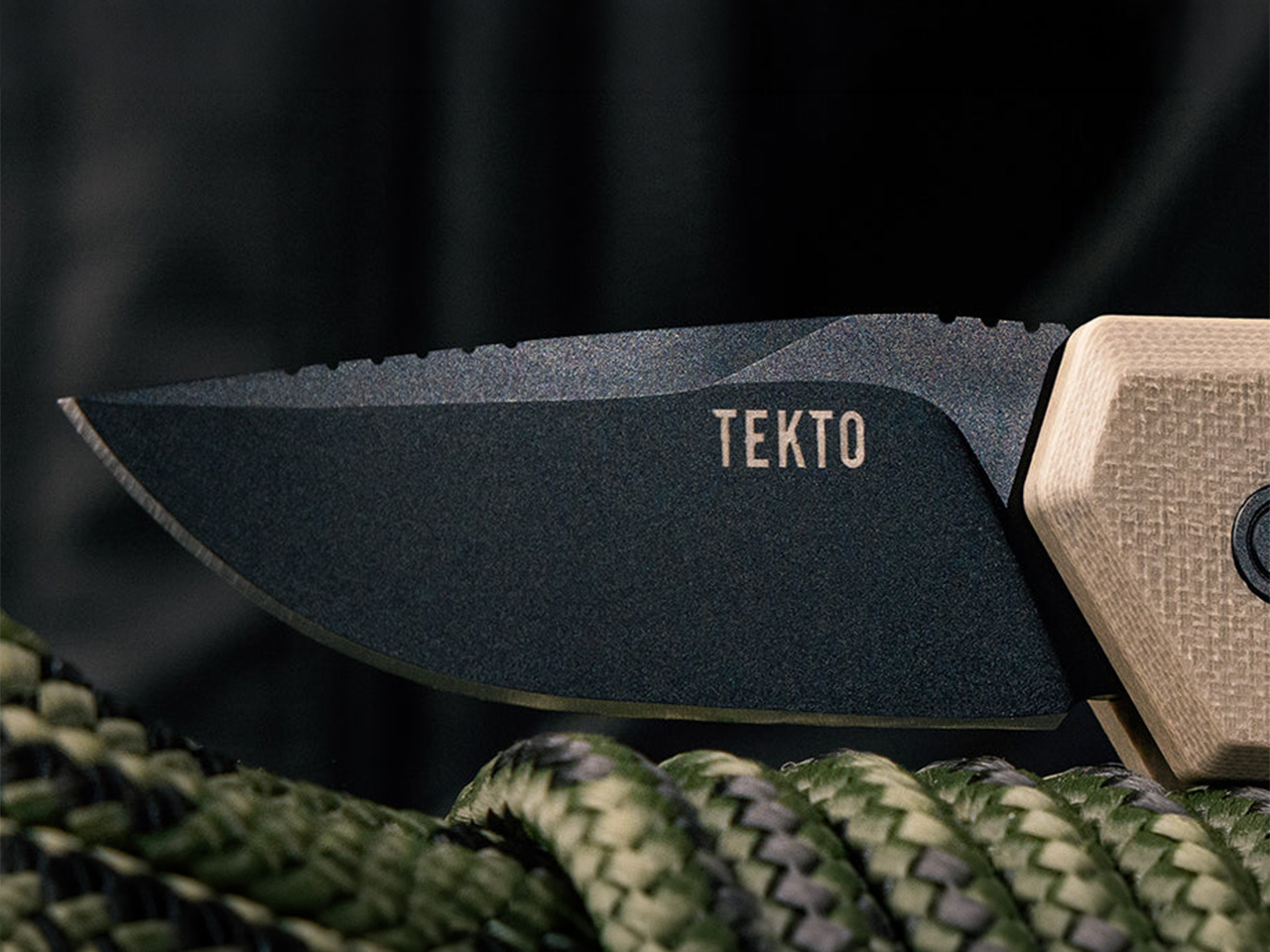
The A3 DELTA MINI

Many thin folding knives make compromises to achieve their slim profile. The pivot area is often a point of weakness, and a thin handle can make a strong locking mechanism difficult to integrate. OTF knives, by their very nature, are built on a linear chassis. The internal mechanism runs along the length of the handle, not across its width. This means the design can be inherently slim and narrow without sacrificing the strength of the lock or the reliability of the deployment. Thinness is a natural byproduct of the OTF’s structure, not an afterthought achieved by removing material.

This structural advantage allows for knives that are remarkably easy to carry while still being built from robust, high-performance materials. It’s common to see OTF models with a handle width of less than half an inch that are still equipped with premium steels like S35VN, rated for exceptional hardness and edge retention. These builds demonstrate that a slim, pocket-friendly profile and genuine, hard-use strength are not mutually exclusive concepts. The OTF format delivers both, proving you don’t have to choose between a comfortable carry and a capable tool.

The Blade Style Options Are No Longer an OTF Limitation
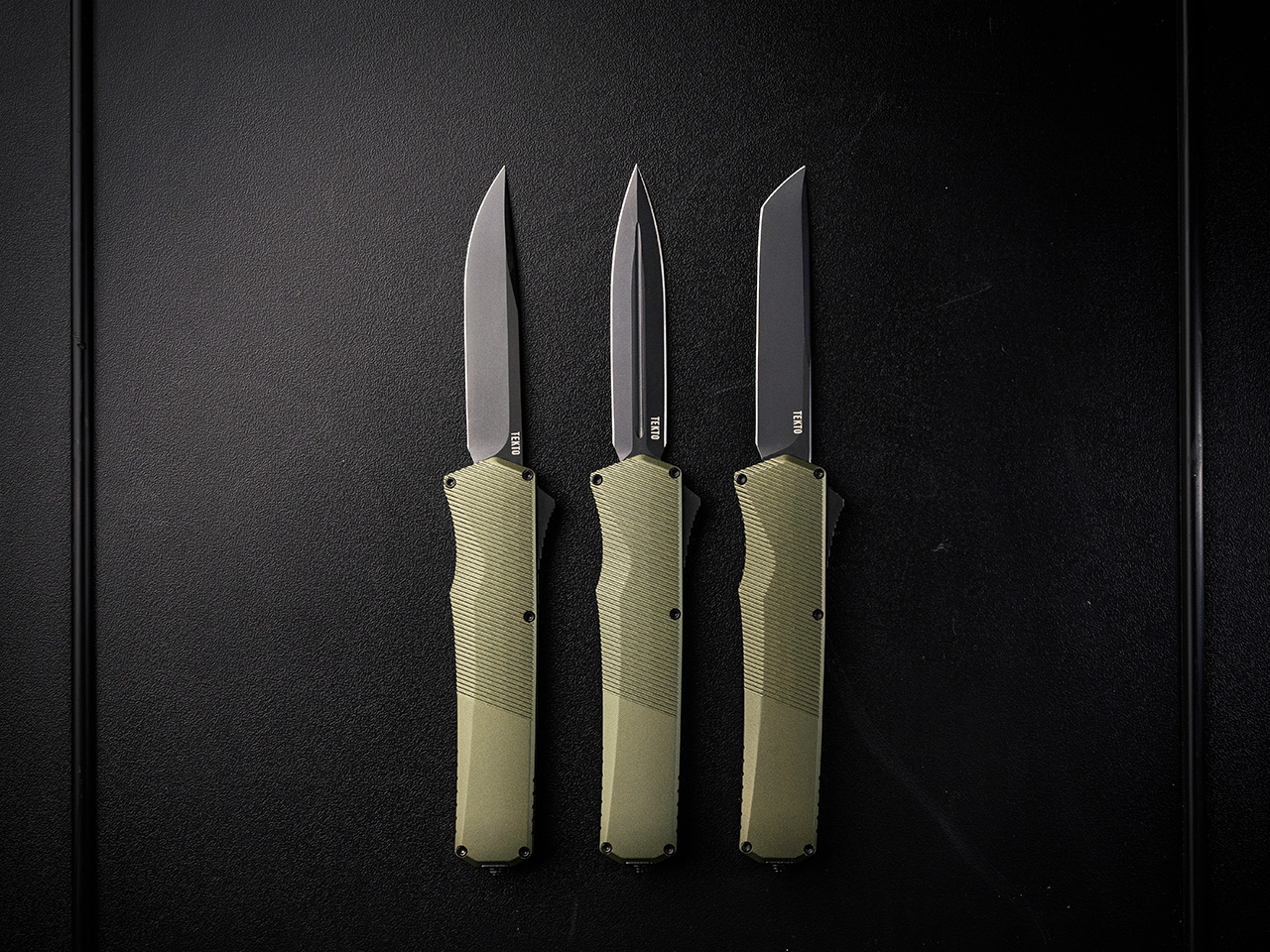
One of the oldest criticisms leveled against OTF knives was a perceived lack of versatility in blade shapes. For a long time, the market was dominated by a few basic drop point or dagger styles. That criticism is now completely outdated. The modern OTF category has evolved to a point where it offers the same full spectrum of blade geometries available in the high-end folder market. Whether you need the piercing capability of a tanto, the slicing efficiency of a drop point, or the specialized profile of a dagger, there is an OTF knife built for the task.

This expansion of options has effectively eliminated the last significant advantage that folders held. It is now common for a single, popular OTF model to be offered in multiple blade configurations, and even in both full-size and compact versions. This allows users to select the precise tool they need without having to abandon the superior mechanical advantages of the OTF platform. Blade selection used to be a compelling reason to stick with a folder; today, it’s just another area where OTF knives have achieved, and in some cases surpassed, parity.

Click Here to Buy Now: 15% off, use coupon code “YANKO”. Hurry, deal ends in 48-hours!

The post Why OTF Knives are Objectively Better than Folding Knives first appeared on Yanko Design.

This Titanium EDC Folding Fan makes you a Real-Life Kitana from Mortal Kombat

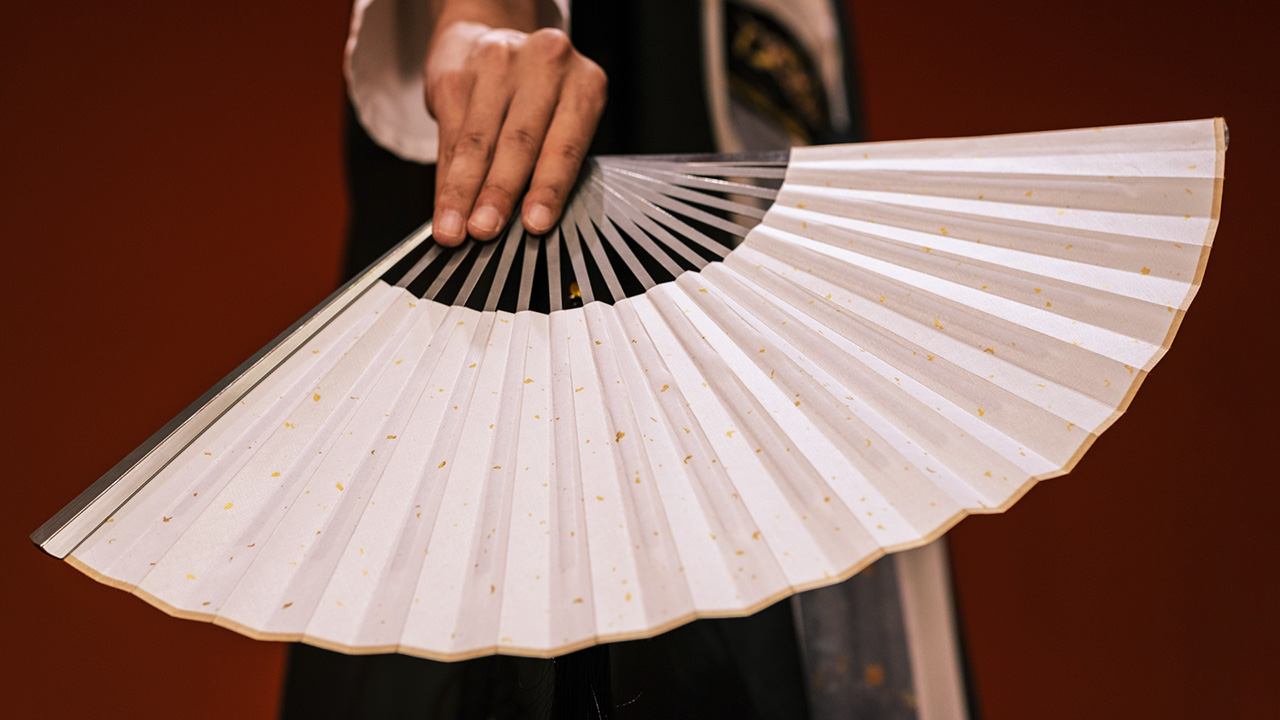
Most EDC enthusiasts are familiar with the few common formats – knives, screwdrivers, multitools, wallets, sometimes even stationery. A folding fan, on the other hand, isn’t ‘conventional EDC’, but the folks at Titaner have a way of turning it into something cool anyone would love to own. Titaner’s Titanium DIY Folding Fan feels like something straight out of an action hero’s kit—think Kitana from Mortal Kombat, but with a practical, everyday twist. While Kitana may wield her metal fans with deadly precision, the Fan 4.0 is not here to slice and dice. Instead, it blends elegance, craftsmanship, and utility into a piece of EDC gear that’s as refined as it is functional. Redesigned using titanium instead of bamboo wood, the Titanium DIY Folding Fan is a modernized version of the original EDC from ancient Asia. Equal parts a fan and a self-defense tool (if you know how to use it), the Titanium DIY Folding Fan (or Fan 4.0 as its creators call it) makes for a unique addition to your EDC collection, and is the kind that works for both men and women – especially given the heat-wave we’ve been having!

Designer: Titaner

Click Here to Buy Now: $305 $610 (50% off). Hurry, only 13/120 left! Raised over $110,000.

An EDC titanium folding fan might be niche, but the folks at Titaner are no strangers to the EDC industry. They’ve worked on 9 other successful EDC campaigns, so as a 10th campaign it’s perfect that they’re stepping beyond the boring multitools and working on something that has a little more panache. Simply put, the Fan 4.0 is a tool to beat the heat as well as other scenarios that may require potential beating. We don’t condone violence, but hey, the idea of defending yourself using just a folding fan sounds incredibly cool. The fan’s titanium build gives it robustness, making it a baton when closed. Use it to defend yourself as a striking tool, and when you’re feeling safe, fan away the sweat with your folding titanium fan. I won’t lie, that sounds absolutely wicked.

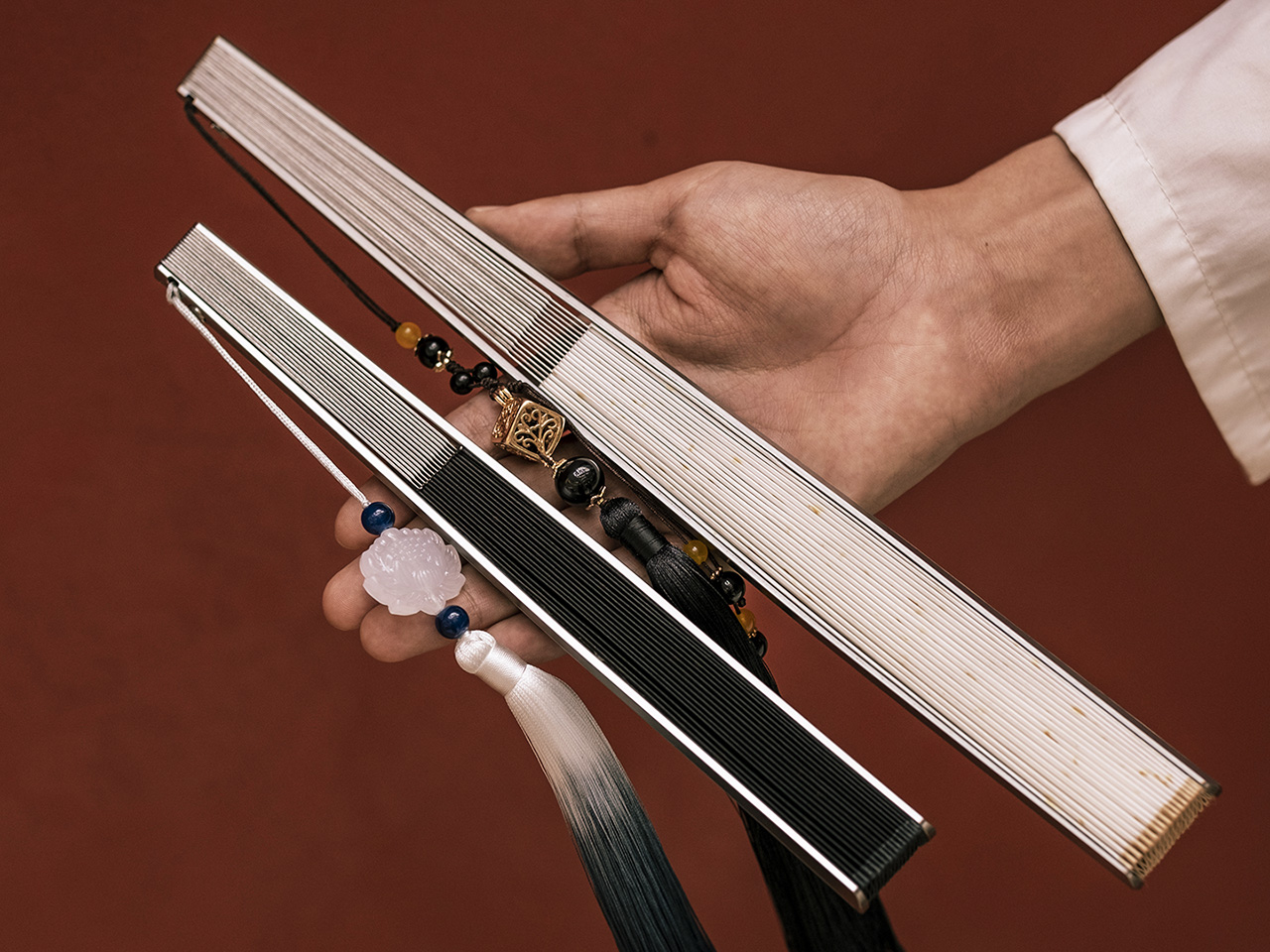
The Fan 4.0 brings a fresh, modern spin to the ancient art of folding fans, offering a distinct combination of tradition and innovation, past and future, and culture and purpose. Crafted with a titanium frame (known for its high strength-to-weight ratio), the fan is built to endure, yet it doesn’t sacrifice elegance in its quest for durability. The ribs, slimmed down to reduce weight, are diamond-shaped and chamfered to offer a more ergonomic grip, ensuring comfort whether you’re fanning yourself in the heat or showing off its impressive craftsmanship. Adding a touch of luxury, the ribs are inlaid with strips of natural mother-of-pearl, bringing a shimmering, oceanic sheen to the otherwise industrial look. These inlays, painstakingly set into the fan’s surface, add a traditional artistry that contrasts beautifully with the rugged titanium structure. The fan’s waterproof silk fabric—another nod to both beauty and practicality—keeps it lightweight, flexible, and impervious to moisture, ensuring it remains in top condition even after prolonged use. The combination of these elements—titanium, mother-of-pearl, and silk—creates a fan that is as much a tool as it is an accessory, marrying functionality with undeniable style.

Optimized center of gravity for a more comfortable grip.

Hidden fan nails for a comfortable grip.

If you’ve ever wrestled with a folding fan that was too tight or flopped around uselessly, you’ll appreciate the engineering at play here. The Fan 4.0 boasts a tool-free tension adjustment system that works without screws or requiring you to dig your nail into grooves to tighten or loosen the fan’s rotating joint. A simple turn of the pop-out T-shaped knob adjusts the tension to your liking, whether you prefer a crisp snap when opening or a more leisurely glide. And thanks to a clever design tweak that limits how much the T-shaped knob juts out, you won’t have to worry about over-rotating and losing the tension nail. Once you’re done adjusting, the knob slides back into its housing, sitting flush against the fan’s grip.

Of course, none of this would matter if the fan didn’t feel good in your hand. Traditional folding fans can be cumbersome, but Titaner took a different approach. The fan ribs have been slimmed down, making them lighter without compromising strength. This seemingly minor change makes a world of difference in usability without compromising on the fan’s overall experience. It still looks and feels like your traditional folding fan made from thinly cut sheets of bamboo. It’s probably marginally heavier than traditional fans, but the flipside is that while bamboo can break or even rot under moisture, titanium won’t. The balance and weight distribution are also finely tuned so you can use it comfortably for extended periods without any hand fatigue. Whether you’re in a humid area or even in dry heat, the titanium fan folds open gracefully, letting you fan yourself for some heat relief. The compact design means it fits right in your pocket so you don’t have to potentially leave the fan lying around anywhere – exposing it to direct sunlight which could make the titanium metal hot to touch. I mean, you wouldn’t leave any EDC out in broad daylight anyway, right?!

The Fan 4.0’s practicality goes beyond being just your traditional folding fan. Sure, it also doubles as a pretty cool fidget toy and conversation starter – but it holds a fair bit of potential as a self-defense tool too. I don’t condone violence here at all, but in emergencies, the closed Fan 4.0 is more than powerful enough to be used as a striking tool. The titanium base (where the pivot lies) can break through most types of glass, and can even be used to fend off attacks. Don’t expect any Mortal Kombat-style warfare though – Kitana’s weaponized fans are a different breed entirely.

Fan 4.0 isn’t just for collectors or those with a flair for the dramatic – it has a little something for everyone. It’s available in three sizes—9.2 inches, 11.8 inches, and 13.4 inches and weighs anywhere between 120.5 grams (4.2 ounces) and 237 grams (8.3 ounces). As far as designs go, you have 3 to choose from, ranging from a Sumi-e horse graphic to an ancient Chinese proverb and even a fluid-art pattern inspired by Van Gogh’s Starry Night. Whether you want something compact enough to fit in a pocket or prefer a larger fan with more presence, there’s an option for you. Starting at $305 on Kickstarter, this fan might raise eyebrows with its price tag, but it’s not about luxury for luxury’s sake. You’re not just buying a fan—you’re buying a piece of expertly crafted gear that combines ancient design with modern innovation. The Titaner Titanium DIY Folding Fan is a perfect example of how even the simplest tools can be reimagined and perfected for today’s world.

Click Here to Buy Now: $305 $610 (50% off). Hurry, only 13/120 left! Raised over $110,000.

The post This Titanium EDC Folding Fan makes you a Real-Life Kitana from Mortal Kombat first appeared on Yanko Design.

Tekto’s EDC Folding Knives get upgraded with Damascus and Forged Carbon design accents

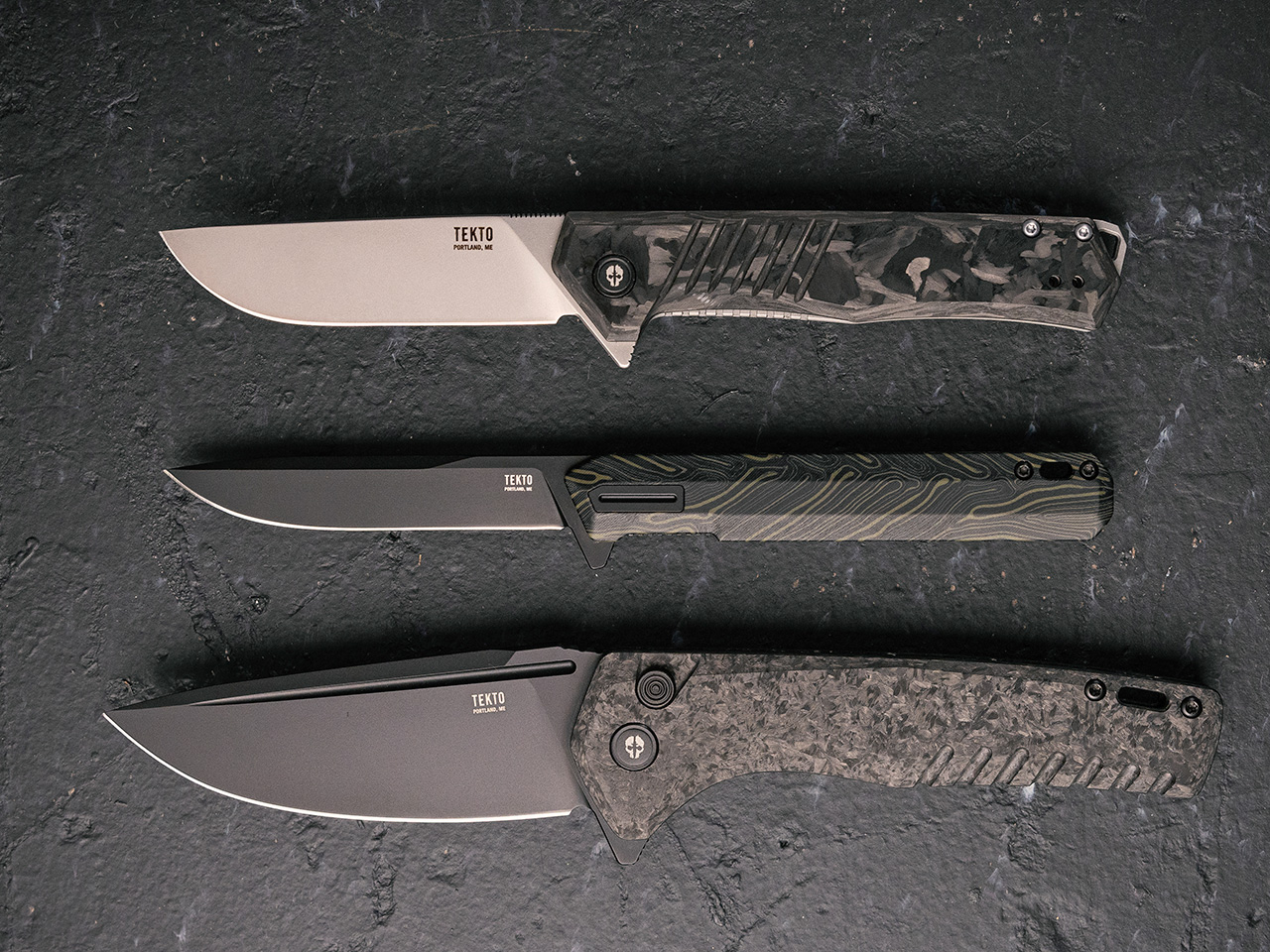
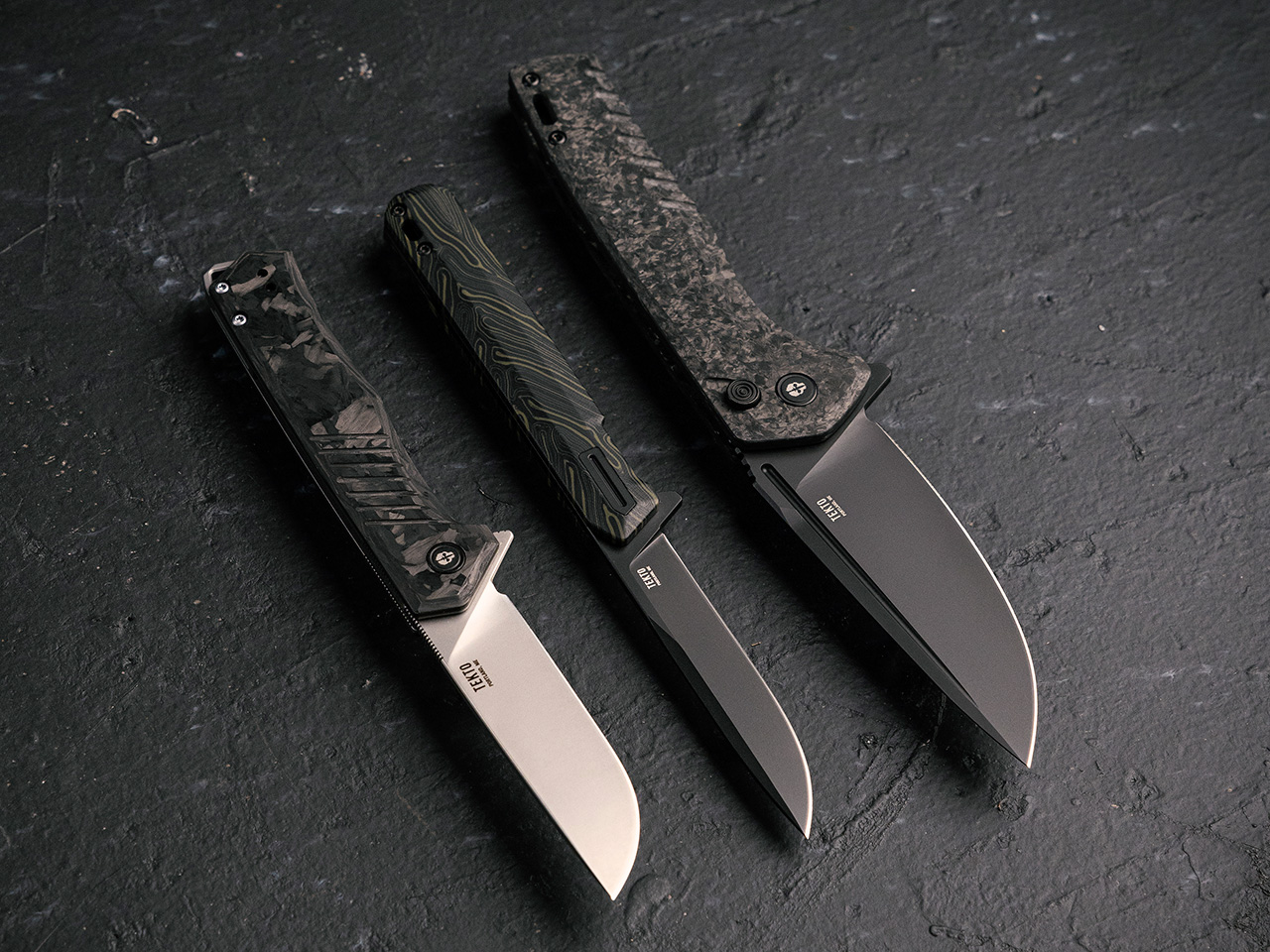
They say you shouldn’t mess with perfection… but you could certainly give it a new paint-job and make it look even better than before. Tekto’s flagship folding knives are getting a design refresh, with variants made with forged carbon and Damascus marbling accents. The new variants will be available for enthusiasts, EDC users, and collectors as a special spin on some old favorites.

The three knives getting a refresh are the F1 Alpha, the F2 Bravo, and the F3 Charlie – all a part of Tekto’s folding knife lineup. The company is best known for their OTF knives (Out The Front Knives), but folders remain a classic part of their catalog, catering to people who love sticking to the basics. All knives are designed as collector-worthy knives that pack an absolute punch. They’re compact, deadly, and built for all sorts of outdoor and tactical scenarios.

Tekto F1 Alpha (Forged Carbon Handle with Silver Blade)

As Tekto’s most fierce folder, the F1 Alpha gets first mention. The new knife boasts the exact same crowd-pleasing design, but with a forged carbon handle and a silver-finish D2 steel blade. The F1 Alpha measures a respectable 4.5 inches when closed, opening up to reveal a 3.1-inch drop-point blade that handles everyday tasks like a breeze. A liner lock holds the blade in place, and jimping on top gives you a perfect grip as you maneuver the knife around. The reverse end of the handle also features a lanyard hole that doubles as a glass-breaker, allowing you to make a quick exit in any emergency scenarios. The entire knife weighs a mere 3.3 ounces, has an ambidextrous pocket clip design, and even comes with its own carrying pouch.

Click Here to Buy Now: $119 $139.99. (Use coupon code “YANKO15” to get 15% off). Hurry, deal ends in 48-hours!

Tekto F2 Bravo (Damascus Pattern Handle with Black Blade)

Don’t let the Bravo name fool you – this one is Tekto’s slimmest, sleekest, and lightest folder of the three. At just 2.4 ounces, it’s miraculously light, making it great for quick maneuvering while cutting ropes, opening boxes, whittling wood, or slicing through leather and fabric. The knife has a 4.3-inch handle that houses a folded 3.3-inch drop-point blade made from D2 steel that’s hard enough to take on any sort of activity. Although the original did come with a speckled carbon fiber handle, this new variant gets a marbled Damascus pattern, with the same black-coated blade to give the F2 Bravo an extremely covert demeanor. Makes sense given how thin and light it is. The F2 Bravo also comes with its own carrying pouch, although the built-in pocket clip and lanyard hole should also suffice.

Click Here to Buy Now: $127.50 $149.99. (Use coupon code “YANKO15” to get 15% off). Hurry, deal ends in 48-hours!

Tekto F3 Charlie (Forged Carbon Handle with Black Blade)

At 4.5 ounces, the F3 Charlie is the big brother of the three. It comes with a 5.2-inch handle that houses a large 3.8-inch titanium-coated D2 steel blade on the inside. Fold the blade out and its drop-point design is just as functional as its siblings, but the larger form factor gives it much more heft and power. The renewed variant sports a forged carbon handle with the same black-coated blade that gives the knife a stealthy aesthetic. Holding the F3 Charlie feels vastly different from something like the Bravo, which has a much slimmer design. The F3 Charlie is meaty, ergonomic, and is made for tactical use although it’s more than happy being used for opening boxes too. It sports a button-lock, which gives it reliability too, while simultaneously having the tactile satisfaction of being able to quickly deploy or close your knife with a flick of the wrist!

Click Here to Buy Now: $127.50 $149.99. (Use coupon code “YANKO15” to get 15% off). Hurry, deal ends in 48-hours!

The post Tekto’s EDC Folding Knives get upgraded with Damascus and Forged Carbon design accents first appeared on Yanko Design.