One of the simple toys I really enjoyed as a kid was Barrel of Monkeys, where you had to pick up one monkey using another monkey until you’d linked all the mischievous-looking little guys together. It was both fun and frustrating, back when there weren’t so many screens competing for our attention.
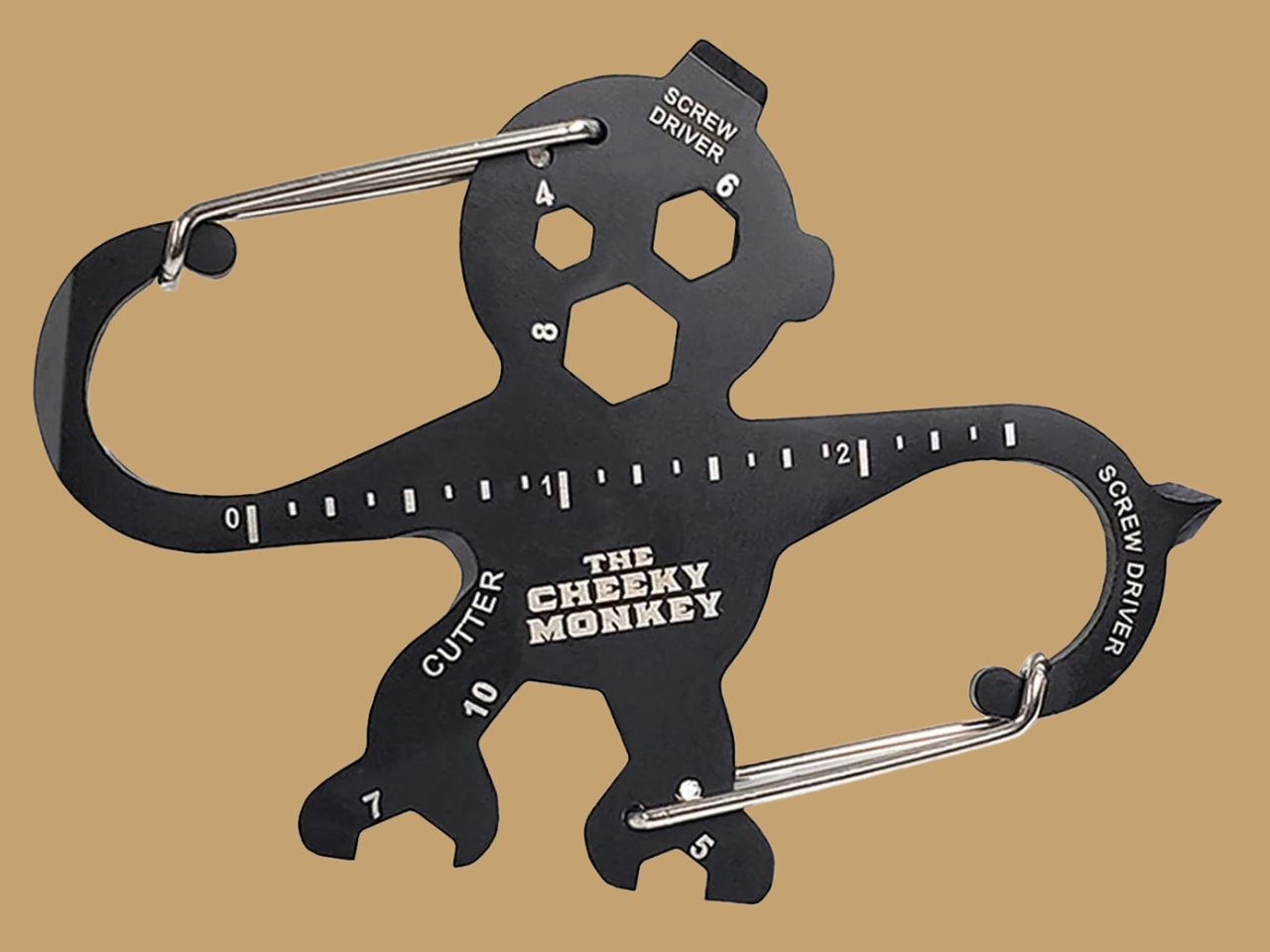
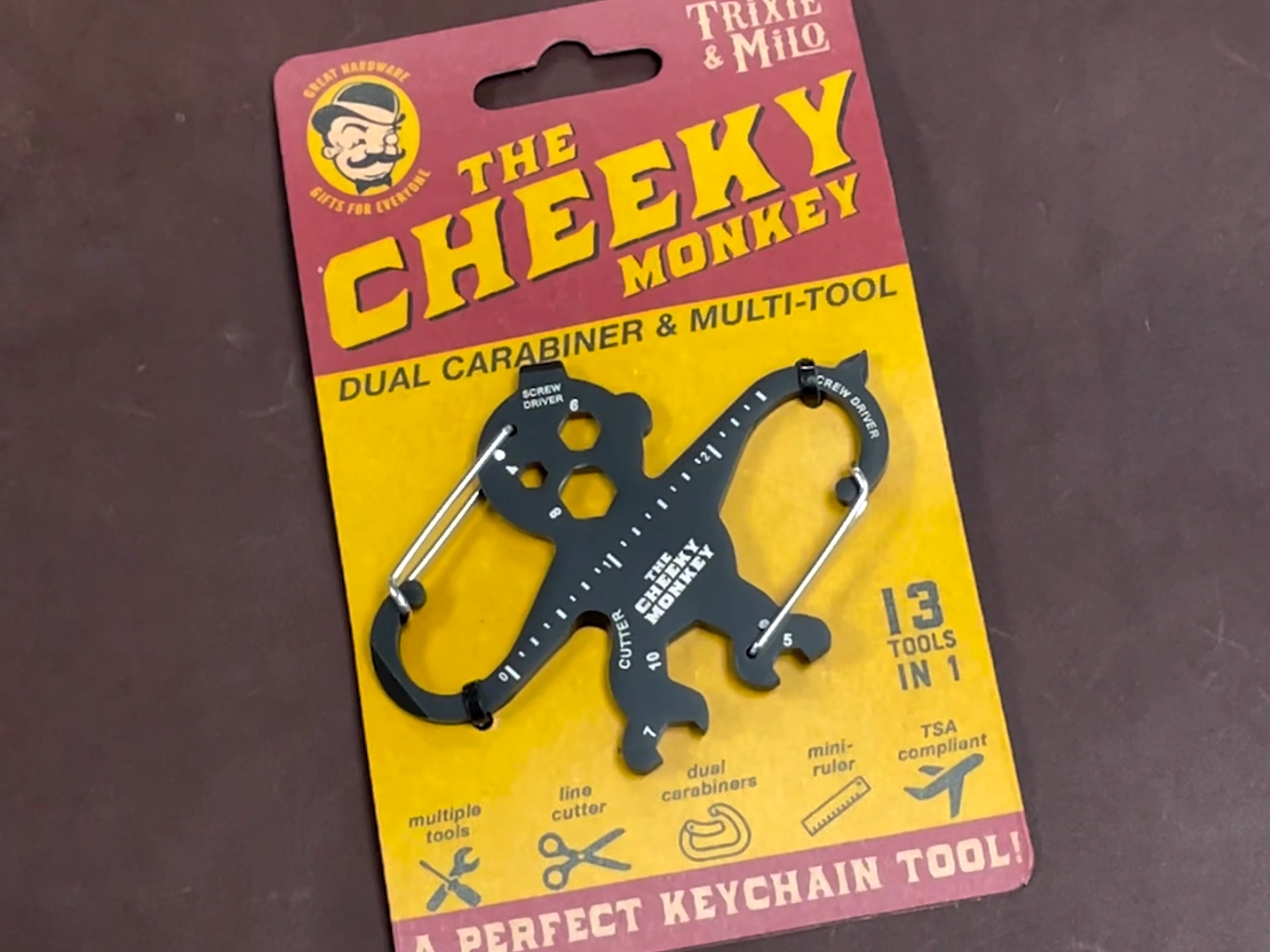
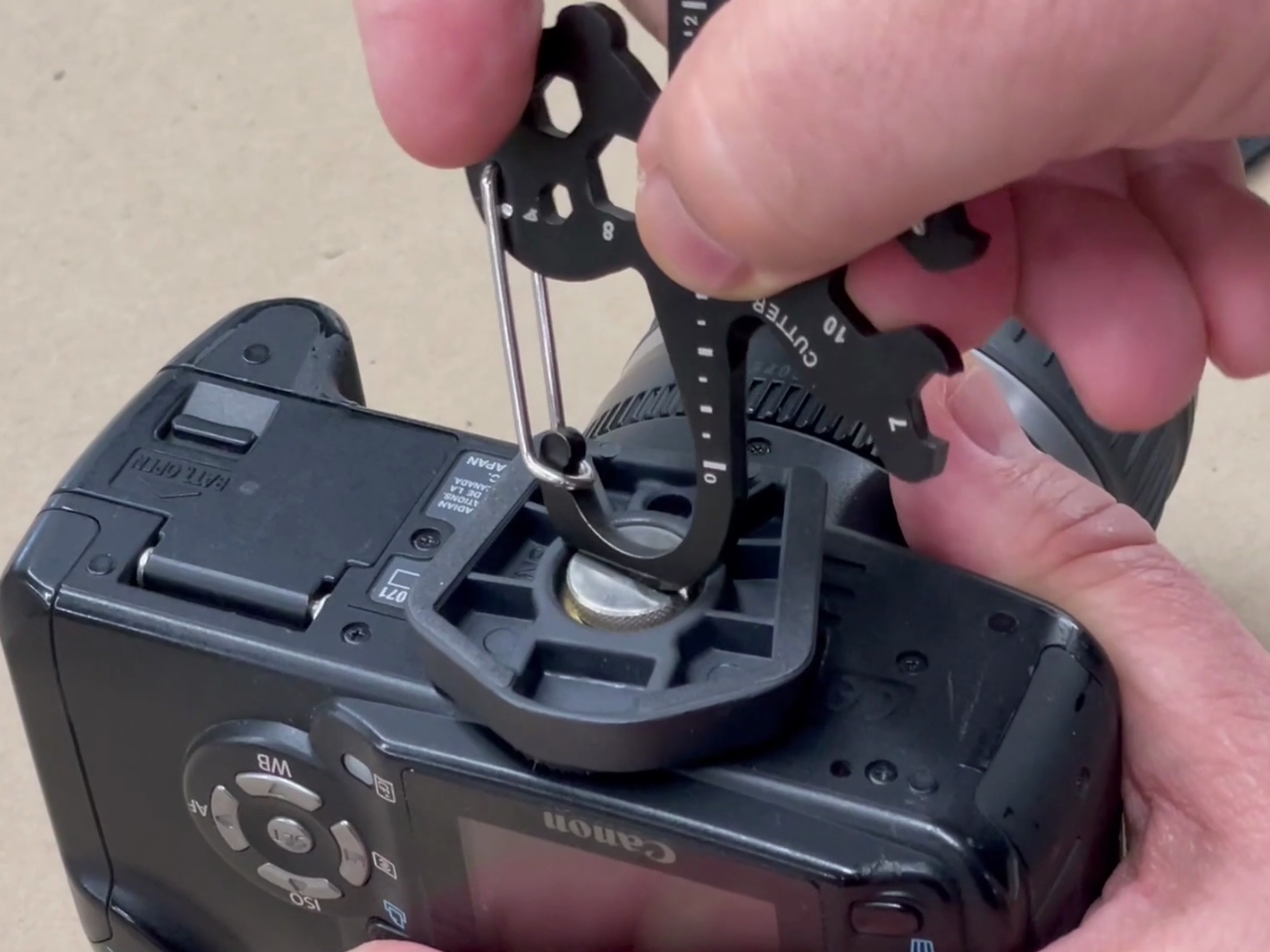
Taking inspiration from that nostalgic childhood toy, the Cheeky Monkey Carabiner Multi-Tool is a monkey-shaped gadget that packs in all the functional tools you might need, whether you’re heading out camping, hitting a trail, or just running your everyday commute. In one tiny tool, you get 13 functions, plus a built-in conversation starter, since this little guy is guaranteed to grab people’s attention.
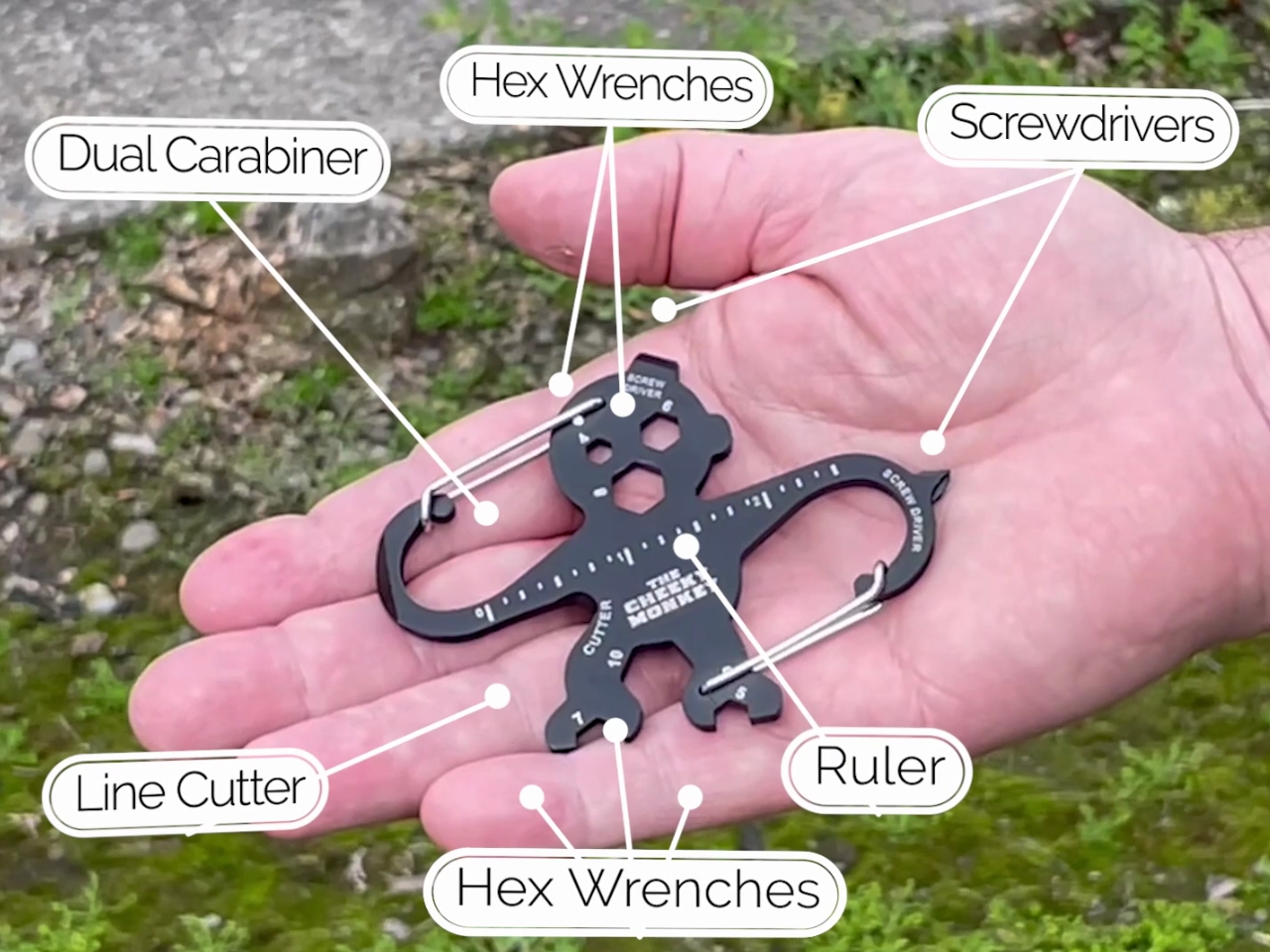
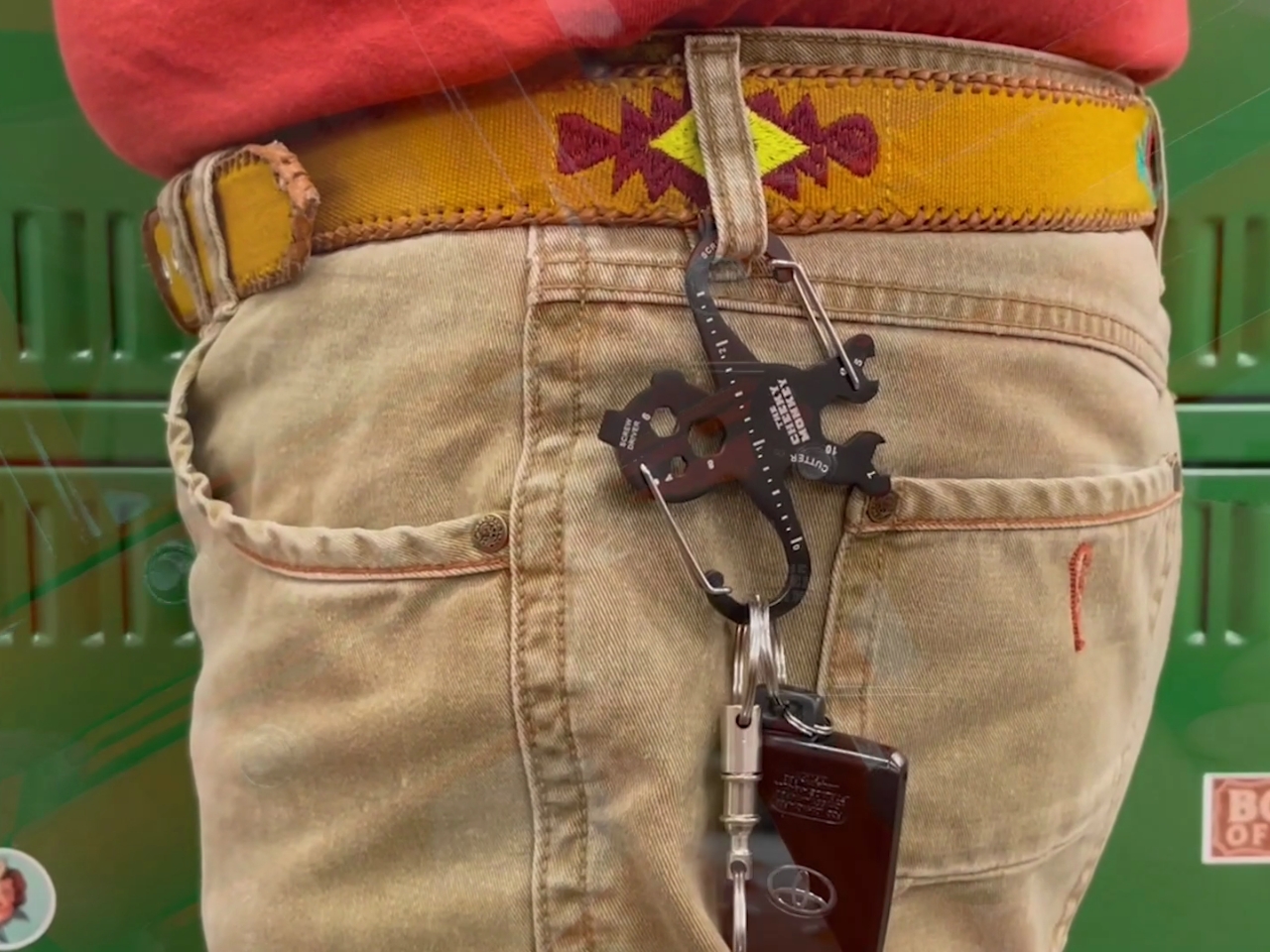
There are, of course, plenty of keychain multi-tools on the market, but most of them are generic, Swiss Army knife style metal slabs. The Cheeky Monkey stands out because of its unique shape, turning a plain utility object into something with real personality. But the Double-S design isn’t just about looking cute. Having two integrated hooks built into the monkey’s silhouette means you get a more stable attachment point and a free hang point, compared to the single hook you’d find on a standard carabiner.
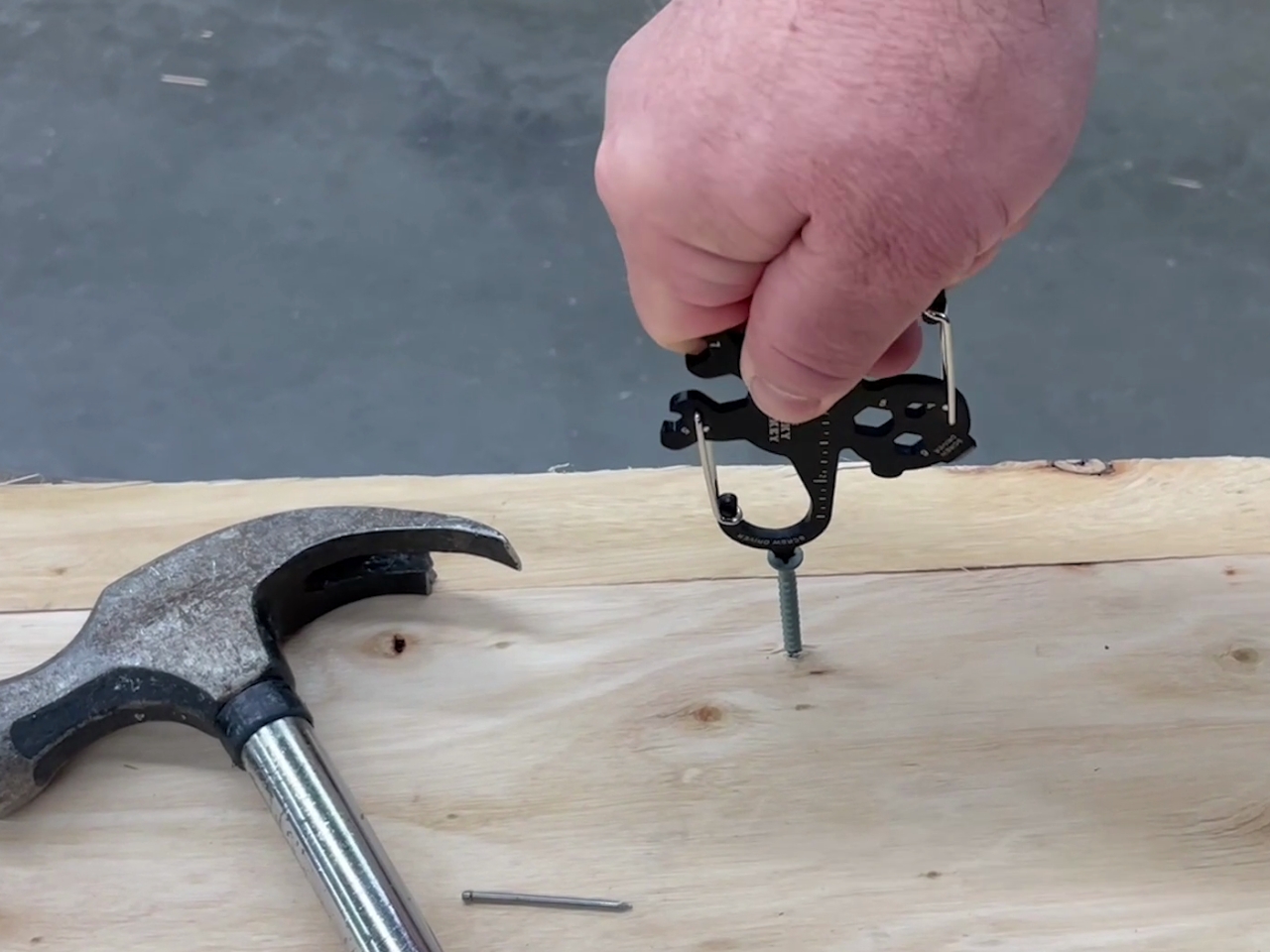
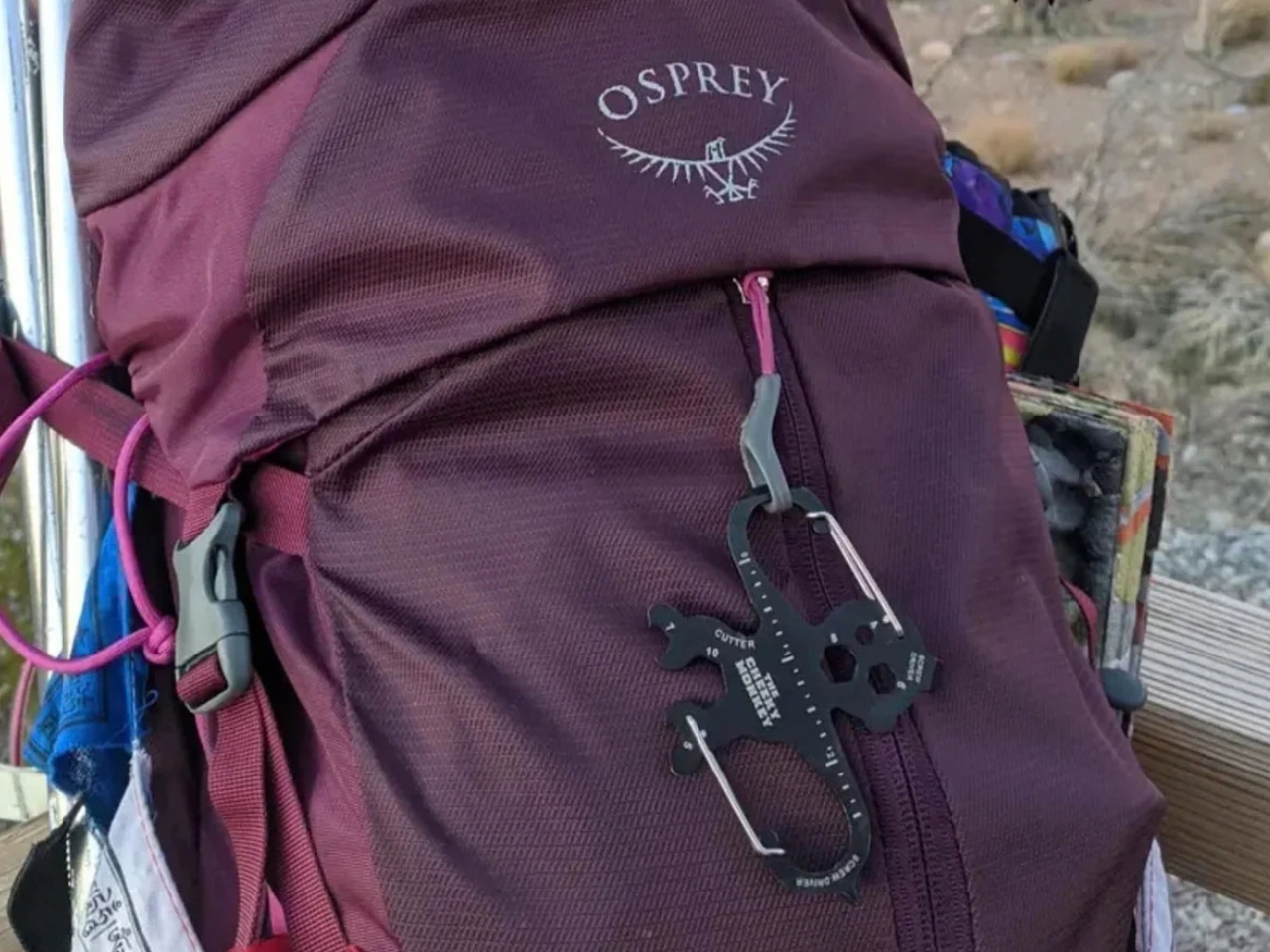
Again, this isn’t just about aesthetics. It’s a genuinely multi-functional tool that includes wrenches, hex keys, screwdrivers, a ruler, and a line cutter, all packed into one monkey-shaped piece of steel. Each curve and cutout does double duty, working as both structure and tool edge at the same time. It also requires zero extra effort to carry, since it’s designed to live wherever your keys already live: your keyring, your belt loop, your backpack strap, you name it. It may not fit neatly in your pocket (unless you’ve got an especially roomy one) because of its shape, but it’s still easy enough to clip on and forget about until you need it.
That “forget about it until you need it” part is really the whole point. Lucky Jack Gear built the Cheeky Monkey around a simple truth: the tool you actually have on you beats the toolbox sitting in your garage every single time. Most of us already own a screwdriver, a wrench, or a bottle opener somewhere in a drawer. The problem isn’t that we don’t have tools. It’s that we never have them on hand when we actually need them. A wobbly hinge, a knot that won’t budge, a package that needs opening, a screw that’s worked itself loose: these little annoyances always seem to show up exactly when we’re nowhere near our toolbox. The Cheeky Monkey solves that mismatch by living on your keys instead of in a drawer, so it’s already there the moment you need it.
Made from solid steel, it’s built to handle real use, not just sit around looking cute. It’s meant to be clipped onto a backpack for a weekend camping trip, hooked onto a belt loop for yard work, or tossed onto a keyring for daily errands, and it should hold up to all of it. Reviewers so far have backed that up, with the product carrying a perfect five-star rating, and Lucky Jack Gear’s broader catalog boasting more than 2,000 five-star reviews.
At $20, it’s an easy impulse buy, but it’s also an easy gift. It hits that sweet spot of being useful enough for the outdoorsy person on your list and playful enough for someone who just likes fun, quirky gadgets. Stocking stuffers, White Elephant swaps, birthday add-ons, or a “just because” present for the person who’s impossible to shop for, the Cheeky Monkey checks a lot of boxes without costing much.
At the end of the day, the appeal of the Cheeky Monkey Carabiner Multi-Tool comes down to something pretty simple: it turns a piece of childhood nostalgia into a genuinely useful, always-on-hand tool. It doesn’t ask you to change your habits or remember to pack anything extra. It just clips onto whatever you’re already carrying and quietly waits for its moment to shine, whether that’s tightening a loose screw, snipping a stray thread, or cracking open a well-earned drink at the end of a long hike. For $20, that’s a pretty good trade for something that might just become the most-used item on your keyring.
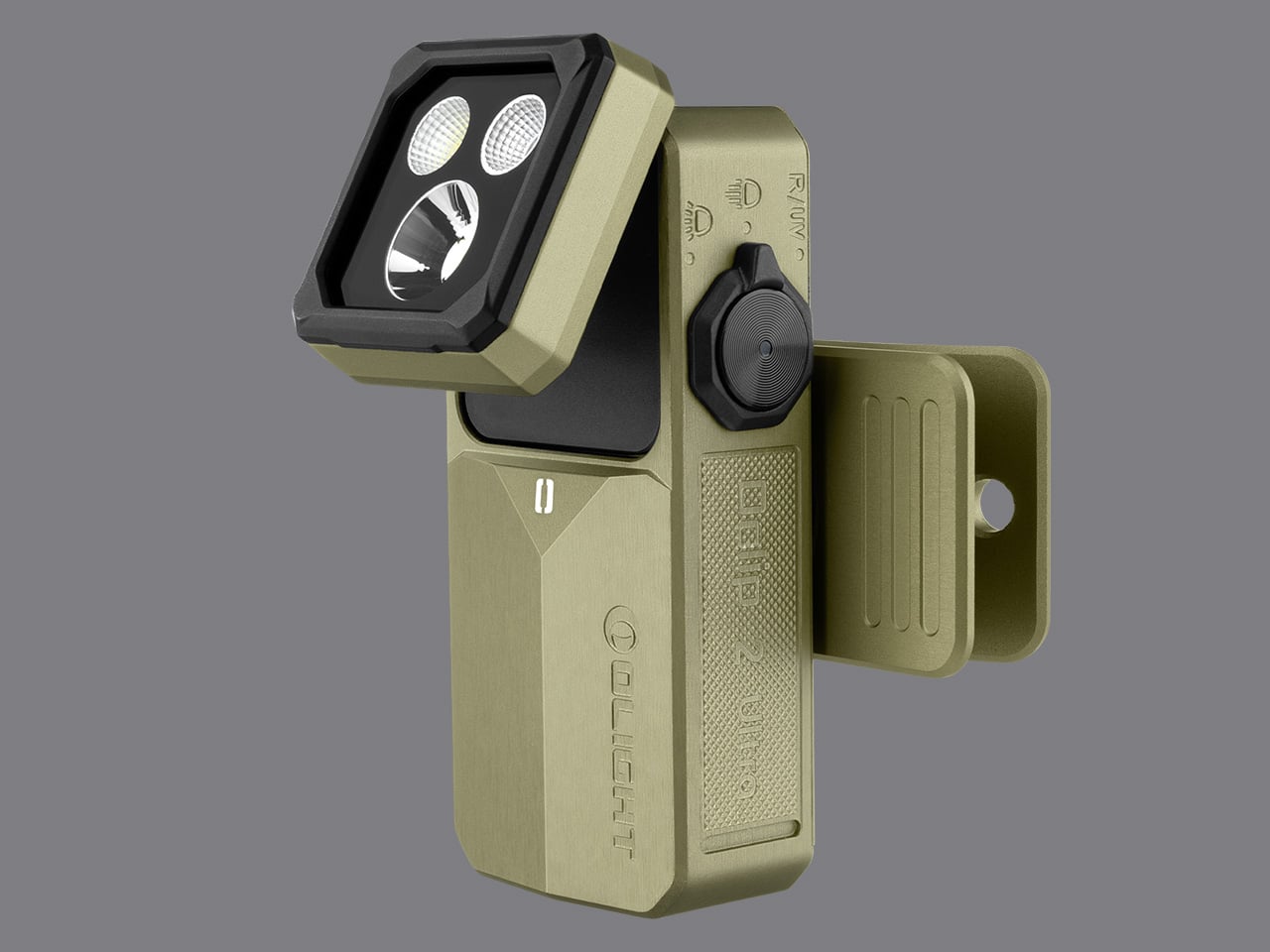
Flashlights do not usually have personalities. They turn on, they turn off, and that is the extent of the relationship. Olight’s Oclip line has spent a couple of generations building a reputation as the clip light people actually reach for, but even loyal users had one recurring complaint. Olight surveyed over 5,200 existing Oclip owners and found that nearly 30 percent of all feedback came down to the same frustration: the light points the wrong way, and there is no fix short of unclipping everything and starting over. Clip it to a hat brim, it shines in your eyes. Clip it to a pocket, it lights up the ceiling. The beam went where the clip decided, not where you needed it.
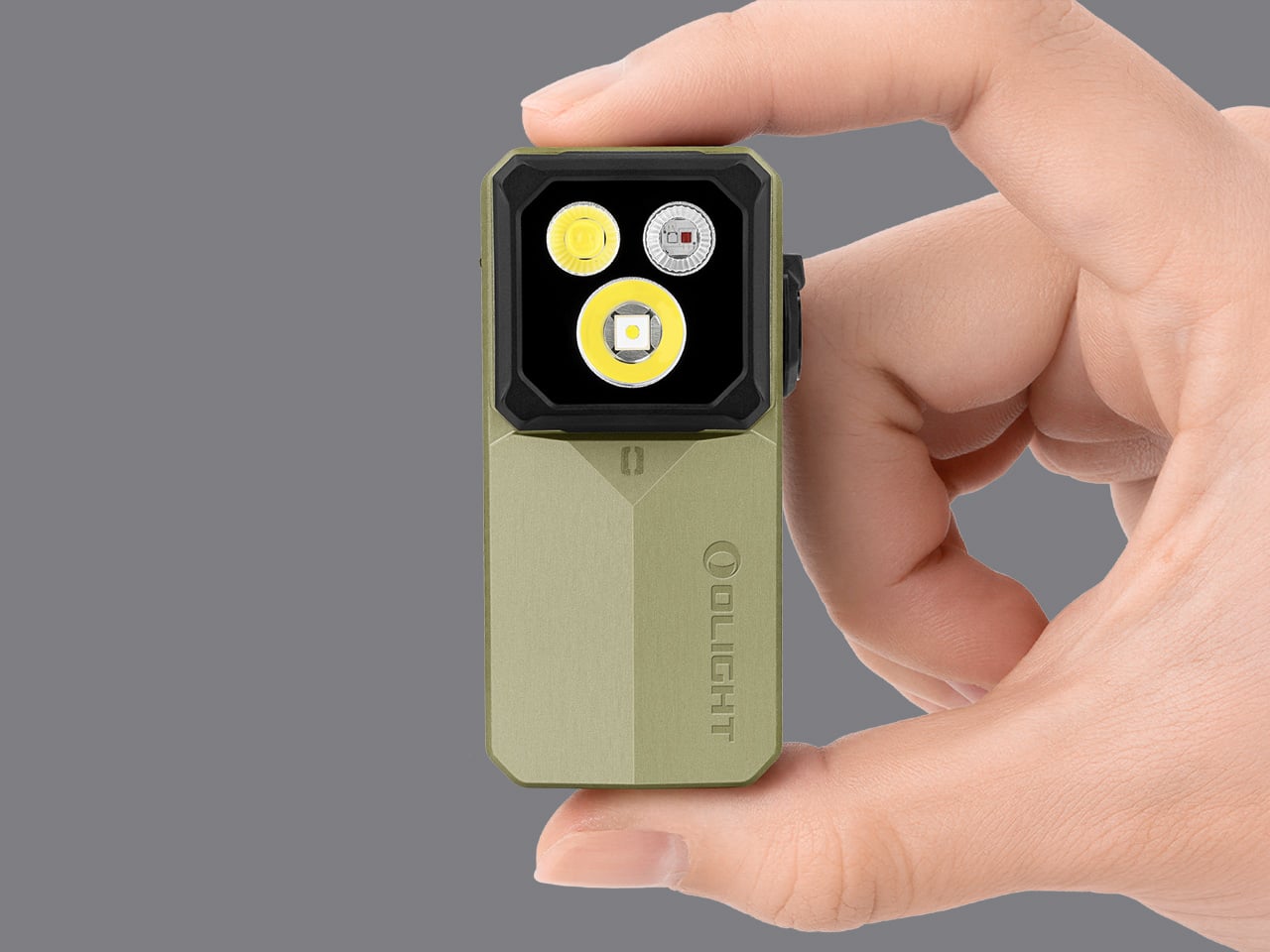
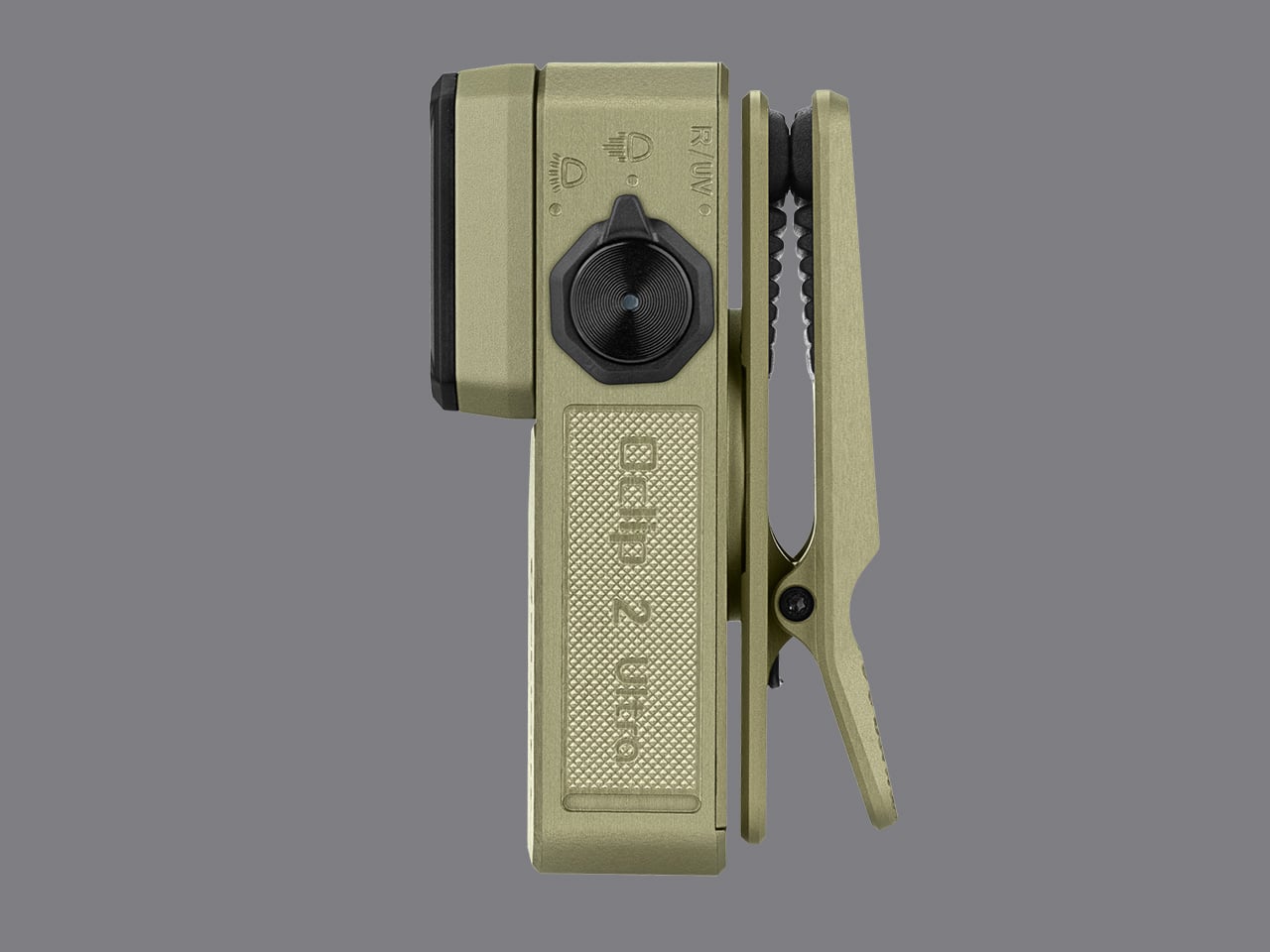
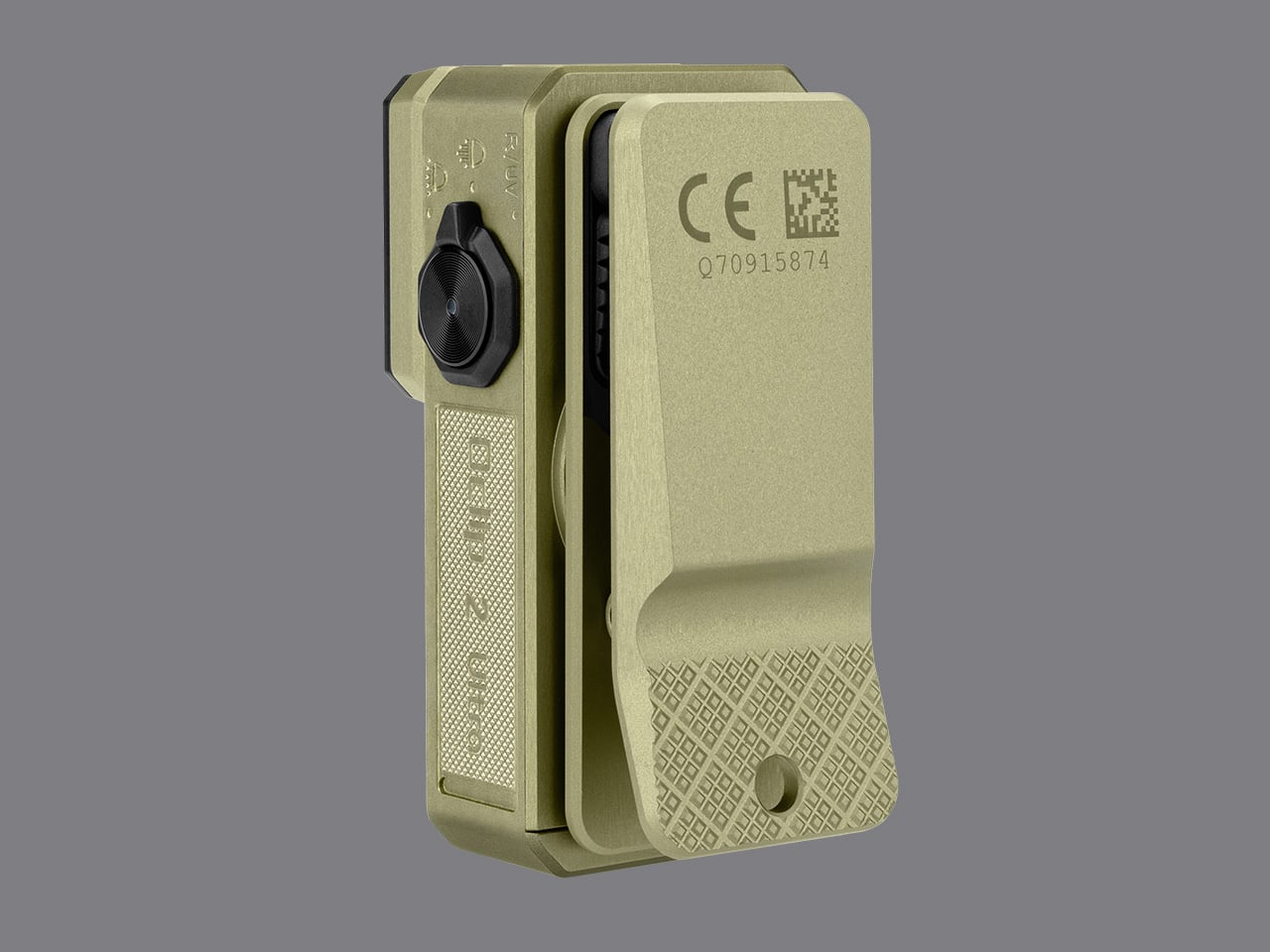
That single fix is what the Oclip 2 Ultra is built around. A 360 degree rotating clip pairs with a 115 degree pivoting head, letting you attach the clip anywhere and aim the beam exactly where the work is, without repositioning. Both axes are rated for 10,000 test cycles, so the mechanism is built to hold rather than loosen over time. The Ultra adds an OAL aluminum body, an in-house R/UV dual emitter combining red and 365nm UV, and OclipBeat, a breathing indicator that shifts color the more the light gets used. Output lands at 580 lumens with a 130 meter throw, IP66 rated, and 2 meter drop rated. It starts at $69.99, with the Premium edition adding a 1,000 mAh charging dock for $94.99.
Elbow-deep in an engine bay with the beam pointing at a hose instead of the bolt you actually need, the old Oclip left you two options: tilt your body or unclip and start over. The Oclip 2’s dual-axis mechanism takes that off the table. The 360 degree rotating clip and 115 degree pivoting head work as independent adjustments, so you can attach the light, rotate the body upright, and tilt the head directly onto the target, all while the clip stays put. The mechanism went through hundreds of light-head optimization iterations, and the result is a head that holds its angle under consistent rotational resistance. A head that drifts after positioning defeats the whole purpose of an articulating system, and Olight clearly thought about that.
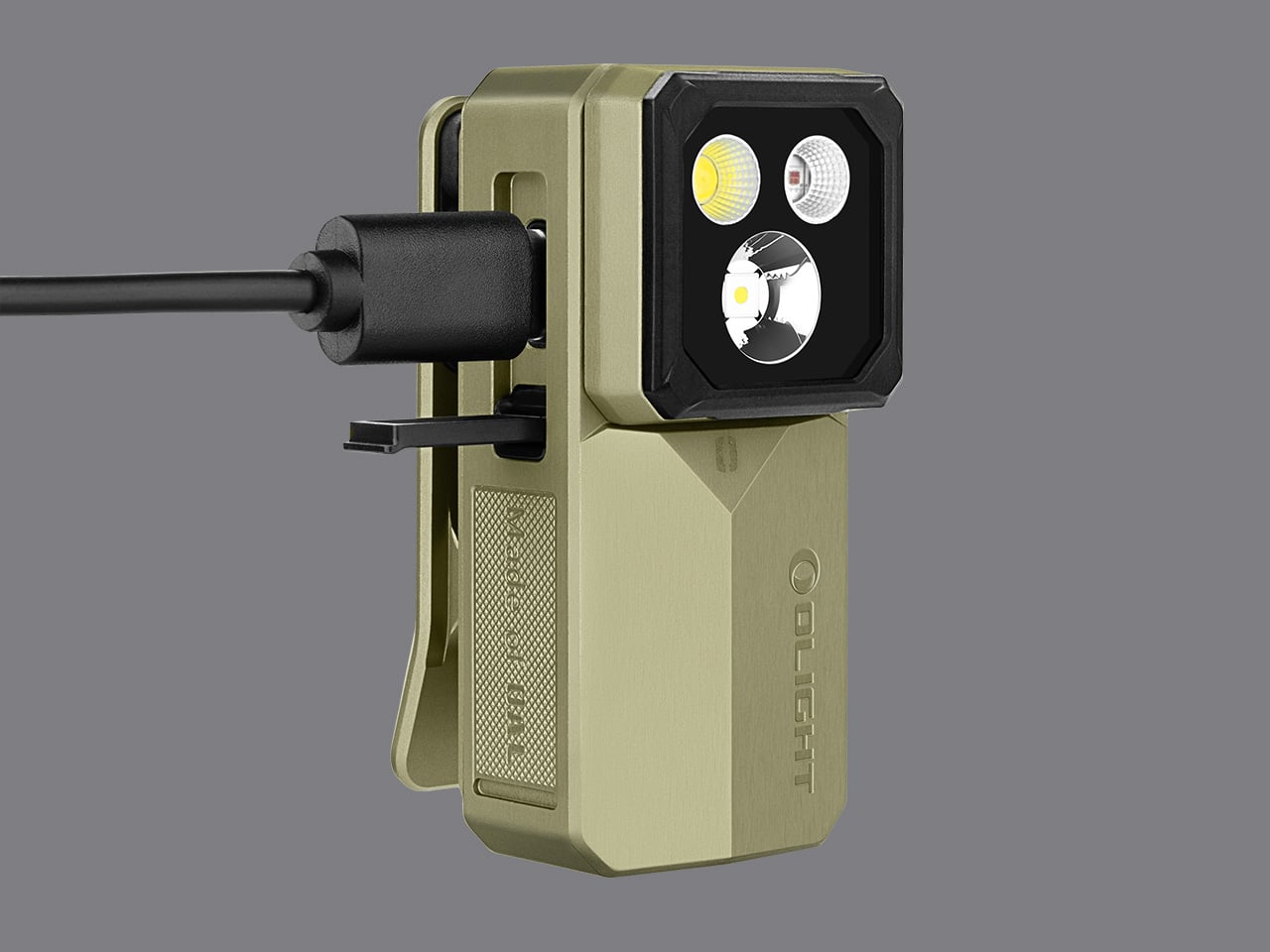
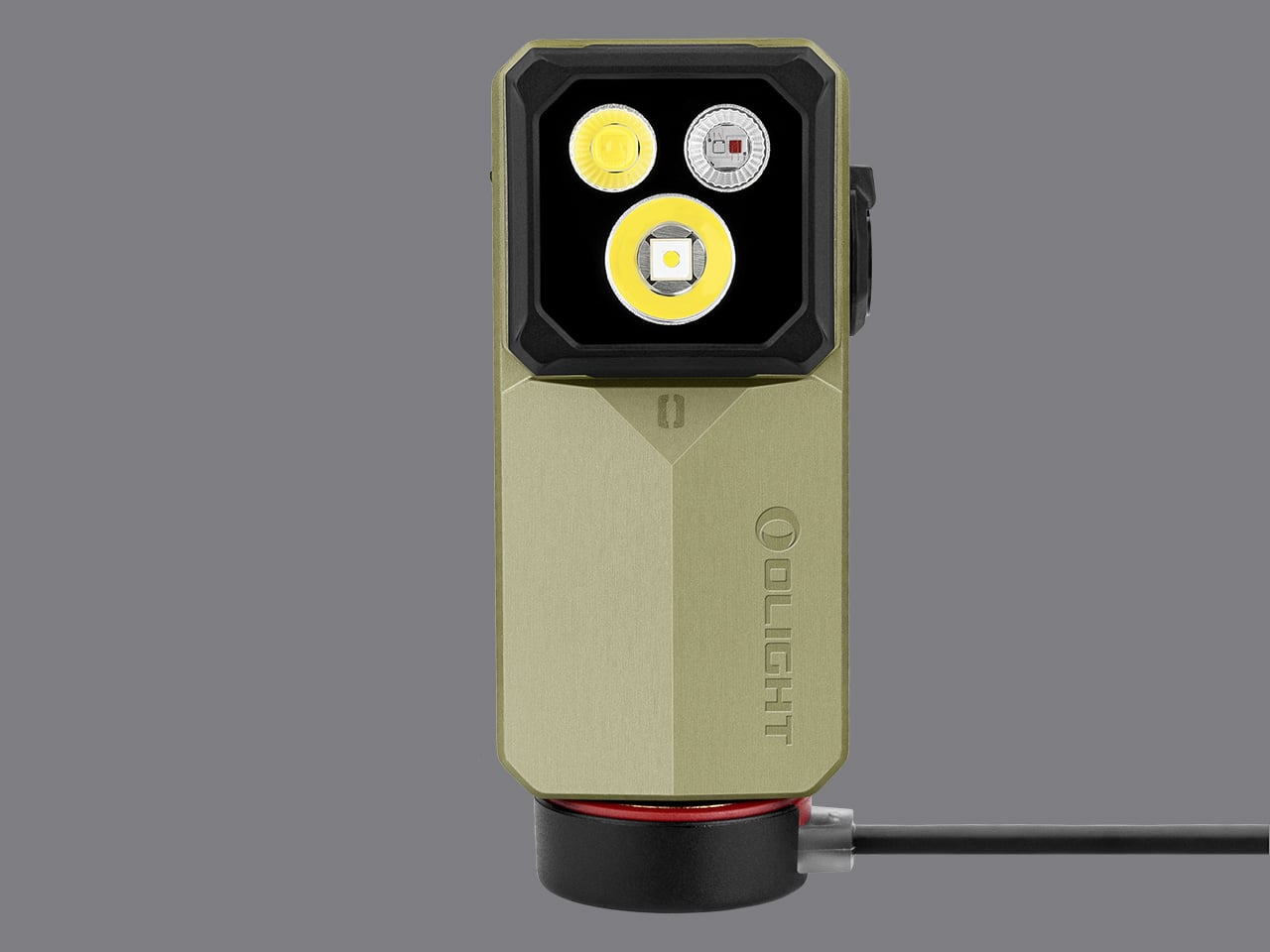
Four light sources in one body: flood, spot, or red. For even greater versatility, Oclip 2 Ultra features Olight’s industry-first, in-house-developed R/UV emitter, combining red and UV light in one compact design.. Traditional compact clip lights force a trade-off between red warning signals and UV detection, so Olight’s decision to build both into one emitter is the real technical flex here. UV output lands at up to 800 mW for quick inspections. The floodlight uses a specially designed curved light cup to produce diffuse reflection and a clean flood beam, rather than just a wide hotspot, and the spotlight throws to 130 meters at 450 lumens (the floodlight lets you hit 580 lumens). OclipBeat is the Ultra’s odd personality feature, a breathing indicator that activates when the light head rotates and shifts color based on cumulative use, delivering a unique sense of partnership on every mission; frankly not something you’d expect to find endearing in a flashlight, and yet here we are.
The clip grips objects up to 14mm thick, including collars, backpack straps, and MOLLE webbing. Magnets at the MCC tail and on the clip snap onto steel surfaces like a car hood or toolbox, making them instant mounting points without any adapter. The light can also hang overhead from a tent loop or hook, for situations where bouncing light off a ceiling works better than directing a beam. The whole system is built on the assumption that both hands should stay free, and the dual-axis head makes that viable because you can redirect the beam from wherever the light is already clipped. Three attachment modes, one articulating head, and a rotating body add up to a meaningful amount of placement flexibility in a 79.5 gram package.
USB-C, MCC magnetic charging, and the Mobile Charging Dock bundled with Premium editions give the Oclip 2 Ultra three paths to a full battery. The 1,000 mAh Mobile Charging Dock automatically tops up the light on the go, delivers up to twice the total runtime, and displays the battery levels of both the light and the dock at a glance. MCC is Olight’s proprietary magnetic connector, which snaps on without needing to locate a port in the dark. That runtime extension directly targets the 13 percent of first-gen Oclip users who flagged short battery life as their main complaint. The dock rates IPX6 while the light body holds IP66, and the combined Ultra Premium package weighs 141.5 grams with dock attached.
OAL aluminum is Olight’s proprietary alloy, high-strength and scratch-resistant, and the Ultra’s body is built from it while the clip components stay in standard AL6061. The visual difference between the two isn’t dramatic, but OAL’s scratch resistance should matter over months of daily carry where pocket wear shows up first on softer finishes. The body measures 60.2 x 28 x 35mm, and the design is 4mm smaller than the pilot-production version. IP66 protection and a 2-meter drop rating give it a durability profile that matches the automotive, outdoor, and patrol use cases Olight is targeting. The angular design language gives the Ultra a more deliberate everyday-carry presence than the utilitarian clip-light category tends to produce, and OclipBeat adds a visual layer that builds character the longer the thing stays in rotation.
The Oclip 2 series runs four SKUs: Pro ($49.99), Pro Premium ($74.99), Ultra ($69.99), and Ultra Premium ($94.99), all available now at olight.com. Premium editions at both tiers include the 1,000 mAh Mobile Charging Dock. Olight backs the lights with a lifetime warranty in Australia, China, France, Germany, and the United States, five years everywhere else, and the Mobile Charging Dock carries a separate two-year warranty.
While I have a lot of keychains, from pop culture to K-pop to travel-themed, I am truly annoyed with keyrings. To be honest, I don’t have any ability to open and close them, so I have to wait for my brother or a friend to attach my keychain of choice. It’s something we use every single day, yet there hasn’t been any improvement to them for the past hundred years or so, and they cause annoyance and sometimes even pain. That oversight, I think, is finally getting corrected.
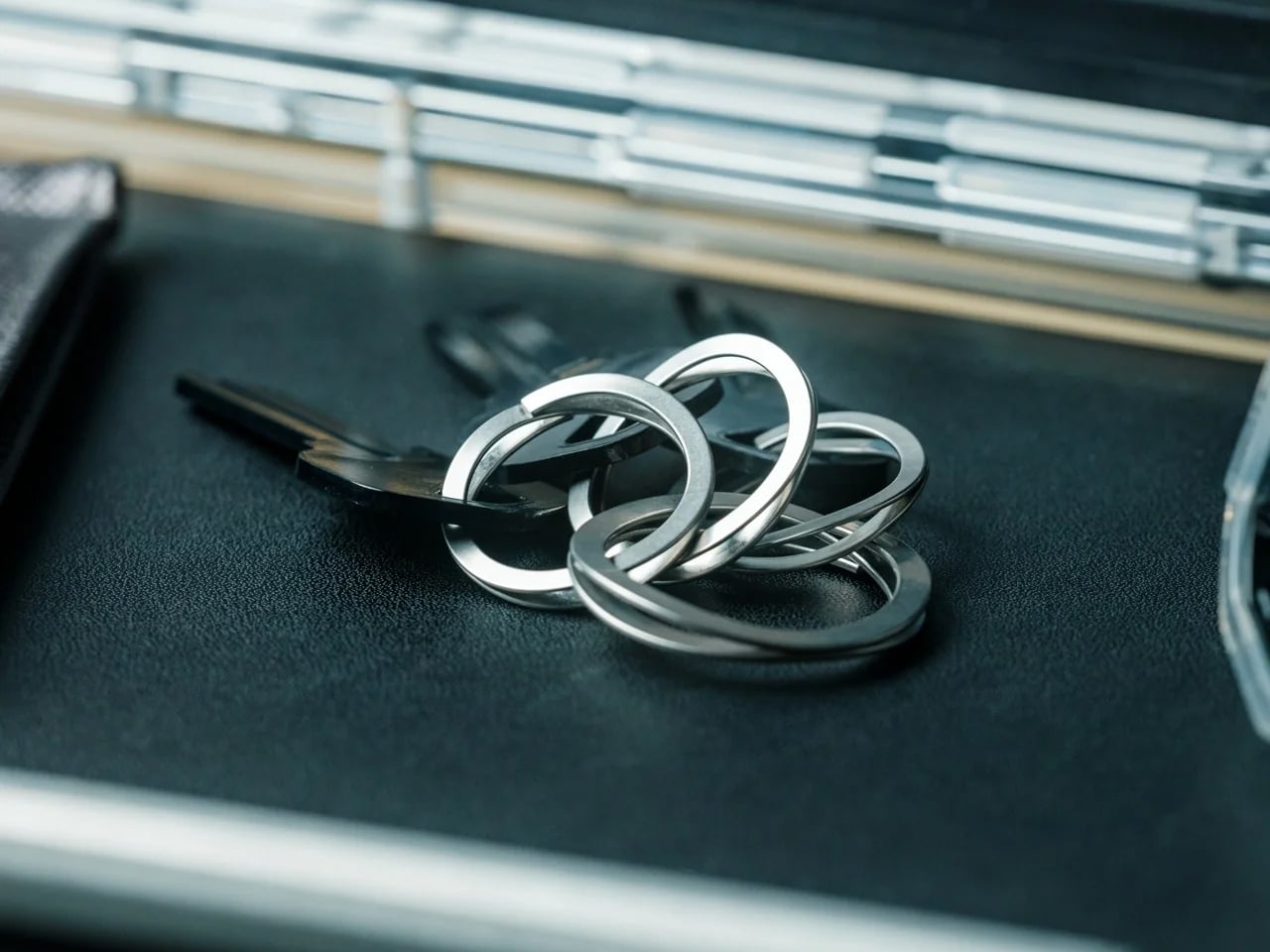
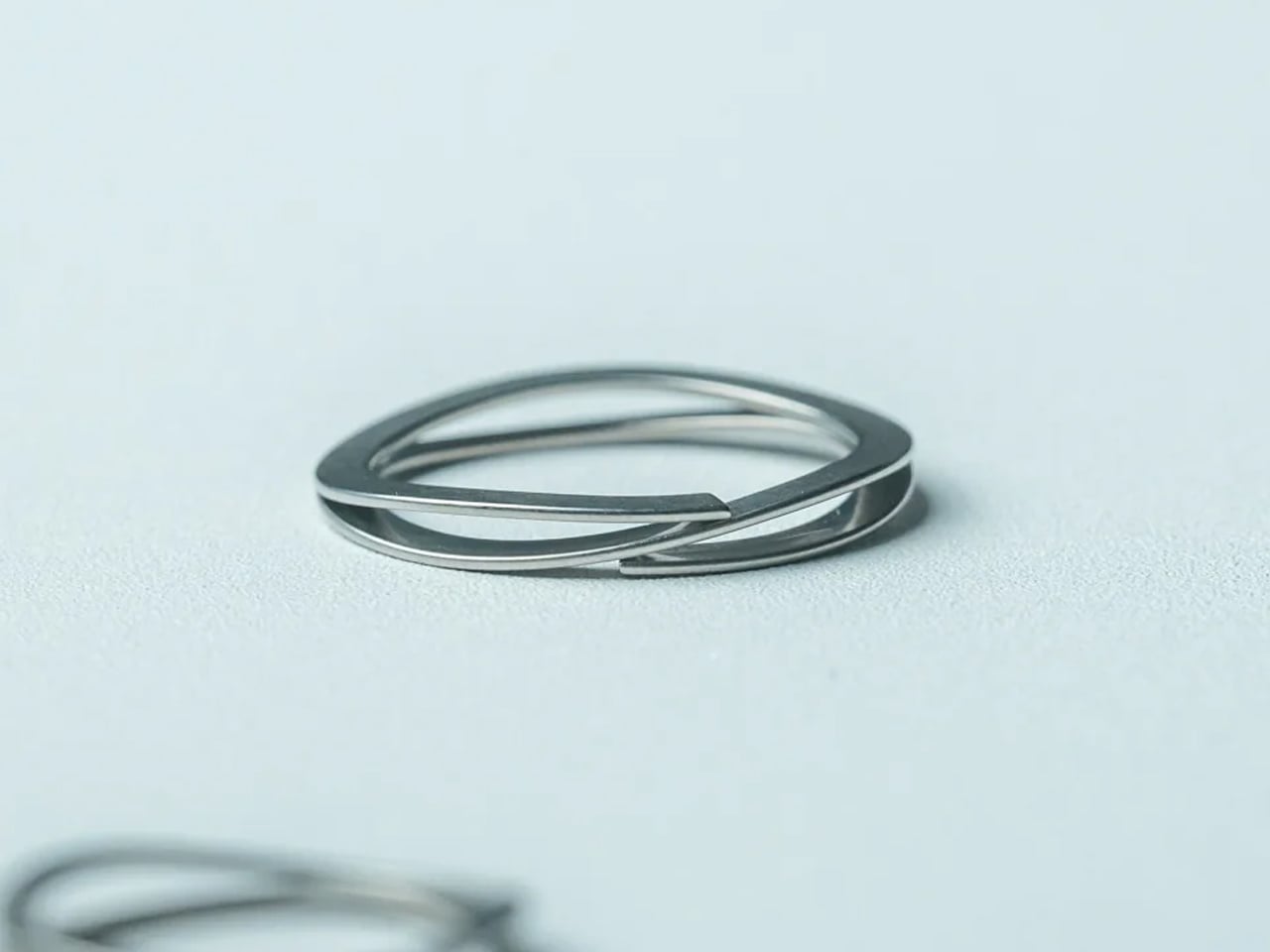
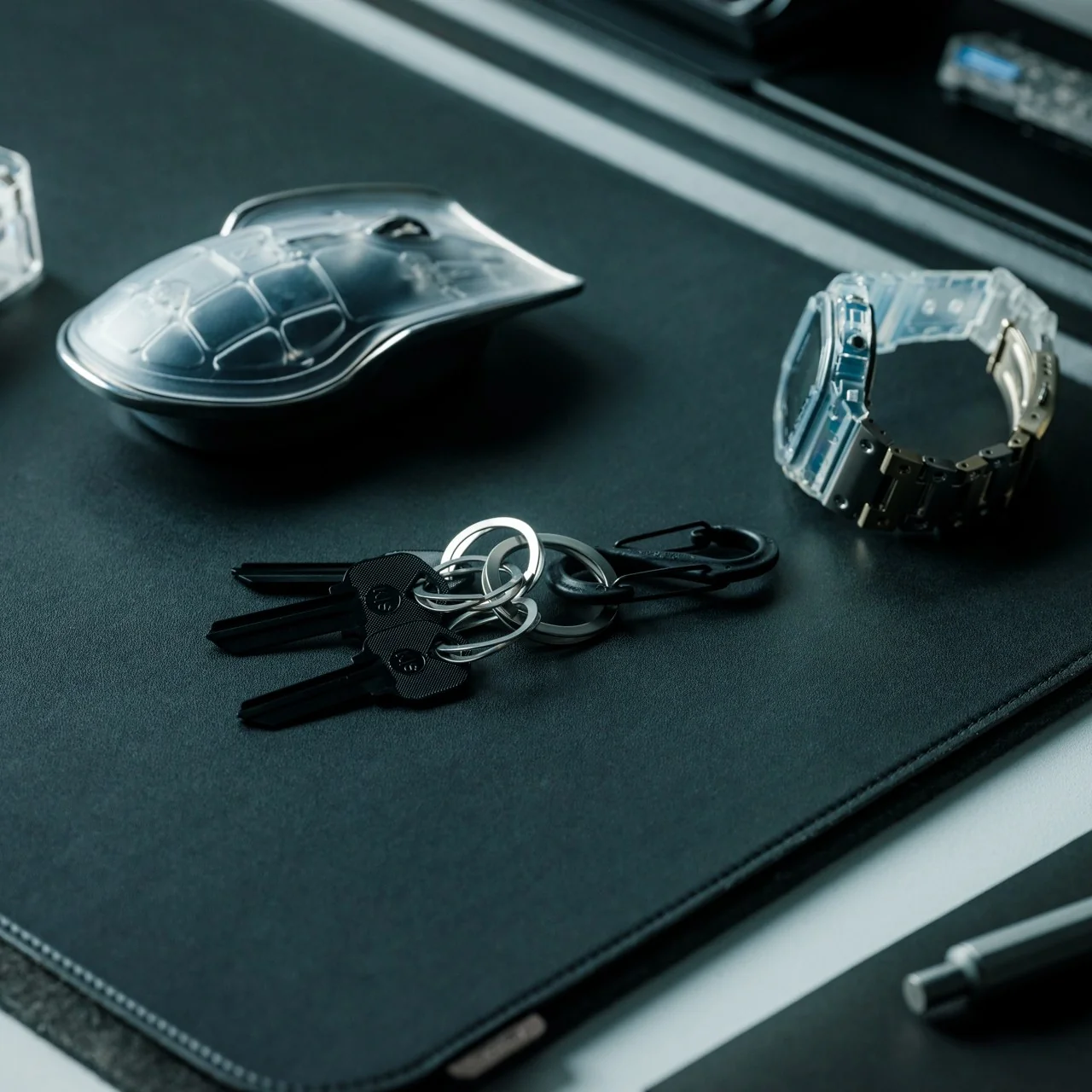
The Painless Key Ring is exactly what its name promises, which is both its greatest strength and possibly why it is not getting the attention it deserves. It sounds almost too simple. A key ring without the pain. But when you consider that the double-coiled split ring design has not meaningfully changed in over 130 years, a product that actually reimagines it from the inside out starts to feel less like a novelty and more like something that was long overdue.
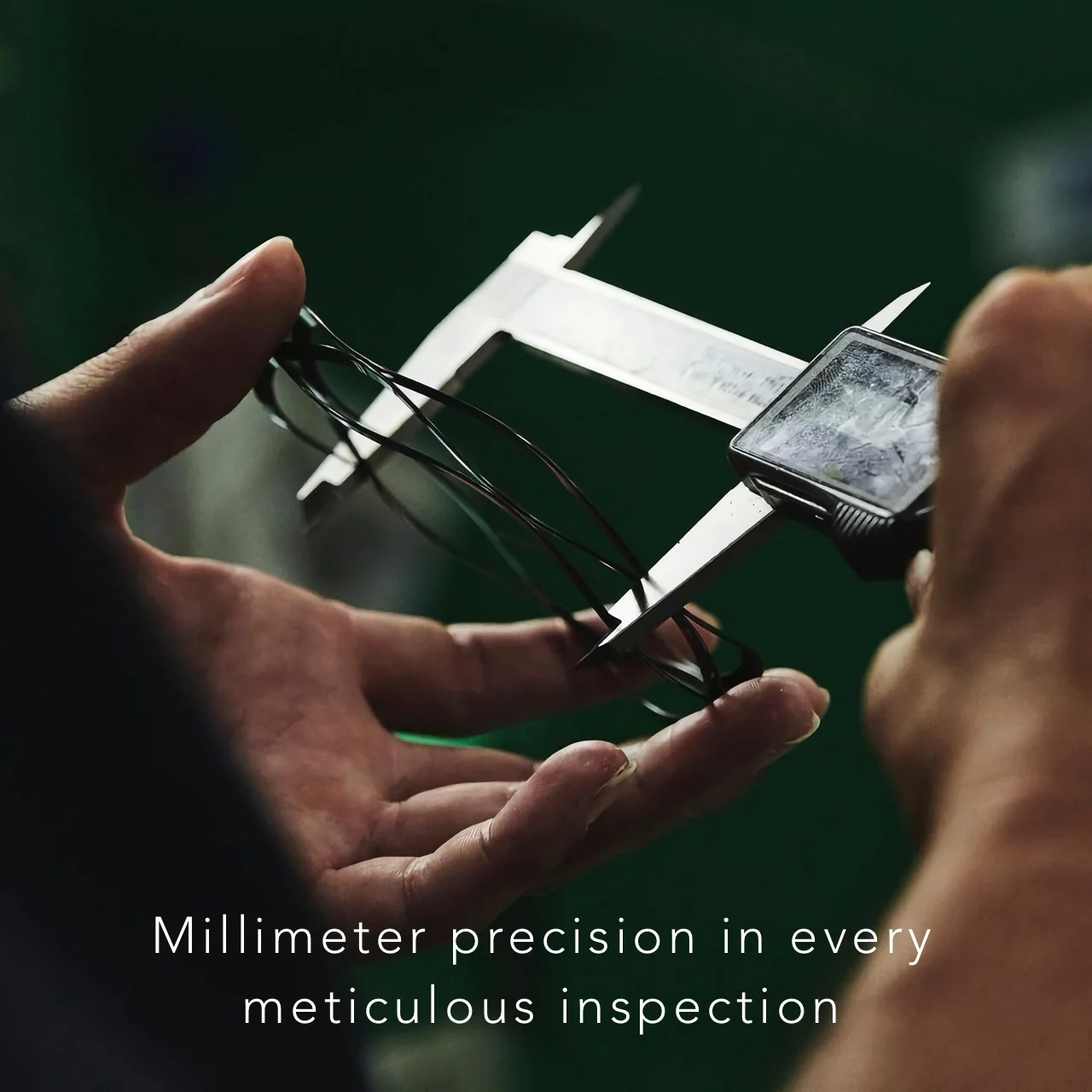
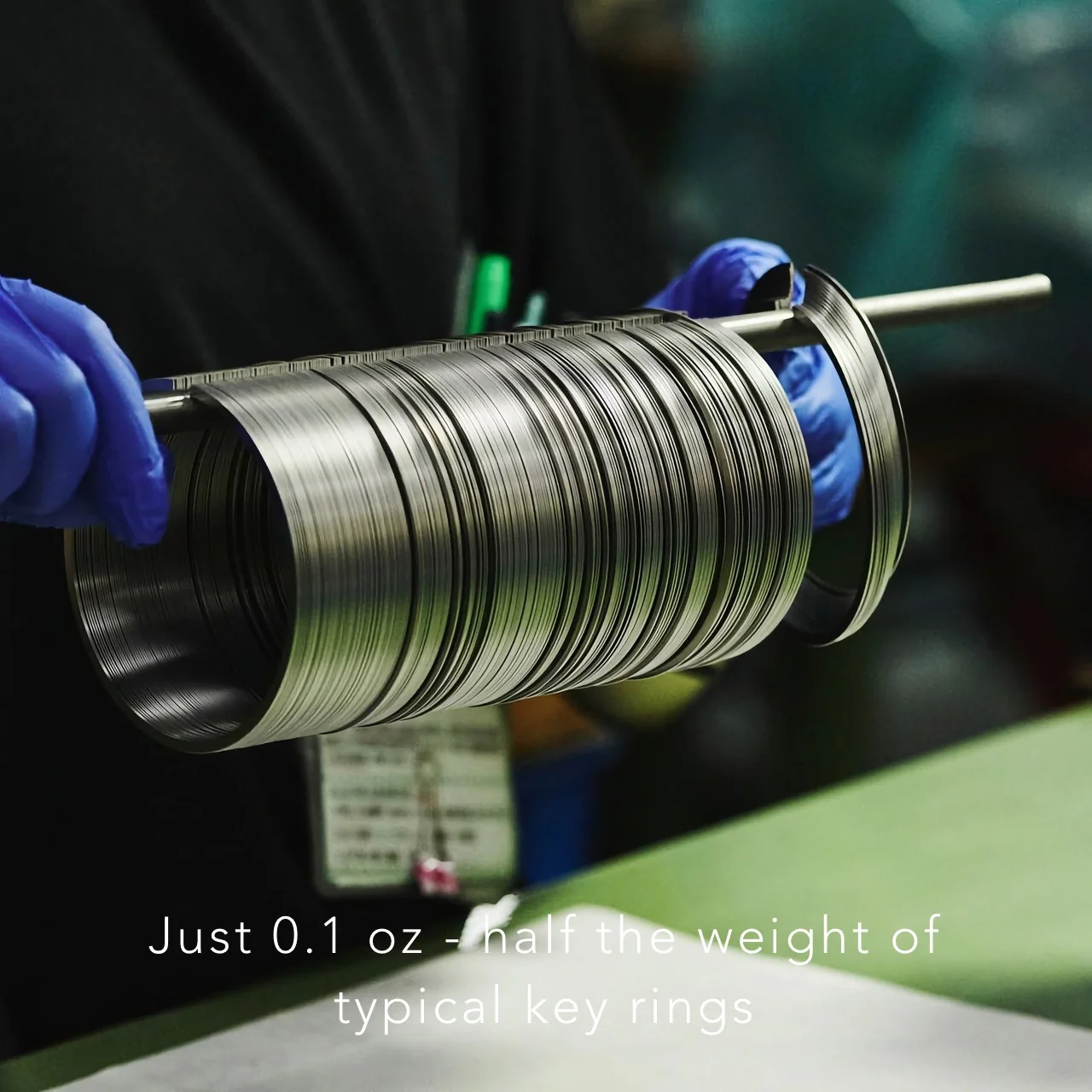
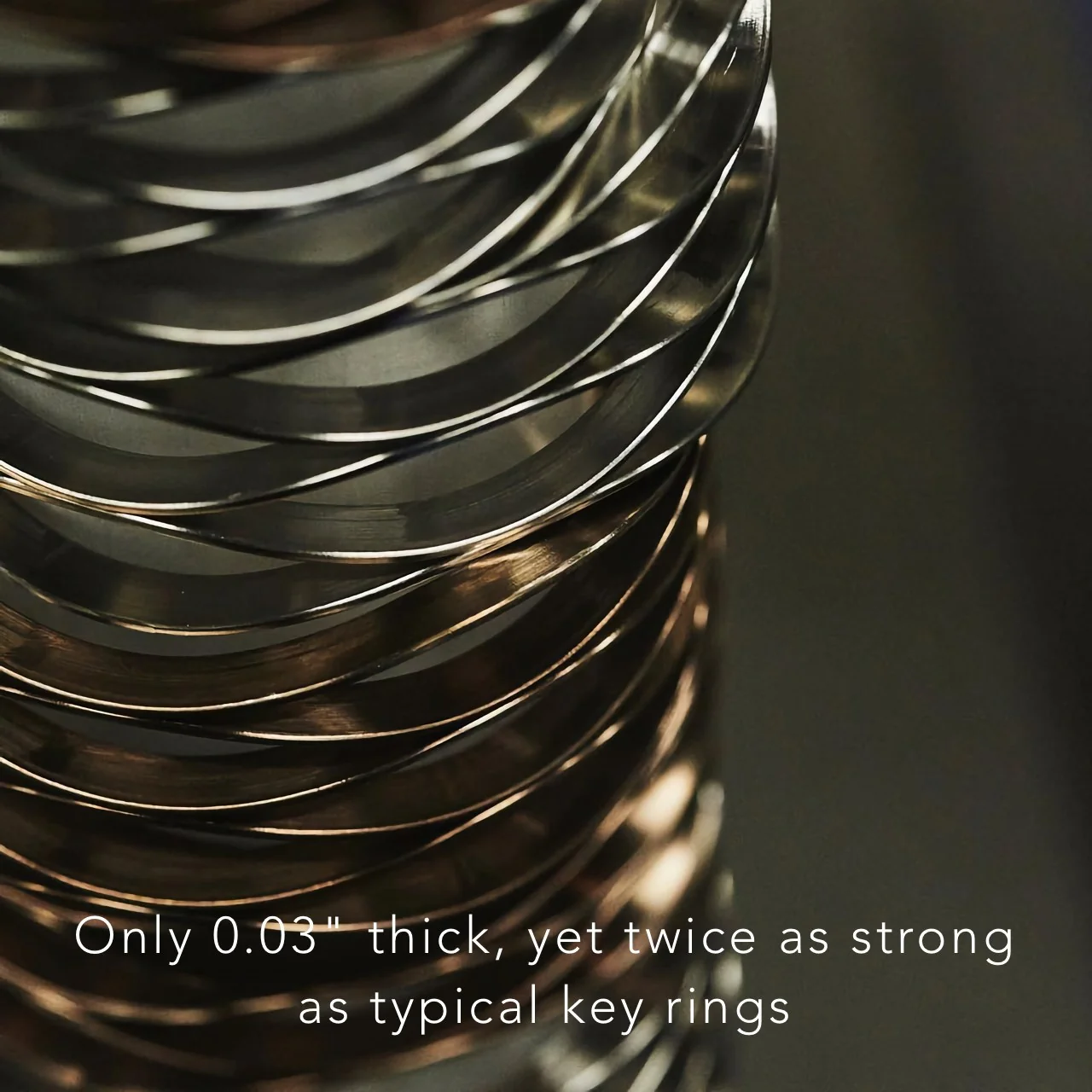
The engineering behind it borrows from places you would not typically associate with your front door key. The coiled wave spring technology used in this ring is the same mechanism found in aerospace equipment and bullet train systems. Japan, where the ring is made, is not exactly known for cutting corners on precision, and that pedigree shows in the numbers. At just 0.1 oz for the large version, it is half the weight of a standard key ring. At 0.03 inches thick, it is noticeably slimmer. And despite being lighter and thinner, it is twice as strong as a conventional ring, thanks to the high-tensile steel used in its construction.
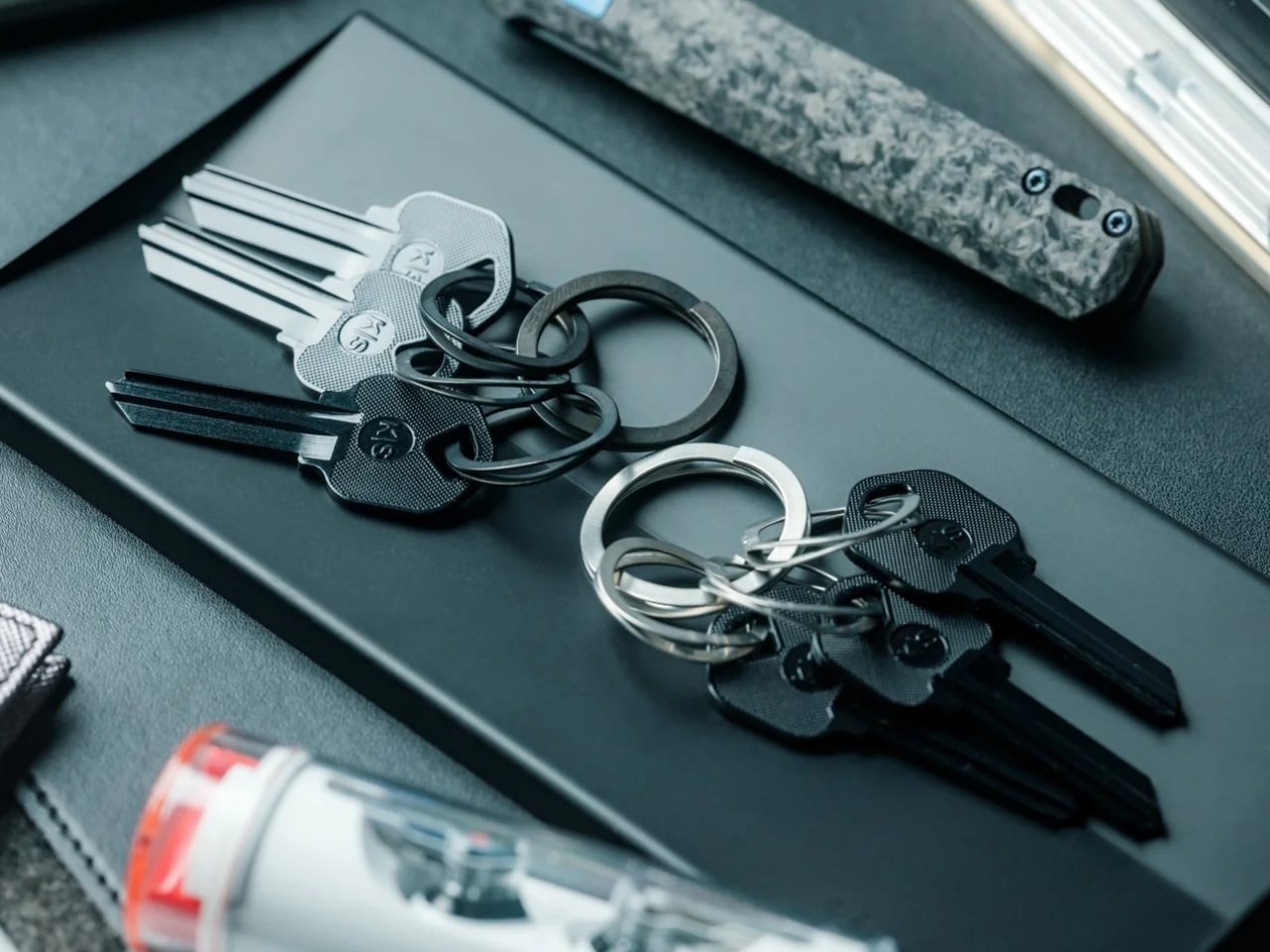
The functional difference comes down to one motion. A traditional split ring makes you hunt for the gap in the coil, wedge a fingernail underneath, and pry it open millimeter by millimeter while the metal digs into your skin. The Painless Key Ring opens when you press the release point. Let go, and it closes. That is the entire operation. No gap hunting, no skin damage, no compromised manicure. The wave spring structure creates what you could describe as a “pre-warped” design, where the natural flex of the ring accommodates keys of any size without warping under stress or losing its shape over time.
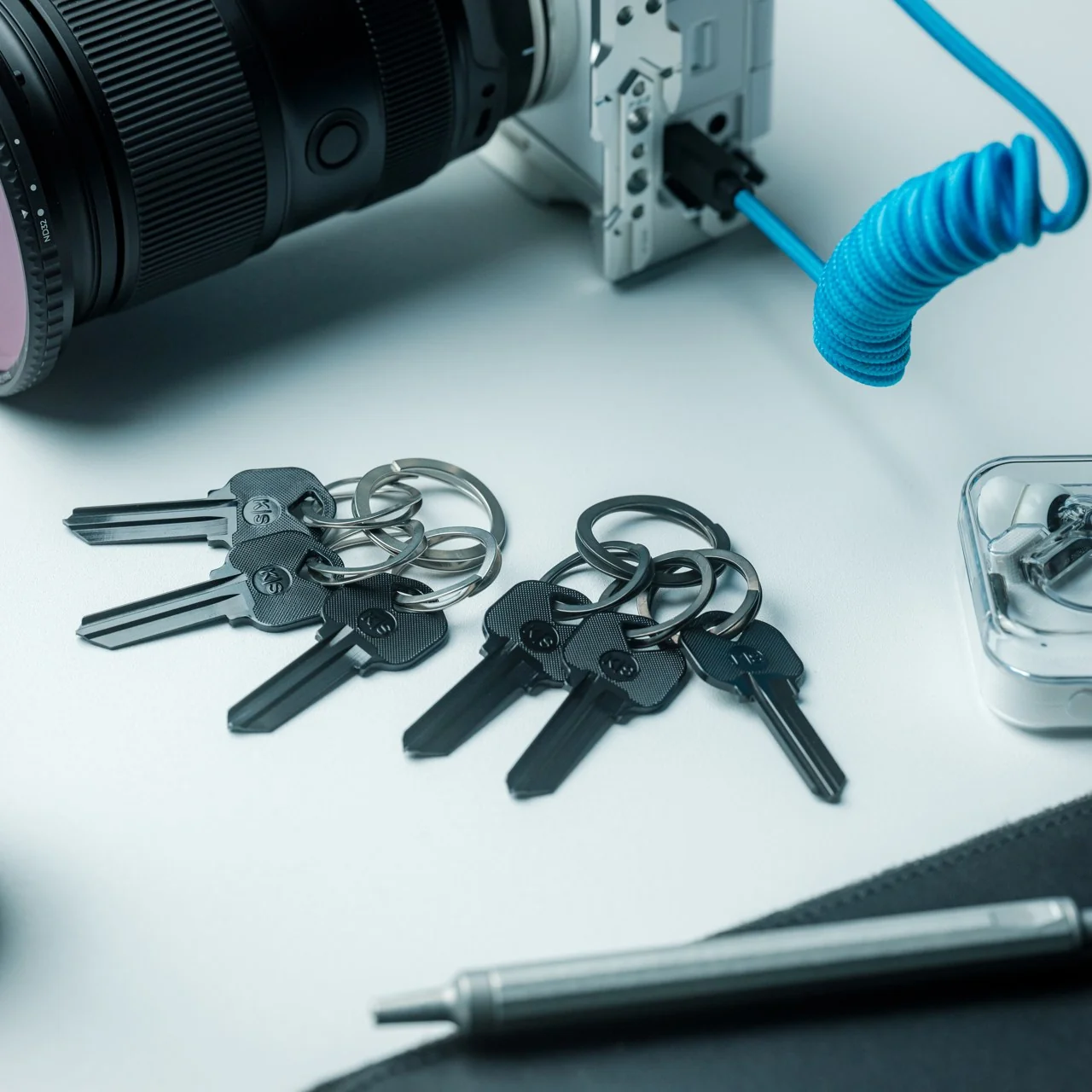
It comes as a set of one large ring and three smaller rings, available in silver and black. The black version is dyed rather than painted, which makes it more resistant to wear and scratches, not just aesthetically different. Both finishes hold up well against the daily context of being thrown into a bag, clipped to a carabiner, or dropped on a desk, which is most of our actual key ring experience.
At $29 for a set, the price sits in a range that feels proportionate to what you are getting. It is not an impulse buy, but it is also not a hard sell when you consider that most people spend more on a single decent pen without much deliberation. The comparison that keeps coming to mind is the razor that replaced the old disposable, or the notebook that made you stop picking up freebies at conferences. Once you use something engineered to actually work, the previous version becomes very difficult to go back to.
The design community talks a lot about objects that deserve more attention than they receive, and the key ring is probably the most obvious example of that gap. We carry our keys every day without any particular feeling about them, which is fine until you realize that feeling nothing about a daily object usually means it is only doing the minimum. The Painless Key Ring sets a different bar, one that takes the smallest, most neglected piece of your everyday carry and applies genuine engineering logic to it. Whether you are someone who obsesses over EDC setups or someone who just wants to stop destroying their nails every time you need a spare key, the upgrade reads the same either way.
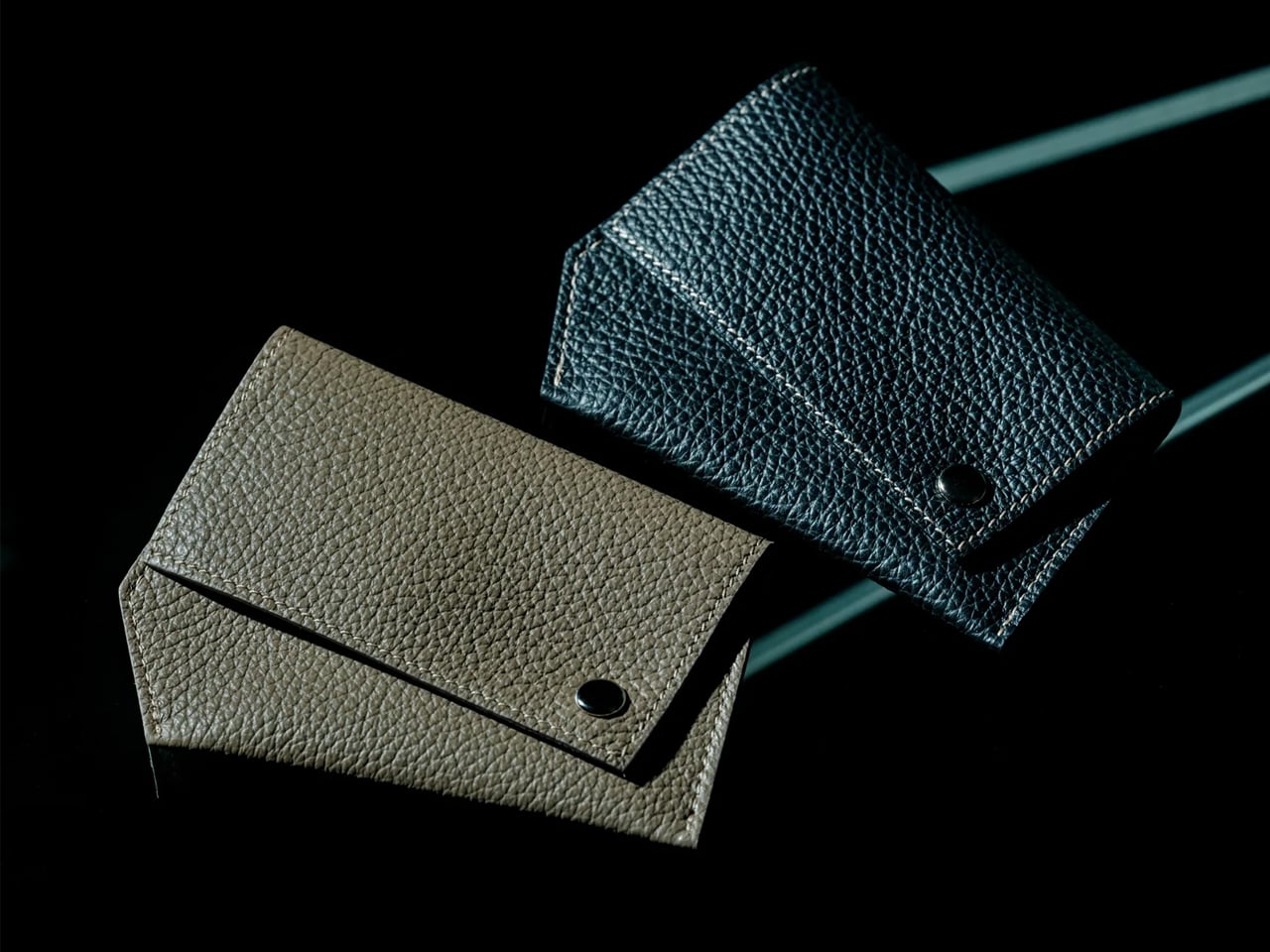
The business card holder is one of those objects the design world quietly decided was finished. A flat rectangle of leather or metal, room enough for thirty cards, something to close it. The category works. Nobody expected it to raise a new question about what it is actually for.
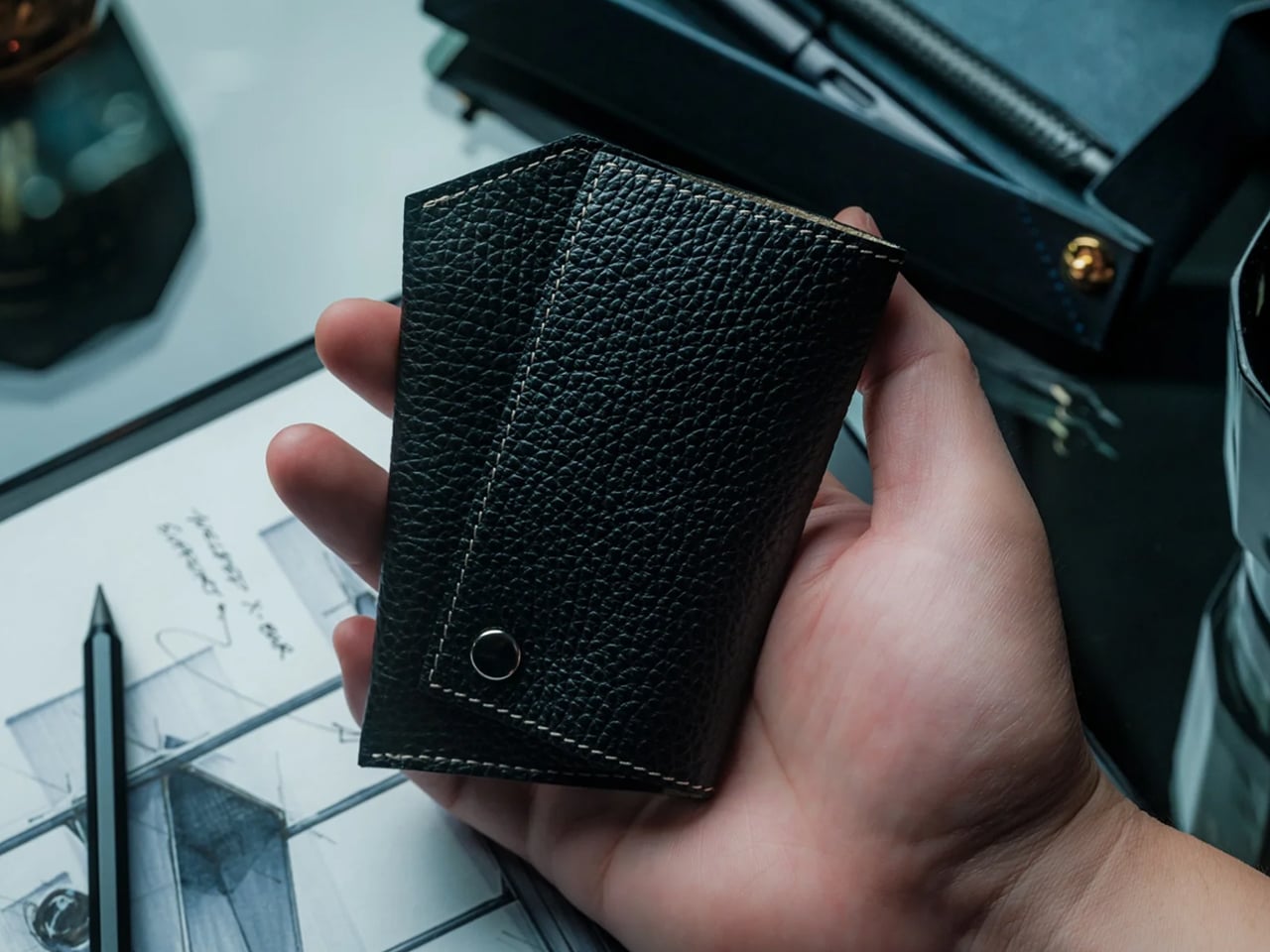
The Oblica, handmade in Kyoto by Sudaku – a workshop with experience in the kind of precision pattern construction most leathermakers route around – starts from a different premise.
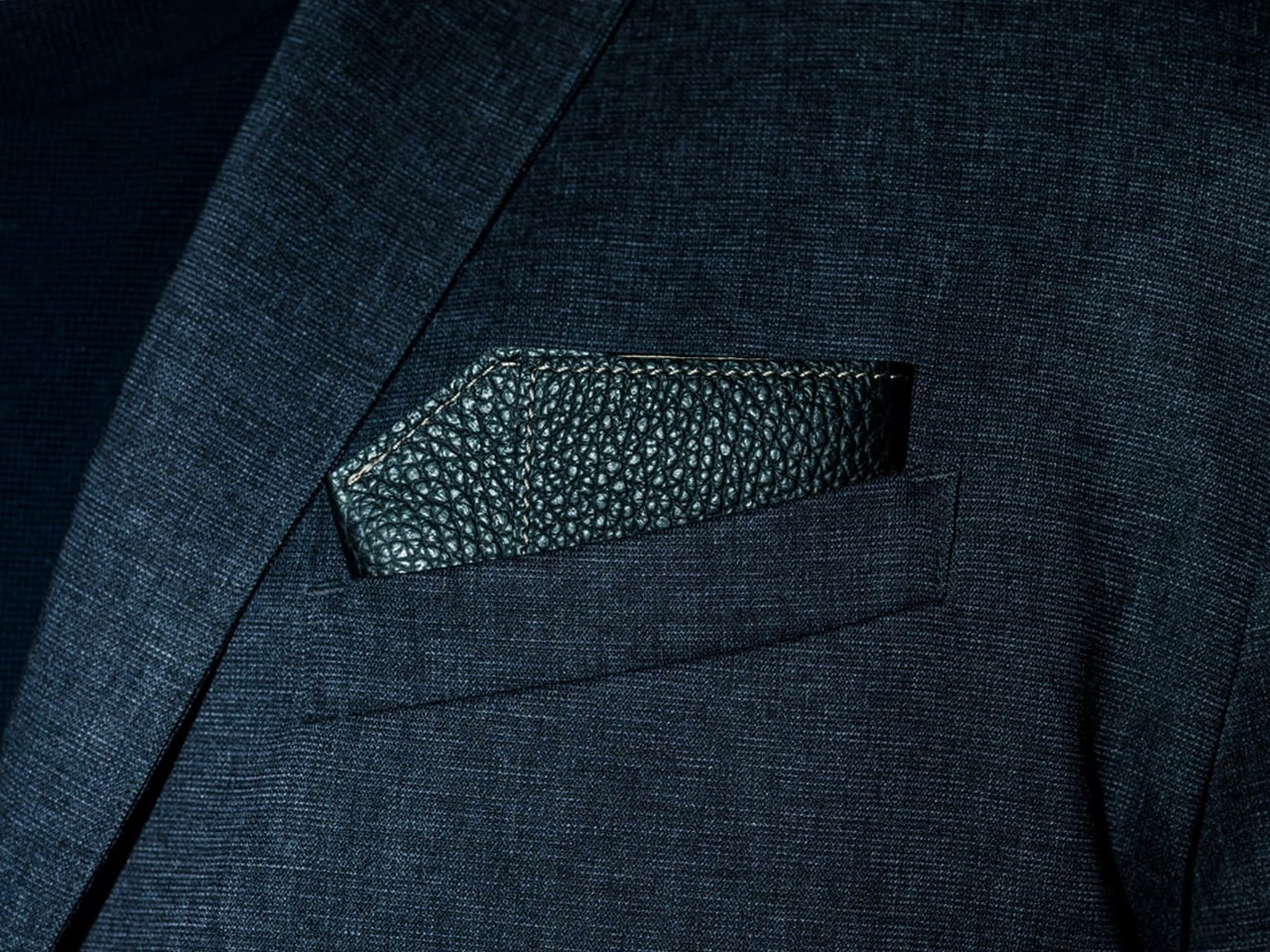
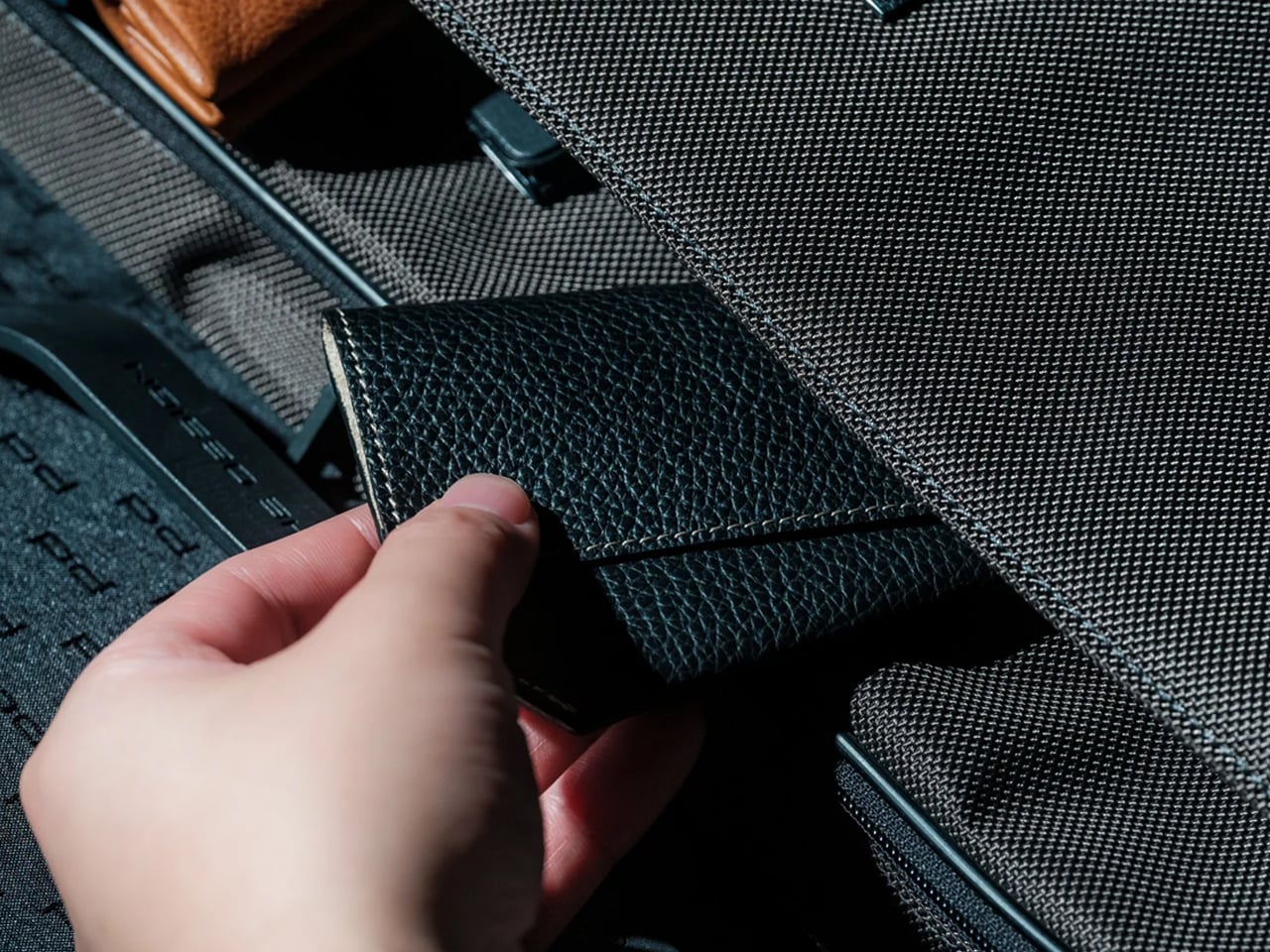
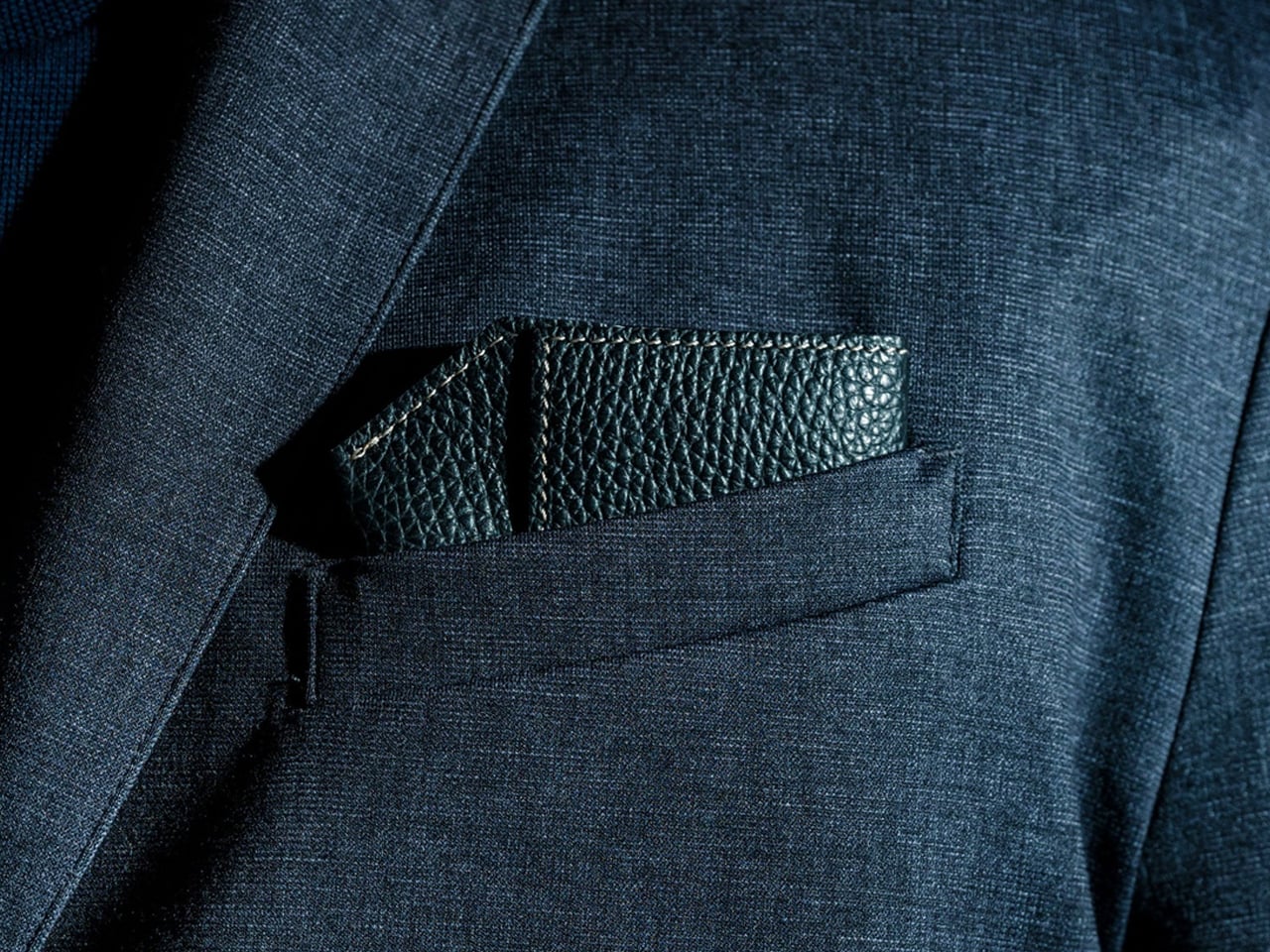
At rest in the breast pocket of a blazer, it shows nothing but a single diagonal edge of Italian leather above the pocket line. No hardware visible. No snap exposed. The silhouette reads, convincingly, as a folded pocket square. That is not an incidental resemblance. It is what the object was built to be.
Getting there required solving a problem that most card holders don’t have. Rectangle-based designs absorb variation without consequence – a few millimeters off in any direction and the object still functions. The Oblica’s diagonal cannot absorb variation. The same millimeter that determines whether the form reads correctly as a pocket square profile also determines whether the internal tiers present cards legibly, whether the snap closes where it should, and whether the finished object measures exactly 5mm thick. Every part of that system affects every other part. Getting them to solve each other, rather than compete, required adjusting the pattern, the proportions, the card tier geometry, and the snap placement in concert – which is precisely the kind of construction complexity Sudaku was built to handle.
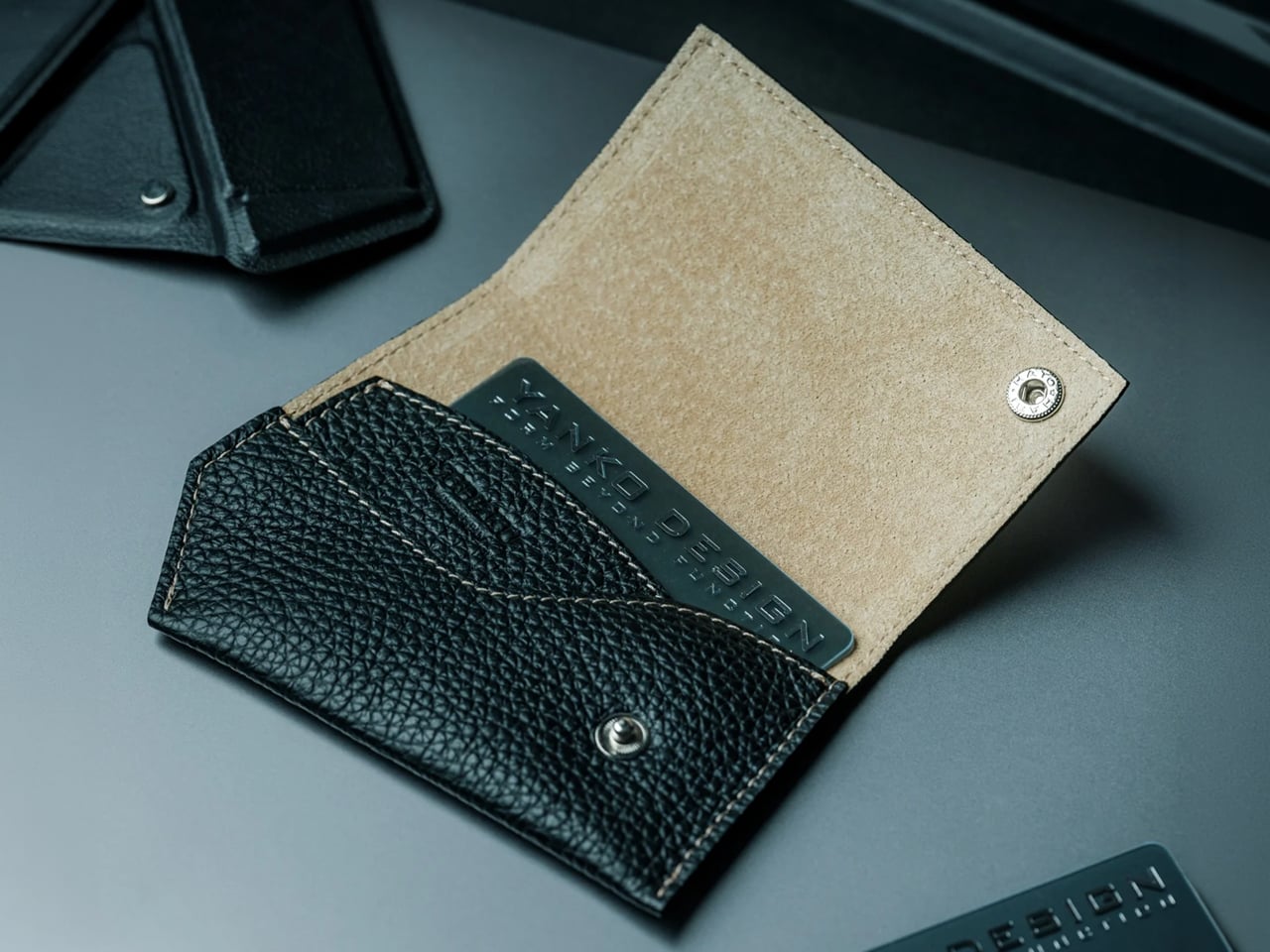
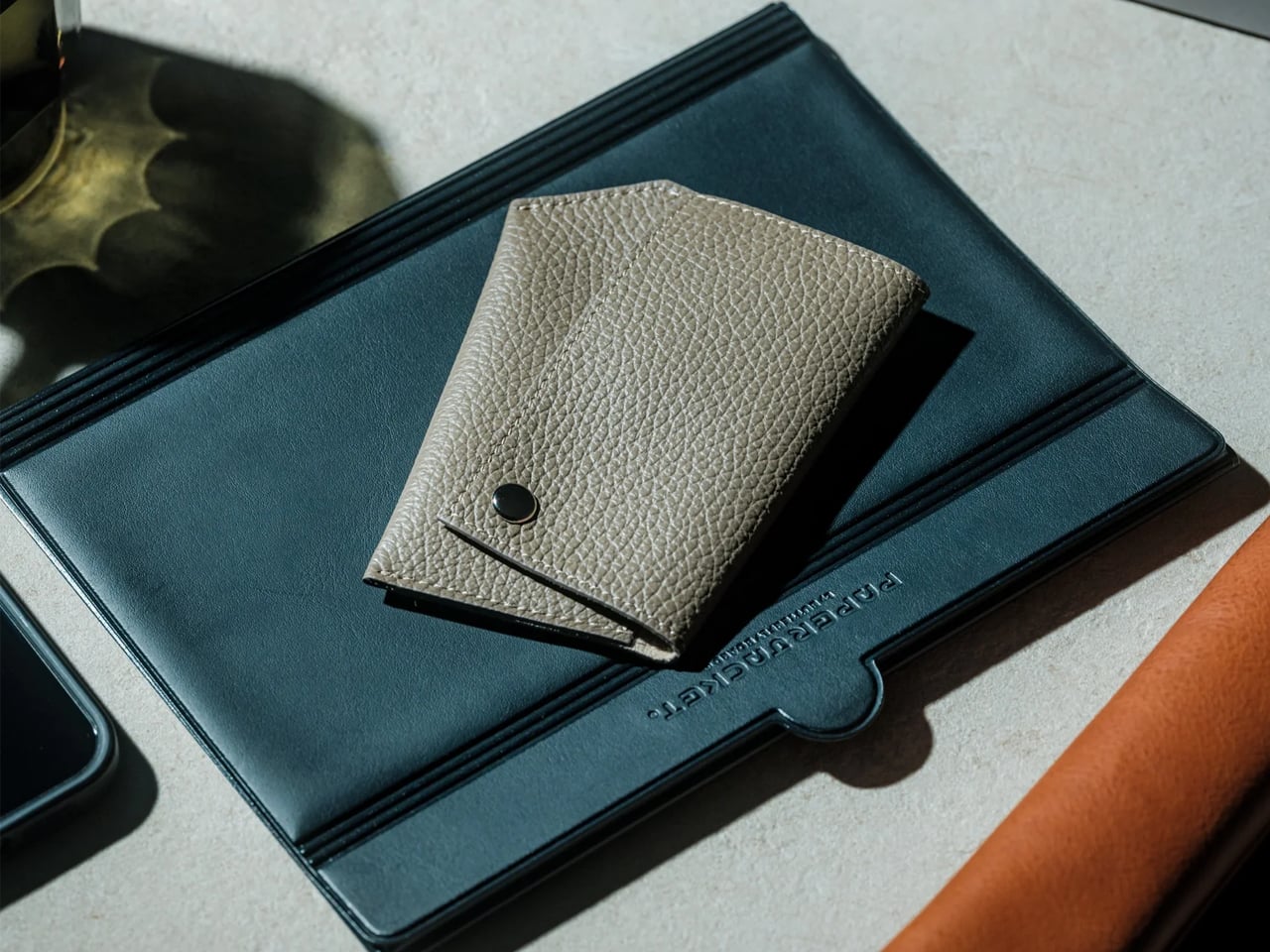
The exterior is Italian leather. The interior is Japanese pig suede, chosen for its texture rather than its appearance – it protects card edges from the friction of daily use without adding anything to the 5mm profile. Both materials are doing specific work.
Sudaku describes the intent plainly: “The craftsmanship isn’t there to make Oblica feel handmade. It’s there to make an unconventional idea feel completely natural.”
The distinction matters. Most objects in this category use craft as a quality signal – stitching you can see, grain you can name. The Oblica uses it differently. The Kyoto construction is what allows a diagonal silhouette to function correctly, which is a different kind of argument for handwork than visible stitching, and a more demanding one.
Open it, and the internal logic makes immediate sense. Two staggered diagonal tiers expose the top edge of every card at once. With more than thirty cards in the holder, every one is visible and selectable before you reach for it. The moment of presenting a card is the moment the whole object exists to support. What had quietly completed the jacket a moment before opens to reveal the card inside, already organized, already ready.
The Italian leather develops a patina over years of regular use. Not surface damage – genuine character. The edges deepen, the surface softens in the places it’s handled most, and the specific wear pattern of how you reach for it becomes part of the object. The cards inside will change considerably more often than the leather that holds them.
At $160, the Oblica sits well above the practical end of the category — what the Oblica offers that neither end of the market does is a design argument: a specific reason the object is the shape it is, made in this city, from these two materials, in this workshop. That argument is legible in the finished object in a way that most card holders at any price cannot manage. Five units are currently available through YD Select.
The Case for the Breast Pocket
The trouser pocket was always the obvious place for a business card holder, which is probably why every card holder ended up there. The Oblica makes the case that the breast pocket was always the more considered answer – and that a diagonal edge above the pocket line, reading as a pocket square until it needs to be something else, was always the more resolved solution. That it took three months of iterative construction work in Kyoto to arrive at something that looks this inevitable is not a surprise. It is the kind of result that follows from treating a finished problem as an unfinished one.
Some flashlights live at the back of a junk drawer, half-dead batteries and all, and then some tools earn permanent nightstand status. The BlackoutBeam Tactical Flashlight belongs in the second category. With 2300 lumens and a 300-meter throw, it outperforms gear twice its size, and it does it inside a body slim enough to slide into a jacket pocket without a second thought.
What makes it worth talking about is not just the output. It is the combination of IP68-rated aluminum construction, a 0.2-second activation time, and a 6500K daylight beam that together closes the gap between tactical hardware and everyday carry. This is not a flashlight you grab when nothing else is available. It is the one you reach for first, every time, because it was built to perform before you even think about it.
What separates BlackoutBeam from the crowded EDC flashlight market is the combination of brutal output and surgical design. Three brightness levels cover everything from close-up task lighting to long-range situational awareness. A strobe mode and a focused pinpoint beam add tactical flexibility that most everyday carry flashlights simply do not offer. The 6500K color temperature mimics natural daylight, which matters when you need to read a situation quickly rather than fumble through warm, orange-tinted light.
The one-handed design works in gloves, which tells you everything about the intended use case. This is a flashlight engineered for genuine emergencies, not the kind you imagine while browsing gear forums. A storm takes out the power. Your car stops on an unlit road. Something moves in the yard at 2 a.m. BlackoutBeam activates in the time it takes to blink, and it does not stall when you need it most.
Dual Power, No Dead Ends
Power management is handled with the same care as everything else. A 3100mAh lithium-ion battery recharges via USB, folding into the same charging routine as your phone and laptop. When the grid goes down entirely, two CR123A backup batteries ensure the flashlight is never stranded. That dual-power system is rare at this price point. Most lights at $90 force a choice between one option or the other.
At $90, BlackoutBeam sits at the crossroads of EDC practicality and award-winning industrial design, a combination that rarely arrives in the same package. Slim enough to slide into a go-bag, refined enough for a nightstand, and powerful enough to change the outcome of a real emergency. Most flashlights cover one of those bases. This one covers all three without a single compromise.
What We Like
2300 lumens with a 300-meter throw: the output is genuinely serious for a flashlight this slim, covering everything from a dark room to a wide outdoor perimeter without switching tools
0.2-second activation: no warm-up, no delay; it works at the exact speed an emergency demands
IP68 waterproof and dustproof aluminum build: not just splash-resistant, but rated for full submersion, which puts it well above most EDC flashlights at this price
Dual power system: USB recharging for daily life, CR123A battery backup for when the grid is gone; genuine redundancy rather than a marketing afterthought
What We Dislike
Stock is critically limited: the product page lists only one unit available, which means this is essentially a last-chance purchase rather than a reliable restocking situation
No published runtime figures: the page details brightness levels and battery specs but never states how long the 3100mAh cell actually lasts at full 2300-lumen output, which is information any serious buyer needs before committing at $90
Buy It Once, Carry It Forever
The BlackoutBeam was designed for the moments when everything else falls short. That is not marketing language. It is a design brief backed by 100 international awards and a track record that earns its reputation. If you have been carrying a flashlight bought out of convenience rather than confidence, this is the upgrade worth making. The difference between the right tool and a forgotten one matters more than most people realize until it is too late.
Pick up the BlackoutBeam Tactical Flashlight while stock lasts. With only one unit currently available, this is not a purchase to schedule for later. The flashlight you carry in an emergency is not the place for compromise, and BlackoutBeam is proof that the right tool never has to sacrifice how it looks to deliver exactly what it promises when the moment arrives.
Winter pockets are forgiving. Thick jackets and layered coats offer deep storage, and the cold discourages the kind of outdoor tinkering that puts your gear to the test. Spring strips all of that away. Lighter clothing means fewer pockets, tighter fits, and a sudden reckoning with whatever you have been carrying for the past four months. The transition is a forced audit, and most people discover their loadout has gotten lazy, bloated, or both.
These seven products approach everyday carry from the direction that matters most once the temperature rises: density of function in the smallest possible footprint. No redundant tools. No objects that exist only to look tactical on a desk. Every item here earns its pocket space by solving a specific problem with engineering that is tight enough to disappear into a spring carry without adding bulk—time to swap out the winter loadout for something sharper.
1. ScytheBlade
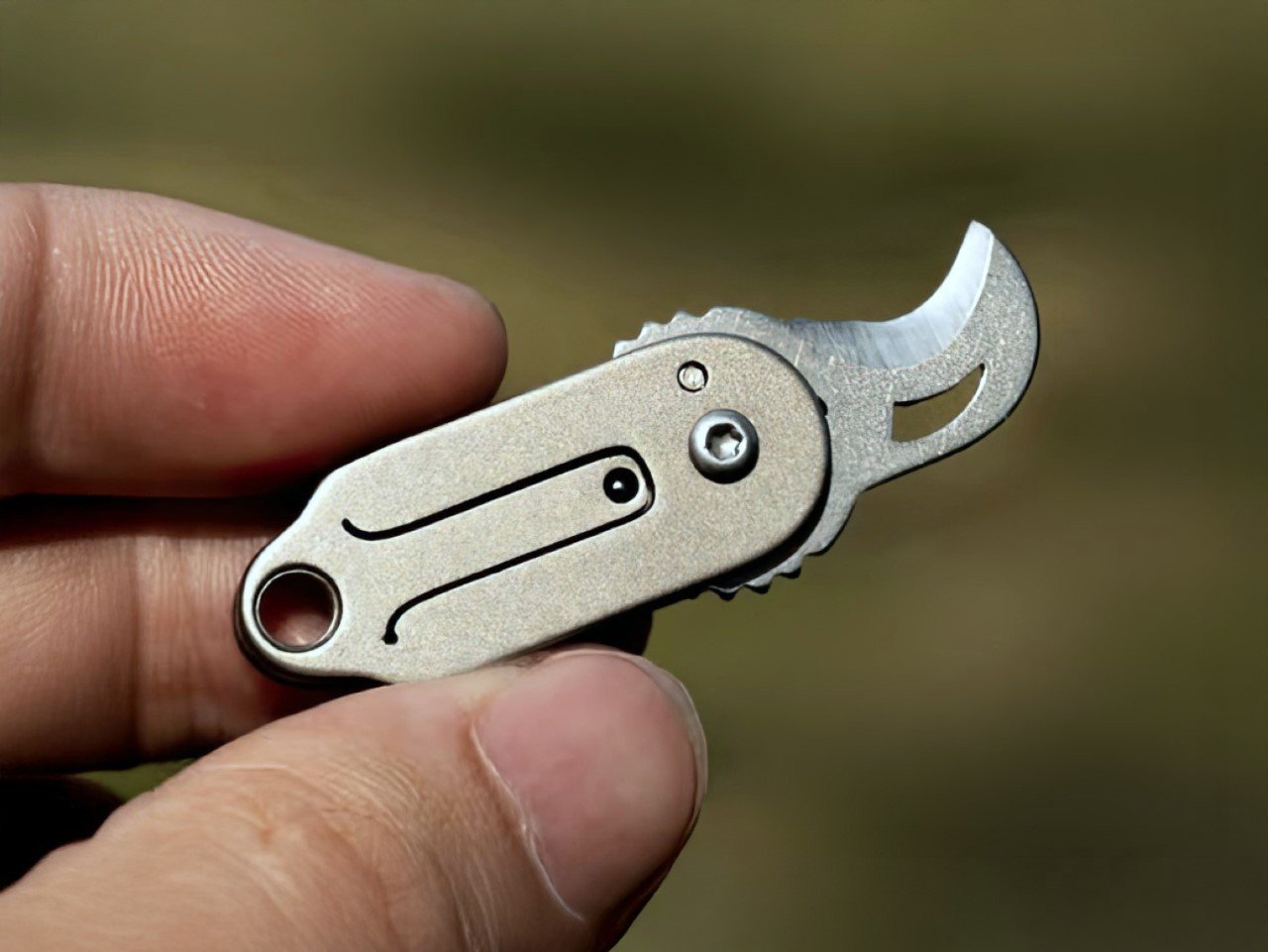
The curved blade of a scythe does not seem like an obvious candidate for pocket carry, but the ScytheBlade makes it work through radical miniaturization. This titanium folding knife borrows the Grim Reaper’s iconic profile and compresses it into something closer to a tiger claw, creating a blade shape that looks aggressive because it is. At just 46mm when deployed, the ScytheBlade challenges the assumption that effective cutting tools need generous proportions. The curve concentrates force along its edge in ways that straight blades cannot replicate, and that geometry turns a small blade into something disproportionately capable.
Titanium construction keeps the weight to 8 grams, making it barely noticeable when clipped to a pocket. The material also offers corrosion resistance without requiring the constant oiling and maintenance that carbon steel demands, a real advantage for spring carriers when rain and humidity are part of the daily equation. The engineering here is in the confidence to go small. Most EDC knife makers chase longer blades and heavier locks to project seriousness. The ScytheBlade proves the opposite: that an unconventional blade geometry, executed at a micro scale with the right material, outperforms bulk.
What we like
At 8 grams in titanium, it disappears into a pocket and removes the excuse to leave a knife at home.
The curved blade concentrates cutting force in a way that straight-edge micro knives cannot match, making it more capable than its 46mm length suggests.
What we dislike
The 46mm blade length limits what the knife can realistically handle; anything thicker than a zip tie or packing tape will push its limits.
The scythe profile is polarizing, and its aggressive look may draw attention in settings where a discreet blade would be preferable.
2. Arcos Driver
Ratchet screwdrivers work well in open spaces. The problem is that screws rarely live in open space. They sit in recessed housings, tucked behind cables, angled into corners where a straight driver either cannot reach or forces an awkward wrist contortion that strips heads. The Arcos Driver addresses this with a folding titanium body that adjusts to 0, 30, 60, or 90 degrees, allowing the tool to adapt its geometry to match the access angle rather than requiring the user to twist around it.
Inside is a three-mode ratchet system: forward for driving with consistent torque, reverse for clean removal, and a fixed-lock mode for stable, precise control when the screw matters more than speed. Integrated bit storage keeps everything in one unit, which is the kind of detail that separates a tool you actually carry from one that lives in a drawer. The titanium build brings strength without the weight penalty that steel ratchets impose, and the folding mechanism locks securely enough at each angle to feel confident under load. Spring means more outdoor projects, more furniture assembly on balconies, and more repairs that winter made easy to postpone. The Arcos Driver fits all of that into a carry-friendly package.
Four distinct folding angles mean access to screws in tight, awkward spaces without the wrist strain that straight drivers cause.
Integrated bit storage keeps the tool self-contained, so there is no fumbling through a separate bit case mid-task.
What we dislike
Kickstarter-funded tools carry inherent delivery uncertainty, and backers should factor in the risk of timeline delays.
The folding mechanism adds complexity that could develop play over time, particularly at the 30-degree position where lateral force is highest.
3. Pockitrod
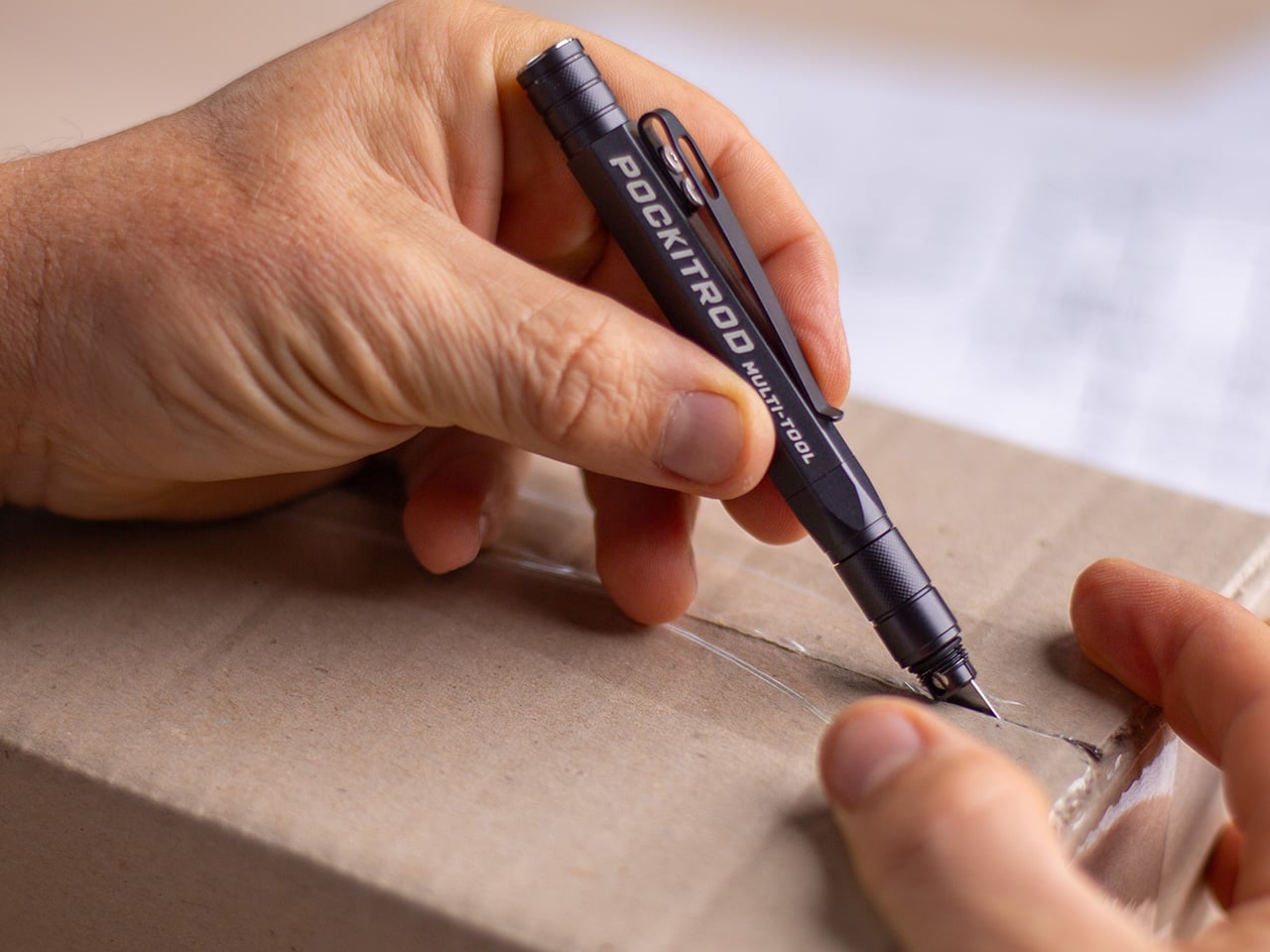
The tactical pen market is full of cylinders that add one feature (usually a glass breaker) to a writing instrument and call it innovation. The Pockitrod is a different animal. Its 6061-T4 aluminum body is machined with a hex cross-section that doubles as a driver grip, and the tool system inside is genuinely modular: a central driver assembly housed within the handle, a box opener with interchangeable 20CV steel tips, an inkless writing implement, and a magnetic-base LED flashlight that threads on as an extension module.
Etched measurement markings along the body function as a built-in ruler, with the zero-reference aligned to the edge for practical, real-world measuring rather than decorative engraving. The pen form factor is the smartest part of the design. A pen lives in a shirt pocket or a bag without raising questions. Nobody looks twice at it. But when work starts, the hex body locks into a bit the same way a proper driver handle would, and the modular extensions transform a pocket pen into a lighting, cutting, and fastening system. It respects the classic pen silhouette while fundamentally expanding what that silhouette can do.
What we like
The hex-profile aluminum body works as a genuine driver grip, not a marketing claim; it locks onto bits with the same positive engagement as a dedicated tool.
Modular extensions (LED, box opener, driver) thread onto a single pen body, consolidating multiple pocket tools into one.
What we dislike
Modularity means more pieces to keep track of, and losing a single extension reduces the tool’s value proposition.
The 6061-T4 aluminum is lighter than steel but also softer, meaning the hex edges will eventually round with heavy driver use.
4. AirTag Carabiner
Losing keys is a winter problem that follows people into spring because nobody upgraded their keychain. This carabiner, made from Duralumin composite alloy (the same material used in aircraft and marine construction), is designed to house an Apple AirTag while clipping onto bags, bikes, umbrellas, or whatever tends to wander. The material choice matters because most AirTag holders are silicone or plastic, which means they degrade, stretch, and eventually drop the tag entirely.
Each unit is individually handcrafted from high-quality metal, and the carabiner is also available in untreated brass and stainless steel. The Duralumin version brings water and altitude resistance suited to actual outdoor conditions, not just controlled indoor environments. Spring carry means more time outside, more chances to leave something on a park bench or a cafe table, and a tracking solution that clips seamlessly onto whatever bag or gear you are carrying makes the transition from indoors to outdoors less risky. The lightweight form hides the fact that the alloy underneath is built to handle far harsher conditions than a keychain typically encounters.
Duralumin composite alloy provides aircraft-grade durability in a form factor that adds almost no perceptible weight to a bag or keyring.
Handcrafted metal construction outlasts silicone and plastic AirTag holders, which tend to stretch and lose grip over months of use.
What we dislike
Apple AirTag is not included, so the total cost of entry includes both the carabiner and the tag itself.
The tracking functionality is Apple ecosystem only, leaving Android users without a compatible option.
5. Fingertip-sized Rechargeable Flashlight
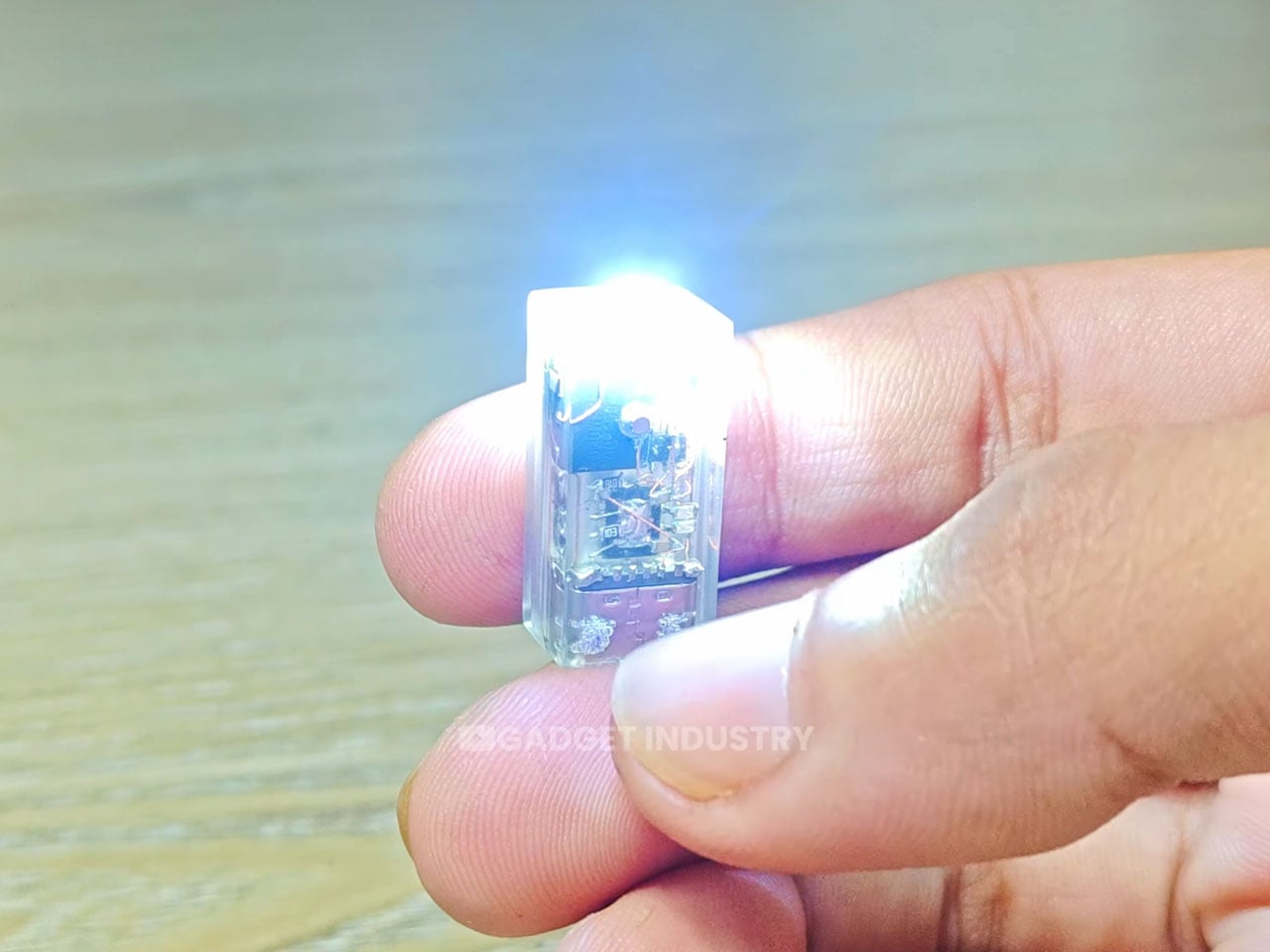
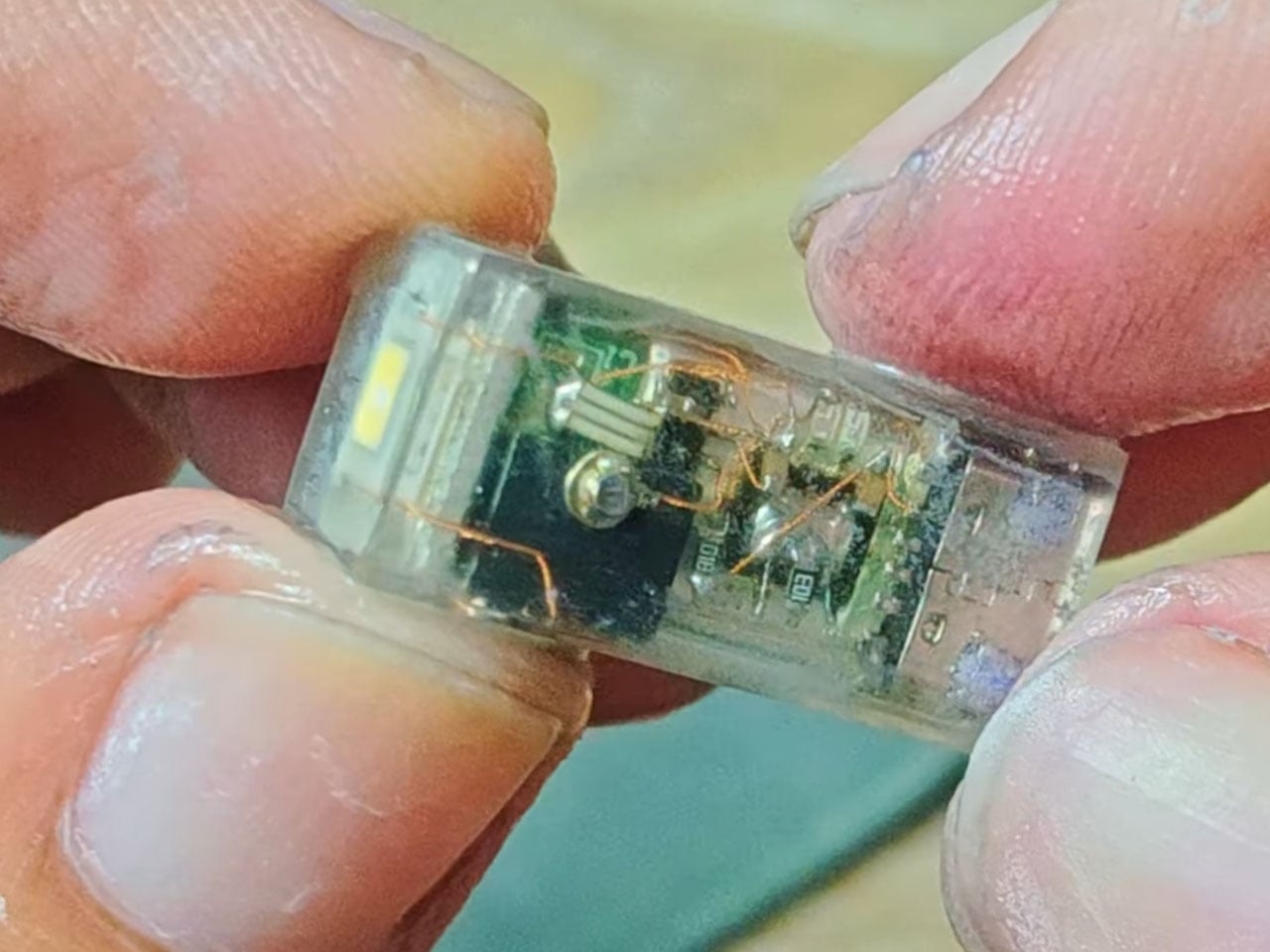
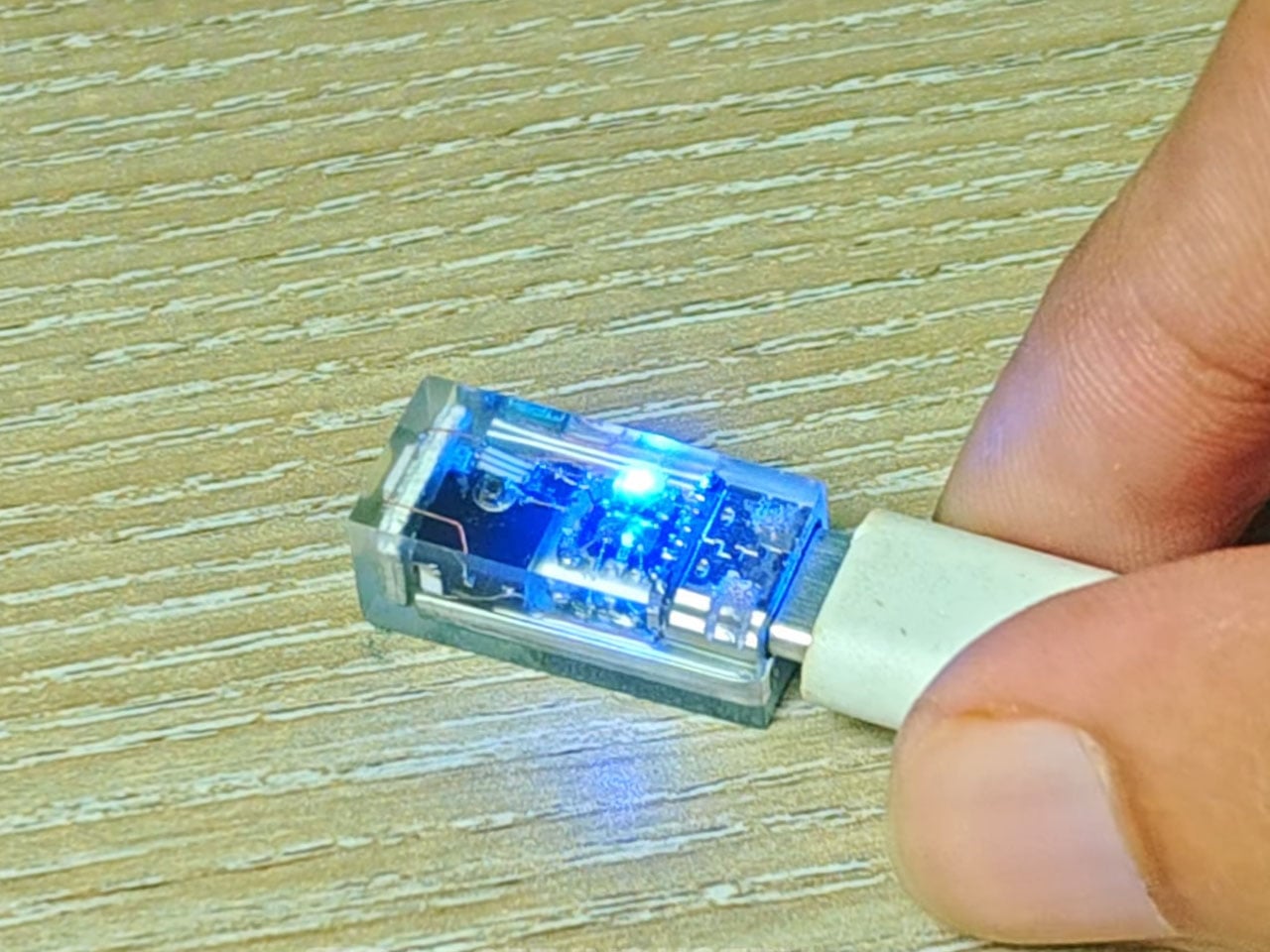
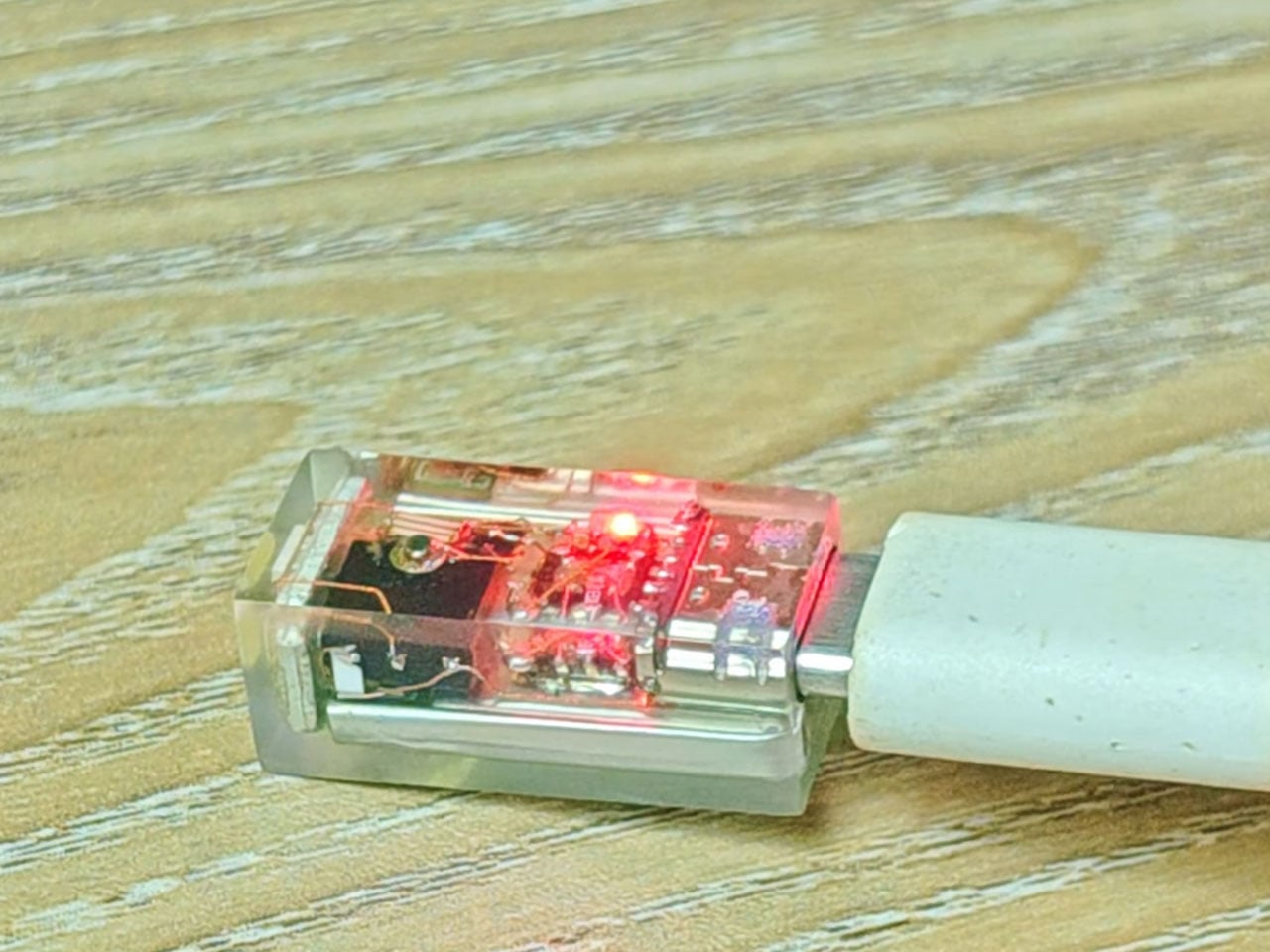
World’s smallest is a claim that usually comes with an asterisk. This flashlight, built as a DIY experiment by YouTube channel Gadget Industry, skips the asterisk. It sits on the tip of a finger. Inside that resin shell: a lithium-polymer battery, a charging circuit, a touch-based control system, and a white LED. That is a fully rechargeable, functional light source condensed into a form factor that most people would mistake for a button.
The scale alone is the point. In a crowded EDC landscape where flashlights compete on lumens, beam distance, and tactical modes, this micro torch takes the opposite approach. It prioritizes presence over power: a light source so small that it will always be with you, because forgetting it is almost impossible. Spring evenings still get dark, and the gap between leaving work and arriving home often involves poorly lit stairwells, parking garages, or bike paths. A light that lives permanently on a keychain or in a coin pocket fills that gap without adding any detectable weight. It is a reminder that miniaturization itself can be the innovation.
What we like
The form factor is so small that it can live permanently on a keychain without adding bulk, which means it is always available.
Fully rechargeable with touch controls, so there are no disposable batteries and no physical switches to break.
What we dislike
As a DIY build from a YouTube channel, it is not commercially available, which limits accessibility to viewers willing to replicate the project.
The tiny lithium-polymer battery means the runtime is limited, and the light output is functional rather than powerful.
6. Titaner Swing Ratchet System
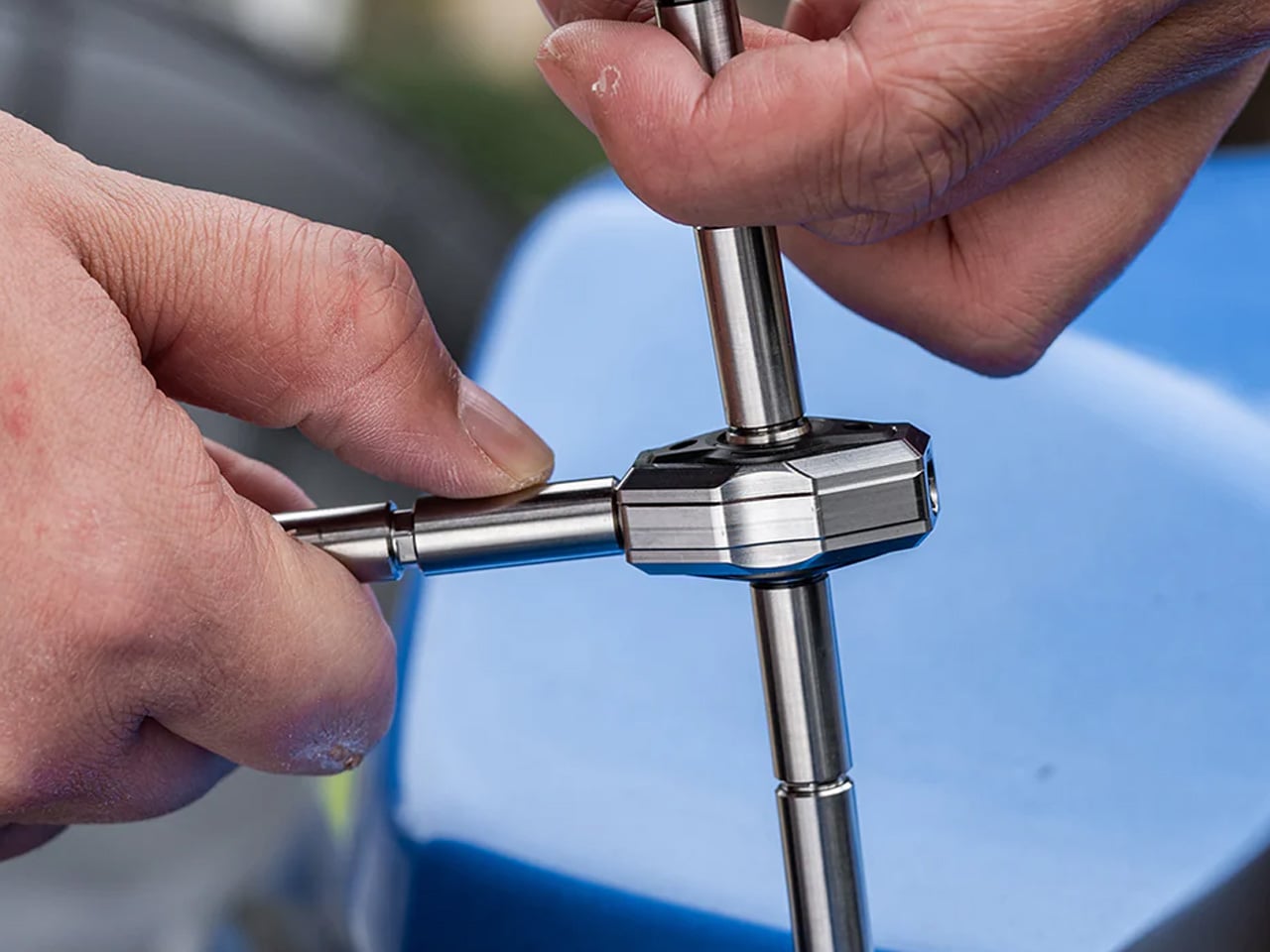
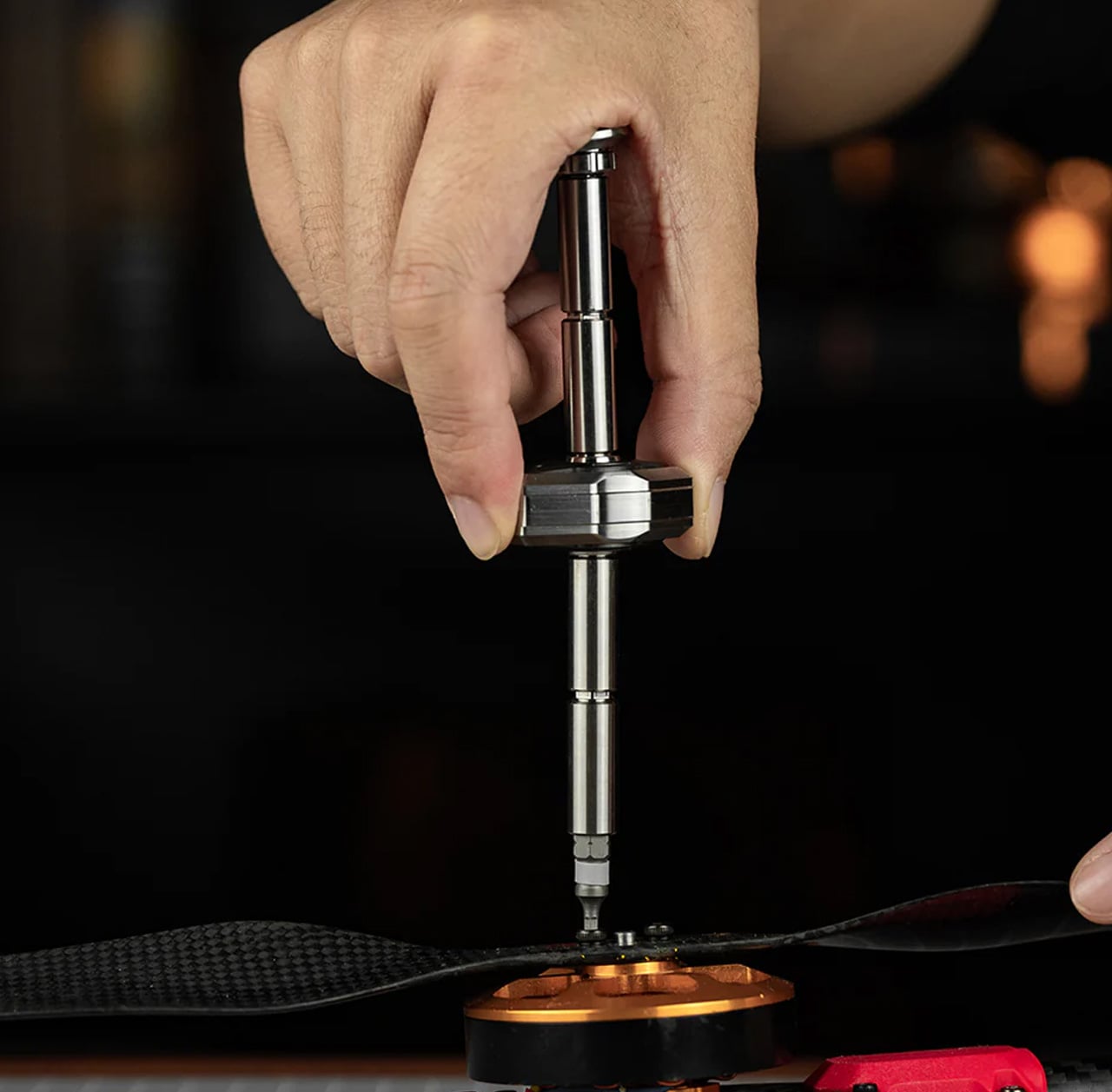
Most ratchets need at least 15 to 30 degrees of swing to engage the next tooth. In tight spaces, that range is the difference between completing a turn and stalling. The Titaner swing ratchet compresses that arc to 4 degrees, which means it can operate in gaps where conventional ratchets physically cannot cycle. Both sides of the ratchet core are functional, with CNC-engraved directional markers (one side locks, the other releases) for intuitive control without trial-and-error guessing.
At 29.8 grams, the system weighs 40% less than traditional ratchets while delivering full torque. The modular design allows different driver heads and bit configurations, so the same core handles multiple fastener types without carrying separate tools. Spring projects (tightening deck furniture, adjusting bike components, assembling outdoor gear) tend to involve screws in confined or partially accessible locations. A ratchet that fits those conditions at under 30 grams is the kind of tool that justifies its pocket space every week rather than sitting idle waiting for a big job. The precision here is not about power. It is about access.
What we like
A 4-degree swing arc allows the ratchet to function in spaces so tight that standard ratchets cannot even begin to cycle.
At 29.8 grams, it is 40% lighter than traditional ratchets, making it realistic for daily pocket carry rather than toolbox-only storage.
What we dislike
Ultra-compact ratchet heads can feel less confident under heavy torque loads compared to full-sized counterparts.
7. Cubik
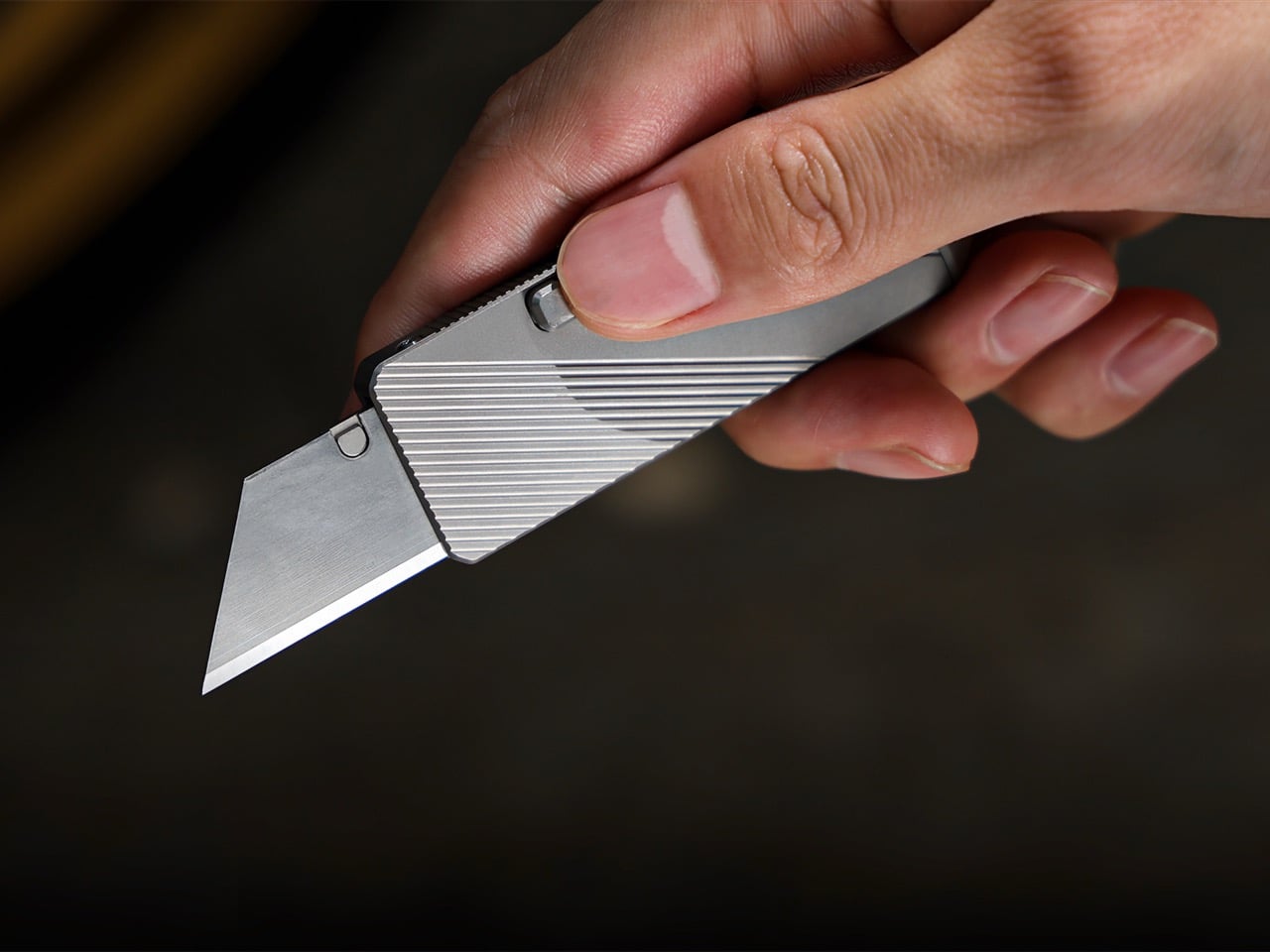
Knife designers typically rely on springs, flippers, or complex bearing systems to get a blade open. The Cubik discards all of that in favor of gravity. Press the trigger, hold it upside down, and the blade drops into position. Release the trigger, and it locks. This mechanism eliminates the springs that rust, bearings that fail, and maintenance cycles that plague traditional folders. The knife works with physics rather than fighting it, and the satisfying weight of the blade swinging into place feels like the mechanism earned its simplicity.
That simplicity does not mean weakness. The Cubik locks firmly enough to pierce hardwood, which puts it in functional territory that most gravity-deploy designs cannot reach. The tungsten carbide glass breaker integrated into the rear end transforms what could be a gentleman’s folder into a legitimate emergency tool. When most EDC knives chase complexity through additional deployment systems, assisted-open mechanisms, and axis locks, the Cubik goes the other direction. One moving part. One material is doing the heavy lifting. The result is a knife with fewer failure points and a deployment method that never gets old to use.
What we like
Spring-free gravity deployment means zero mechanical parts that can rust, jam, or wear out over years of daily use.
The integrated tungsten carbide glass breaker elevates the knife from an everyday cutter to a genuine emergency tool.
What we dislike
Gravity deployment requires the knife to be held upside down, which is slower than a spring-assisted or flipper-based opening in time-sensitive situations.
The legal status of gravity knives varies by jurisdiction, and some regions classify them differently from standard folding knives.
Lighter pockets, sharper choices
The shift from winter to spring is not about adding gear. It is about compressing a function into less space. Thinner jackets, shorter pockets, and more time outdoors demand a loadout that earns its presence through utility rather than just occupying real estate. These seven tools share a design philosophy rooted in that compression: titanium, where weight matters; modularity, where versatility matters; and miniaturization, where pocket space is the constraint.
Spring carry is a constraint worth designing for. The tools that survive the seasonal edit are the ones that do their job without reminding anyone they exist, until the moment they are needed. That is the entire point of everyday carry, and these seven understand it.
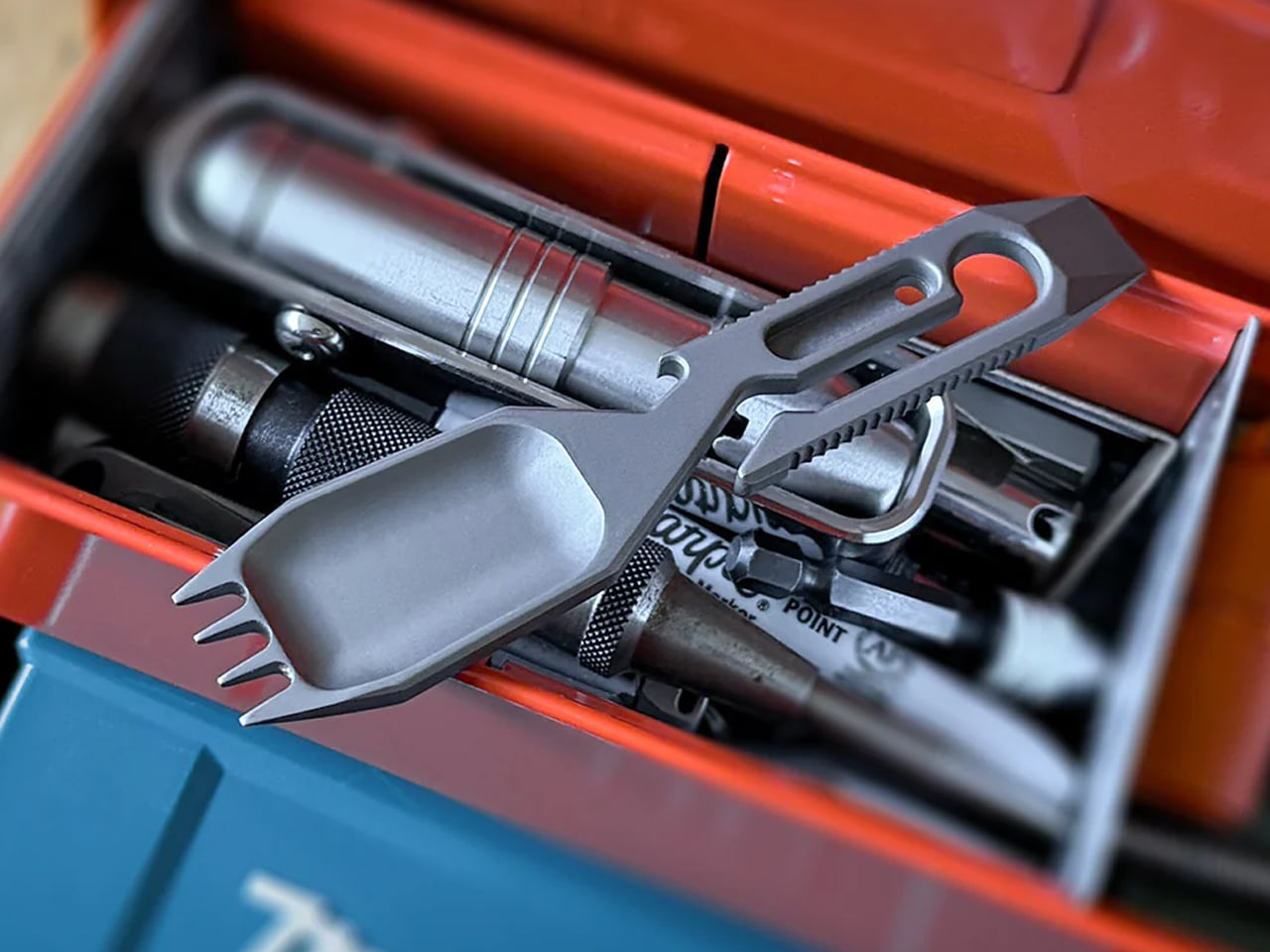
Daily utility meets design in EDC multitools. And here at Yanko Design, we have this knack for recognizing the best tools for you, which would provide advanced features and excellent value when you need them. In the market flooded with multitools that are designed to fold and twist, Prometheus Design Werx has surprised the demanding with the stunning idea of the SPD Ti-Spork Chop – a multitool in its own unibody design.
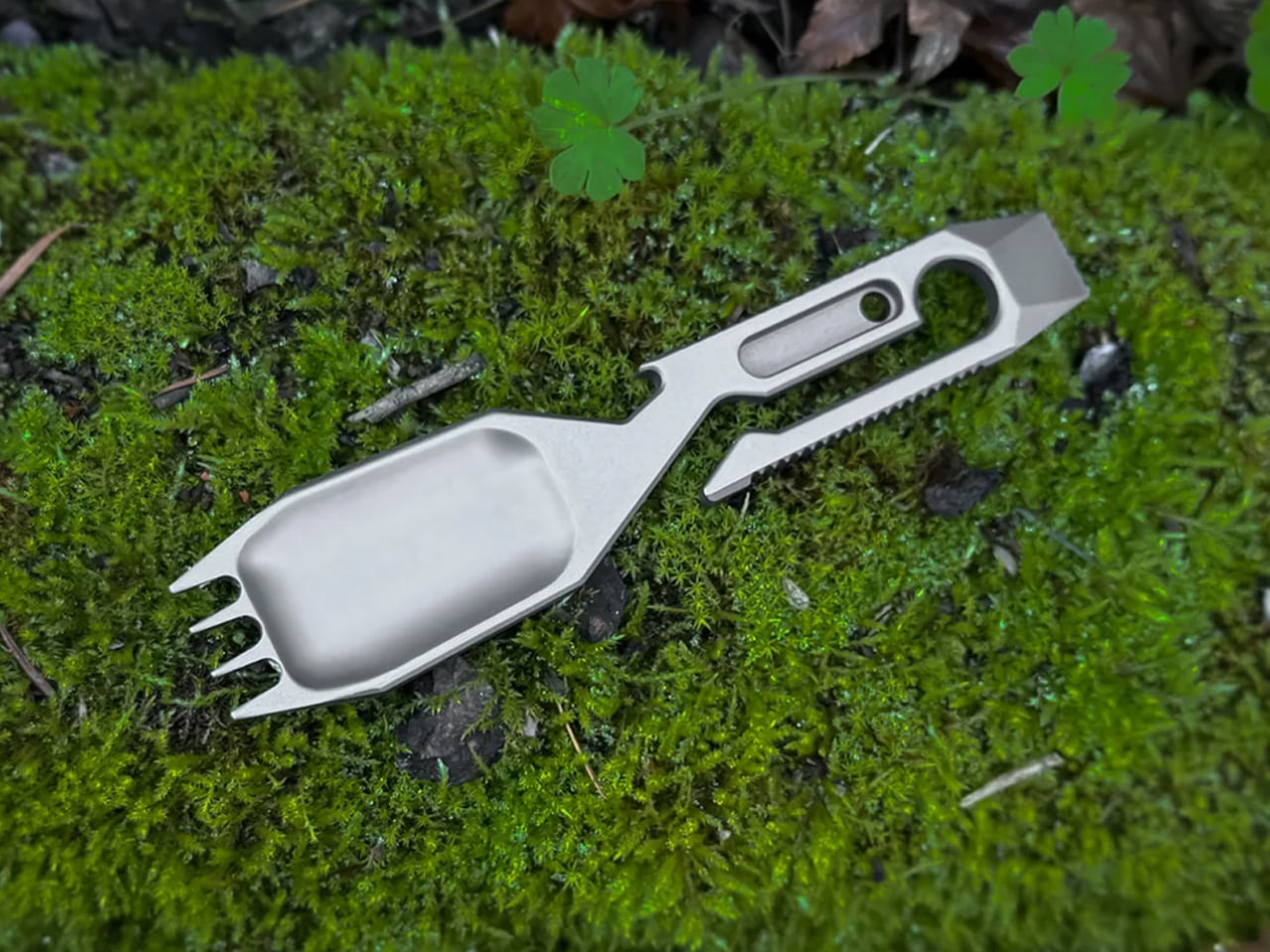
While multitools that fold and feature pull-out accessories from the body are a common sight, it is unusual for a multitool to arrive in a one-piece design with construction that’s durable enough to withstand whatever you can throw at it. Looking at the Ti-Spork Chop, you can instantly count it out as a viable pocket tool, but spare a thought and read further before you arrive at a conclusion.
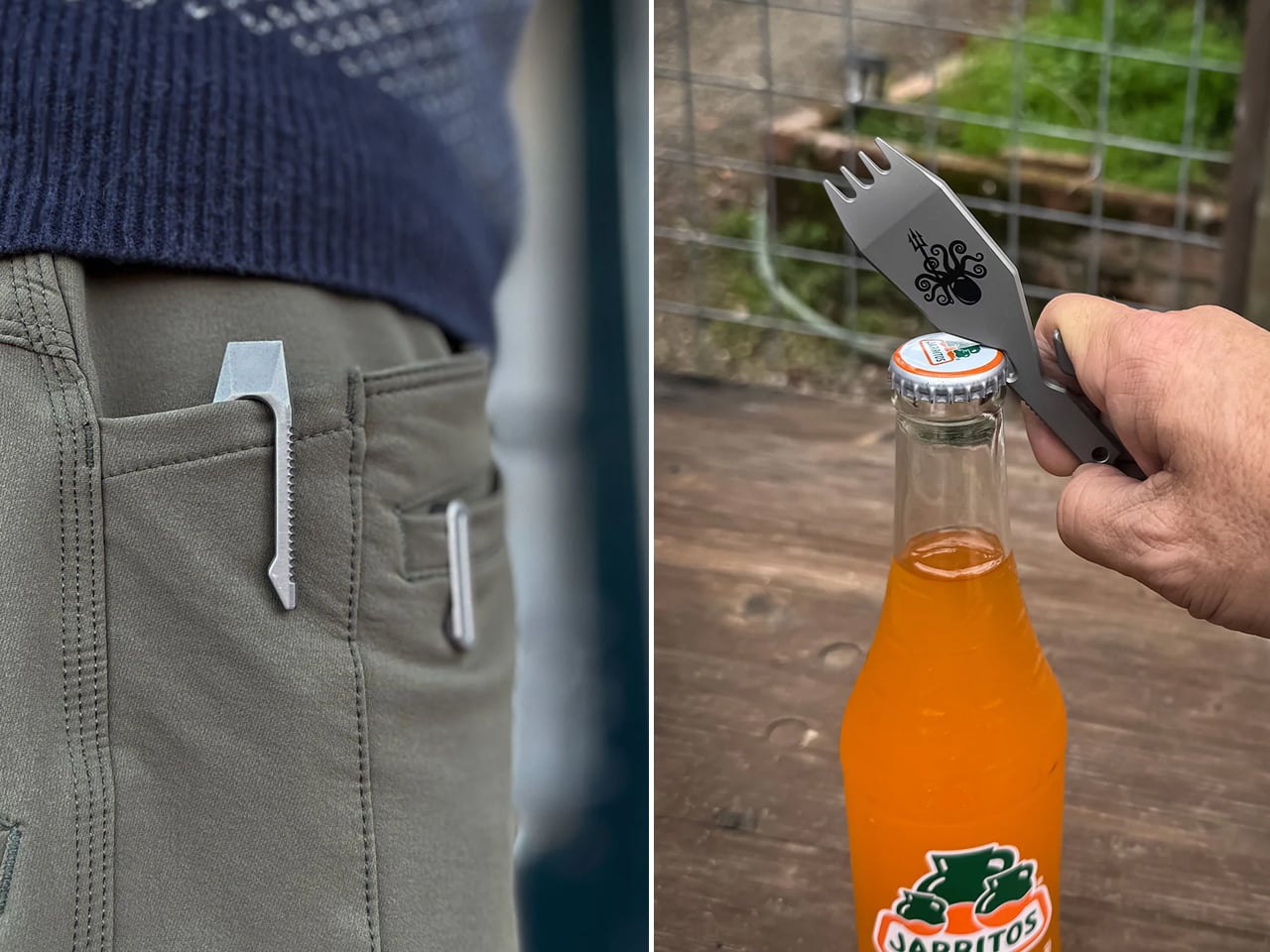
The look of the Ti-Spork Chop is self-explanatory of what the design entails. But the first thing that can disturb many is how to fit that EDC into the pocket. To ensure that it is possible and effortless, the one-piece multitool features a pocket clip to hold it in place inside the pocket. And when you’re unsure of having it in the pocket, the tool’s lanyard hole makes carrying it worry-free. The look may not obviously suggest, but this tool has six built-in functions.
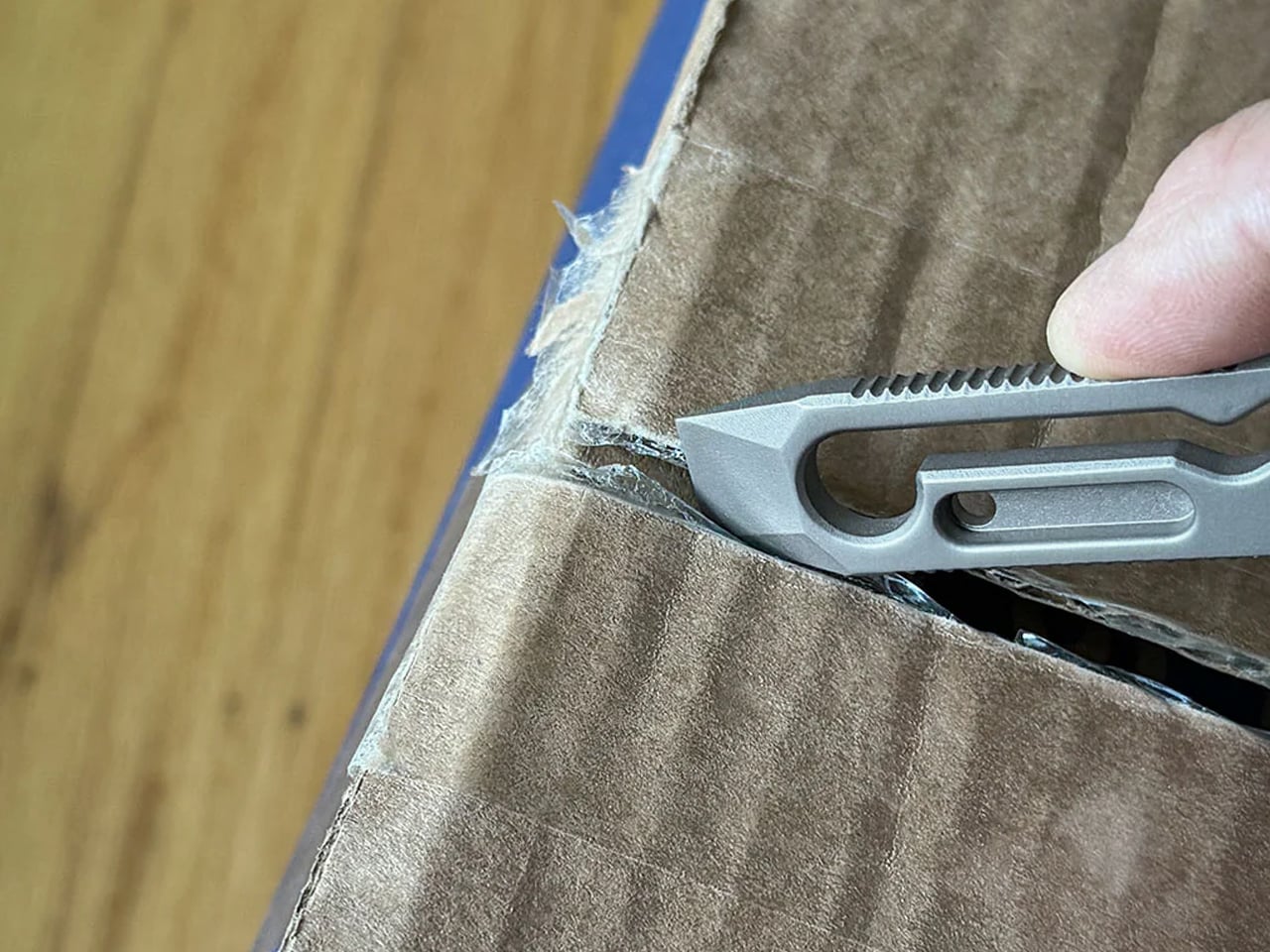
It obviously starts with the combination of a spoon and fork in the front, which clearly wins it the word ‘Spork’ (combination of spoon and fork) in its name. Besides, making it a valuable EDC for casual campers and serious adventurers are features like the bottle opener, box/can opener, and a prybar. Of course, the pocket clip on one side and the lanyard in the middle are other notable options that make the tool even more handy.
Describing various scenarios in which the multitool can be used, the company notes, “Whether you’re shoveling canned peaches, stirring your precious hot cup of instant coffee with powdered creamer in some remote, dangerous corner of the world, or opening a bottle of Jarritos, our Ti-Spork Chop has got you covered.” It’s “A titanium spork to rule them all…” the company website reads.
All these tools are packed on a Ti-Spork Chop that’s milled from a single piece of 6AL-4V grade-5 titanium. The construction makes it highly durable and exceptionally resistant to corrosion. The design, as opposed to that of other folding multitools, ensures that it is easy to clean. Weighing roughly 30g and measuring about 4.72 inches long, the lightweight but incredibly robust Prometheus Design Werx multitool is available on the company website for only $79.
Your hands are restless by design. Even when you’re sitting still and supposedly focused, they want to press something, rotate something, click something into place. This tendency has been pathologized and productized in equal measure, first by disapproving teachers, then by the fidget spinner industry. But before any of that, there was just the pen. The clicking ballpoint. The cap you’d snap and unsnap. The barrel you’d roll between your knuckles during a long phone call. Pens have always had a secondary life as objects of physical preoccupation, and most people who’ve ever worked at a desk know exactly what that feels like.
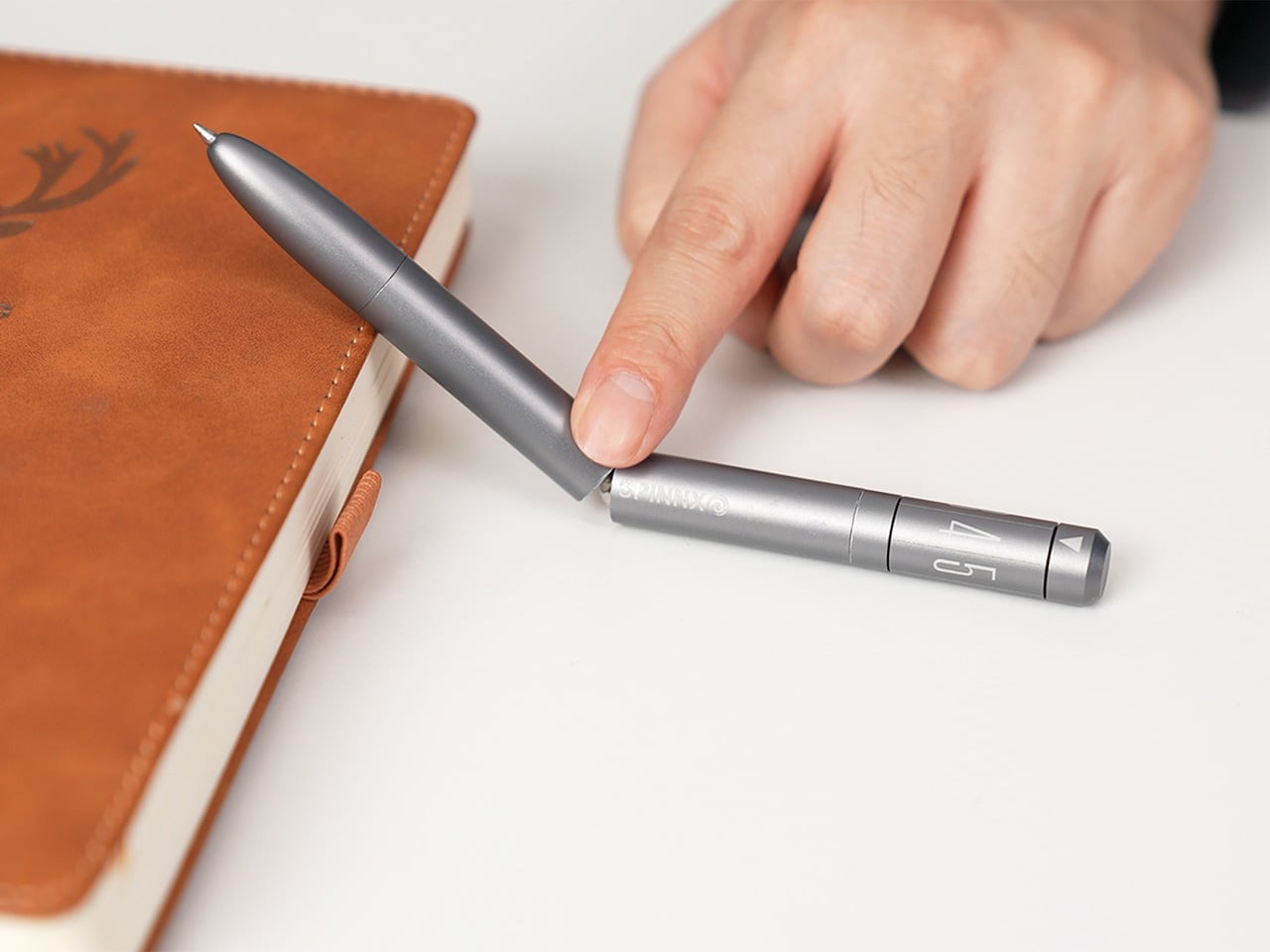
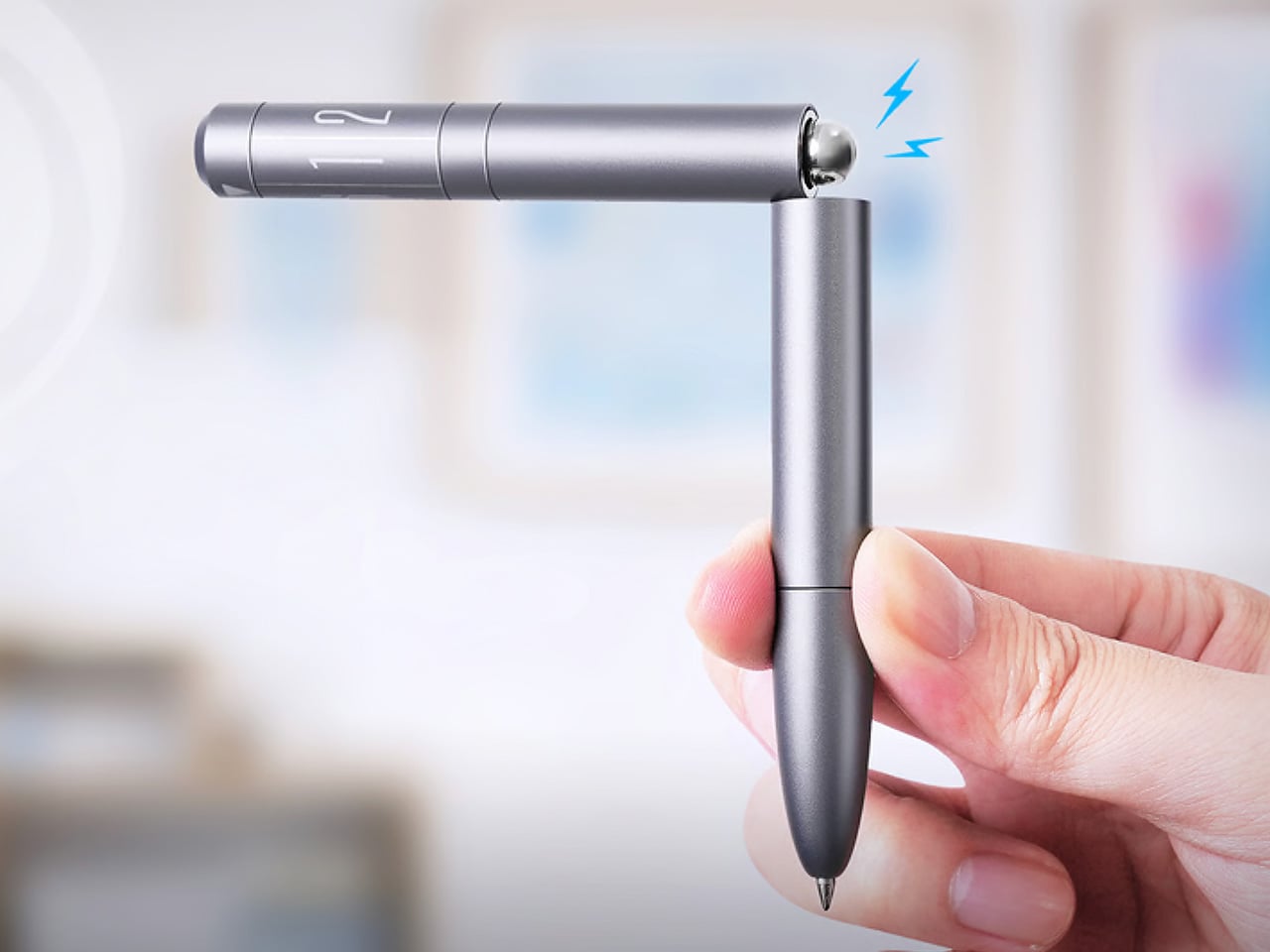
SPINNX takes that secondary life and makes it the whole point. Built by WEIWIN out of aerospace-grade titanium and held together by magnets, the pen separates into three modules that each deliver a distinct tactile sensation. Snap them together and there’s a crisp magnetic click. Press the spring-loaded ball in the middle and it gives you another one. Spin the dice top and it rotates through a series of rhythmic mechanical detents. The pen tip deploys with a twist rather than a click, because even the functional part of the experience has been thought through. Three years of development, ten design revisions, and one very specific goal: a pen that writes and delights.
The three-part system allows you to reconfigure the pen’s entire sensory output. You can flip the middle module to put the spring-loaded ball on top for a different kind of thumb-actuated click. Each combination changes the weight distribution and the way the pen feels in motion, which creates a surprisingly deep rabbit hole of tactile experiences. The team claims over fifty different ways to spin and fidget with the thing, and that number feels plausible once you start playing with it. The design provides a whole palette of physical feedback, letting you find the specific sensation your brain needs at that moment to stay locked in.
The snap of two modules connecting sounds like a well-tuned mechanical keyboard switch, something the designers obsessed over to ensure the end-product has a strong audio-visual-tactile experience. WEIWIN engineered the acoustic and tactile response of each magnetic separation and reconnection as an intentional product feature, treating the sound with the same design attention as the geometry… sort of like how luxury car designers obsess over how the doors sound when they close. Most clicking pens produce their click as a mechanical consequence, with nobody sitting in a room deciding whether it needs to be crisper or more controlled. With SPINNX, somebody clearly did sit in that room, and the result is a snap that feels sound-designed for sheer satisfaction.
The dice module functions like a high-quality EDC spinner, rotating with a series of crisp, audible clicks that feel like running your thumb over the crown of a well-made watch. Its ceramic bearing ensures the rotation is smooth and completely unaffected by the precision-engineered magnets holding the pen together. Choosing a non-metallic bearing is the kind of small, deliberate decision that separates a durable tool from a simple toy. Beyond the satisfying spin, it serves as a simple decision-making device. When you’re stuck between two choices, a quick roll gives you an answer, which is a surprisingly effective way to get past minor mental roadblocks.
Choosing aerospace-grade titanium for the body does more than just add a premium feel. The material provides a specific heft and durability that aluminum or steel can’t quite match, giving the pen a reassuring presence in the hand without being overly heavy. This balance is critical for an object designed for constant manipulation. The pen tip itself deploys with a smooth twist mechanism, which feels more deliberate and controlled than a standard clicker. WEIWIN also engineered its own proprietary “Super Refill,” which they claim has up to six times the writing life of a standard refill. Sure, it won’t work with standard refills, but standard refills only last 1/6th as long as the one that comes with the SPINNX.
There’s an optional Maglev Pen Stand that completes the package for anyone who spends most of their day at a desk. The stand uses magnetic levitation to balance the pen perfectly upright, letting it float and glide with a gentle touch. It turns the pen into a kinetic sculpture when you’re not using it, a piece of interactive art that settles back to its center with precision. This stand isn’t just for storage; it’s an extension of the pen’s core philosophy. It’s another way to engage your hands and mind with a simple, satisfying physical interaction, turning a moment of pause into something quietly delightful.
The standard SPINNX comes in four finishes. The base model is a silver-colored aluminum for $59, while the premium versions are offered in natural titanium, matte black titanium, and a striking brass-colored titanium for $69. For those who want the complete experience, a $99 Professional Kit bundles the pen with a leather pouch and other accessories. There are also several add-ons available separately, including extra refills, a calfskin leather pouch for protection, a spiral module to swap with the dice cap for a different visual flow, and the magnetic fidget sticks for more desk-based play. The Maglev Pen Stand is also available as a standalone $35 purchase. All SPINNX variants ship worldwide starting April 2026.
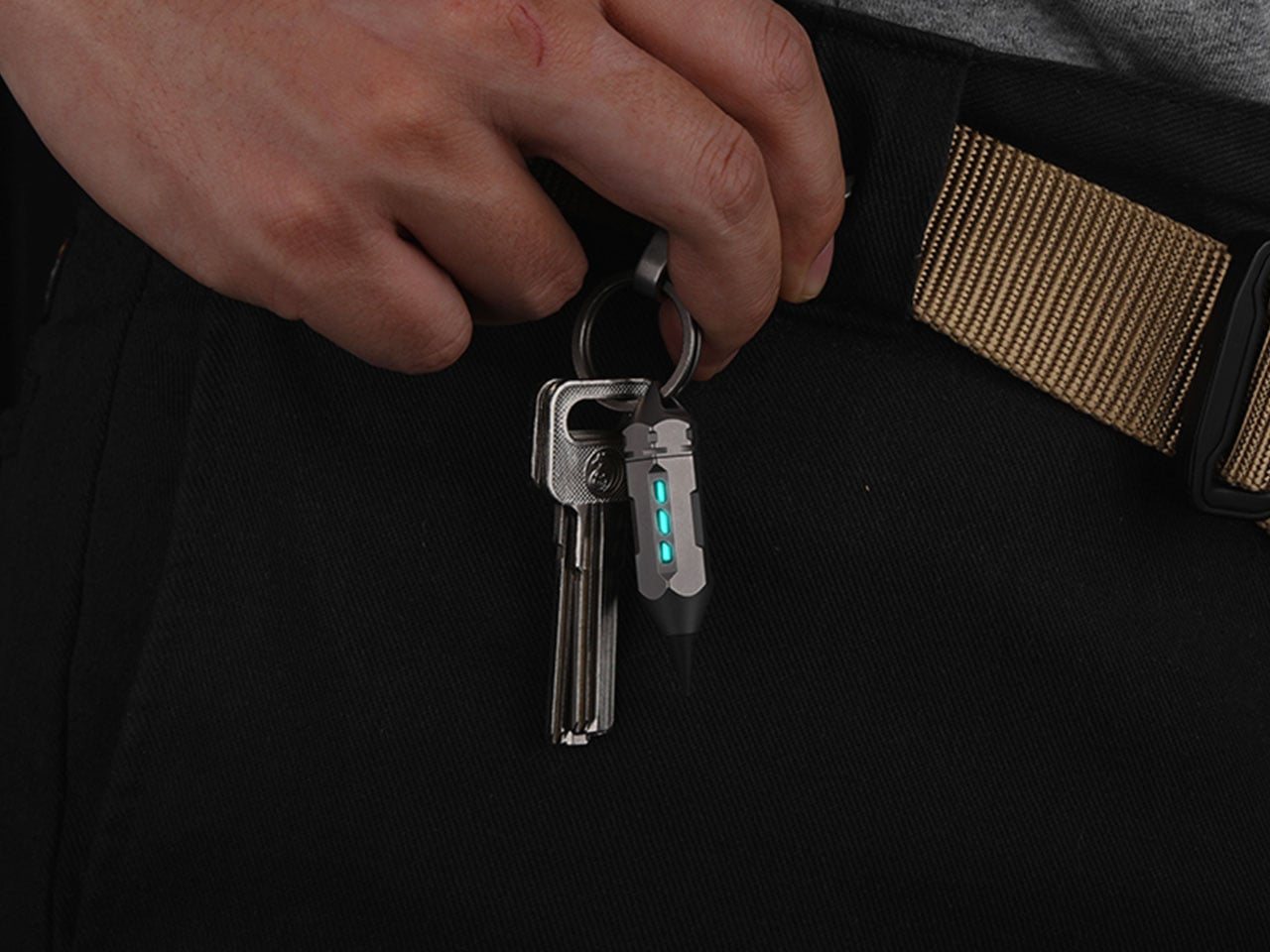
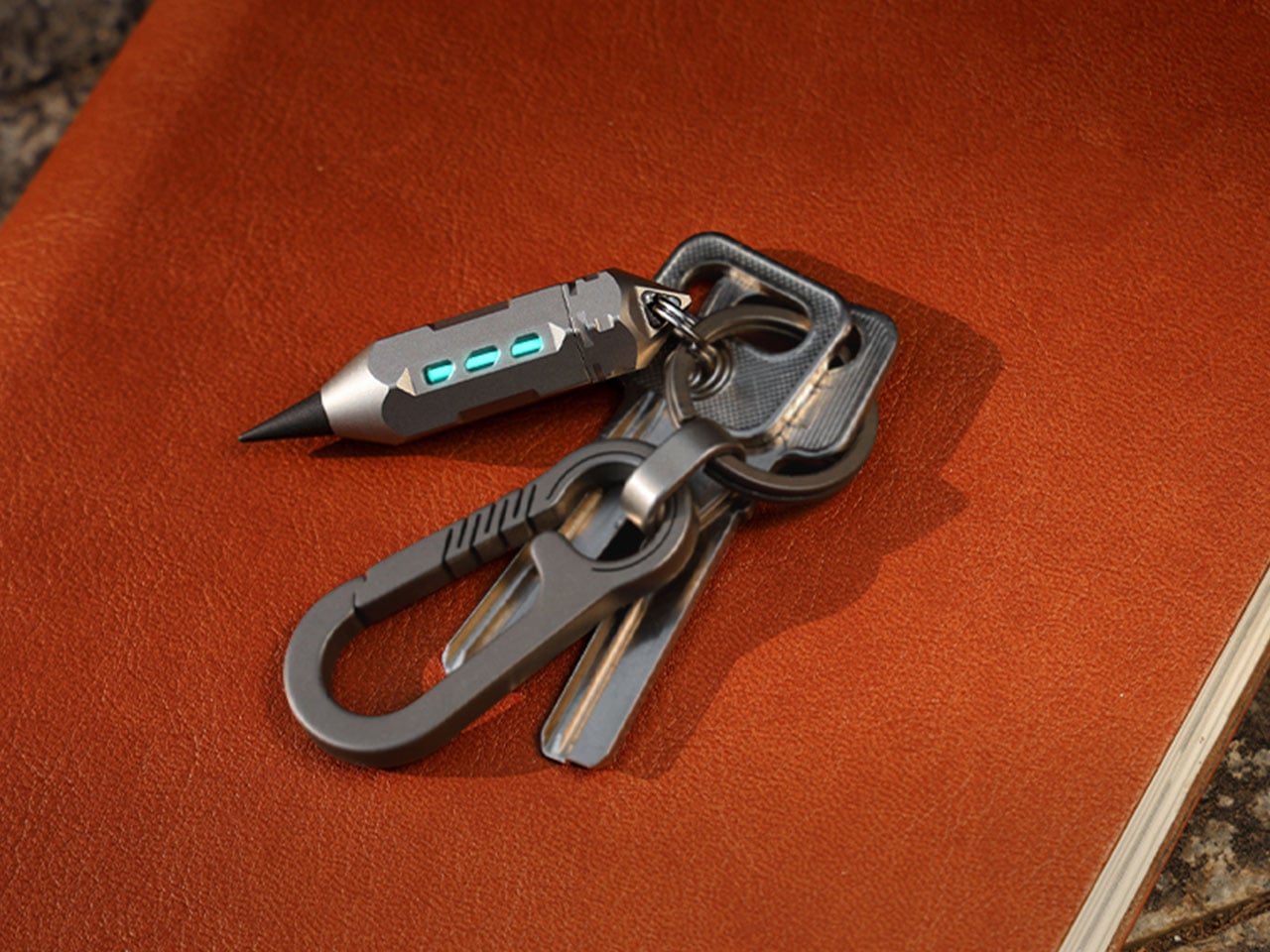
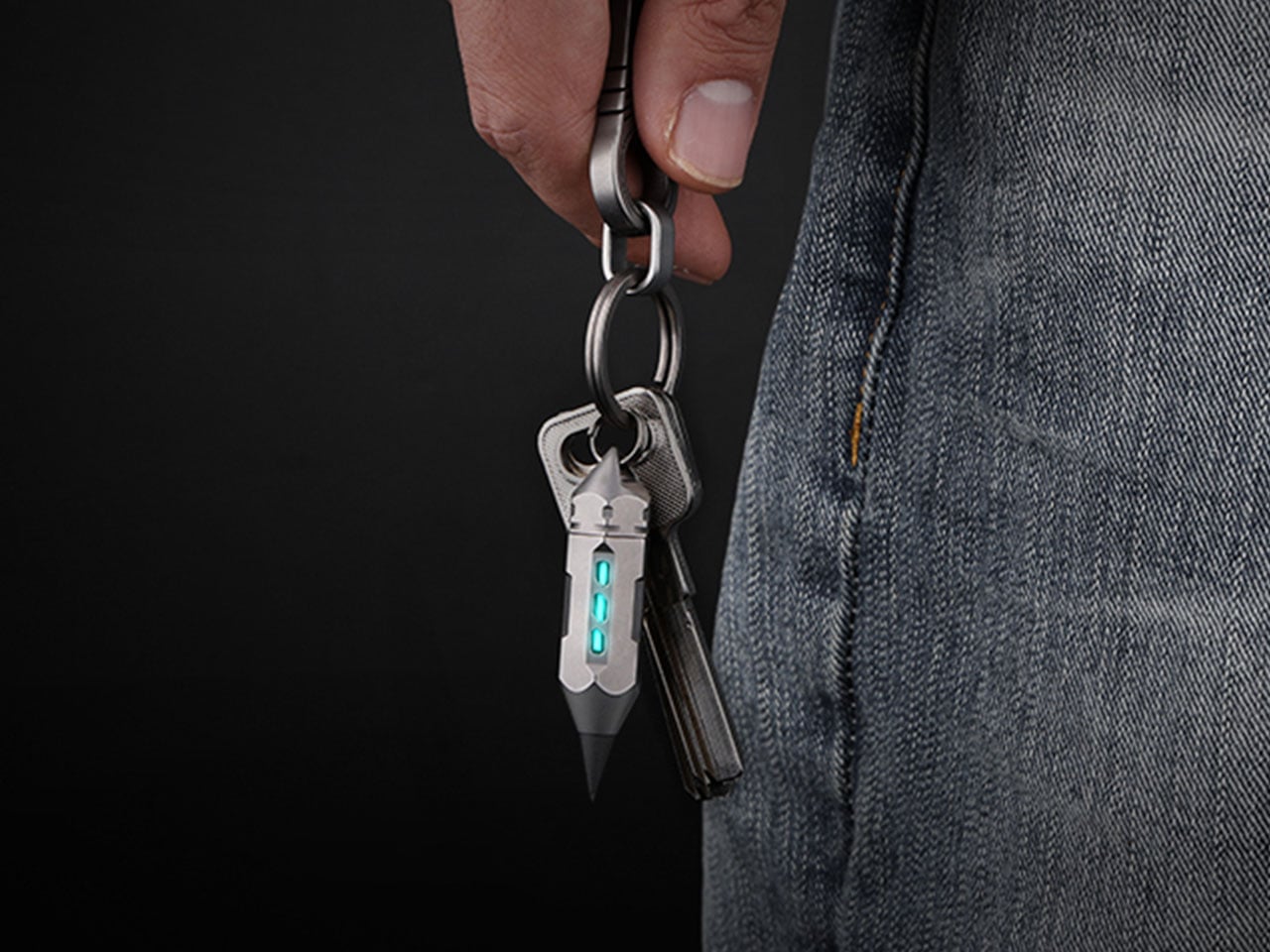
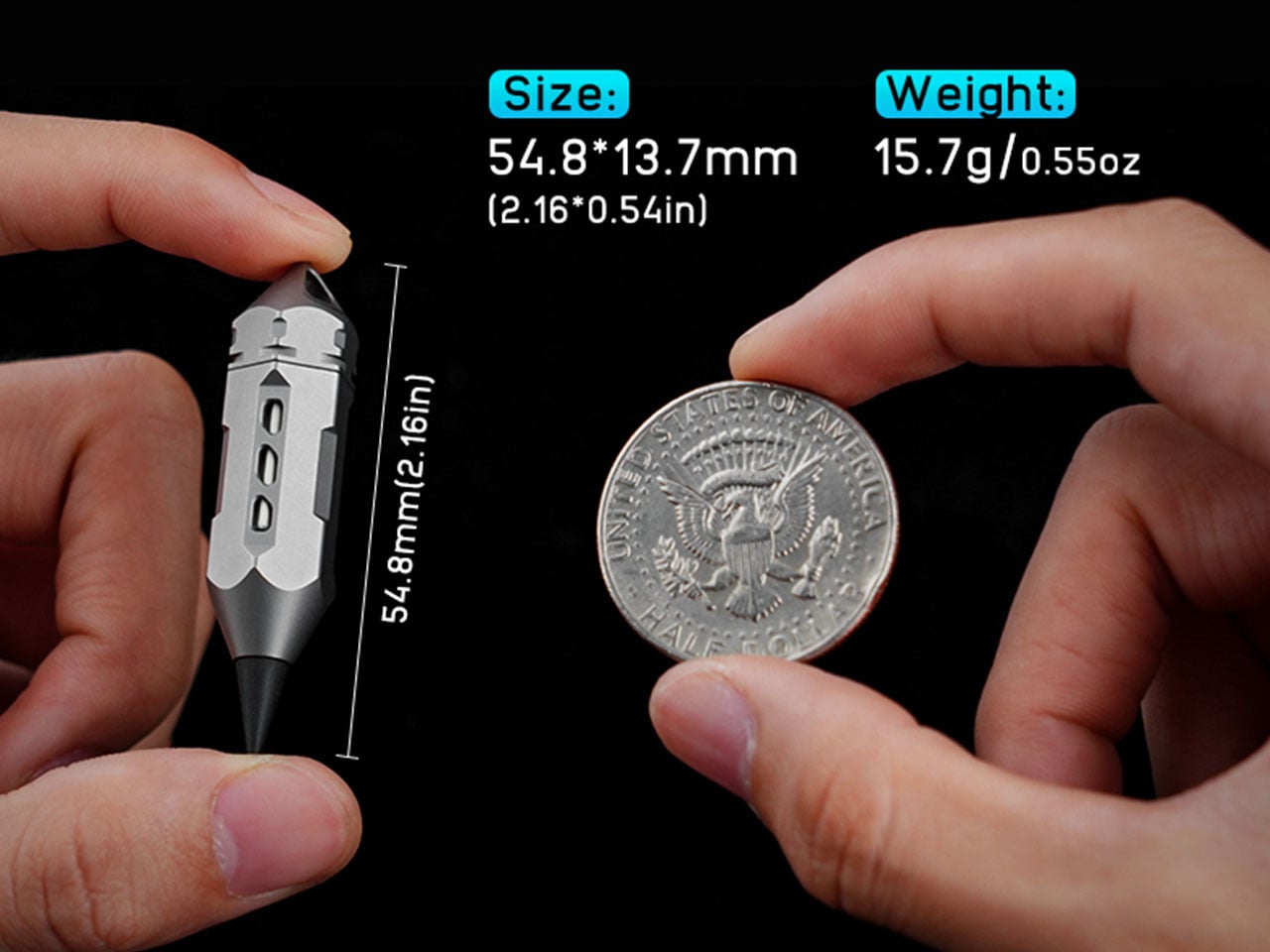
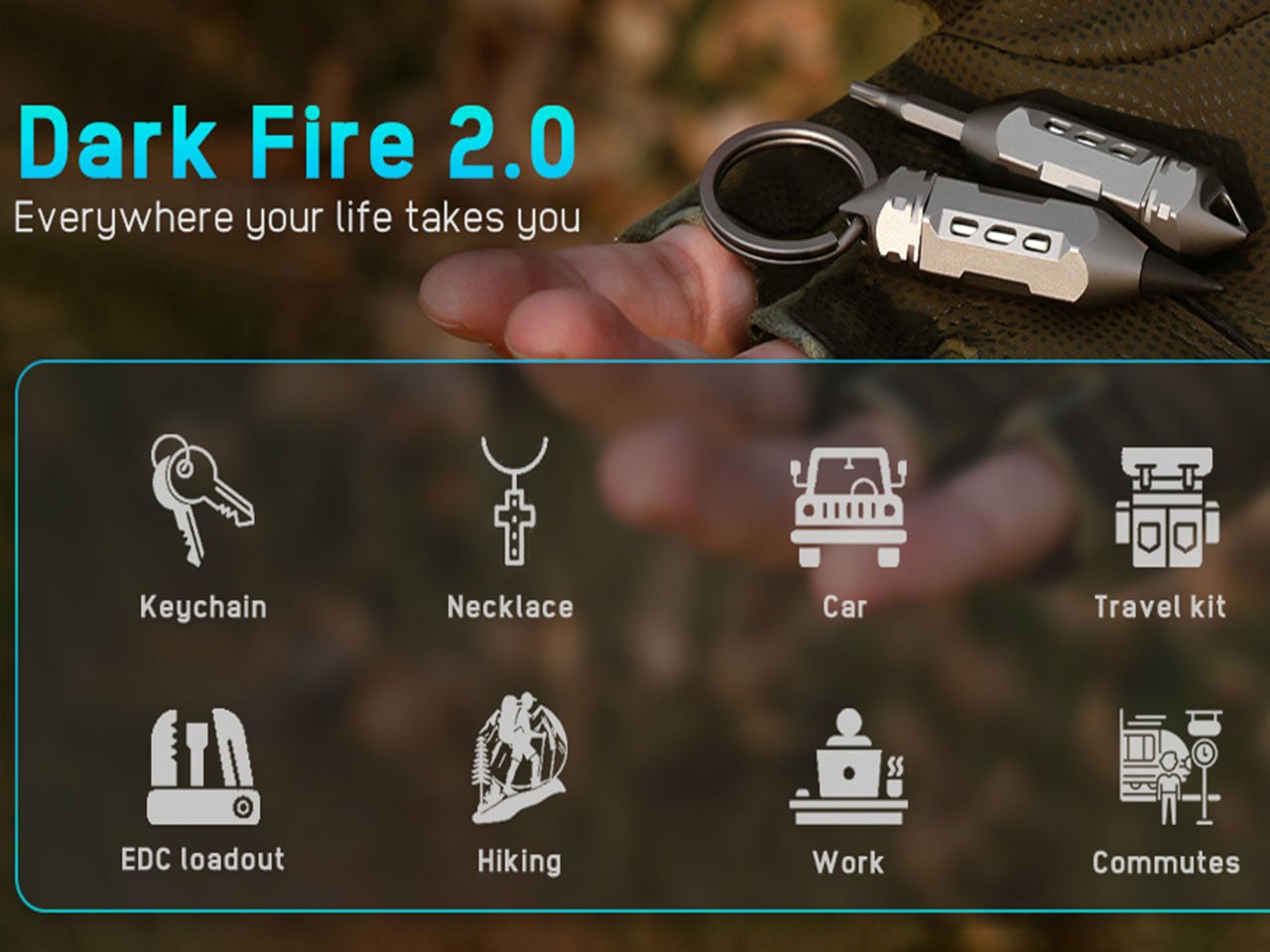
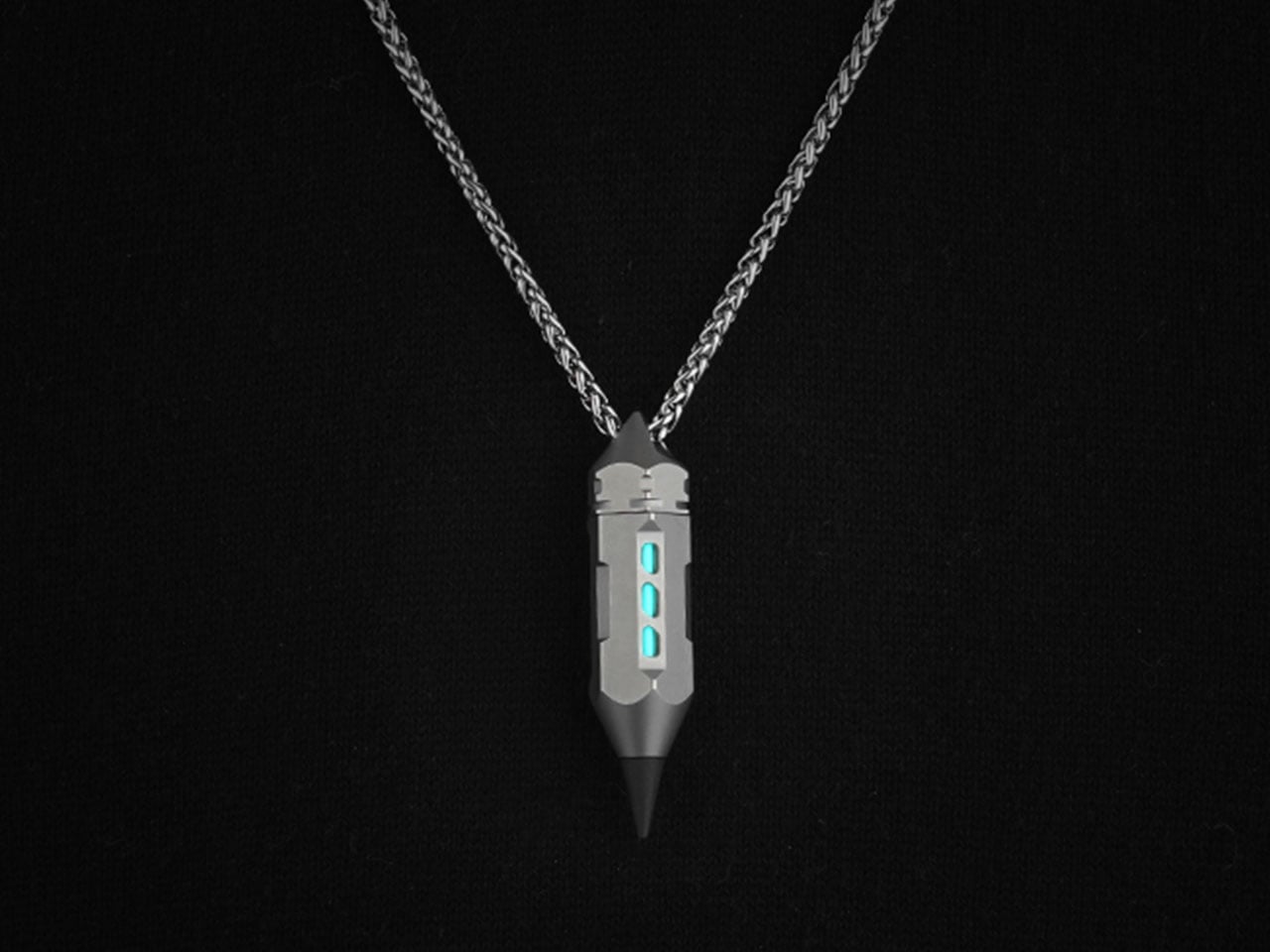
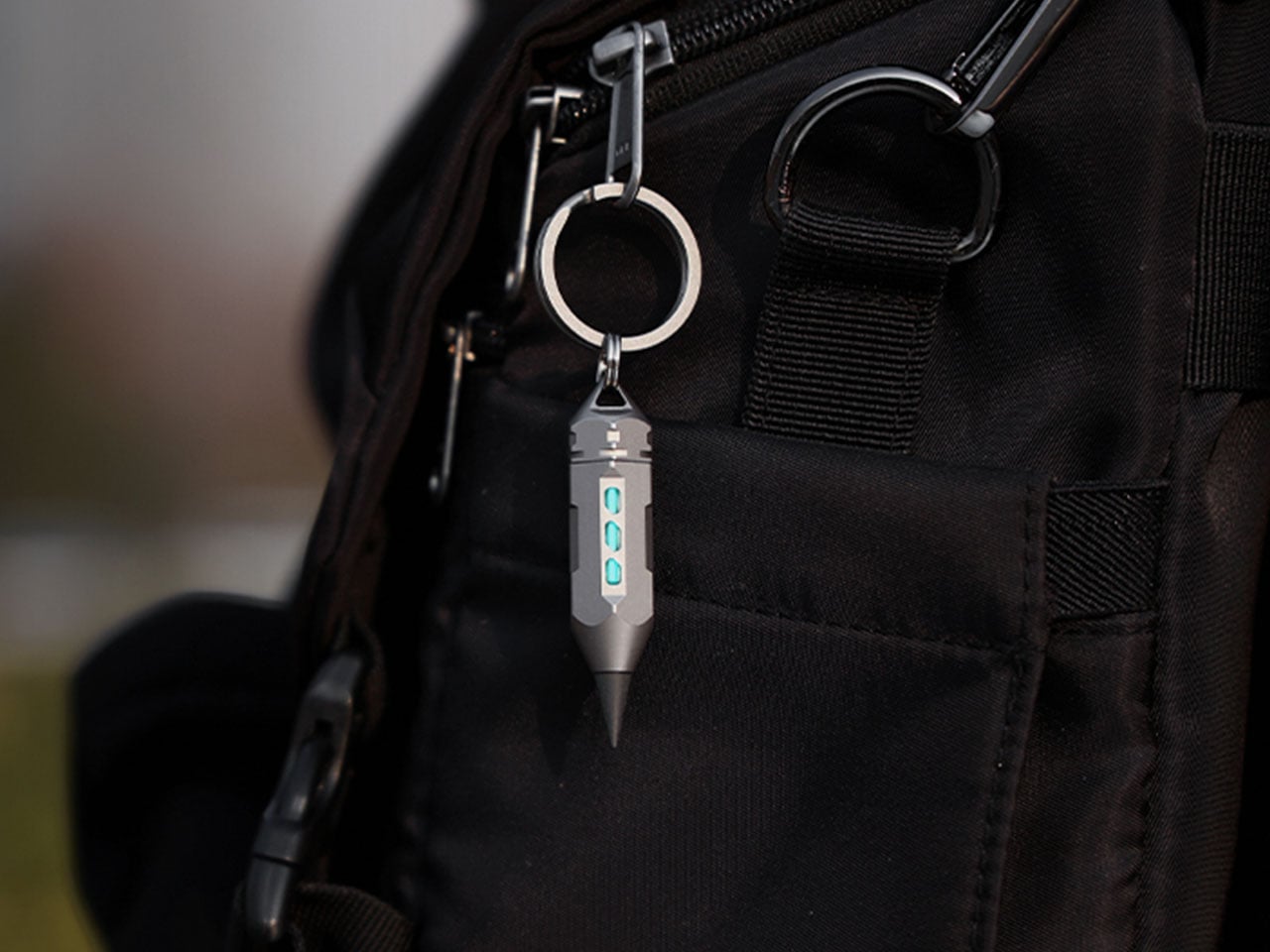
An everyday carry tool, colloquially EDC, is only useful and actually worth its weight in gold when the device is built to be convenient to carry and use. The Dark Fire 2.0 is easily the most apt to the idea. It is a pendent, a key chain, or a clip slightly more than the size of a coin, but versatile enough to put many more detailed, hefty and space-consuming EDCs to shame, which are yet to do half the tasks the Dark Fire’s second version is designed to fulfil.
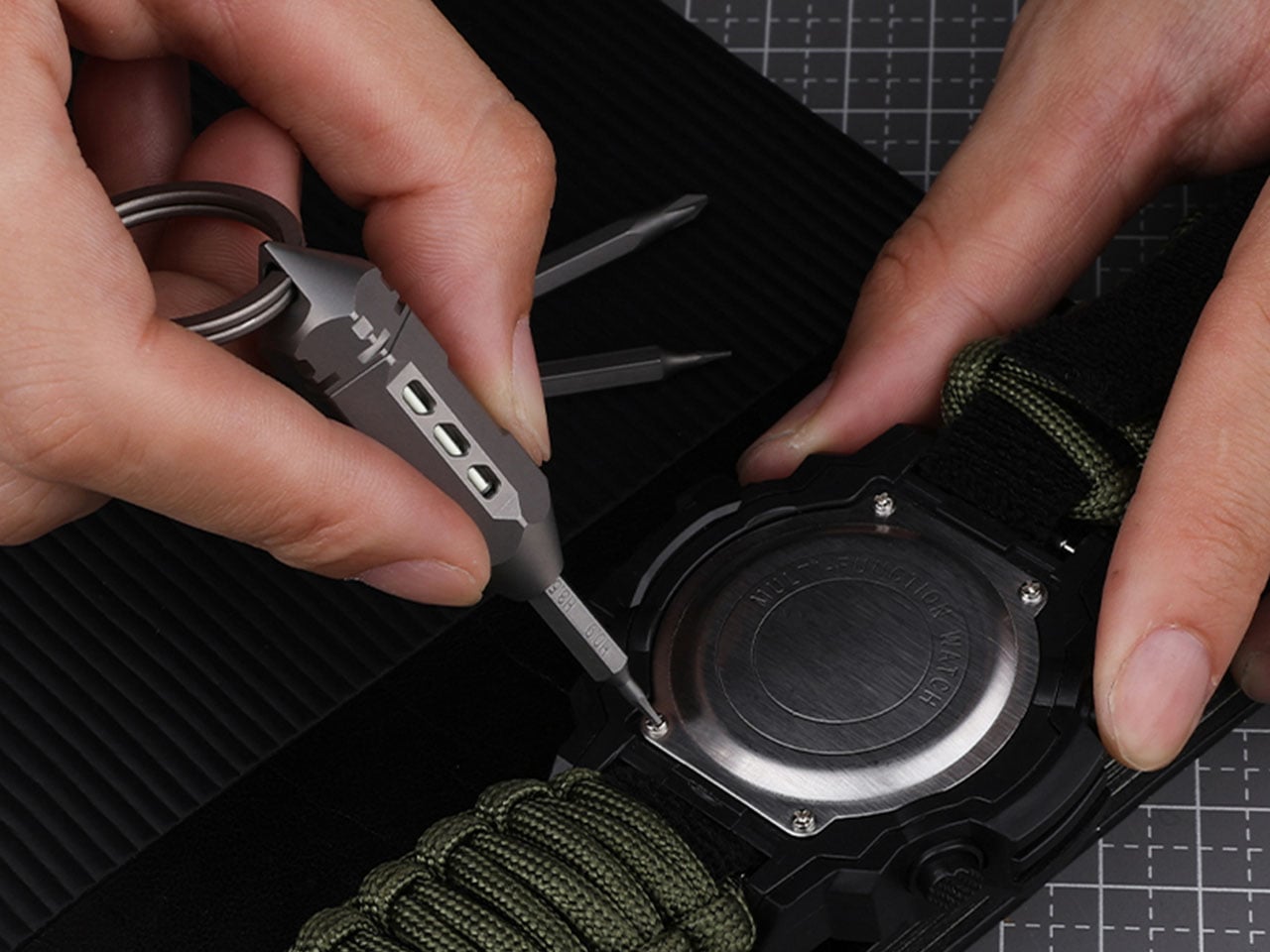
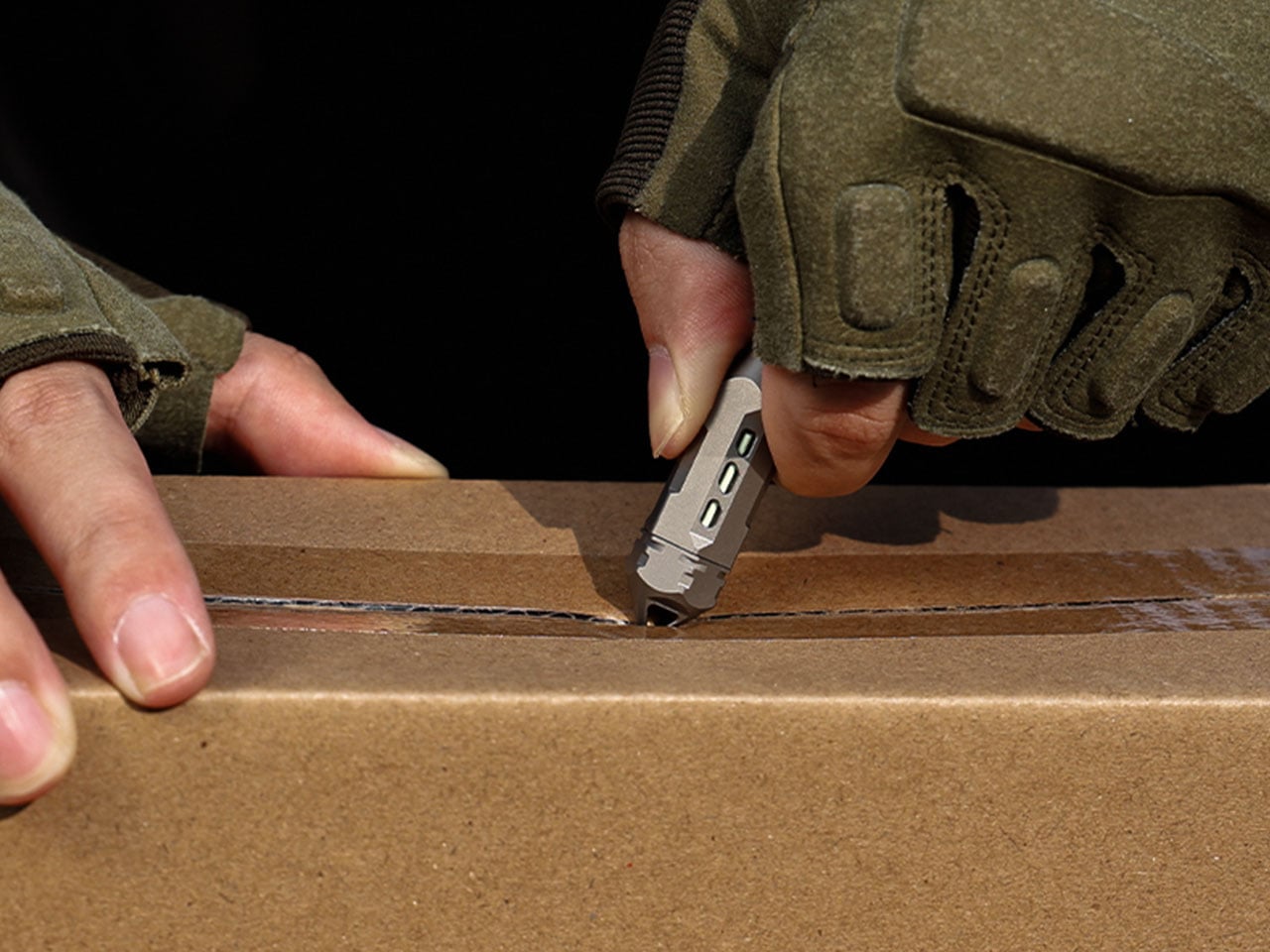
MeTool, the team of creators behind the multitool, have designed the new pendant EDC based on the predecessor, which was a similar tool but with lesser versatility and a go-getter attitude. The idea of this concealed but useful device stands out primarily for two reasons: the tool remains unnoticed until the exact moment you need it, and when you do, it can transition from a simple pendant into four different tools including a pen, screw driver, prier, and a glow light.
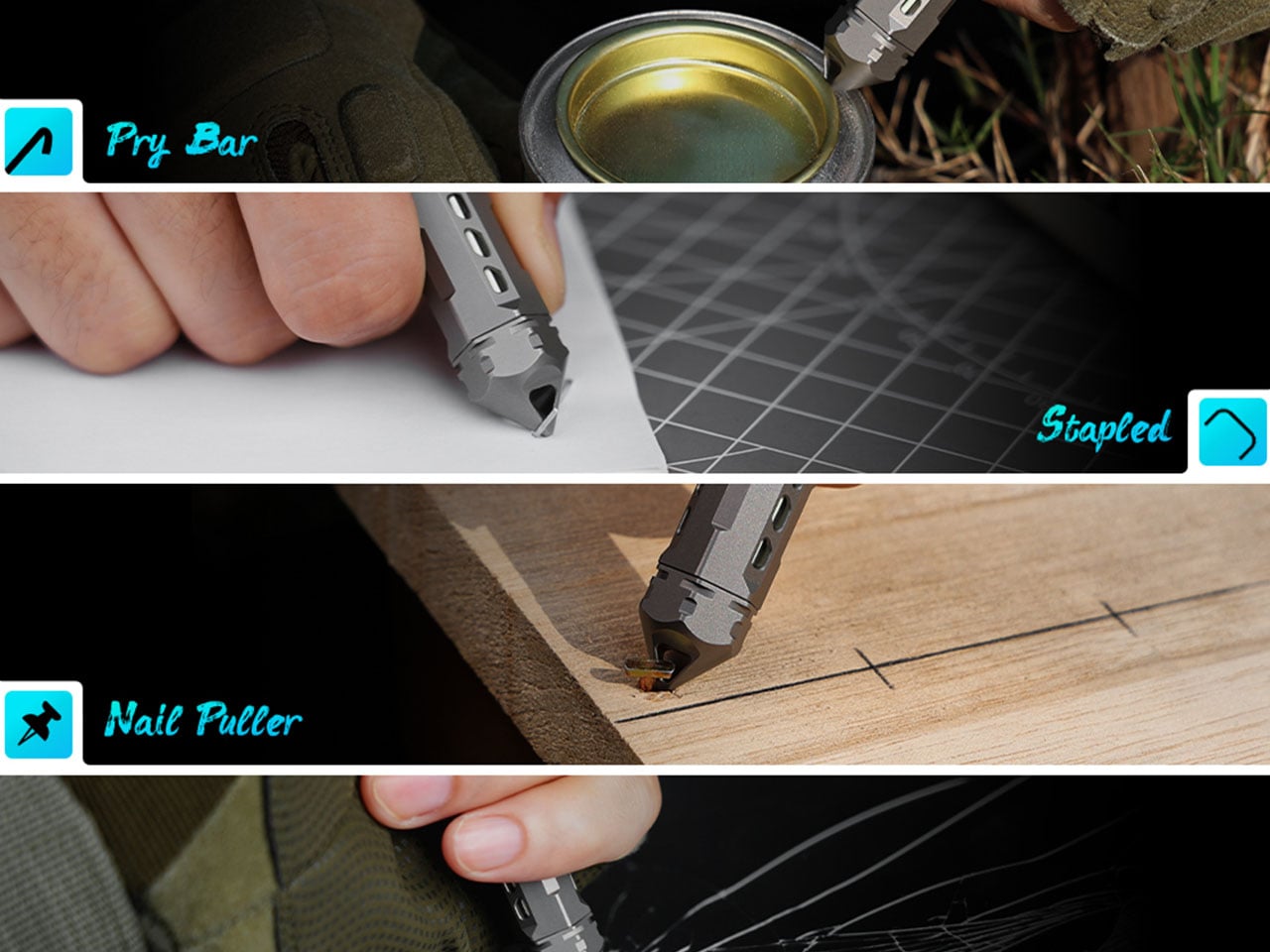
Whether you want to mark out a window in the floor plan, tighten a screw you notice falling off your laptop, or want to flip open a can at the camp; the Dark Fire 2.0 has you covered. At the time of writing, it is not a full-fledged product, but it is seeking crowdfunding support to go out there and make a difference in the lives of those who need a dependable but compact tool for their liking.
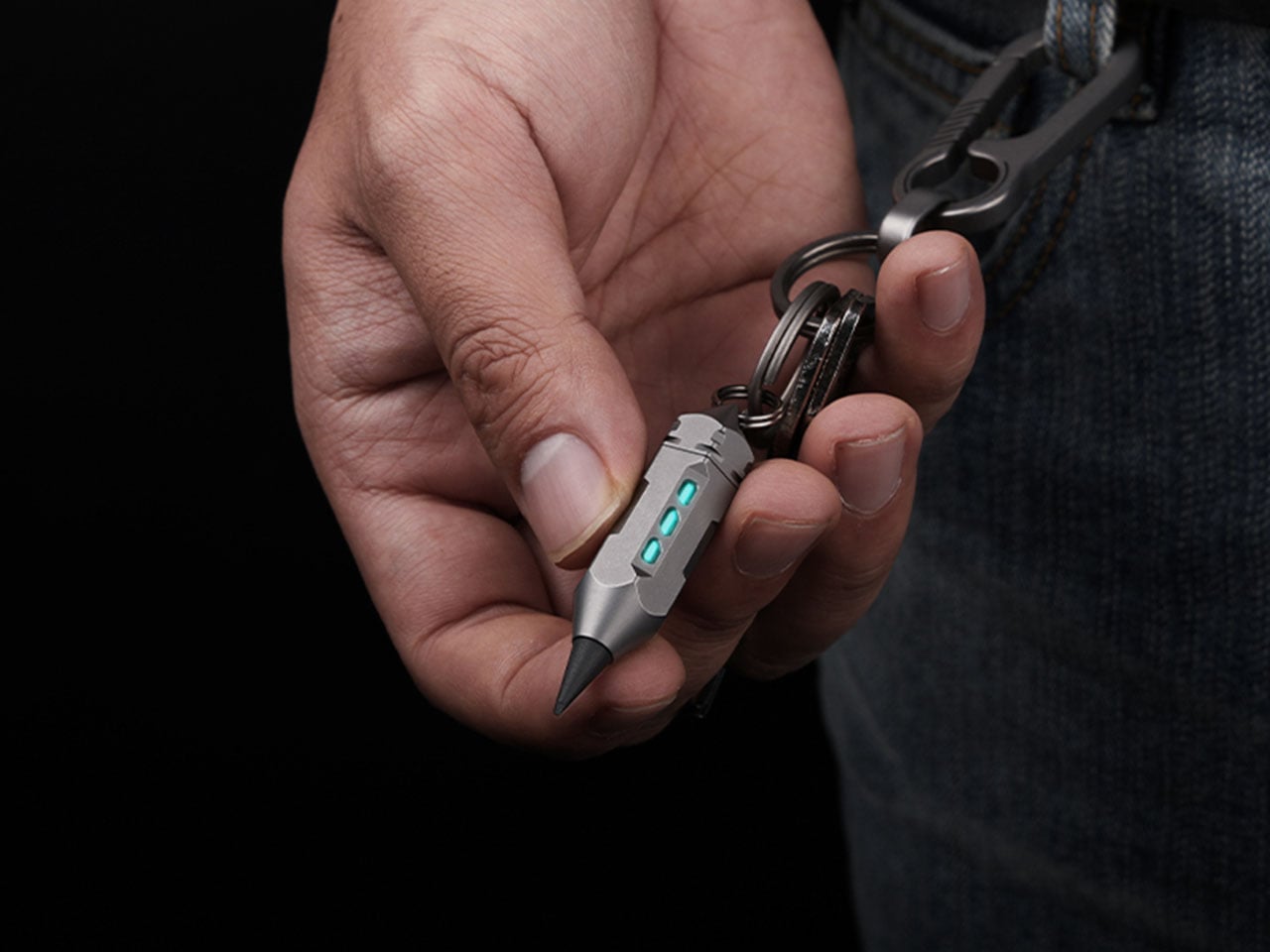
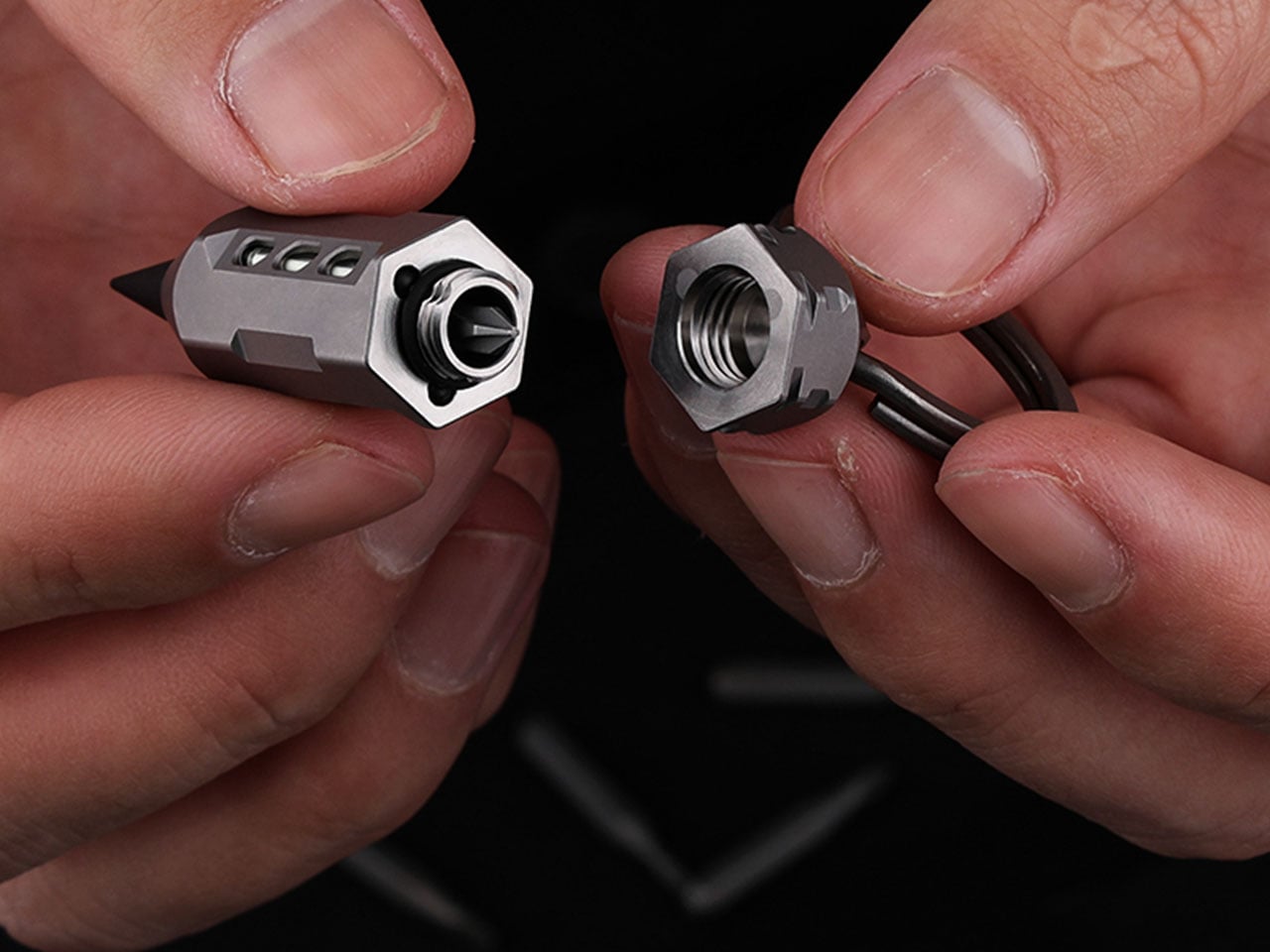
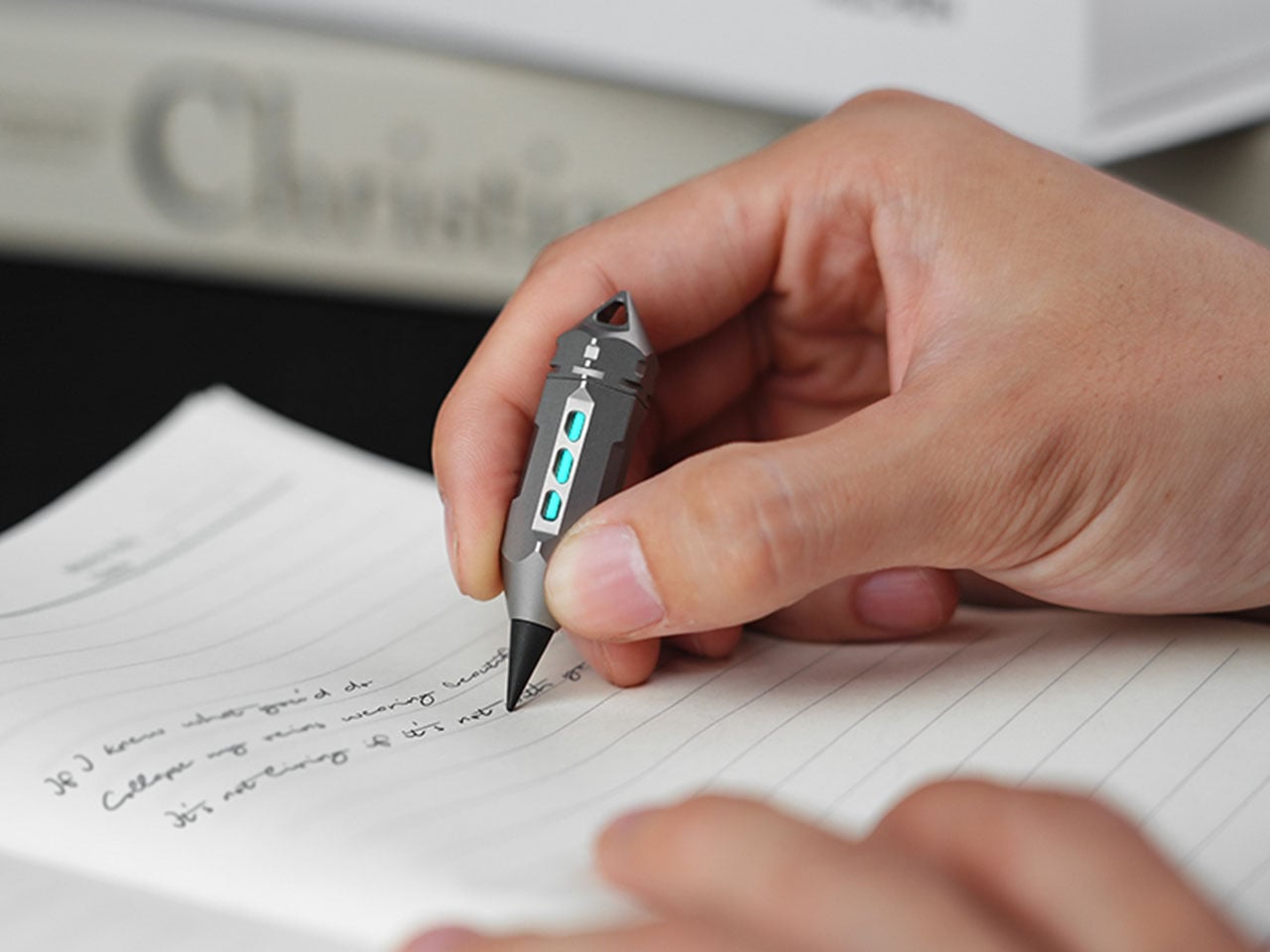
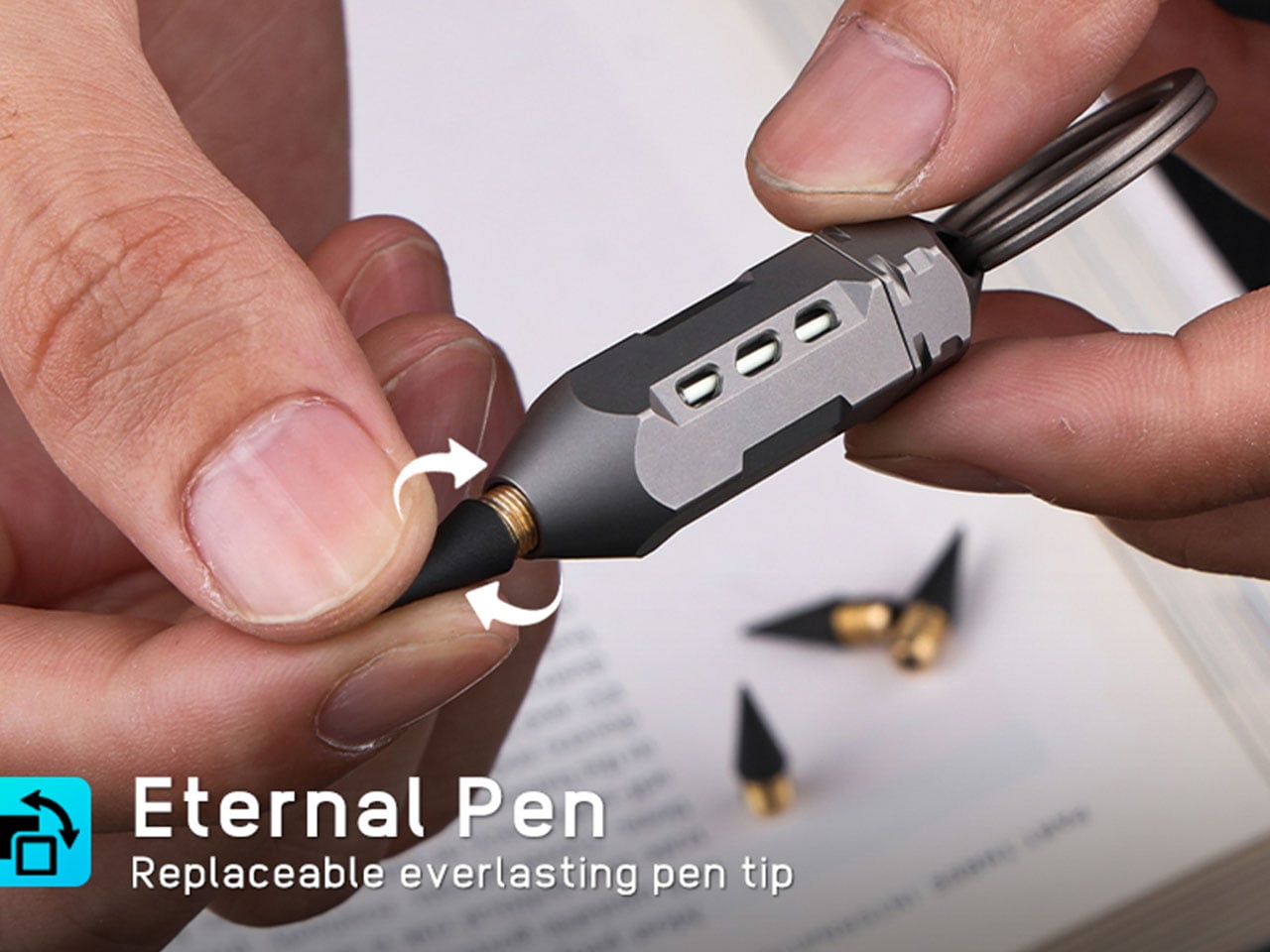
To that accord, MeTool has packed functionality into the pendant-sized EDC. It is made from a solid one-piece of precision-machined titanium and features an interesting rotary quick-release structure with tritium slots. The Dark Fire 2.0 body when twisted, opens up to reveal its true worth which is more than a pendant. Inside its 4 mm bit storage cavity hides a screw driver, a pry bar and a pen tip. And when the quick-release top is twisted, you can install the pen tip or replace it with the screw driver and get the work done instantaneously.
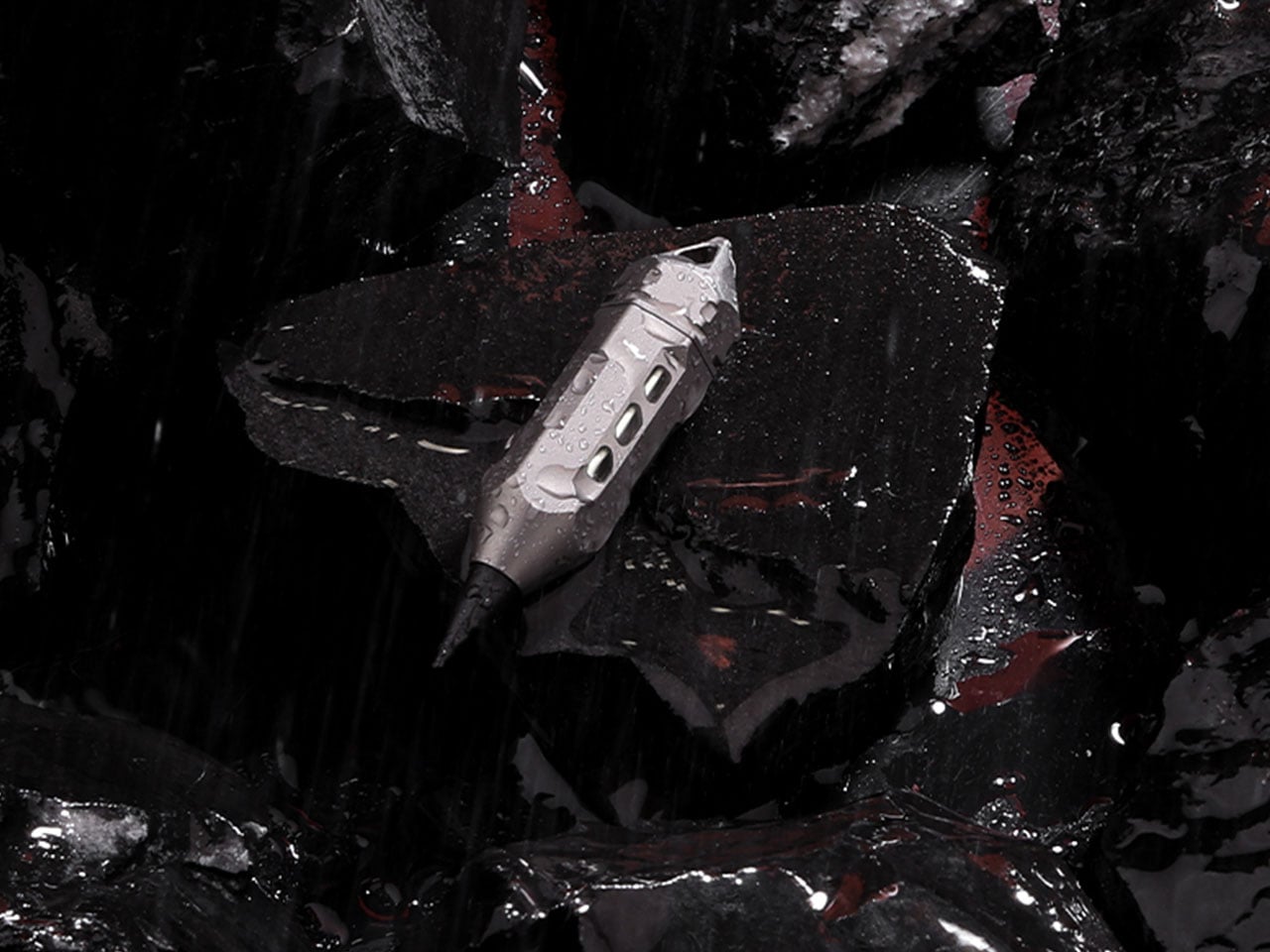
Besides, the EDC is a titanium glow multitool. It measures 2.16 × 0.54-inches, weighs only 0.55 oz, and features a built-in light in the portable pendant design. The light, instead of residing within a glass tube – as in the Dark Fire 1.0 – is packed in a titanium hollow window which shields its against shattering, yet provides a clear sight for soft glow. The tube also features a floating shock-absorbing mount comprising dual rubber end-balls and an internal O-ring for protection against bumps and drops.
What really makes the Dark Fire 2.0 stand out in addition to the compact form factor and versatility, is its pen. It uses solid graphite rather than ink and is designed to never dry out or smudge. What you write with it stays there even through rain and regular wear. You can use the scribble of paper, wood, or leather, and the eco-friendly pen will do the writing without ink or cartridge. If the EDC has you intrigued, you can preorder it now on Kickstarter at a handsome super early bird discount.
World’s smallest and world’s biggest are two phrases that never fail to grab attention, especially when they’re attached to something as utilitarian as a flashlight. This fingertip-sized rechargeable torch does exactly that, not by chasing gimmicks, but by pushing miniaturization to an almost obsessive extreme. Built as a DIY experiment by YouTube channel Gadget Industry, the flashlight shrinks a fully functional, rechargeable light source into a form factor so small it’s easy to forget it’s even there, until the moment you need it.
At first glance, the scale alone feels unreal. The flashlight can sit comfortably on the tip of a finger, yet it houses a lithium-polymer battery, a charging circuit, a touch-based control system, and a white LED, all sealed into a compact resin shell. It’s a reminder that innovation doesn’t always come from adding more features, but from stripping everything down to what’s essential. In a world crowded with bulky EDC gear promising extreme brightness and endless modes, this micro torch takes the opposite route, prioritizing presence and accessibility over raw power.
Designer: Gadget Industry
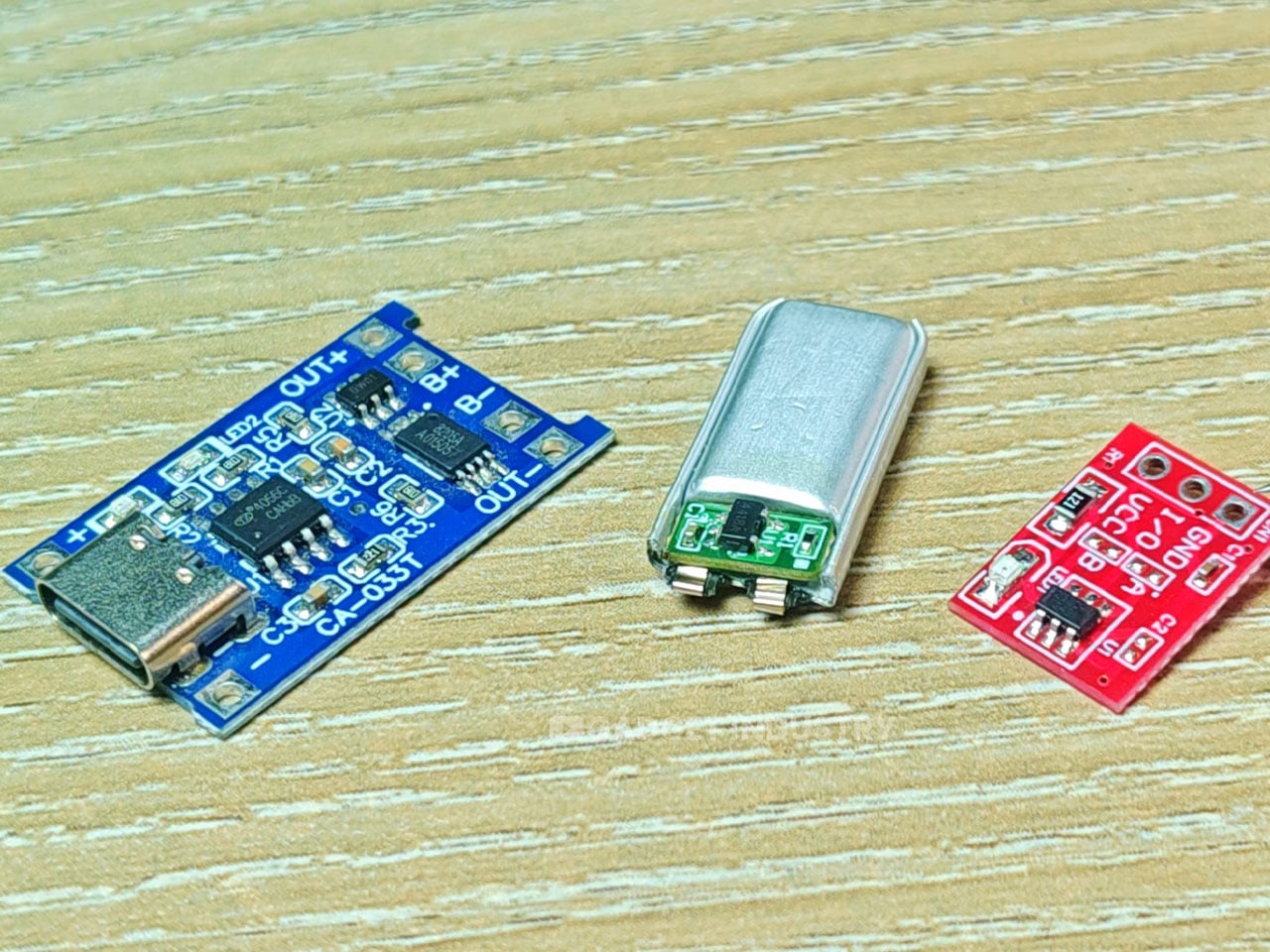
The build begins with a tiny 60mAh lithium-polymer battery, chosen specifically for its balance between capacity and size. To make charging possible without inflating the footprint, the maker disassembles a TP4056 USB-C charging board and integrates only the necessary components directly into the layout. A touch sensor replaces a traditional mechanical switch, working through an N-channel MOSFET to control the LED. The result is a simple, intuitive interaction: place your finger over the sensor and the light turns on, remove it and it shuts off. There’s no click, no resistance, and no moving parts to fail over time.
Encasing everything in resin serves both functional and aesthetic purposes. The hardened shell protects the delicate internals from scratches and minor impacts while allowing the flashlight to be shaped and sanded into an organic, pebble-like form. The USB-C port is carefully preserved during the casting process, making recharging as straightforward as plugging it into any modern cable. While the casing offers limited resistance to splashes, it’s clearly not designed for submersion or harsh outdoor abuse, this is a light meant for convenience, not combat.
Performance is modest but respectable given the scale. The LED provides enough illumination for close-range tasks like navigating dark hallways, peeking into tight corners, or serving as an emergency backup when nothing else is available. On a full charge, the flashlight runs for roughly half an hour, depending on the LED used, which feels surprisingly practical for something this small. Compared to commercially available keychain flashlights, there are obvious compromises in brightness and durability, but none of them detracts from the core achievement.
What makes this project compelling isn’t whether it officially qualifies as the world’s smallest rechargeable flashlight, it’s the mindset behind the craft. This build showcases the patience, precision, and restraint required to design at such a tiny scale, proving that even the most familiar objects can be reimagined when size becomes the primary constraint.