Most Phones Last 3 Years, This $650 Fairphone 6+ Is Built for 8

The smartphone upgrade cycle has been one of the more quietly destructive consumer habits of the past two decades. Most people replace their phone every two or three years, and most of the time the reason has less to do with the device failing than with the manufacturer stopping support for it, making it feel obsolete ahead of its actual lifespan. The waste this generates at the component and material level is substantial, and the industry has largely responded with recycling pledges rather than any structural rethinking.

Fairphone has spent the better part of sixteen years making a structural argument instead. The Fairphone (Gen. 6+) is the latest iteration of that argument, and it arrives with a notable addition to its story: it’s the first Fairphone sold directly in the United States. For a phone built around the idea that longevity and repairability should be standard expectations rather than premium options, reaching the world’s largest smartphone market is a meaningful step.

Designer: Fairphone

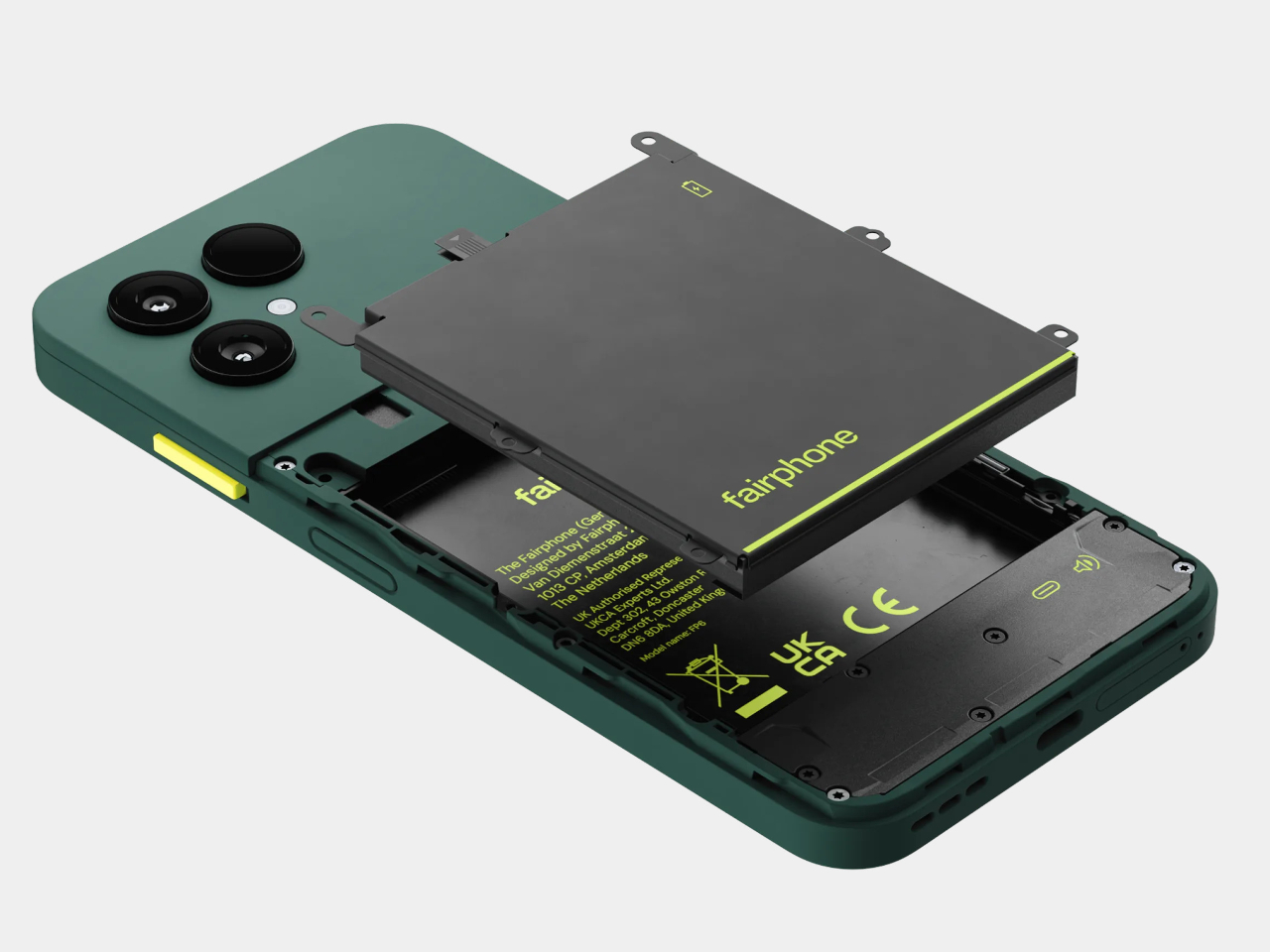
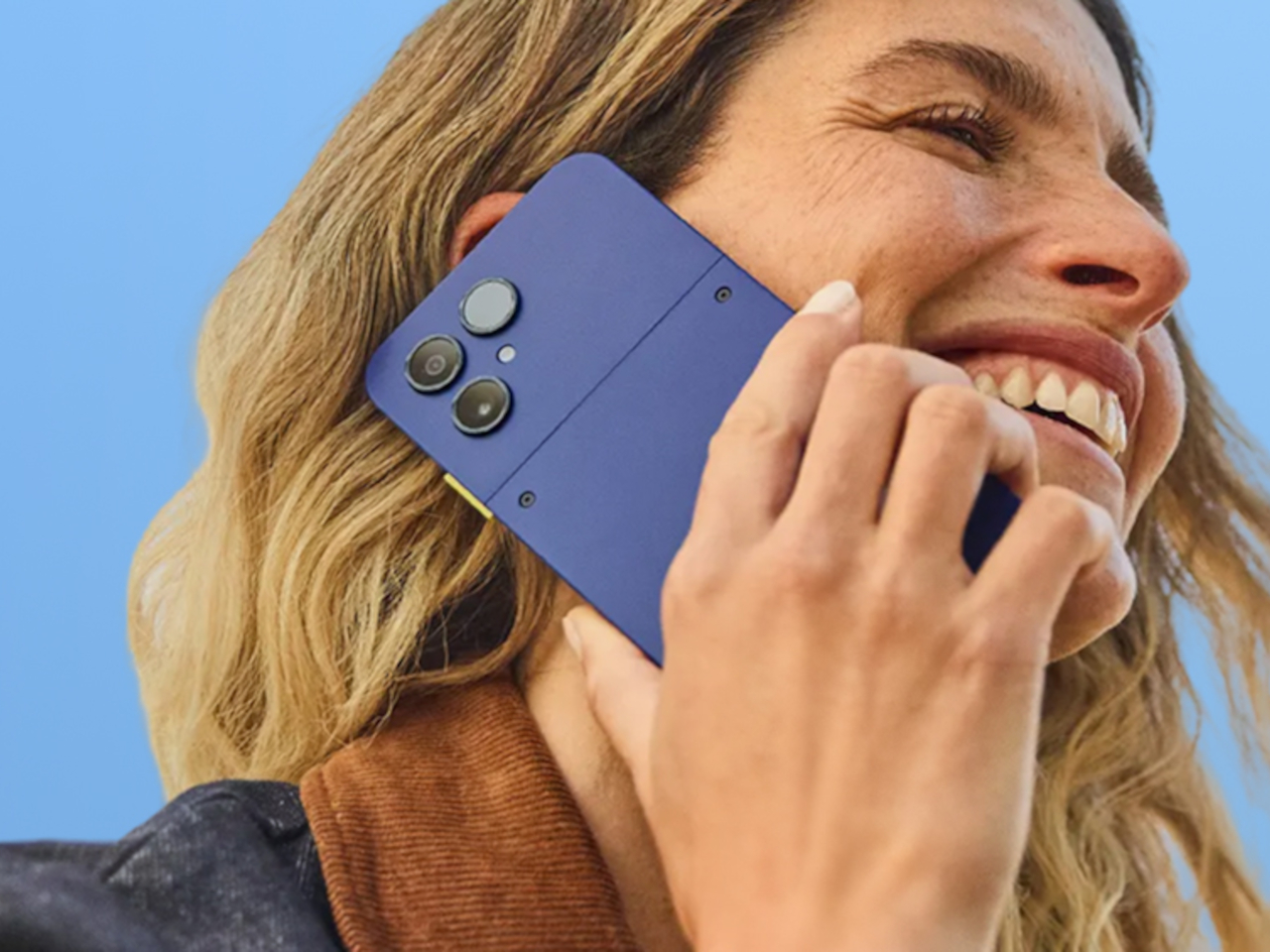
The Gen. 6+ carries twelve user-replaceable parts, from the battery and display to the USB-C port and back cover, most swappable with a single screwdriver in under five minutes. The phone has earned iFixit’s 10/10 repairability score, making it the fifth consecutive Fairphone to do so. Spare parts are guaranteed to be available until 2033, and the five-year warranty covers the device for as long as most people own a phone at all.

That repairability doesn’t come at the cost of ignoring performance. The Gen. 6+ runs on the Snapdragon 7s Gen 4 paired with 12GB of RAM, which is a meaningful step up from the Gen. 6’s Snapdragon 7s Gen 3 and 8GB. The 6.31-inch LTPO AMOLED display runs at an adaptive 10–120 Hz with up to 1,400 nits of peak brightness, and the 4,415mAh removable battery delivers up to two days between charges, with fast charging reaching 50% in 30 minutes.

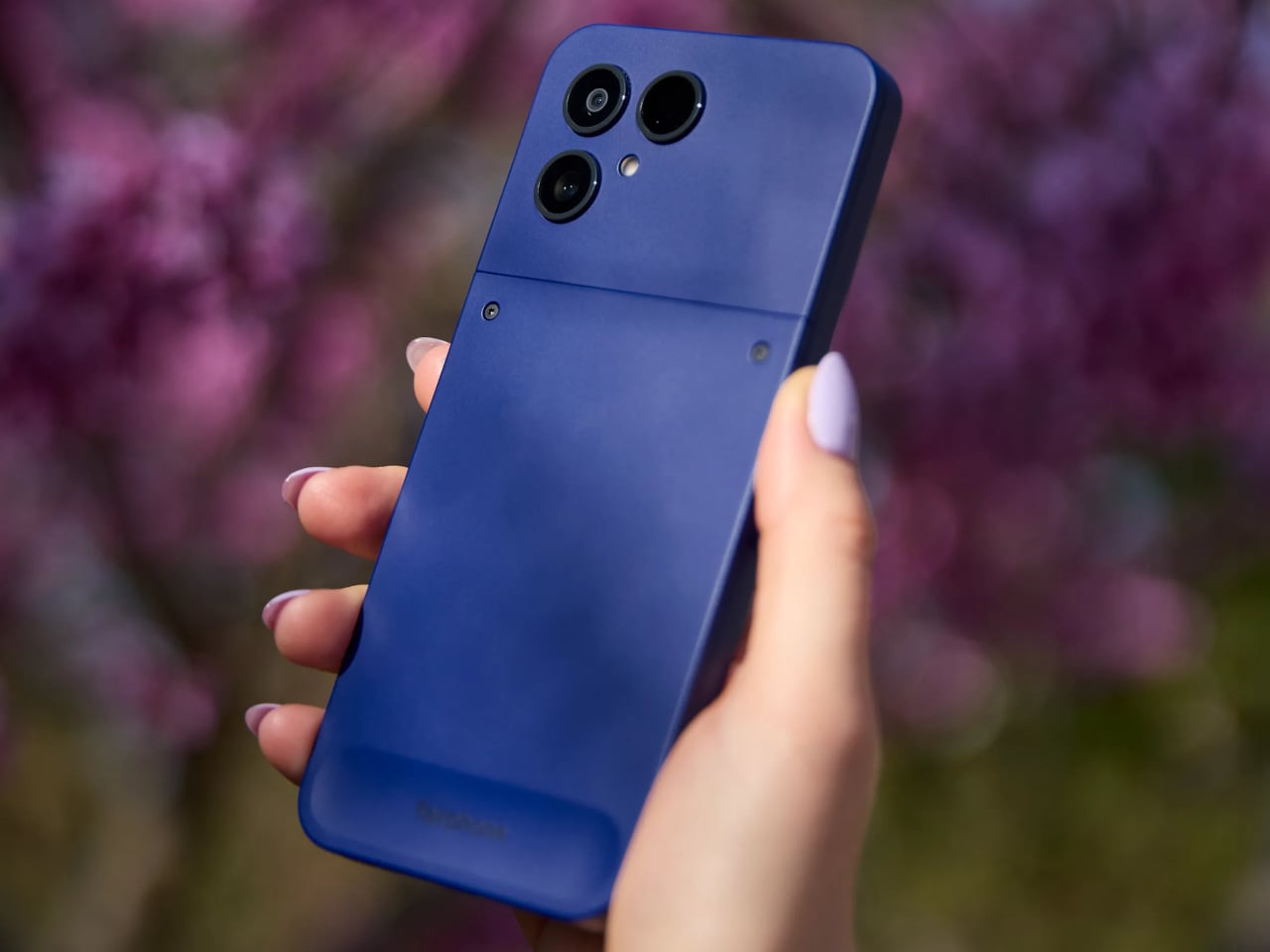
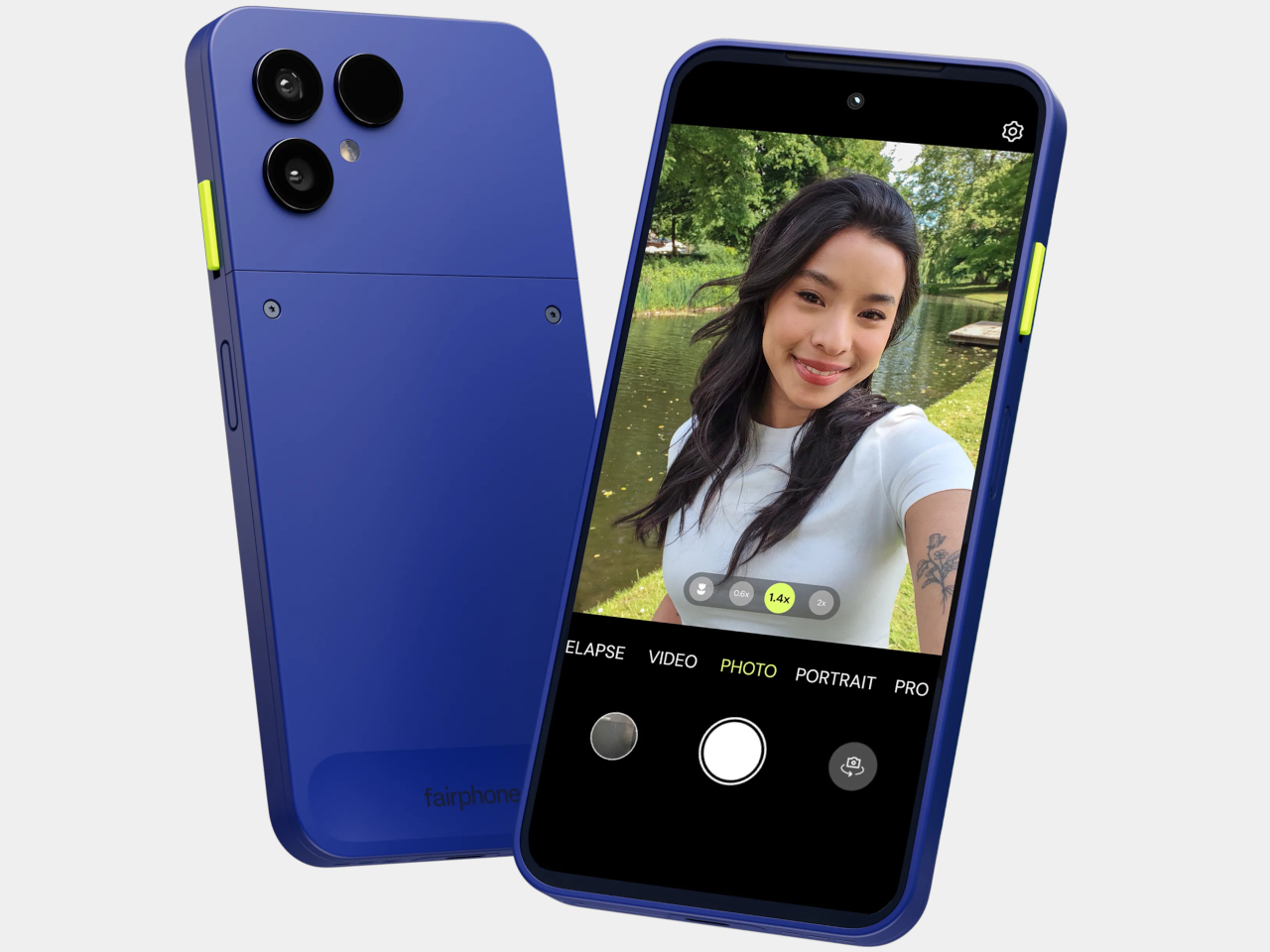
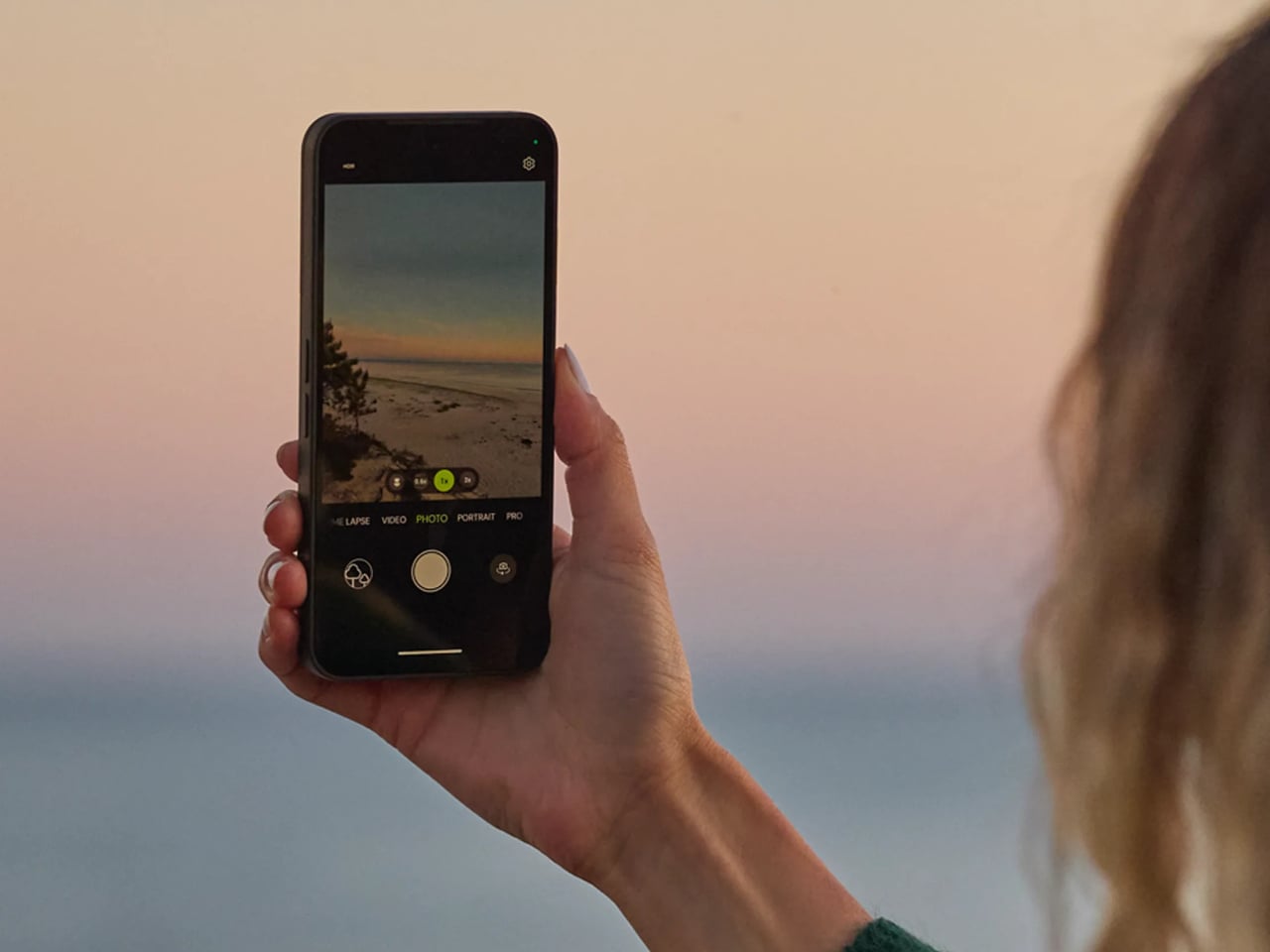
The camera system centers on a 50MP Sony LYTIA sensor with optical image stabilization, supported by a 13MP ultrawide and a 32 MP front-facing camera. It’s a capable setup for the mid-range segment it occupies, handling 4K video at 30 fps and slow-motion recording up to 1080p at 120 fps. What’s worth noting is that the camera module, like everything else in the phone, is replaceable. A damaged lens or degraded sensor doesn’t mean the device is finished.

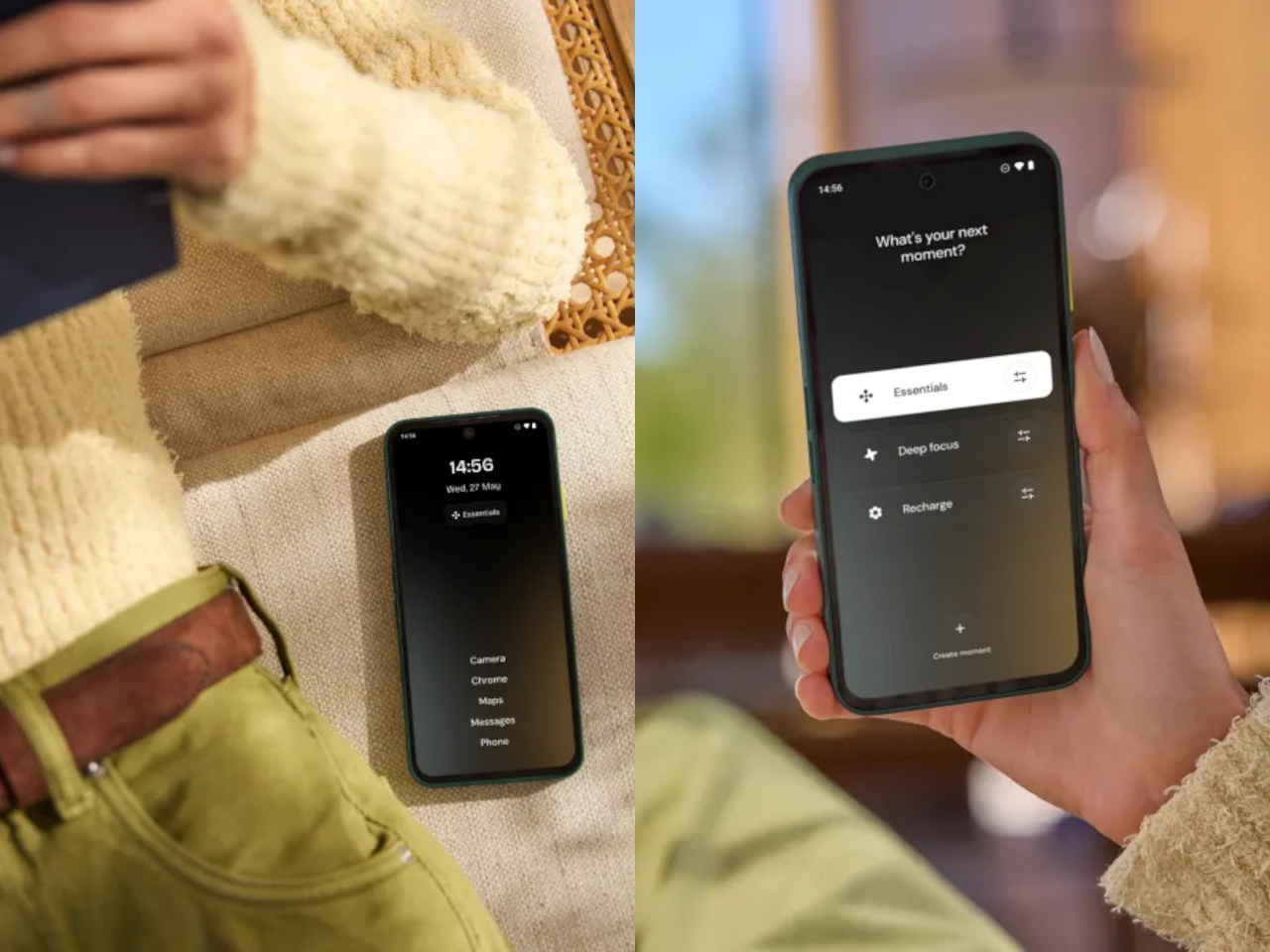
The phone’s physical design includes a dedicated switch, called Fairphone Moments, that toggles between full functionality and a stripped-back mode that limits access to only what you’ve decided matters. It’s a small thing, but it addresses a real pattern: most of us don’t need every app and notification available every hour of the day, and having a physical switch to enforce that boundary is more reliable than navigating a settings menu under pressure.

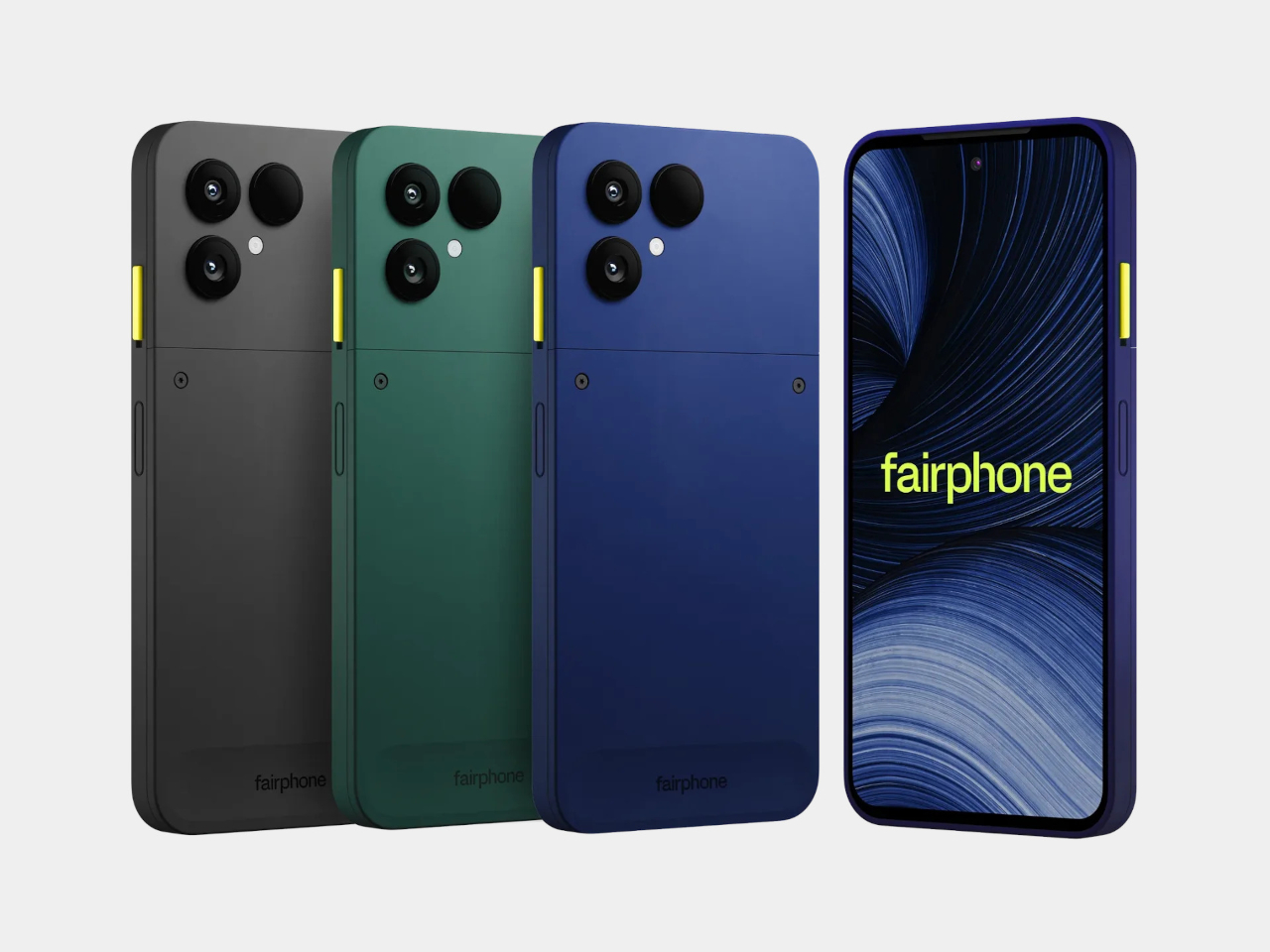
The materials list is as deliberate as everything else. The phone uses 51% fair or recycled materials by weight, including Fairmined gold and tungsten, recycled aluminum, copper, steel, and plastics, along with Fair Cobalt Credits applied to cobalt sourcing. It ships in plastic-free packaging. The Gen. 6+ is available in Cobalt Blue, Forest Green, and Horizon Black, priced at €649 in Europe and $649.99 in the US.

For a device this thoughtfully constrained, the case for it doesn’t rest on outpacing the competition on any single spec. It rests on the idea that a phone lasting seven or eight years has more value, environmental and financial, than one that lasts three, and that keeping it alive should never require shipping it off to a service center.

The post Most Phones Last 3 Years, This $650 Fairphone 6+ Is Built for 8 first appeared on Yanko Design.
Fairbuds XL Gen 2 Drivers Fit Gen 1 Headphones for a €100 Upgrade

Most wireless headphones quietly become disposable. Batteries fade, cushions peel, and people replace the whole thing every few years instead of fixing what broke. Fairphone’s first Fairbuds XL were an outlier, modular and self-repairable with screws instead of glue. Gen 2 is the next step, not a clean break but a refinement that tries to make keeping and upgrading a pair of headphones feel as normal as replacing them.

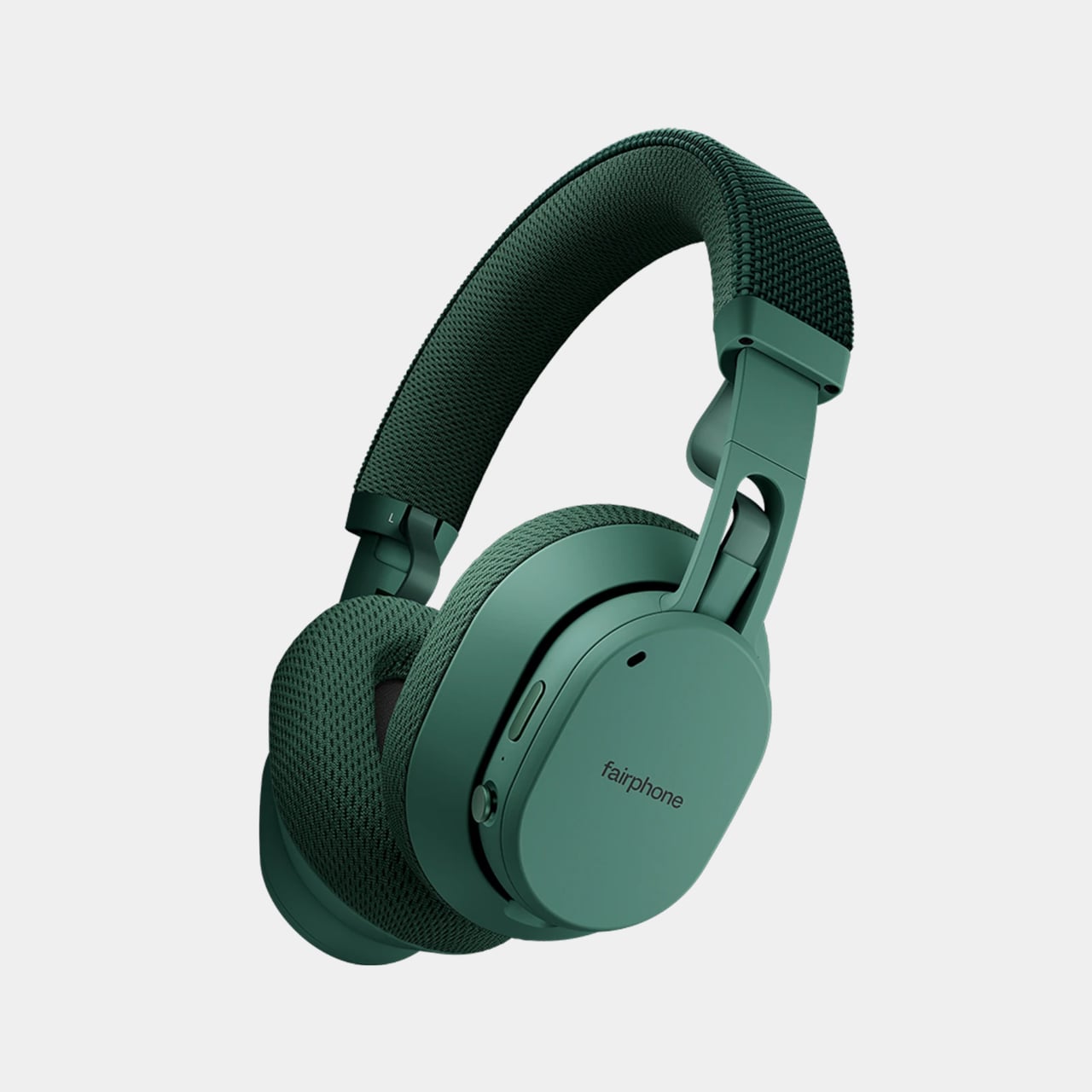
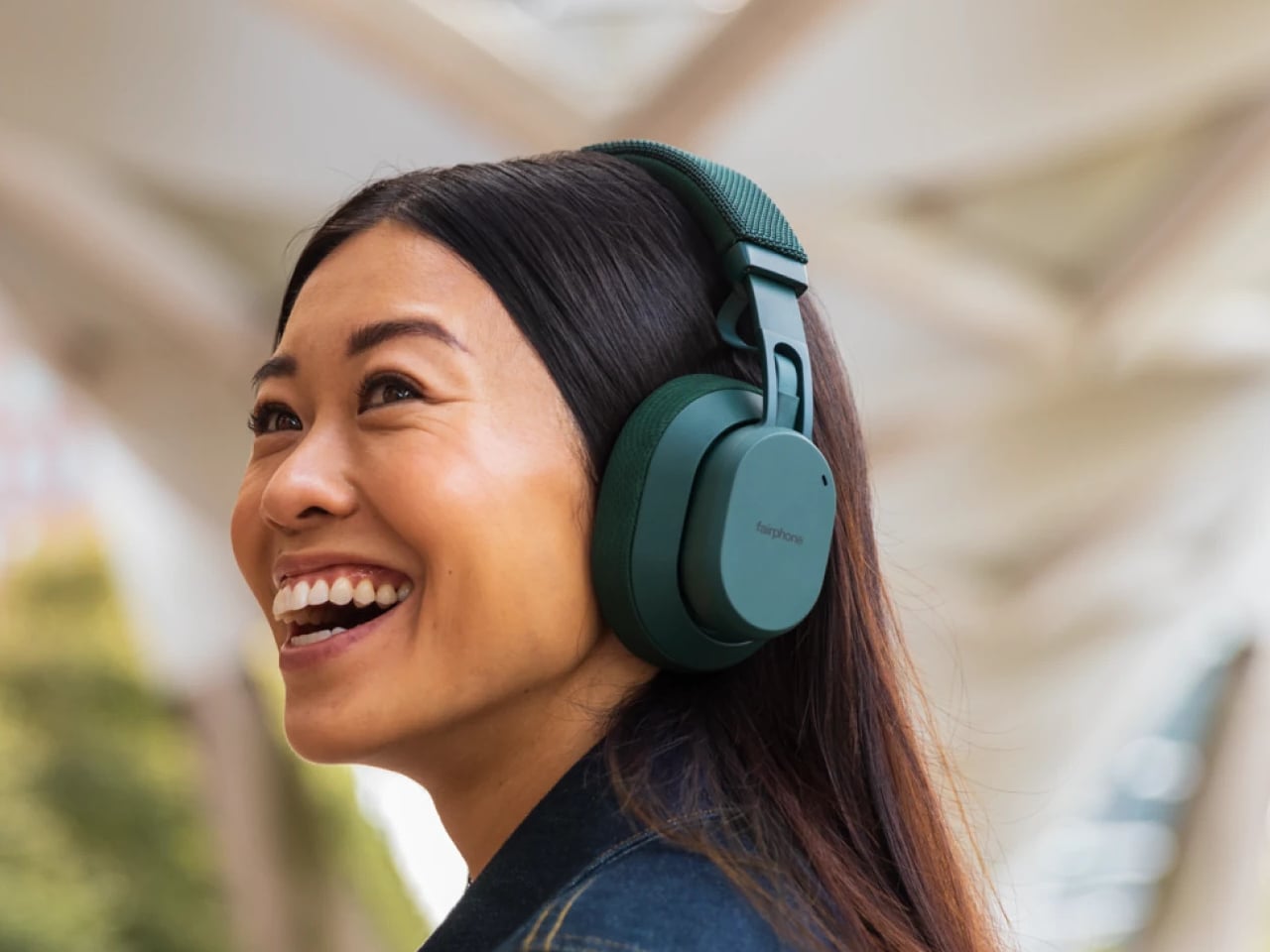
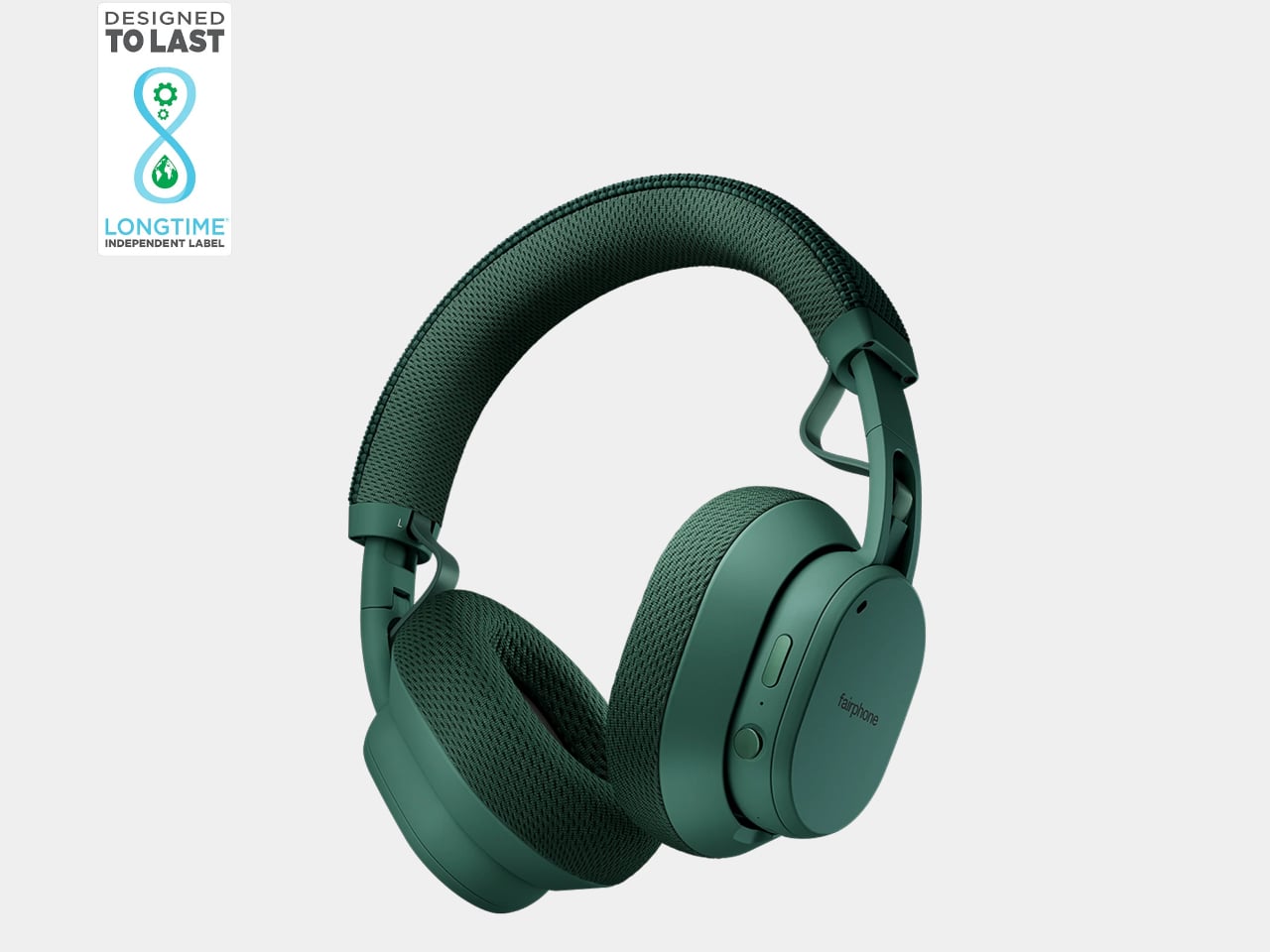
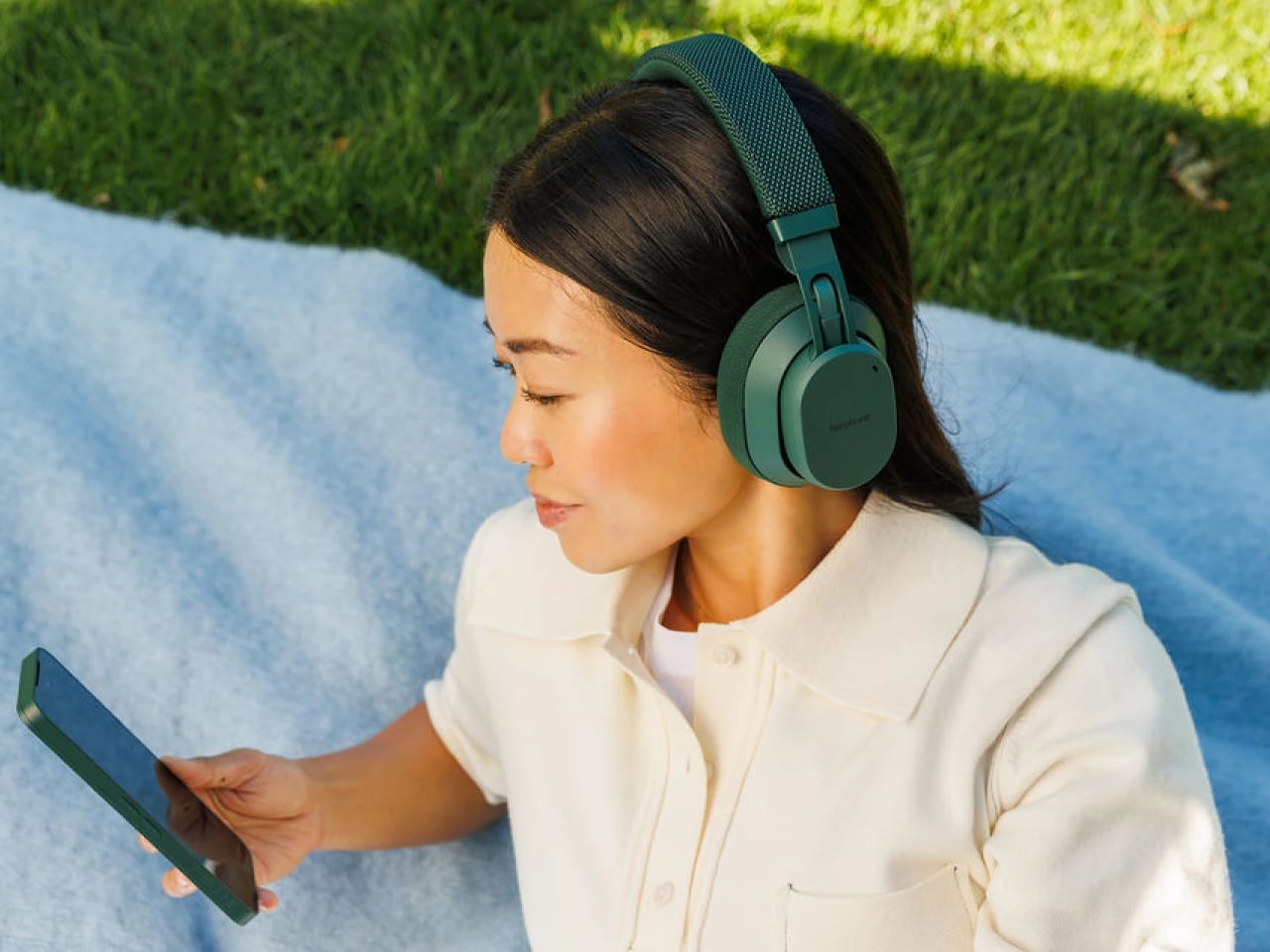
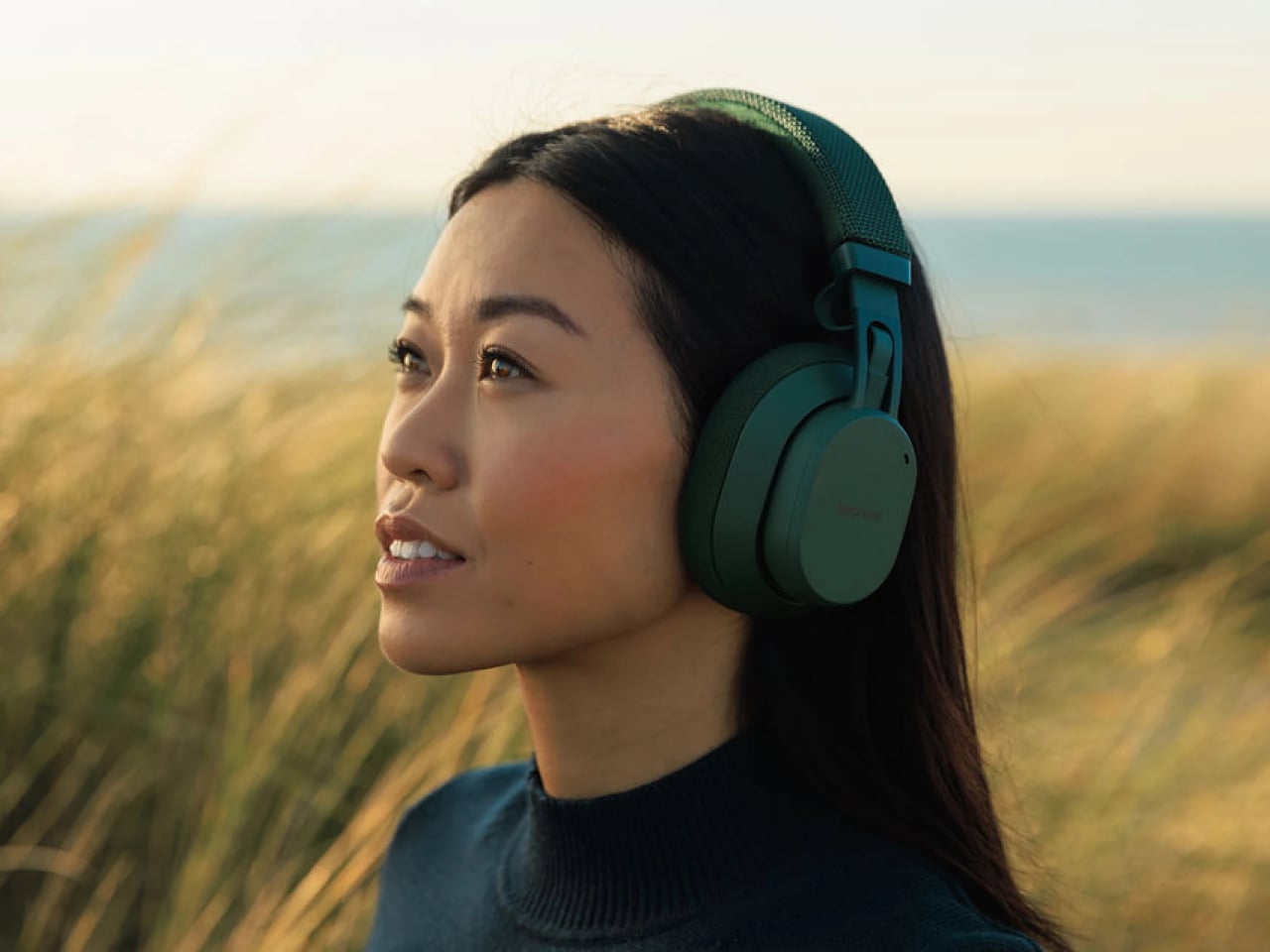
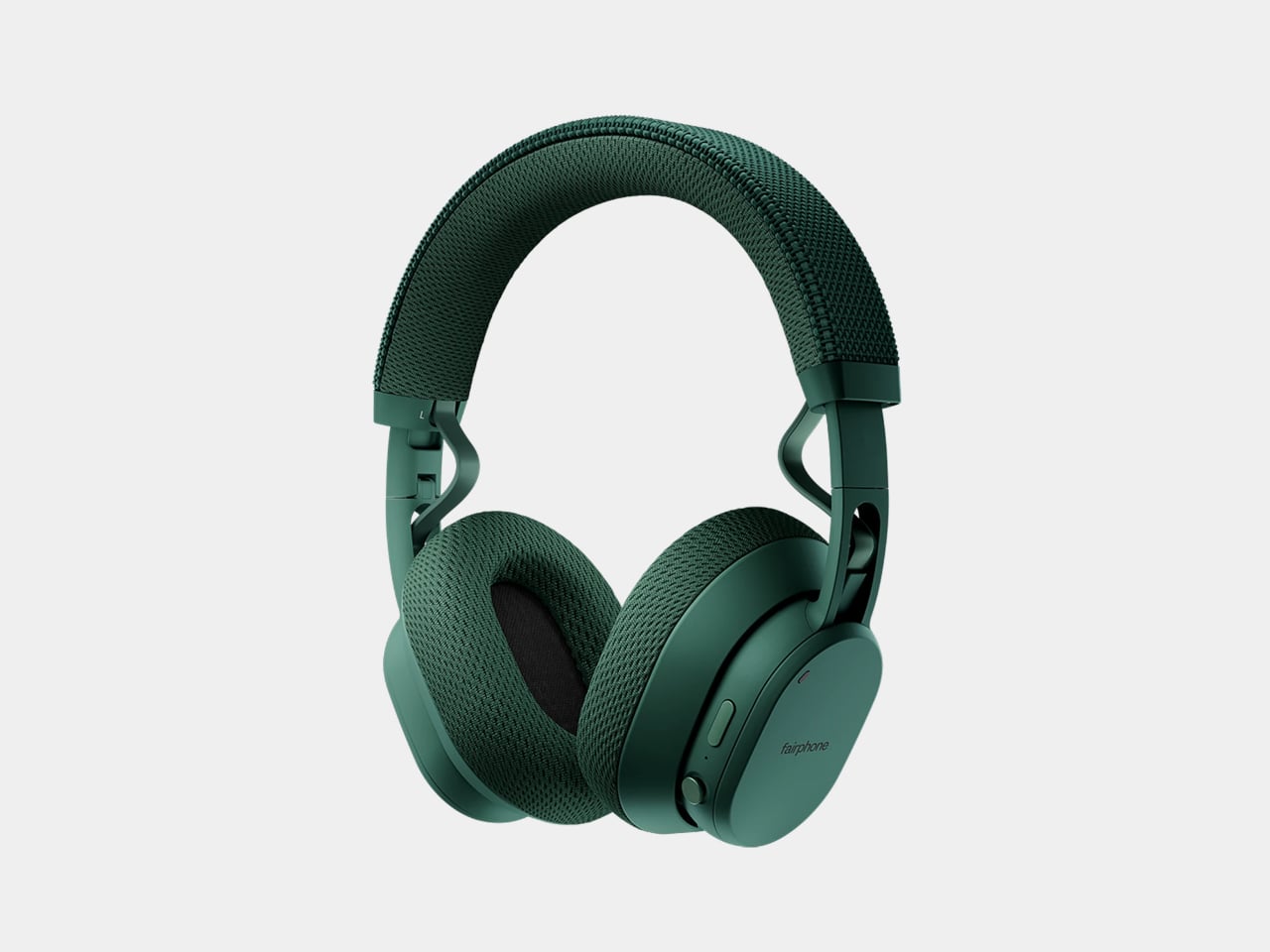
Fairbuds XL Gen 2 are over-ear headphones that keep the same modular skeleton but add new 40-mm dynamic drivers, refined tuning, and updated materials. Fairphone claims 30 hours of listening, active noise cancelling with ambient mode, Bluetooth or USB-C wired listening, and two colorways, Forest Green and Horizon Black, which deepen the original palette into something a bit more mature and less obviously plastic.

Designer: Fairphone

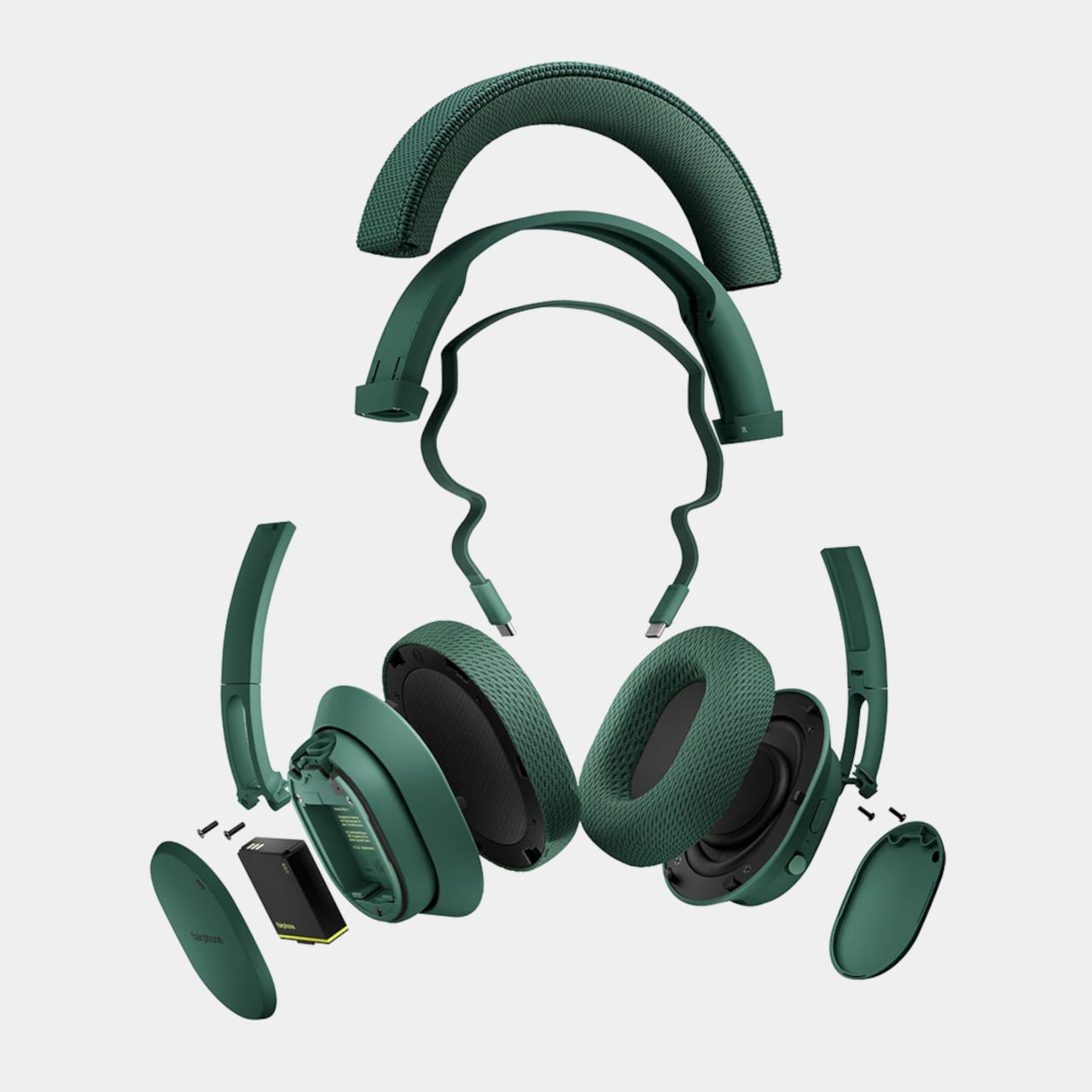
The drivers are the most interesting change. Gen 2 ships with new 40-mm dynamic drivers and updated tuning for a more natural, detailed sound, but those drivers are also sold separately as modules. Owners of the 2023 Fairbuds XL can open their existing headphones with a screwdriver and slot in the new drivers, keeping everything else while upgrading the sound. That turns the Gen 2 launch into both a new product and a parts catalog.

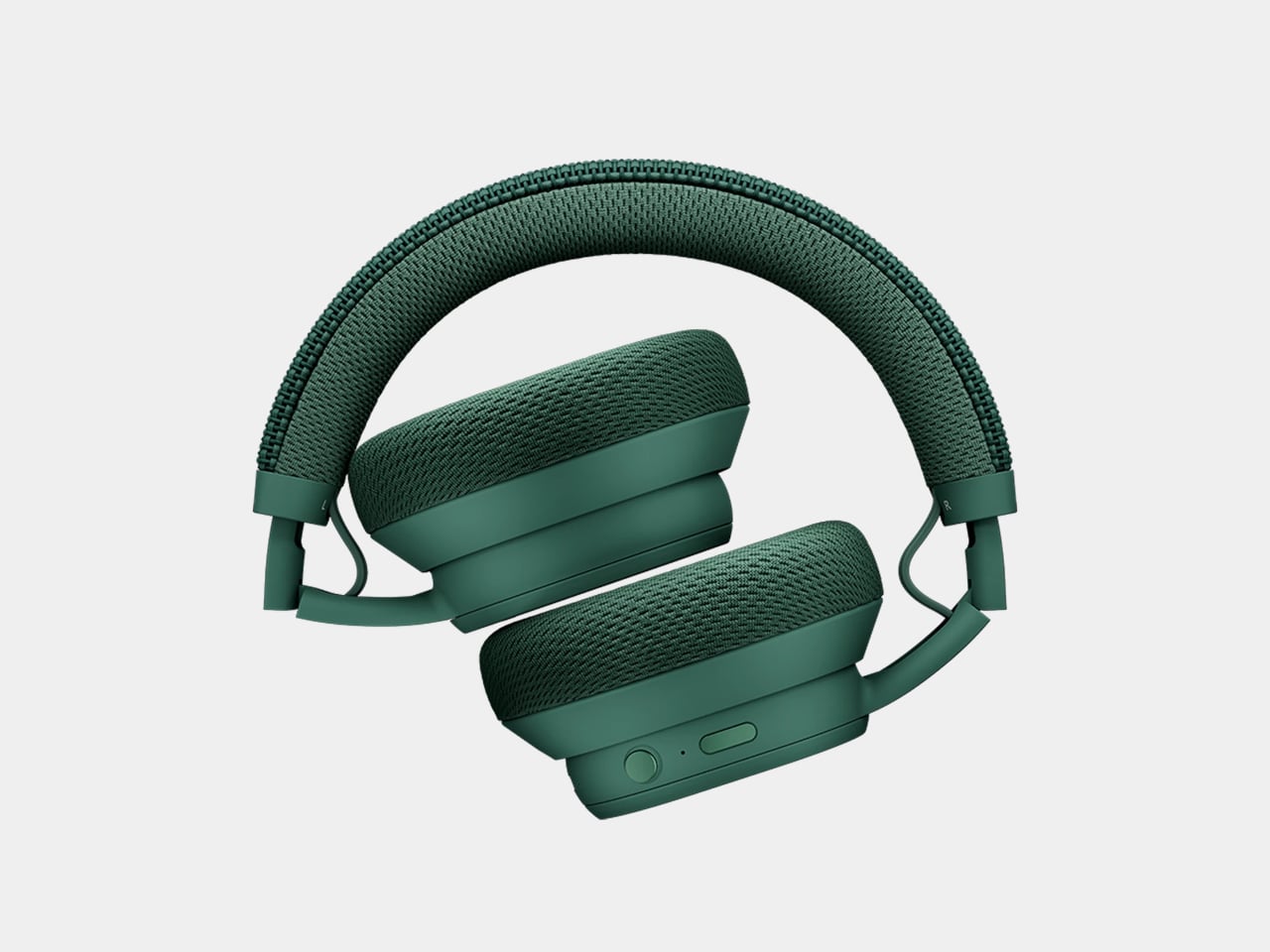
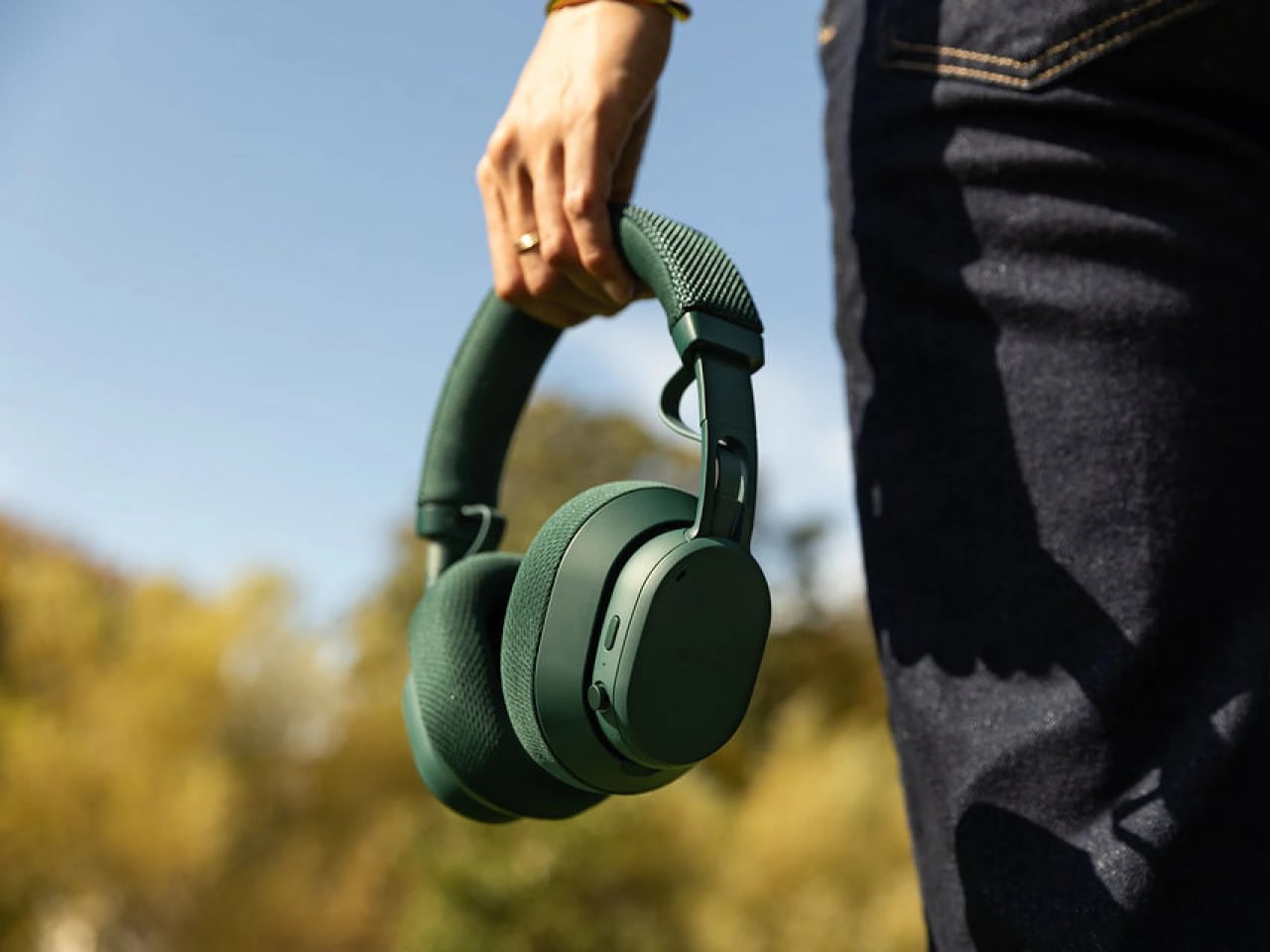
The comfort story centers on materials. The headband now uses a breathable net fabric, and the ear cushions switch to a soft birdseye mesh, which improves comfort during long sessions. The IP54 rating handles dust and splash resistance, and the new material identity balances durability with a sleeker look. The switch from PU leather to mesh is practical for warm environments and long wear, without sacrificing the ability to take everything apart when it wears.

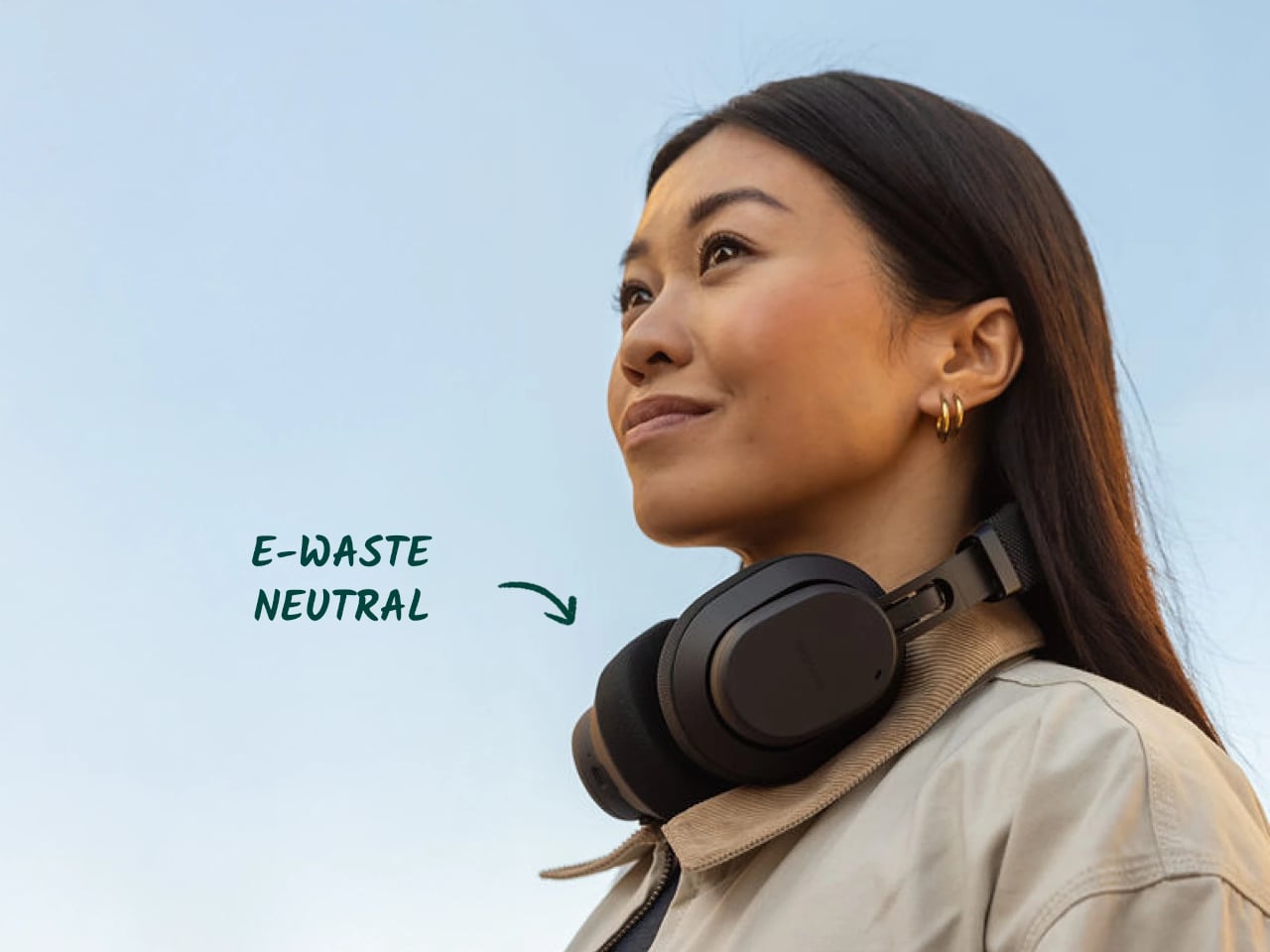
The modular design remains unchanged, with nine replaceable parts, including the battery, cushions, drivers, headband, and covers, all held together with screws and no glue. The battery is easily removable, the three-year warranty extends the standard two years, and the LONGTIME™ label certifies products designed for longevity and repairability. The goal is to keep components in use instead of sending whole headphones to the landfill when one piece fails.

Advanced noise cancelling with a switchable ambient mode, an upgraded Fairbuds app with new presets and customizable EQ, and Bluetooth with dual-point connectivity let you move between phone and laptop. You can also plug in over USB-C for battery-free listening. Gen 2 adds auto power-off after 30 minutes of inactivity with ANC off, saving battery and extending runtime per charge, which is a small but thoughtful improvement.

Most Gen 2 products pretend Gen 1 never happened. Fairbuds XL Gen 2 ships drivers that fit both, which means the launch doubles as a parts drop for anyone who bought the original two years ago. That feels unusual enough to notice, especially at €249 for a full headset or roughly €100 to just swap the drivers. Whether or not that changes anyone’s mind about buying repairable gear, it at least shows that upgrading can be designed in from the start instead of being treated as impossible or inconvenient.

The post Fairbuds XL Gen 2 Drivers Fit Gen 1 Headphones for a €100 Upgrade first appeared on Yanko Design.
Fairphone Fairbuds TWS earbuds tout replaceable batteries, titanium drivers and microphones

Fairphone has strongly proposed the idea of a repairable and modular smartphone, and they ventured into a new product category last year with the release of Fairphone headphones dubbed Fairbuds XL. The pair of cans offered a more flexible ecosystem of individual components that give audio lovers the option to swap an outdated or broken piece of hardware. That’s in the landscape of big names like Sony, Sennheiser and Bose who don’t give this liberty.

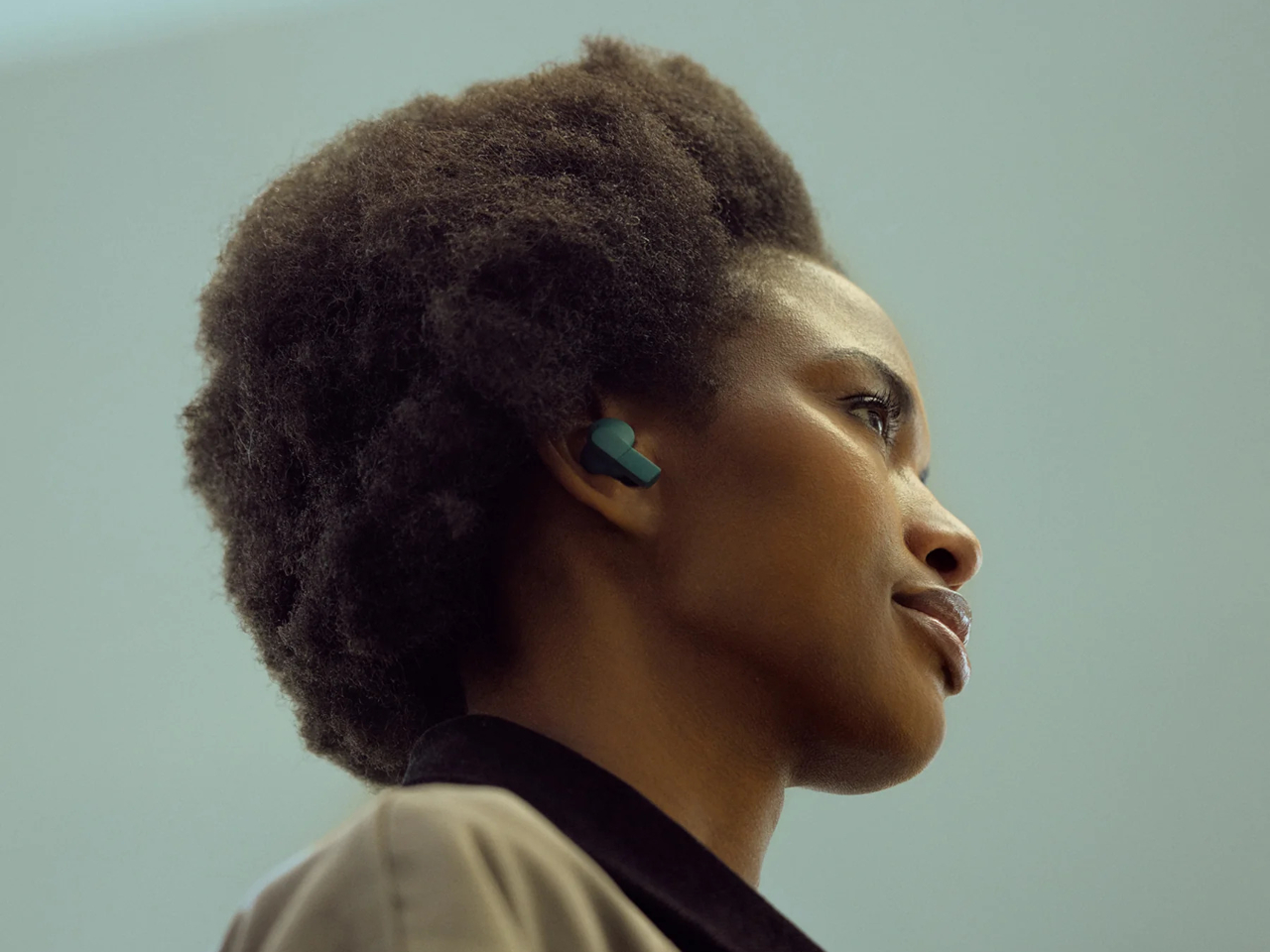
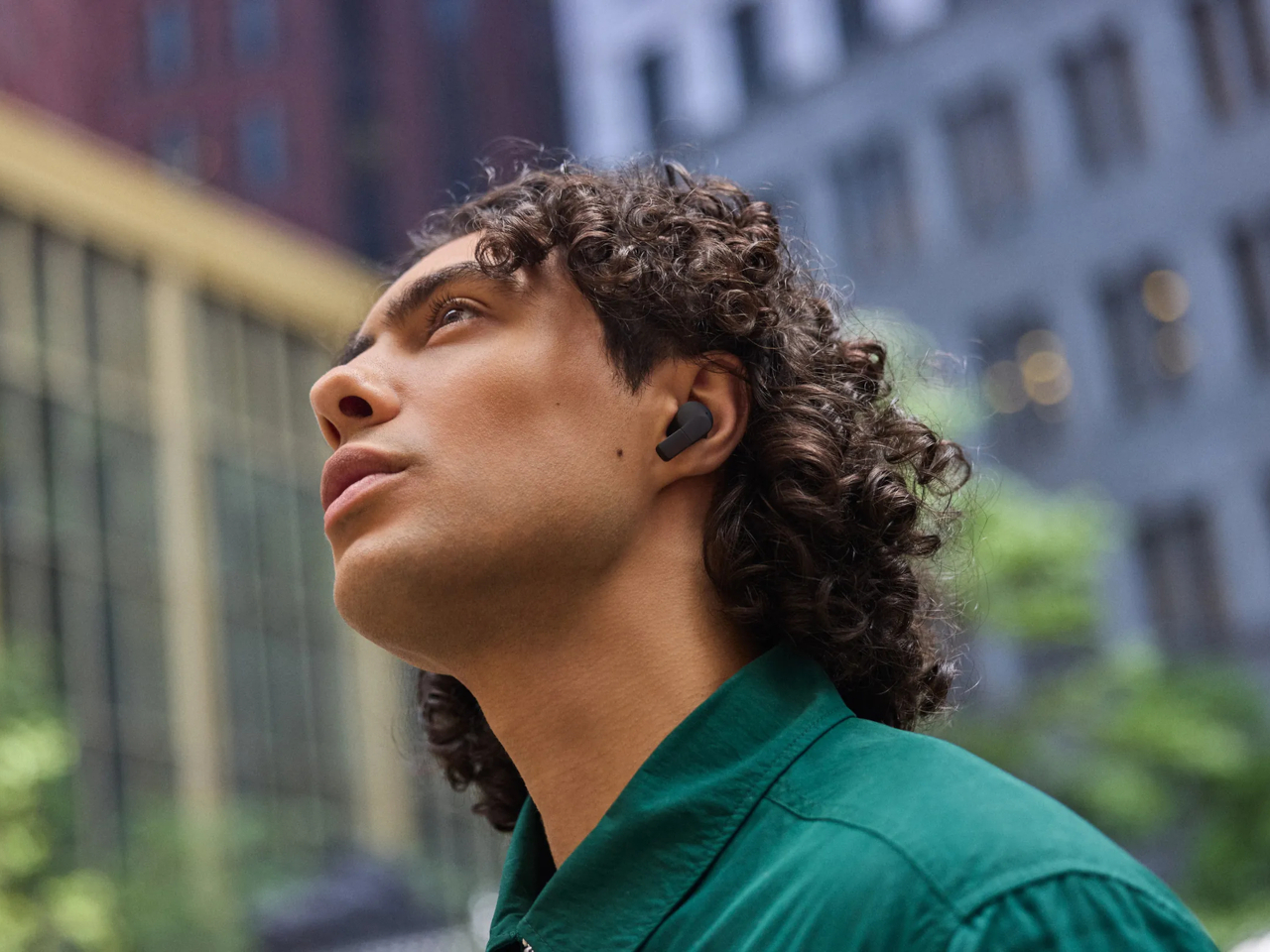
Now the Dutch electronics manufacturer has revealed a similar option for listeners like me who prefer the compactness of a pair of true wireless earbuds. While the audio accessories come with a host of advantages few disadvantages could cost you money. Prime on being, losing one of them down the street potholes, or battery going rouge after frequent cycles of use. With the Fairphone Fairbuds you don’t have to worry about either of them!

Designer: Fairphone

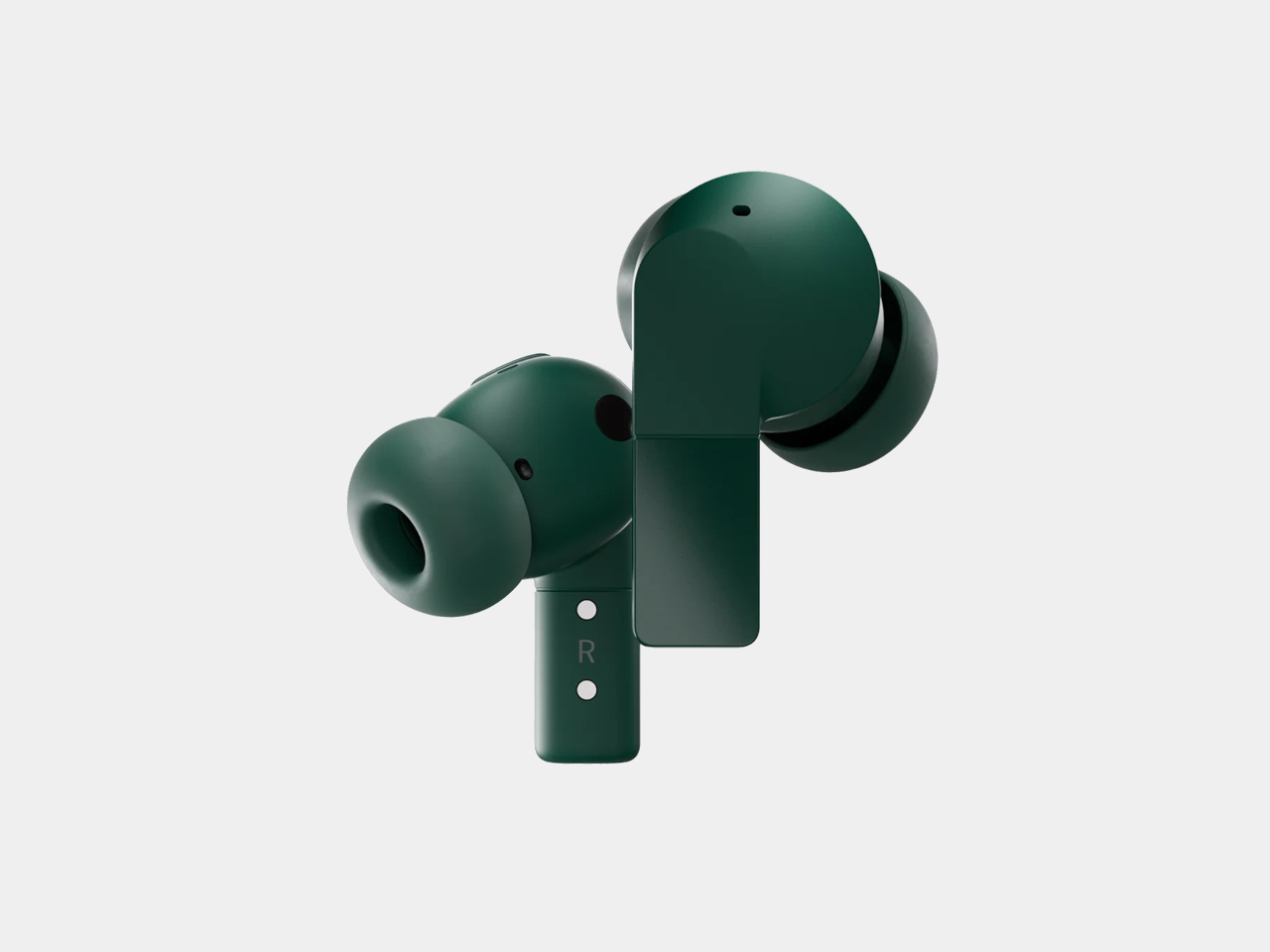
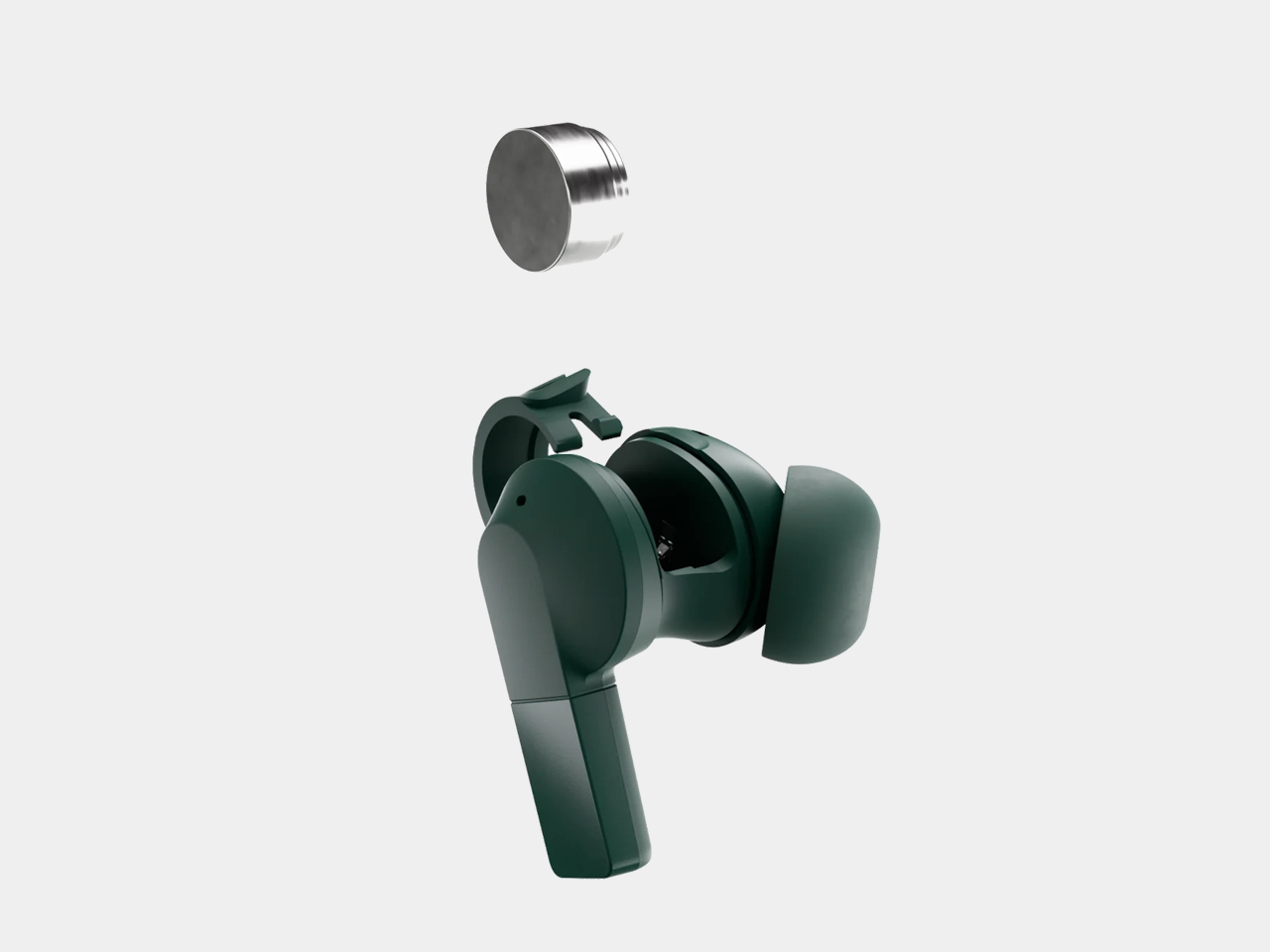
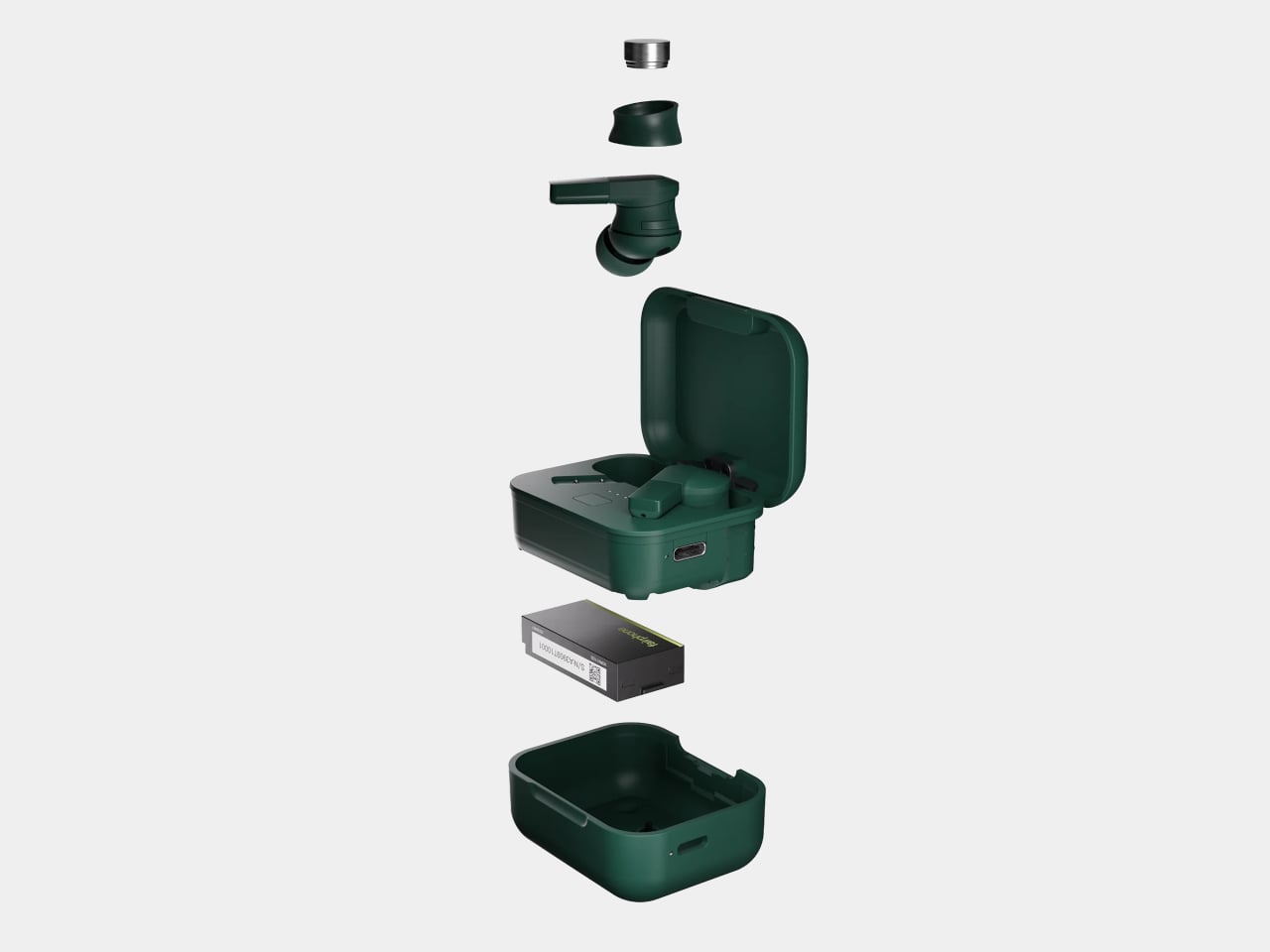
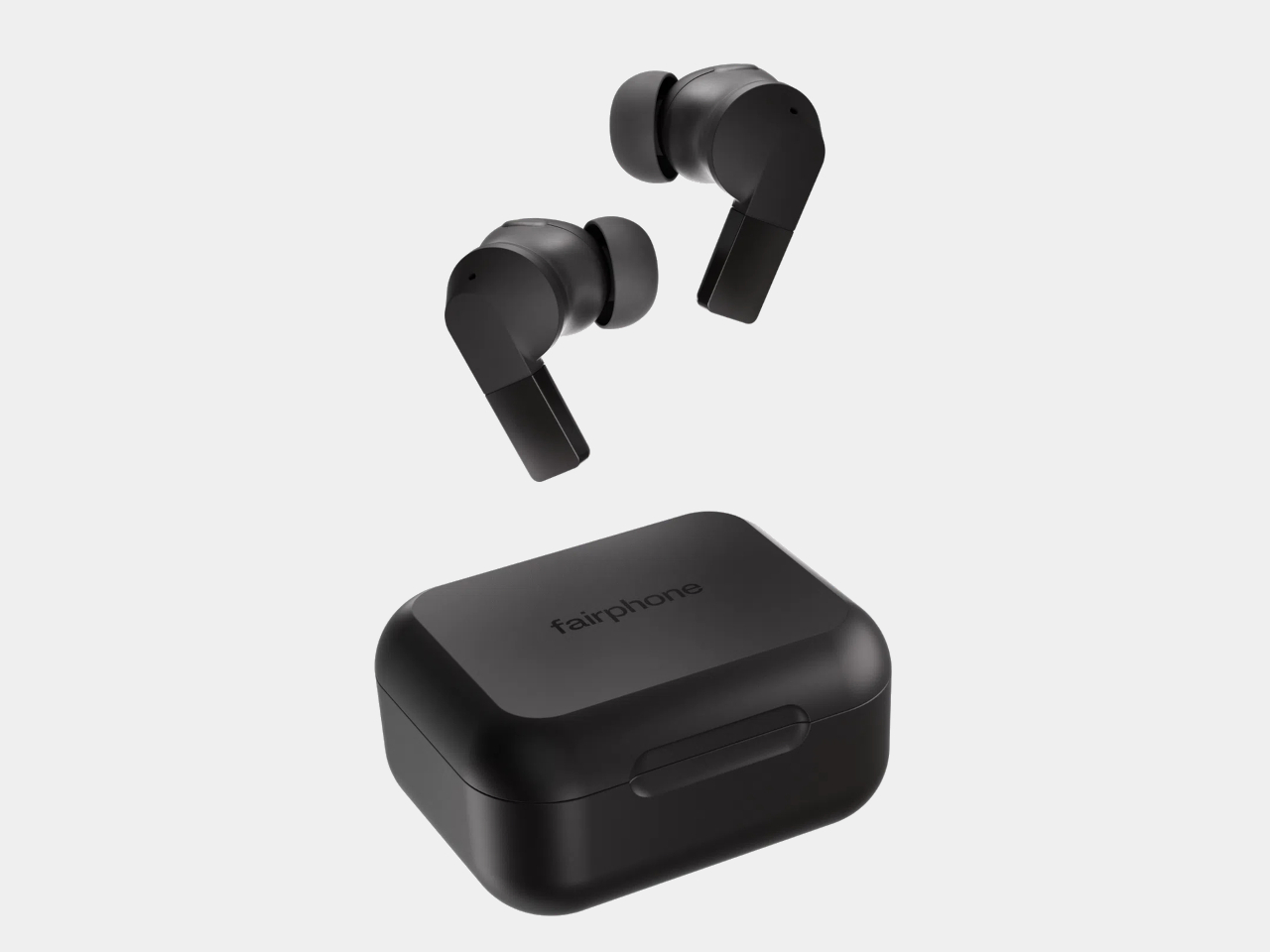
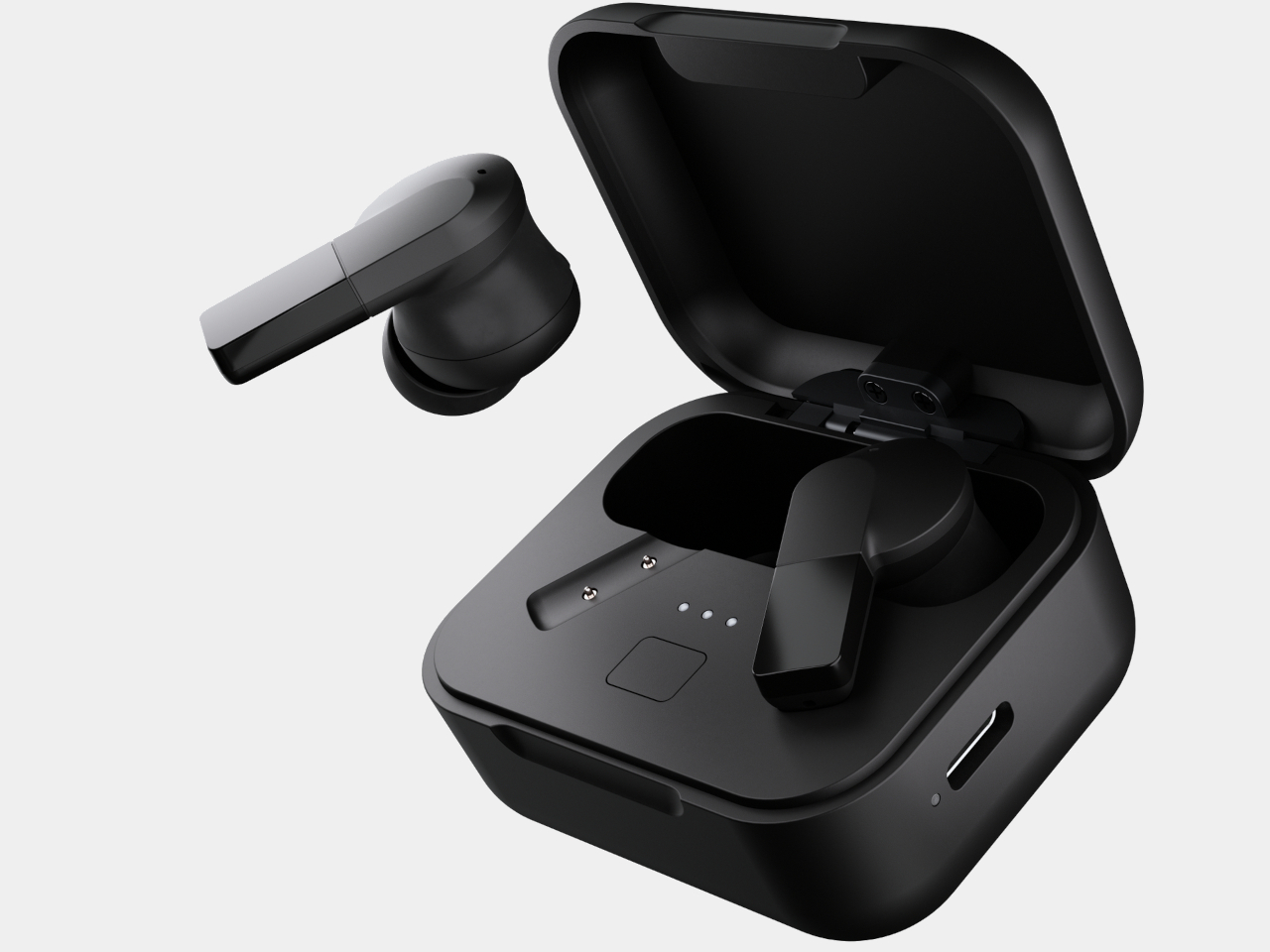
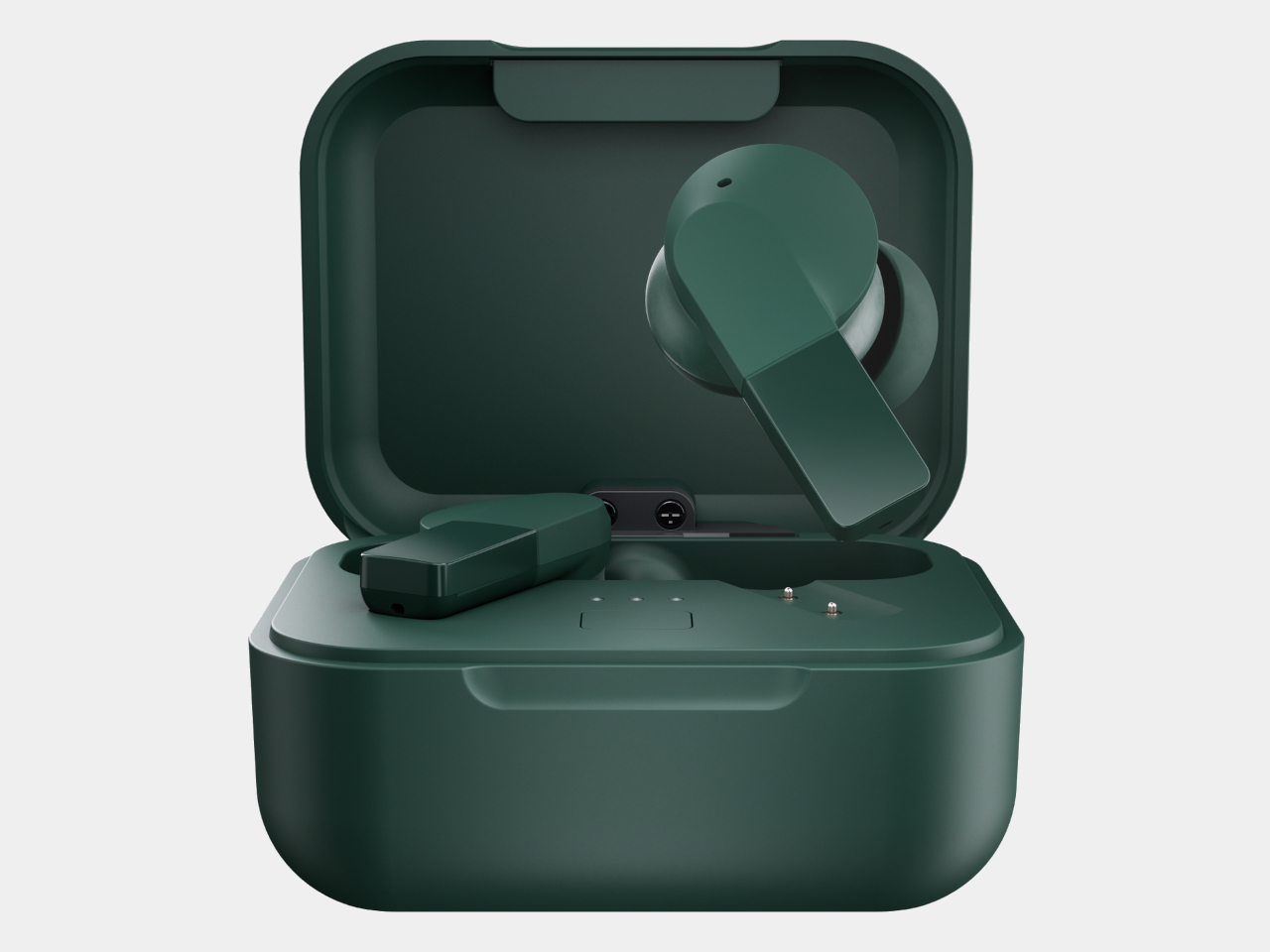
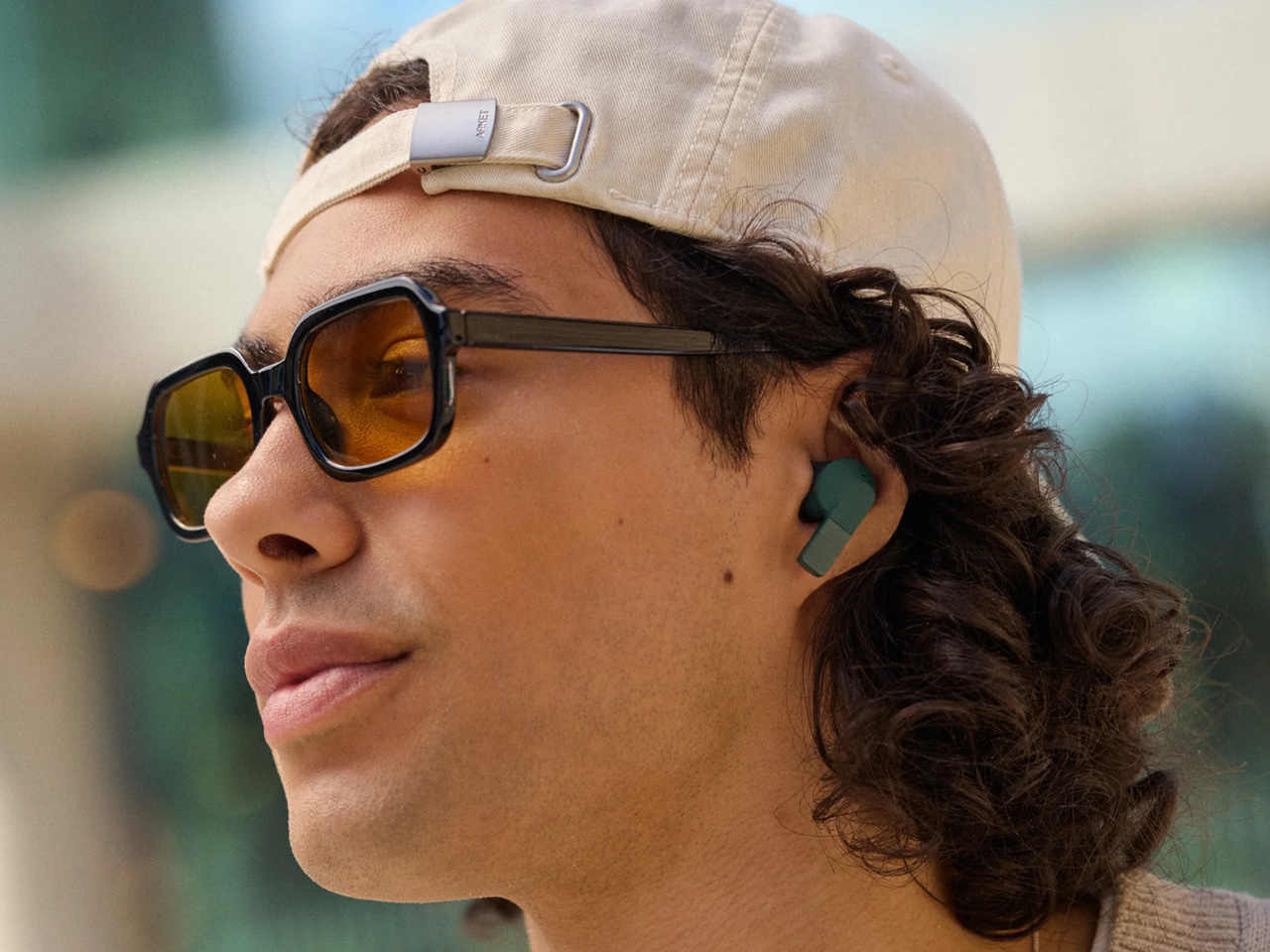
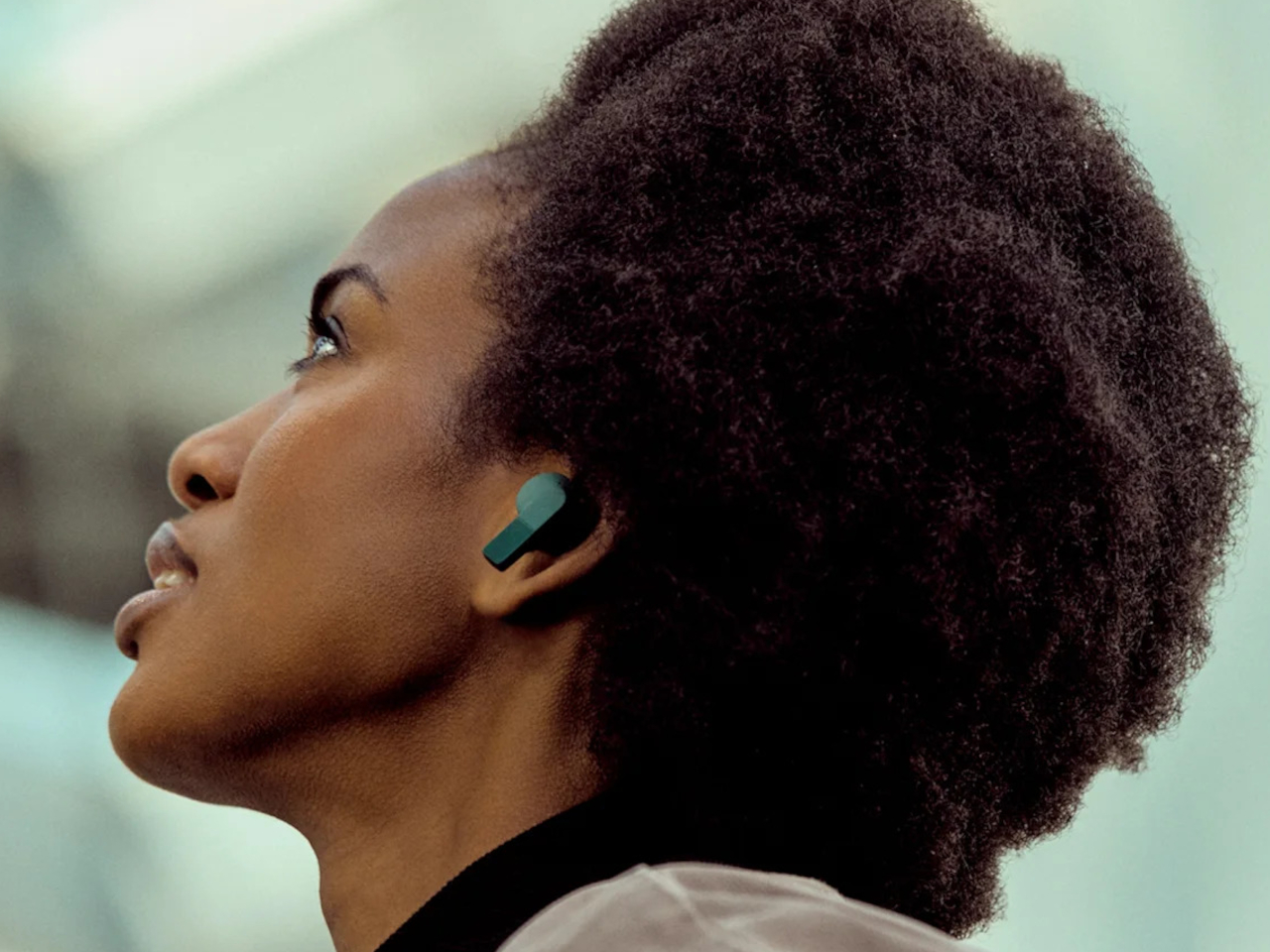
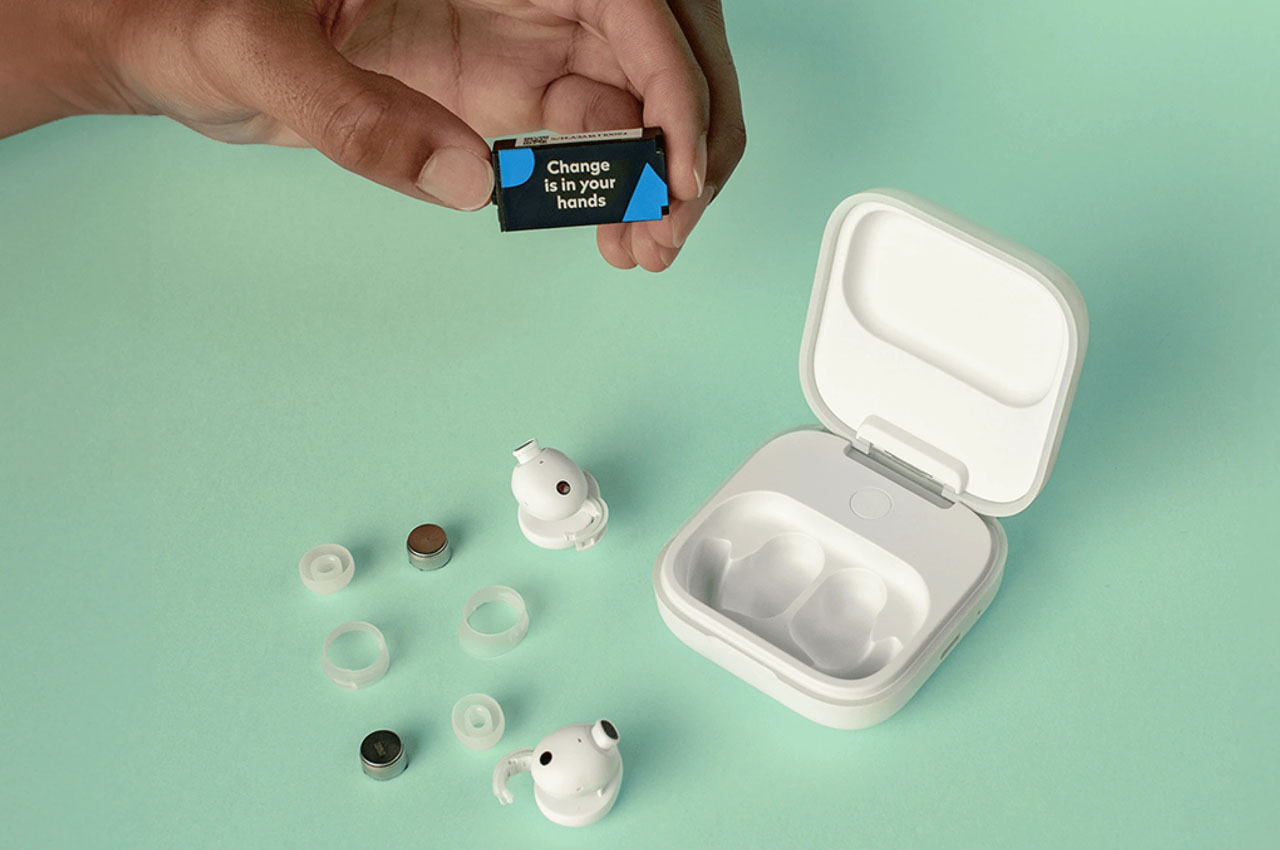
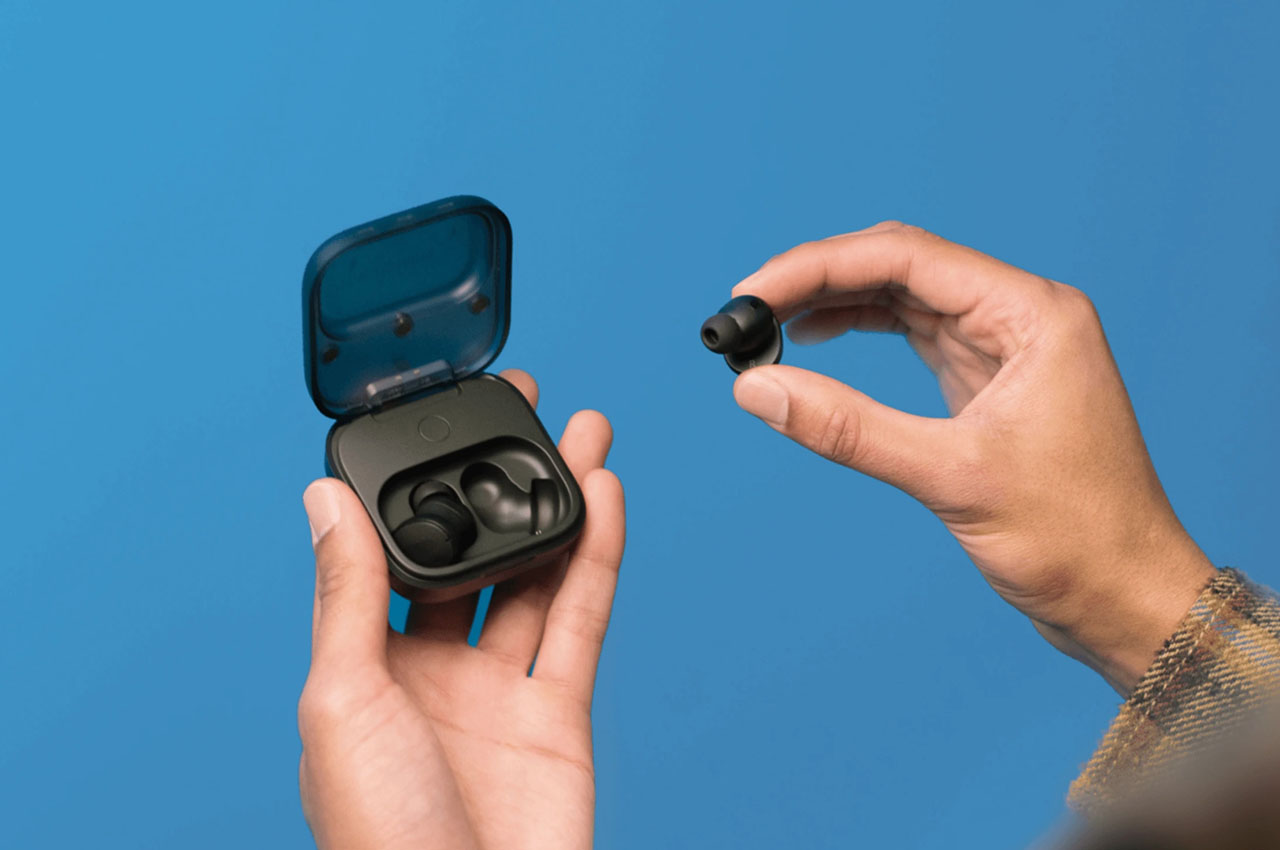
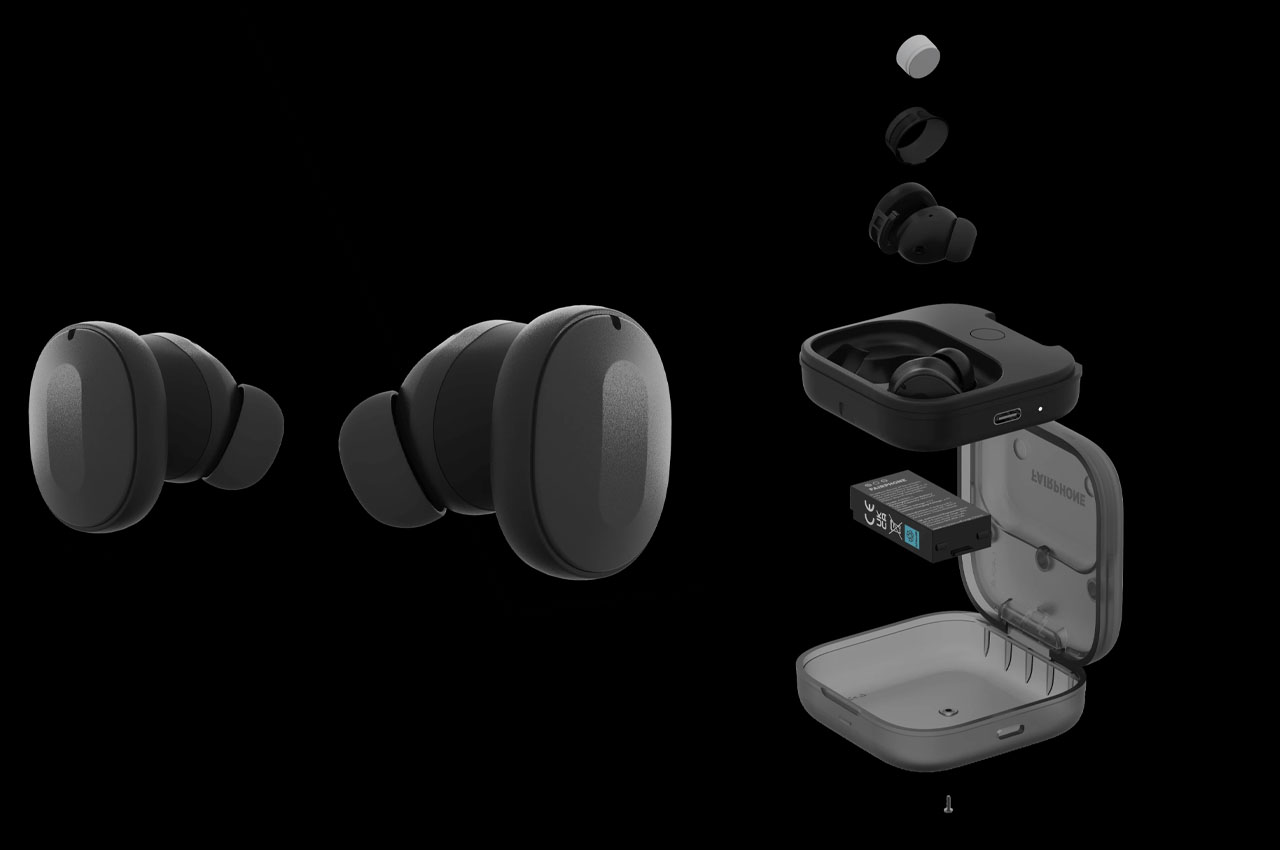
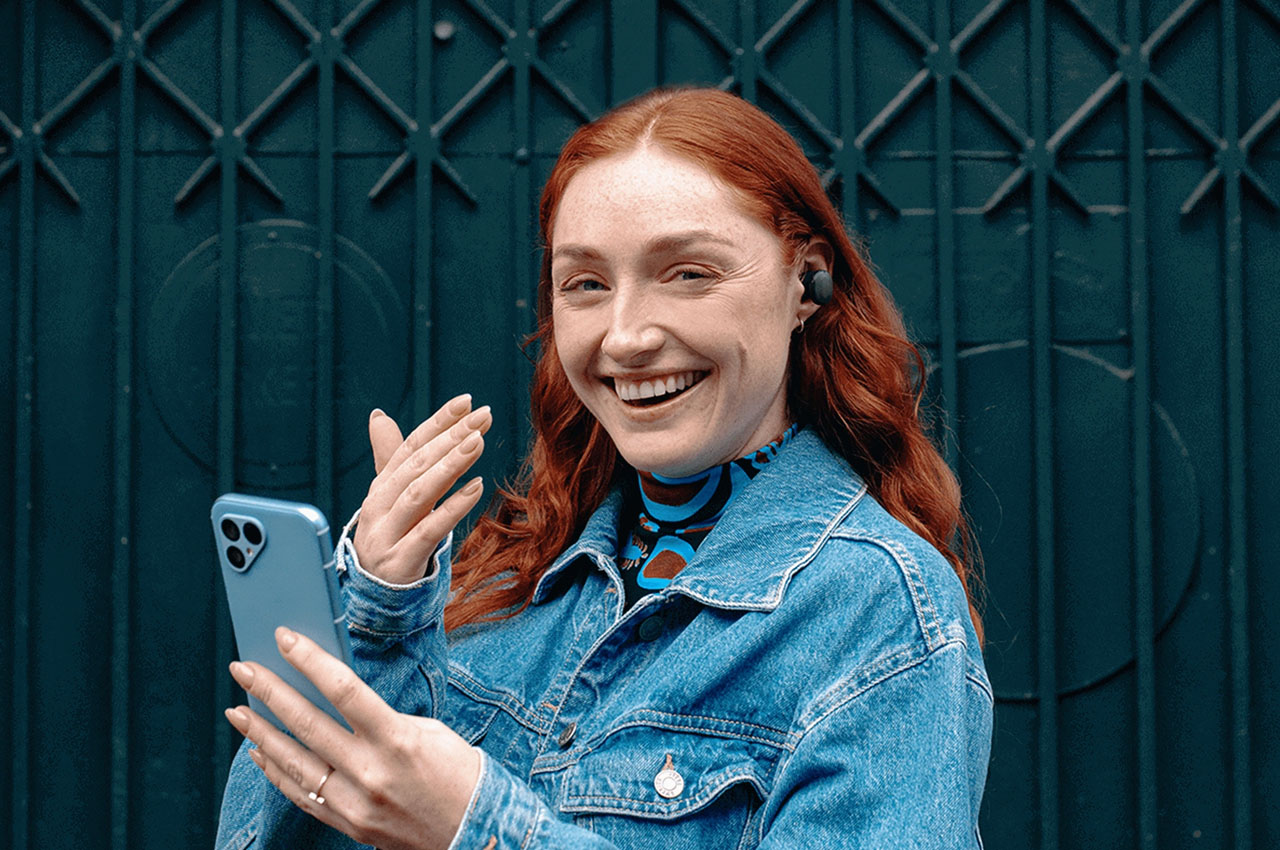
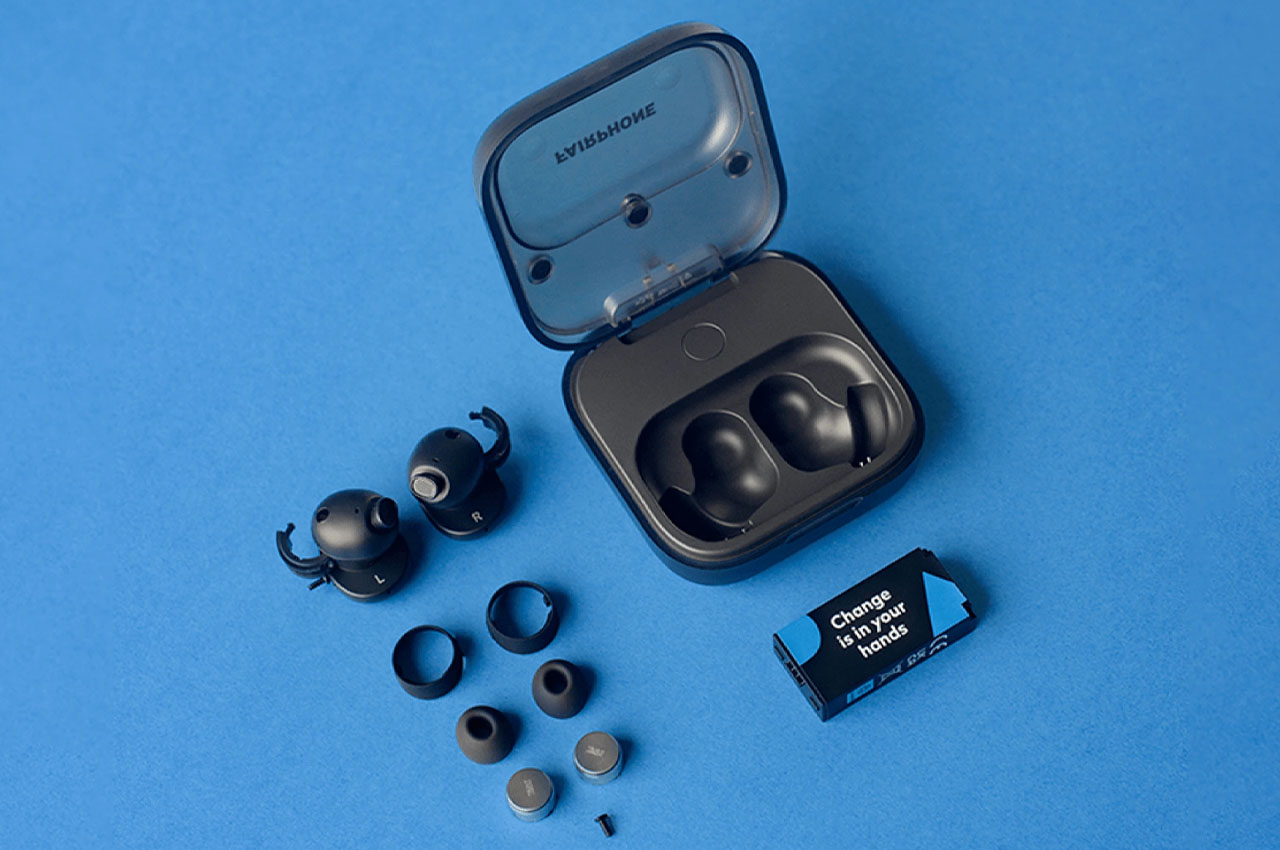
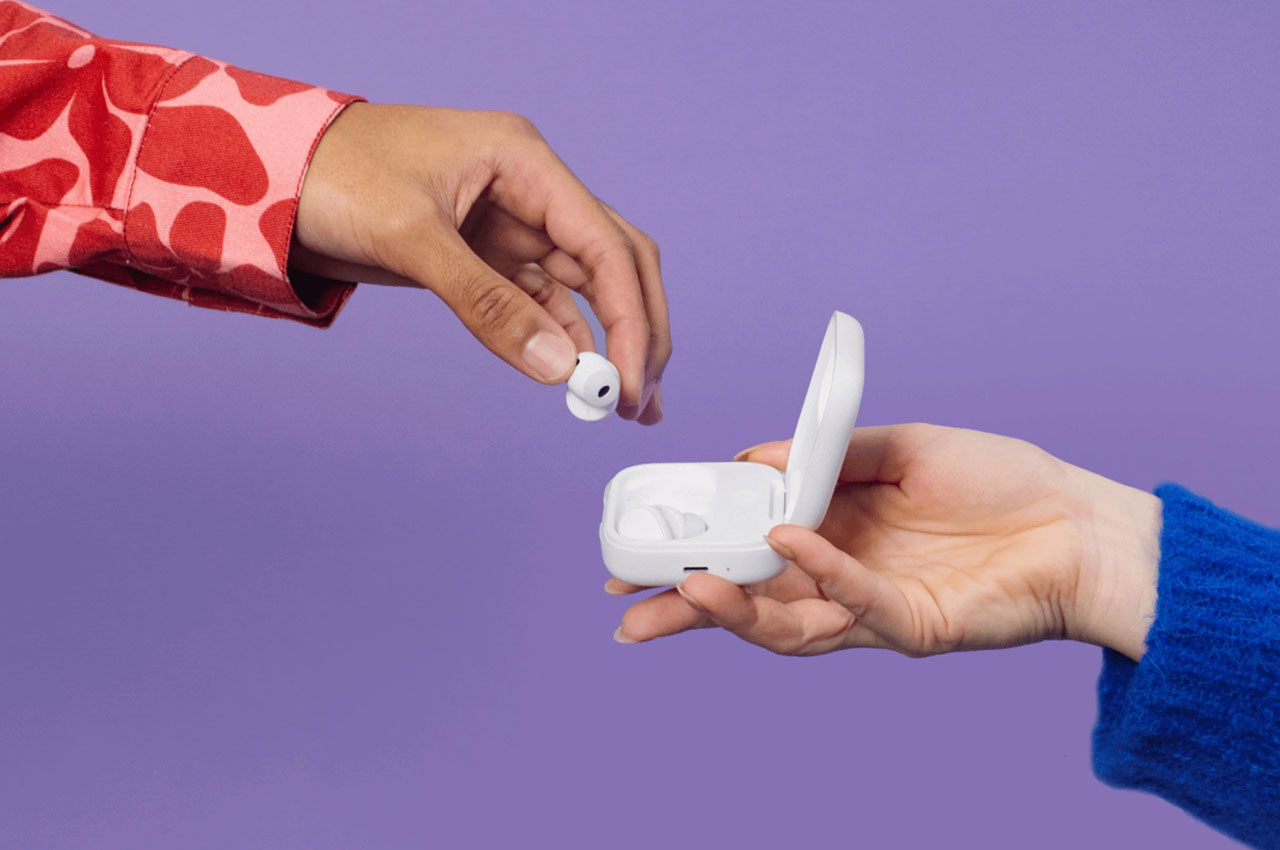
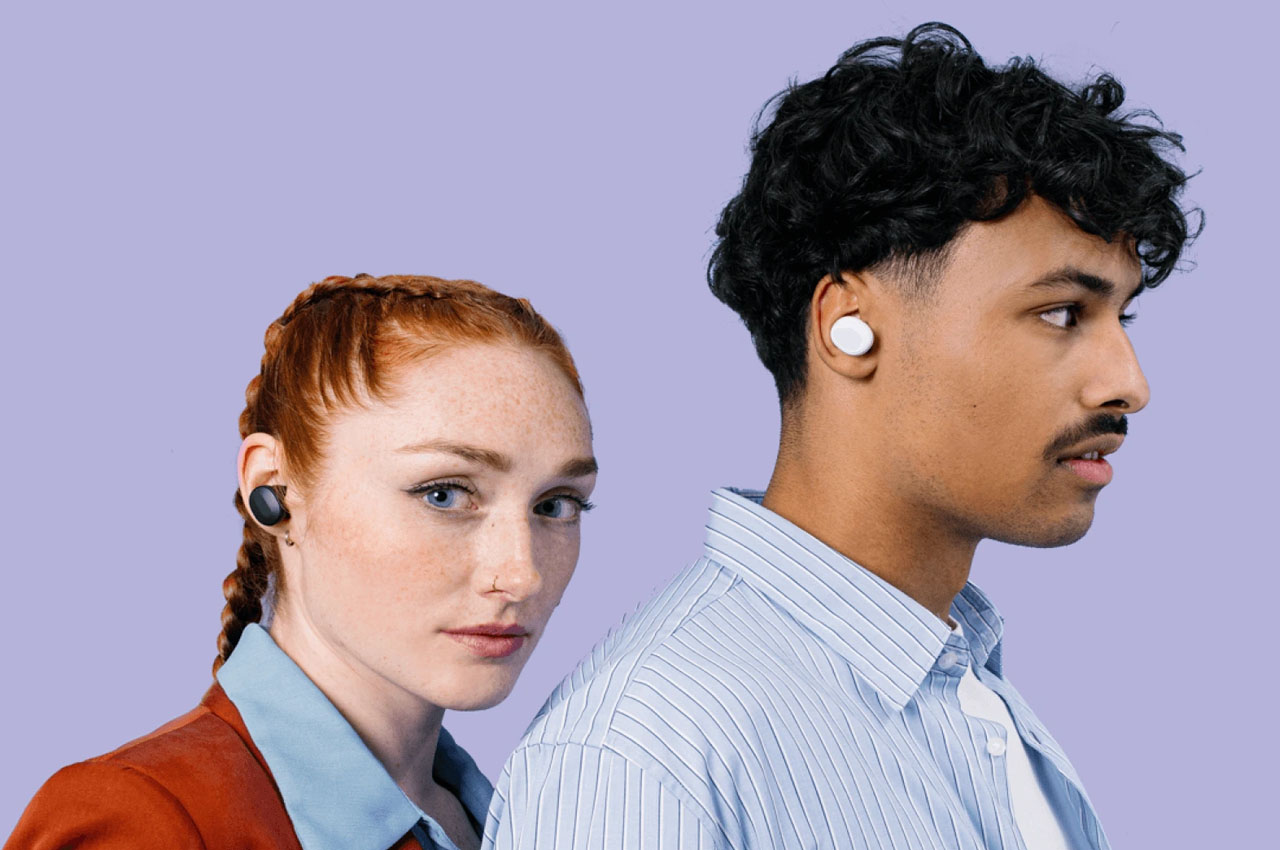
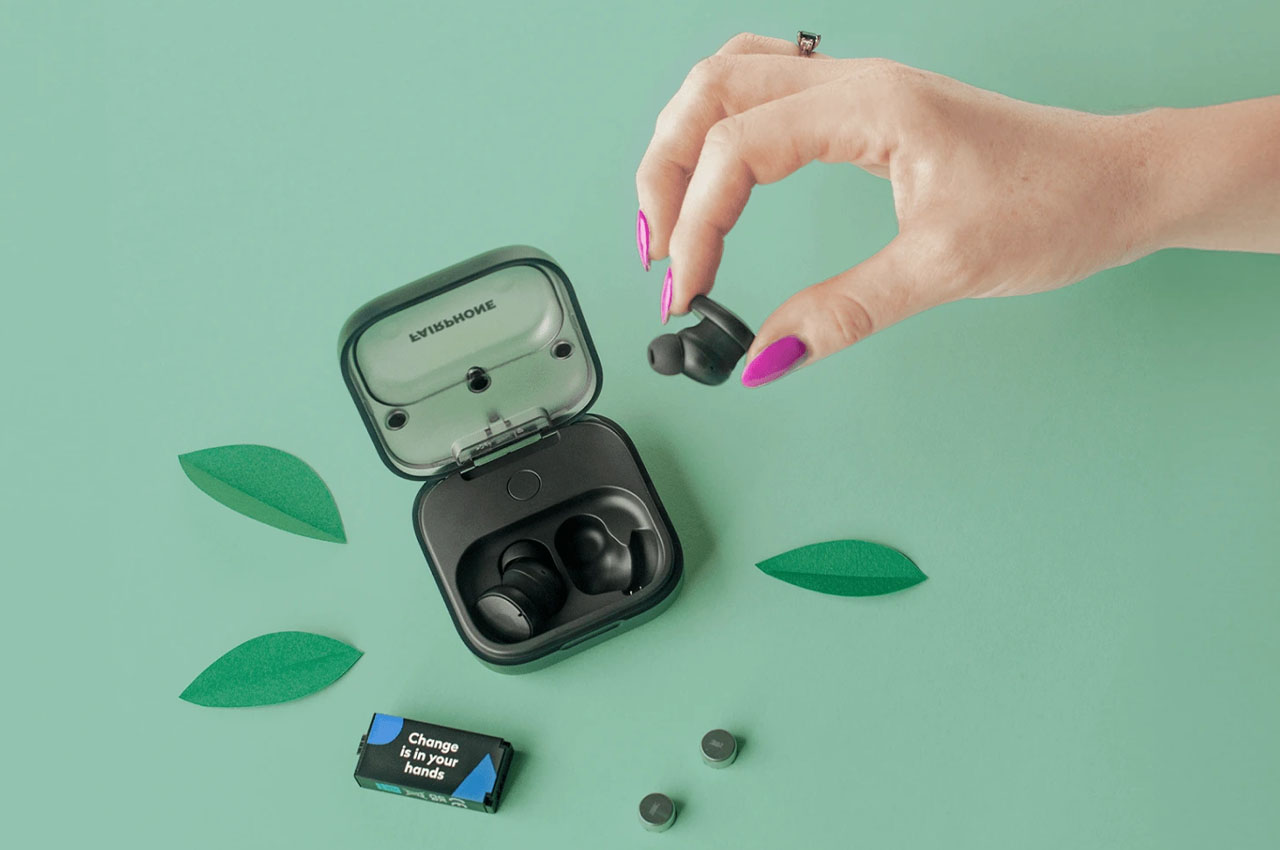
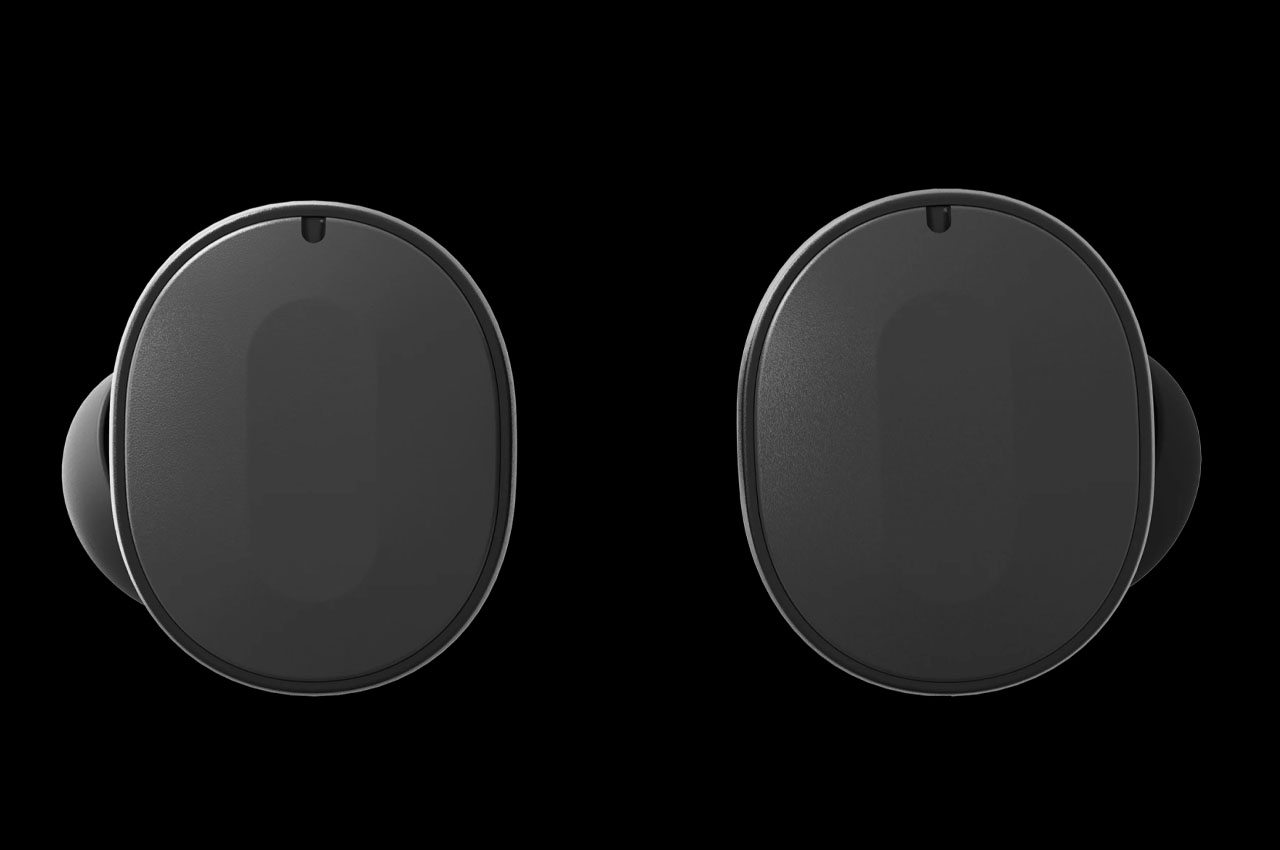
The pair looks a lot like the Samsung Galaxy Buds with the usual features like ANC, multipoint connectivity and IP54 rating for water and sweat resistance. What makes them different is the flexibility to replace seven parts without any hassle. These replaceable components include the battery on the buds, the charging case battery, microphones, silicone ring and earbud ear tips. That means you are no longer forced to throw the buds in the trash can once the battery goes dead. Fairphone will also replace one of the earbuds if you are the more carefree audio listener who’s always searching for them after a couple of hours of non-listening time. The red cherry on top is the three-year warranty for complete peace of mind.

For listeners who value sound quality more than anything else, you’ll not be disappointed either. The Fairbuds come loaded with 11mm titanium-coated drivers and three microphones on each bud for superior ANC and call quality. These can seamlessly switch between two devices courtesy of Bluetooth 5.3 connectivity. The earbuds will last around five hours with ANC turned on, and the charging case extends that number to 26 hours in total. The intuitive app (Android and iOS) offers an 8-band equalizer.

The best thing is the offer price of €149 (~$162) in Europe and £140 in the UK which makes Fairphone Fairbuds so lucrative. Considering some premium earbuds cost $300 or more for the same set of features, the Fairbuds stand out with their value-for-money proposition.


The post Fairphone Fairbuds TWS earbuds tout replaceable batteries, titanium drivers and microphones first appeared on Yanko Design.