Every time I order food delivery, I already know what’s coming before I open the bag. A stack of plastic containers, lids that barely seal, and that guilty beat when I toss everything in the trash about five minutes after eating. It’s a ritual nobody talks about but everyone performs. It happens millions of times a day.
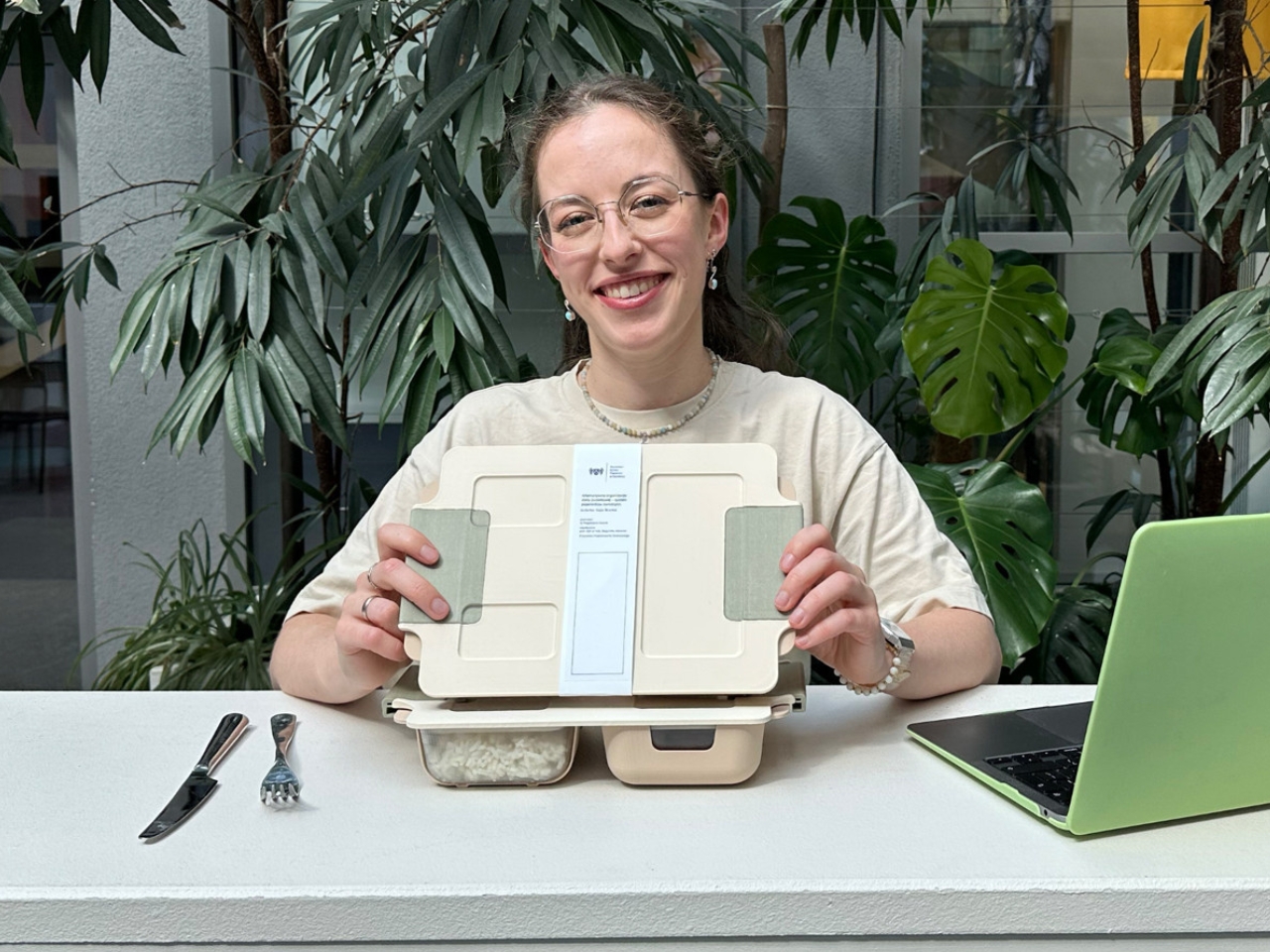
That’s the problem Kaja Brunke decided to sit with. The Polish designer, who earned her Master’s from the Academy of Fine Arts in Gdańsk, didn’t approach meal delivery packaging with the usual sustainability playbook. She didn’t swap the plastic for bamboo and call it done. She asked a harder question: what if the container was never meant to be thrown away at all?
Designer: Kaja Brunke
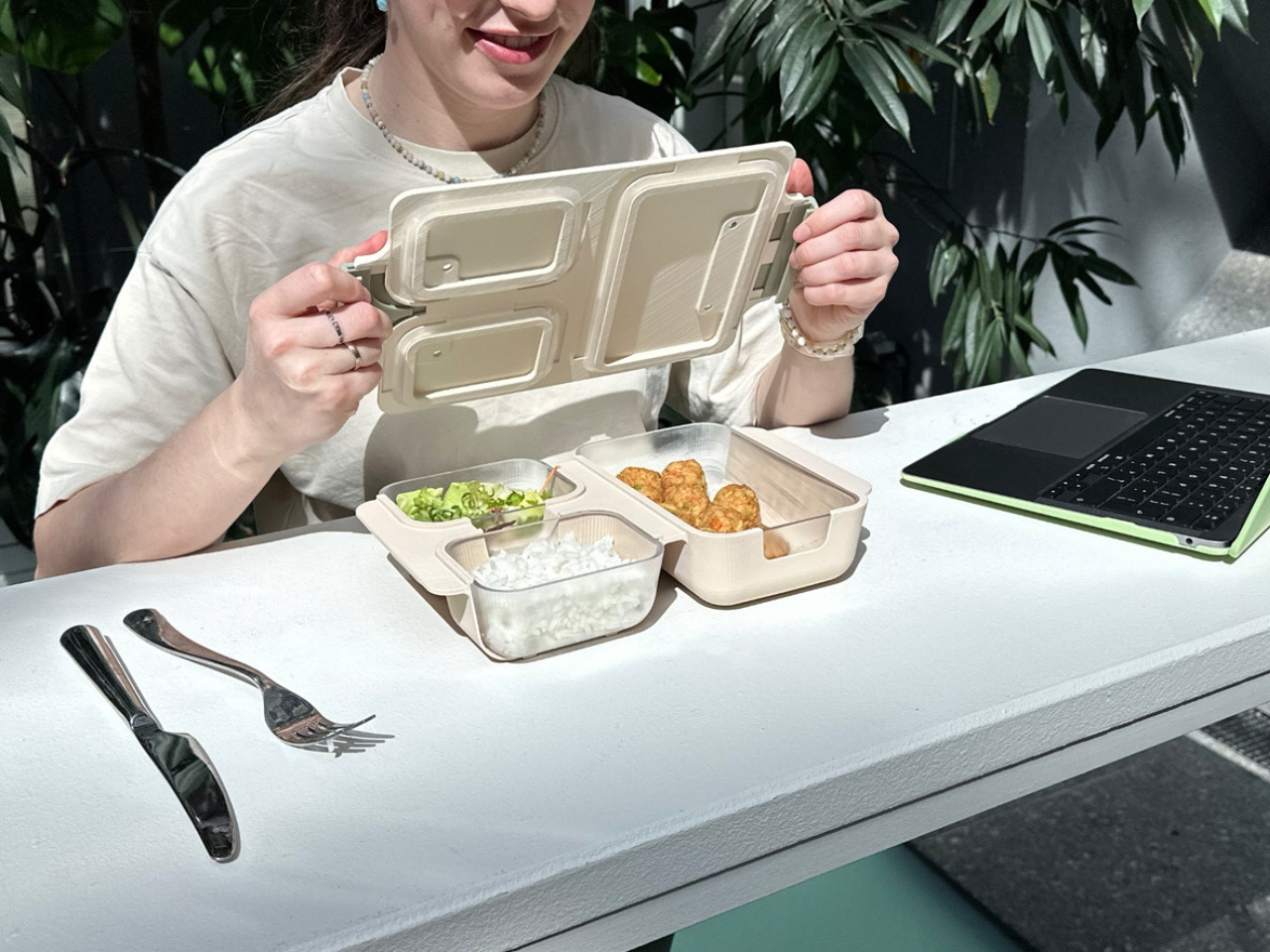
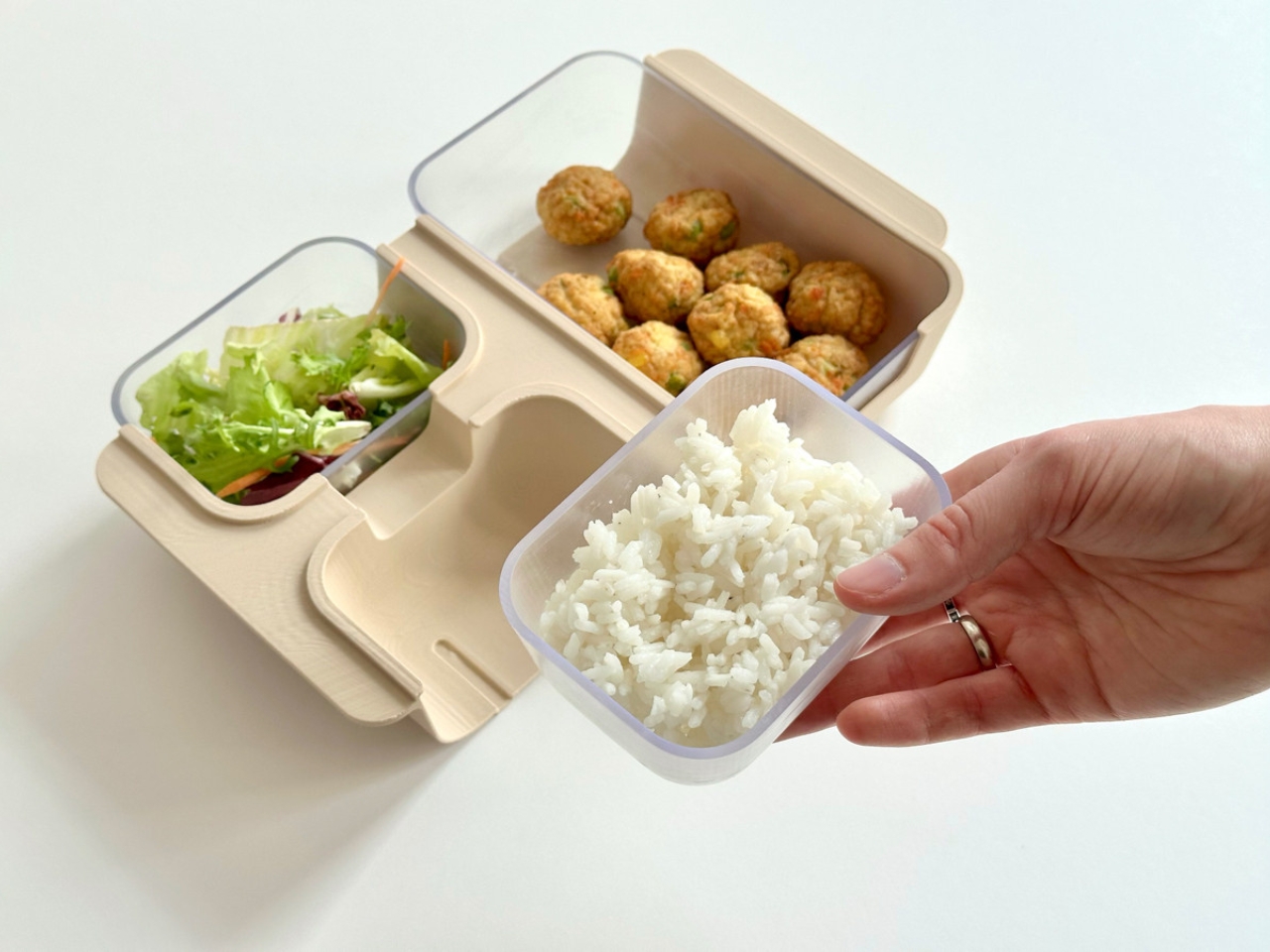
The result is ReBento, a returnable, reusable container system designed specifically for subscription meal delivery. It just won the Packaging category at the Green Product Award 2026, and once you understand what it’s actually doing, it’s hard to unsee how obvious the solution feels, and how long it took for someone to build it properly.
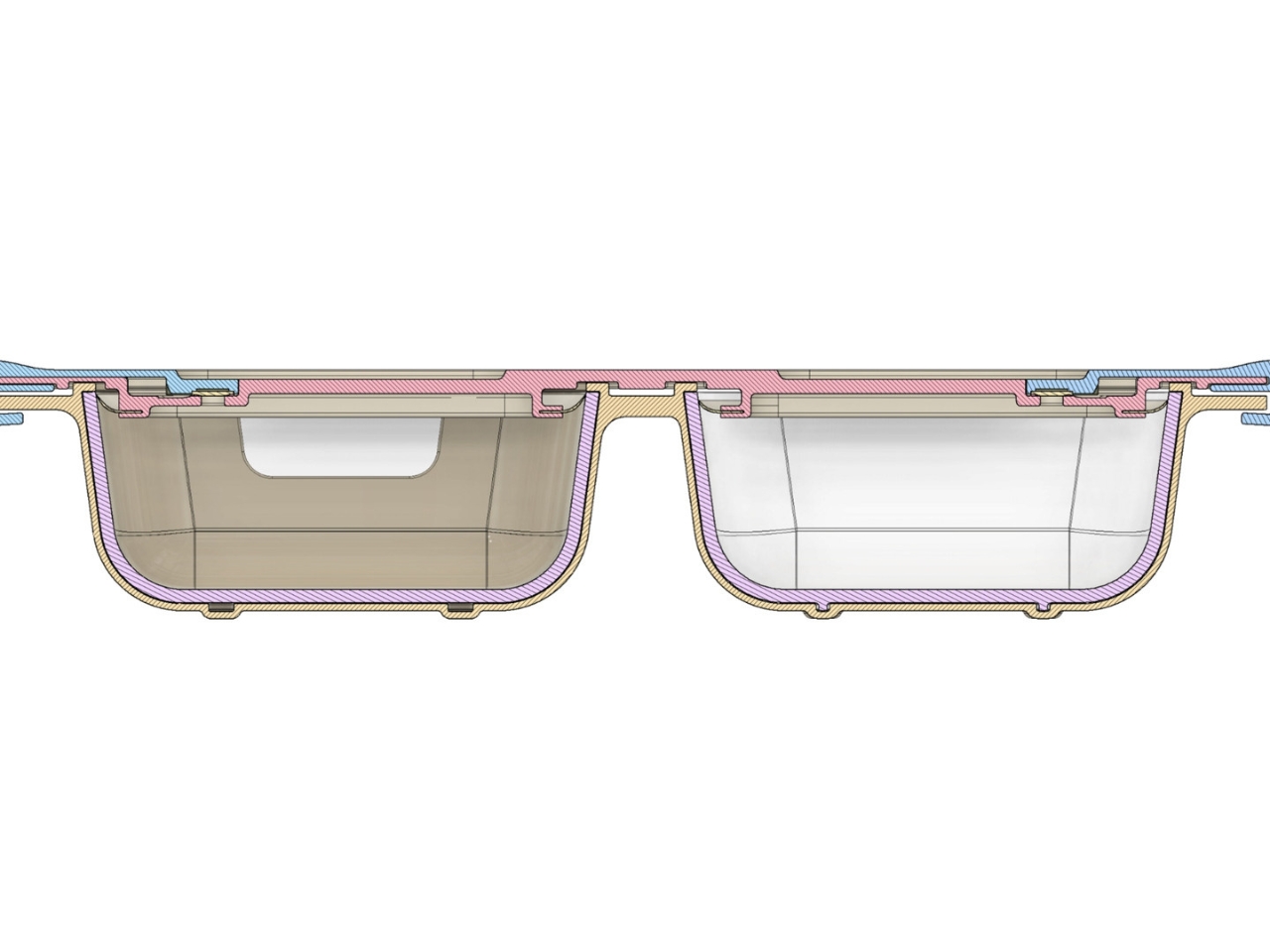
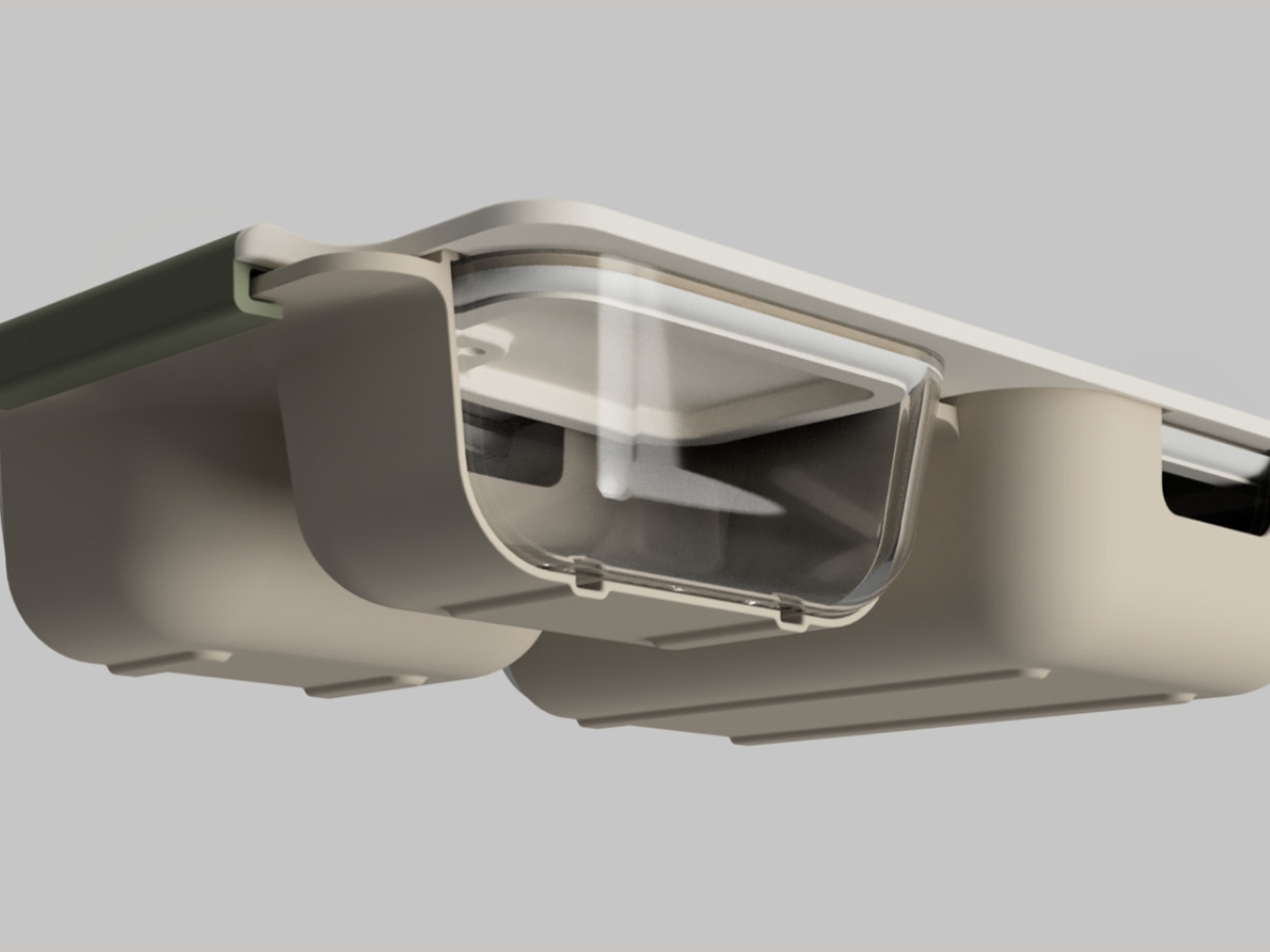
ReBento works like this: meals are delivered in durable, leak-proof containers. Inside, removable glass compartments let you separate and reheat food directly in the box, no transfer required. After you’re done, empty containers are collected by couriers on their next delivery run and cycled back into the system. No secondary logistics chain to build. No complicated drop-off points. It integrates into the delivery infrastructure that already exists.
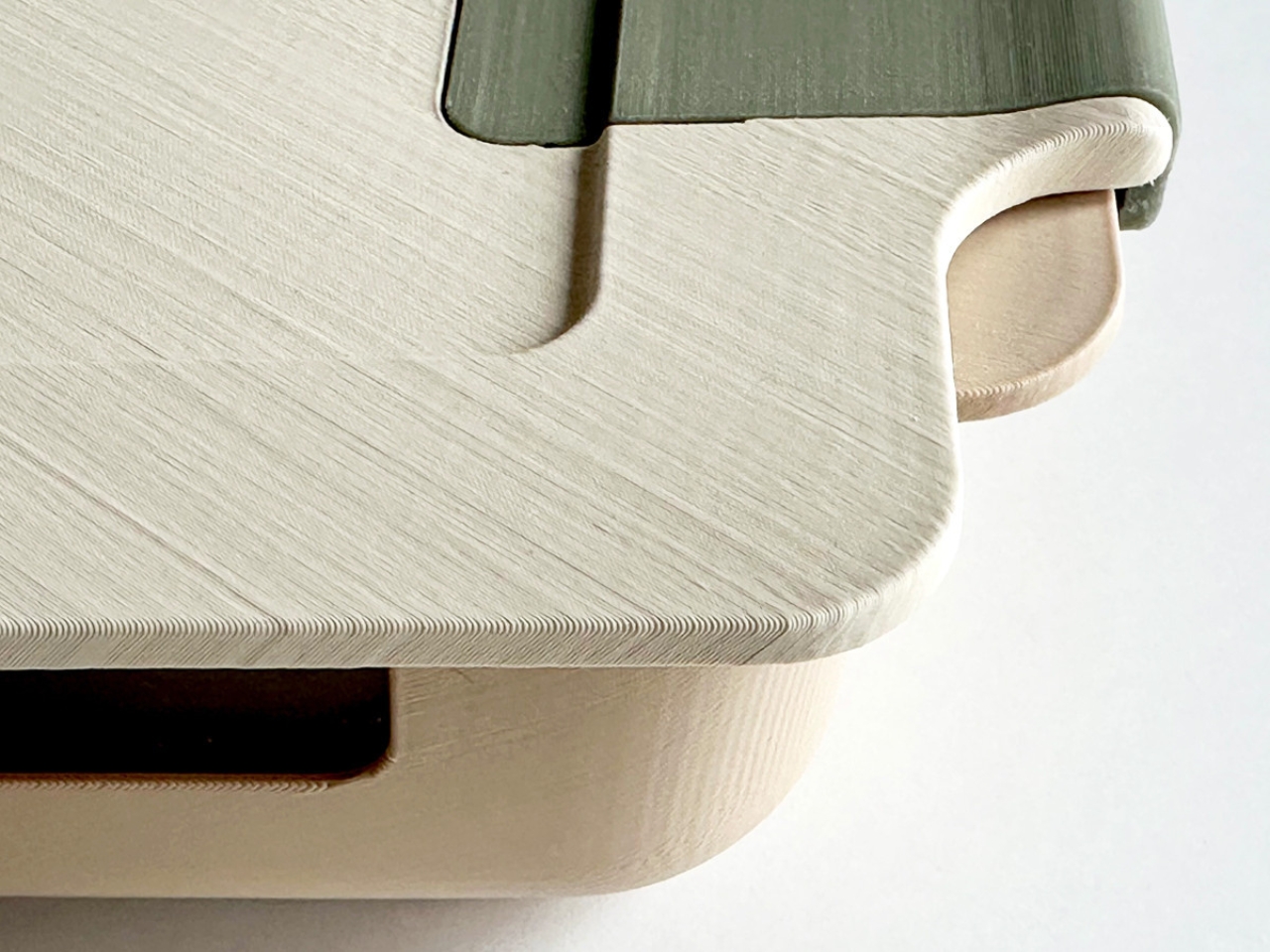
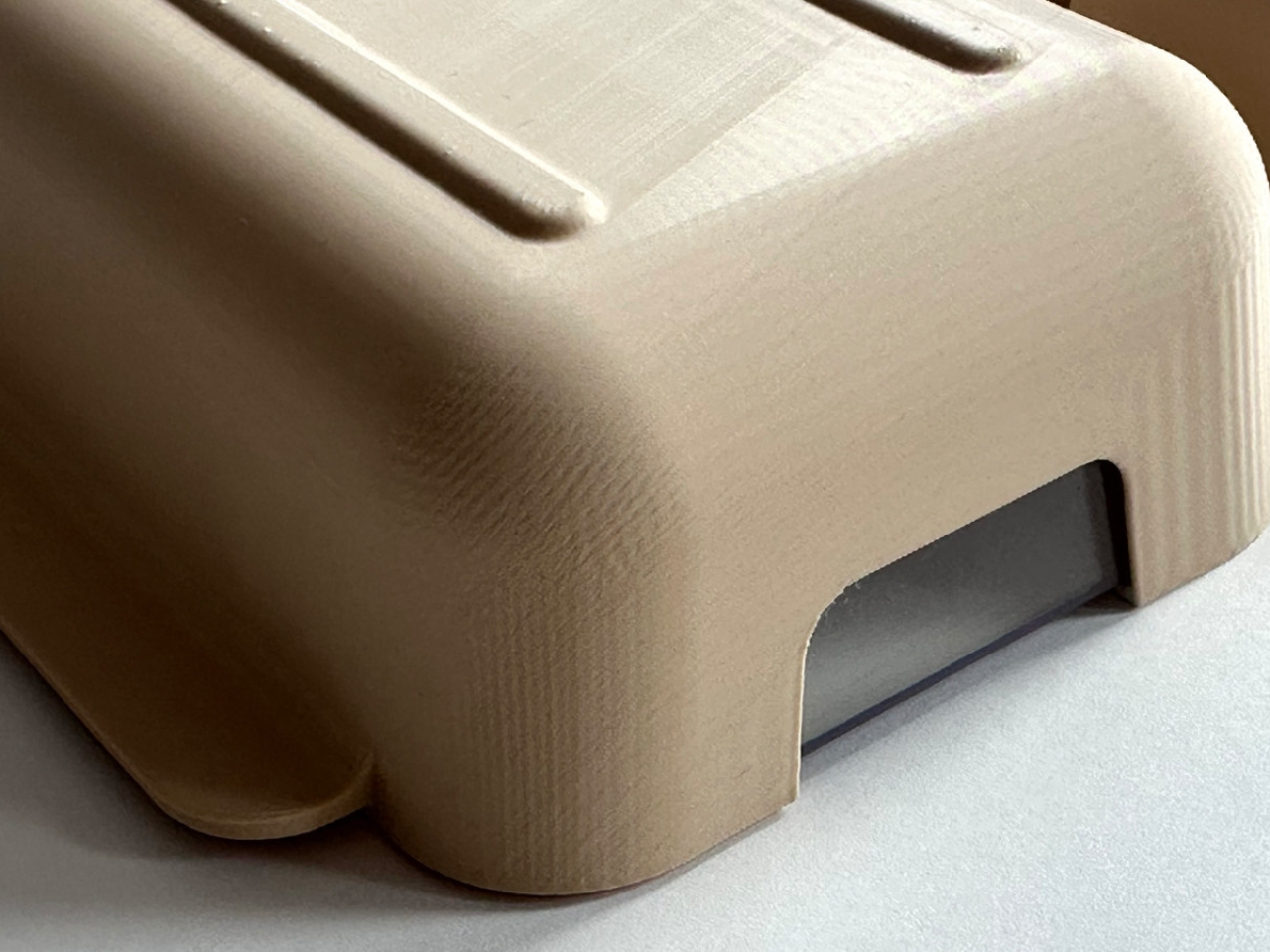
That last part is what makes it genuinely clever. Most sustainable packaging concepts are designed in isolation, as if the supply chain is a blank canvas waiting to be reimagined. ReBento was designed around the reality that already exists. Brunke clearly understood that a solution only works if it doesn’t require the whole system to change around it. Couriers are already going door to door. Why not have them pick something up on the way back?
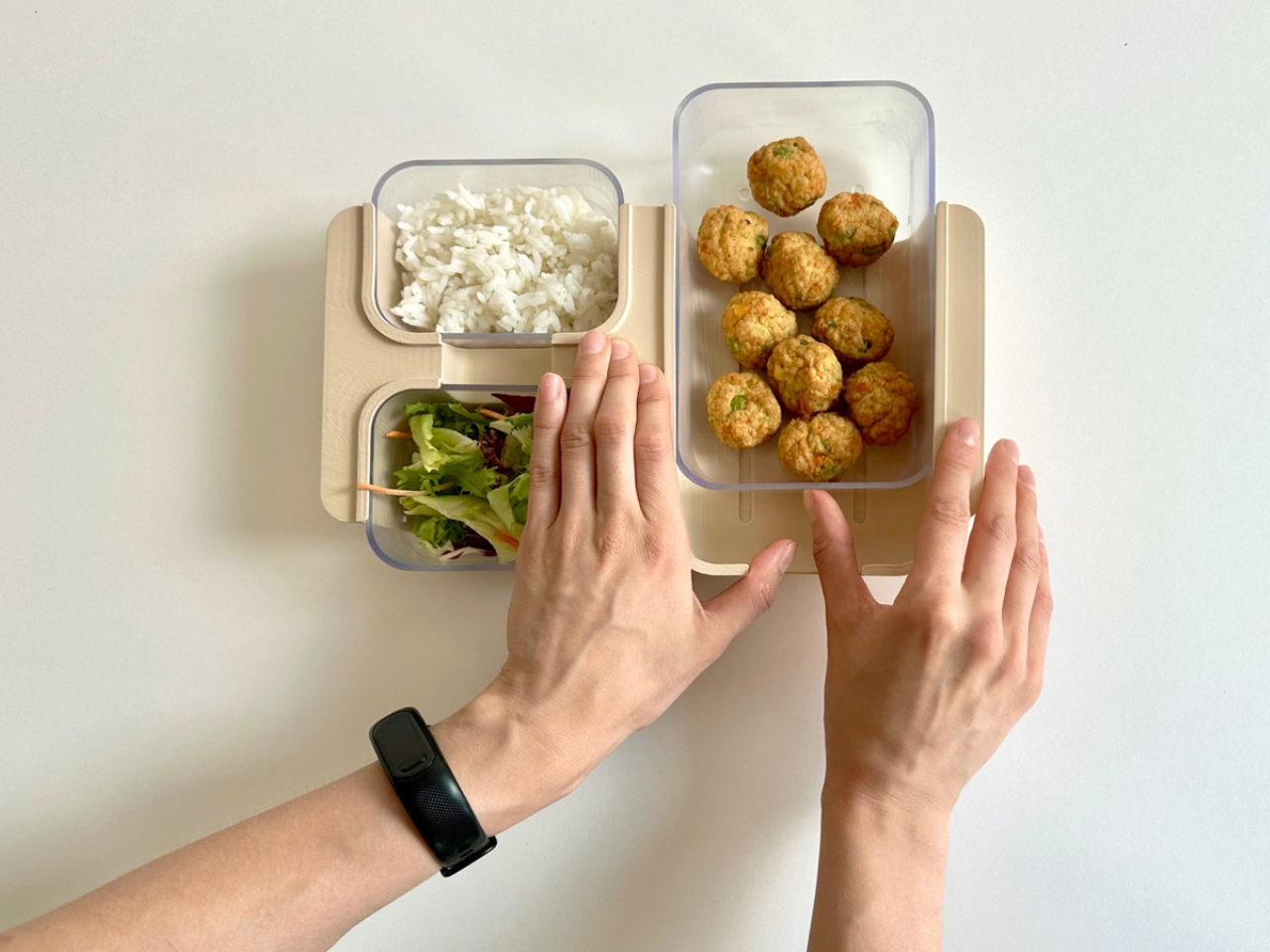
The glass compartments are a thoughtful detail that deserves more attention than they might initially get. Glass is heavy, yes, but it’s also the reason the dining experience actually improves. Food doesn’t absorb the smell of the container. You can reheat without transferring to another dish. The meal arrives as it was meant to be eaten. For anyone who has peeled hot soup-soaked rice out of a soggy paper container, that alone is worth talking about.
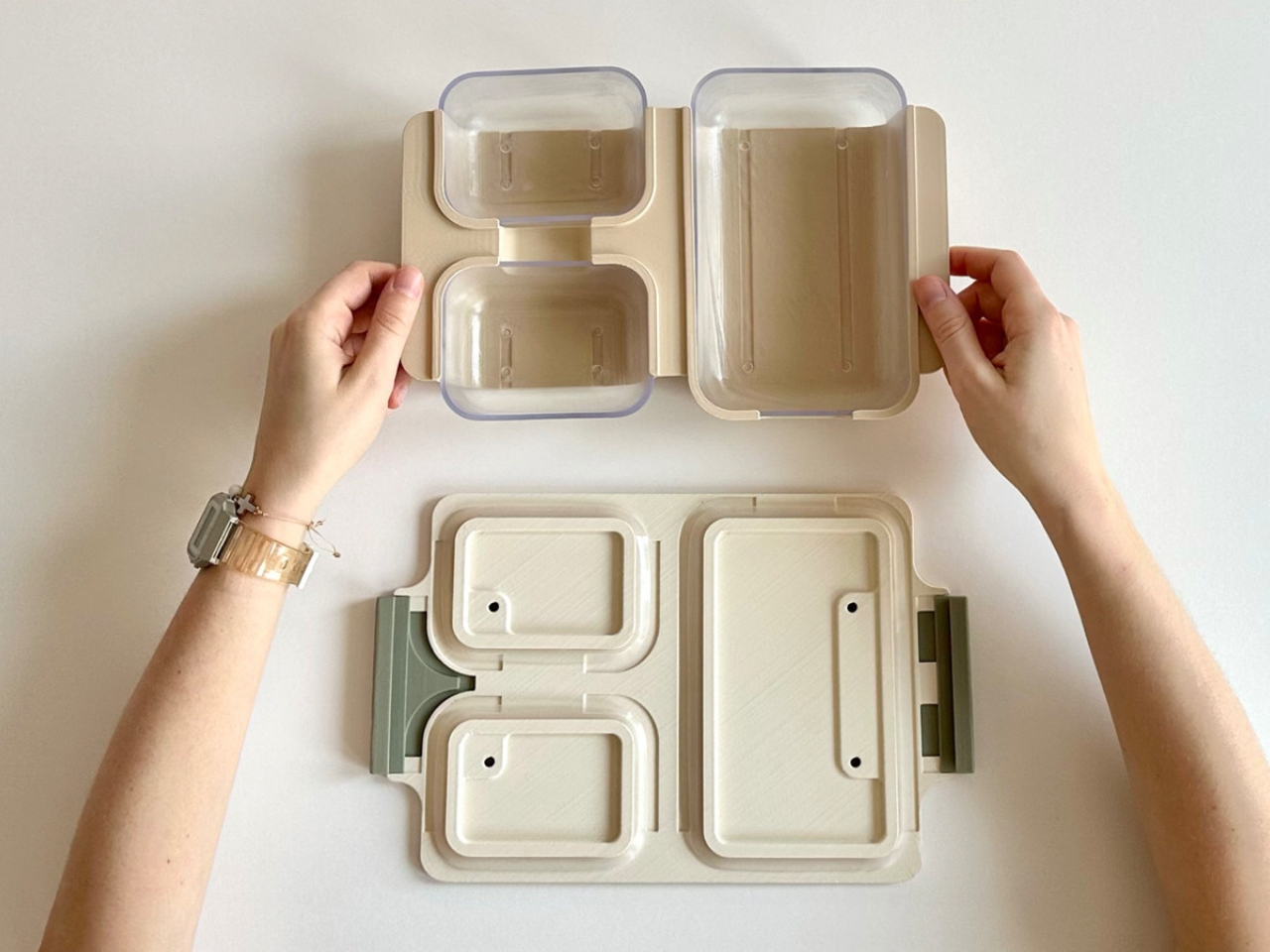
What Brunke has built is not just a product. It’s a framework for how meal delivery could work if the industry decided to take the waste problem seriously, rather than paper over it. The sector has largely settled for greenwashing: compostable containers that require industrial composting facilities most cities don’t have, or “recyclable” plastic that rarely makes it through the actual recycling process. ReBento sidesteps the whole debate by making durability the point.
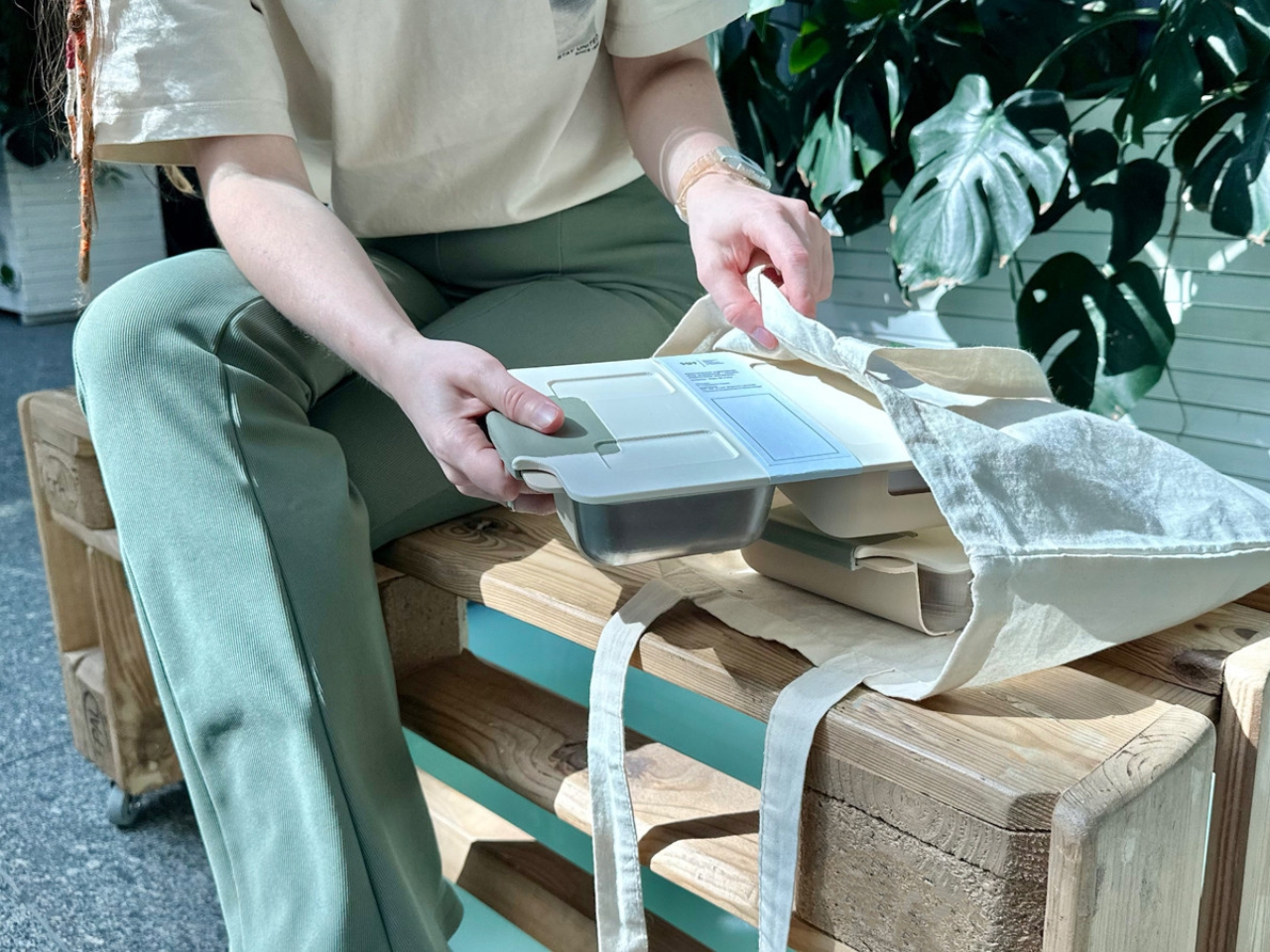
I’ll be honest: I’m a little impatient for something like this to reach the mainstream. Subscription meal delivery is one of the fastest-growing segments of the food industry, and the packaging waste it generates is staggering. The irony is that the subscription model is actually the ideal environment for a returnable container system. The logistics are already in place. The customer relationship is already ongoing. The pieces are all there.
Brunke came to design through an unusual path: advanced math and physics in high school, a year on exchange in Illinois, and a degree grounded in solution-based thinking. You can feel that background in ReBento. It’s not a conceptual piece that looks beautiful in a portfolio and stops there. It’s a system that has been thought through to the point of asking: how does this actually get picked up, cleaned, and sent back out again?
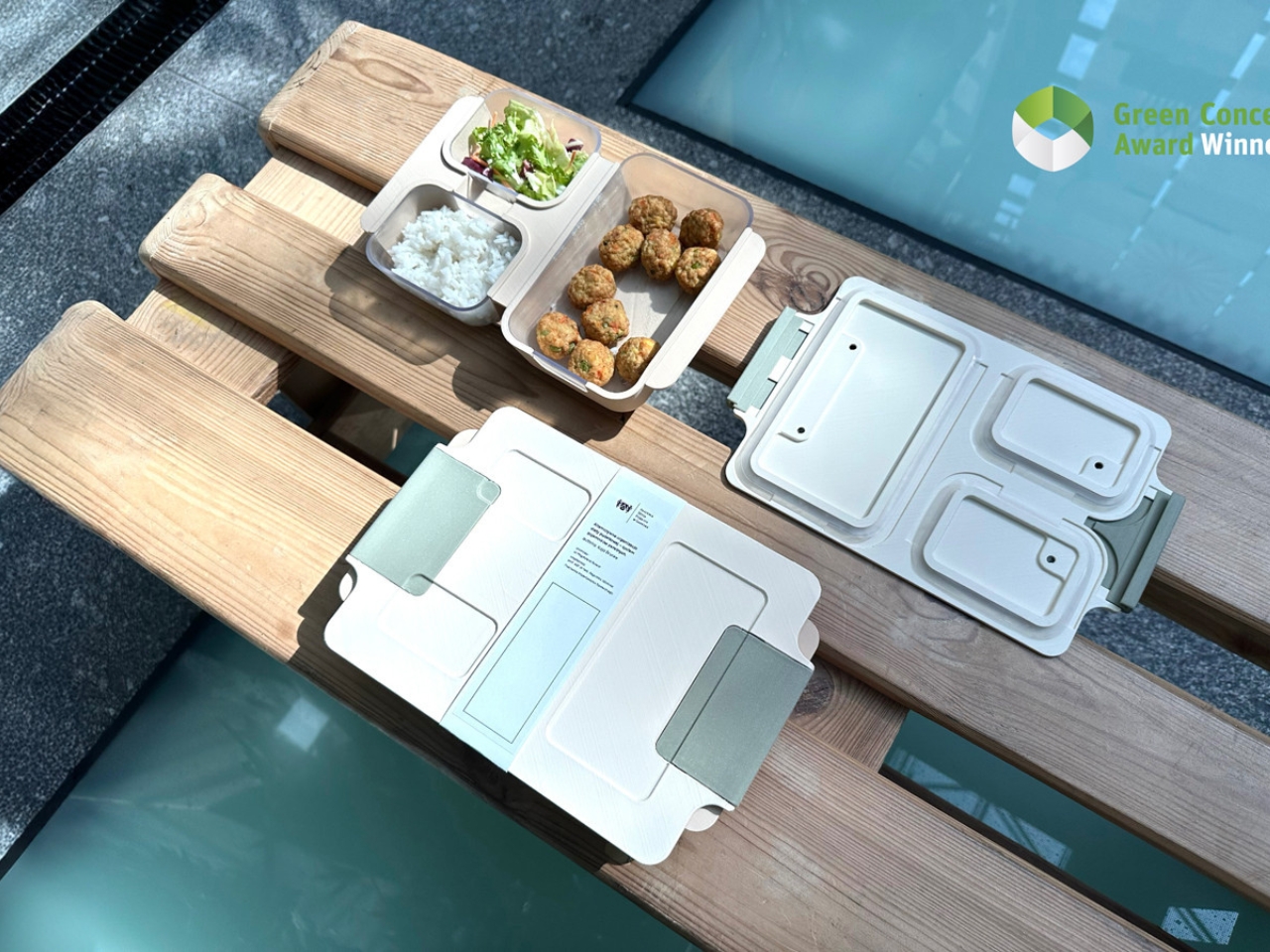
That’s the kind of design thinking that doesn’t always get the recognition it deserves, because it’s not flashy. A returnable bento box won’t stop traffic the way a concept car does. But the best design isn’t always the loudest. Sometimes it’s the kind that makes you wonder why it took this long.
The post The Bento Box Built to End Takeout Waste for Good first appeared on Yanko Design.