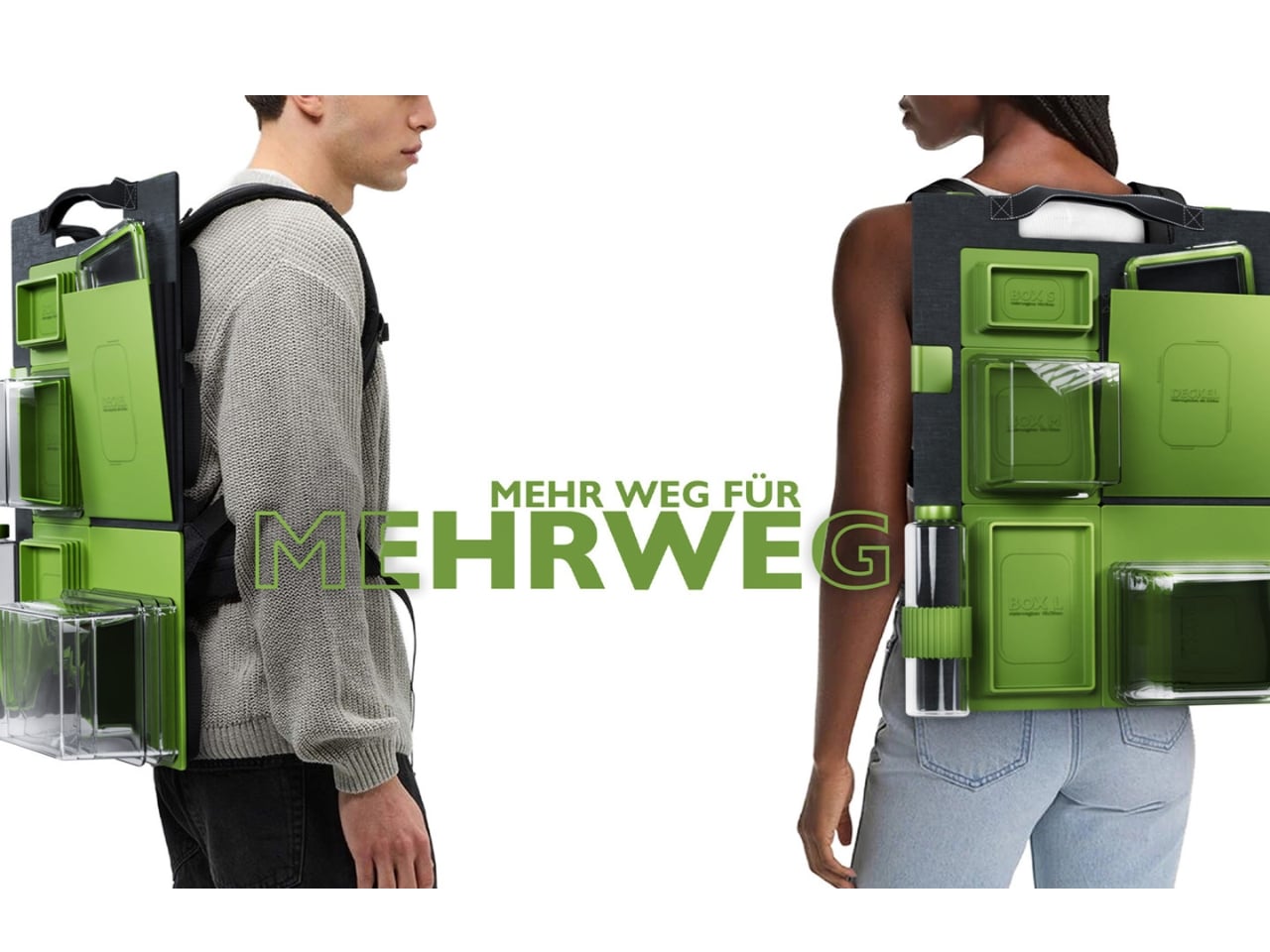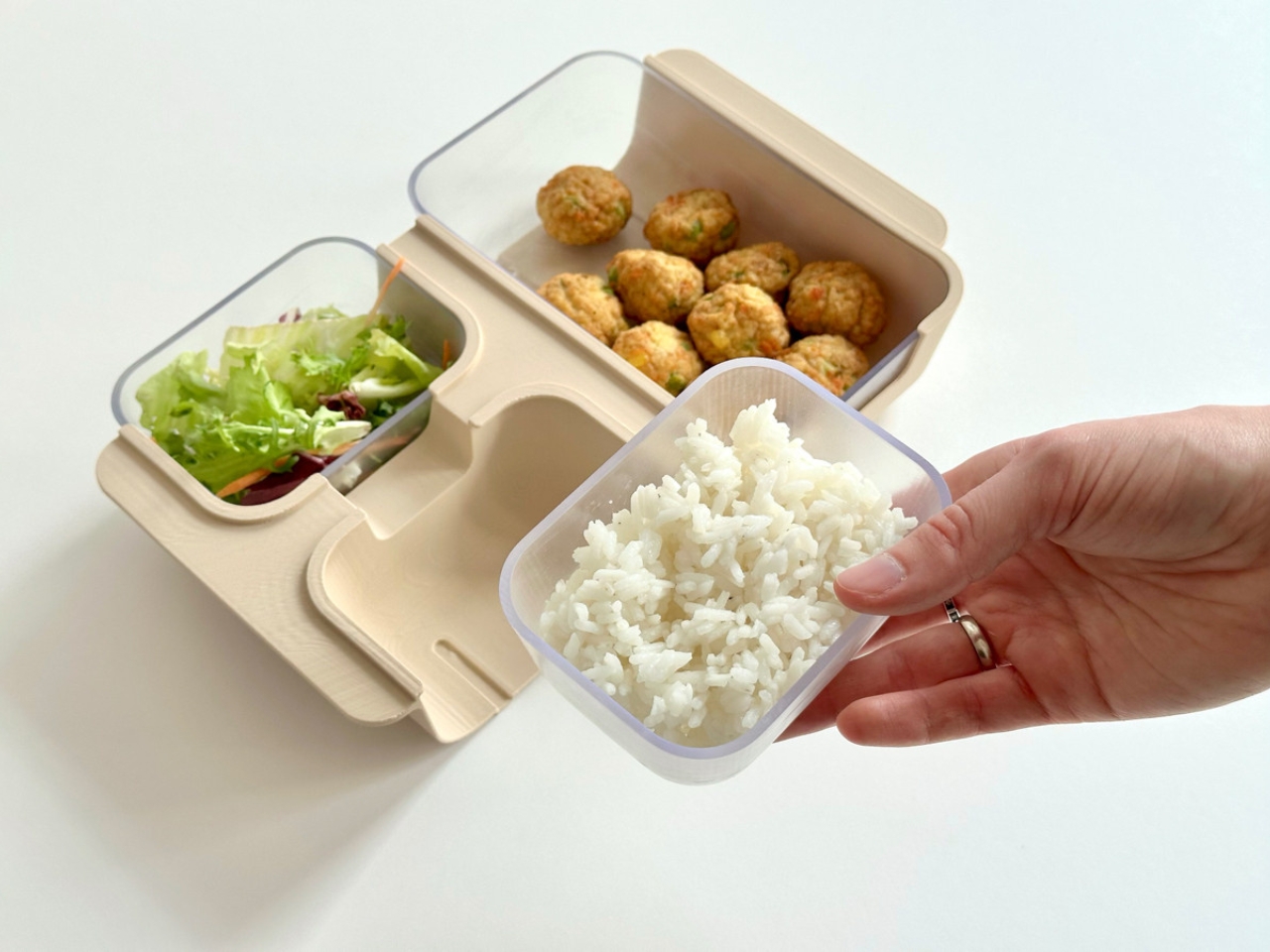
The Bento Box Built to End Takeout Waste for Good

Every time I order food delivery, I already know what’s coming before I open the bag. A stack of plastic containers, lids that barely seal, and that guilty beat when I toss everything in the trash about five minutes after eating. It’s a ritual nobody talks about but everyone performs. It happens millions of times a day.

That’s the problem Kaja Brunke decided to sit with. The Polish designer, who earned her Master’s from the Academy of Fine Arts in GdaƄsk, didn’t approach meal delivery packaging with the usual sustainability playbook. She didn’t swap the plastic for bamboo and call it done. She asked a harder question: what if the container was never meant to be thrown away at all?

Designer: Kaja Brunke
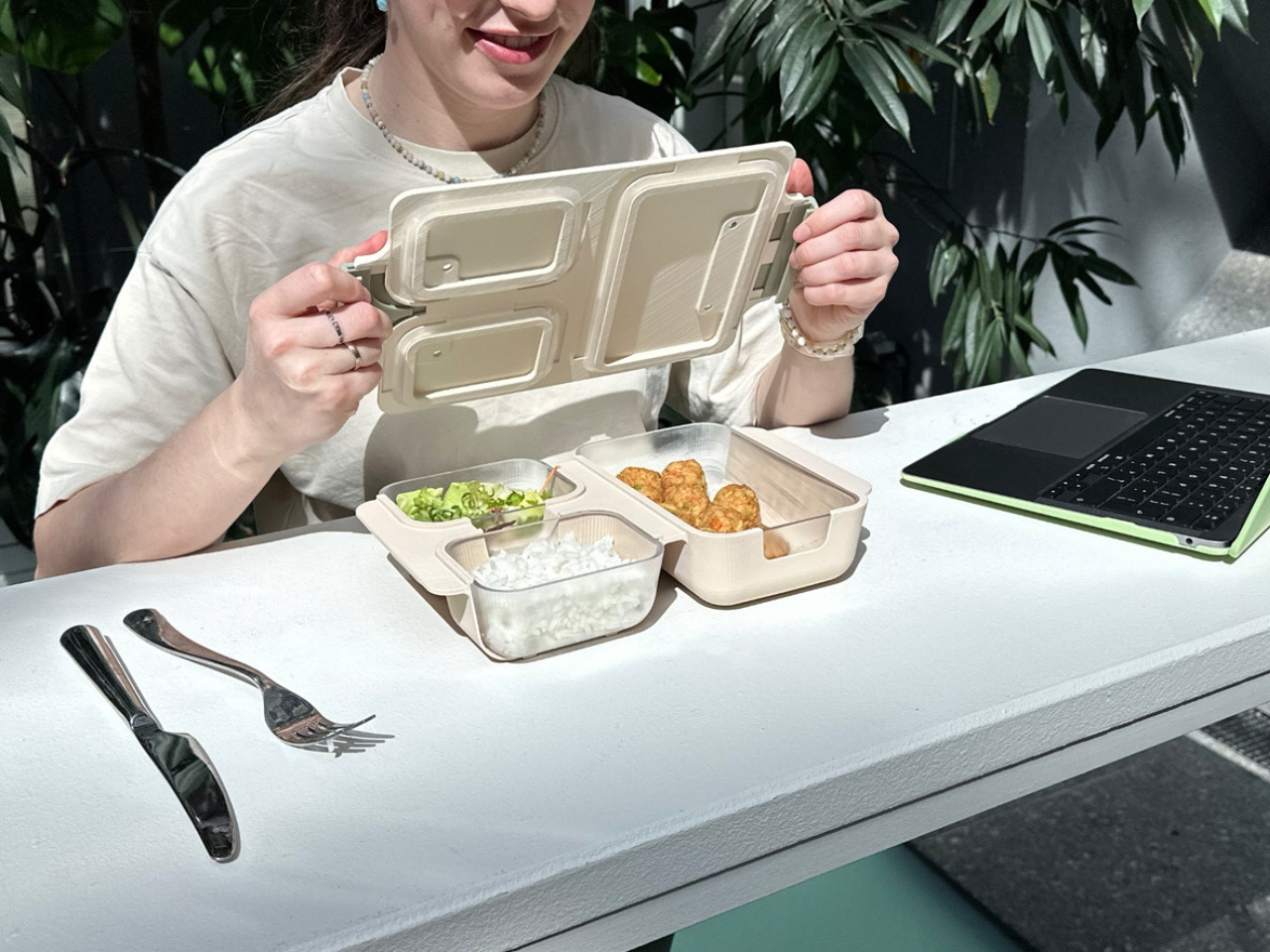
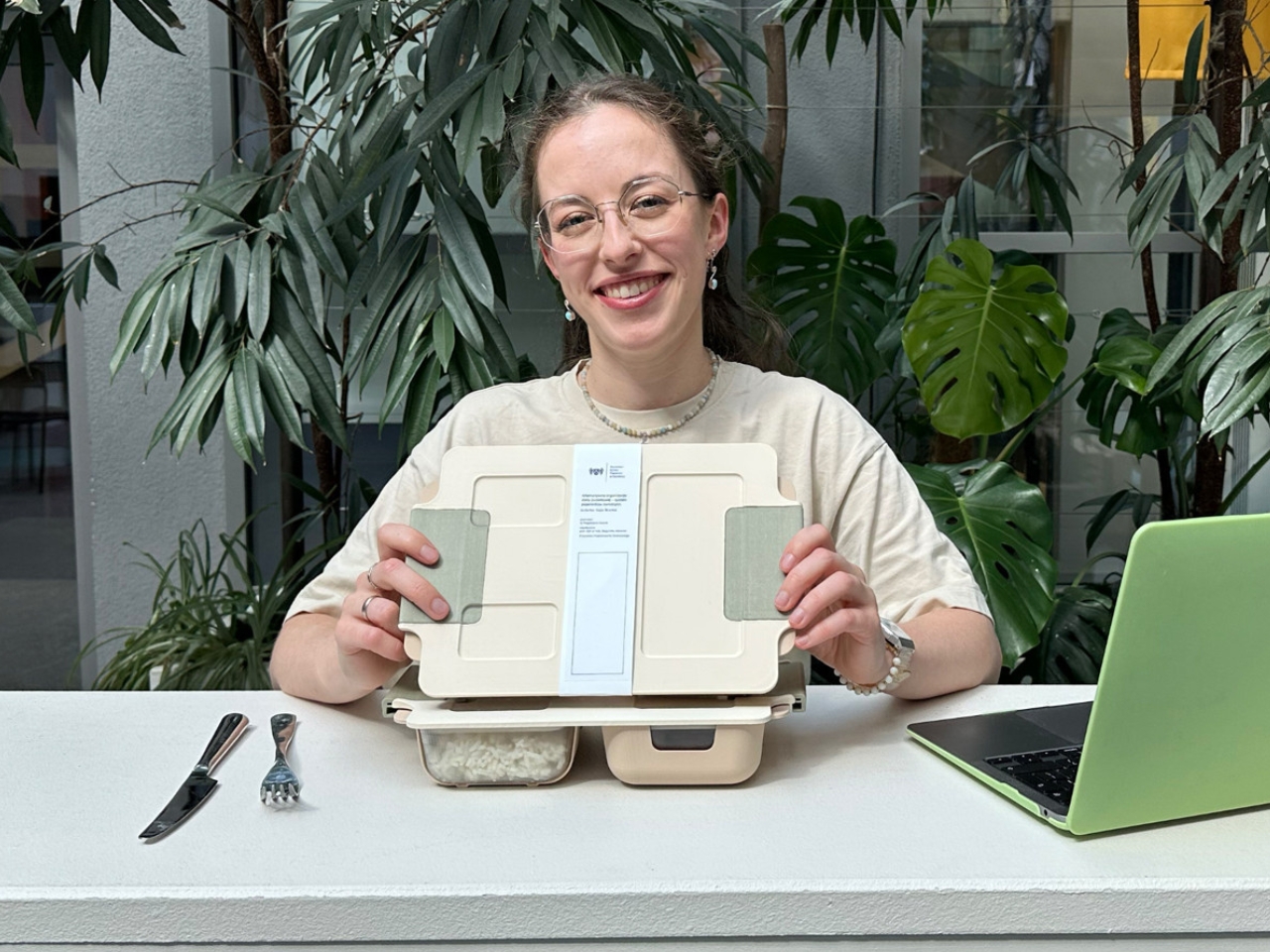
The result is ReBento, a returnable, reusable container system designed specifically for subscription meal delivery. It just won the Packaging category at the Green Product Award 2026, and once you understand what it’s actually doing, it’s hard to unsee how obvious the solution feels, and how long it took for someone to build it properly.
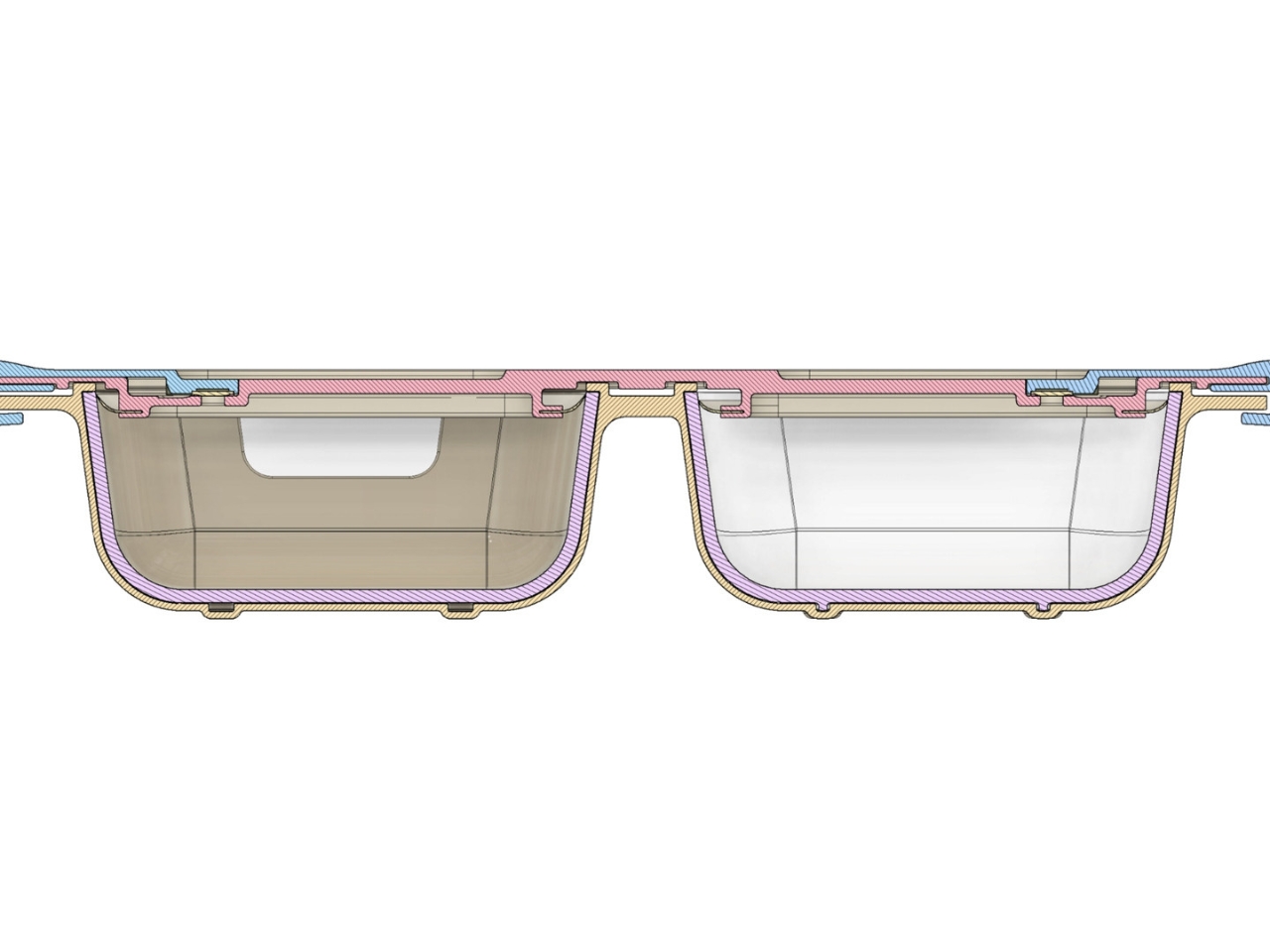
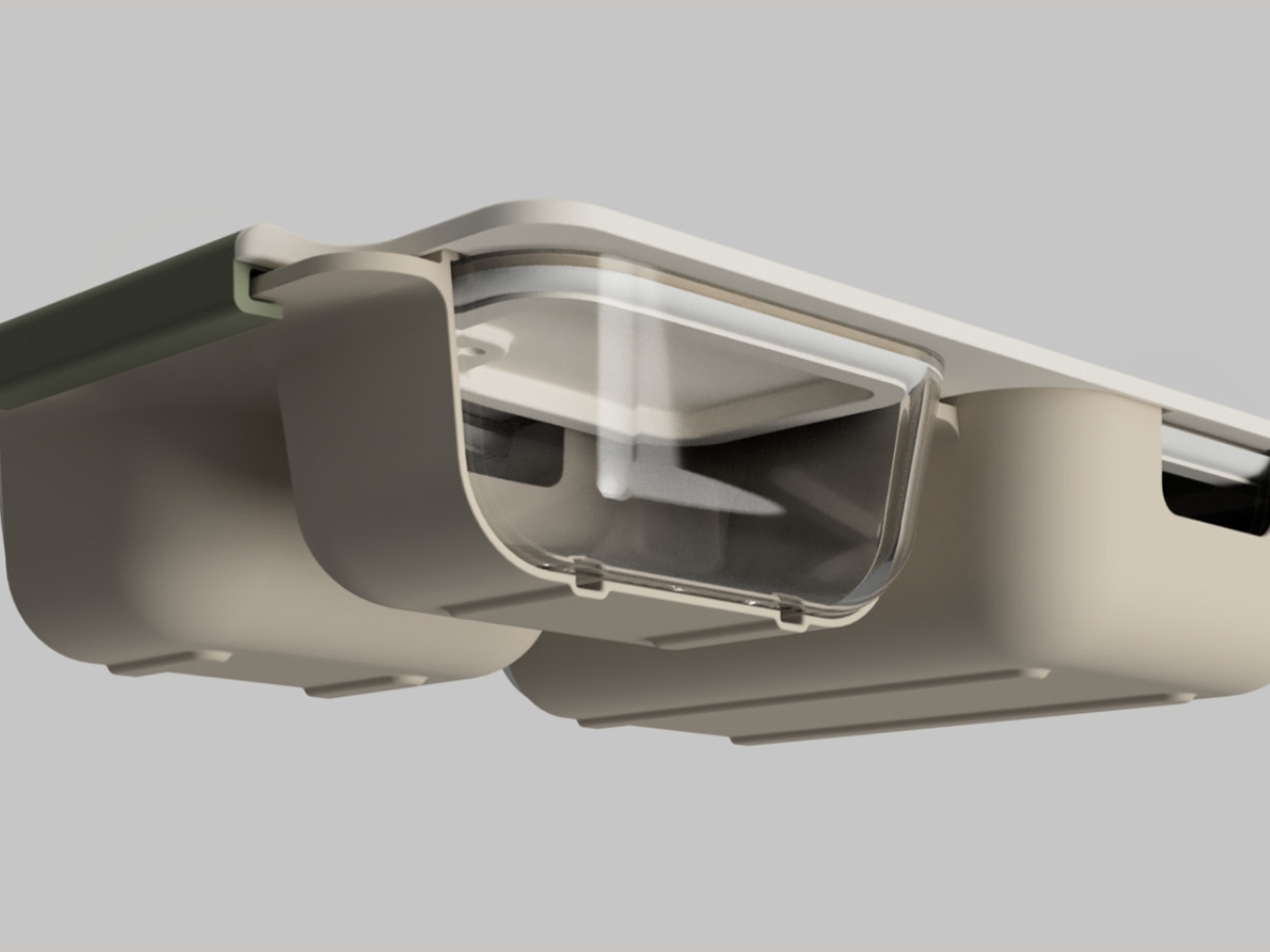
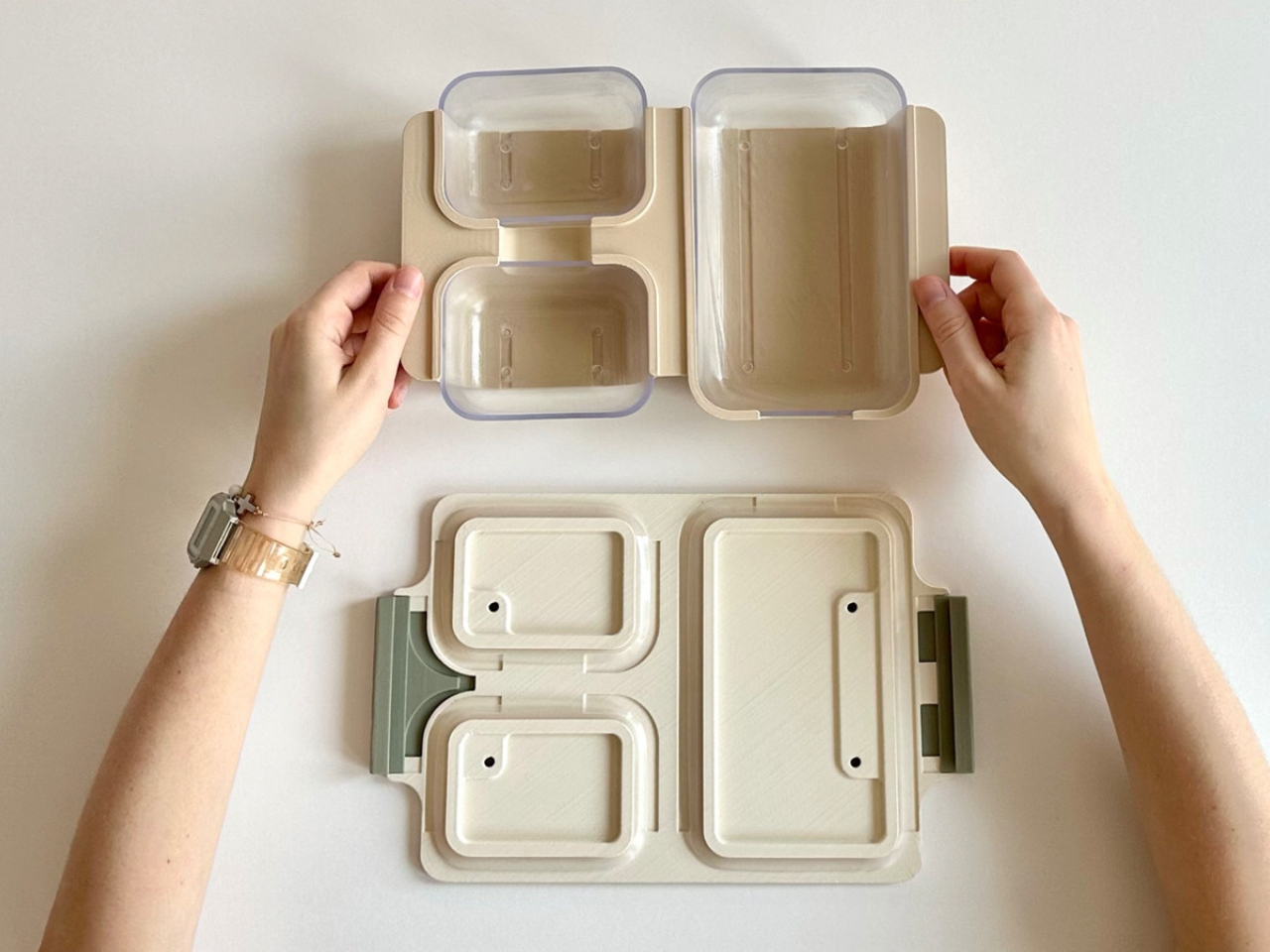
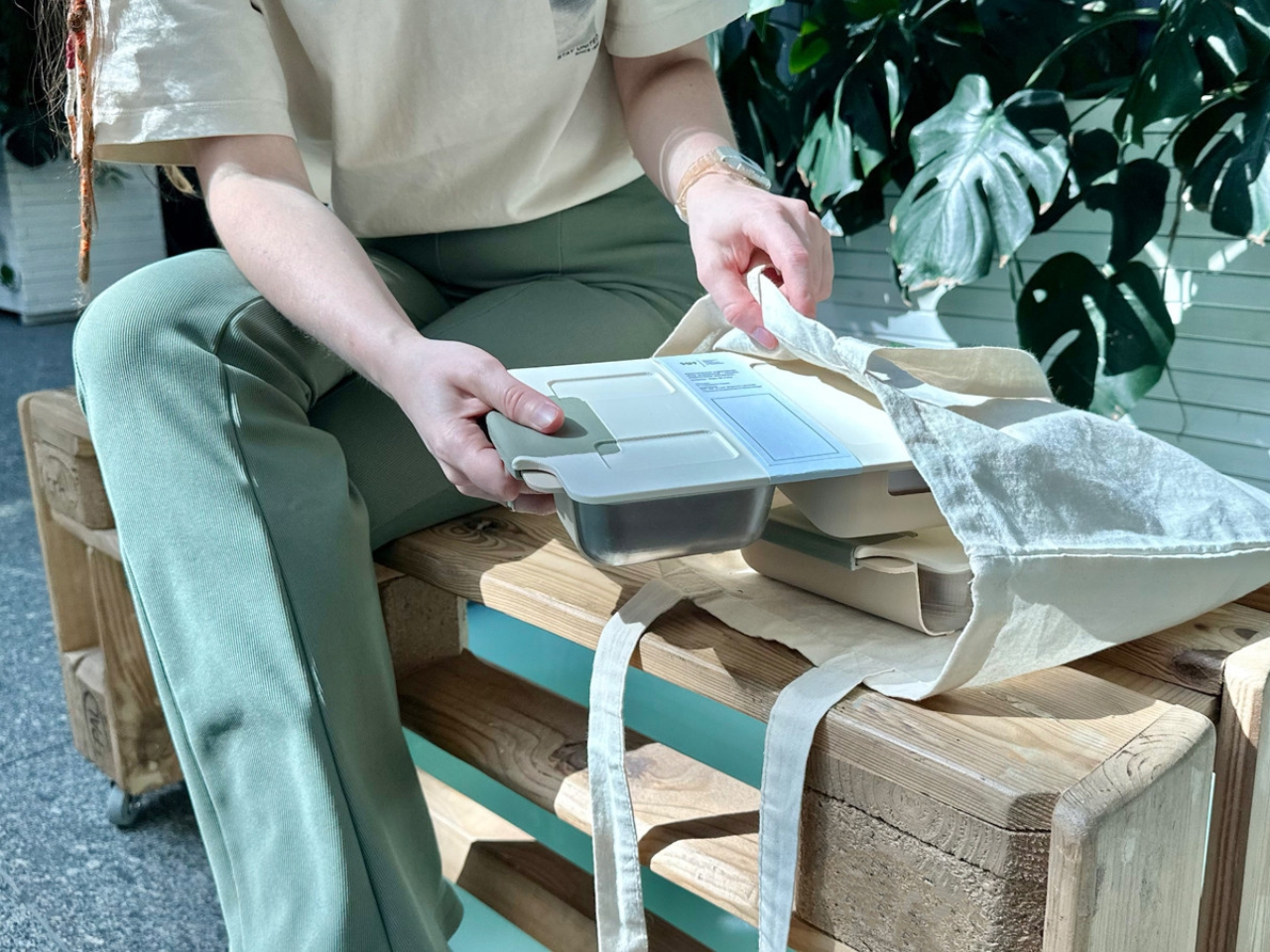
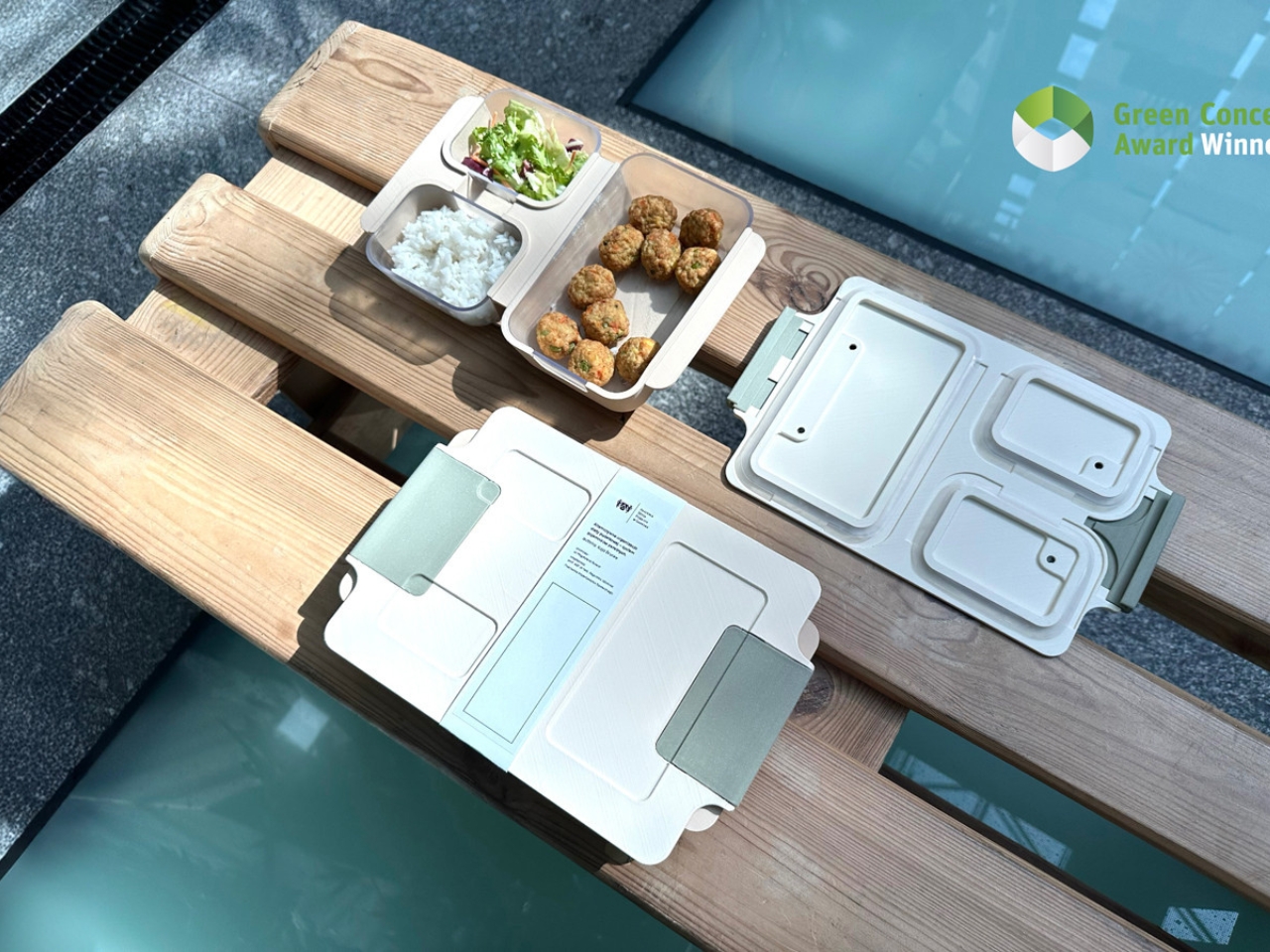
ReBento works like this: meals are delivered in durable, leak-proof containers. Inside, removable glass compartments let you separate and reheat food directly in the box, no transfer required. After you’re done, empty containers are collected by couriers on their next delivery run and cycled back into the system. No secondary logistics chain to build. No complicated drop-off points. It integrates into the delivery infrastructure that already exists.
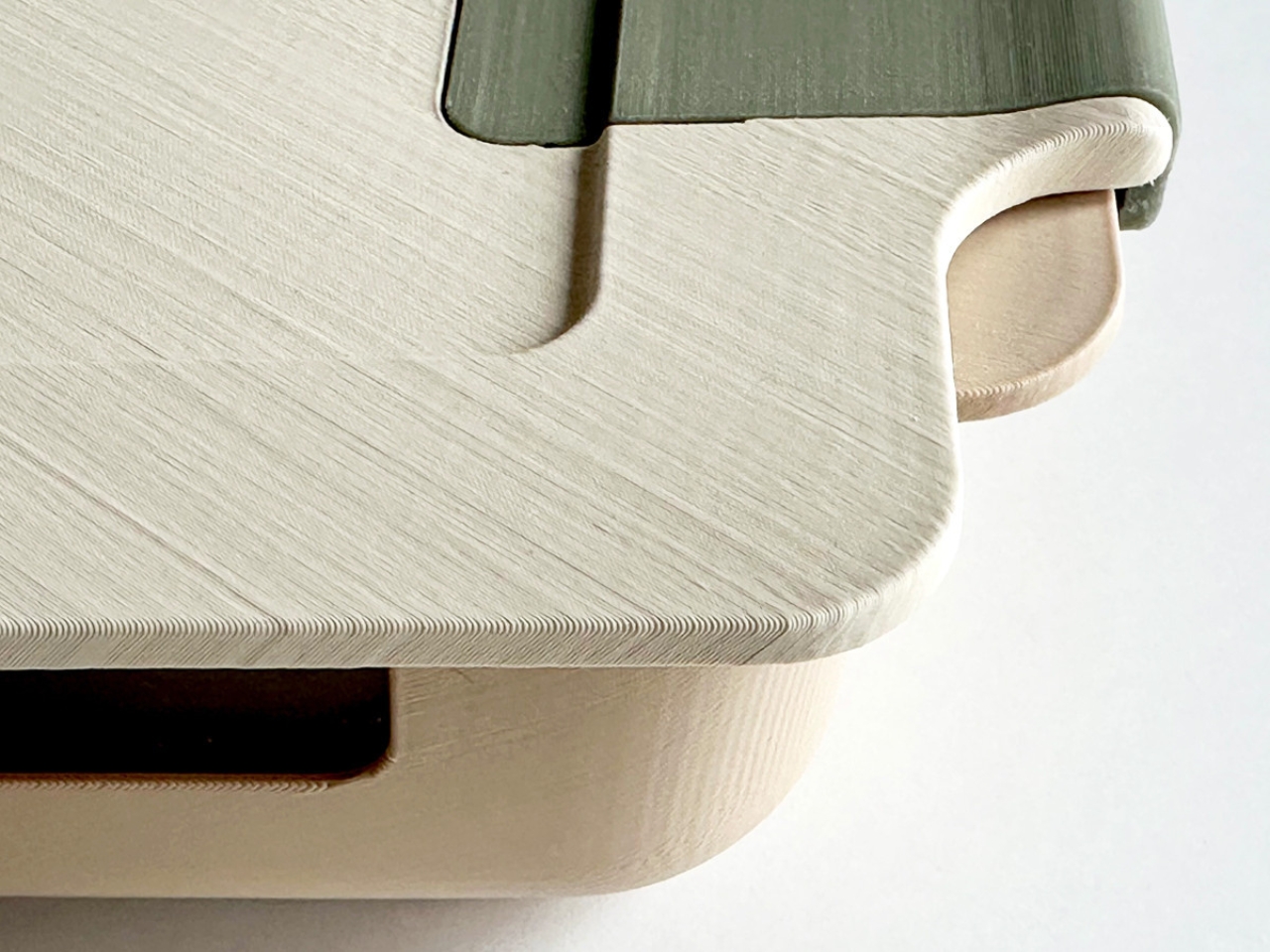
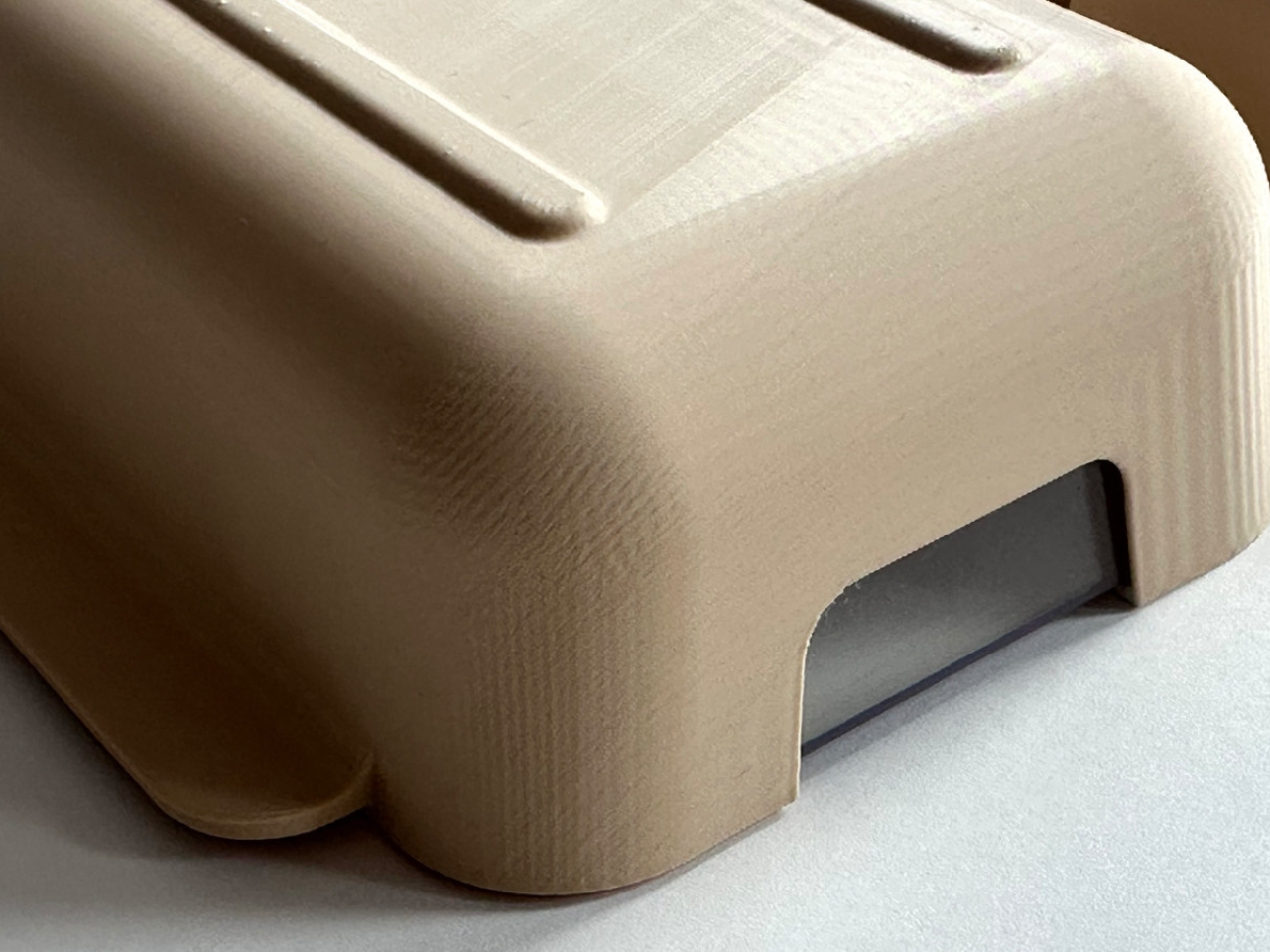
That last part is what makes it genuinely clever. Most sustainable packaging concepts are designed in isolation, as if the supply chain is a blank canvas waiting to be reimagined. ReBento was designed around the reality that already exists. Brunke clearly understood that a solution only works if it doesn’t require the whole system to change around it. Couriers are already going door to door. Why not have them pick something up on the way back?
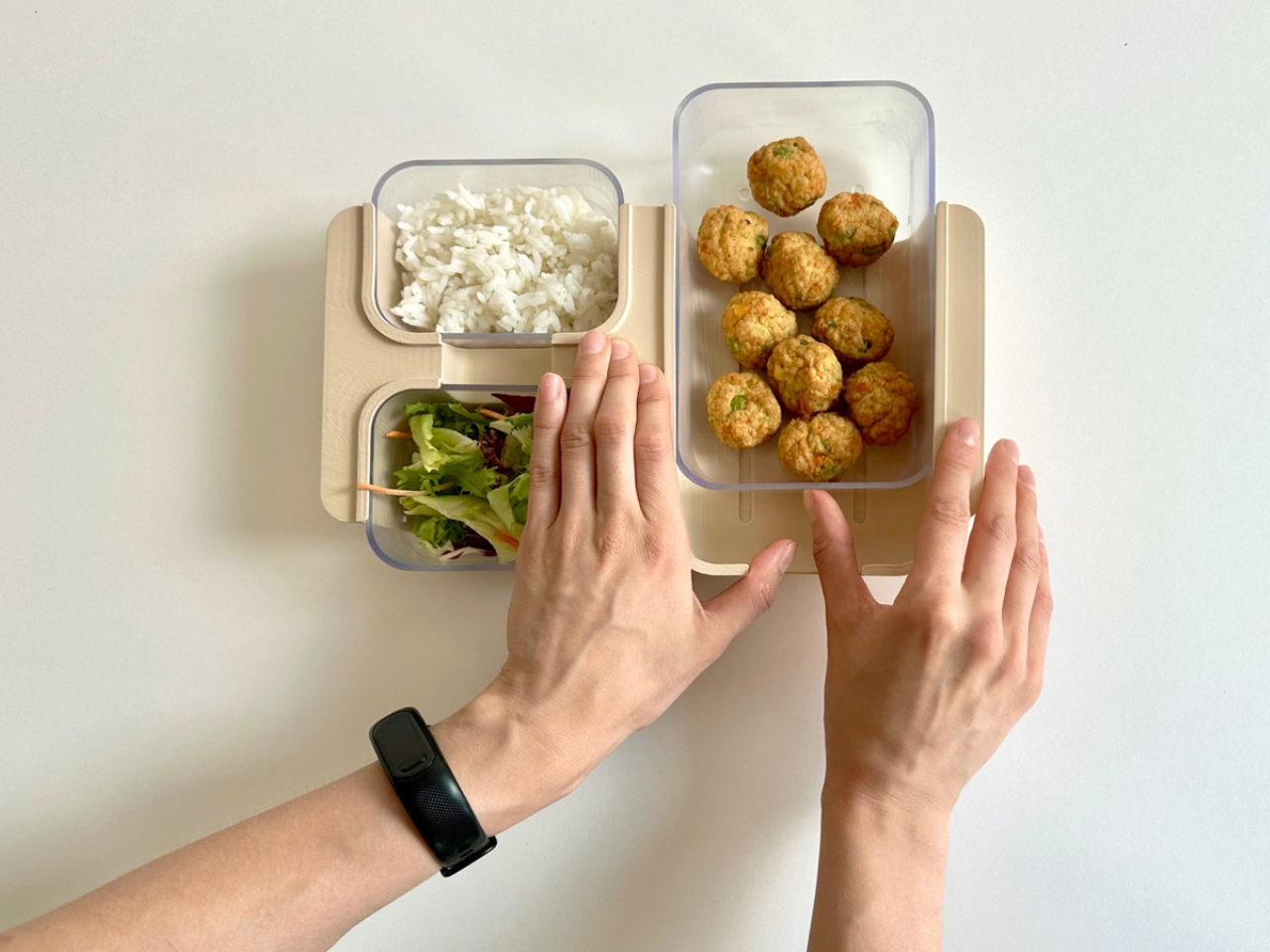
The glass compartments are a thoughtful detail that deserves more attention than they might initially get. Glass is heavy, yes, but it’s also the reason the dining experience actually improves. Food doesn’t absorb the smell of the container. You can reheat without transferring to another dish. The meal arrives as it was meant to be eaten. For anyone who has peeled hot soup-soaked rice out of a soggy paper container, that alone is worth talking about.
What Brunke has built is not just a product. It’s a framework for how meal delivery could work if the industry decided to take the waste problem seriously, rather than paper over it. The sector has largely settled for greenwashing: compostable containers that require industrial composting facilities most cities don’t have, or “recyclable” plastic that rarely makes it through the actual recycling process. ReBento sidesteps the whole debate by making durability the point.
I’ll be honest: I’m a little impatient for something like this to reach the mainstream. Subscription meal delivery is one of the fastest-growing segments of the food industry, and the packaging waste it generates is staggering. The irony is that the subscription model is actually the ideal environment for a returnable container system. The logistics are already in place. The customer relationship is already ongoing. The pieces are all there.

Brunke came to design through an unusual path: advanced math and physics in high school, a year on exchange in Illinois, and a degree grounded in solution-based thinking. You can feel that background in ReBento. It’s not a conceptual piece that looks beautiful in a portfolio and stops there. It’s a system that has been thought through to the point of asking: how does this actually get picked up, cleaned, and sent back out again?
That’s the kind of design thinking that doesn’t always get the recognition it deserves, because it’s not flashy. A returnable bento box won’t stop traffic the way a concept car does. But the best design isn’t always the loudest. Sometimes it’s the kind that makes you wonder why it took this long.
The post The Bento Box Built to End Takeout Waste for Good first appeared on Yanko Design.
The Grocery Container That Finally Makes Reuse Actually Work

Walk into any supermarket and you’ll notice that the food gets a lot of attention, but the packaging it comes in? Almost none. We’ve become so accustomed to grabbing a plastic-wrapped chicken breast or a shrink-sealed block of cheese and tossing the container without a second thought that it has essentially become invisible. Which is exactly why Lars Biedermann’s ReLoopBox caught my attention the moment I came across it.

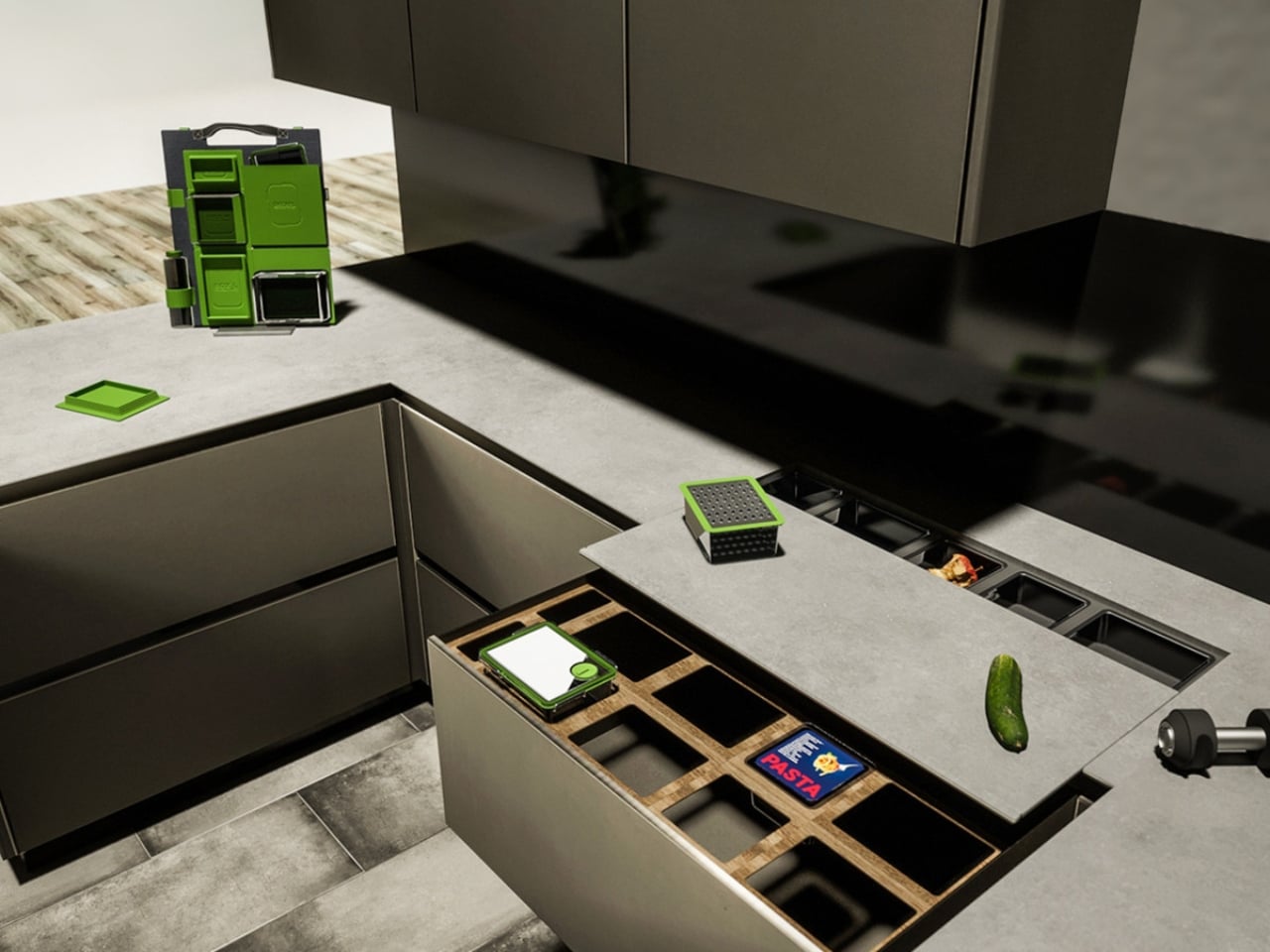
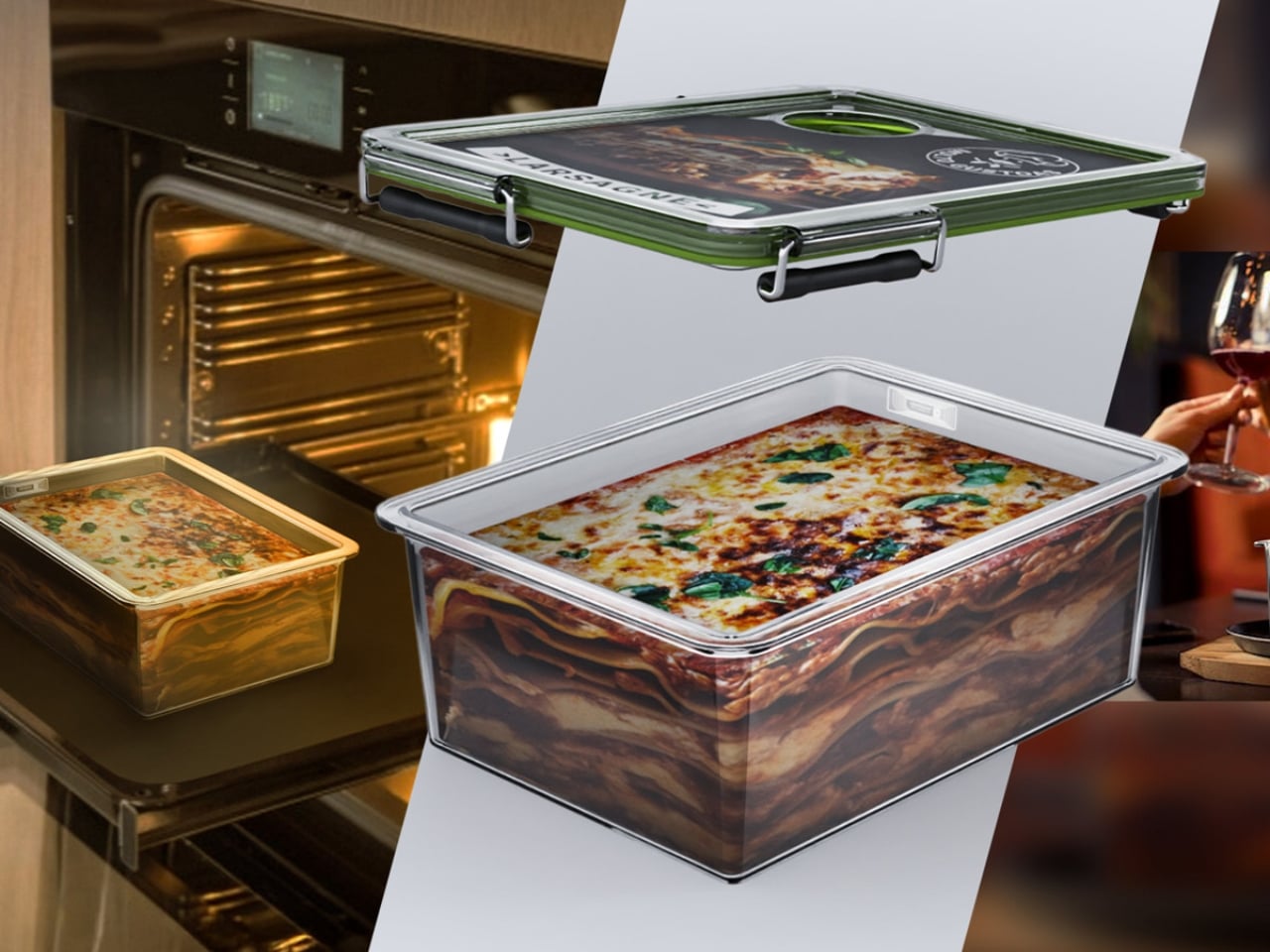
ReLoopBox is a circular, reusable container system designed to replace the disposable plastic packaging that floods our grocery stores, refrigerators, and eventually, our landfills. On the surface, it sounds like a straightforward sustainability pitch. But the more you look at it, the more you realize that Biedermann, an industrial design graduate from FH Joanneum in Austria, wasn’t just designing a container. He was designing a completely different logic for how food packaging should work.

Designer: Lars Biedermann

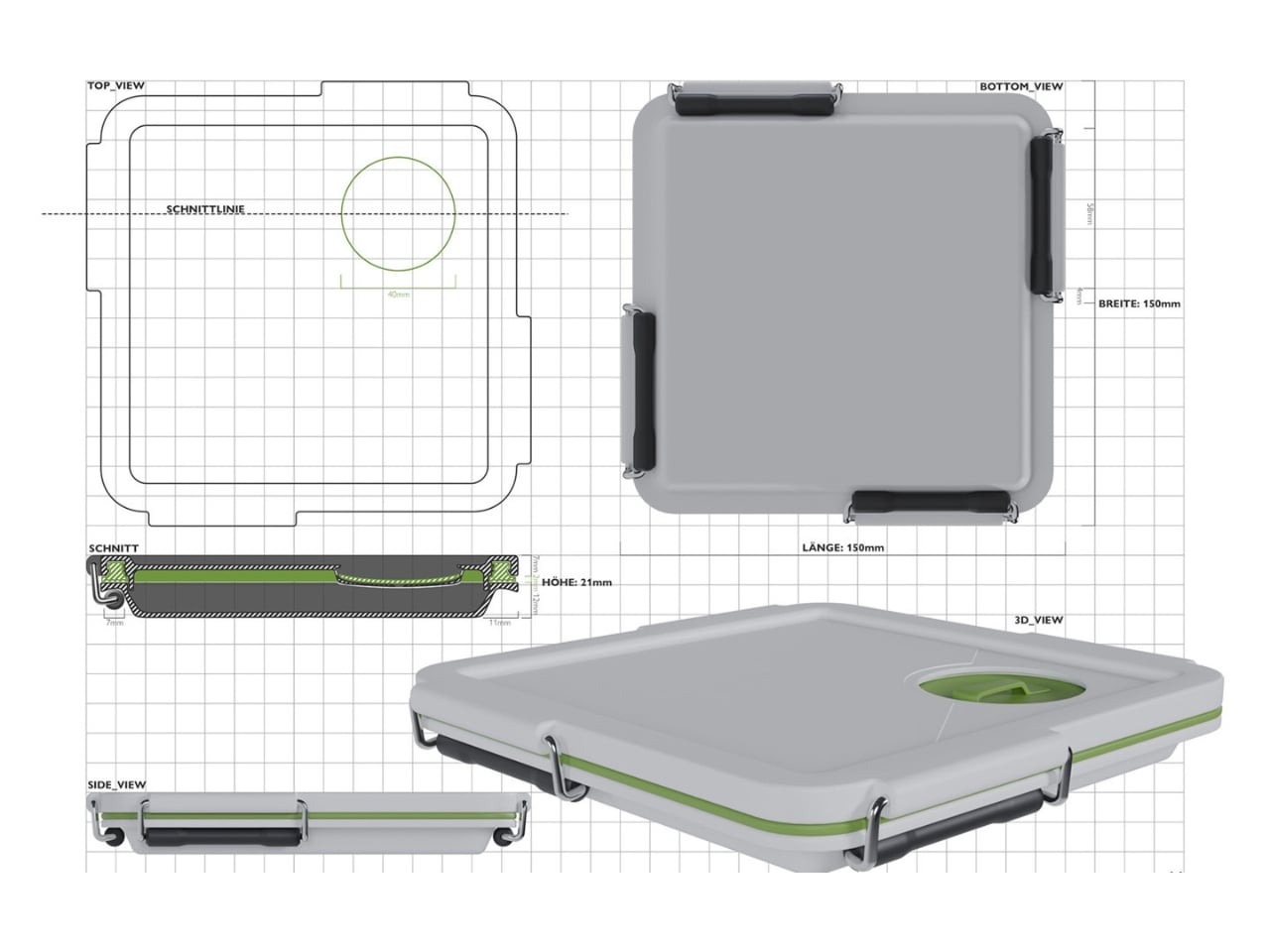
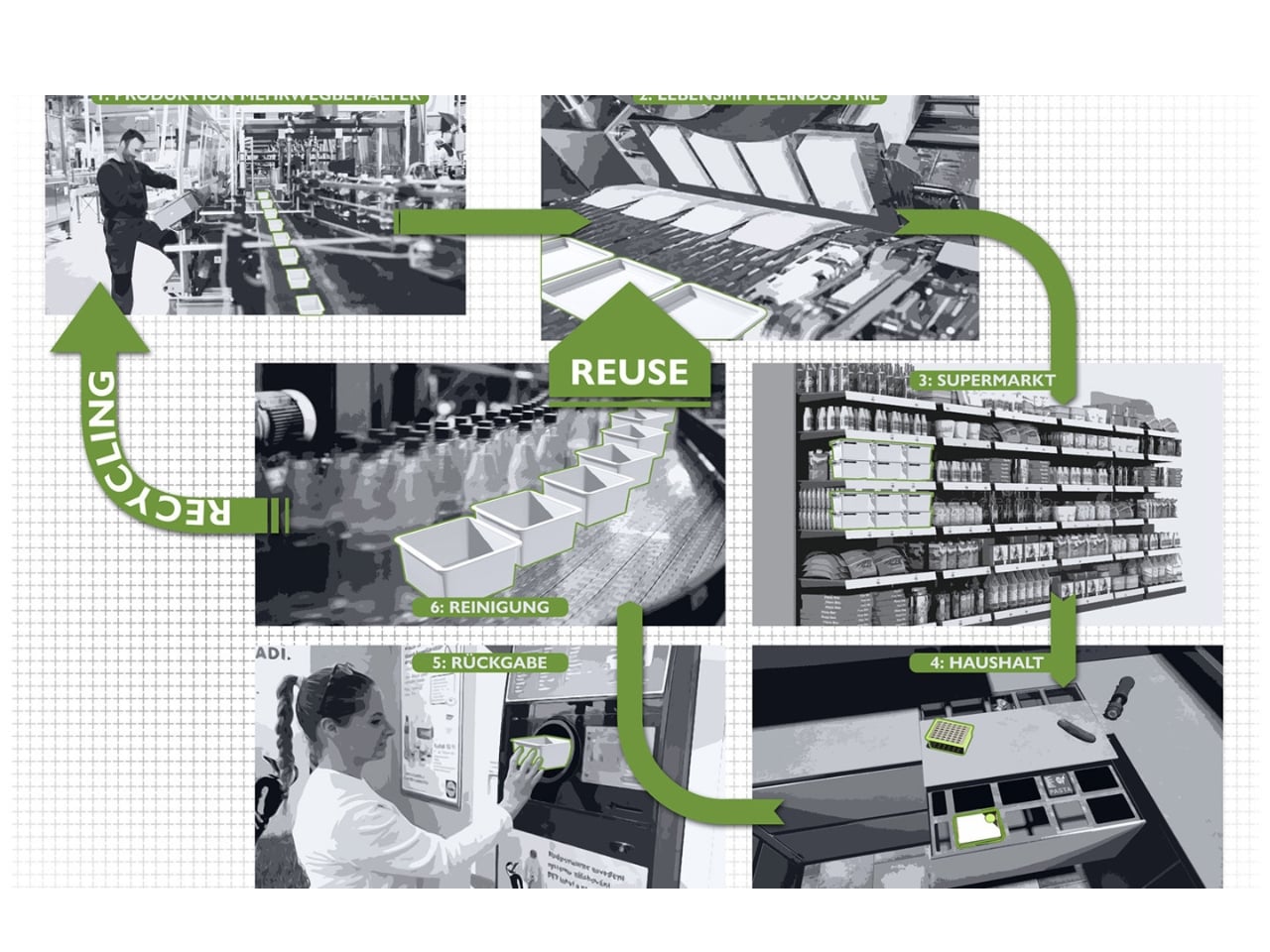
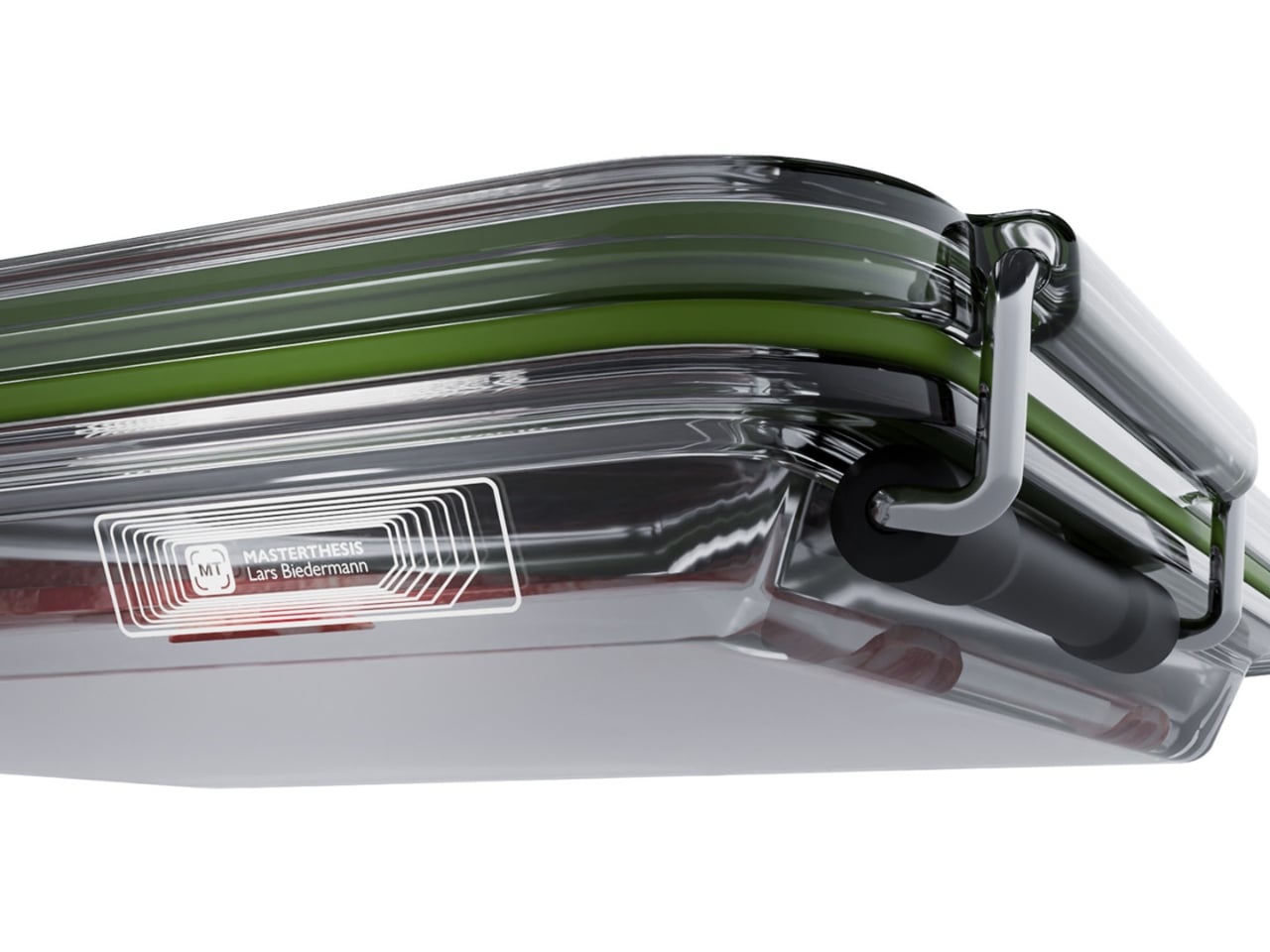
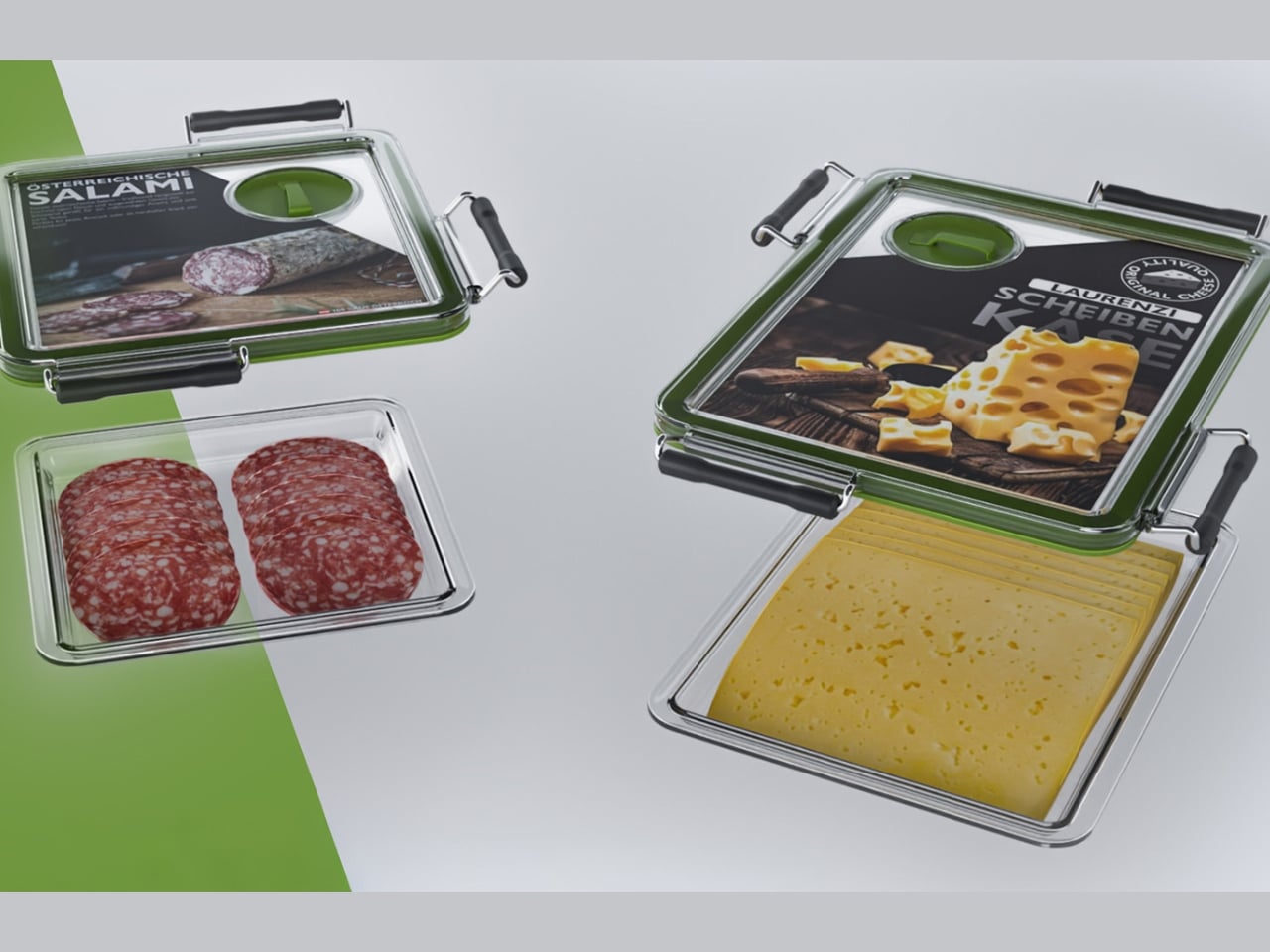
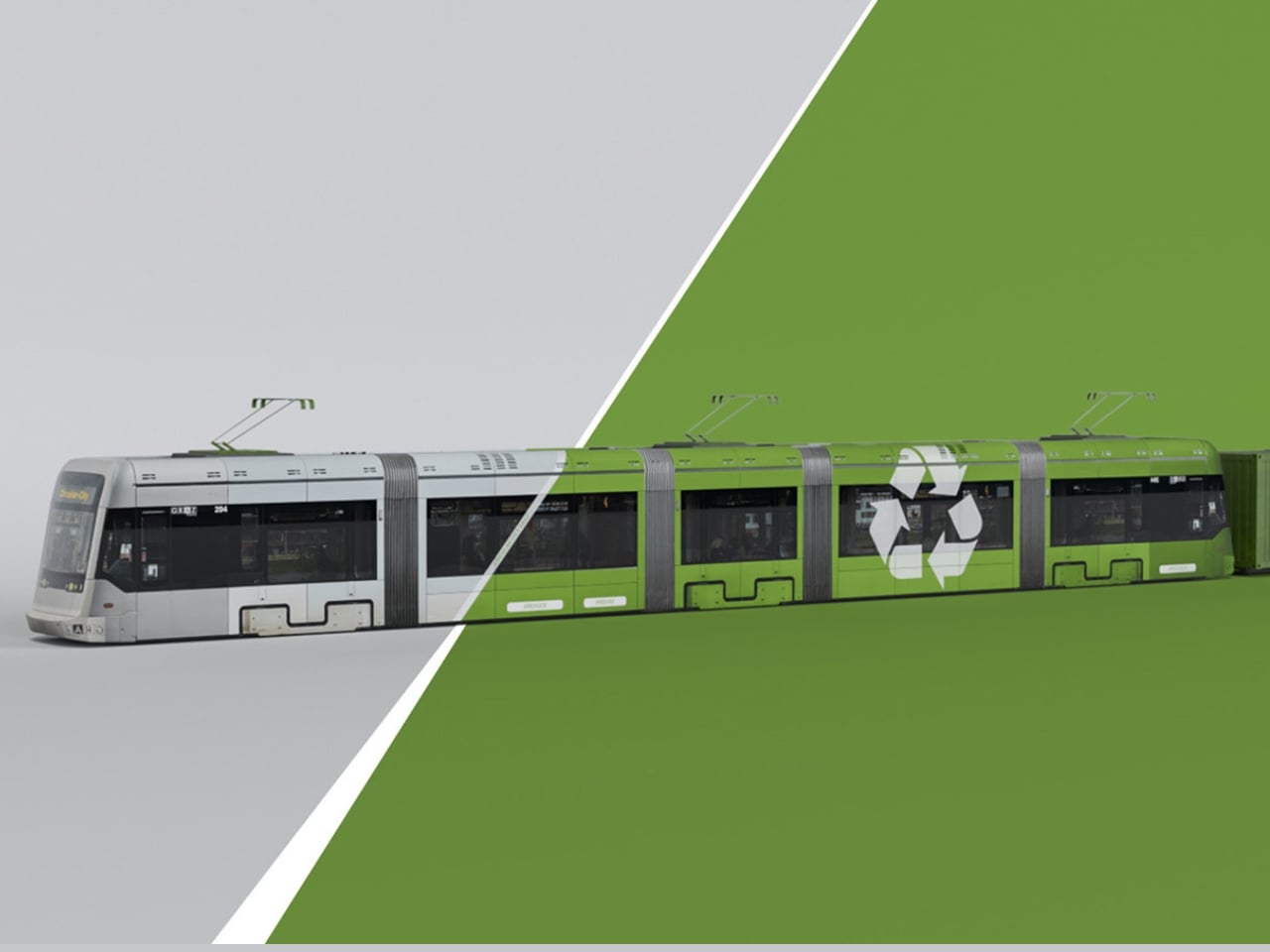
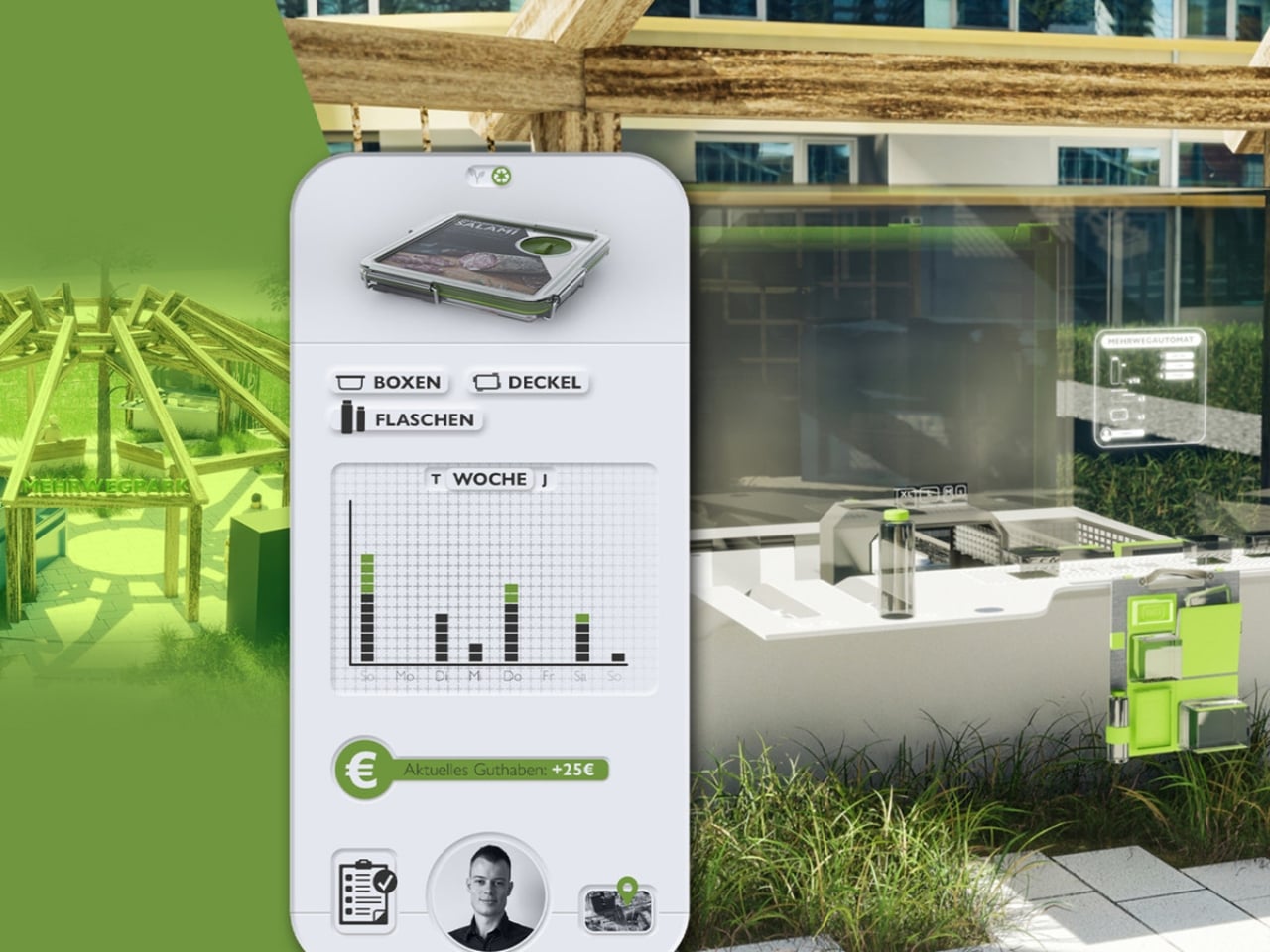
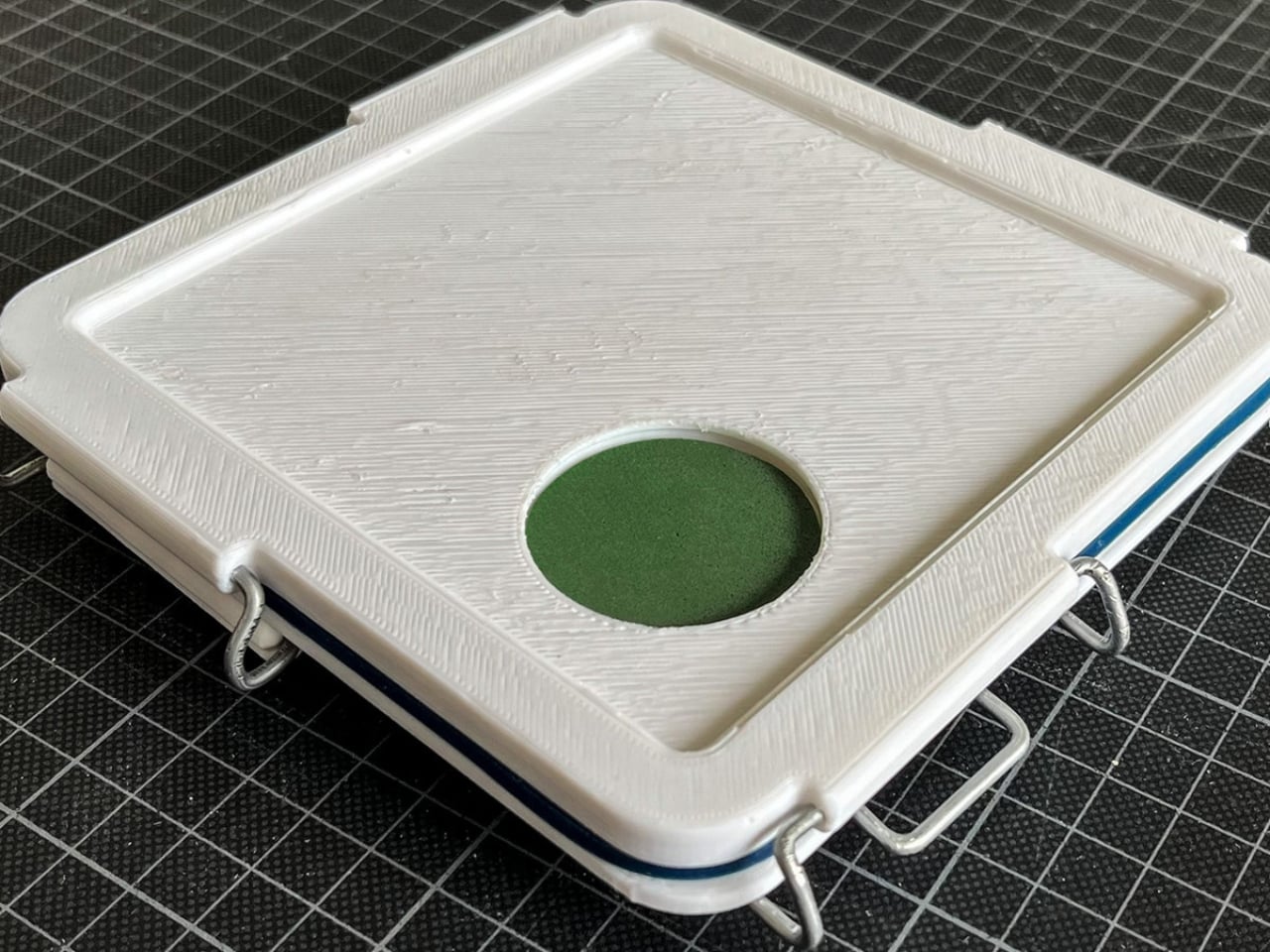
The system uses standardized, vacuum-sealed containers made from copolyester, silicone, and stainless steel. These aren’t flimsy alternatives to plastic wrap. They’re built to be durable, reusable, and returnable, meant to circulate between consumers, manufacturers, and retailers rather than taking a one-way trip to the bin. Each container is embedded with a digital chip that tracks it through the supply chain, handling inventory and logistics with minimal friction. It’s the kind of detail that quietly separates a thoughtful design from a well-intentioned one.

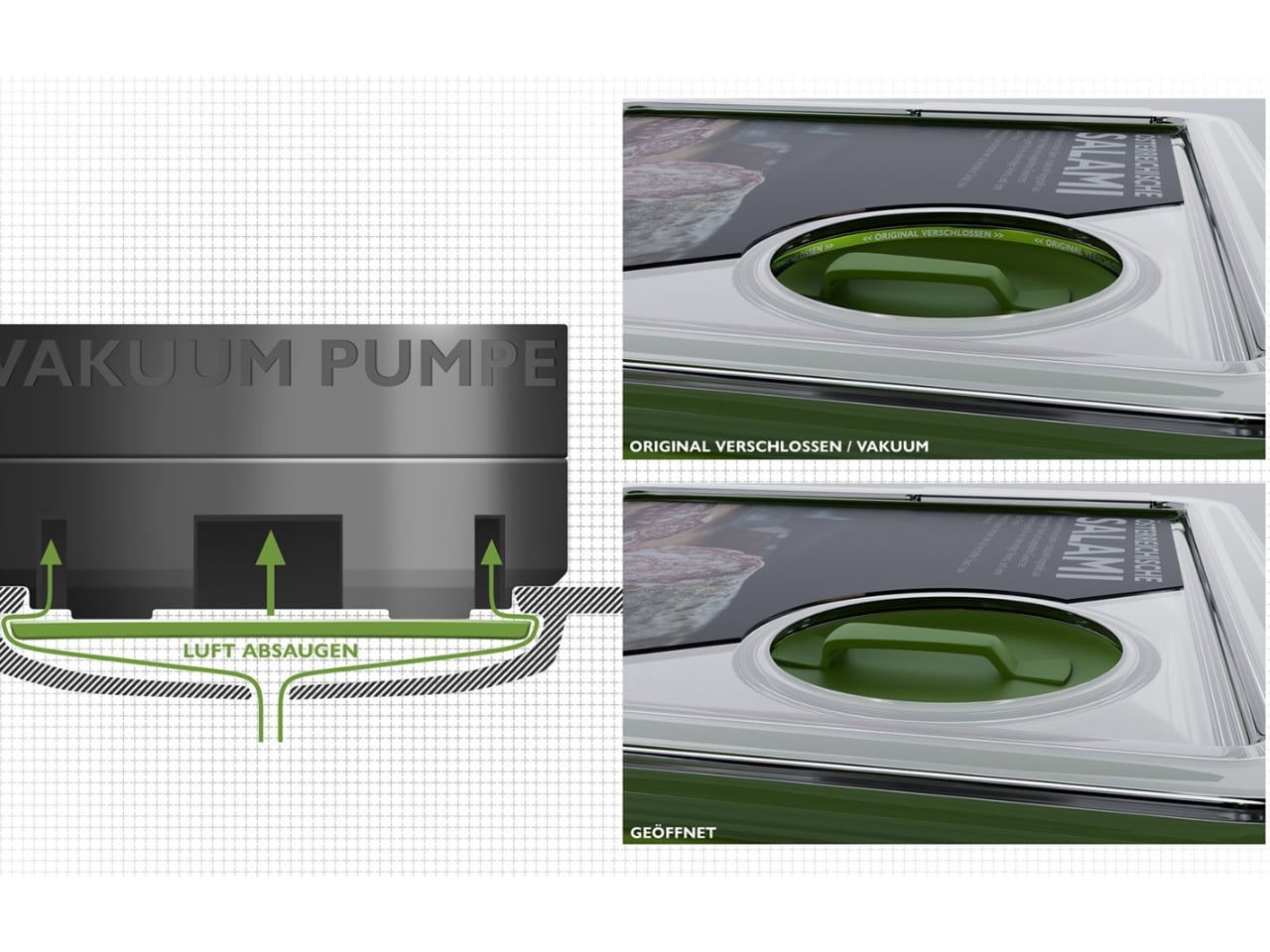
The vacuum seal is also doing real work here, and it’s worth noting. One of the grimmer realities in food sustainability is that a significant portion of what we buy never actually gets eaten. Food goes bad too quickly, and a lot of that comes down to packaging that doesn’t do much beyond keeping things contained for the journey home. A vacuum environment slows spoilage significantly, which means ReLoopBox isn’t just arguing against plastic waste. It’s also quietly taking aim at food waste. That’s two problems addressed through one design decision, and I appreciate when a solution earns its own complexity.

Aesthetically, the design is clean and considered, which matters more than people give it credit for. Sustainable products have historically struggled with an image problem. They tend to look corrective rather than desirable, like they’re asking you to make a sacrifice. ReLoopBox doesn’t carry that energy. It looks like something that belongs in a well-designed kitchen, which is probably the smartest thing Biedermann could have done. If a product doesn’t look good, it doesn’t get adopted, and if it doesn’t get adopted, the environmental argument is moot.

My honest take is that the real challenge for a system like this isn’t the design itself, which is genuinely impressive. It’s behavioral. Getting consumers to return containers, getting retailers to build the infrastructure to accept them, getting manufacturers to commit to a circular model instead of a linear one, that’s a much bigger lift than any design brief can anticipate. We’ve seen well-designed reuse programs come and go because the return loop is where things tend to fall apart. Biedermann seems to understand this, which is why the digital chip integration is such a critical piece of the system. It removes guesswork from the tracking process and makes the logistics side of the loop far more manageable.

What makes ReLoopBox feel genuinely fresh isn’t that it proposes reuse. We’ve had reusable containers for decades. It’s that it proposes a reuse system, one that thinks about the full journey of a container rather than just the moment it sits on a shelf. Biedermann has described his practice as holistic design with a goal of contributing something positive to the world, and that philosophy is visible in every layer of this project.

Whether ReLoopBox eventually scales into something we see in mainstream retail remains an open question. But as a piece of design thinking, it’s the kind of proposal that makes you look at the grocery aisle a little differently, and realize that even the most mundane objects are still waiting to be redesigned.

The post The Grocery Container That Finally Makes Reuse Actually Work first appeared on Yanko Design.