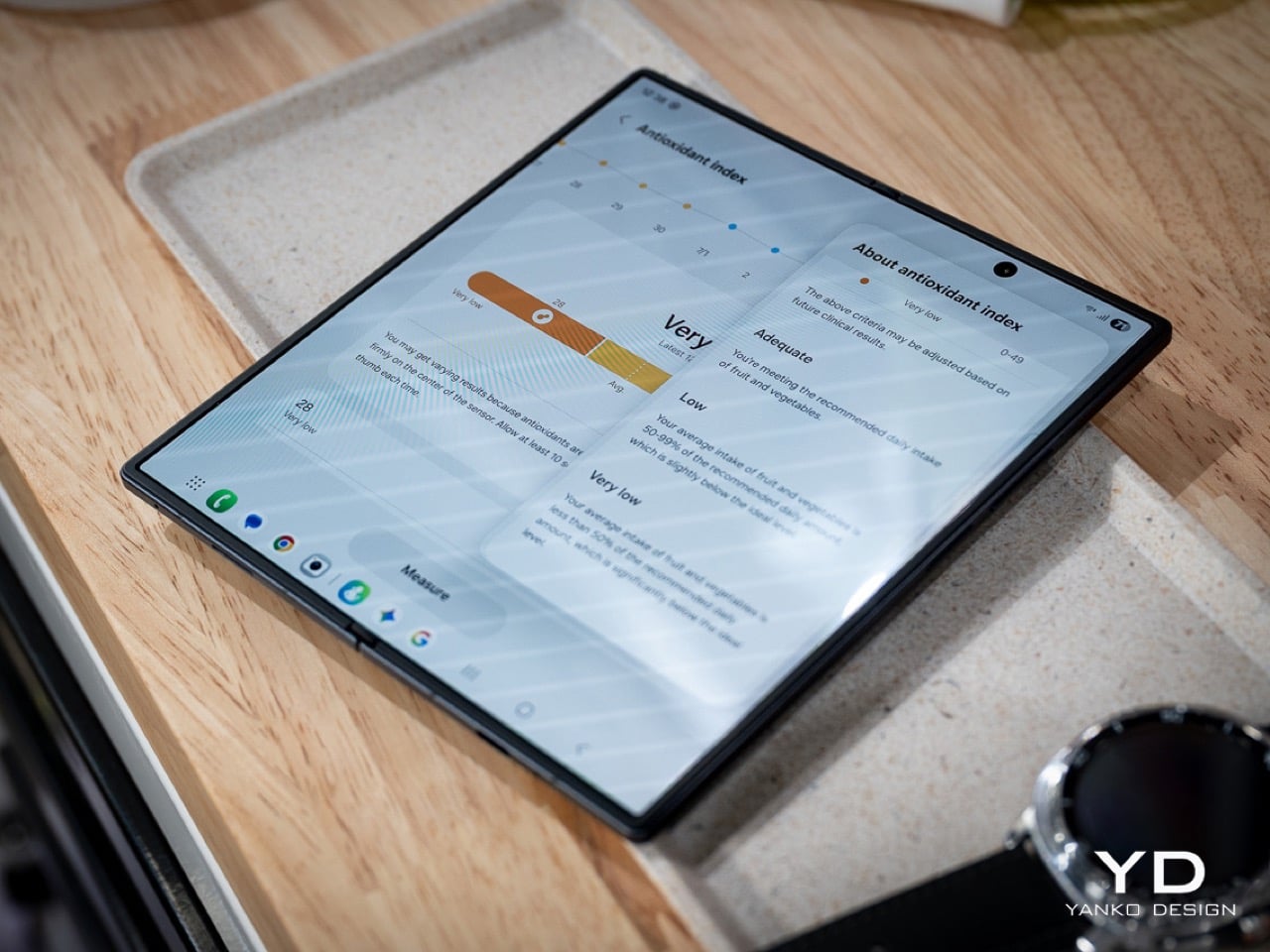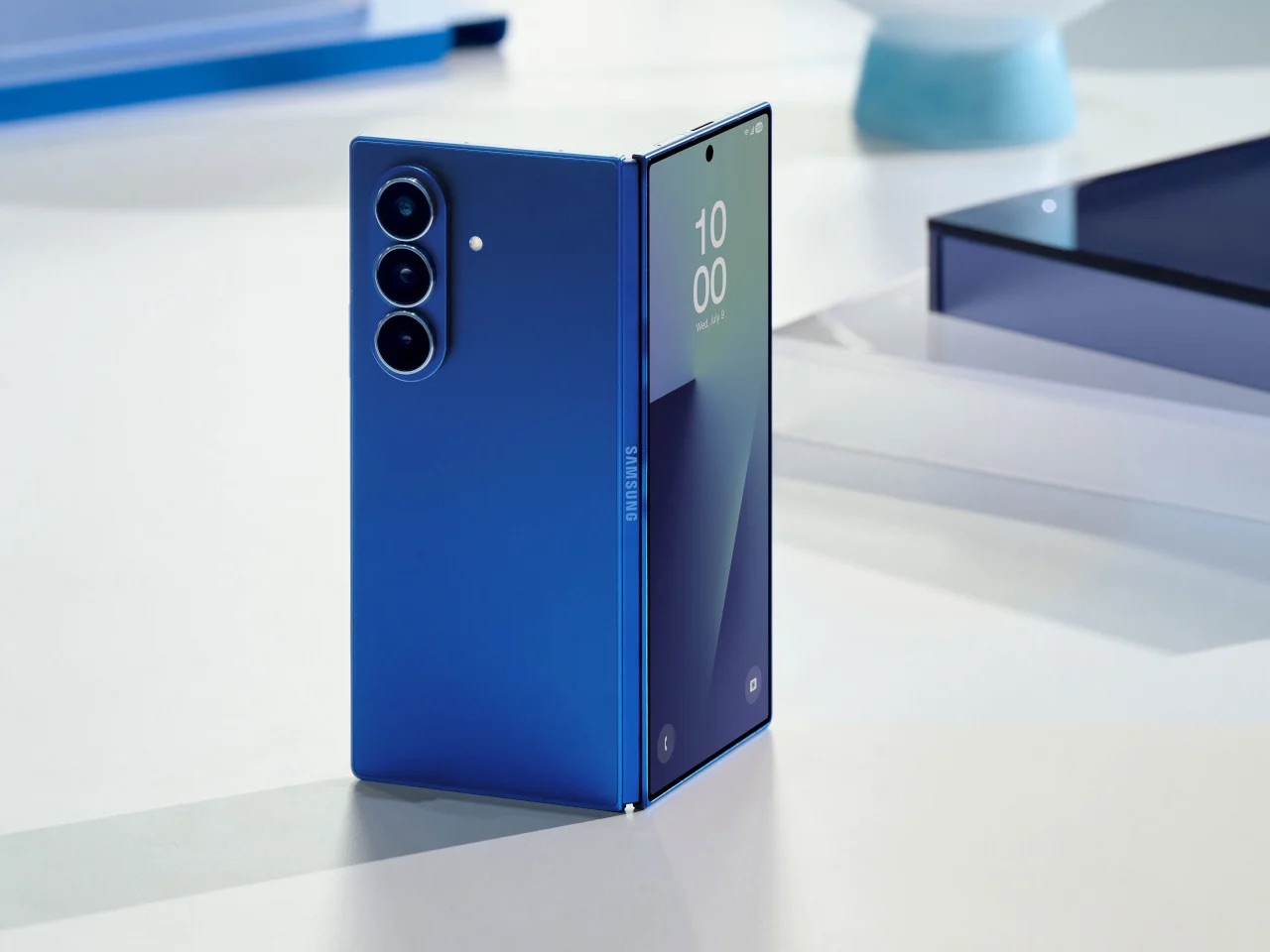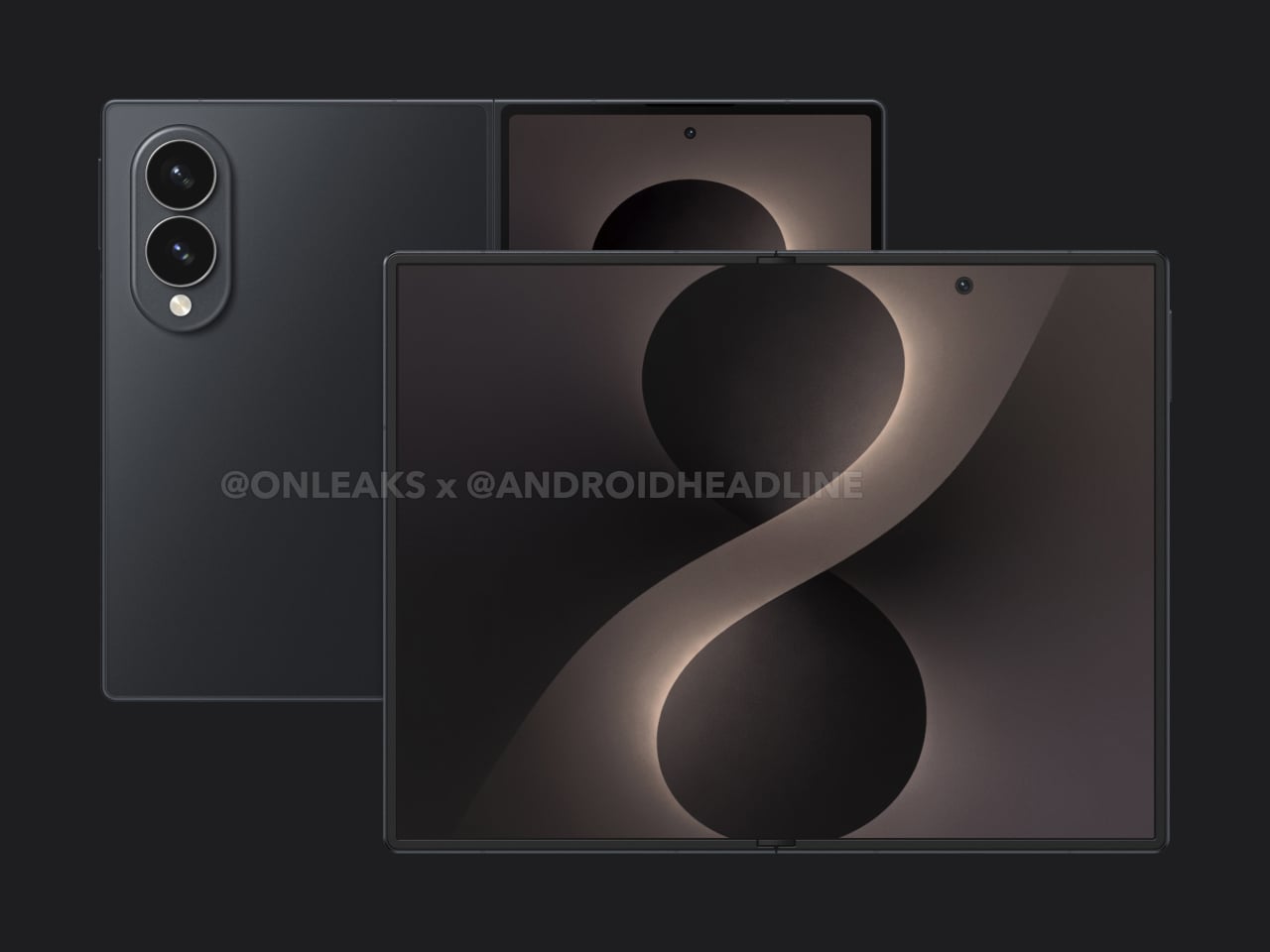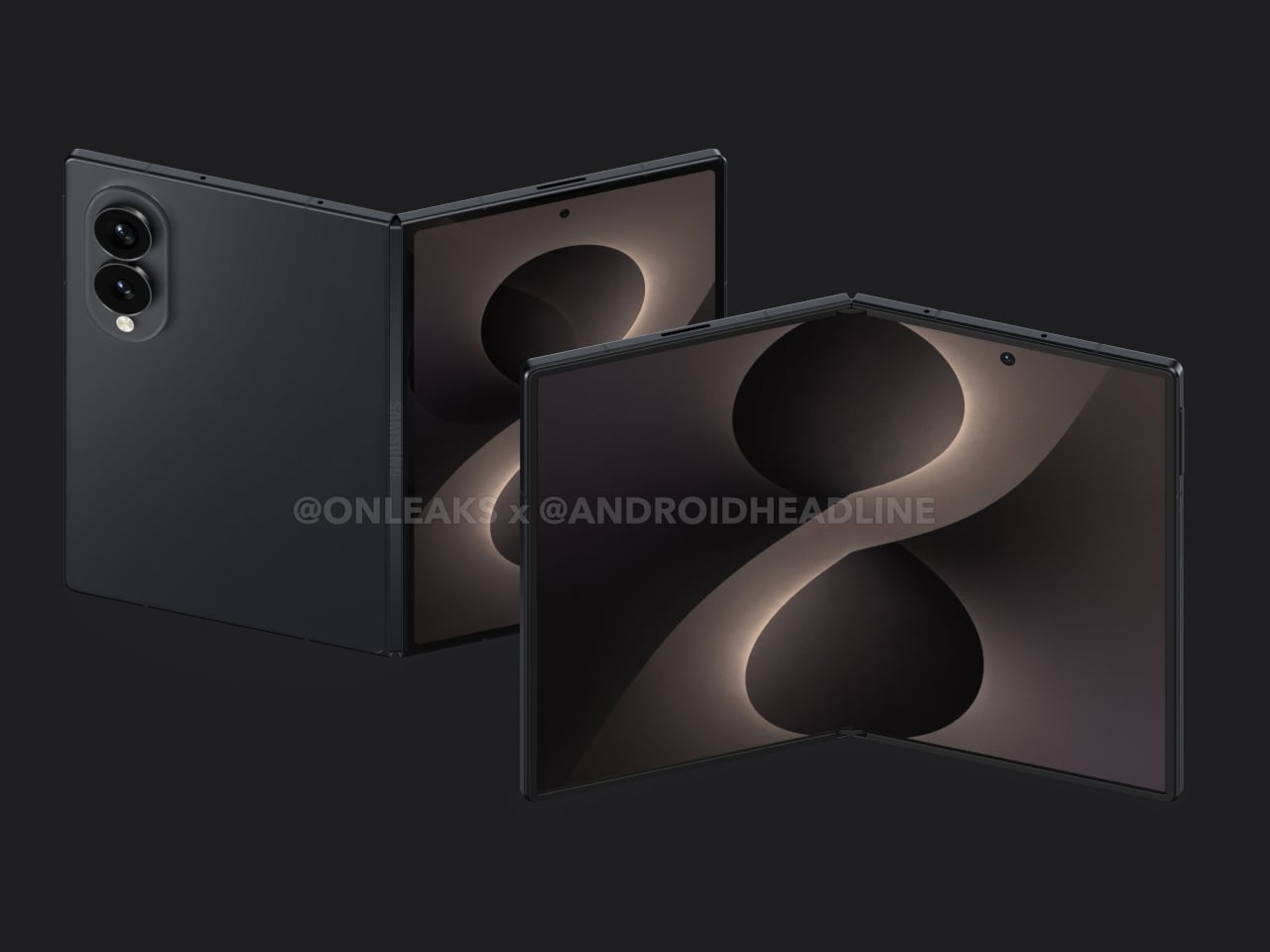
5 Things the iPhone Duo Got Right That Samsung Still Hasn’t

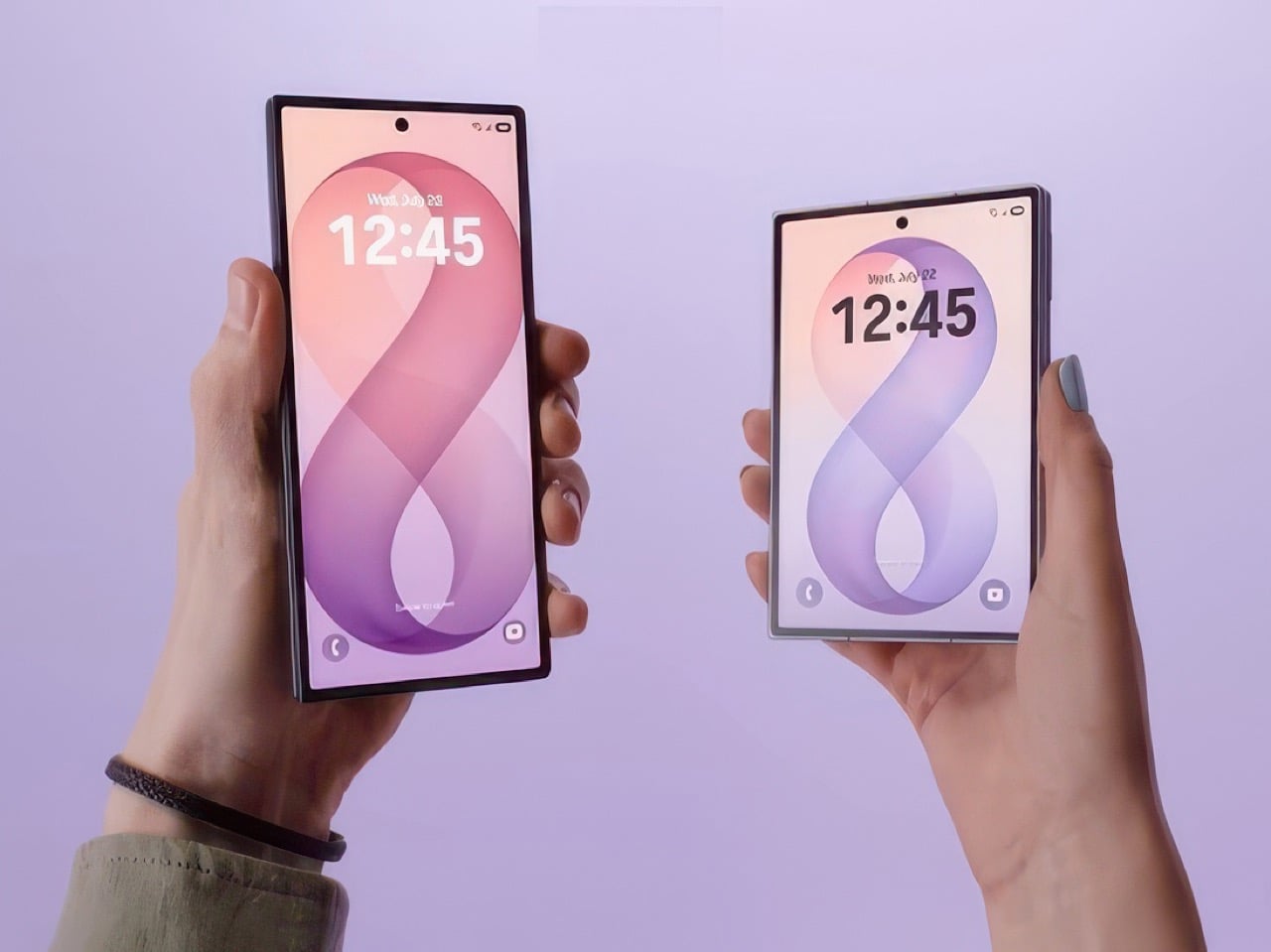
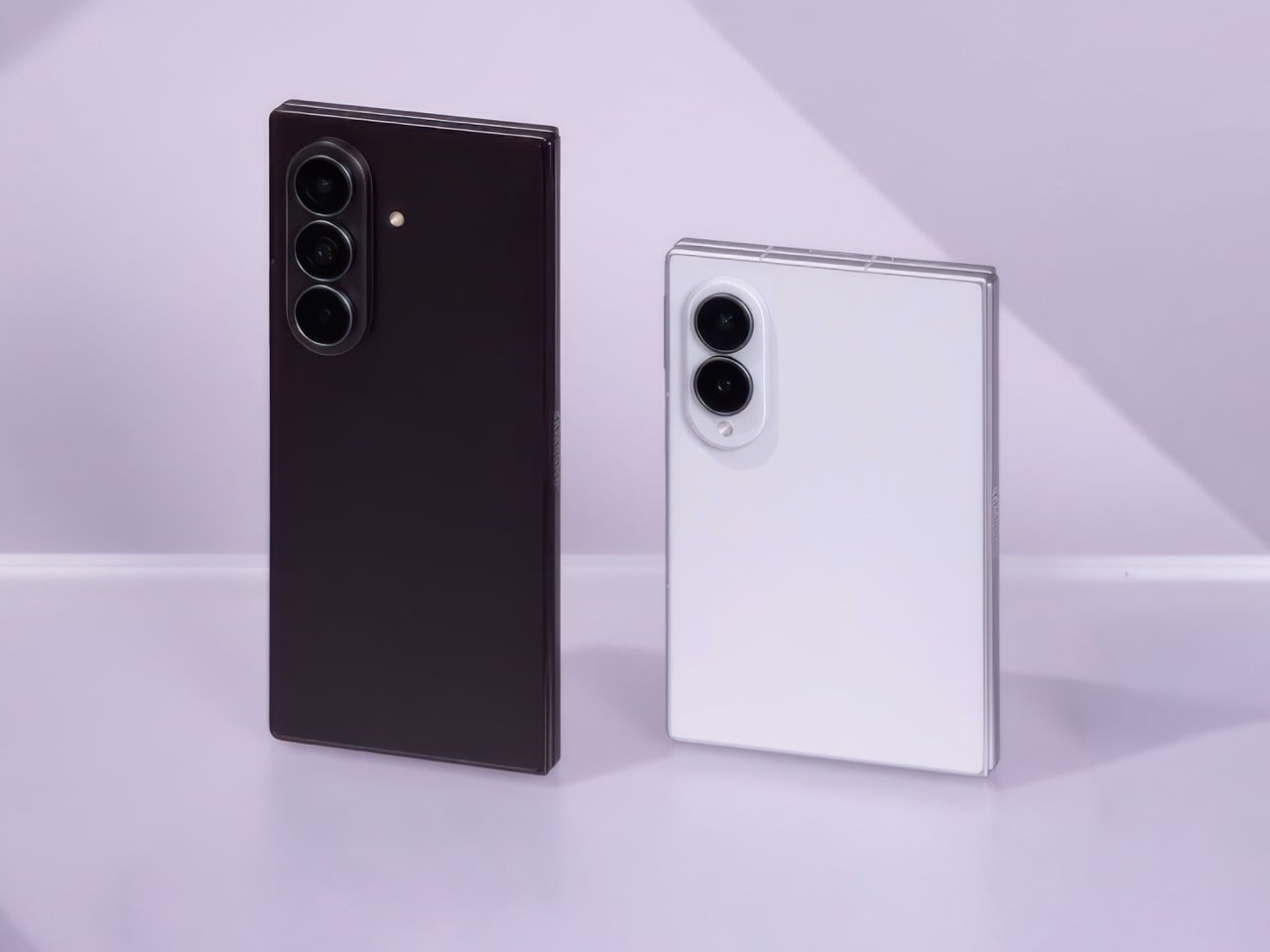
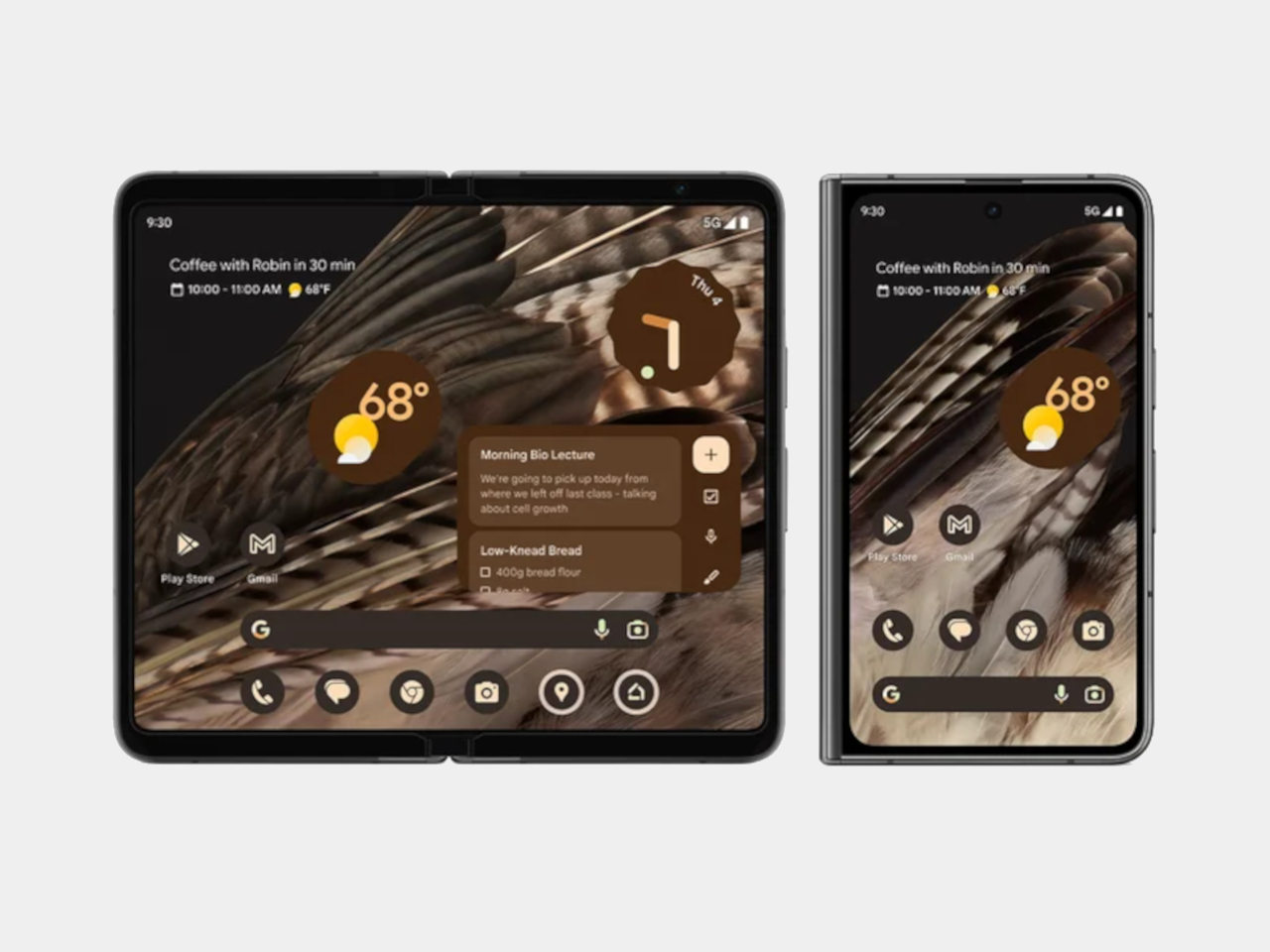
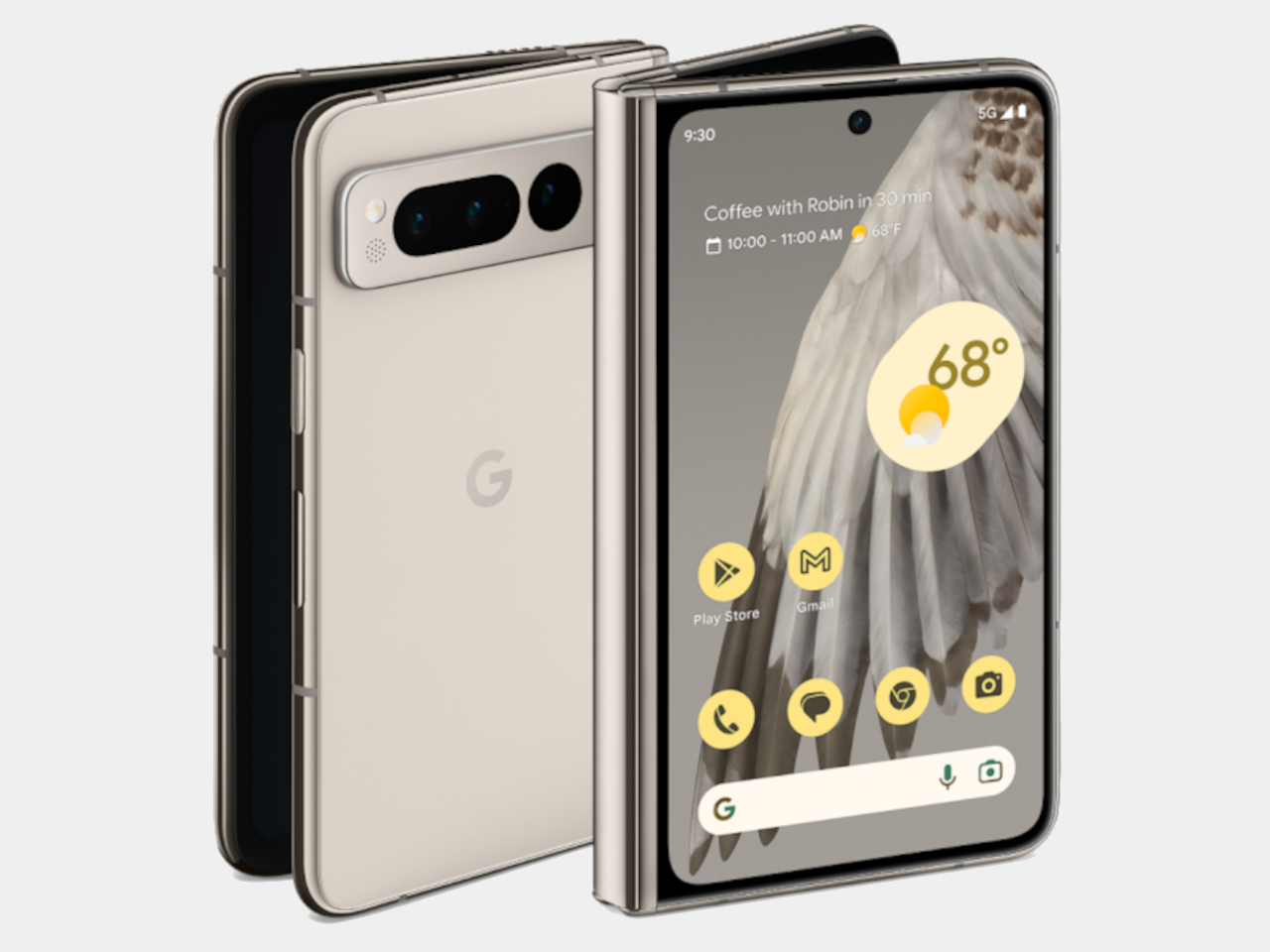
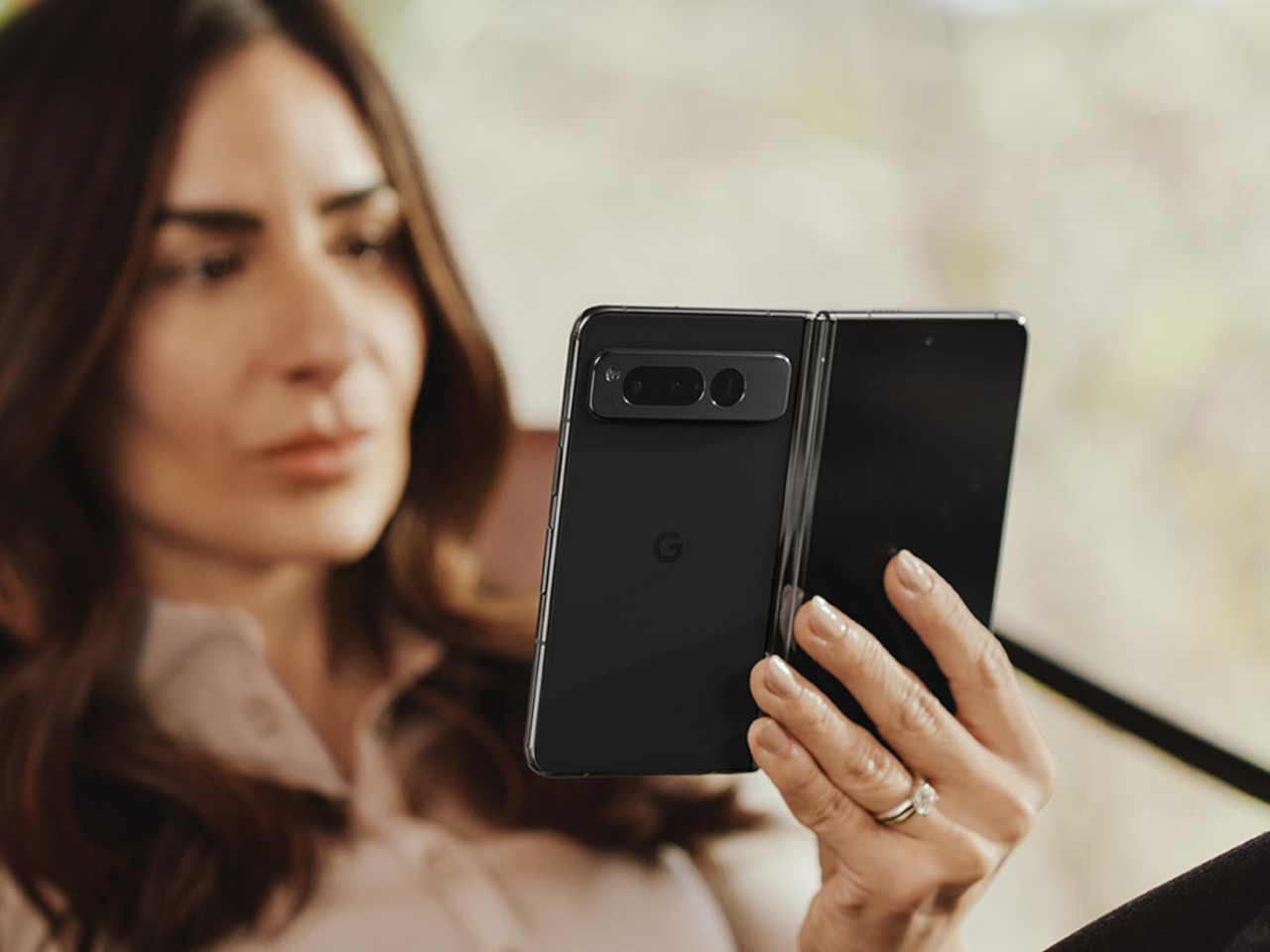
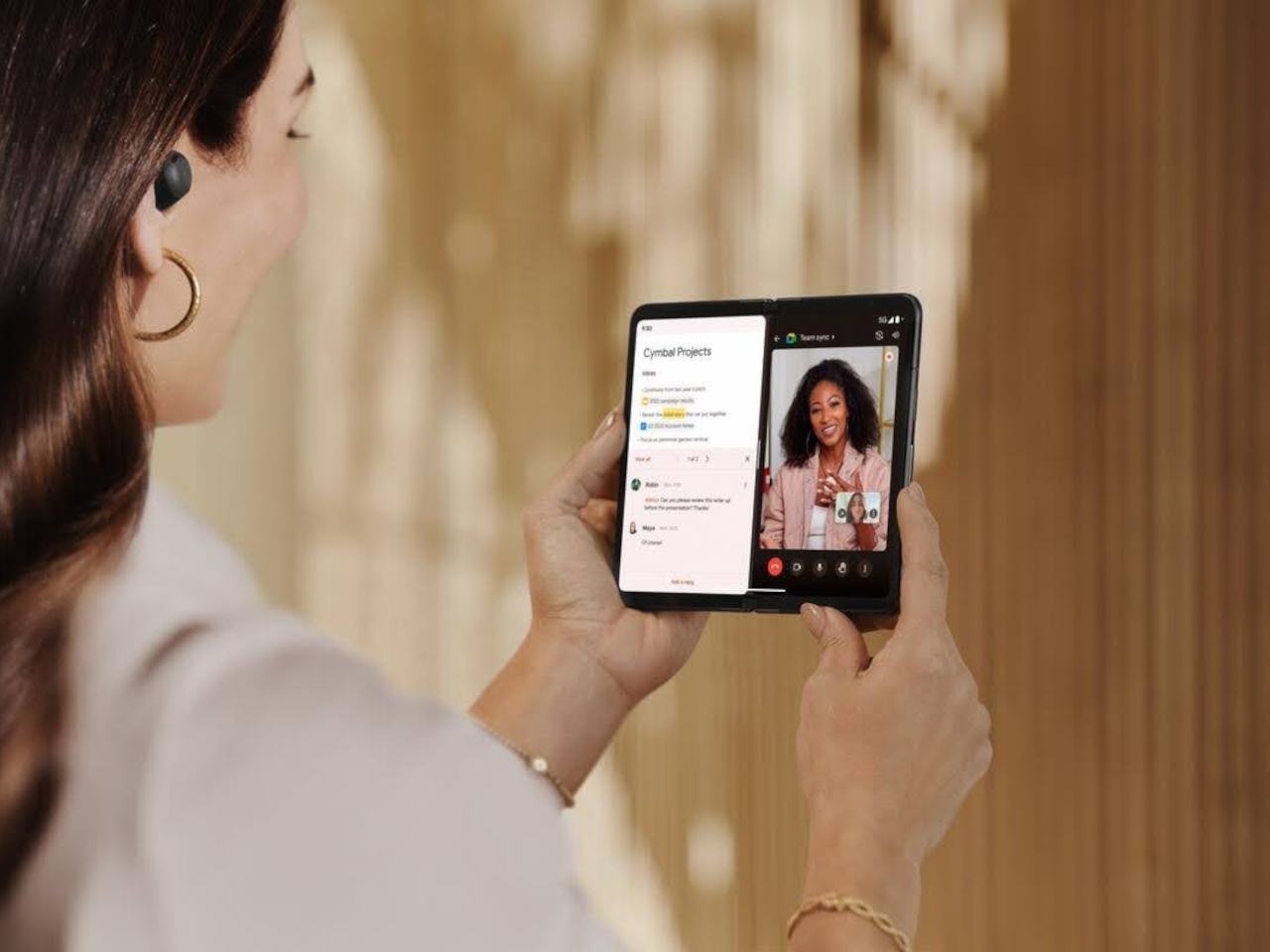
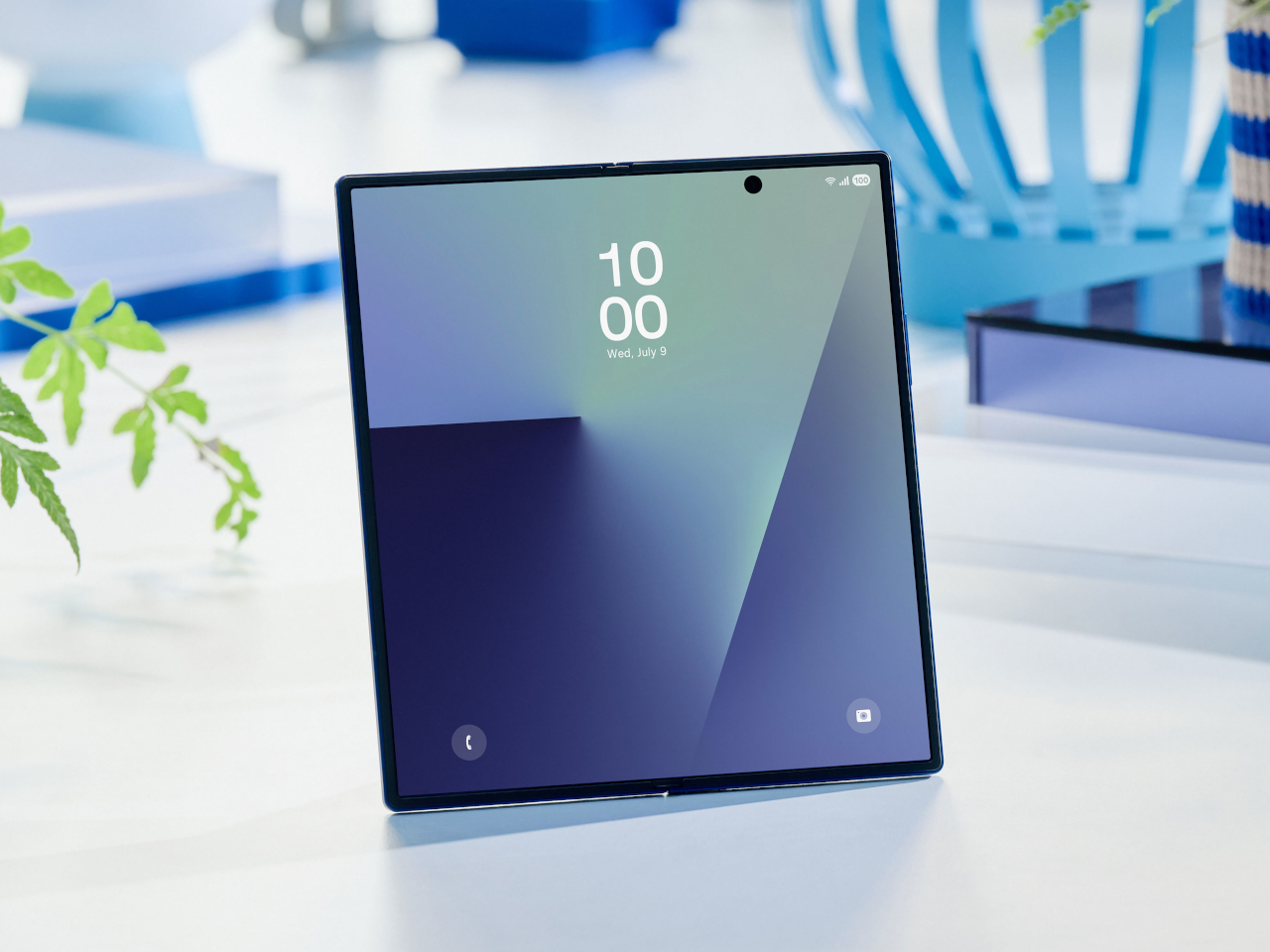
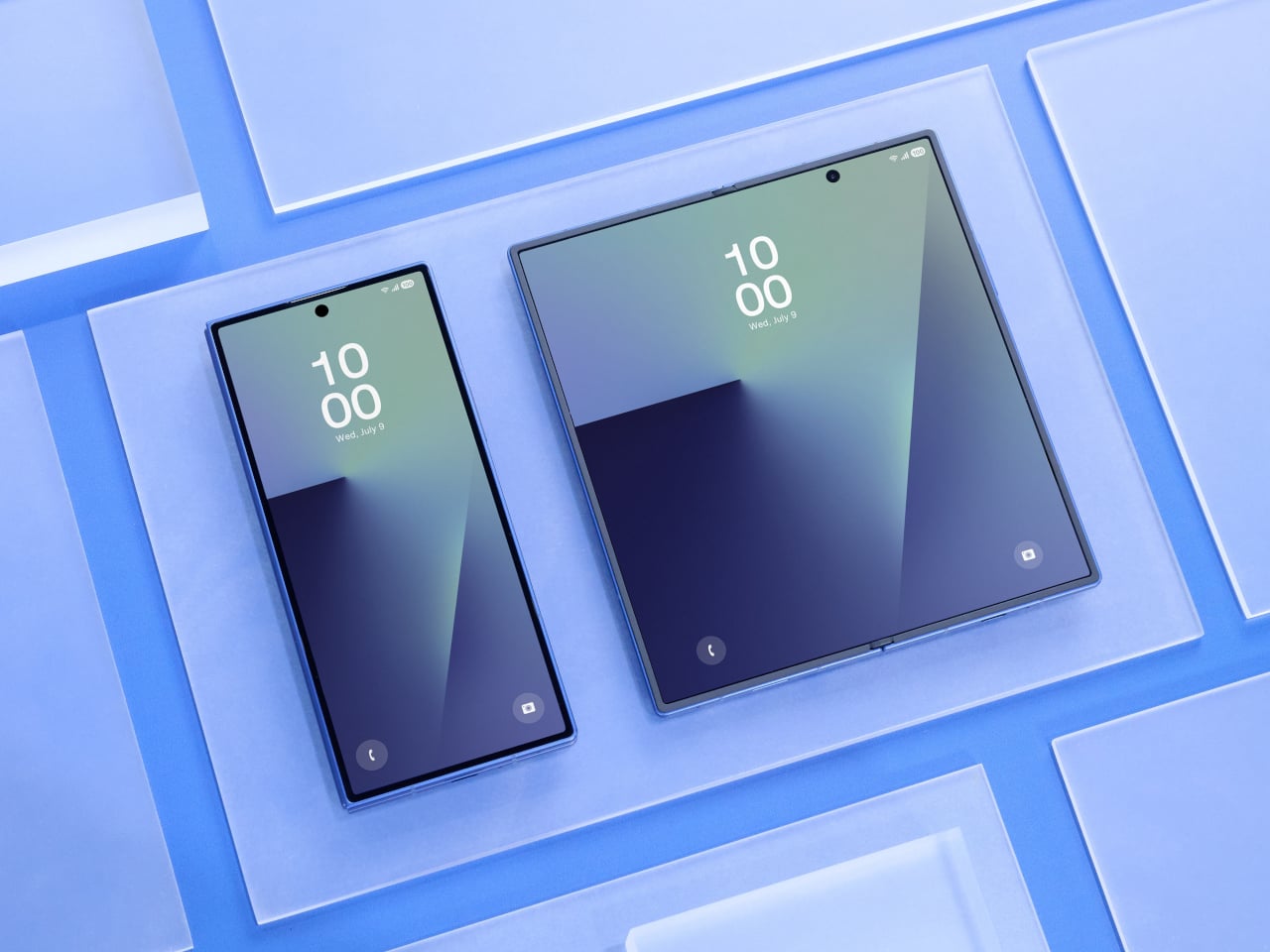
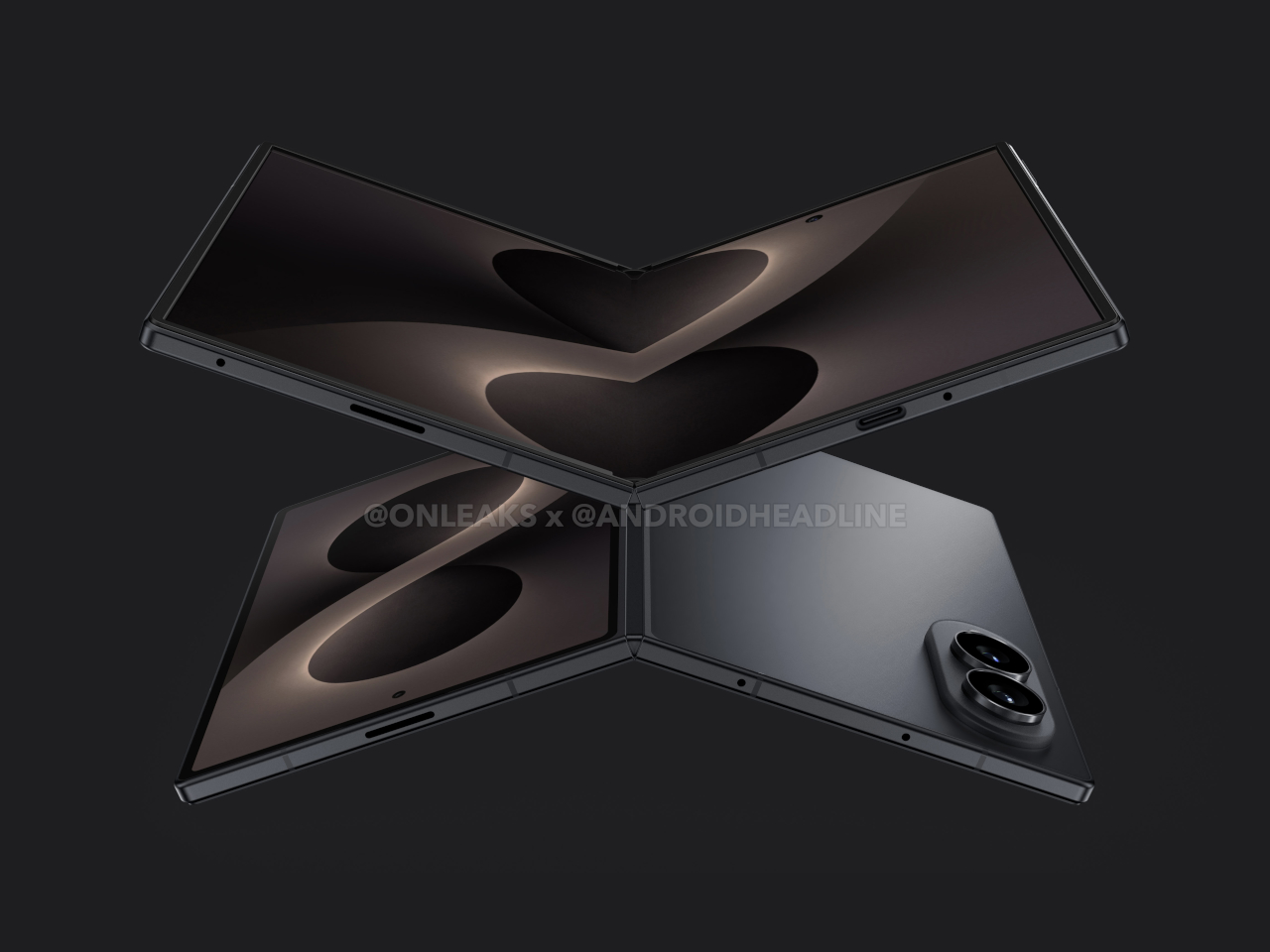
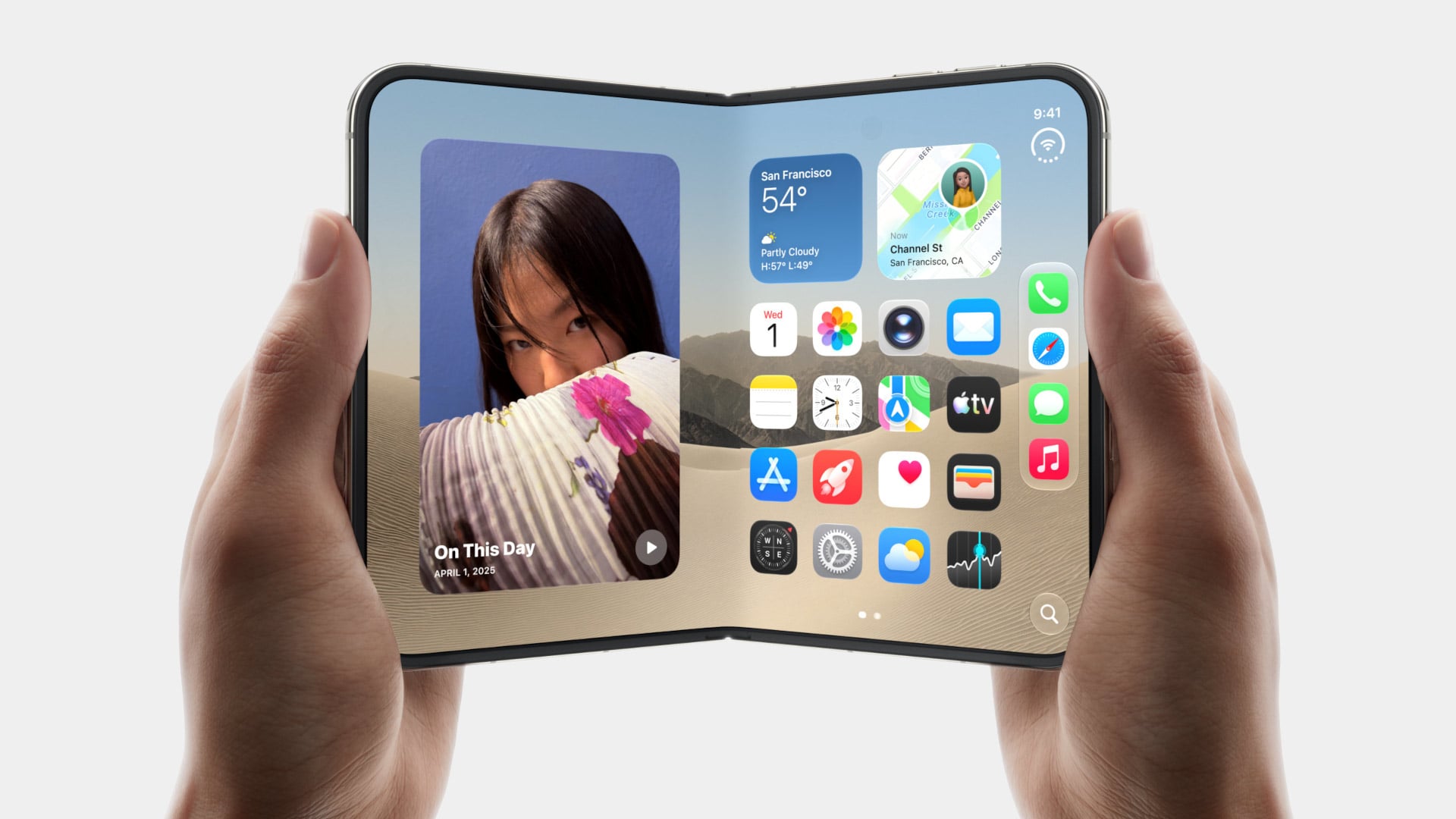
Samsung has had the folding phone conversation to itself for six years now, tweaking hinges, shrinking creases, and figuring out what a cover screen is even for. Apple waited, watched, and let its rival make every mistake first. That patience shows in the iPhone Duo, a first-generation foldable that skipped straight past problems Samsung’s Galaxy Z Fold8 still hasn’t fully solved.

None of that comes cheap, though. The Duo starts at $1,999 and costs more than the Fold8’s $1,899.99, weighs in at roughly nine ounces against the Fold8’s seven, and folds up thicker in your pocket, besides. Samsung still wins those arguments outright, and we’ll get back to that later. But set weight and price aside, because here are five places where Apple’s first foldable actually beat Samsung’s eighth attempt.

Designer: Apple

The Camera That Disappears
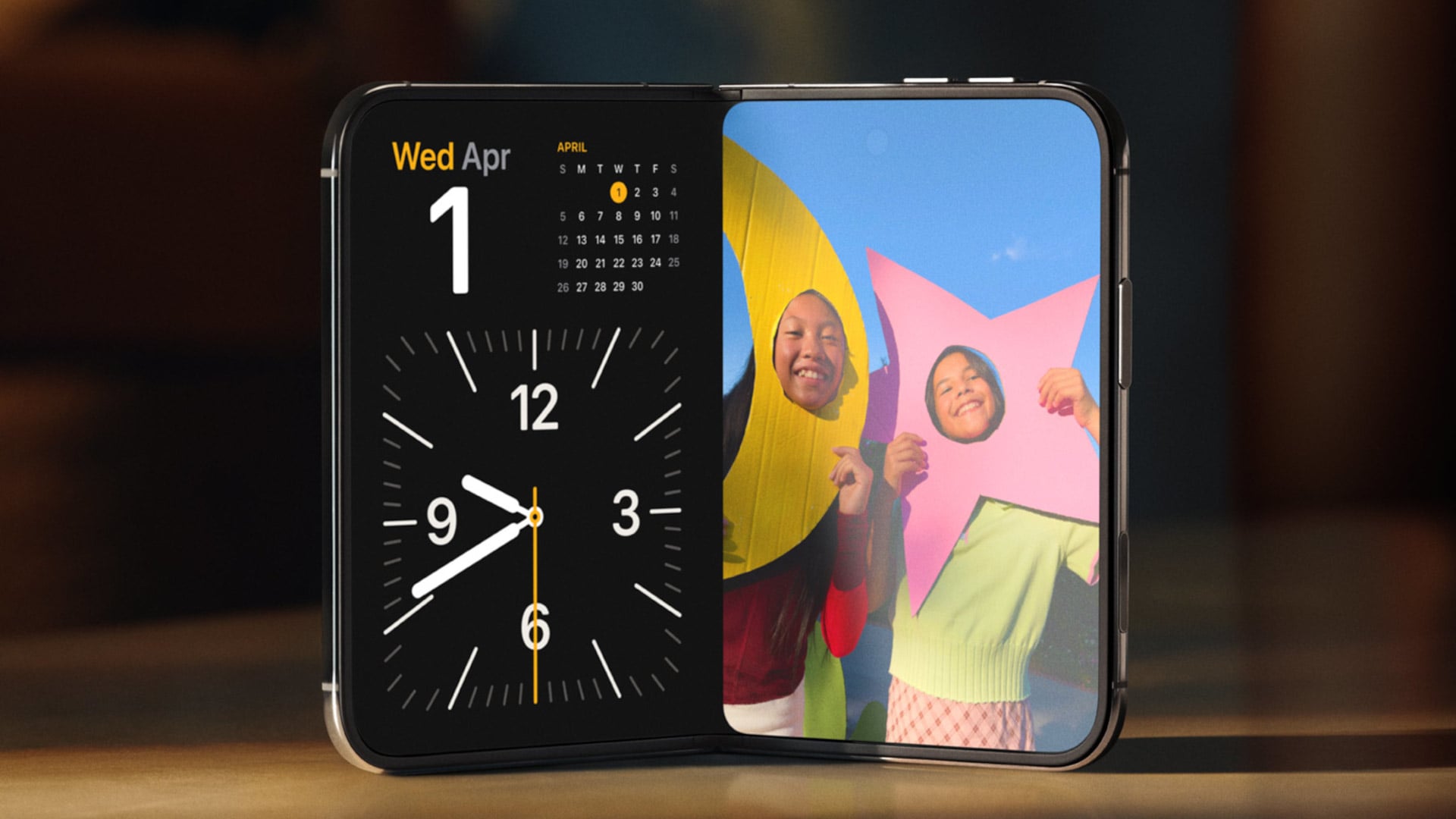
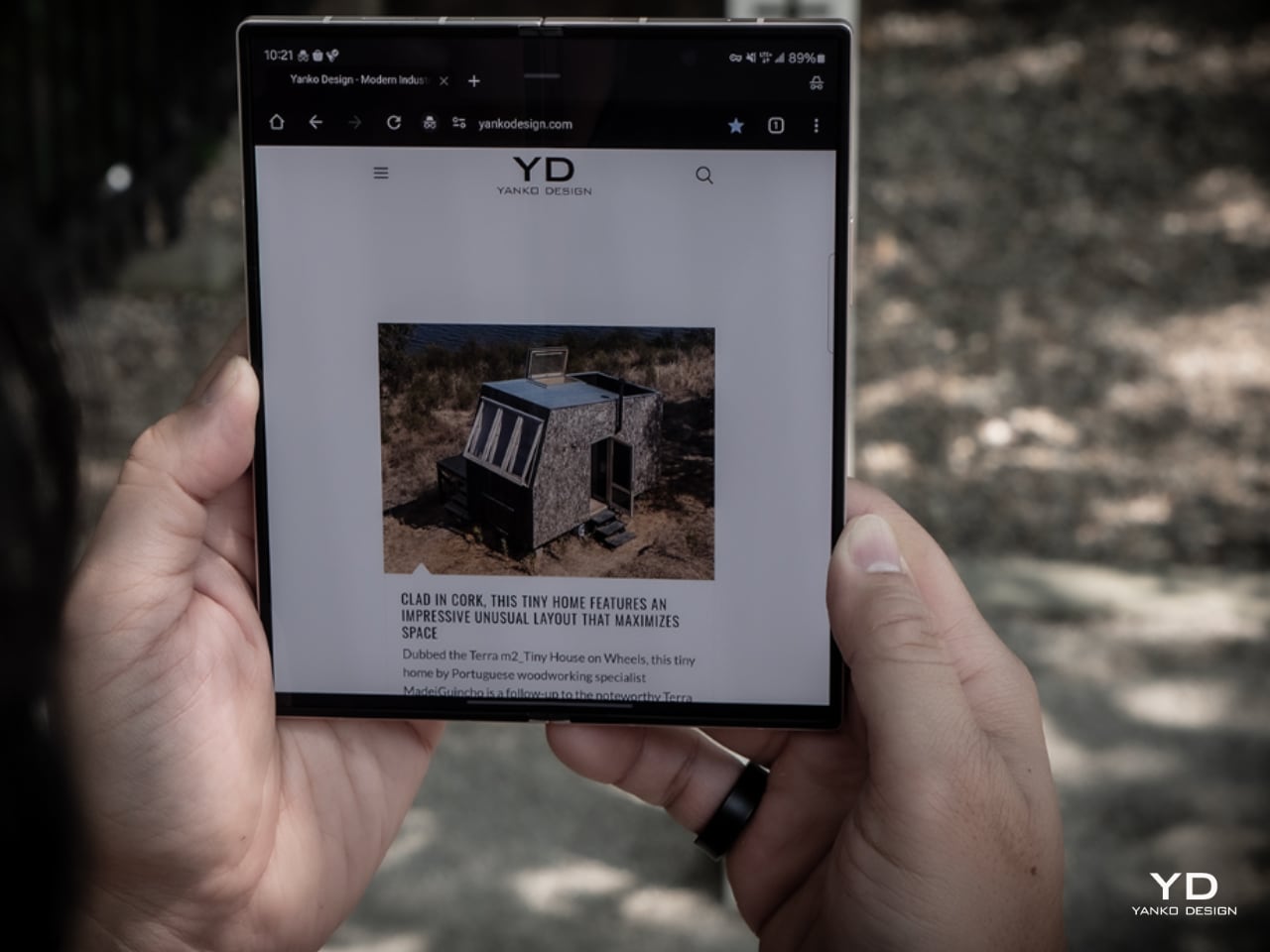
A foldable phone’s whole pitch is the screen, one continuous surface that opens up into something closer to a small tablet. Every notch or punch-hole cut into that surface breaks the illusion a little, reminding you that the software is still working around a sensor buried in the glass. Samsung’s Galaxy Z Fold8 has never quite escaped that compromise, even eight generations in.
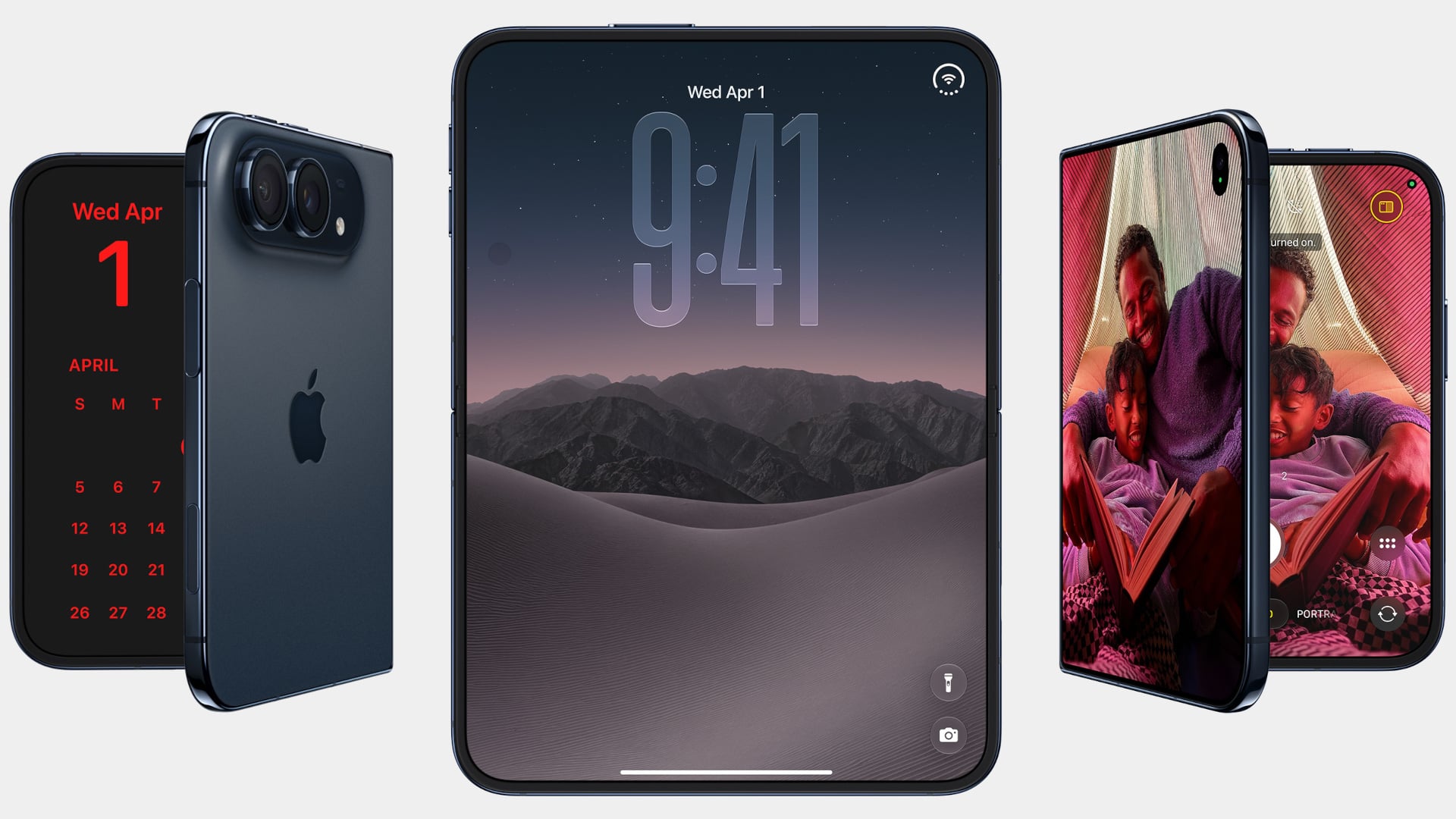
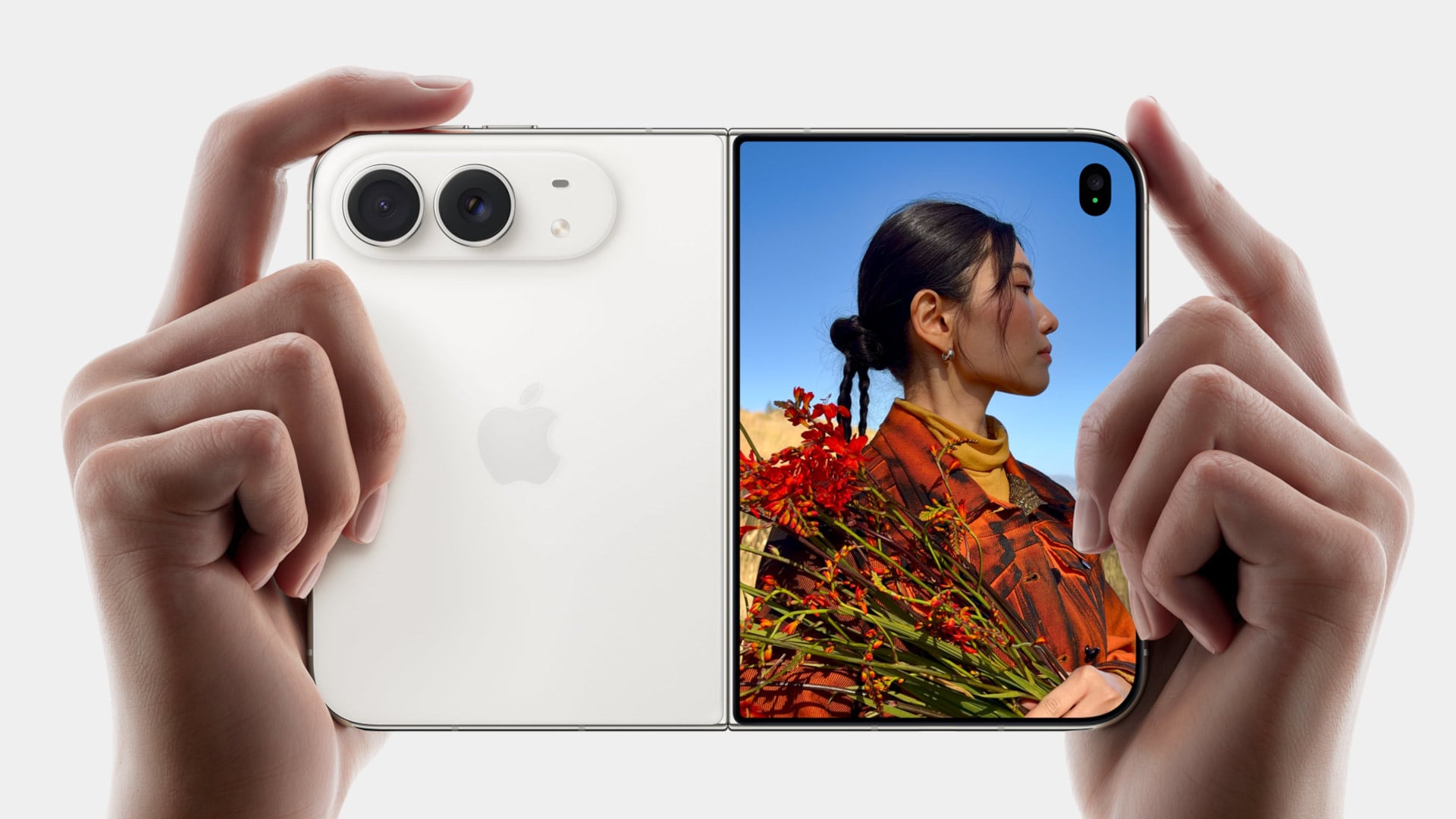
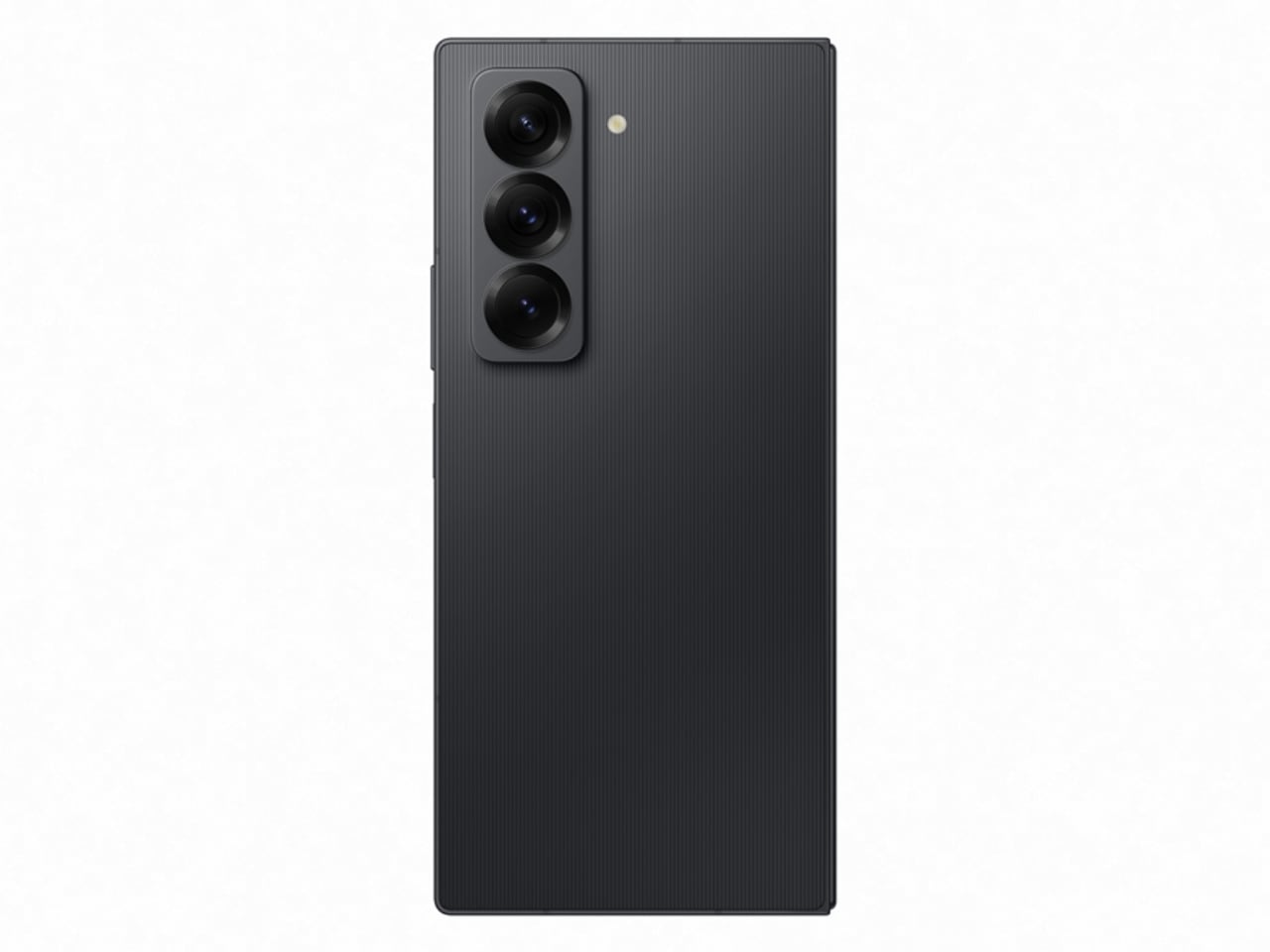
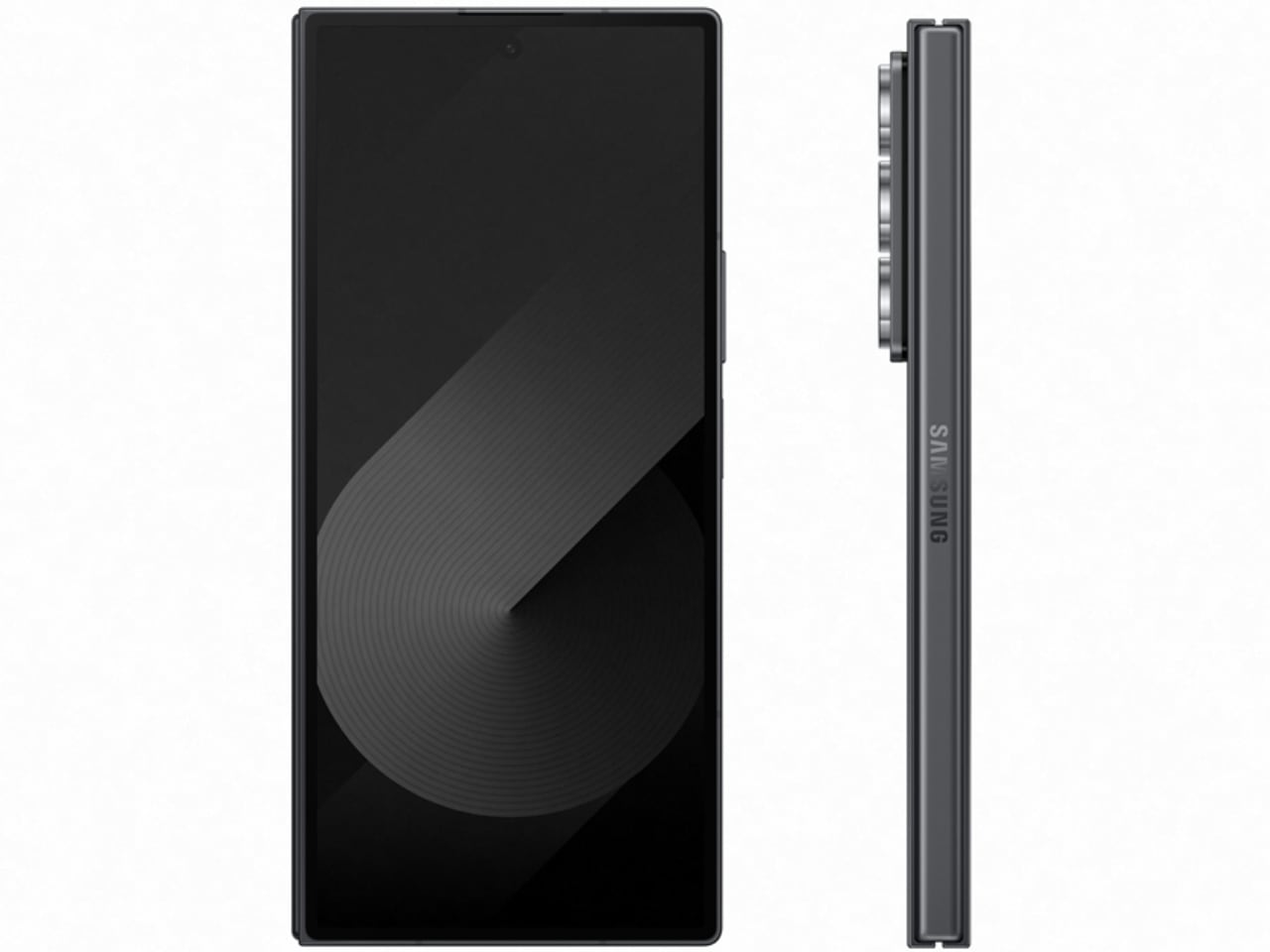
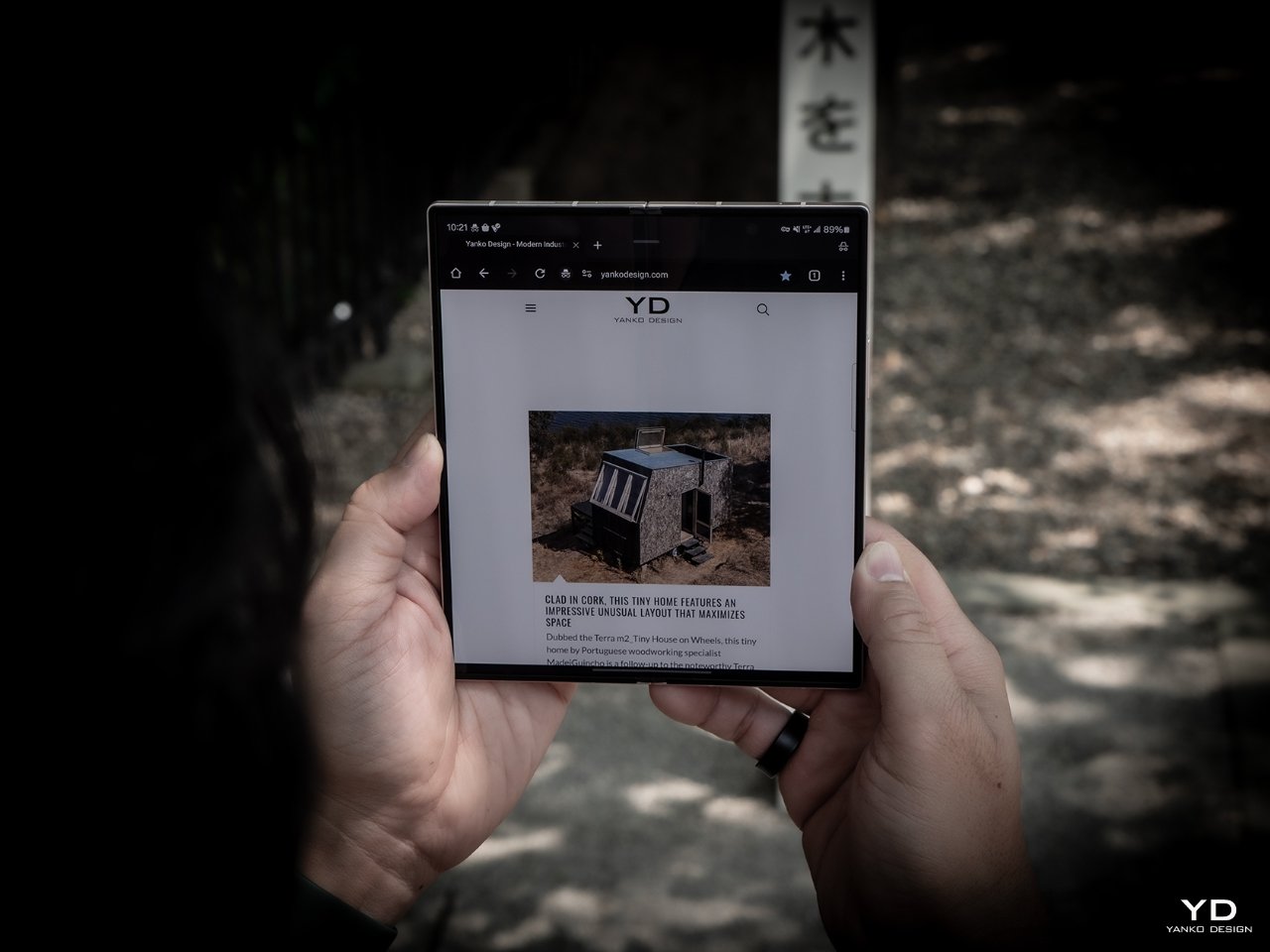
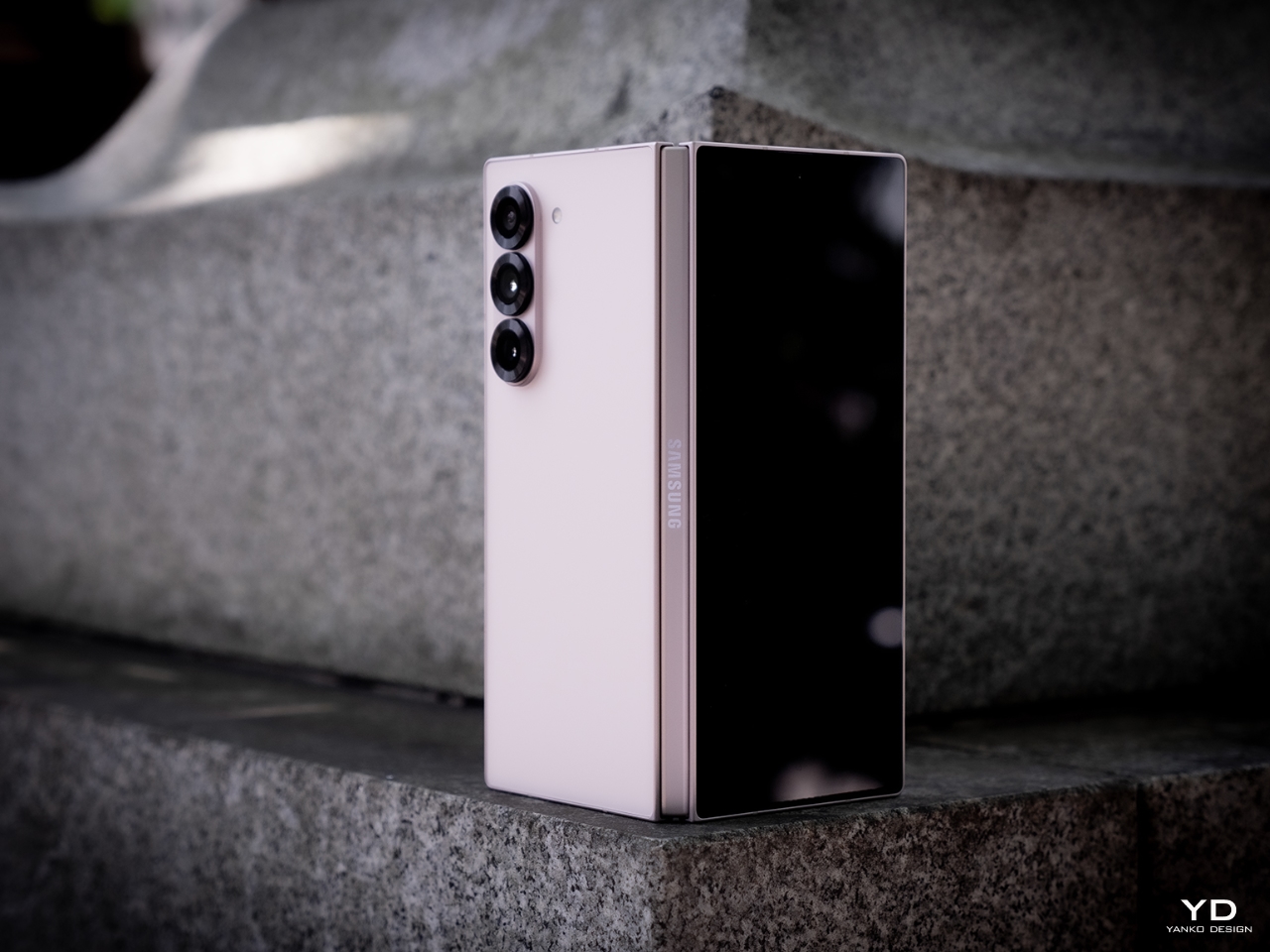
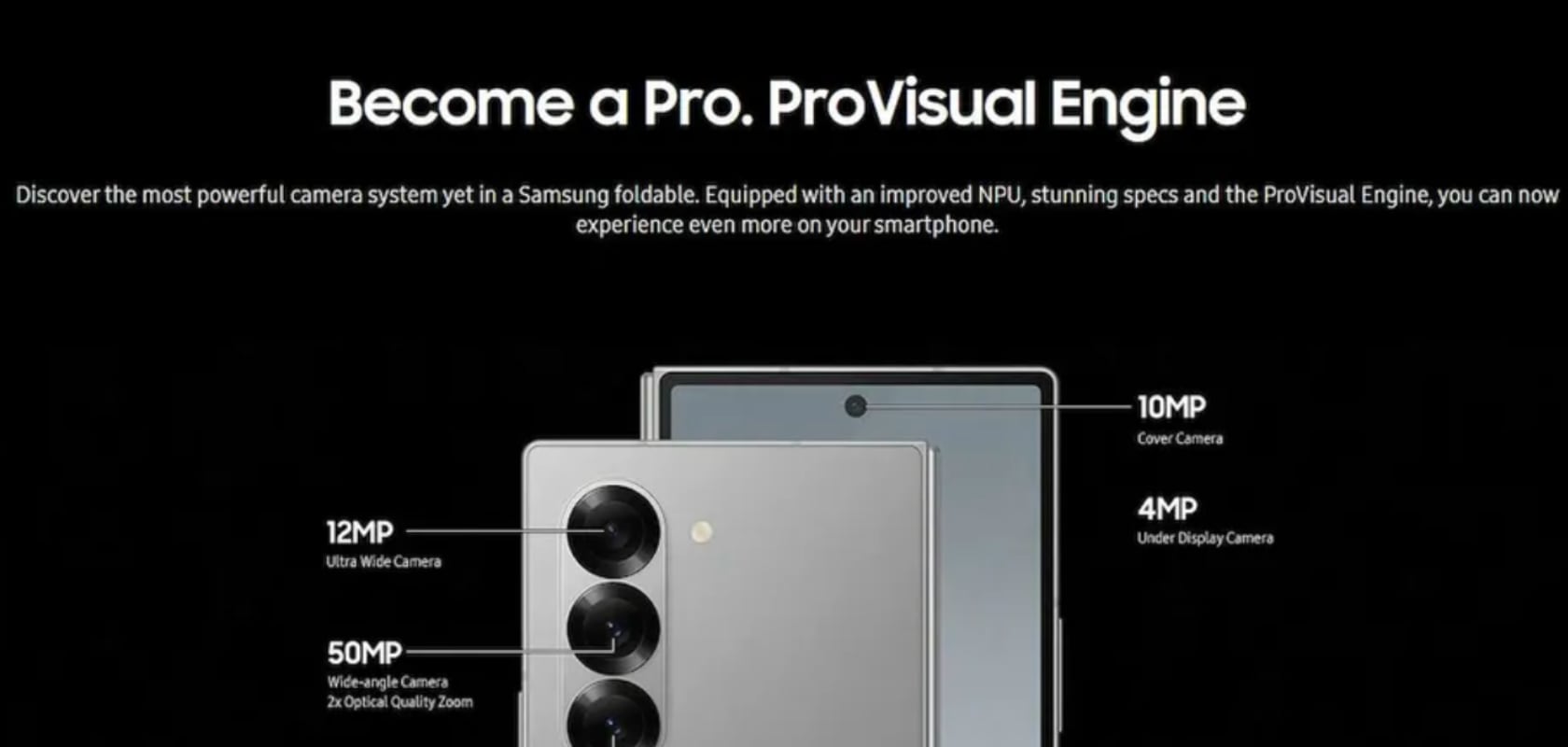
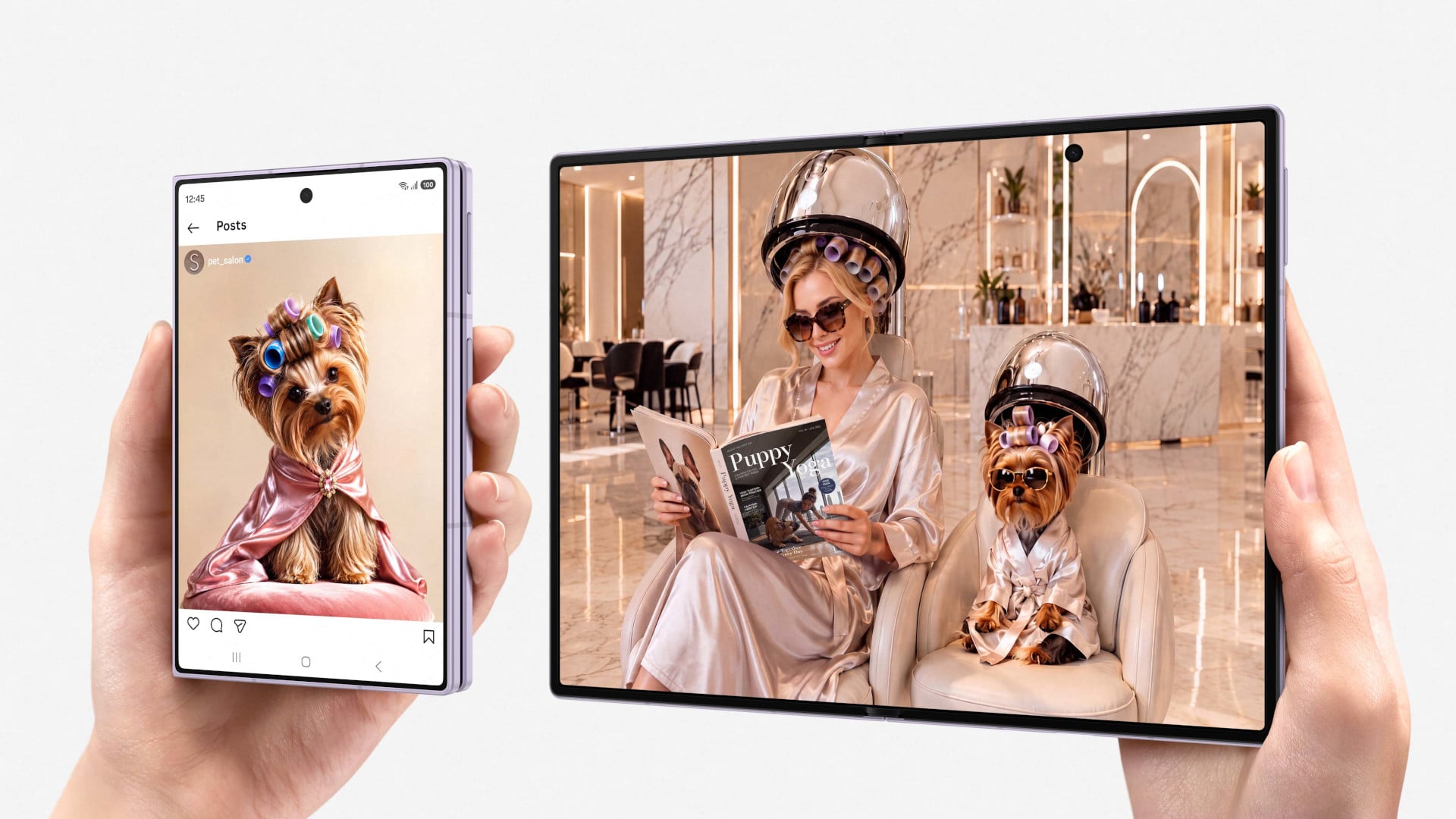
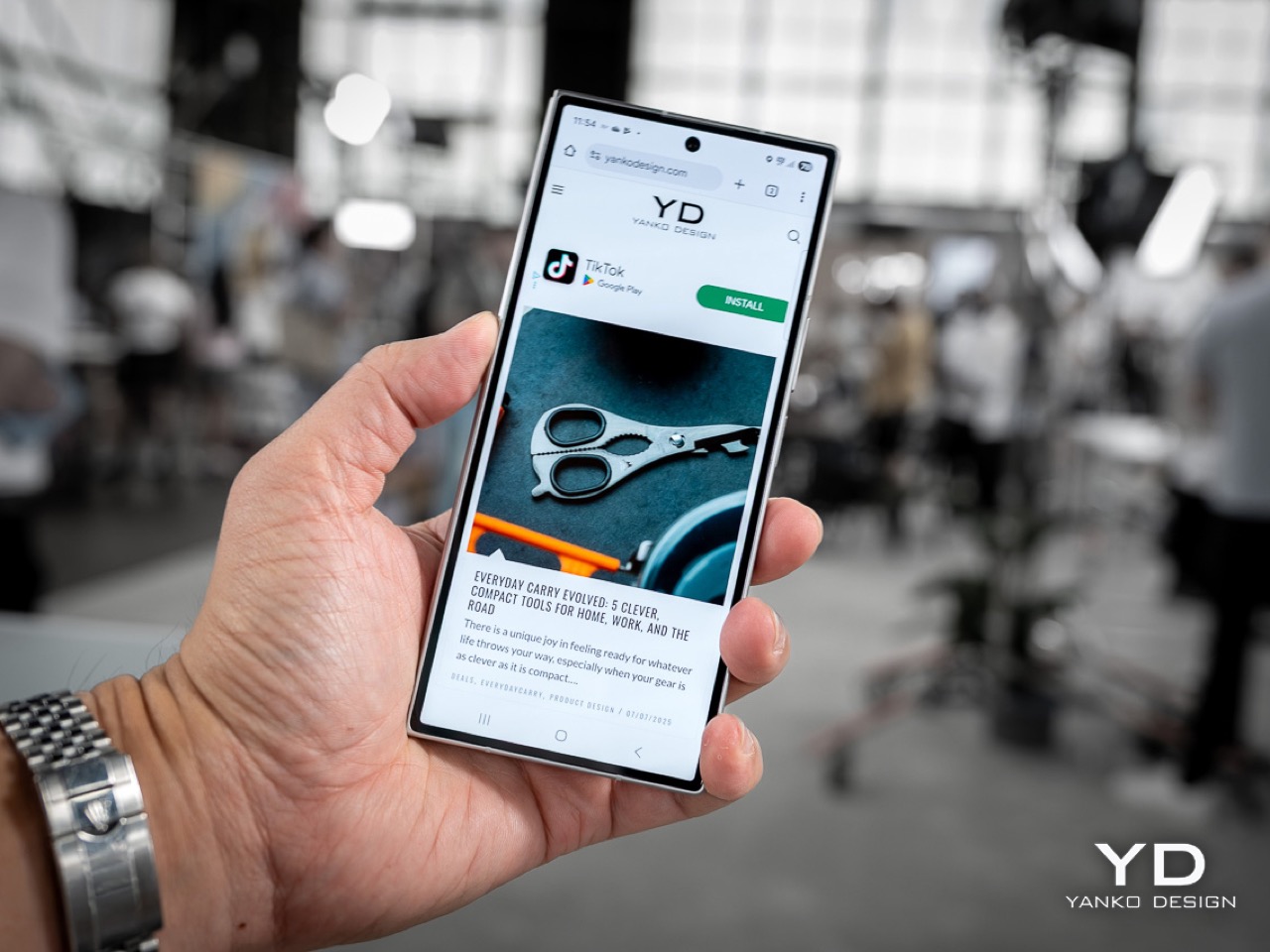
The Galaxy Z Fold8 carries a 10-megapixel camera punched into both the inner and cover displays, a hole you notice every time the screen lights up. The Duo takes a different route entirely, tucking its inner selfie camera under the panel itself so nothing interrupts the display when you’re watching a movie or scrolling through photos with both halves open. The outer screen keeps a single, smaller cutout.

A Stylus Samsung Gave Up On

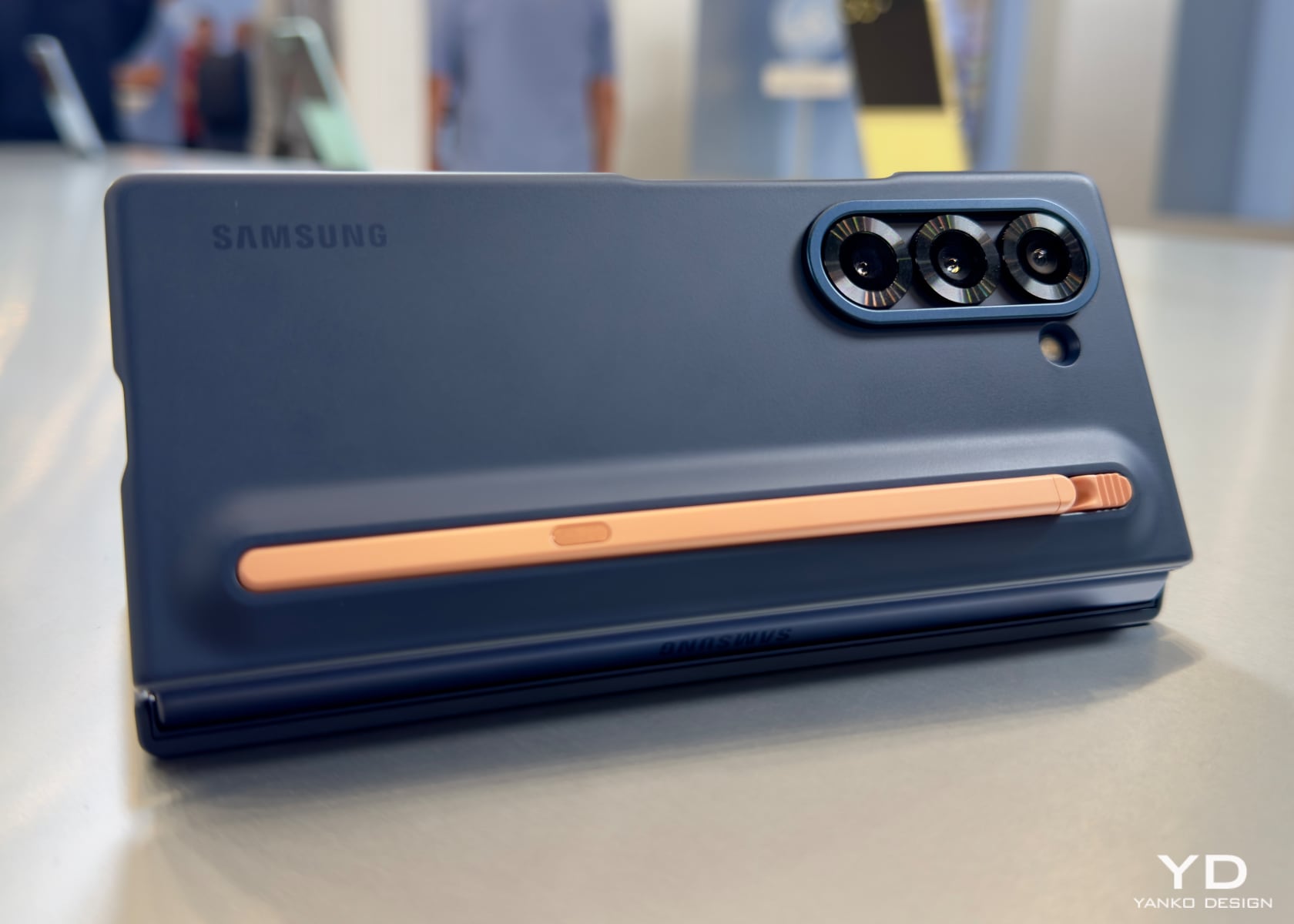
Samsung built its whole Note legacy around the S Pen, then carried that stylus into the first few generations of the Galaxy Z Fold before quietly dropping it this cycle. Neither the Galaxy Z Fold8 nor the Galaxy Z Fold8 Ultra bring it back, leaving a gap for anyone who used to sketch, sign, or jot notes onto that big inner display. It’s a strange retreat for a company built on that exact feature.

Samsung Galaxy Z Fold6

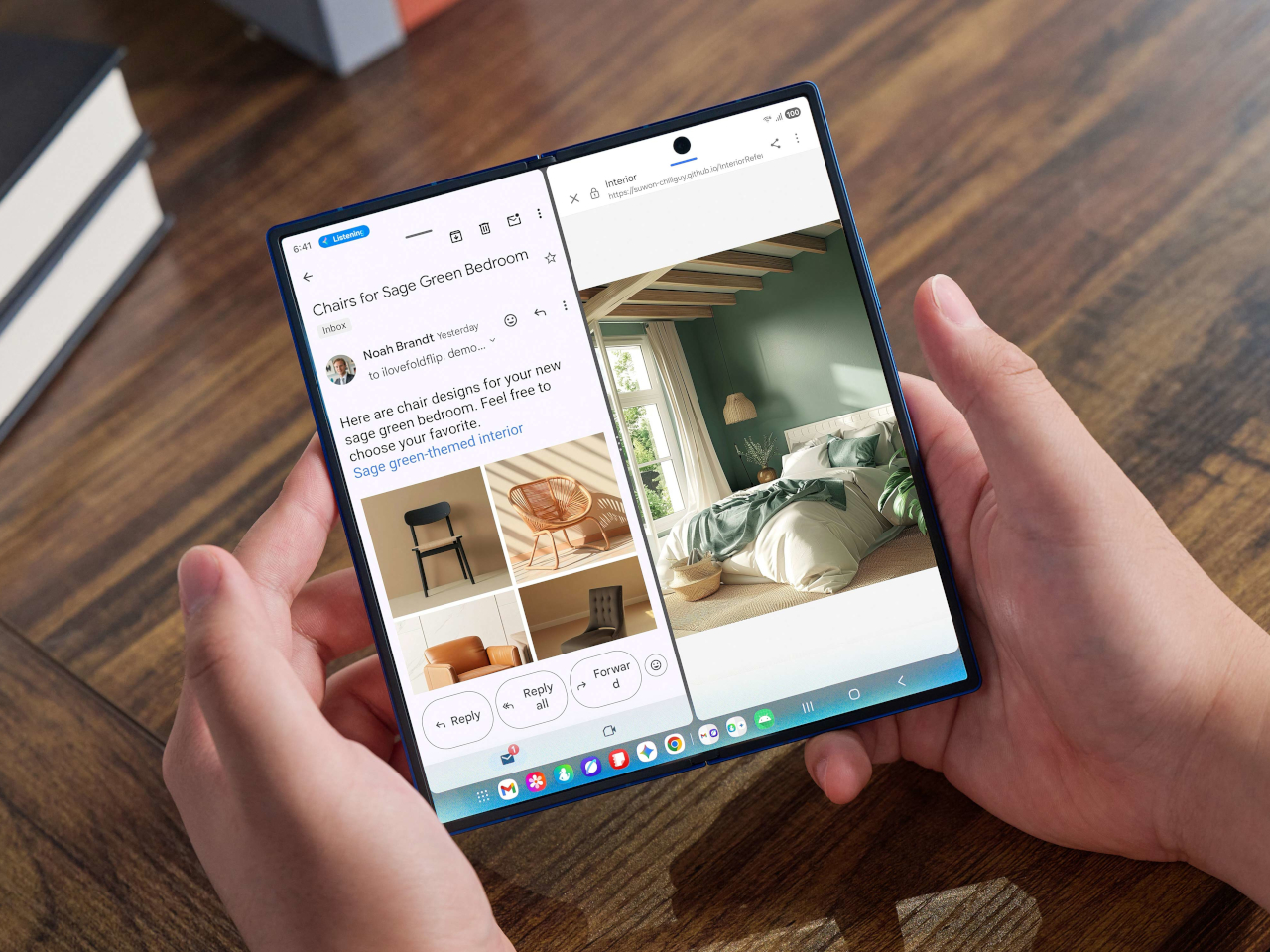
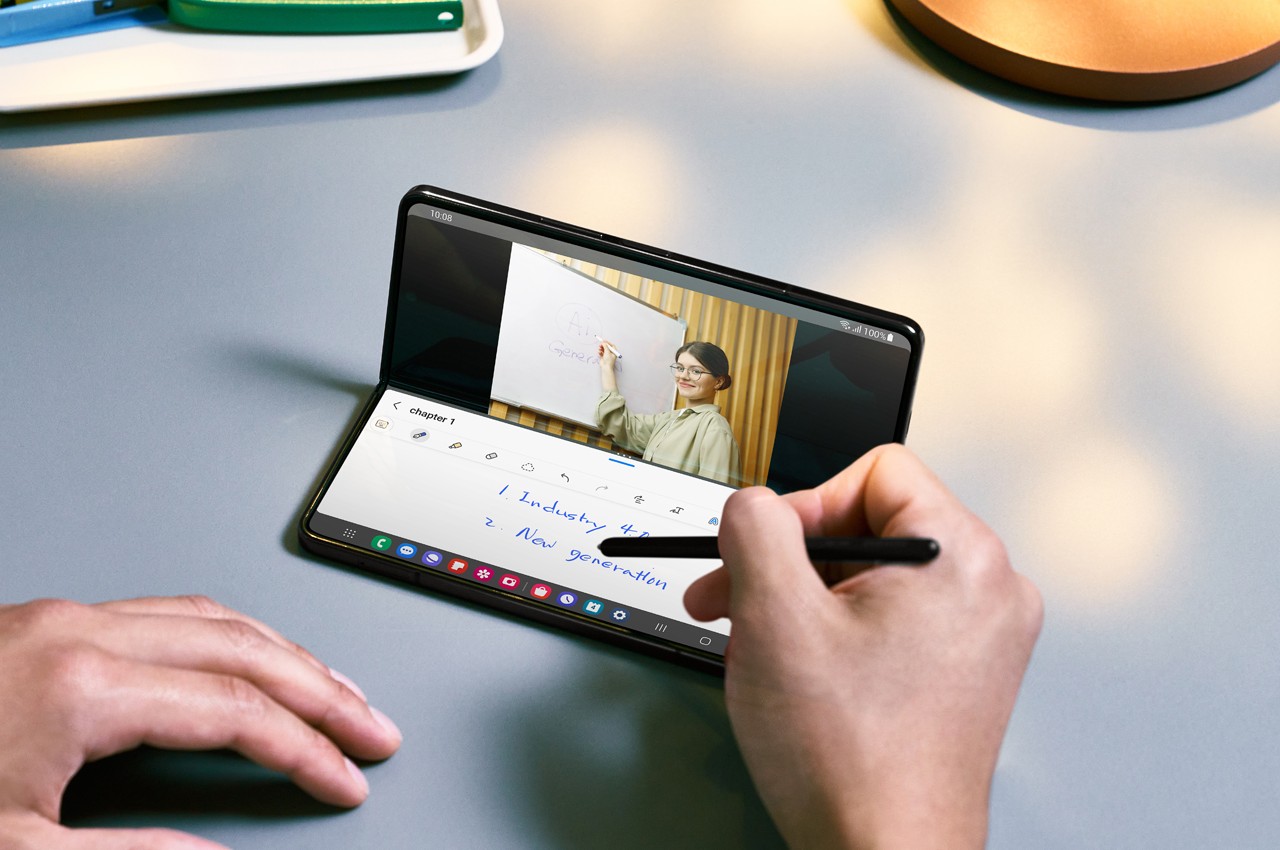
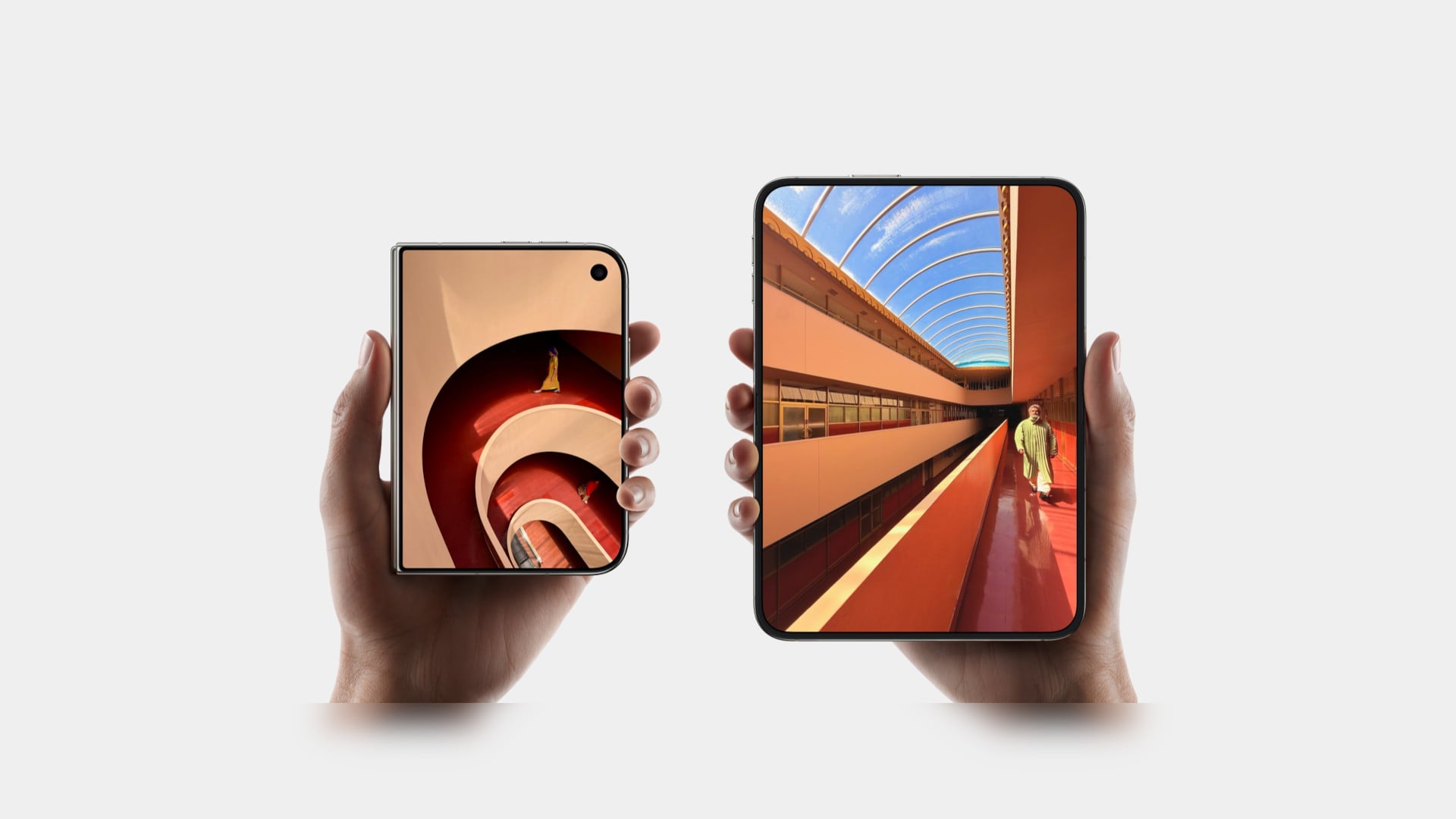
Apple Pencil support changes that, working on both the 5.4-inch cover screen and the 7.6-inch inner display, once it arrives. Dual-screen support lands through a software update later this year rather than at launch, so early buyers will have to wait a bit for the full experience. Still, it means signing a document or sketching an idea won’t require unfolding the phone first, something Samsung’s lineup can no longer offer.

Built to Survive the Mess
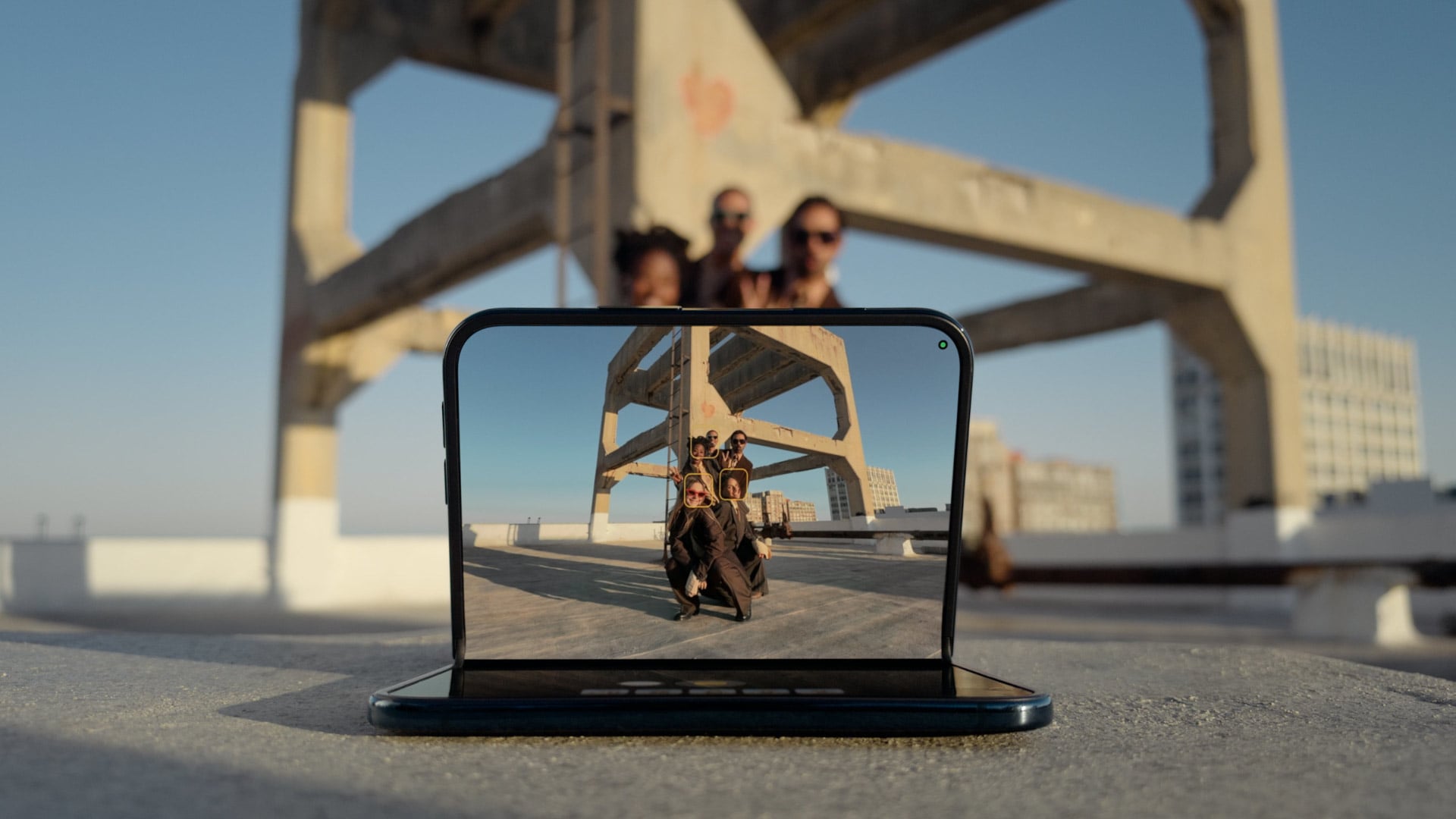
Dust is the part of durability testing everyone forgets about until it’s too late, and a folding hinge is the worst possible place for grit to sneak into. Water resistance ratings get all the marketing attention, but the dust half of an IP rating tells you whether sand at the beach or fine construction dust will actually make it past the seals and start scratching at the mechanism underneath.
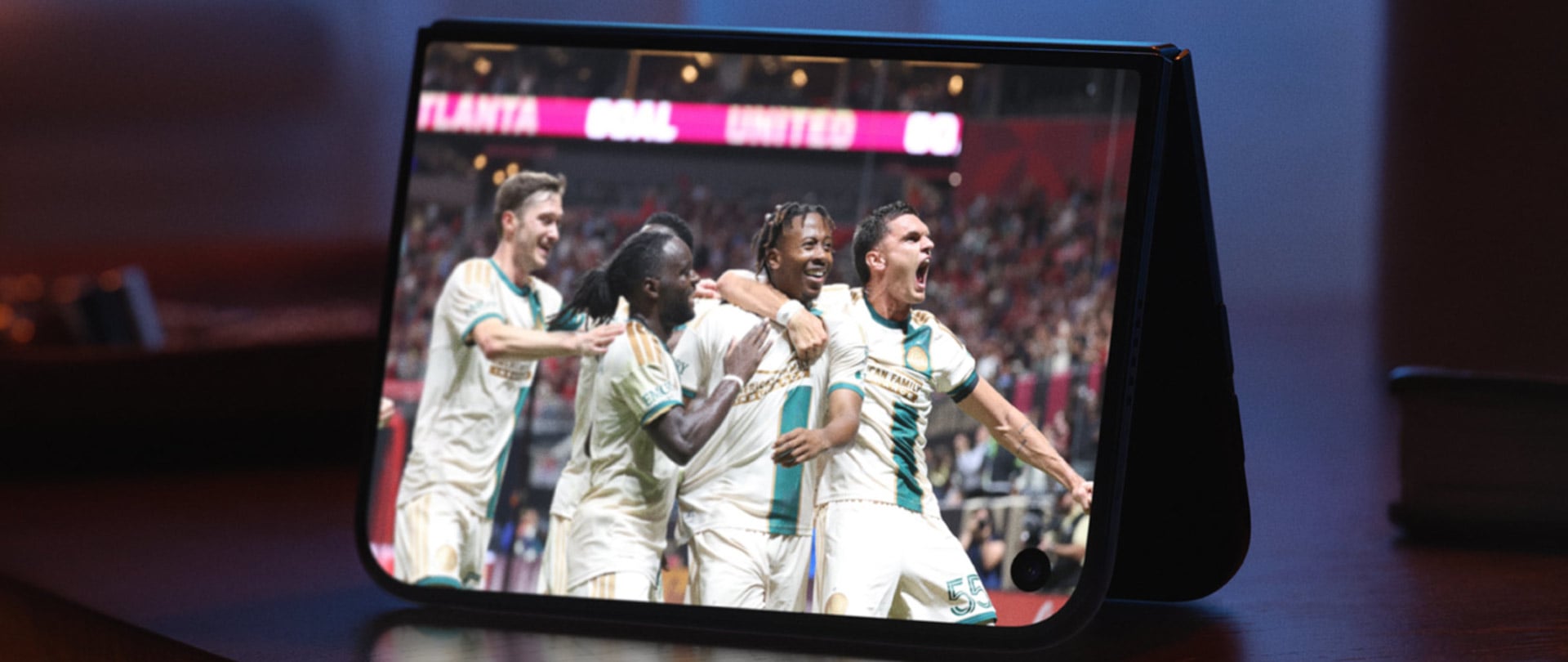
The iPhone Duo carries an IP68 rating, meaning the seal is dust-tight; nothing gets through, full stop. The Galaxy Z Fold8 only manages IP48, which covers water fine but leaves that dust digit low enough that fine particles, sand, and powder aren’t actually kept out. For anyone who takes their foldable to a beach, a workshop, or just a dusty backpack, that gap matters more than it looks.

Room for Everything You Shoot
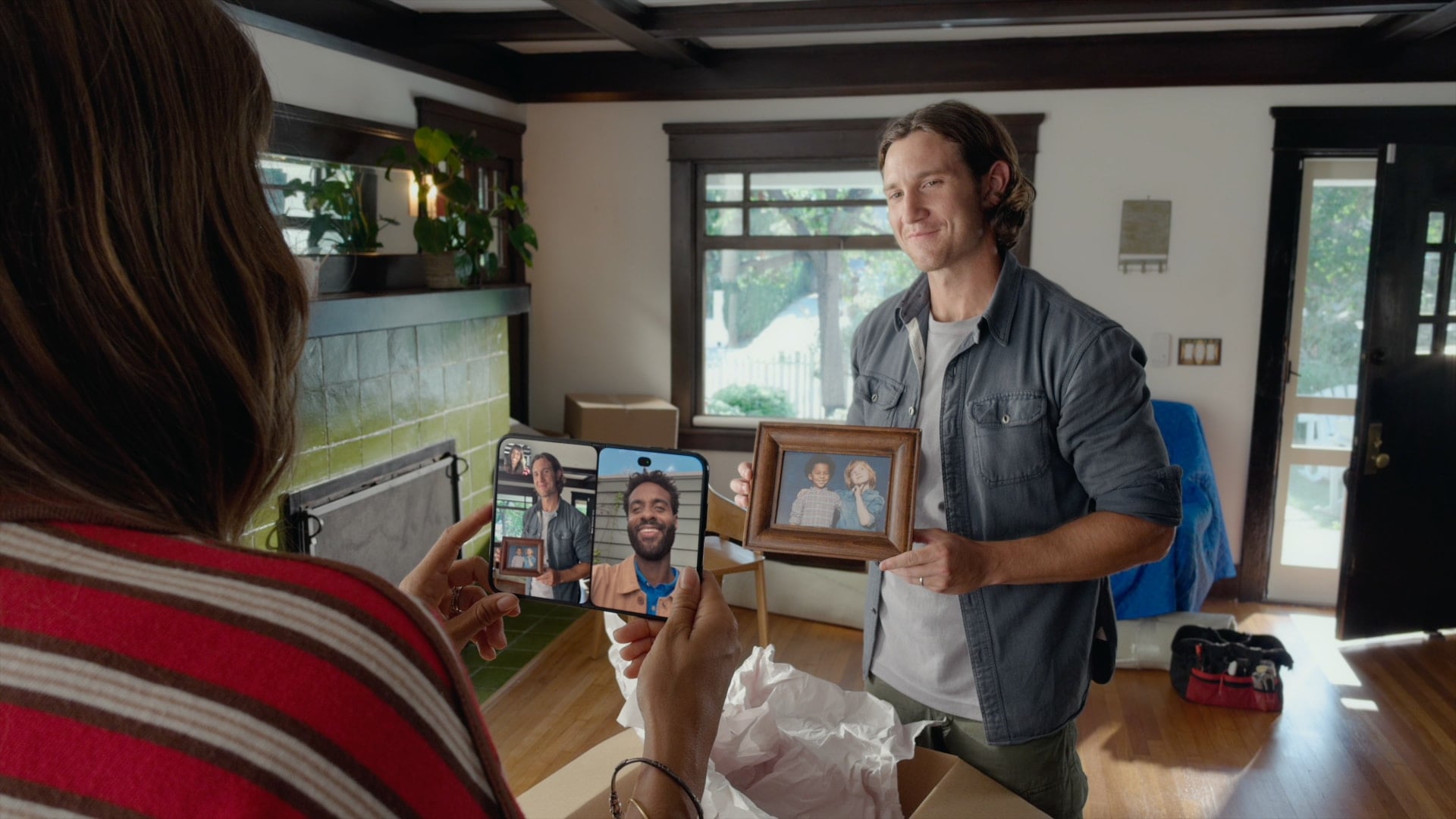
A foldable’s bigger inner screen practically begs you to shoot more video and drag around heavier files, whether that’s 4K footage, a stack of RAW photos, or a library of apps you’d never bother installing on a regular phone. Storage stops being an afterthought pretty quickly once you’re using the extra screen real estate the way it’s meant to be used, for actual creative work instead of just bigger icons.
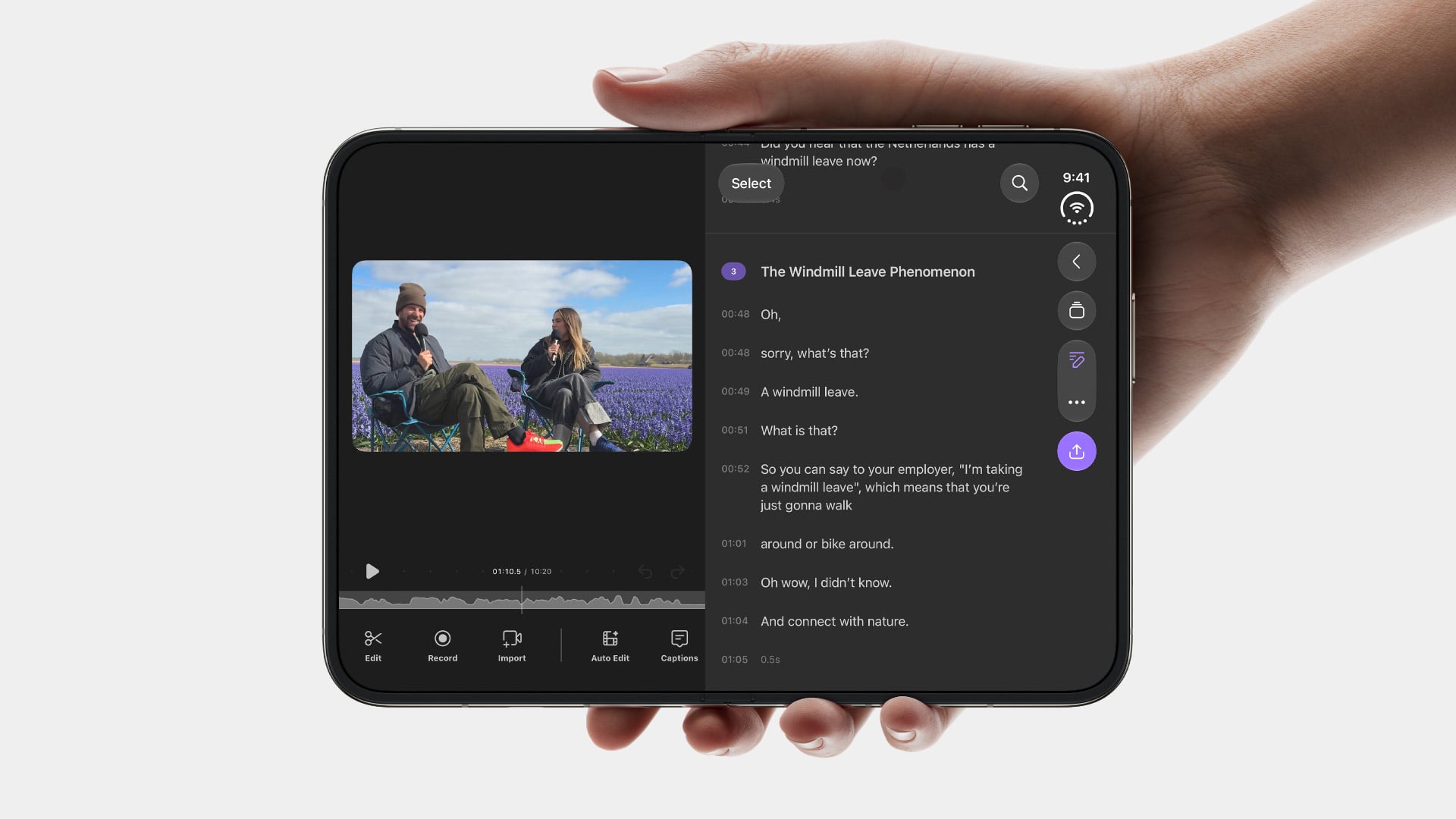
Apple tops out the iPhone Duo at 2TB of storage, double what the Galaxy Z Fold8 offers at its 1TB ceiling. That’s the difference between planning around your camera roll on a long trip and simply forgetting storage exists as a problem. For anyone who treats their foldable as a mobile production tool rather than a bigger email client, that extra headroom ends up mattering more than the megapixel count.

Fighting the Fold’s Oldest Flaw

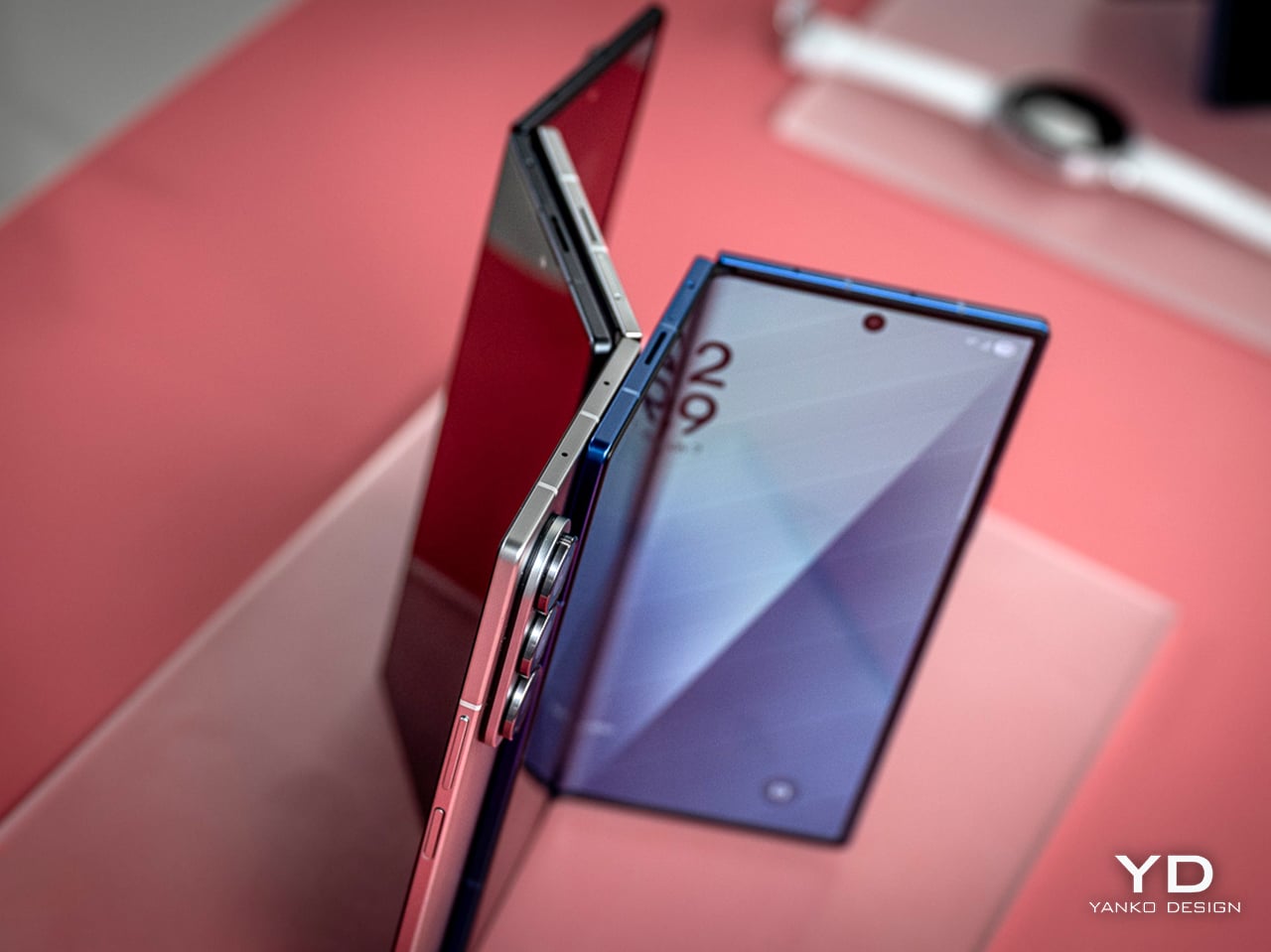
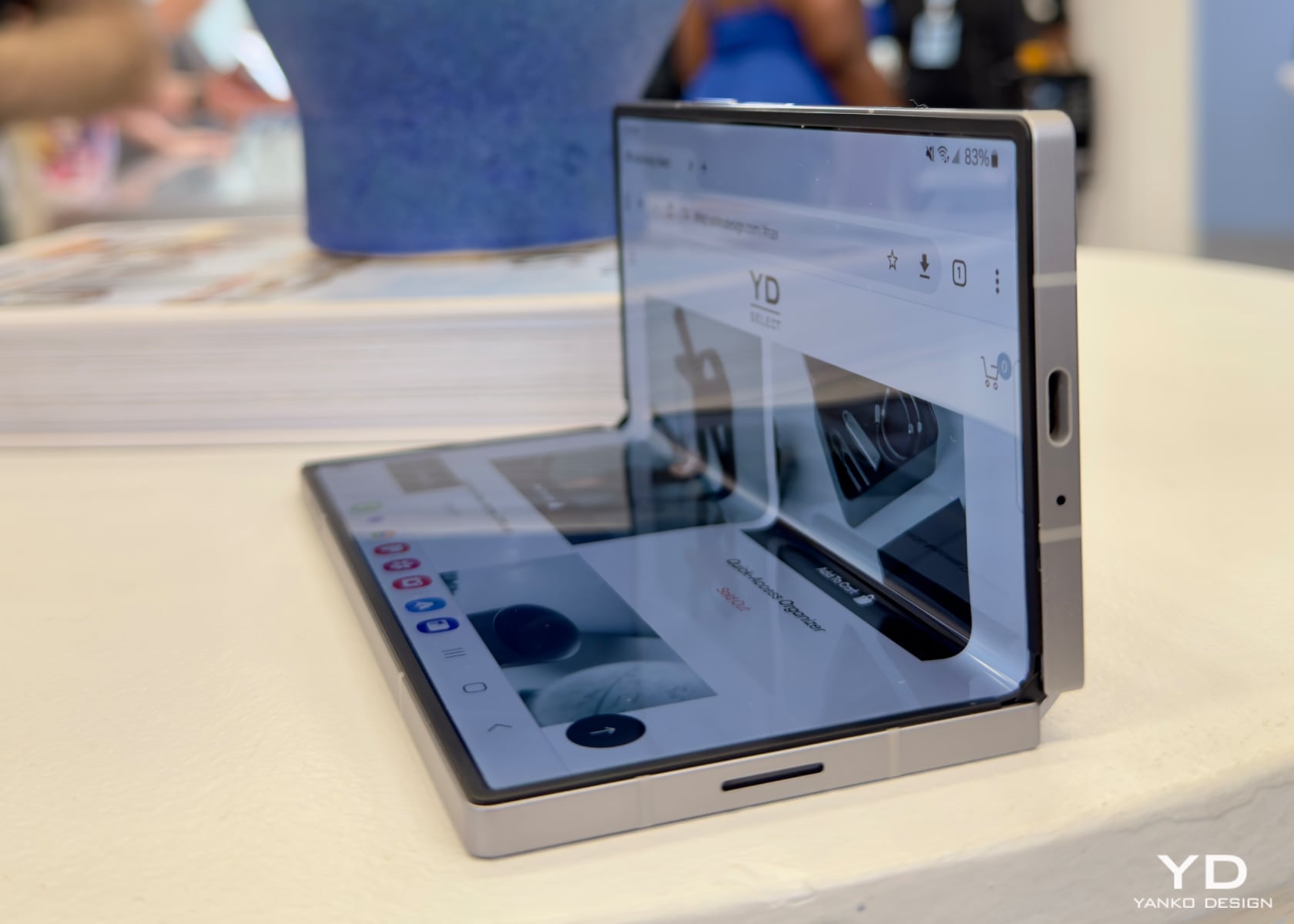
The crease down the middle of a folding screen has been the one problem no manufacturer has fully cracked, Samsung included, no matter how many generations they’ve shipped. Apple’s approach to the Duo’s hinge stacks a nano-texture matte layer over glide-adhesive glass and backs the whole assembly with a titanium plate, an engineering answer to a problem that’s mostly been treated as unavoidable elsewhere in the industry.
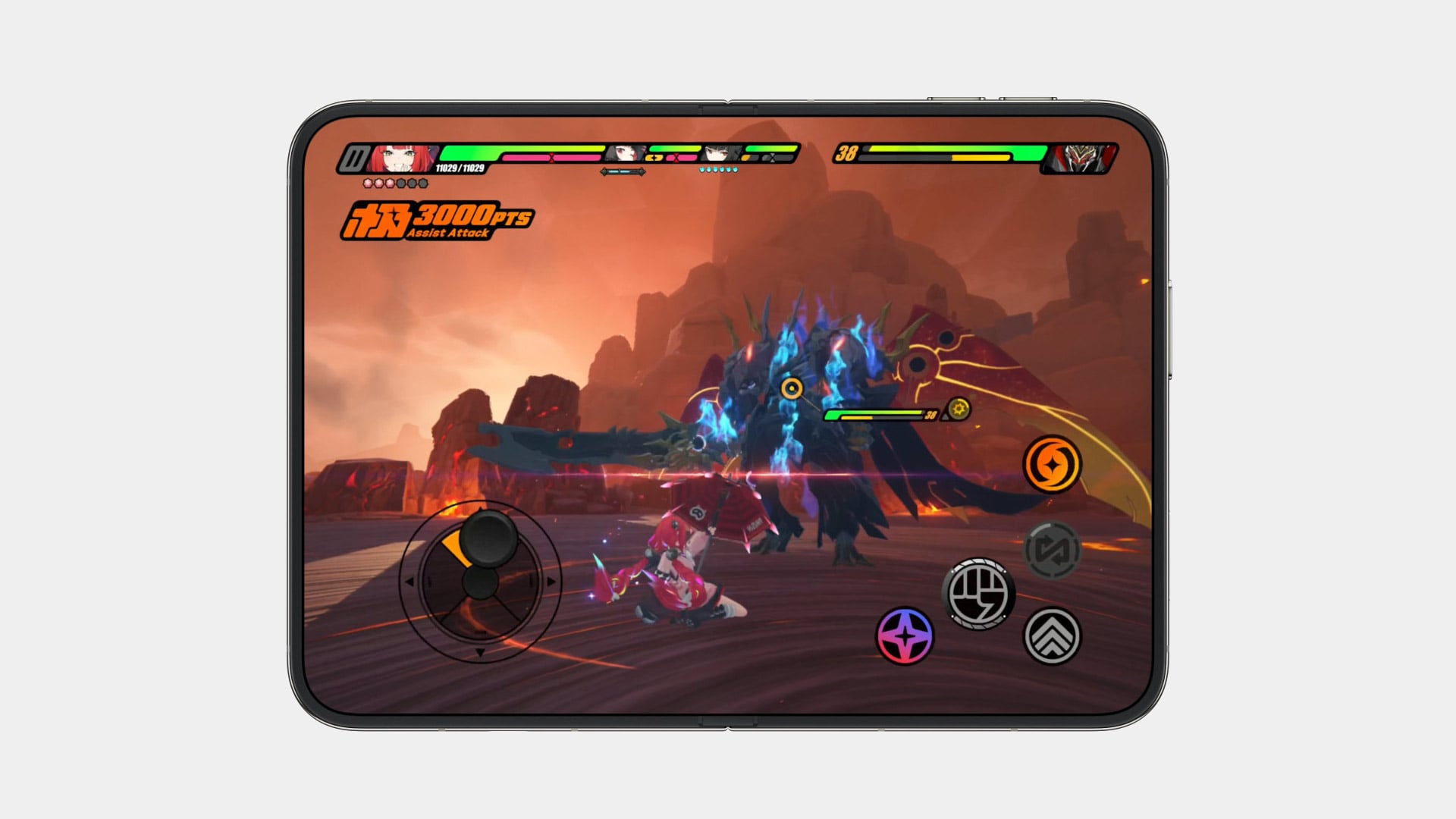
Early impressions from outlets with briefing access suggest the crease is still visible. Nobody’s claiming otherwise, but it doesn’t catch your finger or your attention the way it does on most rivals, the Galaxy Z Fold8 included. That’s worth flagging as an early read rather than a verified result, since neither phone has landed in reviewers’ hands yet. Outdoor glare handling gets similar praise, though the real test comes once these ship.

What Samsung Still Gets Right

None of this makes the Galaxy Z Fold8 a bad phone, and Samsung still wins the arguments that matter most to plenty of buyers. It’s $99.01 cheaper, noticeably lighter at roughly seven ounces against the Duo’s nine, and thinner whether it’s folded shut in your pocket or opened flat on a desk. Those are real, measurable advantages, not consolation prizes.
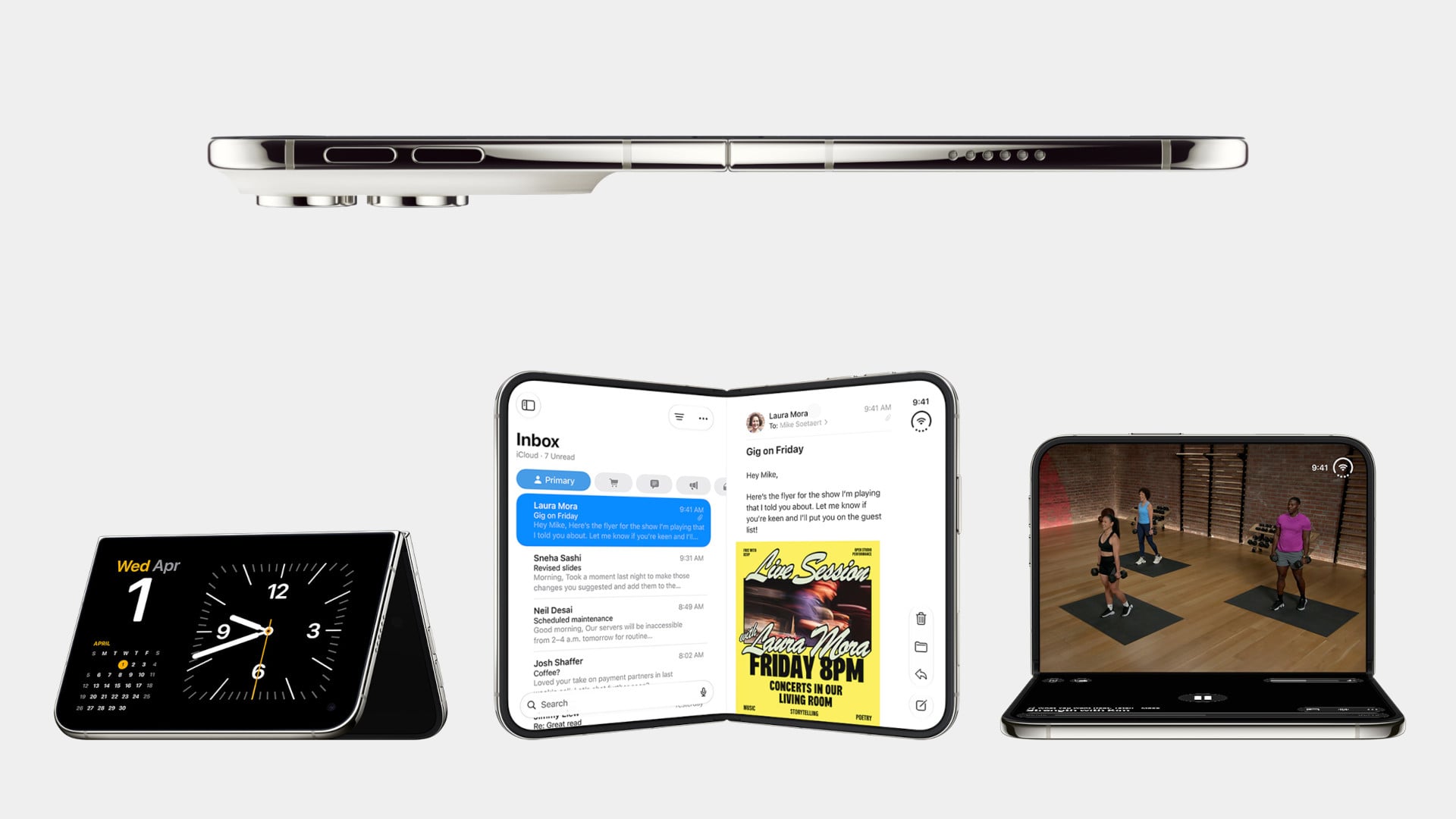
Apple iPhone Duo
Samsung Galaxy Z Fold8

What you’re really choosing between is a phone that’s been refined for eight generations and one making its very first attempt, price and weight included. A first try that already beats its rival on a camera, a stylus, a durability rating, storage, and a hinge design is a strong opening argument, whatever it costs to get there. Samsung’s turn to respond comes next year.
The post 5 Things the iPhone Duo Got Right That Samsung Still Hasn’t first appeared on Yanko Design.
Galaxy Z Fold 8 vs Fold 8 Ultra: Why the ‘Better’ Phone is a Worse Deal

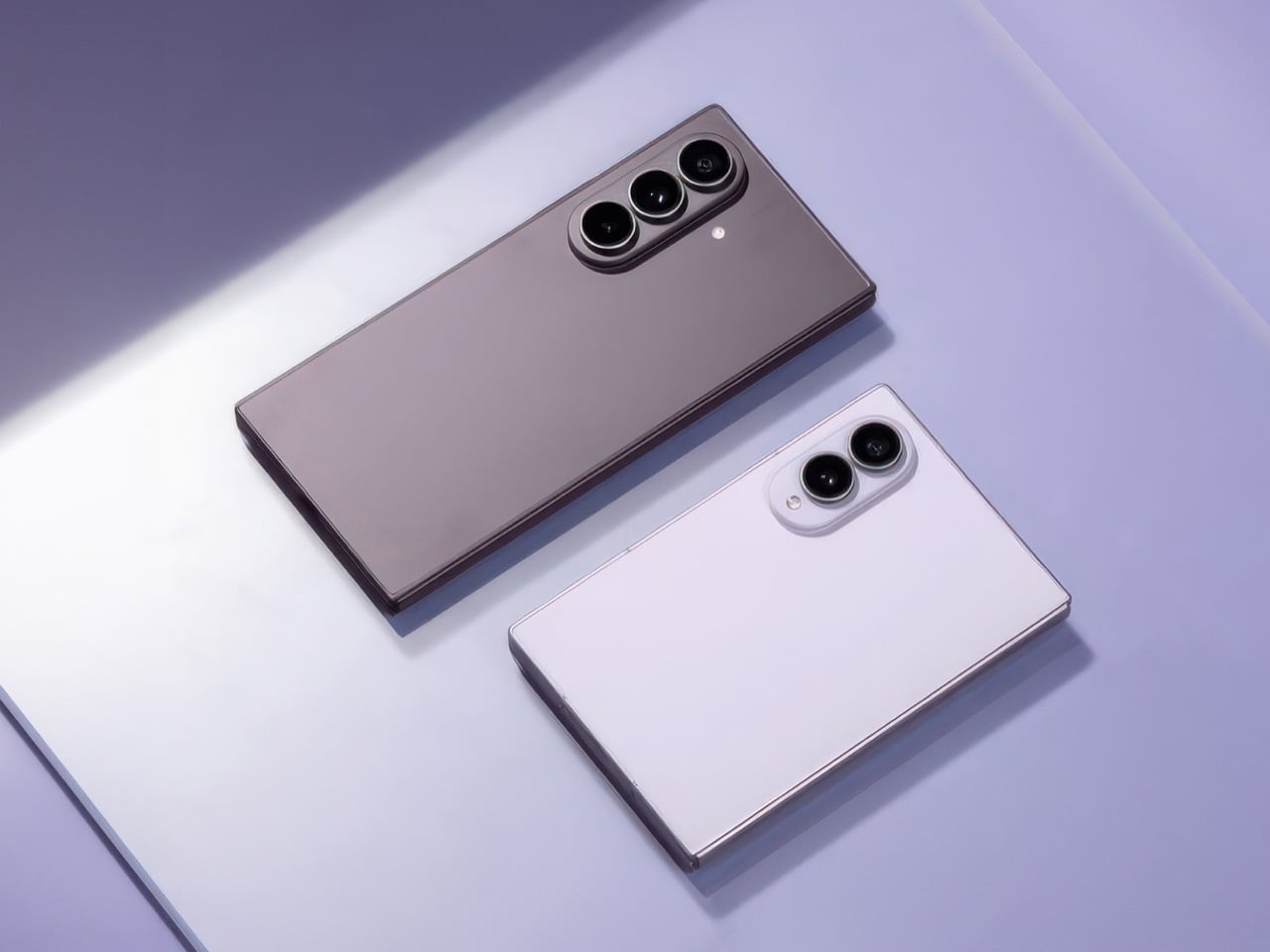
PCMag spent real time with both new Samsung foldables and walked away calling the Galaxy Z Fold 8 Ultra the most capable foldable the company has ever shipped. Then it gave its Editors’ Choice award to the cheaper one anyway. That’s a strange thing to watch happen in real time, kind of like a judge handing the trophy to the runner who finished second because they liked her shoes better. Samsung built a $2,099.99 phone with a 200MP main camera, a 3x telephoto lens, a bigger battery, and the largest screens in the Fold lineup, and the people paid to obsess over spec sheets shrugged and picked the $1,899.99 model instead.

Forbes landed in the same spot. So did Android Police, in a review literally titled around the Ultra’s problem being the other phone. The Ultra is winning almost every line item on paper, and almost nobody who has actually used both wants to pay extra for it. Something broke in Samsung’s foldable hierarchy this year, and I don’t think $200 is where you’ll find the crack.

Designer: Samsung

Here’s the part that should embarrass the Ultra a little. Both phones run the same Snapdragon 8 Elite Gen 5, carry the same storage and RAM tiers, and charge at the same 45W wired speed. The Ultra’s real advantages are a 200MP main sensor against the standard Fold 8’s 50MP, an extra 10MP telephoto with 3x optical zoom, and a 5,000mAh battery next to the Fold 8’s 4,800mAh. That last gap is worth about one extra hour of video playback by Samsung’s own numbers, which is not nothing, but it’s also not $200 of nothing. You’re basically paying a camera tax dressed up as a flagship tax.

The engineering story underneath both phones is actually the good part, and it’s the part nobody’s arguing about. Flex Titanium tucks an alloy film thinner than a third of a human hair under the OLED panel, backed by a titanium plate for flatness, and reviewers who’ve run a finger across the open screen say the crease is basically gone. GSMArena called it more uniform and flat under direct touch. I’ll admit I didn’t expect Samsung to actually solve this after years of “reduced crease” claims that meant “still very much a crease.” This year it sounds like they meant it.

That fix cost something, and Samsung didn’t exactly advertise the trade. Flex Mode, the half-open laptop stance the Fold line has offered forever, no longer works on the standard Fold 8 because the new hinge can’t hold itself at 90 degrees. It survives on the Ultra, barely, described by reviewers as fiddly to trigger. Nobody put that on a spec sheet, and it’s a bigger design story than either phone’s camera bump.

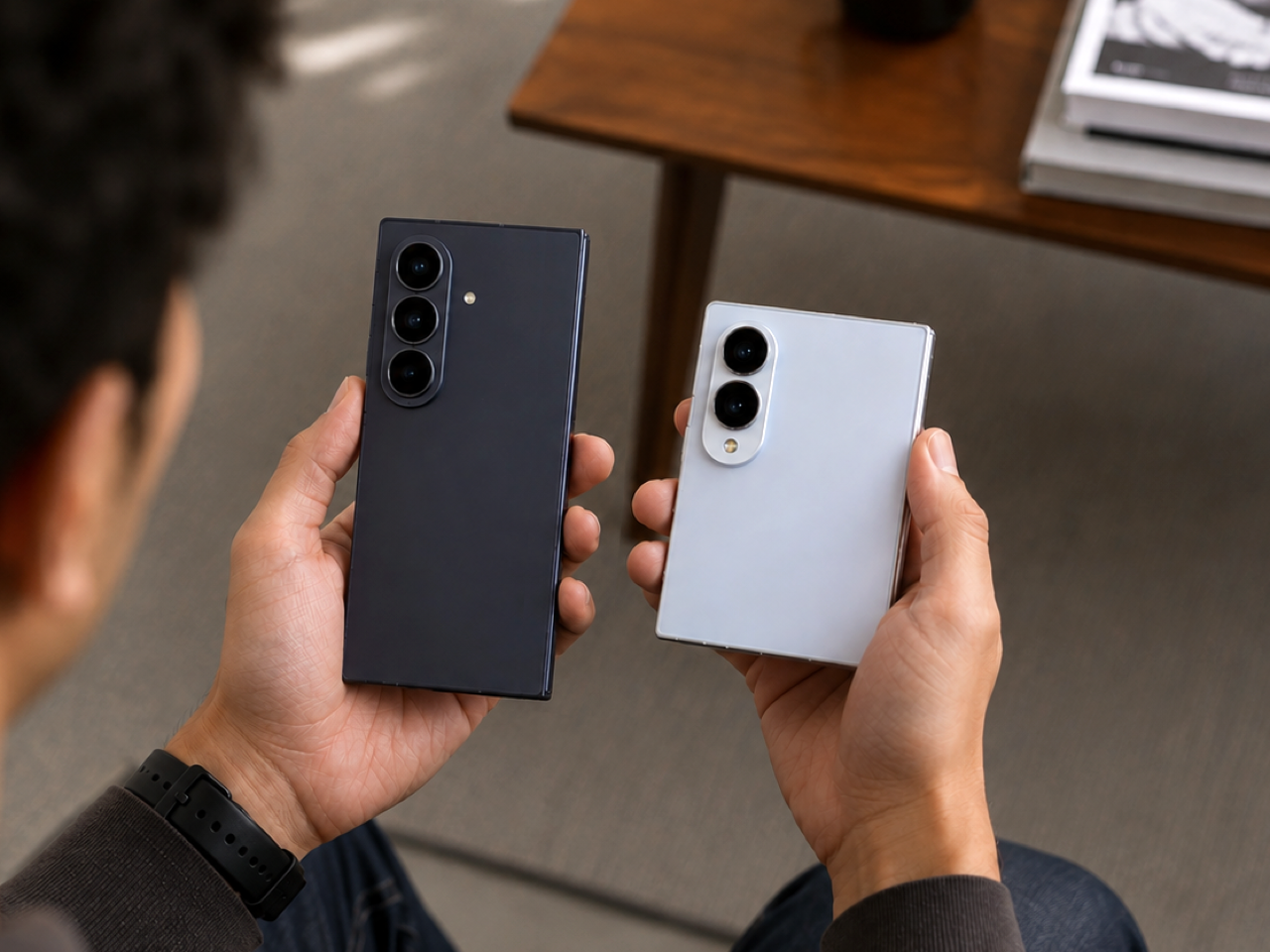
Which brings me to the actual confusion. The Ultra name is supposed to mean “take the flagship, stack on the best of everything, charge more,” the way it works on the S series. This year the Ultra is following the Fold 7’s shape while the plain Fold 8 ships an entirely new passport-style body, different aspect ratio, different case ecosystem, zero parts compatibility. 9to5Google flat out called the Ultra the boring option this generation. Two phones share a family name and nothing else, and the one without the suffix is the one people actually want to talk about.

I’d take the regular Fold 8. Not because the Ultra is bad, it clearly isn’t, but because Samsung finally shipped a foldable shape that argues for itself instead of a spec sheet arguing for you. That’s rarer than a good camera.

The post Galaxy Z Fold 8 vs Fold 8 Ultra: Why the ‘Better’ Phone is a Worse Deal first appeared on Yanko Design.
5 Ways Galaxy Z Fold 7 Still Impresses Over the New Fold 8 Ultra (Including the $600 Price Difference)

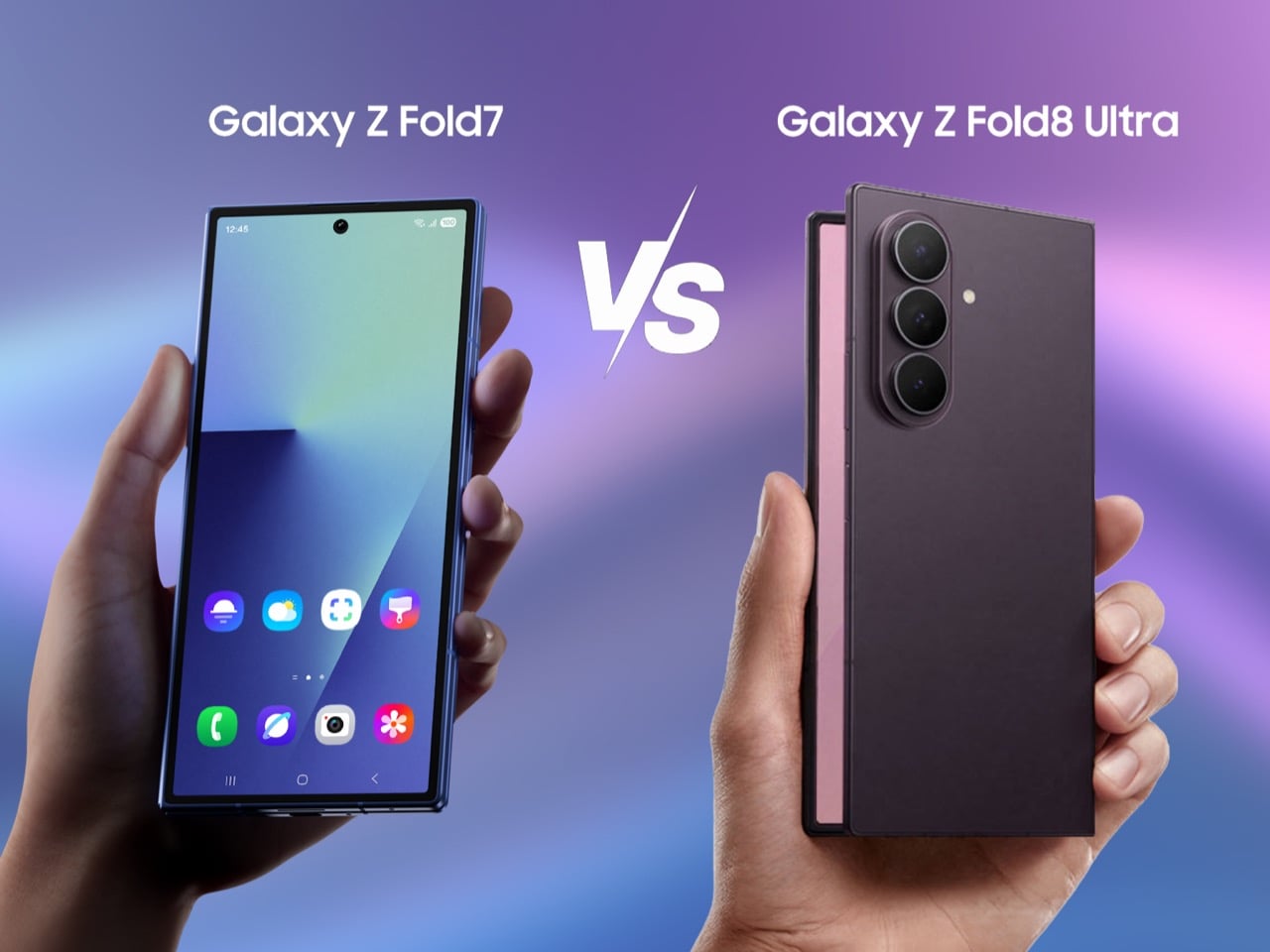
Samsung has perfected the art of making last year’s phone feel obsolete before you have even recycled the box. The Galaxy Z Fold 8 Ultra landed July 22, 2026, with the usual fanfare: bigger battery, upgraded display, new Ultra branding, and a price tag to match. The Galaxy Z Fold 7, meanwhile, has been sitting quietly for a year building a case for itself that the Fold 8 Ultra cannot simply overwrite by being launched 365 days later. The Galaxy Z Fold 7 arrived in July 2025 as the thinnest and lightest book-style foldable Samsung had ever made, and the design bets it placed around weight, thinness, and camera hardware are ones the newer phone essentially confirms rather than replaces. Sometimes the sequel’s biggest achievement is simply showing what its predecessor got right.

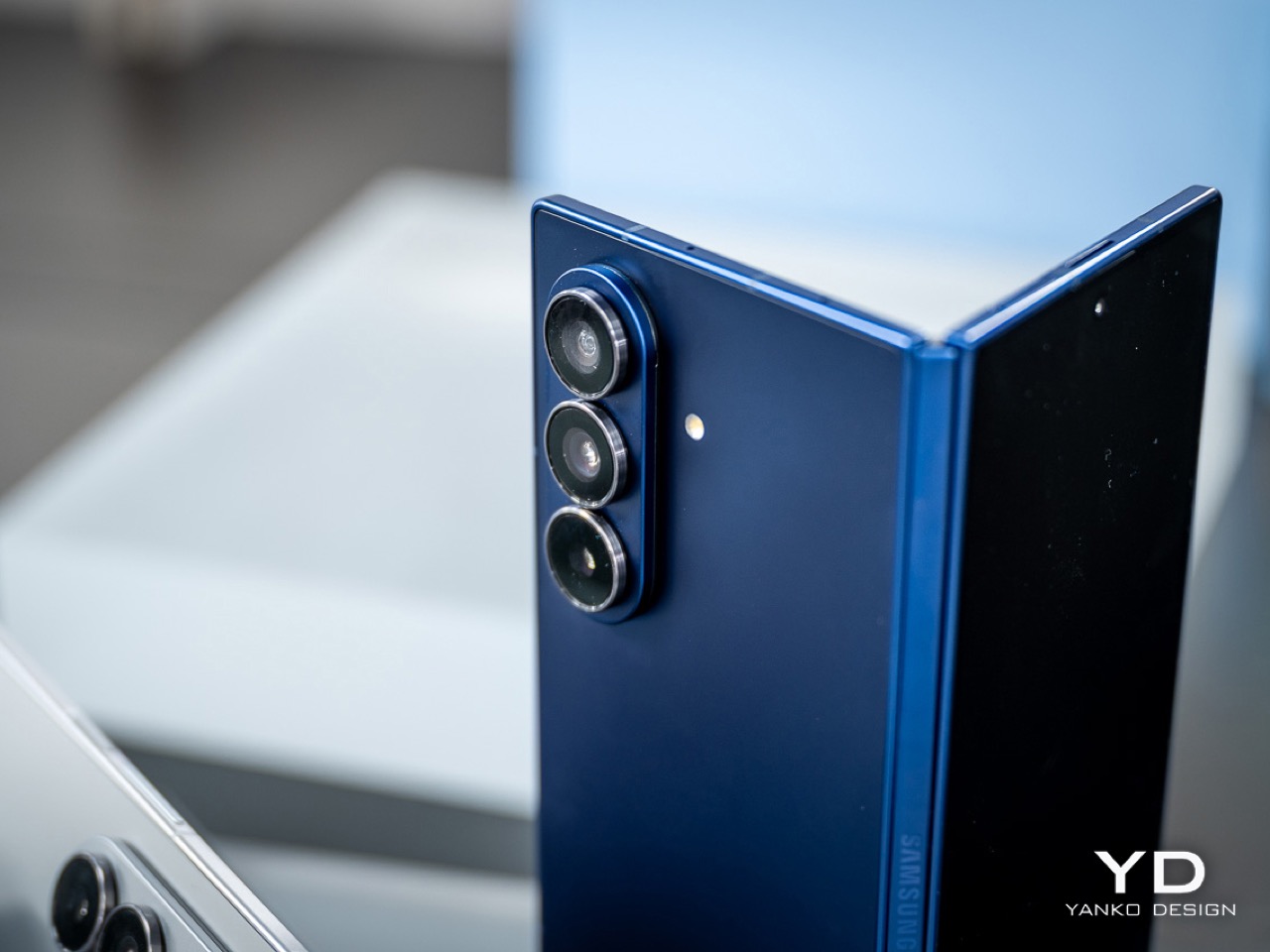
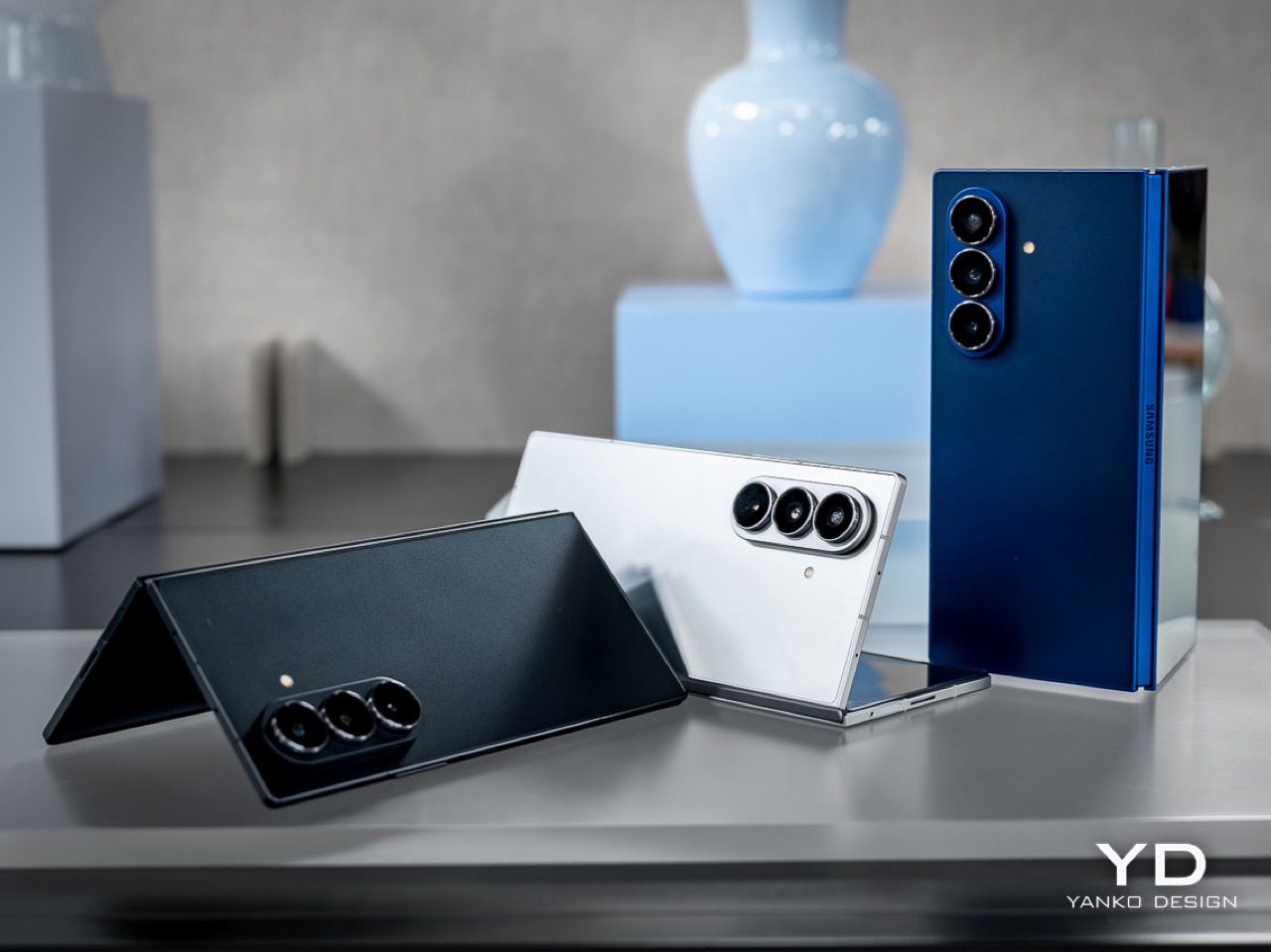
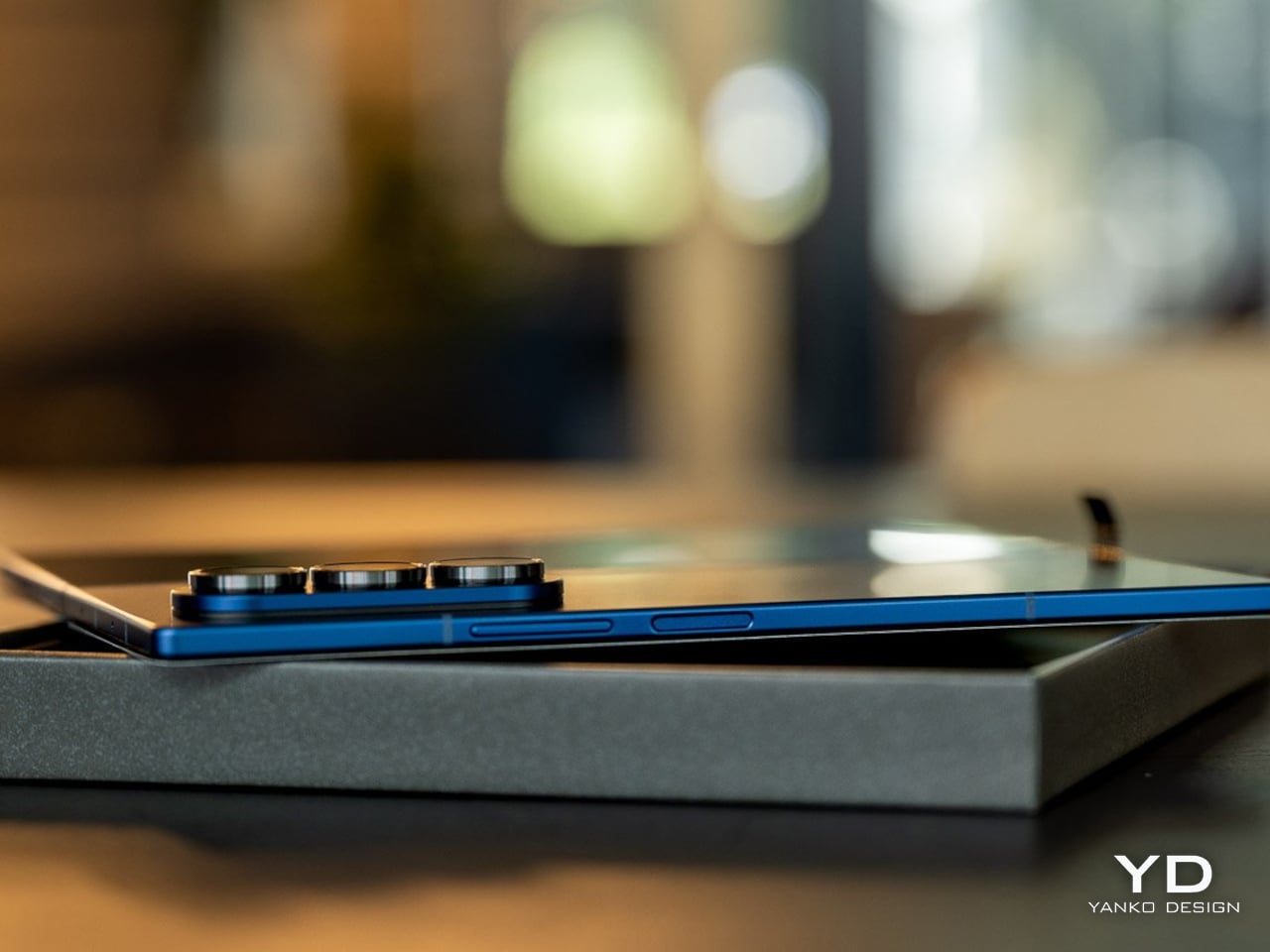
At 4.2mm unfolded, 8.9mm folded, and 215 grams, last year’s Fold 7 was truly a generational leap in design and form factor. It shed 24 grams and 3 full millimeters in folded thickness from the Fold 6 (which measured 12.1mm folded shut), gained a 6.5-inch 21:9 cover display that made it genuinely usable without unfolding, and became the first Samsung foldable to carry a 200MP main camera. We covered that form-factor leap when the Fold 7 launched, noting how the hands-on experience felt categorically different from any Fold before it. The Fold 8 Ultra starts at $2,099.99, a full $100 above the Fold 7’s launch price, and street pricing on the older phone has already settled to as low as $1,499.99 with no trade-in required (that’s a $600 discount on what’s essentially last year’s phone). Before anyone files the Fold 7 under “last year’s news,” here are five reasons why I might just end up recommending the Z Fold 7 over this year’s Z Fold 8 Ultra.

1. The 0.1mm Difference You Will Never Actually Feel

The Fold 8 Ultra unfolds to 4.1mm and the Fold 7 unfolds to 4.2mm, a gap of exactly 0.1mm, roughly the thickness of a sheet of copier paper. The Fold 7 was the phone that did the heavy lifting to get here: it jumped from 5.6mm to 4.2mm unfolded in a single generation, dropping folded thickness from 12.1mm to 8.9mm, a shift dramatic enough that GSMArena observed at launch that those numbers put it “well within the range of a normal, non-bendable smartphone.” We noted the same thing in our hands-on coverage when the Fold 7 shipped: the form factor breakthrough had already happened. The Fold 8 Ultra shaves one more paper-thin slice off a number the Fold 7 already made impressive, and then stops. The Fold 7 earned the thinness headline. The Fold 8 Ultra mostly inherited it.

The Fold 8 Ultra holds that same 215g weight while fitting a 5,000mAh battery, up 14% from the Fold 7’s 4,400mAh cell, by switching to a silicon-carbon composite anode that stores significantly more energy per unit of physical volume than conventional graphite. That is real engineering and it deserves credit. The catch is that maintaining a 4.1mm profile with Flex Titanium, a two-layer titanium system replacing the polymer film beneath the OLED panel, also means the display is now physically incompatible with the EMR digitizer the S Pen requires, so neither the Fold 8 nor the Fold 8 Ultra support stylus input in any form. You would need a caliper to prove which phone is technically thinner, and you have lost the S Pen on both. Most people carry neither.

2. Both Weigh Exactly 215 Grams

Samsung’s own comparison page lists both the Fold 7 and the Fold 8 Ultra at exactly 215 grams, which is either proof that Samsung found the sweet spot a year ago or a quiet admission that the successor could not improve on it. When the Fold 7 launched, Samsung made a point of noting it weighed less than the Galaxy S25 Ultra, a legitimately striking benchmark for a book-style foldable carrying a full 8-inch display inside. That weight, combined with the 8.9mm folded profile and the new 21:9 cover screen, was the ergonomic package that made the Fold 7 feel like a phone you could carry all day rather than one you carry as a statement. The Fold 8 Ultra holds that same 215 grams while fitting a larger battery, which is impressive. But from your palm, your jacket pocket, or your wrist after a full day, there is no difference between the two.

The Galaxy Z Fold 6 weighed 239 grams and folded to 12.1mm, numbers that made daily carry feel like a deliberate lifestyle choice rather than an automatic one. Samsung spent multiple generations chipping away at that figure while simultaneously adding larger displays, bigger batteries, and more complex hinge hardware. The Fold 7 was where the weight finally cleared a threshold that stopped being a talking point and started being a genuine advantage. The Fold 8 Ultra confirmed that 215 grams is the number Samsung is now defending, not improving. If daily carry comfort is why you are considering an upgrade, the Fold 7 already delivered that in 2025, and you would be spending $600 more to carry the same weight in a slightly newer chassis.

3. It Is Genuinely, Significantly Cheaper Right Now

By the time the Fold 8 Ultra went on sale at $2,099.99, the Galaxy Z Fold 7 had already dropped to $1,499.99 at Samsung.com with no trade-in required, putting the live price gap between the two at $600. That is not a rounding error in phone pricing; that is practically a separate mid-range device worth of money sitting between the two numbers. As early as May 2026, the Fold 7 was already at $1,599 at Samsung.com and around $1,649 at Best Buy and Amazon. Samsung’s own pre-launch clearance is about as honest a signal as any company sends: the older phone has value worth capturing before the new one dominates the headlines. The bargain is real regardless of the inventory motive behind it.

The Fold 7 at $1,499.99 gives you a 200MP main camera, a Snapdragon 8 Elite chipset, a 6.5-inch 21:9 cover display, an 8-inch main display, and seven years of software updates. The Fold 8 Ultra at $2,099.99 gives you the same display sizes, the same primary camera resolution, a 50MP ultra-wide upgrade, a larger battery, and 0.1mm less thickness. For some buyers, particularly those shooting wide-angle photography deliberately or upgrading from a Fold 5 or earlier, that $600 premium is arguable. For everyone else, the Fold 7 at its current price is the kind of deal where the question shifts from “should I buy this” to “how quickly can I get it here.” Samsung’s pricing history suggests there is room for it to slide further before the year ends, which makes the current window feel worth acting on.

4. The 200MP Main Camera Is Still Doing the Work

The 200MP wide-angle main camera with ProVisual Engine in the Fold 7 is the same sensor class Samsung put in the Galaxy S25 Ultra, one of 2025’s benchmark smartphone cameras, and the Fold 8 Ultra carries that headline resolution forward unchanged. At F1.7 aperture with optical image stabilization and Quad Pixel autofocus, it was the moment Samsung’s foldable camera finally stopped making concessions against its own S-series lineup, and that standing holds a year later. Portraits, street photography, architecture, food, travel, and whatever low-light situation you find yourself in: the Fold 7’s primary camera performs at the same level as the Fold 8 Ultra on the lens both phones share. The Fold 8 Ultra’s marketing emphasizes improved ProVisual Engine processing, which is technically accurate, but the sensor it is working with is the same 200MP hardware the Fold 7 has been running for a year. That does not suddenly change because a newer model arrived.

I will be honest, the ultra-wide is where the Fold 8 Ultra makes its strongest single camera argument, jumping from 12MP to 50MP, and for anyone who uses that lens with intention and regularity, it is a gap the Fold 7 cannot close. The Fold 8 Ultra also adds 8K video recording, which will matter to a specific kind of creator. These are genuine wins, and this article is not pretending otherwise. But the camera most people aim most of the time is the primary 200MP wide, and on that lens, both phones are drawing from the same well. If your photography does not live on ultra-wide frames or 8K timelines, the Fold 7 is not leaving anything meaningful behind.

5. Seven Years of Updates, and the Clock Has Barely Started

Samsung committed seven years of Android OS updates and security patches to the Galaxy Z Fold 7 at launch, tracking it forward to Android 23 from its starting point of Android 16 and One UI 8.0, making it the first phone in the world to ship with Android 16 out of the box. It has since received One UI 8.5, and that support window is fully intact for anyone buying a discounted unit today. The seven-year commitment Samsung formalized across its Galaxy S and Z lineup from 2024 onward makes the Fold 7 a device with a genuine long-term horizon, not a three-year countdown to planned obsolescence. Picking one up at $1,499.99 now does not mean inheriting a depleted window; it means starting from roughly the same point a launch-day buyer started a year ago, with six more Android generations still incoming. You are not buying into a dead end. You are buying into six more years of the same software future.

The Fold 8 Ultra carries the same seven-year promise, so there is no software advantage to paying the premium. Both devices reach Android 23 as their ceiling, and both receive the same One UI update cadence through that window. The only meaningful difference is that the Fold 8 Ultra ships with One UI 9 and Android 17, which the Fold 7 will receive via update anyway. Paying $600 more to have Android 17 on day one, a few weeks before the Fold 7 update ships, is an unusually expensive cure for impatience. Software longevity is the Fold 7’s quietest argument, and it tends to be the most convincing one for anyone who has watched a phone get dropped from updates two years after launch.

Flex Titanium does meaningfully reduce the crease on the Fold 8 Ultra’s inner panel, the 50MP ultra-wide is a real camera leap over 12MP, and fitting a 5,000mAh cell at the same 215g through silicon-carbon anode engineering is the kind of progress that compounds across an ownership cycle. For first-time foldable buyers or anyone on a Fold 5 or earlier, the Fold 8 Ultra is a strong device at a premium price, and it goes on sale August 7. If you are a Fold 7 owner staring at a $600 gap, a 0.1mm thinner profile, and a stylus that neither phone supports anymore as the headline reasons to upgrade, the math is genuinely hard to close. The Fold 7 already solved the problems that made book-style foldables annoying: the weight, the bulk, the pocketability, the camera gap with Samsung’s own flagships. It is doing all of that right now at $1,499.99, and sometimes the smartest phone in the room is just the one that got there a year early.

The post 5 Ways Galaxy Z Fold 7 Still Impresses Over the New Fold 8 Ultra (Including the $600 Price Difference) first appeared on Yanko Design.
Galaxy Z Fold 8: July 22 date confirmed, S Pen returns

Samsung has spent years pushing the Galaxy Z Fold toward a cleaner, slimmer silhouette, treating thinness like the ultimate expression of foldable progress. That approach gave the Fold 7 a sharper visual identity, but it also stripped away one of the features that helped define the device as a serious productivity tool. Now, with the Galaxy Z Fold 8 expected to bring back S Pen support, Samsung seems ready to revisit the balance between elegance and utility.

That shift could make the Fold 8 one of the most revealing foldables the company has made yet. A fractionally thicker body may sound minor on paper, yet in design terms it signals a broader change in priorities. The next Fold may show that maturity in foldable design comes from restoring capability, refining ergonomics, and building a device people want to live with every day.

Designer: Samsung

The Fold 7 was a genuinely impressive piece of engineering, arriving at 4.2mm when unfolded and claiming the title of the thinnest book-style foldable on the market at the time. That number made headlines and performed well in comparison videos. What it cost, though, was the S Pen digitizer layer, a piece of hardware Samsung had to physically remove to achieve that profile. For users who bought into the Fold precisely because of its large-screen, stylus-ready workflow, that tradeoff landed hard.

The S Pen on earlier Galaxy Z Fold devices was never a casual accessory. It turned the inner display into a note-taking canvas, a sketching board, and a precision annotation tool, especially useful for professionals bouncing between documents and apps on the go. Removing it reduced the Fold 7 to a premium hardware story without the software depth to back it up for power users. Thinner, yes. More complete, arguably not.

What makes the lead-up to July 22 particularly interesting is how complicated the S Pen picture has become. According to multiple leaked spec sheets and tipster reports, the standard Galaxy Z Fold 8 and the new Fold 8 Wide variant may both launch without S Pen support, with Samsung reportedly continuing its thinness-first approach for those models. The standard Fold 8 could come in at 4.1mm unfolded, the Wide at an even leaner 3.9mm (pre-empting Apple’s own wide iPhone Ultra), numbers that suggest Samsung has no intention of walking back the Fold 7 philosophy across the board. The S Pen story, if it holds, belongs to a third model entirely. A Fold 8 Ultra appears to be where Samsung is routing the stylus comeback, alongside a wider display orientation and a 5,000mAh battery that would represent the first meaningful capacity upgrade for the Fold line since the Fold 3.

The Fold 7 used a titanium backplate, a strong and lightweight choice that also happens to be poorly suited to the digitizer layer S Pen functionality requires. Reports have suggested Samsung may shift the Fold 8 Ultra to a combination of titanium and carbon fiber reinforced plastic, a material used in earlier Fold models that works far more naturally with stylus hardware. The material choice, in other words, may be less about aesthetics and more about what the device is structurally allowed to do.

Samsung is also reportedly researching a digitizer-free stylus solution that would remove the hardware dependency altogether, potentially allowing S Pen-style input on ultra-thin builds in future generations. That research, if it eventually ships in a product, would be one of the more significant industrial design developments in the foldable category, because it decouples a core productivity feature from physical bulk entirely.

What Samsung appears to be attempting with the Fold 8 lineup is something more architecturally ambitious than a single model update. A tiered approach, with the standard Fold chasing thinness, the Wide offering a tablet-like aspect ratio, and the Ultra absorbing the S Pen and flagship camera system, is a bet that different foldable buyers want fundamentally different things from the same category. Whether that structure serves users better than one well-resolved device is a question worth raising, because fragmentation across three models can dilute the identity of each one. Ask Apple how they felt about launching 3 iPhone SKUs in the same September launch. Rumor has it Ternus is changing that, and only announcing the Pro iPhones this September.

Still, the design direction Samsung is pointing toward with the Ultra is the more honest one. A foldable that accepts a few extra millimeters in exchange for a stylus, a bigger battery, and a wider display is a device making peace with what the form factor actually needs to be useful. Thinness is a compelling engineering goal. Usability is a more durable design ambition, and the Fold 8 Ultra, if the leaks hold, may finally be the version of this phone that stops apologizing for being a productivity tool.

The July 22 Unpacked event in London will confirm how much of this actually ships. But the shape of what Samsung is building already says something worth paying attention to.

The post Galaxy Z Fold 8: July 22 date confirmed, S Pen returns first appeared on Yanko Design.
Galaxy Z Fold8 Wide Leaks Show a Foldable With iPad-Like Proportions

Book-style foldables have had a proportions problem since the beginning. The tall, narrow inner displays most of them unfold to have always felt more like stretched phones than proper mini-tablets, making tasks like reading or taking notes feel a little off. Years of refinement have addressed crease visibility and hinge durability, but the shape of the inner screen has largely stayed the same.

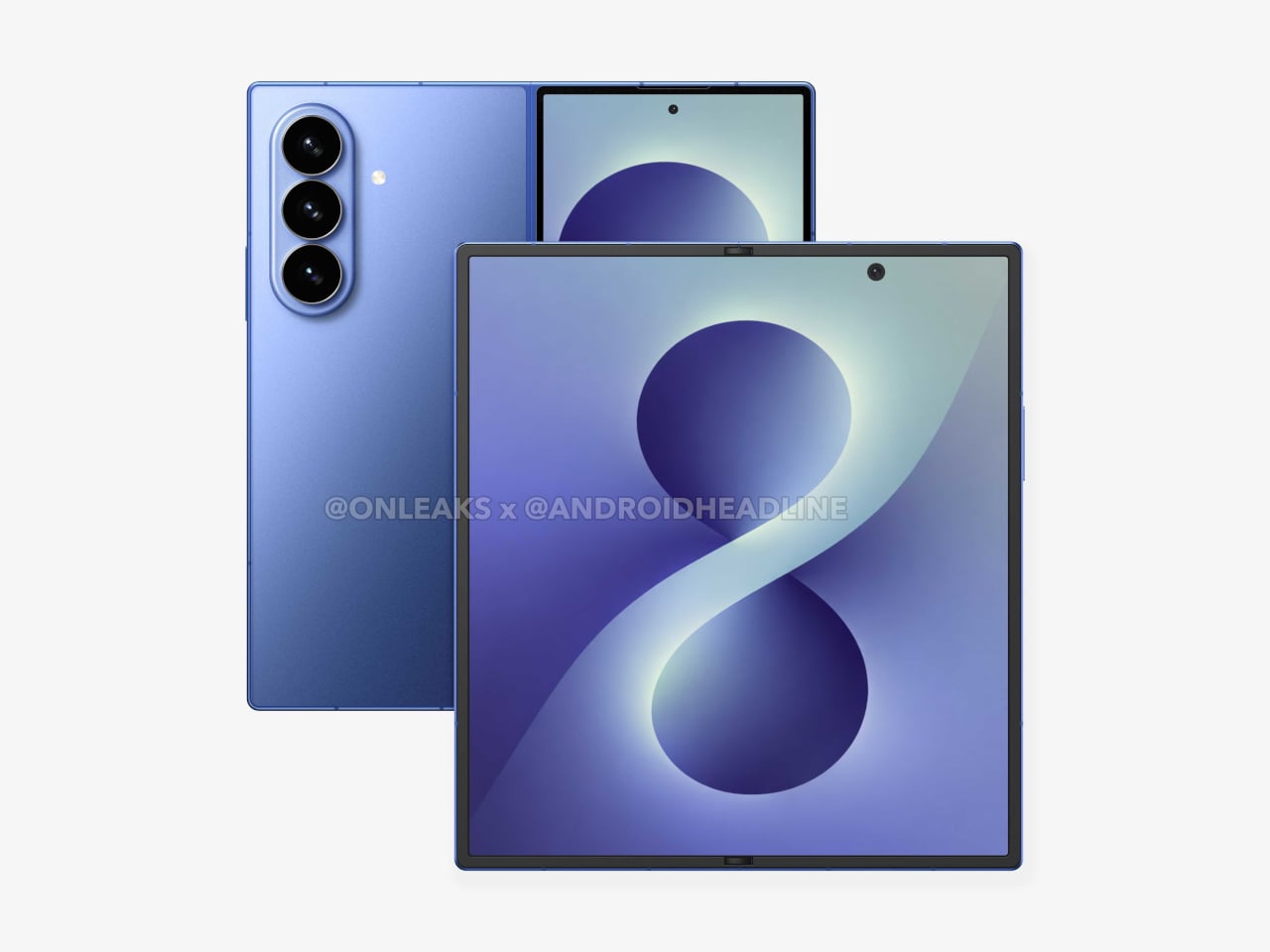
That might be changing, at least according to leaked CAD-based renders spreading on the Web like wildfire. The renders point to a device called the Galaxy Z Fold8 Wide, a book-style foldable that reportedly trades the Fold lineup’s tall proportions for a shorter, wider form factor. Samsung hasn’t confirmed any of this, and the final design could change.

Designer: Steve Hemmerstoffer/OnLeaks (Renders) via AndroidHeadlines

The leaked dimensions put the Galaxy Z Fold8 Wide at 123.9mm x 161.4mm x 4.9mm when unfolded and 123.9mm x 82.2mm x 9.8mm when folded, with the camera bump reaching 14.6mm at its thickest point. Those numbers describe a device that’s noticeably shorter and wider than the standard Galaxy Z Fold8, which reportedly unfolds to a taller 158.4mm x 143.2mm footprint.

The inner screen is reportedly a 7.6-inch display with a 4:3 aspect ratio, far closer to a classic tablet format than anything in Samsung’s current foldable lineup. Unfold it, and instead of a tall phone stretched sideways, you’d have something that feels at home for reading, video calls, or running two apps side by side. That ratio changes how you’d actually use it.

Google Pixel Fold (2023)

Google explored something similar with the first Pixel Fold in 2023, which had a 7.6-inch inner display with a 6:5 aspect ratio and unfolded to 139.7mm x 158.7mm. The Galaxy Z Fold8 Wide’s rumored 4:3 ratio would push the open screen more into landscape territory, and at a reported 9.8mm when folded, it would still be considerably thinner than the Pixel Fold’s 12.1mm.

The cover display follows the same logic. At 5.4 inches on an 82.2mm-wide body, it would carry a more usable, phone-like aspect ratio than the narrow cover panels on existing Z Fold devices. The trade-off, per the leak, is a dual-camera rear setup rather than the triple-lens arrangement on the standard Galaxy Z Fold8, which is worth noting for photography-focused buyers.

Samsung Galaxy Z Fold7

The timing of these leaks adds context. Samsung is reportedly planning to launch the Galaxy Z Fold8 Wide this summer alongside the standard Fold8 and Flip8, positioning the wider device as a direct answer to Apple’s anticipated iPhone Fold. The rumored internals include a Snapdragon 8 Elite Gen 5 for Galaxy chipset, a 5,000 mAh battery, and 45W wired charging.

Until Samsung makes an official announcement, none of this is confirmed, and CAD-based renders drawn from supply chain data don’t always reflect what ships. What these leaks do suggest, though, is that Samsung is seriously exploring a foldable form factor that puts the open screen first, with proportions that actually match what a device meant to be used open should look like.

The post Galaxy Z Fold8 Wide Leaks Show a Foldable With iPad-Like Proportions first appeared on Yanko Design.
Galaxy Z Fold 8 Renders: Same Look, Bigger Battery, and S Pen Is Back

Foldable phones have reached a point where the form factor itself is no longer the talking point it once was. The big, dramatic “look how it folds” moment has settled into a quieter rhythm of iterative refinement, with each generation tweaking dimensions and chasing thinner profiles. Most buyers know what a modern book-style foldable looks like, and the language of change has shifted from shape to substance.

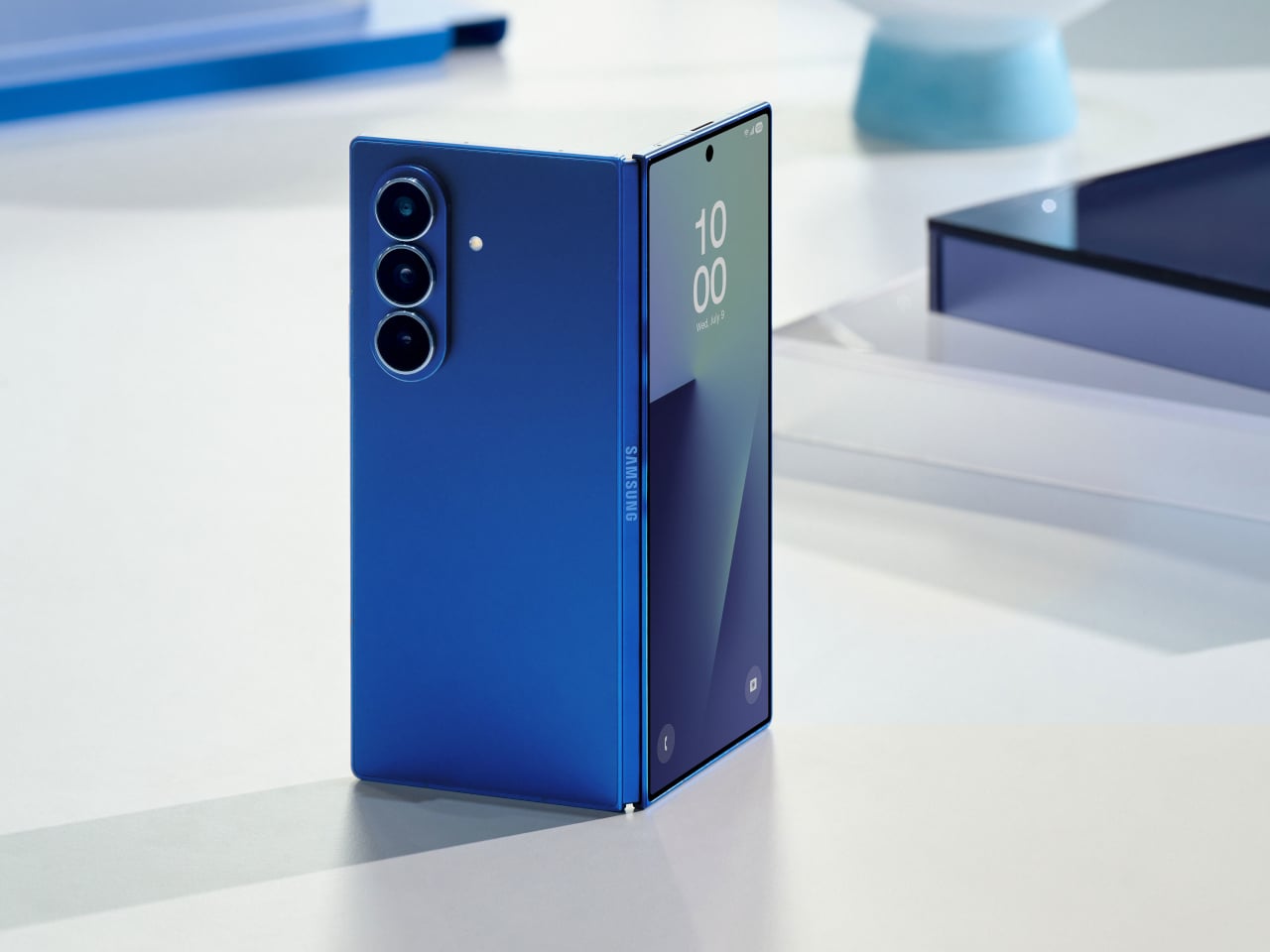
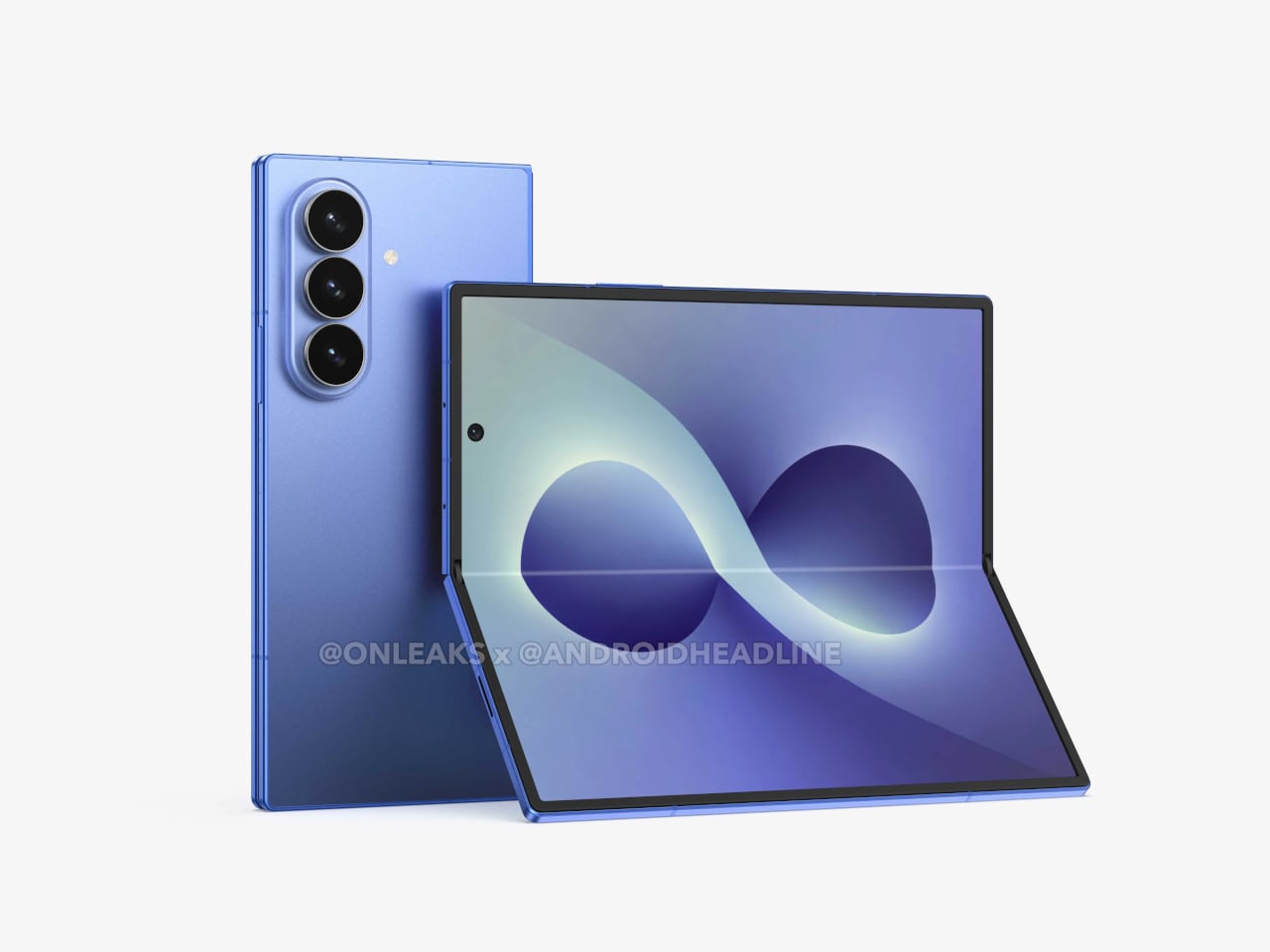
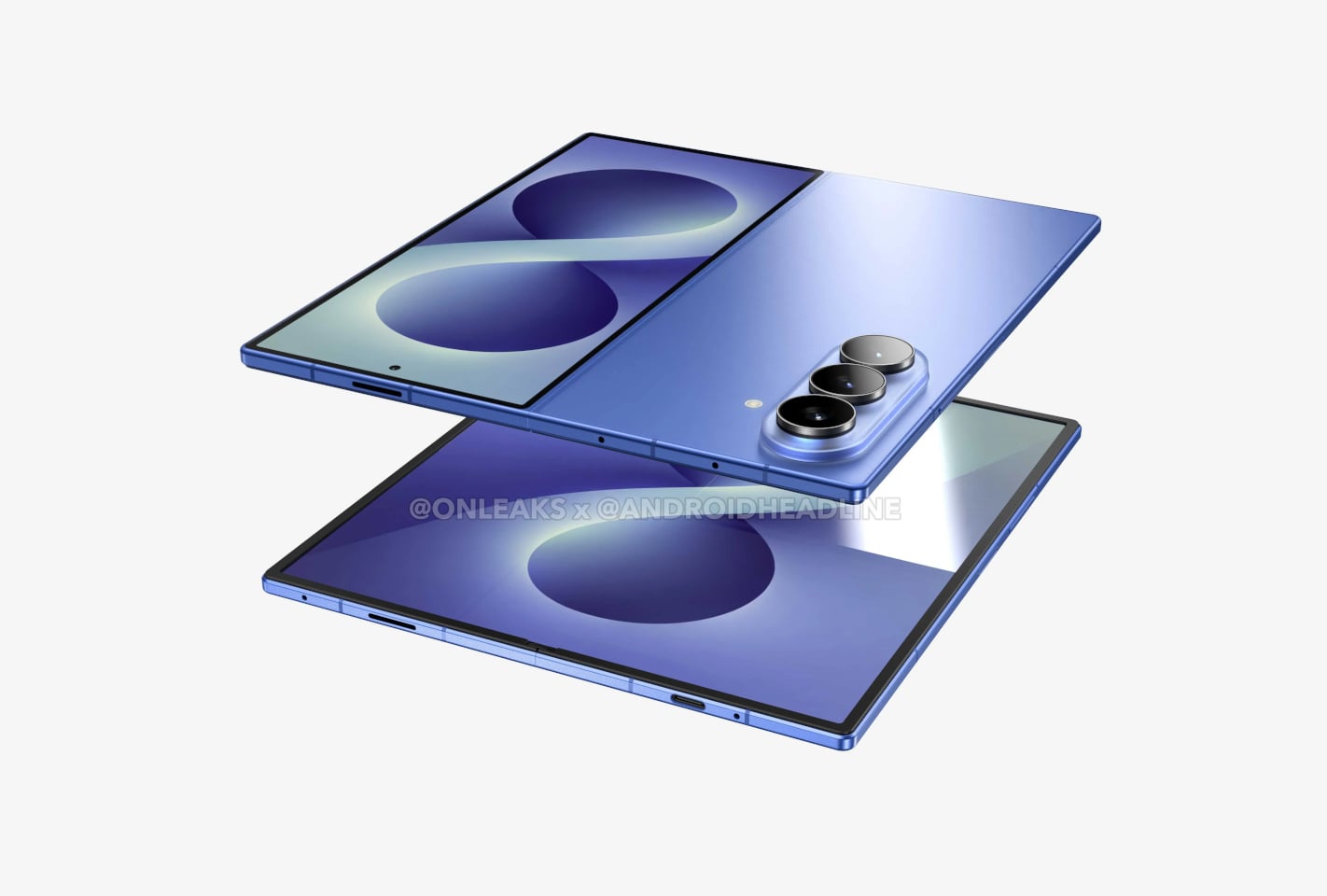
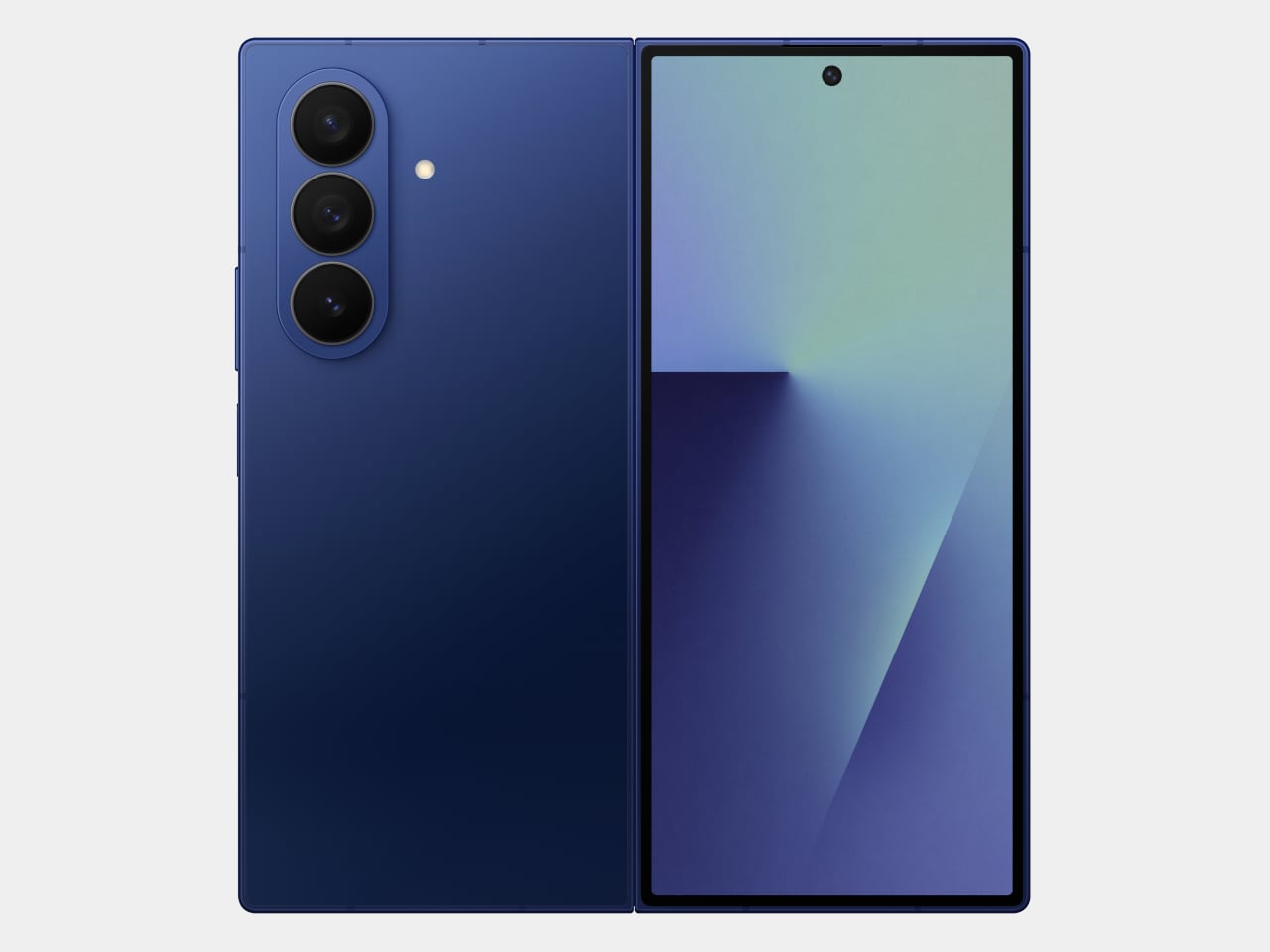
That’s the situation shaping the Samsung Galaxy Z Fold 8 conversation right now. Leaked CAD-based renders show a design that’s nearly indistinguishable from the Z Fold 7 pictured above: same flat sides, same sharp corners, same camera layout. The cover screen sits at 6.5 inches and the inner display at 8 inches, both unchanged. If you handed someone these renders without context, they’d probably just guess it was another angle of last year’s model.

Designer: Steve Hemmerstoffer/OnLeaks (Renders) via AndroidHeadlines

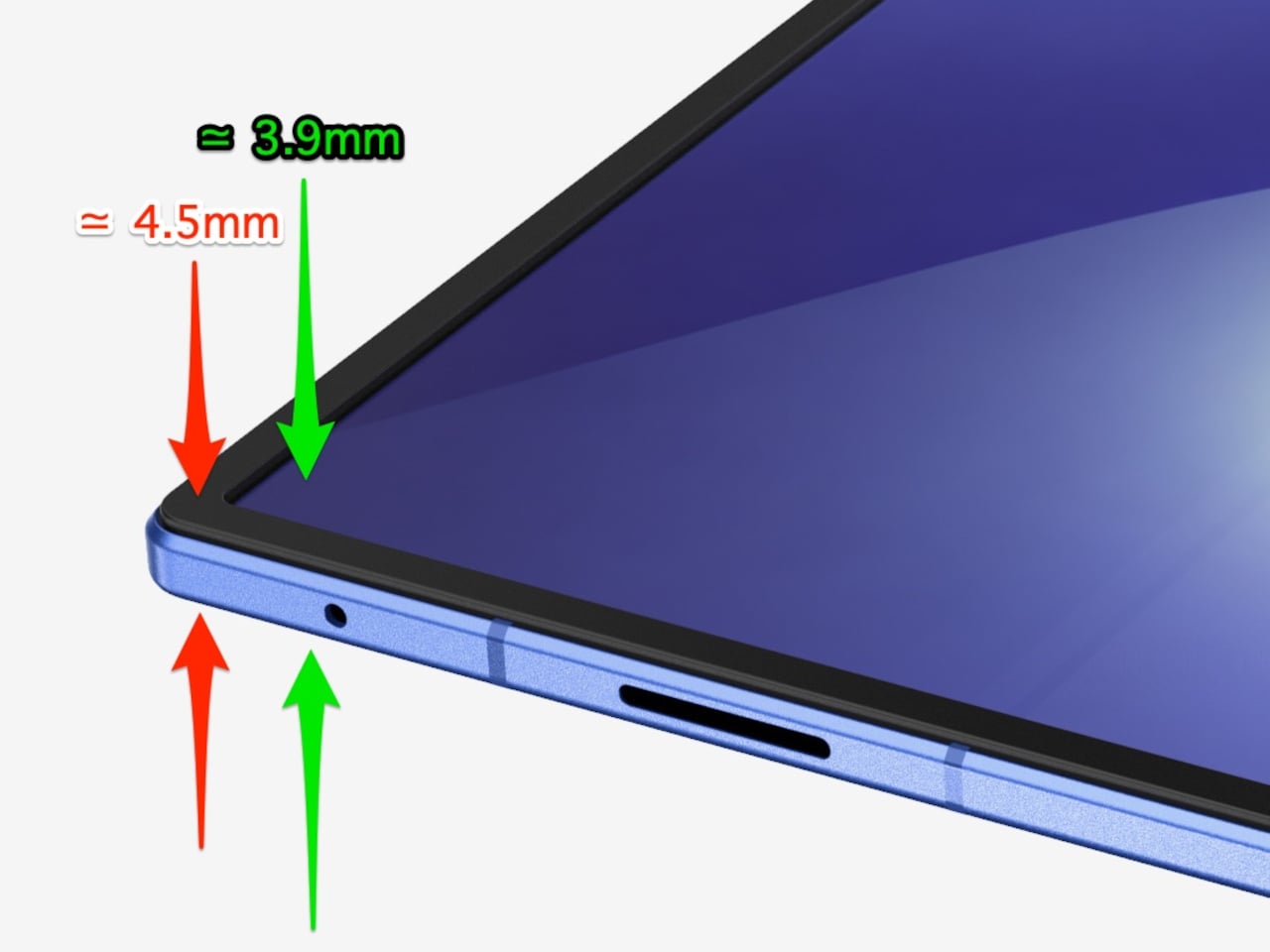
There’s one notable external difference, though, and it actually goes in the wrong direction. The leaked dimensions put the Z Fold 8 at 4.5mm thick when open and 9mm folded, compared to the Fold 7’s 4.2mm and 8.9mm. That’s a slight regression for a phone that went to considerable lengths to slim down the year prior. It’s not dramatic, but for a device that made a point of its thinness, it’s worth flagging. That said, the 4.5mm figure includes the protruding bezels around the display; it’s actually just 3.9mm thin.

The likely reason for that extra thickness is one of the better leaks so far: the possible return of S Pen support. Samsung dropped the stylus from the Fold 7, and that’s been a consistent complaint from the people who actually used it for note-taking or sketching on that wide inner canvas. If the S Pen does come back, a fraction of a millimeter is a fair trade for most of those users.

The battery theory, however, is probably more probable. A jump from 4,400 mAh to a rumored 5,000 mAh would mark the first capacity upgrade since the Galaxy Z Fold 3, and pairing that with 45W wired charging, up from 25W, addresses one of the more persistent frustrations with this lineup. Spending less time near an outlet matters more on a device you’re likely using across more tasks throughout the day.

The camera is also in line for a significant upgrade, according to the same leak. The main sensor is rumored to still be 200MP, and the ultrawide jumps from 12MP to 50MP. That ultrawide improvement in particular has been a long time coming. The gap between the Fold’s main and ultrawide cameras has been noticeable enough that it’s affected how people use the phone outdoors.

All of this is still leak territory, of course, pulled from CAD renders and a specs tipster ahead of what’s expected to be a July 2026 Unpacked announcement. Samsung hasn’t confirmed any of it, and final specs frequently shift between early renders and launch day. The Z Fold 8 is shaping up to be a phone that looks familiar and updates what actually needs updating, but none of that is official yet.

Galaxy Z Fold7

The post Galaxy Z Fold 8 Renders: Same Look, Bigger Battery, and S Pen Is Back first appeared on Yanko Design.
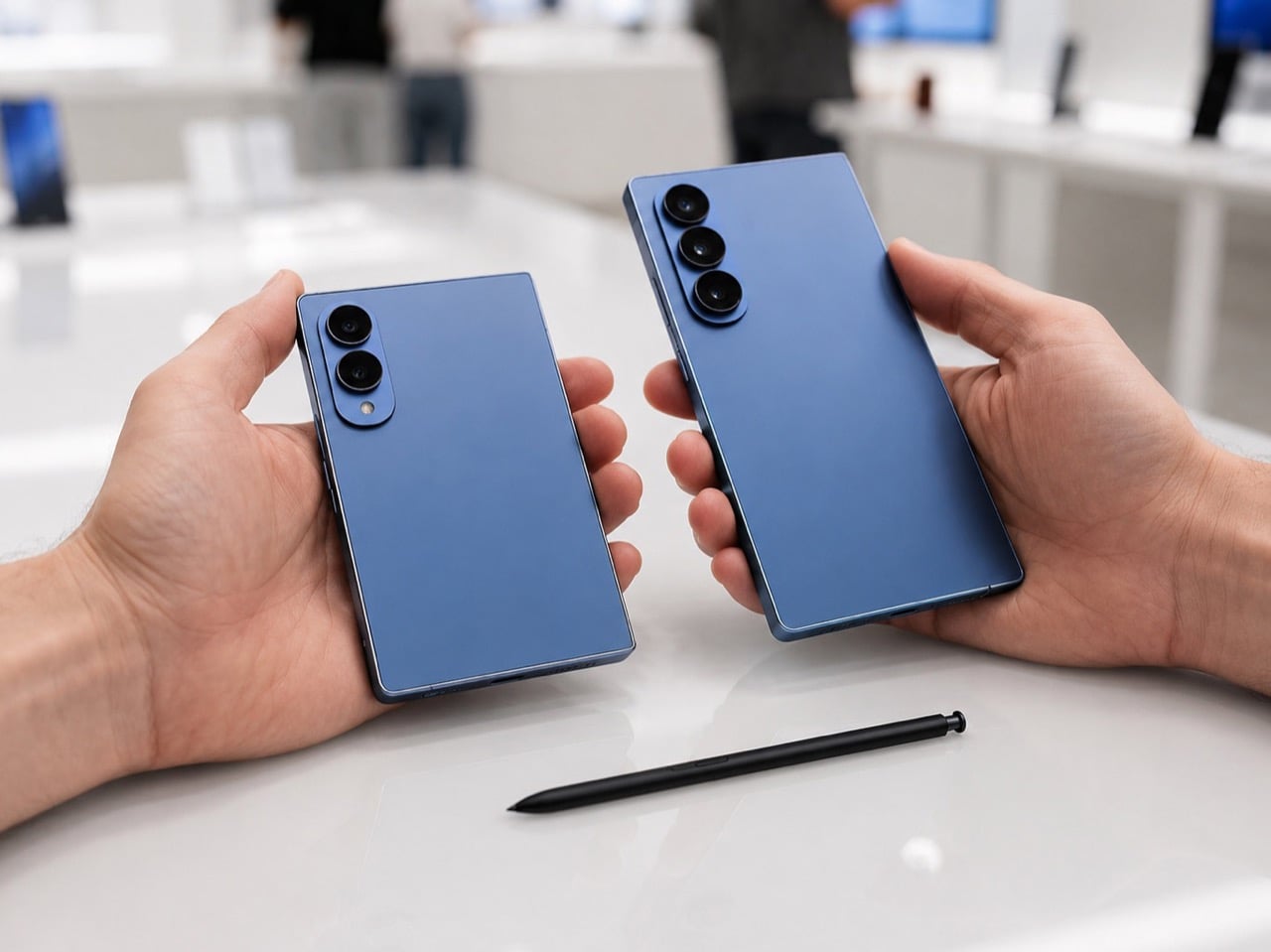
The Samsung Galaxy Z Fold 6 Special Edition You Desire is Here — But You Can’t Buy It!

Samsung has finally made the right changes with the Galaxy Z Fold 6 Special Edition (SE), refining their approach to foldable smartphone innovation. Building on the Z Fold 6, this new edition introduces practical upgrades that raise the bar for foldable technology. While South Korean tech enthusiasts are celebrating, the rest of the world can only wait, wondering when or if they’ll get access to this exclusive release. Let’s take a closer look at why the Galaxy Z Fold 6 Special Edition is such a pivotal step for Samsung and why it’s leaving global consumers wanting more.

Designer: Samsung

Advancements in Design

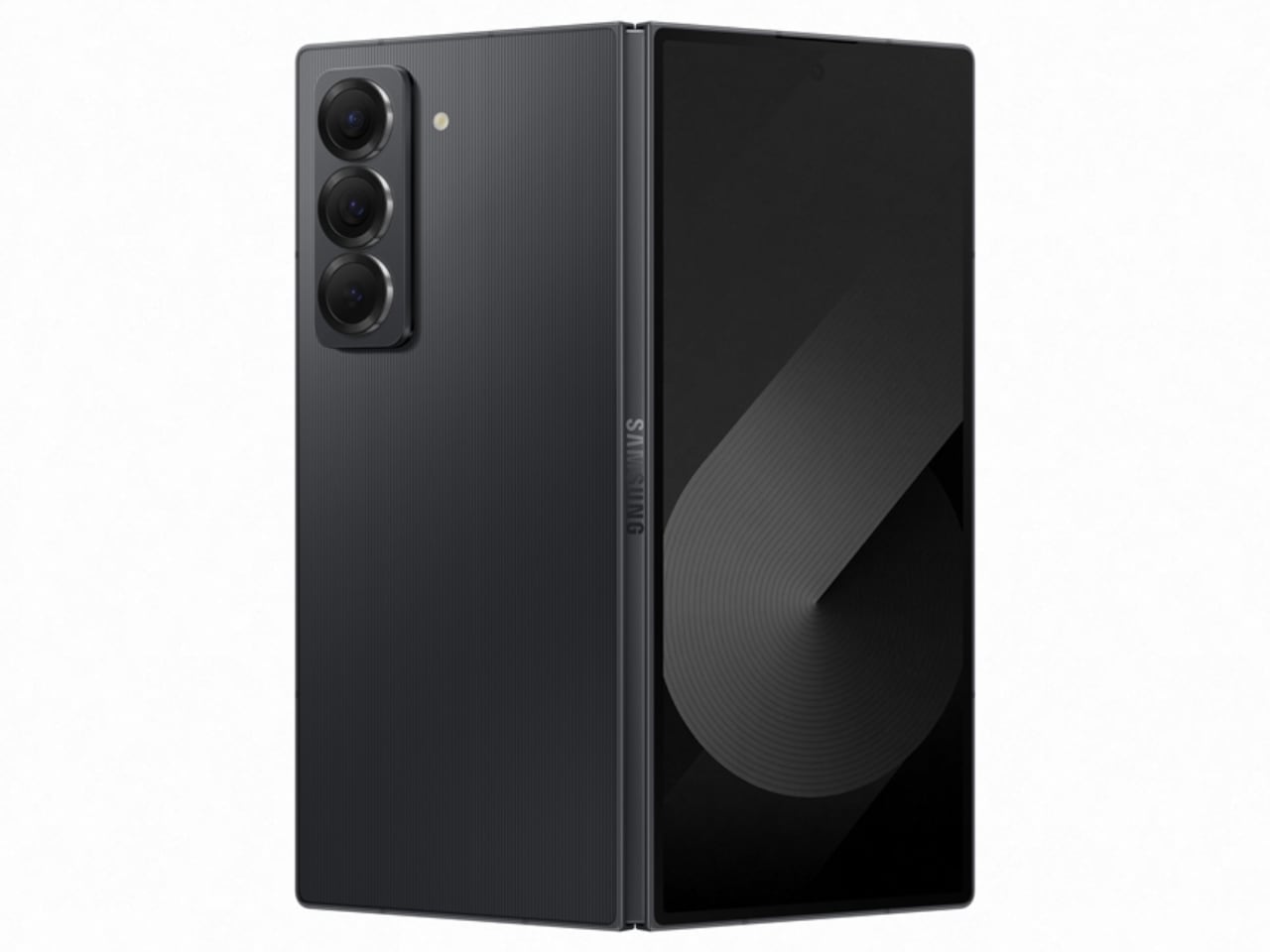
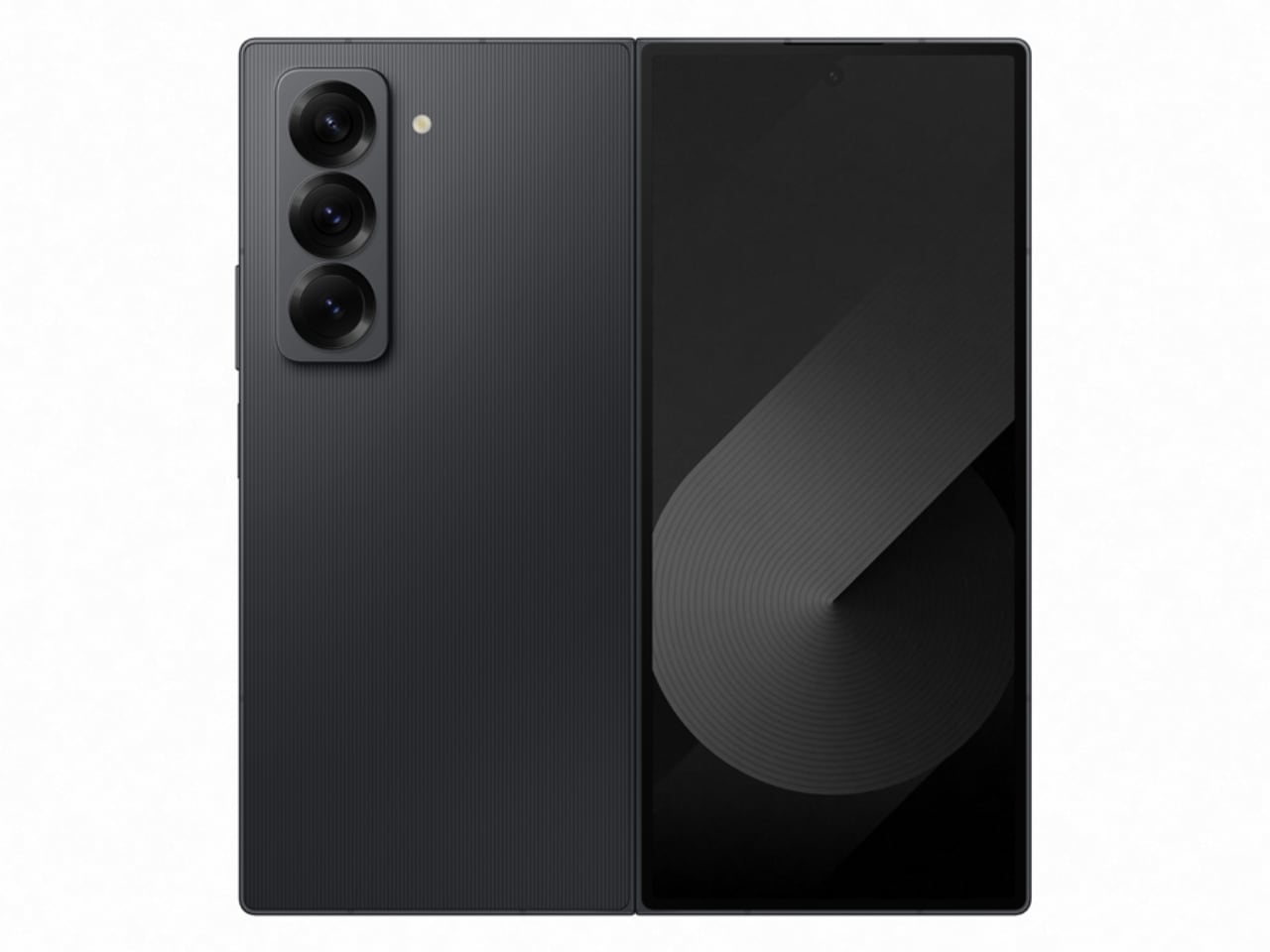
Samsung continues to lead in foldable technology, and the Galaxy Z Fold 6 SE redefines design expectations. It’s thinner and lighter than its predecessor, measuring just 10.6mm when folded and 4.9mm when unfolded, showcasing Samsung’s commitment to refining foldable devices. This sleek profile enhances usability and addresses long-standing demands for a more elegant foldable design.

Image Samsung: Z Fold 6 Special Edition

The Galaxy Z Fold 6 SE features larger displays, with an 8-inch foldable screen and a 6.5-inch cover screen, offering a larger canvas for productivity and entertainment. The internal screen’s 20:18 aspect ratio and the external screen’s 21:9 ratio provide a traditional smartphone experience when closed, addressing complaints about cramped outer screens on previous models.

Camera Enhancements

The camera system on the Galaxy Z Fold 6 SE has been upgraded with a 200MP primary camera, aligning it with Samsung’s flagship Galaxy S24 Ultra and closing the gap with competitors like Google and Apple. This high-resolution sensor promises superior detail and dynamic range, appealing to photography enthusiasts. While other cameras remain unchanged from the Fold 6, the main sensor’s improvement is significant.

Image Samsung: Z Fold 6 Special Edition

However, these advancements come with a high price. The Galaxy Z Fold 6 SE starts at around $2,000, a substantial increase from the Fold 6’s price. This reflects the high-end materials and engineering required for its slim profile and large screens, raising questions about its value compared to the more affordable Fold 6.

Market Availability Challenges

The Galaxy Z Fold 6 SE is initially exclusive to the South Korean market. This strategy may be a nod to Samsung’s home market, where foldables are popular, but it leaves potential buyers in other regions, such as North America and Europe, feeling excluded.

Image Samsung: Z Fold 6 Special Edition

Limiting the launch to South Korea could be a strategic test of market response before a wider rollout or a move to cater to domestic preferences. This approach is not unprecedented; Apple has also introduced products exclusively in certain markets before global availability.

Comparing the Z Fold 6 and Z Fold 6 Special Edition

Several key differences emerge between the Galaxy Z Fold 6 and the SE:

  • Design: The SE is thinner and features a unique striped design and rectangular camera bump, appealing to those seeking a distinctive look. The Fold 6 maintains a more conservative design.
  • Display: The SE’s larger screens provide an immersive experience. However, it lacks S Pen functionality due to the absence of a digitizer layer for a slimmer profile, a feature retained by the Fold 6 that may appeal to productivity-focused users.
  • Camera: The SE’s 200MP main sensor enhances imaging capabilities. While the Fold 6’s camera is commendable, the SE’s upgrade could attract photography enthusiasts despite the price difference.
  • Performance: Both models use the Snapdragon 8 Gen 3 for Galaxy, ensuring top performance. The SE’s 16GB of RAM is an improvement over the Fold 6’s 12GB, offering smoother multitasking.
  • Pricing and Availability: The Fold 6 is more accessible globally at a lower price, making it a more viable choice for many consumers.

Samsung Galaxy Fold6

Samsung Galaxy Fold6

Final Thoughts

The Galaxy Z Fold 6 Special Edition is a significant step for Samsung, showcasing foldable design and technology advancements. It responds to critics and competitors with a thinner, lighter design and superior camera. Yet, its limited availability means this technological leap remains out of reach for many consumers. While it’s an exciting upgrade for South Korea, it’s a missed opportunity for the rest of the world.

Image Samsung: Z Fold 6 Special Edition

This situation reflects a broader trend in tech, where exclusivity can create desire and alienate many consumers. As Samsung continues to innovate, there is hope that future foldables will be more accessible worldwide, bridging the gap between innovation and availability. Until then, the Galaxy Z Fold 6 Special Edition symbolizes Samsung’s capabilities, but not necessarily what consumers can experience.

The post The Samsung Galaxy Z Fold 6 Special Edition You Desire is Here — But You Can’t Buy It! first appeared on Yanko Design.
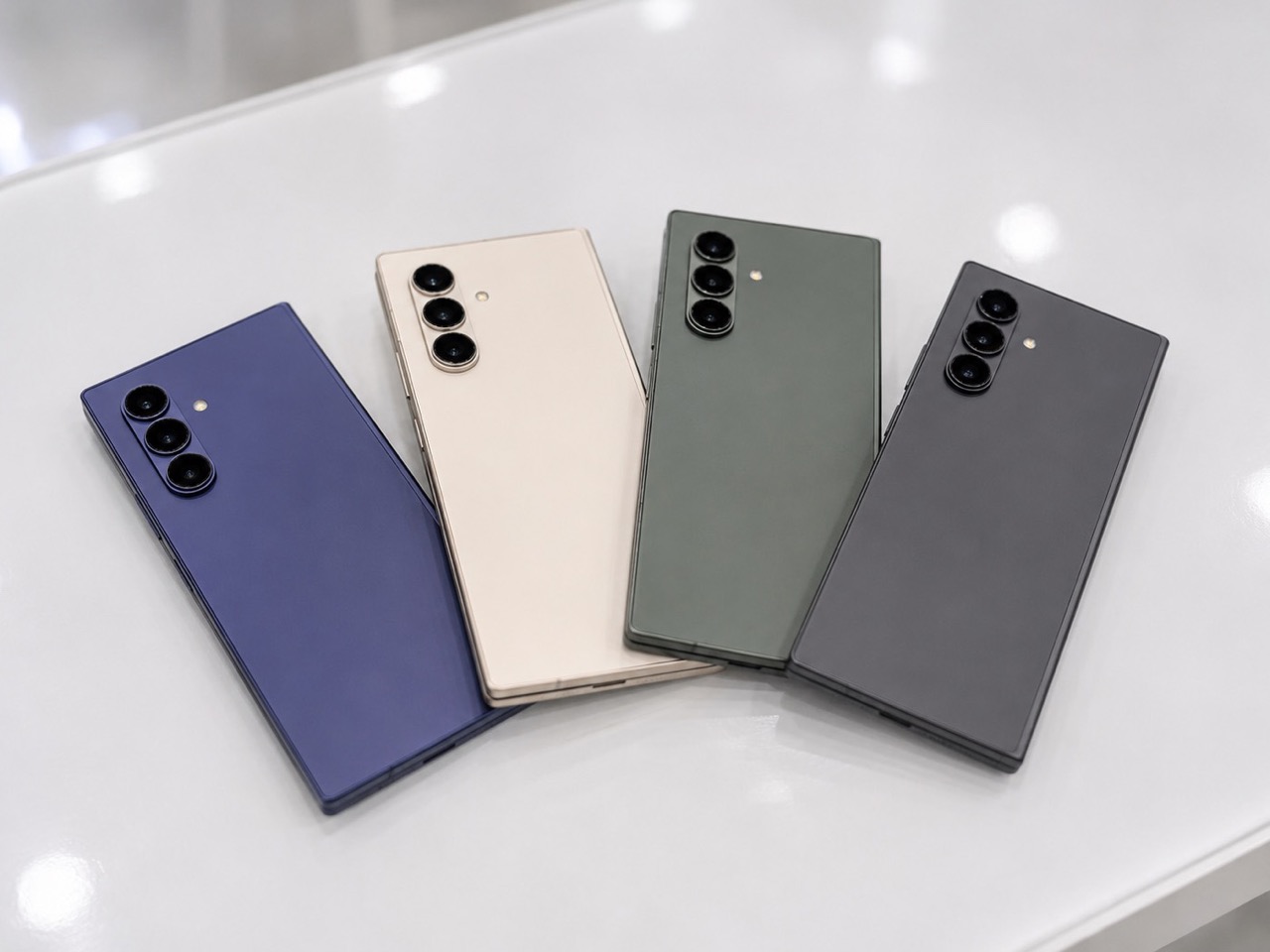
Galaxy Z Fold6 Ultra: Thinner Design vs. S Pen Support—What Matters Most Ahead of the Rumored September 25 Launch?

Samsung’s upcoming Galaxy Z Fold6 “Slim” raises a new question about foldable smartphone design: What’s more important to you—a slimmer, more portable device or the continued support of the S Pen, a tool that has become synonymous with Samsung’s productivity-focused devices?

Samsung Galaxy Z Fold6 with case and stylus

Designer: Samsung

The rumored launch of the Galaxy Z Fold6 Slim in South Korea on September 25 suggests that Samsung is moving towards an ultra-thin design. At just over 10mm thick, this foldable could be the thinnest in Samsung’s lineup, prioritizing portability and ease of use. This shift, however, comes at the cost of a beloved feature: S Pen support. By opting for a slimmer profile, Samsung has reportedly removed the necessary film that allows the S Pen to function, leading to a significant trade-off between form and function.

Samsung Galaxy Fold6

The decision to slim down the Galaxy Z Fold6, potentially at the expense of the S Pen, raises a key question for users. The S Pen has been a defining feature for many Galaxy Fold users, offering precision and enhancing productivity, particularly for tasks like note-taking, sketching, and navigation. For professionals and creative users, the S Pen is an essential tool that significantly enhances the capabilities of their devices. Losing this feature could be a dealbreaker for those relying on the stylus for daily tasks.

On the other hand, a slimmer, more elegant device could appeal to users who prioritize portability and design. The rumored titanium frame, which could replace the aluminum used in previous models, contributes to a thinner profile while elevating the device’s durability and premium feel. The thinner form factor and lightweight design make it easier to carry and handle, addressing one of the main criticisms of foldable phones: their bulkiness.

But does the sleekness of a thinner device justify the loss of the S Pen? For some, the answer may be yes. A thinner device fits better into pockets and hands, making it more convenient for everyday use. Unlike the Galaxy S24 Ultra, which has an integrated slot for the S Pen, the Galaxy Fold series requires users to manage the S Pen separately, which can be cumbersome. Perhaps this is Samsung’s plan to gradually “weed” owners off the S Pen by not including it in their newer, slimmer foldable models. Personally, I feel that the stylus on a foldable phone feels as outdated as the physical keyboards on early smartphones. I rarely use the stylus anymore, and I’d much rather have a thinner, more lightweight device. The larger screens—6.5 inches externally and 8 inches internally—ensure that users still get an expansive display experience, even with the reduced thickness. This could appeal to a broader audience, especially those who might have hesitated to adopt a foldable phone due to concerns about size and weight.

Galaxy S24 Ultra with integrated stylus holder

However, the trade-off might not be worth it for users who have come to depend on the S Pen. The stylus adds a layer of functionality that a thinner device can’t replace. One particular feature I love about the S Pen on the S24 Ultra is the ability to take pictures—a convenient tool for solo content creators. I also track the stock market, and using the S Pen with Trading View for charting is amazing, so I would definitely miss the pen for that use case. Without the S Pen, tasks that require precision or creativity might become more cumbersome, detracting from the overall user experience.

Samsung Galaxy Z Fold6

What do you think, Yanko Design readers? Does the decision boil down to personal preference and priorities? If you value a sleek, portable device that fits seamlessly into your lifestyle, the Galaxy Z Fold6 Slim might be the perfect evolution of Samsung’s foldable lineup. However, if the S Pen is an indispensable tool in your arsenal, the standard Galaxy Z Fold6 or previous models might still hold more appeal. I find the “Slim” addition to the name rather silly, and I would bet money on Samsung going with “Galaxy Fold6 Ultra” over “Slim.” We’re still finalizing our review of the new Galaxy Fold6, so stay tuned for our thoughts.

The post Galaxy Z Fold6 Ultra: Thinner Design vs. S Pen Support—What Matters Most Ahead of the Rumored September 25 Launch? first appeared on Yanko Design.
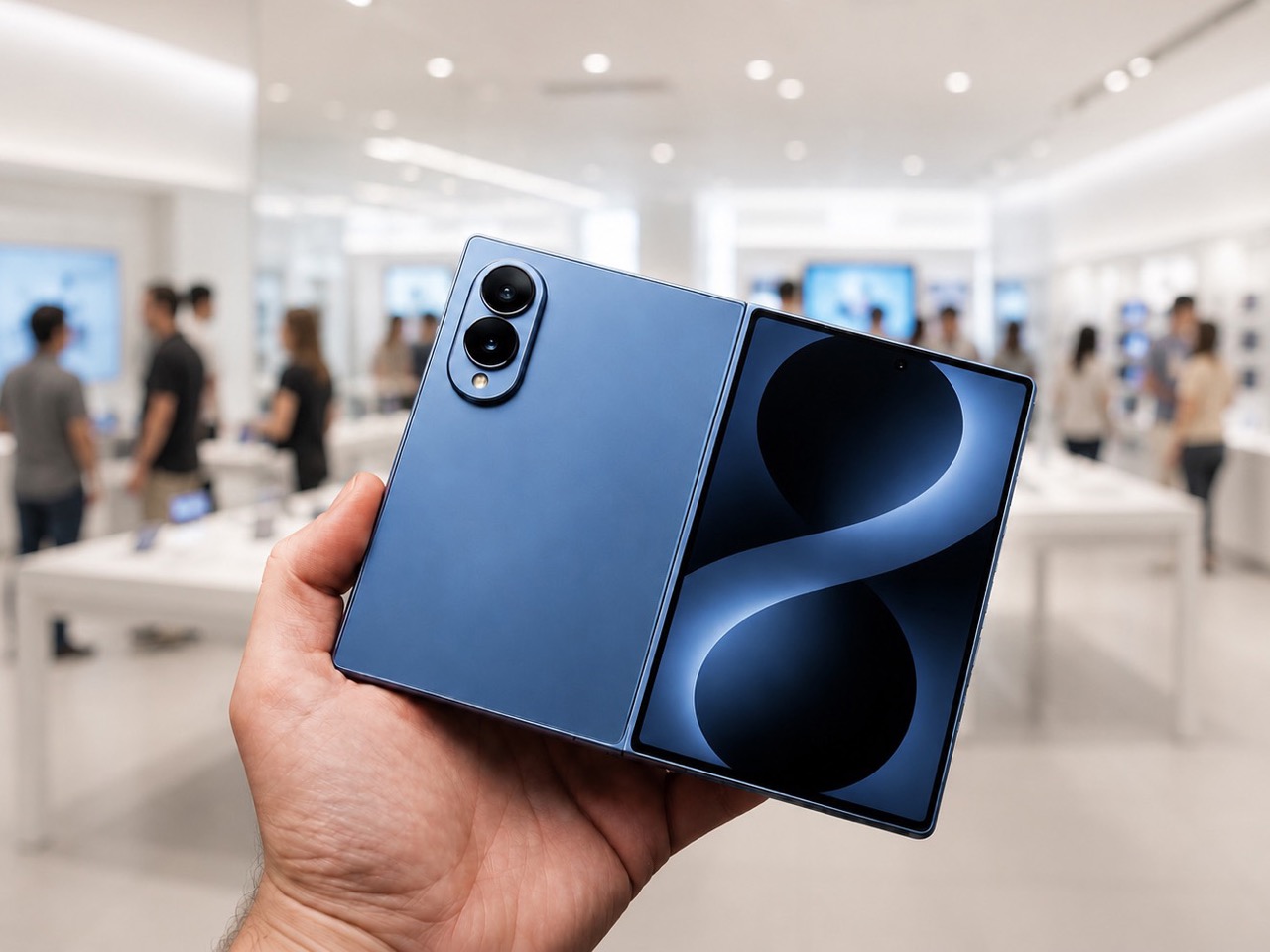
Samsung Galaxy Z Fold 6 and Z Flip 6 Leak: Complete Specs and Features

Samsung is gearing up to reveal its latest foldable smartphones, the Galaxy Z Fold 6 and Galaxy Z Flip 6. With the Samsung Unpacked event just around the corner, detailed specs for both devices have already leaked, giving us a sneak peek at what’s coming.

Designer: Samsung

Samsung Galaxy Z Fold 6

The Galaxy Z Fold 6 comes with some exciting upgrades. The 7.6-inch inner screen now boasts a max brightness of 2,600 nits, up from 1,750 nits, making it much easier to see in bright daylight. The outer screen remains a useful 6.3 inches, with slight improvements in size and resolution for a better overall viewing experience.

Image via Evan Blass

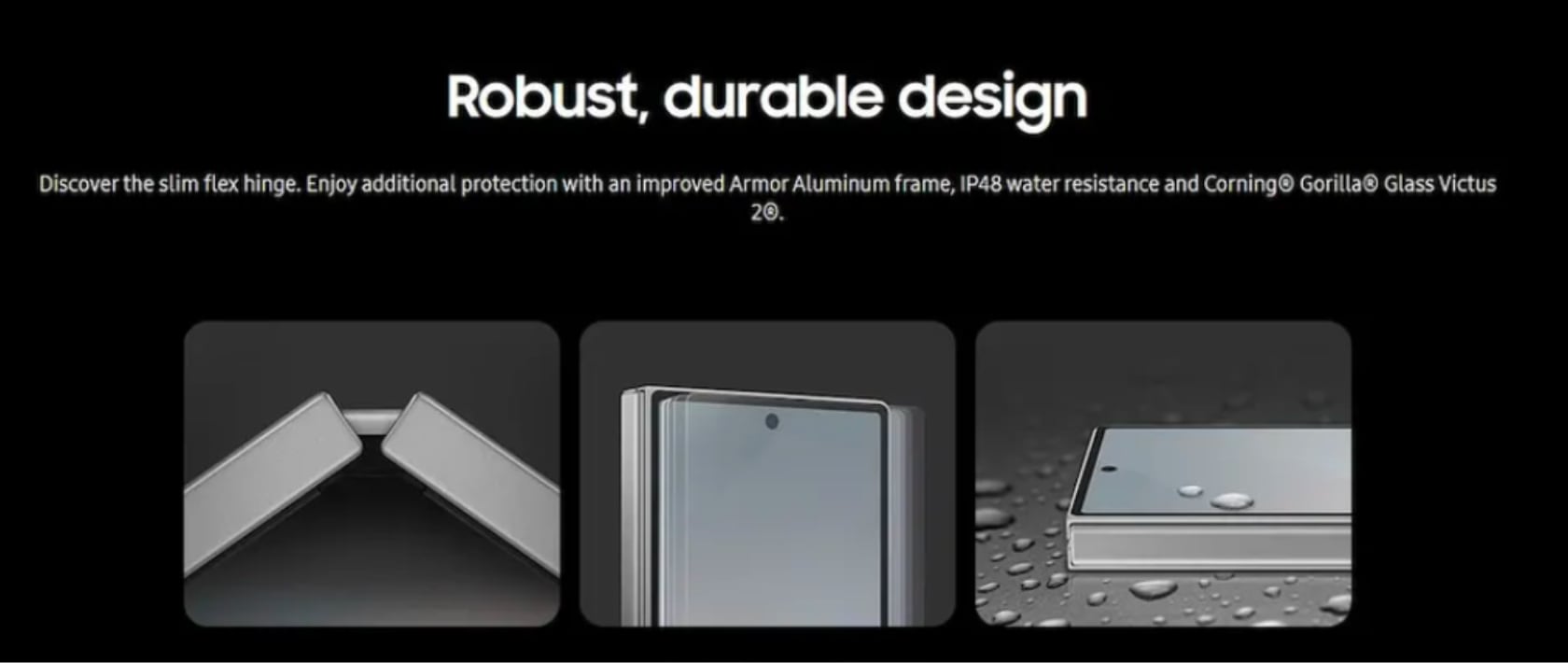
Under the hood, the Z Fold 6 is powered by the new Snapdragon 8 Gen 3 processor, which promises faster and more efficient performance. You’ll also get an extra hour of LTE internet use and two more hours of video playback, perfect for those long days out. Design-wise, the Fold 6 is 14 grams lighter and a bit more compact, making it easier to carry around. It’s 1.4mm shorter, 1mm wider, and 1.3mm thinner when folded, and 1.4mm shorter, 2.7mm wider, and 0.5mm thinner when unfolded. The improved Armor Aluminum frame ensures better durability without adding extra weight. A minor yet noteworthy change is the secondary screen being 0.1 inches larger. The main display resolution has slightly changed to 2160×1856 from 2176×1812. However, the cameras, battery capacity (4400mAh), and Gorilla Glass Victus 2 cover glass remain the same.

Image via Evan Blass

The design of the Z Fold 6 also focuses on functionality and portability. Despite its large display, the device is slim and lightweight, making it pocket-friendly. Samsung has improved the hinge mechanism, offering a smoother folding experience. The Z Fold 6 also supports the S Pen, making it a versatile tool for note-taking and productivity on the go.

Image via Evan Blass

Samsung Galaxy Z Flip 6

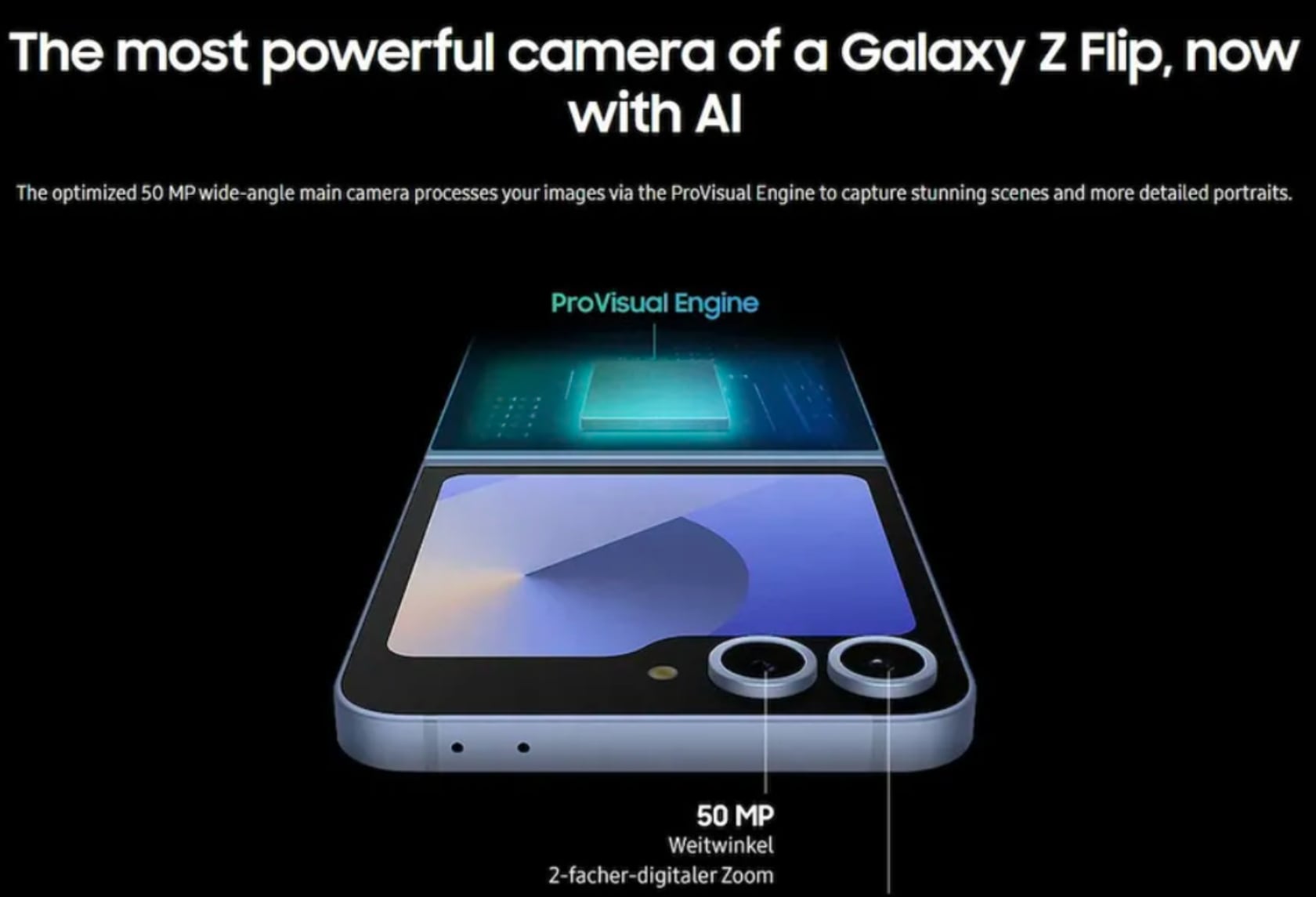
The Galaxy Z Flip 6 is also getting some cool updates. The main camera is now a powerful 50MP, up from 12MP, while retaining the same f/1.8 aperture for stunning photos. Another significant change is the switch to an IPS display from OLED, which might affect color quality slightly but could improve durability.

Image via Evan Blass

Equipped with the new Snapdragon 8 Gen 3 processor and upgraded to 12GB of RAM from 8GB, the Galaxy Z Flip 6 ensures smooth multitasking and performance. The higher capacity 4,000mAh battery (up from 3,700mAh) extends internet usage by two hours and video playback by three hours, making it a reliable companion for prolonged use. When folded, the device is 0.2mm thinner, with other dimensions and weight remaining unchanged. A notable aesthetic update is that the entire phone reflects your chosen color, not just one panel on the back, for a more unified and stylish look. Like the Fold 6, the Flip 6 is protected by Gorilla Glass Victus 2.

Display Comparison: Z Flip 4, 5, and 6

We see some exciting changes when comparing the display sizes across the Z Flip series. The Z Flip 6 has a 6.7-inch inner screen and a 3.4-inch outer screen, consistent with the Z Flip 5, but a significant jump from the Z Flip 4’s 1.9-inch outer screen. This increase provides a more useful and interactive external display, enhancing functionality without unfolding the device. Additionally, the Z Flip 6’s switch to an IPS display for the outer screen, from OLED, indicates a focus on durability and other display qualities.
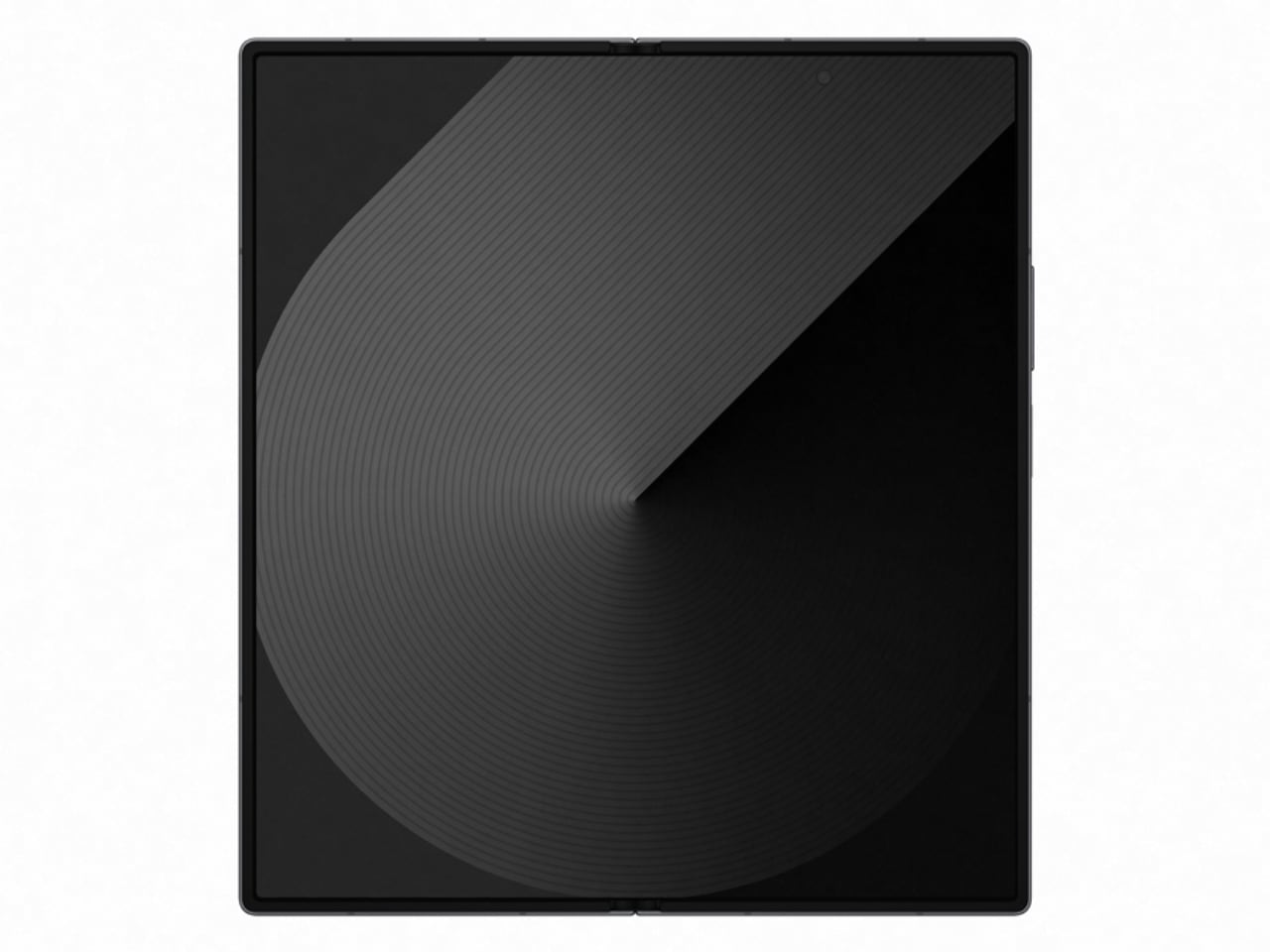
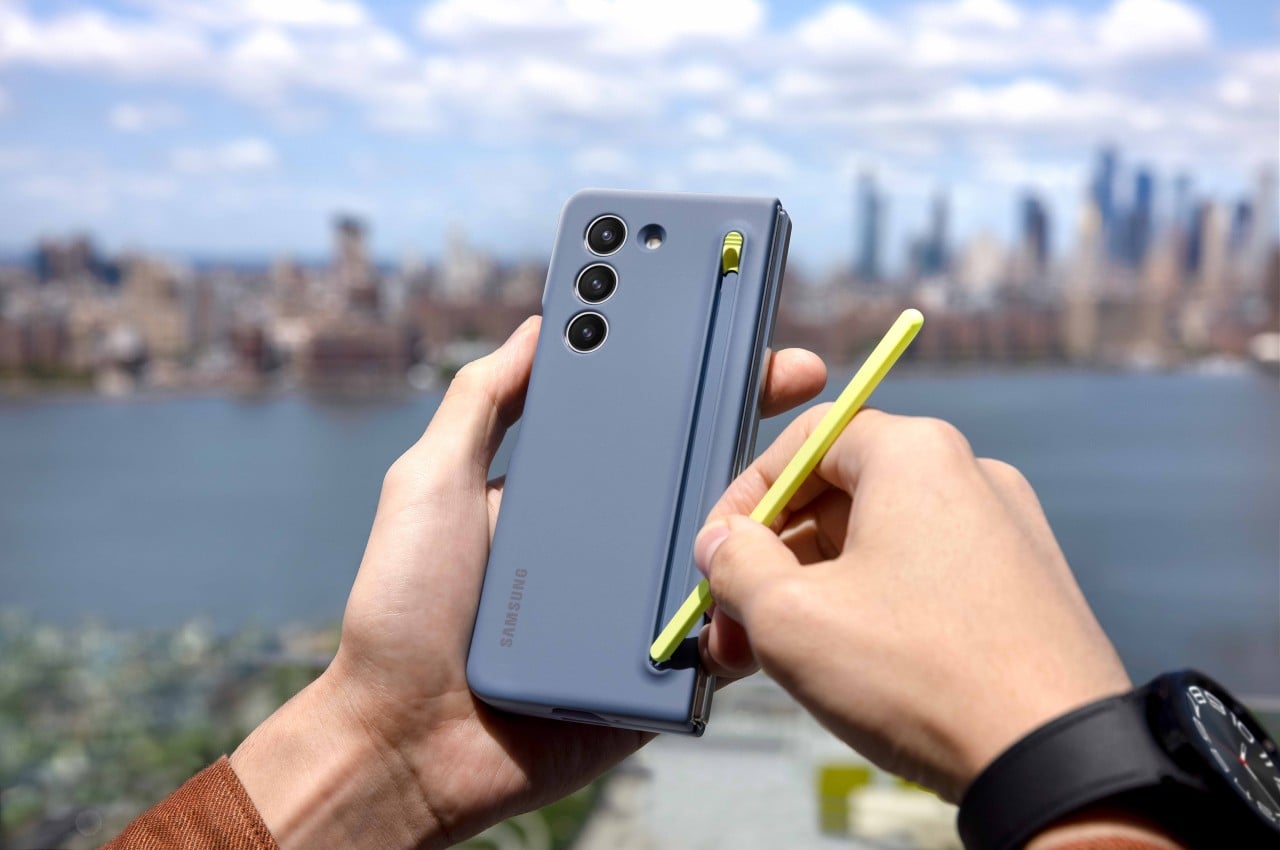
Image via Evan Blass

New Features and Improvements

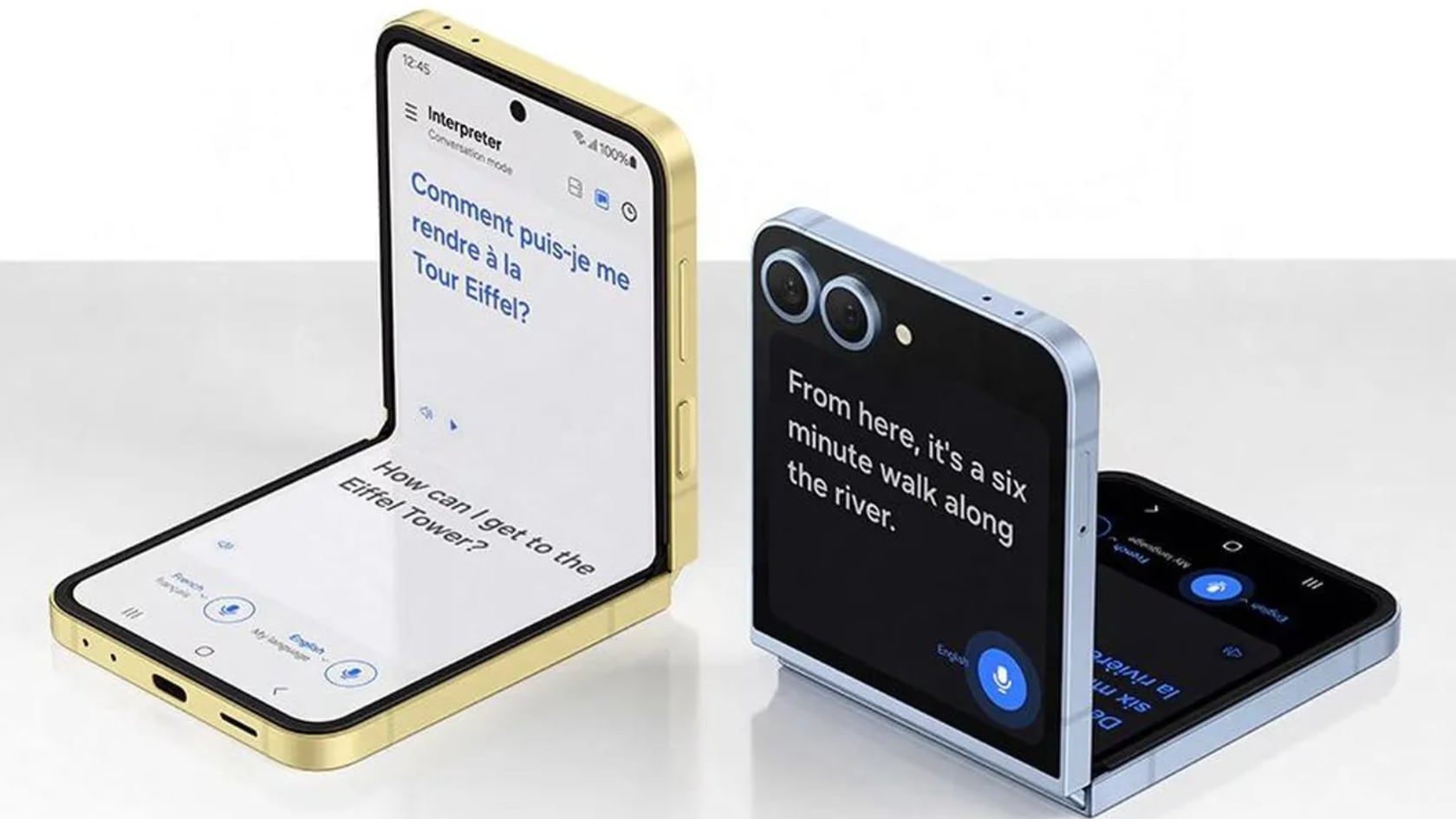
The Galaxy Z Flip 6 introduces several innovative features. The front cover screen now supports Samsung’s language-translating Interpreter Mode, allowing you to communicate more effectively in different languages. It also has Chat Assist, which lets you send messages directly from the front display with suggested replies curated by context-sensitive AI. The Circle to Search with Google feature enables users to instantly circle an object or text and get search results.

Image via Evan Blass

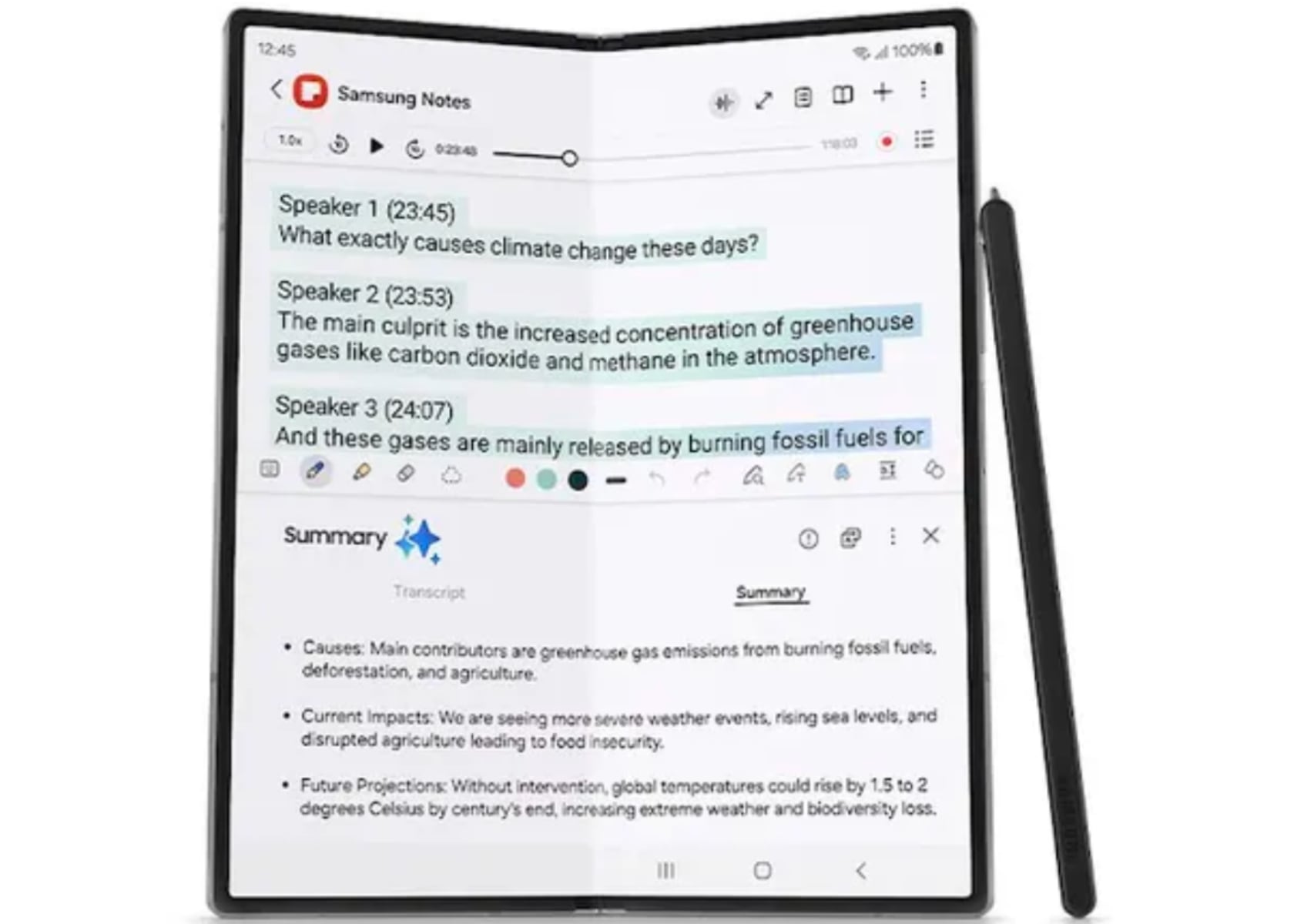
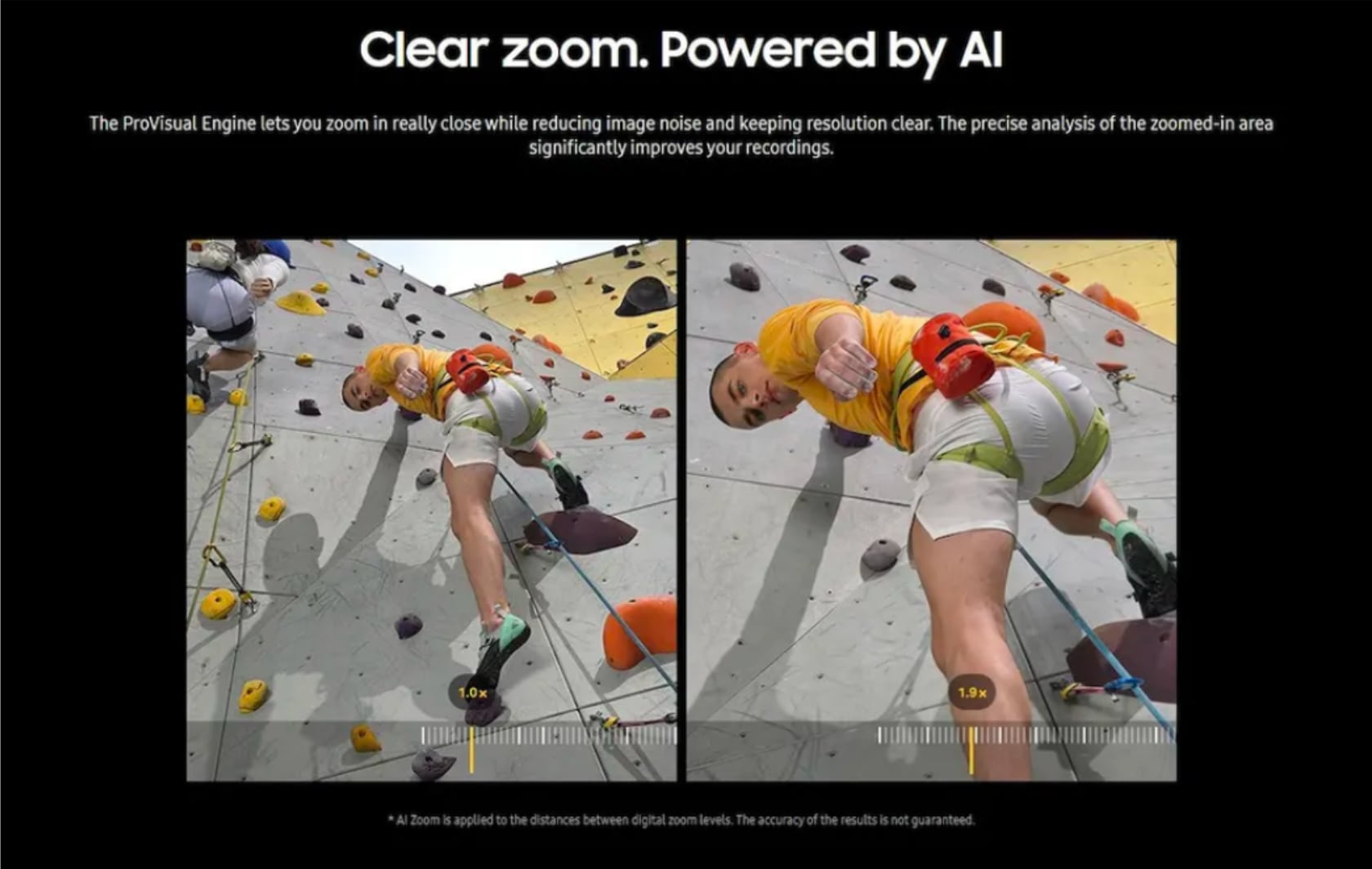
On the Galaxy Z Fold 6, the AI Note Assist helps summarize notes, making organizing your thoughts and ideas more accessible. The device also offers an immersive gaming experience with its high-brightness display and improved performance. The ProVisual Engine on both devices enhances camera capabilities, providing clear zoom and detailed photos powered by AI.

Image via Evan Blass

With the official launch on July 10th, these leaks have given us a comprehensive look at what to expect. Whether you’re after better performance, enhanced camera features, or stylish design tweaks, the Samsung Galaxy Z Fold 6 and Galaxy Z Flip 6 are shaping up to be great new additions to the foldable phone market.

The post Samsung Galaxy Z Fold 6 and Z Flip 6 Leak: Complete Specs and Features first appeared on Yanko Design.