Google Pixel 11 Renders Suggest Its Cleanest Design Before a Redesign

Smartphone design has been converging on a single, almost universal ideal: more screen, less frame. Brands across the spectrum have spent the last few years shaving down bezels, flattening camera bumps, and chasing a kind of visual minimalism that would have seemed impossible a decade ago. The race to the thinnest, cleanest slab has become almost as competitive as the spec war, and no brand is immune to that pressure.

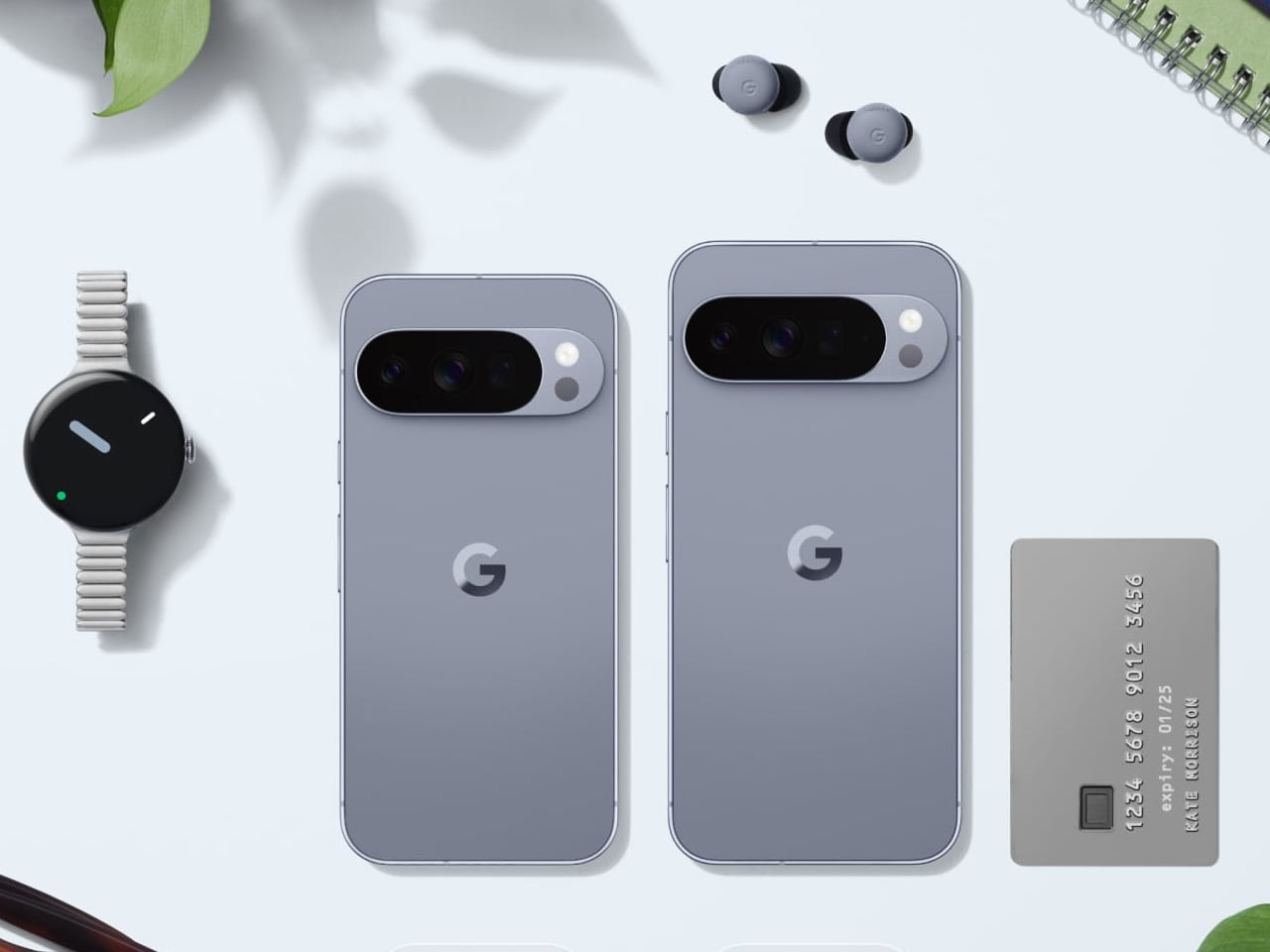
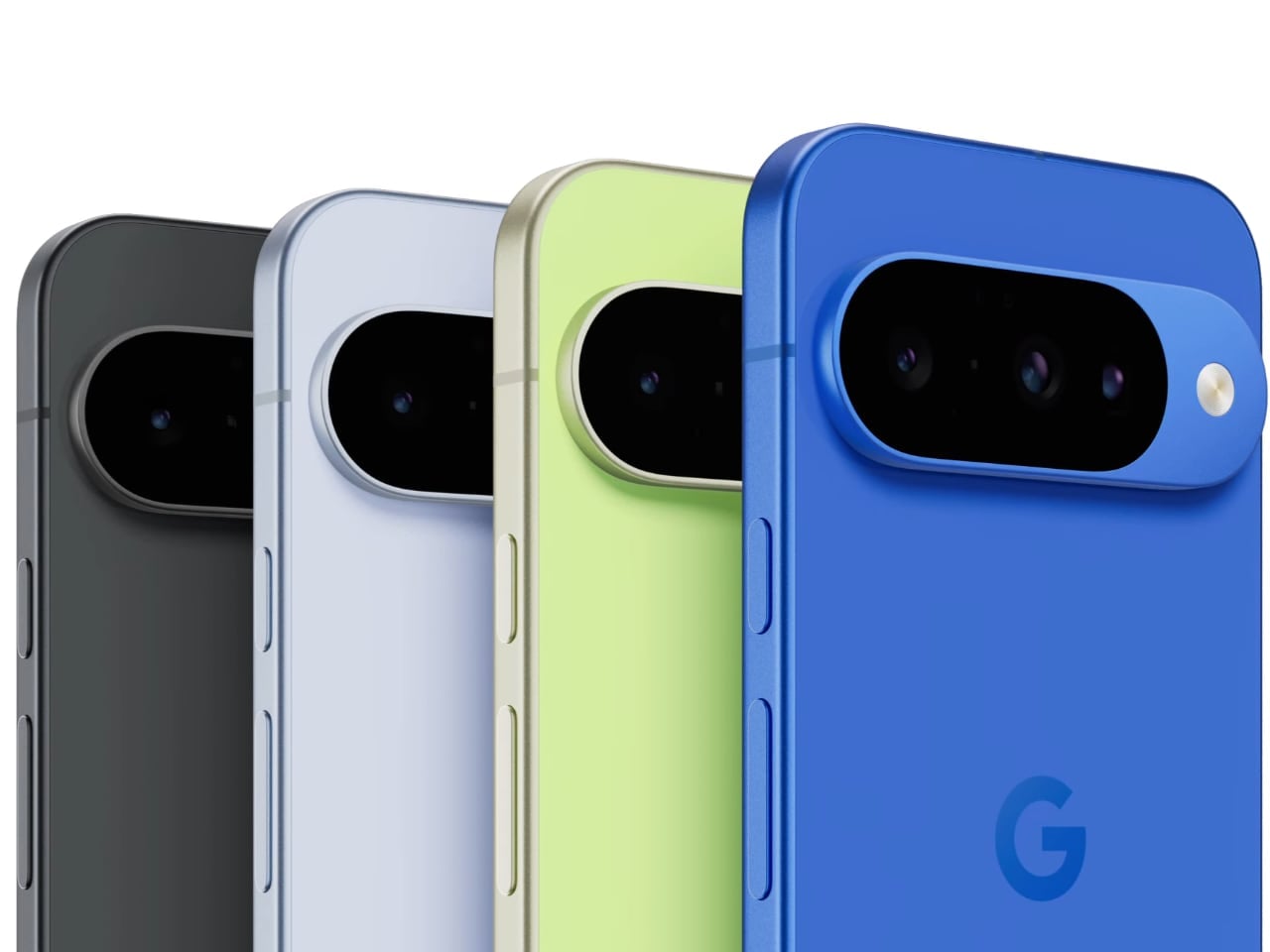
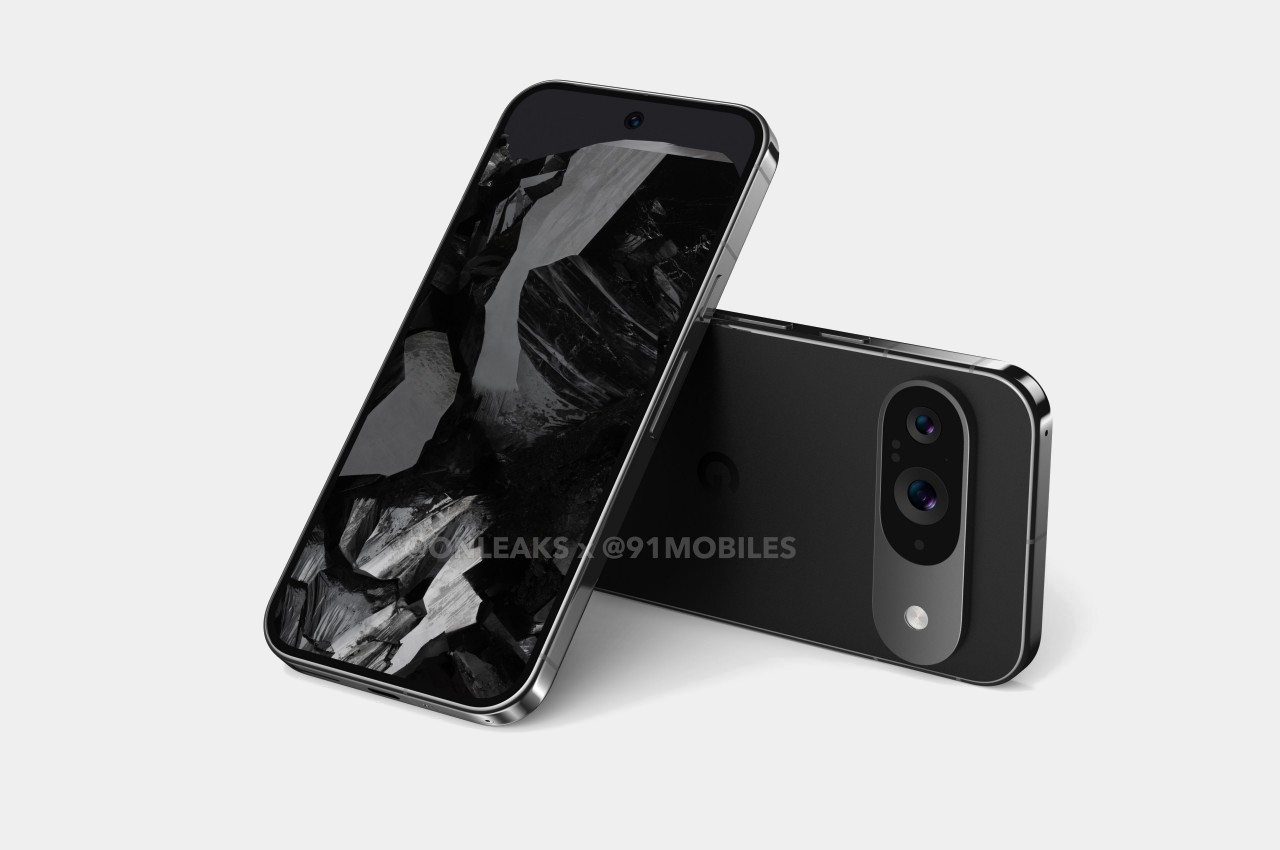
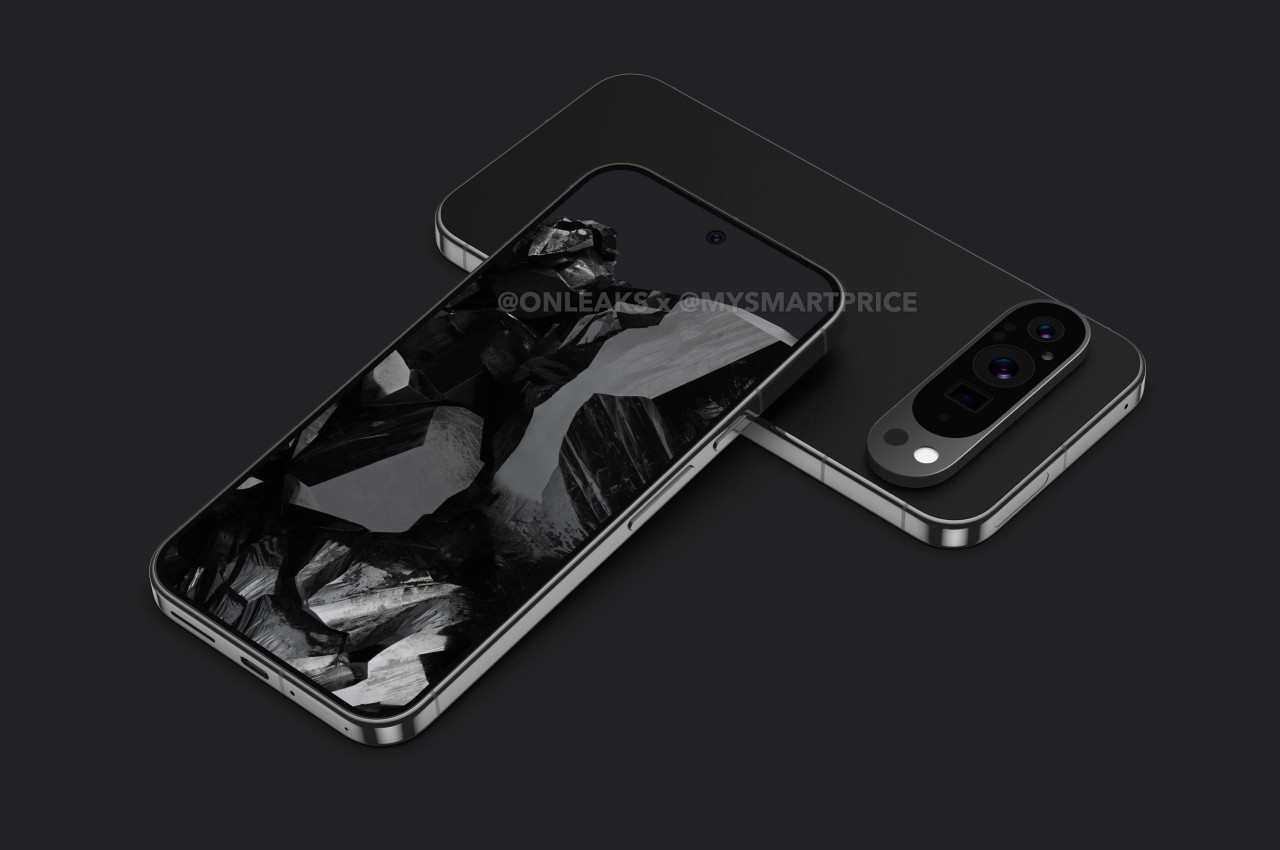
Google’s Pixel lineup has never exactly followed the crowd. Since the Pixel 9, the brand has committed to a distinctive horizontal camera bar across the upper back of the phone, making it one of the most recognizable Android devices on the market. Early CAD-based renders of the upcoming Pixel 11 suggest that Google isn’t letting go of that identity but is quietly refining it.

Designer: Steve Hemmerstoffer/OnLeaks (Renders) via AndroidHeadlines
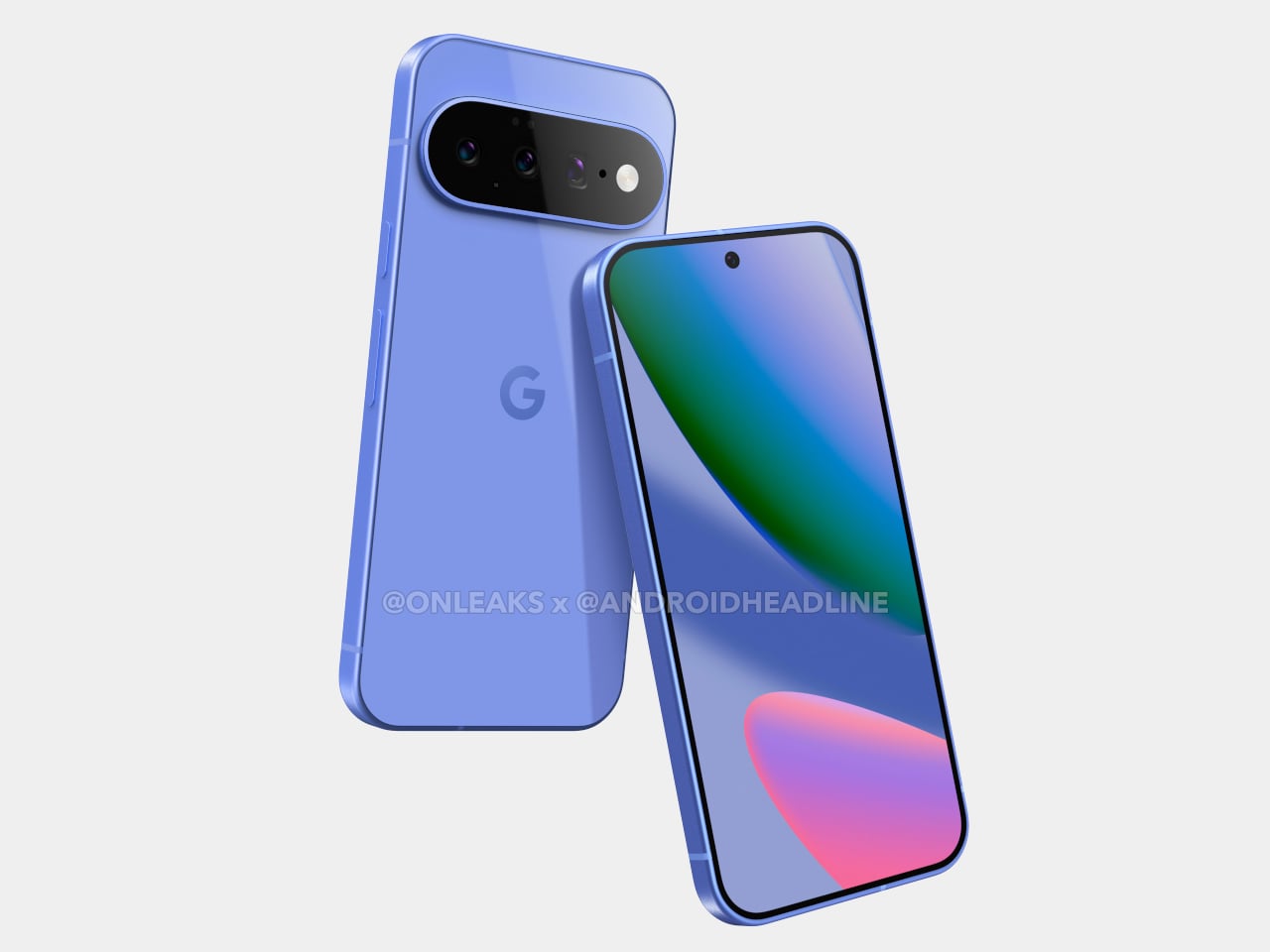
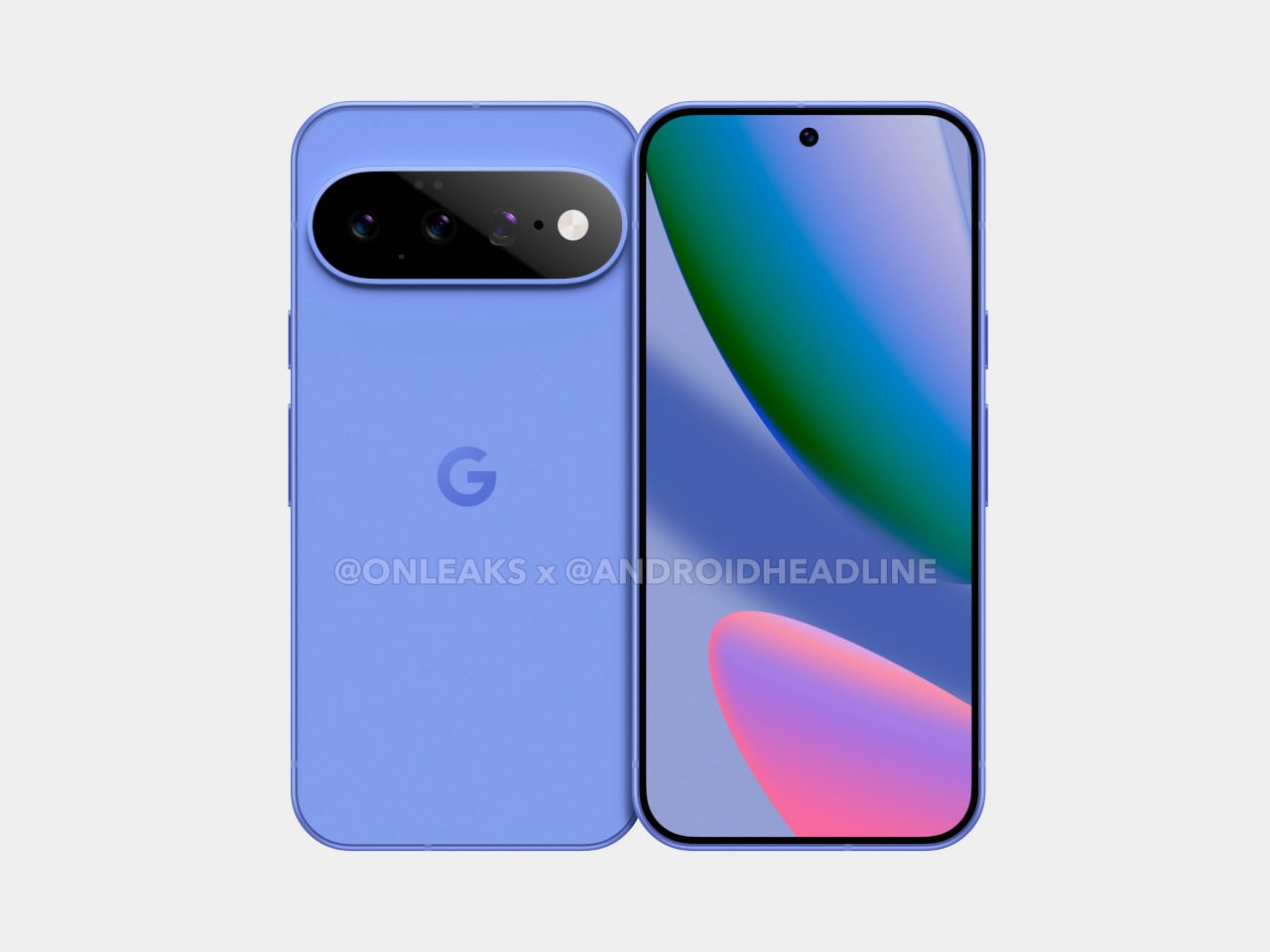
This marks the third year in a row that Google is expected to stay in the same design family introduced by the Pixel 9, though the horizontal camera island design actually started with the Pixel 6’s “visor” in 2021. The company has previously said it aims to redesign its phones every two to three years, making the Pixel 11 feel like the closing chapter of this particular look. These changes aren’t accidental refinements; they’re something closer to a farewell lap.

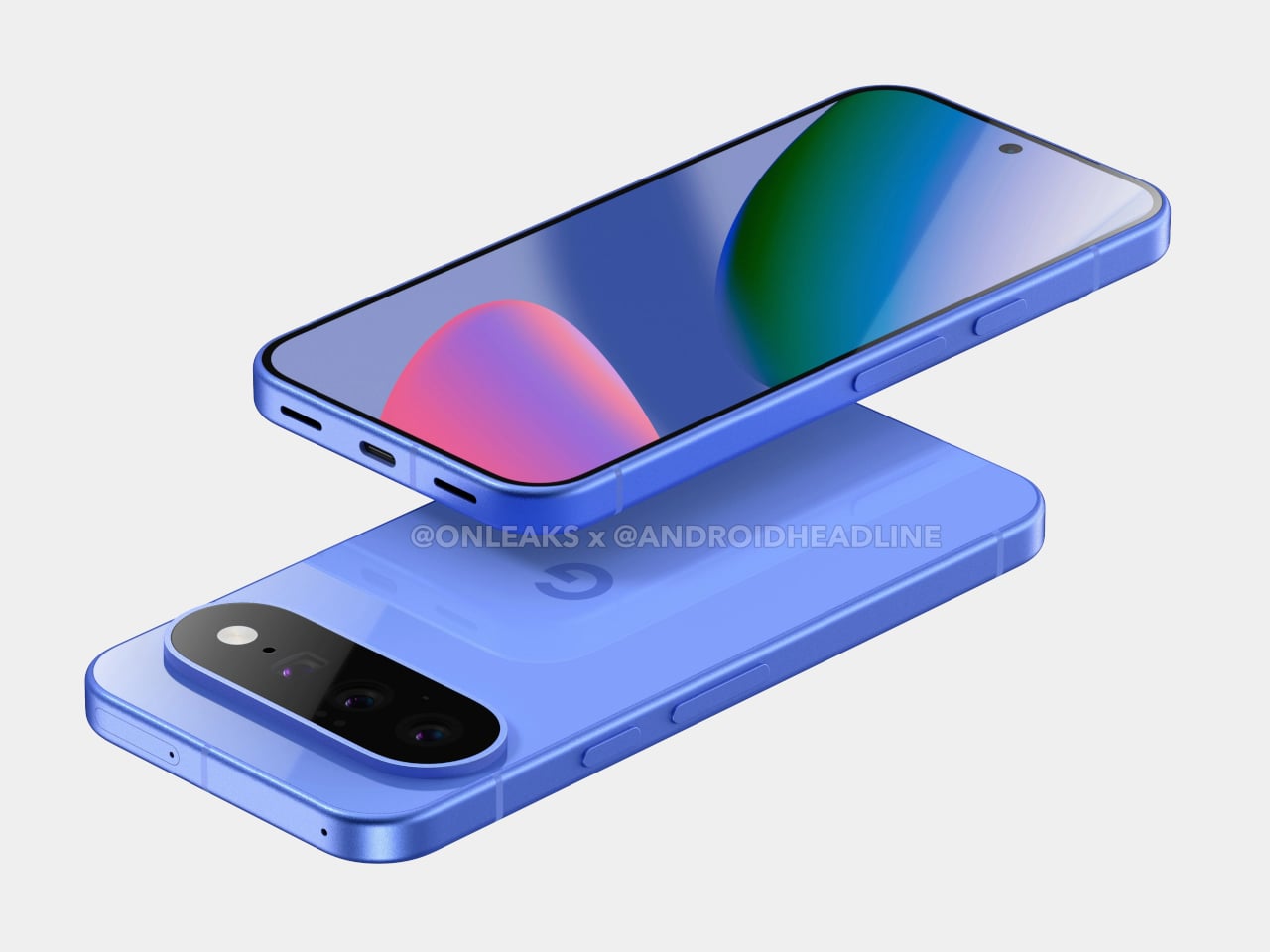
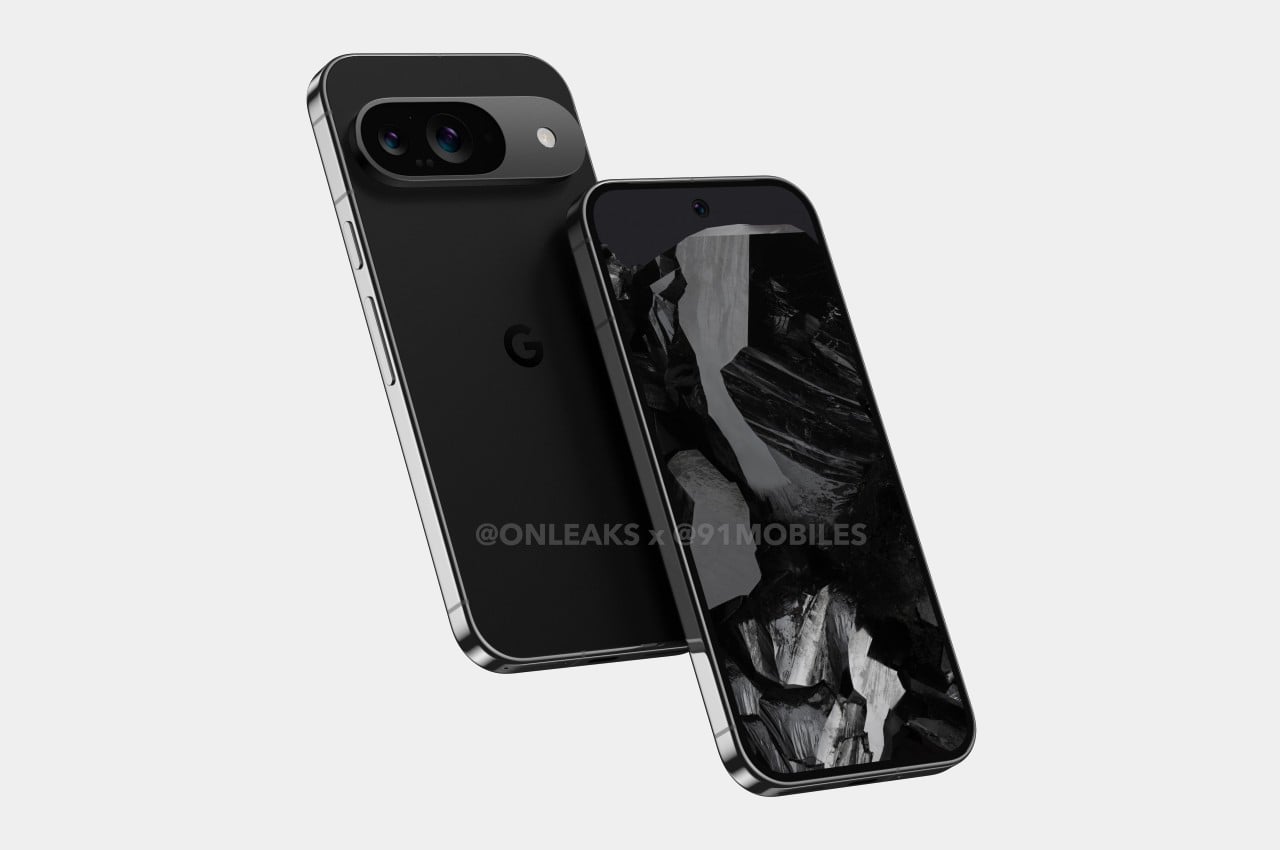
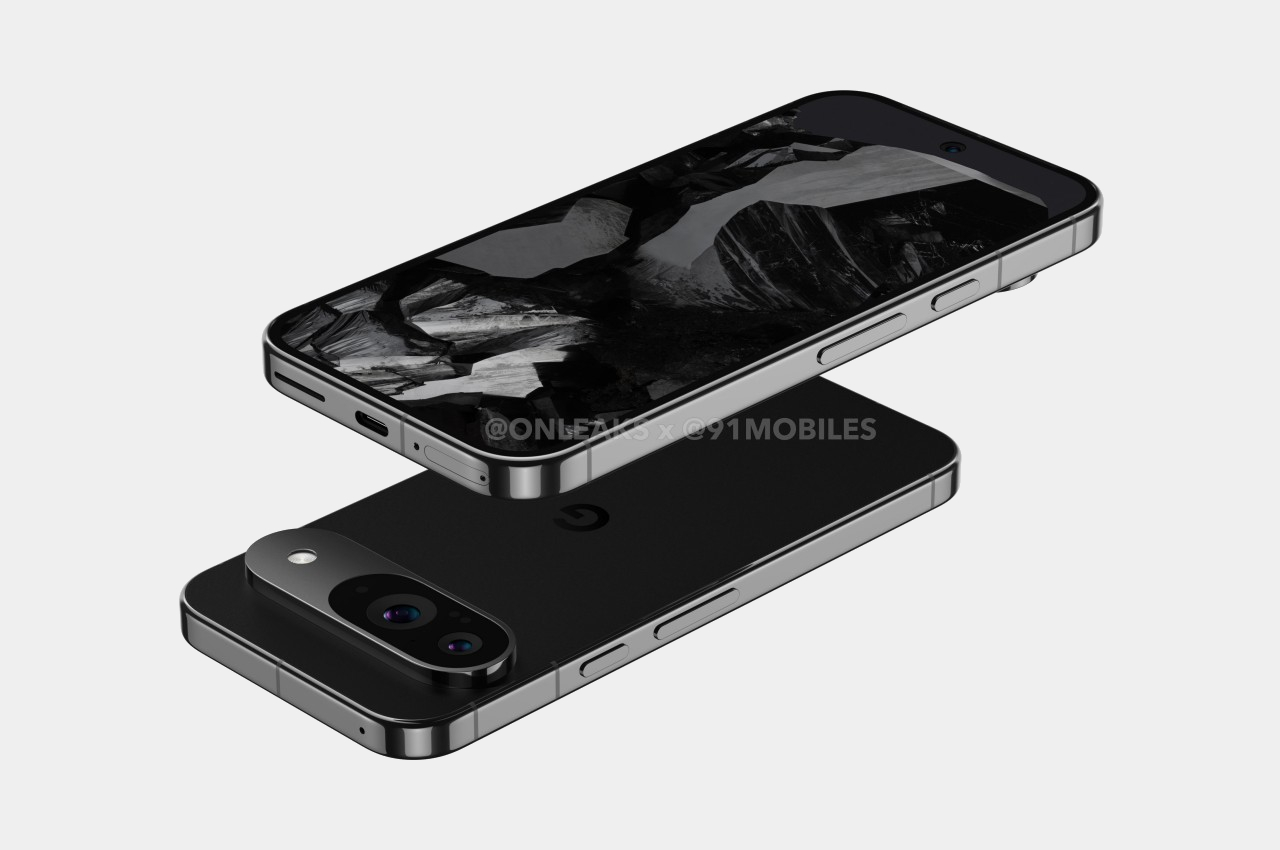
The most notable of those tweaks is the camera bar itself. On the Pixel 9 and Pixel 10, the phone’s body color would wrap around the flash and sensors inside the bar, creating a two-tone look that was bold for some and cluttered for others. The Pixel 11 drops that entirely, going with a uniform black finish across the whole housing for a cleaner, more composed result.

Google Pixel 10

Google Pixel 10

The bar is also expected to sit lower on the phone’s back, with less protrusion than the Pixel 10. That’s the kind of thing you don’t notice until the phone snags on a pocket lining or wobbles on a table, and then you notice it constantly. A thinner overall profile, rumored at 8.5mm, will keep the phone from feeling like it’s outgrown its own design.

The front of the phone appears to have gotten some attention, too. Bezels are reportedly thinner on all four sides, which means more screen real estate when you’re reading or watching something on that commute home. It’s a concession to a criticism that’s followed the Pixel series for a couple of years, and it goes a long way toward making the phone look more of its time.

Under the hood, the Pixel 11 is expected to run on Google’s Tensor G6 chipset, paired with 12GB of RAM and at least 128GB of storage. The 5,000mAh battery is the kind of capacity that should see most people through a full day without a second thought, even with a heavier workload. The overall footprint stays essentially the same as the Pixel 10, measuring 152.8 x 72 x 8.5mm.

All of this comes with the standard caveat: these are early, unofficial CAD-based renders, and finer details like exact bezel dimensions could shift before the phone hits shelves. That said, the broader strokes have a strong track record with this kind of source. Google is expected to announce the Pixel 11 in August 2026, giving it a few more months to land exactly where it looks like it’s headed.

The post Google Pixel 11 Renders Suggest Its Cleanest Design Before a Redesign first appeared on Yanko Design.

Galaxy Z Fold8 Wide Leaks Show a Foldable With iPad-Like Proportions

Book-style foldables have had a proportions problem since the beginning. The tall, narrow inner displays most of them unfold to have always felt more like stretched phones than proper mini-tablets, making tasks like reading or taking notes feel a little off. Years of refinement have addressed crease visibility and hinge durability, but the shape of the inner screen has largely stayed the same.

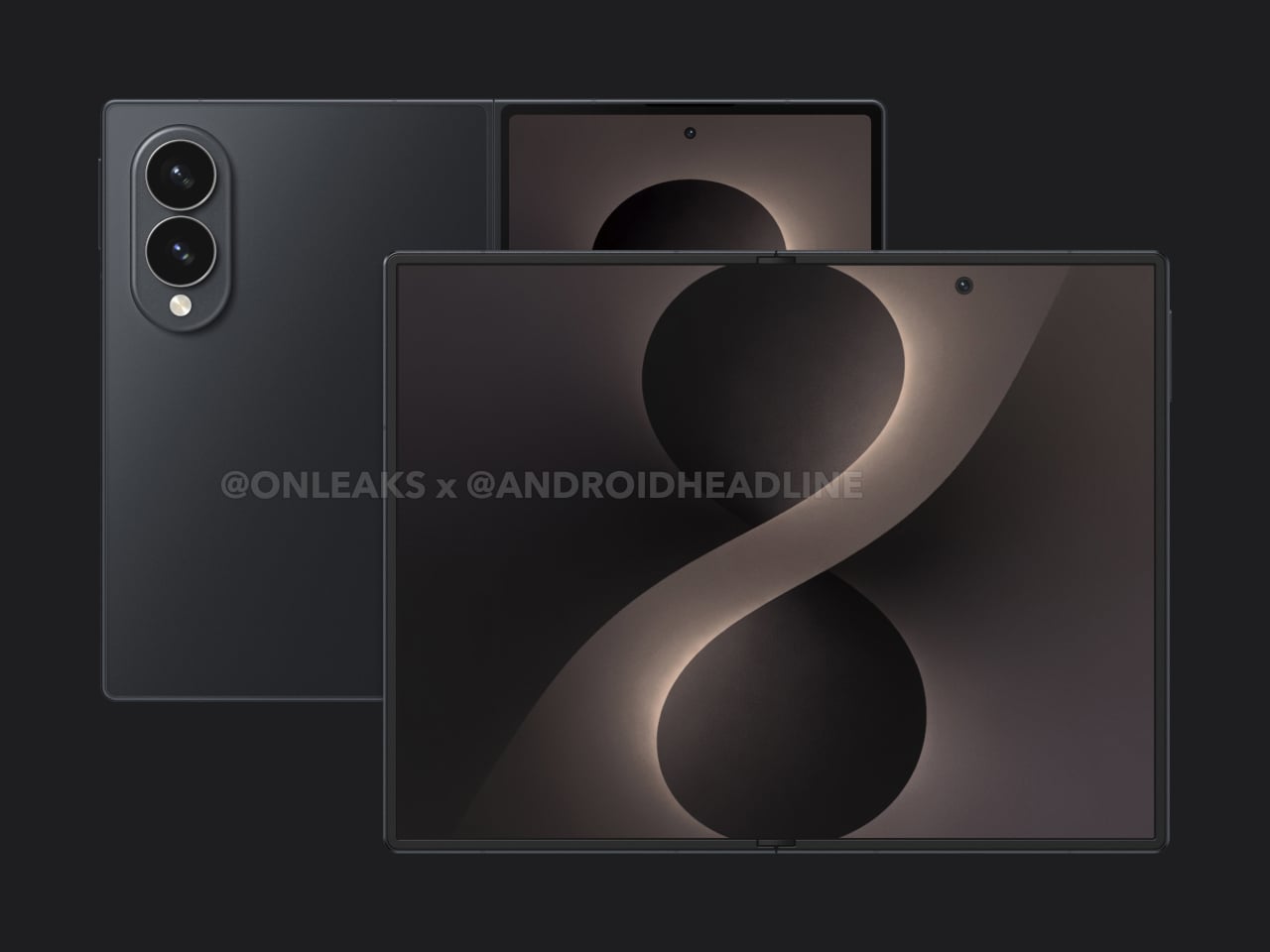
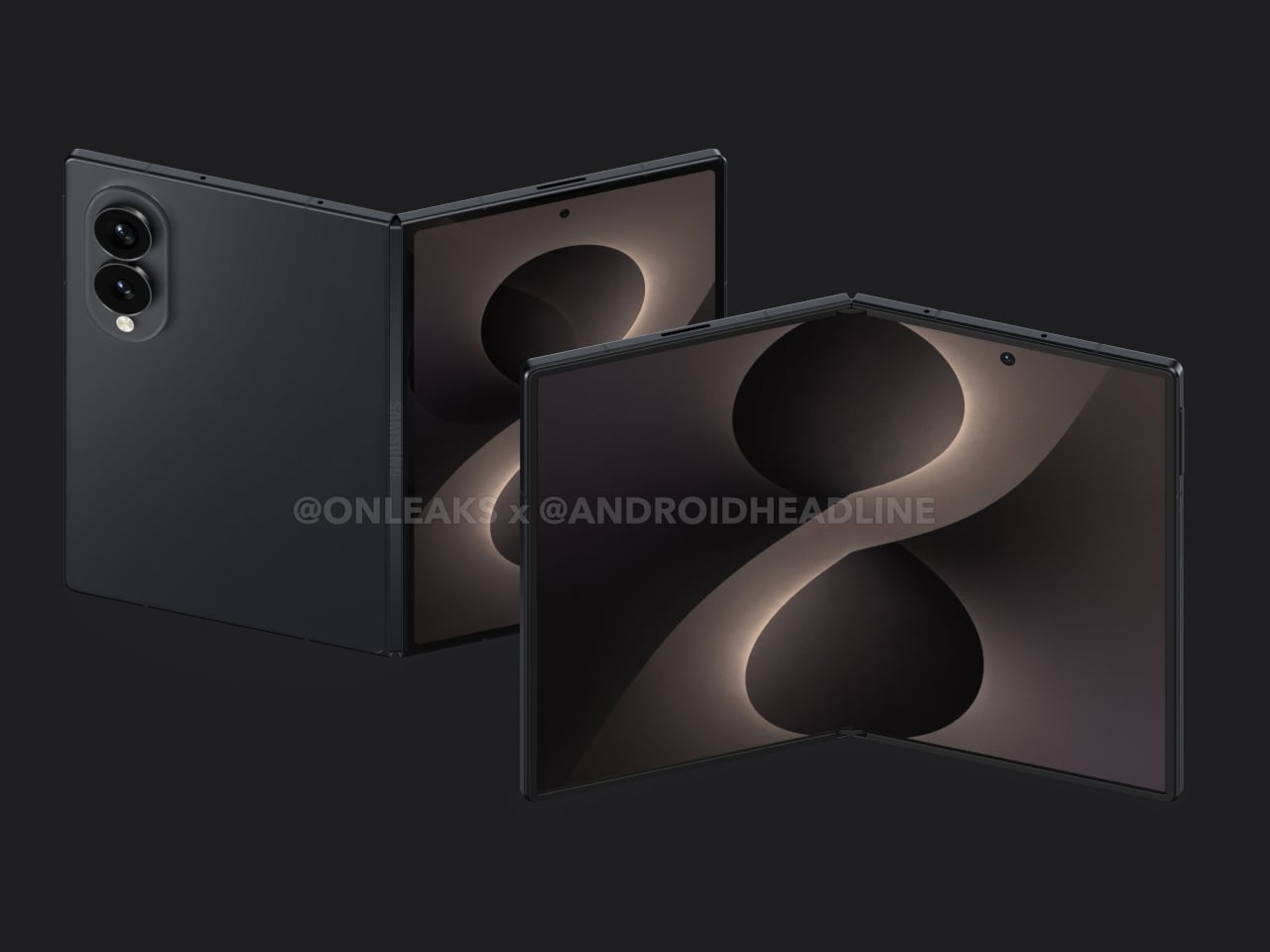
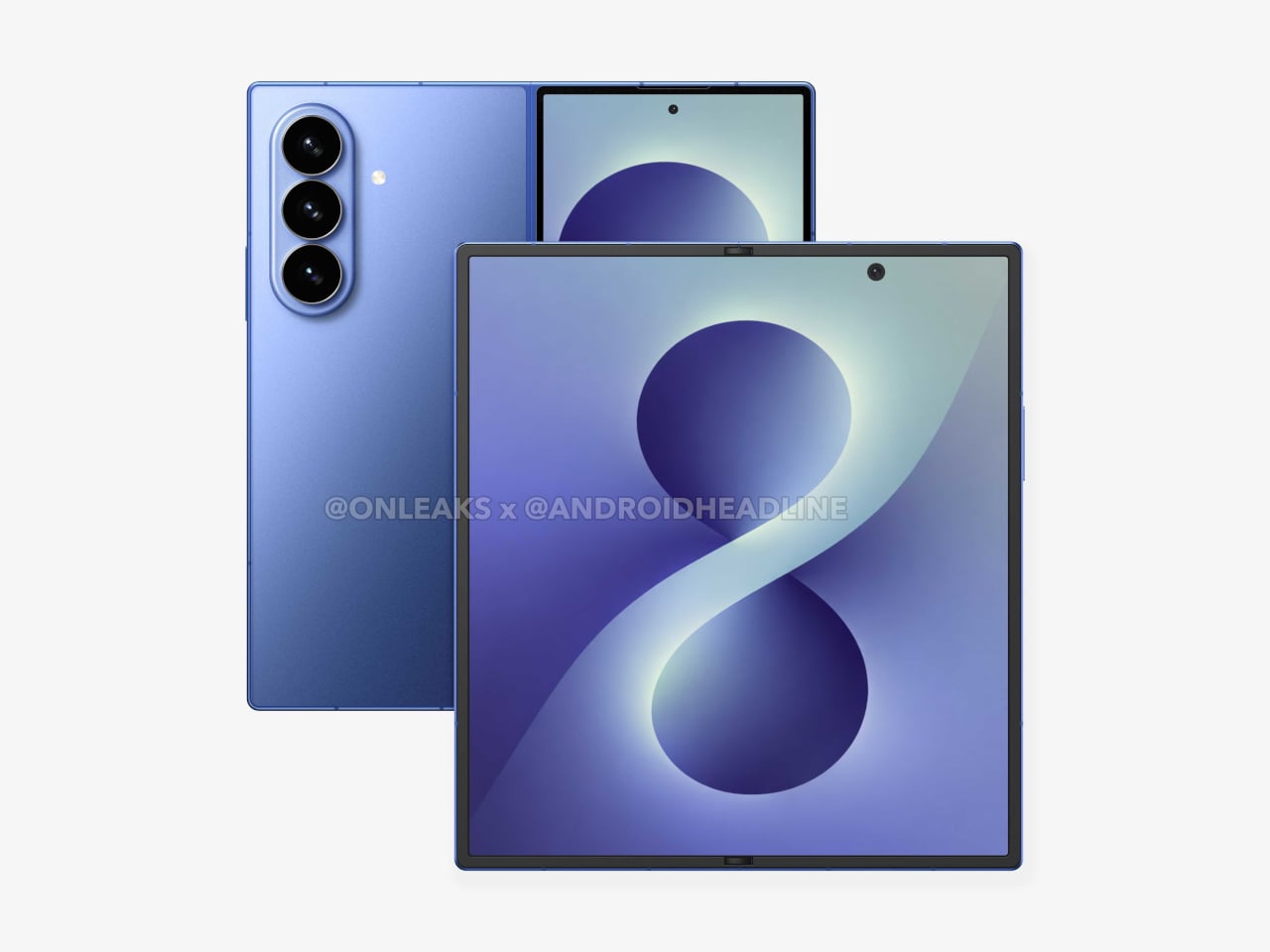
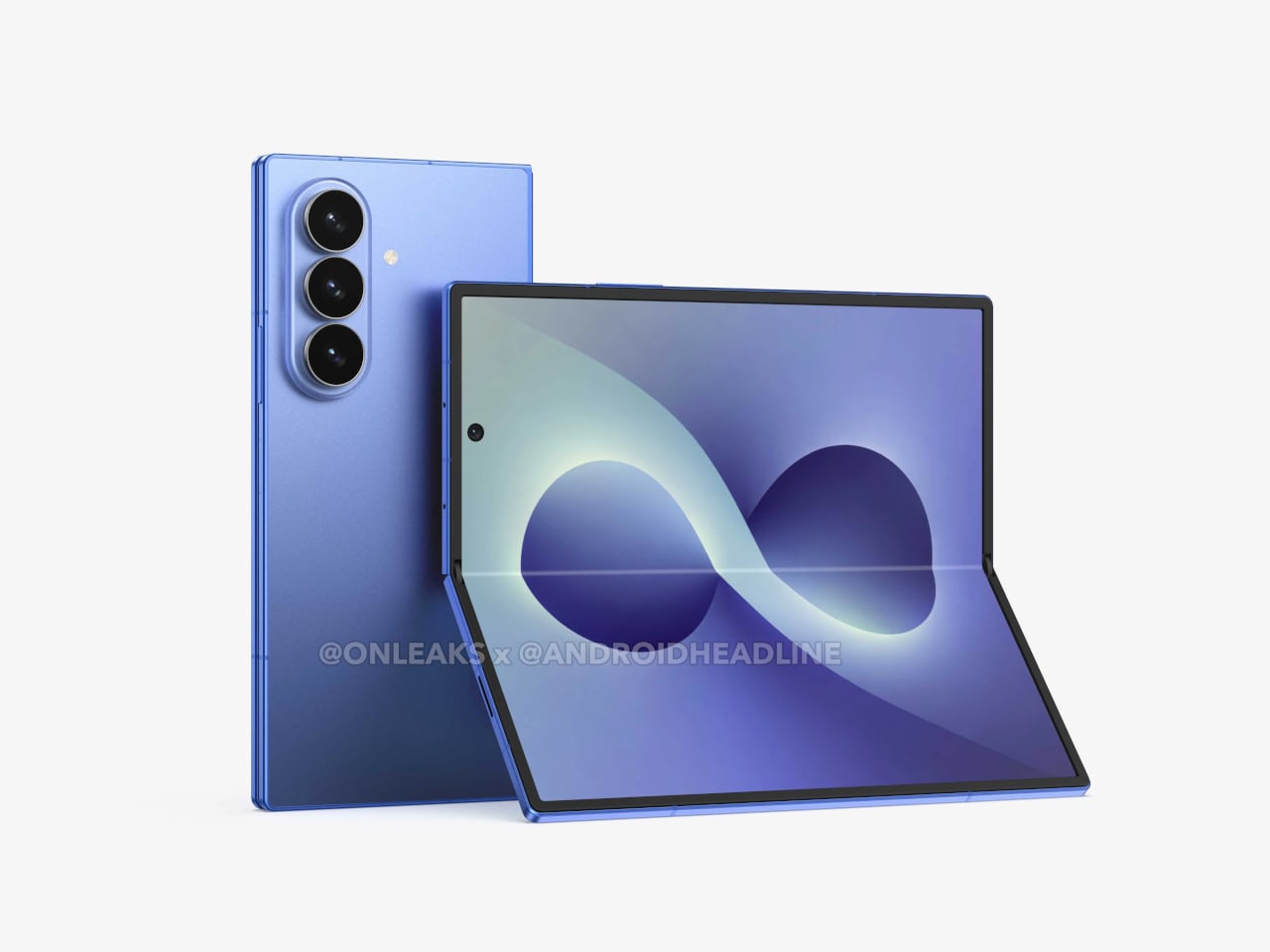
That might be changing, at least according to leaked CAD-based renders spreading on the Web like wildfire. The renders point to a device called the Galaxy Z Fold8 Wide, a book-style foldable that reportedly trades the Fold lineup’s tall proportions for a shorter, wider form factor. Samsung hasn’t confirmed any of this, and the final design could change.

Designer: Steve Hemmerstoffer/OnLeaks (Renders) via AndroidHeadlines
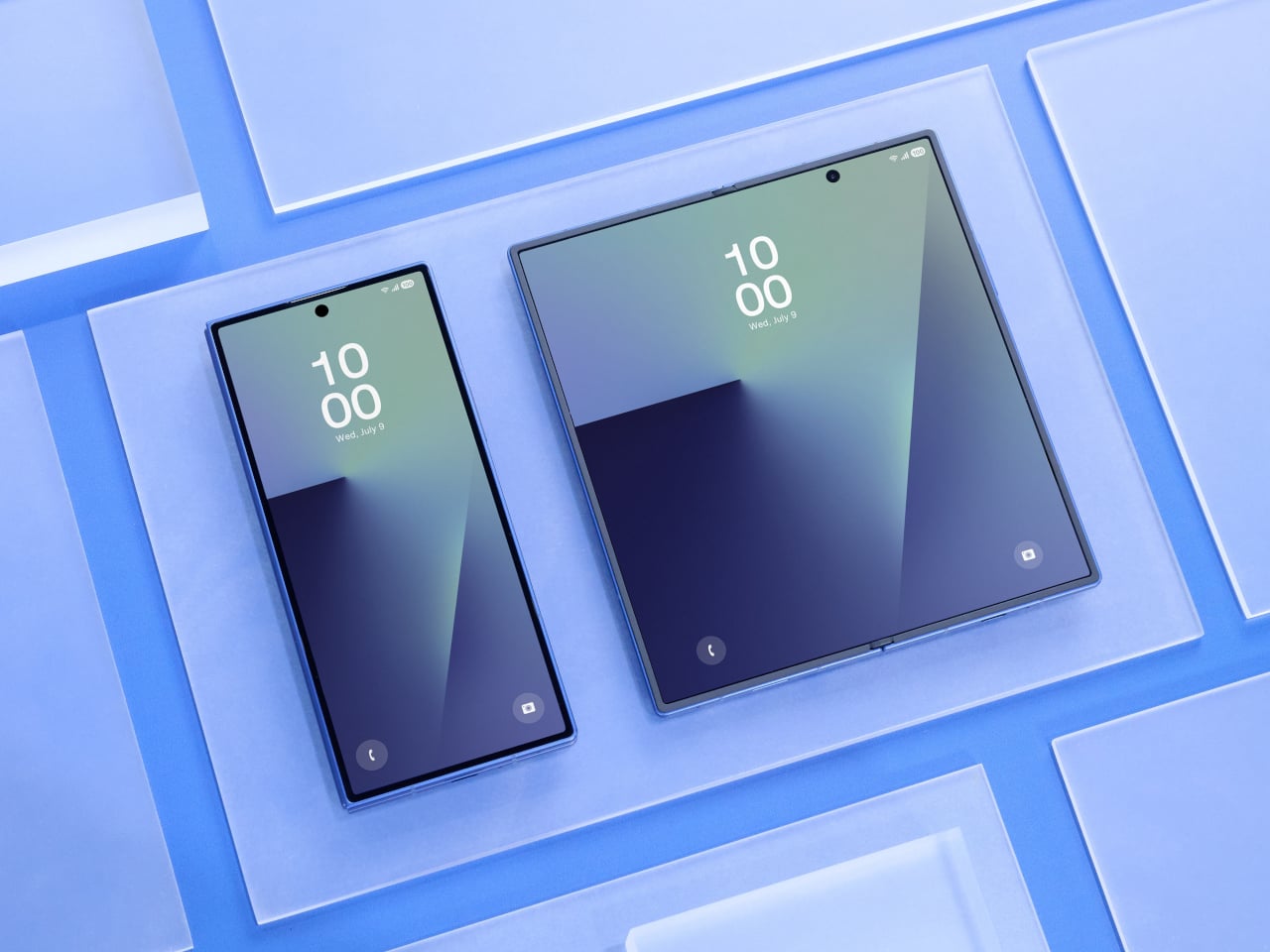
The leaked dimensions put the Galaxy Z Fold8 Wide at 123.9mm x 161.4mm x 4.9mm when unfolded and 123.9mm x 82.2mm x 9.8mm when folded, with the camera bump reaching 14.6mm at its thickest point. Those numbers describe a device that’s noticeably shorter and wider than the standard Galaxy Z Fold8, which reportedly unfolds to a taller 158.4mm x 143.2mm footprint.

The inner screen is reportedly a 7.6-inch display with a 4:3 aspect ratio, far closer to a classic tablet format than anything in Samsung’s current foldable lineup. Unfold it, and instead of a tall phone stretched sideways, you’d have something that feels at home for reading, video calls, or running two apps side by side. That ratio changes how you’d actually use it.

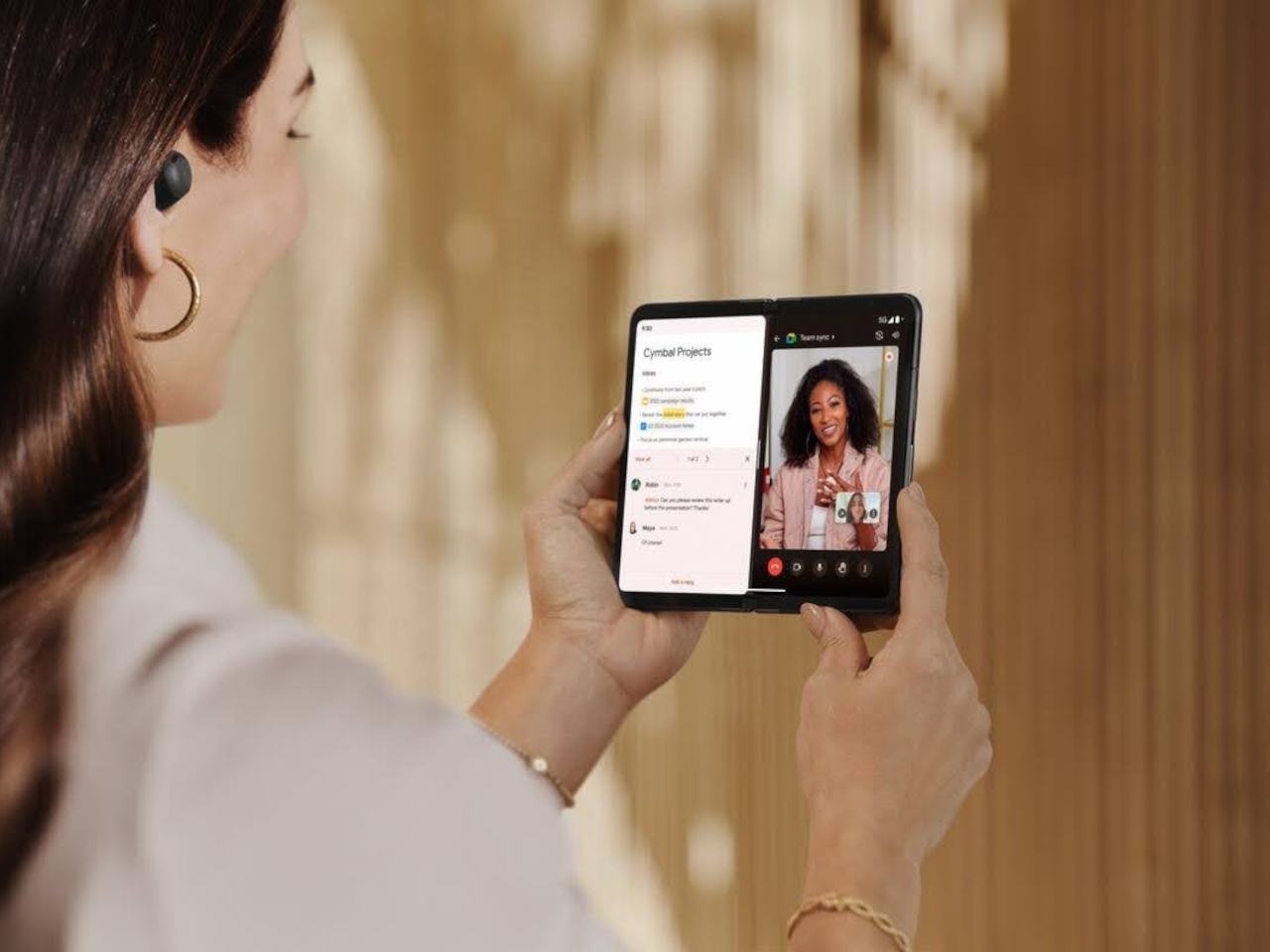
Google Pixel Fold (2023)

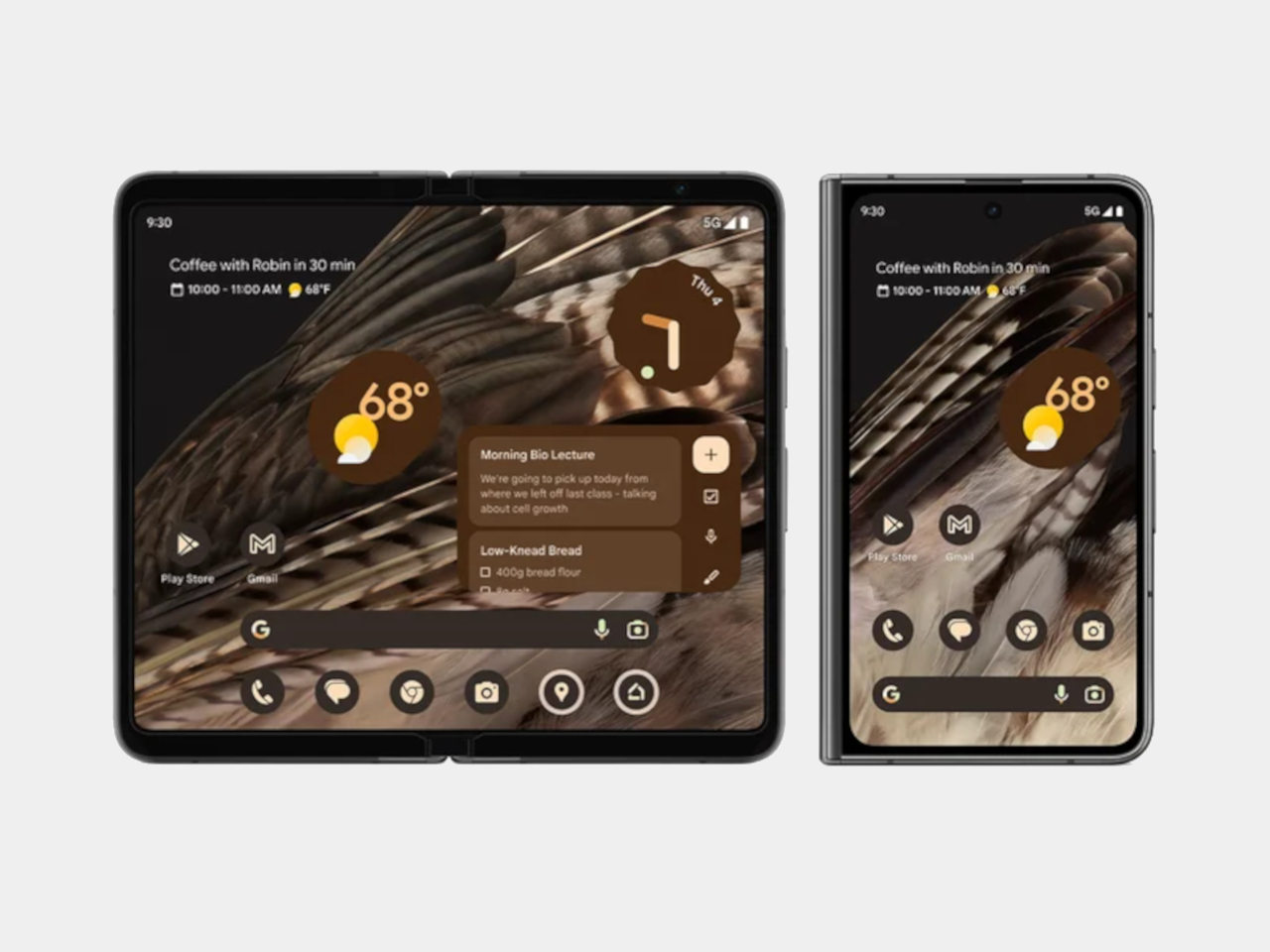
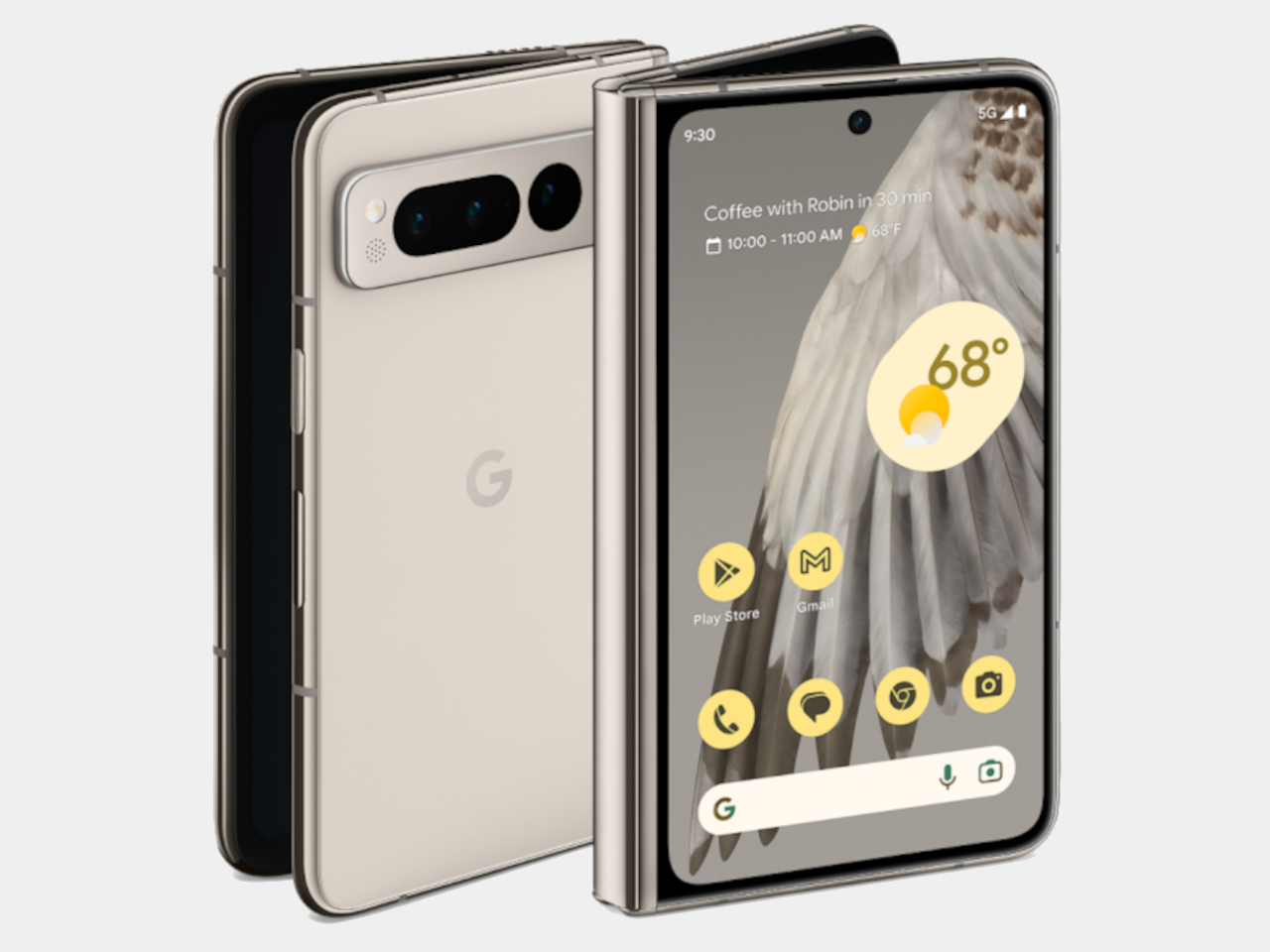
Google explored something similar with the first Pixel Fold in 2023, which had a 7.6-inch inner display with a 6:5 aspect ratio and unfolded to 139.7mm x 158.7mm. The Galaxy Z Fold8 Wide’s rumored 4:3 ratio would push the open screen more into landscape territory, and at a reported 9.8mm when folded, it would still be considerably thinner than the Pixel Fold’s 12.1mm.

The cover display follows the same logic. At 5.4 inches on an 82.2mm-wide body, it would carry a more usable, phone-like aspect ratio than the narrow cover panels on existing Z Fold devices. The trade-off, per the leak, is a dual-camera rear setup rather than the triple-lens arrangement on the standard Galaxy Z Fold8, which is worth noting for photography-focused buyers.

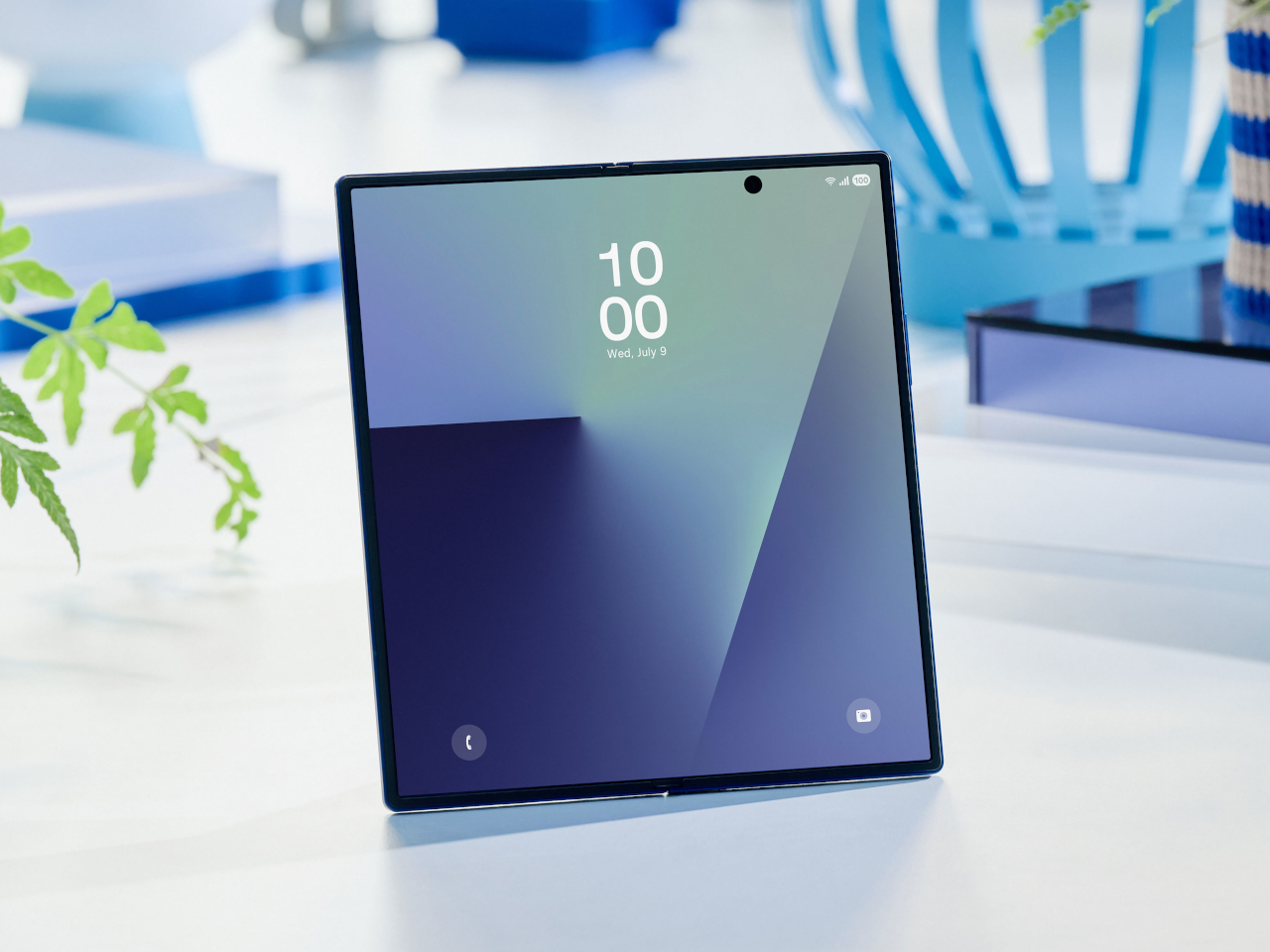
Samsung Galaxy Z Fold7

The timing of these leaks adds context. Samsung is reportedly planning to launch the Galaxy Z Fold8 Wide this summer alongside the standard Fold8 and Flip8, positioning the wider device as a direct answer to Apple’s anticipated iPhone Fold. The rumored internals include a Snapdragon 8 Elite Gen 5 for Galaxy chipset, a 5,000 mAh battery, and 45W wired charging.

Until Samsung makes an official announcement, none of this is confirmed, and CAD-based renders drawn from supply chain data don’t always reflect what ships. What these leaks do suggest, though, is that Samsung is seriously exploring a foldable form factor that puts the open screen first, with proportions that actually match what a device meant to be used open should look like.

The post Galaxy Z Fold8 Wide Leaks Show a Foldable With iPad-Like Proportions first appeared on Yanko Design.
Galaxy Z Fold 8 Renders: Same Look, Bigger Battery, and S Pen Is Back

Foldable phones have reached a point where the form factor itself is no longer the talking point it once was. The big, dramatic “look how it folds” moment has settled into a quieter rhythm of iterative refinement, with each generation tweaking dimensions and chasing thinner profiles. Most buyers know what a modern book-style foldable looks like, and the language of change has shifted from shape to substance.

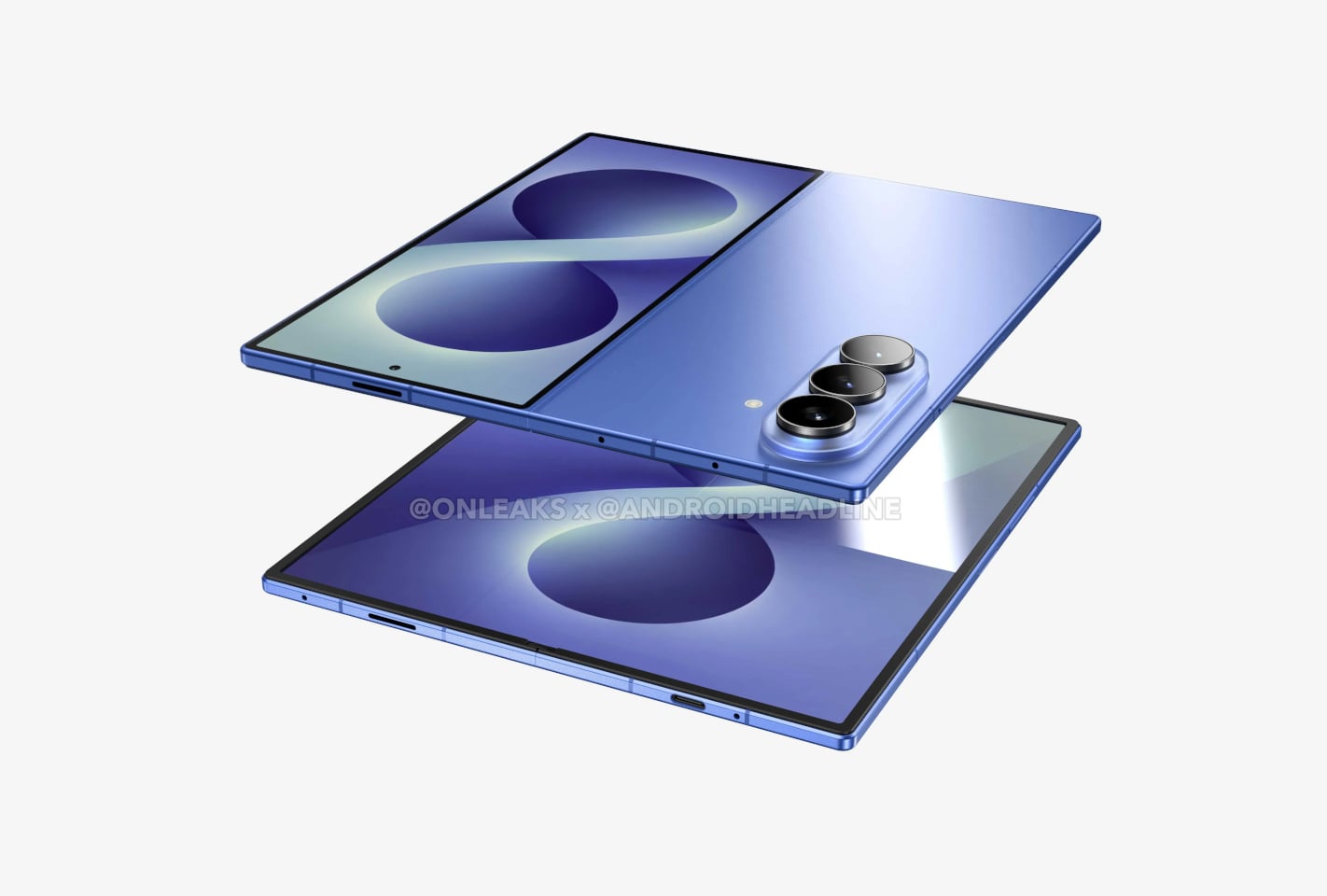
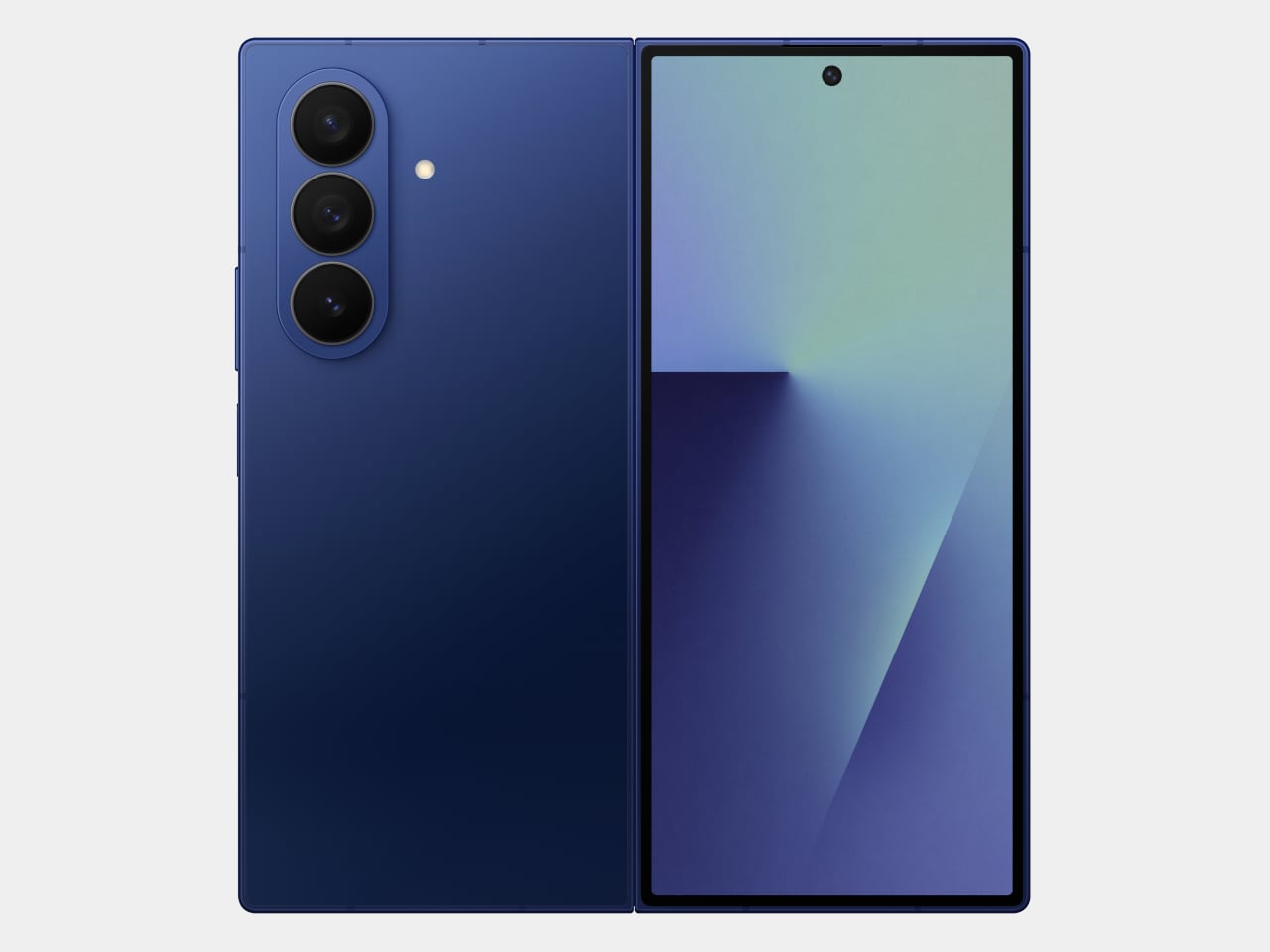
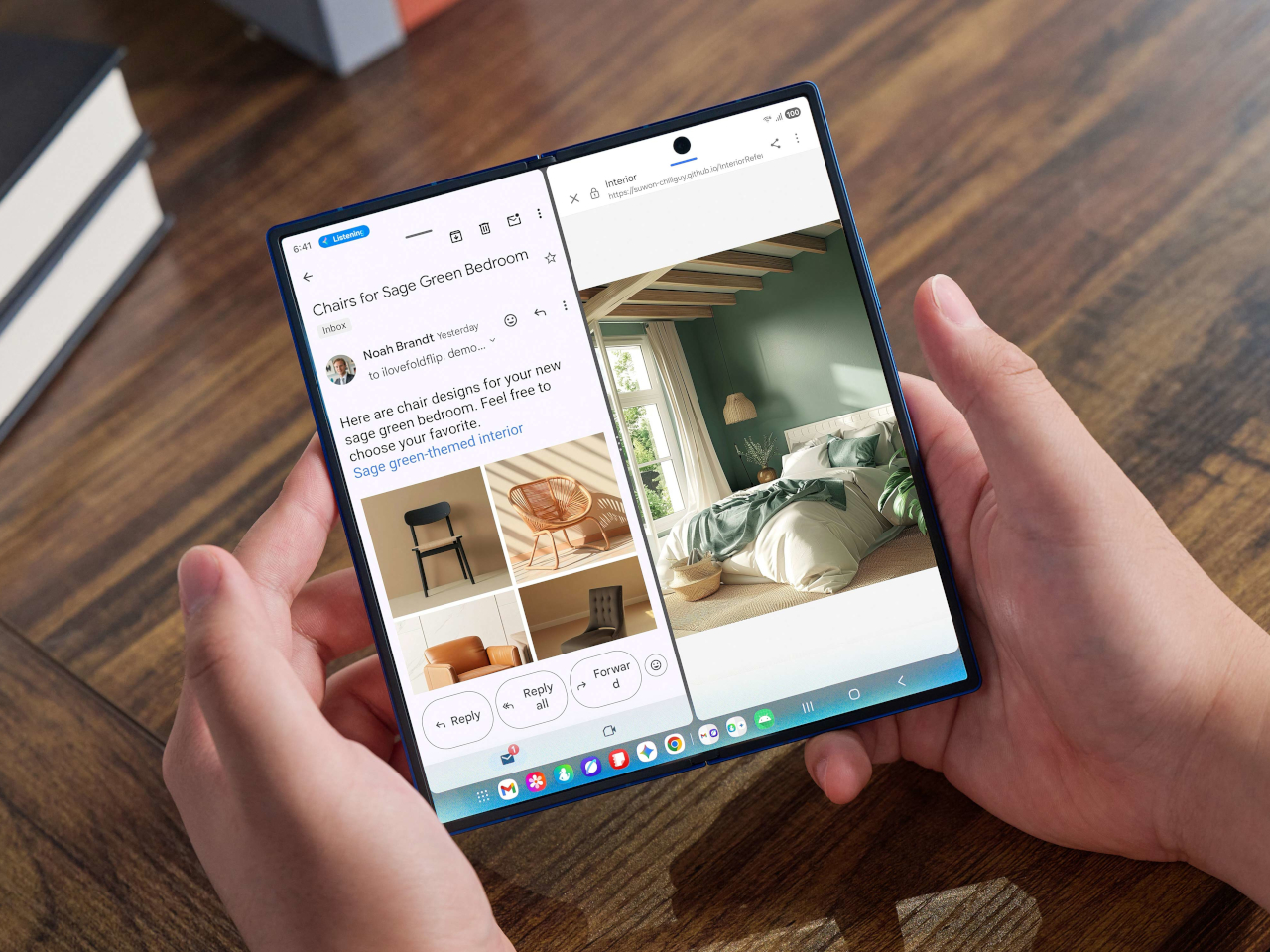
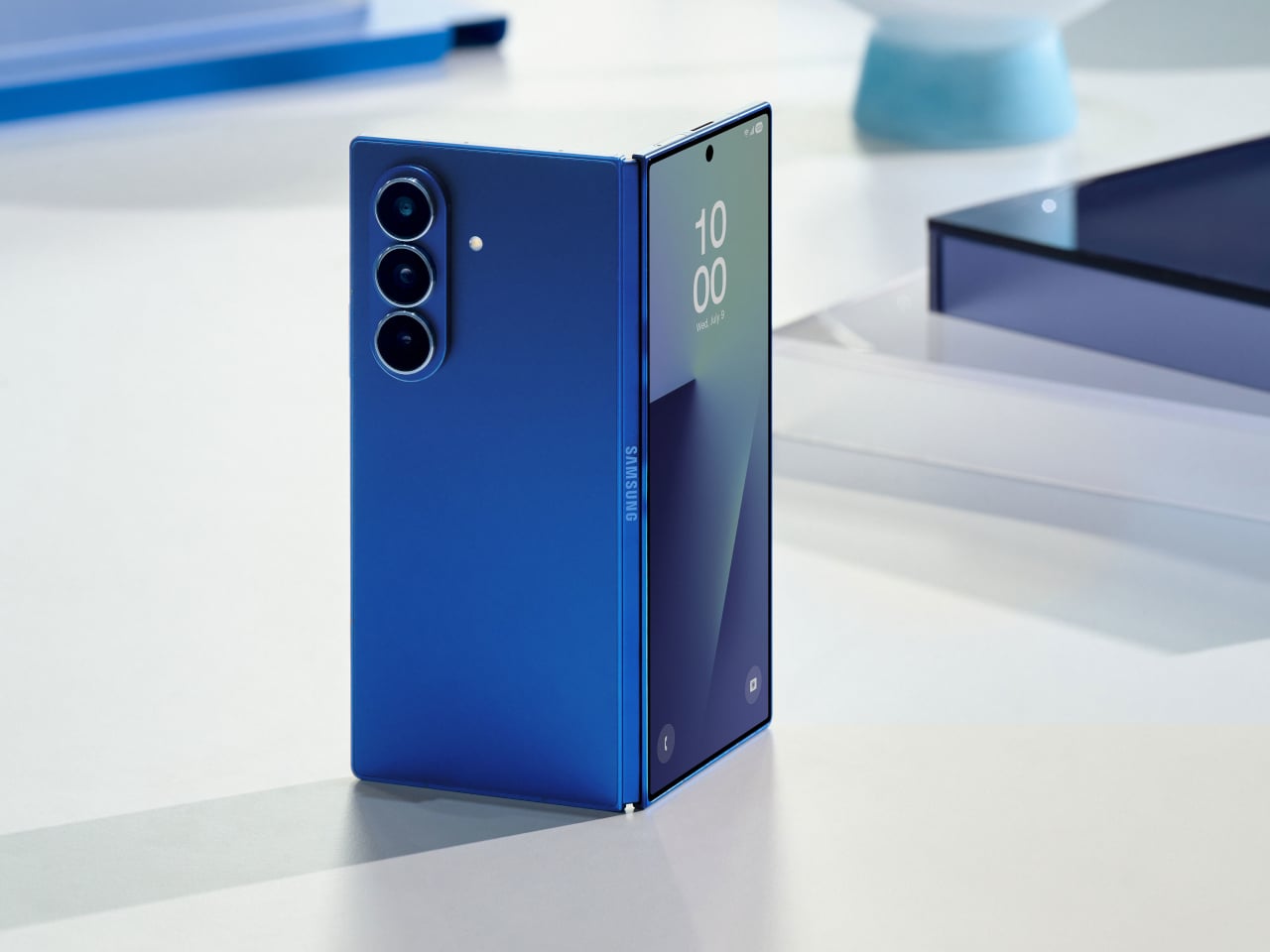
That’s the situation shaping the Samsung Galaxy Z Fold 8 conversation right now. Leaked CAD-based renders show a design that’s nearly indistinguishable from the Z Fold 7 pictured above: same flat sides, same sharp corners, same camera layout. The cover screen sits at 6.5 inches and the inner display at 8 inches, both unchanged. If you handed someone these renders without context, they’d probably just guess it was another angle of last year’s model.

Designer: Steve Hemmerstoffer/OnLeaks (Renders) via AndroidHeadlines

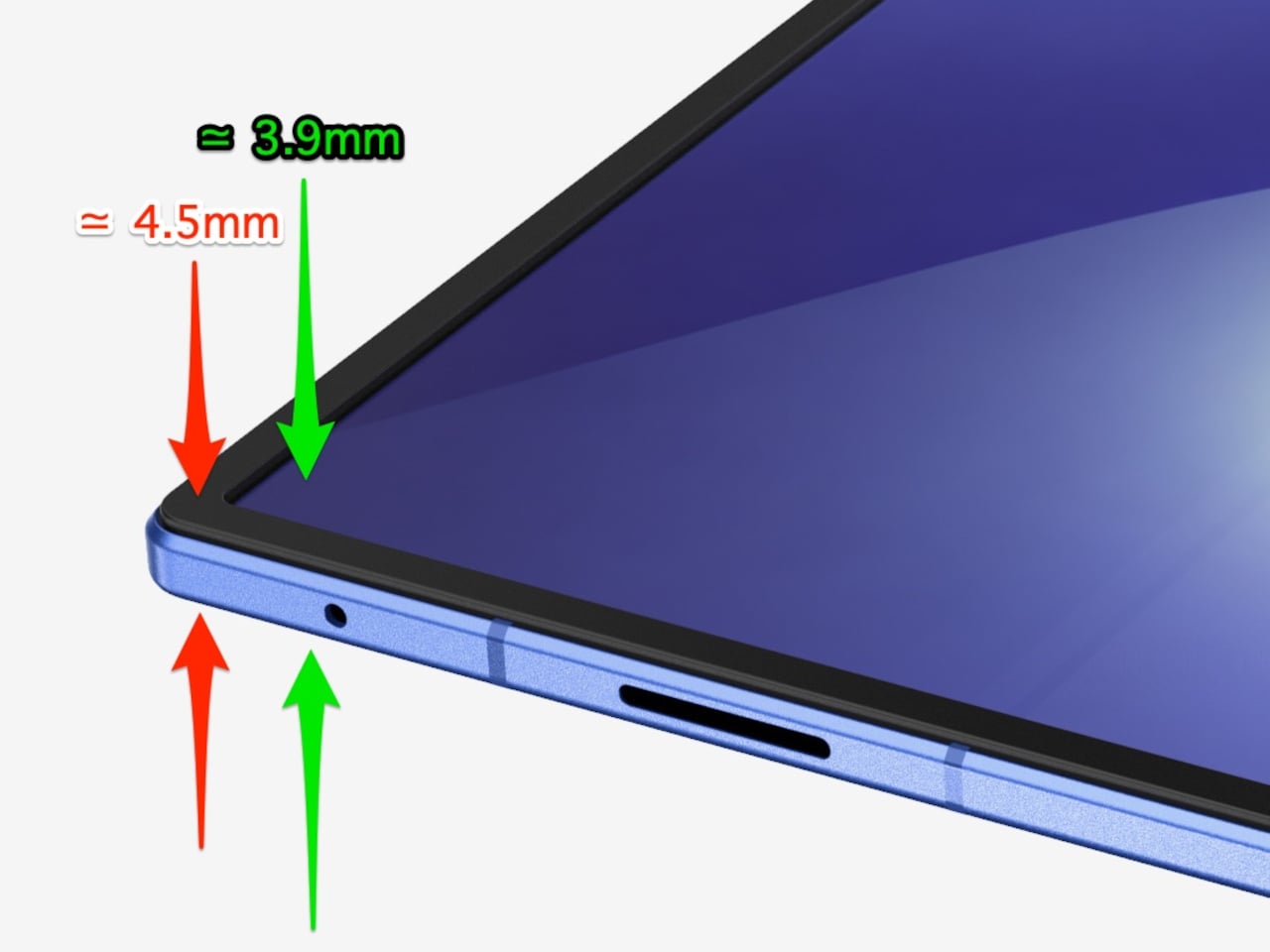
There’s one notable external difference, though, and it actually goes in the wrong direction. The leaked dimensions put the Z Fold 8 at 4.5mm thick when open and 9mm folded, compared to the Fold 7’s 4.2mm and 8.9mm. That’s a slight regression for a phone that went to considerable lengths to slim down the year prior. It’s not dramatic, but for a device that made a point of its thinness, it’s worth flagging. That said, the 4.5mm figure includes the protruding bezels around the display; it’s actually just 3.9mm thin.

The likely reason for that extra thickness is one of the better leaks so far: the possible return of S Pen support. Samsung dropped the stylus from the Fold 7, and that’s been a consistent complaint from the people who actually used it for note-taking or sketching on that wide inner canvas. If the S Pen does come back, a fraction of a millimeter is a fair trade for most of those users.

The battery theory, however, is probably more probable. A jump from 4,400 mAh to a rumored 5,000 mAh would mark the first capacity upgrade since the Galaxy Z Fold 3, and pairing that with 45W wired charging, up from 25W, addresses one of the more persistent frustrations with this lineup. Spending less time near an outlet matters more on a device you’re likely using across more tasks throughout the day.

The camera is also in line for a significant upgrade, according to the same leak. The main sensor is rumored to still be 200MP, and the ultrawide jumps from 12MP to 50MP. That ultrawide improvement in particular has been a long time coming. The gap between the Fold’s main and ultrawide cameras has been noticeable enough that it’s affected how people use the phone outdoors.

All of this is still leak territory, of course, pulled from CAD renders and a specs tipster ahead of what’s expected to be a July 2026 Unpacked announcement. Samsung hasn’t confirmed any of it, and final specs frequently shift between early renders and launch day. The Z Fold 8 is shaping up to be a phone that looks familiar and updates what actually needs updating, but none of that is official yet.

Galaxy Z Fold7

The post Galaxy Z Fold 8 Renders: Same Look, Bigger Battery, and S Pen Is Back first appeared on Yanko Design.
Google Pixel Watch 3 unofficial renders have no surprises to reveal

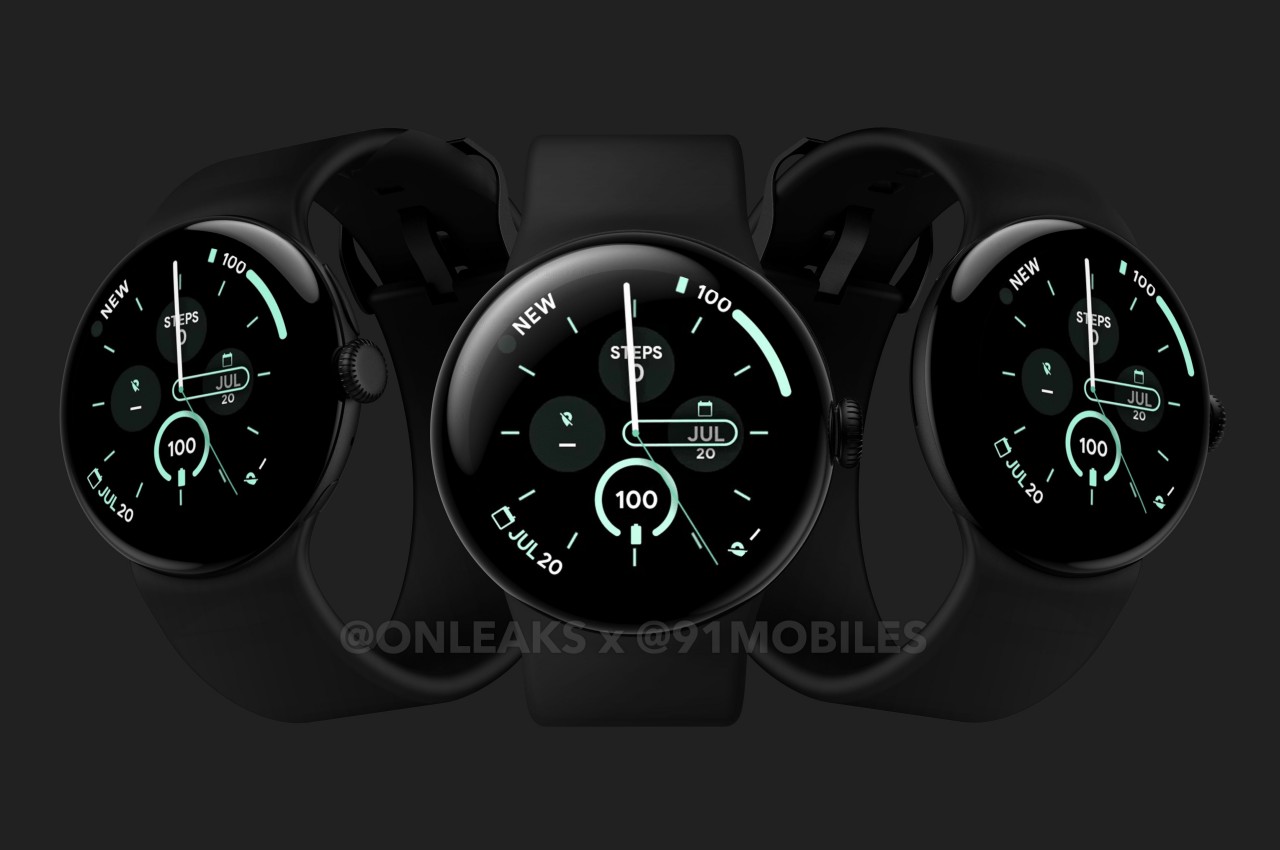
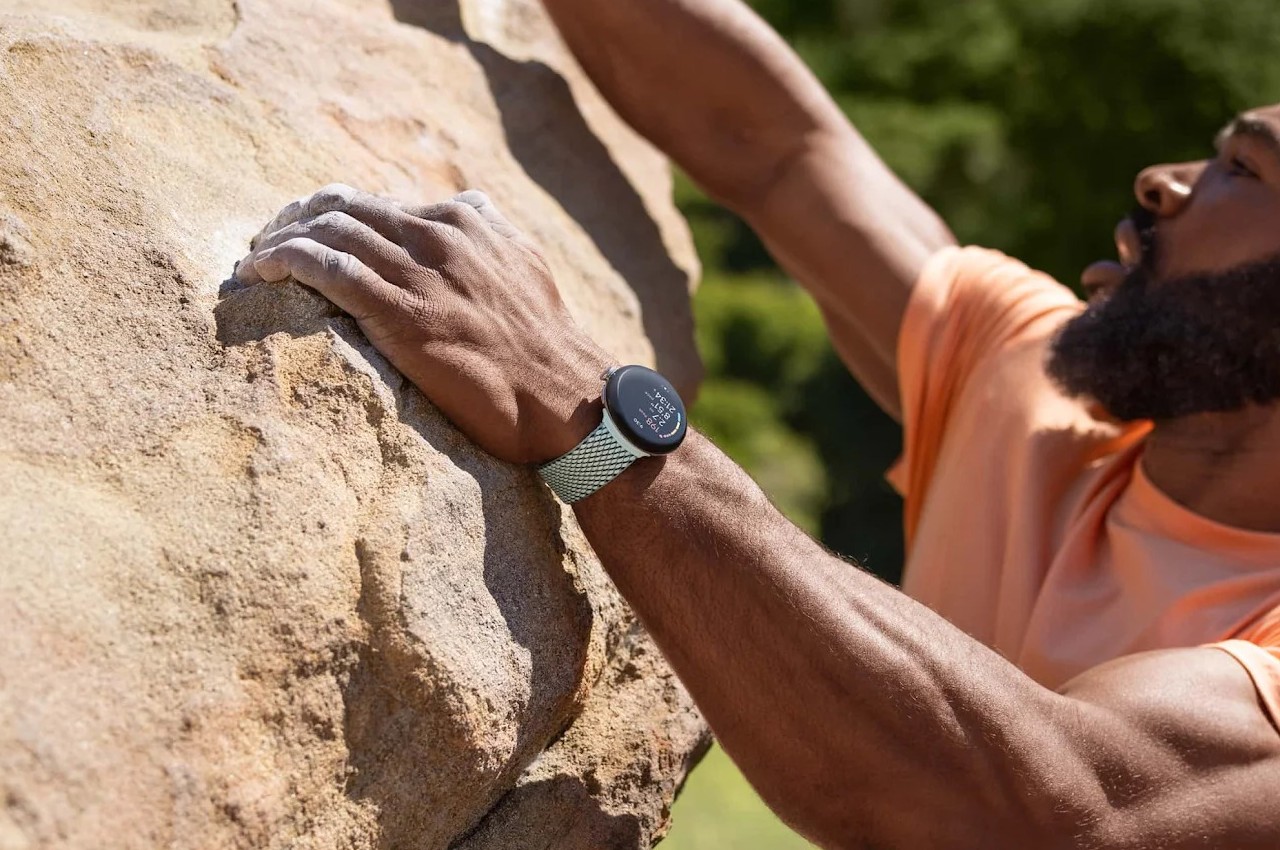
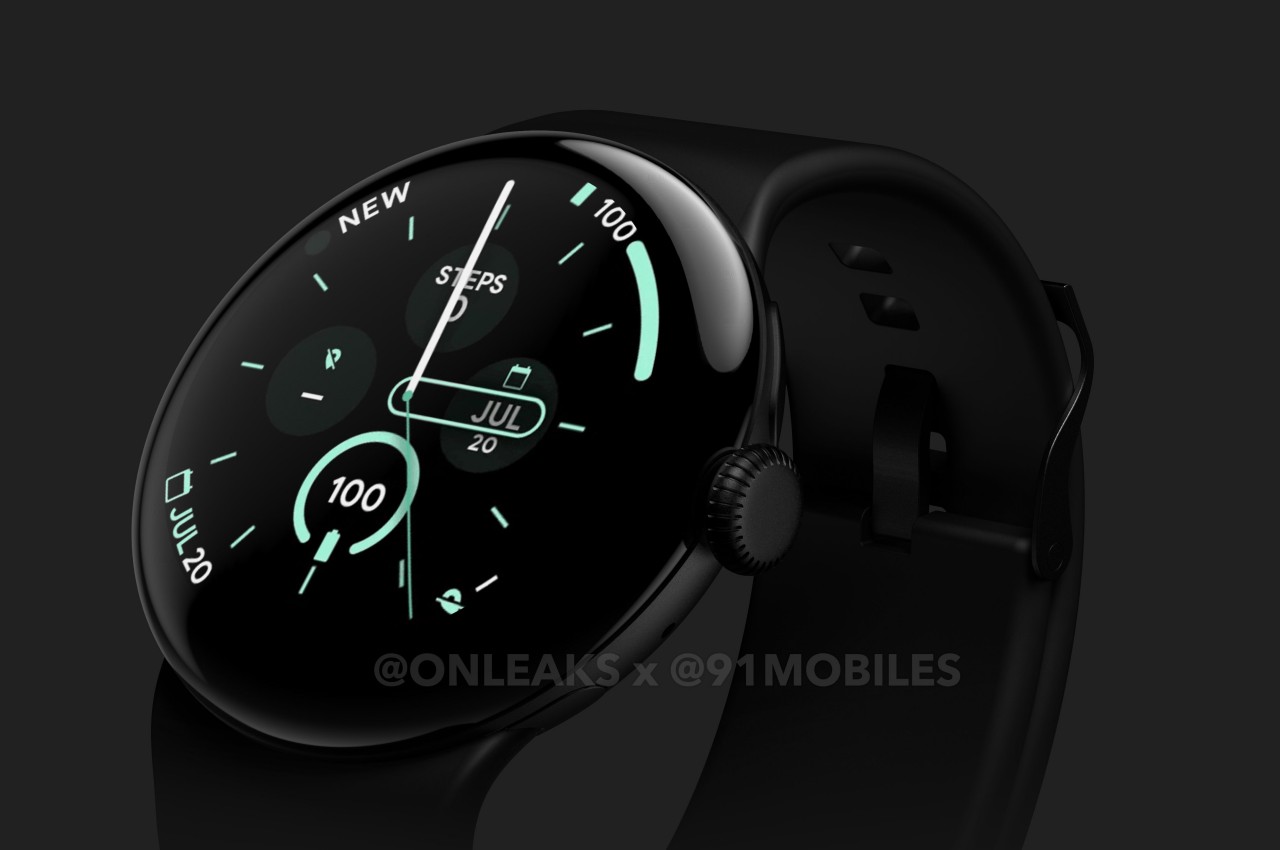
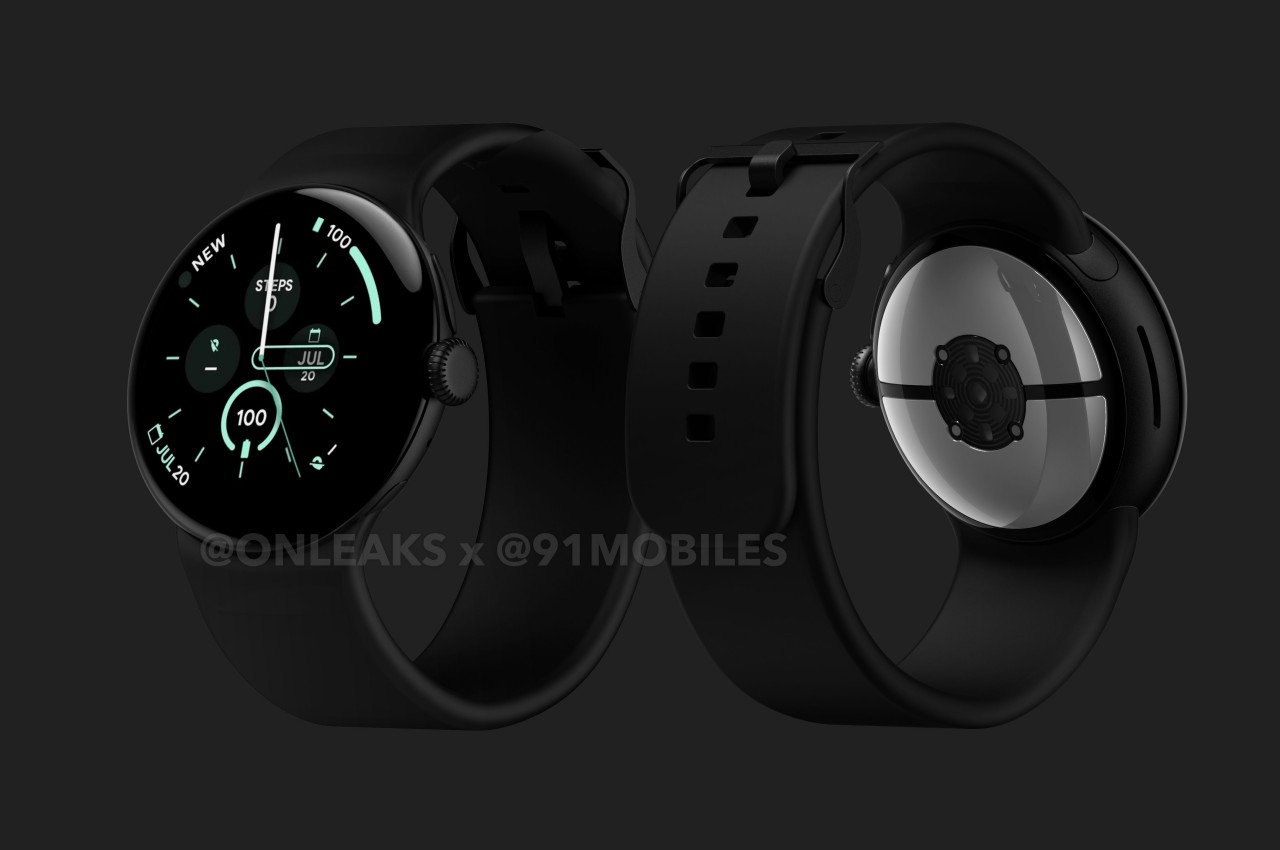
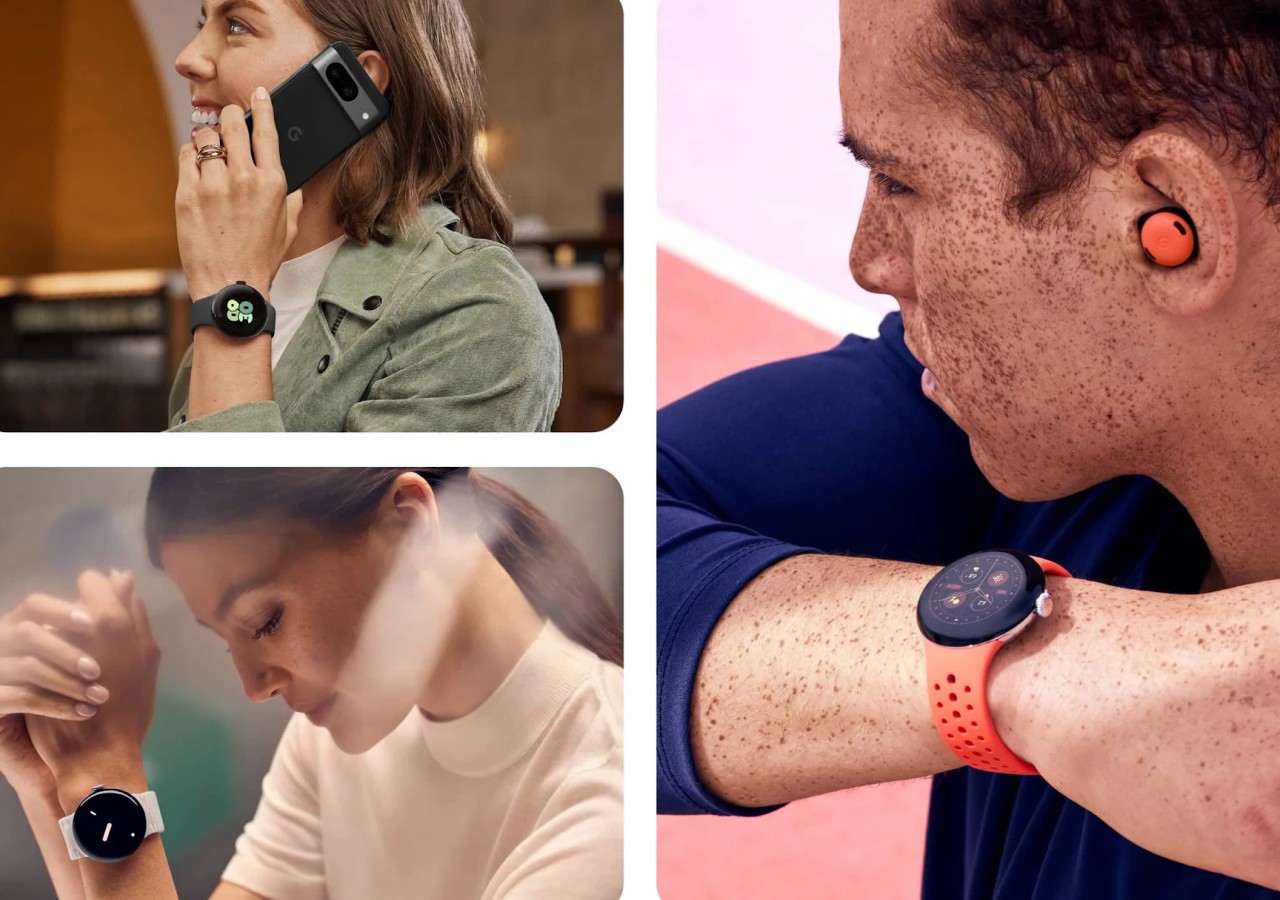
Android is available on a wide variety of devices, but not all of them have Google’s official blessing, let alone a product with Google’s name on it. In fact, it wasn’t until 2022 that Google launched its own smartwatch to stand along with sporty and stylish options from luxury brands. The Google Pixel Watch represents to some extent the vision that Google has for Wear OS smartwatches, and it seems that this vision hasn’t changed much over the past three years. At least that seems to be the impression you’ll get from these Pixel Watch 3 renders that, unsurprisingly, have an uncanny resemblance to the Pixel Watch 2 last year.

Designer: Google (via OnLeaks, 91mobiles)

Google Pixel Watch 2

In terms of design, the Pixel Watches have admittedly been quite distinctive. While their peers sported mostly flat screens with bezels reminiscent of classic watches, the Pixel Watch has a very curved surface, almost like an upturned bowl, that gave it a sleek and modern look. Just like the Pixel 6 smartphone, it is a design that spoke to the heart of many fans, and thankfully Google doesn’t seem to have any plans of changing that yet.

Google Pixel Watch 2

Based on unofficial renders of the smartwatch, the upcoming Pixel Watch 3 has the exact same design as its predecessor, save for one subtle detail you’ll never notice just by looking at the device. According to rumors, the Pixel Watch 3 will be slightly thicker than the Pixel Watch 2, and this is mostly due to a slightly larger battery as well. That’s 307mAh versus 304mAh, which is honestly an almost negligible difference. On the flip side, the Pixel 3’s height and width are allegedly smaller at 40.79 x 40.73 mm than the 41 x 41 mm of the Pixel Watch 2.

Google Pixel Watch 3

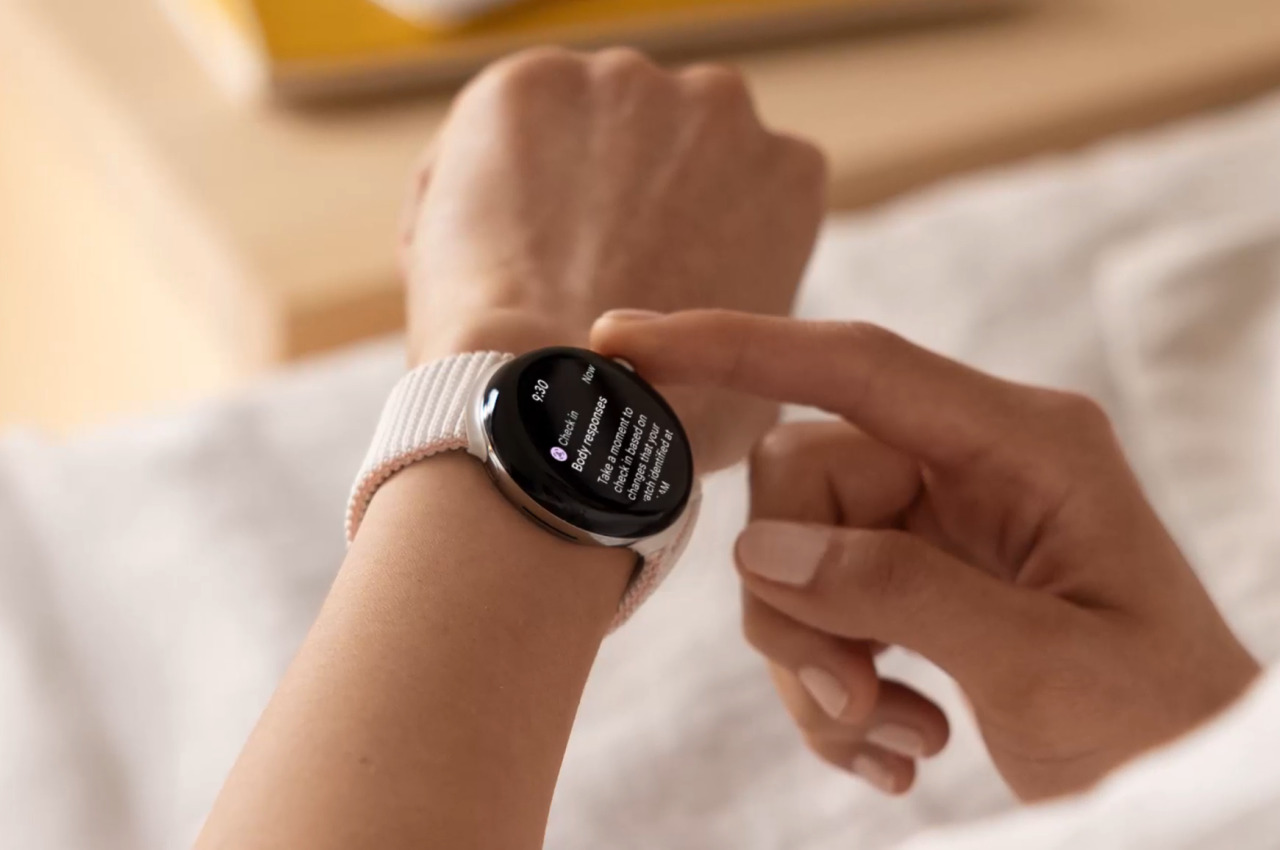
There isn’t much information yet about the rest of the Pixel Watch 3, but we do expect some more senses and, more importantly, a pinch of AI. Of course, the watch itself won’t be powerful enough for on-device AI features, so it will have to tie up with a paired smartphone. The Pixel Watch 3 is also expected to come in two sizes, with a larger Pixel Watch 3 Pro also in the works.

The post Google Pixel Watch 3 unofficial renders have no surprises to reveal first appeared on Yanko Design.
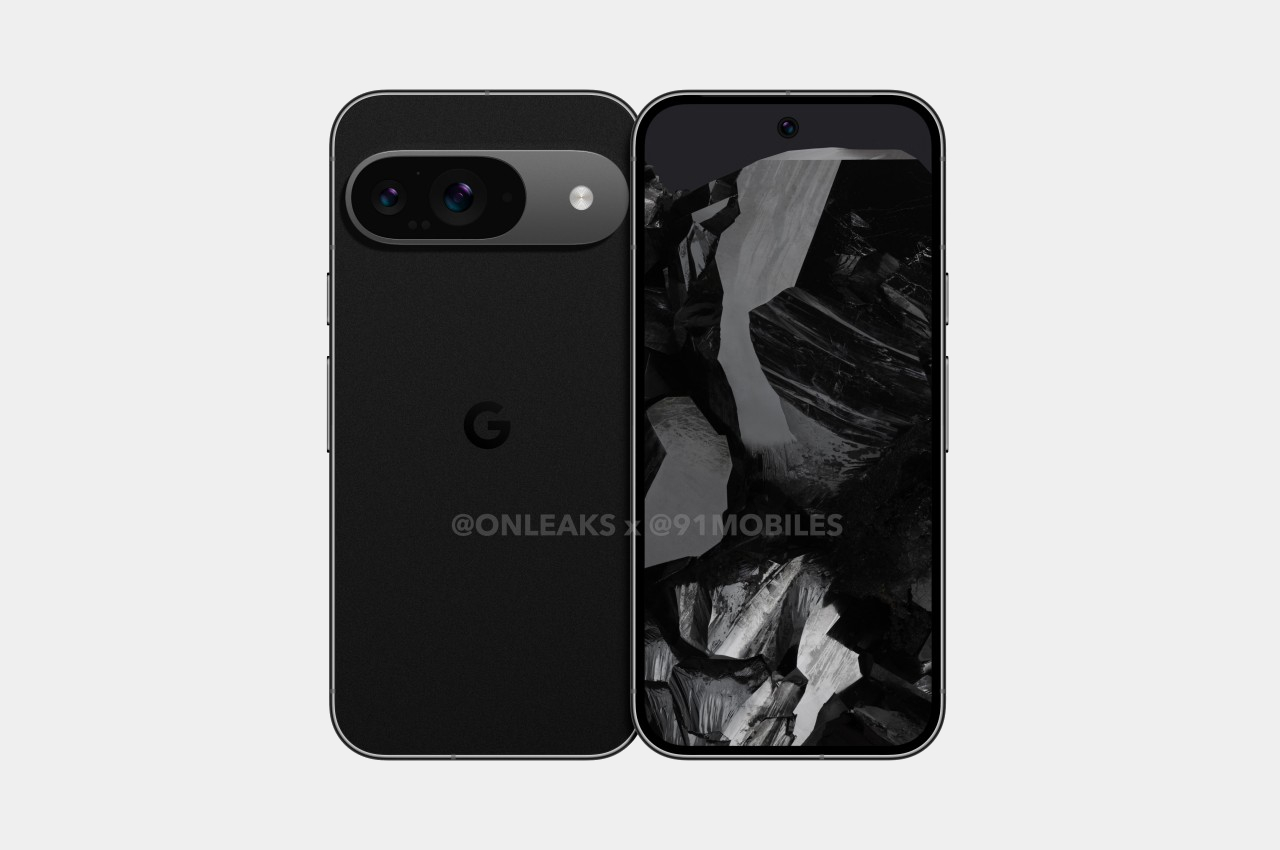
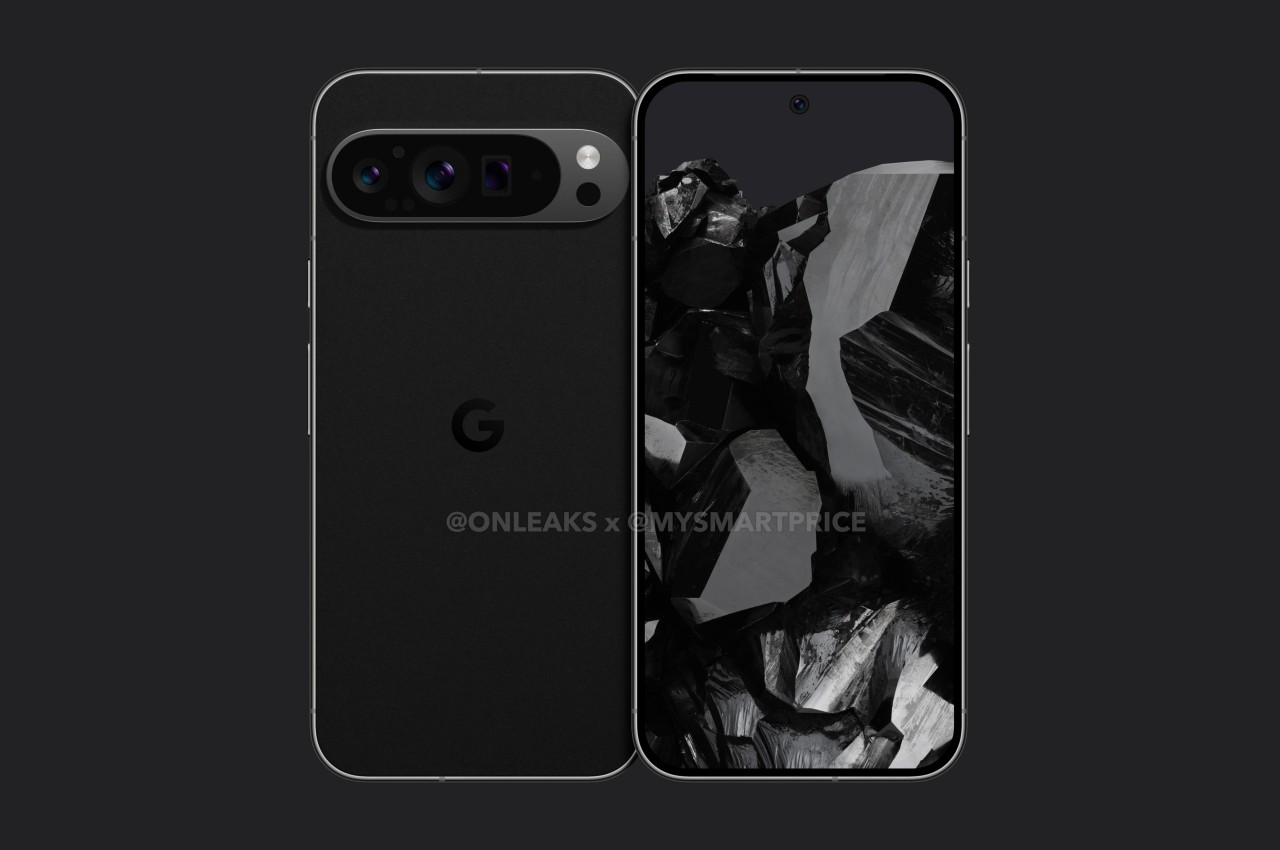
Google Pixel 9 and 9 Pro XL renders show a less dramatic design change

There are a few designs in the smartphone market that have become synonymous with the brands they represent. Although some phones followed in its footsteps, Apple wholeheartedly embraced the iPhone notch for several generations. Samsung’s S Pen is something very few manufacturers have imitated, and Nothing’s Glyph lights have made dynamic LED lighting a thing on smartphones. And then there’s Google’s camera design, which has been dubbed by some as a visor, that gave the Pixel 6 onward a visually unique character. Unfortunately, brands and designs change, and it seems that the Pixel 9 trio will bid farewell to that distinctive design, though its replacement is admittedly a bit less egregious than other leaks would have us believe.

Designer: Google (via 91mobiles, MySmartPrice, Steve Hemmerstoffer)

Google Pixel 9 Pro XL

Truth be told, the “visor” camera design on the recent Pixel phones isn’t exactly the sleekest and most elegant design around, but it has enough elements that make it interesting and distinctive without being obnoxious or garish. It also has the side effect, intentional or otherwise, of raising the phone at an angle without making it wobble. Based on leaks confirmed by these unofficial renders, we might have seen the last of that design and will behold another variation that may be even more controversial than the original design on the Pixel 6 from 2021.

Google Pixel 9

Google Pixel 9

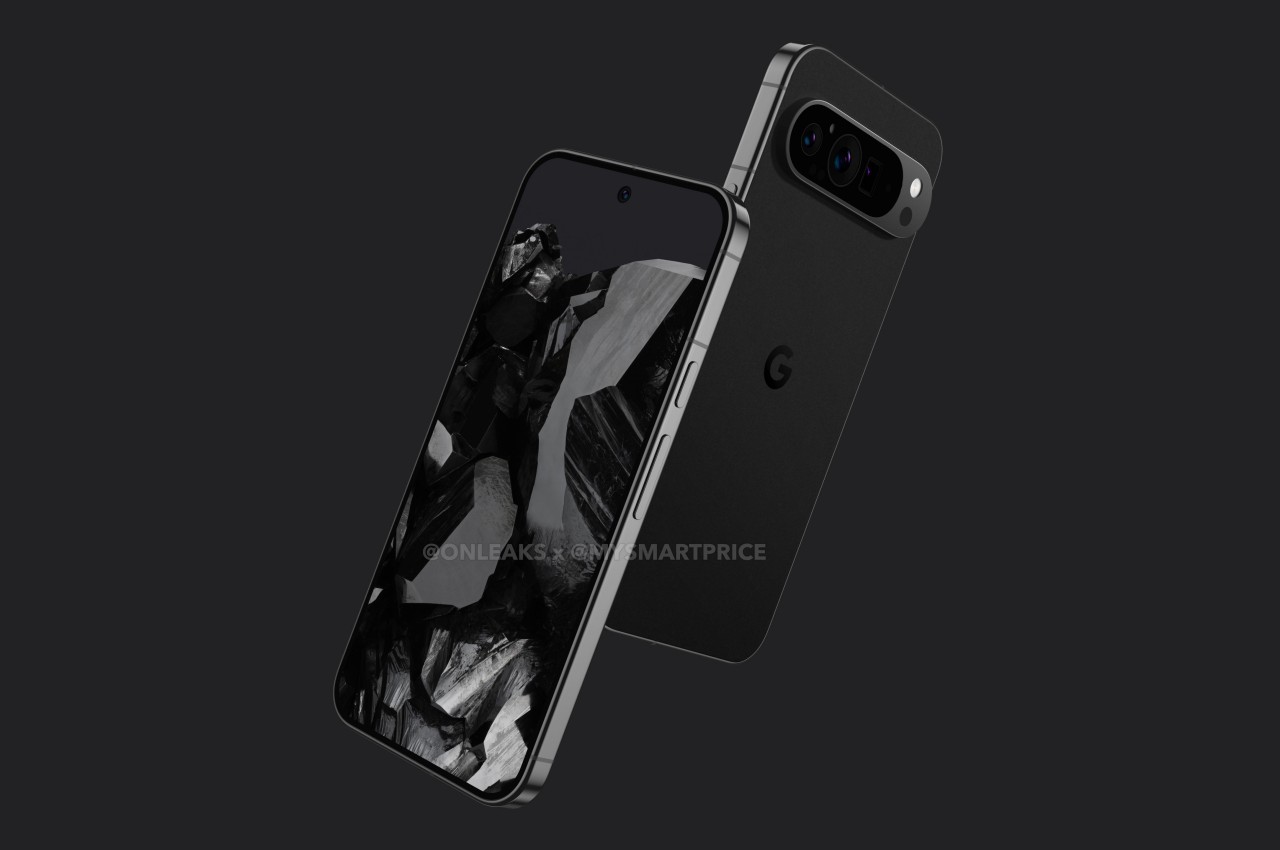
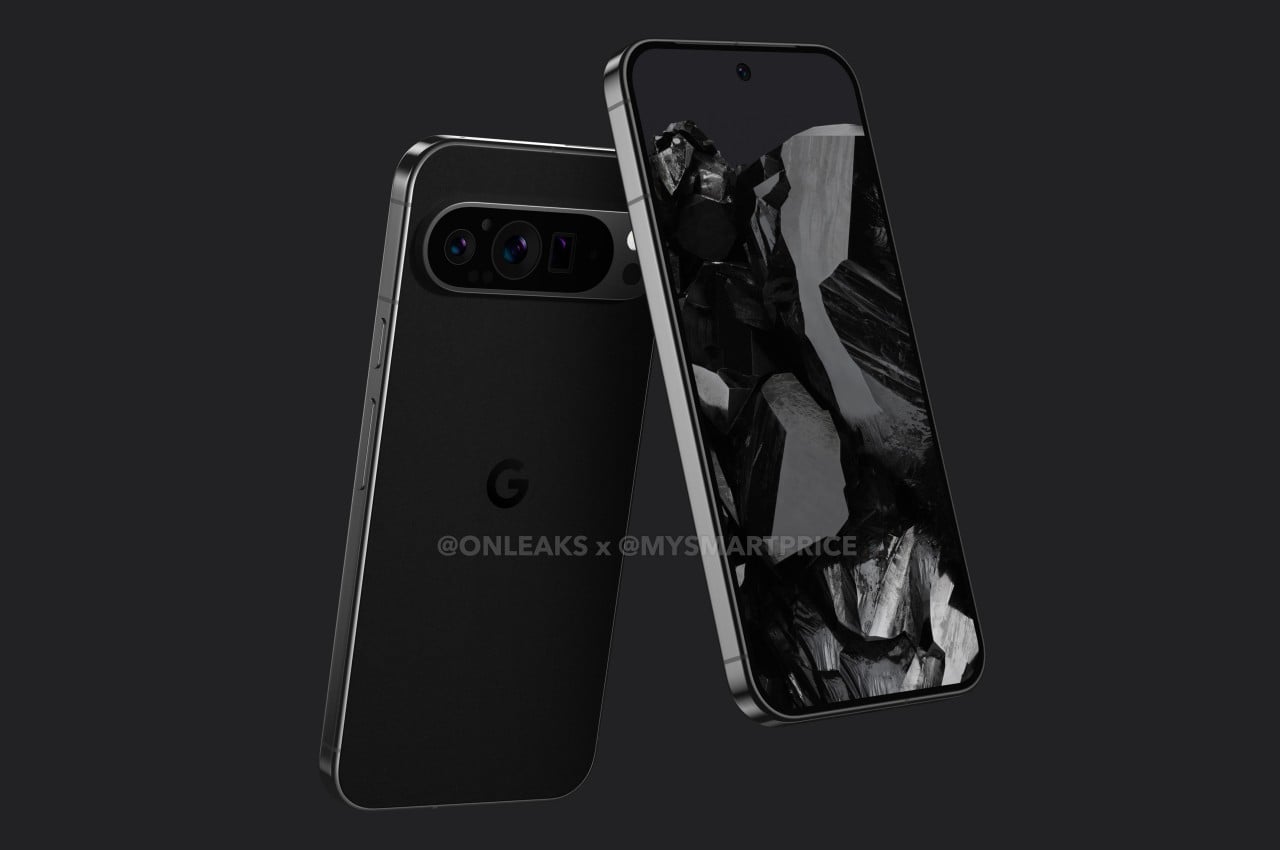
Instead of a raised strip that goes from edge to edge, the Pixel 9 phones will instead have a long pill-shaped camera bump that still spans the entire width of the phone. But unlike blurry leaked photos of prototype models, these renders show a better picture of what is allegedly the final design of that camera bump. It will follow the same two-tone theme as the Pixel 8 before it, giving it a bit of style and visual interest.

Google Pixel 9

It will definitely not be everyone’s cup of tea, especially those who have regarded the visor design to be the signature mark of the Pixel phones from the past three years. But more than just brand identity, this capsule-shaped bump also has the effect of making its thickness even more noticeable and abrupt, as if someone just glued a large chunk of metal and glass onto the back of the phone. The Pixel 8’s camera bump is just as thick, but the curved edge and smoother curves give the impression that it is thinner than it really is.

Google Pixel 9 Pro XL

Another detail coming out from these leaks is that Google will launch three models this year instead of just two. That will be the Pixel 9, Pixel 9 Pro, and Pixel 9 Pro XL. The “XL” model hasn’t been seen since the Pixel 5 XL in 2020, so it will be interesting how Google will position these three phones in the market.

Google Pixel 9 Pro XL

Google Pixel 9 Pro XL

The post Google Pixel 9 and 9 Pro XL renders show a less dramatic design change first appeared on Yanko Design.
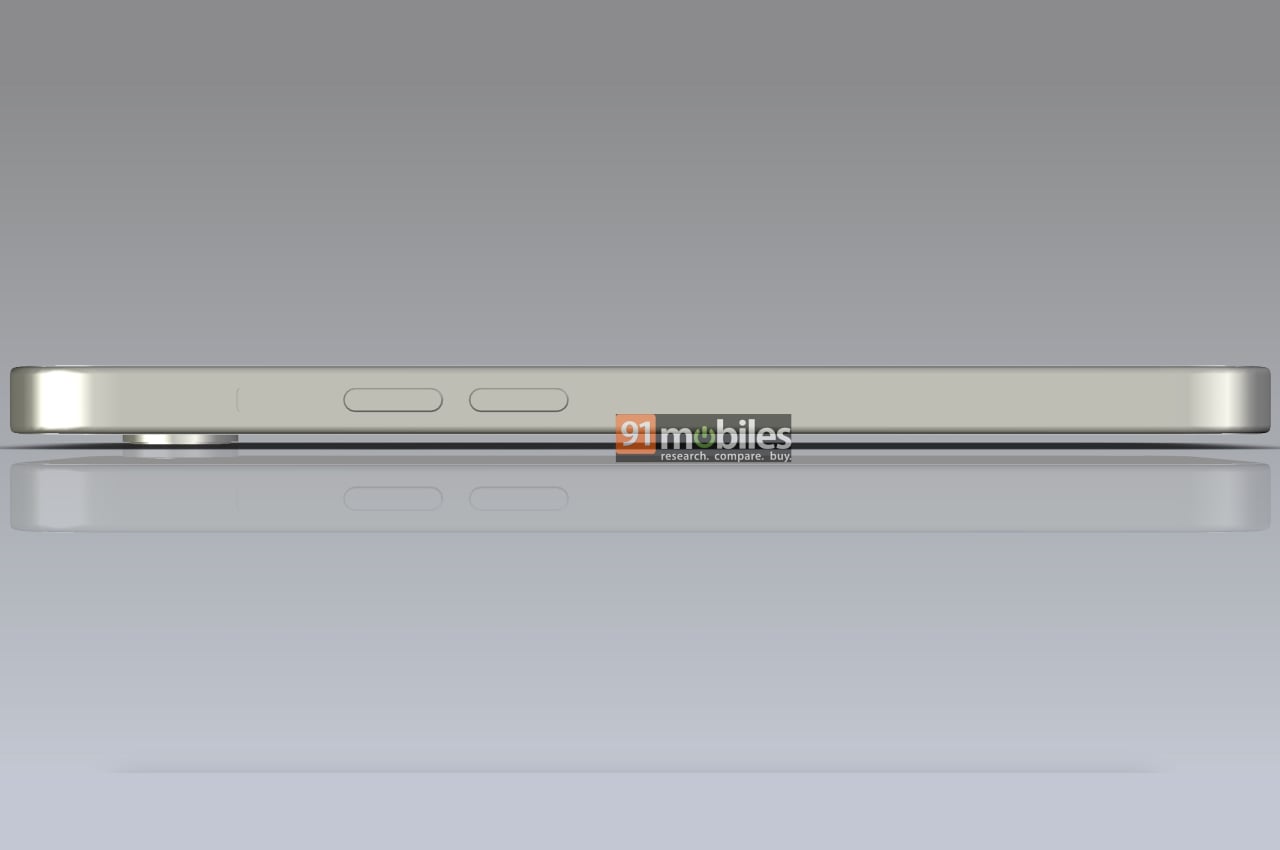
iPhone SE 4 renders say goodbye to the Touch ID home button, hello to USB-C

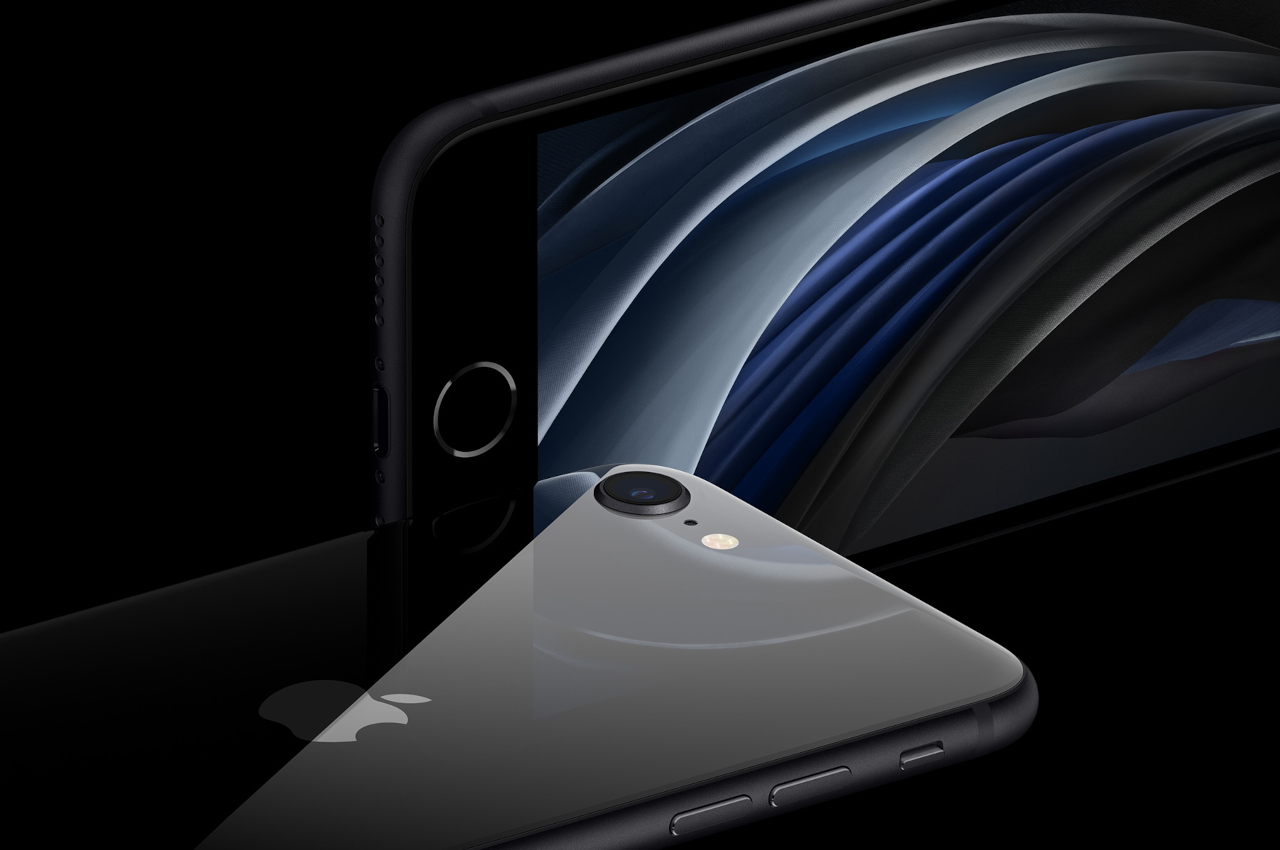
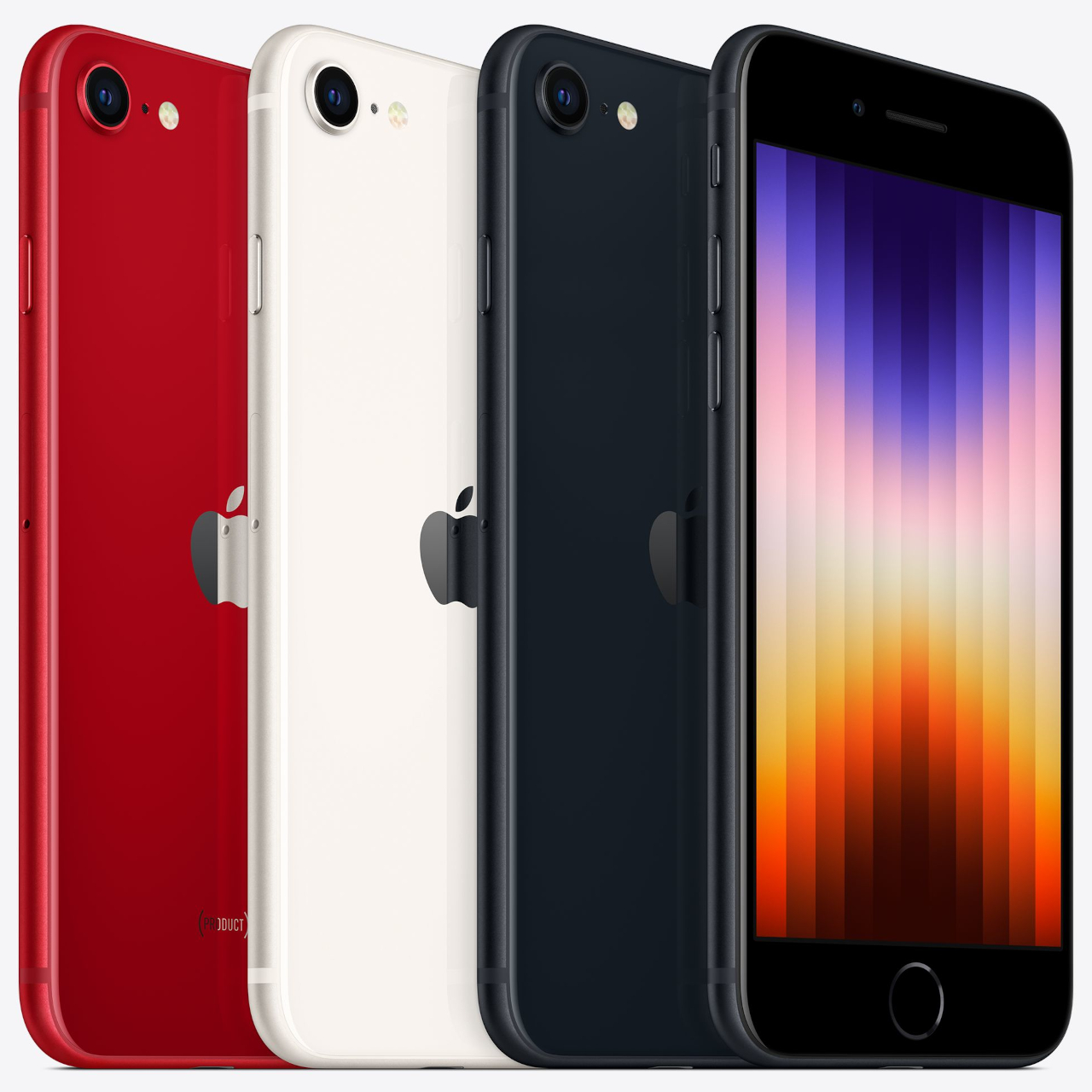
All good things must come to an end, or so they say. Of course, the definition of “good” will always depend on who you ask. Some might be pining for the “good old days” when the iPhone was curvy, small, and didn’t require your face to unlock it. For some, the 3rd-gen iPhone SE from 2022 was their recourse, but could finally be the last of its kind. No, Apple will apparently still launch an ultra-affordable iPhone, but it will no longer be that safe haven for lovers of old technologies and designs. According to this latest visual leak, the iPhone SE 4 expected to launch next year will be taking after the iPhone 14 design, now also considered a “last-gen” design, except for one curious feature that’s both surprising yet makes total sense as well.

Designer: Apple (via 91mobiles)

The iPhone SE, which stands for “Special Edition,” has always been an oddity in Apple’s lineup. Although it was regarded to be the cheapest and smallest iPhone from the company’s catalog, those points aren’t always true as each new model is introduced. To some extent, it feels more like the iPhone SE is an ode to technologies and designs that are being put to pasture, whether it’s the small design and headphone jack of the first iPhone SE or the physical home button of the iPhone SE 3.

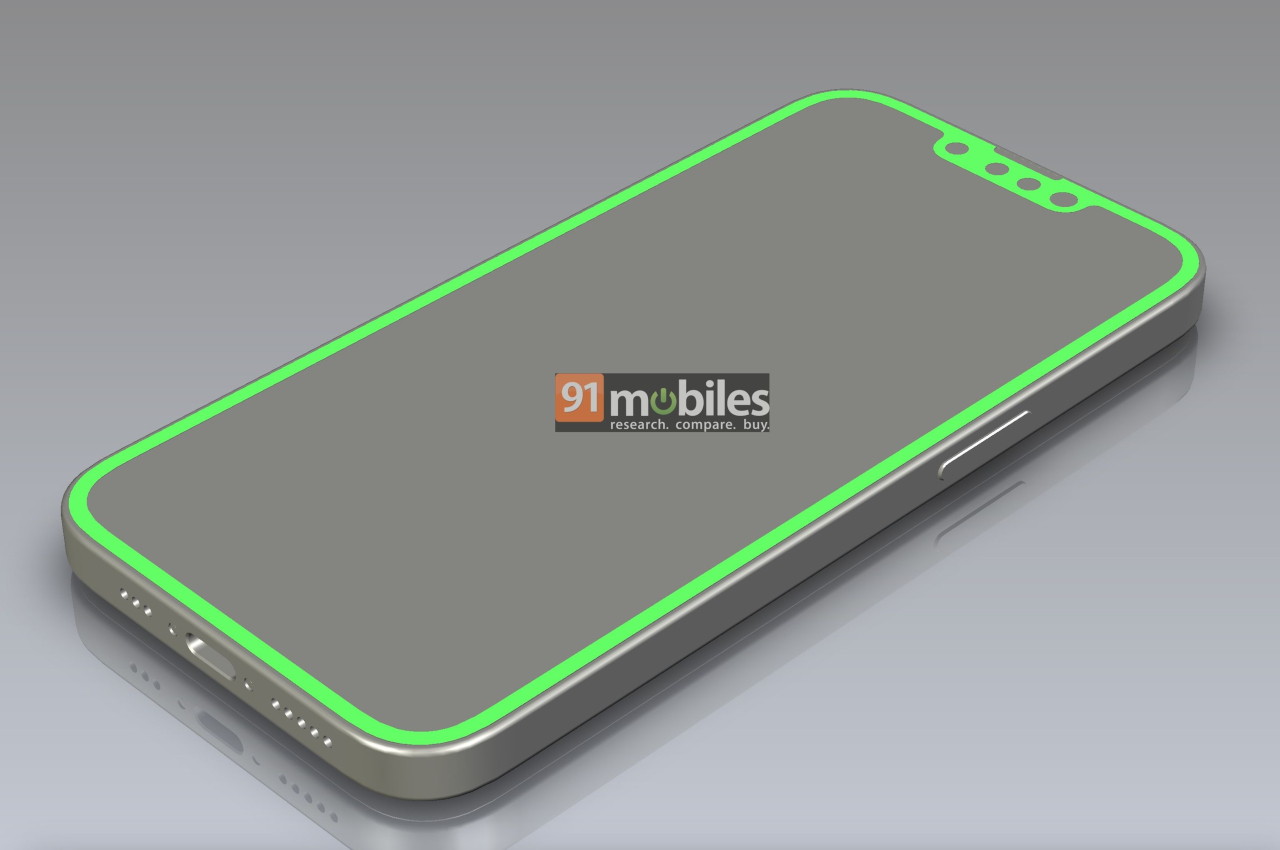
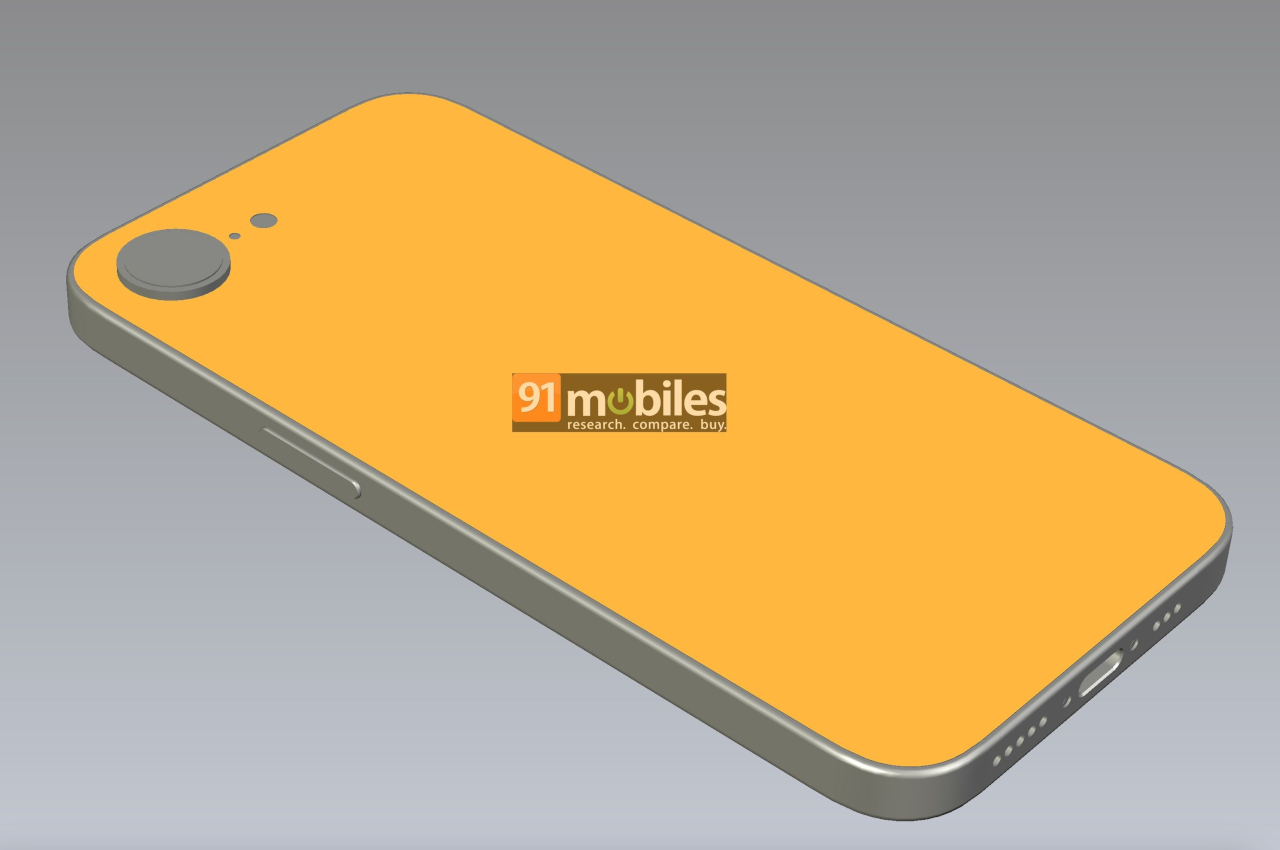
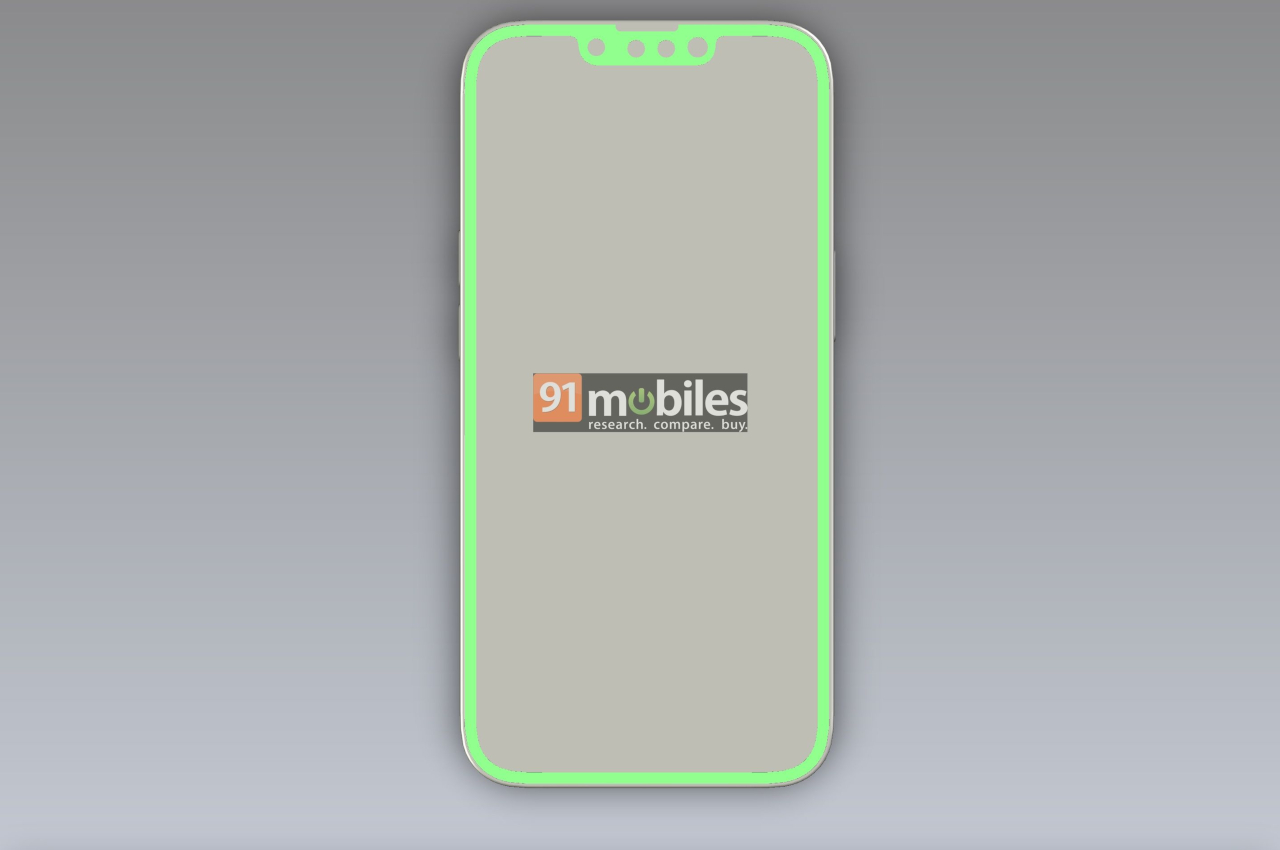
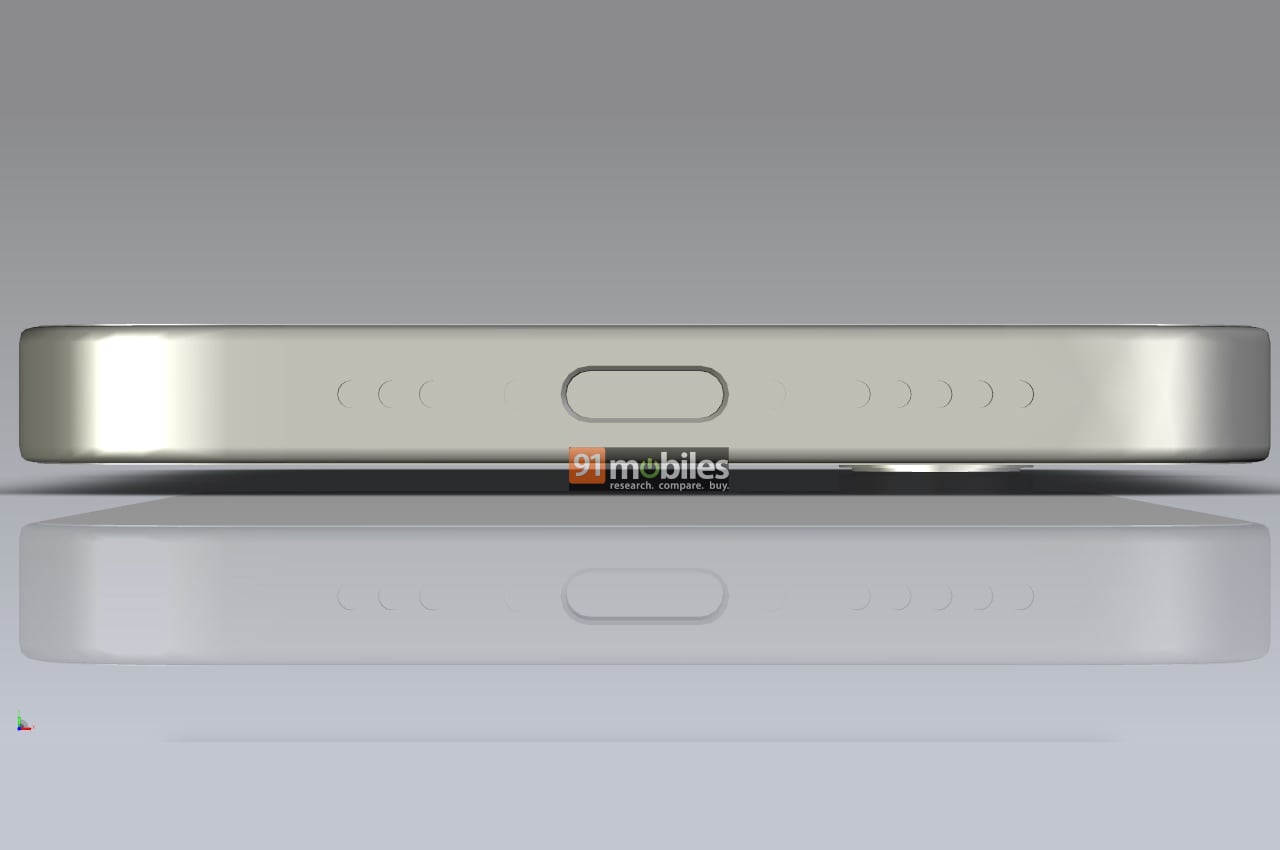
Unofficial CAD renders, uninspiring as they might look, offer some clues to the design changes that Apple intends for the 2025 iPhone SE. For one, it finally bids farewell to the small-sized iPhone with what is allegedly a 6.1-inch screen. Second, it also removes the thick bezels of the past, embracing a screen that has been around since the iPhone X, which also means finally embracing the notch. More importantly, however, this kind of bezel-less display also has no room for Touch ID, so fingerprint authentication will finally be gone for good, at least on iPhones and iPads.

For all intents and purposes, the iPhone SE 4 looks like the iPhone 14 from 2022, which itself sported a design that was significantly unchanged since the iPhone X from 2017. The only major difference, at least from a design perspective, is that the camera on its back retains a single circular bump more reminiscent of the iPhone 8 and earlier eras. Given there might only be a single camera anyway, that’s a better choice than having a square bump with barely anything inside it.

The renders do suggest that the 4th-gen iPhone SE will also adopt a USB-C port, a technology that Apple introduced to iPhones only last year. This is quite a modern feature for an iPhone SE model, but considering the pressure on Apple to adopt a standard charging port, it doesn’t come as a surprise. That said, these are still all unofficial, so details might still change before the new iPhone SE launches, which is expected to happen next year.

The post iPhone SE 4 renders say goodbye to the Touch ID home button, hello to USB-C first appeared on Yanko Design.
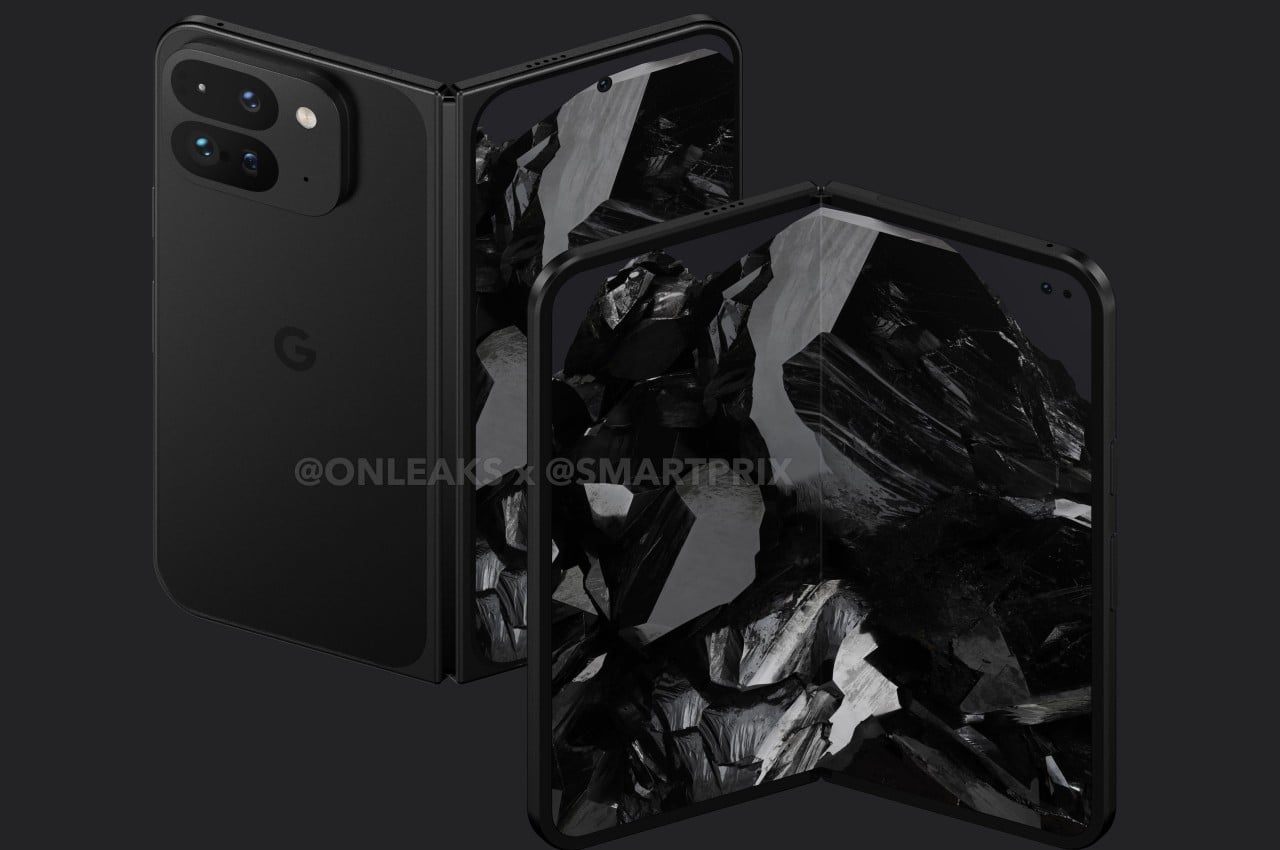
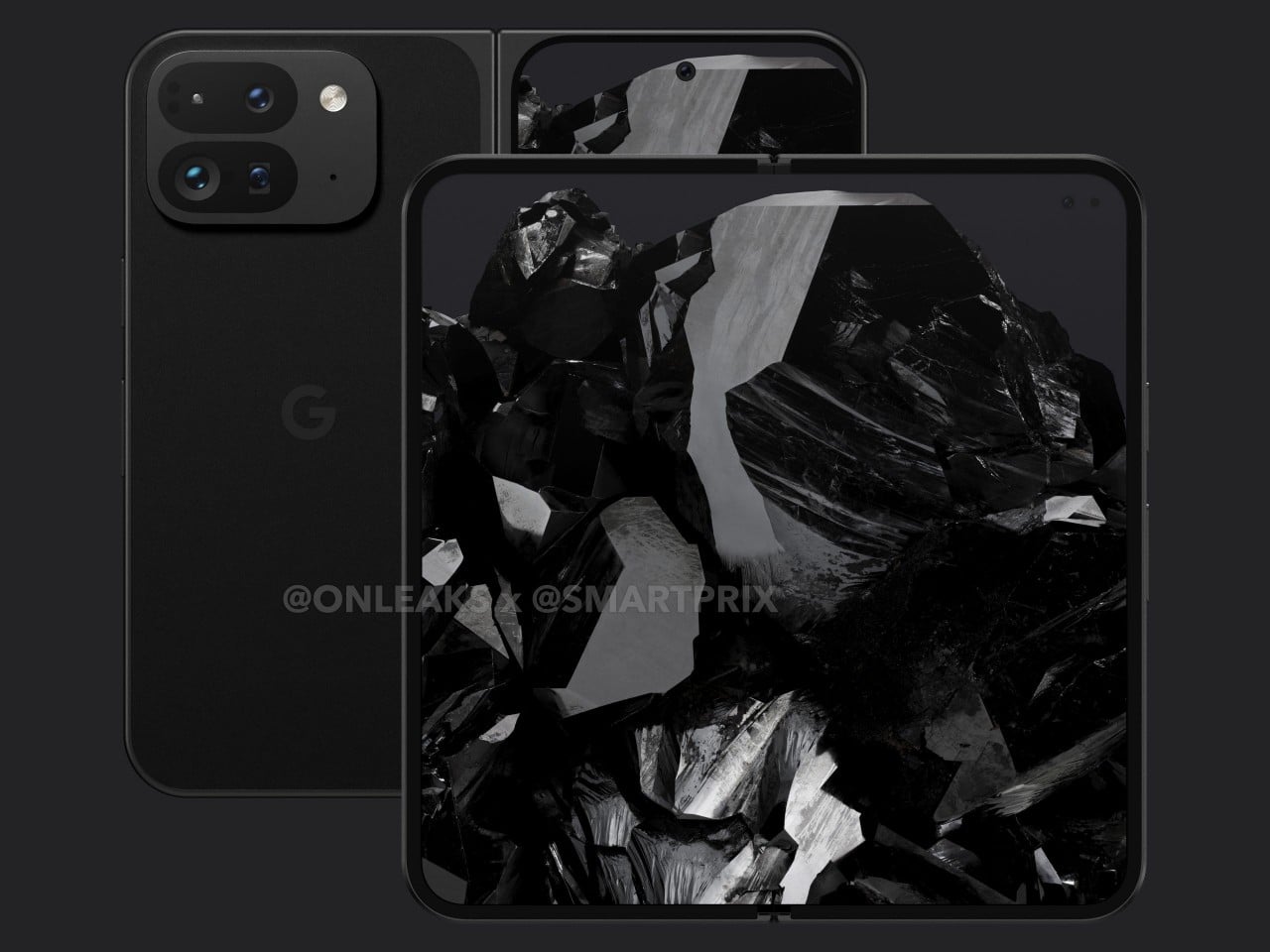
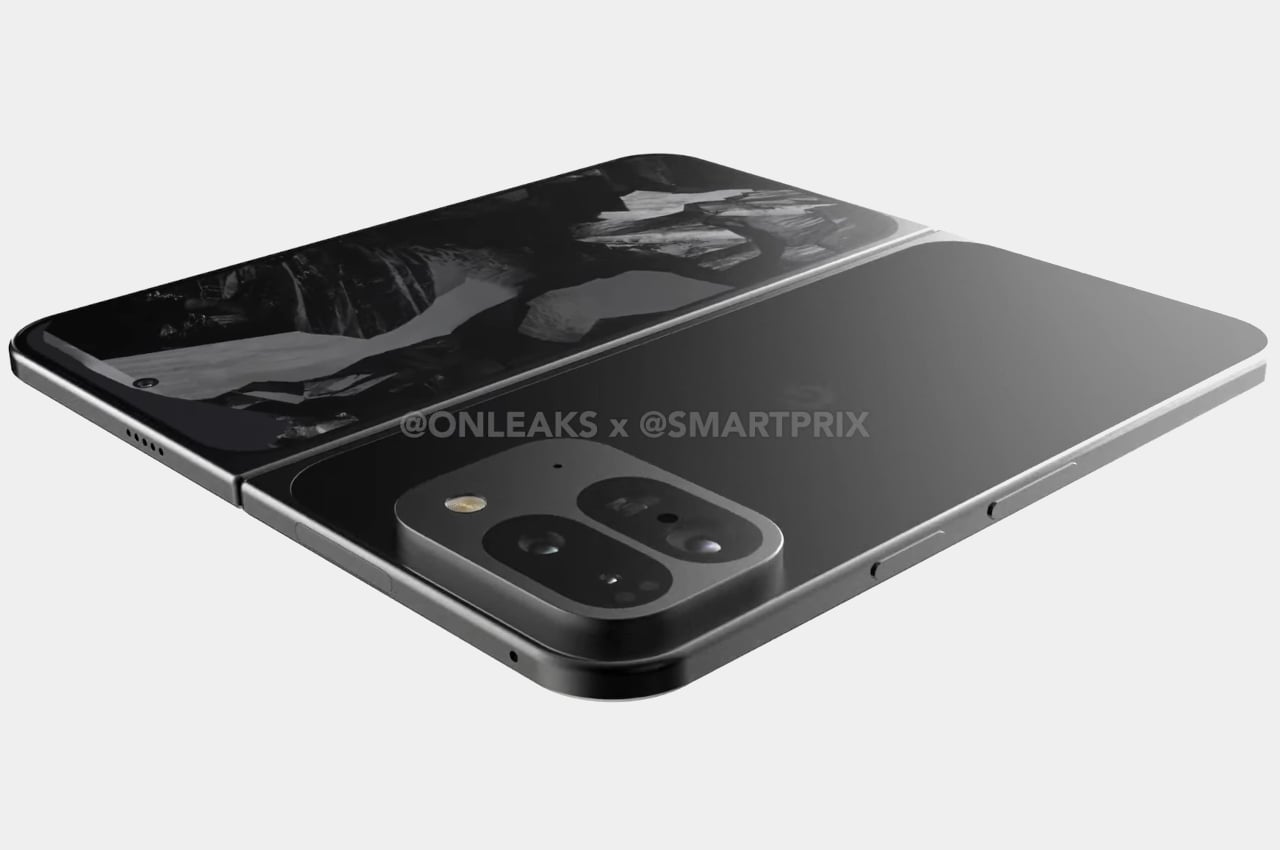
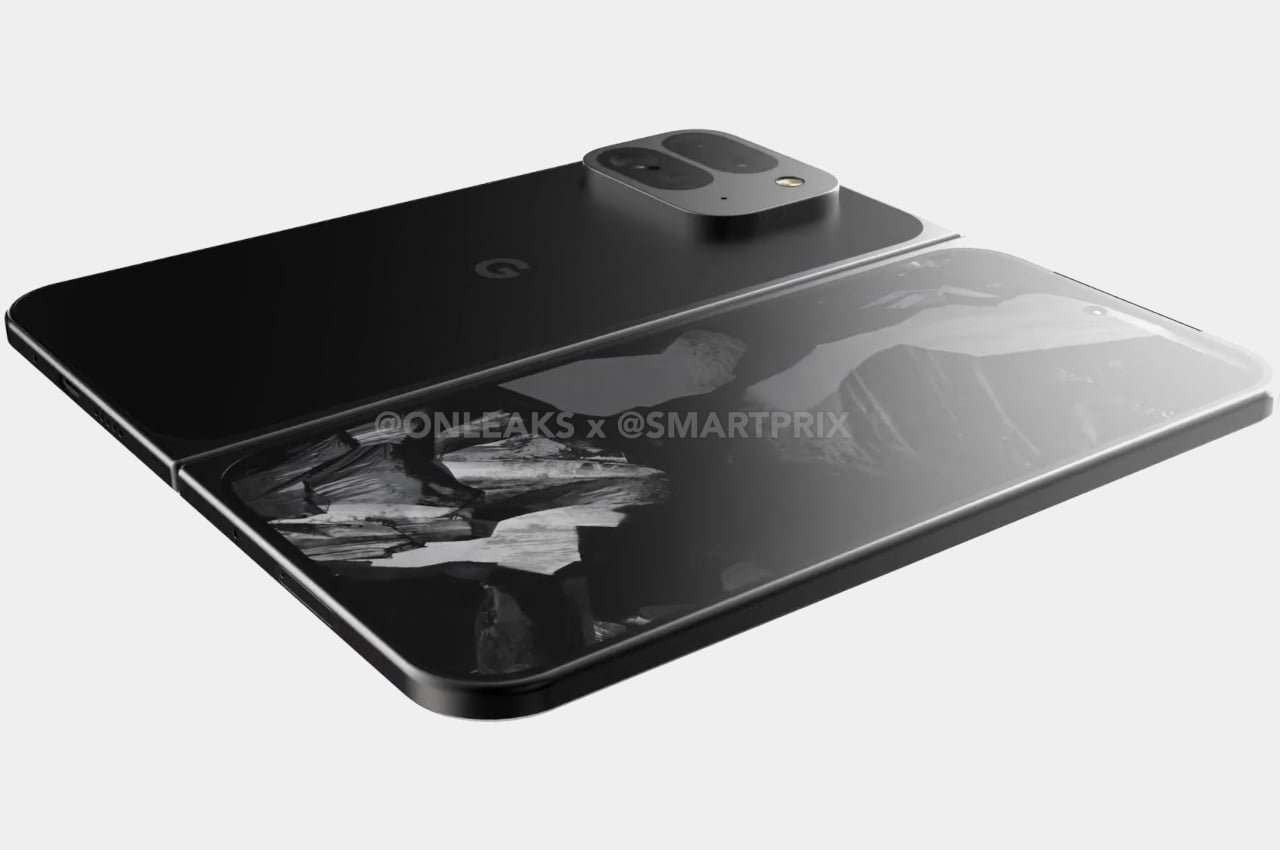
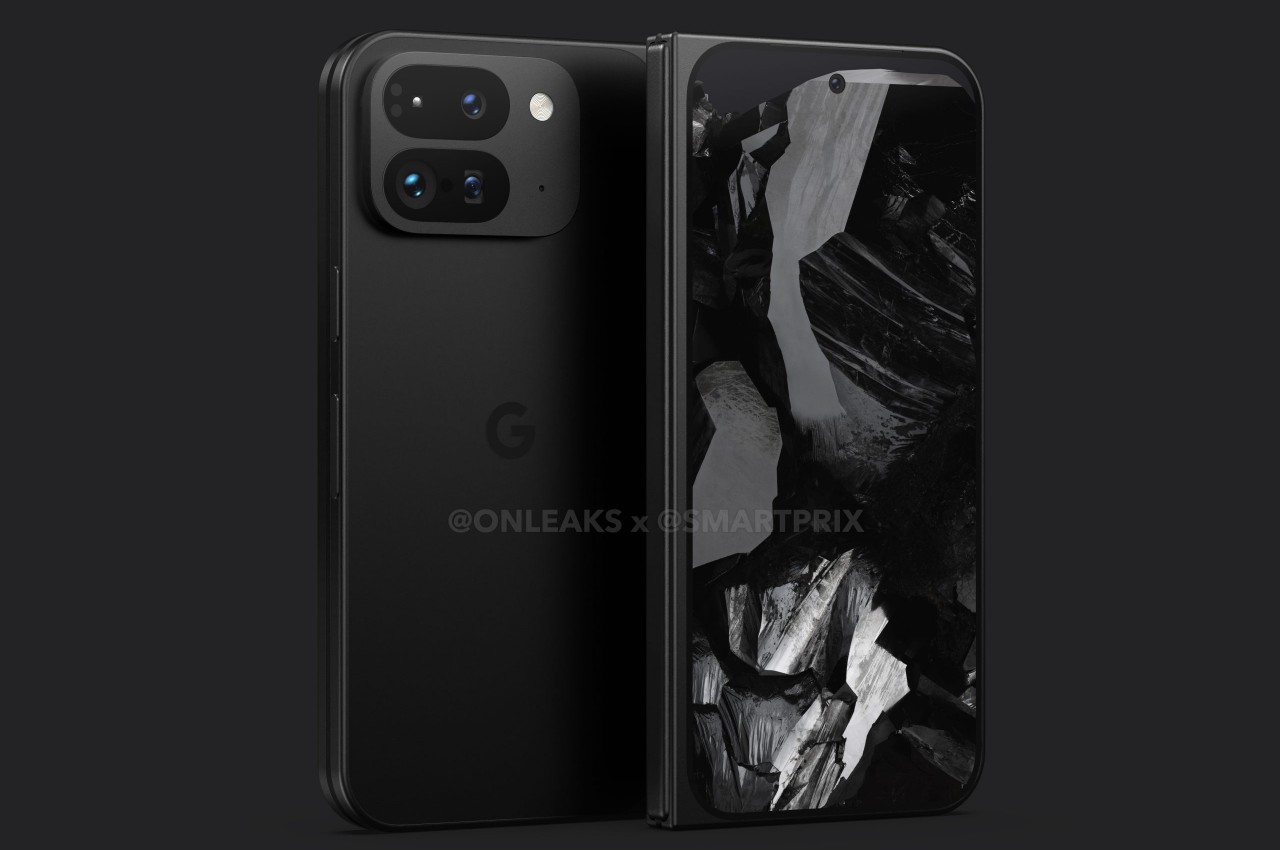
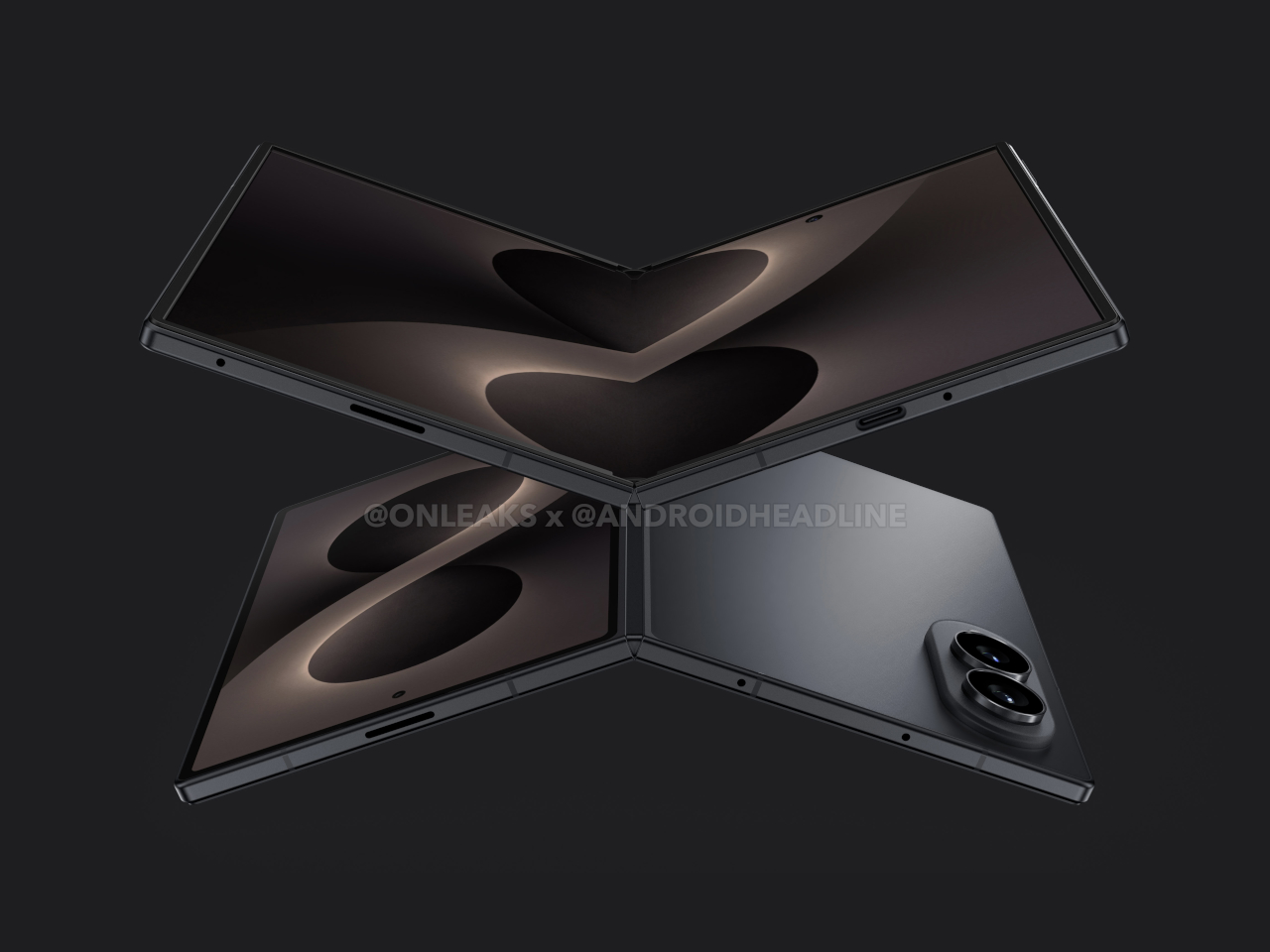
Google Pixel Fold 2 renders say goodbye to a distinctive design

The foldable phone market is still very young, which means there’s plenty of room for design improvement across the board. We can expect manufacturers to experiment with different combinations that try to cram as much hardware as possible inside super-thin bodies. Change is inevitable but not every change will be welcomed with open arms. Some are bound to be controversial, especially when they involve removing something that people have grown fond of. That might be the case with Google’s second foldable phone, which will trade its somewhat iconic “visor” camera design for a rather unusual spin on the common camera bump that might prove to be quite unappealing if these unofficial renders are correct.

Designer: Google (via Smartprix, @OnLeaks)

Granted, the Google Pixel’s rear camera bar isn’t exactly loved by everyone, but it still gives the smartphones a distinctive appearance that can be considered Google’s signature design. That’s not exactly easy to pull off on a foldable phone like the Pixel Fold, so Google had to modify it to be less elegant but still shouted “Pixel” nonetheless. Whether you liked that design or not, it might not be sticking around on Google’s foldable for long, and maybe not even on its future smartphones.
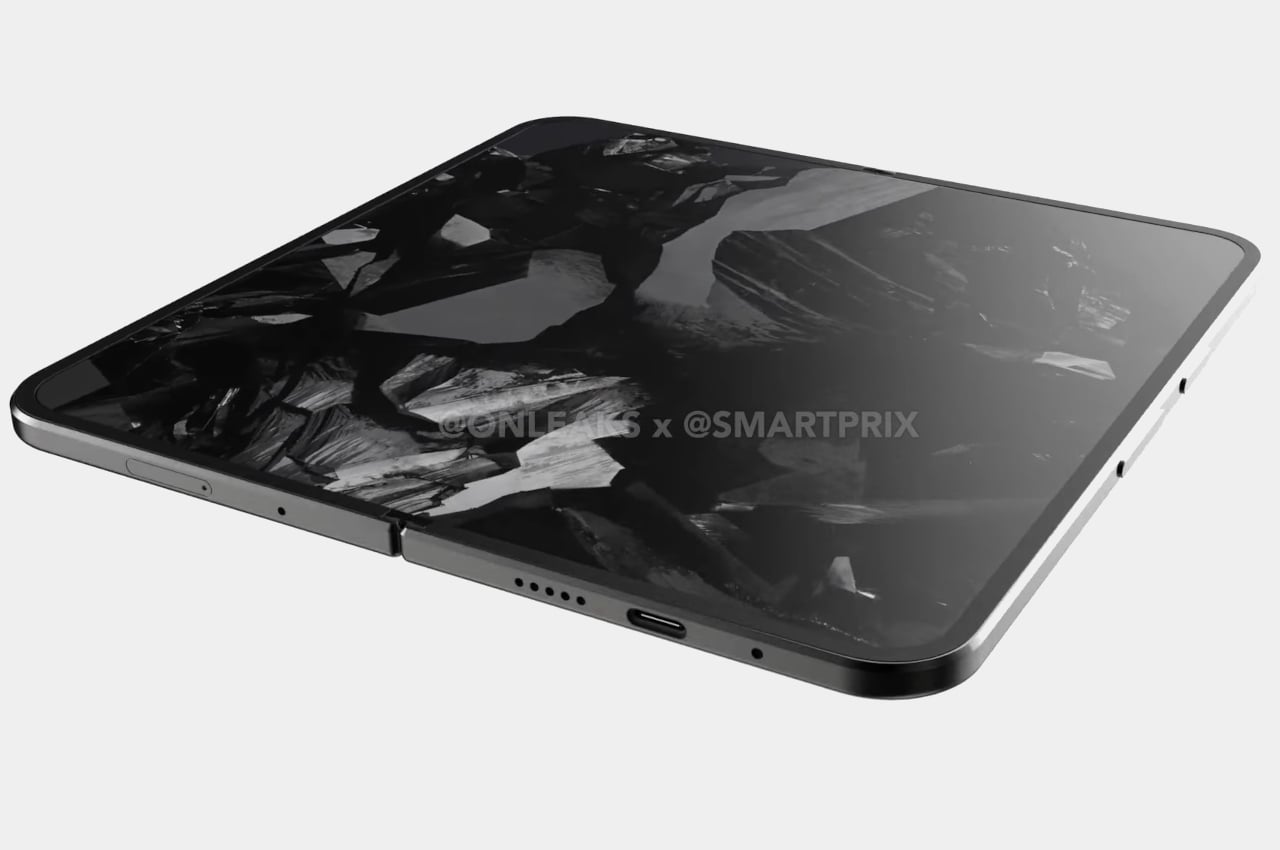
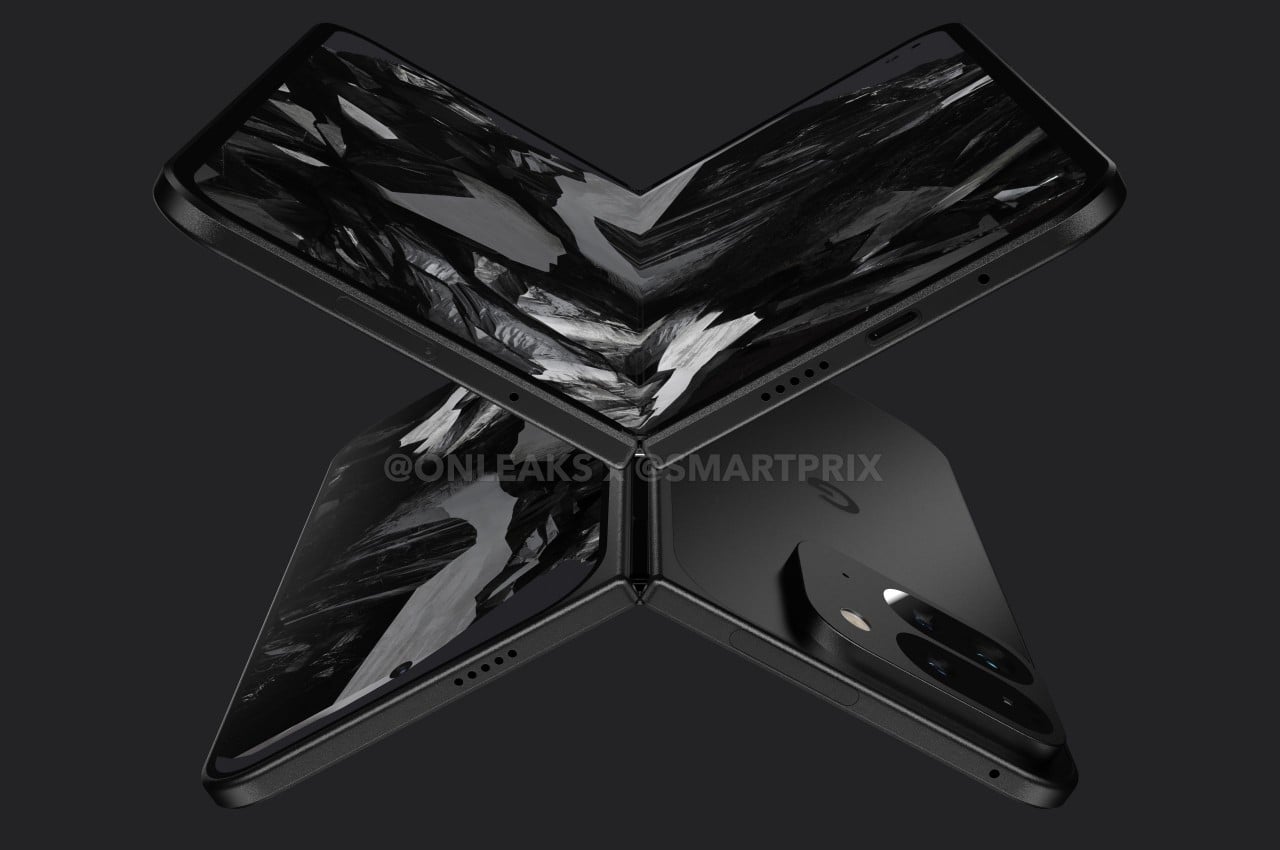
Renders based on leaked information reveal the alleged Pixel Fold 2 design that is so different from the first-gen foldable. Gone is the horizontal bar, replaced by what almost looks like a more conventional rounded square in the corner. That illusion quickly breaks down, however, when you notice the two horizontal pill-shaped cutouts for the camera lenses. In addition to possibly being very thick, this could easily be one of the least attractive camera designs today.

The more subtle changes can be found in the sizes of the two screens. Not only are they larger, they also have different aspect ratios. The external Cover screen, for example, is a bit narrower and taller, resulting in an unfolded shape that is more square than the first Pixel Fold. The bezels around the internal display are also much thinner, which leaves no room for a camera. Apparently, this could also be Google’s first phone to use an under-display camera as well.

None of these details are guaranteed, of course, and Google might surprise us with a Pixel Fold 2 that looks almost exactly like the Pixel Fold 1, except more refined. It is definitely within Google’s right to change its designs as it sees fit, but there are also times when you’re just left scratching your head at the oddity of it all. Fortunately, the Pixel Fold is hardly the only foldable phone available, especially with OPPO confirming it’s still in the race.

The post Google Pixel Fold 2 renders say goodbye to a distinctive design first appeared on Yanko Design.