The Leather Vessels at Milan 2026 That Feel Like They’re Breathing

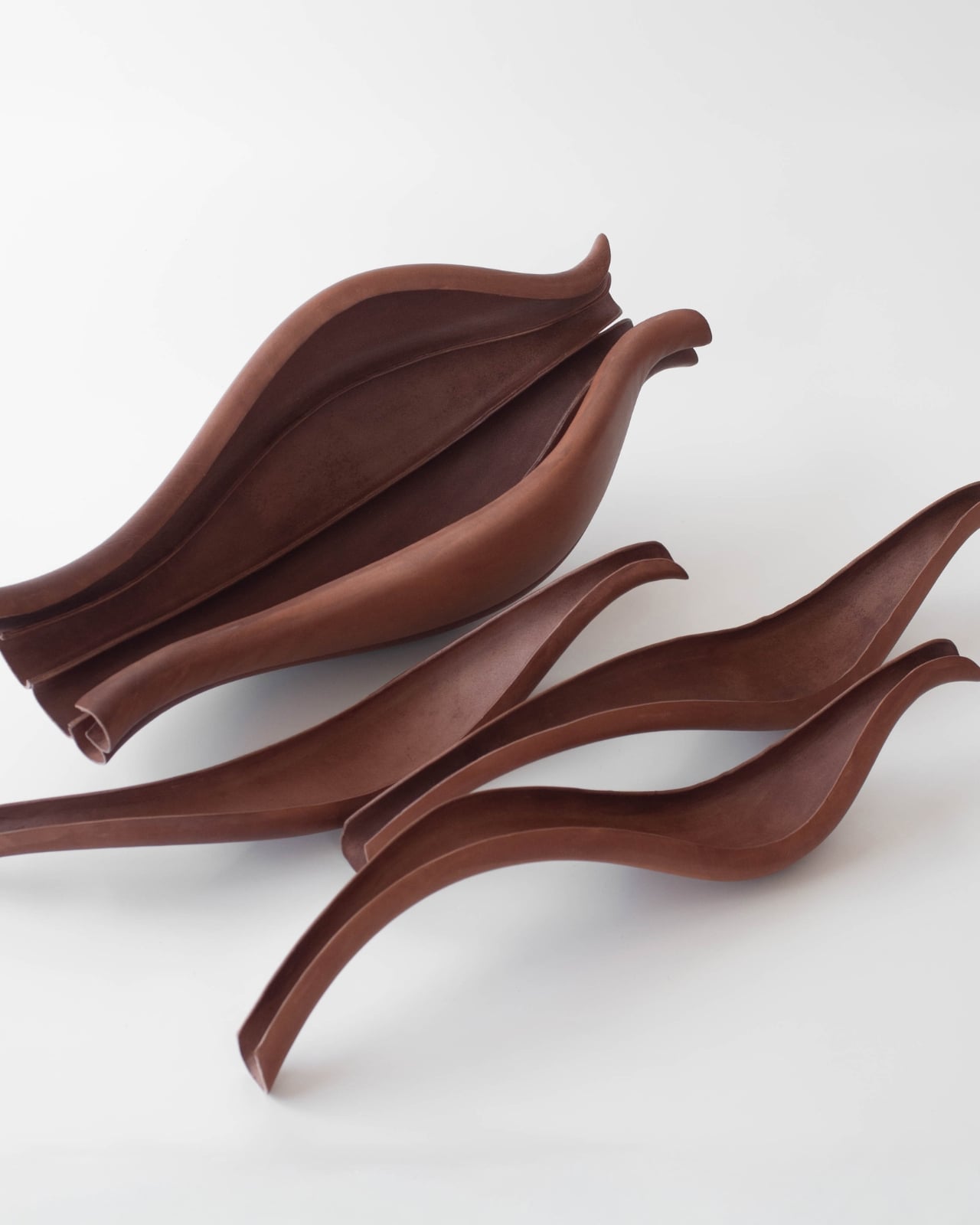
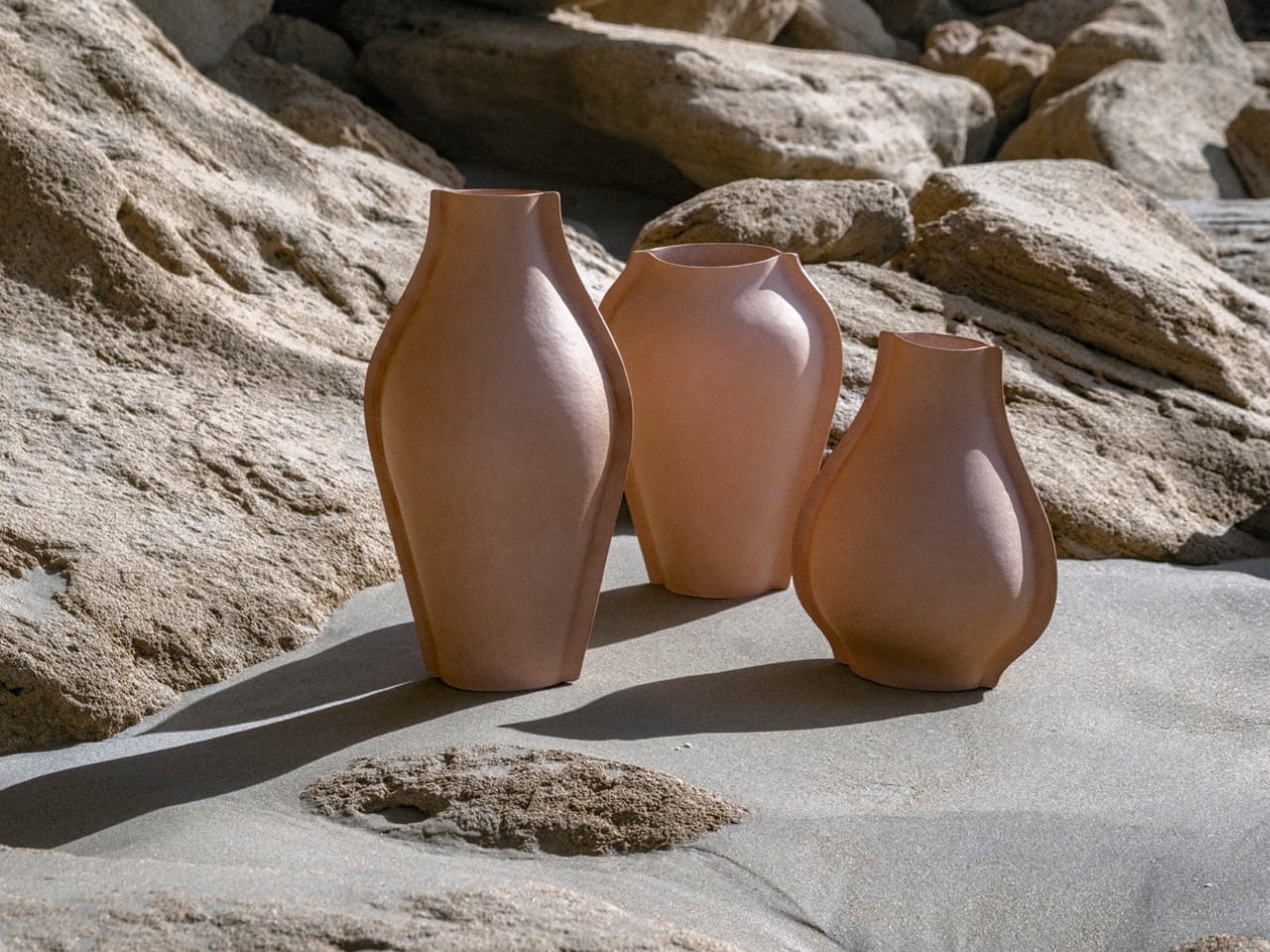
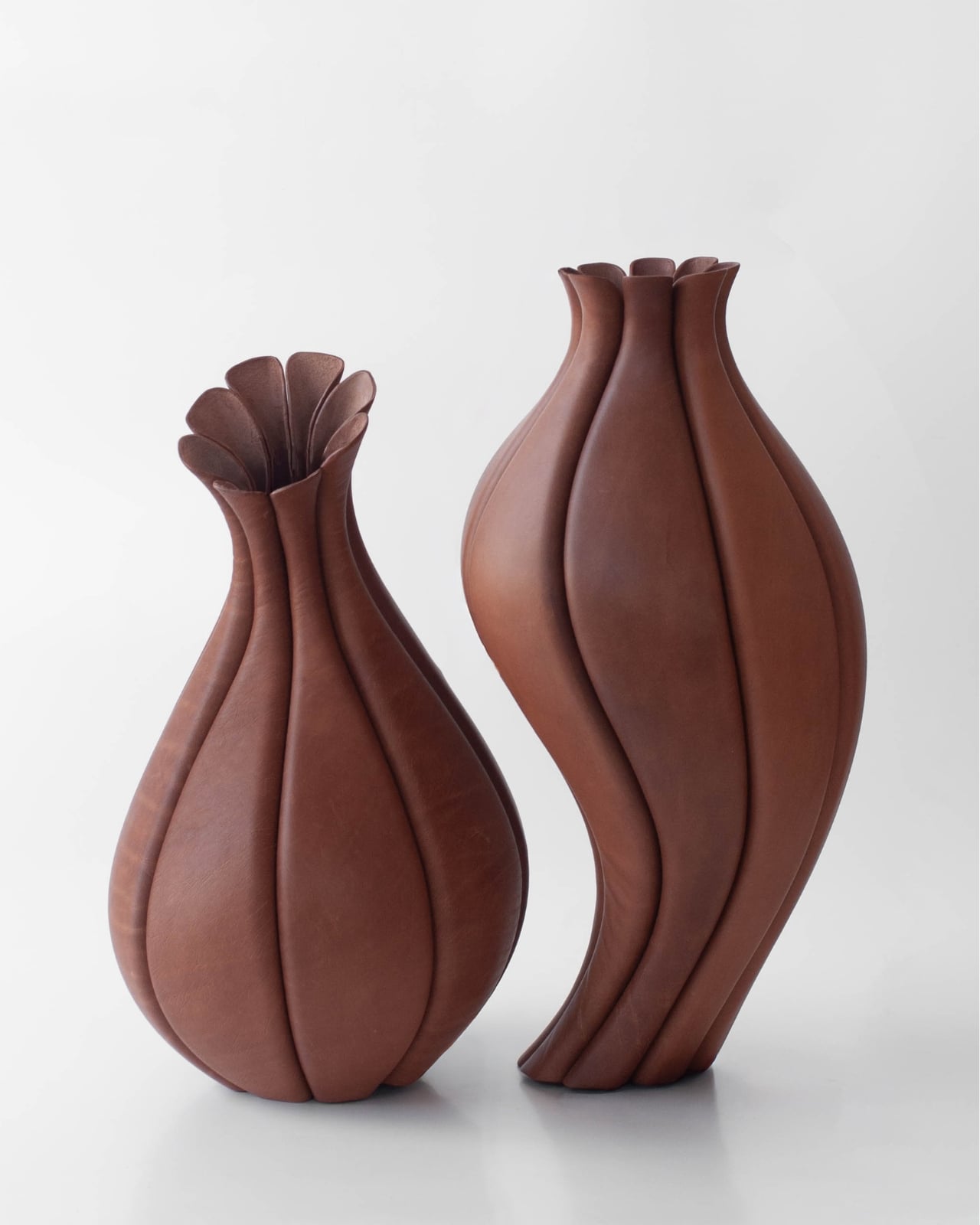
When I first came across Talia Luvaton’s work, I genuinely paused. Not because it was unexpected to see leather used in design, but because nothing about these pieces looked like leather was supposed to look. The forms were full, curved, almost muscular, more closely related to the human body than to anything you’d find in a saddle shop or a fashion house. They looked, oddly, like they were breathing.

Luvaton is a Tel Aviv-based designer and leather craft artist, and her work is rooted in what she describes as a material-driven approach, which basically means the leather tells her where to go as much as she tells it. She works exclusively with sustainable vegetable-tanned leather, shaped by hand using wet-forming techniques and custom molds. The process involves pressure, moisture, and time, three variables that make each piece genuinely impossible to replicate exactly. That’s not a marketing claim. It’s a physical fact of the material.

Designer: Talia Luvaton
Her newest project, TRACE, makes its world debut at Milan Design Week 2026, opening April 20, and it might be the most personal thing she has made so far. It began with observational drawings of the human body. Fluid, organic shapes. Lines extracted from those drawings were then translated into three-dimensional form, the leather holding onto the gesture of the body the way a cast holds the memory of what shaped it. The pieces balance tension and softness in a way that feels almost contradictory, rigid enough to hold their form, yielding enough to feel warm.
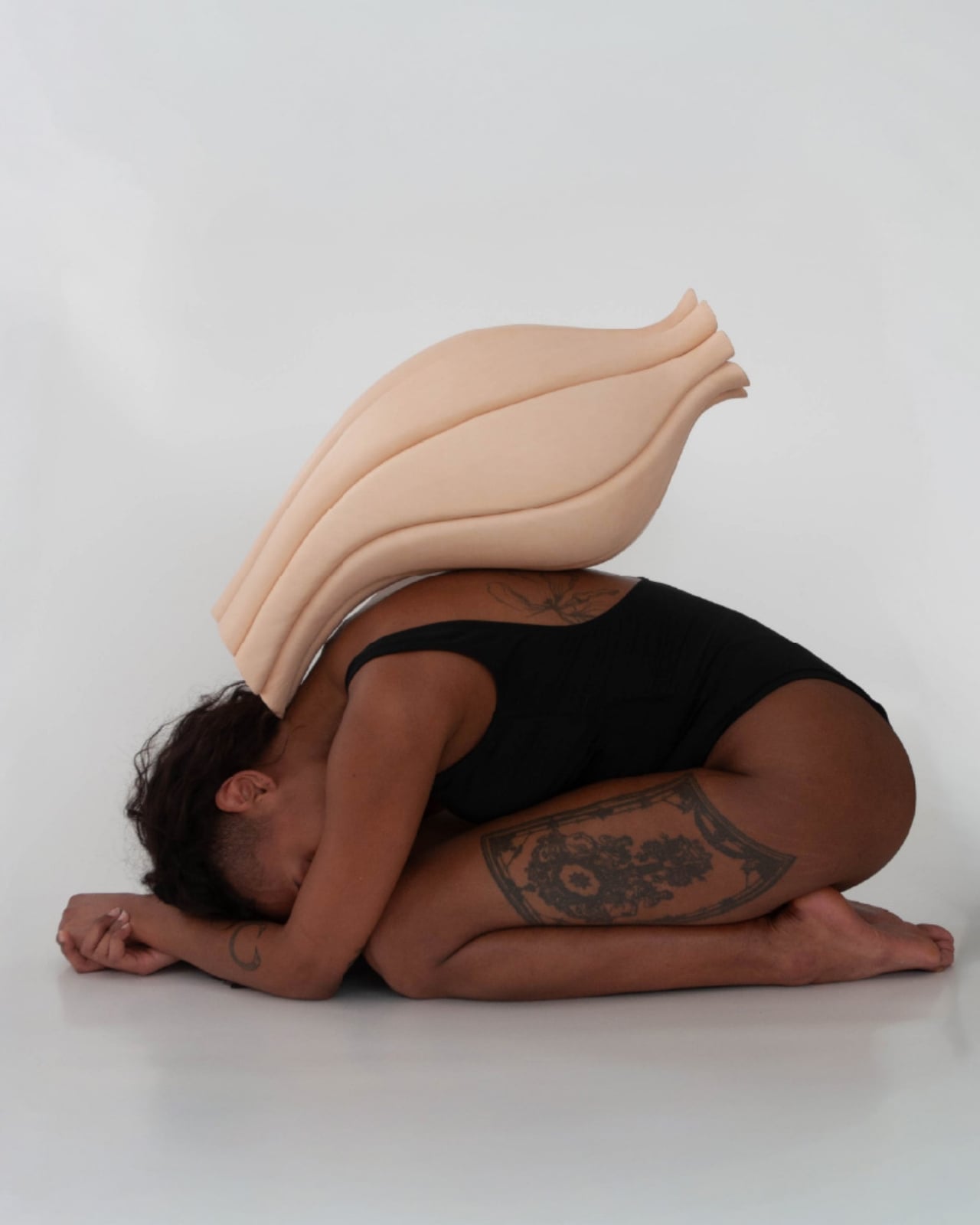
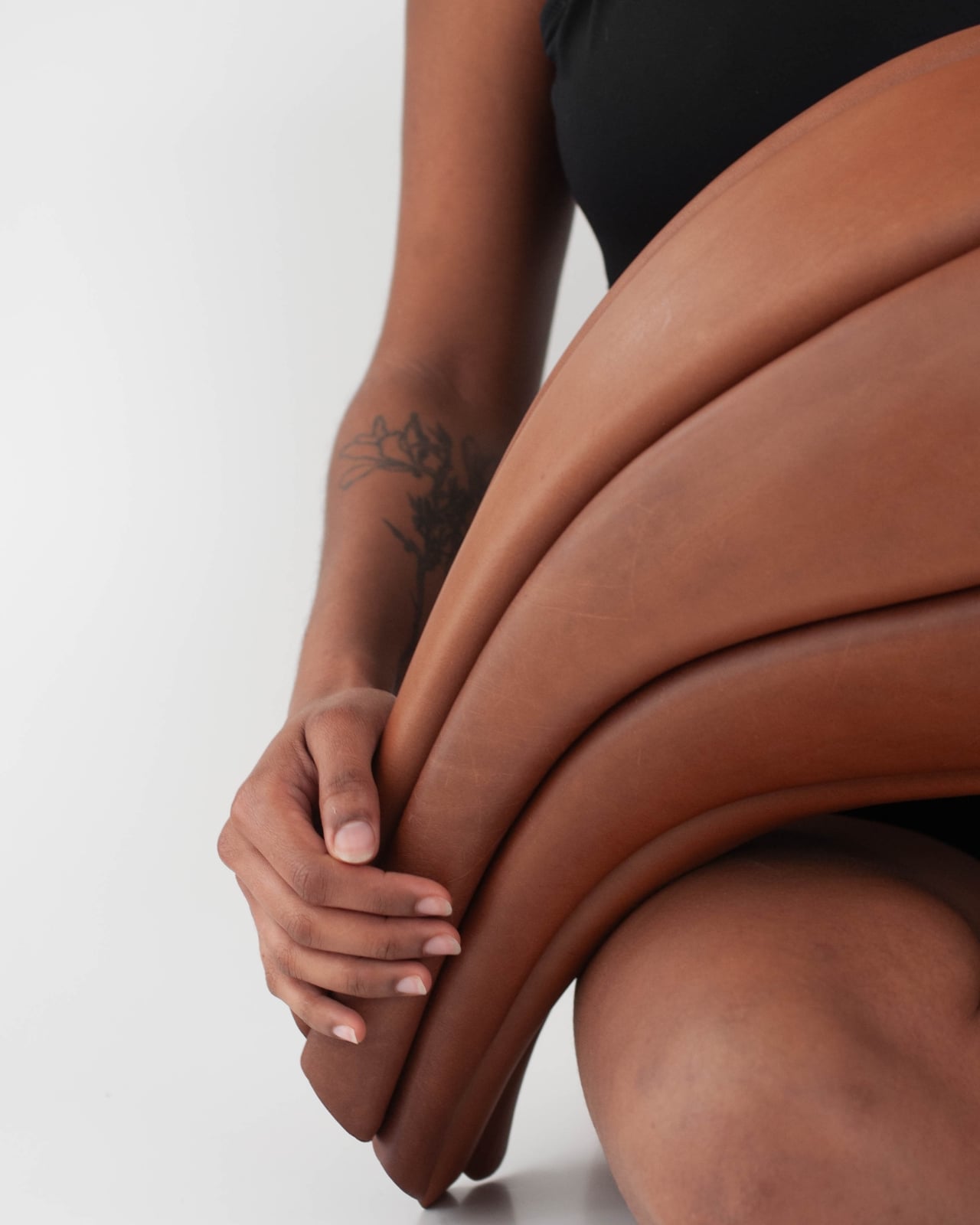
I think that tension is entirely the point. Leather, as a material, carries its own contradictions. It’s strong but supple, ancient but endlessly contemporary. Luvaton leans into all of it, refusing to let the material play just one role. TRACE reads as sculpture, as vessel, as portrait. There’s no single correct way to categorize it, and that’s not a flaw. That’s the work.
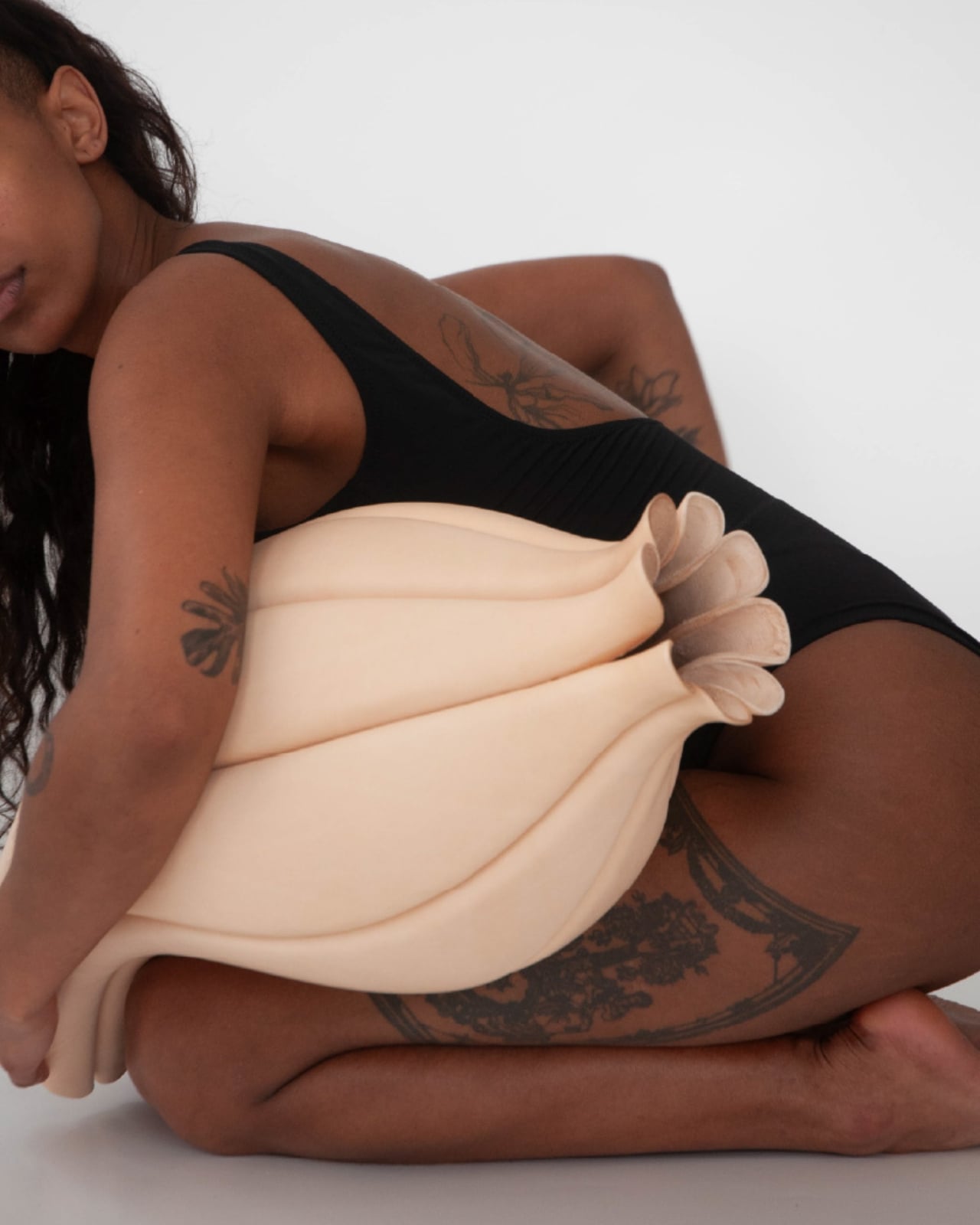
What makes Luvaton’s practice feel particularly resonant right now is how personal the foundation of it is. Both of her parents are jewelers. Her grandfather was a shoemaker, and although she never met him, she still works with some of his original tools today. That detail gets me every time. To hold a tool that someone else held, someone whose hands shaped the same kind of material, is a profound form of continuity. The making is inherited. The language of craft passes down not just through instruction but through objects, through the weight of a tool in your hand.
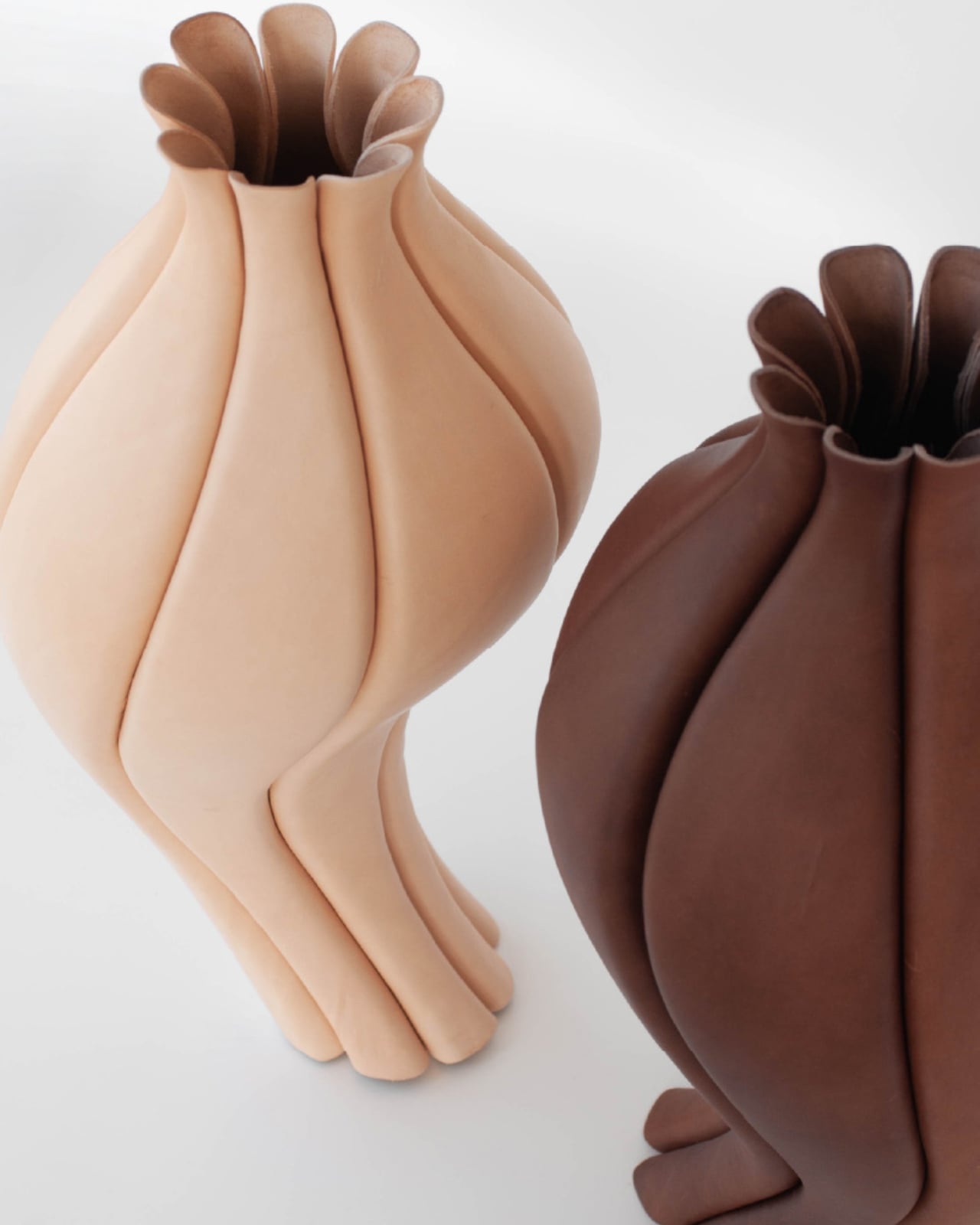
This depth of lineage shows up across the broader body of work she’ll present in Milan. Alongside TRACE, visitors will see TOHA, her first vessel collection; SLICE; REBLOOM; and HEALED, a series of tattooed vessels created in collaboration with professional tattoo artists who work directly onto the leather surface using electric needles. Tattooed leather vessels. The idea feels both completely logical and completely radical, and that combination is exactly the kind of design thinking worth paying attention to.
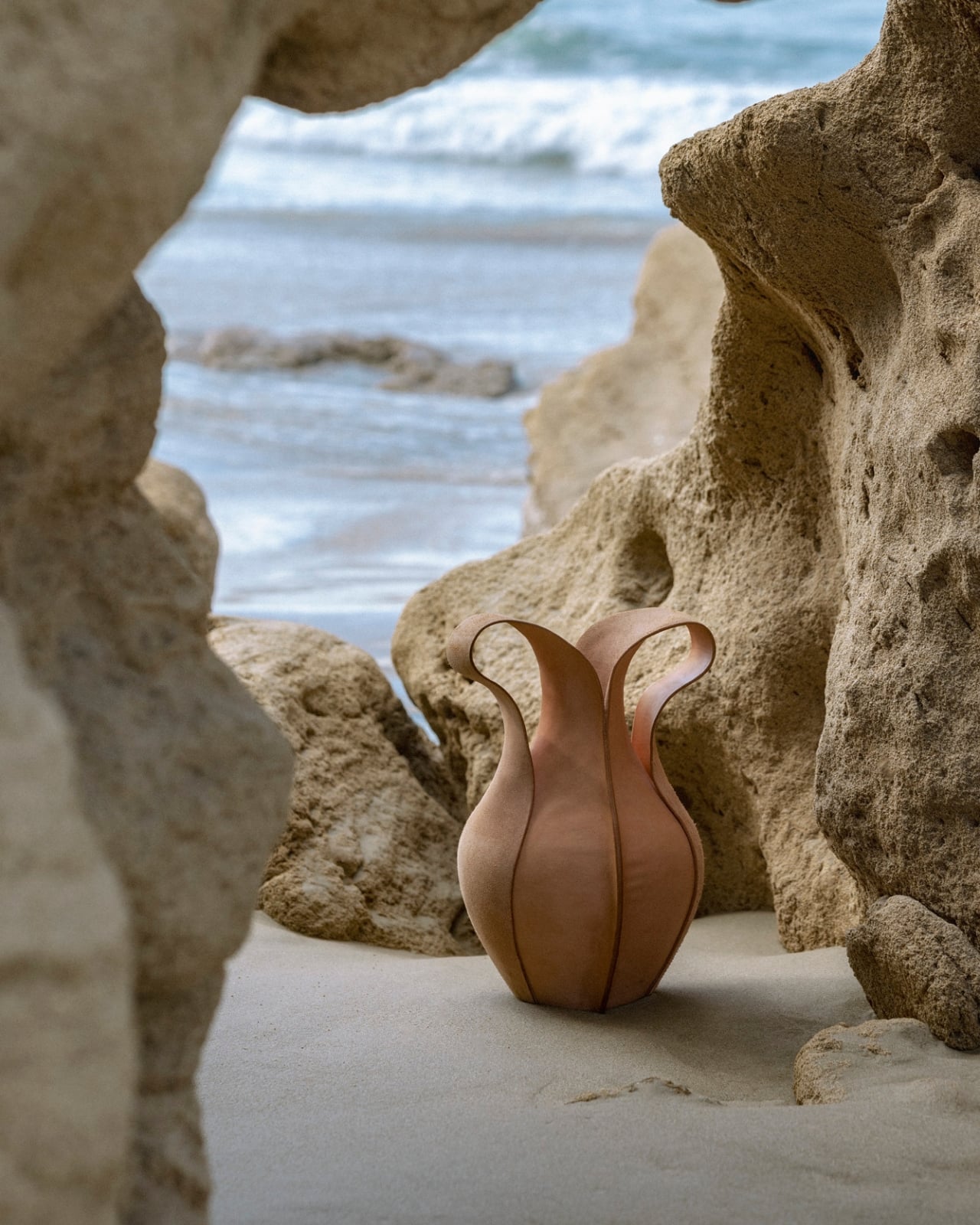
For those of us who follow craft and design closely, Luvaton’s presence at Milan feels significant for reasons beyond the work itself. This is her first time at the event, and she’s arriving not with a polished commercial line but with a practice, a set of values, and a very specific way of understanding what a material can do. At a moment when the design conversation is increasingly dominated by AI-generated forms and rapid prototyping, there’s real weight in watching someone slow everything down, put their hands in wet leather, and wait for it to tell them something.
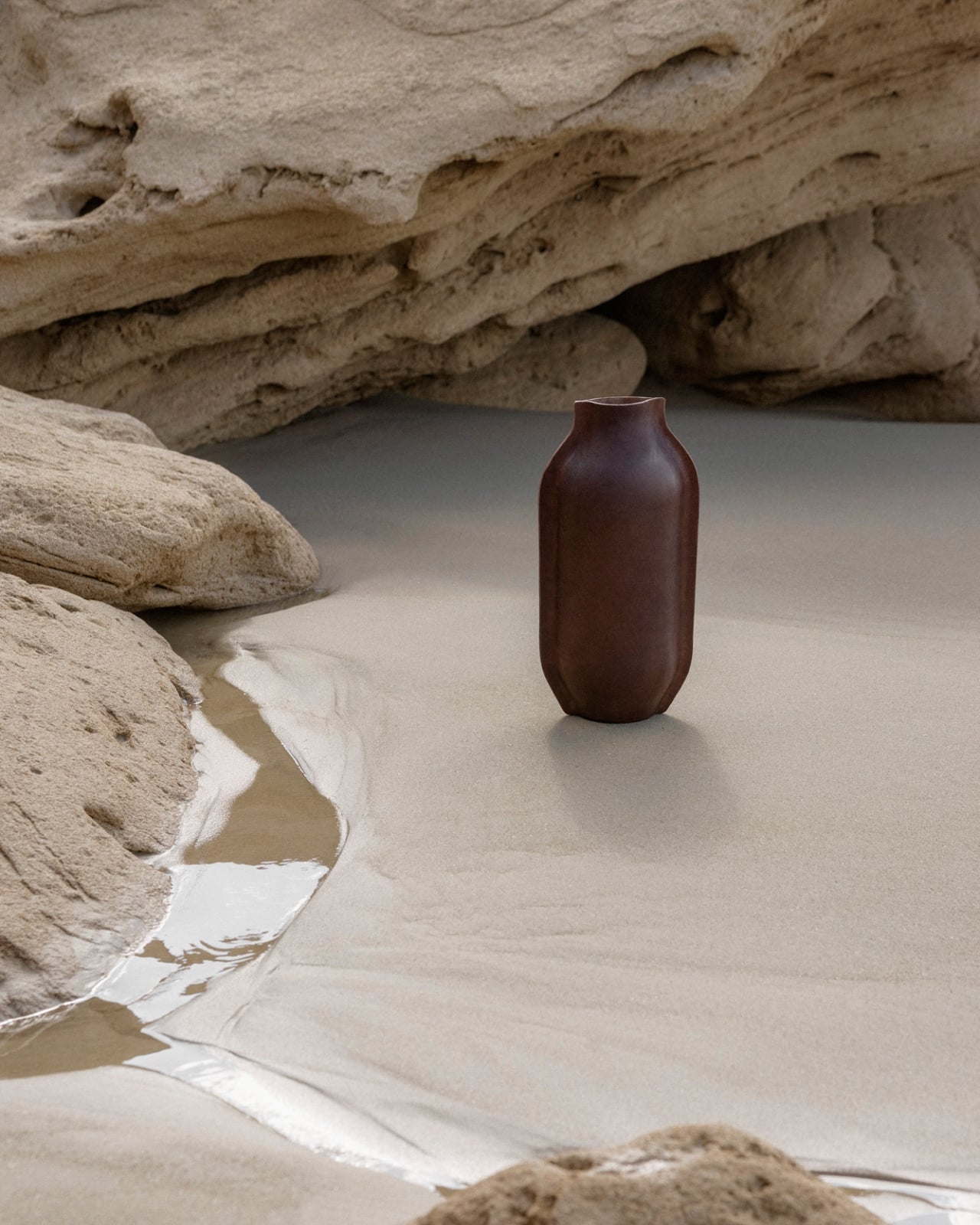
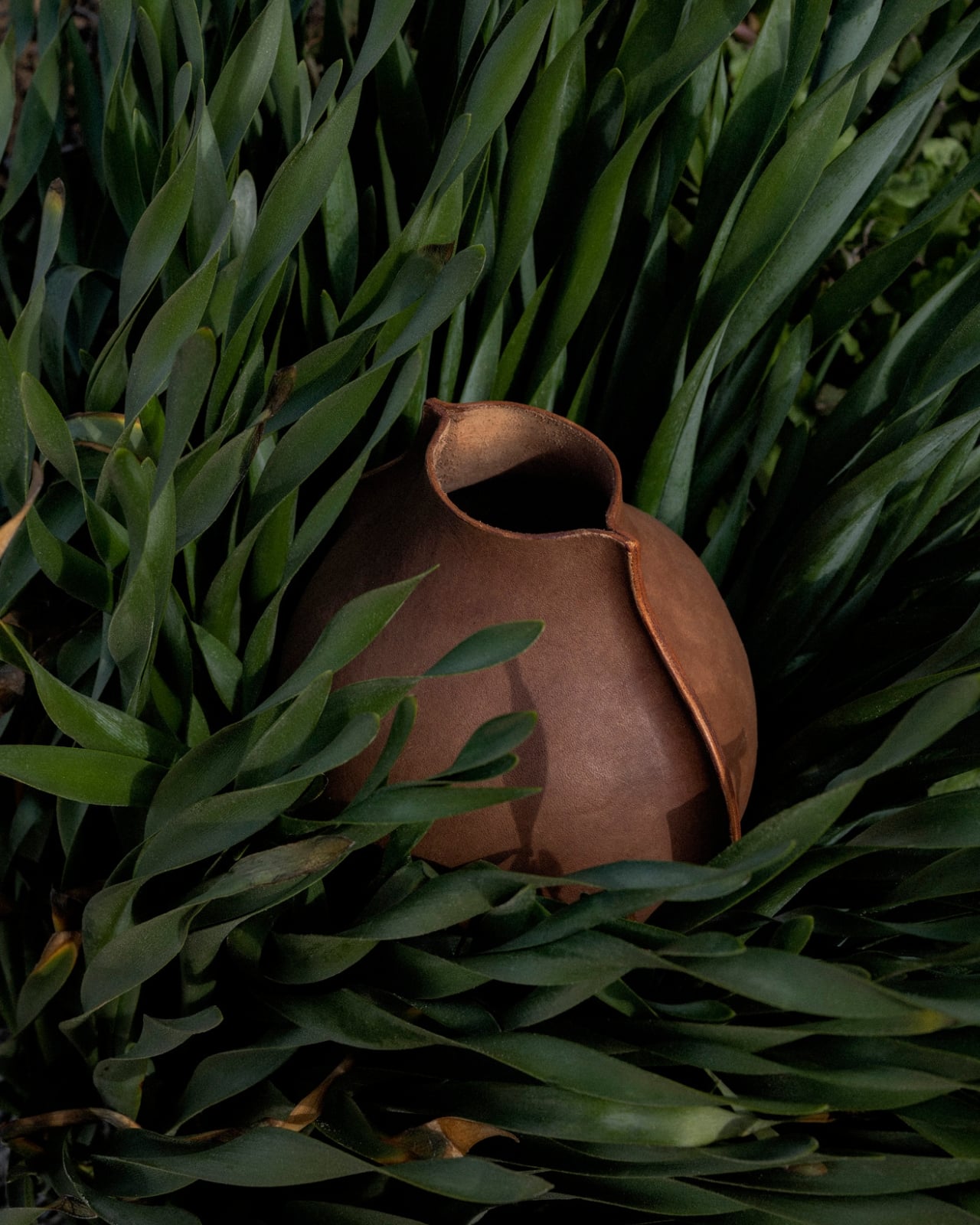
TRACE, as a title, does exactly what it promises. It traces movement back to its origin. It traces craft back through a family. It traces the line between the body and the object, and asks you to reconsider where one ends and the other begins. That’s the kind of design work that stays with you long after you’ve left the room.
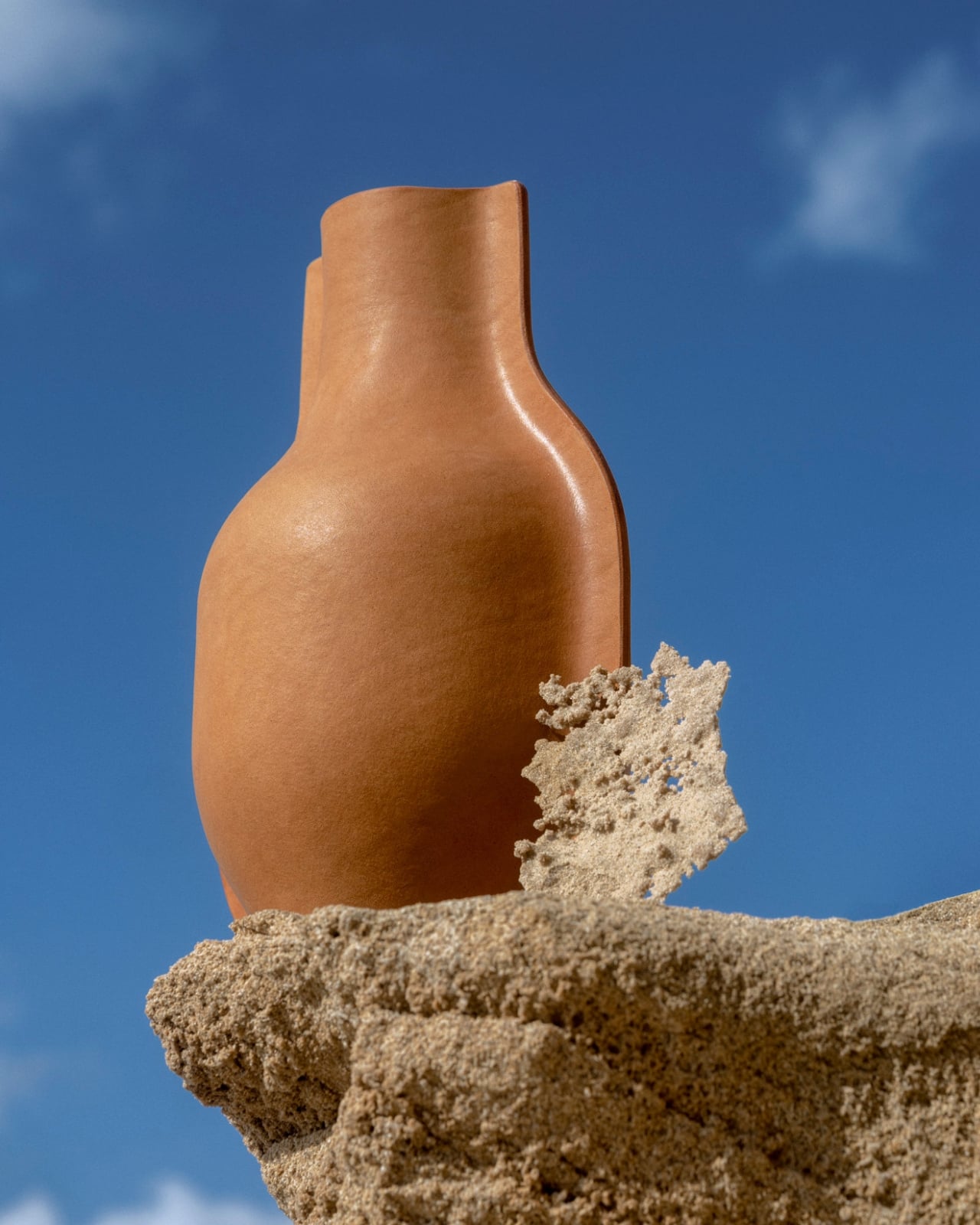
The post The Leather Vessels at Milan 2026 That Feel Like They’re Breathing first appeared on Yanko Design.
Glass jar lets you hold sparklers up close and personal

When it comes to firecrackers and fireworks displays, I’m not the biggest fan. I keep thinking of all the wasted money that goes into having just a few seconds of fun, not to mention how dangerous it can sometimes be . The closest that I would probably enjoy some version of them is holding sparklers in my hands. But again, they only last a few seconds and sometimes the wind will even make that shorter so I’d rather not just hold one in my hands.

Designer: Kenji Fujii of Taki Corporation

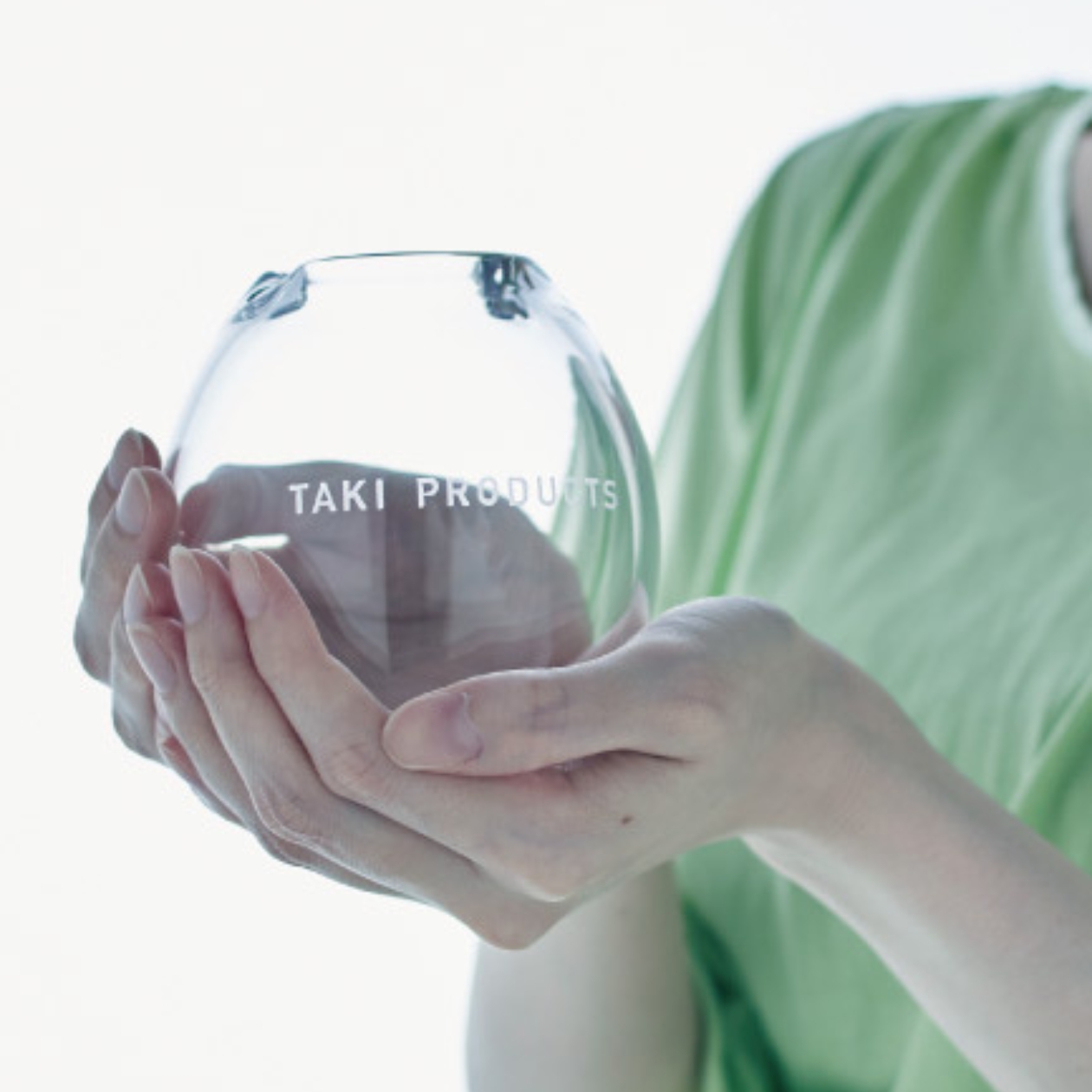
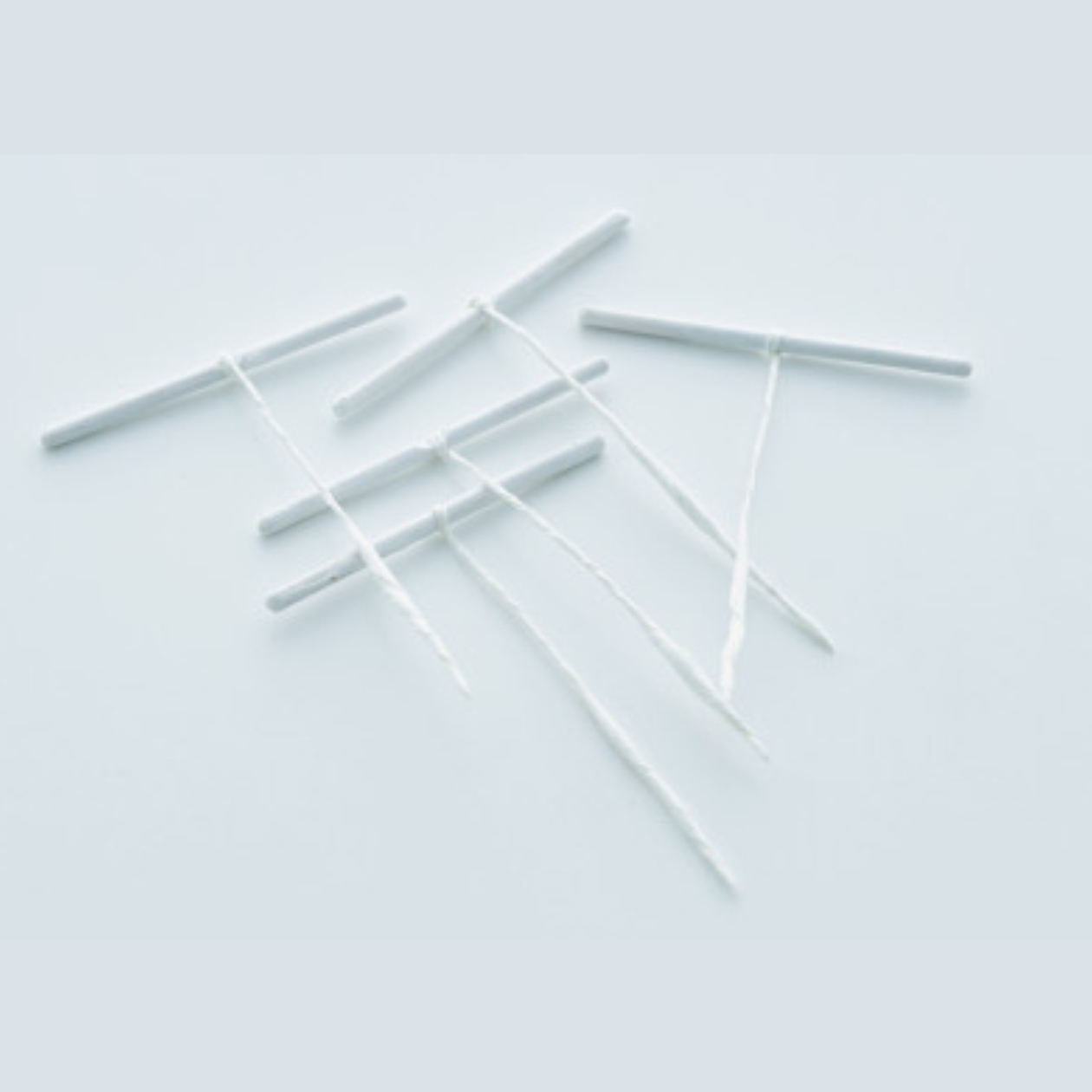
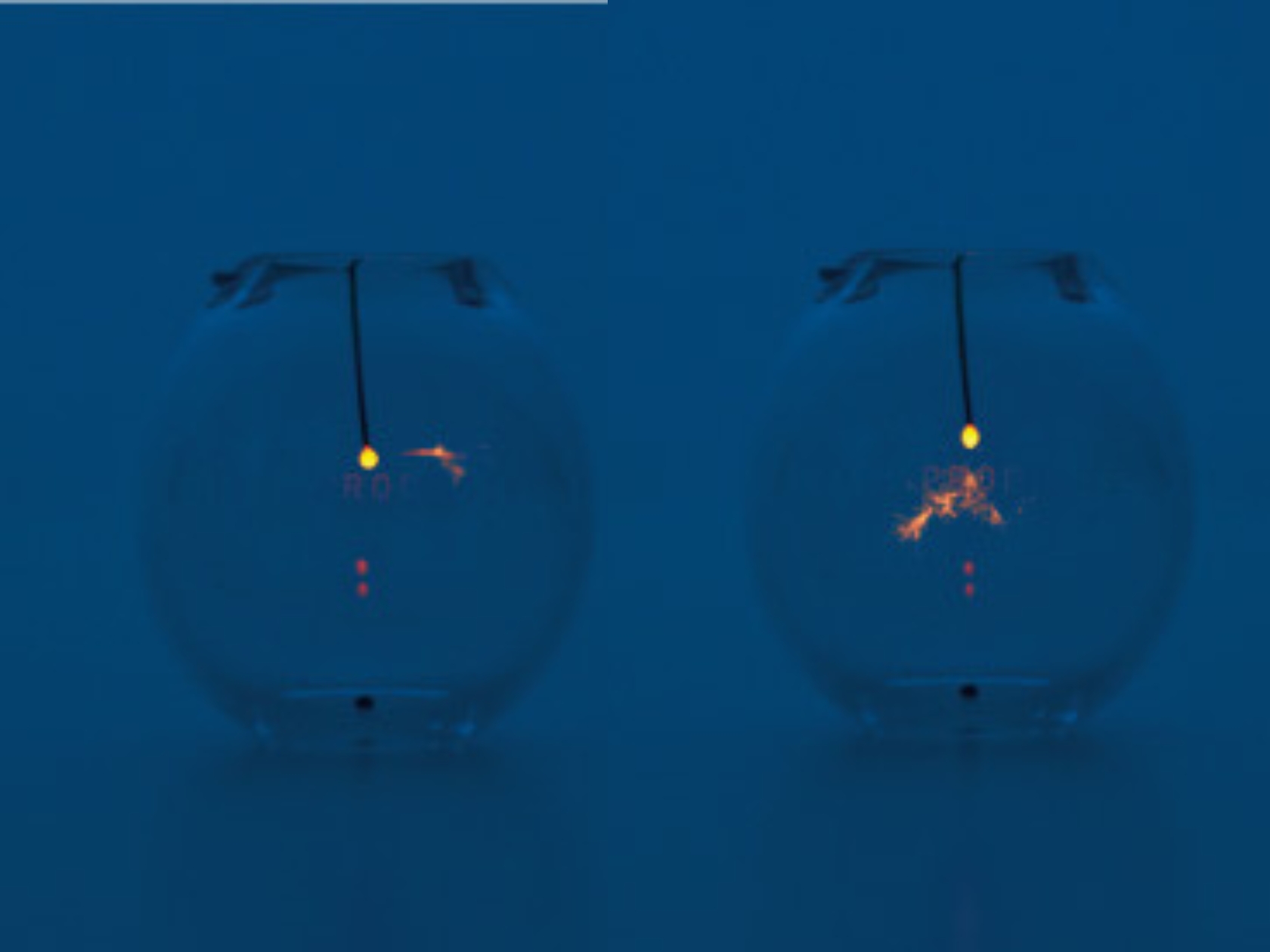
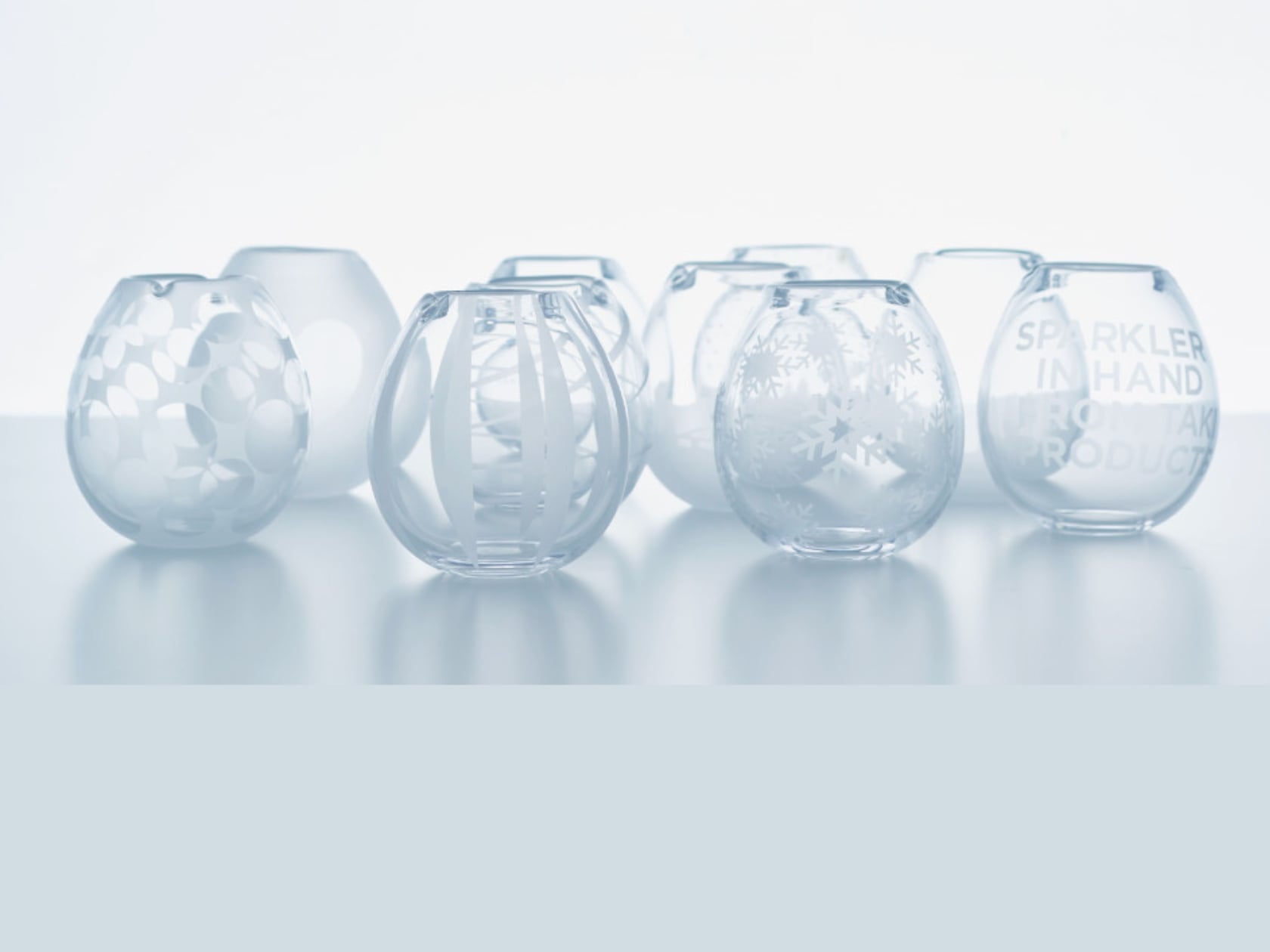
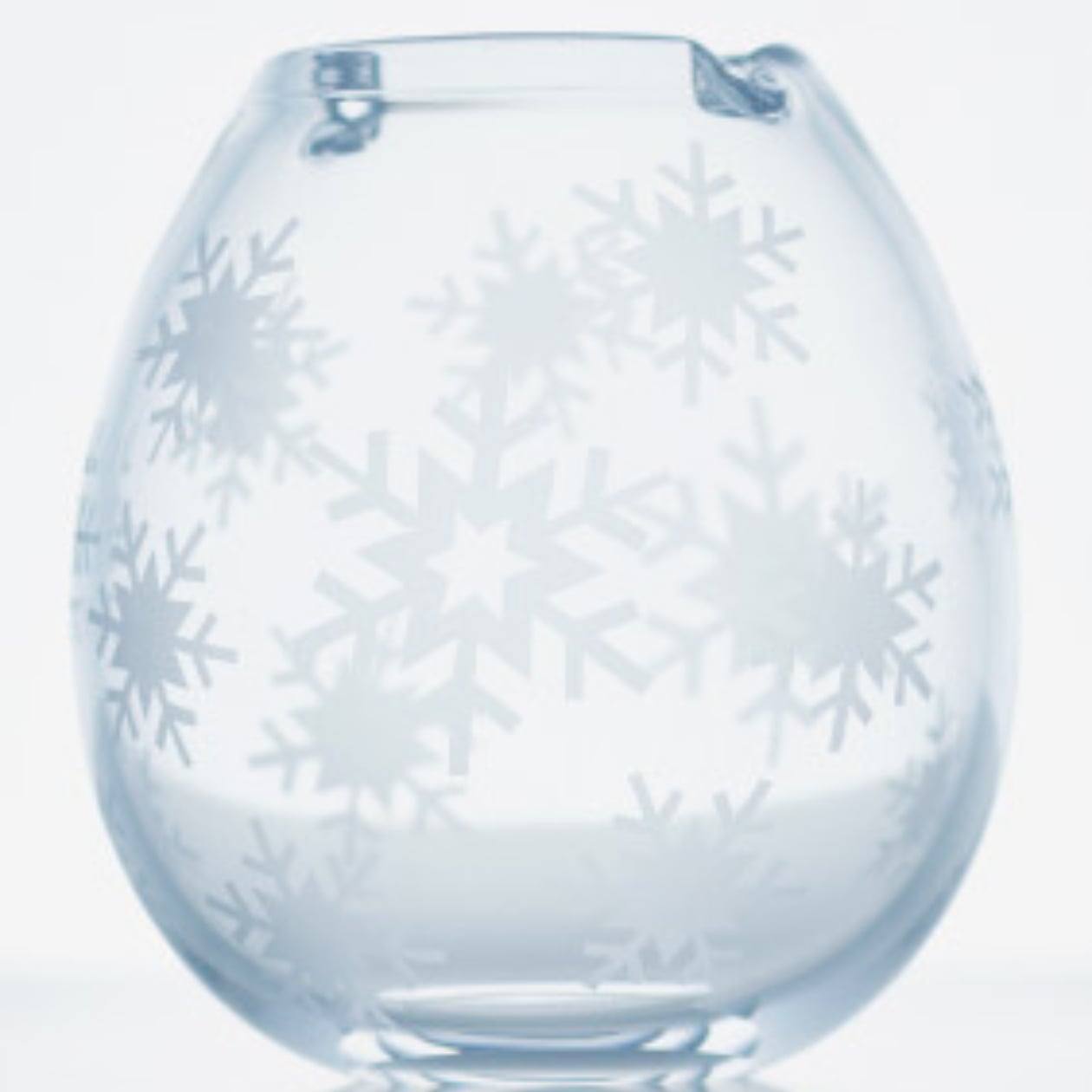
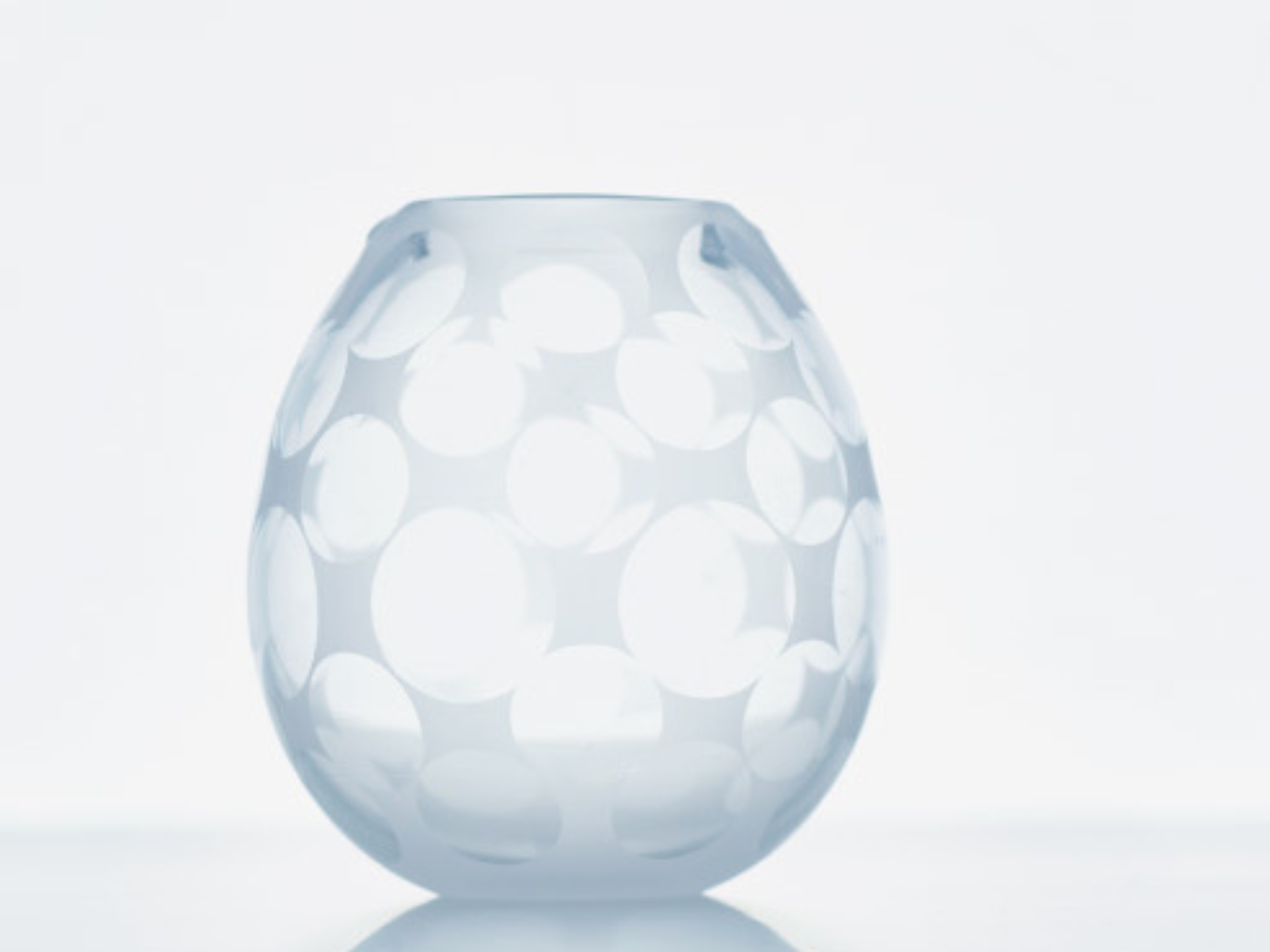
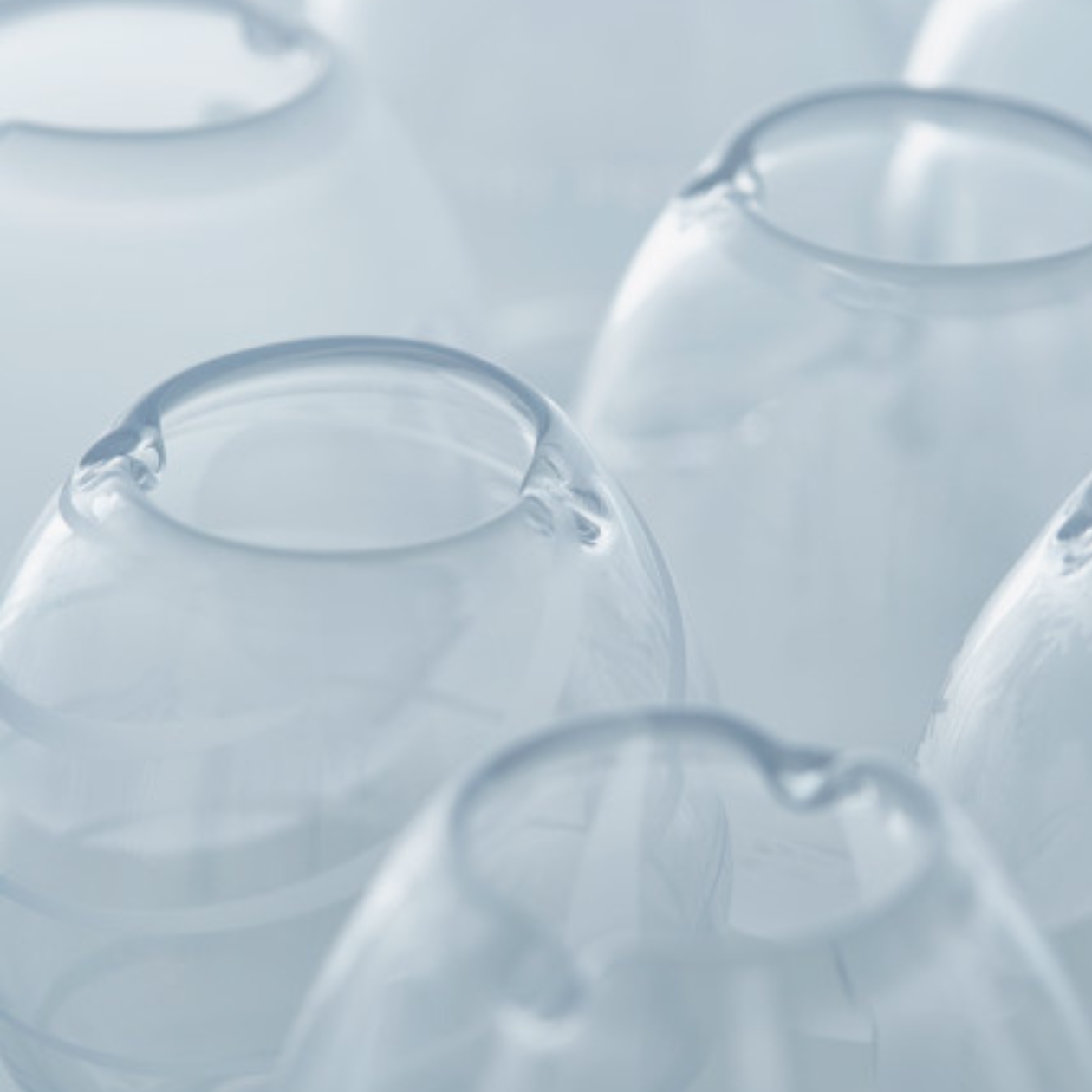
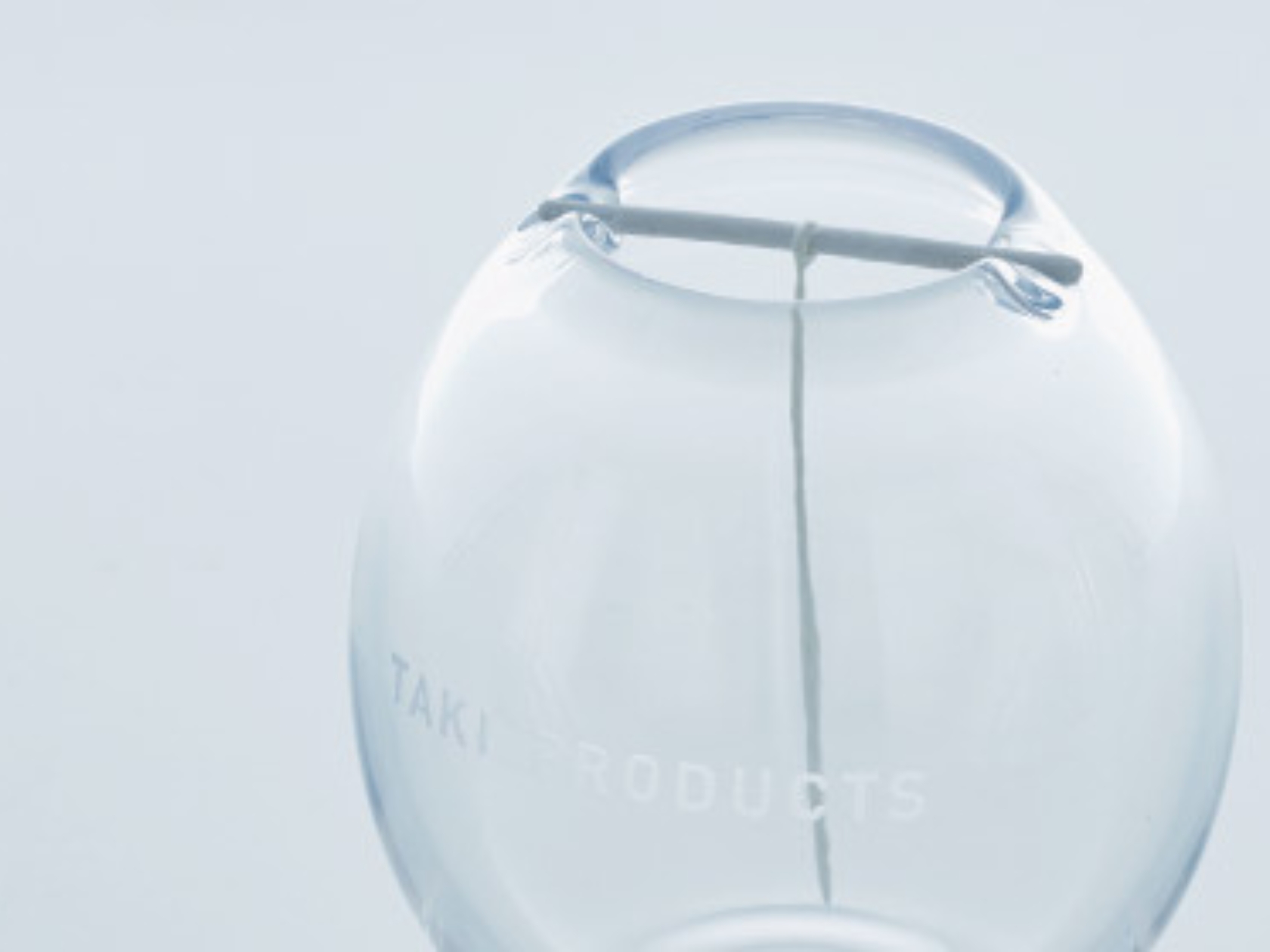
Tenohira Hanabi is a sparkler holder so you can enjoy them a little bit longer and safely in the palm of your hands. It’s a jar named “sparkler in your palm” literally and it has no other function except to keep the sparklers, specifically the senko hanabi (incense fireworks), in your hands. It’s a glass jar that has dimples on both sides so you can keep the T-shaped sparkler dangling inside the jar.

This means that once you light up these tiny sparklers, you’ll be able to look at them up close. You’re also keeping them lighted and sparkling a bit longer than when you’re holding them since the glass jar protects it from the winds. I’m not sure though if it can be used for regular sized sparklers so you will have to enjoy the incense fireworks when using the Tenohira Hanabi.

If not used as a sparkler holder, maybe it can also function as a regular jar where you can store small things like candies. Or since it looks cute enough, it can also just be a decorative object until the next time you need to light up some sparklers again.

The post Glass jar lets you hold sparklers up close and personal first appeared on Yanko Design.
The Obongdo Painting Inspired Set of Jars Brings The Korean Culture Into Your Kitchens

In a world where traditions serve as the foundation for contemporary innovations, the Obongdo-inspired seasoning jars stand out as a captivating example of how ancient artistry can influence modern functionality. Drawing inspiration from the illustrious Korean painting ‘Ilwol-Obongdo,’ these jars seamlessly weave together tradition, art, and practicality to create a unique and visually stunning kitchen accessory.

Designer: YoonJeong Lee

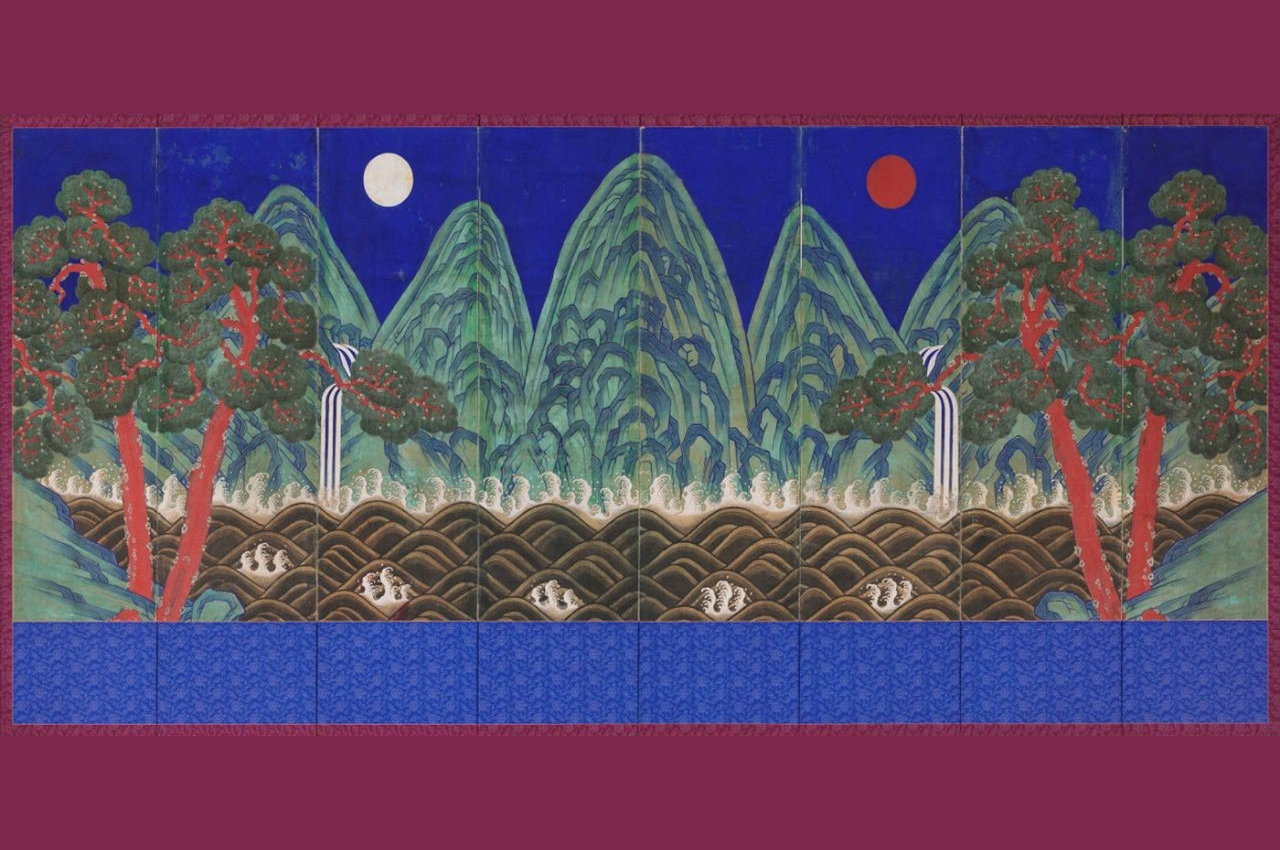
Ilwol-Obongdo, a landscape masterpiece from ancient Korea, portrays five majestic mountain peaks, the sun, the moon, and pine trees. Originally crafted as a decorative piece behind the king’s seat during the Joseon Dynasty, the painting symbolizes the ruler’s centrality in the universe and signifies the enduring legacy of the dynasty. The Obongdo seasoning jars pay homage to this rich heritage by incorporating the essence of the ancient painting into contemporary kitchenware.

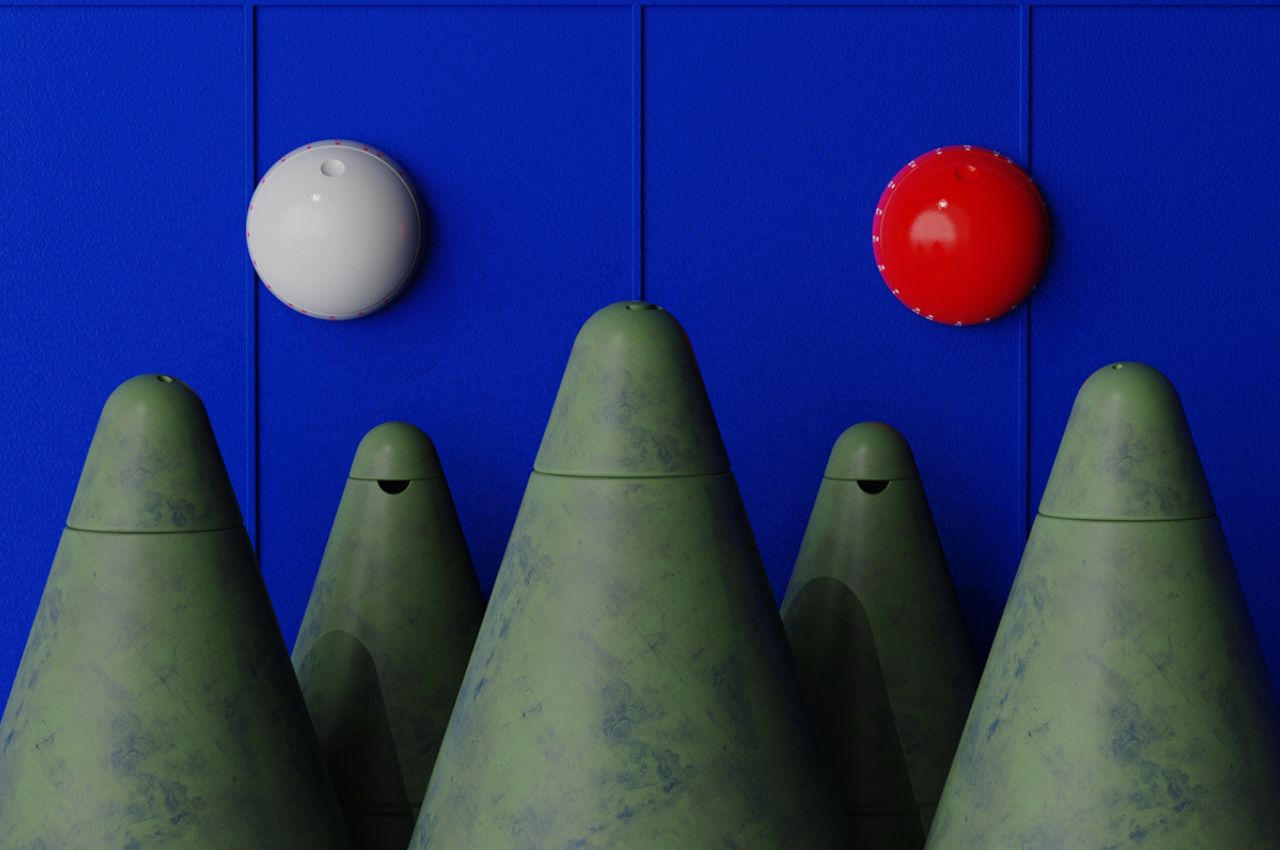
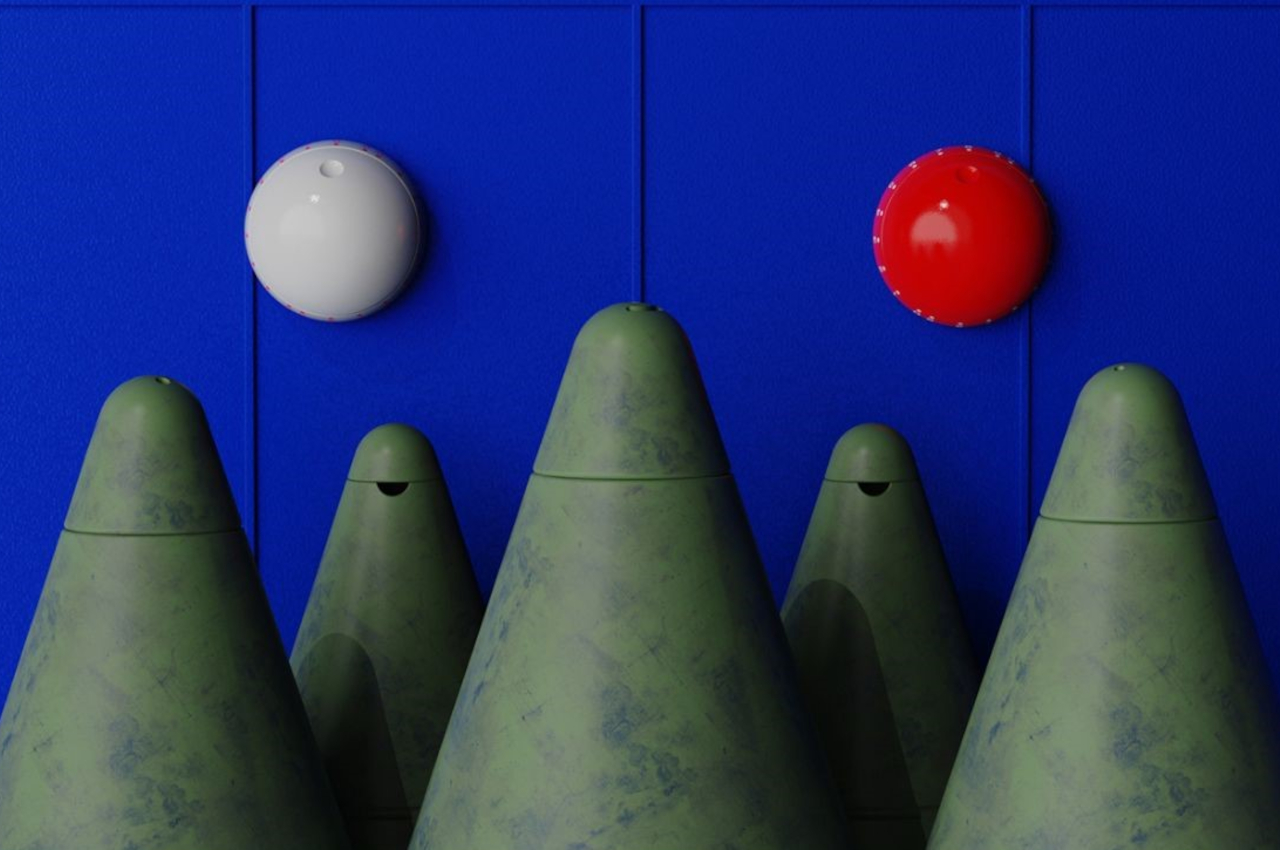
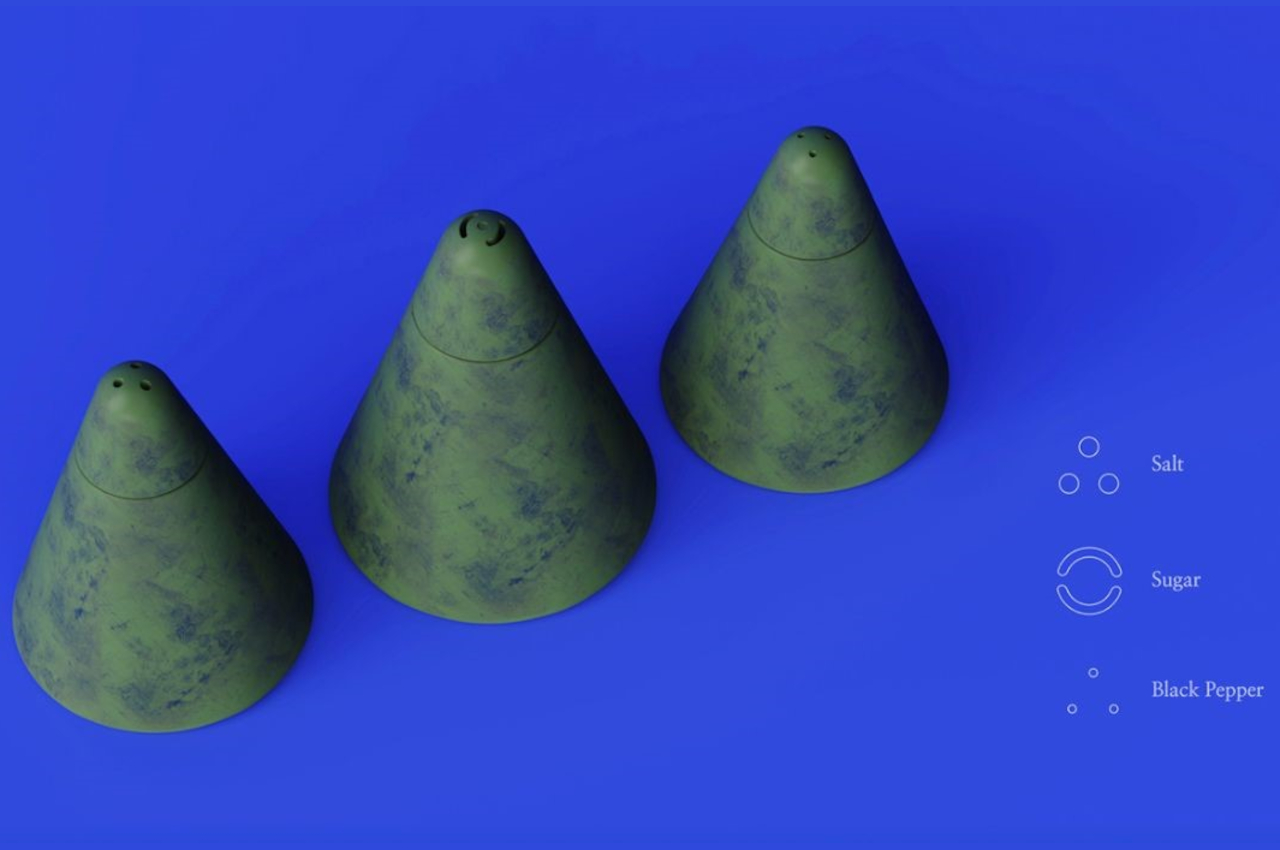
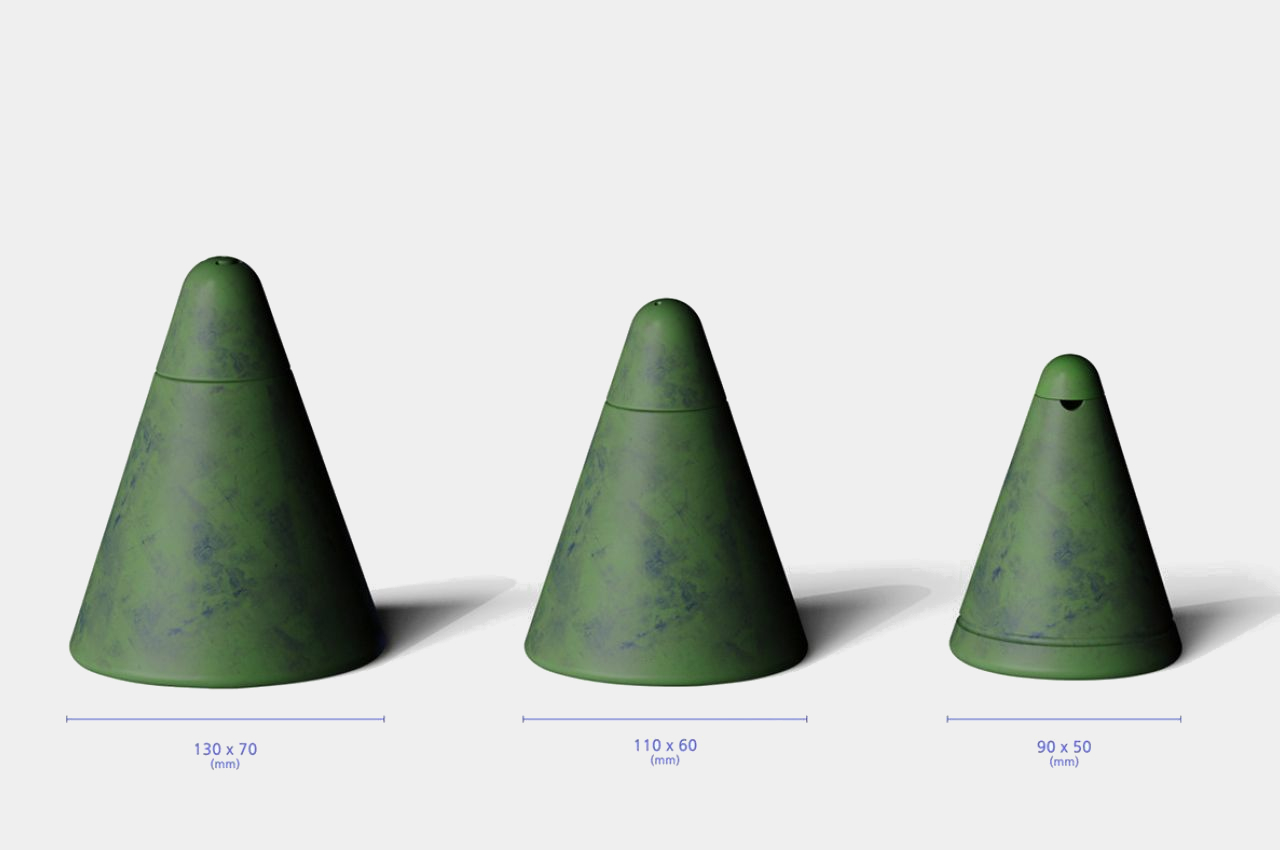
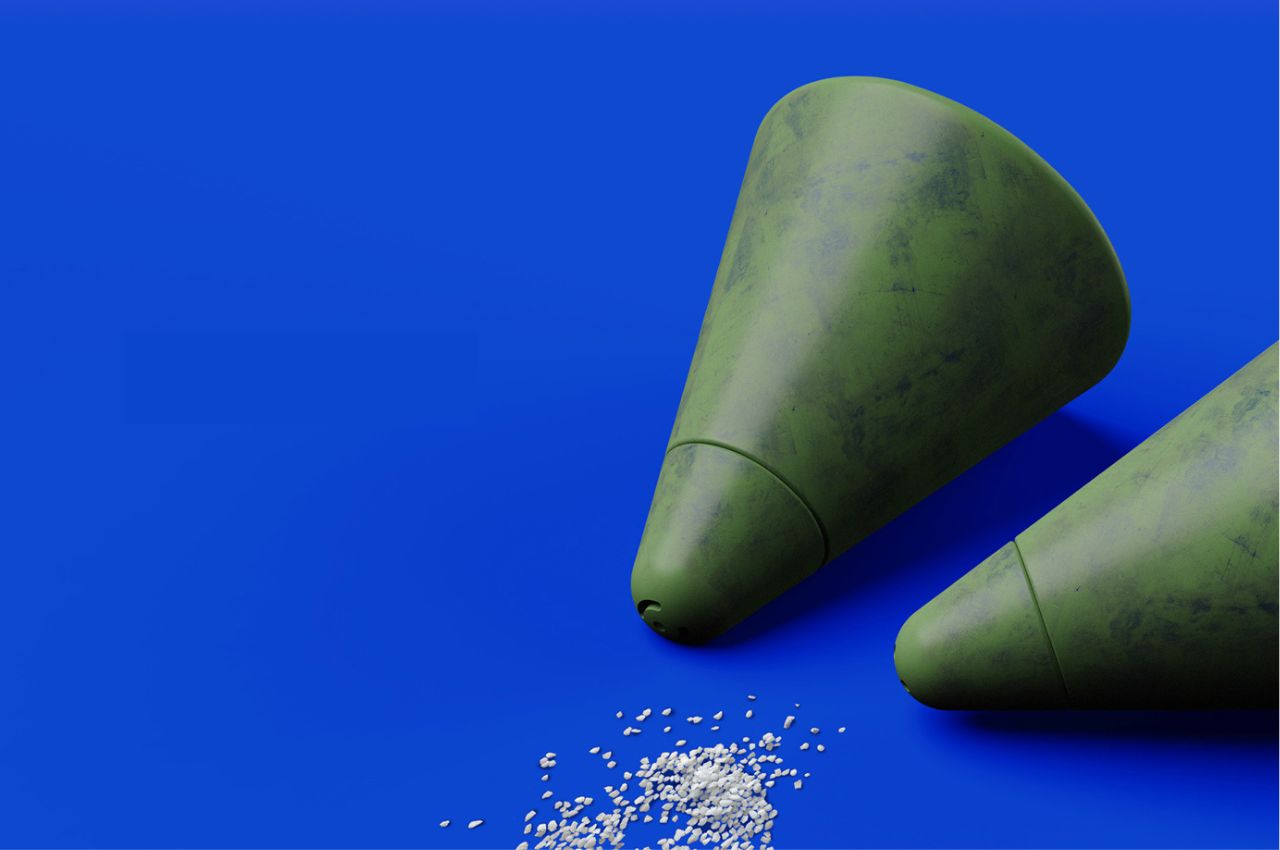
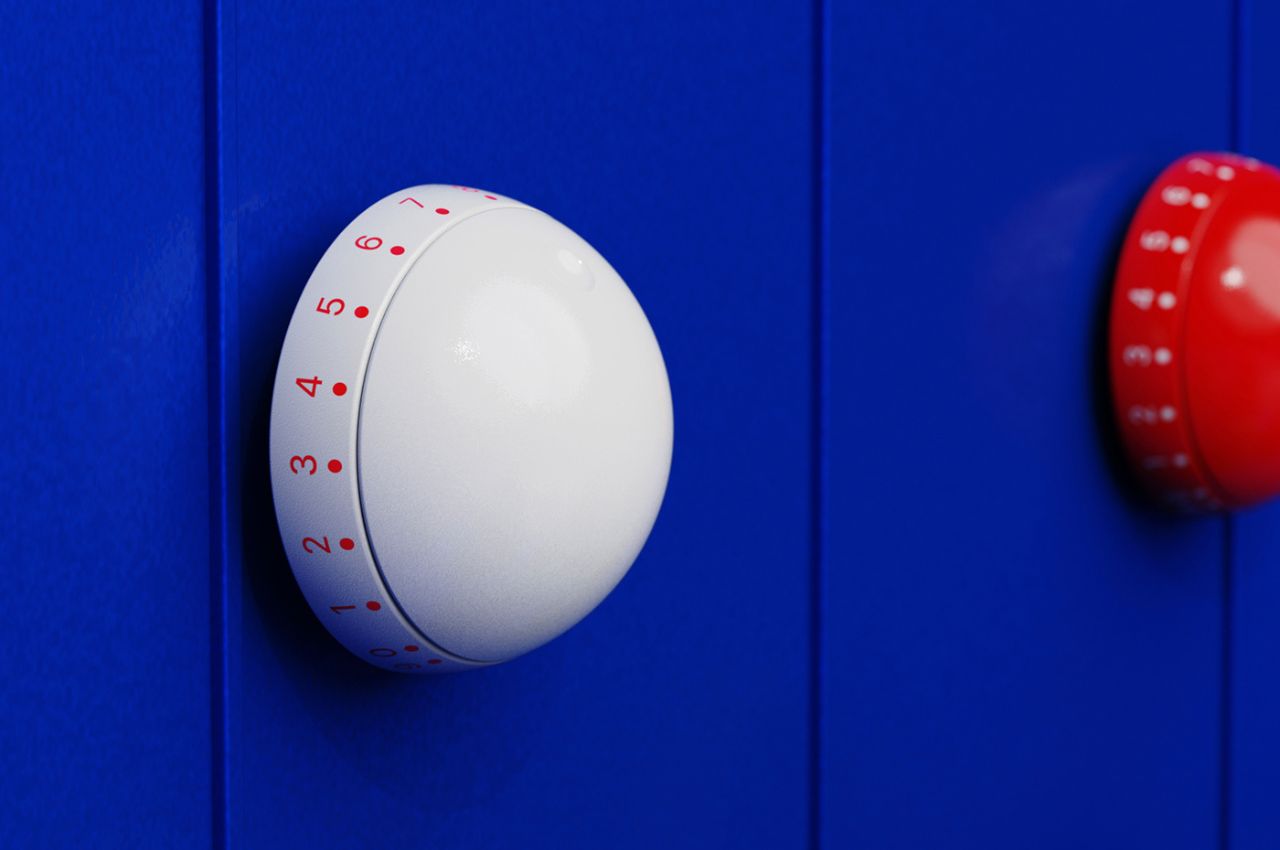
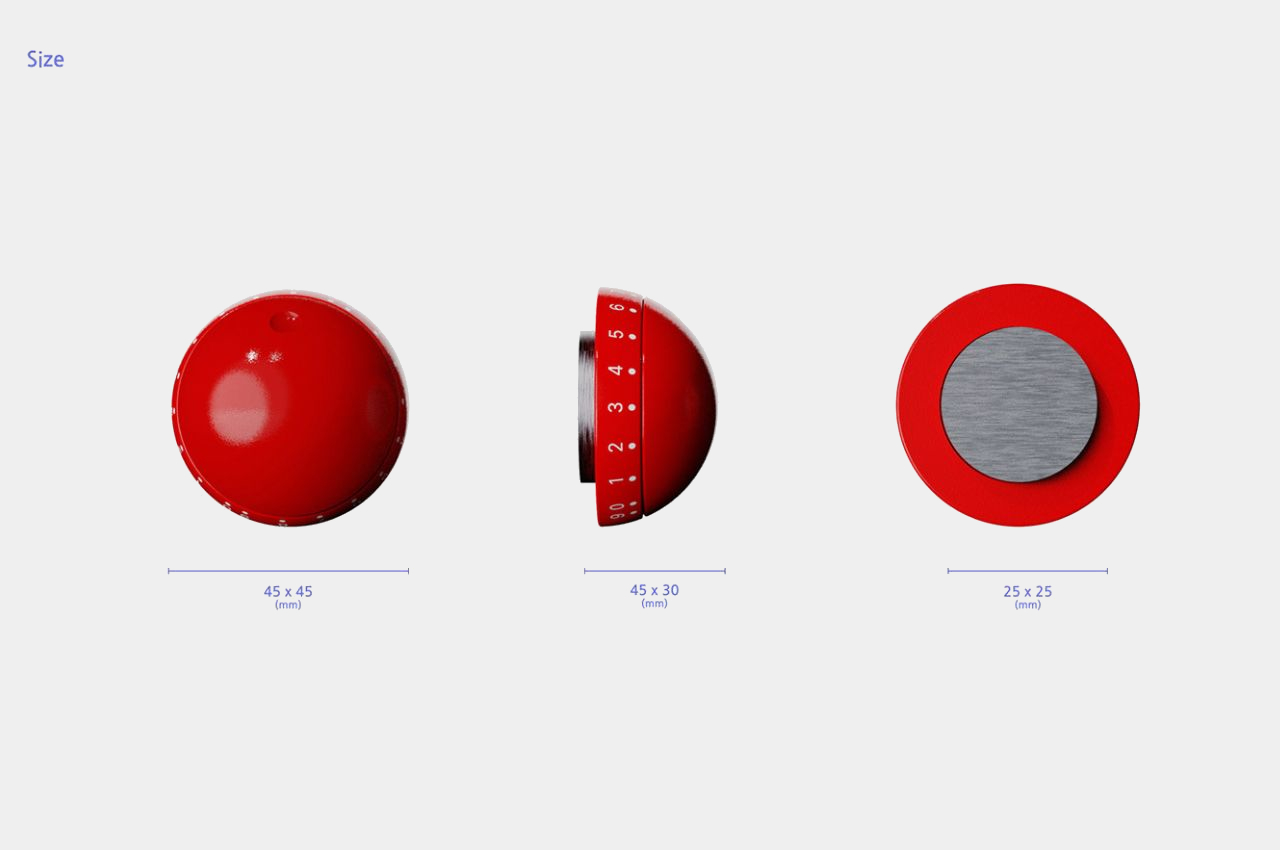
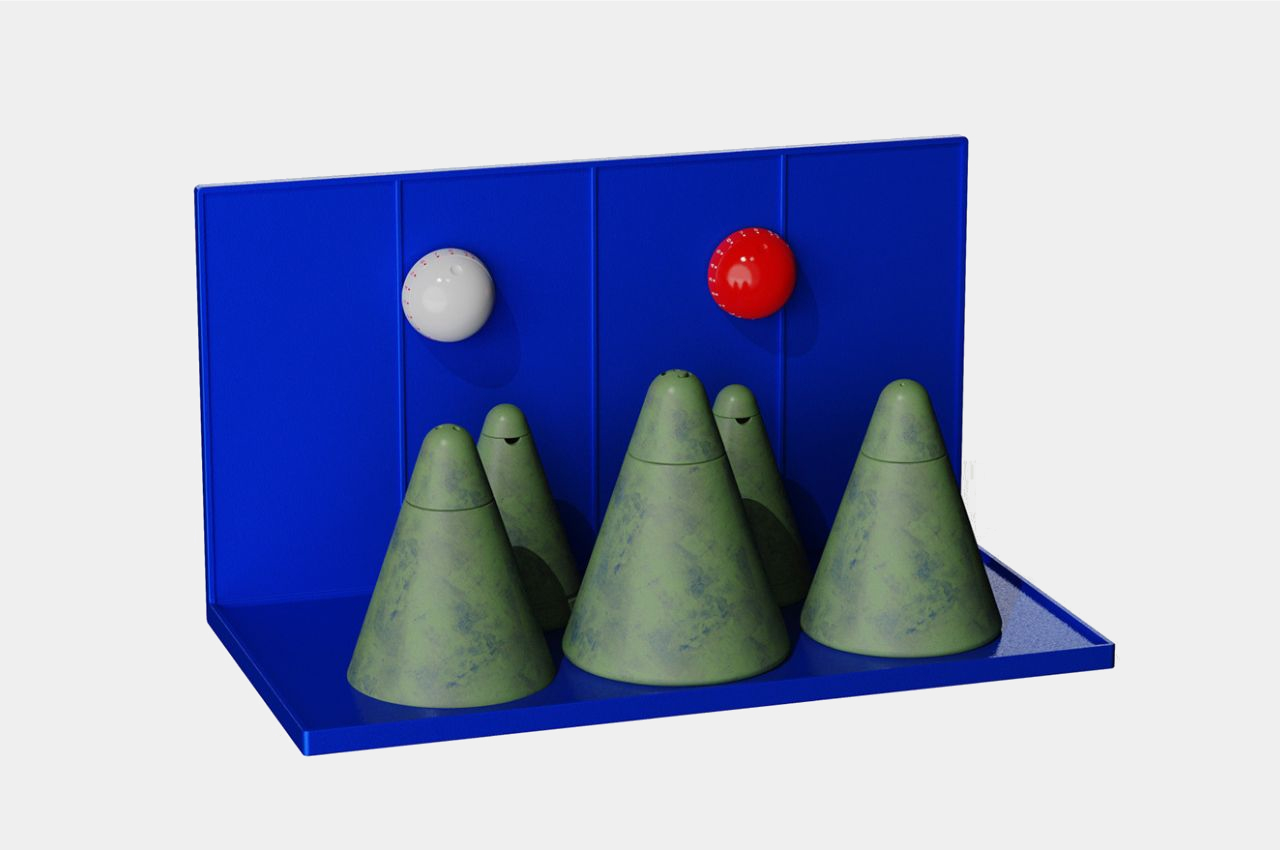
The Obongdo seasoning jars consist of a set of containers designed to hold various cooking spices and a pair of cooking timers, inspired by the ‘sun’ and ‘moon’ elements in the painting. The jars, resembling mountain peaks, come in three different sizes, catering to the varied requirements of different ingredients. This not only adds a touch of artistry to the kitchen but also ensures practicality by accommodating the diverse needs of culinary enthusiasts.

The ‘sun’ and ‘moon’ cooking timers, adorned in two distinct colors, serve both a functional and symbolic purpose. Beyond their time-keeping utility, they bring forth the significance of the celestial elements in the original painting, connecting the user to the cultural roots of the inspiration. These timers facilitate precision in cooking, allowing users to keep track of their recipes effortlessly.

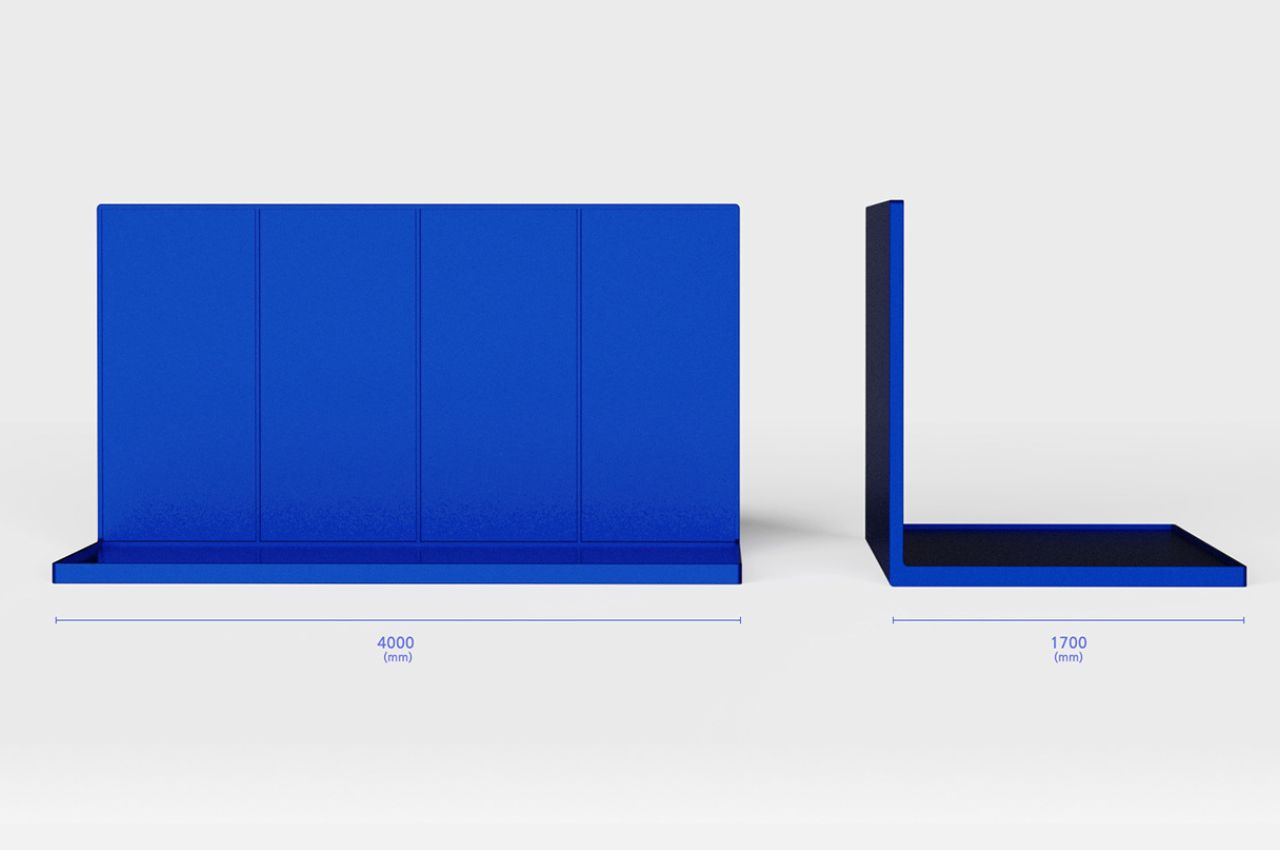
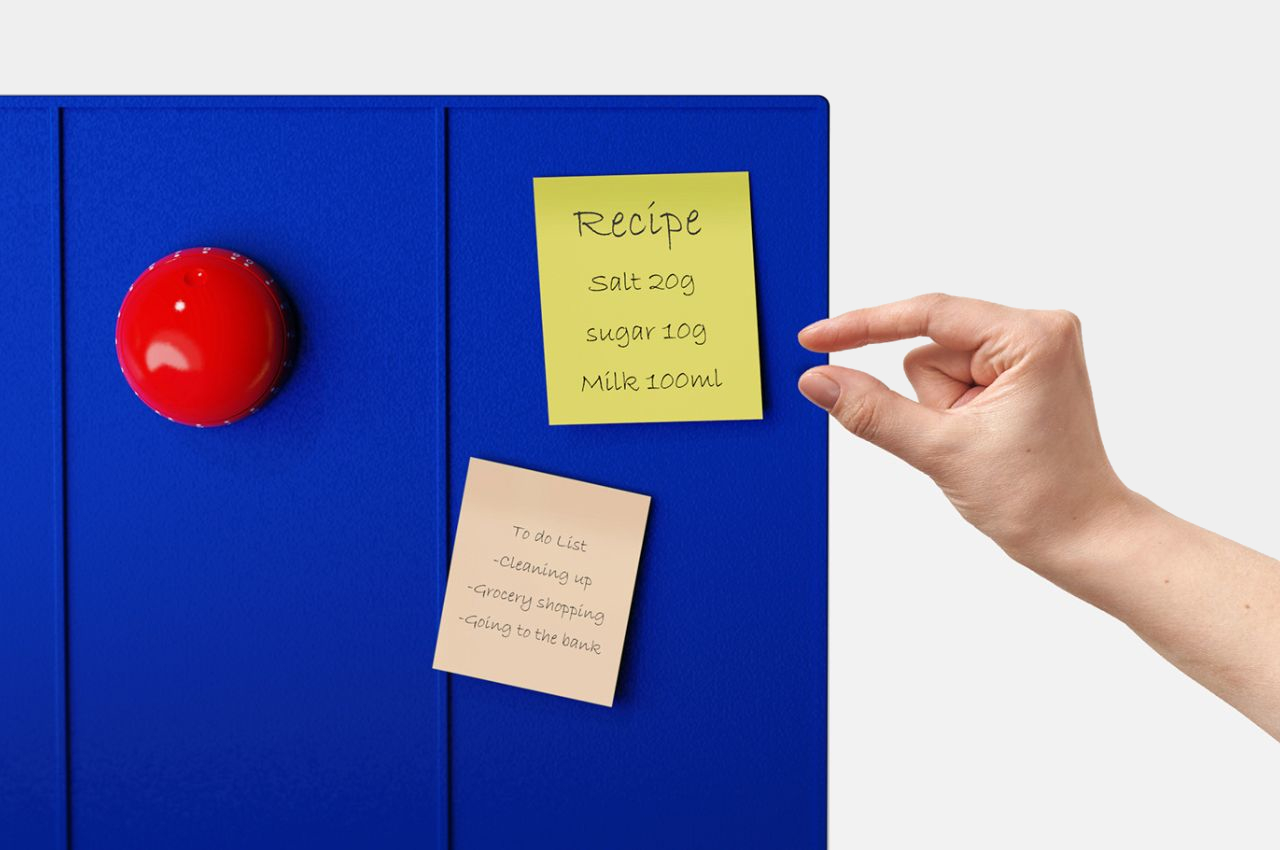
One of the standout features of these seasoning jars is the magnetic board incorporated into the design. The entire back of the set serves as a magnetic surface, providing a convenient platform to attach the timers. This not only enhances the usability of the timers but also introduces a multi-purpose aspect to the product.

The magnetic board opens up new possibilities for kitchen organization. Users can attach sticky notes or use magnets to display their everyday to-do lists or grocery lists, transforming the seasoning jars’ set into a versatile and space-efficient tool. This thoughtful addition reflects a commitment to maximizing functionality in the modern kitchen.

The Obongdo-inspired seasoning jars successfully bridge the gap between tradition and contemporary living, bringing a piece of Korean heritage into the heart of the kitchen. With a design inspired by the timeless Ilwol-Obongdo painting and practical features like varied jar sizes, cooking timers, and a magnetic board, these jars not only celebrate the beauty of the past but also elevate the user’s culinary experience. As we continue to navigate the intricate balance between tradition and innovation, these seasoning jars stand as a testament to the enduring appeal of art and culture in our everyday lives.

The post The Obongdo Painting Inspired Set of Jars Brings The Korean Culture Into Your Kitchens first appeared on Yanko Design.