This $70 Japanese Candle Burns From the Inside Out & Lights a Room Better Than Anything Else on Your Shelf

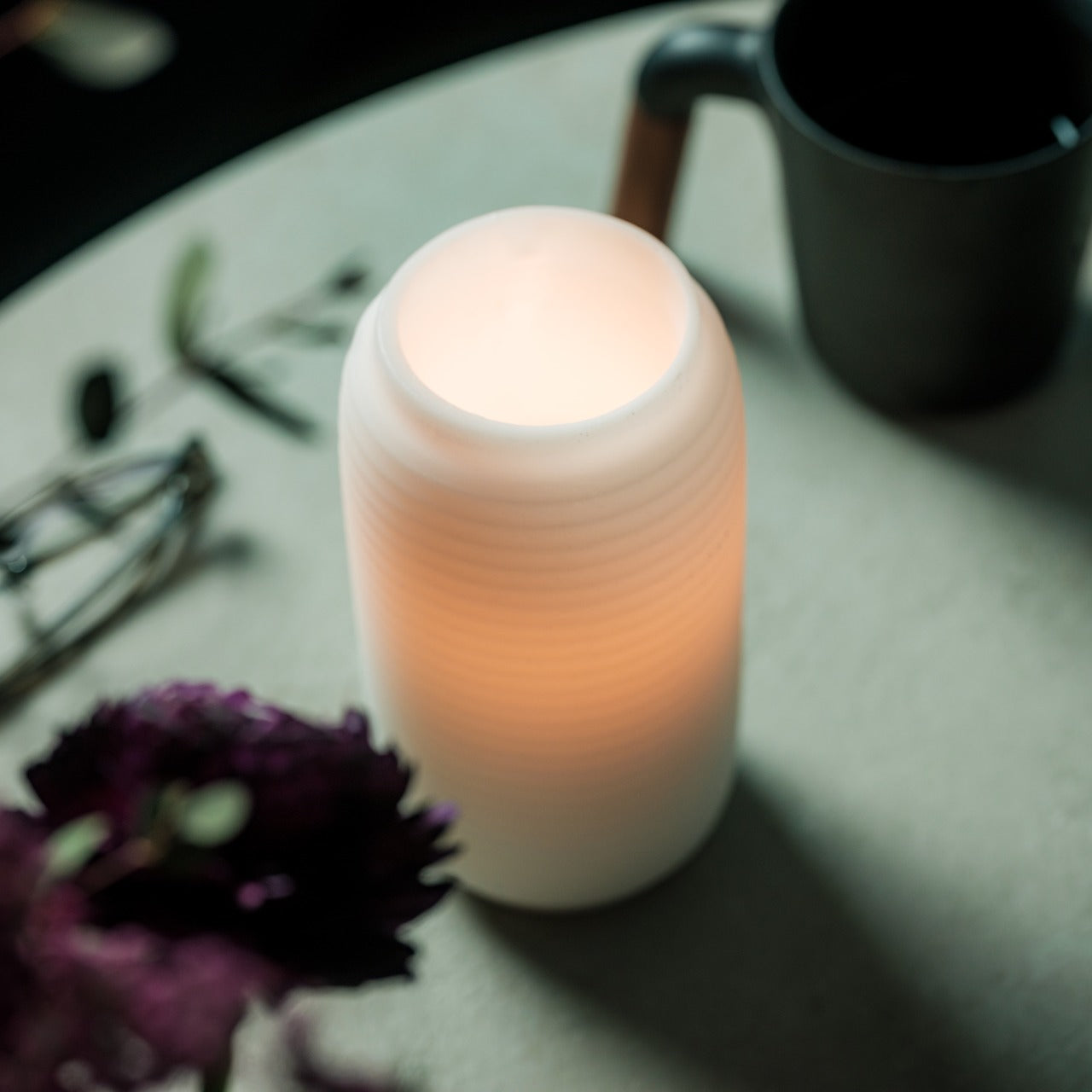
Most candles do one thing: burn down and disappear. The wax melts, the light fades, and what you are left with is an empty vessel and a faint smell of something vaguely floral. The Japanese Lantern Candle does not follow that logic. Rooted in the design of the chouchin, the traditional paper lanterns that once lit up festival streets and the doorways of old izakayas, this candle holder holds its shape while the flame quietly does its work inside. The outer wax never melts. The light does.

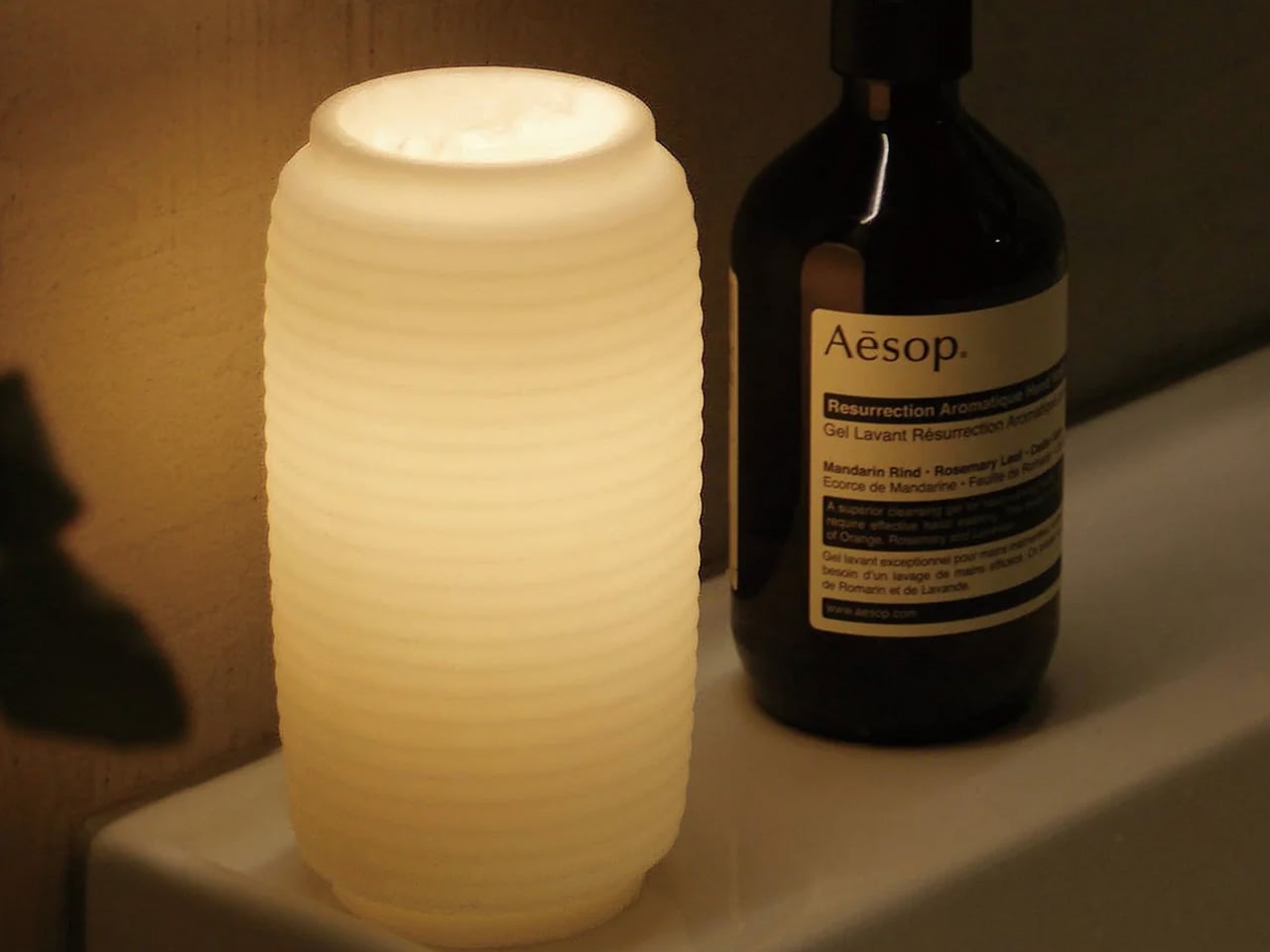
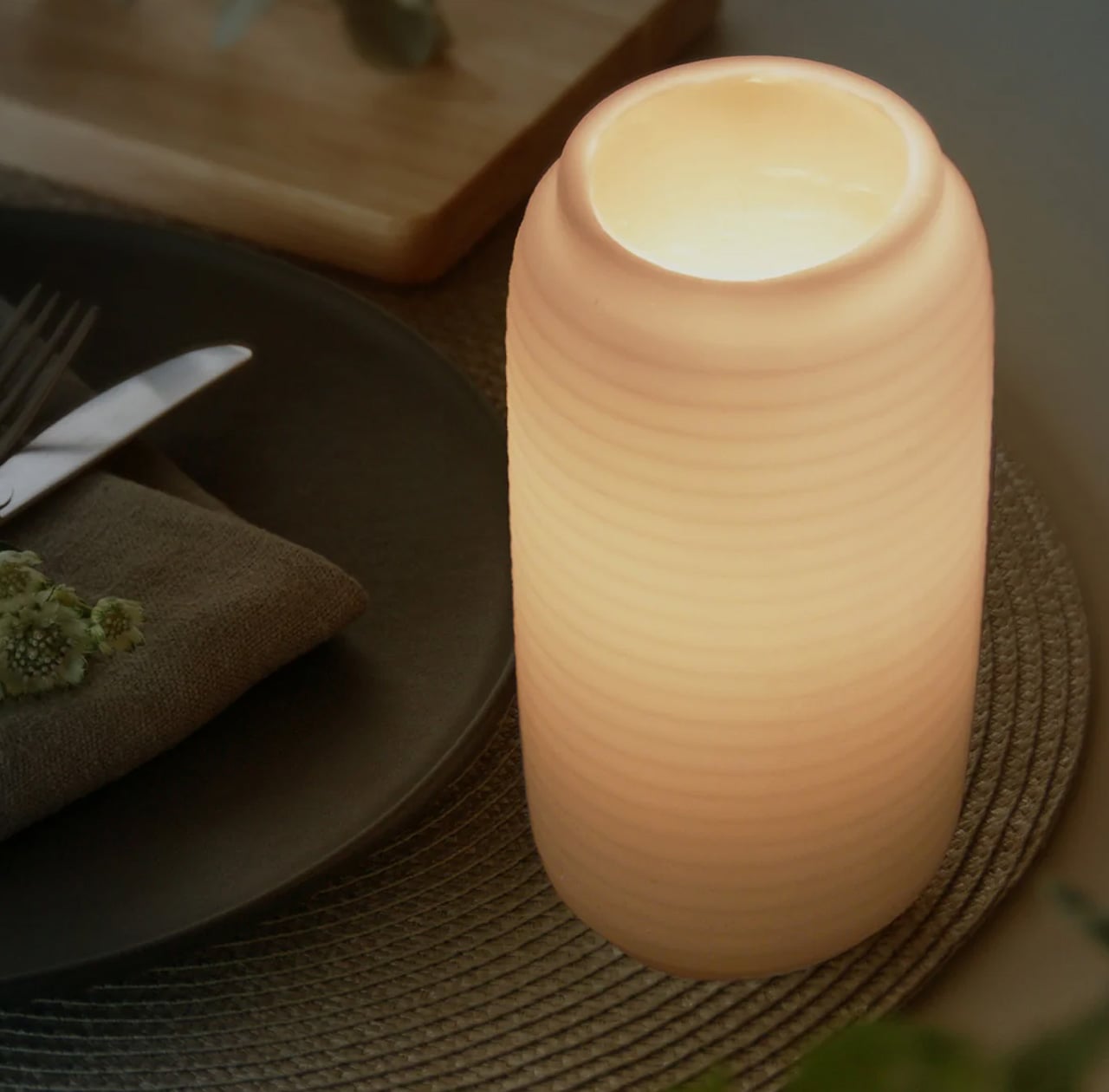
What changes as the candle burns is the experience. The inner candle gradually hollows out, and as it does, the light begins filtering through the undulating surface of the outer shell in a slow, shifting pattern that is difficult to look away from. Handmade by craftsmen in Kurashiki, Japan, it carries the kind of quiet specificity that separates an object made with intention from one made for convenience. That distinction is easy to feel the moment it is lit.
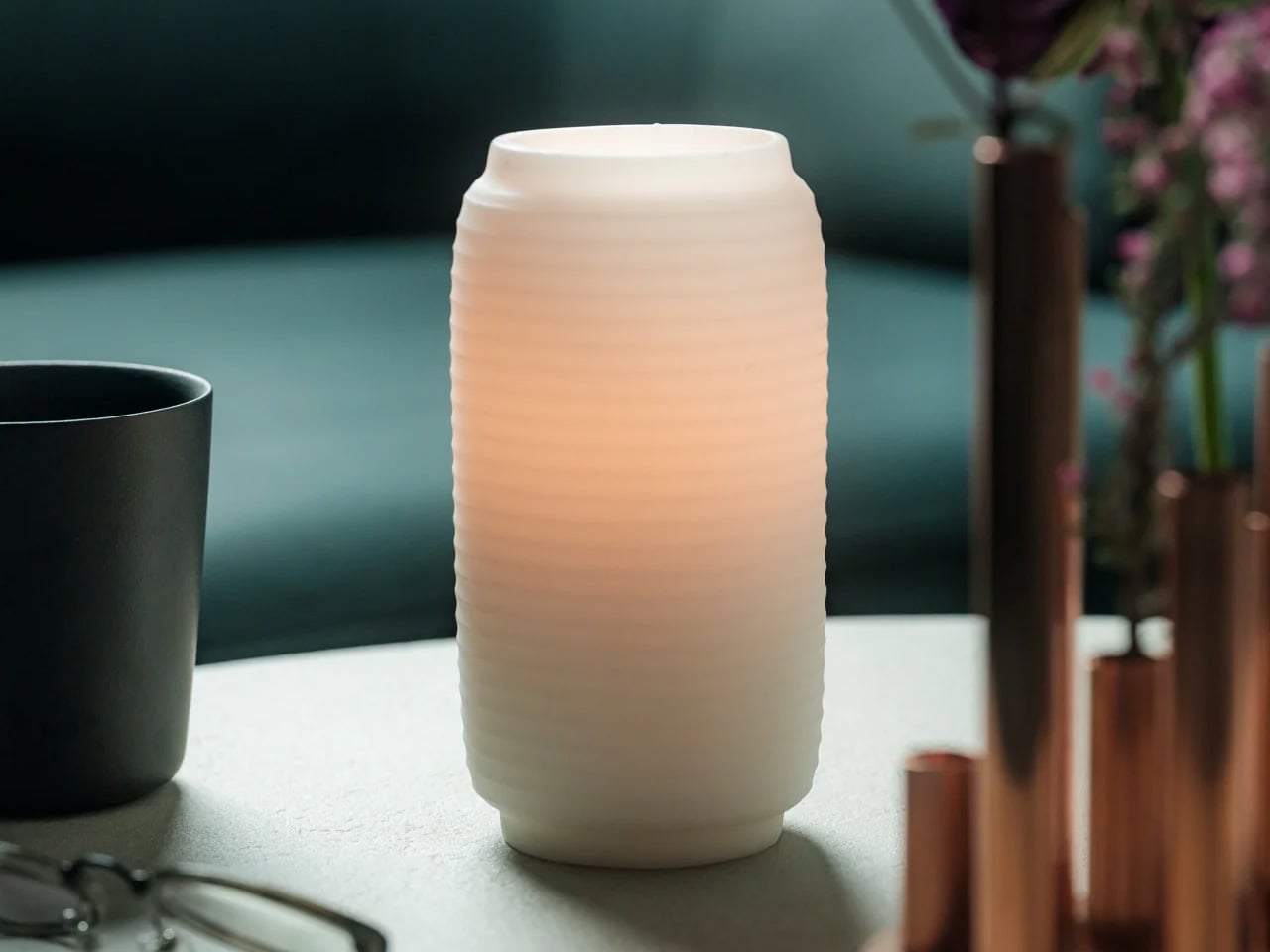
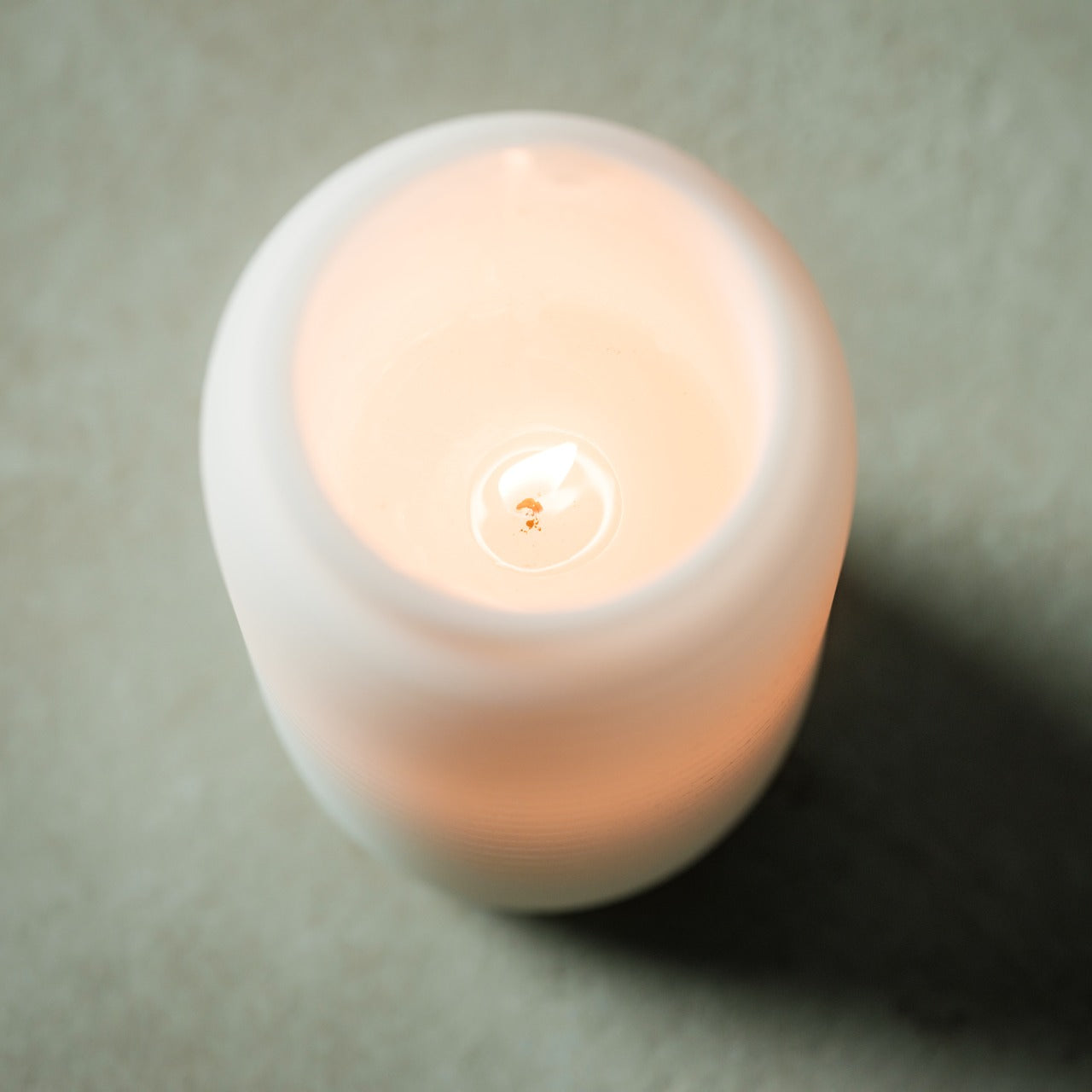
Click Here to Buy Now: $70.00

The Light That Stays

The patented technology behind the outer shell is what makes this candle worth understanding. Conventional candles collapse inward as the wax disappears, which means the design and the light disappear with them. Here, the outer layer holds its form throughout the life of the candle. The undulating surface was not designed purely for aesthetics, though it earns its place on that front as well. As the inner flame burns lower, the light catches and bends through the curves of the shell in a way that shifts with the burn, giving the candle a different quality of light at the end of its life than at the beginning. It is a slow reveal rather than a slow fade.
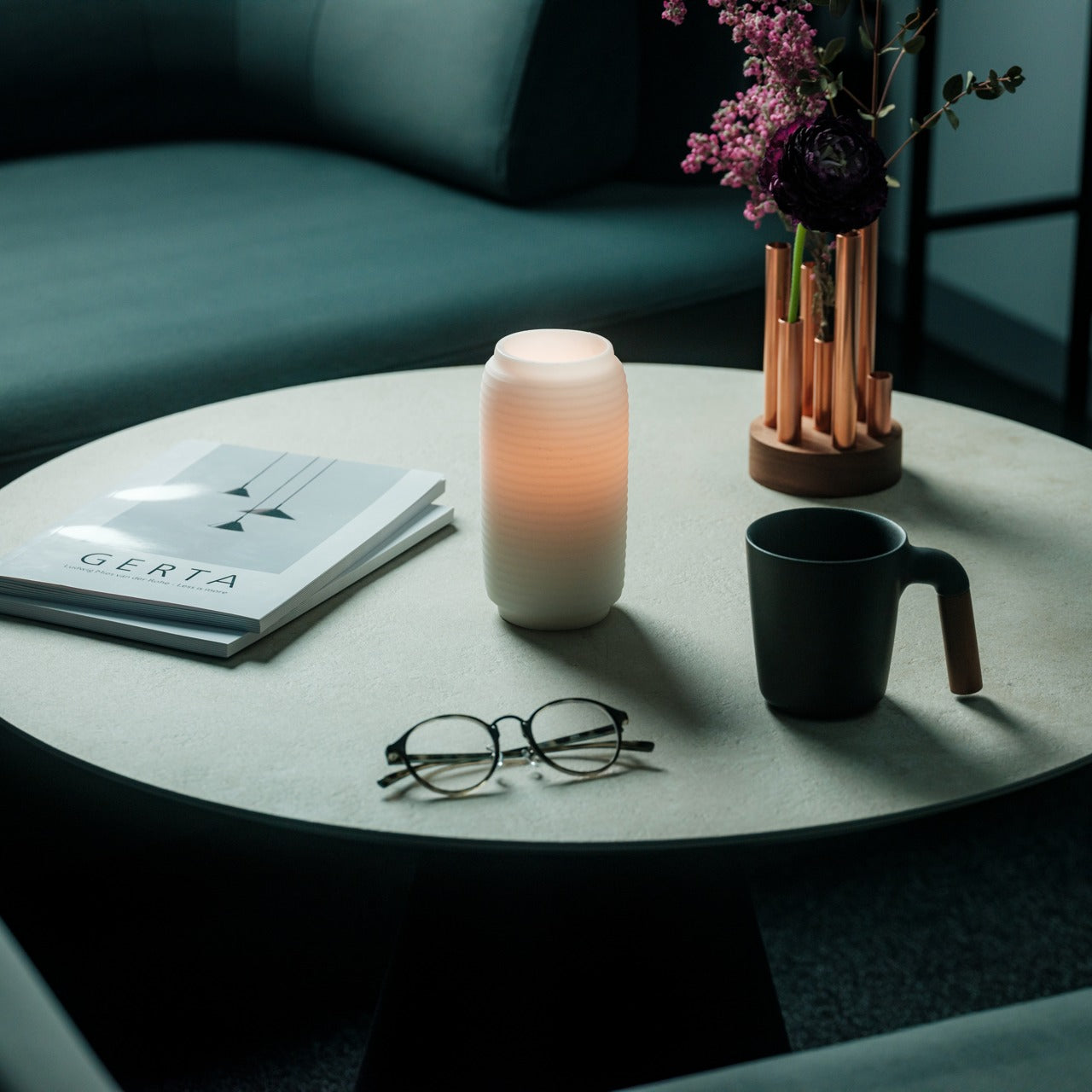
Crafted in Kurashiki, Designed for Stillness

Kurashiki is a city in Okayama Prefecture with a long history of textile craft and traditional artisanship. The candles made there carry that lineage in the way they are finished. Each one is handmade, which means no two are entirely identical, and the minimalist exterior reflects a restrained design philosophy that integrates into most interior spaces without demanding attention. It works on a bedside table, a bathroom shelf, or the center of a dining surface. The intention behind it, a calming ritual to mark the end of the day, is built into the form itself. You do not need to think about how to use it. You simply light it.
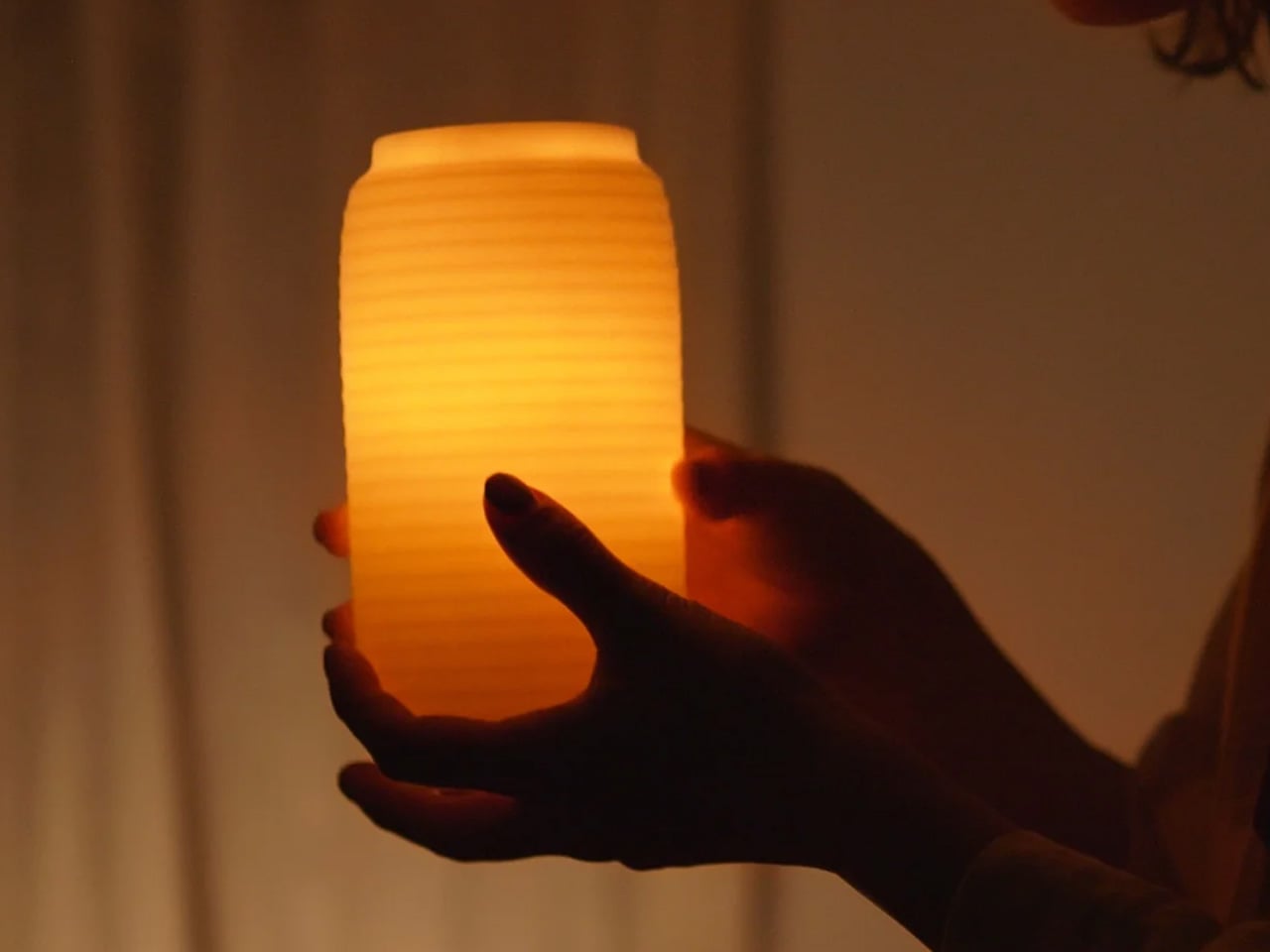
What We Like

  • Patented outer shell technology: the wax casing holds its structure as the inner candle burns, preserving the lantern form and the quality of the glow through the entire life of the candle
  • Handcrafted in Kurashiki, Japan: made by artisans in a city with a genuine tradition of craft, which shows in the finish and the material consistency
  • Undulating surface design: as the inner flame burns through, the light catches and moves across the curved surface in a way that no flat-sided candle can replicate
  • Minimalist aesthetic: the design integrates into contemporary and traditional interiors equally, without the visual noise of decorative candles that prioritize appearance over atmosphere

What We Dislike

  • No replacement candle system specified: the product does not make clear whether inner candles can be sourced and replaced once the original burns out, which affects the long-term value of the outer shell
  • Limited availability: with only a small number left in stock and no confirmed restock date, it is the kind of object that disappears before most people know it exists
A Ritual Worth Keeping

There is a particular kind of object that earns a permanent place in a room not because it demands to be noticed but because the room feels different without it. The Japanese Lantern Candle belongs to that category. It does not perform. It simply holds the light in a way that slows the room down, which is the point of the chouchin tradition it draws from, and the point of any ritual worth building around the end of a day.

If the candles currently on your shelf burn flat and leave nothing behind, this is the straightforward upgrade. At $70.00, it is the cost of something made by hand, in one place, for one purpose. Pick it up before the remaining stock is gone.
The post This $70 Japanese Candle Burns From the Inside Out & Lights a Room Better Than Anything Else on Your Shelf first appeared on Yanko Design.
A Student Just Designed the Lantern Every Nomad Needs

Most portable lights exist to solve a problem. They help you see when there’s no overhead fixture, charge your phone during a power outage, or keep your campsite from going completely dark. They’re useful, and that’s about where the conversation ends. Designer Benjamin Mtonya clearly thought that wasn’t enough.

His student project, Fluted, just earned a Student Notable honor at the 2026 Design Awards, and it deserves more attention than that modest title suggests. Because Fluted isn’t trying to be useful. It’s trying to be familiar. And that’s a meaningfully different ambition.

Designer: Benjamin Mtonya

The premise is straightforward, even if the execution is anything but. We move constantly now, between apartments, sublets, shared houses, short-term rentals, studio spaces we inhabit for six months before packing up again. Our stuff moves with us, but atmosphere typically doesn’t. You can’t carry the warm, golden light of your old apartment into a new, fluorescent-bright one. The mood of a space is tied to its architecture, its windows, its ceiling height, even the color of its walls. Your floor lamp will tag along for the ride, but it won’t feel like home until the room does.

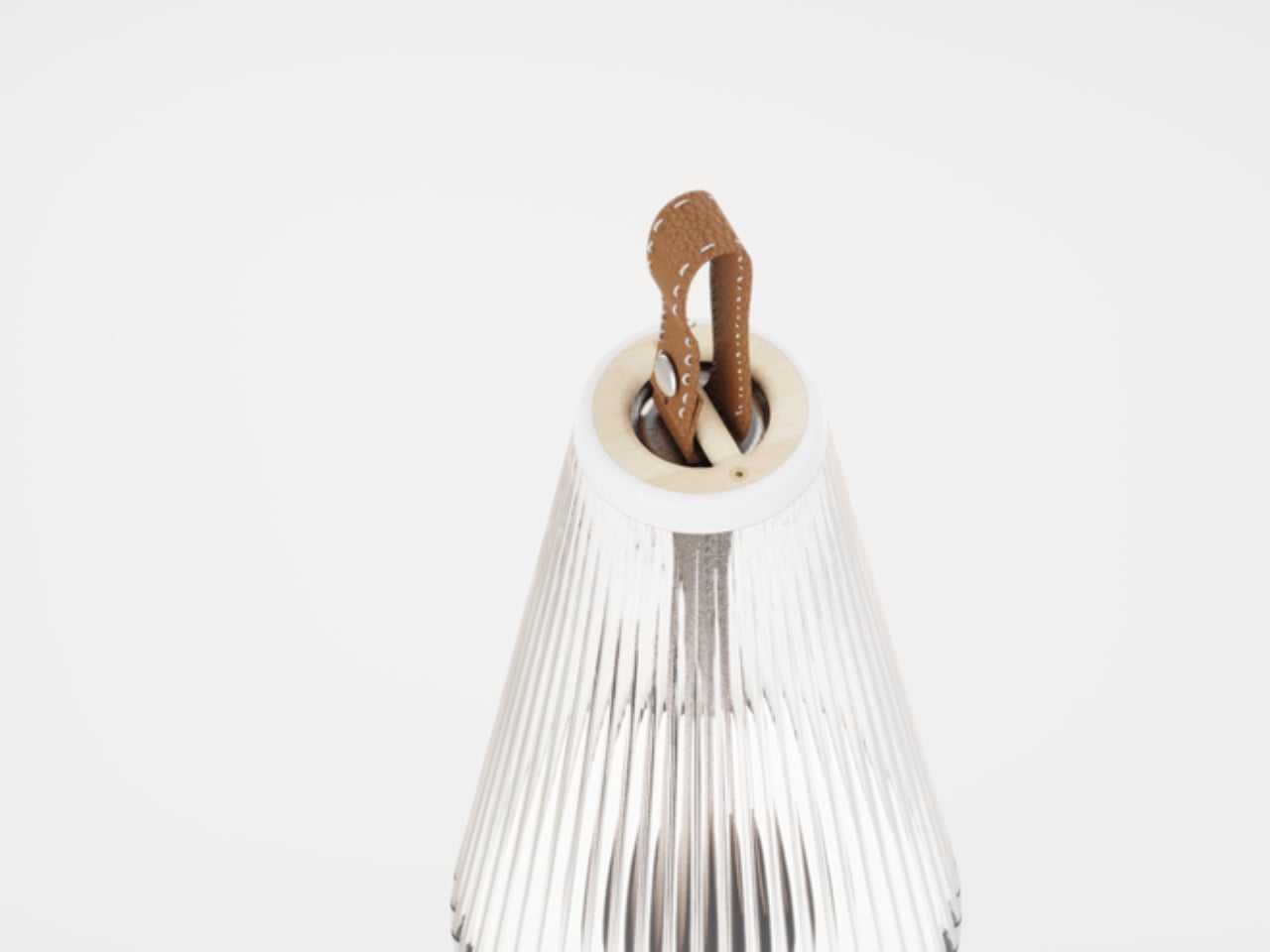
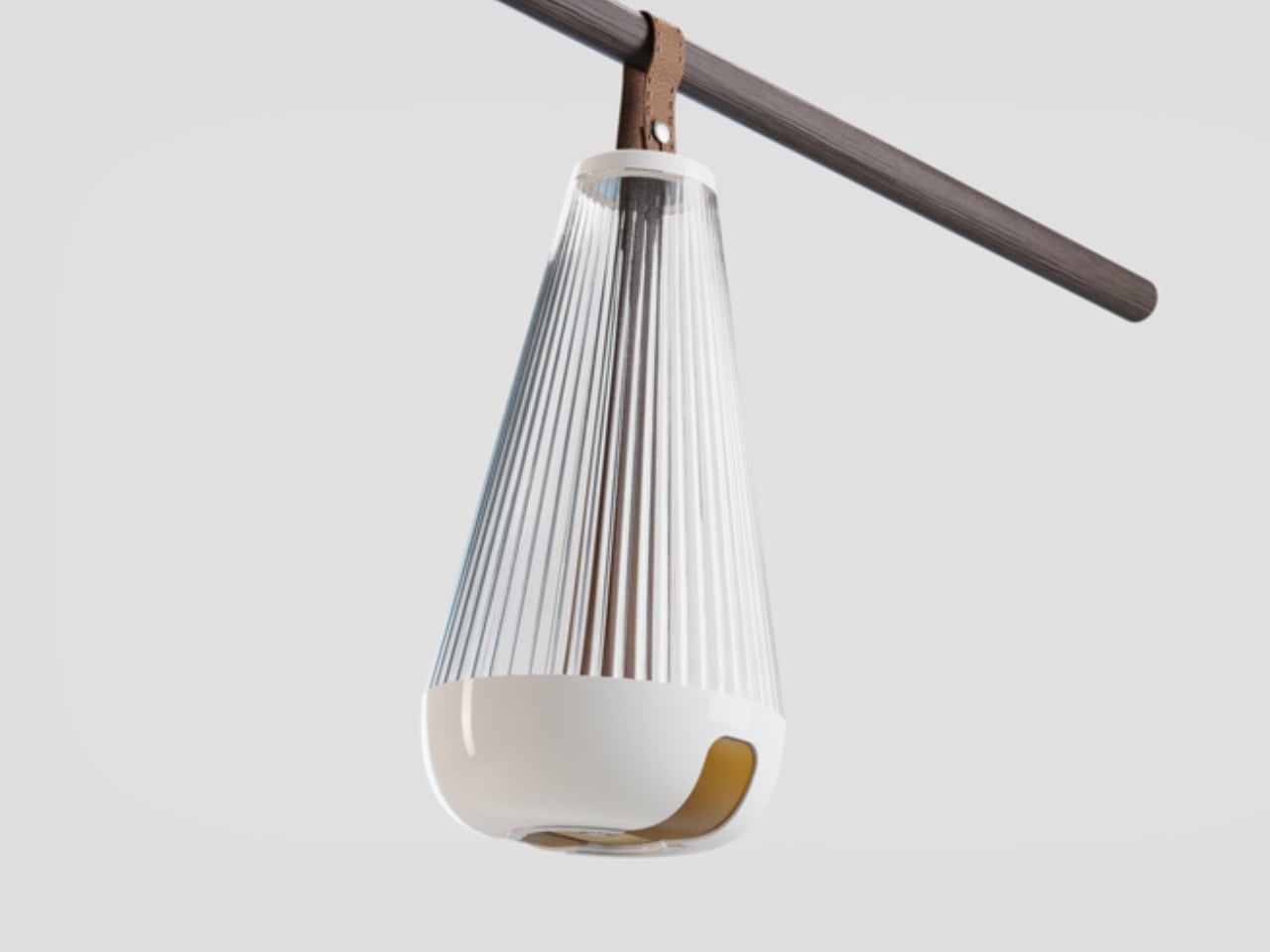
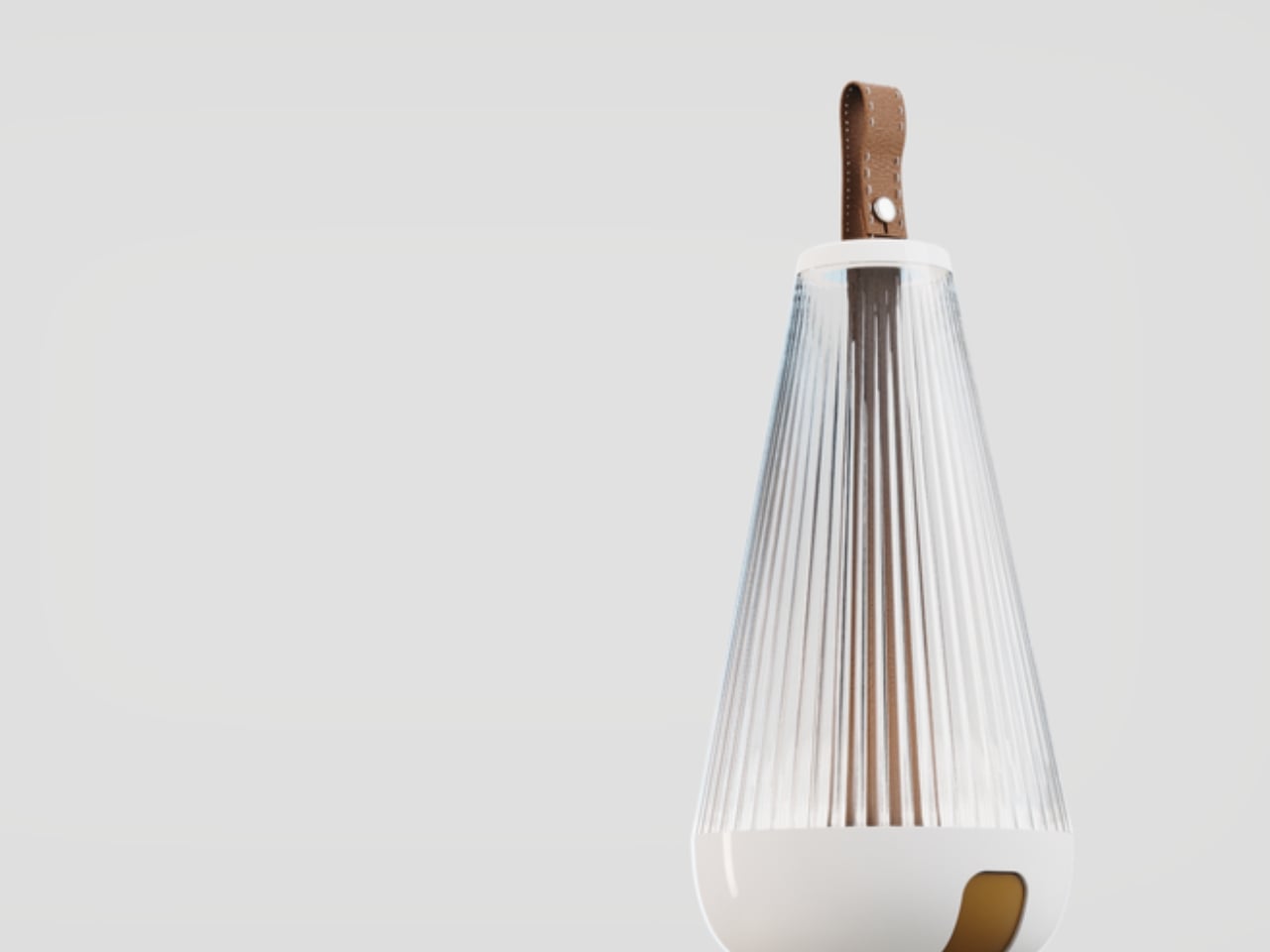
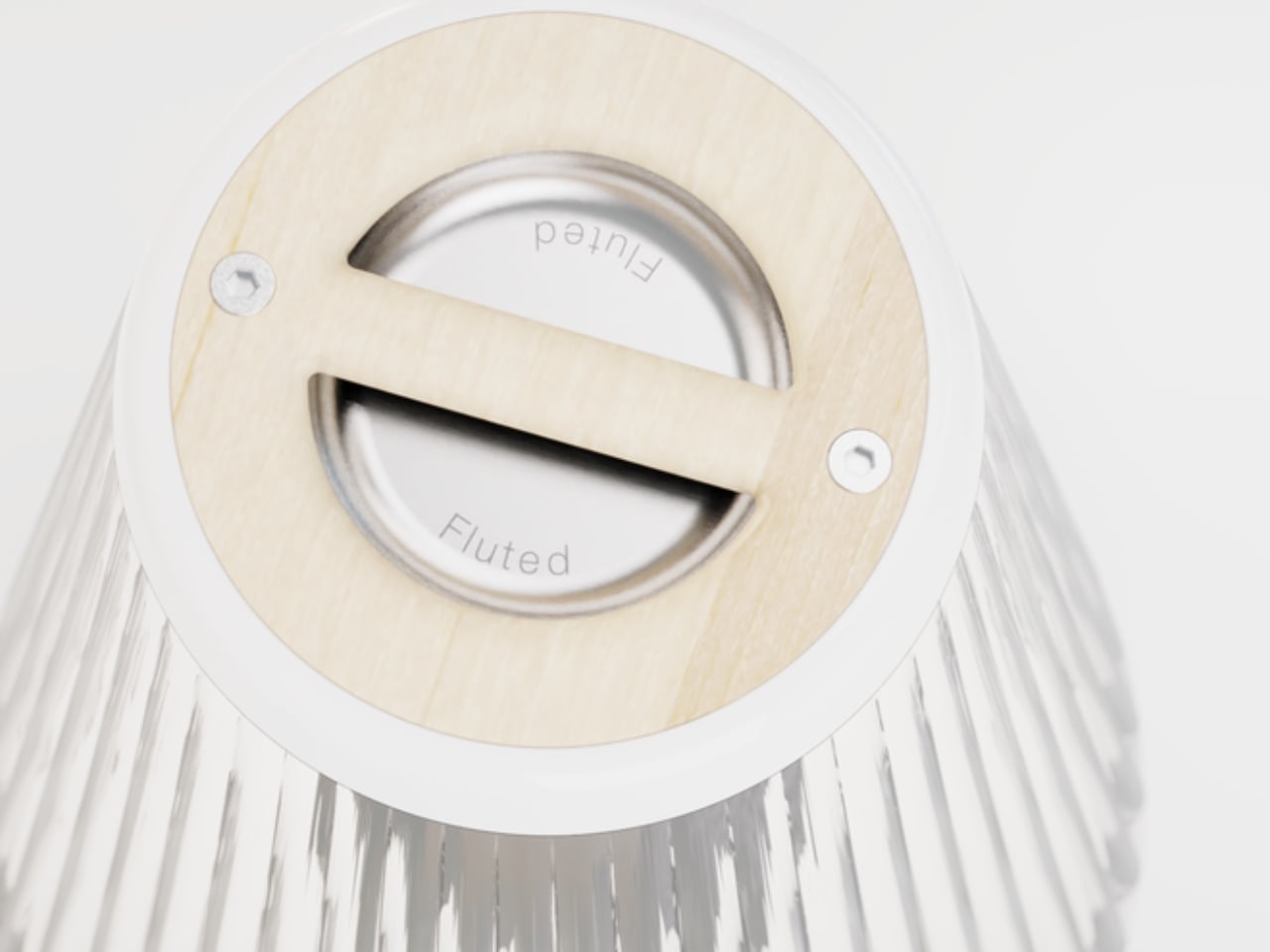
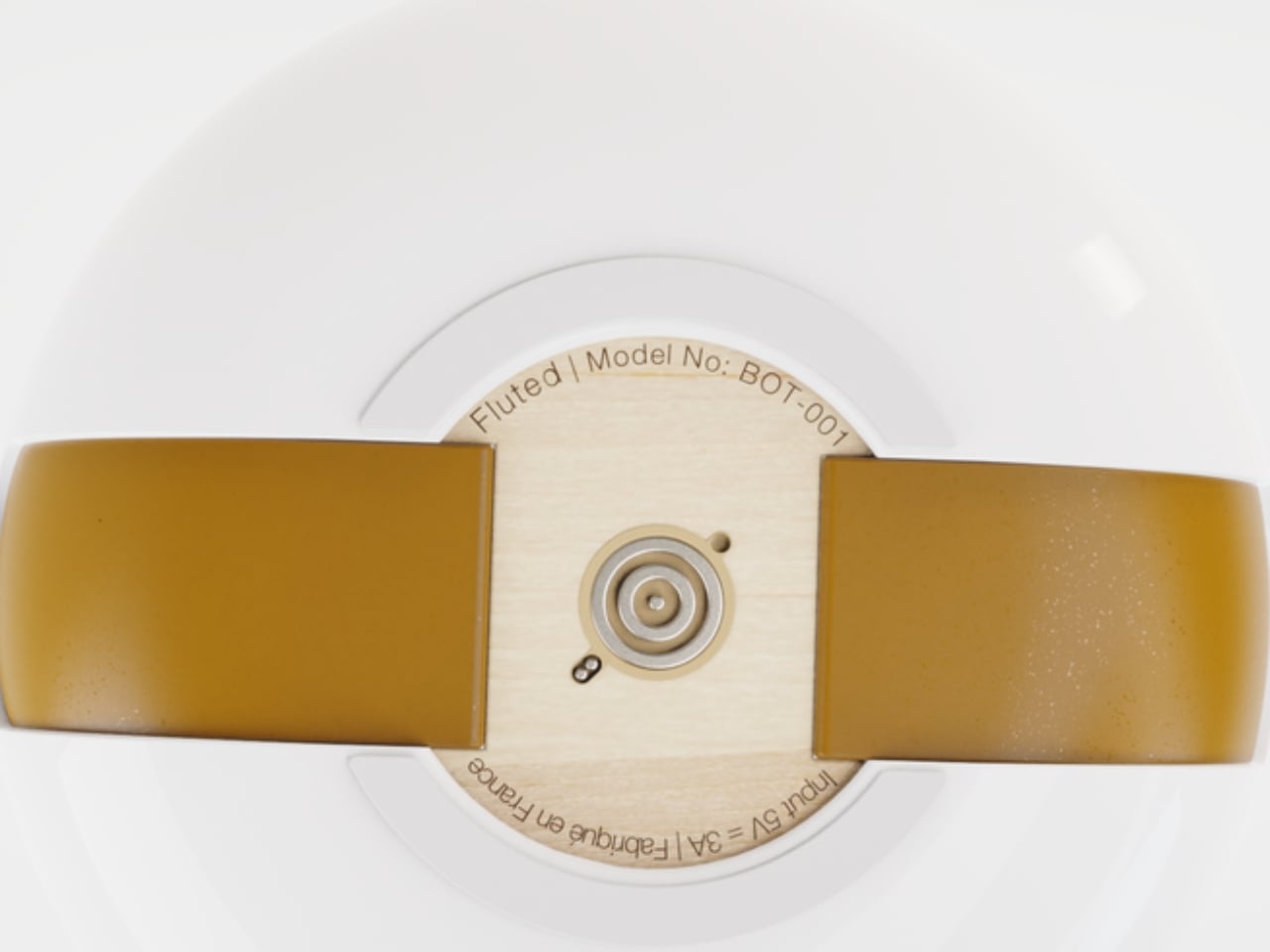
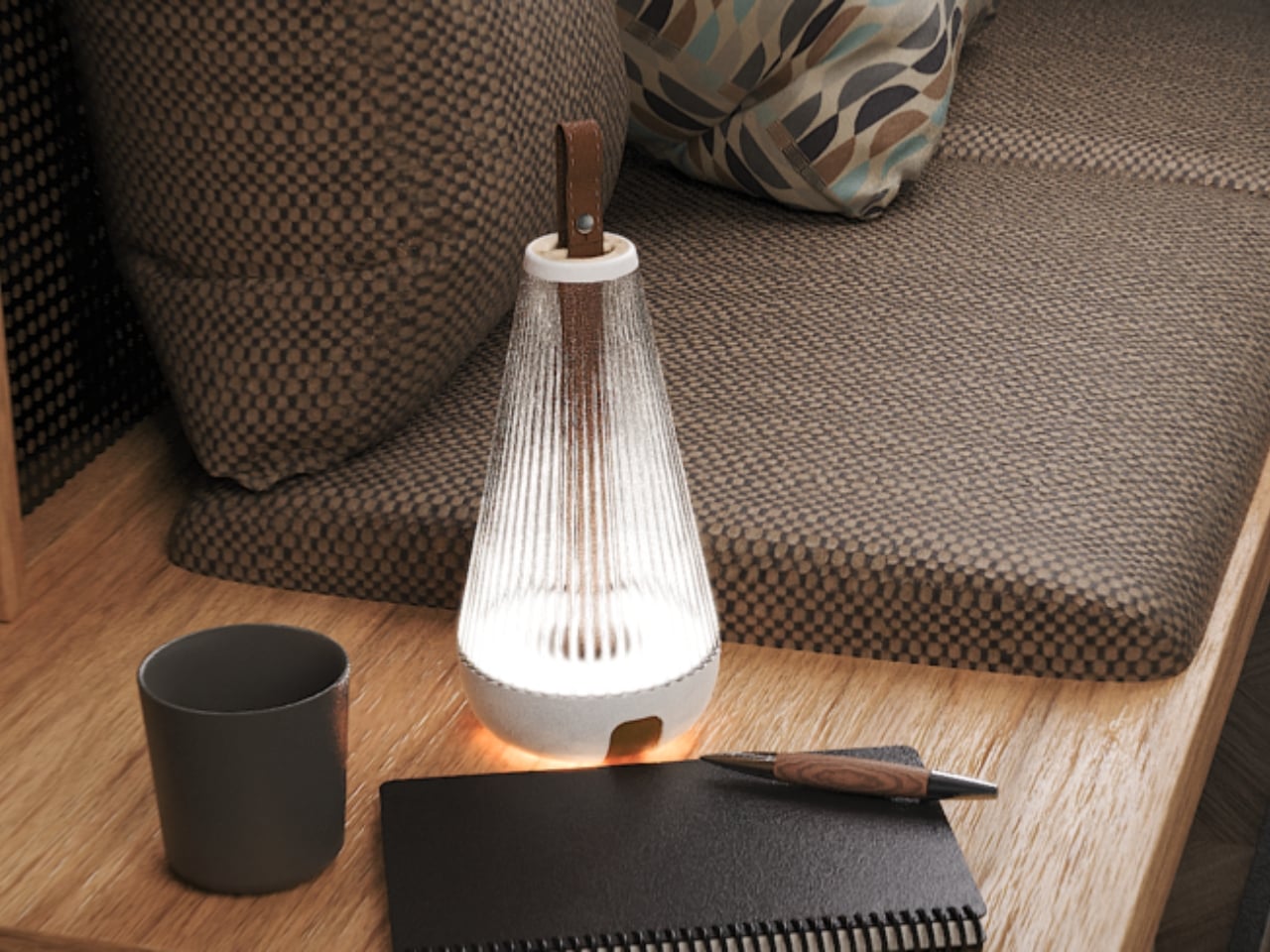
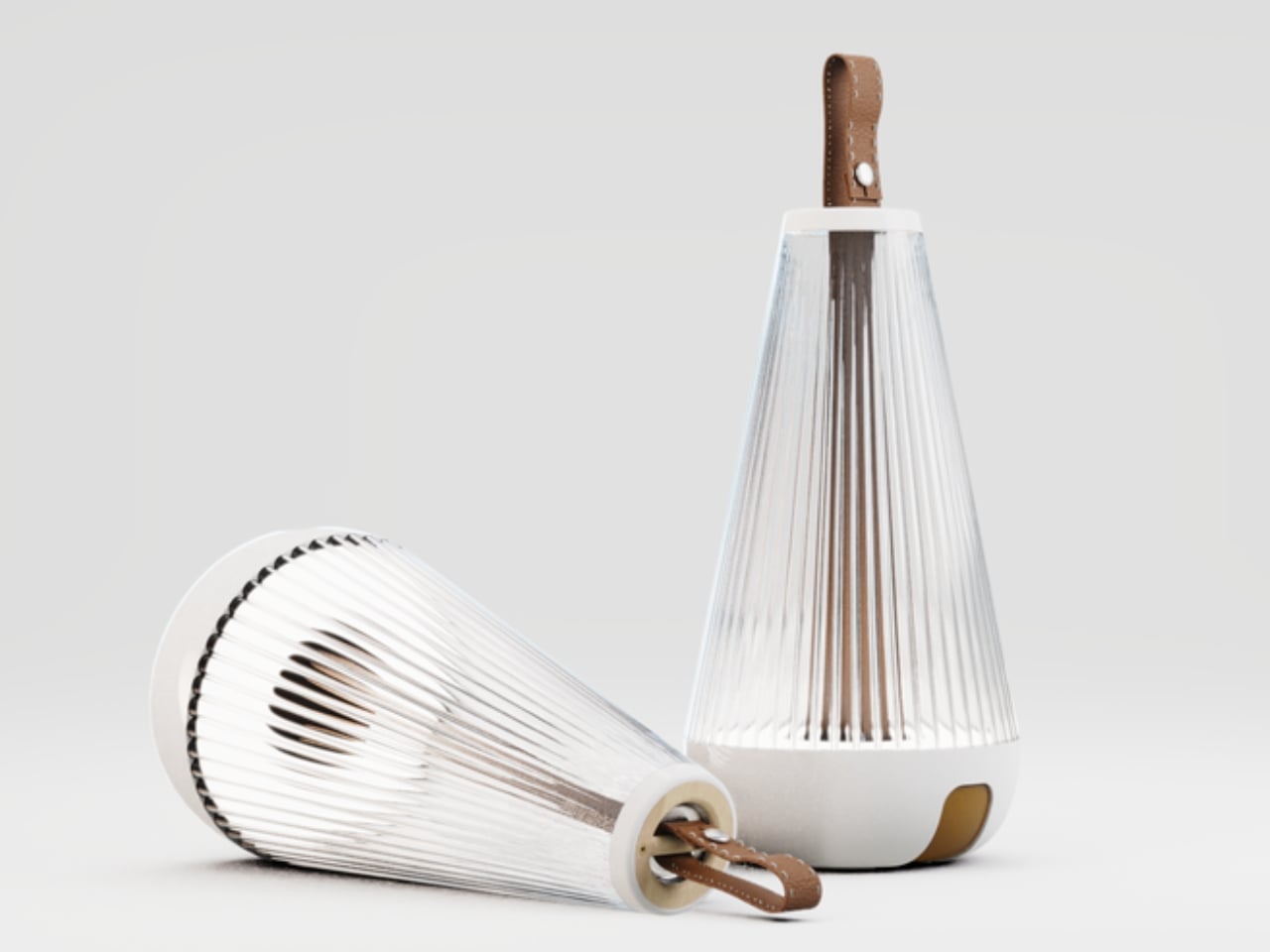
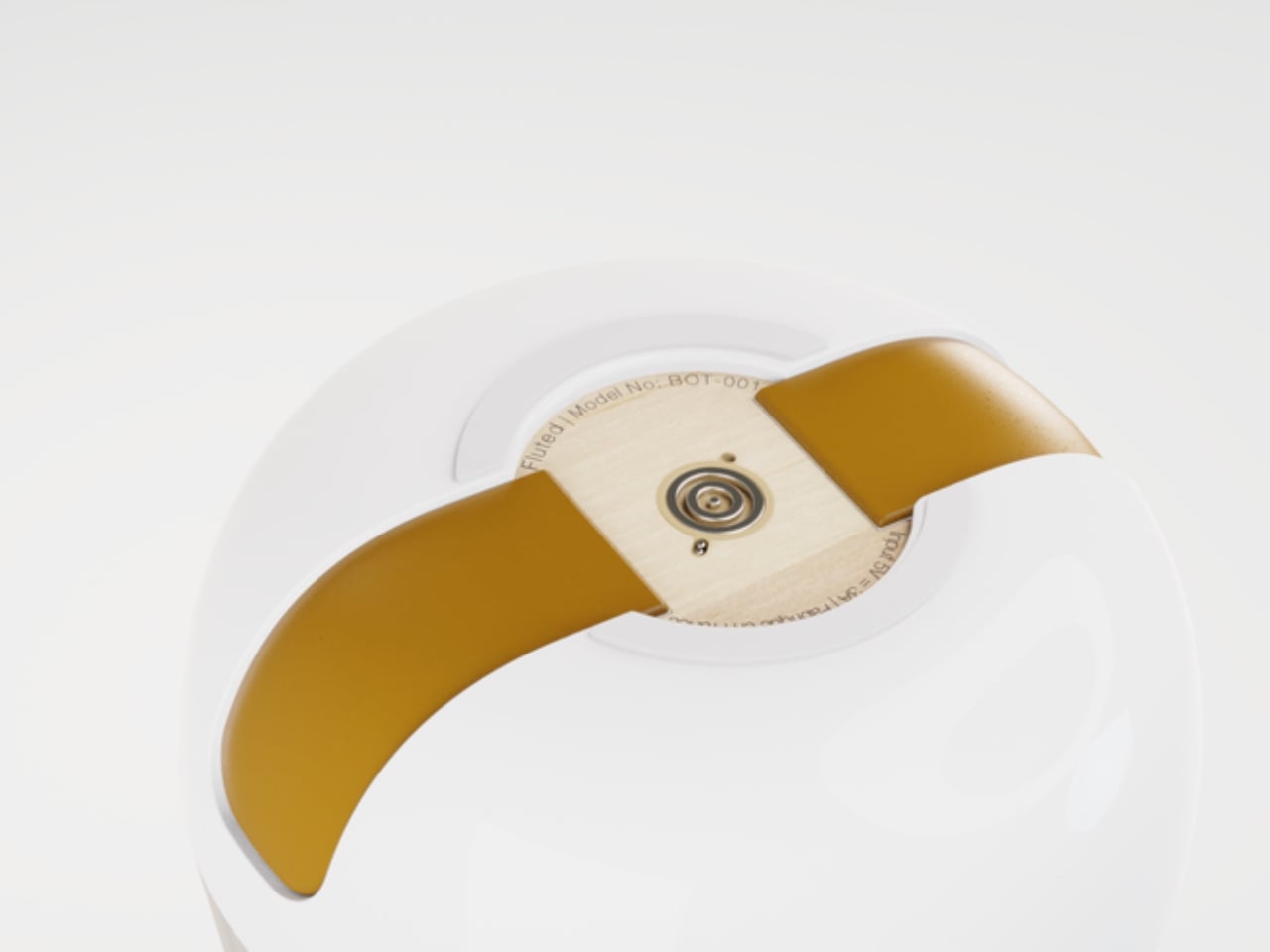
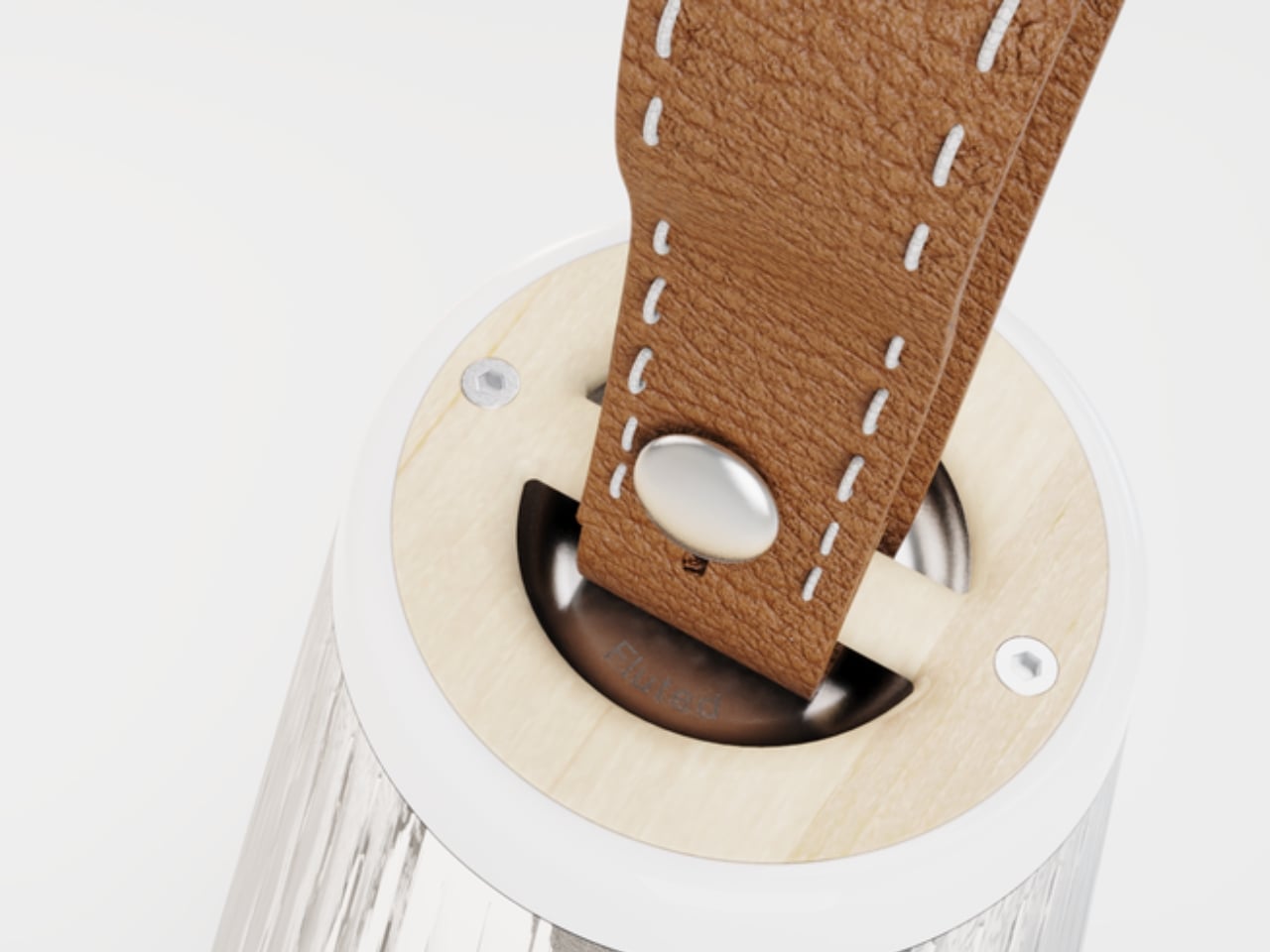
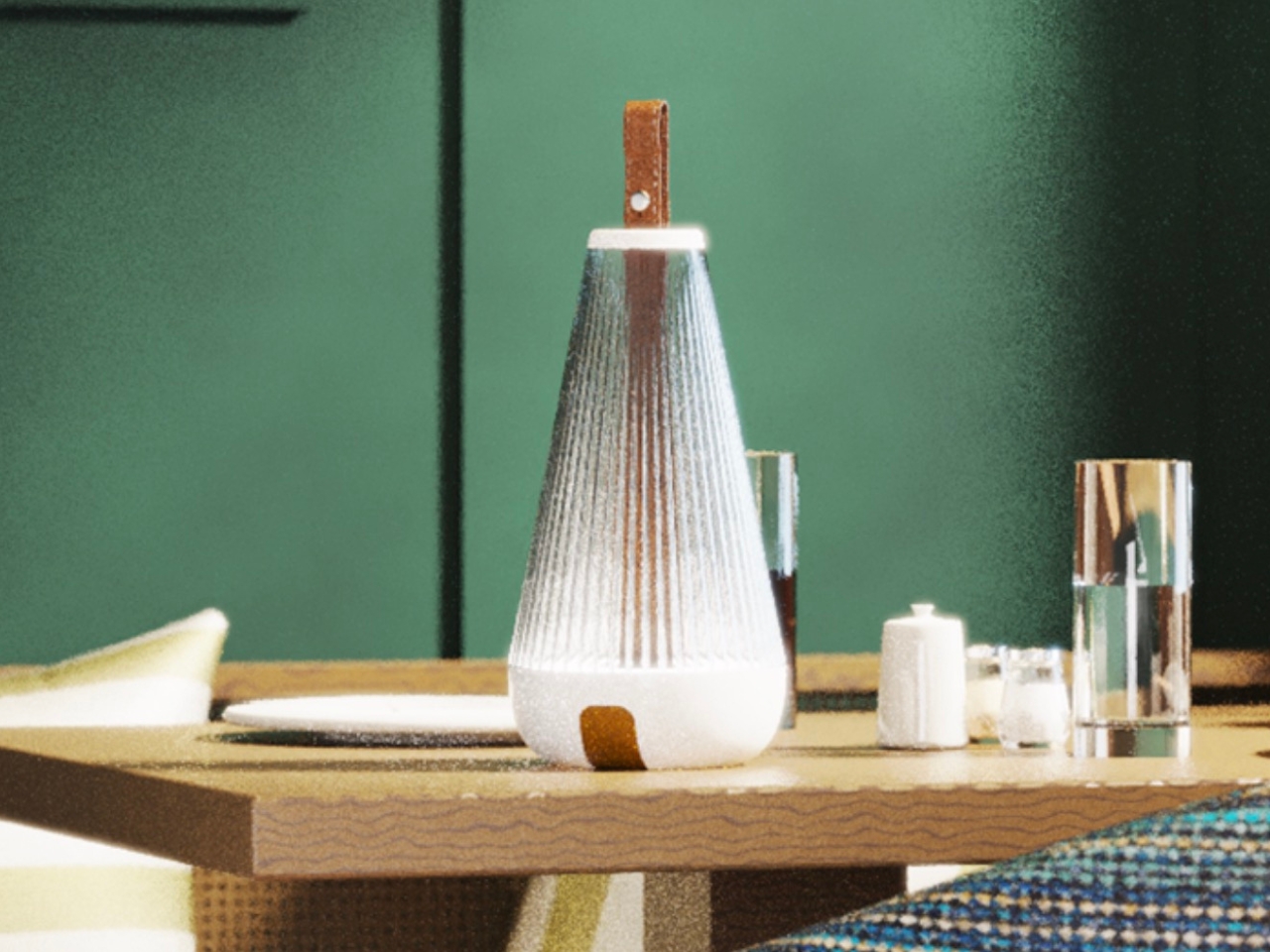
Fluted is Mtonya’s answer to that gap. It’s a portable lantern, yes, but designed entirely in the language of furniture rather than electronics, which is exactly why it works so well as a concept. The materials are deliberate: maple for tactile warmth at points of contact, leather to suggest carry and continuity, polished steel for a quiet refinement, and fluted glass to soften the light into something that reads less like illumination and more like mood. An upward-facing light source diffuses through that glass and produces a warm ambient glow that recalls candlelight, the kind that makes a space feel inhabited rather than simply lit, and without the fire hazard or the melted wax cleanup.

The visual centerpiece of the design is clever in a way that rewards a second look. At first glance, you see a single continuous leather strap that appears to pierce straight through the entire object. It’s partly an illusion. A detachable leather strap at the top transitions visually into an internal leather spine suspended within a minimal metal frame below, but the eye reads it as one uninterrupted element. It gives the whole thing a structural coherence that most portable lights completely lack. It doesn’t look like something you grabbed from a shelf out of necessity. It looks considered. It looks like it belongs somewhere.

That distinction matters more than it might seem. We’ve accepted, almost without question, that portable objects are allowed to look utilitarian. Power banks look like bricks. Portable speakers look like, well, portable speakers. The category tends to signal its own temporariness through its aesthetic. Fluted pushes back on that assumption quietly, without making a fuss about it. It’s not loudly declaring that it’s beautiful; it’s simply refusing to look disposable.

Mtonya designed it specifically for what he calls the “domestic nomad”: individuals whose environments shift regularly but who value continuity of atmosphere within them. That framing is worth sitting with for a minute. It’s not about people who travel light as a romantic lifestyle philosophy. It’s about the very ordinary experience of being in-between spaces, or between phases of life, and still wanting the corner of your room to feel like yours. That’s an experience a lot of us share right now, more than we probably want to admit.

As student work goes, the philosophical clarity here is striking. A lot of design projects at this level are technically impressive but emotionally neutral. Fluted has a genuine point of view. It’s making an argument about what a portable object can mean, and it makes that argument through material choices and formal decisions rather than through a written manifesto. The object does the talking, and it’s articulate. Whether Fluted ever moves into production remains to be seen. But the conversation it starts about what we deserve from the objects we carry with us is already worth having.

The post A Student Just Designed the Lantern Every Nomad Needs first appeared on Yanko Design.
Twisting Camping Lantern brings both light and fun to outdoor activities

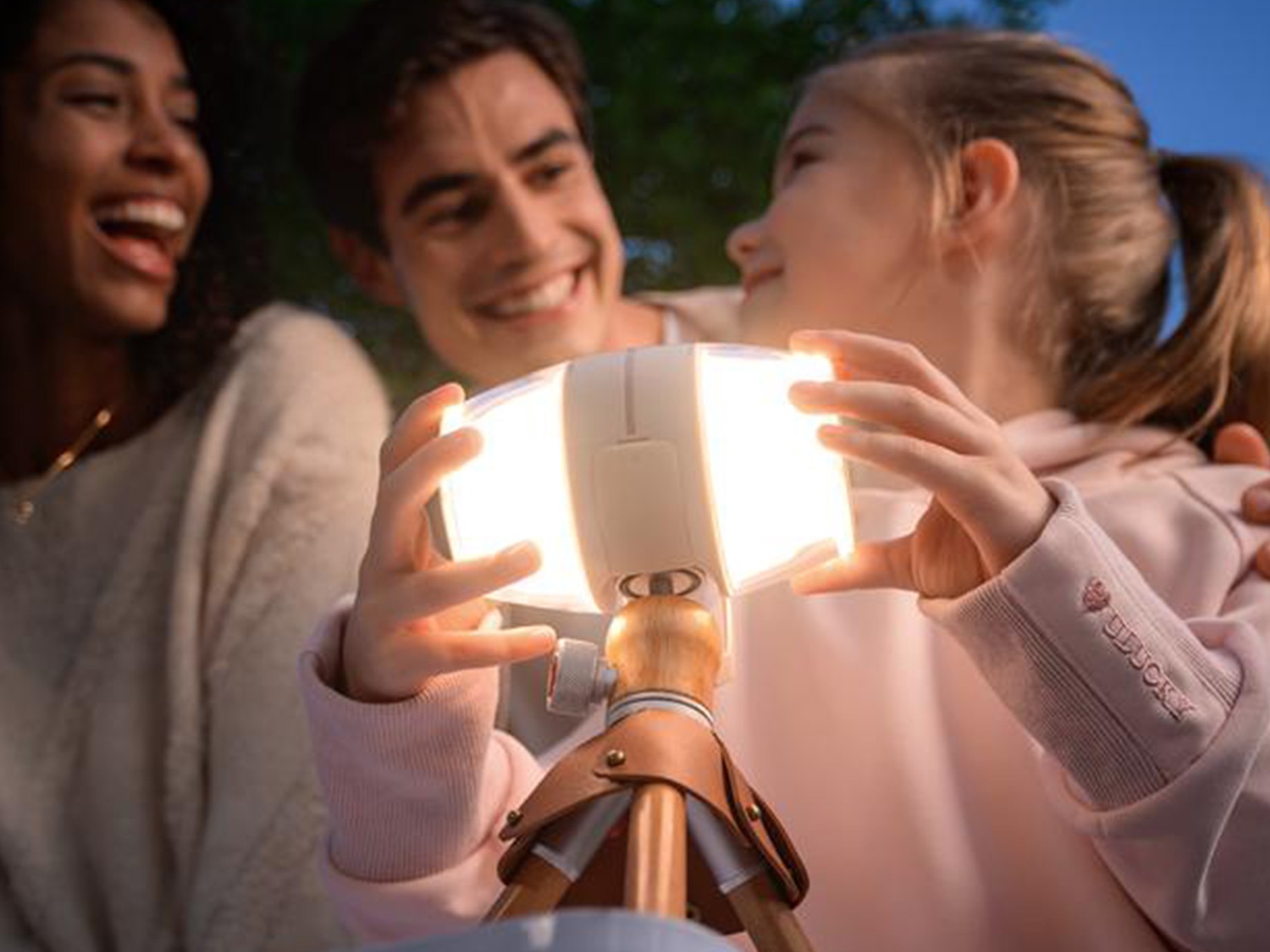
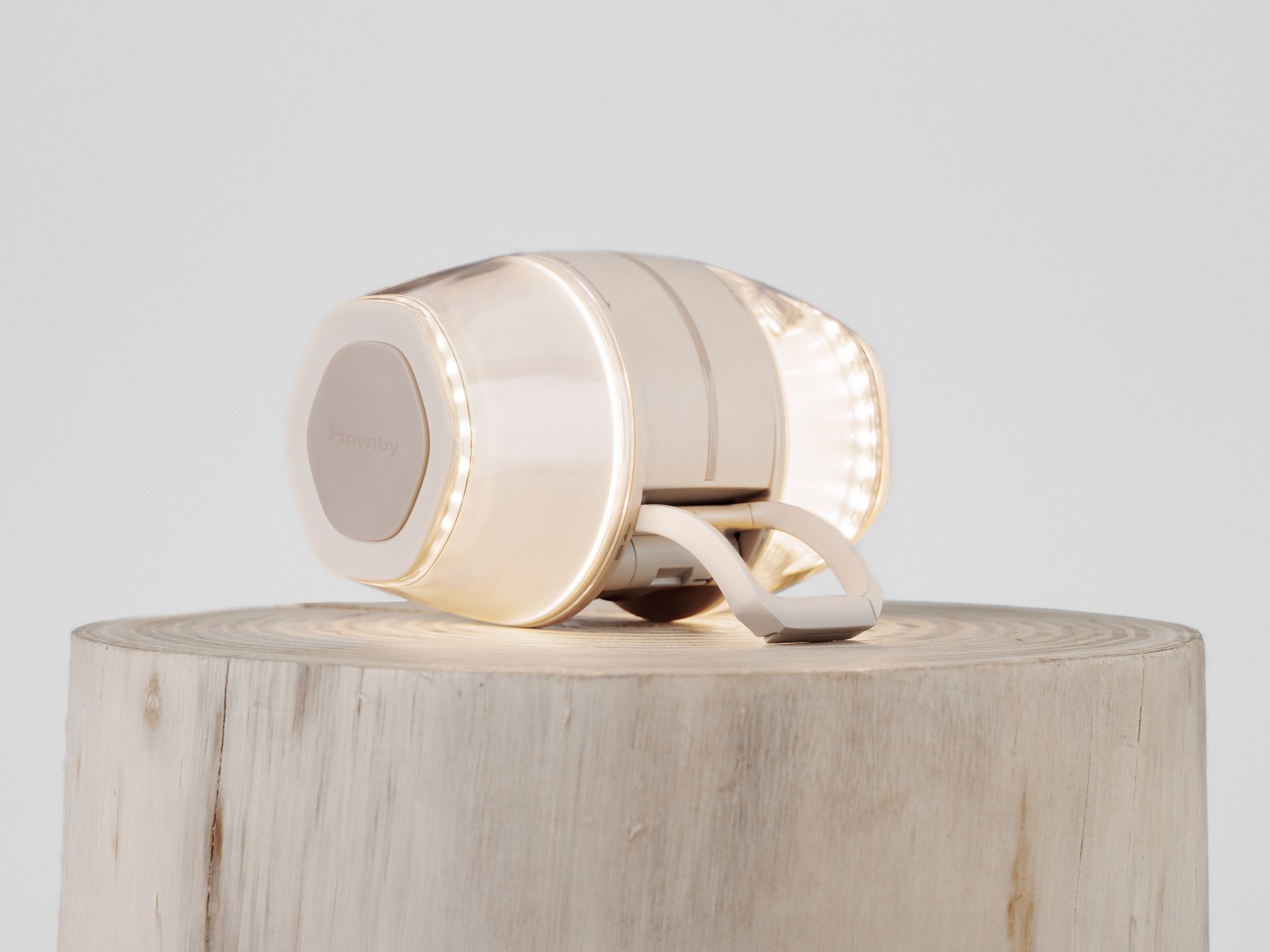
Outdoor lamps are a dime a dozen, but the vast majority of them come in rather serious and rugged designs. That’s unsurprising considering how most people will probably want a reliable light source that doesn’t require much fuss or fiddling to set up. That, however, doesn’t mean there’s no more room for a pinch of frivolity and whimsy, especially if you’re more interested in adding some luminous accents over actually illuminating your campsite or backyard. That’s the kind of experience that this toy-like lantern is offering, adding an element of fun to outdoor nighttime activities with a simple twist.

Designer: iu Llong (for Havnby)

Camping lanterns, or any lamp designed for outdoor use for that matter, are often rugged and simple to operate. The last thing you want to bother with in the dark of night is fighting with your advanced but complicated lighting solution. Sometimes what you need, however, isn’t just light but entertainment and enjoyment, which the Twist Camping Lantern delivers by turning its function into a more engaging physical activity, almost like a game or a toy.

1

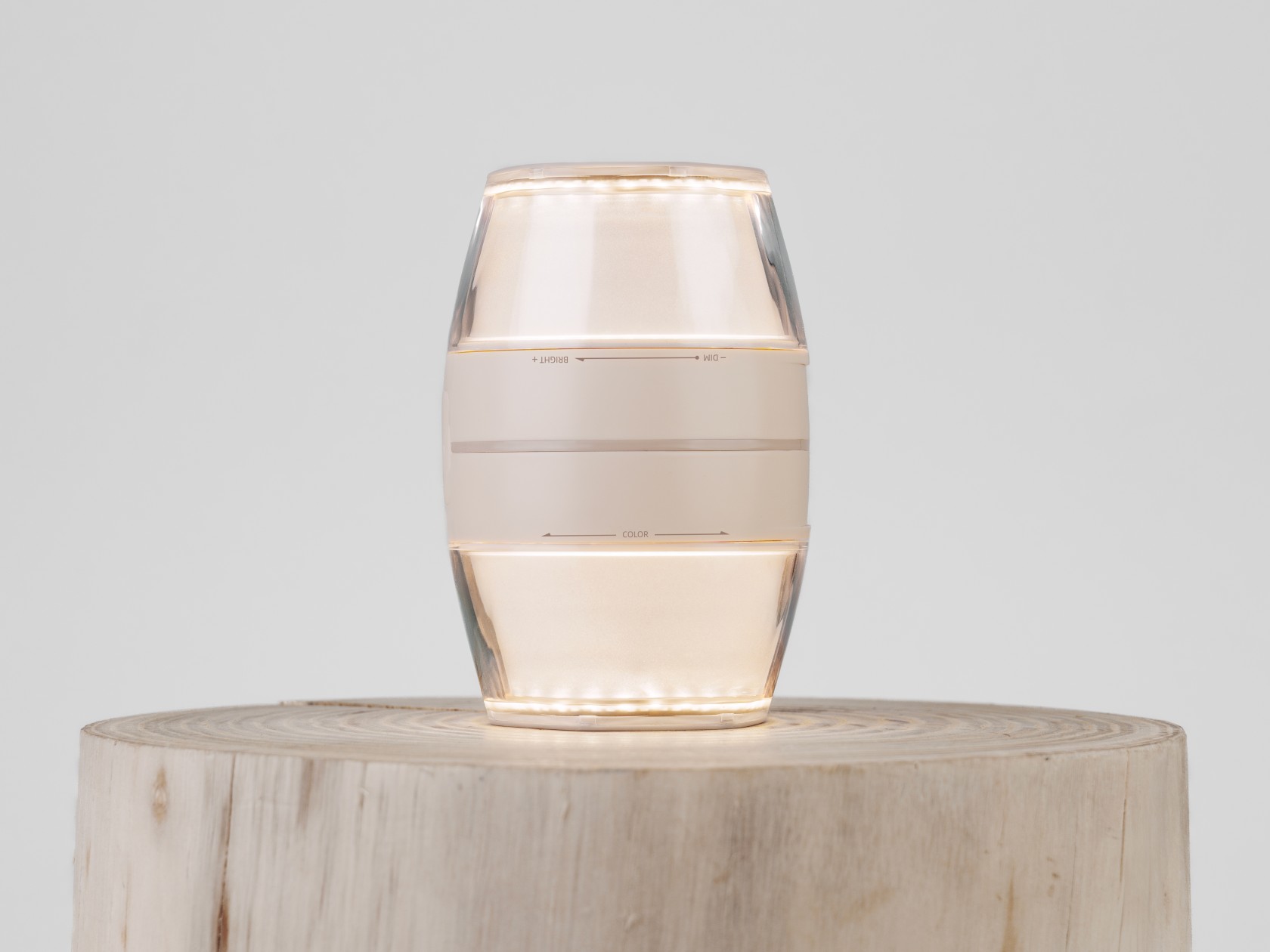
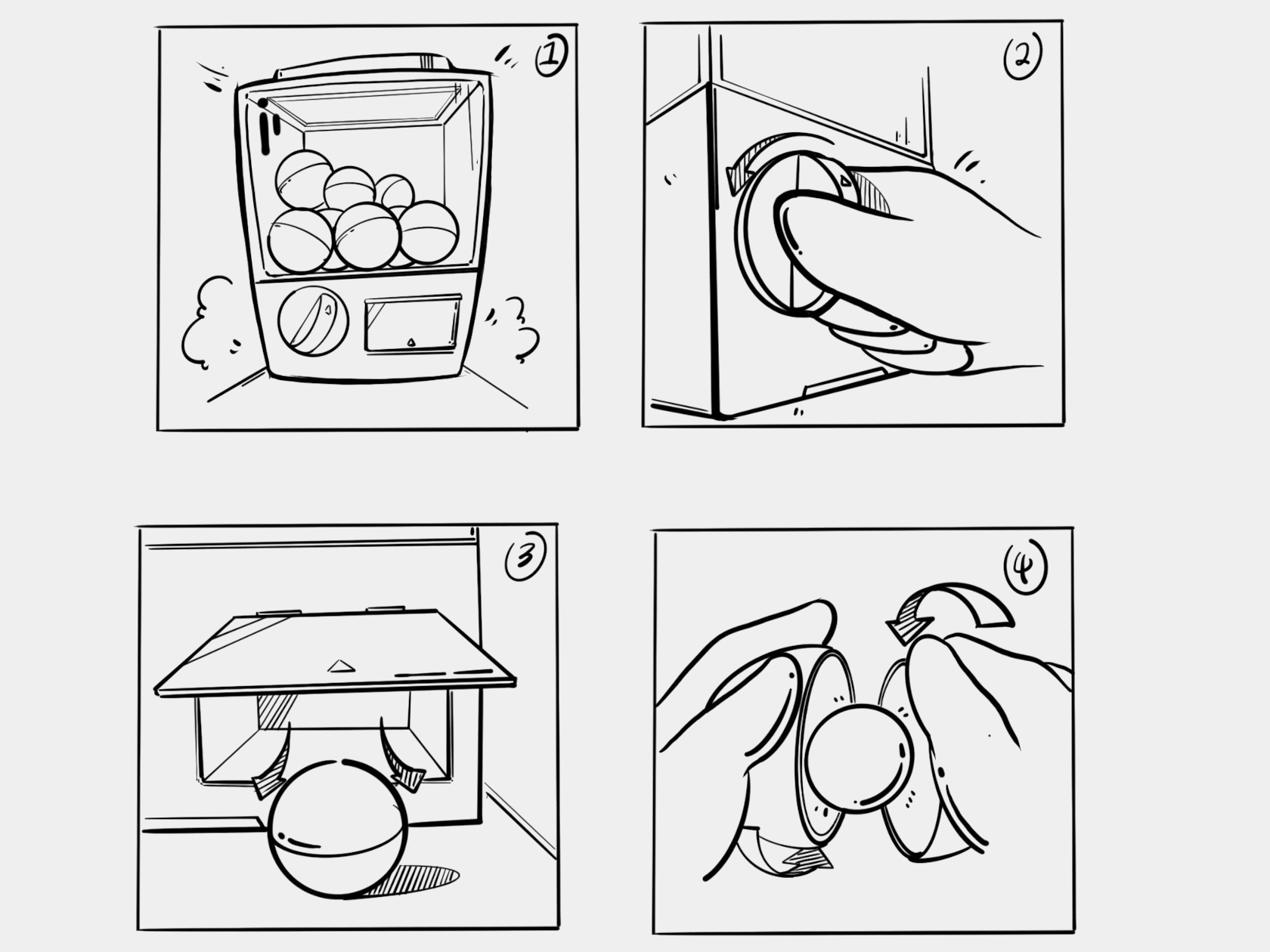
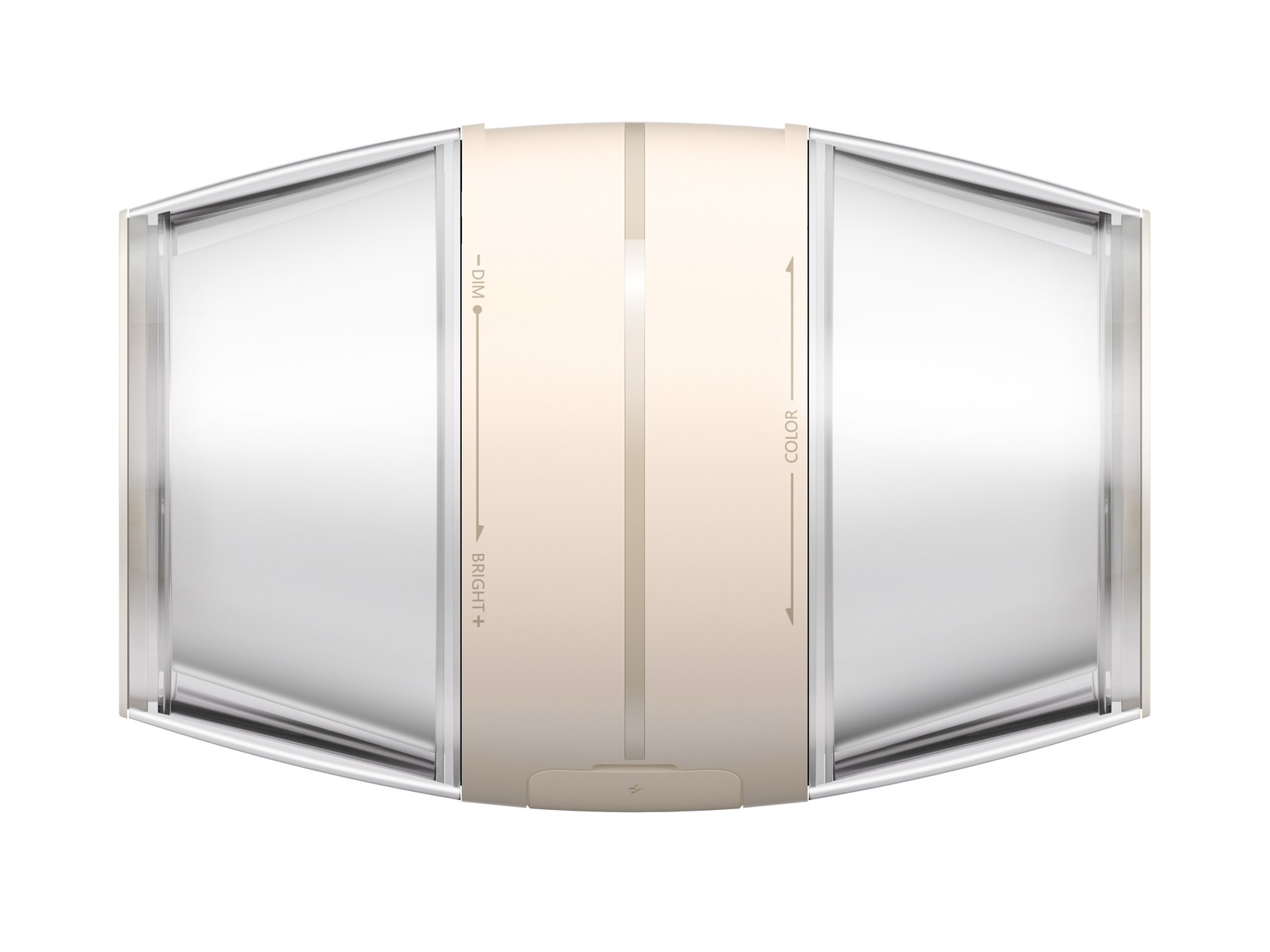
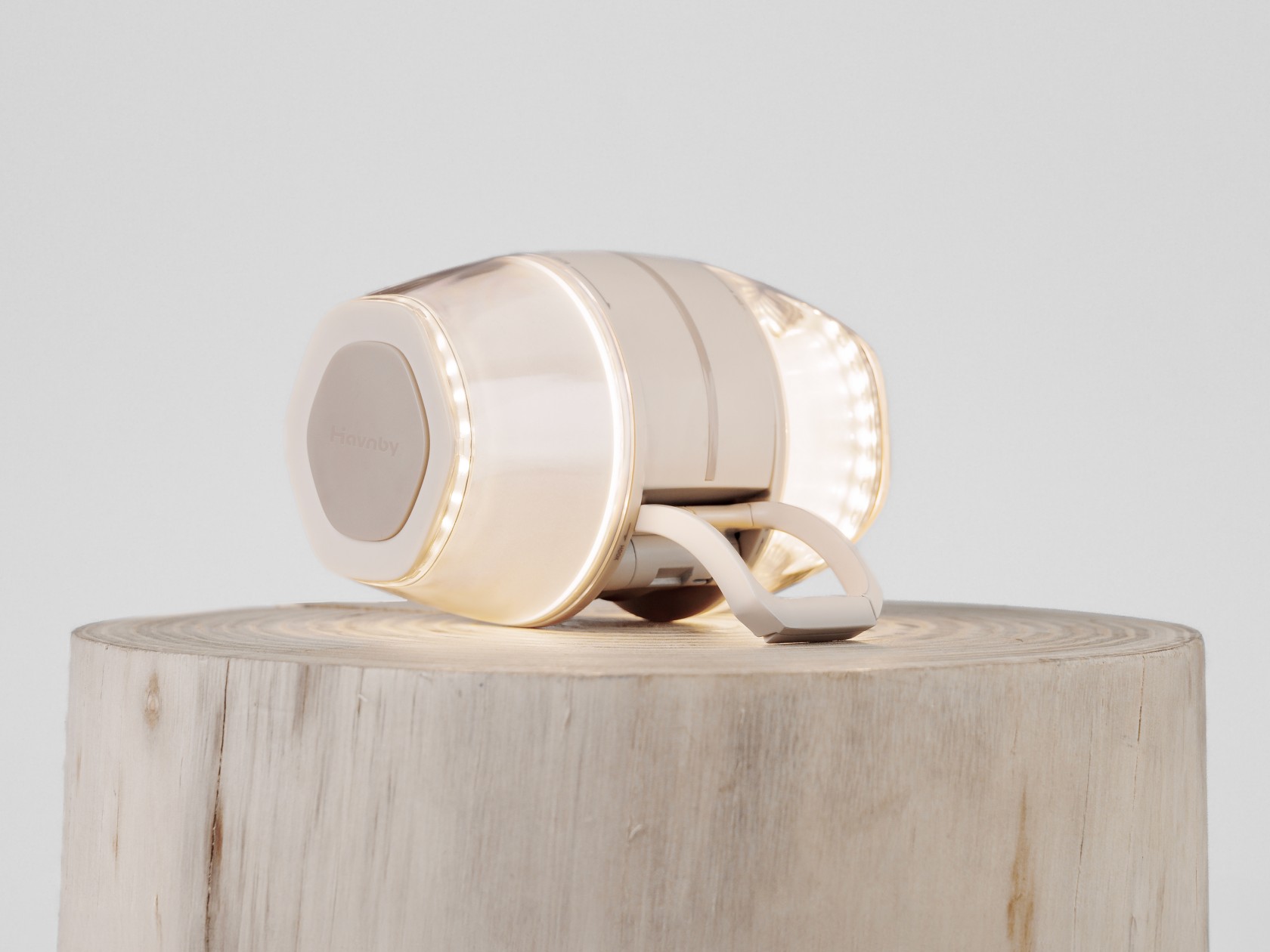
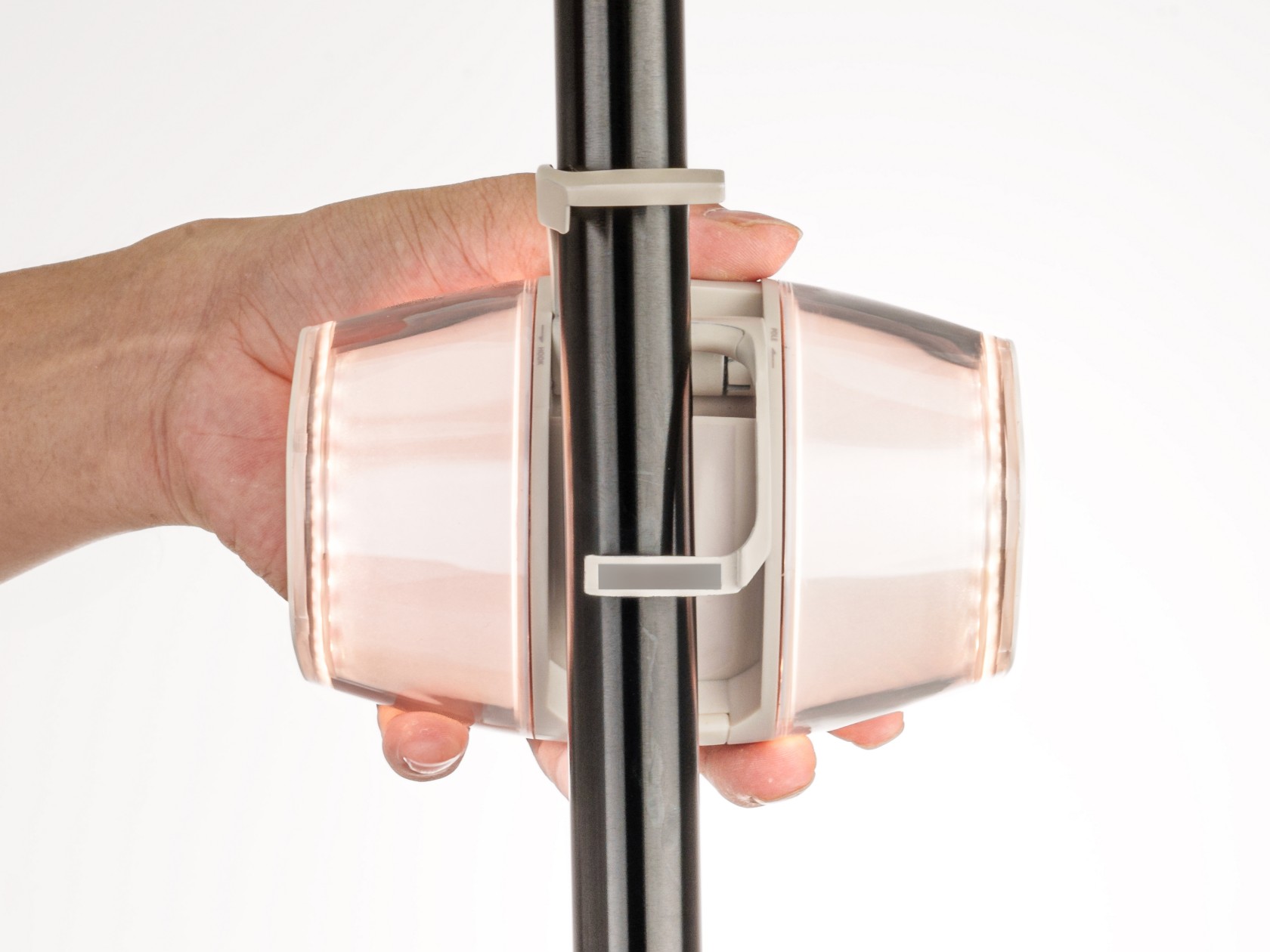
Inspired by the “gashapon” Japanese vending machines that dispense random capsule-encased toys, this lantern employs a twisting mechanism to not only turn on its light but also change the mood. It’s made of two truncated cones joined at their bases, and each half controls a different aspect of the lighting. Turning one side controls the brightness of the light while the opposite side affects the temperature of the light, from cool white to warm red. Since there are no distinct levels or markers, changing these settings involves a bit of discovery and uncertainty, adding to the excitement that the experience provides.

The capsule-shaped lamp also has another unique element: its hanging clip. The clip can not only hang from hooks or cables but even from poles, as a self-locking mechanism makes it stay in place. This clip is actually also made of two halves magnetically joined at the end, providing an easy way to attach those poles without having to slide the lantern from the top or bottom.

The Twist Camping Lantern’s light might admittedly be too low to illuminate the whole campsite at night, so it’s more of a mood setter than an all-in-one light source. In some cases, however, it might just be enough for the activity, like reading inside a tent or having a backyard party. Its design and mechanism, simple as they might sound, significantly change the image of the lantern from one of utility to one of enjoyment, inviting users to have a little fun underneath the starry skies.

The post Twisting Camping Lantern brings both light and fun to outdoor activities first appeared on Yanko Design.
Bag-like portable lamp concept takes a page from traditional Korean lanterns

Lamps are a normal part of everyday life, giving light and creating moods anywhere, anytime, even during the day. Conventional lamp designs involve fixtures placed on walls, hanging from ceilings, or even standing up from floors and desks, all of them permanent or semi-permanent. Of course, some lamps can be carried, and there was a time when these were the only kind of lamps that lit up houses and paths as what we now call “lanterns.” Most portable lamps these days take a more practical and space-efficient shapes like cylinders and boxes, but this design concept throws convention out the window with a lamp design that looks like a cross between a traditional paper lantern and a modern bag.

Designer: Hyejin Cho

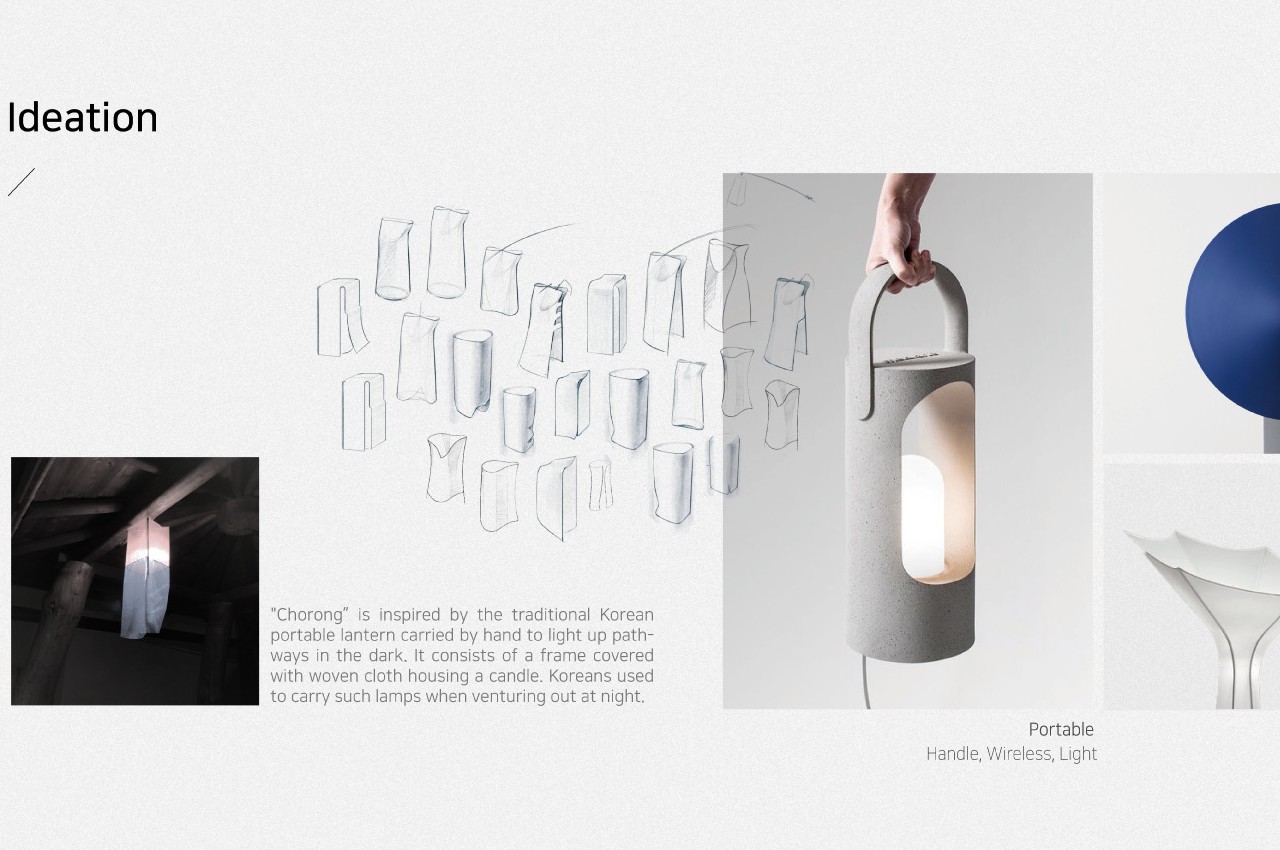
Once upon a time, all sources of light were pretty much fire hazards. Metal lanterns used combustible kerosene and paper lanterns enclosed candles in, well, paper. The latter was a common design in Asia, like the Korean Chorong which used white cloth covering a wooden frame to protect the candle inside from blowing winds. Of course, we have electricity and LEDs today to make all of that safer, but there’s also a certain charm to the sight of a lantern’s fabric billowing gently in the wind.

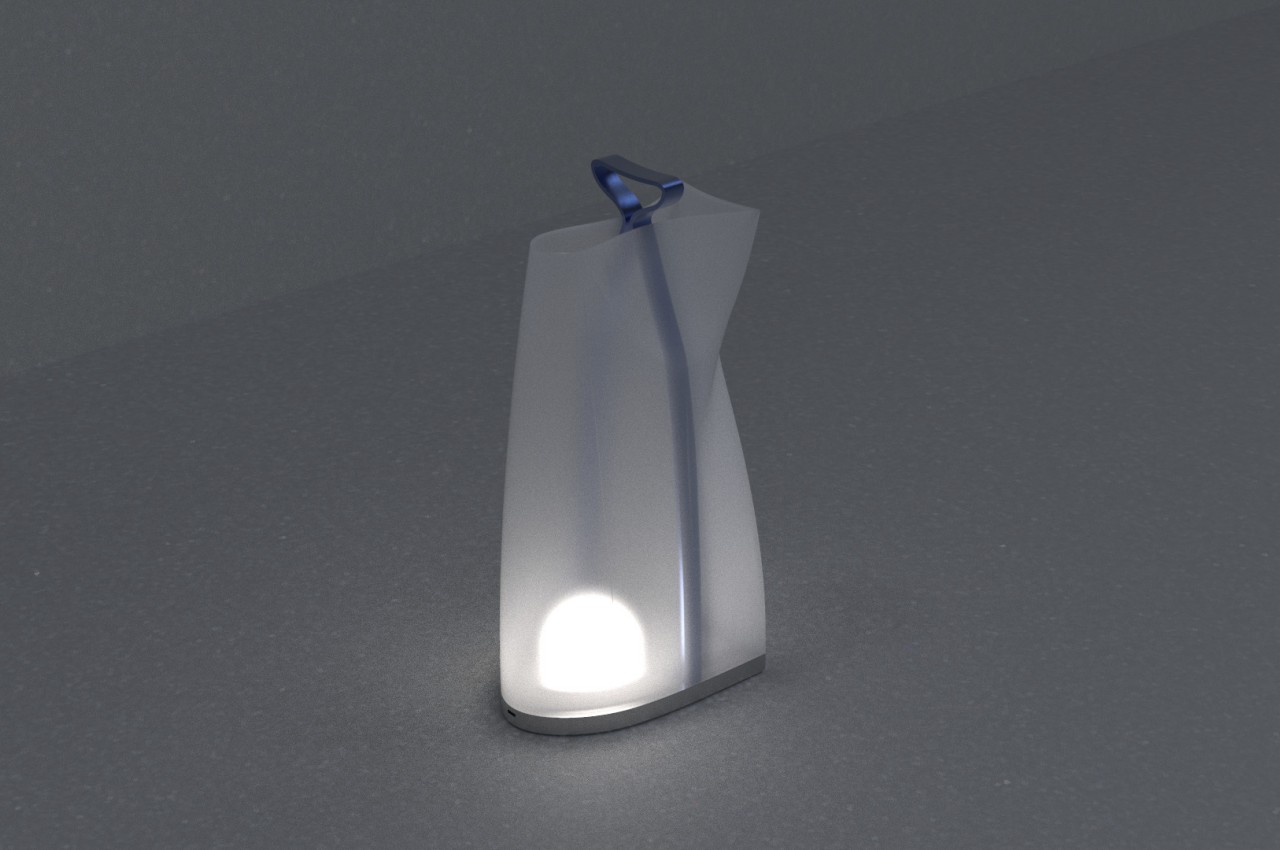
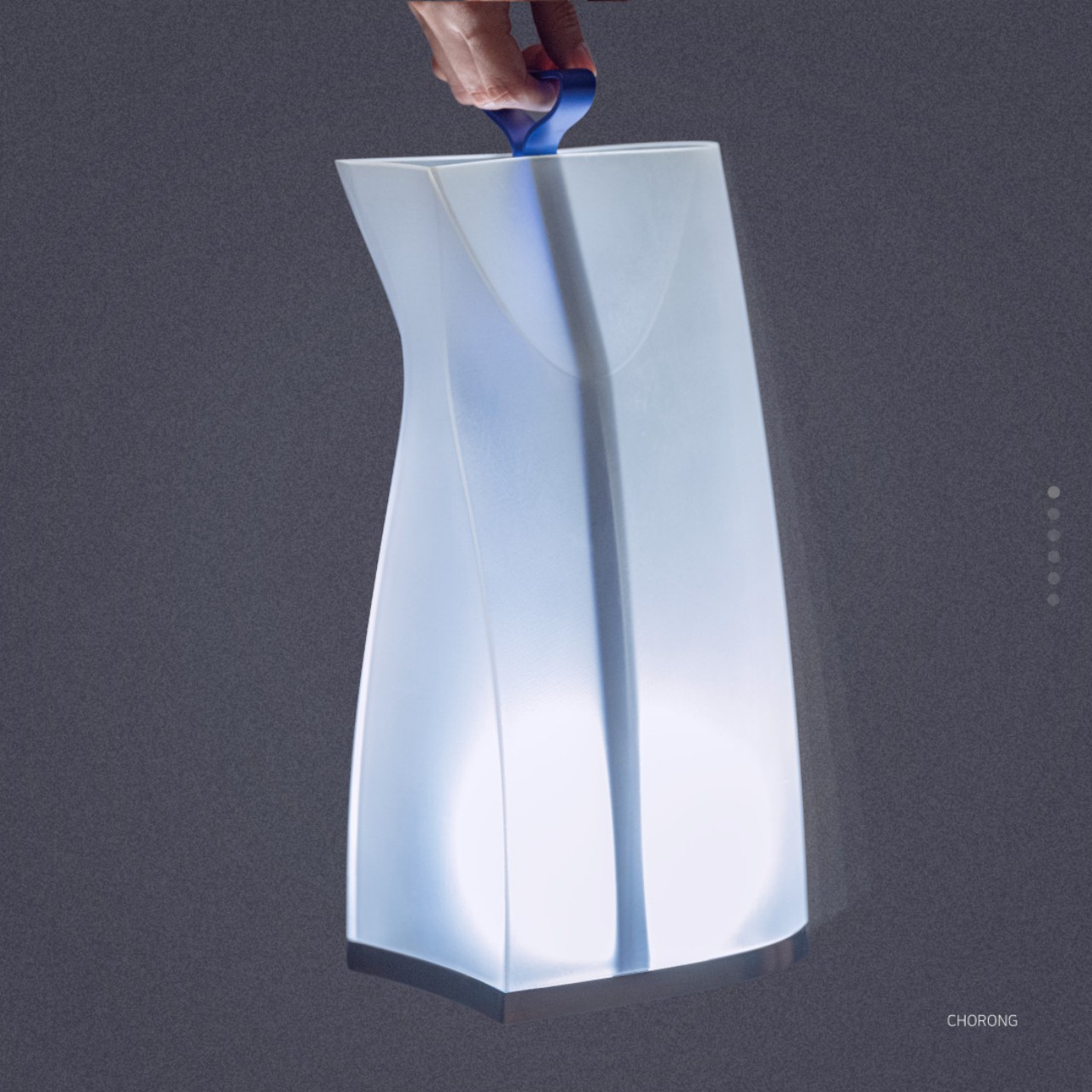
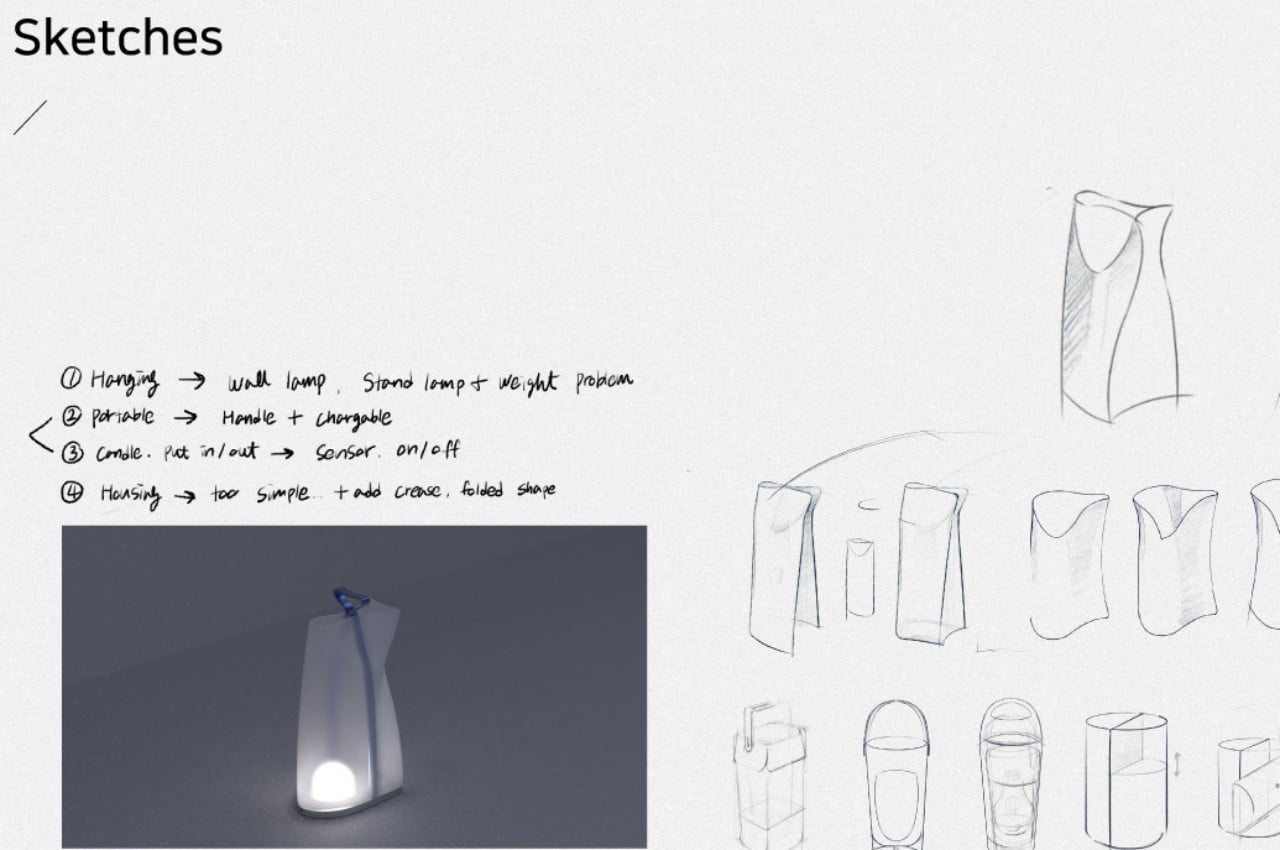
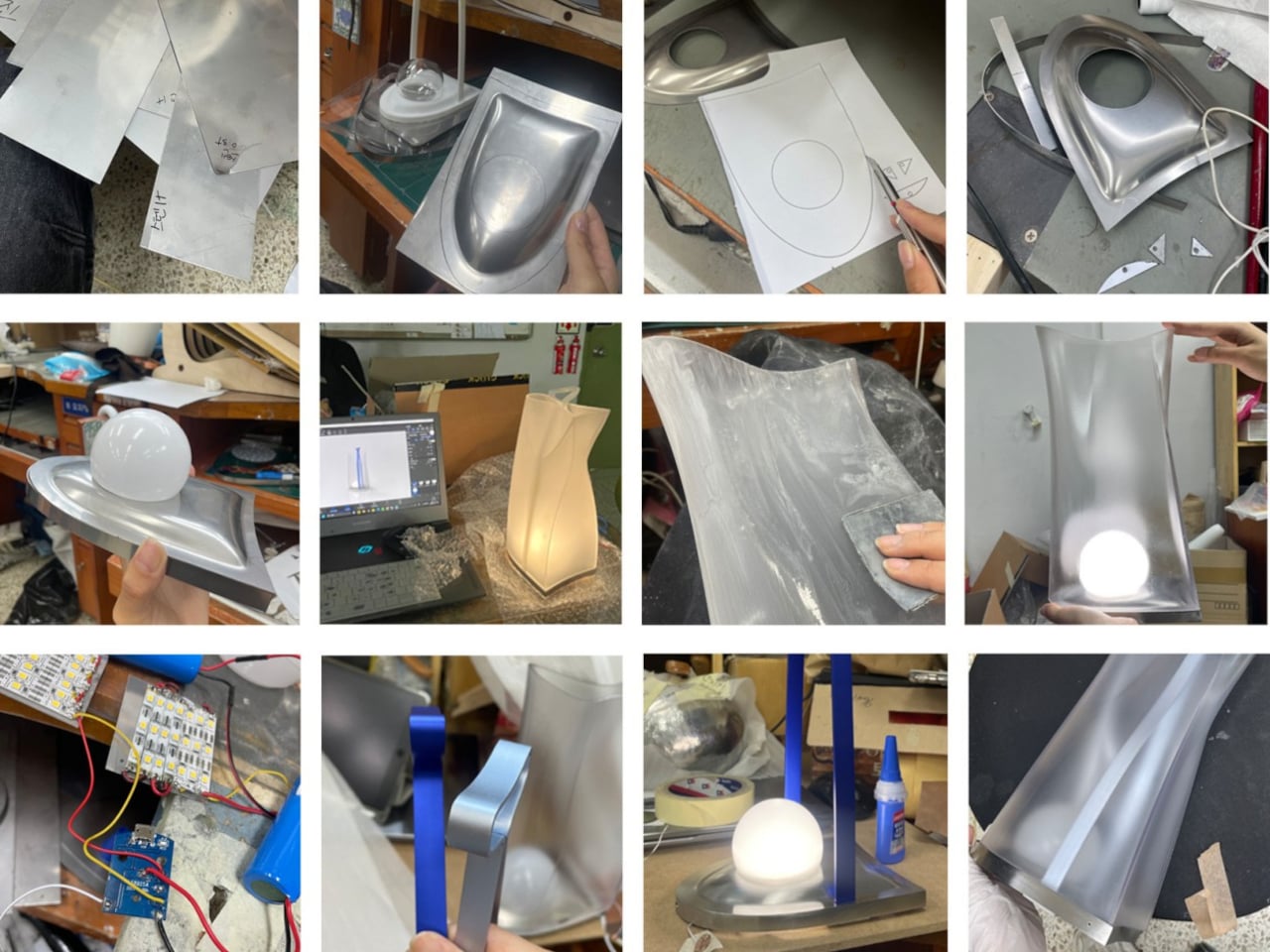
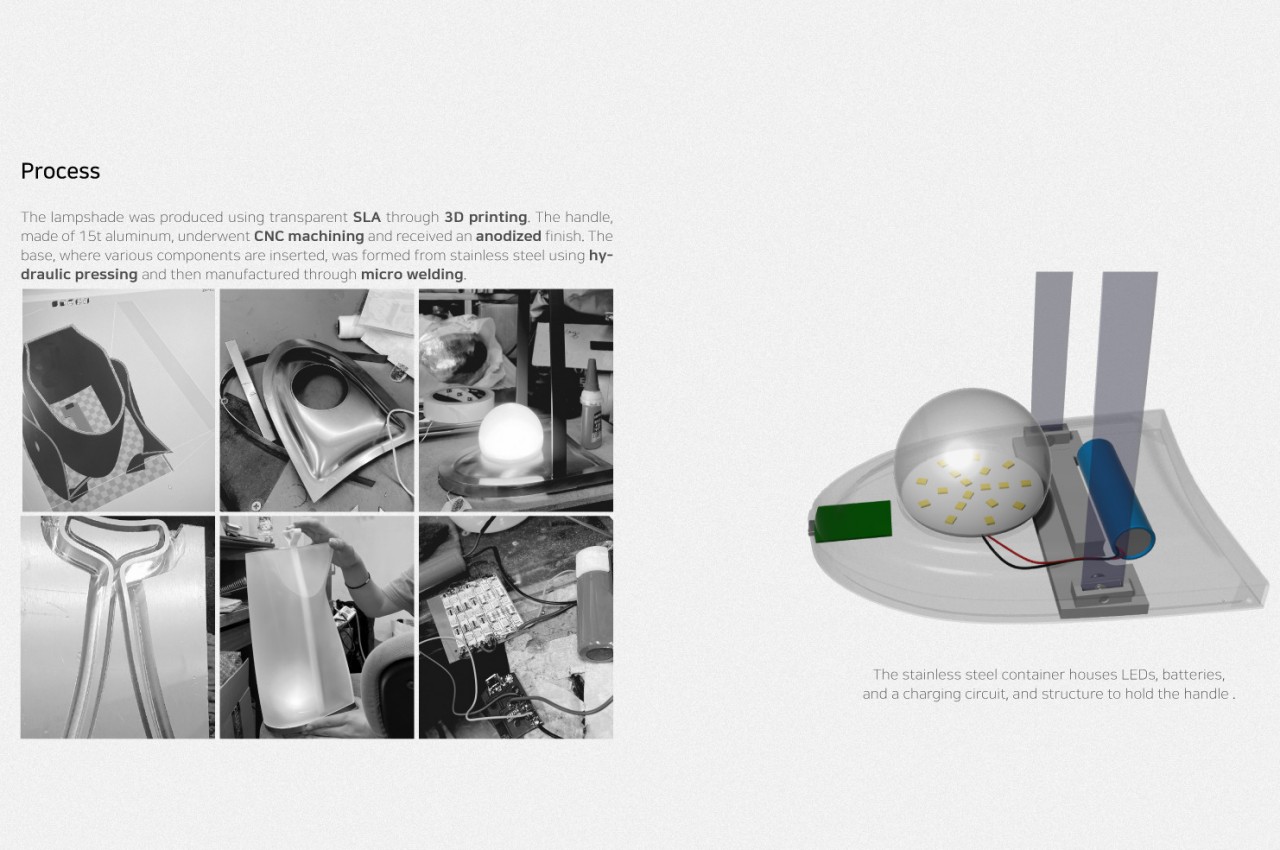
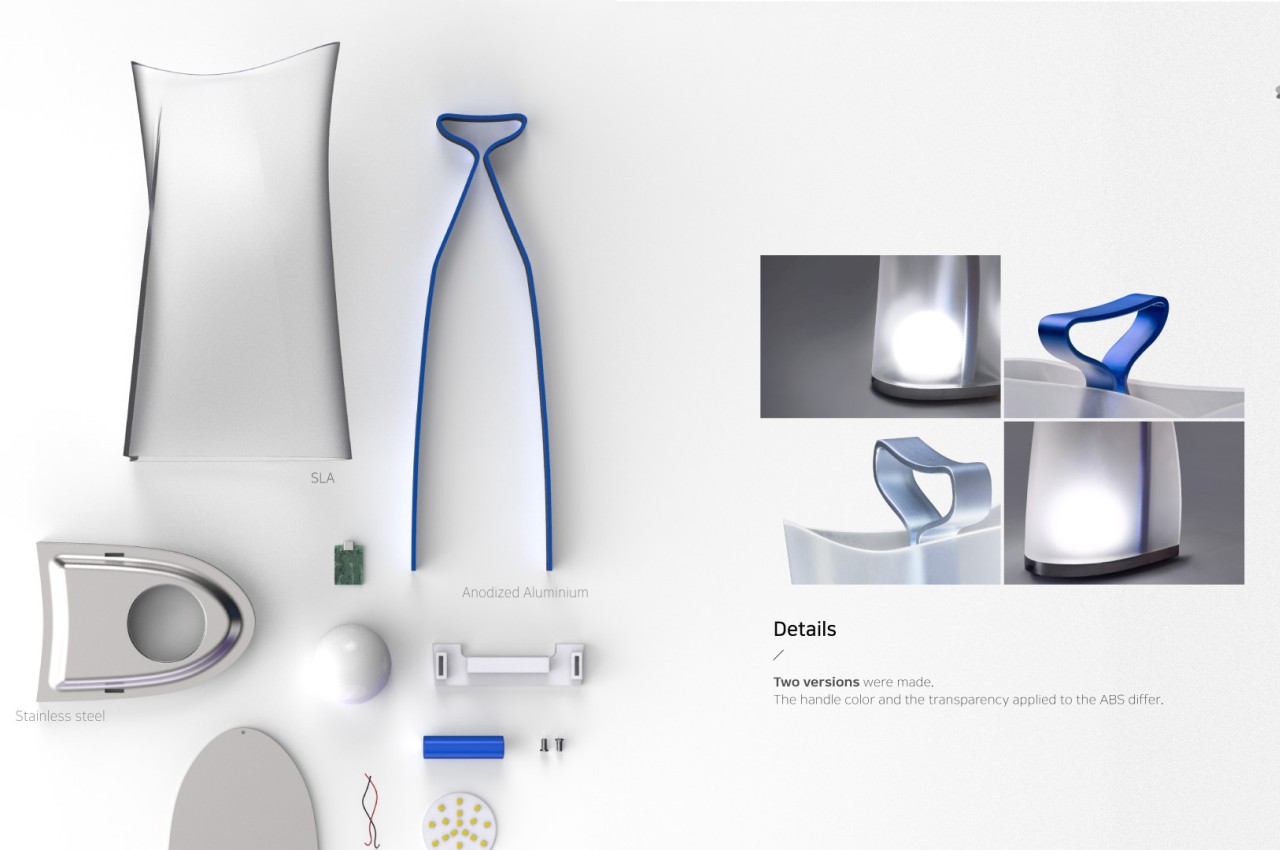
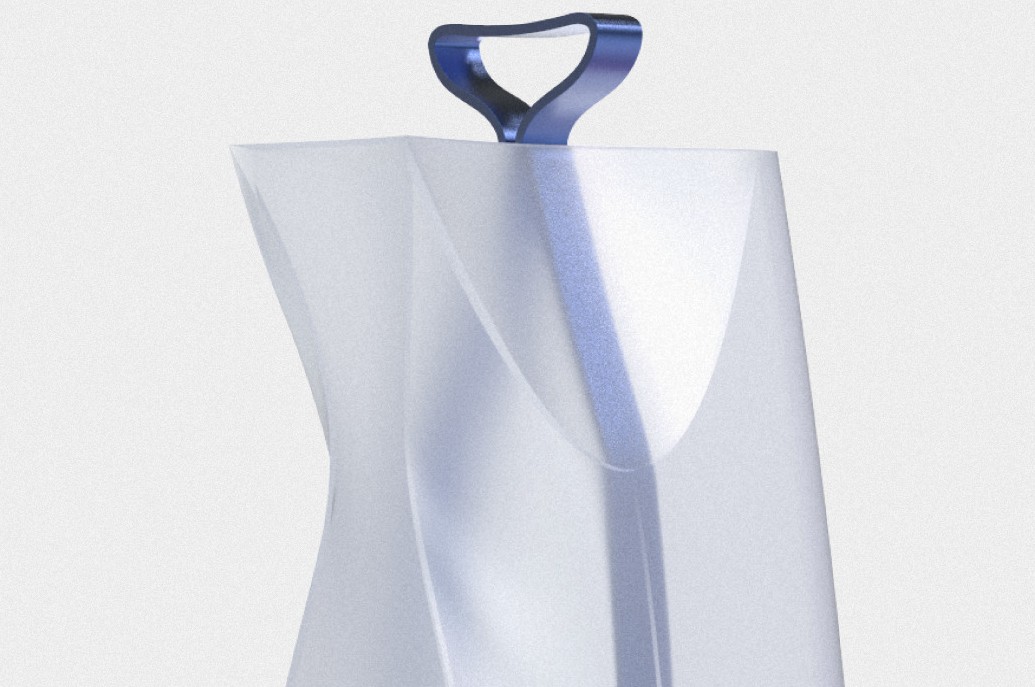
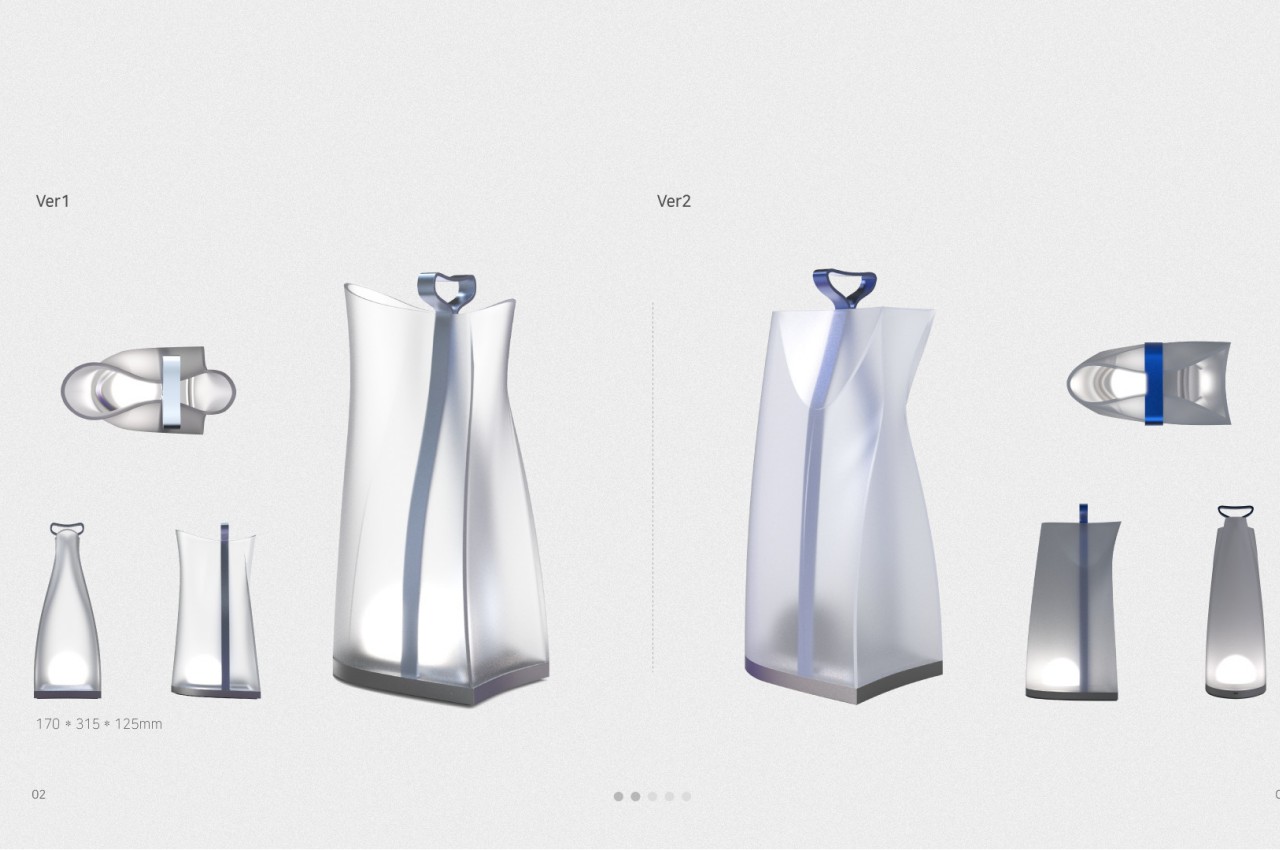
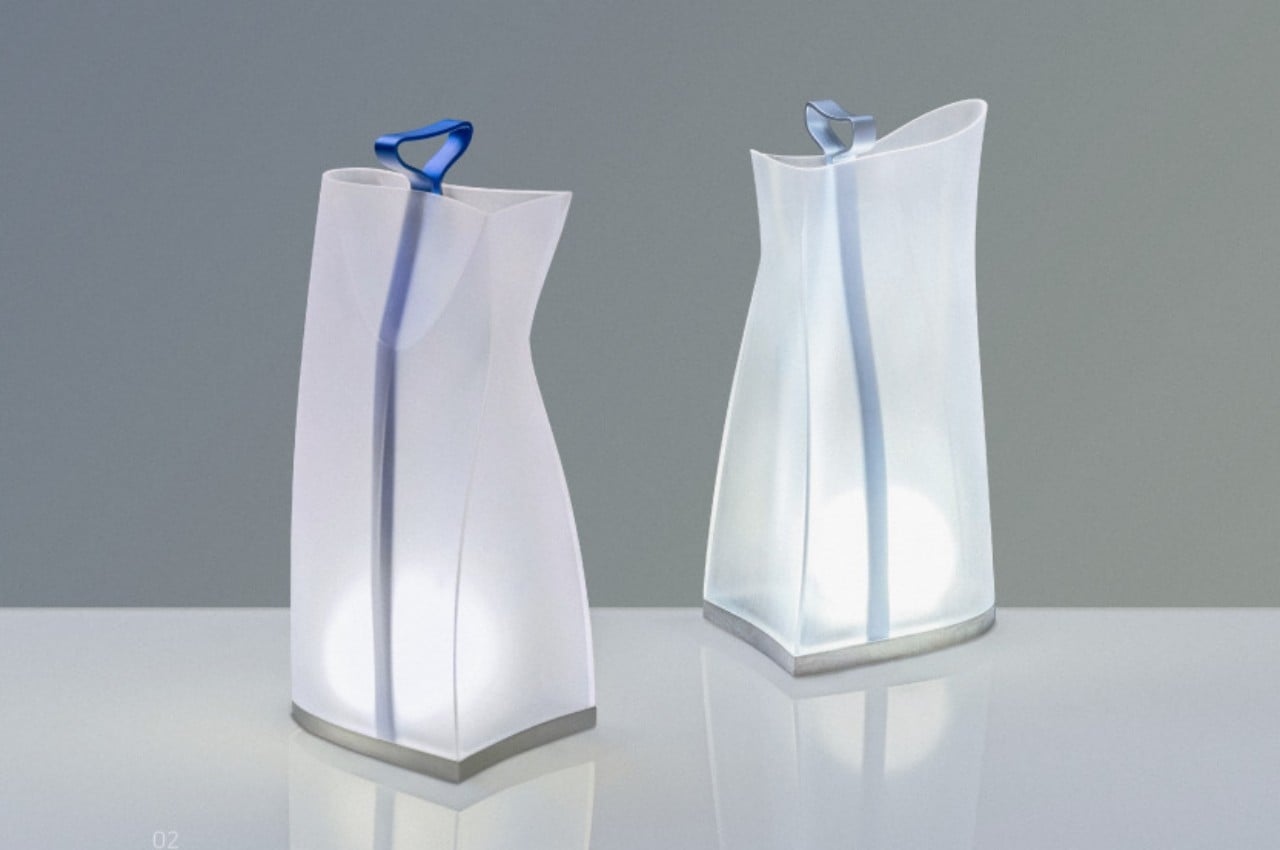
This portable lamp design concept brings that past aesthetic to the present but with a few modern twists. The lamp, named after that same Chorong lantern, tries to capture the unique visual of the fabric-covered lighting but uses 3D-printed transparent PLA to achieve the same effect. Rather than going for a straightforward box, the shape of the container twists and bends, almost like how the cloth would have behaved in the past.

The light source itself is a white sphere with a dozen or so LEDs inside providing illumination. The lamp’s steel base not only serves as a stable foundation but also as a compartment to hide the electronics, including a rechargeable battery. This modern Chorong also deviates from the traditional design by using a handle that uses anodized aluminum and stands only on two sides of the “lantern,” namely, the front and the back. This gives the lamp an unusual appearance and experience of carrying a bag instead of a lamp.

Chorong wouldn’t be the first to try to recreate a traditional lantern design with modern materials, but it is one that isn’t too concerned about staying faithful to the original. It tries to capture the spirit of the design, one that not only illuminates but also inspires with its organic beauty, and reinterprets it in a way that shows off modern materials and techniques. That said, this design concept is more for show and might be impractical to actually use outdoors unless you’re just bringing it out to the backyard to enjoy a calm night under the stars.

The post Bag-like portable lamp concept takes a page from traditional Korean lanterns first appeared on Yanko Design.
Retro camping lantern concept gives the gas lamp a modern, playful flair

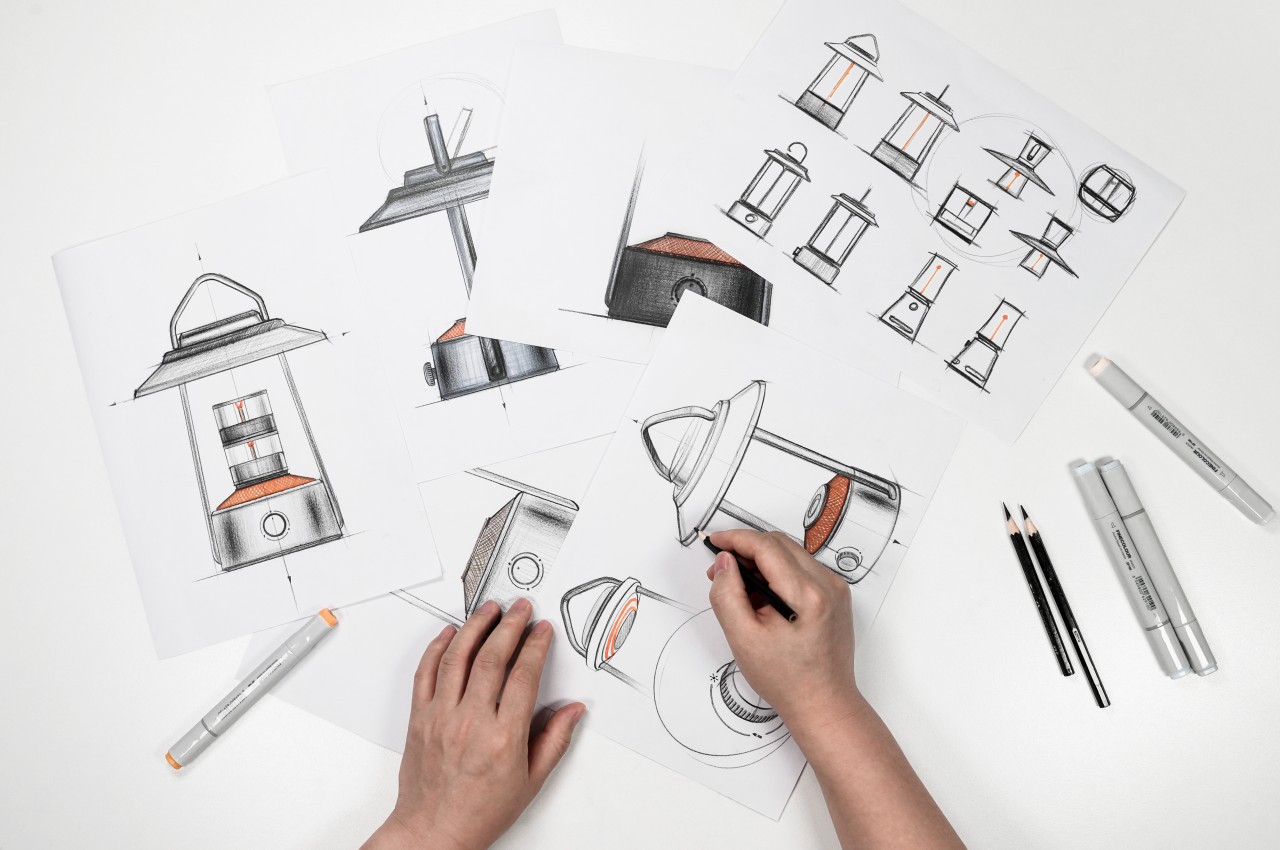
With the rising interest in camping and other outdoor activities, there is also a rising need for safer and more sustainable solutions to common problems like outdoor lighting, off-grid power, and reliable shelter. There is no shortage of portable power stations now available in the market, and you’ll often come across innovative tent designs that take into account modern needs and conveniences. But when it comes to lighting, most of the products still follow the same old design patterns. Rugged and durable, they definitely are, but they also tend to be lifeless and uninspiring, the complete opposite of what time outdoors is supposed to bring. This lamp concept design tries to make that experience a little bit more fun while still delivering much-needed light, and it takes inspiration from objects that have long been in use, some even hailing back centuries past.

Designer: Yu Dan (0-1 Design Studio)

There are few things that immediately illicit images of spending time outdoors than an old gas lantern. These clunky metal vessels have been used by our ancestors to make the night less daunting and make life more bearable when the light and warmth of the sun are long gone. Of course, this kind of lamp is not only outdated but also dangerous, but we, fortunately, have plenty of technologies available to simulate both the appearance as well as the emotions generated by this artifact of a bygone era.
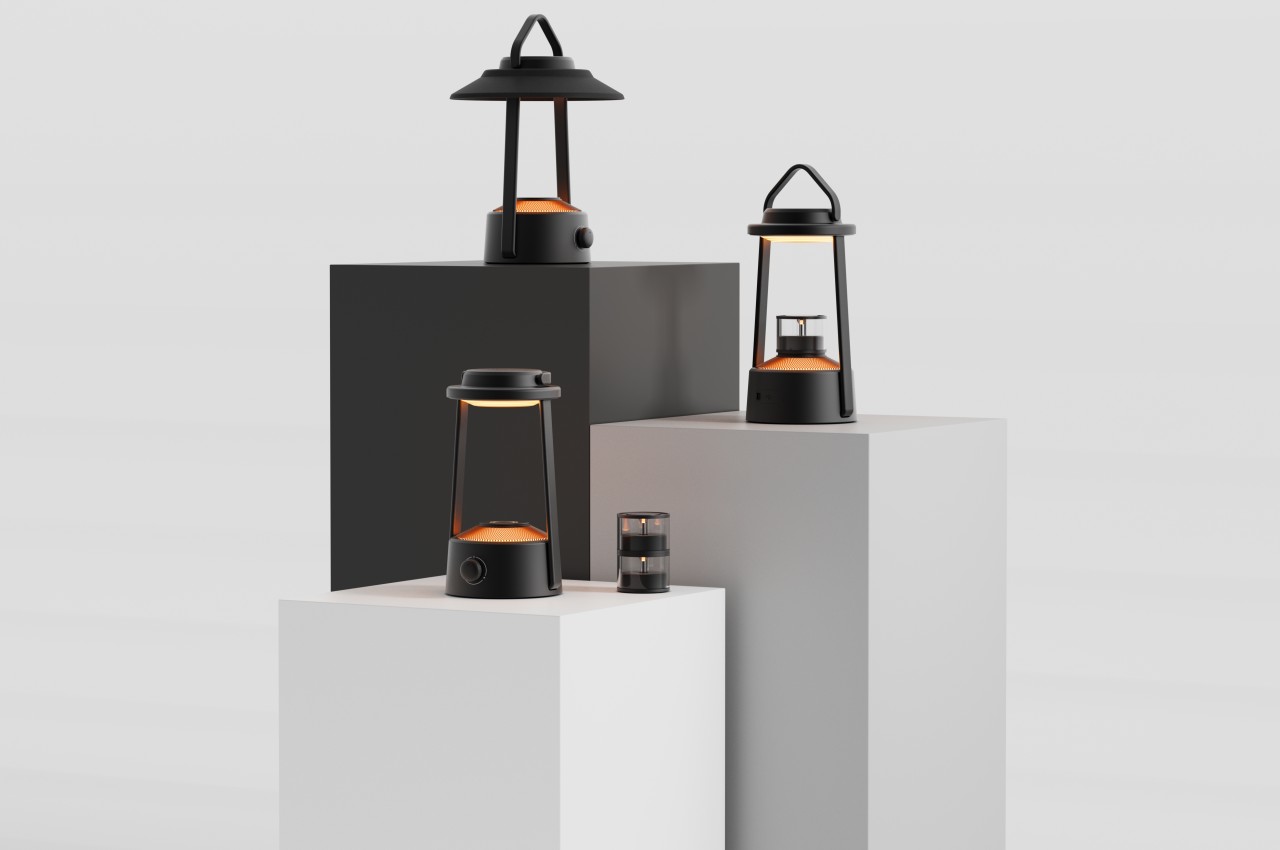
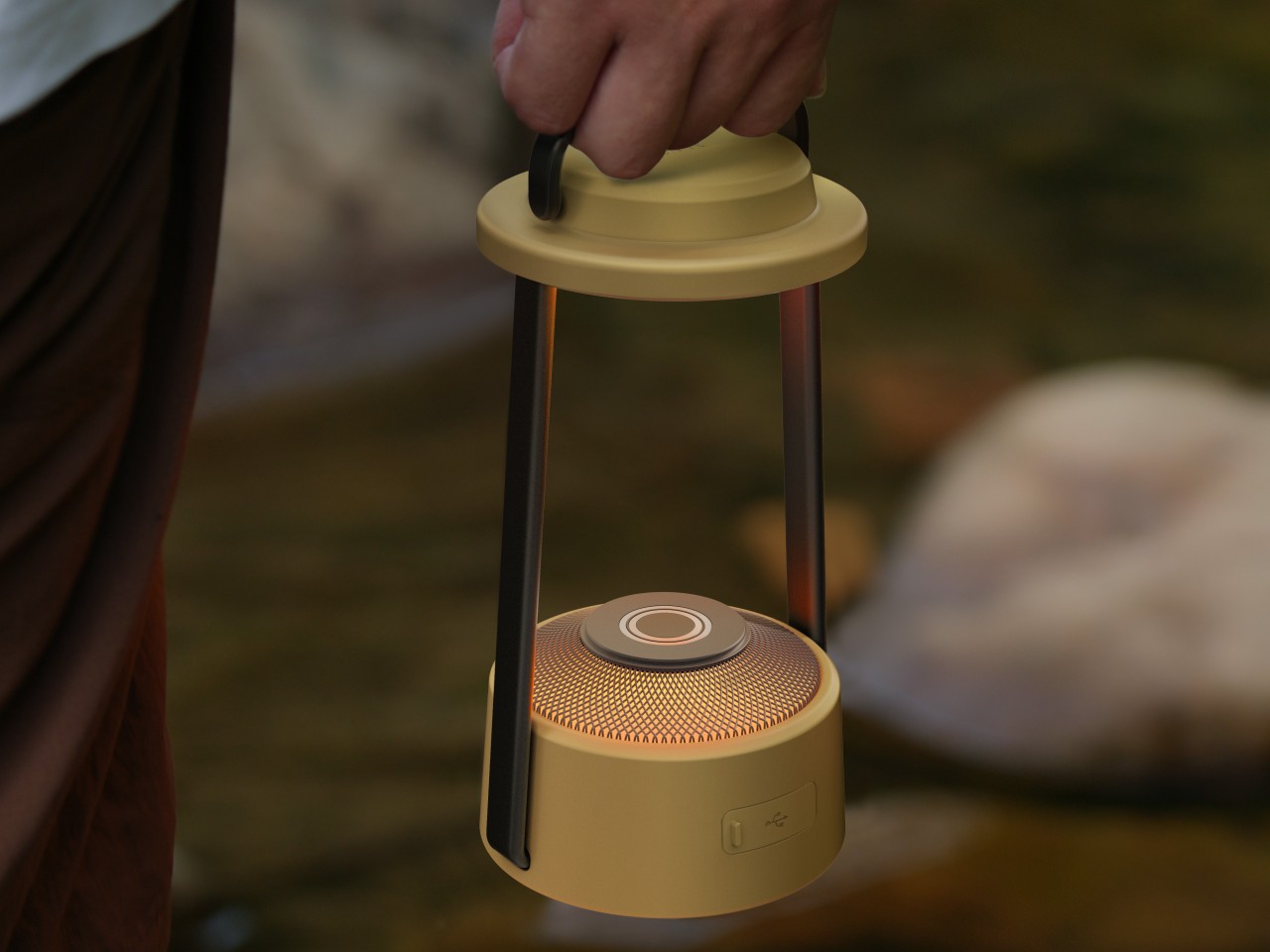
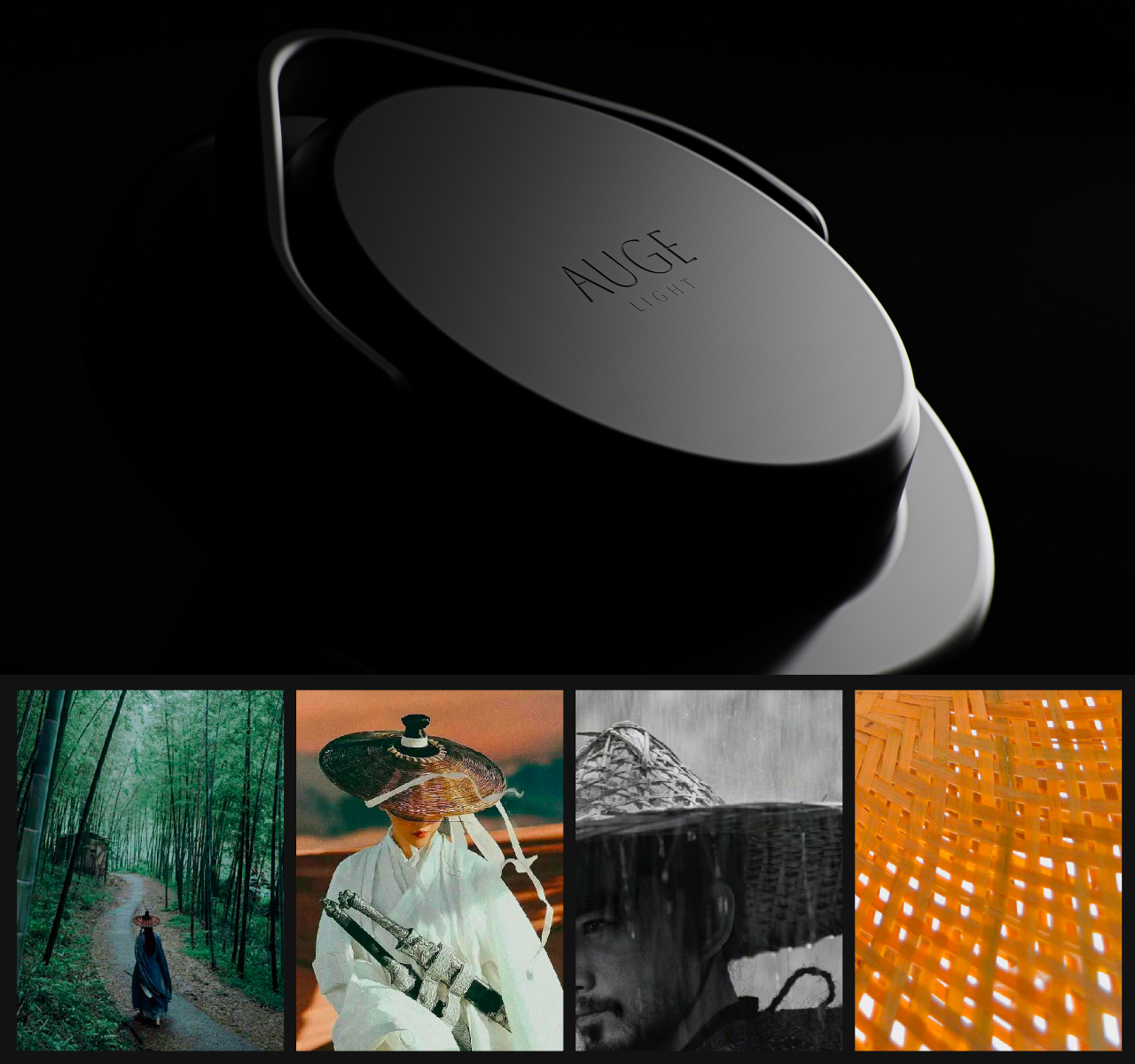
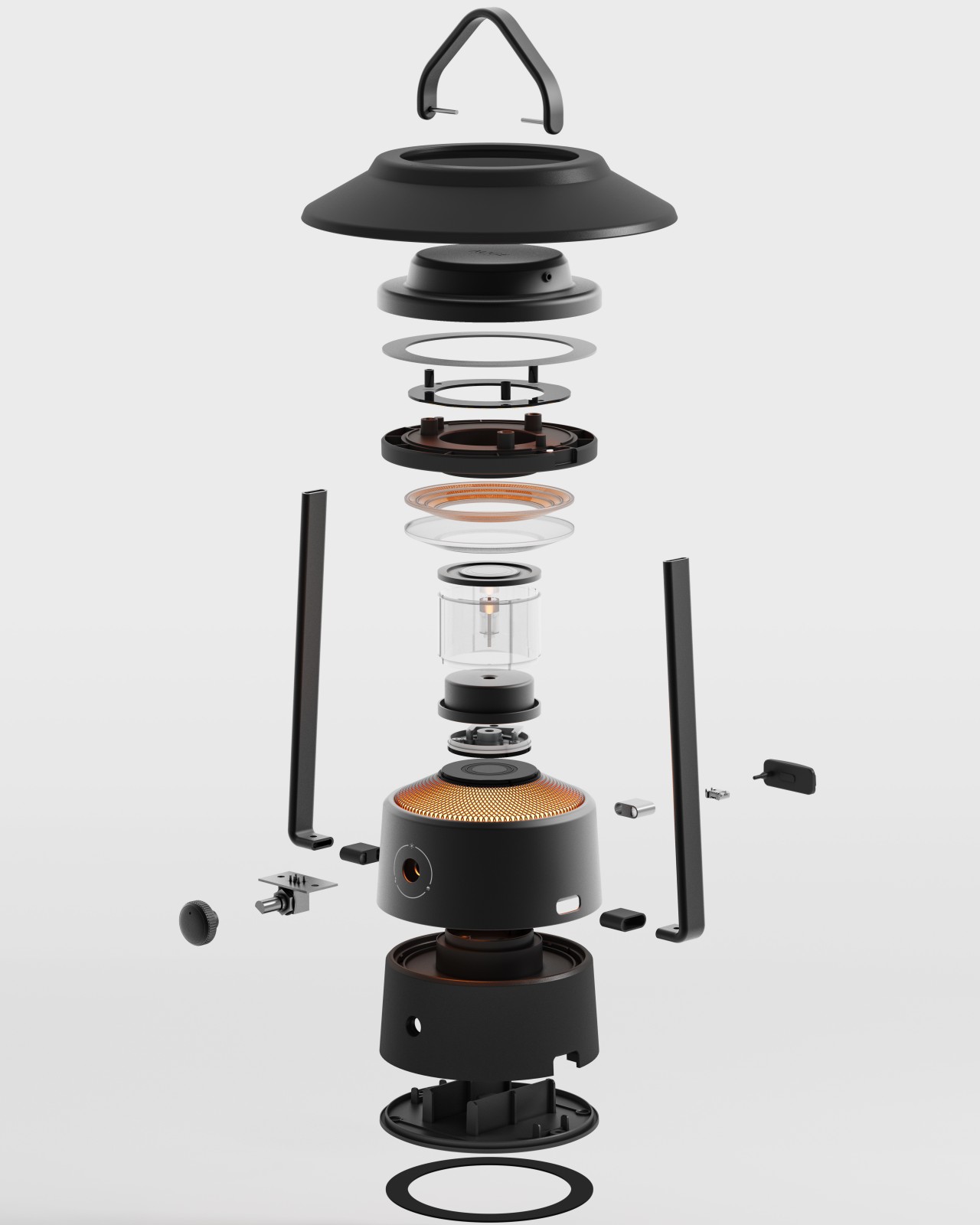
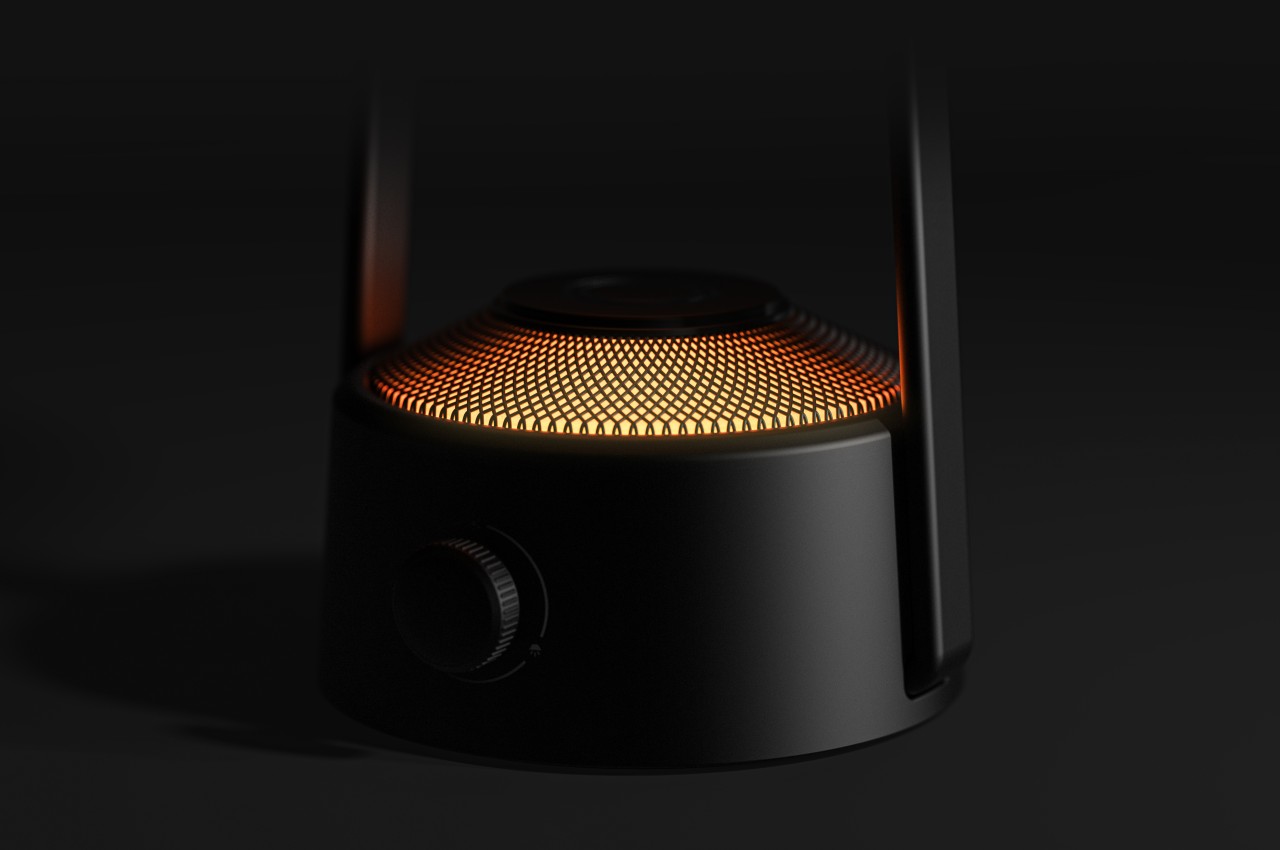
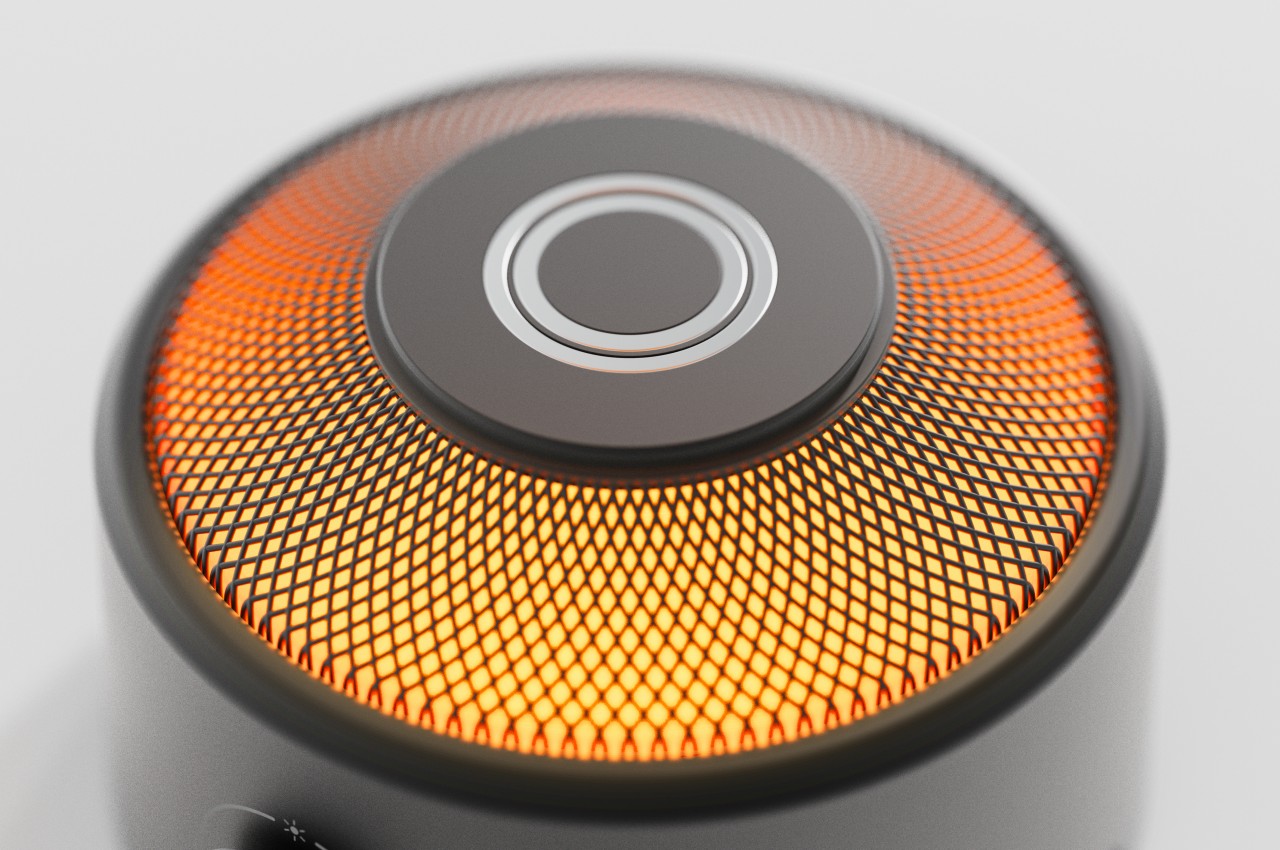
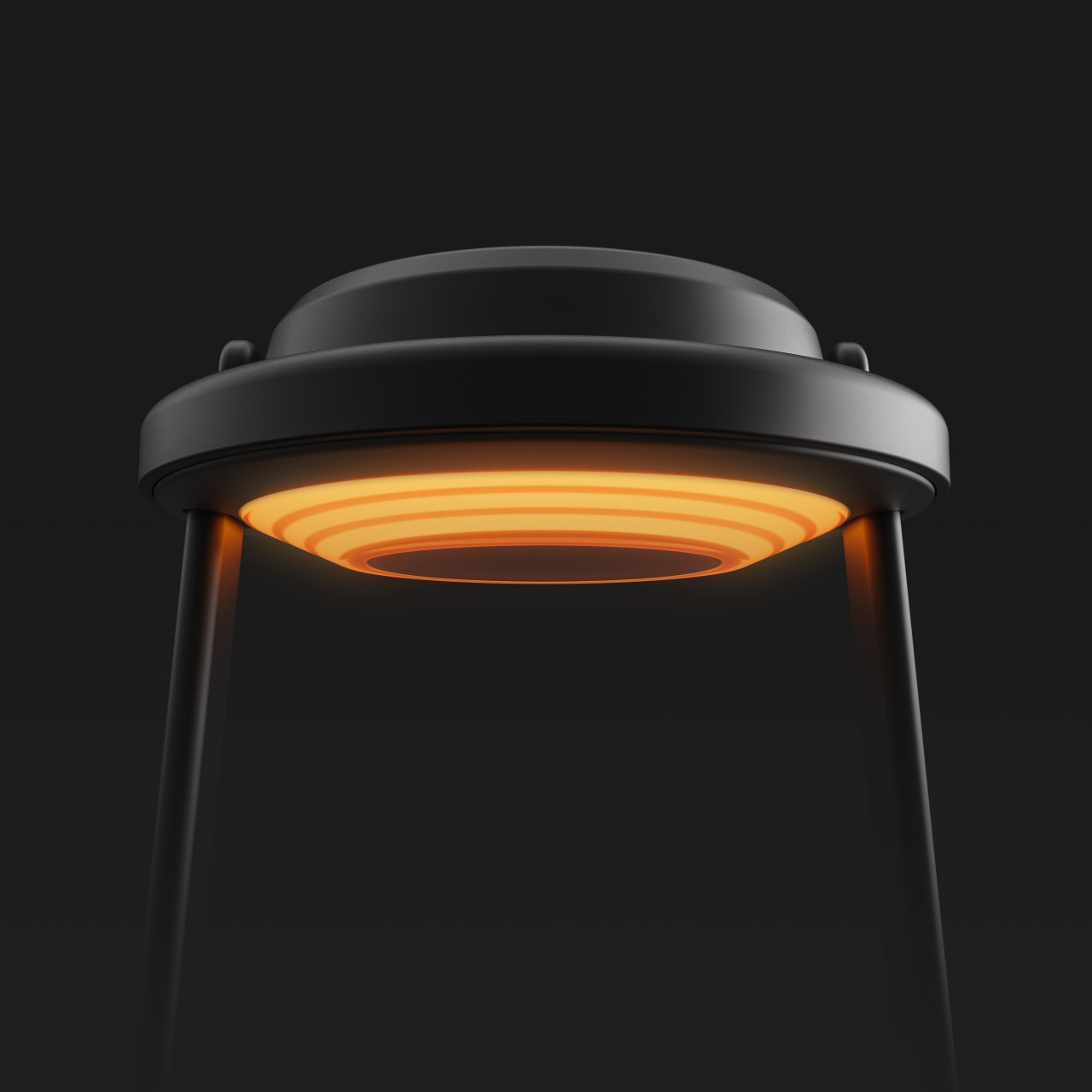
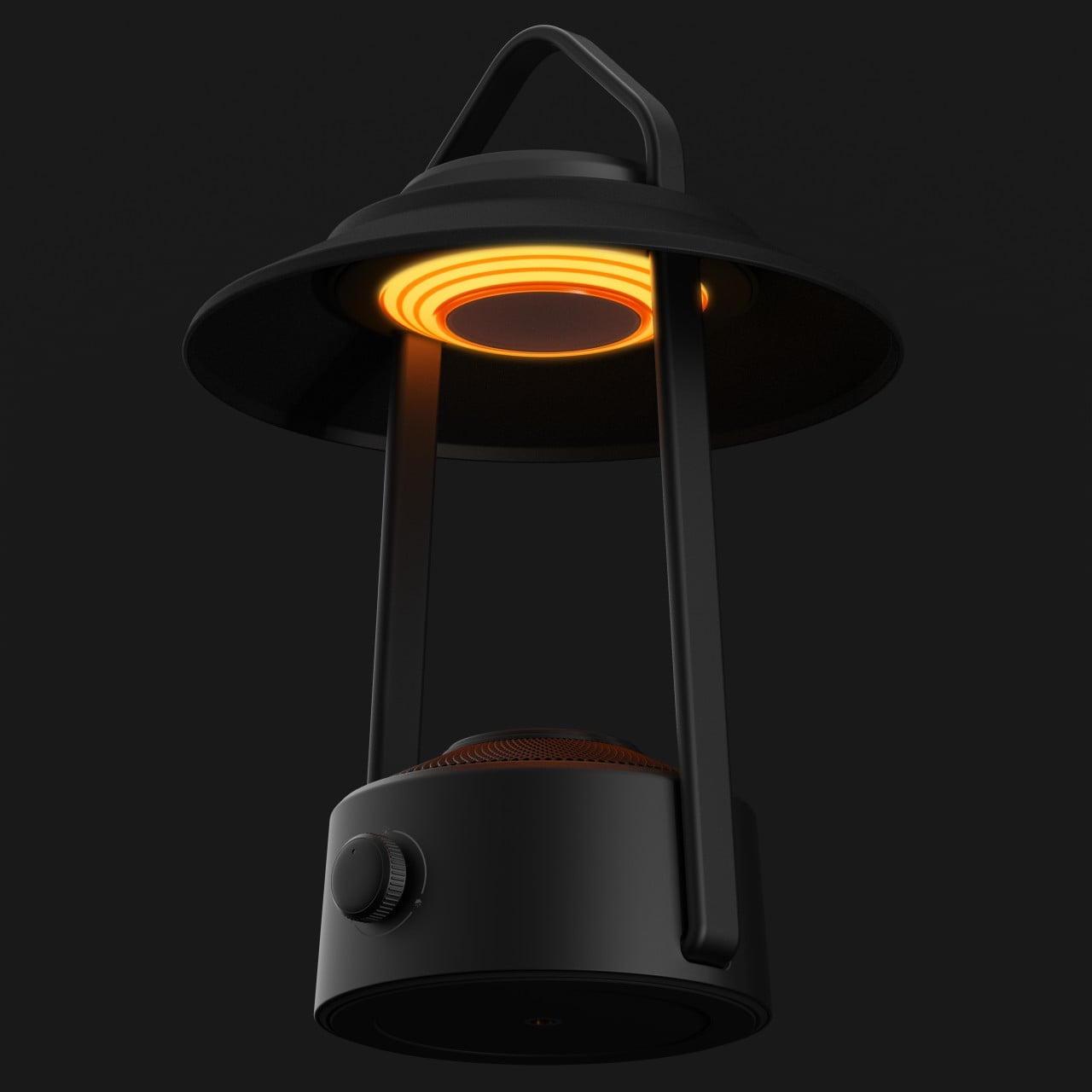
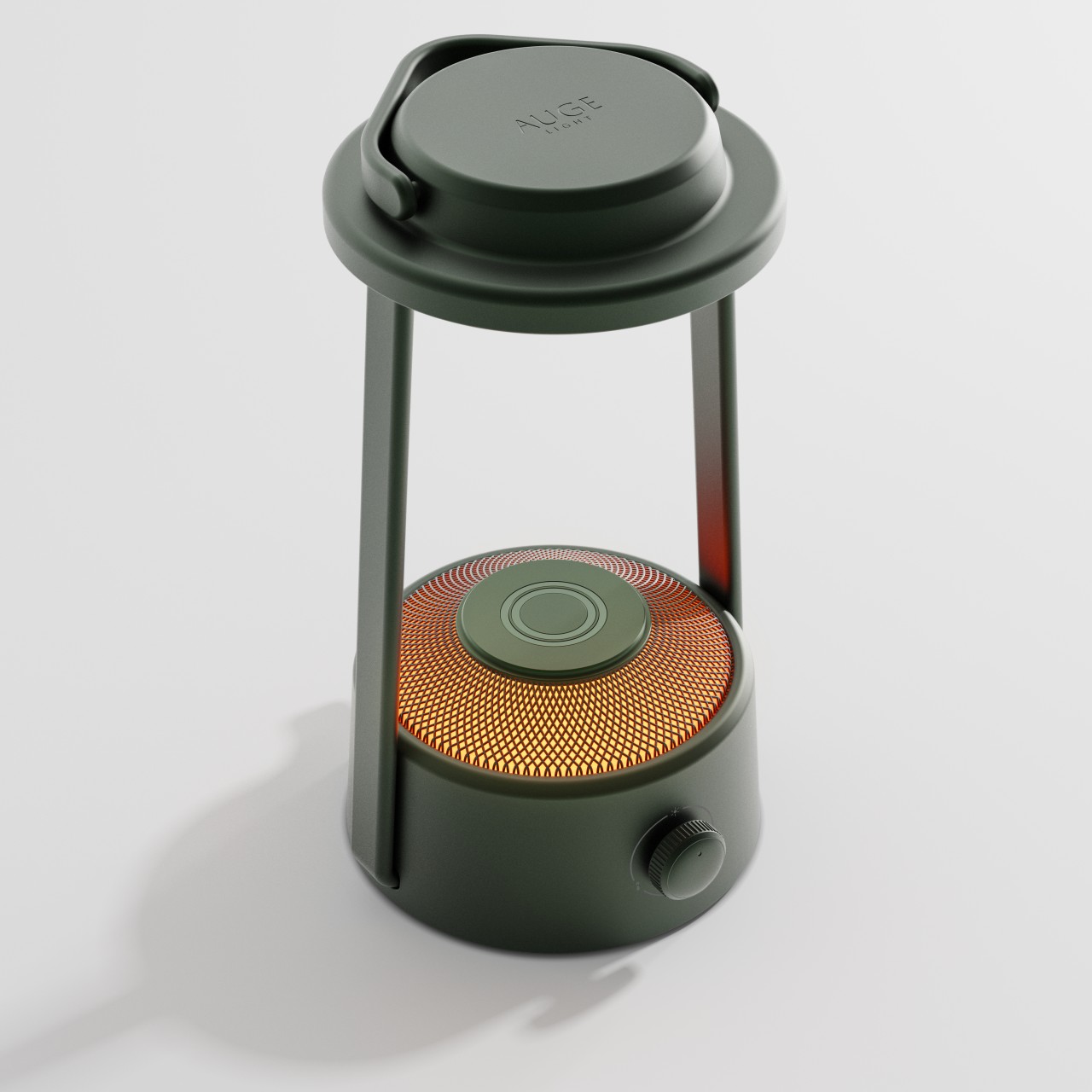
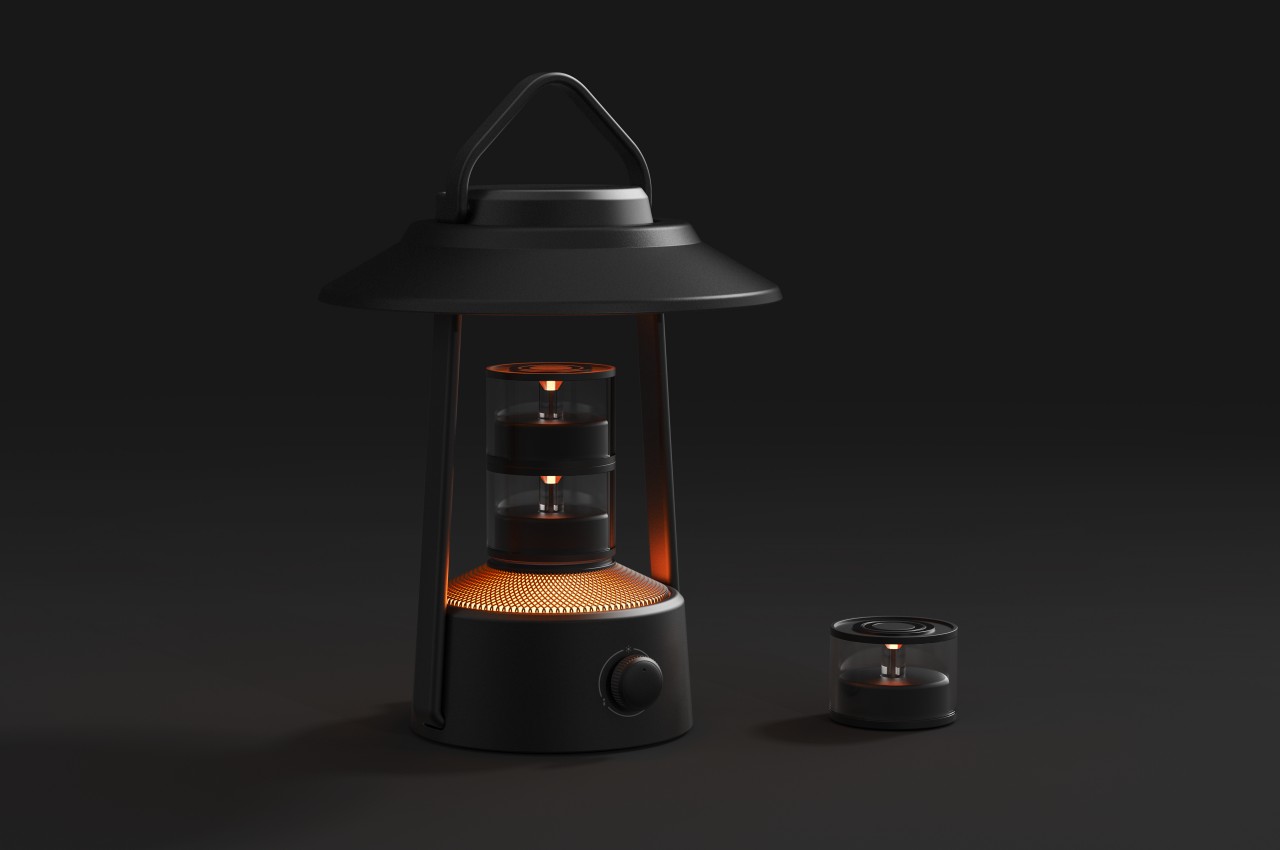
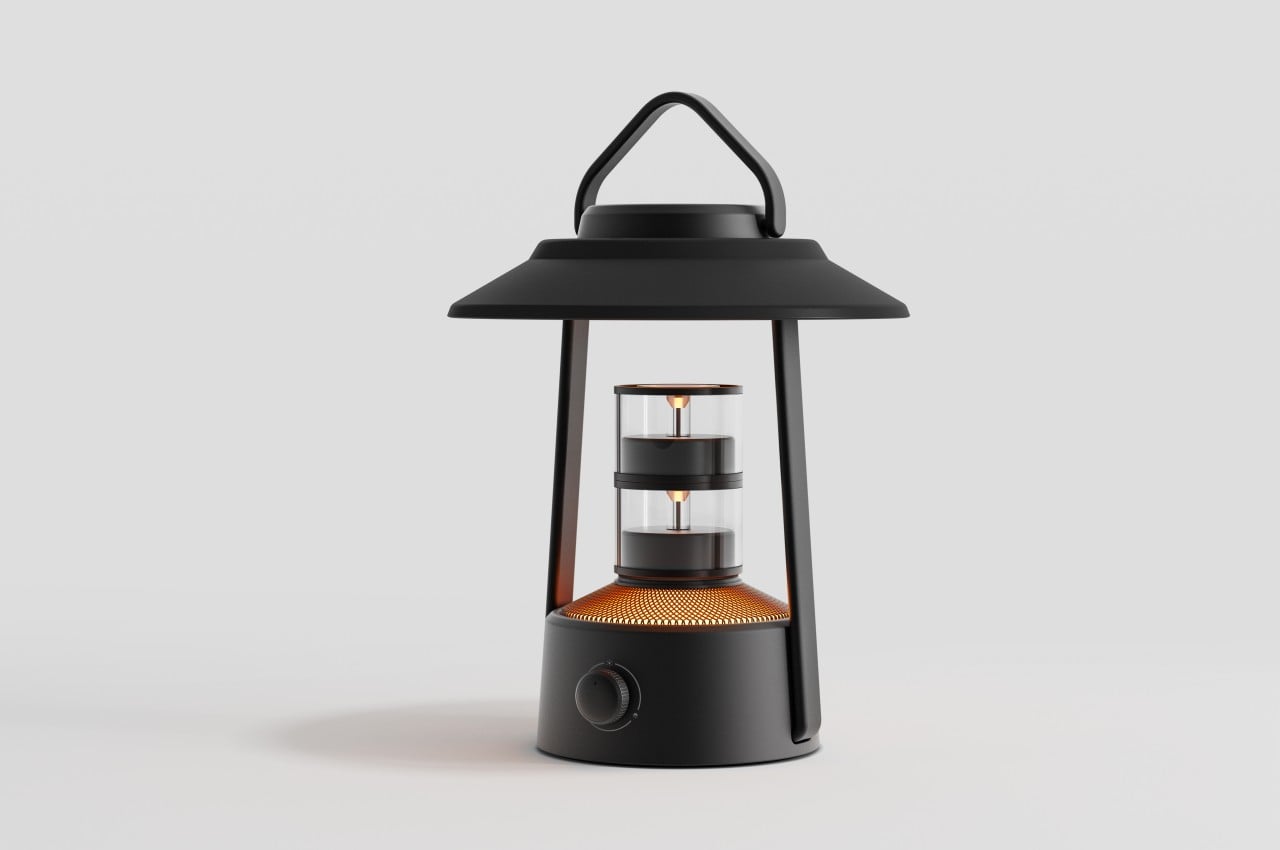
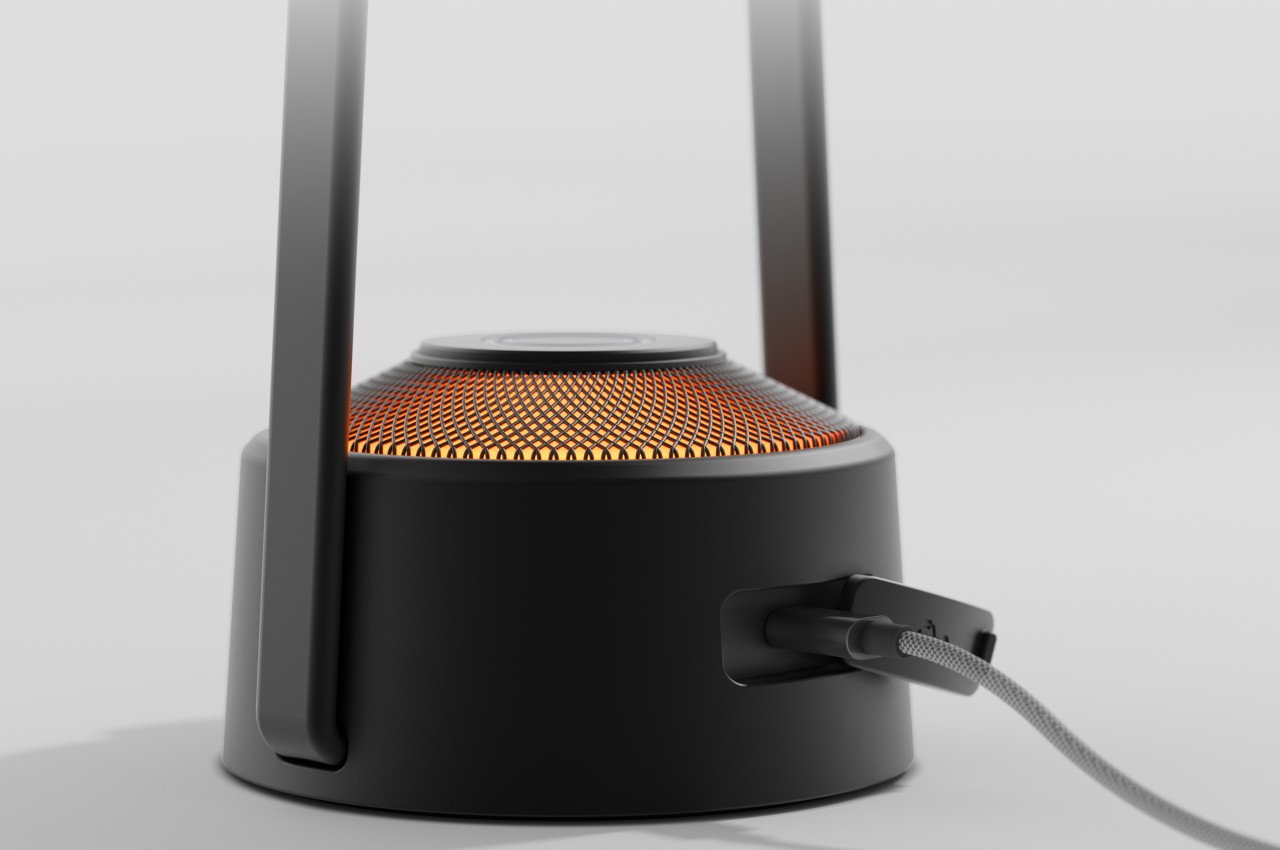
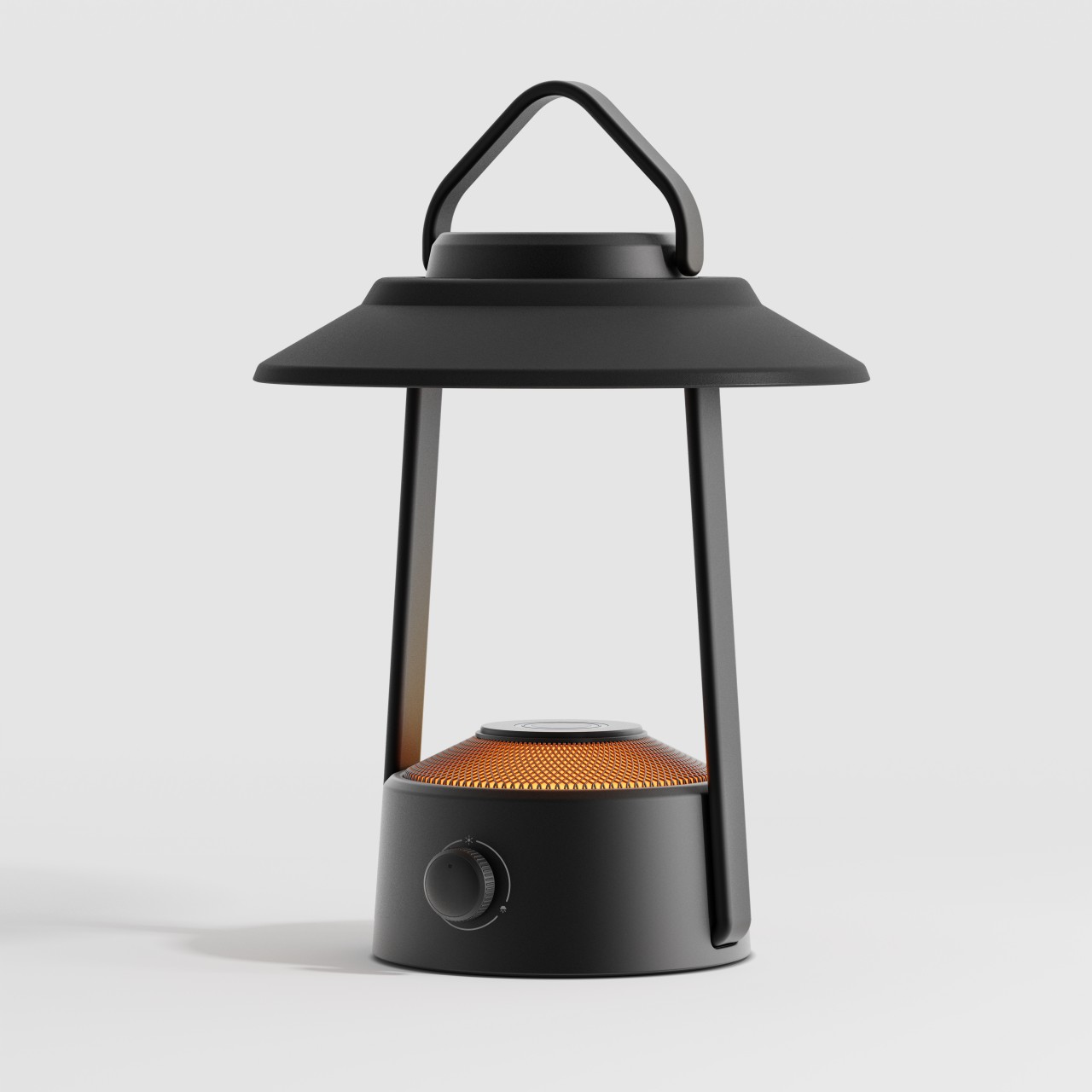
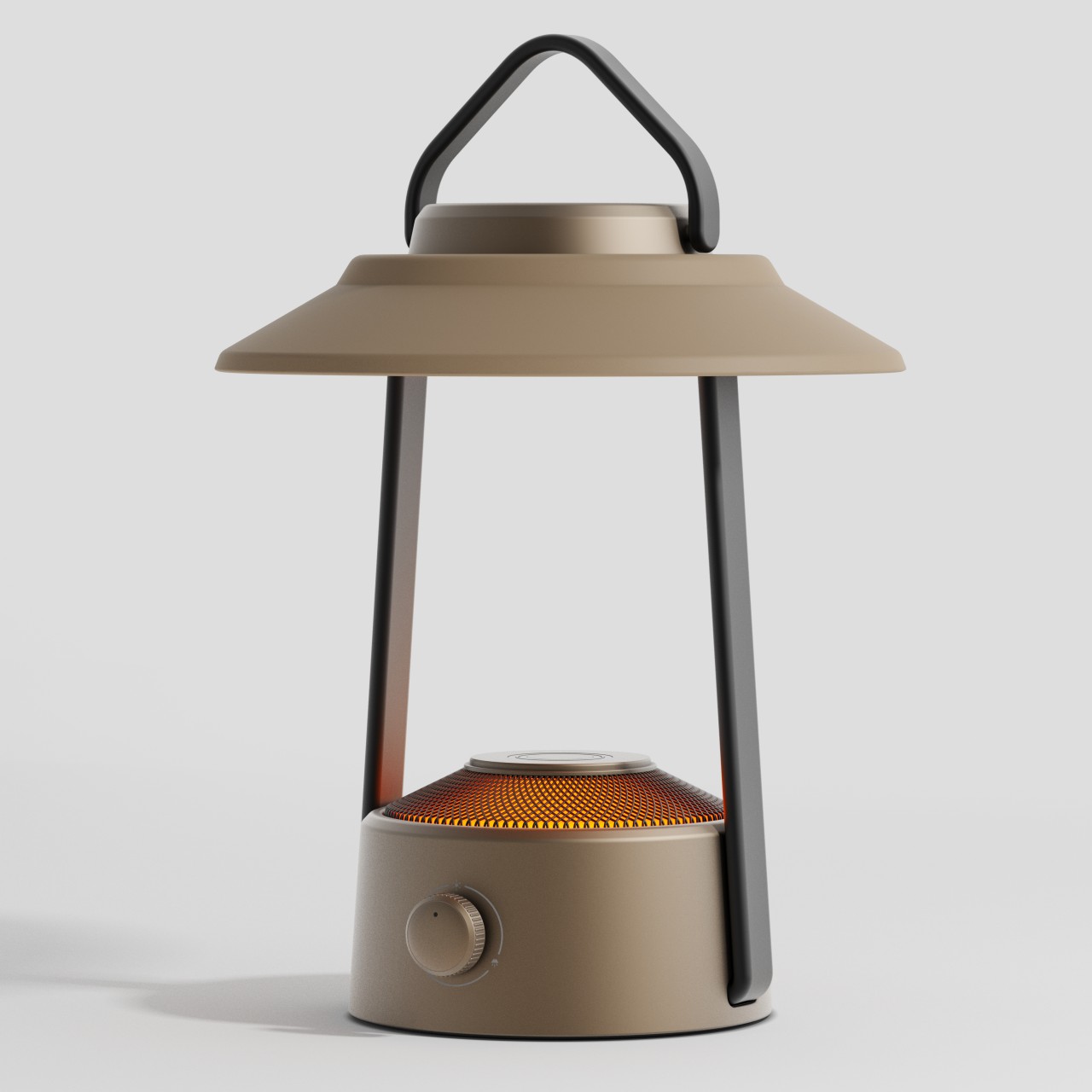
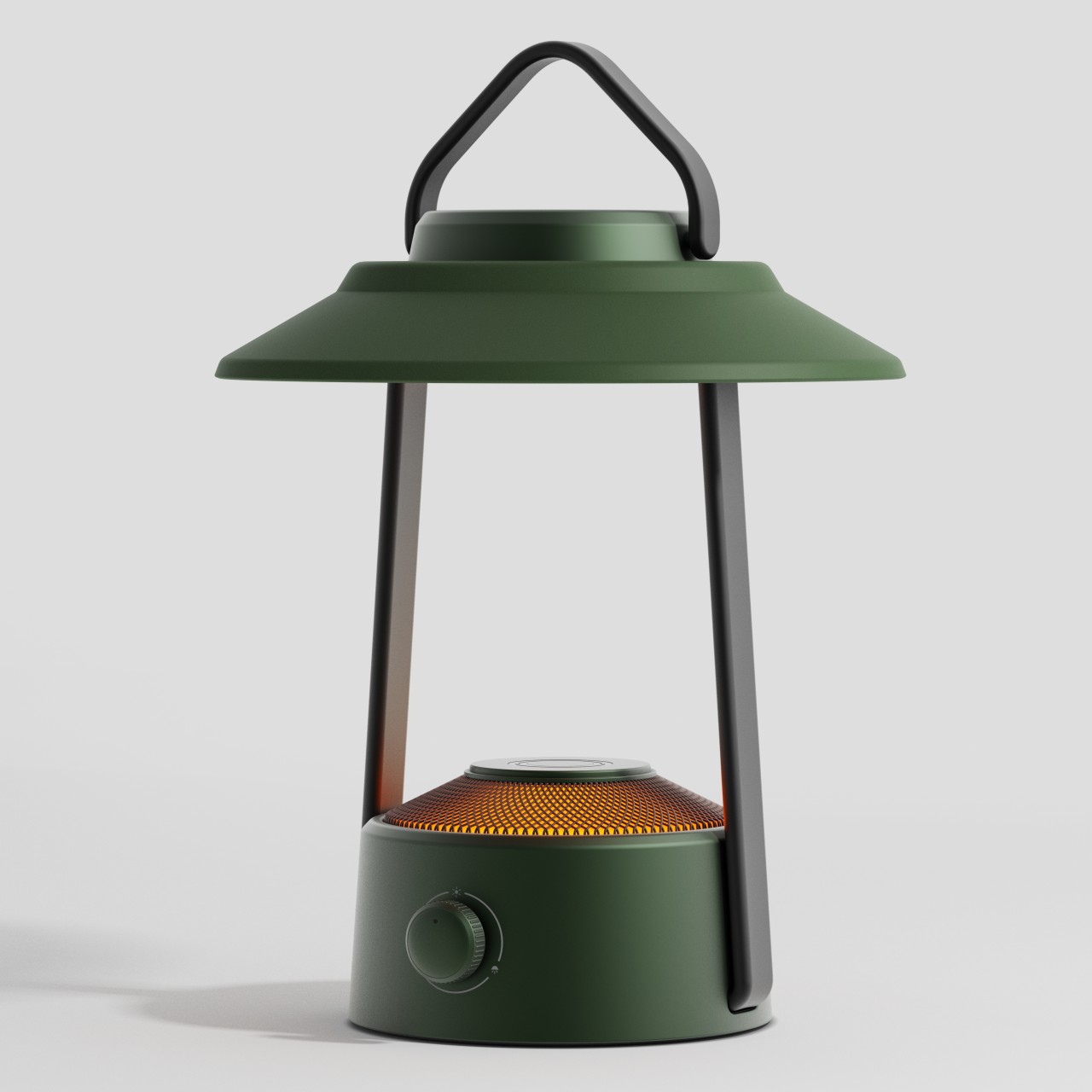
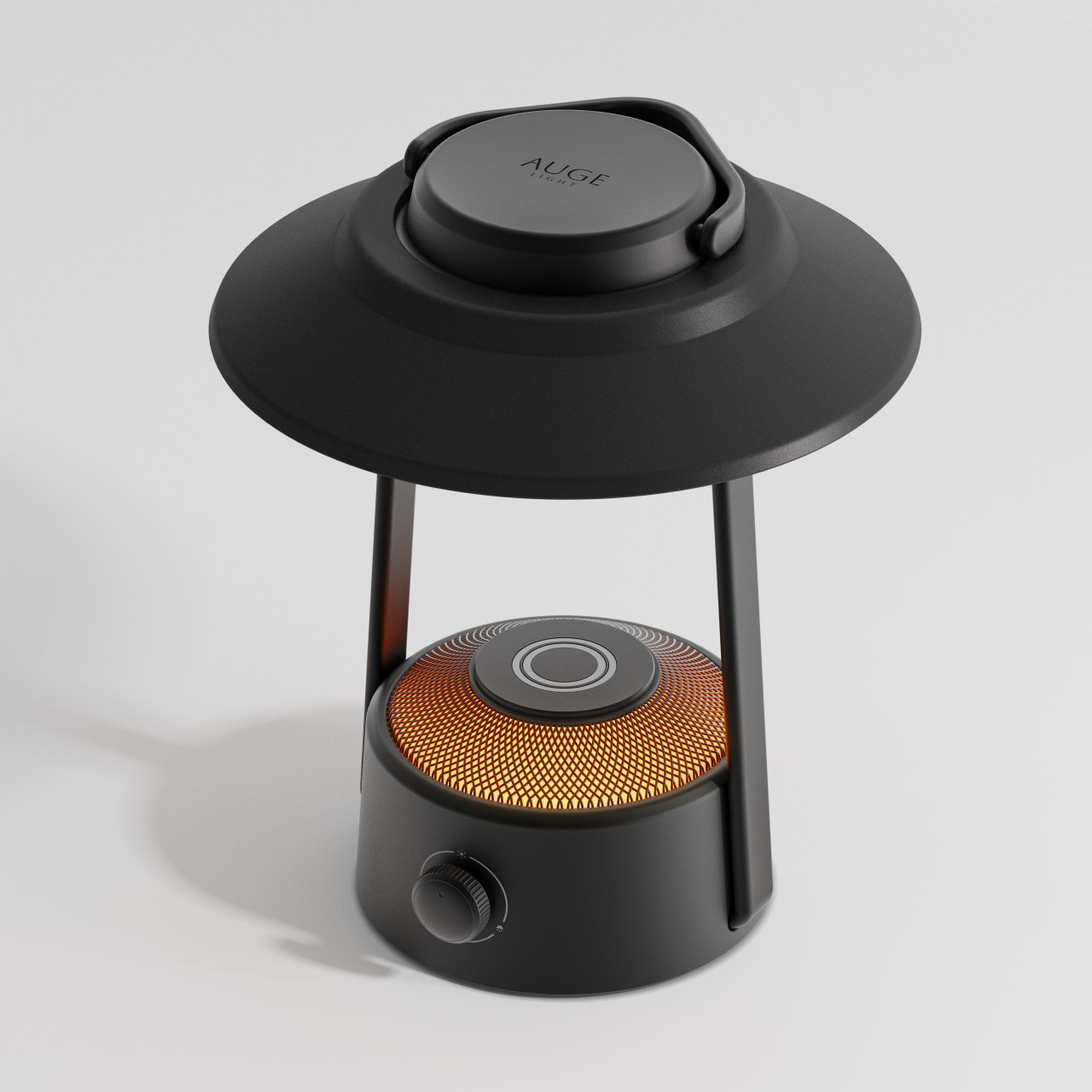
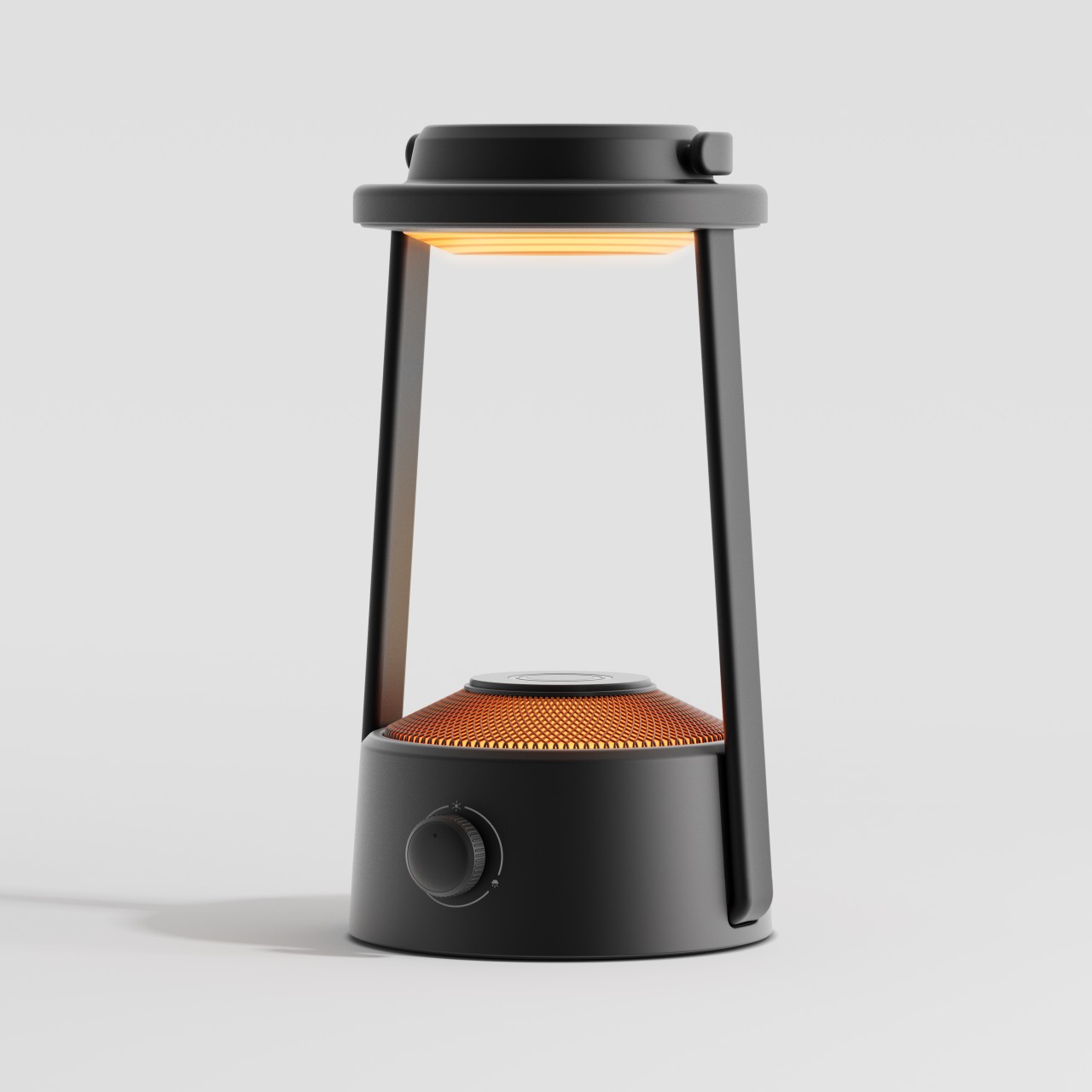
The camping lantern concept is a modern take on several antiquated lantern designs, both those using kerosene as well as those that employ candles. Instead of these fire hazards, however, it uses rechargeable lights, presumably LEDs, in a circular tube hidden at the bottom and top sections of the lamp. The “cover” of the lamp also takes inspiration from the wide-brimmed hats of ancient swordsmen from East Asian countries, which happens to also be similar to how the traditional gas lanterns look as well.

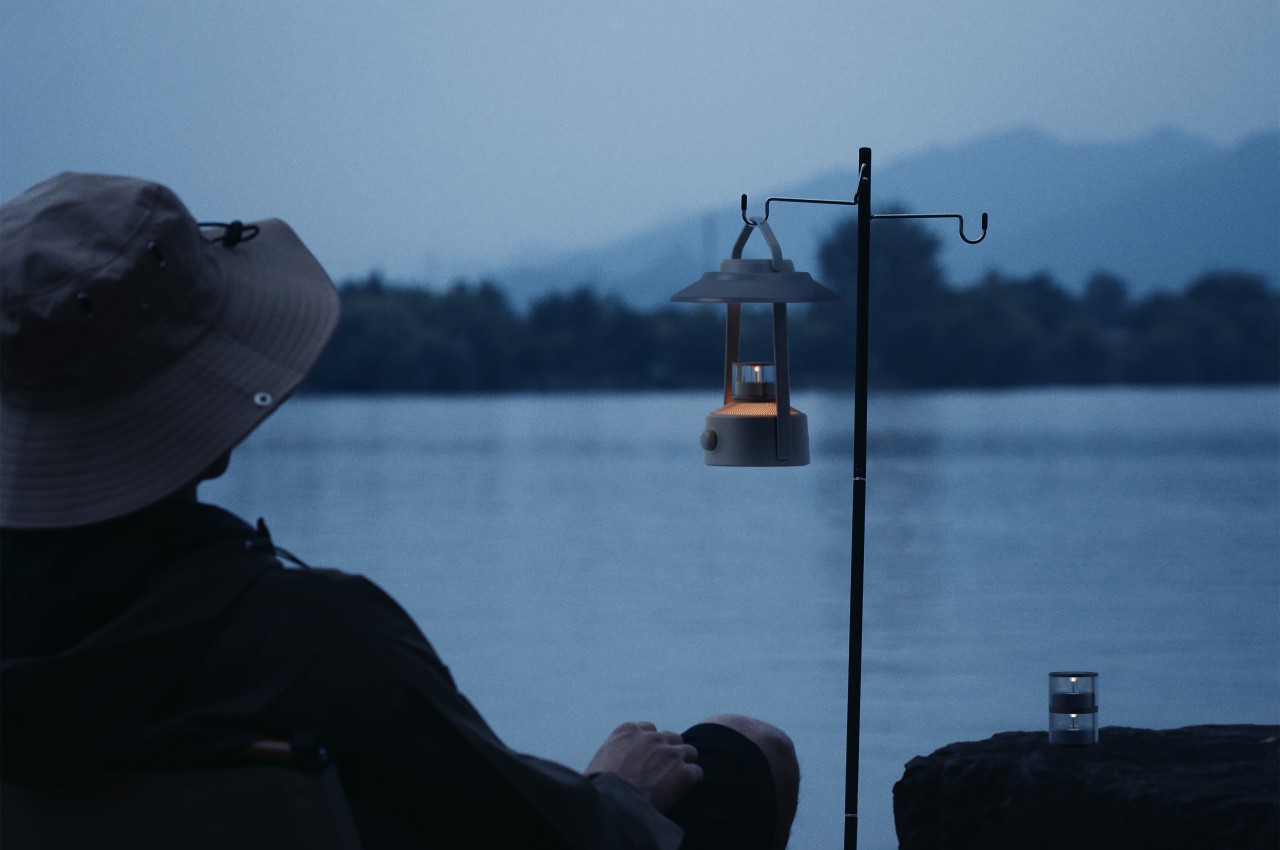
The effect of having candles is provided by a modular lighting design in the shape of low cylinders that can be stacked on top of each other to increase their brightness. The “candles” can also be used independently, in case you need a softer glow away from the lantern. Both light tubes and candles give off a warm, yellow light that sets the perfect mood at night while also providing enough light for reading. As a bonus, the lantern’s battery can also be used to charge other devices, though care should be taken not to drain it completely before the sun rises again.

Truth be told, the concept is a simple re-imagination of the iconic shape of a gas lamp, but it’s that simplicity that also makes its application and effect more diverse. The form immediately calls to mind the old frontier days portrayed in many TV shows and films, but its functionality is completely immersed in the demands of modern life. Best of all, it makes spending the night outdoors a little bit more interesting if not dramatic, silently keeping you company as you watch the fireflies dance in the darkness.

The post Retro camping lantern concept gives the gas lamp a modern, playful flair first appeared on Yanko Design.