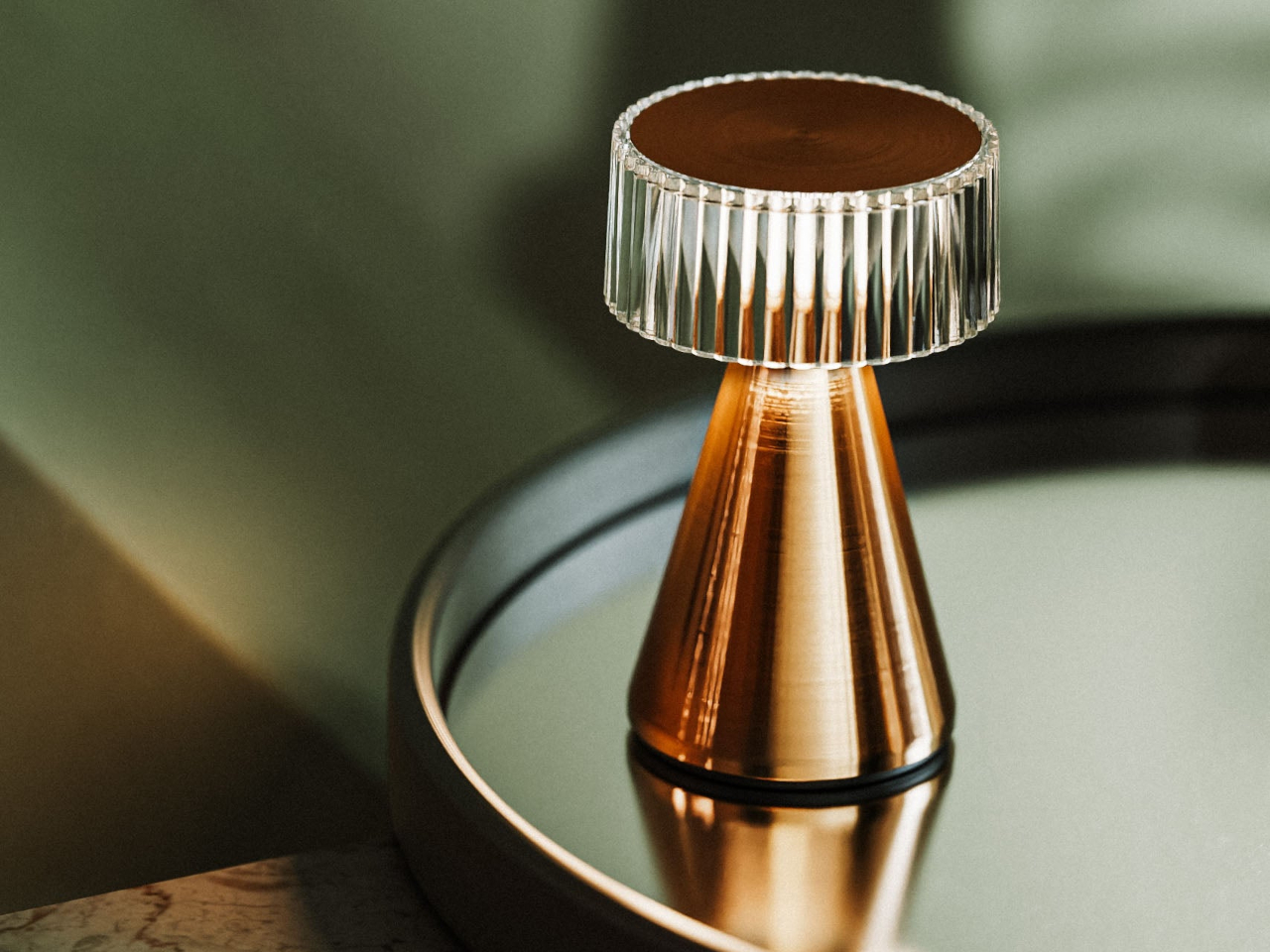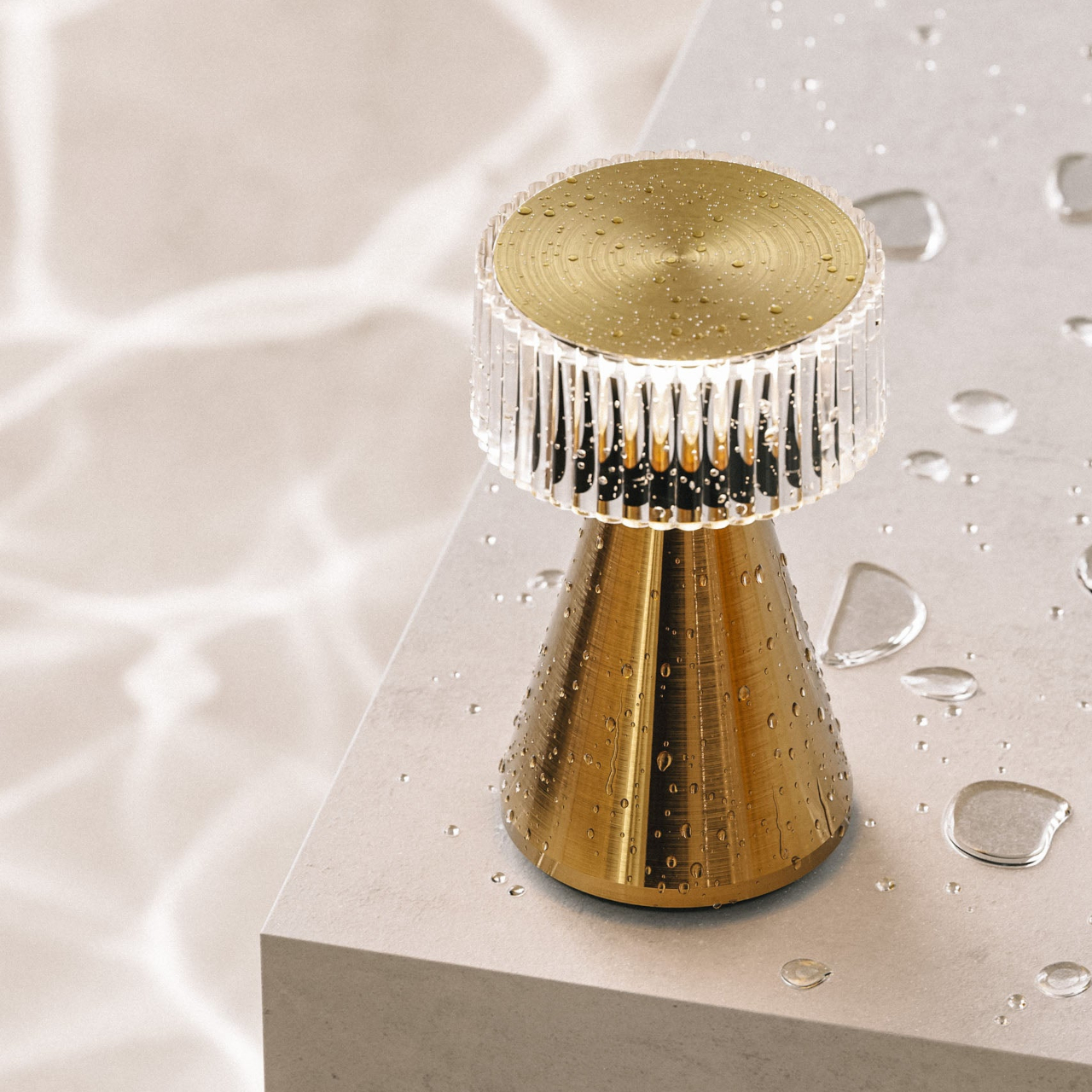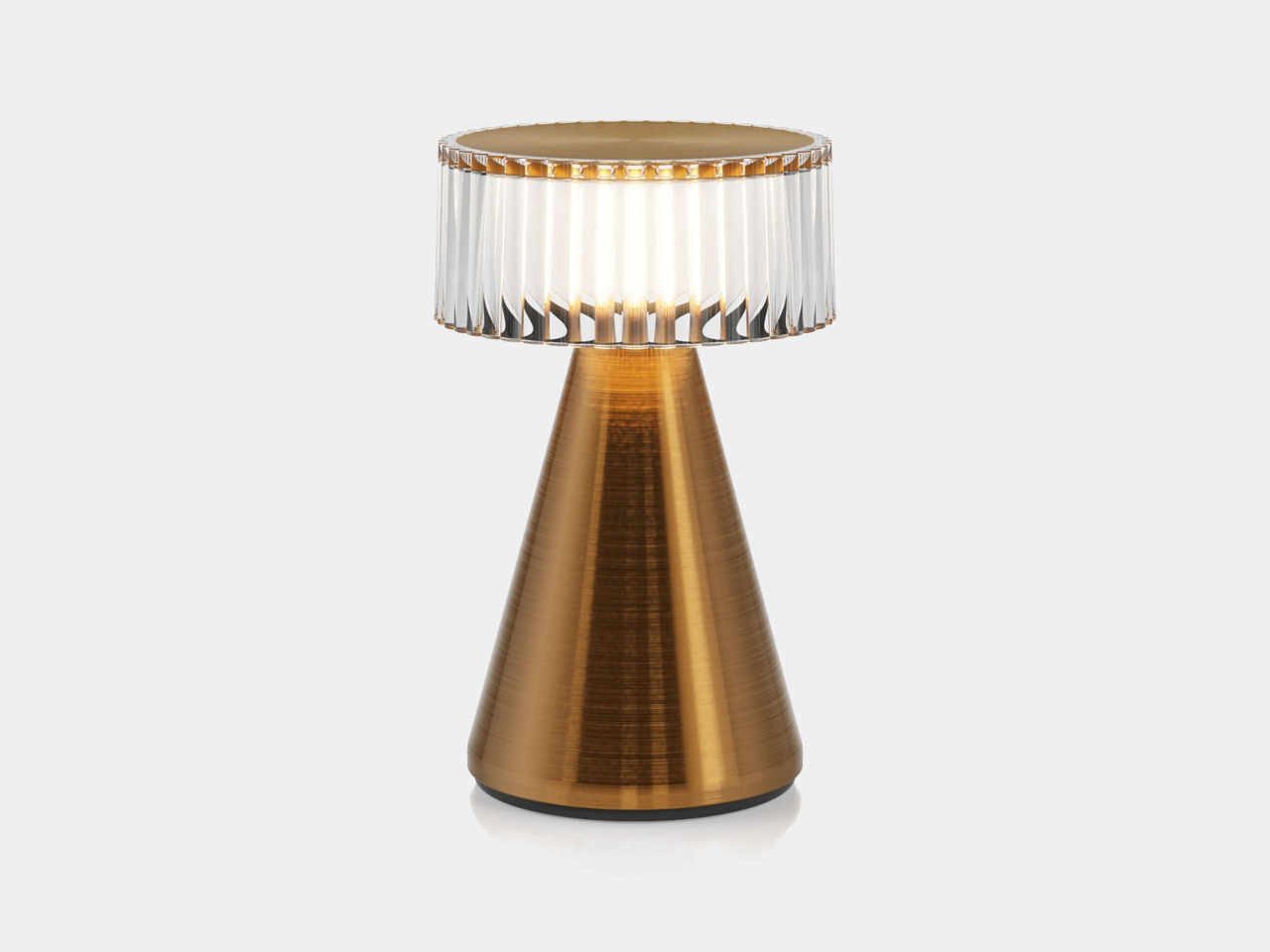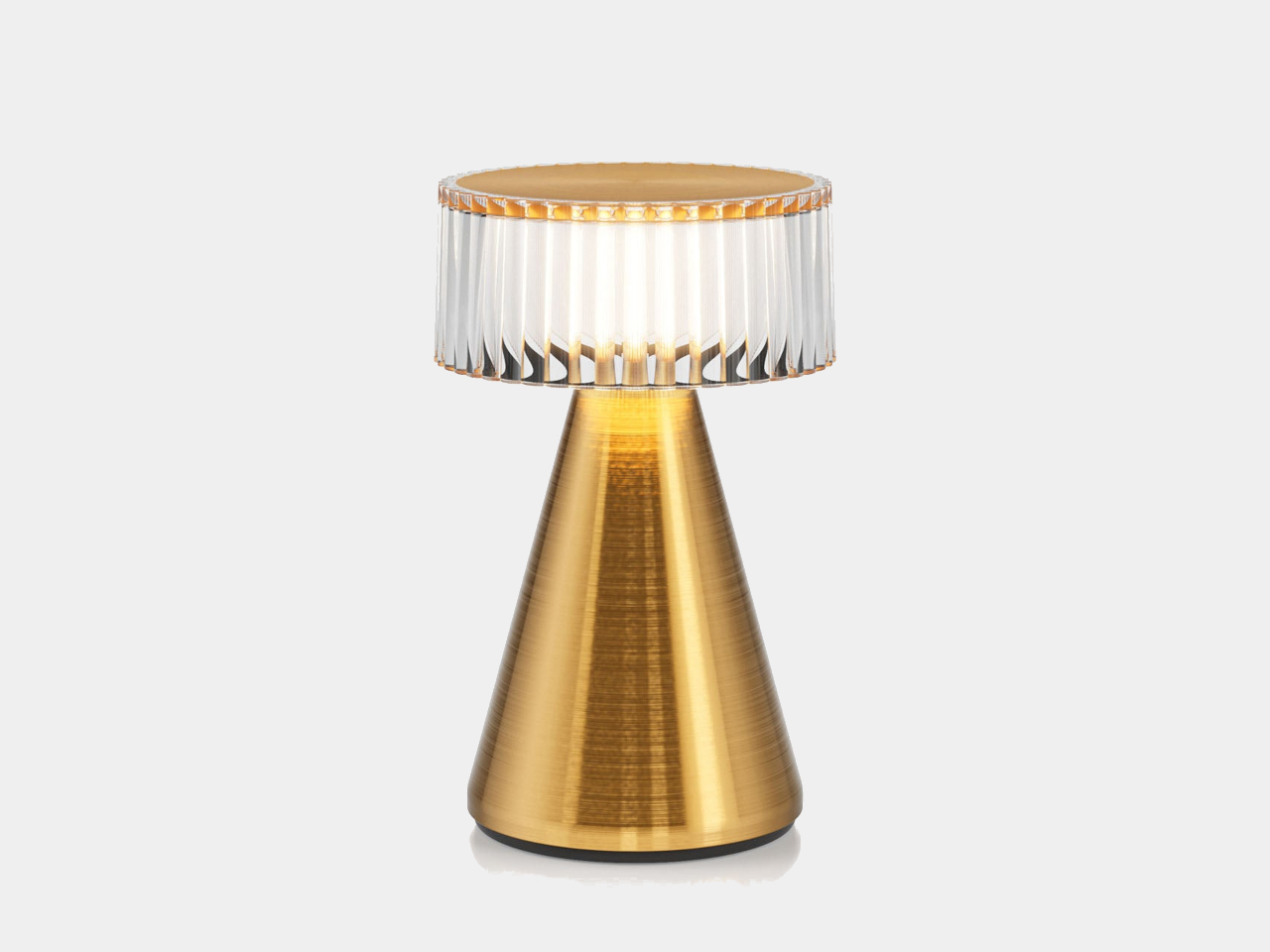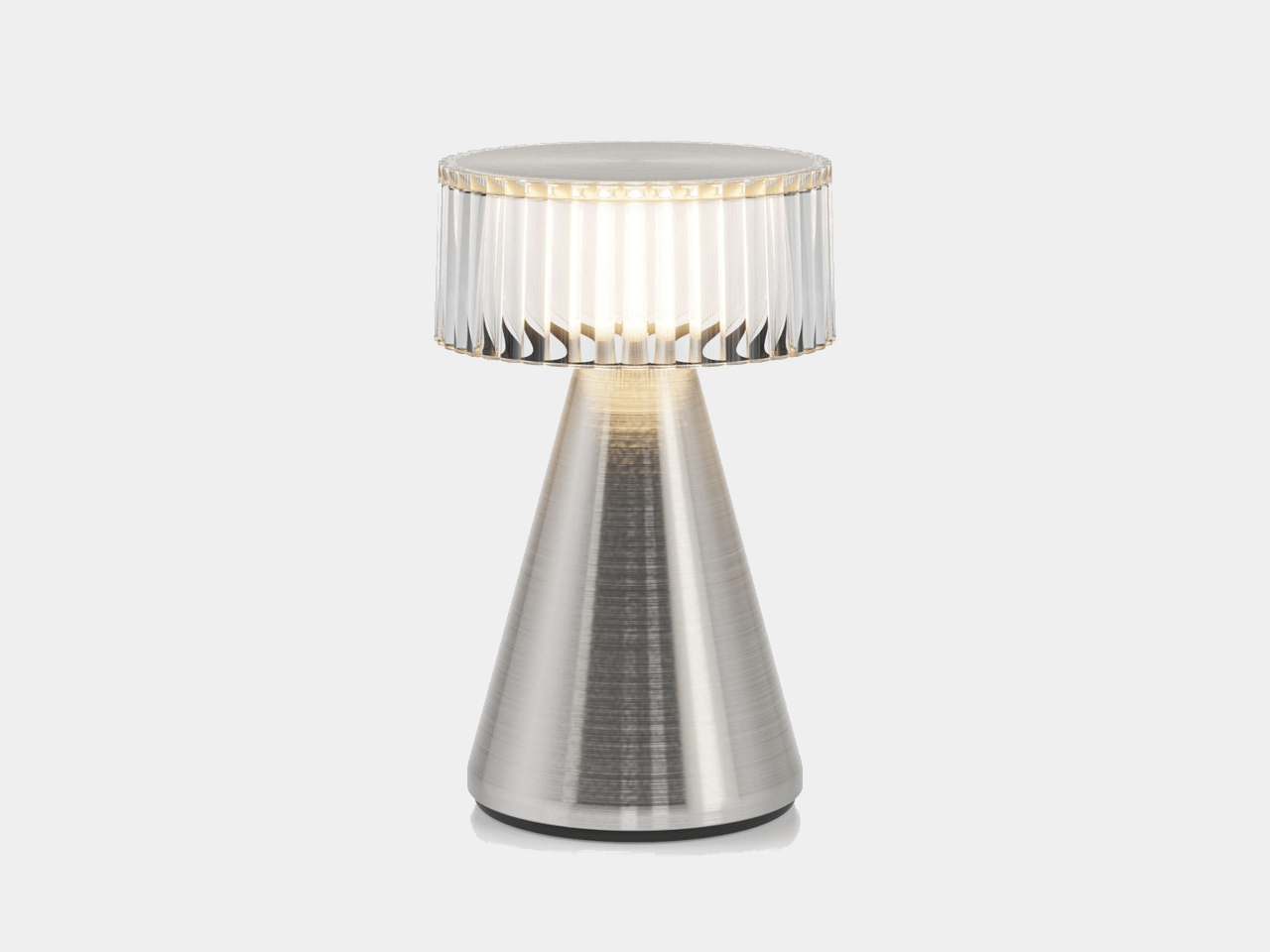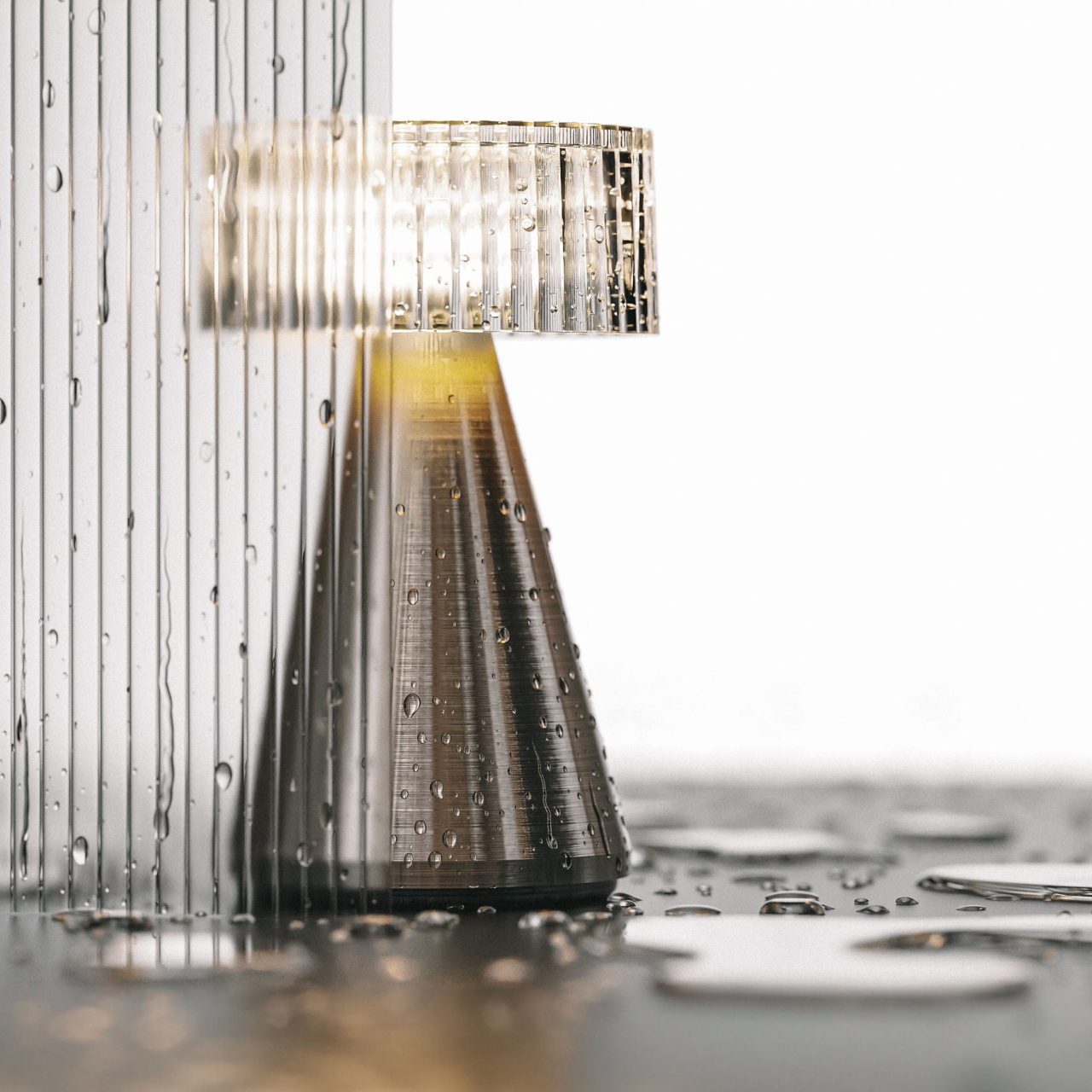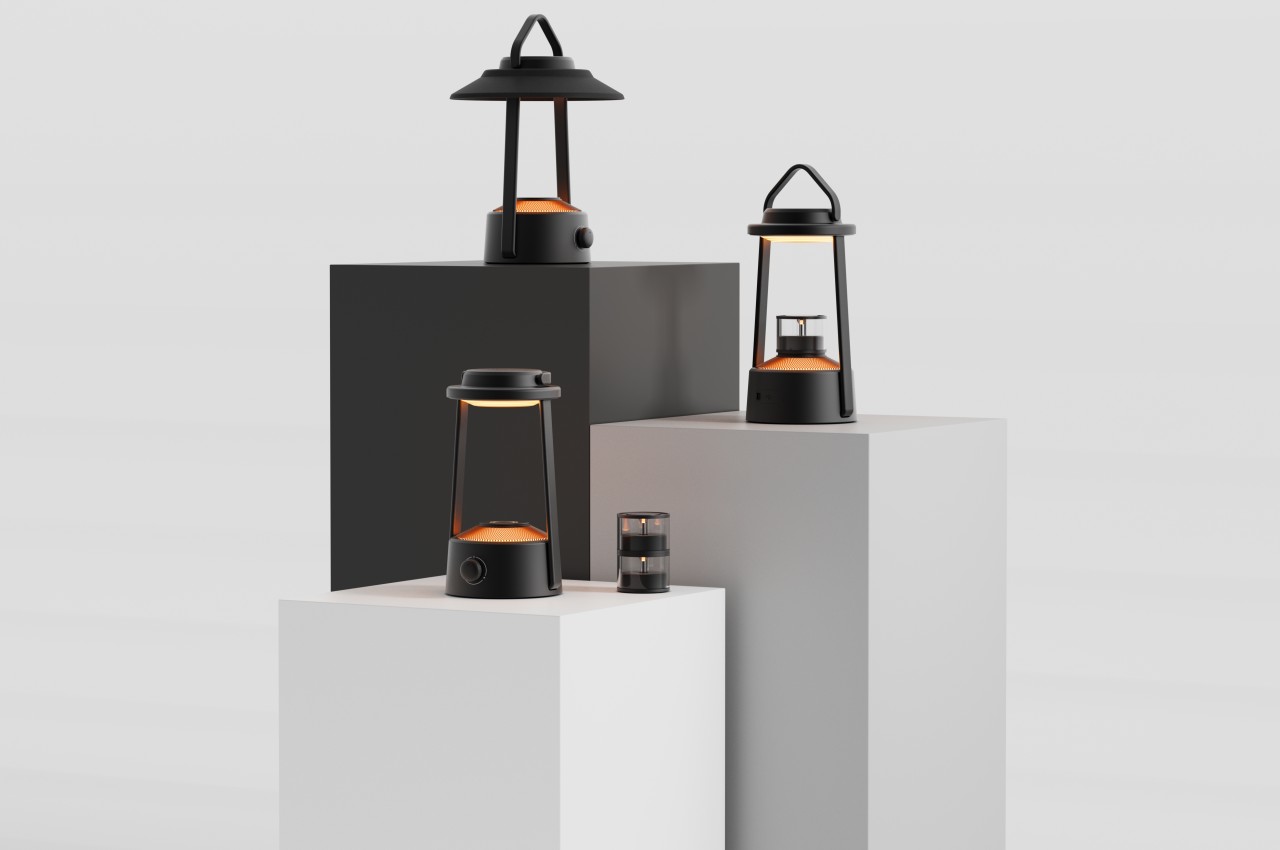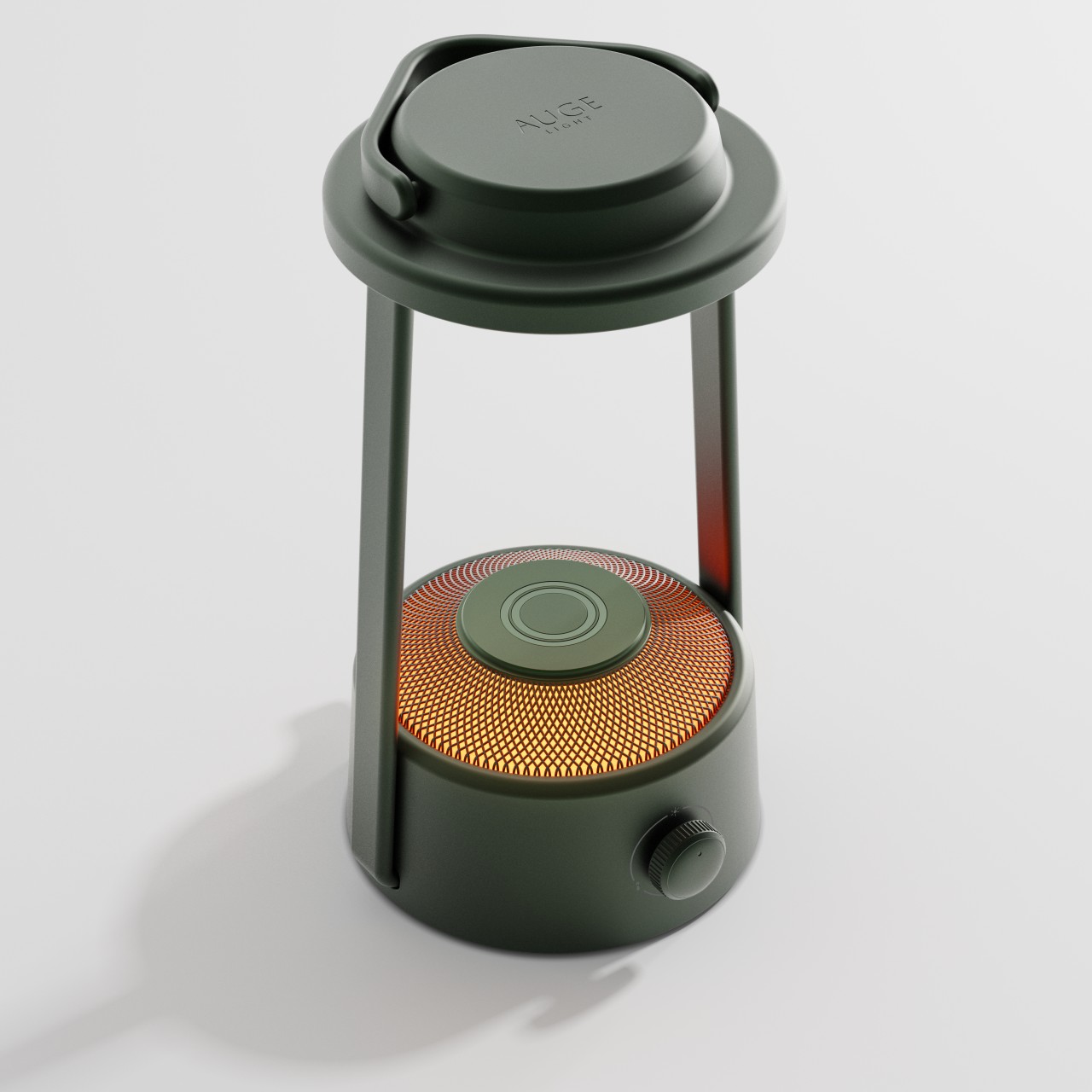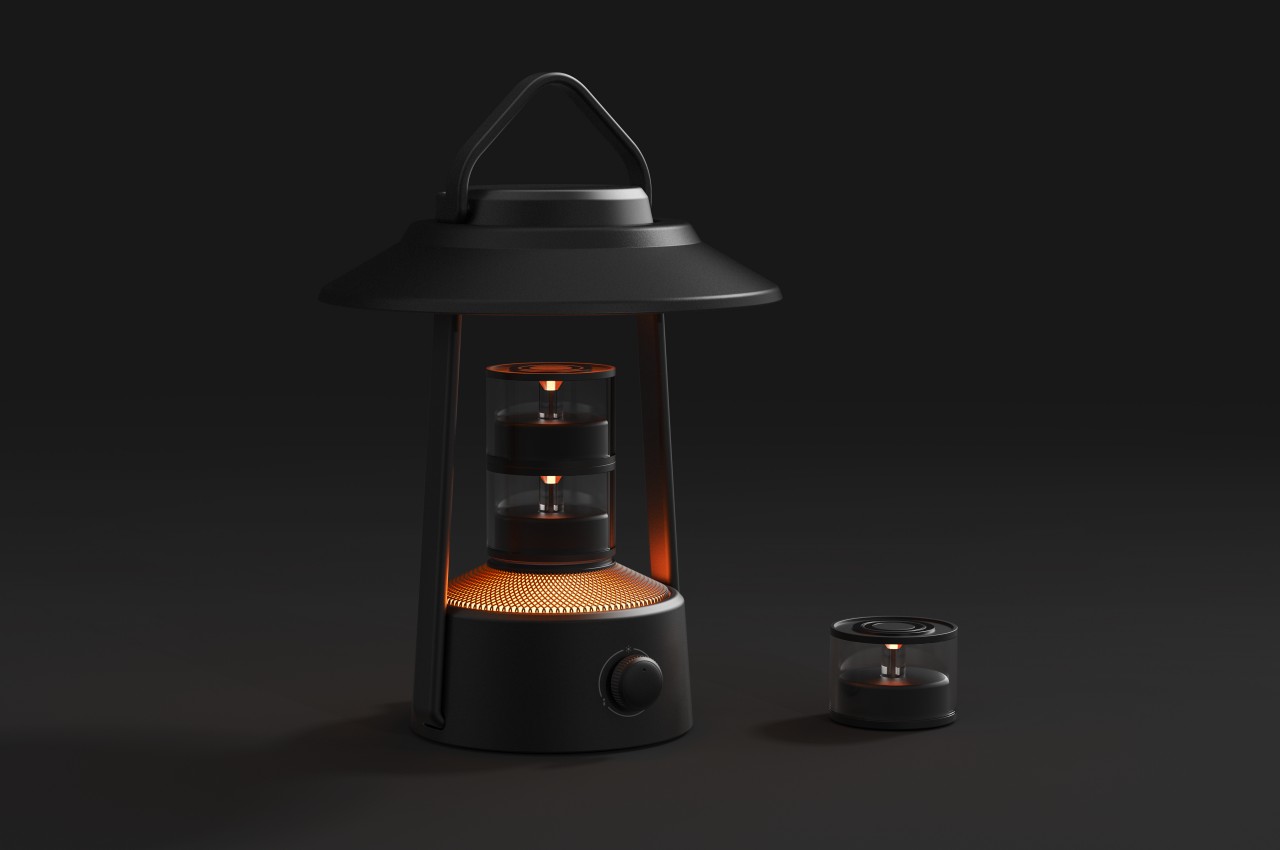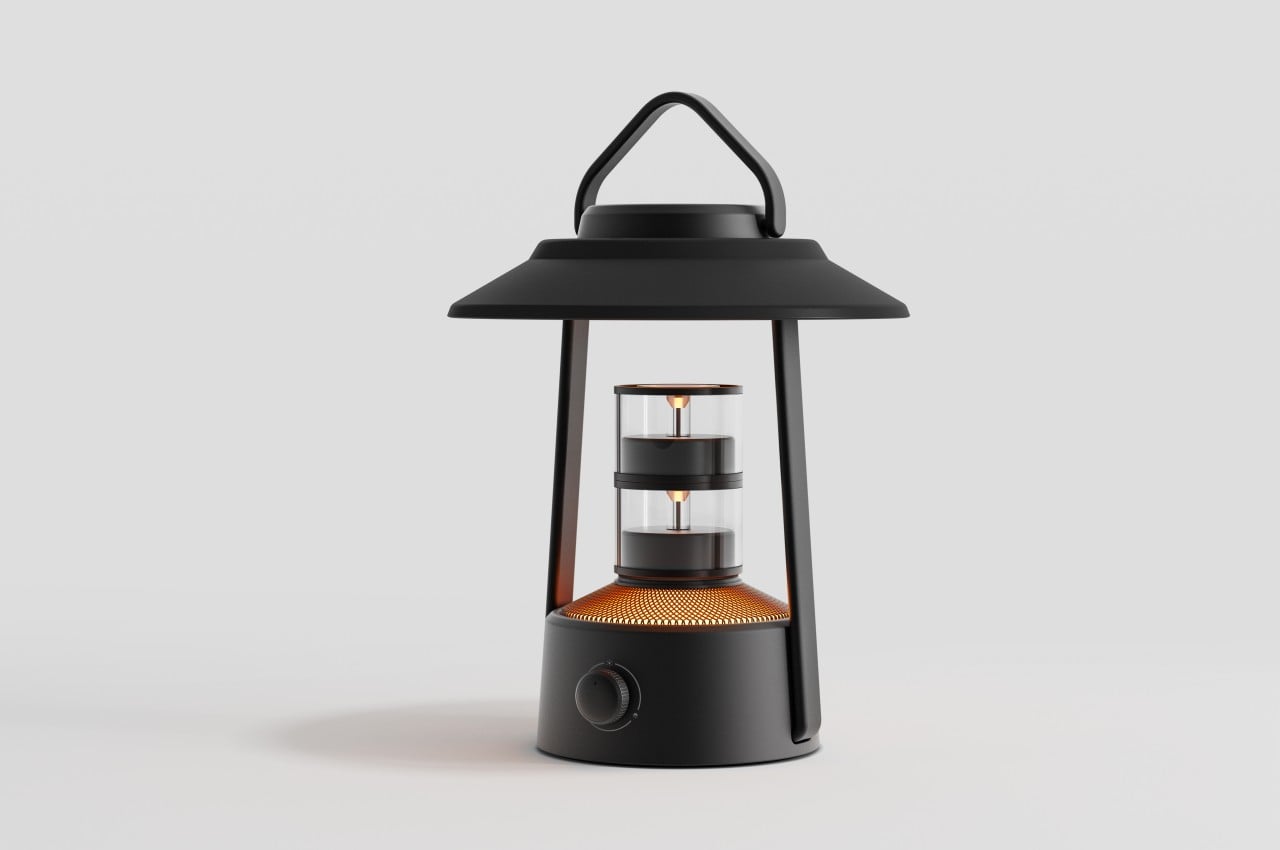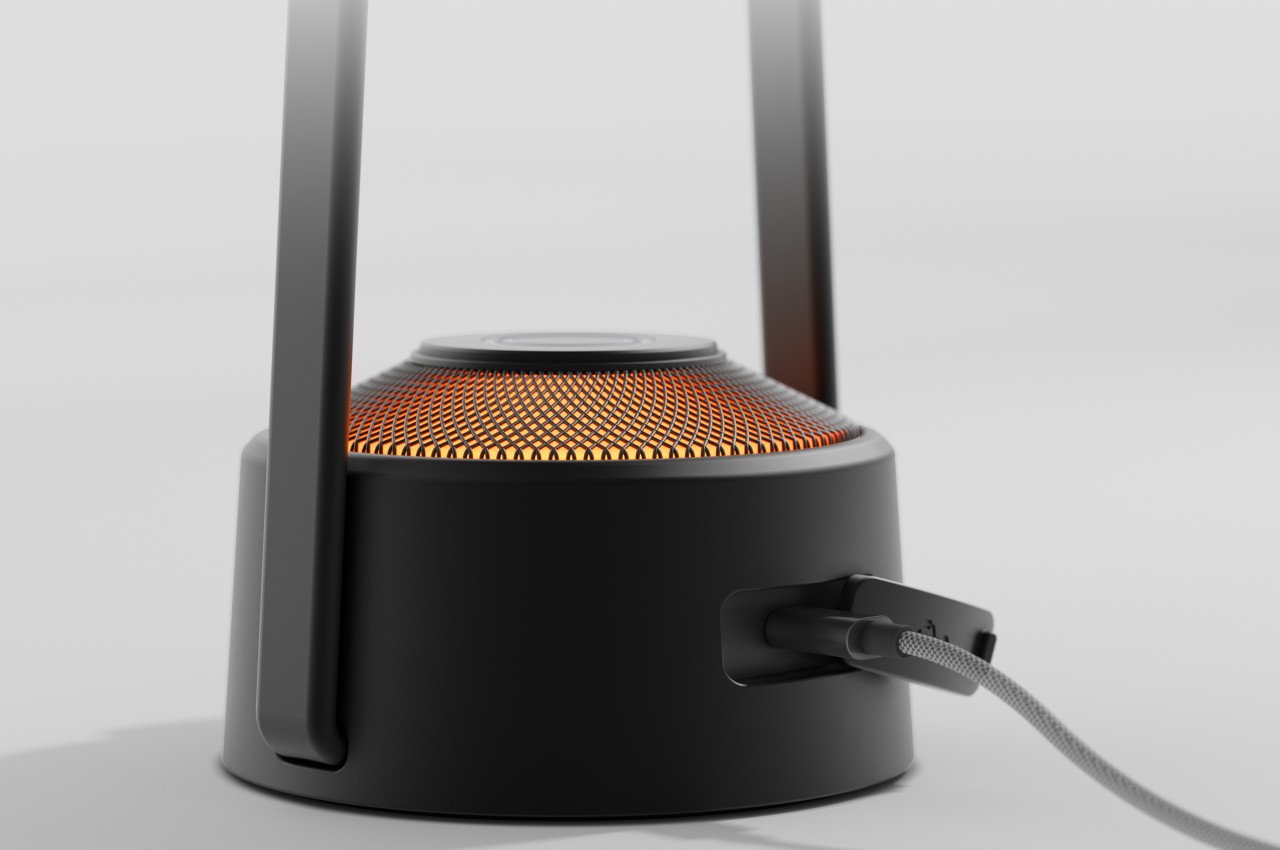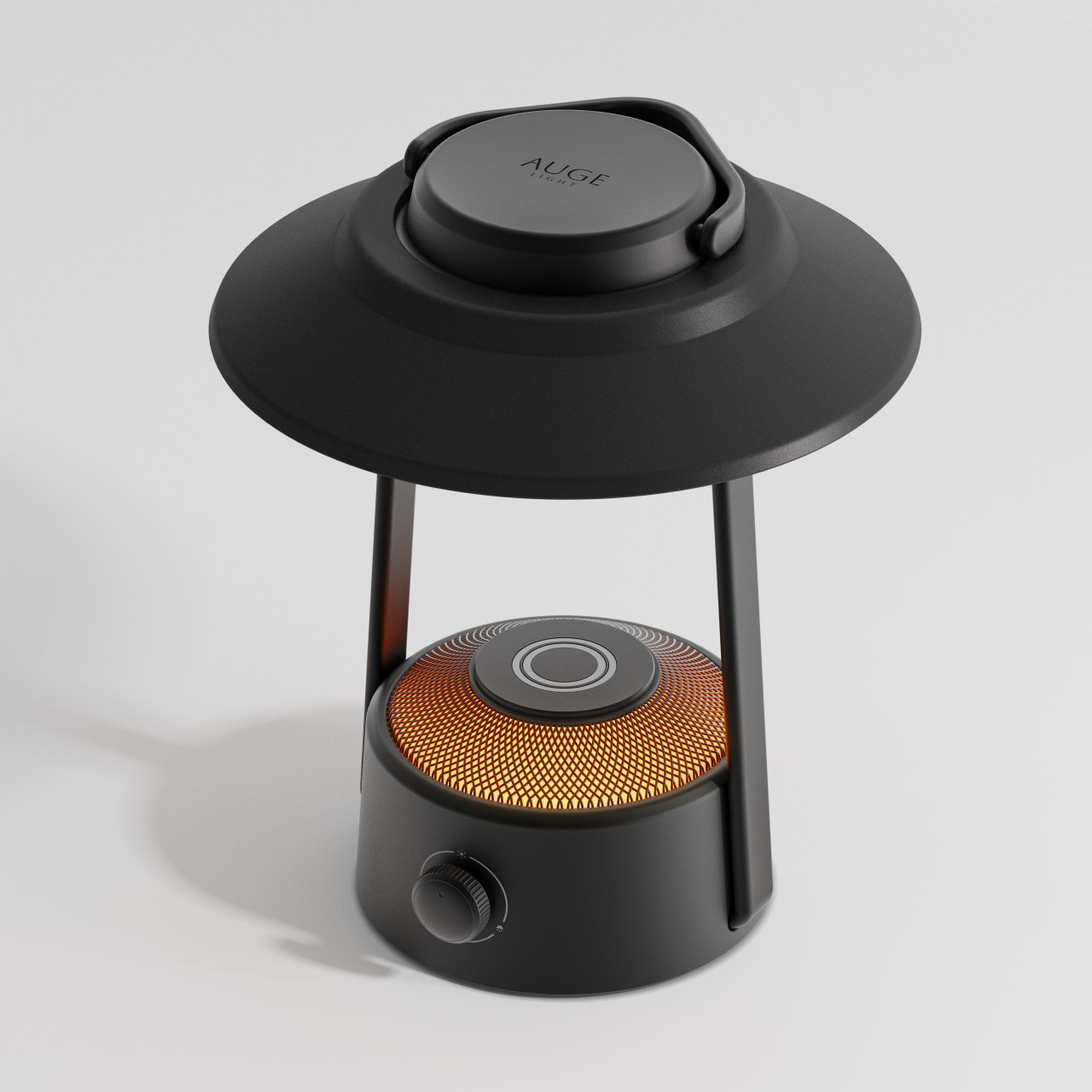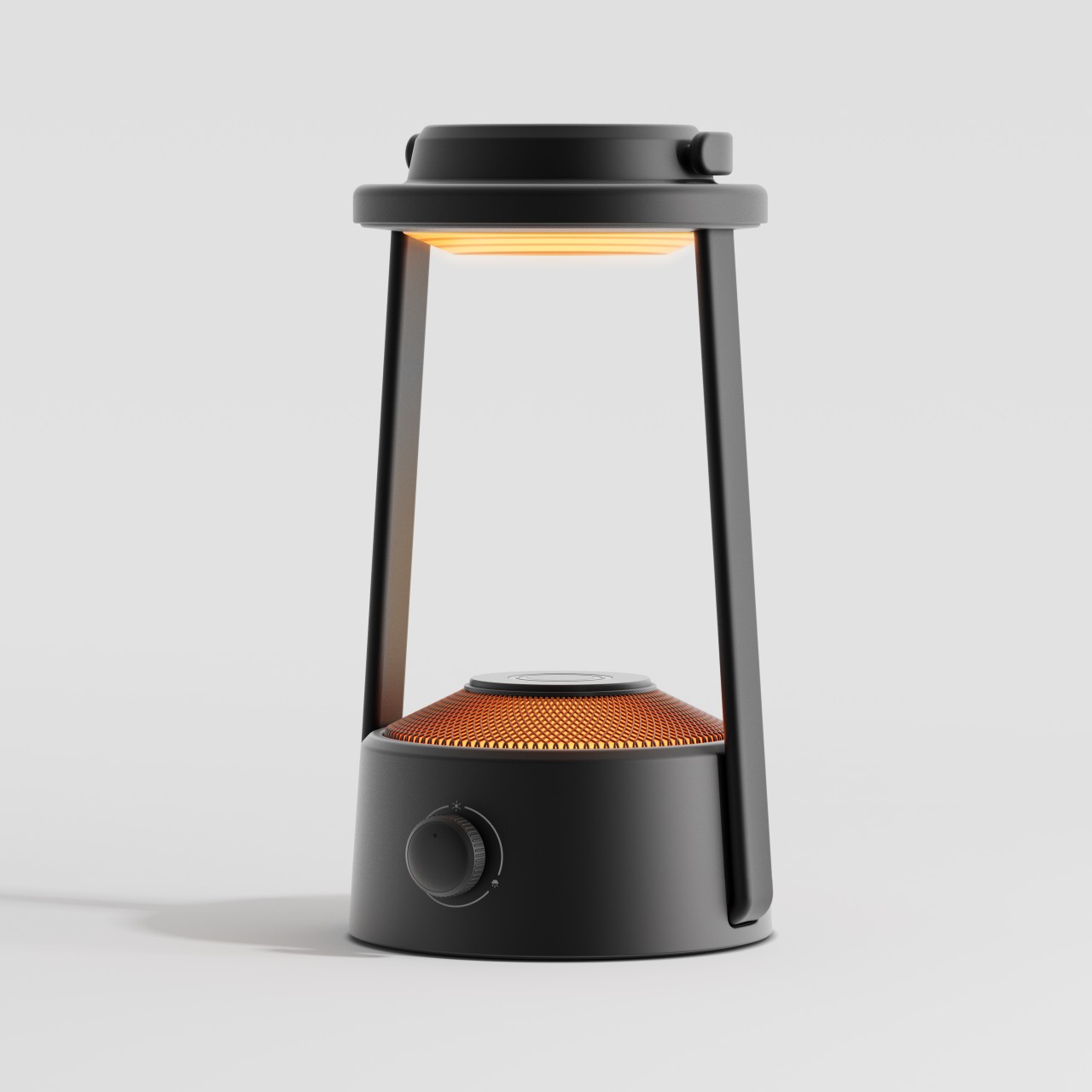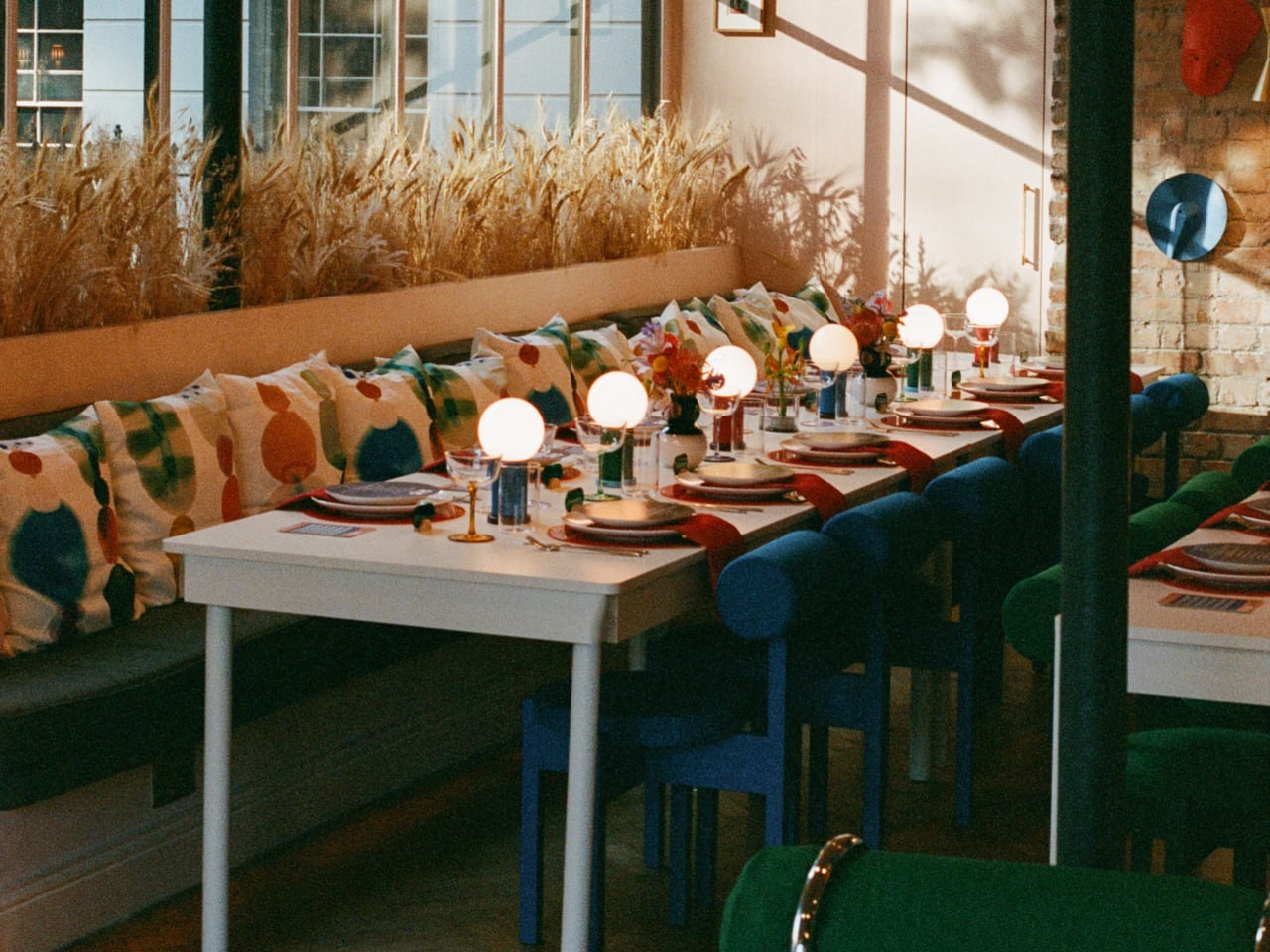
The rechargeable table lamp has been around for a while, but it hasn’t always been something designers were excited to work on. For most of its life, it was a category of hotel patios and restaurant terraces, objects tolerated for their practicality and forgiven for looking like camping gear. Most of them leaned on lantern shapes, chunky handles, and rubberized finishes that communicated utility before anything else.
That started to change noticeably around Milan Design Week 2026, when the cordless lamp stopped being a hospitality accessory and became something designers were treating as a proper object type. Alexander Pott did one for IKEA’s PS Collection. Studiopepe built an entire lamp family around it for Rakumba. Patrick Jouin wrapped one in micro-perforated leather for Longchamp. Suddenly, the rechargeable table lamp had a design argument behind it.
Photo courtesy of: Compton Coffee House
IKEA PS 2026 brings Alexander Pott’s cordless lamp to the mainstream
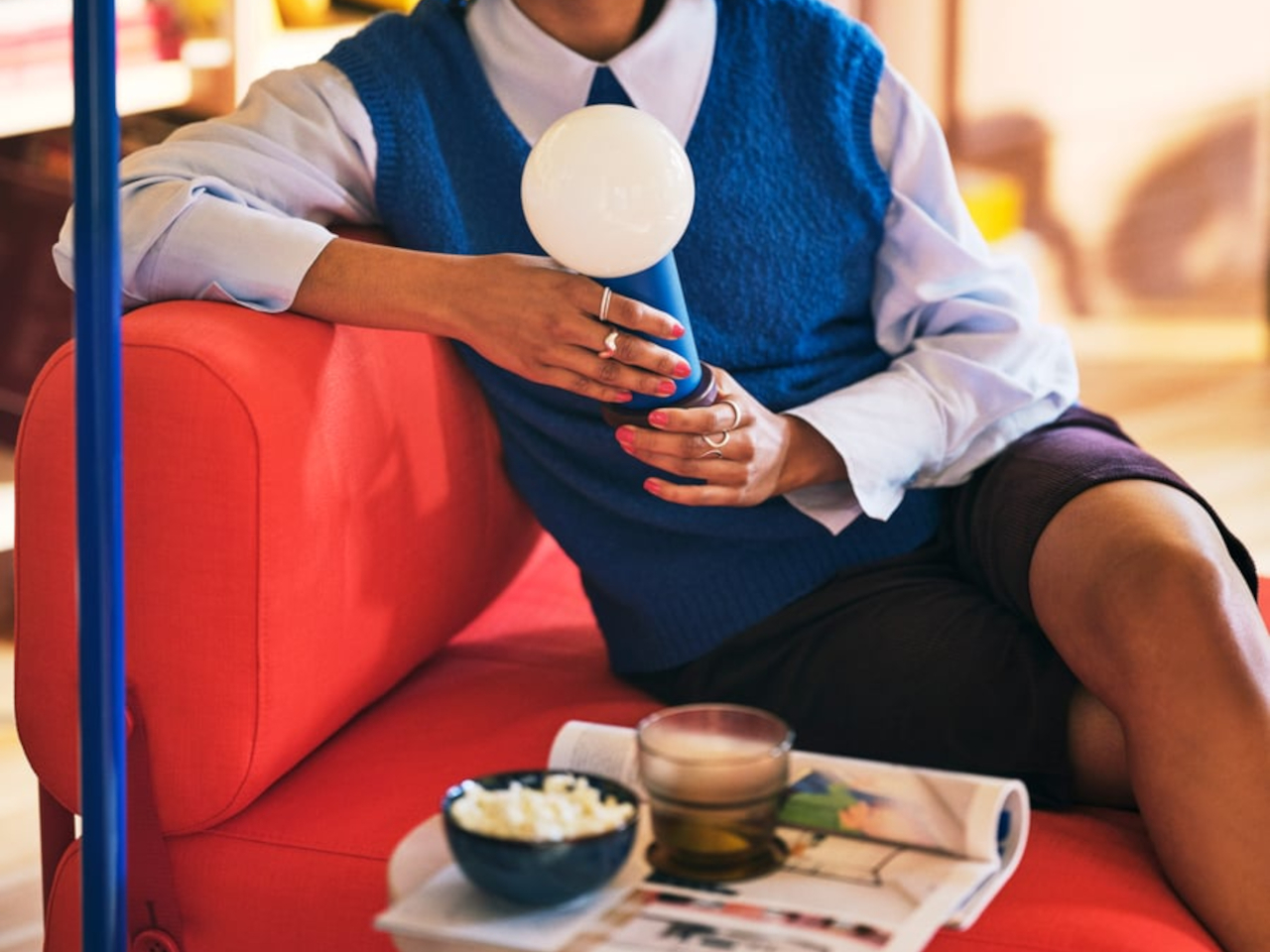
There’s a certain logic to watching what IKEA does with its PS Collection. The line has a history of giving up-and-coming designers a platform to push against convention, which means that when a rechargeable lamp shows up there, it’s worth paying attention. It signals that portable lighting has moved far enough into the mainstream that it deserves a considered, well-designed answer at an accessible price point.
Designer: Alexander Pott (IKEA)
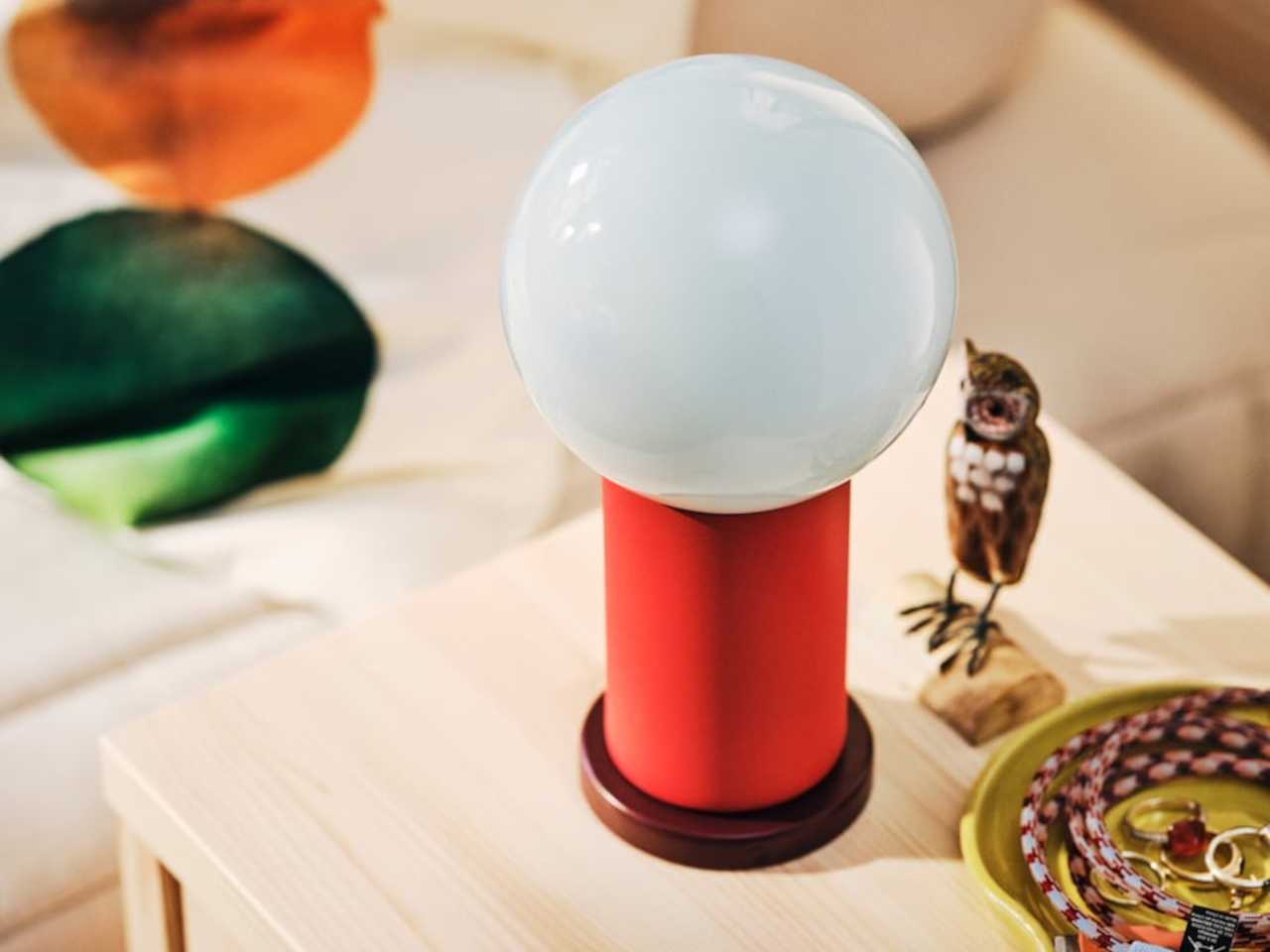
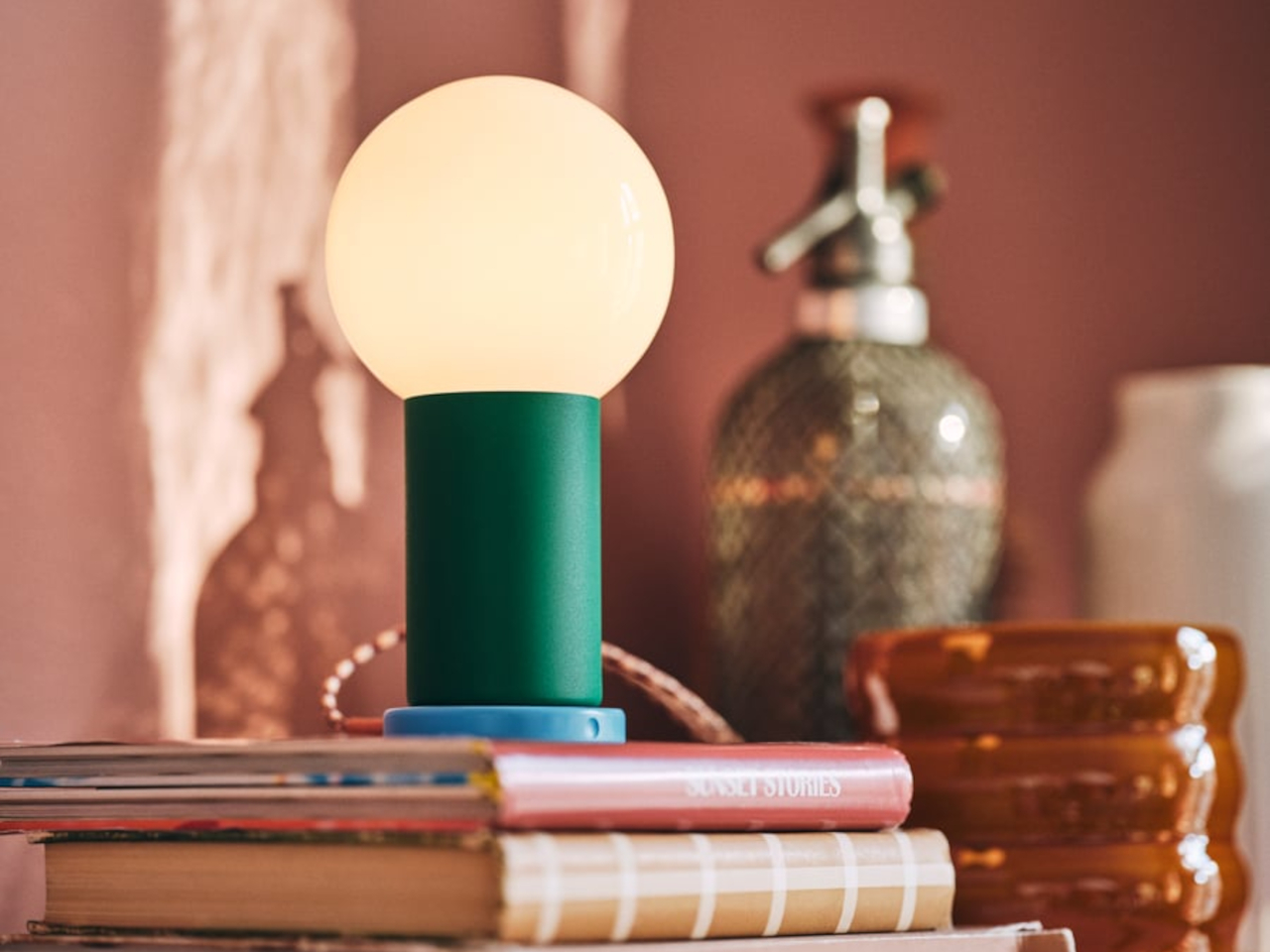
Alexander Pott’s design for the IKEA PS 2026 line keeps things deceptively simple: a metal-and-glass body with three dimming levels and a battery that frees you from thinking about where the nearest socket is. It comes in a few color combinations that make it feel more playful than precious, and it’s light enough to move from a dining table to a windowsill without making it a whole thing.
Studiopepe’s Torre family gives Rakumba a fully rechargeable lamp line
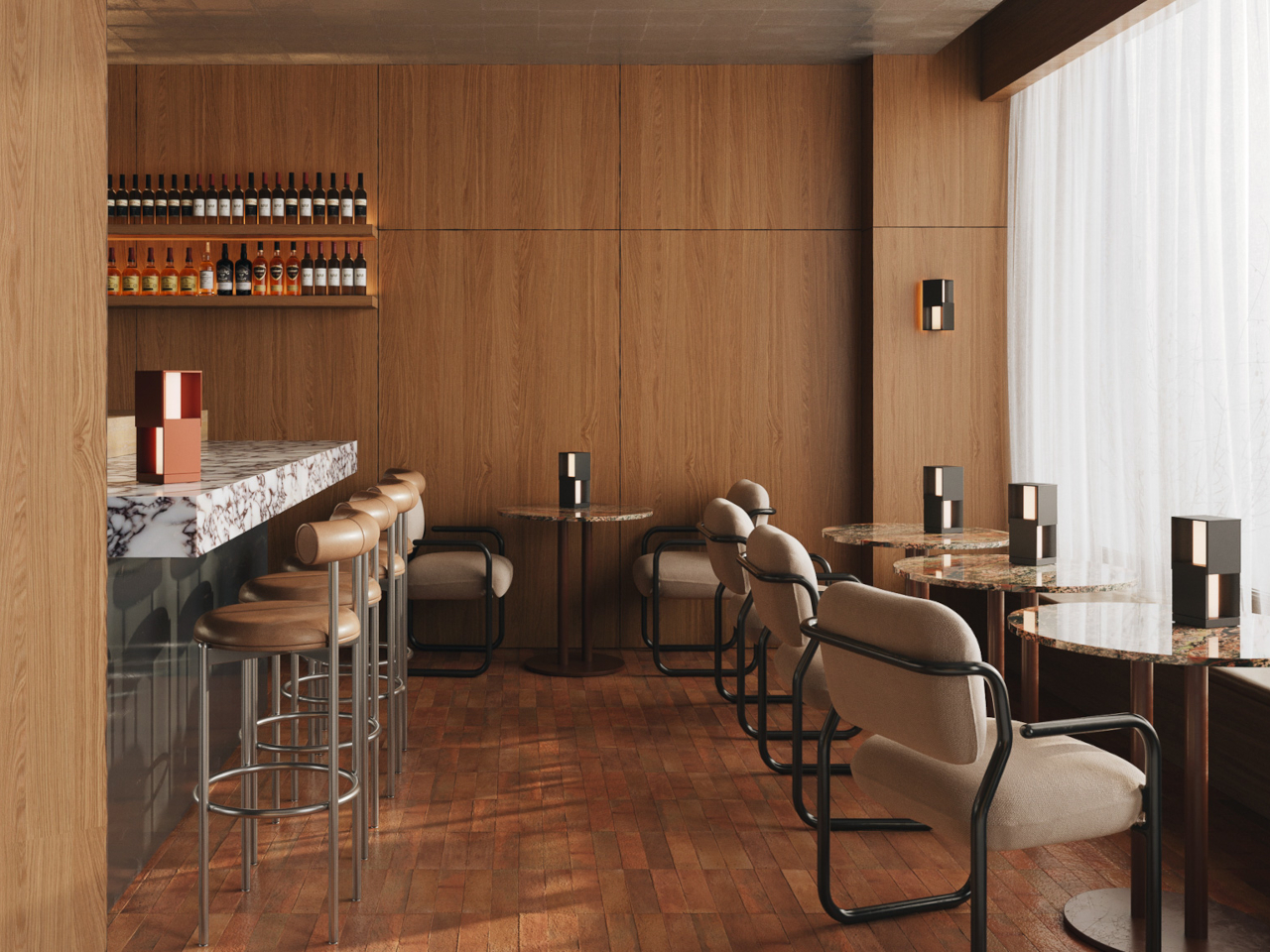
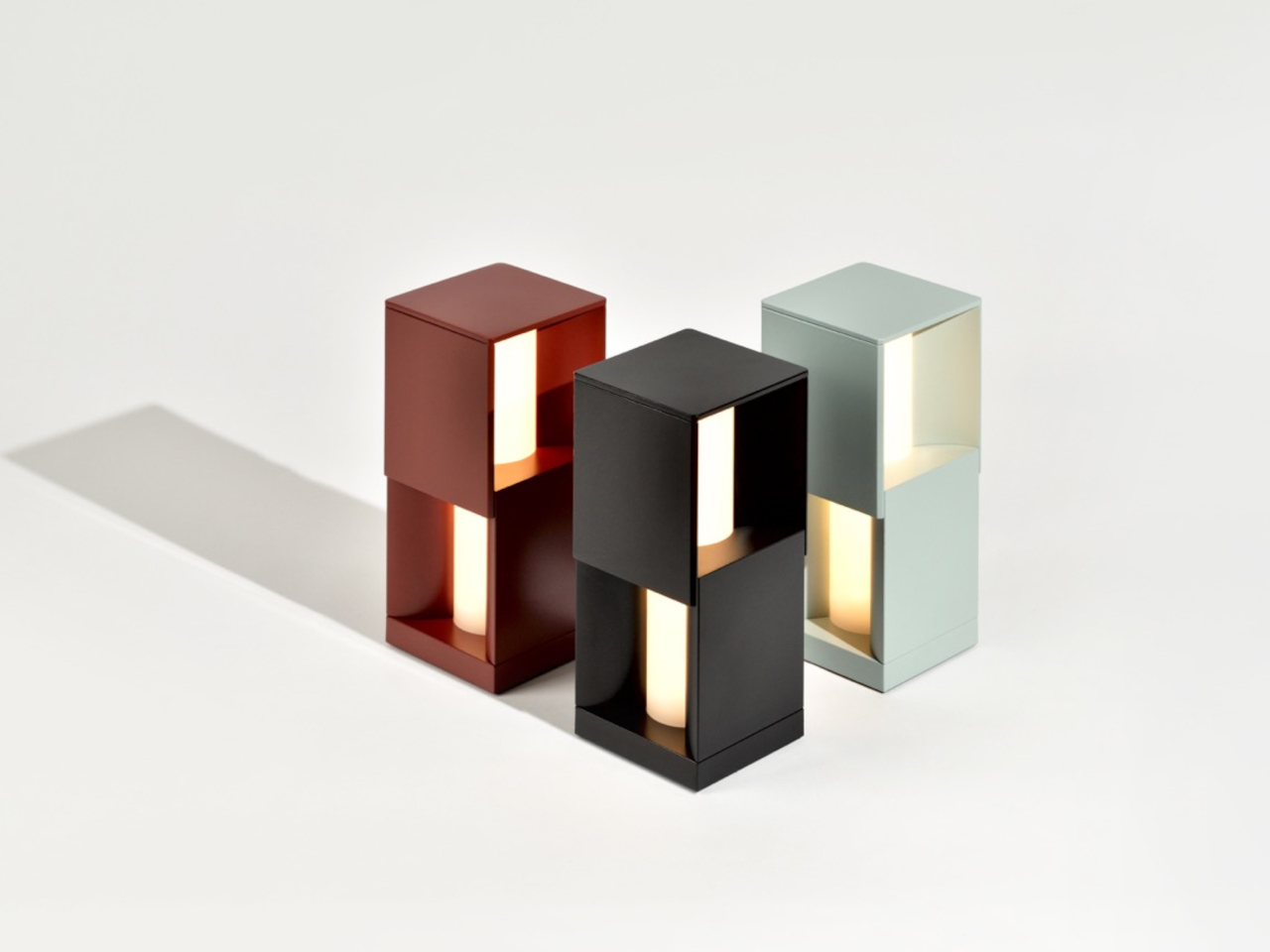
One-off cordless lamps are easy enough to find, but a whole family of them built around a consistent design language is something else. It suggests that whoever made it isn’t treating the rechargeable lamp as an afterthought or a novelty but as a genuine product category worth investing in. That’s the kind of thinking Studiopepe brought to their Torre line for Rakumba, and it shows.
Designer: Studiopepe
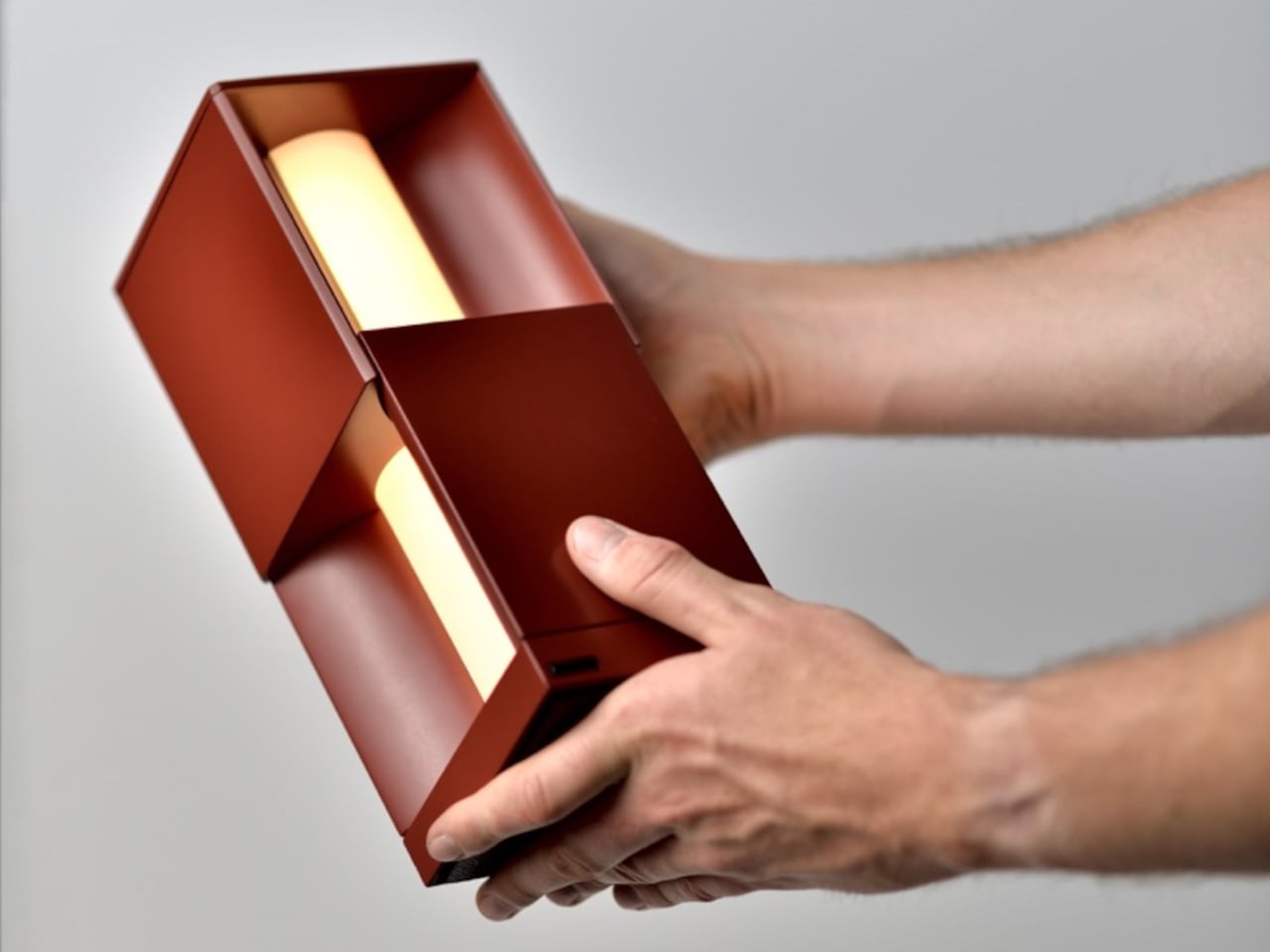
The Torre family doesn’t try to hide what it is. The forms are clean and architectural, built for spaces where the lighting is meant to feel intentional rather than improvised. The concealed light source keeps it calm in a room, and being rechargeable means it can move between an indoor shelf and an outdoor table without losing any of that composure in the process.
Ostara is what happens when Longchamp and Patrick Jouin design a lamp together
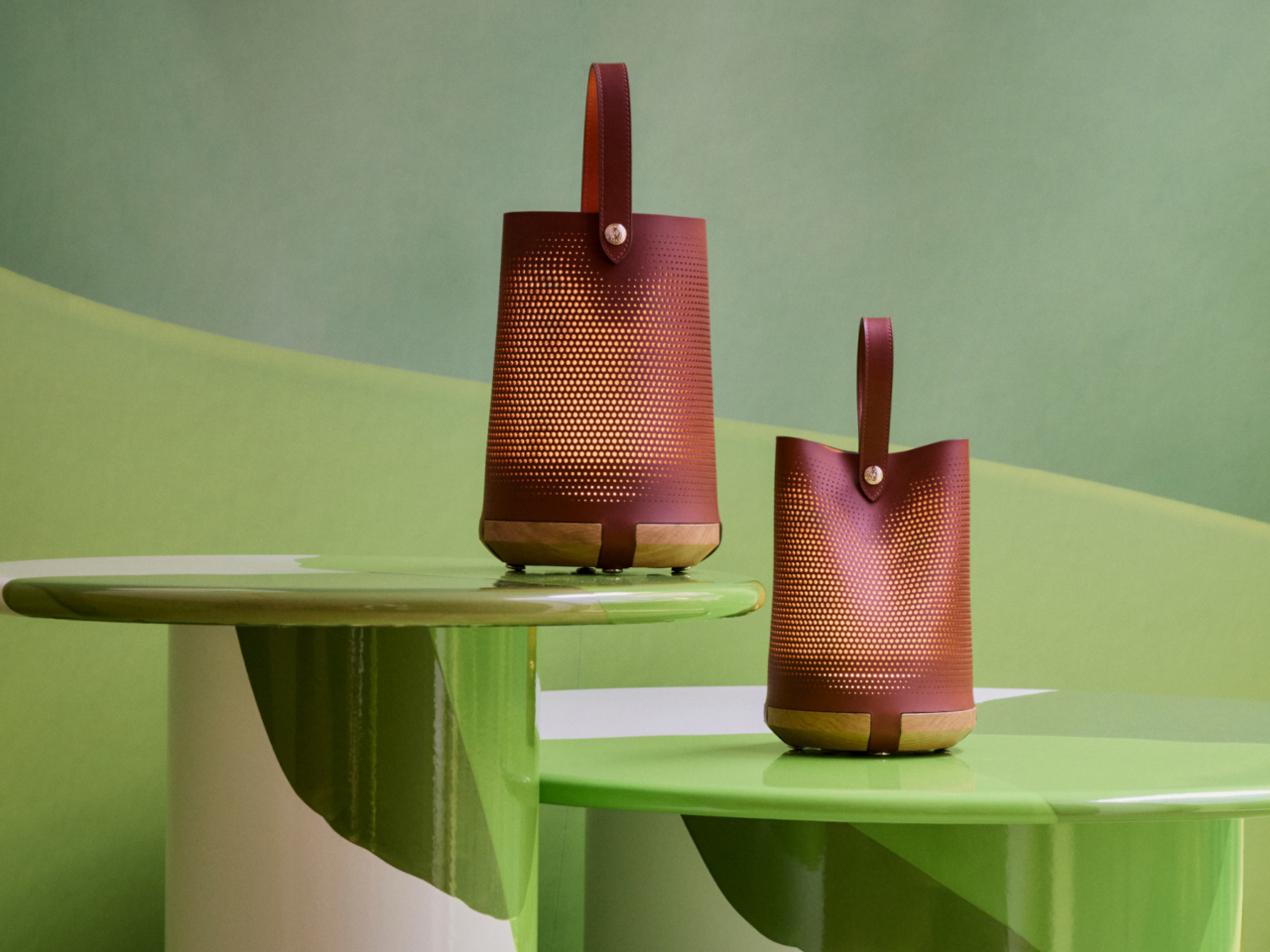
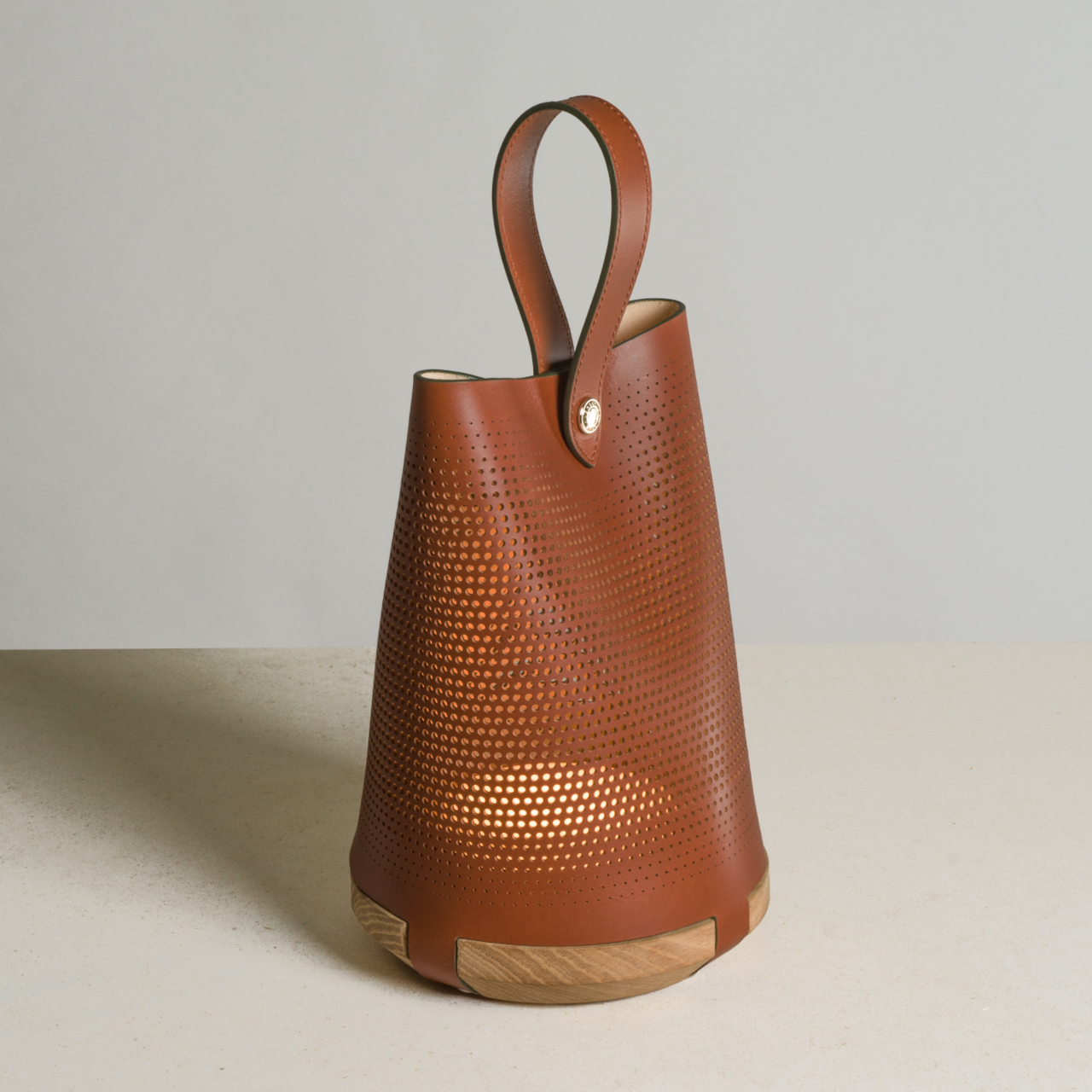
Fashion and luxury brands don’t wander into product design unless they see a genuine opportunity to say something with the object. The result is usually either impressive or awkward, with little in between. With Ostara, Longchamp and Patrick Jouin landed on the right side of that line, producing a rechargeable lamp that feels less like a lifestyle extension and more like a considered design object.
Designer: Longchamp x Patrick Jouin
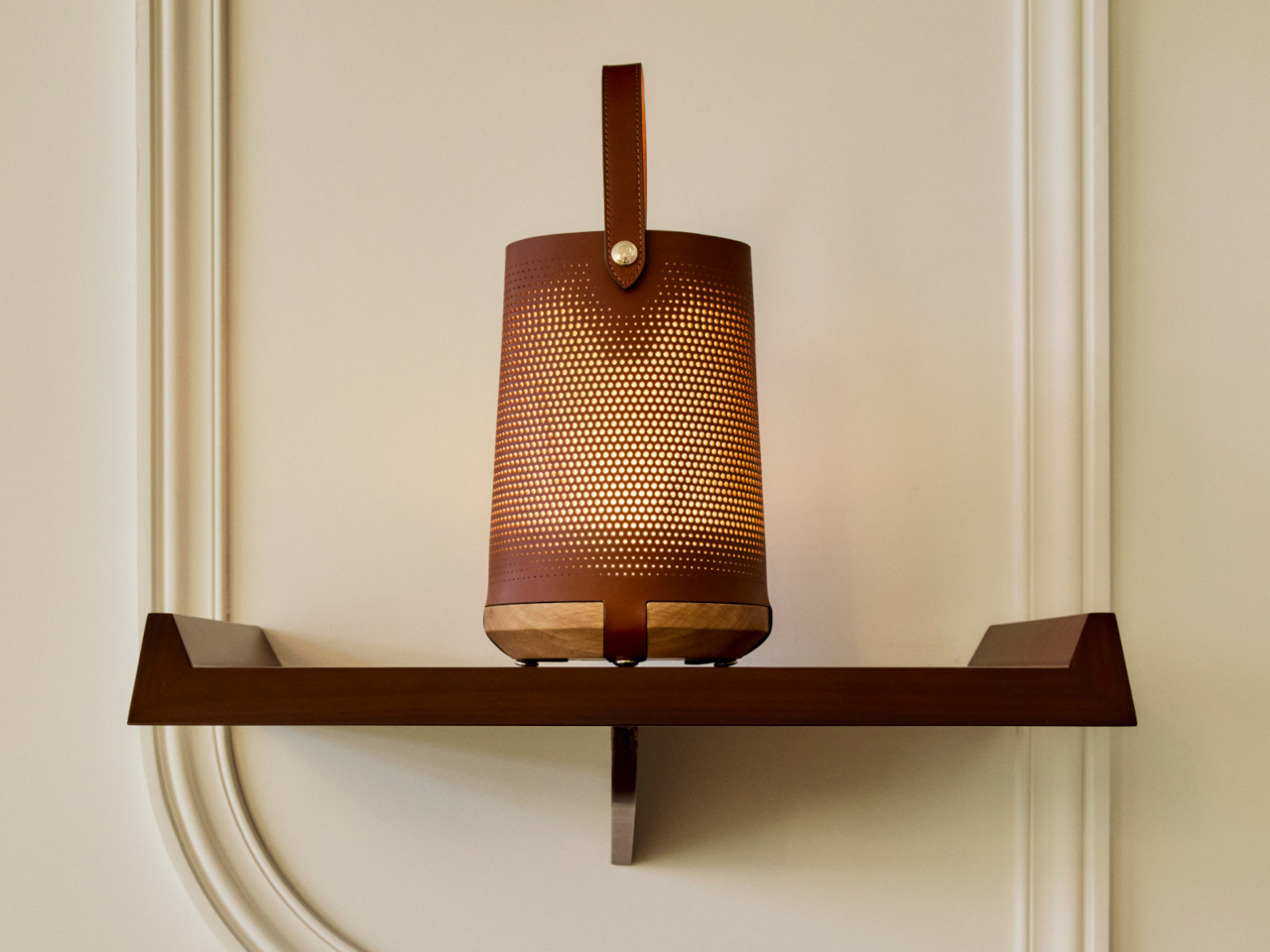
Jouin used micro-perforated leather for the shade, which gives the light that comes through it a texture that’s harder to achieve with glass or plastic. Being wireless and rechargeable means it can sit on a dining table or a bedside surface without the visual interruption of a cord, which matters more in a lamp built around intimacy and atmosphere than around raw output.
IKEA AVHÅLL goes outdoors without looking like it belongs there
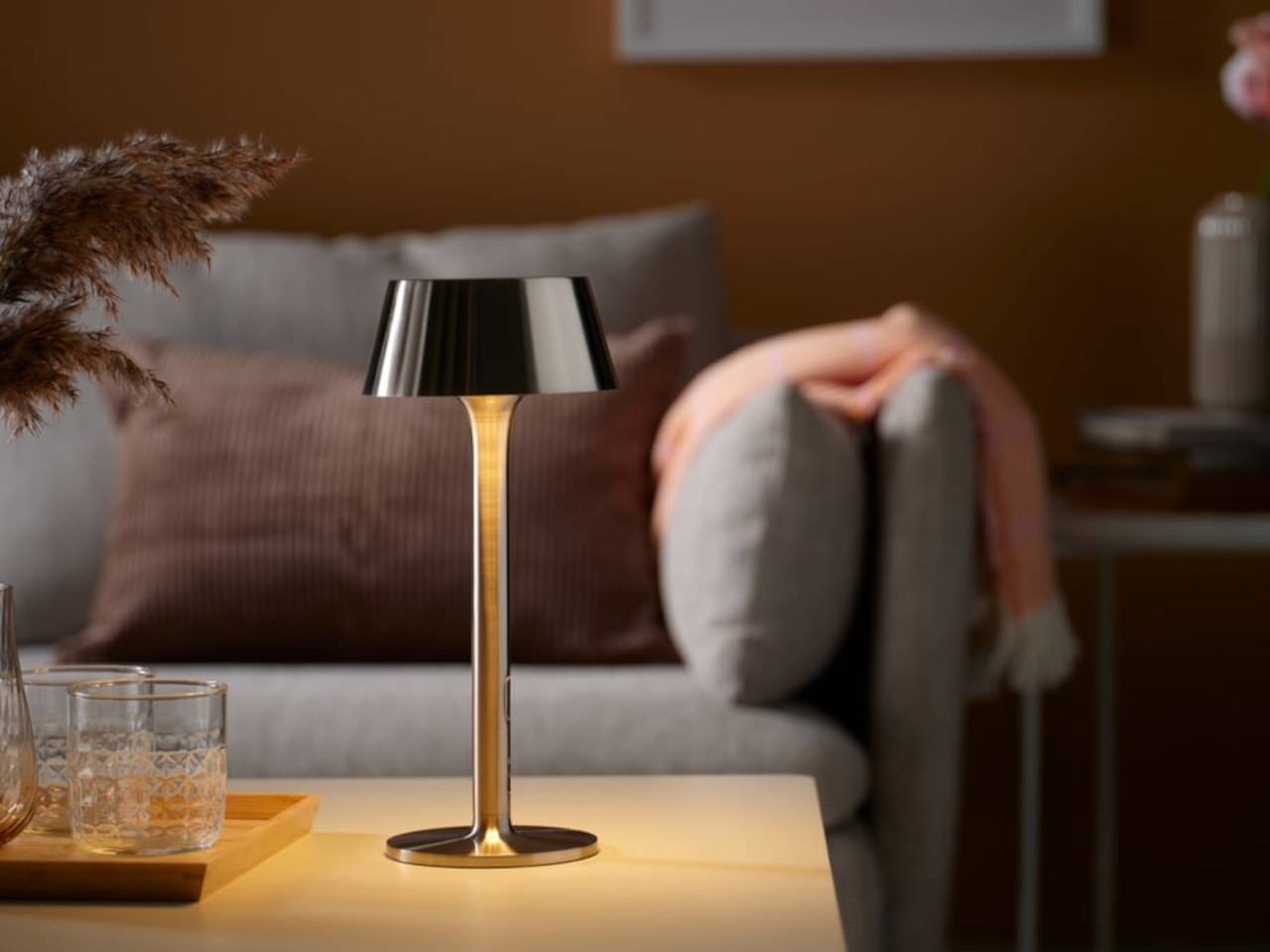
There’s a frustrating design problem at the heart of most outdoor-rated portable lamps. They want to be taken seriously as practical objects, so they usually adopt a rugged aesthetic that makes them look slightly out of place indoors. Bringing one in from the balcony feels like dragging a piece of patio furniture into the living room, which is exactly the kind of visual compromise most people don’t want to make.
Designer: Carl Öjerstam (IKEA)
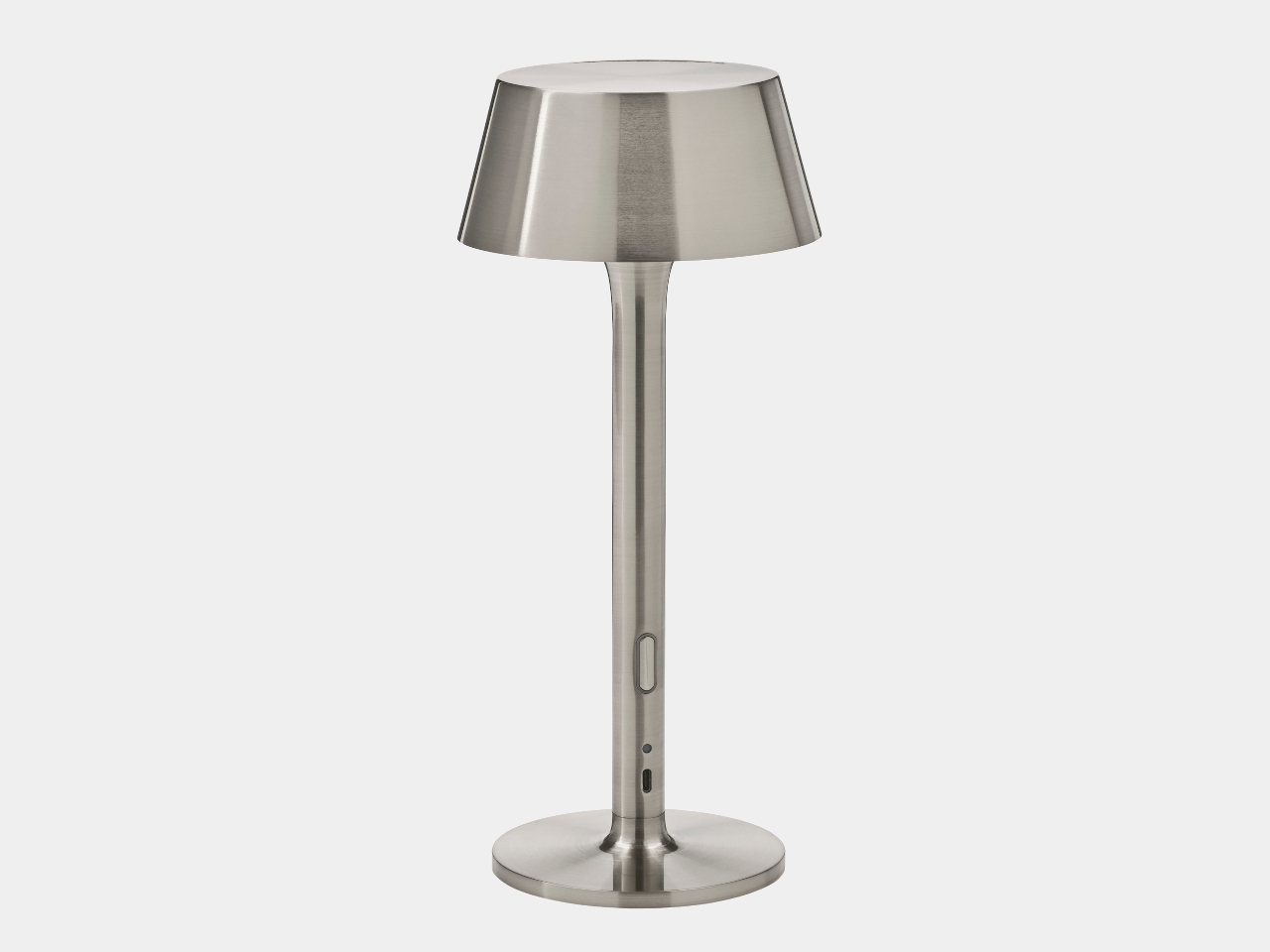
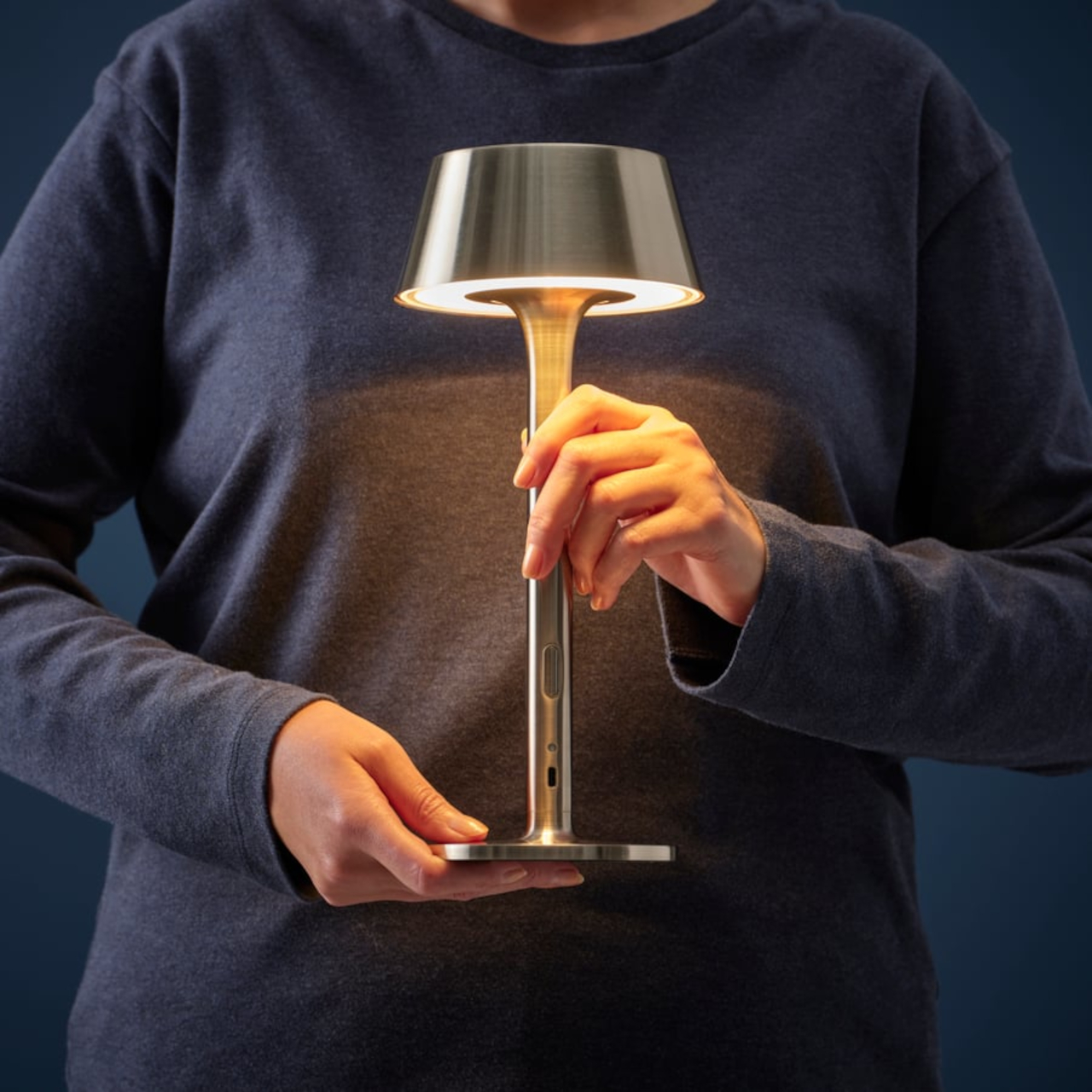
The AVHÅLL handles that transition more gracefully than most. It’s a metal lamp with three dimming settings and enough weather tolerance to live on a terrace, but it doesn’t dress itself up in tactical styling or rubberized finishes to make that point. At $39.99, it’s the kind of object that can light an outdoor dinner, come back inside afterward, and not look out of place in either setting.
The Anywhere-Use Lamp makes the case for AA batteries over built-in cells
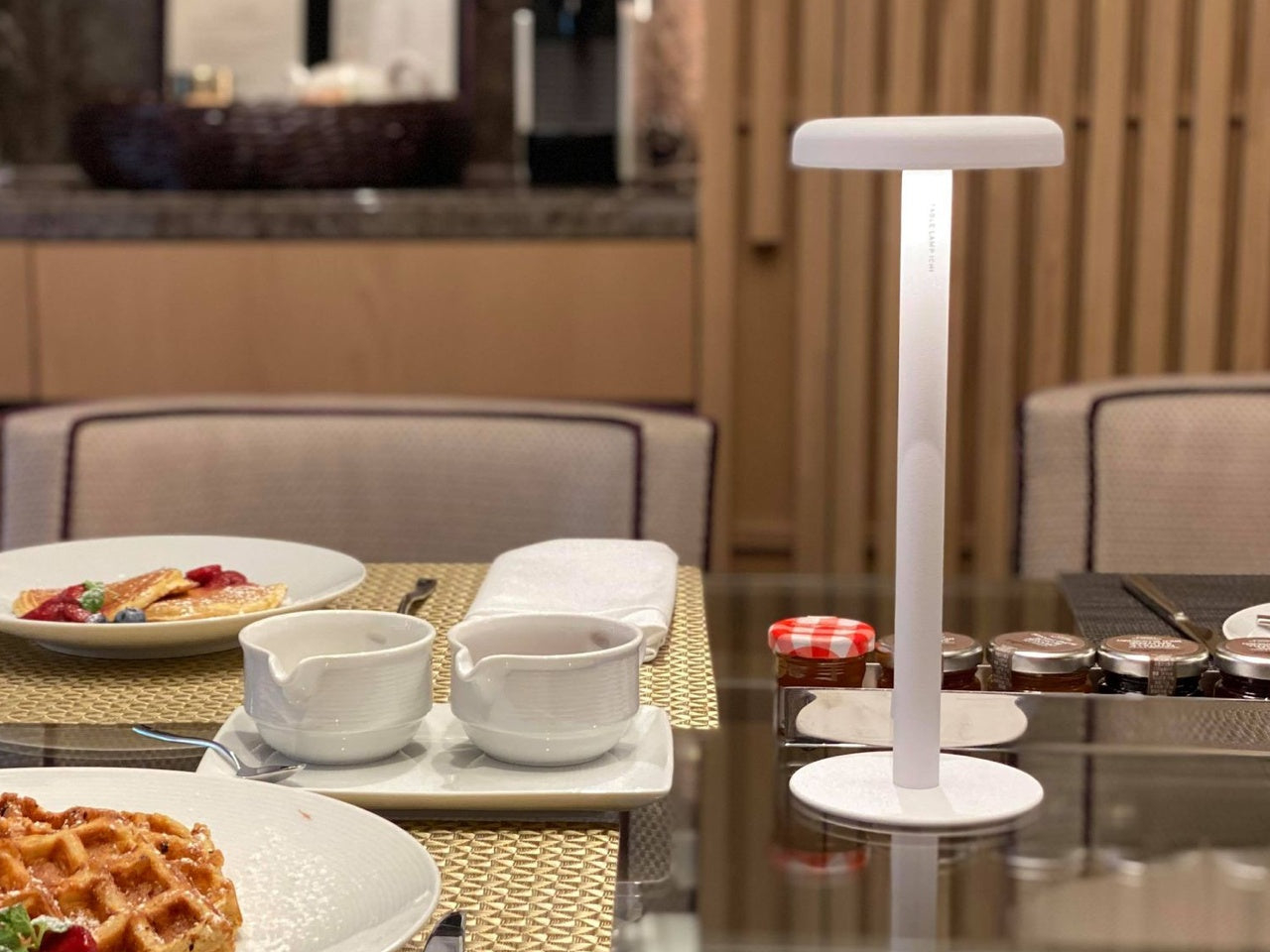
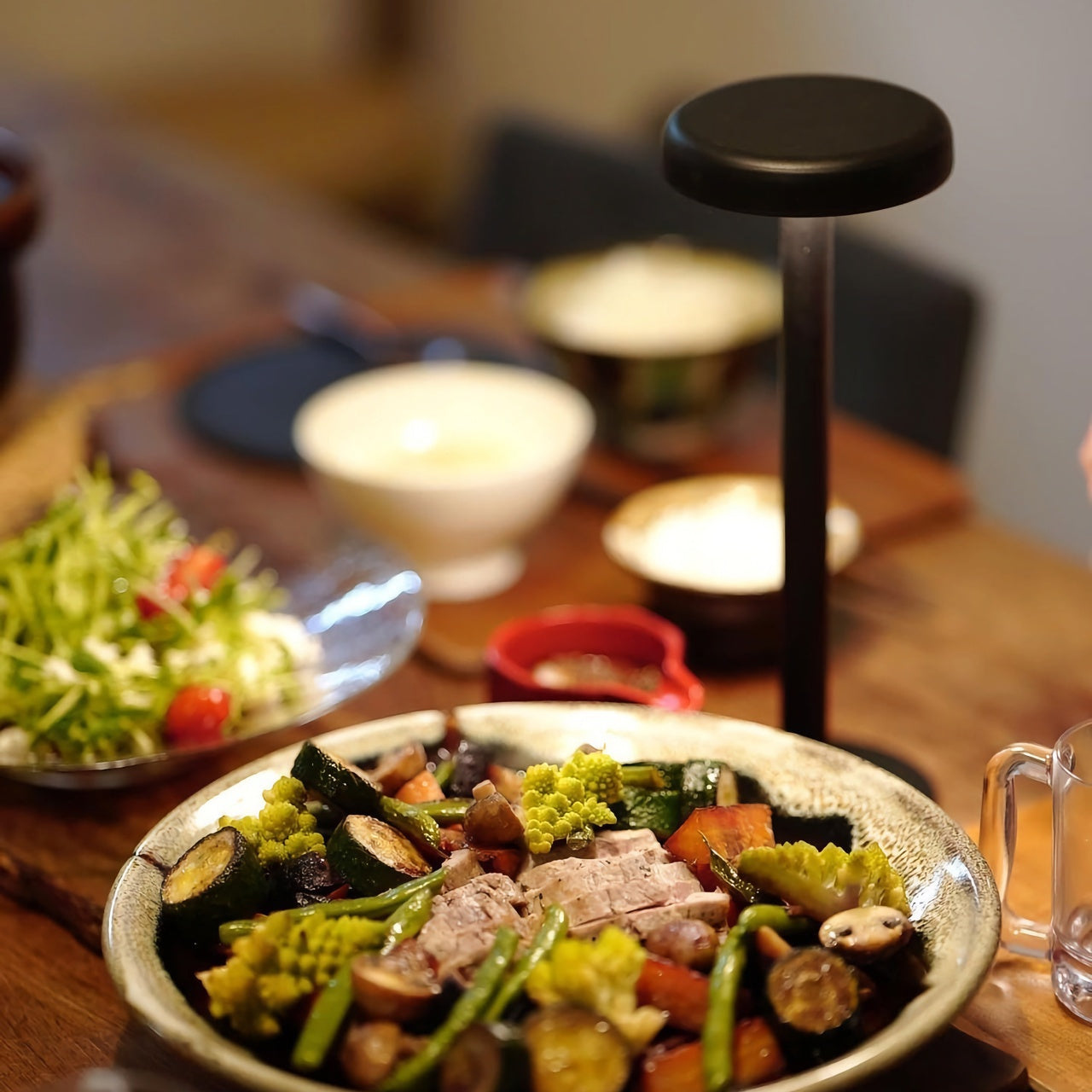
Not every cordless lamp needs to carry a built-in battery to justify its place in this conversation. The Anywhere-Use Lamp makes a different kind of case: four AA batteries instead of a sealed internal cell, which sounds like a step backward until you factor in that rechargeable AAs are widely available, easy to swap, and don’t degrade the way built-in batteries do after a couple of years of daily use.
Click Here to Buy Now: $149.00
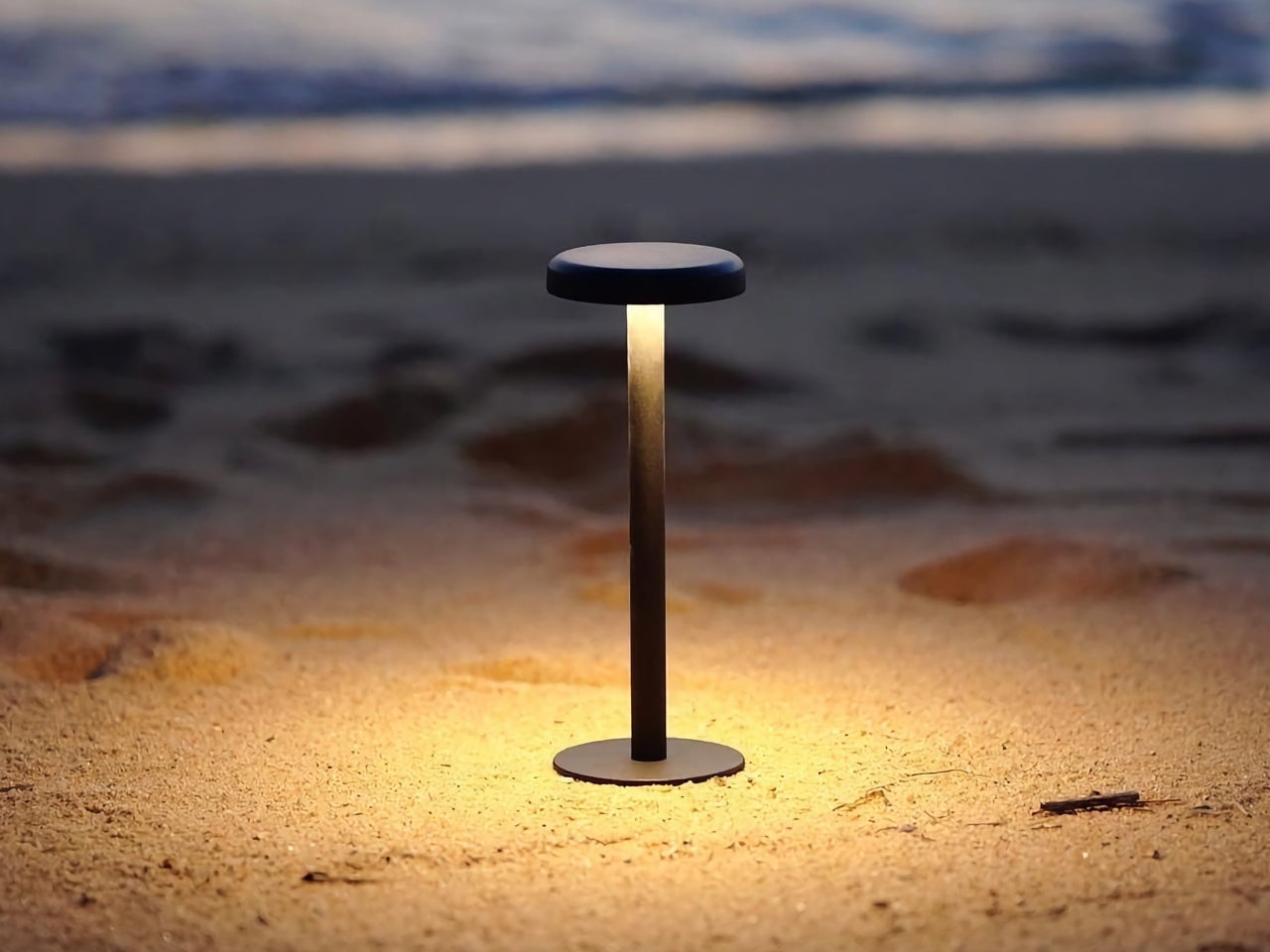
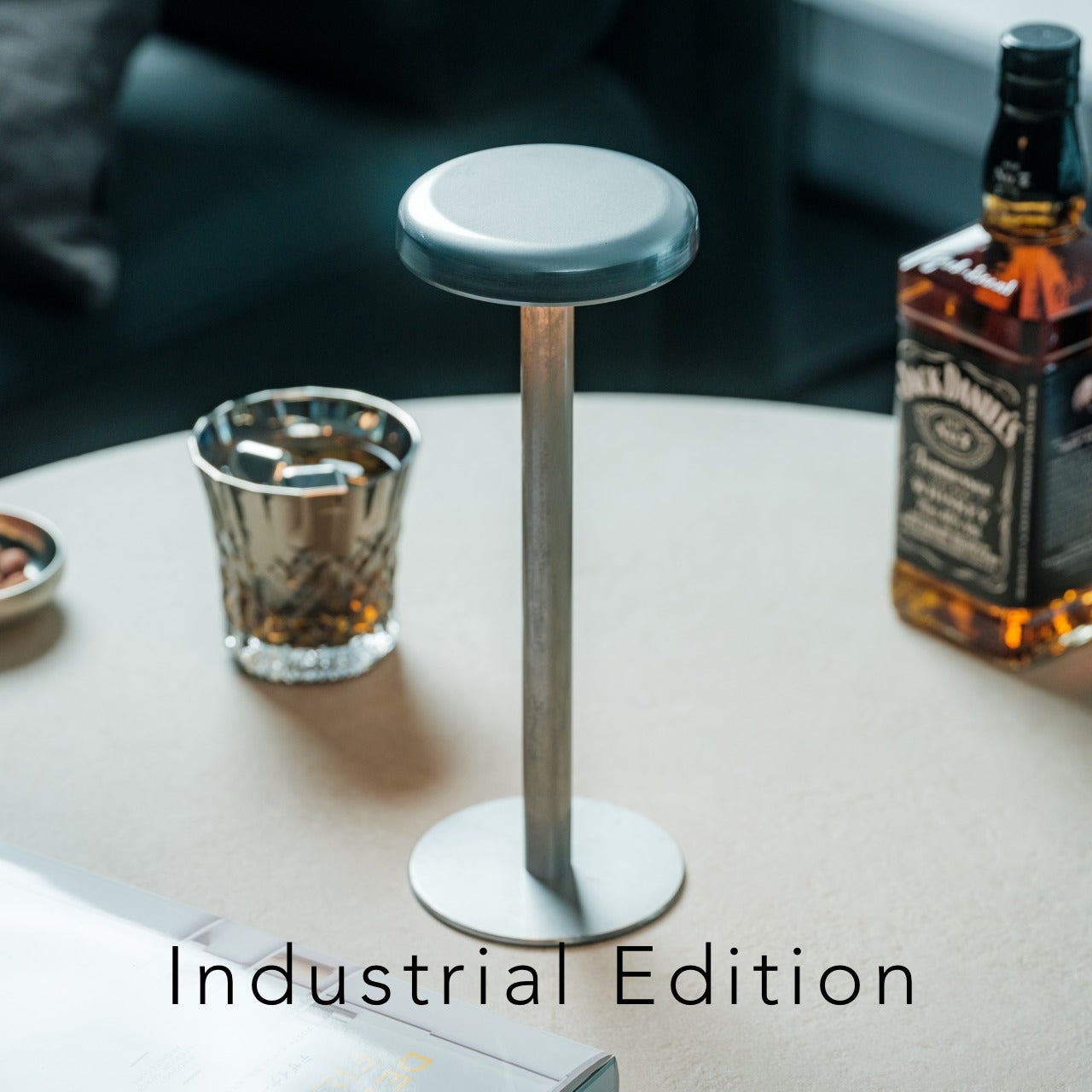
It moves freely between a desk, a bookshelf, a bedside table, or an outdoor corner without needing a socket or a charging cable. Four brightness levels cycle through a tap of the cap, and the whole thing breaks down flat when you need to pack it. At $149, it isn’t cheap, but the placement freedom it offers is the kind that genuinely changes how you think about where light belongs.
Melt is one of the more dramatically finished lamps on this list
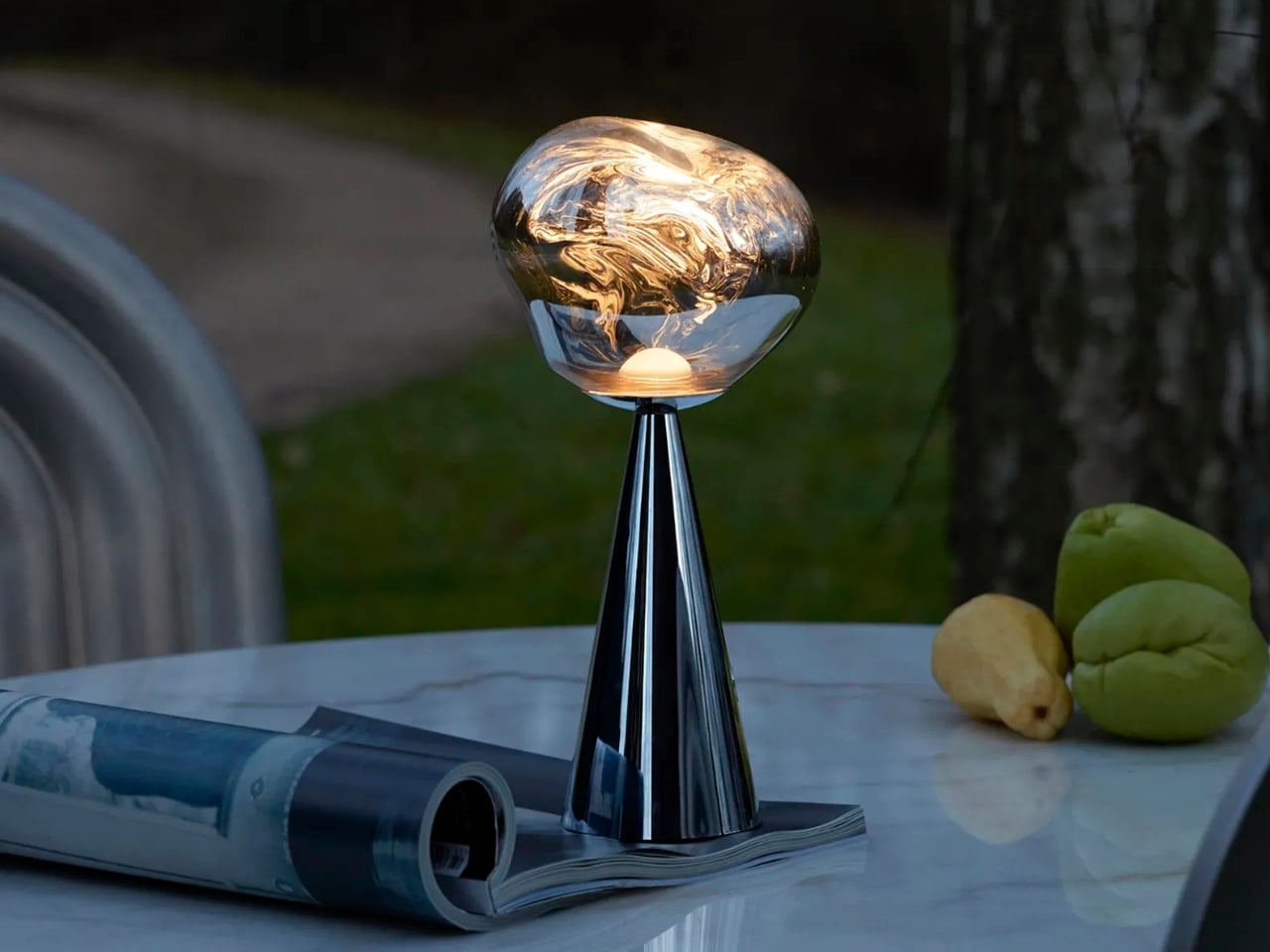
Once the rechargeable lamp stopped having to justify itself as a practical solution, designers had more room to get expressive. The form no longer had to be neutral or apologetic, which opened the door for objects that could hold their own in a room even when they weren’t switched on. That’s a higher bar than most lamps are held to, and one worth reaching for.
Designer: Tom Dixon
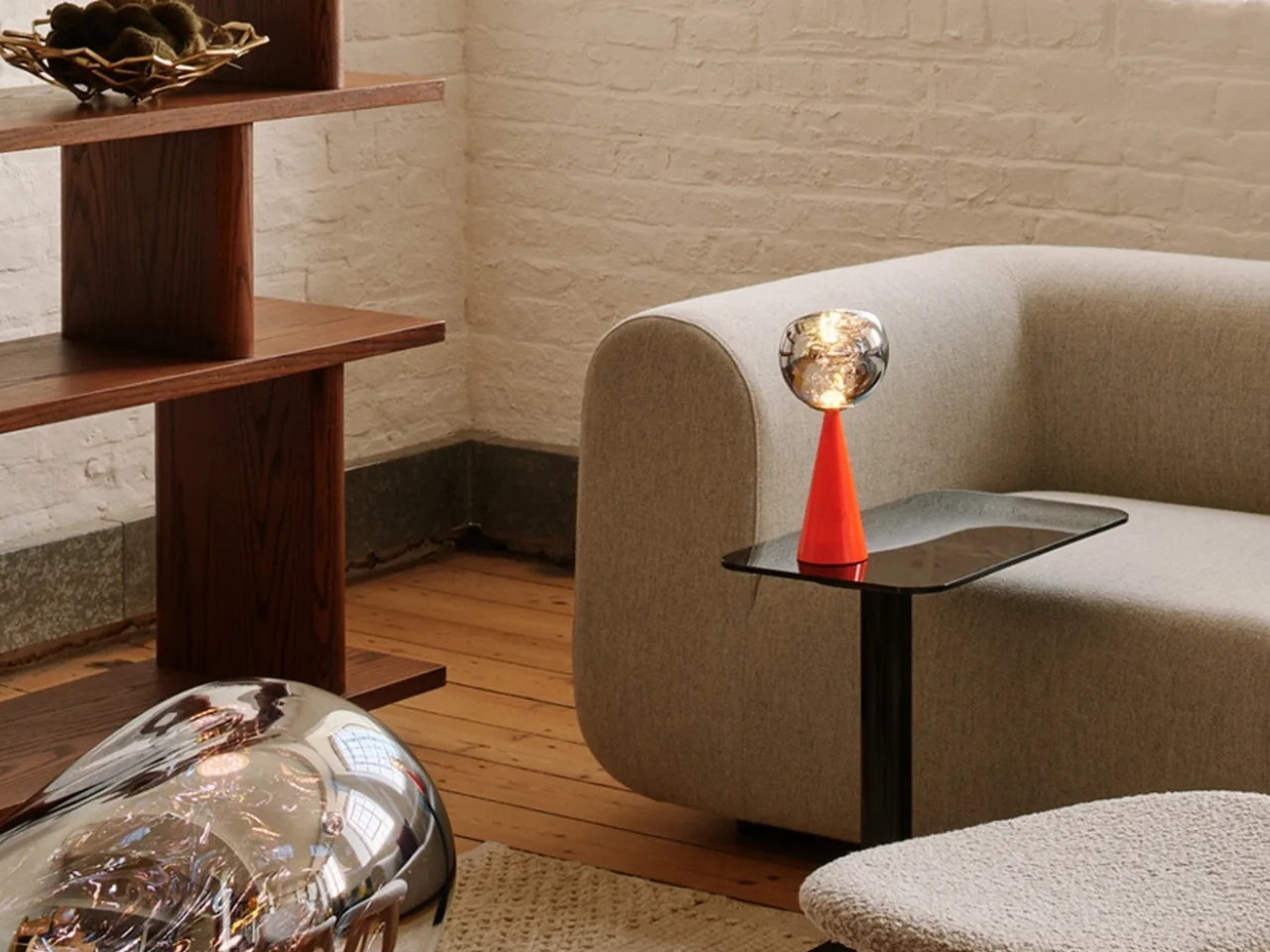

Melt leans into that idea pretty directly. Its surface treatment mimics the look of metal mid-pour, giving it a kind of arrested-motion quality that makes it genuinely interesting to have around. It also runs for up to 10 hours on a single charge, which means it can handle a long evening without going dark before the conversation does. At around $300, it’s the most overtly expressive lamp on this list.
Monir skips the app, the cord, and all the usual complications
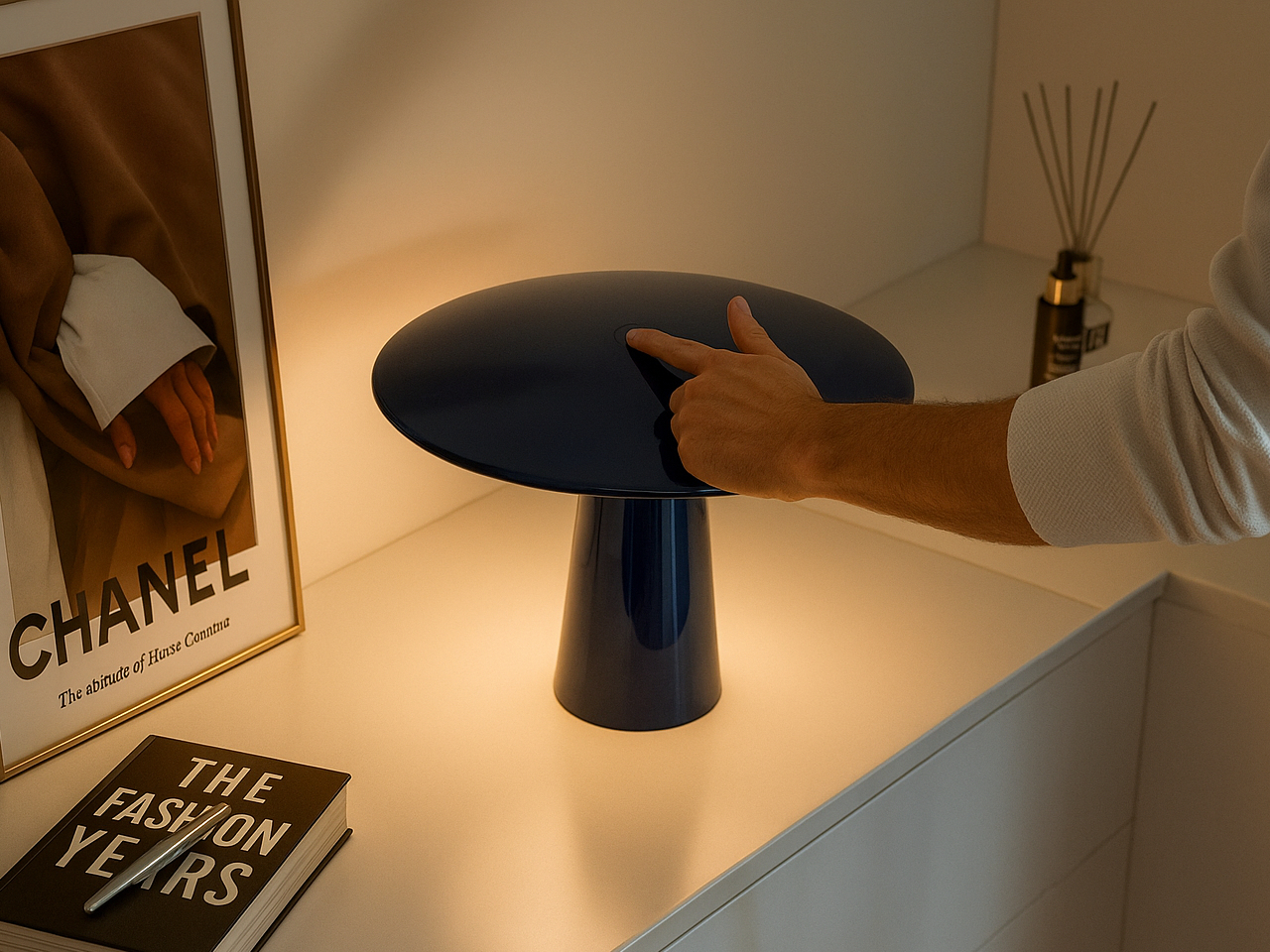
There’s a growing exhaustion with lamps that want to be smart home hubs. At some point, the dimming app, the voice controls, and the tunable spectrum start feeling like overhead for something that’s supposed to quietly light a corner of the room. Not every lamp needs to be a connected device, and it’s becoming clearer that the most relaxed interiors are often lit by the least complicated objects.
Designer: Rahi Seyedi
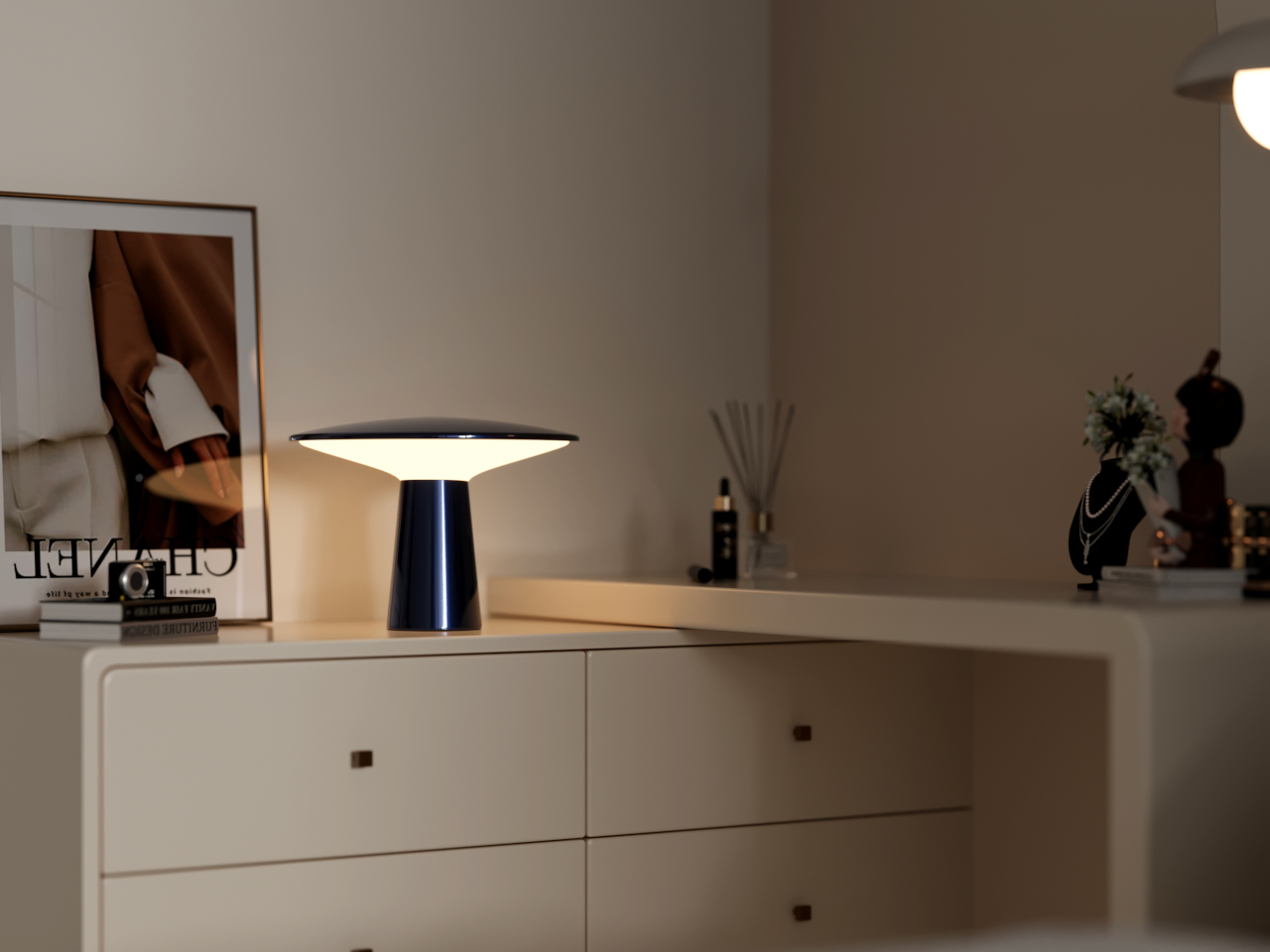
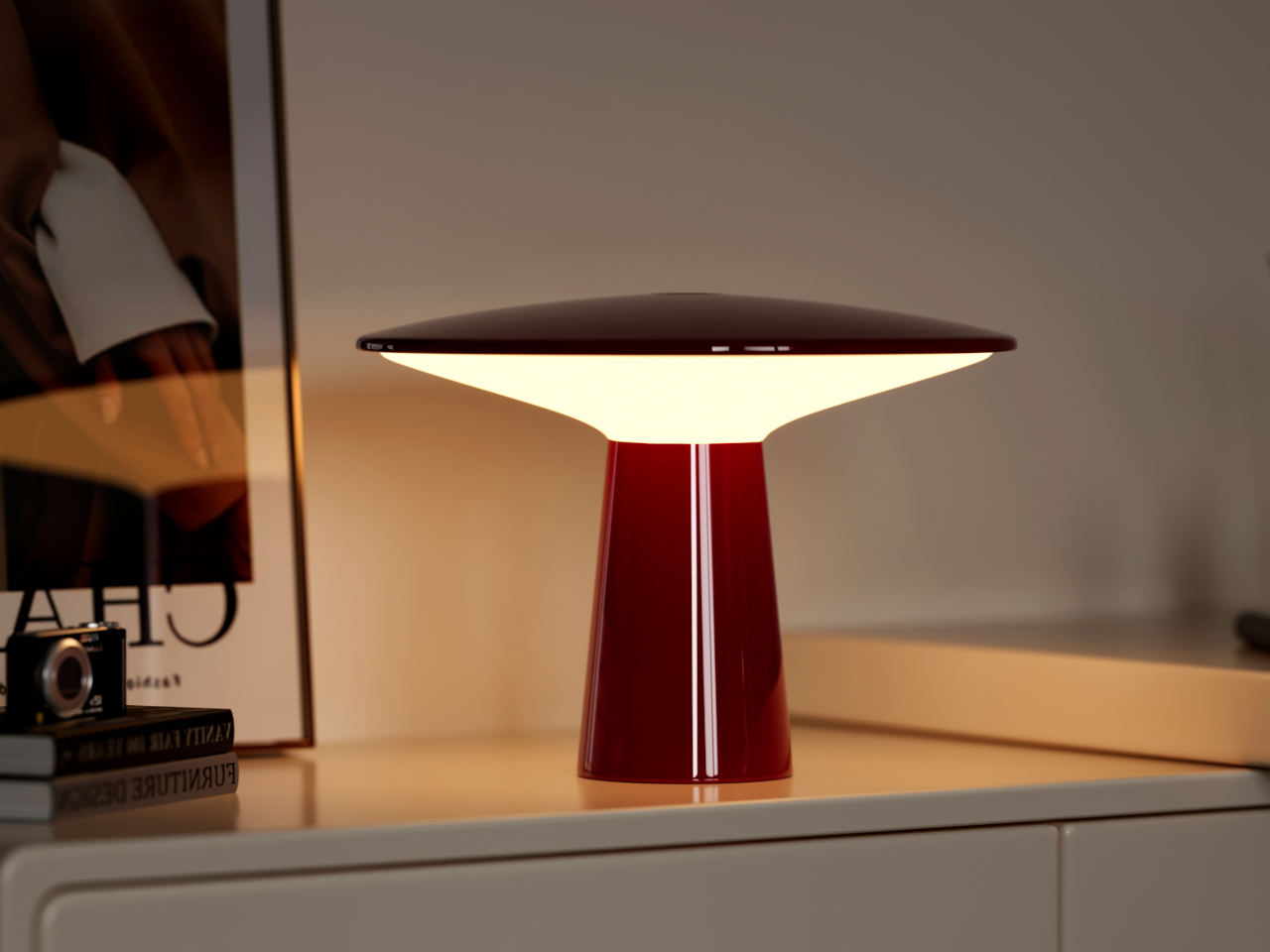
Monir makes no effort to be anything other than a lamp. No app required, no cord in sight, and the whole thing is built from 100% recycled aluminum, which gives it a quieter kind of design intention than most objects in this space. Its moon-inspired form is soft enough to fit into a bedroom or reading corner without demanding attention, just providing a warm, ambient glow when you need it.
Fluted questions what the portable lamp’s silhouette should look like
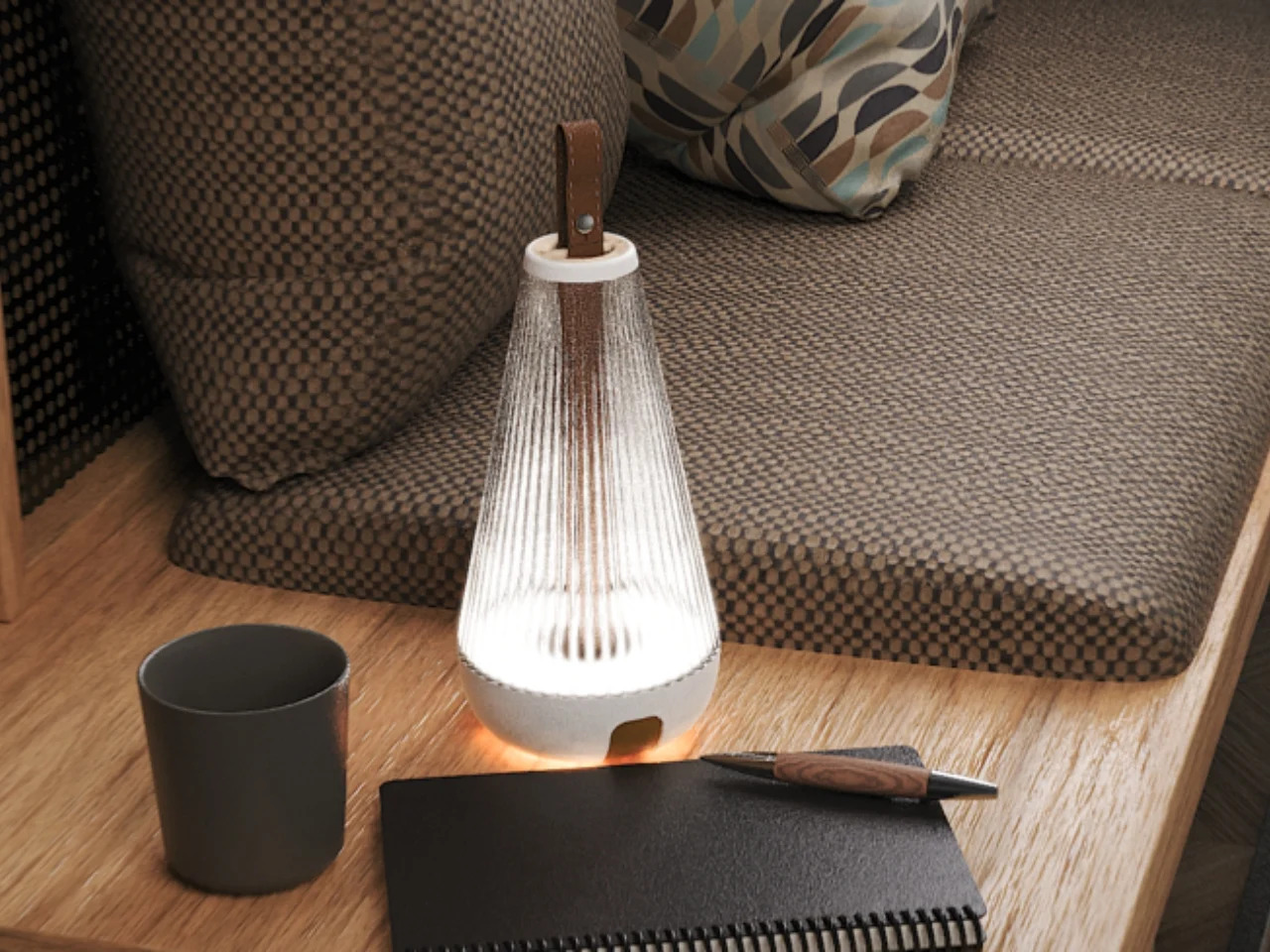
The lantern is the oldest visual reference point in portable lighting, and it’s also one of the hardest to escape. Designers keep reaching for it because it signals mobility and self-sufficiency, but it also carries a lot of campsite and emergency-preparedness baggage that’s difficult to shed. Younger designers seem more interested in questioning those associations rather than just refining them, which is where things get more interesting.
Designer: Benjamin Mtonya
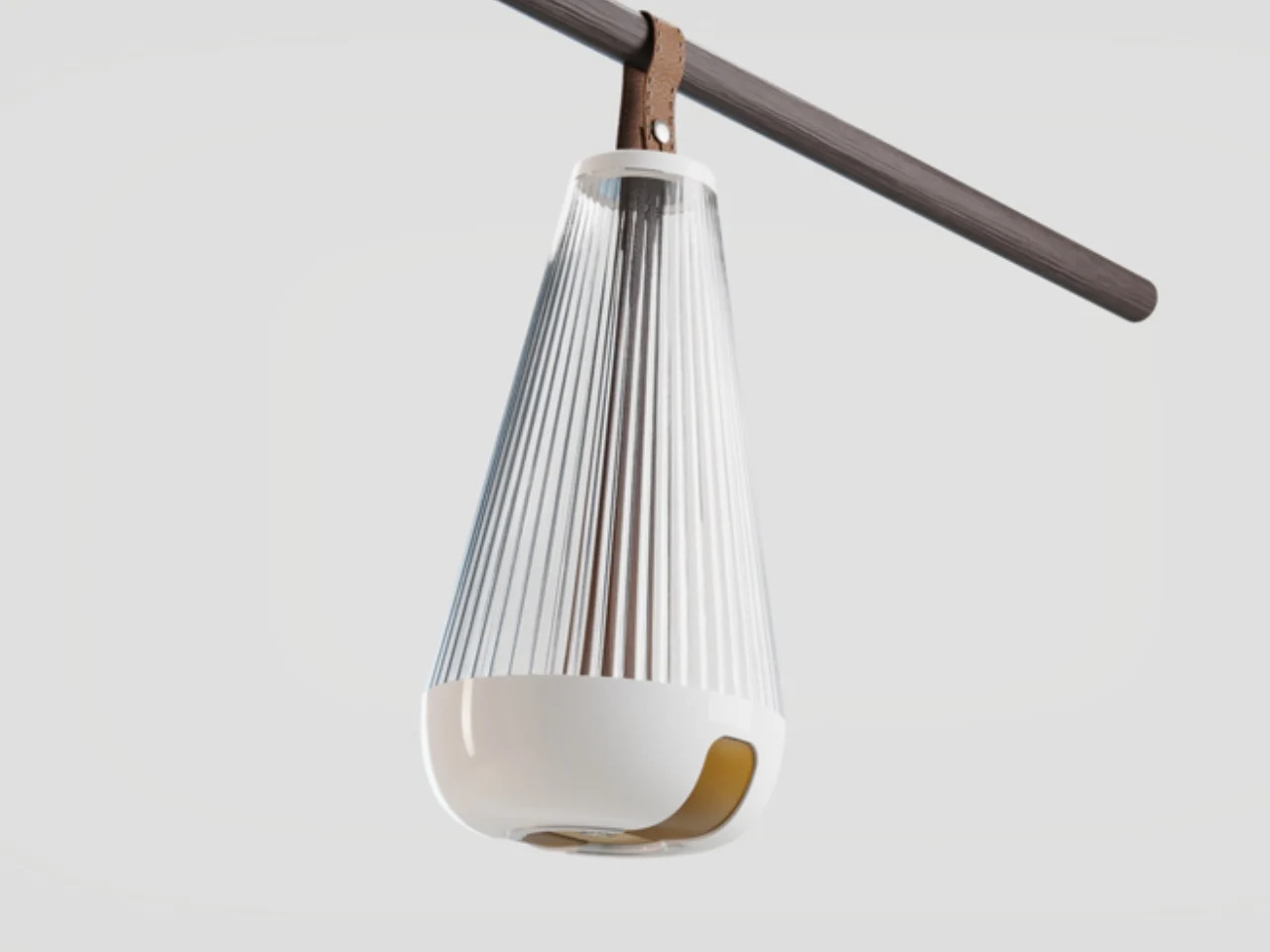
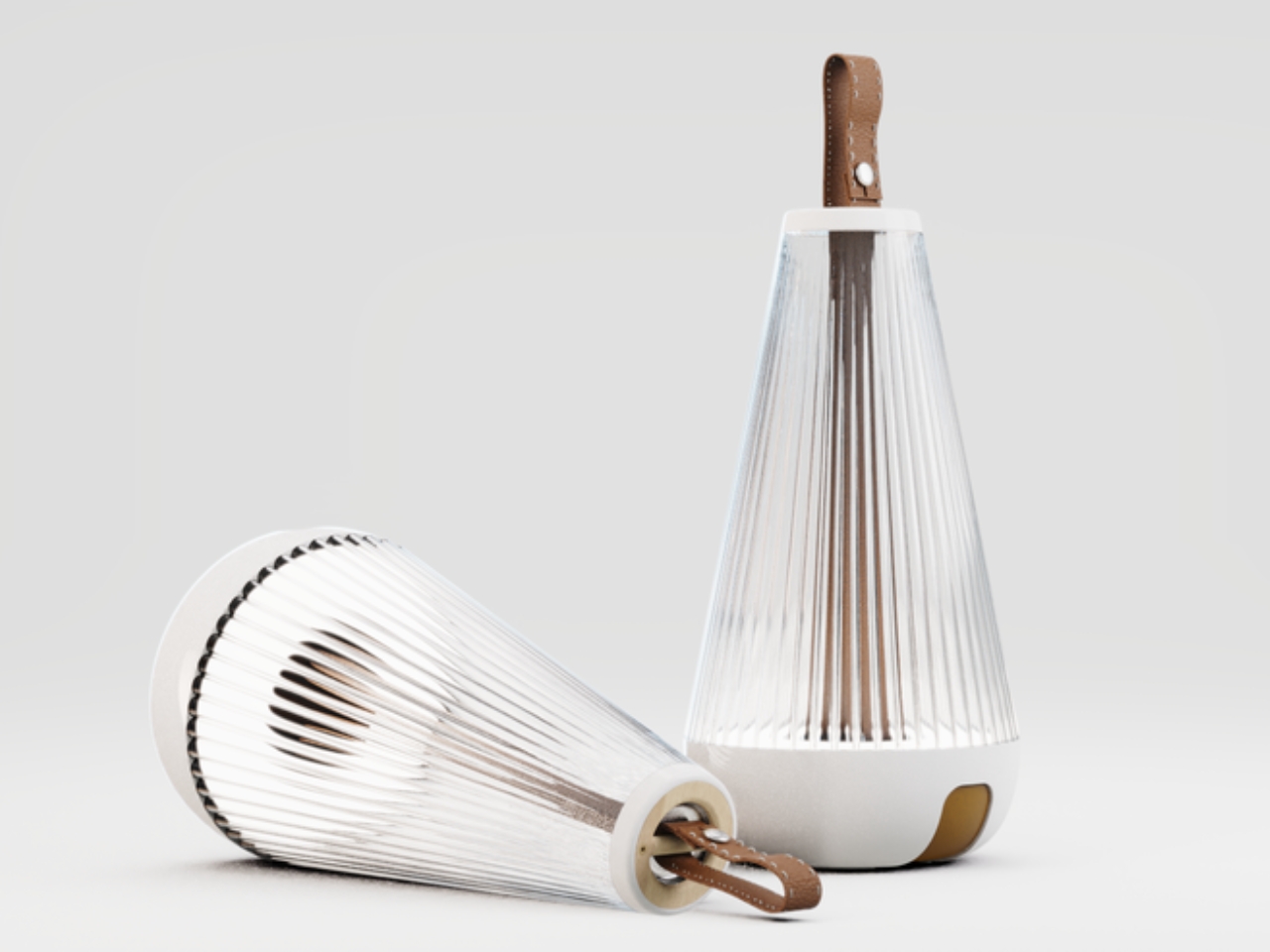
Fluted, a student project recognized at the Core77 Design Awards, does exactly that. It borrows the lantern’s silhouette but softens its edges and refines its finish into something that reads less like outdoor gear and more like an object you’d actually want to keep on a shelf. It’s a concept rather than something you can order today, but it points at where the category’s visual language could go next.
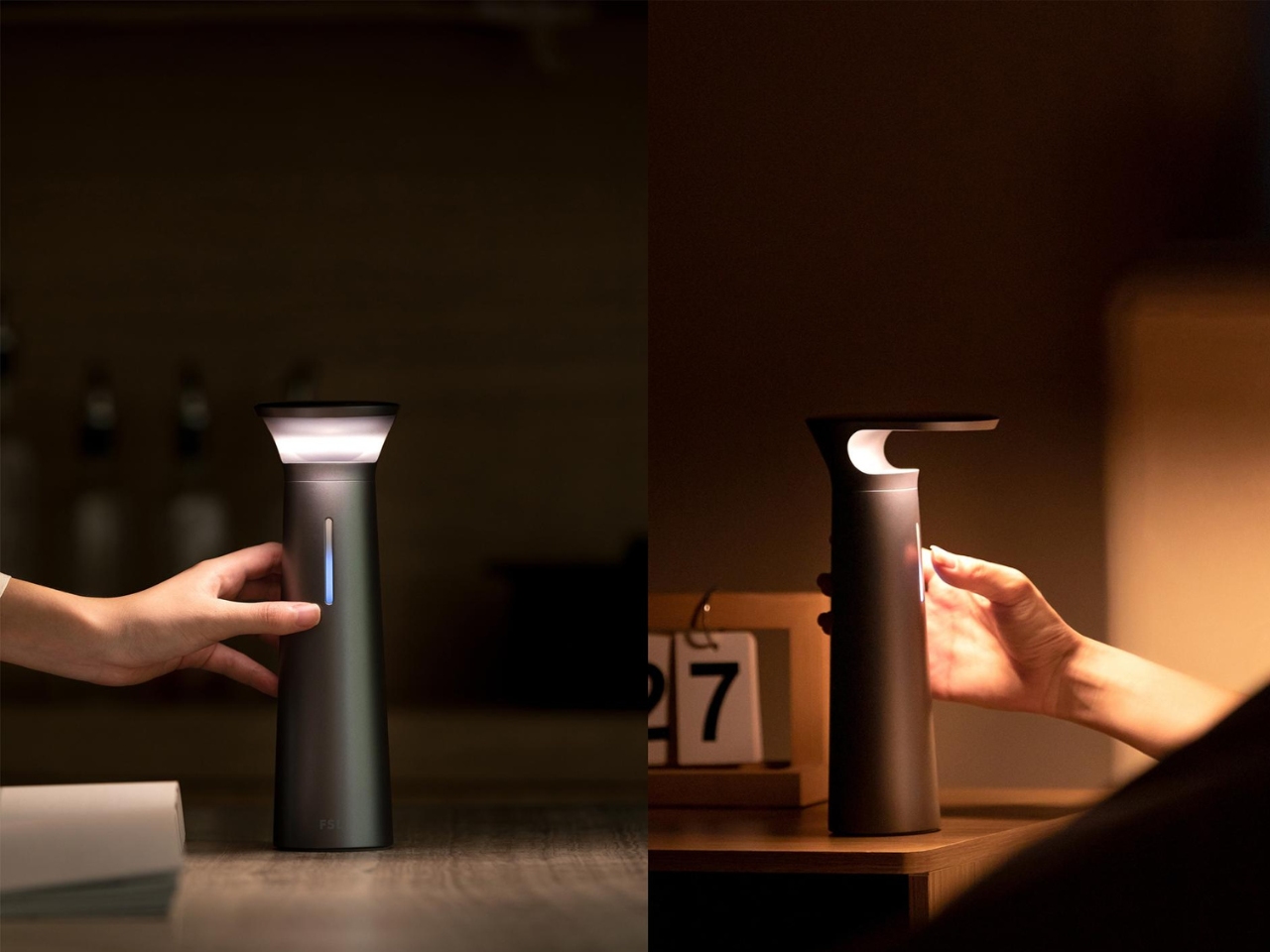
The FSL Wireless Portable Desk Lamp doesn’t know which category it belongs to
Desk lamps and table lamps have always played by slightly different rules. A desk lamp is positioned and pointed; a table lamp is placed and left alone. That distinction made a lot of sense when both types were tethered to a wall, but it starts to feel less rigid when the power source is no longer doing the work of keeping the object in one place.
Designer: FOSHAN ELECTRICAL AND LIGHTING
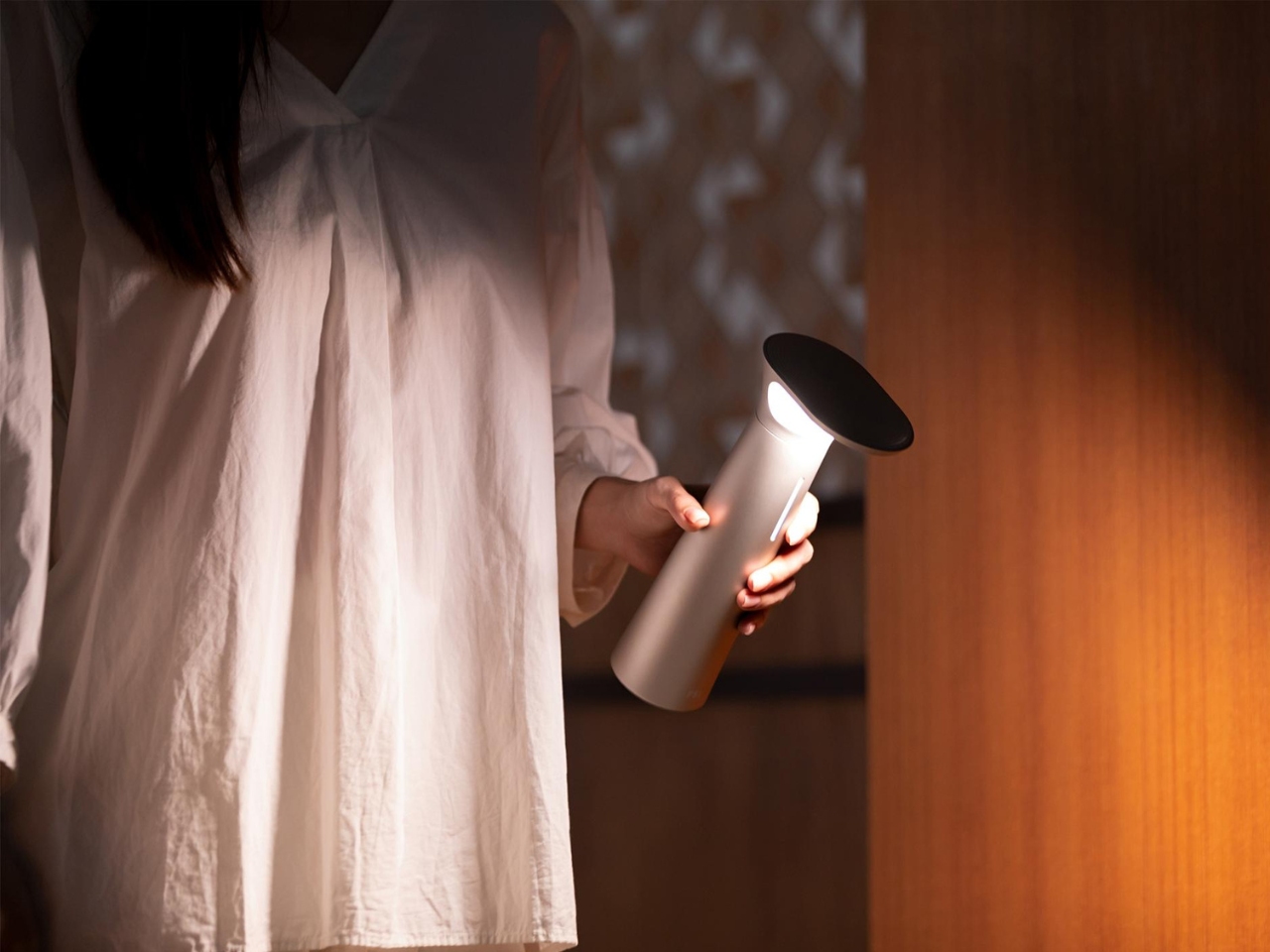
The FSL Wireless Portable Desk Lamp sits comfortably in that gap. It carries the directed functionality of a task light with the portability of an object that doesn’t belong to any single corner of the room. It can move from a desk to a dining table to a nightstand without asking for a socket along the way, which quietly makes the case for what cordless lighting could become.
The post 9 Cordless Lamps Killing the Dinner-Table Extension Cord first appeared on Yanko Design.