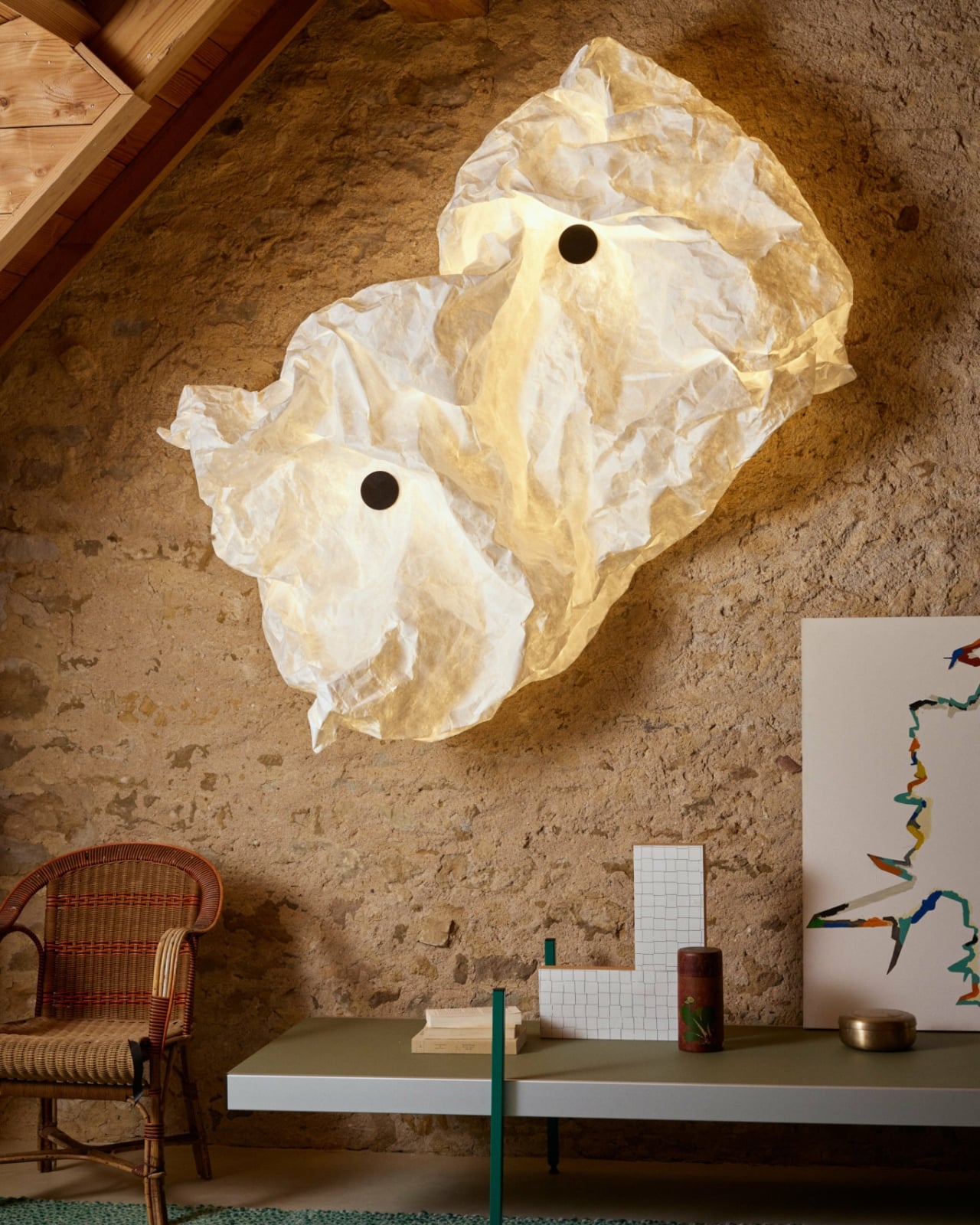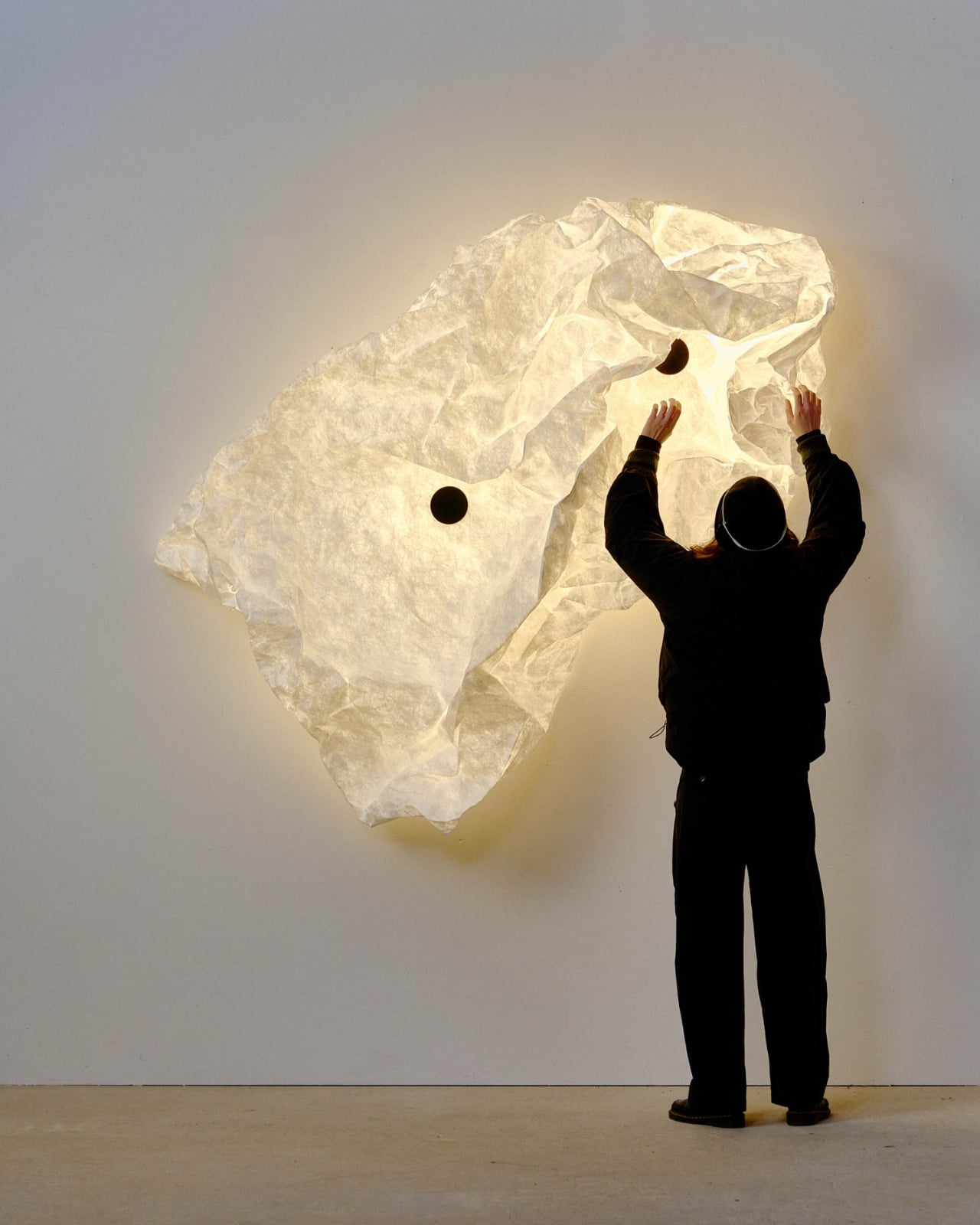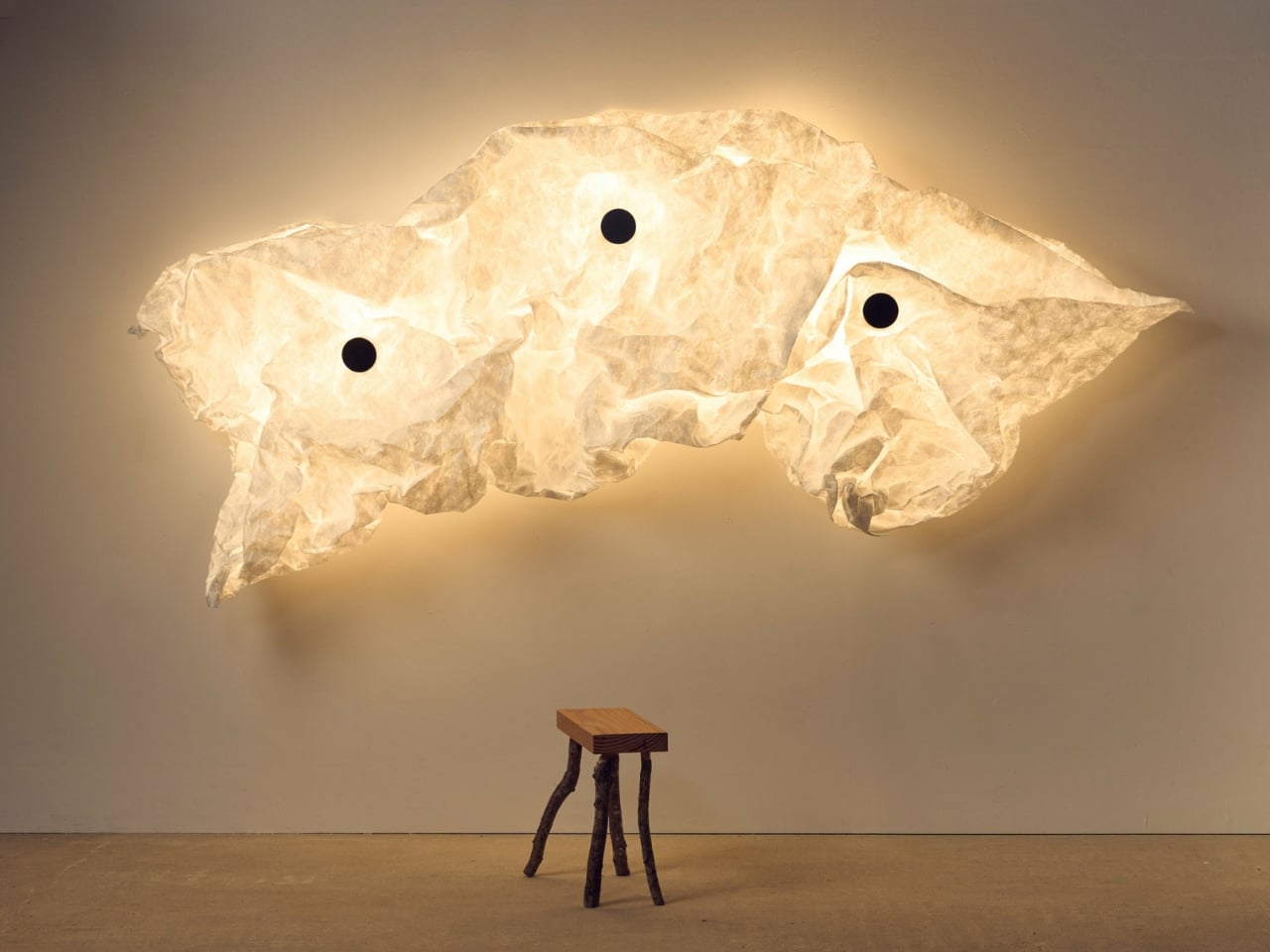
When Light Learns to Dance: A Sculpture That Moves on Purpose

There’s something mesmerizing about watching objects move with intention. Not random chaos or frantic spinning, but deliberate, mechanical motion that feels almost choreographed. Kutarq Studio’s Totem de Luz captures that magic perfectly. It’s a kinetic lighting sculpture that sits somewhere between functional lamp and art installation, refusing to pick a lane and somehow being better for it.

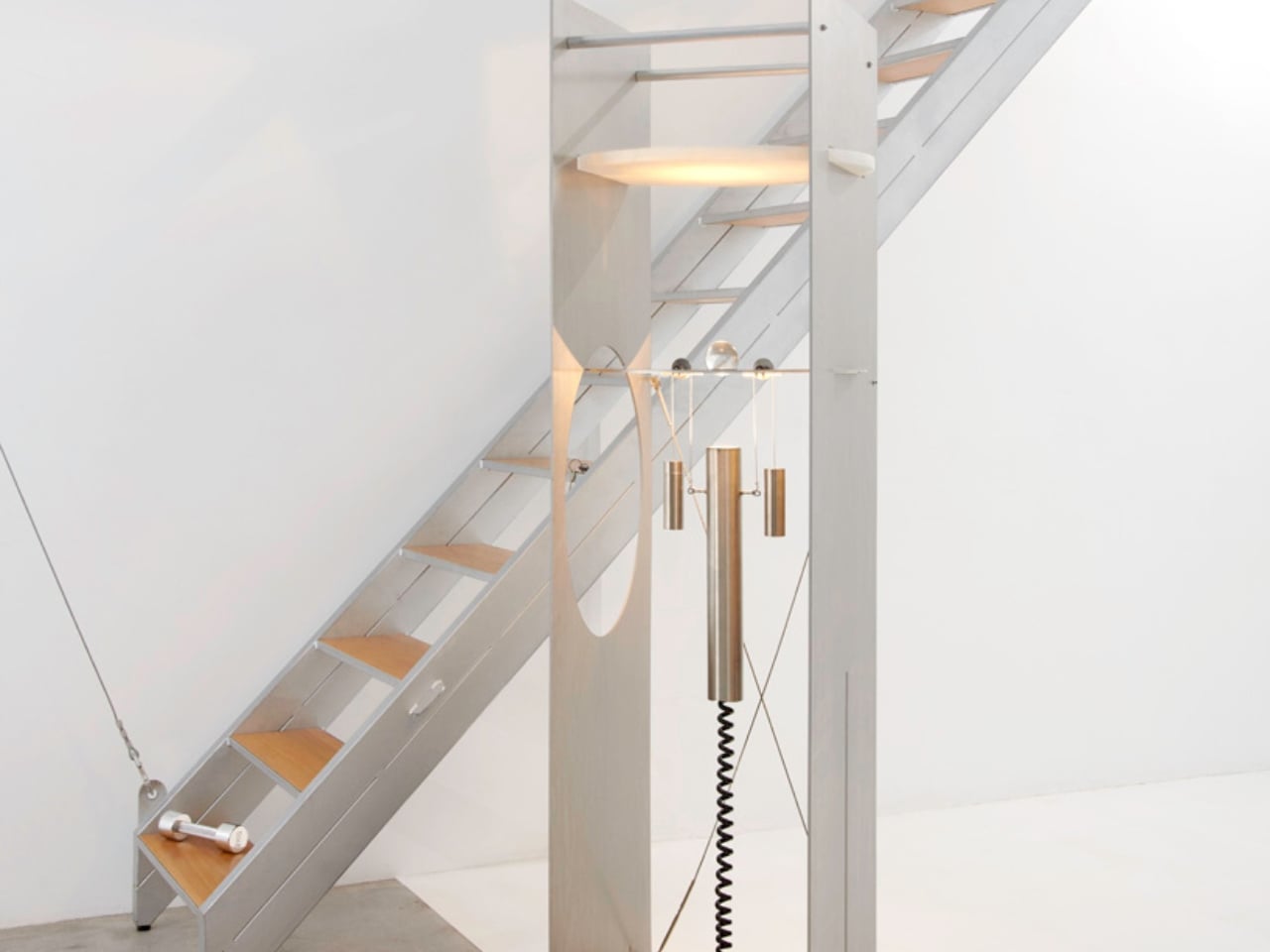
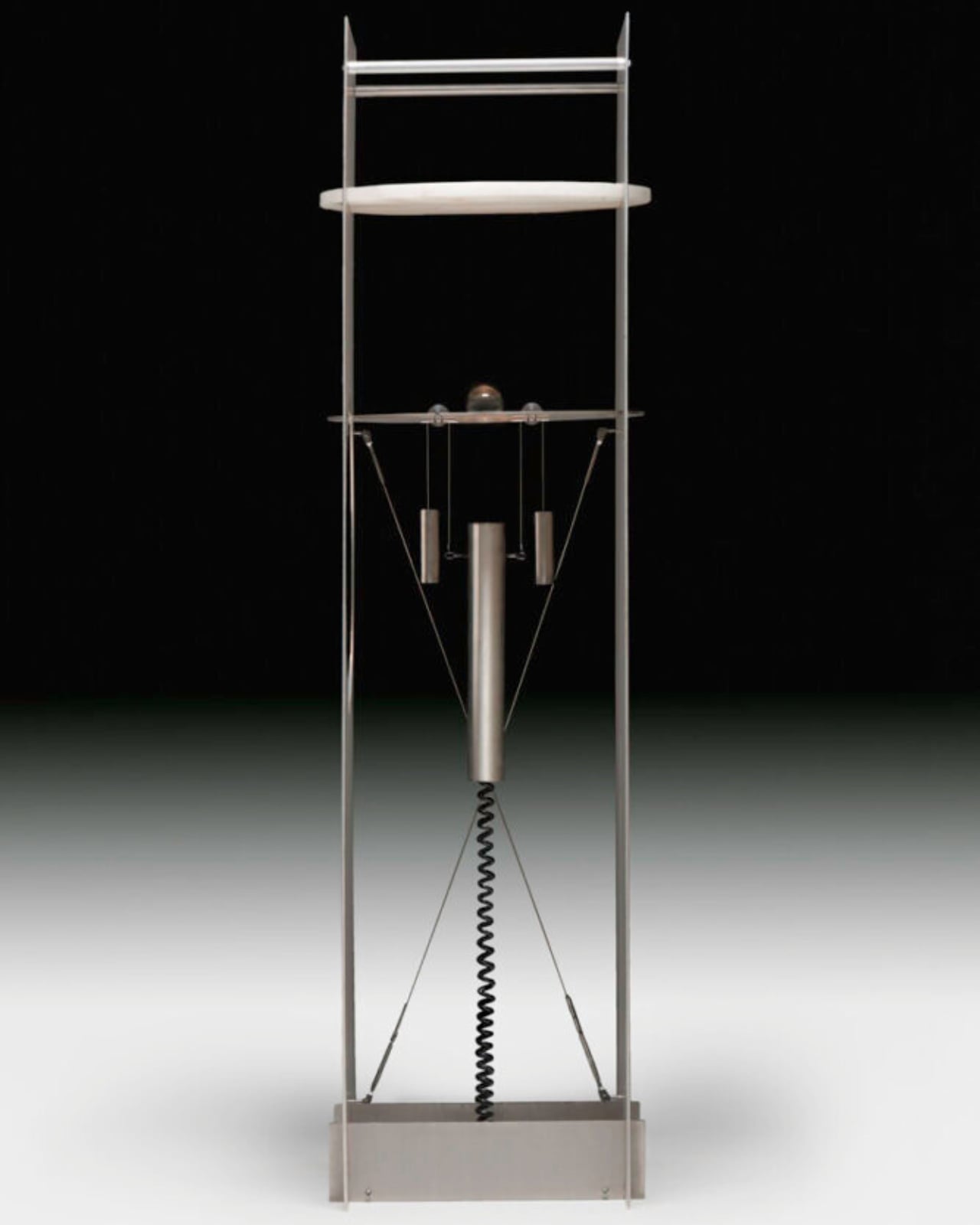
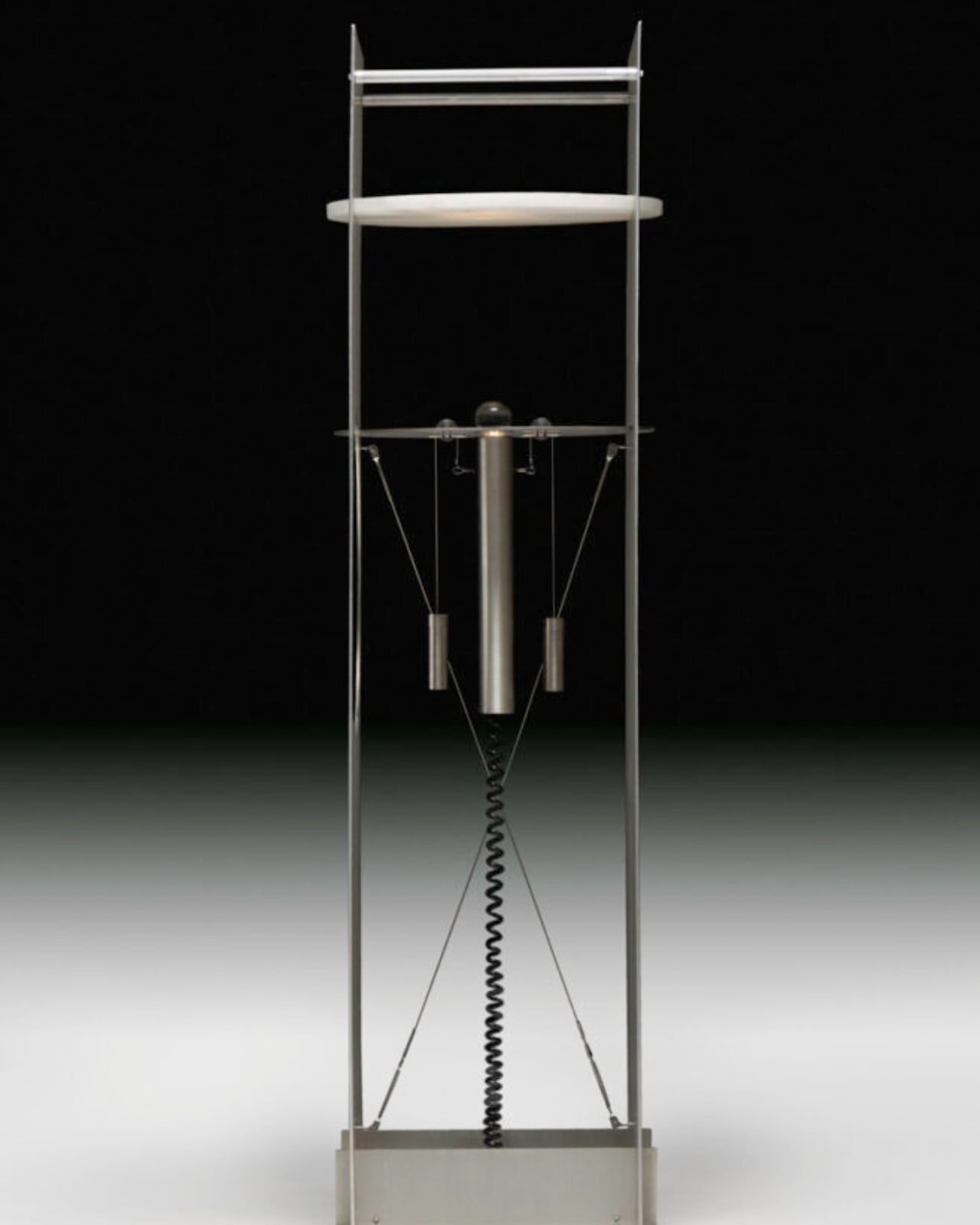
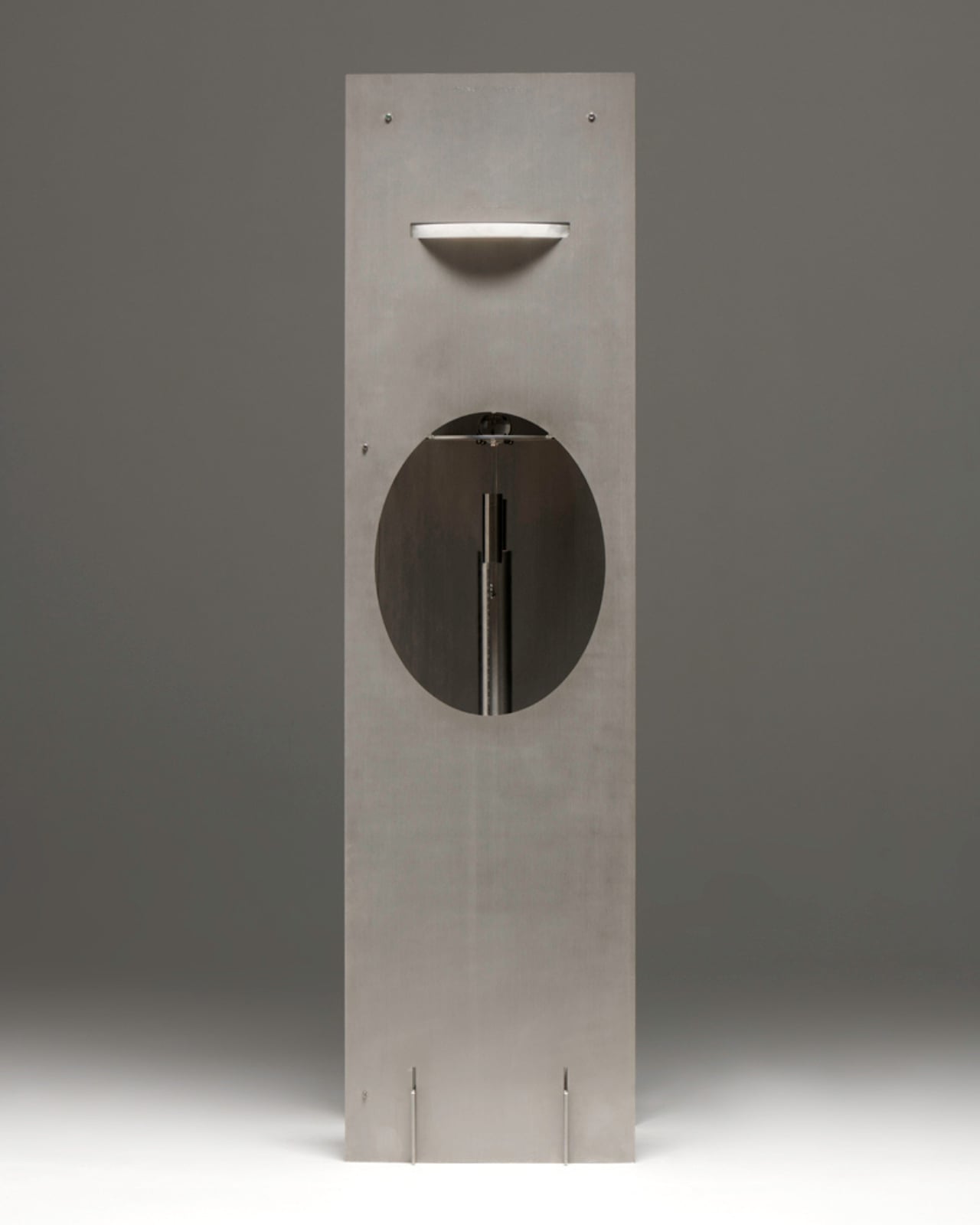
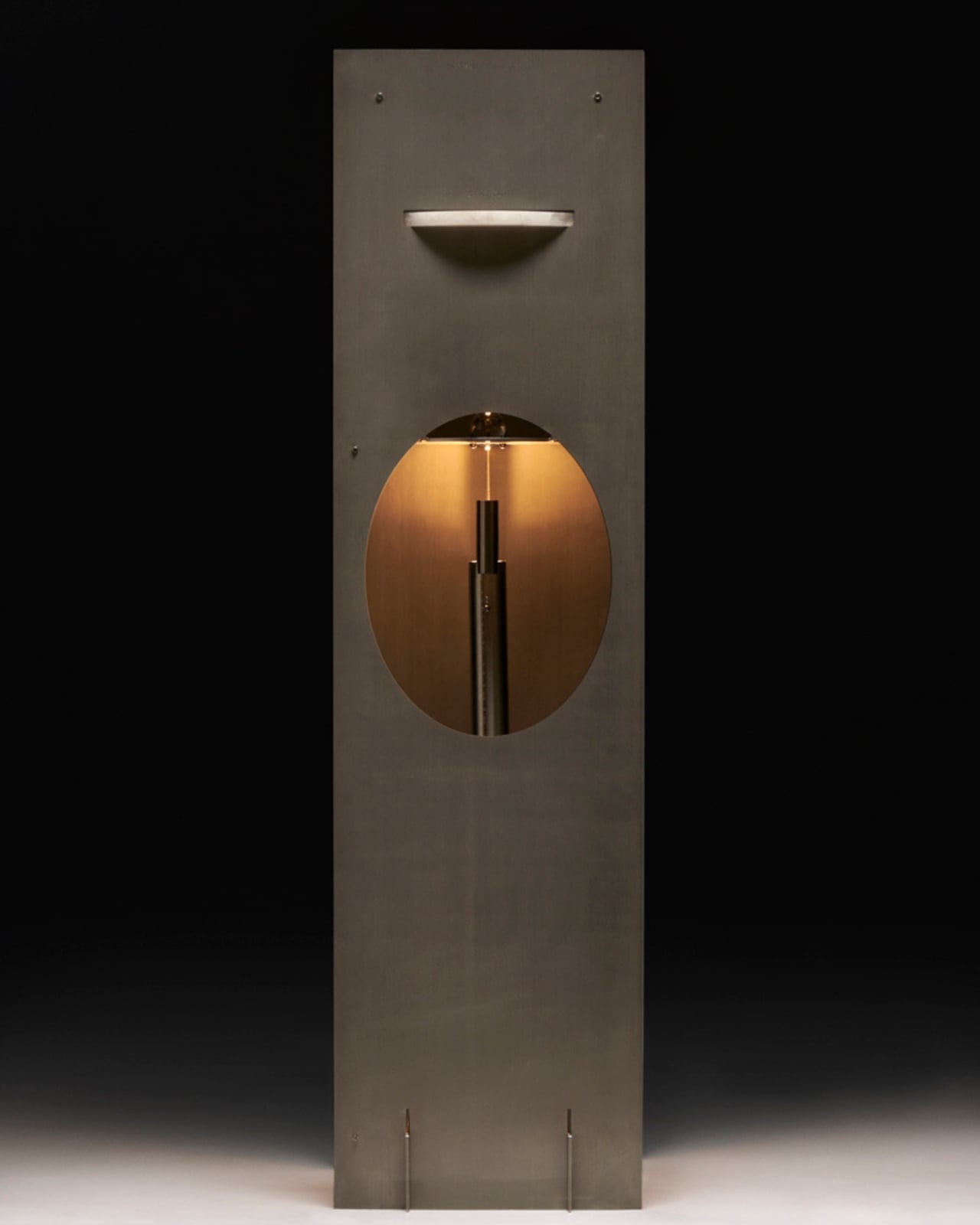
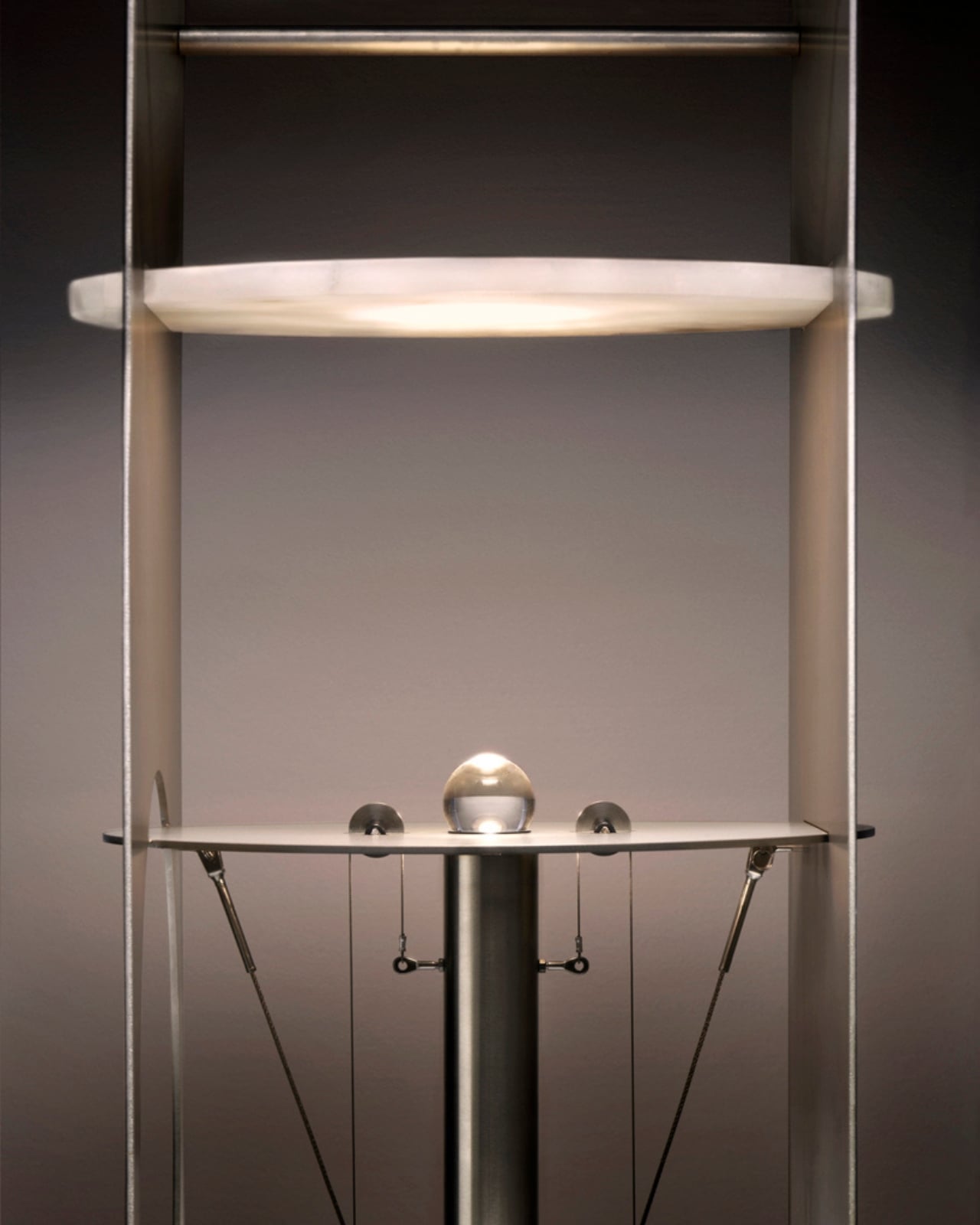
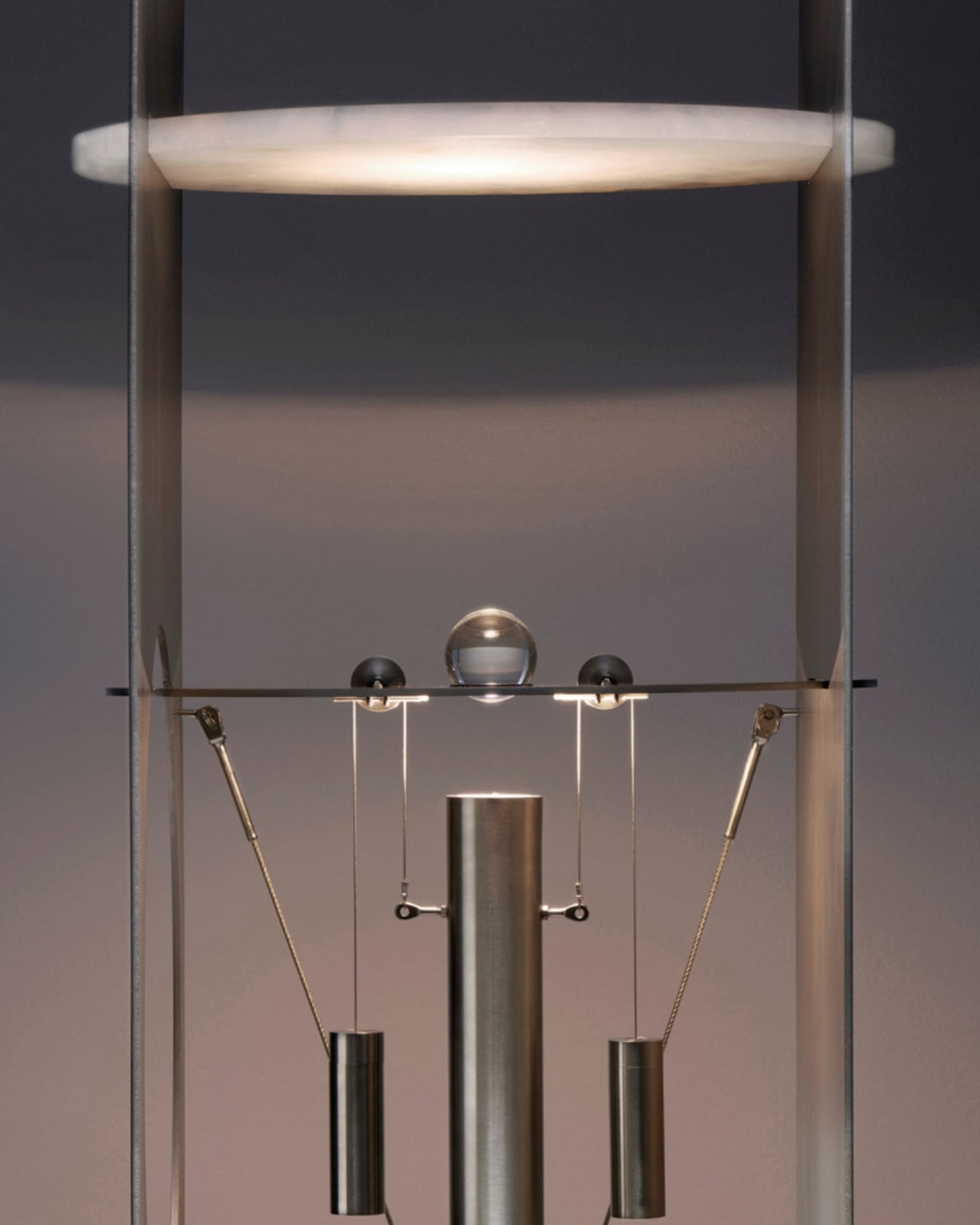
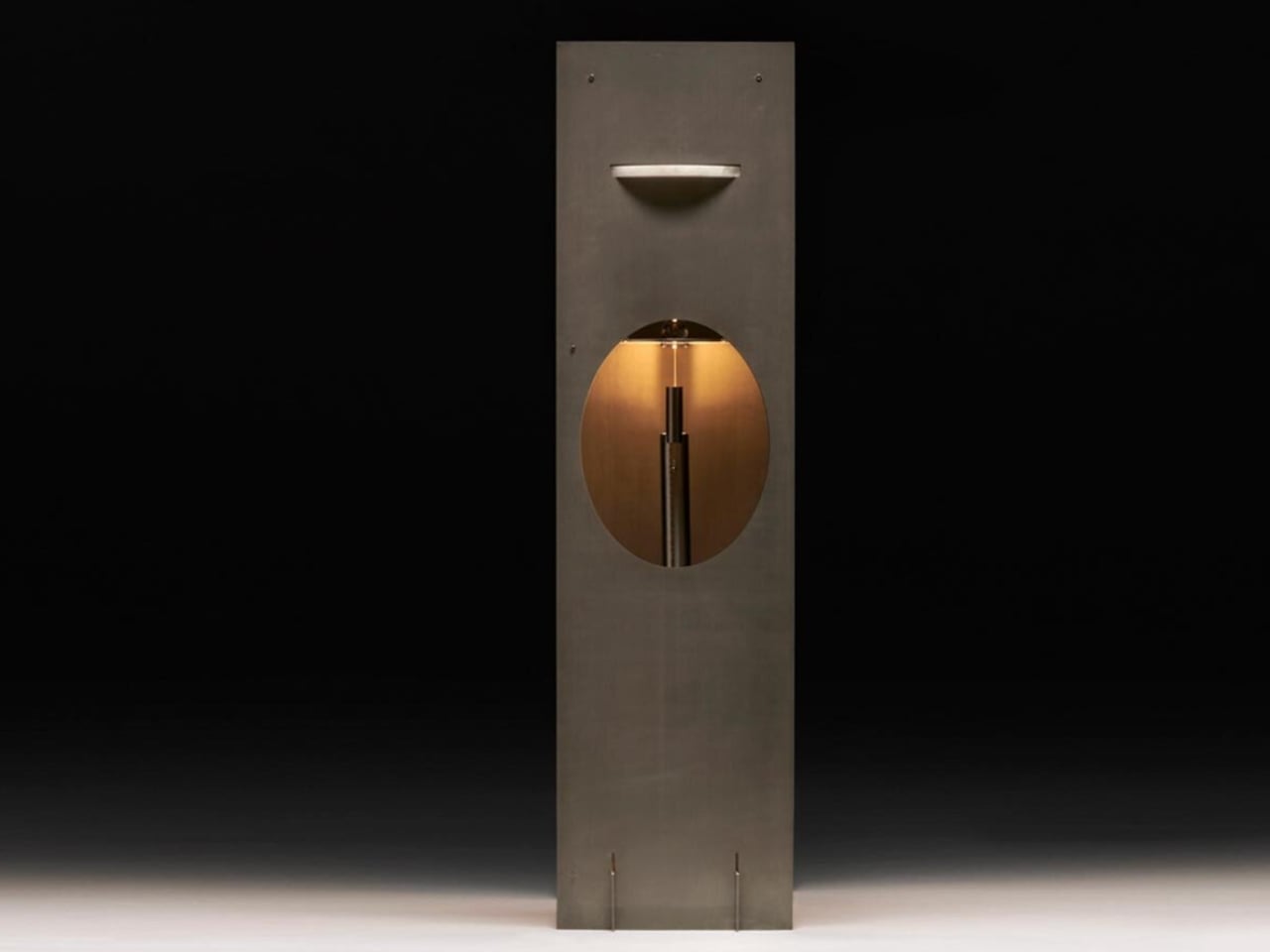
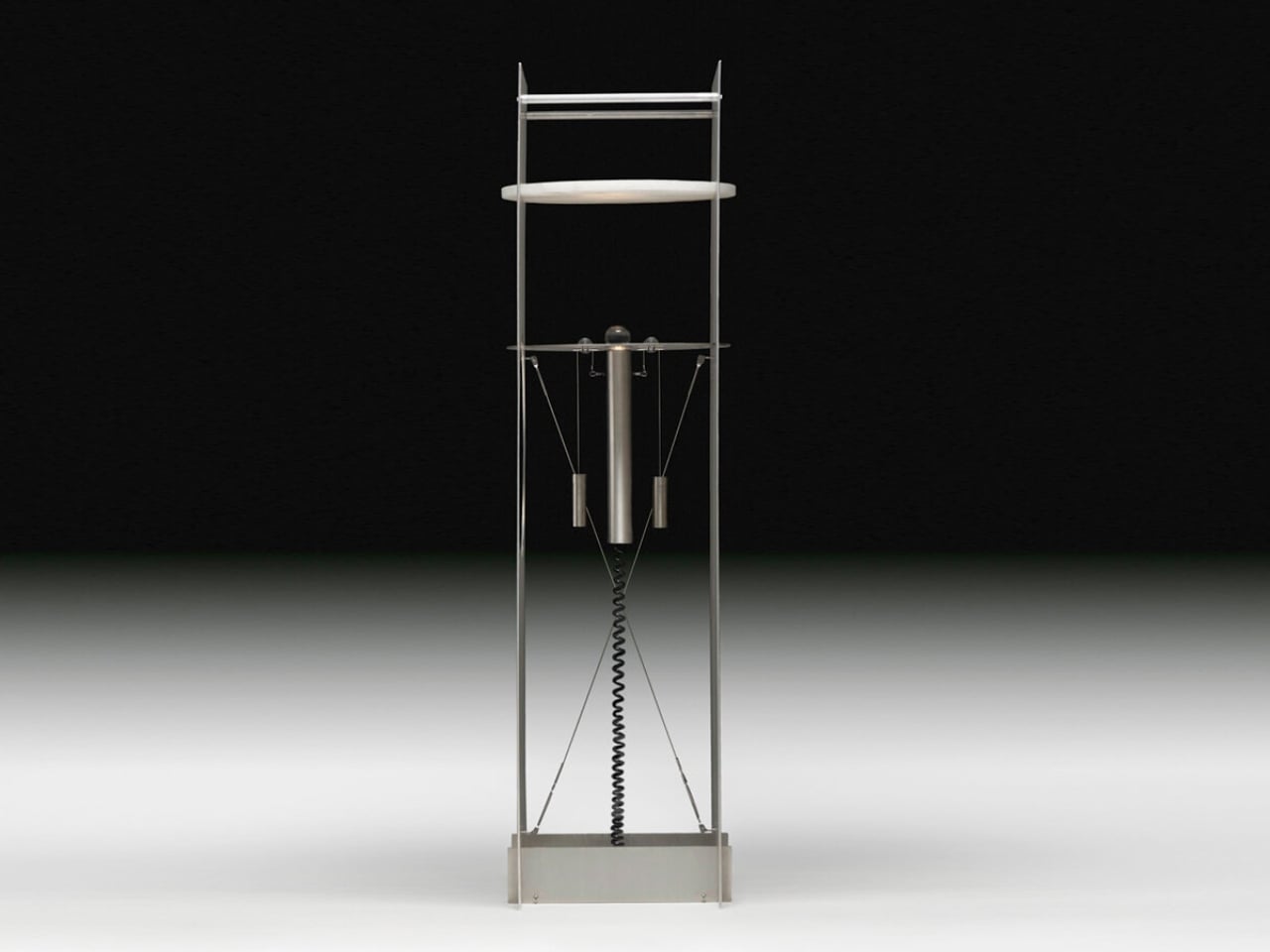
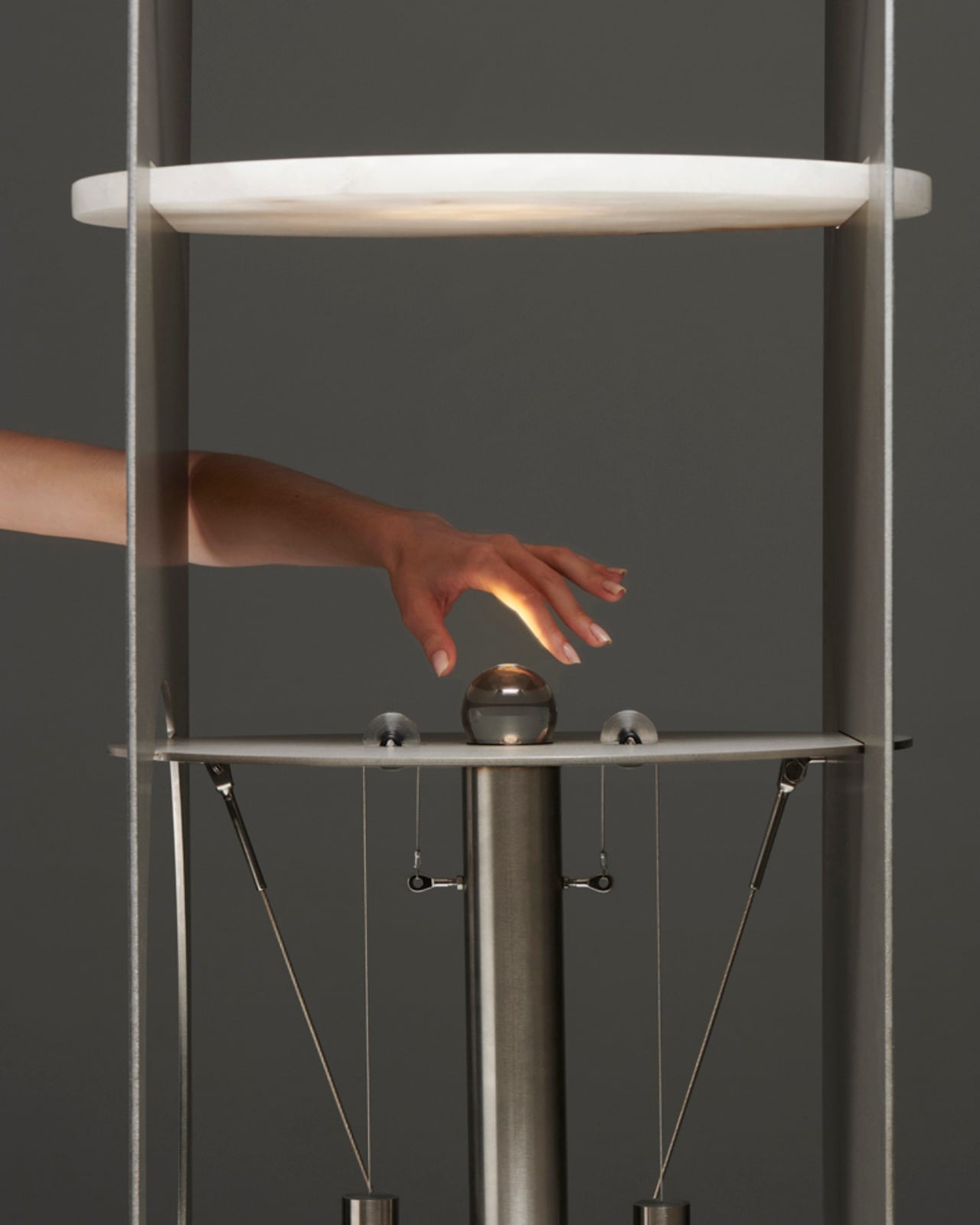
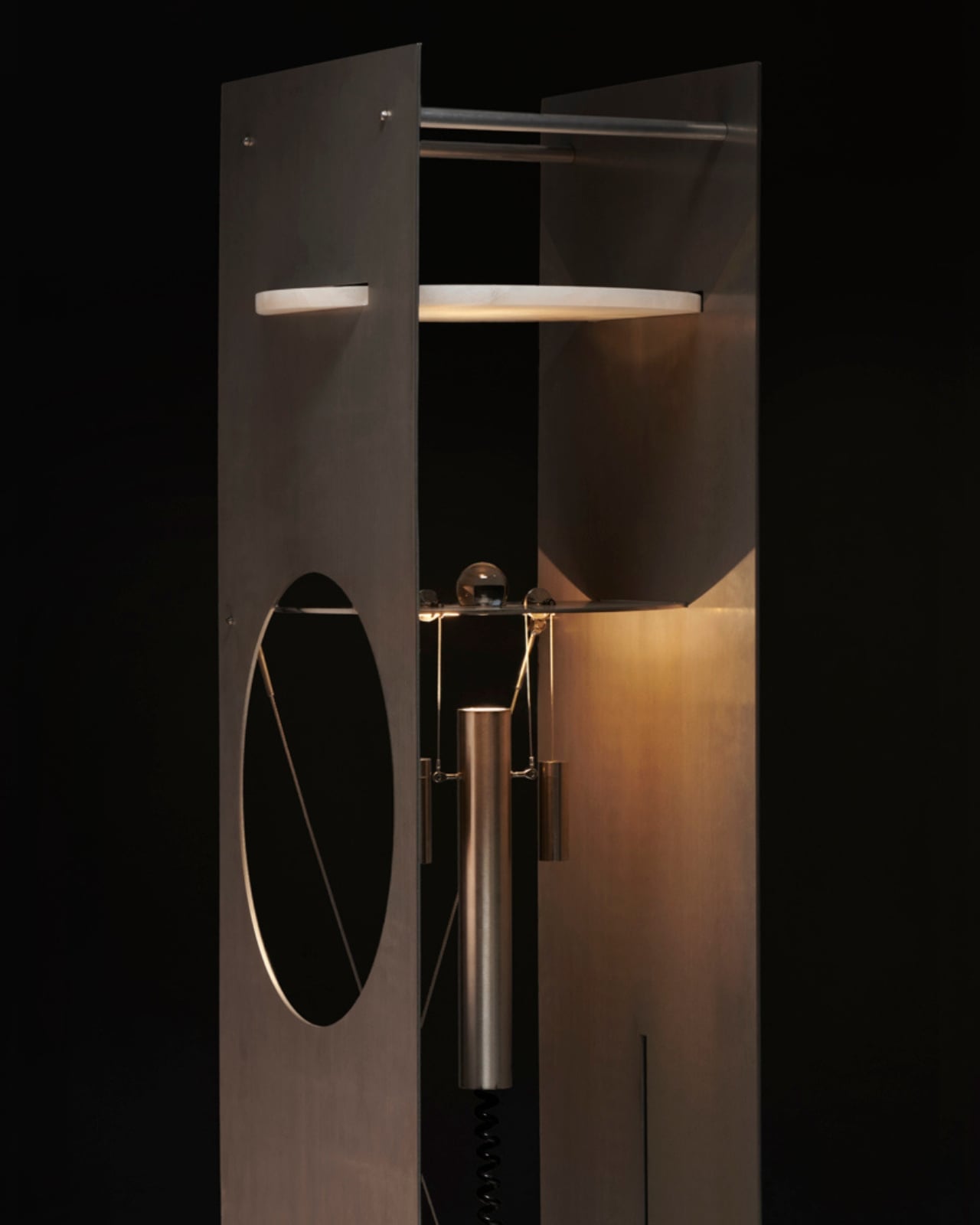
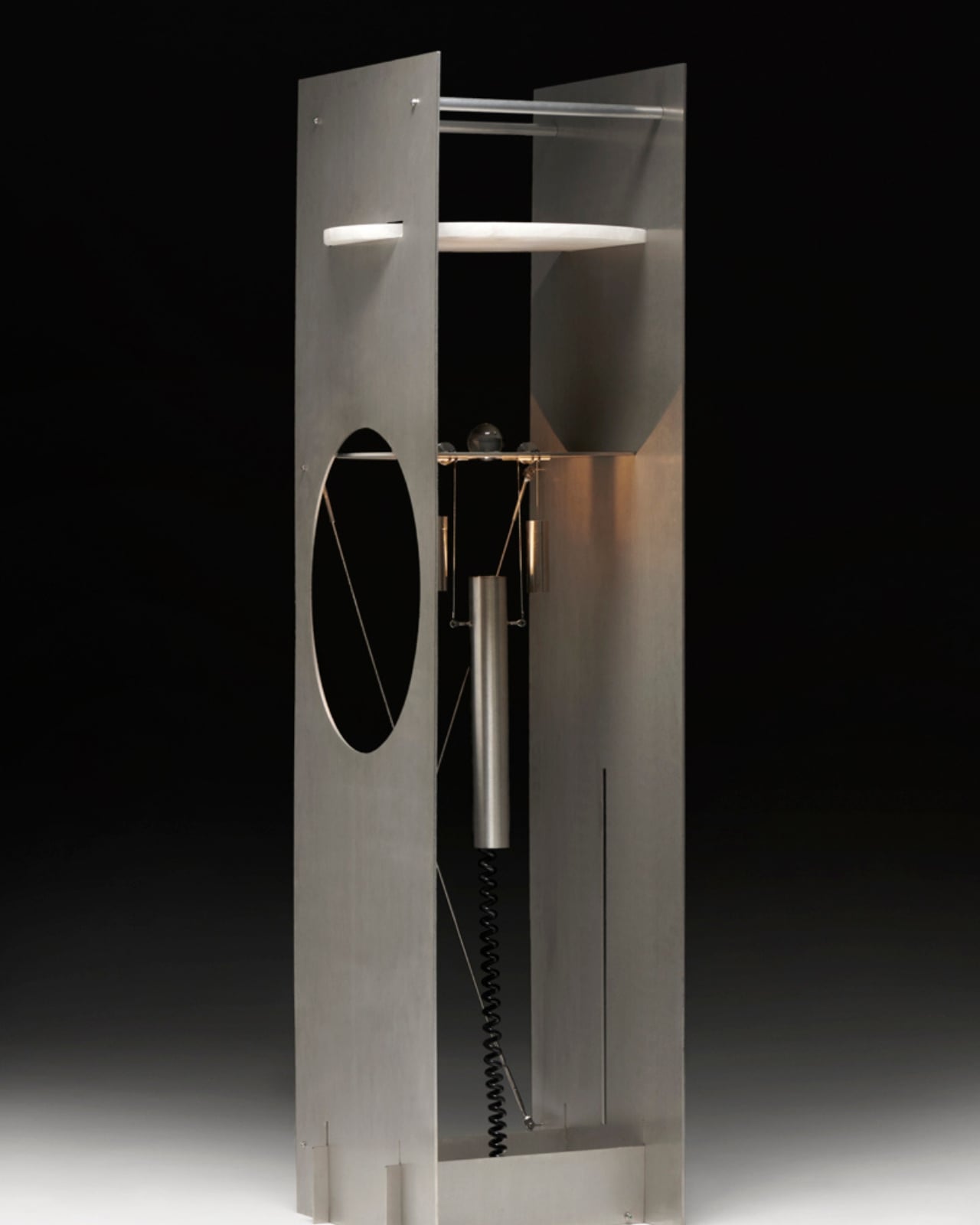
At first glance, Totem de Luz looks like a sleek vertical column made from stainless steel and glass. But the real show starts when you interact with it. The piece uses exposed mechanical components to move its light source up and down along the structure, transforming not just where the light goes, but how your entire space feels.

Designer: Kutarq Studio (photos by Iñaki Domingo)

When the light sits in its upper position, it shines toward an onyx diffuser that softens and scatters the illumination upward, creating that warm, ambient glow perfect for winding down after a long day. Lower the light source, though, and everything changes. The beam redirects through an oval opening on the side of the structure, producing focused, concentrated light that’s ideal for reading or getting work done. It’s like having two completely different lamps in one sculptural package.

What makes Totem de Luz particularly compelling is how openly it wears its mechanics. Many contemporary designs hide their inner workings behind smooth casings, but Kutarq Studio, led by designer Jordi Lopez Aguilo, takes the opposite approach. The gears, pulleys, and mechanical systems that make the movement possible are all visible, transforming the technical aspect into part of the aesthetic experience. There’s a steampunk quality to it without leaning into that aesthetic fully. Instead, it feels industrial and refined at the same time.

The materials tell their own story too. Stainless steel gives the piece its structural backbone and modern edge, while the glass components add fragility and elegance. Then there’s that onyx diffuser, a material choice that elevates the entire piece from “cool lamp” to “investment-worthy sculpture.” Onyx isn’t just pretty. It has natural translucent properties that interact beautifully with light, creating depth and warmth that cheaper materials can’t replicate.

Beyond its obvious visual appeal, Totem de Luz raises interesting questions about how we interact with our spaces. In an era where everything is becoming smart, automated, and voice-controlled, there’s something refreshingly tactile about physically adjusting your lighting. The kinetic mechanism asks you to engage with the object, to participate in shaping your environment rather than just commanding it from across the room.

This kind of design philosophy feels particularly relevant right now. We’re surrounded by technology that prioritizes convenience over connection, efficiency over experience. Totem de Luz pushes back against that trend. It’s not trying to disappear into your smart home ecosystem. It demands presence and attention. You can’t ignore a six-foot kinetic sculpture in your living room, nor would you want to.

The piece also plays beautifully with how we perceive time and movement in interior spaces. Most lighting is static. You flip a switch, and that’s it. But with Totem de Luz, light becomes performance. The slow mechanical adjustment creates a transitional moment, a small ritual that marks the shift from one activity or mood to another. It’s meditative in a way that pressing a button never could be.

Kutarq Studio has created something that feels both timeless and thoroughly modern. The mechanical movement nods to pre-digital craftsmanship, while the sleek materials and minimalist form language speak to contemporary sensibilities. It’s the kind of piece that could sit comfortably in a loft apartment, a mid-century modern home, or even a more traditional space that needs a bold accent. Totem de Luz proves that lighting doesn’t have to choose between being practical or beautiful, functional or artistic. Sometimes the most interesting designs exist in the tension between categories, refusing easy classification and becoming something more interesting in the process.

The post When Light Learns to Dance: A Sculpture That Moves on Purpose first appeared on Yanko Design.
Oracle’s Lensless LED Headlight: Killing the Century-Old Lens

For 125 years, every headlight ever made has included one fundamental component: a clear outer lens. Oracle Lighting just deleted it. The world’s first lensless LED headlight system debuting on the 3rd Gen Toyota Tacoma doesn’t just eliminate a component. It removes the single most failure-prone element in automotive lighting, solving problems that have plagued drivers since acetylene flame lamps lit up dirt roads in the 1880s. No more fogging. No more cracking. No more yellowing, hazing, or moisture intrusion. The lens, that seemingly essential protective cover, turns out to be optional after all.

Designer: Oracle Lighting

What Happens When You Remove the Lens

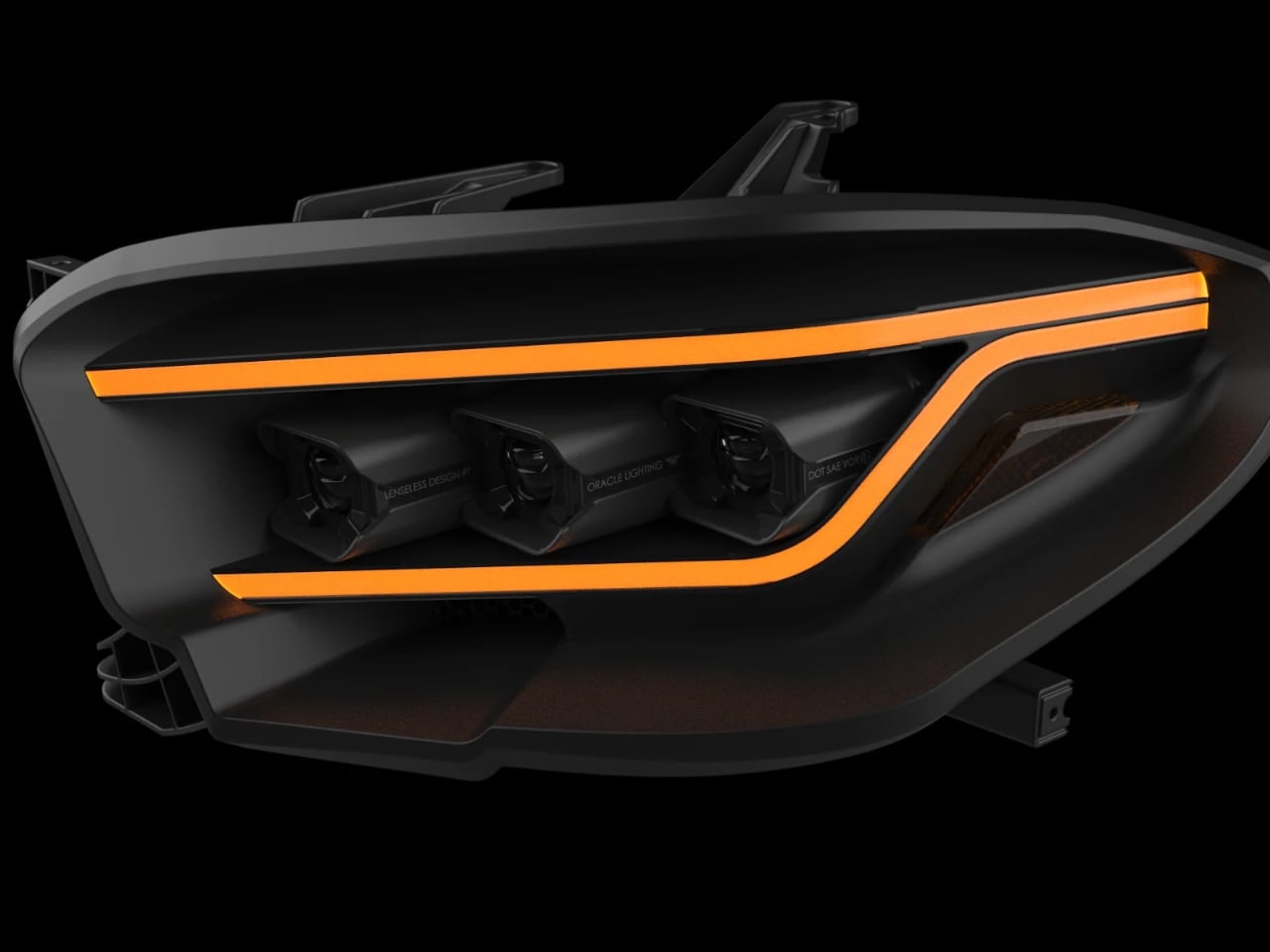
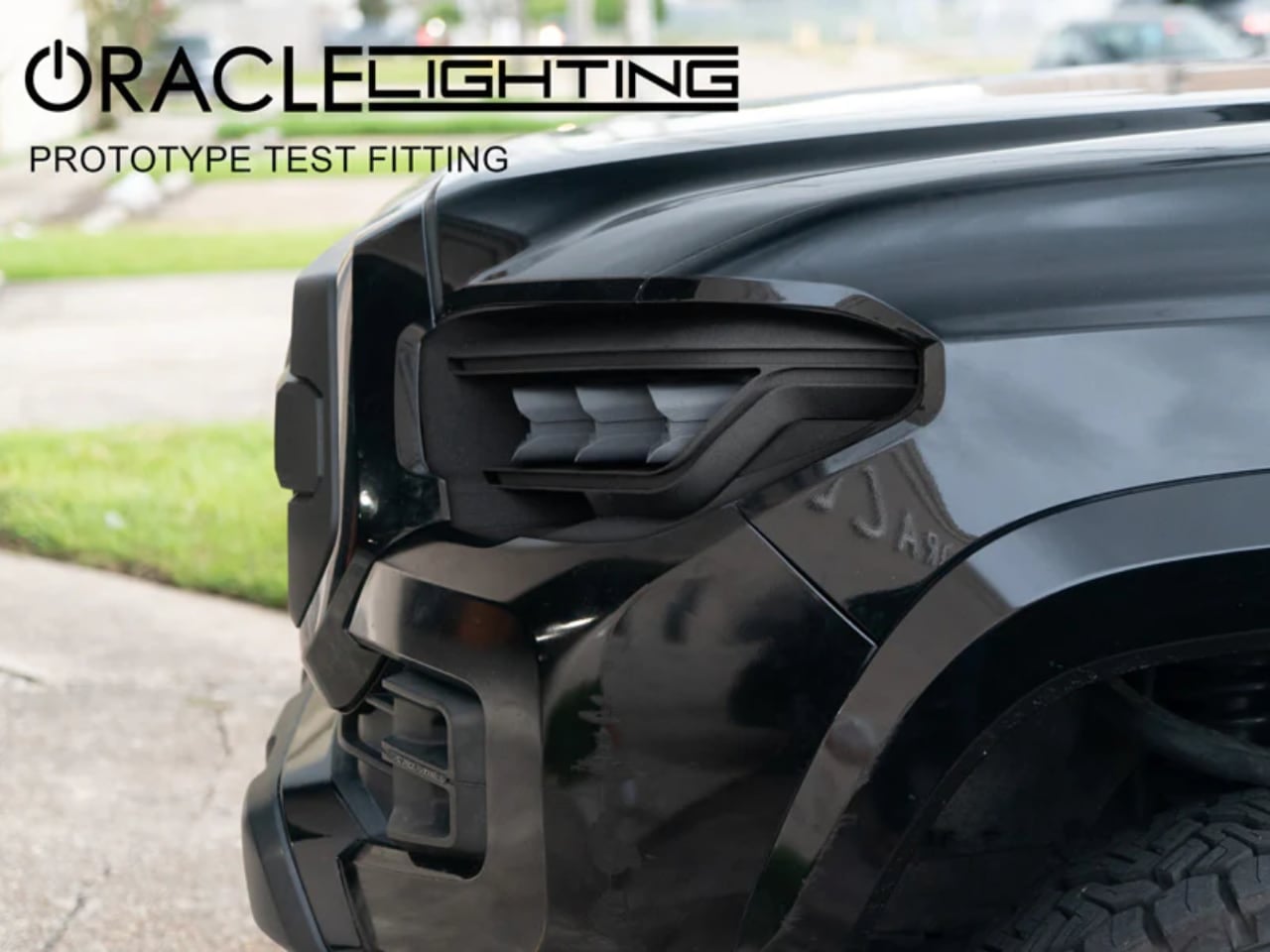
Here’s the immediate visual impact: the headlight housing itself becomes the design statement. Without a clear plastic layer covering the front, the sculpted housing sits exposed, proud, and remarkably customizable. You can paint-match it to your vehicle. Think about that for a moment. Every headlight you’ve ever owned was stuck with whatever clear or slightly tinted lens the manufacturer chose. This system lets you integrate the housing into your truck’s color scheme, creating an OEM-level finish or going full custom for show builds.

The exposed housing showcases the modular Bi-LED emitter pods inside. These aren’t hidden behind foggy plastic or obscured by lens distortion. They’re visible design elements, each pod a precisely engineered component that contributes to the overall visual character. The technical architecture makes this design approach possible. Each LED emitter pod carries IP68-rated ingress protection, meaning dust can’t penetrate it and neither can water under pressure. That’s the same rating you’d expect from the lens itself, except now every individual light component shares that protection level.

Active thermal management keeps each pod operating within optimal temperature ranges. Overheating kills LEDs faster than anything else, so Oracle built cooling directly into the modular system. The pods breathe, dissipate heat, and maintain consistent performance without relying on a lens to trap heat or create condensation. The bracket system reinforces this modular philosophy. Everything mounts to replaceable, reinforced brackets that ship flat for compact packaging, cutting freight costs and reducing shipping damage. Minor collision damage that would normally require a complete replacement becomes a bracket swap.

Why This Actually Matters

Traditional LED headlights trap you in an expensive cycle. One failed LED often means replacing a $1,000+ assembly because manufacturers seal everything together. You can’t access the failed component. You can’t swap it out. You buy the whole unit again.

Oracle’s lensless system flips that model completely. Each Bi-LED pod is individually serviceable and replaceable. DRL fails? Replace that pod. Low beam goes out? Swap that specific emitter. You can often perform these replacements without removing the entire headlight from the vehicle. This isn’t just convenient. It’s sustainable. It reduces electronic waste by letting you repair instead of replace, saving money over the headlight’s lifespan while transforming a traditionally disposable product into something genuinely maintainable.

The 3rd Gen Toyota Tacoma launch makes perfect sense for this technology. Tacoma owners take their trucks off-road, into environments where rocks, mud, and trail debris destroy regular headlights. Cracked lenses are a common casualty on serious trail runs, and moisture intrusion follows shortly after. Without a lens to crack, that failure mode disappears. The IP68-rated pods handle dust and water directly. The modular design means trail damage becomes a quick repair instead of a major replacement.

The paint-matched housing option also appeals to the modification culture around trucks like the Tacoma. Show builds can integrate headlights seamlessly into custom paint schemes. Daily drivers can maintain factory aesthetics while upgrading performance and durability. Installation follows standard headlight replacement procedures, mounting to existing points and connecting to factory wiring without custom fabrication.

The Platform Play

Oracle calls this a technology platform, not just a product. That distinction matters. The lensless architecture works for any vehicle, any lighting application. After the Tacoma debut in early 2026, Oracle plans fitments for the Toyota 4Runner and Ford F-150, with more applications following.

If the lensless design proves as durable and serviceable as Oracle claims, other manufacturers will face pressure to match that capability. Drivers who experience hassle-free maintenance won’t want to return to sealed, disposable assemblies. The $800-$900 price point positions this between budget replacements and premium lighting upgrades, accessible enough for serious enthusiasts while maintaining quality expectations.

Oracle Lighting has spent 25 years developing automotive lighting technology. The lensless system represents years of development, testing, and refinement. The Tacoma launch in early 2026 will be the proof point. Trail abuse, weather exposure, and daily use will test whether eliminating the lens actually delivers on the durability and serviceability promises. If the system performs as designed, expect rapid expansion across vehicle applications.

Follow @oraclelights for behind-the-scenes development updates, application announcements, and pre-order access when the launch window opens.

Product Specifications:

  • Launching on 3rd Gen Toyota Tacoma (early 2026)
  • Future fitments: Toyota 4Runner, Ford F-150
  • Price: $800-$900 per set
  • Modular Bi-LED emitter pods with IP68 protection
  • Active thermal management on all pods
  • Serviceable and replaceable individual components
  • Paint-matchable housing for custom finishes

The post Oracle’s Lensless LED Headlight: Killing the Century-Old Lens first appeared on Yanko Design.
Otherworldly-Looking Origami-Inspired Lighting Fixture Seems To Suspend Mid-Air

Lighting designs today are truly innovative and unique, I mean you find all kinds of cool lighting designs out there! Today designers are creating unique, functional, and powerful pieces that not only light up a living space but also add an extra oomph factor! These lighting designs not only help you see in the dark, but they also function as an attractive and visually appealing piece. And, one such lighting design is Sora Light by Fung + Bedford for Frandsen.

Designer: Fung + Bedford for Frandsen

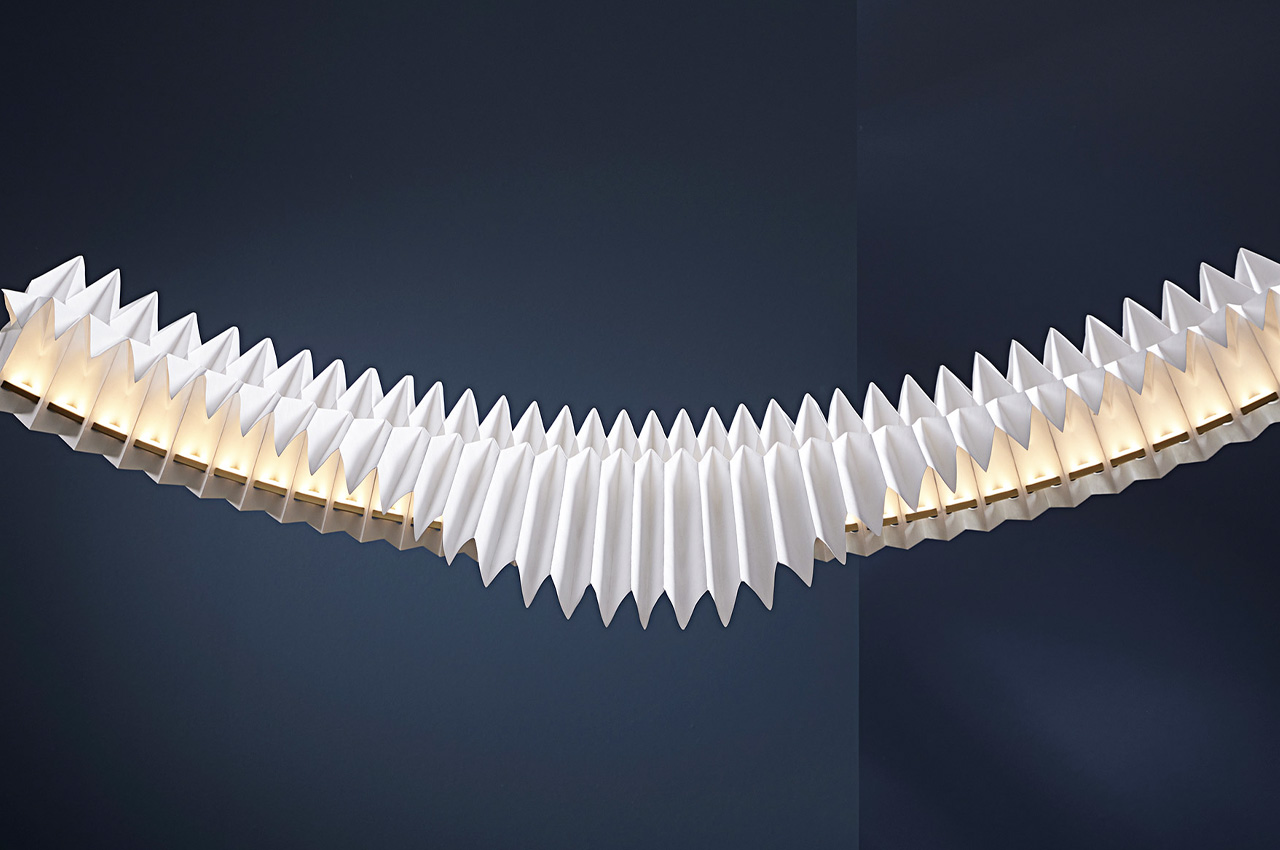
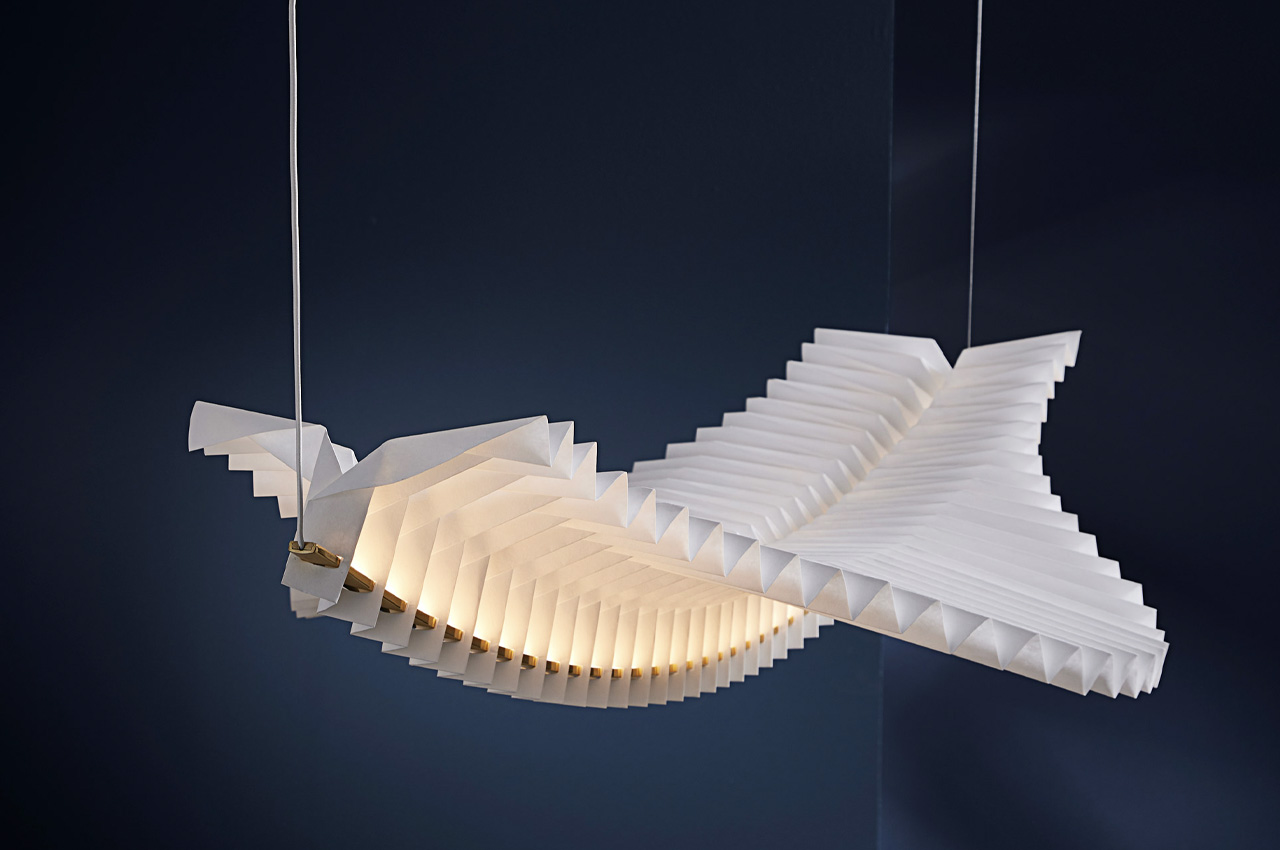
Designed by UK-based design duo Fung + Bedford, this statement light for the Danish brand Frandsen is inspired by the Japanese art of origami. As you look at it, you can see how widely and generously it has drawn on art the of origami. Called the Sora pendant light, it features a horizontal form and is artfully suspended between two cords, and flanked by wing-like intrusions, which gives the impression that it is floating in mid-air.

An LED strip light is embedded inside the bottom of the fixture, which allows it to radiate a soft and warm light. The subtle glow seems to spread across the lamp’s structure, which is crafted from tyvek – a paper-like and synthetic material produced from compressed fibers. Tyvek has been utilized since it is waterproof and features tear-proof characteristics. It is also a 100 percent recyclable material, according to the designers.

“A sculptural statement piece which appears to levitate in its surroundings, Sora exudes a serene, radiant aura whilst transcending the boundaries of traditional lighting design,” said Frandsen. And Sora truly has an almost other-worldly and ethereal look to it. It seems to suspend from the air, giving it a charming and floating quality. It can add an extra oomph factor, and loads of muted elegance to a living space, or even a commercial office space if you’re feeling experimenting.

The post Otherworldly-Looking Origami-Inspired Lighting Fixture Seems To Suspend Mid-Air first appeared on Yanko Design.