Gen Z Is Buying Old iPods to Quit Spotify. Fiio’s $50 Hi-Fi MP3 Player Does It Better.

I tried to listen to an album last week. The whole thing, start to finish, like a functioning adult in the 90s. I made it four tracks before a Slack ping, a WhatsApp text, and a push notification from Hinge. By track six I was scrolling through IG. I started with conscientiously listening to an album, and I ended up in a rabbit hole on social media while the music played in the background. My phone is a magnificent piece of engineering that is somehow terrible at the one job I keep handing it.

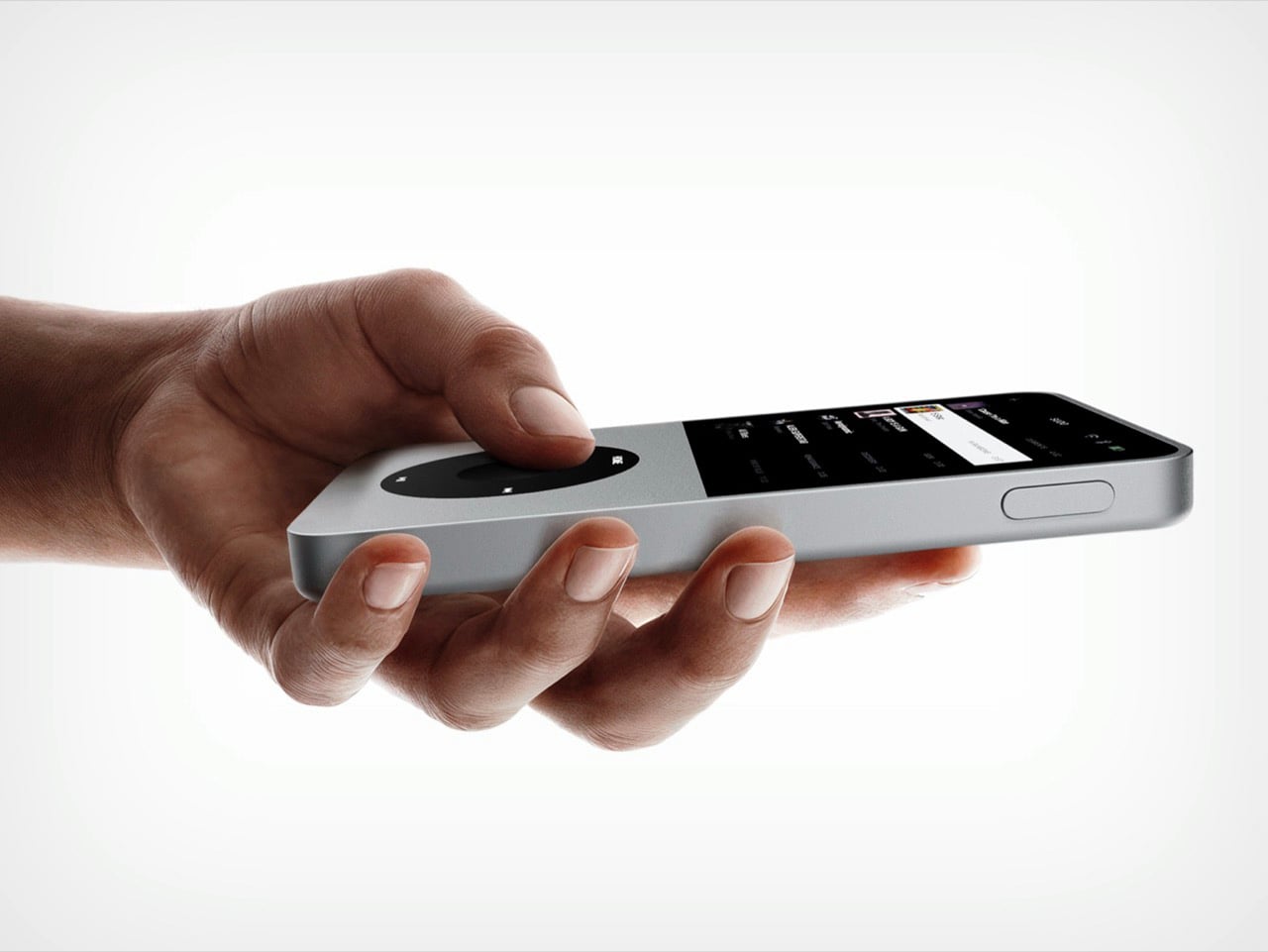
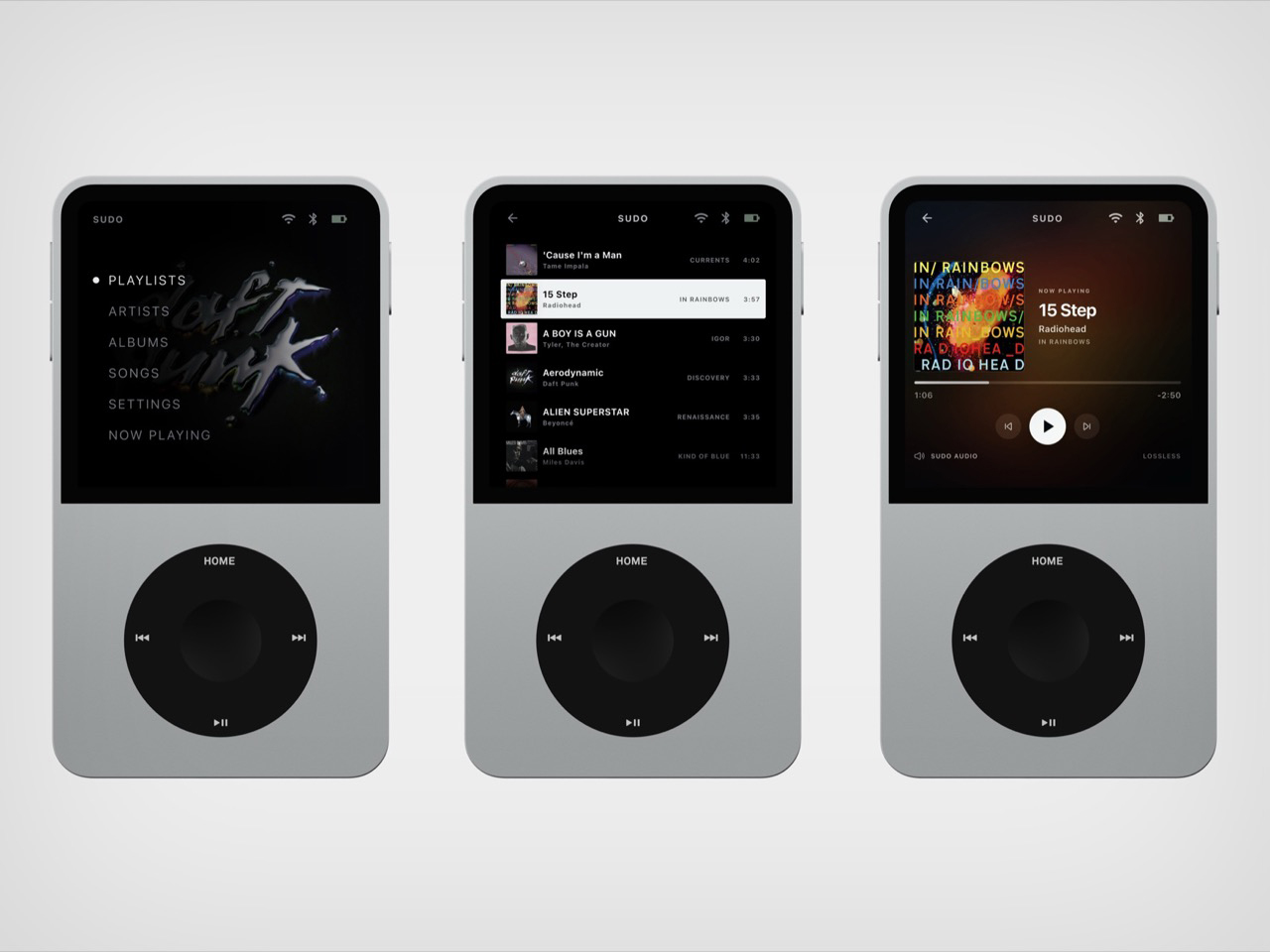
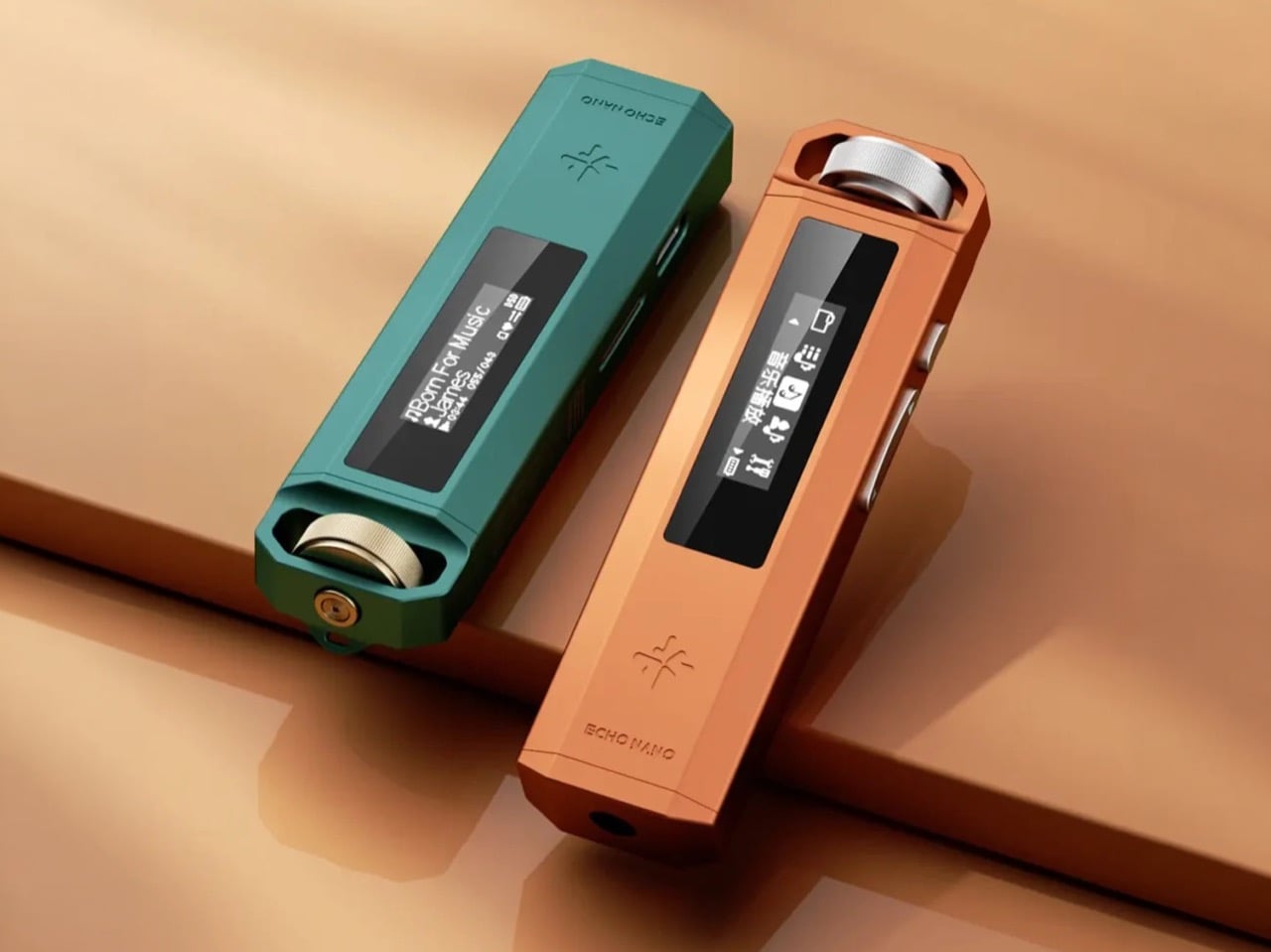
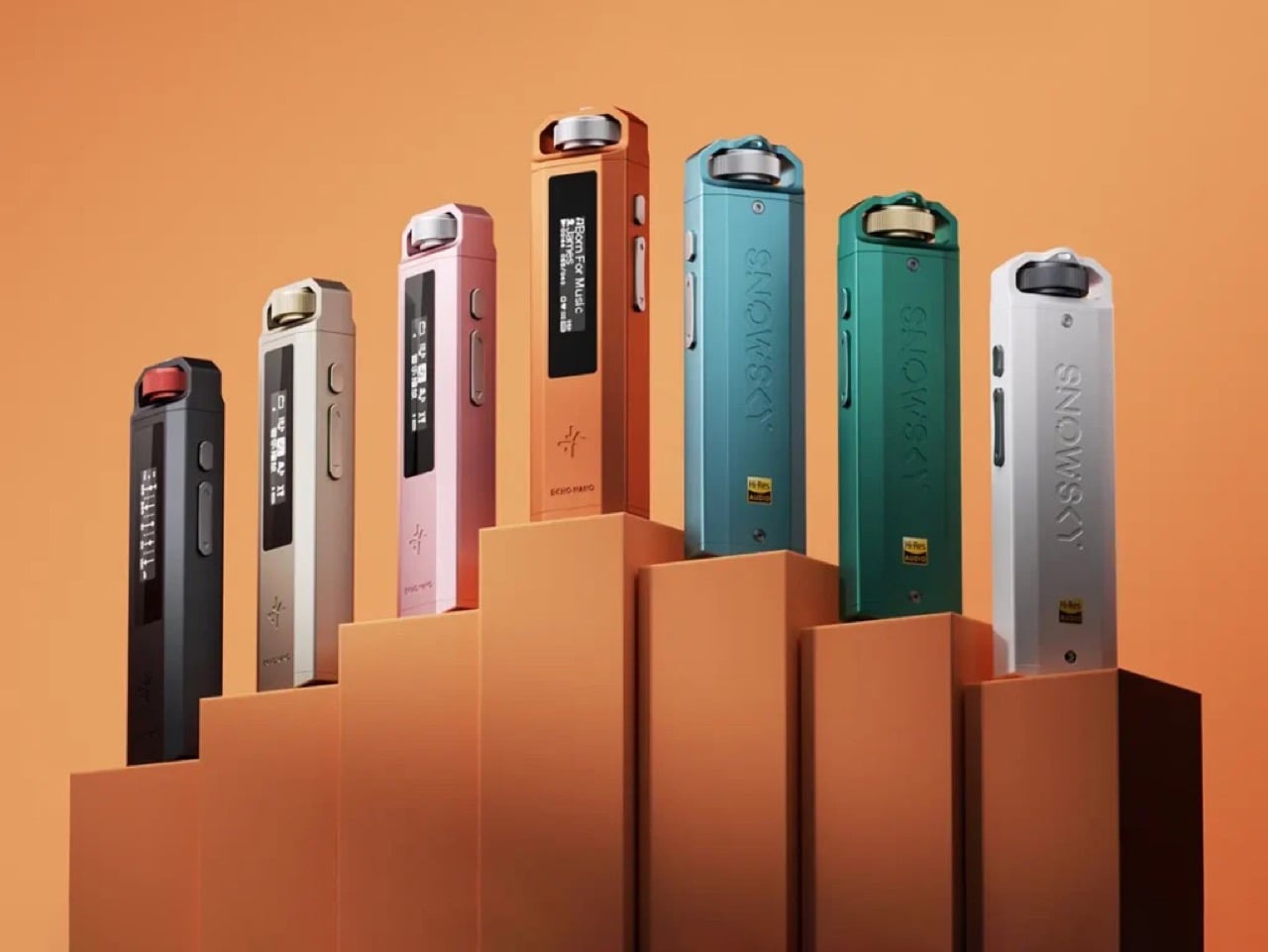
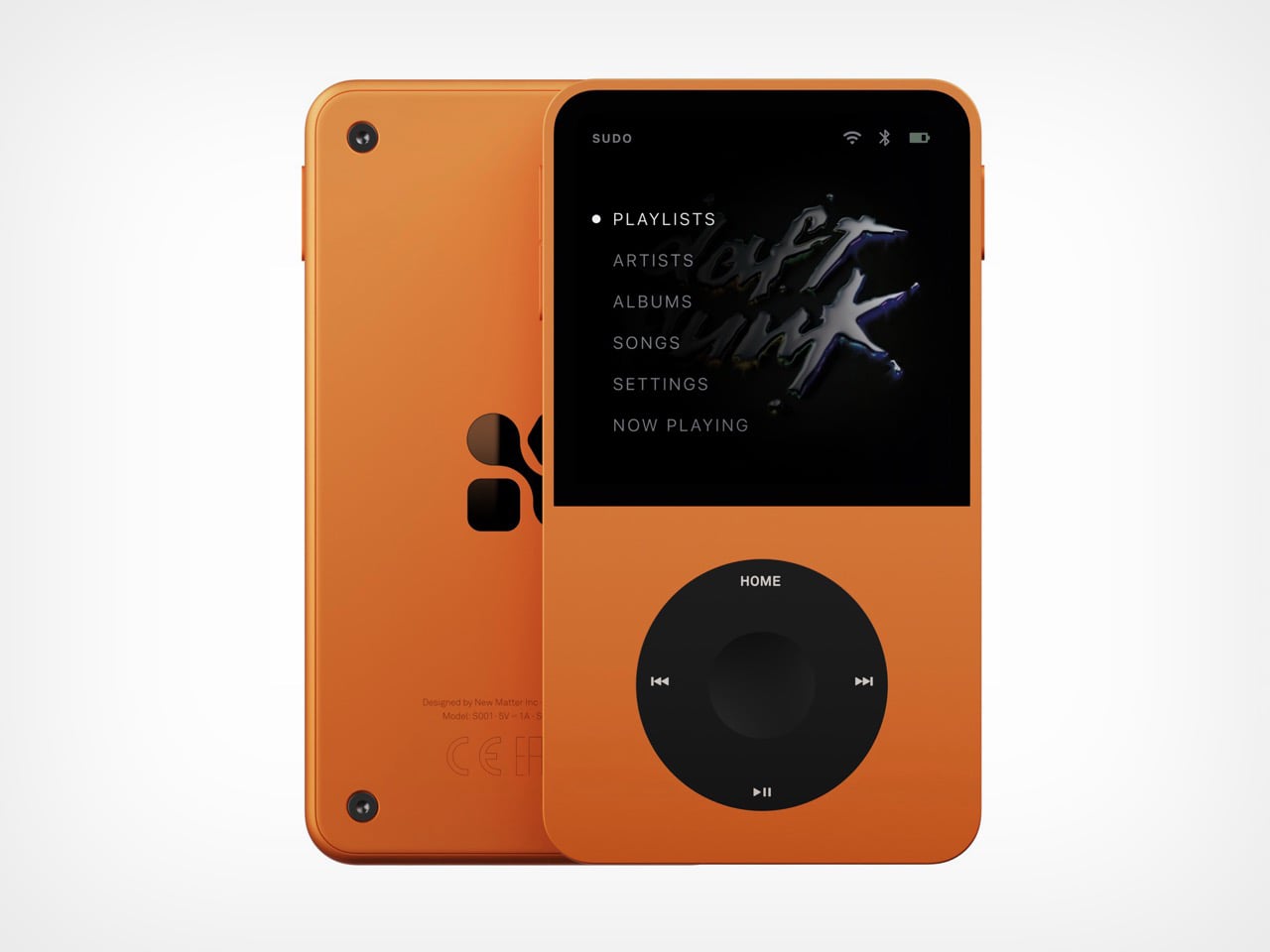
Plenty of people figured this out before I did, and their fix was buying a discontinued Apple product from a stranger online. TikTok has north of 100,000 posts tagged for iPods, refurbished sales have grown as much as 15% a year since Apple killed the line in 2022, and some kids are using them to smuggle music past school phone bans, which is the most resourceful thing I’ve heard all year. The FiiO Snowsky Echo Nano is that same instinct, available new, for $49.99, with a DAC chip nobody was putting in fifty dollar hardware five years ago.

Designer: FiiO (Snowsky)

Click Here to Buy Now

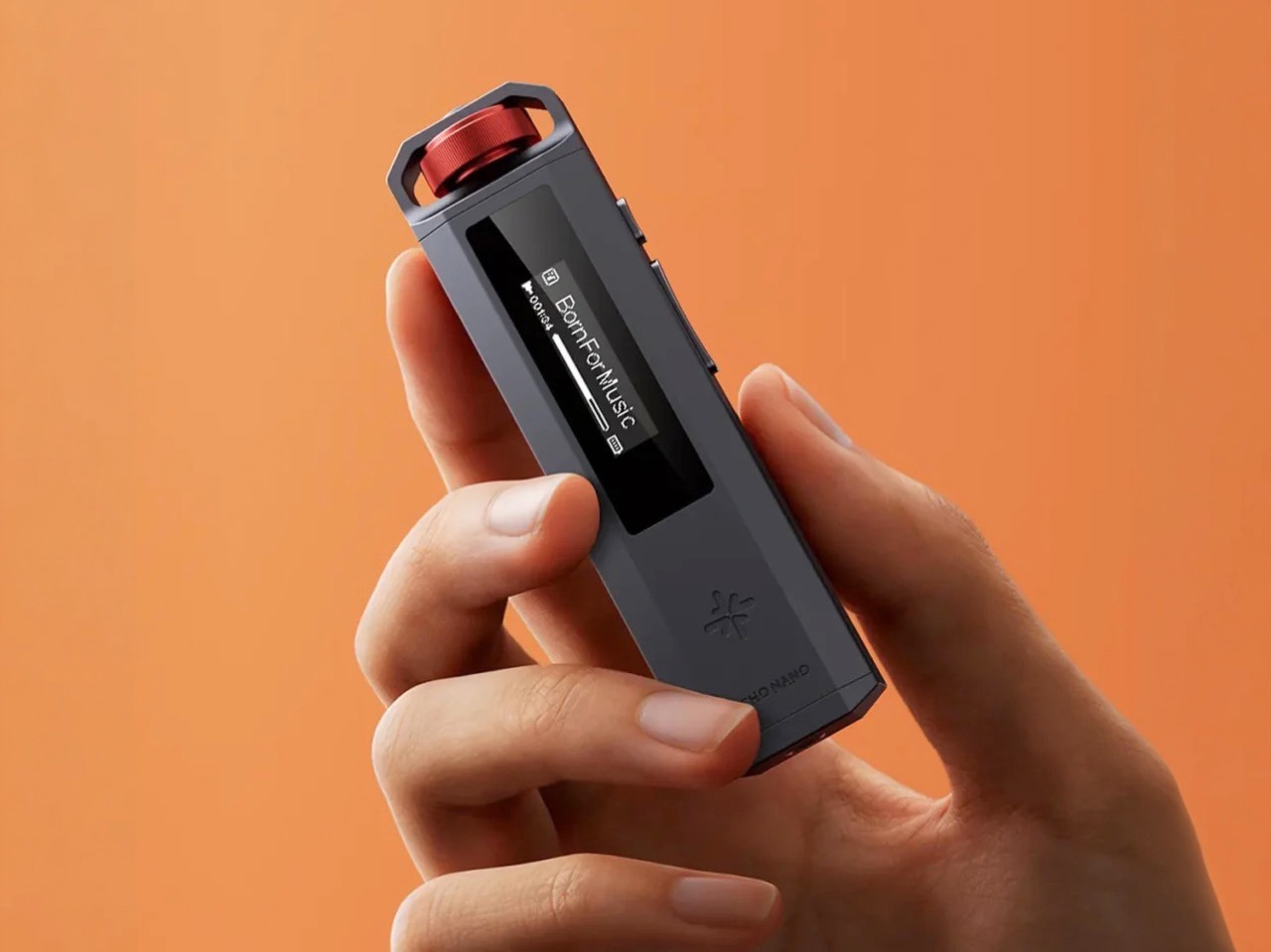
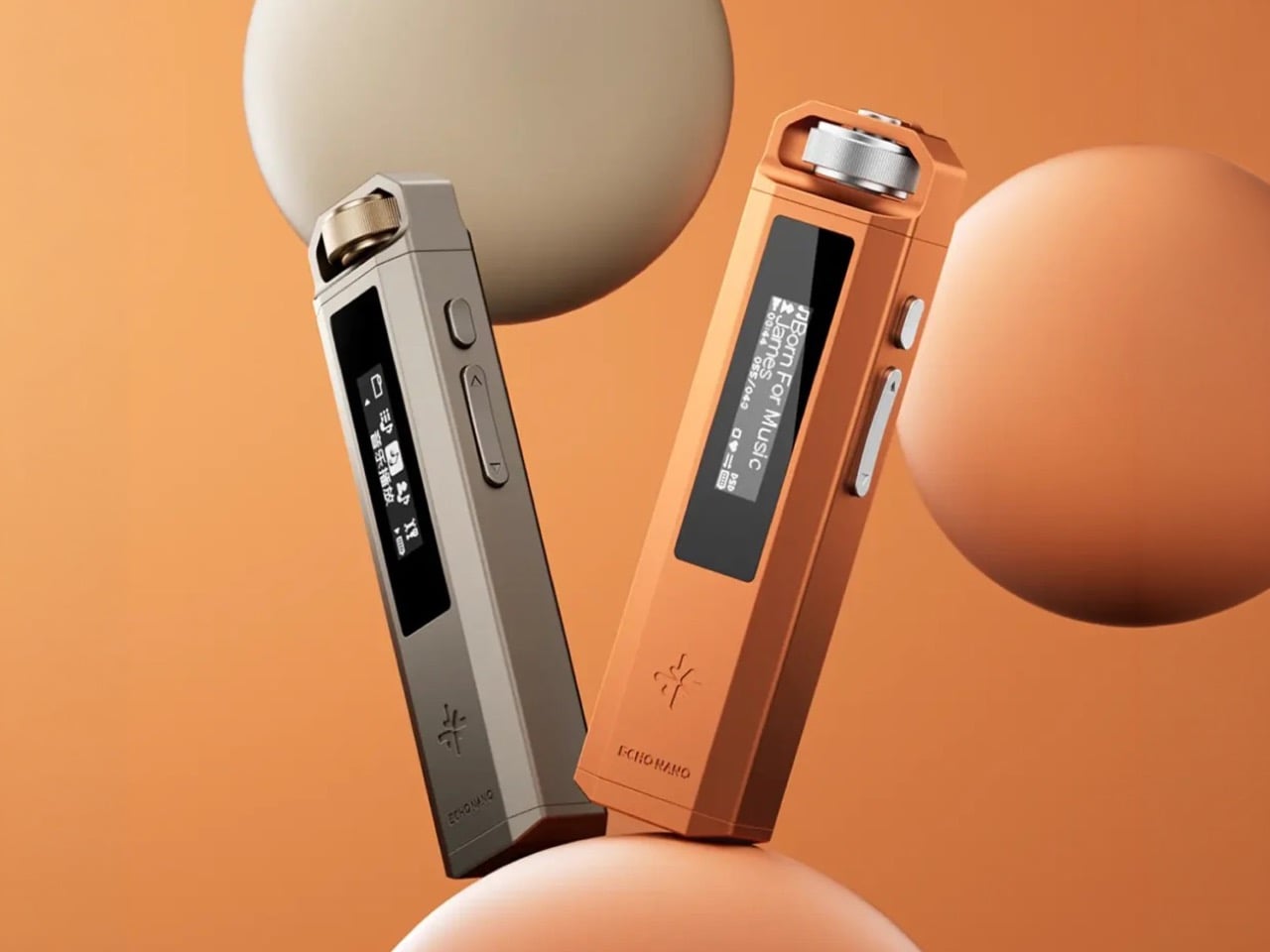
Kathryn Jezer-Morton coined the term “friction-maxxing” in a January essay for The Cut, and it went viral quickly enough to earn her a Wikipedia page inside six weeks. Her argument is that tech spent fifteen years making life easier, providing every song, every movie, every TV show episode at your fingertips for a simple (but steadily increasing) subscription fee. No looking for CDs, no scrolling through files, no visiting sketchy websites to download MP3s It was a simpler alternative, it killed torrenting for a vast population overnight… but Gen Z’s had enough. Friction-maxxing means picking the annoying option on purpose, and the Echo Nano is that philosophy machined out of aluminum. You load your own files. You turn a physical dial. You stare at a 0.91-inch monochrome OLED physically incapable of showing you album art,leave alone a notification. The screen’s poverty is the whole product.

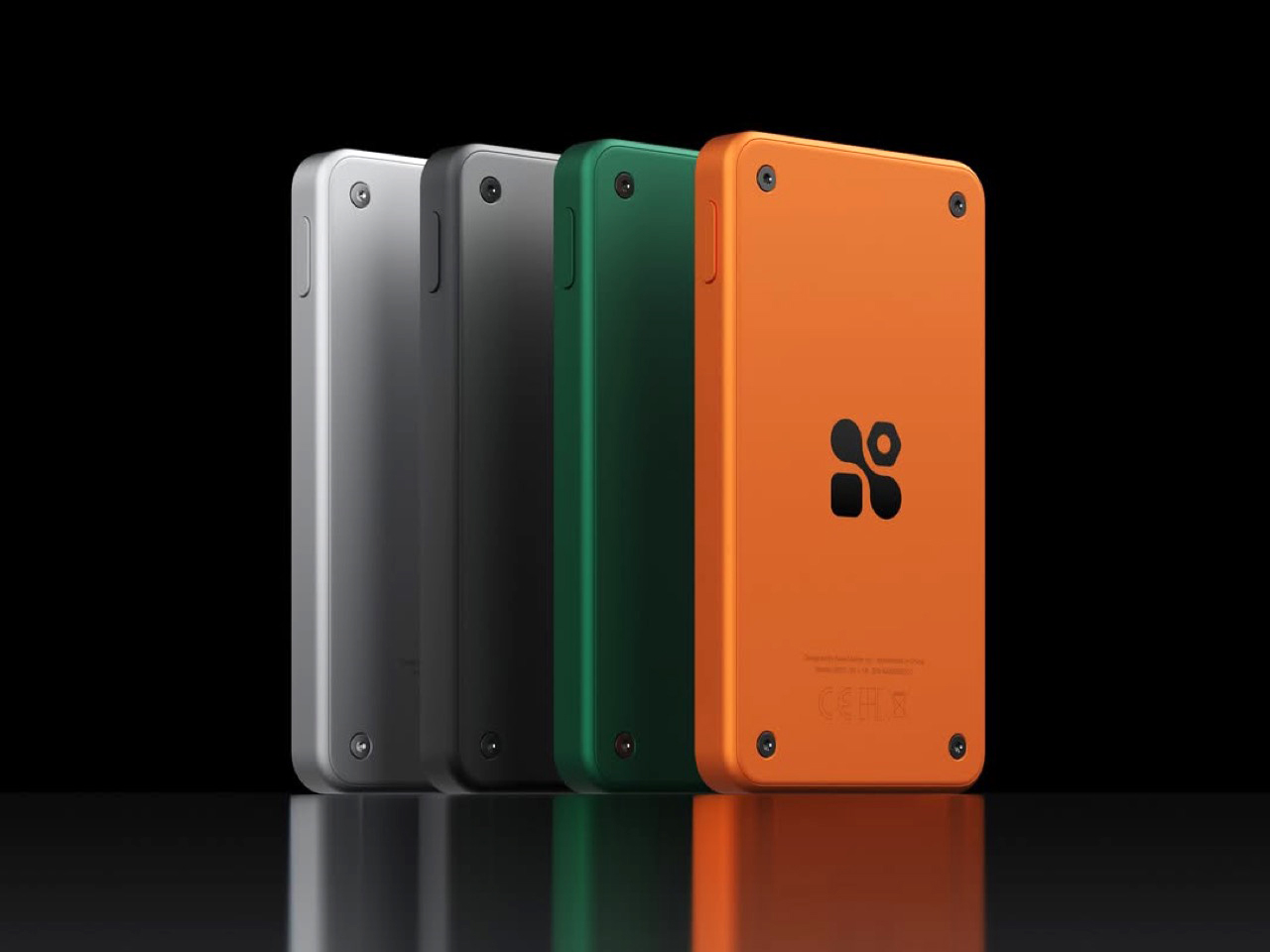
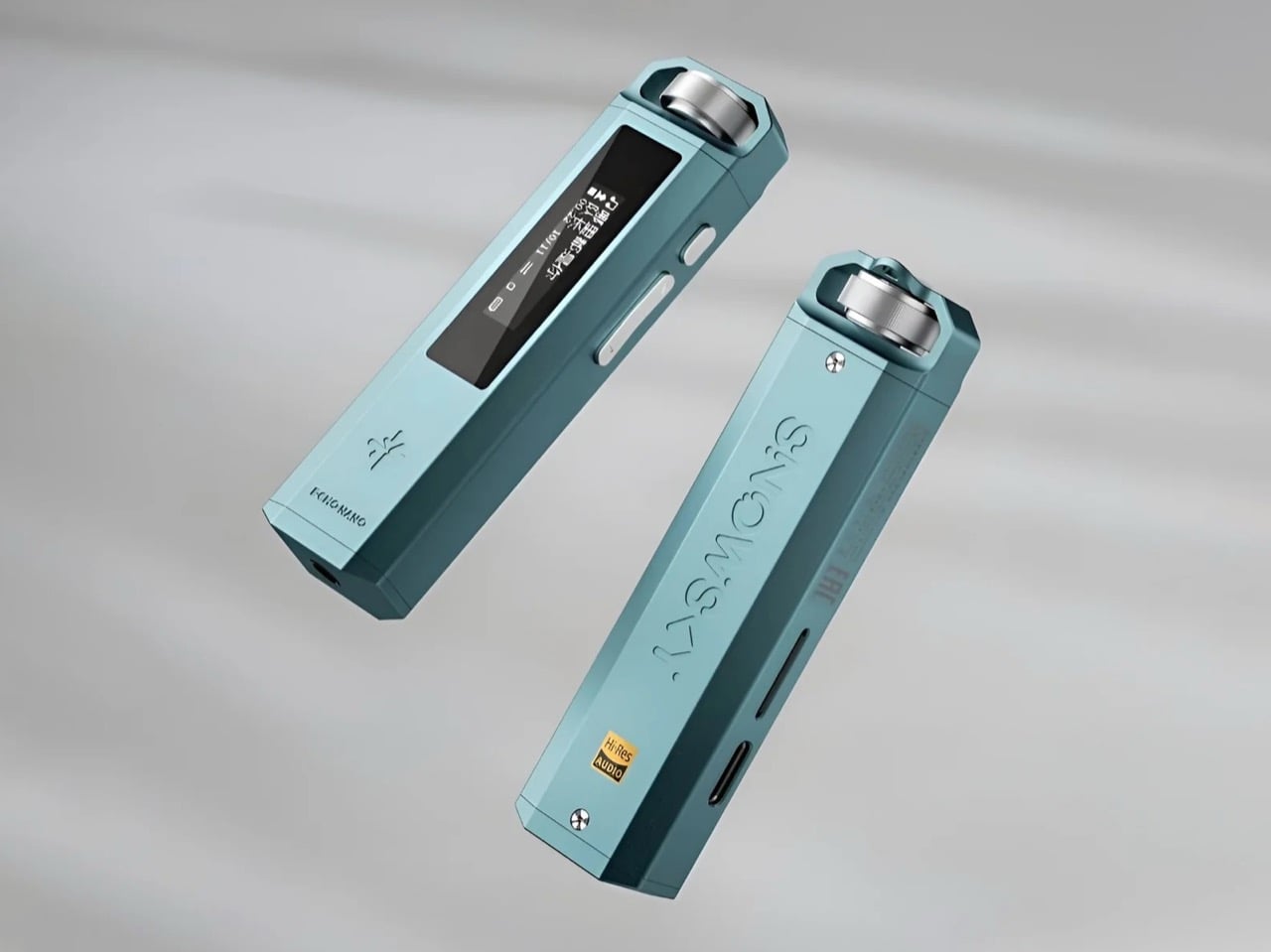
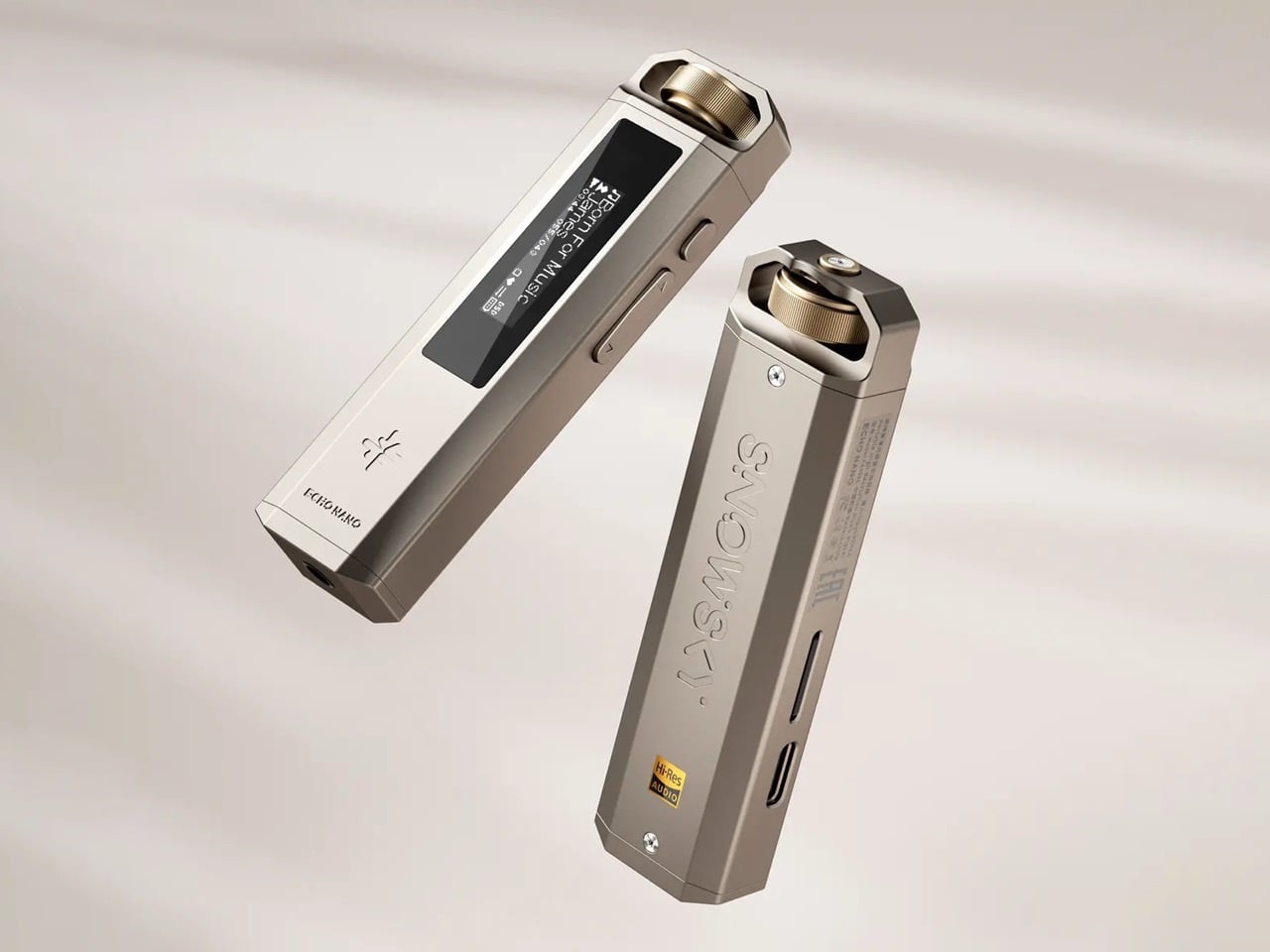
Everyone will call this an iPod, which is kind of understandable and also kind of wrong. The proportions are a vertical stick with a hexagonal cross section and a lanyard bracket built into the top like a tiny roll cage, which is Sony Network Walkman DNA rather than Cupertino’s. Apple built a rectangle for your palm, Sony built something you wore around your neck, and FiiO clearly went shopping in the second closet. The knurled anodized dial handles power, volume, screen, and playback with one thumb, sitting as the only piece of jewelry on an otherwise stern slab of CNC’d aluminum-magnesium alloy. Visible screws at both ends read as a small political statement about whether objects should open. Seven colorways, including a coral and a teal, are the one honest Apple quotation, straight off the iPod Mini.

The 360mAh battery delivers around seven hours, and Reddit’s verdict on that figure has been a collective ‘meh’. Seven hours covers a commute and a workday rather than a weekend, and you will top it up more often than something this small should demand. Weigh that against $49.99 and what the money actually buys, because Spotify and Apple Music run roughly $12 a month, which is $144 a year, indefinitely, for a library you never own. An independent CS43131 DAC, DSD256 hardware decoding, and a dedicated audio-grade crystal oscillator would have meant flagship spending half a decade ago. Storage climbs to 256GB via microSD, and there’s a 3.5mm jack, which at this point qualifies as hospitality.

A used iPod Classic on eBay runs about eighty dollars for a fifteen-year-old machine with a spinning hard drive and a battery on its farewell tour, with higher-capacity units sailing past $150. The Echo Nano costs less, arrives new, charges over USB-C, and does the same single job with better silicon. It also works as a USB DAC for your phone or laptop, a funny hedge for a device sold on escaping your phone, and probably an accurate read of how anyone actually lives. Nobody is abandoning the smartphone. They’re carving out one protected activity and building a small aluminum fence around it, and fifty dollars is exactly the right price for a fence you’re allowed to walk away from.

Click Here to Buy Now

The post Gen Z Is Buying Old iPods to Quit Spotify. Fiio’s $50 Hi-Fi MP3 Player Does It Better. first appeared on Yanko Design.
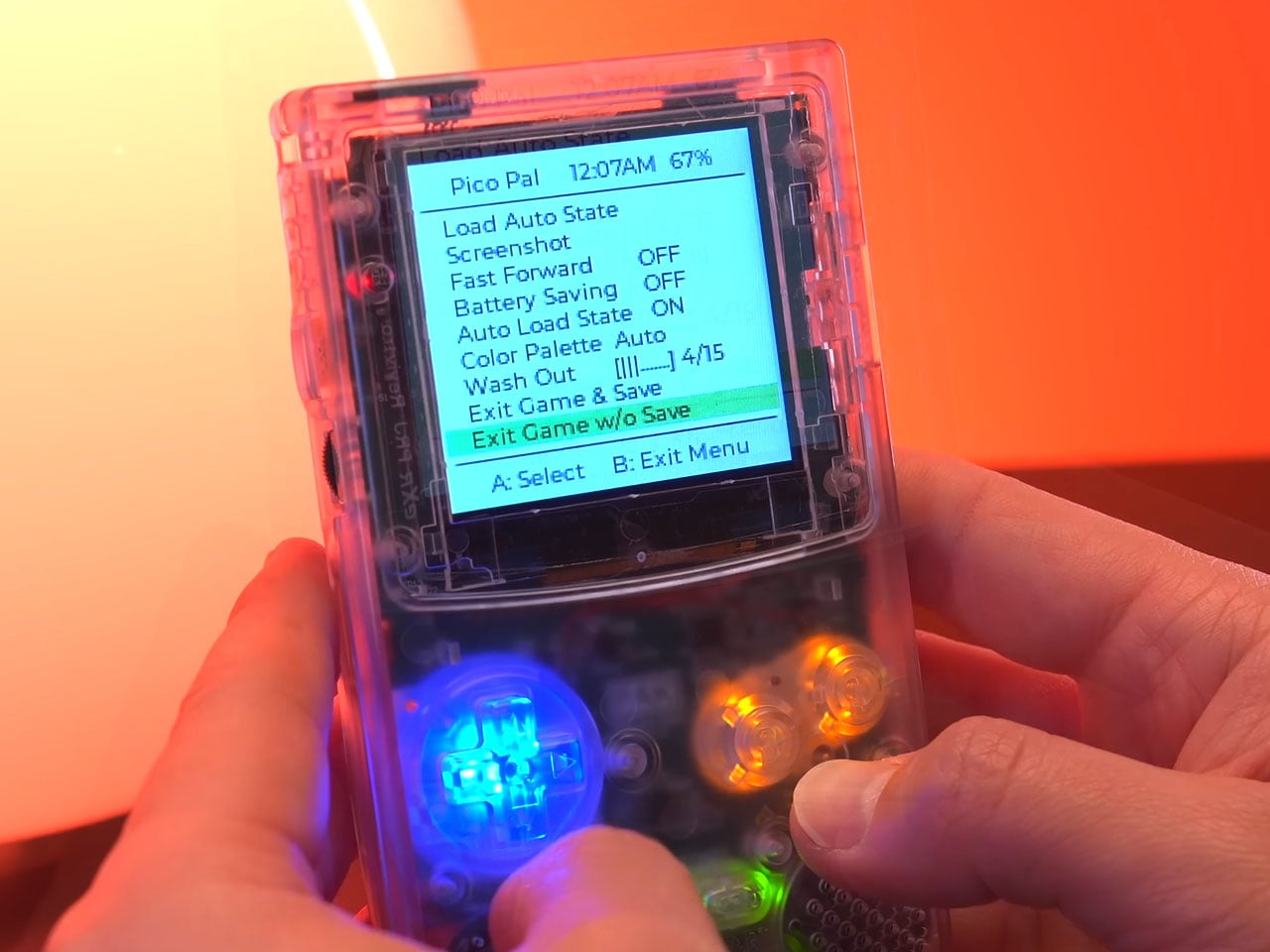
Pico-Pal reimagines Game Boy Color as modern retro handheld that can play music


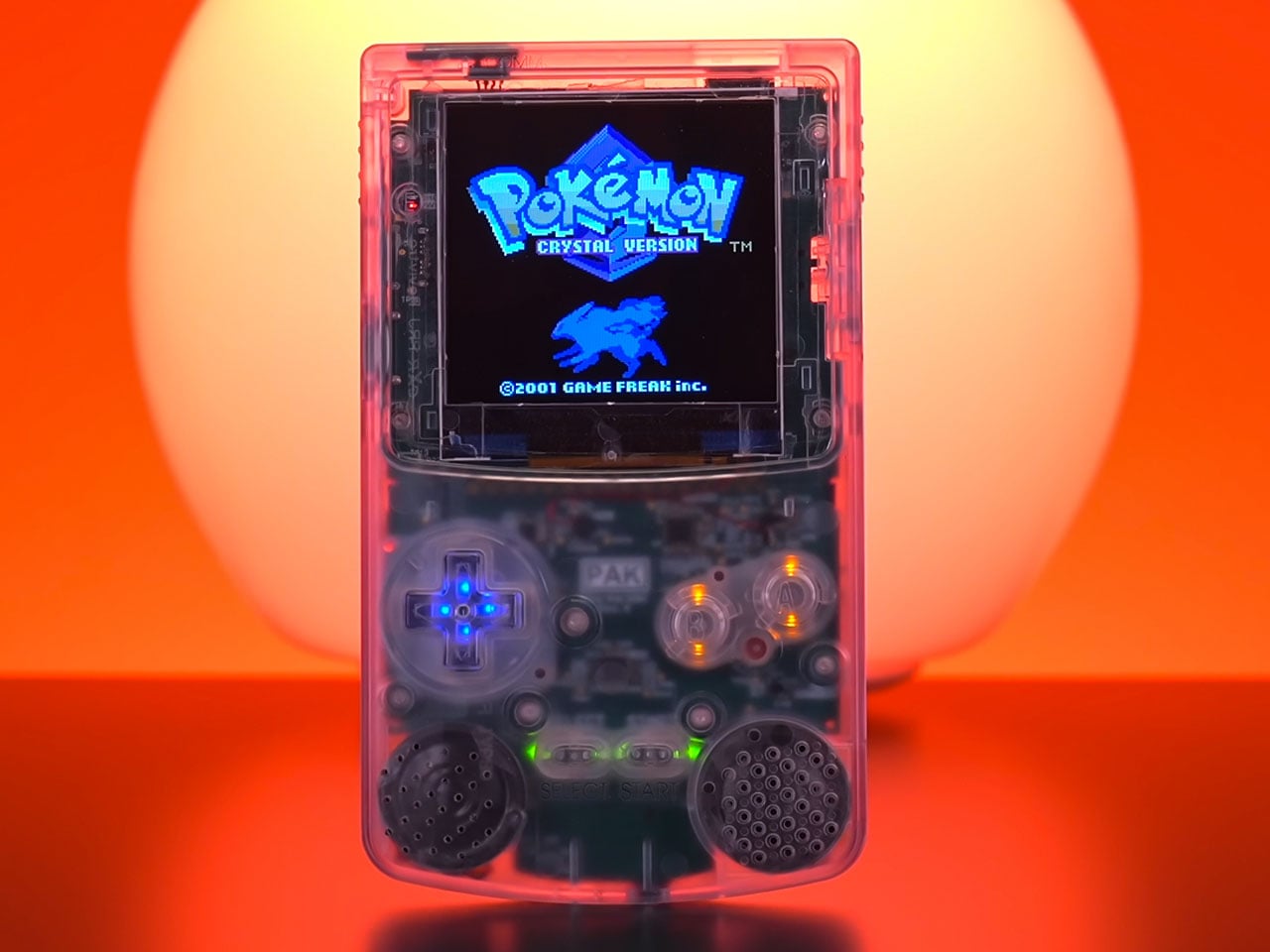
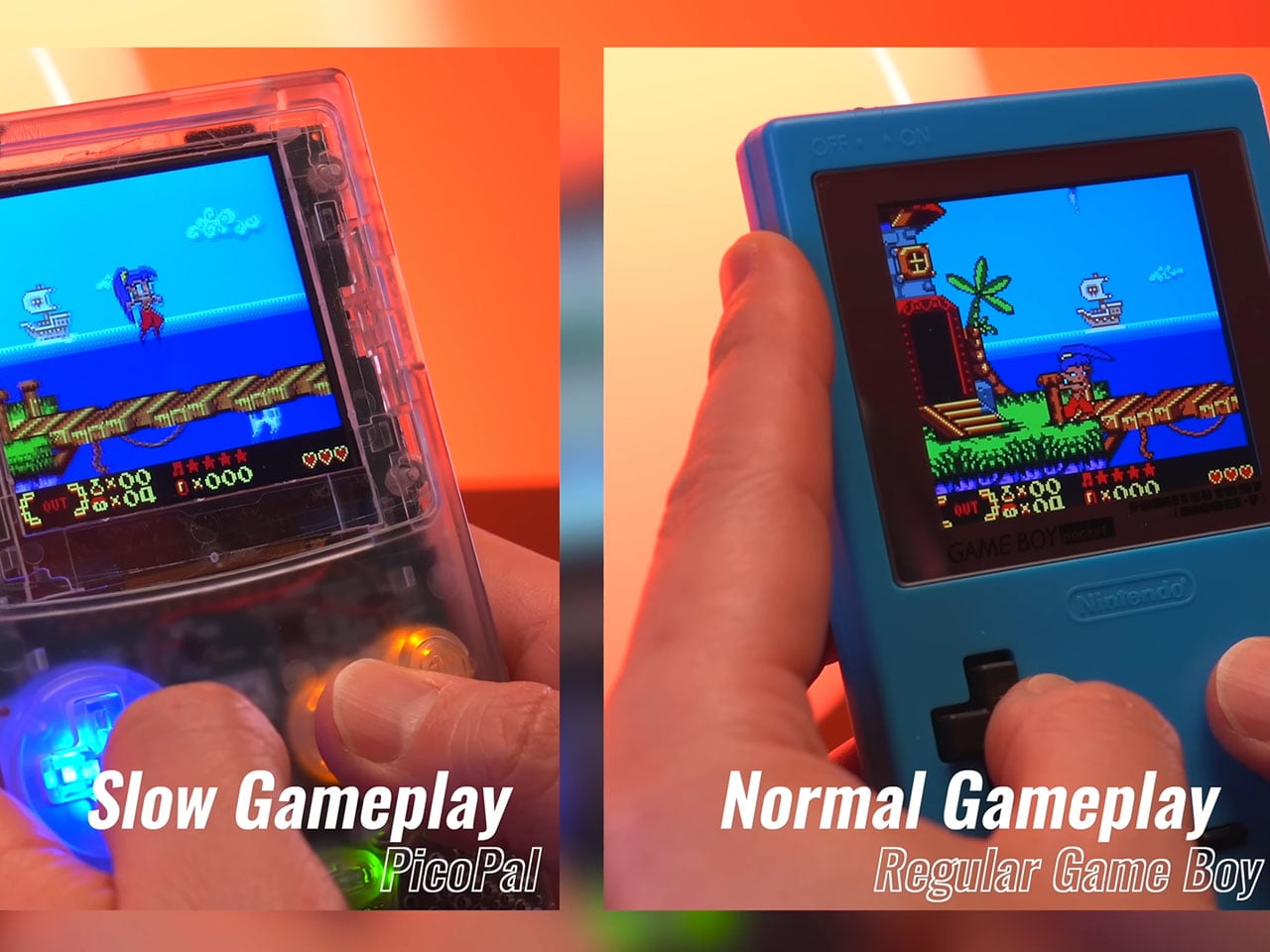
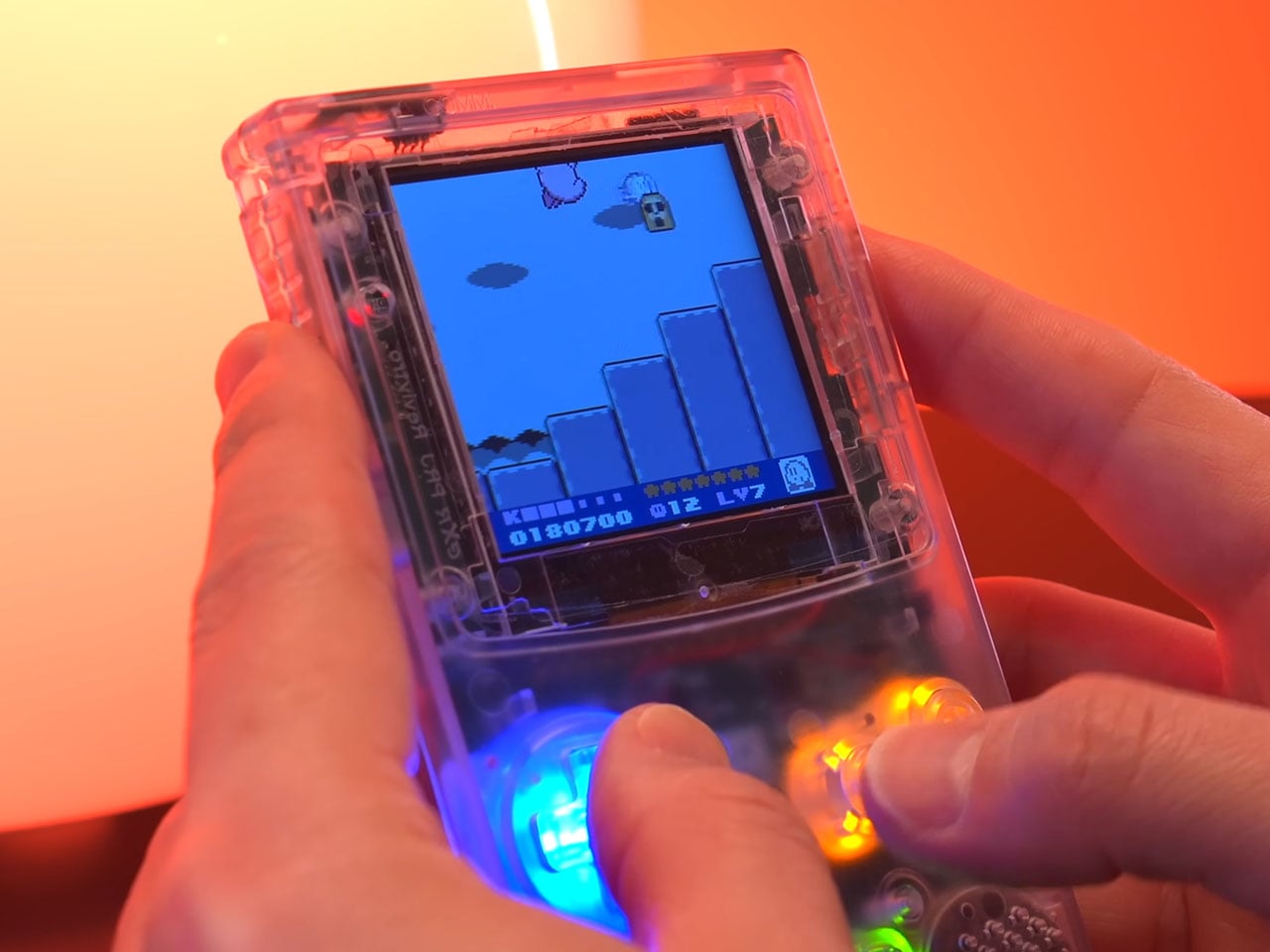
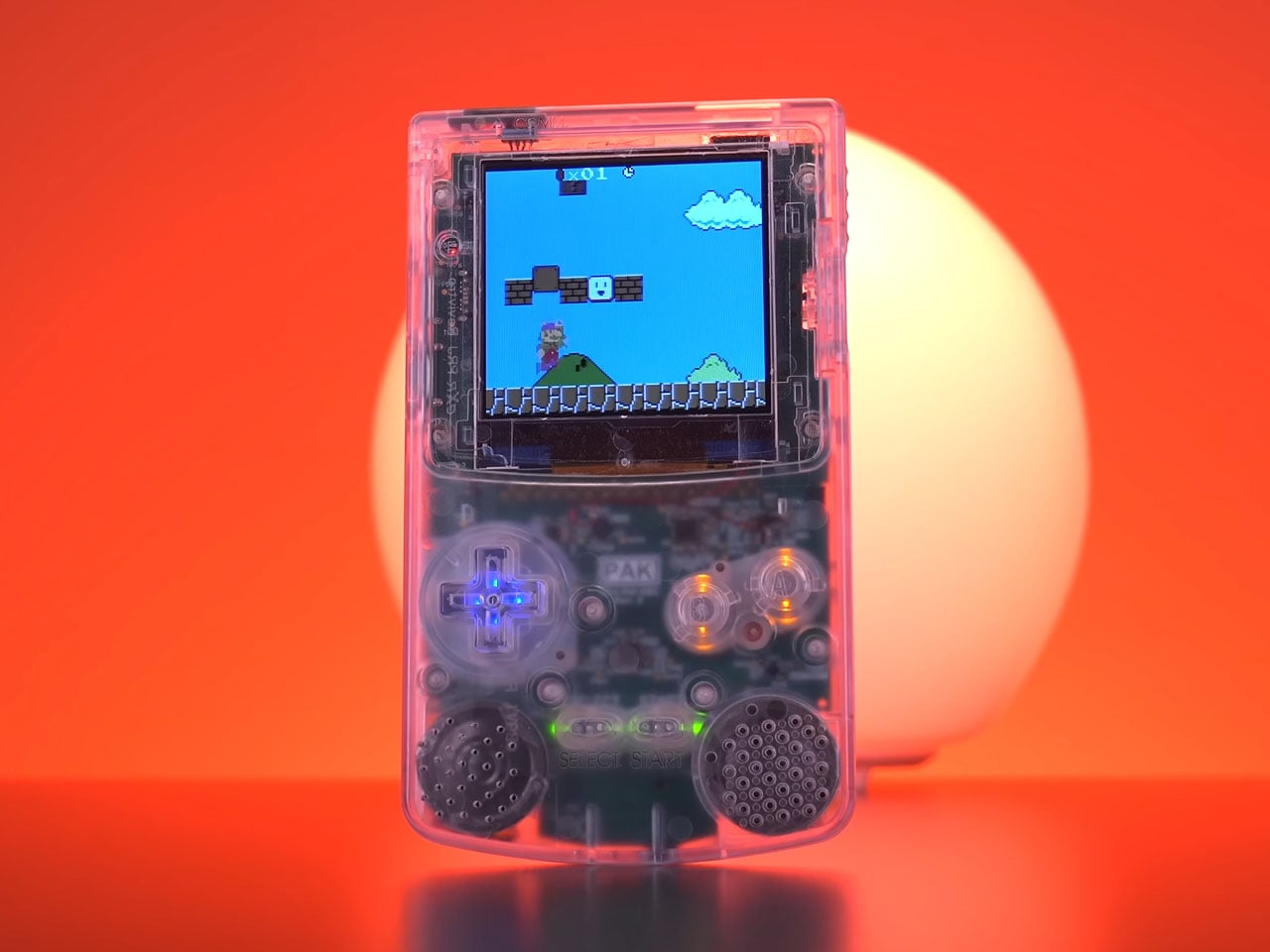
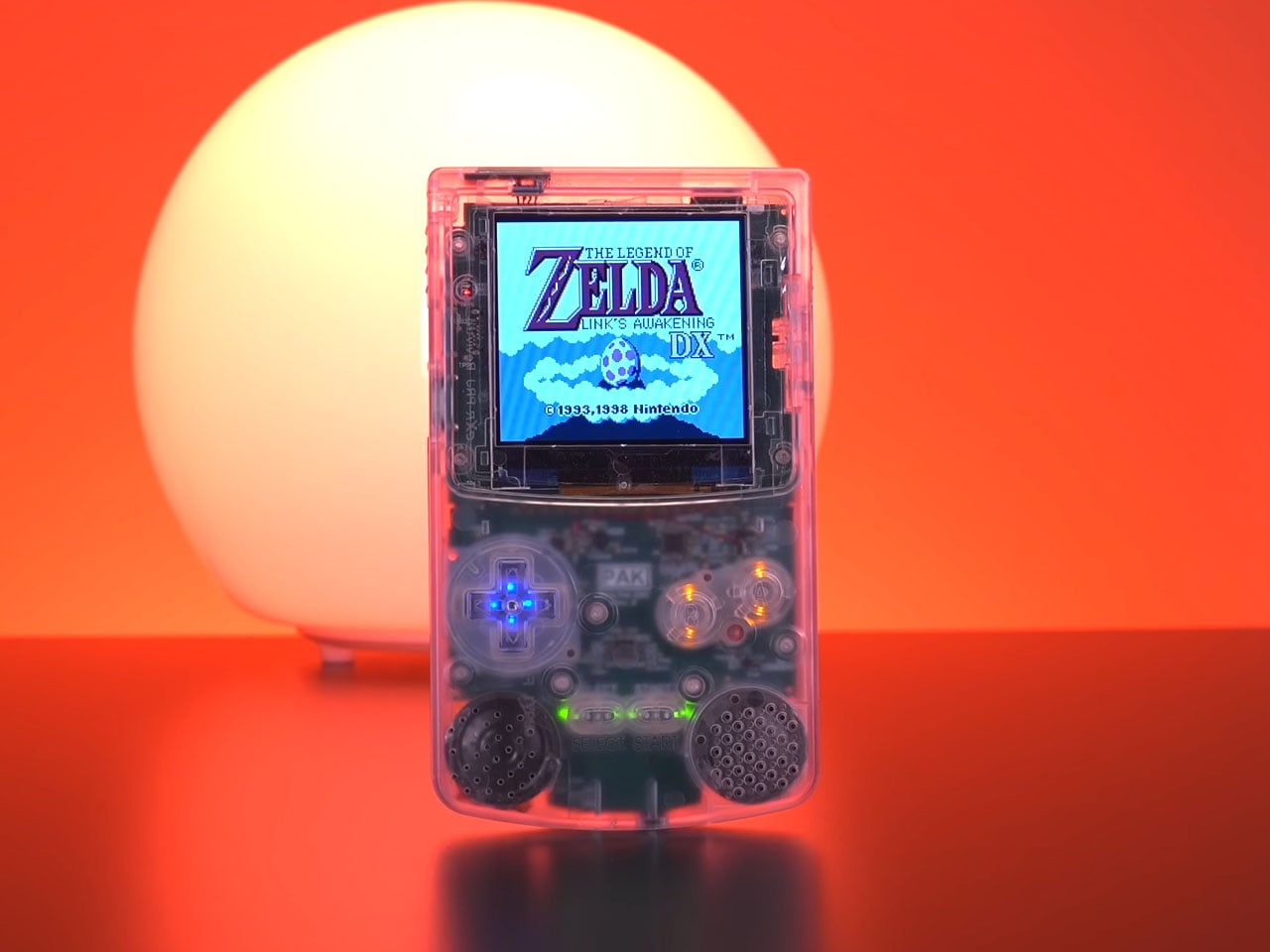
Retro gaming continues to inspire modern hardware projects, and the Pico-Pal handheld console is another thoughtful reinterpretation of one of the most recognizable portable gaming designs. Developed by hardware designer Peter Khouly, the handheld draws clear inspiration from the classic Nintendo Game Boy Color while integrating modern microcontrollers, wireless connectivity, and expanded functionality. Rather than replicating the original hardware exactly, the Pico-Pal blends nostalgia with a flexible development platform aimed at gamers and hackers alike.

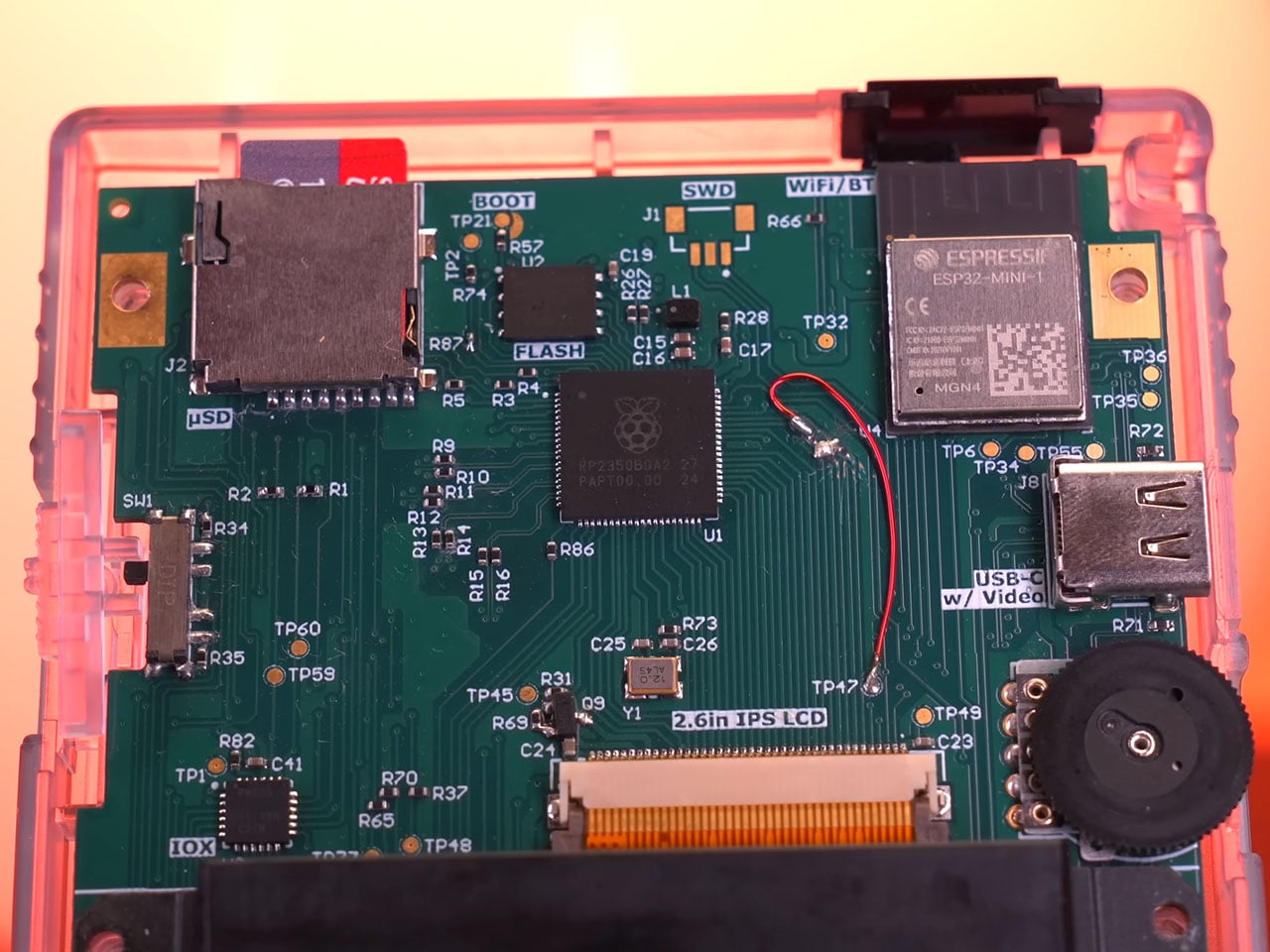
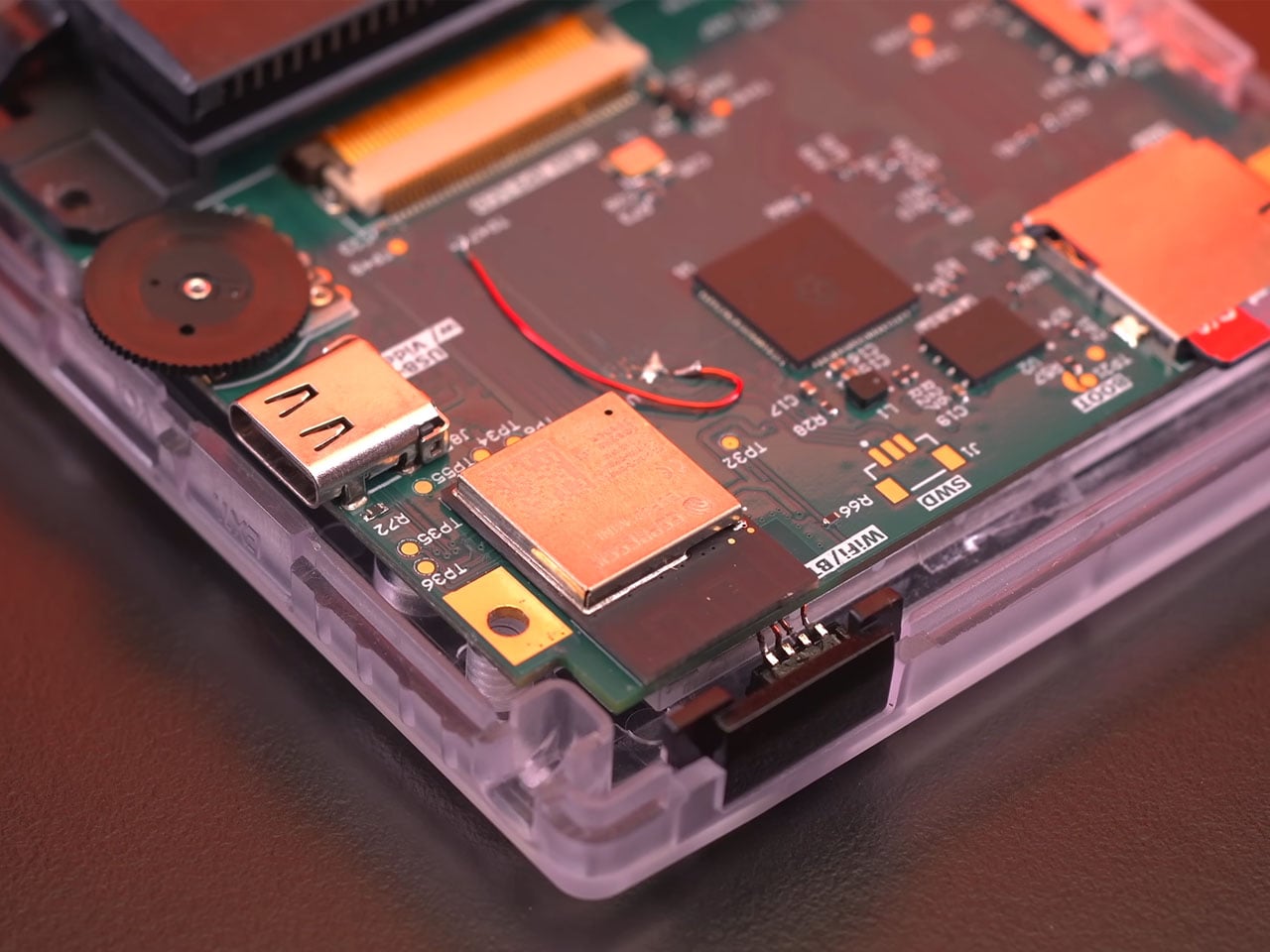
At its core, the handheld is powered by a Raspberry Pi RP2350B microcontroller paired with an Espressif ESP32 coprocessor. The RP2350B serves as the primary processing unit, handling emulation and system control, while the ESP32 provides wireless connectivity via integrated Wi-Fi and Bluetooth. This secondary chip also includes 4MB of flash storage and supports functions such as Bluetooth audio or network communication. The RP2350B itself features 16MB of flash memory, giving the device sufficient storage and processing headroom for running classic handheld titles and additional utilities.

Designer: Peter Khouly

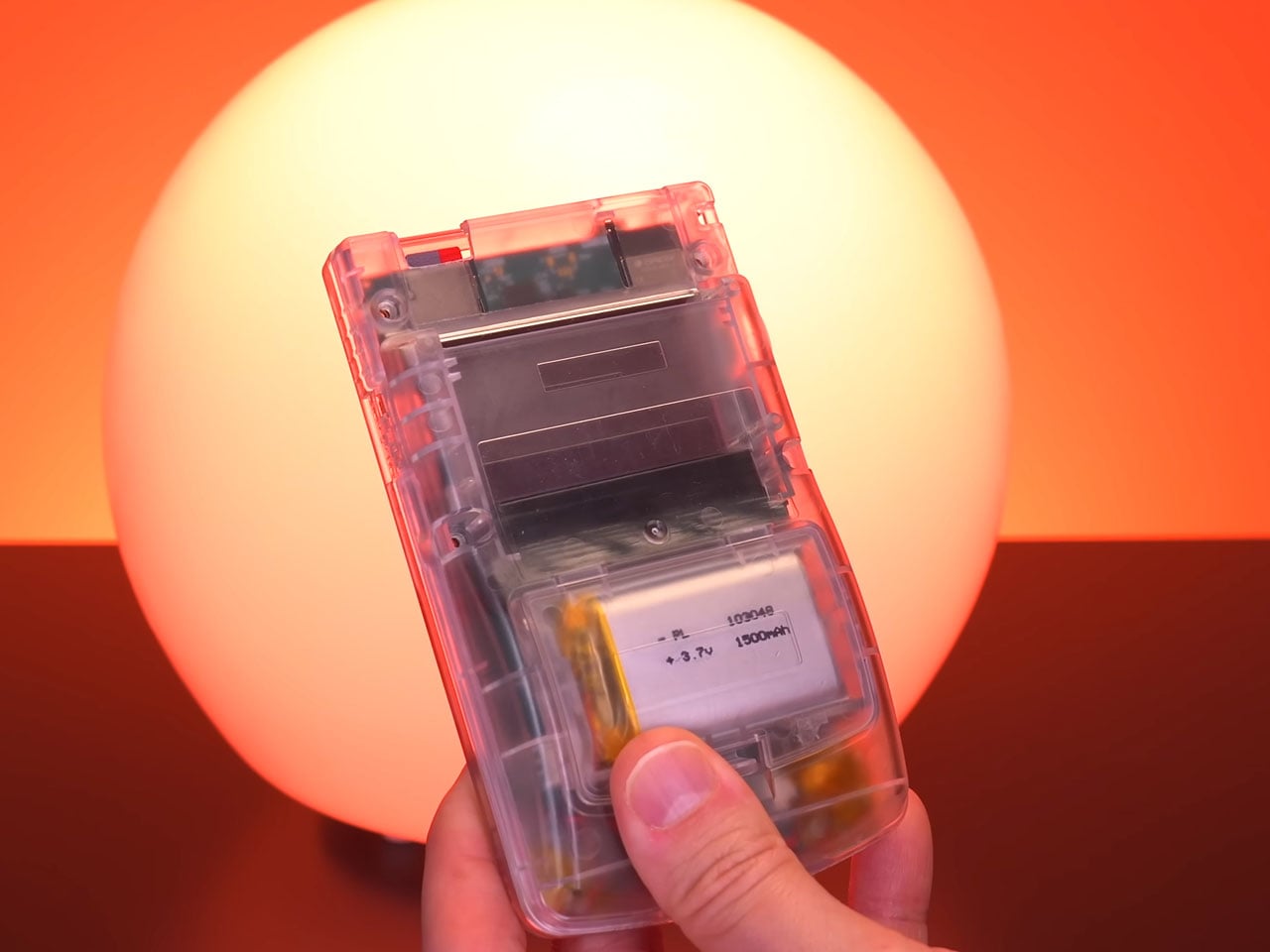
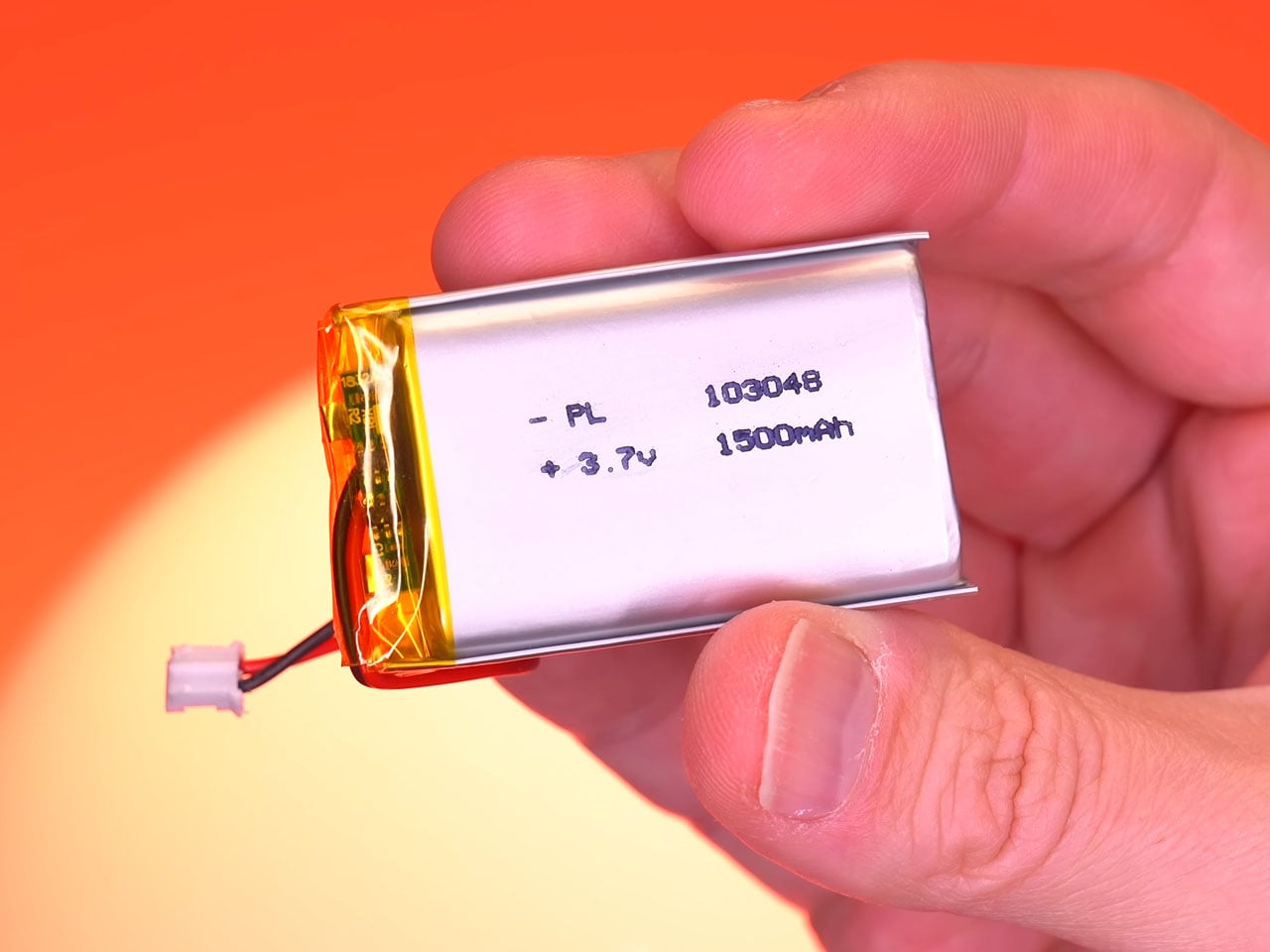
Instead of the reflective LCD panel used in the original Game Boy Color, the handheld uses a 2.6-inch IPS screen with a resolution of 320 × 320 pixels. Its square 1:1 aspect ratio suits classic handheld games particularly well, allowing retro titles to appear sharp while maintaining the visual proportions they were originally designed for. The improved screen technology also delivers wider viewing angles and brighter colors compared with older displays. Powering the device is a 1,500 mAh lithium-polymer battery that charges through a USB-C port supporting 5V/1.45A input. This rechargeable setup replaces the disposable batteries used by earlier handheld systems and provides several hours of gameplay on a single charge. Current development estimates suggest that the handheld can operate for around five hours during normal use.

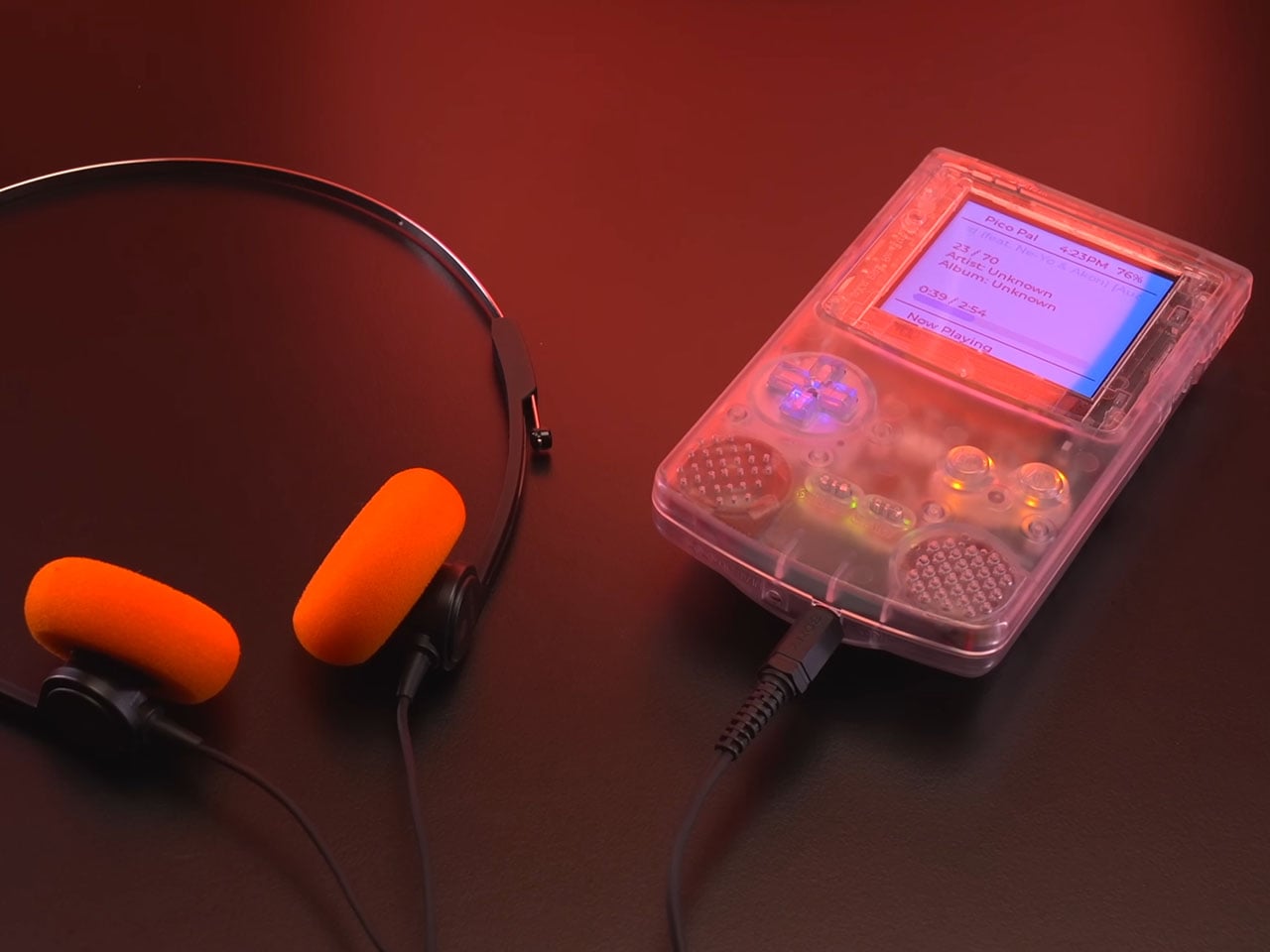
Beyond its role as a retro gaming handheld, the Pico-Pal has been designed as a flexible development platform. According to Peter, the device includes various input/output capabilities and compatibility with common communication interfaces such as SPI and I²C. This allows developers to use the handheld as a portable development kit for the RP2350 platform, enabling projects ranging from custom software tools to experimental hardware integrations. The platform can even function as a universal remote, portable music player, pedometer, or security testing device capable of simulating Bluetooth or USB input signals.

The design also incorporates several modern usability improvements compared to traditional handheld consoles. One example is the soft-power system, where the physical power switch triggers the console to save its current state before entering a low-power standby mode. Instead of abruptly cutting power like older devices, the Pico-Pal can quickly resume gameplay from where the user left off. Development updates also mention additional features such as real-time clock support for games that rely on time tracking, Bluetooth audio functionality, and digital video output that could allow the handheld to connect to external displays. Though one feature that is an absolute steal is the ability to play MP3 files off the storage, for music buffs like me.

Although the Pico-Pal closely resembles a Game Boy Color at first glance, its philosophy is quite different from modern FPGA-based retro consoles. Rather than focusing on perfect hardware recreation, the project embraces a microcontroller-driven design that balances efficiency and versatility.

The post Pico-Pal reimagines Game Boy Color as modern retro handheld that can play music first appeared on Yanko Design.