The ENSA P1 Concept Brings Album Art Back to Life

Music doesn’t weigh anything anymore. It hasn’t for a while. We went from shelves full of vinyl and towers of CDs to playlists that scroll infinitely and libraries that live nowhere in particular. Streaming gave us everything, all at once, all the time. But somewhere in the exchange, we lost the part of listening that involved our hands, our eyes, and our attention. Designer Vladimir Dubrovin seems to feel that loss deeply, and his concept project, the ENSA P1, is a beautifully strange attempt to get some of it back.

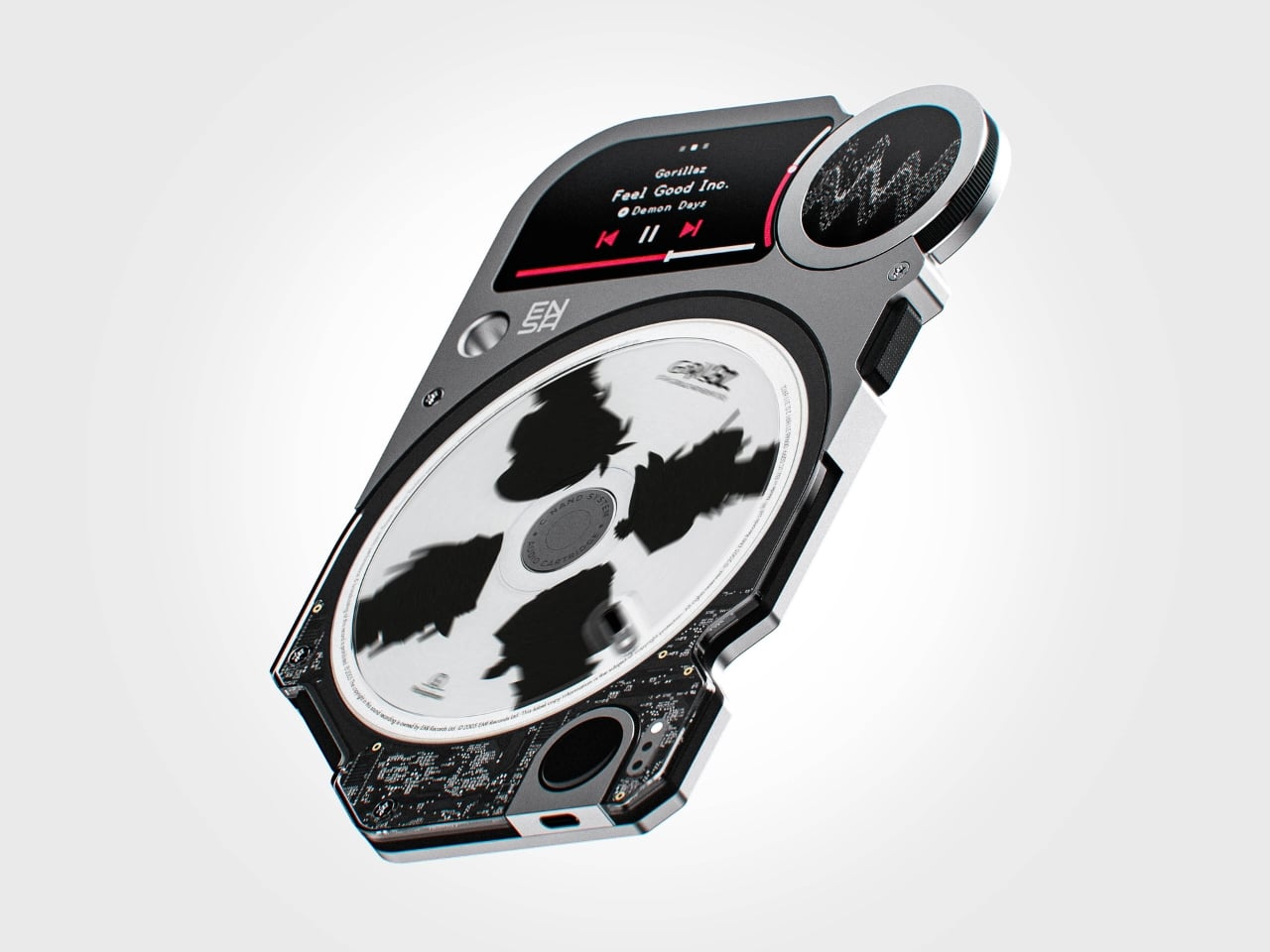
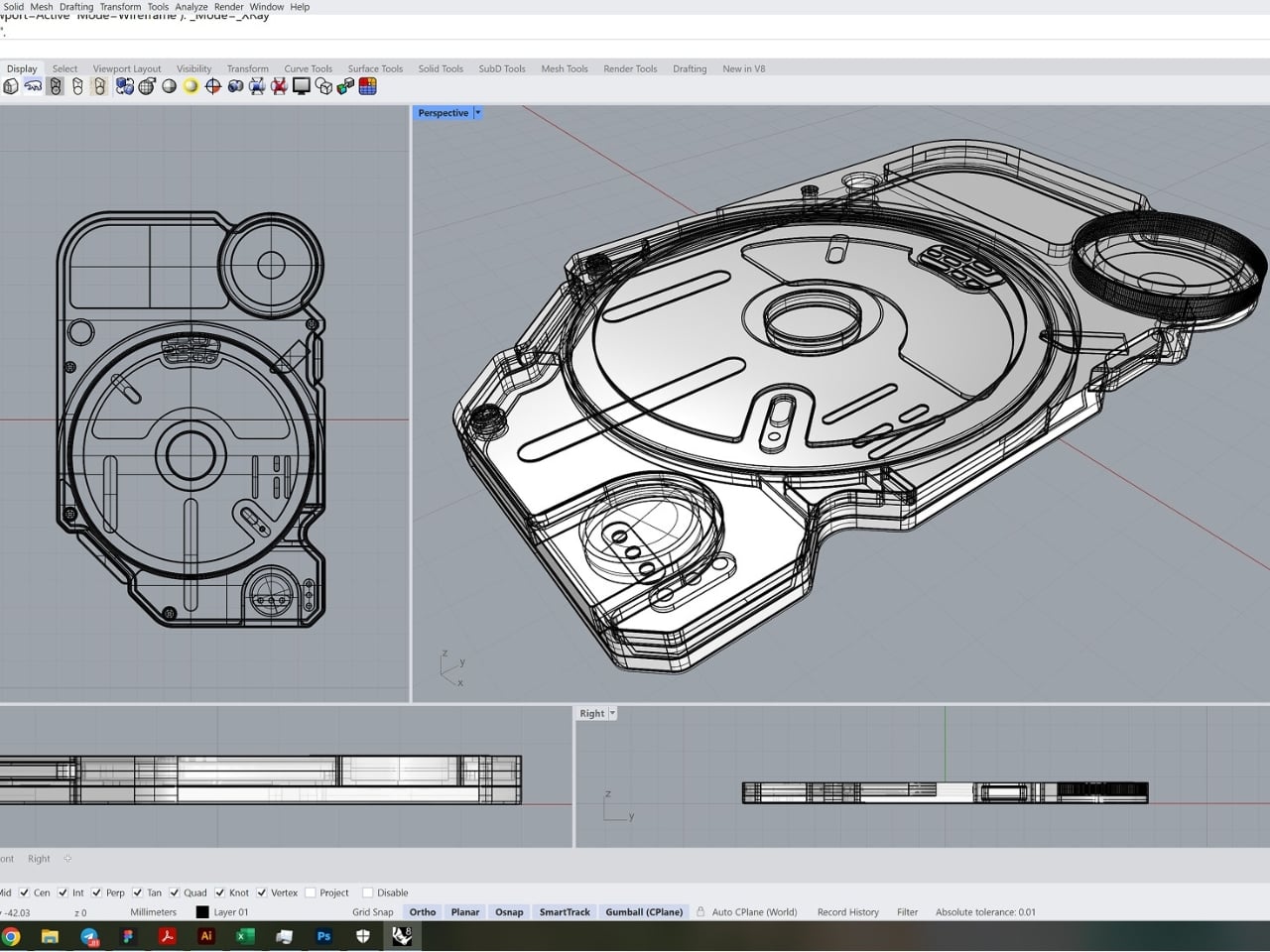
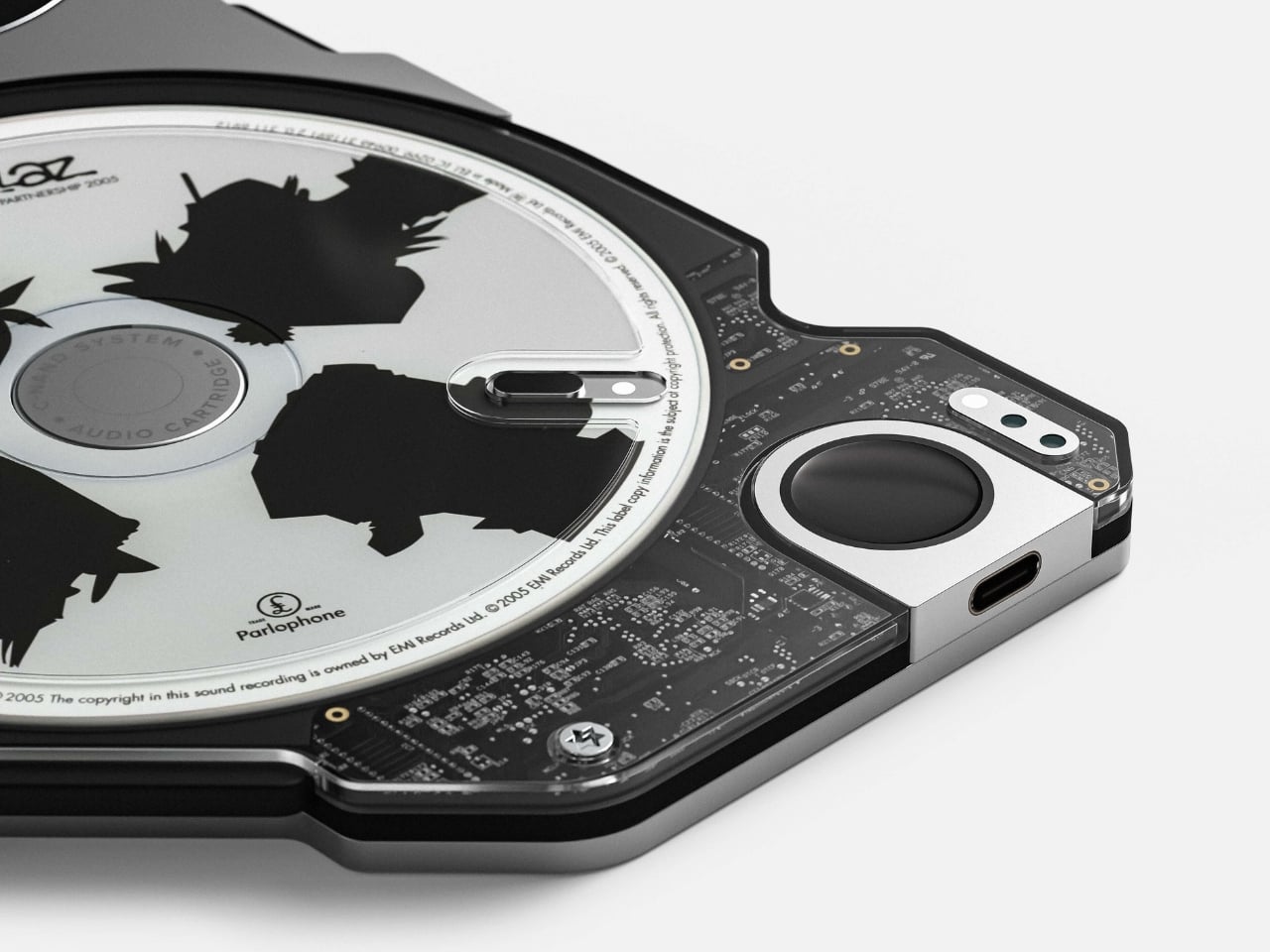
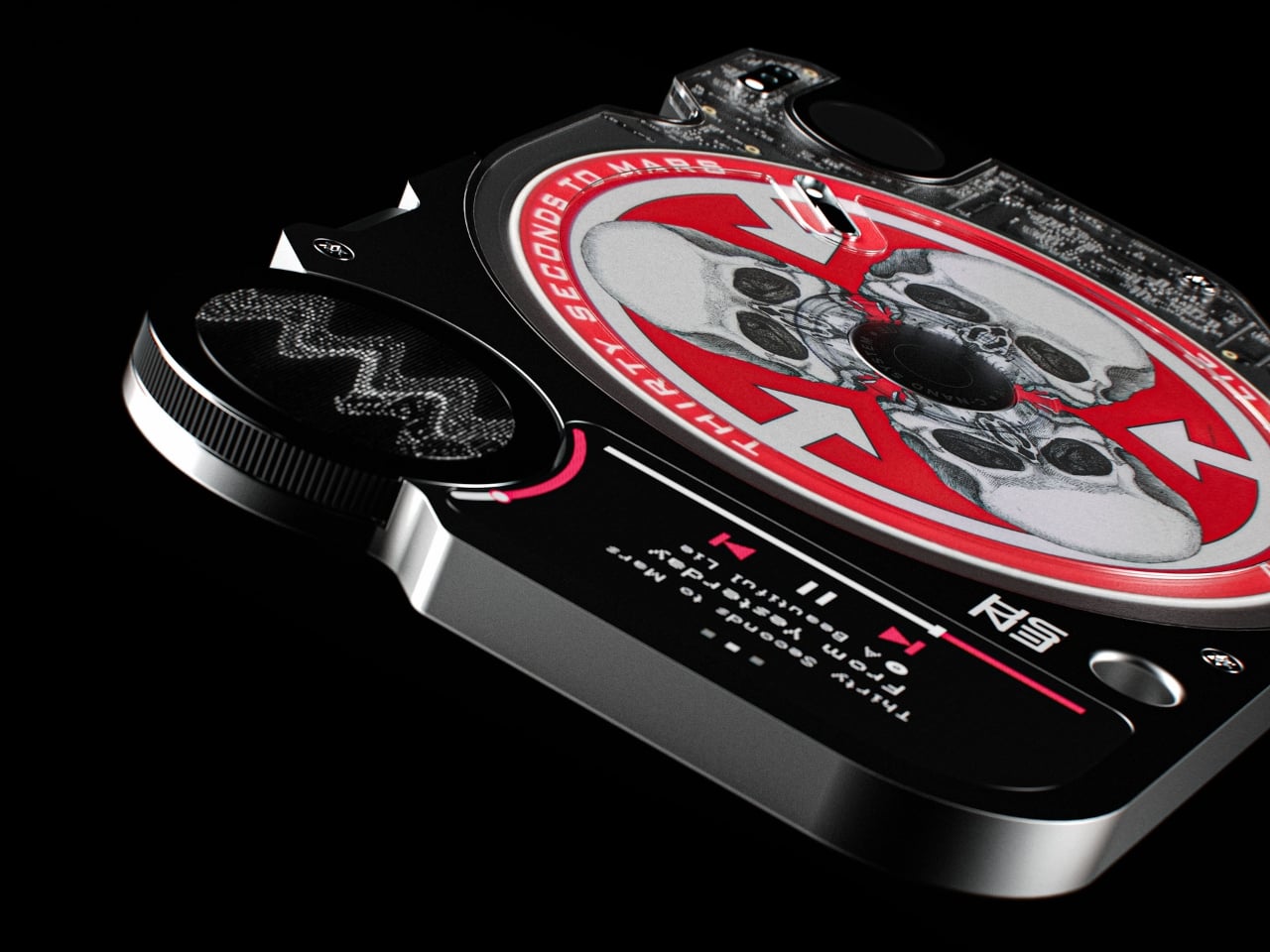
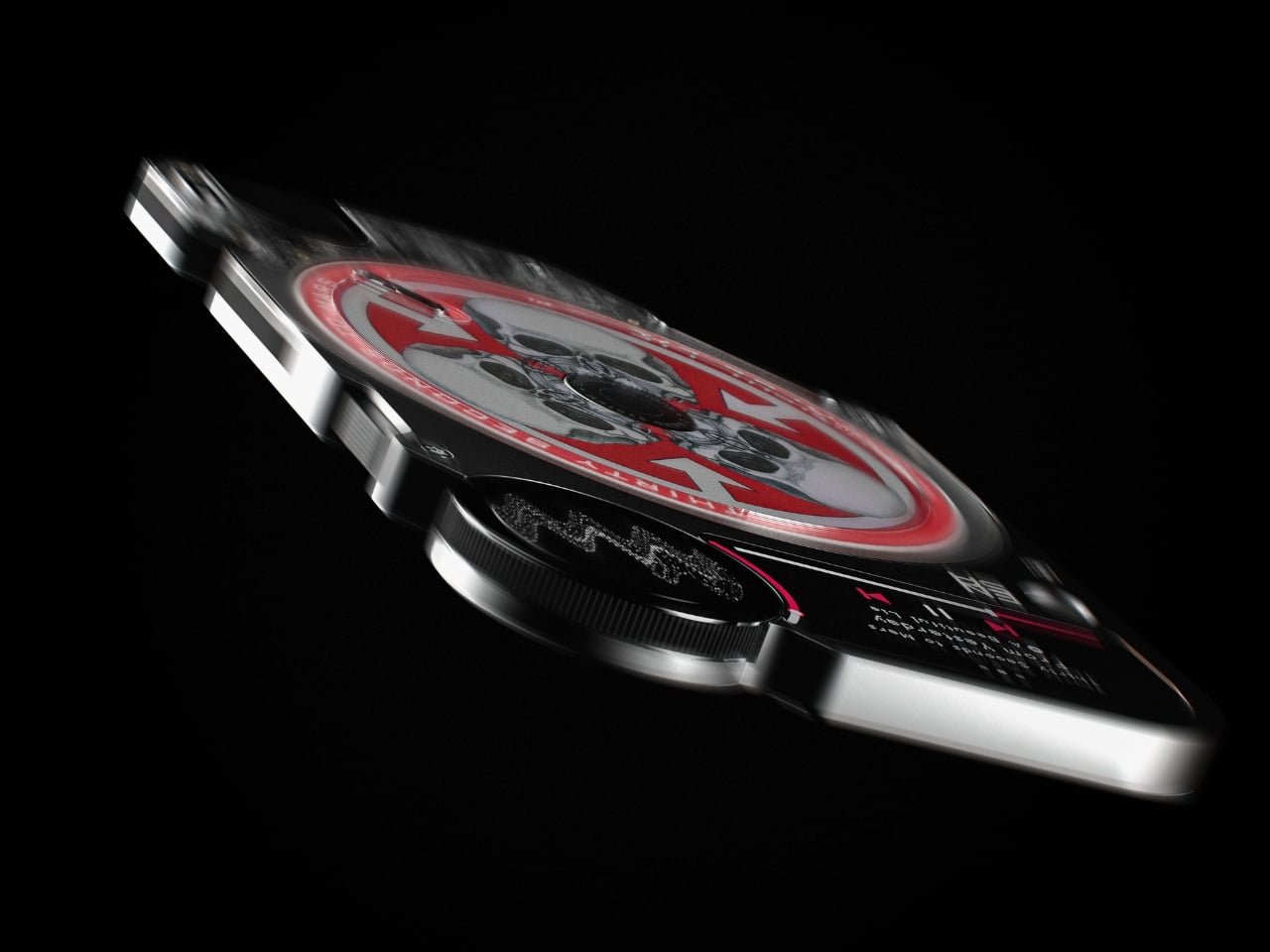
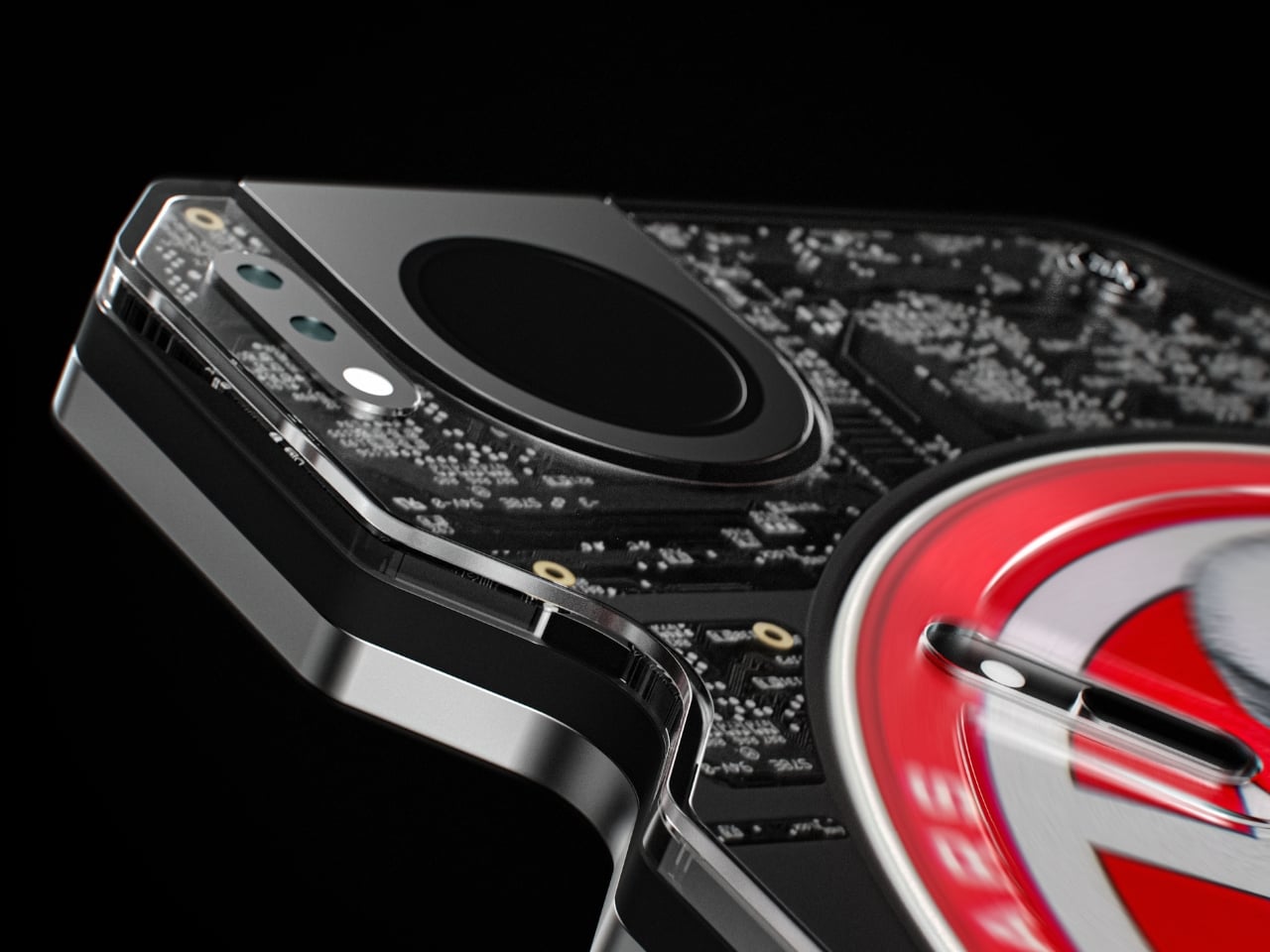
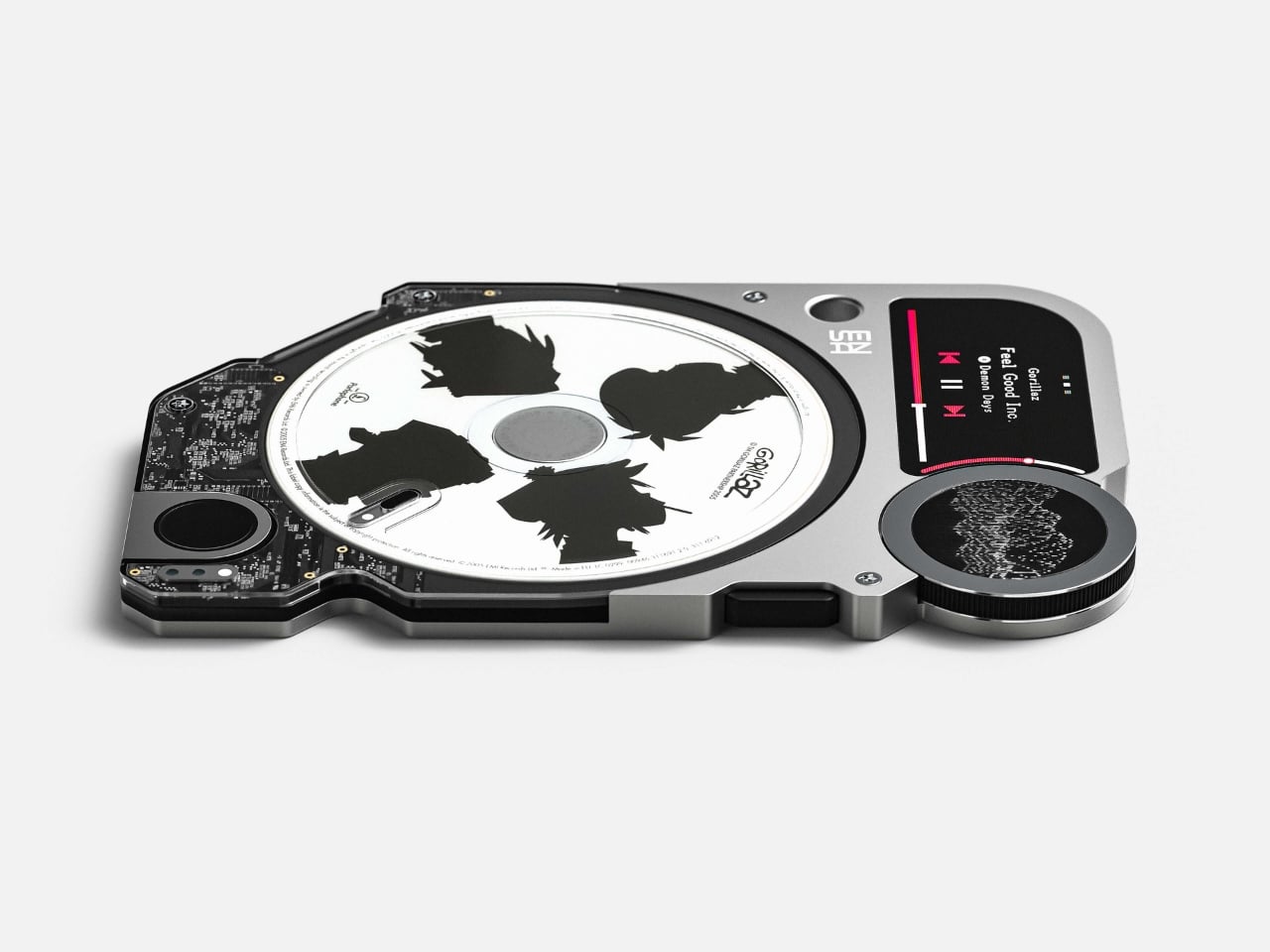
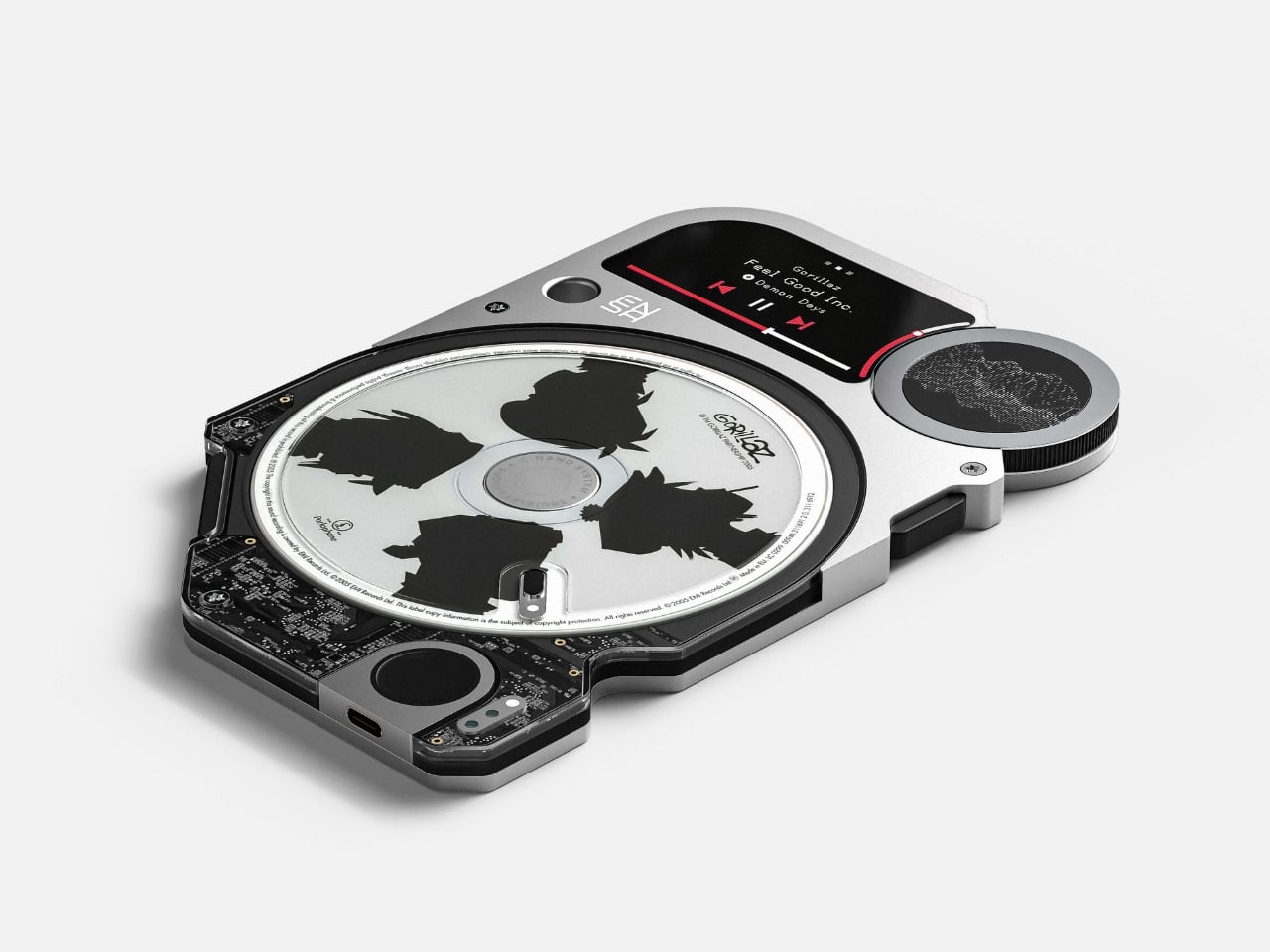
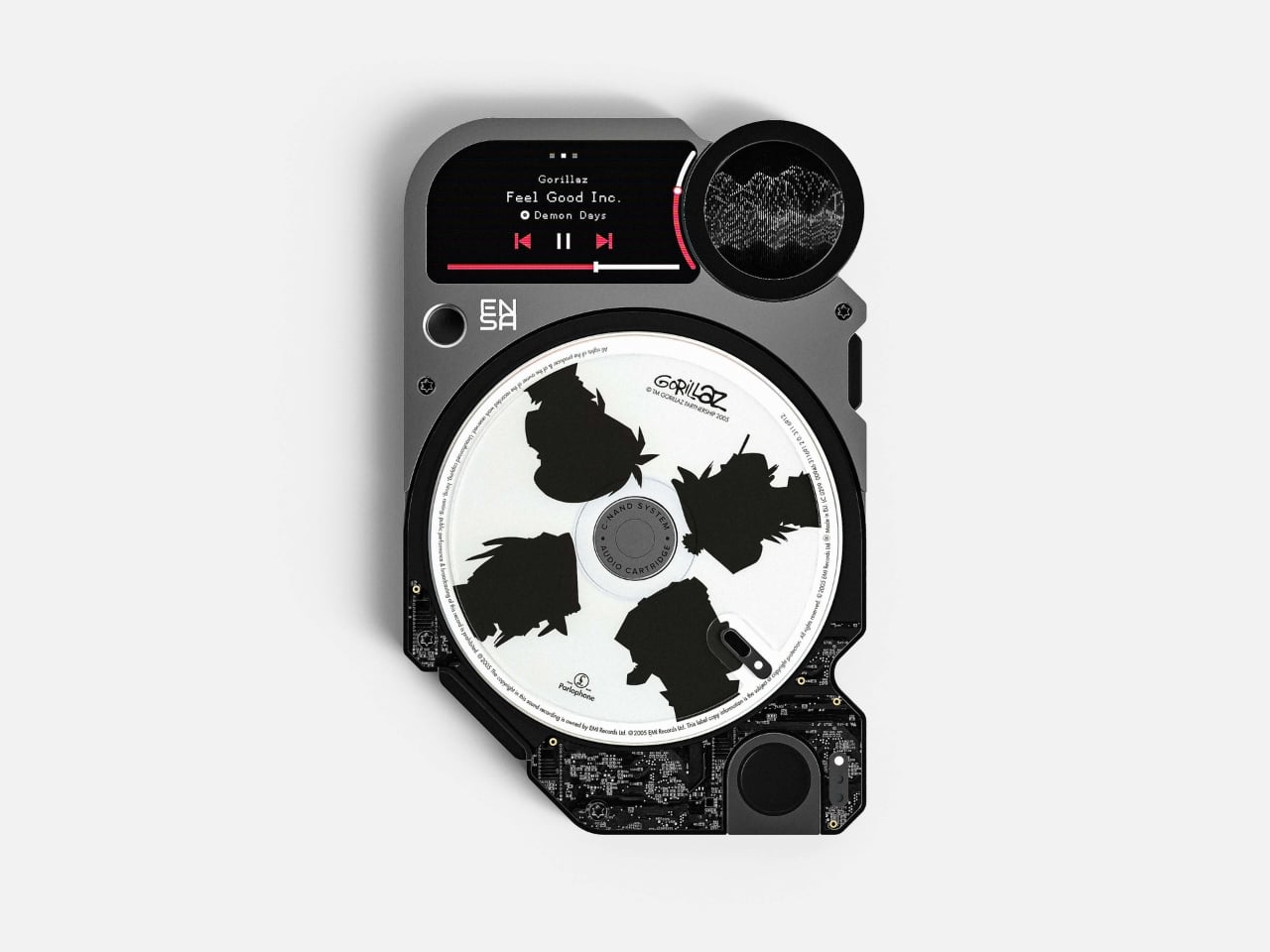
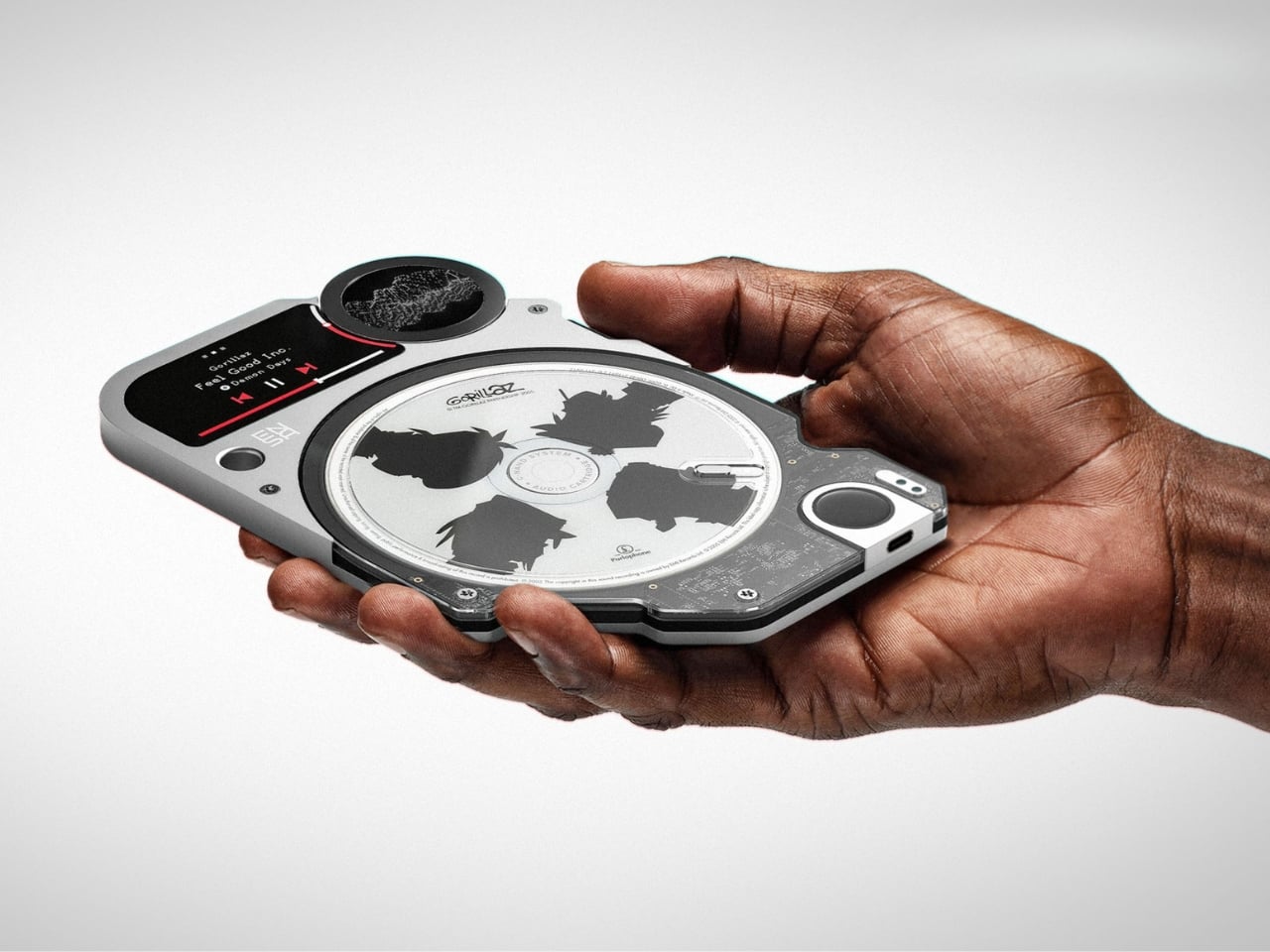
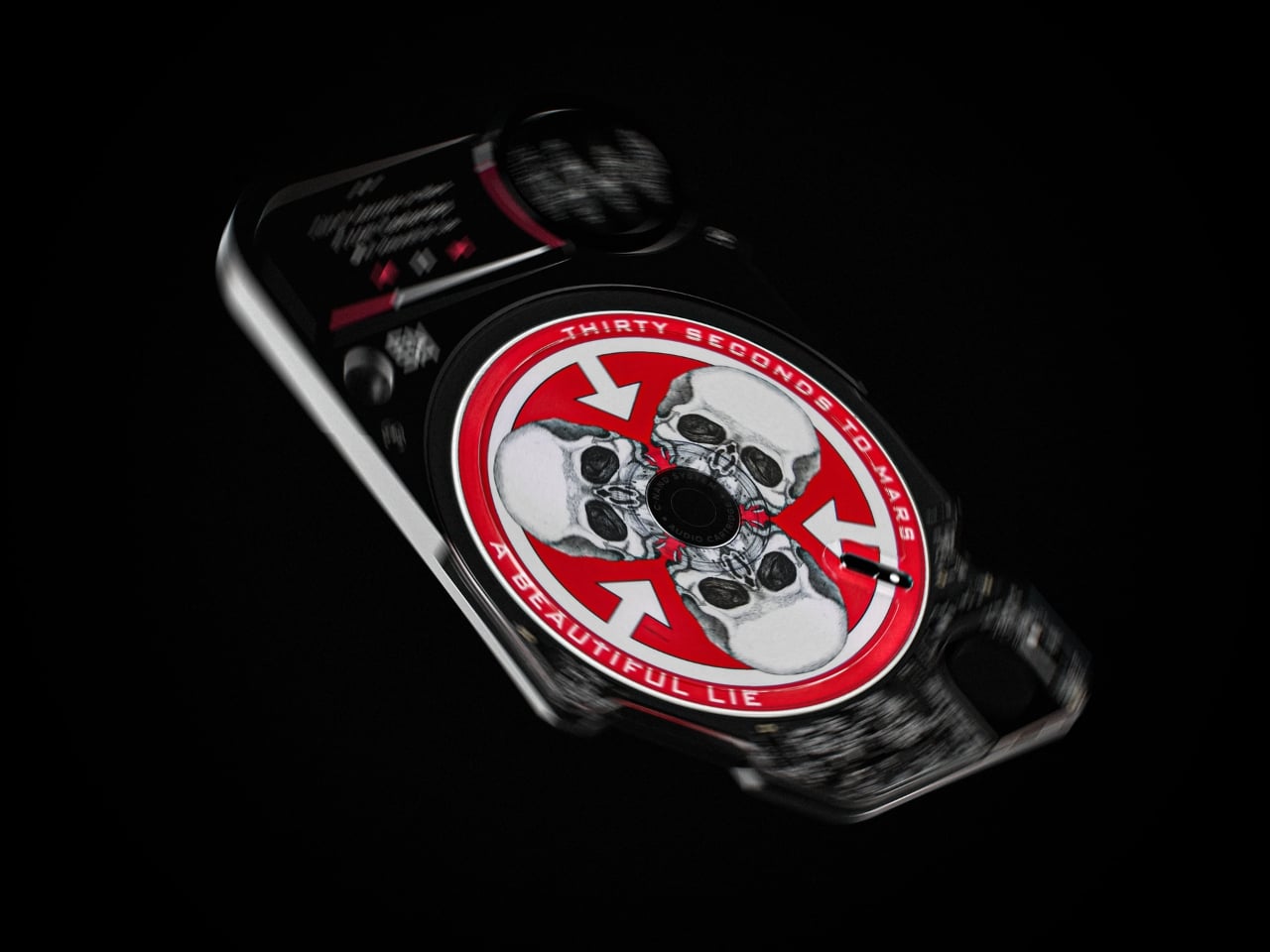
The ENSA P1 is a portable audio player built around a format Dubrovin calls C-NAND: small, disc-shaped solid-state cartridges, each one holding a single album. Think of it as a USB flash drive that decided it wanted to be a CD when it grew up. The cartridges have no moving parts, no spinning platters, nothing mechanical. They’re entirely digital in how they store sound. But they have shape, texture, and visual identity. You can hold one in your hand, flip it over, look at it, and place it into a device that makes the simple act of choosing music feel deliberate again.

Designer: Vladimir Dubrovin

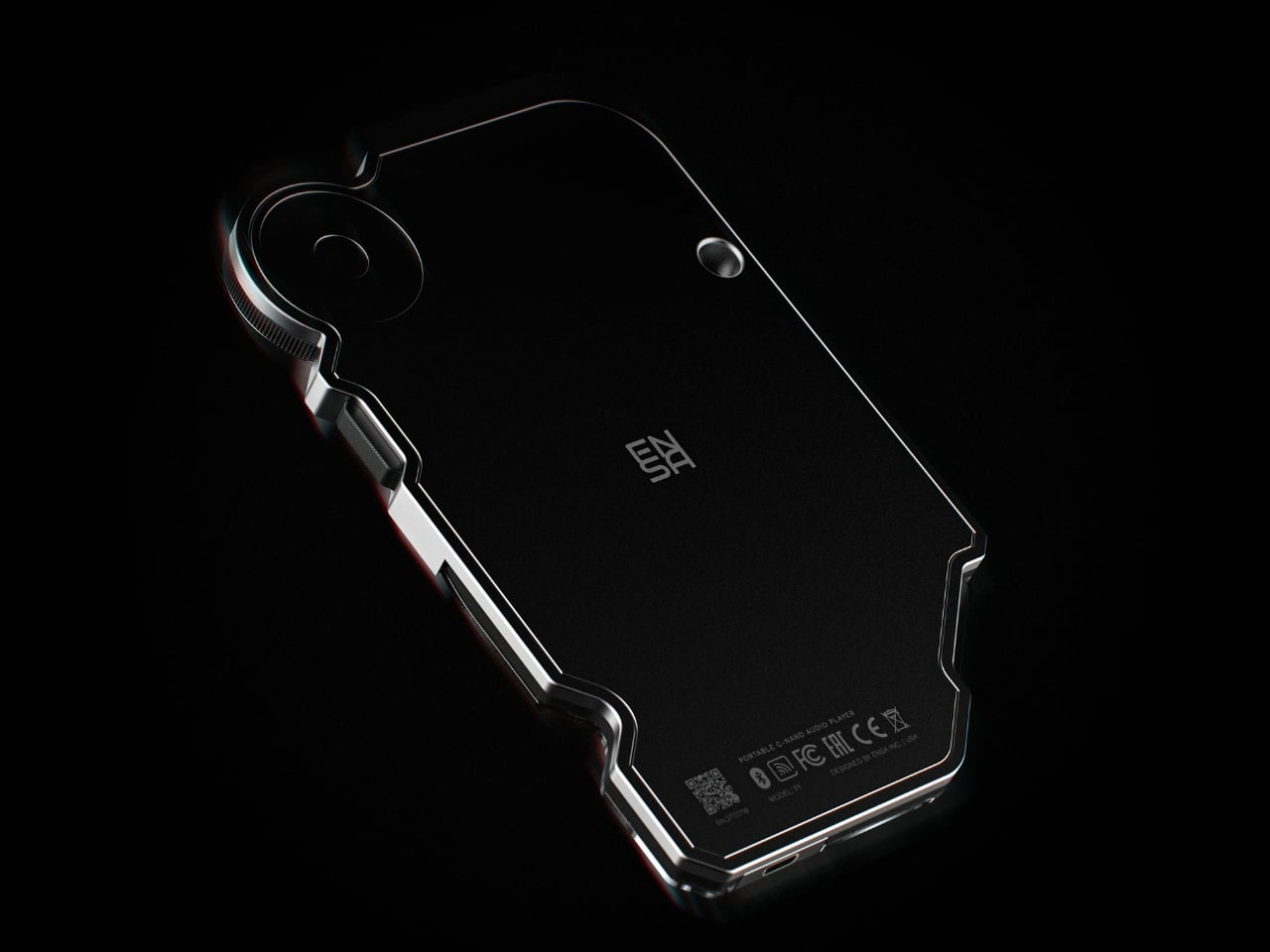
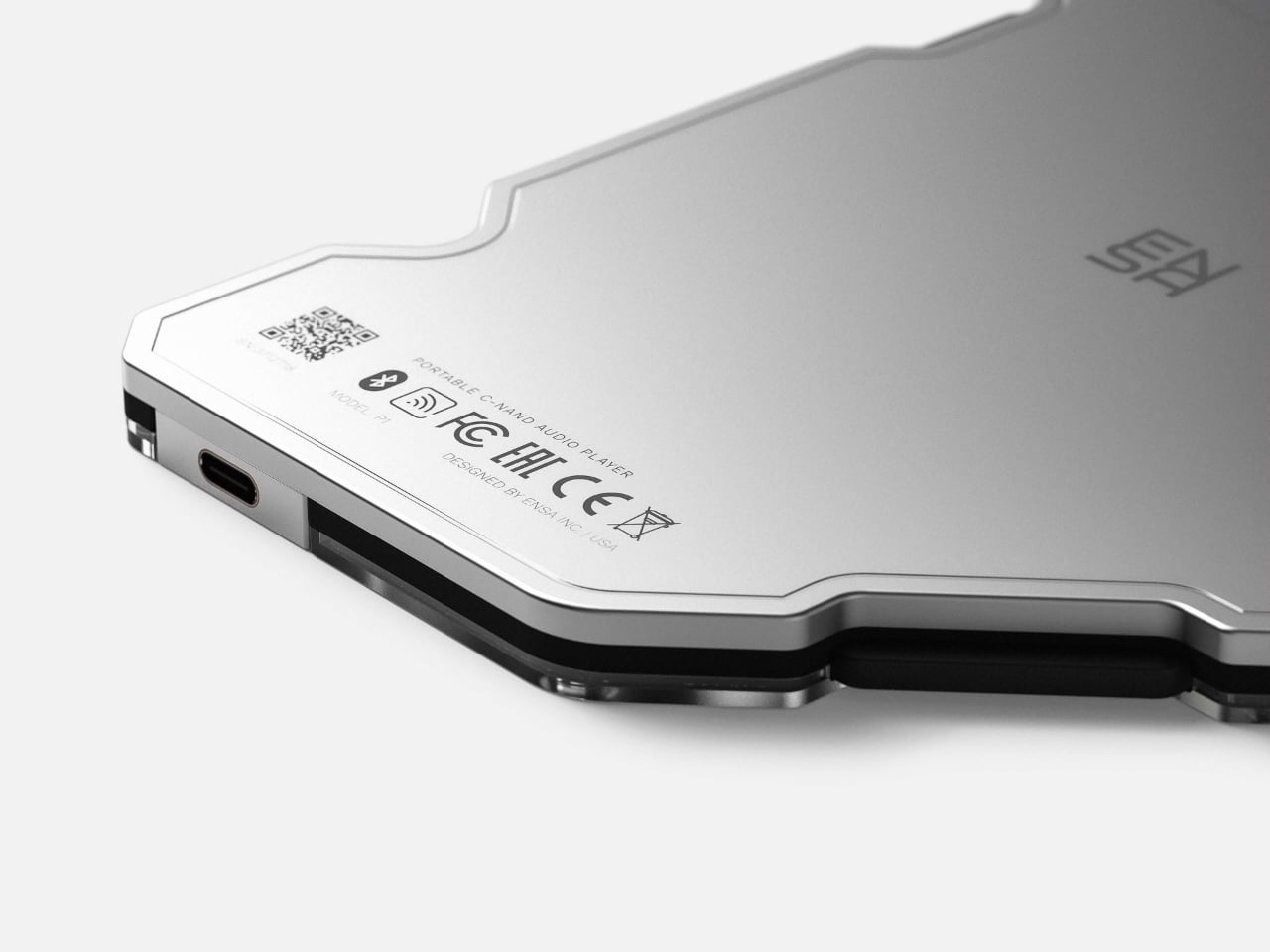
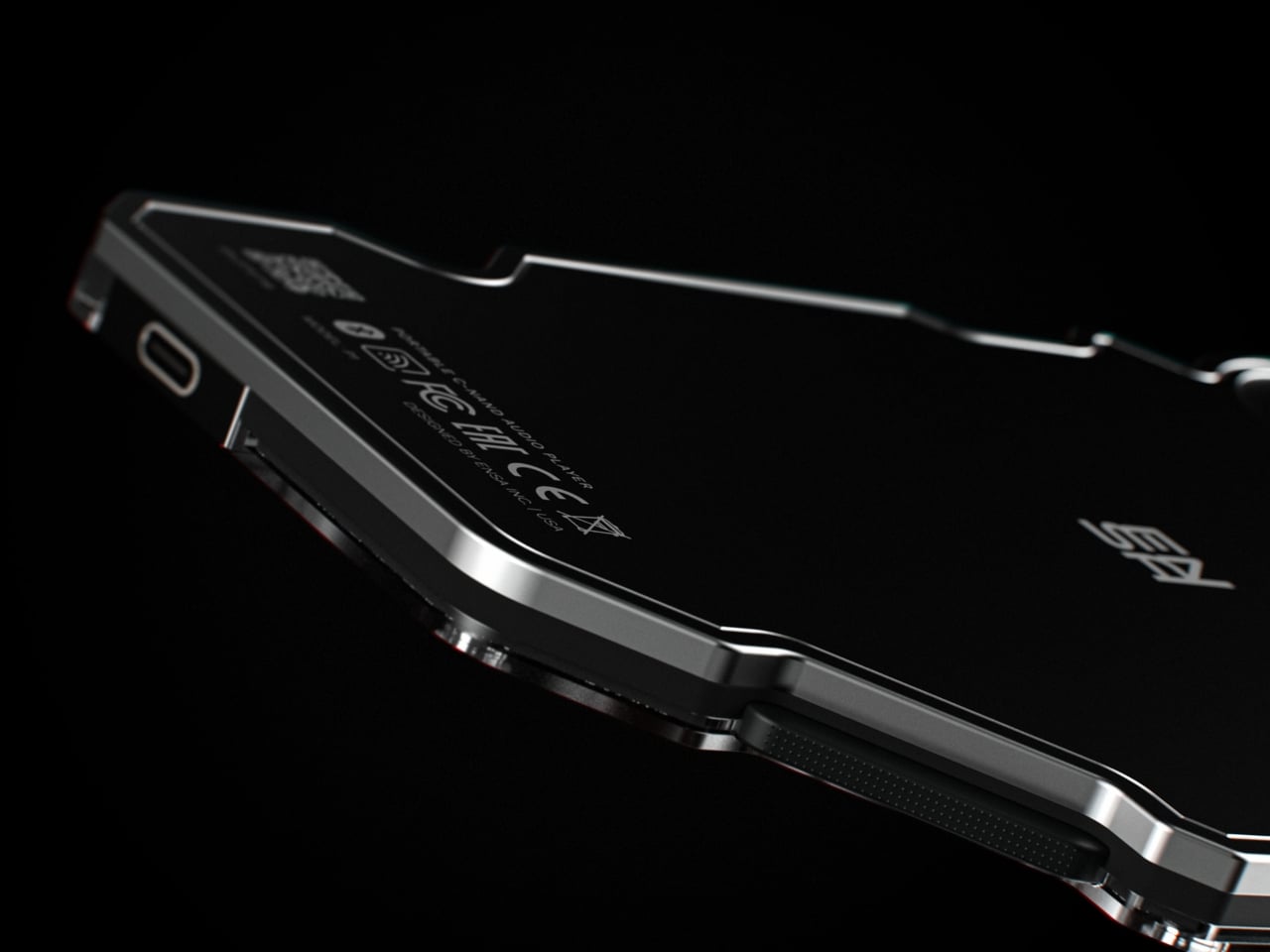
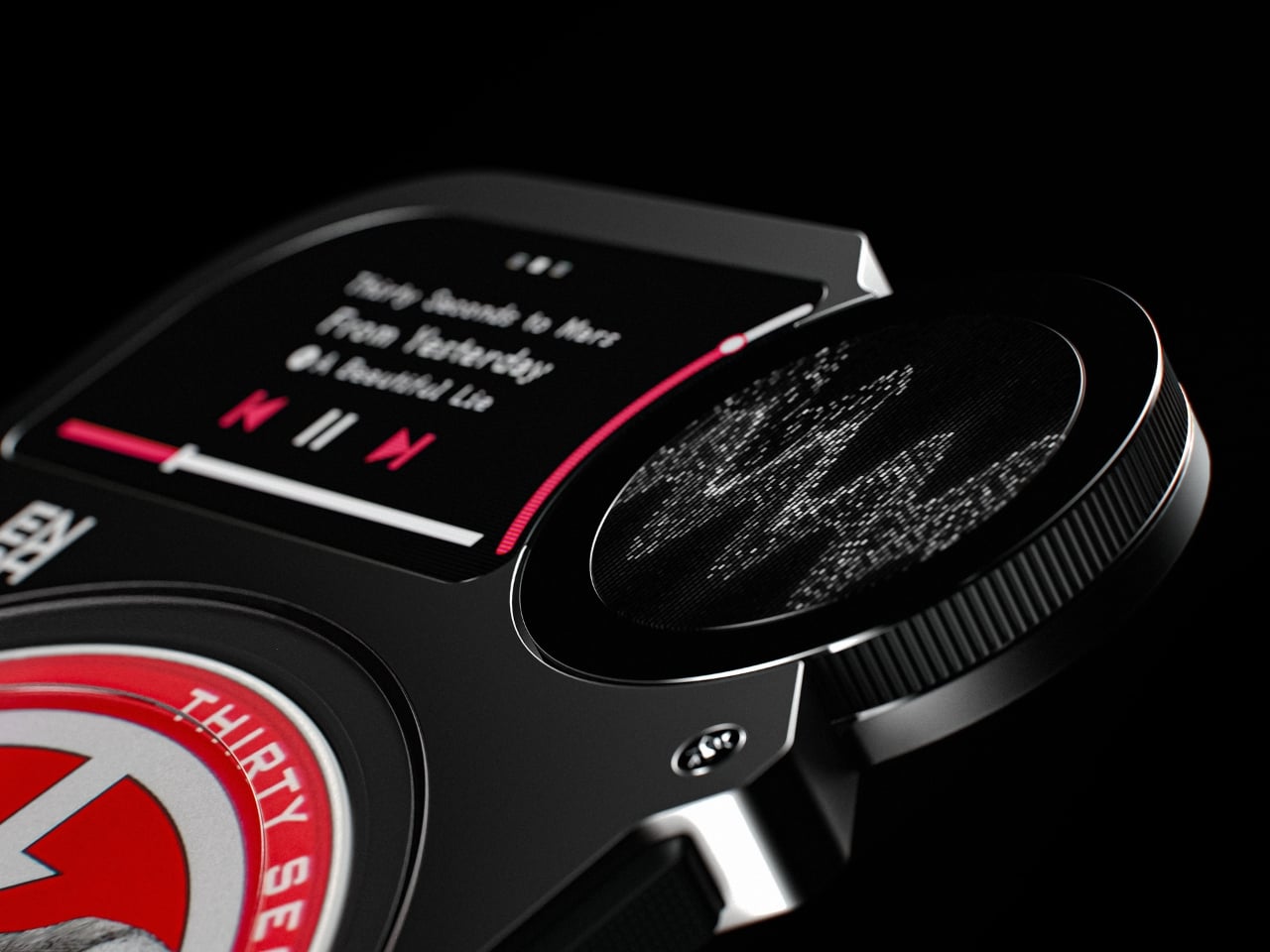
The player itself is a compact, rectangular piece of hardware with rounded corners and what appears to be an aluminum body. A small window in the center reveals the disc cartridge sitting inside, which is a clever touch that borrows the visual language of older disc players without pretending to be one. On the left side sits a mini display that shows track information and visualizes the rhythm of whatever you’re listening to, turning the waveform into something you can actually watch move. There’s a circular element on top that looks like it could be a control dial, though the overall design is restrained enough that you’d be forgiven for thinking it’s a piece of minimalist sculpture rather than consumer electronics.

What I find compelling about this project isn’t really the hardware specs or the imagined format. It’s the question sitting underneath all of it. Dubrovin is essentially proposing an alternate timeline for digital audio, one where music didn’t just evaporate into the cloud but instead evolved into a new kind of physical object. It’s speculative design at its most interesting because it doesn’t reject technology or romanticize the past. It takes the best of digital storage and asks why we couldn’t wrap it in something worth touching.

I think about this more than I probably should. The way I listen to music now is fundamentally different from how I listened to it fifteen years ago, and not all of those changes have been improvements. Streaming removed friction, which is great when you want to hear a song right now, but friction was also part of the ritual. Pulling a record from its sleeve, placing the needle, reading the liner notes while the first track played. Even loading a CD had a certain ceremony to it. The ENSA P1 reimagines that ceremony for a digital context, and I appreciate that it does so without being preachy about it.

Of course, this is a concept. Dubrovin is a designer exploring ideas, not launching a Kickstarter. The C-NAND format doesn’t exist, and the likelihood of any physical music format gaining mainstream traction against Spotify and Apple Music is, let’s say, modest. But that’s not really the point. Concept work like this serves a different purpose. It expands the conversation about what technology could look like if we designed it around human experience rather than pure efficiency. It reminds us that convenience and meaning don’t always travel in the same direction.

The vinyl revival already proved that people are willing to pay more and accept less convenience in exchange for a richer, more physical relationship with music. The ENSA P1 takes that impulse and pushes it forward instead of backward. Rather than returning to a format from the 1950s, it imagines what a new physical format could be if we designed one today with modern materials and digital storage. That feels like a more honest response to what listeners actually seem to want.

Whether or not something like the ENSA P1 ever gets made, the conversation it starts is worth having. We’ve spent two decades optimizing music for access. Maybe it’s time to start optimizing it for experience again.

The post The ENSA P1 Concept Brings Album Art Back to Life first appeared on Yanko Design.

Astell&Kern Just Killed the Touchscreen With Two Knobs and $2,000

Physical controls are having a moment. Volkswagen and Subaru are bringing back buttons and dials after years of touchscreen regret. Ferrari’s first EV was designed with Jony Ive’s studio around toggle switches and analog-style gauges. Across the design world, the message is clear: tactile isn’t nostalgia, it’s better design.

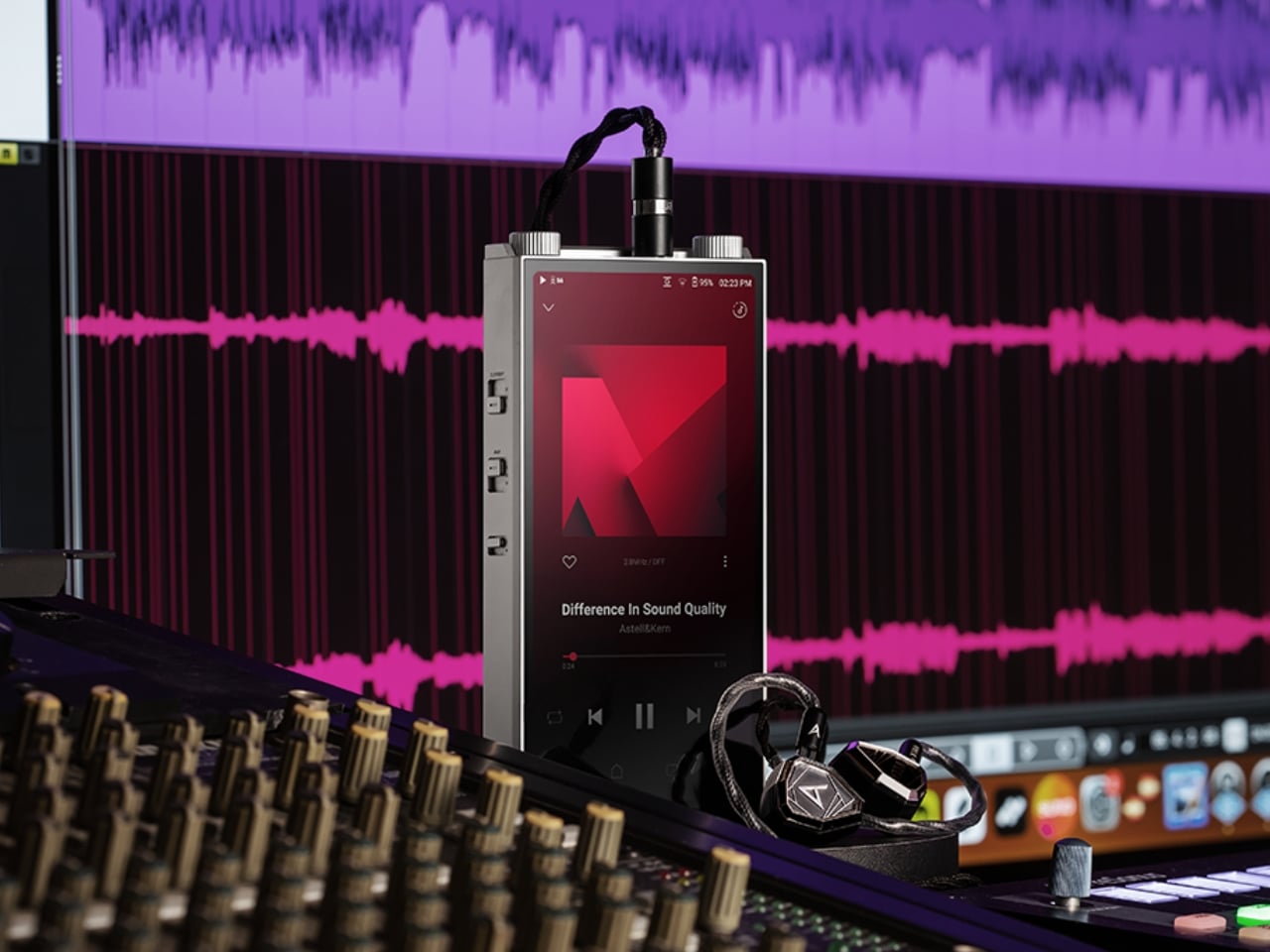
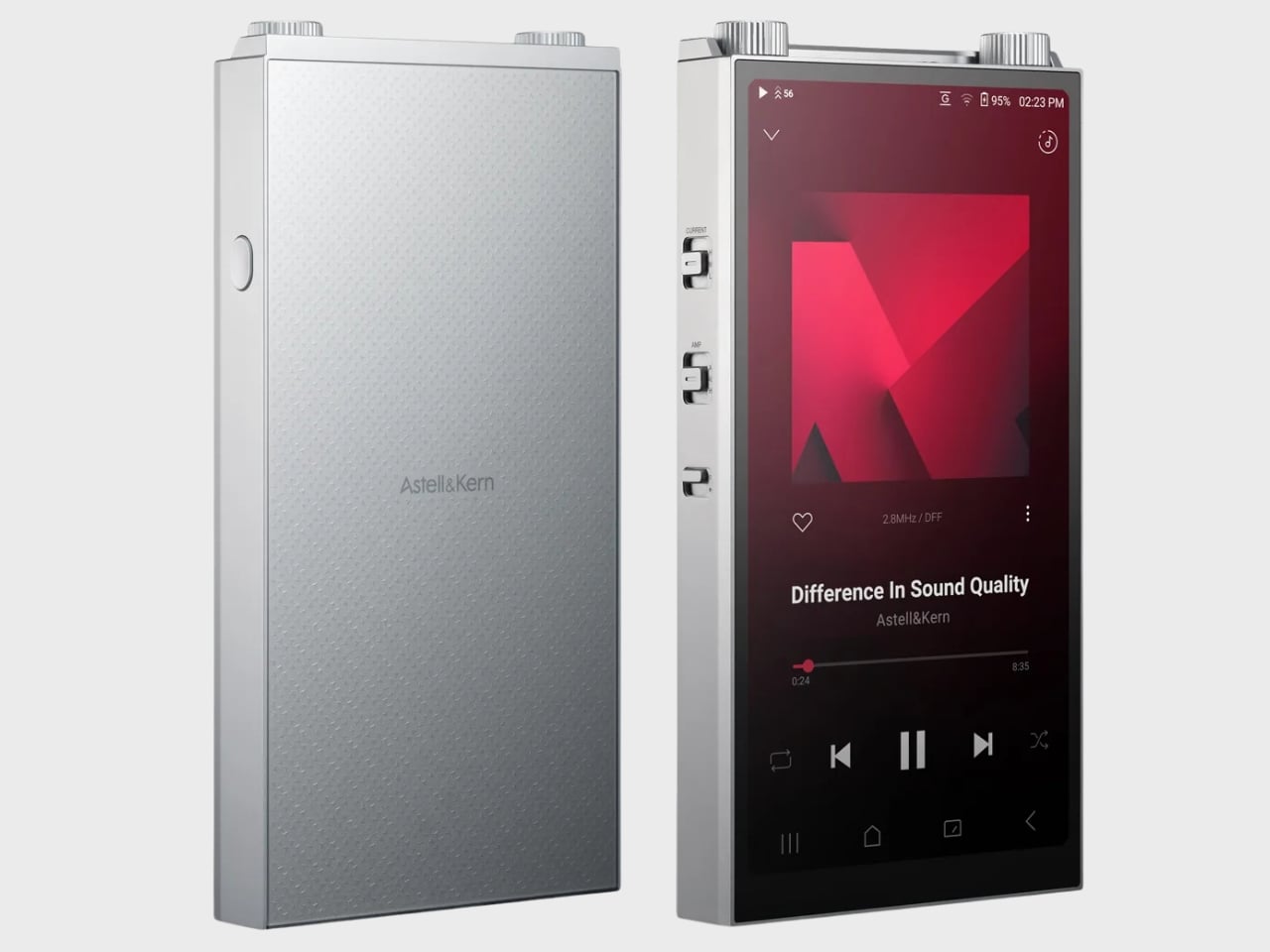
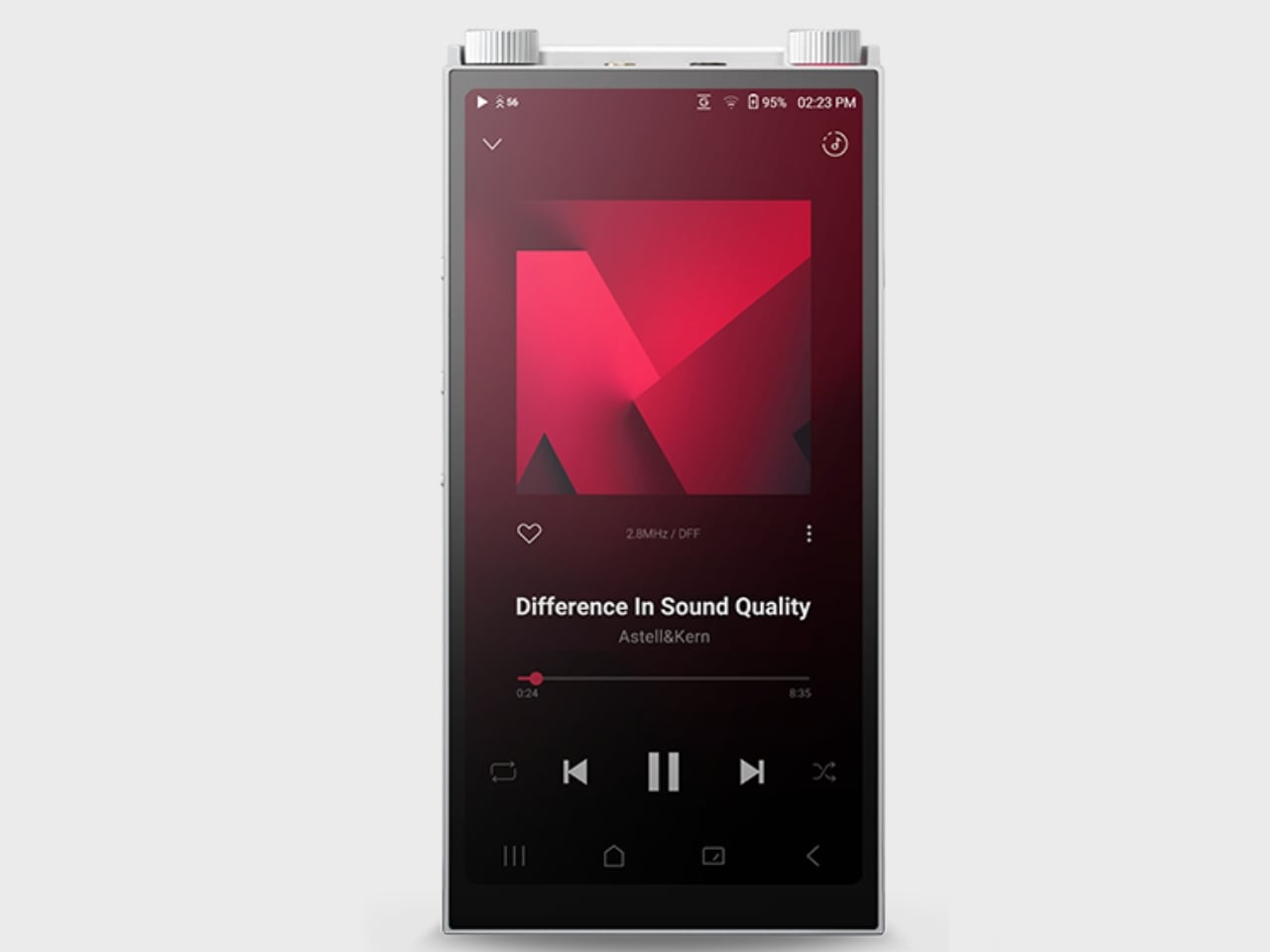
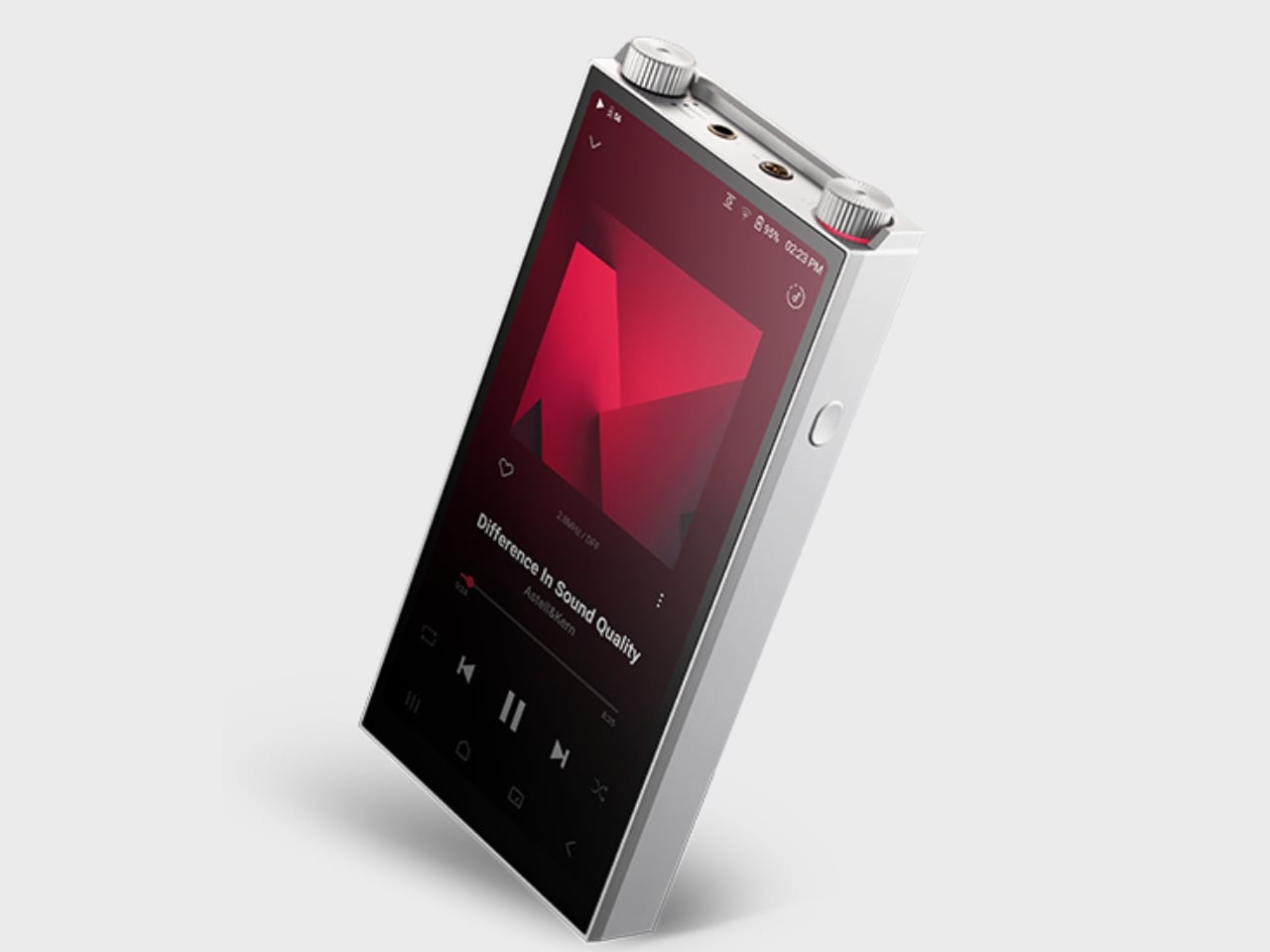
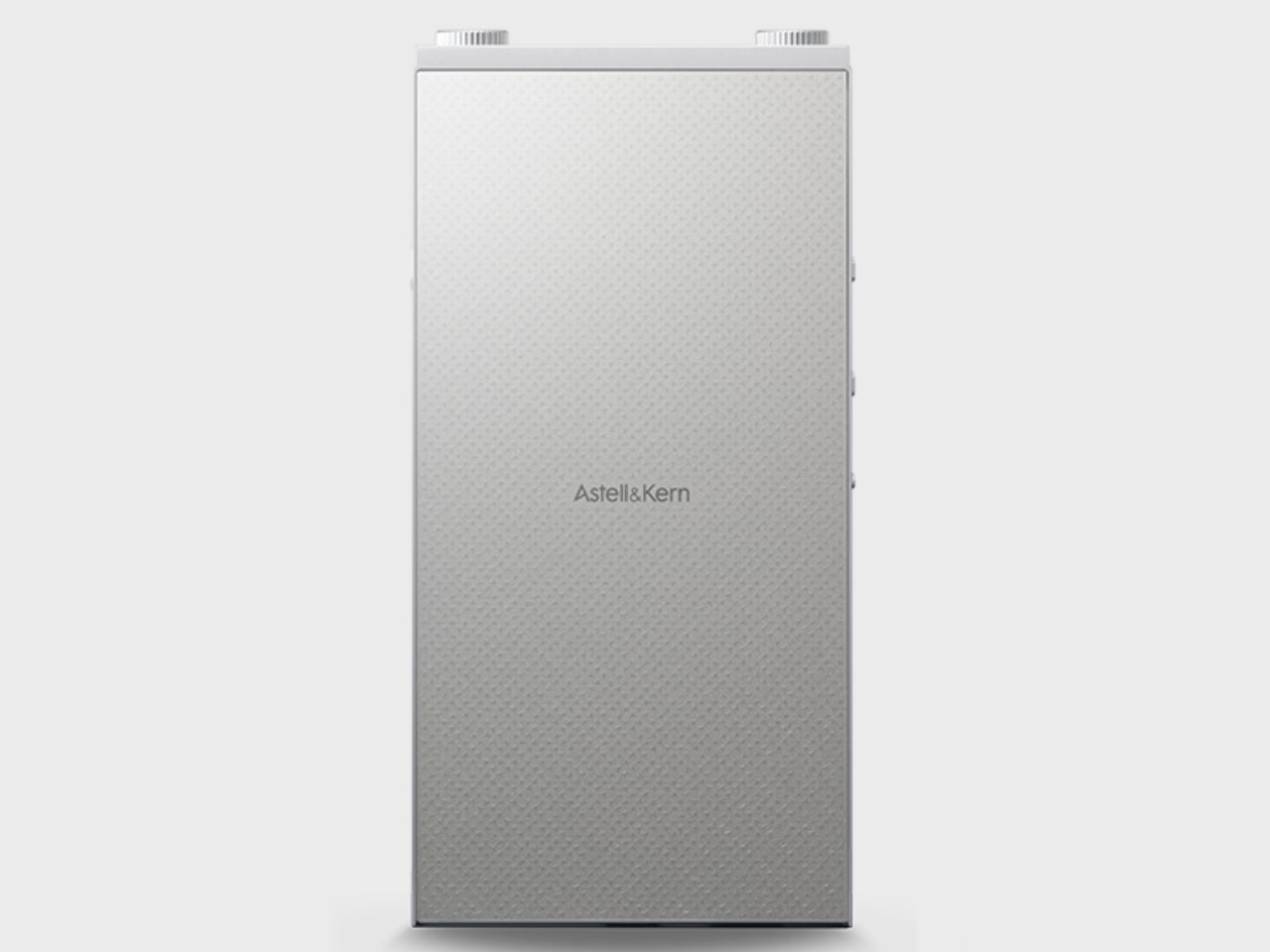
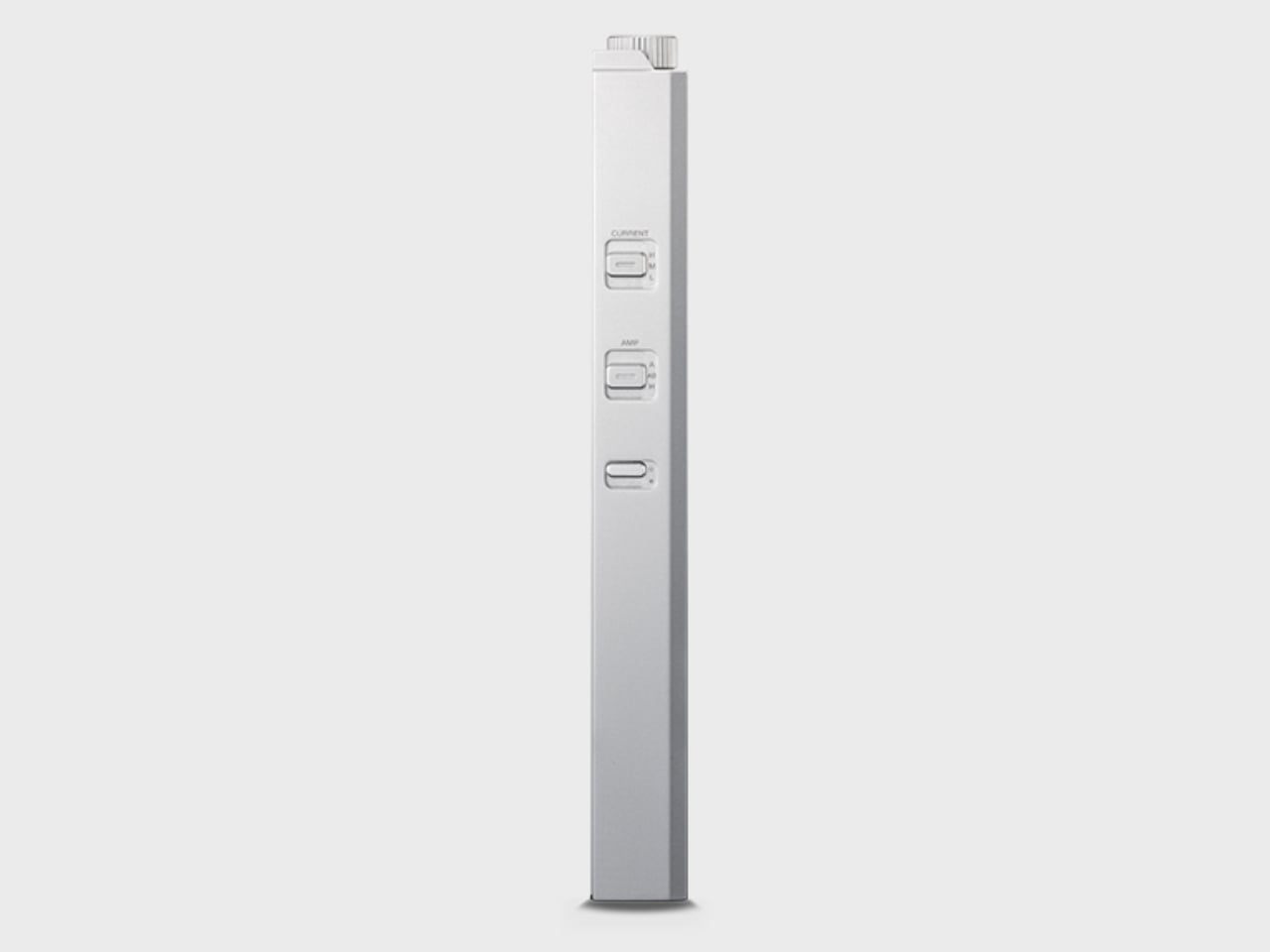
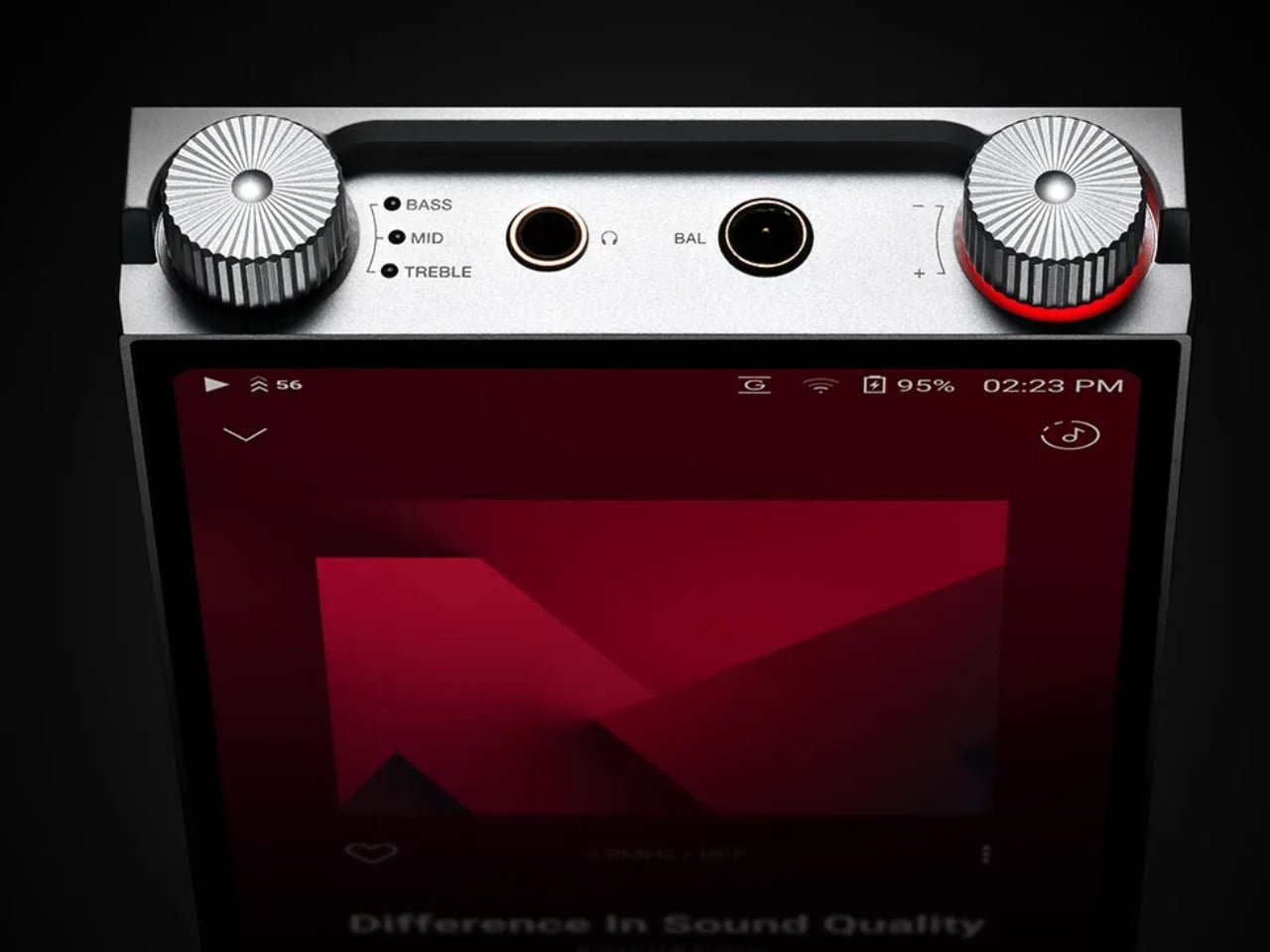
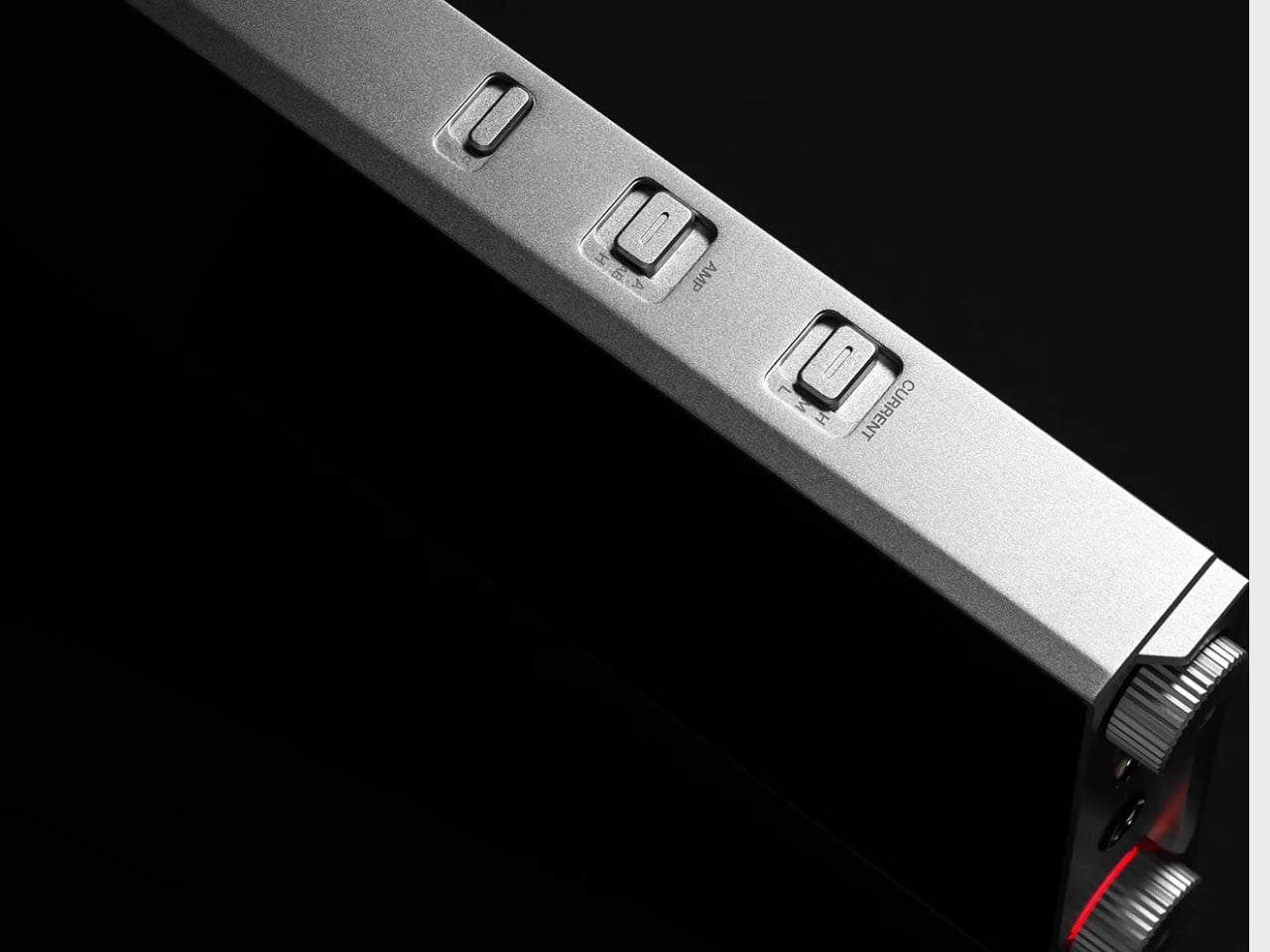
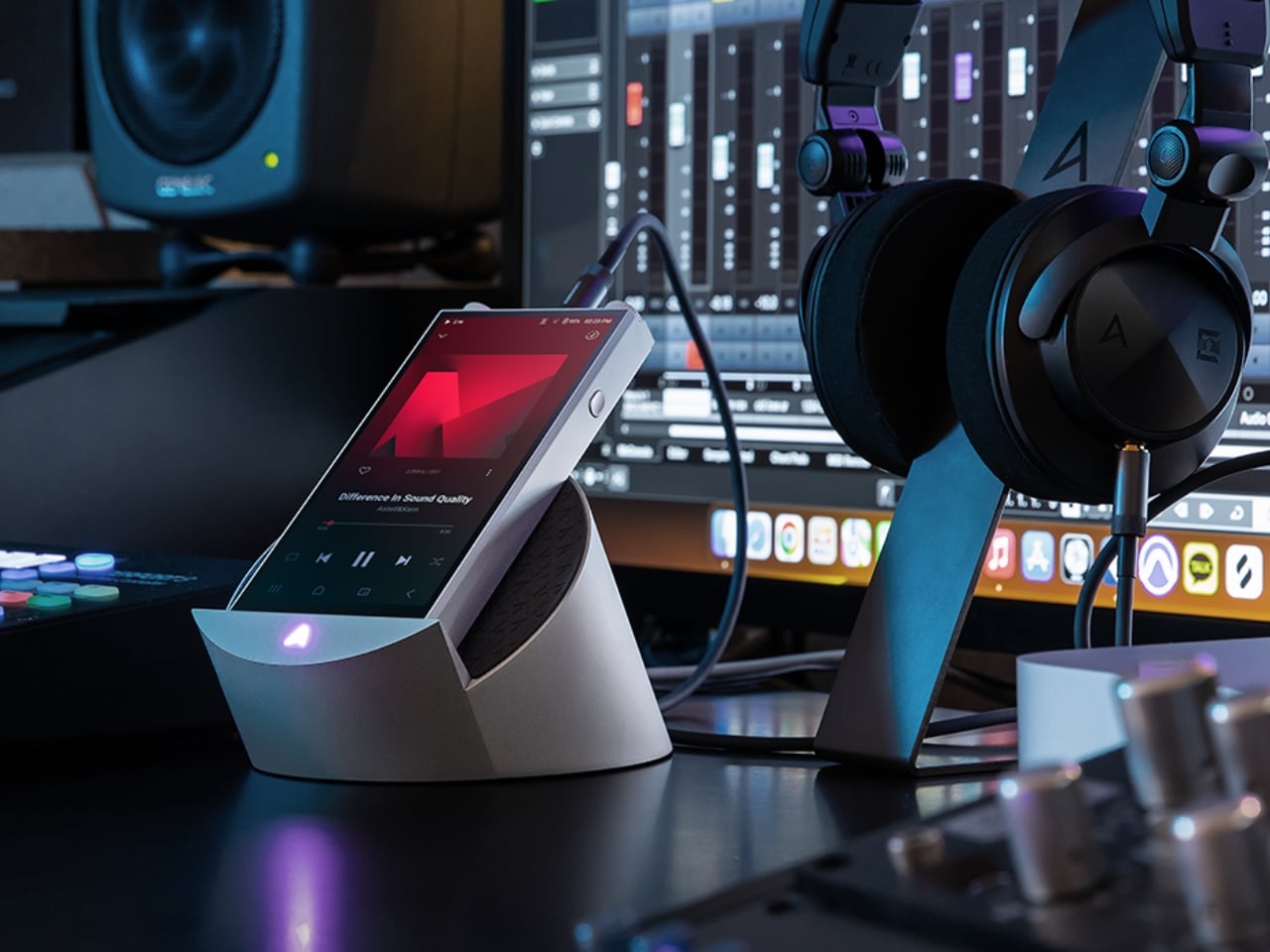
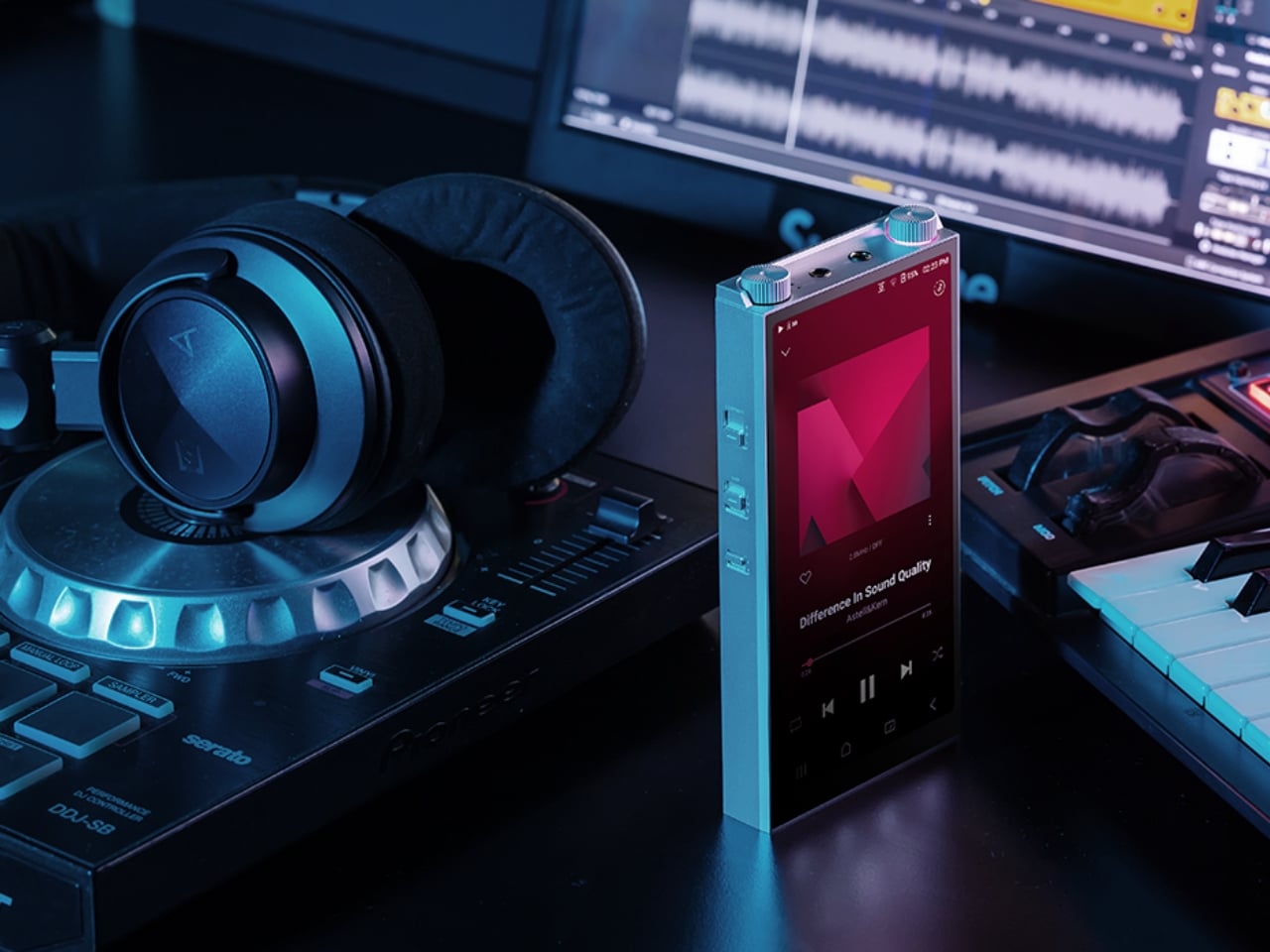
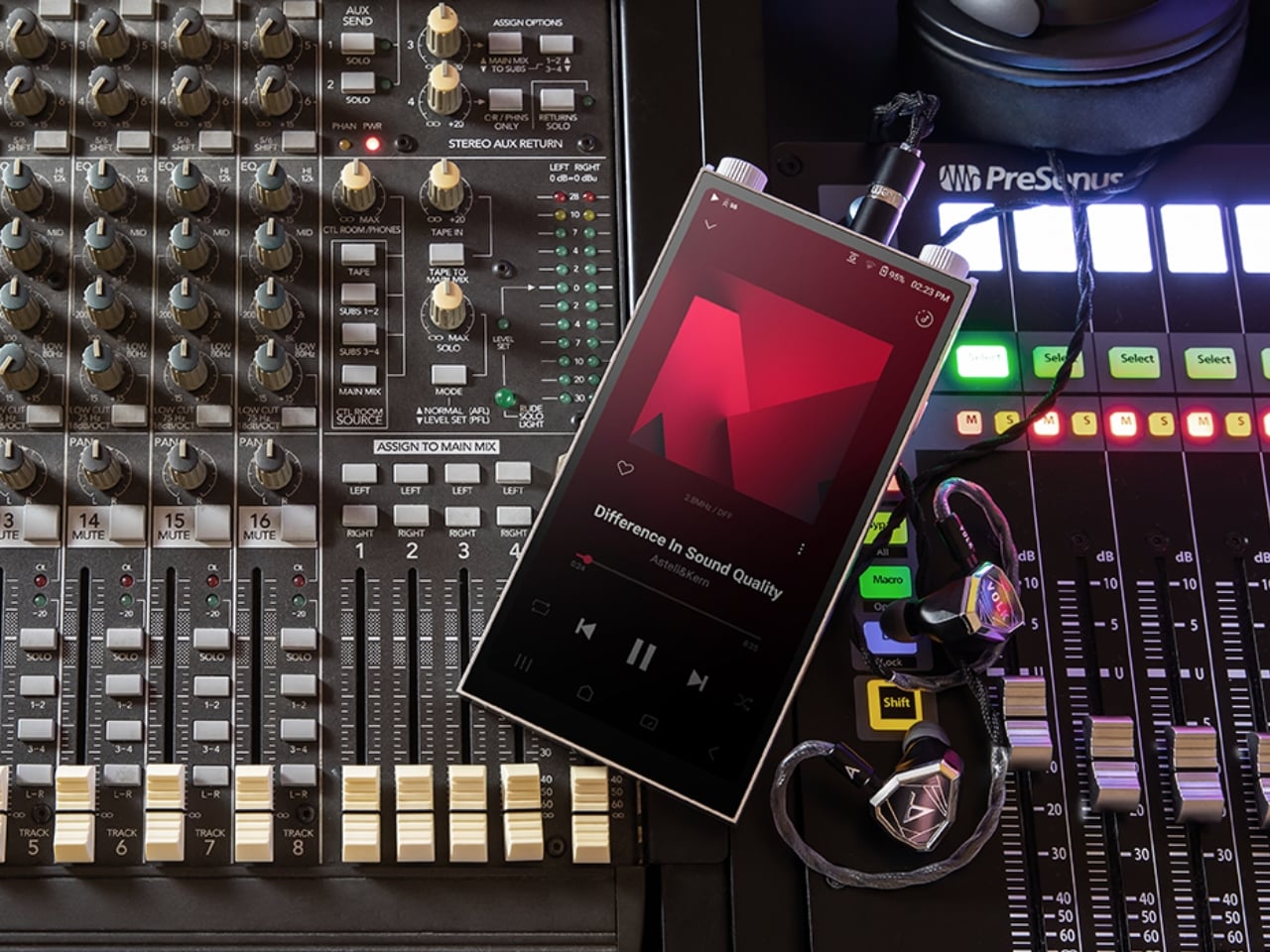
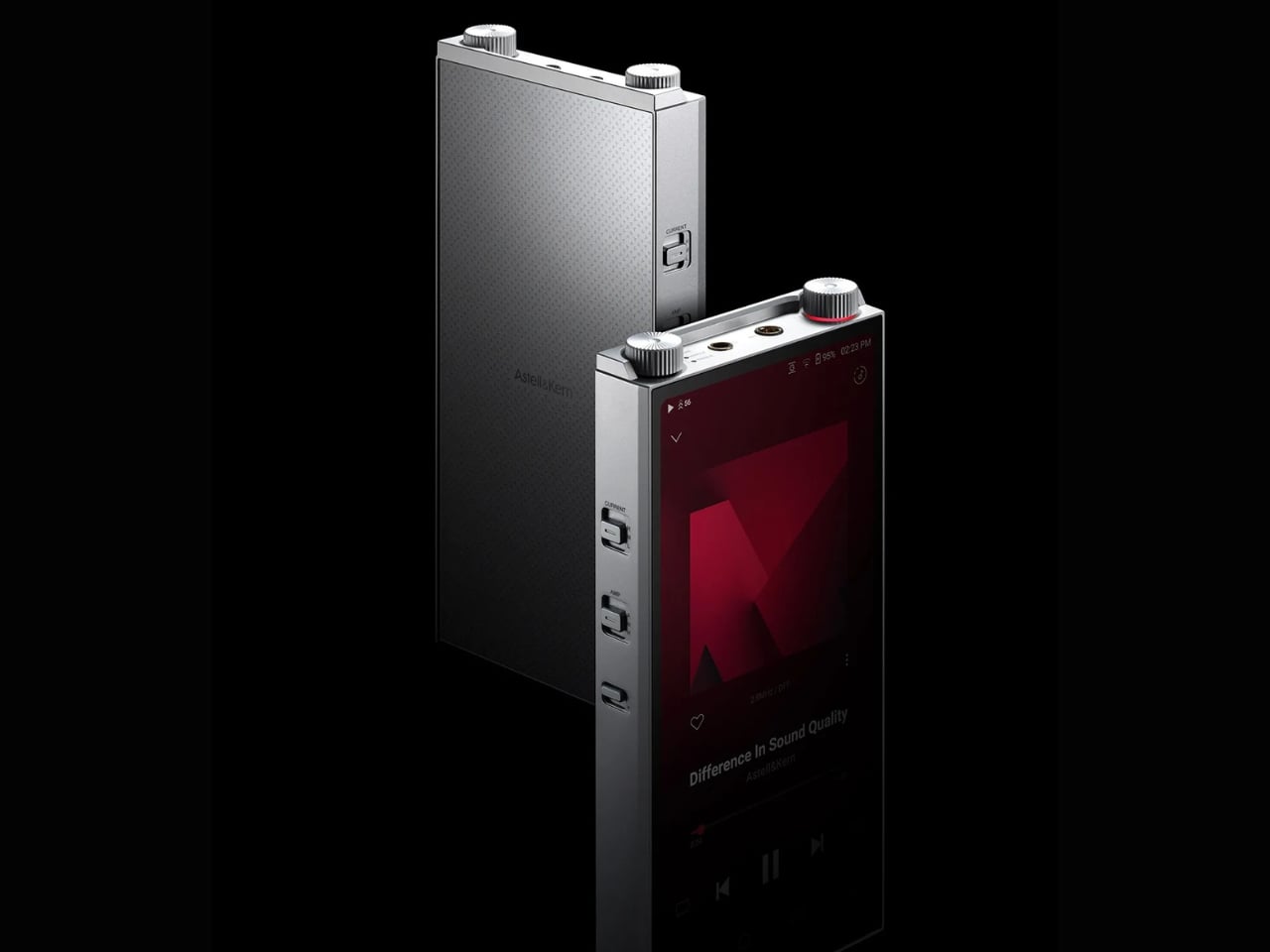
The Astell&Kern PD20 arrives right in the middle of this shift, and it might be the purest expression of it yet. This $1,970 portable digital audio player could have easily been just another black rectangle with a touchscreen. Instead, Astell&Kern built what it calls a “Sound Lab Control,” a device whose entire design philosophy revolves around physical interaction. Two wheels sit on top of the player, one for volume and one for sound tuning, positioned symmetrically like the controls on a vintage mixing console. On the side, physical slide switches let you toggle between amplifier modes and current levels without ever touching a menu. An LED ring around the power button glows different colors depending on the bit depth of whatever you’re playing. The whole thing is machined from aluminum and feels like something an engineer would be proud to leave on a desk.

Designer: Astell&Kern

The PD20’s signature feature, the Sound Master Wheel, offers 160 steps of EQ adjustment across bass, midrange, and treble. That means you can nudge your sound profile in tiny, precise increments while a song is playing, feeling each click of the wheel under your fingertip. It’s the kind of control that a touchscreen slider simply can’t replicate. You don’t need to look at anything. You don’t need to navigate a settings page. You just reach up and turn.

But the PD20 isn’t just a design exercise in retro appeal. Underneath all those physical controls is genuinely forward-thinking audio engineering. Astell&Kern partnered with Audiodo, a Swedish audio company, to build what they call Personal Sound, a system that uses included earphones to run a hearing test and then generates a custom sound profile matched to your specific ears. It compensates independently for left and right channels, which means the equalization isn’t generic. It’s calibrated to how you, personally, perceive sound. No other portable player on the market does this.

The hardware backs up the ambition. Four ESS ES9027PRO DACs run independently in a quad configuration, and a triple amplifier system lets you switch between Class A, Class AB, and a hybrid mode using a physical slider. Class A delivers that warm, rich analog texture that audiophiles love. Class AB is more efficient and dynamic. The hybrid splits the difference. You can even adjust the amplifier current across three levels to match whatever headphones you’re using, from sensitive in-ear monitors to power-hungry planar magnetics.

Storage won’t be a bottleneck either. The PD20 comes with 256GB built in, expandable to 1.5TB via microSD if you’re the type who carries around a lossless library. It handles everything from standard MP3s up to 32-bit/384kHz PCM and native DSD256 files: formats so high-resolution that most people can’t actually hear the difference, but audiophiles will appreciate having the headroom. There’s also built-in streaming support for Tidal, Qobuz, and other high-res services, which means you’re not locked into offline playback only. The touchscreen is there when you need it for navigation and track selection, but it’s deliberately kept secondary to the physical controls that define the experience.

It’s a lot of capability packed into a device you can hold in one hand. And I think that’s the point. The PD20 represents a growing understanding across the tech and design industries that physical controls aren’t a step backward. They’re a different kind of intelligence, one rooted in muscle memory, tactile feedback, and the human preference for tools that feel like extensions of ourselves rather than obstacles between us and what we’re trying to do.

The dedicated music player, as a category, has always been a niche product. Most people are perfectly happy streaming from their phones. But the PD20 isn’t really competing with your phone. It’s competing with the idea that every interaction with technology needs to happen on a flat piece of glass. For $1,970, you get a beautifully built object that invites you to touch it, turn it, and shape your music with your hands. In a landscape full of featureless screens, that feels like a radical proposition.

The post Astell&Kern Just Killed the Touchscreen With Two Knobs and $2,000 first appeared on Yanko Design.
Your Unplayable CD Collection Just Got a $2,000 Solution

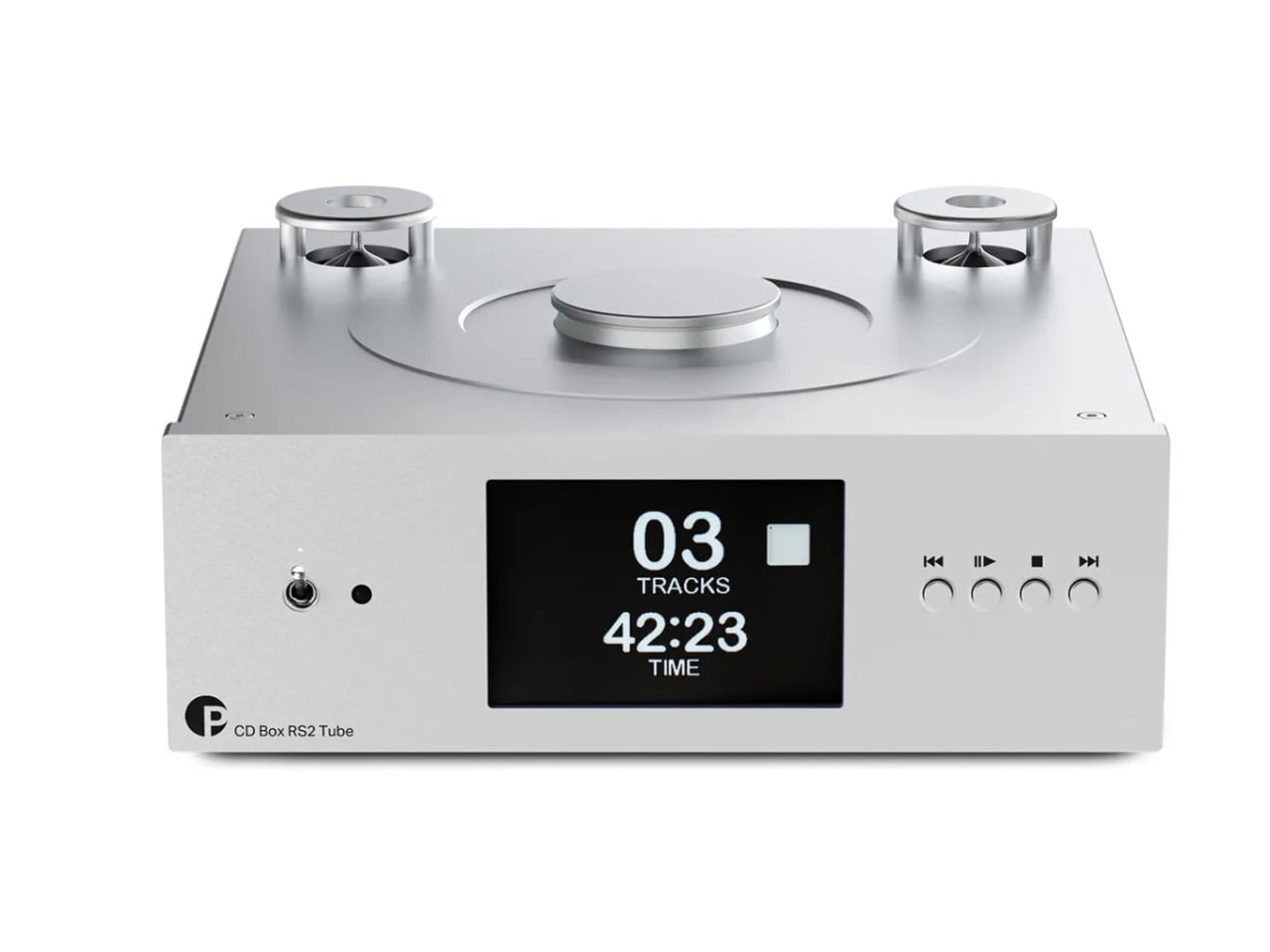
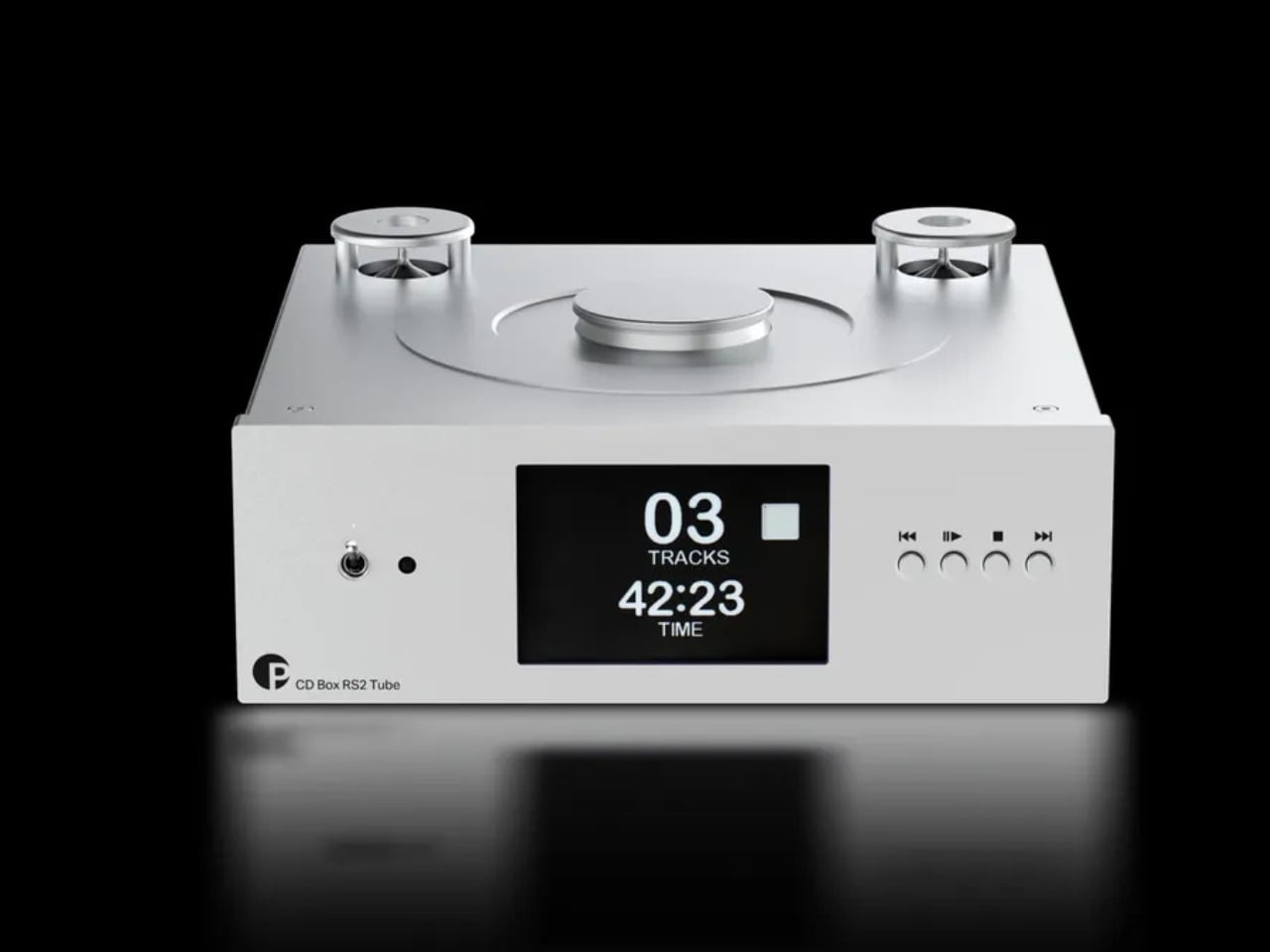
Remember when we all decided CDs were dead? When we shoved those jewel cases into storage bins and declared ourselves streaming converts, convinced that digital files and algorithm-curated playlists were the future? Here’s the embarrassing part: I have a stack of CDs sitting on my shelf right now with absolutely no way to play them. And I’m not alone. People are still buying CDs, especially in the K-pop world where physical albums are part of the whole experience, complete with photo cards, posters, and elaborate packaging. We’re collecting music we can’t even listen to properly. Pro-Ject Audio’s new CD Box RS2 Tube might actually fix that problem, and honestly, it’s making me want to finally do something about my unplayable collection.

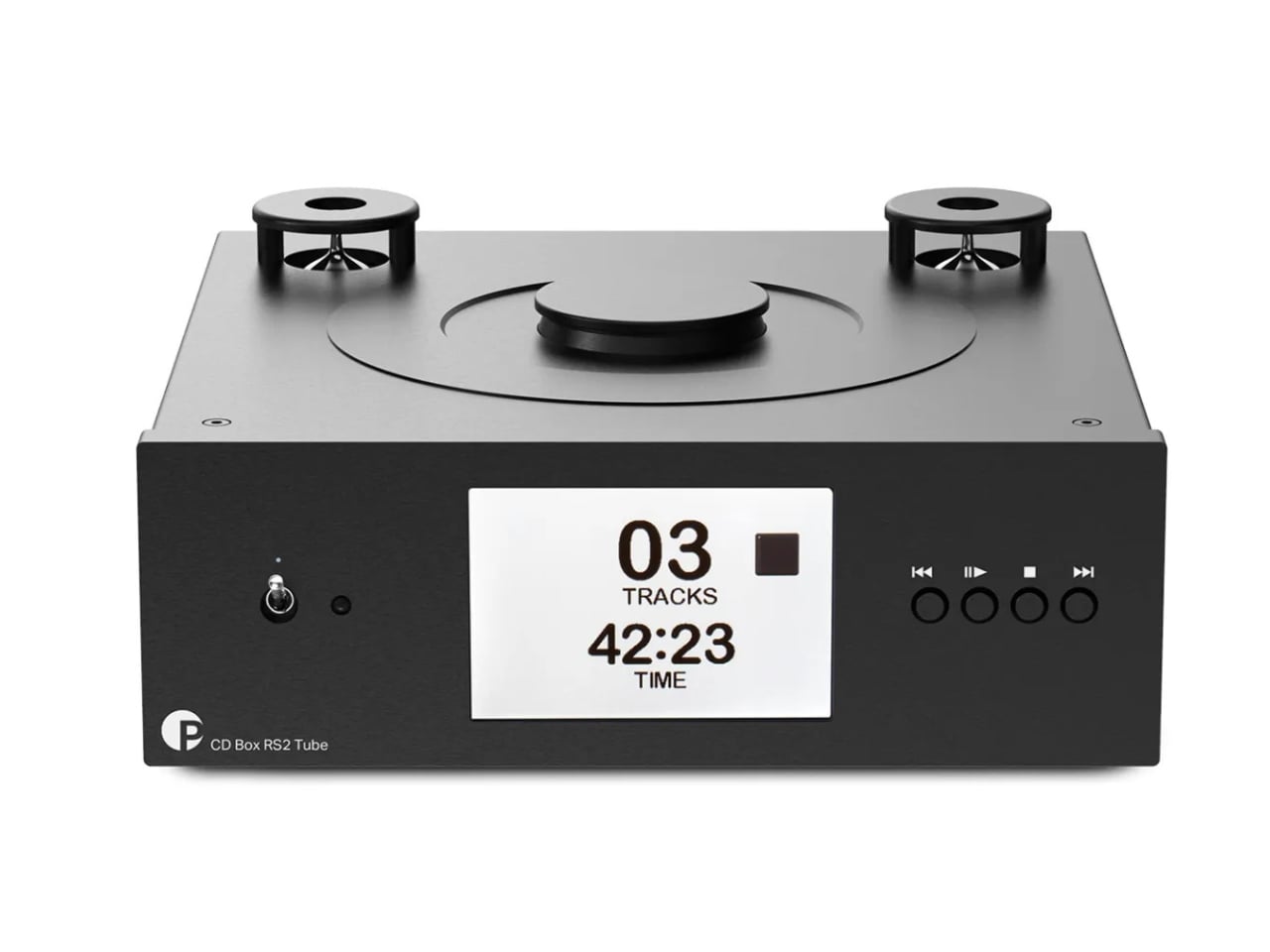
This isn’t some nostalgic throwback designed to capitalize on retro vibes. Pro-Ject built this thing with the kind of serious engineering usually reserved for audiophile turntables. The Austrian company’s latest entry in their top-tier RS2 line is a top-loading CD player with a fully balanced tube output stage, featuring two premium E88CC vacuum tubes that add warmth and fluidity to digital playback. Think of it as the vinyl listening experience but for your CDs. You know that organic, emotionally engaging sound that makes you actually feel the music instead of just hearing it? That’s what these tubes are doing to your digital audio.

Designer: Pro-Ject Audio

What makes this particularly interesting is the SUOS DM-3381 Red Book drive at its core. This isn’t just any CD mechanism thrown into a pretty case. SUOS-HiFi, which used to be StreamUnlimited Optical Storage, was founded by former Philips CD engineers based near Vienna. These are literally some of the people who helped invent CD technology in the first place. The drive uses a BlueTiger CD-88 servo with predictive algorithms that can maintain accurate data retrieval even when your discs are scratched or less than pristine. We’ve all got a few of those CDs that have seen better days, right?

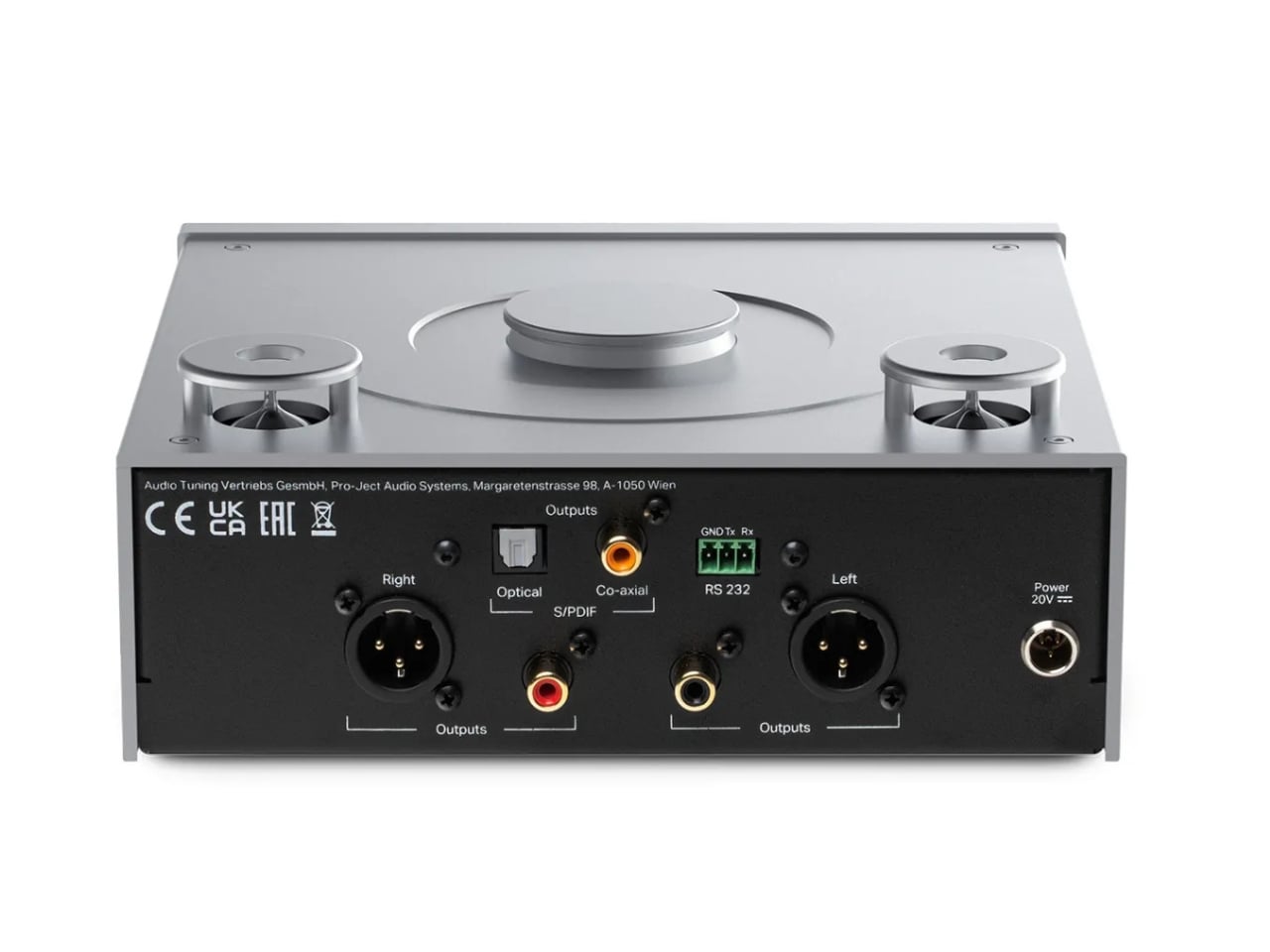
The integrated Texas Instruments PCM1796 DAC is where things get even more interesting. This means the CD Box RS2 Tube can connect directly to any amplifier with analog inputs without needing a separate digital-to-analog converter. The DAC operates in a fully differential configuration and feeds straight into that balanced tube output stage for maximum signal integrity. You get both XLR balanced outputs and single-ended RCA connections, each with its own dedicated output stage, so you can run both simultaneously without any impedance issues. And if you’re the type who already has a favorite external DAC, there are optical and coaxial digital outputs too.

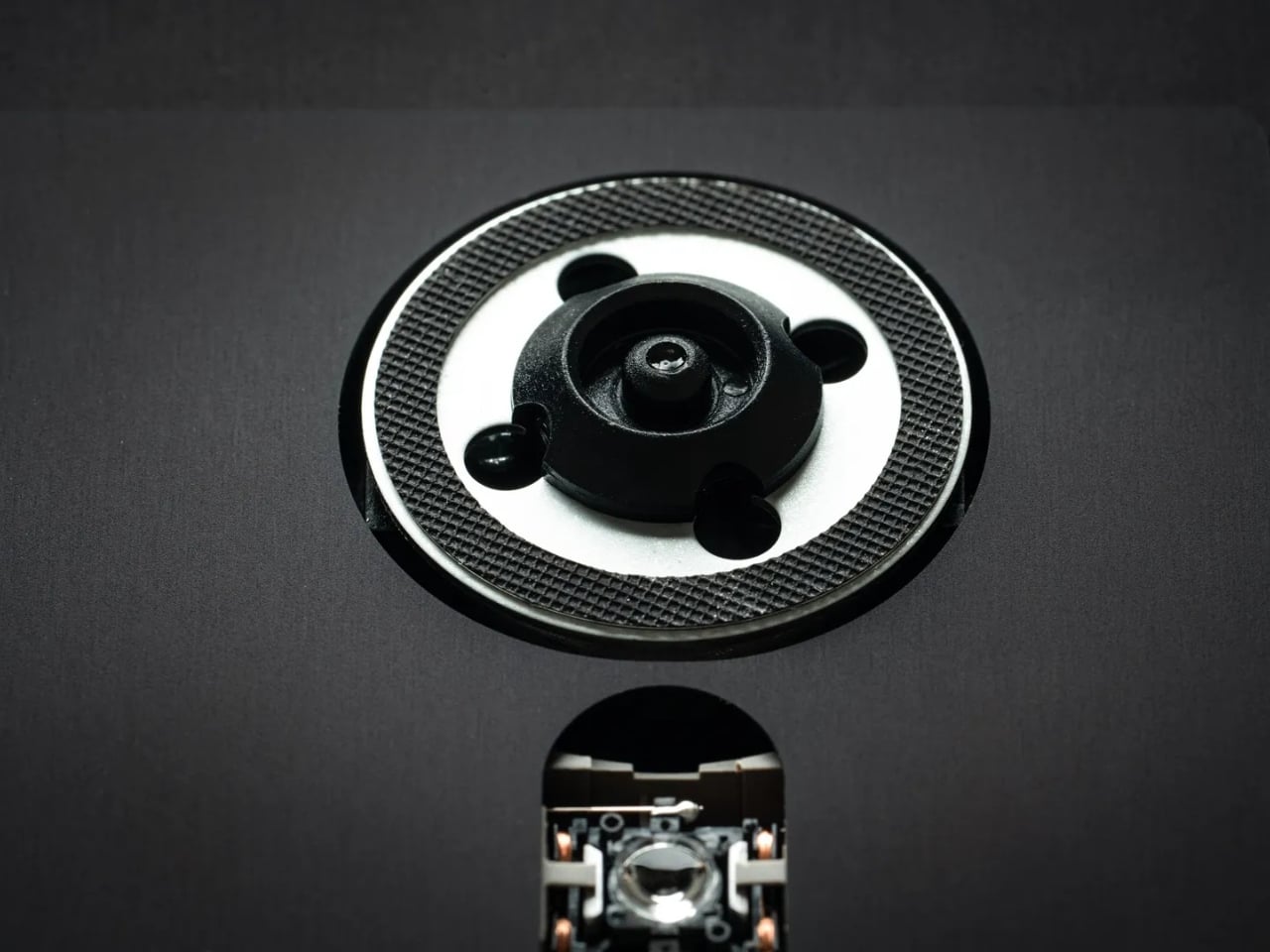
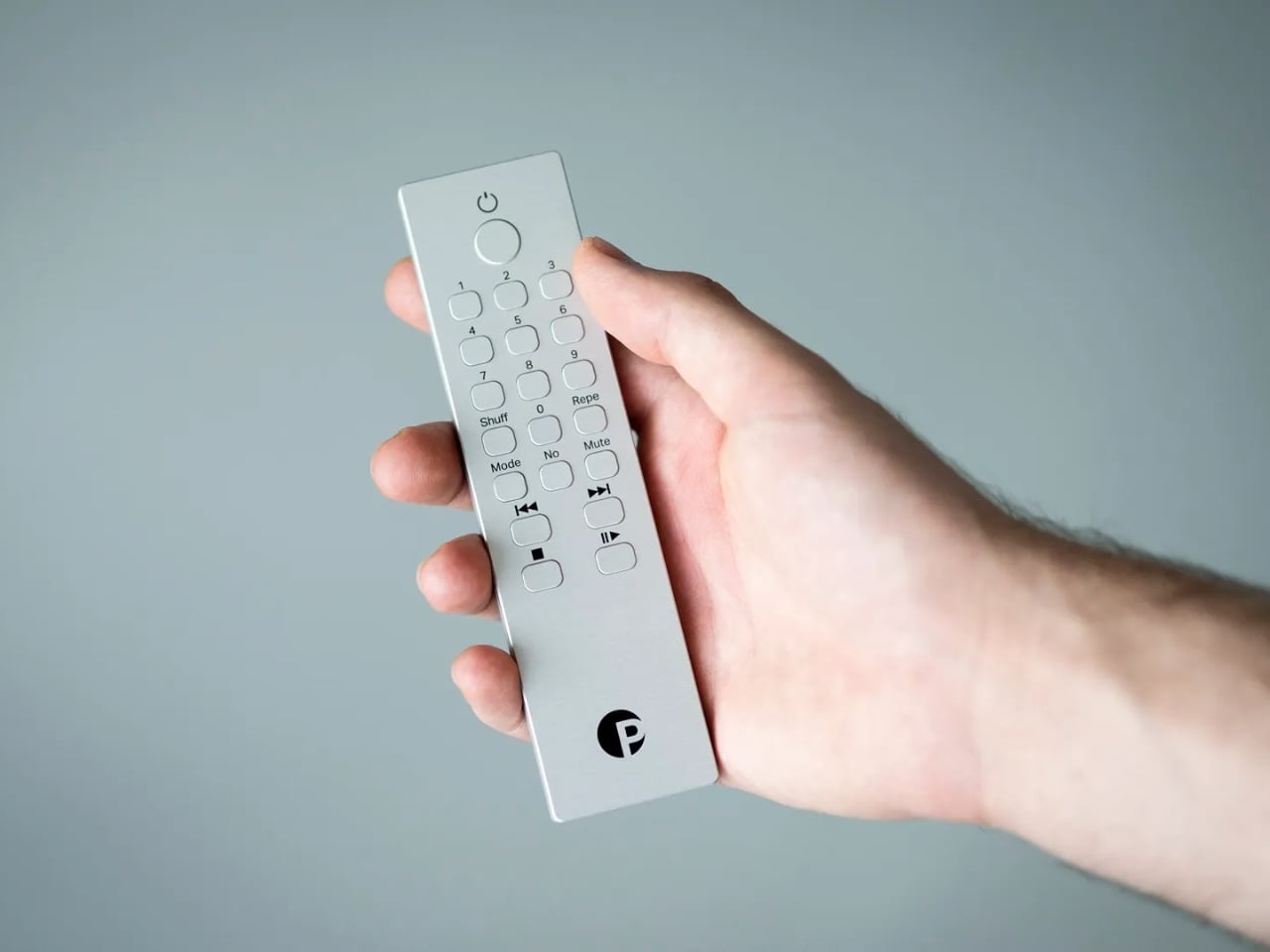
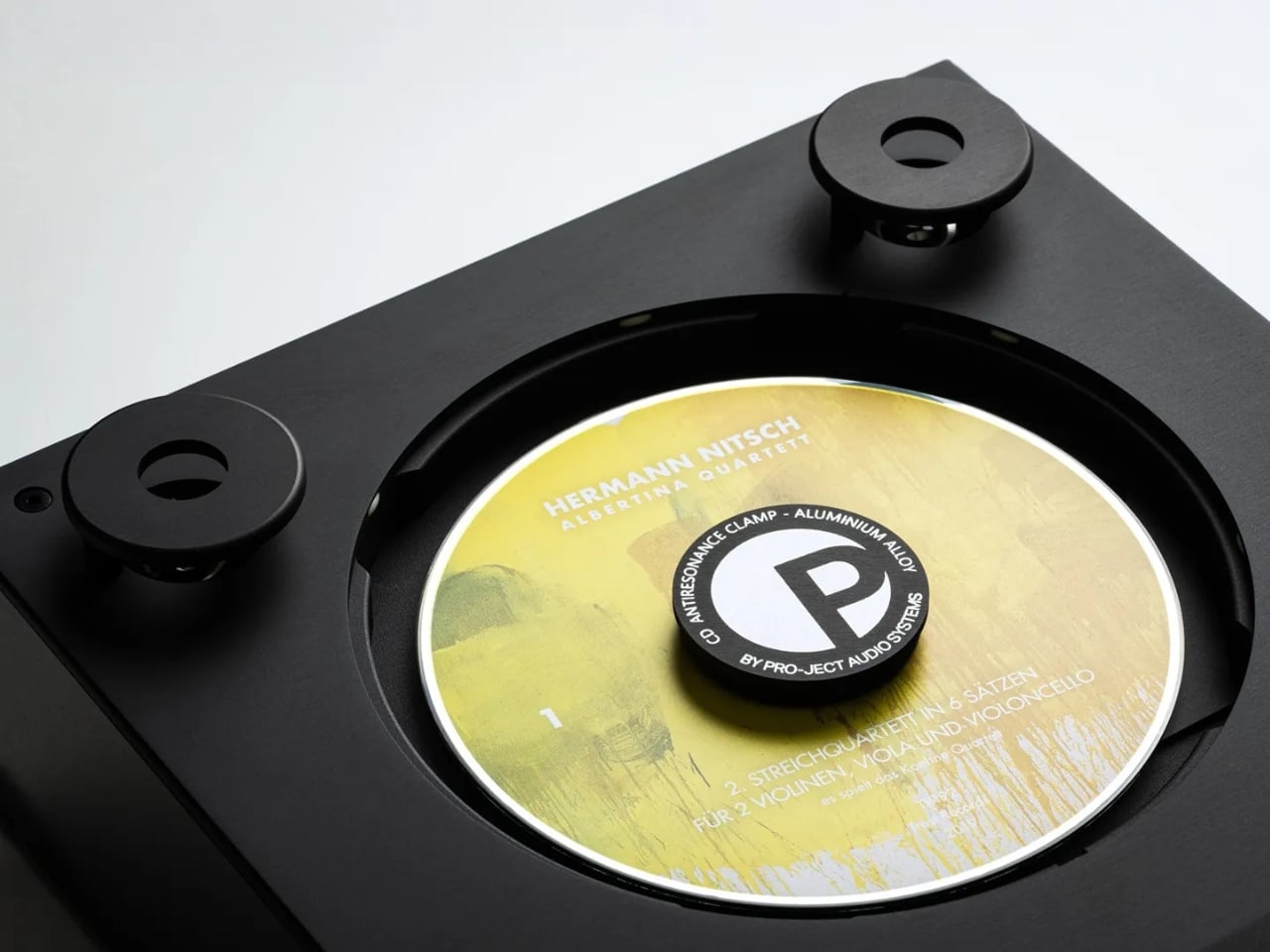
The build quality is exactly what you’d expect from a product in this range. The entire chassis is precision-machined from aluminum, available in either silver or black finishes, and it’s absolutely gorgeous. The top-loading design means you actually get to interact with your music in a tactile way that tapping a screen just can’t match. There’s something satisfying about placing a disc on the magnetic clamp and watching it load. The big LCD display shows track information and CD-text when available, and it comes with a full aluminum remote control that feels substantial in your hand.

Power delivery matters for any high-end audio component, and Pro-Ject addressed this by using an external power supply to keep transformer noise away from the tube circuitry. For those who want to go even further down the rabbit hole, the player is compatible with Pro-Ject’s Power Box RS2 Sources linear power supply upgrade, which can improve soundstage depth and background silence.

What’s really striking about the CD Box RS2 Tube is how it positions physical media not as obsolete technology but as a deliberate choice for people who care about how music sounds and feels. The resurgence of CD collecting, particularly driven by fandoms like K-pop where physical albums are collectible art objects, proves that people still want to own their music. There’s something to be said for building a curated collection that reflects your actual taste rather than what an algorithm thinks you should like. And if you’re going to own CDs, why not finally be able to play them through something that does them justice?

The CD Box RS2 Tube is set to arrive at UK and EU dealers this month, priced at £1,749 or €1,900. US pricing hasn’t been announced yet, but it’s clearly positioned as a premium product for people who take their listening seriously. Maybe it’s time those of us with unplayed CD collections finally gave them the player they deserve.

The post Your Unplayable CD Collection Just Got a $2,000 Solution first appeared on Yanko Design.
This Square Player Refuses to Stream Music, and That’s the Point

Streaming services turned album covers into tiny squares you scroll past on your way to something else. Phones made music convenient, but also turned it into background noise competing with notifications, emails, and every app demanding attention at once. You used to hold a record sleeve and feel like you owned something specific. Now your entire library is just files in a folder somewhere, and nothing about that experience feels remotely special or worth paying attention to.

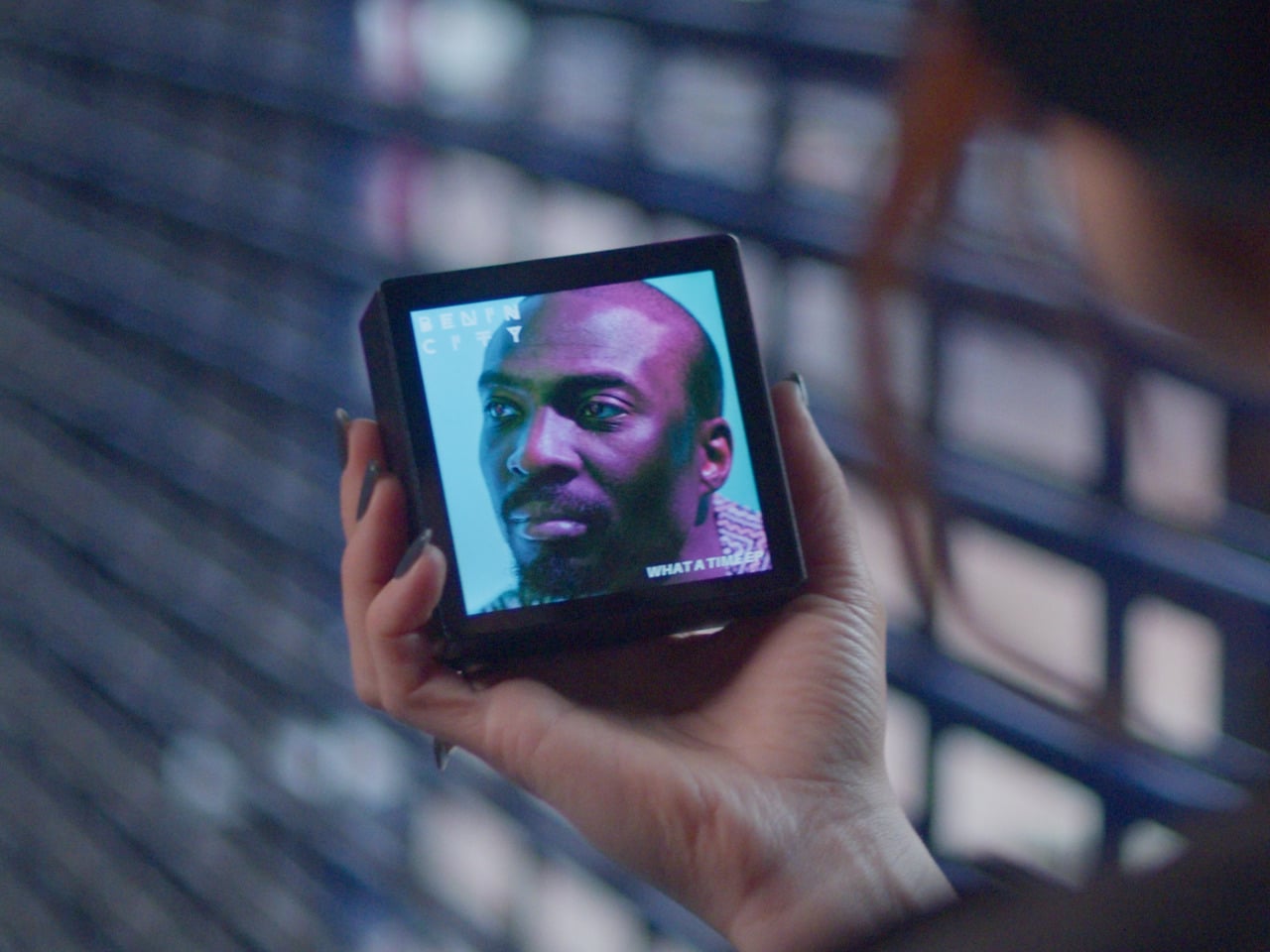
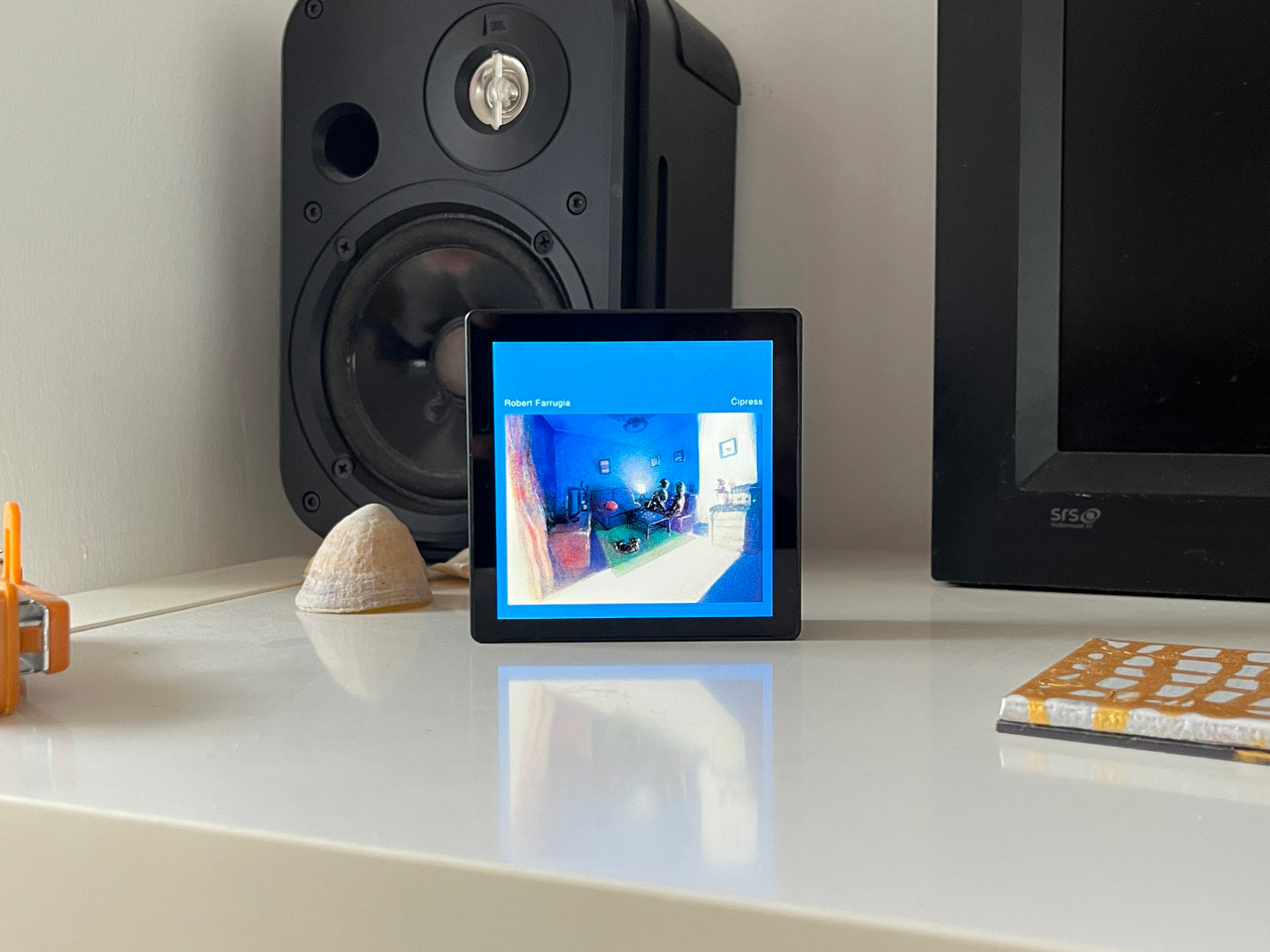
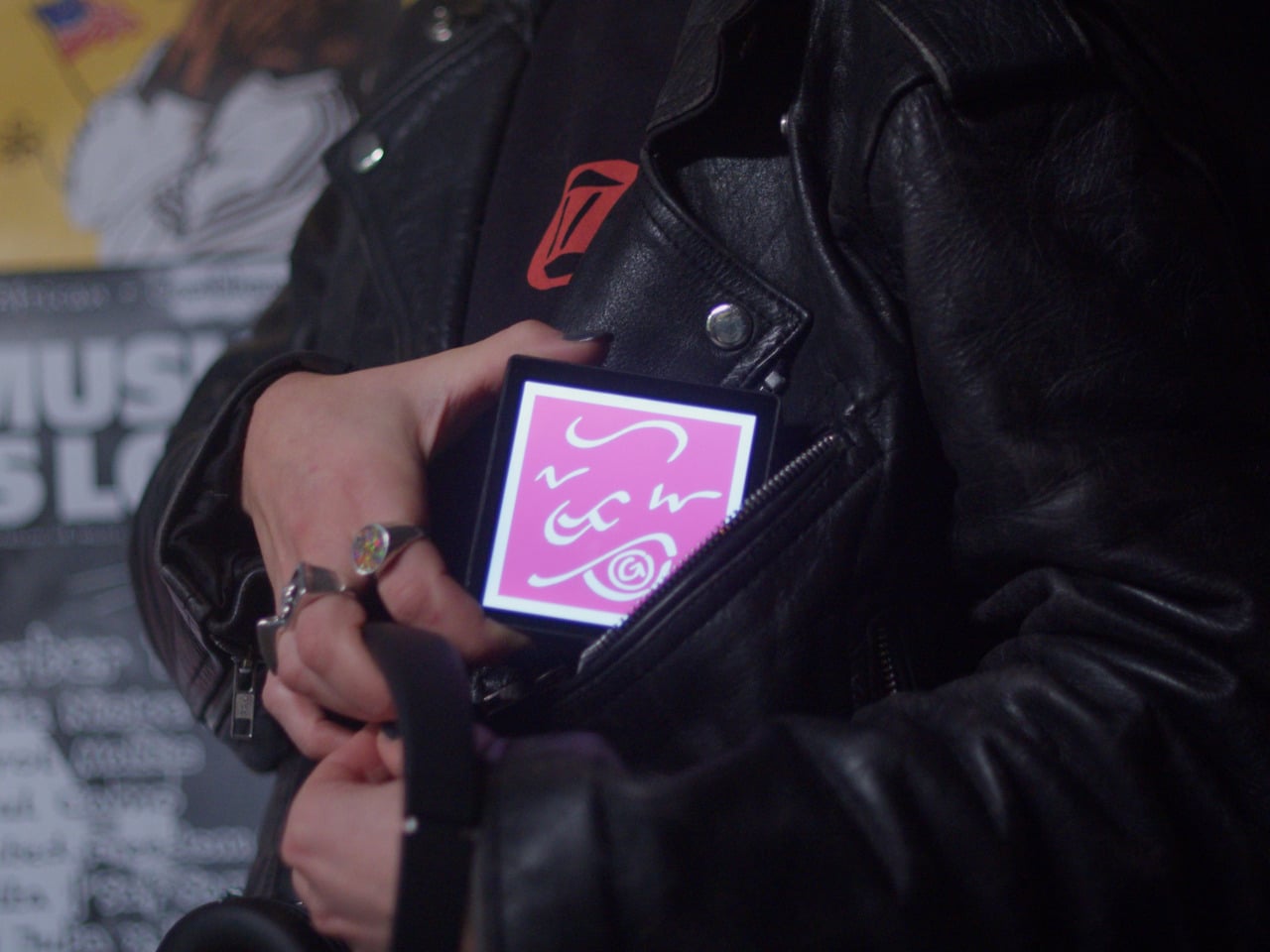
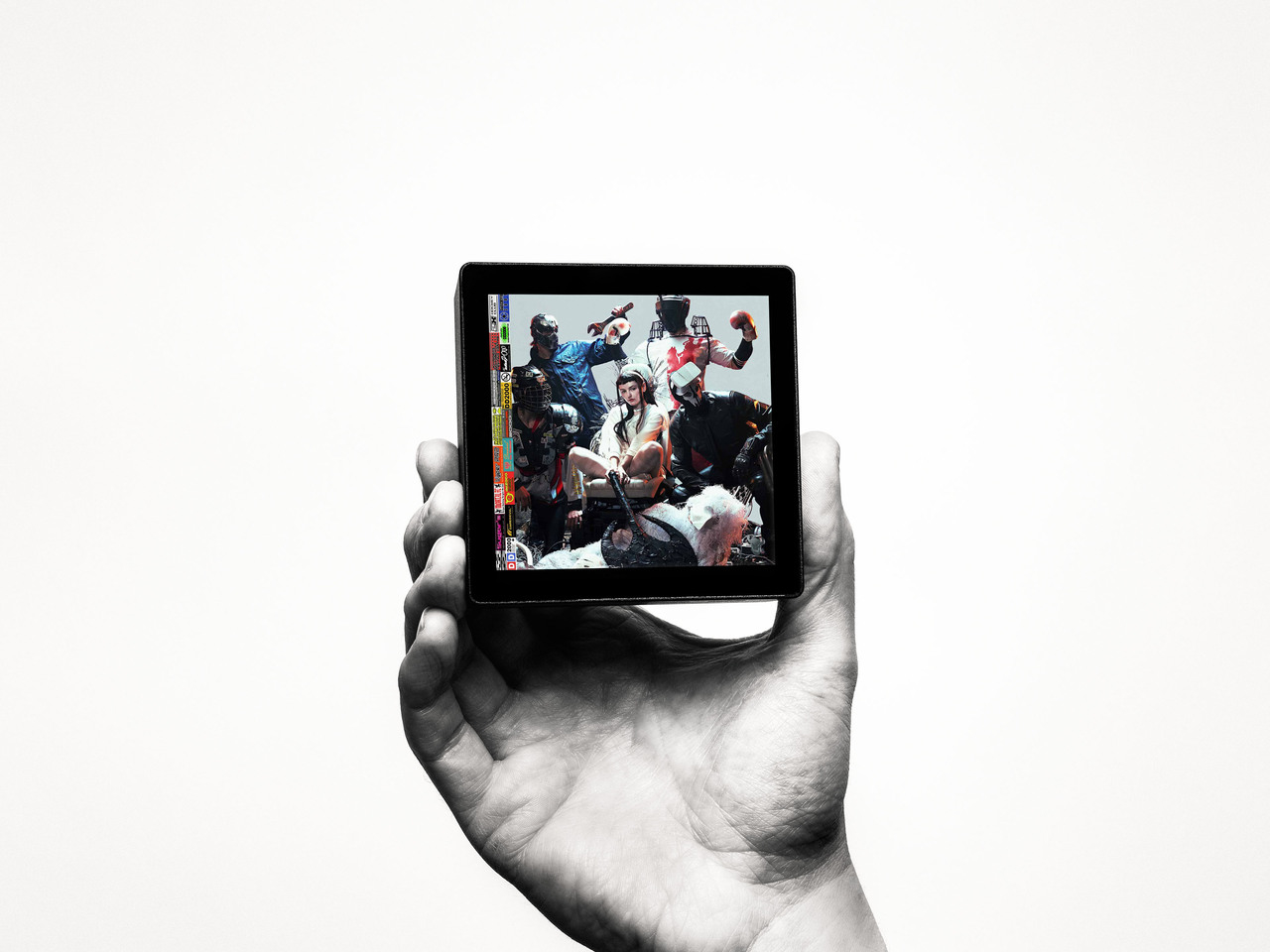
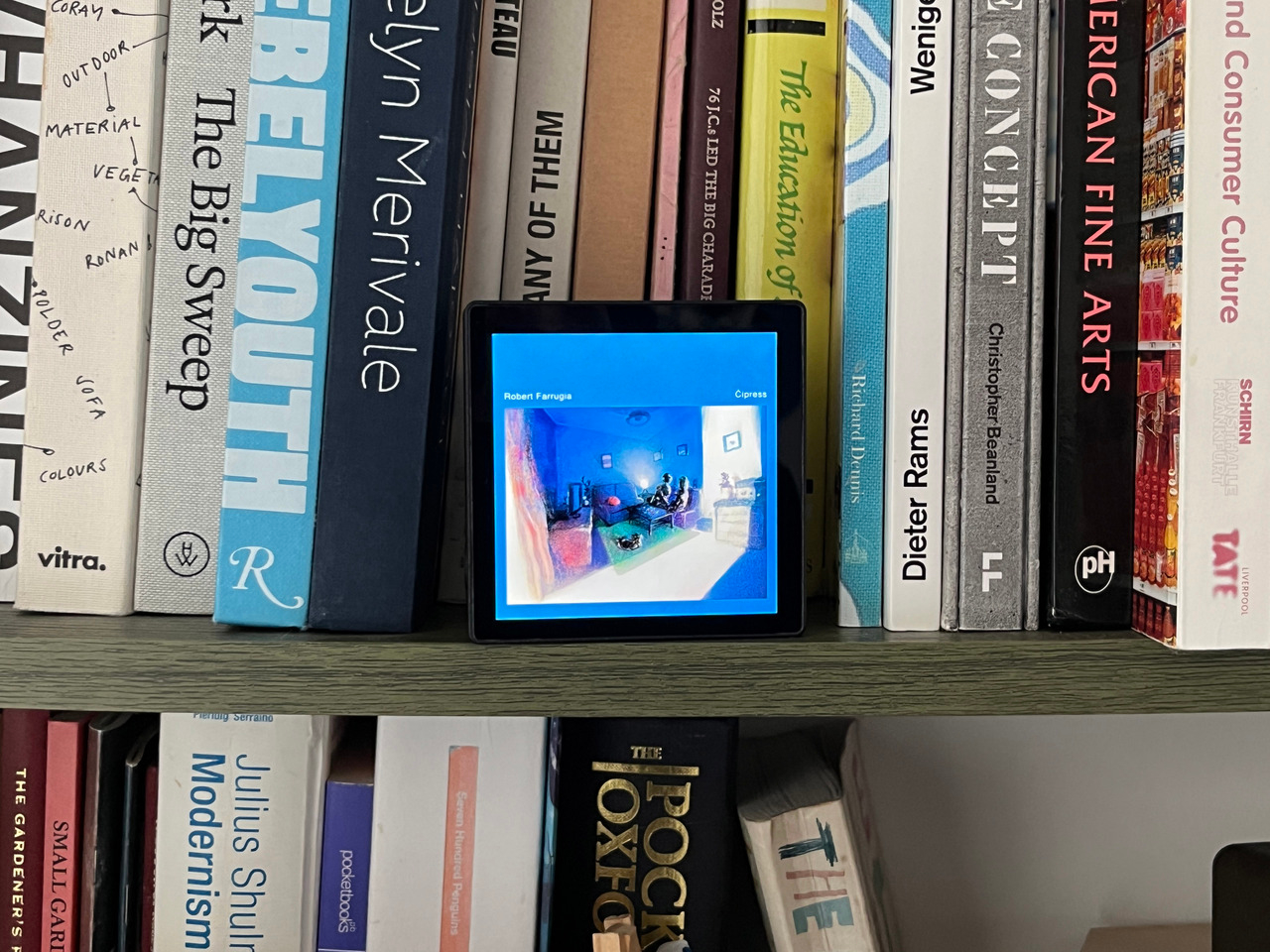
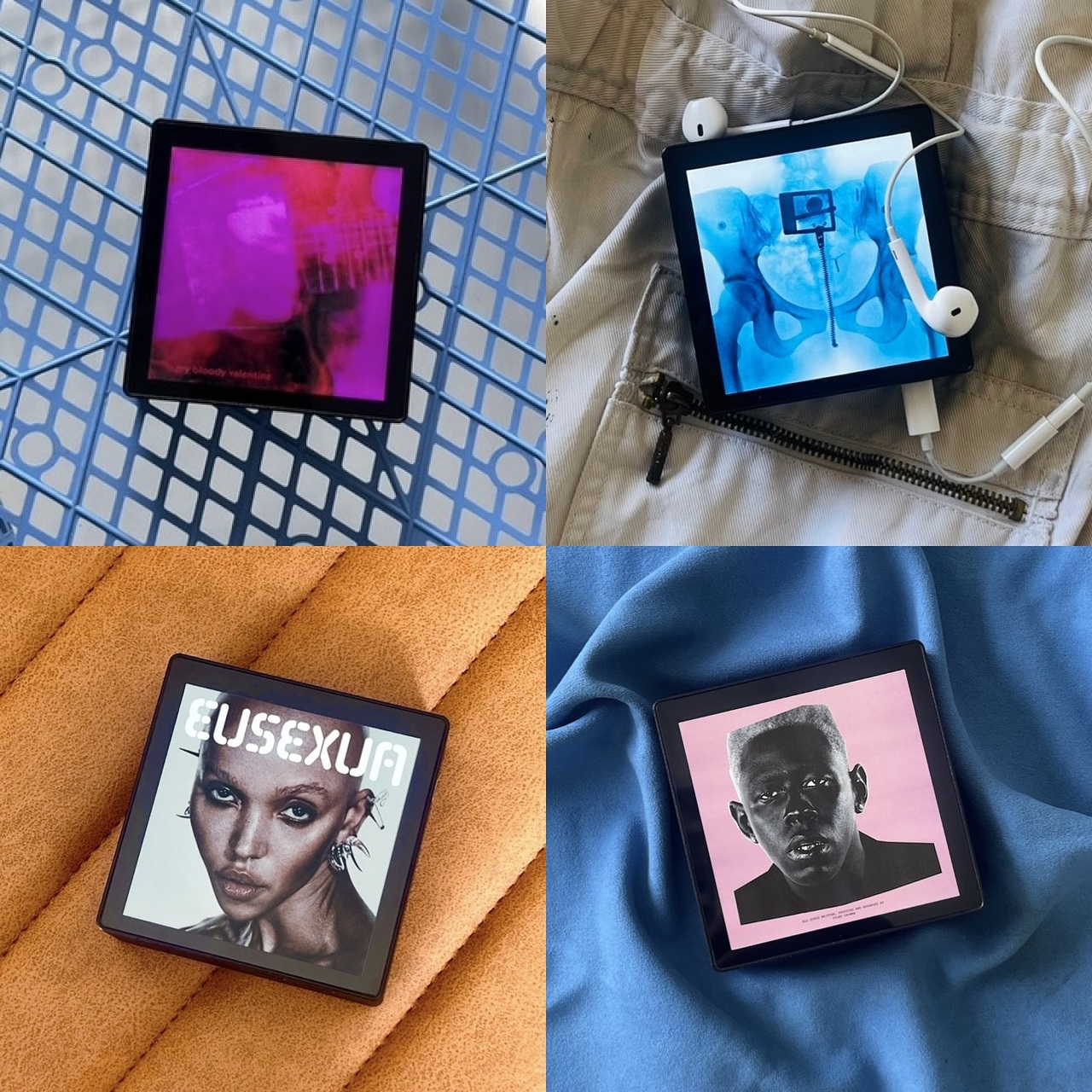
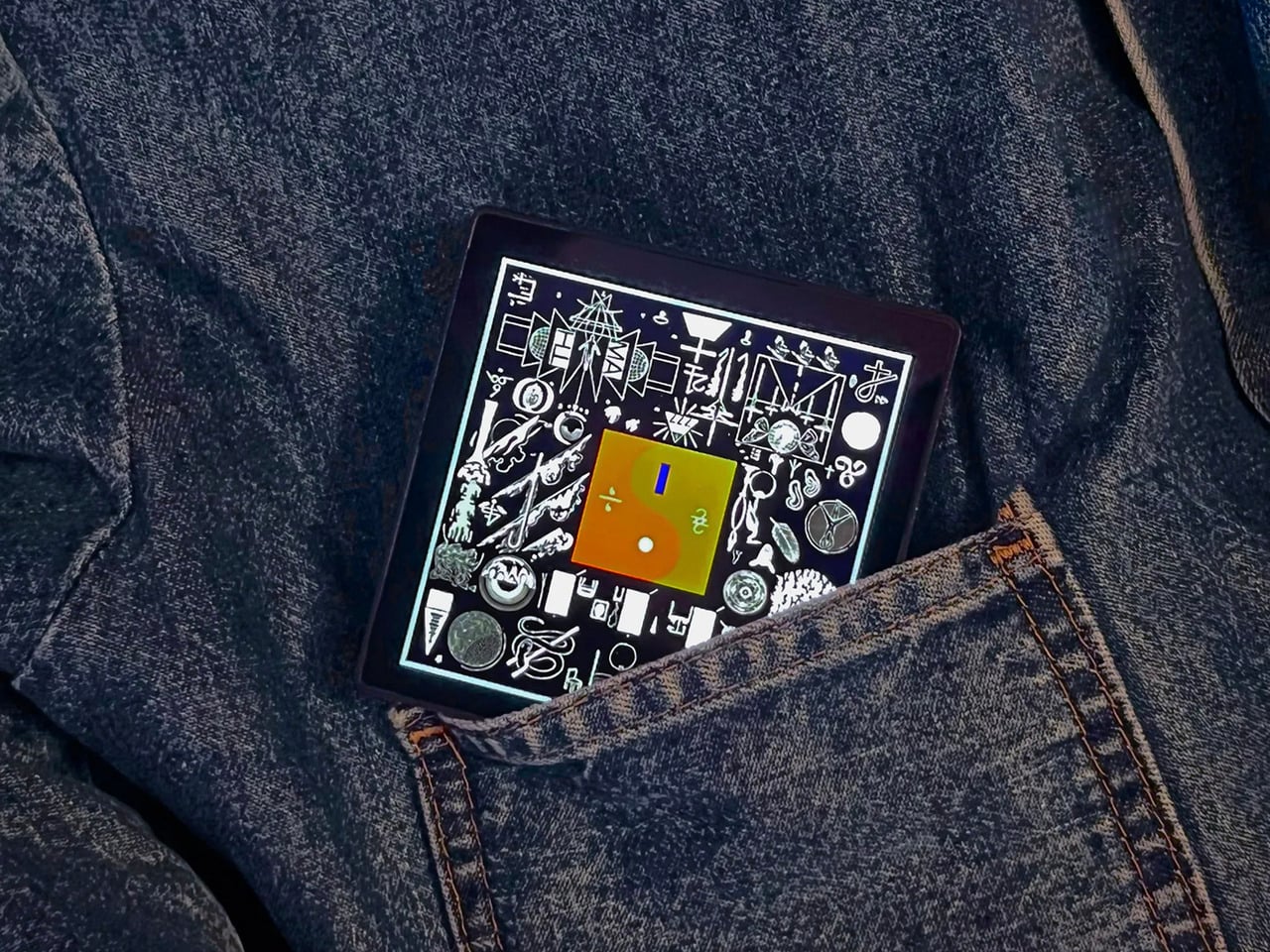
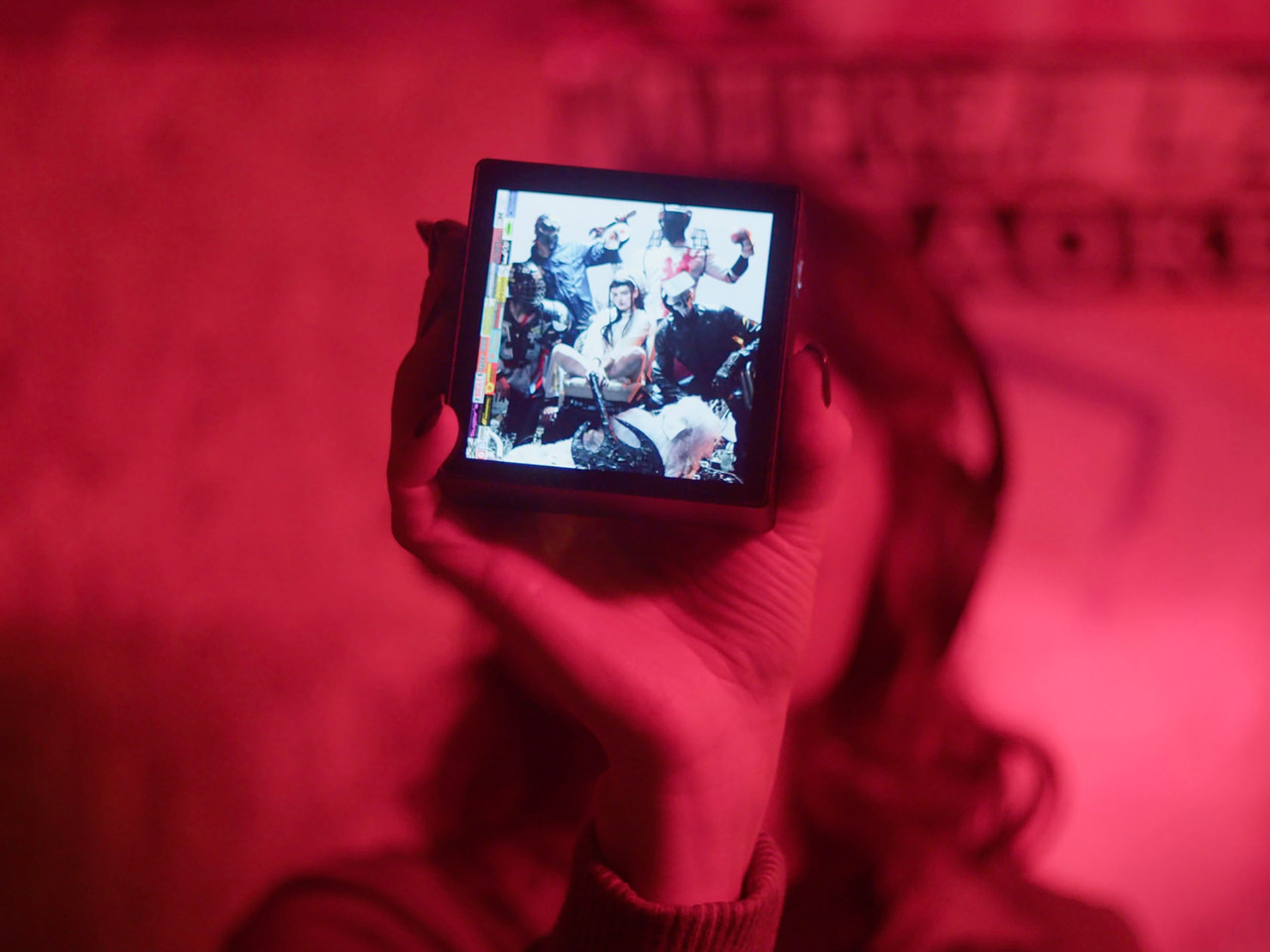
Sleevenote is musician Tom Vek’s attempt to give digital albums their own object again. It’s a square music player with a 4-inch screen that matches the shape of album artwork, designed to show covers, back sleeves, and booklet pages without any other interface getting in the way. The device only plays music you actually buy and download from places like Bandcamp, deliberately skipping Spotify and Apple Music to keep ownership separate from the endless scroll.

Designers: Tom Vek, Chris Hipgrave (Sleevenote)

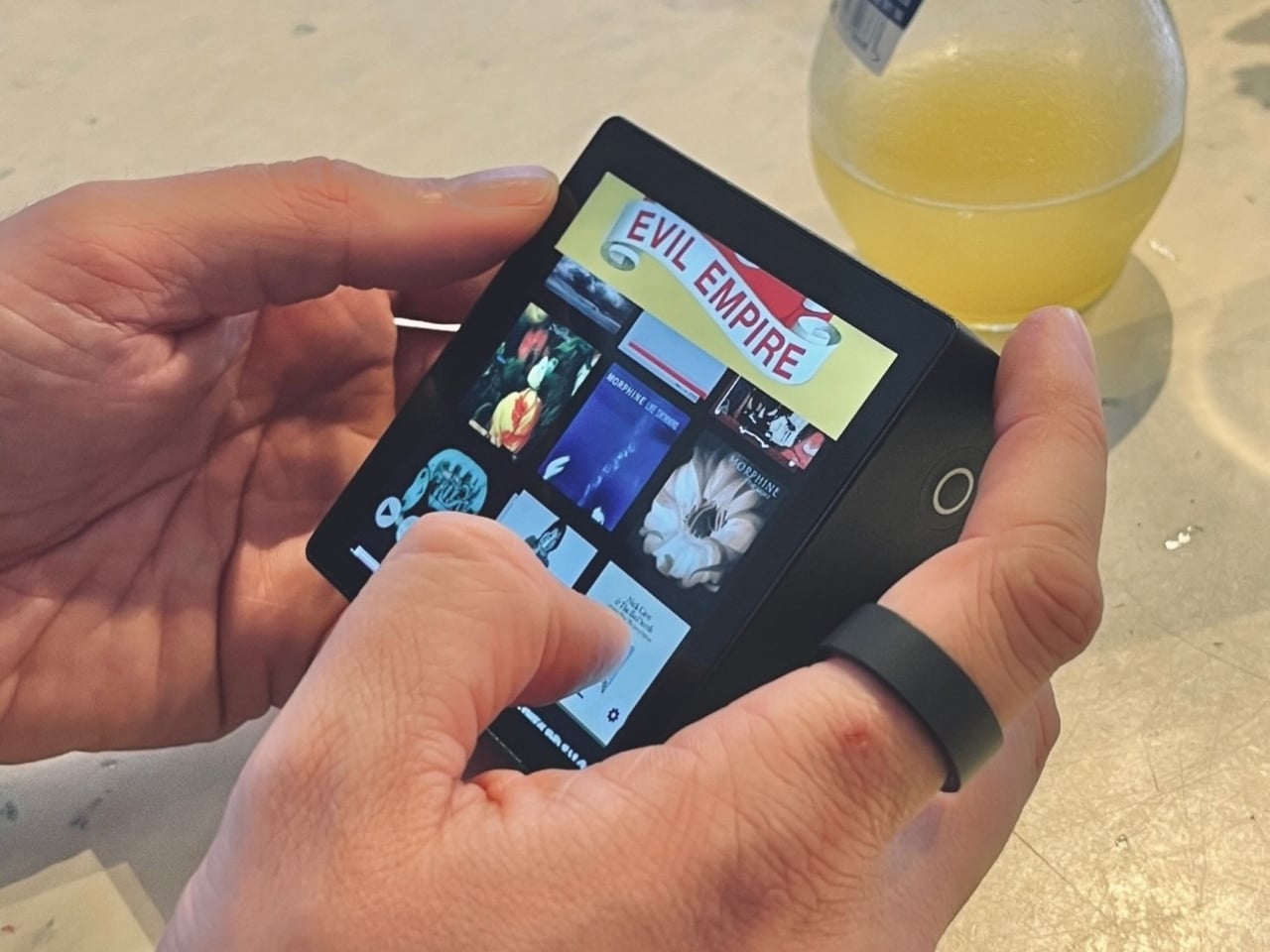
The hardware is a black square that’s mostly screen from the front, with a thick body and rounded edges that make it feel more like a handheld picture frame than a phone. Physical playback buttons sit along one side so you can skip tracks without touching the screen. When you hold it, the weight and thickness are noticeable. This isn’t trying to slip into a pocket; it’s trying to sit on your desk or rest in your hand like a miniature album sleeve.

The screen shows high-resolution artwork, back covers, lyrics, and credits supplied through the Sleevenote platform. You swipe through booklet pages while listening, and the interface stays out of the way so the album art fills the entire square without overlays or buttons. The whole point is that the device becomes the album cover while music plays, which works better in practice than it sounds on paper when you describe it.

Sleevenote won’t let you stream anything. It encourages you to “audition” music on your phone and only put albums you truly love on the player, treating it more like a curated shelf than a jukebox with everything. This sounds good in theory, but means carrying a second device that can’t do anything except play the files you’ve already bought, which feels like a lot of friction for album art, no matter how nice the screen looks.

Sleevenote works as a small act of resistance against music as disposable content. For people who miss having a physical relationship with albums, a square player that only does one thing might feel like a shrine worth keeping. Whether that’s worth the price for a device with a screen barely bigger than your phone is a different question, but the idea that digital music deserves its own object makes more sense than cramming everything into the same distracted rectangle.

The post This Square Player Refuses to Stream Music, and That’s the Point first appeared on Yanko Design.
This ultra-thin portable music player redefines music listening experience

Portable music players have for long been the staple of audiophiles who cannot compromise on the audio quality of the tracks they listen to. Astell&Kern, FiiO and Sony have dominated this space for a long with their consistency.

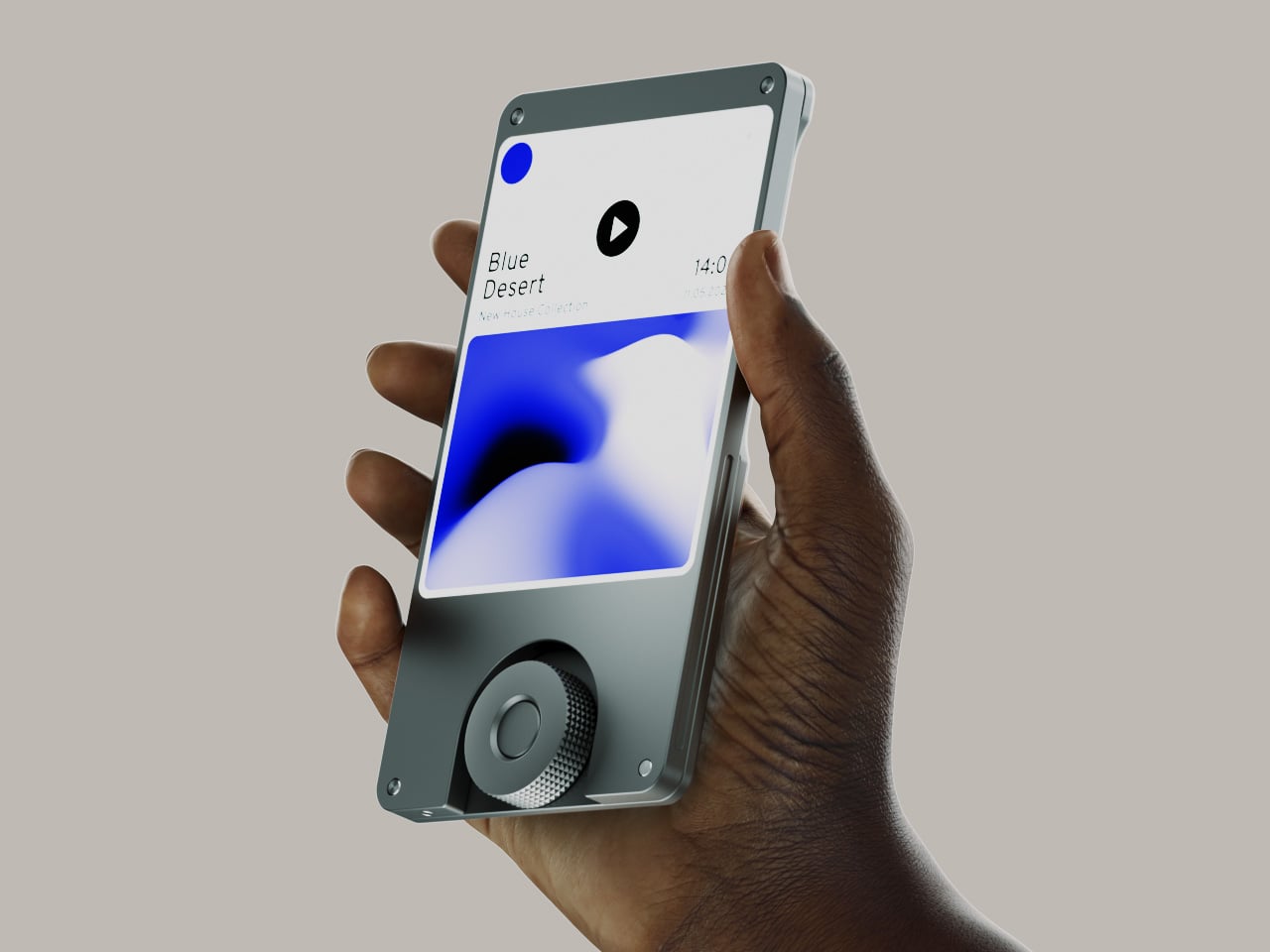
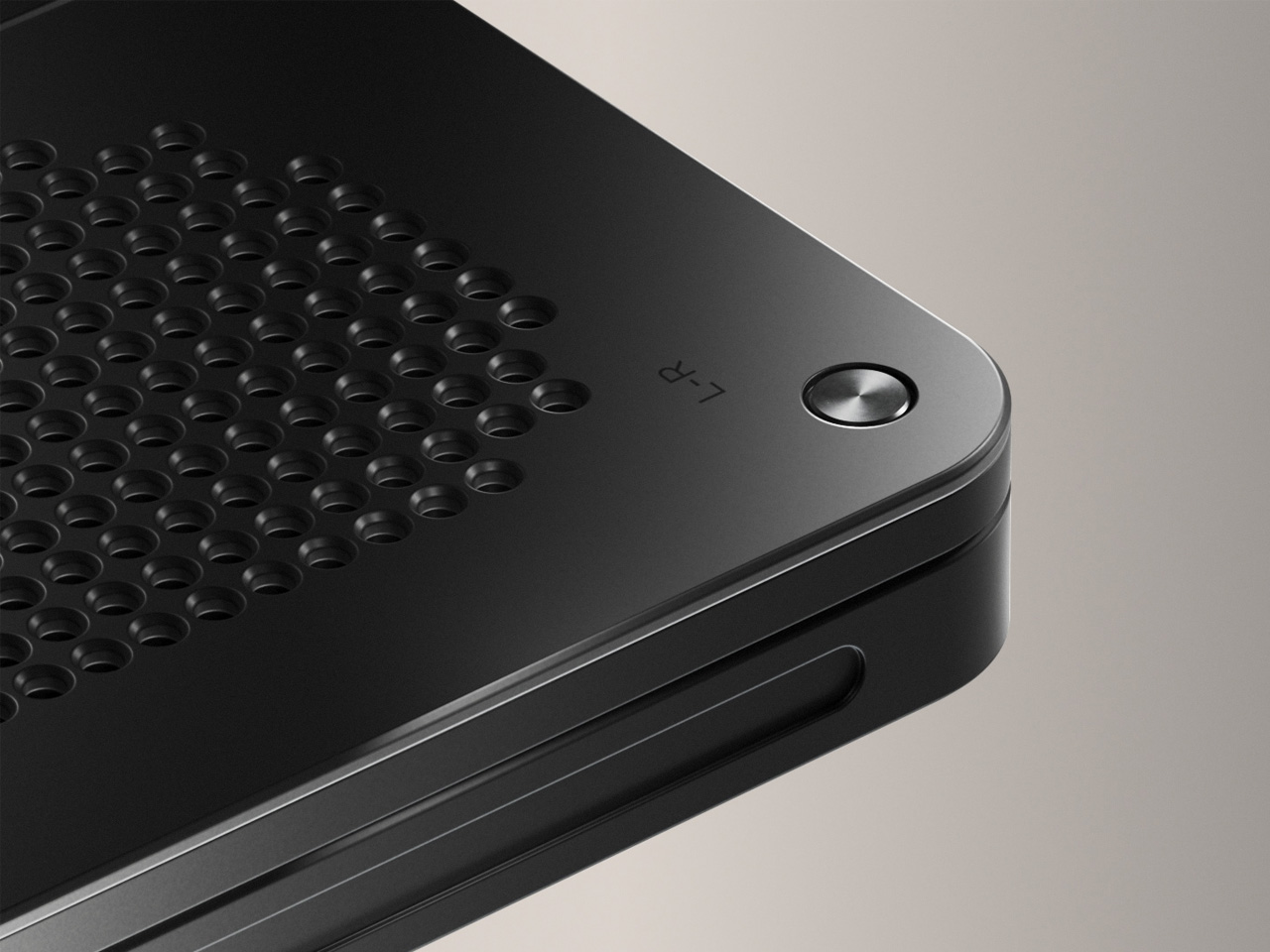
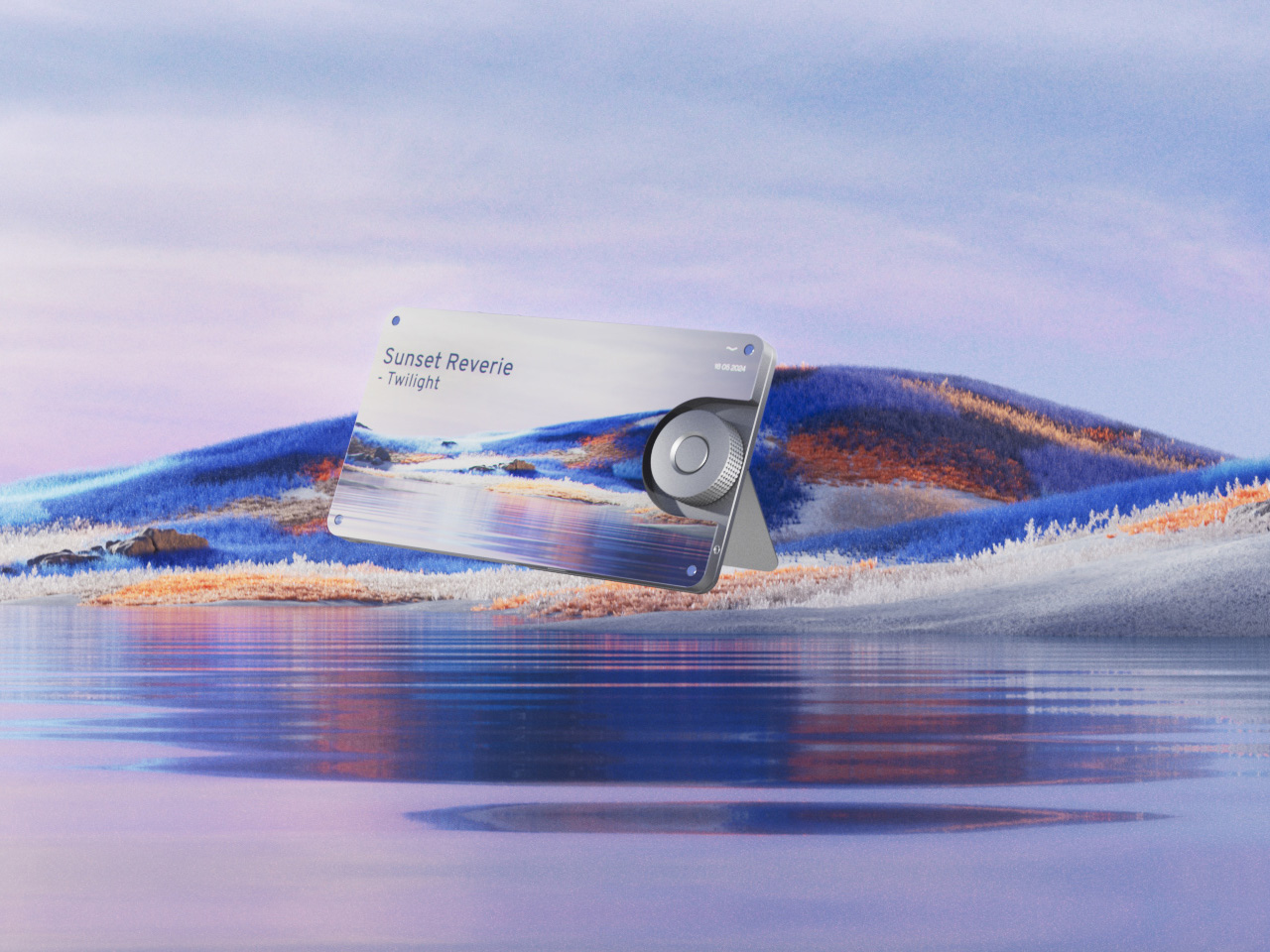
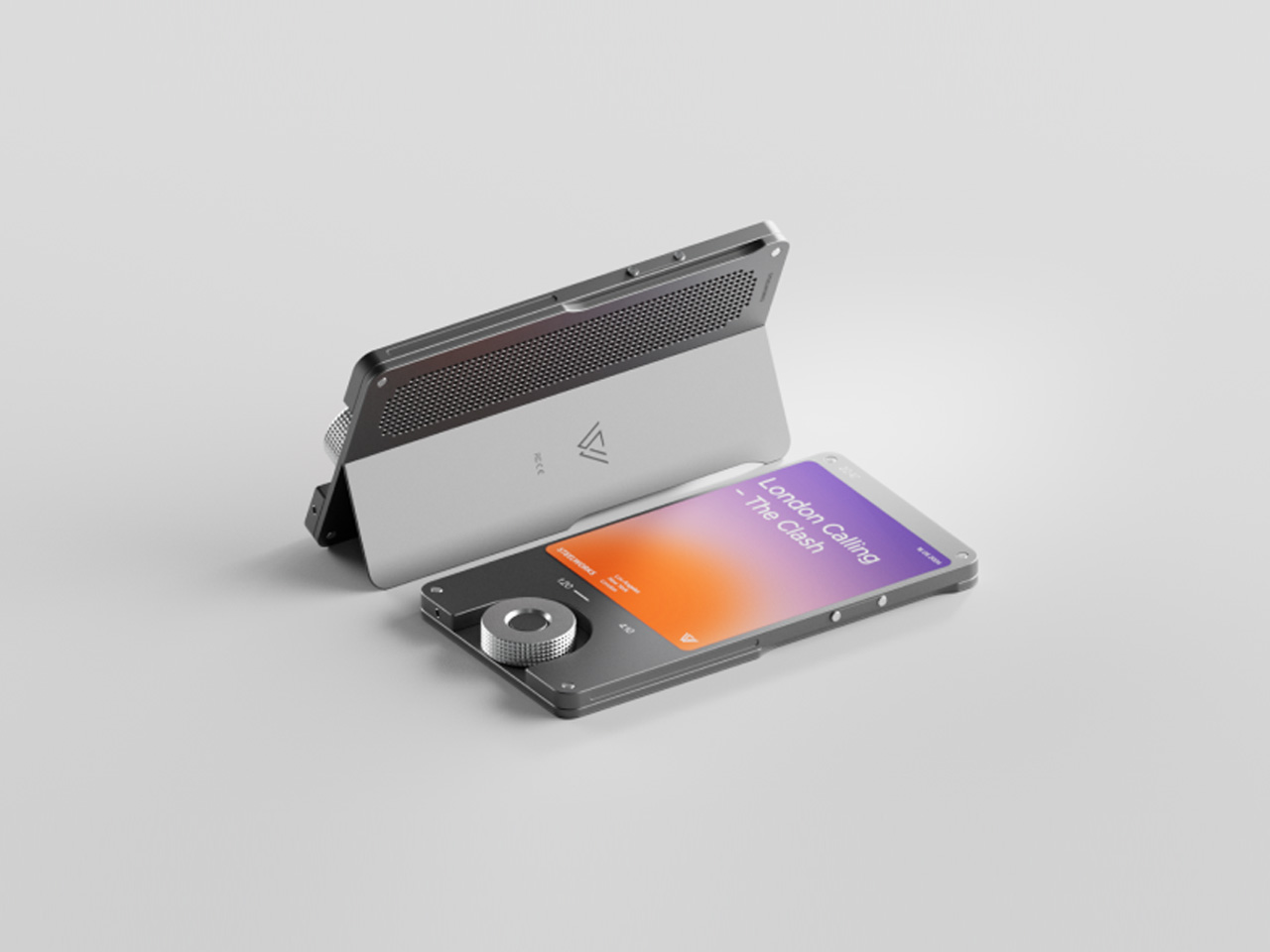
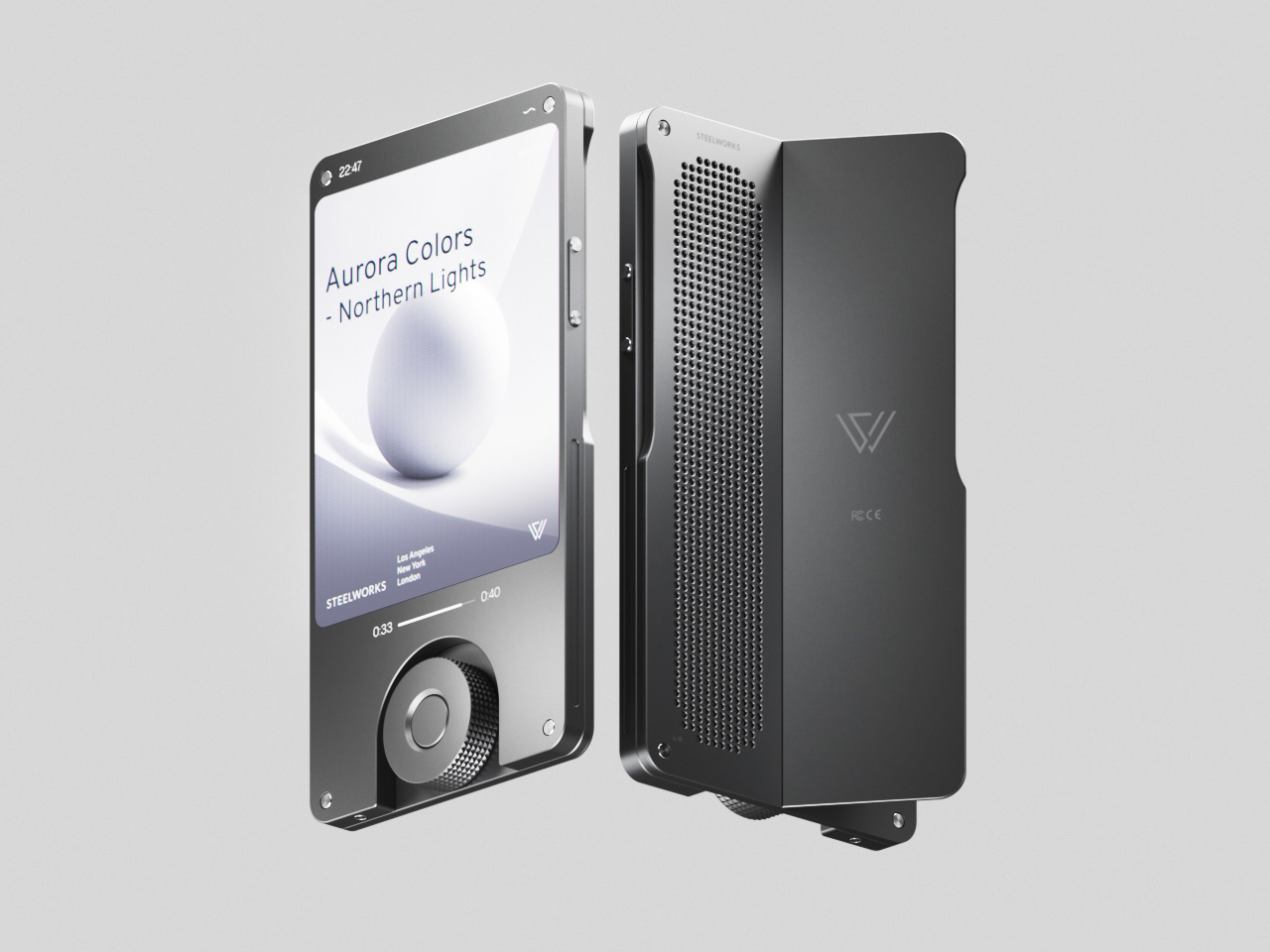
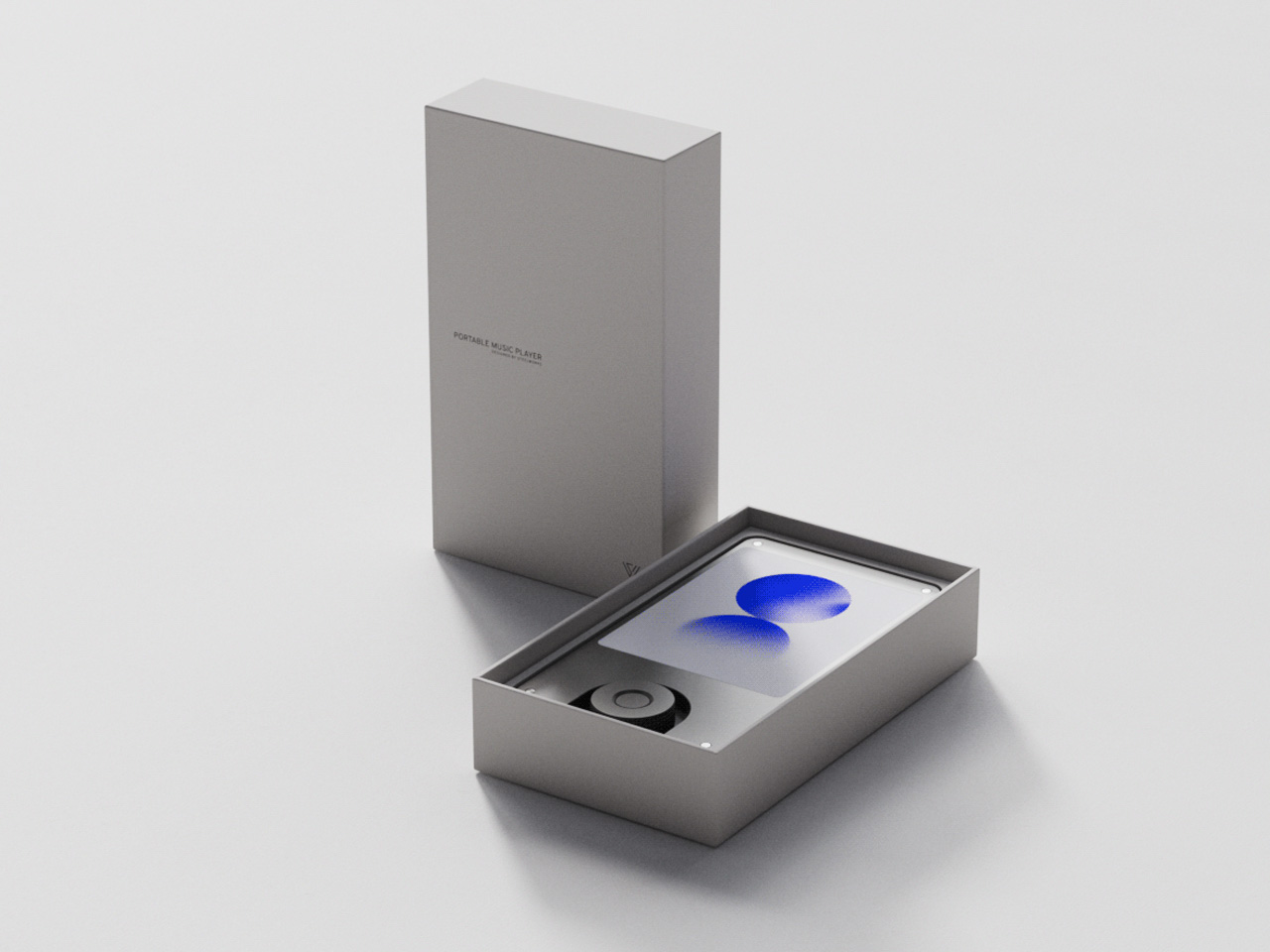
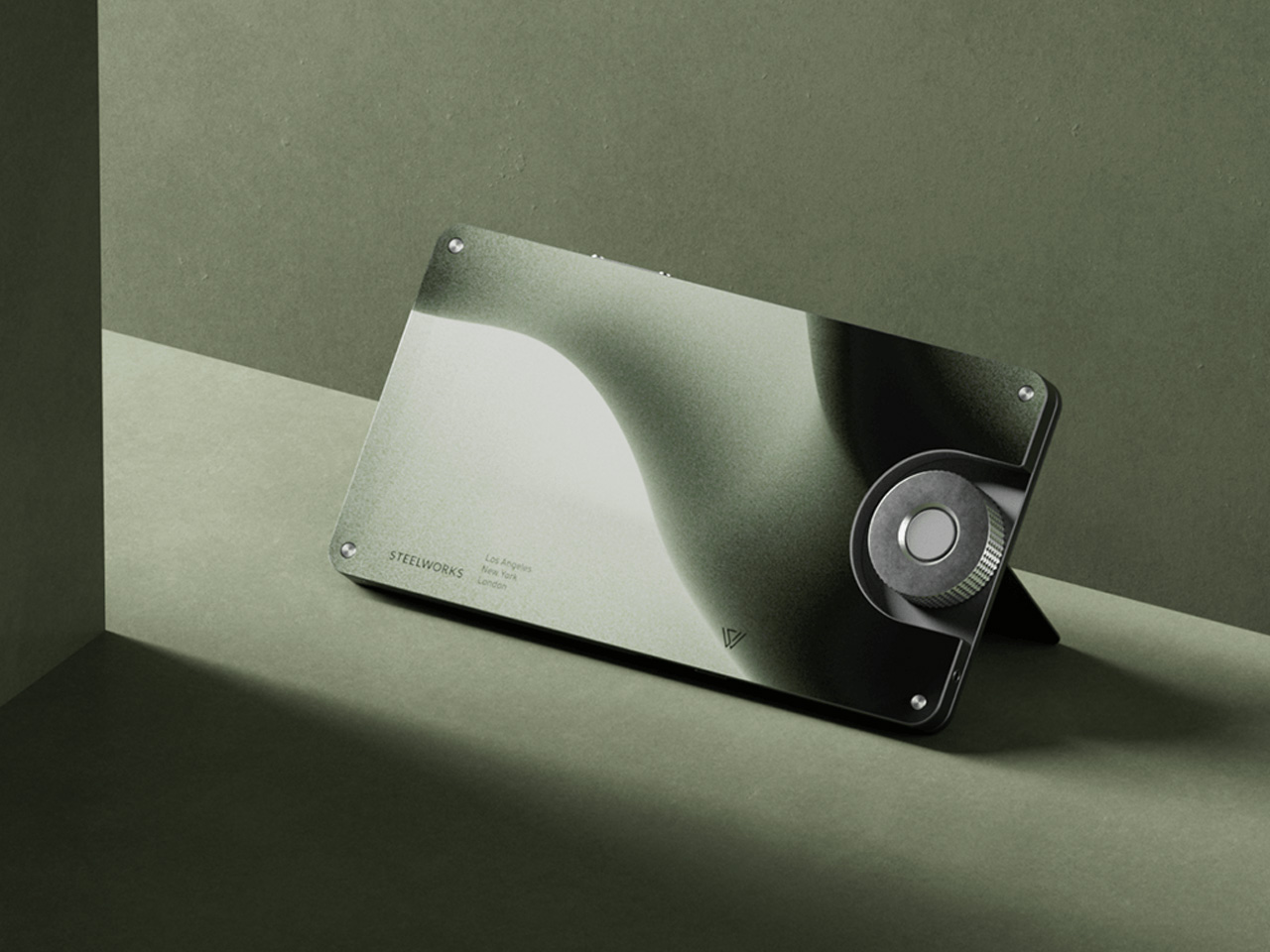
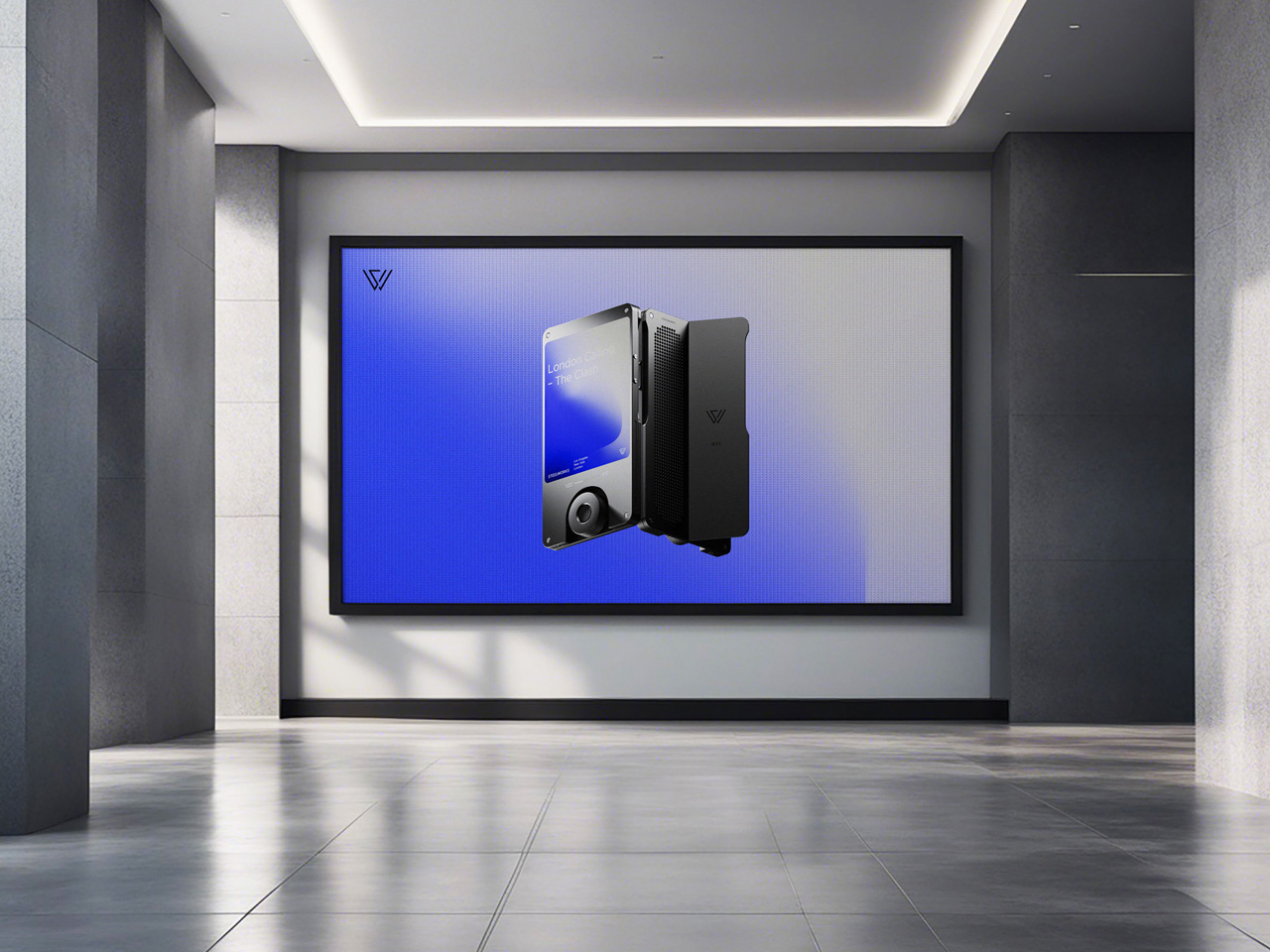
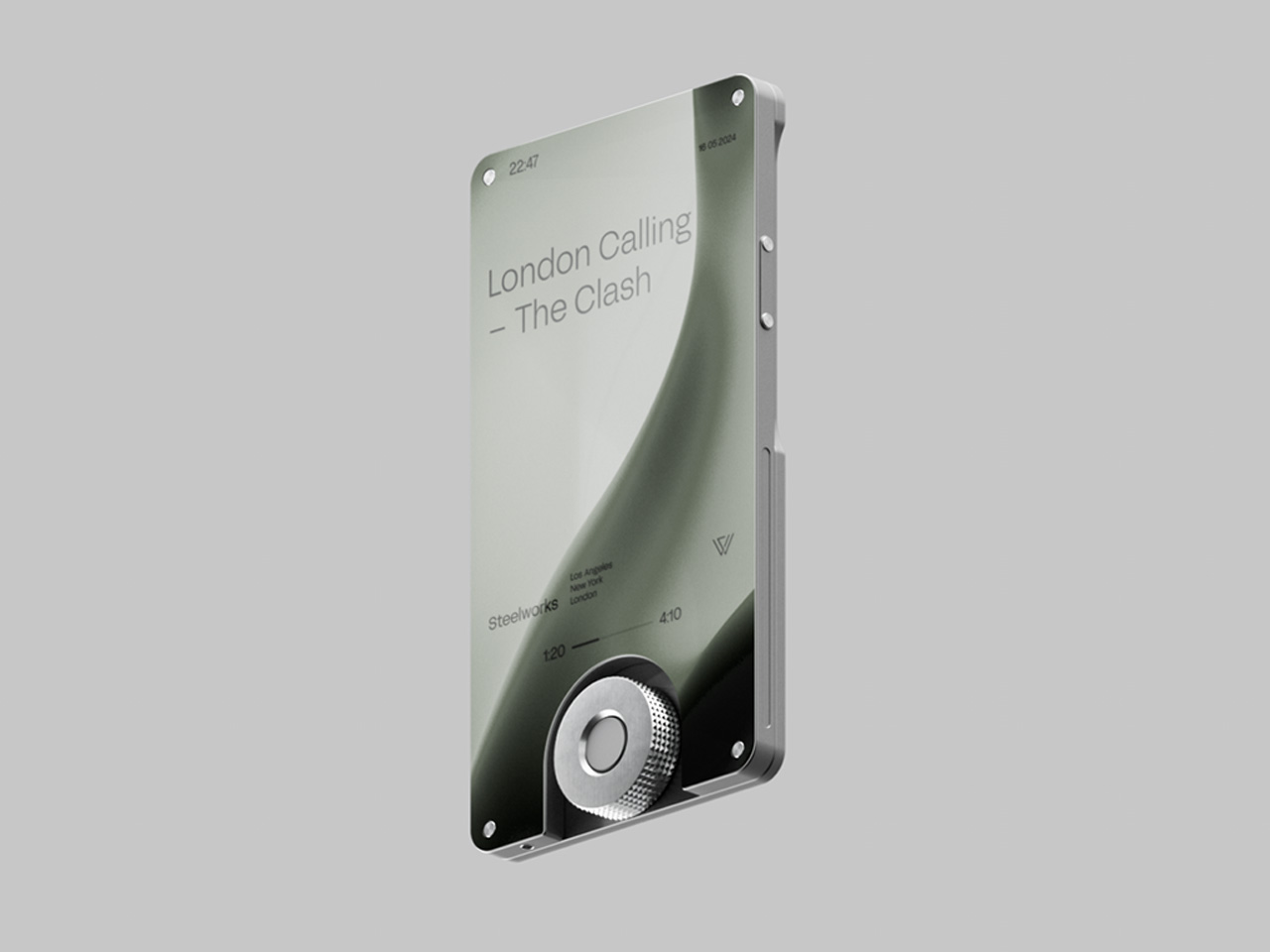
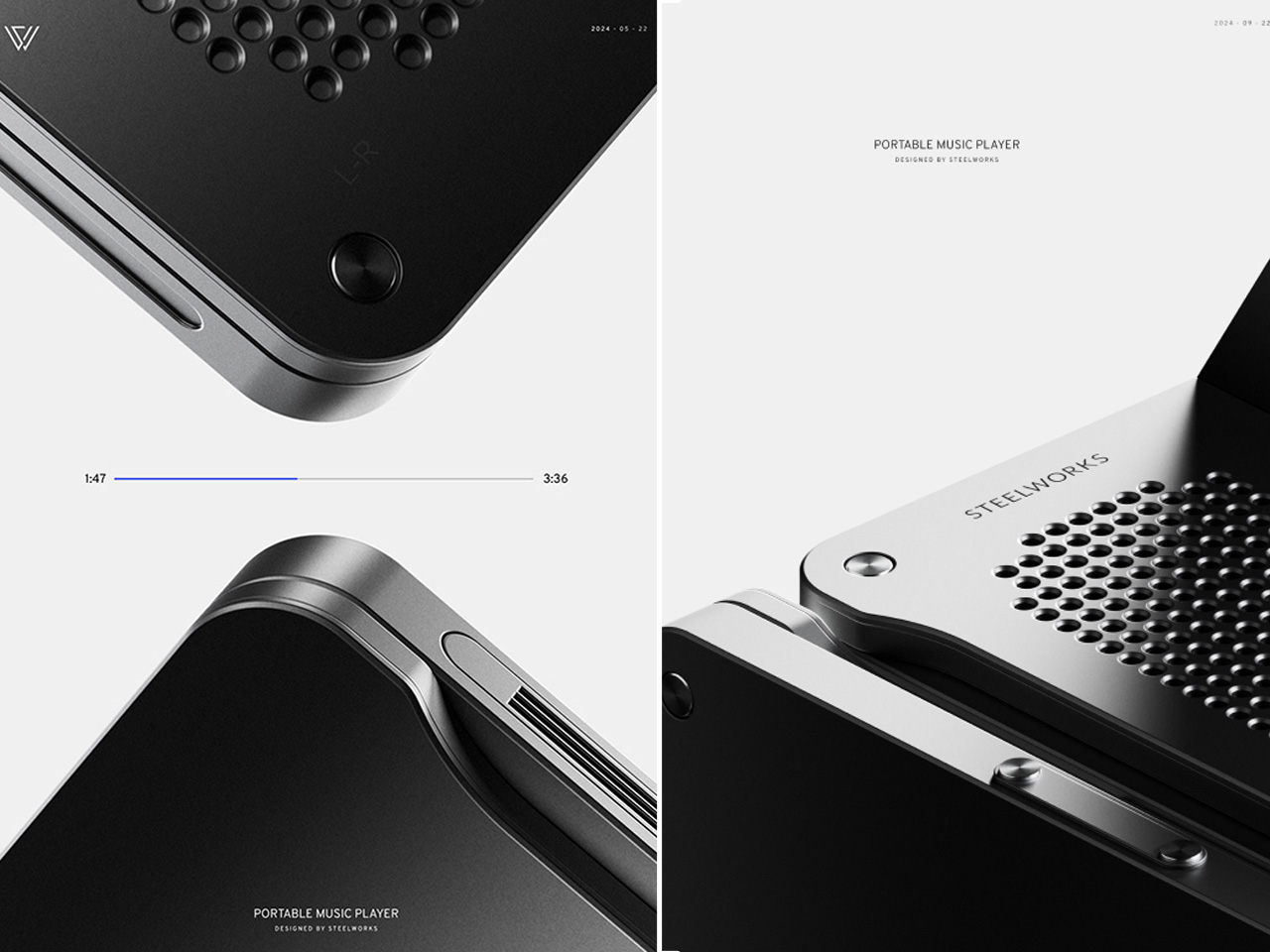
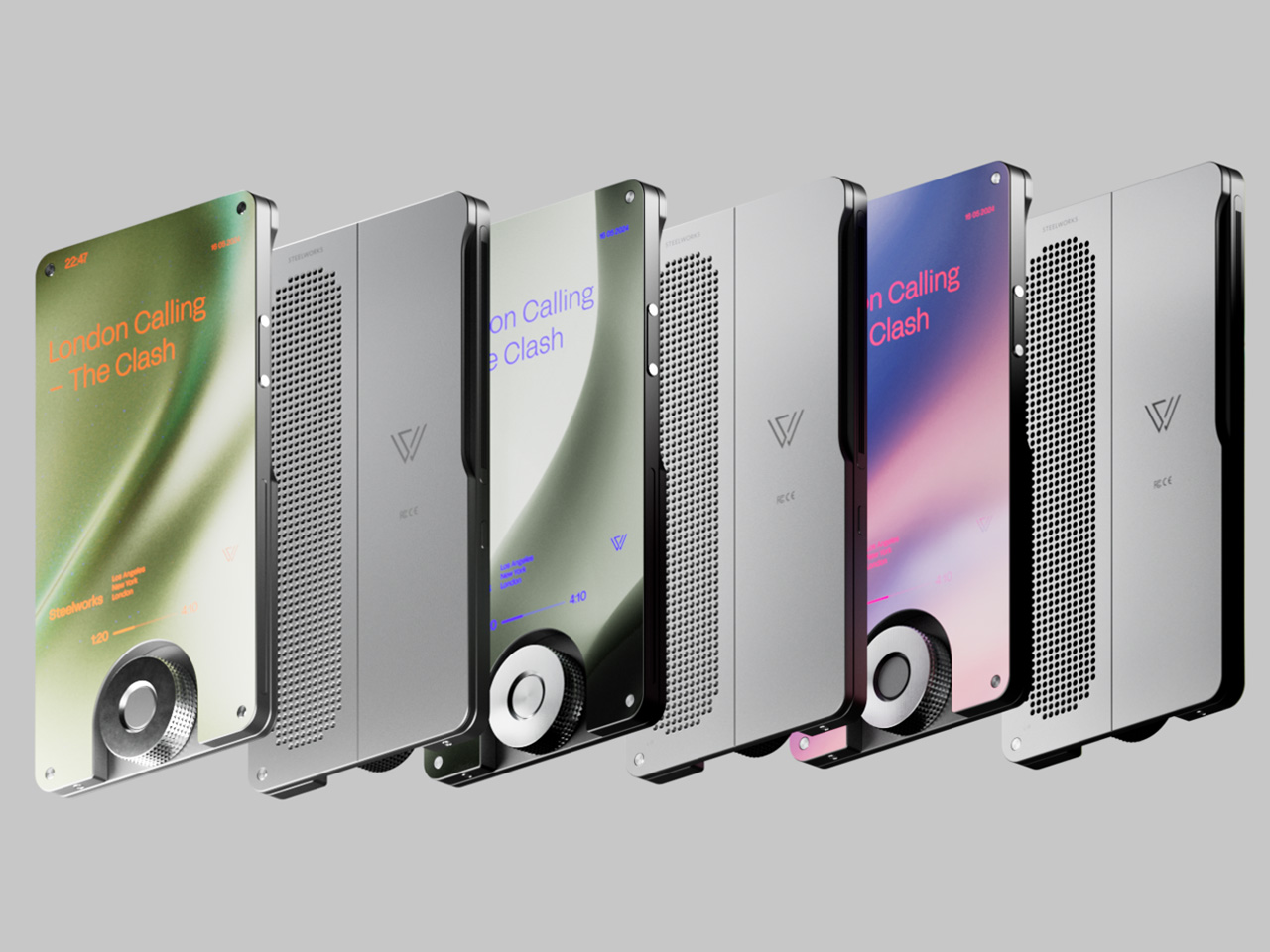
Now Steelworks Studio wants these big names to level up their game with the SW-1 music player, which a proposed concept for a DAP that embodies functionality with visually pleasing aesthetics for a unified listening experience.

Designer: Steelworks Studio

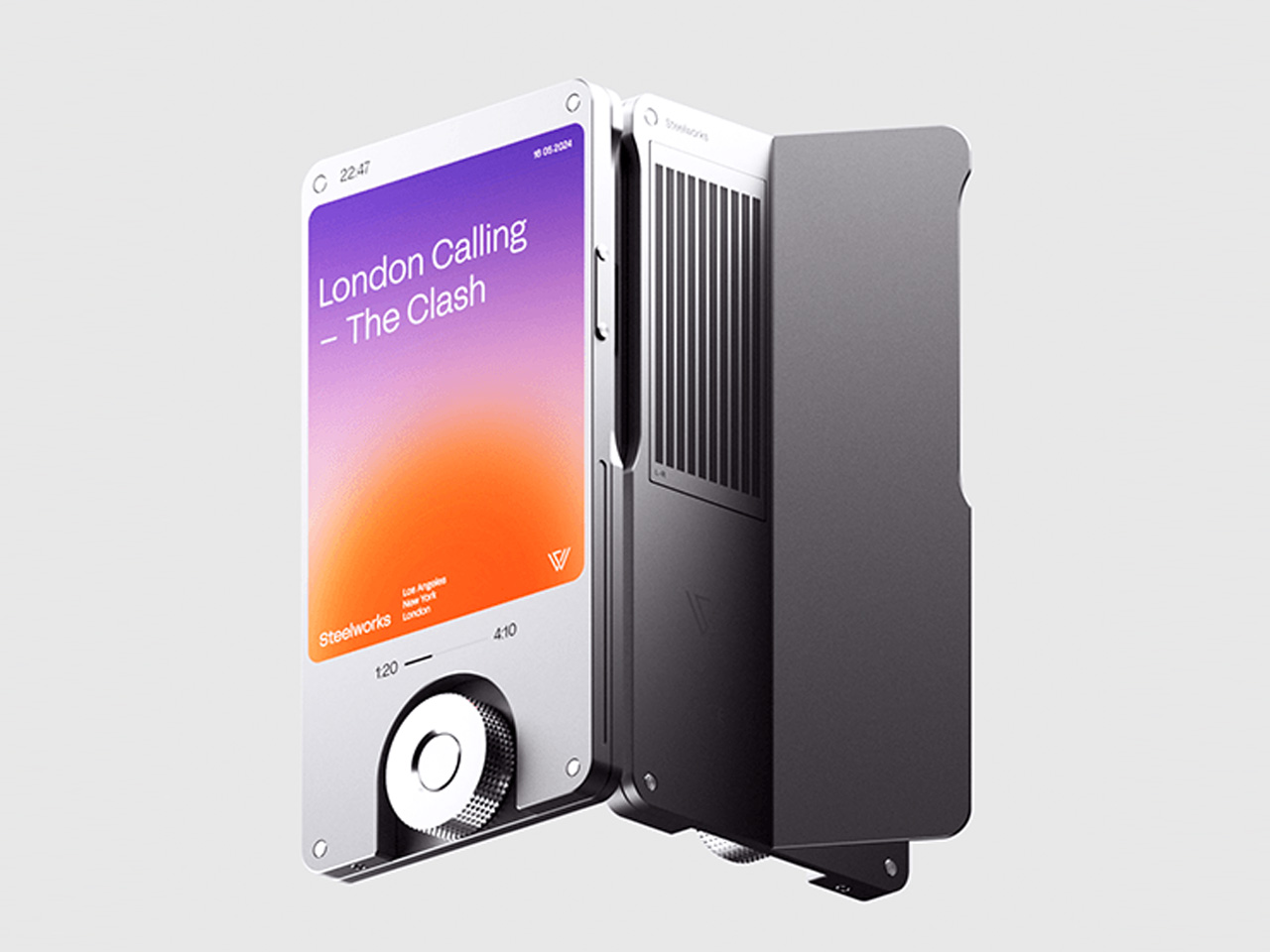
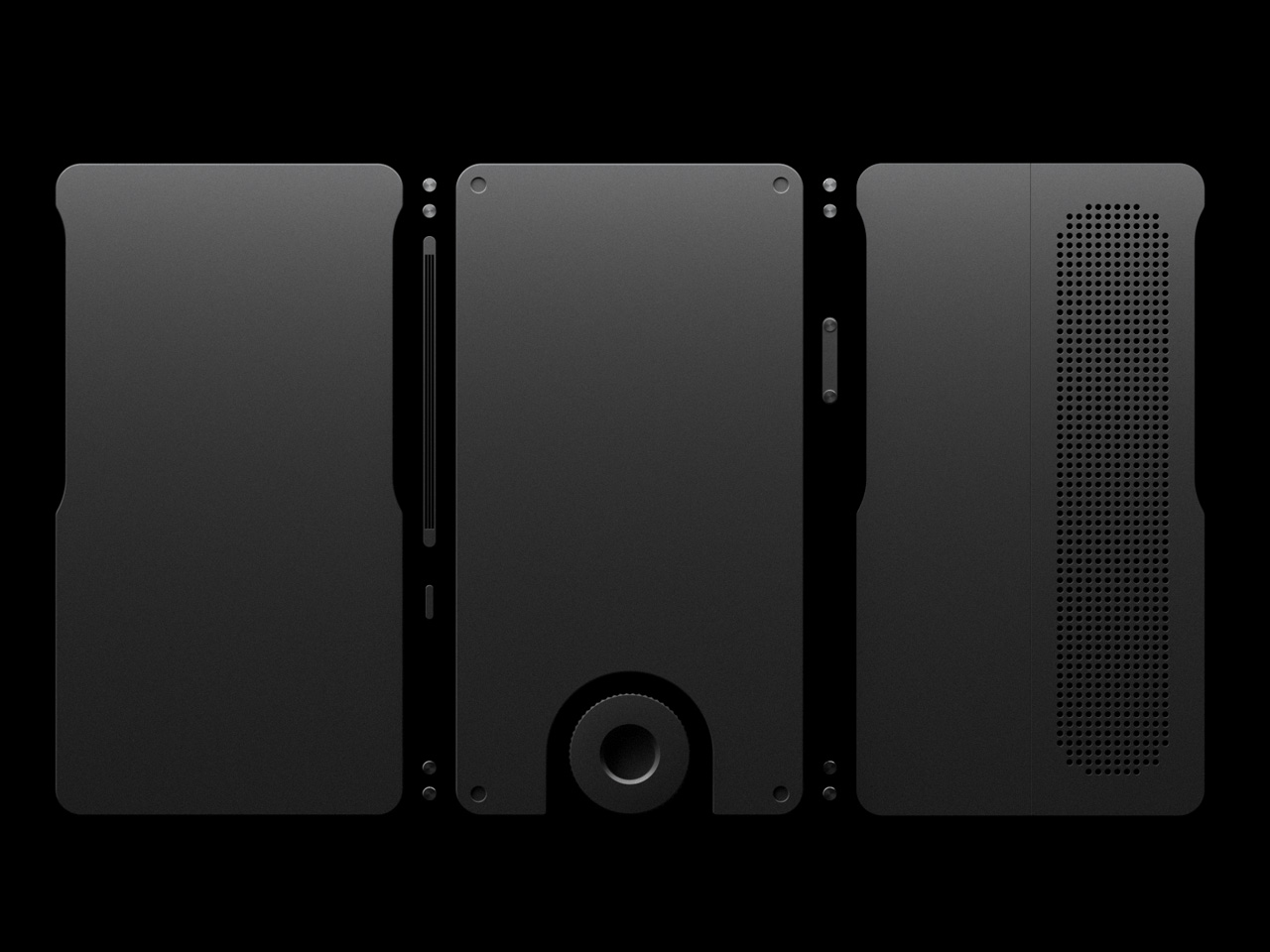
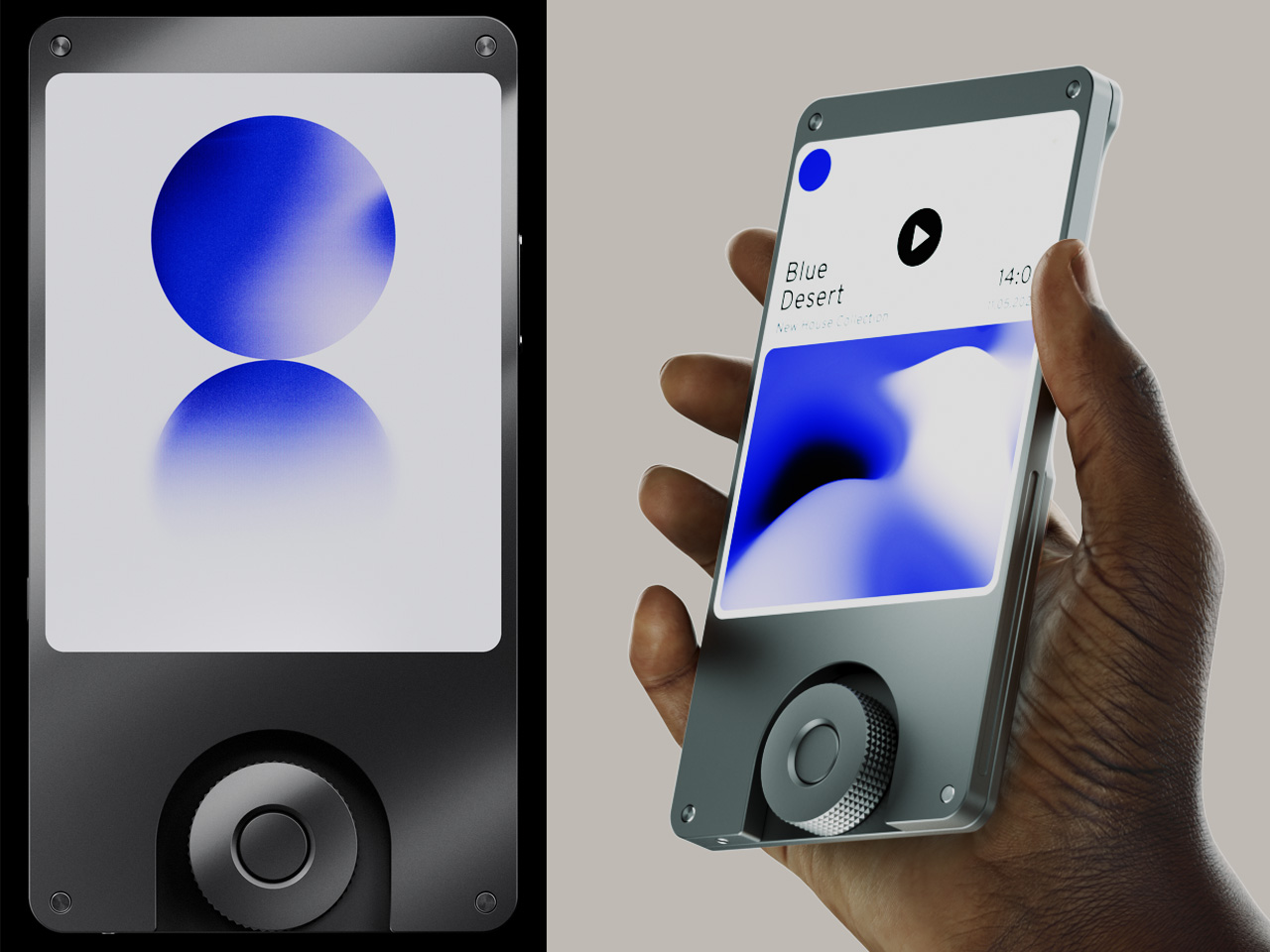
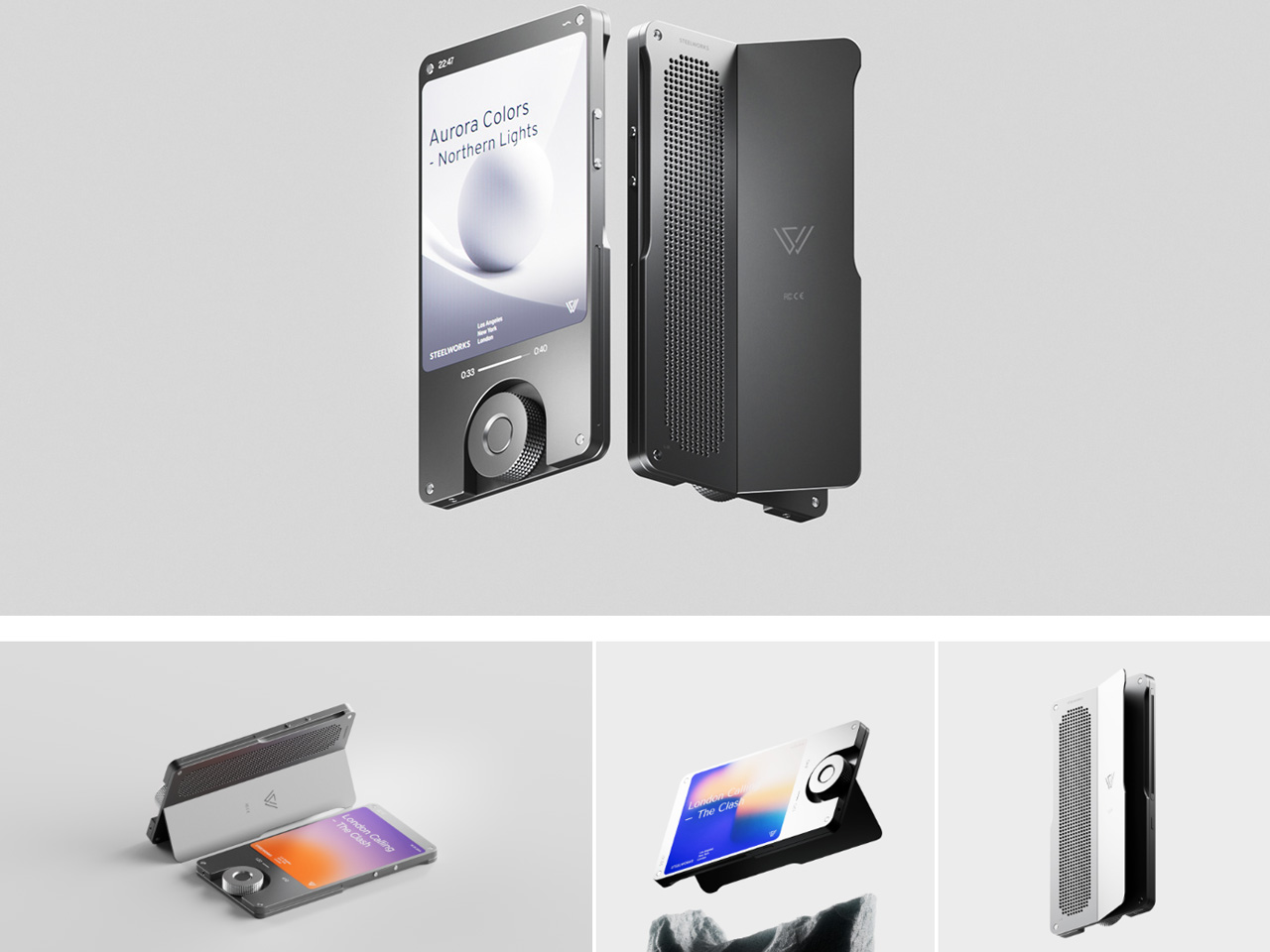
A bezeless responsive touchscreen that is encapsulated by the durable aluminum body frame without subduing the retro charm signifies this design leap. The minimalist aesthetic is complemented by the stunning OLED display that fits the vibe of modern audio listeners. This concept chooses the trending silver finish for the frame that has a beautiful volume knob in the bottom center to induce a tactical feel.

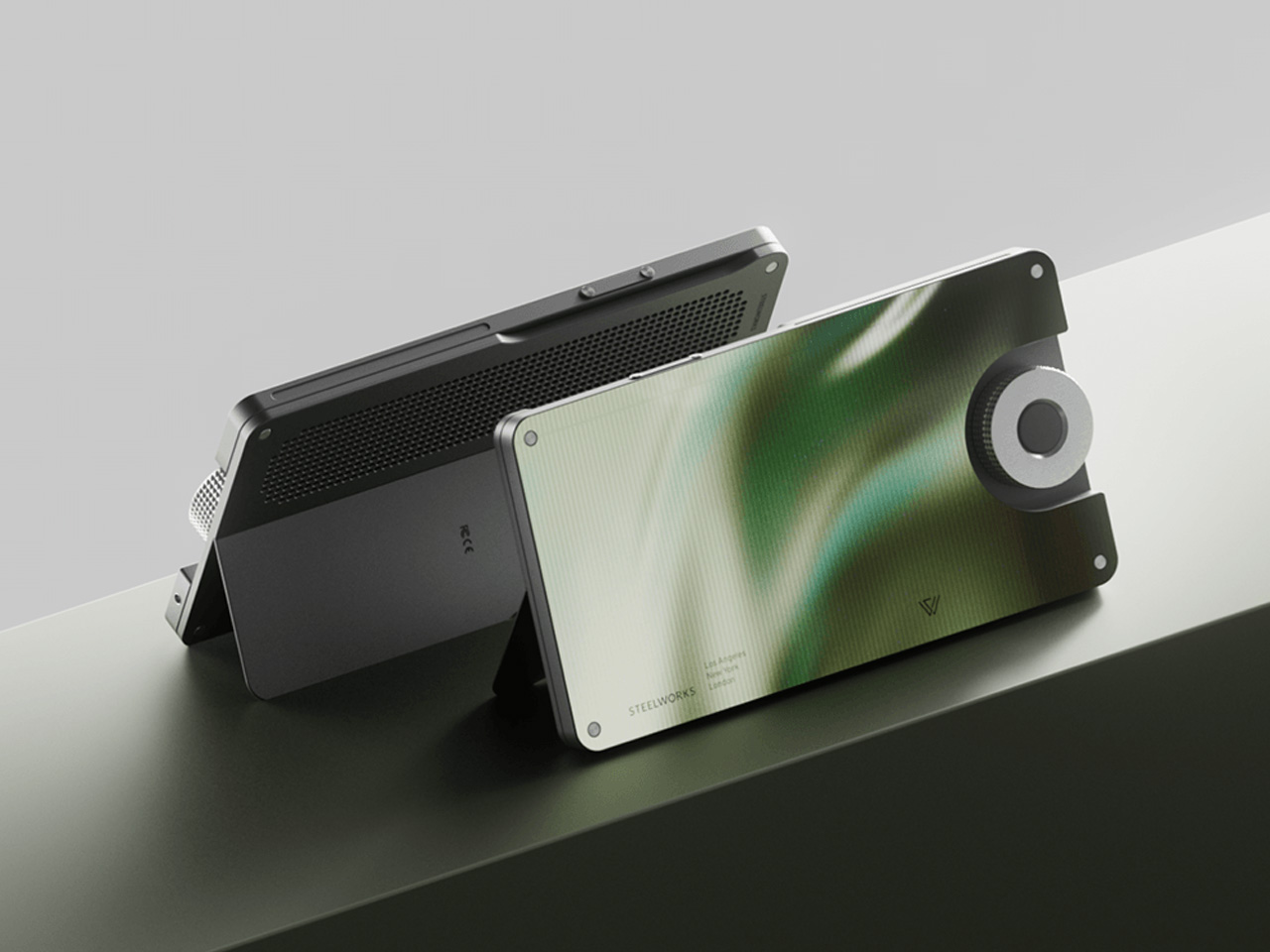
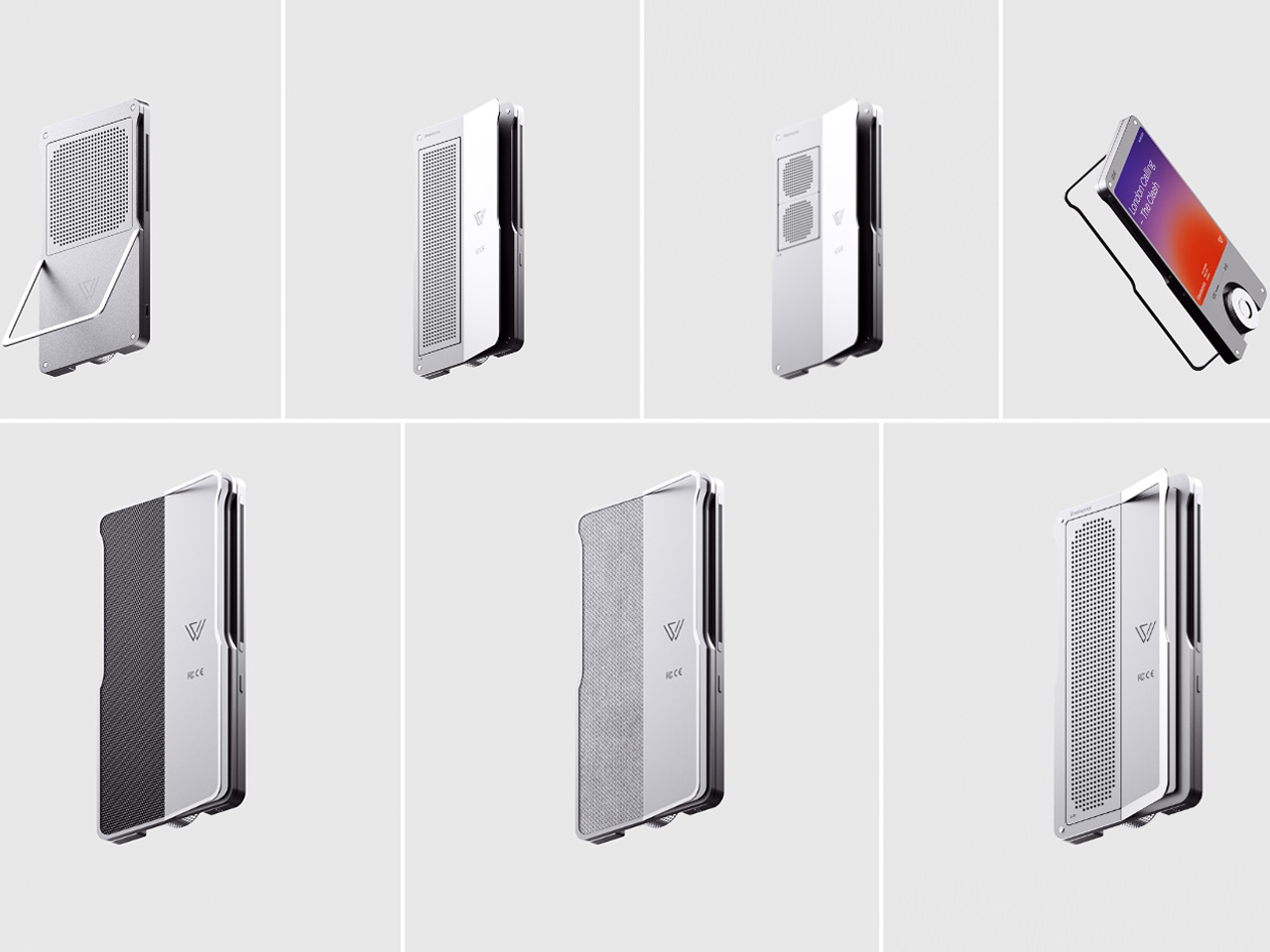
The user can listen to their music on the 360-degree surround sound speakers as well as the gadget can be placed in the horizontal orientation. Yes, it’s got an equally robust kickstand for placing the device on a flat surface in landscape mode. So, you’re not just limited to music, but can also enjoy immersive binge-watching on the player.

The SW-1 music player has a very sleek and ergonomic footprint so that it can be carried easily in your daily commute to work. While the form factor is slightly taller than your usual Hi-res music player, the gadget is far thinner than other DAPs out there. Honestly, the height could have been a little less considering the display only occupies around 1/4th of the screen real estate. Anyways, the skim form fits like a charm in hand and that volume knob adds spice to your music listening experience.


The post This ultra-thin portable music player redefines music listening experience first appeared on Yanko Design.
Hi-fi Audio Player inspired by Teenage Engineering and Sony refreshes an age-old design

Purist audiophiles always come back to the DAPs and high-resolution audio players to enjoy their favorite music collection in high definition. Sony has a foothold in the hi-res audio game for as long as memory goes back, and they continue to offer some of the best players for music listening. Walkman MW-A306 released last year is a favorite one for music lovers.

Teenage Engineering resonates the same value for its consumers with a broader portfolio of innovative and unconventional audio gadgets. Both Sony and TE have things like modern design, Gen-Z targeting and sublime quality at their helm to attract a niche set of audio lovers. We certainly love TE and so does the community of designers who have been mustering up cool concepts inspired by the Stockholm-based electronics company.

Designer: Evgeniy Vakulich

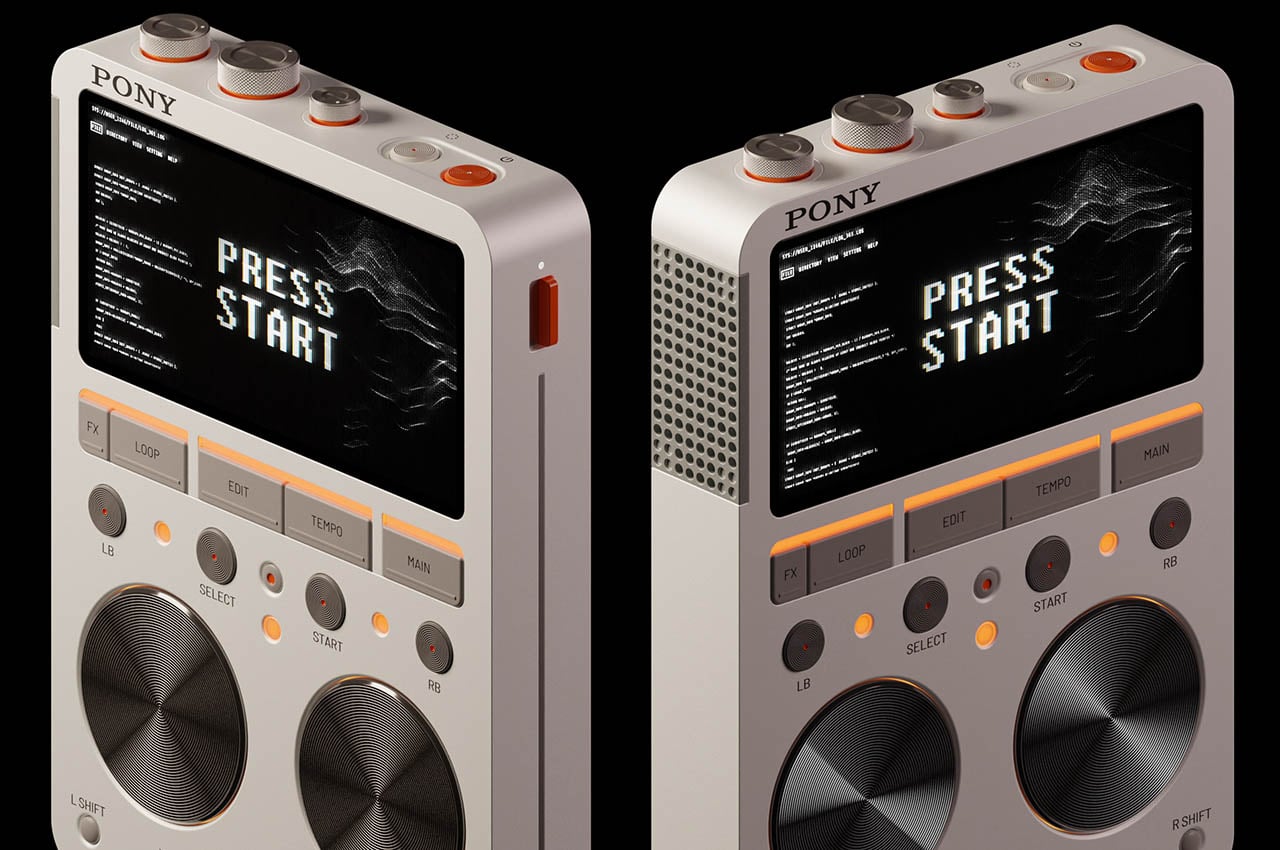
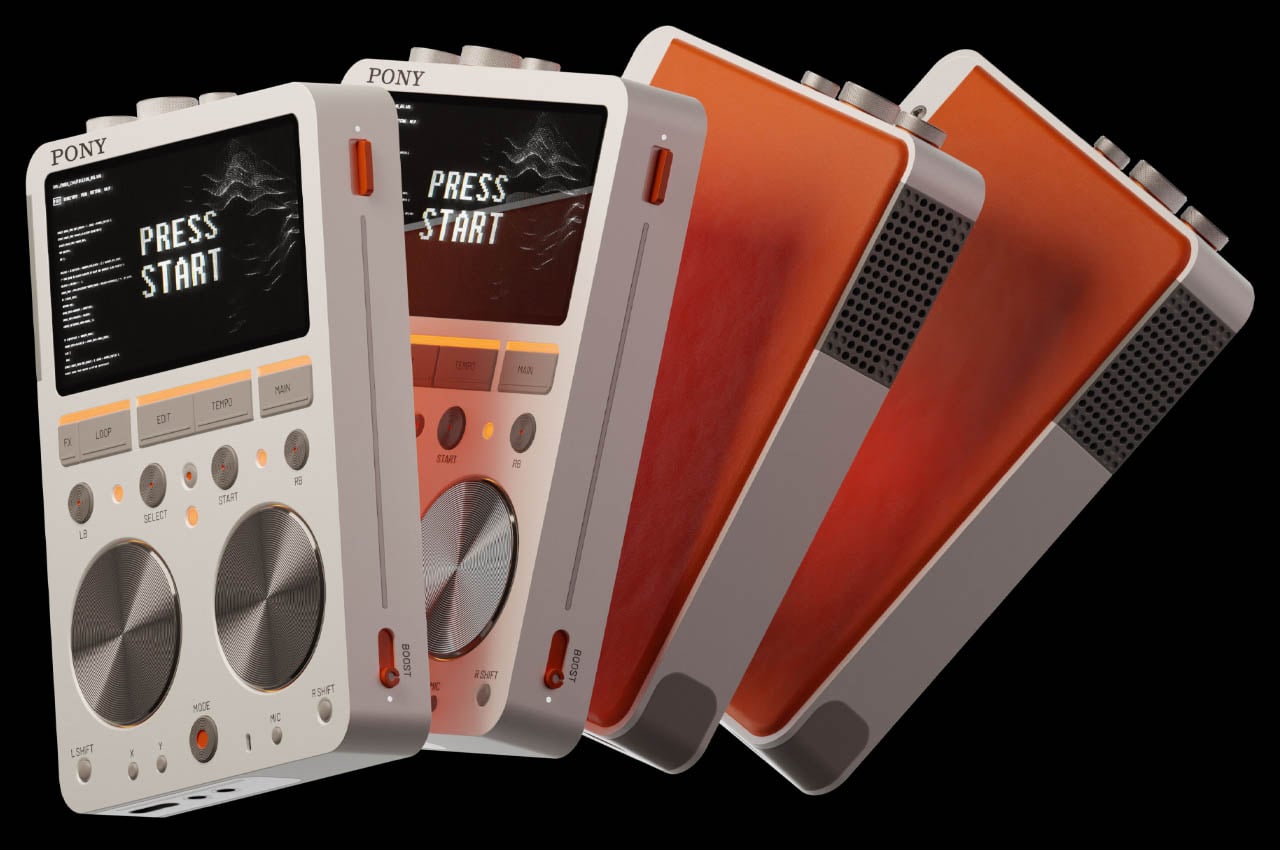
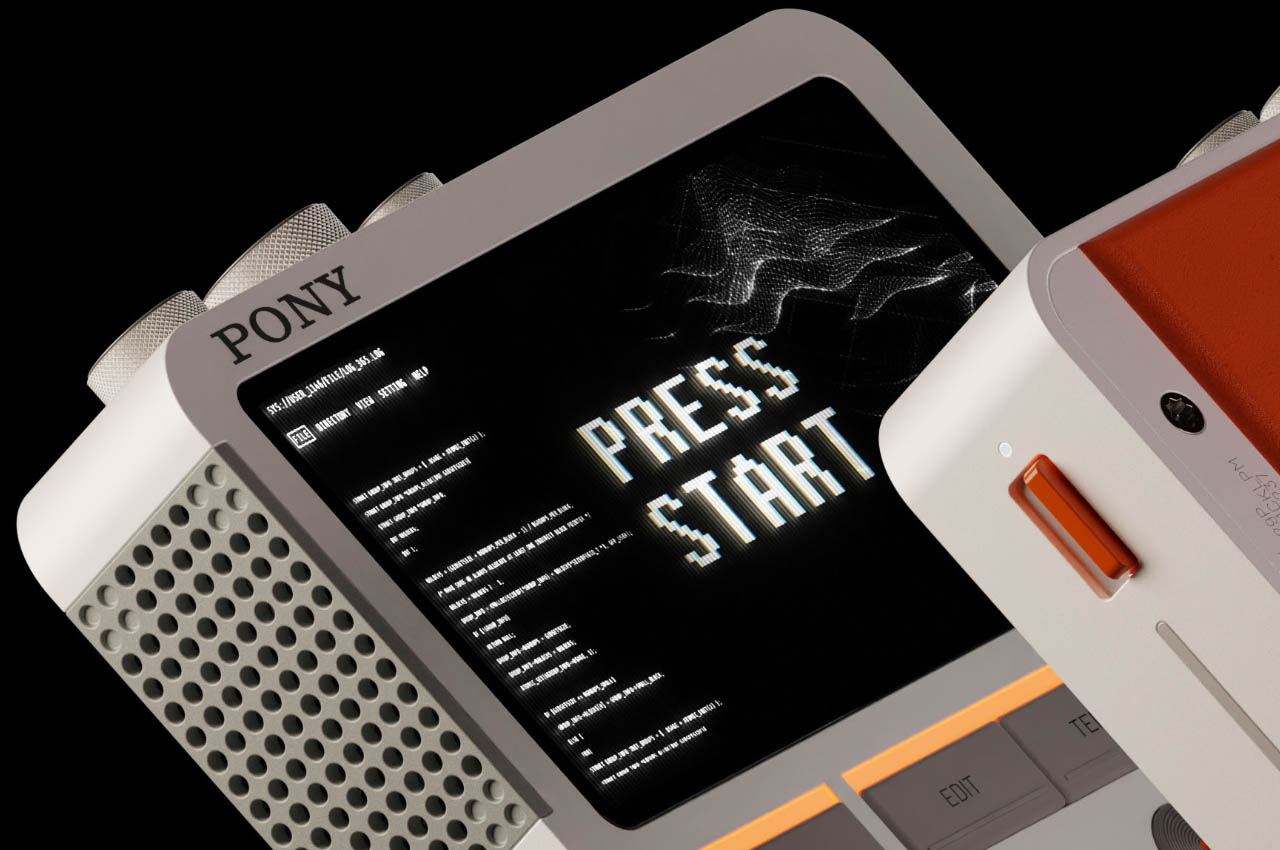
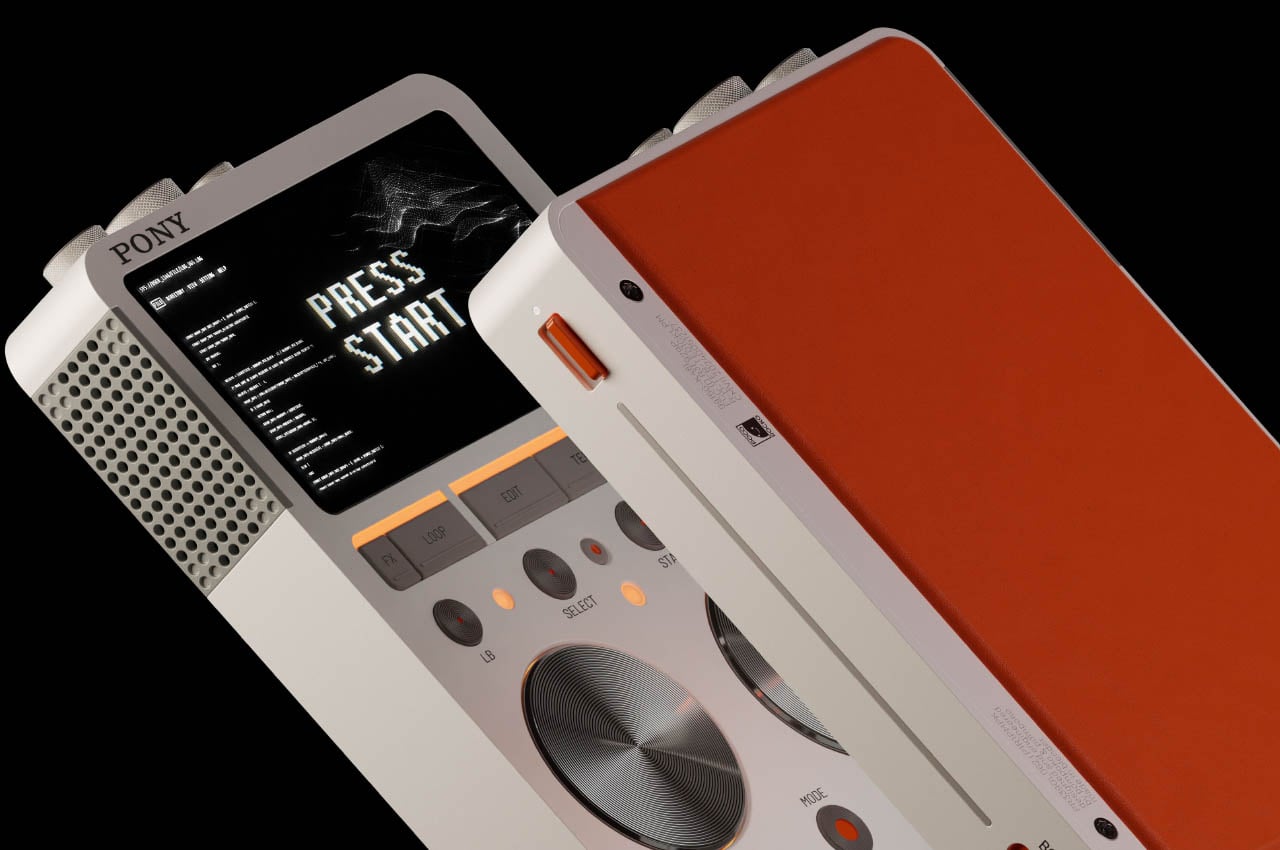
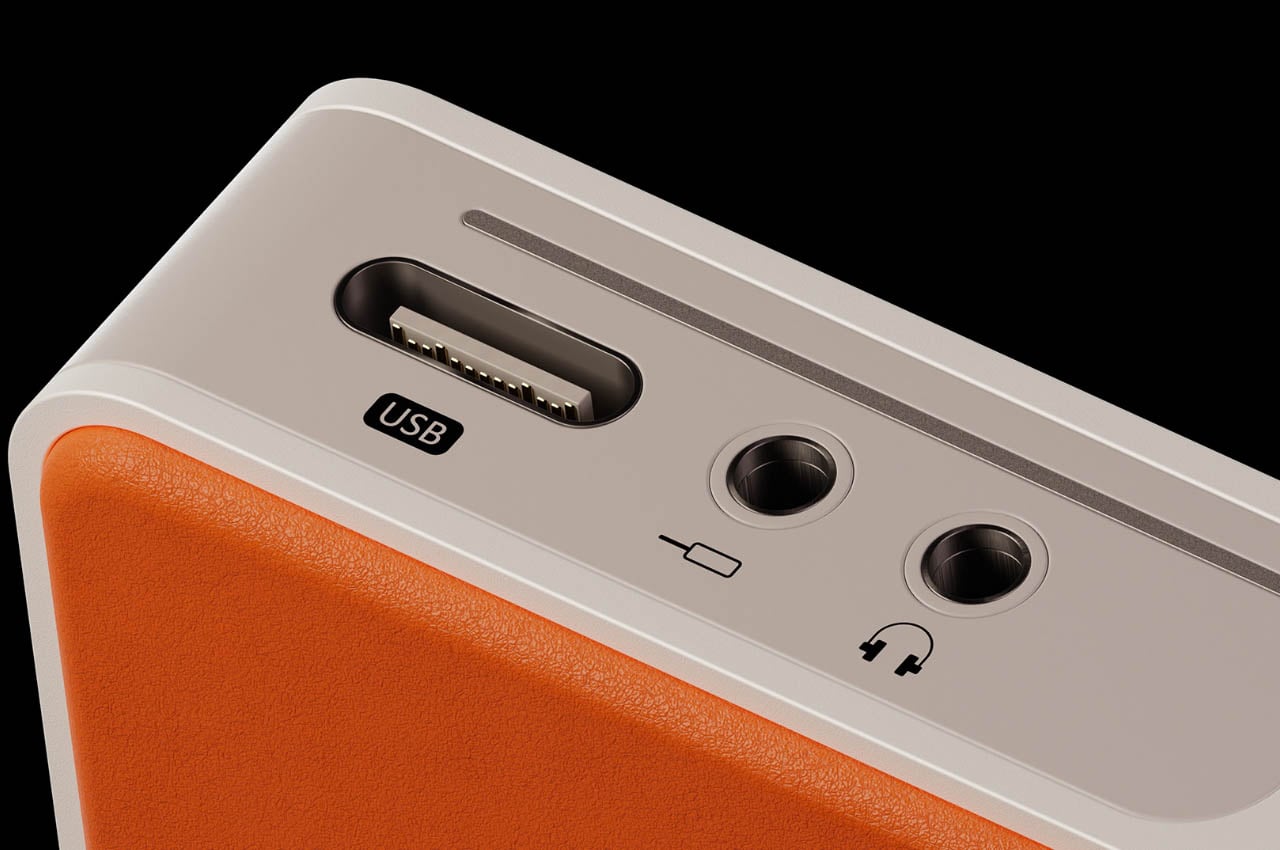
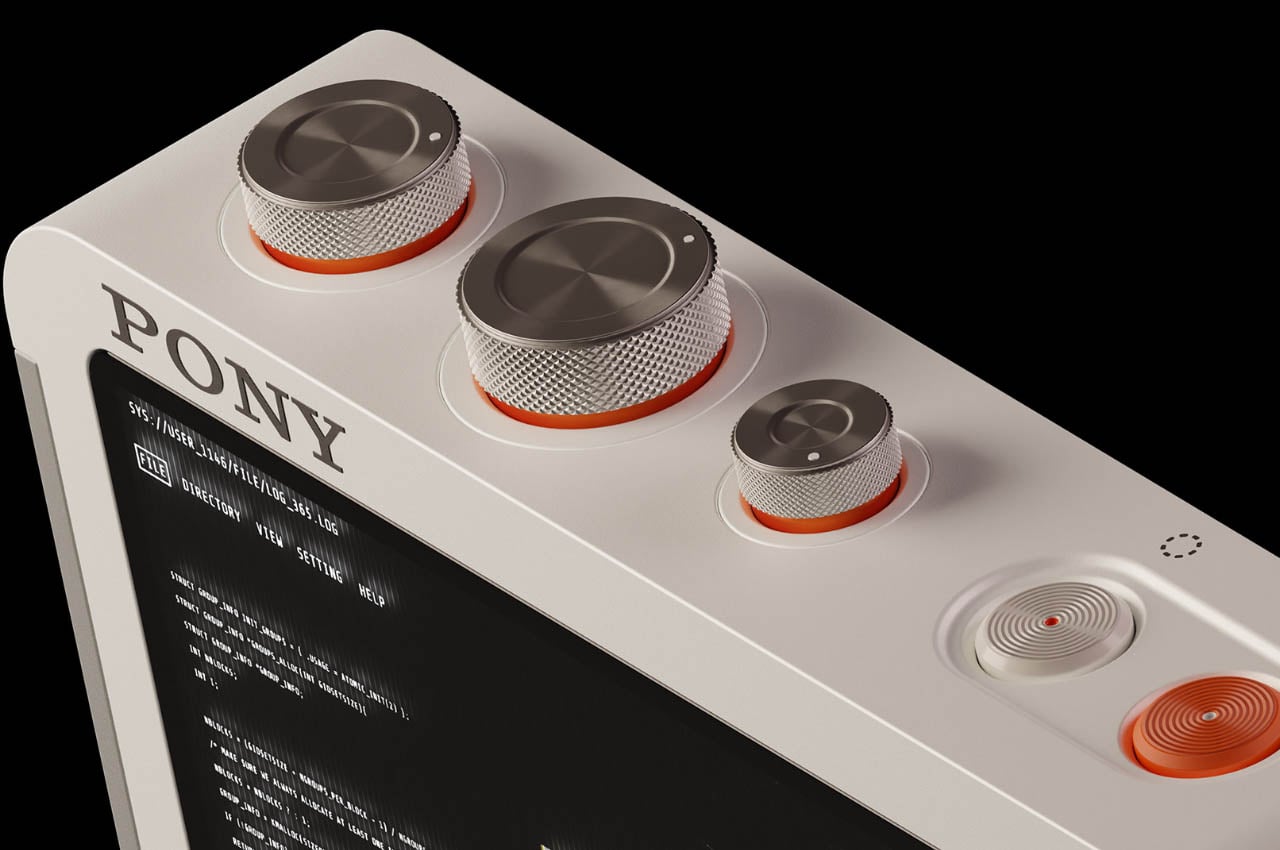
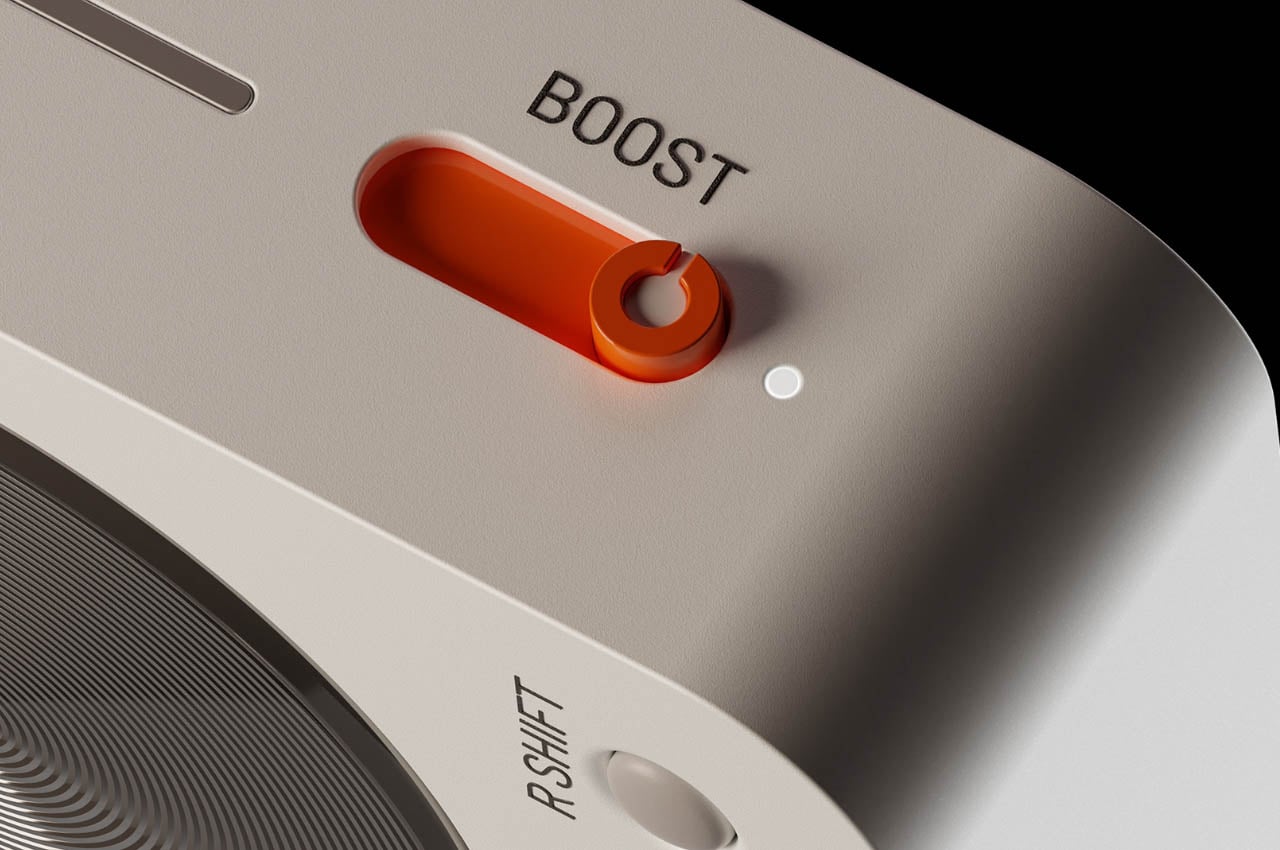
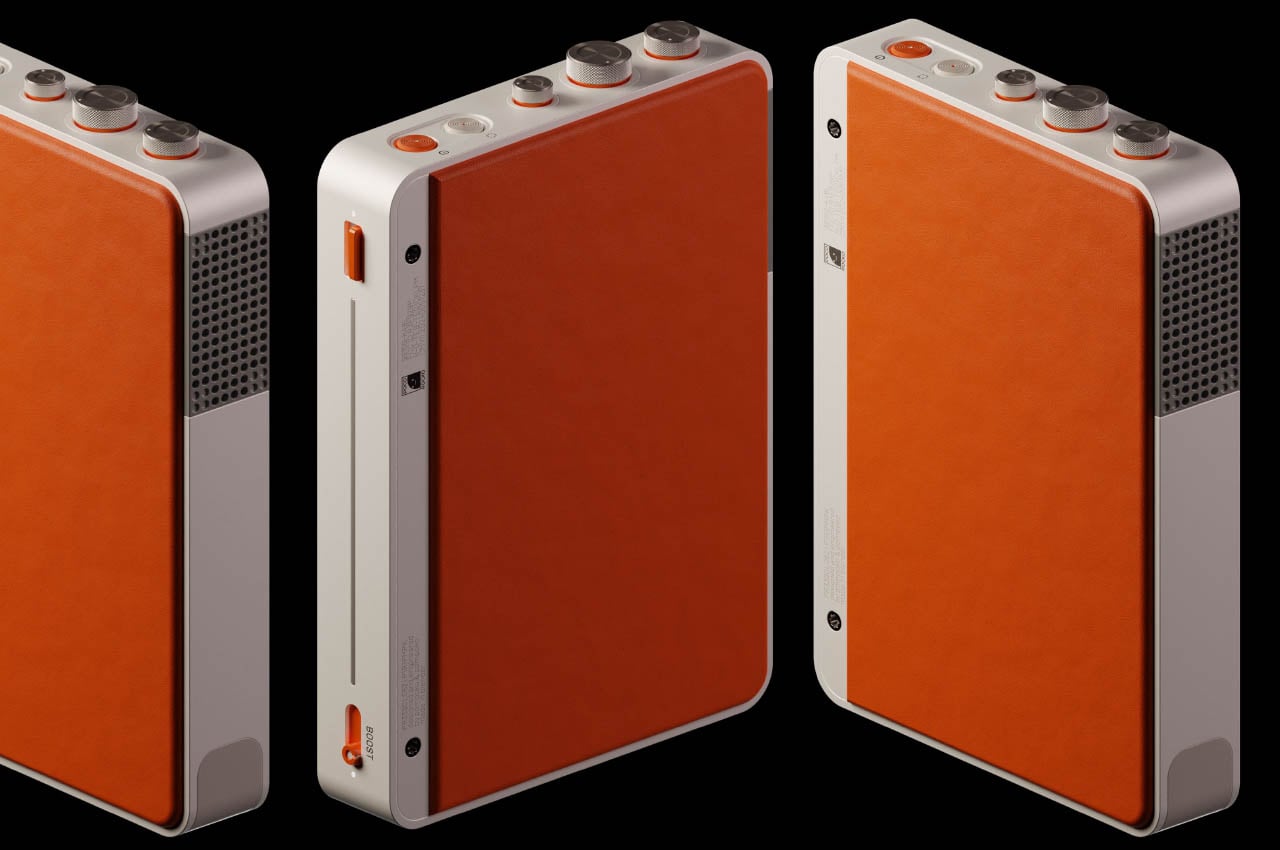
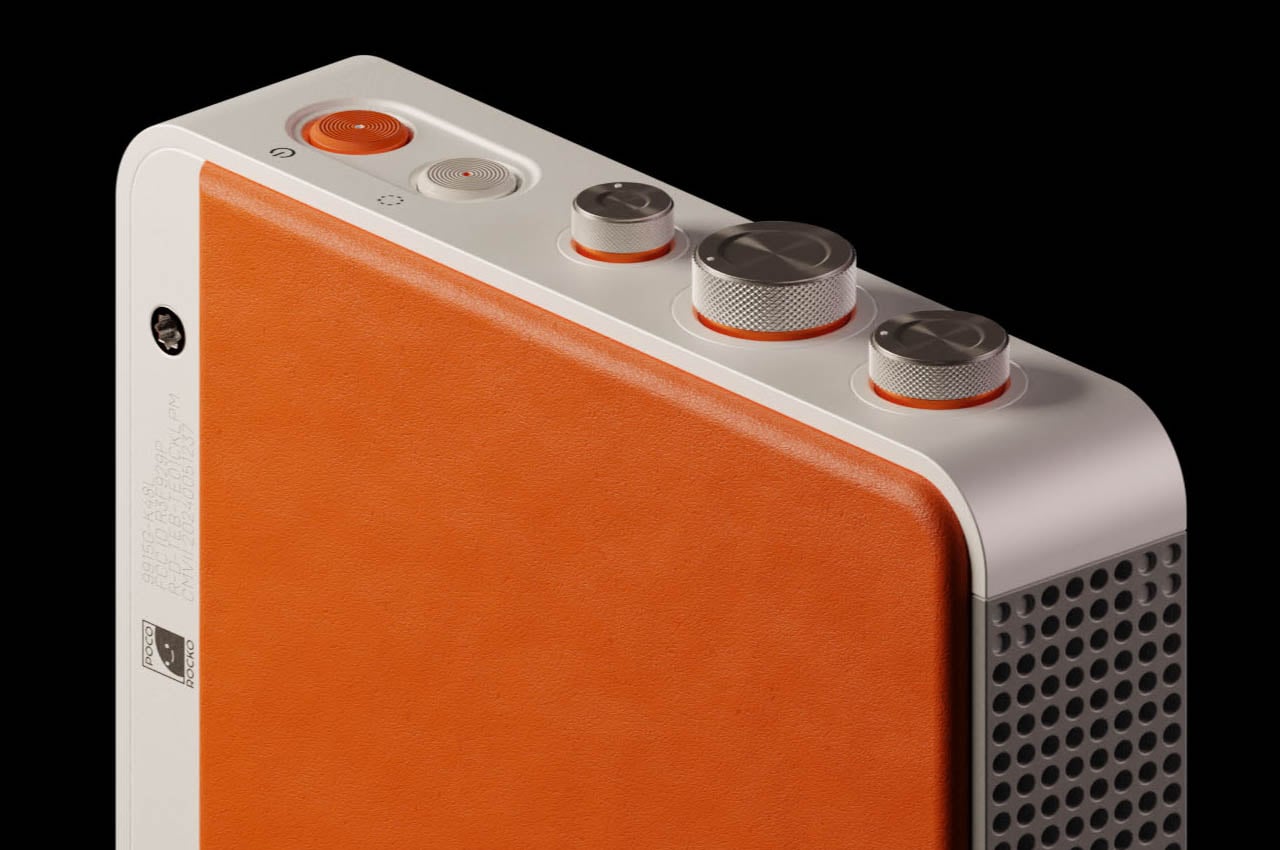
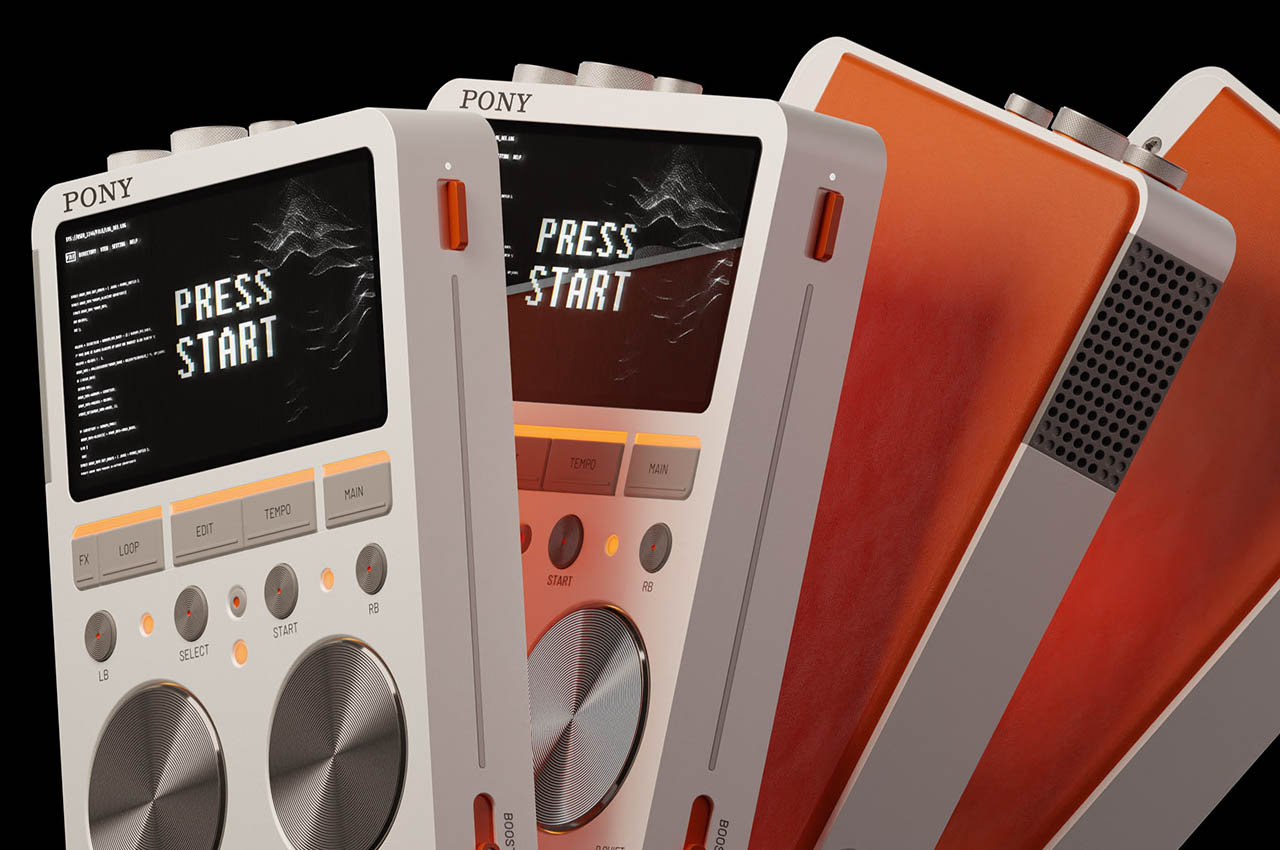
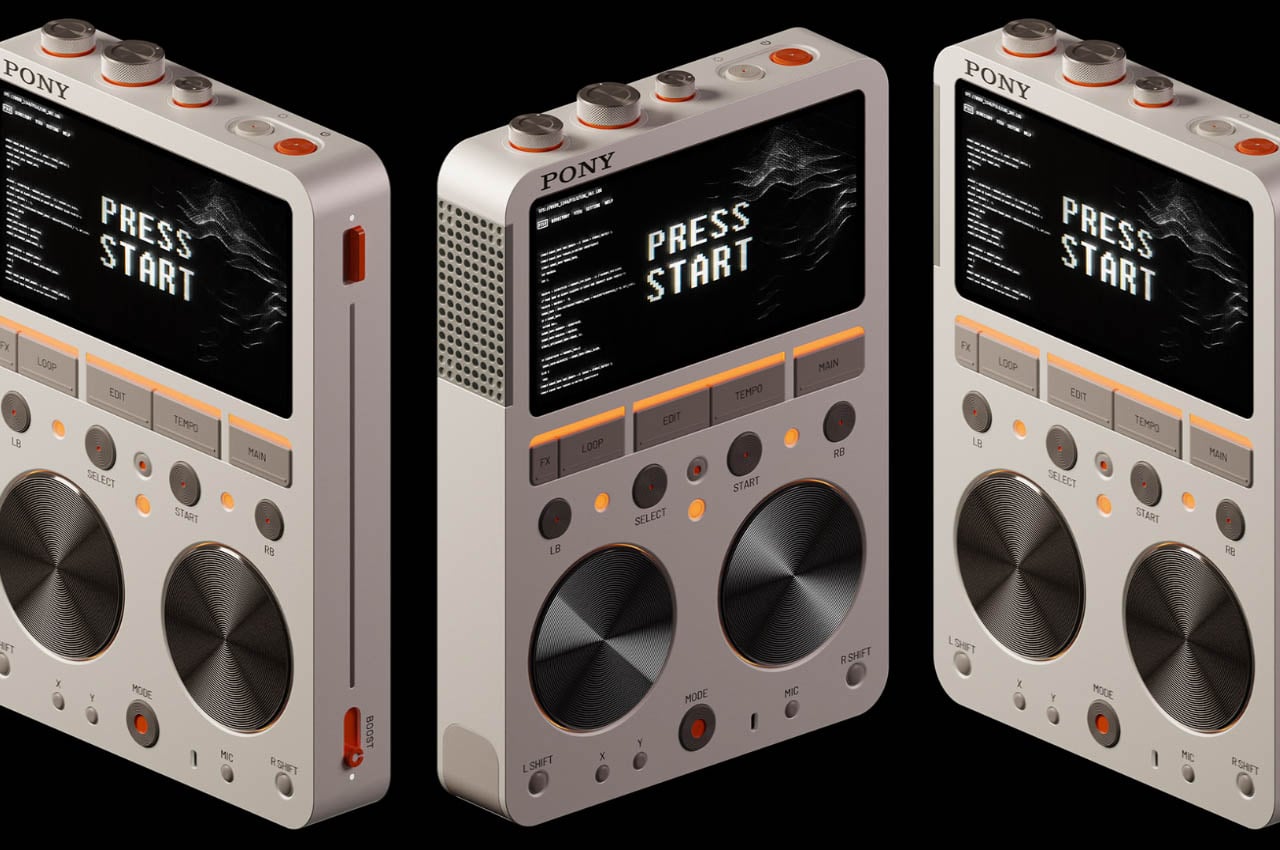
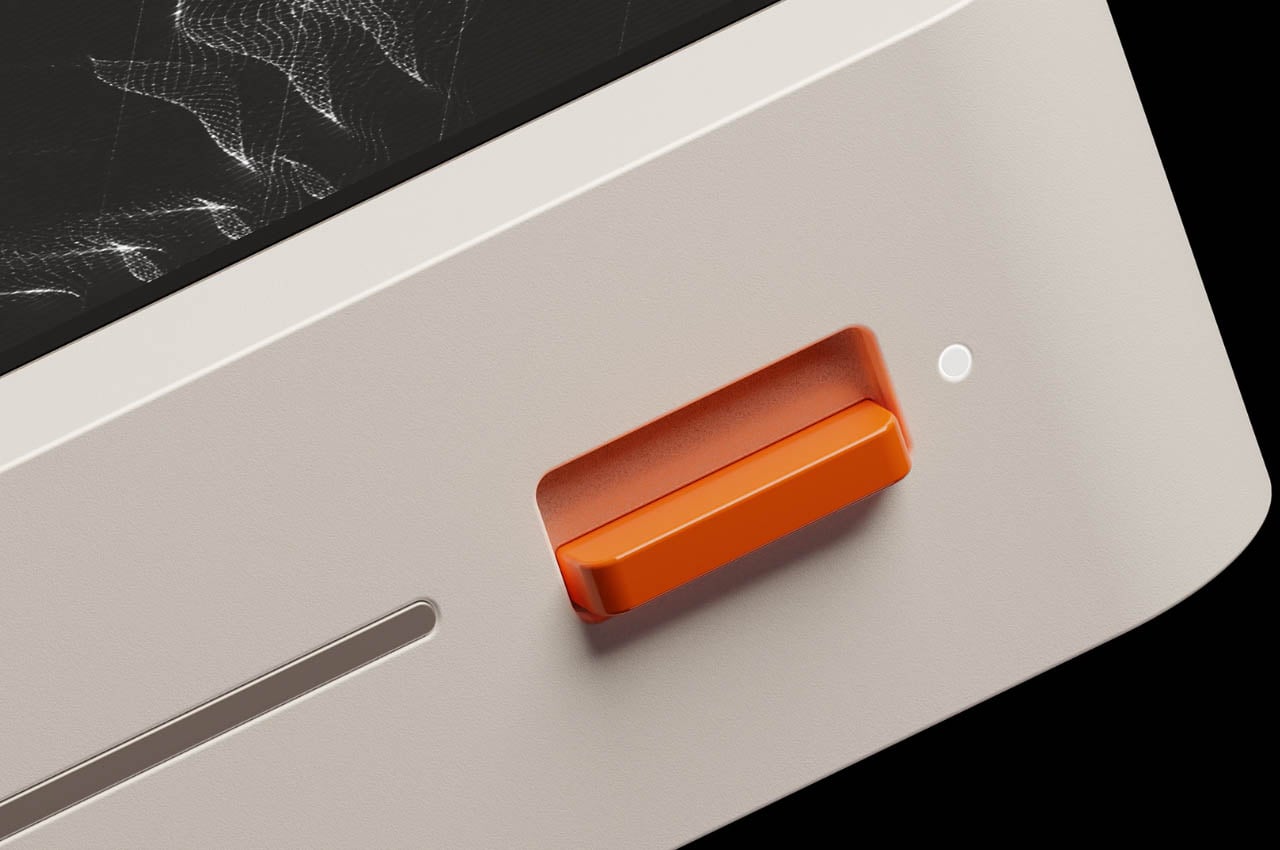
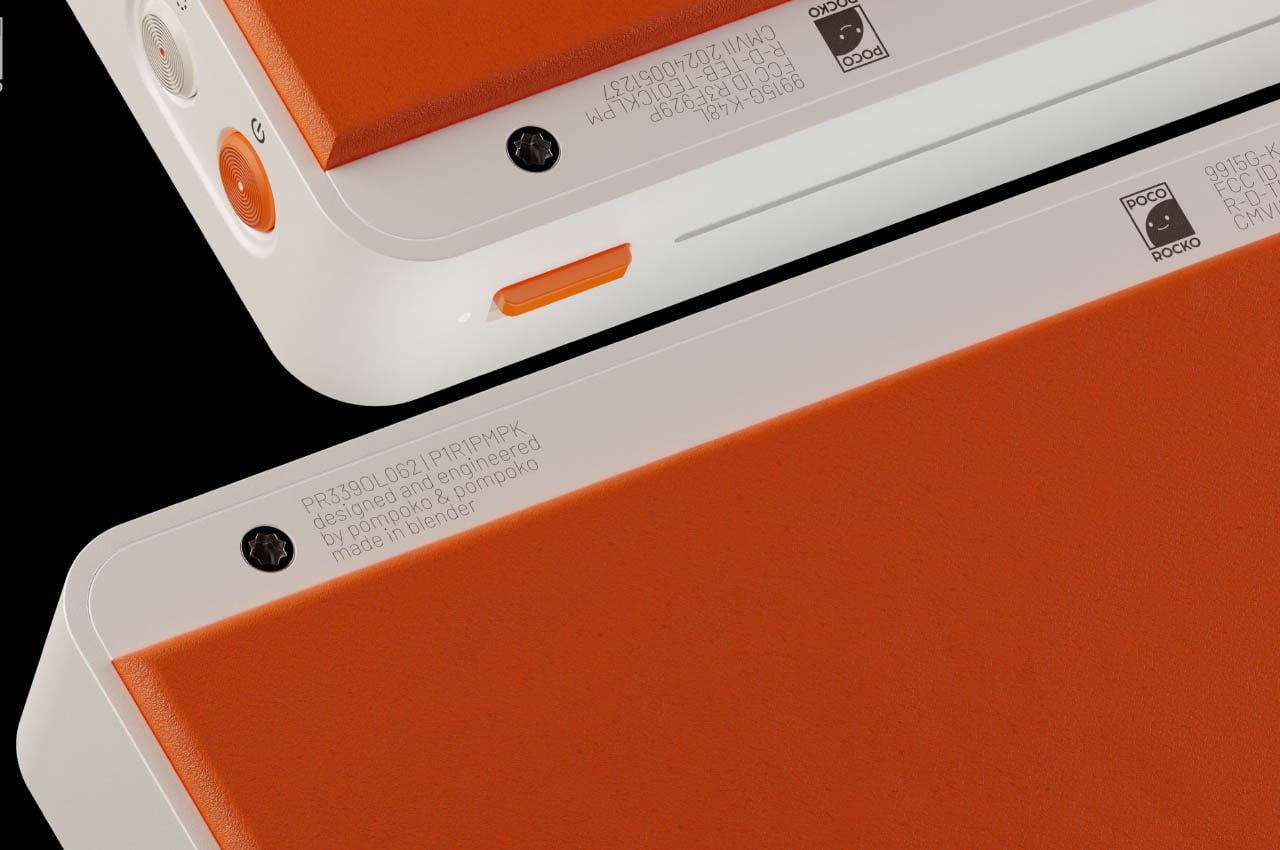
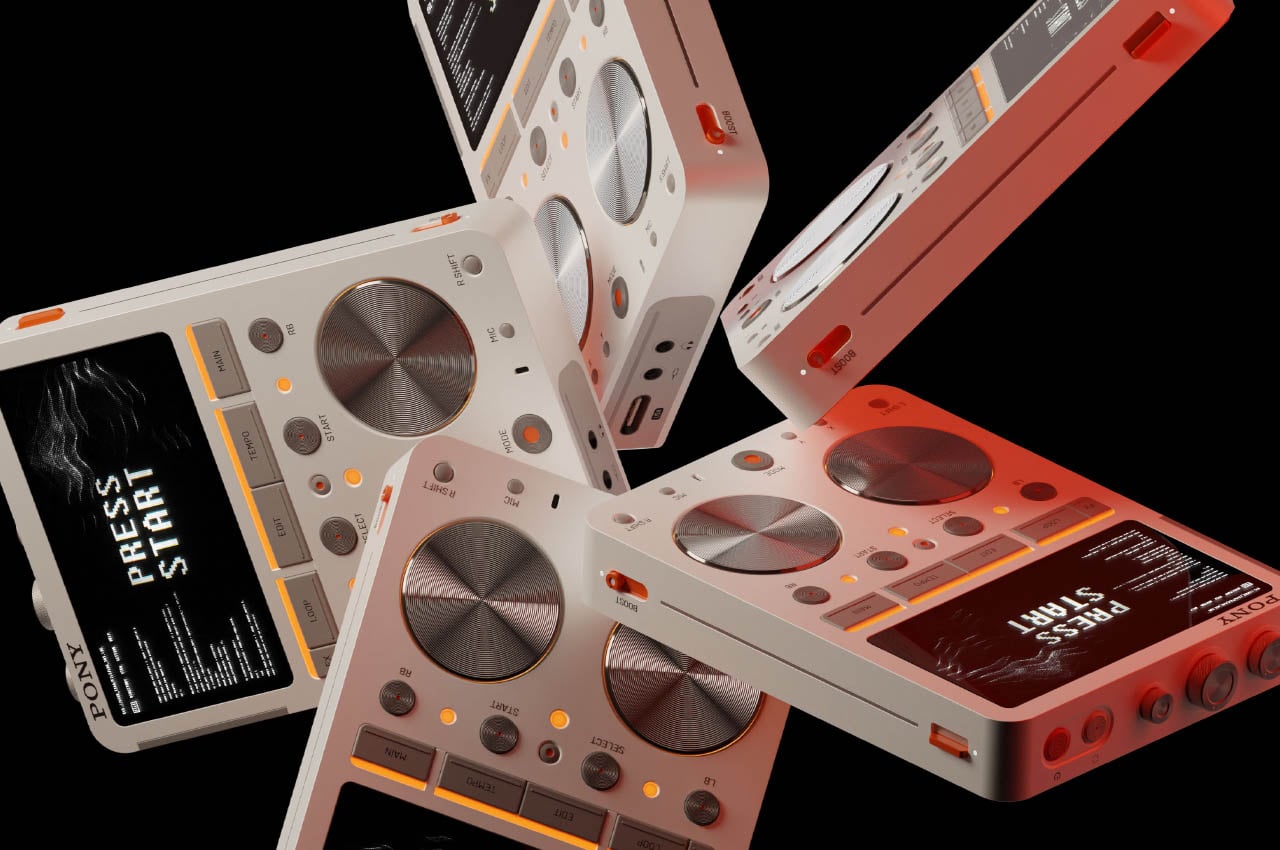
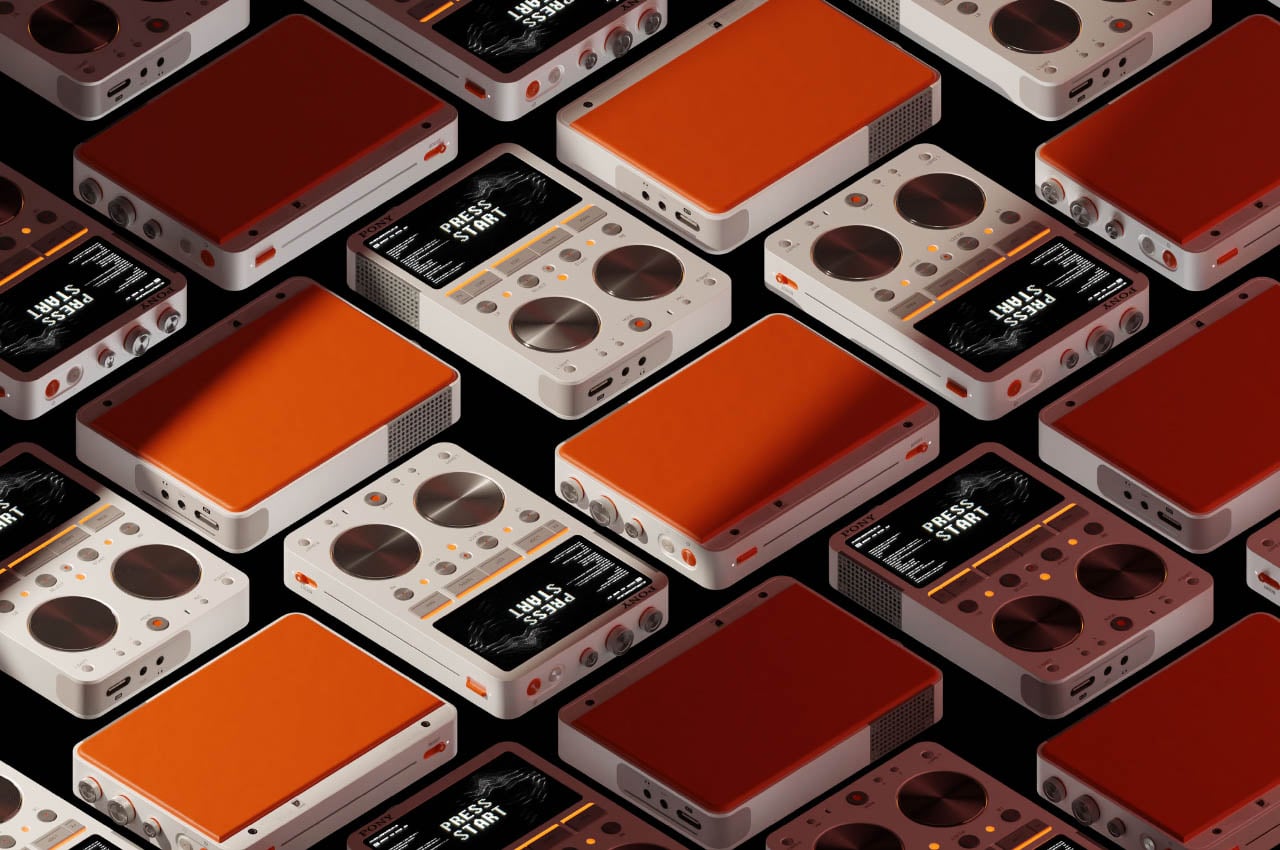
This cool concept of collaborating together the two loved brands is surely going to bring the heat to the likes of Astell&Kern, Fiio, iBasso and Shanling. Interestingly called the Pony Project, the DAP has the design DNA and color theme of Teenage Engineering. It gets a digital display to show the currently playing music and library elements to search for tracks. All the other buttons for toggling the elements like the tempo, loop, mode or FX. The tactile input for the L-Shift, R-Shift, Mic, Select and Start is heavily inspired by the Teenage Engineering aesthetics.

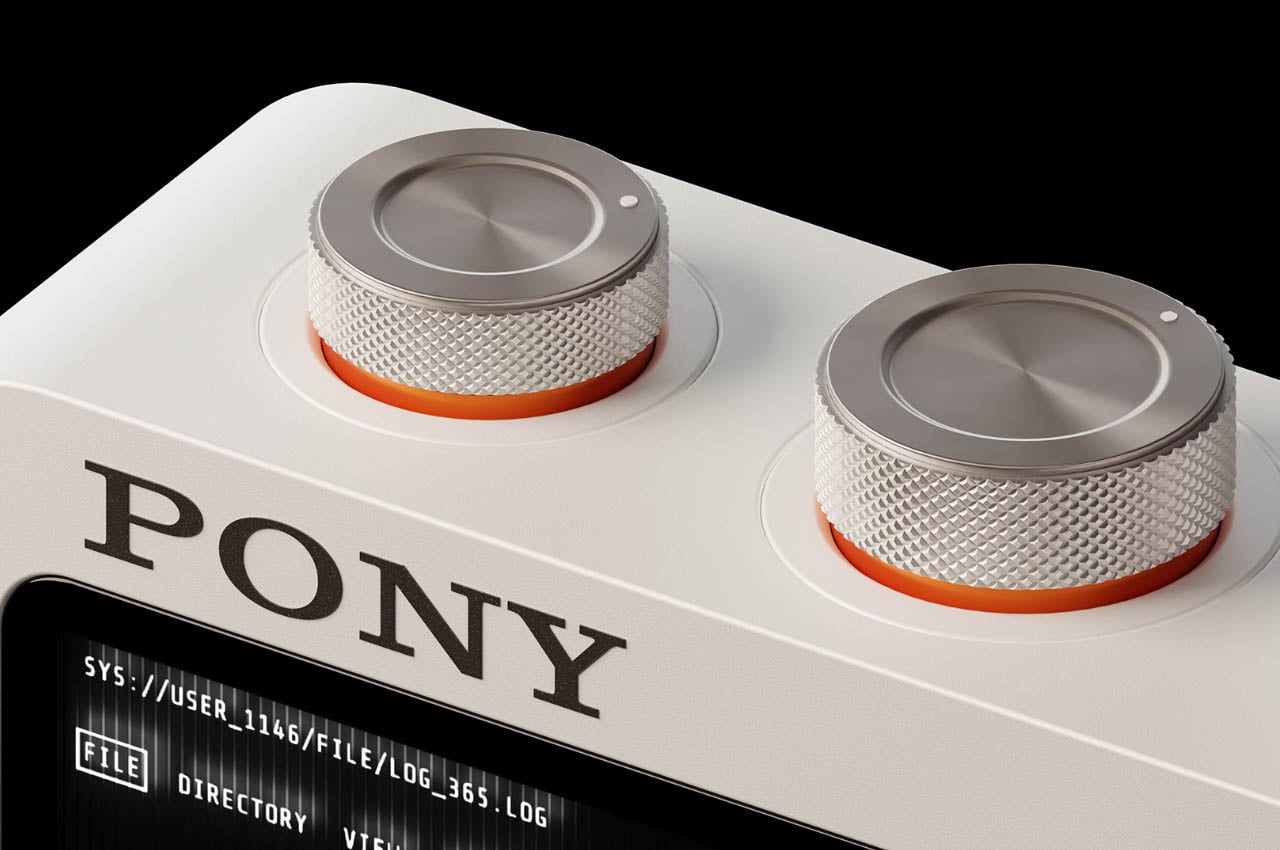
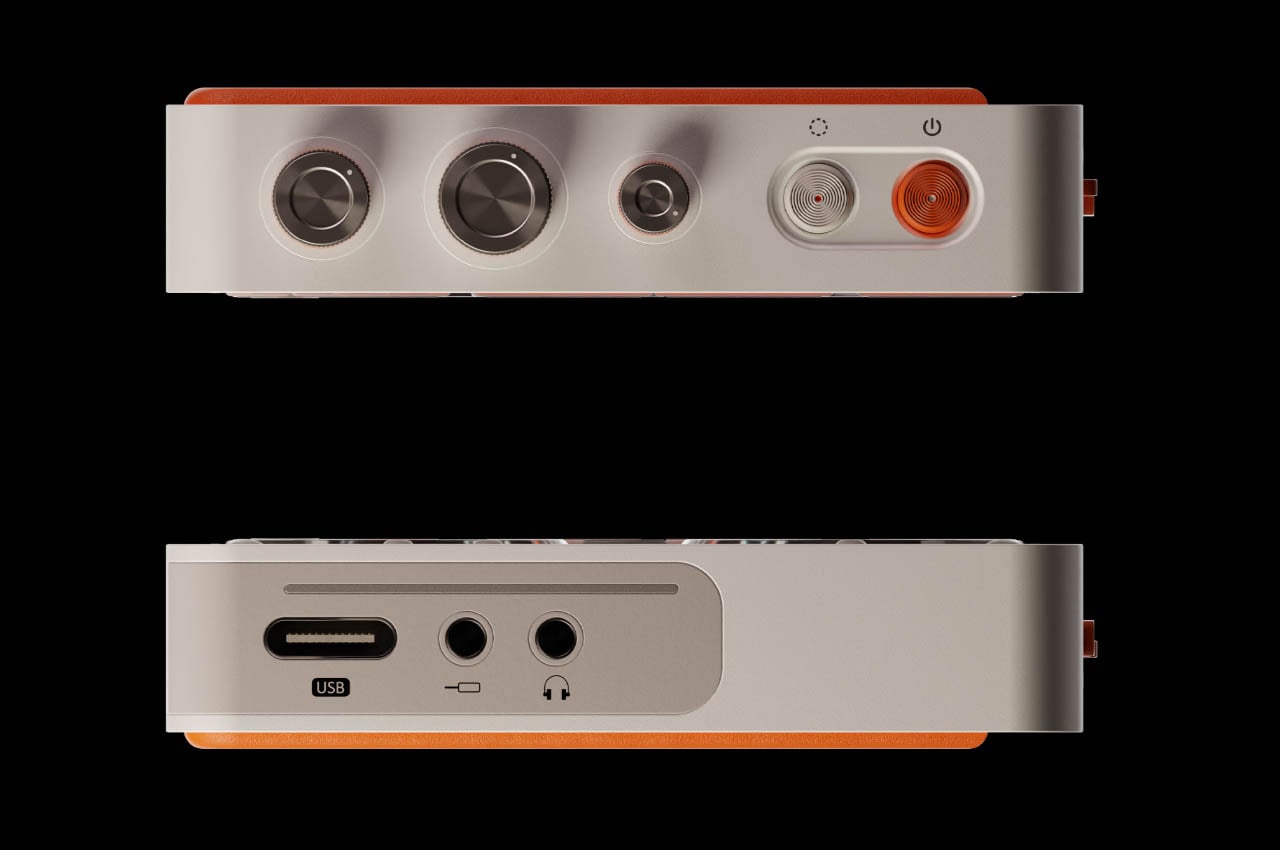
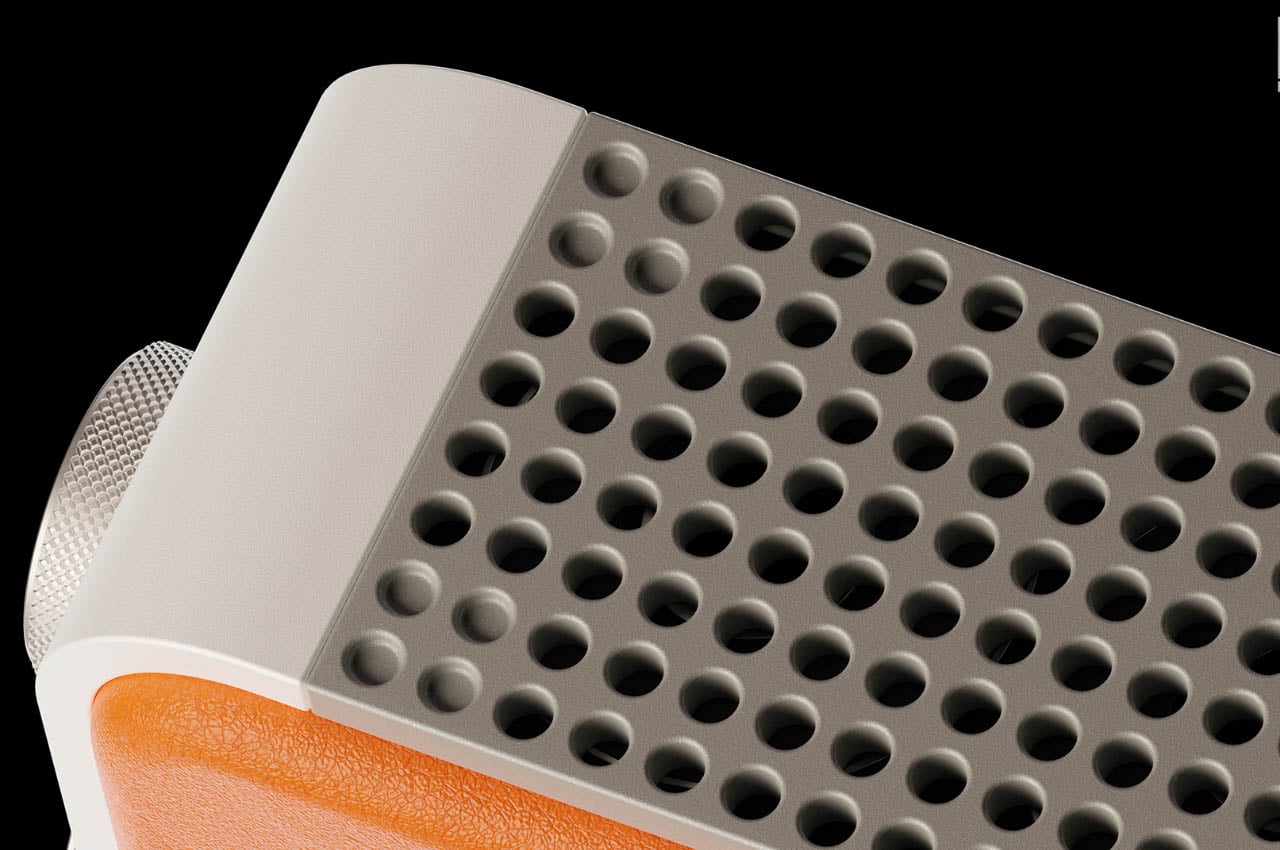
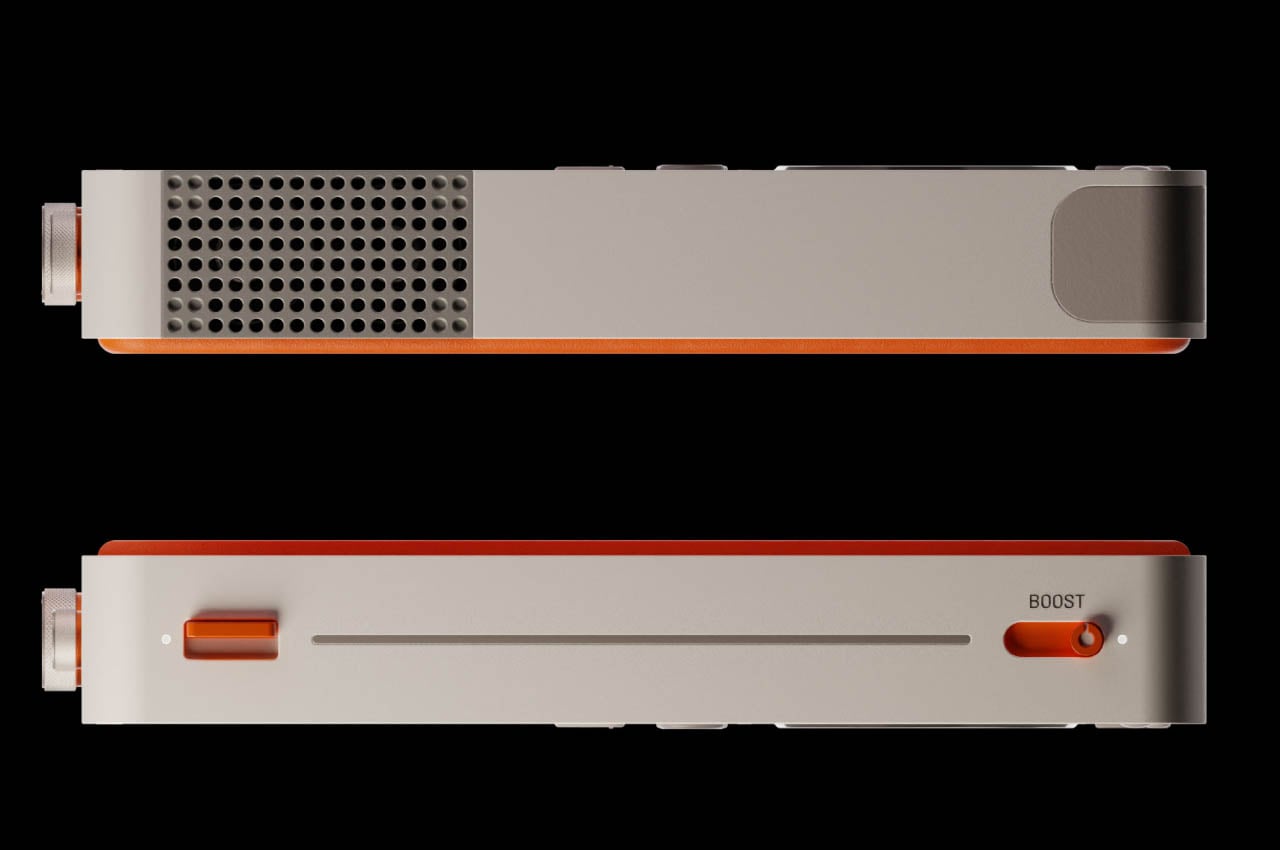
The top of the gadget has the volume rockers, bass and treble, power and stop buttons. A lot of mind has been put into the design and conceptualization of the music player by Evgeniy. The popular color theme of the TE products is so good to see in a DAP which usually comes in contemporary dark hues. If you’ve already not noticed, the audio player comes with the Pony branding which dupes the Sony brand name.


The post Hi-fi Audio Player inspired by Teenage Engineering and Sony refreshes an age-old design first appeared on Yanko Design.
Retrofuturistic streaming audio player recreates the simplicity of a radio

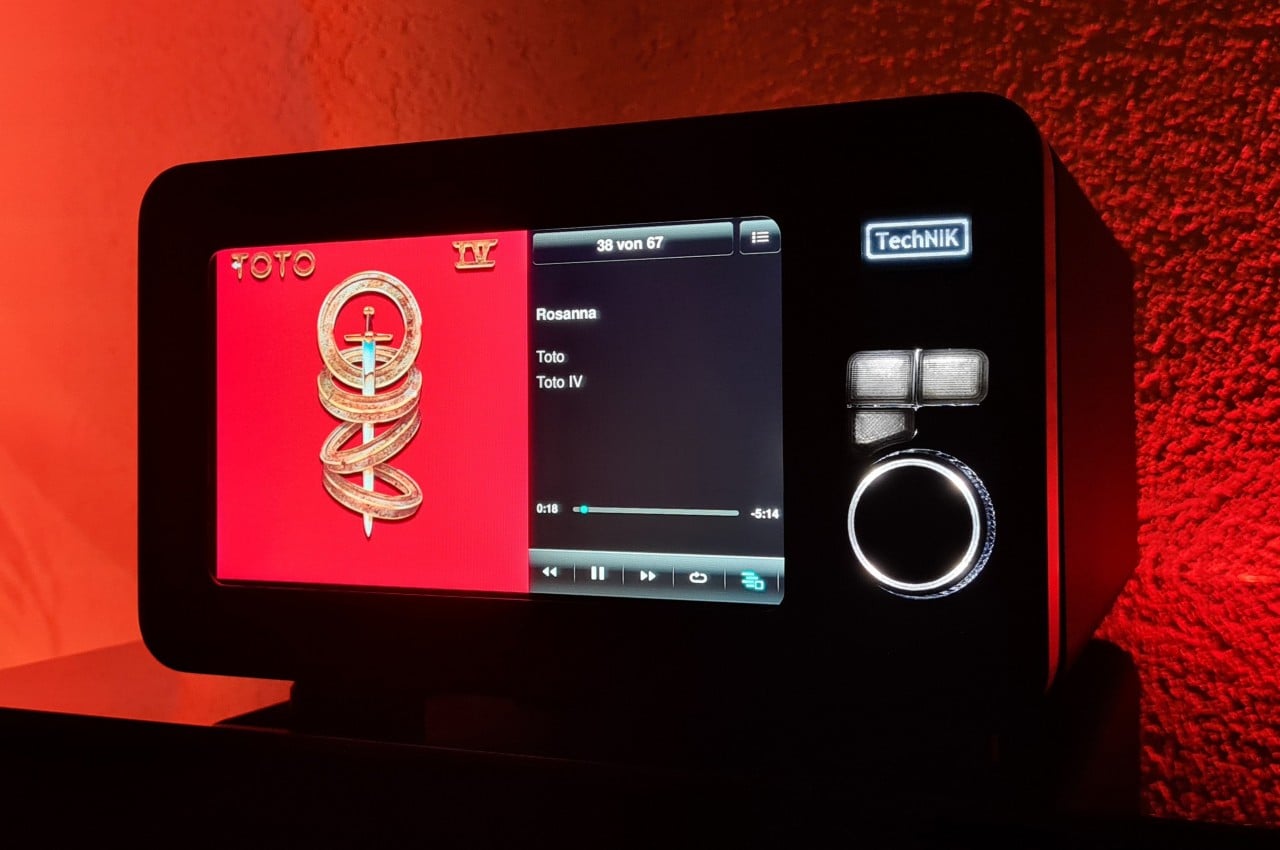
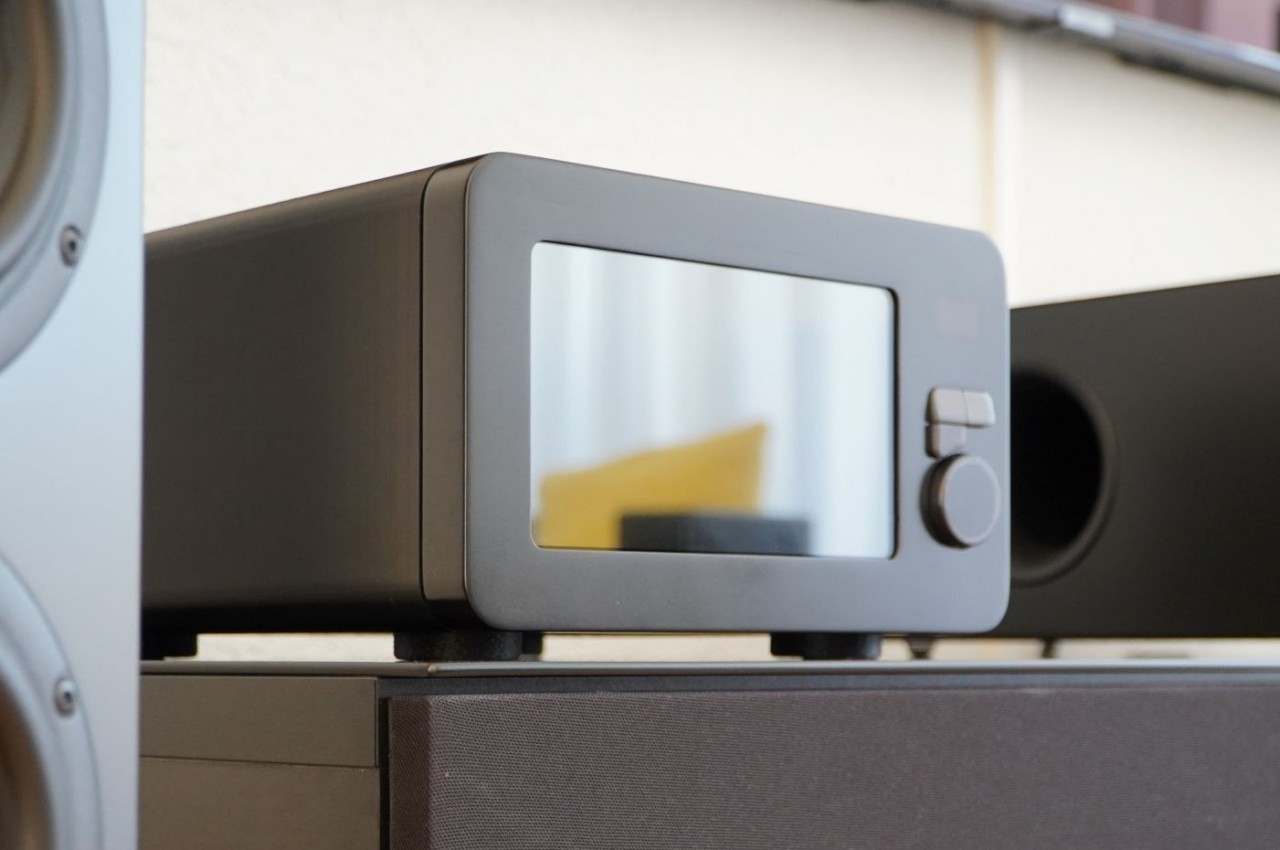
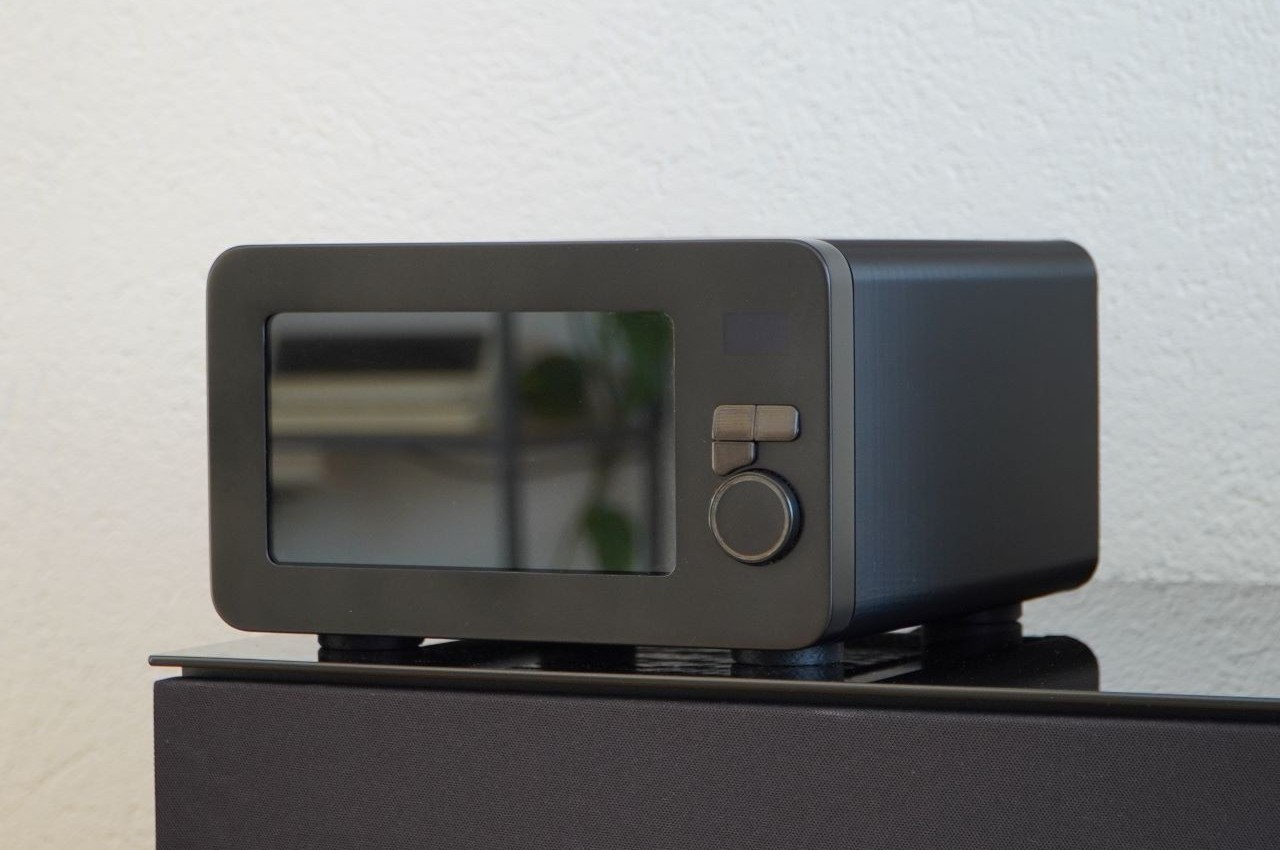
There is no shortage of powerful and sophisticated media players these days that have almost every and all features you can possibly cram inside. Some of these designs are more upfront with the complexity of options and controls, while others hide behind a deceptively minimalist facade that relegates the knobs and sliders to a mobile app instead. While there is always a place for such advanced devices, there is sometimes also a need for simpler and more focused features. An old-school radio, for example, simply plays music it receives from certain frequencies, and that’s the kind of distilled listening experience that this DIY streaming audio player tries to offer in a retrofuturistic design that looks like a cross between that analog radio, a small TV, and, oddly enough, a miniature microwave.
Designer: Nik Reitmann

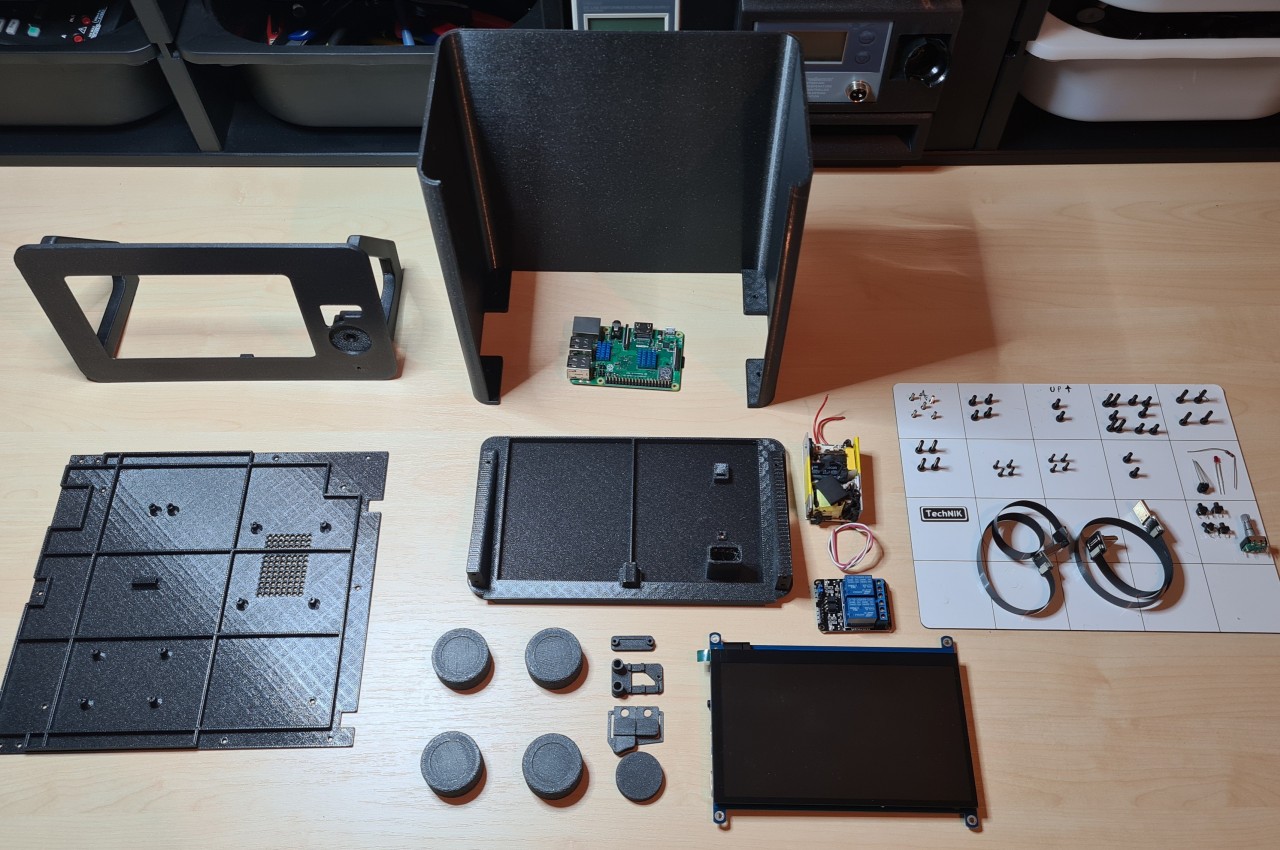
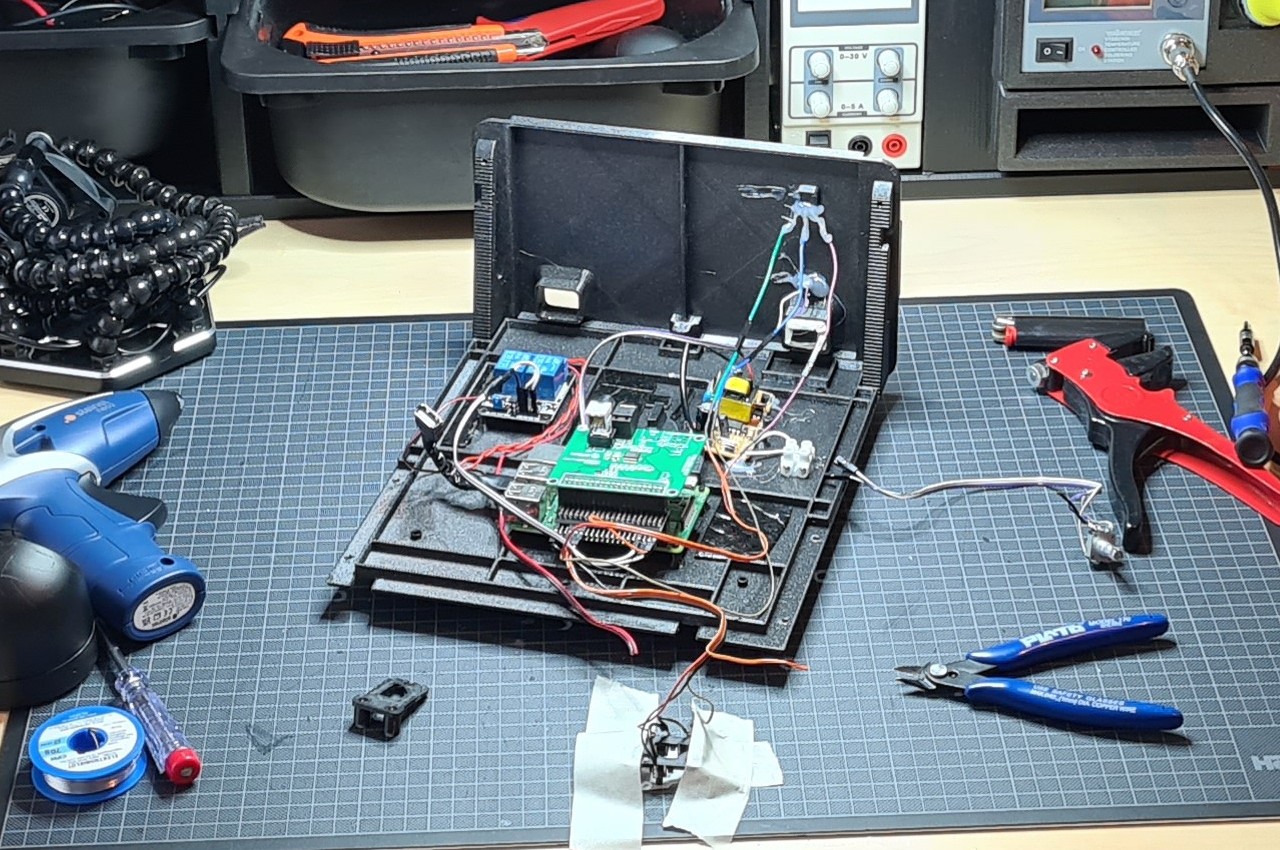
Streaming devices are so common these days that it almost makes no sense to make one yourself. After all, our smartphones themselves are capable of these and more, and you can easily pair them with a wireless speaker at home for louder output. Of course, if you value the journey and the process of making such a functional design more than the final product, then you’ll probably want something that at least stands out in more than just appearance alone.

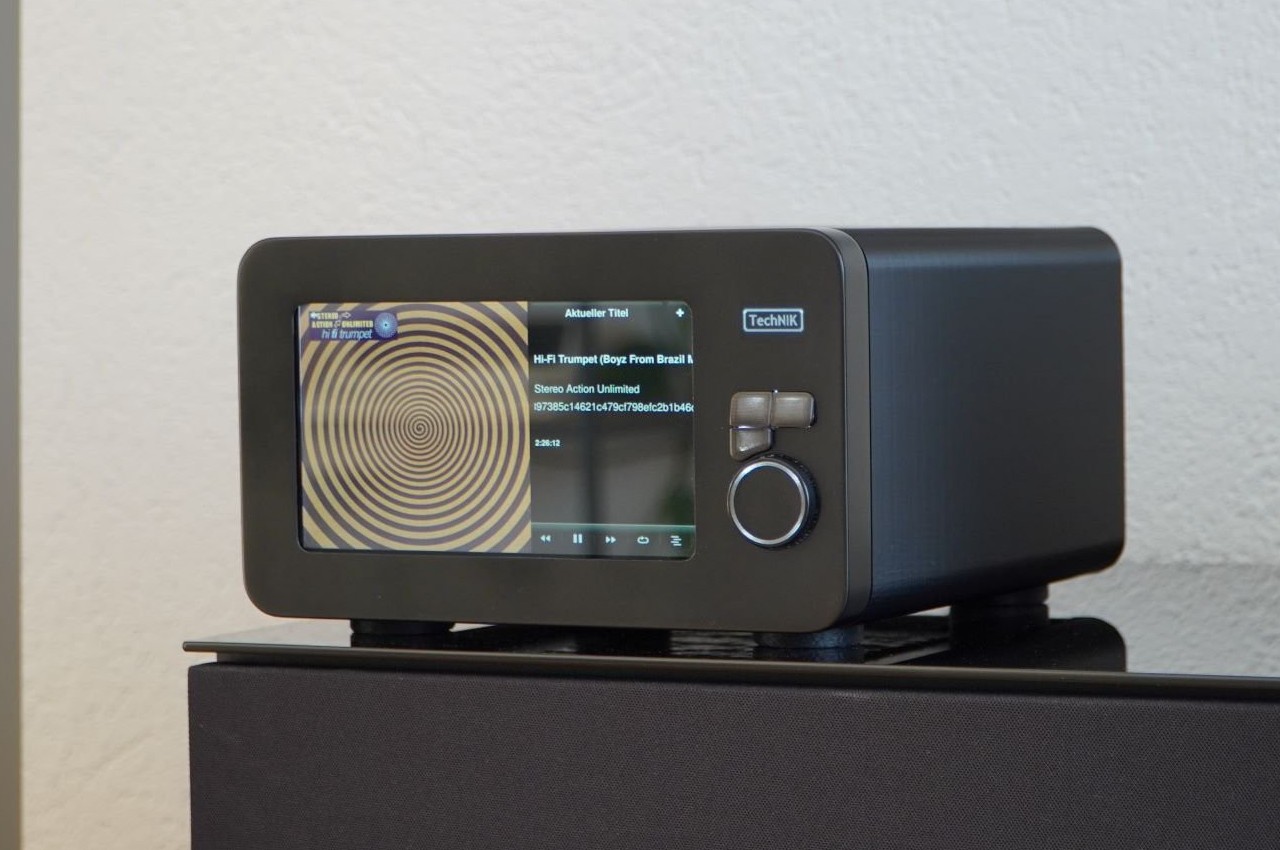
This DIY streaming audio player stands somewhere in between a smart speaker and a smart display, focusing on the streaming audio activity but with a touchscreen display that adds a bit of flavor to the experience. It’s not a touch-only device, however, as its creator preferred to embrace some analog controls, especially a volume dial that seems to be a rare sight on many smart speakers these days. There are also a few LED-lit buttons, though, and the whole setup can be controlled remotely from your phone or even a computer.

The design chosen for the player is admittedly distinctive, embracing an aesthetic that seems to mix different eras. The arrangement of a large display or rectangular element opposite a set of buttons and a knob is reminiscent of analog radios and even some TVs from decades past. The smooth surfaces and curves, however, give it a more modern look that is amusingly close to the appearance of a microwave with a physical knob instead of just buttons. Either way, it’s an interesting design for a dedicated streaming audio player that distills the listening experience to its very basics rather than getting lost in a multitude of features.

The post Retrofuturistic streaming audio player recreates the simplicity of a radio first appeared on Yanko Design.