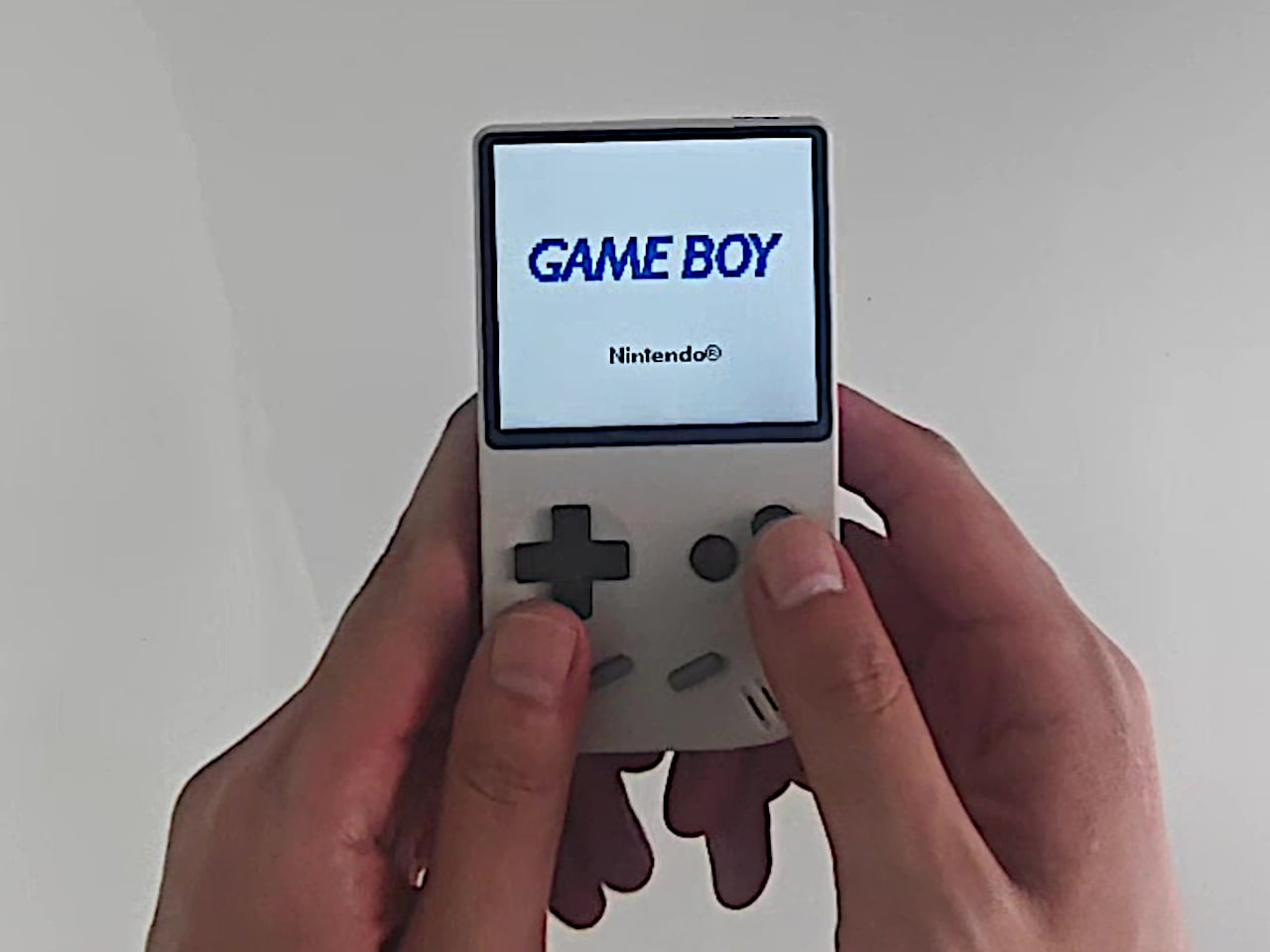
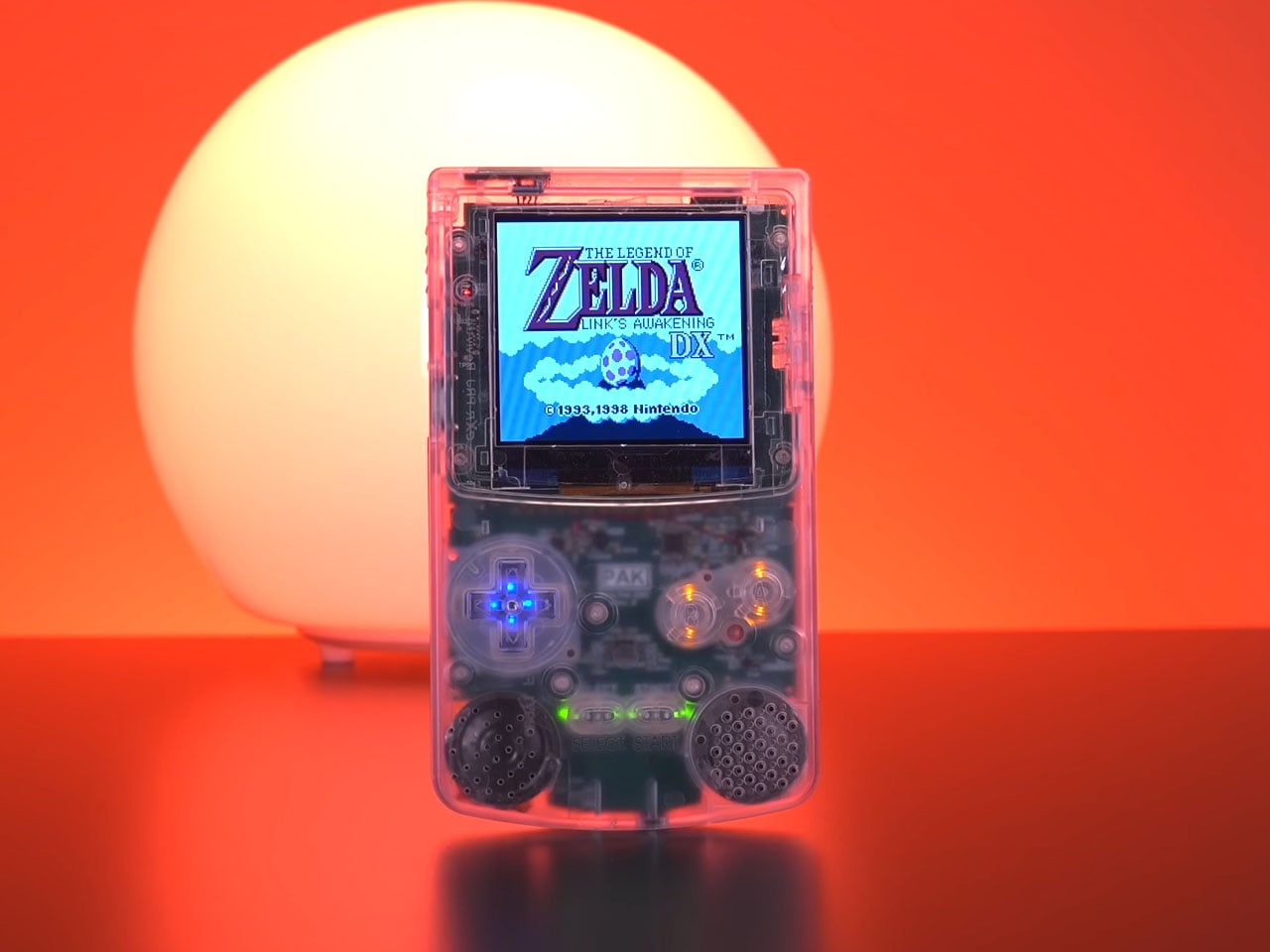
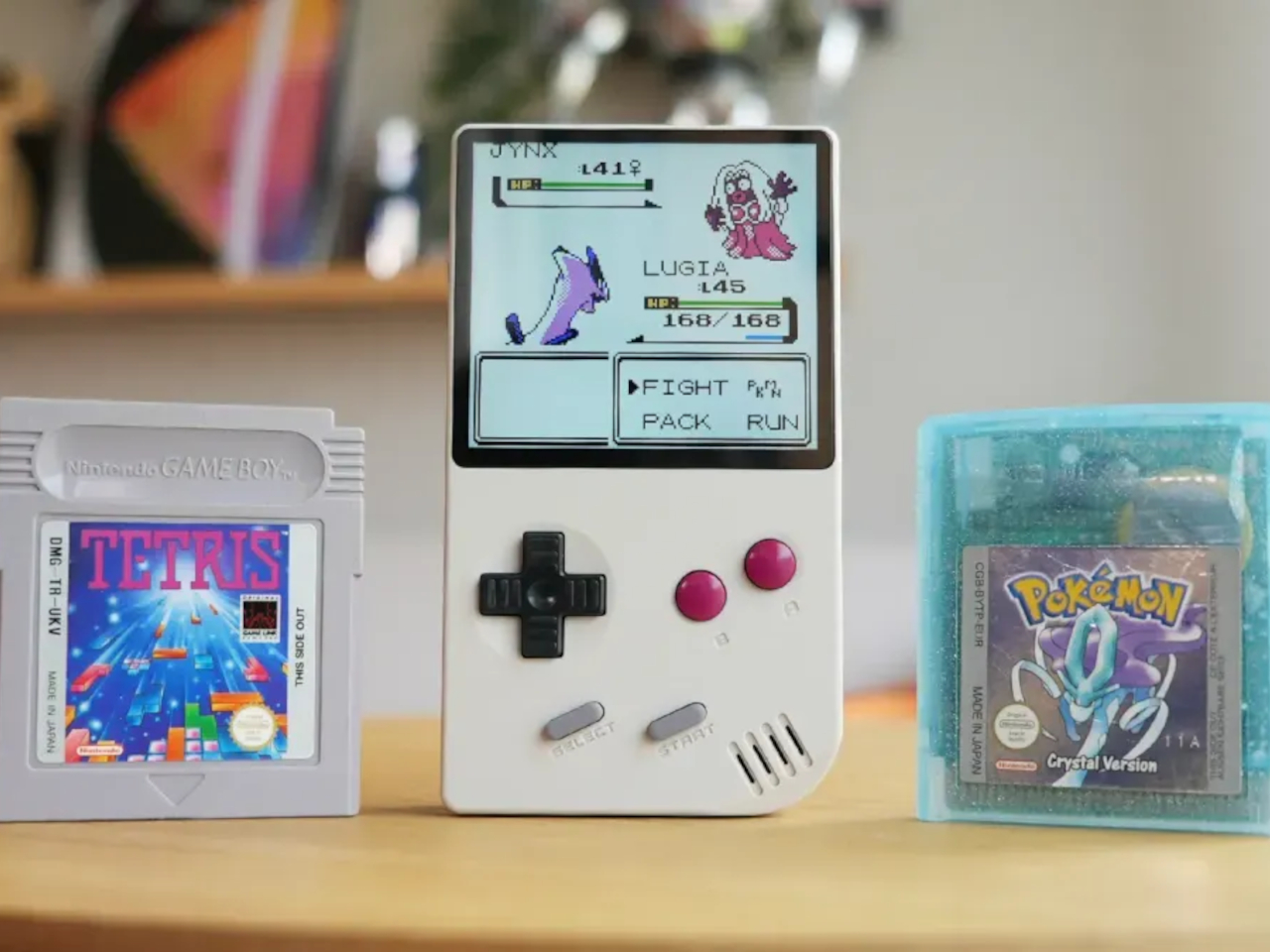
This 60Hz E Ink Game Boy emulator refreshes retro gaming with an ESP32-powered handheld

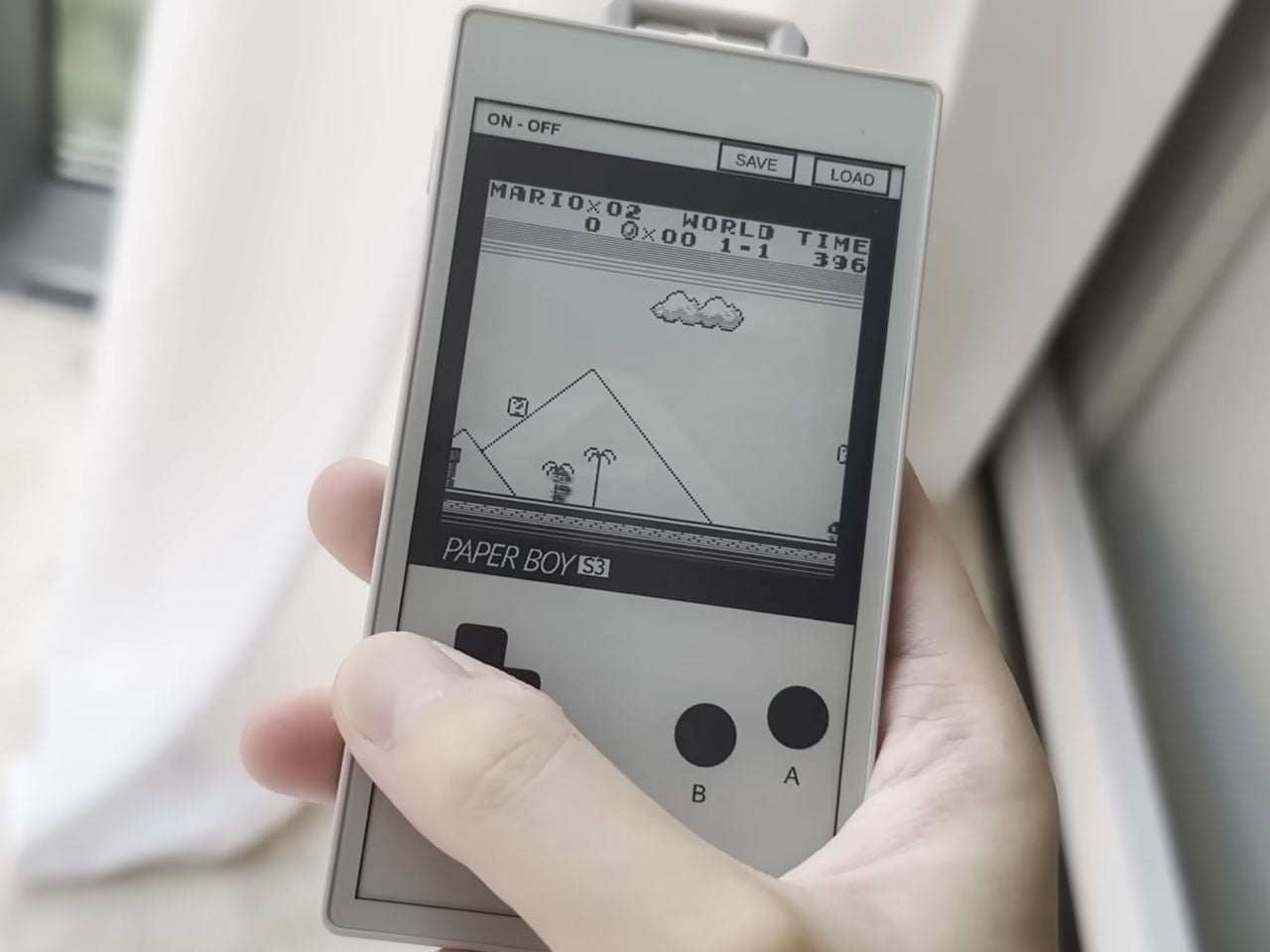
Retro gaming has inspired countless handheld recreations over the years, but most focus on replicating the original hardware with faster processors or modern conveniences. Wenting Zhang’s latest experiment takes a completely different route by pairing a classic Game Boy emulator with an E Ink display, an unlikely combination that overcomes one of the technology’s biggest limitations. Instead of accepting the sluggish refresh rates typically associated with E Ink, Zhang engineered a solution capable of delivering gameplay at a remarkably smooth 60Hz, creating a handheld that feels far more responsive than its paper-like screen would suggest.

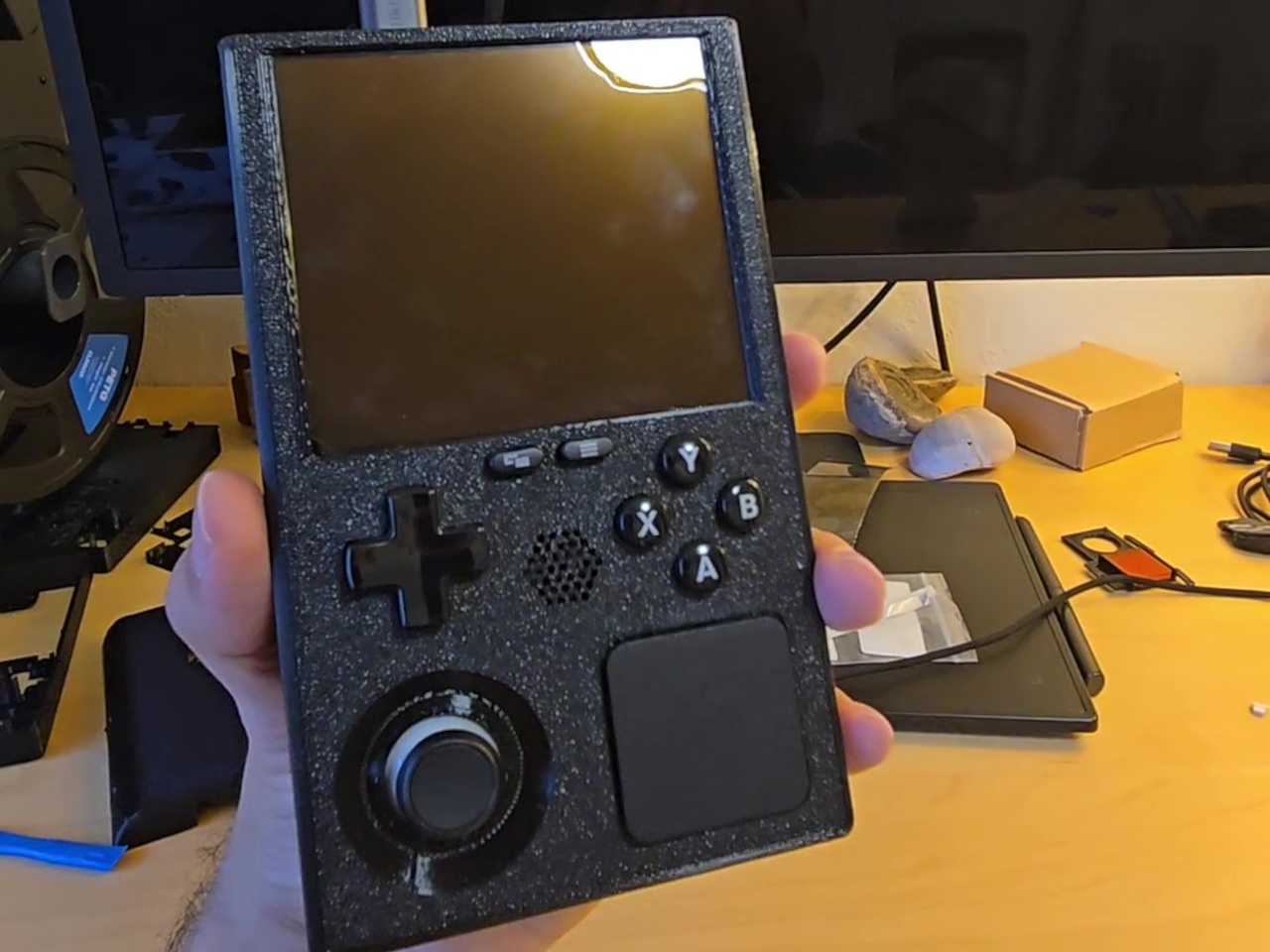
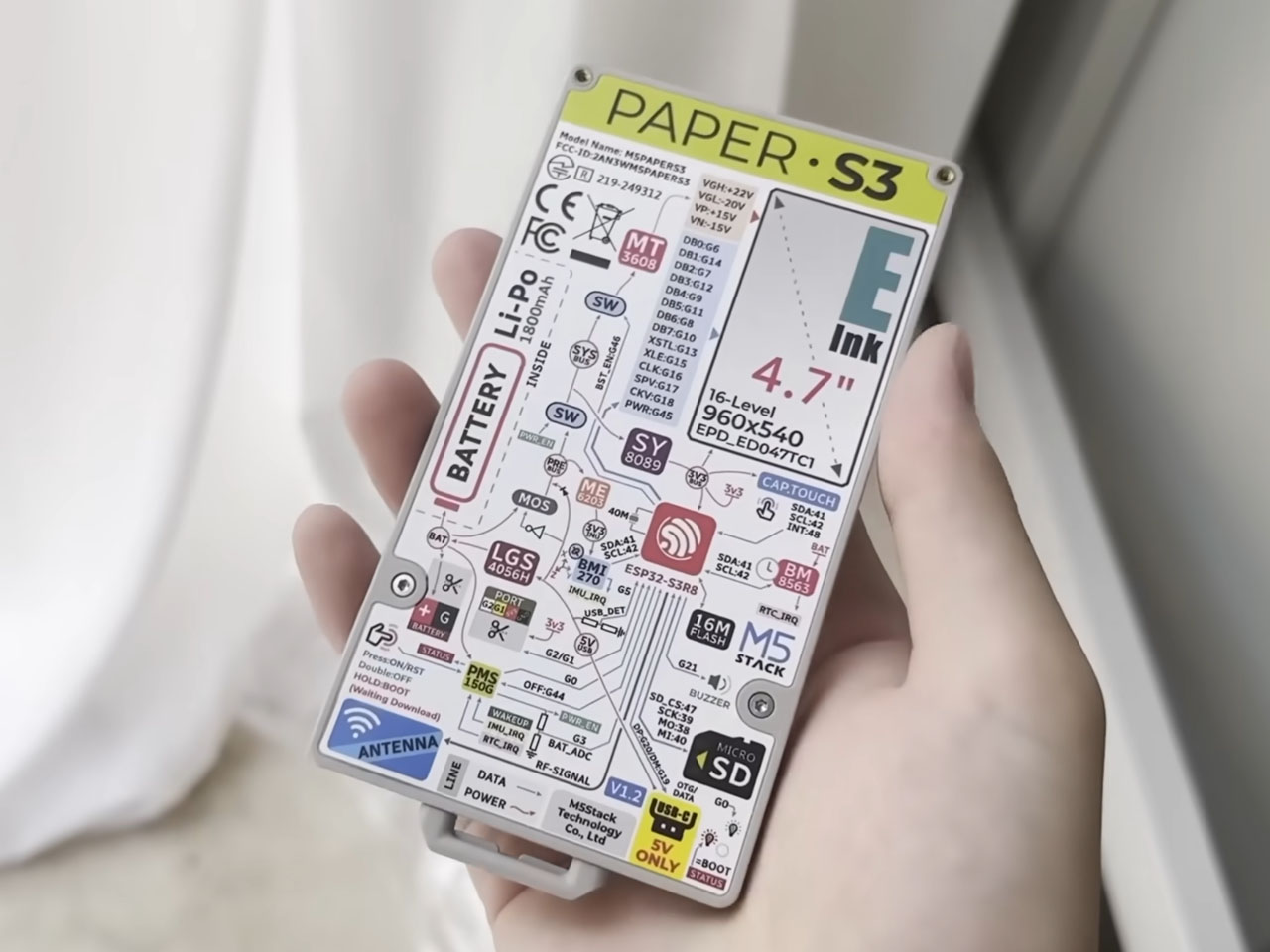
The DIY project dubbed PaperBoy S3 is built around the discontinued M5Stack PaperS3 development kit. The compact board combines an ESP32-S3 dual-core microcontroller with a 4.7-inch 960 x 540 E Ink touchscreen, hardware originally intended for smart home controls, electronic labels, and educational projects rather than gaming. By transforming this inexpensive development platform into a functional Game Boy emulator, Zhang demonstrates just how much untapped potential still exists in low-power embedded hardware.

Designer: Wenting Zhang

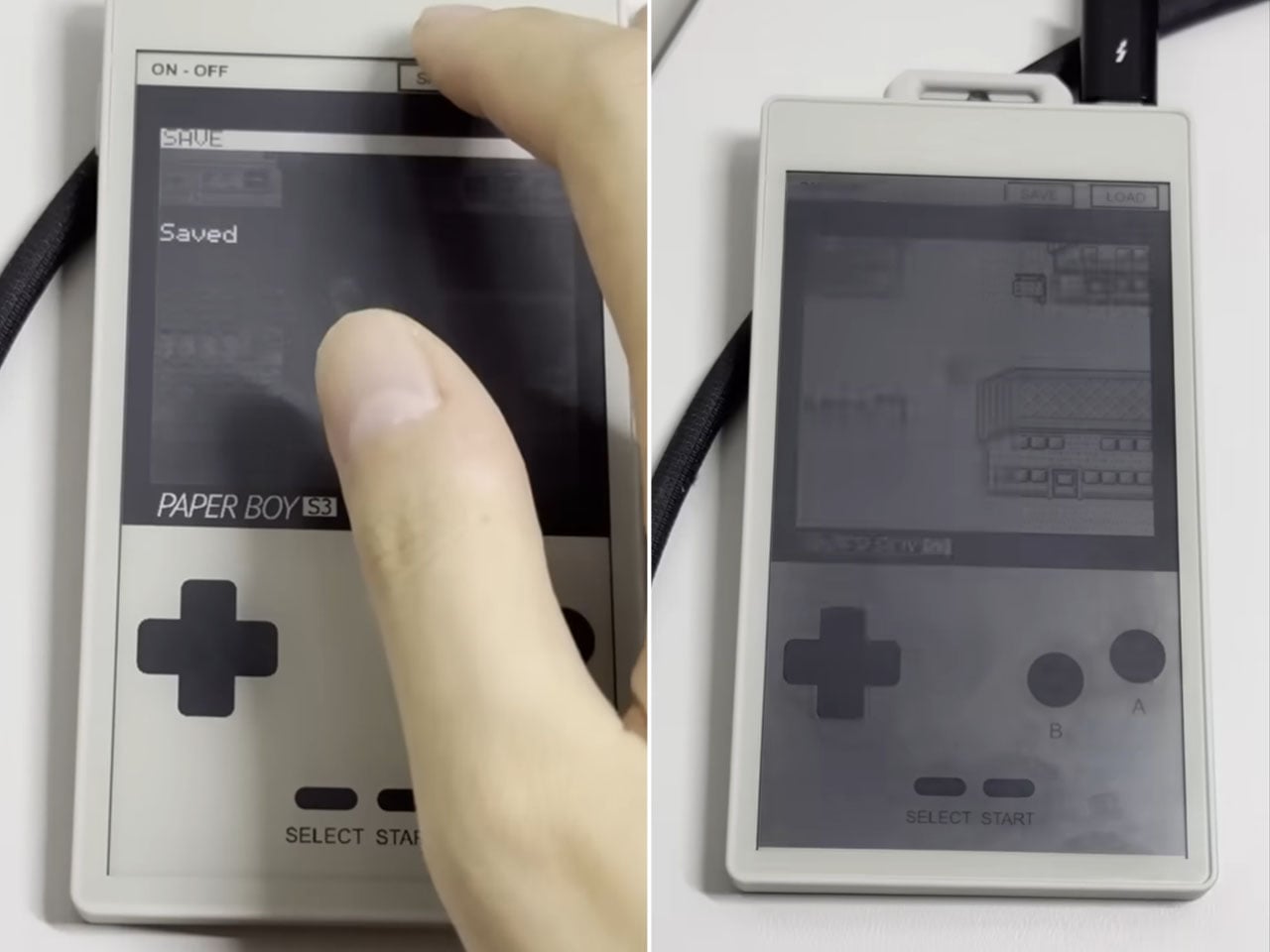
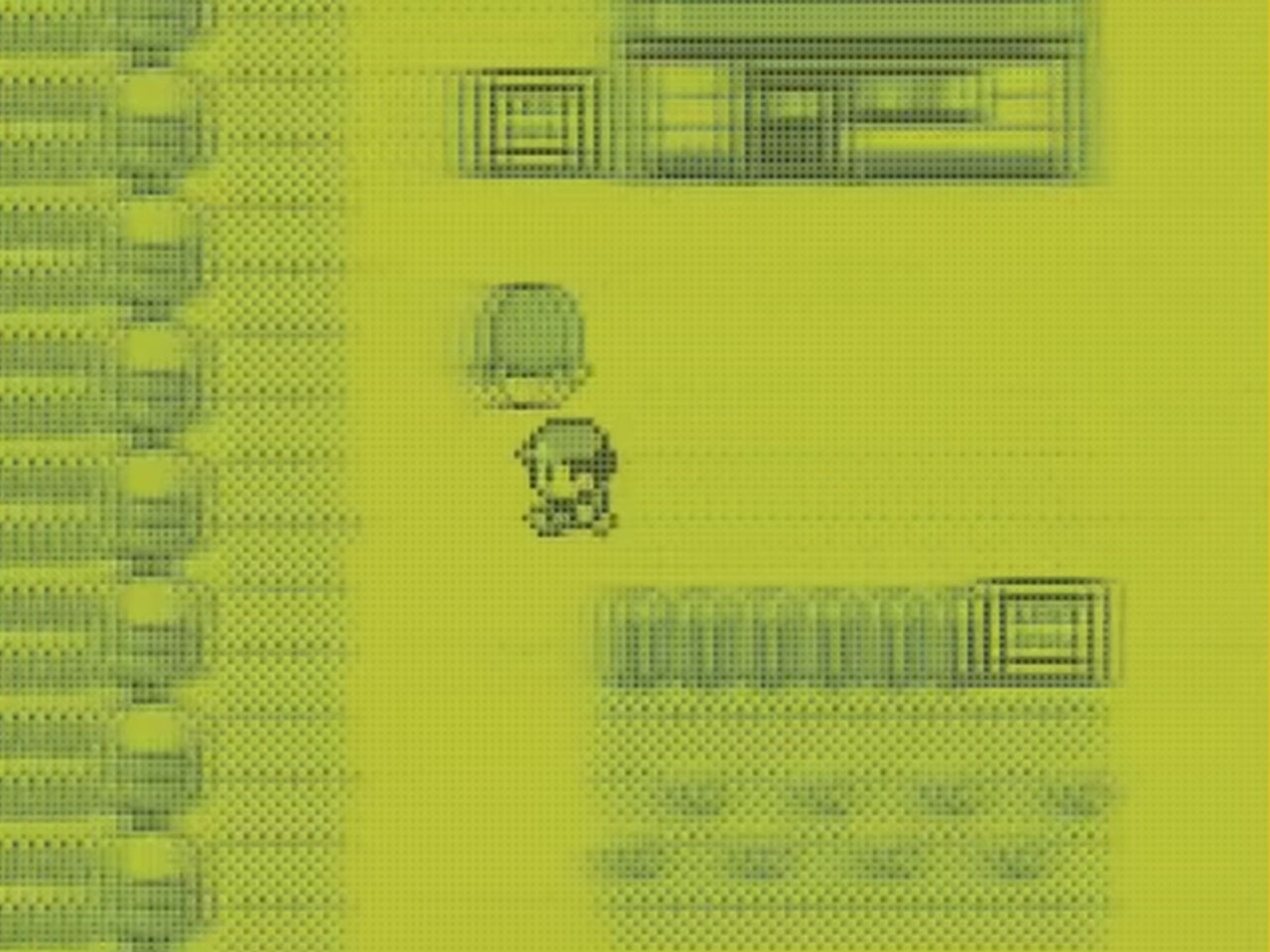
Achieving playable performance required much more than simply running emulator software. Traditional E Ink displays rely on slow waveform updates that prioritize image quality over speed, making them unsuitable for fast-moving graphics. Zhang bypassed this limitation by taking advantage of PaperS3’s raw row-and-column display interface, allowing him to implement a custom driver that performs rapid partial screen refreshes. Instead of refreshing the entire display every frame, only the active gameplay area is updated, dramatically reducing latency while maintaining recognizable grayscale visuals.

The original Game Boy’s modest 160 x 144-pixel resolution also works in the project’s favor. Rather than driving the display at its full native resolution, the emulator scales the Game Boy image while processing only a small portion of the screen. Multiple frame buffers fit directly into the ESP32-S3’s SRAM, enabling much faster rendering than would otherwise be possible. Zhang also applies intelligent dithering techniques to recreate the Game Boy’s four shades of gray, preserving the familiar look of Nintendo’s iconic handheld on an E Ink panel.

The ESP32-S3’s dual-core architecture plays an important role in maintaining performance. One processor core is dedicated to Game Boy emulation while the other handles video rendering and audio tasks, pushing the inexpensive microcontroller close to its limits. Despite the constrained hardware, classic titles such as Pokémon Blue, Super Mario Land, and The Legend of Zelda: Link’s Awakening remain highly playable, proving that smooth retro gaming does not necessarily require powerful silicon.

PaperBoy S3 also includes several thoughtful quality-of-life features. Bluetooth controller support offers an alternative to touchscreen controls, while quick-save and quick-load functions make it easier to jump in and out of games. Audio remains the biggest compromise because the development board lacks dedicated sound hardware, forcing Zhang to rely on the built-in piezo buzzer to approximate the Game Boy’s music and sound effects. The results are far from perfect, but they remain recognizable enough to complement the nostalgic experience.

The post This 60Hz E Ink Game Boy emulator refreshes retro gaming with an ESP32-powered handheld first appeared on Yanko Design.
Epilogue Just Turned the 1998 Game Boy Camera Into a Free Phone App

Lo-fi photography has quietly staged a comeback over the past several years. Grainy film shots and pixel-heavy images have become a sought-after look among photographers and casual snappers alike, partly as a reaction to the almost clinical sharpness of modern smartphone cameras. The Game Boy Camera, Nintendo’s cartridge-based accessory from 1998, sits at the center of this revival, beloved for its impossibly low resolution and four-shade grayscale.

Getting that Game Boy Camera experience has typically meant tracking down the original hardware through secondhand markets, often at a premium, with no guarantee the cartridge still works. Epilogue’s Flashback app changes that. It bridges the gap between a Nintendo accessory from the late ’90s and your current smartphone, letting you capture images in that pixelated, lo-fi style with or without the original cartridge, and it doesn’t cost a thing.

Designer: Epilogue

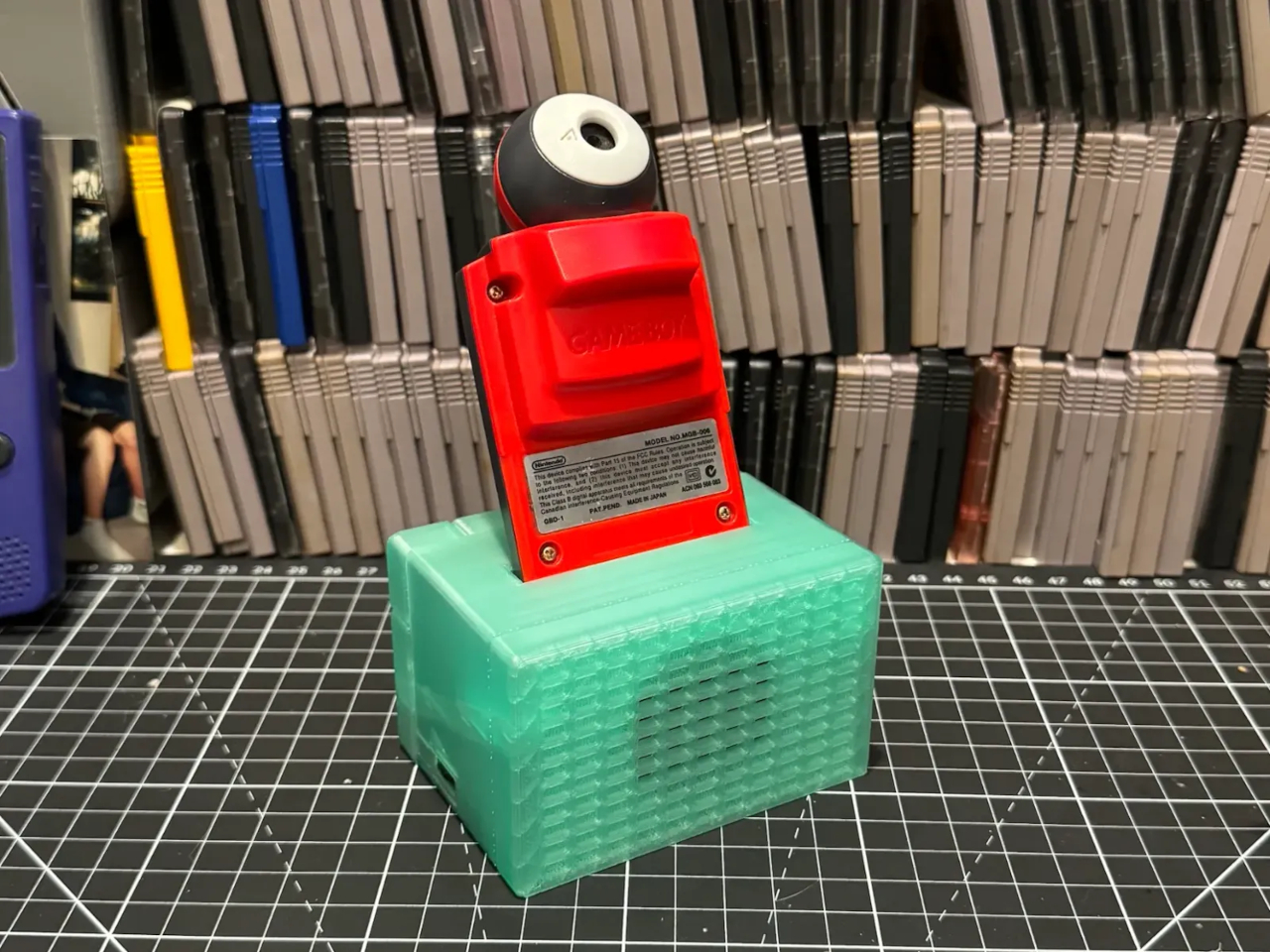
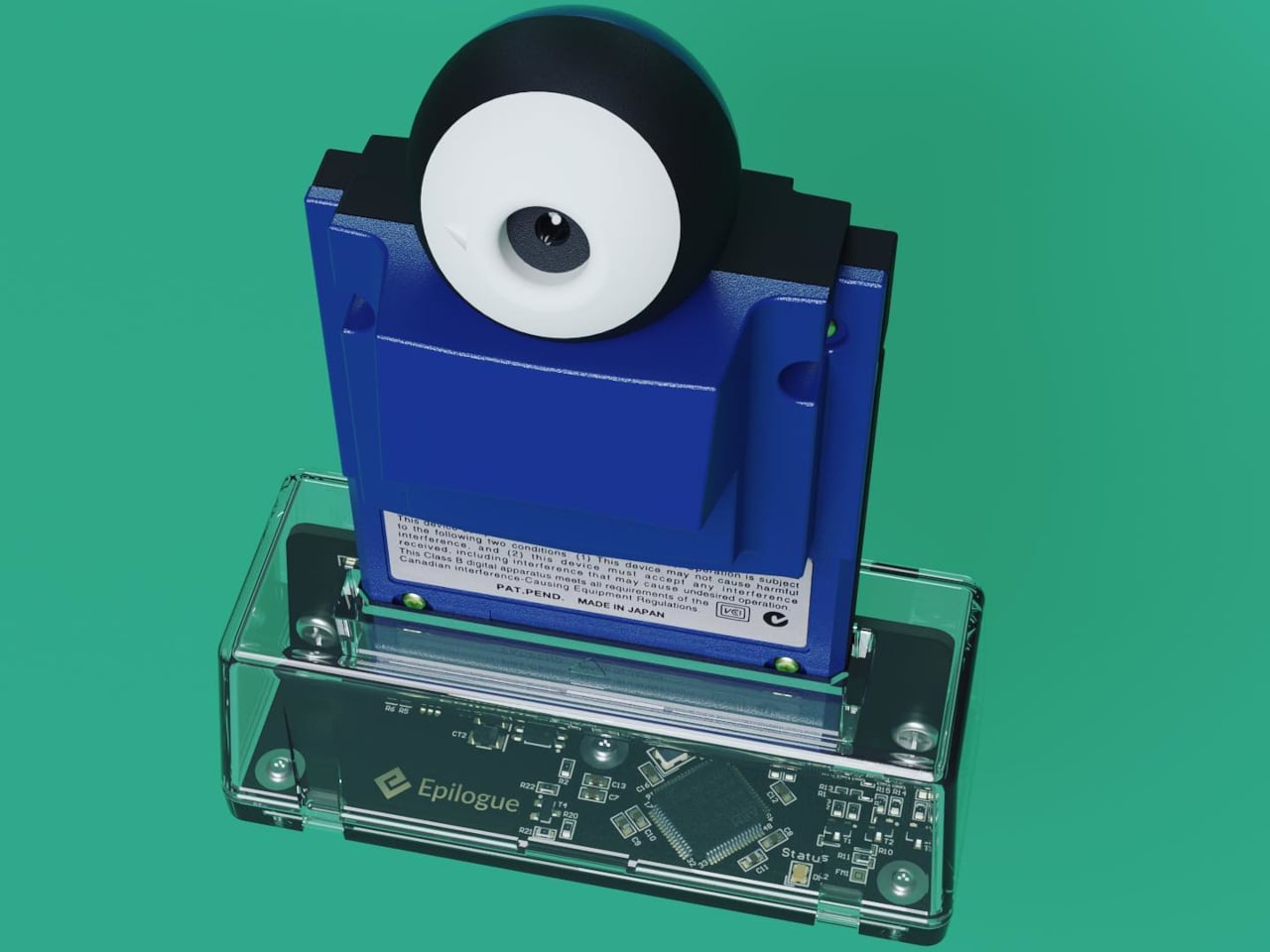
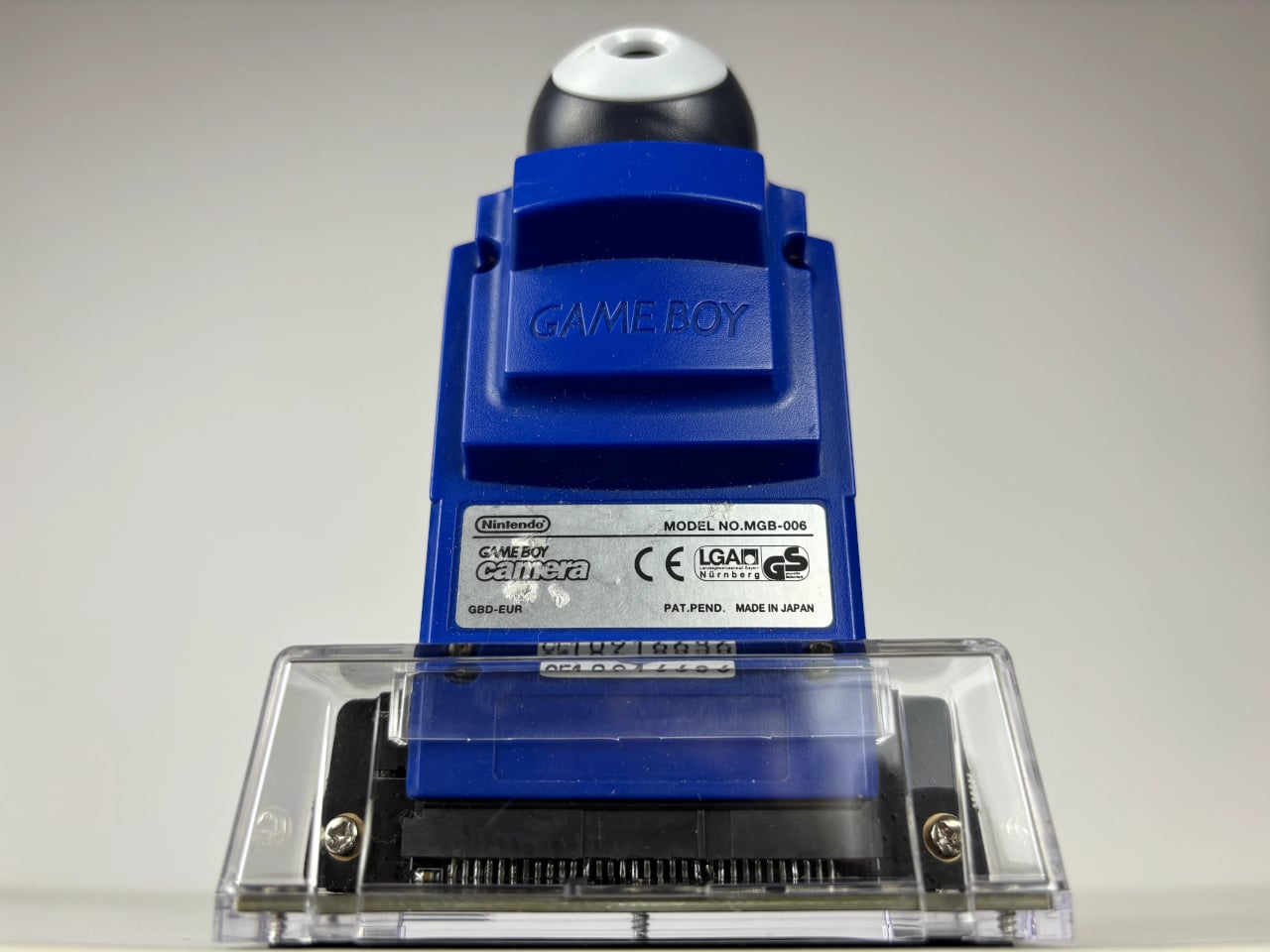
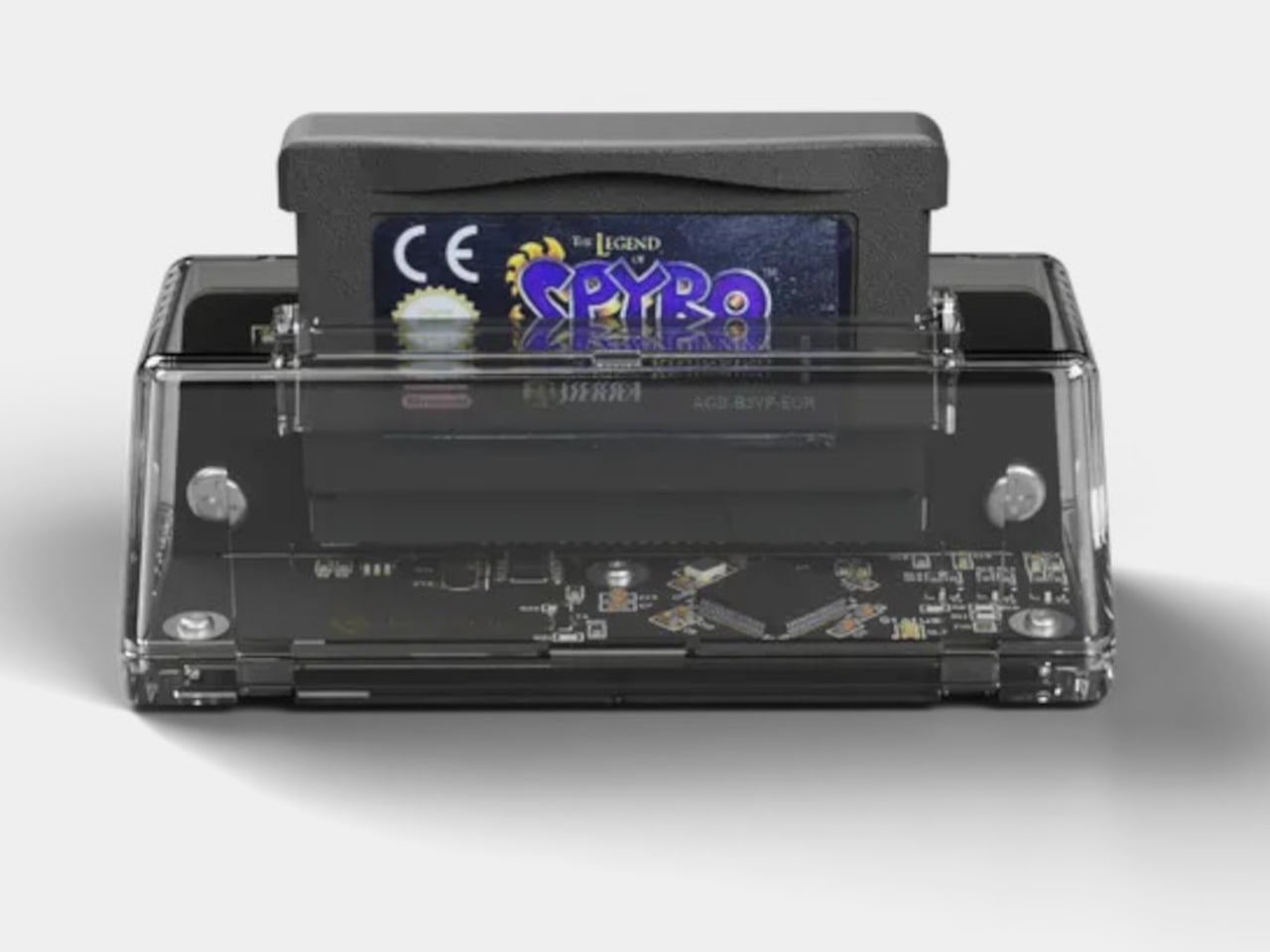
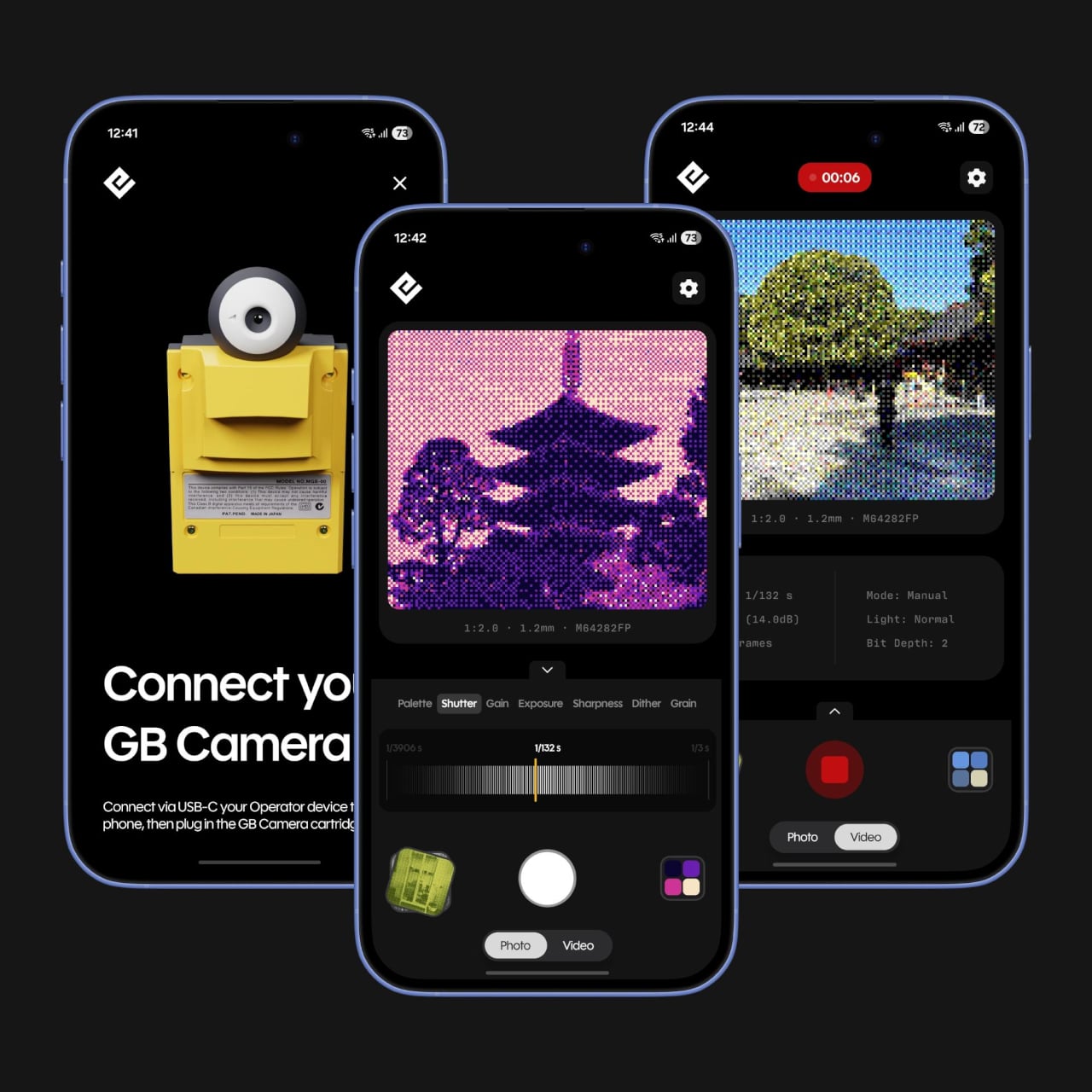
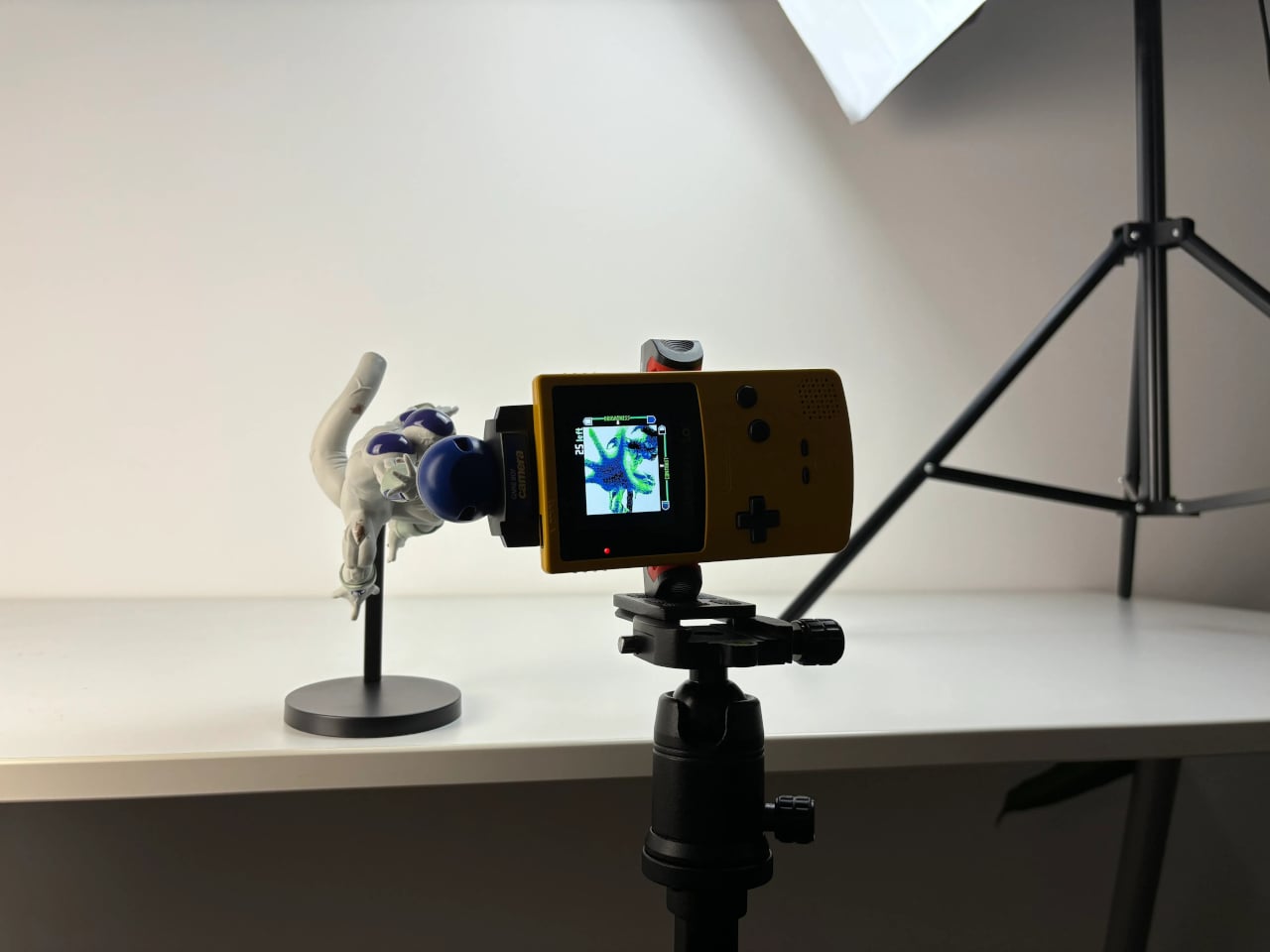
If you do have the original Game Boy Camera tucked away, Flashback has a Hardware Mode that pairs with Epilogue’s GB Operator, a $90 cartridge reader that connects to your phone via USB-C. Slot in the cartridge, plug it into your phone, and the app detects the camera automatically. No pairing is needed, and nothing is emulated: you’re shooting straight through the original Mitsubishi M64282FP sensor.

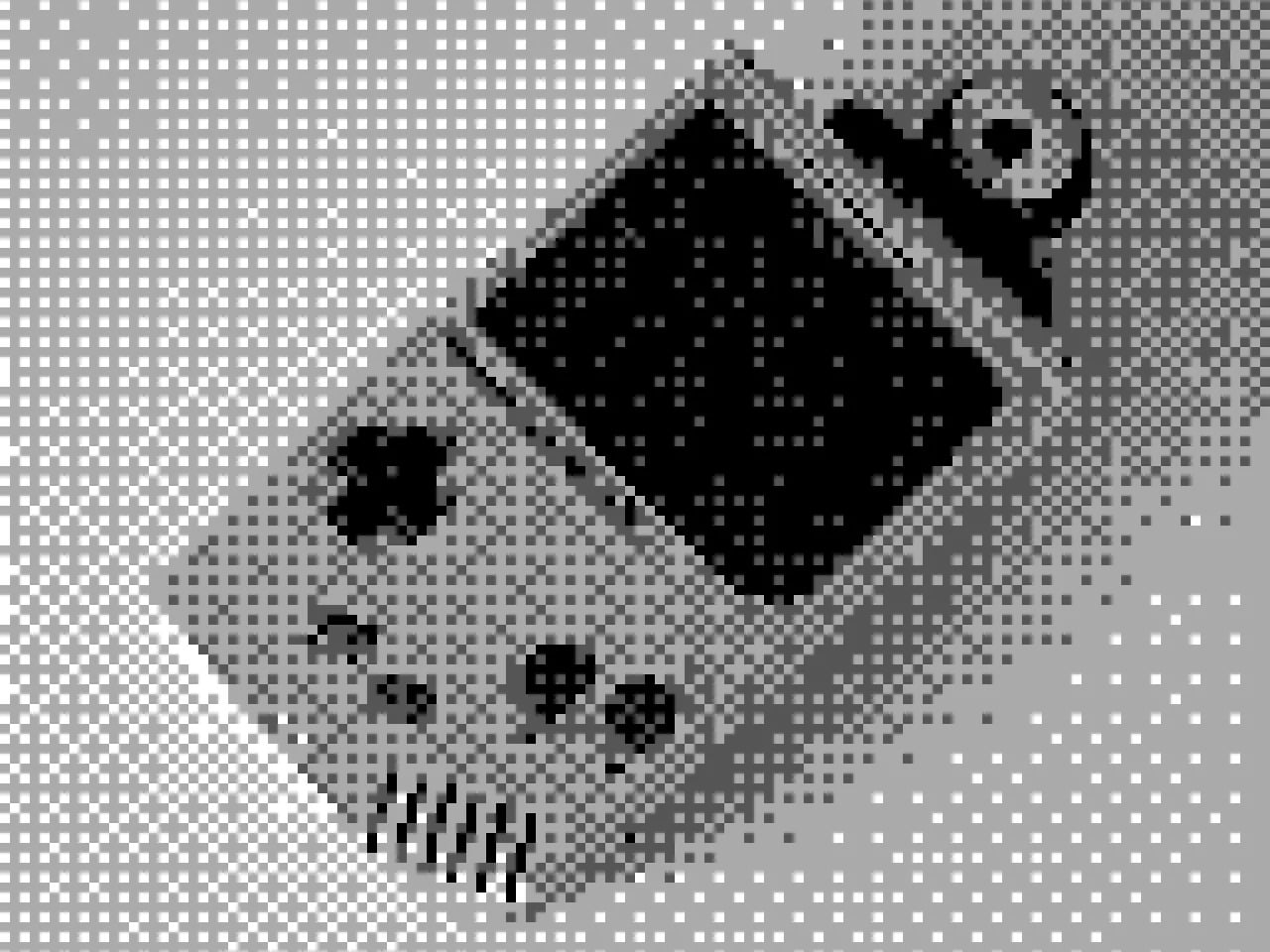
Not everyone held onto their Game Boy Camera from the ’90s, and Flashback accounts for that. Its Software Mode skips the hardware altogether, using your phone’s own camera and faithfully recreating the Game Boy Camera’s image processing pipeline. You get the same 128×112 pixel grid, the same dithering, and the same four-shade rendering, applied to whatever your lens captures. It’s a faithful recreation, not a generic retro filter.

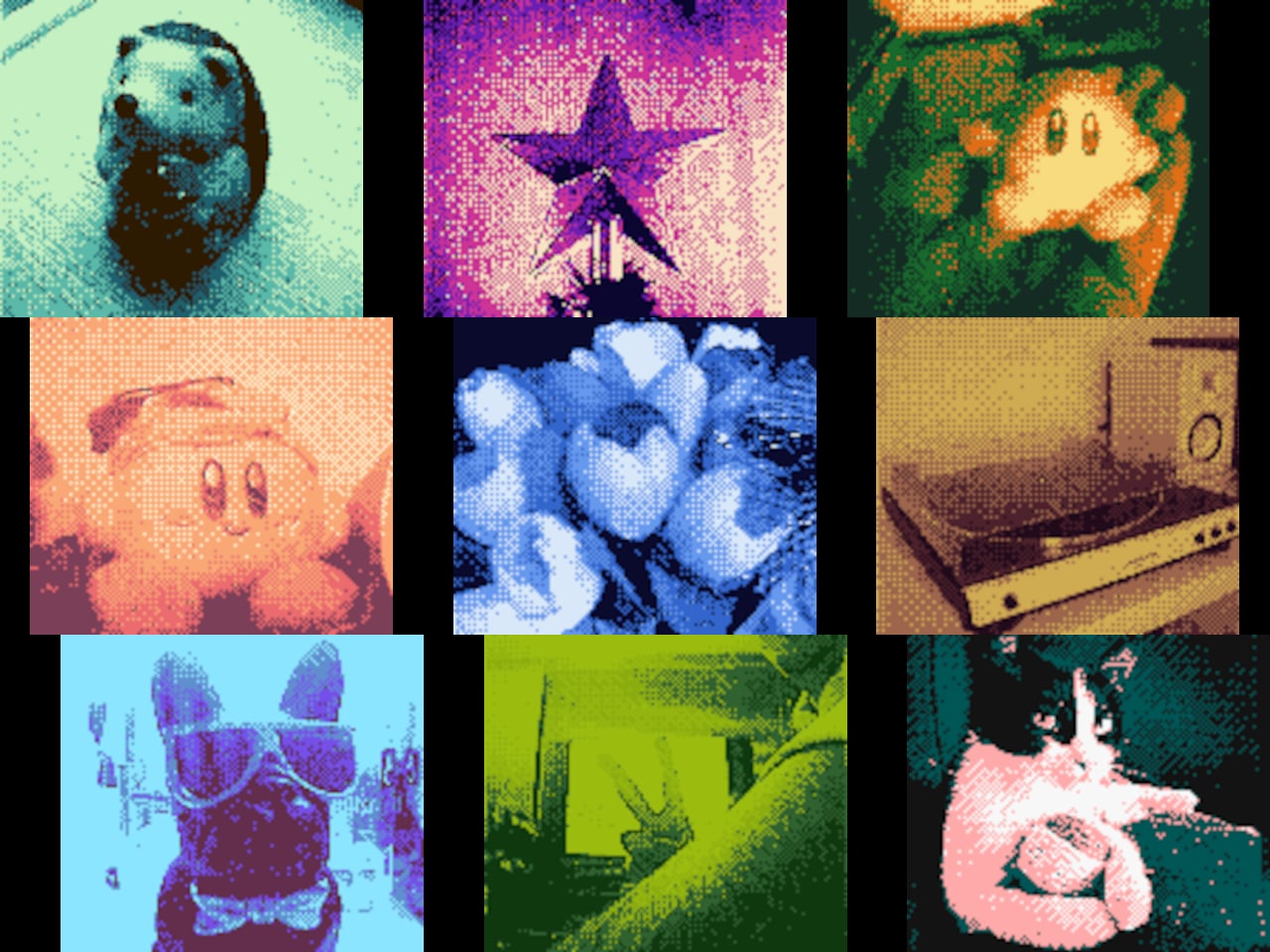
You’re not limited to gray, either. Flashback comes loaded with 32 color palettes, ranging from the original grayscale to classic Game Boy green, plus creative options like Ice Cream, Tidewater, Spacehaze, and Velvet Cherry. In Software Mode, there’s also a Color Mode that dynamically builds a palette from whatever hues are actually in front of your lens, making the filter feel responsive rather than fixed.

For those who want to go further, Flashback opens up manual controls for shutter speed, gain, exposure, sharpness, dither, and grain. These aren’t decorative sliders. They map to the actual registers of the M64282FP sensor itself. Every shot you take gets stamped with its exact settings, so if you land on a combination you like, you’ve already saved the recipe for getting back to it.

Flashback isn’t limited to photos. It records video too, with audio captured through your phone’s microphone, giving the lo-fi aesthetic a moving dimension. Everything goes straight to your Camera Roll when you’re done. The app is free on the App Store and Google Play, available on iOS 17.2 and above, or Android 8.0 and above, and it also runs natively on Mac.

For anyone who grew up with a Game Boy, getting back to that same exact photographic experience today costs only a free app download and, if you still have the cartridge, a USB-C cable. It’s a combination that makes a sensor originally from 1998 feel unexpectedly relevant, and its lo-fi images strangely compelling for something that barely clocks 14 kilopixels.

The post Epilogue Just Turned the 1998 Game Boy Camera Into a Free Phone App first appeared on Yanko Design.
You Can Play Pokémon Gold on Your Wrist, Thanks to a 2-Year Build

Retro gaming handhelds have had a genuine second life in recent years. Original Nintendo hardware has been cloned, shrunken, and reimagined into increasingly unhinged form factors by modders who see the Game Boy lineup as the most suitable canvas for this kind of project. The builds have become their own subculture, where the unofficial requirement is always constructing something that makes everyone else feel like they aren’t trying hard enough.

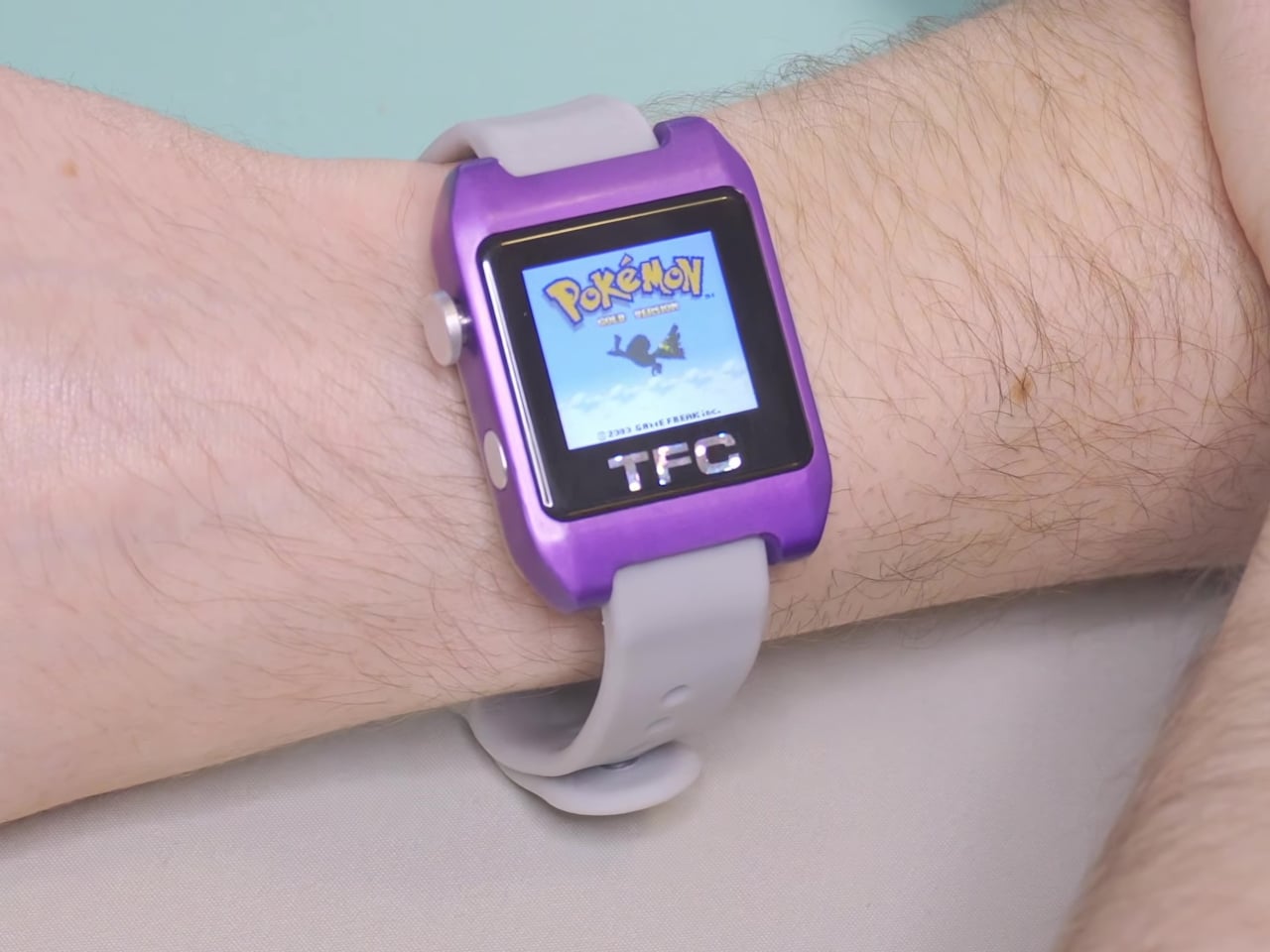
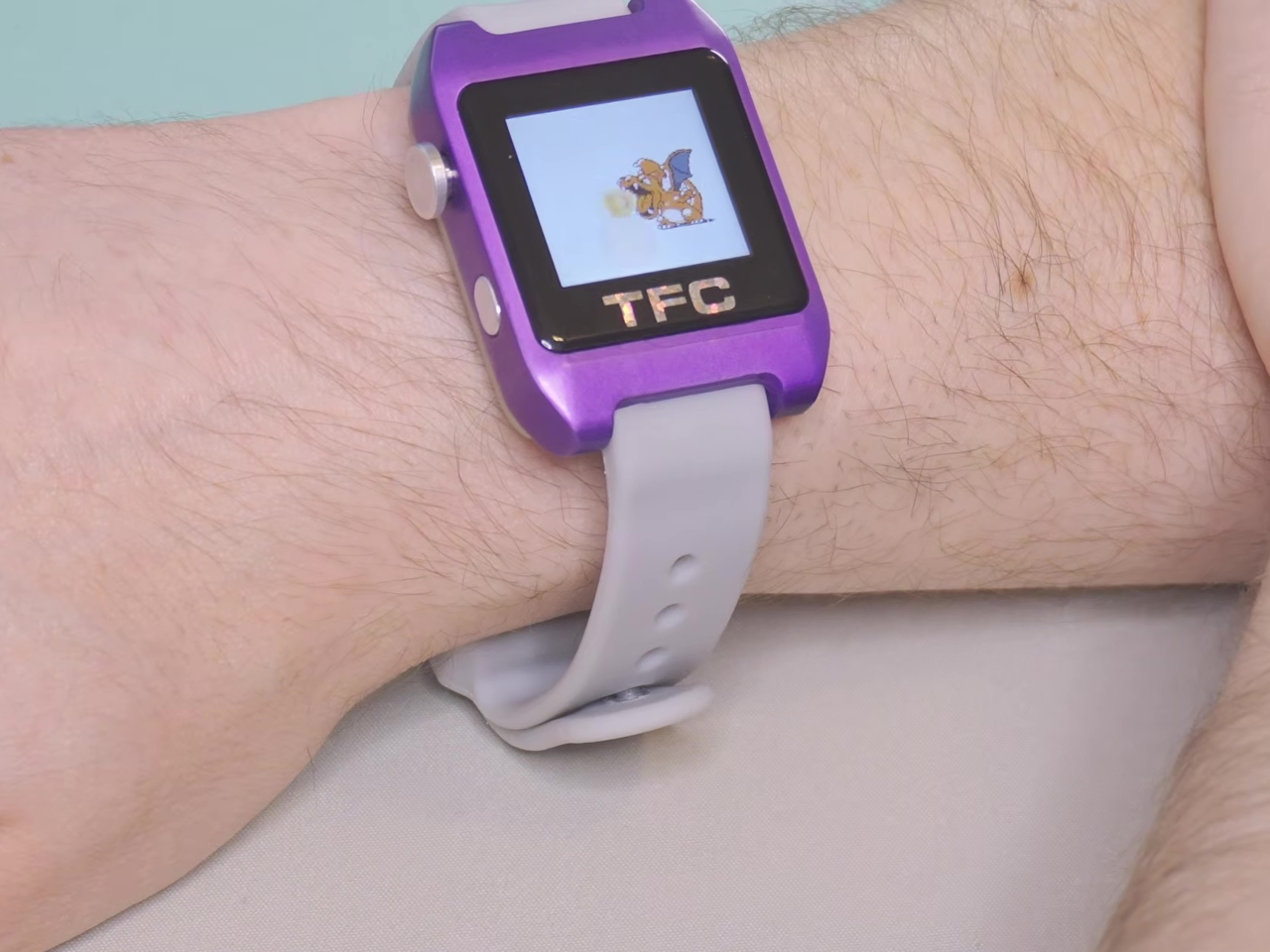
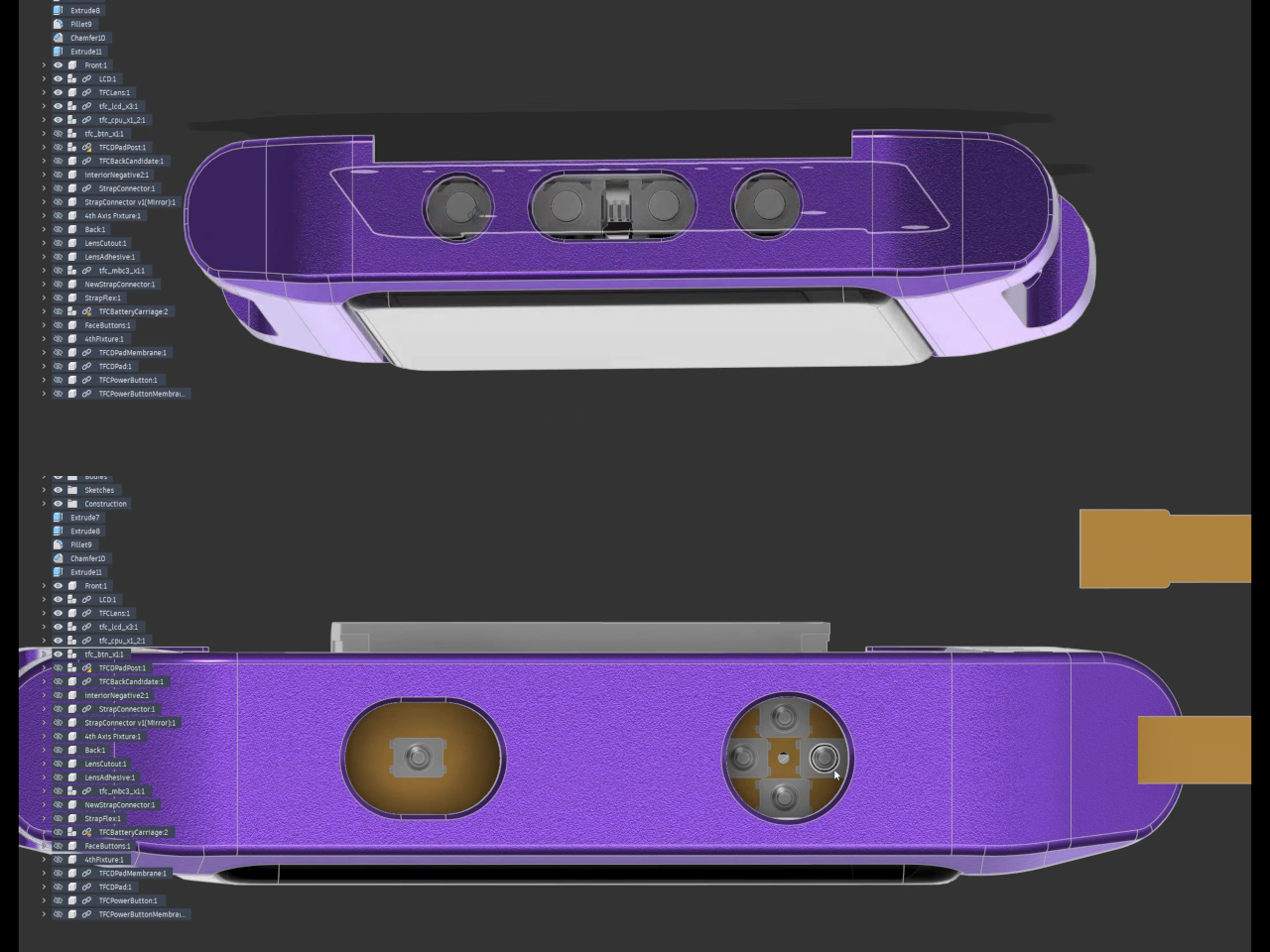
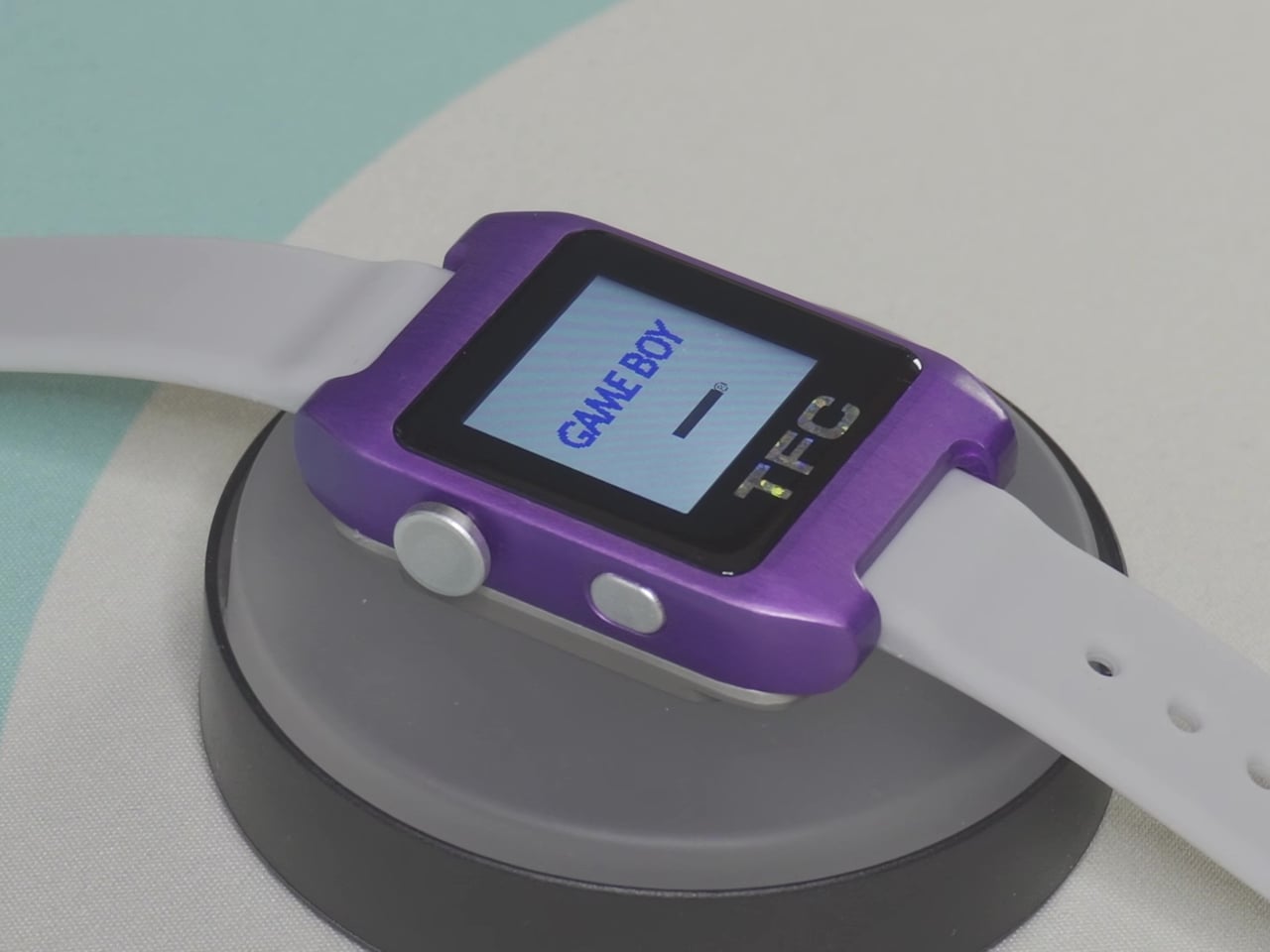
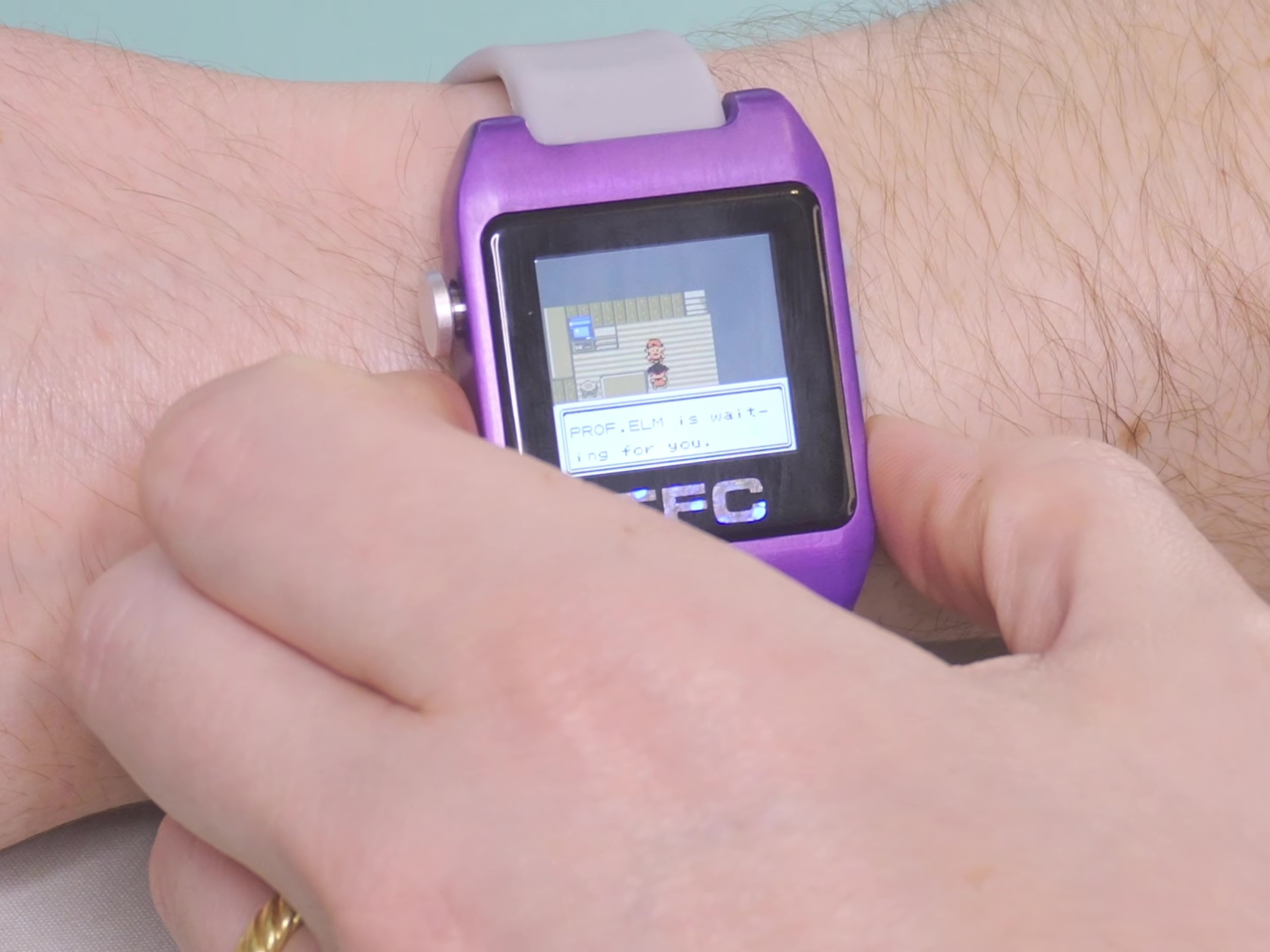
YouTube creator Chris Hackmann, known online as LeggoMyFroggo, took things further than most. He spent more than two years building the Time Frog Color, a Game Boy Color shrunk down to wrist-watch dimensions. From the start, he gave himself three non-negotiable rules: it had to use the original GBC CPU, it had to accept physical cartridges, and it had to keep time when turned off. No emulation, no shortcuts.

Designer: Chris Hackmann (LeggoMyFroggo)

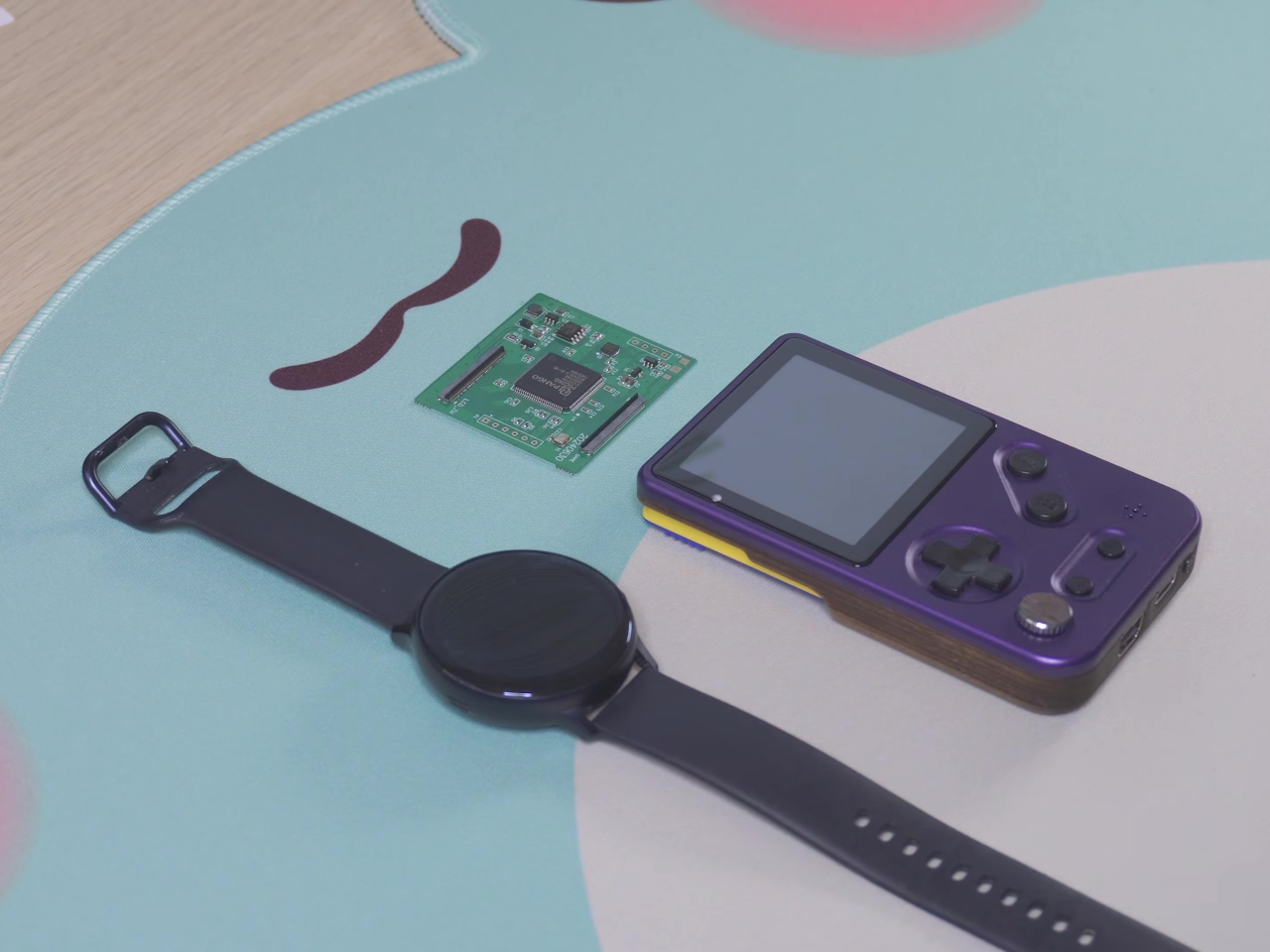
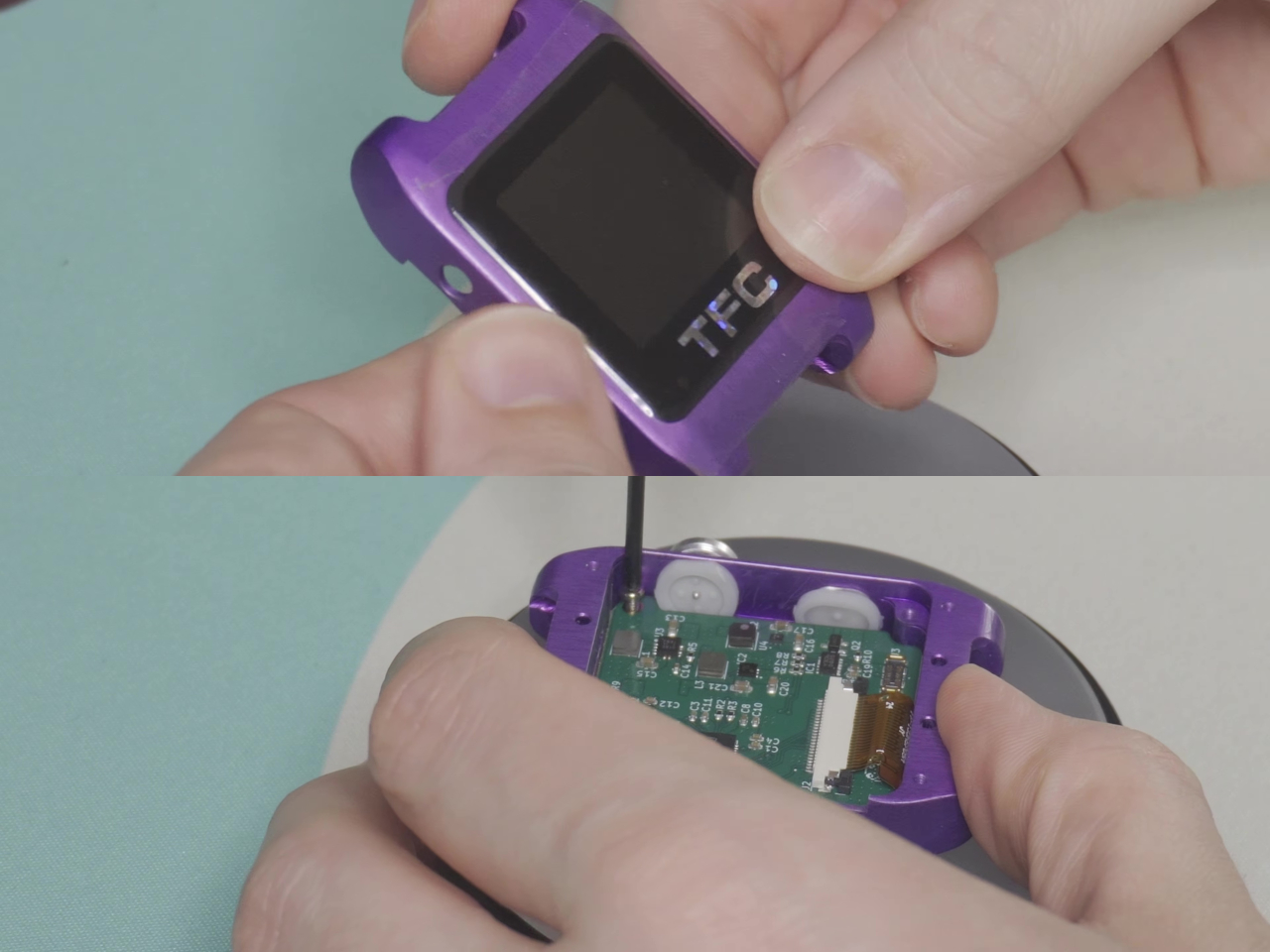
Those three constraints drove everything that followed. Standard GBC screens are too large, so the display was scaled down to a 1.12-inch LCD. That screen can’t read the GBC’s parallel RGB output natively, so an RP2040 microcontroller was added purely as a signal translator. This created the foundation for a stacked PCB arrangement, with an LCD driver board on the bottom and the CPU board sitting just above it.

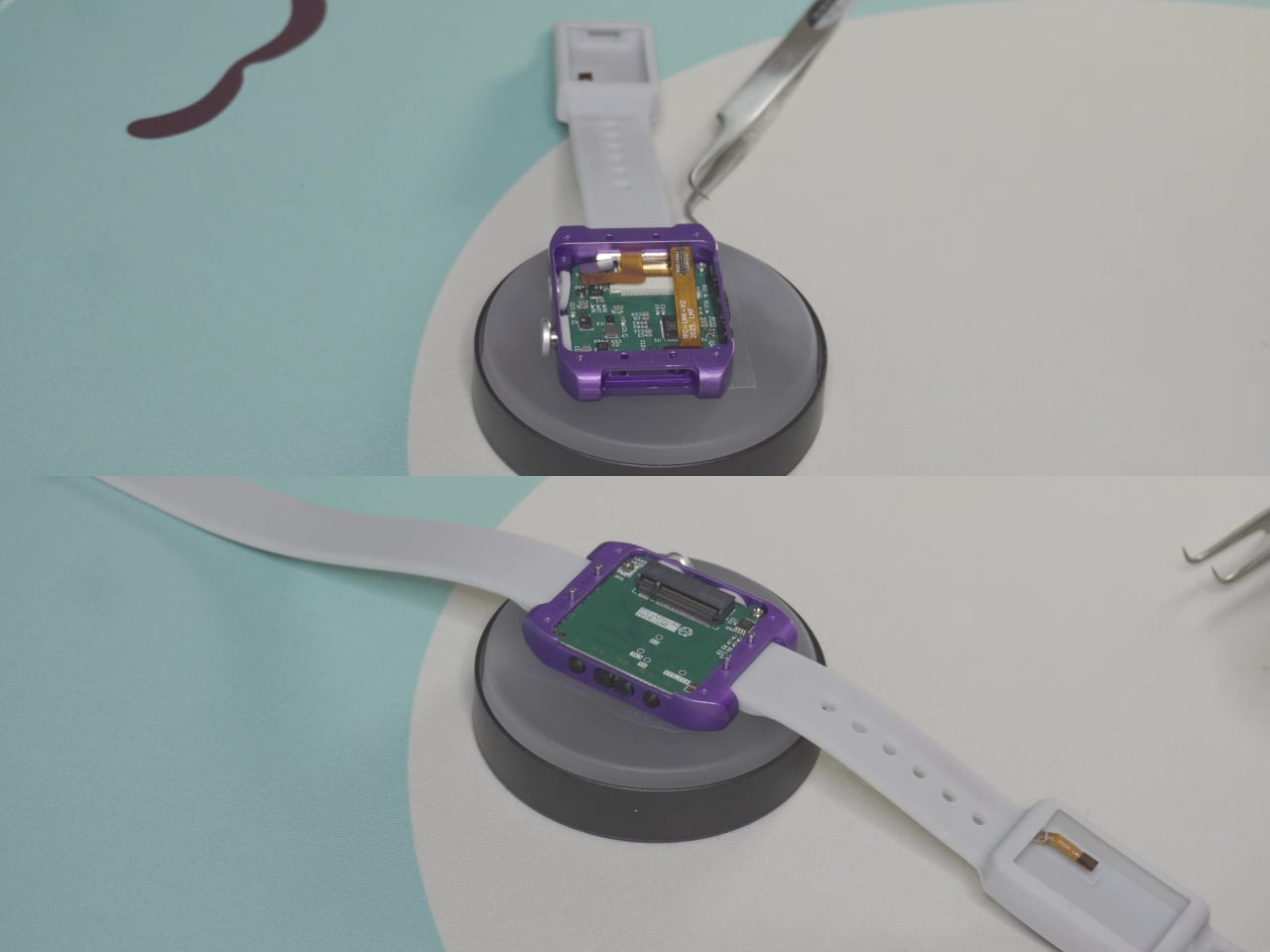
The cartridge requirement was its own puzzle. Standard Game Boy cartridge slots aren’t watch-sized, so Hackmann swapped the slot for an M.2 connector, the type normally found in NVMe computer drives. The custom cartridges that plug into it aren’t simple ROM cards; they’re full MBC3 flash builds with their own RAM, mapper chip, and a coin cell battery that keeps save files intact between sessions.

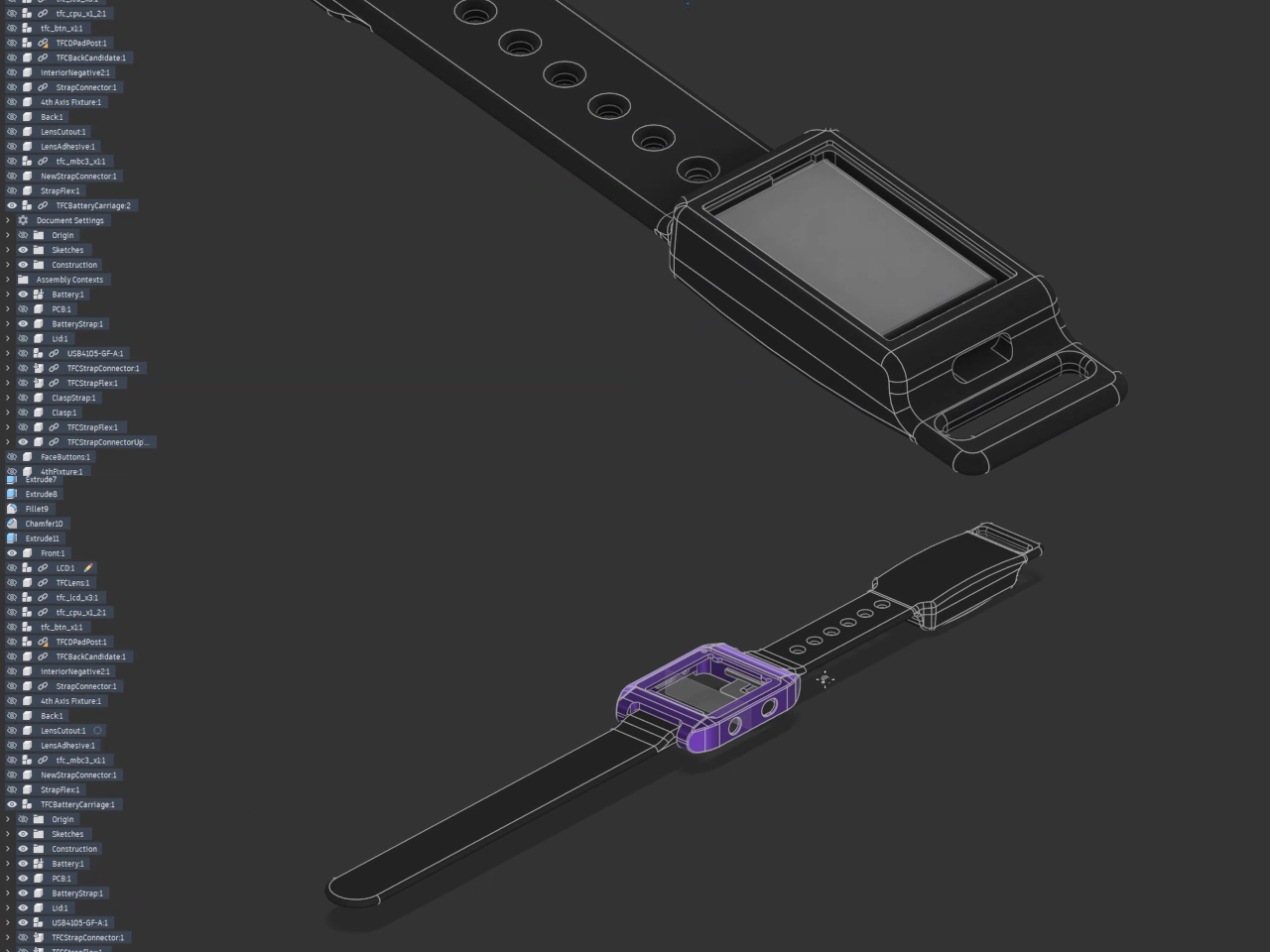
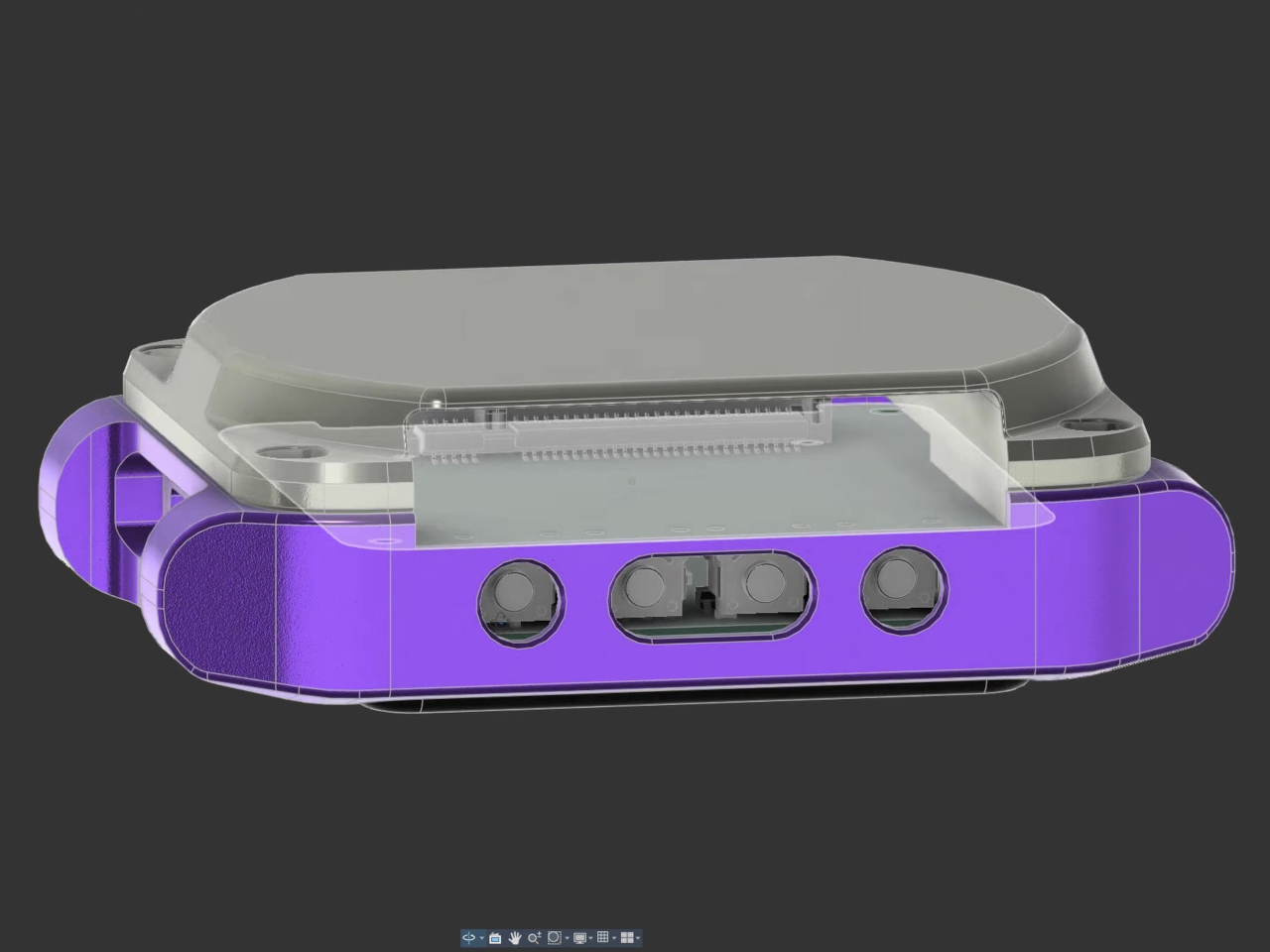
All of that stacking pushed the watch body to 15mm thick, noticeably chunkier than an Apple Watch at roughly 10 mm. There was no room for a battery inside, so it went into the silicone strap instead. A flexible PCB runs through nearly the entire band via overmolding, carrying power back into the main body. It’s a bizarre solution that also happens to be the only sensible one.

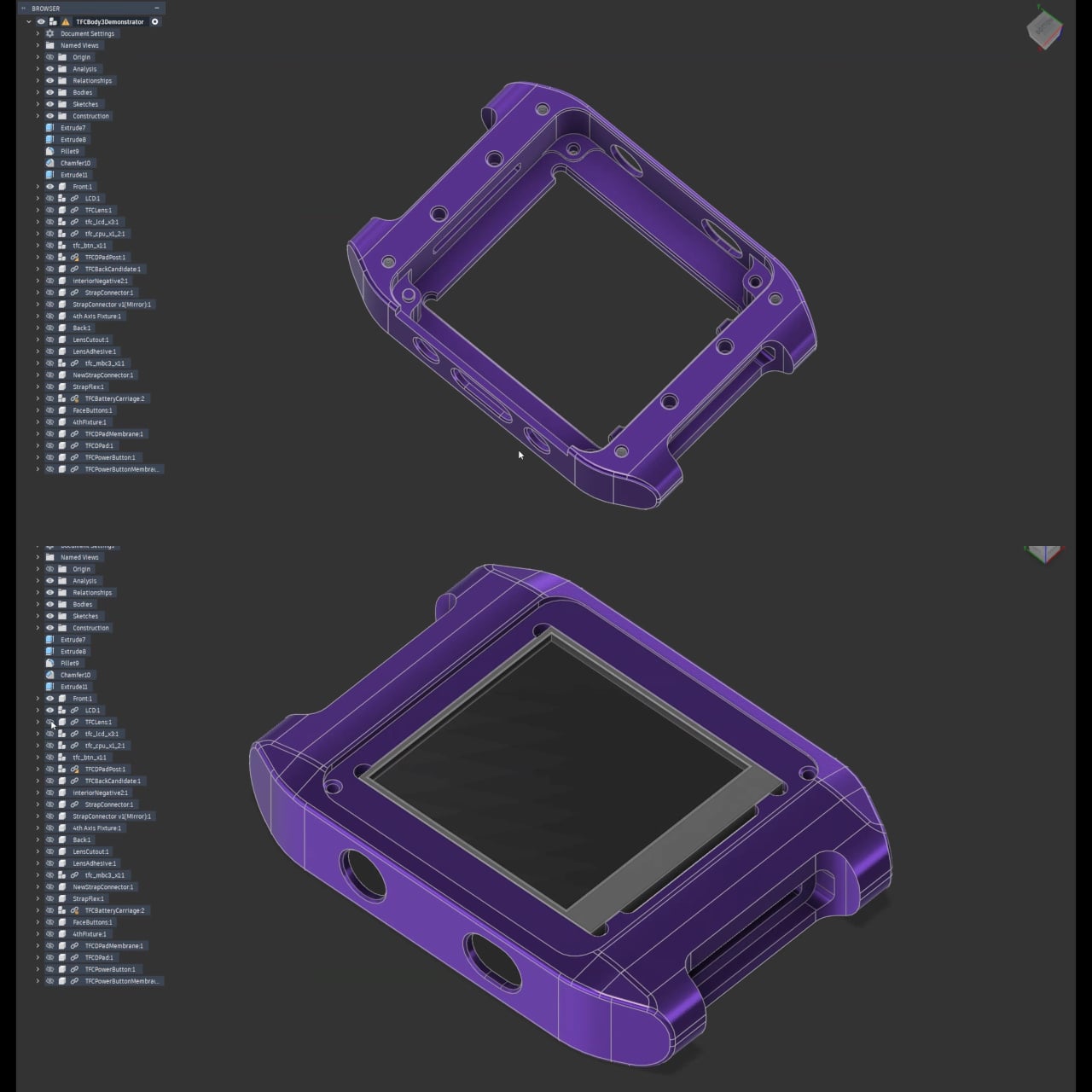
The watch body is CNC’d from 6061 aluminum and anodized purple, which reads as a direct nod to Nintendo’s color sensibilities. Controls are fitted into the sides of the housing, with four face buttons on one edge and a custom-machined rocker D-pad on the other, both backed by silicone membranes. The unit shown in the video doesn’t include a speaker, as the component missed the deadline.

Hackmann is upfront about the trade-offs. The Time Frog Color offers a “less than optimal playing experience” by his own admission, with battery life that won’t compare favorably against most wearables. It’s a thick, quirky device with controls tucked into the edges and a cartridge protruding from the back. But you can load up Pokémon Gold and play it on your wrist, which isn’t something most projects can claim.

The post You Can Play Pokémon Gold on Your Wrist, Thanks to a 2-Year Build first appeared on Yanko Design.
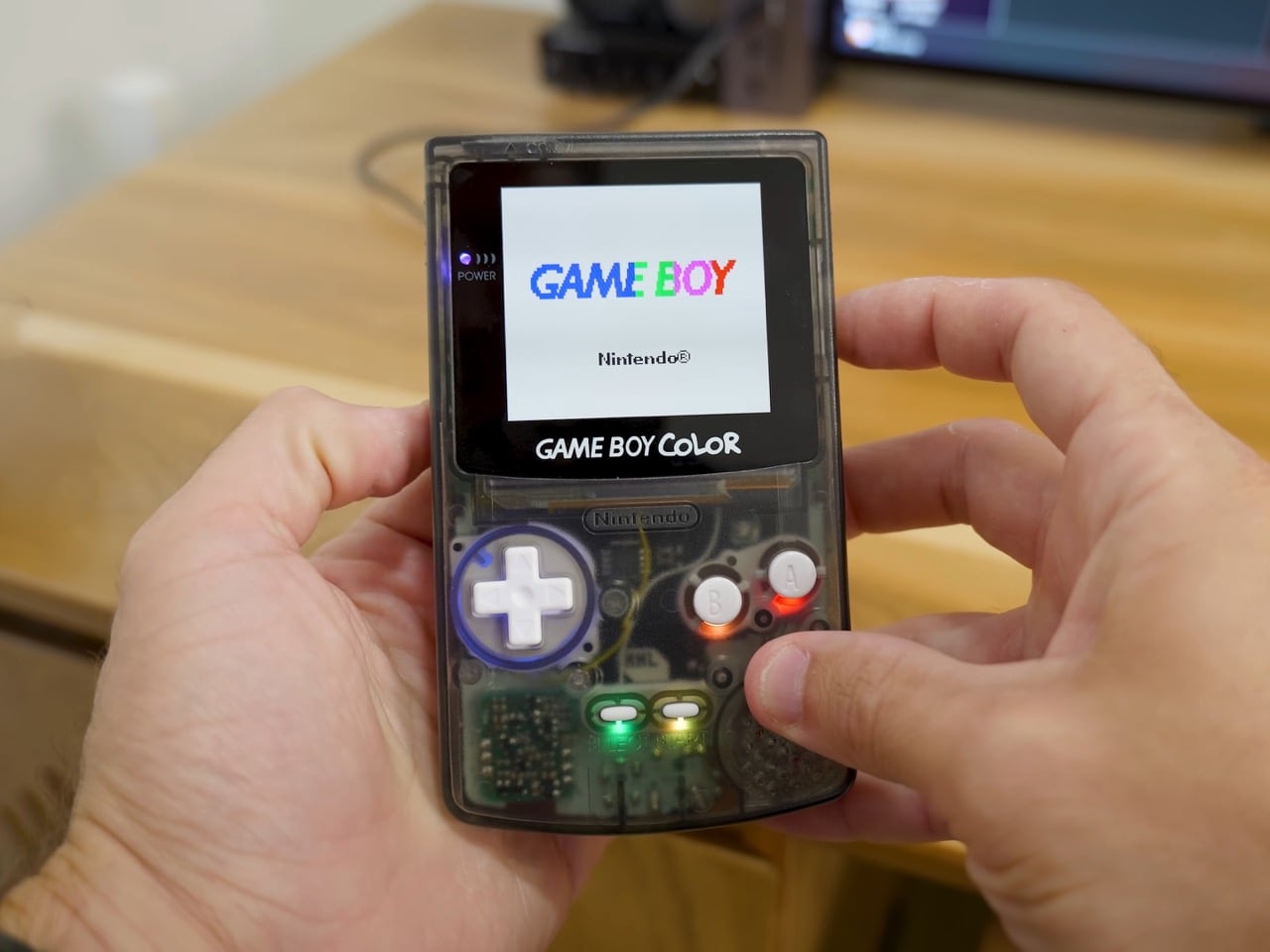
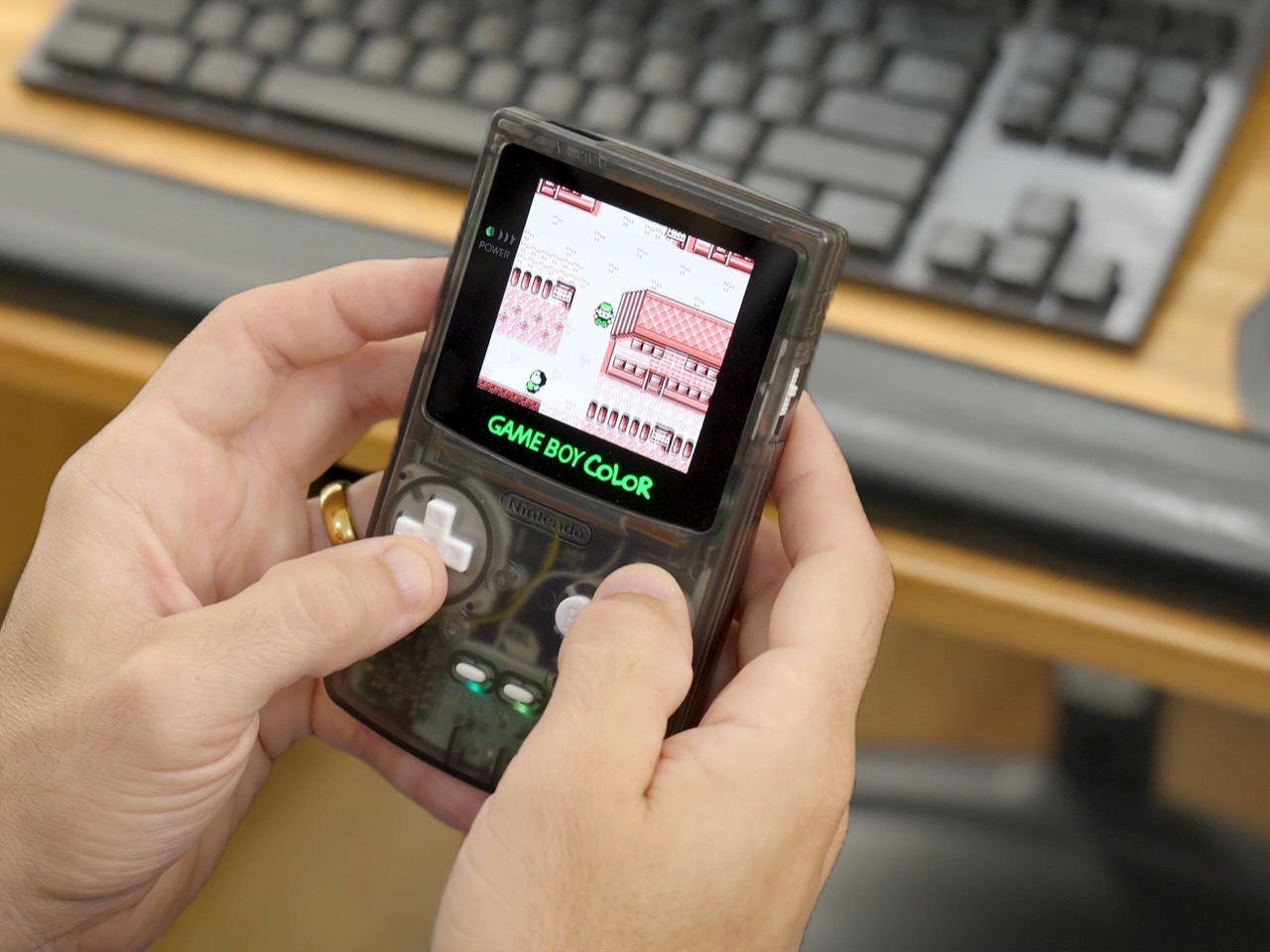
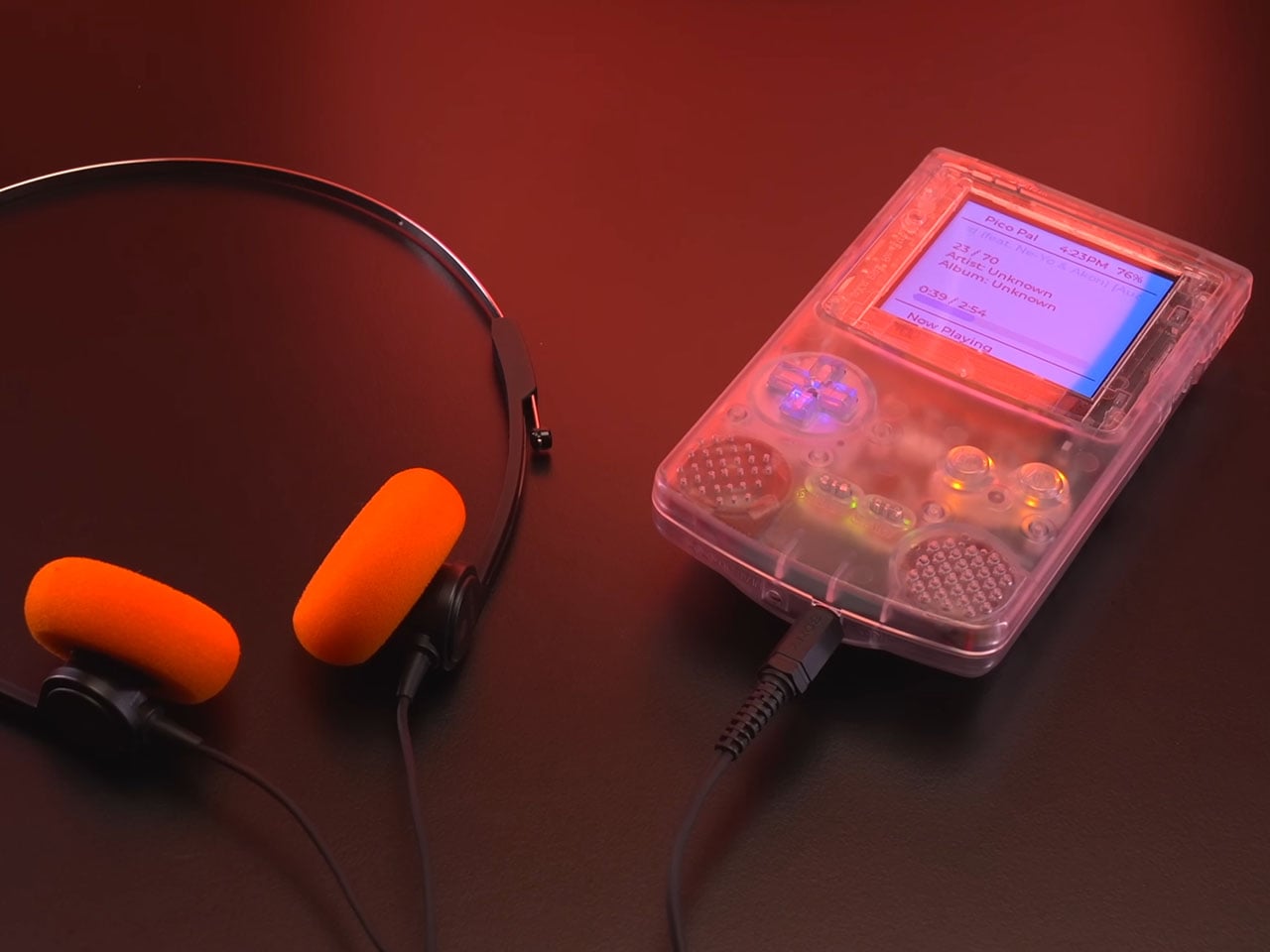
Pico-Pal reimagines Game Boy Color as modern retro handheld that can play music


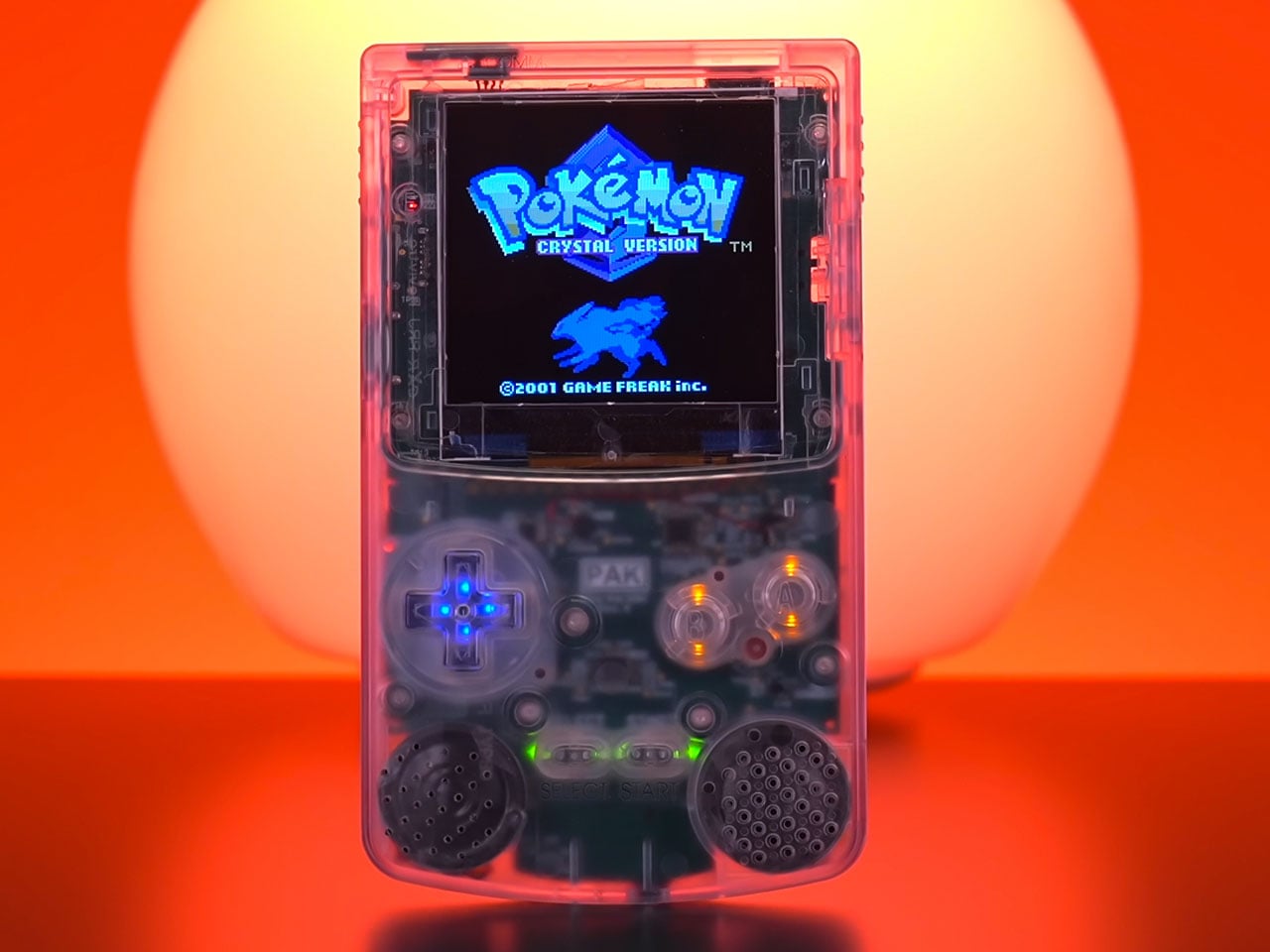
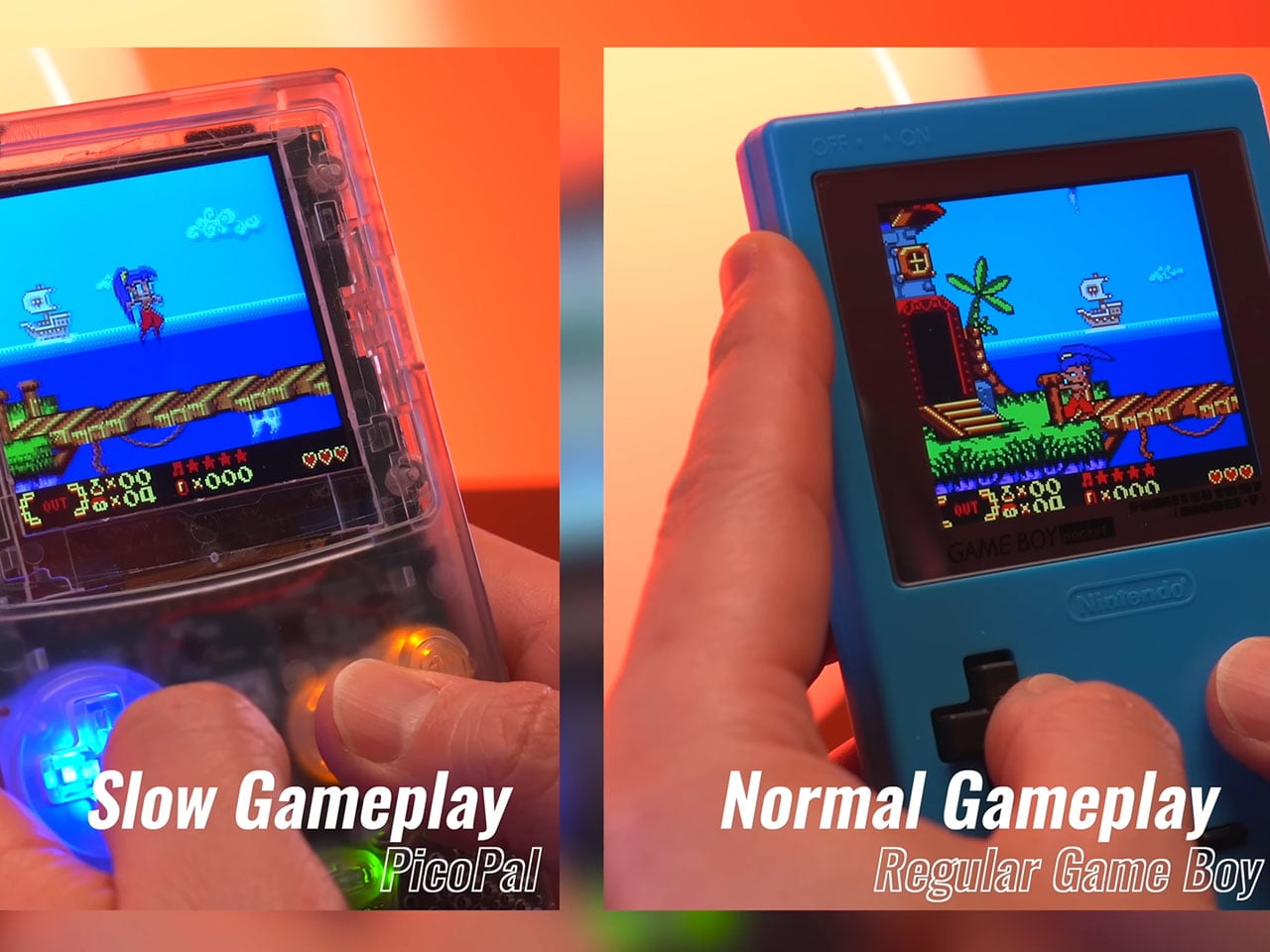
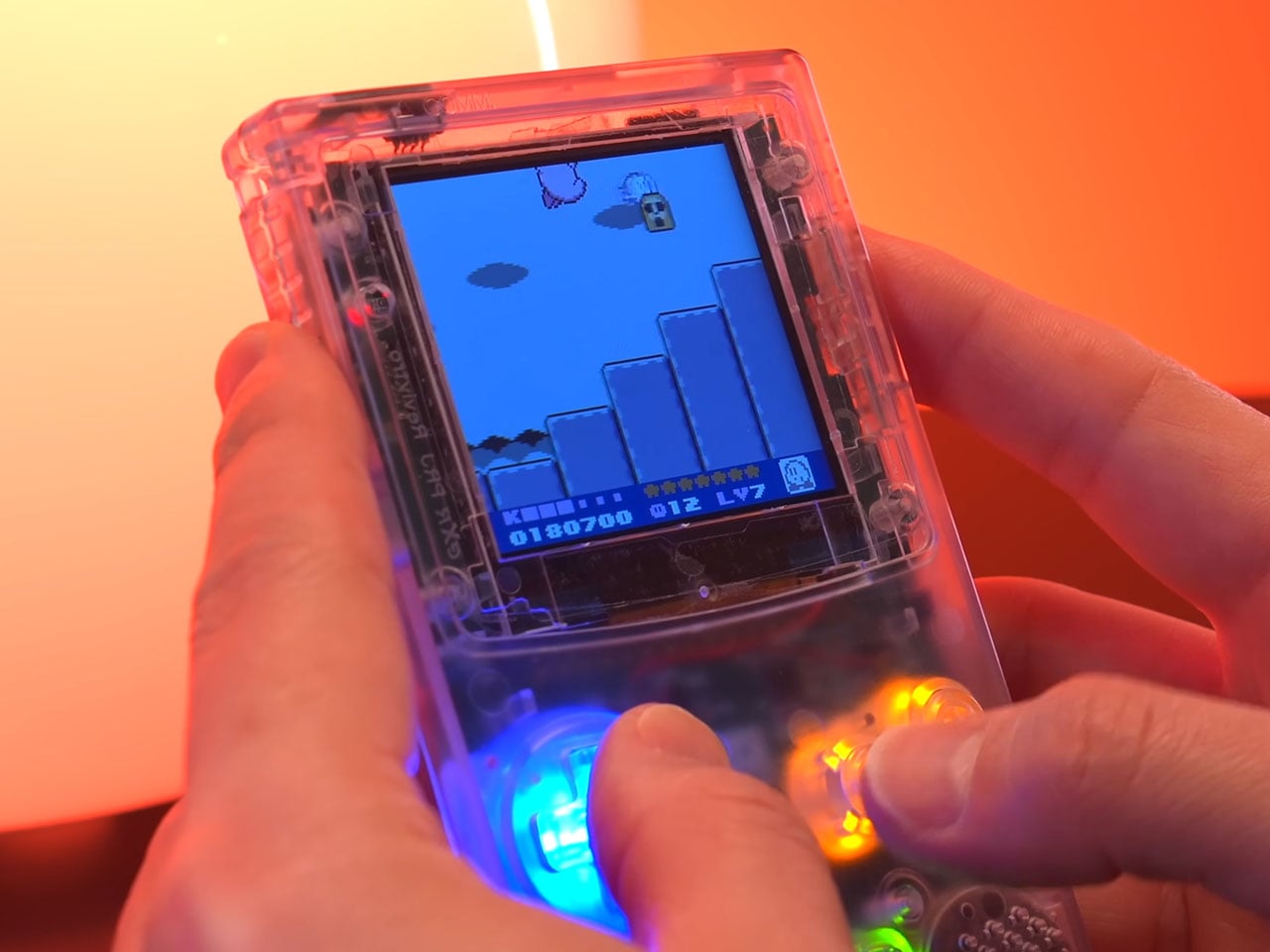
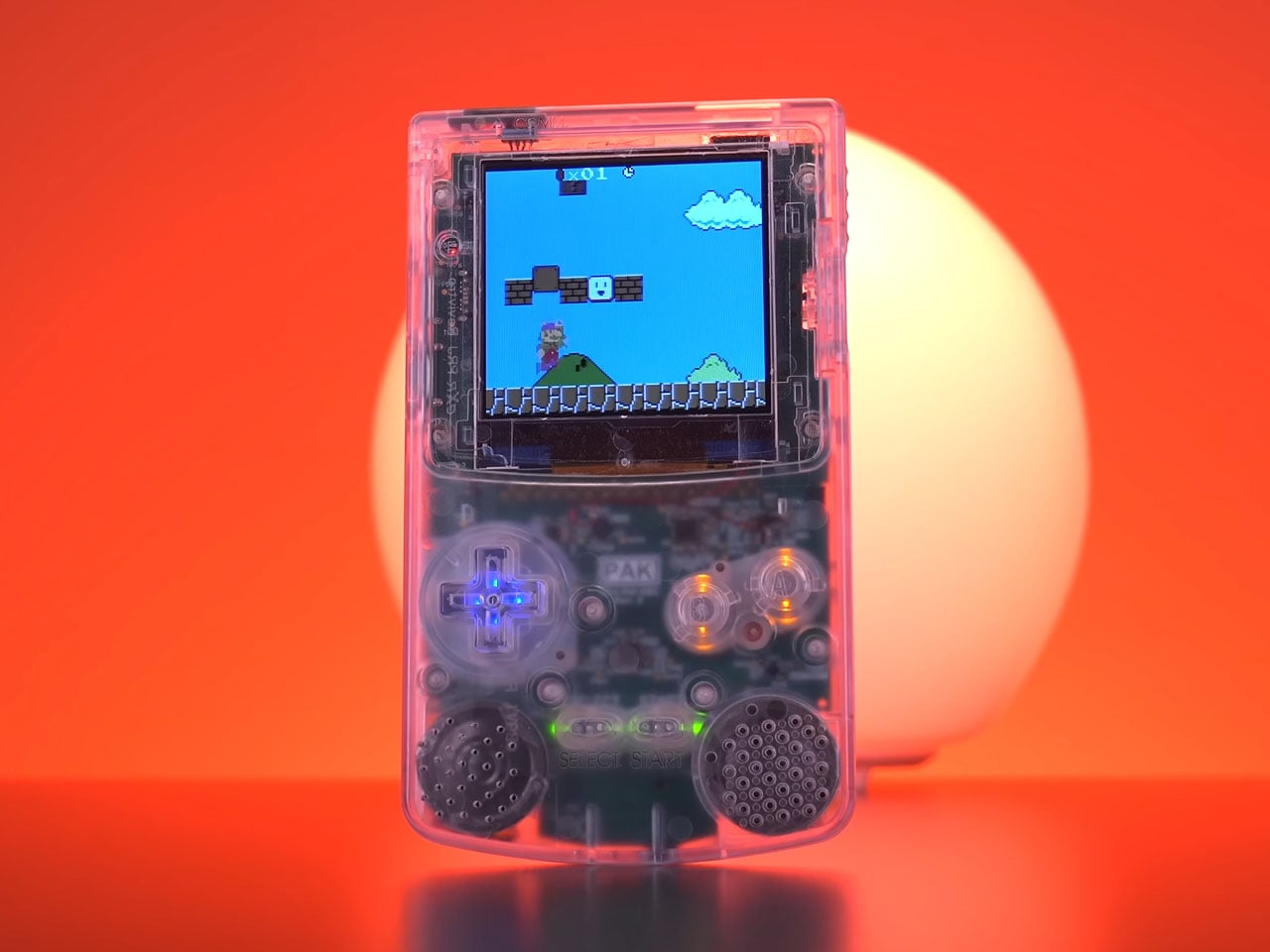
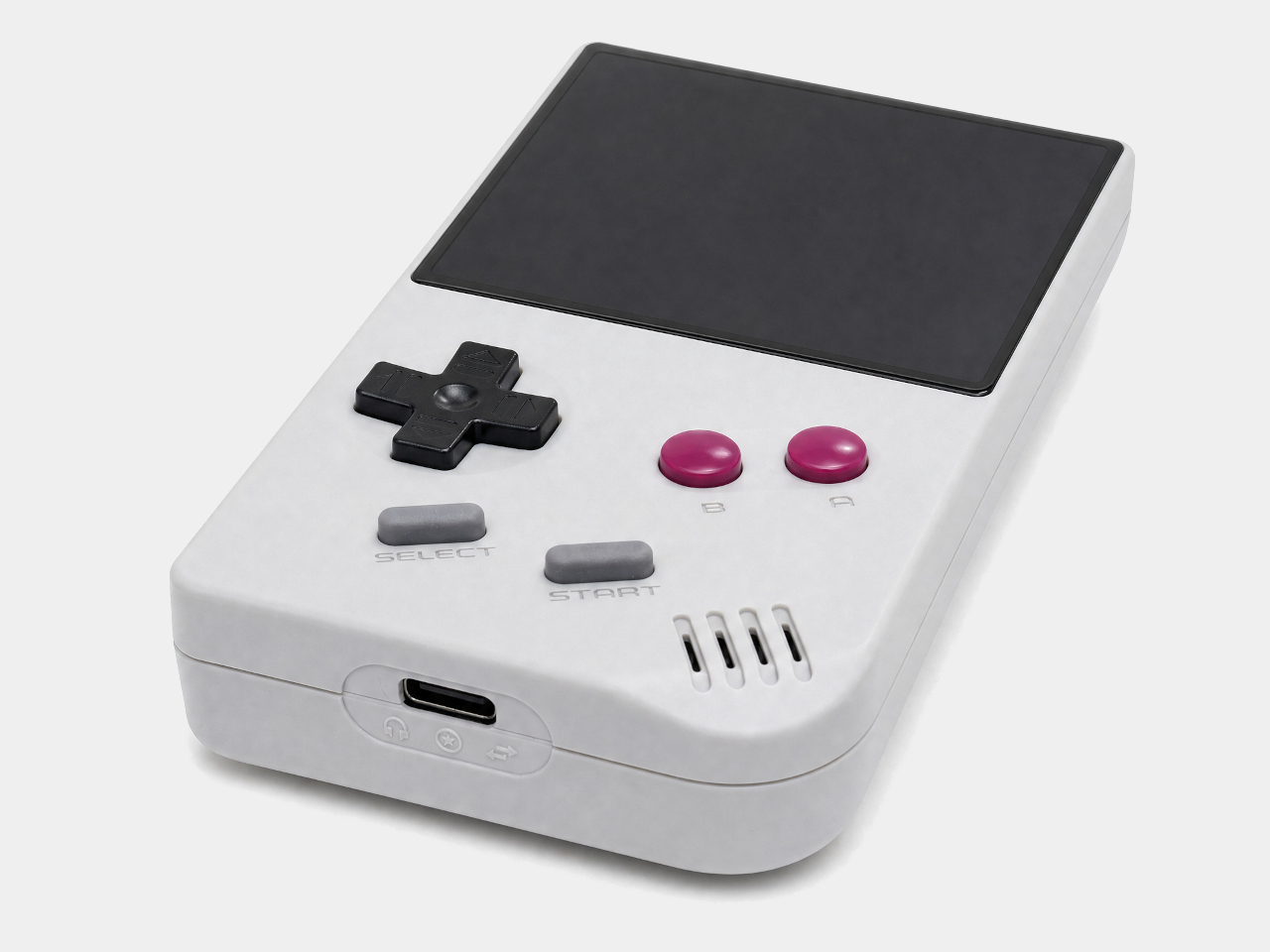
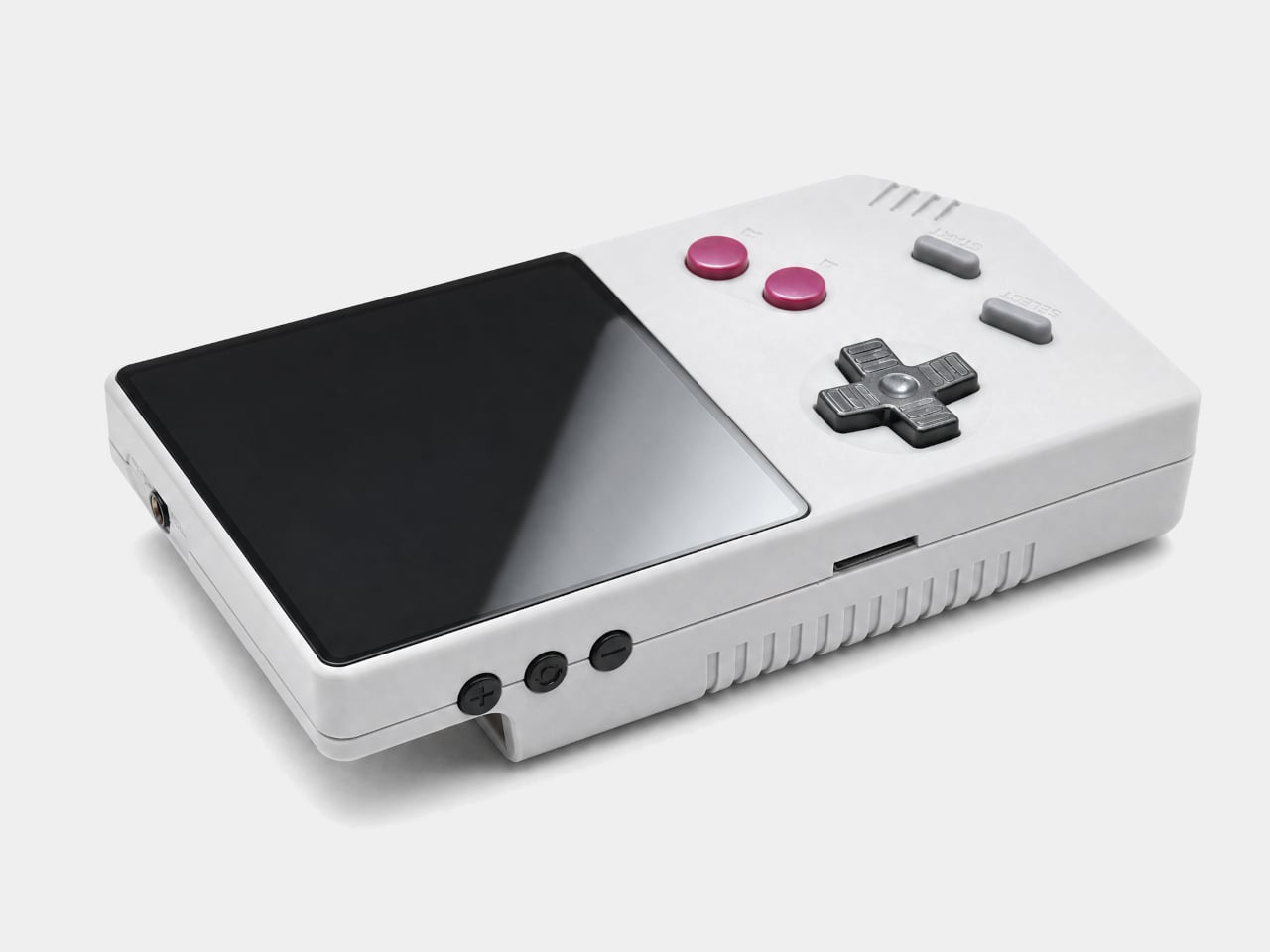
Retro gaming continues to inspire modern hardware projects, and the Pico-Pal handheld console is another thoughtful reinterpretation of one of the most recognizable portable gaming designs. Developed by hardware designer Peter Khouly, the handheld draws clear inspiration from the classic Nintendo Game Boy Color while integrating modern microcontrollers, wireless connectivity, and expanded functionality. Rather than replicating the original hardware exactly, the Pico-Pal blends nostalgia with a flexible development platform aimed at gamers and hackers alike.

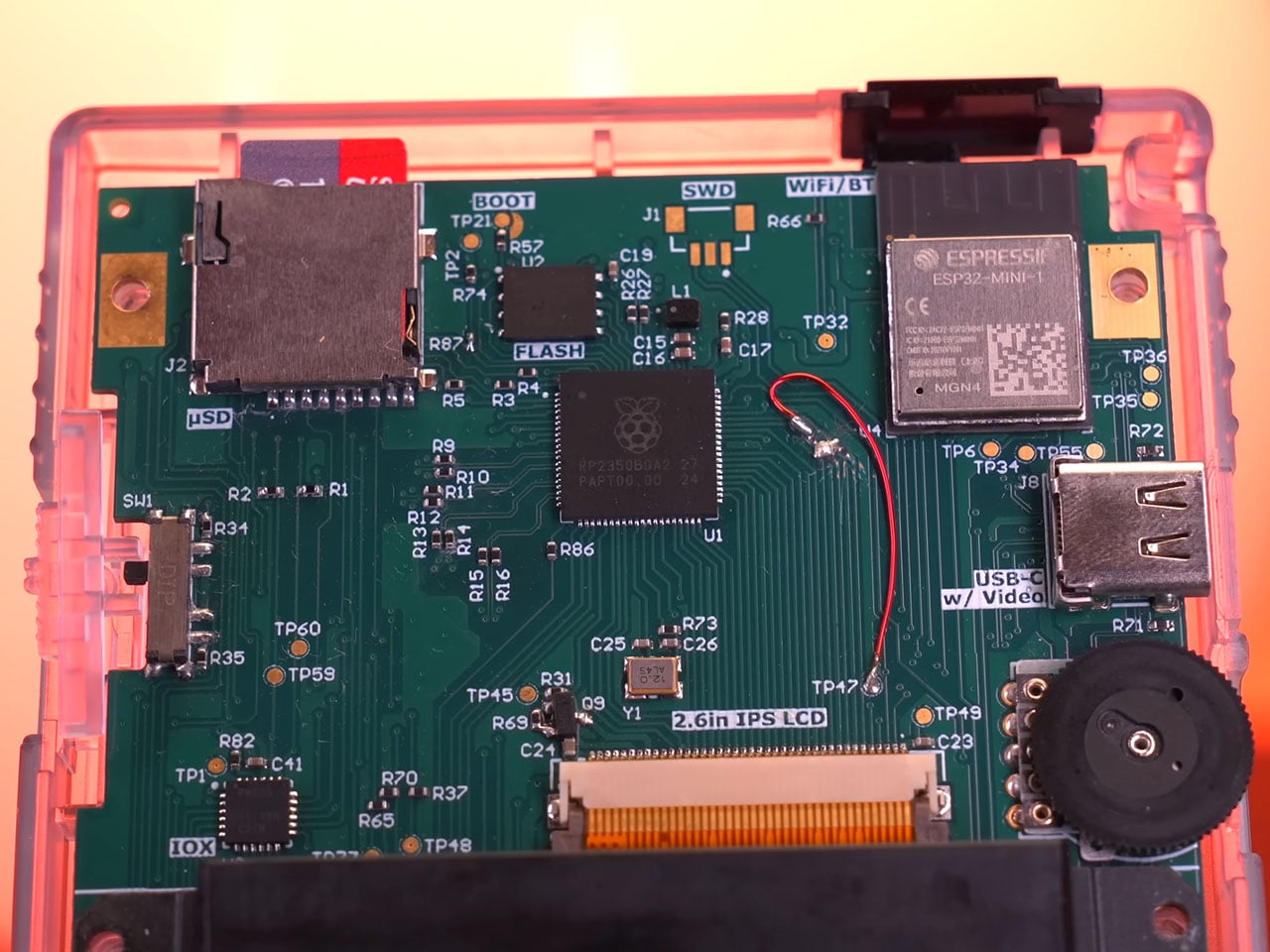
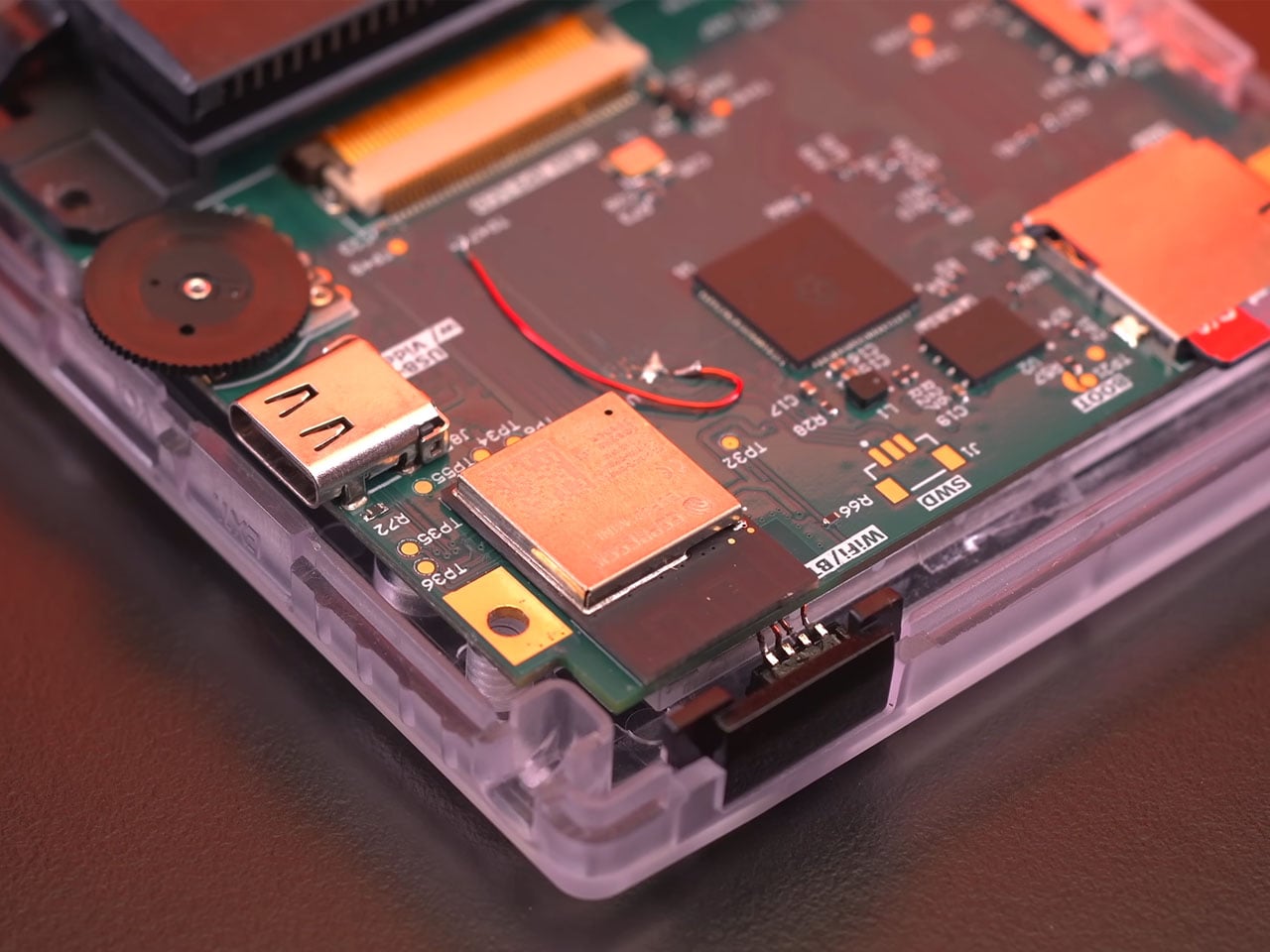
At its core, the handheld is powered by a Raspberry Pi RP2350B microcontroller paired with an Espressif ESP32 coprocessor. The RP2350B serves as the primary processing unit, handling emulation and system control, while the ESP32 provides wireless connectivity via integrated Wi-Fi and Bluetooth. This secondary chip also includes 4MB of flash storage and supports functions such as Bluetooth audio or network communication. The RP2350B itself features 16MB of flash memory, giving the device sufficient storage and processing headroom for running classic handheld titles and additional utilities.

Designer: Peter Khouly

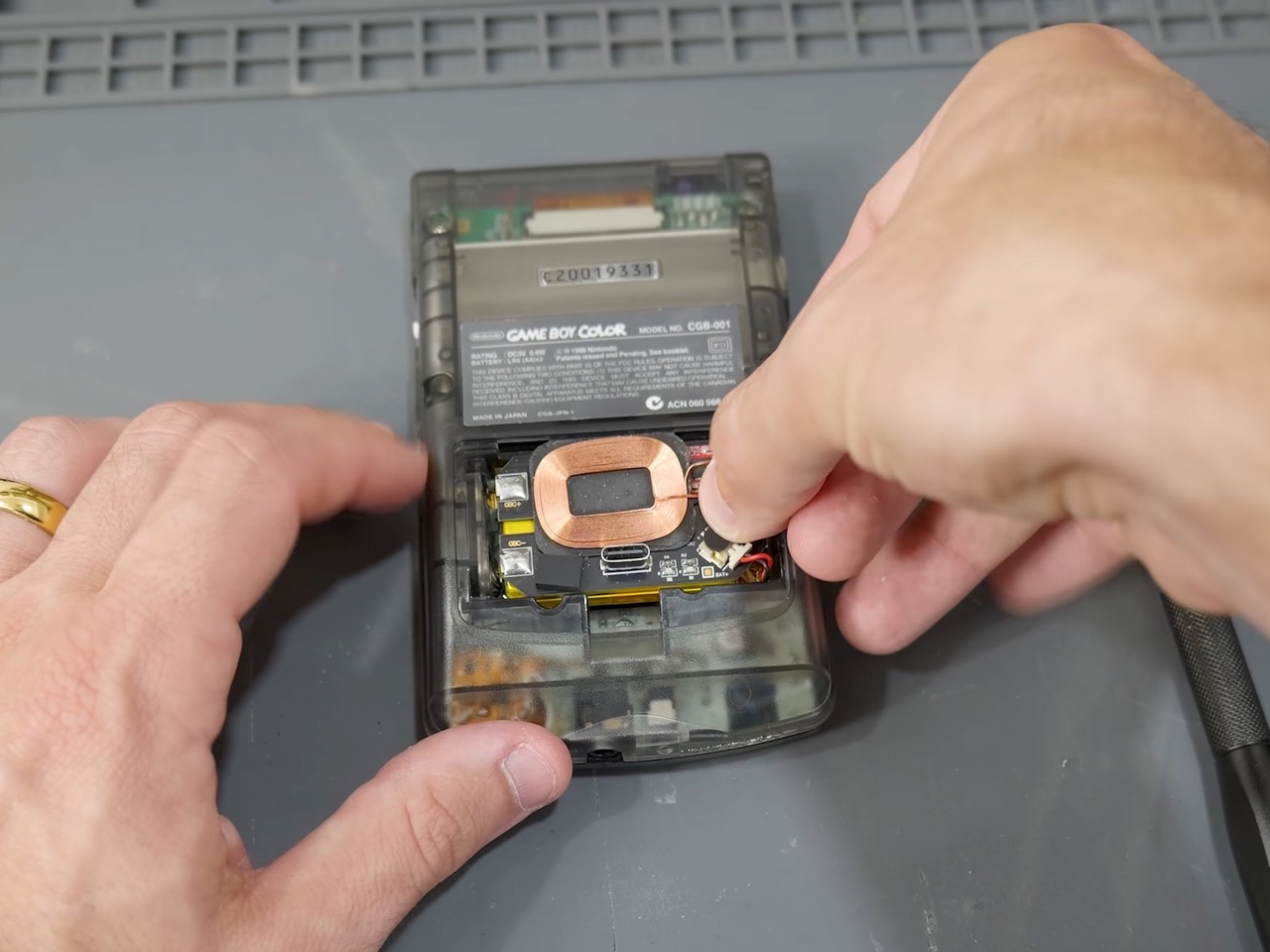
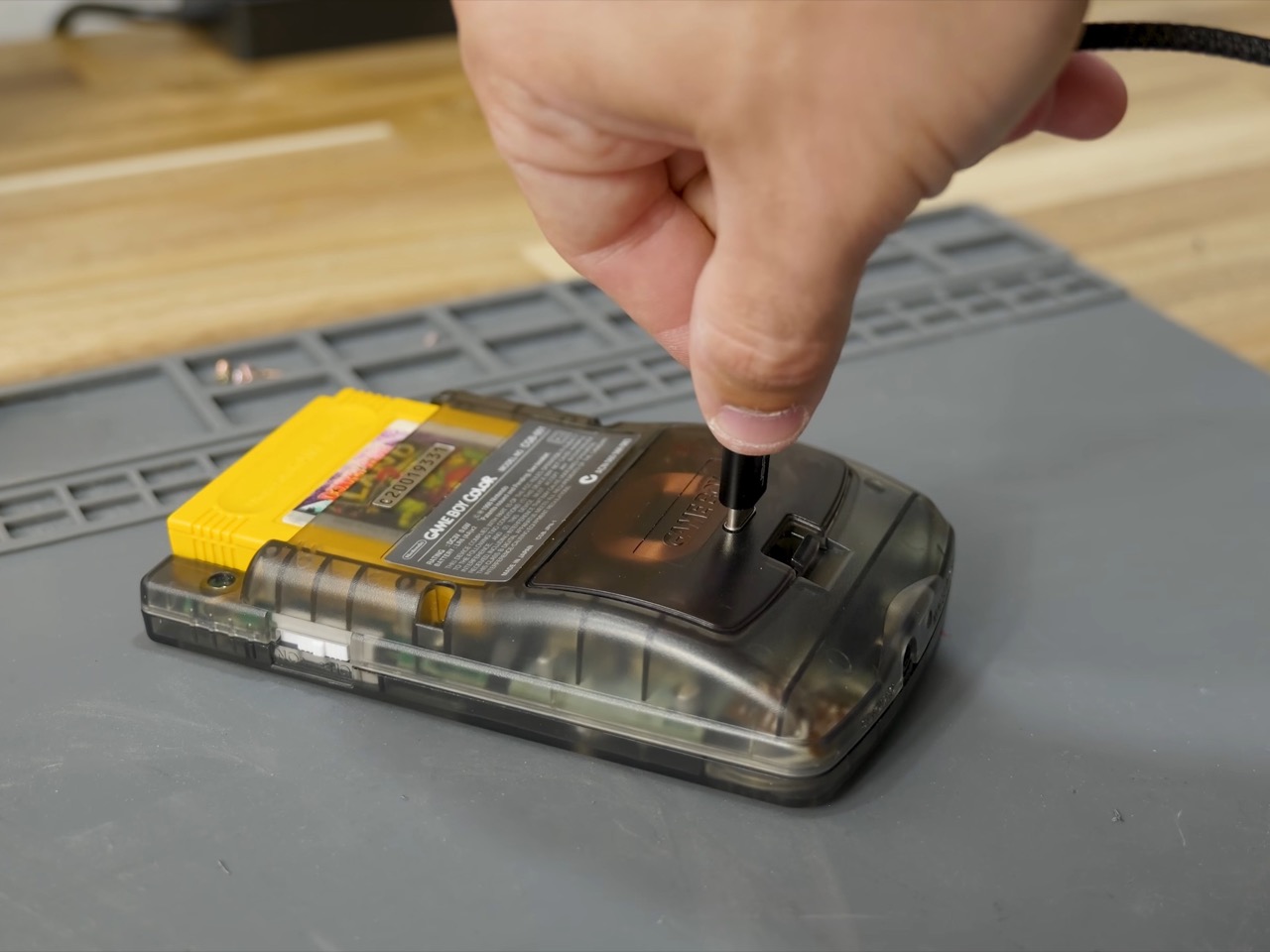
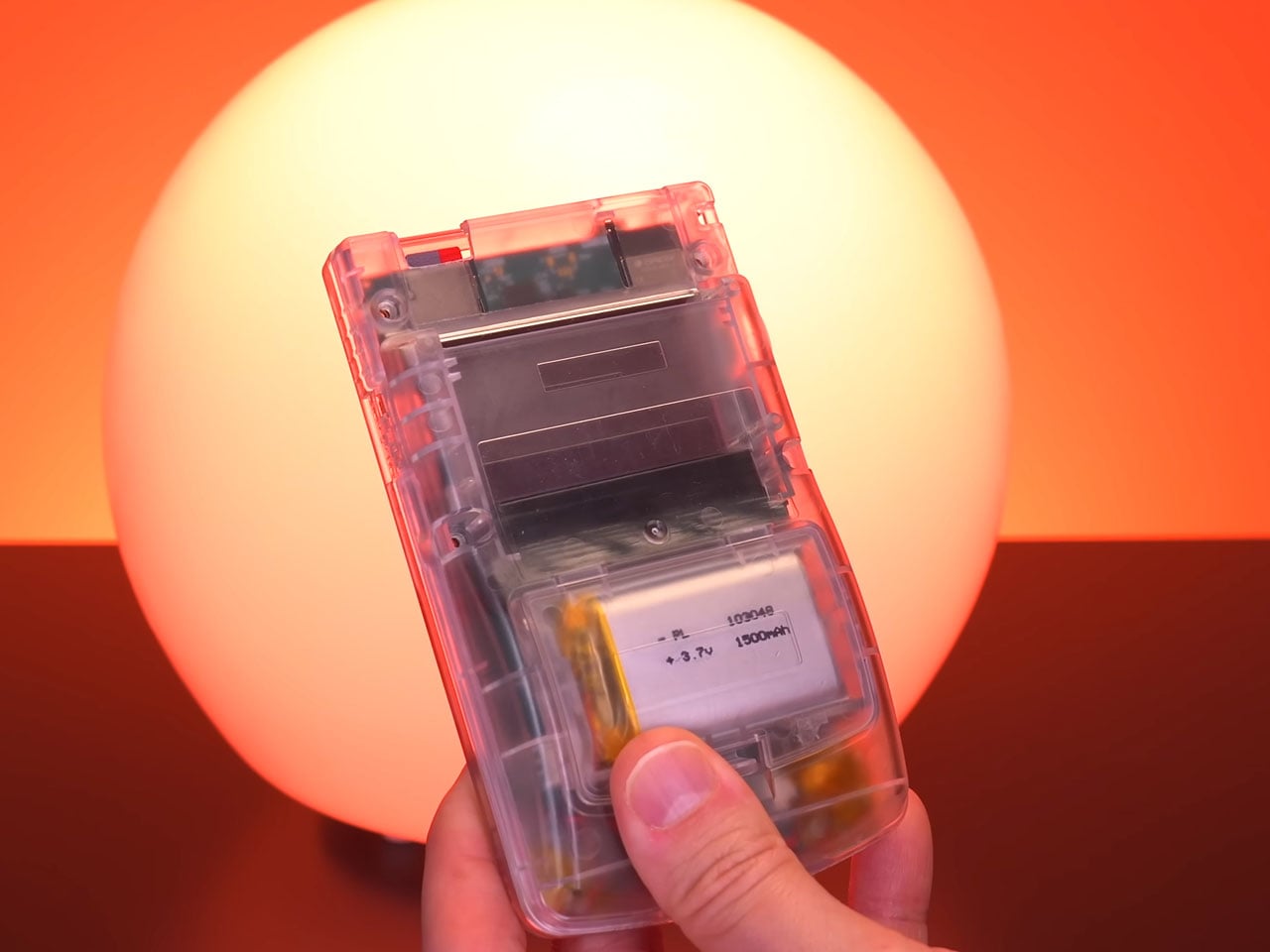
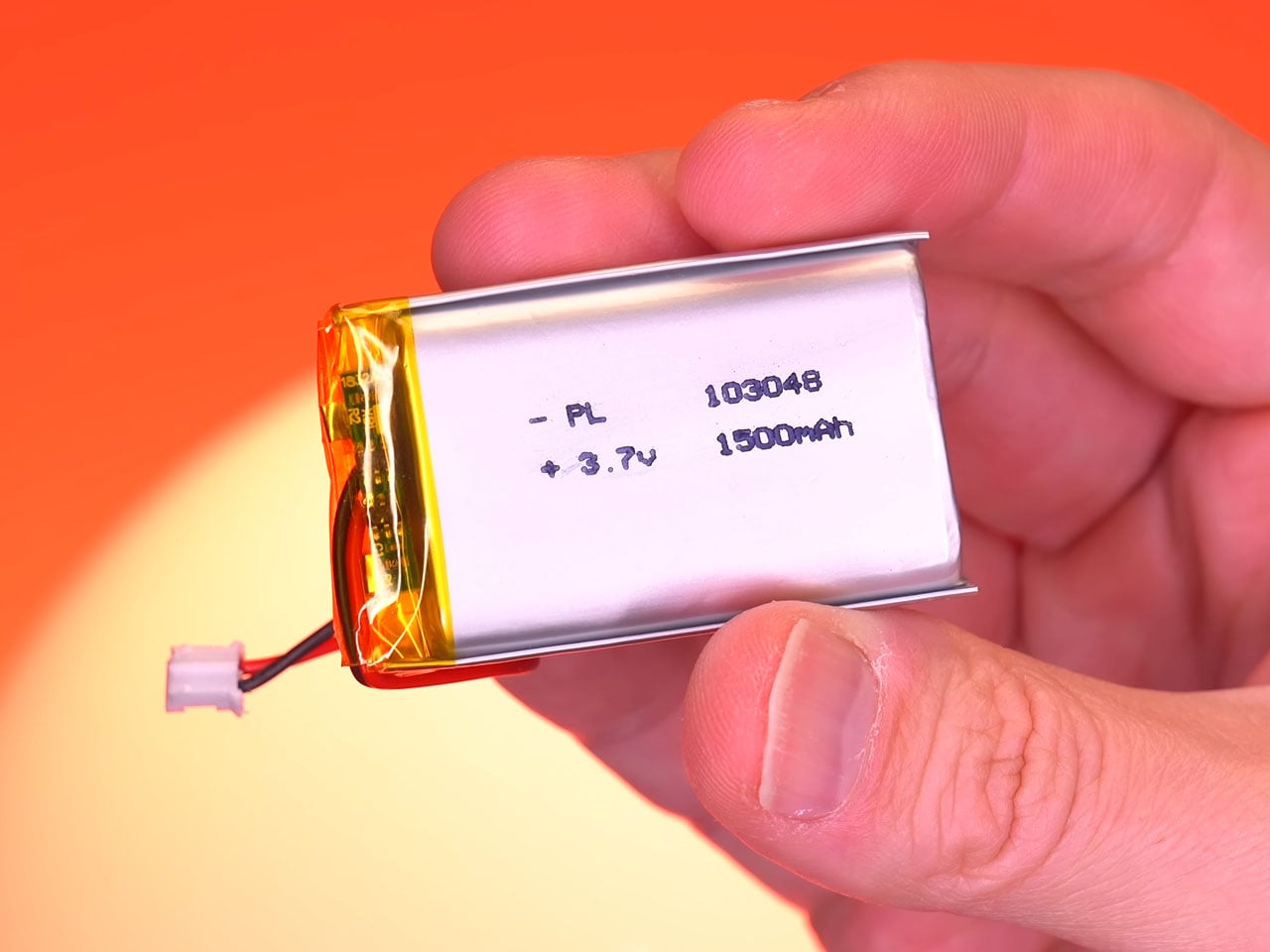
Instead of the reflective LCD panel used in the original Game Boy Color, the handheld uses a 2.6-inch IPS screen with a resolution of 320 × 320 pixels. Its square 1:1 aspect ratio suits classic handheld games particularly well, allowing retro titles to appear sharp while maintaining the visual proportions they were originally designed for. The improved screen technology also delivers wider viewing angles and brighter colors compared with older displays. Powering the device is a 1,500 mAh lithium-polymer battery that charges through a USB-C port supporting 5V/1.45A input. This rechargeable setup replaces the disposable batteries used by earlier handheld systems and provides several hours of gameplay on a single charge. Current development estimates suggest that the handheld can operate for around five hours during normal use.

Beyond its role as a retro gaming handheld, the Pico-Pal has been designed as a flexible development platform. According to Peter, the device includes various input/output capabilities and compatibility with common communication interfaces such as SPI and I²C. This allows developers to use the handheld as a portable development kit for the RP2350 platform, enabling projects ranging from custom software tools to experimental hardware integrations. The platform can even function as a universal remote, portable music player, pedometer, or security testing device capable of simulating Bluetooth or USB input signals.

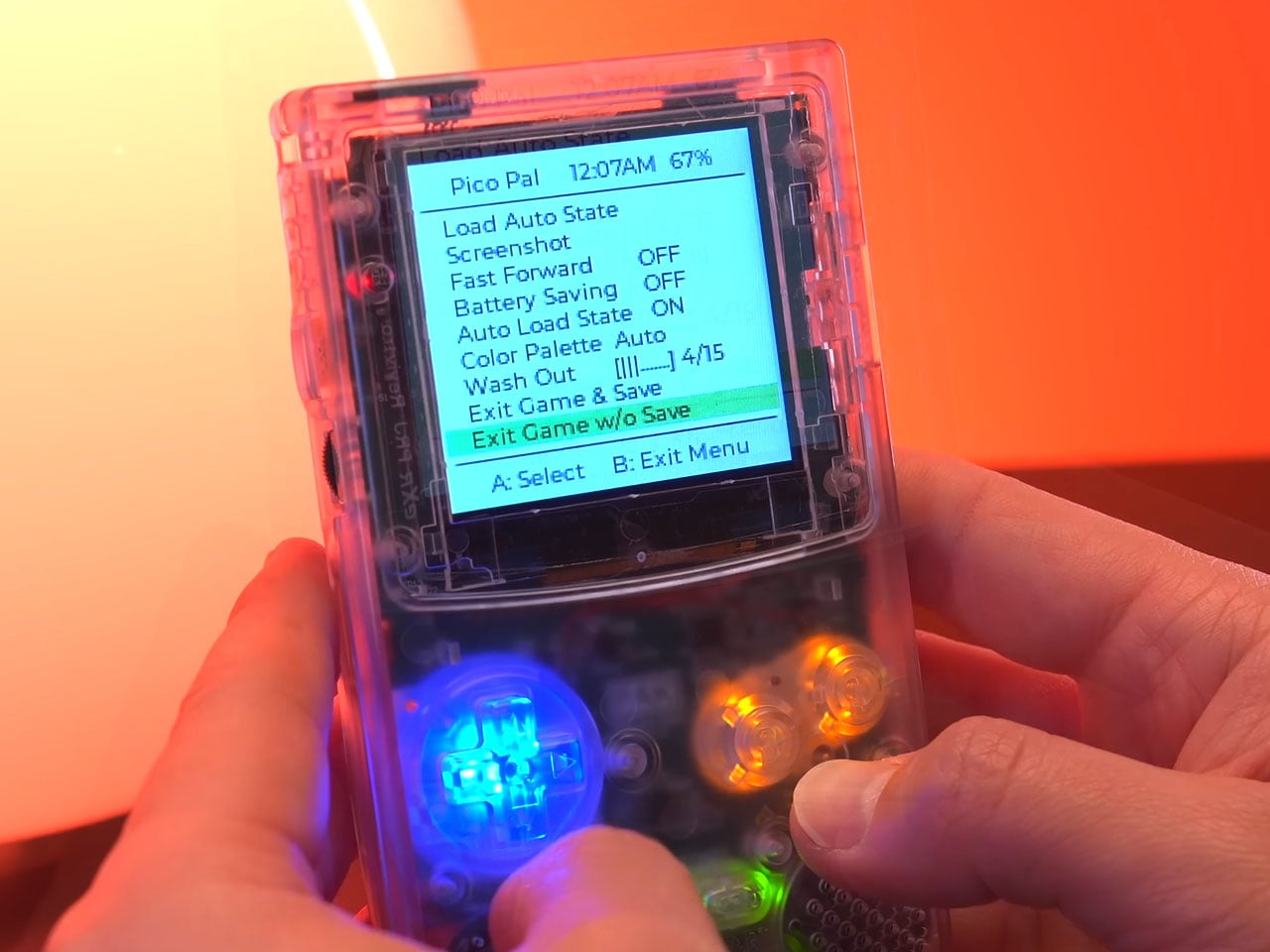
The design also incorporates several modern usability improvements compared to traditional handheld consoles. One example is the soft-power system, where the physical power switch triggers the console to save its current state before entering a low-power standby mode. Instead of abruptly cutting power like older devices, the Pico-Pal can quickly resume gameplay from where the user left off. Development updates also mention additional features such as real-time clock support for games that rely on time tracking, Bluetooth audio functionality, and digital video output that could allow the handheld to connect to external displays. Though one feature that is an absolute steal is the ability to play MP3 files off the storage, for music buffs like me.

Although the Pico-Pal closely resembles a Game Boy Color at first glance, its philosophy is quite different from modern FPGA-based retro consoles. Rather than focusing on perfect hardware recreation, the project embraces a microcontroller-driven design that balances efficiency and versatility.

The post Pico-Pal reimagines Game Boy Color as modern retro handheld that can play music first appeared on Yanko Design.
This Square Phone Rotates Open to a BlackBerry or Game Boy Setup

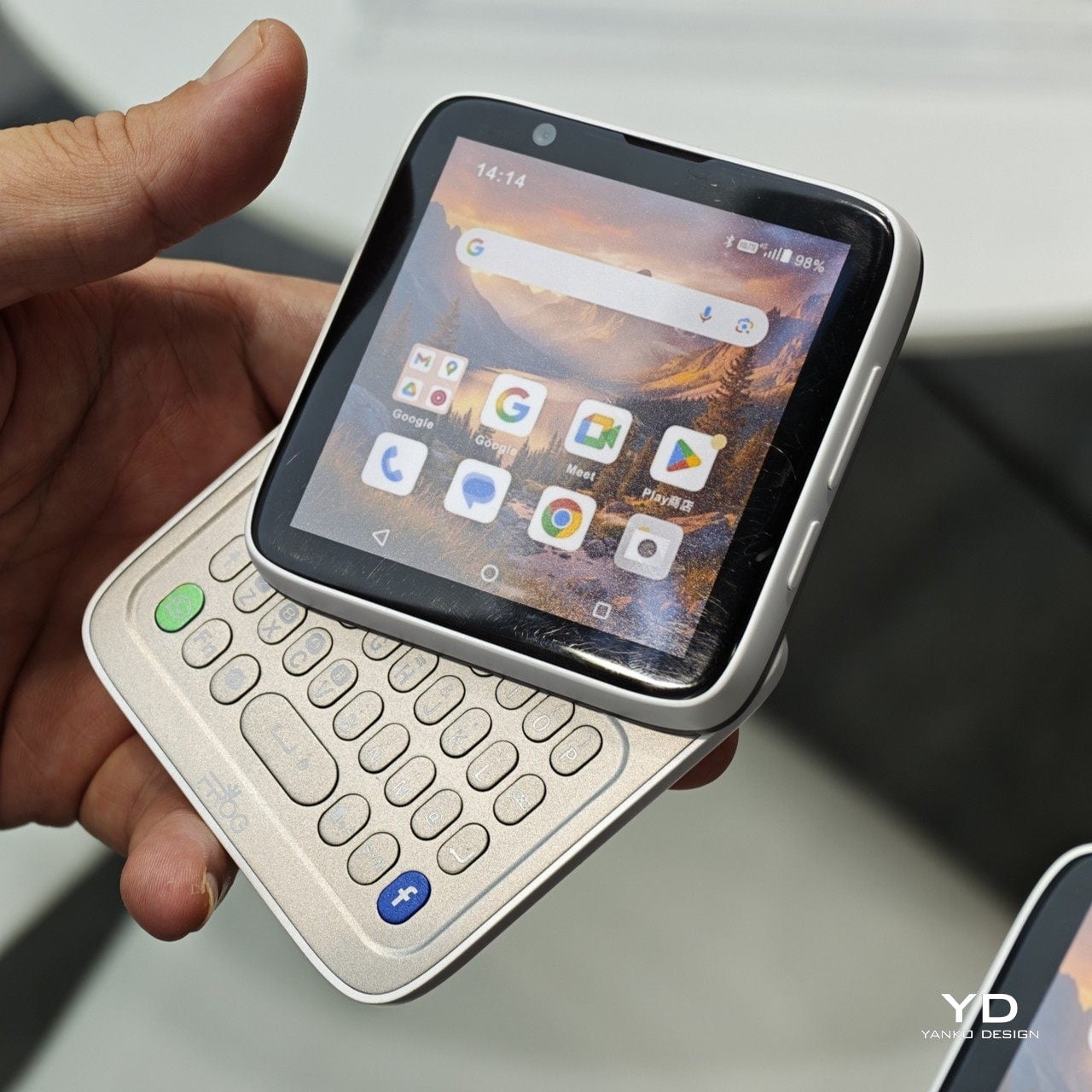
Smartphones have gotten pretty good at being the same thing. Every year, they get a little taller, a little thinner, and a little more difficult to tell apart in a lineup. That’s fine for most people, but it does make MWC 2026 feel like a bit of a slog, until you spot something genuinely weird on the show floor, like a square phone that rotates open to reveal either a physical keyboard or a game controller underneath.

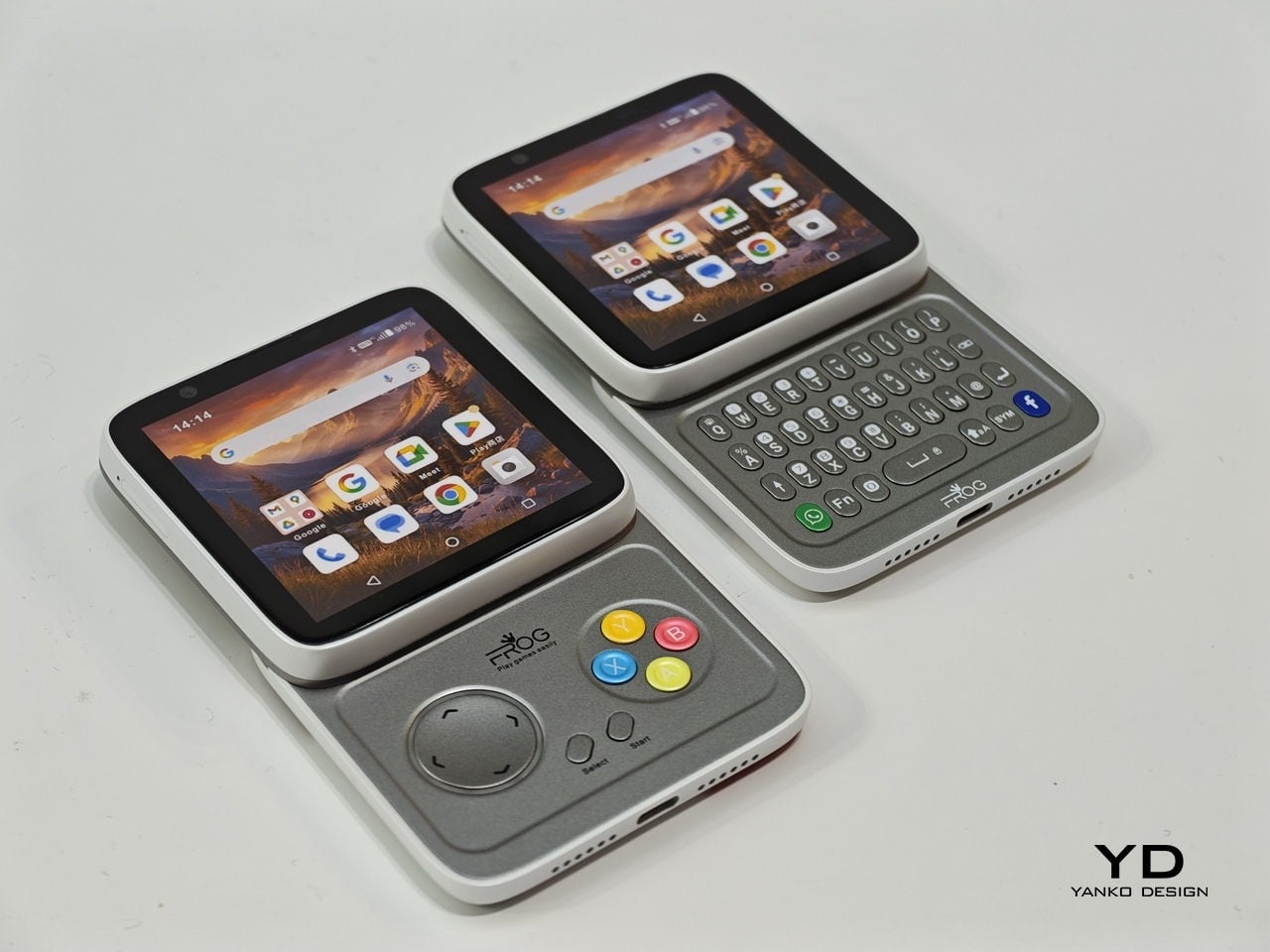
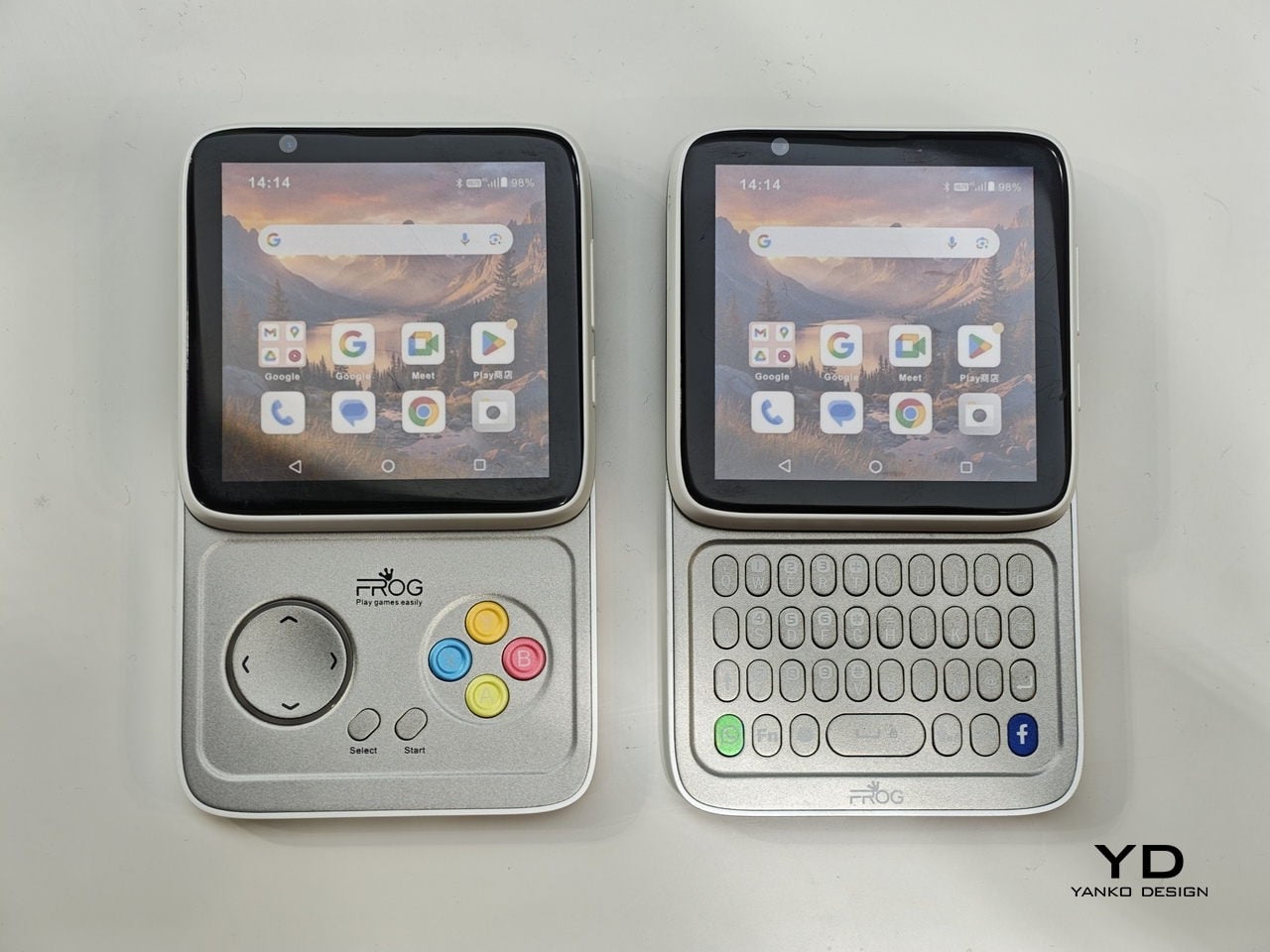
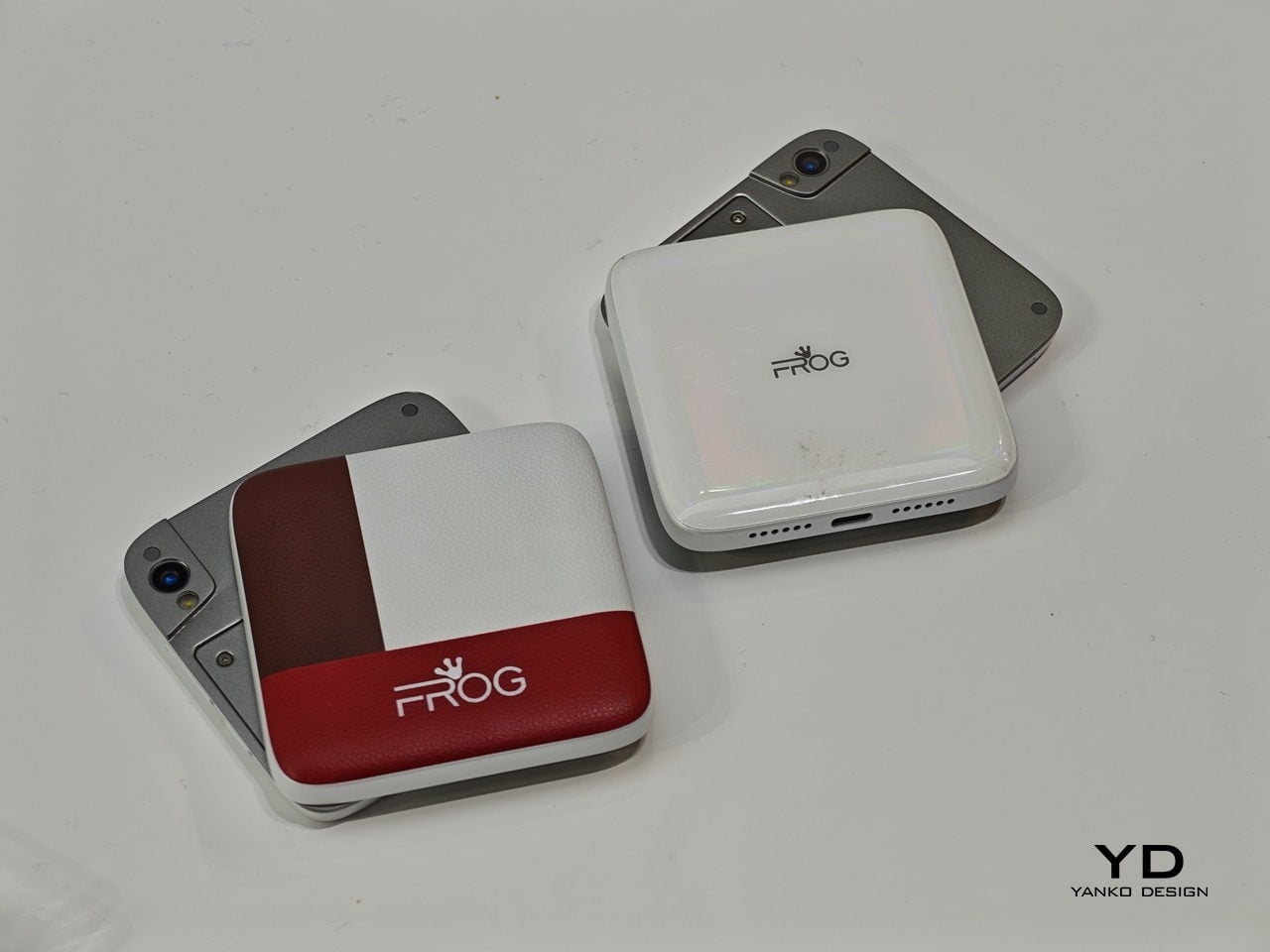
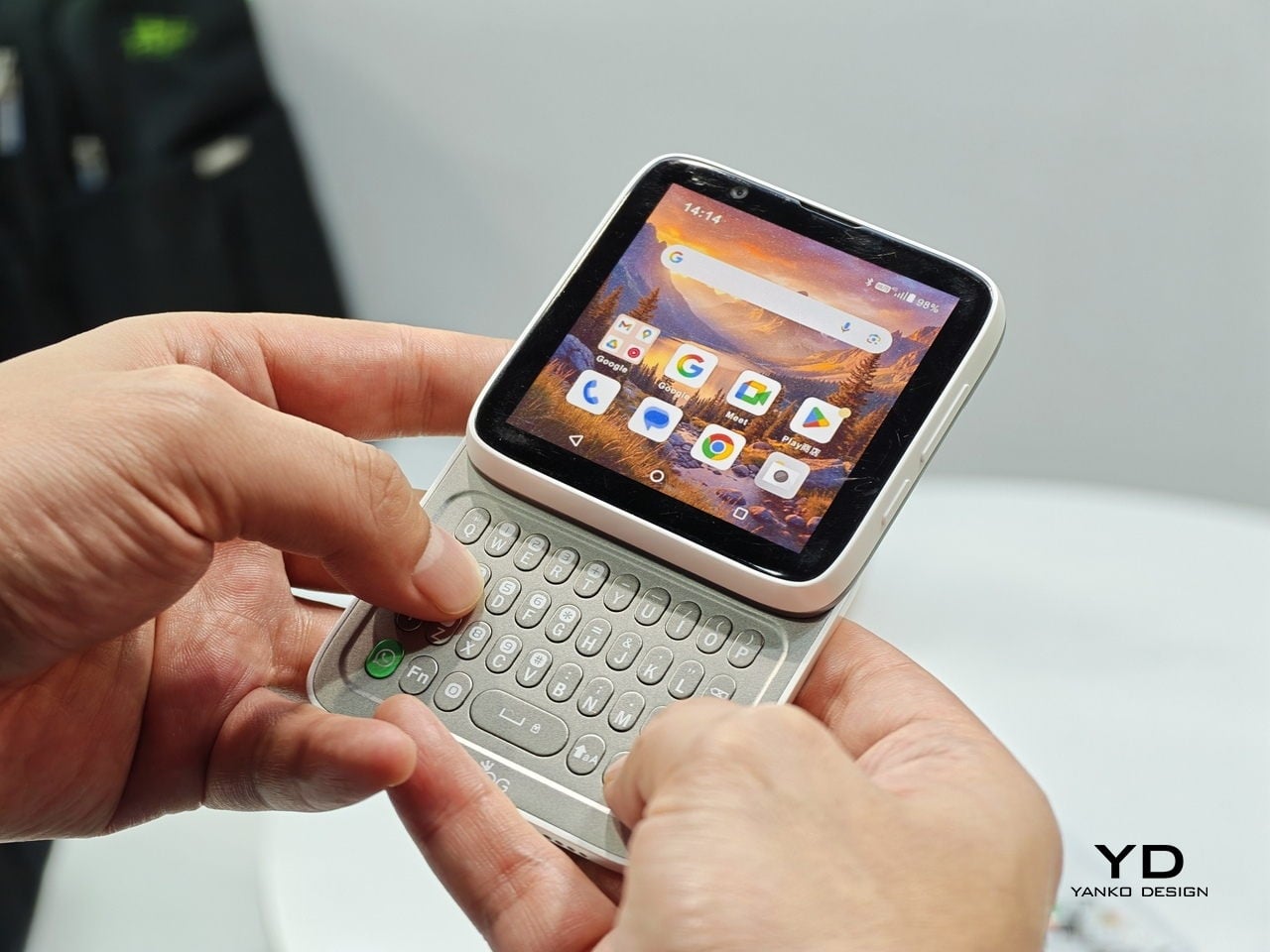
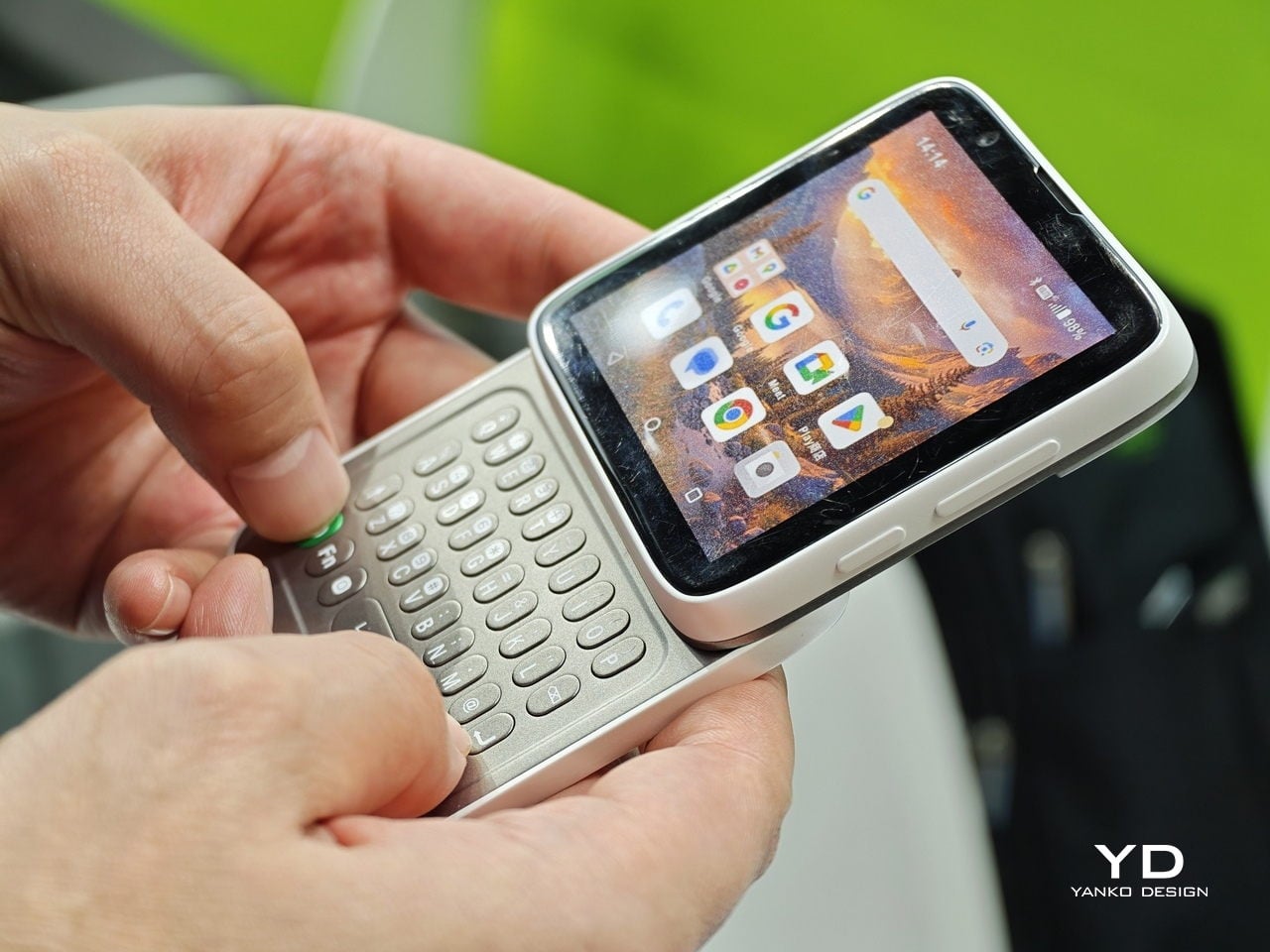
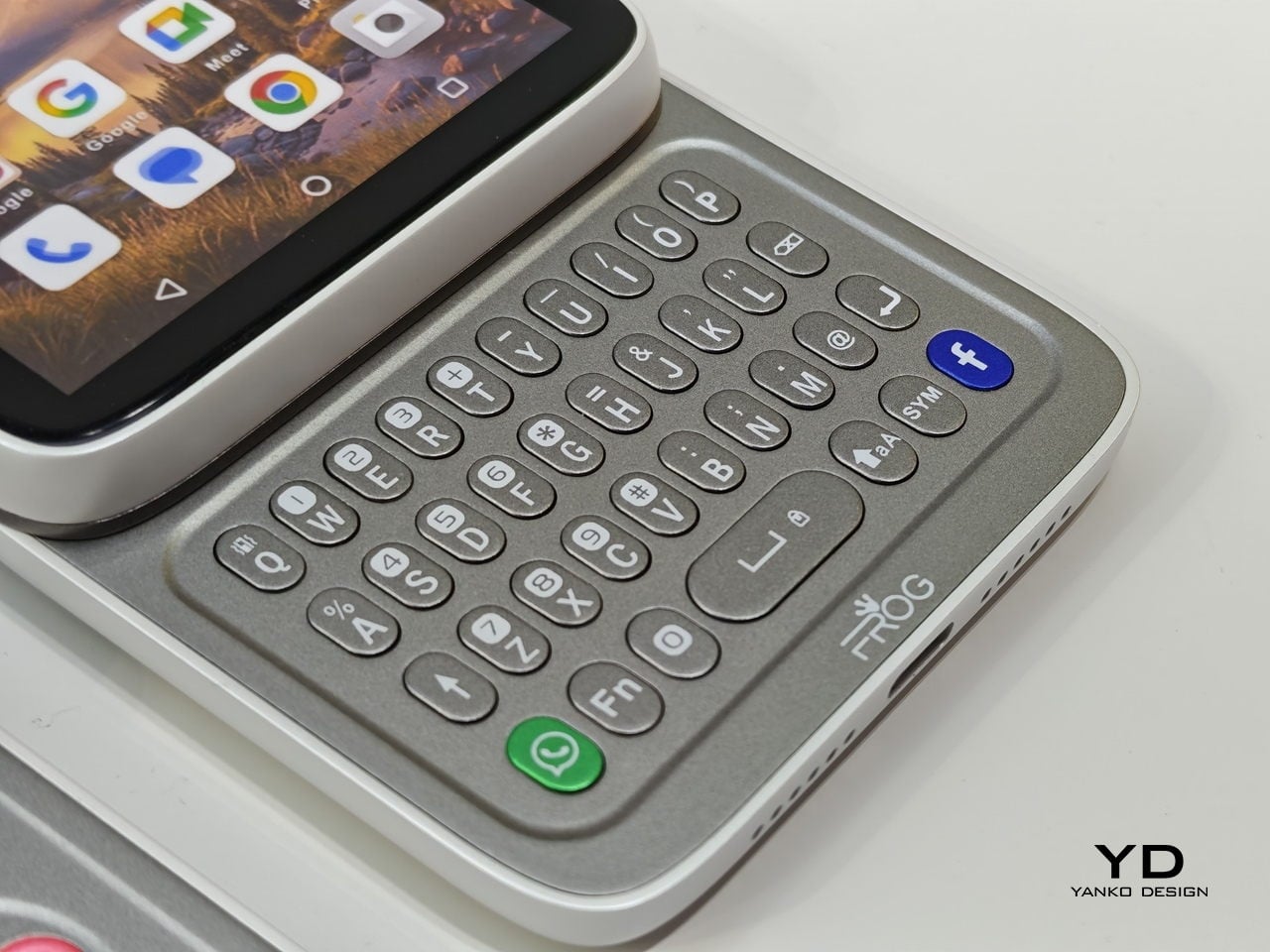
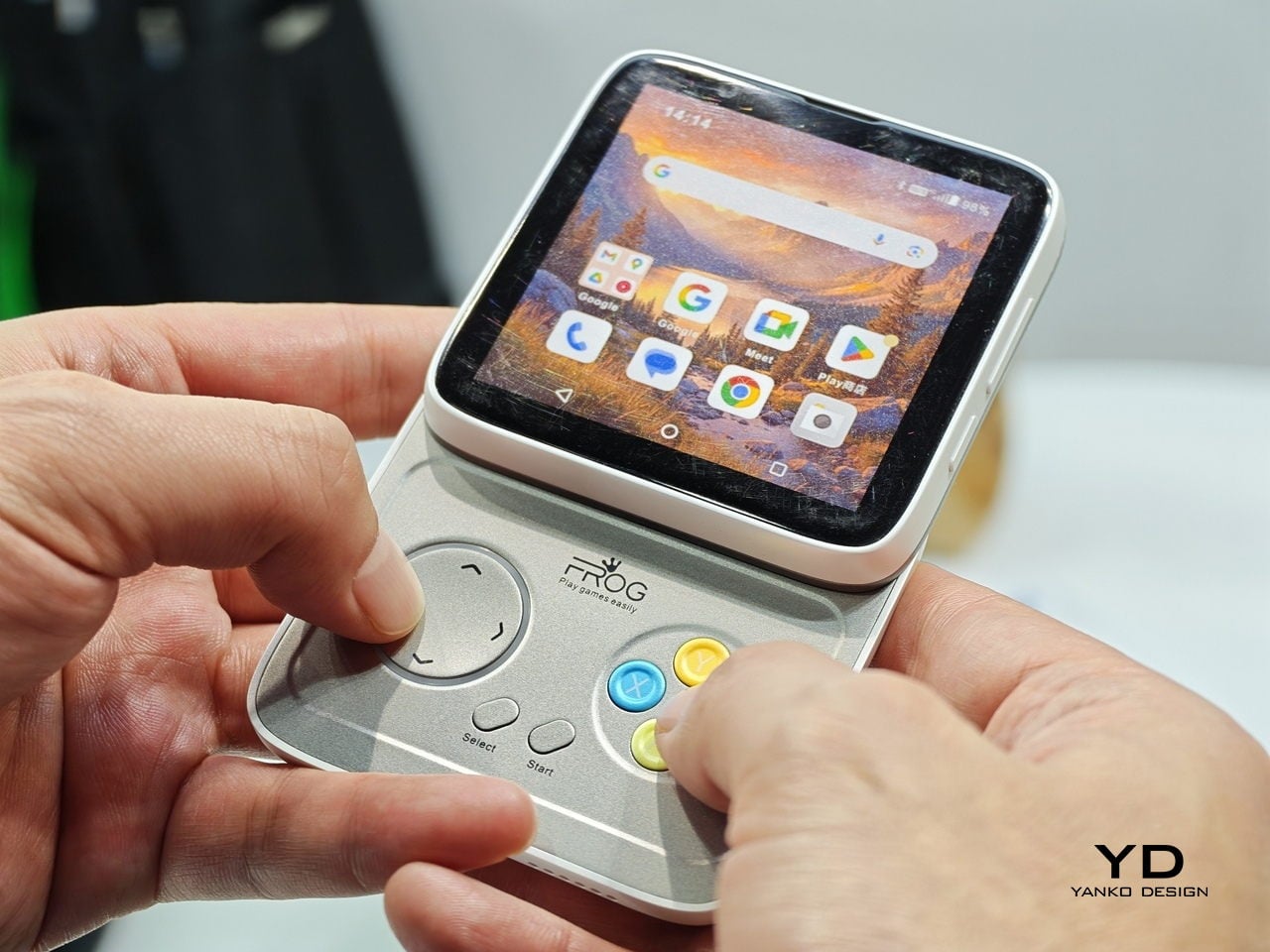
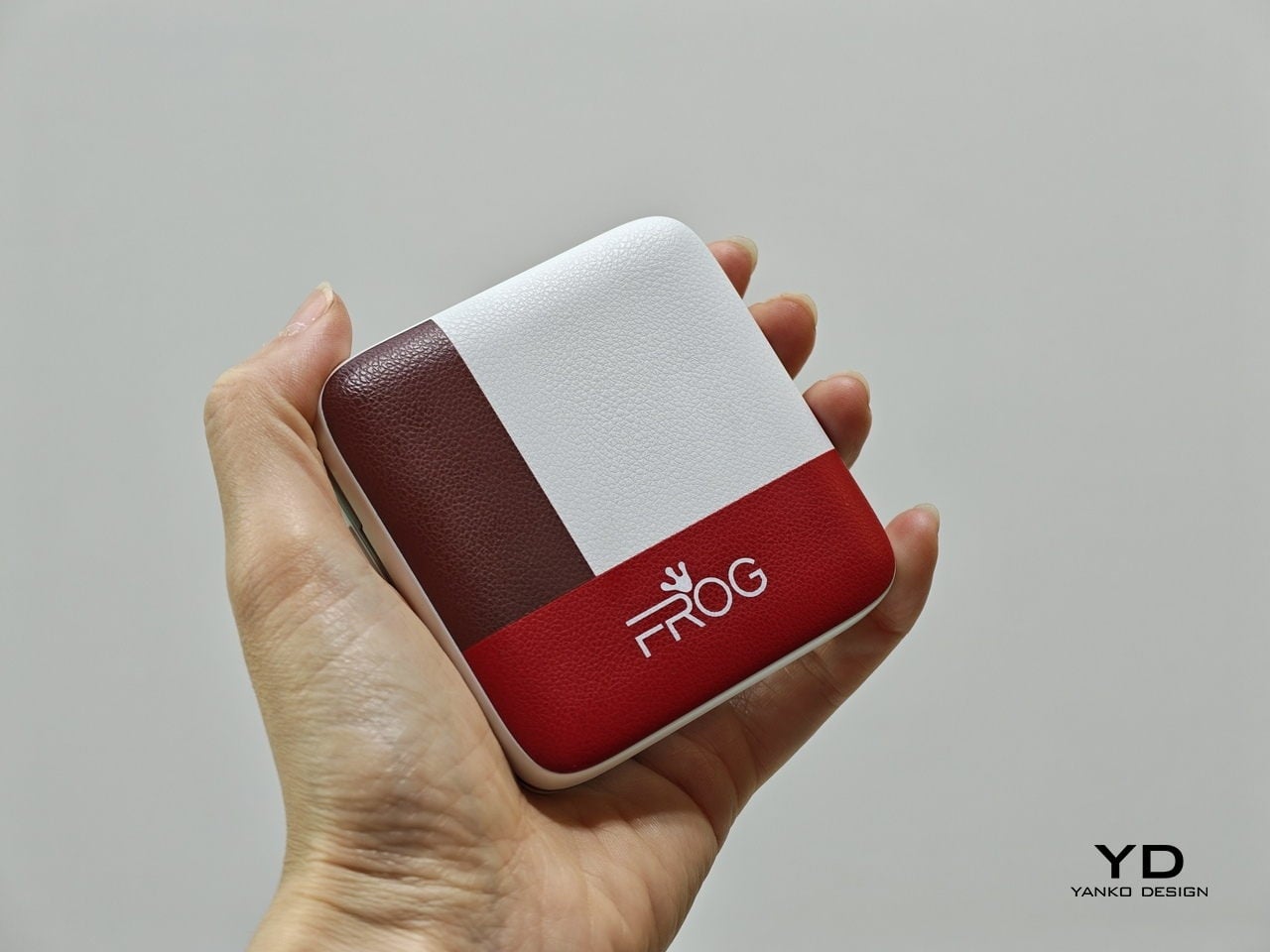
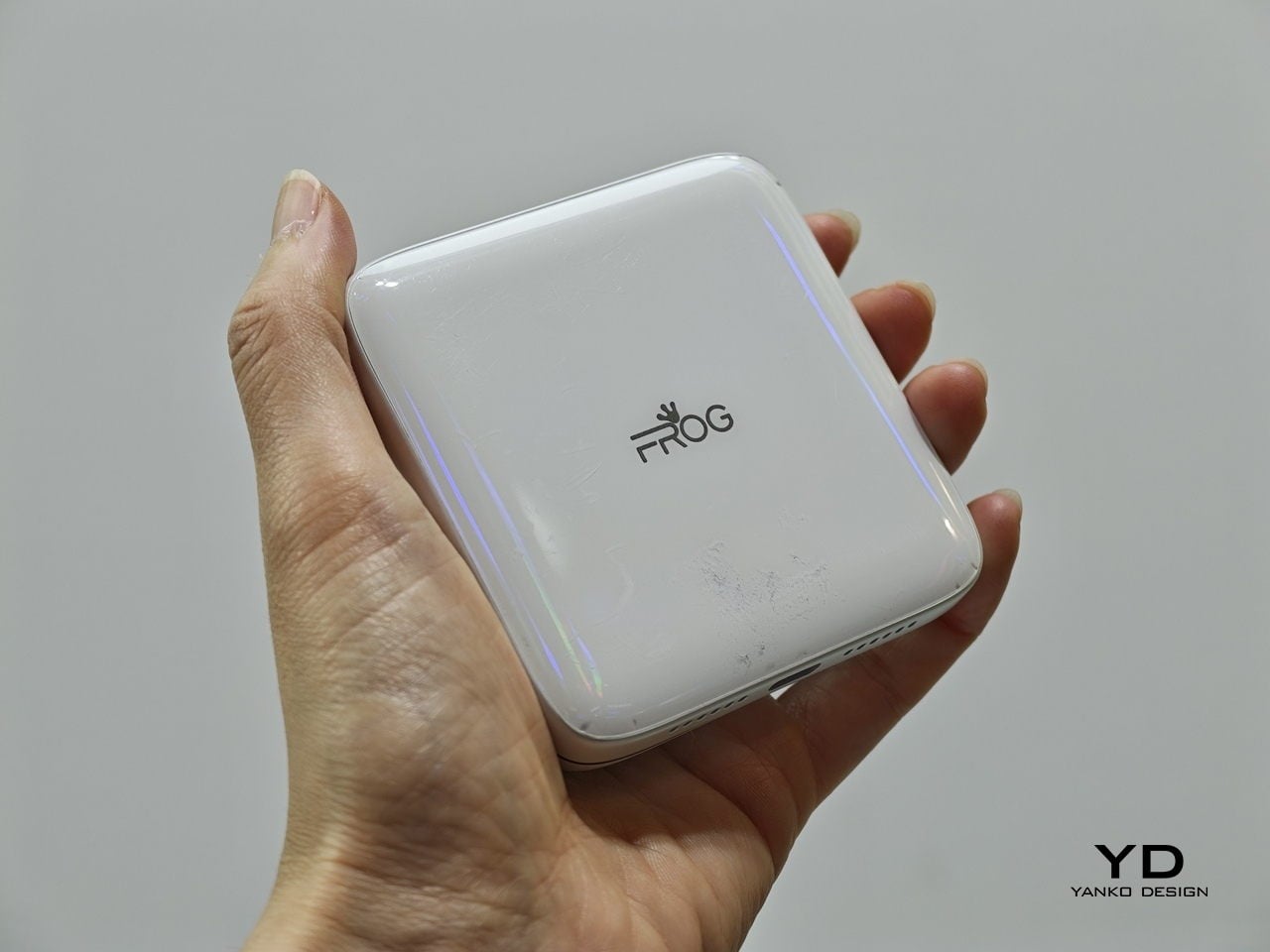
The iFrog RS1 is about the size of a closed fist, built around a 3.4-inch square display that sits on top of a rotating lower section. Twist it open, and you get one of two things depending on which variant you’re holding: a full QWERTY keyboard with raised, tactile keycaps, or a gamepad with a D-pad, a four-color face button cluster, and Select/Start buttons. Both run Android on a MediaTek Helio G18 chipset, with storage and RAM left open for whoever configures the platform.

Designer: FROG

That last part matters. iFrog is an ODM, or original design manufacturer, which means the RS1 is less a finished retail product and more a concept that carriers or brands can take and build on. The hardware is the pitch. Everything else is a conversation, which also explains why no pricing or release date was announced at MWC.

Of the two variants, the keyboard is the more predictable crowd-pleaser. There’s a genuinely underserved group of Android users who never stopped wanting physical keys. The BlackBerry crowd never fully disbanded, and phones like the Unihertz Titan have quietly built followings on exactly that. If you’ve ever tried composing a long email on a touchscreen while standing on a moving train, the appeal needs no further explanation.

The gamepad version is a stranger proposition, and honestly, the more interesting one. Running Android means emulation is an obvious draw, and the handheld gaming community noticed immediately. The visual comparison that kept surfacing online was the Motorola Flipout, a 2010 Android phone with a square body and rotating keyboard. There’s something both flattering and sobering in that parallel, since the Flipout was beloved by a small group and largely ignored by everyone else.

There are some caveats, though. No shoulder buttons on the gamepad variant rules out a lot of titles that need them. The swivel hinge is the structural heart of the design and also the part most likely to wear down. iFrog is new enough that questions about long-term software support are fair ones to ask, and the 3.4-inch screen is a genuine trade-off, not a quirk.

Still, the RS1 is a good reminder that the design space for phones is wider than what’s on shelves. It fits in a pocket and in the palm of a hand. It has buttons. It does a trick. What nobody knows yet is whether any of that adds up to something people actually want to live with.

The post This Square Phone Rotates Open to a BlackBerry or Game Boy Setup first appeared on Yanko Design.
Super Game Boy is a huge handheld that plays classic arcade games

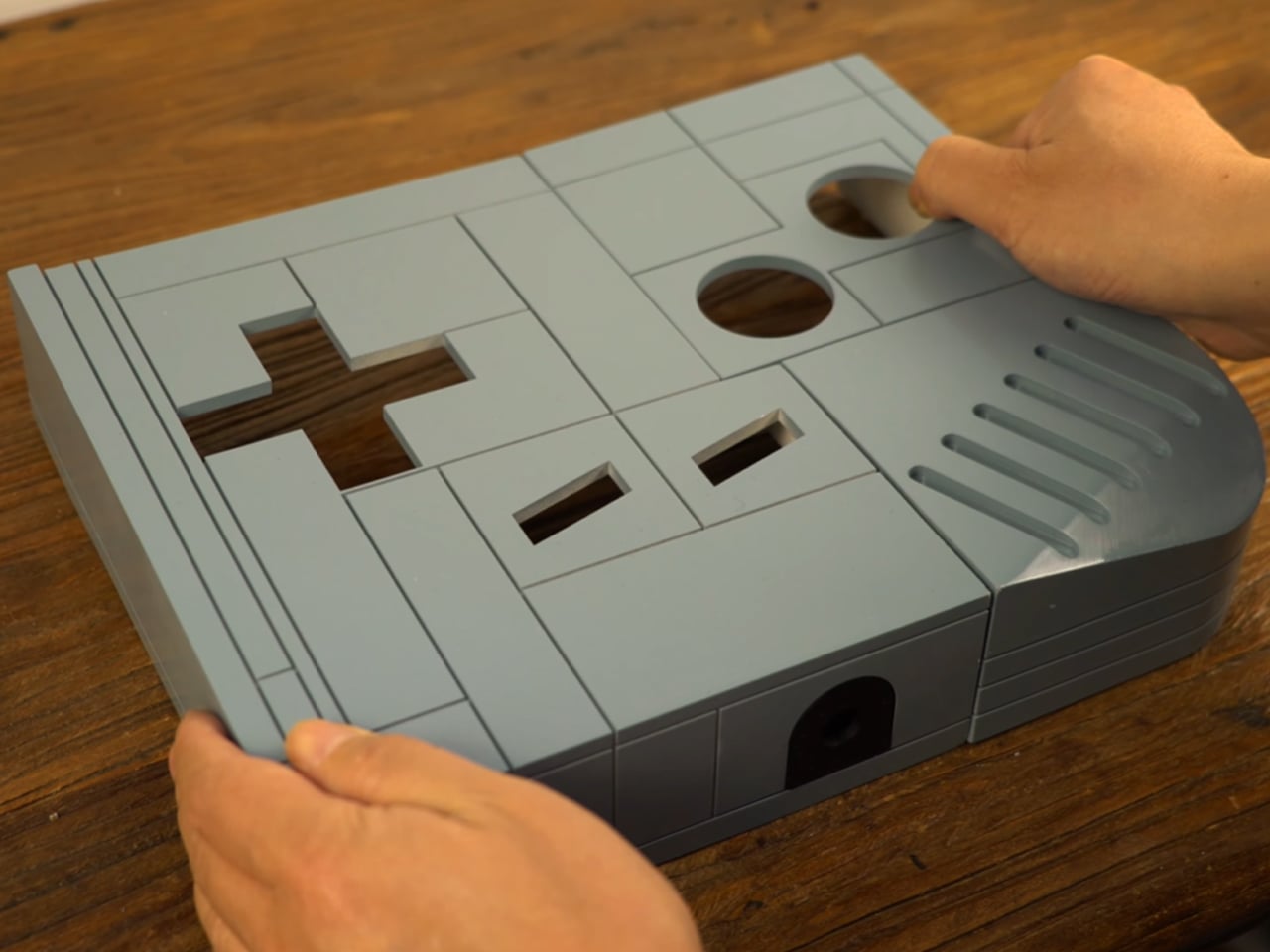
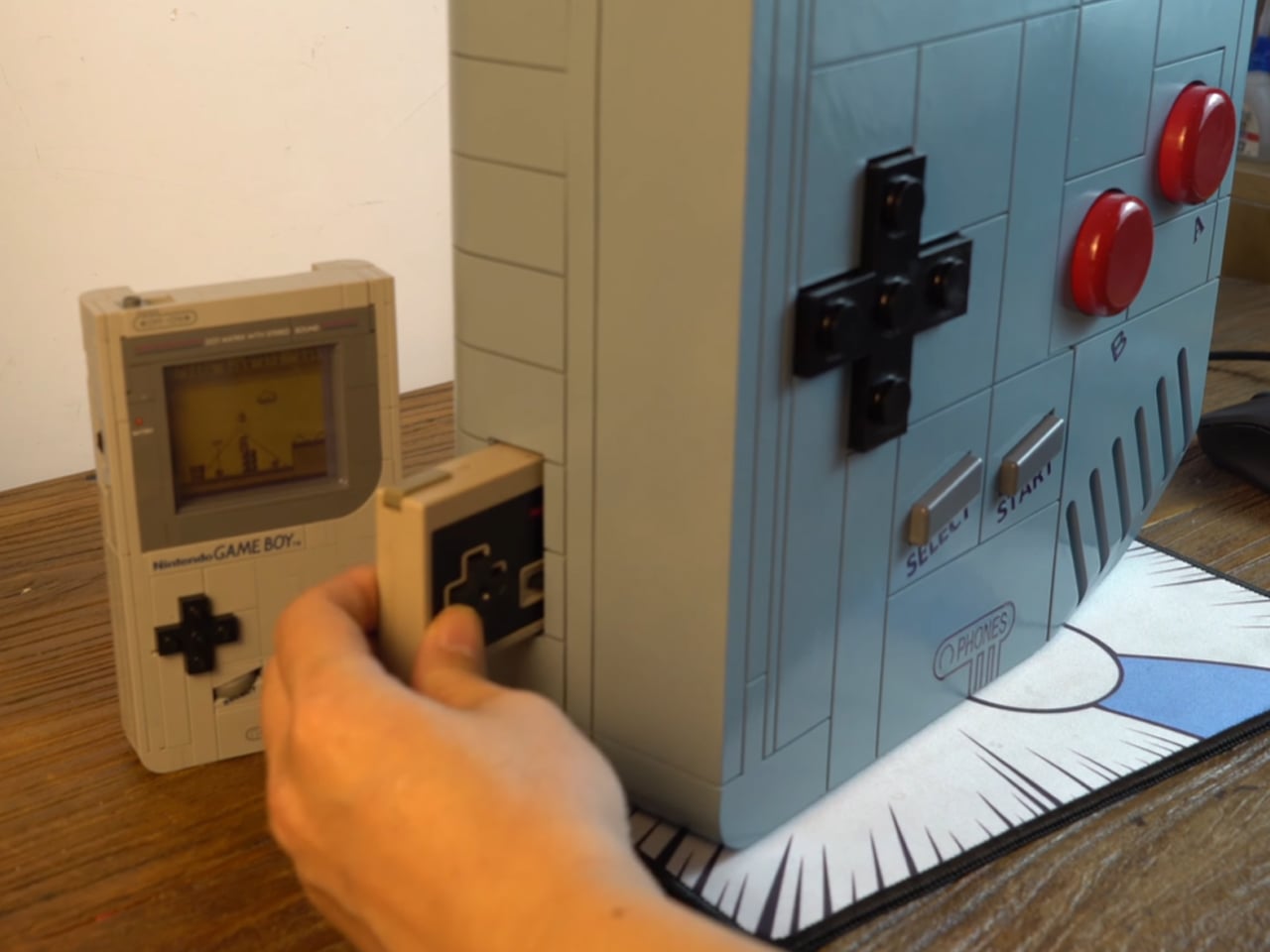
LEGO released a 421-piece life-sized Game Boy replica with Game Pak cartridges but it could not play games. Then later a Aussie modder turned it into a fully functional handheld, and promised that there will be a $50 kit coming in future so that fans can turn theirs into a playable LEGO version. However, the LEGO version has a small screen and you are better off playing titles on the original handheld.

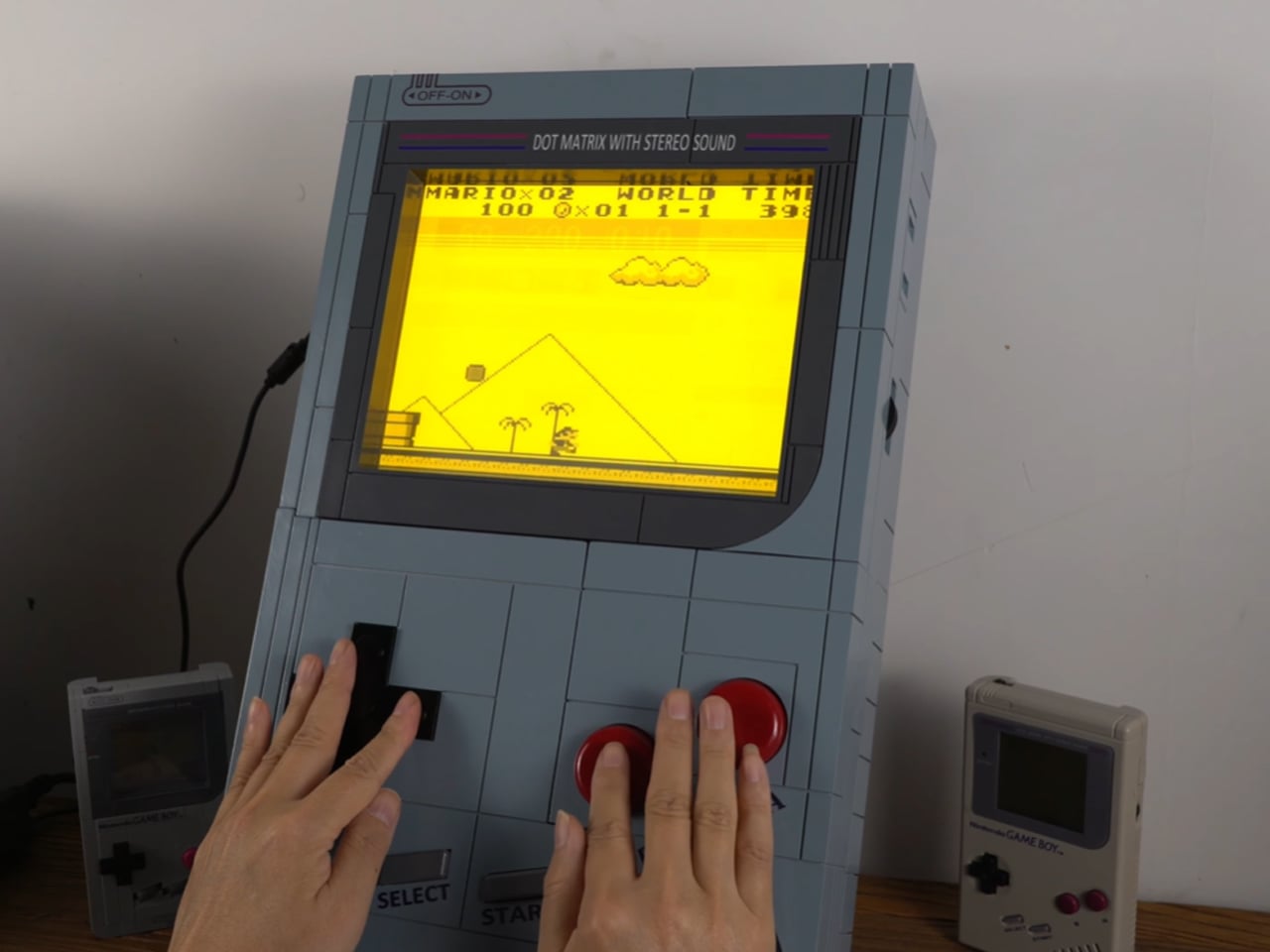
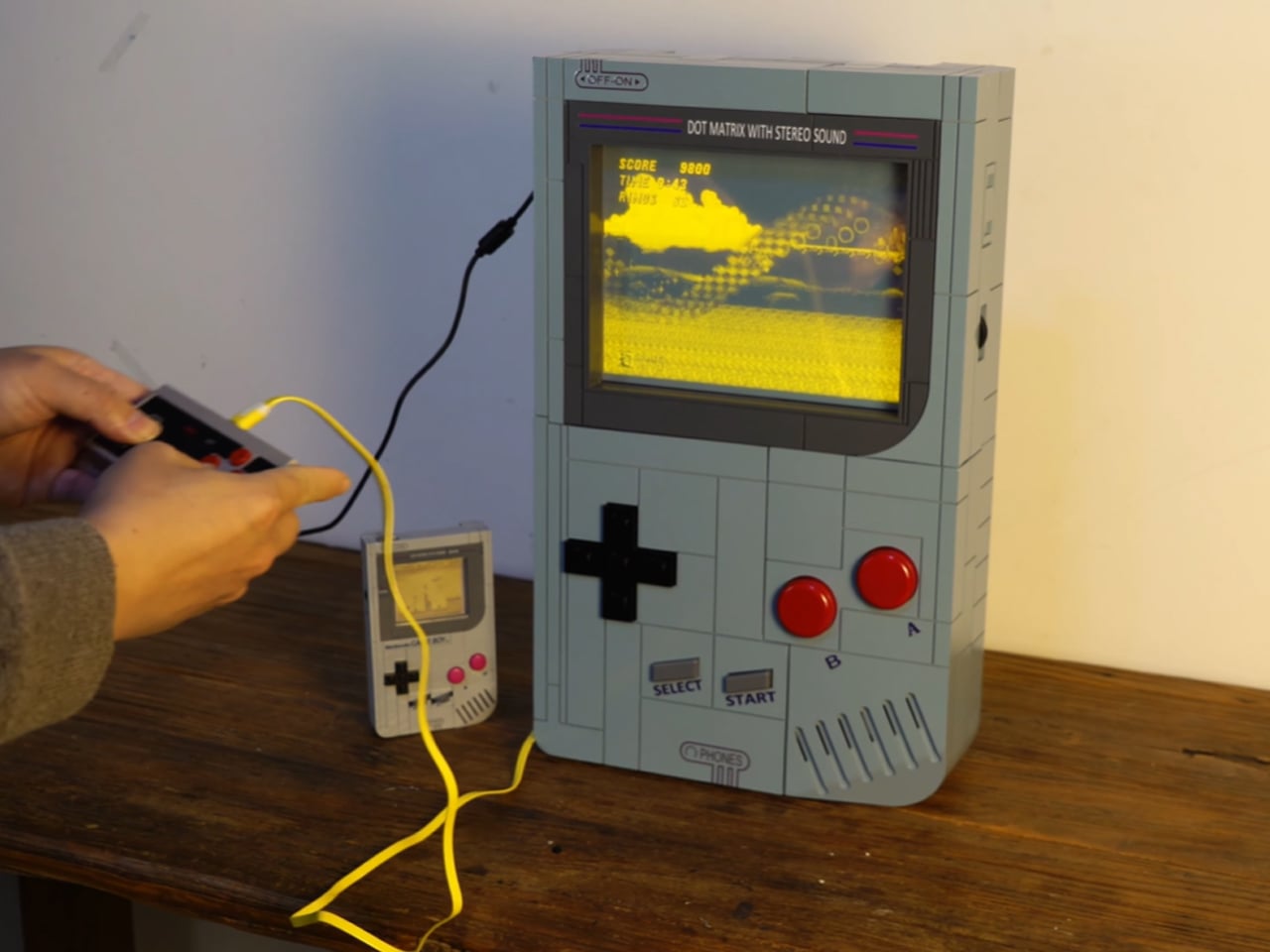
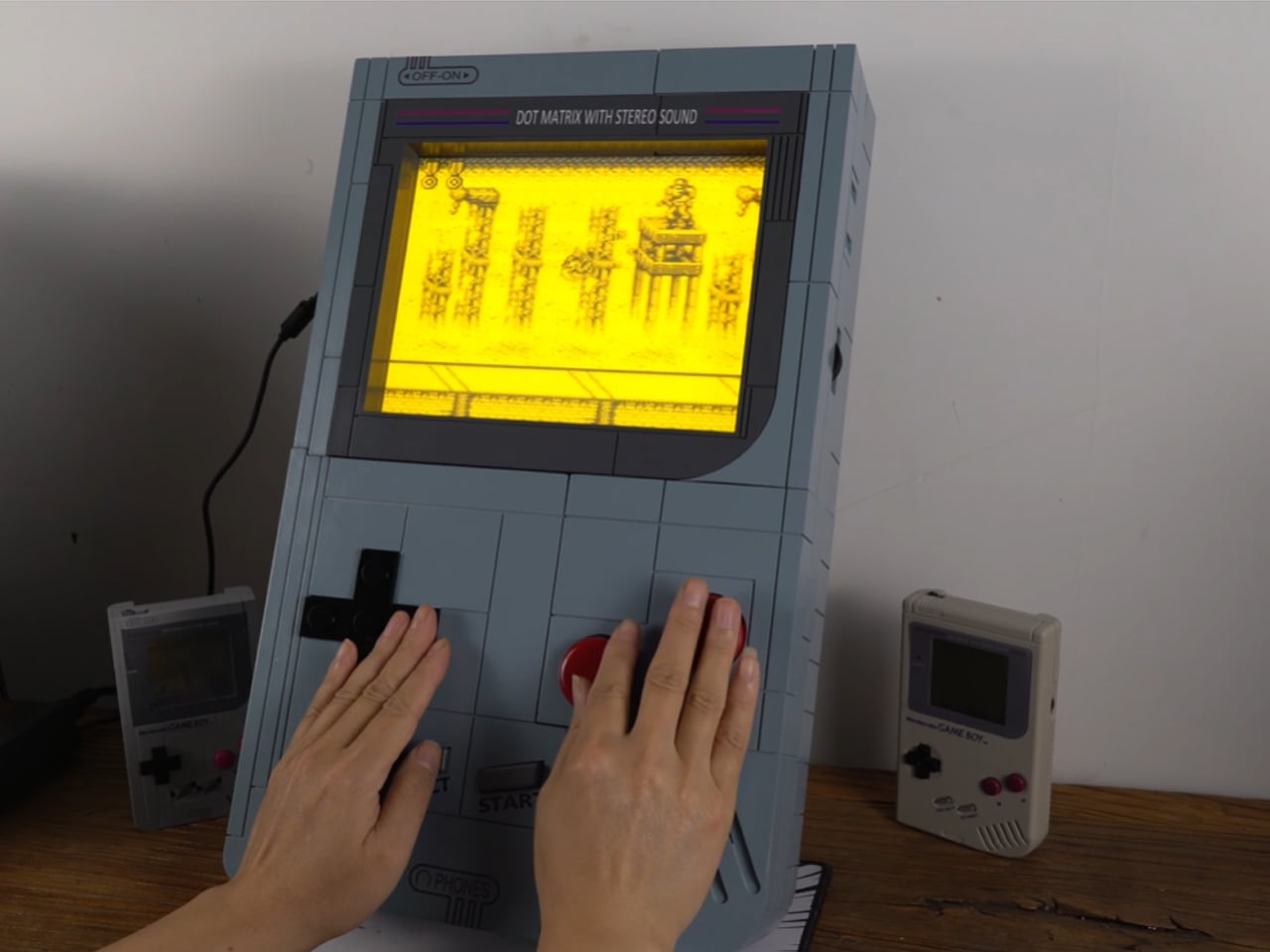
There’s so much craze around the classic Game Boy, you are bound to come across DIYs that spark the attention of arcade gaming community. Chinese YouTuber LCLDIY ventured out on creating his own interpretation of a Game Boy – only that it is much larger in scale. Best of all it plays games sans any glitches and can be carried around like a cool boombox.

Designer: LCLDIY

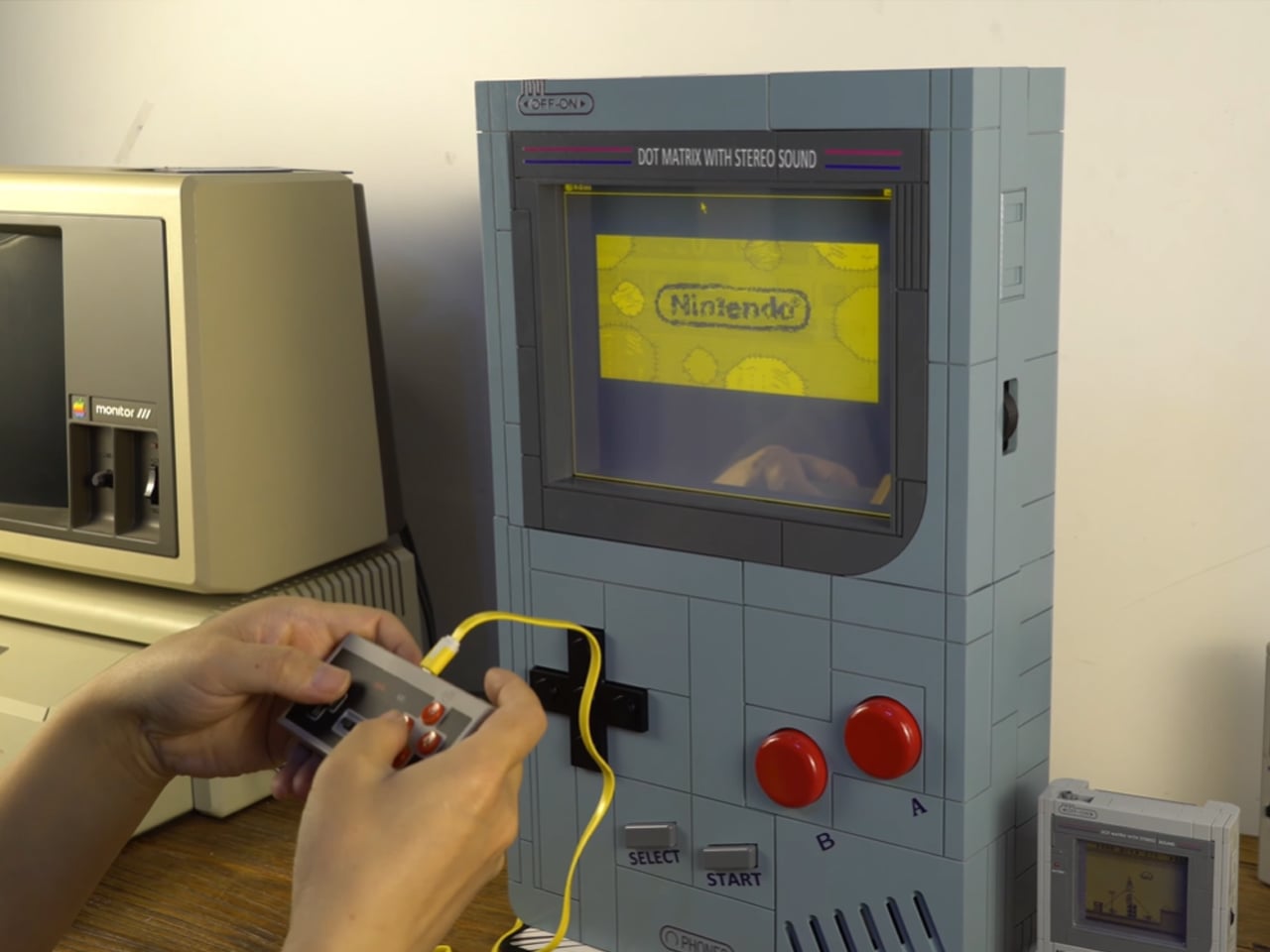
The DIY starts off by creating a 3D printed shell (using a light curing printer, printing for a week) that houses the 10-inches electroluminescent LCD TV that emulates the warm glow of the original Game Boy. The choice of the display makes sense as the soft glow illuminates the pixels that otherwise would look too harsh on the big display compared to small screen of the Game Boy. Getting the games to run on the rig was not an easy feat as he had to fit in an Intel 845 motherboard for driving the big display and also creating the interface for running the emulated software of the Game Boy handheld console. The classic processor is assisted by the 65540 Flat Panel VGA Controller chip to simplify the clock synchronization and data signals.

BIOS of the graphics card is modified to match the appropriate resolution of the display. The brick-built shell fits into pieces just like an assortment of LEGO pieces and the guts are flush with all the electronic components that make possible the magic. To complete the build, the maker spray paints the shell to replicate the look of the Game Boy. He also makes big tactile buttons and joystick to keep the arcade feel going, and the stickers for labels and the logos are put on the shell. The classic Nintendo gamepad is used to input the in-game actions for games (like Sonic, Yoshi’s Island and Comix) from other platforms like Sega. This is done as big buttons would be impractical and require even more tinkering around of the electronics.

The DIYer is kind enough to make the design files of the shell, PCB files and graphics card BIOS settings available for free for keen DIYers who love the idea of a Super Game Boy. Just seeing him play the classic titles like Contra and Super Mario using those chunky buttons and the joystick is pure joy.

The post Super Game Boy is a huge handheld that plays classic arcade games first appeared on Yanko Design.
GBA SP With DeWALT Battery Will Outlast the Apocalypse

Handheld gamers obsess over battery life like it’s a matter of survival. We swap cells, carry backup chargers, and baby old consoles through one more dungeon before the screen flickers off. Battery anxiety is real, especially for something like the Game Boy Advance SP, where the original cell barely lasted through a single flight. This mod responds to that anxiety by going completely overboard, bolting a GBA SP onto a DeWALT power-tool battery big enough to run drills and apparently several full-length RPGs.

The project comes from a Reddit build where a modder mounts a GBA SP onto a DeWALT XR FLEXVOLT lithium-ion pack, creating what commenters immediately dubbed the “jobsite Game Boy.” The console’s original tiny battery is gone, replaced by a buck converter that steps down the tool battery’s eighteen volts to the four-ish volts the SP expects. The result looks like Nintendo and DeWALT secretly collaborated on a rugged portable for construction workers.

Designer: Bangoo H

The battery is rated at nine amp-hours at 18 volts, which works out to around 162 watt-hours compared to the few watt-hours of the original cell. Reddit did the math and estimated hundreds of hours of runtime, with one commenter joking that the battery might finally die fifteen minutes after the nukes start flying and another suggesting you could finish your entire childhood backlog before needing a recharge.

The wiring is straightforward if you squint. The modder dropped a buck converter into the SP where the original battery lived, wired it to the battery contacts via a dummy cell, then connected that to a custom holder that slides onto the DeWALT pack’s rail. Charging still happens through the regular DeWALT charger, so the Game Boy just thinks it has an absurdly large external battery that never quits.

The aesthetics are what really sell it. The SP shell has been resprayed in black with yellow buttons, and the lid wears a big DeWALT logo, so when it’s closed, the whole thing reads like a tiny power-tool accessory. Open it up, and the screen pops out of the battery like a work light. It even has a little Nintendo badge on the back, making the mashup feel weirdly official.

Of course, the DeWALT pack turns the SP from a pocketable handheld into a luggable brick. Commenters joked about dropping it on your face in bed or finally silencing anyone who says the SP is too small for their hands. It’s not exactly travel-friendly unless your idea of travel involves rolling a toolbox around, but it does give the console a much larger grip.

The DeWALT GBA SP mod turns battery anxiety into a punchline and shows how far you can push an idea just because it makes you laugh. By strapping a beloved handheld to a power-tool battery, it mixes serious electrical work with a sense of humor, reminding us that modding can be joyful and completely unnecessary in the best possible way.

The post GBA SP With DeWALT Battery Will Outlast the Apocalypse first appeared on Yanko Design.
Foldable Game Boy console lets you go from Classic to Nintendo Switch-style Landscape gaming in seconds

Flip Phones? How about we introduce an era of Flip Consoles!

Meet the Game Boy Flip, an audacious fan-made console concept that features a flip-type gadget with joy-cons. In its shut mode, you’ve got a handheld device that can be used to play Game Boy Advanced or Color games, but open the foldable and you’ve got a larger screen for a more immersive landscape-style game a la Nintendo Switch. I don’t see any cameras on this device but slap a couple and you quite literally have a flip phone that can be used for stuff other than just gaming… not bad, huh??

Designer: Abdelrahman Shaapan

The idea of a foldable gaming console seems like an absolute winner, truth be told. Flip phones are currently in a spot where they’re searching for a problem to solve – but the Game Boy Flip has no such problem. It’s a dedicated gaming device that takes its reputation seriously, offering multiple gaming modes ( we counted as many as three).

The first is just straight-up handheld touchscreen gaming. Use it in the closed mode for more retro old-school games, or open it up for a more expansive contemporary console experience. The dual touchscreens are perfect for immersing yourself in games, although there are arrow buttons on both the left and right side just in case you want some analog action.

If touchscreen gaming isn’t your jam (and a lot of bonafide gamers would feel so), the Game Boy Flip comes with snap-on Joy-Cons that let you play games with advanced controls, just like you would a GBA or Nintendo DS. The closed-display format offers the perfect size and aspect ratio for such games, making it perfect to relive old classics from years ago.

However, open the console up and you’re presented with a modern-day beast. The Joy-Cons snap to the open-screen device, now giving you a larger landscape display that’s perfect for newer games like the ones on the Switch. In fact, I’d go a step further and say the Game Boy Flip looks better than the Switch just given how slick and gorgeous that bezel-less screen is.

The only real difference is that the Joy-Cons don’t exist independently. They’re part of an armature that holds the phone in between (sort of like the Razer Kishi or the Backbone controller) with a USB-C jack plugging into the device to create a ‘wired’ connection, so you can’t detach the Joy-Cons and play with them independently the way you would on a Switch. However, that isn’t really what this concept is all about – it’s more about providing a novel template for the clamshell-style foldable phone, turning it into a Game Boy from the future that’s backward compatible, allowing you to play old classics on a small screen, and modern-day titles on the larger, landscape screen.

Now sure, this is just a fan-made concept of a Nintendo device that will probably never exist… but if anyone there can build a controller prototype for the Samsung Galaxy Z Flip6 or even the Xiaomi Mix Flip, I’m sure there’s definitely a gamer market out there willing to rock a flip phone just for the experience of being able to play games on it effectively!

The post Foldable Game Boy console lets you go from Classic to Nintendo Switch-style Landscape gaming in seconds first appeared on Yanko Design.
Game Boy-inspired Nintendo Switch Console Features Unique Tiny Swappable Joy-Cons

This Nintendo Switch redesign gives the epic console a major blast from the past. From the mind of Carota Design, the concept comes with a Game Boy vertical form factor, but still retains the essence of what gave the Nintendo Switch cult status – swappable Joy-Cons. The Nintendo ‘Switoo’, as Carota Design calls it, comes with two swappable controller modules (very similar to PhoneBloks or Google’s Project Ara) that can be replaced/interchanged, allowing you to build a control layout of your choice. The D-Pad and Action buttons can be ditched for a steering wheel and pedals while playing racing games, or create your own combination of control modules depending on the sort of interface you crave. The console itself comes with what I can only describe as a very contemporary tech device, with the use of slick machined metal parts along with a transparent housing on the back that hat-tips the current transparent design trend seen on a lot of popular tech devices.

Designer: Carota Design

The Switoo gets its name from an abstract visual representation of the two modular controls on the sides of the console. The logo also shows how the modules slide in and out, locking into place when you want to play a game, and docking out when you want to swap controls depending on the next game you’re looking to play. Aside from these interchangeable modules, the Switoo has two triggers on the back, accessible with your index fingers while gaming.

The Switoo features a fairly ergonomic design, thanks to the fact that it has a thicker base. The side profile shows a stepped design, resulting in a screen area that’s fairly slimmer than the overall device, giving you a perfect stepped ledge to place those two trigger buttons. The front features a pretty clean almost edge-to-edge square display (presumably touch-sensitive), under which lie the swappable control mods. A front-facing speaker at the bottom fires audio towards the user as they game, quite similar to the front-facing speaker grills on the original Switch.

The controllers are the highlight of the Switoo’s unique design. Available in a variety of styles, they slide right into the sides of the console, snapping in to connect, just like Joy-Cons. A yellow guide helps you make sure you’re sliding the controllers in the right way, and switches on the side help lock the controllers in place so they don’t fall out accidentally during a rather enthusiastic gaming session. It’s safe to speculate that these controllers work only by being plugged in, and not wirelessly, like the Joy-Cons. Since they’re this tiny (and are individual controls like the D-Pad being its own module, and the action buttons having their own separate module), one can assume there’s no wireless chip or even a battery inside the controllers. Instead, pogo-pins help connect the controllers to the main console.

The square screen, Game Boy-inspired format, and modern design make the Switoo a unique successor to the Switch. One wouldn’t really call it a Switch 2 or a 2nd-gen version of the Switch console, but it definitely feels like a nice spin-off, marrying existing classic design formats with the unique appeal of Nintendo’s Switch console. There’s an understated simplicity to the Switoo’s design that you immediately appreciate. The sleek metal body, USB-C charging, minimal detailing, and transparent caseback, all make the Switoo look pretty modern. The only problem is the fact that this is a fan-made concept and not something I can throw my money at!

The post Game Boy-inspired Nintendo Switch Console Features Unique Tiny Swappable Joy-Cons first appeared on Yanko Design.
Transparent Game Boy with detachable projector promises uninterrupted gaming on the big screen

Nintendo Game Boy is one of the bestselling consoles of all time, owing to its competitive pricing and gamer-friendly features. Right from the original version to the consequent variants released in the 90s, the handheld gaming console has been popular across generations and inspired similar designs all these years.
While Nintendo has no plans to release a Game Boy version in the future, a concept design puts the handheld right in the realms of ultra-advanced gaming accessories. The gaming handheld visualized here solves your gaming needs indoors and outdoors sans any restrictions on whether you prefer playing it on the native small screen or the bigger one.

Designer: LFD Official

That’s possible with an integrated mini projector that can be taken right off the back of the handheld and positioned to project on any room wall, outdoor tent, or anything with a plain surface. This detachable projector module seamlessly switches the gameplay output, so you can enjoy games on the big canvas anytime. The transparent aesthetics of the handheld are inspired by the clear transparent version dubbed Game Boy Bros. released in 1995.

The display is much bigger, using most of the screen real estate with minimal bezels. Right below it are the gamepad controls that are much bigger and more tactile for improved gameplay and ergonomics. The tiny hardware of the gadget is enclosed in a transparent polycarbonate housing protected by the gorilla glass layer. To make this modern Nintendo handheld stand out, the designer envisions it in cool color options – Flame Scarlet, Greenery, Ultra Violet and Blue Grotto.

The back panel of the handheld holds the detachable projector in place and adjacent is the speaker to enjoy multimedia content and favorite games on the go. The UI of the gadget is heavily influenced by the Game Boy cartridge and the pixelated Gill Sans font evokes the neo-retro feel.

The post Transparent Game Boy with detachable projector promises uninterrupted gaming on the big screen first appeared on Yanko Design.