Killscreen’s N64 Funtastic-inspired Translucent Blue PS5 Controller Is Pure 1999 Nostalgia

The N64 Funtastic series was Nintendo’s most chaotic design decision, and that’s a compliment. Launched in 1999, the translucent controllers and consoles arrived at the tail end of a broader cultural moment: Apple had just cracked open the iMac G3’s candy-colored shell and shown the world that visible circuitry could be beautiful, and the consumer electronics industry was scrambling to catch up. Nintendo’s version came in six flavors, including Ice Blue, a saturated cyan-teal that looked like it had been poured directly from a Jolly Rancher mold. The controllers were transparent all the way through, which meant you could see every lever, spring, and pivot point in the mechanism. That was the whole point. Showing the guts was the product.

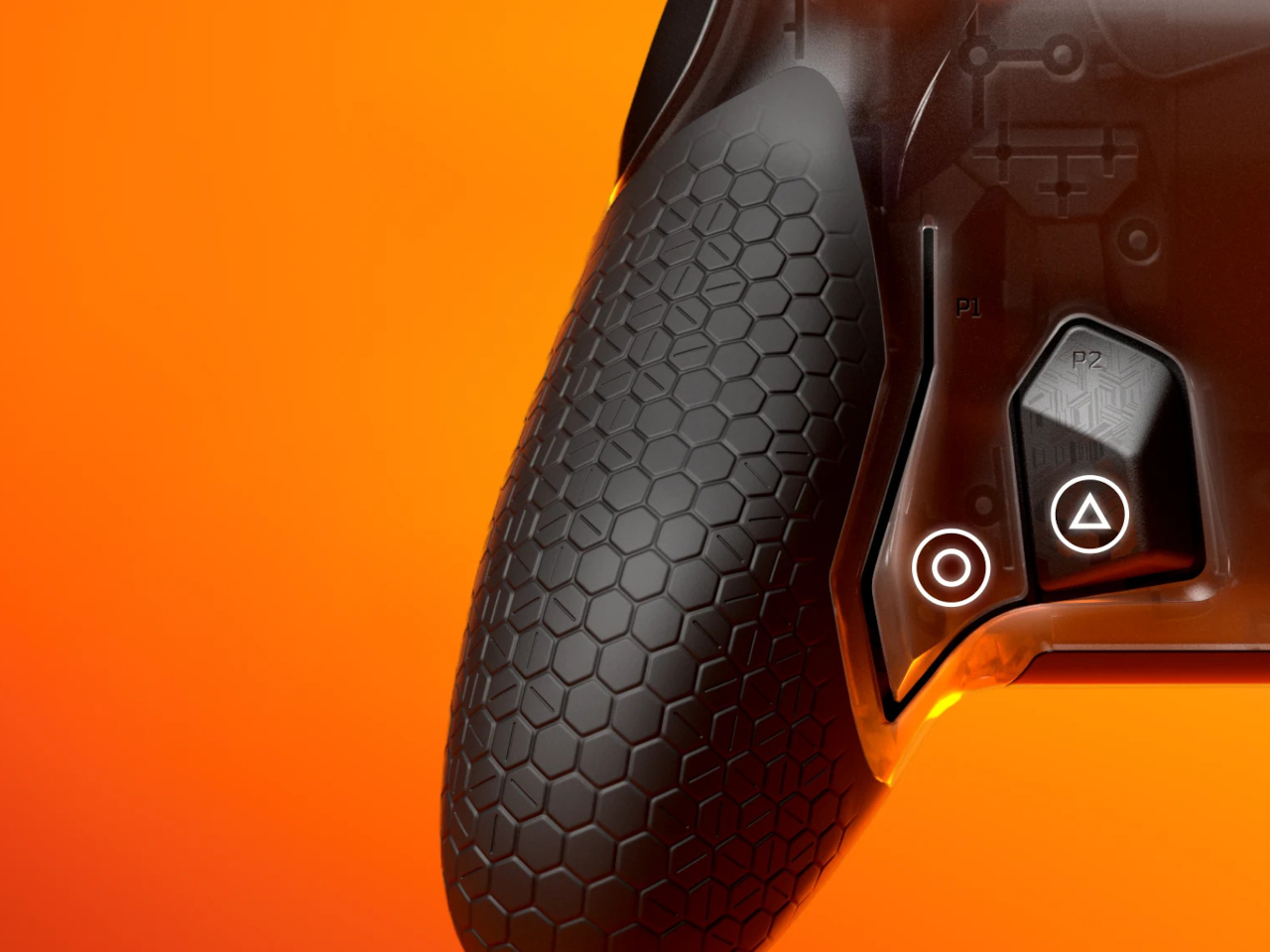
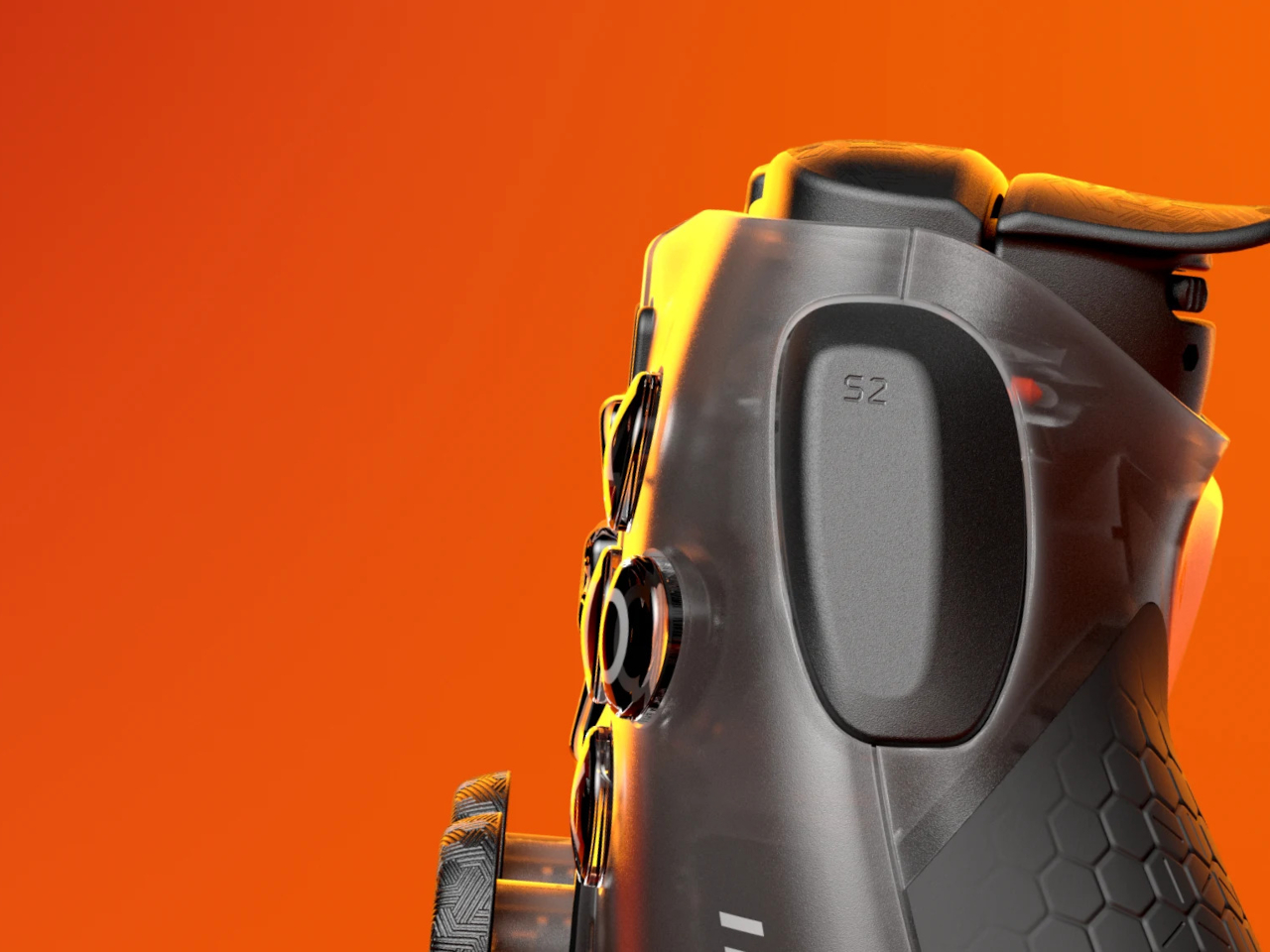
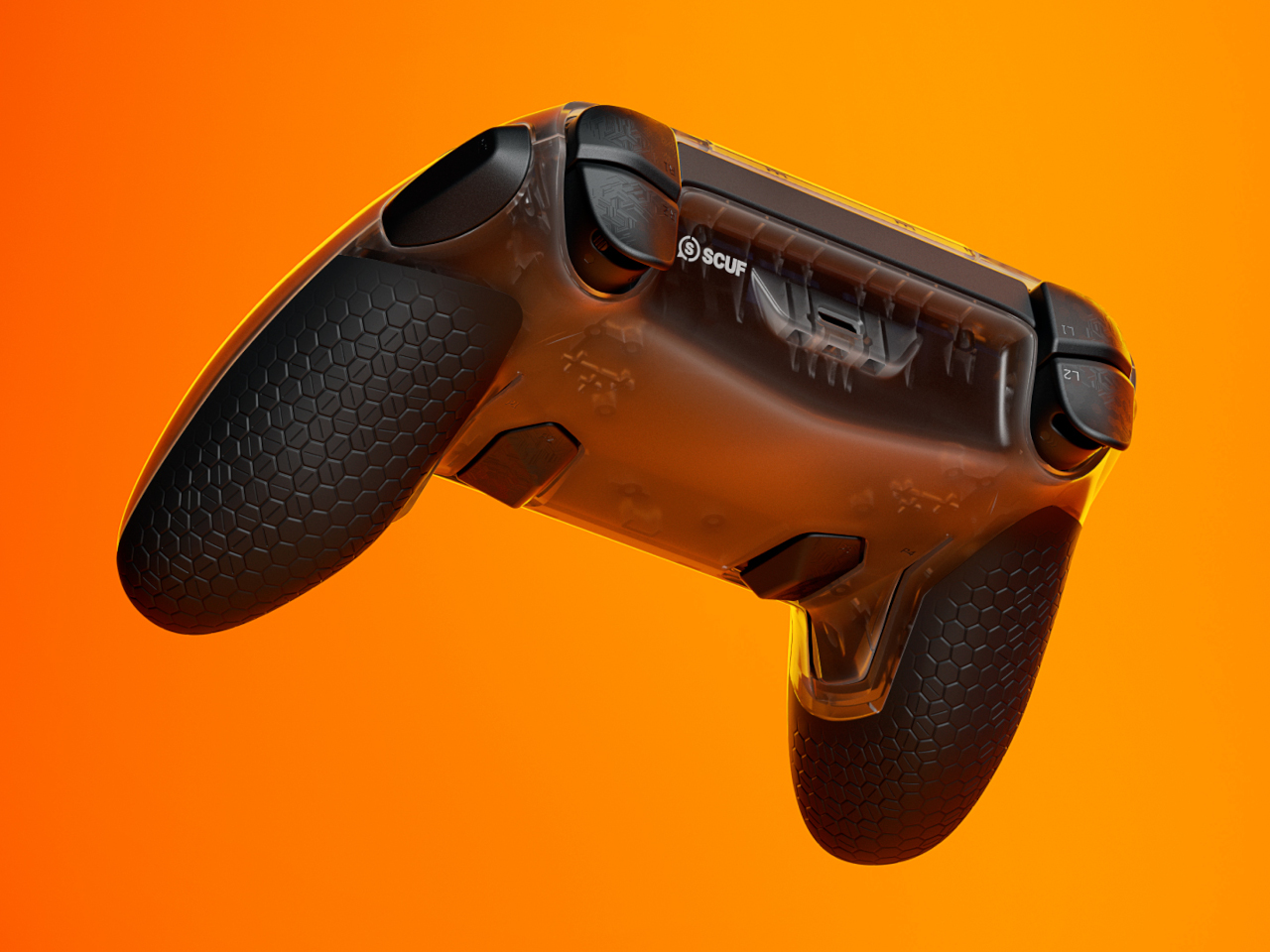
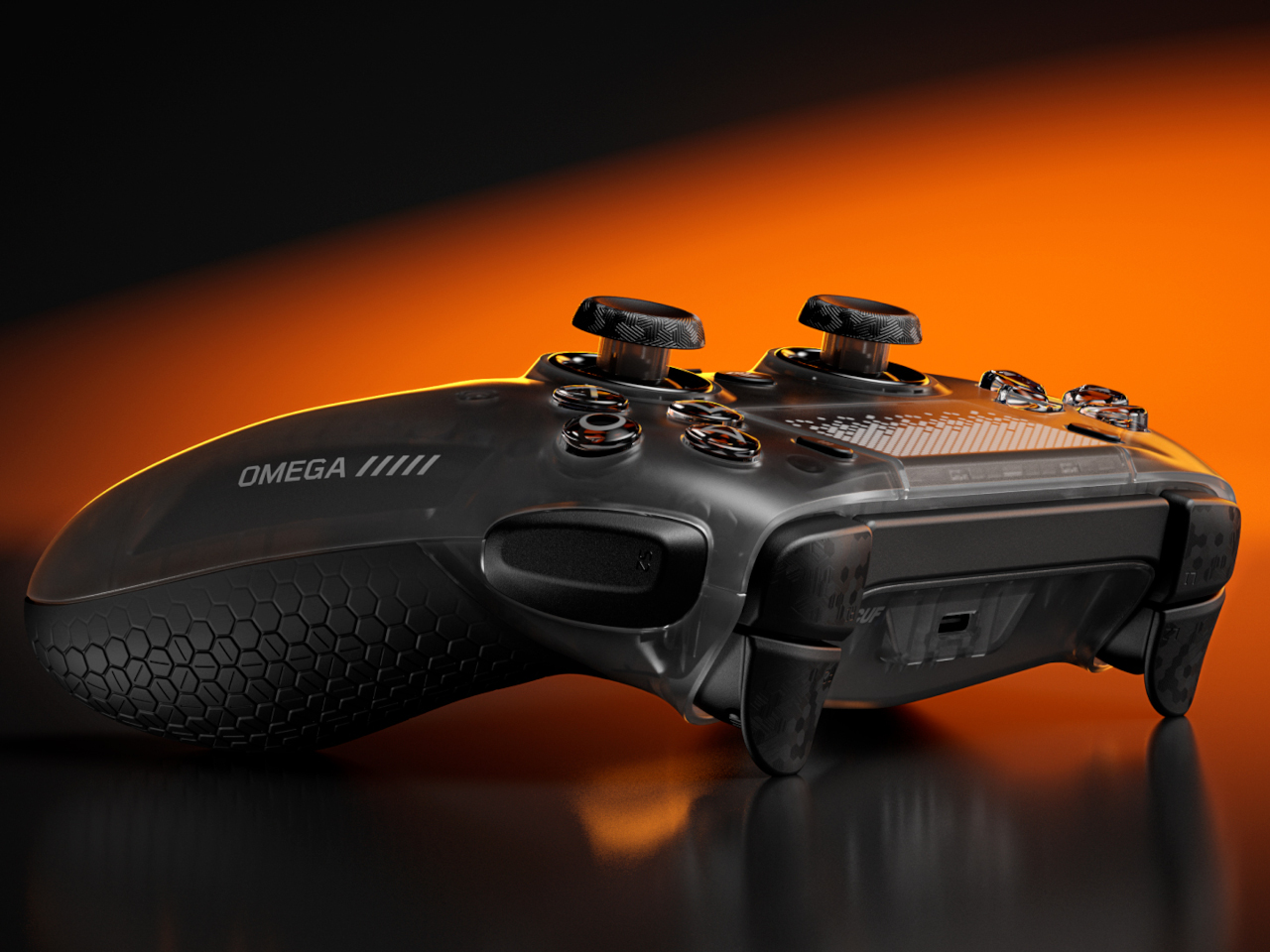
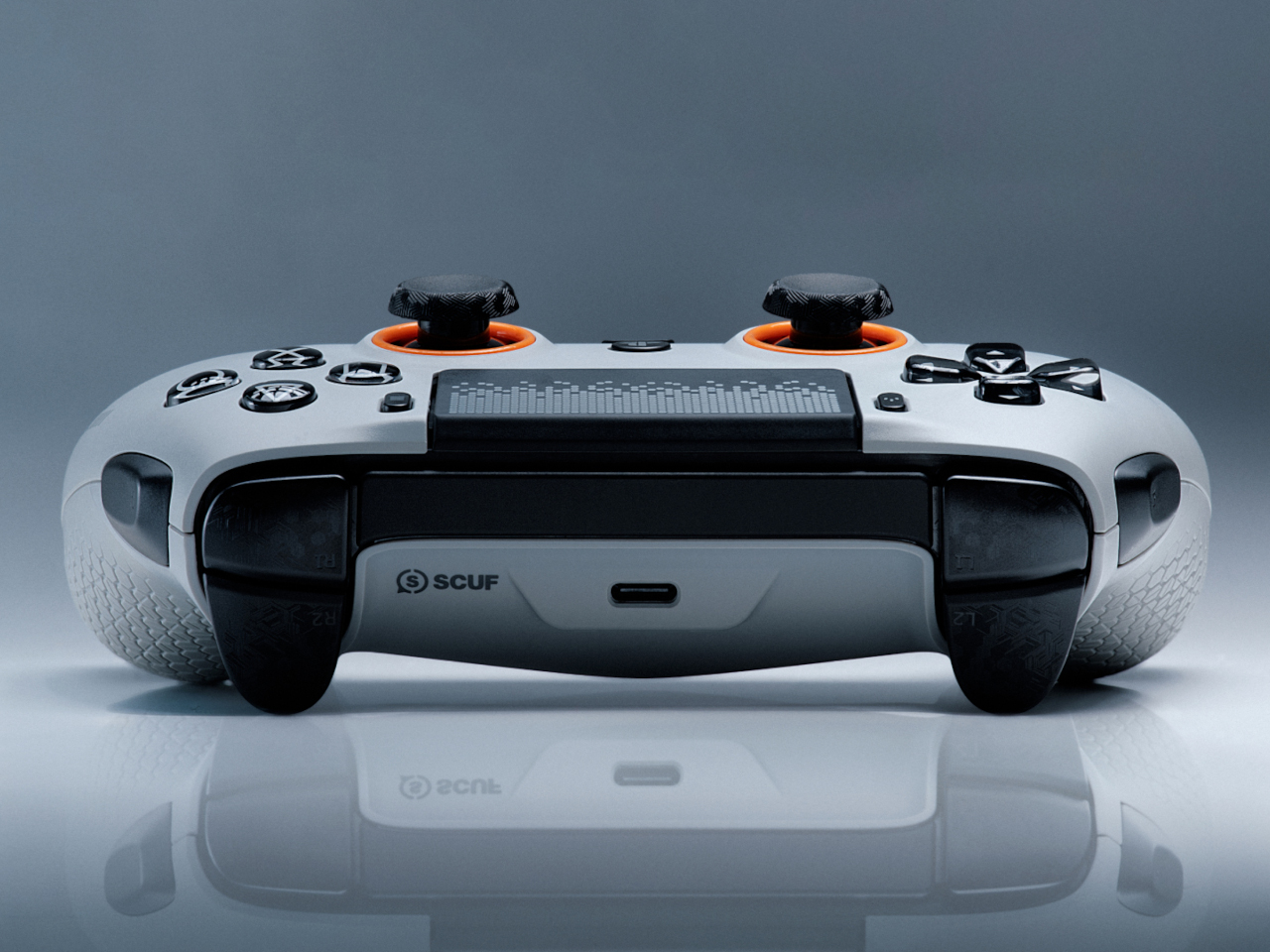
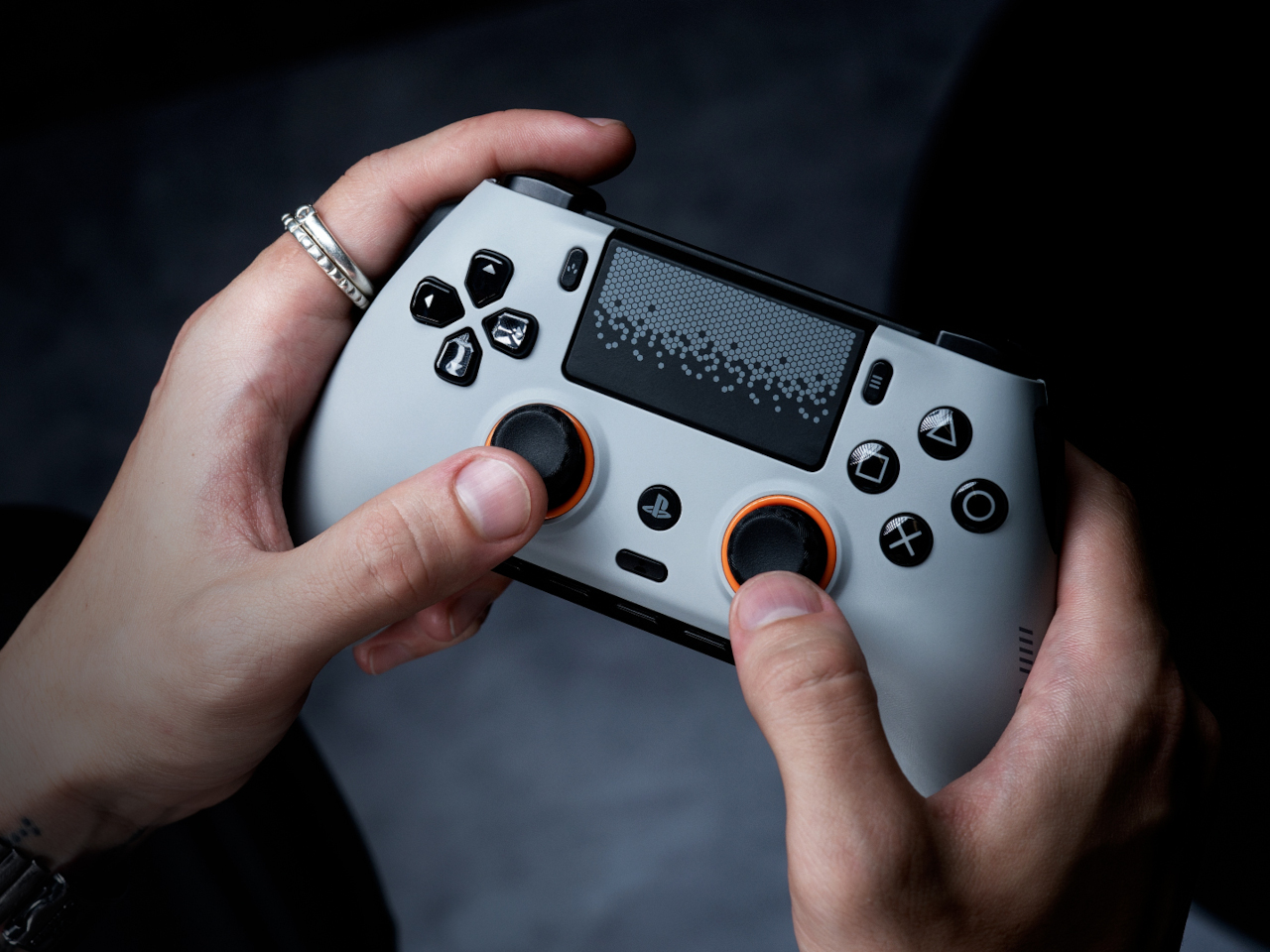
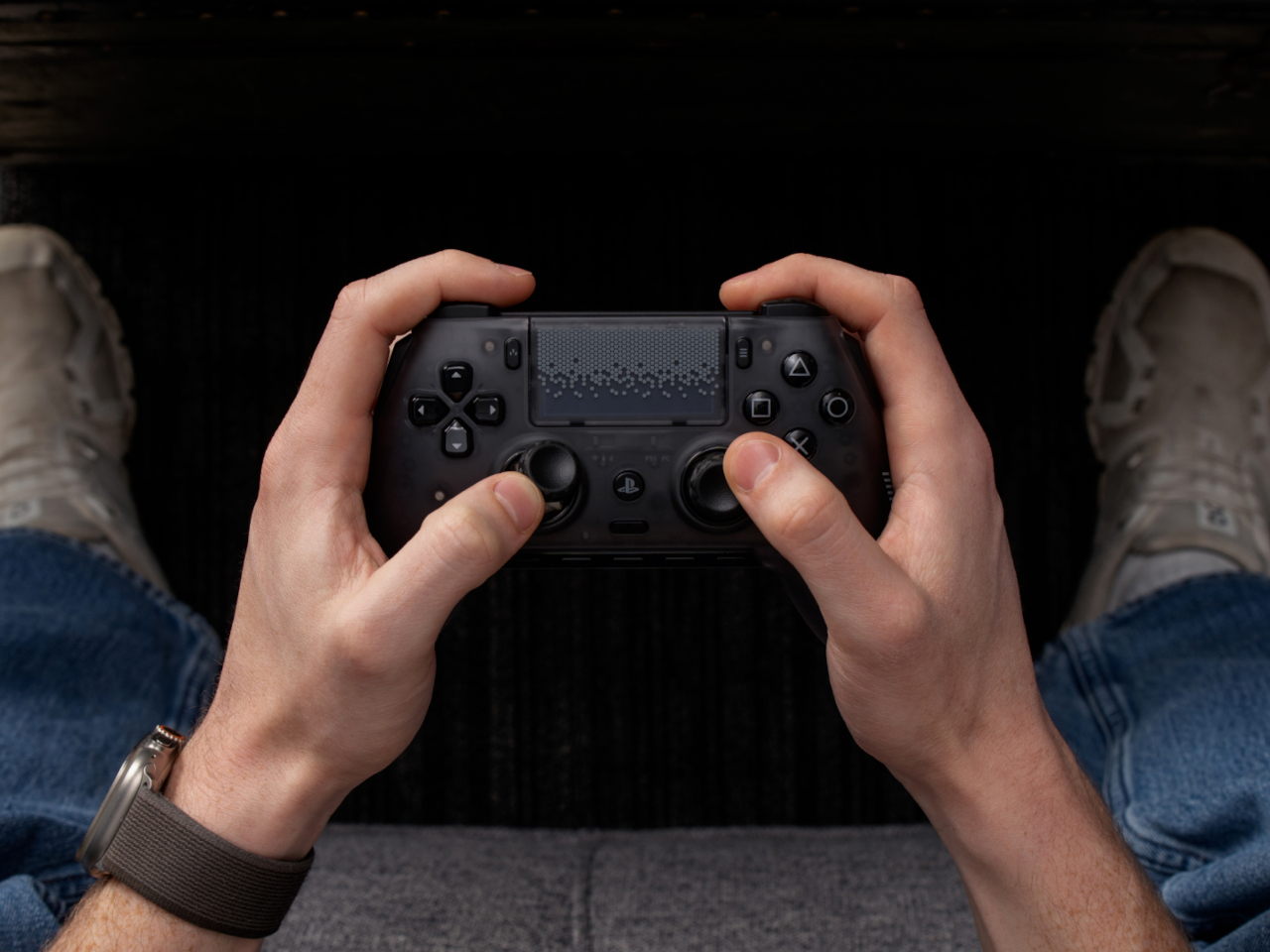
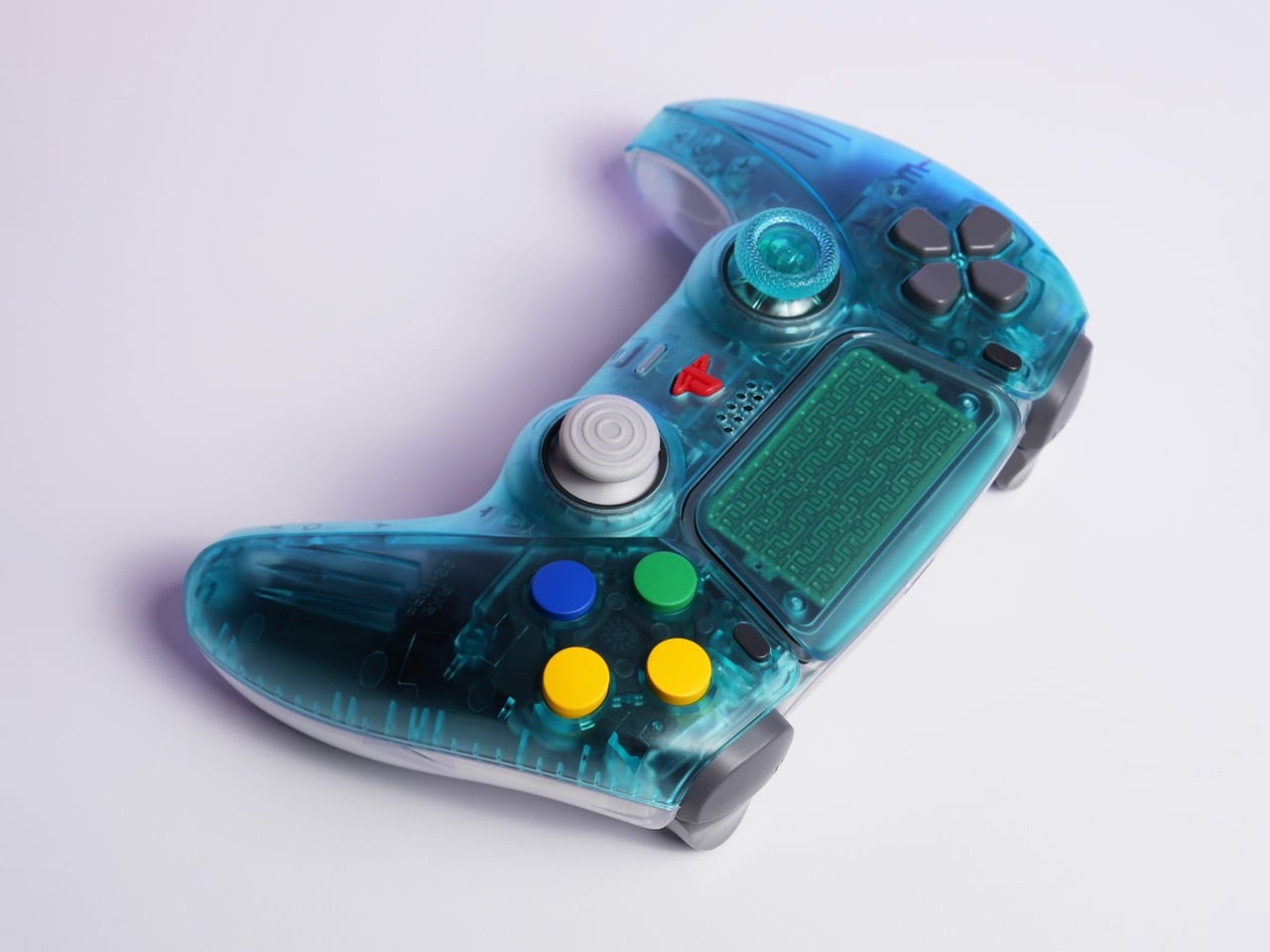
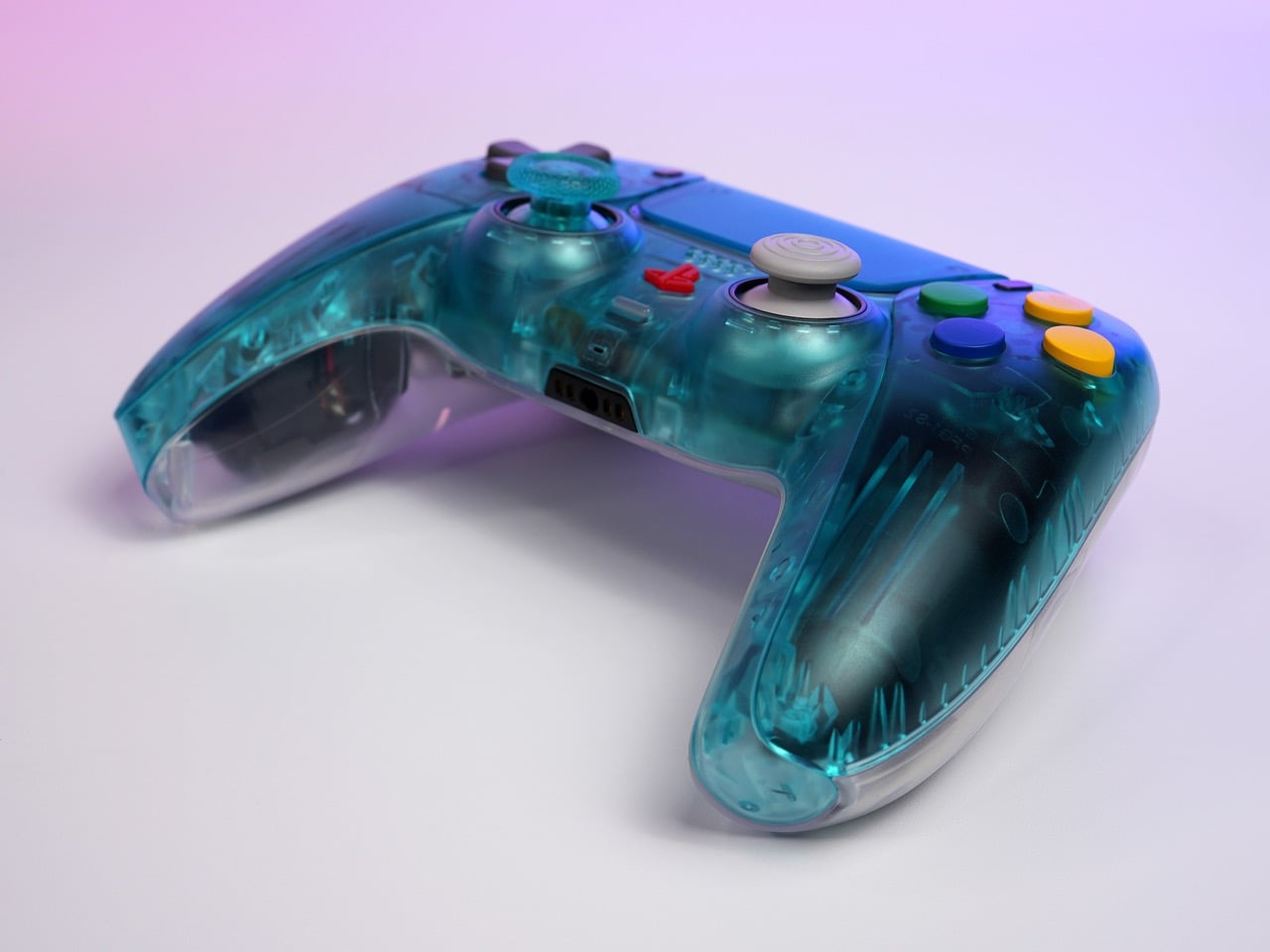
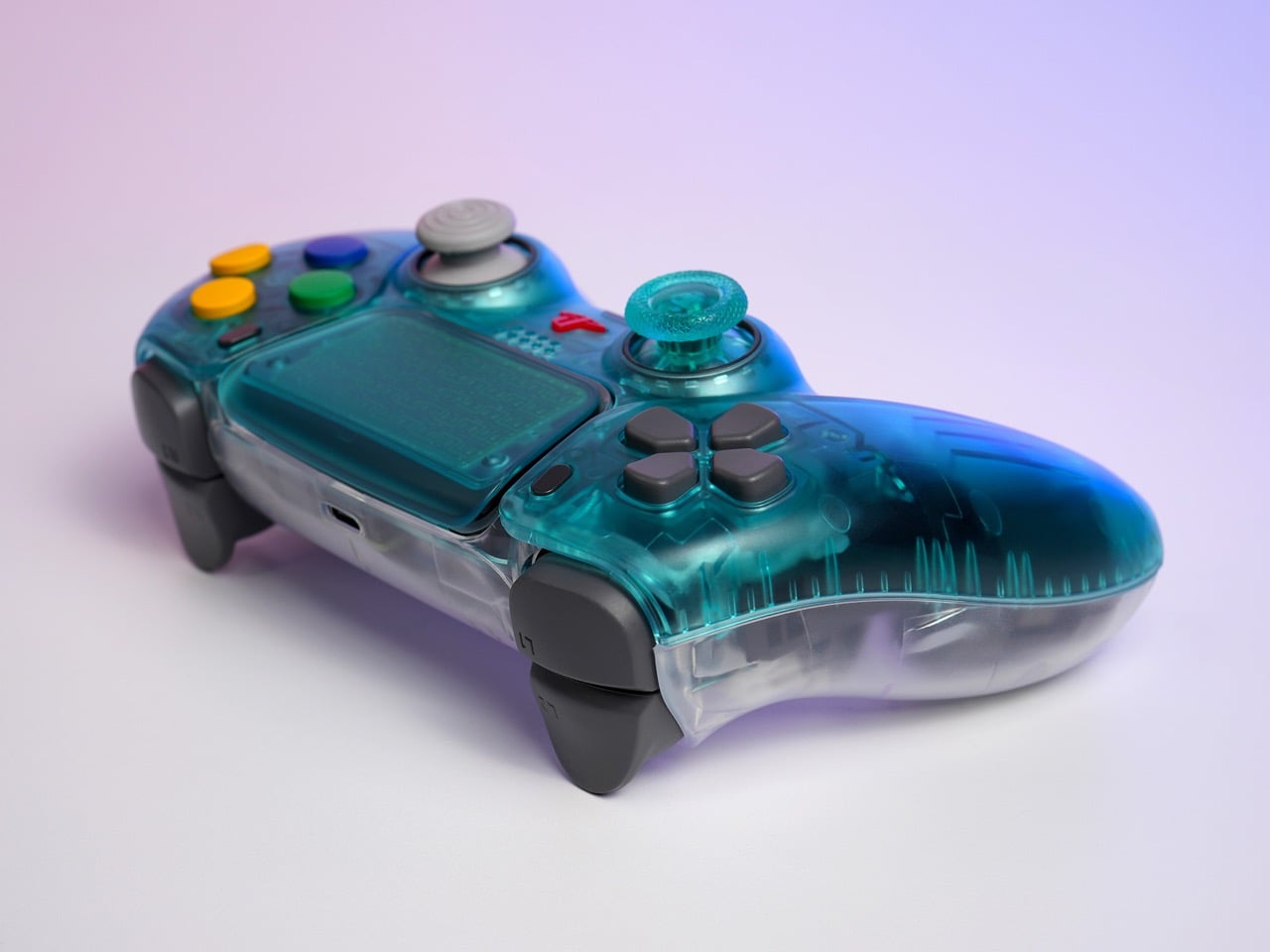
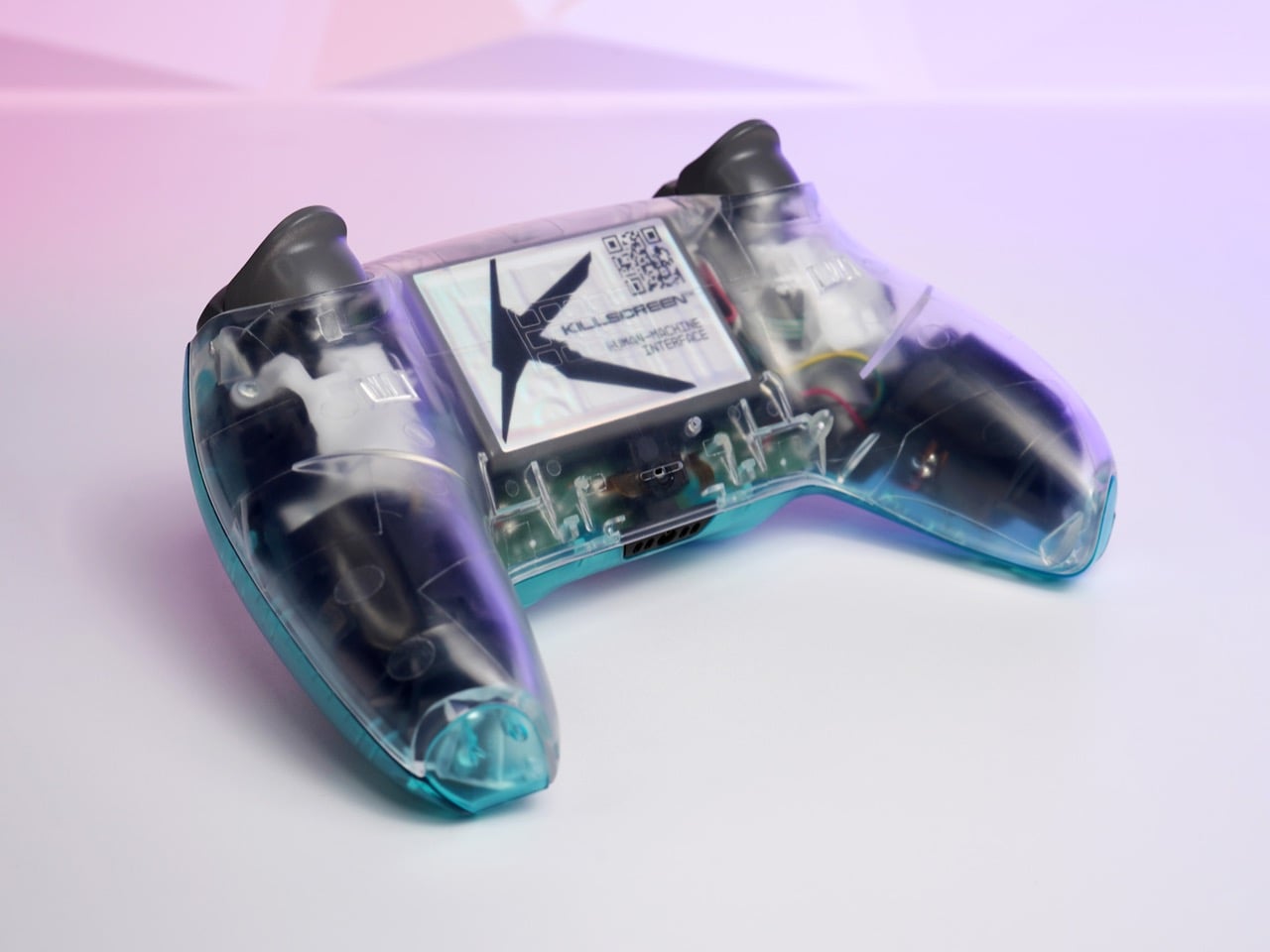
Killscreen, the Florida-based controller studio that has built its entire catalog on surgical retro revisionism, has now transplanted that exact aesthetic onto a PS5 DualSense. The Funtastic Ice Blue/Clear is a limited-edition PS5 controller with an Ice Blue translucent front shell and a crystal-clear back exposing the circuit board, wiring, and battery assembly beneath. It is native PS5 hardware, with wireless connectivity, haptic feedback, and adaptive triggers all intact. The base price is $139, with optional Omron hair triggers, mechanical face buttons, and GuliKit TMR thumbsticks available as upgrades.

Designer: Killscreen

Killscreen co-founder Erik Consorsha is upfront about the fundamental absurdity here: “There’s something slightly wrong about putting a Funtastic-style translucent controller on modern hardware. That’s exactly why we did it.” That instinct for productive wrongness is the throughline in everything Killscreen has released. The CubeSense put GameCube colorways and C-stick nubs on a DualSense. The 1080-R matched, with forensic precision, the exact gray of a factory-sealed 1995 PS1 controller, cracking one open just to get the color right. Each release is a deliberate category violation: taking an aesthetic that belonged to one console, one era, one design culture, and suturing it onto hardware from a completely different lineage. The Funtastic Ice Blue/Clear does the same thing, except the donor and recipient have never shared a design language in their lives.

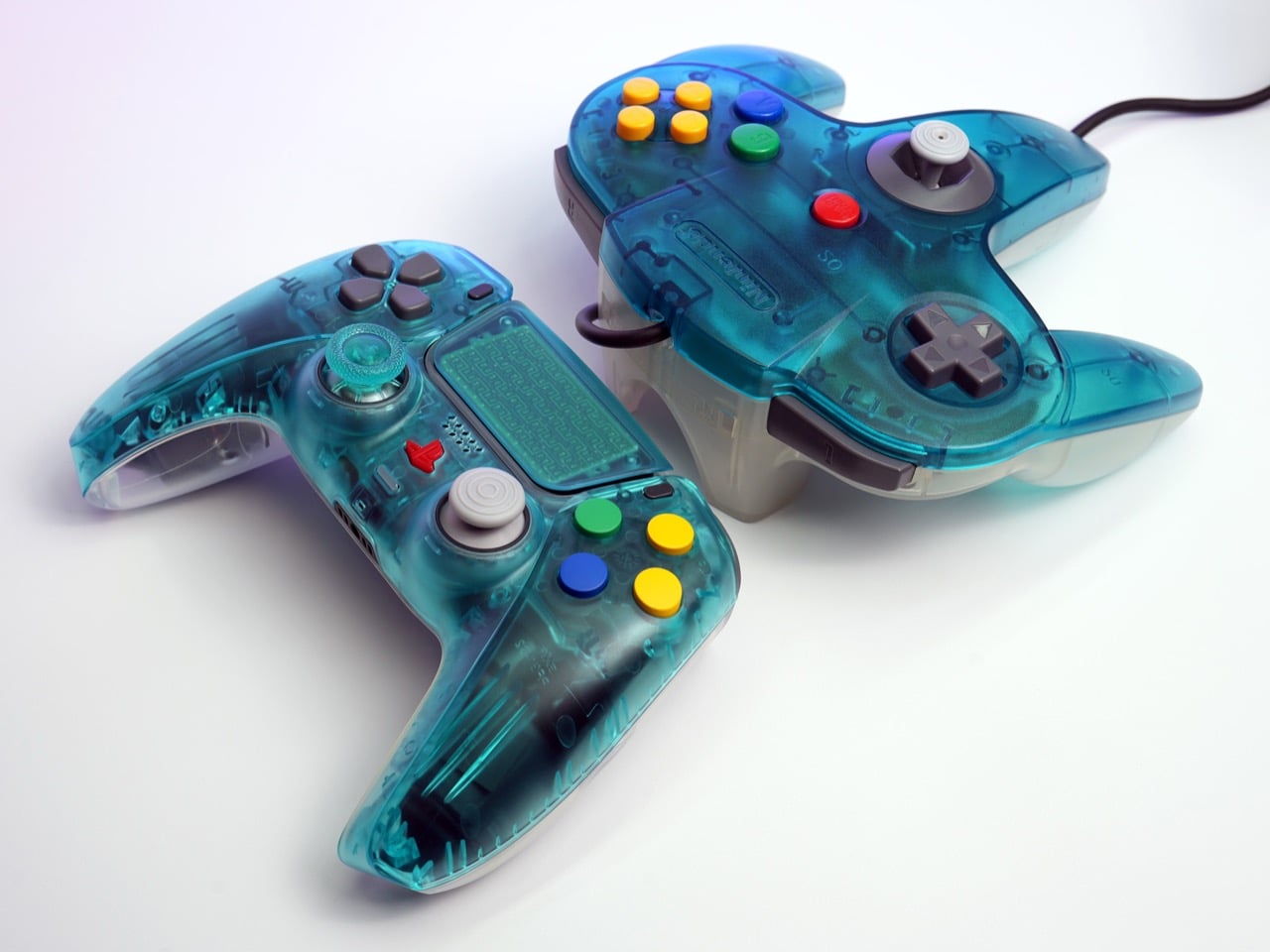
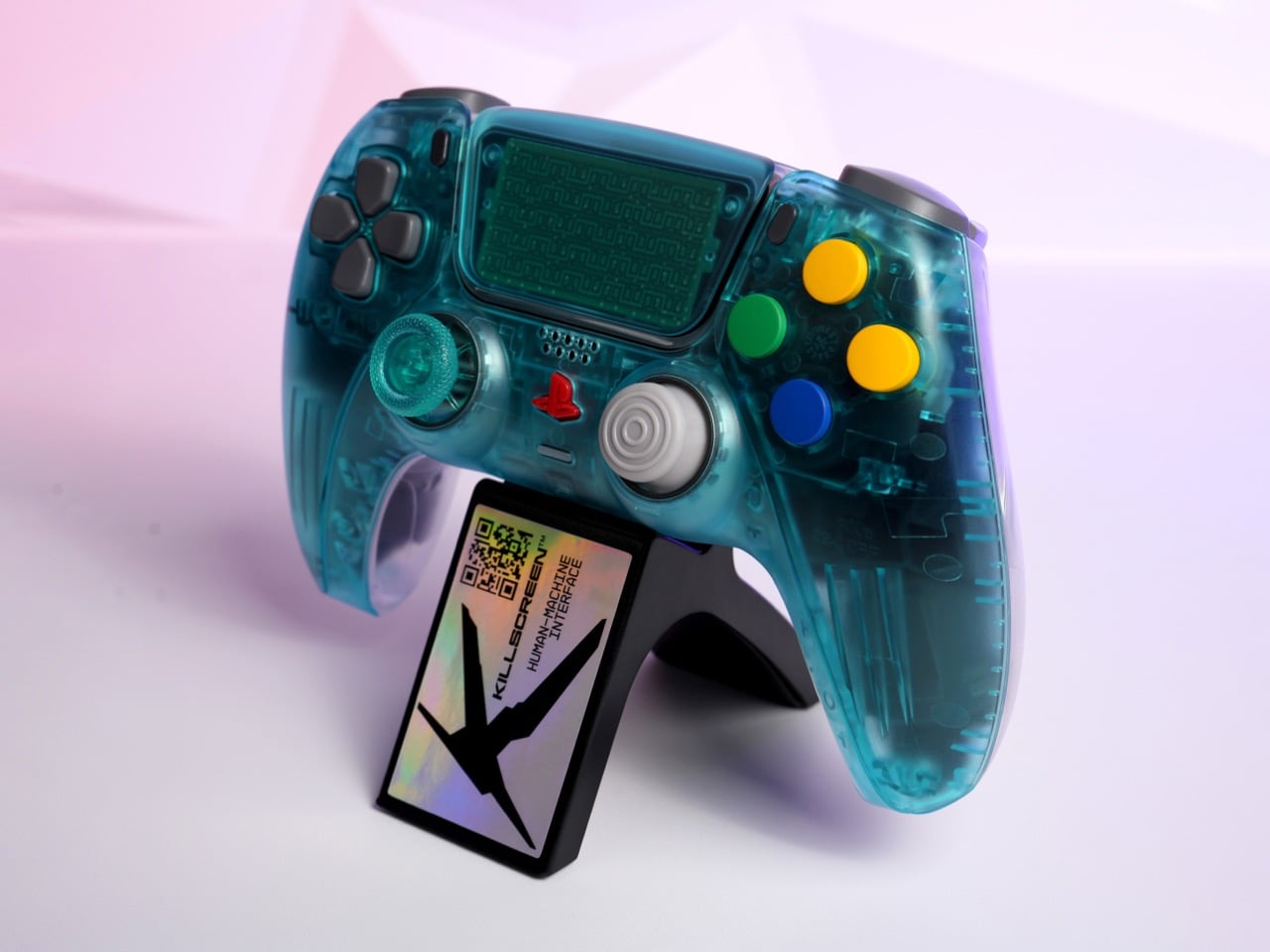
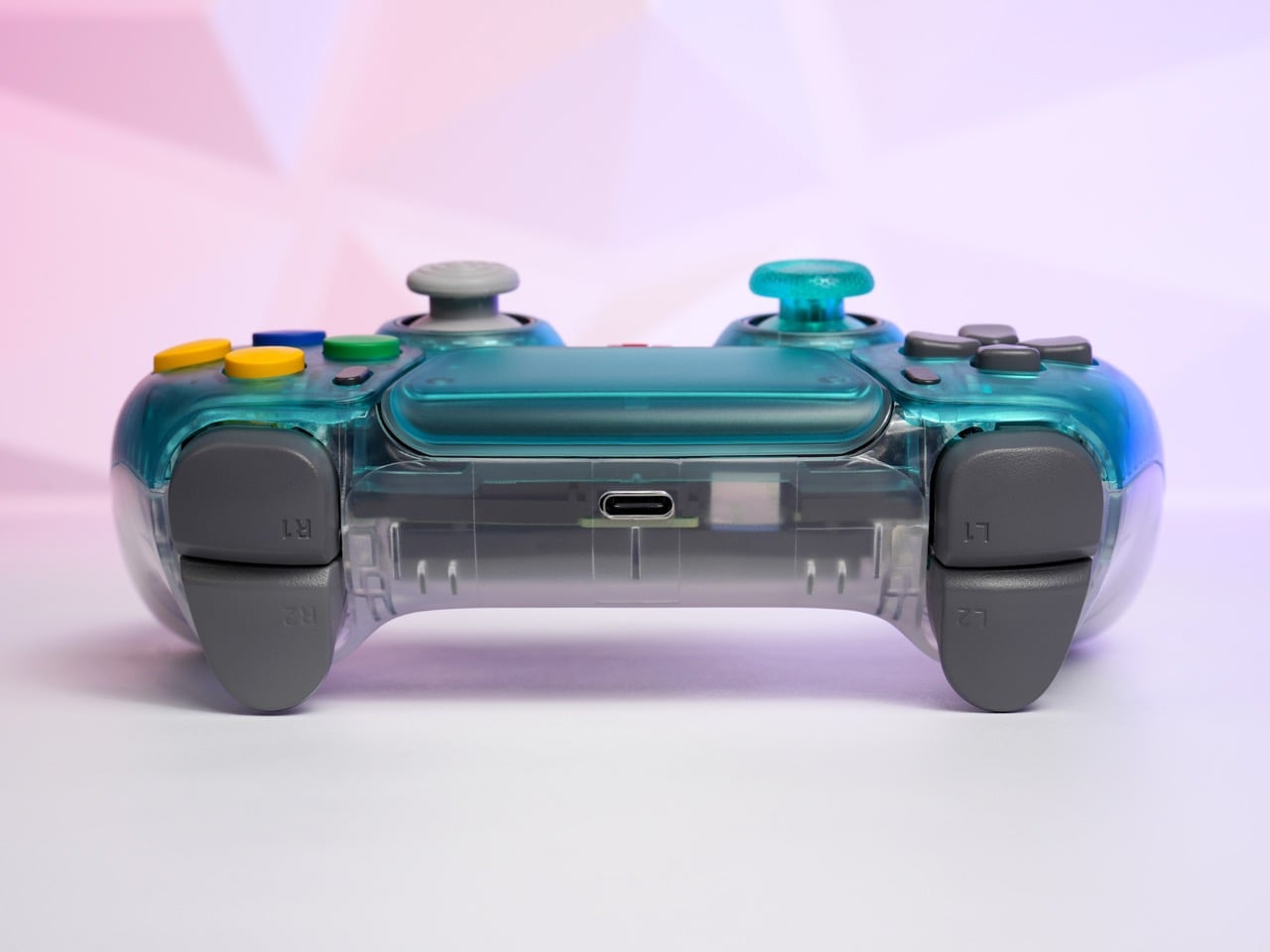
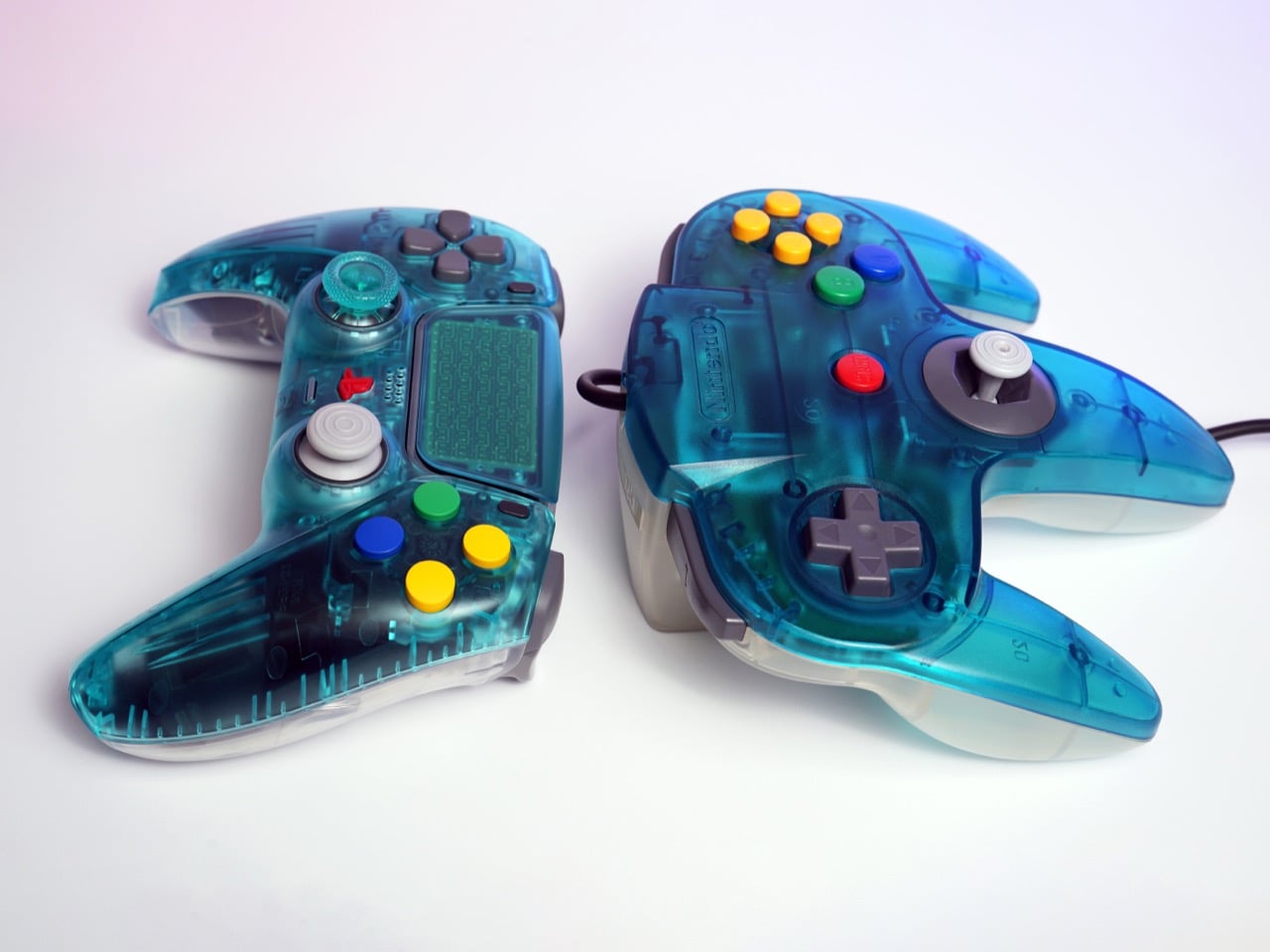
The original Ice Blue N64 Funtastic controller sits next to the Killscreen version in the press photos, and the color match is uncomfortably close. What the image also captures is 25 years of ergonomic progress in a single frame: the N64’s trident silhouette, one of the most geometrically baffling controllers ever mass-produced, against the DualSense’s precisely contoured twin-grip body. Same shade, completely different idea of what a human hand needs. The face buttons on the Killscreen controller are bright primary yellow, blue, and green, pulled from the N64’s own candy palette rather than PlayStation’s iconic shape symbols, and on a Sony controller body they read as genuinely disorienting in the best possible way.

The 1999 Nintendo controllers were a single homogeneous translucent color all the way through: same Ice Blue from the front plate to the grip tips to every molded ridge. Killscreen splits the register three ways: Ice Blue translucent on the front half, crystal-clear on the rear panel, and matte gray on the trigger caps, thumbstick tops, and d-pad. That tripartite material logic is more visually considered than anything Nintendo attempted in 1999. The clear back is where the real design confidence lives: you can see the circuit board, the wiring harness in yellow and red, the USB-C port, and a Killscreen “Human Machine Interface” label on the main board. The internals are the display object.

The upgrade options change the character of the controller considerably. The base $139 configuration retains the stock DualSense trigger mechanism with adaptive resistance. Adding Omron hair triggers for $20 converts those into short-travel tactile clicks at around 2mm of travel, eliminating progressive resistance entirely in favor of on/off precision. Mechanical face buttons at another $20 swap the rubber membrane pads for microswitches, producing crisp tactile feedback more commonly associated with high-end mechanical keyboards. The GuliKit TMR thumbsticks at $39 use tunnel magnetoresistance sensors instead of traditional potentiometers, which means no contact wear and no drift. Fully specced, the controller lands at $208.

Killscreen assembles and tests every unit in-house in Florida, and the run is genuinely limited, consistent with how every prior drop has gone. The Funtastic Ice Blue/Clear is compatible with PS5 and PC. If the CubeSense and 1080-R are any indication, this one will be gone before most people finish debating whether they need it.

The post Killscreen’s N64 Funtastic-inspired Translucent Blue PS5 Controller Is Pure 1999 Nostalgia first appeared on Yanko Design.
Fan-made PlayStation 5 ‘Mini’ is 70% smaller than Sony’s Original PS5 and fits in backpacks

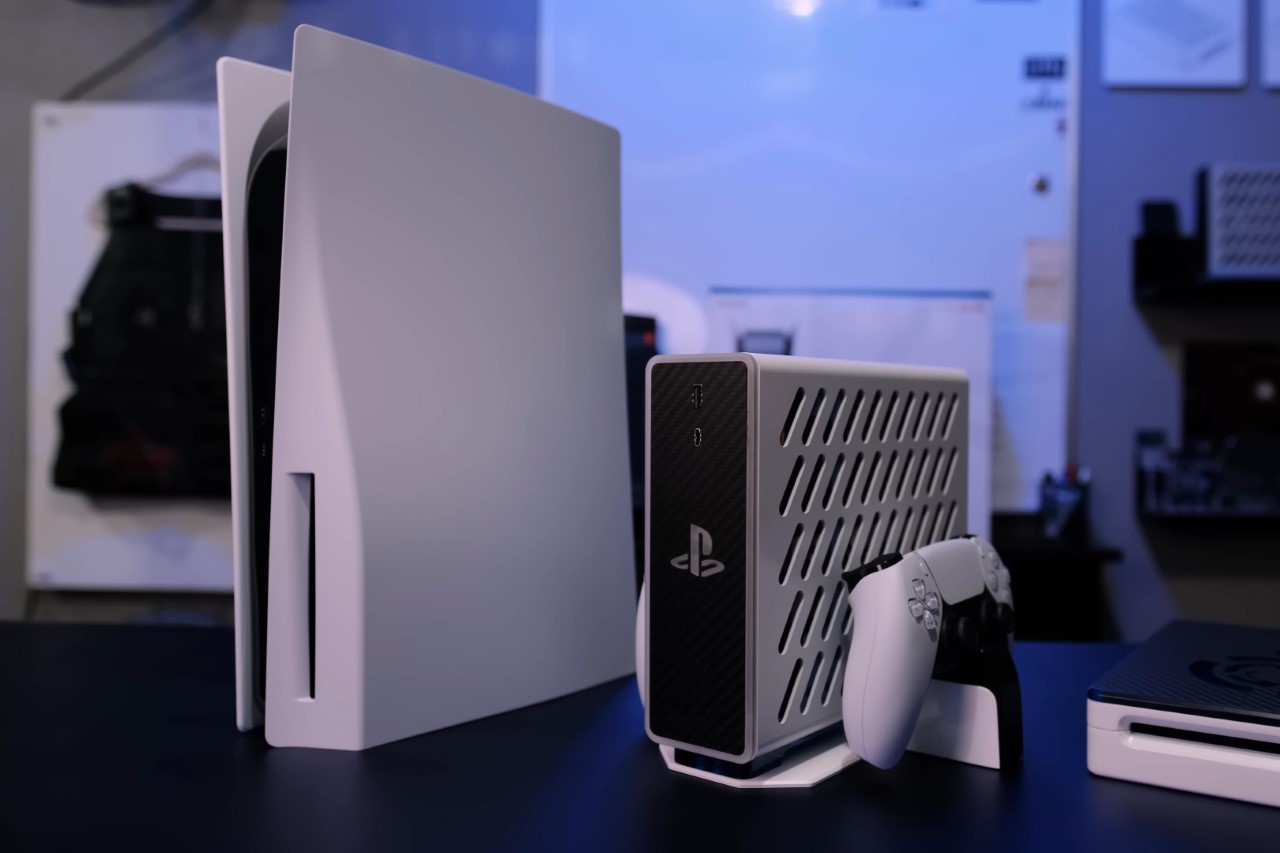
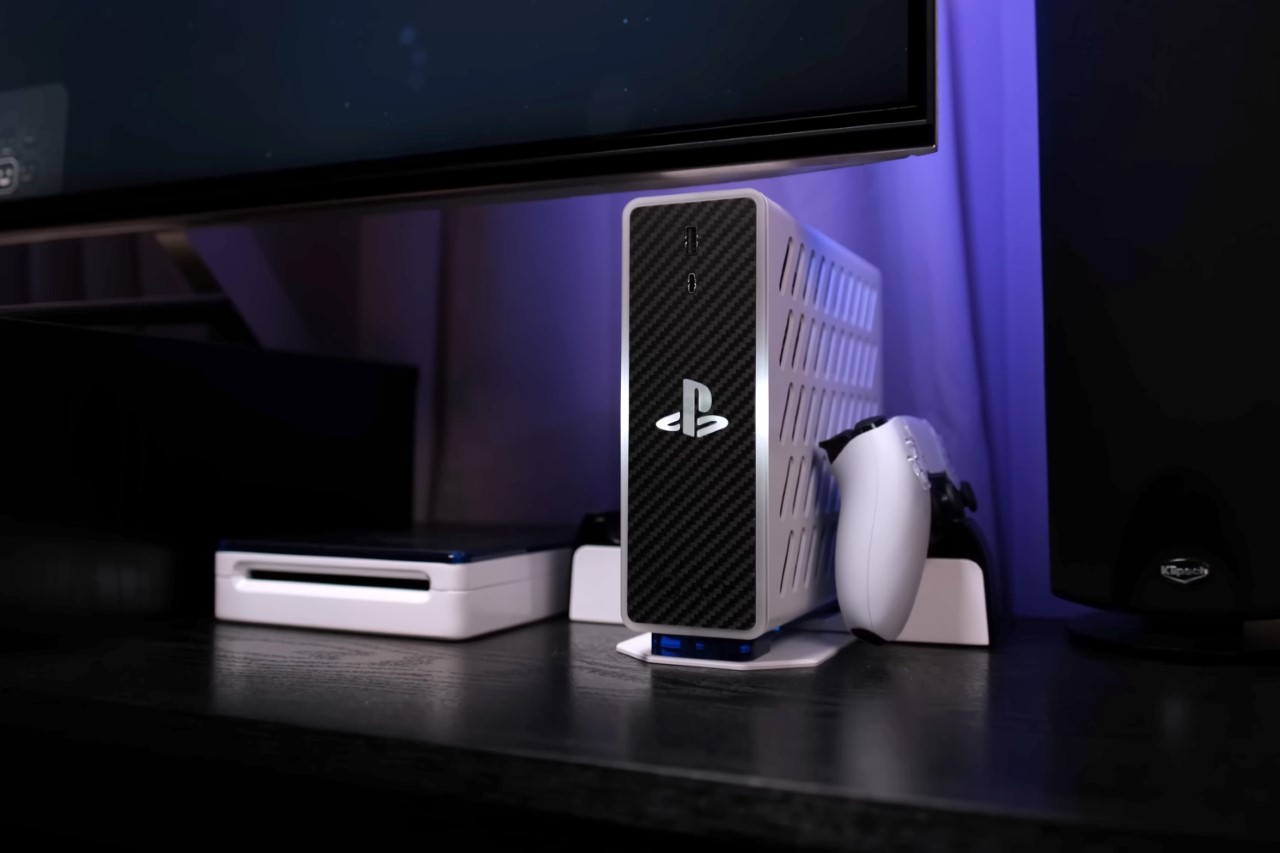
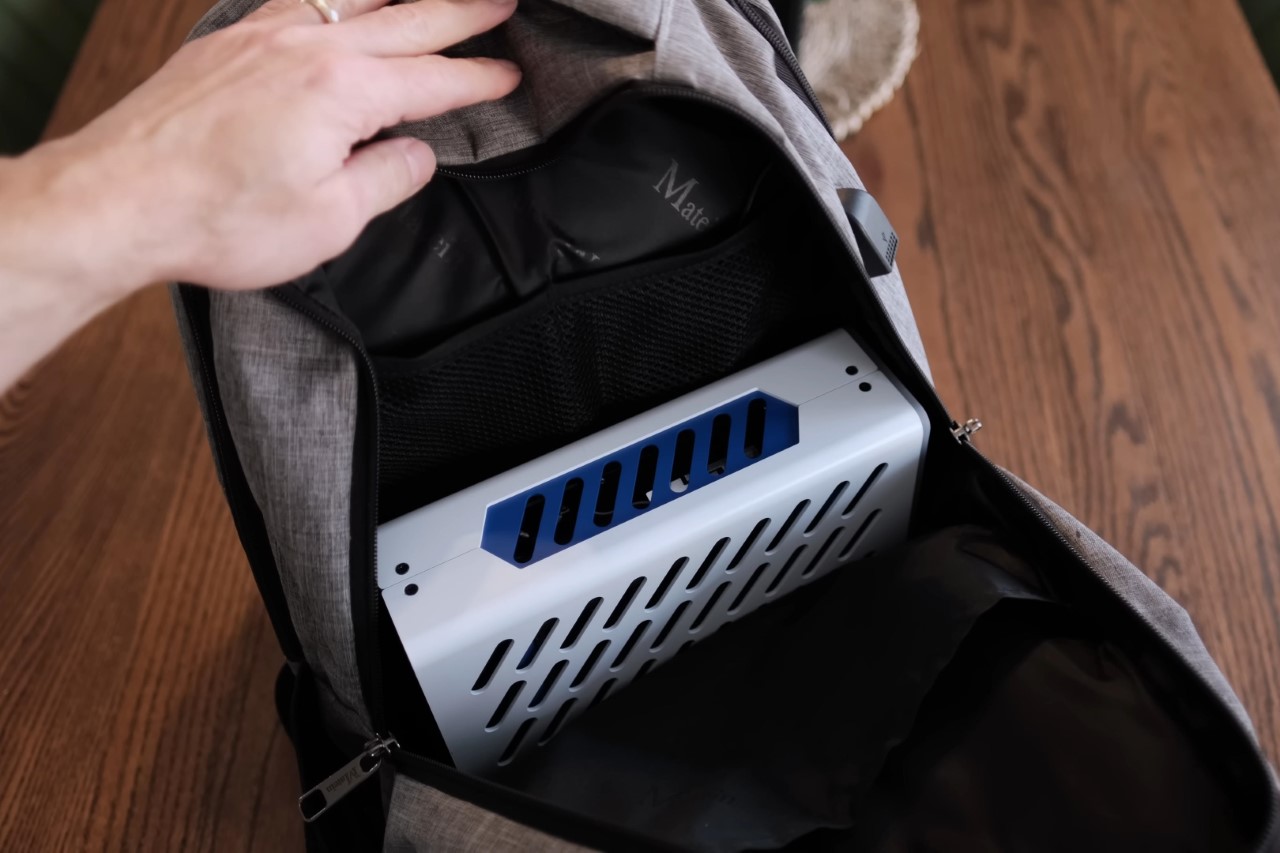
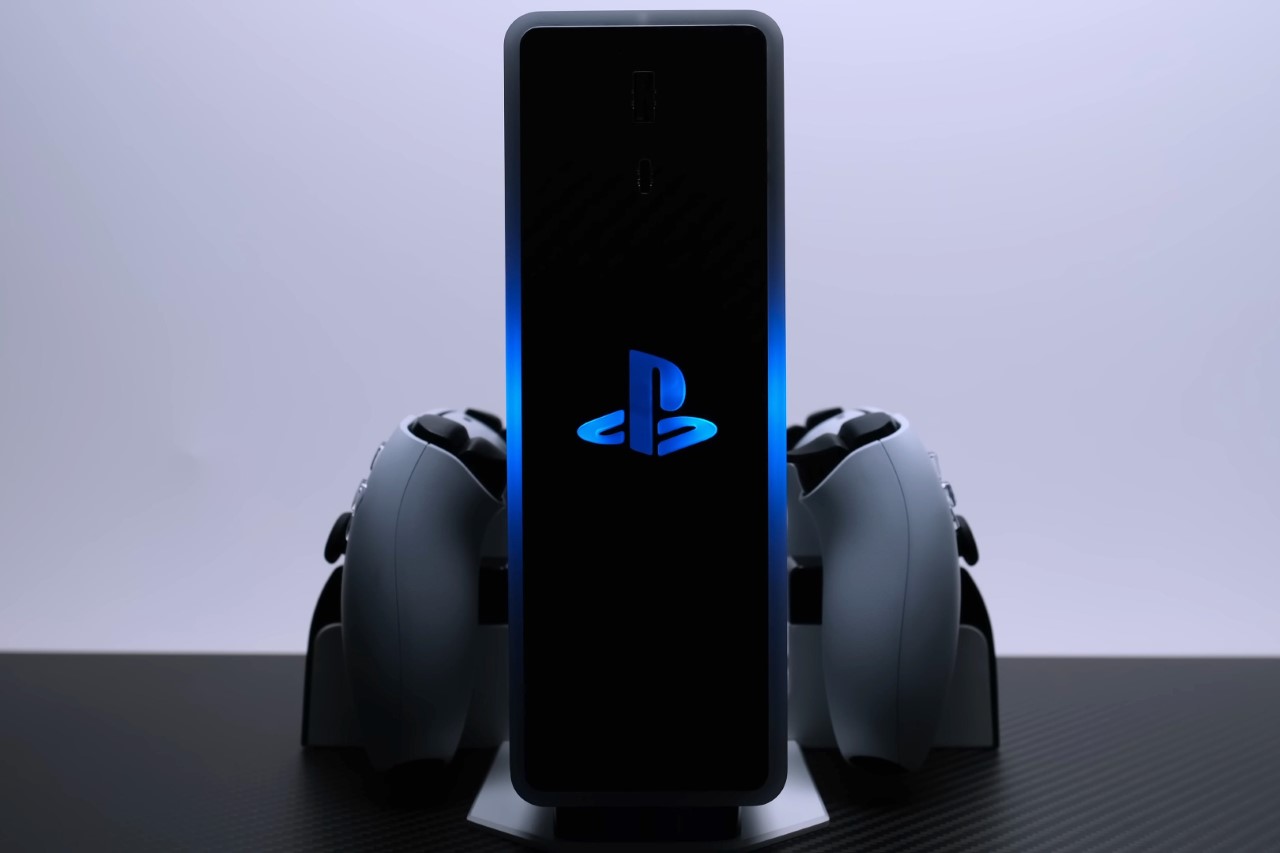
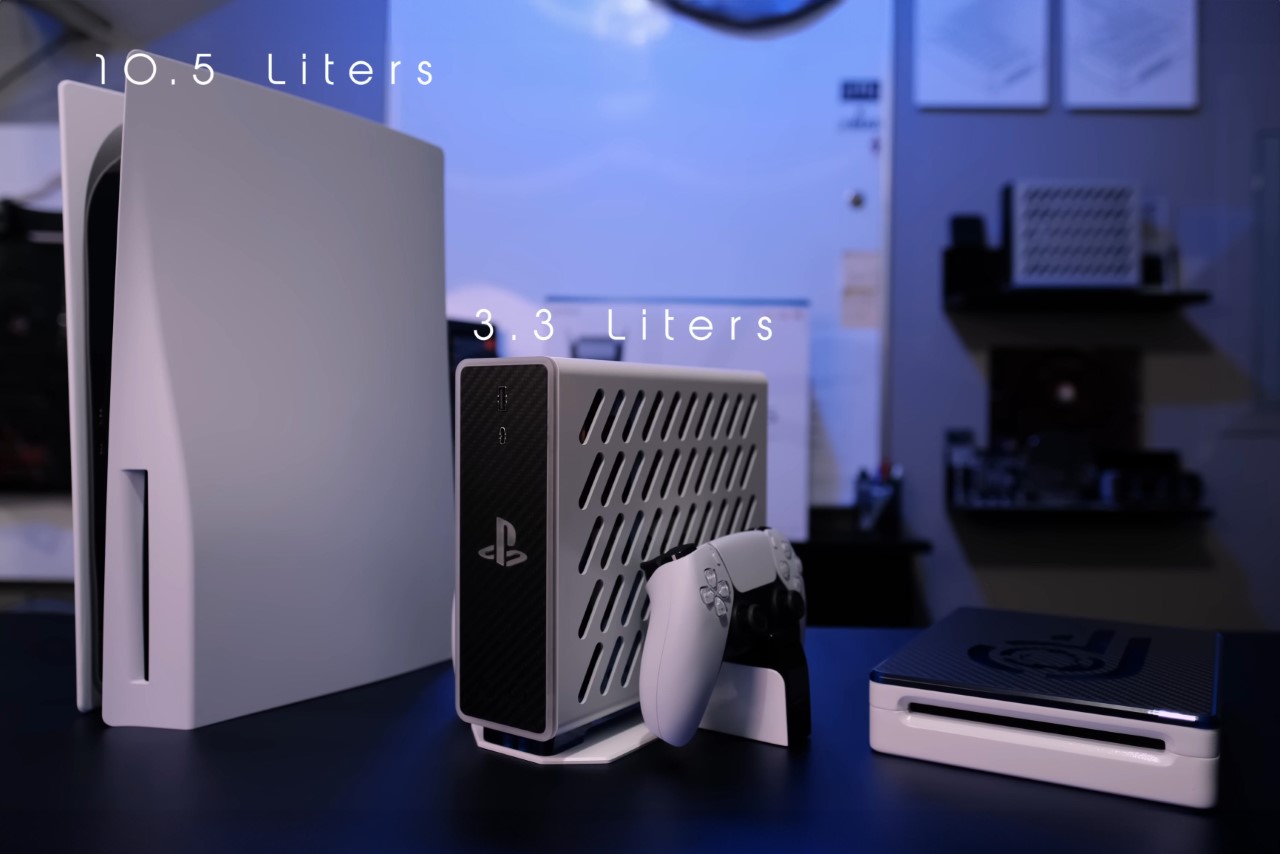
Even tinier than the PS5 Slim that launched in October last year, this fan-made gaming rig is small enough to slide into a backpack, has a glowing PS logo on the front, docks and charges two DualShock controllers on either side, and has a thermal performance that almost matches up to the regular PS5. Designed by YouTuber NFC, this ‘PlayStation Mini’ relies on a reimagined architecture and an external disc drive that helps cut space by nearly 70%, giving you a final console that’s merely 30% the size of its original self. No Ozempic was involved…

Designer: Not From Concentrate

When rumors of the PS5 Slim began making rounds on the internet, YouTuber NFC (short for Not From Concentrate) hoped that Sony would radically shrink the console and make the disc drive external instead of detachable. Instead, we got a marginally smaller console that had a disc drive that could only be used by snapping it onto the side of the vertical console. Not that anything’s wrong with the PS5 Slim, we think it’s an iteratively improved console, but NFC definitely found himself wanting more. The journey he embarked on is one that not all of us can take – it involved deep designing, engineering, and using CNC machines and 3D printers to build everything from new outer housings to inner thermal architectures, and even adding a logo and backlight to make it something so professional it looked like it came out of Sony’s own headquarters.

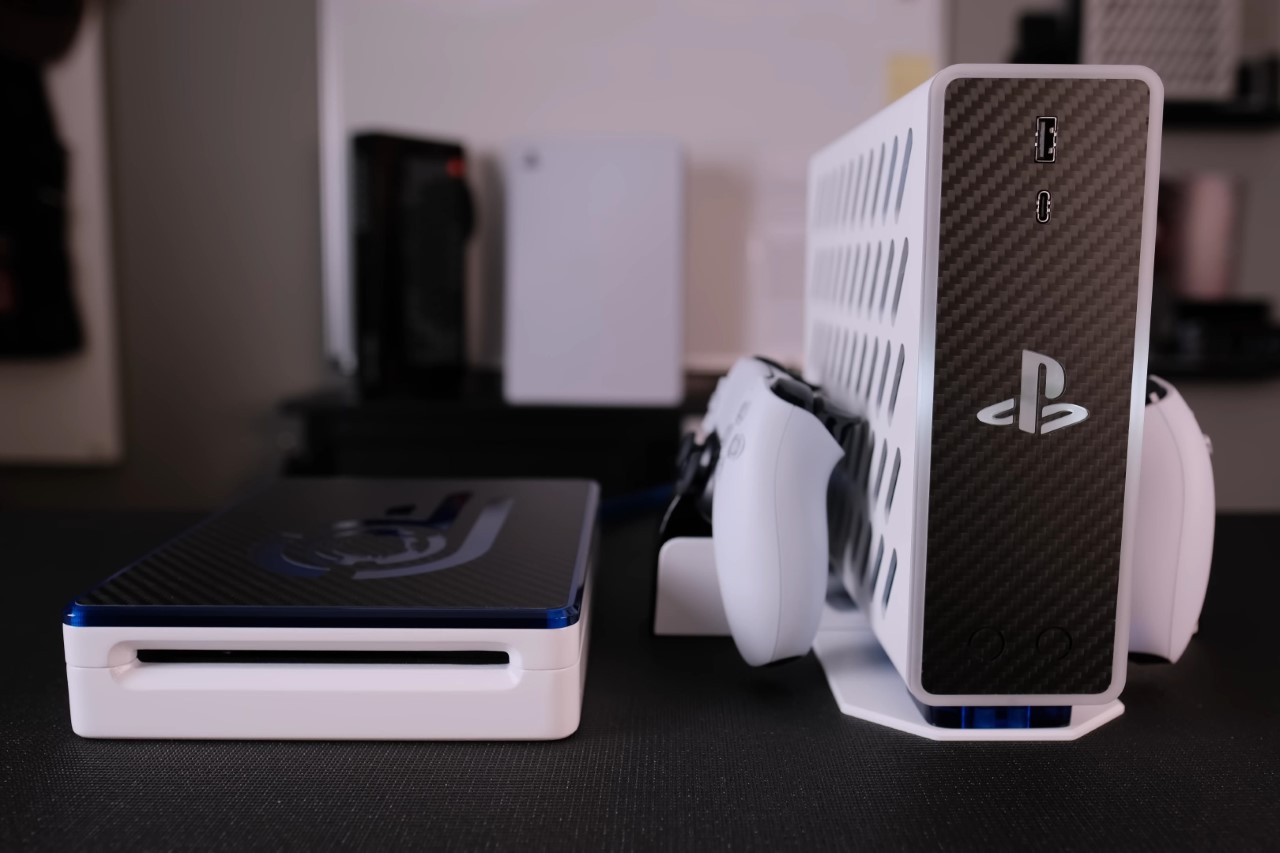
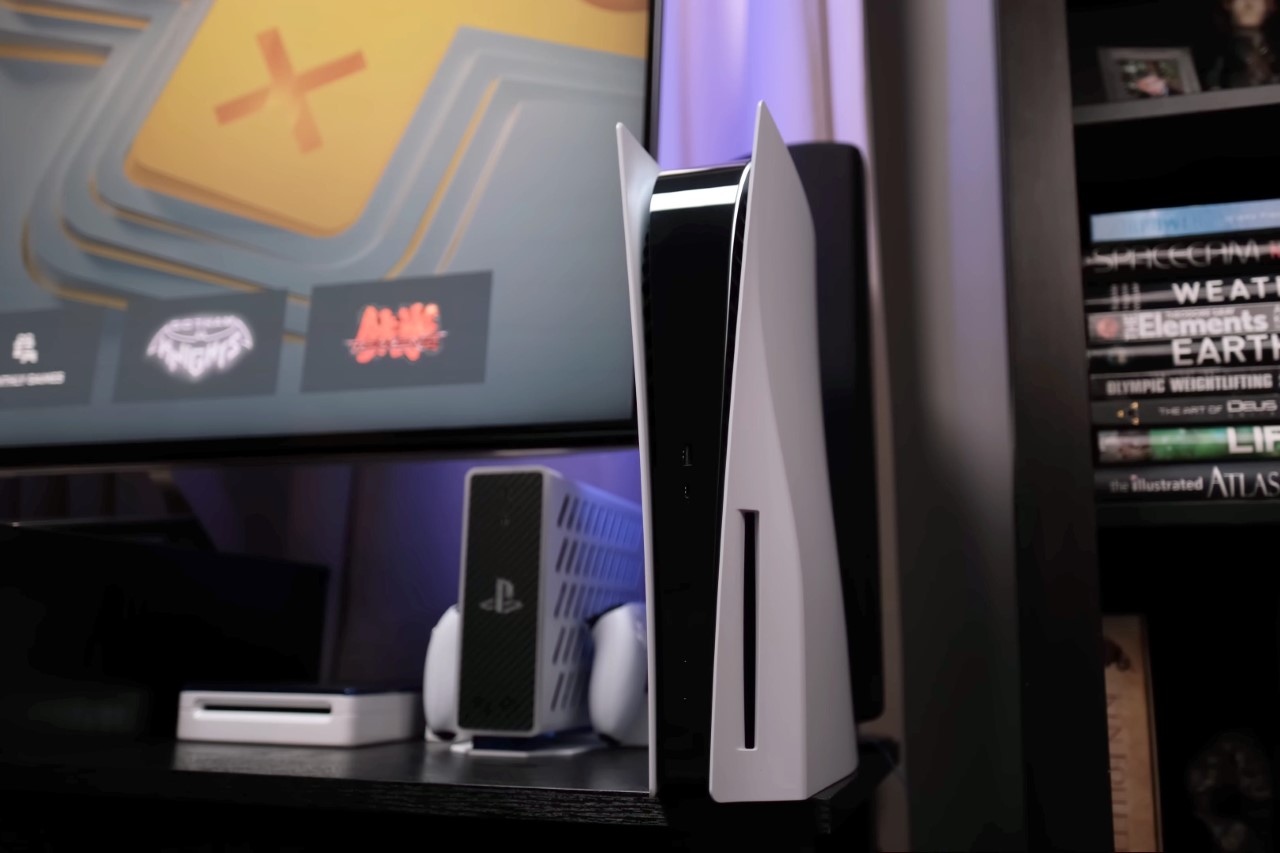
The resulting PS5 Mini is probably a one-off unit that NFC built for the YouTube video (you can watch the entire thing above), but it’s a sheer work of art and engineering. Anyone can rip circuitry off from the existing PS5 and cram it into a new plastic body… but only a few of them can do such a great job that the resulting PS5 Mini has a performance that rivals its bigger sibling. In fact, the tinier console is nearly 3.3 liters in volume, making it significantly smaller than the 10.5-liter PS5. It’s so small it fits into most backpacks and is no larger than a thick book.

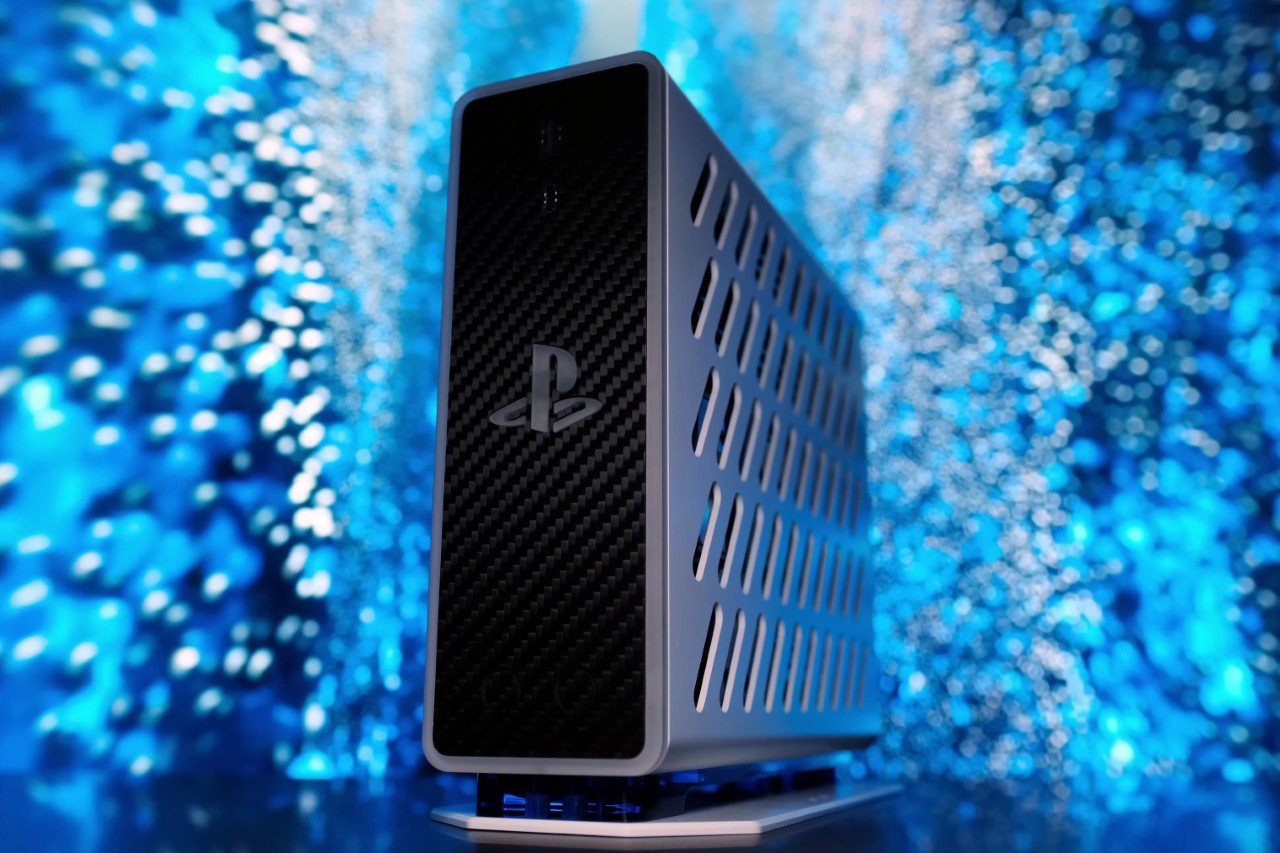
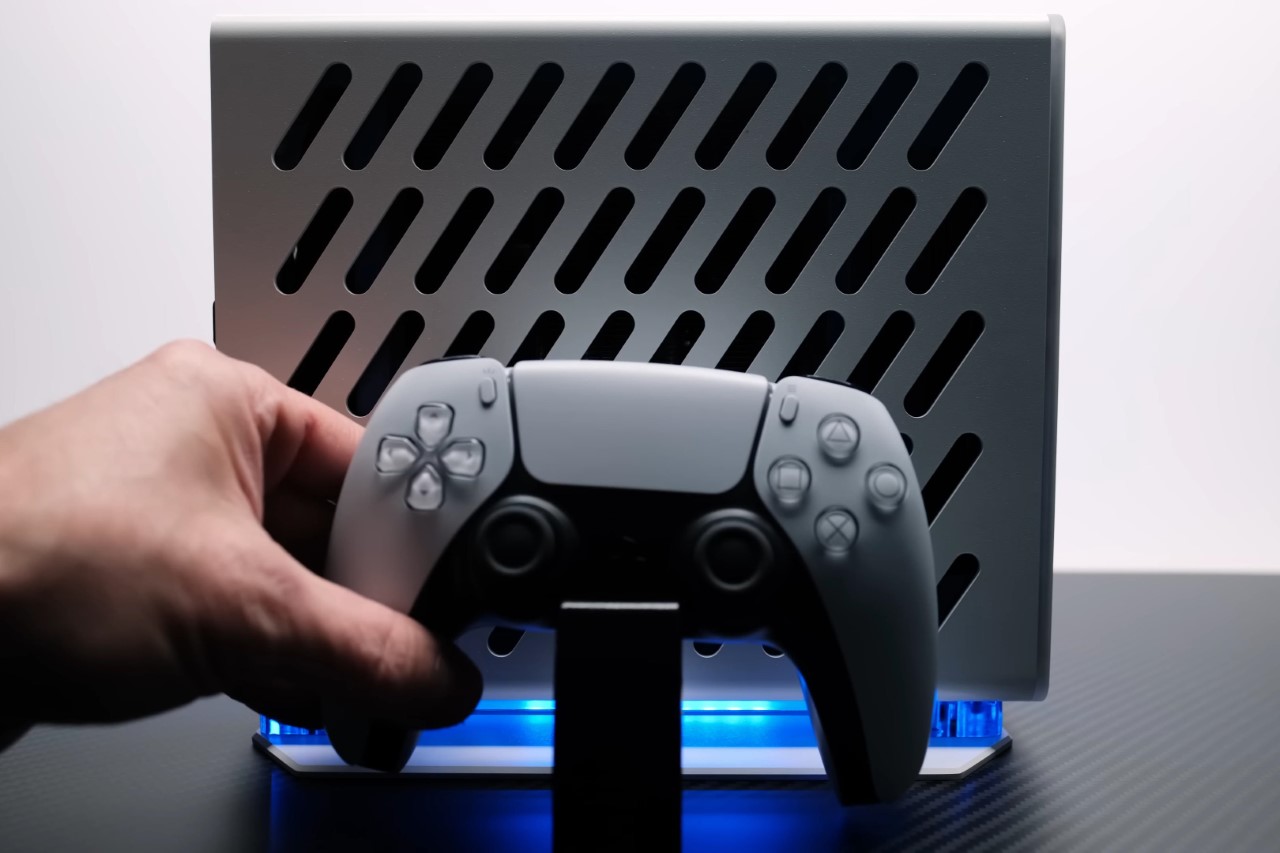
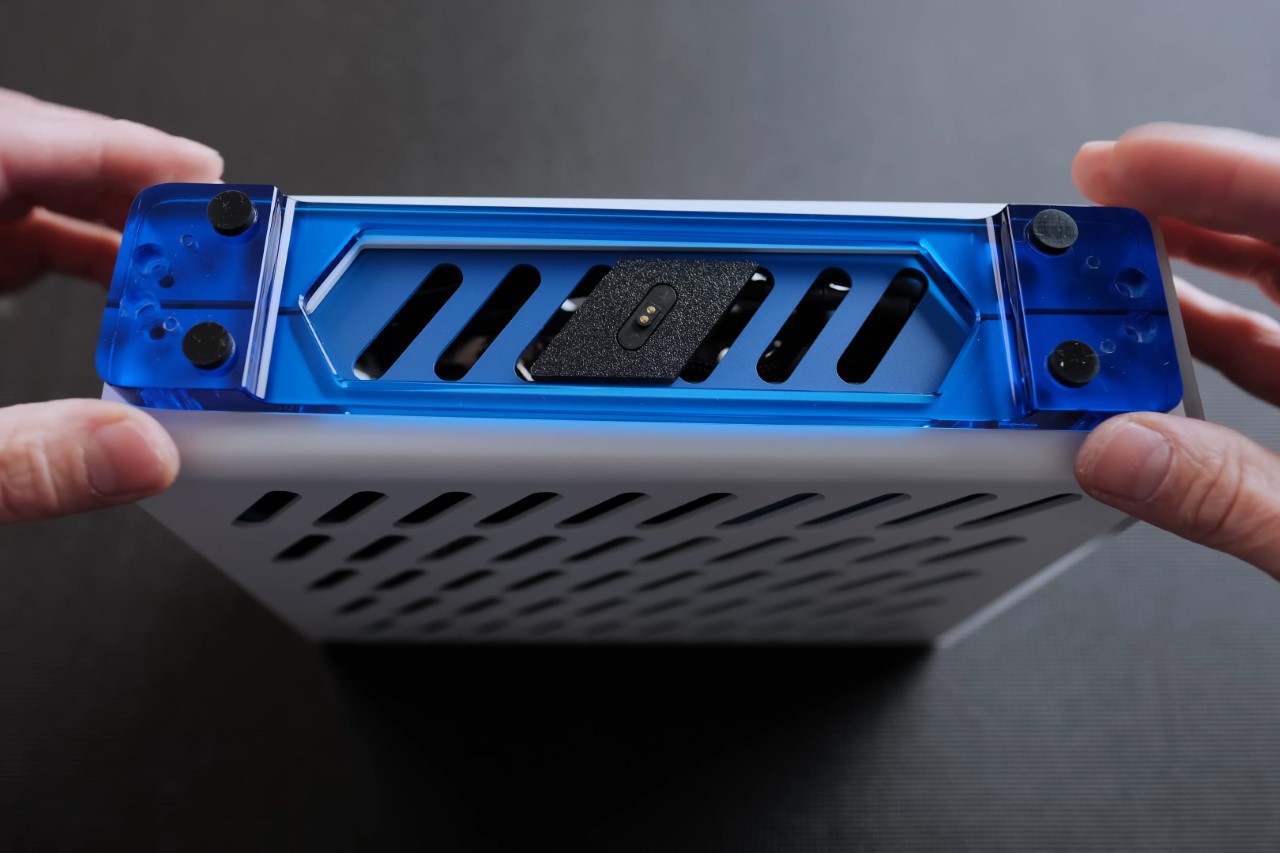
The PS5 Mini comes with a construction featuring metal, plastic, and even carbon fiber parts. It has a completely new heat sink, a new chassis, outer body with massive grills on the side for air flow, a new fan, and even backlit plastic components that glow blue when the machine’s on. It also features not one but two DualShock controller docks that also charge your controllers when put in place, doing something that even the OG PlayStation couldn’t.

The new build features up to 20 redesigned components that were either made in NFC’s studio workshop on his CNC machine or 3D printer, or ordered from a fabrication website. The size of the new PS5 Mini was determined by the motherboard, which was a compact rectangular little component that served as the starting point for the console’s design. NFC uses a Black-Ridge CPU Cooler heat sink, and even a new fan and fan controller because the original PS5’s fan is a massive component that played a major role in what made the original console so big. NFC explains that Sony prioritized console ‘quietness’ with the old design, owing to the large fan size (larger fans move more air at slower speeds, creating less noise). The power supply was replaced with a smaller 250W GaN one, the front was capped off with carbon fiber that contrasted the white outer body beautifully, and NFC used the original PS5’s status LEDs to light up a new PS logo that now adorned the front.

The stand charges the controllers even when it’s switched off.

An external disc drive made sense, allowing the PS5 to be web-based when needed, and disc-based when plugged in.

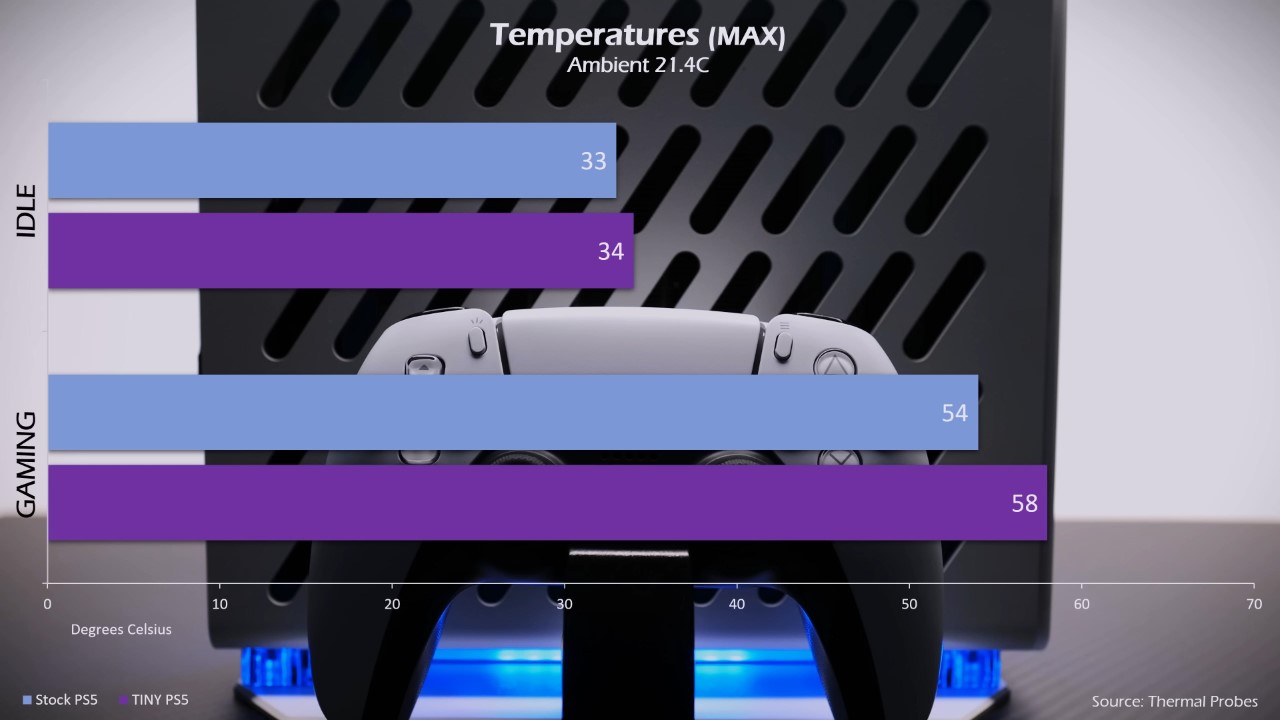
Surprisingly, even the thermals match up to the original, with idle temperatures being a mere 1°C hotter, and gaming temperatures hitting a marginal but impressive 4°C hotter than the original. The way NFC did this is by literally wiring temperature probes into the different parts of the console to get a holistic reading of the console’s temperature at all times. The new fan works in theory, but NFC does point out that making everything smaller means having a marginally noisier fan. Luckily, this could easily be taken care of by placing the console near some speakers, that would wash out the fan’s sound.

The post Fan-made PlayStation 5 ‘Mini’ is 70% smaller than Sony’s Original PS5 and fits in backpacks first appeared on Yanko Design.
DIY PlayStation 5 Tablet almost makes the PlayStation Portal moot

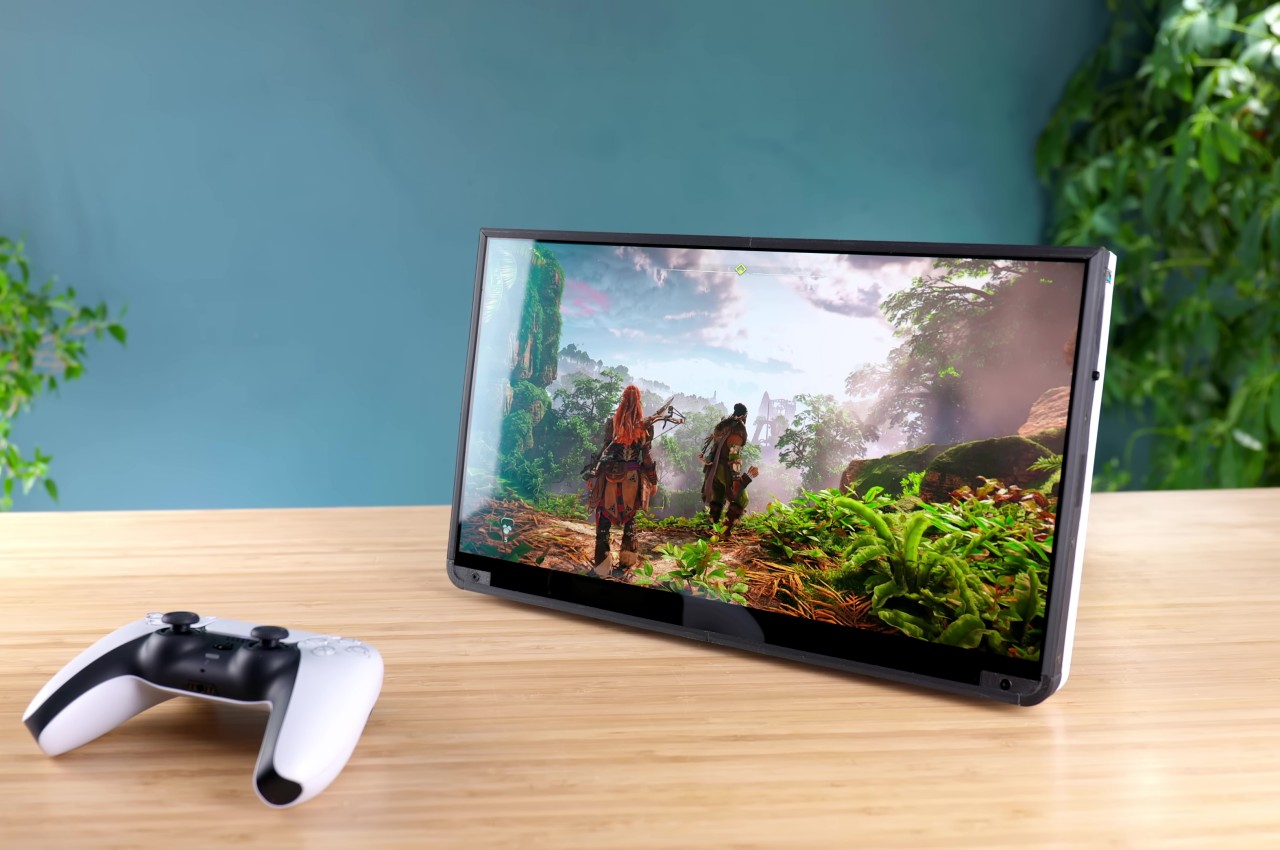
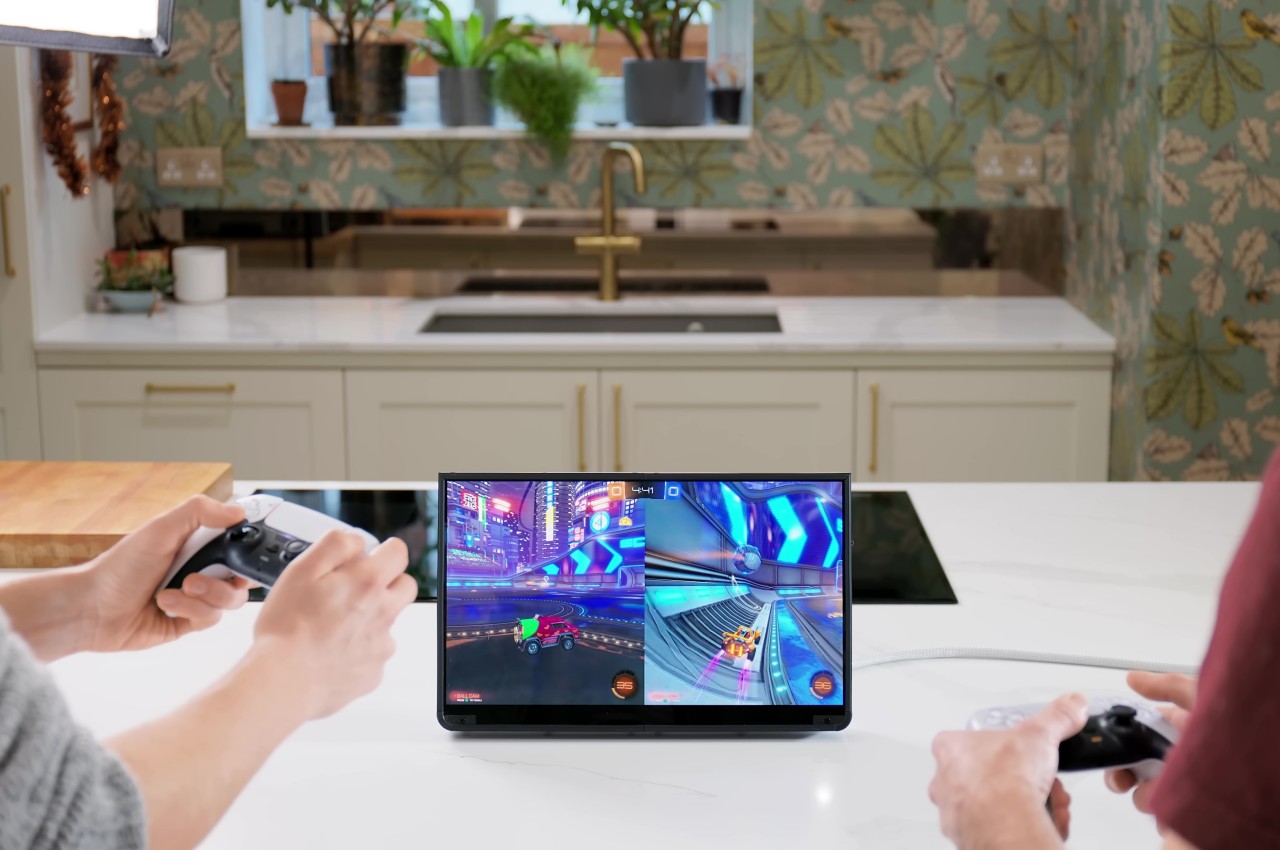
Although the handheld gaming trend has been going strong recently, especially with the likes of the Nintendo Switch and the Steam Deck leading the market, major console makers haven’t taken the plunge completely yet. Granted, Xbox isn’t too concerned because every Windows gaming handheld PC can theoretically run some of its titles, but Sony introduced a rather odd and quite unsatisfying version of this idea. The PlayStation Portal isn’t being “portable” for a reason, since it basically just streams games from the PS5 sitting somewhere in your house. Take it to more enterprising creators to bring the PlayStation 5 Portable dream to life, like this rather impressive gigantic PlayStation 5 “Tablet Edition” that is very much worth all the hard work involved.

Designer: Matthew Perks

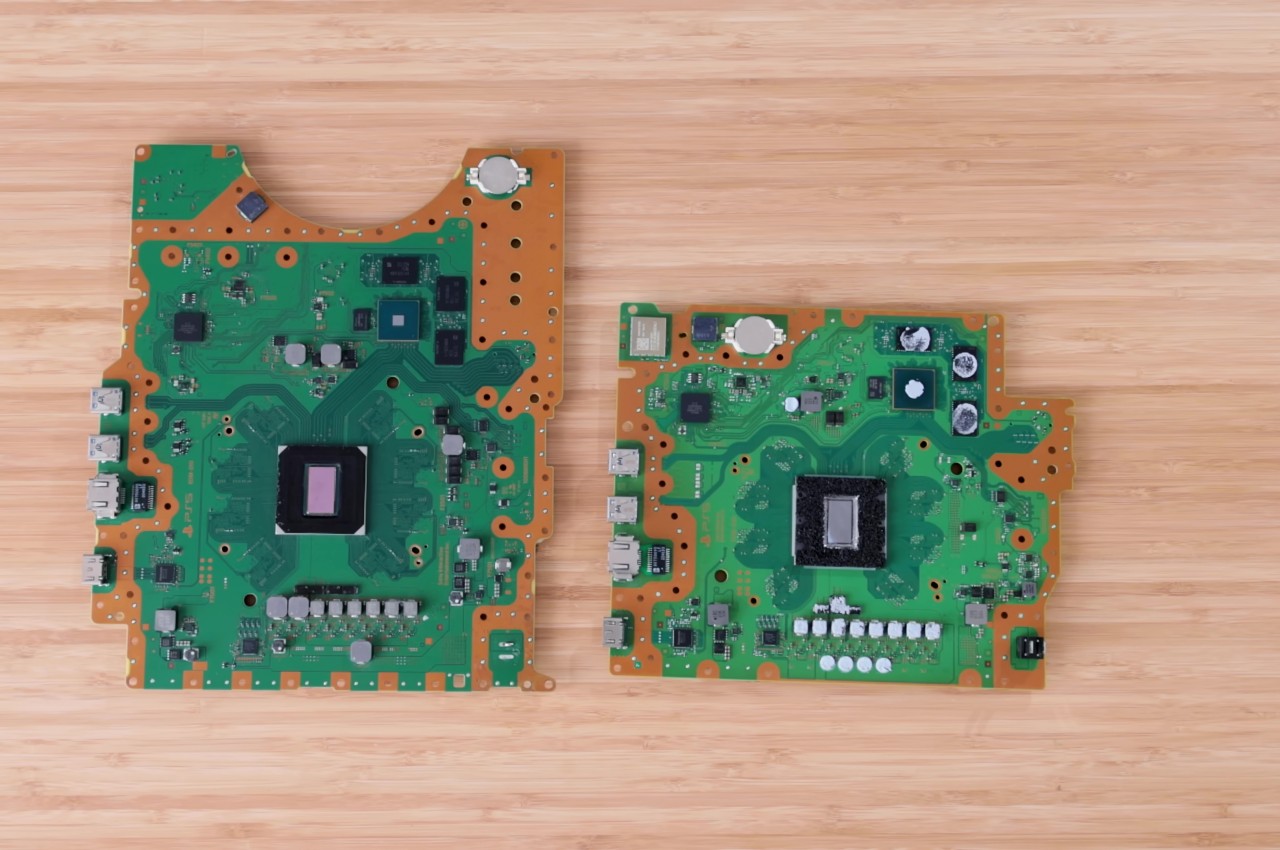
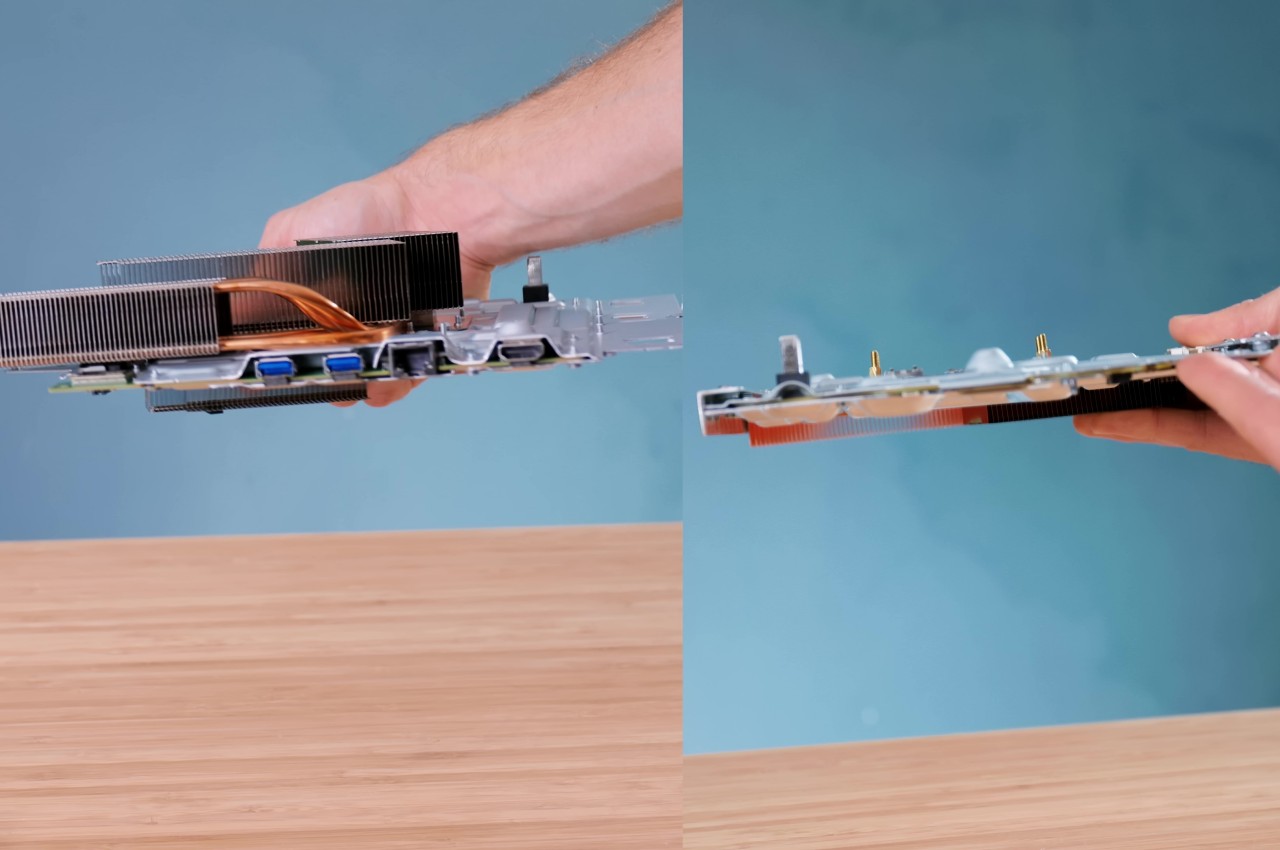
The PlayStation 5 diverges from generations of console design with a sleek, futuristic, yet also alien aesthetic that some have compared to a trophy. But it’s especially thanks to that new design, especially the improvement Sony quietly made after launching the console, that makes this creative endeavor even possible. In a nutshell, Sony trimmed the PS5 motherboard down to a smaller size that could be made to fit inside a thick and hefty 14-inch tablet. That, however, was the least of the project’s problems, considering the things inside that actually make the bulk of the PS5’s, well, bulk.

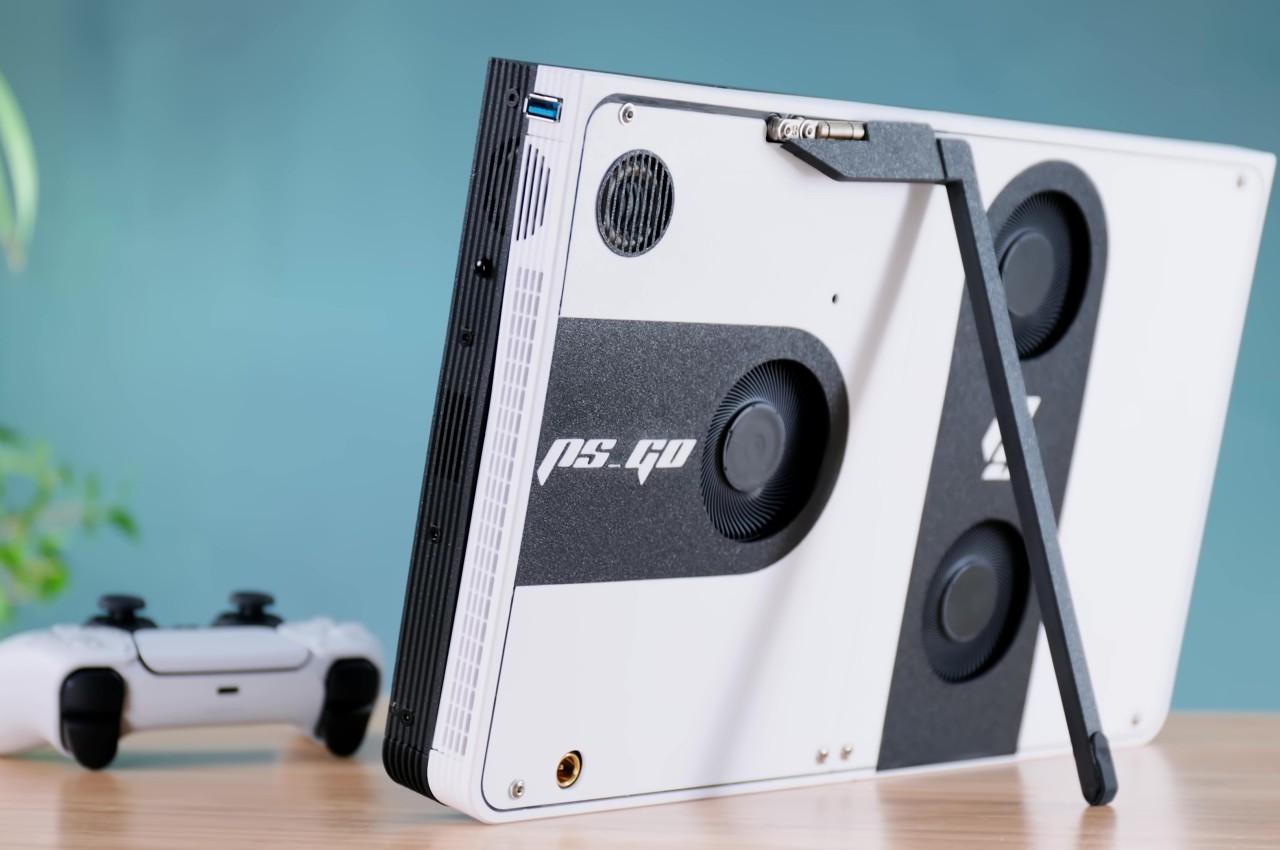
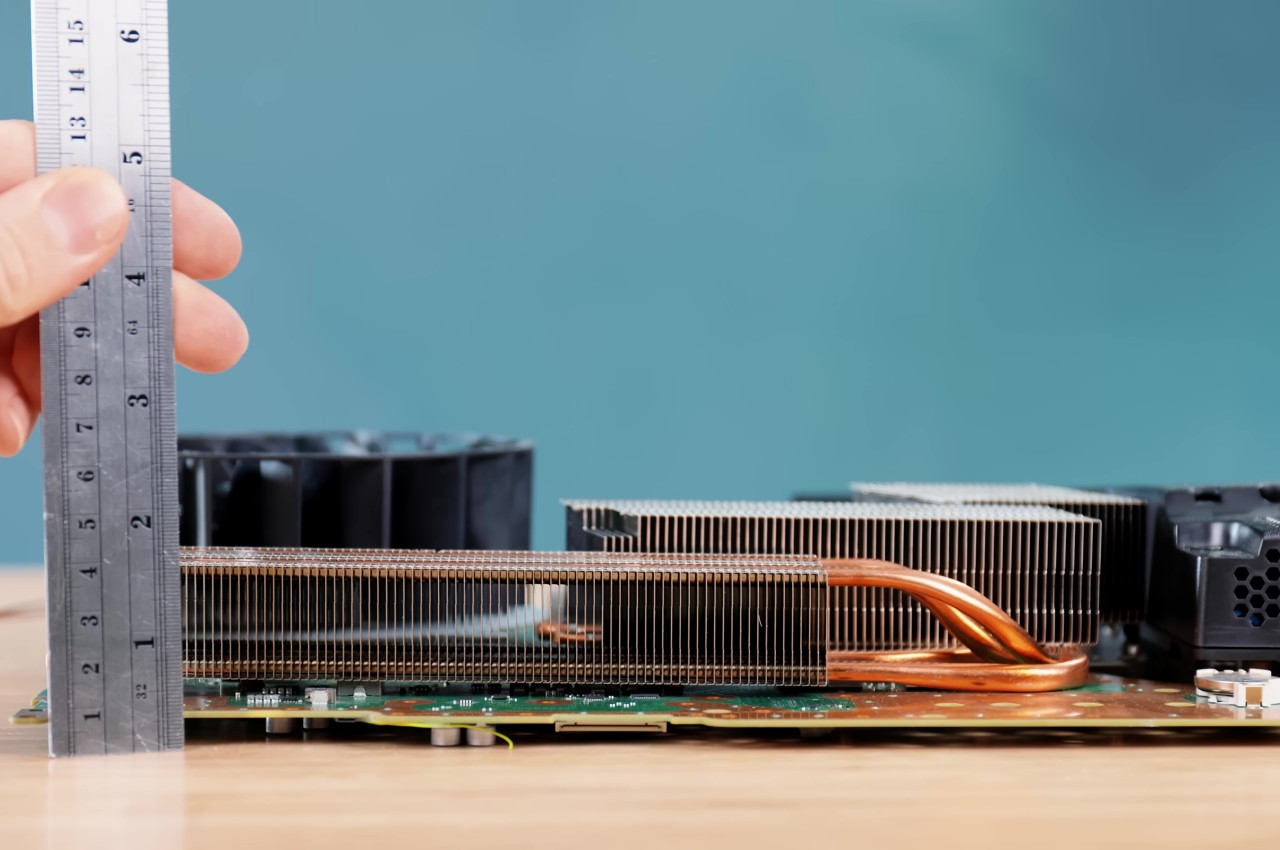
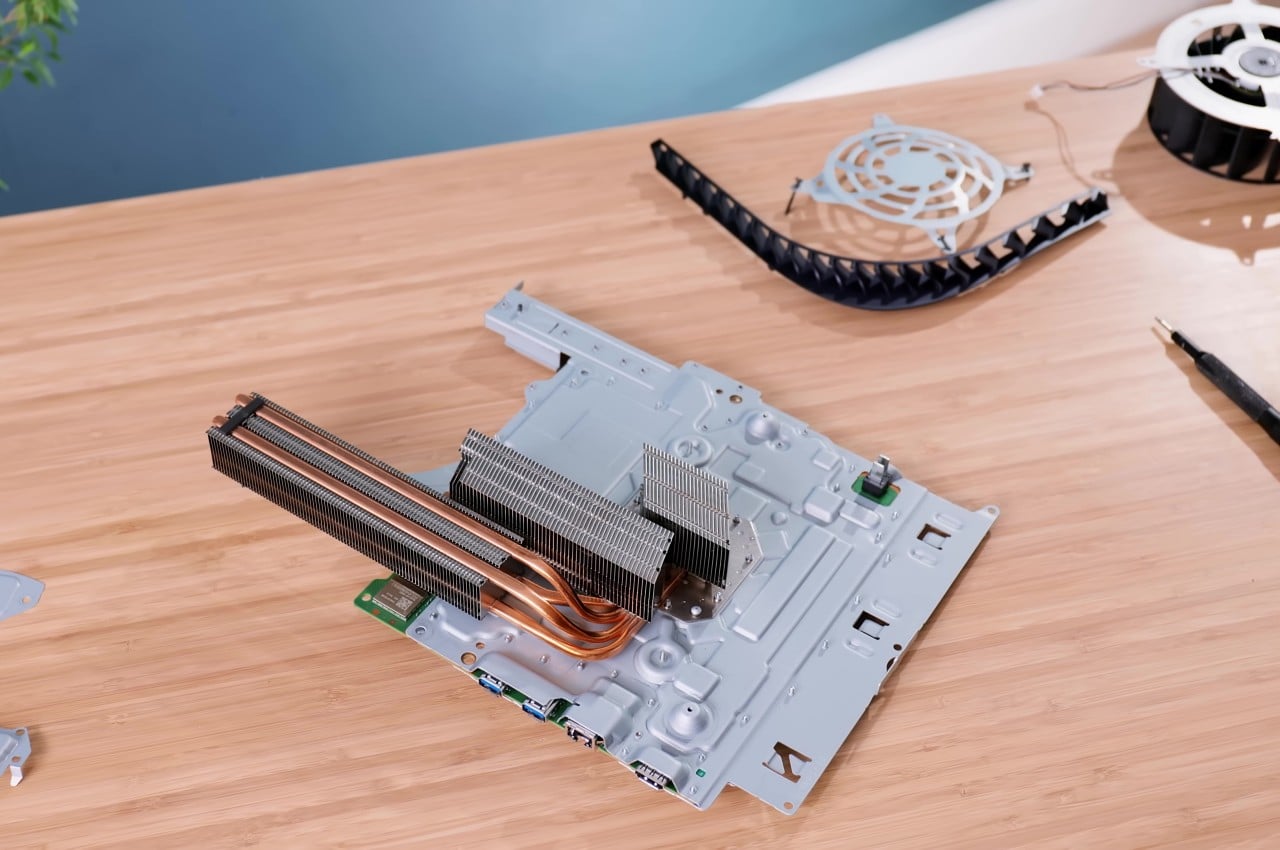
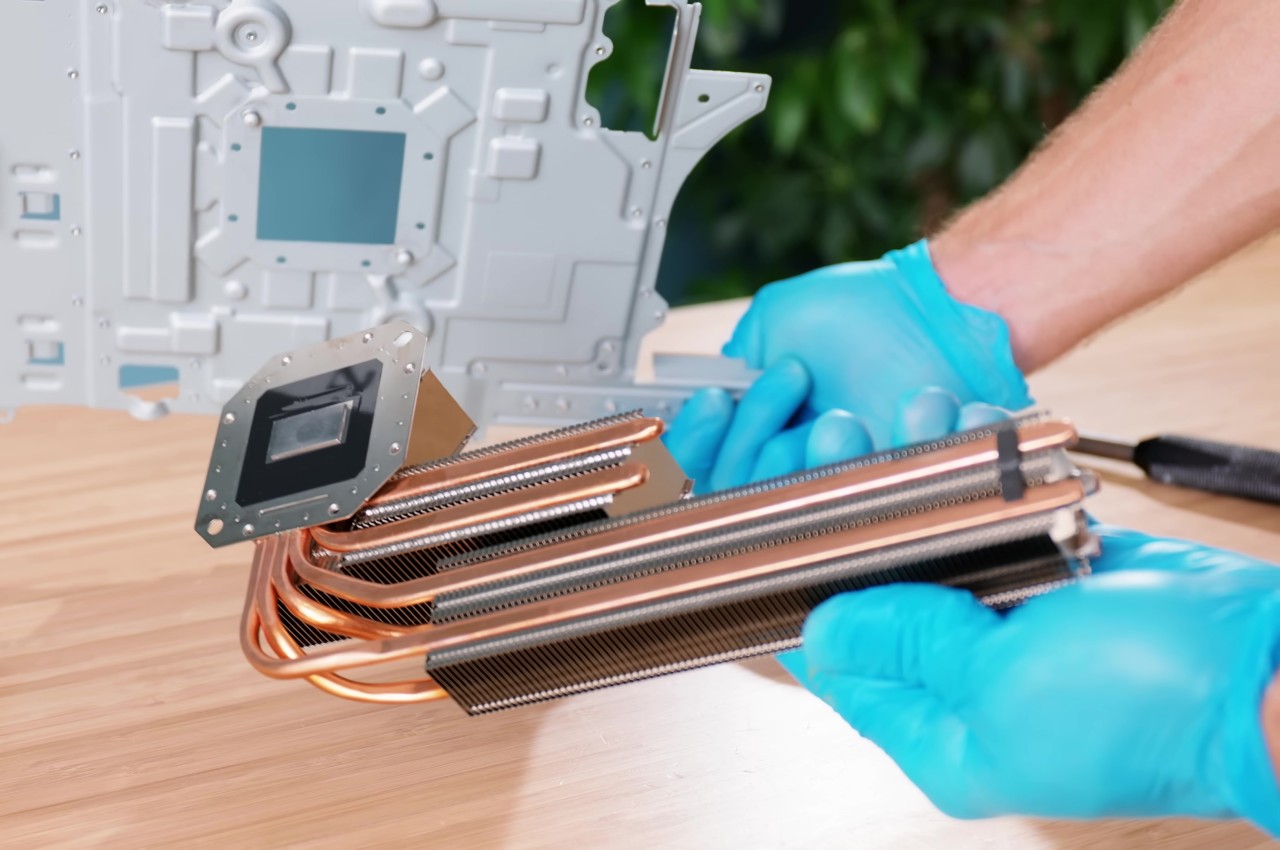
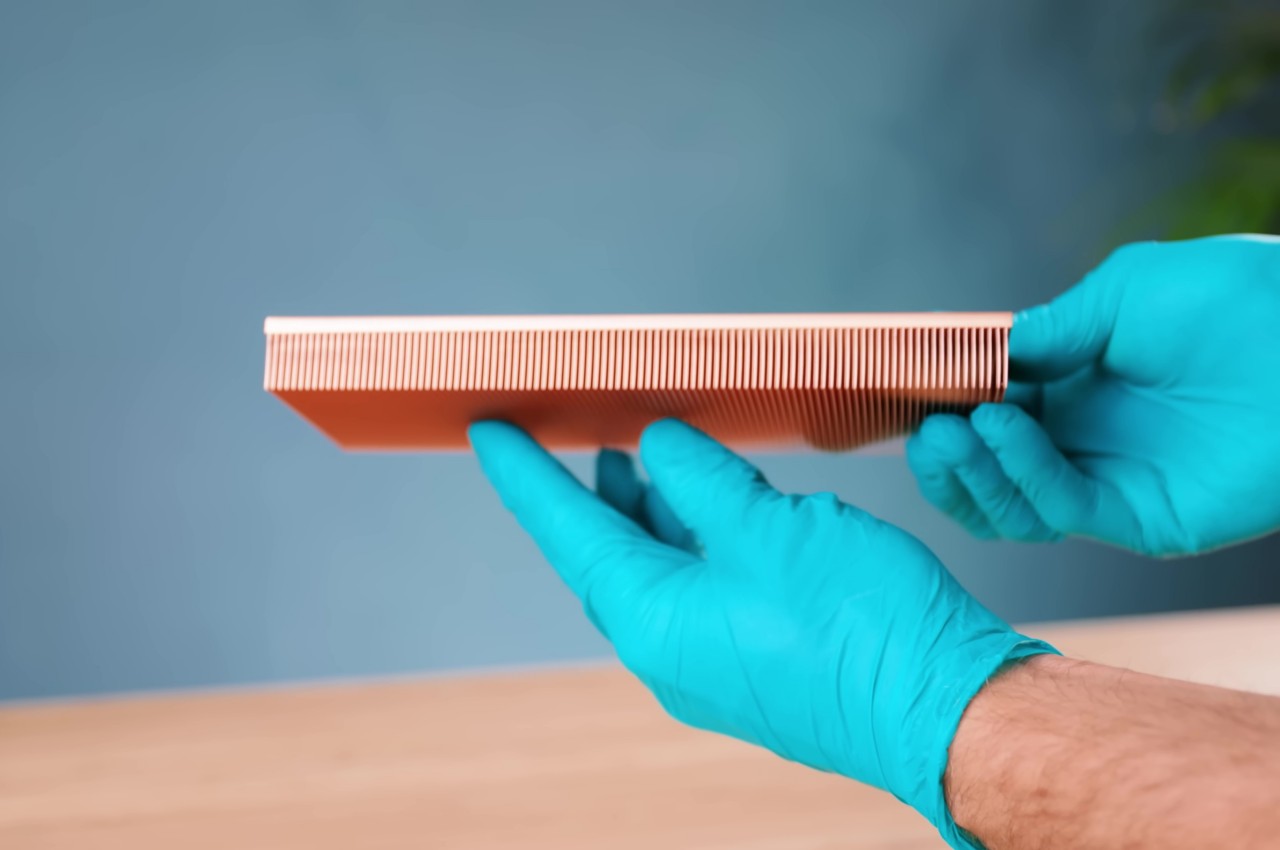
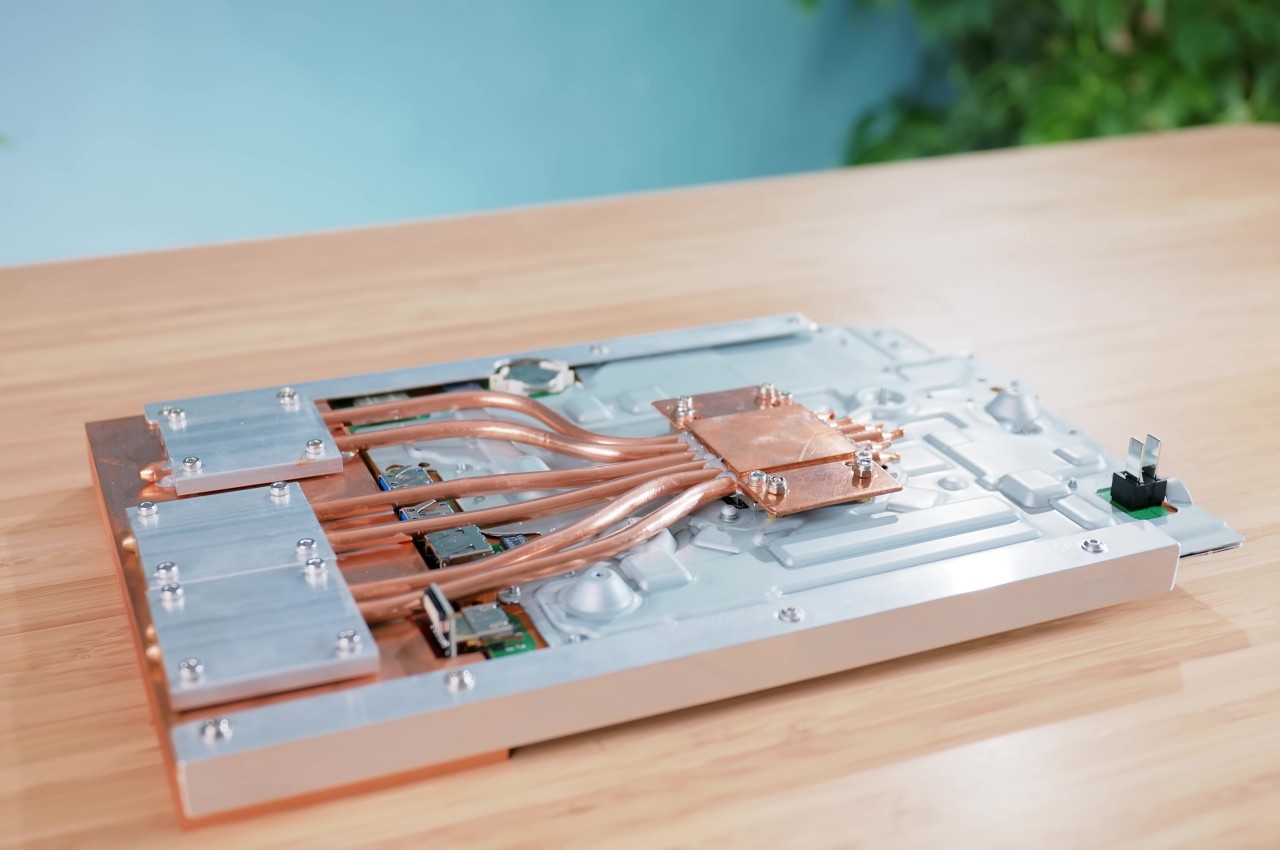
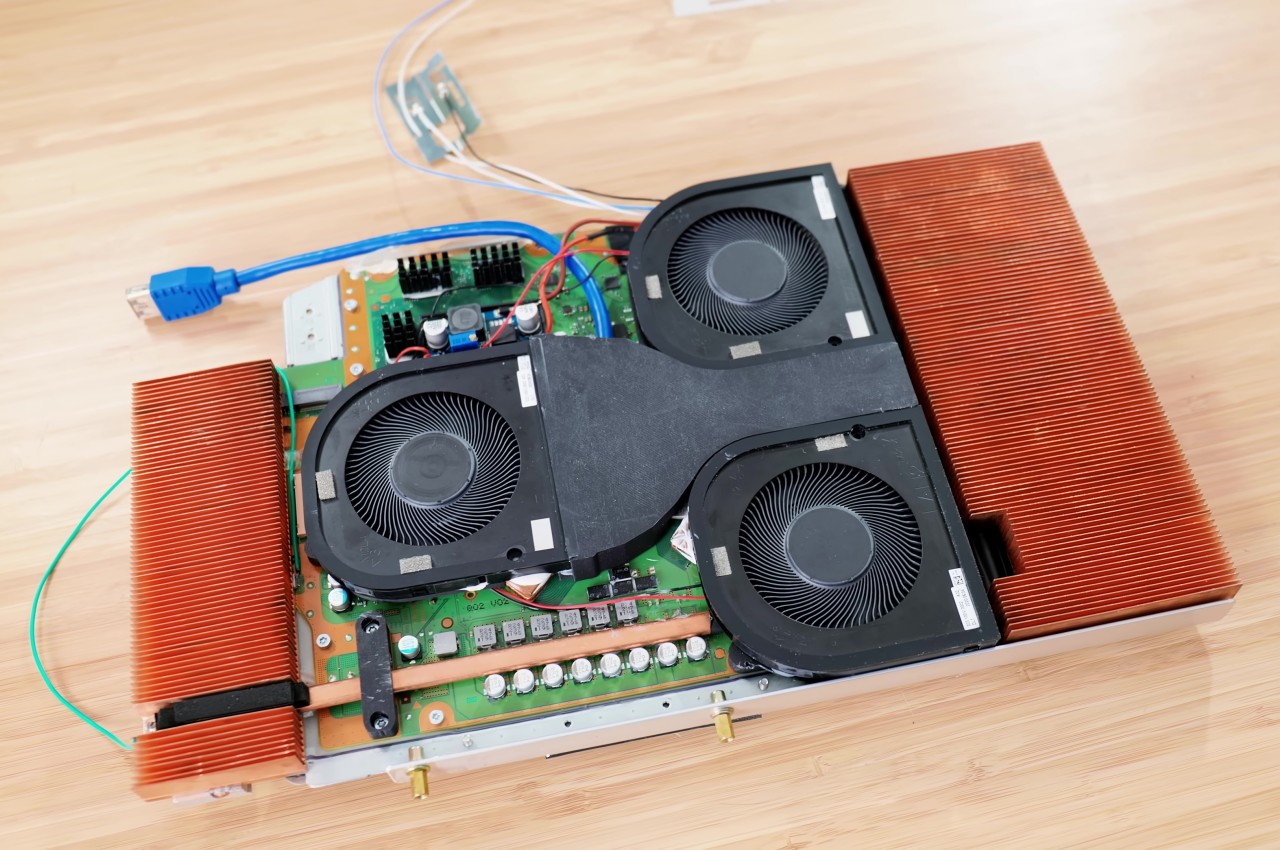
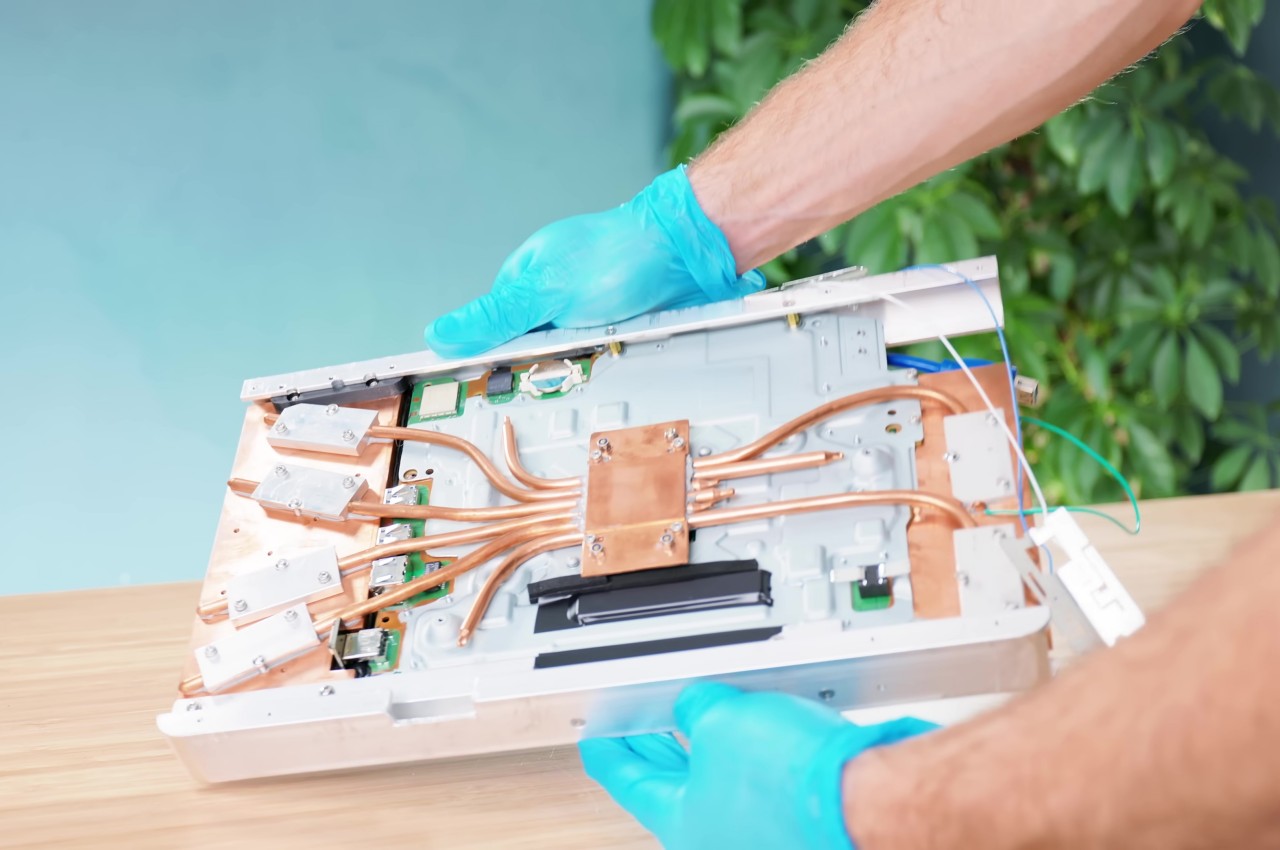
The PlayStation 5 generates around 200W of heat at full power, so the majority of the console’s internals are actually devoted to thermal management. These include bulky fans and a strange-looking heatsink that would never fit any portable design. That’s why the majority of the effort around this PS5 tablet was spent on figuring out an equally efficient thermal management system that didn’t take up too much vertical space. Thanks to some creative thinking and a lot of research, that problem was eventually solved to much satisfaction.
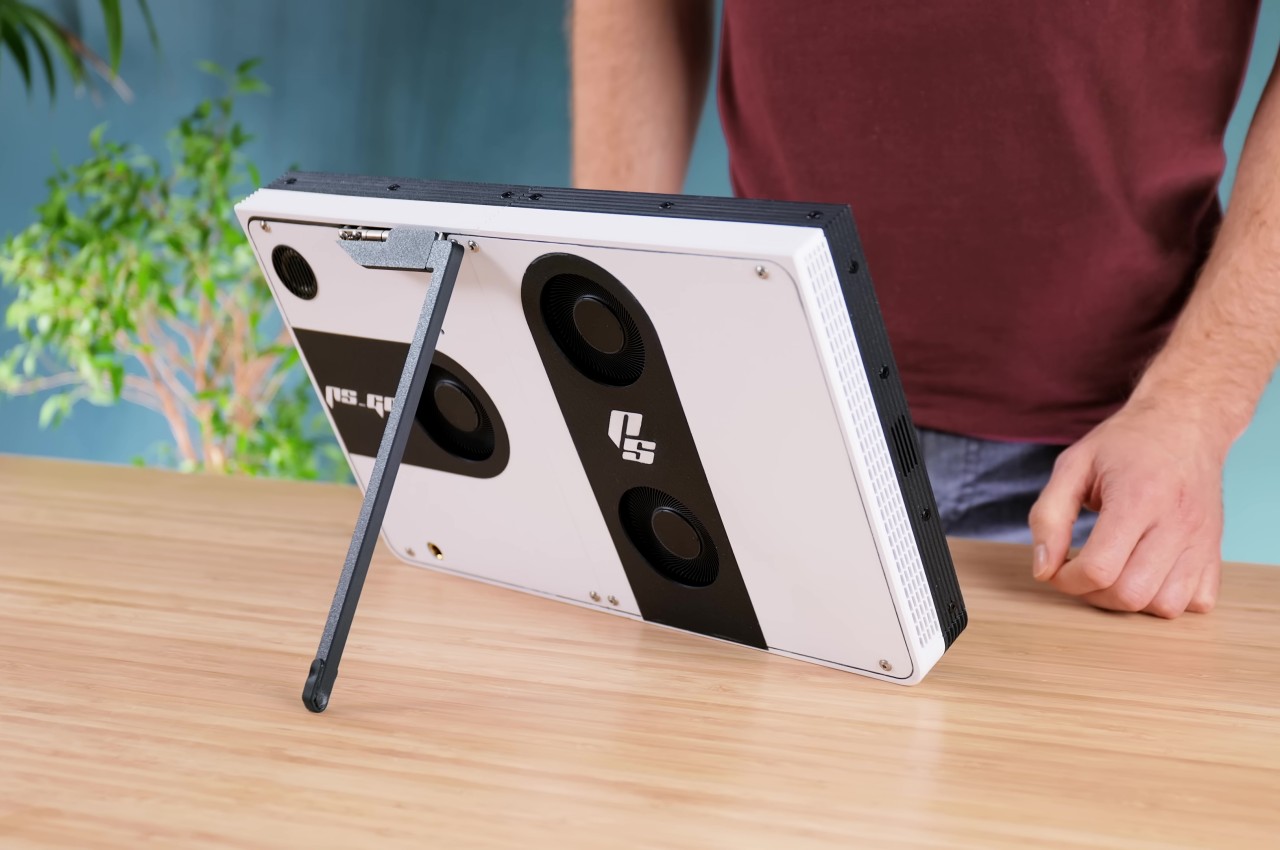
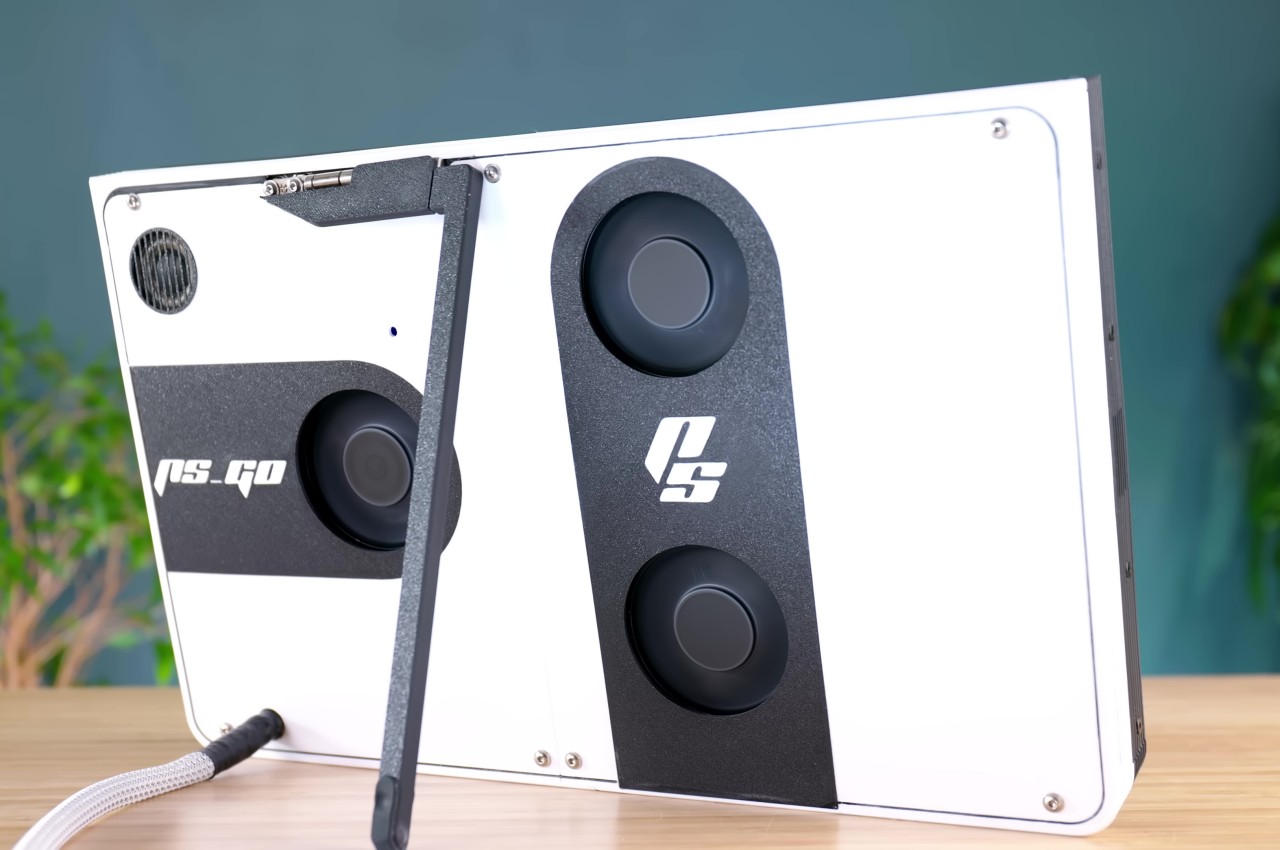
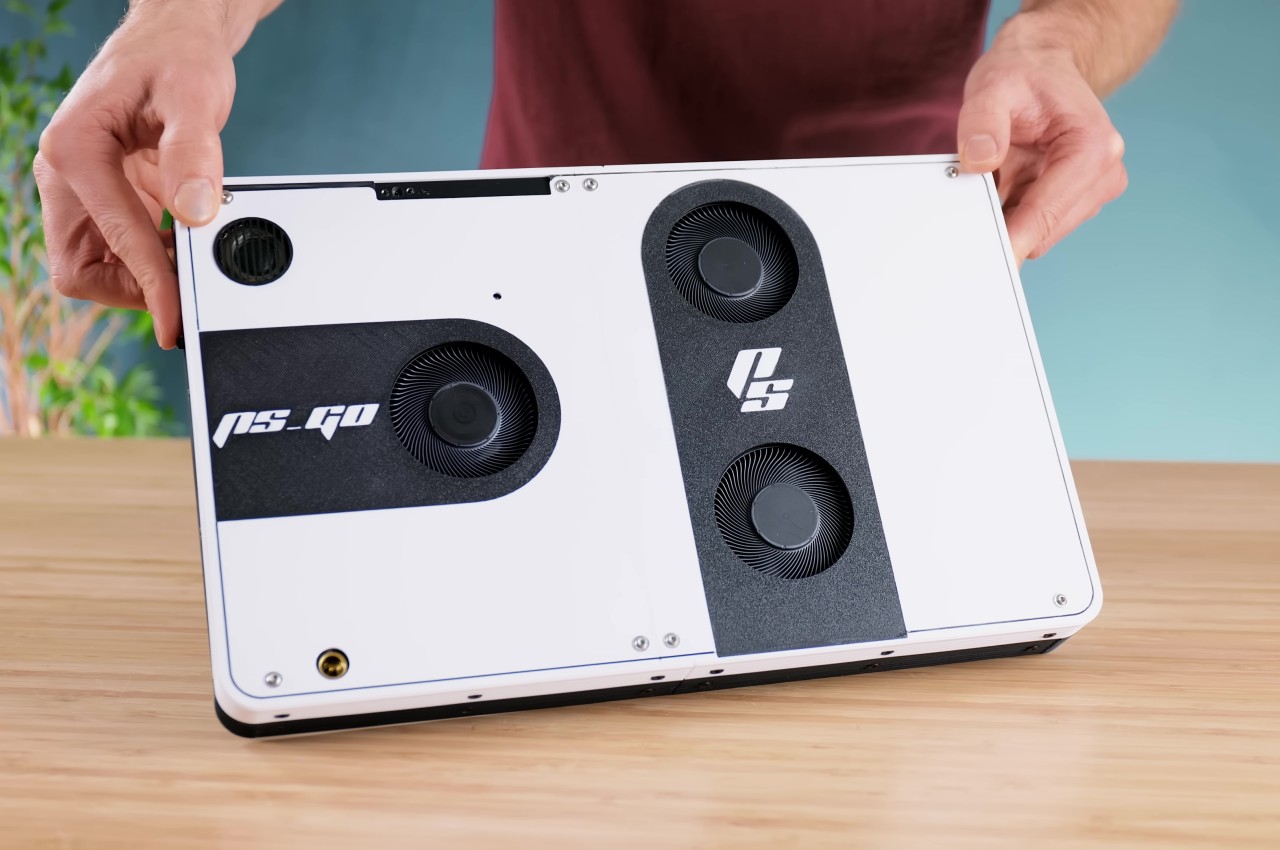
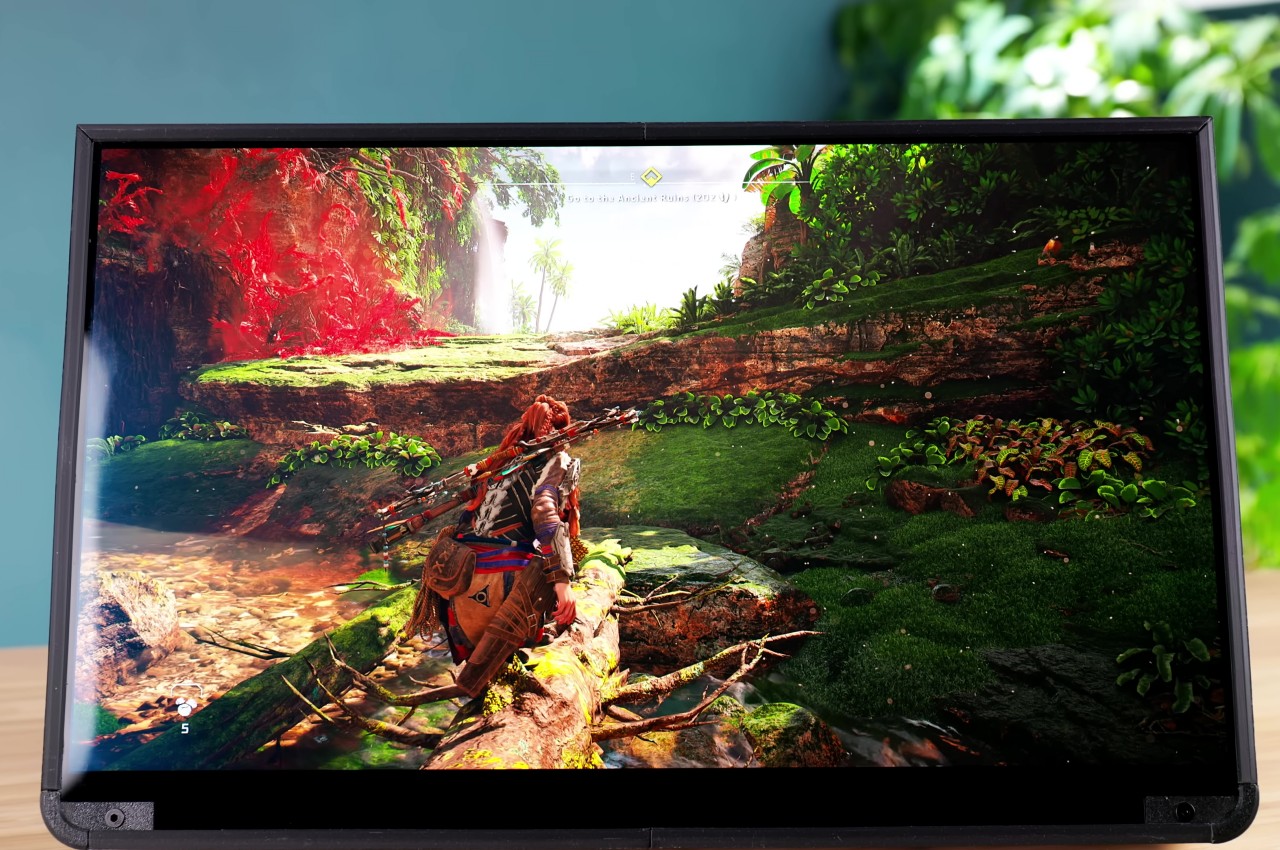
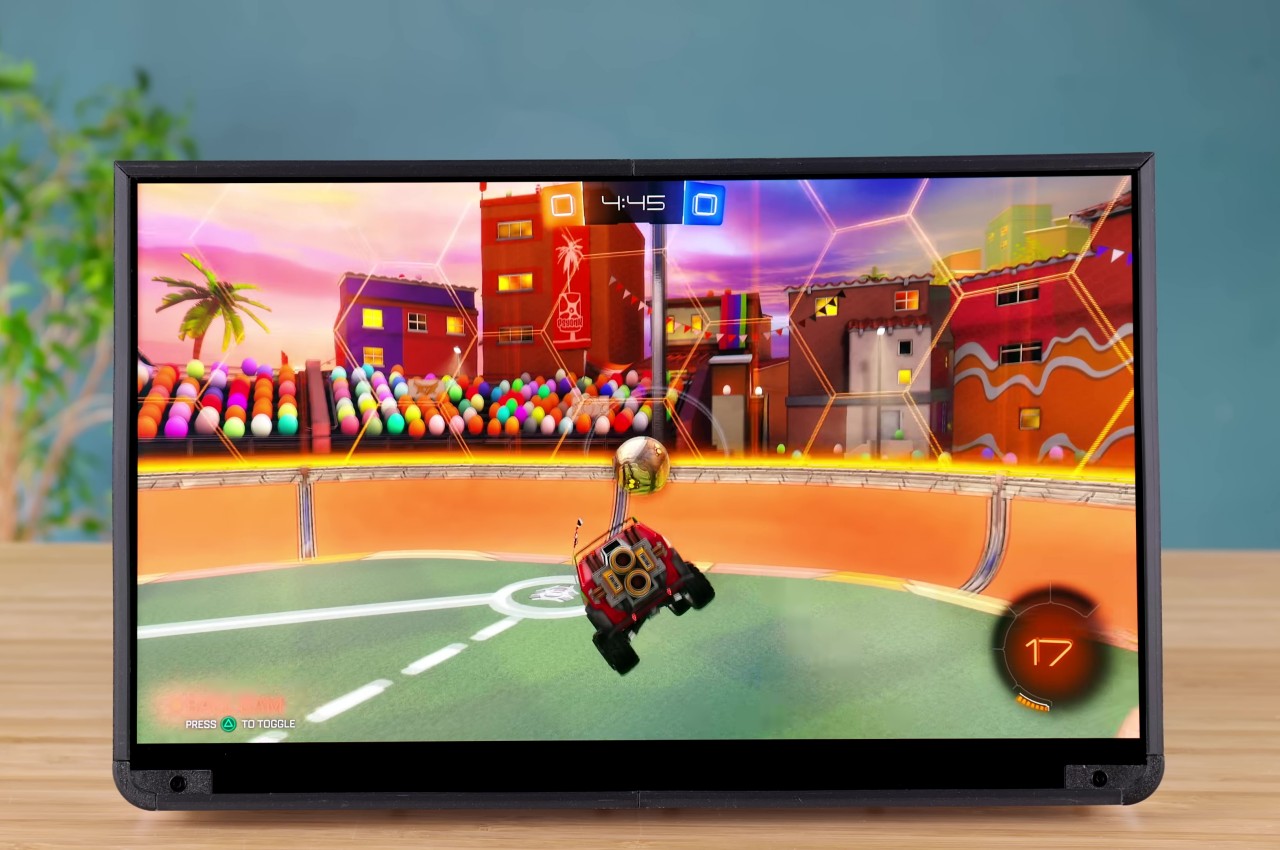
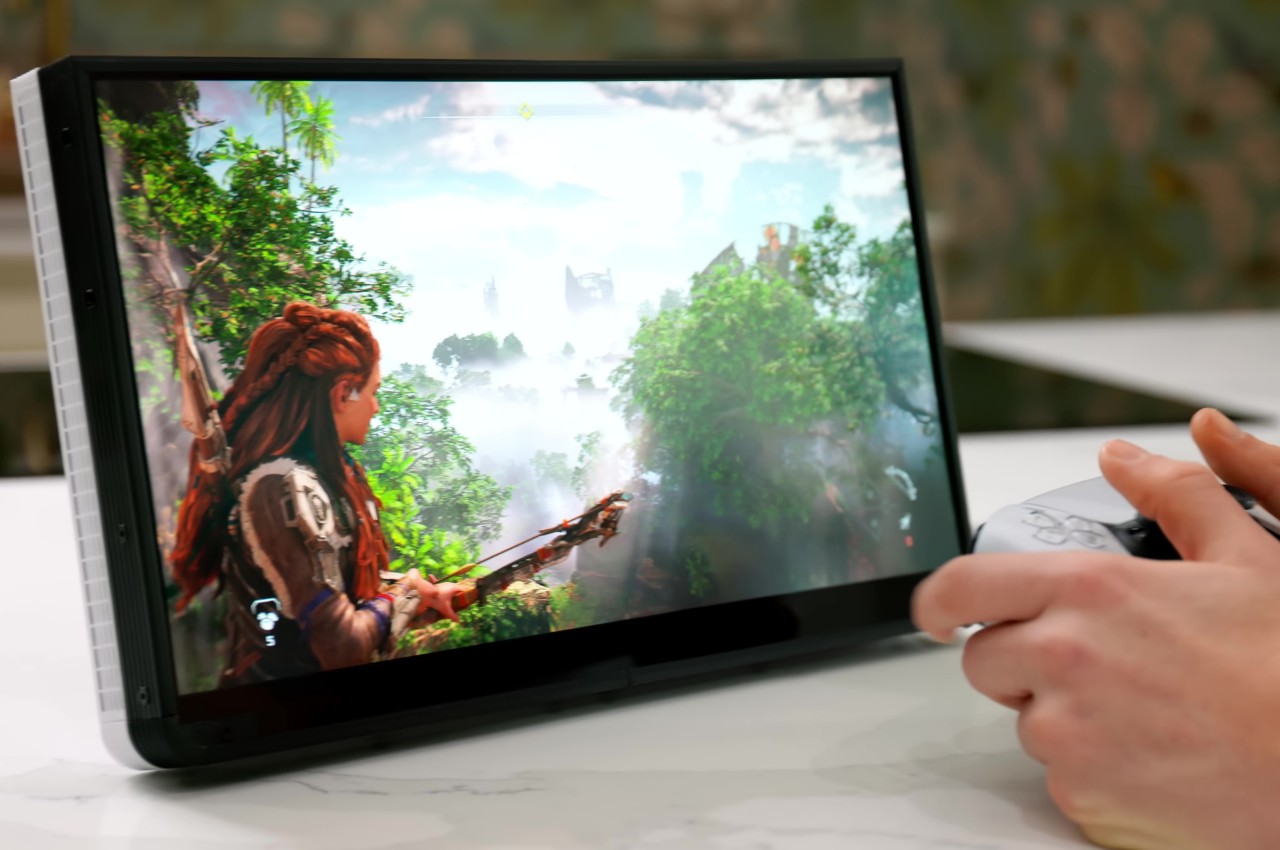
With the biggest engineering hurdle out of the way, putting the rest of the giant tablet was relatively easier. A 3D-printed shell had to be made that matched the black-and-white aesthetic of the PS5. The screen of choice for this project was a 14-inch OLED salvaged from a broken laptop, allowing game graphics to really shine. Finally, an external power source had to be designed since the original PS5 power supply was just too large and too weird to use as is.
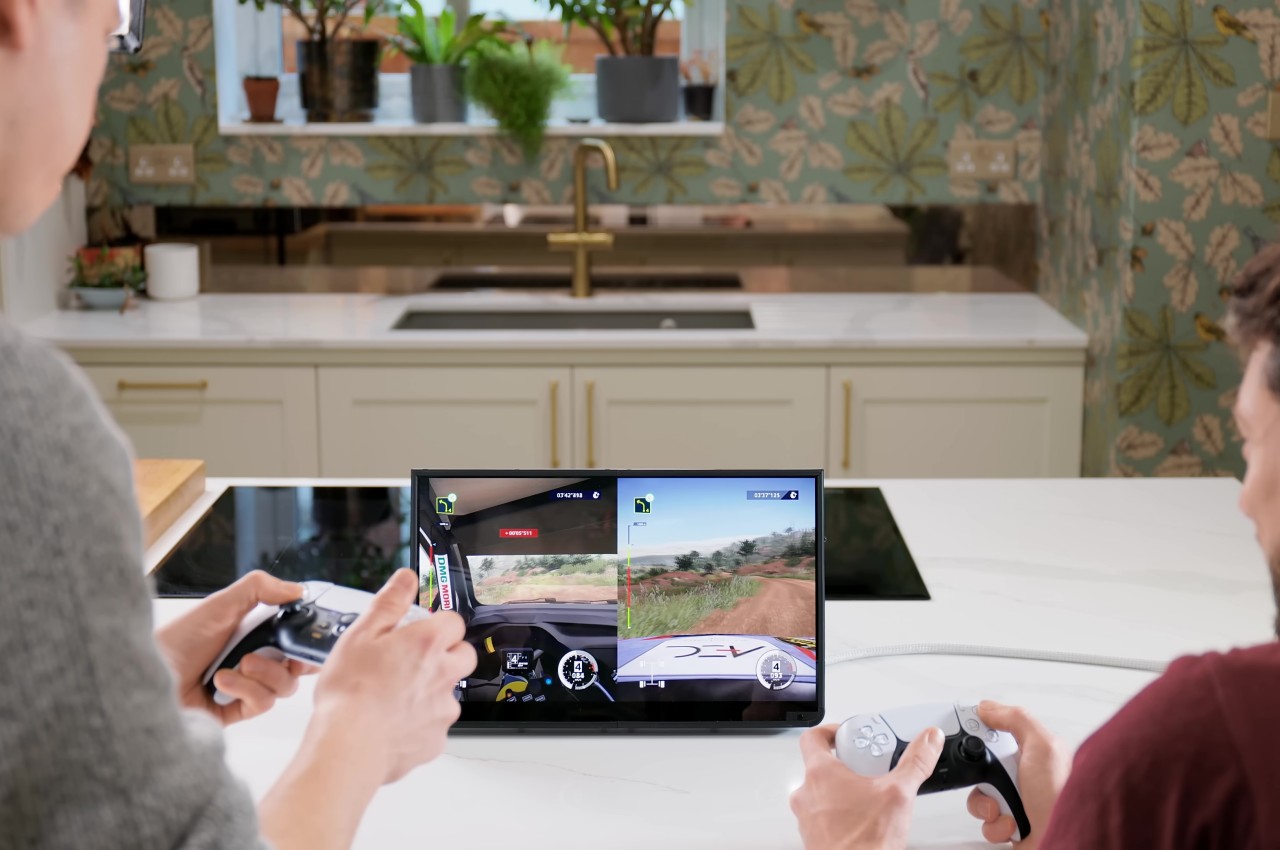
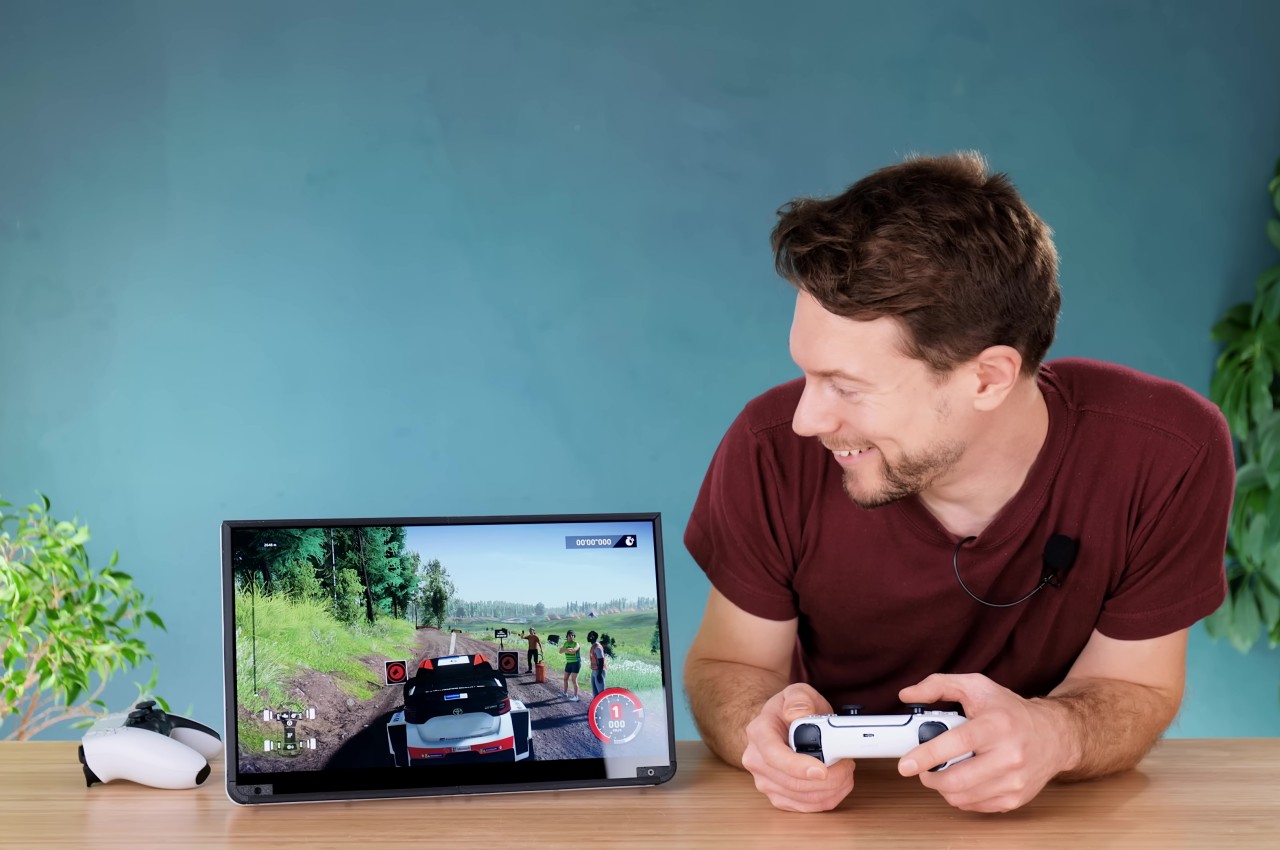
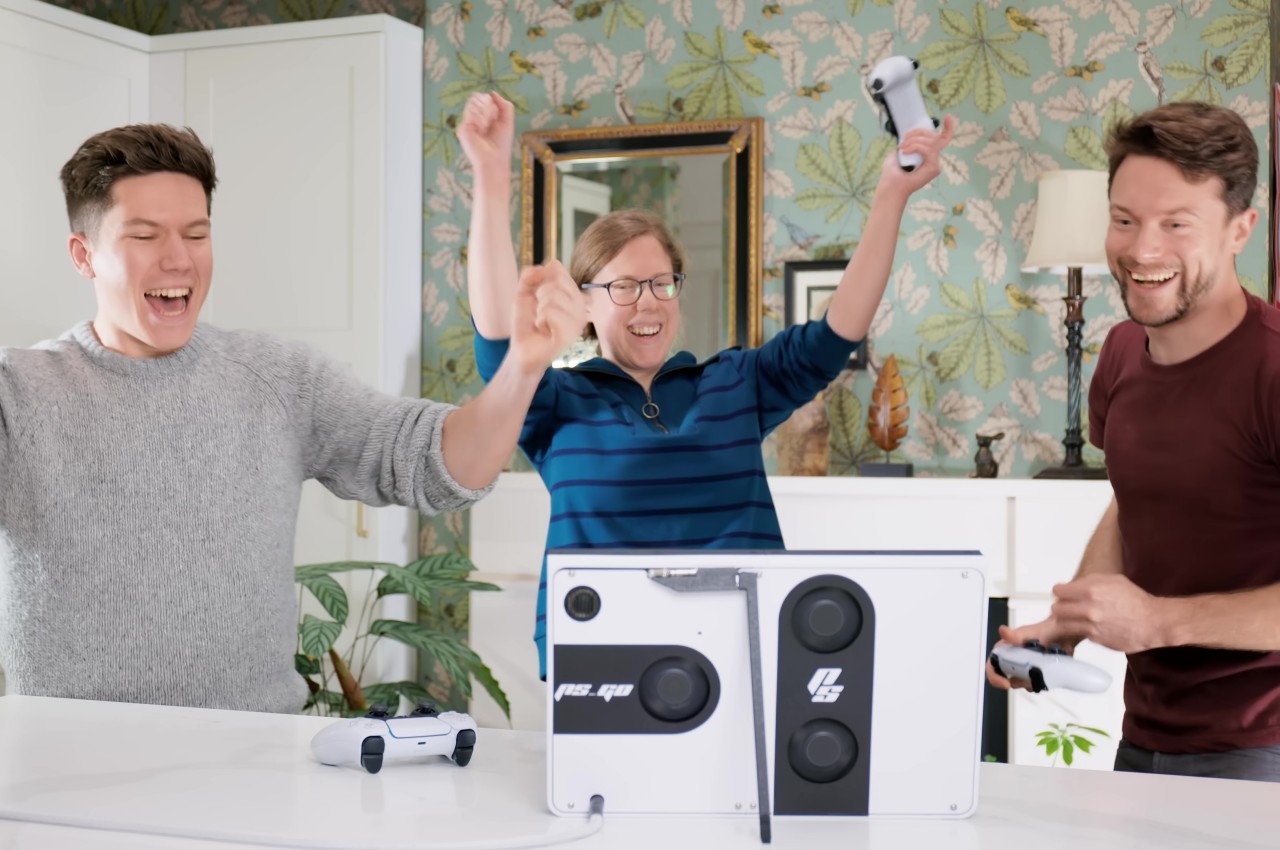
After much work, the PS5 Tablet Edition, a.k.a. PS GO, was ready to be put to the test, and the end result is truly impressive, both from the thermal aspect and especially in performance and visual quality. It’s a truly portable system that can fit inside a backpack, though you’ll have to plug it somewhere to actually use it. Then again, the idea was to create a more social console that you can take to your friend’s or relative’s house so that you can enjoy the experience together, rather than sitting in a corner, alone in the dark, mashing the buttons on your handheld PC.

The post DIY PlayStation 5 Tablet almost makes the PlayStation Portal moot first appeared on Yanko Design.