Sony has a pattern with these limited edition consoles now. Announce a big first party or Marvel game, dress up a PS5 to match, sell it alongside a matching controller. Ghost of Yotei got the black and gold treatment last time around, and it was fine, if a little safe. Wolverine is where that formula gets an upgrade.
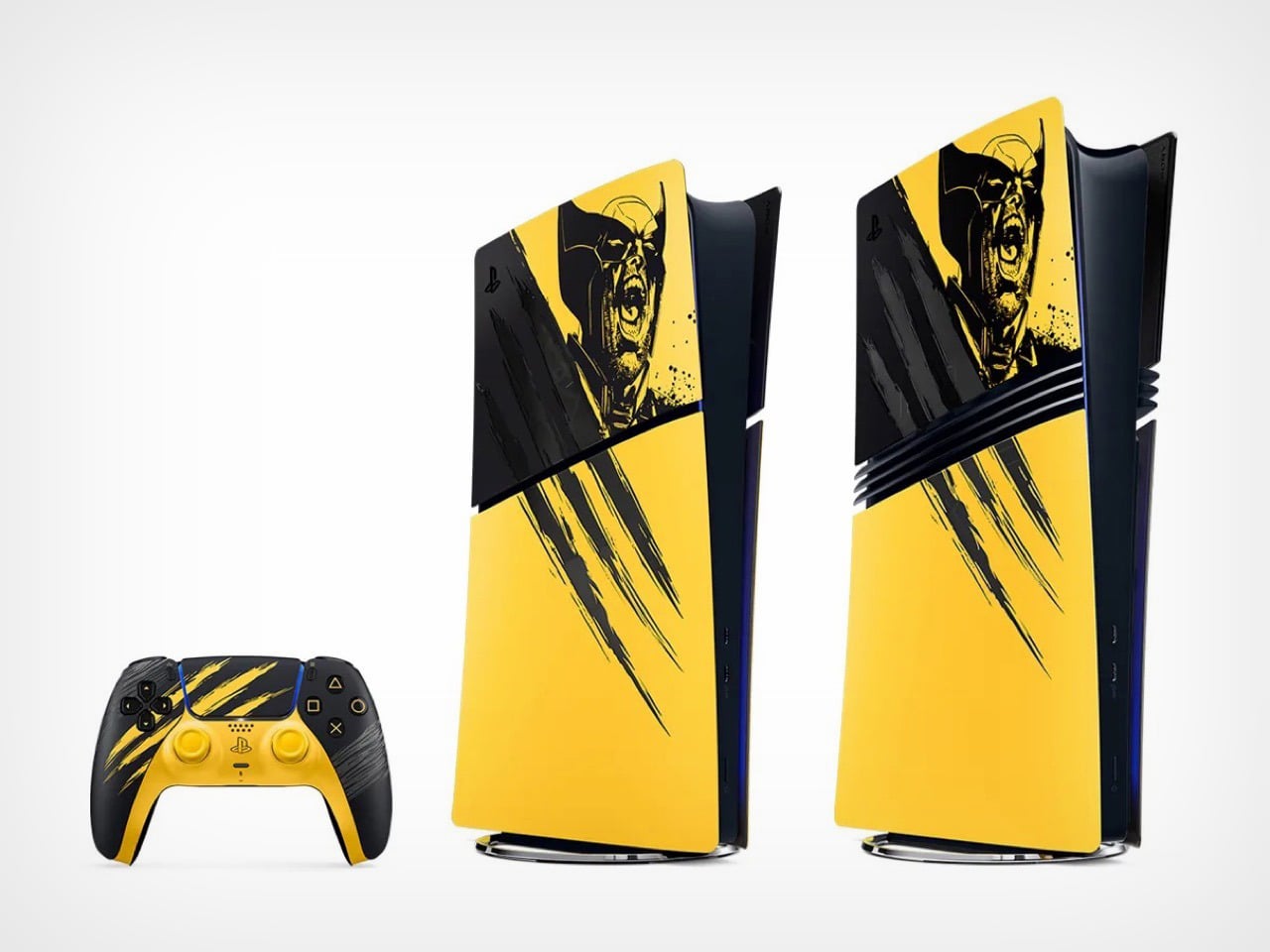
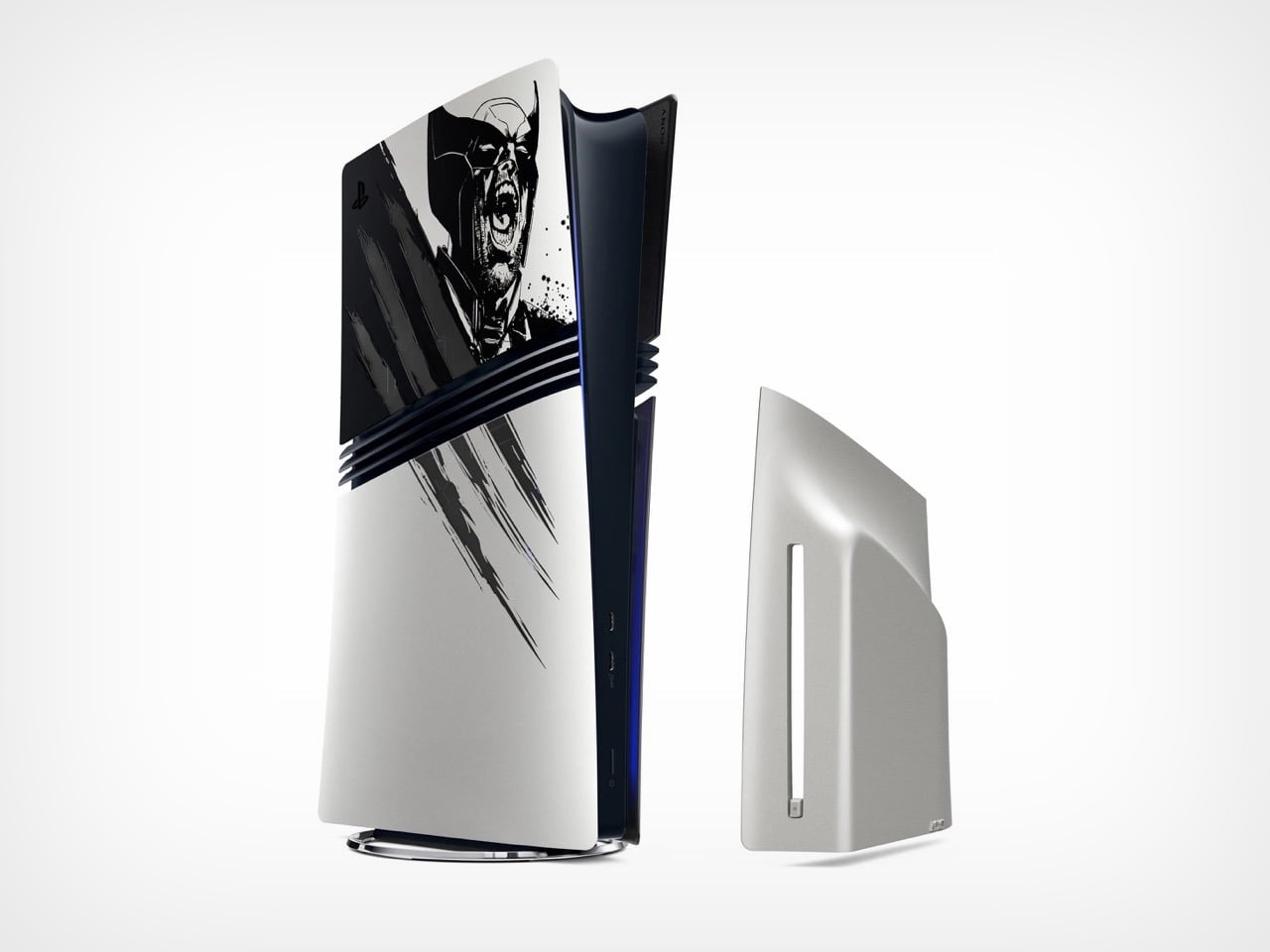
This time Sony gave us two console designs instead of one. Battle Yellow is unapologetic, claw gouges and a screaming Wolverine face on a bright yellow panel. Adamantium is the plot twist, the same claw motif but stripped down to brushed metal that looks closer to a premium appliance than a video game tie in. Two designs, two totally different personalities, and somehow neither one feels like the compromise pick.
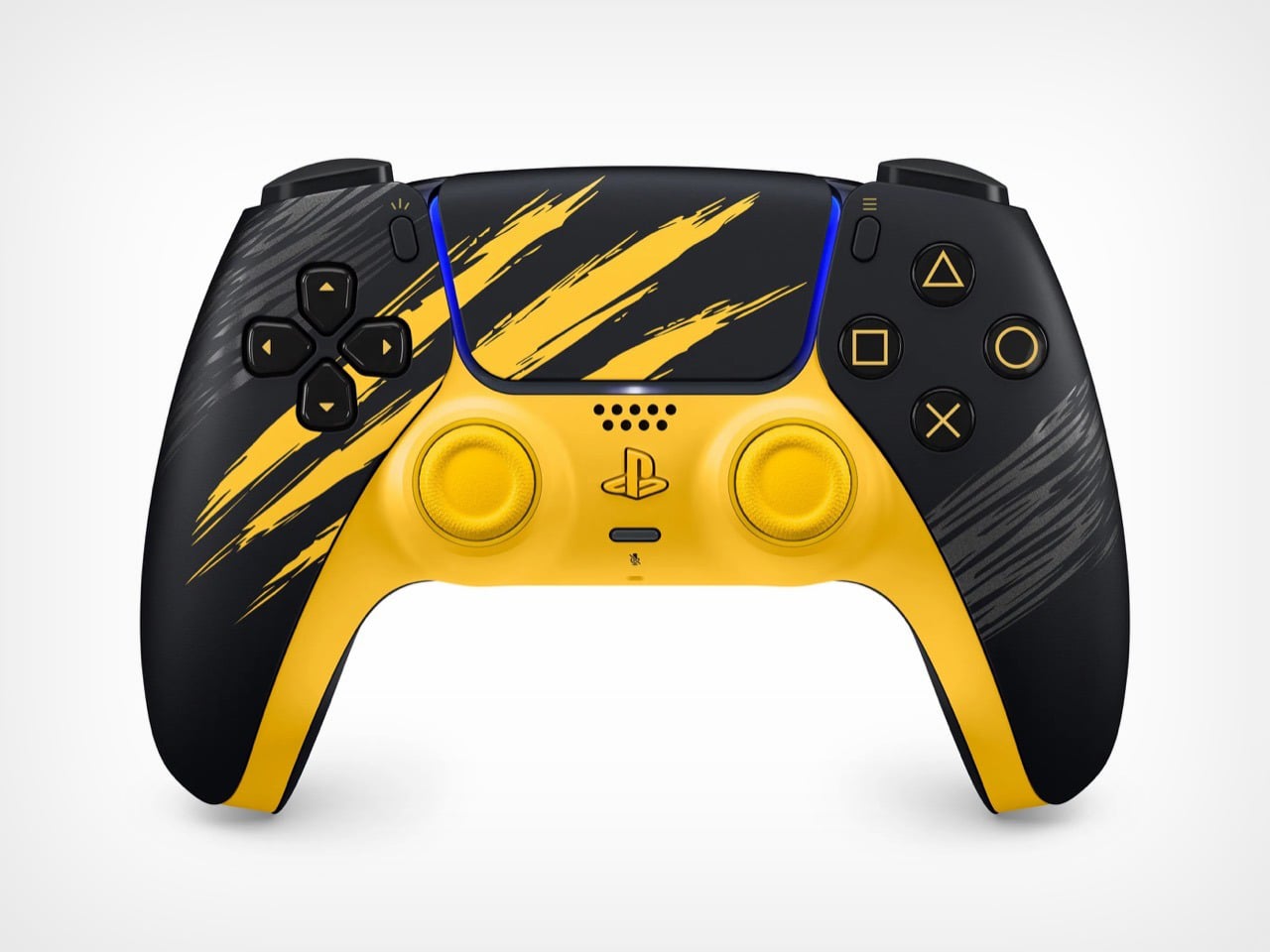
Battle Yellow is the flagship of the two, sold as a full PS5 Digital Edition bundle for $649.99 with a matching DualSense controller and a code for the game. The artwork comes from Jock, the Scottish comic artist who worked on Wolverine’s key art, and you can actually tell. The claw slashes and the inked portrait have that loose, hand drawn energy comics get right and games usually flatten out. It is a rare case of licensed hardware art that does not look like clip art stapled onto a console.
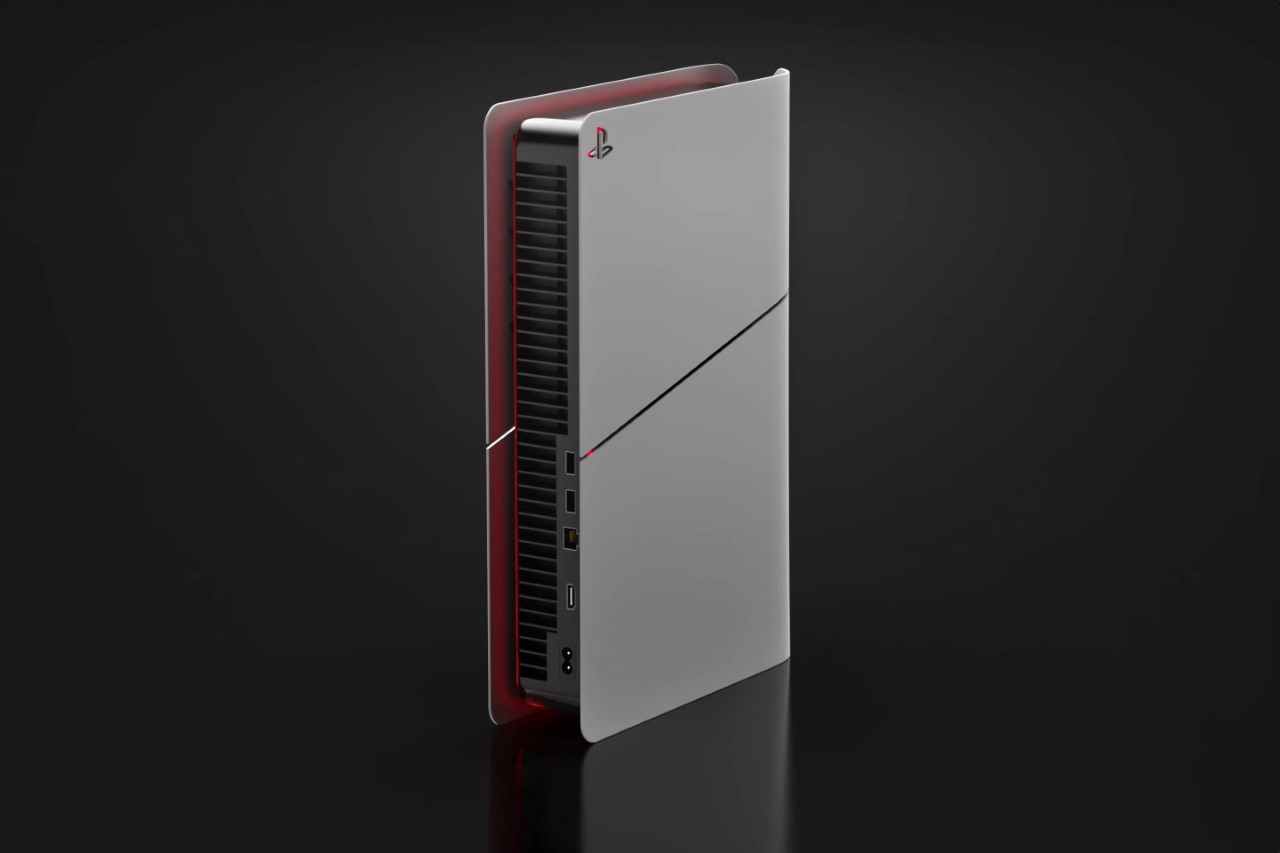
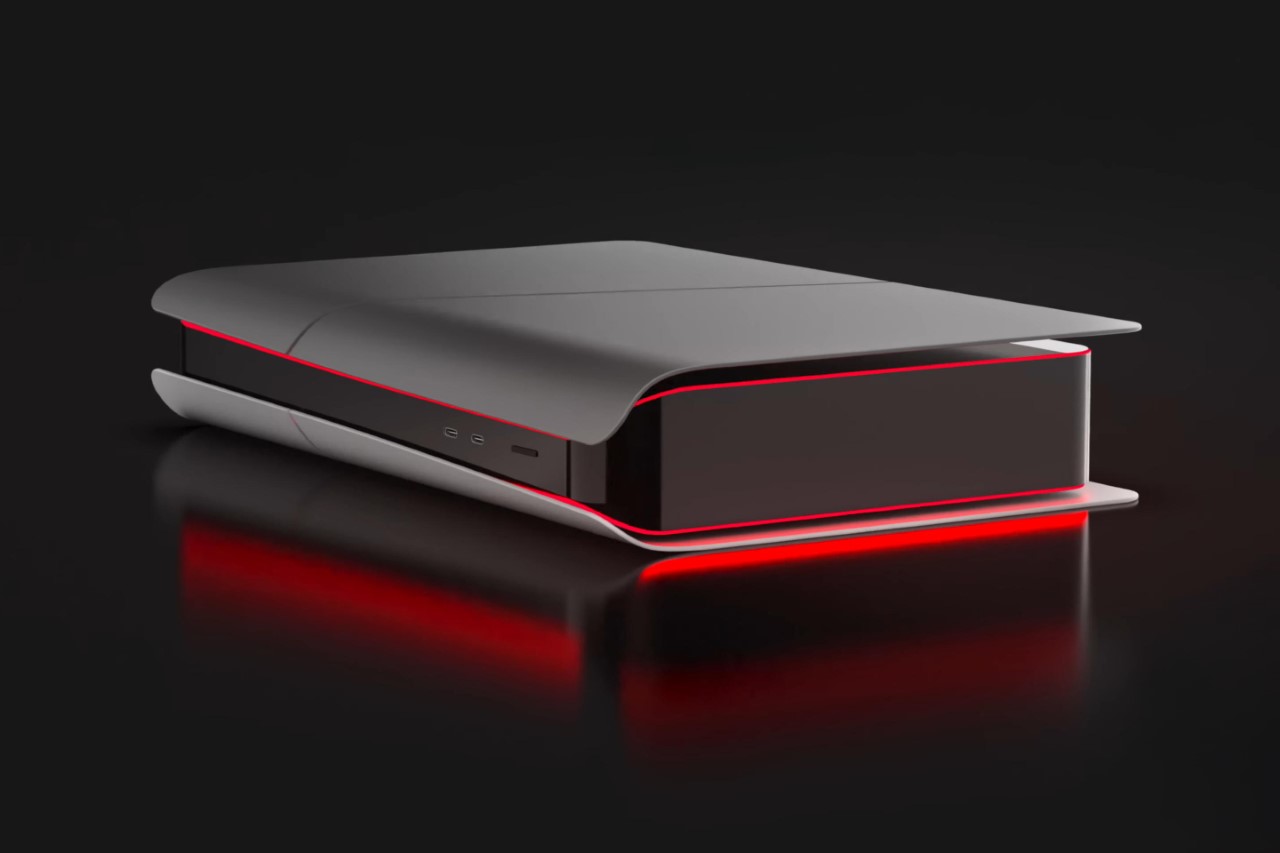
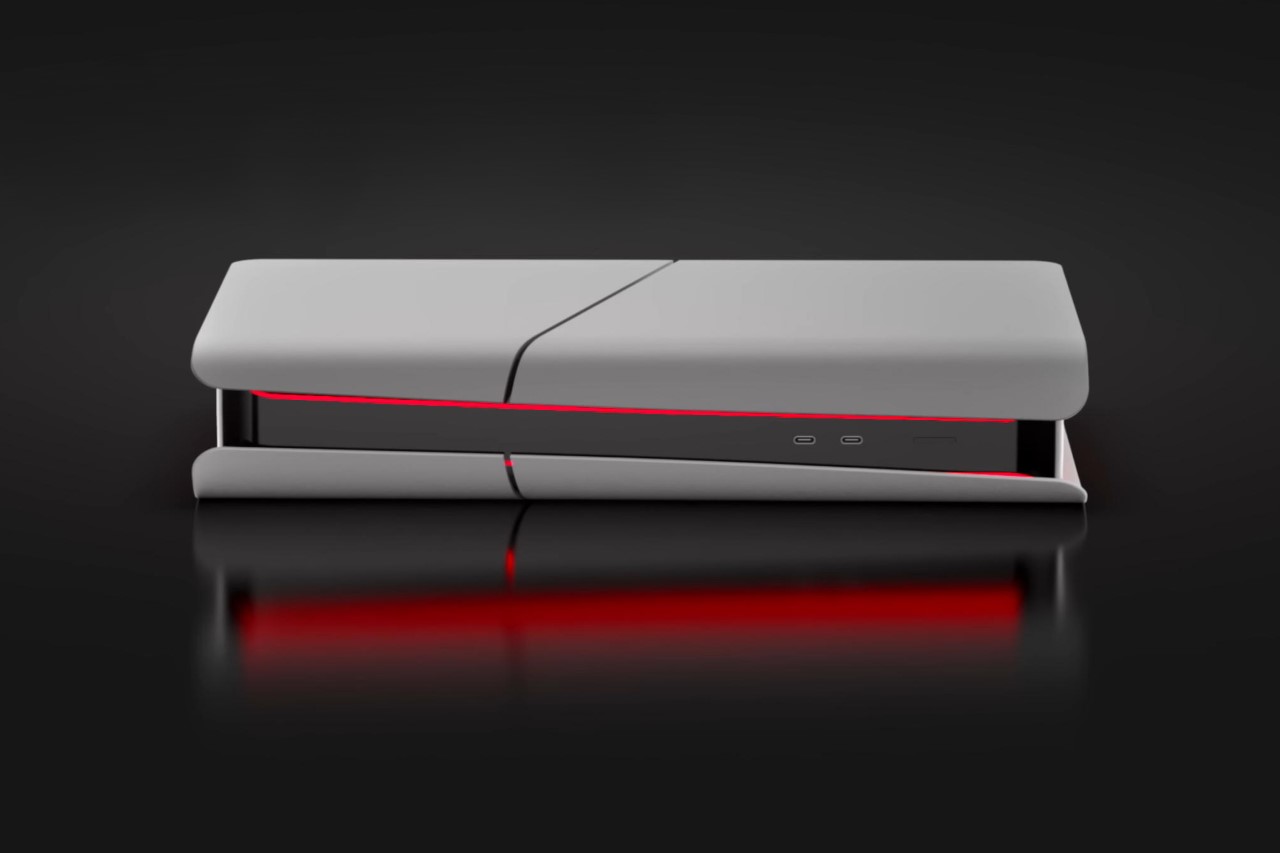
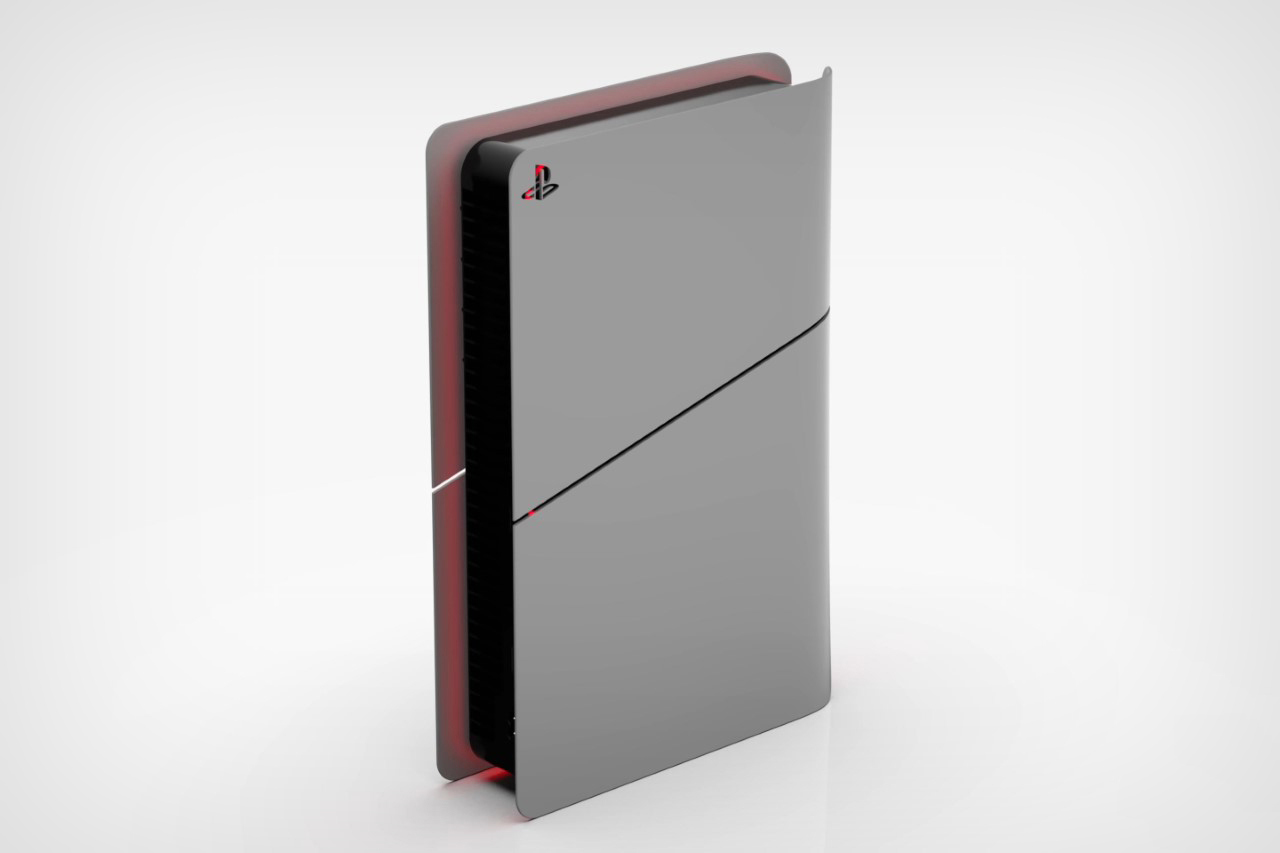
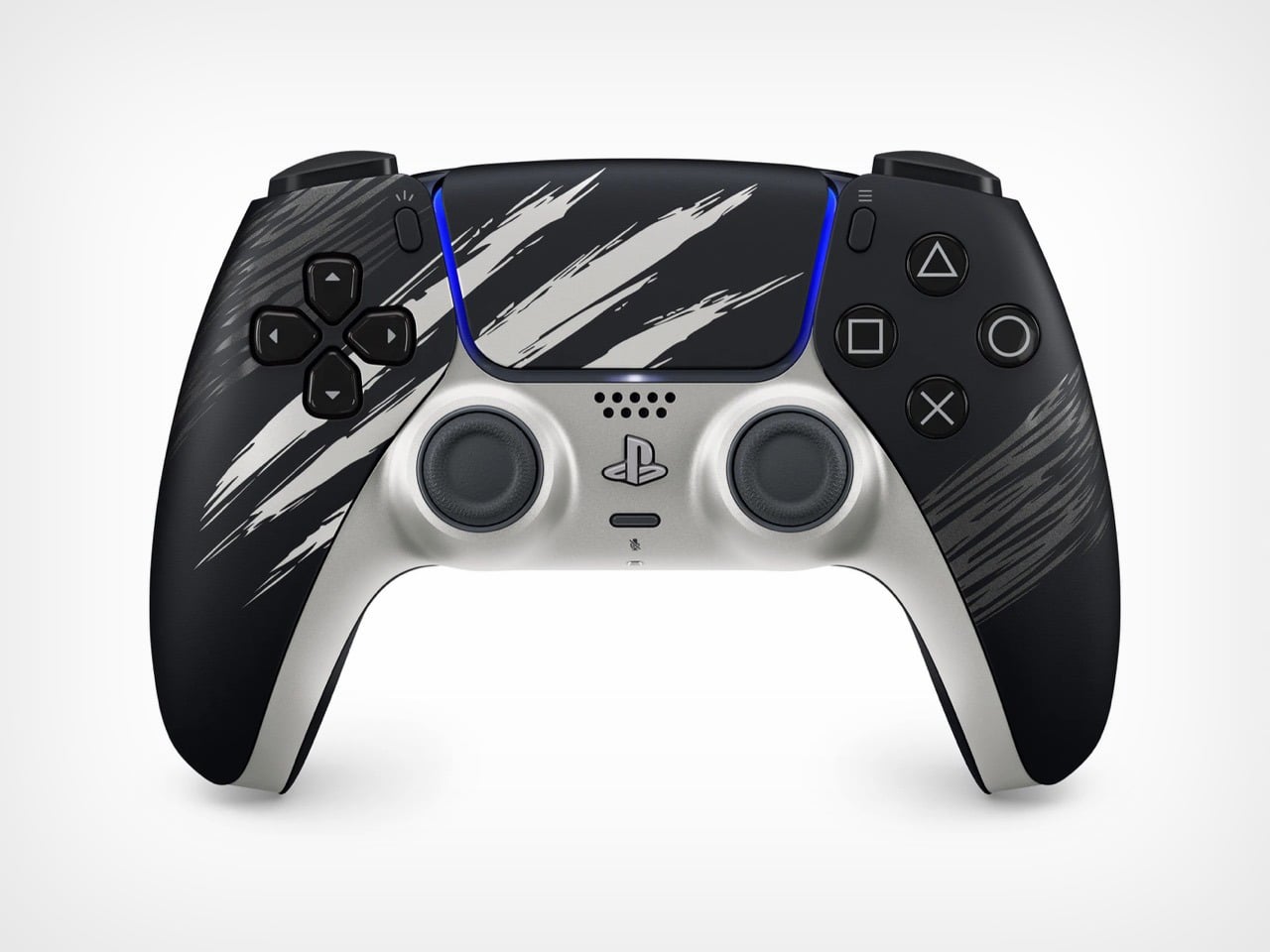
Adamantium skips the yellow entirely and goes for brushed silver, but only as a console cover for PS5 Pro owners plus a standalone controller, no full bundle here. That is honestly the smarter buy for anyone who wants the Wolverine tie in without turning their entertainment center into a comic shop display. Same claw details, completely different mood. It reads expensive in a way the yellow version was never trying to.Adamantium skips the yellow entirely and goes for brushed silver, but only as a console cover for PS5 Pro owners plus a standalone controller, no full bundle here. That is honestly the smarter buy for anyone who wants the Wolverine tie in without turning their entertainment center into a comic shop display. Same claw details, completely different mood. It reads expensive in a way the yellow version was never trying to.
Here is where it gets less fun. This entire lineup drops during Sony’s second PS5 price hike in under a year, with the standard console now sitting a hundred dollars above where it started. So a $649.99 bundle for a digital only console, no disc drive option at all, lands at a moment when PS5 pricing is already a sore subject for a lot of players. The comments under every Wolverine reveal video prove that. People are annoyed about the missing disc drive way more than they are annoyed about yellow paint.
I get why Sony leans into these drops even now, maybe especially now. A great design distracts from a rough price conversation better than any spec sheet does, and Jock’s artwork is genuinely good enough to pull that off. But good design and good timing are not the same thing, and this lineup is proof you can nail one without fully nailing the other.
Sony has a pattern with these limited edition consoles now. Announce a big first party or Marvel game, dress up a PS5 to match, sell it alongside a matching controller. Ghost of Yotei got the black and gold treatment last time around, and it was fine, if a little safe. Wolverine is where that formula gets an upgrade.
This time Sony gave us two console designs instead of one. Battle Yellow is unapologetic, claw gouges and a screaming Wolverine face on a bright yellow panel. Adamantium is the plot twist, the same claw motif but stripped down to brushed metal that looks closer to a premium appliance than a video game tie in. Two designs, two totally different personalities, and somehow neither one feels like the compromise pick.
Battle Yellow is the flagship of the two, sold as a full PS5 Digital Edition bundle for $649.99 with a matching DualSense controller and a code for the game. The artwork comes from Jock, the Scottish comic artist who worked on Wolverine’s key art, and you can actually tell. The claw slashes and the inked portrait have that loose, hand drawn energy comics get right and games usually flatten out. It is a rare case of licensed hardware art that does not look like clip art stapled onto a console.
Adamantium skips the yellow entirely and goes for brushed silver, but only as a console cover for PS5 Pro owners plus a standalone controller, no full bundle here. That is honestly the smarter buy for anyone who wants the Wolverine tie in without turning their entertainment center into a comic shop display. Same claw details, completely different mood. It reads expensive in a way the yellow version was never trying to.Adamantium skips the yellow entirely and goes for brushed silver, but only as a console cover for PS5 Pro owners plus a standalone controller, no full bundle here. That is honestly the smarter buy for anyone who wants the Wolverine tie in without turning their entertainment center into a comic shop display. Same claw details, completely different mood. It reads expensive in a way the yellow version was never trying to.
Here is where it gets less fun. This entire lineup drops during Sony’s second PS5 price hike in under a year, with the standard console now sitting a hundred dollars above where it started. So a $649.99 bundle for a digital only console, no disc drive option at all, lands at a moment when PS5 pricing is already a sore subject for a lot of players. The comments under every Wolverine reveal video prove that. People are annoyed about the missing disc drive way more than they are annoyed about yellow paint.
I get why Sony leans into these drops even now, maybe especially now. A great design distracts from a rough price conversation better than any spec sheet does, and Jock’s artwork is genuinely good enough to pull that off. But good design and good timing are not the same thing, and this lineup is proof you can nail one without fully nailing the other.
The PlayStation 5’s DualSense controller is genuinely excellent for most kinds of gaming. Haptic feedback and adaptive triggers have added a new layer of immersion to mainstream titles, and the ergonomics are comfortable enough for long sessions. But competitive gaming operates by a different set of priorities, where fractions of a second matter more than vibrating triggers, and the standard pad wasn’t designed with that crowd in mind.
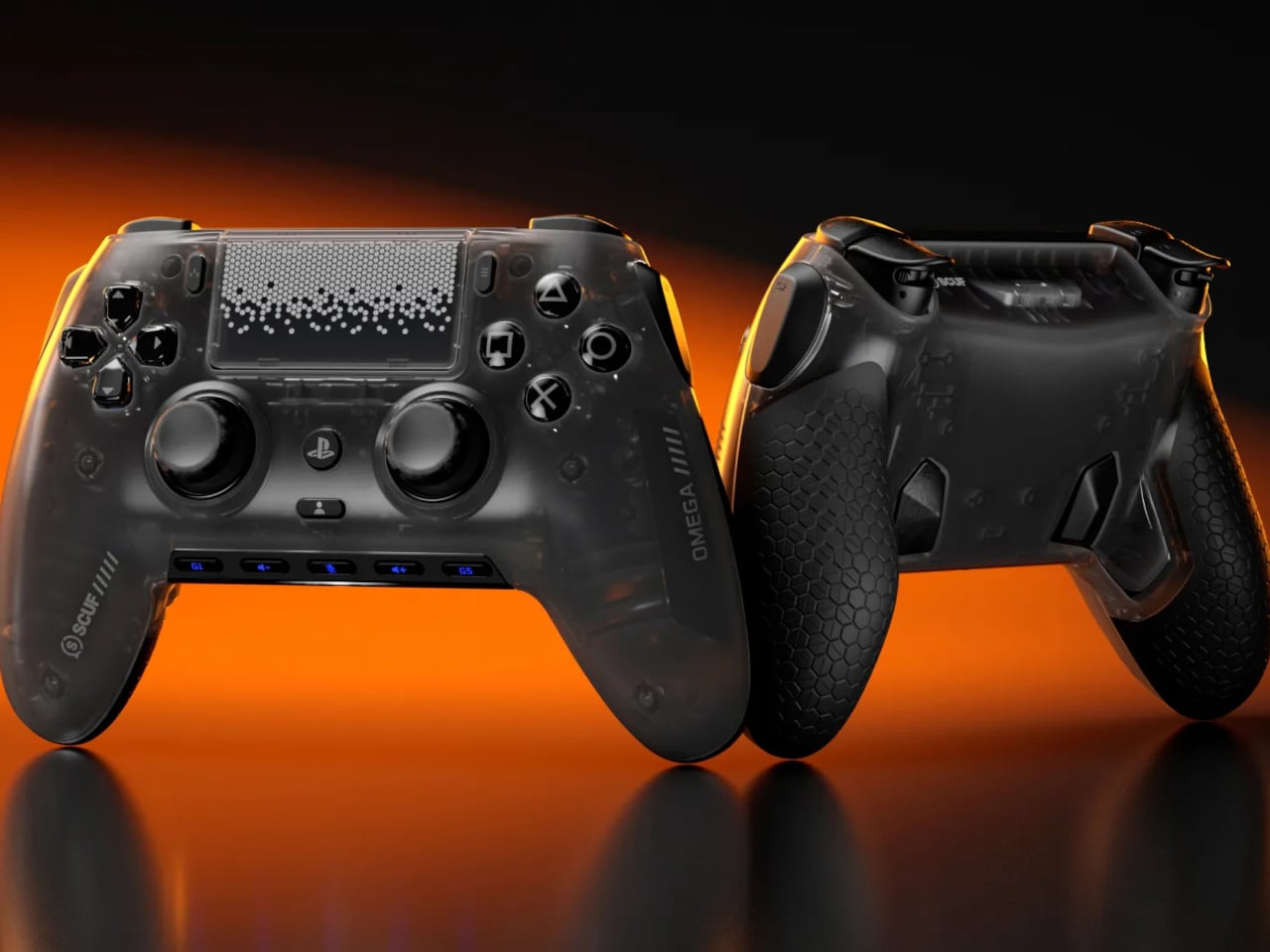
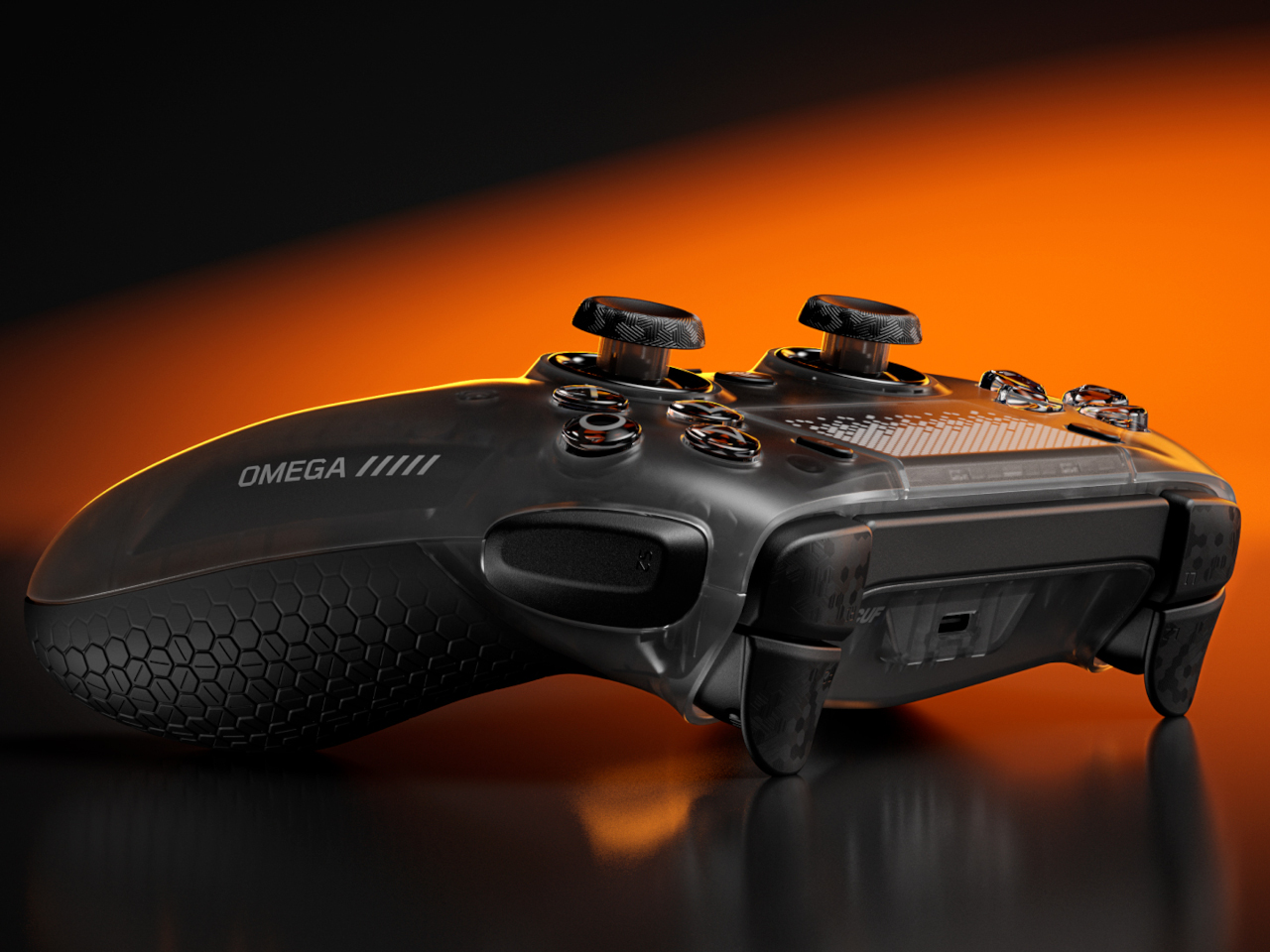
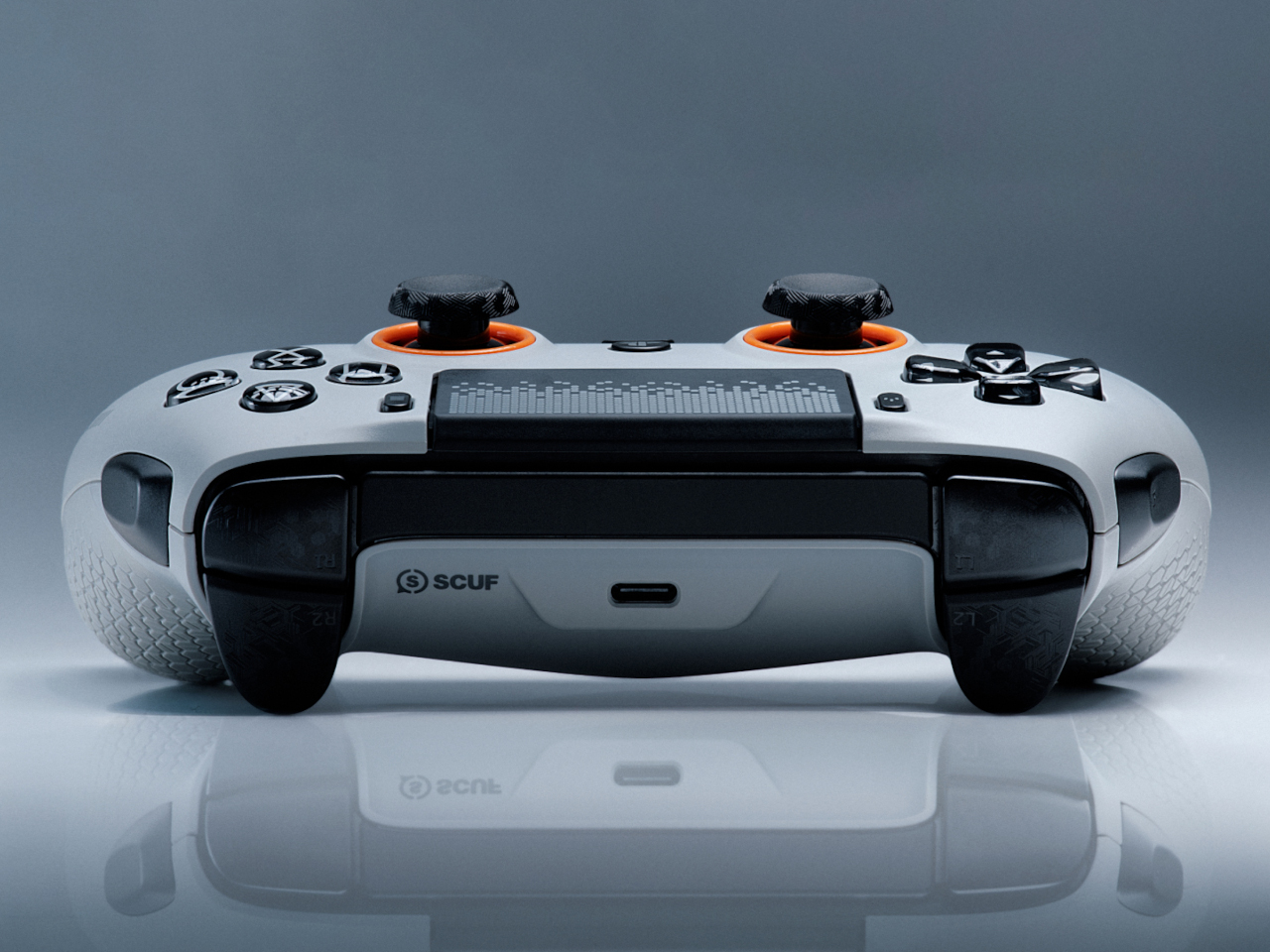
That’s the gap SCUF has been filling for 15 years across multiple platforms, and the Omega marks the first time it’s done so with an officially licensed PS5 controller. Built on feedback from professional players and championship-level esports teams, it doesn’t try to replicate the DualSense so much as rethink the PS5 controller from the ground up for a very specific type of player.
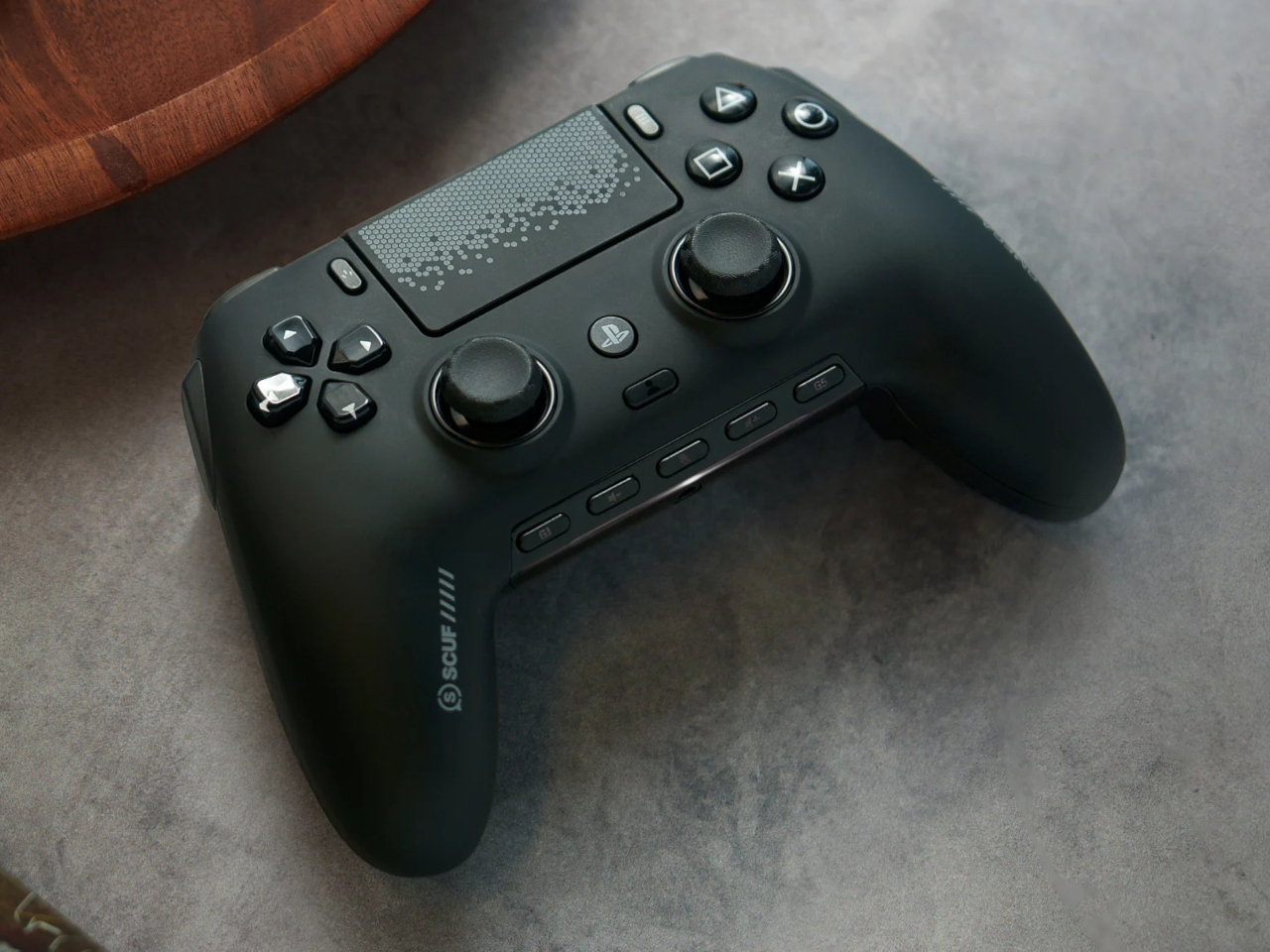
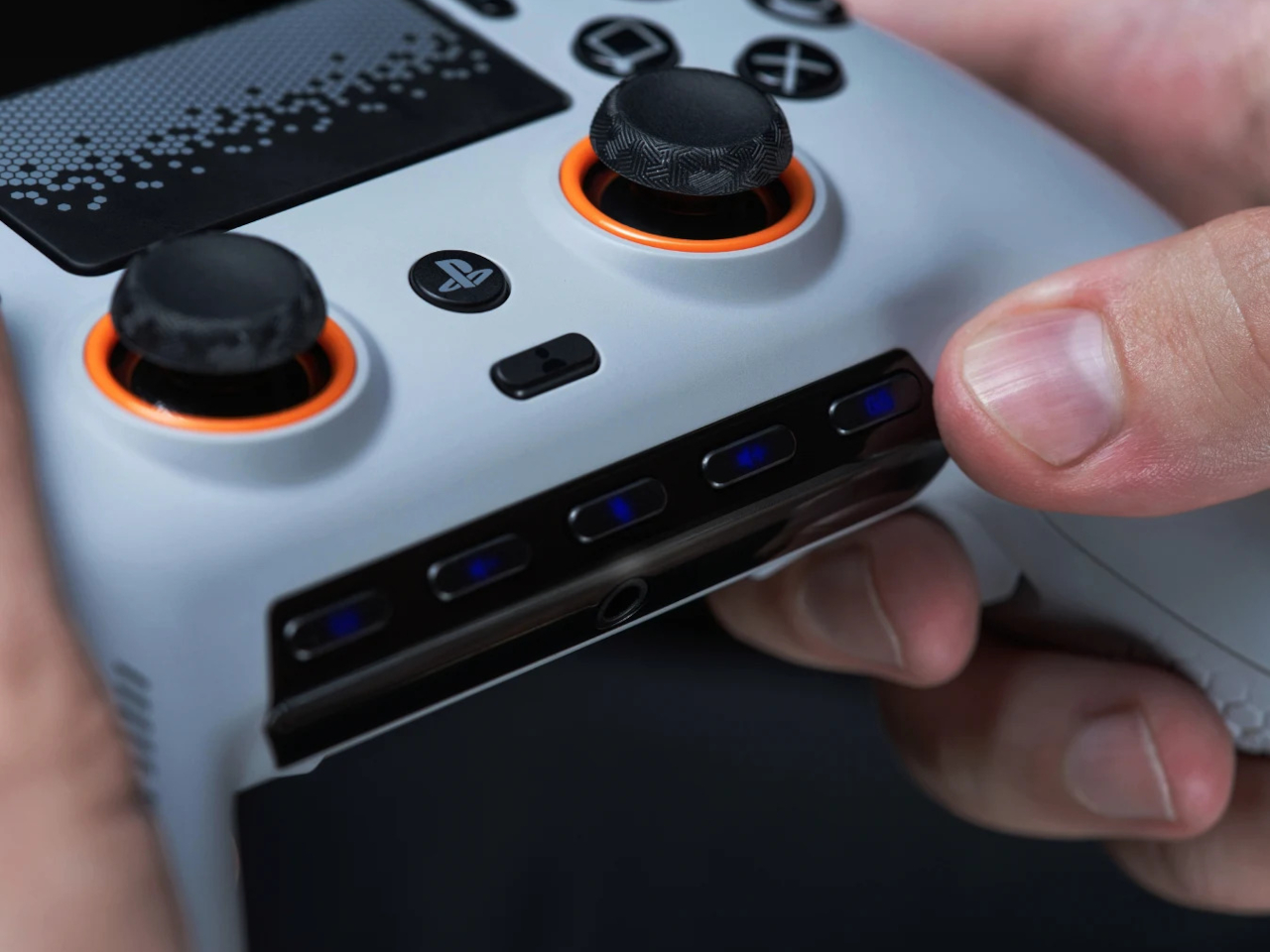
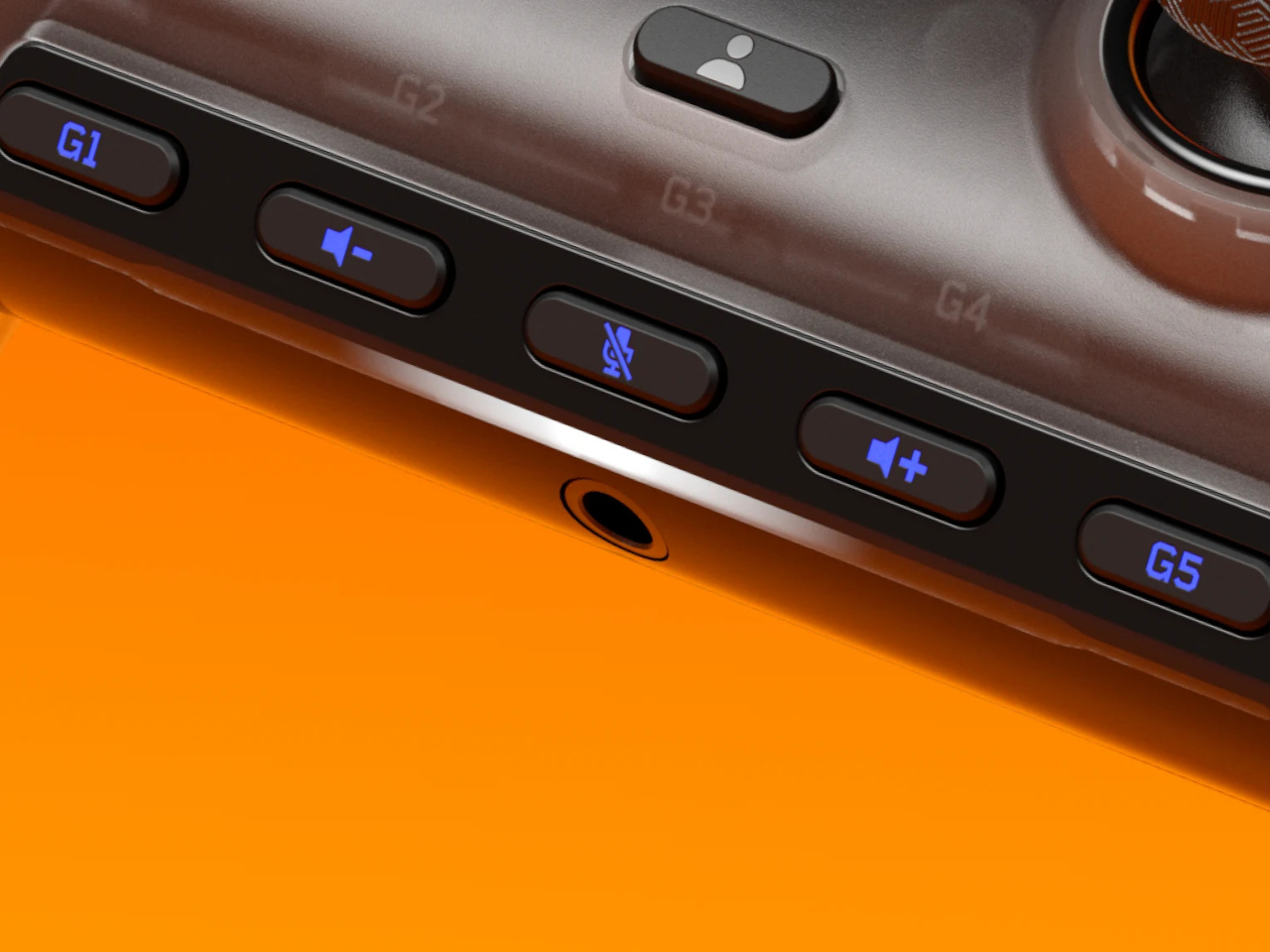
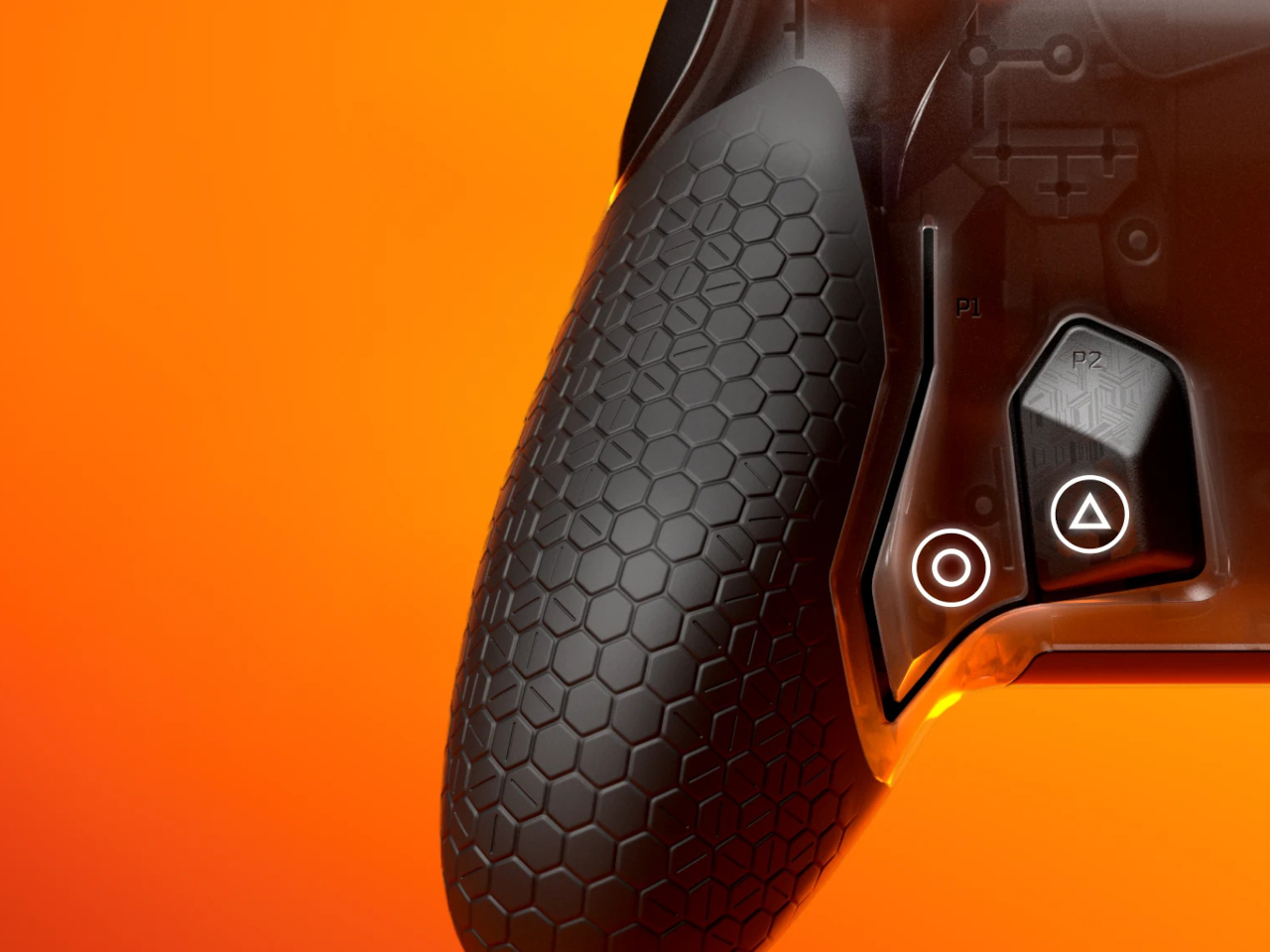
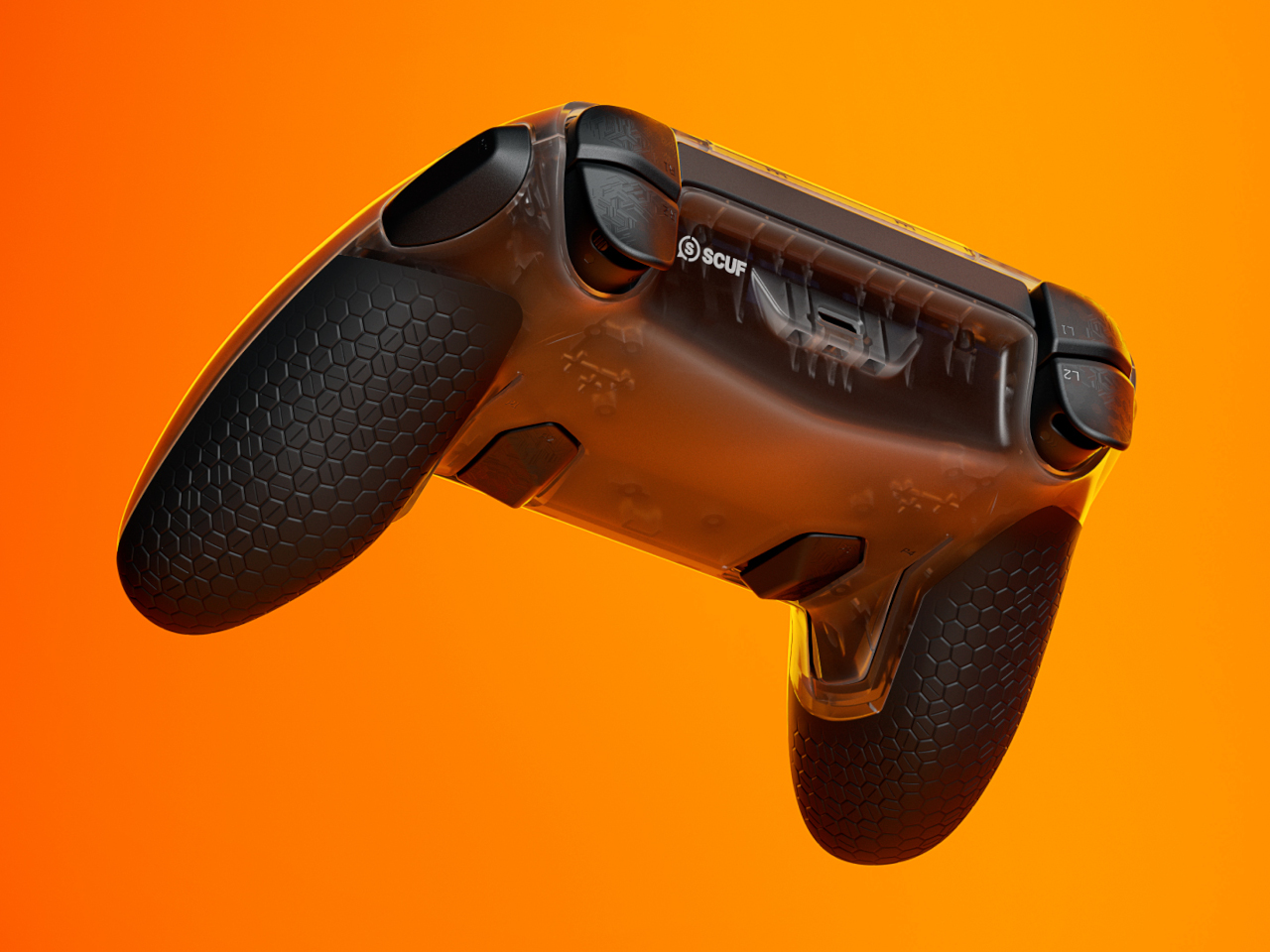
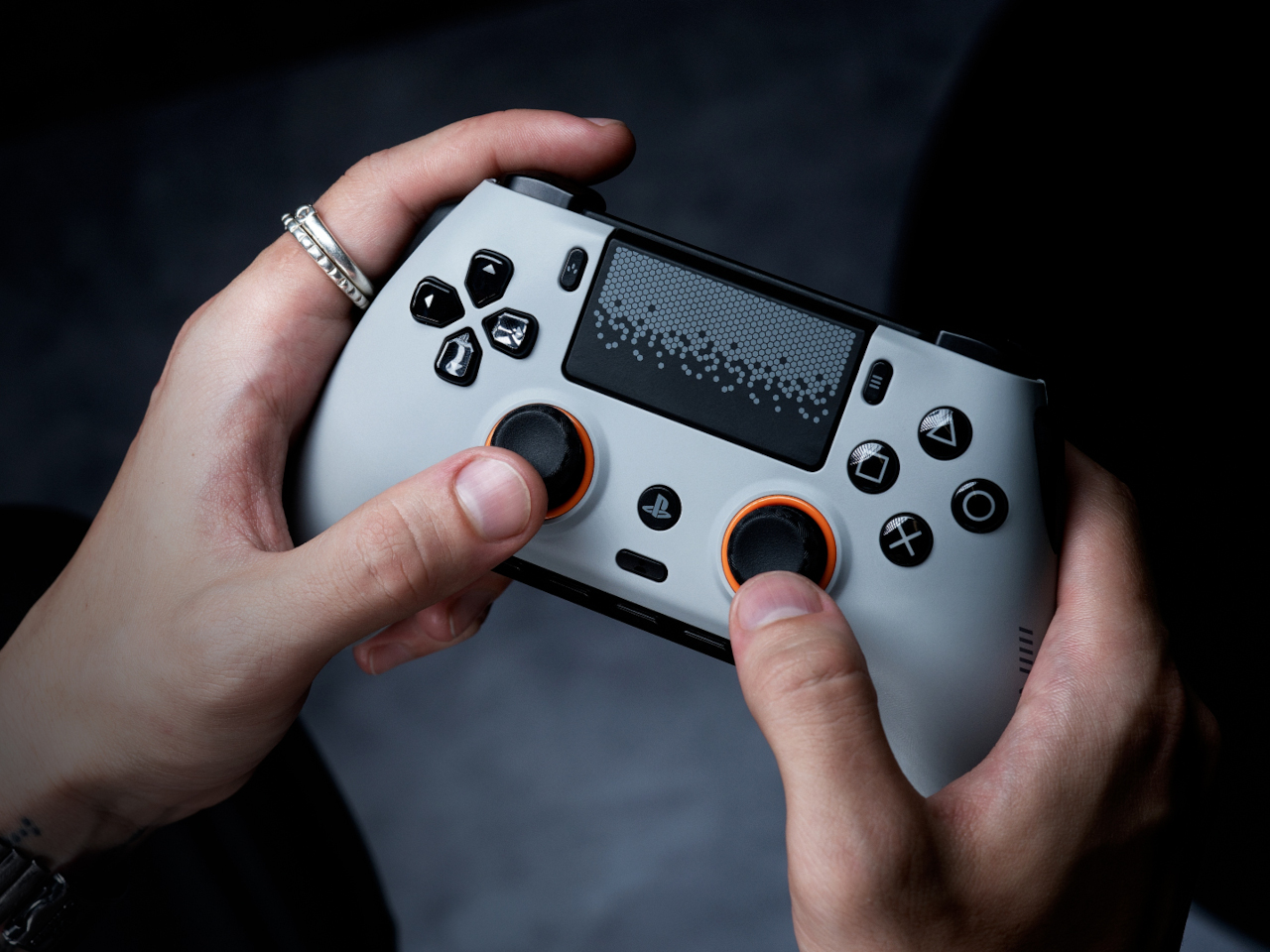
The most immediately striking feature is the sheer number of additional inputs. Beyond the standard button layout, the Omega adds four remappable rear paddles at the back, two SAX (Side Action) buttons on the sides of the grip, and five G-Keys near the bottom of the controller, all fully programmable. That’s 11 extra inputs, each of which can be mapped to any action through the SCUF Mobile App.
The rear paddles are the most critical of these for shooters. The whole point is to keep your thumbs planted on the thumbsticks while still executing jumps, crouches, or reloads through the paddles. In a close-range firefight, lifting a thumb to reach a face button even briefly can mean losing the engagement. The SAX buttons expand on this idea further, accessible without shifting your grip even slightly.
Adjustable Instant Triggers give the Omega another competitive edge. Each trigger toggles between a hair-trigger click mode designed for rapid FPS inputs and a full analog range for games that use throttle or feathered inputs. Swapping between those modes takes seconds and doesn’t require a tool. This alone makes the controller feel meaningfully different from the DualSense, not just cosmetically different.
There’s a notable tradeoff, though. The Omega drops adaptive triggers and haptic feedback entirely. Sony’s DualSense Edge made a similar call, only with the adaptive triggers. For SCUF, removing vibration also reduces weight and eliminates the buzz that can subtly disrupt stick control mid-game. The face plate is magnetic and swappable, and the controller connects wirelessly via Bluetooth or USB-A dongle, or wired via USB-C.
The SCUF Omega retails for $219.99 in the US and £209.99 in the UK. It works across PS5, PS5 Pro, PC, Mac, iOS, and Android, so the investment follows you across platforms. It costs more than the DualSense Edge’s closest equivalent, but the extra inputs, swappable face plate, and TMR sticks make a reasonable argument for the premium.
The DualSense arrived with something to say. Adaptive triggers, nuanced haptics, a tactile language that made games feel physically present in your hands — it raised the bar in ways the industry hadn’t anticipated. For a while, nothing else came close. That window has closed. The third-party market in 2025 is no longer playing catch-up. It’s producing controllers with drift-proof magnetic sensors, modular physical architectures, trigger calibration measured in millimeters, and battery lives that nearly triple what Sony ships as standard. The gap has flipped.
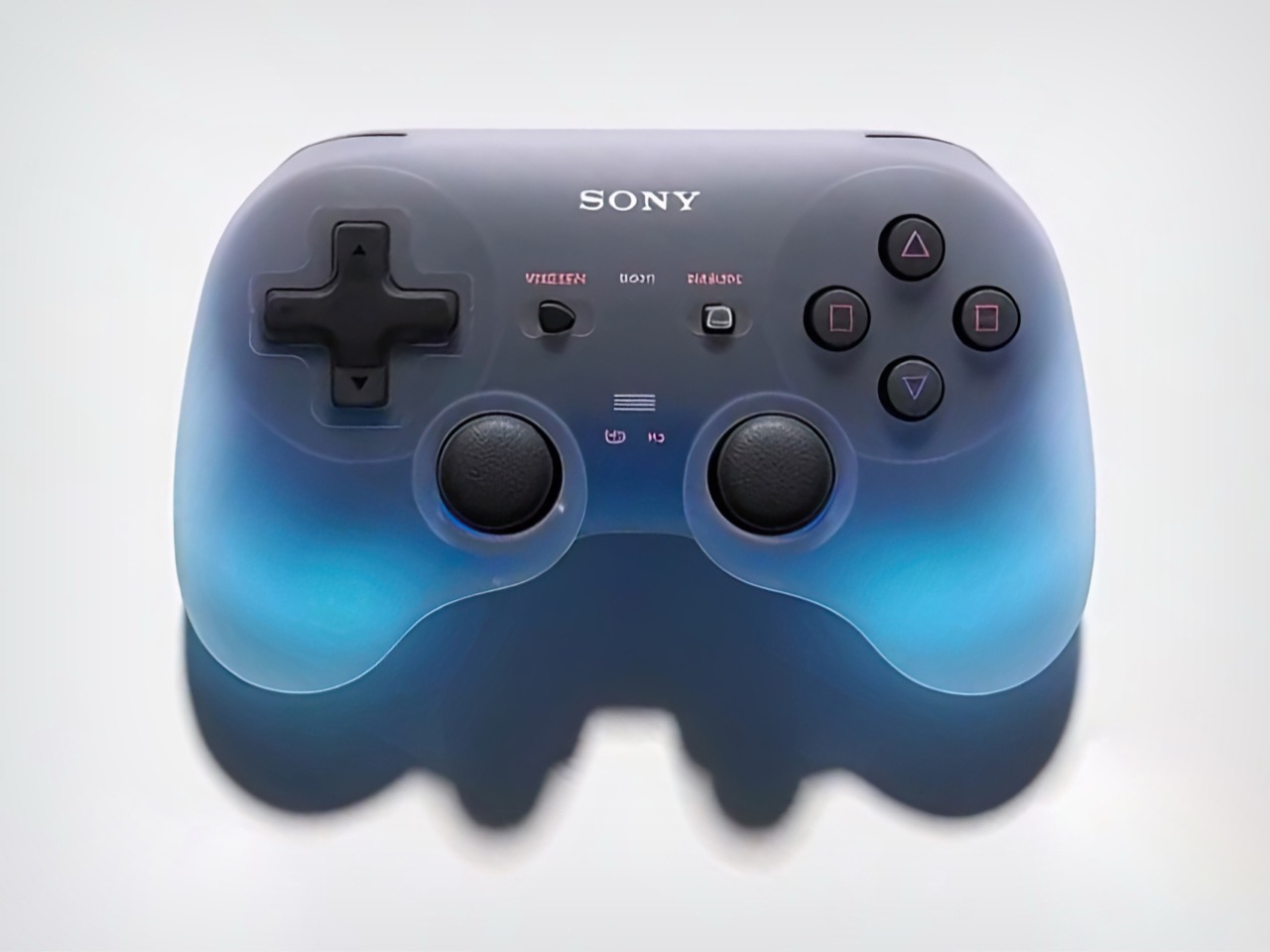
The Goo-inspired concept controller at the top of this page is a glimpse at where peripheral design is reaching — fluid, sculptural, unresolved in the best way. It hasn’t shipped. What’s below has. Every controller in this roundup is available now, purpose-built around a specific performance argument, and doing at least one thing the DualSense doesn’t. If you’ve stuck with the stock pad out of habit, these five make a clear case for reconsidering that.
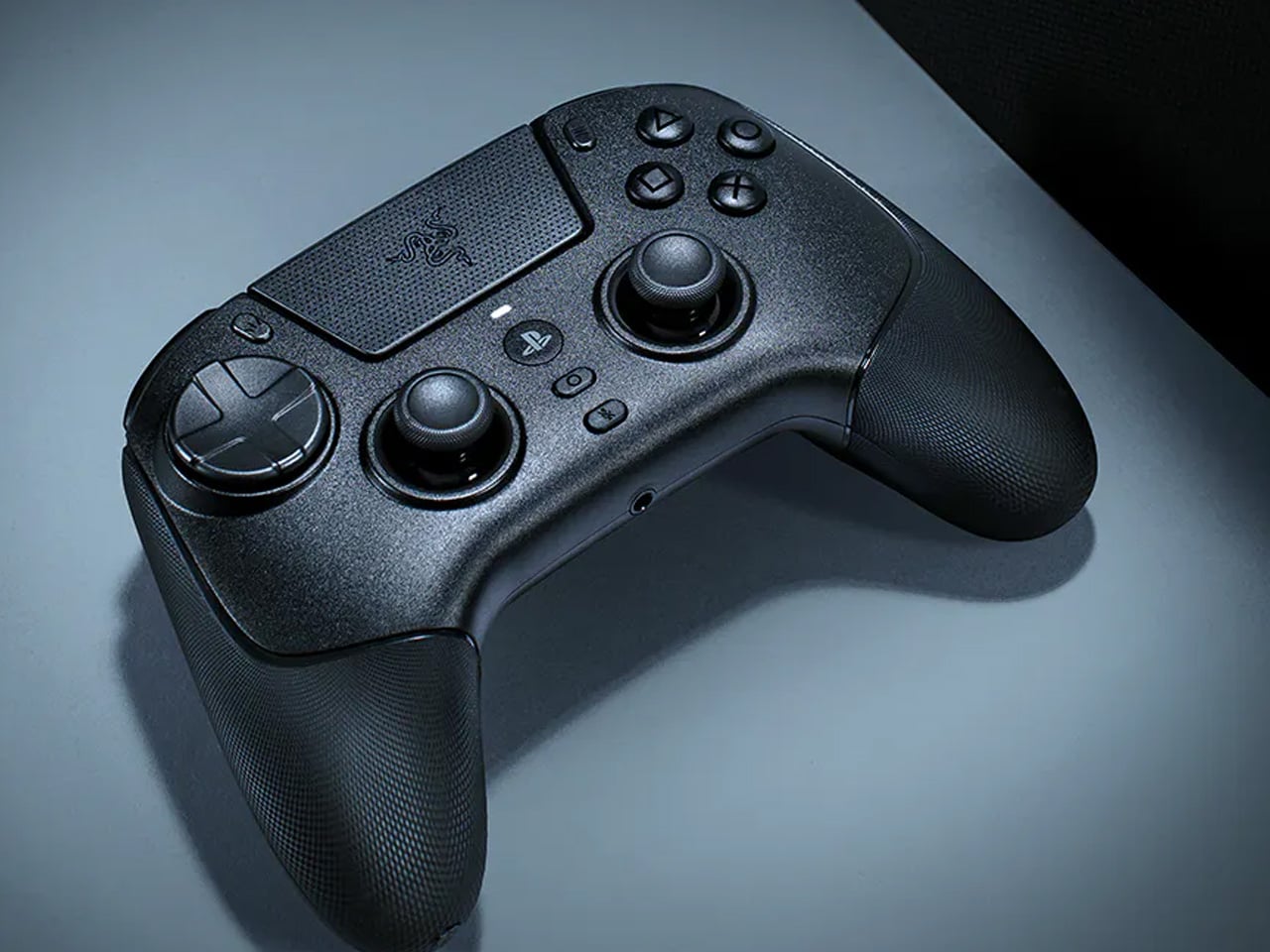
1. Razer Raiju V3 Pro
Razer’s pitch with the Raiju V3 Pro is precise: take the sensor thinking behind their best gaming mice and transplant it into a PlayStation-compatible controller. The result is Tunnel Magnetoresistance thumbsticks — TMR —, and as of 2025, no other PS5 controller ships with them. Where the Hall Effect uses magnetic fields to read position, TMR uses weak electromagnetic waves to detect even finer movement with greater resolution. Drift is resolved at a hardware level, not managed in software. Hall Effect triggers cover the other high-wear surface, meaning every primary input on this controller is engineered against degradation from the start. At 258 grams, it sits lighter than the DualSense Edge without feeling hollow, and the wider grip reduces hand strain across longer sessions.
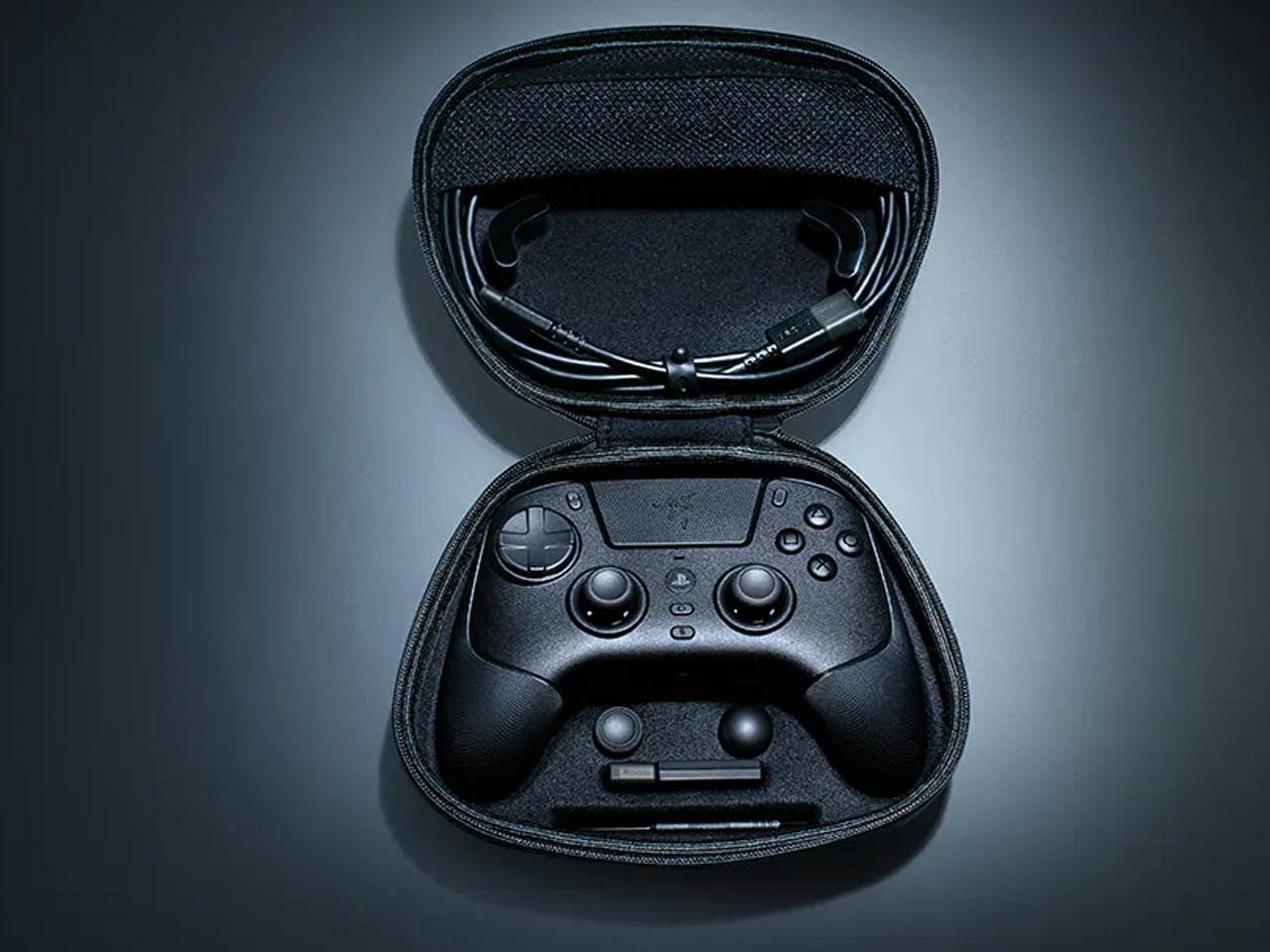
Six extra inputs are distributed across the frame — four removable back buttons in the rubberized handles and two claw-grip bumpers flanking the triggers — all fully remappable to whatever a specific game demands. Razer’s HyperSpeed 2.4GHz wireless holds latency tight, with a polling rate that climbs to 2,000Hz on PC, a number Sony’s controllers don’t approach. Battery life is rated at 36 hours, nearly triple the DualSense standard. It’s officially licensed for PlayStation 5, requires no adapters, and connects as a native peripheral. For competitive players who want every hardware advantage consolidated in one place, the Raiju V3 Pro is currently the ceiling.
What We Like
TMR thumbsticks are unique to this controller in the PS5 space, resolving drift at a sensor level that Hall Effect doesn’t reach.
A 36-hour battery life and 2,000Hz PC polling rate are specifications Sony’s lineup has no current answer to.
What We Dislike
Haptic feedback and adaptive triggers are absent — a real trade-off for anyone whose gaming skews toward immersive, story-led experiences.
The symmetrical thumbstick layout is a deliberate competitive choice that won’t feel native to players raised on PlayStation’s standard asymmetric positioning.
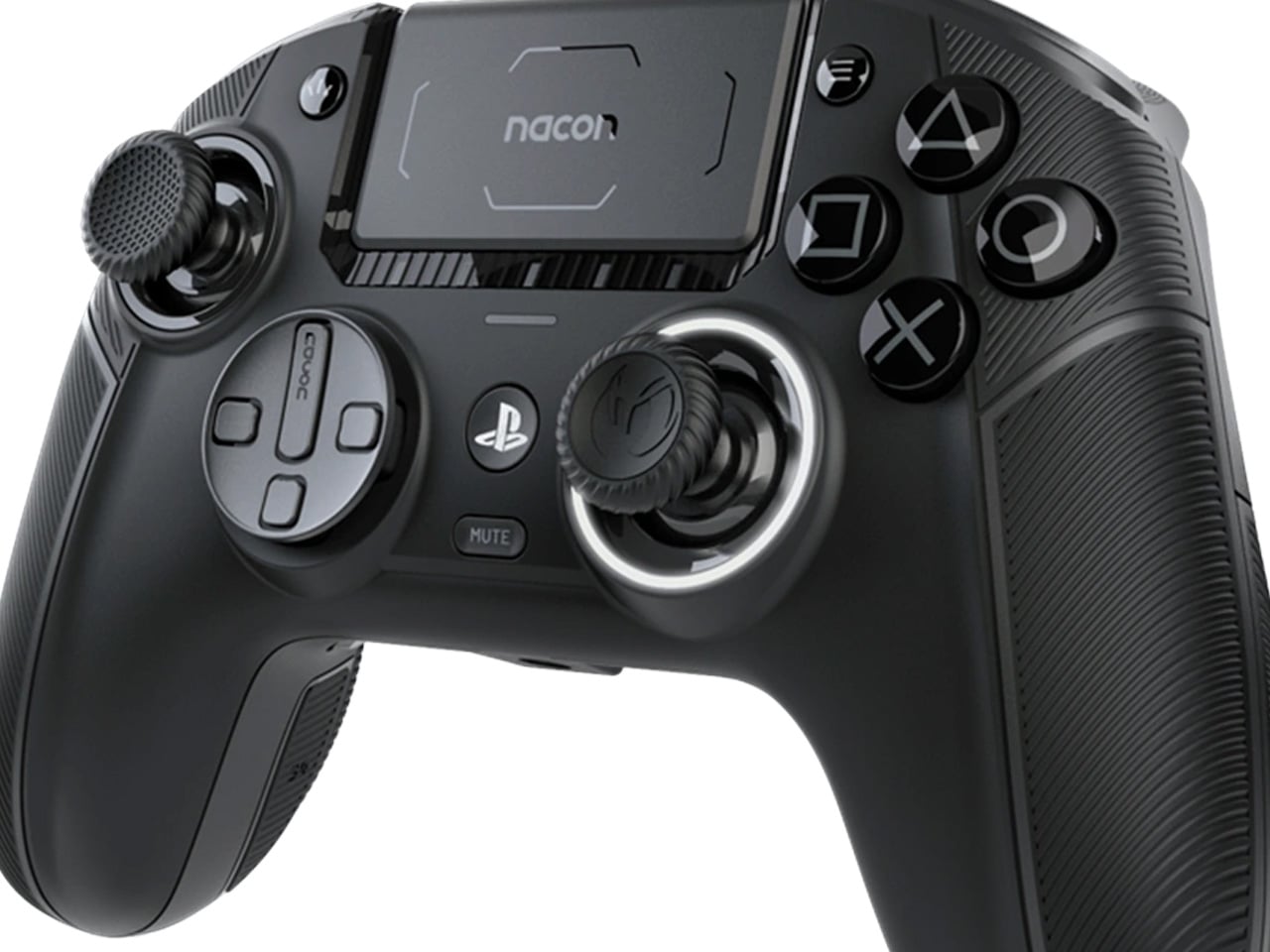
2. Nacon Revolution 5 Pro
The Revolution 5 Pro starts from a principle the DualSense never acted on: if magnetic sensor technology stops drift, why limit it to the thumbsticks? Nacon applies the Hall Effect to the triggers as well, covering every primary contact surface in a single design. No stick drift, no trigger wear, no gradually worsening feel over months of use. The asymmetric layout mirrors the DualSense’s familiar posture closely enough that the transition is immediate, and the premium materials wrapped around the modular frame feel considered rather than compensatory. It’s officially licensed for PlayStation 5 and built around the ergonomics of long sessions rather than short competitive bursts.
Customization is both deep and accessible. Four profiles can be switched directly on the controller without opening a companion app, though the app itself offers trigger sensitivity curves, deadzone tuning, and full button remapping with genuine precision. Interchangeable thumbstick sizes and adjustable internal weights let players calibrate the physical feel to their own preference. A standout feature that no other controller on this list includes is built-in Bluetooth audio output, letting players pair headphones directly to the controller rather than routing through the console. The Revolution 5 Pro was also designed around a reduced carbon footprint — a thoughtful distinction for a product category that rarely acknowledges it.
What We Like
Hall Effect across both sticks and triggers makes this one of the most mechanically durable pro controllers on the market right now.
Built-in Bluetooth audio pairing is a friction-reducing feature that no Sony controller — at any price — currently provides.
What We Dislike
Haptic feedback and vibration don’t function during PS5 gameplay, which strips out a meaningful portion of the DualSense’s native experience.
The profile and customization system has a learning curve that requires time to work through before its full value becomes accessible.
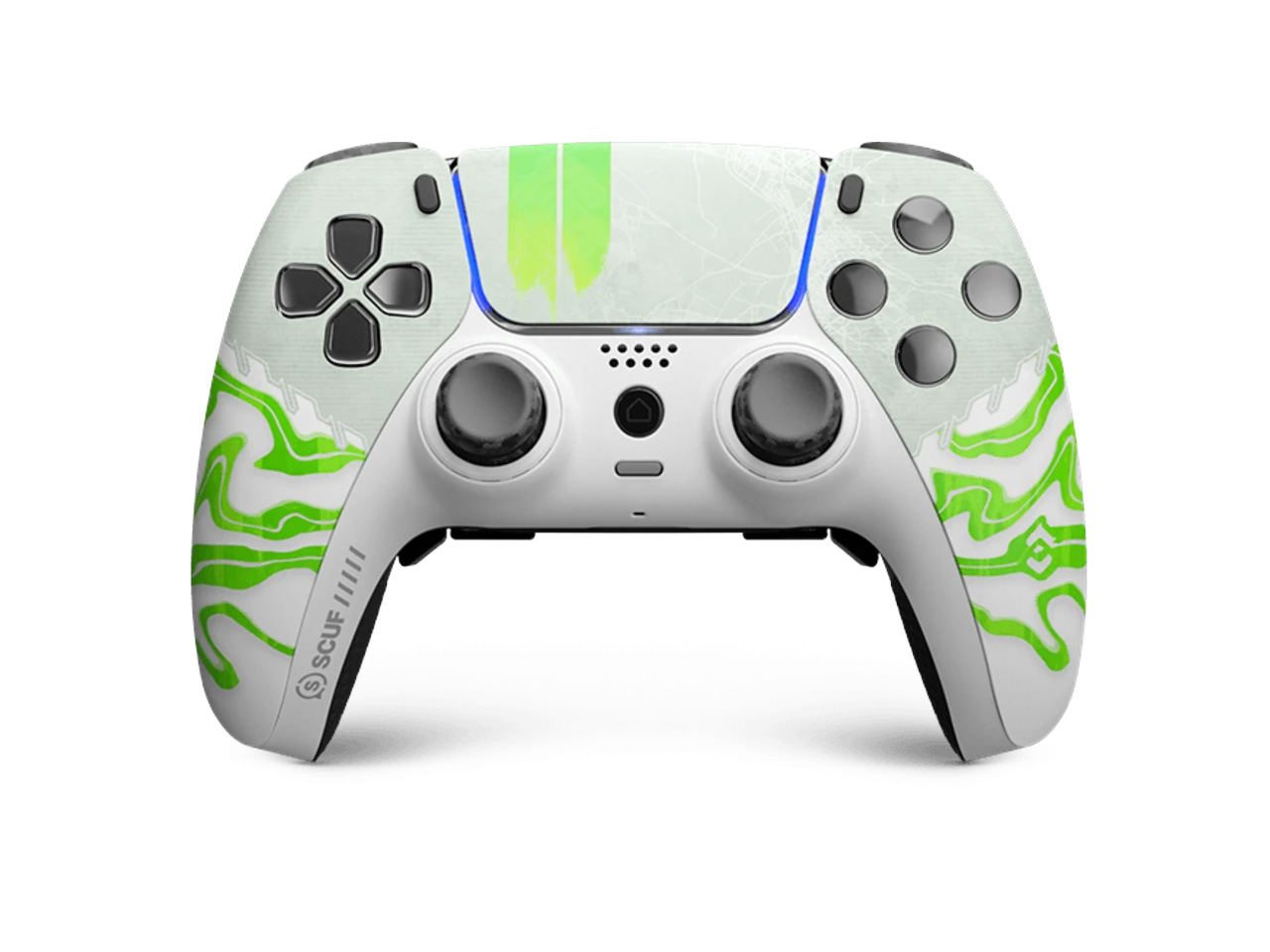
3. SCUF Reflex Pro
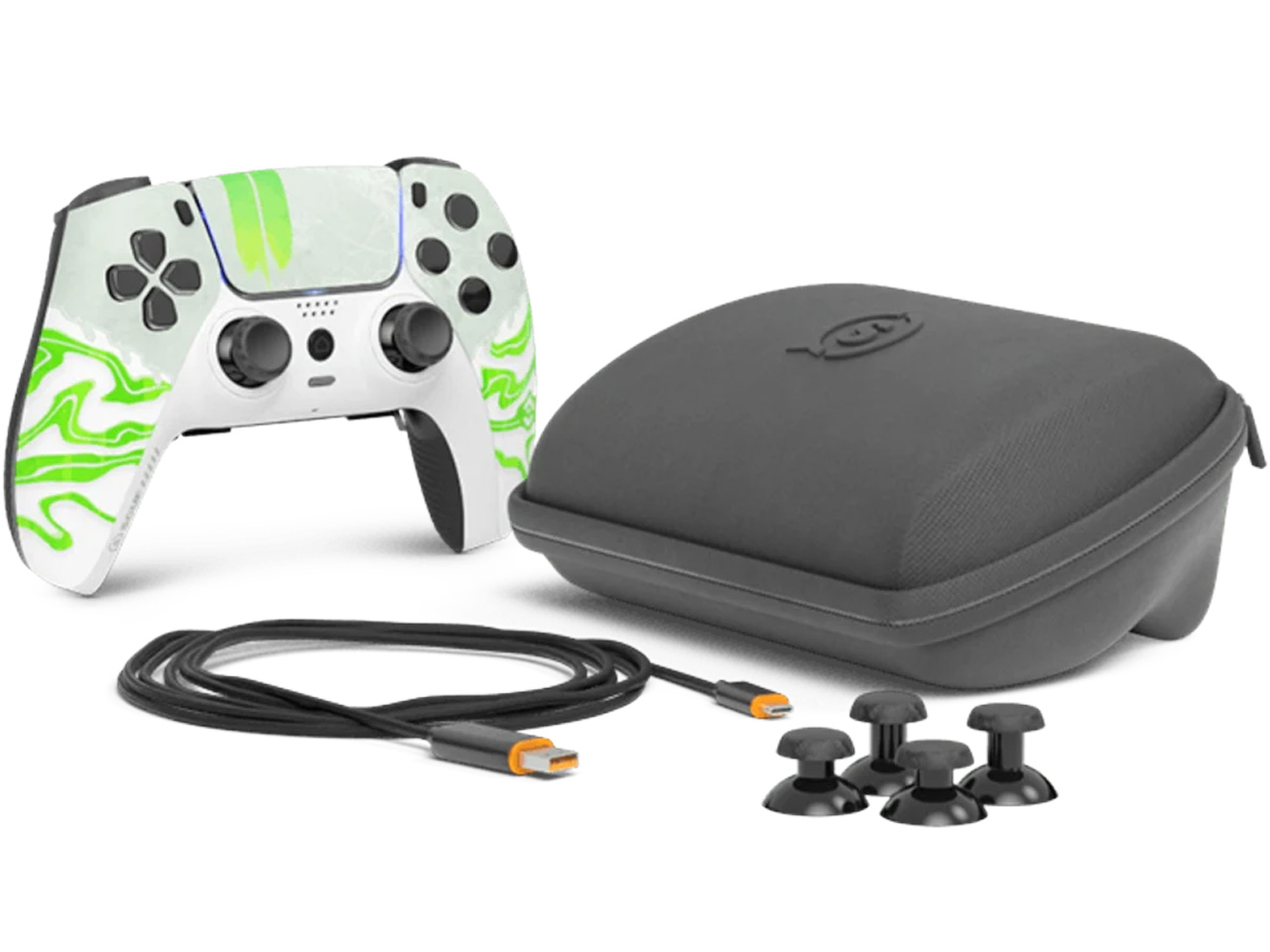
SCUF has spent years earning credibility with competitive console players, and the Reflex Pro is the most technically resolved version of that commitment. The 2025 lineup integrated Hall Effect anti-drift thumbsticks as standard hardware, closing the mechanical gap that had followed the Reflex series across previous generations. Wireless performance is clean, adaptive triggers function as expected on PS5, and vibration rumble stays intact — a combination that most third-party alternatives compromise somewhere along the way. The physical form follows the DualSense’s geometry closely enough that picking it up for the first time feels instinctive. It’s built for precision longevity first, familiarity second, and it delivers both.
The rear paddle system is where the Reflex Pro makes its case most directly. Four fully assignable paddles run along the underside of the controller, each mappable to any function that would otherwise require lifting a thumb from the sticks — jump, reload, slide, crouch, anything the game demands. Your aim stays unbroken at the exact moments it matters. Sony’s DualSense Edge, the first-party pro option, ships with two back buttons at a higher price. The Reflex Pro ships with four. SCUF also offers a Build Your Own path that opens TMR thumbstick selection at the point of purchase, giving players the option to match or exceed the Raiju V3 Pro’s sensor performance inside a controller that keeps full haptic and adaptive trigger compatibility.
What We Like
Four fully assignable rear paddles outperform the DualSense Edge’s two-button setup — more inputs, better placement, and a lower price.
Hall Effect thumbsticks are now standard across the line, making long-term stick accuracy a structural strength rather than a premium option.
What We Dislike
At $269.99, the base configuration is a steep ask for players whose gaming doesn’t warrant a competitive-grade investment.
Selecting TMR thumbstick upgrades through the Build Your Own path increases the total cost meaningfully from an already high starting point.
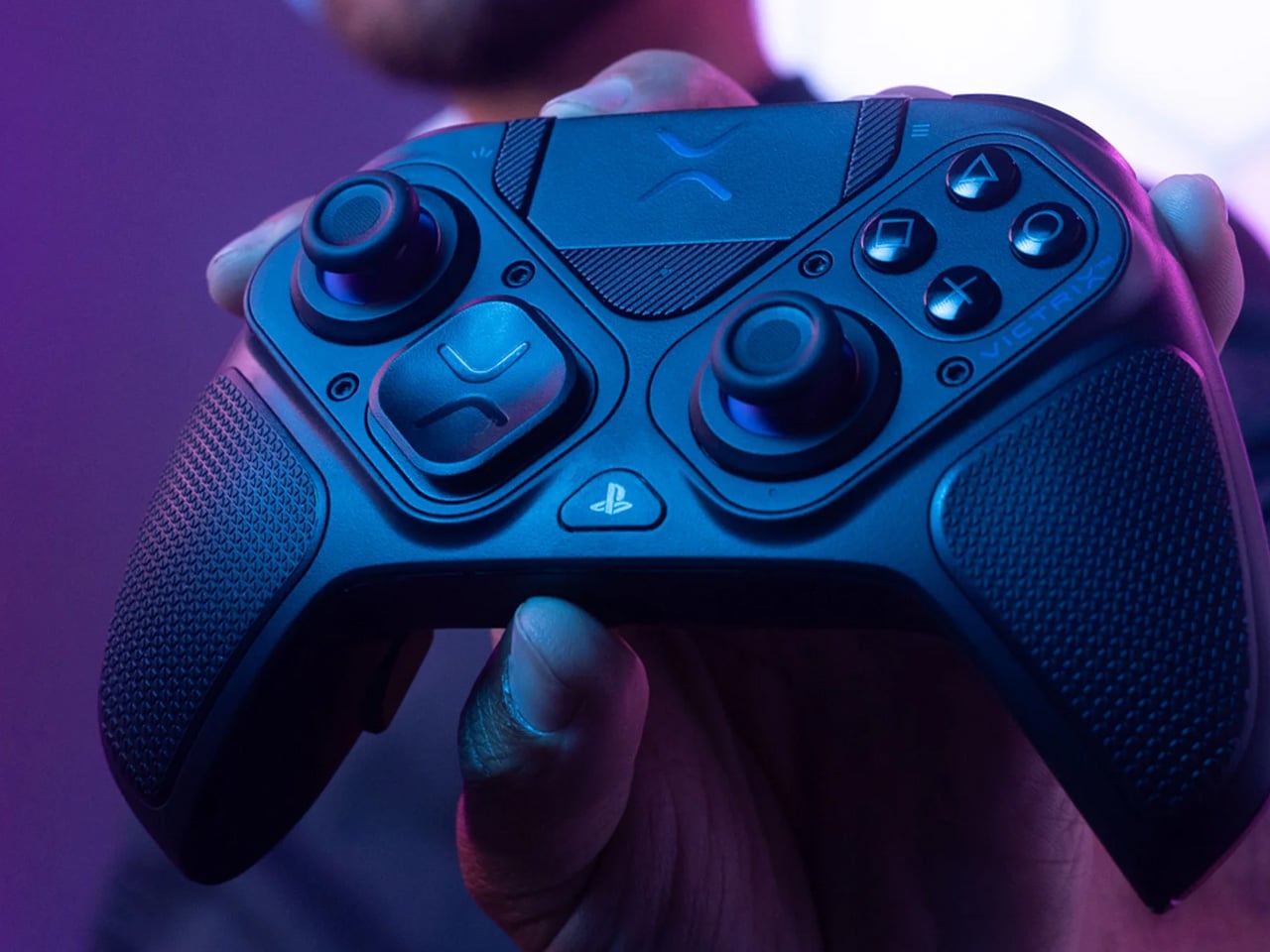
4. Victrix Pro BFG Wireless
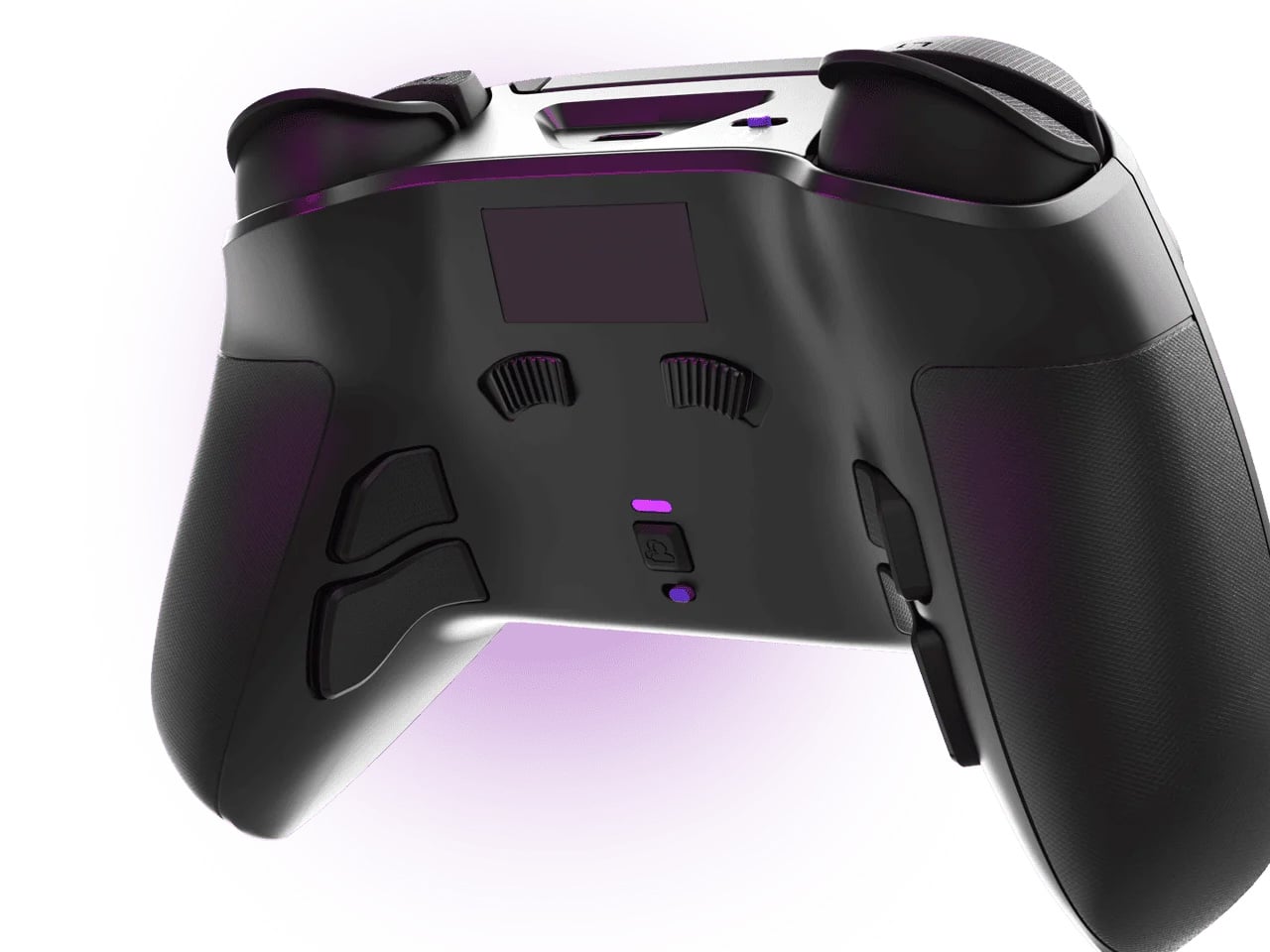
The Victrix Pro BFG Wireless asks a question most controller manufacturers skip entirely: what if the hardware itself could physically reconfigure to match the way you play? The left module is reversible, allowing a shift between PlayStation’s asymmetric thumbstick layout and an Xbox-style offset arrangement by physically swapping a component. Three D-pad options, four interchangeable thumbsticks, four gate options, and a six-button fight pad module fitted with Kailh microswitches extend that physical adaptability into nearly every directional and action input on the controller. The Reloaded refresh, released ahead of EVO 2025, upgraded both sticks and triggers to Hall Effect simultaneously. No other officially licensed PS5 controller — from Sony or anyone else — offers this degree of physical reconfiguration.
The trigger system is one of the more thoughtfully executed on this list. Patented Clutch Triggers offer five discrete stop positions and a hair trigger mode, giving players direct control over how much travel occurs before an input registers. In shooters where response time separates outcomes, that level of calibration is a measurable variable, not a theoretical one. Four mappable back buttons extend the input count further, while the free Victrix Control Hub app handles button remapping, stick sensitivity, and deadzone adjustment without subscriptions or forced account creation. The controller supports wireless play via USB dongle and wired connection for tournament-legal, zero-latency use — two modes of play, one controller, no compromises on either.
What We Like
A reversible left module that physically changes thumbstick layout is a feature category that the DualSense and DualSense Edge both entirely ignore.
Five-stage Clutch Triggers with hair trigger mode offer trigger precision that Sony’s pro controller doesn’t come close to replicating.
What We Dislike
The breadth of customization options means real time must be invested in the companion app before the hardware’s full potential opens up.
Wireless operation runs through a USB dongle rather than Bluetooth, adding a setup step that console-first players may find less convenient.
5. HexGaming Phantom Pro
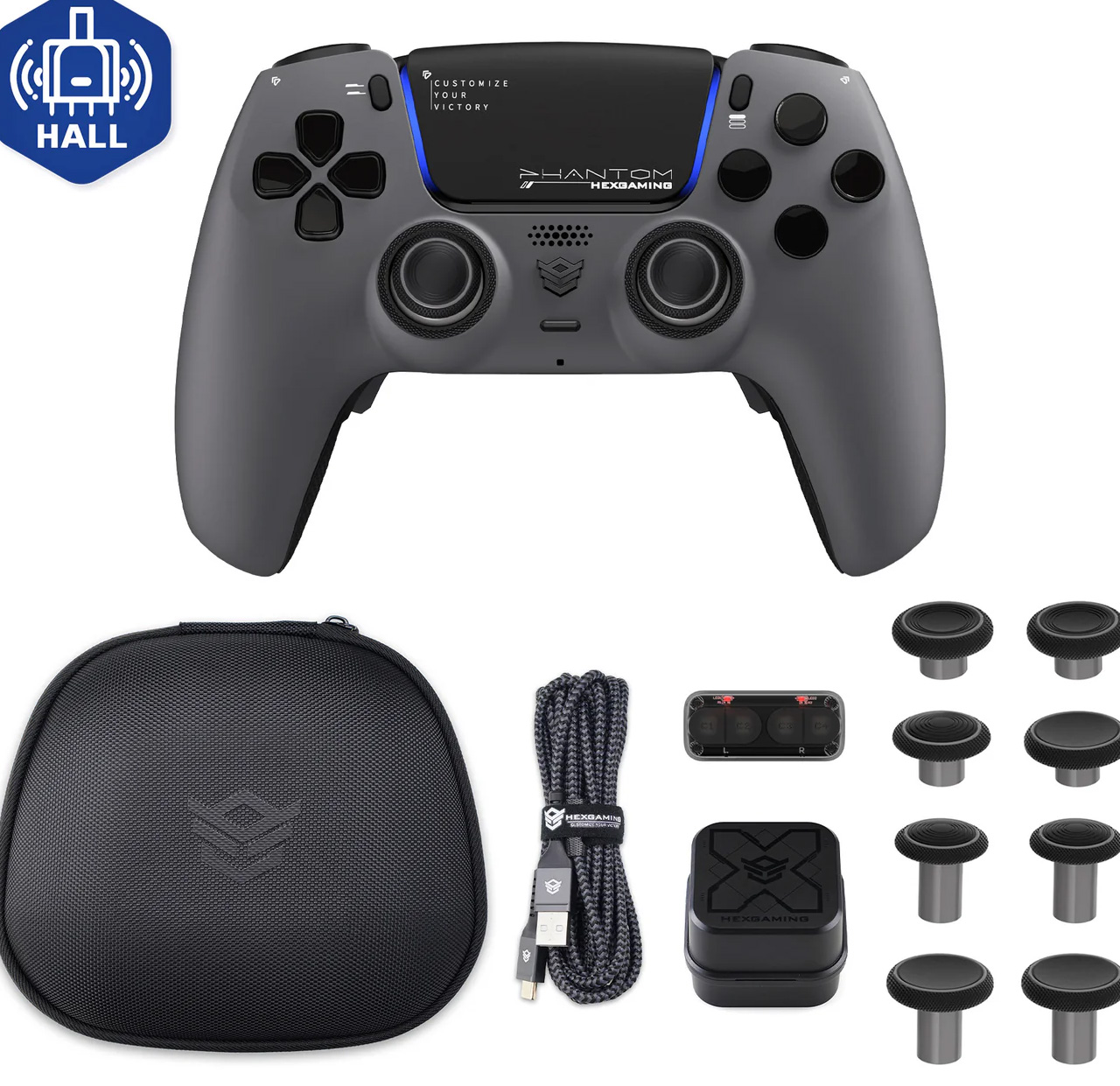
Most controllers on this list ask for a trade. Usually, it’s haptic feedback, adaptive triggers, or both — the two features most central to what makes the DualSense feel like a DualSense. The HexGaming Phantom Pro doesn’t make that trade. Built on genuine Sony DualSense internals, it keeps adaptive triggers and haptic feedback fully intact. What it layers on top is everything Sony declined to include: Hall Effect joysticks, four tactile back buttons with a precise clicky actuation, adjustable trigger stops, and a physical toggle that switches between adaptive and digital trigger modes on the fly — shifting the same controller between immersive single-player feel and FPS-optimized speed without any software interaction. It’s the controller Sony had the components to build and chose not to.
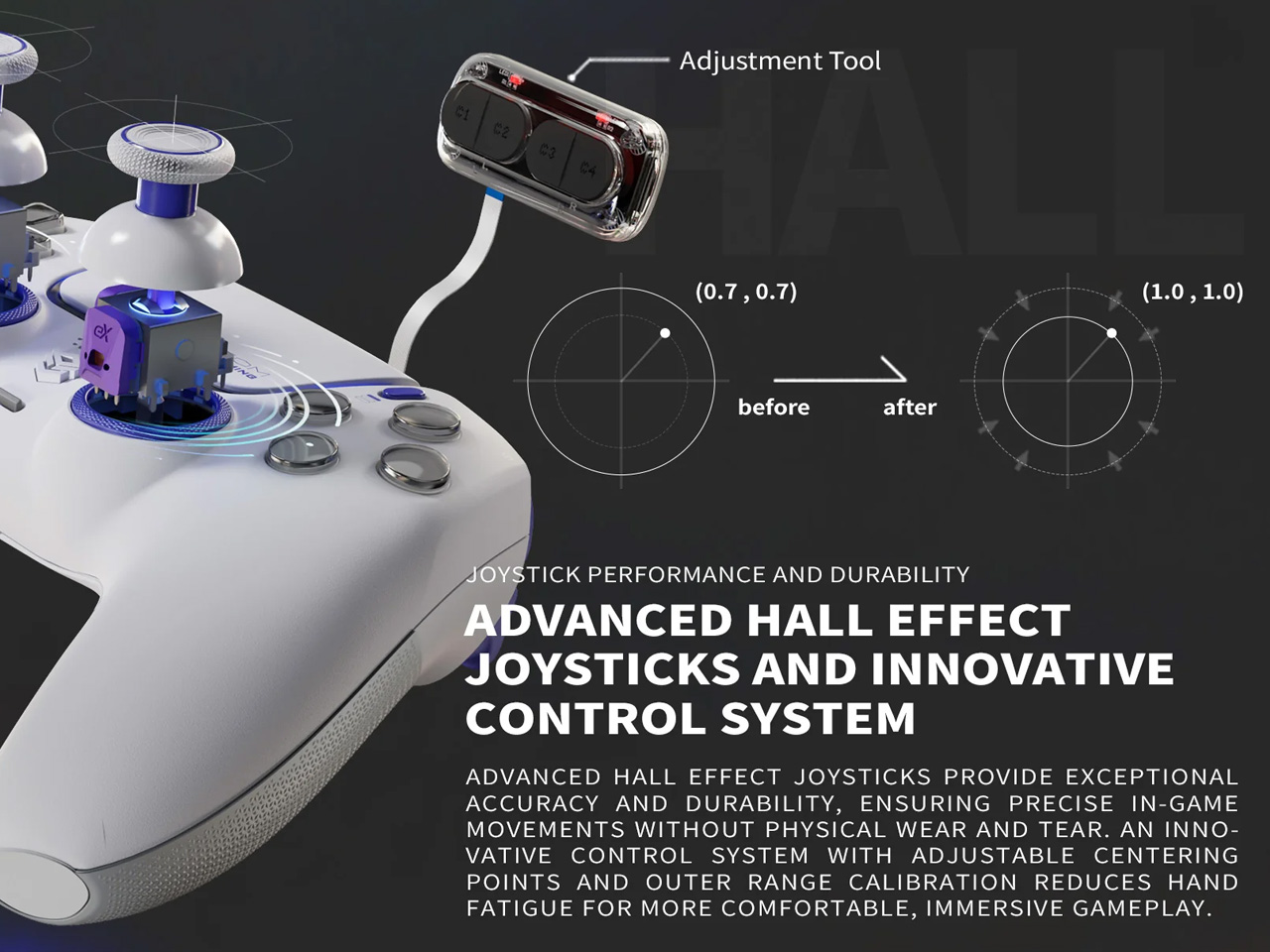
The detail work is thorough. Eight interchangeable thumbsticks — concave, domed, and extended — let players configure grip geometry to their actual hand shape rather than an assumed standard. Digital triggers travel 1.5 to 2mm before actuating, delivering mouse-click response times for FPS gameplay where that matters. Six swappable profiles handle game-specific configurations on the fly, and the standard version includes a DriftFix system that lets axis deviation be corrected within a 0.12 range without hardware replacement — a calibration tool no stock controller offers. The controller ships as a complete kit with a carrying case and a charging cable. For players unwilling to give up what makes the DualSense good, this is the only way to also gain what it consistently gets wrong.
What We Like
Sony internals mean adaptive triggers and haptics are fully preserved — the only controller on this list that doesn’t require trading them away.
A physical toggle between adaptive and digital trigger modes is a genuinely smart addition that no competitor, first-party or third, provides.
What We Dislike
The base price of $229 is a high entry point, and the Hall Effect configuration — the one worth choosing — costs more.
No dedicated 2.4GHz wireless connection is a gap for players who prioritize wireless performance above the Bluetooth standard.
The DualSense Didn’t Lose. It Just Has Real Competition Now.
Sony built something worth building. The DualSense’s haptic system and adaptive triggers still represent a design vision few peripherals have matched on those specific terms. But hardware doesn’t hold its position by standing still, and in 2025, the third-party market demonstrated it doesn’t have to wait for Sony to move first. TMR sensors, Hall Effect triggers, physical modular reconfiguration, multi-stage trigger calibration — these aren’t experimental features on concept renders. They’re in production, reviewed, and on shelves.
These five controllers are what’s available right now. Whether the priority is maximum input precision, mechanical longevity, total configurability, or keeping every DualSense feature while gaining everything it withholds, the answers exist. The default option is still a good one. It’s just no longer the only one worth considering.
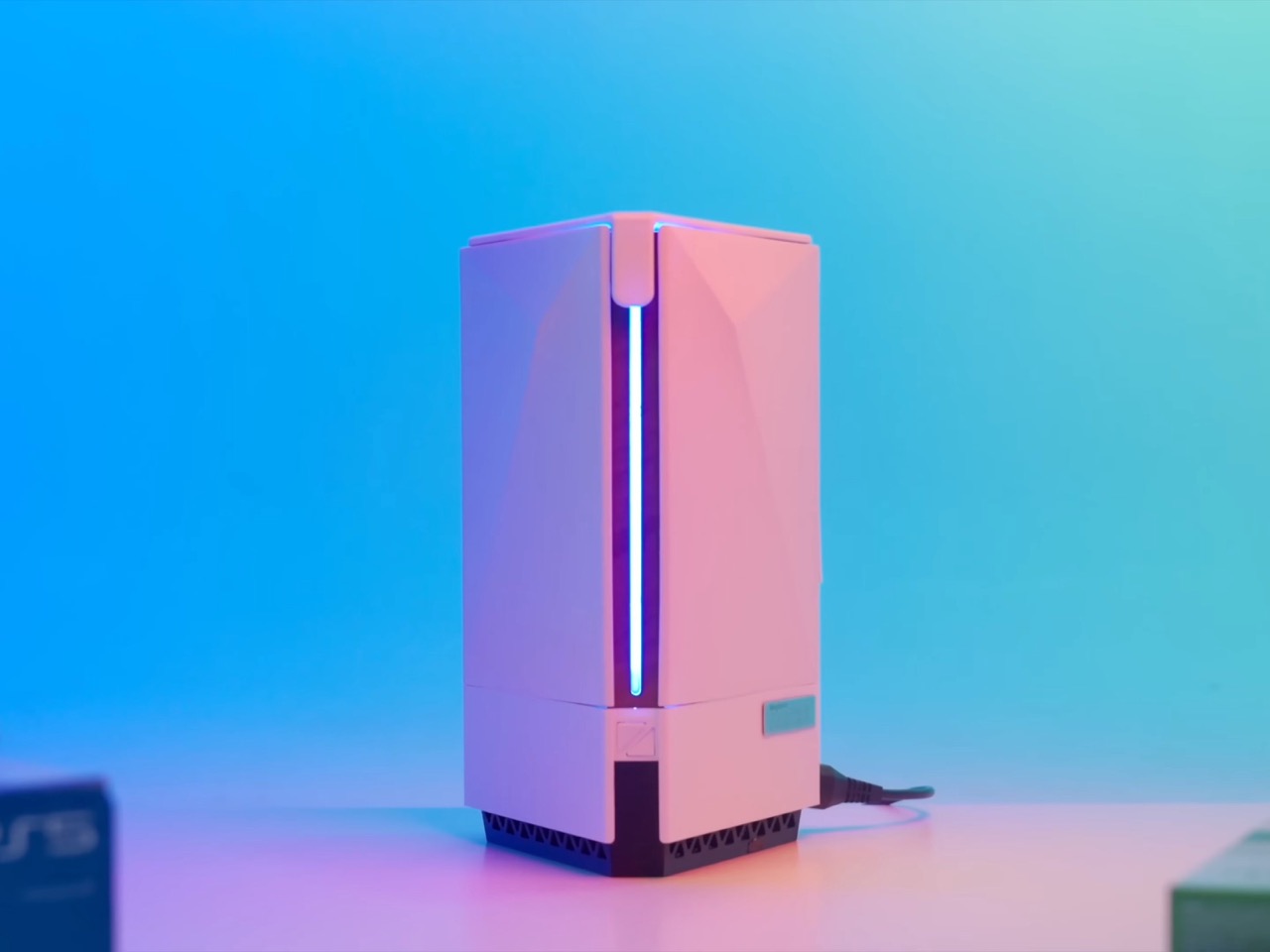
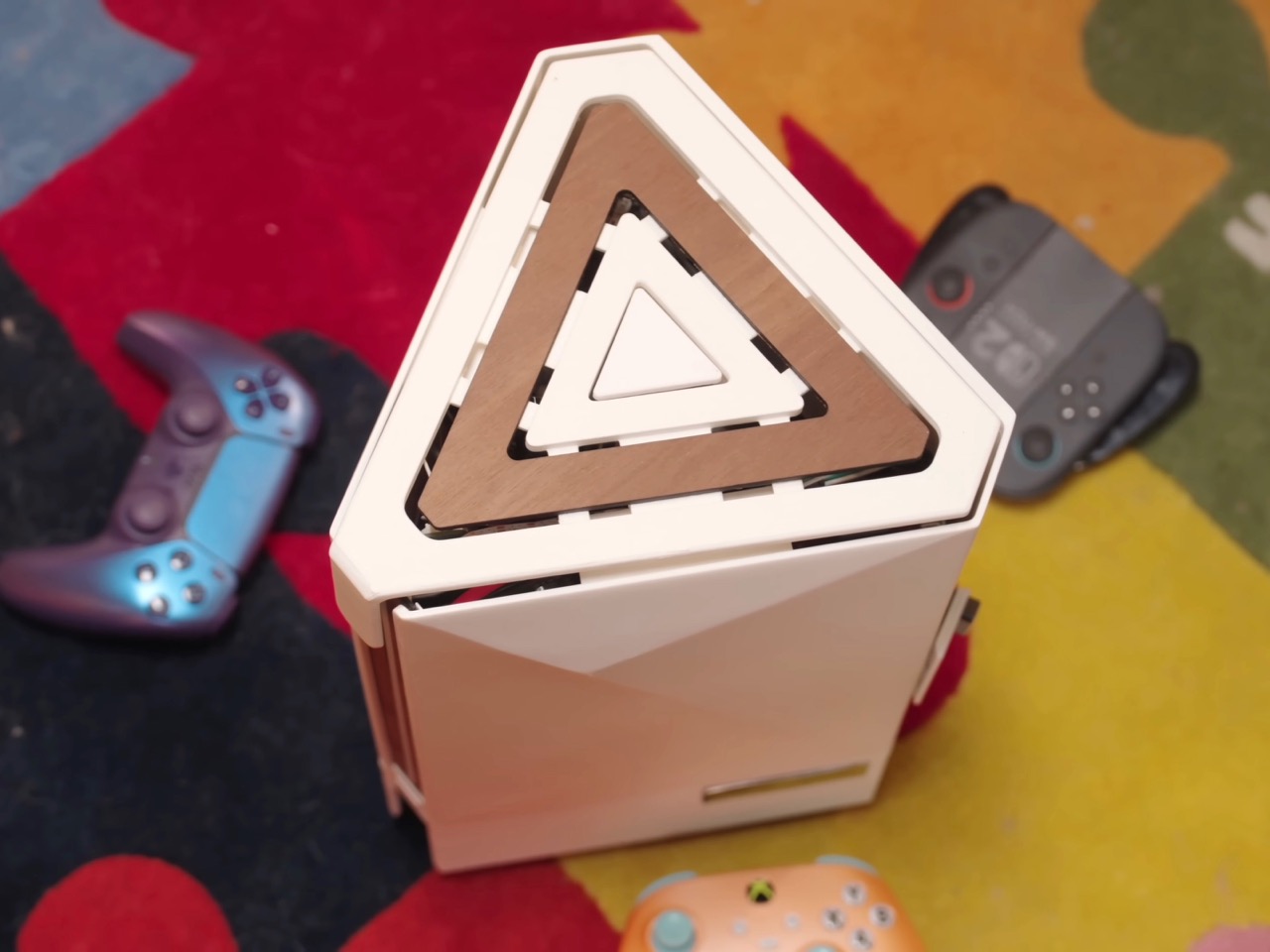
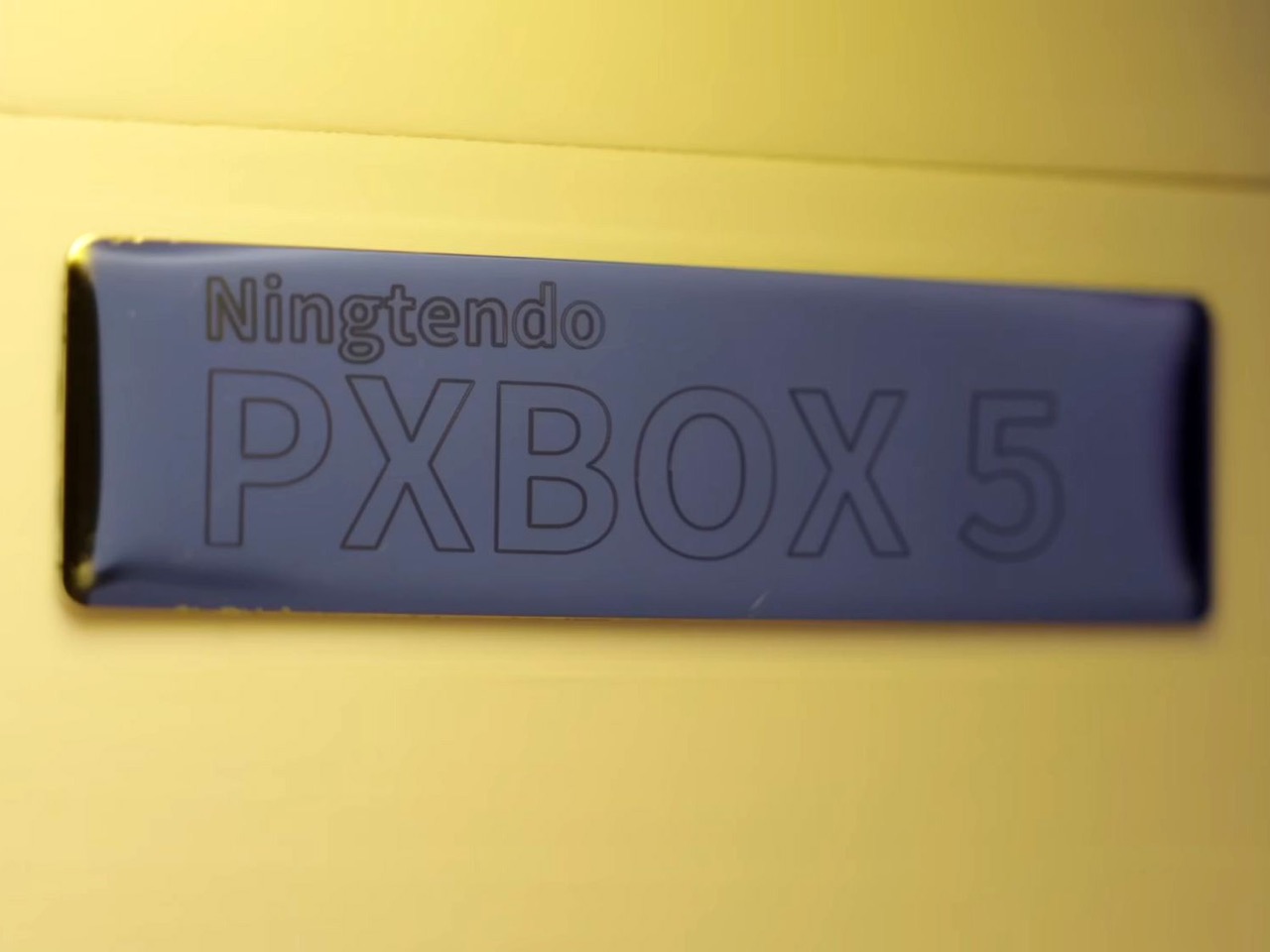
The console wars are dead. And what killed them wasn’t rising RAM prices, GPU scarcity, tariffs, or any sort of monopolistic practices. It was one modder who was tired of the multi-ecosystem approach. Chinese hardware enthusiast 小宁子 XNZ (or XNZ for short) looked at her collection of gaming consoles, realized she was constantly swapping cables and power supplies just to access different game libraries, and decided to do something about it. The result is the Ningtendo PXBOX 5, a custom-built system that combines PlayStation 5, Xbox Series X, and Nintendo Switch 2 hardware into a single triangular chassis that switches between all three platforms with a button press. One console to rule them all…
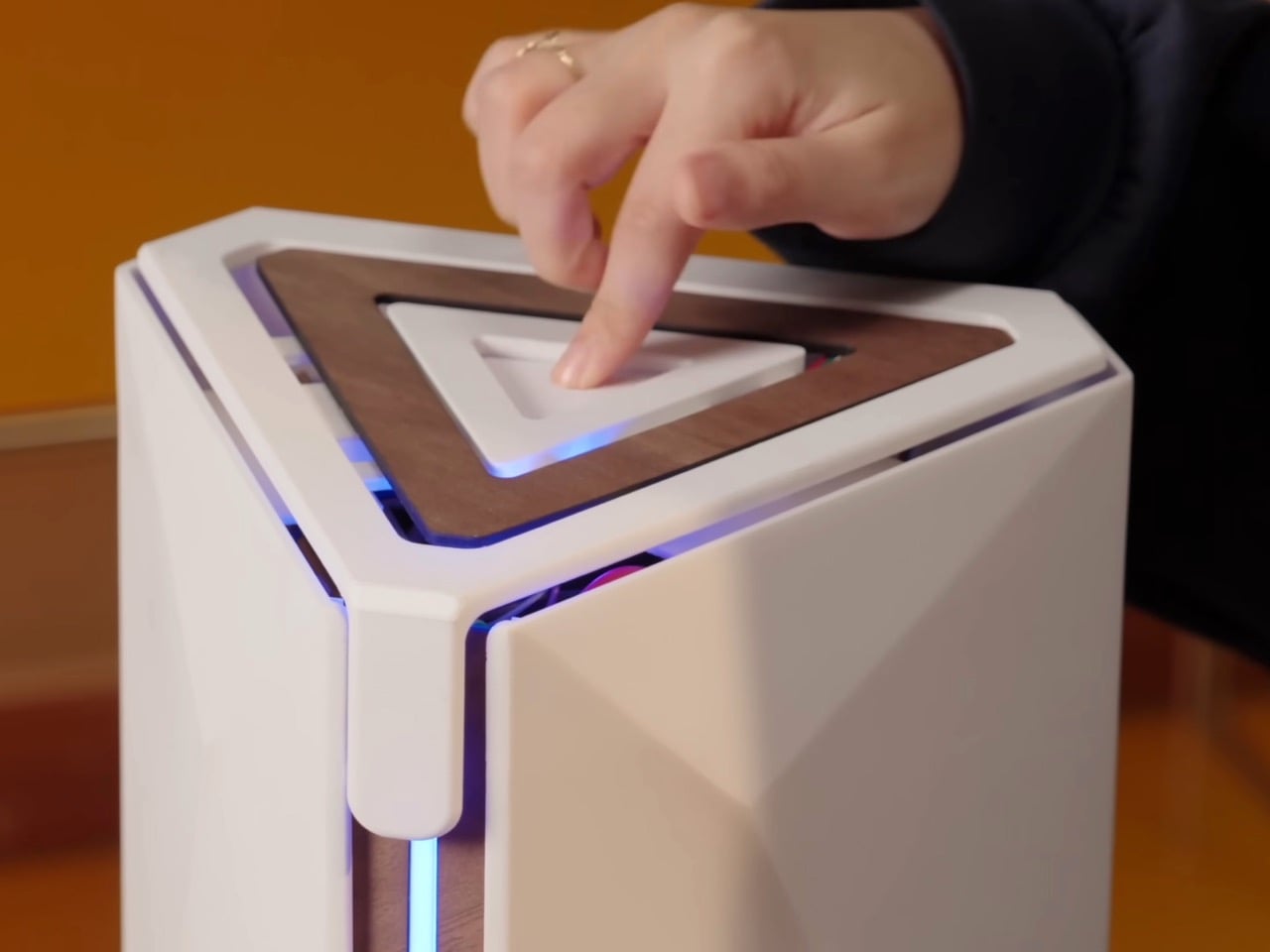
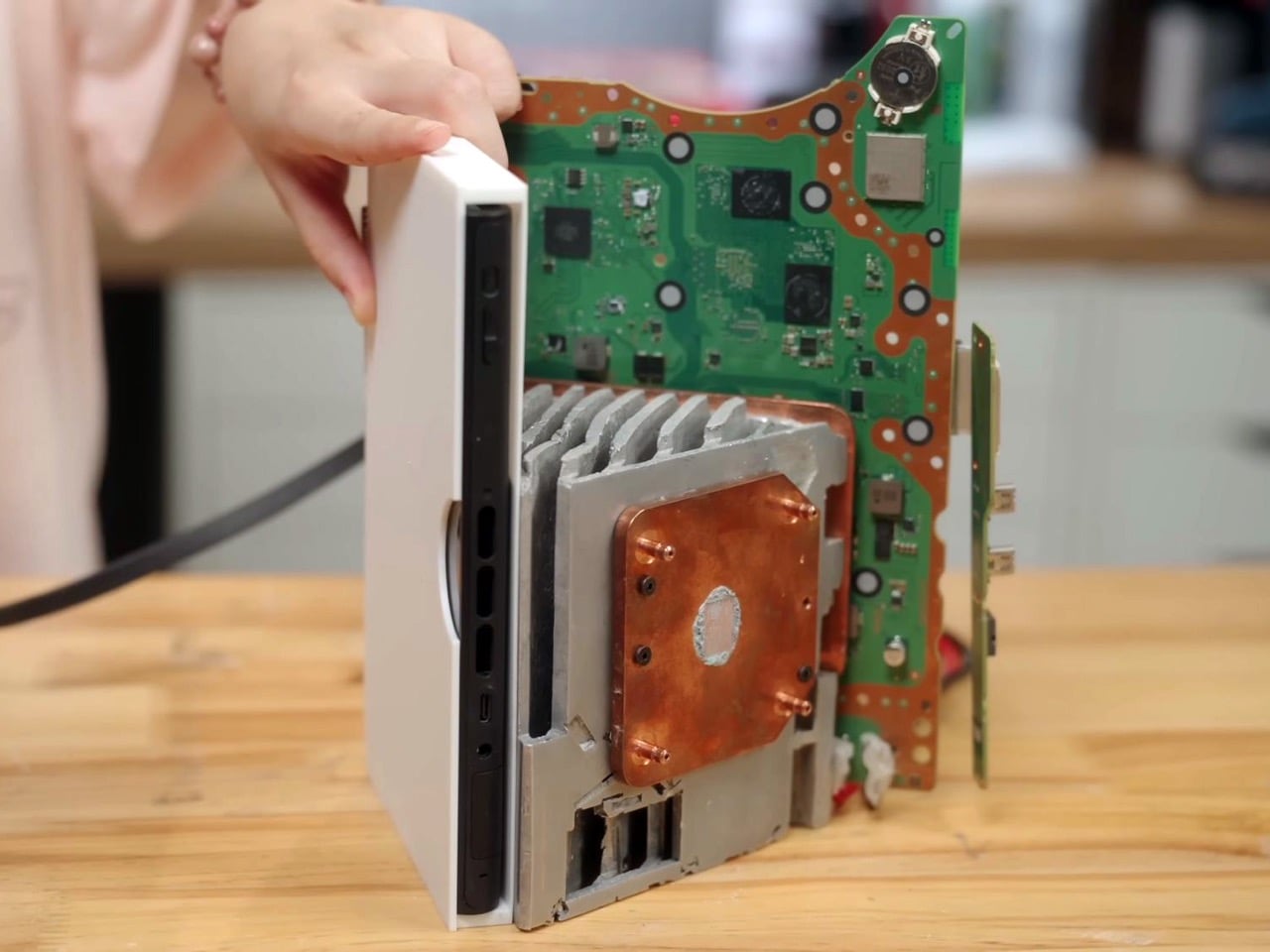
XNZ stripped each console down to its motherboard and mounted them on three sides of a custom aluminum cooling block, inspired by the old trash can Mac Pro design. A single 250-watt power supply feeds everything, while a Phanteks fan at the bottom pushes air through the shared heatsink. Press the button on top and an Arduino board handles the switching logic, cycling through the three systems in about three seconds. A front-mounted LED strip glows blue for PlayStation, green for Xbox, or red for Switch 2, so you always know what’s active. The catch is you need to close your game before switching to avoid overloading the power supply, but that’s a small price to pay for having Sony, Microsoft, and Nintendo living peacefully under one roof. Both the PS5 and Xbox are digital-only versions, so no disc drives made it into the final build.
Designer: 小宁子 XNZ
XNZ pulled inspiration from Apple’s 2013 trash can Mac Pro, which remains one of the most divisive desktop designs Apple ever shipped. That machine had a triangular prism cooling system sitting dead center, with each of its three sides pressed tight against a separate component board. A fan at the top pulled hot air straight up through the whole assembly in one clean thermal column. Apple bet wrong on dual-GPU workstation builds and killed the product line, but the core thermal design was actually brilliant. For this project, it turned out to be the perfect blueprint. Three consoles, three motherboards, three sides of a triangle. The geometry practically solved itself.
Building that triangular heatsink presented a different problem entirely. XNZ needed dense fins capable of dissipating heat from three different APUs, but CNC machining quotes came back at around $700. Metal 3D printing wasn’t much better, and both options involved waiting in manufacturing queues that would kill any chance of rapid iteration. So she went old school. Really old school. We’re talking 1,500 years old.
Lost-wax casting has been around since ancient China, traditionally used for intricate bronze artifacts like the Yunwen Bronze Vessel. The principle is simple: carve a detailed model in wax, coat it in clay, melt out the wax, and pour molten metal into the cavity left behind. XNZ modernized the process by replacing wax with PLA filament from her 3D printer. She designed the heatsink in CAD software, printed it with support structures and cooling channels built right in, then encased the whole thing in high-temperature gypsum. The gypsum can withstand 700 degrees Celsius while PLA starts melting at 100 degrees and burns completely by the time you hit 700. Stick it in an electric kiln, run it through four heating stages over 12 hours, and you’re left with a clean ceramic mold ready for aluminum.
The first casting attempt failed halfway through when the molten aluminum cooled too fast and solidified before filling the entire mold. The fins were also too dense, causing the thin gypsum walls between them to crack. XNZ adjusted the fin thickness, changed their orientation to shorten the flow path, and recalibrated both the mold temperature and the aluminum pour temperature. Second attempt came out perfect. The surface captured fine details from the 3D print, including the layer lines from the support structures on the bottom. After sawing off the pouring gate and polishing the contact surfaces, she had a functional aluminum heatsink that cost maybe 50 bucks in materials instead of several hundred in machining fees.
Copper plates bolt onto two sides of the aluminum block where the PS5 and Xbox motherboards make contact. The third side, reserved for the Switch 2, doesn’t get a copper plate because Nintendo’s handheld apparently doesn’t need active cooling when docked. Thermal paste replaces the PS5’s stock liquid metal since the copper and aluminum combo provides enough thermal mass. During testing, the whole system ran Elden Ring for 30 minutes without overheating warnings, topping out at 60 degrees Celsius measured across the heatsink surface. That’s impressive considering you’ve got three separate APUs sharing one cooling solution and one 12-centimeter fan doing all the work.
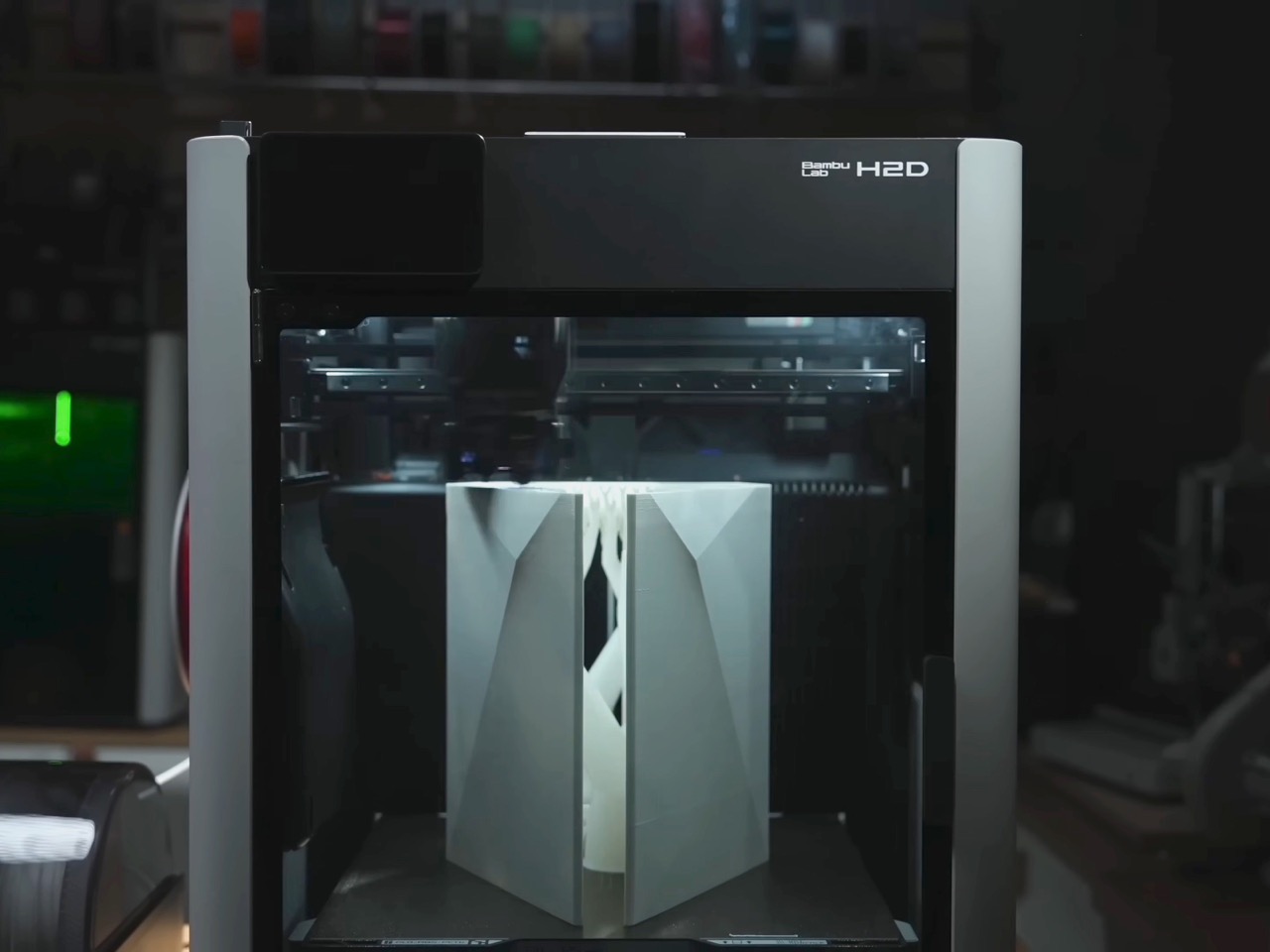
The Switch 2 integration required a custom dock since the handheld needed to remain removable. XNZ gutted Nintendo’s official dock, pulled out the USB-C daughterboard and relevant electronics, and stuffed everything into a 3D-printed housing that attaches to the cooler’s third face. She wanted a spring-loaded ejection mechanism like a toaster, but metal springs couldn’t provide enough force to overcome USB-C port friction. The solution came from Bambu Lab’s MakerWorld, where she found a parametric spring generator that lets you customize dimensions through simple value inputs. She printed the entire dock assembly using dual-extrude printing with PLA for the rigid case and PETG for the flexible spring components. The two materials bond during printing so the spring stays permanently embedded in the structure but remains fully functional right off the print bed.
Power management turned out simpler than expected. The PS5 pulls 225 watts under full gaming load but drops to 4 watts in standby. The Xbox Series X shows similar behavior. A gallium nitride 250-watt power supply handles both consoles running in parallel as long as you’re only actively gaming on one at a time. The Switch 2 gets its juice through a transformer and USB-C PD trigger that converts the main rail voltage. An Arduino board sits inside the case managing power distribution and HDMI switching, triggered by that single button on top. Press it once and the LED bar changes color while the Arduino routes both power and video output to the next console in the sequence. Takes three seconds to complete the switch, which is faster than most people can close their game and navigate back to the home screen anyway.
The whole thing weighs less than having three separate consoles on your shelf and uses one HDMI cable, one power cord, and zero mental energy deciding which box to turn on. Sure, you lose disc drive functionality since both the PlayStation and Xbox are digital editions. And yes, the 250-watt ceiling means no running multiple games simultaneously or the power supply trips. But XNZ built a working proof of concept that platform exclusivity is a solvable engineering problem, not some immutable law of physics. Sony, Microsoft, and Nintendo have spent decades convincing people their ecosystems need to stay separate. One person with a 3D printer, some molten aluminum, and a weekend said otherwise.
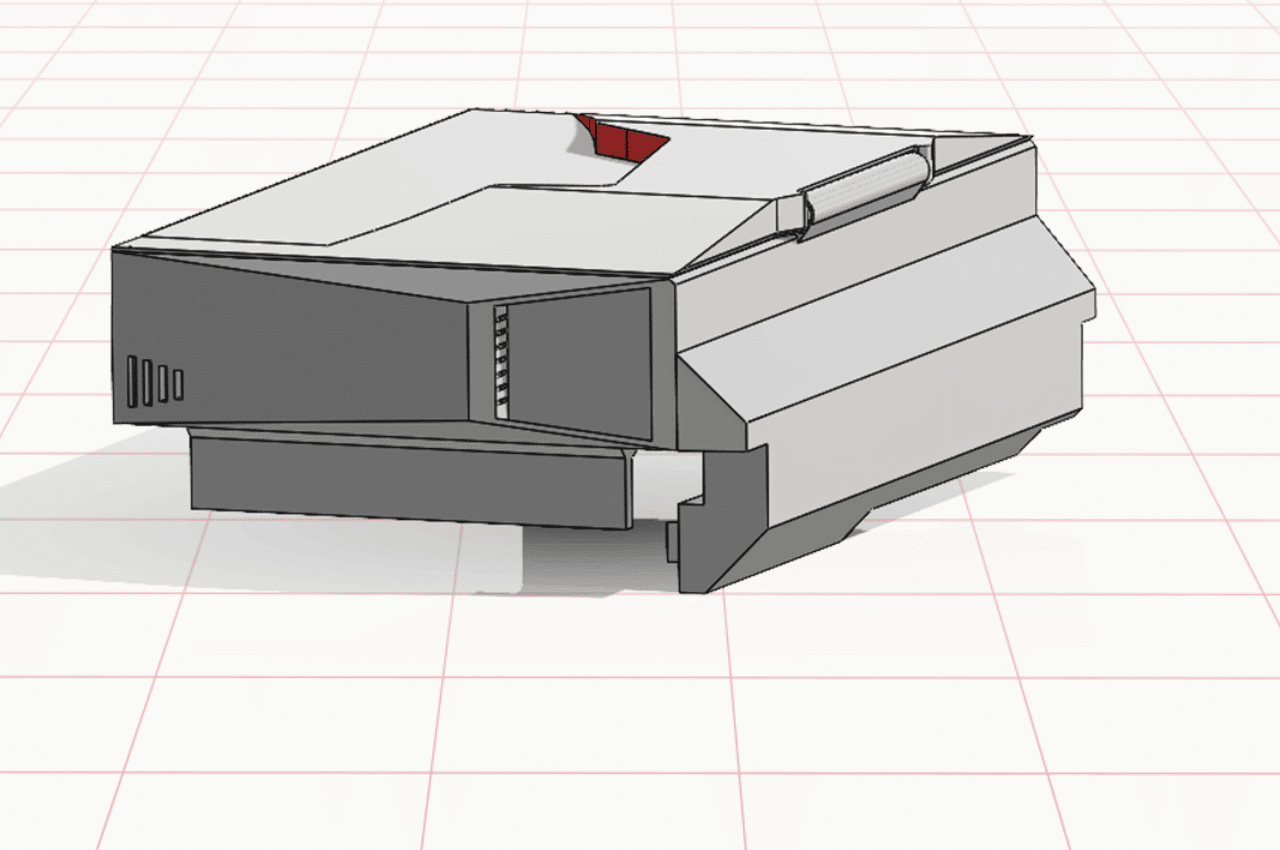
Pizza and gaming go together very well. But many of us often get lost in the game only to find the pizza slices hard and cold. The walk to the microwave in the kitchen can be a long one when you’re locked in the virtual tussle. This is when we want someone to go heat and give us a nice steaming pizza slice!
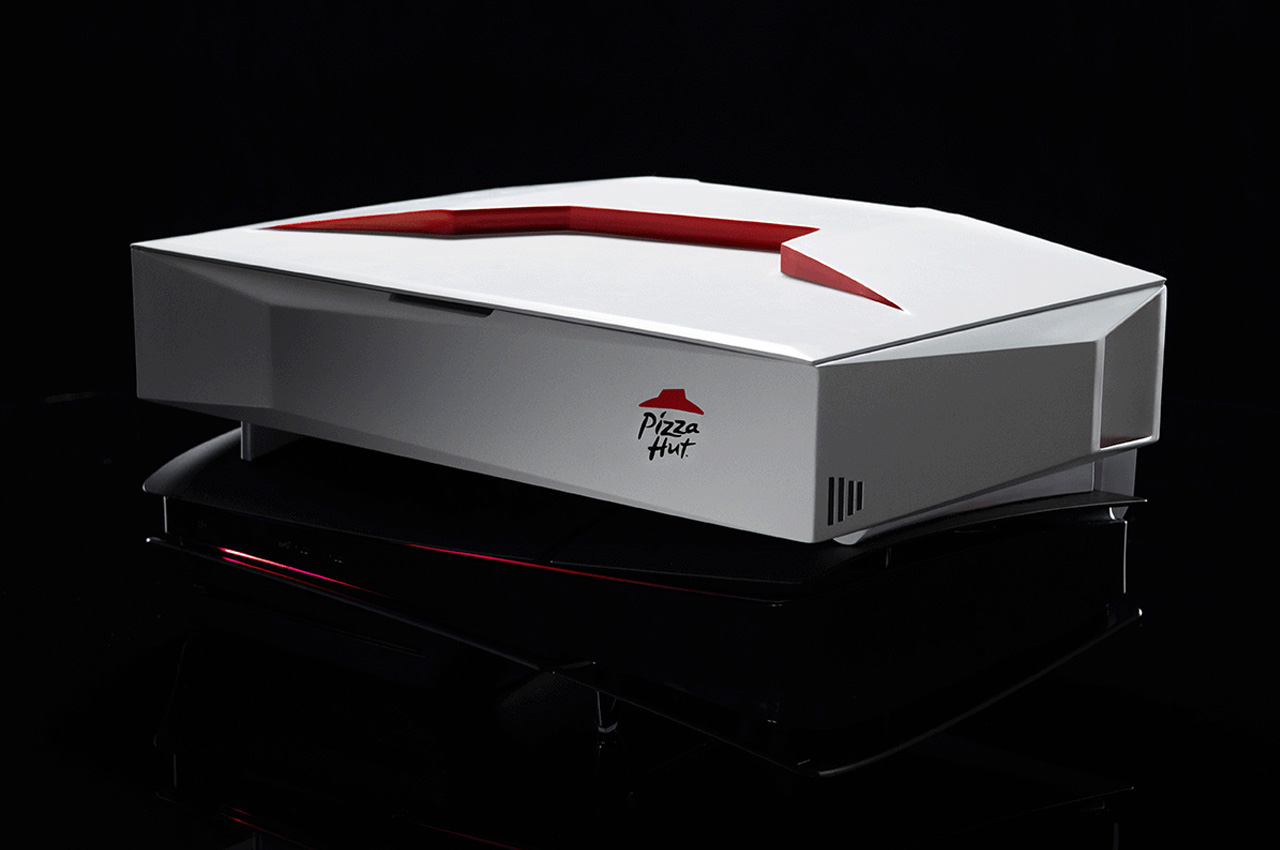
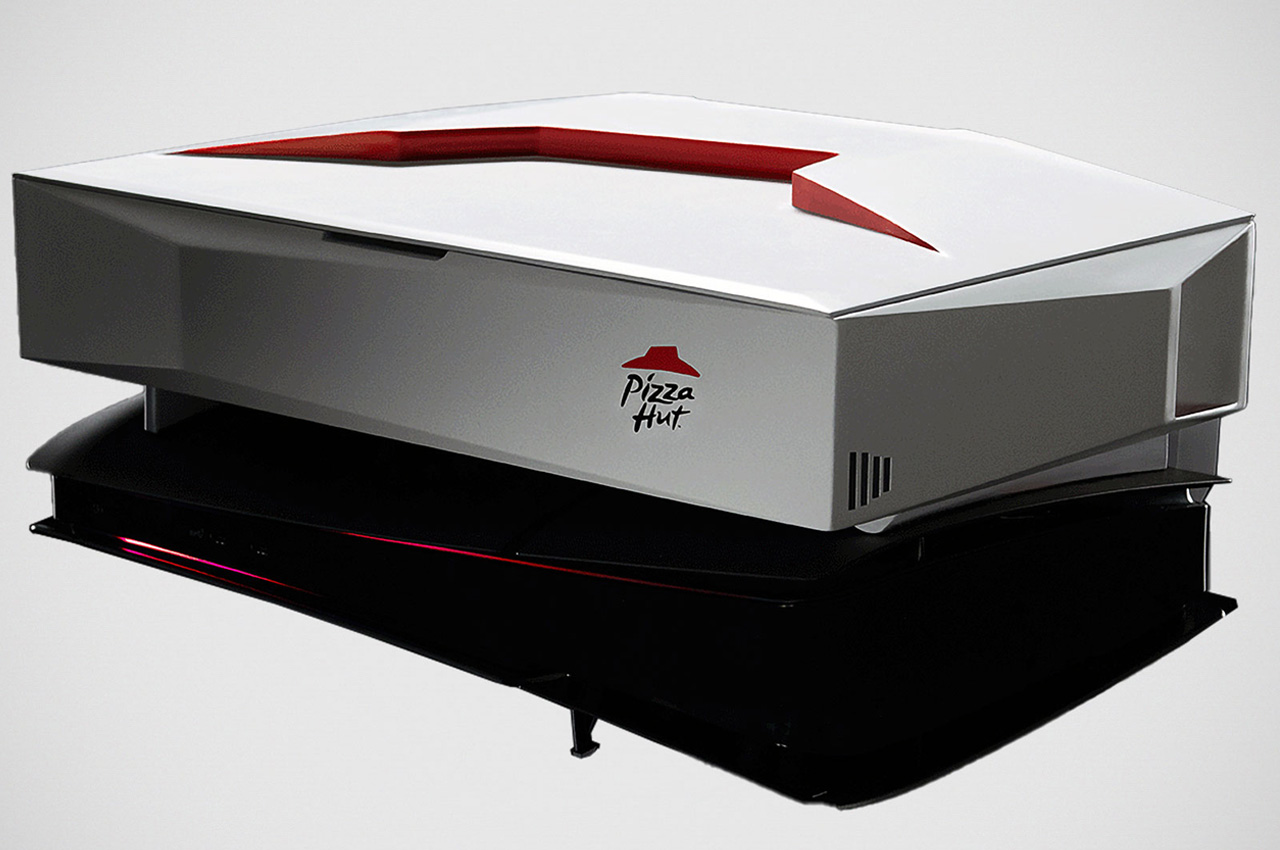
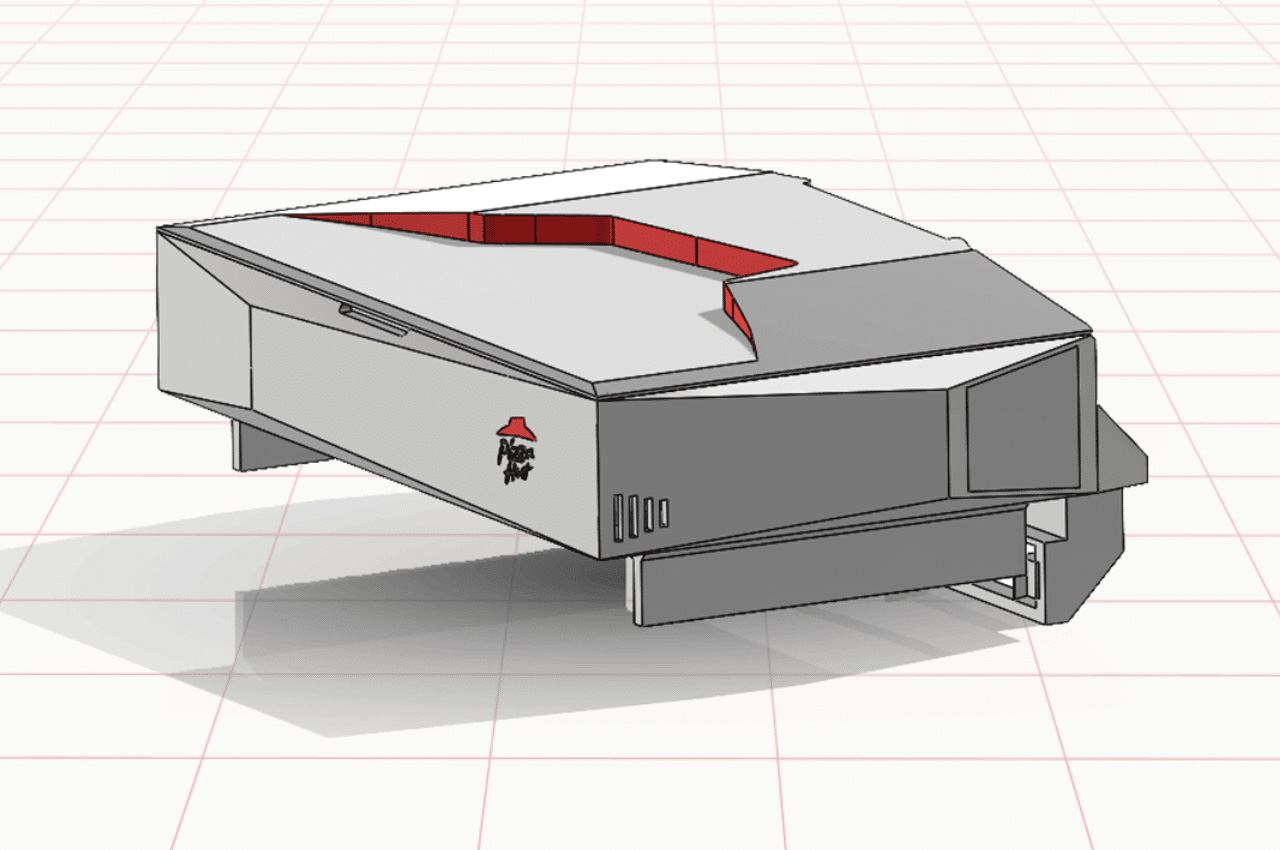
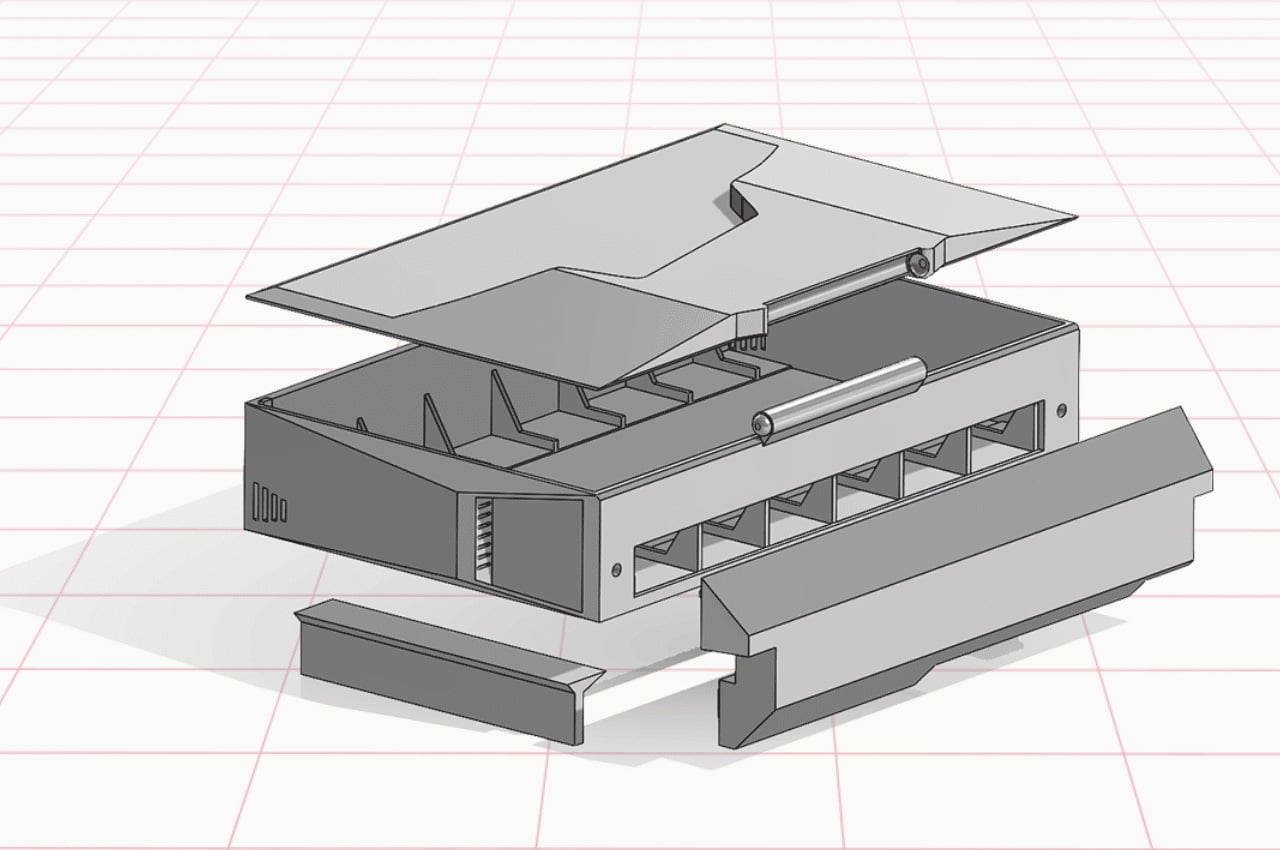
If you’re someone who owns a Play Station 5, your wish may just have been granted. Pizza Hut Canada has designed – at least given us the design – a PIZZAWRMR, that rests under a horizontally placed console and keeps the pizza inside of it warm by using the heat dissipated from the PS5. A nice warm pizza between games is not a dream anymore!
Gadgets – especially game consoles – can get really warm during long uninterrupted sessions. Loosely saying then, the PS5 could have enough heat emitted through its vents to keep a pizza hot. How hygienic is this option of heating the pizza, with the hot air released out of a device whose innards have not been cleaned for months, may be questionable; but between intense gaming sessions, who cares?
Pizza Hut Canada revealed the idea of the PIZZAWRMR on YouTube last month. At first sight of the promotional video, you can be led into believing that the pizza warmer can be brought off the shelf. However, that’s not how it is. The laptop-style warmer, with a flipping lid that reveals the pizza inside, has to be 3D printed. It’s not for sale, you get 3D printing files on the Hut website to download and then print the warmer yourself.
If you intend to give your 3D pizza warmer a try, Pizza Hut suggests you use food-safe PLA to print the parts. Since the pizza is going to rest inside this contraption you must avoid any plastic-related health concerns by not printing it from unsafe material. Be reminded that the PIZZAWRMR is only a promotional idea and not an officially licensed Sony product; printing it or using it close to the PS5’s exhaust should all be done with caution.
We truly are in a retro-transparent era! With transparent phones and earbuds from Nothing, transparent smart glasses from Meta, and even transparent Cipher controllers for the Xbox, it’s safe to say that the golden age of design has come full circle. Pioneered by Nintendo and then popularized by Apple with their transparent era just before pivoting to aluminum, transparency adds depth and character to design – literally. Instead of a boring opaque form, you get to see what’s underneath the hood and appreciate all the intricacy that goes into a product’s design from the bottom up.
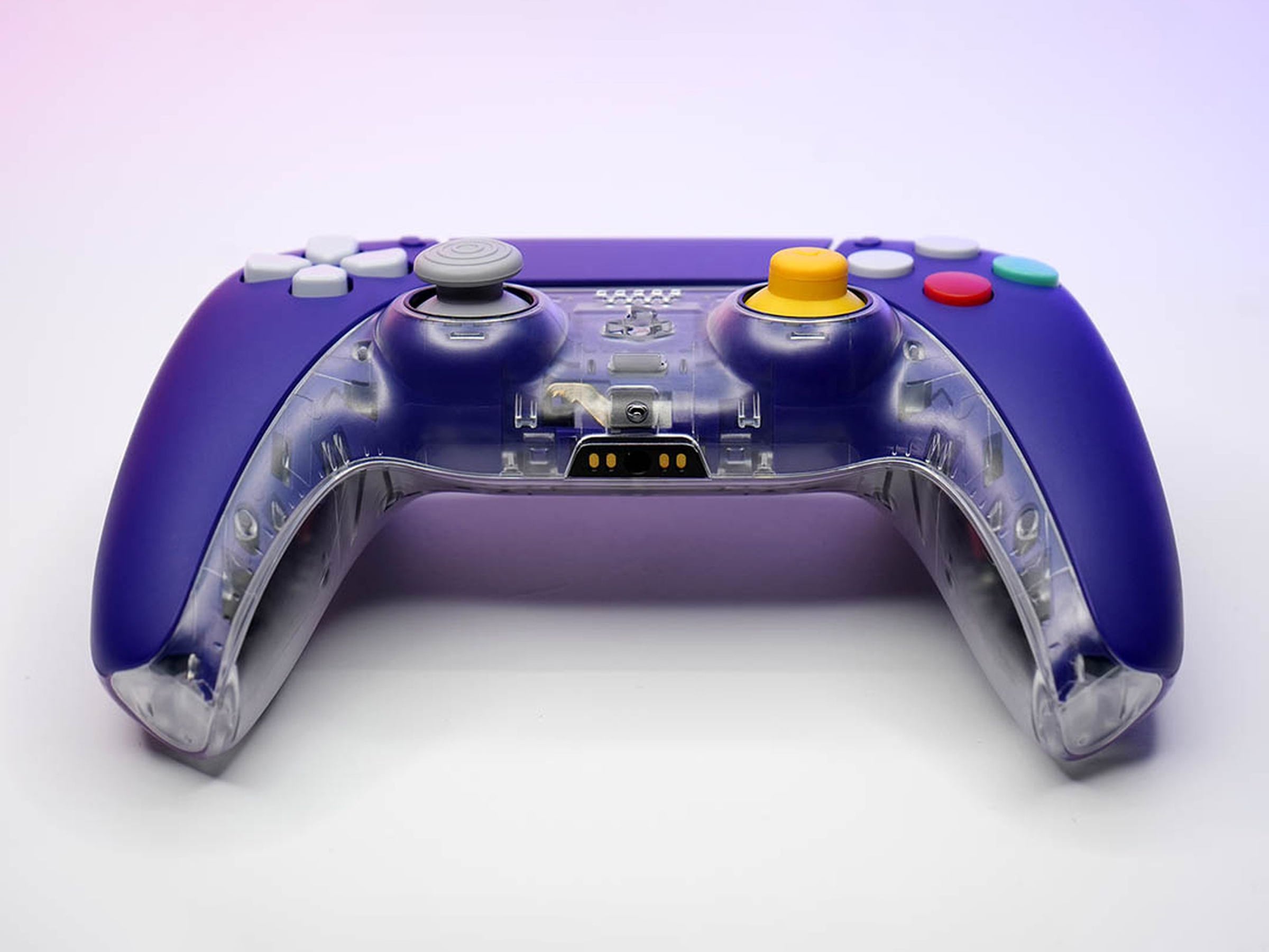
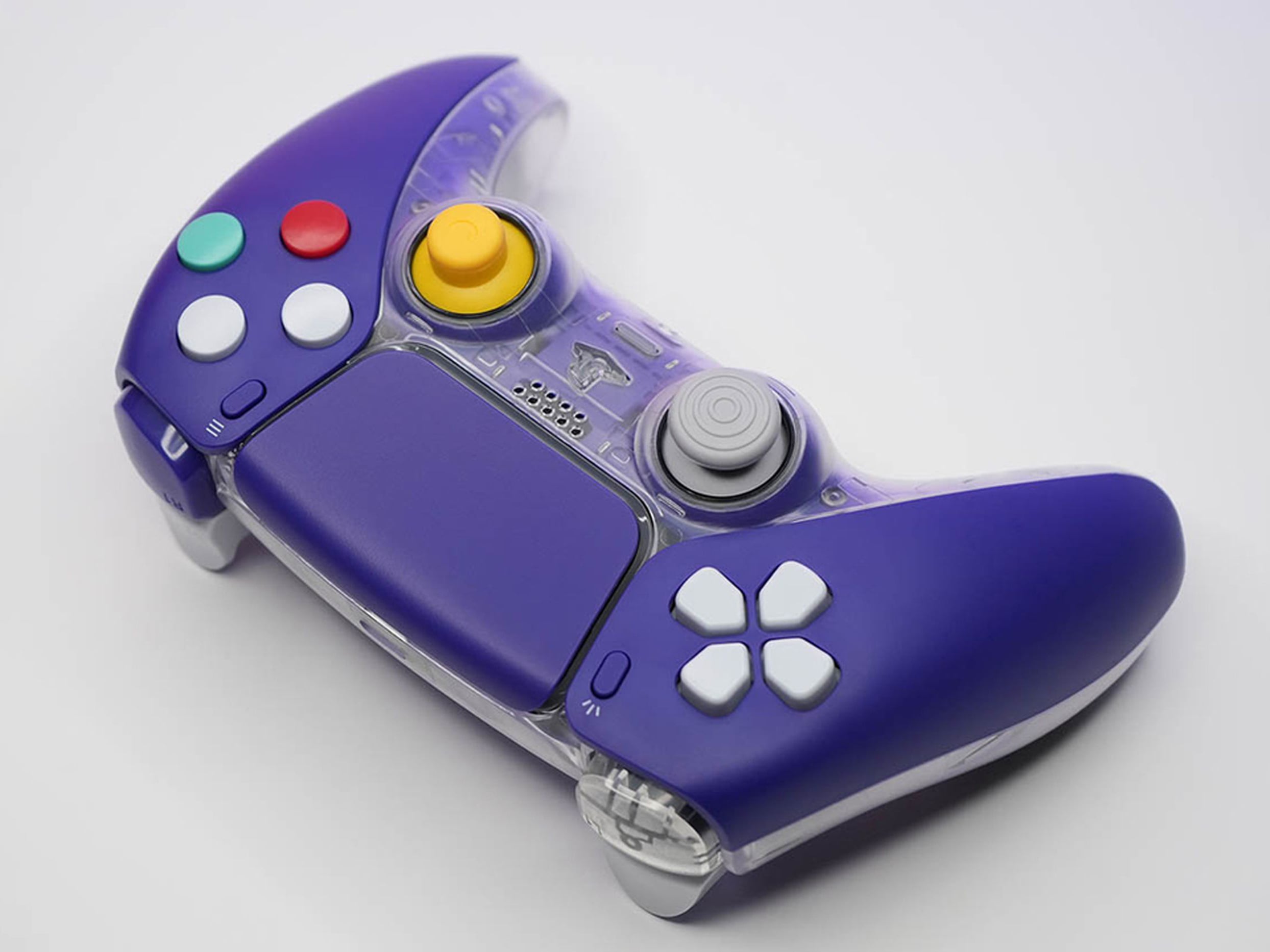
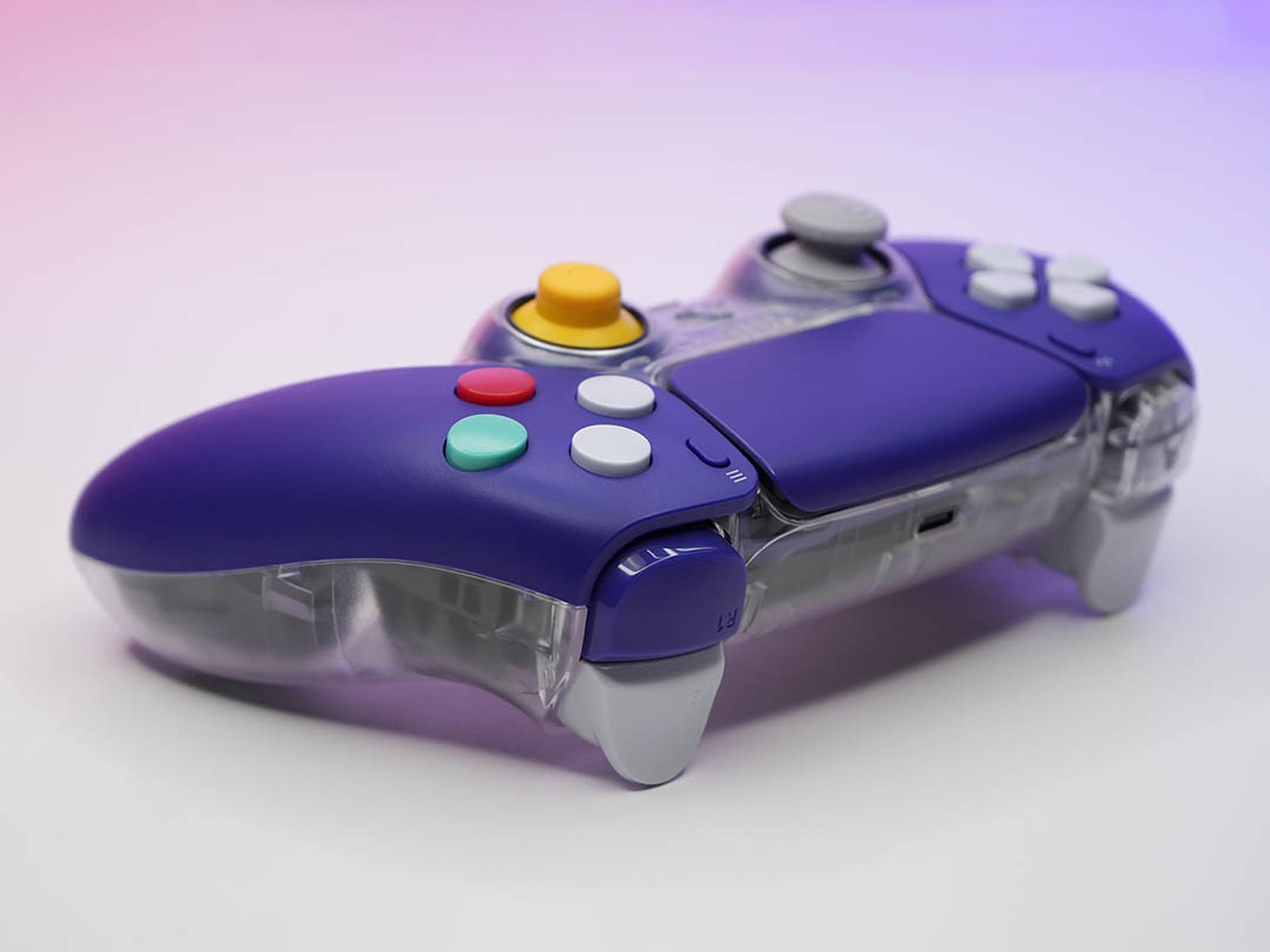
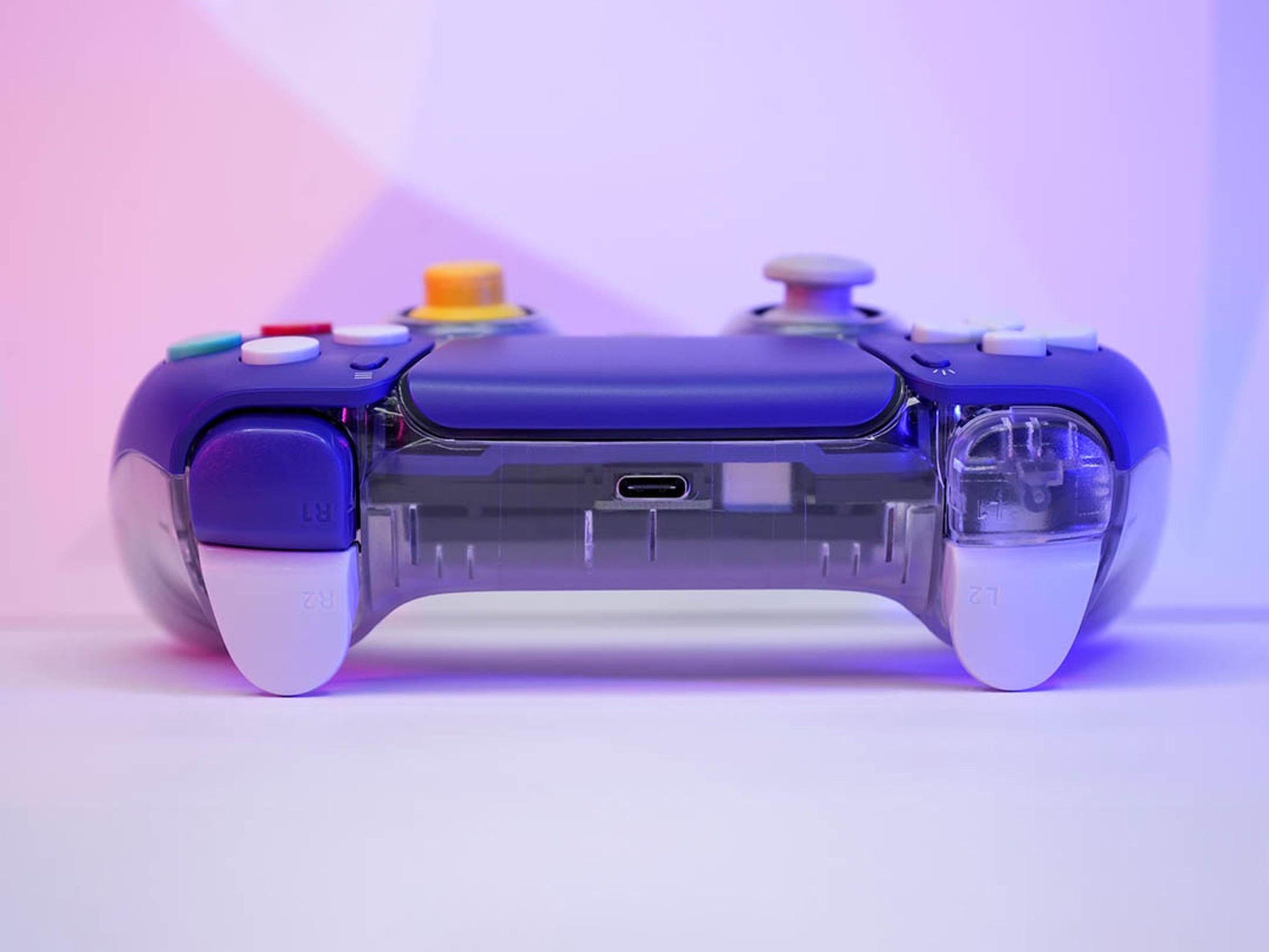
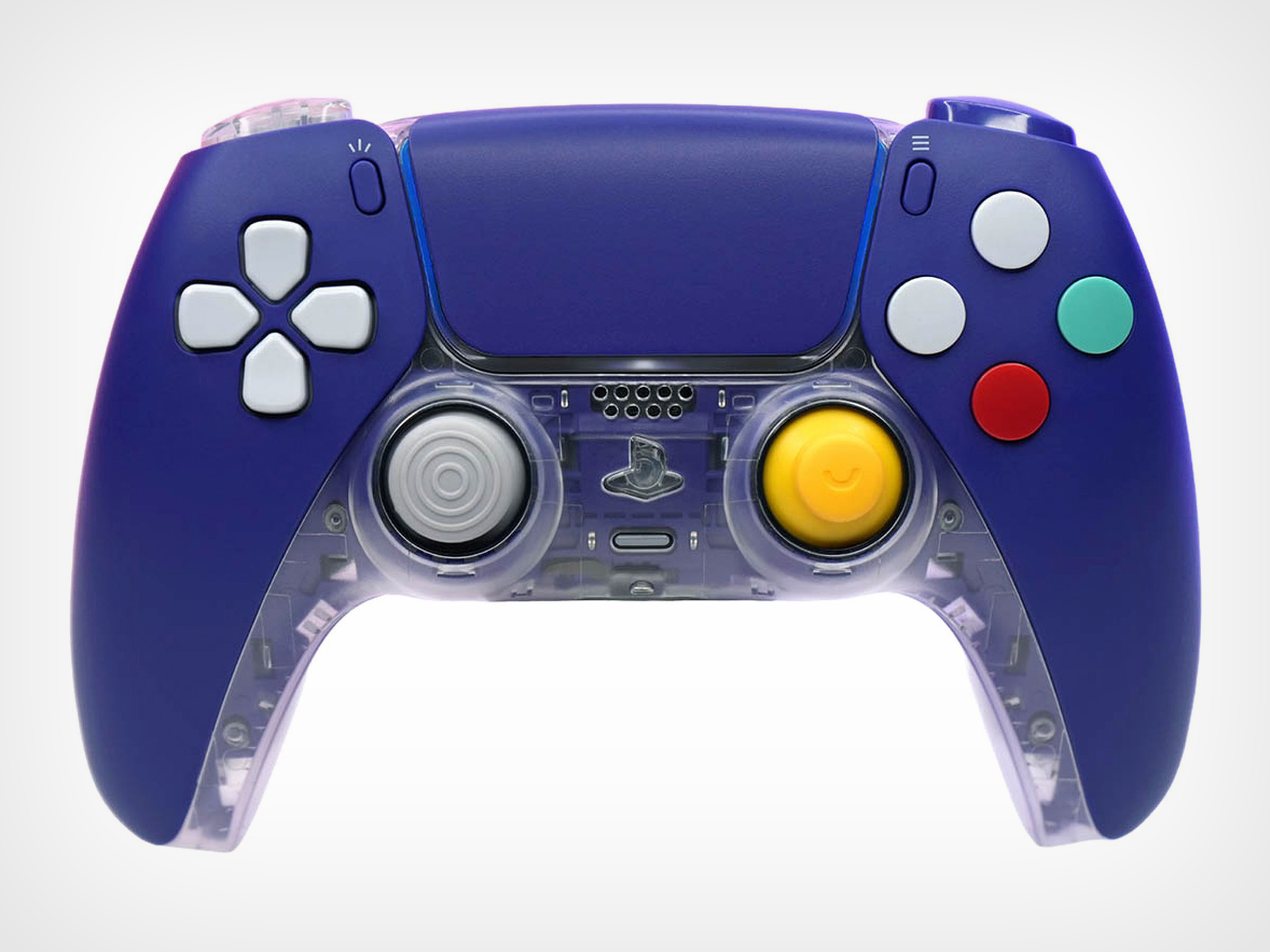
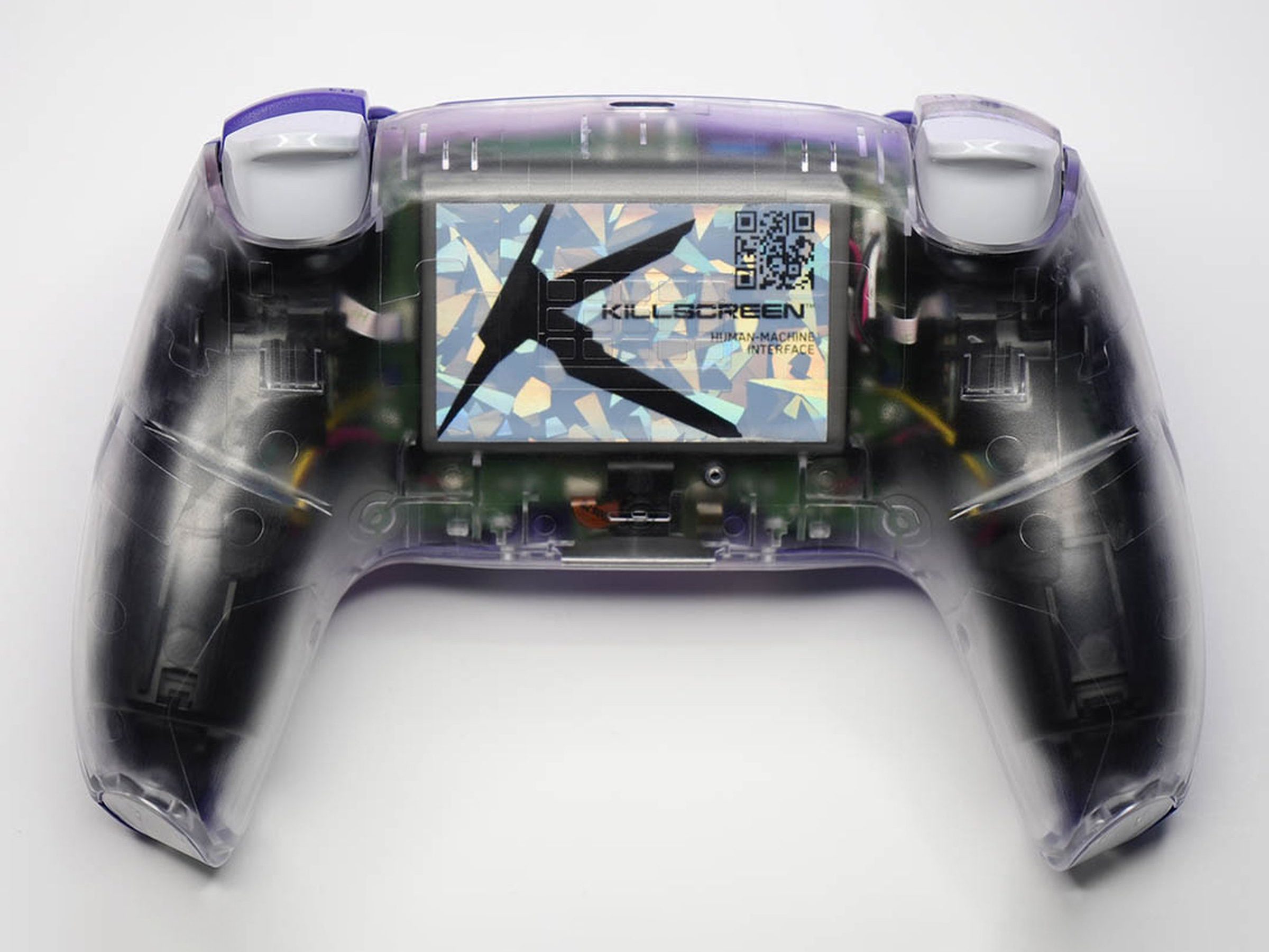
Inspired by the iconic aesthetics of the Nintendo GameCube, this custom gamepad from the folks at Killscreen aims to evoke a sense of nostalgia while maintaining the functionality that PS5 players expect. The CubeSense features a matte purple front shell paired with a transparent back, reminiscent of the original GameCube’s indigo colorway. It sports red, green, and light gray face buttons, evoking the playful palette of the classic console, though the layout remains aligned with Sony’s traditional configuration. The controller also includes custom joysticks, emulating the design of the GameCube’s yellow C-stick with a distinctive nub. However, unlike the asymmetrical stick layout of the GameCube, CubeSense’s dual analog sticks are positioned side by side, maintaining the modern PlayStation feel.
What makes the CubeSense special isn’t just its GameCube-inspired exterior but how it merges the old-school charm with PS5’s next-gen capabilities. Unlike other retro-themed controllers that only change the color scheme, the CubeSense reimagines the tactile feel of gameplay. The joysticks, for example, mirror the distinct yellow C-stick of the GameCube, yet they are adapted to Sony’s signature symmetrical layout. It’s an homage, but with purpose—tailoring the grip to fit the demands of today’s games while offering a nostalgic nod to those who cut their teeth on classics like Super Smash Bros. Melee.
Customization is where CubeSense comes into its own, offering more than just a change of shells. For those who crave a competitive edge, Killscreen has engineered clicky triggers and bumpers with shorter travel distances, designed specifically for the split-second precision needed in FPS games. These upgrades elevate the way you interact with your games, offering a heightened response time that makes the standard DualSense feel sluggish by comparison. And if you’re after a tactile upgrade across all inputs, the option to switch to microswitches provides that crisp click with every press, bringing a level of feedback reminiscent of high-end mechanical keyboards. But here, it’s all about the feel under your thumbs, ensuring that each input is as intentional as the next.
The CubeSense retains everything that makes the PS5’s DualSense great: adaptive triggers, haptic feedback, and seamless integration with the console. This means you get all the sensory depth of Sony’s flagship controller, yet in a package that feels uniquely yours. Imagine playing a game like Astro’s Playroom, where the haptics make you feel the pitter-patter of rain, but with the satisfying weight of the CubeSense’s upgraded buttons beneath your fingers. It’s a tactile treat that combines nostalgia with technical refinement, pushing beyond the simple remakes and remasters we see in the gaming world.
There’s a reason Killscreen’s take on transparency is more than a passing trend—it’s a design philosophy that speaks to the desire for openness in a world of black-box tech. The clear shell offers a glimpse into the intricate circuit boards and mechanisms, a nod to the days when devices came with diagrams of their inner workings. It aligns with what brands like Nothing are doing, where the appeal lies as much in seeing the product as it does in using it. The CubeSense is a device that encourages you to appreciate what’s inside, even though controllers aren’t meant to be seen—they’re meant to empower gaming while your eyes are hooked on the screen.
Priced at $149 for the base model and scaling up to $179 with all the upgrades, the CubeSense may not be the cheapest way to play PS5 games, but it’s certainly one of the most distinctive. It’s a controller for those who care about more than just performance—they want personality, history, and a tactile connection to their gaming past. And yes, this obviously isn’t an official Sony-Nintendo collaboration. Nintendo is infamously protective of its IP and extremely litigious, so a formal collaboration probably isn’t anywhere in the works. Fan-made creations, however, are always a pleasant surprise!
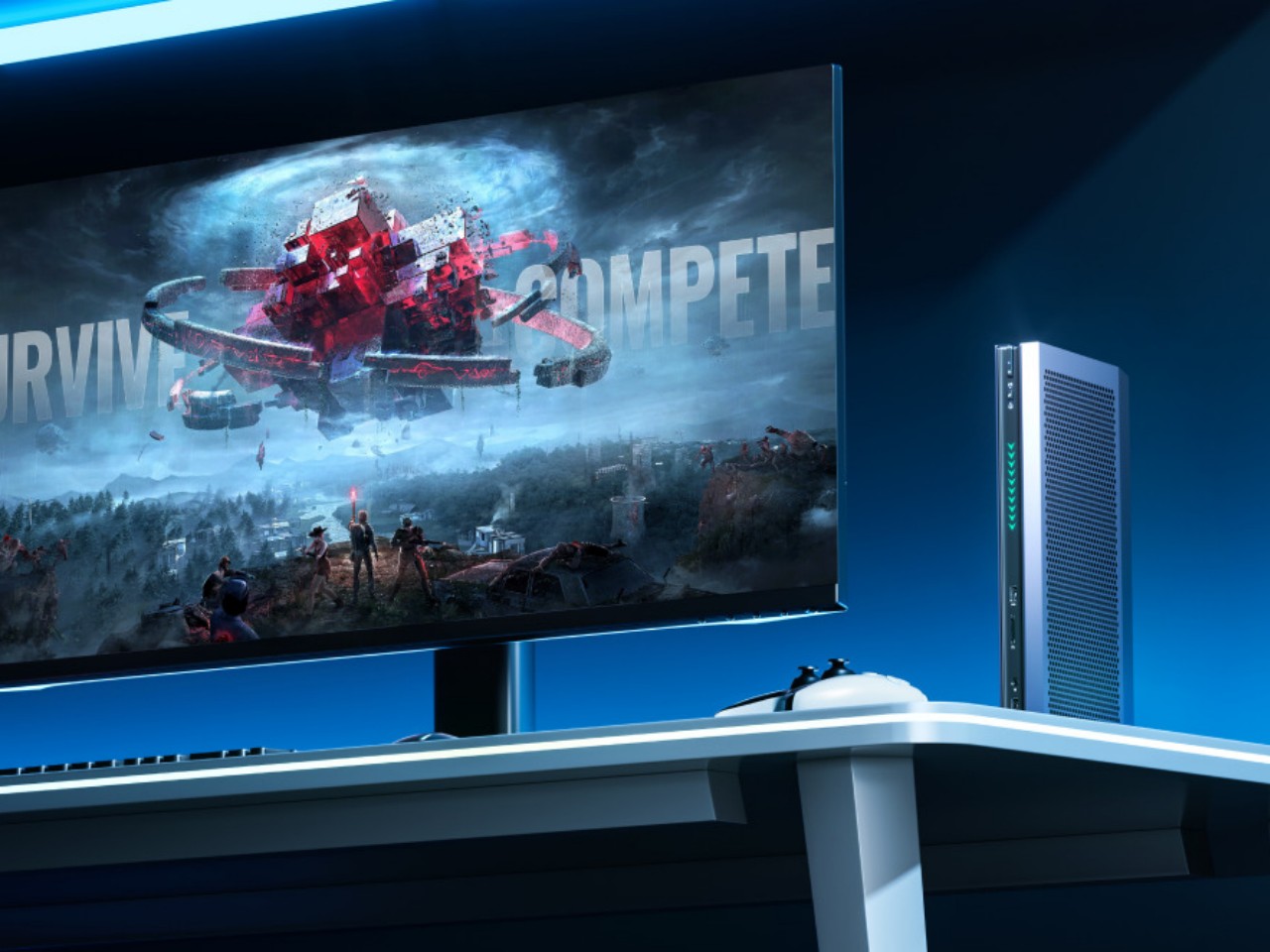
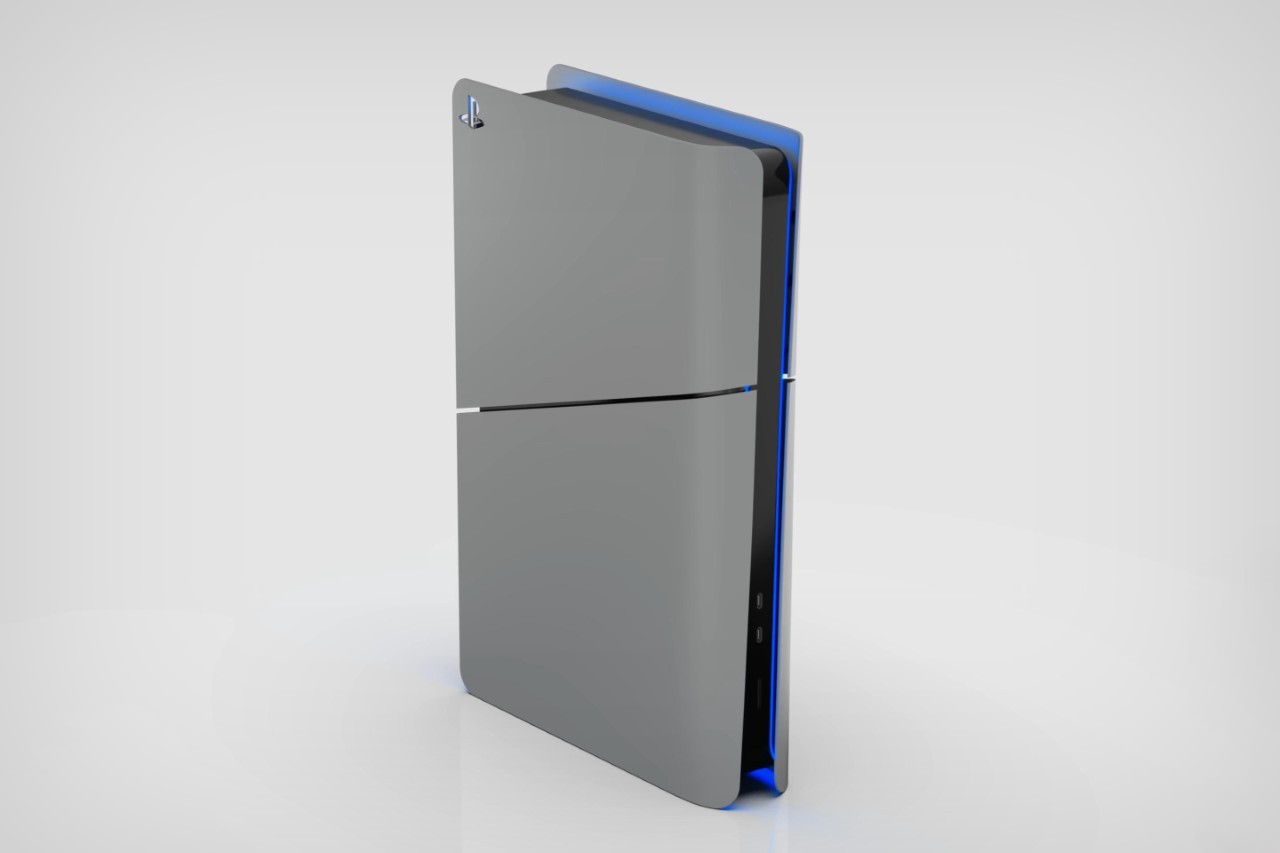
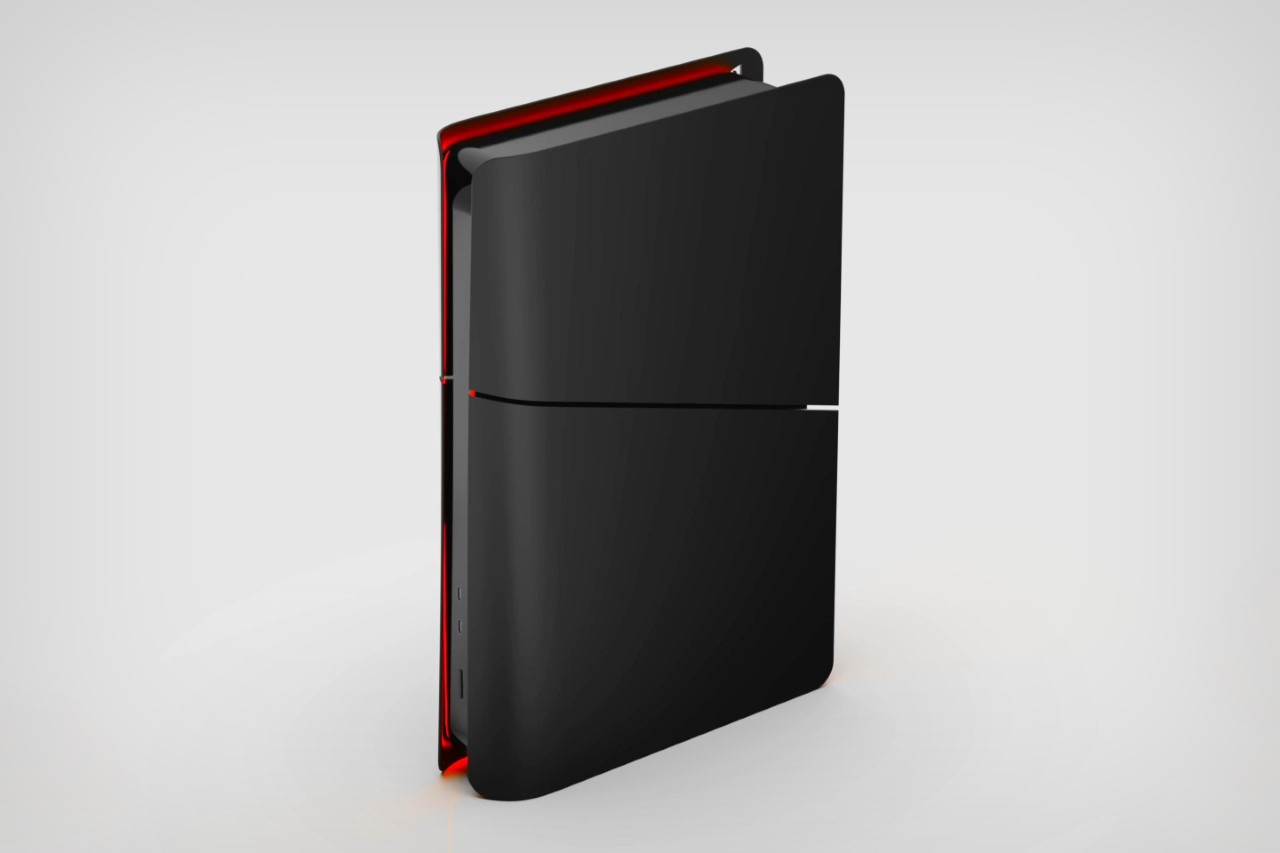
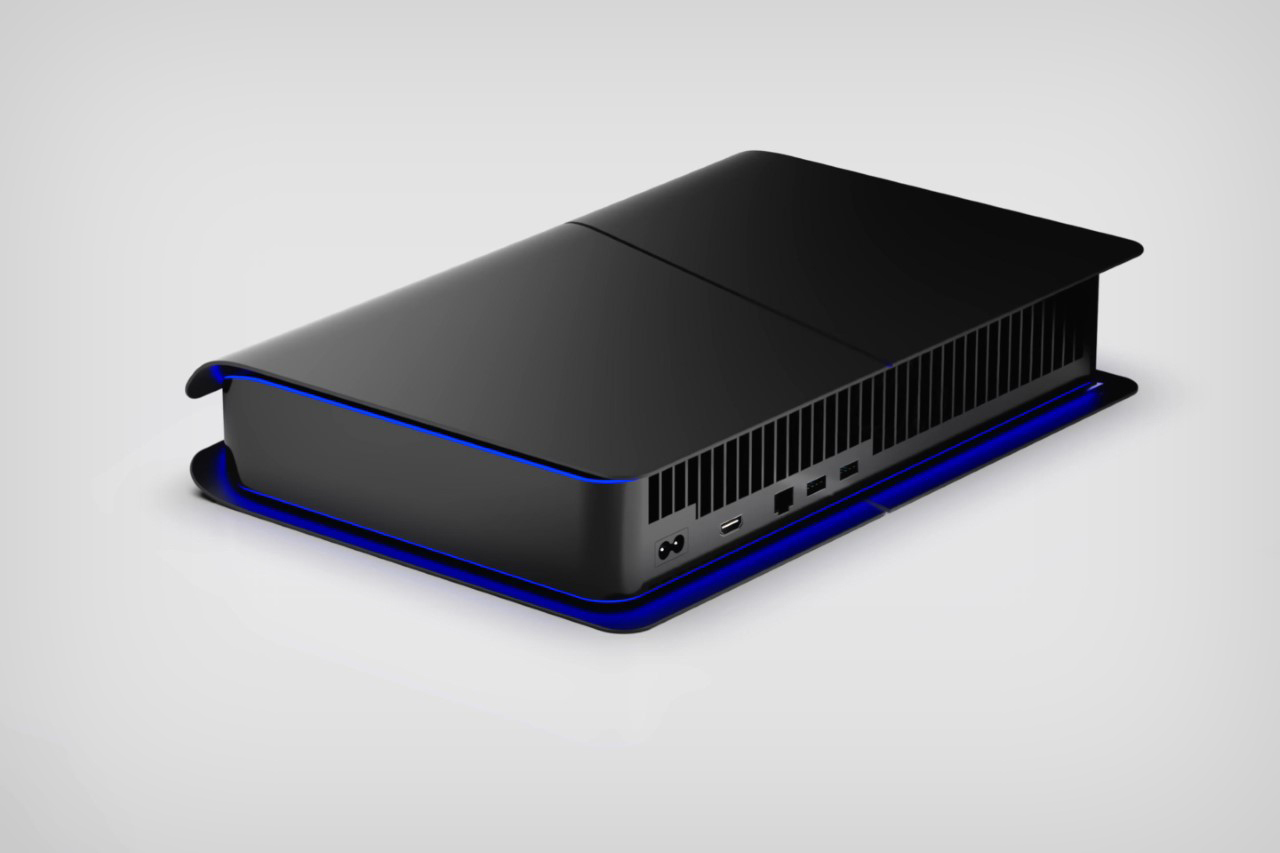
Gaming PCs have a notoriety for being big, hulking, and kaleidoscopic machines, though that seems to be only true for desktops these days. Gaming laptops are becoming slimmer, gaming mini PCs have started popping up, and let’s not forget the growing number of handheld PCs designed specifically for gaming purposes. Suffice it to say, the design of gaming PCs is undergoing a shift, transforming from cyberpunk monstrosities to sleek art objects. Of course, design tastes differ, and even the current PlayStation 5’s smooth curves and trophy-like appearance didn’t sit well with everyone. This new MINISFORUM “mini” gaming desktop PC follows in those footsteps and looks like something that is a cross between a very straight and tall PS5 and a gaming laptop that had its screen removed.
Designer: MINISFORUM
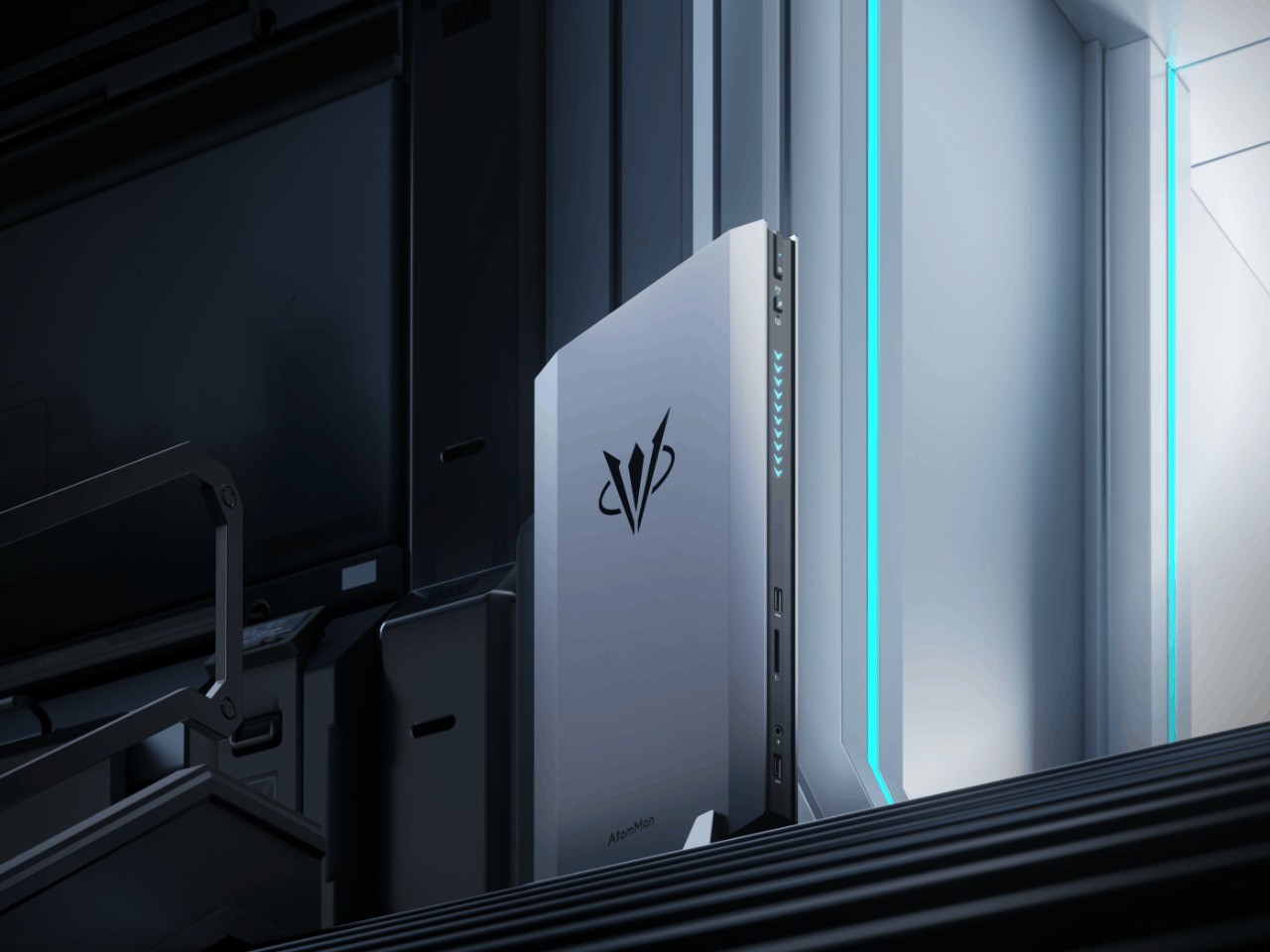
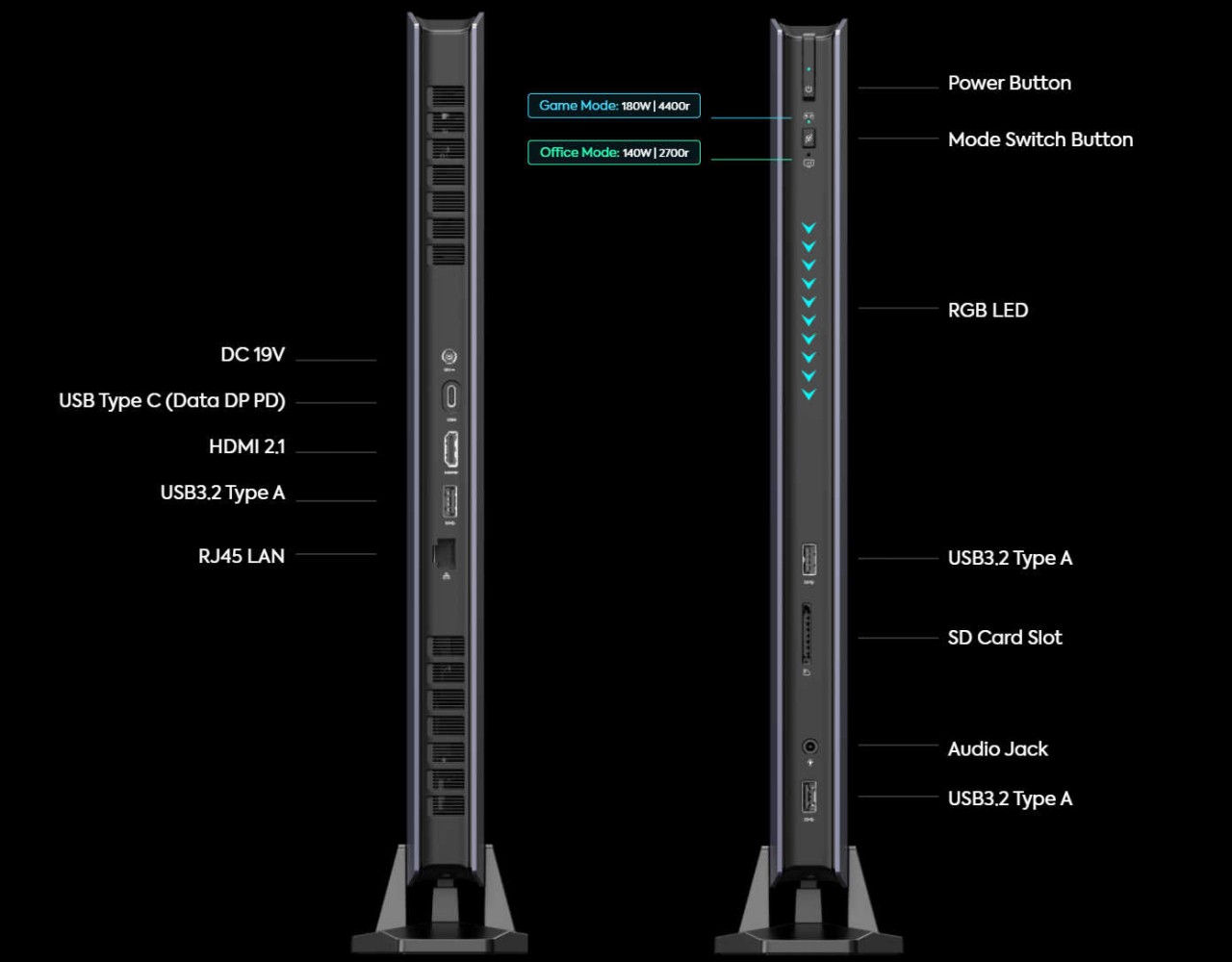
It’s hard to call the AtomMan G7 Ti a “mini PC” the way it stands over 15 inches tall, but it won’t take up too much desk space compared to a regular tower thanks to its super-slim 1.3-inch profile. The gaming computer is what you’d get if you took a gaming laptop and stood it on its side, which is practically what this gaming rig really is, except that it needs to be plugged into a monitor and power source, cementing not only its “feet” but also its image as a desktop computer.
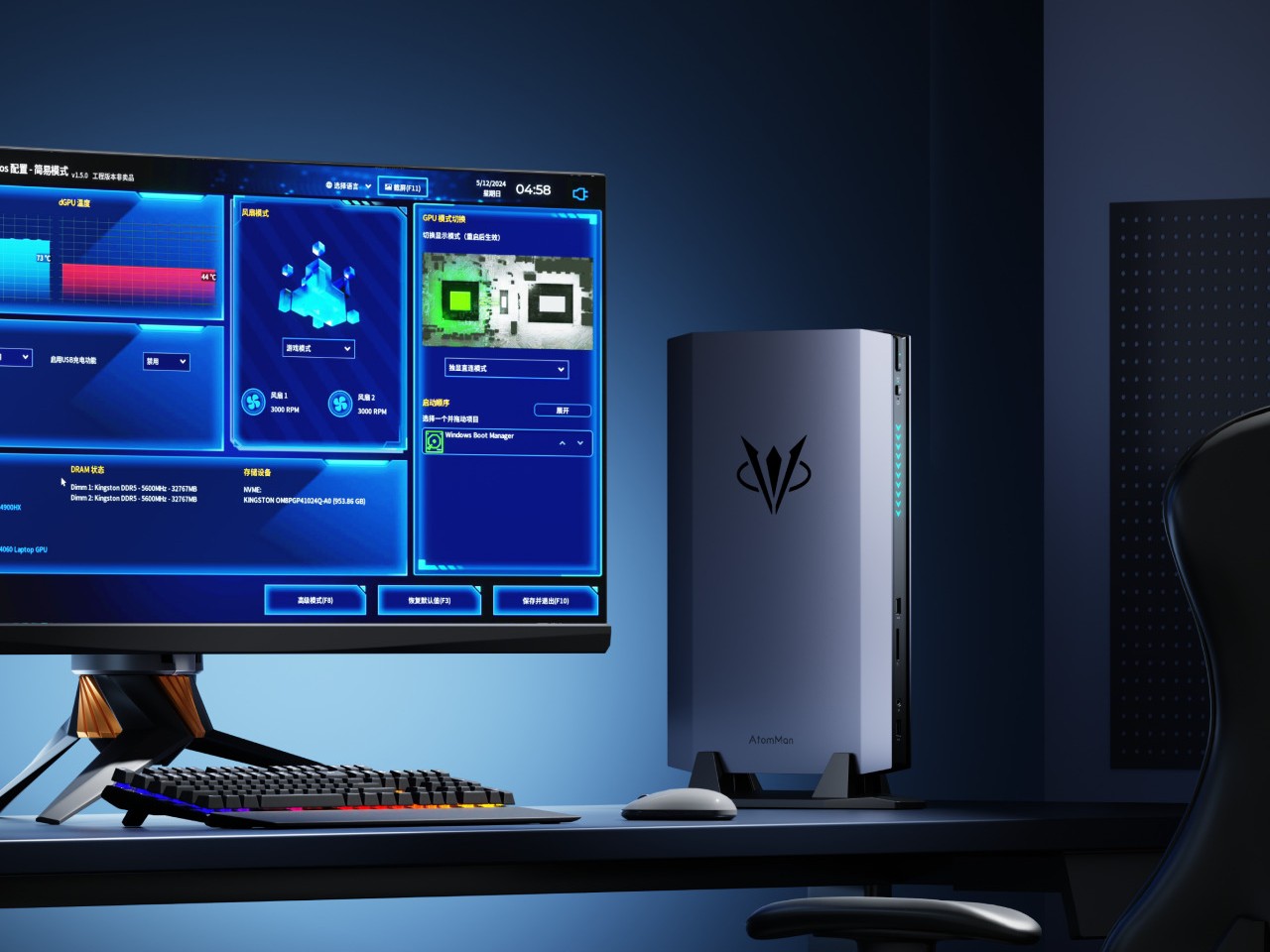
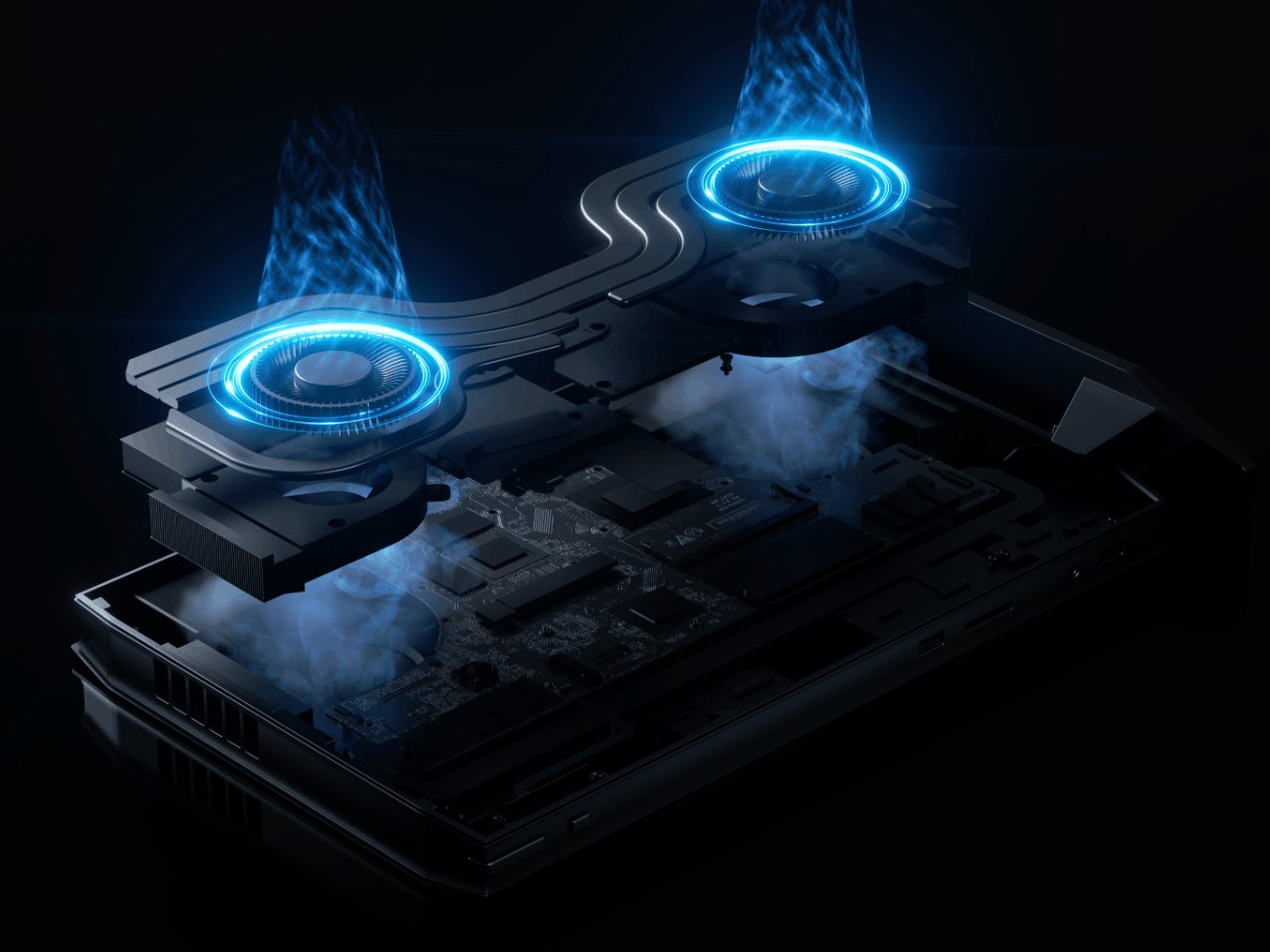
Inside, it’s powered by a Core i9 14900HX, not the AI-toting “Ultra” variant, that’s paired with an NVIDIA RTX 4070 of the mobile laptop kind. If that doesn’t scream “laptop computer,” then may the two thin fans situated on only one side of the chassis will. There might be some arguments that a gaming desktop will need more cooling than that, but gaming laptops have definitely survived with just as much. This demonstrates the sort of cognitive confusion on whether this computer is really a desktop or a laptop in disguise.
It definitely offers many things you’d only find in desktop computers, like support for up to 96GB of RAM and a plethora of ports for connecting almost anything imaginable. The latter is important since you can’t really use it on its own and will need to connect peripherals like, well, a monitor. On the other hand, some gamers might be on the fence about its actual performance, considering the constrained hardware and cooling.
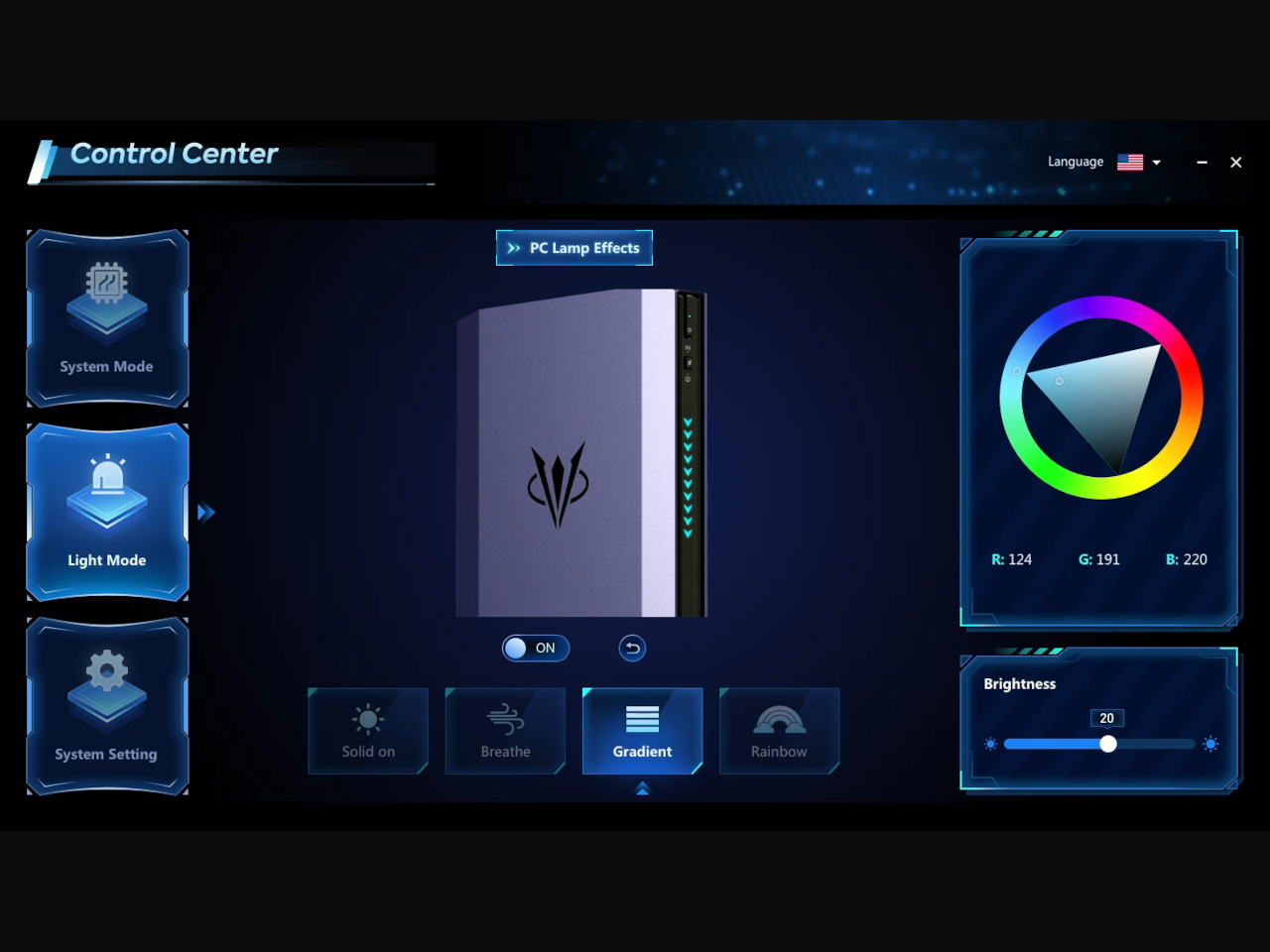
The MINISFORUM AtomMan G7 Ti is definitely going to be an acquired taste, especially with a design that looks more like a classy desktop than a gaming rig. It does have some RGB lighting, but only on the front and limited to a string of LED “arrows.” Pricing and availability details remain undisclosed, but it’s definitely an interesting take on your typical gaming desktop computer, one that prioritizes appearances and space efficiency over raw power.
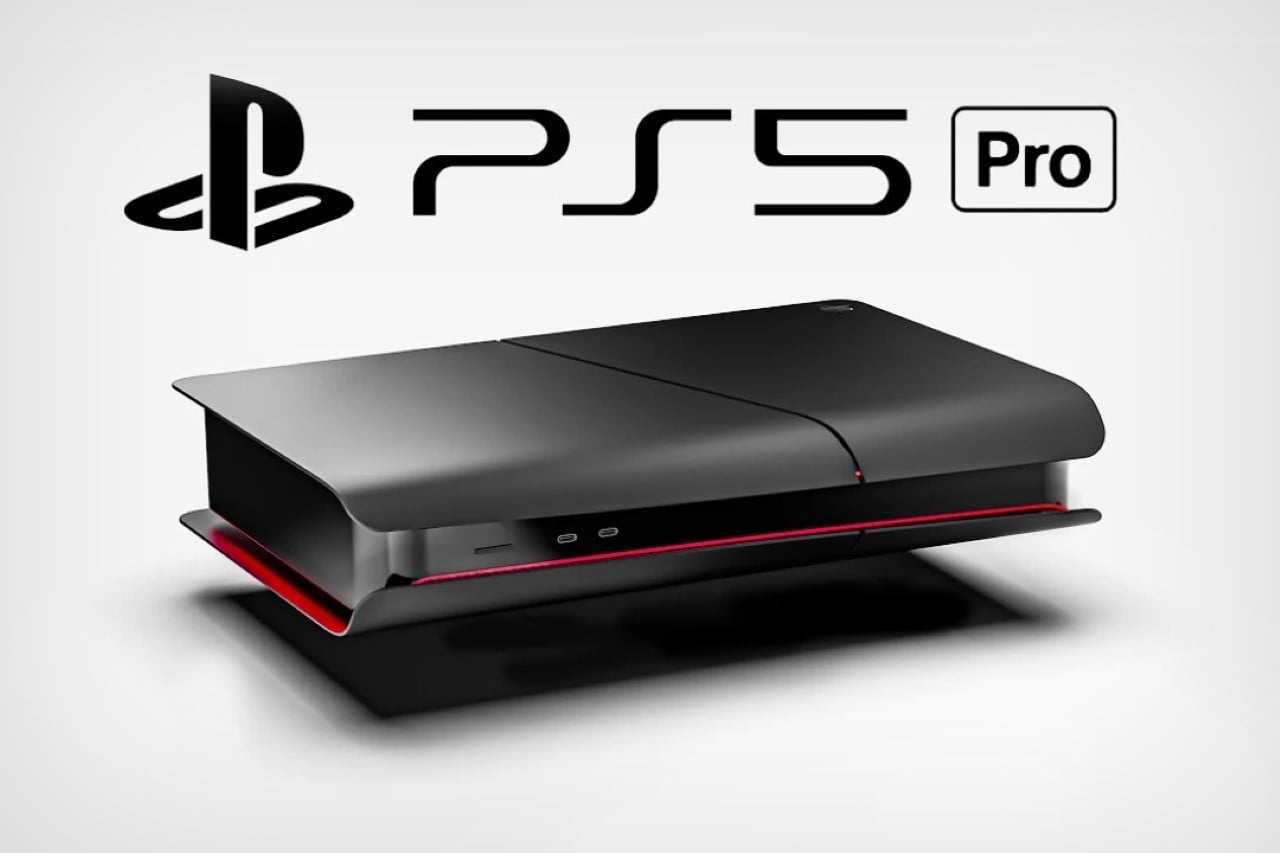
There’s never a dull moment in the gaming world. Microsoft and Activision’s merger caused enough excitement, while a random rumor also indicated that the company was giving up on Xbox amid mass layoffs. GTA 6 may see a new trailer drop in May but its launch has been pushed to 2026 amid development delays. Meanwhile, the world is gearing up for the next Nintendo Switch to drop and now it seems like credible leaks indicate that there’s a Sony PlayStation 5 Pro in the horizon.
Designer: Sony
The sources behind these leaks inspire a degree of confidence. Respected outlets like IGN and industry insider Tom Henderson of Insider Gaming have lent their credibility to the rumors. Additionally, Sony’s own investigative response to the leaks suggests they might hold some weight. It’s not every day we get such a comprehensive glimpse into the potential future of console gaming.
So, what advancements can we expect from the PS5 Pro? The leaks paint a picture of a console designed to push the boundaries of graphical fidelity and performance. While the CPU clock speed is rumored to see a modest 10% increase, the real game-changer lies in the GPU. This powerhouse component boasts a staggering 3.25 times the processing power of its predecessor in the PS5, translating to a potential 45% jump in rendering performance. Imagine buttery smooth gameplay with visuals that leave you speechless – that’s the promise the PS5 Pro seems to hold.
For gamers who crave hyper-realistic visuals, the news gets even better. Ray tracing, the technology that simulates real-world lighting effects for unparalleled immersion, is set for a significant boost. Leaks suggest a two to four times improvement in ray tracing performance, which, when combined with the rumored AI accelerator and custom machine learning architecture, hints at Sony’s ambitious plans to integrate AI more deeply into the gaming experience. Imagine enemies that adapt to your tactics, environments that react to your actions, and a level of detail that blurs the lines between reality and the virtual world.
The PS5 Pro might retain the 16GB of memory found in the PS5, but it’s poised to make significant strides in data transfer speeds with a rumored 28% increase in bandwidth. This translates to potentially shorter loading times, a welcome change for any gamer who’s grown weary of staring at progress bars.
One particularly intriguing feature is PlayStation Spectral Super Resolution (PSSR). This Sony-developed technology aims to rival AMD’s FSR 2 by offering superior game rendering. With support for up to 4K resolution at a blistering 120fps and even 8K at 60fps, PSSR has the potential to set a new benchmark for visual quality in console gaming. Imagine experiencing your favorite games in stunning detail, running at silky smooth frame rates. It’s a future that promises to redefine how we perceive console graphics.
The audio processing unit is rumored to receive a 35% speed boost, promising a richer and more immersive auditory experience. When you factor in the anticipated PlayStation Link for lossless audio and a generous 1TB of internal storage, the PS5 Pro appears dedicated to delivering a complete sensory experience that complements the visual feast for your eyes.
The question of whether to upgrade to the PS5 Pro hinges on your individual needs and preferences. While the rumored specifications paint a picture of a console with a significant performance leap, it’s important to remember that it might take some time for game developers to fully leverage its capabilities. Additionally, the price tag, rumored to be in the $600-$650 range, may create a bit of an uproar. After all, there’s nothing more dangerous than a scorned gamer.
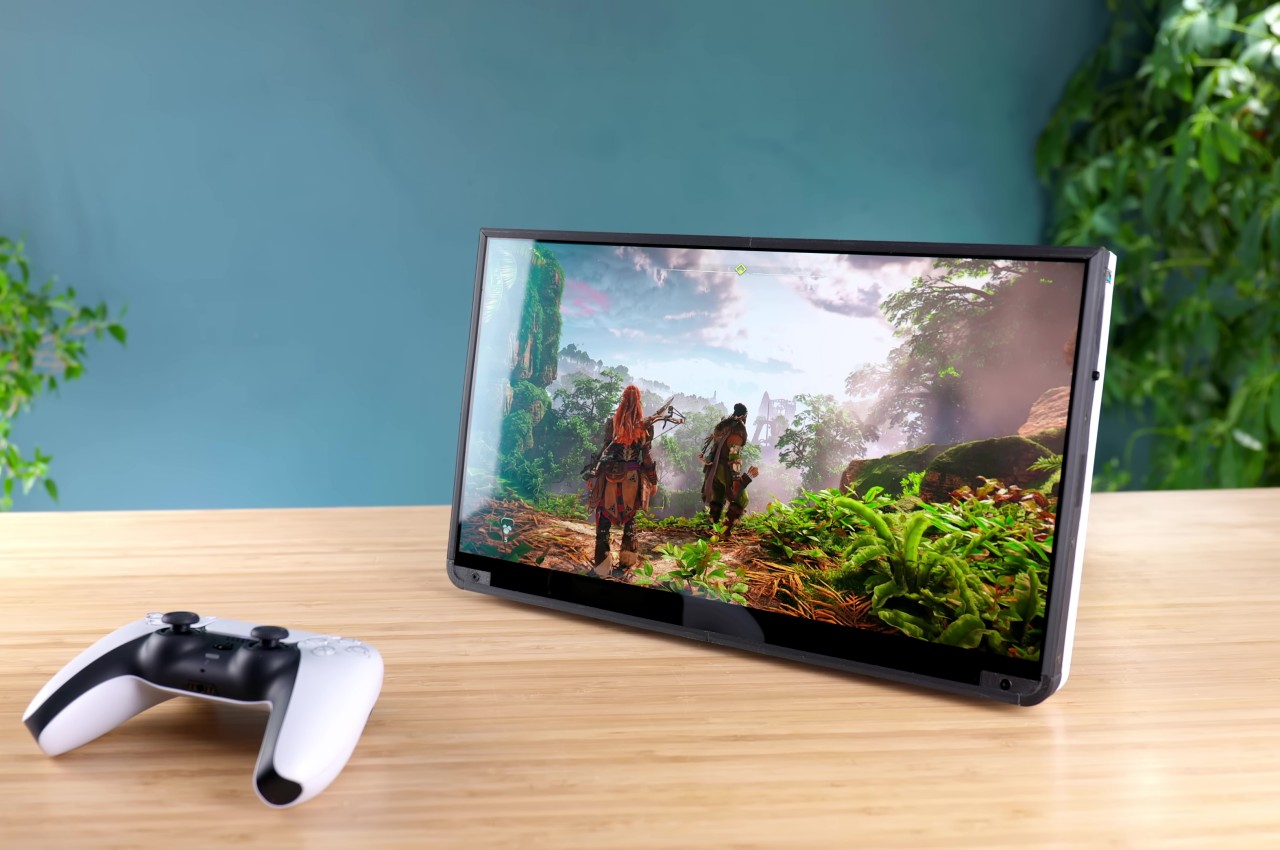
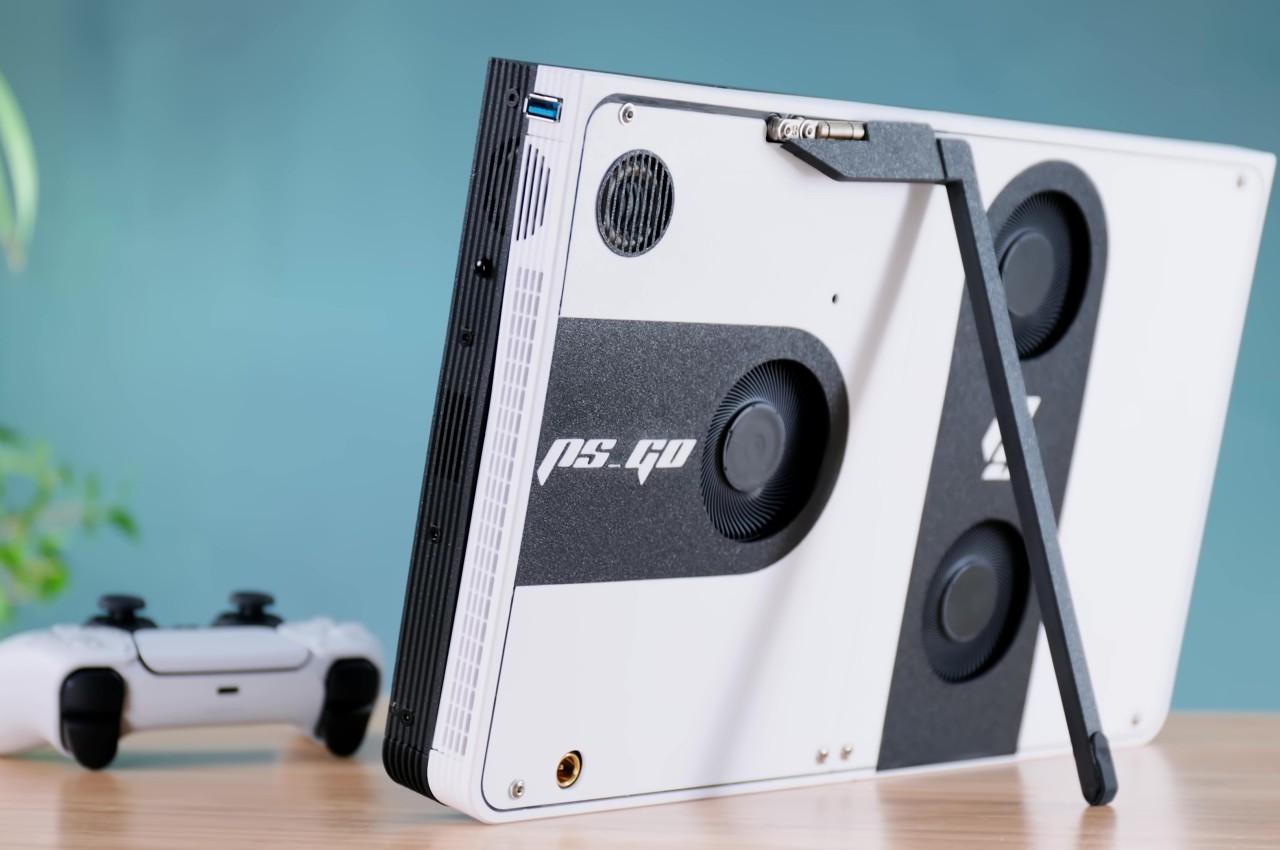
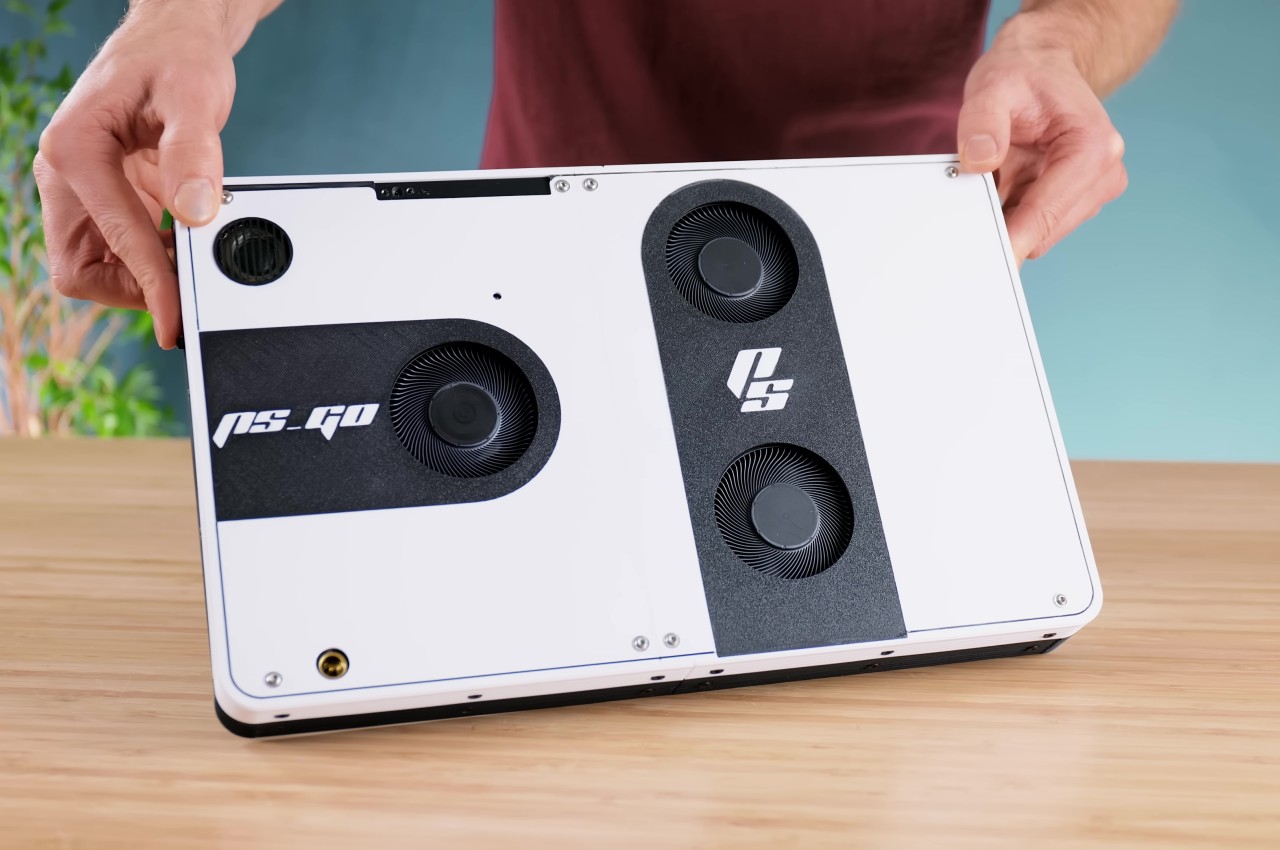
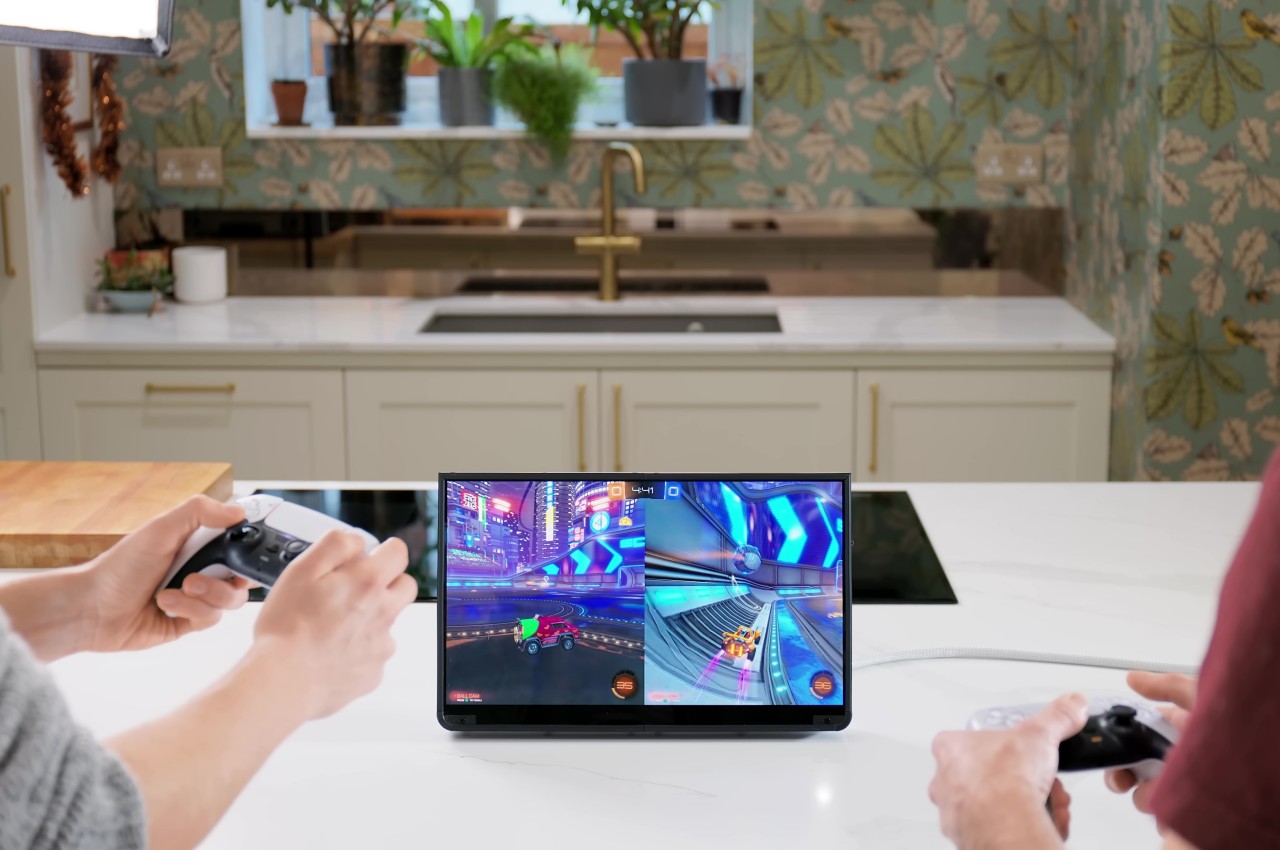
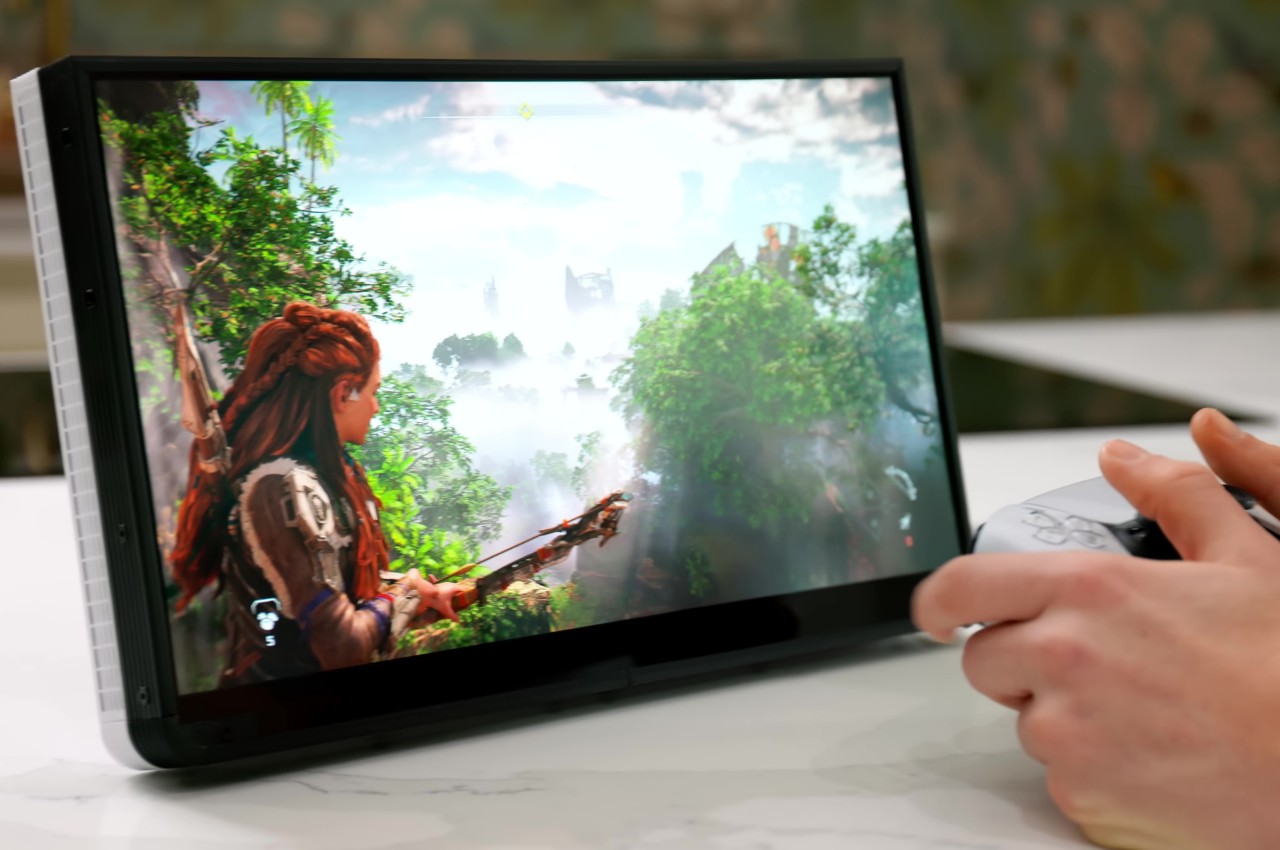
Although the handheld gaming trend has been going strong recently, especially with the likes of the Nintendo Switch and the Steam Deck leading the market, major console makers haven’t taken the plunge completely yet. Granted, Xbox isn’t too concerned because every Windows gaming handheld PC can theoretically run some of its titles, but Sony introduced a rather odd and quite unsatisfying version of this idea. The PlayStation Portal isn’t being “portable” for a reason, since it basically just streams games from the PS5 sitting somewhere in your house. Take it to more enterprising creators to bring the PlayStation 5 Portable dream to life, like this rather impressive gigantic PlayStation 5 “Tablet Edition” that is very much worth all the hard work involved.
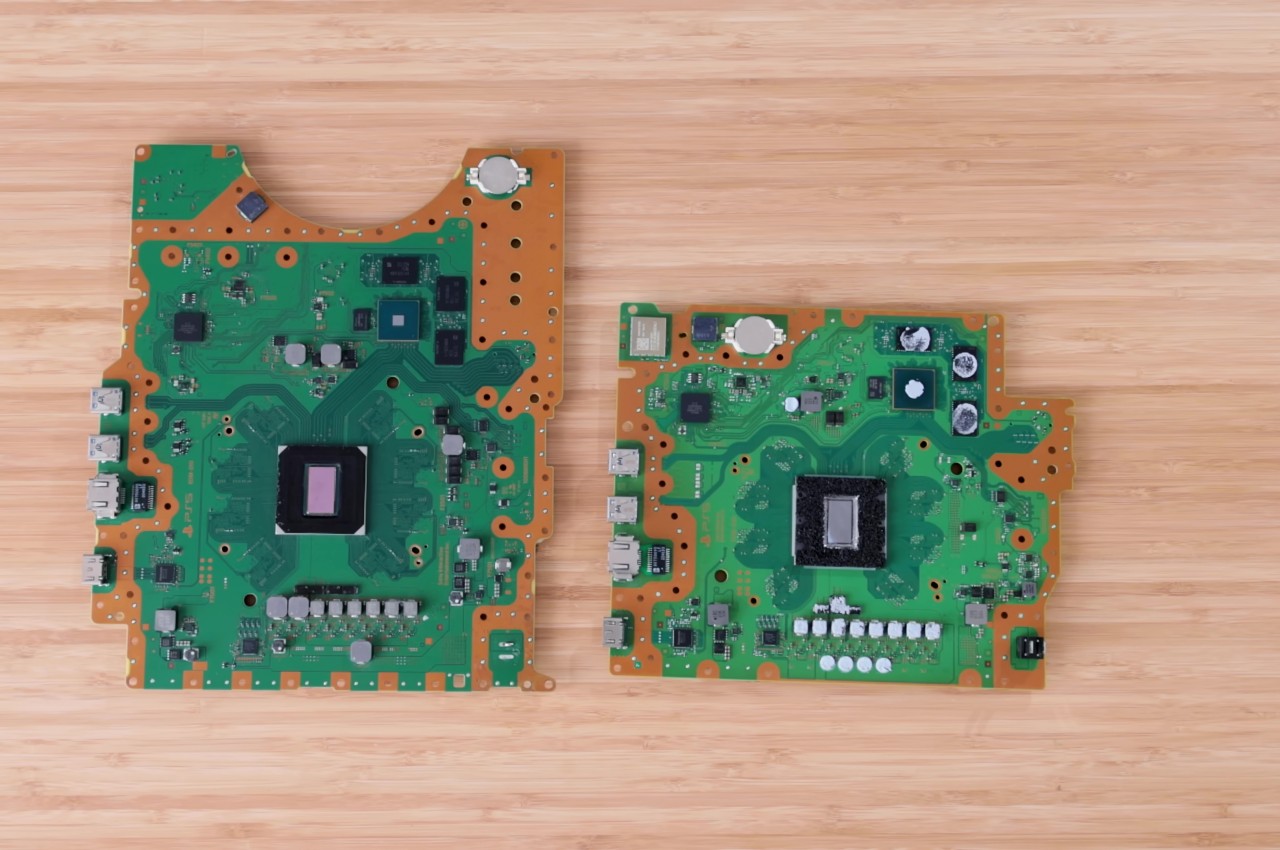
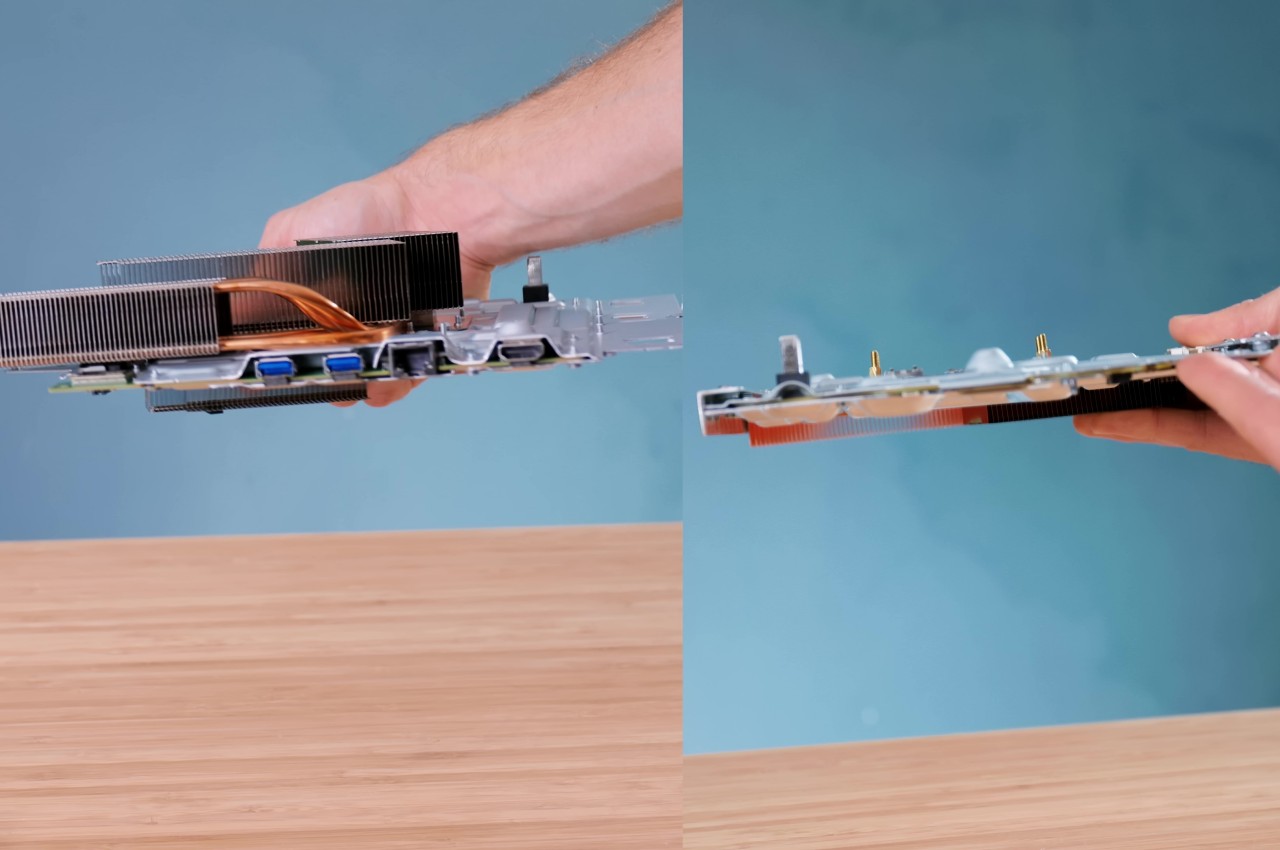
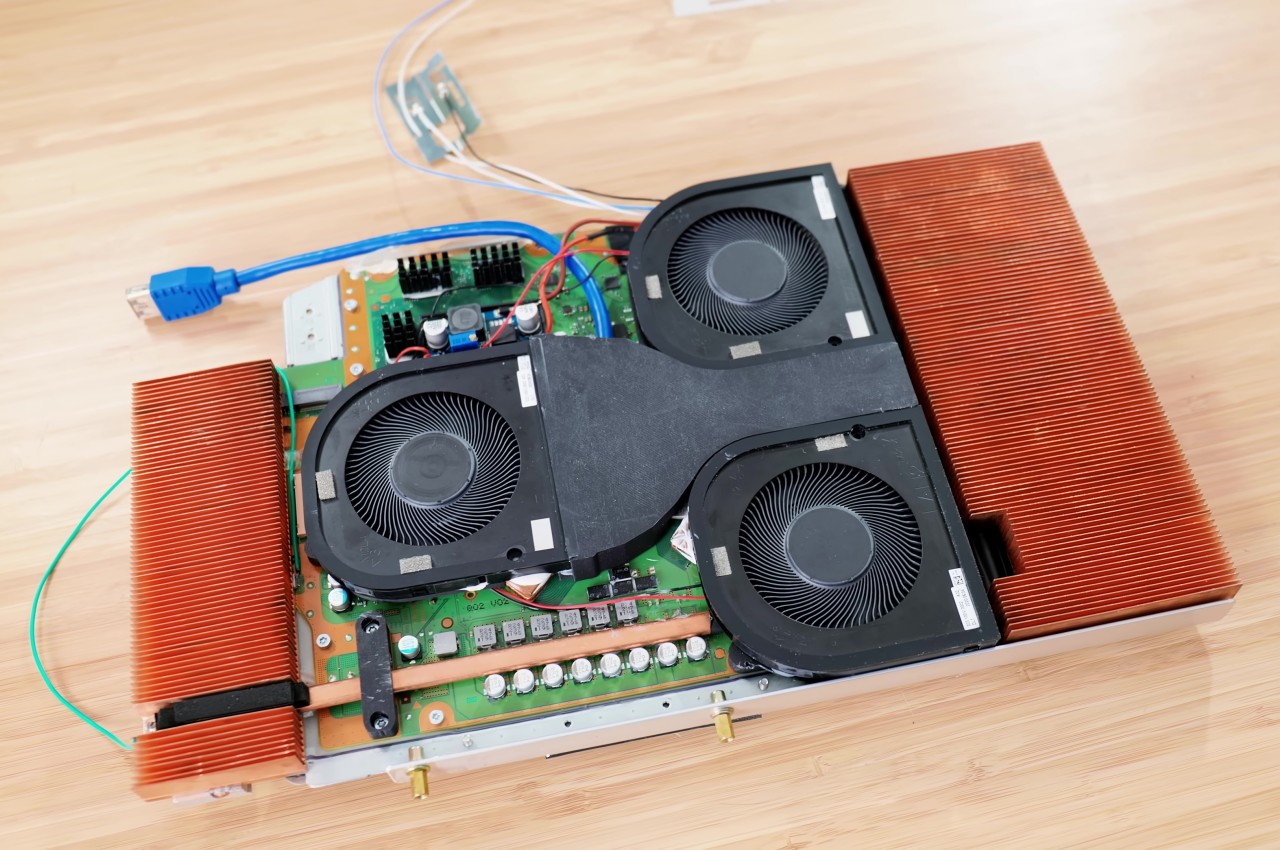
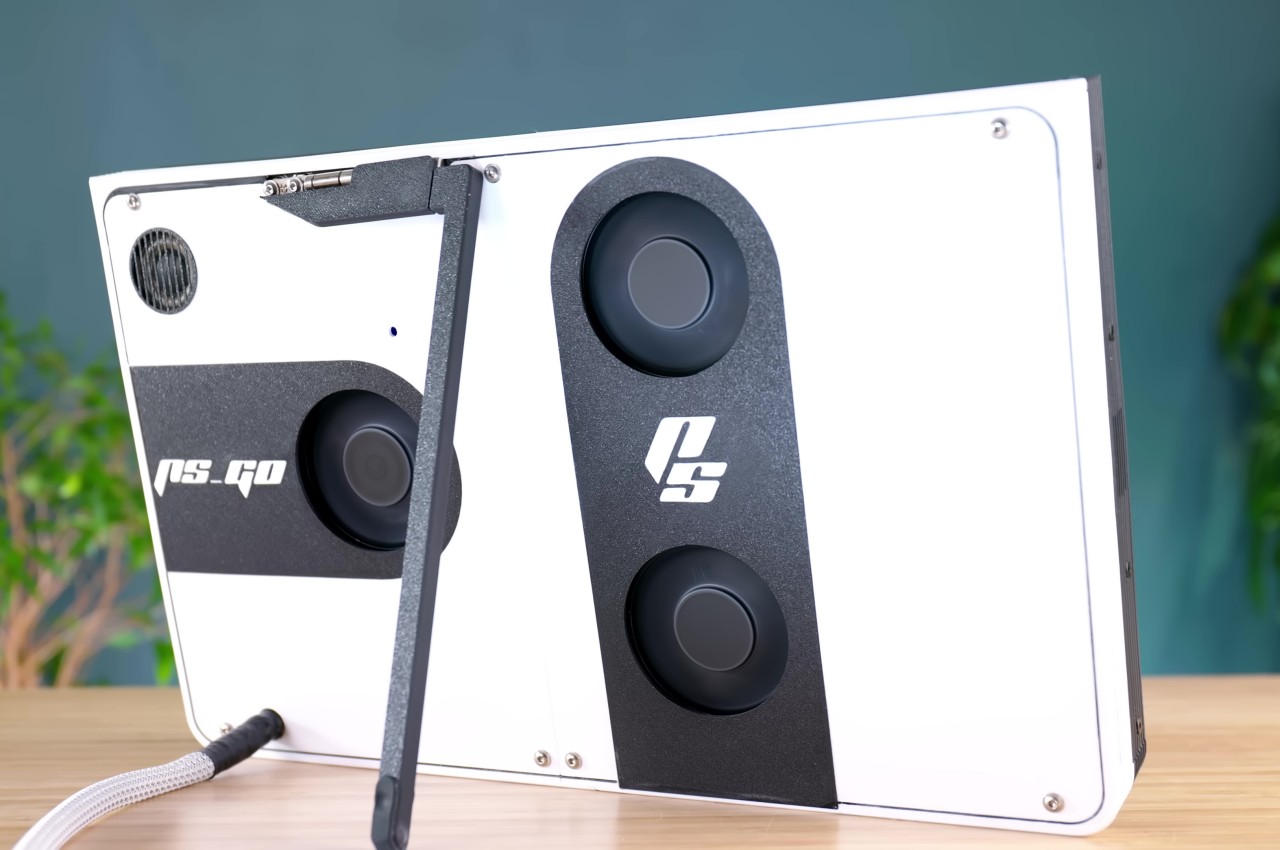
The PlayStation 5 diverges from generations of console design with a sleek, futuristic, yet also alien aesthetic that some have compared to a trophy. But it’s especially thanks to that new design, especially the improvement Sony quietly made after launching the console, that makes this creative endeavor even possible. In a nutshell, Sony trimmed the PS5 motherboard down to a smaller size that could be made to fit inside a thick and hefty 14-inch tablet. That, however, was the least of the project’s problems, considering the things inside that actually make the bulk of the PS5’s, well, bulk.
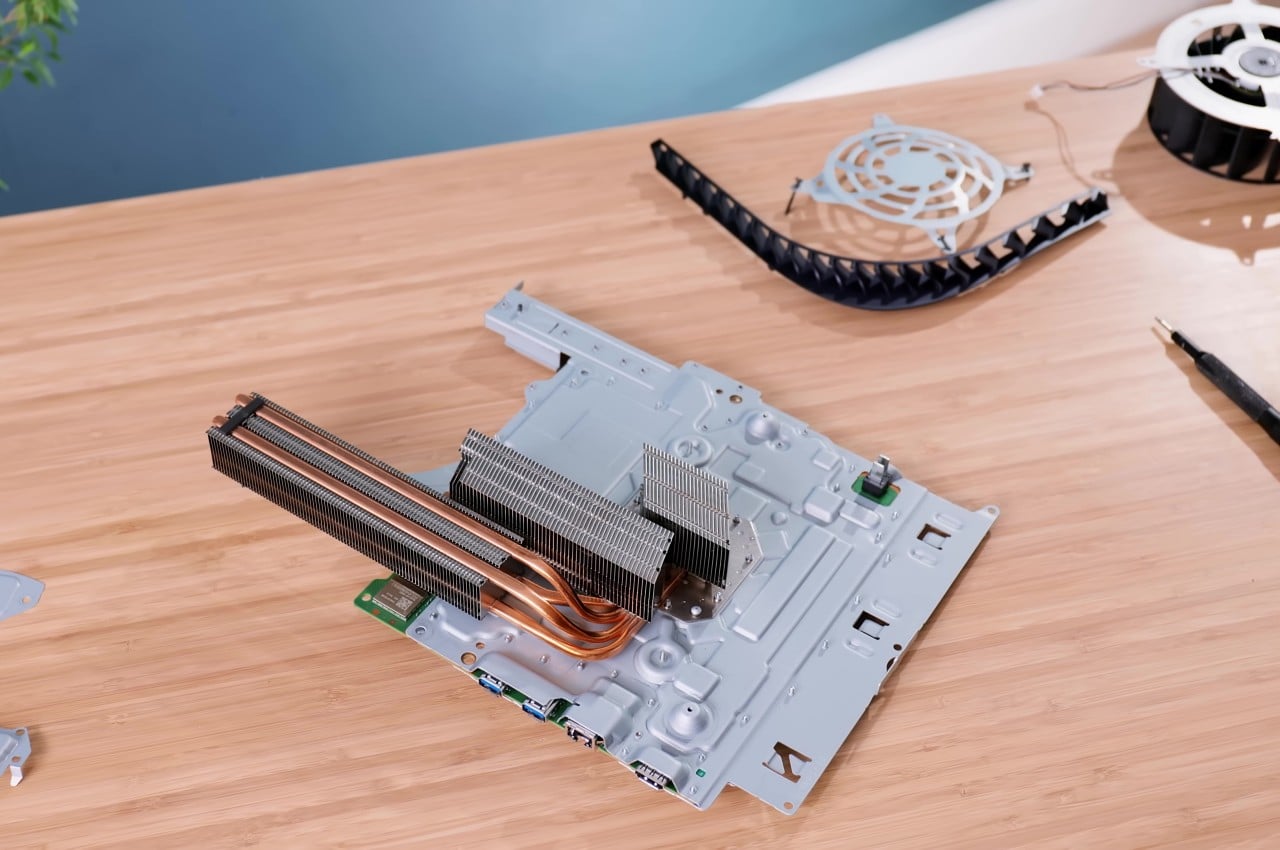
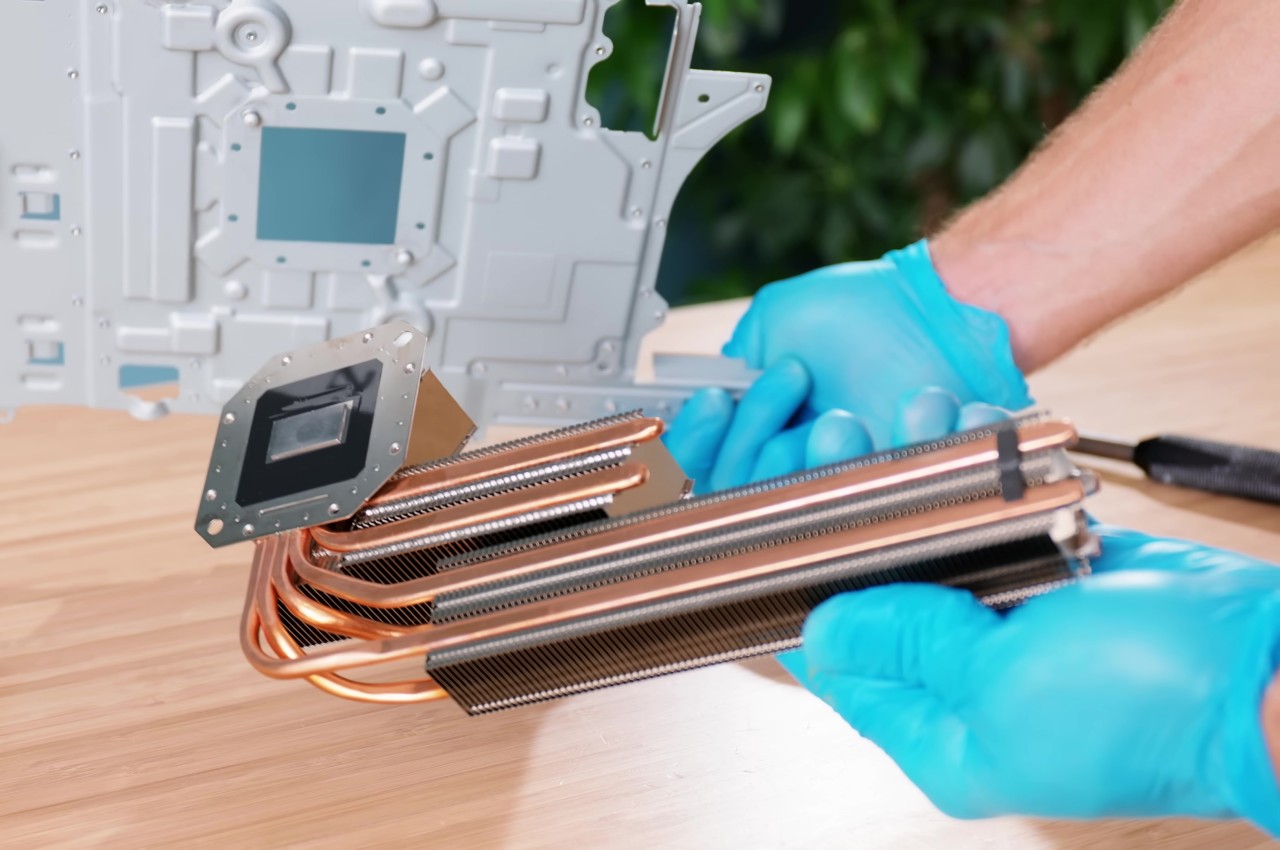
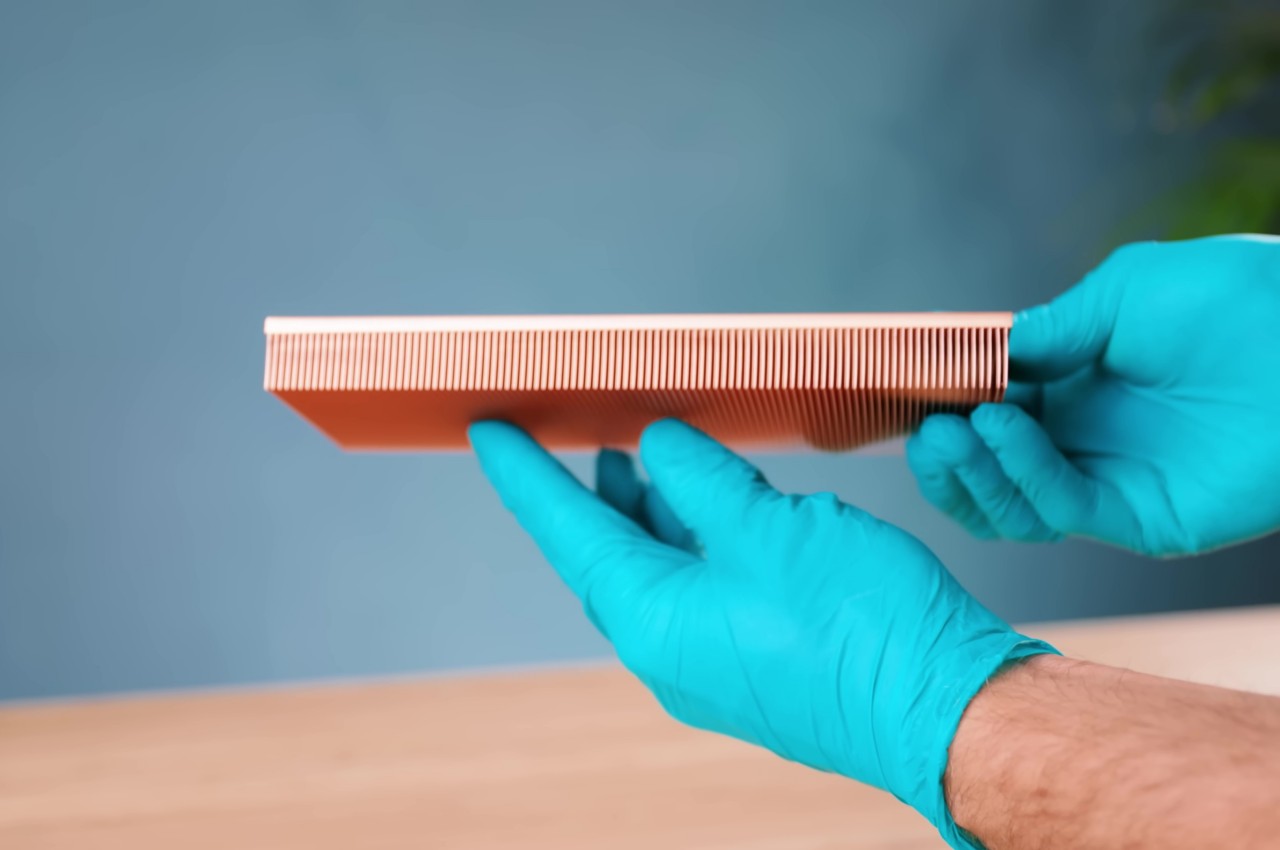
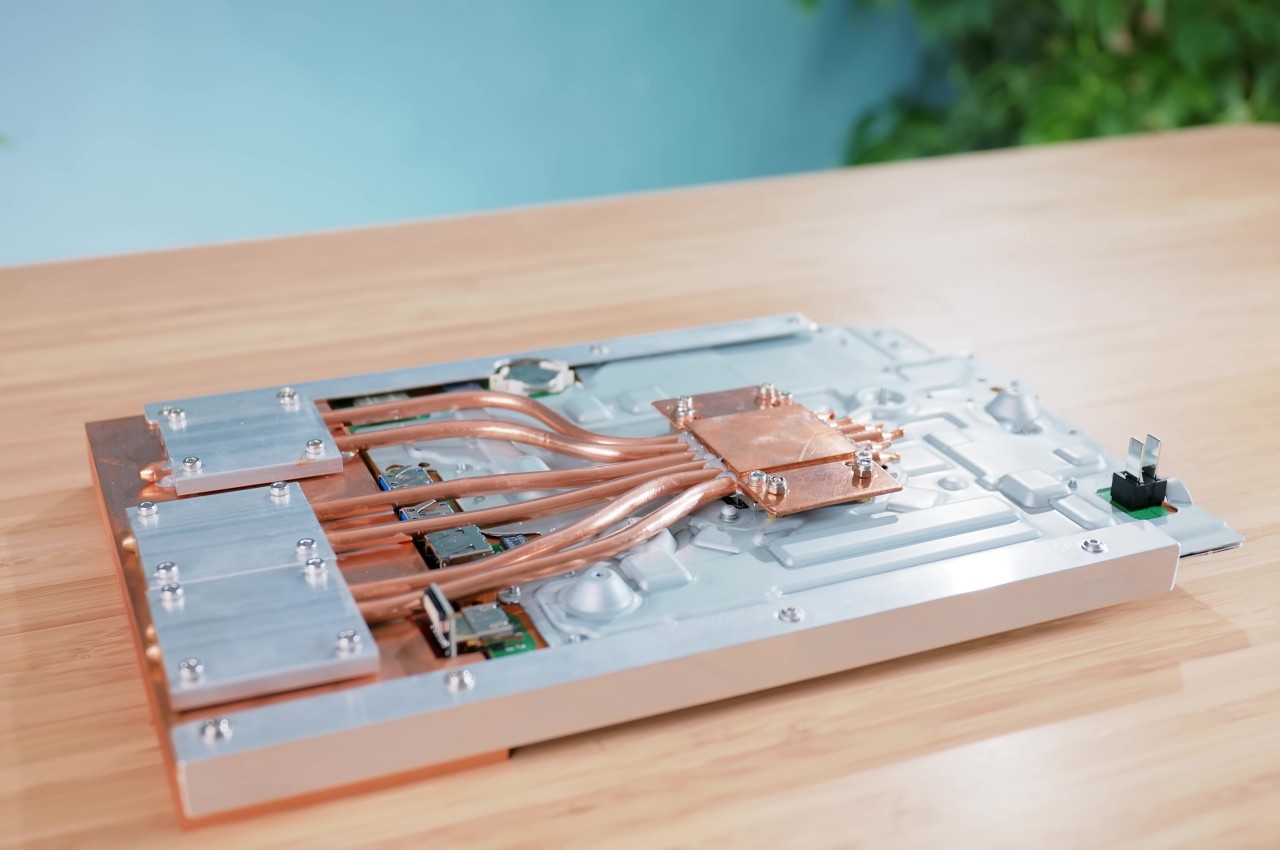
The PlayStation 5 generates around 200W of heat at full power, so the majority of the console’s internals are actually devoted to thermal management. These include bulky fans and a strange-looking heatsink that would never fit any portable design. That’s why the majority of the effort around this PS5 tablet was spent on figuring out an equally efficient thermal management system that didn’t take up too much vertical space. Thanks to some creative thinking and a lot of research, that problem was eventually solved to much satisfaction.
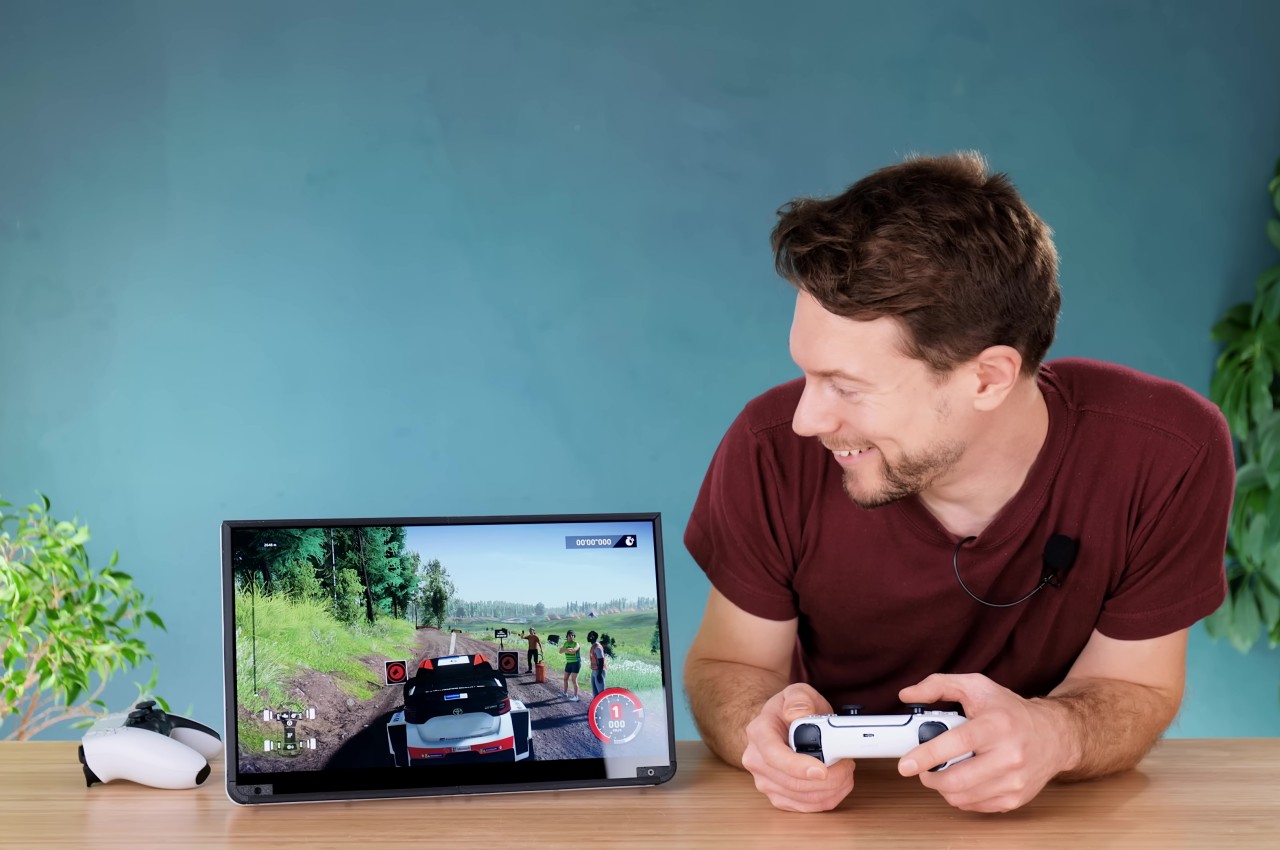
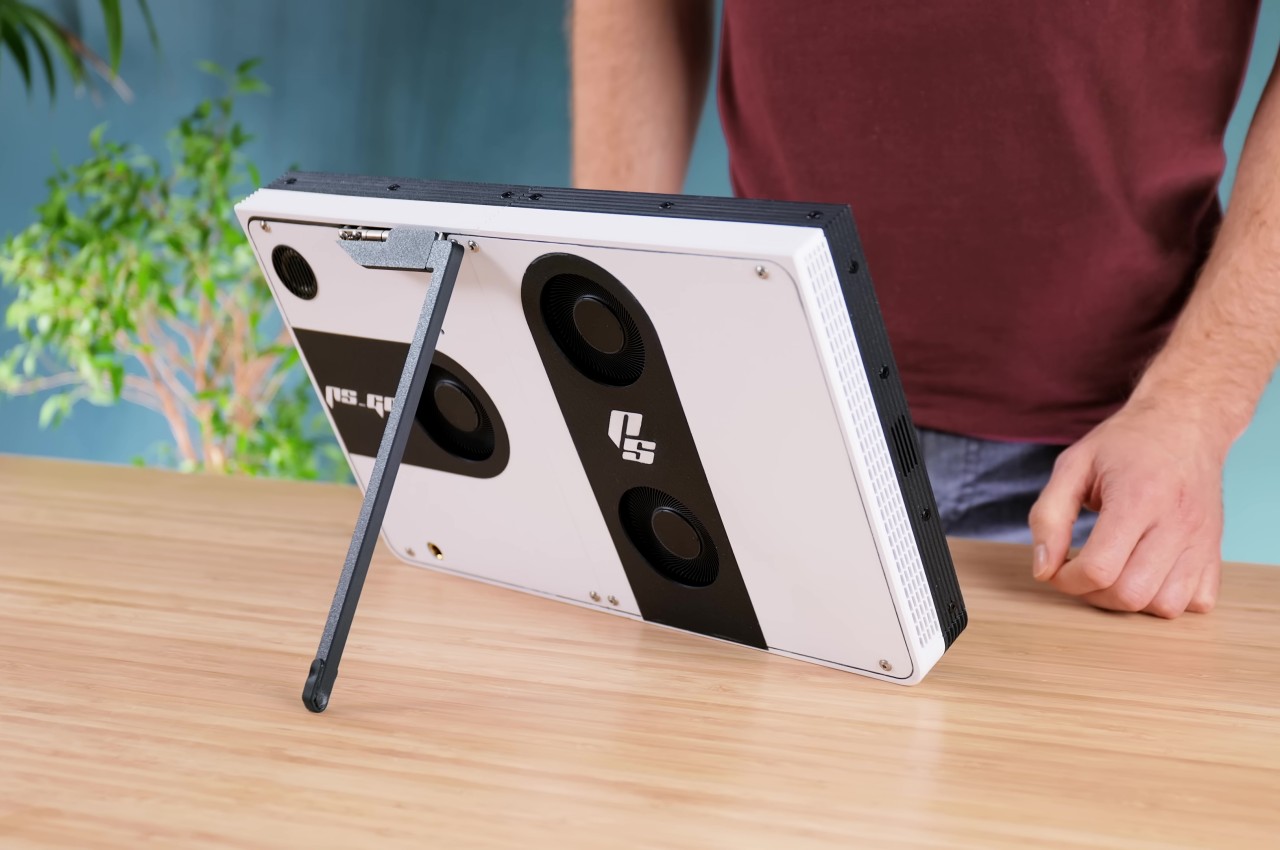
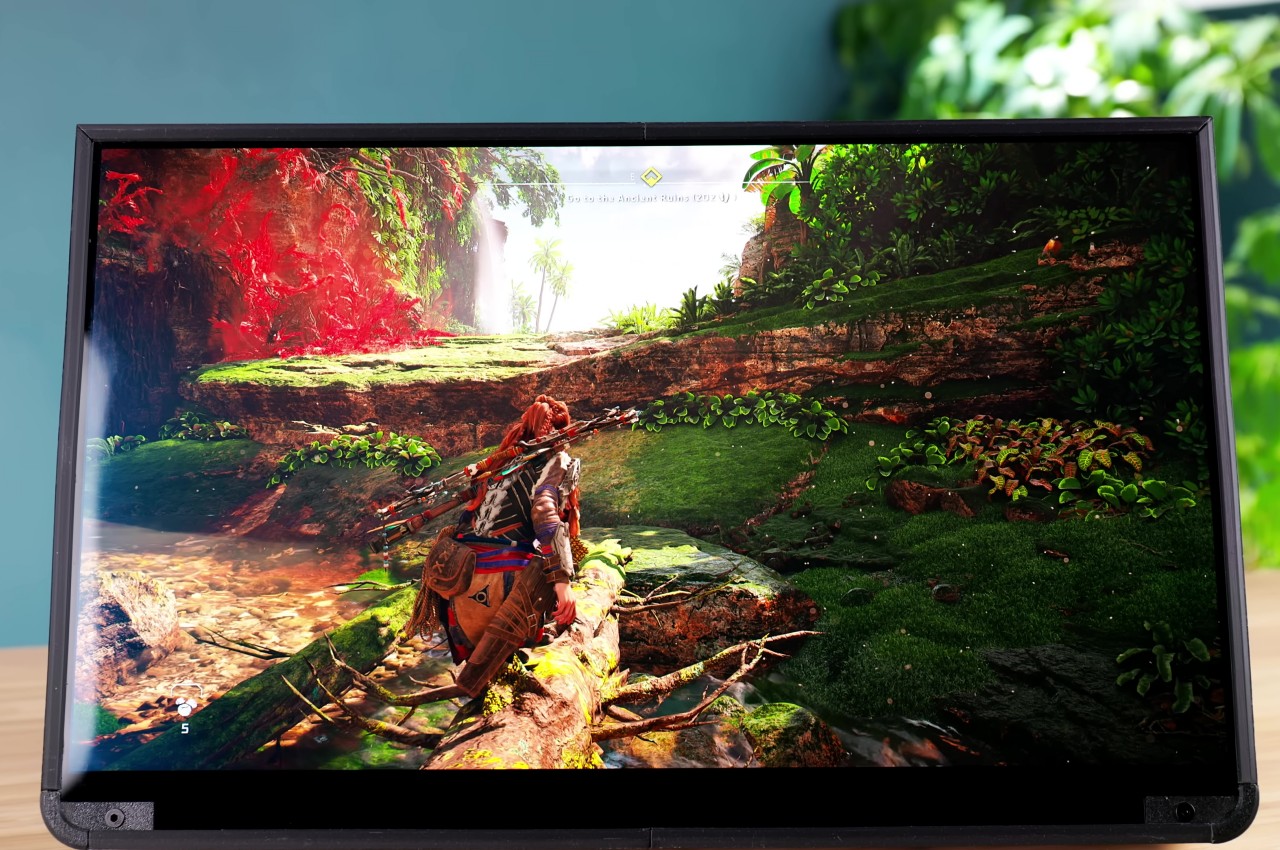
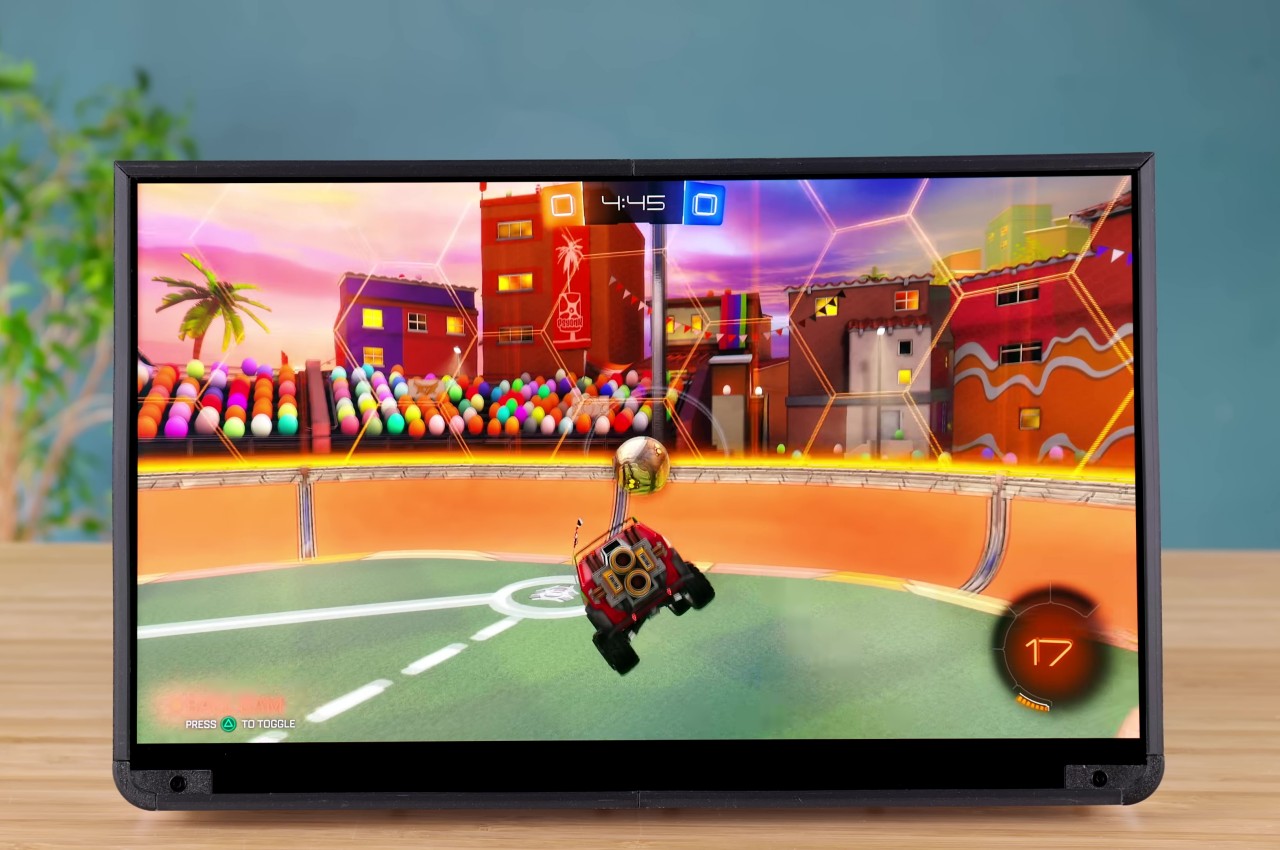
With the biggest engineering hurdle out of the way, putting the rest of the giant tablet was relatively easier. A 3D-printed shell had to be made that matched the black-and-white aesthetic of the PS5. The screen of choice for this project was a 14-inch OLED salvaged from a broken laptop, allowing game graphics to really shine. Finally, an external power source had to be designed since the original PS5 power supply was just too large and too weird to use as is.
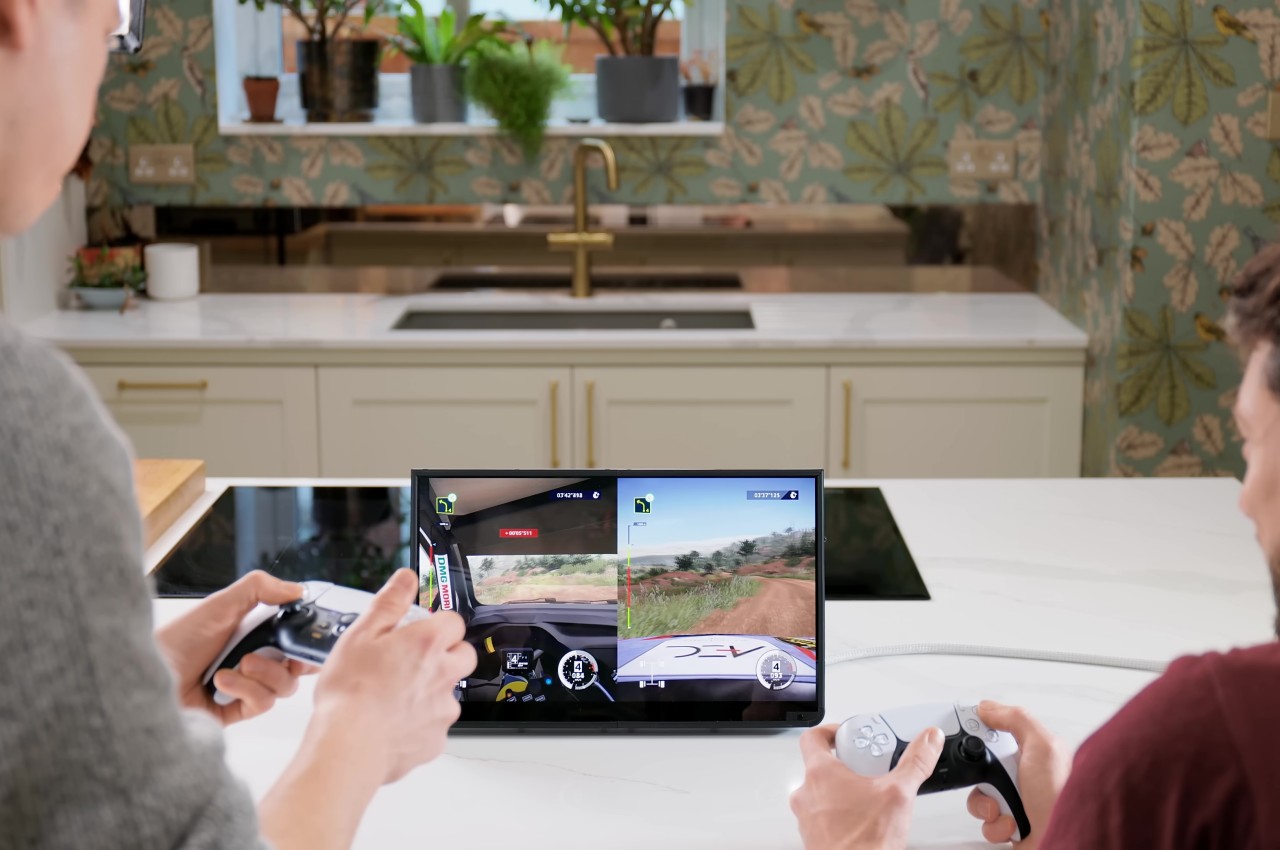
After much work, the PS5 Tablet Edition, a.k.a. PS GO, was ready to be put to the test, and the end result is truly impressive, both from the thermal aspect and especially in performance and visual quality. It’s a truly portable system that can fit inside a backpack, though you’ll have to plug it somewhere to actually use it. Then again, the idea was to create a more social console that you can take to your friend’s or relative’s house so that you can enjoy the experience together, rather than sitting in a corner, alone in the dark, mashing the buttons on your handheld PC.



 SCUF has spent years earning credibility with competitive console players, and