Stickerbox: Kids Say an Idea, AI Prints It as a Sticker in Seconds

Smart speakers for kids feel like a gamble most parents would rather skip. The promise is educational content and hands-free help, but the reality often involves screens lighting up at bedtime, algorithms deciding what comes next, and a lingering suspicion that someone is cataloging every question your child shouts into the room. The tension between letting kids explore technology and protecting their attention spans has never felt sharper, and most connected toys lean heavily toward the former without much restraint.

Stickerbox by Hapiko offers a quieter trade. It looks like a bright red cube, measures 3.75 inches on each side, and does one thing when you press its white button. Kids speak an idea out loud, a dragon made of clouds or a broccoli superhero, and the box prints it as a black-and-white sticker within seconds. The interaction feels less like talking to Alexa and more like whispering to a magic printer that happens to understand imagination.

Designer: Hapiko

The design stays deliberately simple. A small screen shows prompts like “press to talk,” while a large white button sits below, easy for small hands to press confidently. Stickers emerge from a slot at the top, fed by thermal paper rolls. The starter bundle includes three BPA-free paper rolls, eight colored pencils, and a wall adapter, turning the cube into a complete creative kit rather than just another gadget waiting for accessory purchases to feel useful.

The magic happens in three beats. A kid presses the button and speaks their prompt, as silly or specific as they want. The box sends audio over Wi-Fi to a generative AI model that turns phrases into line art. Within seconds, a thermal printer traces the image onto sticker paper, and the finished piece emerges from the top, ready to be torn, peeled, and stuck onto notebooks, walls, or comic book pages at home.

What keeps this from feeling like surveillance is the scaffolding Hapiko built around the AI. The microphone only listens when the button is pressed, so there’s no ambient eavesdropping happening in the background. Every prompt runs through filters designed to block inappropriate requests before reaching the image generator. Voice recordings are processed and discarded immediately, not stored for training. The system is kidSAFE COPPA certified, meaning it passed third-party audits for data handling and child privacy standards.

Thermal printing sidesteps ink cartridge mess entirely. Each paper roll holds material for roughly sixty stickers, and refill packs of three cost six dollars. The catch is that Stickerbox only accepts its own branded paper; using generic rolls will damage the mechanism. The bigger design choice is that every sticker is printed in monochrome, which is intentional. It forces kids to pick up pencils and spend time coloring, turning a quick AI trick into a slower, more tactile ritual.

Stickerbox gestures toward a version of AI-infused play that feels less anxious. The algorithm works quietly, translating spoken prompts into something kids can hold, cut, and trade, but the most important part happens after the sticker prints. It ends up taped inside homemade comic books, stuck on bedroom doors, or colored during rainy afternoons. The box becomes forgettable infrastructure, which might be the kindest thing you can say about a piece of children’s technology designed for creative independence.

The post Stickerbox: Kids Say an Idea, AI Prints It as a Sticker in Seconds first appeared on Yanko Design.

Robosen’s TRANSFORMERS Soundwave Does What the 1984 Original Only Pretended: It Actually Works as a Speaker

Robosen has spent years perfecting the art of making metal transform on command. Their latest collaboration with Hasbro takes that expertise and applies it to one of the most design-conscious characters in TRANSFORMERS history: Soundwave, the Decepticon whose cassette player form defined an entire era of toy aesthetics.

Designer: Robosen

The G1 Flagship Soundwave represents something more interesting than another collectible robot. It’s a study in how designers can honor iconic industrial design while pushing the technical boundaries of what consumer robotics can achieve. The original 1984 Soundwave toy worked because it made sense. A portable cassette player was something you carried. It had buttons, a display window, speakers. The disguise wasn’t just clever, it was culturally relevant.

Robosen’s interpretation maintains that design logic while adding functional depth that the original could only suggest. The robot actually works as a Bluetooth speaker when in cassette mode. The tape deck buttons on the front panel control playback, pause, and track skipping. There’s even an integrated recording feature accessible through those same retro-styled controls.

The Cassette Player as Design Icon

The Sony Walkman launched in 1979. By 1984, when Soundwave first appeared in toy form, the portable cassette player had become one of the most recognizable consumer electronics forms in existence. Rectangular, pocketable, with a clear window showing the tape spools and a row of tactile buttons along the bottom edge. This wasn’t arbitrary product design. It was the distillation of function into form that industrial designers spend careers trying to achieve.

Soundwave’s original toy designers understood something fundamental: the best disguises reference objects people already trust. A cassette player in 1984 was friendly technology. You saw them everywhere. The genius of Soundwave as a character lies in this design decision. He hides in plain sight by becoming an object so ubiquitous that nobody questions its presence.

Robosen’s 2025 interpretation carries this design philosophy forward while acknowledging that cassette players now occupy nostalgic rather than practical cultural space. The form factor triggers recognition and emotional response rather than functional expectation. This shift from utility to symbolism changes how the design needs to perform. It must read as authentic to fans who remember the original while communicating “premium collectible” to anyone encountering it fresh.

The proportions matter here. Original Soundwave toys were constrained by the need to fit actual toy cassettes inside the chest compartment. Robosen’s version maintains those proportions not because they’re functionally necessary, but because they’re aesthetically correct. Deviation would break the silhouette that defines the character.

Surface Language and Material Decisions

The G1 aesthetic demanded specific material choices that go beyond color matching. Original Soundwave toys used a particular shade of blue with silver and gold accents that fans recognize instantly. But the original also had the specific surface characteristics of 1980s injection-molded plastic: slight texture variations, mold lines, the particular way chrome-plated parts caught light differently than vacuum-metallized ones.

Robosen’s version matches those colors while upgrading the materials to support both the mechanical stress of repeated transformations and the visual expectations of collectors who will display these at eye level. The chest cassette window features actual transparency rather than a printed graphic. This seems like a small detail, but it fundamentally changes how the object reads. A printed graphic is decoration. A transparent window is architecture.

Surface textures vary intentionally across the figure. Some panels feature subtle grain that references the original toy’s plastic molding characteristics. Others present smoother finishes appropriate for their fictional function as viewscreens or armor plating. This attention to tactile variety creates what industrial designers call “material truth,” where surfaces communicate their purpose through texture rather than relying entirely on color or shape.

The shoulder cannon glows with animated lighting effects, adding dynamic visual interest without betraying the vintage inspiration. Gold paint applications use metallic finishes that catch light similarly to the chrome and vacuum-metallized plastics of 1980s toys, but with durability that modern collectors expect. The color temperature of the gold matters. Too warm reads as cheap costume jewelry. Too cool reads as modern and wrong. Robosen found the specific yellow-gold that triggers 80s nostalgia.

Engineering Constraint as Design Driver

The technical challenge of automated transformation created design constraints that ultimately improved the final object. Robosen developed new servo technologies specifically for Soundwave, paired with upgraded algorithms that coordinate dozens of moving parts into a smooth transformation sequence. But the interesting design story isn’t the technology itself. It’s how hiding that technology shaped the aesthetic decisions.

The servo placement had to account for the cassette player’s boxy proportions while still allowing the robot mode to achieve recognizable poses. Soundwave’s character design has always featured a relatively stocky build with prominent shoulder-mounted accessories, and Robosen needed their servo architecture to accommodate that silhouette without visible motor housings destroying the aesthetic. This is classic industrial design problem-solving: the mechanism disappears so the form can speak.

Weight distribution presented another constraint that became design opportunity. A Bluetooth speaker needs certain components in certain places for audio quality. A transforming robot needs weight balanced for stable standing poses. Robosen’s solution integrates the speaker components into the chest cavity in a way that actually improves the robot mode’s center of gravity while positioning drivers optimally for sound projection in cassette mode. Function serving multiple purposes simultaneously is elegant engineering, but it’s also the kind of solution that creates better products.

Accessories and Proportional Relationships

Soundwave’s neutron assault rifle and sonic cannon aren’t afterthoughts. They’re design elements that complete the character’s visual language. The rifle features proportions that reference the original toy’s weapon while scaling appropriately for the larger figure. It attaches and detaches through magnetic connection points that preserve the clean lines of the robot mode when weapons are removed.

The shoulder-mounted sonic cannon deserves particular attention. Its proportions relative to Soundwave’s shoulder width, its angle of mounting, its extension beyond the body envelope: these relationships were established in the original 1984 toy and refined through decades of subsequent figures. Robosen’s designers had to honor those proportions while engineering animated lighting into the accessory, creating a glowing effect that suggests the weapon is charged and ready.

Both accessories store within the cassette mode’s form factor, maintaining the object’s disguise integrity. This kind of design consideration, making sure every component has a home in both modes, separates serious transforming robot design from figures that simply fold into vaguely recognizable shapes. The accessories don’t just belong to Soundwave. They belong to his silhouette.

Functional Disguise as Design Philosophy

The Bluetooth speaker functionality represents a design philosophy that could influence the entire collectible robotics category. Most high-end collectible figures exist purely for display. They’re sculptures with premium price tags. Robosen’s approach suggests these objects can occupy space in our lives more actively.

A Soundwave that plays your music isn’t just a shelf piece you admire occasionally. It’s an object that earns its place through daily utility. The recording function, controlled through those satisfyingly tactile tape deck buttons, adds another layer of interaction. Leave yourself a voice memo through a transforming robot. It’s absurd and delightful, but it’s also philosophically interesting: the disguise becomes real.

This creates a design feedback loop. The original Soundwave disguised himself as a functional object. Robosen’s Soundwave actually is a functional object. The fiction collapses into reality in a way that feels appropriate for a property built around the idea of machines hiding among us. When your Bluetooth speaker transforms into a robot, the TRANSFORMERS concept stops being a story you remember and becomes an experience you have.

The $999 pre-order price (rising to $1,399 after the initial 30-day window) positions Soundwave alongside high-end audio products, not just toys. Robosen is essentially arguing that a collectible robot can be both display piece and functional device, and the design work supports that argument convincingly. The premium isn’t just for nostalgia. It’s for an object that justifies its existence through use.

Design Coherence Across the Lineup

Soundwave joins Optimus Prime, Bumblebee, and Grimlock in Robosen’s expanding TRANSFORMERS lineup. Each figure establishes different design challenges based on their alt-modes and character proportions. But what makes the collection work as a collection is consistent design language across mechanically diverse objects.

The servo placement follows similar principles across figures, creating comparable ranges of motion and transformation speeds. Joint articulation uses consistent detent patterns that give all four figures the same tactile feedback. Surface treatment applies metallic finishes at similar scales and positions. Lighting integration follows established brightness and color temperature standards. These unifying decisions mean the figures read as a coherent family rather than separate projects that happen to share a license.

When displayed together, Optimus, Bumblebee, Grimlock, and now Soundwave present a unified design statement about what premium TRANSFORMERS collectibles can be. They share DNA despite their radically different forms. This is harder to achieve than it sounds. Plenty of collectible lines feature individual great pieces that look awkward together. Robosen’s design discipline prevents that problem.

Pre-orders are live now at Robosen.com, with HasbroPulse.com availability coming soon. For design enthusiasts and TRANSFORMERS collectors who appreciate the intersection of nostalgia and engineering achievement, Soundwave represents the current peak of what consumer robotics can accomplish within the constraints of beloved intellectual property.

The post Robosen’s TRANSFORMERS Soundwave Does What the 1984 Original Only Pretended: It Actually Works as a Speaker first appeared on Yanko Design.

This LEGO Christmas Snow Globe Actually Spins and it’s Perfect Stocking Stuffer Material

As Mariah Carey says religiously every single December – “It’s tiiiime!” As we kick off the last month of the year and the holiday season, this LEGO build adds exactly the right spice to everyone’s lives. Why buy a generic snow globe from Hallmark when you could make your own, asks The Brick Artist – the designer behind the Christmas Snow Globe currently gathering momentum on the LEGO Ideas website.

We’ve covered LEGO snow globes before on this website, but none of them designed to be as dynamic as this MOC (My Own Creation). The Brick Artist’s build actually features a rotating element, allowing the globe to spin on its own axis like a tiny fidget toy. Inside, the globe features a decked out Christmas tree complete with baubles, stars, and a shimmering snowflake tree topper. Underneath the tree are the usual suspects, gifts like a wooden train, the nutcracker, a toy rocket, and a remote-controlled airplane.

Designer: The Brick Artist

The build looks fairly simple, with a base decorated with snowflakes and wreaths, capped off with a rotating platform which houses the Christmas tree encased in the clear orb. The Brick Artist hasn’t detailed the part-count, but it’s probably in the 200-400 brick-ballpark, making it easy to assemble and perfect for kids, adults, or even Santa and his elves.

The way the tree rotates is using a rotary crank on the back that probably activates a pair of bevel gears that cause the upper half to spin on a central axis. There’s no music element here, although that would probably seal the deal as a pretty fun Christmas toy. However, the joy of this MOC isn’t in the experience as much as the journey of building your own snow globe from scratch.

The drill with this MOC is like every other one we’ve written about. It’s a fan-made creation that currently exists only on LEGO’s Ideas website – an online forum where people build and share their own LEGO creations and have the broader community vote for them. The only way this build becomes an official LEGO box set is if it crosses the 10,000 vote mark, and then gets approved by LEGO’s internal team after a review period. If you want to see that happen, head down to the LEGO Ideas website and cast your vote for this brickset!

The post This LEGO Christmas Snow Globe Actually Spins and it’s Perfect Stocking Stuffer Material first appeared on Yanko Design.
This 2,842-Piece LEGO Is the Closest You’ll Get to the FIFA World Cup

I’ve accepted the fact that in my lifetime, my home country will probably never win the World Cup, seeing as we’ve never come close to qualifying for one. So the next best thing would be to see the World Cup trophy in person, although that is also still a long shot given that the trophy tour will never pass by this side of the world. So the next best thing would be to see a replica of some sort and as I’m a LEGO fan as well, this newest build would be the perfect thing to own. It’s one of those rare occasions where my love for collecting LEGO sets and my passion for football intersect in the most beautiful way possible.

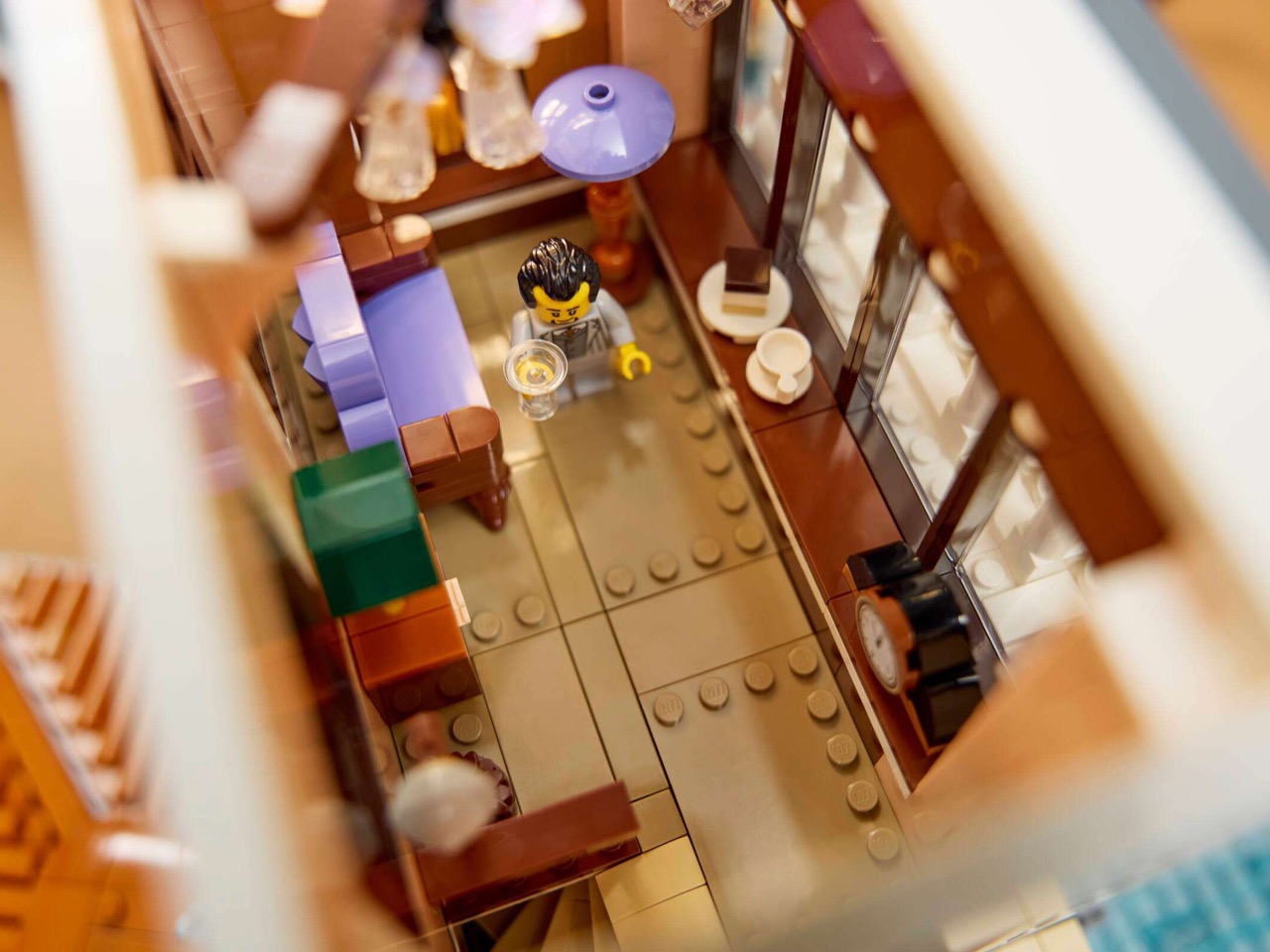
The LEGO® Editions FIFA World Cup™ Official Trophy (43020) is for the soccer (or football, as the rest of the world calls it) fan in you that would love to display the trophy on your shelf. It’s meant to hype up the 2026 World Cup tournament happening in the US, Canada, and Mexico in June-July 2026, which is one of, if not the world’s most popular sporting tournament. It’s a LEGO-fied replica of the trophy, featuring authentic details that capture the essence of the real thing. In case, like me, this is the closest you’ll ever come to actually touching this prestigious trophy, at least you can say you built it brick by brick with your own hands.

Designer: LEGO

Even though the World Cup is one of the most-watched sporting events every four years, drawing billions of viewers from around the globe, this is actually the first time that football fans will be able to build an official replica 1:1 scale model of the trophy. The iconic design features two human figures holding up the earth, symbolizing the global unity that football brings. The build is made up of 2,842 LEGO elements, making it a substantial and satisfying project that will keep you engaged for hours. What’s particularly impressive is that it has the highest number of gold-colored bricks used in a single LEGO set, giving it that authentic metallic sheen that makes the real trophy so mesmerizing under stadium lights.

The attention to detail is remarkable. The build also includes a printed plaque under the base which lists all the countries that have lifted the current trophy design since it was introduced in 1974. This includes legendary winners like Brazil, Germany, Argentina, France, and Italy. It’s a nice touch that adds historical context and makes the replica feel more authentic and commemorative. For collectors and football historians, this detail alone makes the set worth having.

You even get a special easter egg when you pull out the slip in a hidden compartment in the upper globe section. You’ll see the actual FIFA World Cup 2026 logo and a cute branded minifig holding up a mini trophy toy. Basically you get a small trophy within the trophy replica, kind of like an inception-style setup. You can pull out this mini scene and display it next to the trophy replica so you sort of get two kinds of decorations. It’s these thoughtful little surprises that LEGO is known for, and they really enhance the overall building experience and display value.

The building process itself is designed to be both challenging and rewarding. With nearly 3,000 pieces, you’ll need to set aside several hours to complete it, but the step-by-step instructions make it accessible even if you’re not a LEGO expert. The modular construction means you build from the base up, just like the journey teams take to reach the final. There’s something meditative about clicking those golden bricks into place, watching the trophy take shape before your eyes.

The main trophy itself measures around 14.5 inches high once finished, making it a substantial display piece that commands attention without overwhelming your space. It’s a perfect gift for kids aged 12 and above or adults like me who are fans of both the sport and LEGO builds. Whether you display it in your living room, office, or dedicated collection space, it’s sure to be a conversation starter, especially during World Cup season.

It will be available for purchase starting March 2026 in the lead up to the tournament, giving fans plenty of time to build and display it before the first match kicks off. LEGO also said they will be rolling out new products and experiences to celebrate this momentous tournament that will feature 48 teams, the most of any edition. This expansion makes the 2026 World Cup historic in its own right, and having this replica feels like owning a piece of that history.

The post This 2,842-Piece LEGO Is the Closest You’ll Get to the FIFA World Cup first appeared on Yanko Design.
LEGO Just Dropped a $300 Stranger Things Set That Transforms When You Pull the Corners

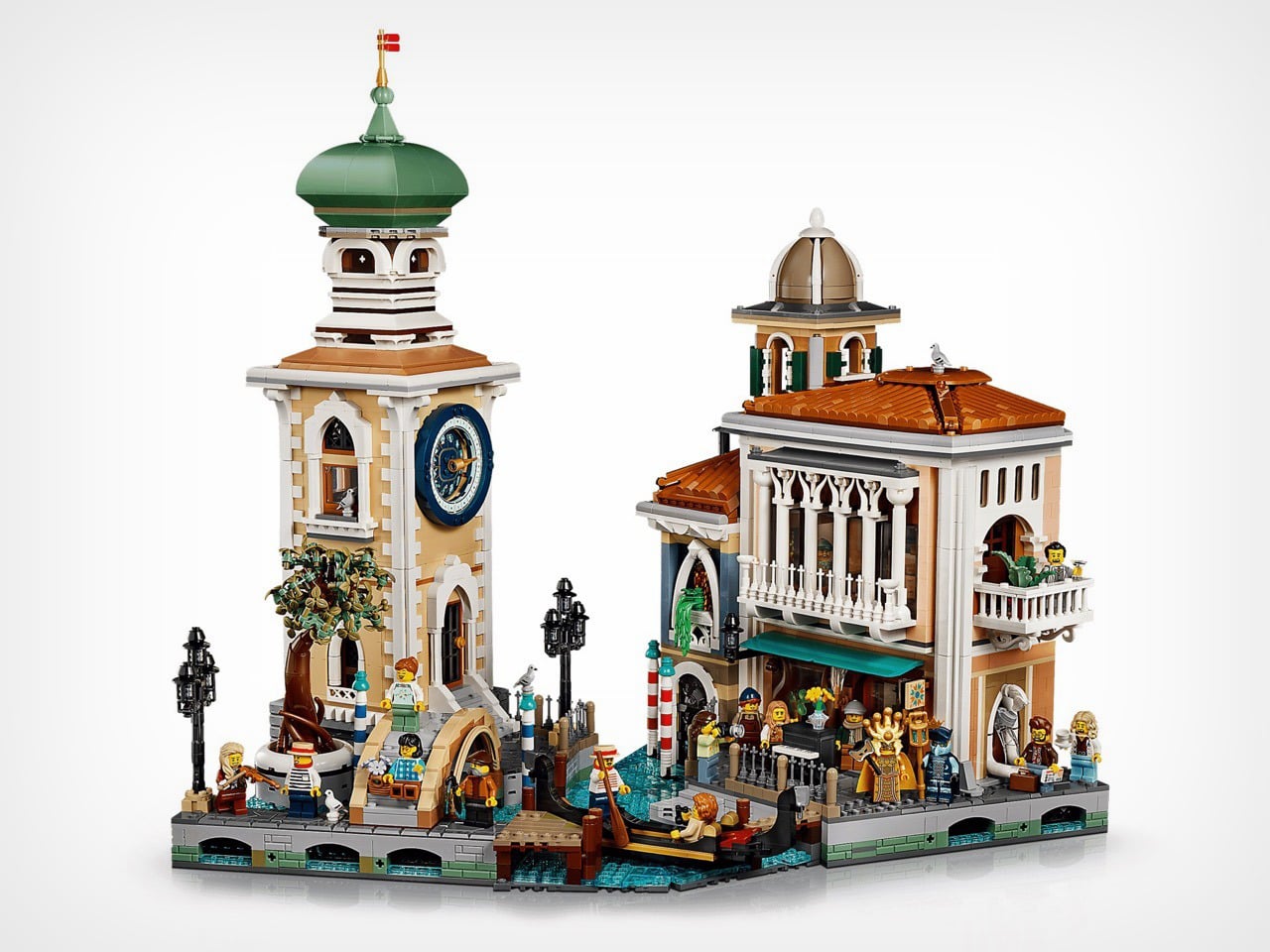
In Stranger Things, victims trapped in Vecna’s curse describe the Creel House as a place where reality fractures and splinters around them, rooms shifting into impossible geometries. LEGO has somehow captured that exact horror in brick form. Their new 2,593-piece Creel House literally transforms with a lever pull, walls splitting apart to reveal Vecna’s cursed mind lair within. It’s launching January 1st at $299.99, and after six years without a proper Stranger Things LEGO set, fans won’t want to escape this one.

Stranger Things Season 5 wraps up on New Year’s Eve at 5 p.m. PST. LEGO Insiders get early access to the set that same day before general release on January 4th. You’ll have processed the finale’s emotional damage and immediately have 2,593 pieces of therapeutic building to work through your feelings. I can’t decide if this is brilliant marketing or deliberately sadistic.

Designer: LEGO

LEGO calls it their first ever transforming house. Pull the corners and the entire structure reconfigures itself: some rooms split in two, others rotate 45 degrees, one wall drops into place, and the central spire rises up to reveal that infamous grandfather clock. Most LEGO sets with transformation gimmicks feel like compromises, sacrificing detail in one mode to accommodate the other. You get a decent robot or a passable vehicle, never both. This thing maintains a 20-inch-wide, nearly 12-inch-tall facade in both states, which means someone on the engineering team actually gave a shit about making both configurations work properly instead of treating one as an afterthought.

Open up the back and you’ve got seven distinct rooms: hallway, dining room, sitting room, Alice’s and Henry’s bedrooms, an upstairs landing, and two attic spaces. You can build it boarded-up or with the boards removed, which matters because the boarded version captures that abandoned murder house aesthetic from earlier seasons while the clean version works better as Vecna’s active lair. That’s not just aesthetic choice for its own sake. Anyone who’s watched the show knows the house exists in multiple states across different timelines, and giving builders the option to represent that shows someone actually paid attention to the source material instead of skimming a wiki for reference images.

Thirteen minifigures come with the set: Will, Mike, Lucas, Dustin, Vecna, Mr. Whatsit (Henry in his Season 5 human disguise), Holly, Steve, Nancy, Robin, Jonathan, Max, and Eleven. For $300, that’s a solid roster. The Mr. Whatsit to Vecna transformation happens through a hideaway feature built into the set, letting you physically swap between Henry’s boring normal kid persona and his full monster form. It works better in LEGO than it would in most other collectible formats because the medium already asks you to suspend disbelief about scale and realism. A transforming minifigure compartment feels natural here in a way it wouldn’t in, say, a high-end statue.

Buy during the first week and you’ll get the 40891 WSQK Radio Station gift, a 234-piece bonus set with Joyce Byers and a magnificently bearded Sheriff Hopper. Given their absence from the main set’s roster, this feels mandatory rather than optional. That rubber chicken printed tile though? Absolute deep cut for fans who’ve been paying attention to Season 5’s marketing. Stock runs out fast on these gift-with-purchase promotions, so waiting for a sale means missing Joyce and Hopper entirely unless you want to pay scalper prices on BrickLink later.

Steve’s car and the WSQK radio van both use six-wide construction with complicated techniques for tight angles and small offsets. Will’s bicycle rounds out the vehicle collection. None of these are throwaway builds to pad the piece count. LEGO City vehicles typically phone it in with basic stud-and-plate construction, but these use the kind of techniques you’d expect from Creator Expert or Speed Champions sets. Small details like that separate a licensed cash grab from a set that actually respects the builder’s time and money.

LEGO’s pricing sits at $299.99 US, £249.99 UK, €279.99 EU, and AU$449.99 Australia. That works out to roughly 11.5 cents per piece, above standard LEGO pricing but expected for licensed sets. Add in the transformation mechanism’s manufacturing complexity and you can justify the premium. Whether 2,593 pieces and 13 minifigures actually justify three hundred dollars depends on how much you care about Stranger Things specifically. If you’re ambivalent about the show, this is an expensive shelf decoration. If you’ve been waiting since 2019 for another proper set, it’s basically a bargain.

The post LEGO Just Dropped a $300 Stranger Things Set That Transforms When You Pull the Corners first appeared on Yanko Design.
GaN Charger Lets You Swap Plugs, Stack Blocks, Pick Your Wattage

GaN chargers have gotten smaller and more efficient over the years, but they still look like anonymous black or white bricks. Most people toss them in a bag and forget about them, and if you travel frequently, you end up carrying a separate adapter for different plug types. It’s functional but incredibly boring, and the whole category feels like it stopped trying once the engineers got the size and wattage right.

Bang Design’s LEGO-inspired GaN charger is an intern project that tries to make chargers fun and modular instead. The concept treats the charger as a colorful block system, with different cubes for different wattages and swappable plug modules for different countries. It’s patent-pending but still just a concept, though it looks polished enough that you could imagine buying a set off a shelf and arranging them on your desk like tiny toys.

Designer: Bang Design

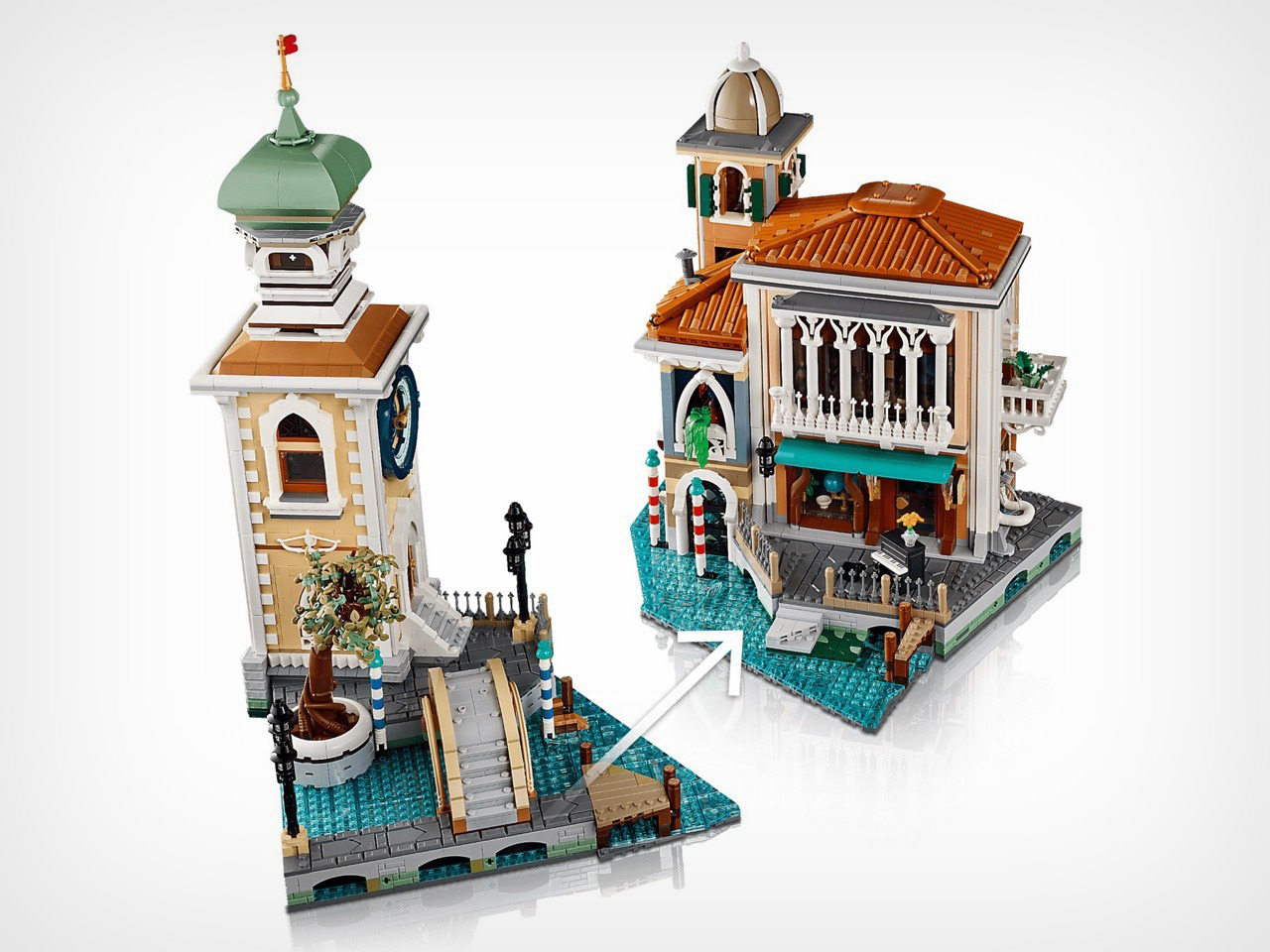
Every module is a perfect cube or tall cuboid with sharp edges and flat faces that instantly read as building blocks. The 65 W version has a red top half, white bottom half, and large “65 W” printed on one side in light gray type. A subtle asterisk mark on the top hints at a LEGO stud without copying it directly. The rest of the family uses green, blue, yellow, and pastel beige blocks with the same bold geometry.

One green cube houses a sliding plug carriage with metal prongs that can be removed and replaced with different pin standards for US, Indian, or European outlets. A rectangular recess on one face holds the carriage, and gold contacts inside suggest a cartridge-style electrical connection. The plug becomes just another swappable piece of the system rather than something permanently wired to the charger, which is the whole point.

Different wattage blocks have different port configurations. The blue 30 W cube has one USB-C port, the yellow 120 W block has three outputs, and the beige version mixes USB-A and USB-C. Users could pick the block that matches their device or build a small family that shares the same plug module. The big printed wattage numbers make it easy to grab the right cube without squinting at tiny labels.

One cube plugs into the wall while the other blocks sit on the desk like small sculptures. The chargers stop being clutter to hide and start looking like a collection you might actually enjoy arranging. The LEGO reference makes the whole setup feel approachable and almost toy-like, especially compared to the usual tangle of anonymous black bricks and bulky travel adapters that most people carry around.

Turning this into a real product would mean solving serious issues around safety certifications, heat dissipation, and mechanical durability for those swappable parts. But the concept is still valuable because it shows how even a commodity accessory can carry personality and systems thinking. The LEGO-inspired GaN charger hints at a future where chargers are not just smaller and faster, but also more playful and easier to live with.

The post GaN Charger Lets You Swap Plugs, Stack Blocks, Pick Your Wattage first appeared on Yanko Design.
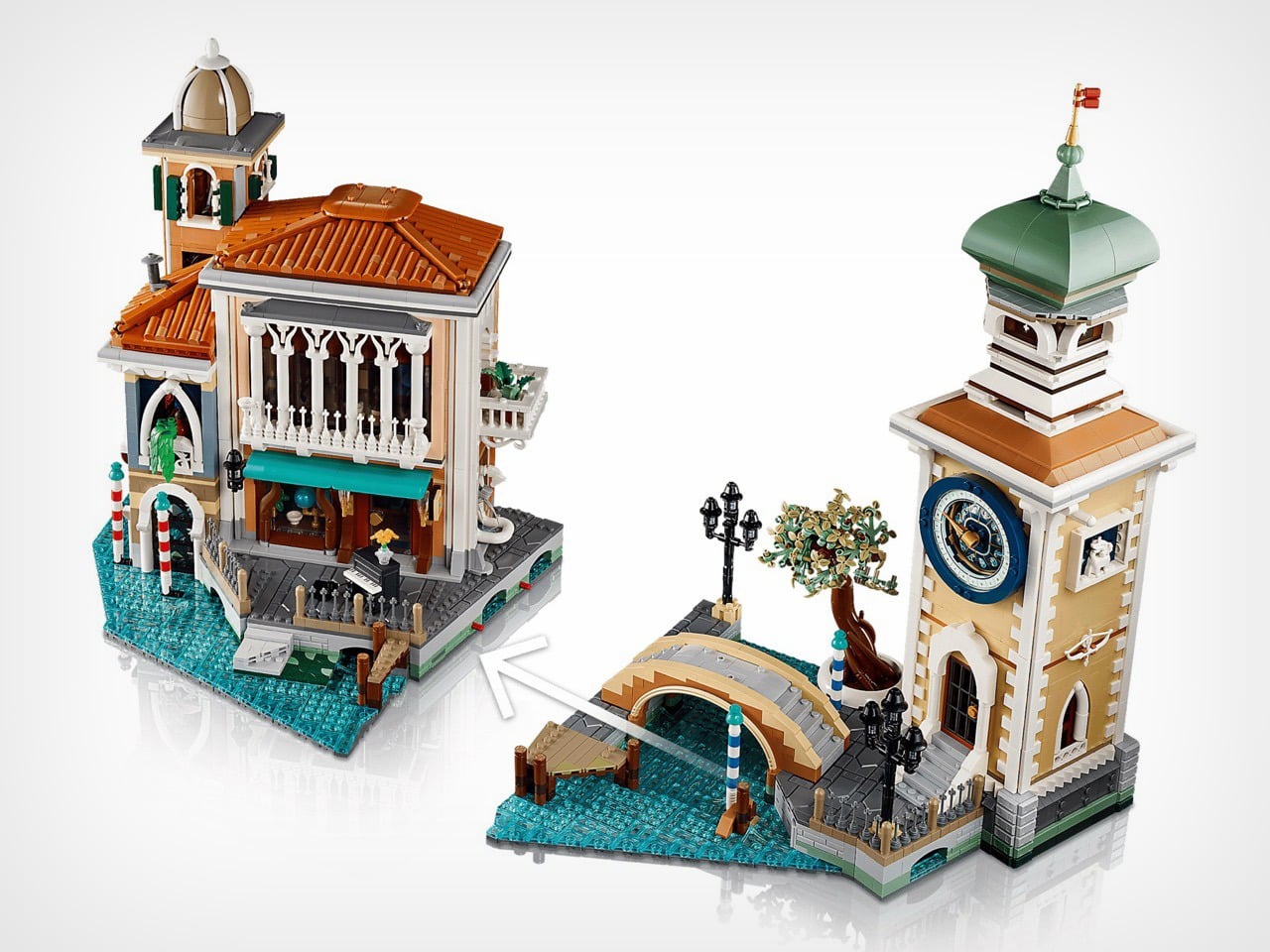
Dinoosh Dispenses Dino Paw Print Soap, Changes Color When Done

Kids explore everything with their hands, but rarely wash them long enough, even when adults remind them. The recommended 20 seconds feels like forever to a child staring at a sink, which is why so many just rinse and run. Dinoosh is a concept that tries to solve this not with more nagging or countdown posters, but with a small dinosaur-themed object that makes the whole routine feel like a game.

Dinoosh is a palm-sized, dinosaur-inspired handwashing tool that combines a soap dispenser, scrubber, and color-changing timer. It looks like a soft, rounded dino paw with three spikes on top and a loop so kids can clip it to backpacks or bathroom hooks. The idea is to give children a friendly companion that turns washing away germs into something they actually want to do on their own.

Designers: Aarya Ghule, Tejas Vashishtha

Kids flip open a small lid at the bottom and squeeze Dinoosh, which dispenses thick soap gel in the shape of tiny dinosaur paw prints onto their hands. That simple detail turns soap into a character moment, giving a clear visual dose and an instant reason to look and laugh. It invites kids to start rubbing and playing instead of rushing straight to the rinse and calling it done.

Dinoosh stays involved once the soap is out. The back of the device has soft ridges that act like a gentle scrubber when kids rub their hands over it. The spikes on top help get between fingers, and the rounded body is easy to grip with wet hands. Instead of just lathering and standing there, children are encouraged to keep moving, squeezing, and scrubbing as part of the play.

The body is made from thermochromic plastic that slowly shifts color with warmth and friction. As kids scrub their hands and run warm water, they see the dinosaur paw gradually change hue. That becomes a built-in timer: they know they’re done when Dinoosh has fully changed color, which roughly matches the recommended 20 seconds without needing to count or sing a whole song.

A small loop at the top lets Dinoosh hang from backpacks, bathroom hooks, or stroller handles, keeping it in sight and within reach. Bright colorways like Sweet Sprout green, Coral Pop, and Soft Comet lavender make it feel collectible and personal. By living in kids’ everyday environments, it nudges them toward washing not just at home but at school and on the go.

Dinoosh shows how product design can tackle hygiene through play rather than guilt. By combining characterful form, tactile engagement, and a built-in color timer, it turns a forgettable chore into a small daily ritual kids can own. Whether or not this exact concept hits the market, the idea of a dinosaur paw that tells you when your hands are clean feels like a story most kids would happily wash along with.

The post Dinoosh Dispenses Dino Paw Print Soap, Changes Color When Done first appeared on Yanko Design.
Dad Built a 4-Step Sequencer Synth Simple Enough for Age 3

A father built a portable synthesizer for his daughter’s third birthday, and the result looks almost too polished to be a first electronics project. It’s a four-step sequencer with sliders instead of keys, designed so a toddler can make looping melodies just by moving colorful controls. The synth is as much a design and learning story as it is a music gadget, documenting what happens when someone jumps into hardware with no experience and a clear deadline.

The idea started with a Montessori activity board full of switches and LEDs. Watching his daughter twist knobs and flip switches reminded Alastair Roberts of a synth control panel, and he wondered if he could build a musical version. He had no prior hardware experience, which turned the project into an excuse to learn microcontrollers, CAD, PCB design, and 3D printing along the way, all while trying to finish before her birthday.

Designer: Alastair Roberts

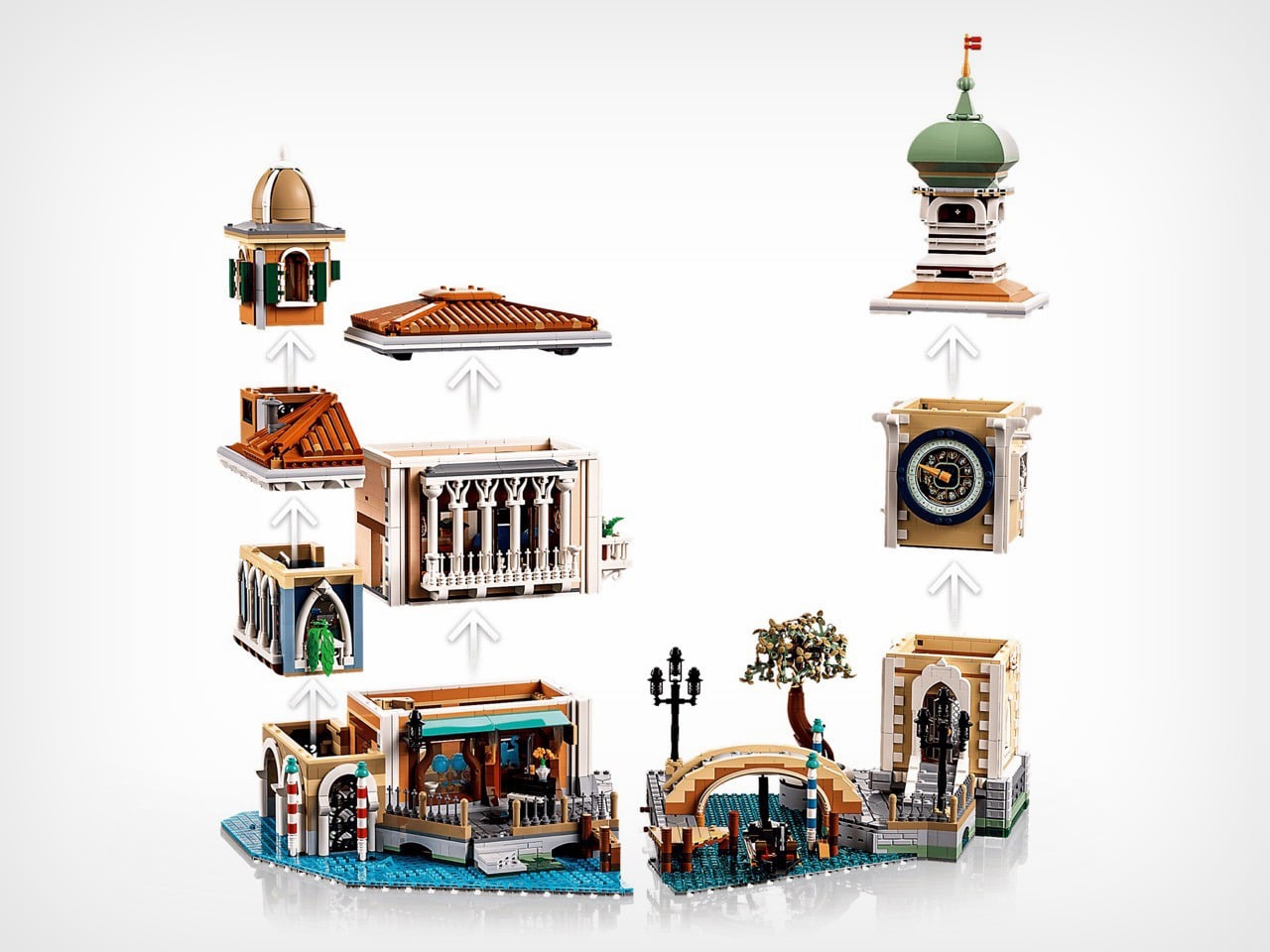
The finished synth is a rounded square box in pink or white, with four vertical sliders in bright colors and four matching knobs at the corners. Slide up for higher notes, down for lower, while a tiny OLED screen shows a dancing panda. There are no menus or hidden modes, just a looping sequence that keeps playing while little hands experiment with pitch and tempo, creating simple melodies that shift and evolve with every adjustment.

Roberts started on a breadboard, then realized he needed a proper enclosure that his daughter could actually hold. Off-the-shelf cases were the wrong size and the wrong colors, so he opened Fusion 360 for the first time and slowly modeled a custom shell. A friend’s 3D printer turned those sketches into a real, toy-like enclosure that feels closer to a commercial product than a hack, complete with rounded corners and smooth edges.

The first hand-wired version worked but was fragile, with a nest of wires that broke when he closed the case. That pushed him to design his first printed circuit board, using Fusion’s electronics tools to lay out sliders, knobs, and connectors in a neat, single layer. The PCB not only made assembly faster, but it also gave the interior the same sense of order and intention as the exterior, no hidden messes or shortcuts.

Small design touches make it feel finished. A dedicated battery compartment with a removable cover, mounting posts that let the board screw down securely, and a raised bezel around the OLED so it sits flush with the top surface. The front panel carries his daughter’s name, Alma, turning the synth into something personal. It now lives on a shelf with her other toys and, according to him, gets regular use.

The synth works at two levels. For kids, it’s a fun, tactile way to poke at sound without needing lessons or screens. For adults, it’s a reminder that you can go from zero hardware experience to a polished, gift-worthy object by following curiosity and learning each tool as you need it. Whether or not it ever becomes a product, it’s already a successful piece of design for the one user who mattered most.

The post Dad Built a 4-Step Sequencer Synth Simple Enough for Age 3 first appeared on Yanko Design.
LEGO Racing Joins the F1 ACADEMY Grid with a Livery That Looks Nothing Like Racing

The LEGO Group announced a multi-year partnership with F1 ACADEMY at the Las Vegas Strip Circuit during the Formula 1 Las Vegas Grand Prix. LEGO Racing debuts in the 2026 F1 ACADEMY season with 20-year-old Dutch driver Esmee Kosterman behind the wheel.

Designer: LEGO

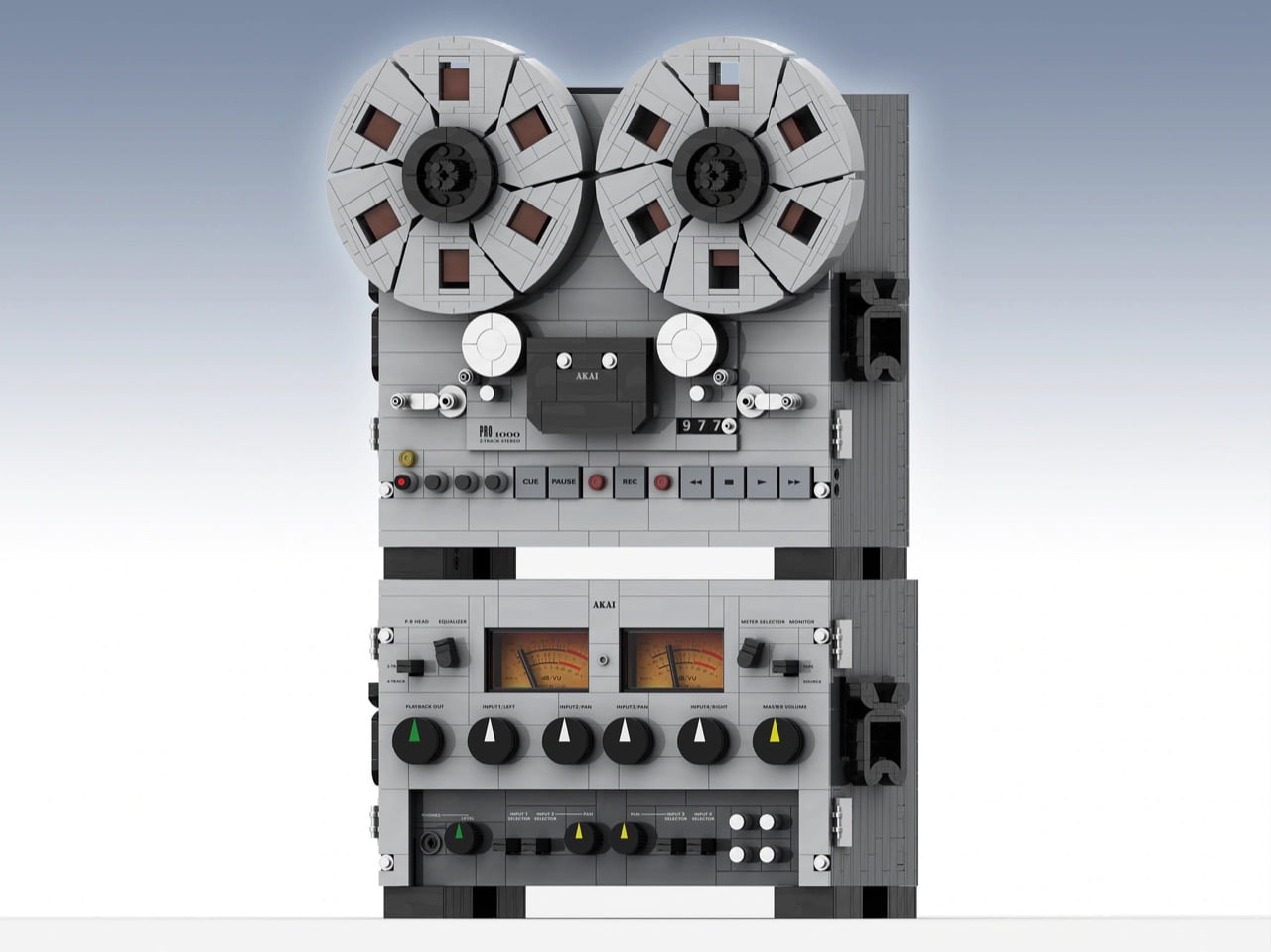
The announcement brings a toy company directly onto the racing grid with its own team, driver, and a livery created by the LEGO Design team. The livery uses a unique checkered pattern that merges the brand’s toy aesthetic with racing design, creating a visual identity that stands apart from typical motorsport liveries.

The partnership includes the LEGO Speed Champions F1 ACADEMY Race Car, a 201-piece set launching globally on March 1, 2026. The set features aerodynamic details mirroring the real car’s design, the #32 racing number, and a minifigure in LEGO Racing colors. Pre-orders are available now from [LEGO.com](http://LEGO.com).

The Livery and Las Vegas Debut

The LEGO Racing livery represents a departure from traditional motorsport design. The LEGO Design team created a one-of-a-kind livery that uses colors and patterns from the LEGO brand identity. The checkered pattern differs from the traditional racing checkered flag, bringing the tactile, modular world of LEGO brick building directly onto the track.

Most racing liveries use sharp angles, aggressive typography, and sponsor-dense layouts optimized for speed and intimidation. LEGO Racing took a different approach, creating a playful, approachable visual identity that prioritizes brand recognition over racing convention.

At the Las Vegas F1 ACADEMY weekend, the LEGO Group presented custom LEGO Botanicals Bouquets for the Race 1 and Race 2 podium ceremonies. Each bouquet was built from nearly 2,000 LEGO elements and weighs approximately 1 kg, replacing traditional trophies with LEGO’s signature building blocks.

Esmee Kosterman Takes the Wheel

Esmee Kosterman becomes the premiere driver for LEGO Racing in her first full F1 ACADEMY season. The 20-year-old Dutch driver made history as the first woman to win in the Ford Fiesta Sprint Cup series in 2023, where she finished second in the Junior Cup and third place overall. She made her F1 ACADEMY debut as a Wild Card at Round 5 in Zandvoort, her home race, in 2024 before moving to single seaters with Indian F4.

According to Kosterman, she’s been a longtime fan of the LEGO brand and what it represents. “To be the first driver for LEGO Racing is such an exciting opportunity, and I can’t wait to continue my racing journey with F1 ACADEMY,” she said. “I hope this inspires future generations of female drivers, that with hard work and determination, anything is possible.”

The Product Launch

The LEGO Speed Champions F1 ACADEMY Race Car marks the first time fans can hold an F1 ACADEMY car in their hands, according to Julia Goldin, Chief Product & Marketing Officer at the LEGO Group. The 201-piece set features intricate aerodynamic details that mirror the real car’s design, complete with the unique colorway and the #32 racing number.

The set includes a minifigure in LEGO Racing colors and focuses on securing female representation in racing toys for young girls. LEGO Group research shows 87% of girls surveyed want more opportunities in motorsport, and 75% think racing sounds exciting. However, 76% of parents surveyed believe motorsport is often perceived as “more for boys.”

The representation gap extends to toy aisles. Racing toys have historically featured male drivers and male-dominated racing series. According to the LEGO Group, 82% of parents think representation in motorsport is important, and 52% of girls surveyed could see themselves as an F1 ACADEMY or race car driver.

The LEGO Speed Champions F1 ACADEMY Race Car is available for pre-order now from LEGO with global retail availability starting March 1, 2026.

The post LEGO Racing Joins the F1 ACADEMY Grid with a Livery That Looks Nothing Like Racing first appeared on Yanko Design.
These LEGO Snow Globes Are The Perfect Stocking Stuffer For Brick-Lovers!

Three globes, three distinct Christmas visuals, three absolute vibes. Made with a total of just 385 pieces, this MOC (My Own Creation) from LEGO builer ItzEthqn captures the holiday spirit perfectly, and for anyone who wants to customize the globes with something of their own, these designs seem absolutely modular, allowing you to replace the inner scene with anything of your choice for a more custom/bespoke snow globe!

“Now I know what you may be thinking, ‘Isn’t it a bit early for Christmas?’ and the answer is absolutely not its never too early for Christmas,” says ItzEthqn (who probably goes by the name Ethan. The globes – two large and one small – are the perfect way to usher in the holiday spirit… especially if you’re a LEGO lover like I am.
Designer: ItzEthqn

The globes come in 3 distinct variants, the smallest of which features a tiny little snowman, top hat, scarf, carrot, branches and all. The snowman sits within a fairly comfy 3-piece ‘glass’ orb. The orb sits on a gold, green, and red banded base, quite like the kind you find in novelty shops and Hallmark outlets.

The other two snow globes are a tad bit larger, featuring slightly more elaborate scenes. The first, a Christmas tree, complete with a star topper as well as gifts at the bottom. The larger glass orb now features a 2-part design, and the slightly larger base also has a snowflake brick embedded on the front for extra holiday flair. The other snow globe features our old friend Nicholas (also known world over as Santa) on his trusty sled, with gifts in the boot. ItzEthqn does mention that he wanted to bejewel the globes with stickers too, but that detail kept crashing his computer as he added stickers to the globe.

That being said, there’s a lot that you can do with this framework. Upgrade it with minifigures of your own, make tiny versions with different designs and themes, or even use it to display your Hot Wheels collection, the cars might be a tight fit but I’m sure you can figure it out! The other tiny caveat here is that these snow globes don’t actually have any snow in them, so feel free to chuck in some tiny confetti to make these globes feel like the real deal!

ItzEthqn’s fan-made snow globe design is currently gathering votes on the LEGO Ideas website, an online forum where LEGO enthusiasts share their own creations and vote for their favorites. With well over 2,600 votes, this MOC is slowly but surely inching towards the coveted 10K vote mark, following which it’ll be reviewed by LEGO’s internal team and ‘hopefully’ turned into a retail kit that all of us can buy. Until then, just head down to the LEGO Ideas website and give this build your vote!

The post These LEGO Snow Globes Are The Perfect Stocking Stuffer For Brick-Lovers! first appeared on Yanko Design.