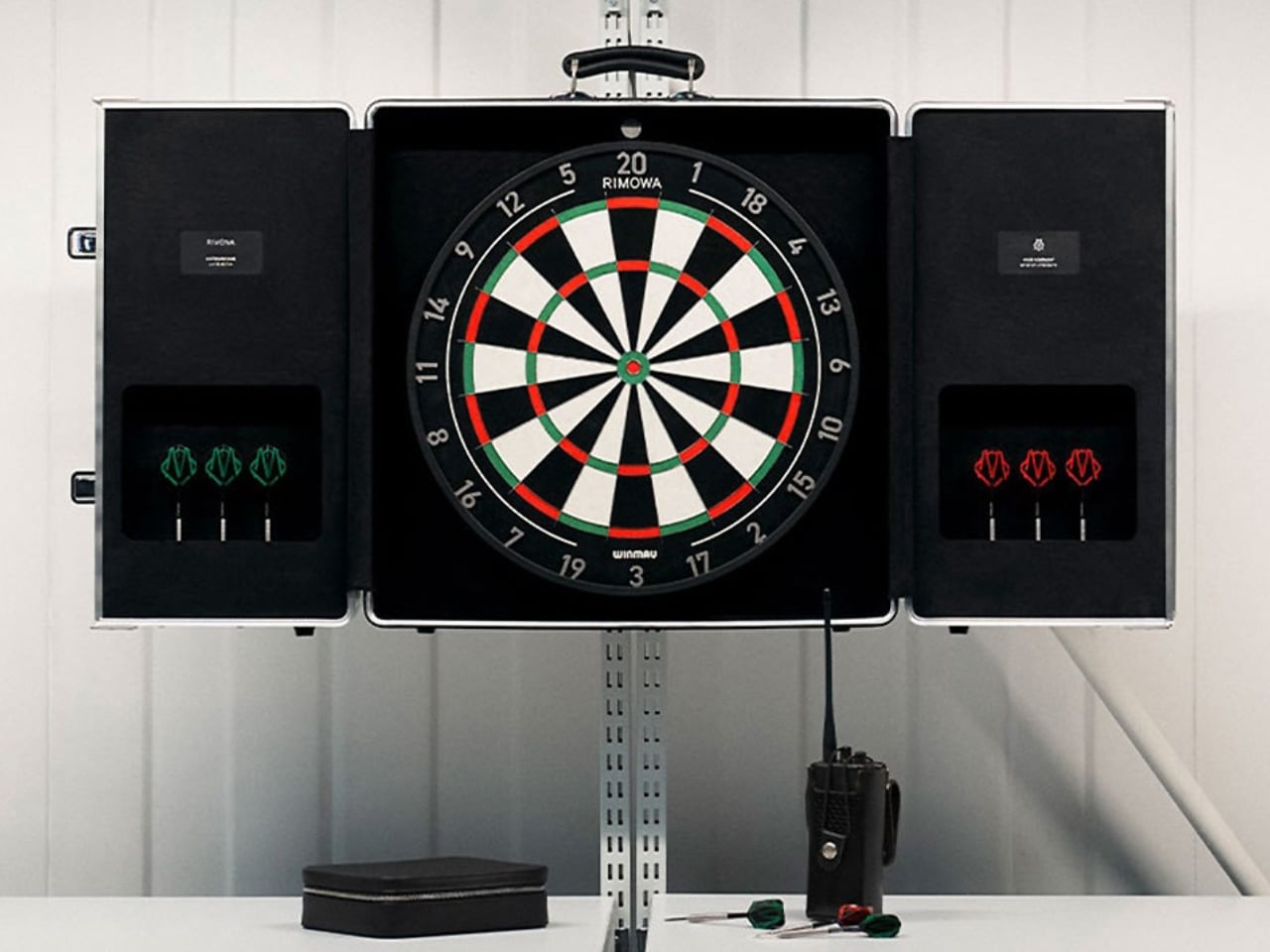
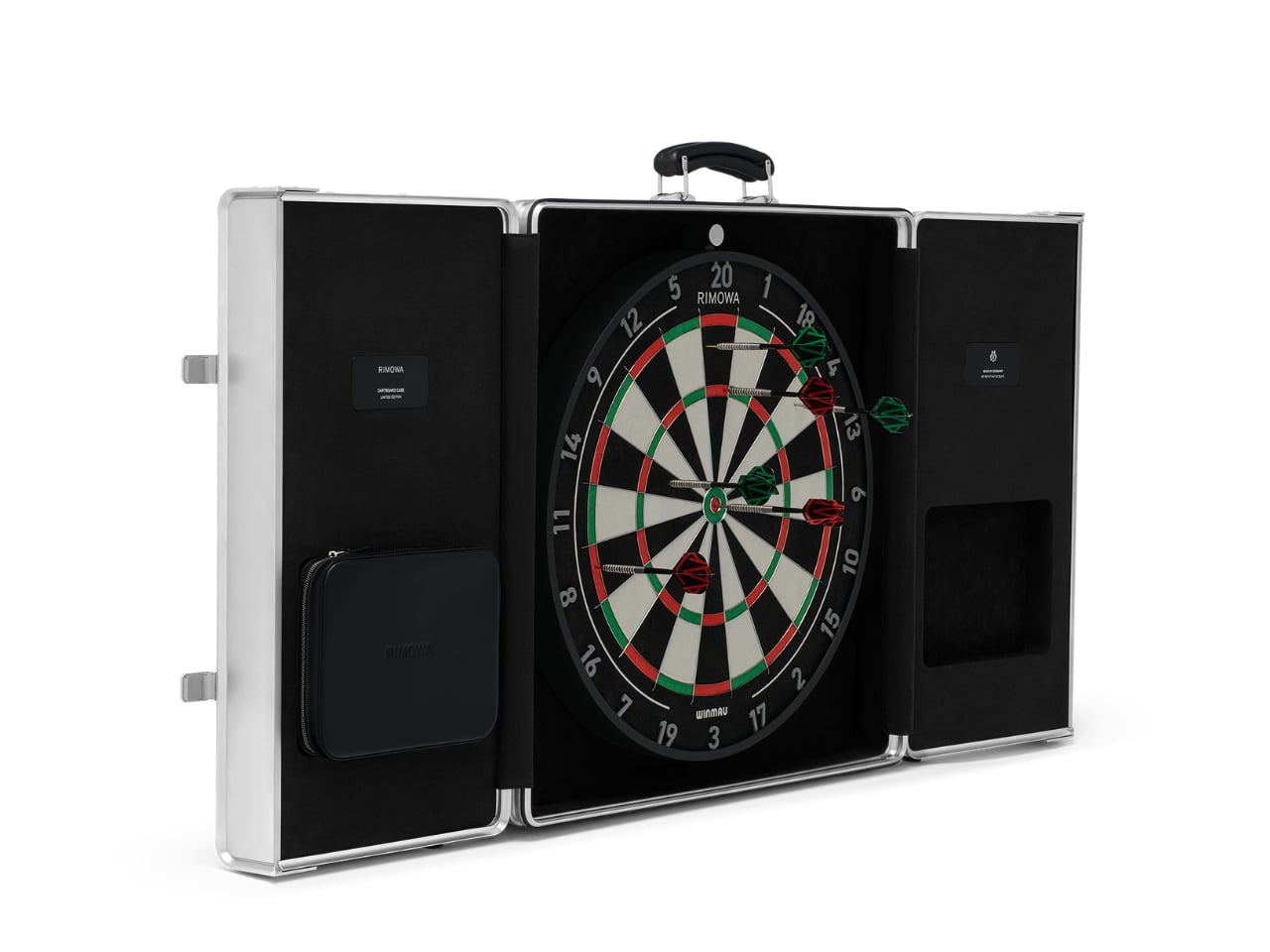
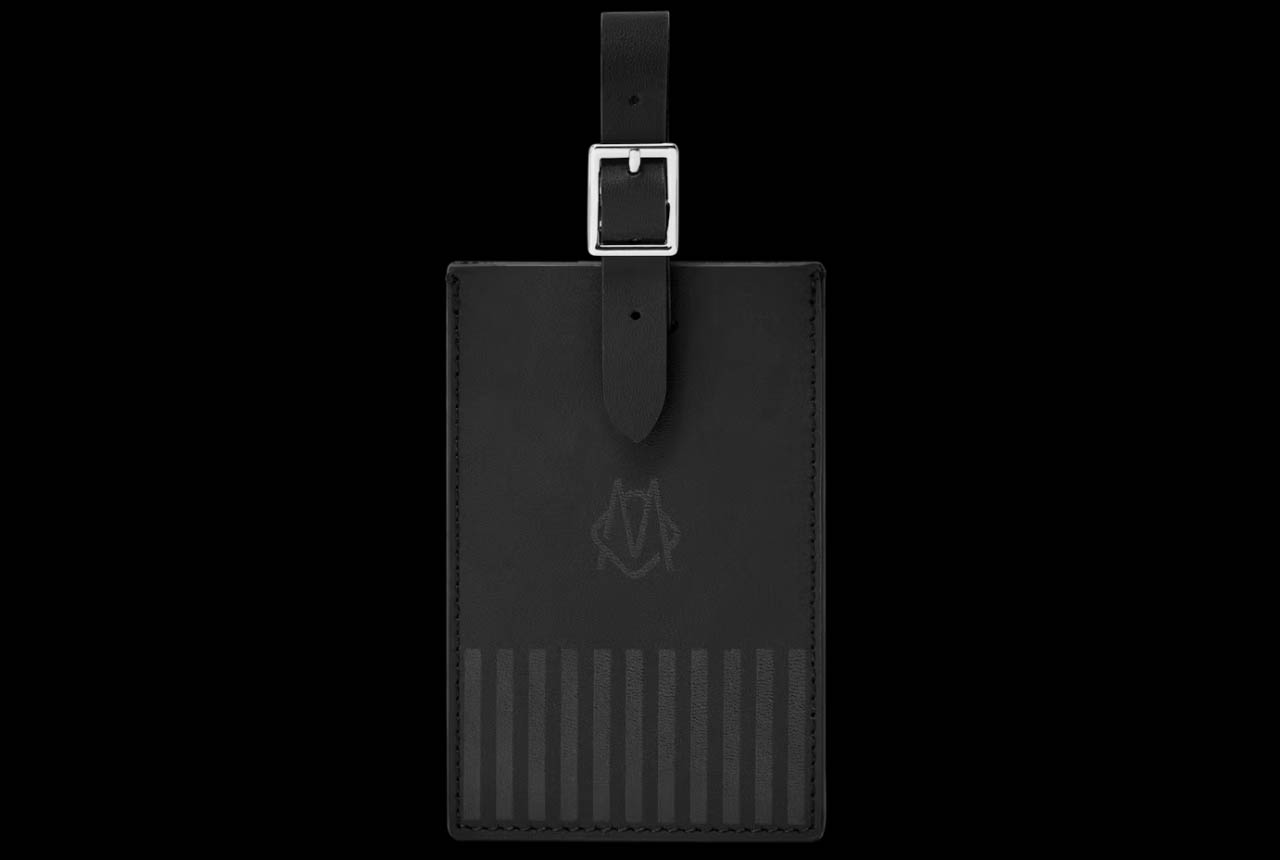
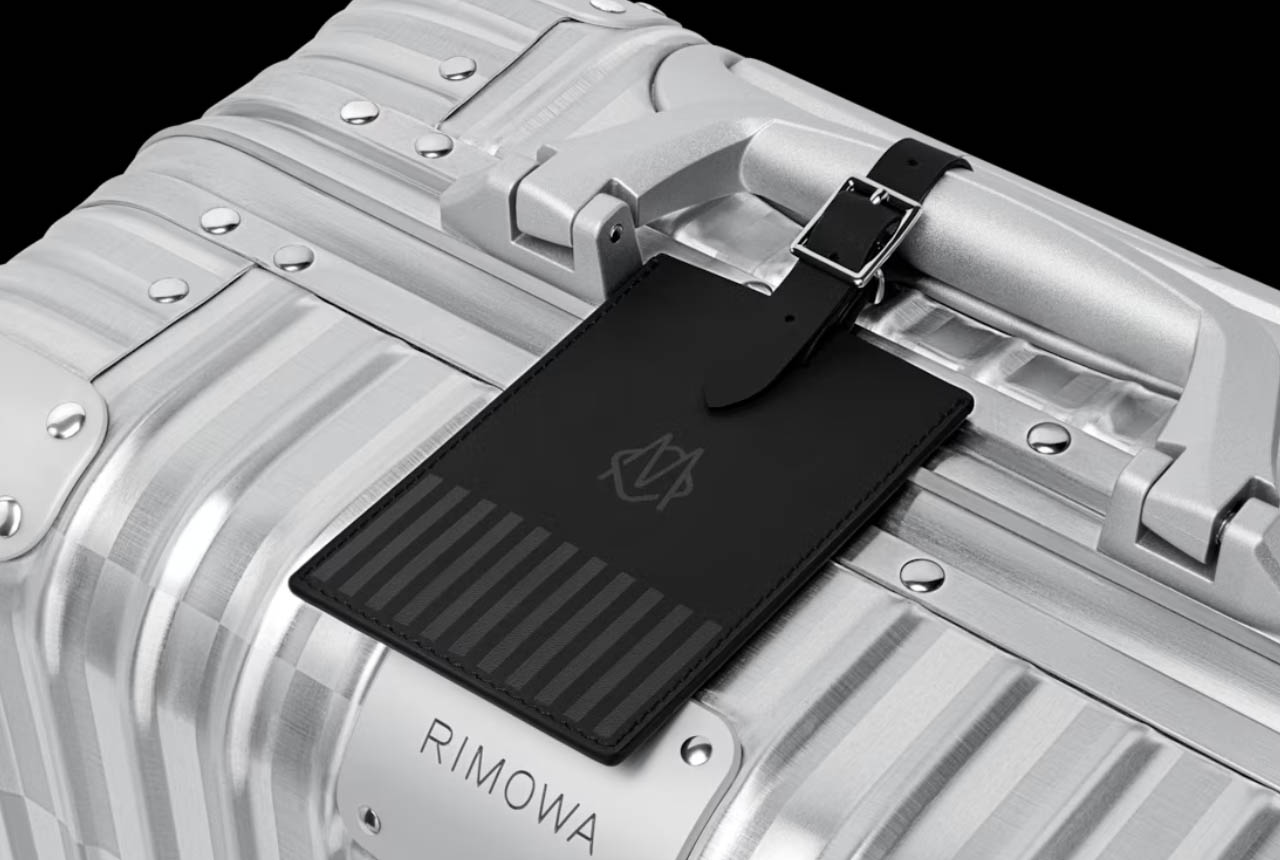
Rimowa Just Made the Classiest Excuse to Never Unpack

Most people treat their Rimowa suitcase like a very expensive houseguest: it arrives looking spectacular, gets shoved in a closet, and stays there until the next trip. Rimowa, apparently, has thoughts about this. And so does Lehni.

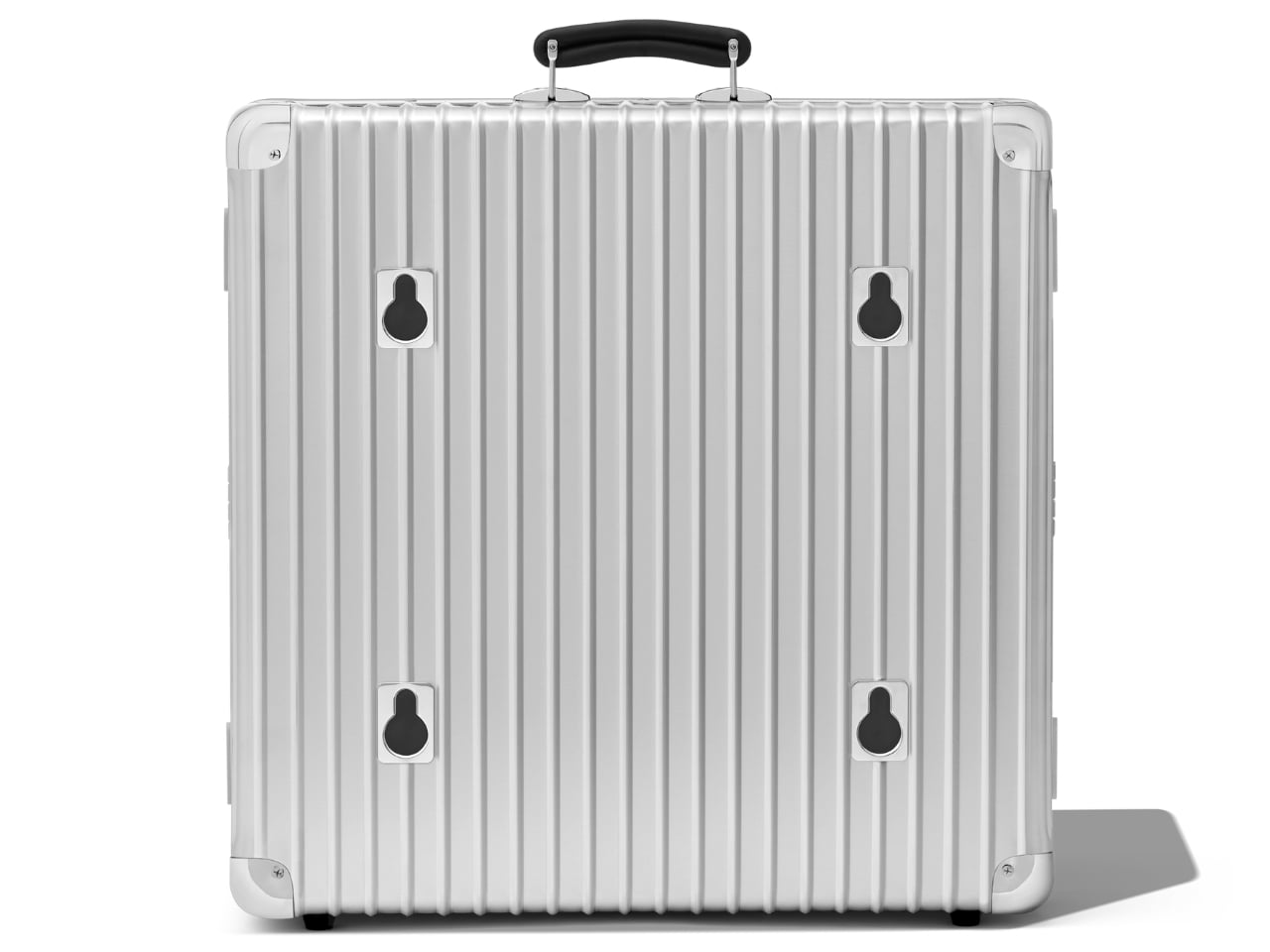
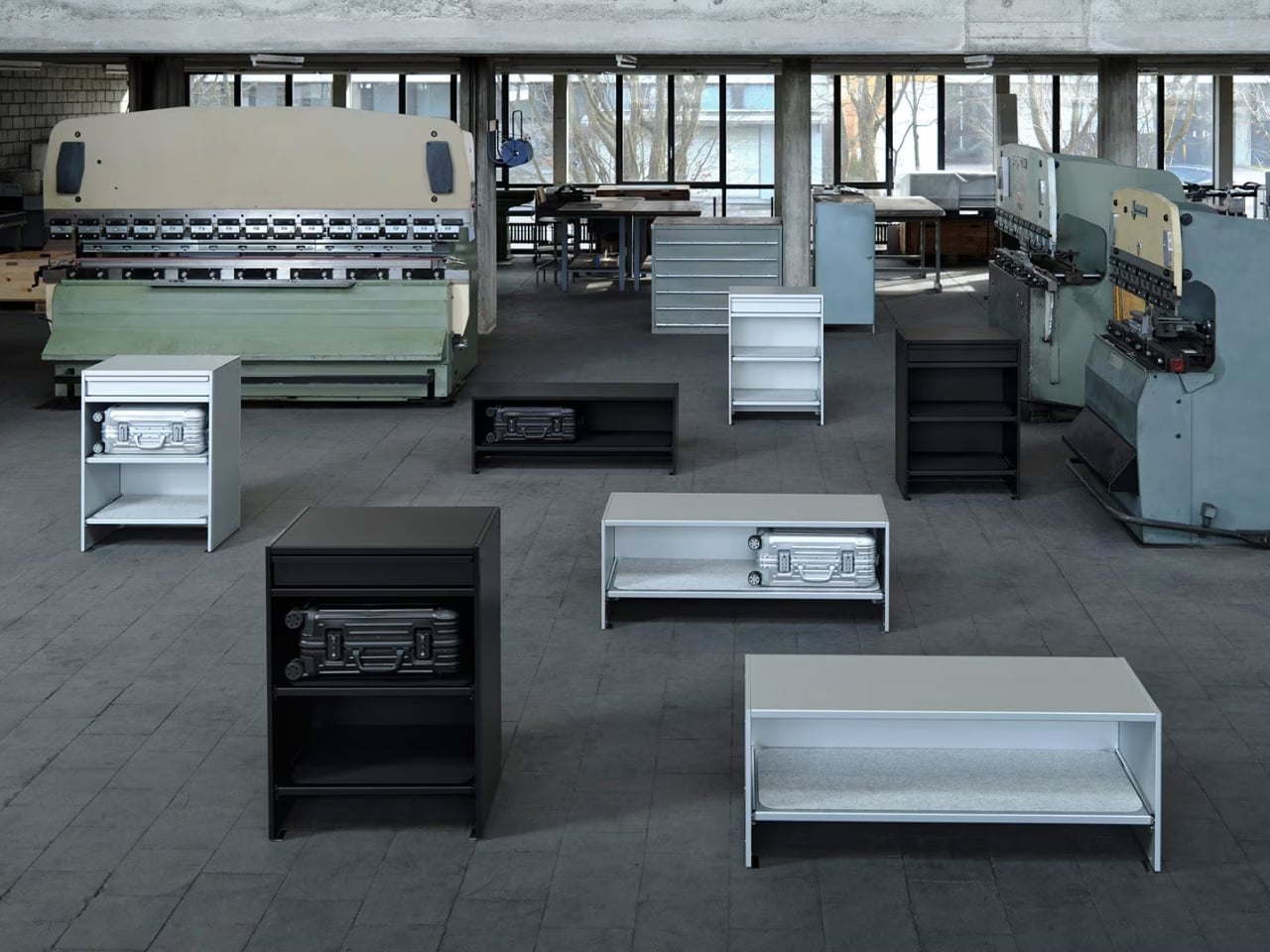
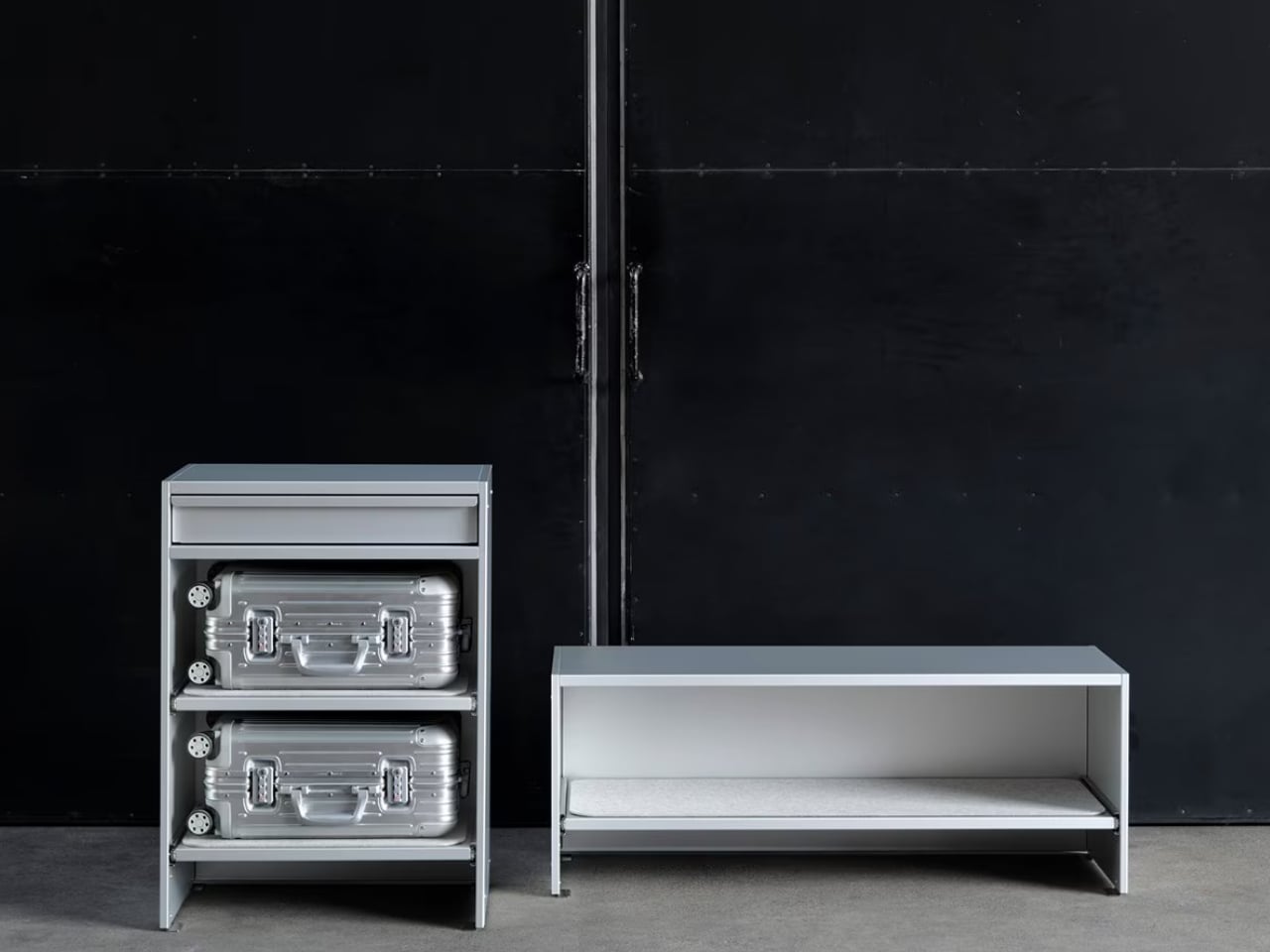
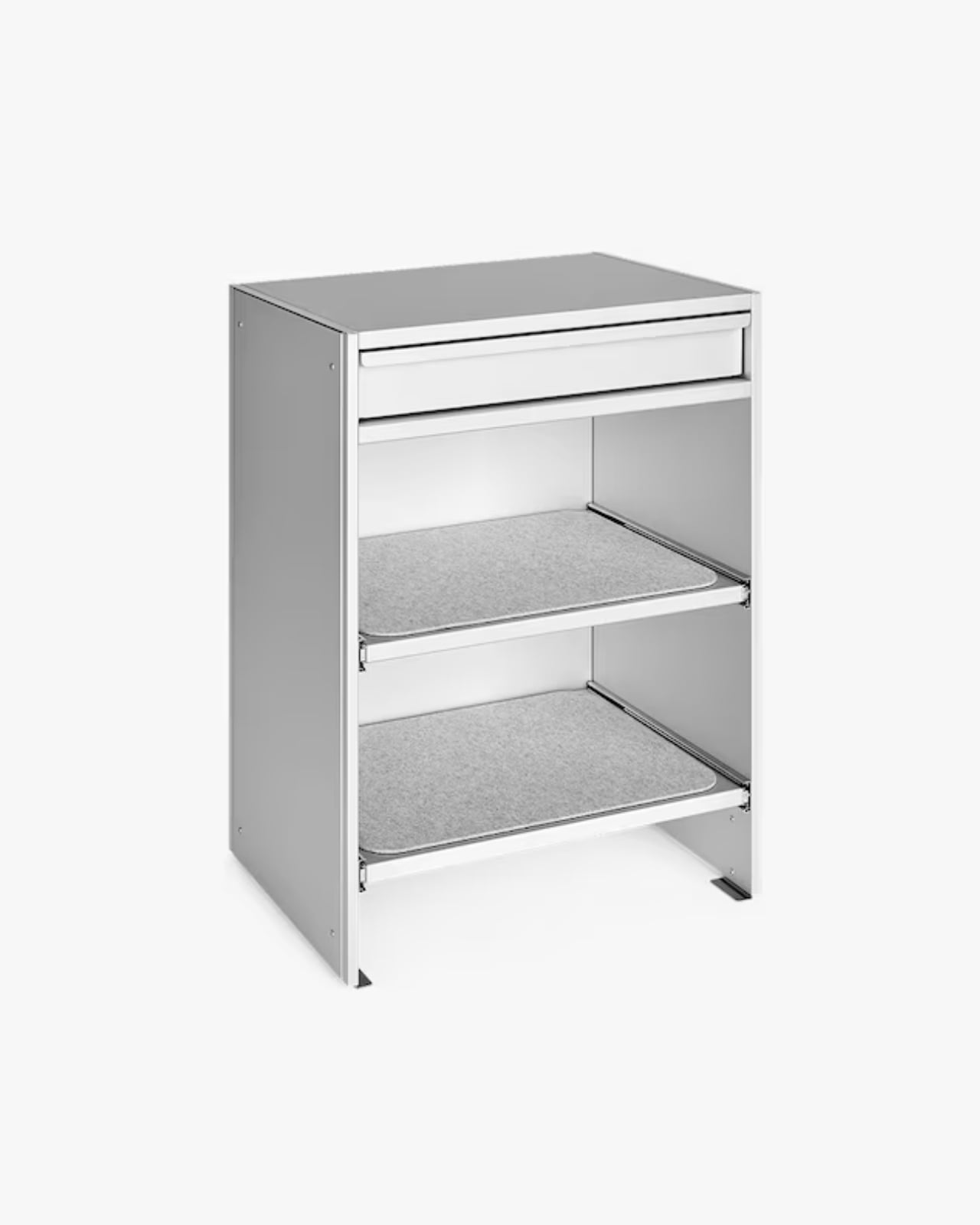
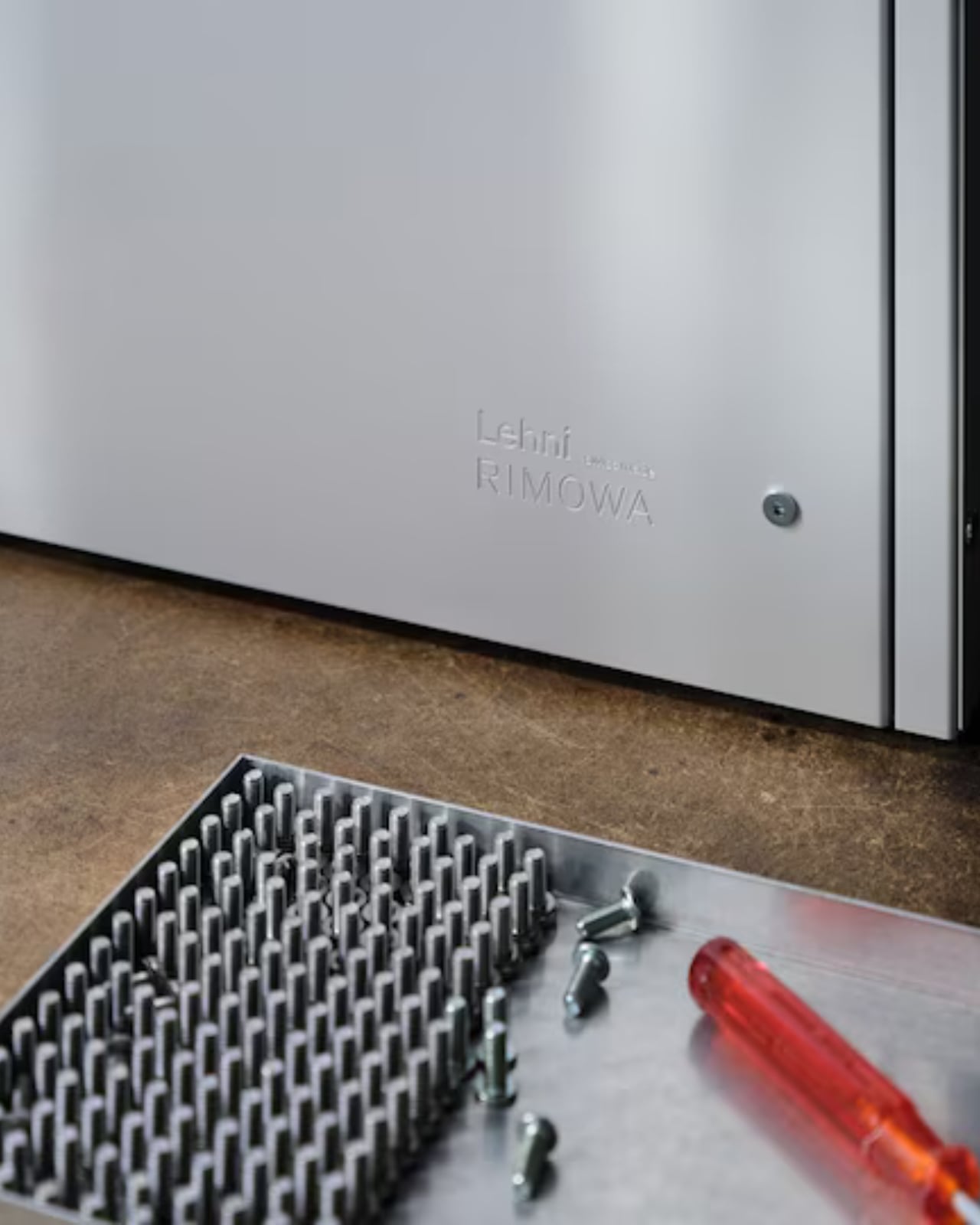
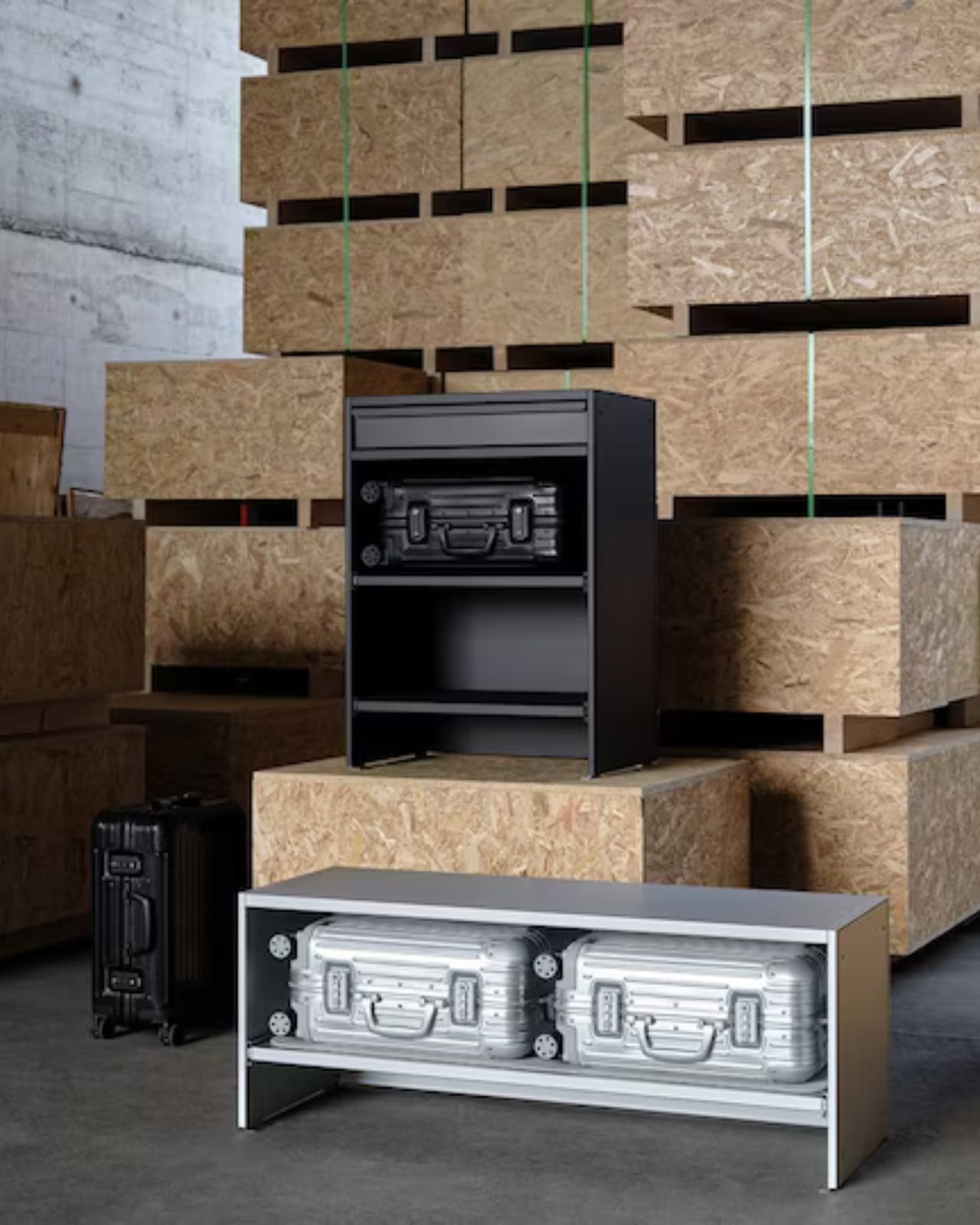
The two brands have just unveiled a limited-edition furniture collaboration at Salone del Mobile 2026 in Milan, and it might be the most quietly audacious thing either brand has done in recent memory. The collection consists of two pieces: a Bench and a Drawer, both crafted in anodized aluminum, both designed to hold cabin-sized Rimowa suitcases inside your home. Not in a storage room. Not under your bed. On display, like they were always meant to be there. Which, if you’ve ever owned a Rimowa, you’d know they kind of were.

Designers: Rimowa x Lehni

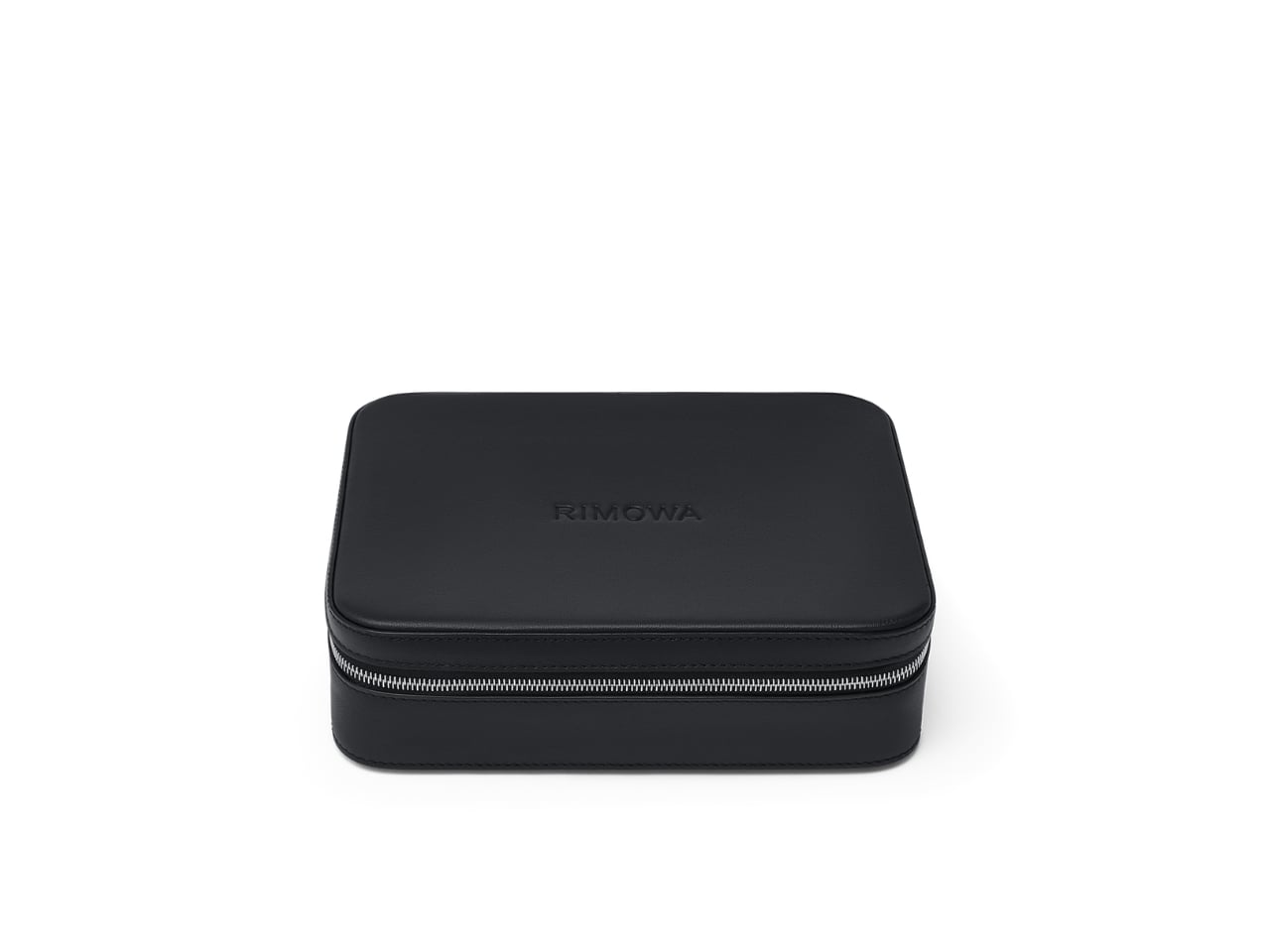
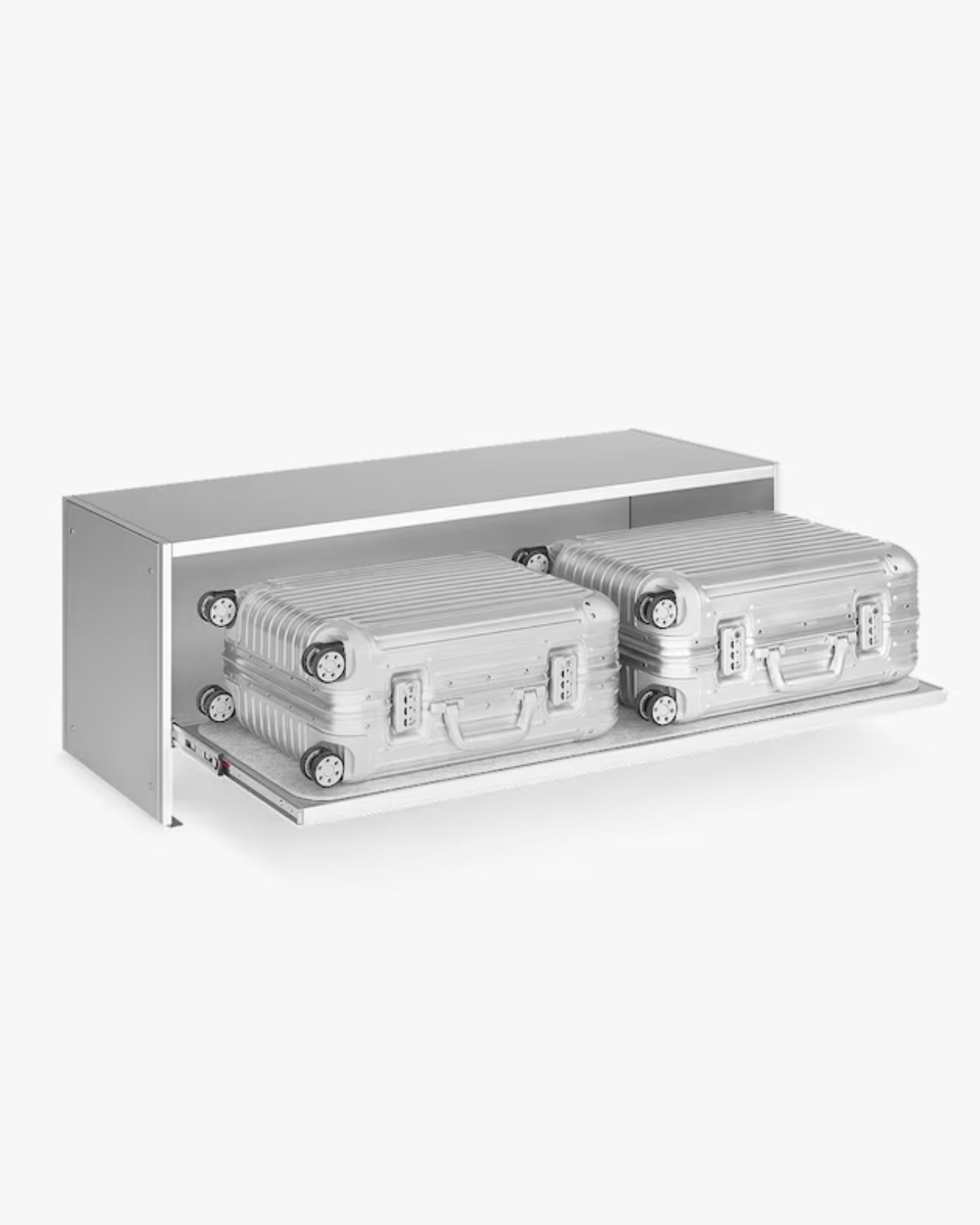
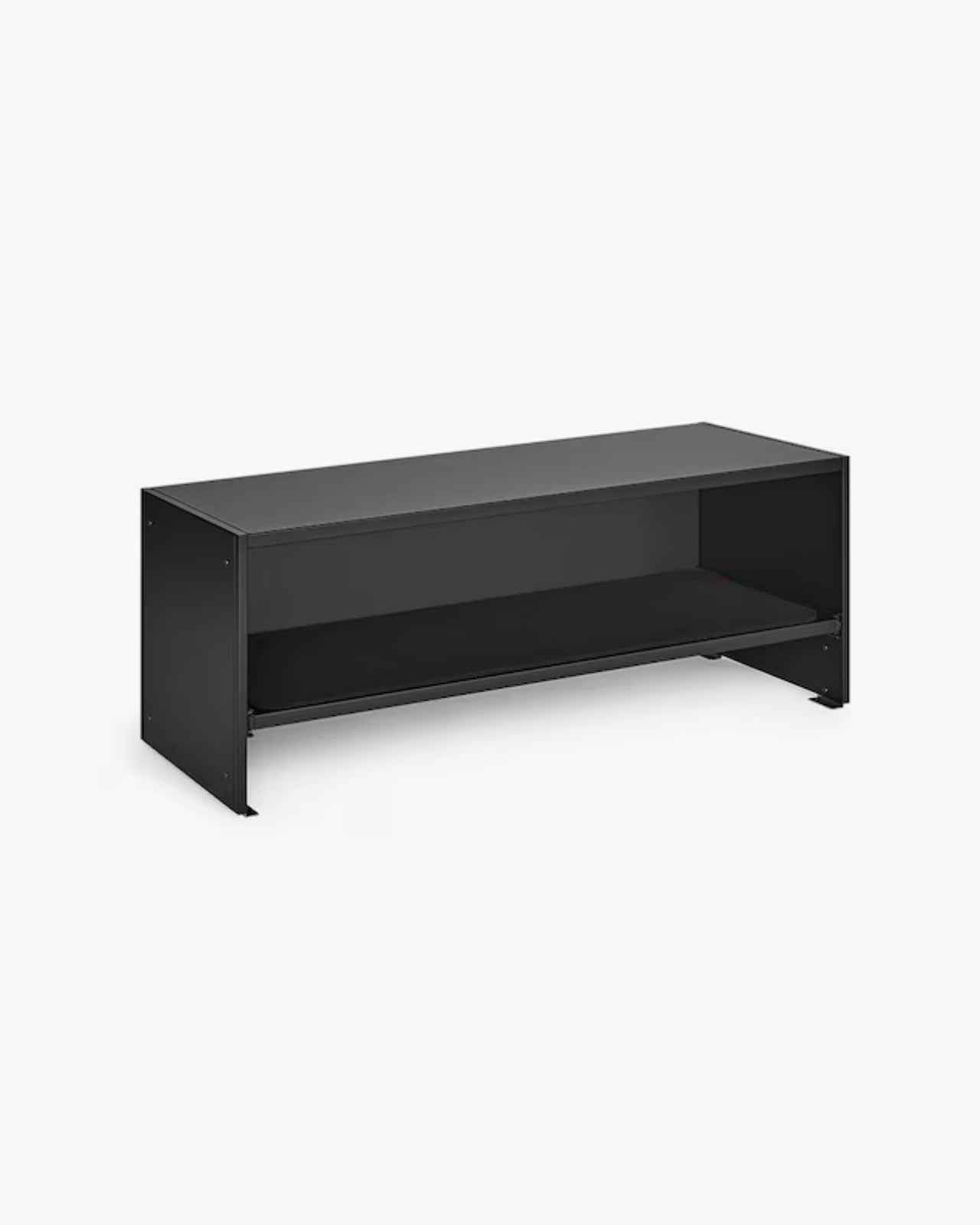
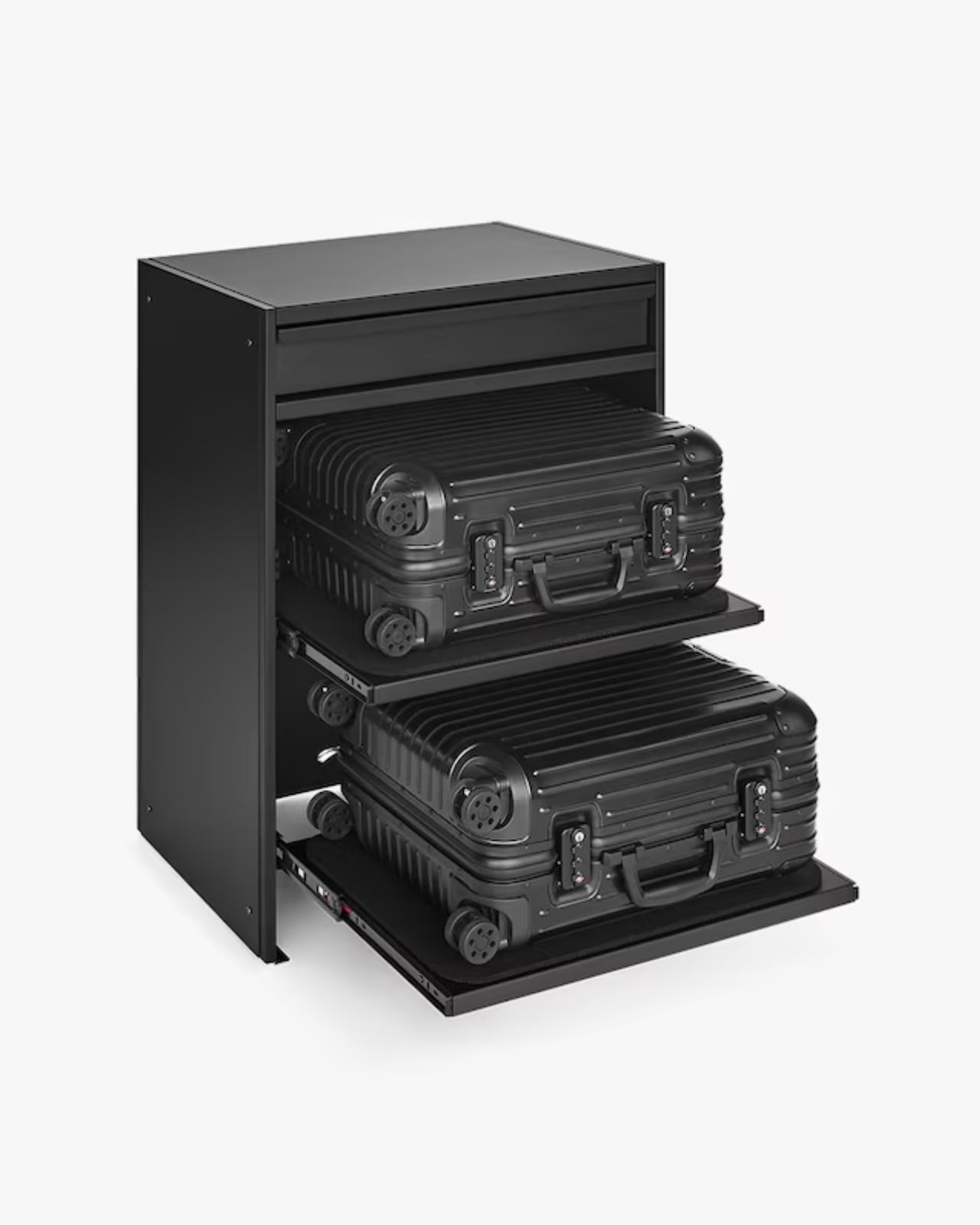
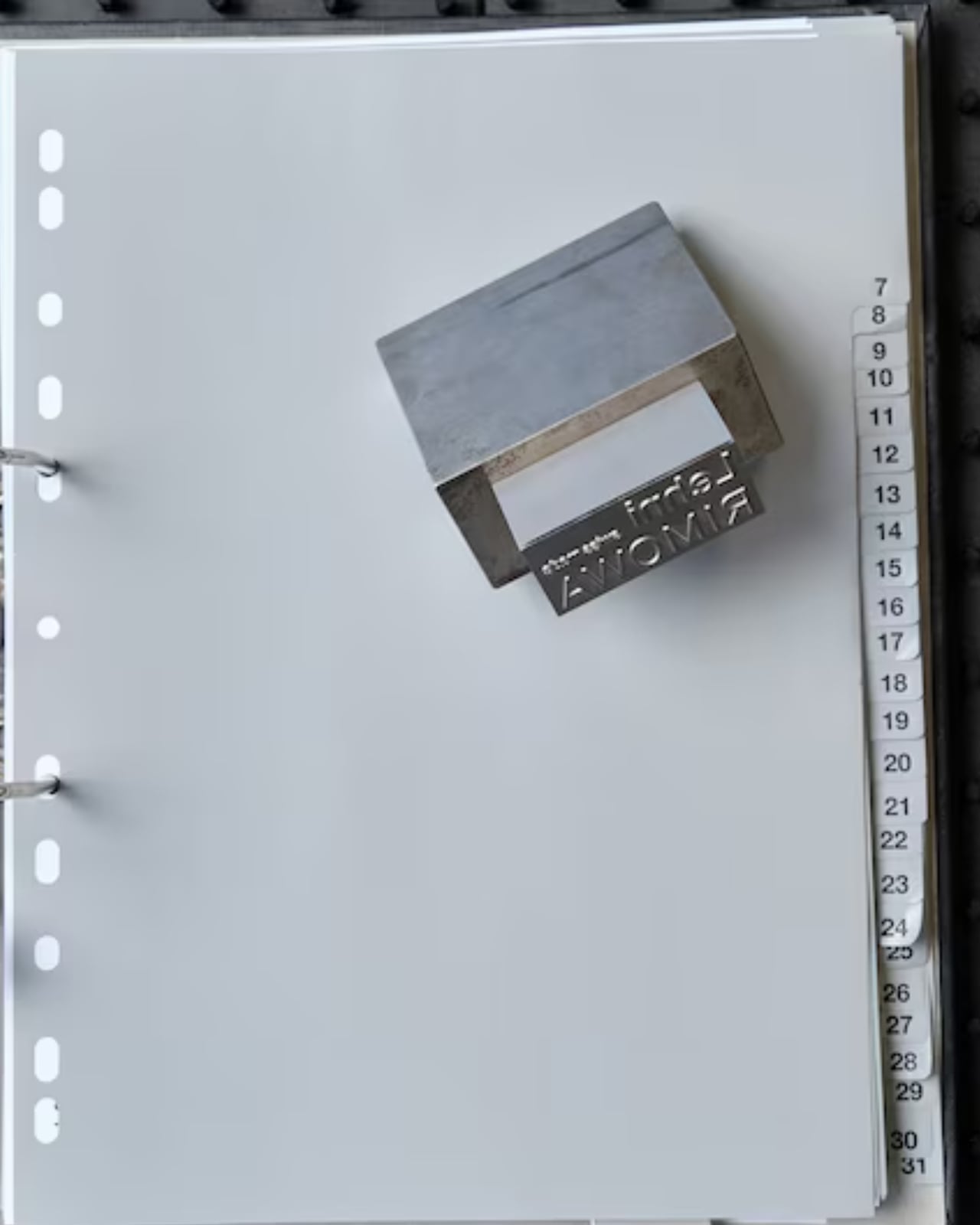
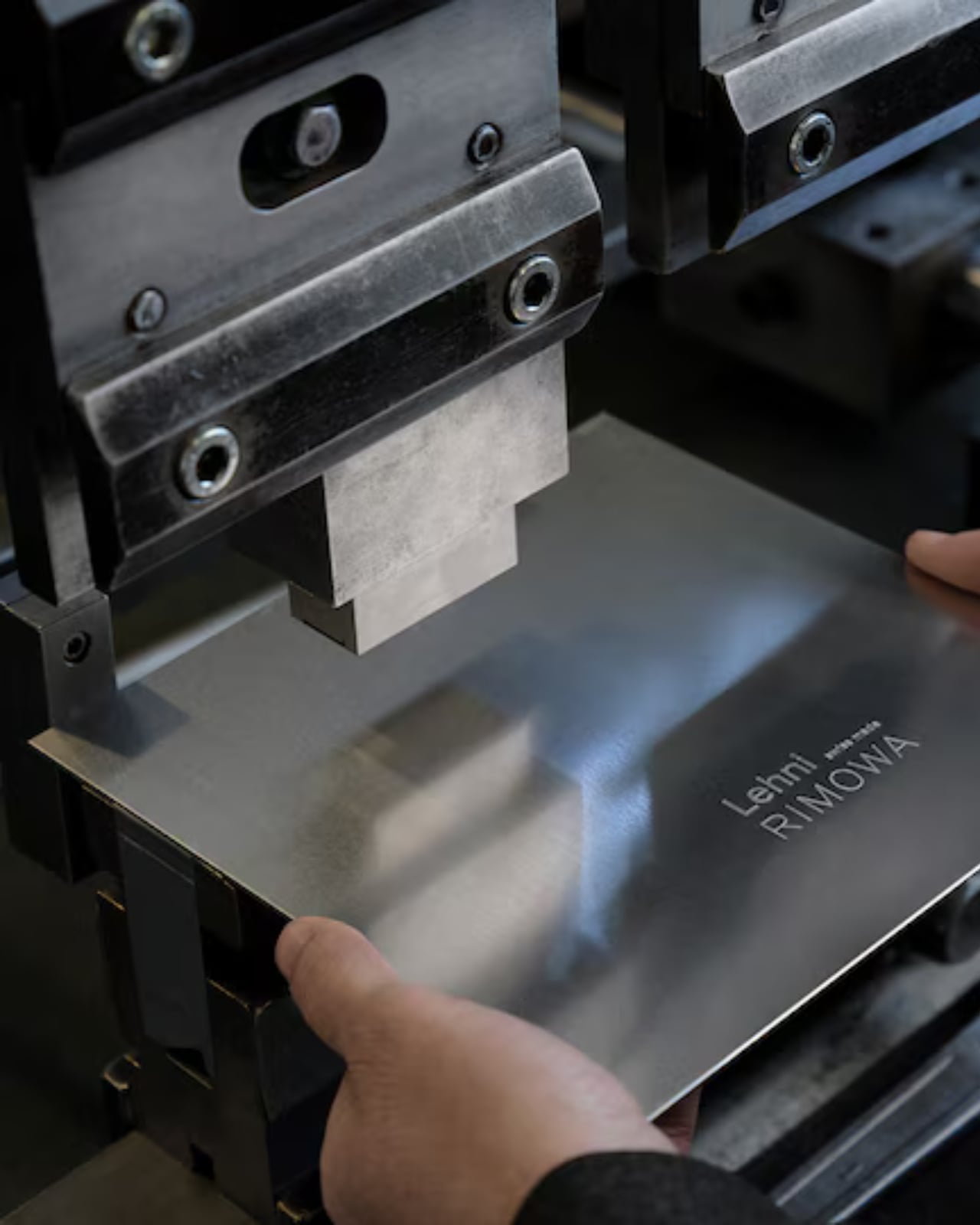
The Bench is an open-shelving unit that holds two cabin-sized suitcases side by side. It is clean, low-slung, and just architectural enough to look at home next to a mid-century credenza or a spare Scandinavian sofa. The Drawer offers a different kind of storage: a sculptural, closed-frame unit with a built-in drawer for smaller items. Both pieces come in silver and black anodized aluminum, and both carry the embossed Grid pattern that echoes the grooved exterior of a classic Rimowa Original. That detail is not accidental. It’s the kind of material continuity that makes a collection feel cohesive rather than like a brand licensing deal gone slightly off the rails.

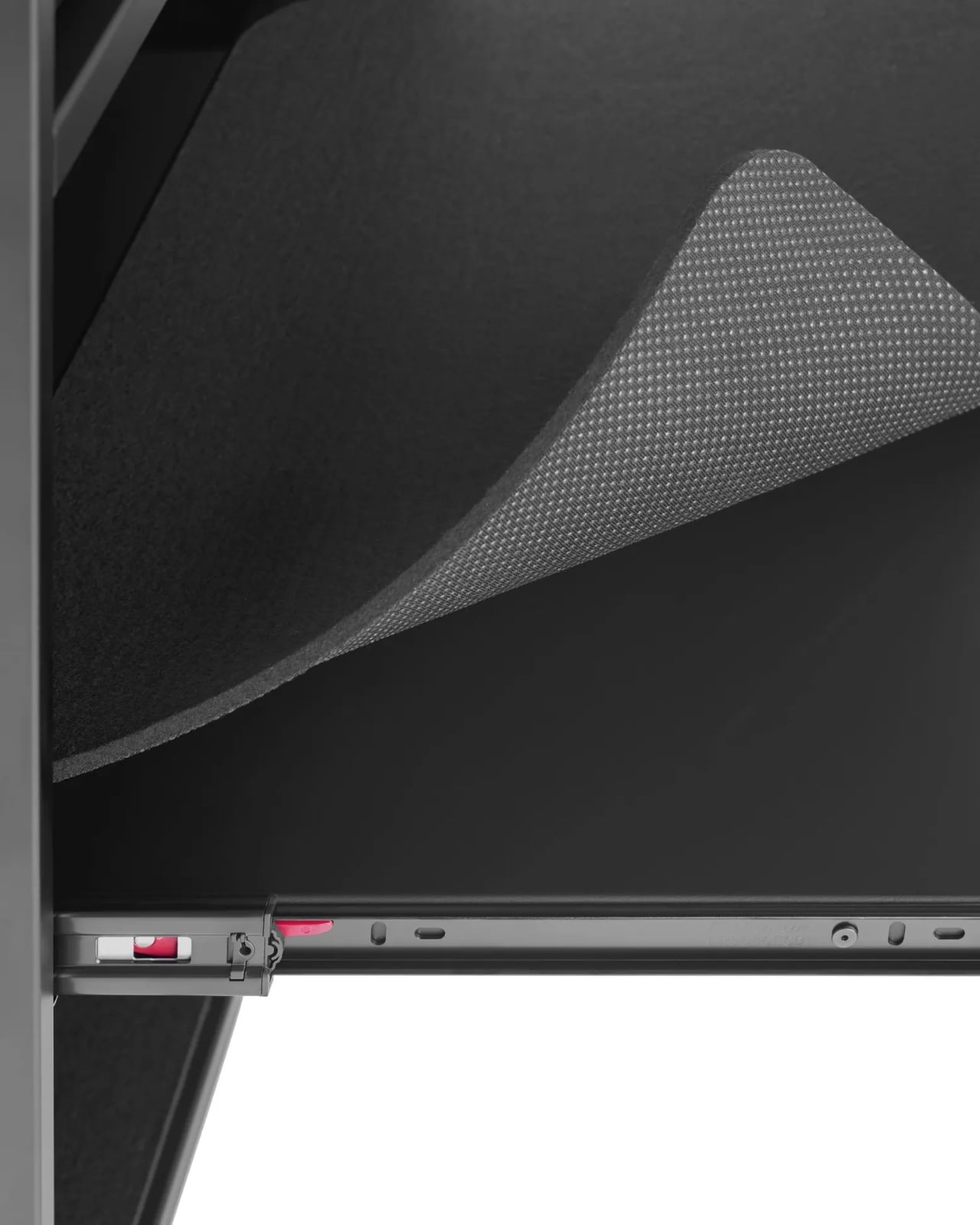
The craft side of this is worth paying attention to. Lehni has been working with aluminum since 1922, when Rudolf Lehni opened a sheet metal workshop in Zürich that quickly became a gathering place for artists and architects. That legacy still shows. Today, the company is run by the fourth generation of the Lehni family out of Dübendorf, and every piece is handmade in their Zurich factory. Each shelf on the Bench, for instance, is lined with a specially developed scratch-resistant felt mat to protect the cases stored on it. You notice that kind of thinking. These are small decisions that add up to something much larger than the sum of their parts.

Rimowa, for its part, has been on a quiet but consistent streak of repositioning itself as something more than a travel brand. The aluminum suitcase has already crossed over into fashion and streetwear culture through collaborations with names like Dior, Supreme, and Porsche. Moving into furniture feels like the next logical step, and frankly, it makes more sense than most luxury crossovers I’ve seen. The material language stays the same. The level of craft stays the same. The only thing that changes is the context, which is exactly what makes this feel like a genuine design idea rather than a marketing exercise.

That said, let’s be real: this is not furniture for everyone. The Bench is priced at $4,275, the collection is limited-edition, and in the US it’s only available in the continental states by contacting Rimowa’s client services directly. There’s no add-to-cart button. That purchasing friction is intentional, and it’s the kind of intentional that has a very specific audience in mind: the person who already owns the suitcase, already loves it, and wants their home to reflect the same aesthetic sensibility. I don’t think that’s a bad audience to build for. Niche, yes. But well-defined.

My honest take is that the Rimowa Lehni collection succeeds because it doesn’t try to explain itself too hard. It doesn’t need to. Two brands that both work in aluminum, both care about precision, and both have long histories with good design sat down and made something that looks exactly like what you’d expect from that pairing. The result is a bench and a drawer that feel less like a product launch and more like an obvious conclusion. Sometimes the best collaborations aren’t the surprising ones. They’re the ones that make you wonder why it took this long.

The post Rimowa Just Made the Classiest Excuse to Never Unpack first appeared on Yanko Design.

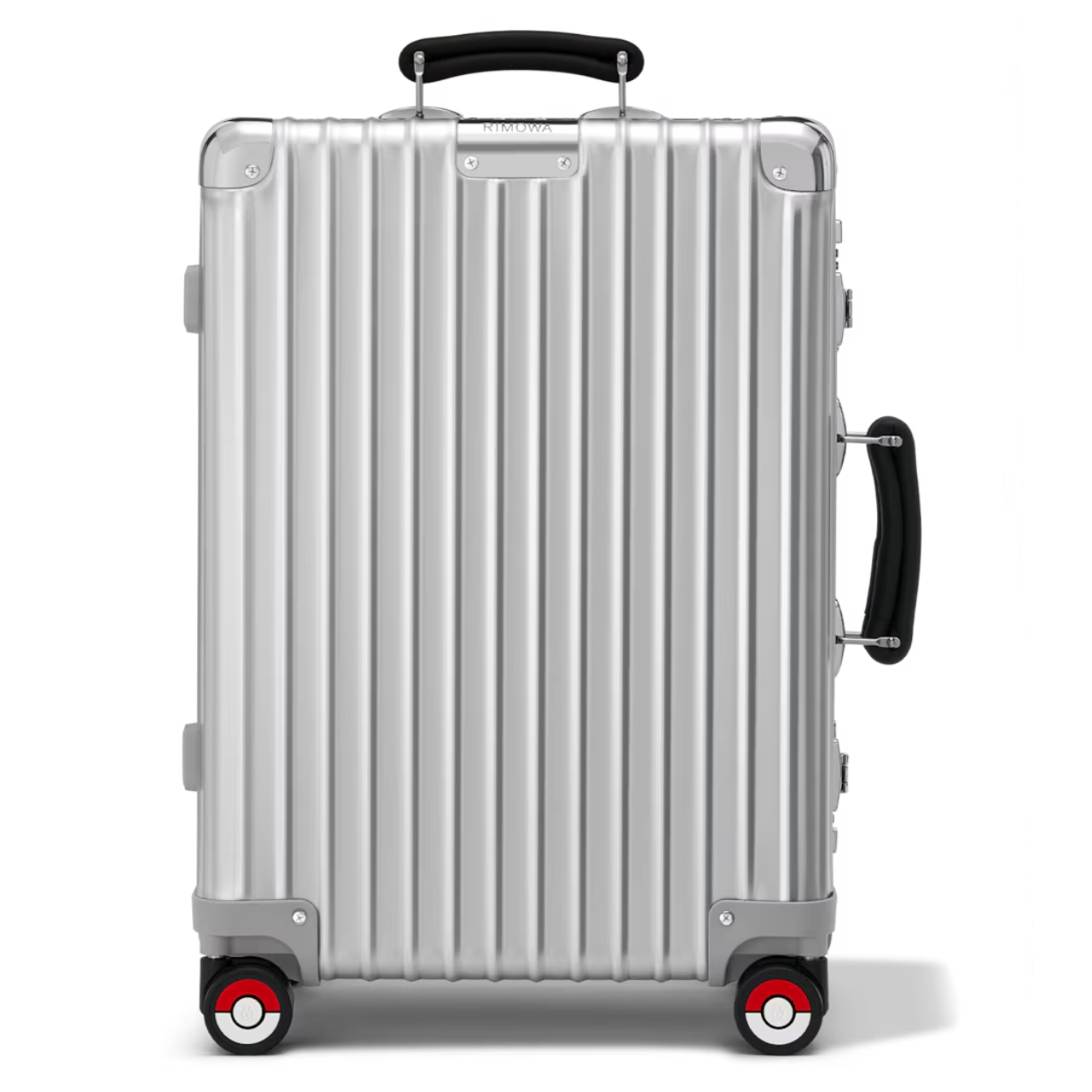
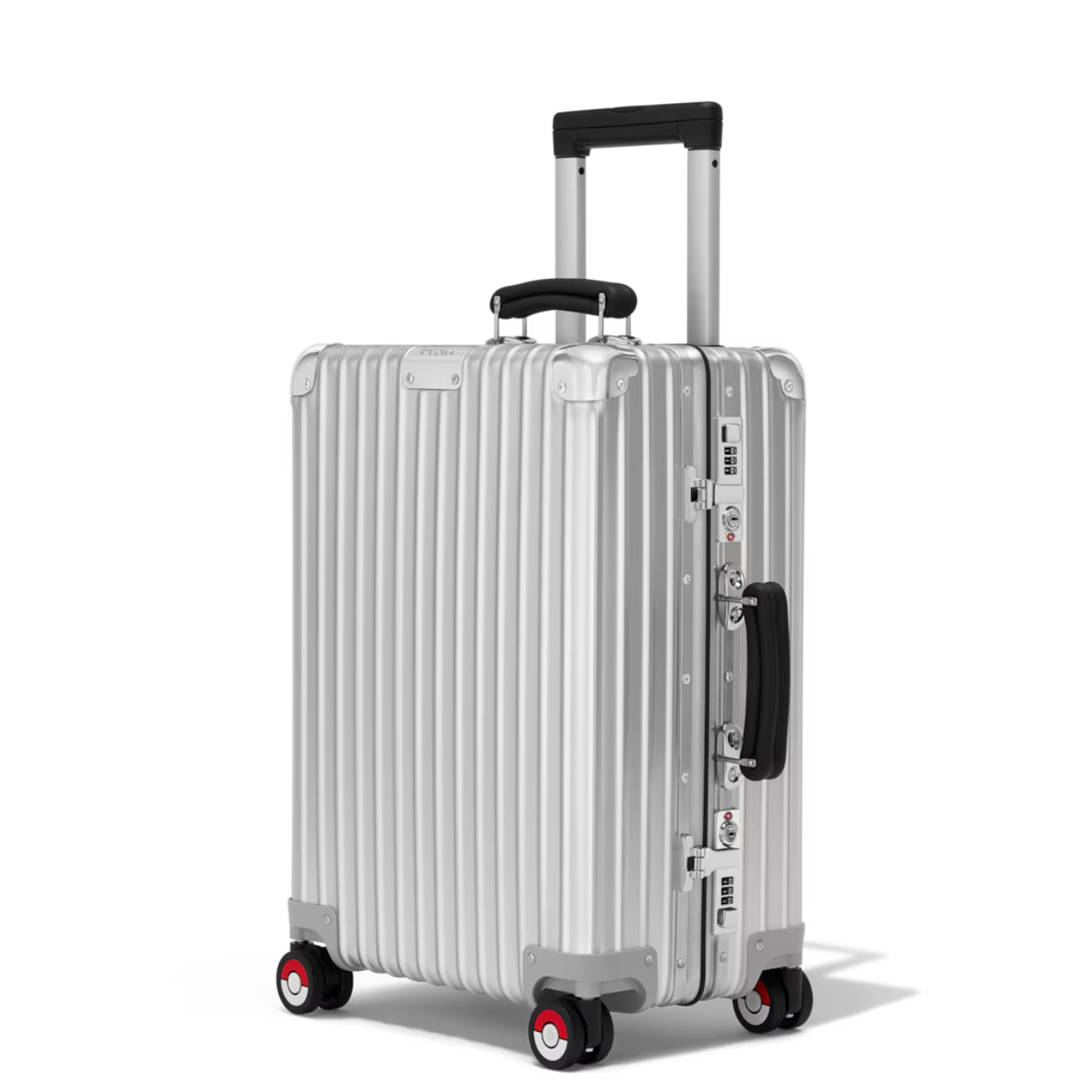
Rimowa Classic Aluminium Grid Revives a Forgotten 1969 Design

Most luggage brands don’t have a 127-year-old story to draw from. Rimowa does, and it seems to know exactly when it’s worth pulling from that history and when to let the present speak for itself. With the Classic Aluminium Grid, they’ve clearly decided the archive deserves a second act.

The Classic Aluminium Grid is the German brand’s latest limited-edition release, and it’s generating the kind of quiet excitement that reserved design circles usually save for restored mid-century furniture or a first-edition book that resurfaces at auction. The reason is simple: Rimowa didn’t just design something new. They reached back to 1969, pulled out a hand-carry case design that had been sitting in their archives, and asked what it would look like today if it were treated with the same reverence they give to the grooves.

Designer: Rimowa

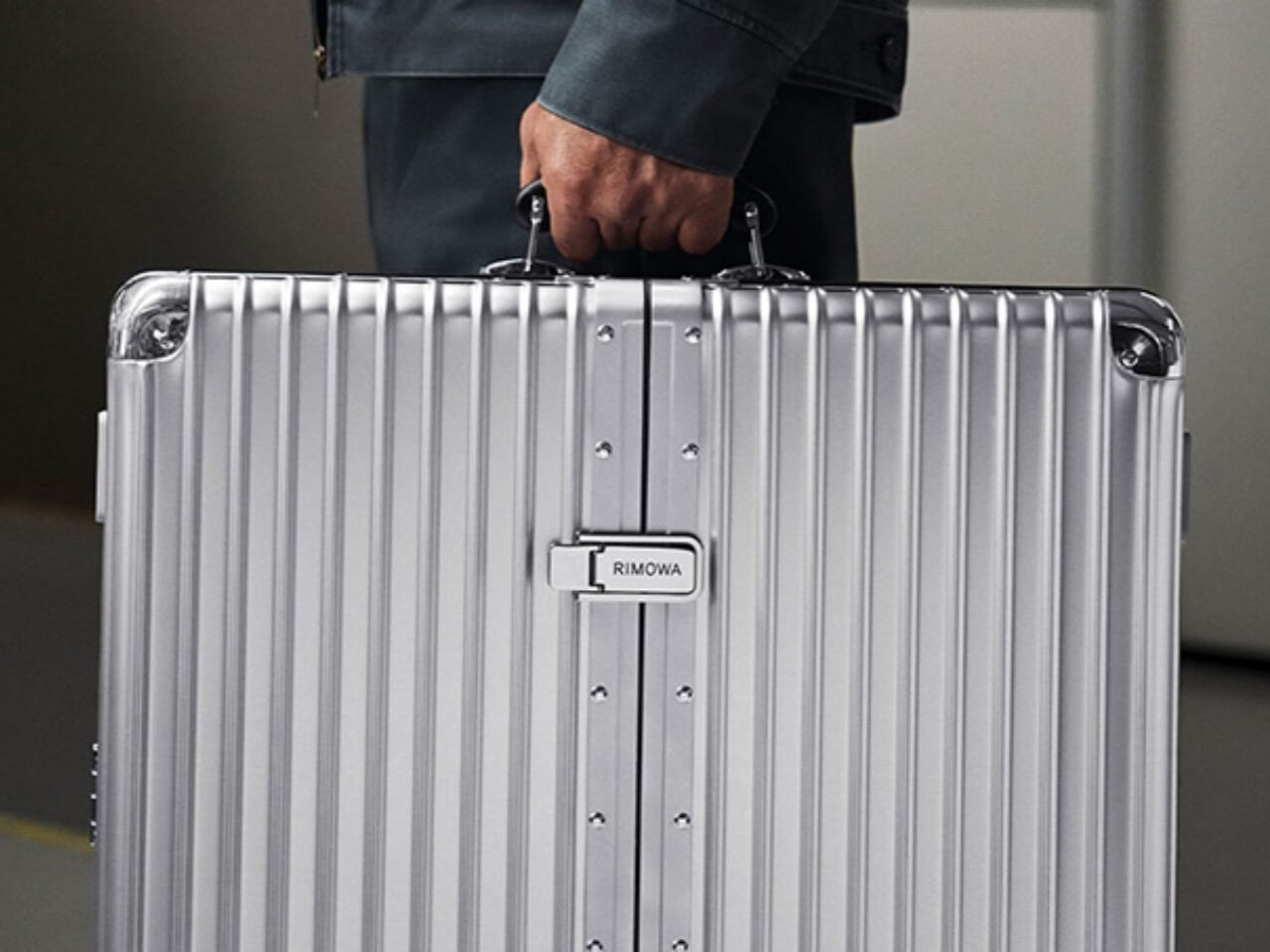
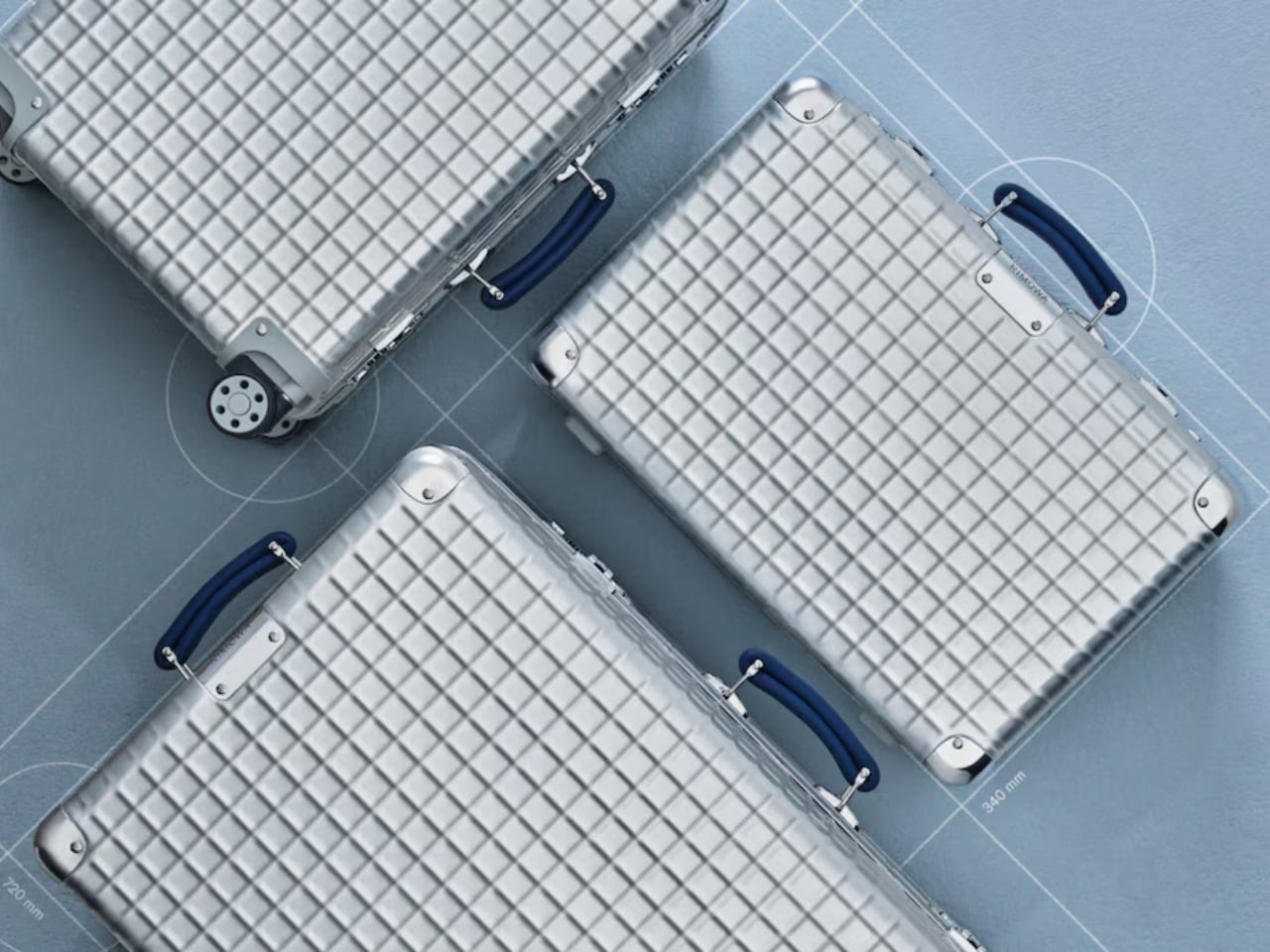
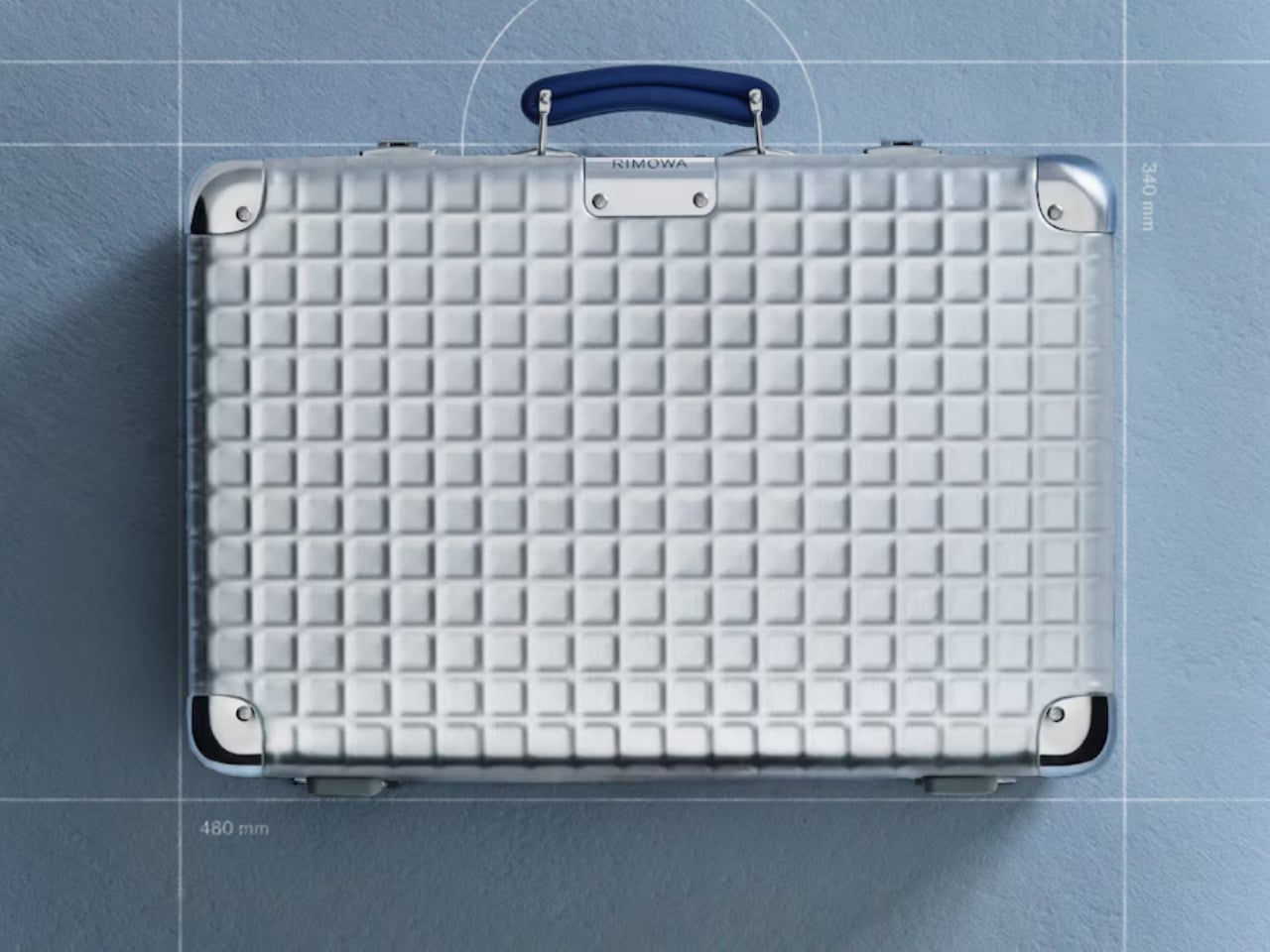
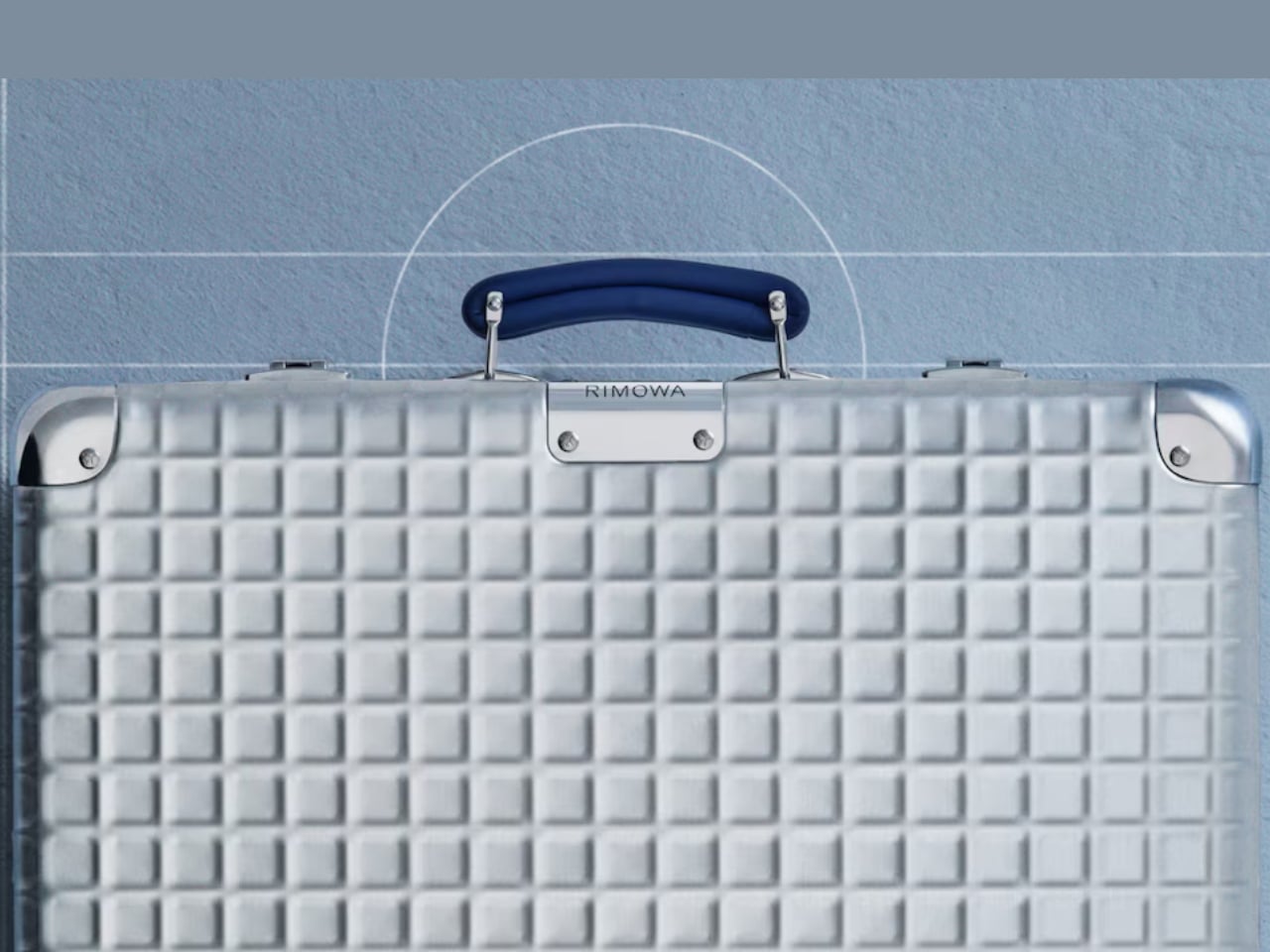
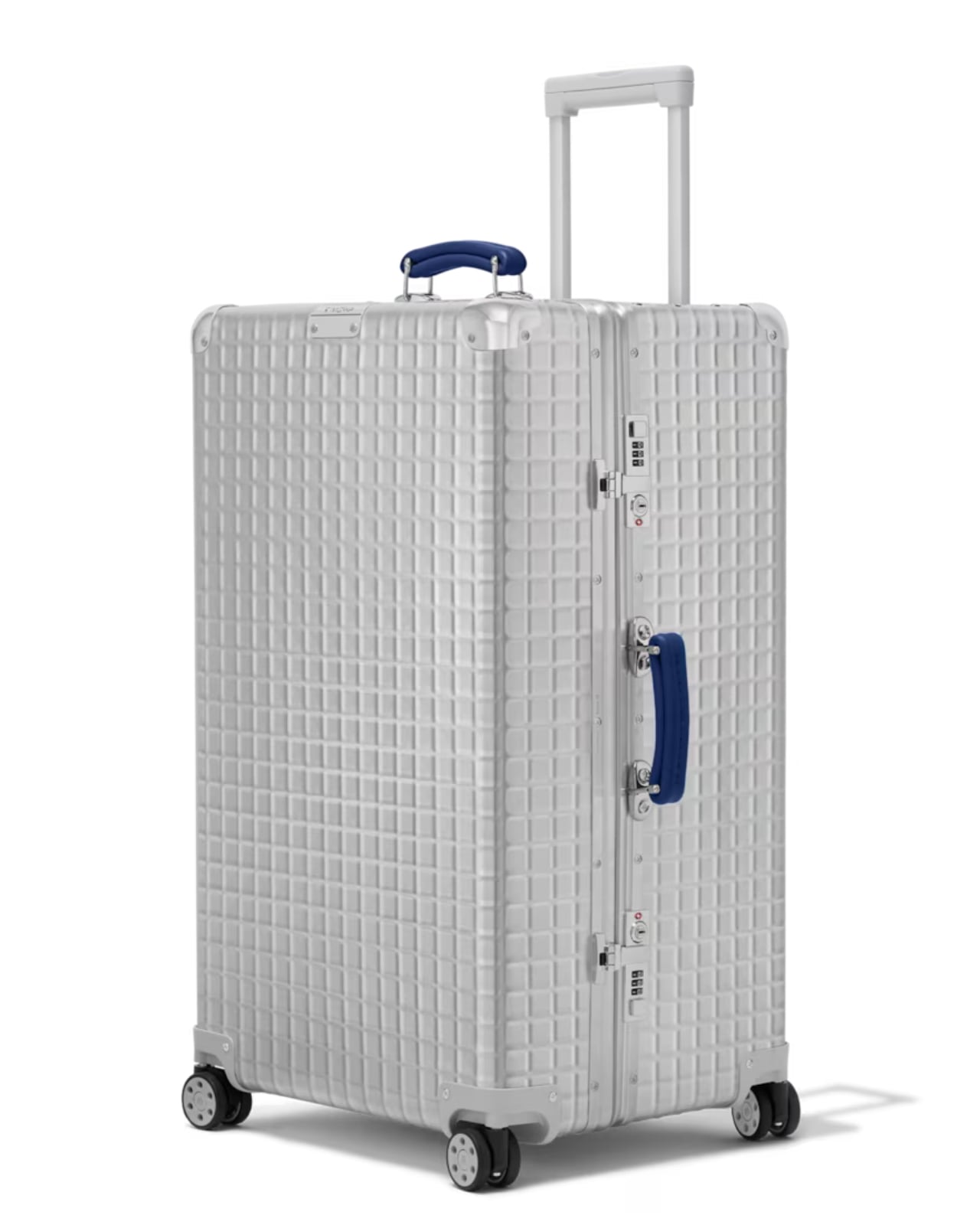
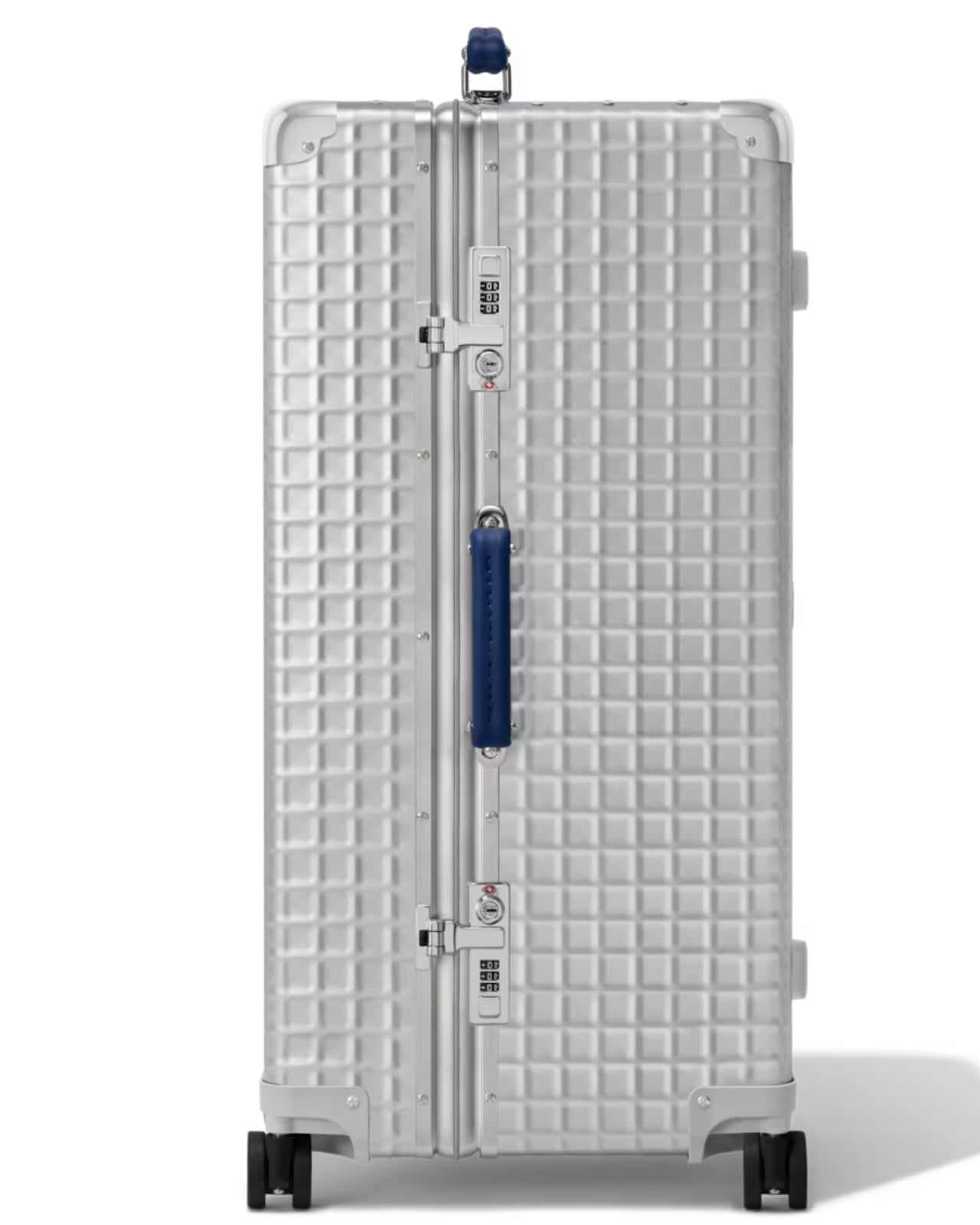
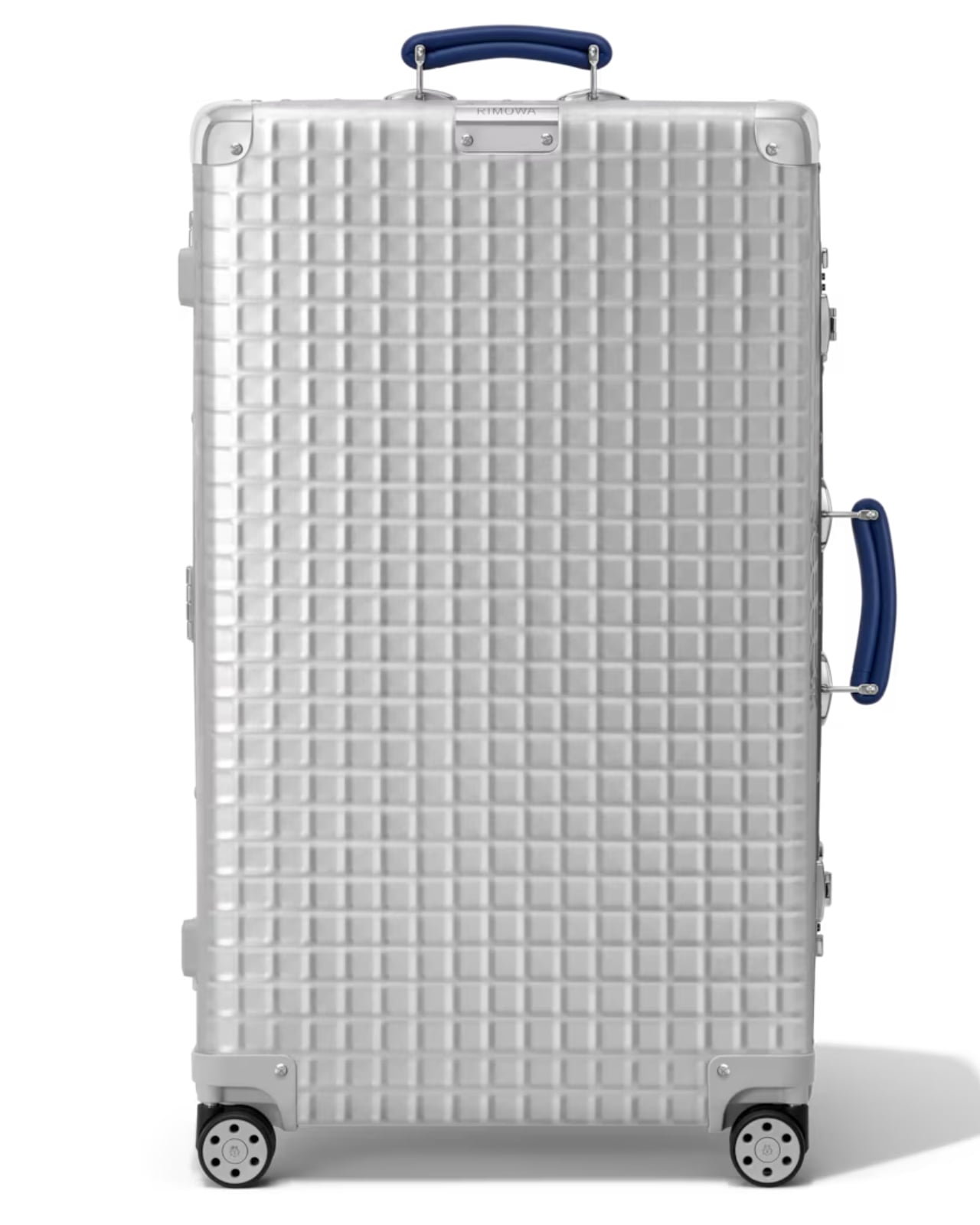
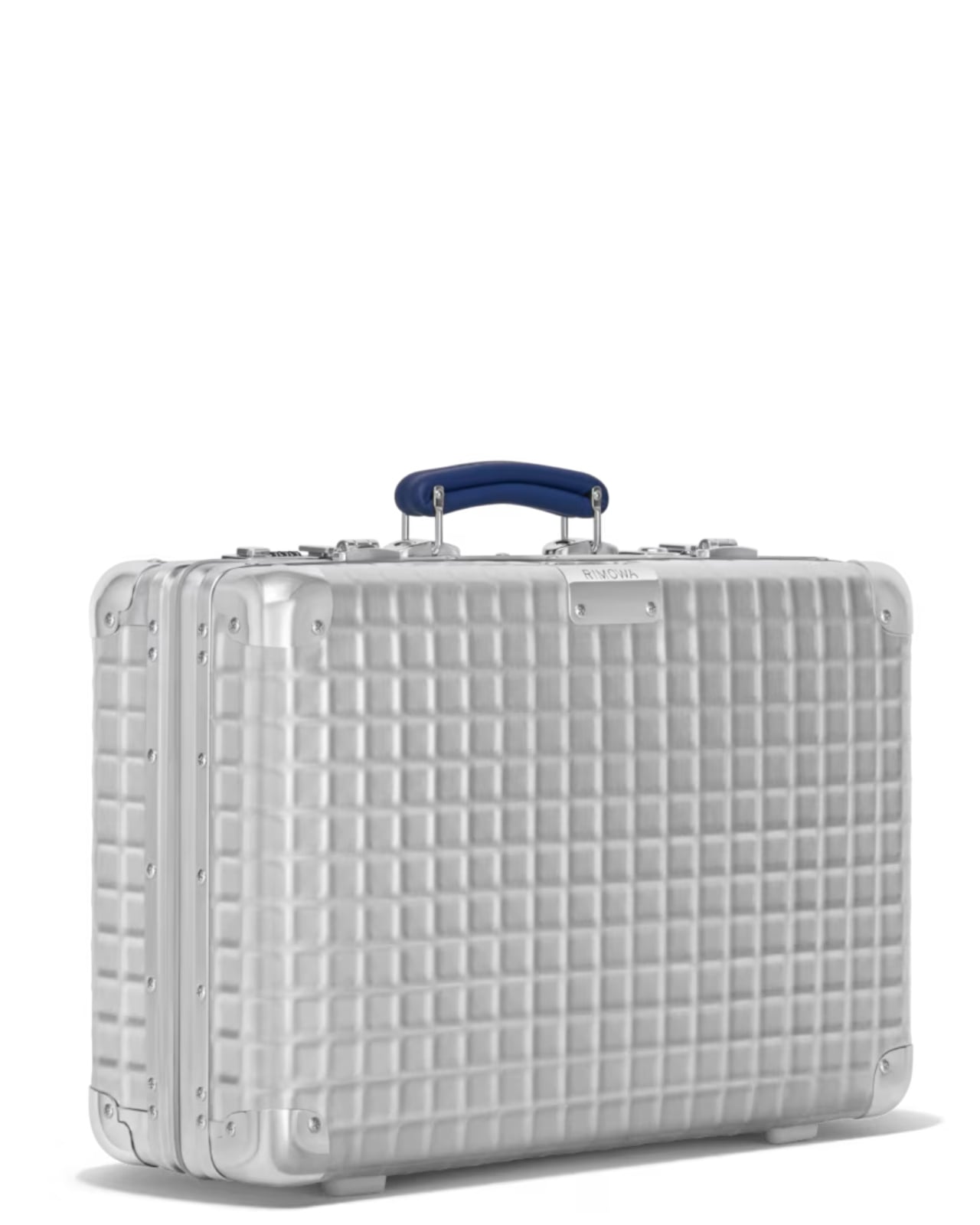
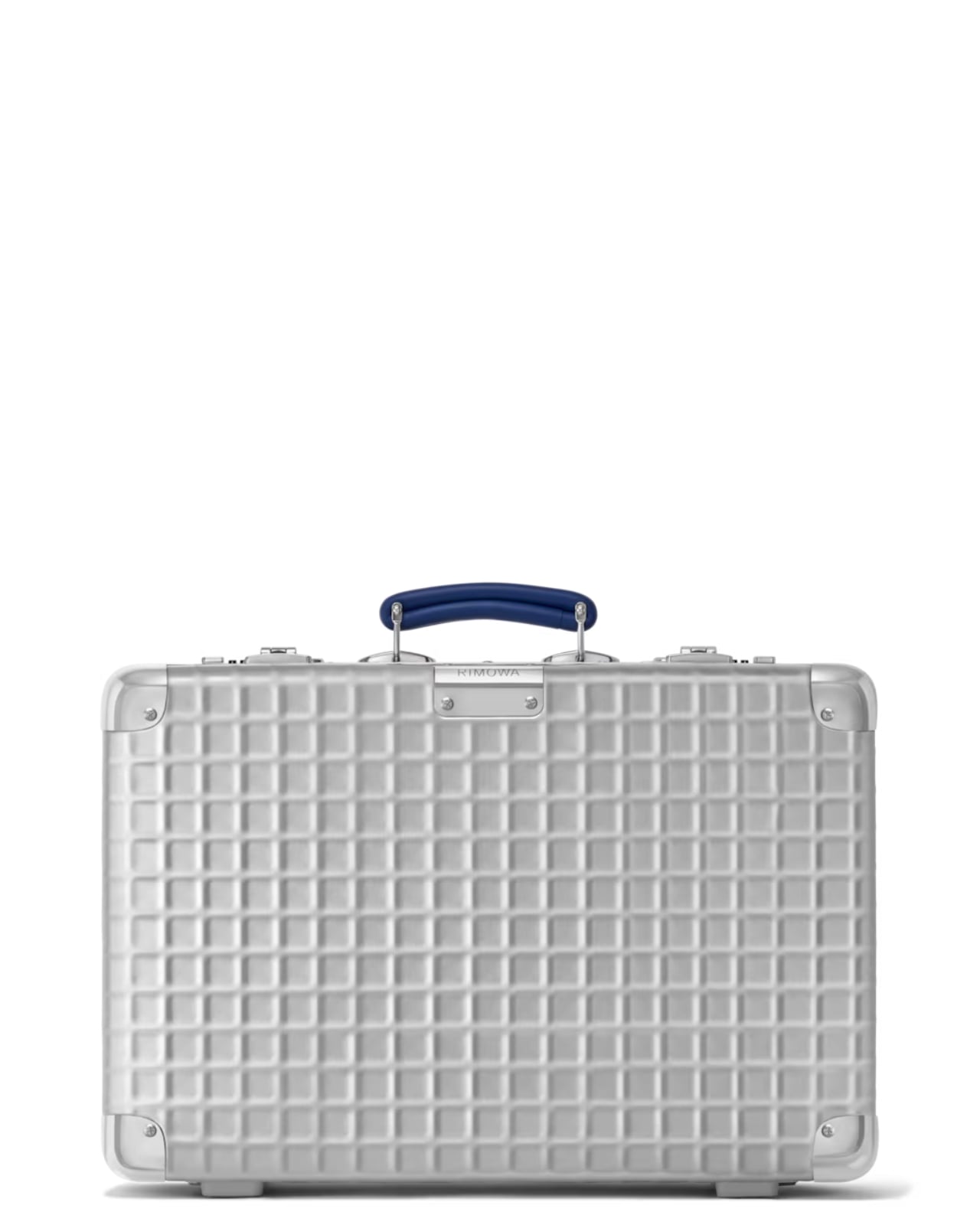
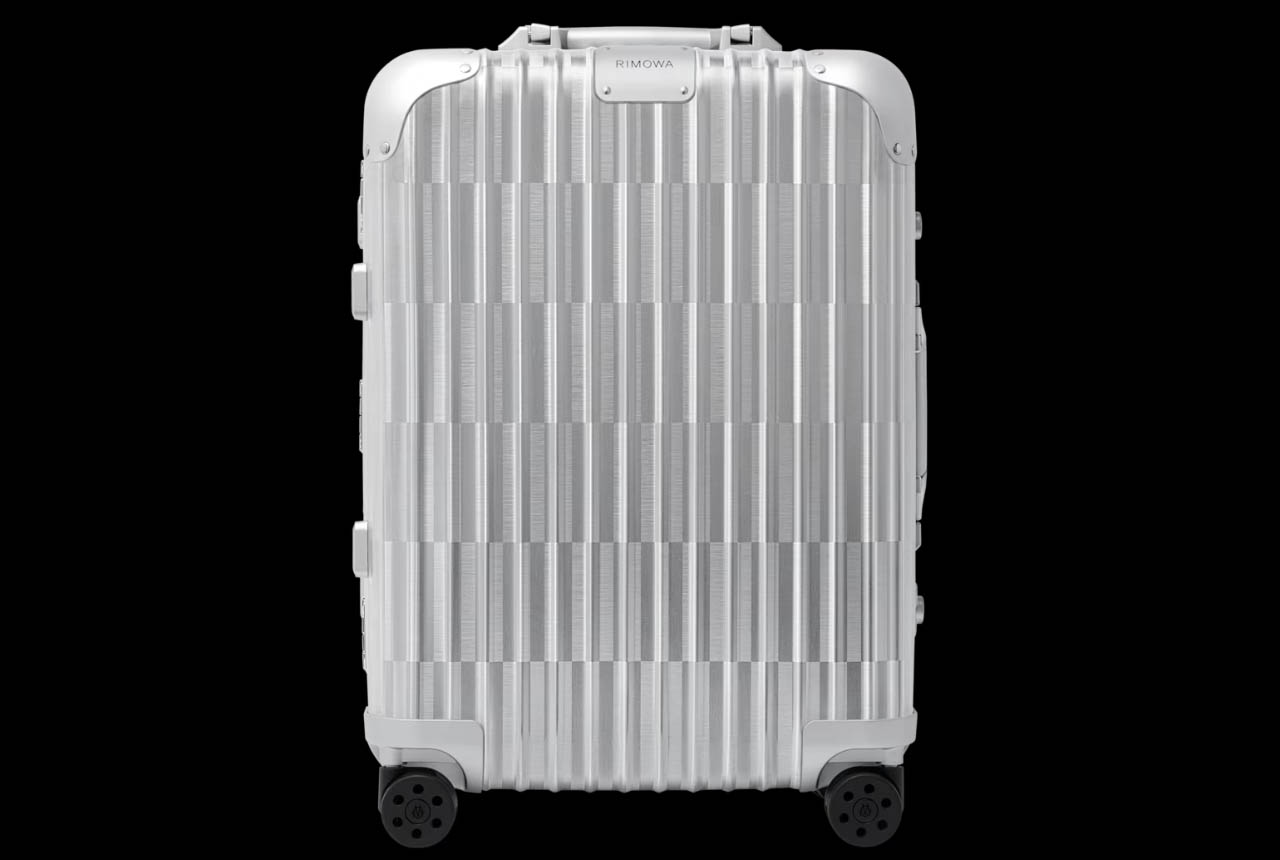
That grooved shell, by the way, is practically synonymous with the brand itself. You know a Rimowa from across an airport terminal. Those parallel ridges running down the aluminium surface are one of the most recognizable design signatures in travel goods, and they’ve been that way for decades. So when the brand quietly steps away from them and replaces the lines with a grid, a structured, geometric, embossed pattern pressed right into the aluminium shell, it feels like a real statement. It’s not a gimmick. It’s a choice that speaks to a different kind of confidence.

The grid comes from a real place. In 1969, Rimowa was producing hand-carry cases featuring this geometric pattern: practical, modular, and rooted in the kind of technical precision that defined that era’s design thinking. There’s a reason so much design from that decade still holds up. It wasn’t chasing aesthetics for their own sake. Form followed function, and it did so elegantly. Reviving that spirit in 2026 doesn’t read as nostalgia pandering. It reads as a brand that knows exactly where its DNA lives and isn’t afraid to dig for it.

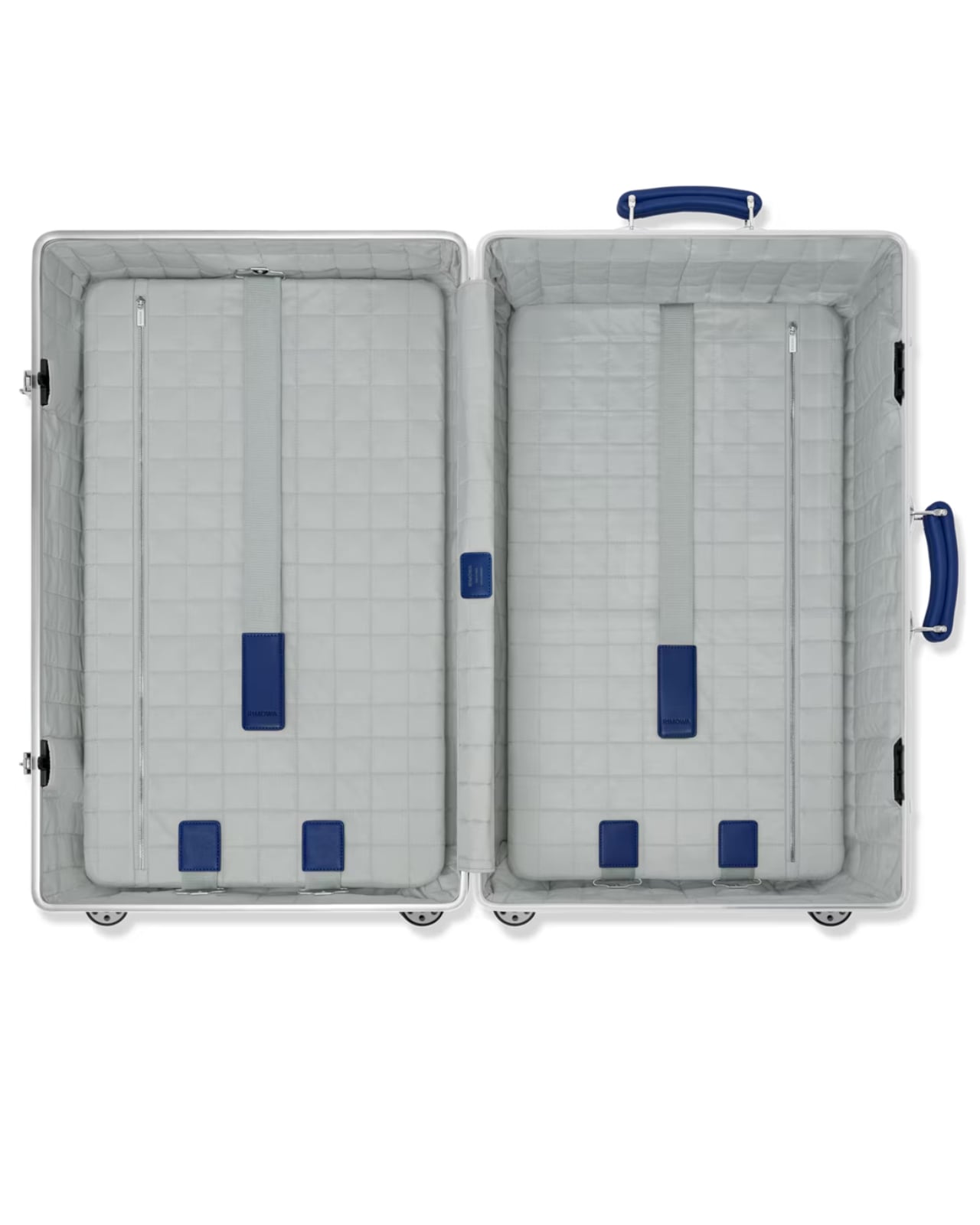
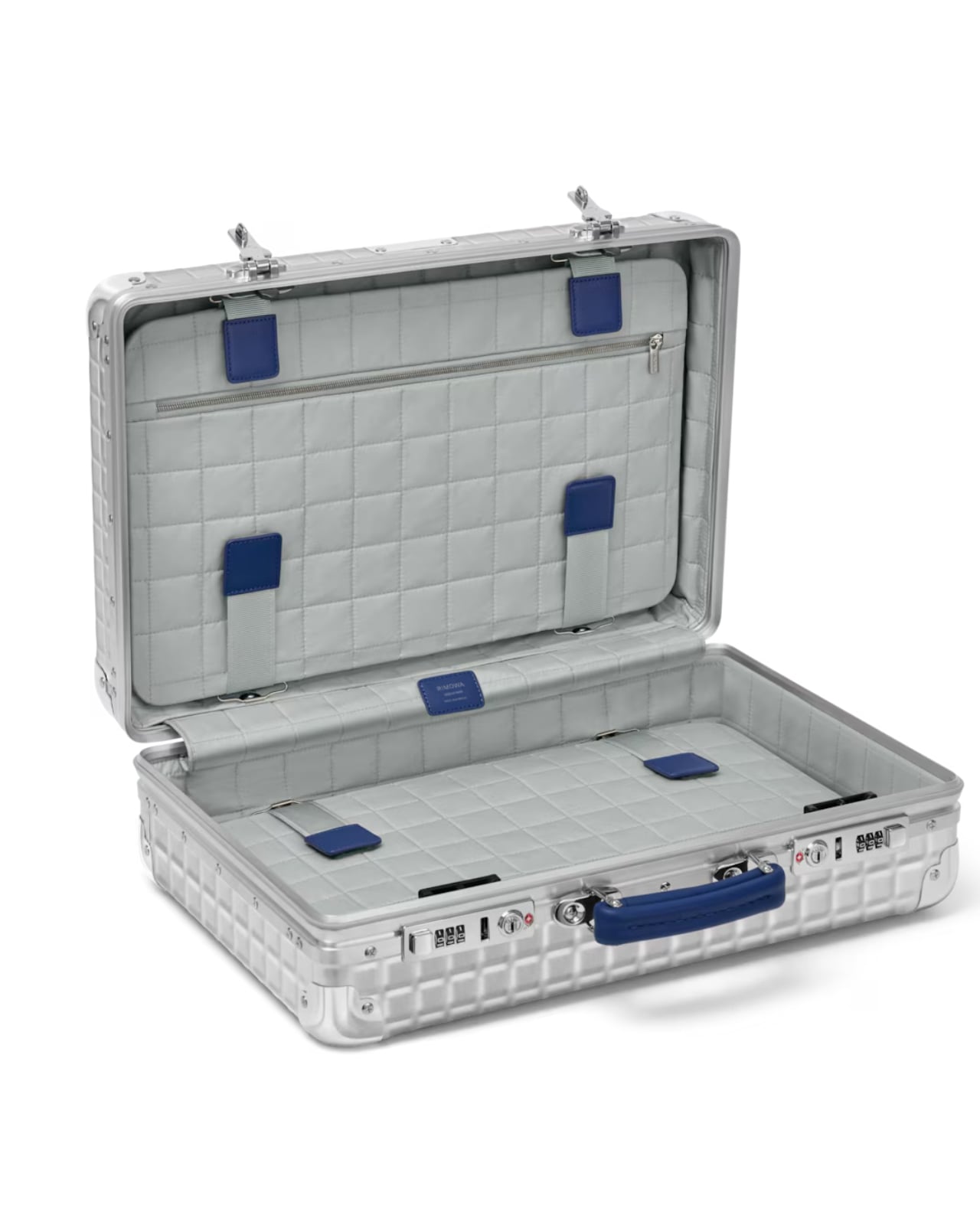
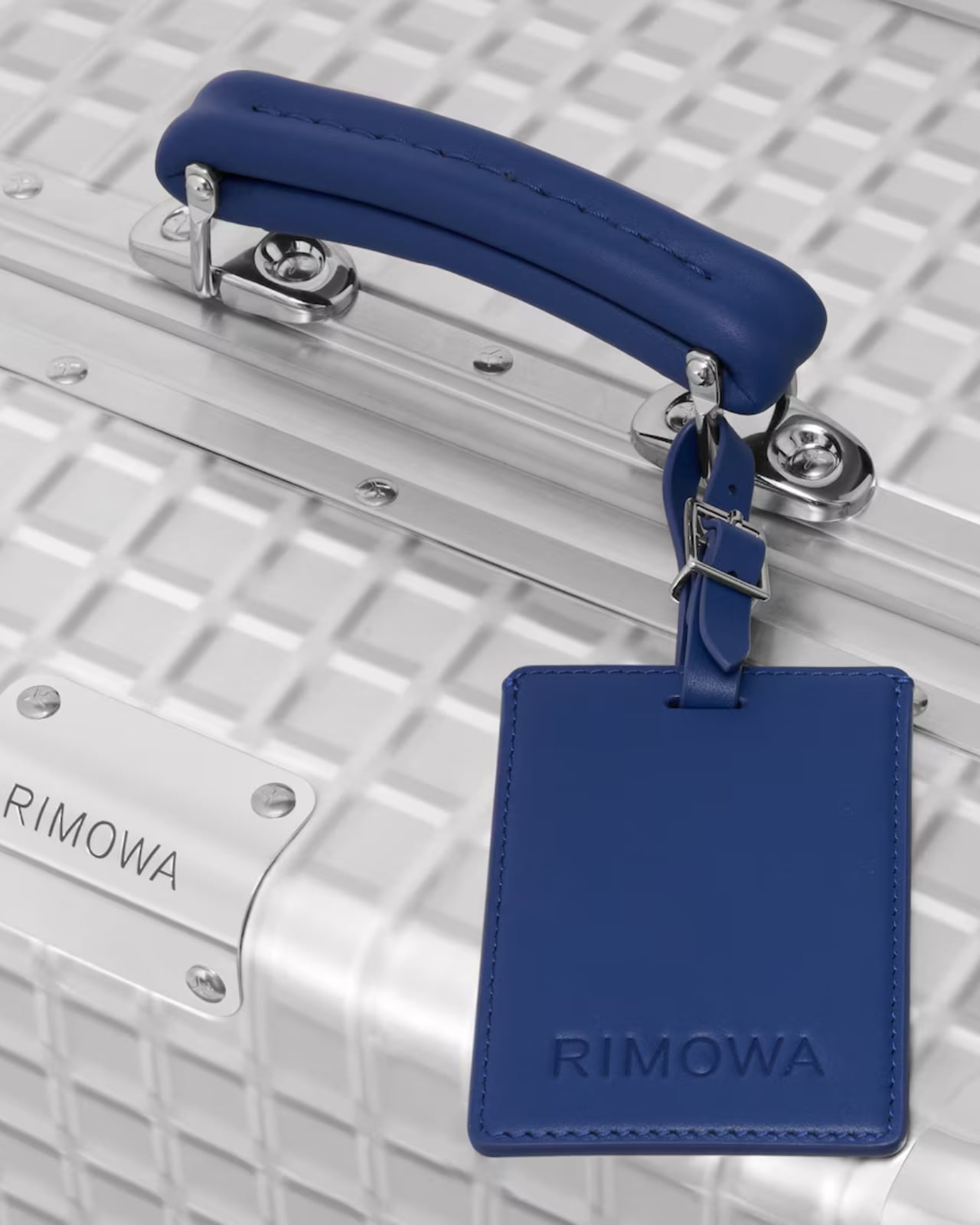
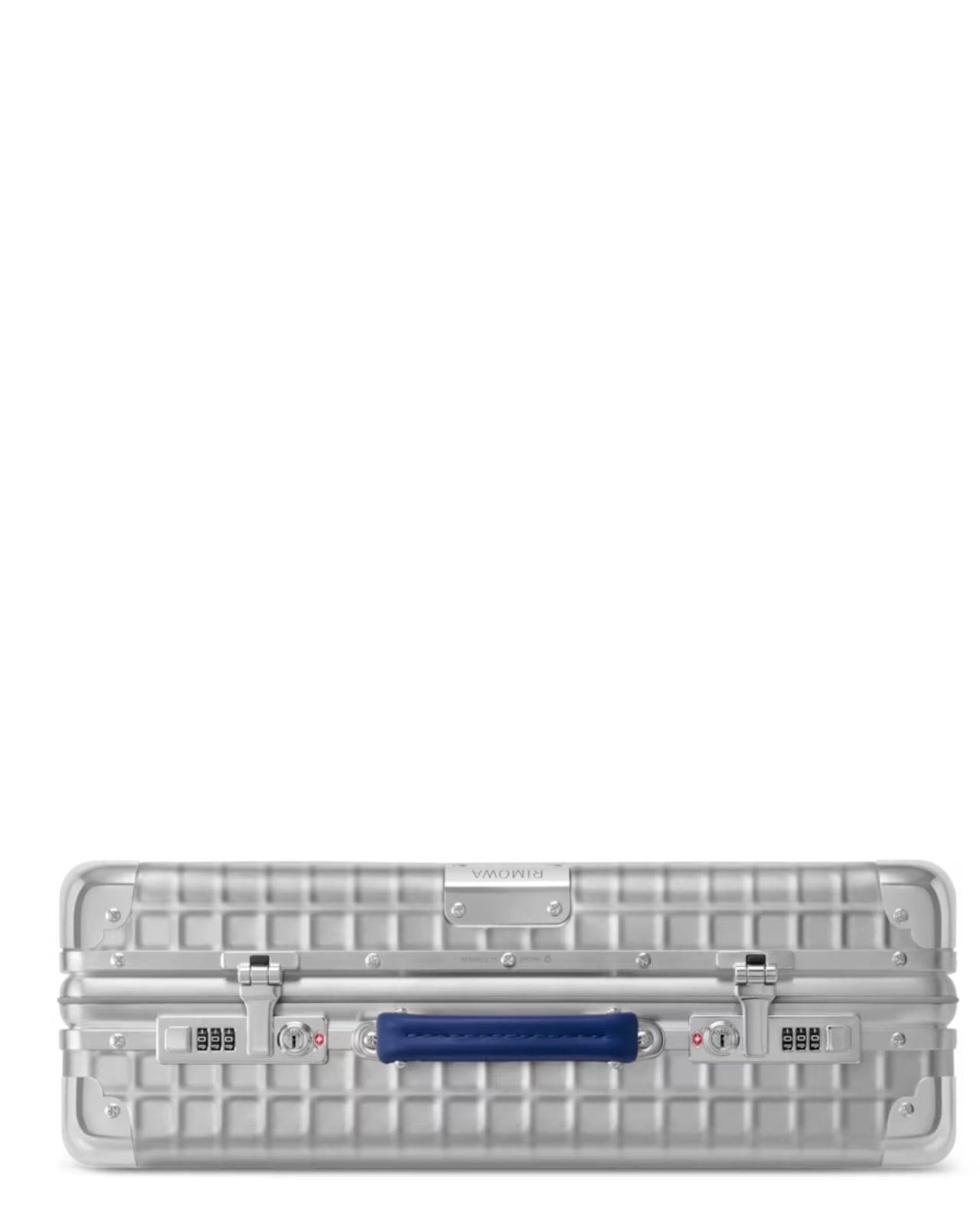
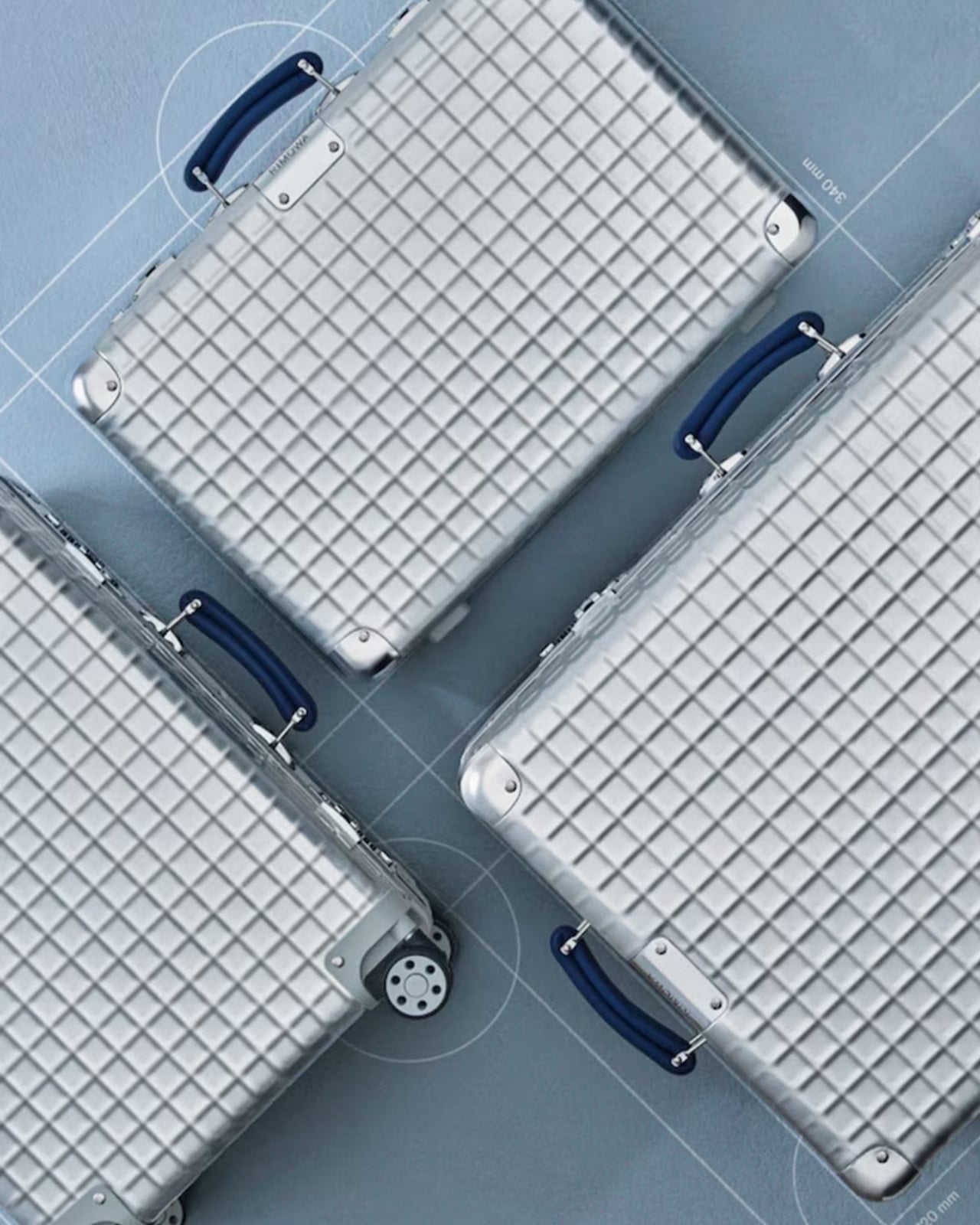
The collection comes in three sizes: the Classic Hand-Carry Case, the Classic Cabin, and the Classic Trunk. All three are made in Cologne, Germany, which matters more than it might seem. Manufacturing location is one of those details that’s easy to gloss over until you’re actually holding the product, and with Rimowa, the German-made quality is part of the whole point. The embossed grid pattern, the blue leather handles, the individually numbered serial number patch on each case: these aren’t details you’d notice in a thumbnail. They’re details you notice after living with the piece and realising it only gets better over time.

And yes, price matters here. The Classic Aluminium Grid sits in the $2,725 to $3,225 range, which puts it firmly in the territory of deliberate, considered purchasing. That’s not casual spending, and it shouldn’t be. This is the kind of purchase that functions as an heirloom more than a travel accessory, something you keep, care for, and eventually pass along. The lifetime guarantee Rimowa extends to all its suitcases reinforces that framing. They’re not selling you a bag built for a few trips. They’re selling you something built to outlast most things currently in your home.

What makes this collection feel genuinely compelling rather than just another limited drop is the restraint behind it. Rimowa didn’t add bright colour for the sake of attention. They didn’t partner with a streetwear brand or commission someone’s artwork across the shell. They went to their own archive, found something worth preserving, and let the design carry the weight. The grid is subtle enough that it won’t read as flashy at baggage claim, but anyone paying close attention will recognise it as something different. Something that doesn’t quite look like everything else on the carousel.

That’s a hard balance to strike in design. Loud enough to be interesting, quiet enough to be enduring. The Classic Aluminium Grid lands squarely in that space, and for a brand with over a century of aluminium behind it, that feels less like luck and more like a brand that knows exactly what it’s doing.

The post Rimowa Classic Aluminium Grid Revives a Forgotten 1969 Design first appeared on Yanko Design.
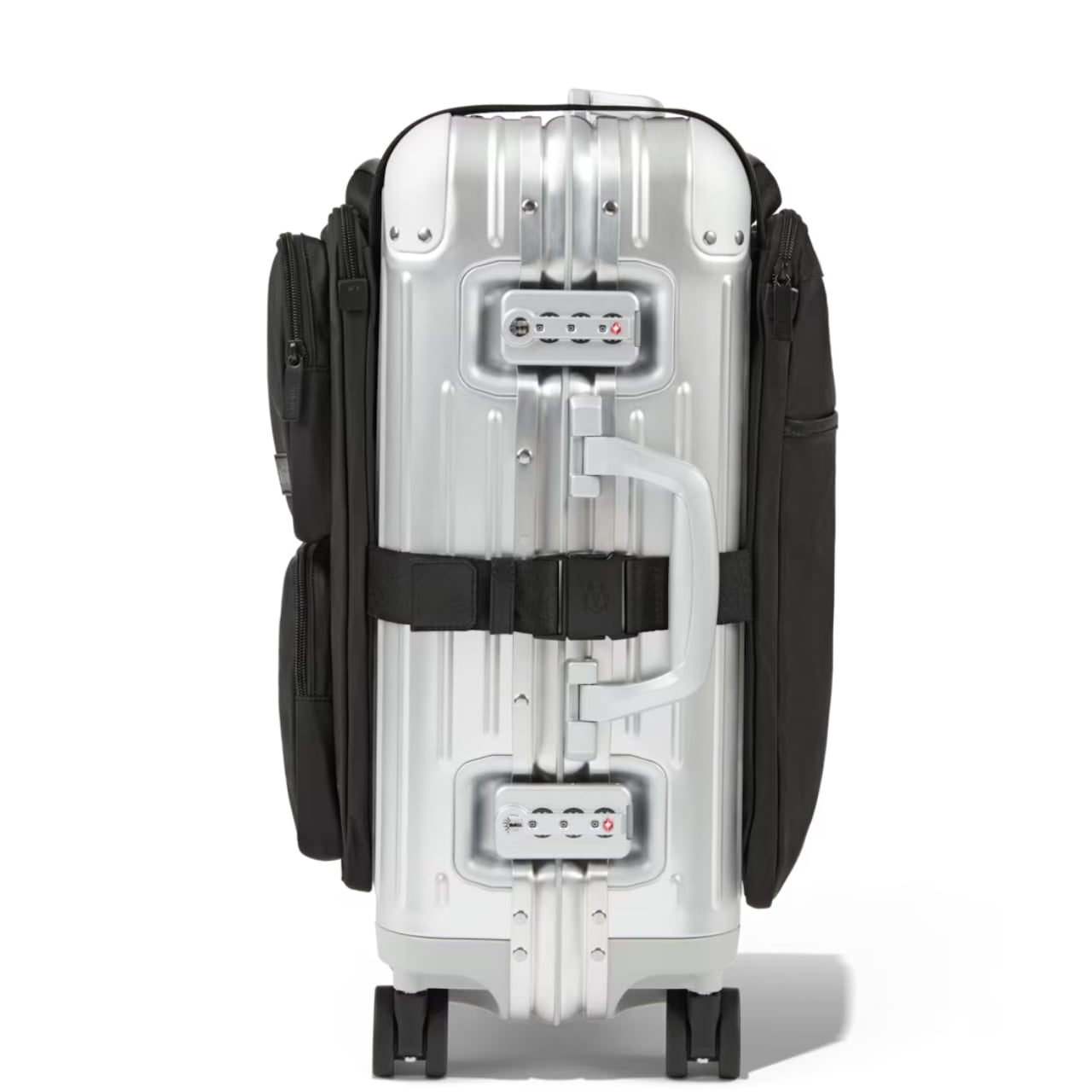
Rimowa Just Built a $450 Bag That’s Actually 3 Bags in One

You know that frantic airport moment when you need your laptop but it’s buried deep in your suitcase? Or when you’re rolling through the terminal juggling a carry-on, a tote bag that keeps slipping off your shoulder, and a coffee that’s about to meet its untimely end? Rimowa just made all of that dramatically less chaotic.

The luxury luggage brand has reimagined its Cabin Luggage Harness with a clever upgrade that transforms it from a simple add-on into something genuinely versatile. This isn’t just another travel accessory trying to justify its existence. It’s a three-in-one design that actually makes sense for how we move through airports and cities today.

Designer: Rimowa

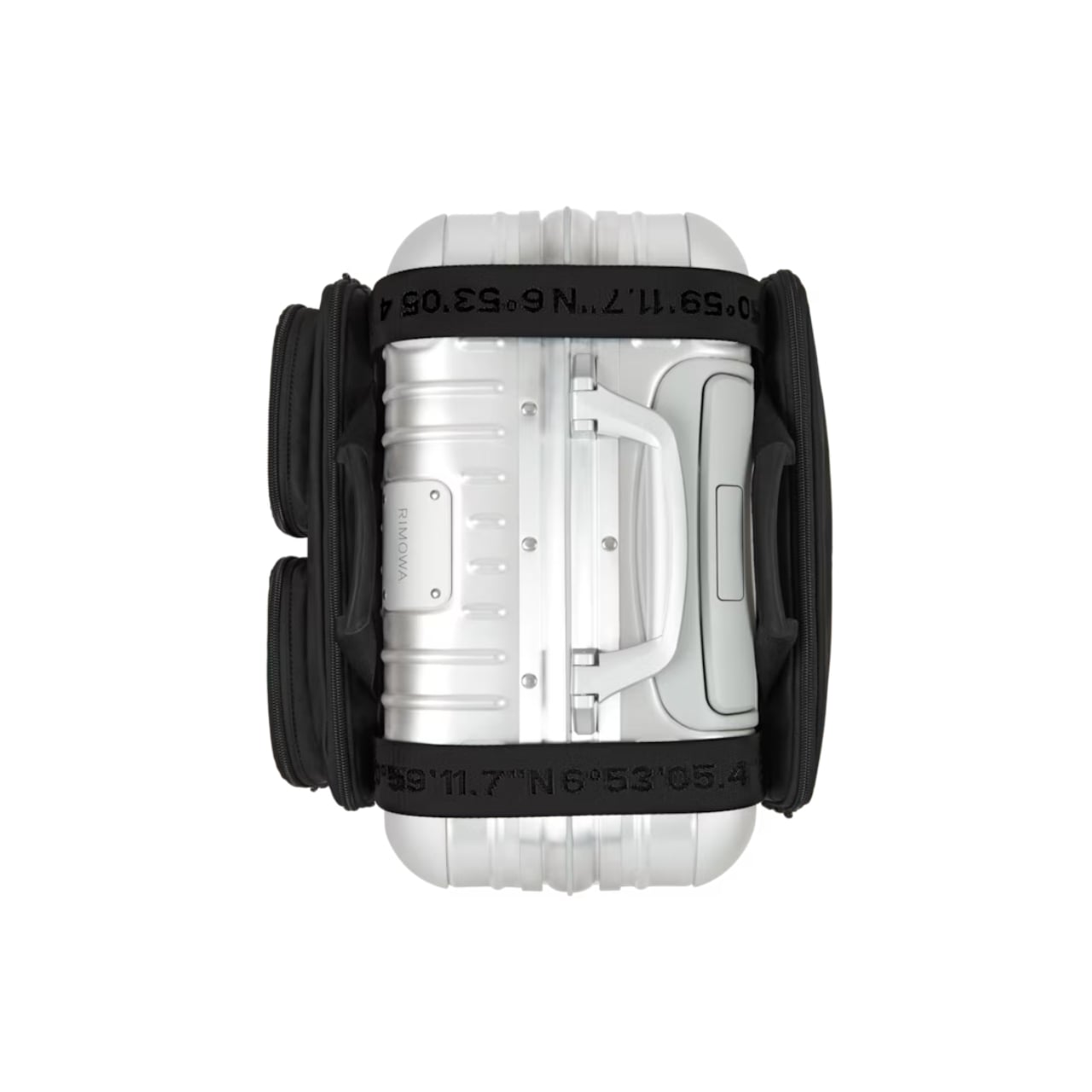
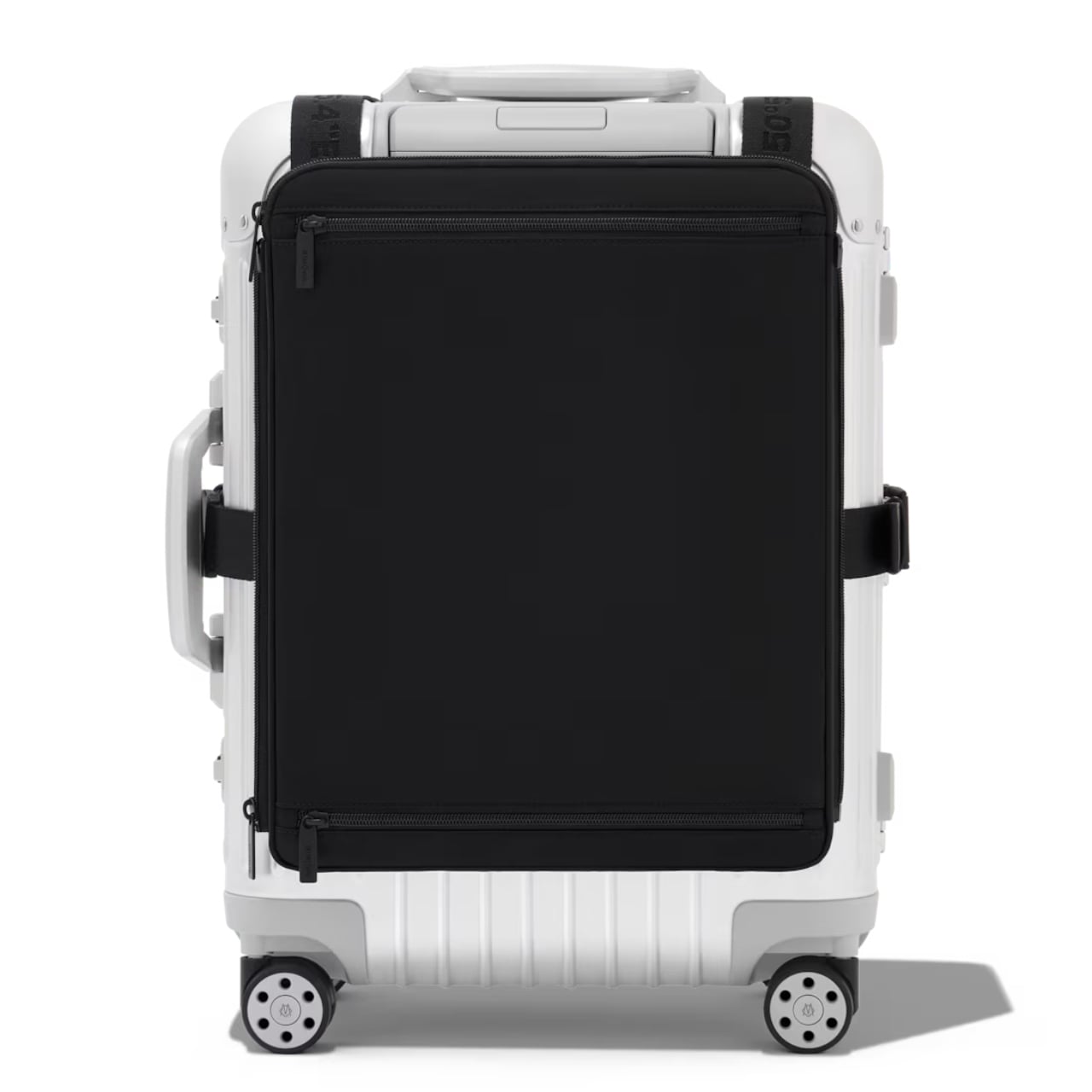
At first glance, it looks like a sleek organizer that wraps around your suitcase like a well-tailored vest. Made from high-quality recycled nylon with nylon webbing for durability, it attaches via adjustable straps that fit neatly over Rimowa’s Original, Classic, Essential, Essential Lite, and Hybrid cabin collections. The straps secure to the telescoping handle, keeping everything stable as you roll through crowded terminals. Three non-slip silicone strips ensure the bag stays balanced even when you’ve loaded it unevenly (because let’s be honest, we all do that).

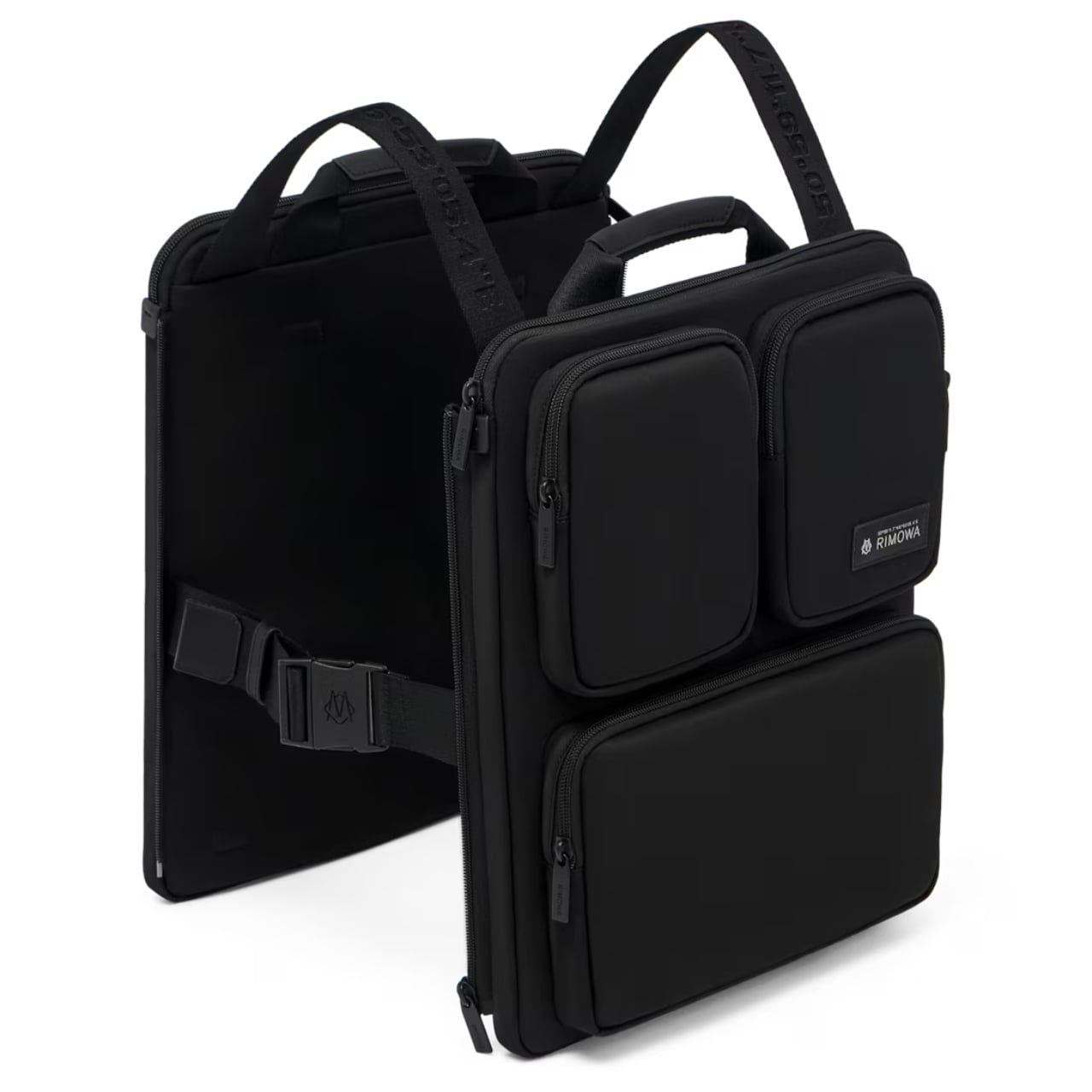
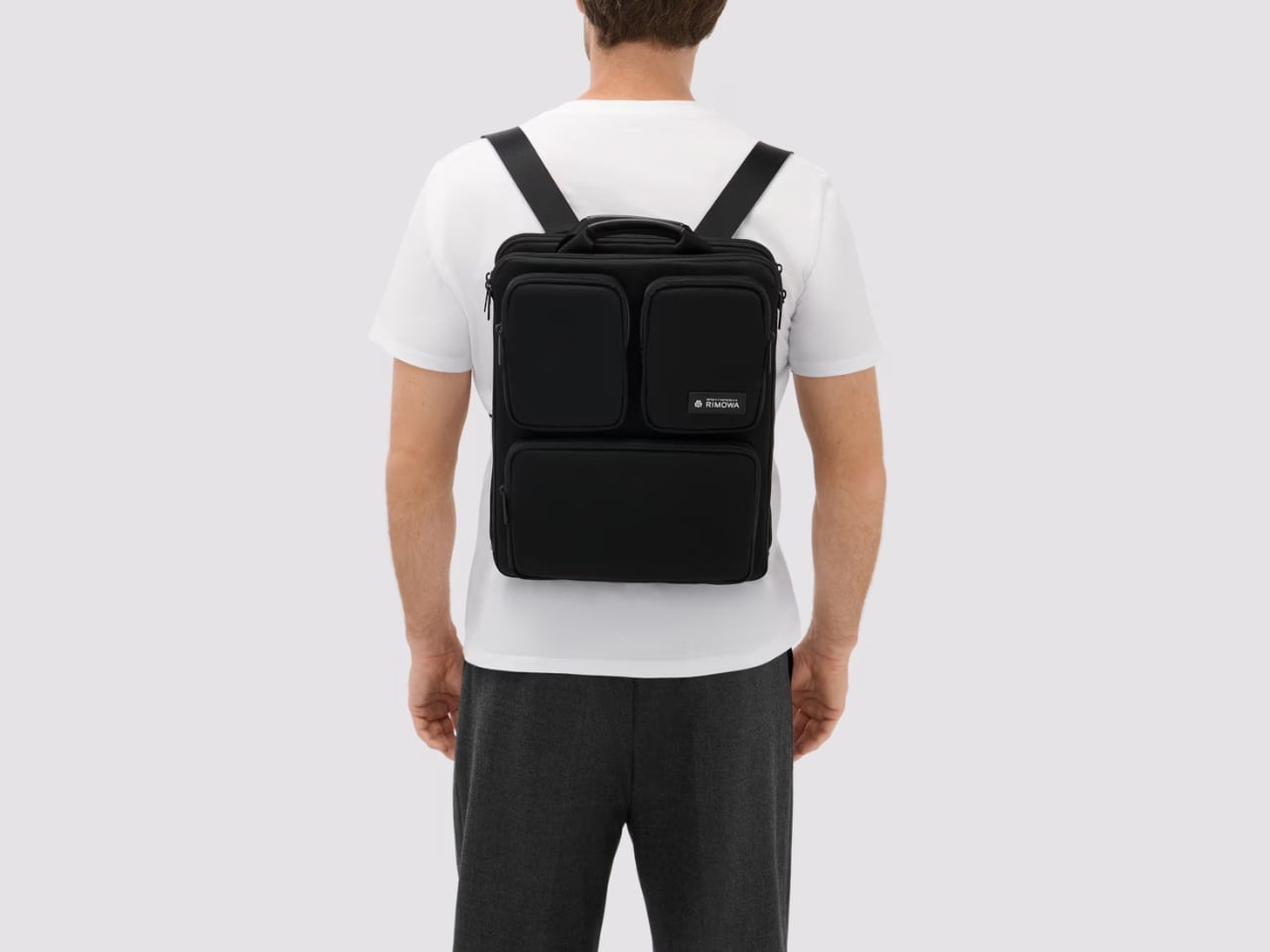
What makes this version special are the hidden shoulder straps tucked into the design. When you need to break away from your rolling luggage for a coffee run or quick meeting, simply detach the harness and those concealed straps convert it into a surprisingly functional backpack. It’s the kind of thoughtful detail that makes you wonder why no one thought of it sooner.

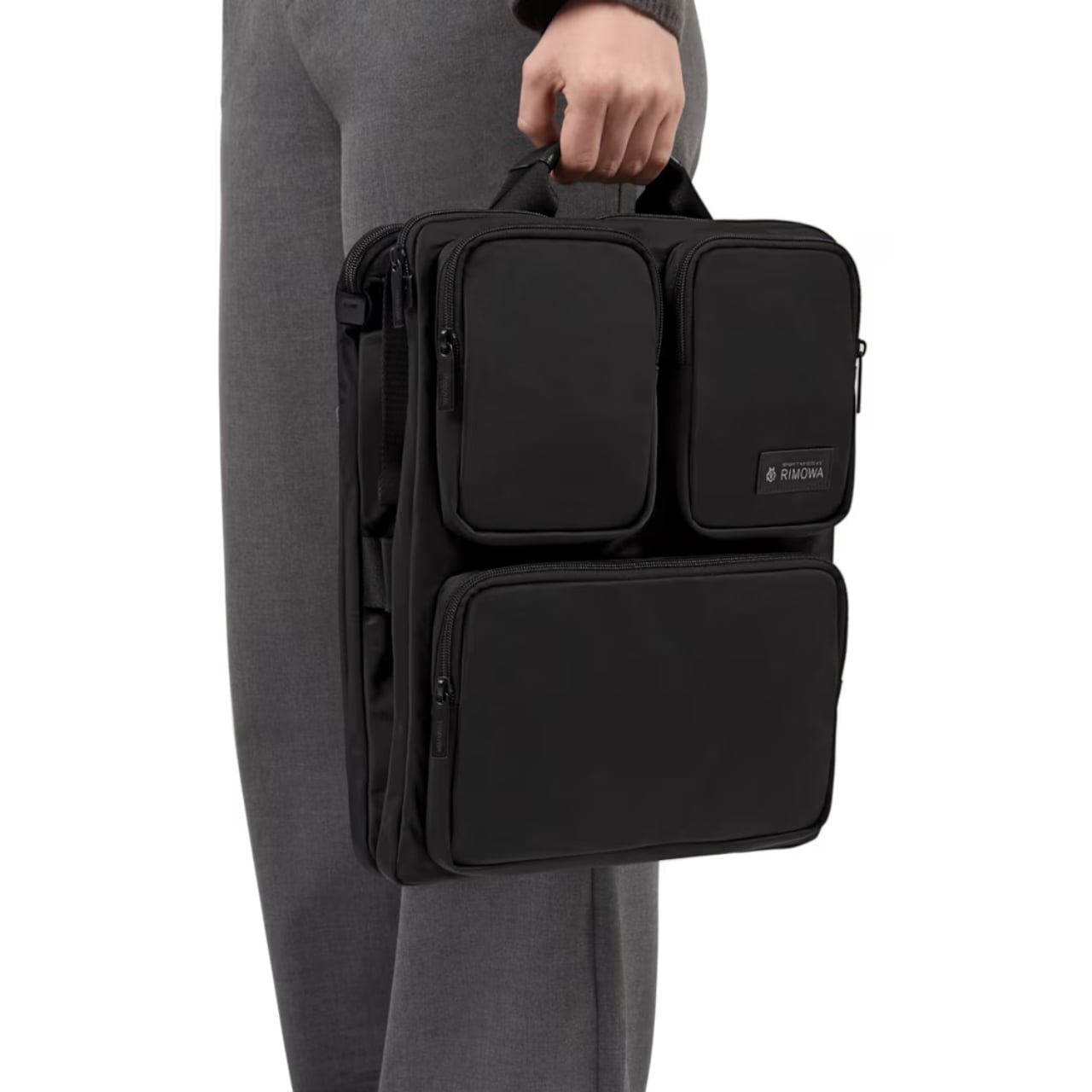
The organizational setup is where Rimowa really nailed it. Two large pockets accommodate laptops up to 16 inches, plus tablets, documents, and magazines. Several smaller pockets handle the usual suspects: chargers, phones, passports, that random USB cable you always need. Everything stays accessible without forcing you to dig through your main suitcase or squat awkwardly in the middle of a busy airport corridor.

But wait, there’s more functionality packed into this thing. Zipped side panels connect the two sections of the harness, and when paired with the two top handles, the whole setup transforms into a hand-carry briefcase. It’s polished enough for a business meeting, yet practical enough for everyday travel. That’s three distinct carrying modes in one compact package. Despite all these features, the harness stays remarkably compact and lightweight. It weighs just 0.59 kilograms and measures 15.4 inches high by 12.2 inches wide by 3.5 inches deep. When attached to your suitcase, it sits flush against the surface rather than bulging awkwardly or throwing off your balance as you navigate tight airplane aisles.

The timing of this release feels particularly smart. As travel rebounds and more people return to airports, there’s growing frustration with the juggling act required to manage multiple bags while maintaining easy access to essentials. Airlines have gotten stricter about what counts as a personal item, and gate-checking fees continue to climb. A solution that consolidates your carry items while keeping them organized and accessible? That’s solving real problems.

Rimowa can’t claim total originality here. Similar suitcase harness designs have existed for years, though typically at lower price points and with less refined execution. What sets Rimowa’s version apart is the build quality, the versatility of those hidden shoulder straps, and the thoughtful integration with their suitcase lineup. It’s the difference between a hack that technically works and a solution that feels intentionally designed.

The recycled materials deserve a mention too. Using recycled nylon for both the exterior and lining aligns with growing expectations that luxury brands need to consider sustainability. It’s not revolutionary, but it’s the baseline we should expect from premium products in 2025. For frequent travelers who already own Rimowa luggage, this harness feels like an obvious upgrade. For everyone else, it’s an interesting glimpse into how thoughtful design can solve everyday frustrations without overcomplicating things. Sometimes the best innovations aren’t flashy new technology. They’re just smart solutions that make you say, “Why didn’t this exist before?”

The post Rimowa Just Built a $450 Bag That’s Actually 3 Bags in One first appeared on Yanko Design.
RIMOWA original suitcase gets alternate brushed finish to create the ‘optical’ illusion of movement

How about a fancy cabin bag that appears to be moving when you are standing for your boarding pass or awaiting your boarding call in the lounge? All sorts of suitcases make an appearance these days. Some are modular, some reminiscent of the icons, and some throw in an optical illusion to put fun to your airport look and those timeless halts. And for the latter, we are sold!

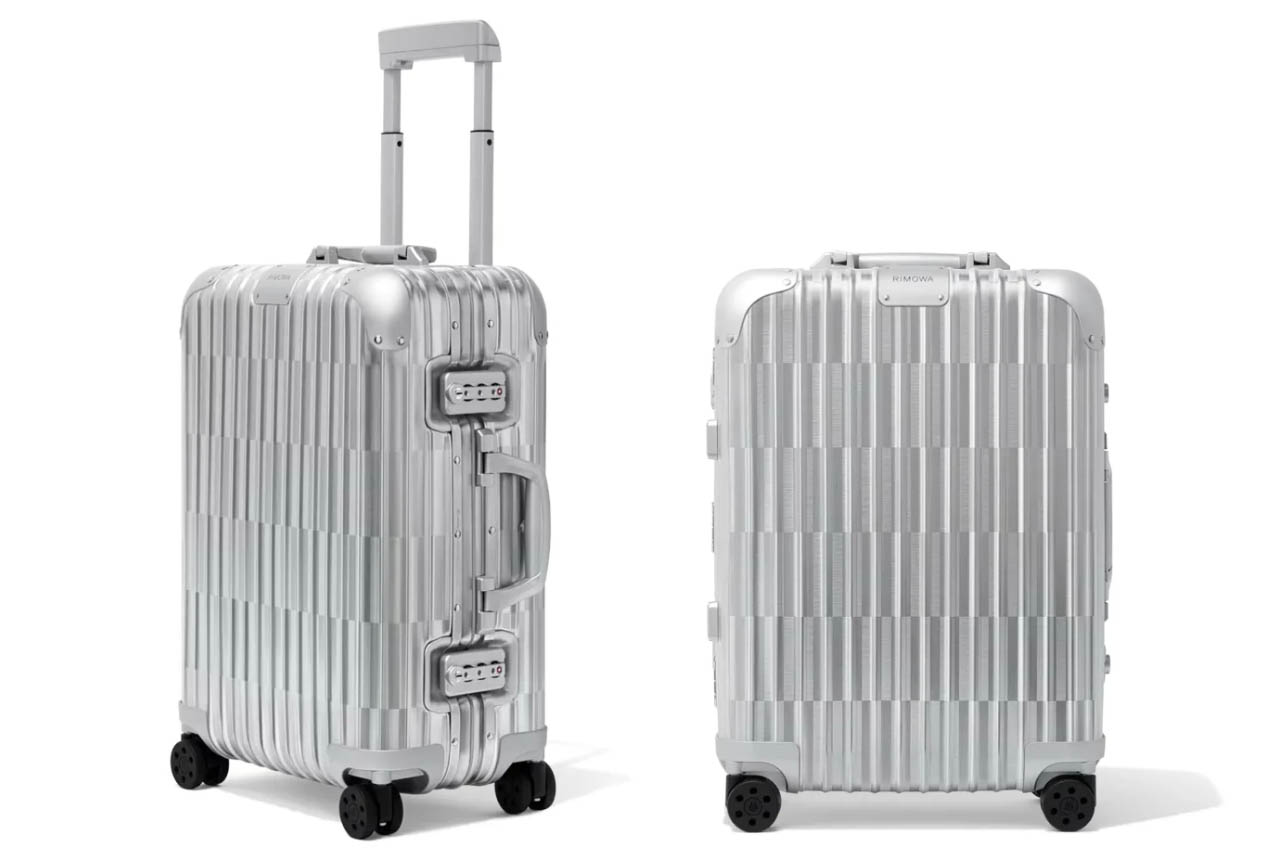
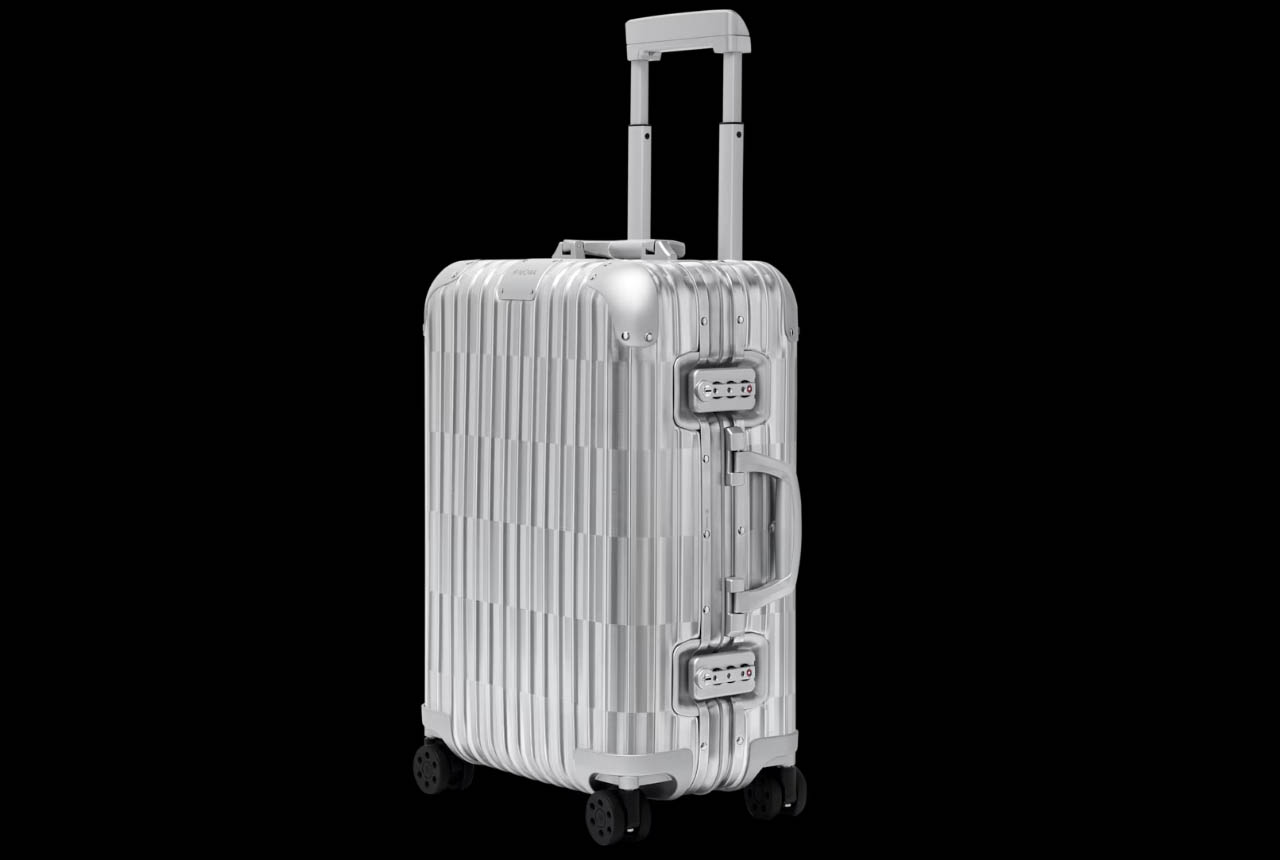
Designed and developed by Germany-based RIMOWA using high-end anodized aluminum, the suitcase is a fancy variant of the company’s original carry-on. Aptly dubbed Original Cabin Optical, this suitcase in RIMOWA’s words “redefines boundaries.” This is done by “creating” an “illusion of the iconic groves disappearing.”
Designer: RIMOWA

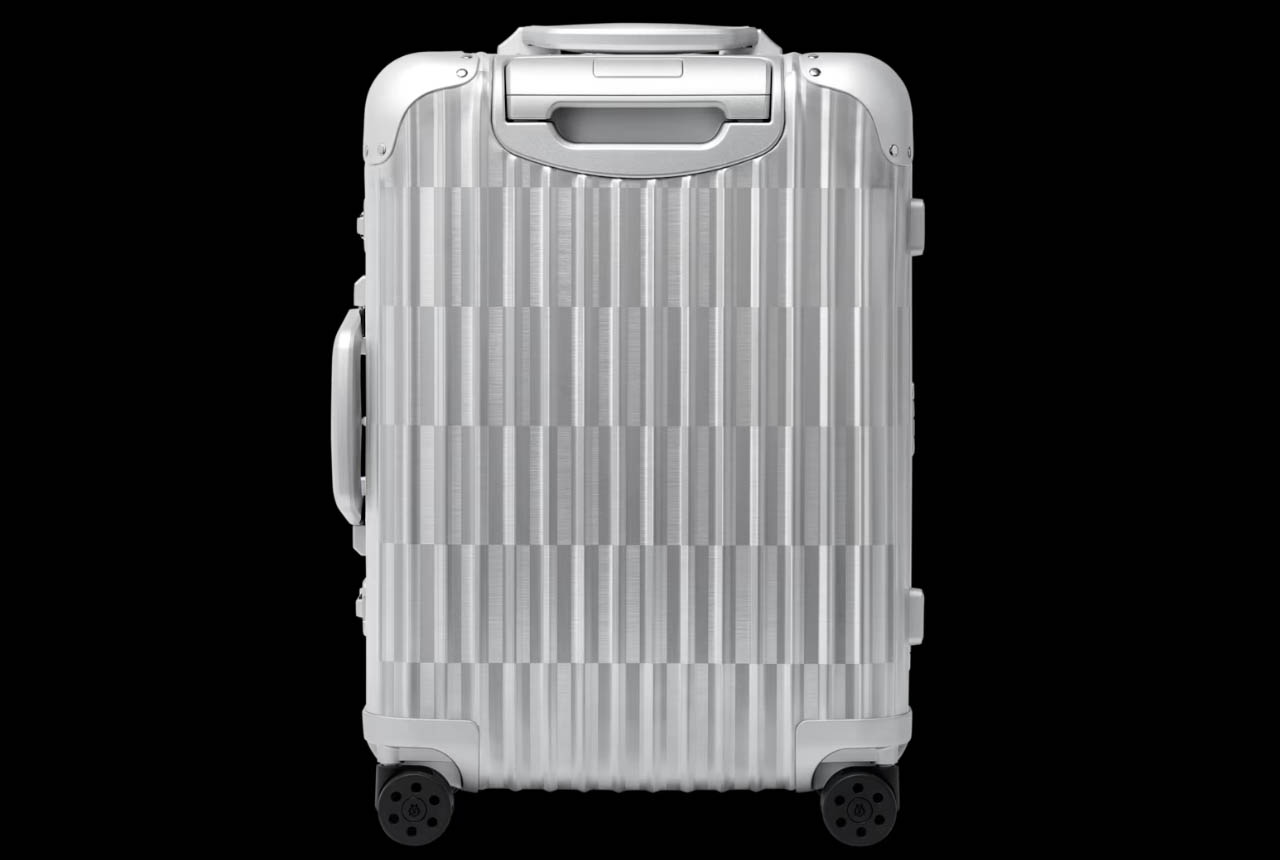
In simpler words, the famous RIMOWA suitcase is made with a shimmering effect achieved by a brushing technique that gives the suitcase the illusion of movement. The Cabin Optical’s anodized aluminum exterior has an alternating brushed finish to create this illusion: so, when you are at the airport or in the hotel lobby, people could mistake your suitcase to be moving even when it’s standing beside you.
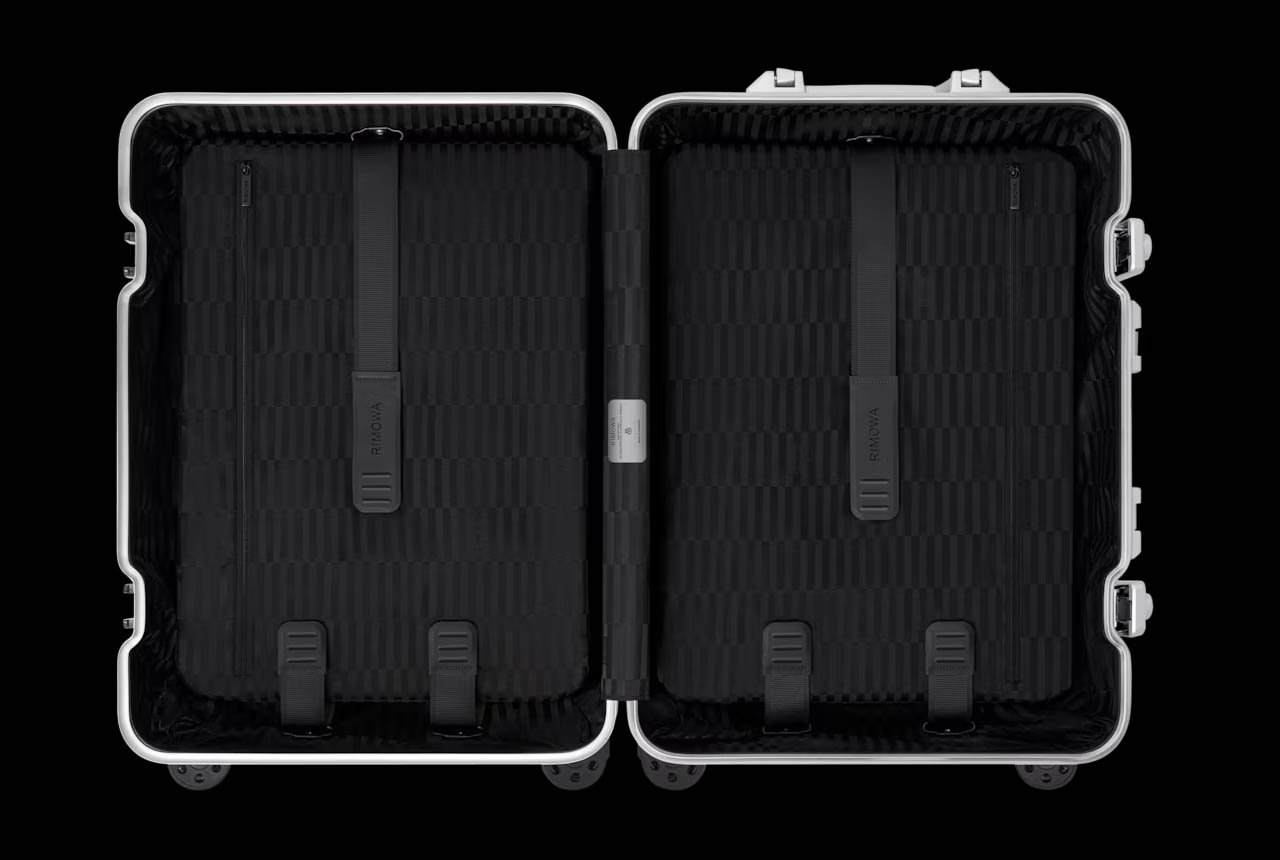
Such illusion happens because of these specially brushed groves that with the change in light and perspective create the illusion of movement. This interesting optical motif is not only limited to the exterior, interestingly RIMOWA carries it to the inside of its limited-edition Cabin Optical. Here the jacquard lining is directly woven with geometric patterns for a similar effect.

The Cabin Optical is available in 35 litter carry-on sized dimensions making it – according to the company – apt for three to four days of travel. The suitcase itself is pretty lightweight, weighing only 9.5lbs, and comes with a stage-free telescoping handle, RIMOWA’s Multiwheel system with cushioned axles, and Flex Divider.

It is strictly limited-edition of just 2,002 examples. The number is only chosen for its palindromic nature and has no relevance to the year, which I earlier thought to be the case.  Currently available for pre-order, with sales beginning November 7, the special silver Cabin Optical will set you back $2,050. If you are not ready to shell that kind of money, you can pick the suitcase in your choice of silver, emerald green, black and titanium for $1,430.

The post RIMOWA original suitcase gets alternate brushed finish to create the ‘optical’ illusion of movement first appeared on Yanko Design.