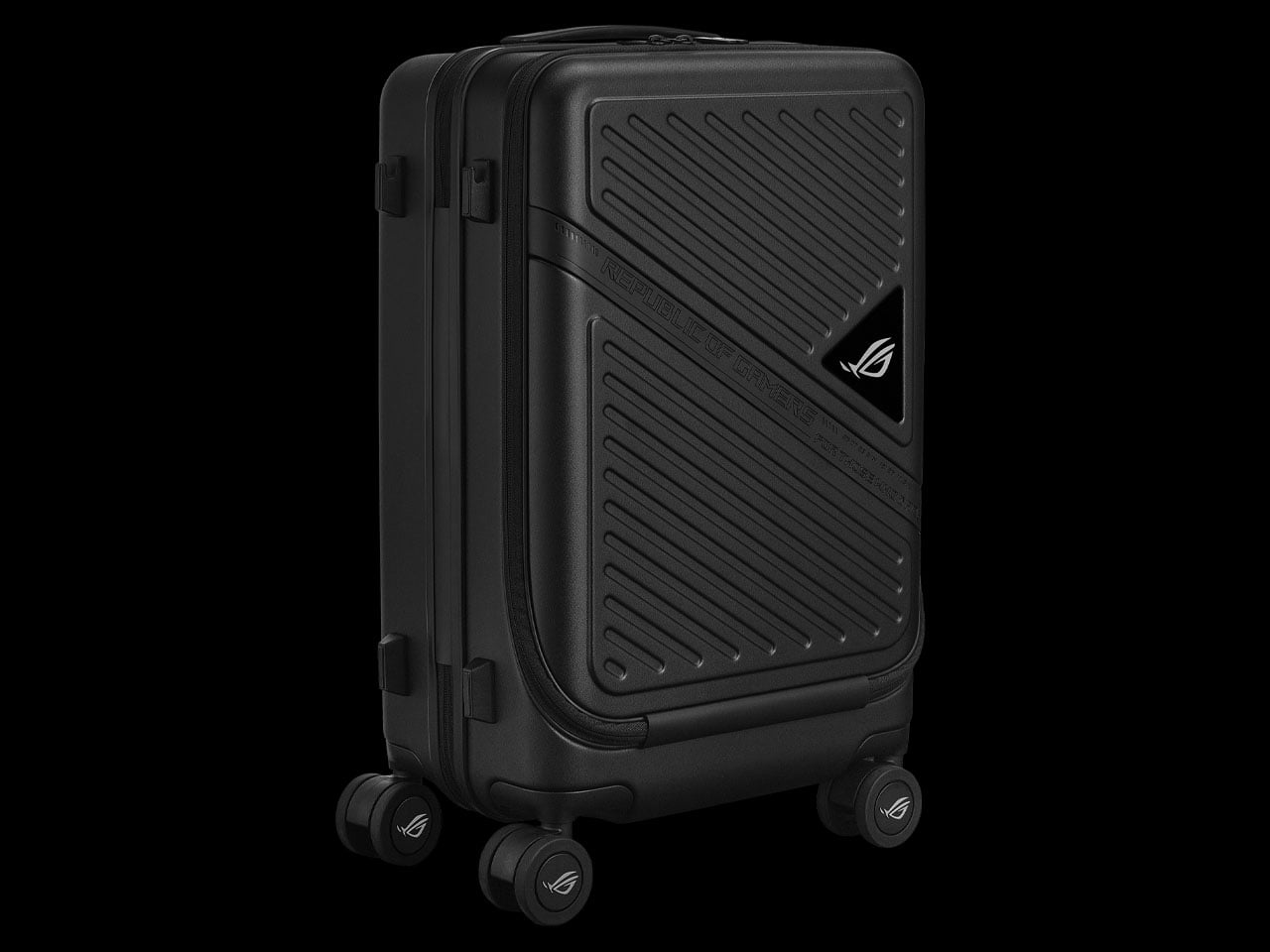
We’re Officially in the Titanium Travel Case Era, Soft-Shell Suitcases Had a Decent Run…

Pull up the baggage carousel at any major international airport and you will see a parade of soft-shell fabric or hard-shell plastic cases, most of them a muted color palette, most of them indistinguishable from one another, most of them showcasing the abuse of frequent travel (a massive scratch here, ripped fabric there, disintegrated airline stickers, cracked wheels that creak when dragged). That is the baseline the travel industry has accepted for decades. The expectation has been function within limits, not function beyond them.

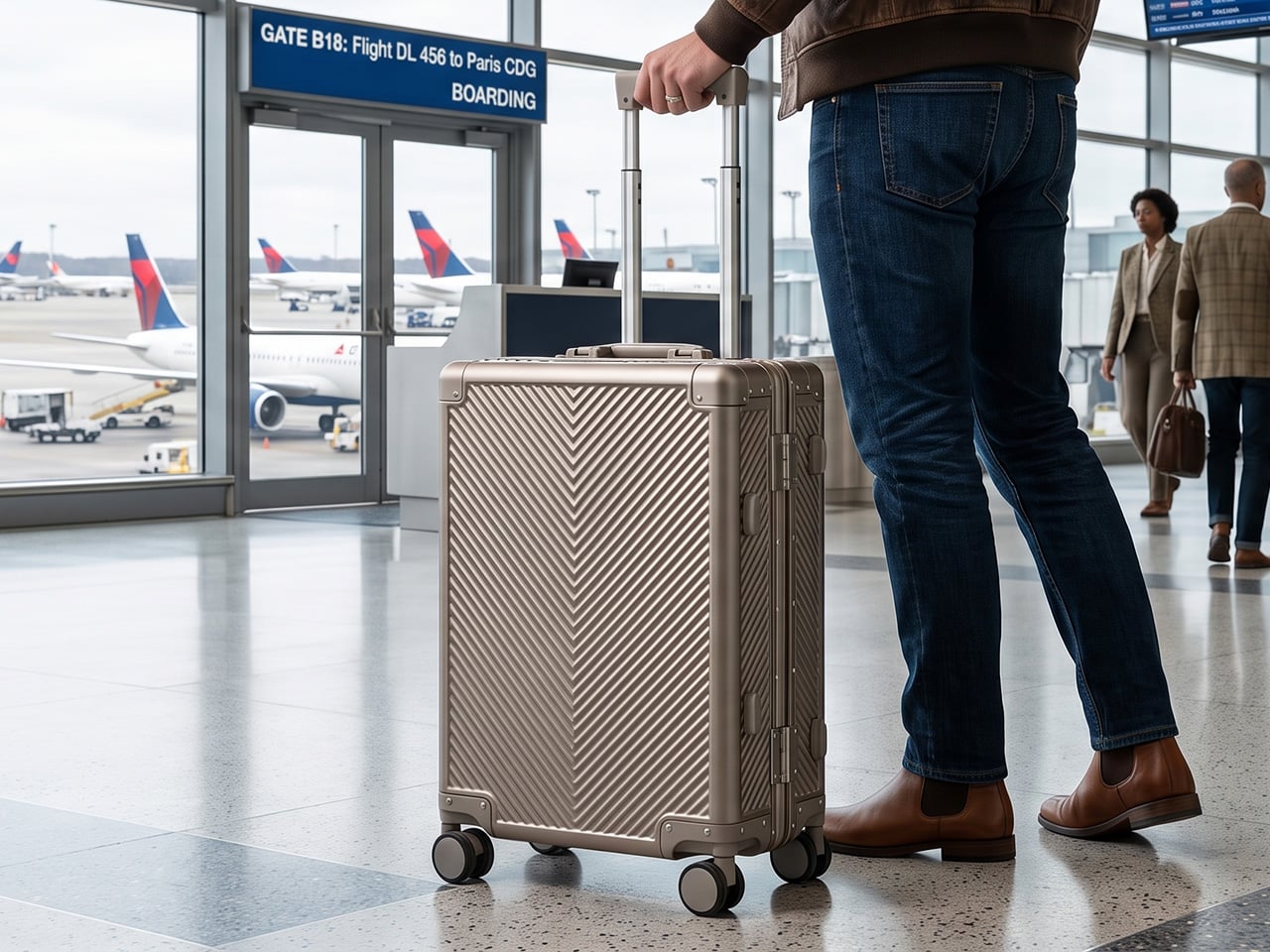
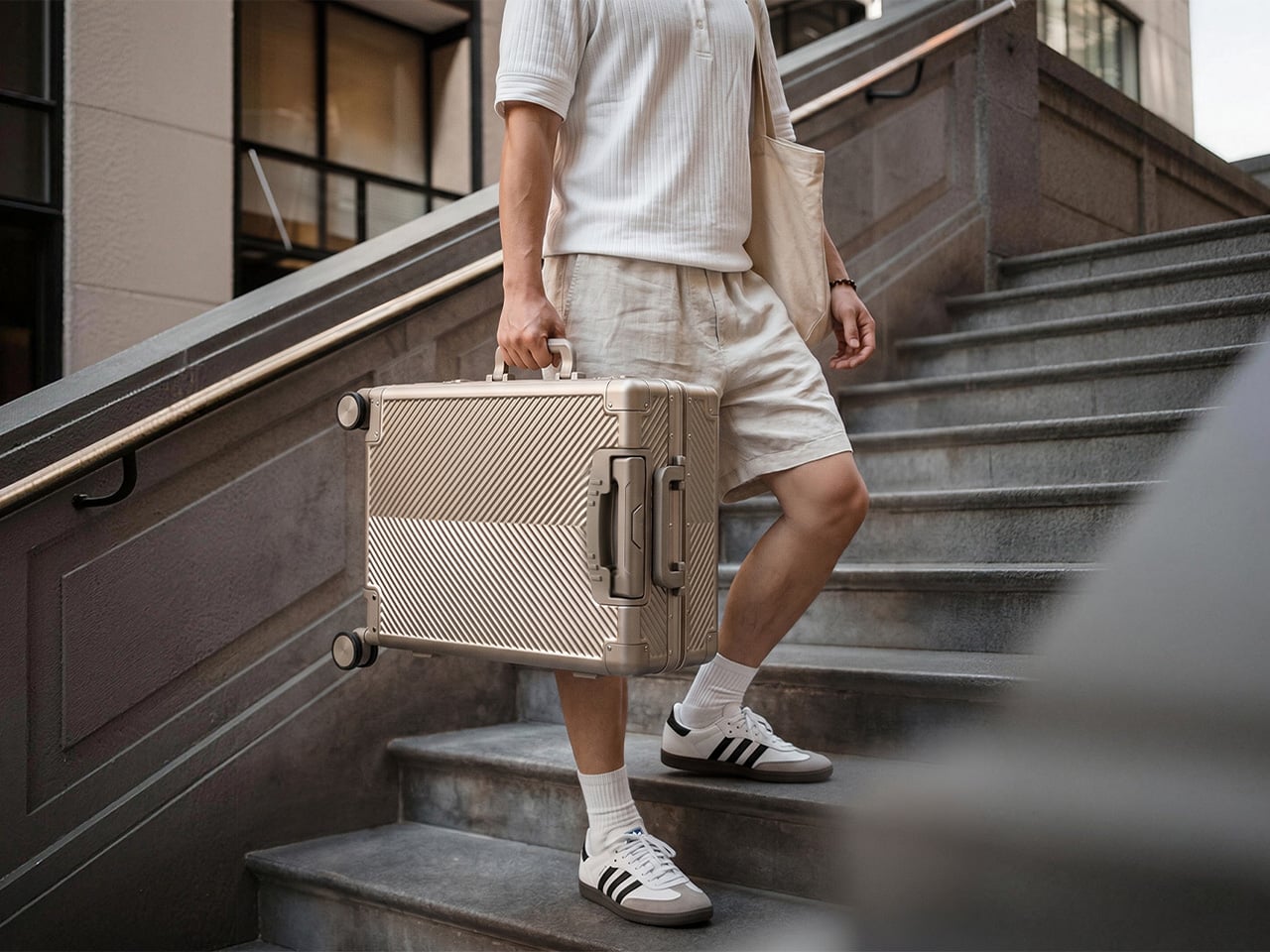
Titaner’s Voyager arrives as the carry-on that resets that expectation entirely. The 20-inch titanium shell is ribbed with chevron patterning that doubles as structural reinforcement, sealed without a single zipper on its exterior, and coated with a hydrophobic treatment that sends water beading off its surface. Designed for travelers who see their gear as long-term equipment rather than seasonal accessories, it signals a broader shift in what premium carry-ons are supposed to be made of.

Designer: Titaner

Click Here to Buy Now: $579 $1079 ($500 off). Hurry, only 19/290 left! Raised over $336,000.

The shell physically, visually, practically, and literally sets the Voyager apart from any other travel carry you’ve currently got stowed underneath your bed or in your closet. Made from Grade 1 pure titanium, the kind typically reserved for aerospace applications and medical implants, the Voyager carries the same corrosion resistance and impact tolerance that have made the material legendary in other industries. Titanium does not rust, does not dent easily, and ages with a patina that adds character rather than degradation. The angled chevron texture machined across its surface does three things at once: it creates visual drama, it distributes impact force across a wider structural field, and it hides minor surface wear far better than a polished or matte finish ever could. This is luggage that looks more refined the longer you own it.

The zipperless body is where Titaner makes its clearest departure from conventional luggage logic. Most hard-shell cases still rely on zipper closures because they are familiar, flexible, and cheap to manufacture. They are also the first thing to fail under repeated stress. The Voyager uses a continuous waterproof gasket seal instead, wrapping the entire case perimeter in a material that keeps rain out and dust at bay. Pop the latches, and the case opens in two clean halves with a 180-degree flat lay. No zipper teeth to snag. No fabric track to tear. Just a mechanical hinge and a seal that either works or it does not. It is the kind of decision that makes soft-shell luggage feel like it was designed around cost, not longevity.

Travel is a series of small interactions repeated hundreds of times: extending the handle, rolling through terminals, lifting it into overhead bins, setting it down on uneven pavement. Titaner has refined each one. The telescoping handle uses a 13-stage adjustment system with no visible punch holes running down the tube, which means a cleaner visual line and a mechanism that locks at every height with a button press at the base. The handle grip itself uses a slow-return damper, so when you let go, it eases back into place instead of snapping against the shell. The eight independent spinner wheels are modular, which means if one gets damaged after years of airport abuse, you replace that single wheel instead of the entire case. Underneath, a spider-web reinforcement structure distributes the stress from each wheel across the corner assembly, so no single impact point can compromise the frame. Even the side feet are trapezoidal, designed to keep the case stable when stood upright and lifted without effort when you need to move it.

Inside, the Voyager offers a layout most frequent travelers will recognize: dual compression straps, zippered divider panels, interior pockets on both halves. The lining is stain-resistant and wipes clean. But the real interior innovation is the optional Waterproof Vault, a removable airtight inner bag with a triple-side zipper seal. Cameras, drones, passports, medication, anything that cannot afford even brief water exposure gets sealed inside. The vault can also be fitted with modular foam inserts for shock protection, turning the Voyager into a hybrid between a carry-on and a protective equipment case. It is the kind of feature that expands the product’s identity beyond clothing transport into the realm of gear protection, where soft-shell luggage has never been able to compete.

What Titaner has done with the Voyager is take the material obsession and mechanical precision that defined its EDC products (pens, multi-tools, pocket knives) and scaled that philosophy up to travel dimensions. The result feels less like luggage in the traditional sense and more like a precision mobility tool. It is cabin-approved at 20 inches, light enough to lift with one hand despite the titanium construction, and visually distinct enough that you will spot it on a carousel from across the terminal. The chevron-patterned shell catches light at angles soft fabric never could. The hardware has the same machined confidence you would expect from a high-end knife or watch. Travelers who have spent years cycling through polycarbonate shells and torn nylon cases will recognize this as something different: a carry-on designed to outlast your travel habits, not replace them every few seasons.

The Titaner Voyager is currently available at $579, discounted over the $1079 MSRP for the base 20-inch carry-on in titanium, with options to add the Waterproof Vault module and additional accessories. The campaign ships internationally, with estimated delivery starting in late 2026.

Click Here to Buy Now: $579 $1079 ($500 off). Hurry, only 19/290 left! Raised over $336,000.

The post We’re Officially in the Titanium Travel Case Era, Soft-Shell Suitcases Had a Decent Run… first appeared on Yanko Design.

This $163 Pokémon Carry-On Has a Window Just for Your Plushies

There was a time when collecting plushies and stuffed toys was limited to actual children. Or if you’re an adult who does collect them, you don’t announce it to the world for fear of being laughed at. But now, it seems like everyone who loves these toys proudly displays them on their bags, backpacks, and even attached to their clothing. There’s no age limit to enjoying them, whether it’s a Labubu, a pop-culture stuffy, or of course, your precious Pokémon. The plushie revolution is very much alive, and it’s being embraced by collectors, fashion lovers, and fans who wear their passions with pride.

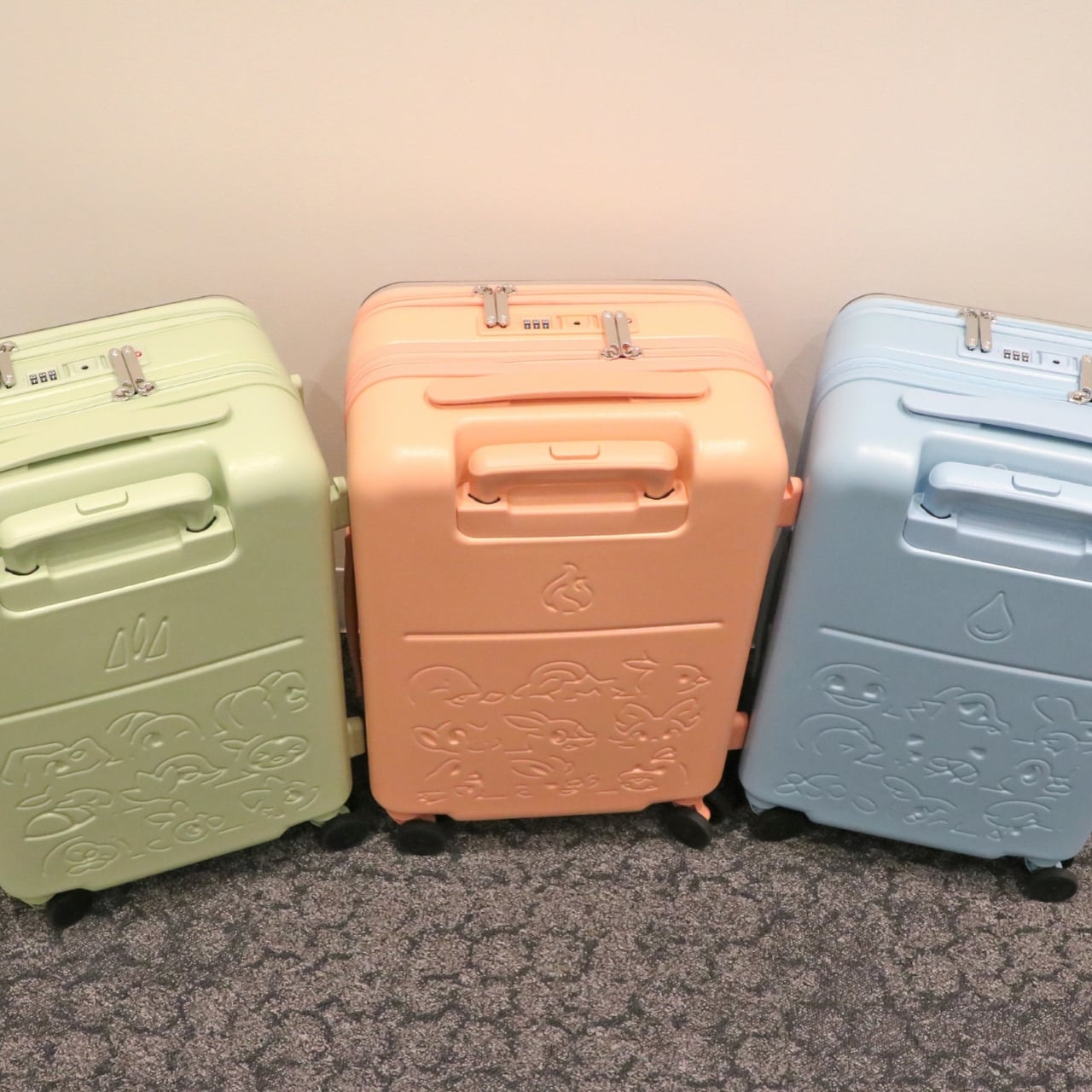
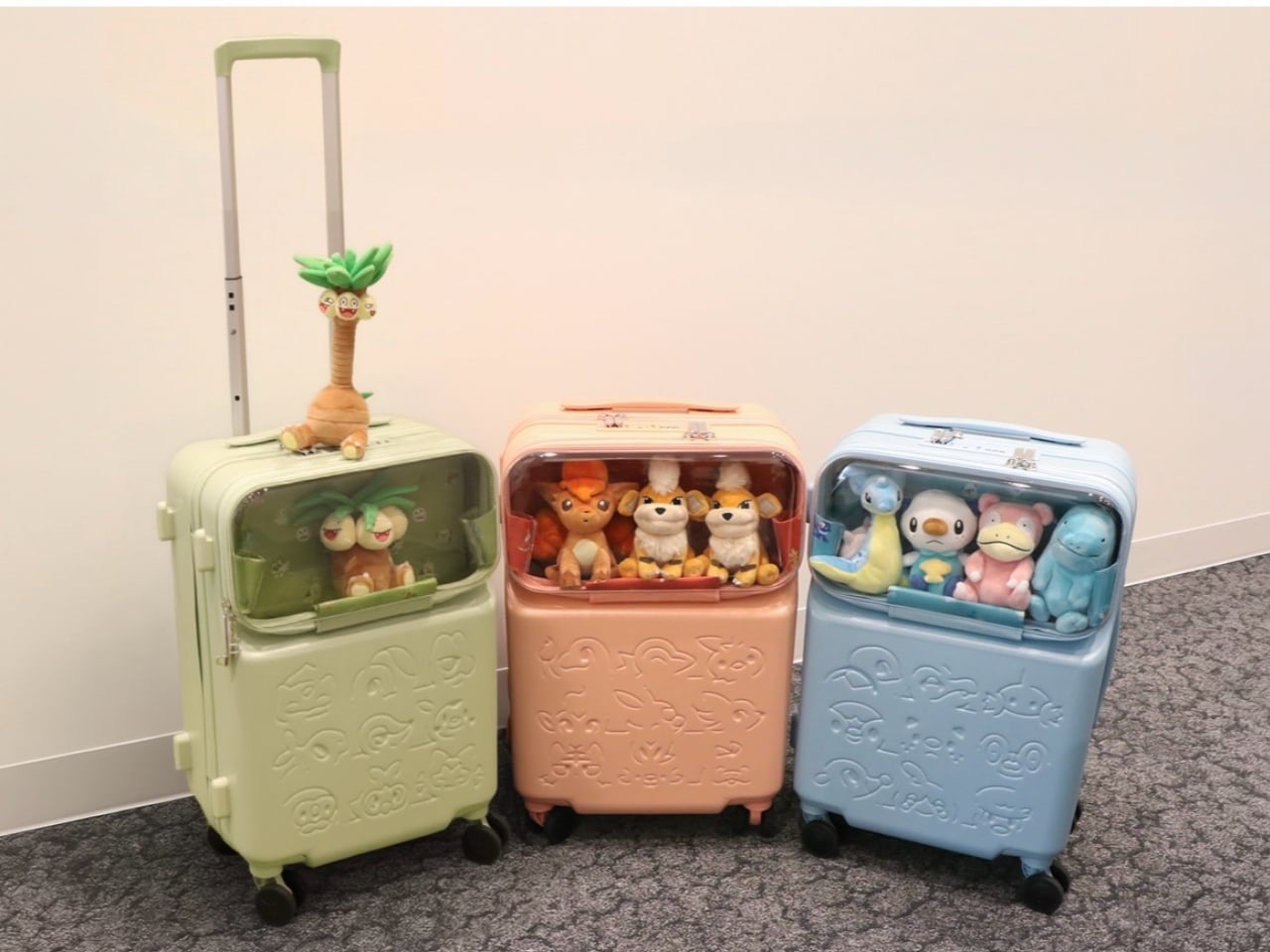
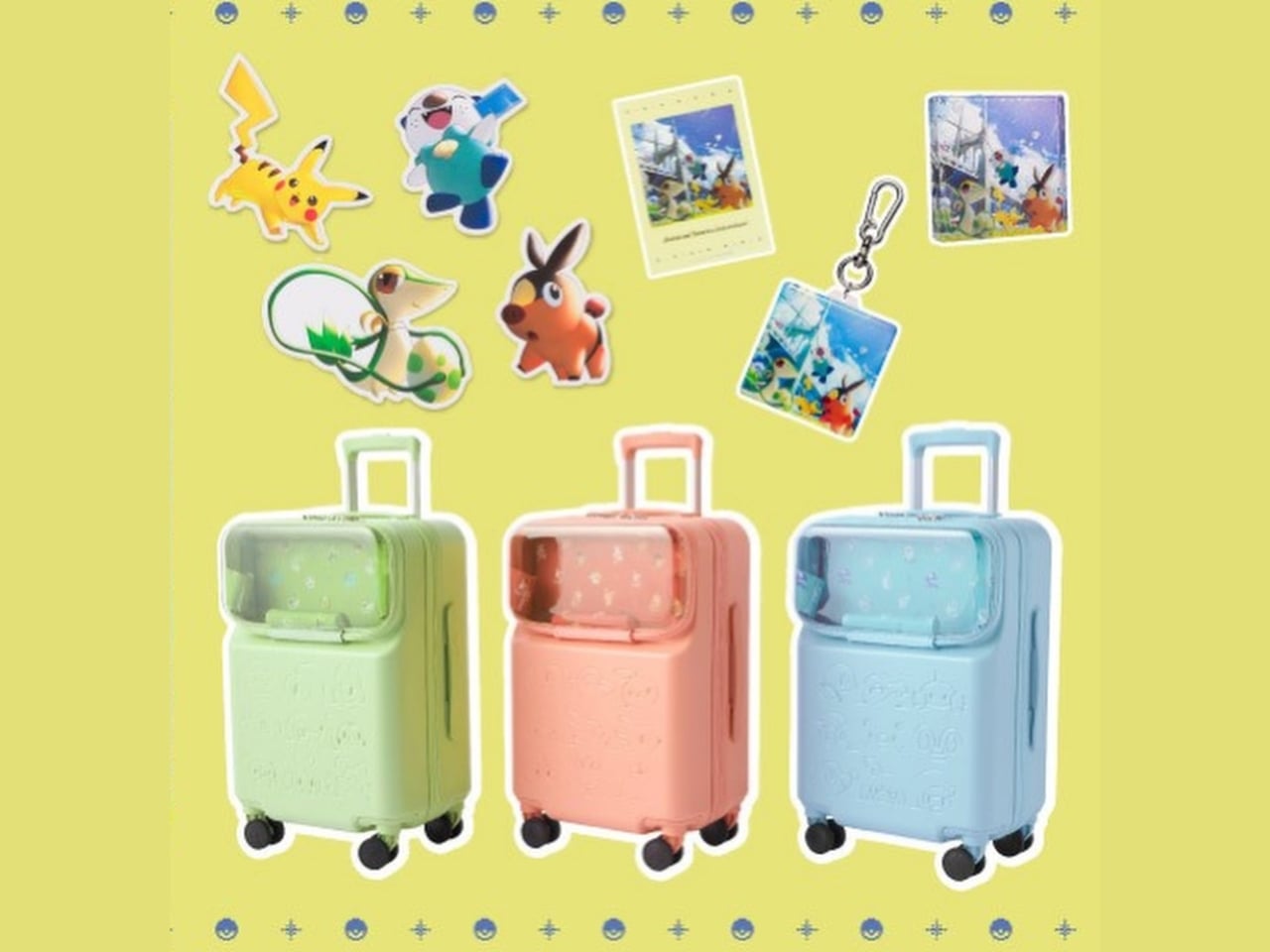
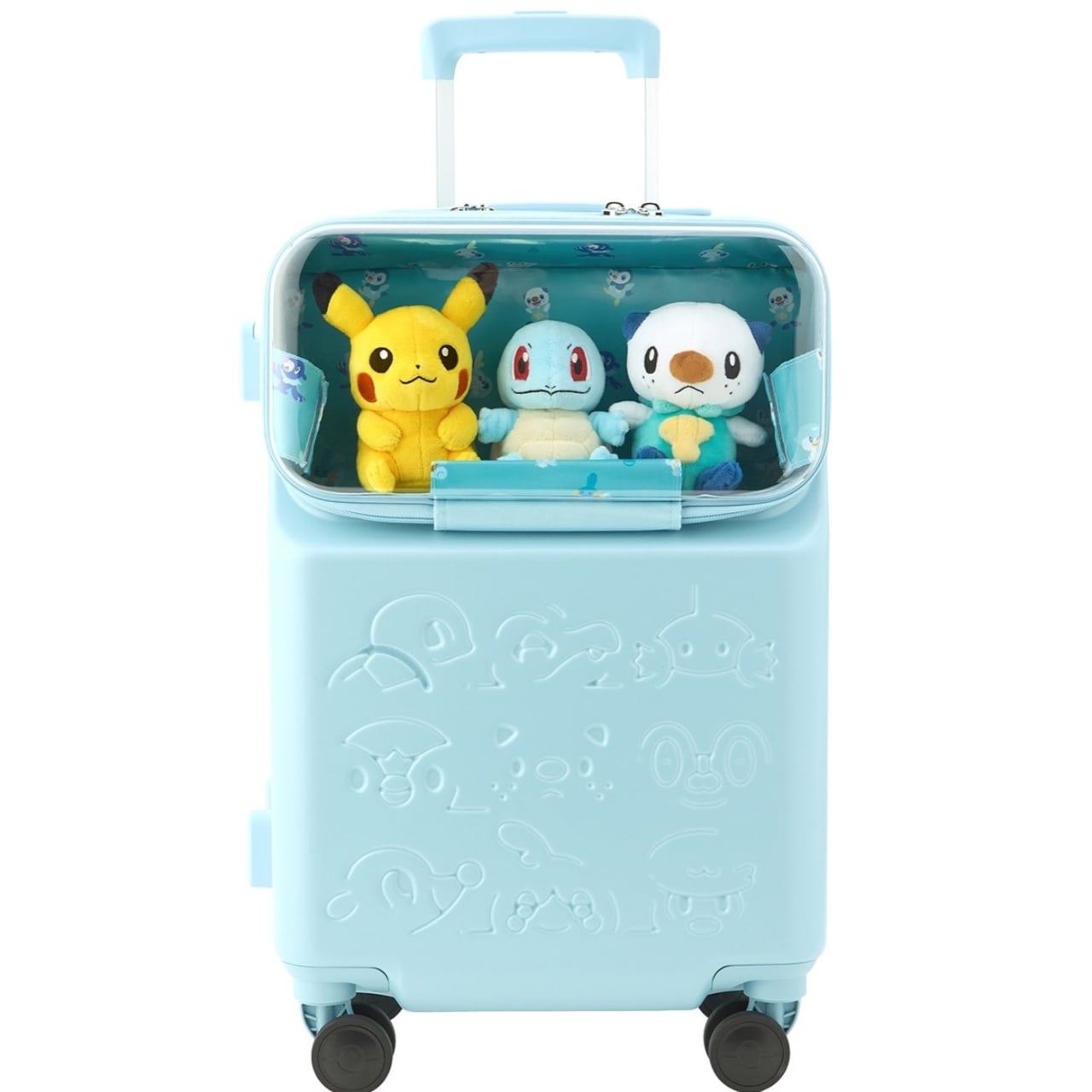
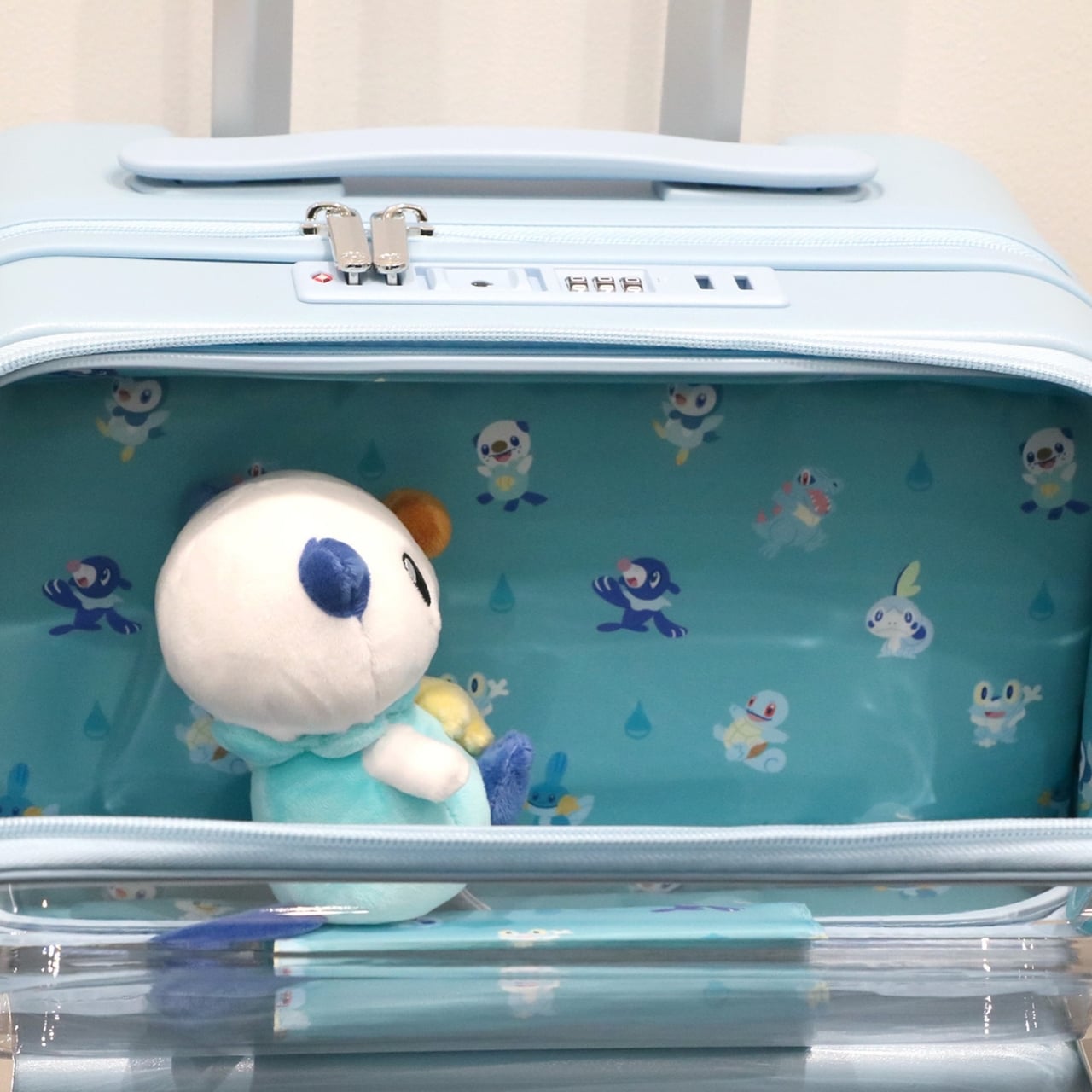
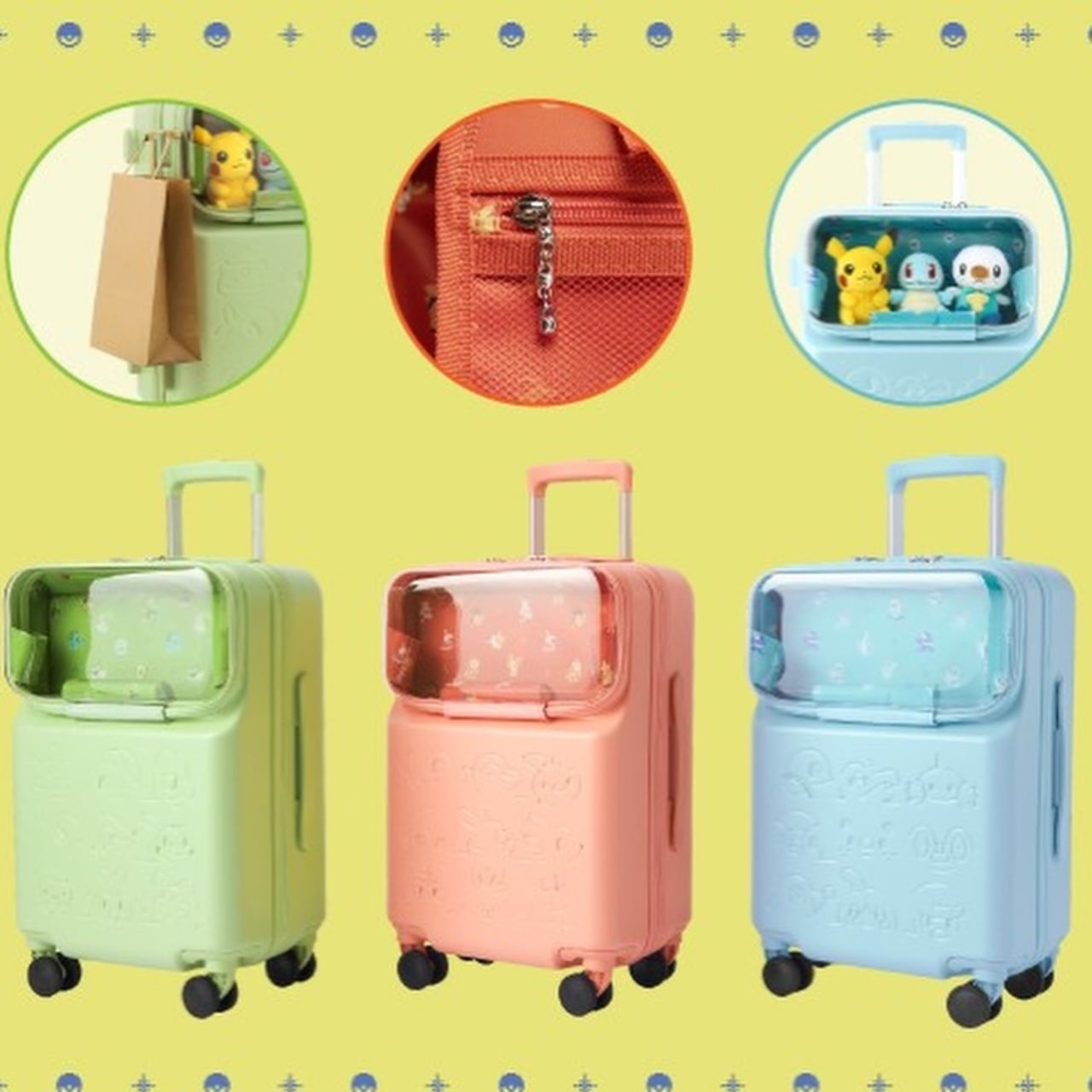
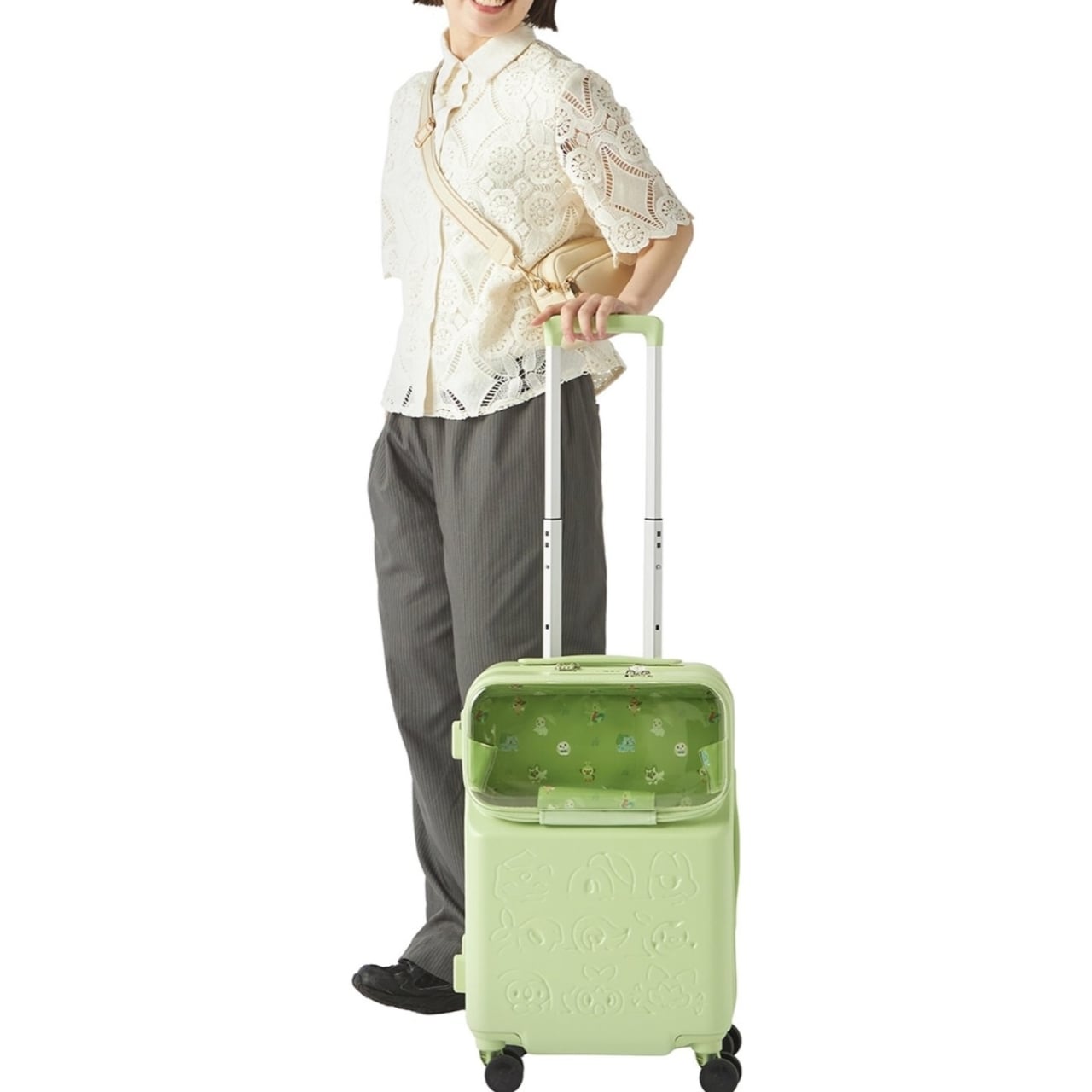
The Pokémon Company understands this need to constantly display your favorite plushies, even while traveling. As part of their 30th anniversary merchandise collection, they will be releasing the Pokémon Timeless Adventure Suitcase. Aside from having design elements connected to these creatures that you want to catch, the main feature of the suitcases is that they have a clear, see-through compartment where you can display all your favorite Pokémon plushies and toys, even while you travel domestically or internationally. Think of it as a tiny, rolling showcase: your very own mobile Pokémon display on wheels.

Designer: The Pokémon Company

It might seem a strange piece of luggage to own if you’re not into plushies, but those who love them will appreciate this seemingly odd design addition to their suitcase. I’m pretty sure I’d be “ooohing” and “aaahing” if I saw all these different Pokémon displayed when I’m traveling. It can even be a source of conversation and connection between Pokémon lovers everywhere. And yes, it’s also a not-so-subtle marketing strategy, since I’d probably want to buy one or a few of the plushies I’ll see peeking through that little window.

The suitcases are available in three designs, representing different elements in the Pokémon world. There’s grass (green), fire (red), and water (blue). And if you’re deep into the lore, you know that these represent the Unova region starter Pokémon: Snivy, Tepig, and Oshawott. The lining of each suitcase carries starter-themed design elements, but of course, you don’t have to match them when displaying your various plushies. The interior is just as thoughtfully designed as the exterior, making this a carry-on that truly celebrates the artistry of the franchise from the inside out.

Priced at ¥26,400 (approximately $163 USD), this is undeniably a premium collector’s item. But considering the craftsmanship, the thoughtful design details, and the fact that it’s part of a milestone anniversary release, the price feels entirely justified for any dedicated Pokémon fan. It’s not just luggage; it’s a statement piece that doubles as a display case and a conversation starter all at once.

This carry-on luggage is just one of the ways to let your fandom flag fly as you travel in style. It will be available to buy on the official Pokémon Center Japan website starting July 2 and in-store by July 4. Unfortunately, this is Japan-exclusive merchandise, so unless you actually live there or you know someone there, you will be unable to get your hands on these cute suitcases.

For Pokémon fans and collectors alike, the Timeless Adventure Suitcase is more than just a travel accessory. It’s a celebration of everything that makes this franchise so enduring and beloved. Thirty years in, and Pokémon still finds ways to surprise and delight fans in the most unexpected, joyful ways. Whether you’re a casual traveler who simply loves the aesthetic or a hardcore collector who has been with the franchise since the very first game, this suitcase gives you a way to carry your love for Pokémon with you wherever you go. So if you have a connection in Japan or you’re feeling adventurous enough to explore international shipping options, this might just be the carry-on upgrade your collection and your travels truly deserve. After all, why blend in at the baggage carousel when you can make every Pokémon fan in the terminal stop and stare?

The post This $163 Pokémon Carry-On Has a Window Just for Your Plushies first appeared on Yanko Design.

Students Just Designed a Suitcase That Dries Your Clothes on the Go

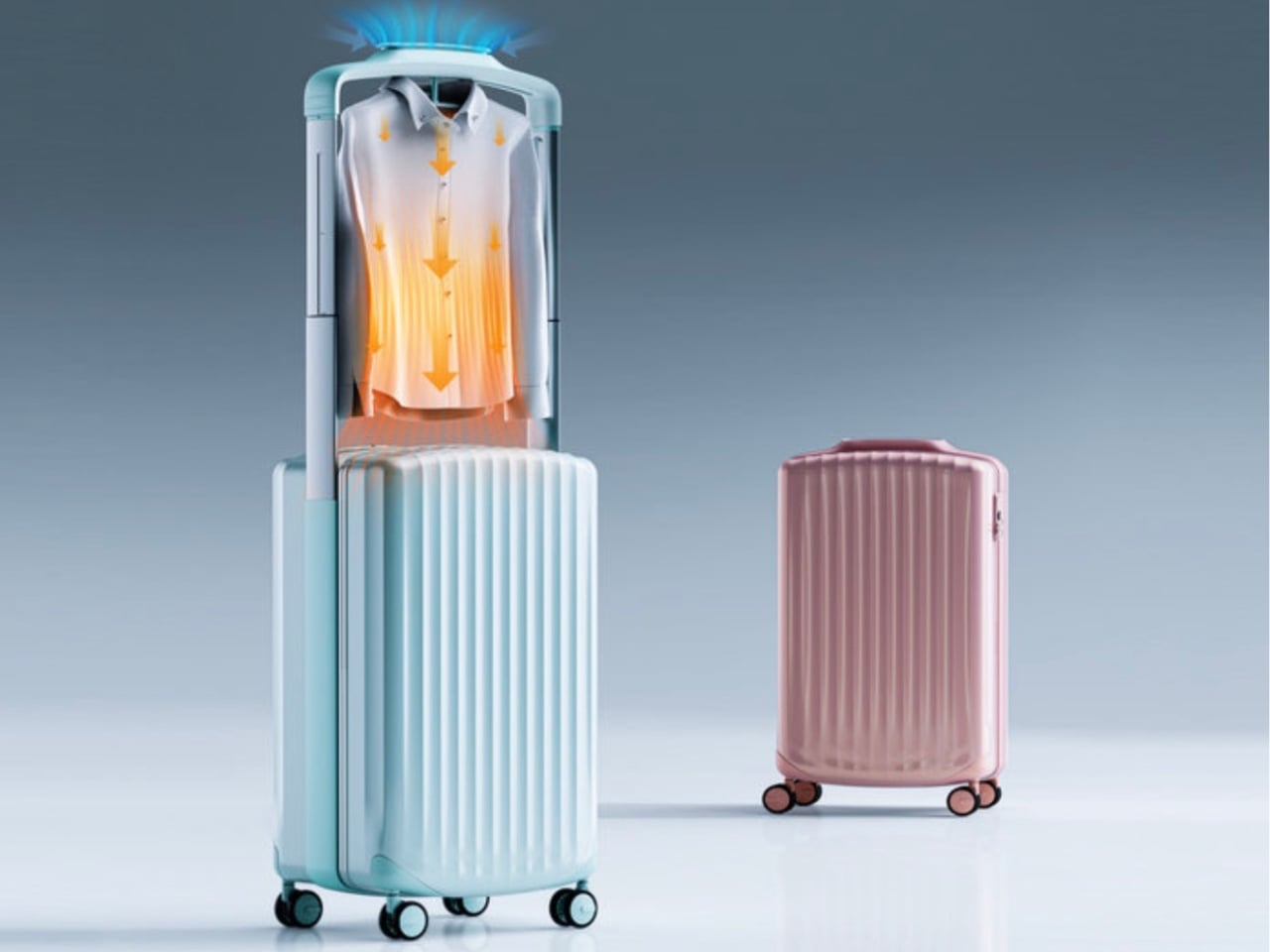
Every seasoned traveler has their version of the wet clothes problem. You step out of the rain during a city walk, catch a wave at the beach on day one of a five-day trip, or try to hand-wash a blouse in the sink only to end up draping it over a radiator, a towel rack, a chair, basically anything with a surface. It is one of travel’s most persistent minor disasters, and most of us have accepted it as simply part of the deal. Designers Tongye Wang and Zhichen Hu apparently refused to accept that deal.

Their concept, a suitcase with an integrated clothes drying system, is the kind of idea that makes you wonder why it took this long. It is a student project that has been picking up recognition on the design awards circuit, and it is not hard to see why. The concept takes a problem that affects virtually every traveler and bakes the solution directly into the luggage itself, no extra gadgets, no separate appliances, no hunting for a laundromat in a foreign city.

Designers: Tongye Wang & Zhichen Hu

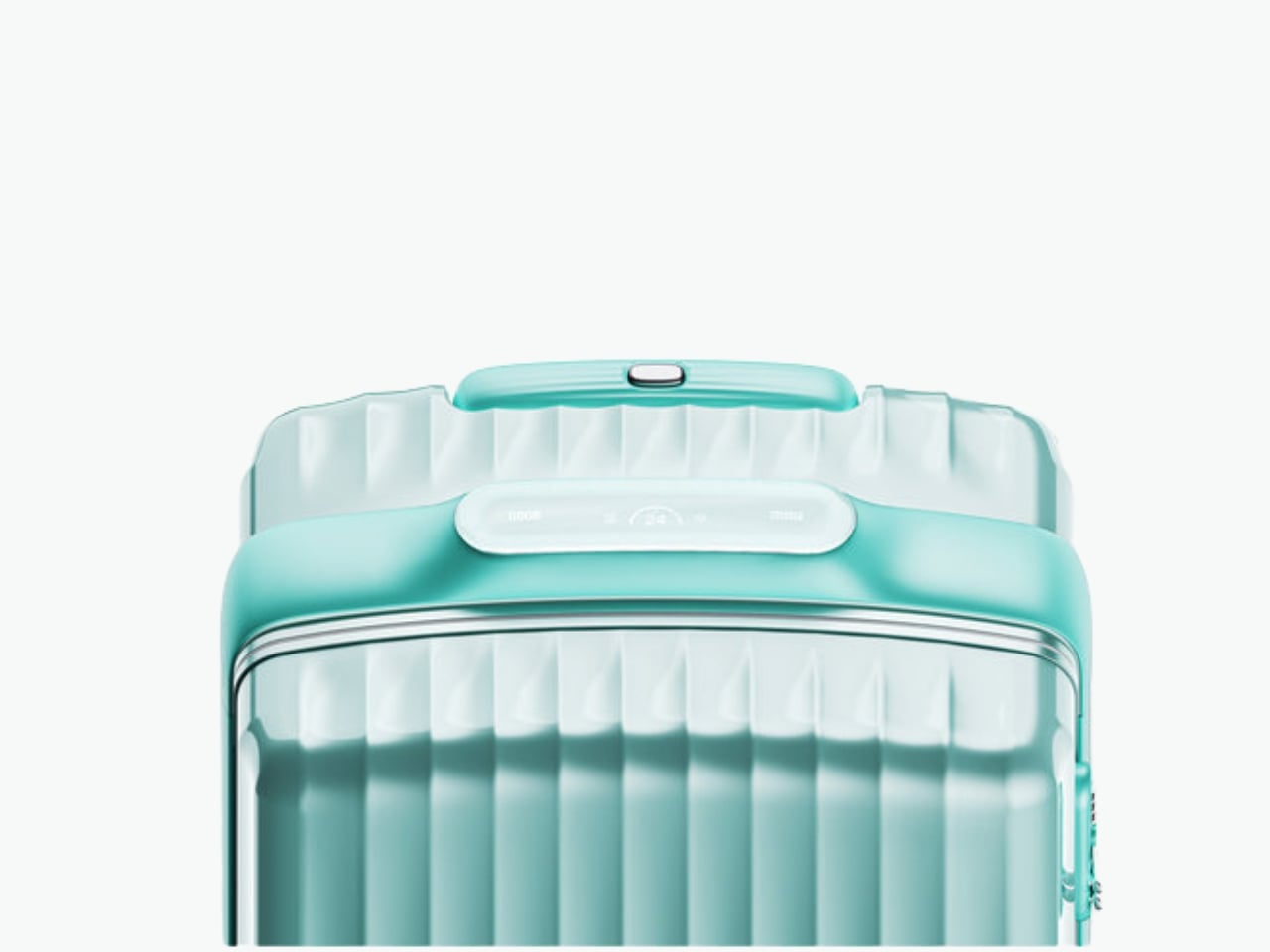
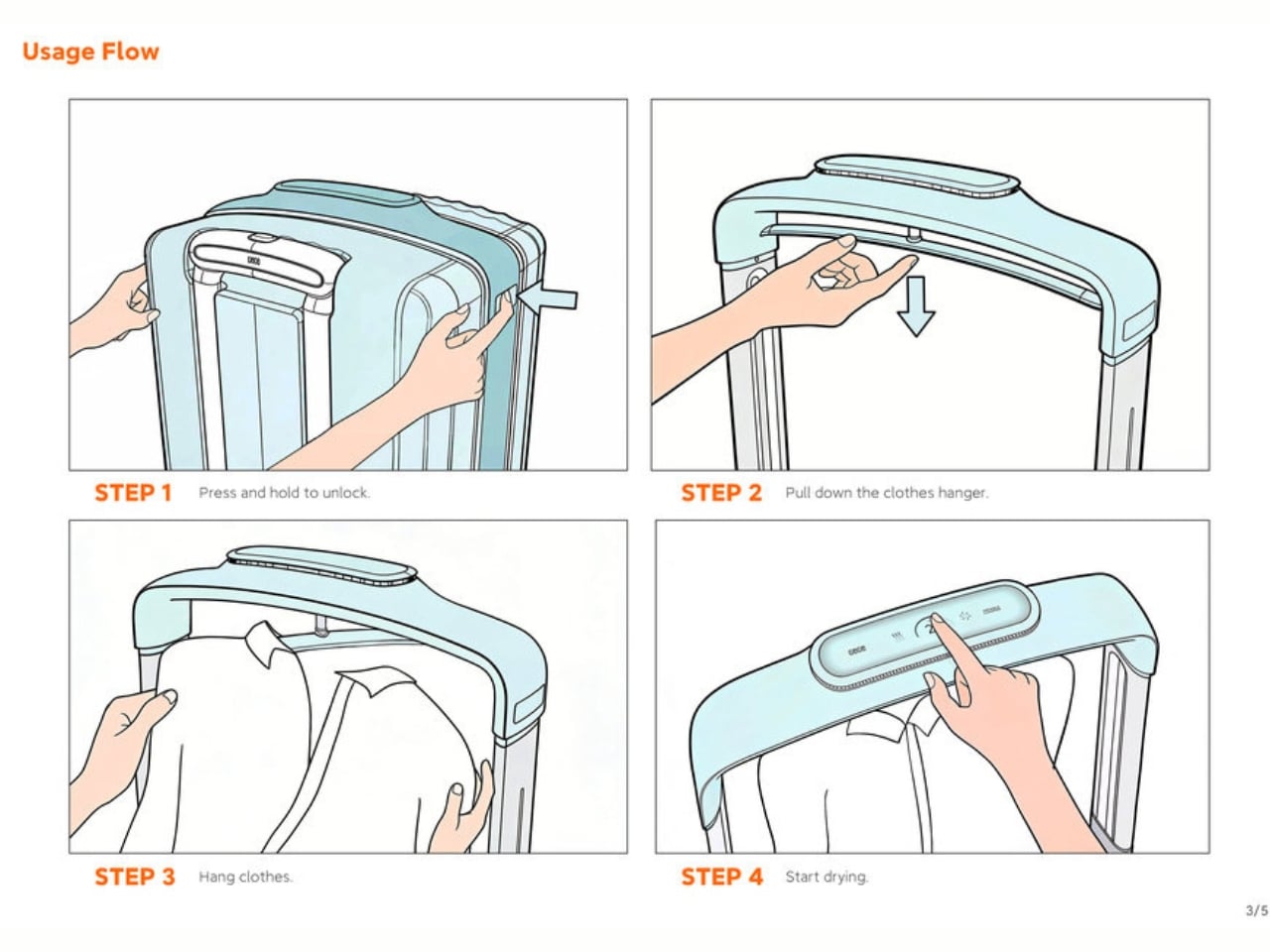
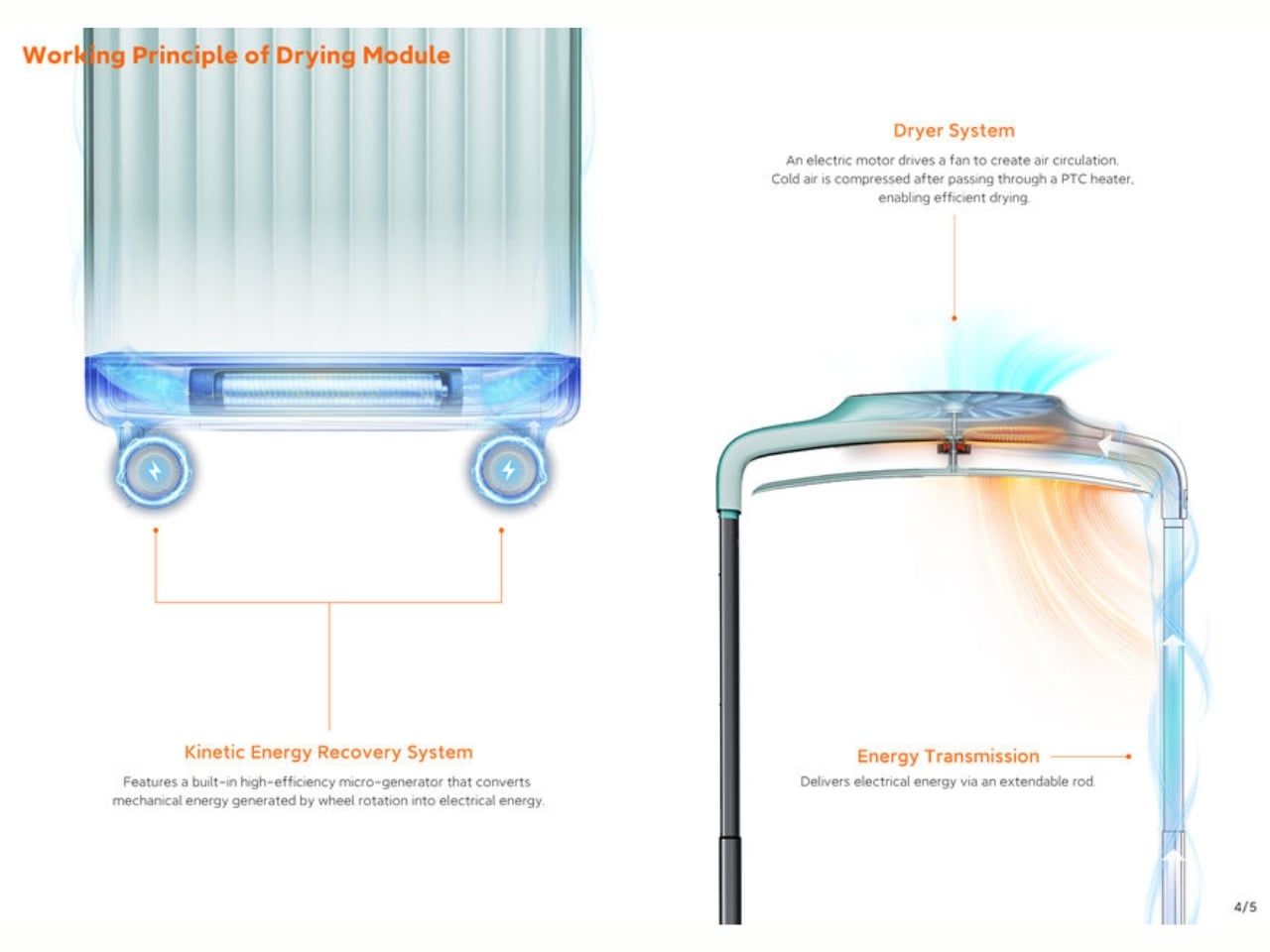
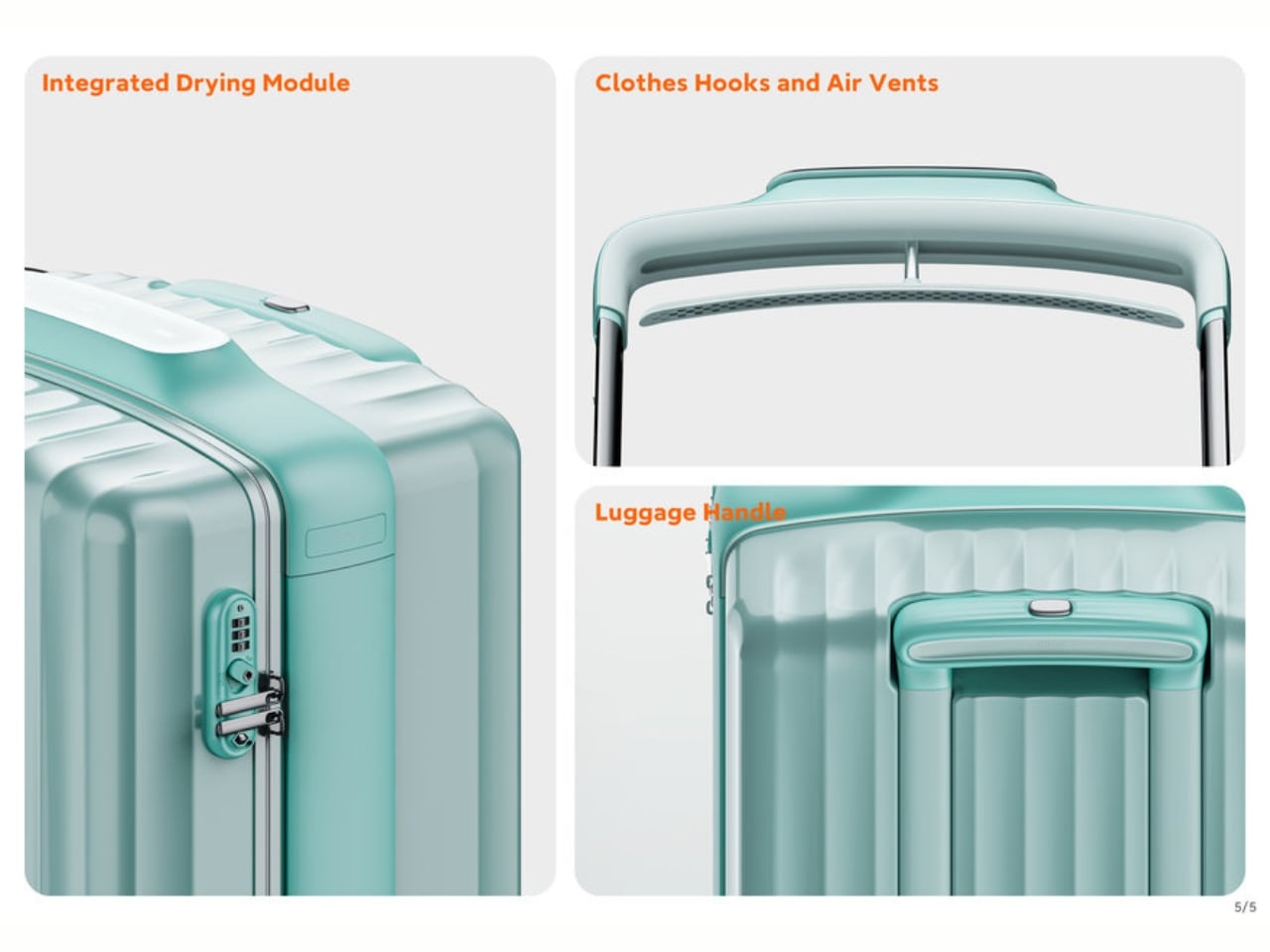
Here is how it works. The suitcase operates on a telescoping structure that lets it shift seamlessly between two modes: standard luggage mode and drying mode. When you switch it over, an internal frame extends, built-in hangers fold out so you can hang your clothes, and a control display activates automatically. From there, you can set your preferred drying temperature and time based on whatever fabric you are working with. The internal airflow system distributes heat evenly throughout the compartment so you are not just blasting one side of a shirt while the other stays damp.

The part that genuinely surprised me was the energy source. The suitcase’s wheels contain a kinetic energy conversion system, meaning the act of rolling your luggage through an airport or down a sidewalk actually generates and stores electricity. That stored energy then helps power the drying function, reducing how much you need to rely on an external outlet. It does not eliminate the need for power entirely, but it meaningfully offsets it. For a student concept, that level of systems thinking is notable.

I will be honest: my first reaction to the premise was mild skepticism. Luggage designers have been pitching smart suitcase concepts for years, most of them solving problems that never really felt like problems. A built-in scale. A USB charger. A GPS tracker. These features read more like tech for tech’s sake, and many ended up adding weight and complexity without meaningfully changing the travel experience. This feels different. Wet clothes are a real, recurring frustration, and the solution here is structural rather than gimmicky. It is built into the form of the object, not bolted on as an afterthought.

The visual design reinforces that integration. Wang and Hu went with angular geometric surfaces and concave detailing that give the suitcase a strong, sculptural presence. It does not look like a box with a machine stuffed inside. It looks intentional, like the form and function were designed together from the start, because they were.

Whether this ever makes it to full production is an open question. The gap between an award-winning student concept and a retail product involves manufacturing constraints, safety certifications, cost engineering, and consumer testing that can fundamentally change an original vision. The kinetic energy generation system in particular would need rigorous real-world testing to prove its reliability across different surfaces and travel conditions.

But that is not really the point right now. What Wang and Hu have done is ask a better question about an object most designers stopped questioning decades ago. The suitcase has been a box on wheels for a long time. Treating it as a platform for active problem-solving rather than passive storage opens up a conversation that the travel and luggage industry probably needs to be having more seriously. At the very least, the next time I am draping a wet jacket over a hotel bathroom door, I will know someone is already working on a better answer.

The post Students Just Designed a Suitcase That Dries Your Clothes on the Go first appeared on Yanko Design.

The Future of Retail Fits in This 3D-Printed Suitcase

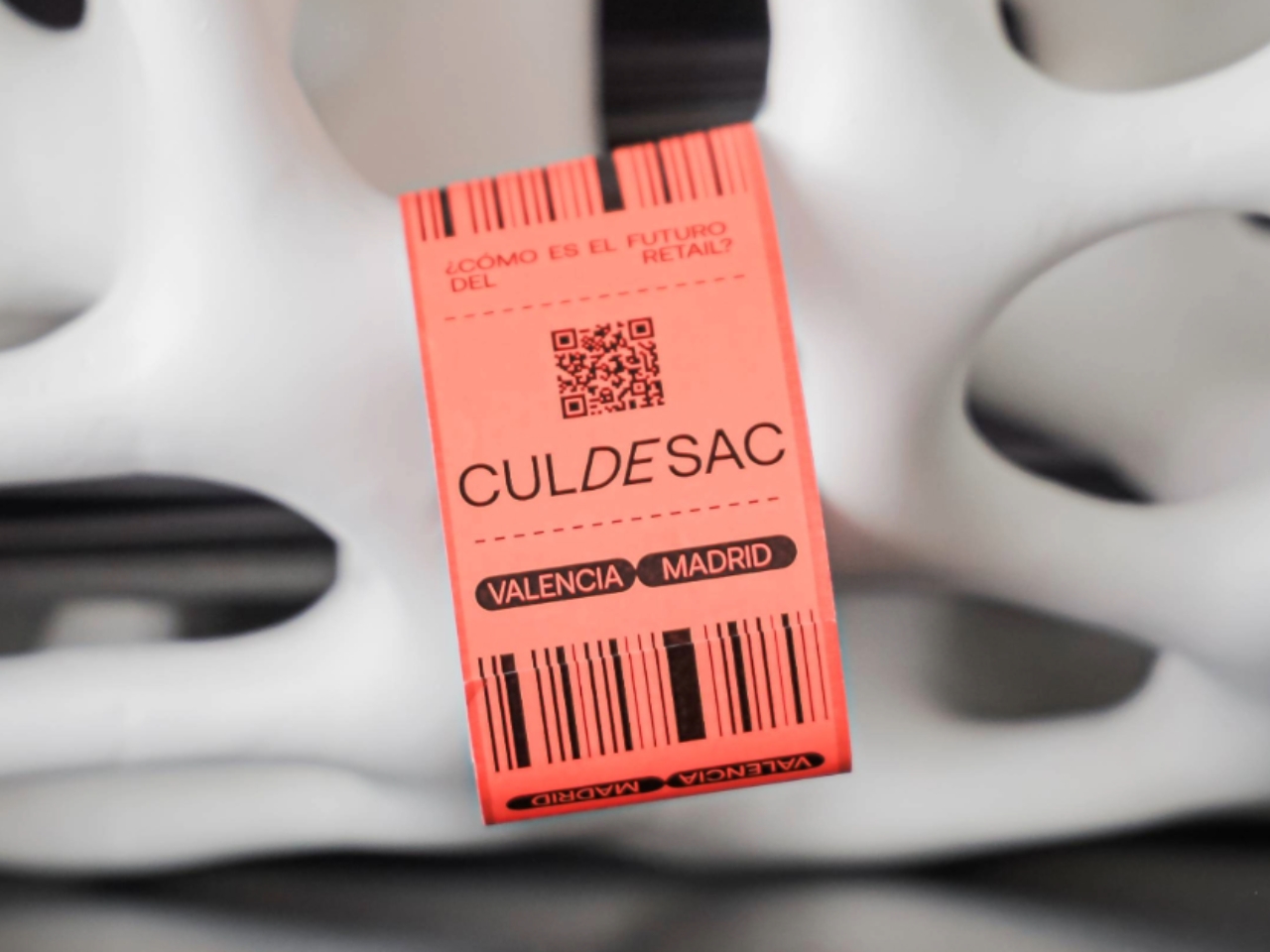
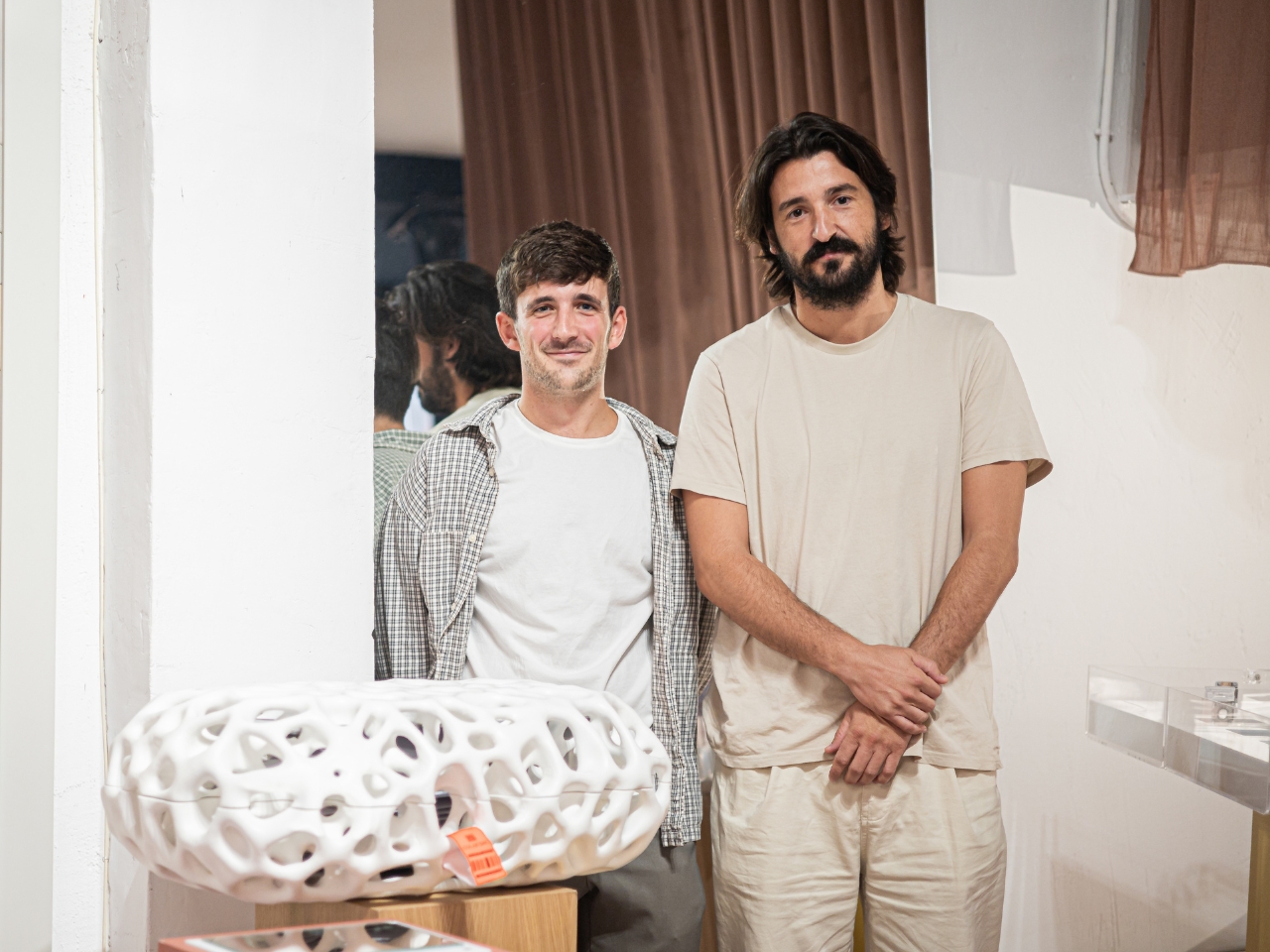
Imagine packing the future into a suitcase. Not your clothes or toiletries, but ideas about how we’ll shop, connect, and experience retail spaces in the years to come. That’s exactly what Valencia-based design studio Cul De Sac has done with their latest project, and honestly, it’s one of the coolest design concepts I’ve seen in a while.

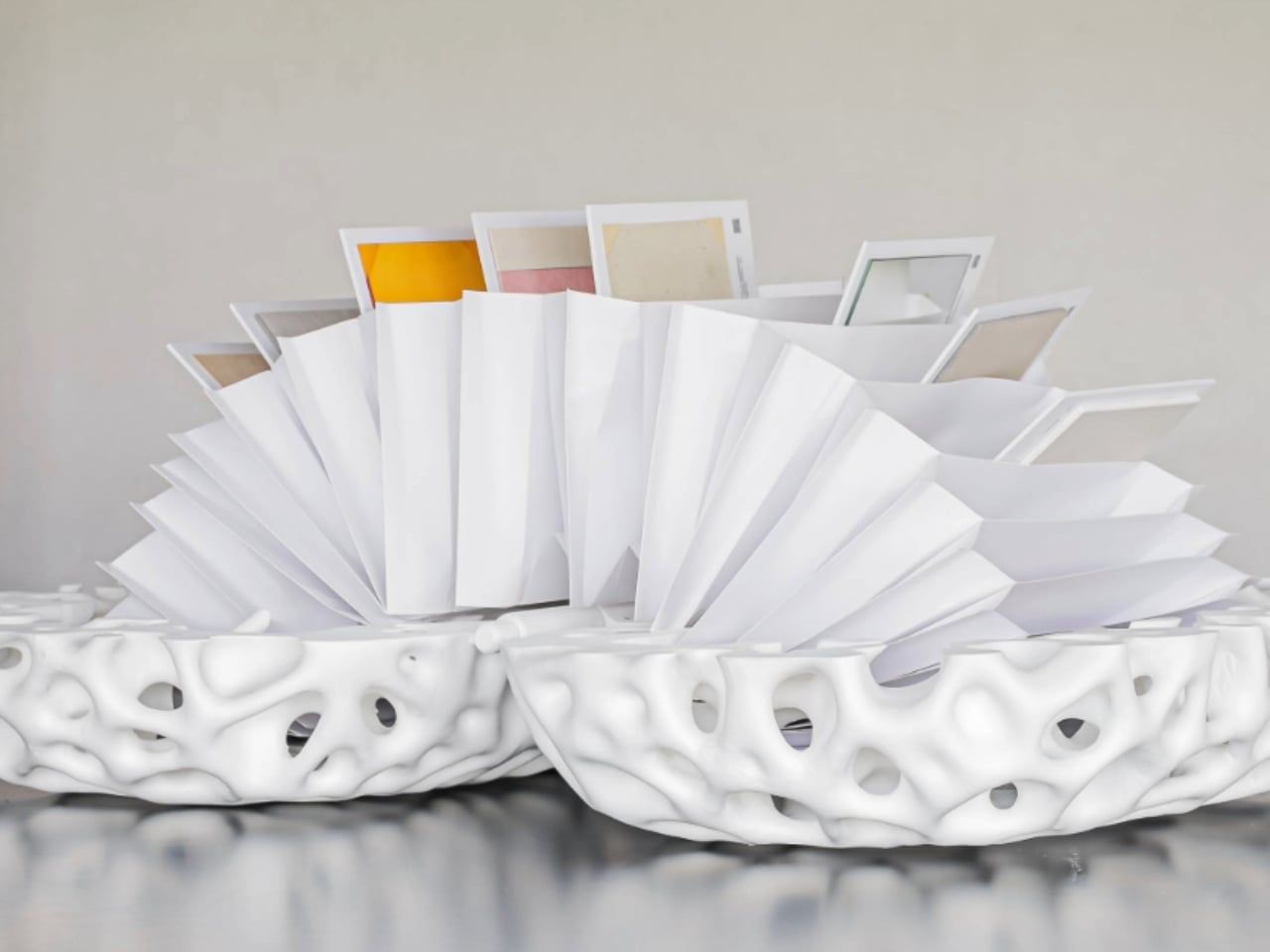
The piece is part of Gerflor’s “Portable Architecture” initiative, a traveling exhibition that challenges three international design studios to literally pack their visions of tomorrow into custom suitcases. Think of it as a design thought experiment meets art installation, inspired by Marcel Duchamp’s famous “Box in a Valise” concept where he miniaturized his entire body of work into a portable case.

Designer: Cul De Sac

What makes Cul De Sac’s contribution so compelling is its radical optimism about retail’s future. While many of us have grown accustomed to sterile, product-focused shopping environments, architect and creative director Borja Berna offers a completely different vision. “The future of retail will be human,” he explains. “We come from a past where the product was the center, but the spaces of the future will put the person at the center. They will be places of community, connection, where things happen beyond the purchase.”

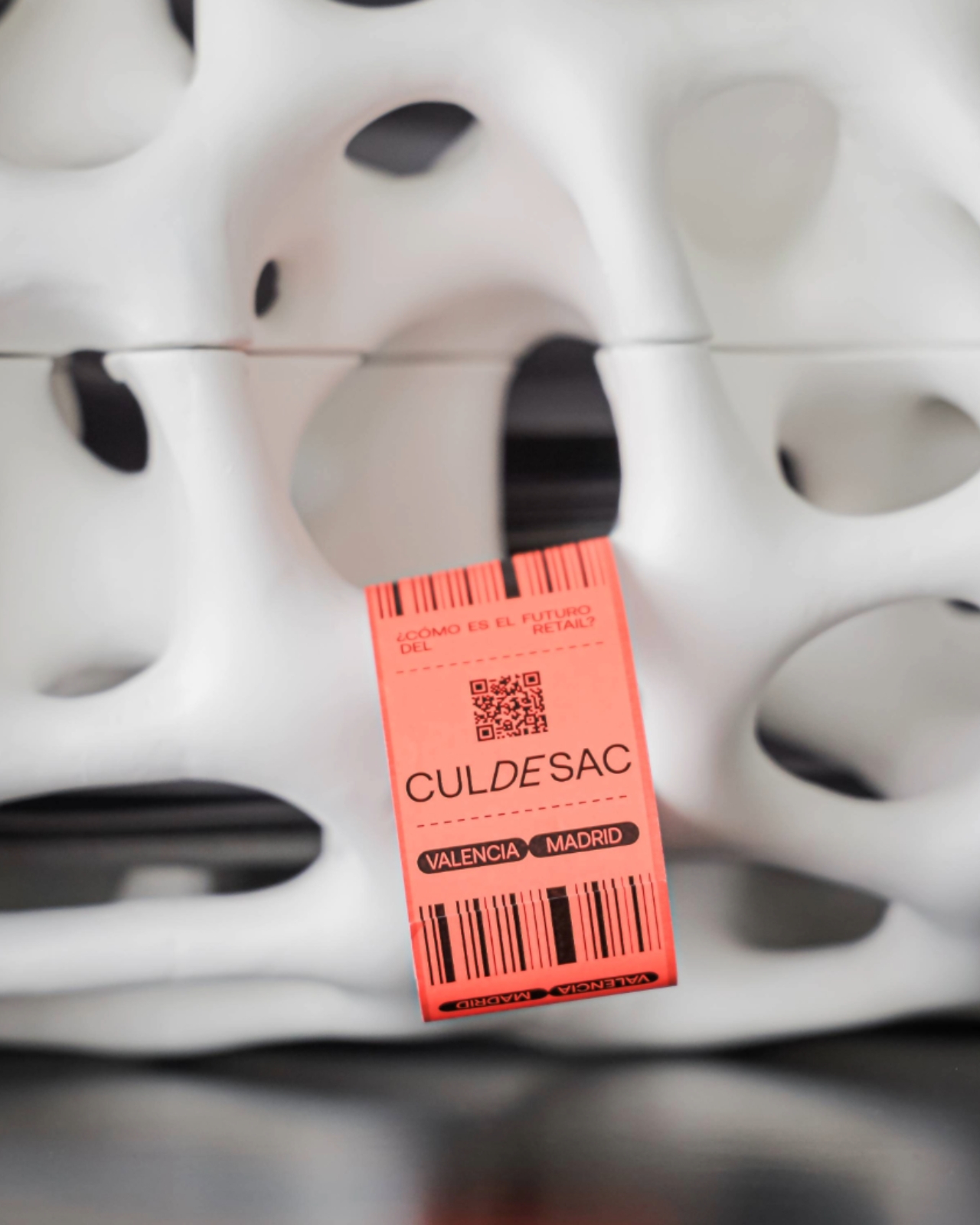
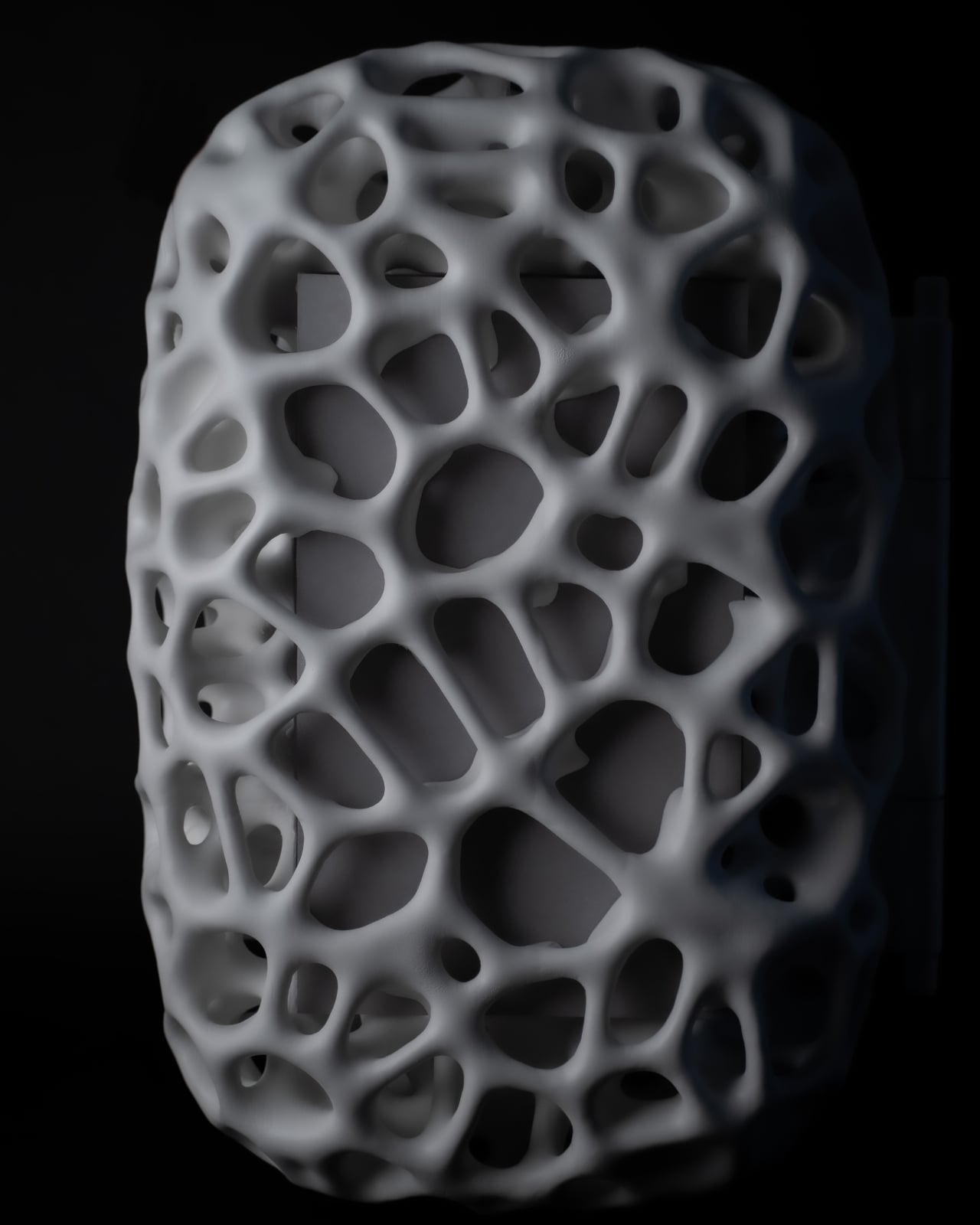
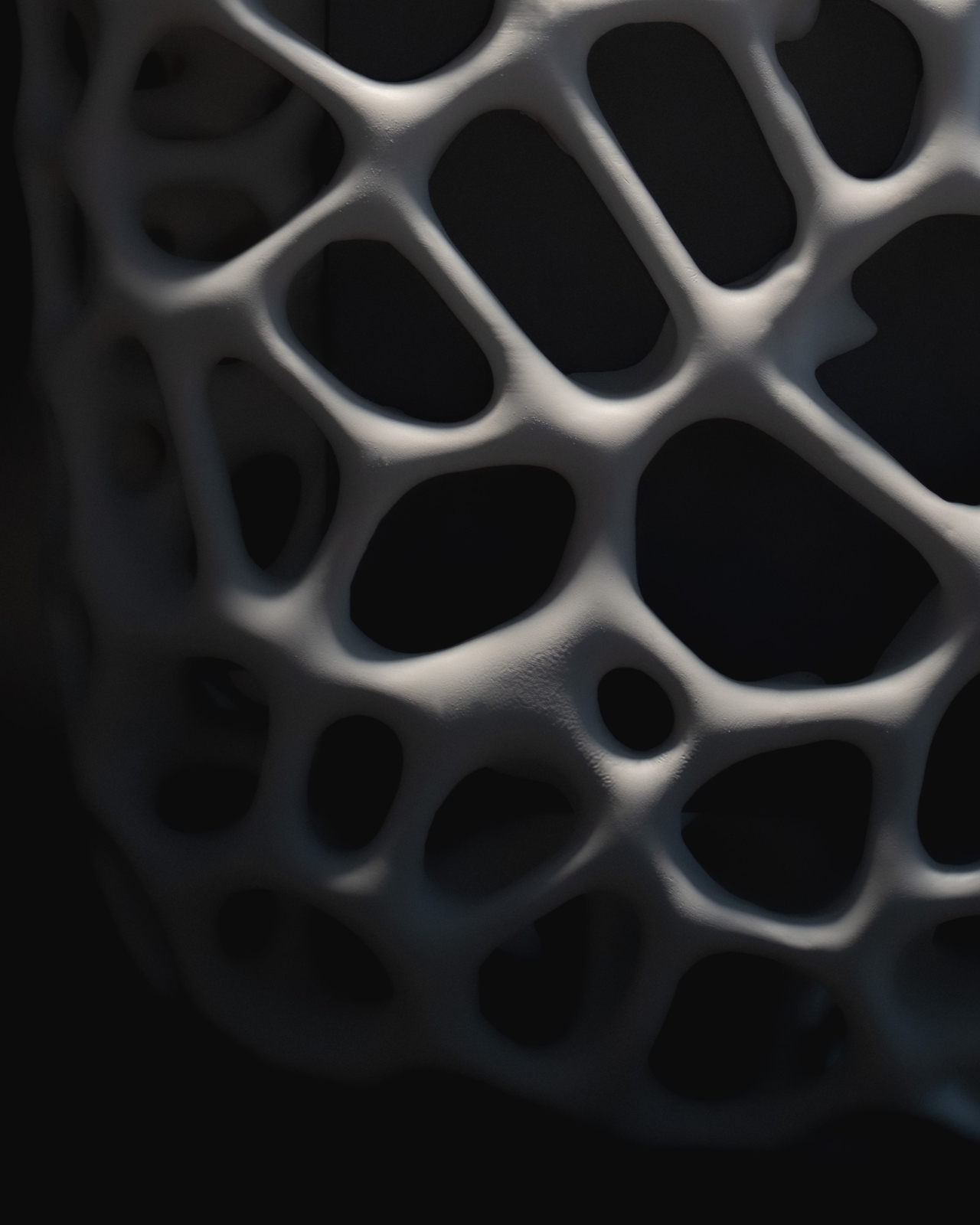
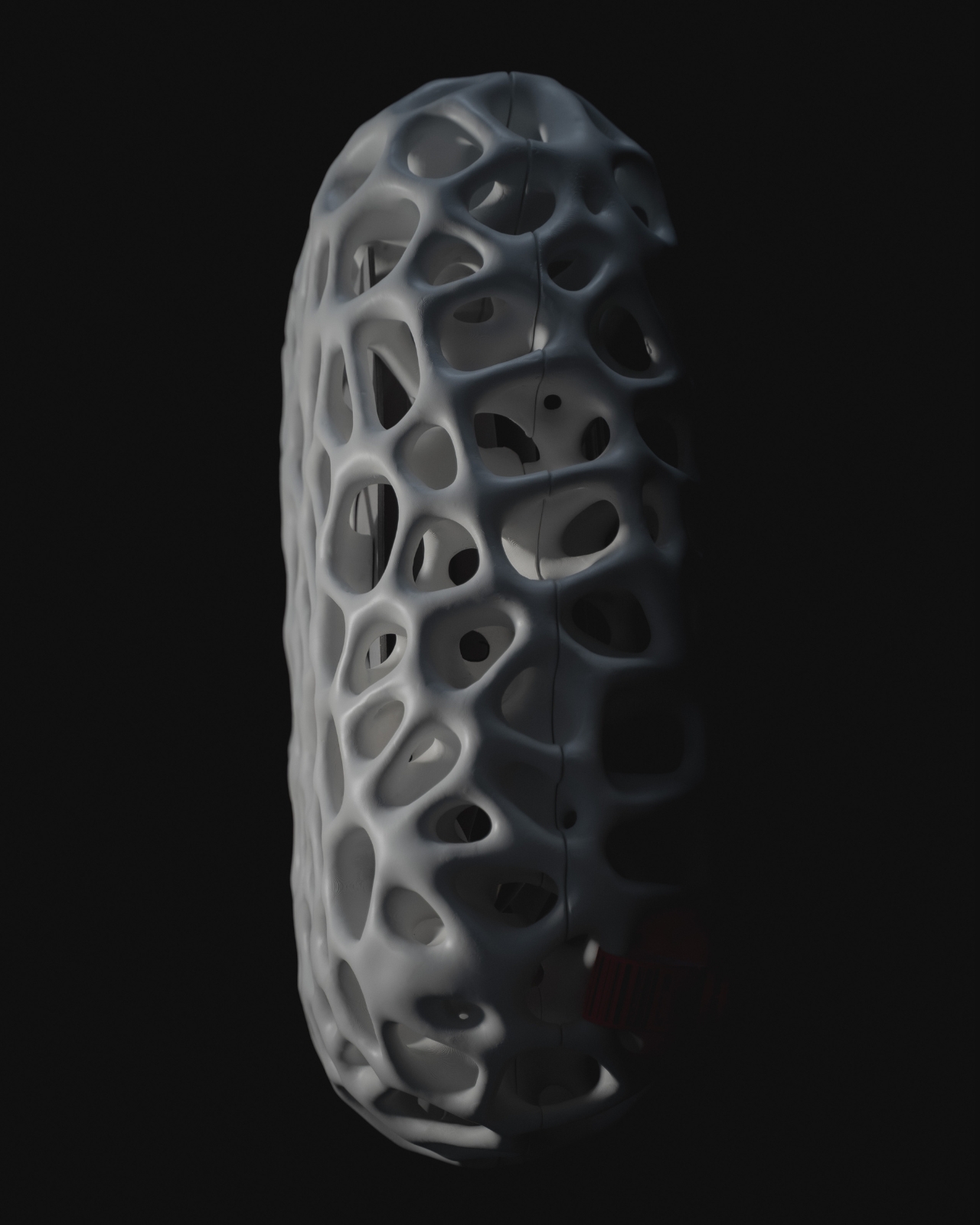
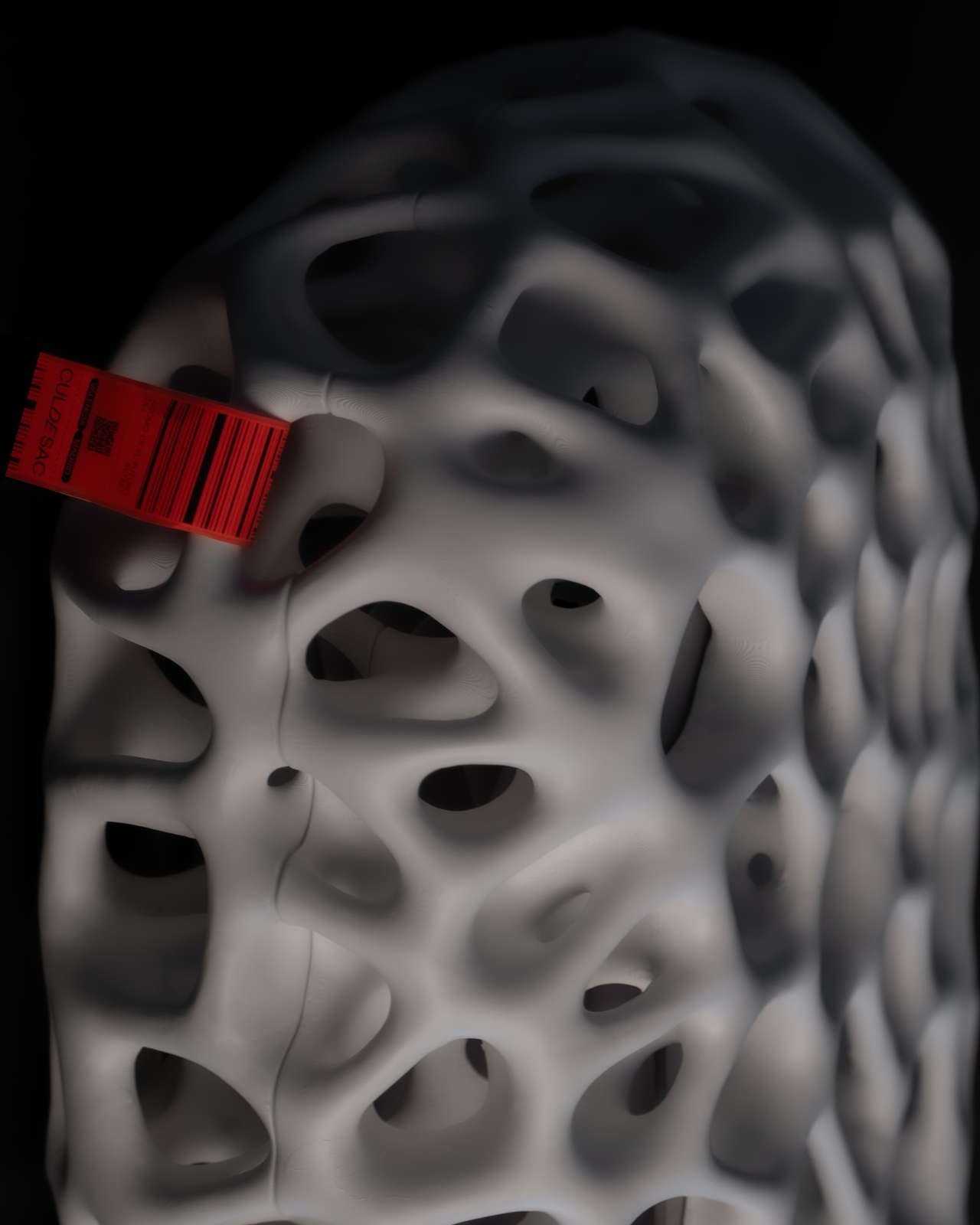
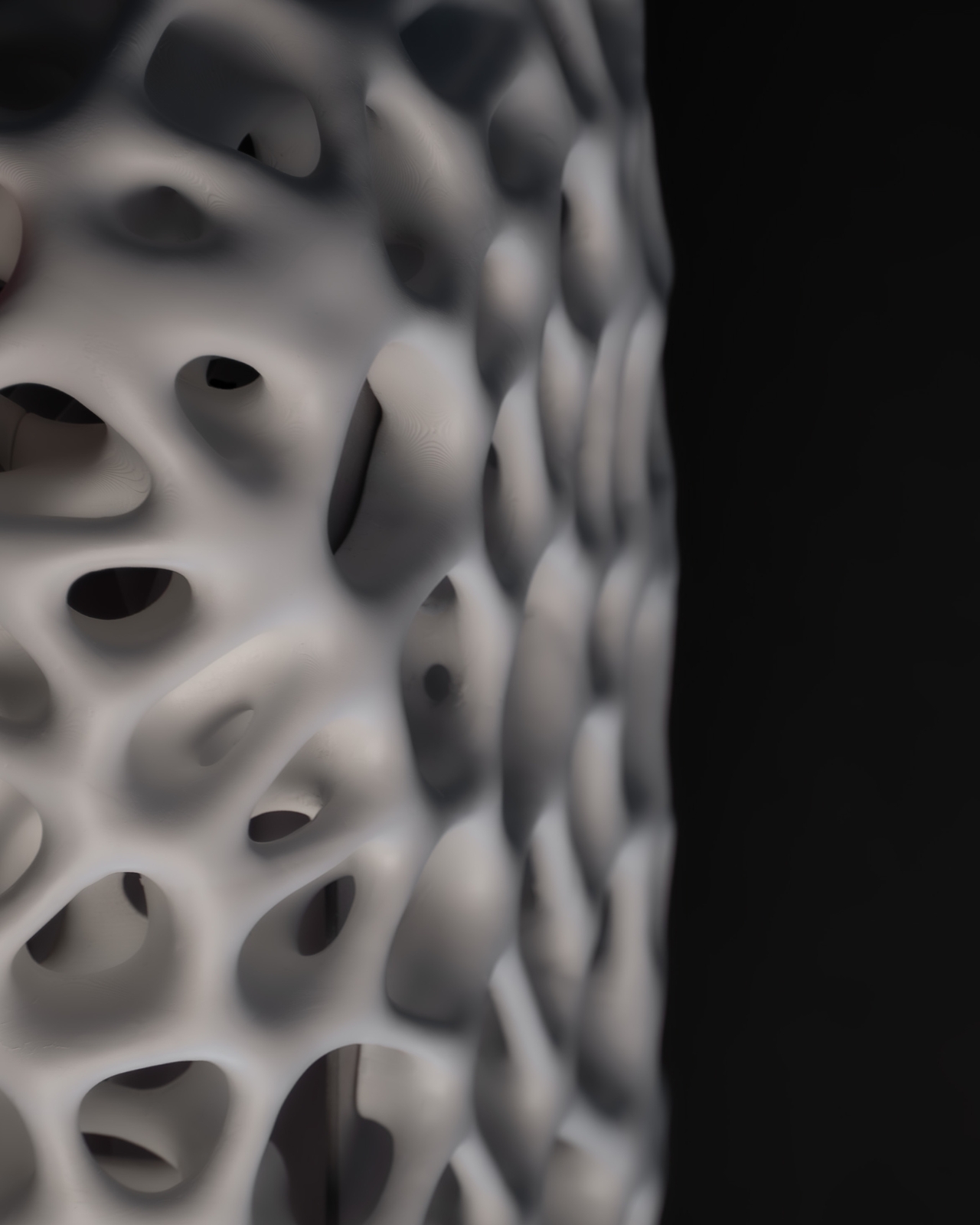
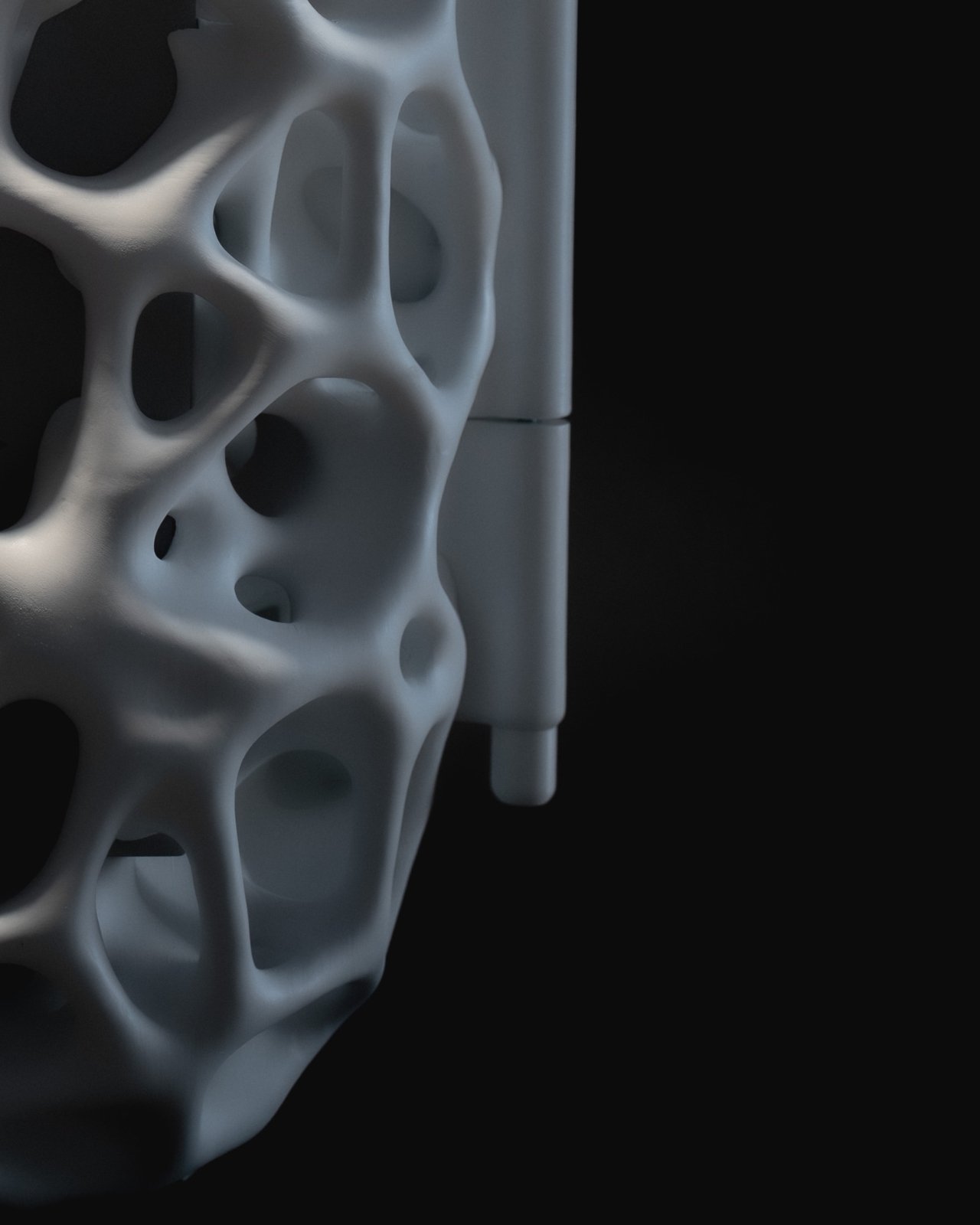
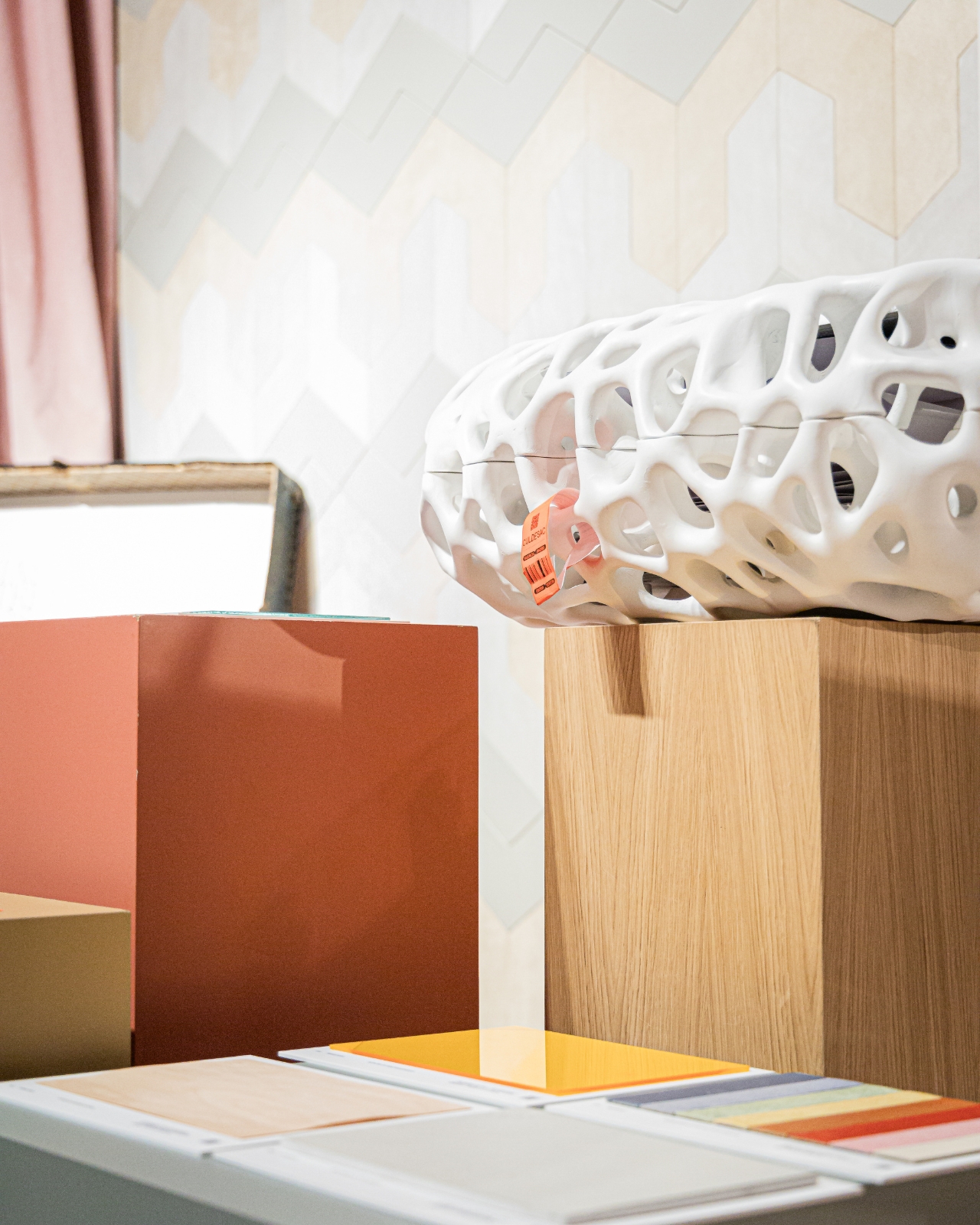
That philosophy isn’t just talk. It’s physically manifested in the suitcase’s 3D-printed design, which looks like something between a neural network and organic coral. The structure breathes with these flowing, interconnected forms that evoke energy pathways and human connections. It’s deliberately designed to feel alive, like it’s constantly evolving and adapting, much like the retail spaces Berna imagines for our future.

The choice of 3D printing feels particularly intentional here. This technology allows for organic, impossible-to-manufacture-otherwise shapes that traditional fabrication methods simply can’t achieve. The result is a sculptural piece that captures fluidity and movement in a way that feels almost biological. You can see why they chose this approach when you look at the images: those undulating surfaces and cellular patterns really do suggest something living rather than static.

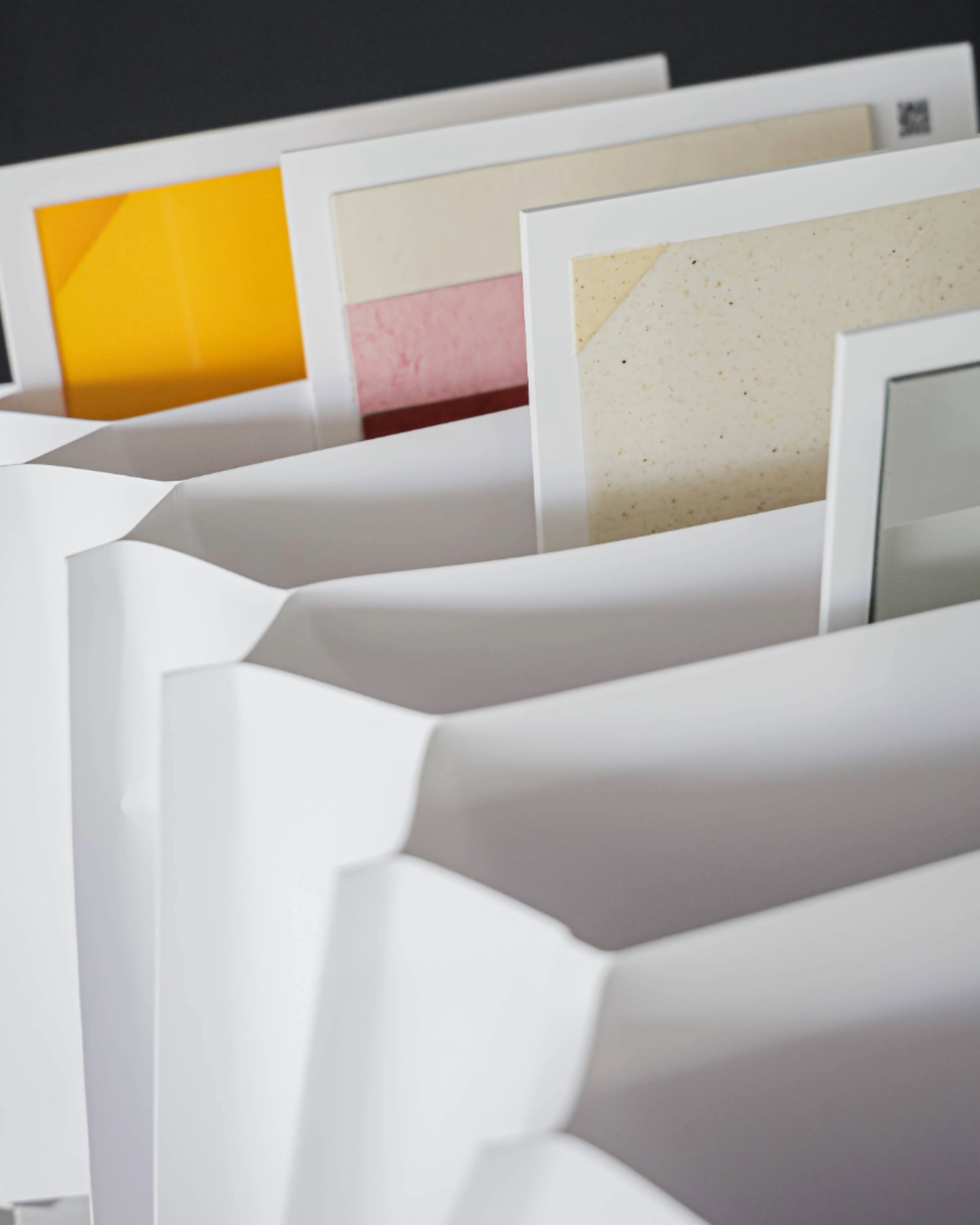
But here’s where it gets really interesting. The suitcase doesn’t just contain samples of Gerflor’s flooring materials as a reference library. The container itself becomes the statement. As Berna puts it, they wanted “the design itself to summarize our vision of the future of retail.” The piece integrates materials from Gerflor’s Creation range not as mere swatches but as part of the identity itself. In a market saturated with brands competing for attention, materials become the language through which spaces communicate with people and create memorable experiences.

Berna describes the biggest challenge as “condensing usually conceptual ideas into a tangible piece.” And you can feel that tension in the final work, in the best possible way. It’s both abstract and concrete, theoretical and physical. The suitcase manages to be a manifesto, a prototype, and an art object all at once.

This project sits alongside equally intriguing contributions from Studio Banana, who tackled the future of office spaces, and Nini Andrade Silva from Madeira, who explored hotels as experiential gathering places. Together, these three suitcases form a traveling exhibition that will move through seven cities across the Iberian Peninsula, sparking conversations about how we want to inhabit tomorrow’s spaces.

There’s something wonderfully democratic about packaging big architectural ideas into portable, approachable formats. Rather than presenting a massive installation or dense white paper, these studios offer something you can literally walk around, something that invites curiosity and conversation. As Juan Segura, Marketing Manager of Gerflor Iberia, notes, “More than showing product, we want to generate dialogue.”

What I love most about this project is how it reframes retail from transactional to transformational. In an era where online shopping dominates and physical stores struggle to justify their existence, Cul De Sac suggests that the answer isn’t better product displays or flashier signage. It’s about creating spaces where human connection happens, where community forms, where something meaningful occurs beyond the exchange of goods for money.

That 3D-printed suitcase, with its neural-network-like structure, becomes a perfect metaphor: retail spaces as living organisms that facilitate connections between people, emotions, and yes, brands, but in ways that feel organic rather than forced. It’s a vision of shopping as something closer to a social experience than a chore. And really, isn’t that the kind of future we’d all want to pack our bags for?

The post The Future of Retail Fits in This 3D-Printed Suitcase first appeared on Yanko Design.
RIMOWA original suitcase gets alternate brushed finish to create the ‘optical’ illusion of movement

How about a fancy cabin bag that appears to be moving when you are standing for your boarding pass or awaiting your boarding call in the lounge? All sorts of suitcases make an appearance these days. Some are modular, some reminiscent of the icons, and some throw in an optical illusion to put fun to your airport look and those timeless halts. And for the latter, we are sold!

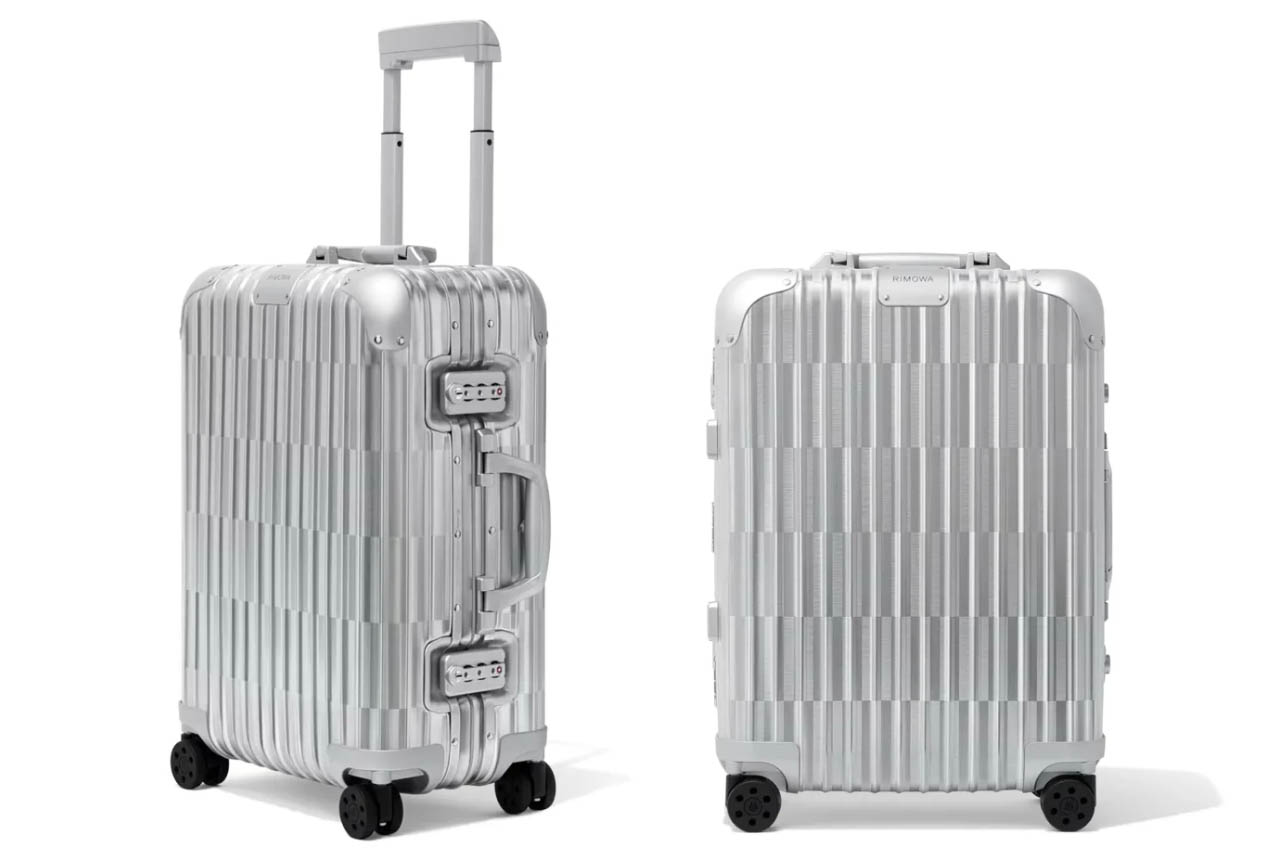
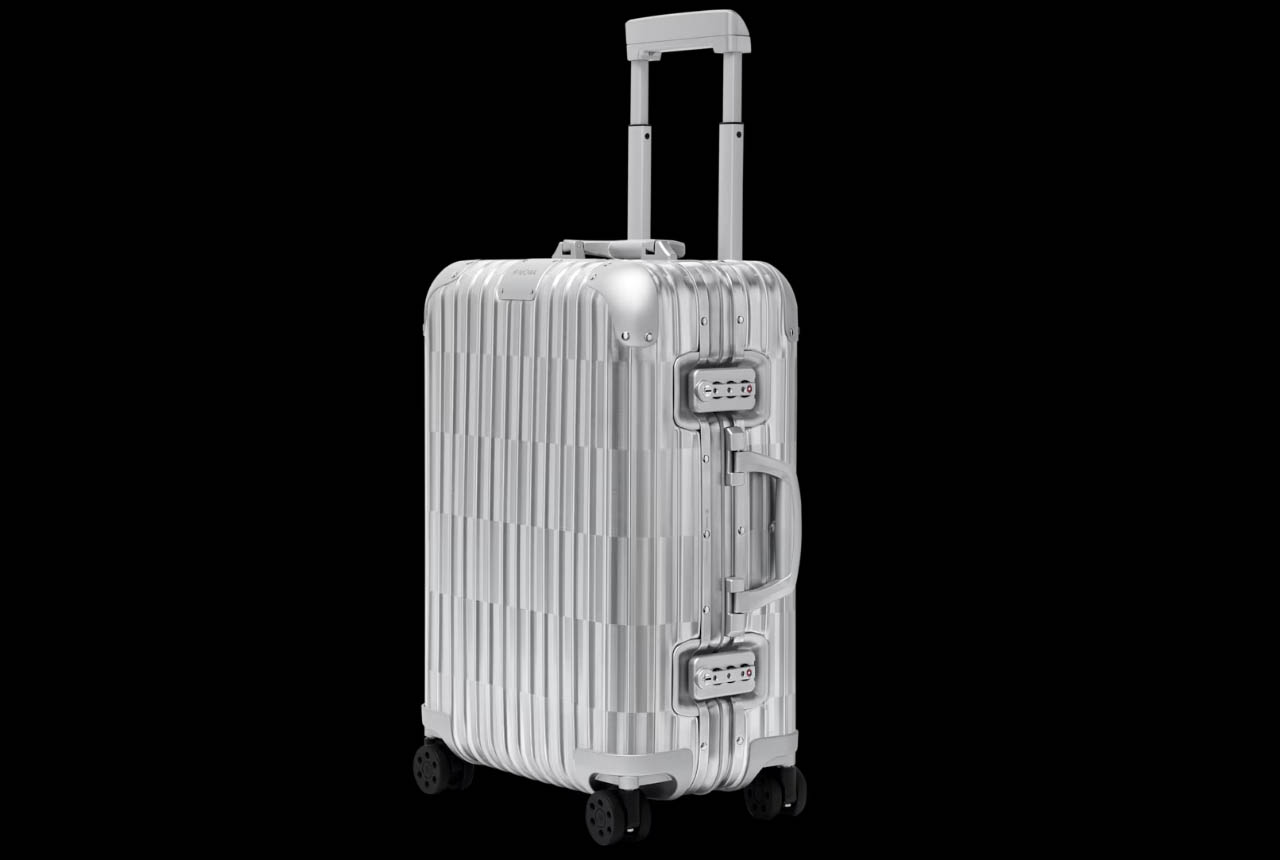
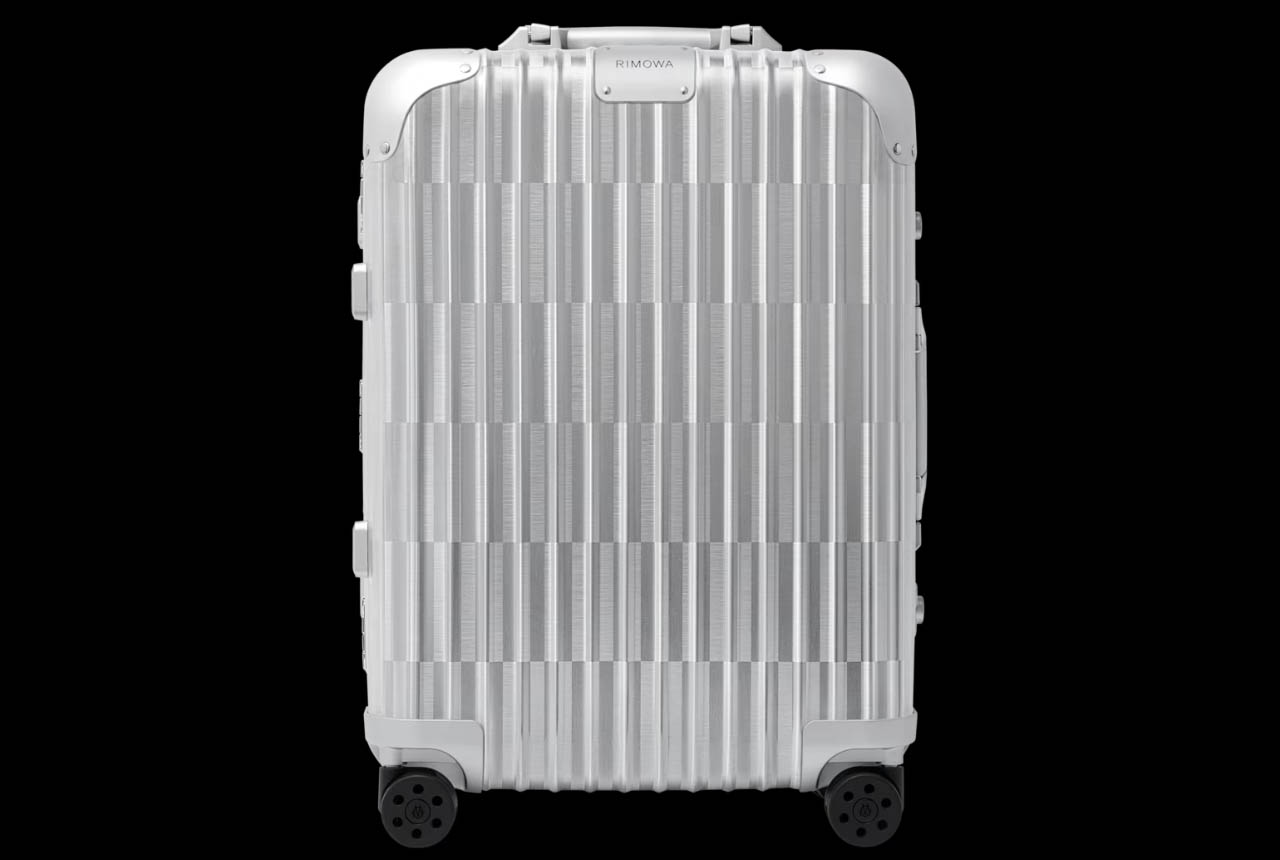
Designed and developed by Germany-based RIMOWA using high-end anodized aluminum, the suitcase is a fancy variant of the company’s original carry-on. Aptly dubbed Original Cabin Optical, this suitcase in RIMOWA’s words “redefines boundaries.” This is done by “creating” an “illusion of the iconic groves disappearing.”

Designer: RIMOWA

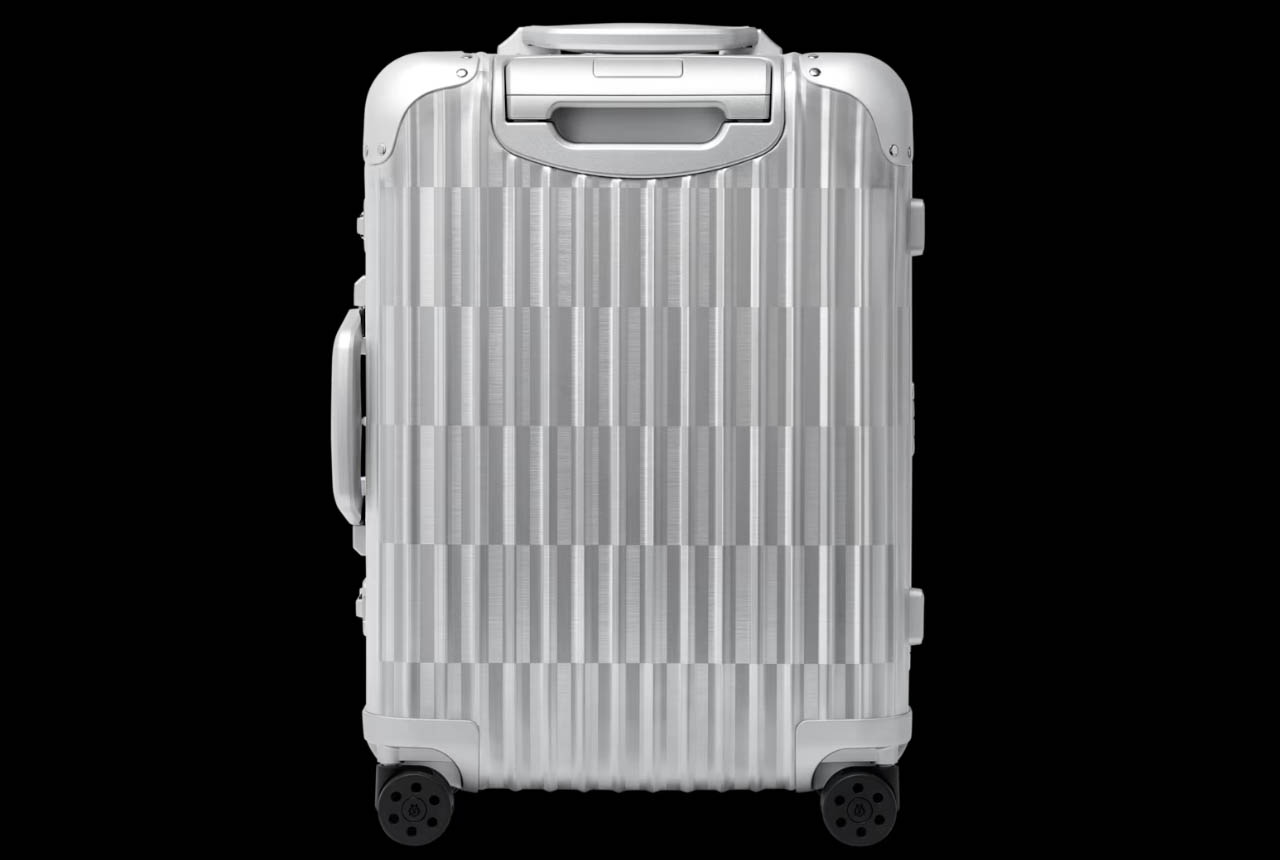
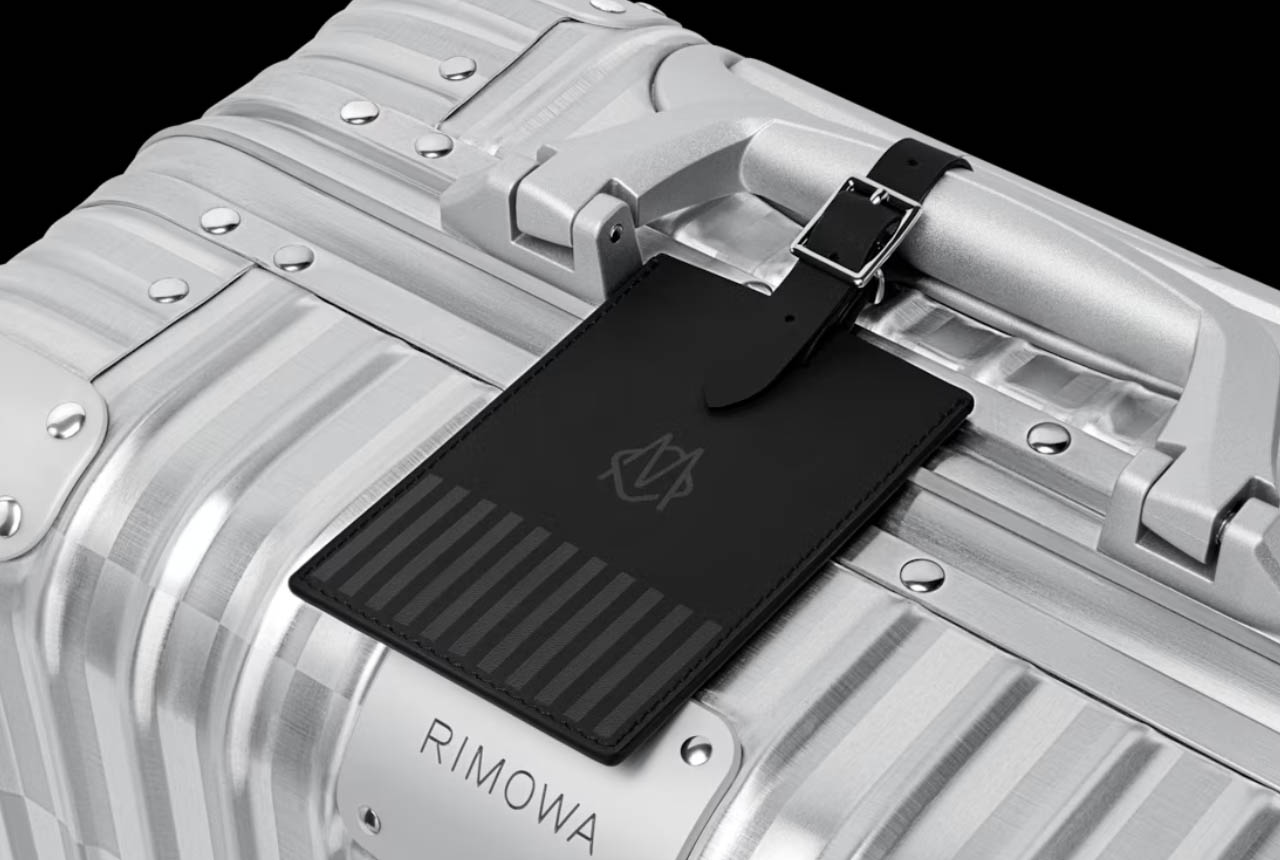
In simpler words, the famous RIMOWA suitcase is made with a shimmering effect achieved by a brushing technique that gives the suitcase the illusion of movement. The Cabin Optical’s anodized aluminum exterior has an alternating brushed finish to create this illusion: so, when you are at the airport or in the hotel lobby, people could mistake your suitcase to be moving even when it’s standing beside you.

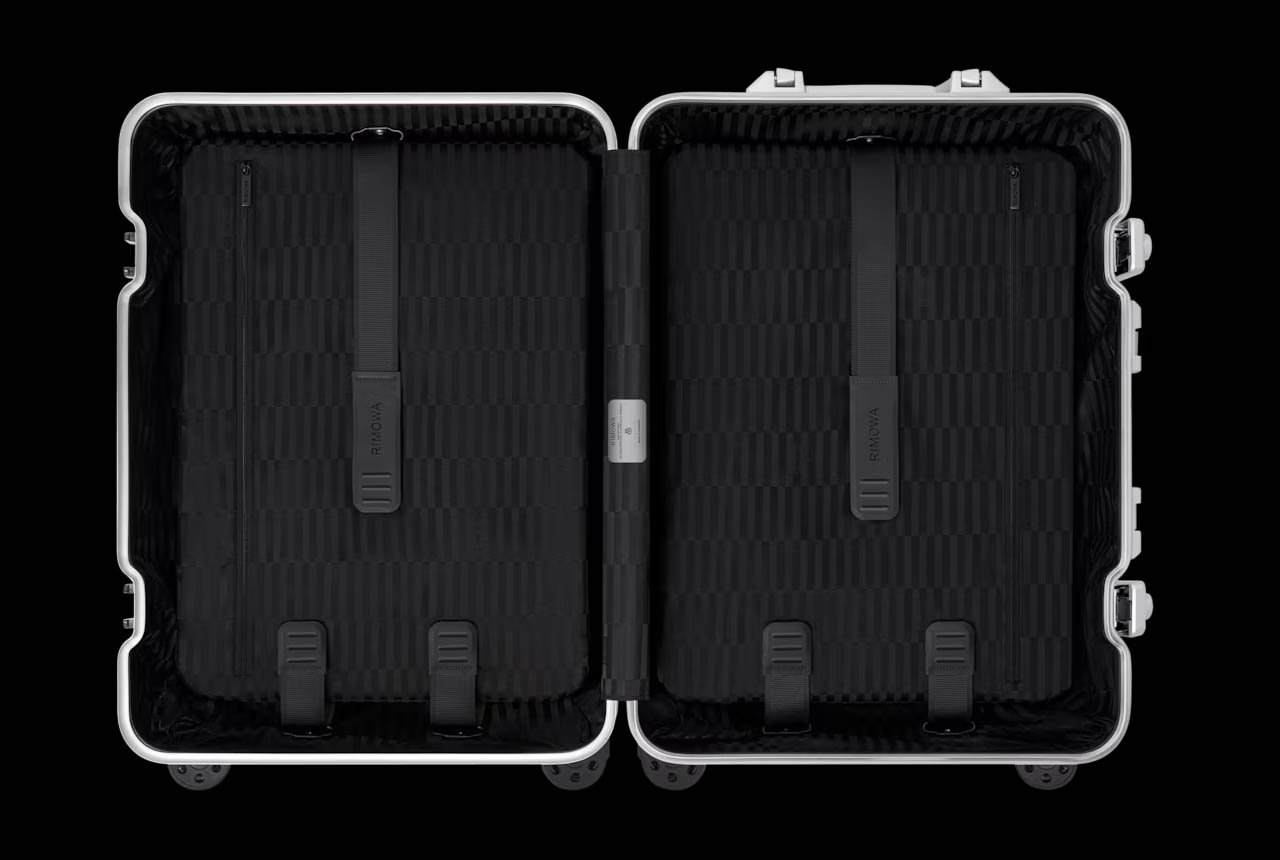
Such illusion happens because of these specially brushed groves that with the change in light and perspective create the illusion of movement. This interesting optical motif is not only limited to the exterior, interestingly RIMOWA carries it to the inside of its limited-edition Cabin Optical. Here the jacquard lining is directly woven with geometric patterns for a similar effect.

The Cabin Optical is available in 35 litter carry-on sized dimensions making it – according to the company – apt for three to four days of travel. The suitcase itself is pretty lightweight, weighing only 9.5lbs, and comes with a stage-free telescoping handle, RIMOWA’s Multiwheel system with cushioned axles, and Flex Divider.

It is strictly limited-edition of just 2,002 examples. The number is only chosen for its palindromic nature and has no relevance to the year, which I earlier thought to be the case.  Currently available for pre-order, with sales beginning November 7, the special silver Cabin Optical will set you back $2,050. If you are not ready to shell that kind of money, you can pick the suitcase in your choice of silver, emerald green, black and titanium for $1,430.

The post RIMOWA original suitcase gets alternate brushed finish to create the ‘optical’ illusion of movement first appeared on Yanko Design.
Globe-Trotter’s James Bond carry-on trolley suitcase is tribute to 60 years of the Goldfinger

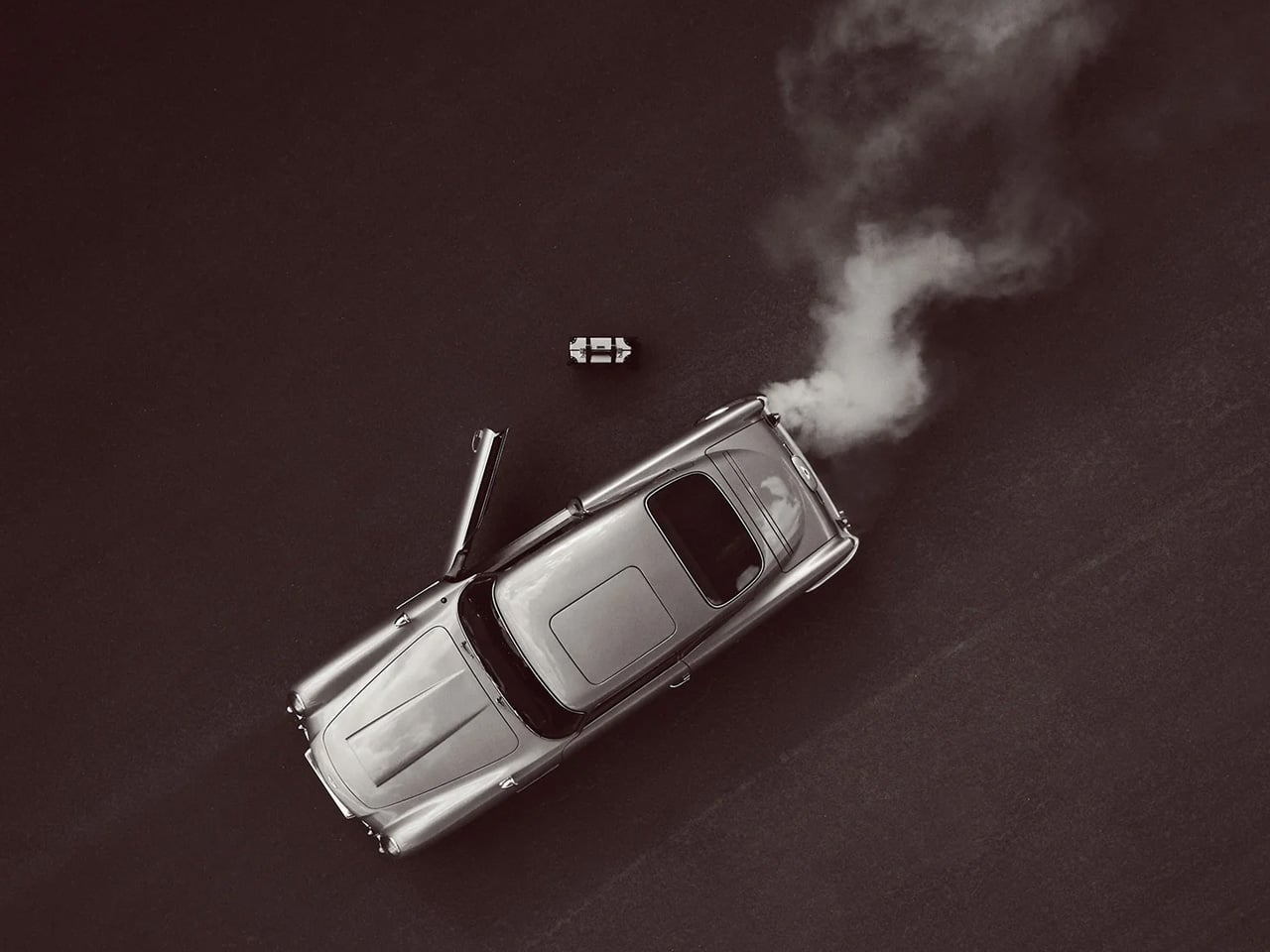
Goldfinger will rekindle so many memories in numerous 007 fans. The cars, the music, and the one-liners of this first Bond blockbuster, and perhaps to date, the most revered James Bond movie, live on with us since the 1964 film was released. Now, to mark its 60th anniversary, Globe-Trotter has made a limited-edition suitcase collection that all bond fans would want to lay their hands on, if their budget permits that is!

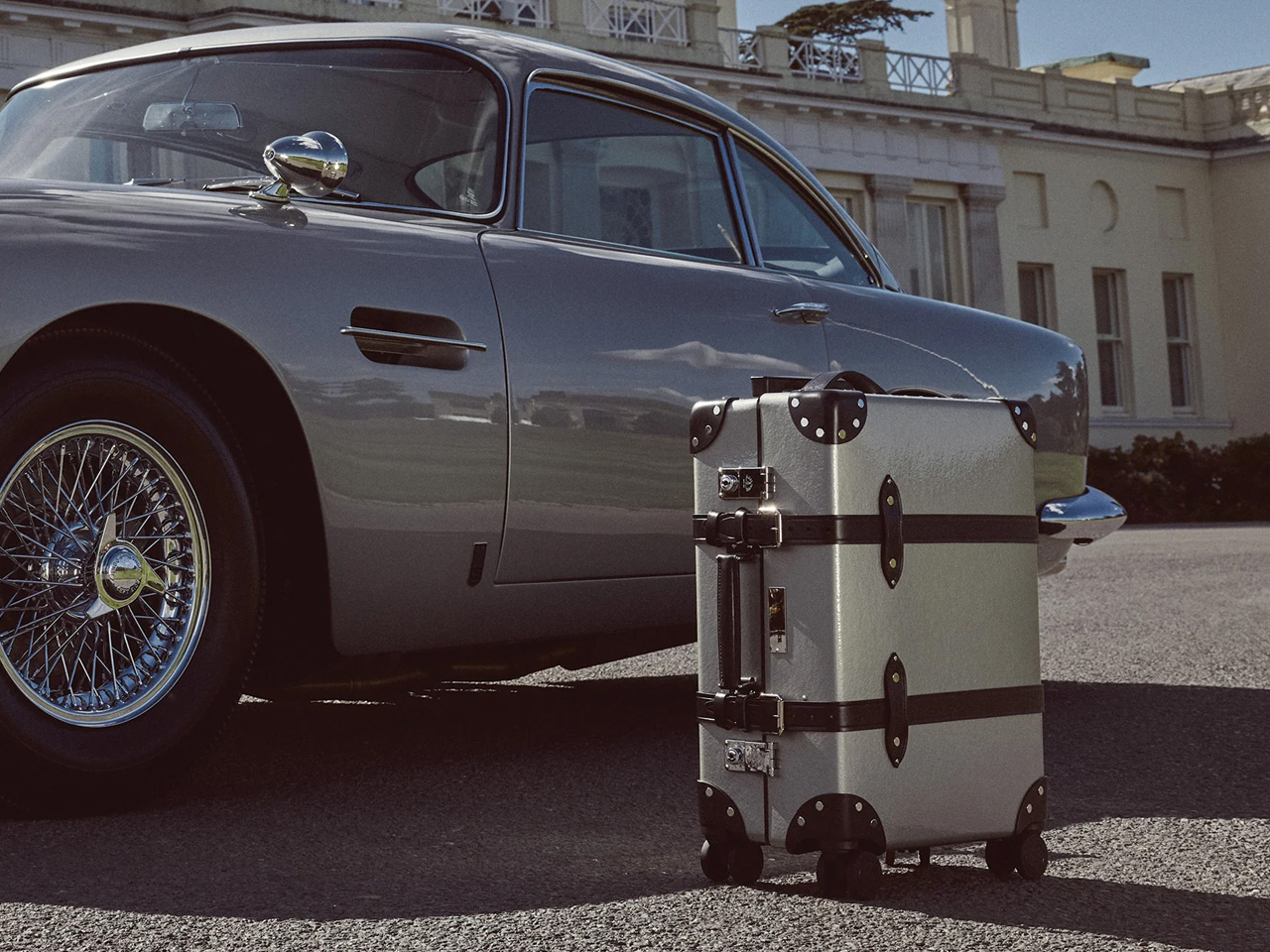
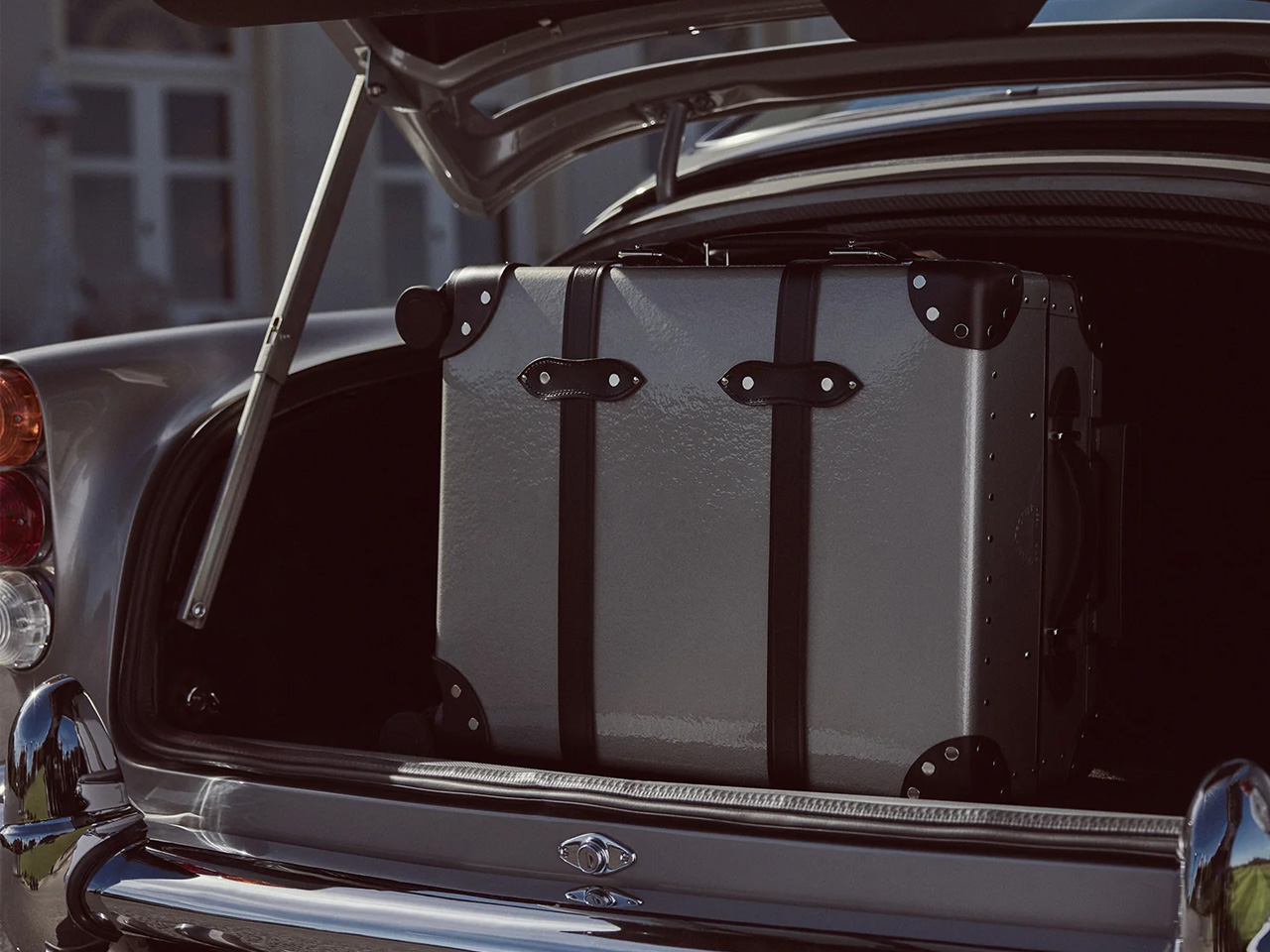
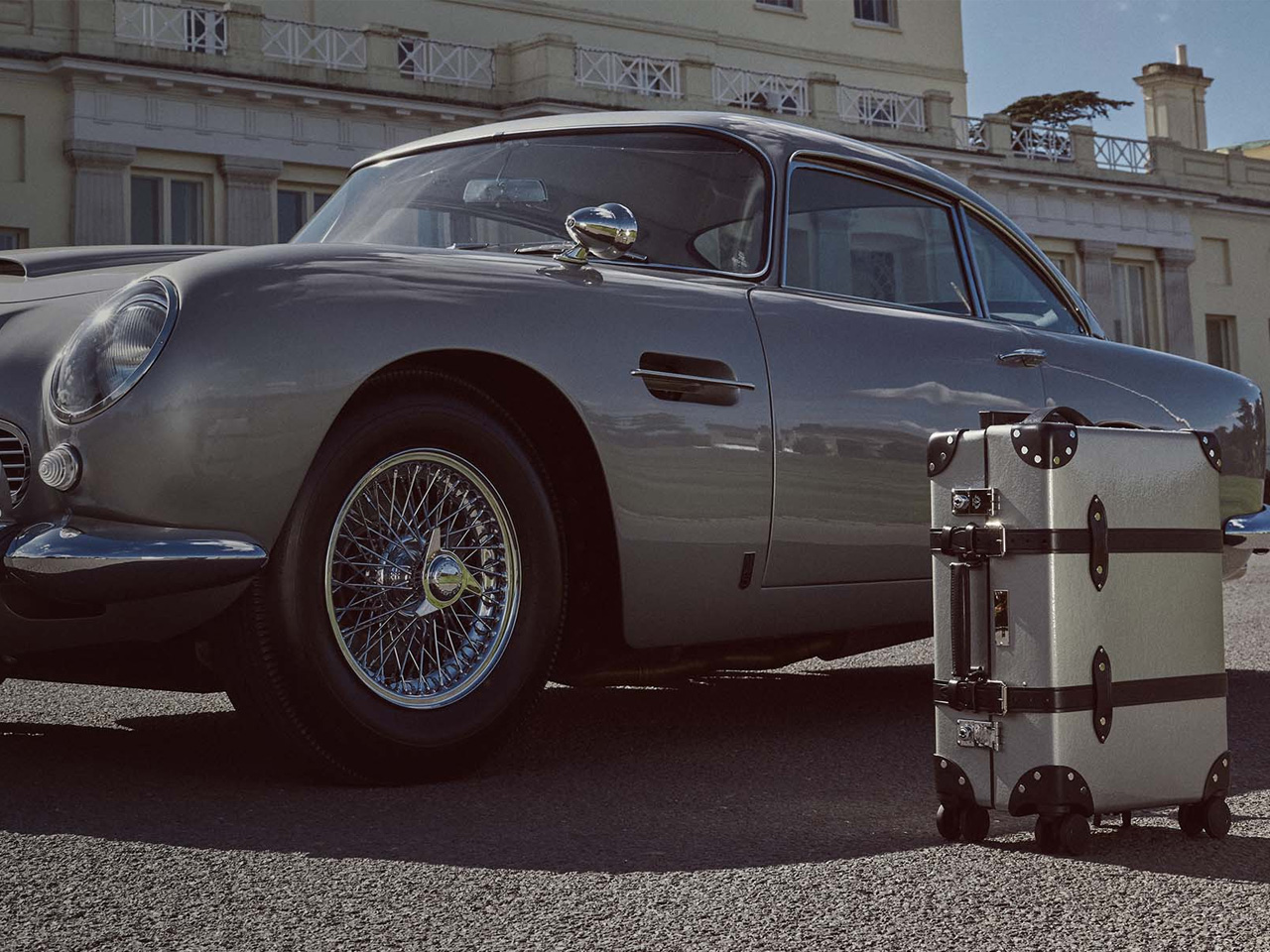
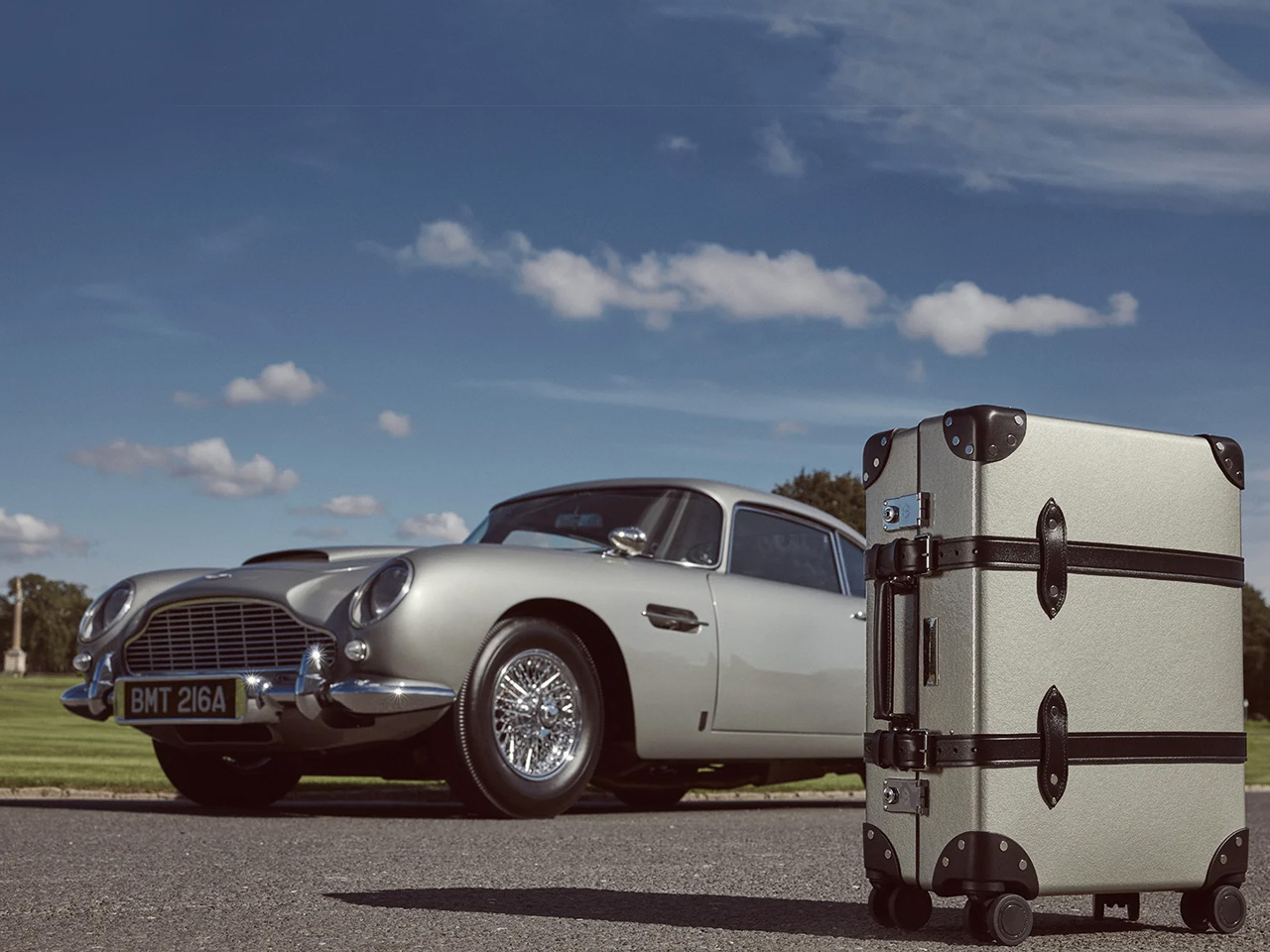
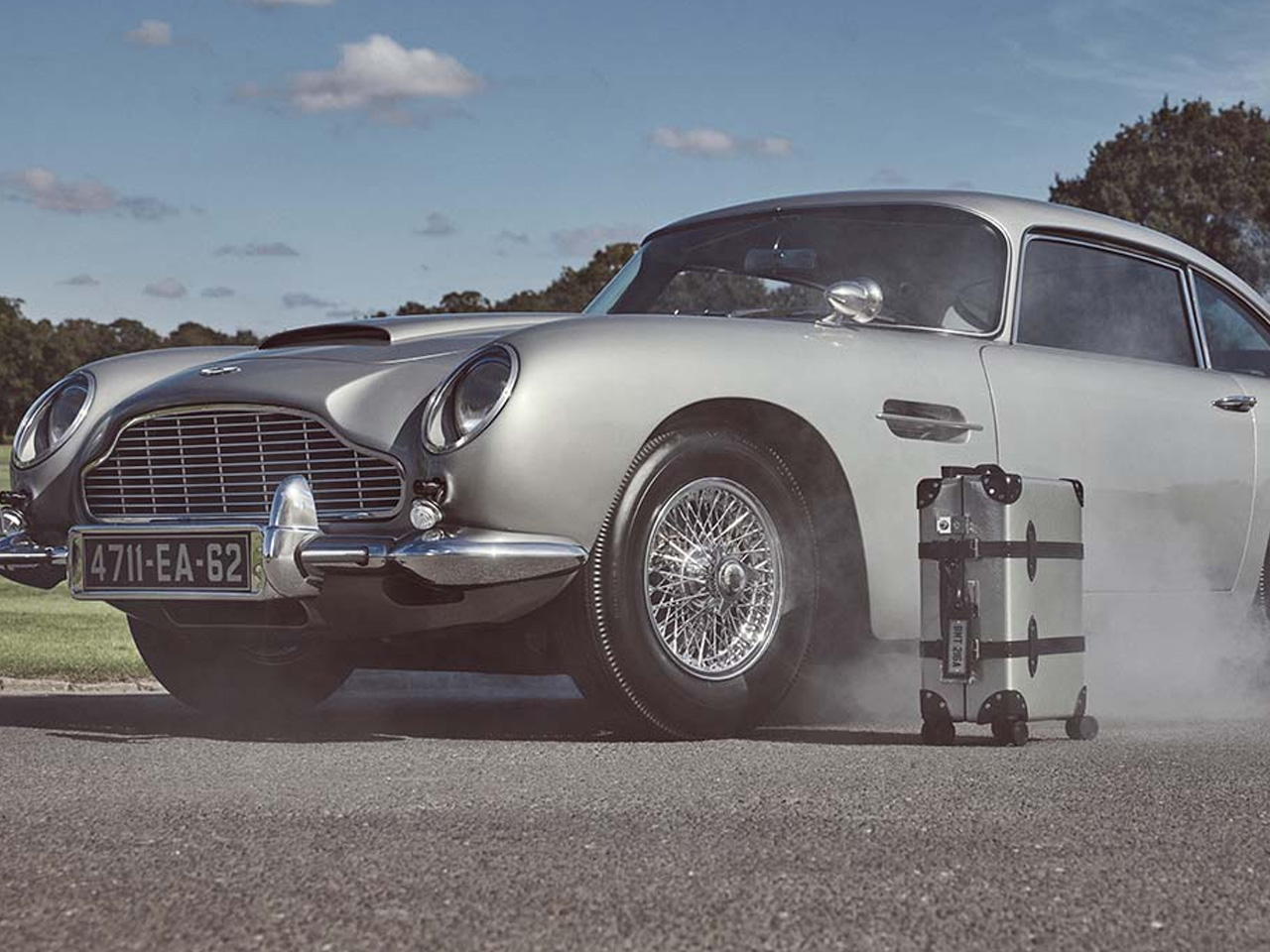
The James Bond Carry-On Trolley Case is inspired by the gadget-packed Silver Birch Aston Martin DB5 and the grey and white glen check three-piece suit in which Bond drove the DB5. The modern luggage with hints of the iconic past will be released in an exclusive limited edition of 60 examples only.

Designer: Globe-Trotter

Globe-Trotter is a team of highly skilled artisans based in Herefordshire, England. Reckoned for their handcrafted suitcases and travel accessories, their ways of manufacturing and machinery date back to the Victorian era, a glimpse of which is apparent also in the Goldfinger 60th Anniversary Numbered Edition Carry-On Trolley.

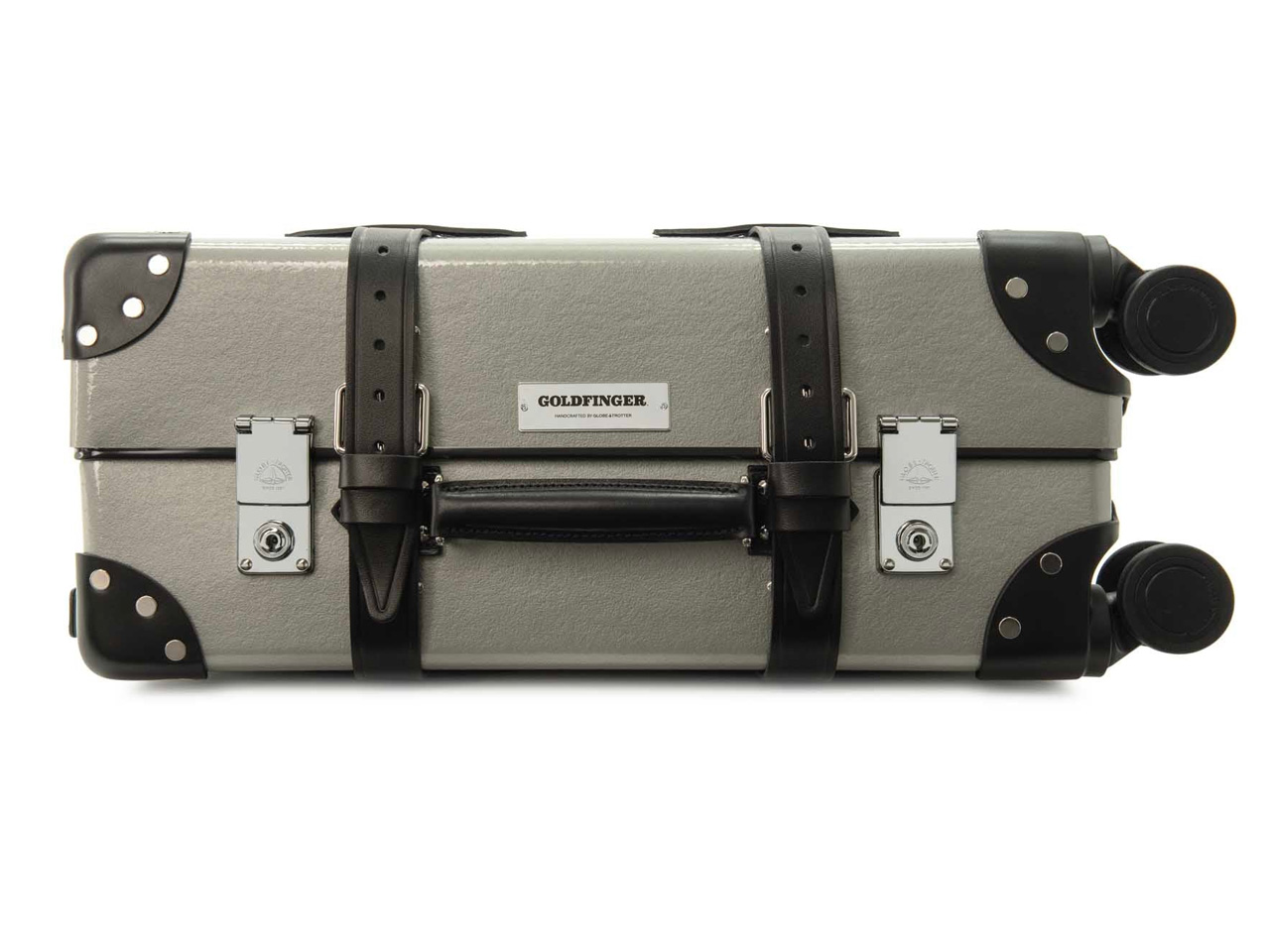
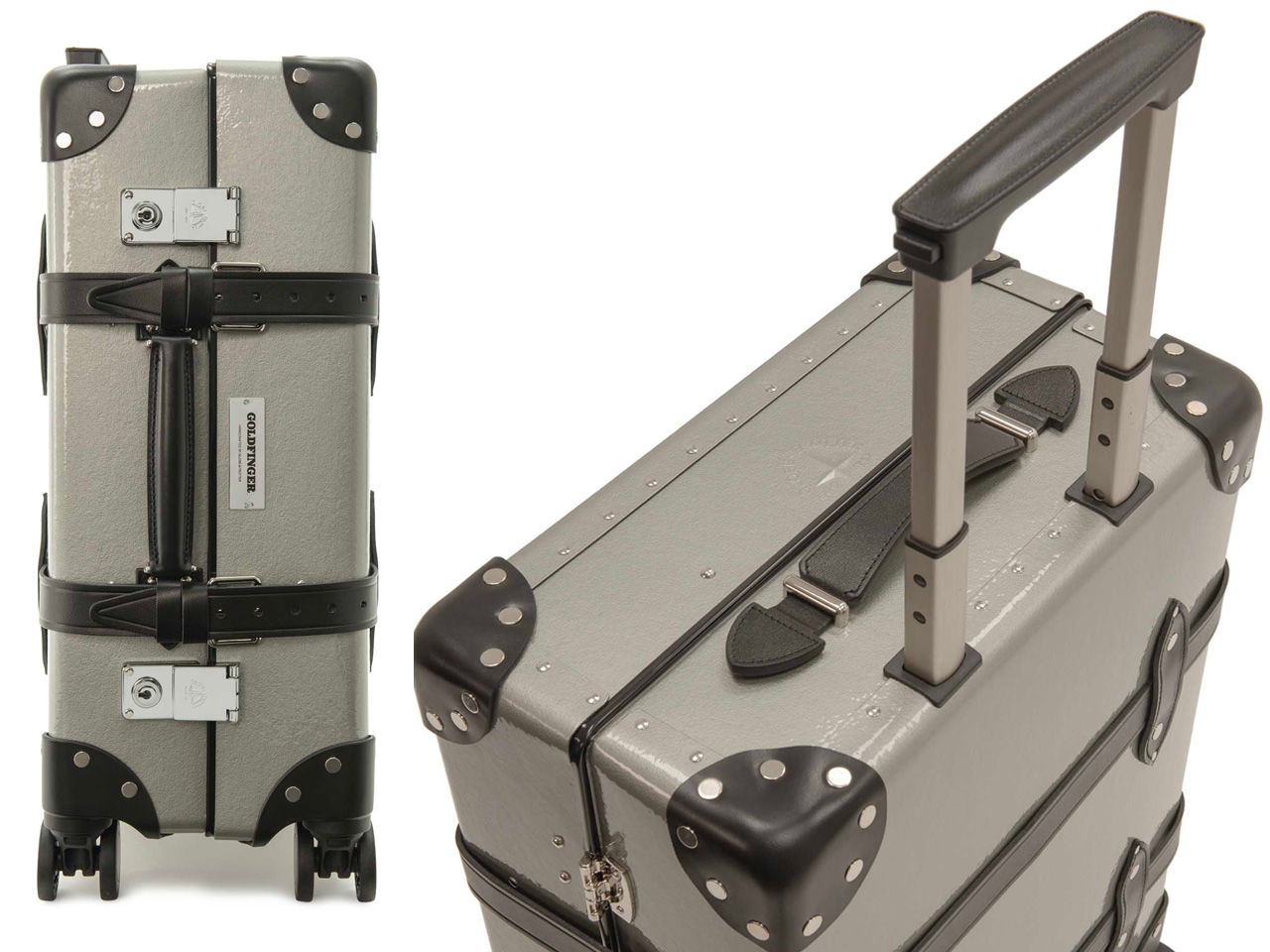
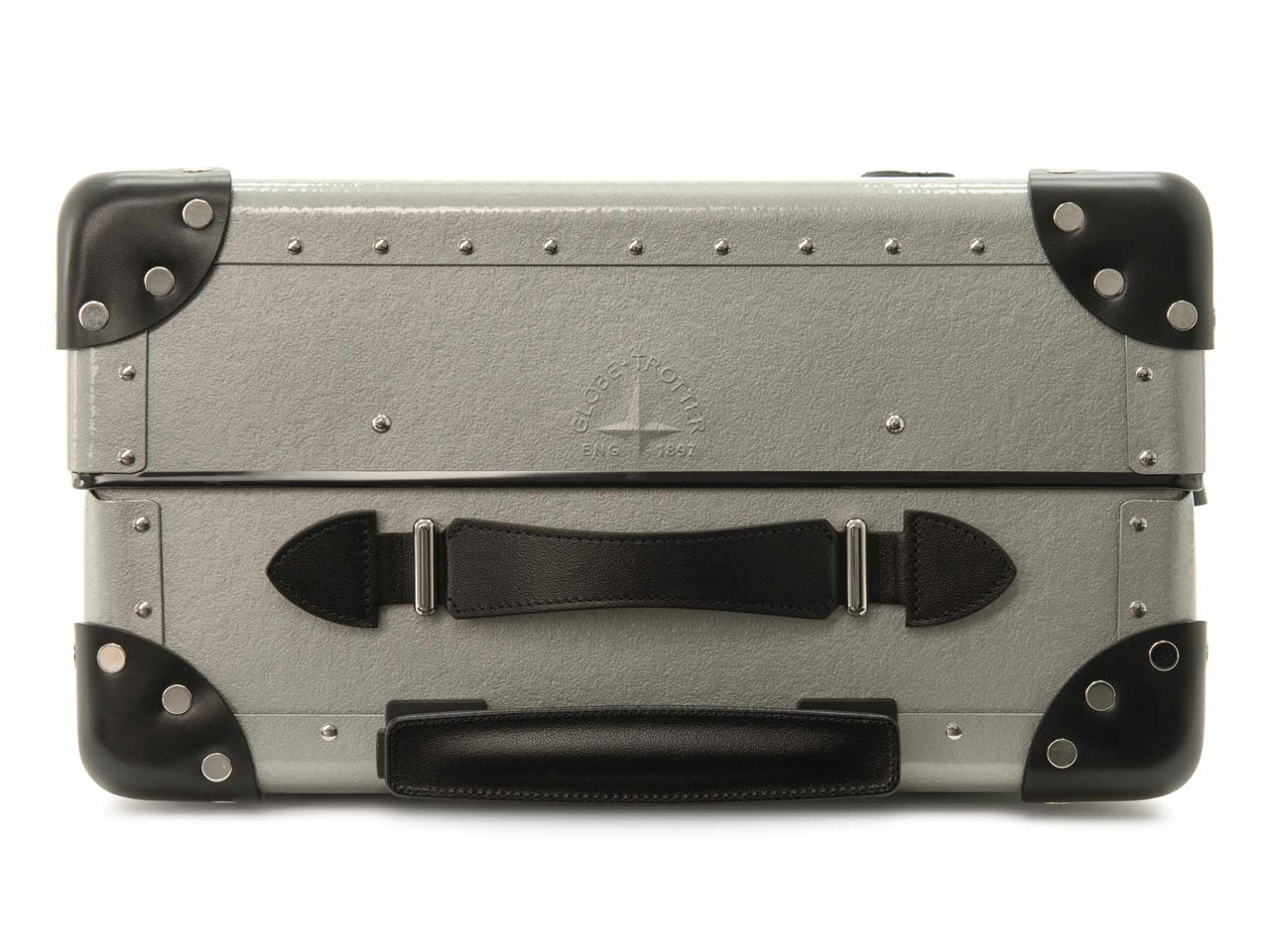
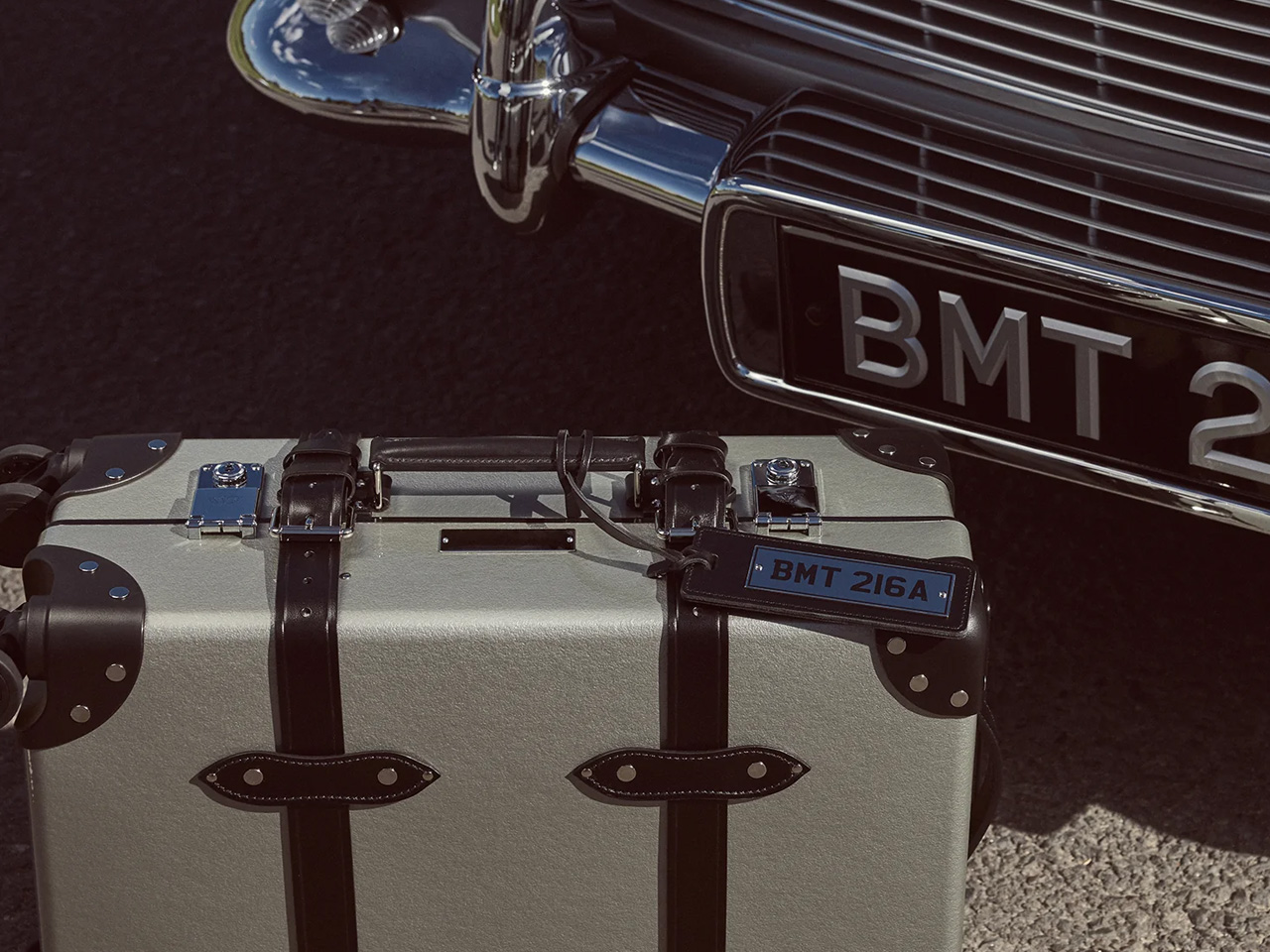
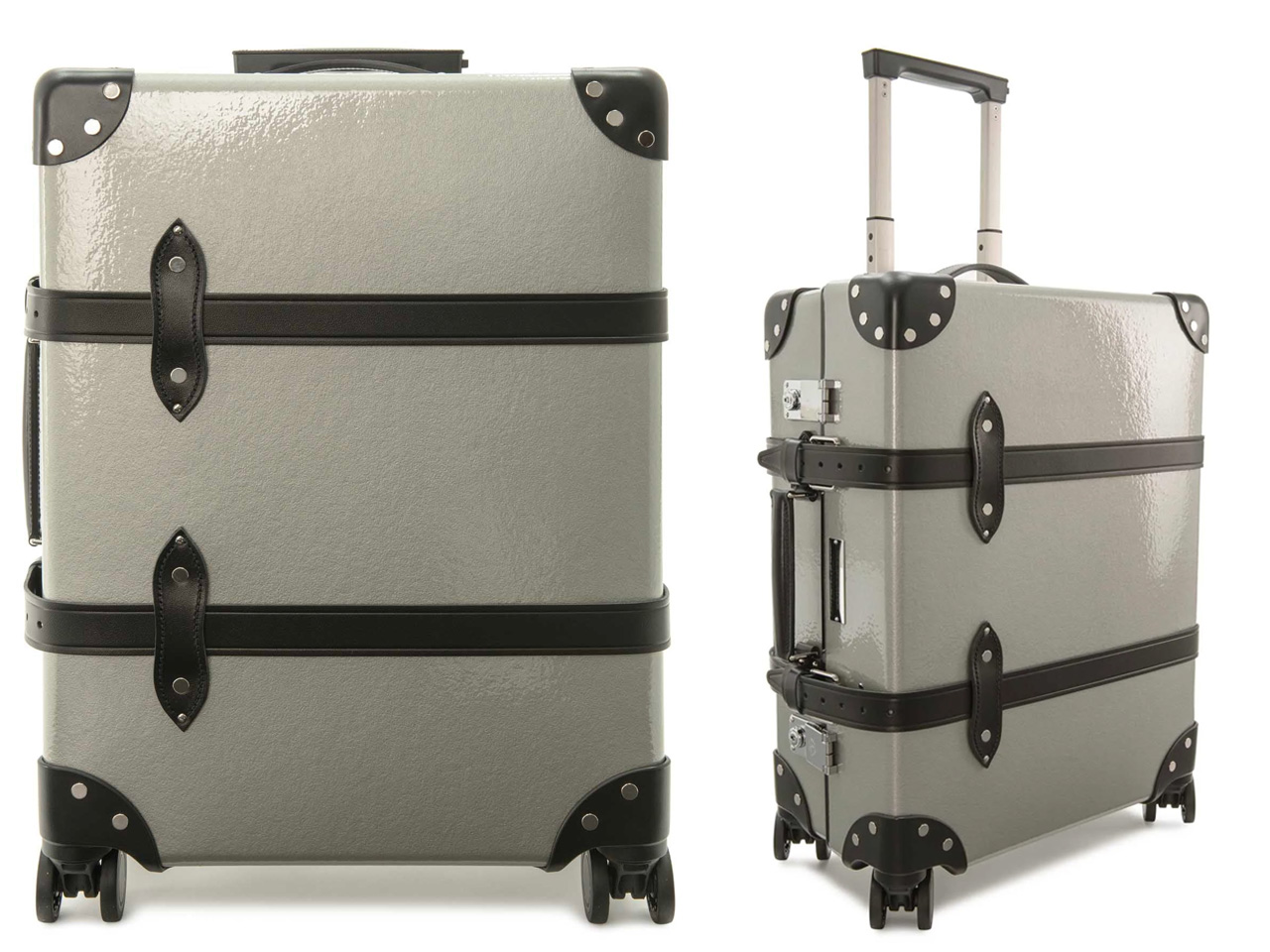
Globe-Trotter has made the suitcase worthy of James Bond from vulcanized fiberboard panels, a material first invented in the 1850s, with properties stronger than leather and as light as aluminum. Replicating the DB5’s Silver Birch finish from the iconic movie, the suitcase, on four wheels, has a gloss metallic silver exterior accentuated by black leather trims for the straps and on the corners. Reportedly, the leather corners are molded on Victorian press machines over five days for their form and strength.

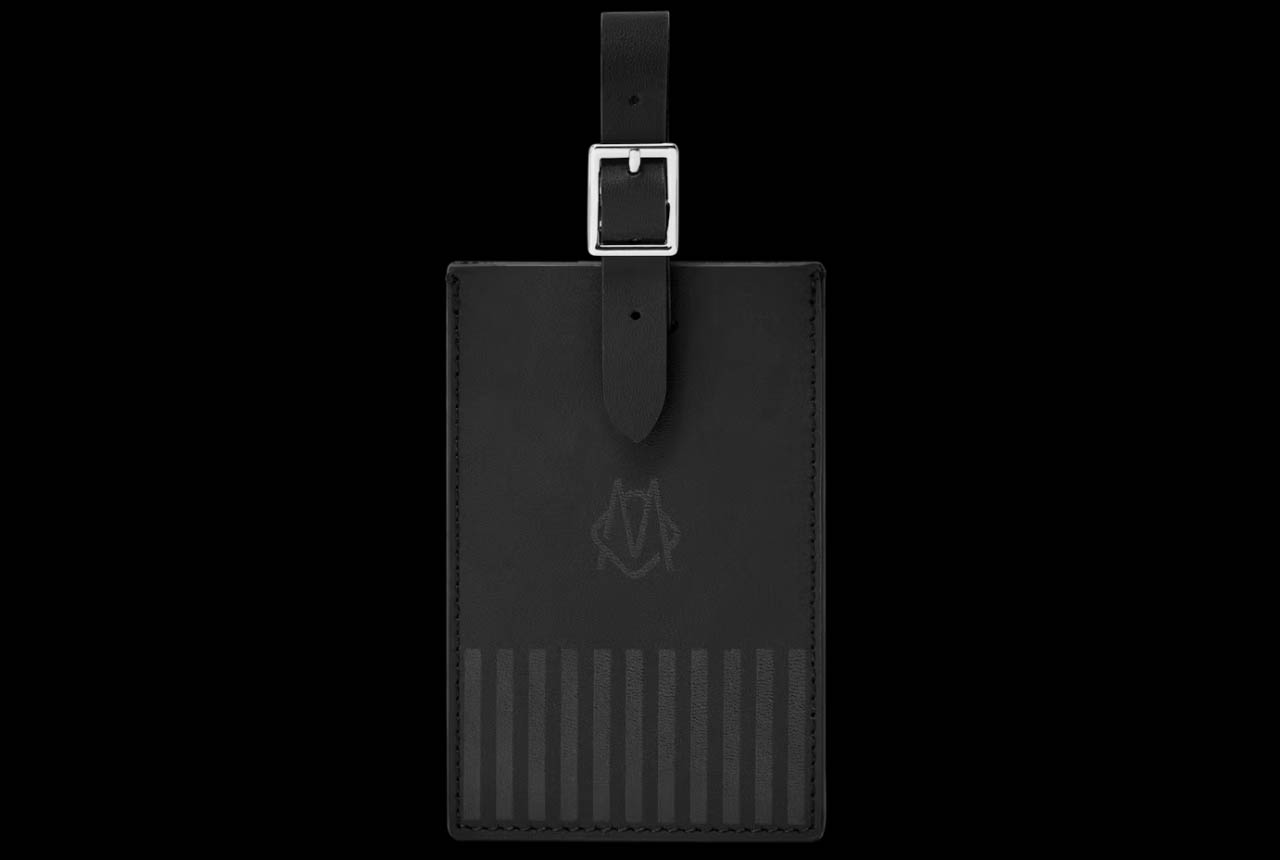
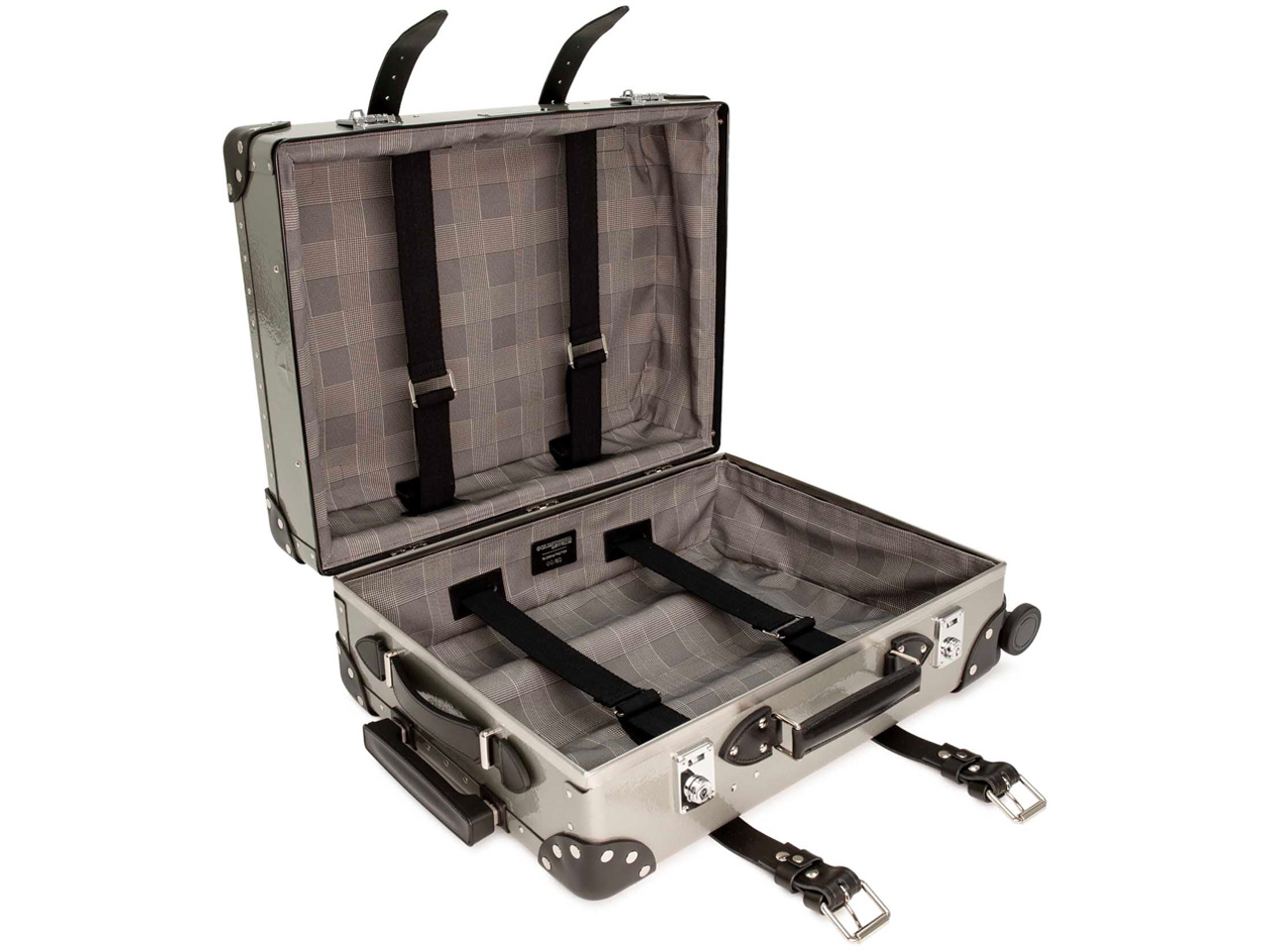
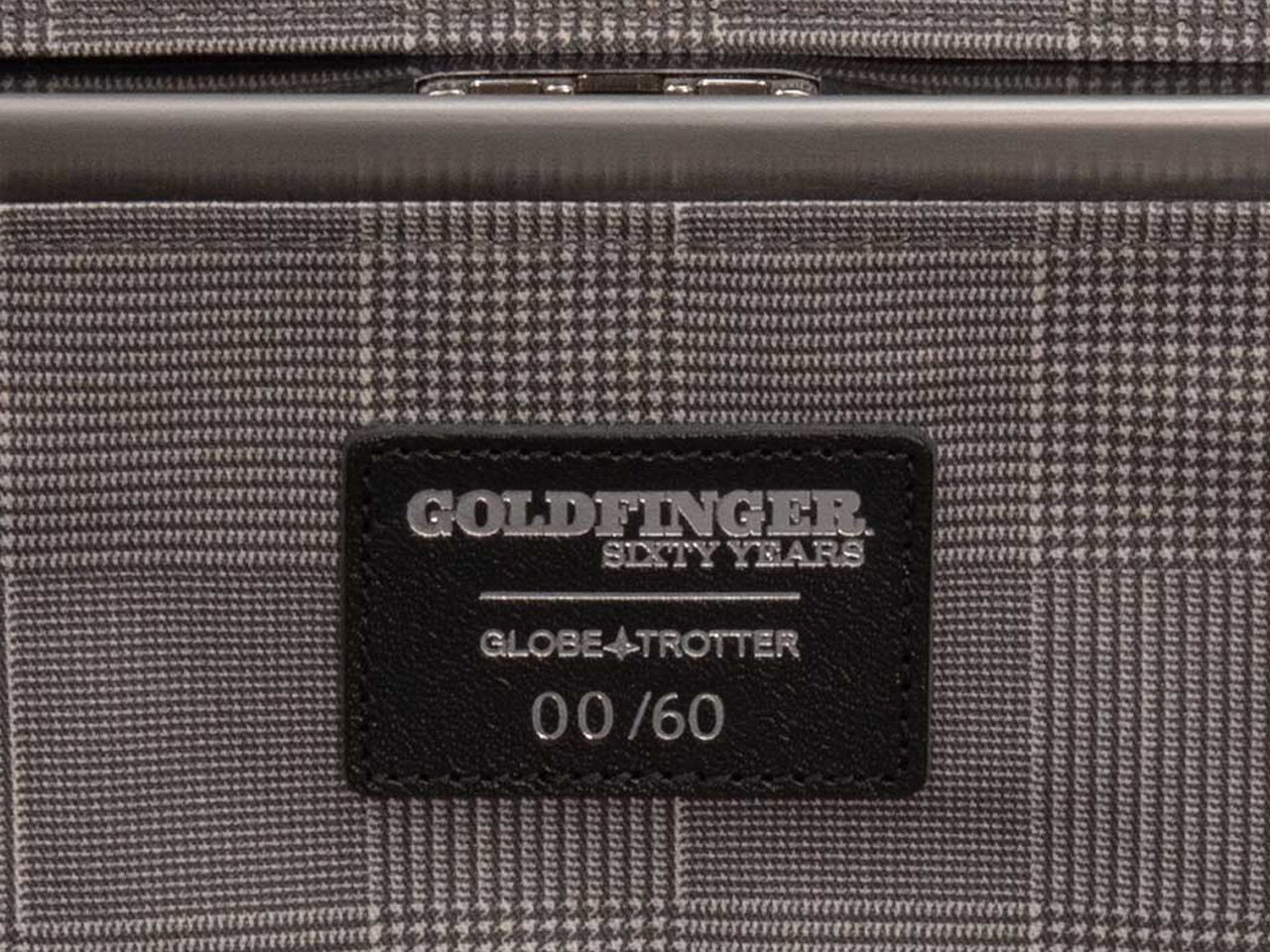
Things are equally engrossing and detailed on the inside where the fabric lining is digitally imposed with Bond’s three-piece glen check suit. The co-branded leather patch is engraved with ‘Goldfinger Sixty Years’ and the Globe Trotter logo with the individual number of each case. The branding also carries on multiple places on the exterior.

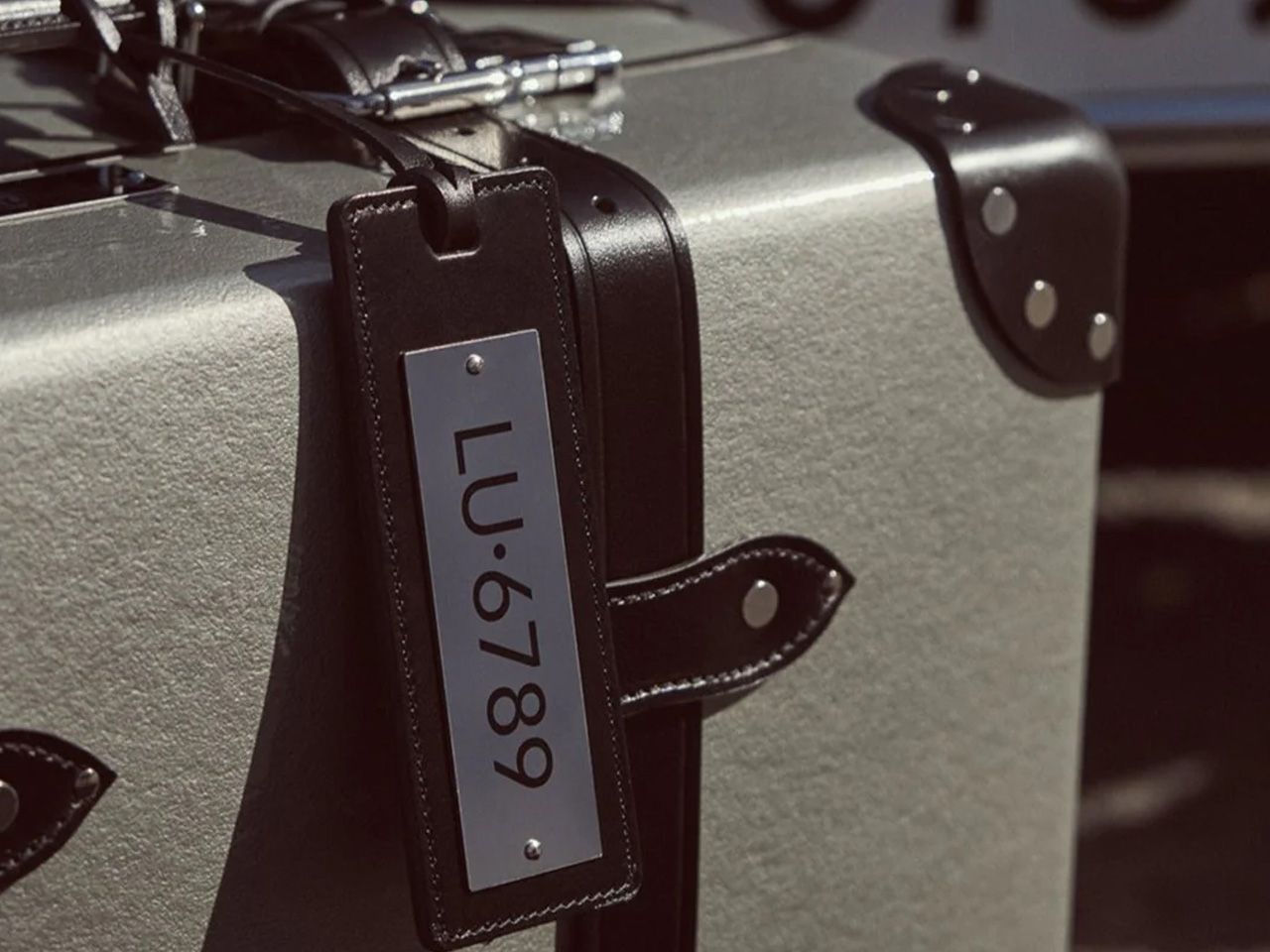
The James Bond Carry-On Trolley suitcase weighs 4.2kg and measures H55cm, W40cm, D21cm. Owing to the size and character, this can be your ideal partner on flights if you have £3,895 GBP (approximately $5,000) to shell for the cabin bag. Available to pre-order, the cases will begin shipping in mid-late October with a choice of three license plate charms on James Bond’s Aston Martin DB5 in the UK, France and Switzerland.

The post Globe-Trotter’s James Bond carry-on trolley suitcase is tribute to 60 years of the Goldfinger first appeared on Yanko Design.
Ride-on suitcase for kids doubles as an in-flight bed or leg rest

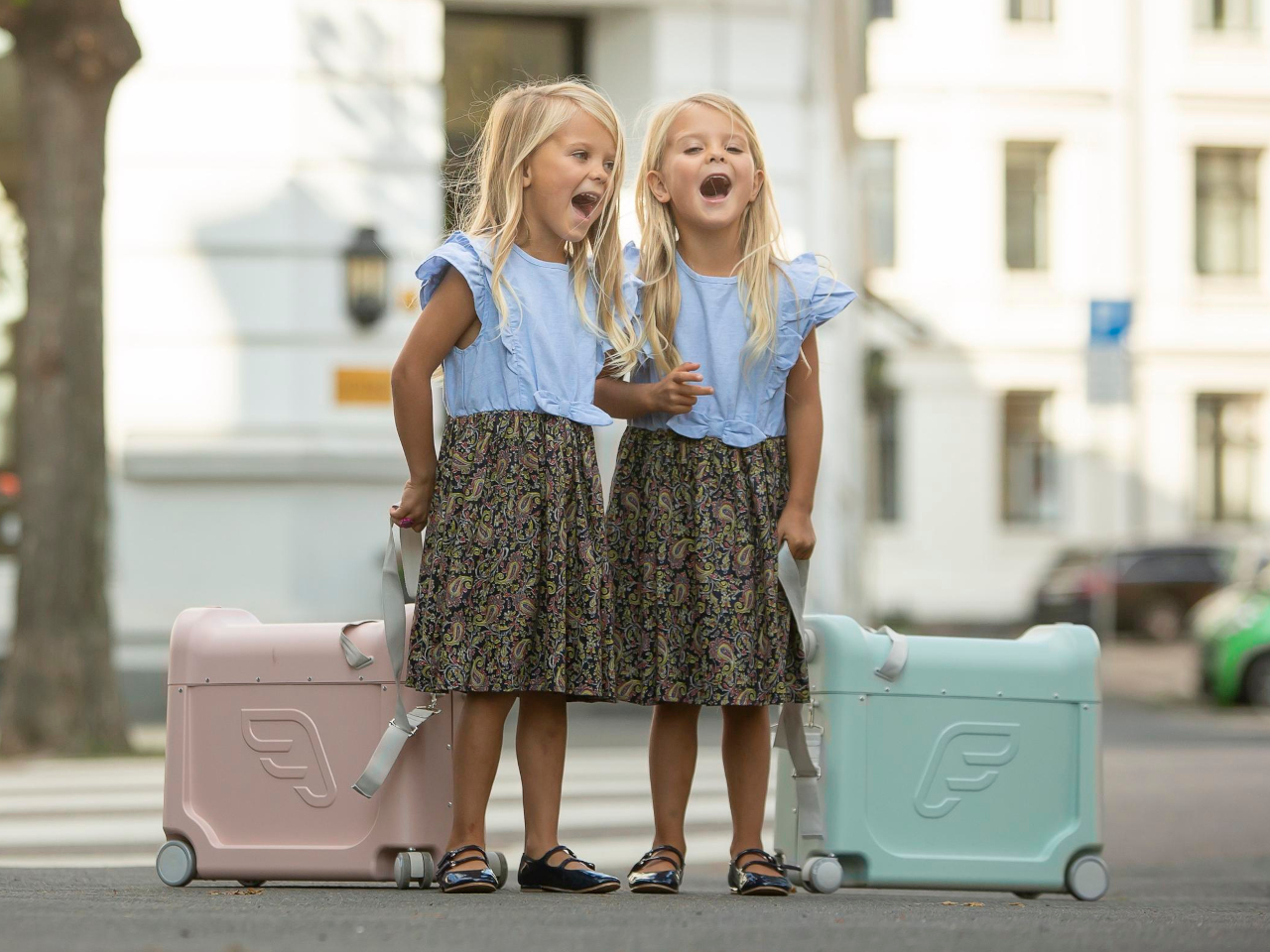
Rideable motorized suitcases are odd products, even more so when adults are the ones riding on them. They look more like fun toys for kids, but strangely enough, such products are in low supply or even non-existent. Of course, the dangers of sitting a kid on a moving vehicle, cute as it may be, can be frightening, but that doesn’t mean the basic design of a ride-on suitcase doesn’t have merits, especially if it doesn’t have motors in the first place. This unusual suitcase for toddlers takes that idea and gives it a little twist, giving it some other utility even when already boarded on the plane or train.

Designer: Frost Produkt

There are plenty of suitcases with colors and decorations catering to kids, but strangely enough, the majority of them aren’t exactly designed for kids. They function more like miniature suitcases for adults with zippers that are difficult to use and compartments that are difficult to access without having to first lay the suitcase down. That might just be a hassle for grownups, but it’s nothing short of a chore for kids, not unlike being told to clean up their closet.

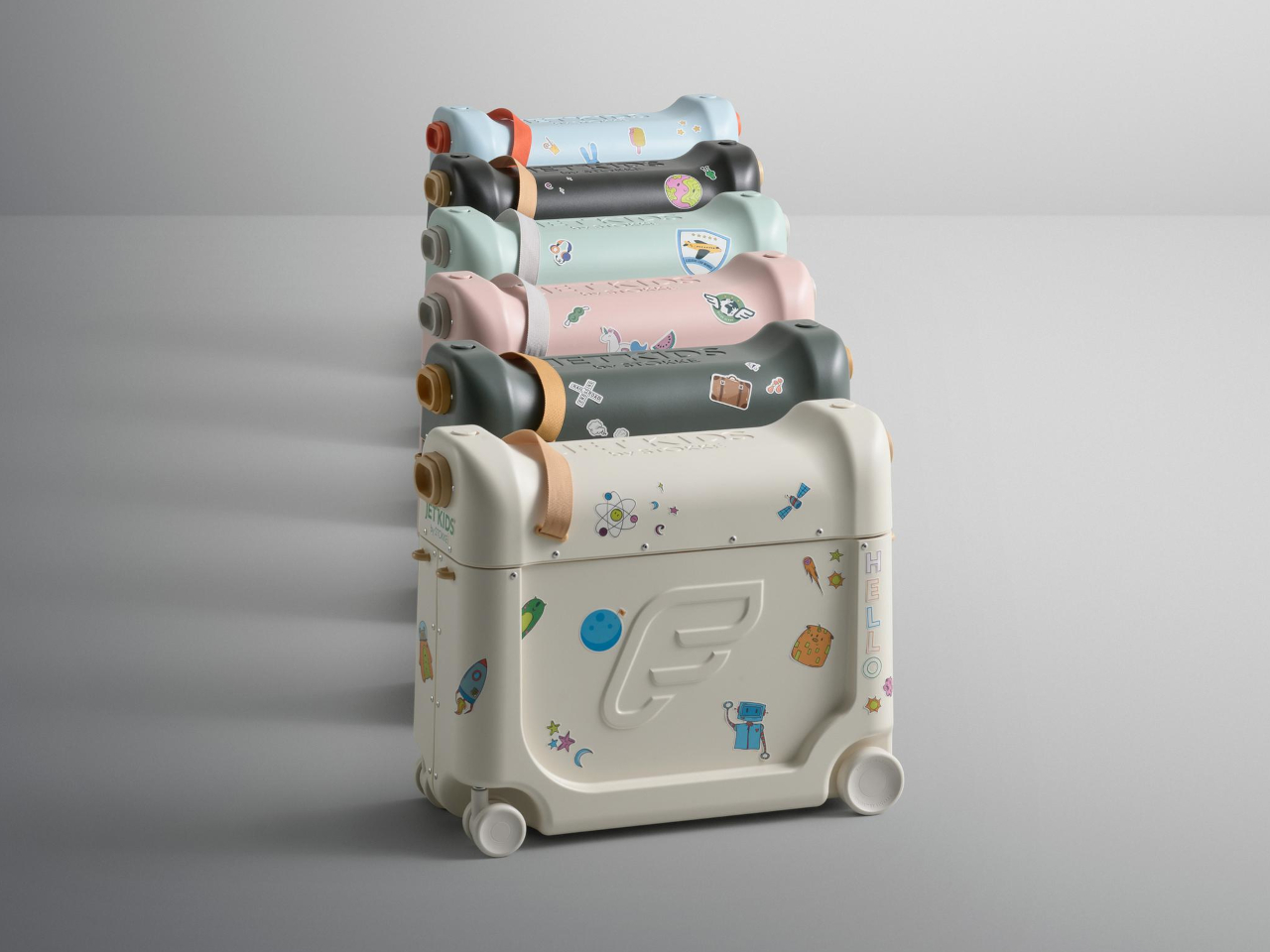
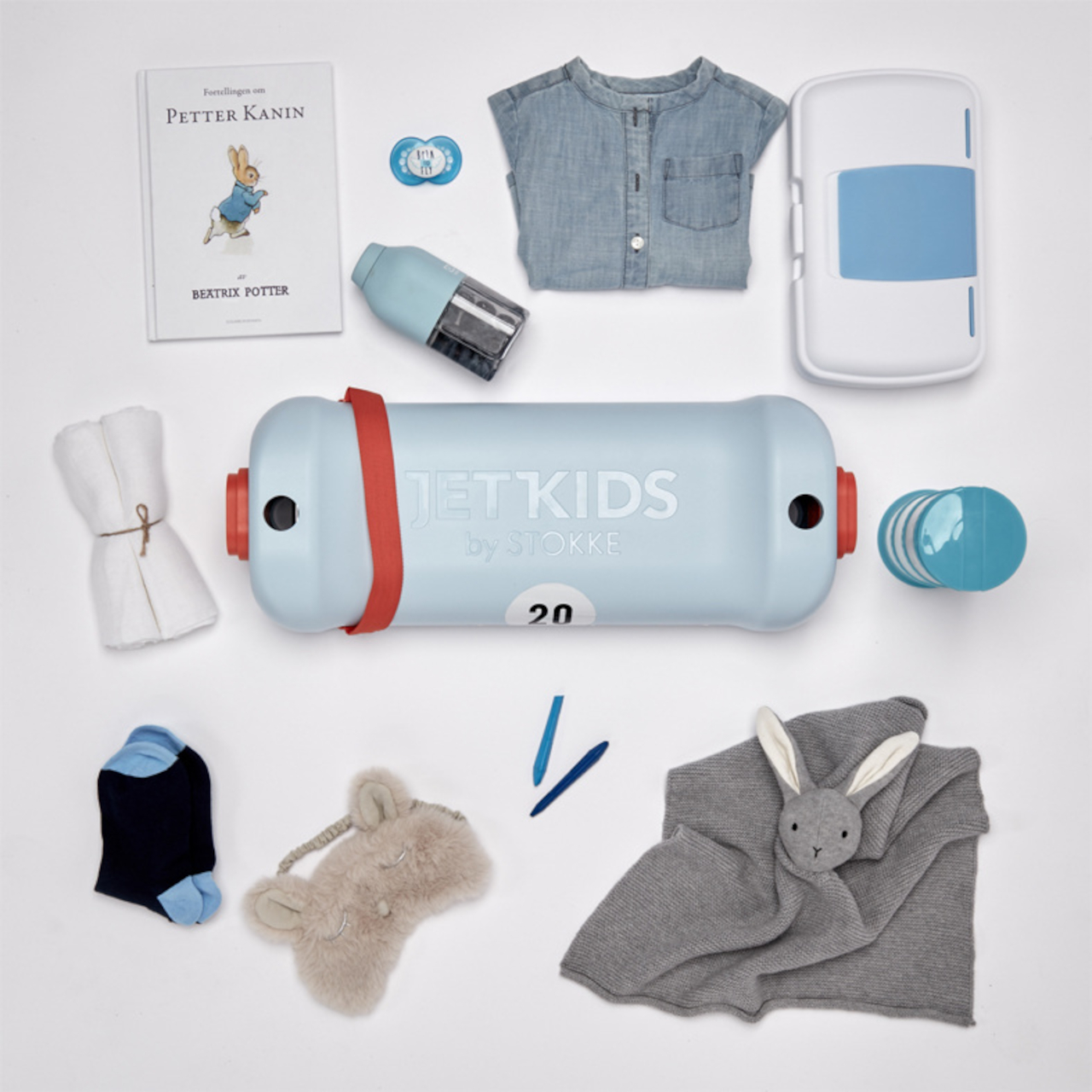
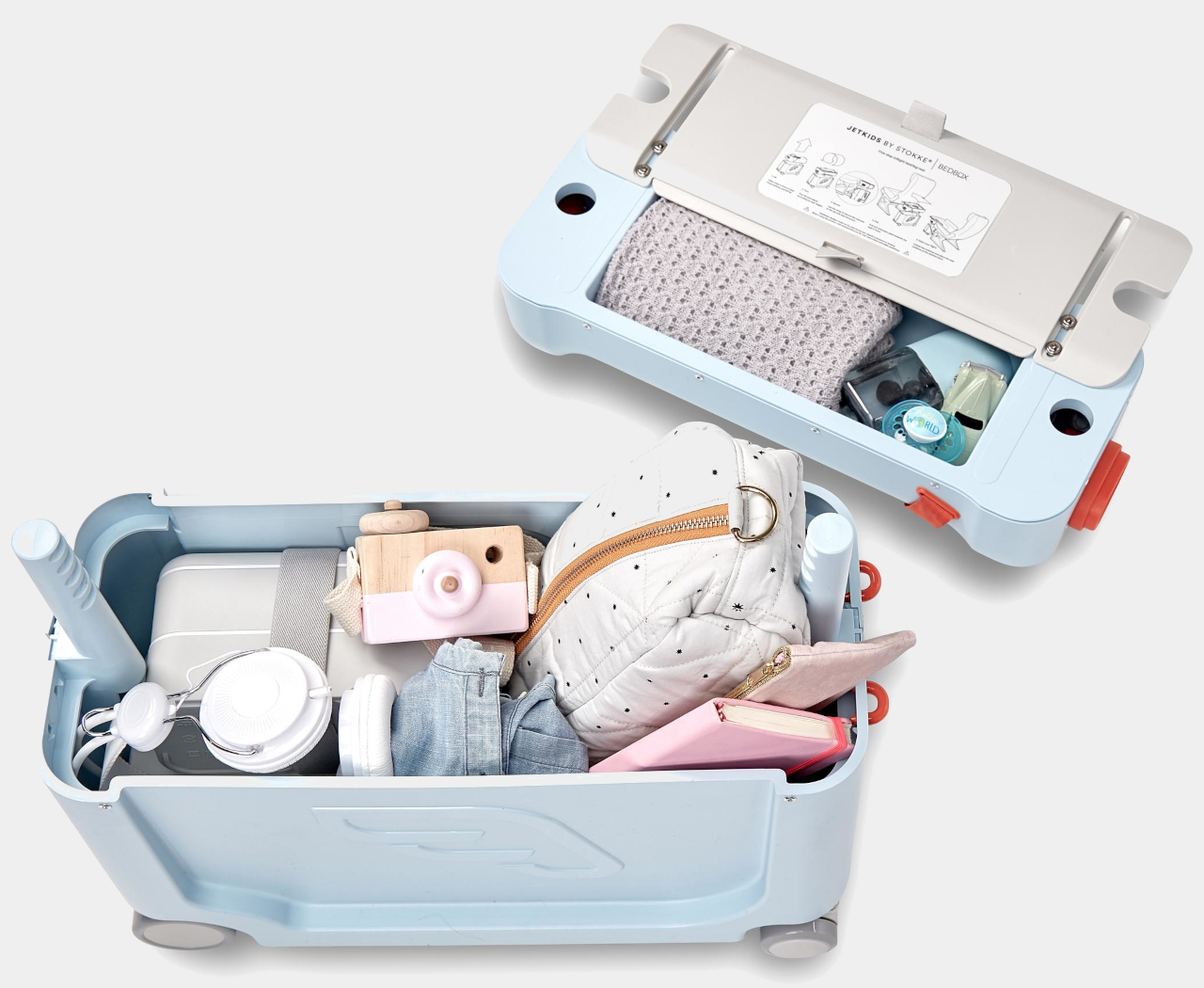
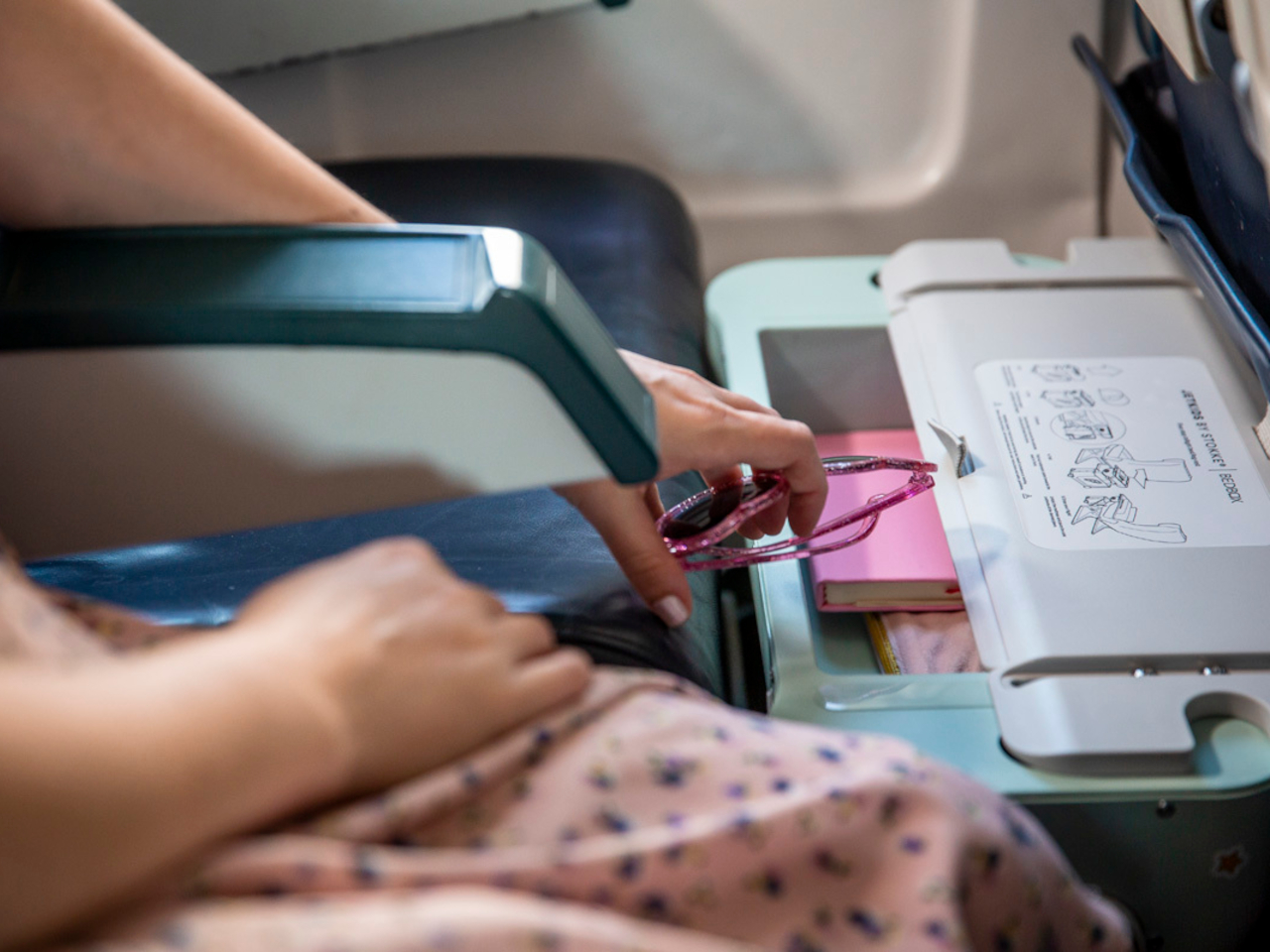
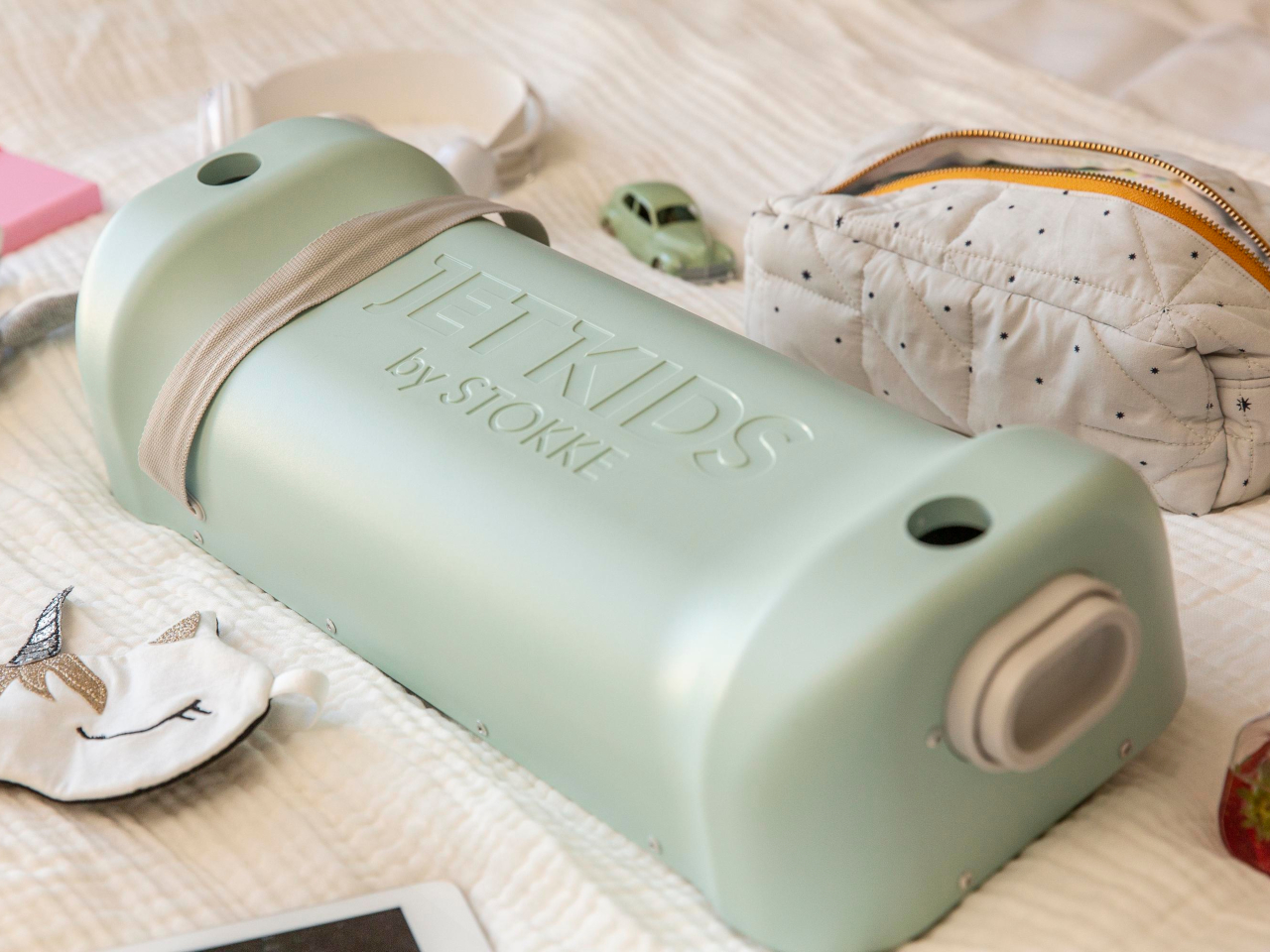
Jetkids is a ride-on suitcase truly designed with a young child in mind, and not just because of how fun it seems to sit on top of it. Instead of a zipper that opens from the front, this suitcase has a top cover that can be easily lifted to reveal the contents inside. The cover itself is actually a container as well, suitable for smaller items or things that the child or parent needs to access immediately.

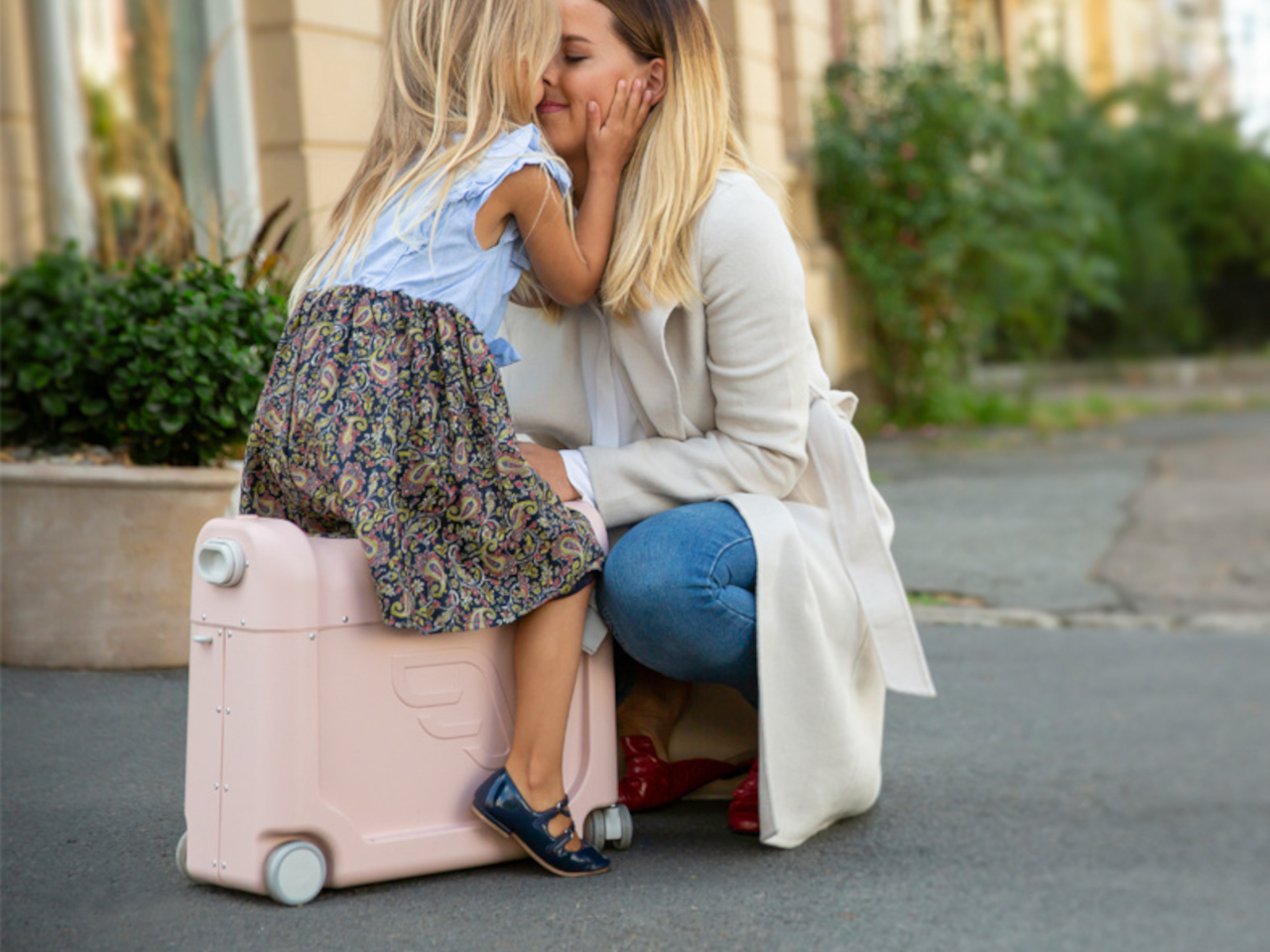
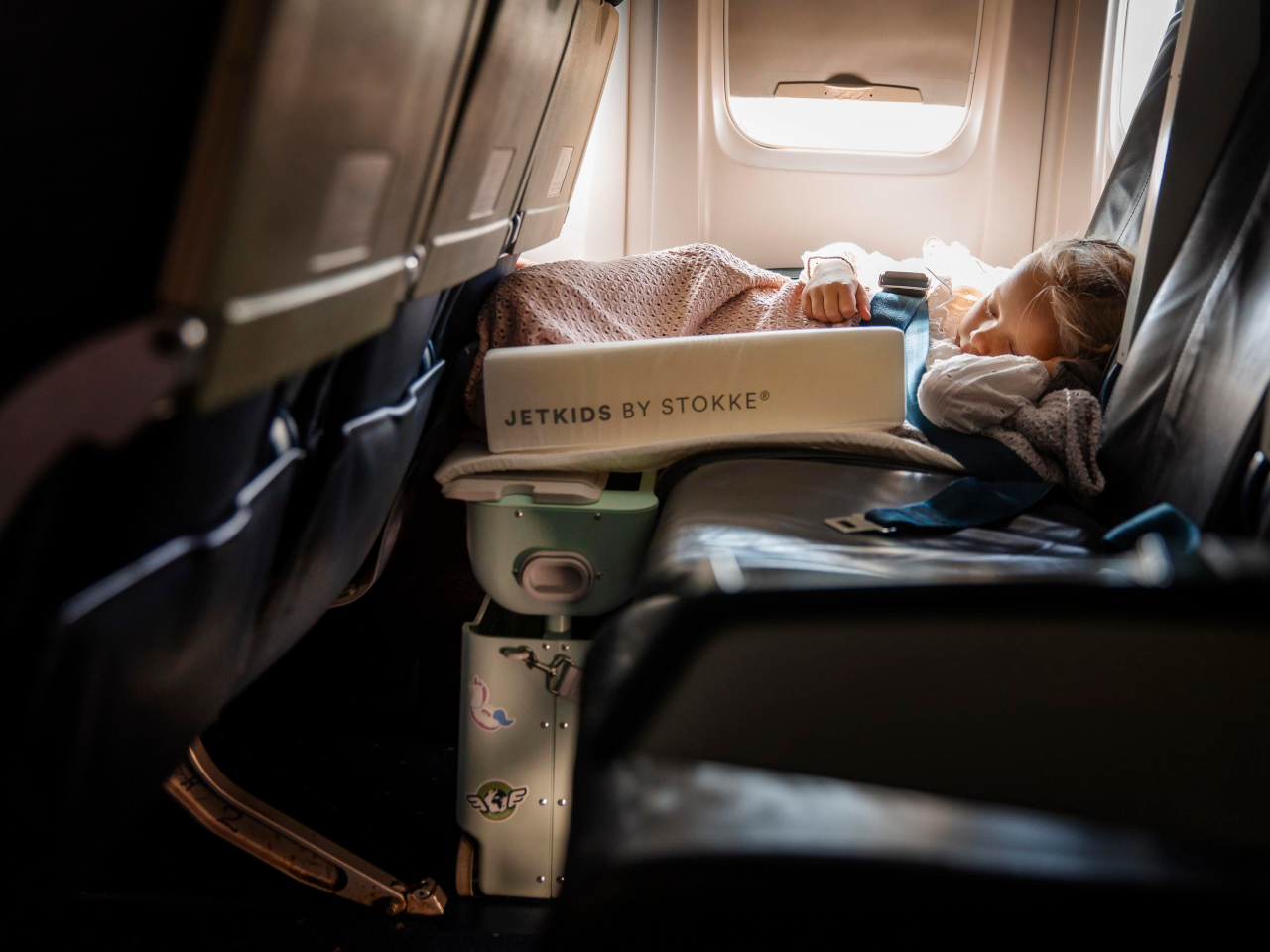
That’s because this cover can be flipped over and placed on top of the suitcase, acting not only as a sort of desk but also as a leg rest or bed. The idea is to place the suitcase in front of the child’s seat on the plane, extending the area they can sit or even lie down on. And when the child is on the ground and about, the suitcase also offers a place for them to sit down and, if needed, be pulled by their family or guardian.

This unusual yet useful design does limit Jetkids, which was also marketed under the name Stokke Bedbox, to a certain age range that allows them to sit safely on the suitcase. It’s still an interesting design that really puts the ease of use and comfort of the child in mind rather than simply shrinking a product made for older people.

The post Ride-on suitcase for kids doubles as an in-flight bed or leg rest first appeared on Yanko Design.
Watch-inspired smart suitcase concept is made for frequent travelers

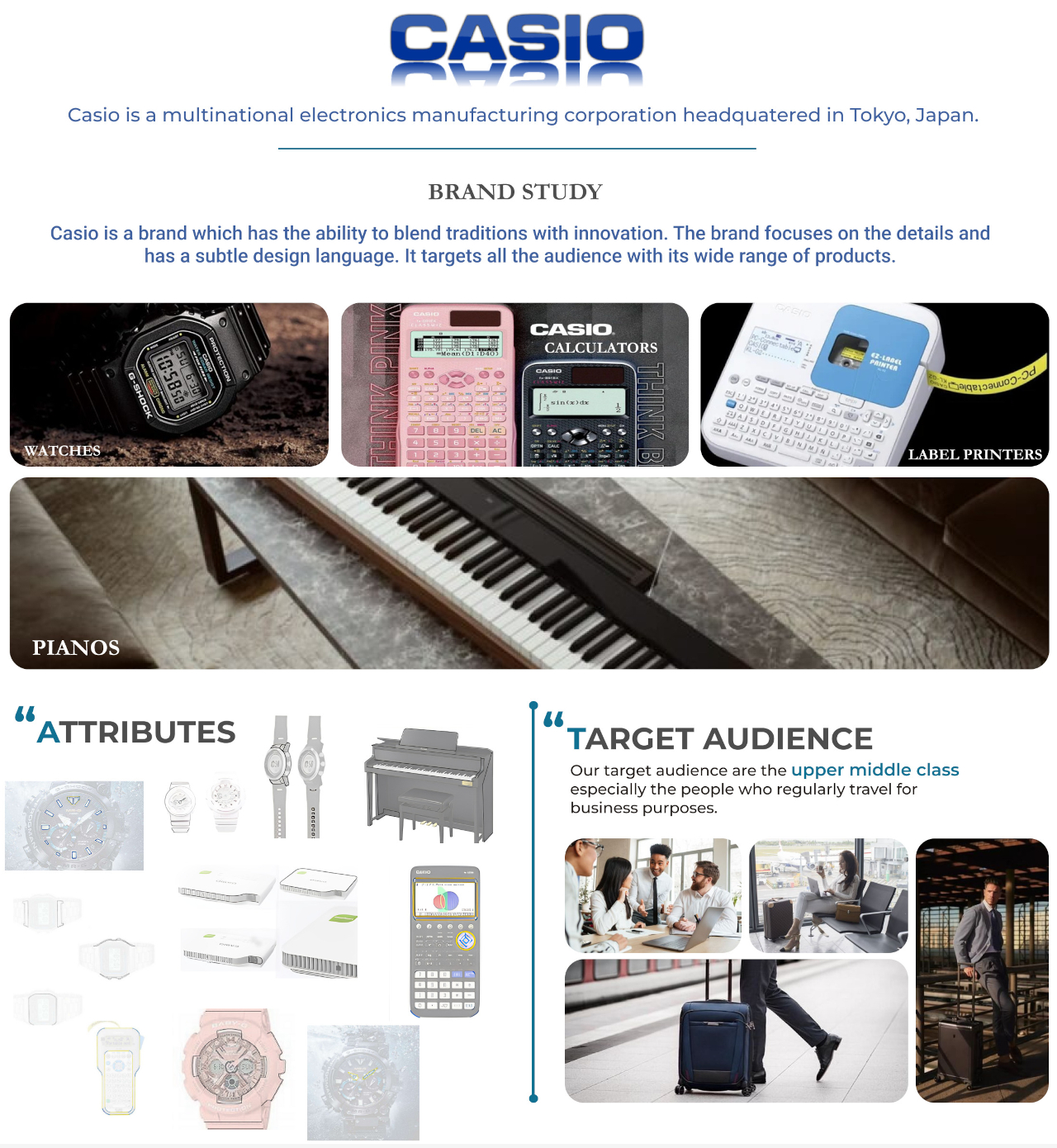
Some people might have fantasies of traveling frequently as part of their job, not realizing how tiring and tedious it can quickly become. Never mind the fatigue that actually comes from traveling, the stress of packing and wrestling with suitcases might be enough to make many people cry out in frustration. There are many ways to ease the pain when traveling regularly, and part of the strategy is having a well-designed and reliable bag or suitcase to store everything you need, especially for a one-day trip. That’s the kind of need that this concept design tries to address, and it’s taking inspiration from one of the most popular makers of watches, calculators, and electronic pianos.

Designer: Harshita Kaur

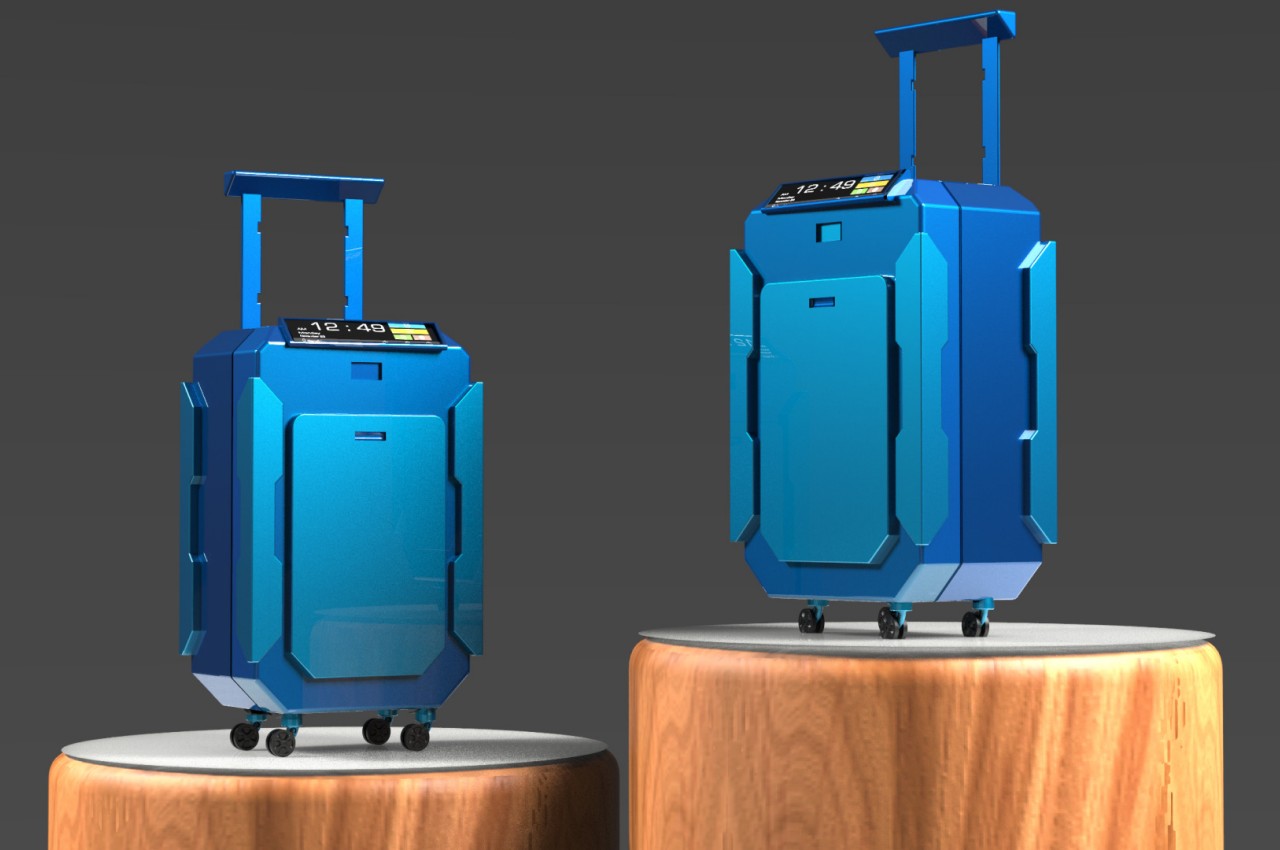
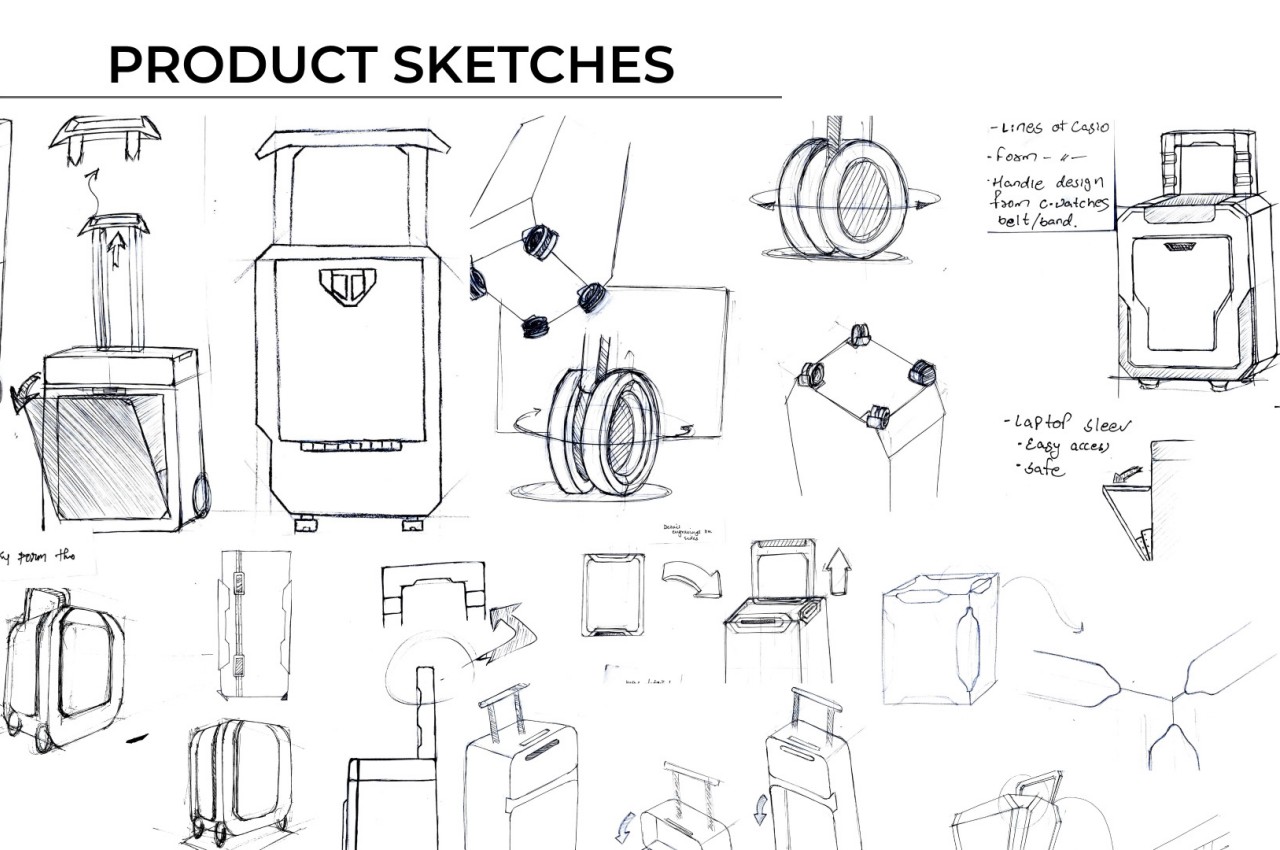
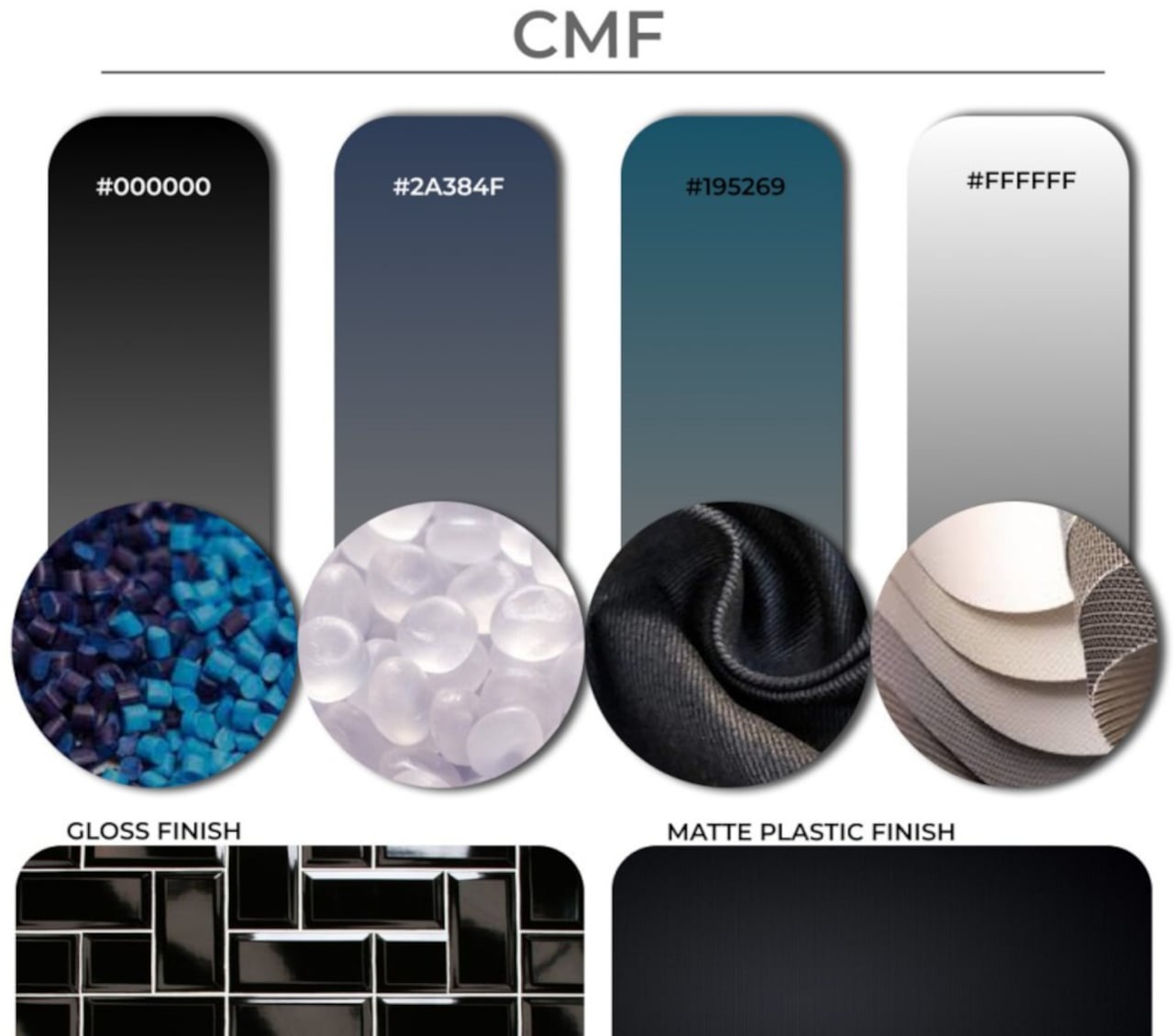
Casio’s brand spans multiple products, including musical instruments, calculators, and both analog and digital watches. The latter category has become iconic of Casio’s design language, particularly with its geometrical forms and overlapping shapes. It’s a language that is applied to this suitcase concept that tries to offer a smarter way for frequent travelers to secure their belongings for one-day business trips.

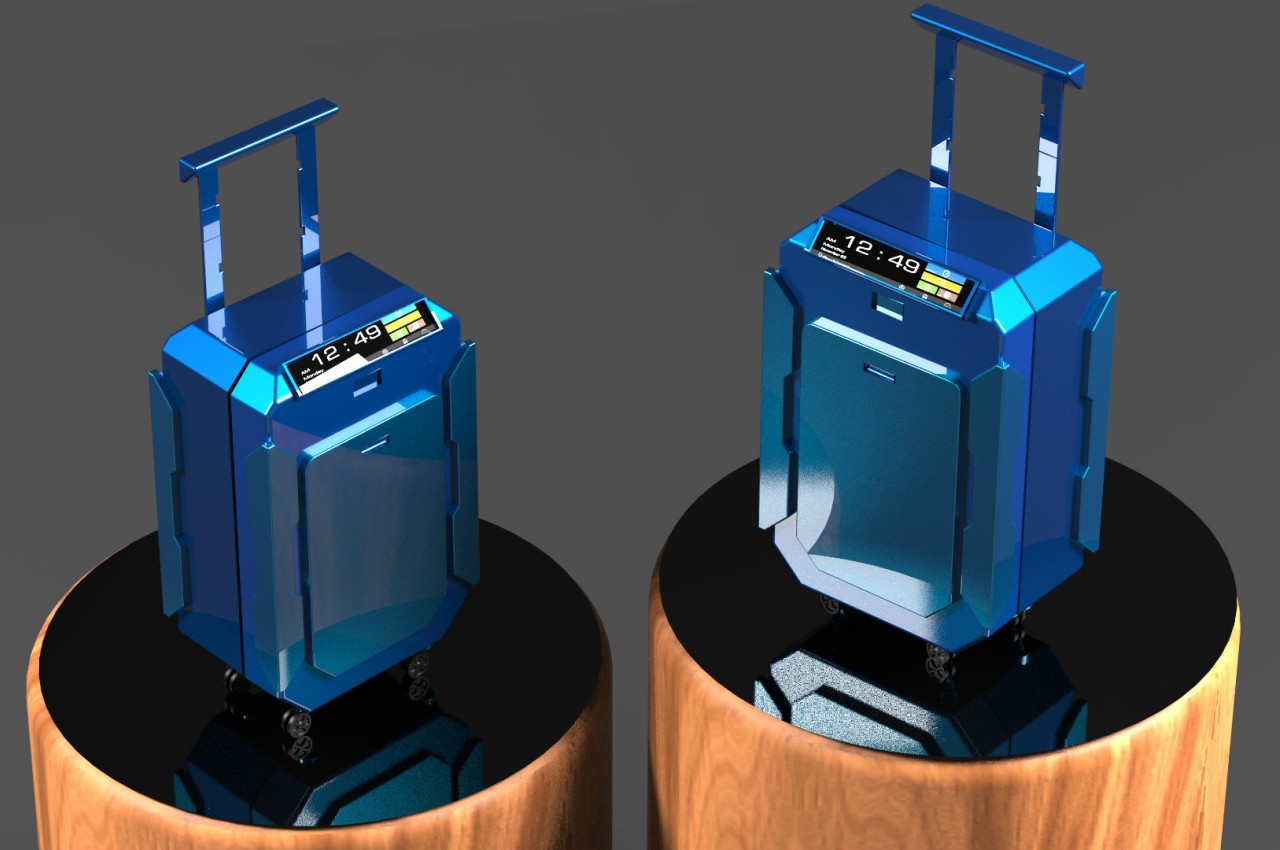
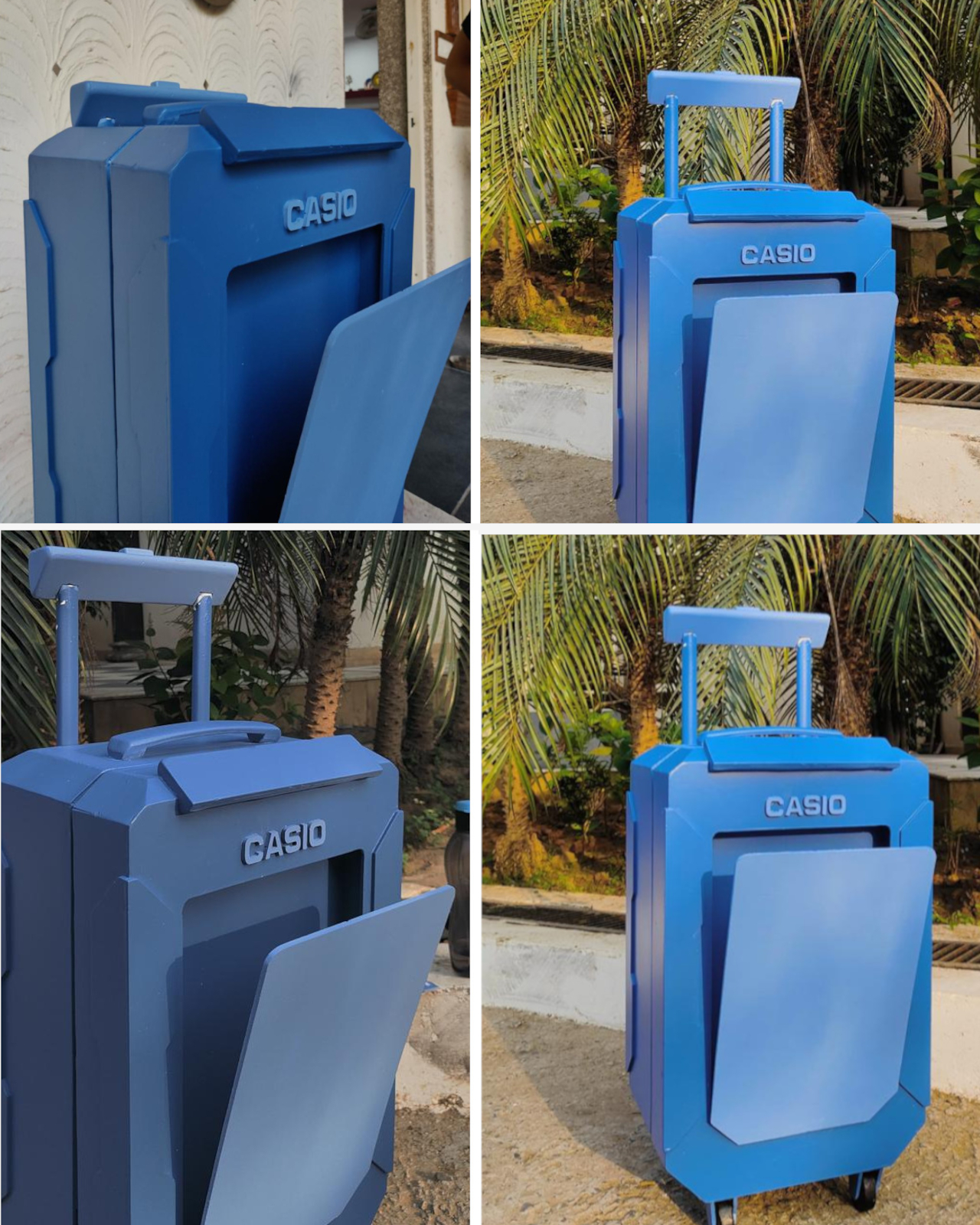
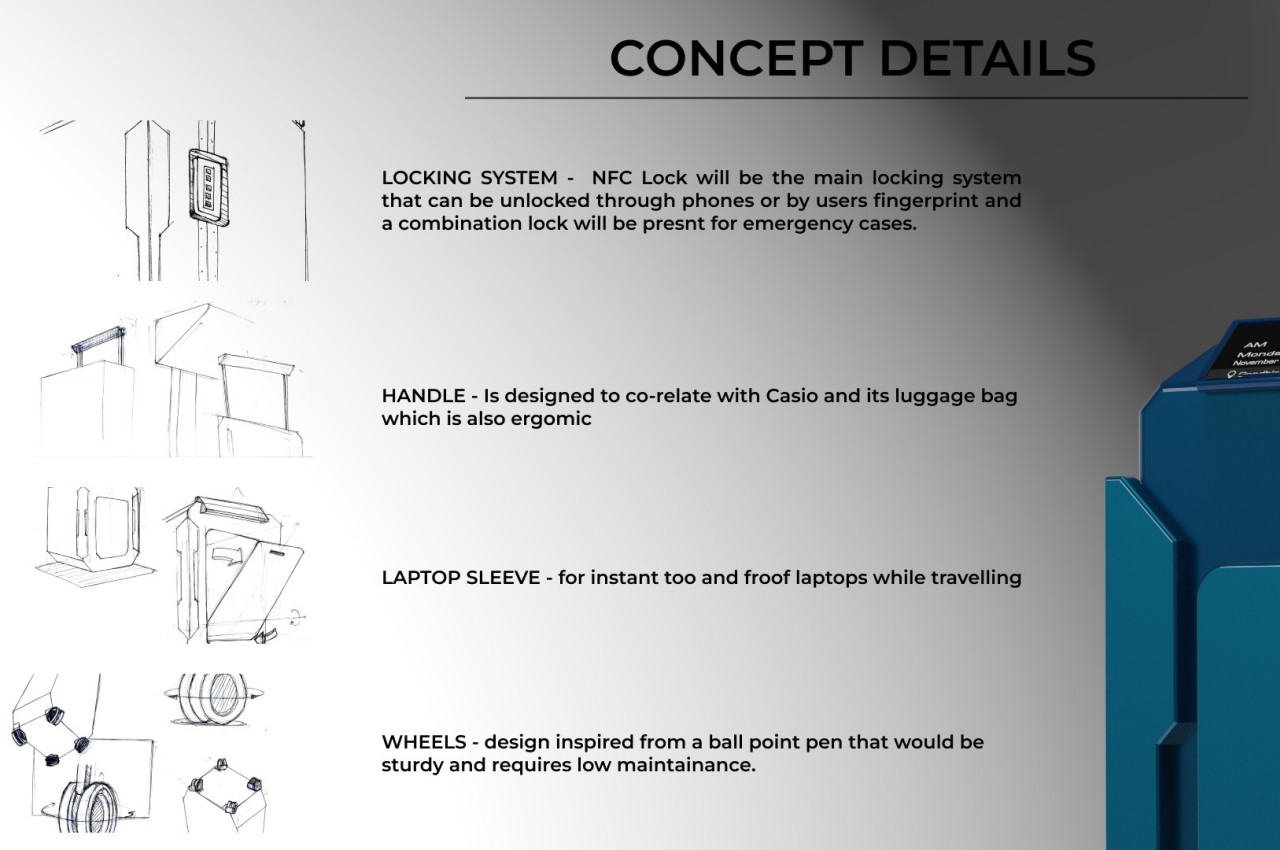
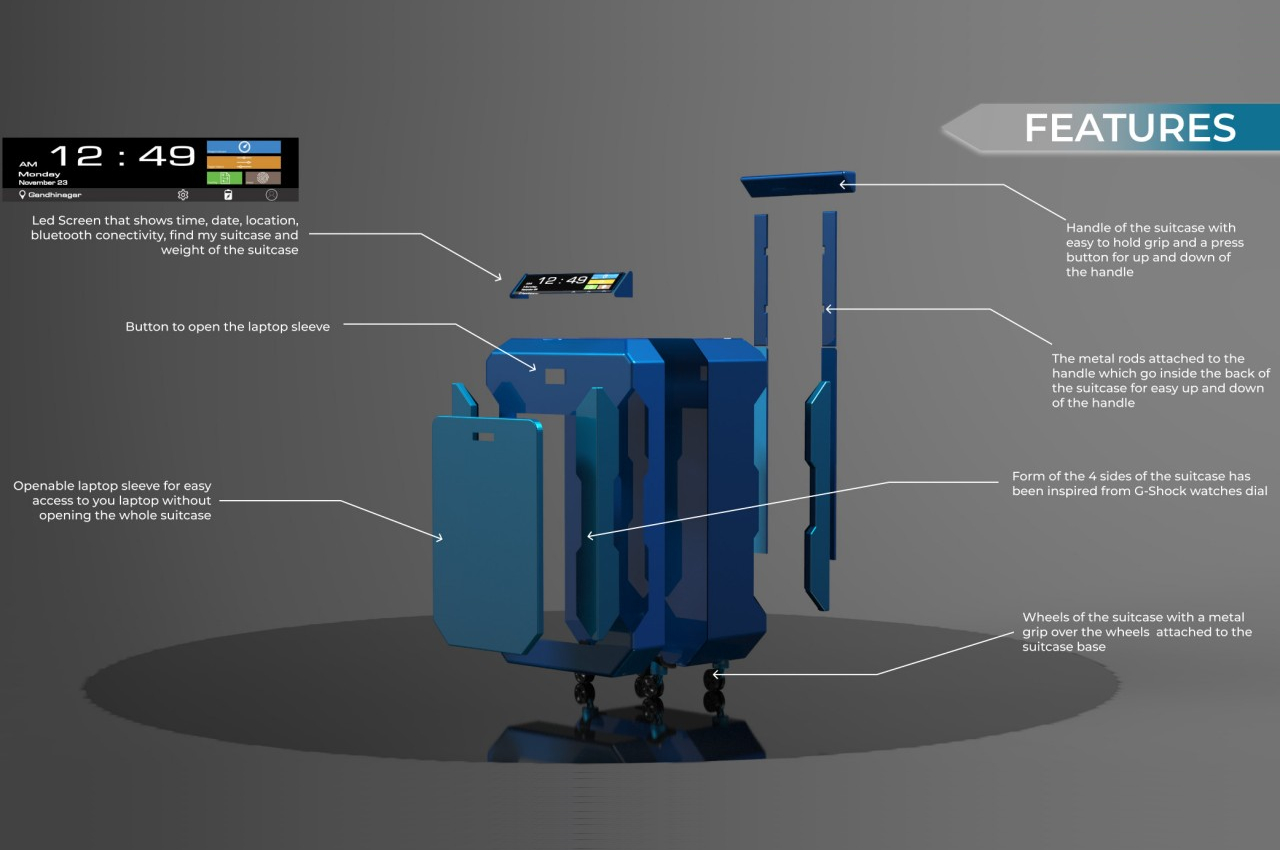
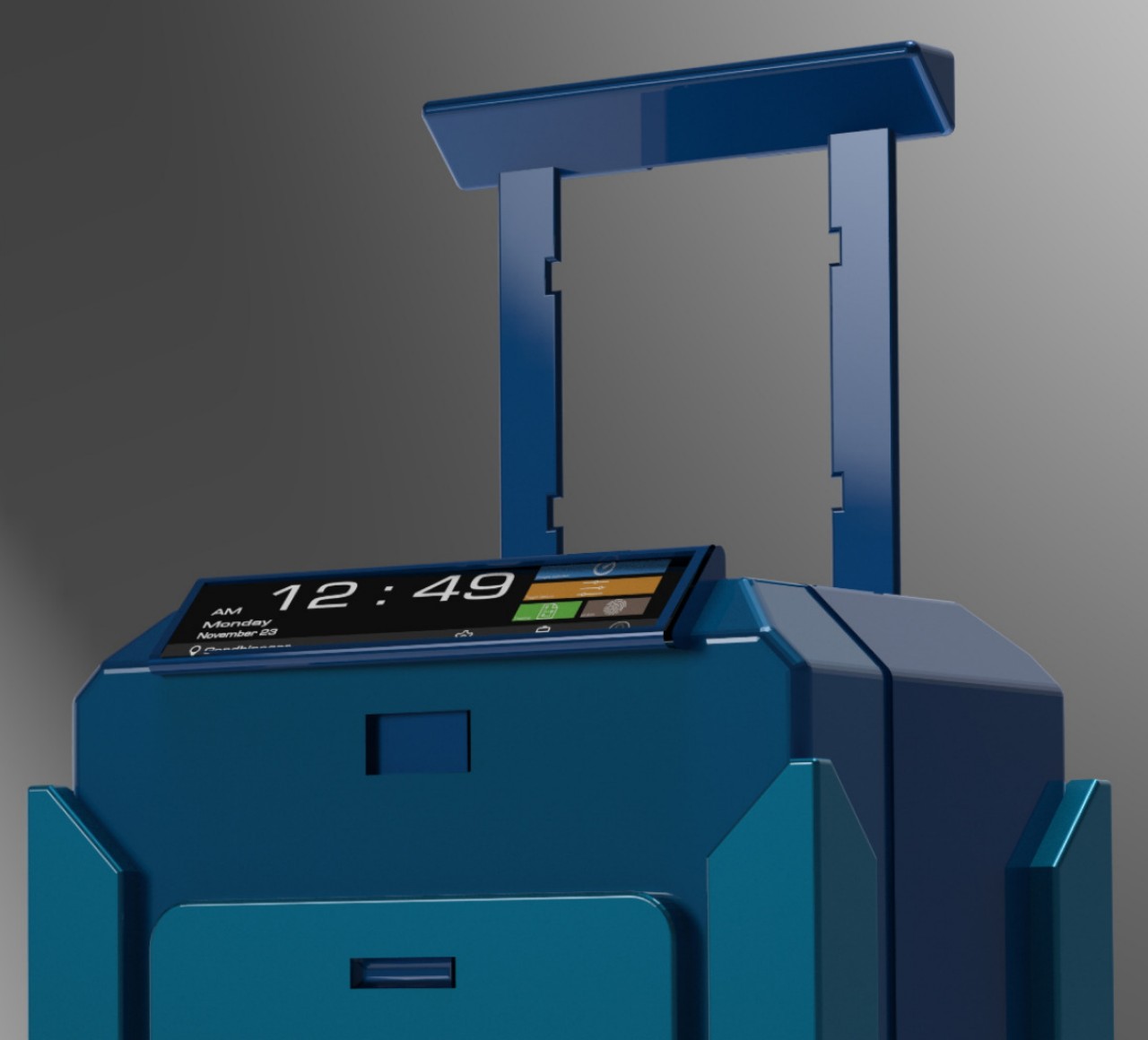
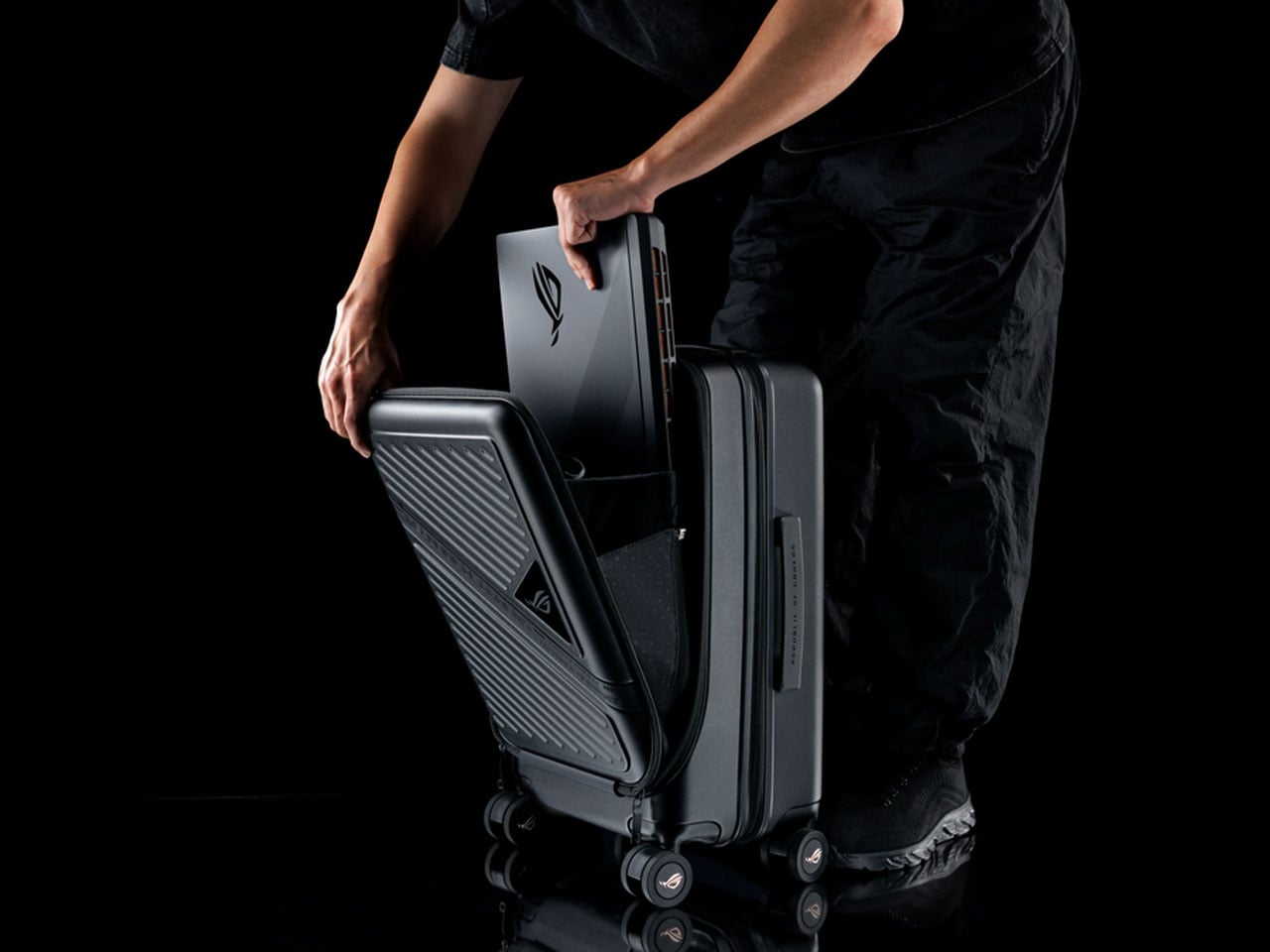
This business-minded purpose is easily seen through many of the tech-savvy features that the AeroEase concept proposes. For example, the front pocket is a laptop sleeve that can be easily accessed with a push of a button. Security is provided by an NFC lock that can be accessed via a smartphone using biometrics like a fingerprint. There’s also a small display panel on top that shows critical travel information at a glance, including the weight of the suitcase.

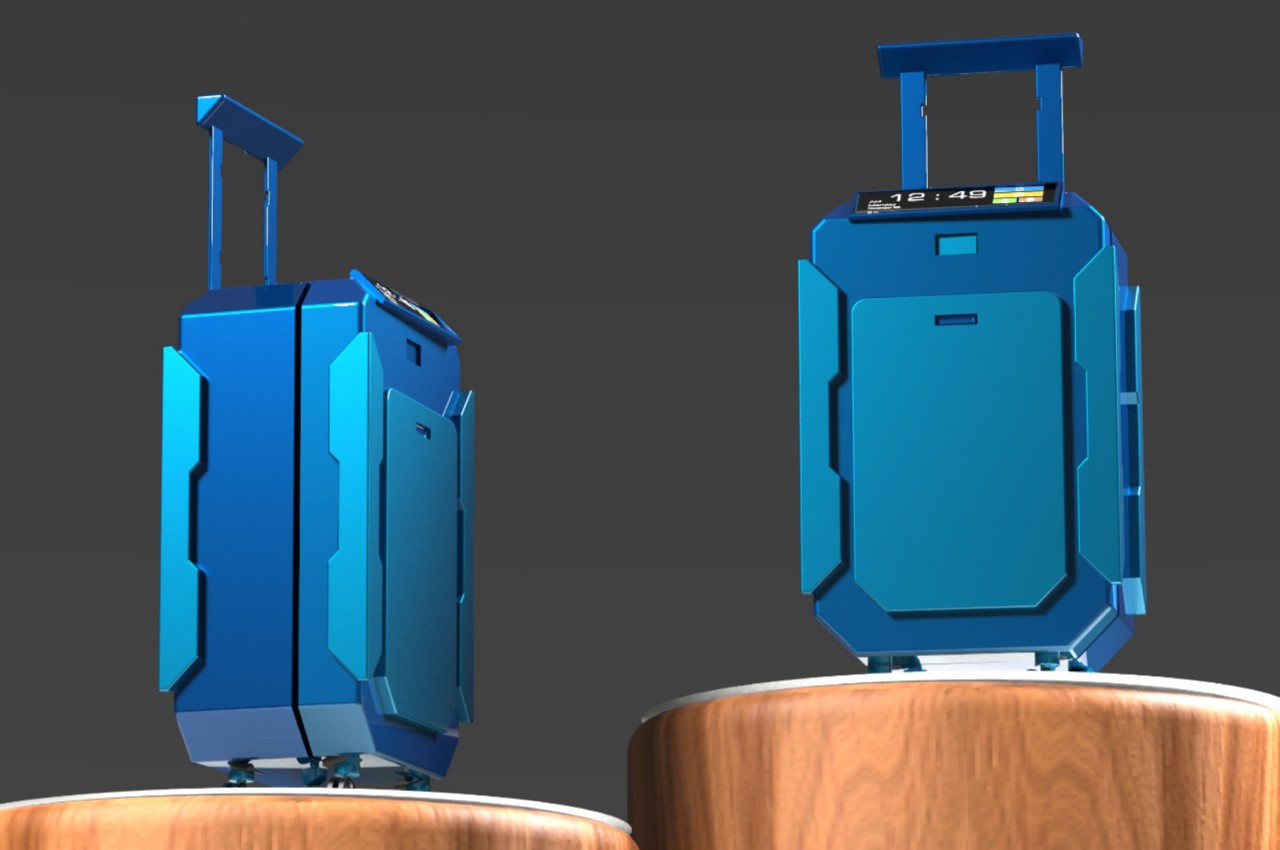
The very shape of the suitcase itself is also quite eye-catching, eschewing traditional designs where the front half is often a single material piece. Instead, the front pocket looks like a distinct part that protrudes from the body of the suitcase, while the four corners of the suitcase have bumpers that take inspiration from Casio’s iconic G-SHOCK rugged watches.

While the AeroEase’s design is indeed quite distinctive, there might be some aspects that raise concerns, especially about the durability of such a suitcase. That display, for example, could break with impact, which isn’t uncommon in during rough rides. Those bumpers could also easily snag against other items in cabins or overhead storage, which could cause some issues for the owner or other travelers. With some refinement, these concerns could be addressed, hopefully offering a less stressful experience for working men and women who often find themselves on long overnight travels.

The post Watch-inspired smart suitcase concept is made for frequent travelers first appeared on Yanko Design.
Rimowa Chess Attache offers a luxurious way to carry your luxurious game pieces

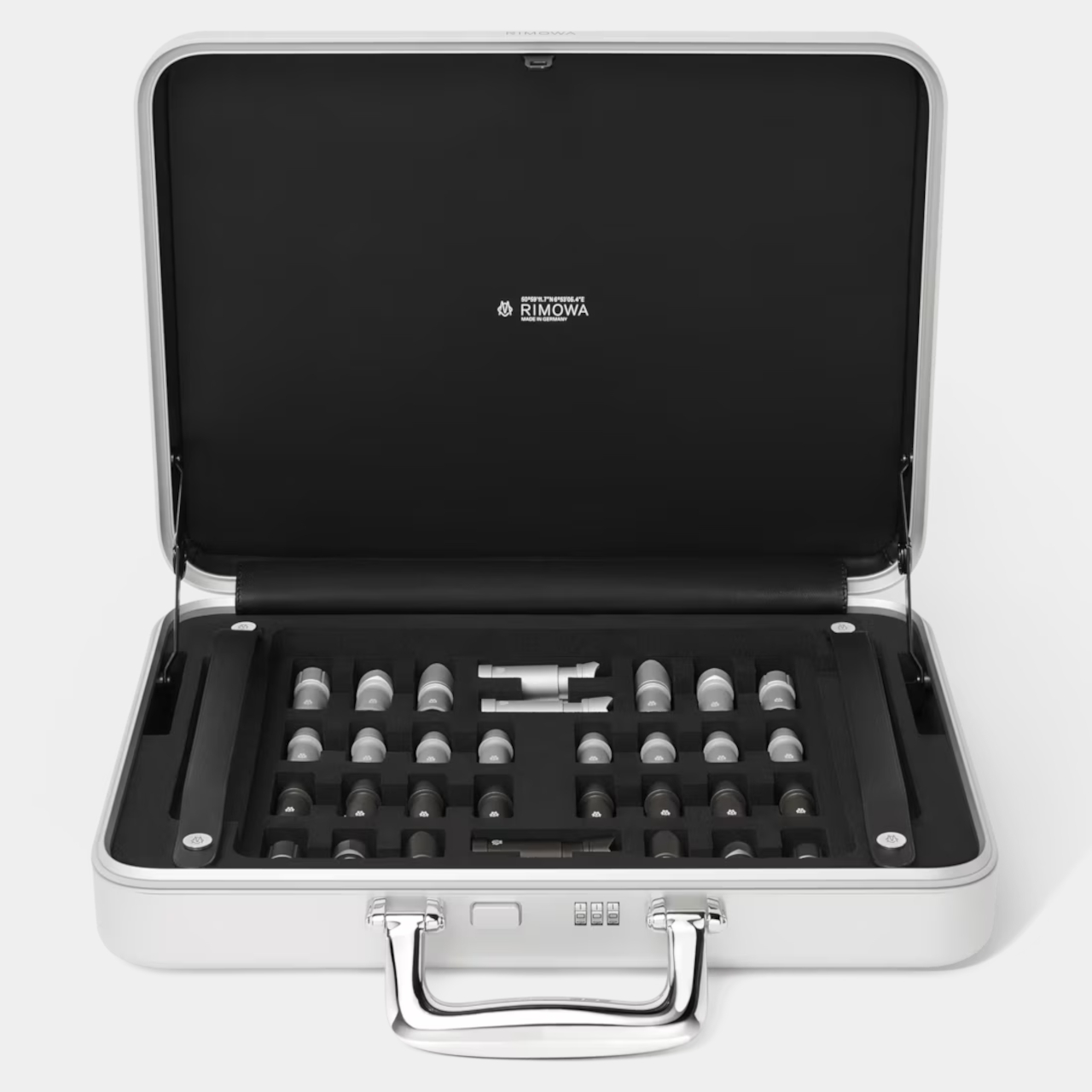
Chess is a game that spans centuries and while the basic mechanics haven’t changed much, it has taken various forms over the course of its very long history. Chess sets today come in a variety of styles, from cheap plastic to fragile class, from classic designs to abstract geometric shapes. Some sets, usually the expensive ones, are kept safely at home, while others go wherever their owners go, ready to challenge a fellow enthusiast at a moment’s notice. Rimowa, best known for making premium luggage and bags, is trying its hand at striking a middle ground with a high-quality aluminum chess set housed in a signature Rimowa case, ready to travel and make you the envy of all your chess colleagues.

Designer: Rimowa

Portable chess sets do exist, but the most common design you might see is a thick wooden board that folds in the middle to transform into a miniature suitcase for the wooden pieces. It’s practical and, to be fair, a bit sustainable, but also terribly uninspiring. Nothing lights a chess enthusiast’s fire better than a captivating and elegant chess set, one that embodies the long-lasting legacy of a game that had enchanted and beguiled even monarchs.

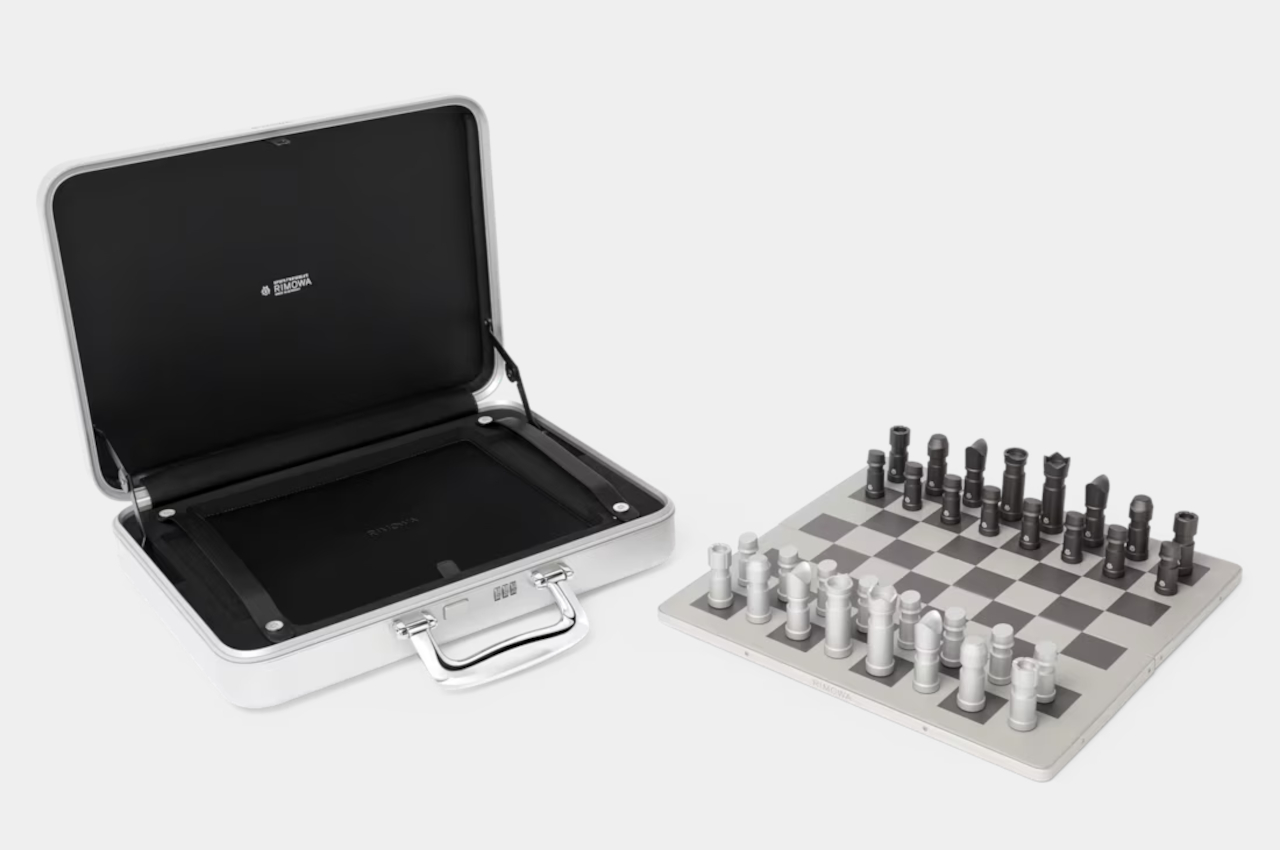
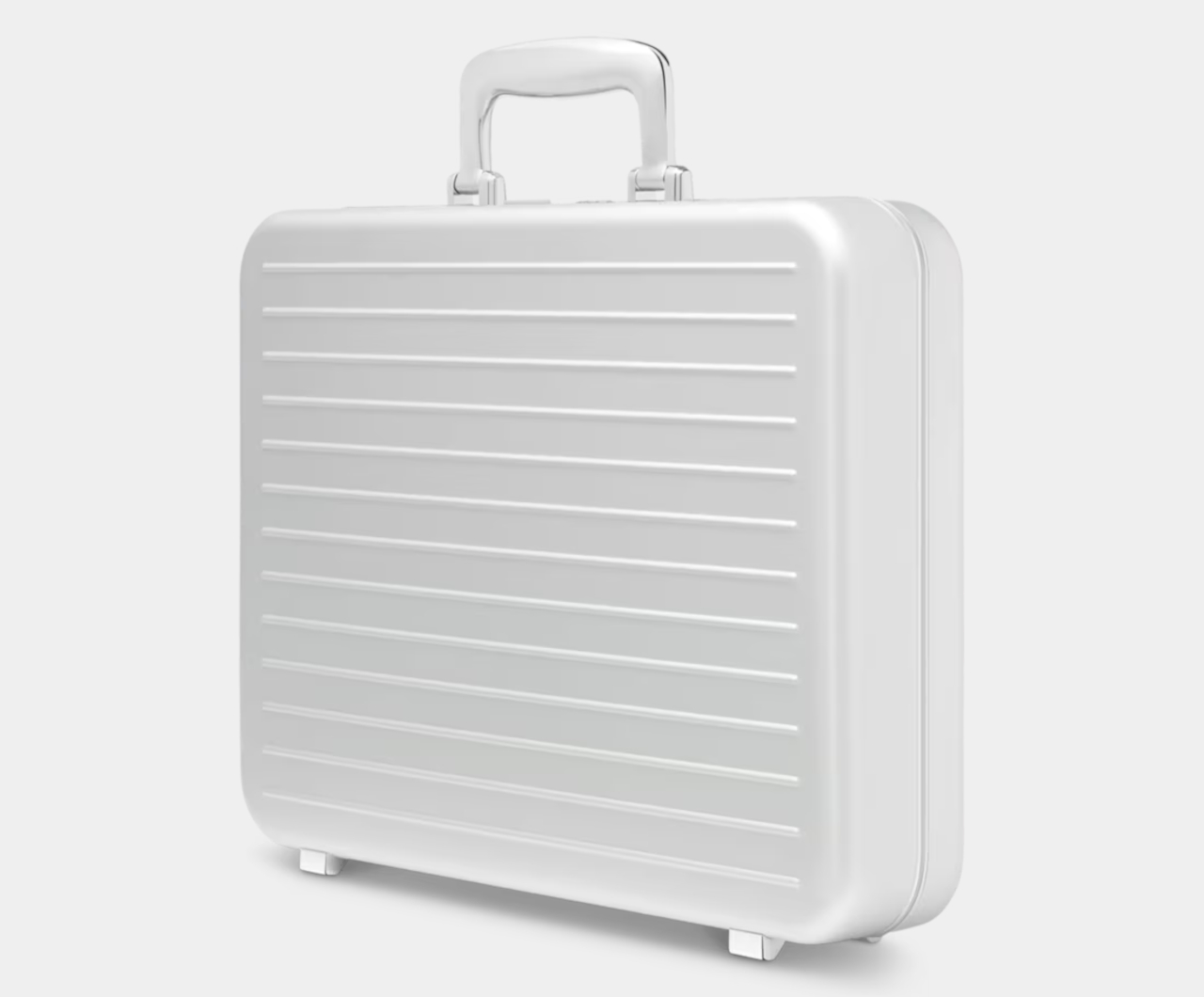
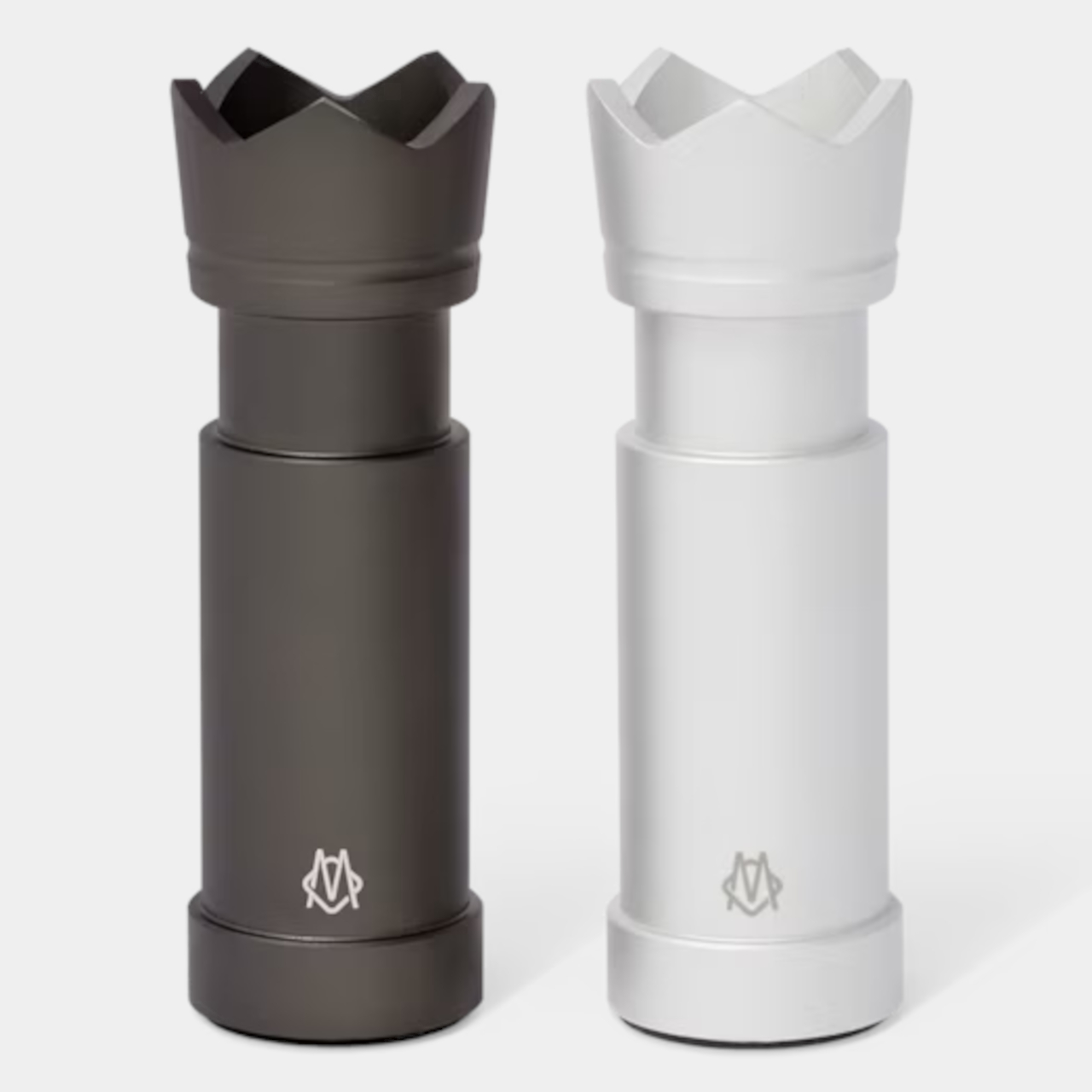
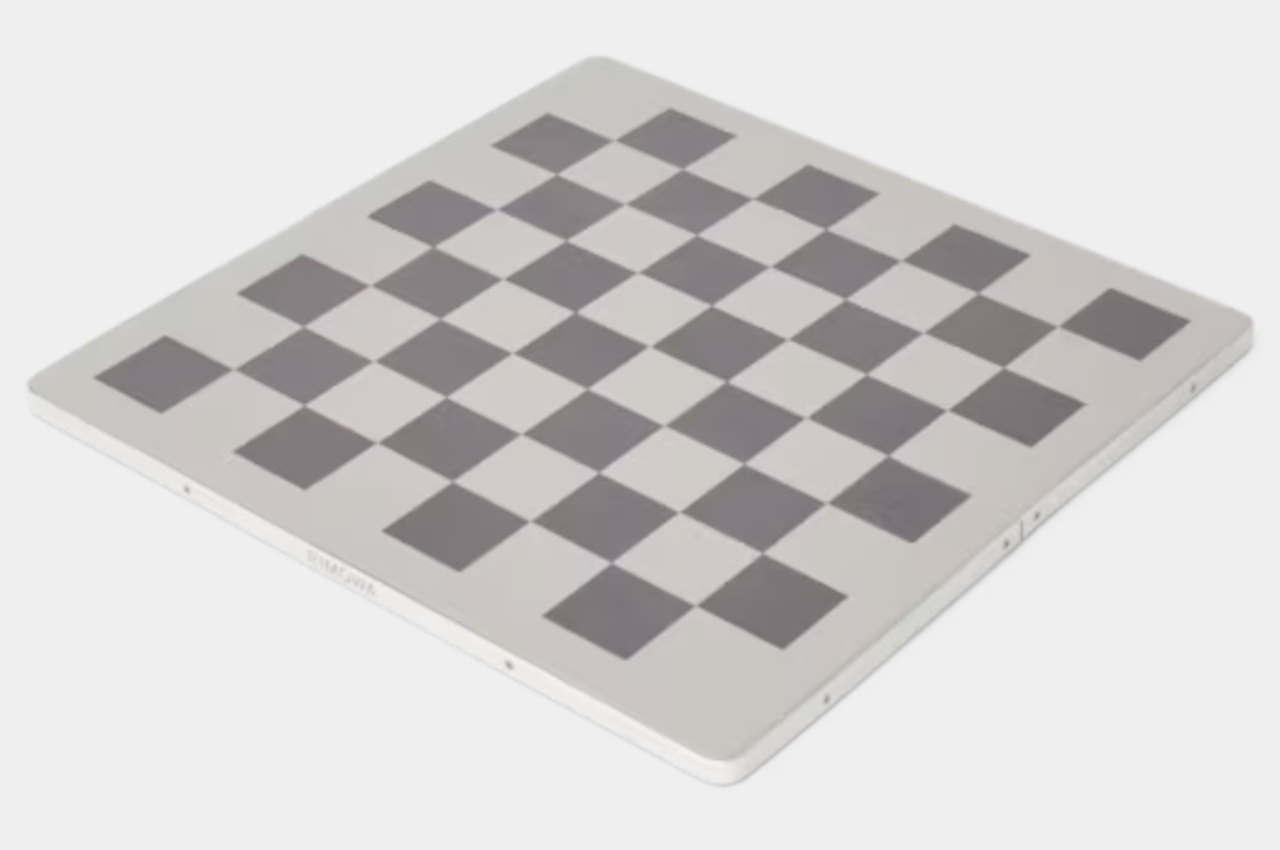
The new Rimowa Chess Attache is both a homage to the classic chess design but also a rejuvenation with a more modern aesthetic. Each chess piece is crafted from black and silver (for white) anodized aluminum, emblazoned with a laser-engraved Rimowa monogram. The board, though made of wood, is wrapped in leather materials and has magnets that keep the pieces steadily in place until you or your opponent is ready to make the next move. That board’s aluminum frame also bares Rimowa’s logo, signifying its place in the brand’s selection of premium products.

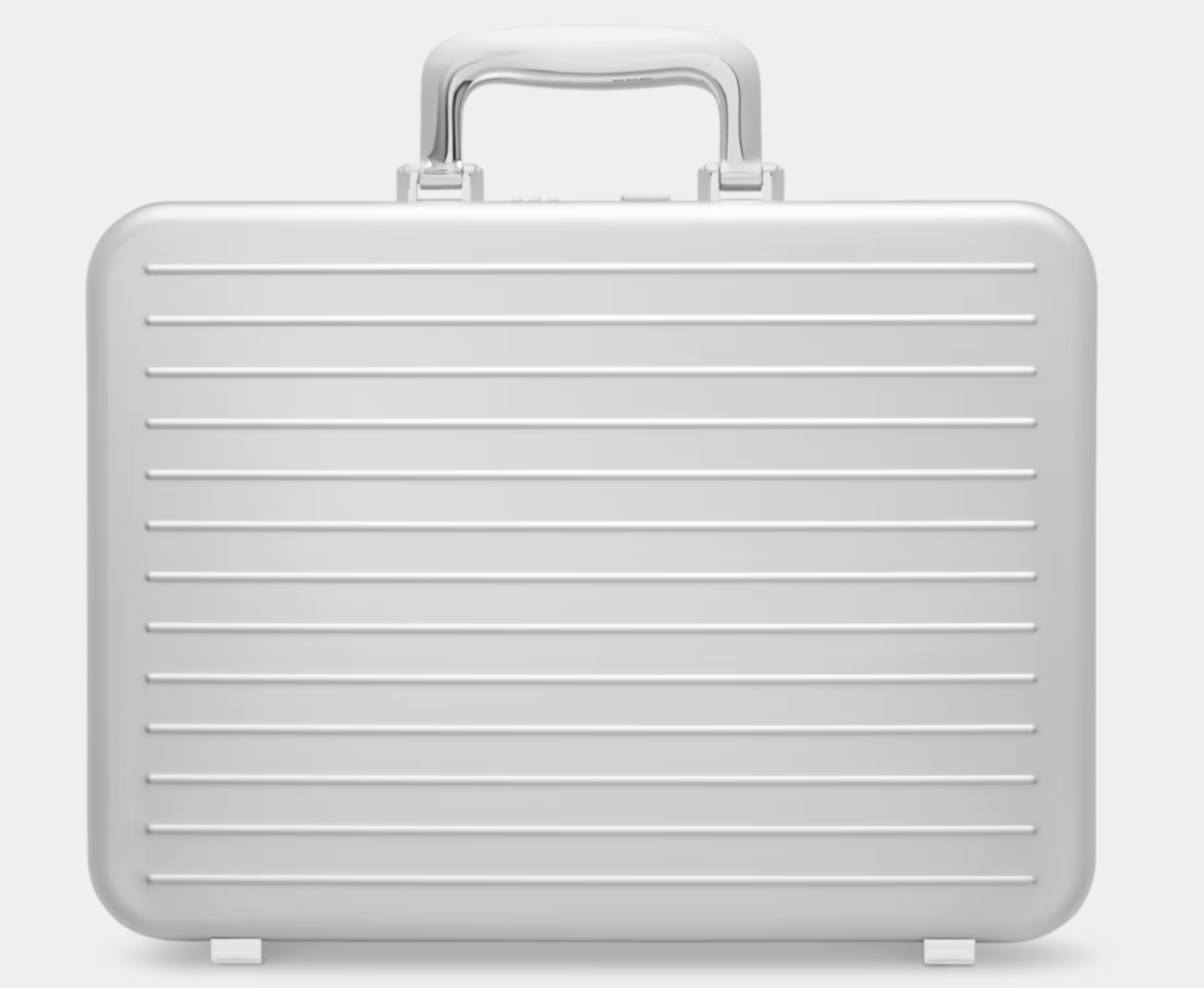
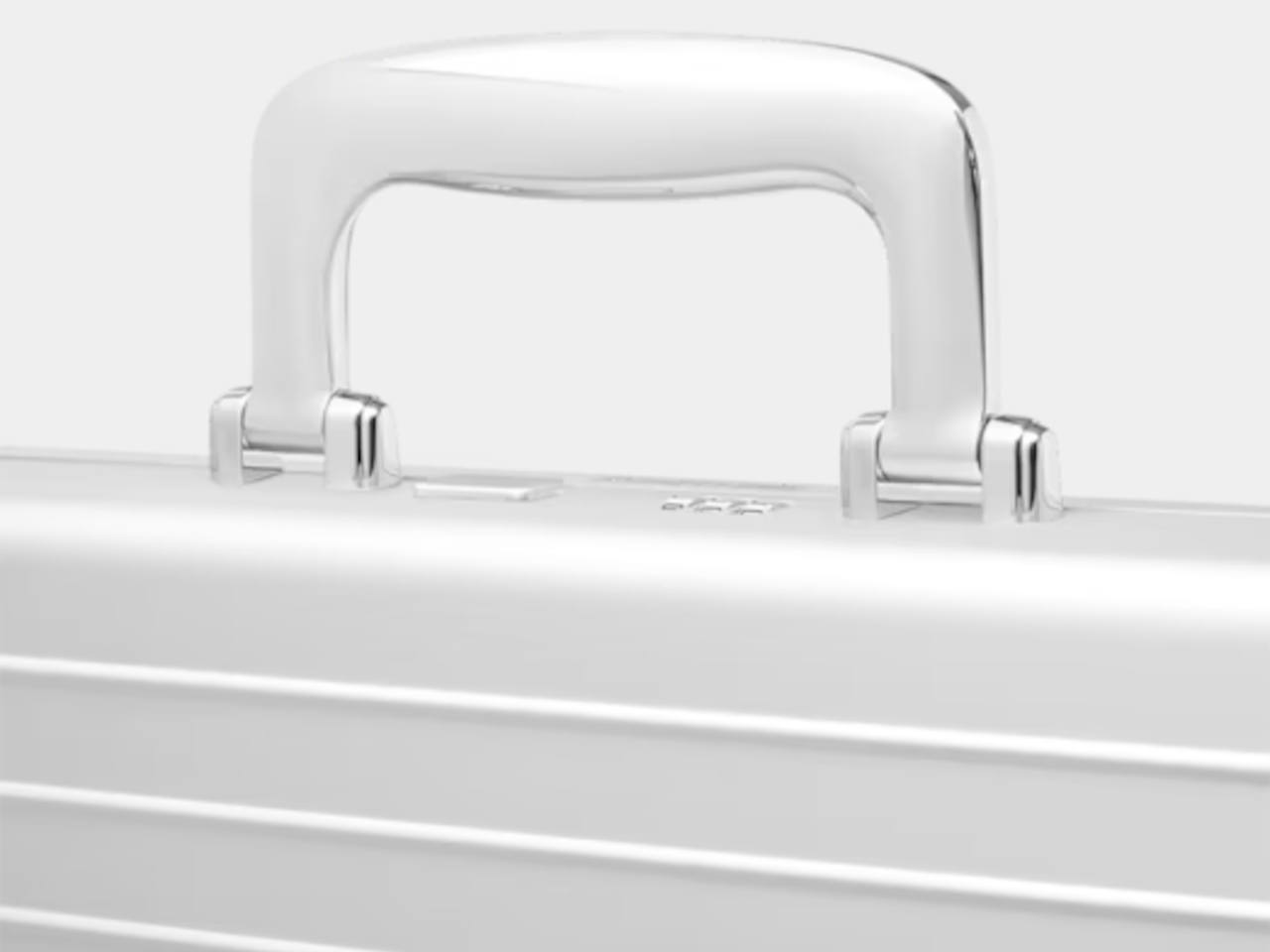
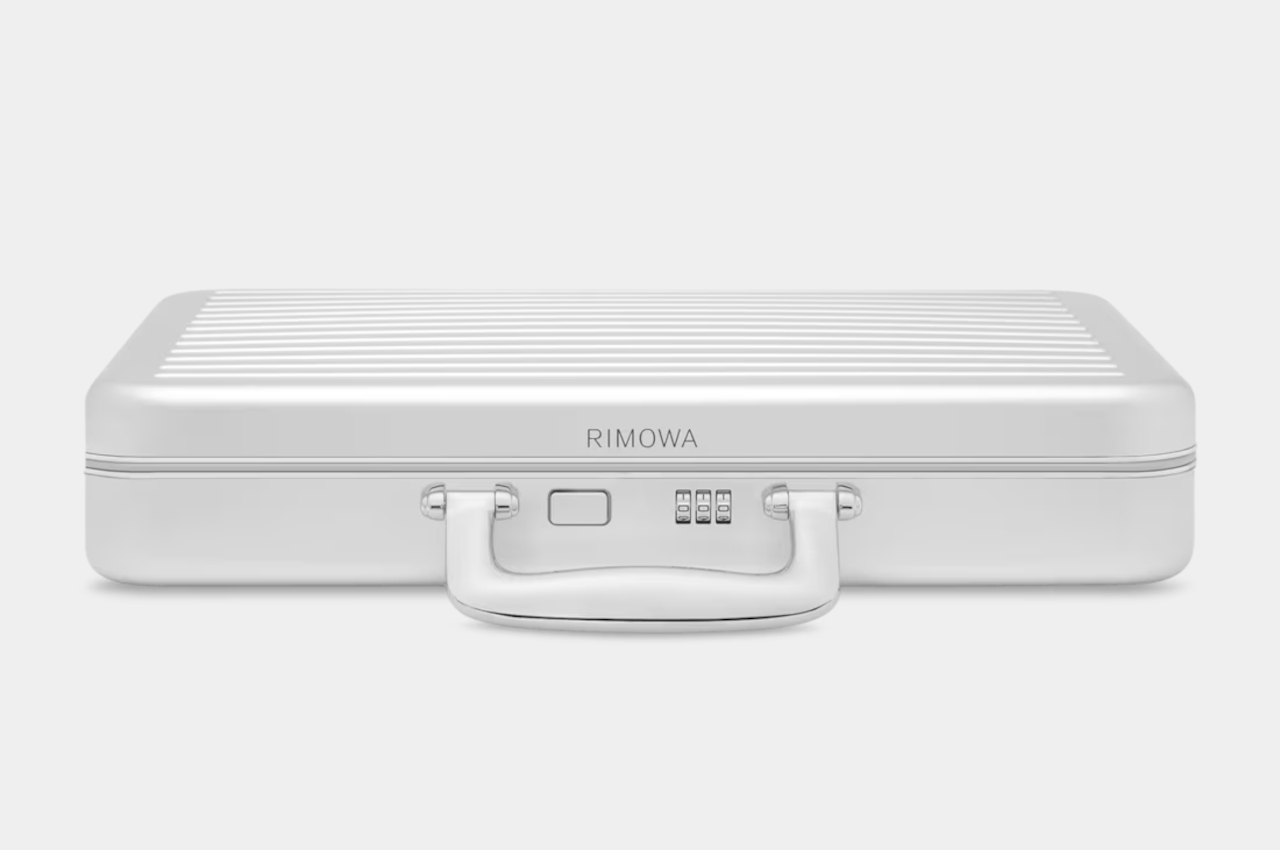
Of course, this wouldn’t be a Rimowa product if there is no travel container involved, and indeed, a major part of the Chess Attache’s appeal is exactly that attache case. The small suitcase’s rounded edges and ribbed faces carry the hallmarks of Rimowa’s iconic design language. Inside, the chess pieces like in compartments cut out from foam and a suede-like microfiber, securing them in place until the time comes for them to be taken out and played. A delicate protective leather layer then sits in between the pieces and the magnetic wooden board that’s secured to the attache with premium leather straps.

Of course, there’s also plenty of Rimowa branding to be found inside, from the black leather lining down to the monogram-engraved snaps of the leather straps. Every inch of the design screams luxury product, and it’s probably good that a metallic lock system is integrated directly into the case’s shell. Whether it’s the chess set itself or the case that carries them, this Rimowa Chess Attache elevates not just your game but also your traveling experience.

The post Rimowa Chess Attache offers a luxurious way to carry your luxurious game pieces first appeared on Yanko Design.
The Mishatu Voyager Suitcase – Where Smart Tech Meets Travel

Envision a suitcase that’s not just for your belongings but transforms how you travel—introducing the Mishatu Voyager Smart Suitcase: a product born from a meticulously executed Kickstarter campaign that redefines travel. Far from being just another piece of luggage, the Mishatu Voyager symbolizes the perfect blend of advanced technology, innovative design, and practical functionality.

Designer: Mishatu Voyager Team

Click Here to Buy Now: $599 $899 (33% off). Hurry, deal ends soon!

Crafted by a diverse and skilled research and development team, the Mishatu Voyager isn’t merely about storing clothes – it’s about elevating your travel experience to be smoother, more enjoyable, and undeniably stylish. Let’s dive into the journey of the Mishatu Voyager and discover how its eye-catching design and intelligent features make it an essential companion for any travel enthusiast. Buckle up as we unpack the Mishatu Voyager – a suitcase reimagining the future of travel, one journey at a time.

Design: Where Elegance Meets Durability

At the heart of the Mishatu Voyager’s allure is its design, which masterfully merges aesthetic elegance with lasting durability. The suitcase’s minimalist white exterior is more than just stylish – it’s a modern statement in travel fashion. This clean and sophisticated design choice not only boosts its visual appeal but also establishes it as a fashion-forward choice for savvy travelers. Its robust polycarbonate shell is critical, offering resilience against the rigors of travel and keeping the suitcase looking pristine over time.
Despite its compact 20-inch frame, the Mishatu Voyager impresses with a generous 33-liter capacity, weighing 12 pounds. This addresses the everyday traveler’s dilemma: efficient packing without compromising space. Its dimensions, 20.67×13.98×9.25 inches, are tailored to meet airline cabin requirements, making it an ideal carry-on. This thoughtful design balances size with capacity, catering to practical travel needs while maintaining a sleek profile.

Functionality is woven into the fabric of the Mishatu Voyager’s design philosophy. Features like Auto-Follow Mode, Assist-Uphill Mode, and Cycling Mode are seamlessly integrated, enhancing travel convenience and efficiency while preserving the suitcase’s stylish exterior.

Auto-Follow Mode: Your Personal Luggage Assistant

The Auto-Follow Mode is a feature that allows your suitcase to act as your personal assistant on wheels. Using advanced sensors and a remote control system, it can follow you autonomously, providing hands-free movement and relieving you of the physical burden of carrying your luggage. This feature is especially helpful in crowded airports and stations, making navigating through the crowds easier without worrying about your luggage.

Uphill Assistance: Making Every Journey Effortless

Navigating inclined paths or hilly terrains is a breeze with the Mishatu Voyager’s Assist Uphill Mode. Activated with a simple tilt, it propels the suitcase effortlessly uphill, addressing a significant pain point for travelers and making the physical aspect of travel more comfortable.

Cycling Mode: Adding Fun to Functionality

The Cycling Mode of the Mishatu Voyager offers an additional layer of convenience and innovation. At the heart of this feature lies a hidden gem: two ergonomic pedals that elegantly pop out from beneath the suitcase’s sleek exterior. These pedals are not just an engineering feat; they transform the suitcase into a comfortable seat, allowing you to take a break wherever your journey takes you.

Imagine the convenience of unfolding the pedals on your suitcase to take a break, savor a snack, or relax and soak in your surroundings. This distinctive feature elevates the Voyager Smart Suitcase beyond a mere travel accessory; it becomes a portable oasis of comfort.

Whether you’re at the airport awaiting a flight, pausing during a city excursion, or need a brief respite in a hectic travel itinerary, the Mishatu Voyager seamlessly conforms to your needs. Its thoughtful, user-centric design transforms the suitcase from a basic travel necessity into an adaptable travel ally, merging practicality with a dash of elegance.

Removable Battery: Compliant and Convenient

Compliance with airline regulations is ensured with the Mishatu Voyager’s removable battery, which is necessary for air travel. This battery doubles as a portable power bank, keeping your devices charged on the go.

One-Click Find Function: Never Lose Sight of Your Luggage

The one-click find function is a boon in crowded spaces, helping you locate your suitcase quickly. This feature is invaluable in busy travel hubs, offering peace of mind and reducing the likelihood of lost or stolen luggage.

App Integration: Complete Control at Your Fingertips

The Mishatu Voyager’s dedicated app enhances your control over the travel experience. With features like real-time tracking, remote control, anti-loss mode, and customizable settings, it caters to the tech-savvy traveler, offering a more secure and personalized journey.

Final Thoughts: A Revolution in Travel Gear

The Mishatu Voyager Smart Suitcase is an all-in-one solution for today’s travel challenges. Its blend of innovative features, such as auto-follow, assist uphill, and cycling mode, with practical elements like a removable battery and a dedicated app, positions it as a leader in travel gear. These features enhance the travel experience and address the practicalities of modern journeys, from security to mobility and convenience.

Click Here to Buy Now: $599 $899 (33% off). Hurry, deal ends soon!

The post The Mishatu Voyager Suitcase – Where Smart Tech Meets Travel first appeared on Yanko Design.