Most satellites avoid very low Earth orbit because the atmosphere is still thick enough to drag them down in days or weeks without constant propulsion. That said, Very Low Earth Orbit (VLEO) satellites offer sharper imagery with smaller optics and lower latency for communications if you can survive there. Redwire’s SabreSat is a satellite designed to live in that zone on purpose, using the air that normally kills spacecraft as part of its propulsion strategy.
SabreSat is Redwire’s VLEO-optimized satellite bus, chosen by DARPA for its OTTER program to demonstrate sustained operations in very low orbit. The platform is modular and built for Earth observation and atmospheric sensing, but its most interesting option is an air-breathing propulsion system that literally inhales thin air, ionizes it, and throws it out the back as thrust instead of relying on stored propellant alone.
Designer: Redwire
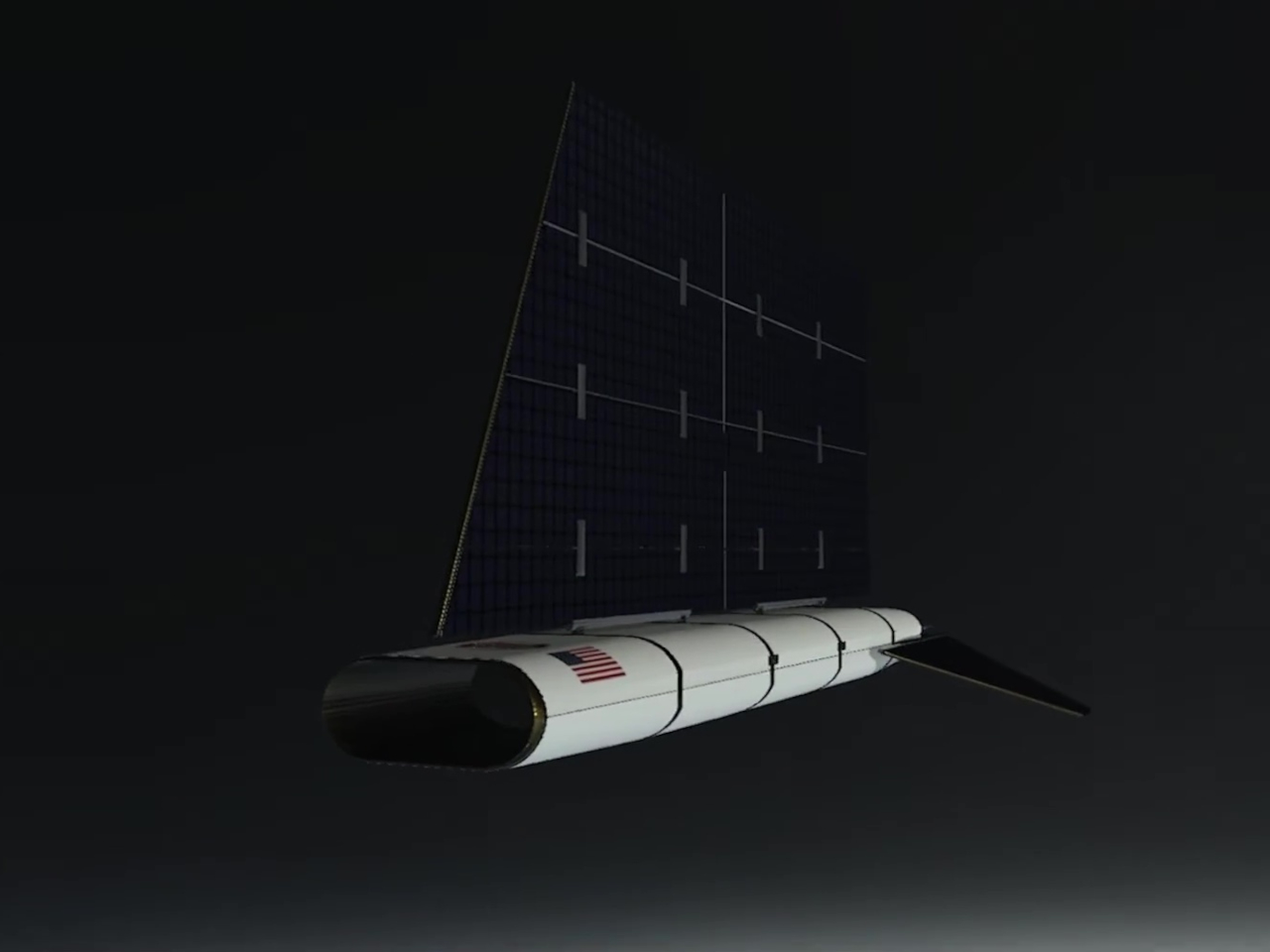
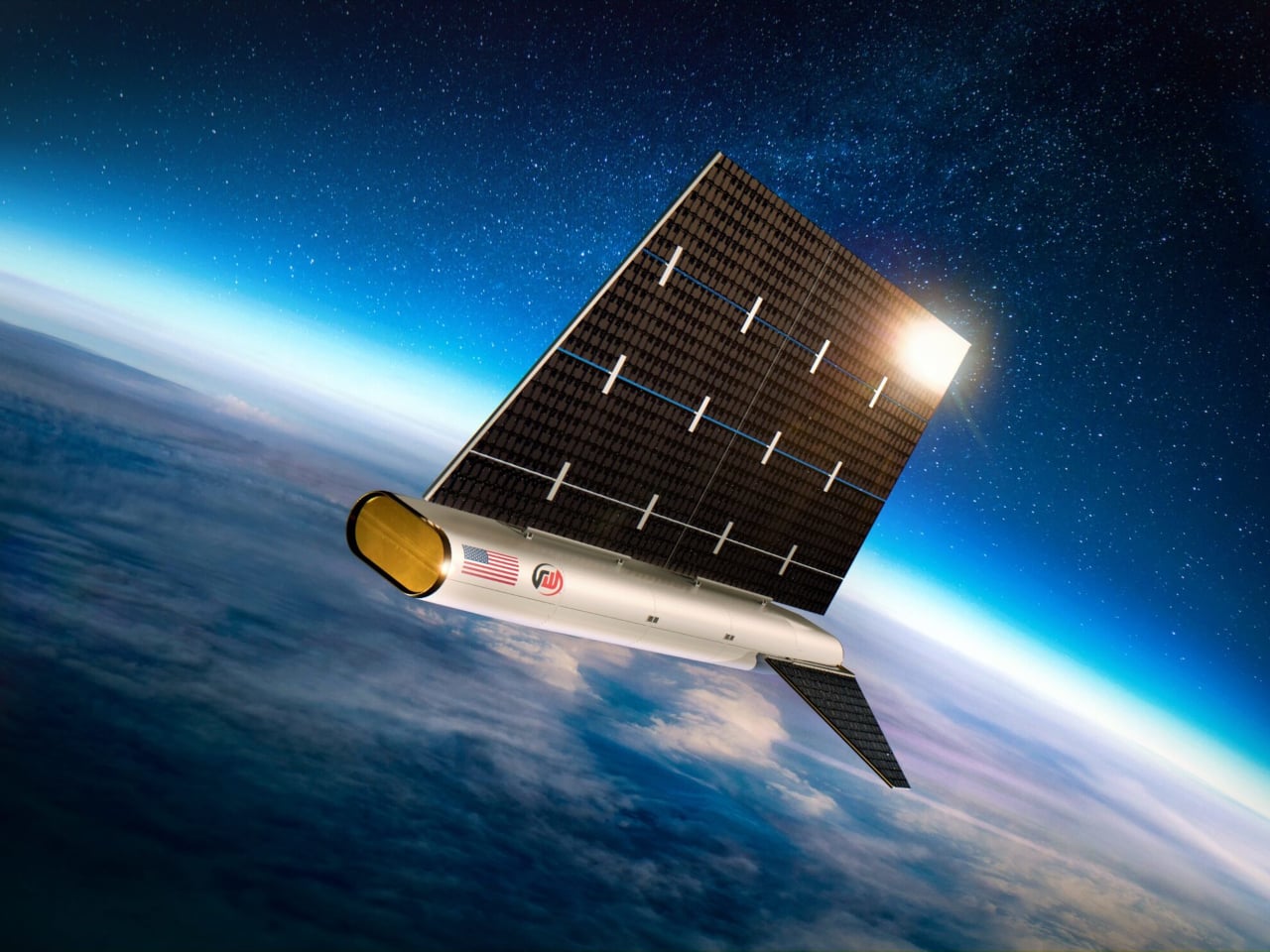
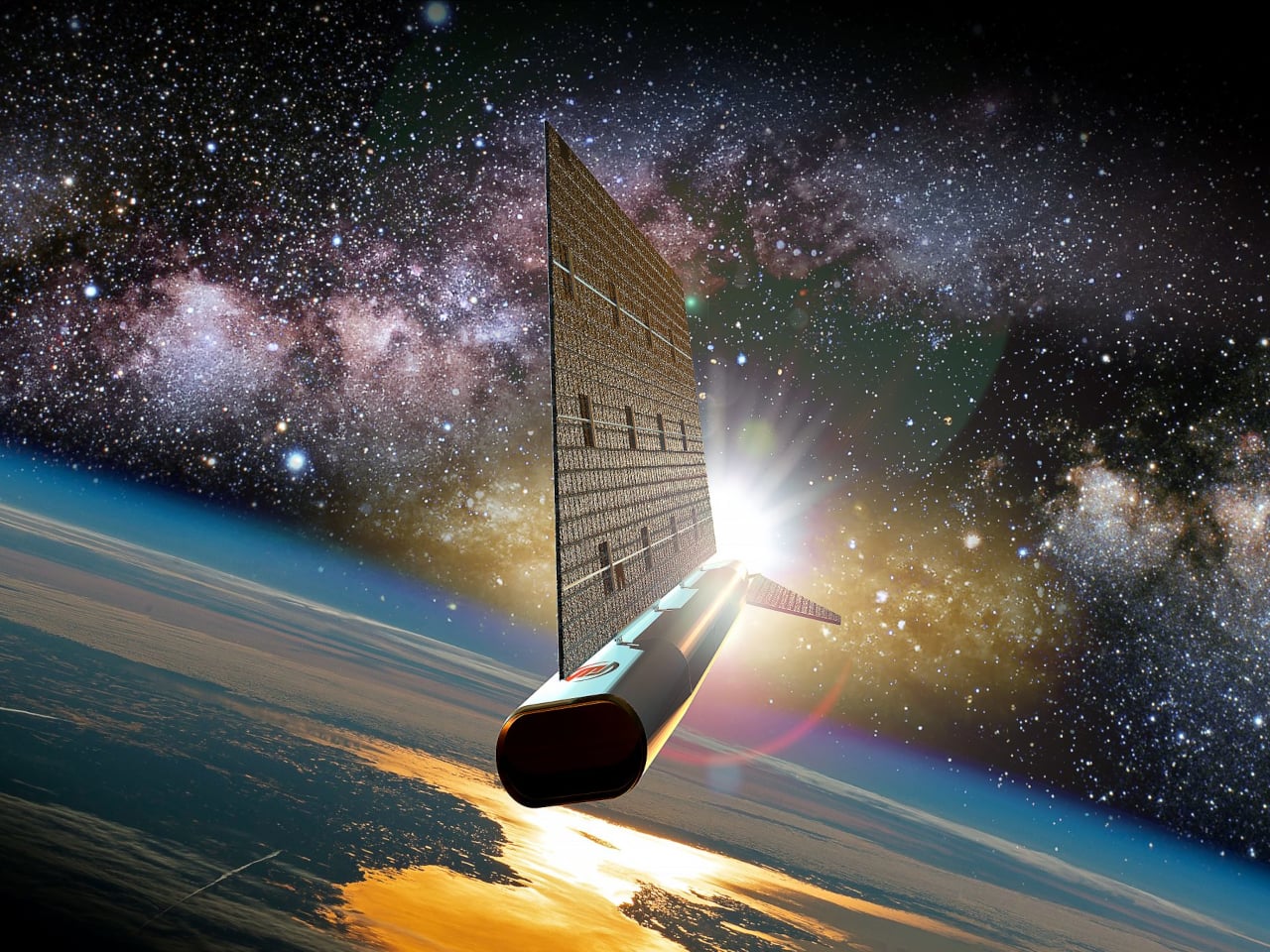
The overall shape from the renders looks more like a glider or flying wing than a cube with panels. A long, rounded fuselage with an oval nose, a huge vertical solar sail rising from the top, and two canted tail fins on each side. It has a clear nose, body, and tail rather than a generic bus, which makes sense for a spacecraft that has to fly through fluid instead of coasting in a vacuum.
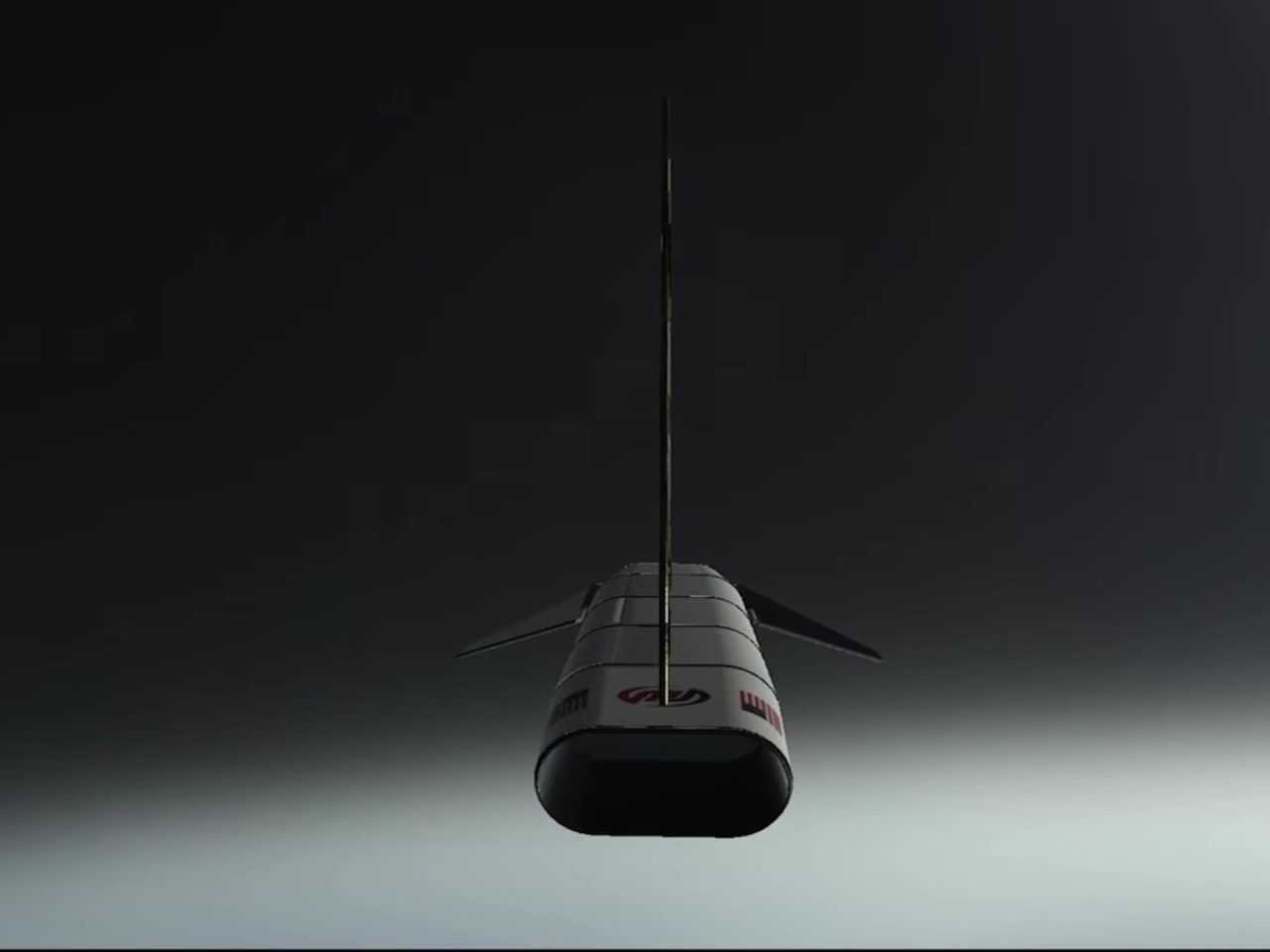
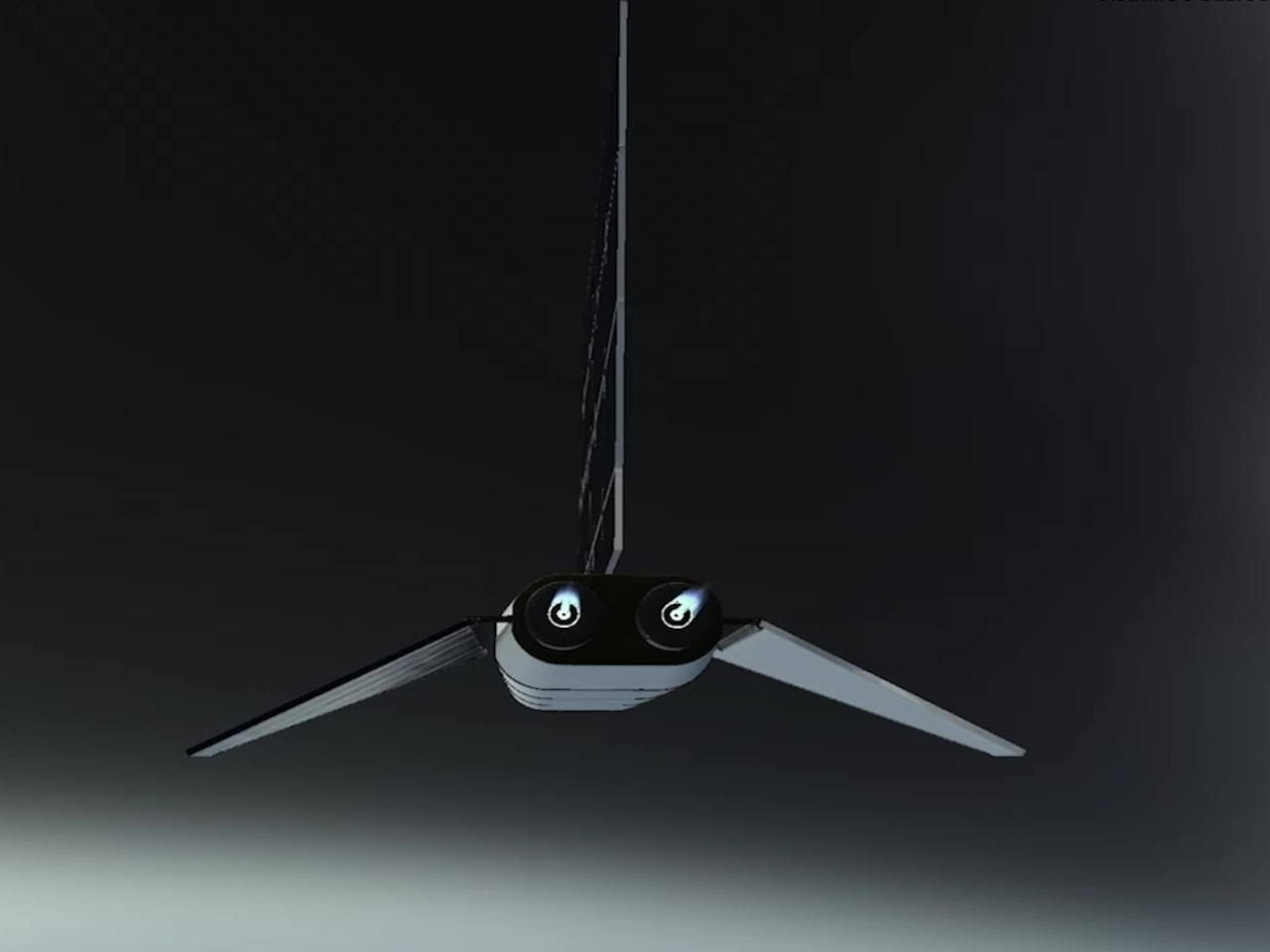
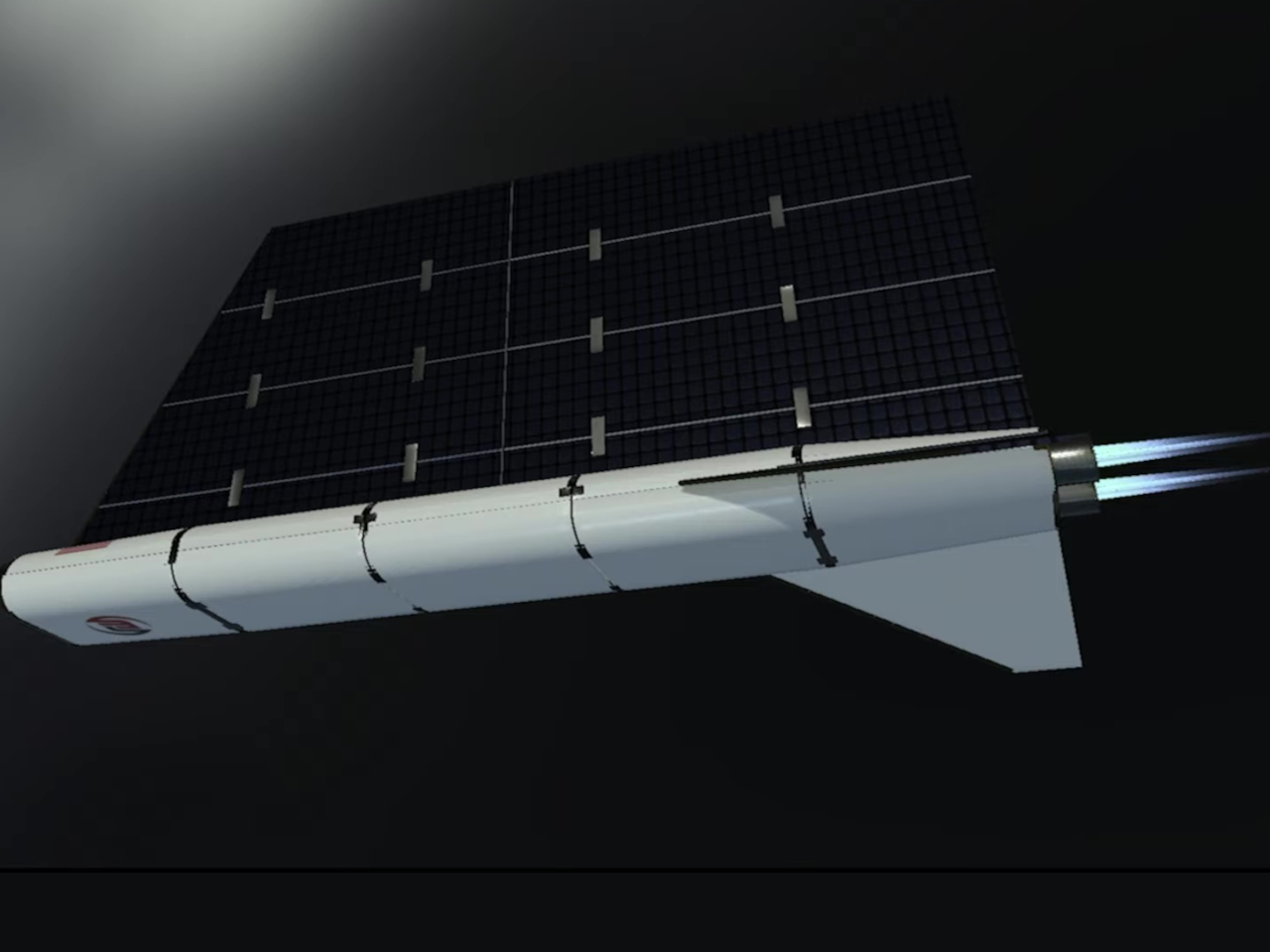
The large vertical surface is clearly a solar array, covered in a dense grid of cells and framed in gold. Its size and placement suggest an aerodynamic role as well. In VLEO, that panel can act like a sail or stabilizer, helping align the spacecraft with the flow and giving attitude control systems something to work with. It’s a power source and an aerodynamic surface wrapped into one.
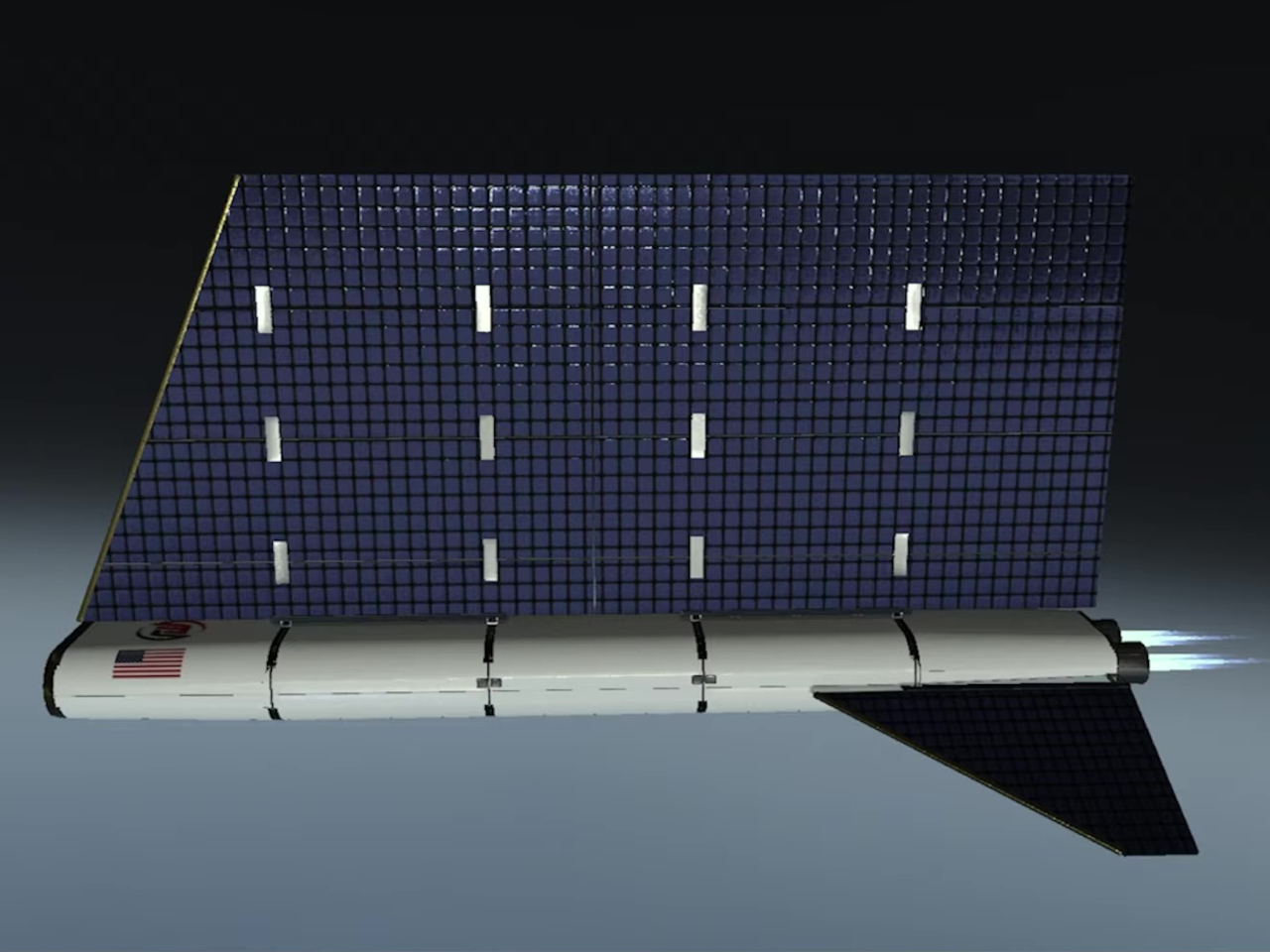
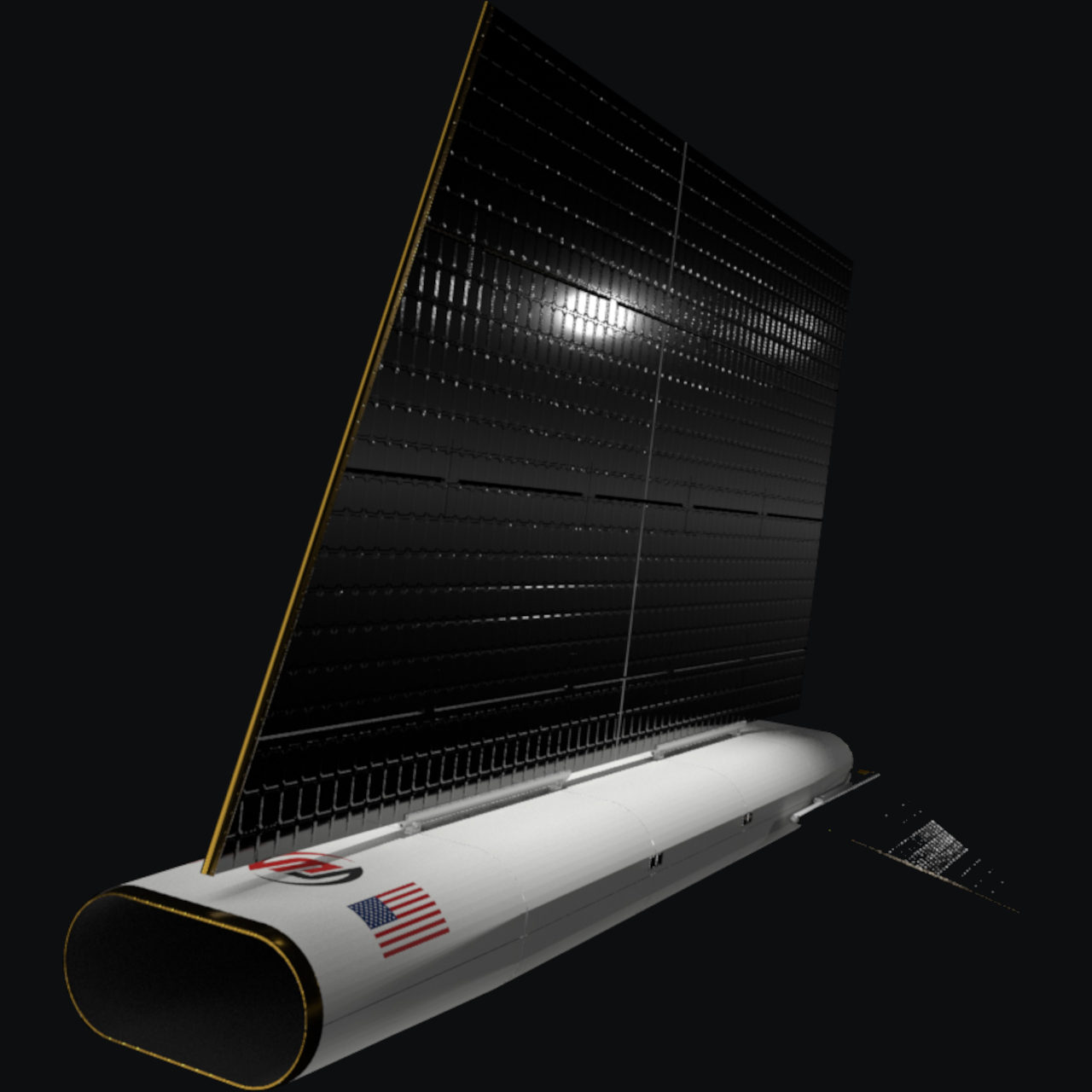
The fuselage and tail support the air-breathing concept. The smooth, rounded nose and long body are consistent with reducing drag and possibly funneling air toward an intake region inside. At the back, renders show twin exhaust plumes emerging from the aft end, hinting at an electric thruster fed by harvested air. The canted tail fin adds stability and helps manage the angle of attack in the thin atmosphere.
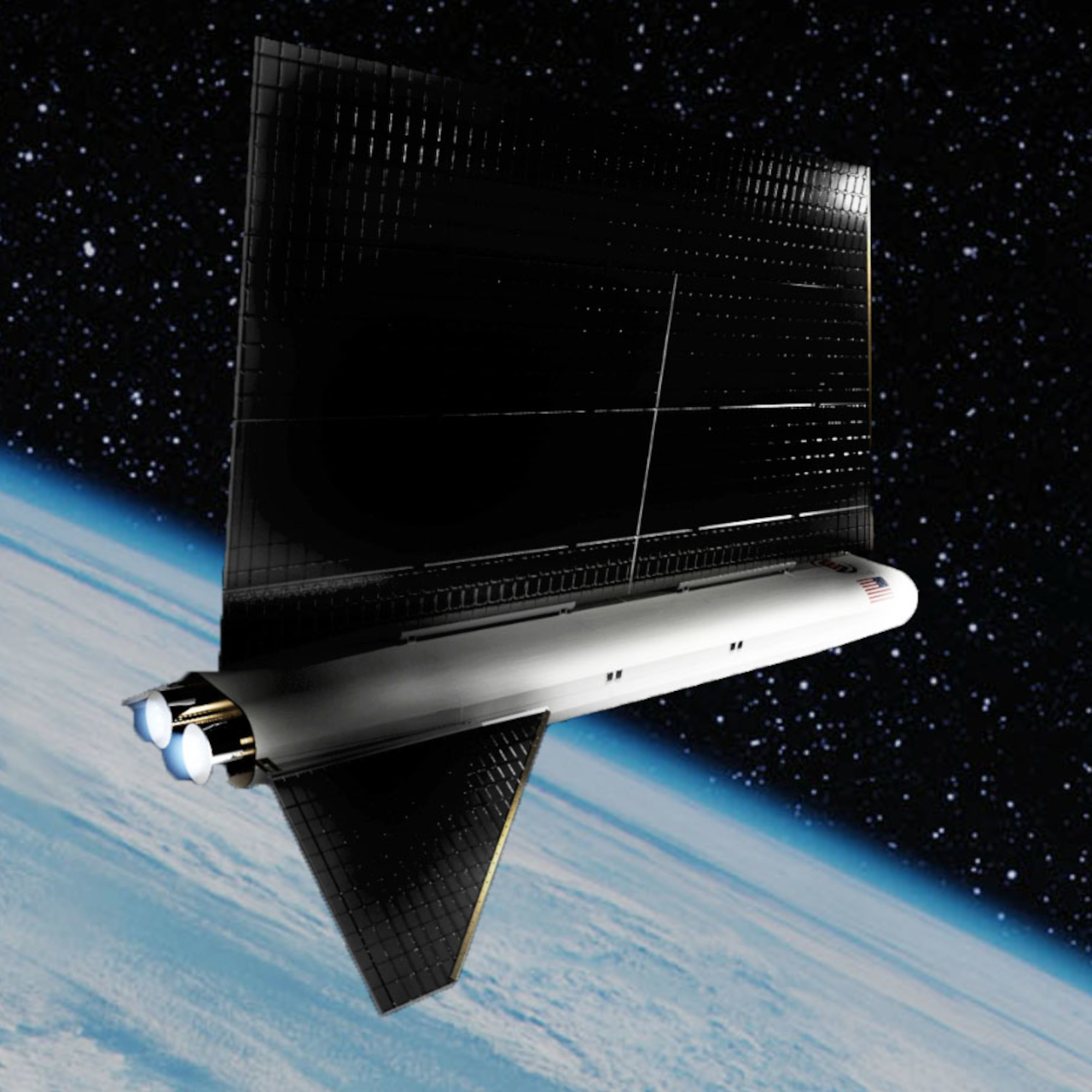
The air-breathing system is optional. SabreSat can fly as a more conventional VLEO satellite using stored propellant, or as an air-breathing craft that uses the atmosphere as reaction mass. That flexibility lets operators choose between shorter, simpler missions and long-duration, highly maneuverable flights that treat VLEO more like an operating layer than a decay zone where satellites eventually burn up.
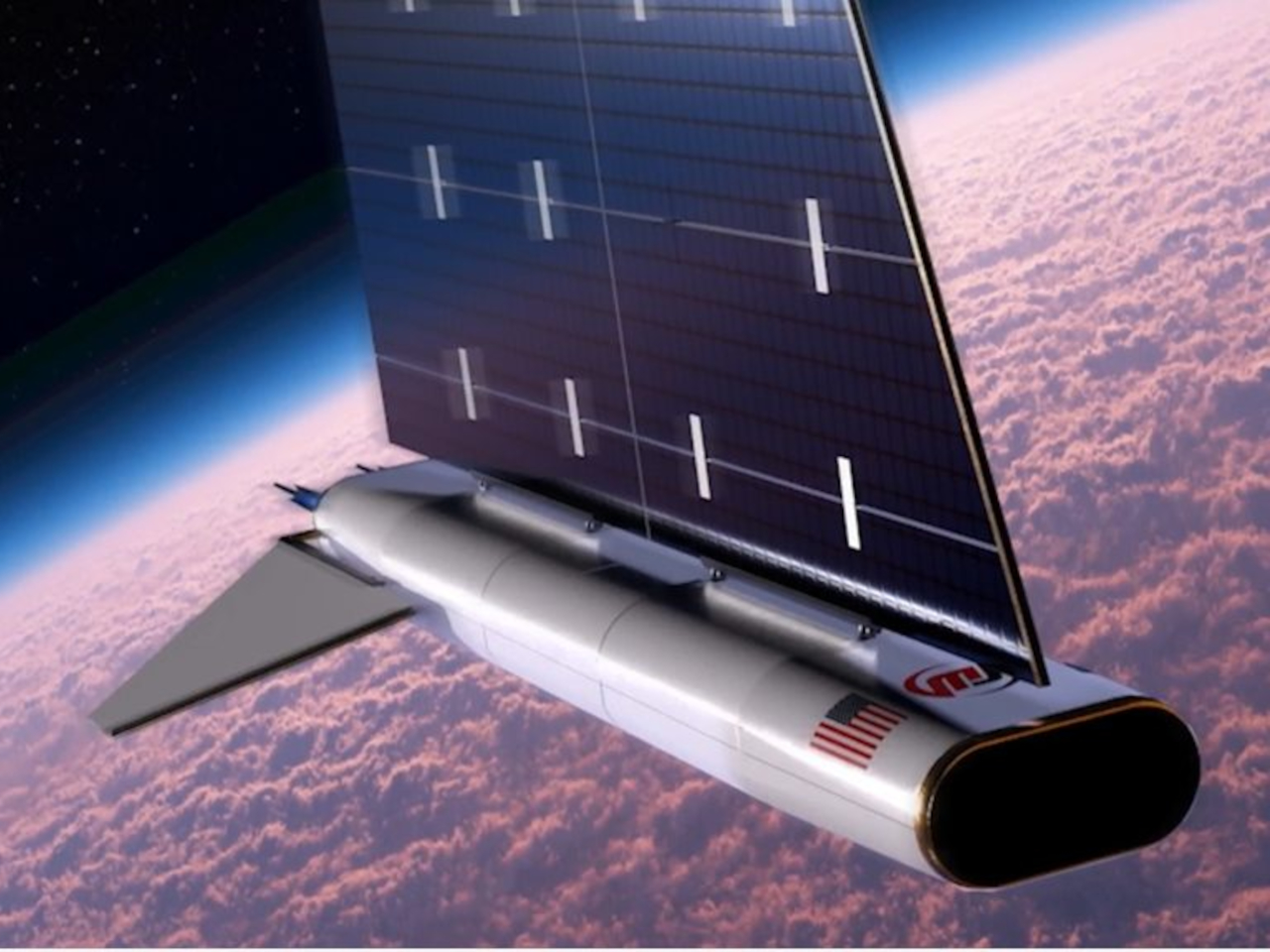
SabreSat is a glimpse of what satellites might look like when we stop pretending space is always empty. Its flying-wing silhouette, solar sail, and air-breathing option suggest a future where spacecraft skim the upper atmosphere, sensing it and using it as fuel at the same time. It’s a reminder that the most interesting design work often happens where two environments overlap.
The post SabreSat Air-Breathing Satellite Treats the Upper Atmosphere Like Fuel first appeared on Yanko Design.