Samsung’s SmartTag3 Refuses to Die at 790 Days Battery Life

I’m the kind of person who can set down my keys, turn around, and immediately forget where they went. Wallets, earbuds, and bags have a way of disappearing at the least convenient moment, too. A smart tracker can spare you a frantic search, but only if its battery is working and its location can still be found. That makes battery life and the ability to locate an item beyond your phone’s immediate range just as important as a good-looking design.

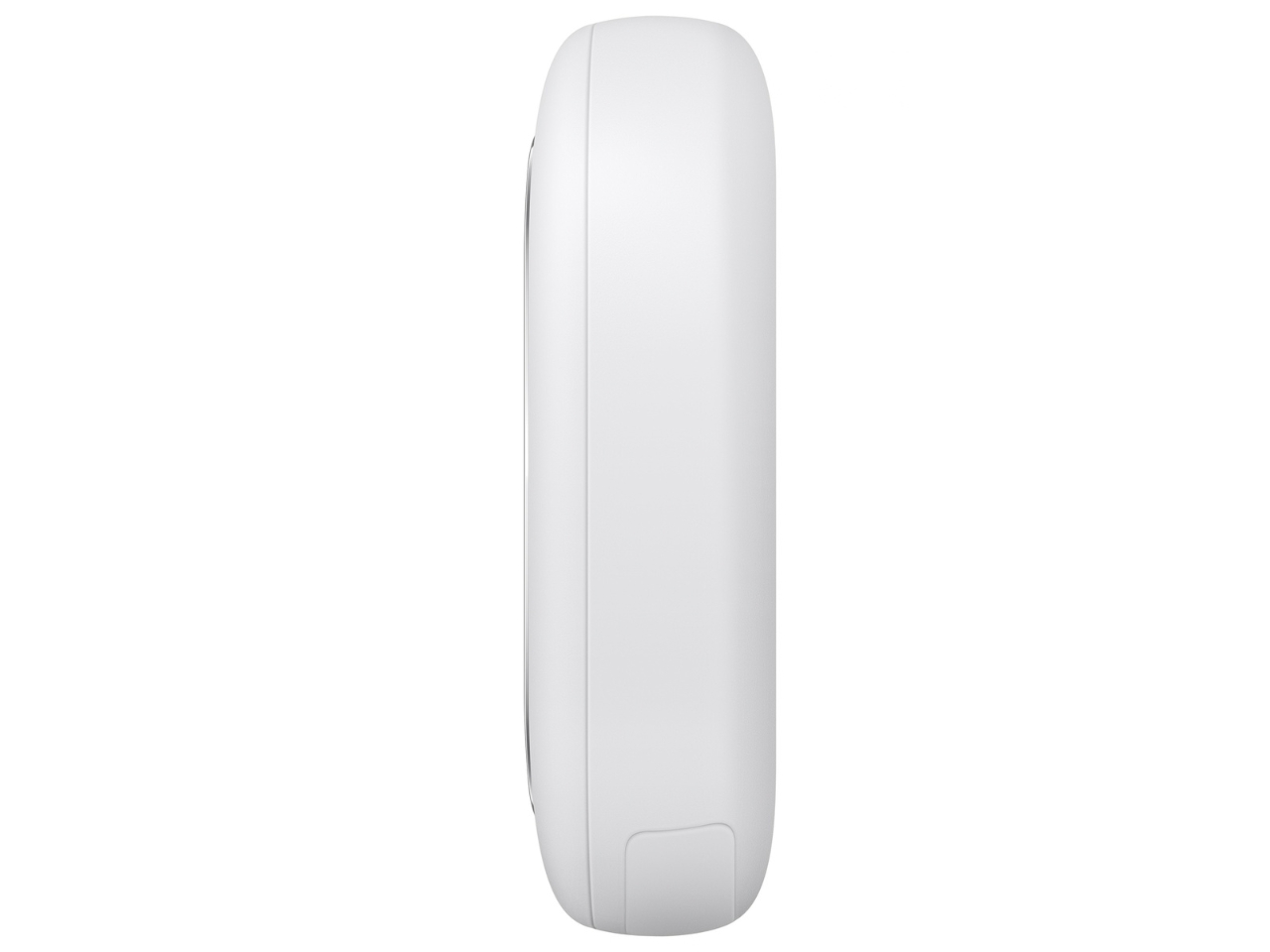
Designed by Samsung, the Galaxy SmartTag3 aims to address those everyday frustrations in a smaller package. Its rounded, nearly square shape gives it a clean look, while its reduced size should make it less noticeable on the things you carry. That matters more than it might seem. A tracker attached to a set of keys needs to be easy to live with every day, not just useful on the rare occasion those keys go missing.

Design: Samsung
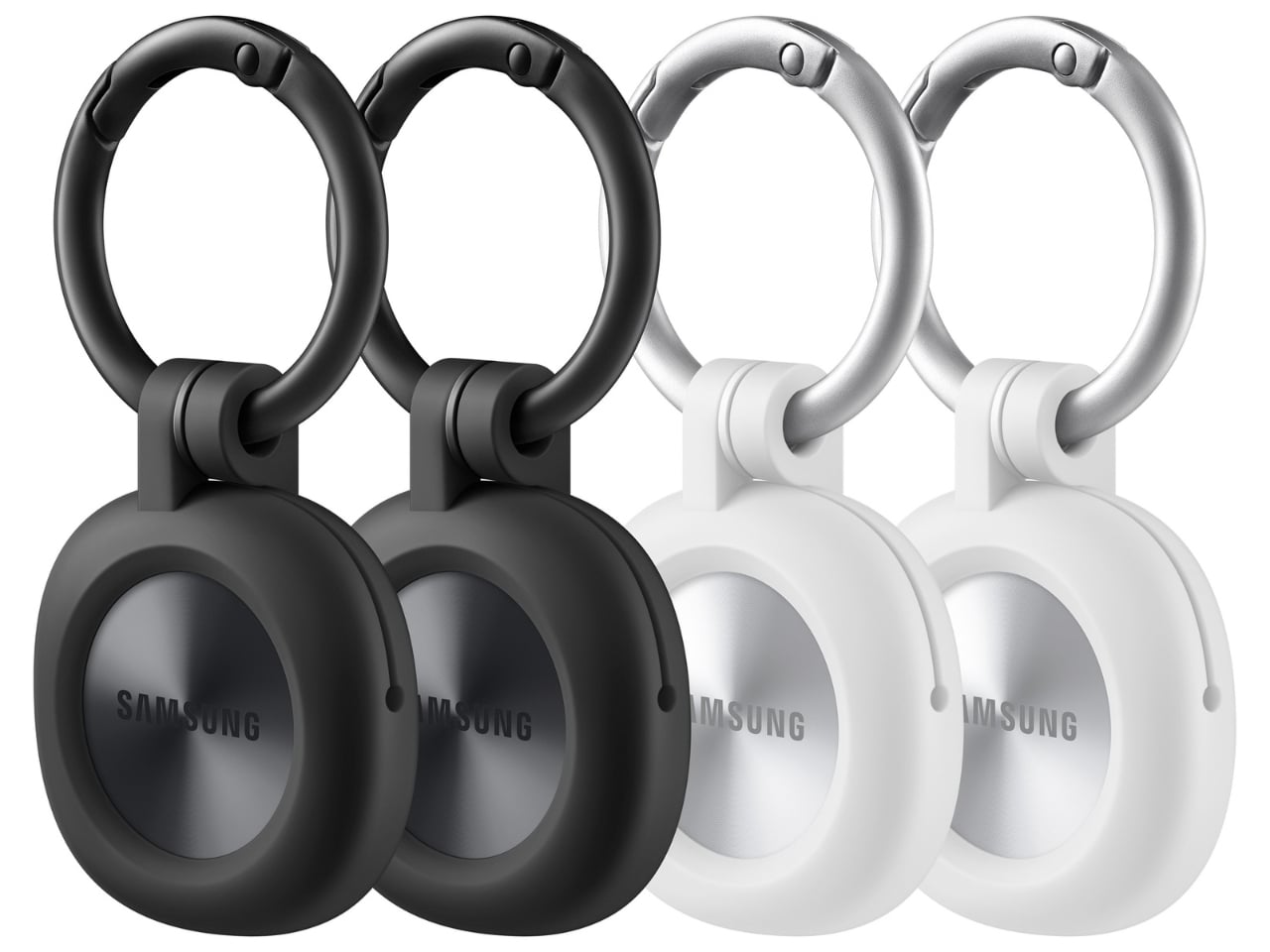
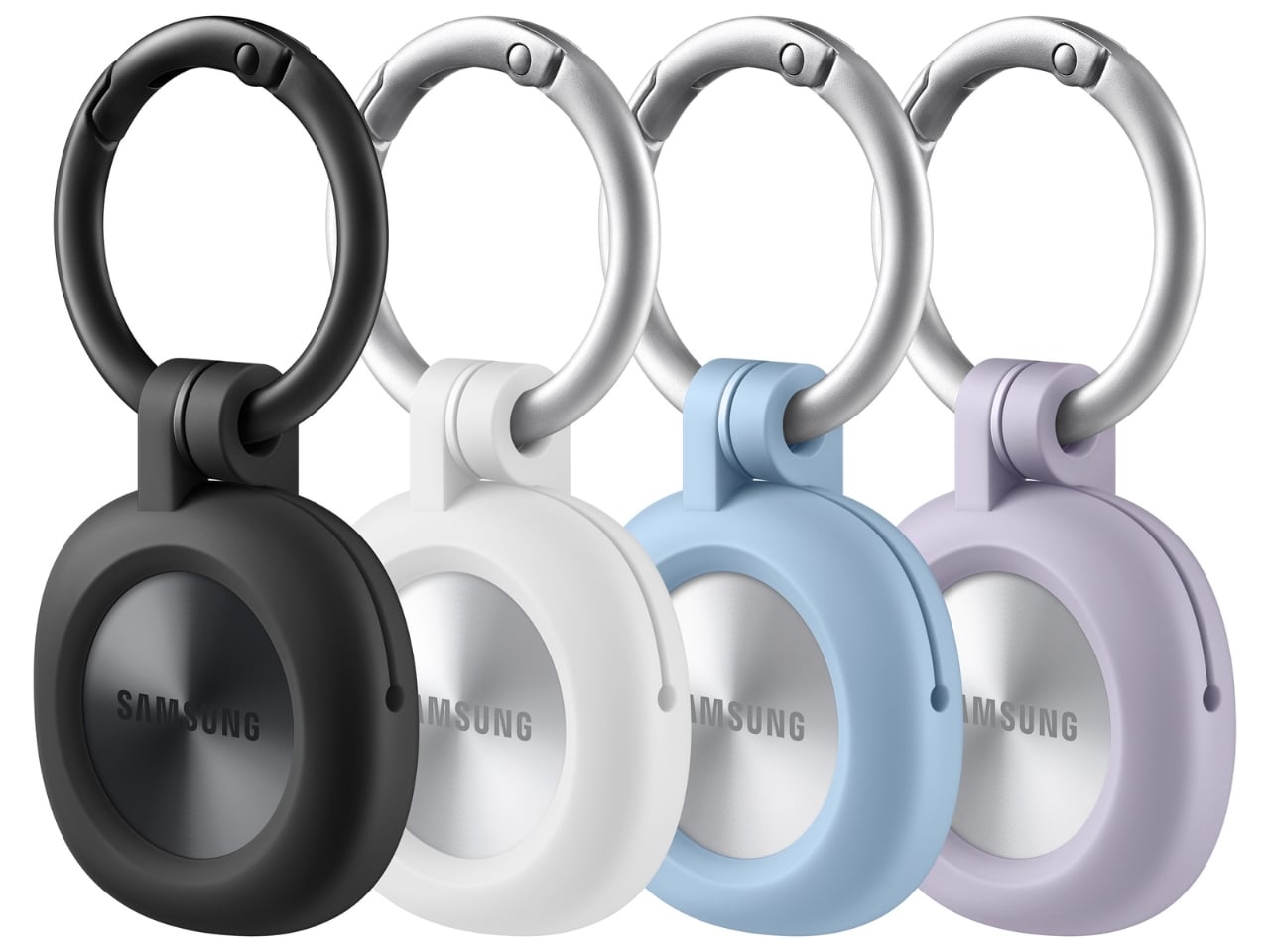
The change in shape also raises a practical question: how will you attach it to your belongings? Samsung offers a silicone case with an integrated keyring and a loop case, giving users different ways to secure the tracker to keys or a bag. The smoother outline may look better on its own, but anyone buying one for their keys should consider which attachment will work best.

Samsung says the SmartTag3 is 35% smaller by volume and 33% lighter than its predecessor. It also retains an IP67 rating, indicating resistance to dust and water under specified test conditions. That offers reassurance if the tag gets caught in the rain, though it does not mean the device is waterproof in every situation.
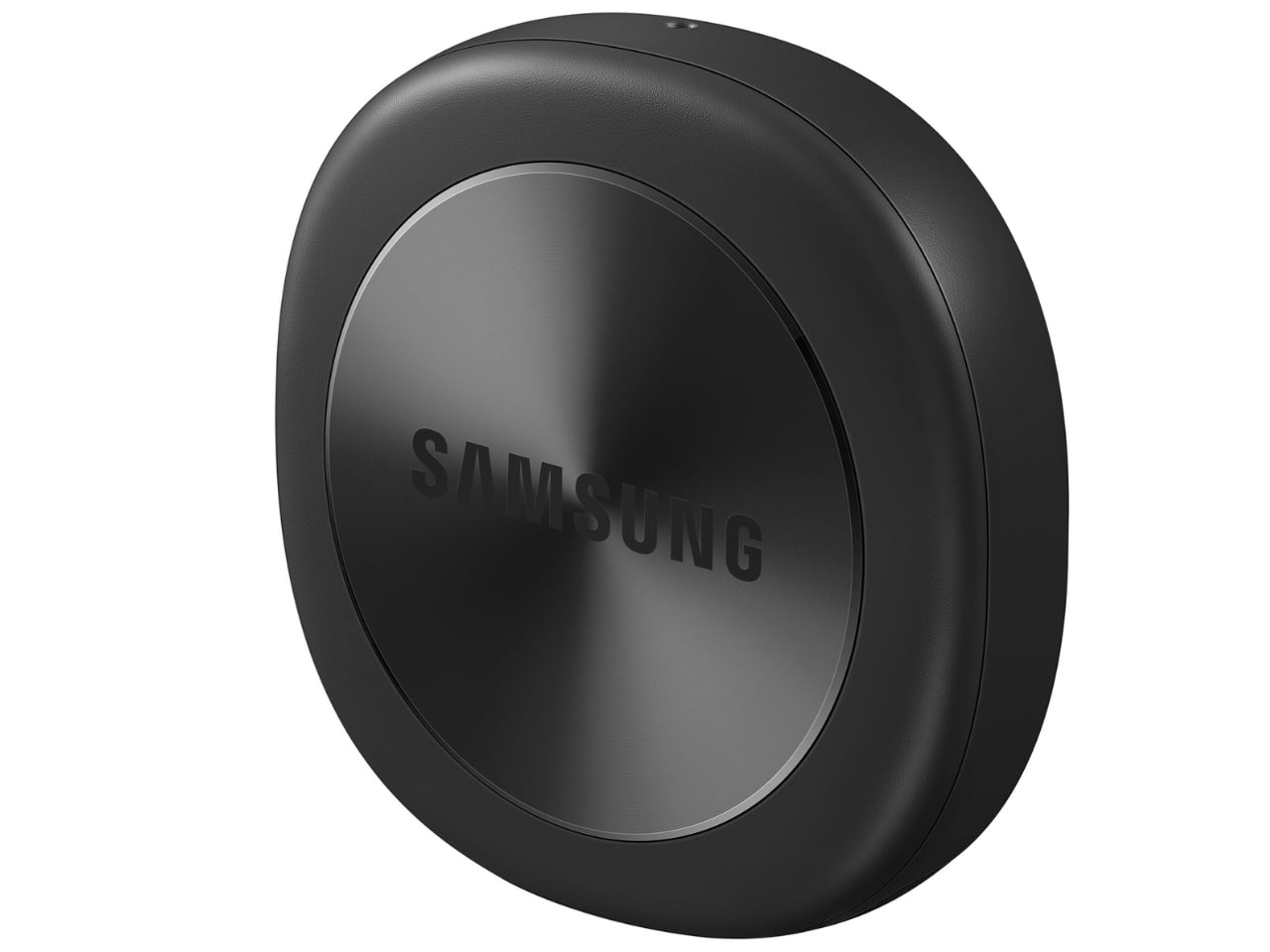
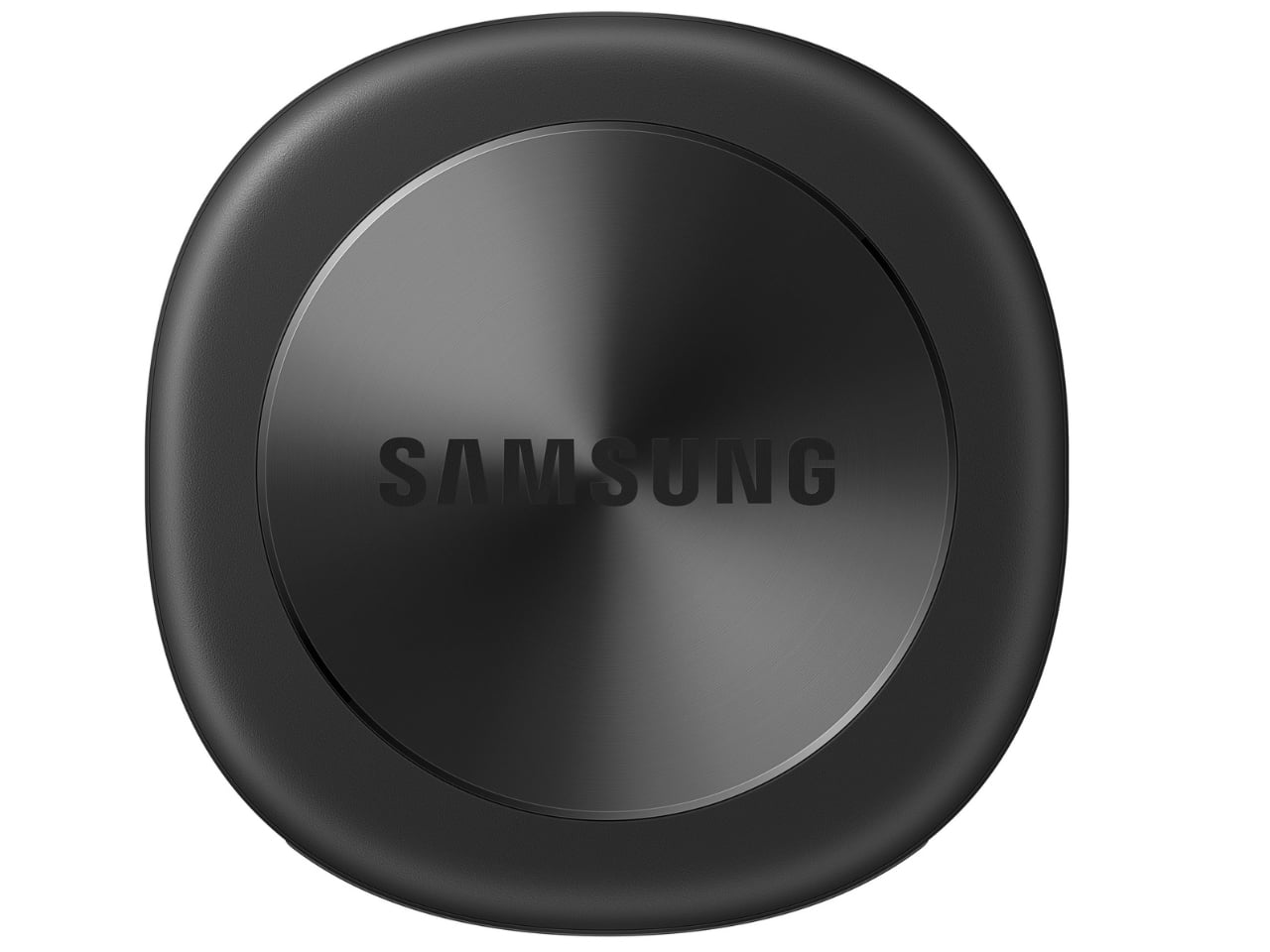
Battery life may be the more meaningful upgrade for anyone who has discovered a dead tracker while looking for a lost item. Samsung says the SmartTag3 can run for up to 550 days under standard usage or up to 790 days in Power Saving Mode. Those figures are based on Samsung’s testing, not a promise that every user will get the same result. Still, a tracker that needs attention less often is less likely to let you down because you forgot to check its battery.

Finding something nearby should be easier, too. Compass View uses Bluetooth 6.0 Channel Sounding to provide distance and directional guidance from up to 60 meters away, about three times farther than on the previous model, according to Samsung. It could help you narrow down where to look before you’re close enough to spot the missing item. Compass View is not available on iOS.
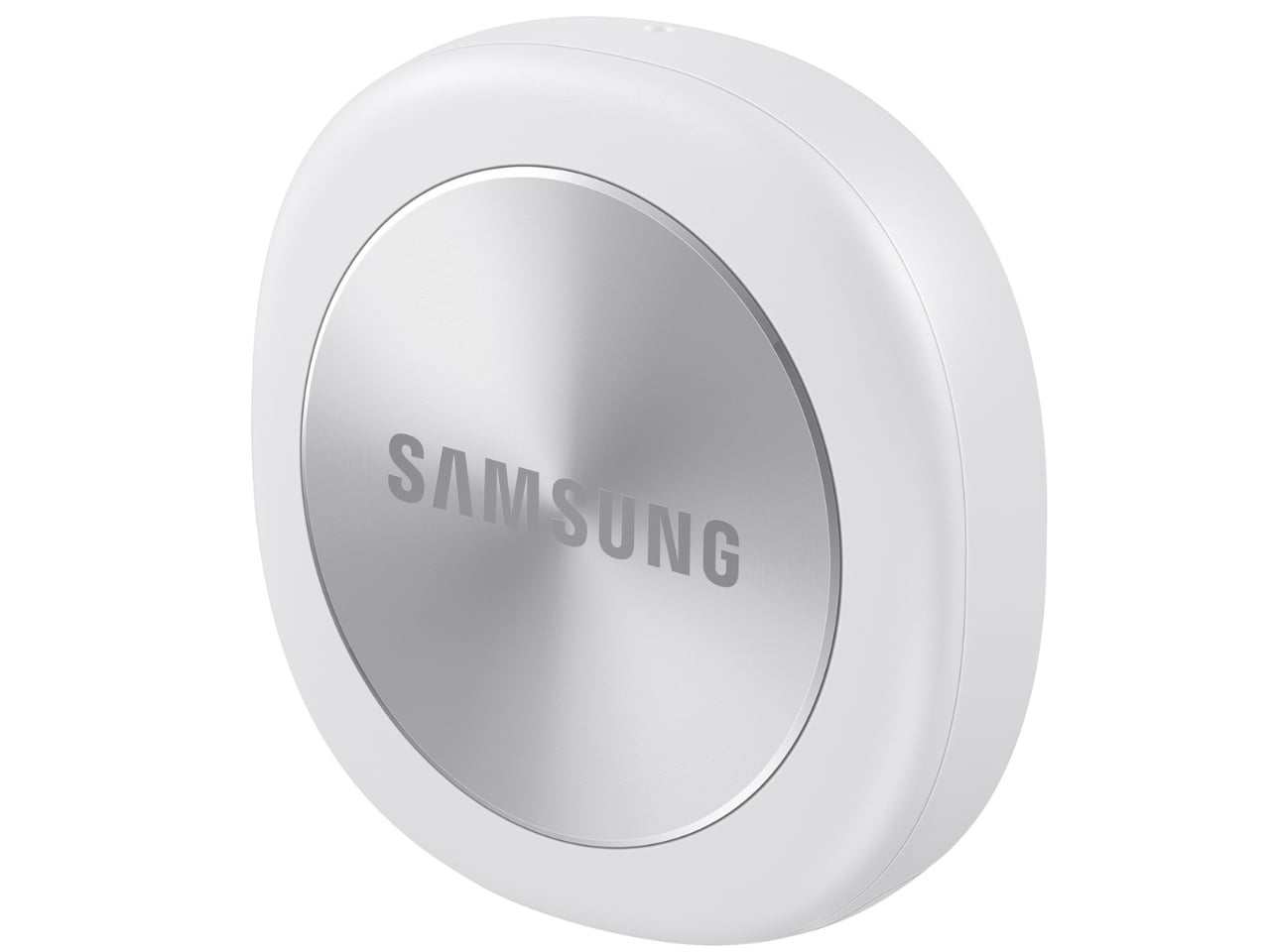
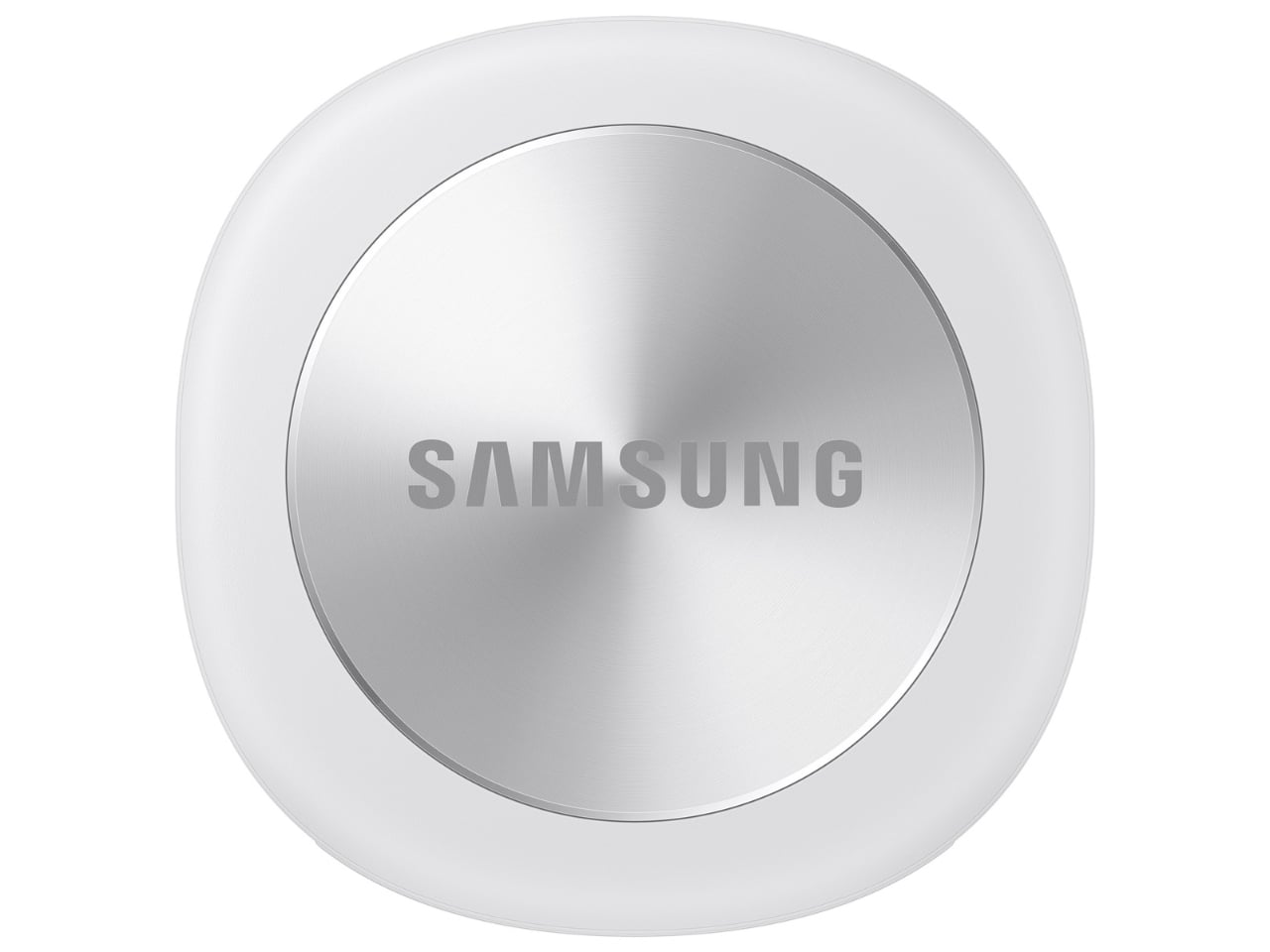
The other finding features are intended to help in different situations. If you leave a tagged bag behind, a Left Behind Alert could prompt you to go back for it, although that feature is also unavailable on iOS. Place Notification is designed to alert you when a tagged item enters or leaves an area you define. Location History and Movement Detection Alert may provide additional clues about where an item has been or whether it has moved. Together, these tools could help you notice a problem sooner and narrow down where to look.

Lost Mode addresses a different problem: helping someone return an item they find. With a compatible phone, a finder can scan the tag using NFC to see the contact information or short message you have registered. That could be useful for a bag left at a café or luggage separated from you during a trip. When an item is beyond your phone’s range, however, location updates depend on nearby participating Galaxy devices. The SmartTag3 should not be treated as a continuous, real-time GPS tracker.
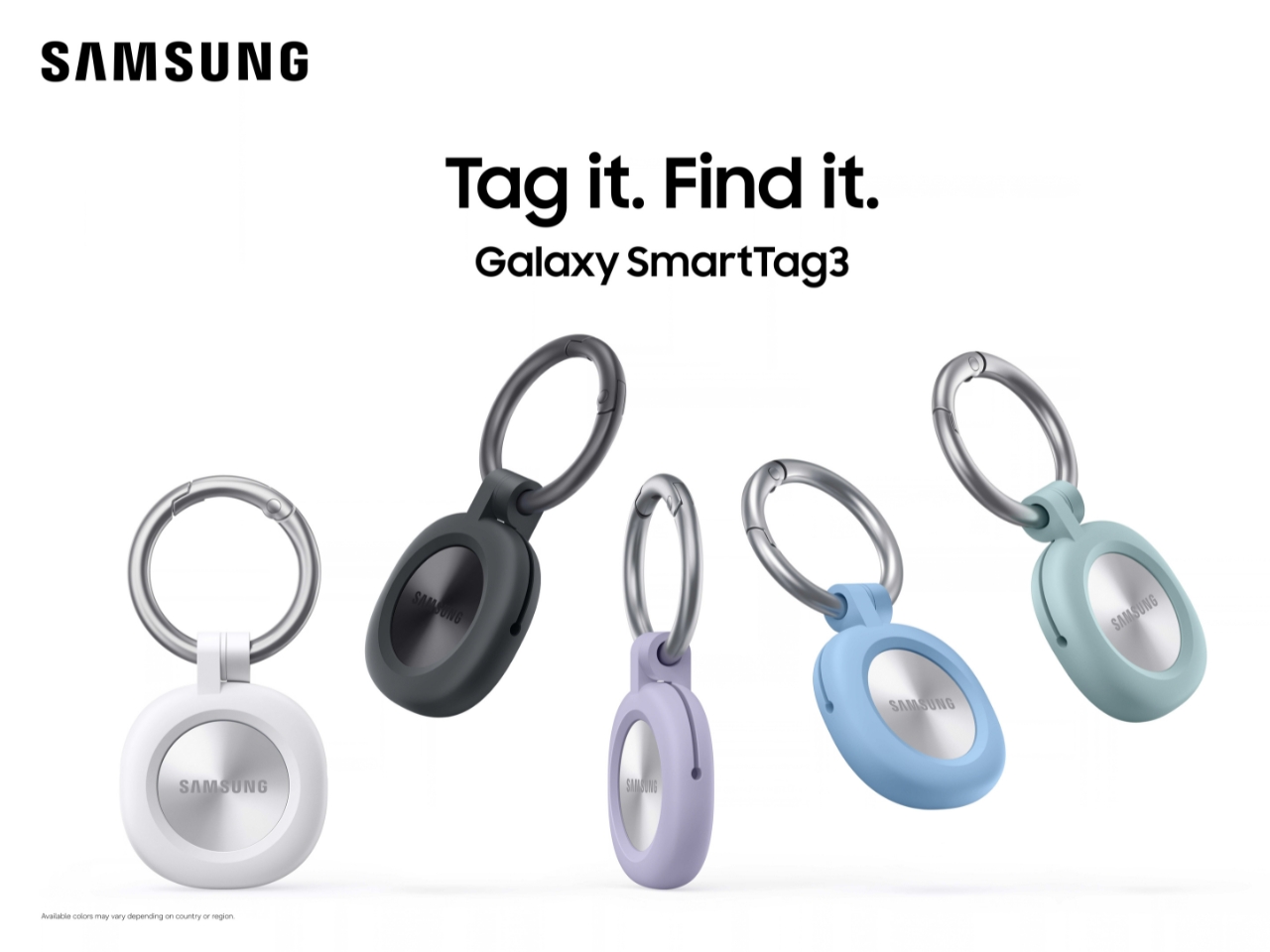
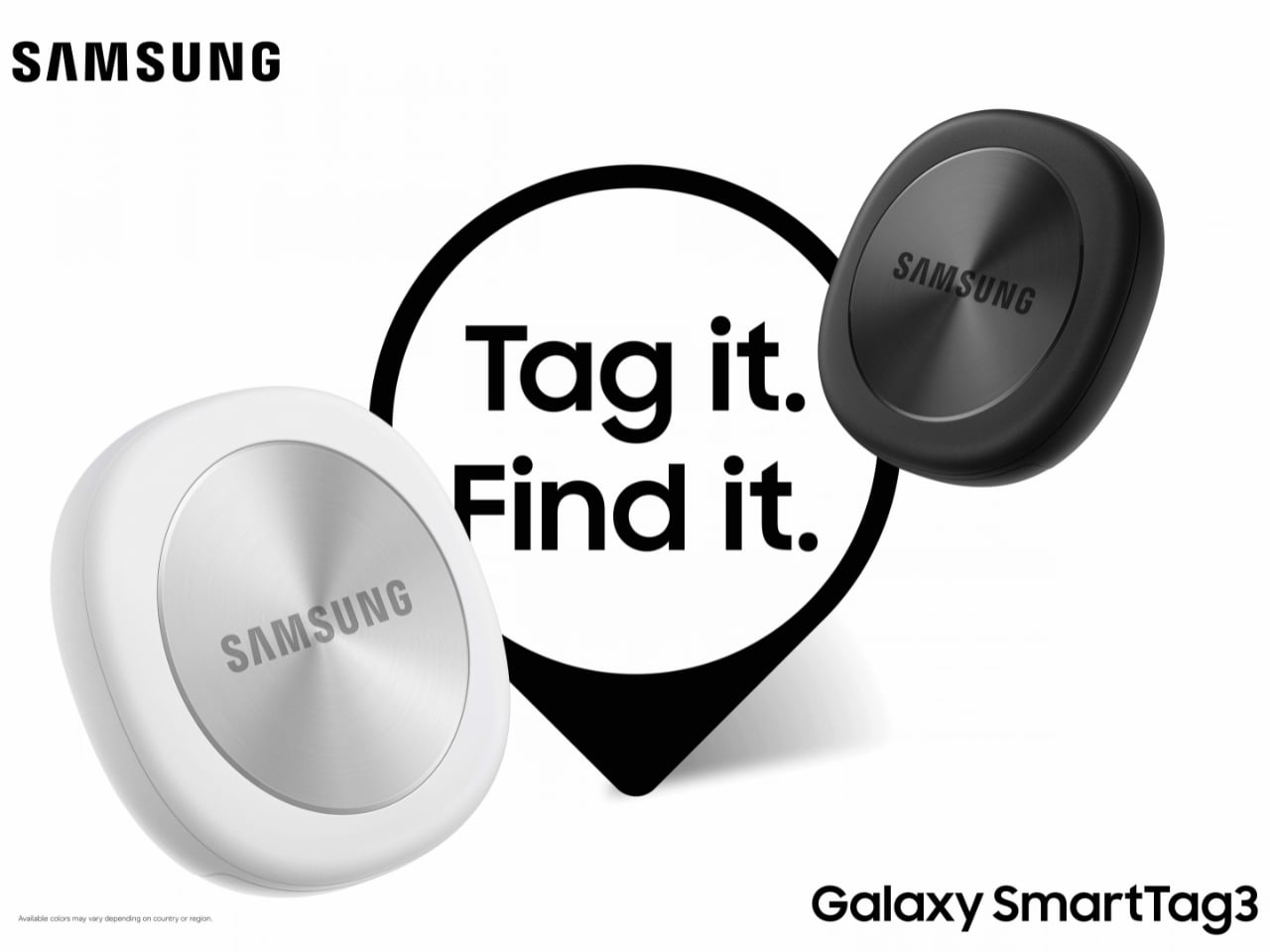
The SmartTag3’s appeal is the combination of a compact design, long claimed battery life, and features that help at several stages of a search. It cannot prevent you from leaving your keys behind, and its alerts will not replace paying attention to your belongings. But if it helps you catch a forgotten bag before you get home, or gives you a useful clue when something disappears, it has done what a well-designed tracker should: made a small, stressful problem easier to manage.

The post Samsung’s SmartTag3 Refuses to Die at 790 Days Battery Life first appeared on Yanko Design.
Your Old Barbie Dolls Actually Become Speakers and Power Banks

When I was young, a lot of my stuff was pink. Not just any pink. It had to be Barbie pink. I eventually grew into other colors, but those bright, familiar shades never lost their hold on me. They still remind me of afternoons spent inventing elaborate stories for dolls who, in my imagination, had unusually busy social calendars. Even now, a flash of that pink on an ordinary object makes me stop and look.

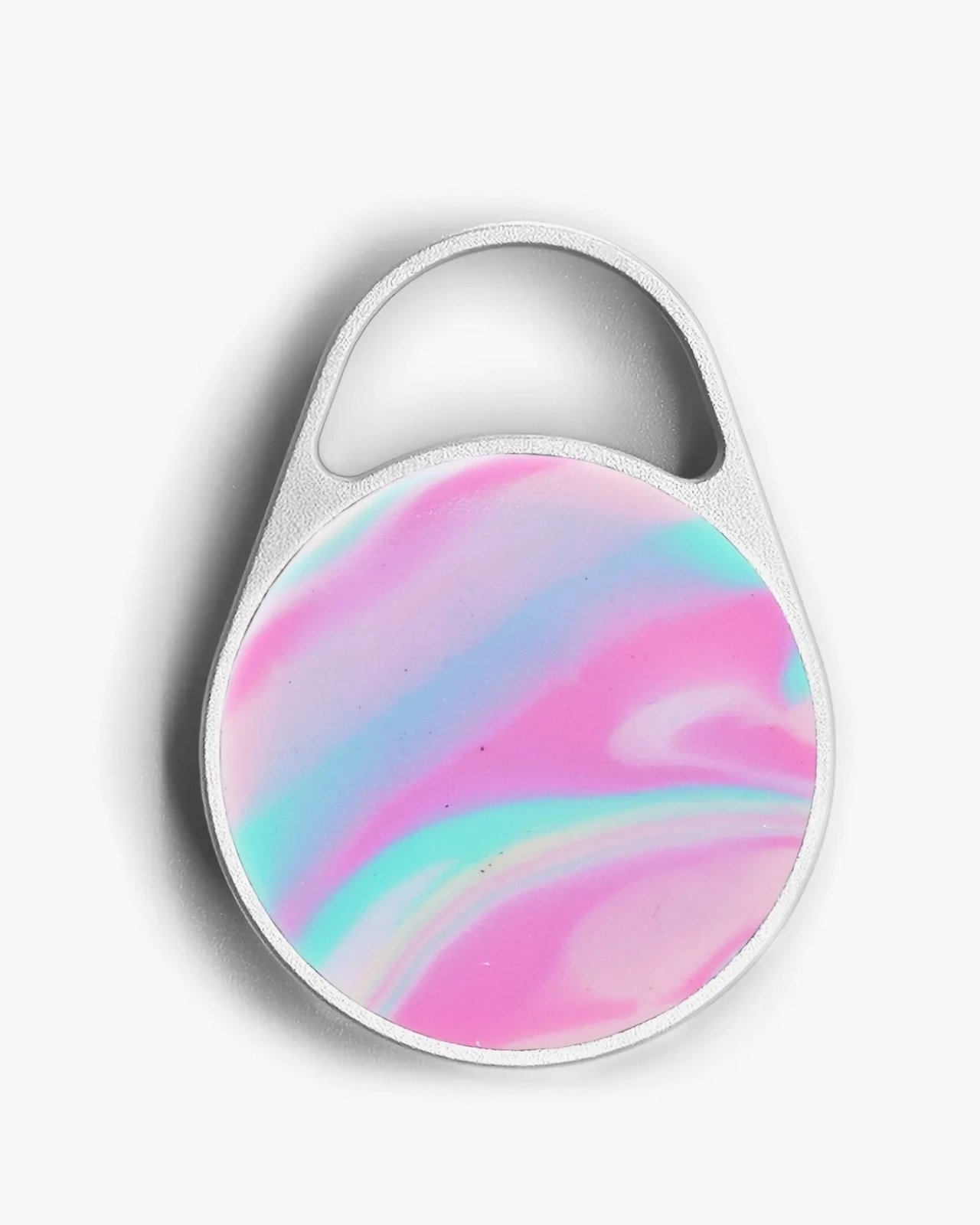
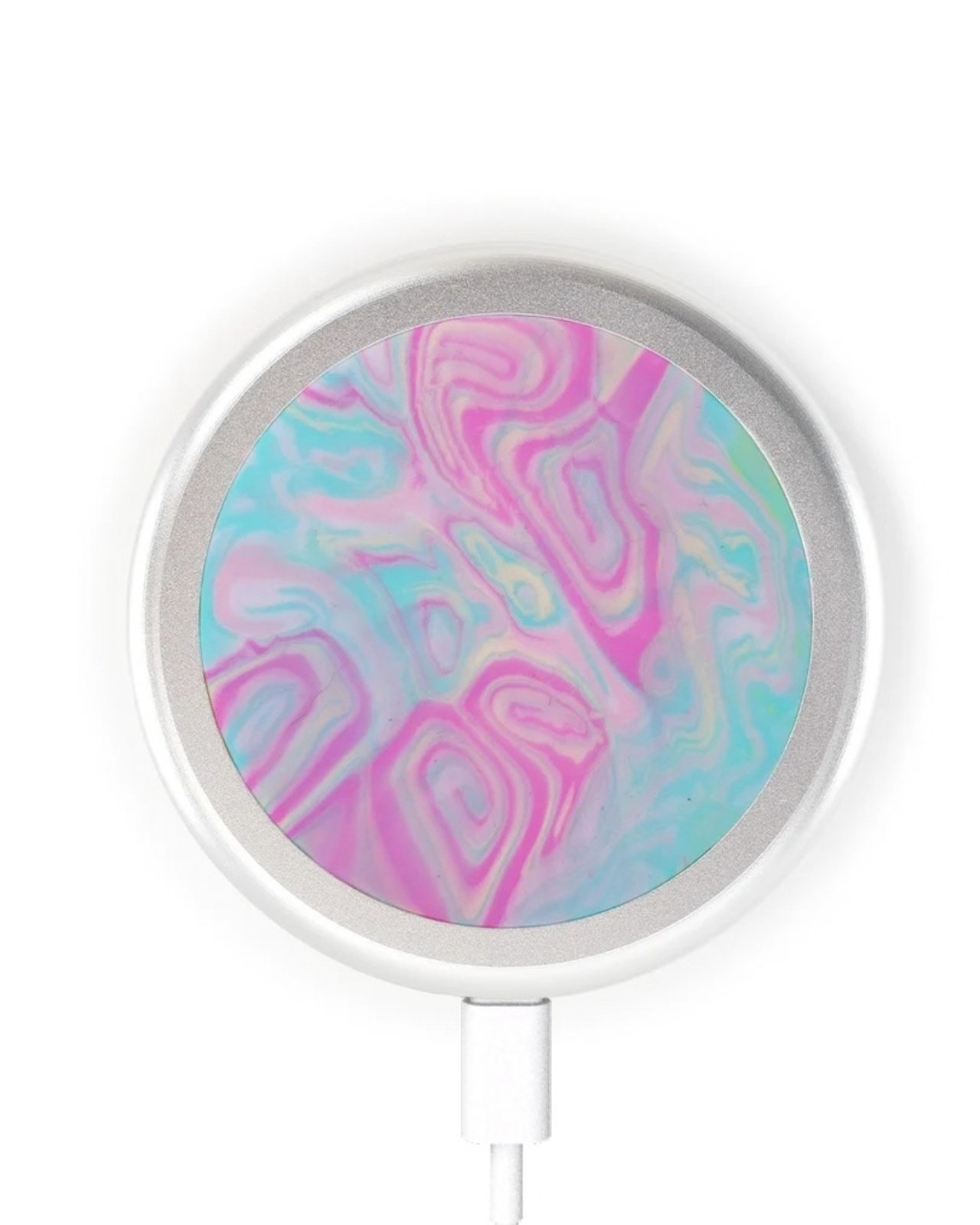
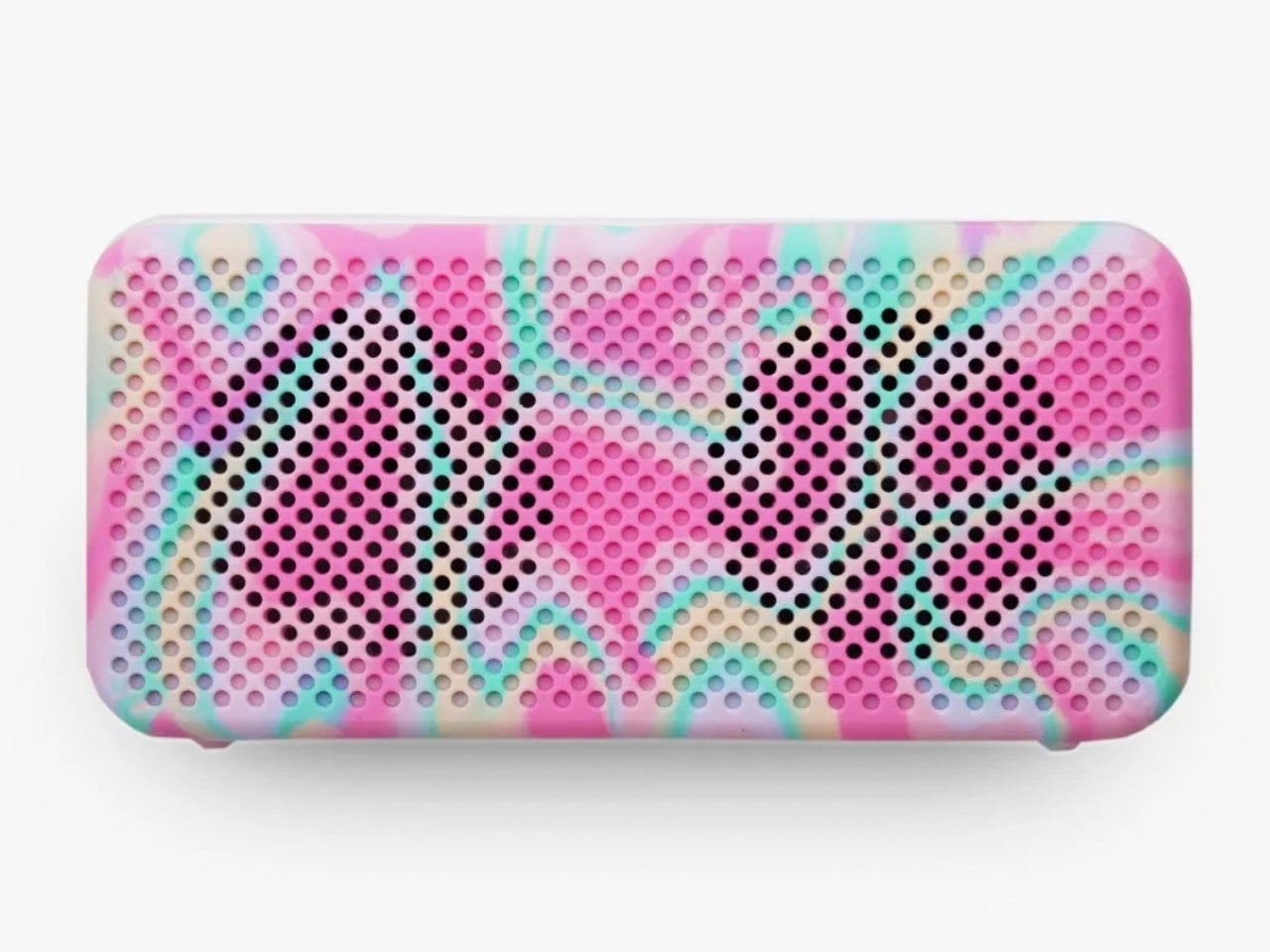
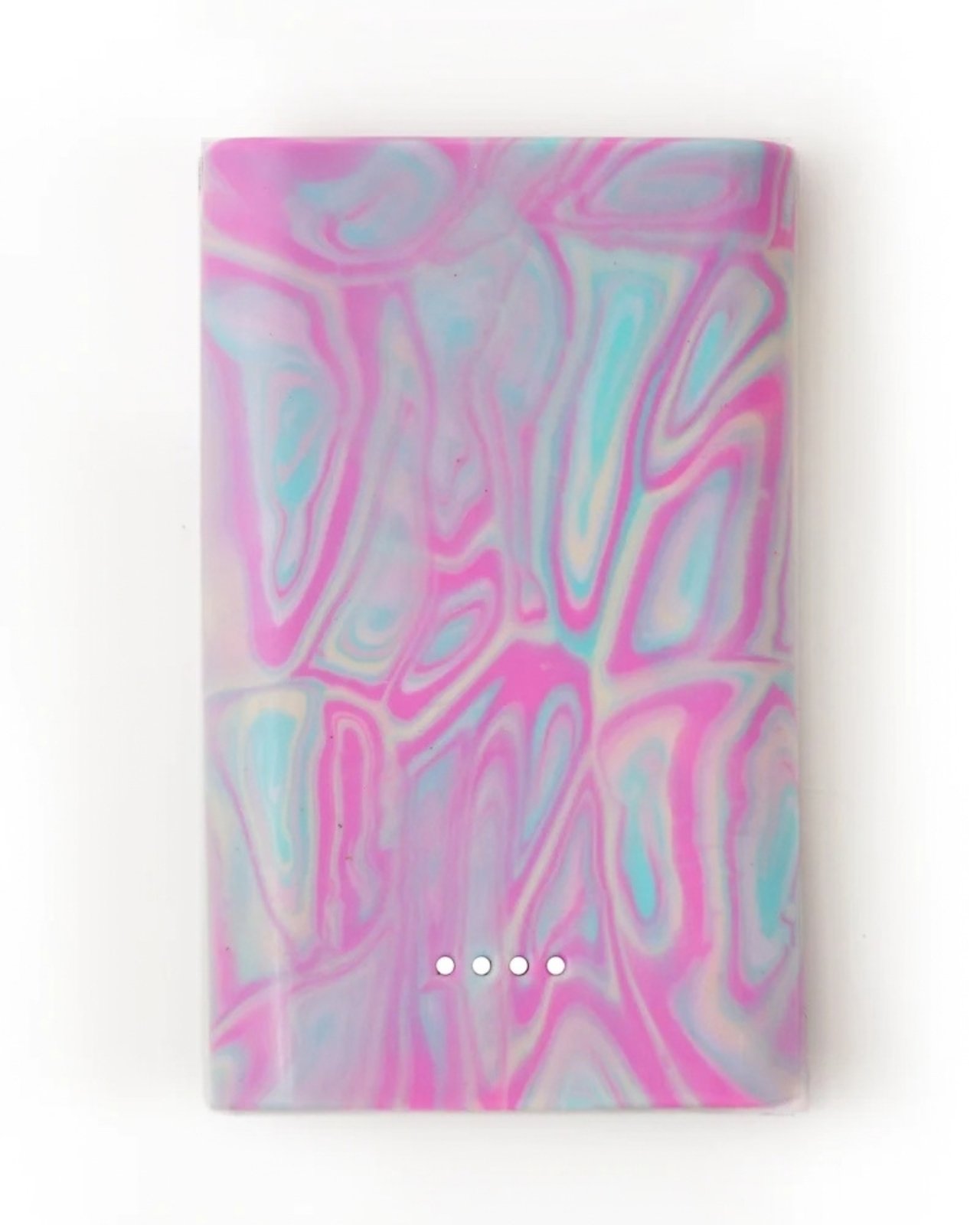
Gomi seems to understand that kind of attachment. Its Barbie x gomi Childhood Memories Collection incorporates recycled Barbie dolls and accessories into everyday electronics. The lineup includes Bluetooth speakers, power banks, wireless chargers, and tracker tags. These aren’t just devices dressed up in colors borrowed from a toy aisle. Actual doll materials go into them, alongside other recovered plastics, so the connection to childhood runs deeper than a coat of paint.

Designer: Gomi

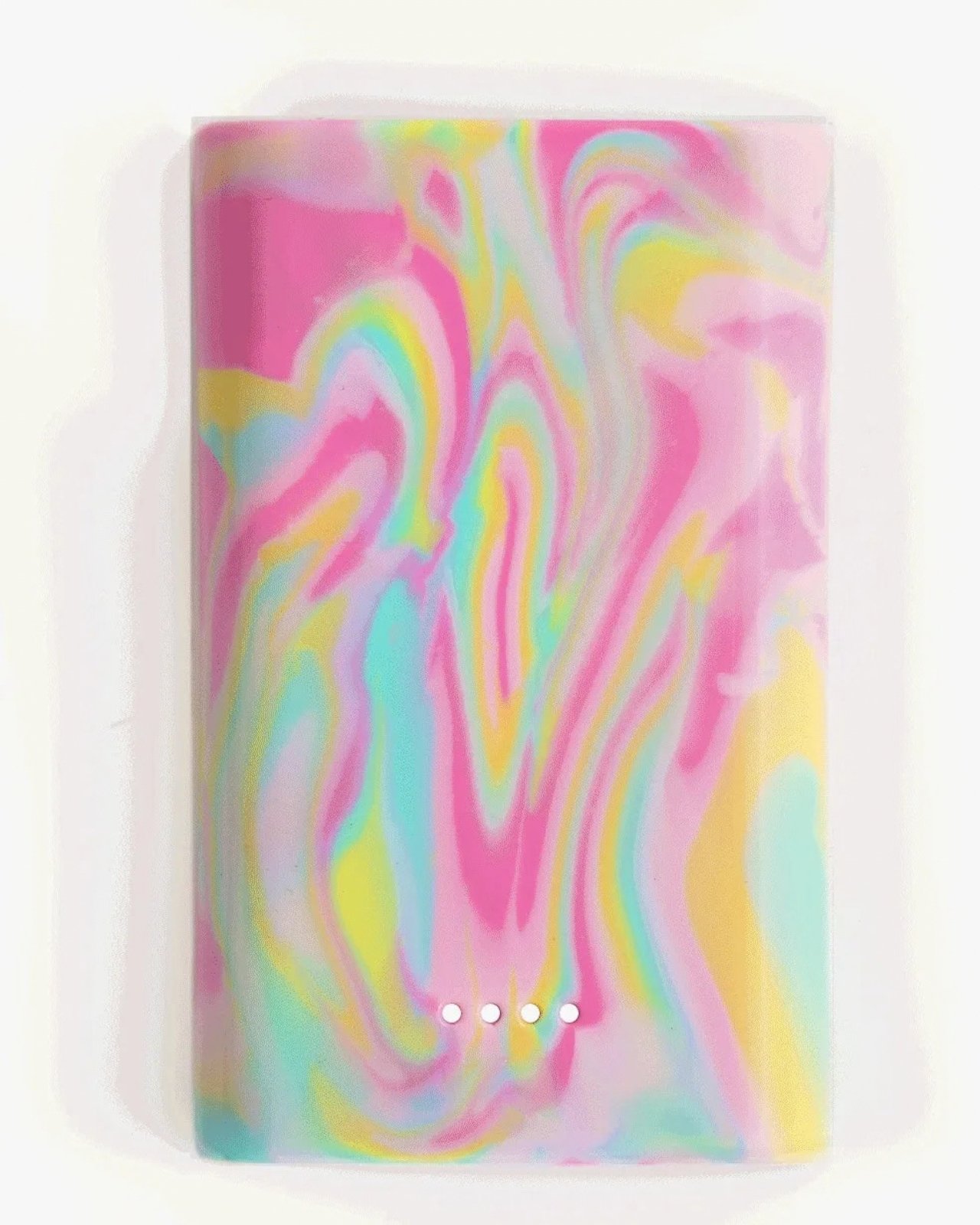
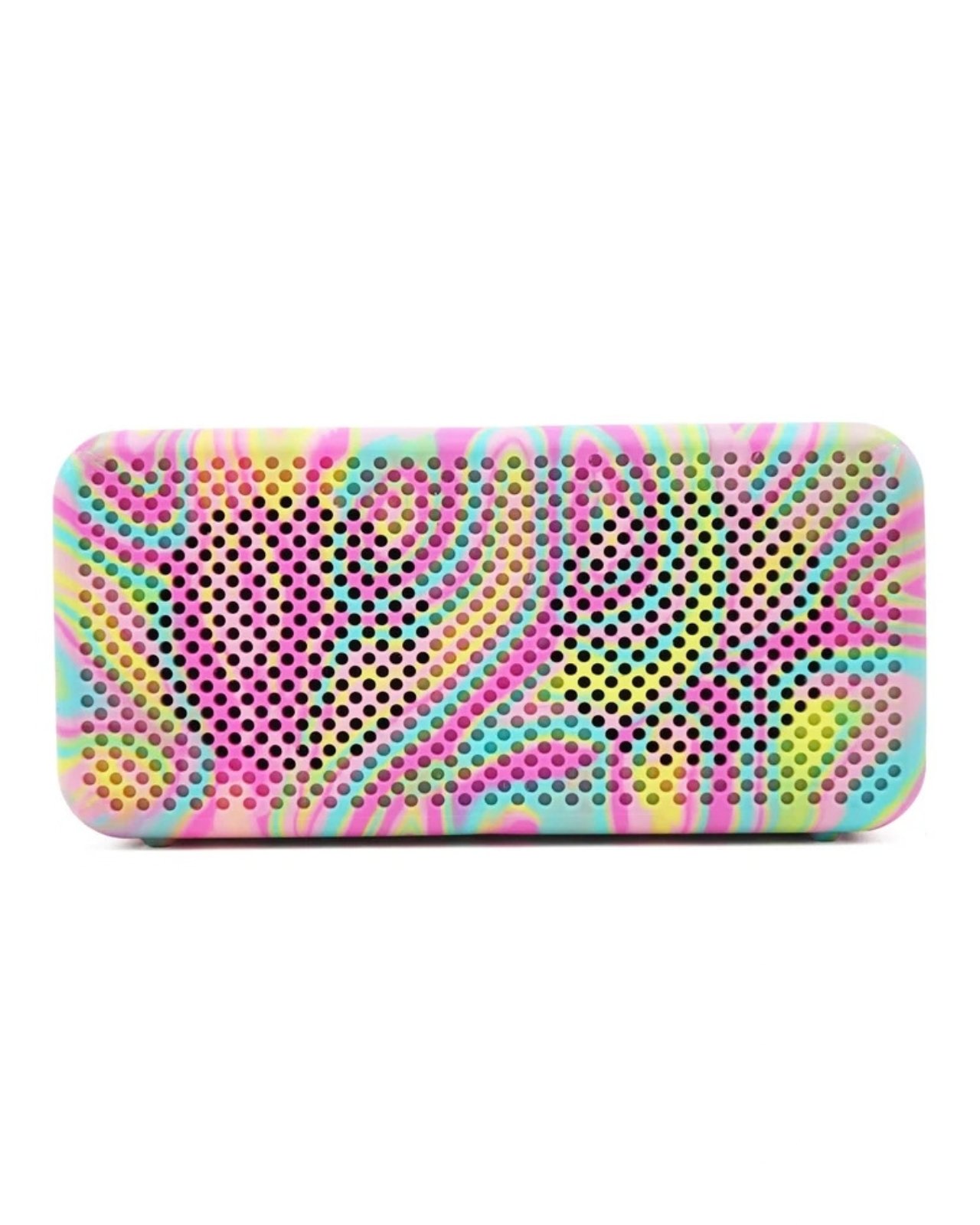
The Brighton, England-based studio makes the limited-edition products by hand. Reclaimed plastics form marbled surfaces with patterns that vary from piece to piece. Gomi describes each design as unique, which is part of the appeal if you like objects with a little individuality. The visual variety matters, too: it lets the source material feel transformed rather than hidden inside a new product. A childhood toy becomes something you can recognize in the tech you use now.

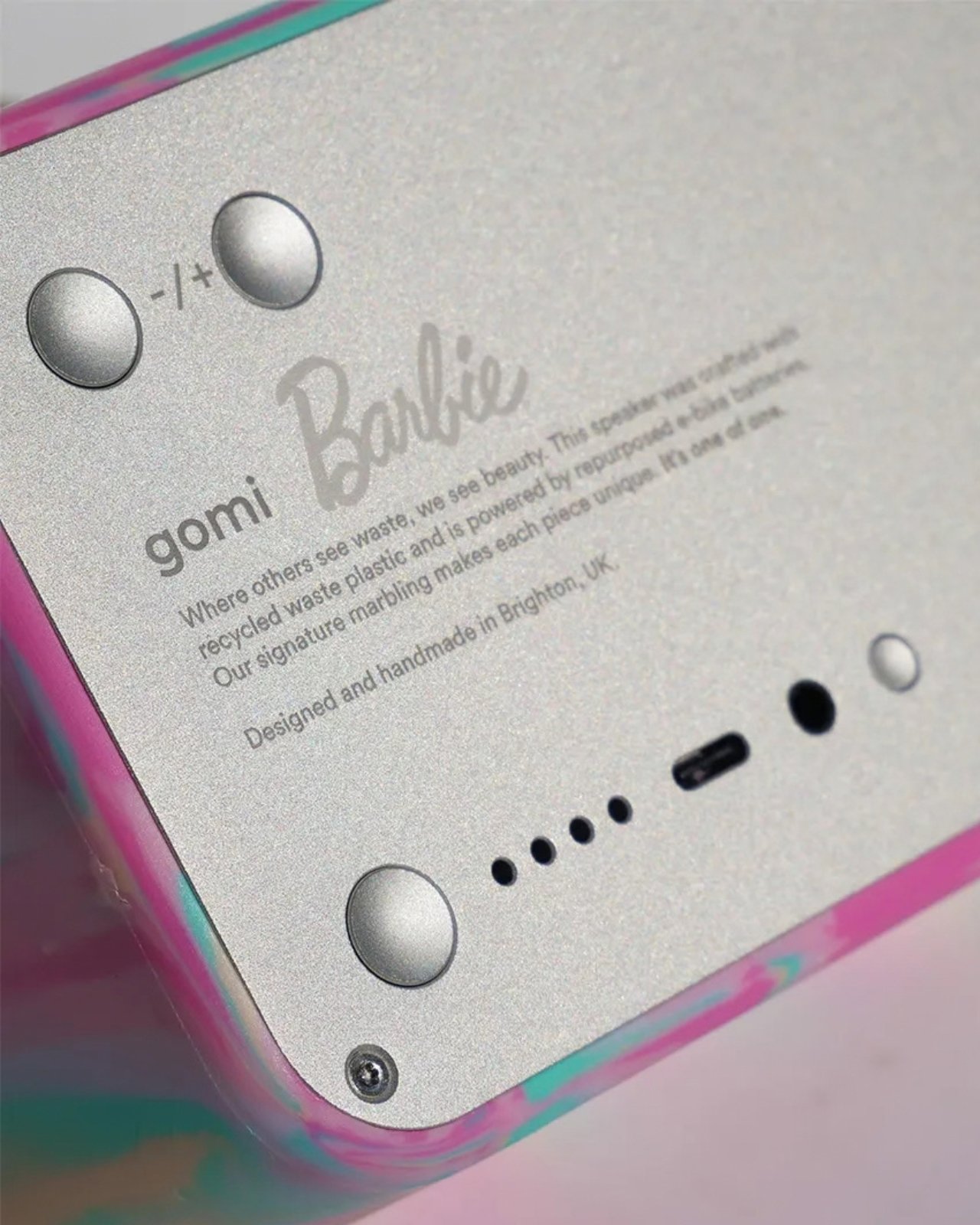
On the Bluetooth speaker, recycled doll material is paired with an aluminum back plate and buttons. The contrast gives its playful surface a more practical, finished look. Gomi also lists fast charging and a modular, repairable design for the speaker. Those details matter because color can catch your eye, but an electronic product still has to earn its place in your routine. Repairability suggests that Gomi intends the speaker to be kept and used, not treated as a short-lived novelty.

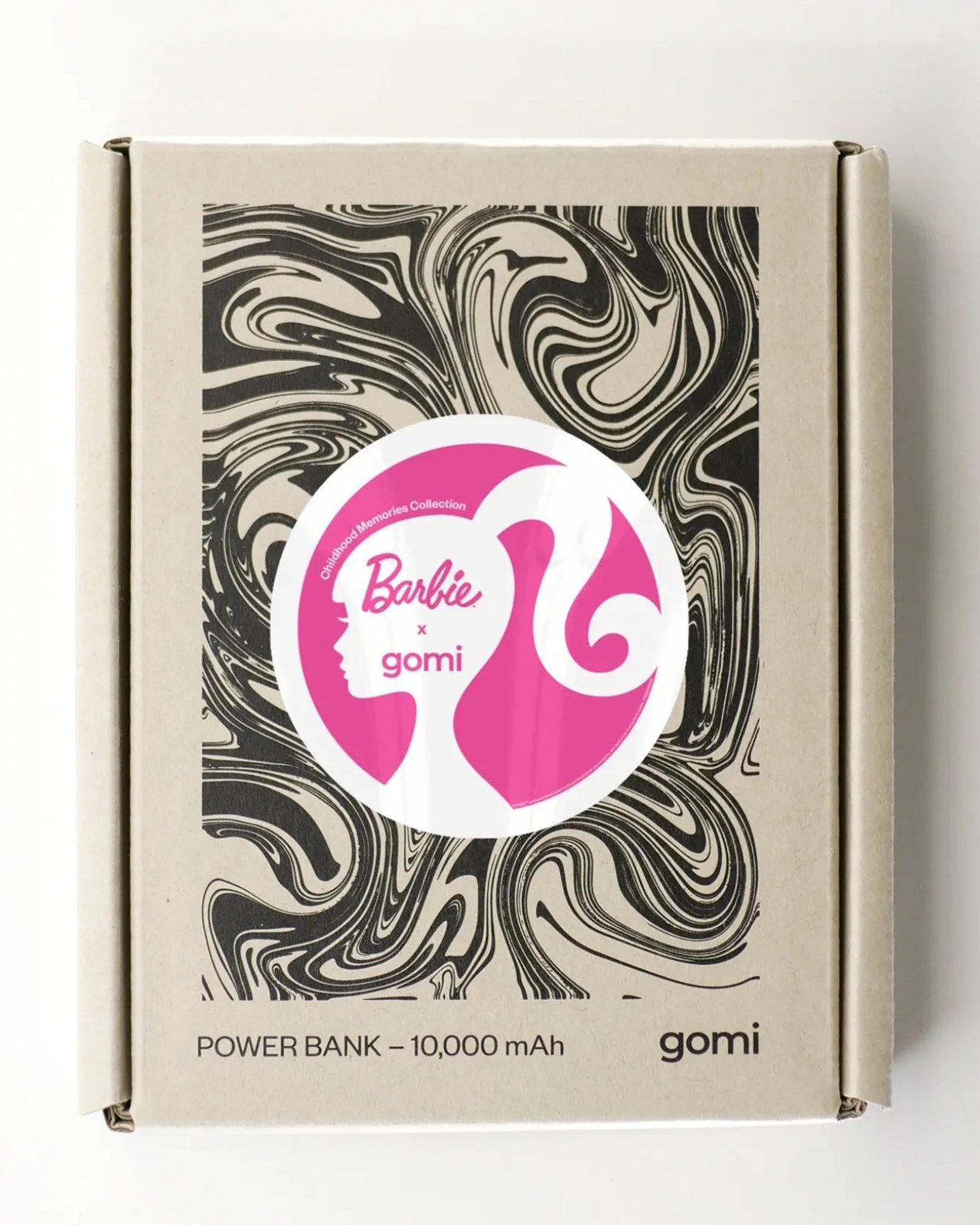
The power bank makes the collection’s practical side even clearer. It has a 10,000 mAh capacity, USB-A and USB-C ports, and fast charging, according to Gomi. The company says it uses repurposed e-bike batteries and has a modular design that allows repairs and battery replenishment. If your phone runs low while you’re away from an outlet, that’s a problem it can help solve. Its childhood references are a bonus, not a substitute for the job it needs to do.

Wireless chargers and tracker tags broaden the idea beyond audio and backup power. Together, the devices raise a simple design question: Why should accessories we carry or leave out on a desk all look interchangeable? A charger doesn’t have to disappear into its surroundings, and a speaker doesn’t have to resemble every other black box on a shelf. The collection invites people to choose useful tech partly because they enjoy looking at it.

The reuse angle deserves attention as well. Giving discarded dolls a role in new products offers another use for their plastic, while repairable construction may help owners keep their devices longer. That doesn’t mean the electronics are impact-free, and Barbie materials aren’t the only recovered plastics in the collection. The more precise story is also the more interesting one: Gomi has found a visible, functional use for old toy materials instead of relying on nostalgia alone.

Distinctive design does come with trade-offs. If you fall for a particular pattern, you may not be able to return later and find another just like it. Gomi says only one of each power bank design is available; its listings show a $95 price, though availability can change. Anyone shopping primarily for technical performance should still compare specifications. Here, the draw is the combination of everyday function, an individual finish, and a material story you can see.

For me, the appeal starts with that familiar pink but doesn’t end there. Childhood Memories takes a material associated with make-believe and gives it an adult errand: keeping a phone charged, playing music, or adding character to a daily accessory. It doesn’t ask anyone to outgrow their affection for Barbie, and it doesn’t pretend a fond memory is enough to make good tech. Instead, it gives those memories a useful new form, ready to sit on a desk or travel in a bag.

The post Your Old Barbie Dolls Actually Become Speakers and Power Banks first appeared on Yanko Design.

This modular bracelet concept lets you choose how smart you want your jewelry to be

The popularity of the Apple Watch has finally given smartwatches their place in the market, making them understandable and even desirable. Of course, that doesn’t mean that everyone now wants a smartwatch, especially those who prefer mechanical watches or have different aesthetic tastes. Unfortunately, the majority of wrist-worn smart trackers seem to be made with sporty and rugged designs in mind. Given hardware requirements, that’s not exactly surprising, but that shouldn’t stop designers from imagining what’s possible. One such dream is reflected in this minimalist yet distinctive bracelet that throws all smart wearable design conventions out the window, offering a modular piece of jewelry that is smart in more ways than one.

Designers: Akasaki Vanhuyse, Astrid Vanhuyse

If you remove the actual time-keeping function of a smartwatch or a fitness tracker, all you’re really left with are the sensors that actually do the work of keeping tabs on different metrics of your health, directly or indirectly. A display isn’t even necessary since you can always check those figures on a smartphone. In fact, a display might even be detrimental because of the distractions it pushes your way or how it clashes with some fashion styles. Smartwatch designs are primarily constricted by hardware such as displays and big batteries, but what if you could be free of those restrictions?

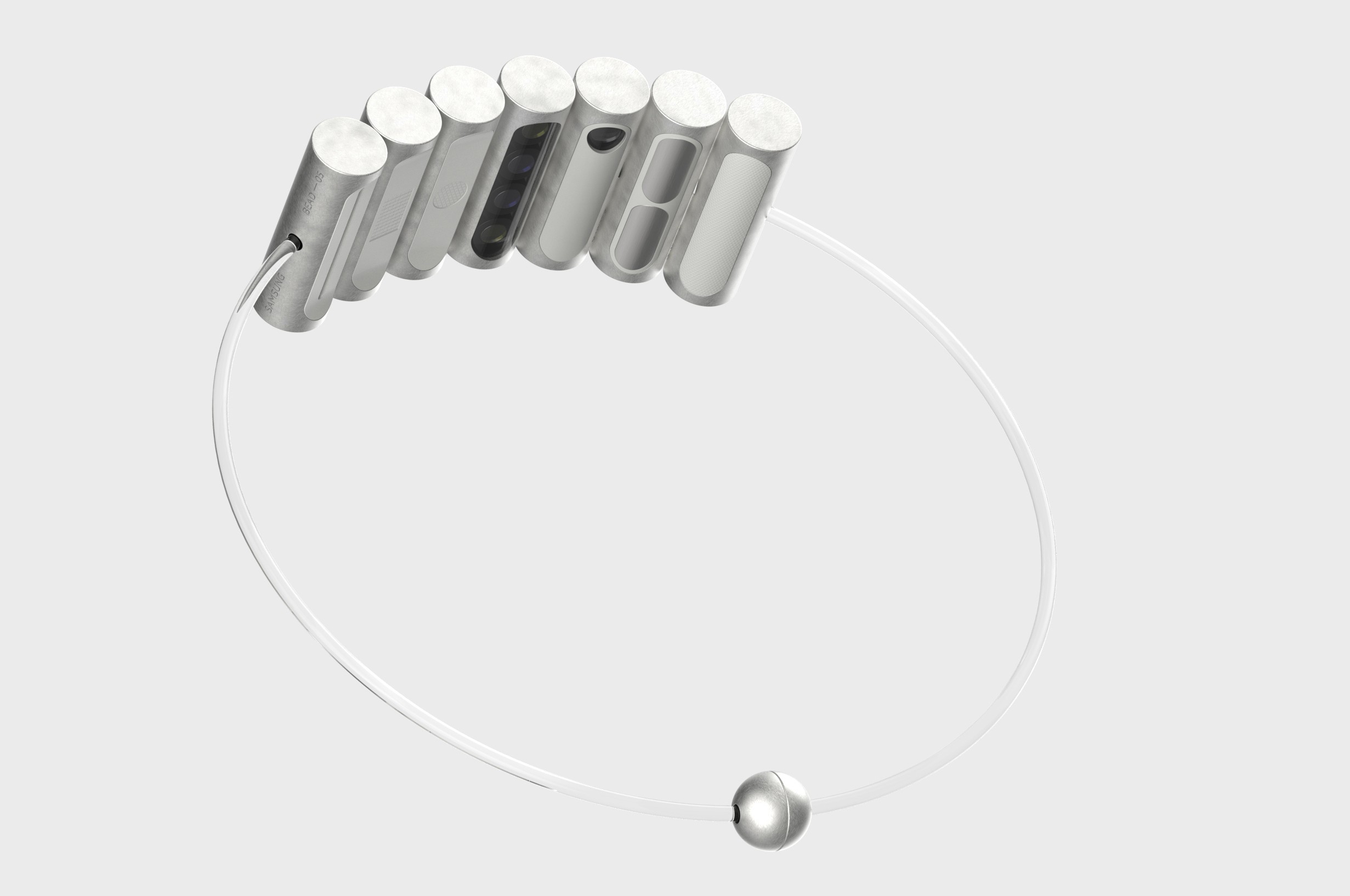
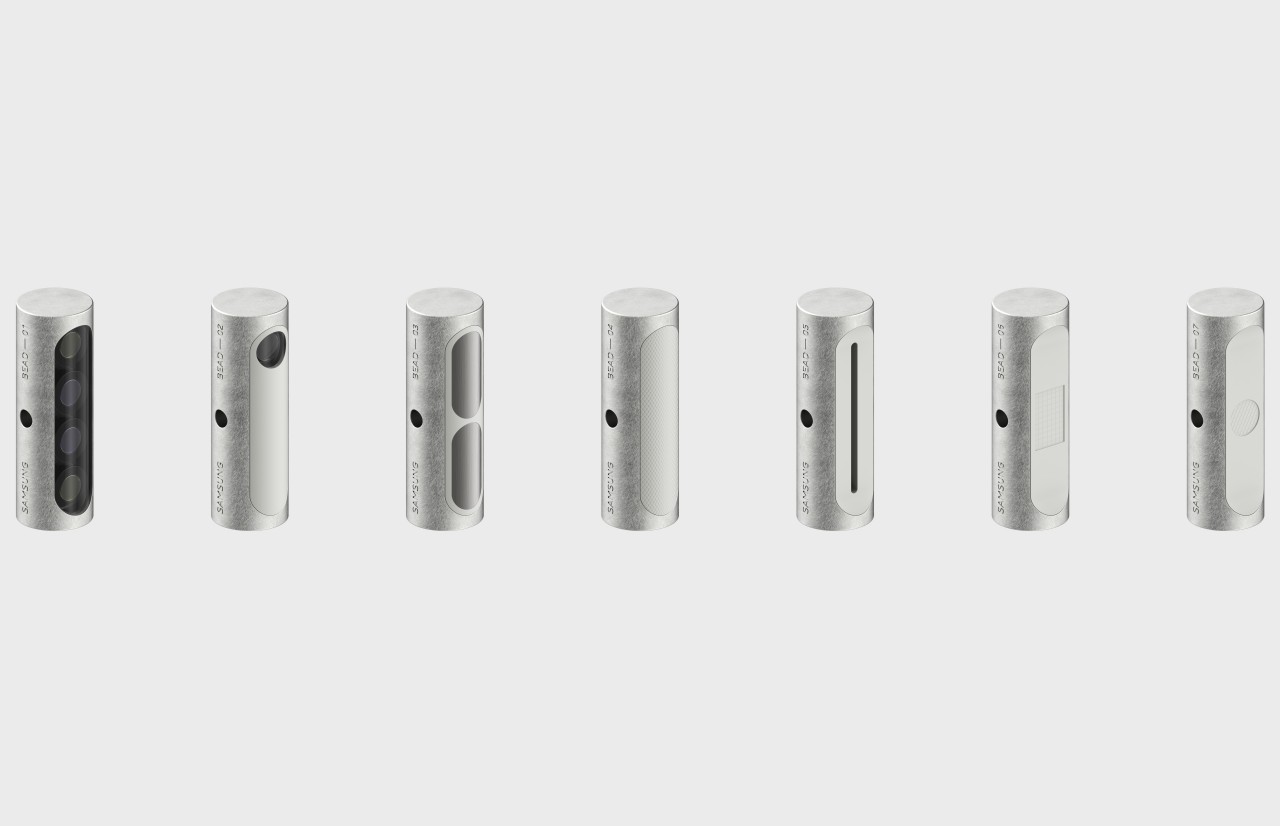
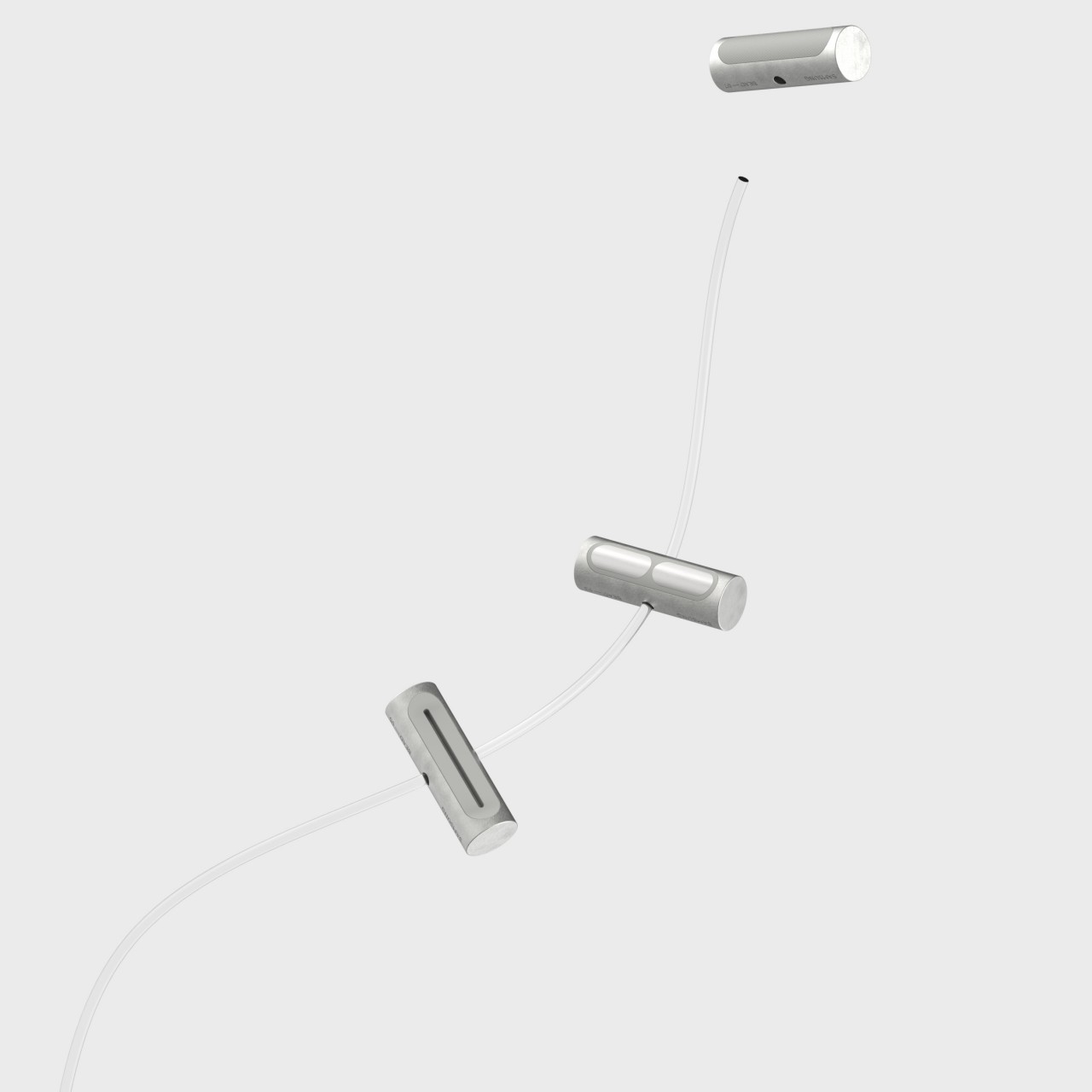
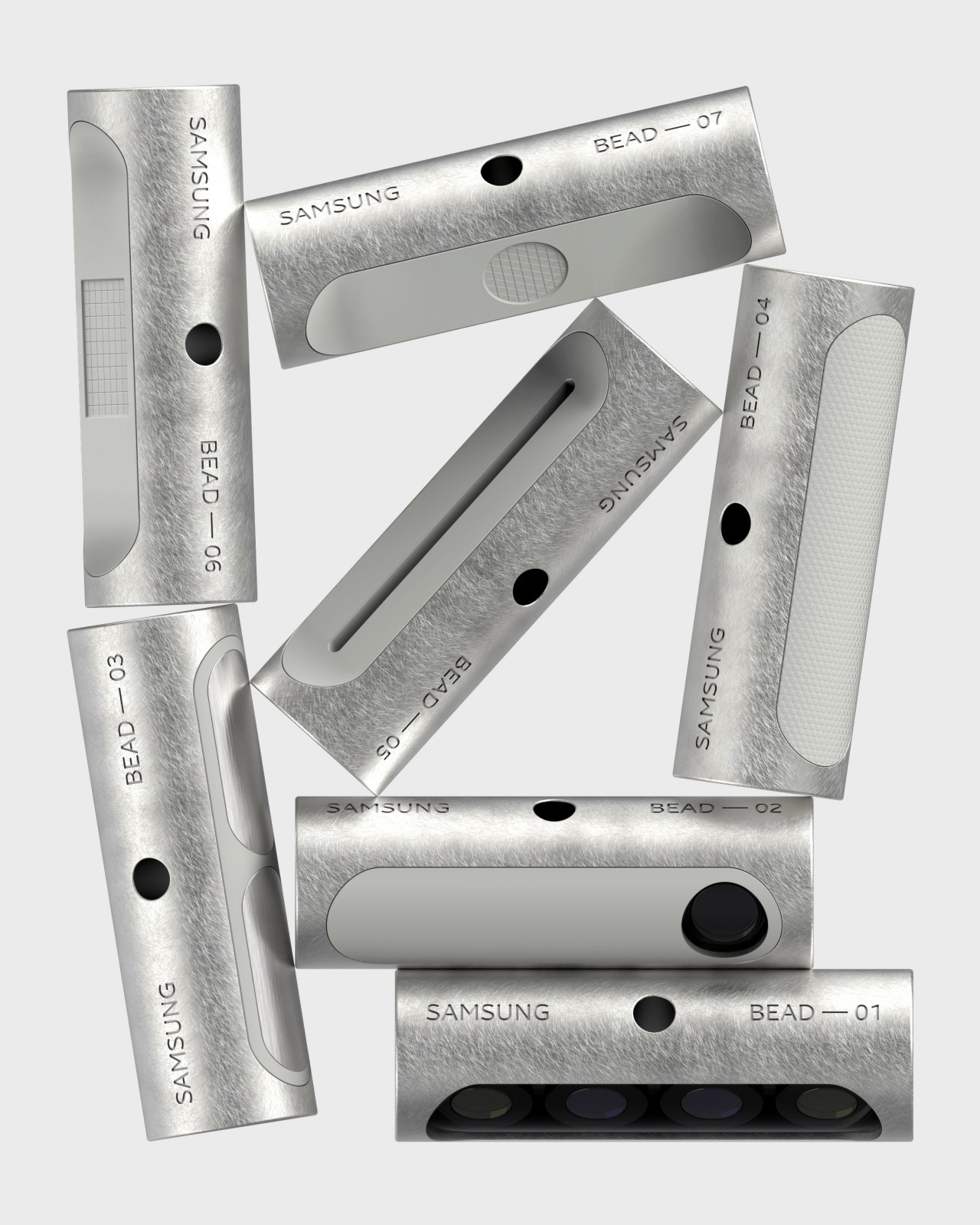
That’s what the BEAD concept seems to be proposing, offering the same health and wellness monitoring functionalities but in a form that is a bit more universal and, at the same time, more personal. At the heart of the design are the beads, actually tiny cylinders that each hide a single sensor used to track a specific biometric like a pulse oximeter or an accelerometer. Each bead is an independent unit, free from displays or large batteries, performing a single task and performing it to perfection.

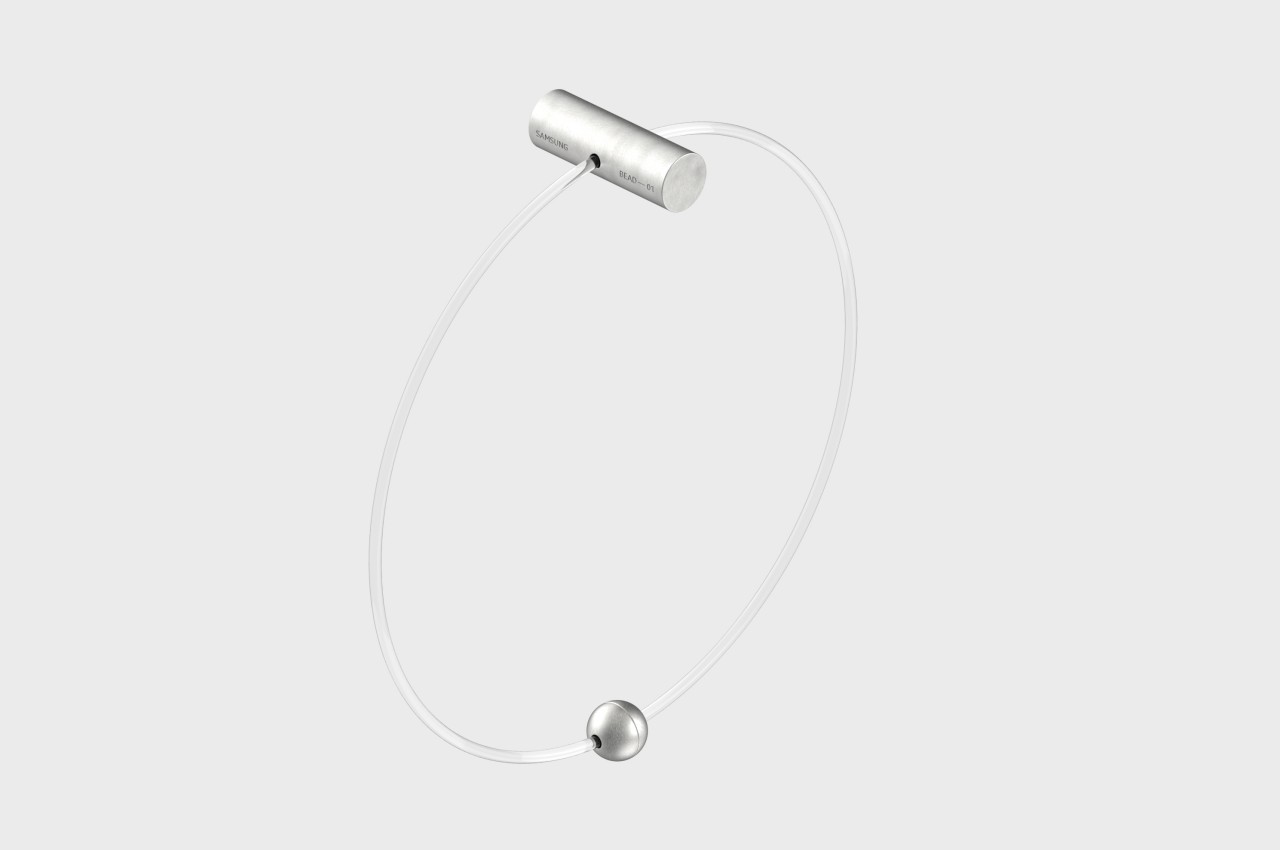
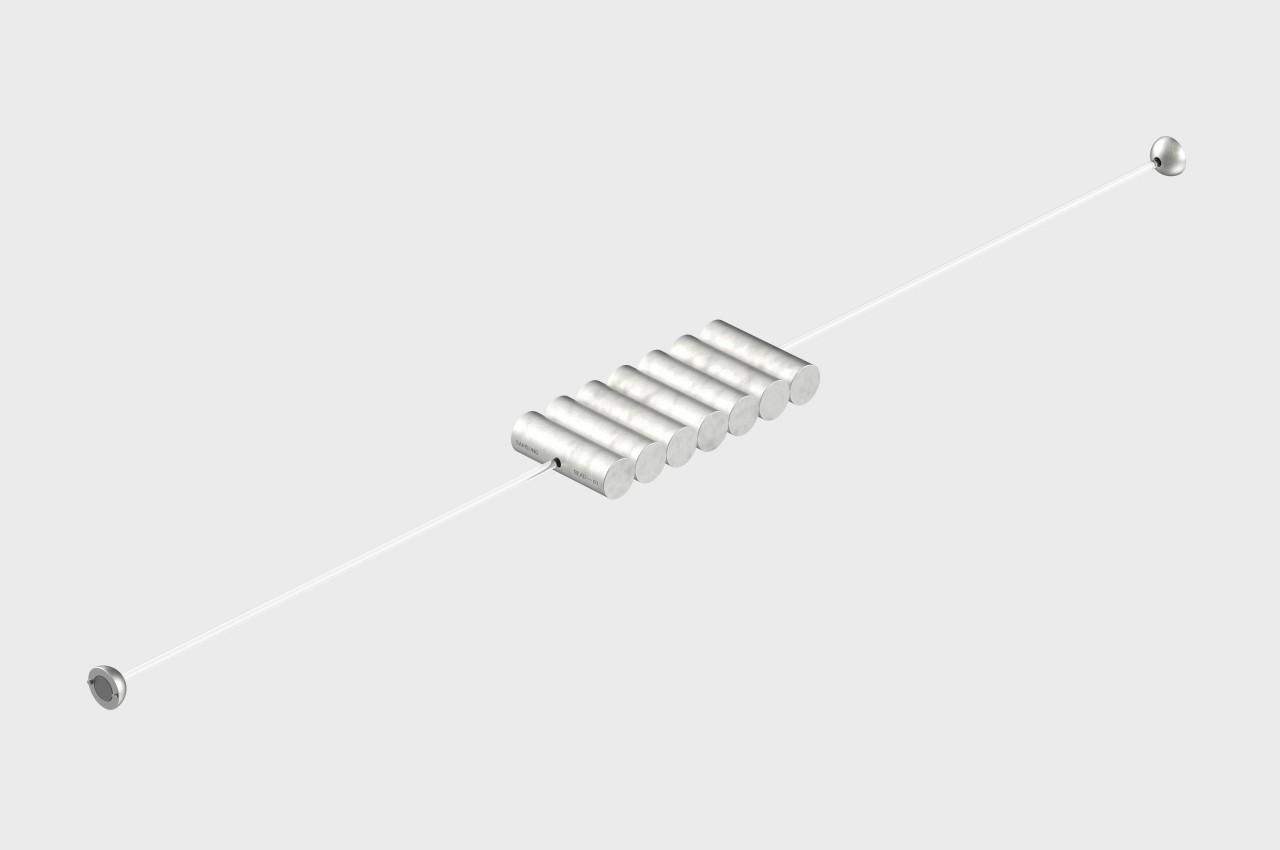
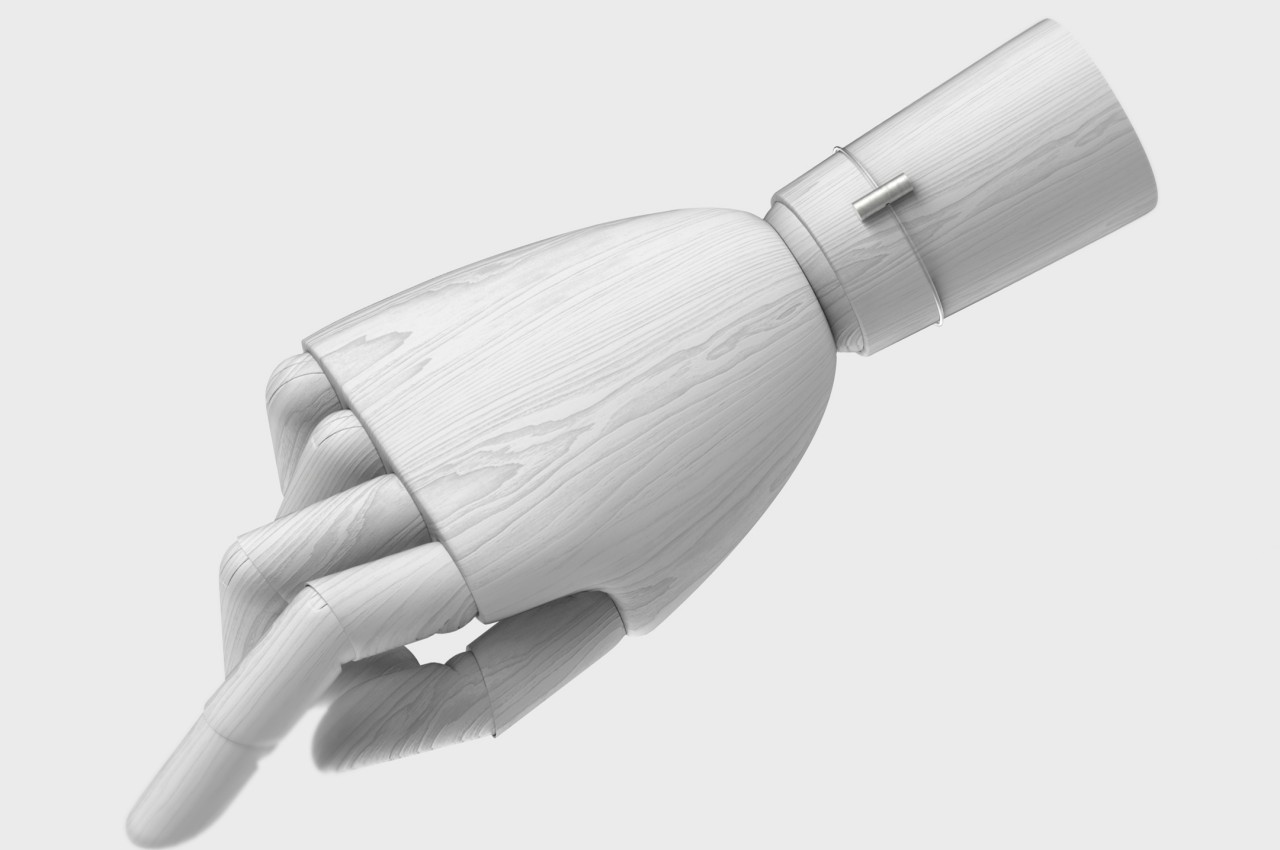
The idea is that you can combine any number of these beads on a string or wire to achieve the same collective effect as a fitness tracker. You wear it around your wrist like a bracelet, held together at the ends by magnets in the shape of half-spheres. The wire is white, plain, and unadorned, which puts a bigger visual focus on the beads. Those beads themselves carry a brushed metal finish that helps hide whatever scratches they may incur over time while also giving them unique characters.

You can add or remove as many of these modular beads as you need, only paying for the functionality you actually use. It also makes repairing broken beads easier, since you only need to replace that single piece. Admittedly, the industrial aesthetic might not appeal to everyone’s tastes, but the concept opens the possibility of using different, perhaps more stylish designs that will truly create a fusion of fashion and technology in a simple smart bracelet.

The post This modular bracelet concept lets you choose how smart you want your jewelry to be first appeared on Yanko Design.