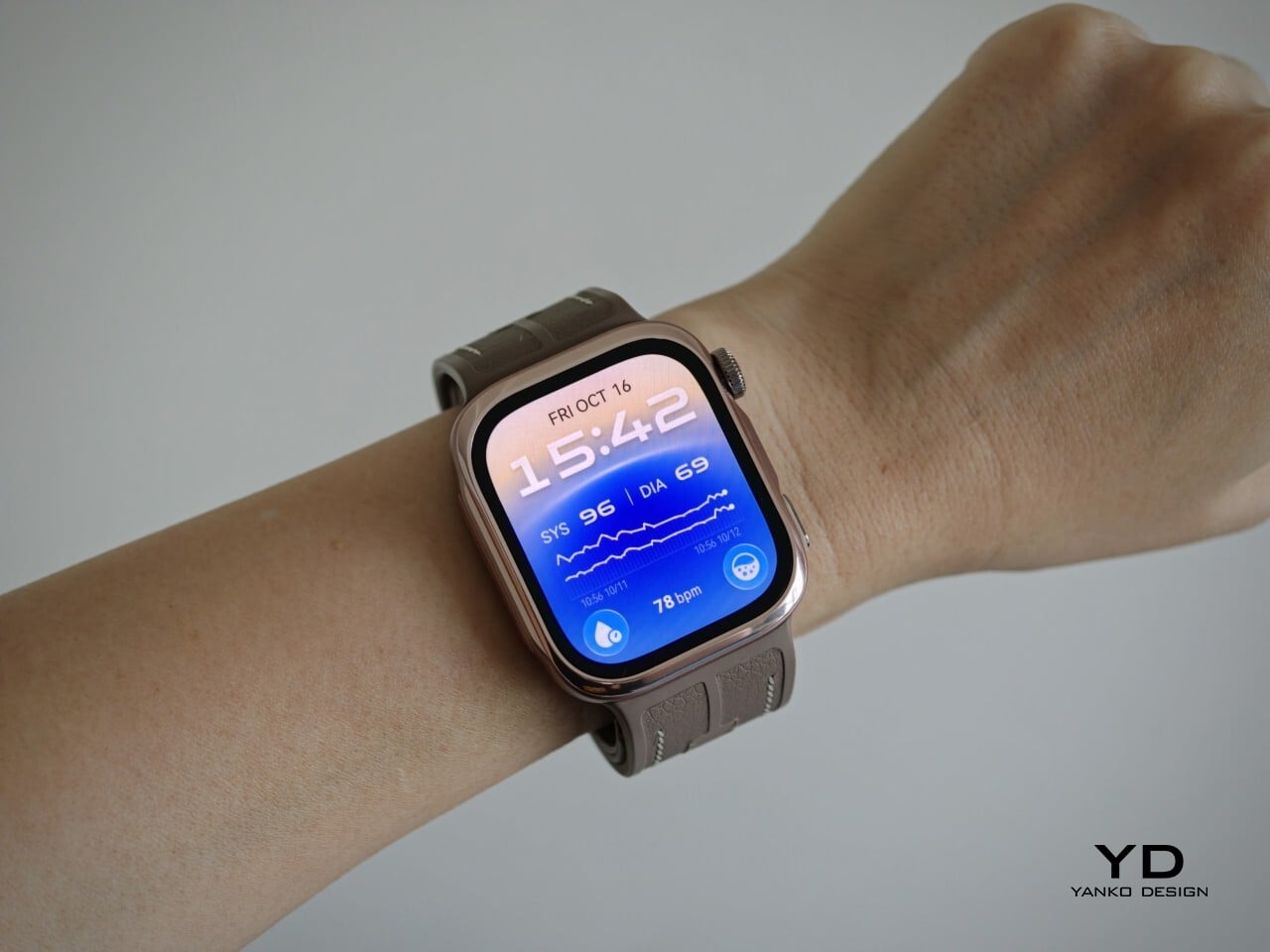
How to use Workout Buddy with Apple Watch and iOS 26

Apple’s iOS 26 and watchOS 26 introduced a new fitness companion called Workout Buddy. This feature uses Apple Intelligence to provide spoken feedback during workouts and give motivation based on your activity history. Workout Buddy analyzes your pace, heart rate, distance and other metrics to deliver real-time encouragement and performance insights directly through connected Bluetooth headphones. It works in conjunction with the Workout app on Apple Watch and is partially controlled through the Fitness app on iPhone. This guide walks you through everything needed to set up and use Workout Buddy effectively during workouts.

It’s important to note that Workout Buddy is not a full coaching program. Instead, it adds to your workout with spoken cues that reflect how your session is going. Workout Buddy can remind you of your weekly activity totals, alert you to personal bests or performance milestones and provide an overview when you’re finished. It is designed to feel like a supportive training partner rather than a strict coach.

The feature operates in English by default and uses a text-to-speech model trained on voices from Apple Fitness+ trainers. It is available for a subset of workout types, including running, walking, cycling, high-intensity interval training (HIIT) and strength training. It requires on-device Apple Intelligence, which means you’ll need to keep one of the latest iPhones running updated software nearby during workouts. 

Supported models include iPhone 15 Pro, iPhone 15 Pro Max and any iPhone 16 model. You’ll also need an Apple Watch running watchOS 26.  

Before Workout Buddy appears in your Fitness app or Workout app you must ensure a few things are in place. First, your Apple Watch must be running watchOS 26 or later and paired to an iPhone with iOS 26 installed. Second, your iPhone must be capable of on-device Apple Intelligence, meaning you must own one of the supported iPhone models we mentioned above and have Apple Intelligence enabled in the phone’s settings.

You’ll also need Bluetooth headphones paired with either your iPhone or your Apple Watch. Workout Buddy’s audio feedback cannot play through the watch speaker so headphones are essential. Lastly, your device language must be set to English, at least initially. If any of these things are missing, the option to enable Workout Buddy may not appear.

While much of the interaction with Workout Buddy happens on Apple Watch during workouts, you can enable it and choose voice options from the Fitness app on iPhone.

Open the Fitness app on your iPhone and tap the Workout tab at the bottom. Scroll through the list of workout types until you find one you plan to use with Workout Buddy. Tap the waveform bubble icon associated with that workout. This will bring up settings where you can turn on Workout Buddy. Flip the toggle to enable it and choose a voice from the available options. Once you have selected a voice, close that screen and your choice is saved. When you start this workout type on Apple Watch, Workout Buddy will activate.

Enabling Workout Buddy for a workout type on iPhone means you do not need to toggle it on separately on Apple Watch each time for that specific workout. However, you may still adjust it from the watch interface for more granular control.

To use Workout Buddy during a session, open the Workout app on your Apple Watch. Turn the Digital Crown to scroll through and select the workout you want to do, such as Outdoor Run, Outdoor Walk, Outdoor Cycle, HIIT or Strength Training. If you want to see all available workouts, tap the Add button at the bottom.

Once the workout type is selected, look for the Alerts button on screen. Tap Alerts then scroll until you see Workout Buddy. Tap Workout Buddy and flip the switch to on. You will then be asked to choose a voice if one is not already selected on your iPhone. After selecting the voice, return to the previous screen and tap Start. Workout Buddy will begin working as soon as the workout does.

Once you start an exercise on your Watch or iPhone, Workout Buddy will speak to you through your connected headphones. The feedback is designed to be encouraging and relevant to your pace, performance or milestones. It may mention your current progress toward activity goals, pace, splits, personal bests or other highlights from your fitness data. At the end of your session Workout Buddy will offer a summary of key metrics like duration distance and calorie burn.

While a workout is active, you can temporarily mute the audio if you need silence. On Apple Watch during the session, swipe right to reveal controls then tap Mute. This pauses Workout Buddy’s spoken commentary without disabling the feature entirely.

Workout Buddy is enabled on a per-workout-type basis. If you prefer voice feedback for running but silence for strength training, you can enable it for one and leave it off for the other. The Fitness app on iPhone allows you to set a default voice preference for each workout type. On Apple Watch you can quickly toggle the feature on or off before starting a session.

If Workout Buddy does not appear as an option for a particular workout type, you may need to check compatibility. Apple’s documentation indicates that only certain types* are supported initially and that the option will not appear for unsupported workouts.

*Apple Watch SE (2nd generation), Apple Watch SE 3, Apple Watch Series 6, Apple Watch Series 7, Apple Watch Series 8, Apple Watch Series 9, Apple Watch Series 10, Apple Watch Series 11, Apple Watch Ultra, Apple Watch Ultra 2, Apple Watch Ultra 3

If Workout Buddy fails to activate make sure your devices meet the requirements outlined above. Confirm that your iPhone with Apple Intelligence is nearby and that Bluetooth headphones are connected. If audio feedback is missing, ensure headphones are paired correctly and that the language is set to English. Some users have reported that if the headphones are paired only to the Watch rather than the iPhone, it can interfere with feedback. Switching to the iPhone often resolves that issue.

For workout types where Workout Buddy previously worked but suddenly does not appear, you may try toggling the feature off and on again in the Fitness app or rebooting both devices. In rare cases removing and re-adding the workout type on Apple Watch can refresh the settings.

This article originally appeared on Engadget at https://www.engadget.com/wearables/how-to-use-workout-buddy-with-apple-watch-and-ios-26-130000922.html?src=rss

The best GPS running watches for 2026

Having the right GPS watch on your wrist whether you’re going for your first ever run or your umpteenth run can make all the difference. The best GPS running watches not only keep track of how far you’ve run, but they track pace and other real-time metrics, advanced training features to help you hit your goals and, of course, precise distance measurements. Some models even provide offline maps for navigation, sleep tracking, recovery insights, and smart features that “regular” smartwatches do.

For those who need extra durability and lasting battery life, higher-end sport watches — like some of the best Garmin watches — are built to handle intense workouts, harsh weather and long runs. If you're training for a marathon, triathlon or just want a multisport option that can keep up with your lifestyle, these watches have the tech to support you.

With so many options available, from entry-level models to the best running watches packed with advanced running metrics, it can be tricky to find the right fit. That’s why we’ve rounded up our top picks to help you choose the perfect GPS watch for your training needs.

The Polar Pacer Pro looked and felt quite similar to our top pick, and it mapped my outdoor runs accurately. However, Polar’s companion app is leagues behind Garmin’s with a confusing interface and a design that feels very much stuck in the past. It’s also $100 more expensive than our top pick.

The Amazfit Cheetah Pro tracked my outdoor runs accurately and Zepp’s companion app has a coaching feature much like Garmin’s adaptive training plans that can outline a routine for you to complete in preparation for a race or to achieve a specific goal. My biggest issue with it was that its touchscreen wasn’t very responsive — it took multiple hard taps on the display to wake it, and often the raise-to-wake feature didn’t work, leaving me staring at a dark screen.

The most important thing for a GPS running watch to have is fast, accurate GPS tracking. That might seem obvious, but it’s quite easy to get distracted by all of the other smart features most of these devices have. Since most of them can be worn all day long as standard sport watches, there’s a lot of (possibly unnecessary) fluff that looks good on paper but won’t mean much if the core purpose if the device is left unfulfilled. To that end, I paid particular attention to how long it took each device’s built-in GPS tracking to grab my location before a run, if it ever lost my spot and the accuracy of the generated maps. Also, the device should be smart enough to let you start tracking a run while the GPS looks for your location.

You may not be able to suss out GPS accuracy just by looking at a spec sheet (that’s where this guide can help), but you can check for features like supported workout profiles. That’s something you’ll want to look into, even if your one and only activity is running. Check to make sure the best running watches you’re considering support all the kinds of running activities you like to do (outdoor runs, treadmill runs, etc) and any other workouts you may want to track with it.

Most fitness wearables today aren’t one-trick ponies; you’ll find a healthy number of trackable exercise modes on any sport watch worth its salt. That said, the number of workout profiles can be directly proportional to a device’s price: the higher-end the product, chances are the more specific, precise workouts it can monitor.

In a similar vein, you’ll want to check the trackable metrics of any watch you’re considering before you buy. Since we’re talking about the best GPS running watches, most will be able to track the basics like distance, heart rate and pace, and those are bare minimums. Some watches can monitor additional stats like speed, cadence, stride length, advanced running dynamics, aerobic and anaerobic training effect, intensity minutes and more. If you’re already a serious runner who trains for multiple races each year, or if you're a trail runner who needs elevation and navigation features, you’ll want to dig into the spec sheet of the watch you’re considering to make sure it can track all of your most necessary metrics.

It’s worth checking out a watch’s case size and weight before going all-in on one. GPS running watches, and standard smartwatches as well, can have a few different sizes to choose from so you’ll want to make sure you’re getting the best fit for your wrist. I have a smaller wrist, so I tend to avoid extra-large cases (anything over 42mm or so), especially if I intend on wearing the device all day long as my main timepiece. Weight, on the other hand, is a little less controllable, but typically smaller case sizes will save you a few grams in overall weight.

For those who need durability, particularly trail runners or those tackling extreme conditions, devices like Garmin watches offer rugged builds that can handle rough terrain, impact, and extreme weather.

Unlike regular smartwatches, GPS running watches have two types of battery life you’ll need to consider: with GPS turned on and in “smartwatch” mode. The former is more important than the latter because most GPS running watches have stellar battery life when used just as a smart timepiece. You can expect to get multiple days on a single charge, with some surviving more than two weeks (with all day and night wear) before they need a recharge.

Battery life with GPS turned on will be much shorter by comparison, but any GPS running watch worth its salt should give you at least 10-15 hours of life with the GPS being used continuously. The more you’re willing to spend, the higher that number typically gets, with some GPS running watches lasting for 40 hours while tracking your location.

This article originally appeared on Engadget at https://www.engadget.com/wearables/best-gps-running-watch-141513957.html?src=rss

The best fitness trackers for 2026

If you're looking to get fit, sleep better or just keep a closer eye on your health, a fitness wearable is a great place to start. Whether you're into intense workouts or just want to hit your step goal each day, the best fitness trackers available today can offer loads of helpful features, from sleep tracking and resting heart rate monitoring to built-in GPS and stress tracking. Some are even subtle enough to wear 24/7, like smart rings, while others double as stylish smartwatches.

There are great options out there for beginners as well as more advanced users, and the variety of features means there’s something for every lifestyle and budget. In this guide, we’ll walk you through the best fitness trackers you can buy right now, and explain who each one is best suited for.

The answer seems simple: Fitness wearables are best at monitoring exercise, be it a 10-minute walk around the block or that half marathon you’ve been diligently training for. Obviously, smartwatches can help you reach your fitness goals too, but there are some areas where fitness bands and smart rings have proven to be the best buy: focus, design, better battery life, durability and price.

When I say “focus,” I’m alluding to the fact that fitness trackers are made to track activity well; anything else is extra. They often don’t have the bells and whistles that smartwatches do, which could distract from their advanced health tracking abilities — things like all-day resting heart rate monitoring, stress tracking, and even detailed sleep tracker insights. They also tend to have fewer sensors and internal components, which keeps them smaller and lighter. Fitness trackers are also a better option for those who just want a less conspicuous gadget on their wrists all day.

Battery life tends to be better on fitness trackers, too. While most smartwatches last one to two days on a single charge, fitness bands offer between five and seven days of battery life — and that’s with all-day and all-night use even with sleep tracking features enabled. Many fitness trackers also slot nicely into your existing ecosystem, syncing seamlessly with your smartphone, other fitness apps and cloud storage to keep all your data in one place.

When it comes to price point, there’s no competition. Most worthwhile smartwatches start at $175 to $200, but you can get a solid smart band starting at $70. That makes them a great entry point for beginners who want to track their progress without committing to a full smartwatch. Yes, more expensive bands and smart rings exist (and we recommend a few here), but you’ll find more options under $150 in the fitness tracker space than in the smartwatch space.

If you need a bit more from your wearable and don’t want to be limited to a fitness or activity tracker, a smartwatch may be the best buy for you. There are things like on-watch apps, alerts and even more robust fitness features that smartwatches have and the best fitness trackers don’t. You can use one to control smart home appliances, set timers and reminders, check weather reports and more. Some smartwatches let you choose which apps you want to receive alerts from, and the options go beyond just call and text notifications. Just make sure your smartwatch is compatible with your Android or iPhone, however, before purchasing, as not all of them work with both operating systems.

But the extra fitness features are arguably the most important thing to think about when deciding between a fitness tracker and a smartwatch. The latter devices tend to be larger, giving them more space for things like GPS, barometers, onboard music storage and more. While you can find built-in GPS on select fitness trackers, it’s not common.

If you’re someone who’s seriously training — say for a race or an endurance challenge — a dedicated running watch may be worth considering. These often provide more in-depth cardio analytics, recovery insights, and real-time pace data that go beyond what standard trackers can deliver.

The Fitbit Inspire 3 strips out all the luxury features from the Charge 6 and keeps only the essential tracking features. You won’t get built-in GPS tracking or Fitbit Pay or Spotify control but you do get solid activity tracking, automatic workout detection, smartphone alerts and plenty more. The updated version has a sleeker design and includes a color touch display and connected GPS, the latter of which lets you track pace and distance while you run or bike outside while you have your phone with you. When compared to the Charge 6, the Inspire 3 is more fashionable, too. Its interchangeable bands let you switch up the look and feel of your tracker whenever you want, and it’s slim enough to blend in with other jewelry you might be wearing. We were also impressed by its multi-day battery life: Fitbit promises up to 10 days on a single charge, and that checked out for us. After four days of round-the-clock use, the Inspire 3 still had 66 percent battery left to go.

The battery life of fitness trackers can vary depending on the model and its features. On average, most fitness trackers last between five to seven days on a single charge. Basic models with limited features could stretch up to 10 days or more. However, more advanced trackers with features like continuous heart rate monitoring, GPS, or always-on displays may need recharging after one to three days. If you're using GPS or streaming music through your fitness tracker, you'll find that this drains the battery faster. By using these features less, or turning them off, you'll extend battery life. 

This article originally appeared on Engadget at https://www.engadget.com/wearables/best-fitness-trackers-133053484.html?src=rss

These robotic sneakers gave me a surprising boost at CES

I'll admit that I've always kind of taken walking for granted. Other than a knee injury more than a decade ago, my ability to walk long distances has largely been limited only by my own choices. That's not the case for everyone, though. And robotics company Dephy has created a pair of robotic sneakers, called the Sidekick, that are meant to help people who want to walk more than their bodies might otherwise be capable of.

The system consists of two parts: an ankle-worn exoskeleton and a special pair of sneakers that attach to it. The exoskeleton hooks onto the back of the shoe and is secured with a strap around your calf. The battery powered device is equipped with sensors that can detect and adapt to the wearer's gait in order to deliver an extra "boost" with each step. 

The whole setup is pricey, at $4,500, but Dephy is betting that people who have "personal range anxiety" might be willing to pay for the extra confidence the Sidekick can provide. "This is a device that's kind of like [having] an extra calf muscle," Dephy CEO Luke Mooney told me. 

The Sidekick.
The Sidekick.
Karissa Bell for Engadget

I was able to take the Sidekick for a spin around the CES showfloor and it was a truly surprising sensation. The best way I can describe walking with the Sidekick powered on is that with every step forward there's a noticeable upward push from under your heel. It wasn't enough to throw me off balance, but it did feel a bit strange.

The Sidekick has adjustable power levels based on how much help you might need. At the highest level, it definitely felt unnecessarily pushy. The lower levels were still noticeable but felt less disruptive. I just felt… bouncy. Later, when Mooney turned off the power entirely, I noticed that my feet felt weirdly heavy in a way they hadn't just a few minutes before. 

Mooney was quick to tell me that I'm not Dephy's target demographic. "A lot of times people who are fit, or like athletes, actually struggle to adopt to the technology because their body's so in tune with how they move," he said. "Whereas folks who are not as physically active and fit, their body's ready to accept help."

The company's technology will be used in products more focused on athletic performance, however. Dephy has partnered with Nike on its upcoming robotic sneaker currently known as Project Amplify. Mooney declined to share details on the collaboration, but the shoemaker has claimed that some early testers have been able to improve their mile times by two minutes. 

I tried the Sidekick early in the day. Several hours later, though, when I was walking between the Las Vegas Conventions Center halls for the third or fourth time, I started thinking about those robotic sneakers again. I was getting close to 10,000 steps and hadn't sat down for hours. My feet were sore. I remembered that strange, bouncy boost and thought it sounded kind of nice.

This article originally appeared on Engadget at https://www.engadget.com/wearables/these-robotic-sneakers-gave-me-a-surprising-boost-at-ces-174500005.html?src=rss

5 Home Gym Products That Actually Replace Your Gym Membership

When life moves fast, carving out time for your health often feels impossible. Most of us have faced the struggle racing through traffic to reach a crowded gym, only to see motivation fade. However, wellness does not have to be another task as it can become part of your home. Imagine a space crafted just for you where there is no commute, no distractions, no waiting.

Your home can transform into a personal sanctuary where movement and self-care are effortless. Creating a home gym is not just about equipment but about embracing a lifestyle that prioritizes convenience, consistency, and self-empowerment. Here is how investing in a home gym makes health an integral and non-negotiable part of your day.

1. Convenience at Home

Adding a home gym turns it into the most convenient workout space imaginable. No more rushed mornings trying to fit in exercise before work, and no more long commutes to crowded gyms. Now, your fitness journey can start the moment you step out of bed, making consistency effortless and freeing you from daily scheduling stress.

With this level of accessibility, sticking to your routine becomes natural,nwhether it’s a quick 15-minute stretch or a full-strength session. This freedom transforms exercise from an obligation into a choice, fostering a more positive and motivating connection to fitness.

Leg day has a notorious reputation, the workout everyone loves to hate. The thought of squats, presses, and calf raises can make anyone hesitate before starting. The RitFit Gazelle Pro 3-In-1 Leg Press and Hack Squat Machine changes that. Its compact, smart design turns leg day into a manageable, even motivating challenge. With a high-tensile steel frame, adjustable diamond-plated footplate, and thick anti-slip cushions, it balances performance with comfort, helping you push through lower-body workouts without unnecessary strain.

The 3-in-1 functionality seamlessly blends leg presses, hack squats, and calf raises, with quick pin adjustments for smooth transitions. Thoughtful features like contoured shoulder rests, stable handrails, and a 2,000-pound weight capacity prioritize safety and support. Durable, versatile, and efficient, the Gazelle Pro adapts to every fitness level. While leg day may never be your favorite, this machine makes it far less intimidating, empowering you to train effectively and confidently in the comfort of your own home.

2. Tailored for Personal Needs

One of the greatest perks of a home gym is the freedom to design it entirely around your needs. Unlike a commercial gym with standard equipment and preset classes, your space can reflect your unique fitness goals. Whether you love yoga, weightlifting, or high-intensity interval training, you can select the tools and setups that truly support your routine.

This customization goes beyond equipment as it extends to the entire atmosphere. Want to play your favorite podcast? Prefer soft lighting for a focused yoga session? You control it all, creating a space that motivates, inspires, and makes every workout feel personal and empowering.

Home gyms have always offered convenience and privacy, but often lacked guidance and motivation. The AEKE K1 Smart Home Gym changes that by bringing artificial intelligence into your workouts. With motion tracking, personalized plans, and real-time feedback, it acts like a virtual personal trainer, ensuring every rep is effective and safe. The AI tracks 17 key points on your body, provides adjustments on form, and adapts workouts as you progress. With over 280 movements and 140+ classes, it covers strength training, cardio, Pilates, yoga, and more, making home workouts diverse and engaging.

The system’s attachments use electromagnetic resistance to simulate up to 220 lbs, while Smart Grips and Spotter Mode enhance safety and efficiency. A 43-inch 4K touchscreen delivers immersive guidance, while motion-sensing games and multi-user options add fun for family or friends. Compact, award-winning, and subscription-free, the AEKE K1 blends advanced technology with user-friendly design, making high-quality, personalized workouts accessible to everyone at home.

3. Allows Privacy and Comfort

For many, exercising in public can feel intimidating. Being around others, facing constant comparison, and lacking personal space often discourages people from even starting their fitness journey. A home gym solves this by providing a private, safe, and judgment-free environment where you can focus solely on yourself.

This privacy creates the perfect space to concentrate on form, track progress, and try new exercises without distraction. You can explore different workouts, push your limits, and experiment freely. Feeling comfortable and confident in your own space can unlock your potential and nurture a lasting, positive relationship with fitness.

Boom, designed by Shuxian Hong, brings the boxing experience into your home, combining a punching bag, smart speaker, and interactive illumination. The system creates an immersive, adrenaline-fueled workout without leaving your living space. Boxing is a powerful cardio exercise, supporting heart health, weight management, and overall fitness. Hong discovered that even those who own home boxing bags rarely use them, as the gym environment provides the excitement and energy often missing at home. Boom solves this by making workouts fun, engaging, and interactive.

Measuring 68 inches and filled with high-density foam, Boom features an LED-illuminated bag, electronic pressure sensor, and weighted base with suction cups for stability. The Smart Coach app creates personalized routines, tracks progress, and adapts to the user. When not in use, Boom functions as a stylish home speaker, harmoniously blending technology, fitness, and modern design, making exercise both effective and enjoyable.

4. Smart and Sustainable Investment for Your Health

Although the initial cost of a home gym may feel high, it’s a smart long-term investment. Think about the ongoing expenses of monthly gym memberships, commuting costs, and frequent workout gear. Over time, these add up, whereas a home gym is a one-time setup that delivers lasting value and convenience.

Beyond finances, it’s an investment in your physical and mental well-being. By creating a permanent, accessible space for health, you prioritize self-care sustainably. This approach benefits both your body and wallet, making fitness a consistent, enjoyable, and protected part of your life and all from home.

Modern systems combine exercise equipment with motion-tracking cameras that provide real-time feedback on posture, reps, and form to remote trainers. This technology allows users to receive expert coaching in the comfort and safety of their own homes, fueling a surge in virtual trainer memberships while traditional gym attendance declined.

The Tempo Move builds on this concept, offering a compact, stylish home gym that doubles as elegant furniture. Its fabric-clad metal body conceals 16 weight plates, 4 collars, 2 dumbbells, and a heart-rate monitor within a neat cabinet. An iPhone dock and HDMI connection let users stream guided workouts on a TV with real-time coaching. Unlike bulky gym equipment, Tempo Move blends seamlessly into living spaces, providing convenience, functionality, and aesthetic appeal. With its smooth, accessible storage and elegant design, it makes exercising at home simple, stylish, and efficient.

5. Enhances Your Well-being

The advantages of a home gym go beyond physical fitness, positively impacting your overall well-being and household harmony. A dedicated workout space helps reduce stress, improve sleep, and boost daily energy, providing a healthy outlet that supports a balanced, centered lifestyle.

Additionally, it sets a positive example for your family, fostering a culture of health and wellness at home. By creating a space that can be shared, fitness becomes a fun, engaging activity for everyone. Integrating wellness into your home design not only builds a gym but cultivates a vibrant, healthier life for you and your loved ones.

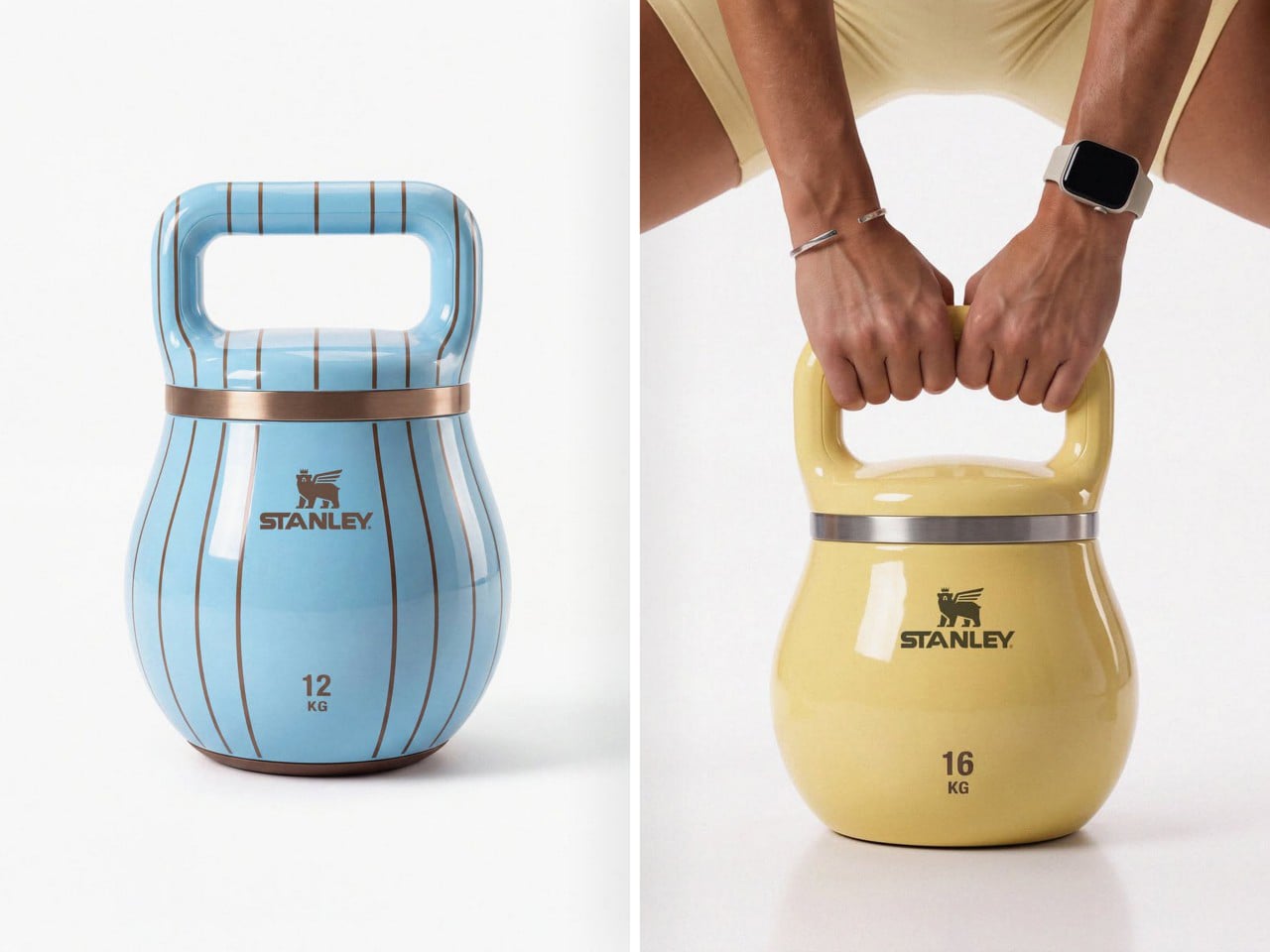
Hi Moon features a sleek, open circular design that complements modern home interiors while keeping fitness equipment unobtrusive. With more people working out at home, free weights and gear often clutter living spaces, piling up in corners or on furniture. Feier Design Studio reimagined the traditional kettlebell with Hi Moon, giving it the appearance of a modern vase or ceramic artwork. It can sit seamlessly on a windowsill, beside a small bouquet, or integrated into a home gym setup without disrupting the décor. Available in muted shades of coral-green, cloud grey, and peach-orange, Hi Moon adapts to a variety of design schemes, making it functional and stylish.

The kettlebell’s circular, open form and gritty texture provide a secure grip and enhanced comfort during exercises. Unlike traditional bulky kettlebells with triangular handles, Hi Moon allows versatile grip positions for different workouts. By combining practicality with an elegant, inconspicuous design, Hi Moon transforms home fitness into a visually pleasing, seamless part of living spaces.

Creating a home gym transforms your lifestyle, blending health, convenience, and personalization. It empowers you to make fitness a seamless, enjoyable part of daily life. By designing a space that is functional and inspiring, you invest in your well-being, turning movement into a habit and supporting your journey toward a healthier, happier, and more intentional life.

The post 5 Home Gym Products That Actually Replace Your Gym Membership first appeared on Yanko Design.

Ultrahuman brings snoring detection and respiratory health tracking to the Ring Air

The Ultrahuman Ring Air now has the capacity to track snoring and general respiratory health. This is thanks to proprietary technology called Respiratory Health PowerPlug, which is basically a suite of audio analysis tools along with some "advanced biomarker tracking" and AI tomfoolery.

All of this results in "one of the most comprehensive consumer tools ever built for understanding nighttime respiratory stability." It details snoring sessions, of course, but also delivers a holistic and "actionable sleep picture." The company says this "reveals patterns, trends and changes in respiratory health over time."

Health insights.
Ultrahuman

To that end, it can also detect coughing and respiratory disturbances. This data is cross-referenced with movement patterns, sleep fragmentation patterns and resting heart rate to "show exactly how breathing issues shape sleep quality." The company says this can be a good resource when experimenting with interventions, like switching to a new pillow or taping up the nose.

More health data is never a bad thing, but this information isn't free. Ultrahuman is charging $4 per month for access to the tool, though folks can pick up an annual subscription for $40.

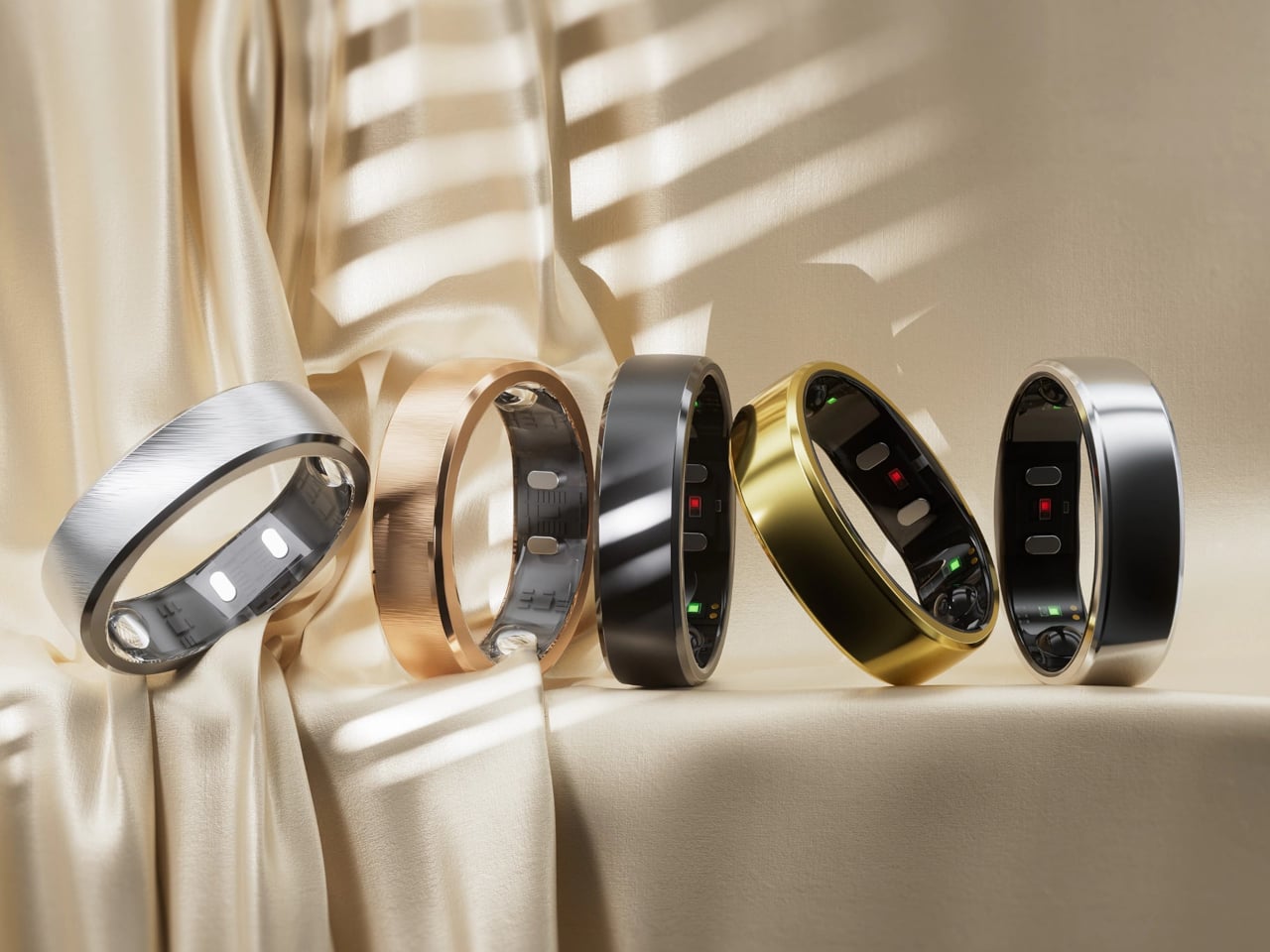
The Ultrahuman Ring Air made our list of the best smart rings, and that was before the company introduced this new software. It tracks an impressive amount of data and integrates with third-party devices like glucose monitors.

This article originally appeared on Engadget at https://www.engadget.com/wearables/ultrahuman-brings-snoring-detection-and-respiratory-health-tracking-to-the-ring-air-130054901.html?src=rss

Headspace subscriptions are 50 percent off ahead of Black Friday

The winter holidays are upon us and despite the festive feelings we might be hoping for, this time of year is often paired with increased stress, worry and anxiety. Fortunately, there are tools out there that can help you manage those negative emotions and enjoy the holiday season to the fullest. The meditation app Headspace is one such tool, and Black Friday deals have brought subscription costs down by 50 percent. You can get one year of Headspace for $35 right now, which is half off its usual $70 price tag.

Headspace's service has features to help users with meditation, sleep tools, mindfulness and general mental health. Its holistic approach made Headspace stand out as one of our top picks for meditation apps.

Reviewer Lawrence Bonk appreciated how well Headspace created progression across its courses, as well as the chance to pick from different instructors so that any user can find the meditation guidance that will work best for their individual brains. This app is also getting the AI treatment. Headspace has introduced an AI companion named Ebb that can help users by recommending meditations and activities to best match their current challenges. 

Since this is a year-long subscription, it's a gift that keeps on giving for whoever you choose to buy this plan for. Having a happier brain is a present anyone can appreciate.

Check out all of the latest Black Friday and Cyber Monday deals here.

This article originally appeared on Engadget at https://www.engadget.com/deals/headspace-subscriptions-are-50-percent-off-ahead-of-black-friday-140026192.html?src=rss

This Compact Folding Rowing Machine gives you an All-in-one Gym the size of a Side Table

For many people, the dream of a home gym often gets snagged on the harsh reality of limited space. Traditional rowing machines, with their long frames and bulky builds, can feel intrusive in a compact apartment or cluttered living room. Rowing machines, although the perfect example of a healthy, full-body workout, aren’t really designed to be space-saving, or even good-looking, to be honest. They’re designed to be used, and then hidden away, which makes their large, cumbersome design unsuitable for most homes (not necessarily just smaller apartments). In comes the JOYSONG Cube Rower, with its IKEA meets Pottery Barn meets Planet Fitness approach. Designed to be compact, multipurpose, aesthetic, and highly effective, the JOYSONG Cube Rower gives you the full rowing machine experience in a space-saving form factor. Its unique design is perfect for rowing, but also lets you do more than 80 other exercises (so you aren’t restricted to just one boring workout), and when you’re done sweating it out, the JOYSONG Cube Rower folds down into a form factor no larger than a side table, with a wooden exterior that allows it to perfectly blend into apartments without looking as obnoxious as a Peloton.

Designer: The JOYSONG Team

Click Here to Buy Now: $649 $999 (35% off). Hurry, only 466/500 left! Raised over $222,000.

The key feature of the JOYSONG Cube Rower lies in its name – the cube. This ingenious design allows the machine to fold up into a compact cube after your workout, taking up minimal floor space. At just 55cm in height when folded, the JOYSONG Cube Rower practically disappears into your home, occupying a fraction of the space your conventional home gym would. Besides, a leather seat on top of the cube means your rower actually doubles as a stool when not in use, giving you a multipurpose piece of furniture that you can exercise with. When it’s time to exercise, the Cube Rower unfolds in minutes, transforming into an extensive rowing apparatus complete with an app as well as real-life training videos you can watch on TV as you row, creating a simulation-like experience that has you feeling like you’re really on a lake with a boat. For users who prefer not to use an app, the rowing machine includes a digital display screen that enables them to track and record their workout data.

Under the JOYSONG Compact Cube Rower’s hood lies a powerful Water & Magnetic Resistance system that provides the resistance required to facilitate your exercise. The dynamic duo of ferromagnets and fluid allows you to experience the smooth feel of magnetic resistance while simultaneously enjoying the realistic dynamics of rowing on water. Combined, they provide up to 30 kilograms of resistance, which can be easily adjusted through a digital panel, making it suitable for beginners who are just starting their fitness journey or seasoned athletes looking for a challenging workout.

Once you’ve set the rower up, strapped yourself in, and set the resistance level of your choice, an app lets you transform your mundane exercise into something truly adrenaline-pumping. JOYSONG’s rowing app boasts a catalog of more than 40,000 real-life training videos that let you visualize rowing in a way that truly feels immersive. Designed to be compatible with large screens like your television, the app lets you broadcast real-life PoV rowing videos that put you in the driver’s (rower’s) seat quite literally. The videos act as a simulation while encouraging you to follow along, while the app captures your workout progress for you.

However, if you want to do more than just rowing, JOYSONG also has a variant of the Cube Rower that also packs a home gym in its design. Exactly the same size as the Compact Cube Rower (and with the same foldable format), the ‘Home Gym Cube Rower’ has a few more modifications that lets you do rowing along with 80 other exercises from crunches to bench presses, chest flies, stretches, or even yoga. To facilitate this, the Home Gym Cube Rower ditches the Water + Magnetic resistance system for pure magnetic resistance, along with the ability to simulate up to 40 kilograms of weight, adjustable to 24 different levels for novices and experts. From yoga to pilates, strength training, and other core exercises, the Home Gym Cube Rower lets you switch things up, focus on specific body parts, and frankly do more than just row all the time. Whether you’re looking to improve your cardiovascular health, build muscle strength, or increase your flexibility, the Home Gym Cube Rower brings an entire gym to your home without those pesky membership fees, sweaty people, or bulky equipment.

Both variants of the Cube Rower (with and without the Home Gym) come with the exact same folded size of 618 x 454 x 555 millimeters (24.3 x 17.8 x 21.8 inches), although the Home Gym Cube Rower weighs a little more at 65 kilograms (143.3lbs) as compared to the Compact Cube Rower 52 kilograms (114.6lbs). This is also where the built-in wheel system helps, allowing you to move the Compact Cube Rower around to any part of your house. The outer body for both are crafted from Quercus Rubra or Northern Red Oak, with a strong yet lightweight aluminum alloy frame on the inside. Finally, a leather seat puts you in the lap of comfort while you exercise, and pops right on top of the Cube Rower when not in use, allowing it to double as a nifty stool that you can easily place anywhere around your home!

Click Here to Buy Now: $649 $999 (35% off). Hurry, only 466/500 left! Raised over $222,000.

The post This Compact Folding Rowing Machine gives you an All-in-one Gym the size of a Side Table first appeared on Yanko Design.
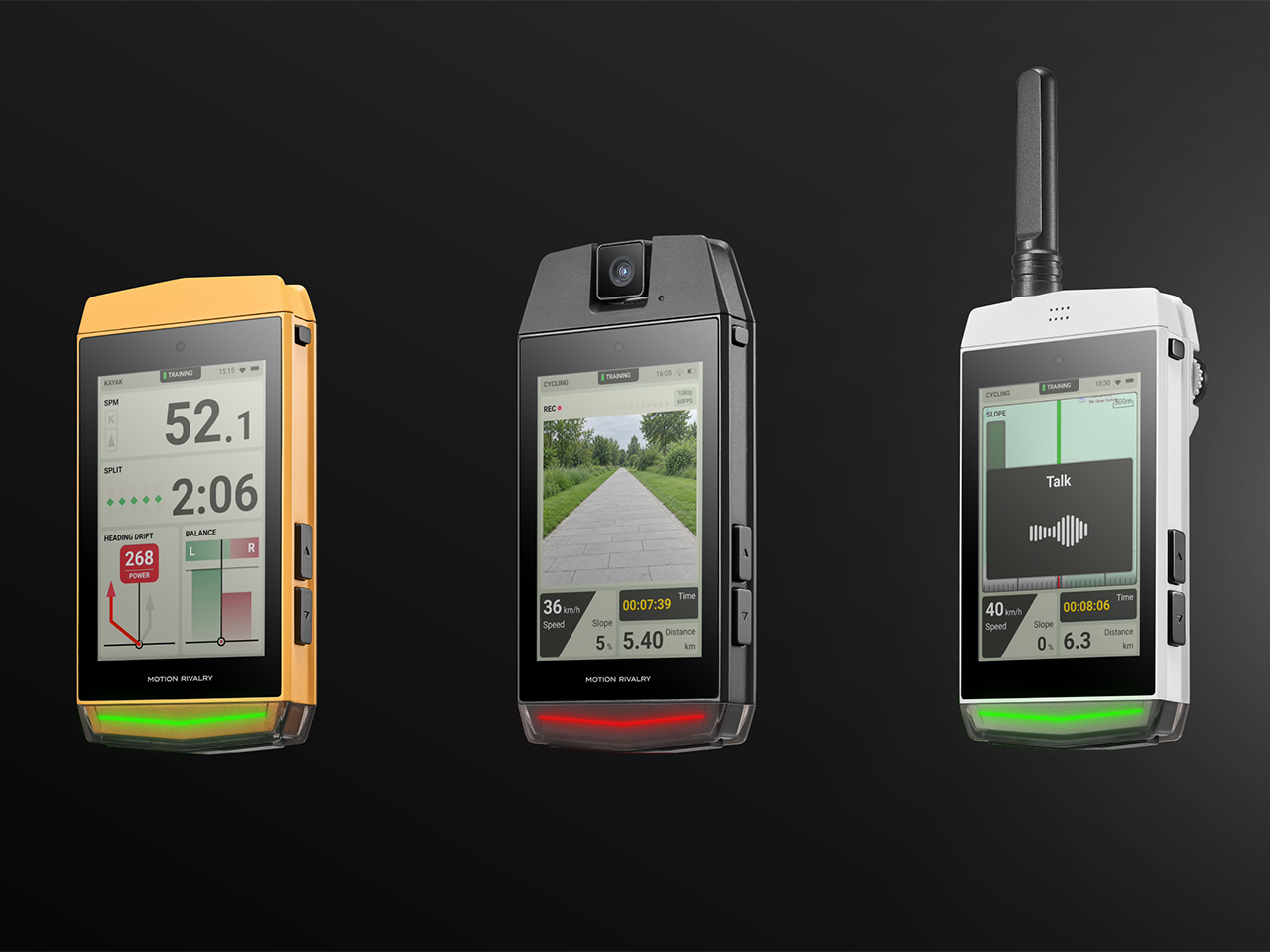
This pedal-powered exerciser is your portable power bank for blackouts

We are living in a vulnerable world where a disaster can strike at any time, without the slightest warning. While power outages as a result of damage to equipment, failure at the end of the provider, or some fault at home are common; outages because of disasters are still rare. In spite of this, governments globally are advising citizens to take simple steps to prepare for power emergencies. To help you through different types of blackouts, the HR Bank is made to provide power independence at any given time and space.

This portable power bank ensures continuous energy at home with comfort and security that you can trust with your family. The versatile power storage device is imagined to store power from almost every possible – renewal or non-renewal – source. The device stores excess energy in its internal 2kWh battery from solar panels and wind turbines and then helps power your home, appliance, and more during blackouts.

Designer: Lukas Avenas

The most interesting part about thee HR Bank is its human-powered ability. When the external energy source is unavailable, the user can pedal this power bank like an exercise bike to generate clean power. With its ability to double up as an exerciser, the HR Bank promotes fitness and can also become a dynamic workstation in minutes using an optional table contraption.

The HR Bank thus functions as a large power bank that can store energy from external power sources or generate its own electricity through pedaling. Through workout, while working on your system, you can generate 50-500 Wh of energy to power your smartphones, laptops or other devices. This robust and customizable power bank cum exerciser can keep you fit and power a smartphone to full charge on 15 minutes of pedaling, while pedaling it for one hour straight can generate enough power to juice up a laptop.

The body of the HR Bank is made of aluminum (for its durability, versatility, and infinite recyclability properties) and it features an electric motor by Tukas EV. Other materials comprising the pedals, saddle, and handlebar are made from birch plywood, vegan leather, and natural leather. The entire HR Bank is highly adjustable so people of all heights can use it by adjusting the saddle, handlebar, or pedal position to their liking. With the handlebars and saddle removed, this power bank cum exerciser can pack up into a size of regular luggage for easy storage or transportation.

The post This pedal-powered exerciser is your portable power bank for blackouts first appeared on Yanko Design.
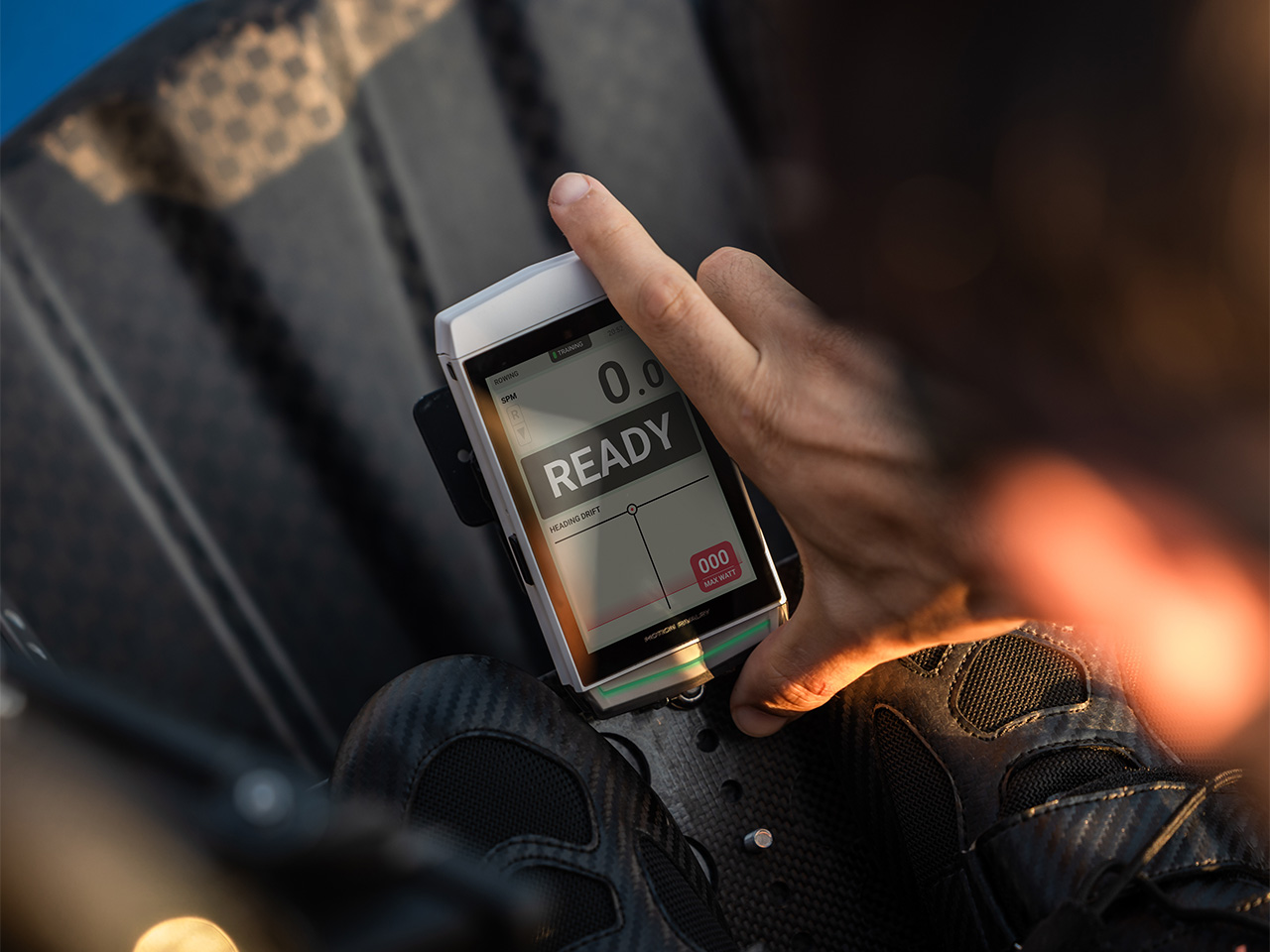
Samsung will stuff the Galaxy Watch with new AI health-tracking features

Samsung will add new AI-based health and fitness features to the Galaxy Watch later this year. The company announced on-device AI features on Wednesday, including personalized health scores, tips, sleep indicators and suggested workout routines.

One of the Galaxy Watch’s big AI upgrades is a new Energy Score, which learns from various personal metrics to provide “comprehensive health insights.” The model draws on a variety of sleep data, including when the wearer went to bed, how long and how well they slept and their heart's rate and variability during sleep. Physical activity during waking hours is also taken into account.

Along similar lines, the Galaxy Watch will also add Wellness Tips, which take that data analysis a step further with “insights, motivational tips, and guidance” relative to your personal fitness goals.

The Samsung Galaxy Watch resting on a blanket. Its screen says
Malak Saleh for Engadget

Sleep features are also getting AI-enhanced upgrades, offering extra insight into your nightly habits. New sleep algorithms can analyze sleep movement, latency, heart rate and respiratory rate. They’ll join existing tracking features like snoring hours, blood-oxygen level and sleep cycle.

For hardcore runners, the Galaxy Watch is getting new aerobic threshold (AT) and anaerobic threshold (AnT) heart rate zone metrics to help you stay within your optimal training windows. High-intensity cyclists get some love, too, with Functional Threshold Power (FTP) metrics. Samsung says calculating the latter will only take 10 minutes of consistent cycling (at 4km/h or faster).

A new Workout Routine feature will let you string together different types of exercises for a personalized regimen, letting you transition from one to the next without stopping. Meanwhile, a new Race feature will task you with trying to beat your previous times on a set route.

Samsung teased that the Galaxy Watch may not be the only device receiving new AI-based health features. “The introduction of Galaxy AI to Galaxy Watch is just the beginning of this process and we’re excited to showcase even more integrations across our Galaxy portfolio very soon,” the company said. Samsung may officially launch its Galaxy Ring wearable (initially announced in January without details) at its next Unpacked event in July. The Oura-like device will track sleep based on heart rate, movement and breathing, offering personalized advice.

The new Galaxy Watch features will arrive in the One UI 6 Watch update later this year. Samsung says “a limited number” of Watch owners will be able to try them in a beta program starting in June.

This article originally appeared on Engadget at https://www.engadget.com/samsung-will-stuff-the-galaxy-watch-with-new-ai-health-tracking-features-120057305.html?src=rss