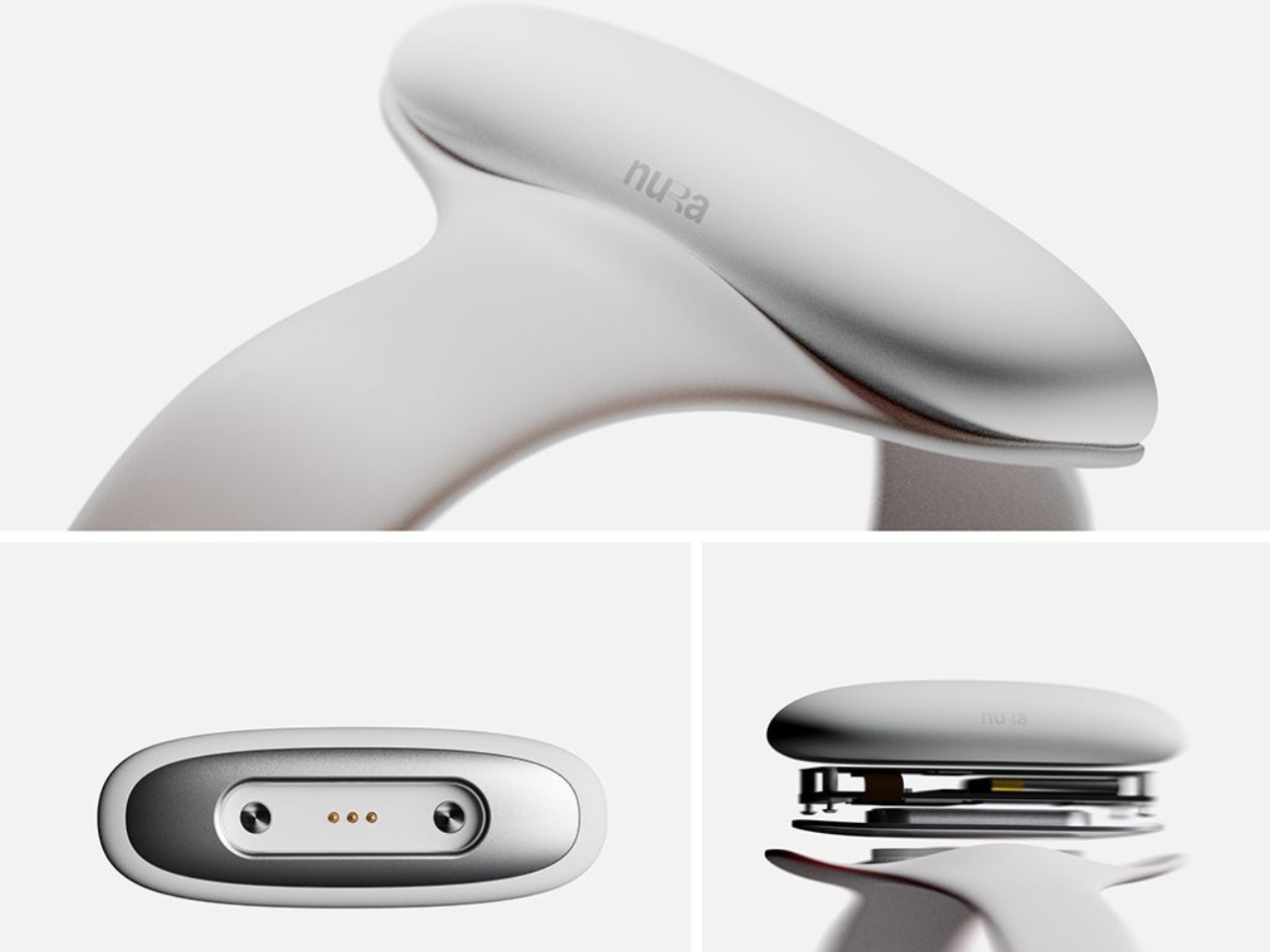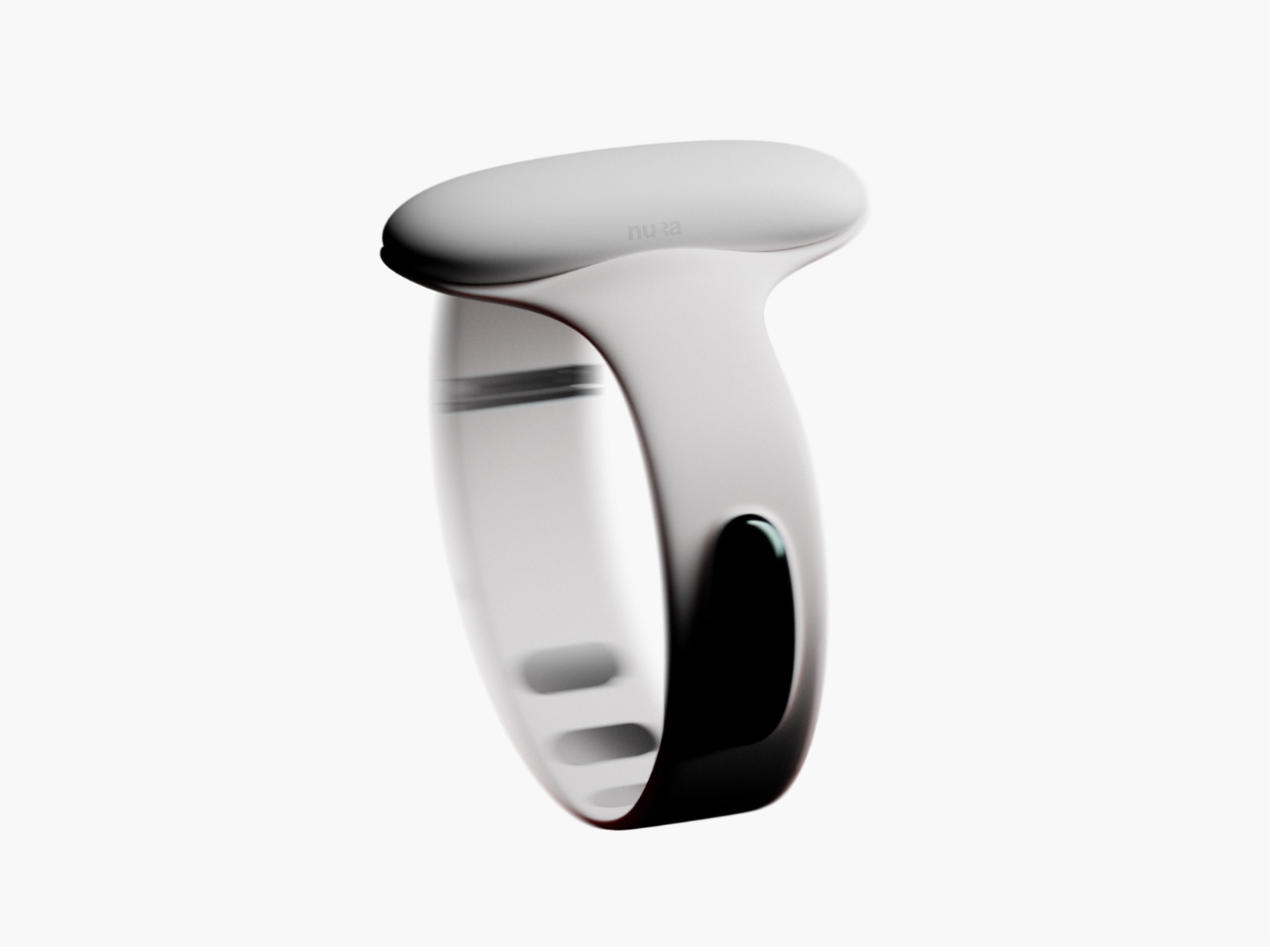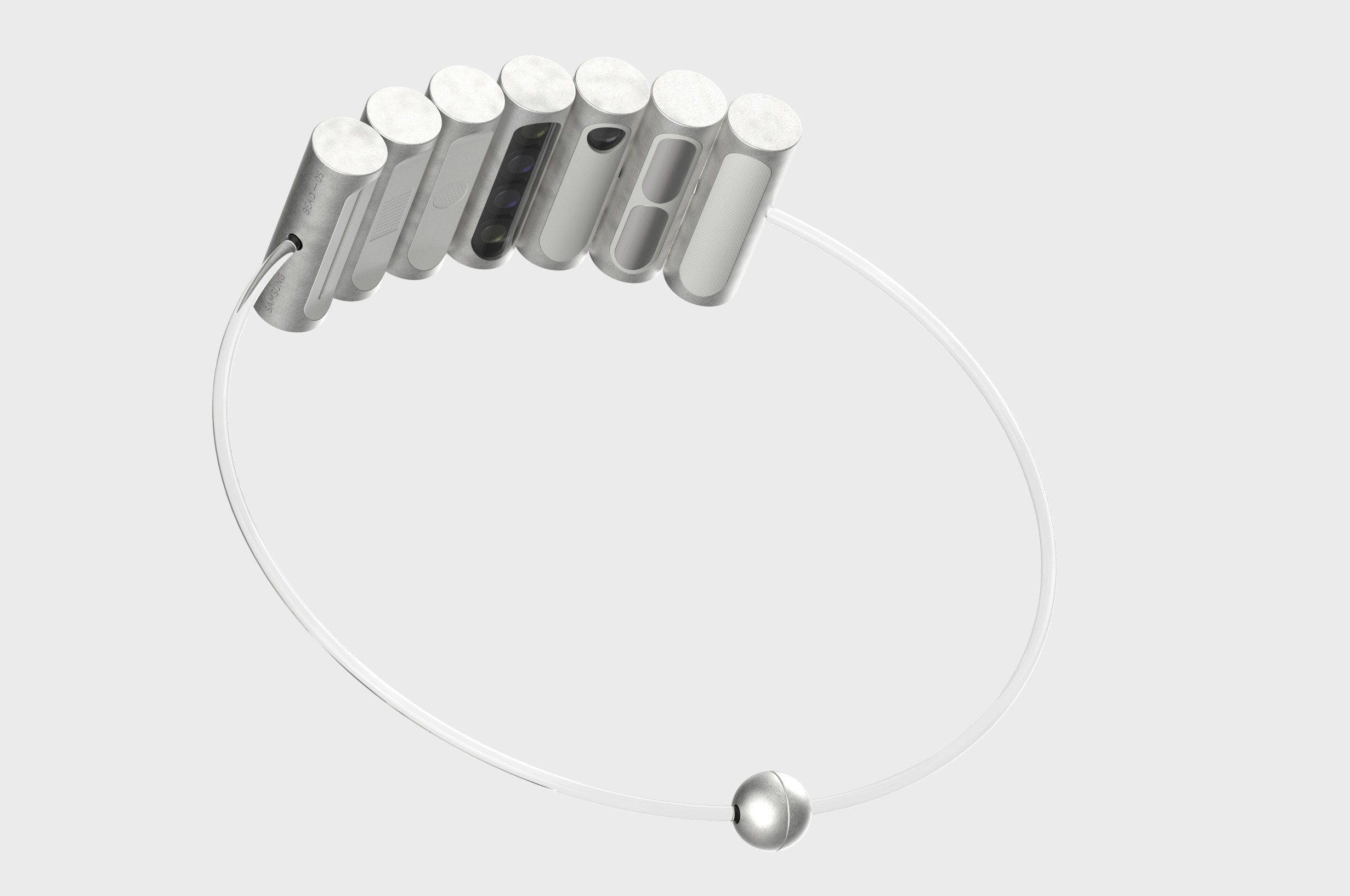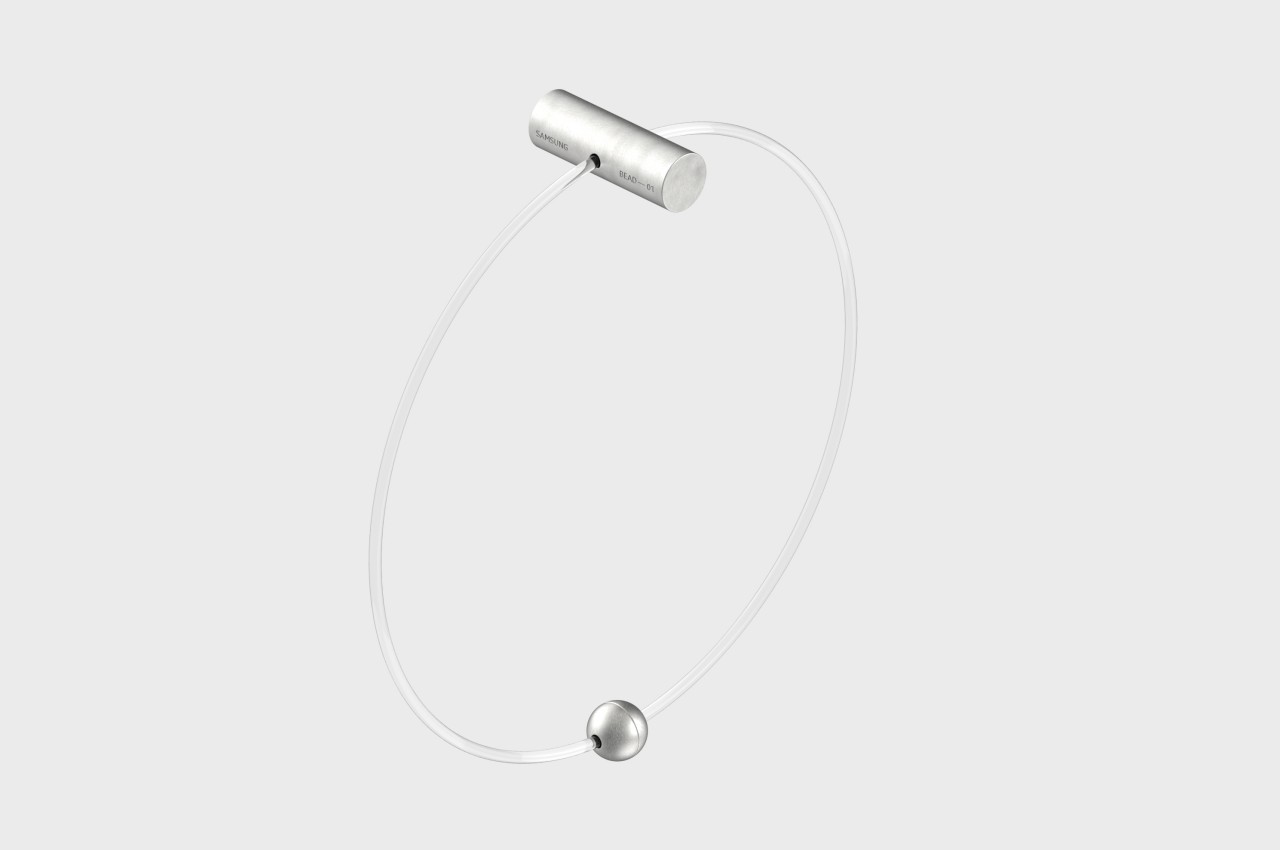
A lot of us have become more conscious about how much time we spend scrolling through our smart devices. Some are using apps and other software designed to limit how we use specific apps that get us doomscrolling on a regular basis. There are also devices whose main purpose is to get us away from our screens. So, for some of us, the solution to limiting our screen time is still found on a screen.
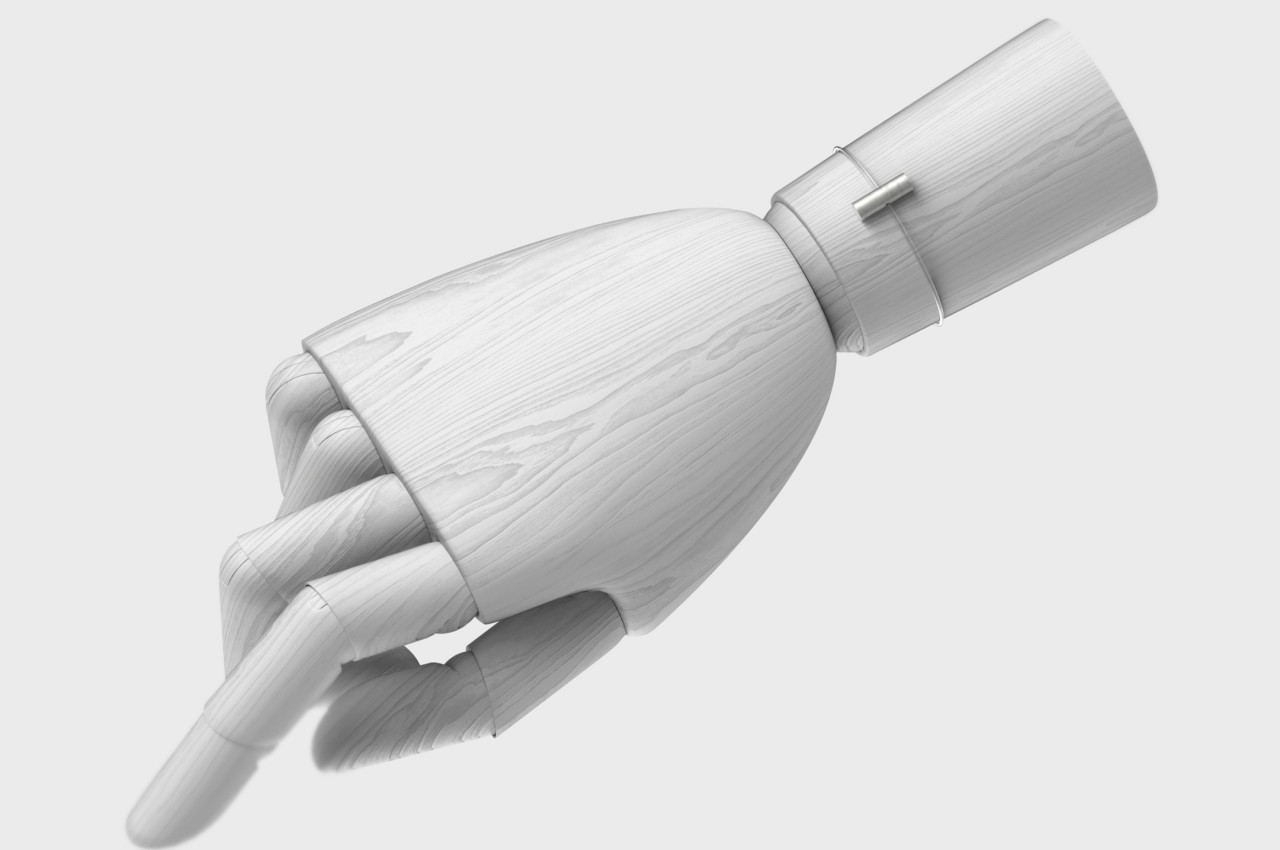
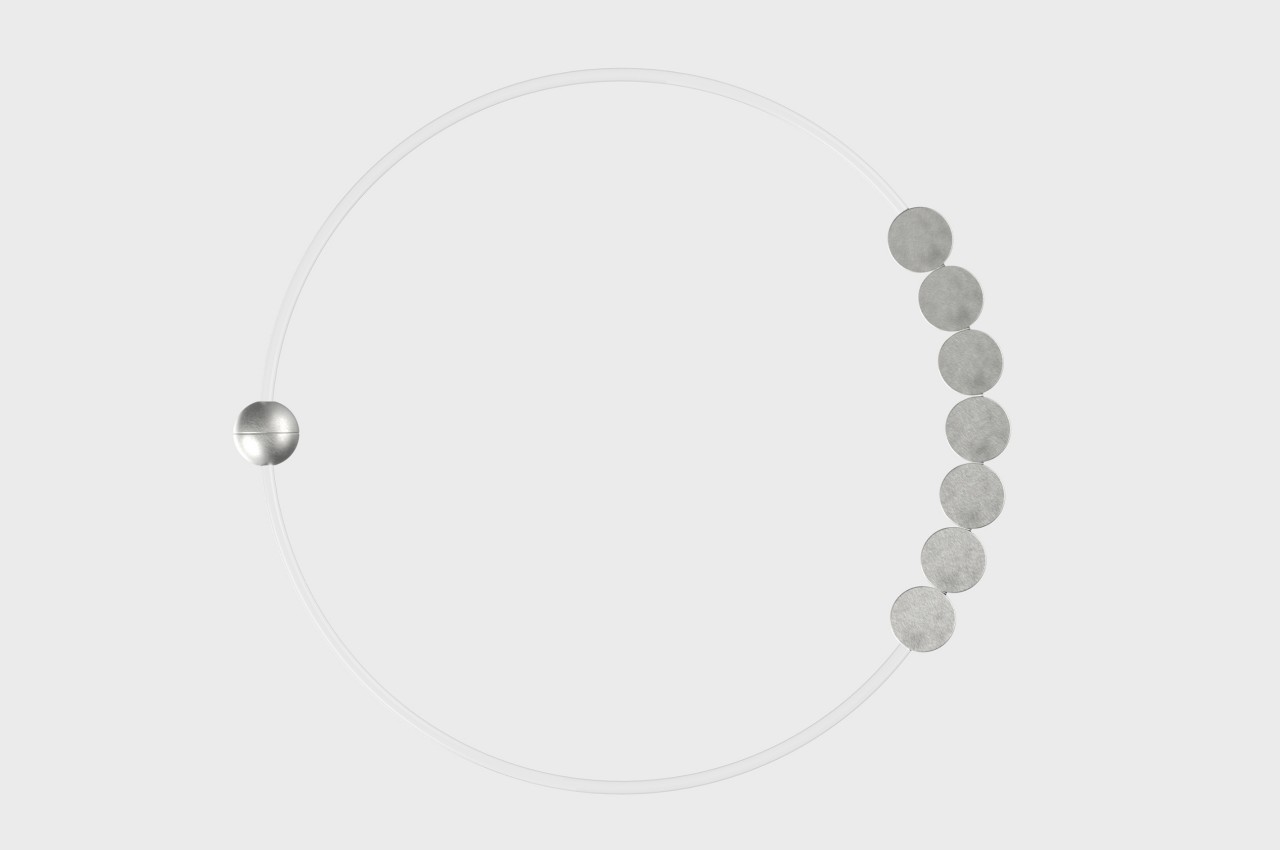
Belgian studio Futurewave has come up with a concept to help you deal with that, and it wants you to look fashionable doing so. Arc is a sculptural bracelet designed to connect to your phone. Through a phone-accessible portal, you’d select apps and set a time limit for uninterrupted use across them. When time is up, the bracelet would give you a tactile nudge to remind you to put your phone away. It’s a discreet approach that doesn’t add another screen to check.
Designer: Futurewave
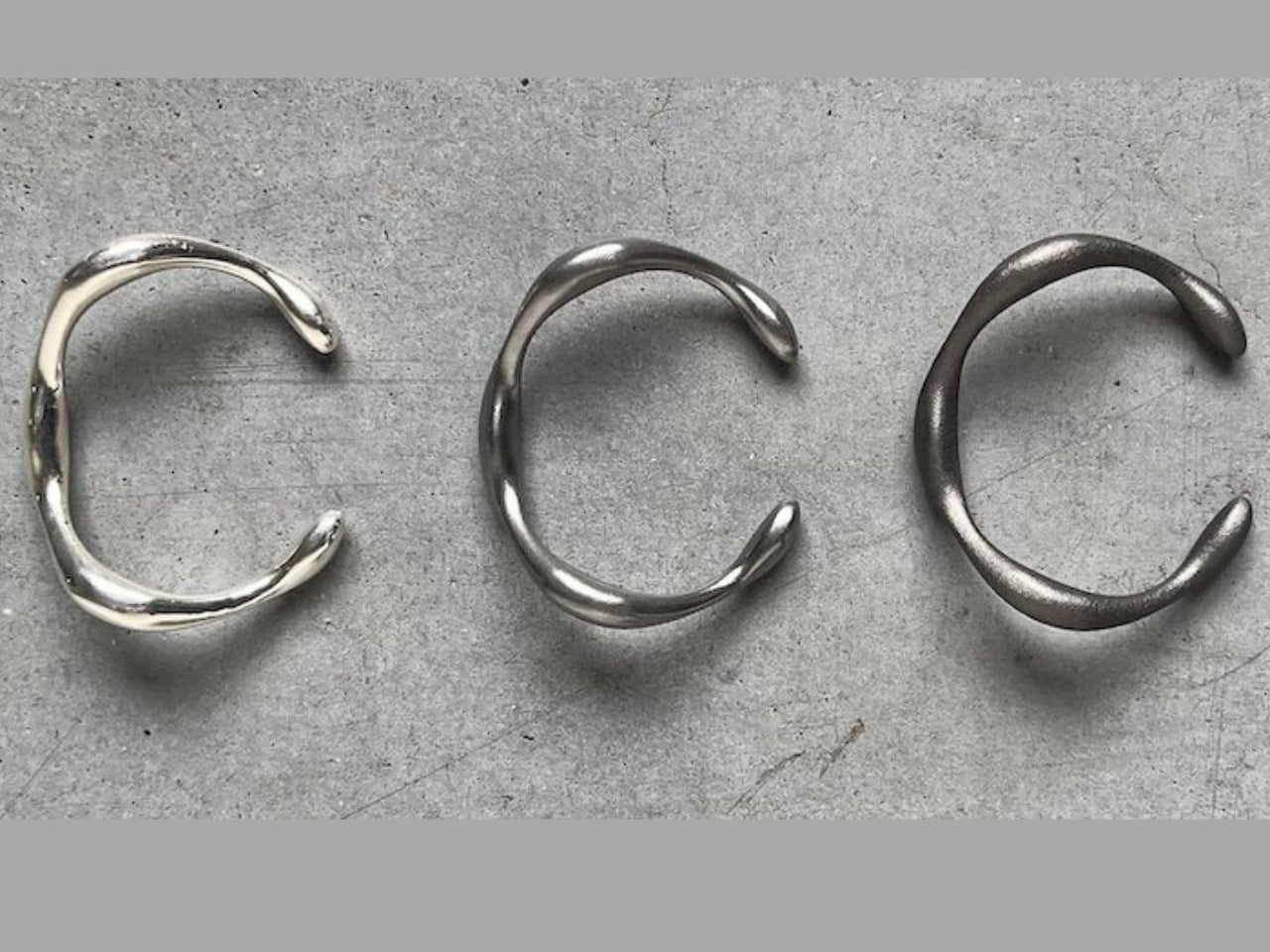
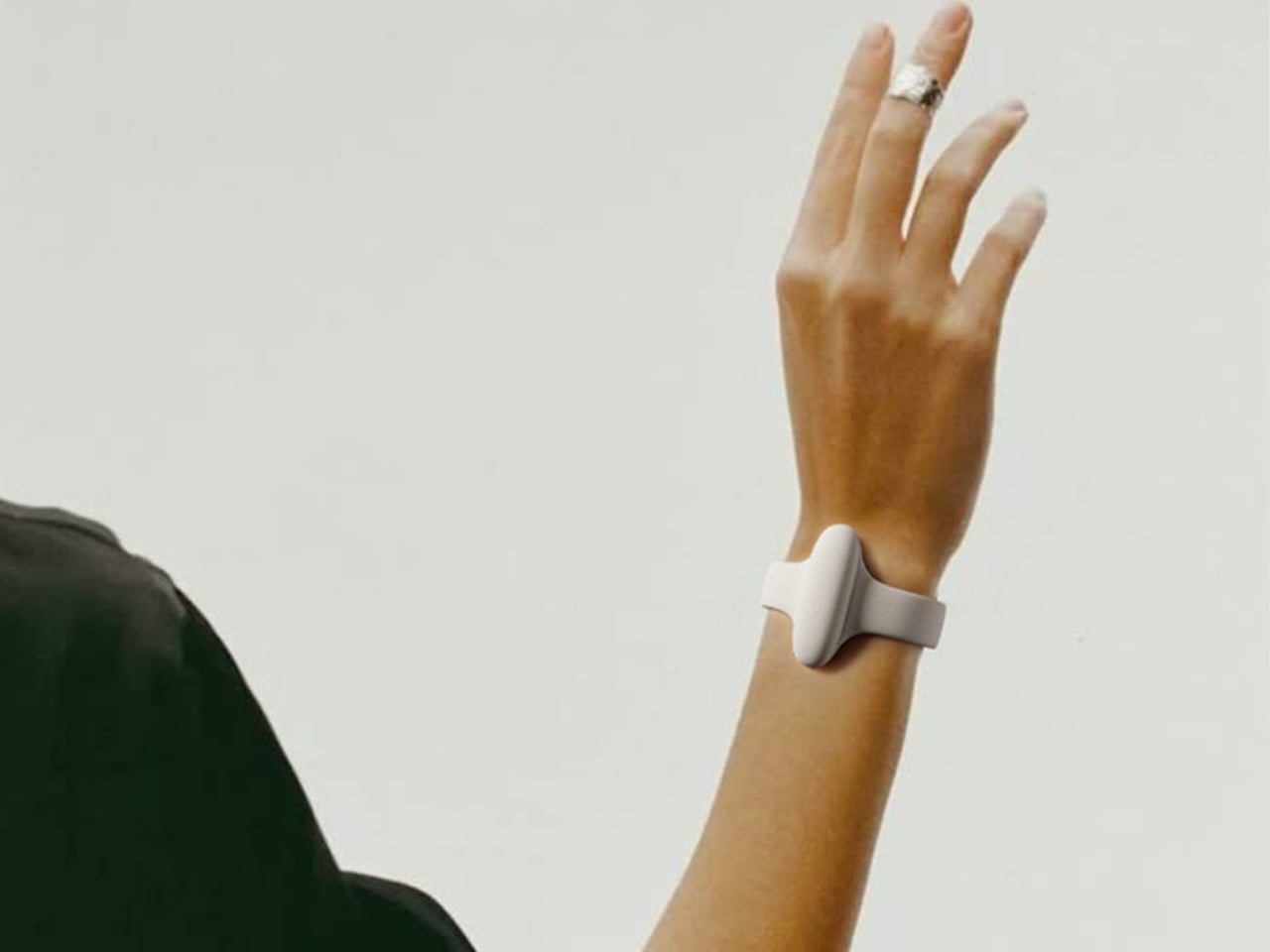
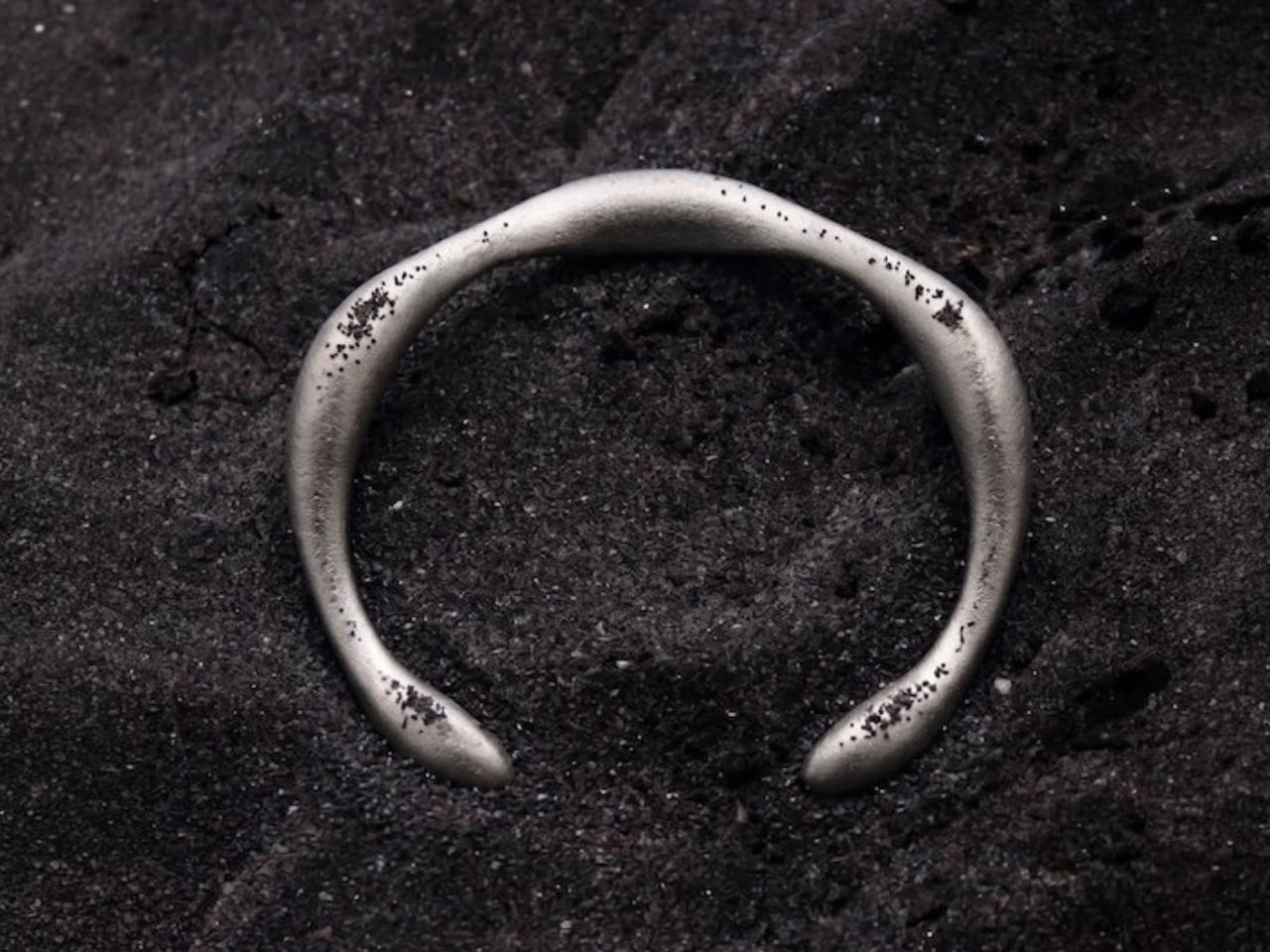
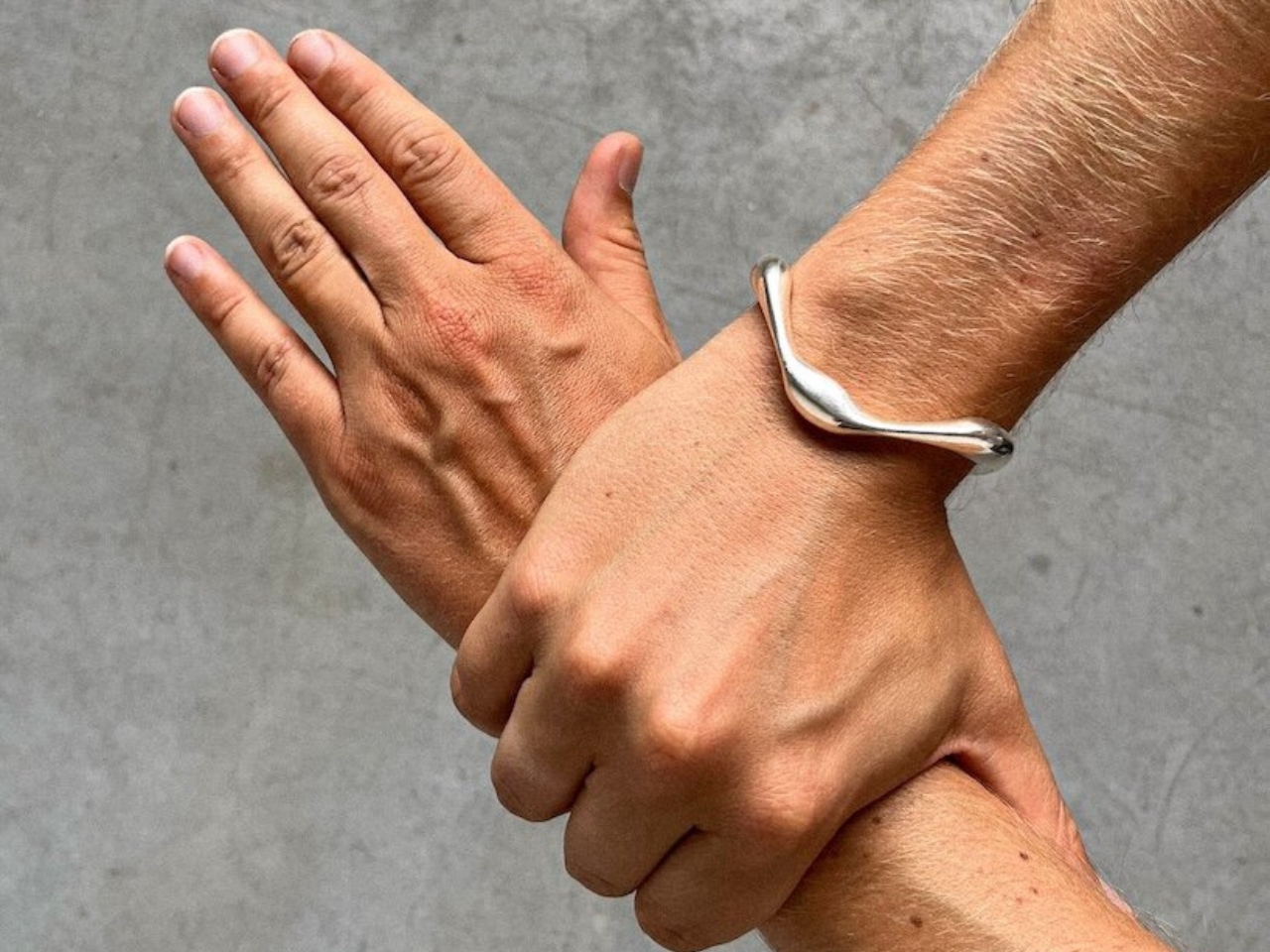
Arc looks like a bracelet that you’d wear on any day, and its proposed Argentium silver construction makes it easy to pair with your OOTD. It serves as a screen-time reminder, but there is no display to constantly check or any button to push. Instead, a piezoelectric component would send a brief tactile pulse through the silver into your wrist. After the first reminder, you’d get another identical pulse if you kept using your phone, but after that, you’re on your own. So don’t worry about getting continual nudges until you obey the bracelet. These are mechanical pulses, not electric shocks.
Some people don’t like wearing trackers, or at least those that look like trackers, so the jewelry-first design could also be an attractive draw. You get a continuous, organic metal form to wear on your wrist, which could become part of your aesthetic. Those who don’t know about its intended function might think it’s just a new bracelet you got. Its unusual shape could be a conversation starter, while the reminders themselves are intended to stay discreet, without a display announcing what you’re doing.
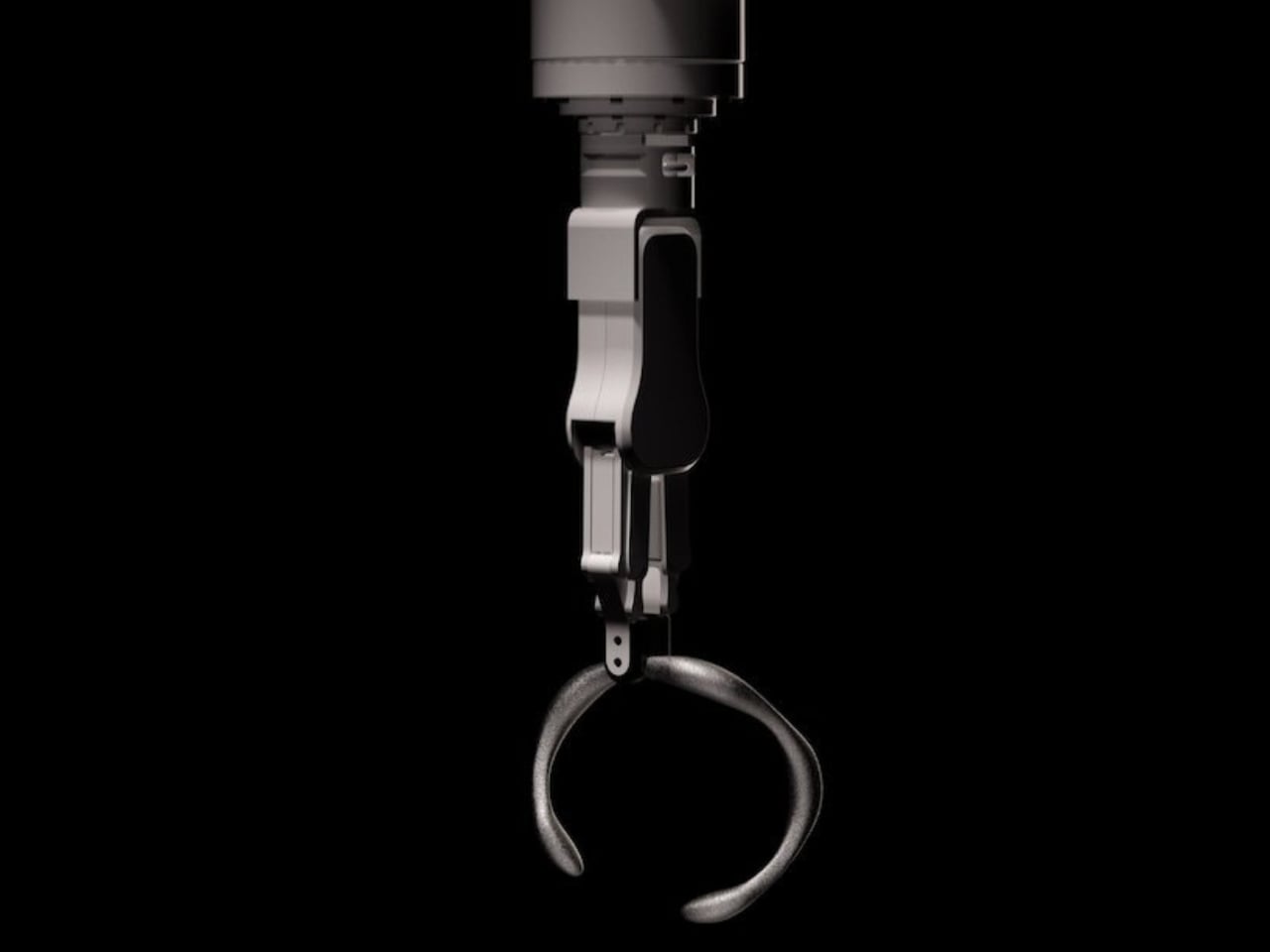
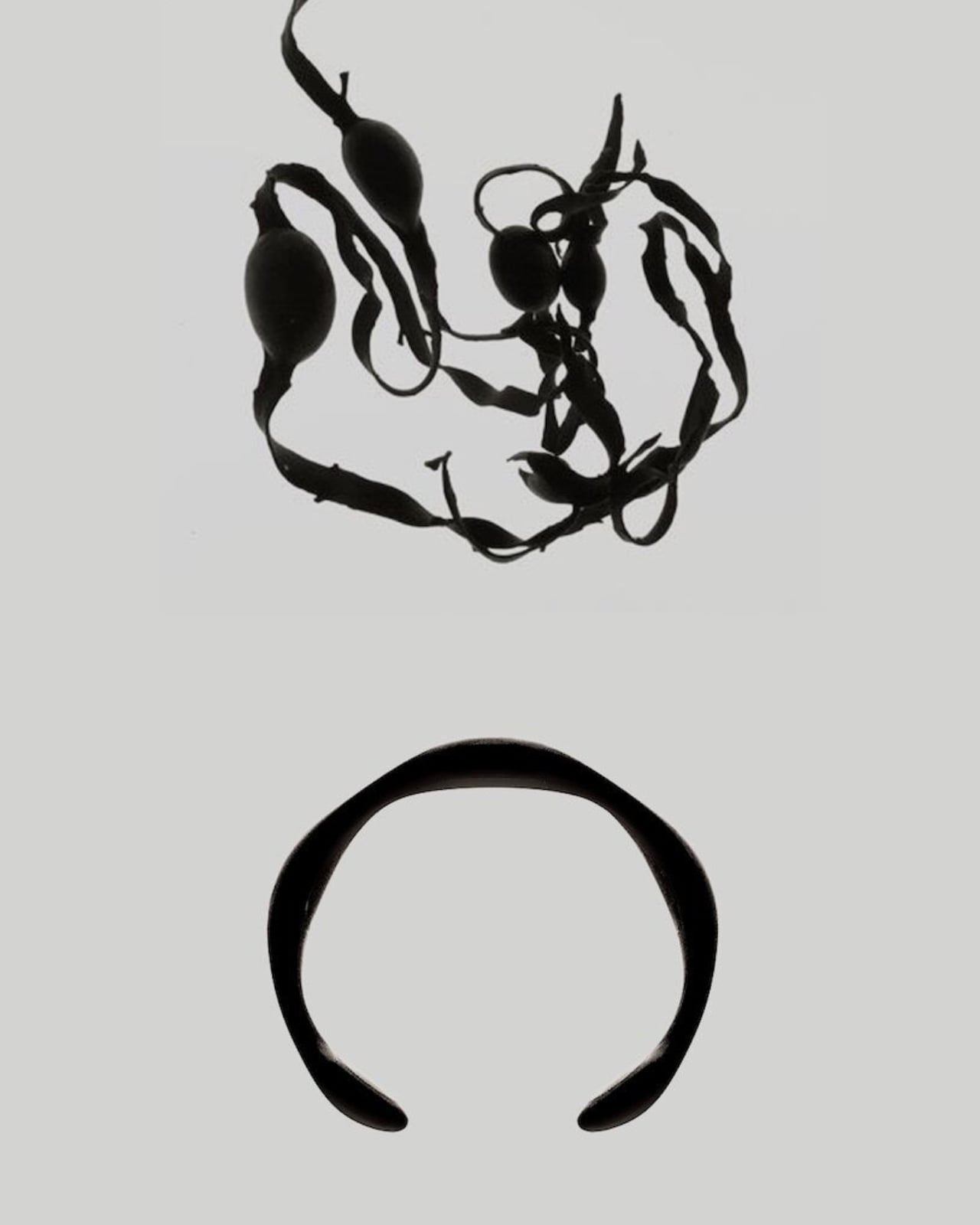
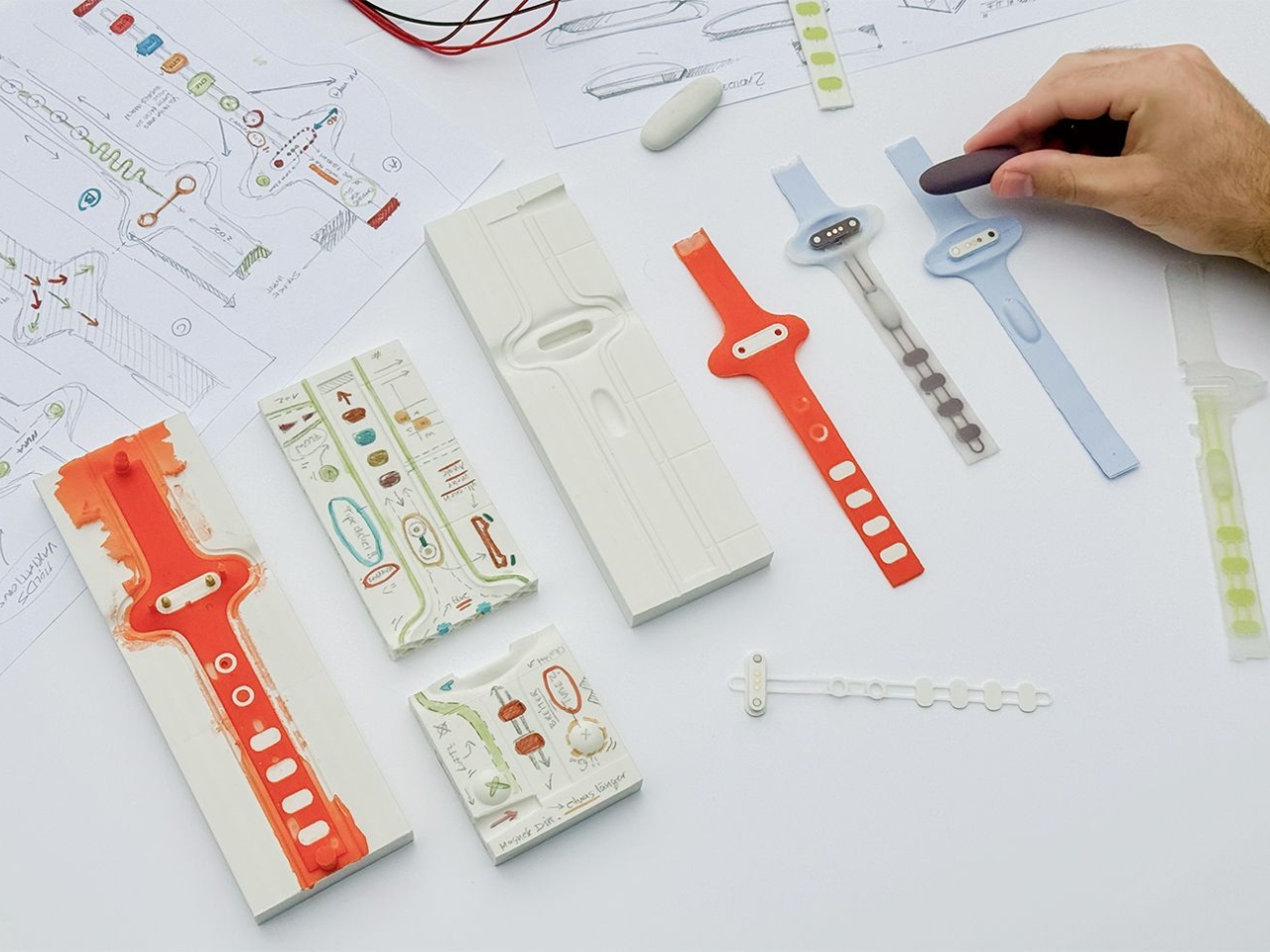
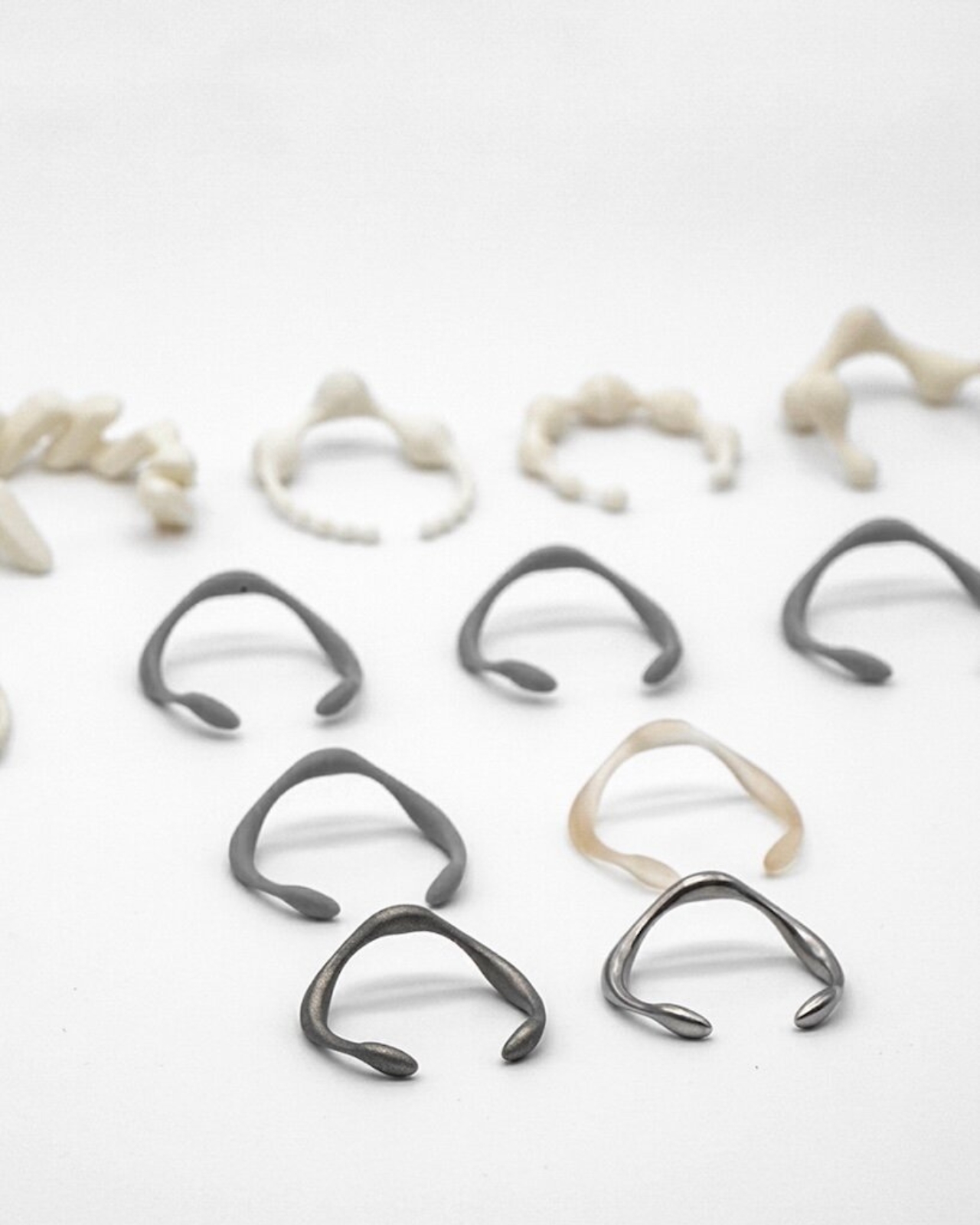
The shape also has more behind it than simply hiding electronics in something shiny. Arc reinterprets the torc, an open-ended metal ornament, with rounded volumes following a single curve. Futurewave cites rib cages, wishbones, and seed pods among its references. There is no clasp or hinge, so those connected forms carry the design without a separate fastening mechanism interrupting them. The studio says development included 3D-printed form studies and prototypes in stainless steel and titanium.
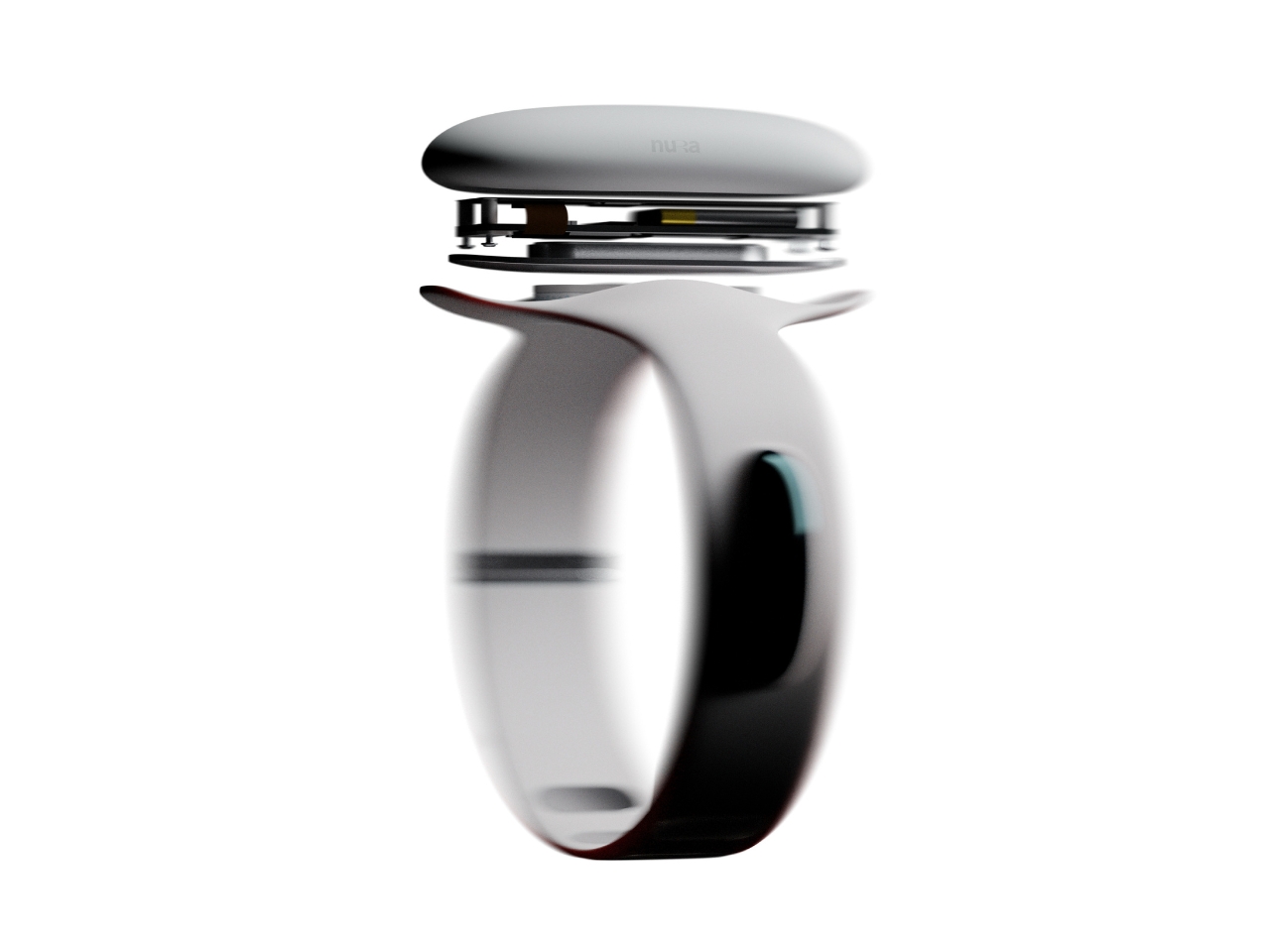
Inside, the proposed design uses a flexible circuit board that follows the bracelet’s curve, along with Bluetooth Low Energy connectivity and a curved 25 mAh battery. The electronics are meant to remain hidden from the outside. Those details explain how Futurewave intends to fit the technology into the jewelry, although a battery capacity alone doesn’t tell us how often someone would need to charge it.
The important distinction is that Arc wouldn’t actually stop you from opening an app or continuing to scroll. Futurewave’s proposal leaves that choice with you. That could appeal to someone who wants a reminder rather than a lockout, especially when a quick check has quietly turned into a longer session. Of course, it also means you could ignore both pulses. The bracelet might help you notice the habit, but following through would still be your job.
Arc remains a concept, with no announced launch date, so its ability to change screen-time habits shouldn’t be treated as proven. Futurewave also intends it to remain wearable as jewelry after its electronics stop working. That’s a practical reason for making the bracelet something you’d want to wear in the first place. Even if its digital function eventually gives out, you wouldn’t necessarily have to retire it to the drawer where your old gadgets live.
The post Arc’s Bracelet Concept Quietly Nudges You to Stop Scrolling first appeared on Yanko Design.