Pocket Traveler Is the Fitness Tracker That Thinks It’s a Tamagotchi

Fitness trackers love to reduce your day into cold numbers, steps counted, calories estimated, none of it particularly fun to look at. Pocket Traveler takes the opposite approach, hiding all that data tracking behind a tiny pixel-art character named Milo who reacts to your movement the way an actual pet might. Walk, and Milo walks. Sit still too long, and Milo drifts off to sleep. The gamification isn’t bolted on afterward; it’s the entire point.

Milo’s design borrows directly from 16×16 pixel Tamagotchi sprites, each frame hand-drawn before being converted into code the device’s Raspberry Pi Pico can actually render. That authenticity matters more than it sounds. A pixelated character built with genuine sprite-work reads as a character with personality, not just an icon standing in for a progress bar, and that distinction is what makes checking in on Milo feel like checking on something rather than checking a stat.

Designer: Nigel Weiss

Underneath the charm sits a genuinely clever technical decision. Rather than pairing an accelerometer with GPS to track actual distance and location, the device relies purely on motion data from a single ADXL345 accelerometer, estimating activity from acceleration patterns instead of exact movement. It’s a simpler, cheaper sensor setup that still manages to capture the rhythm of a day, walking, resting, and the long stretches of stillness in between.

That data feeds two separate systems running in parallel. A leveling mechanic tracks lifetime progress, calibrated so a first milestone arrives within a week while a much higher level takes roughly a year to reach, giving the device both short-term payoff and something to chase over months. Layered on top, a rotating status system, chud, pleb, or nomad, reacts specifically to your last three days of activity, giving Milo an entirely different look depending on whether you’ve been sedentary or genuinely active lately.

The status thresholds shift depending on direction, meaning the bar for leveling up sits higher than the bar for dropping back down. That asymmetry keeps someone hovering right at the edge of a tier from bouncing between statuses every few minutes, a small design choice that prevents an otherwise satisfying system from feeling glitchy or unstable during normal daily fluctuation.

Pick the device up after it’s been sitting untouched for a while, and Milo occasionally has something to say, brief, handwritten lines hinting at what he’s supposedly been up to. Some are mundane, some genuinely funny, all of them injecting a bit of narrative into what would otherwise be a purely functional interaction. It’s a detail that costs almost nothing computationally but adds real texture to an otherwise mechanical relationship between a person and their step count.

Built from a handful of accessible components, an OLED screen, an accelerometer, a small battery, and open enough that anyone curious could build their own version, Pocket Traveler proves that turning movement tracking into a bit of digital company doesn’t require expensive sensors or polished manufacturing. Sometimes a hand-drawn character and a little personality do more to keep someone moving than a spreadsheet full of numbers ever could.

The post Pocket Traveler Is the Fitness Tracker That Thinks It’s a Tamagotchi first appeared on Yanko Design.

Luffu Link is a screenless LTE wearable designed to keep your family safer and better connected

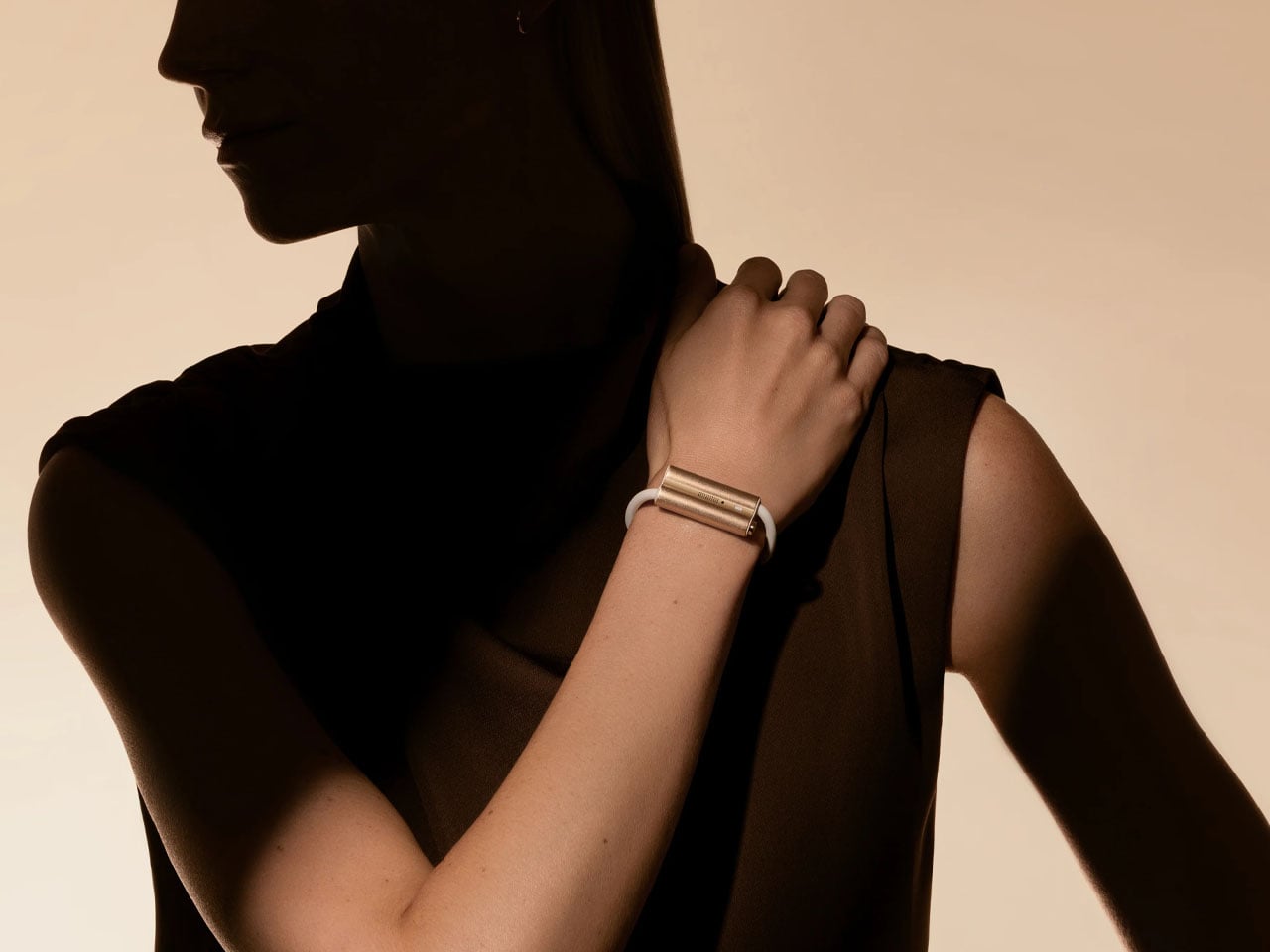
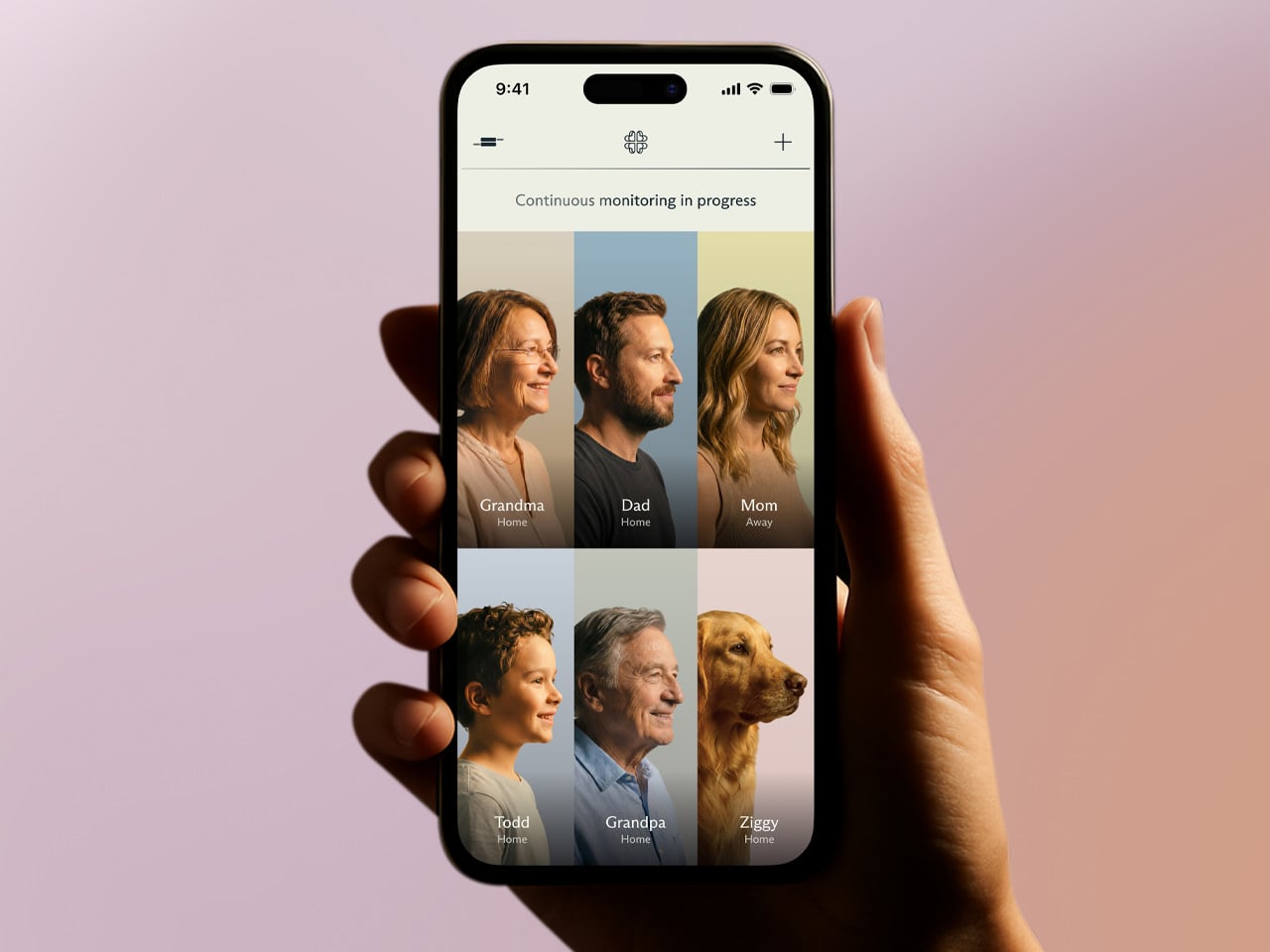
The next generation of wearables might be less focused on step-counter data and more focused on helping families stay connected. Luffu Link, the first hardware product from Fitbit co-founders James Park and Eric Friedman, takes that future-forward approach with a screenless LTE band designed to combine everyday health tracking, safety features, voice logging, and family communication in a discreet form.

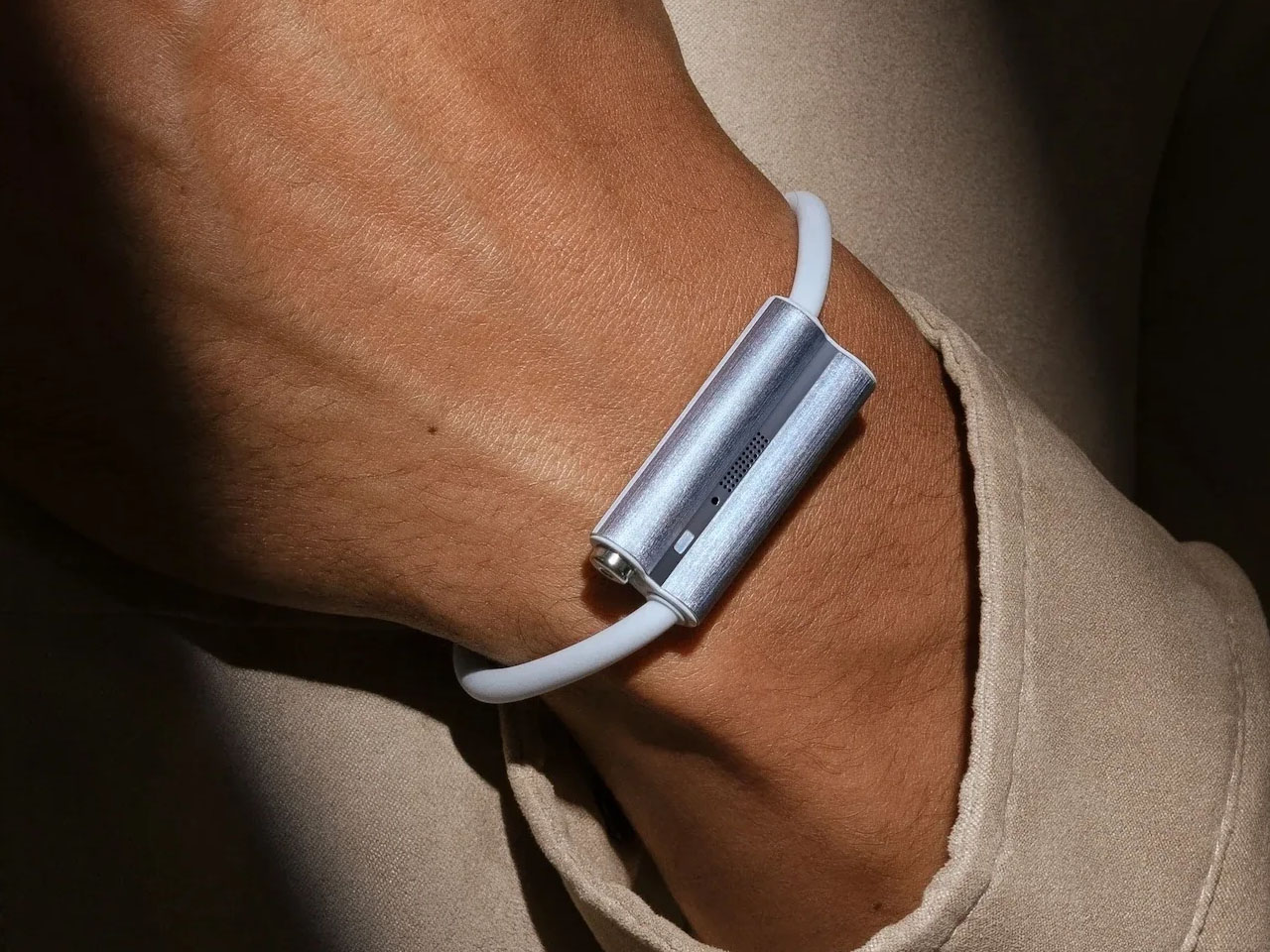
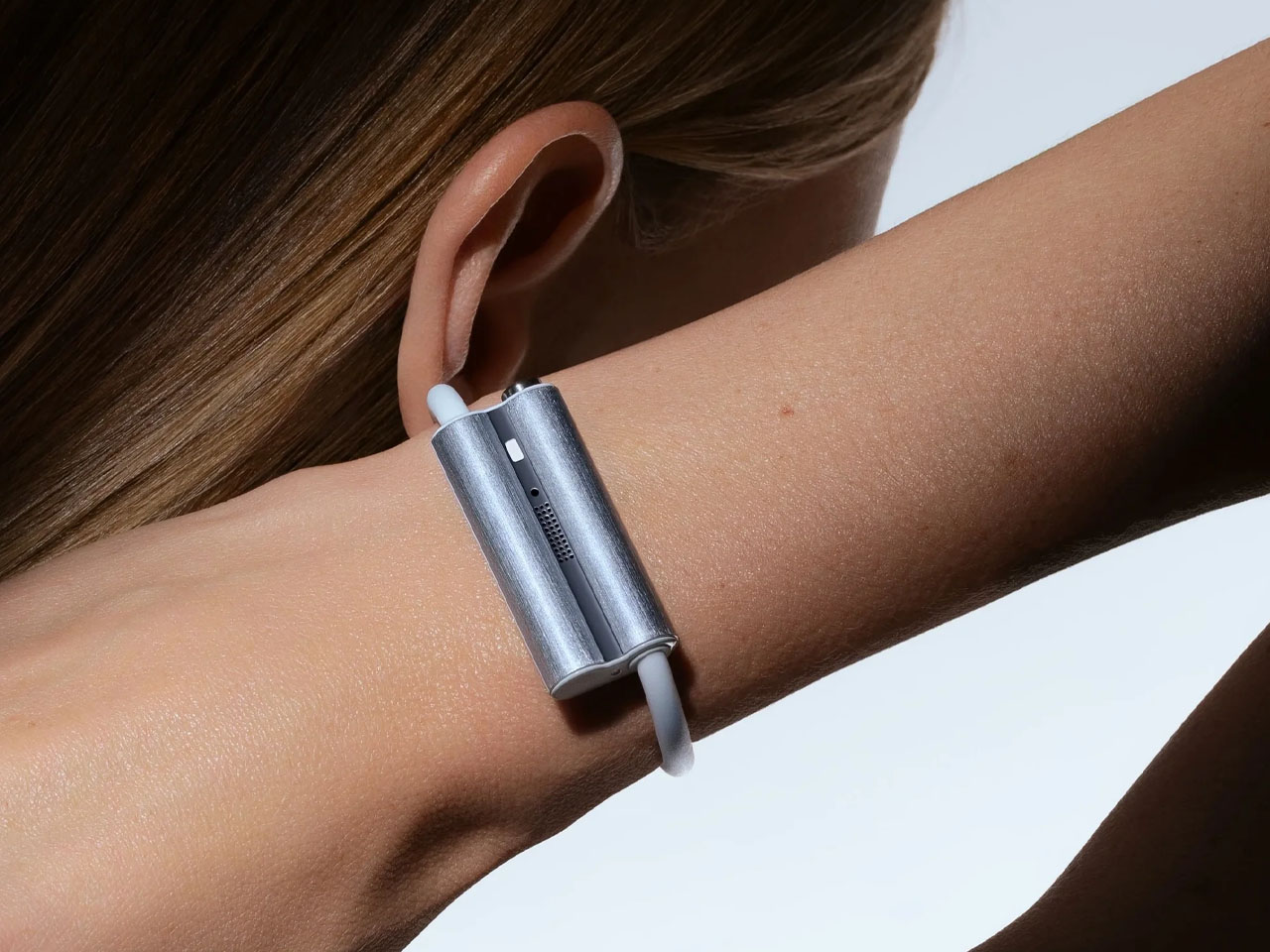
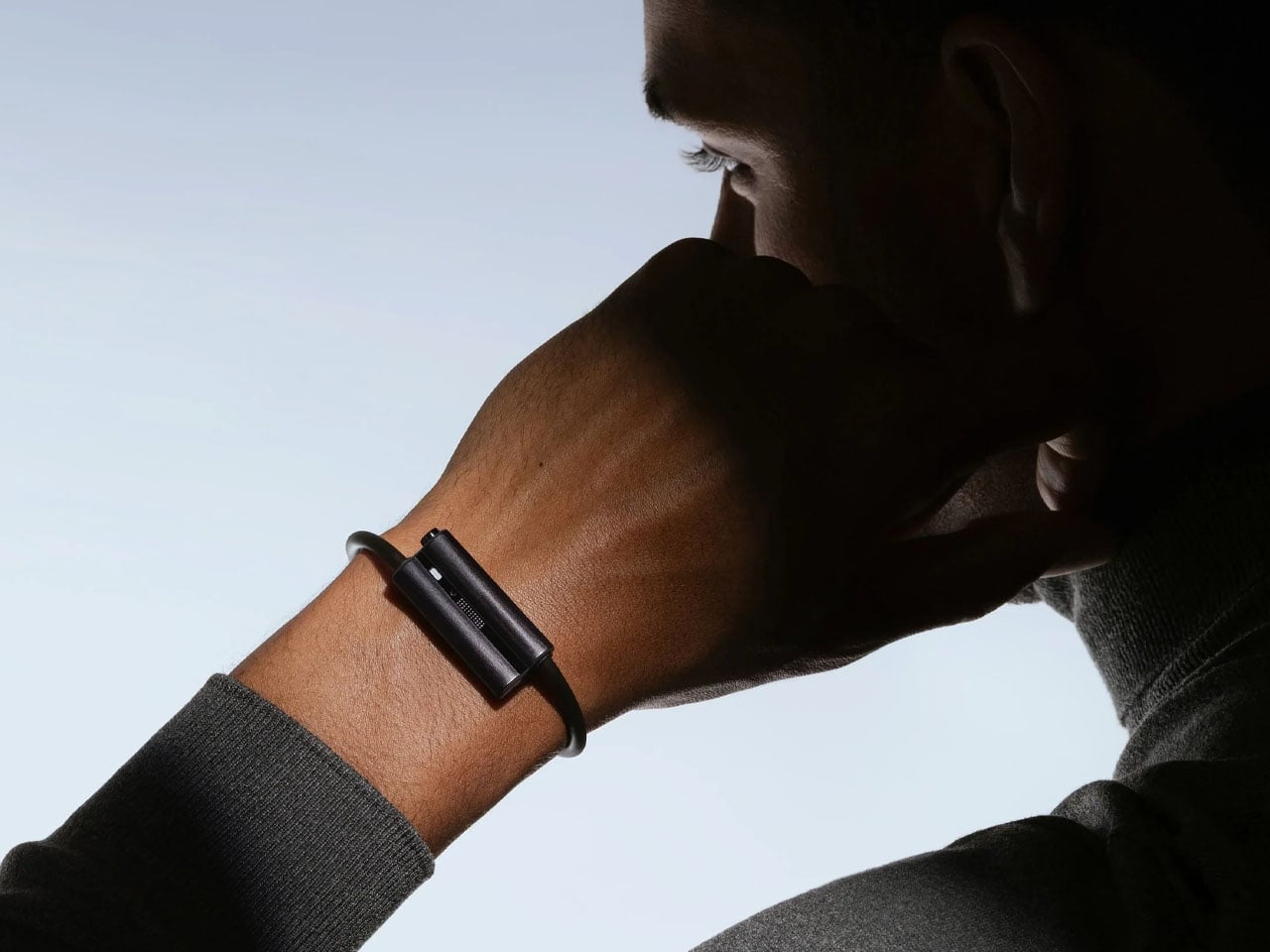
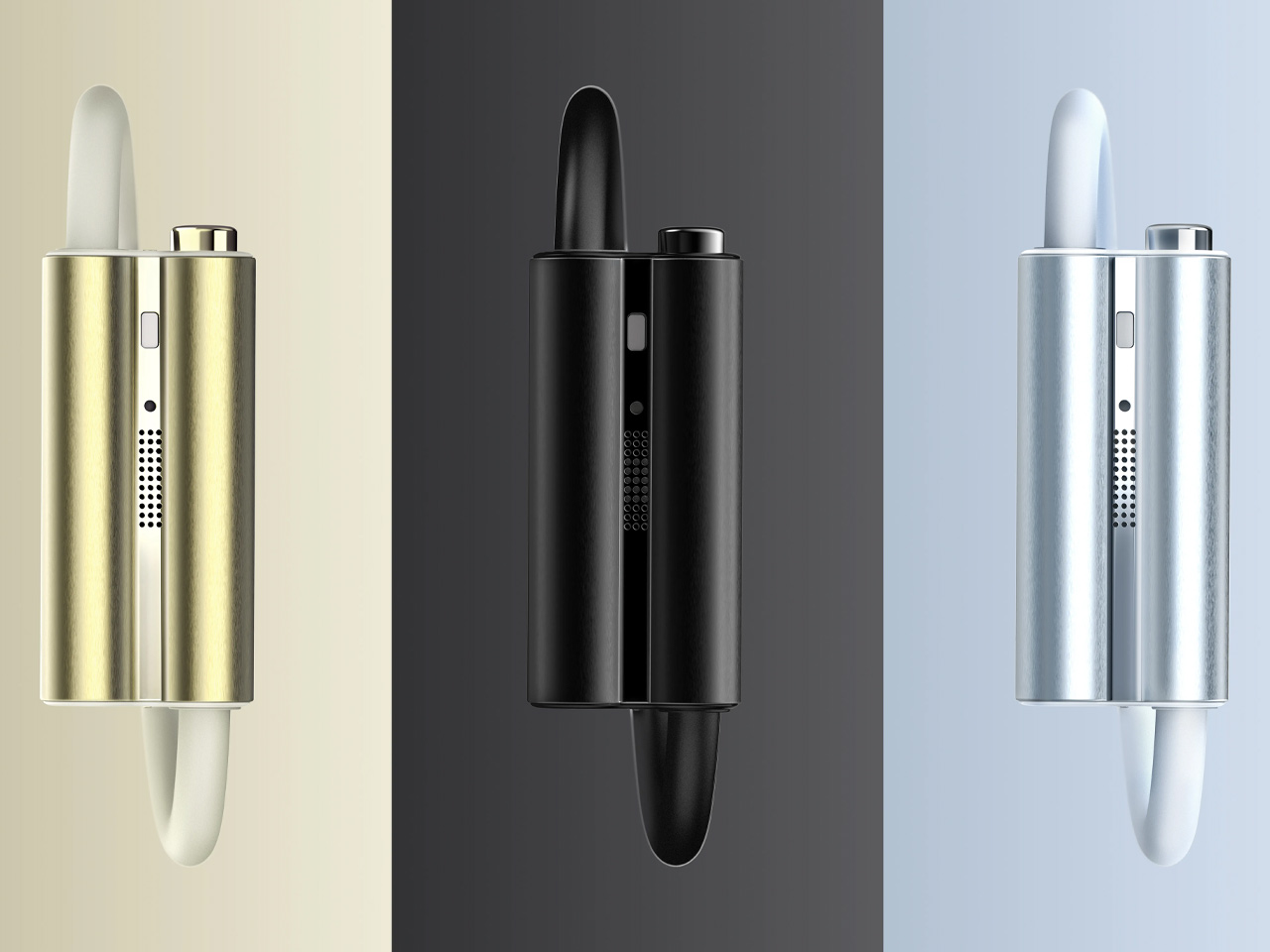
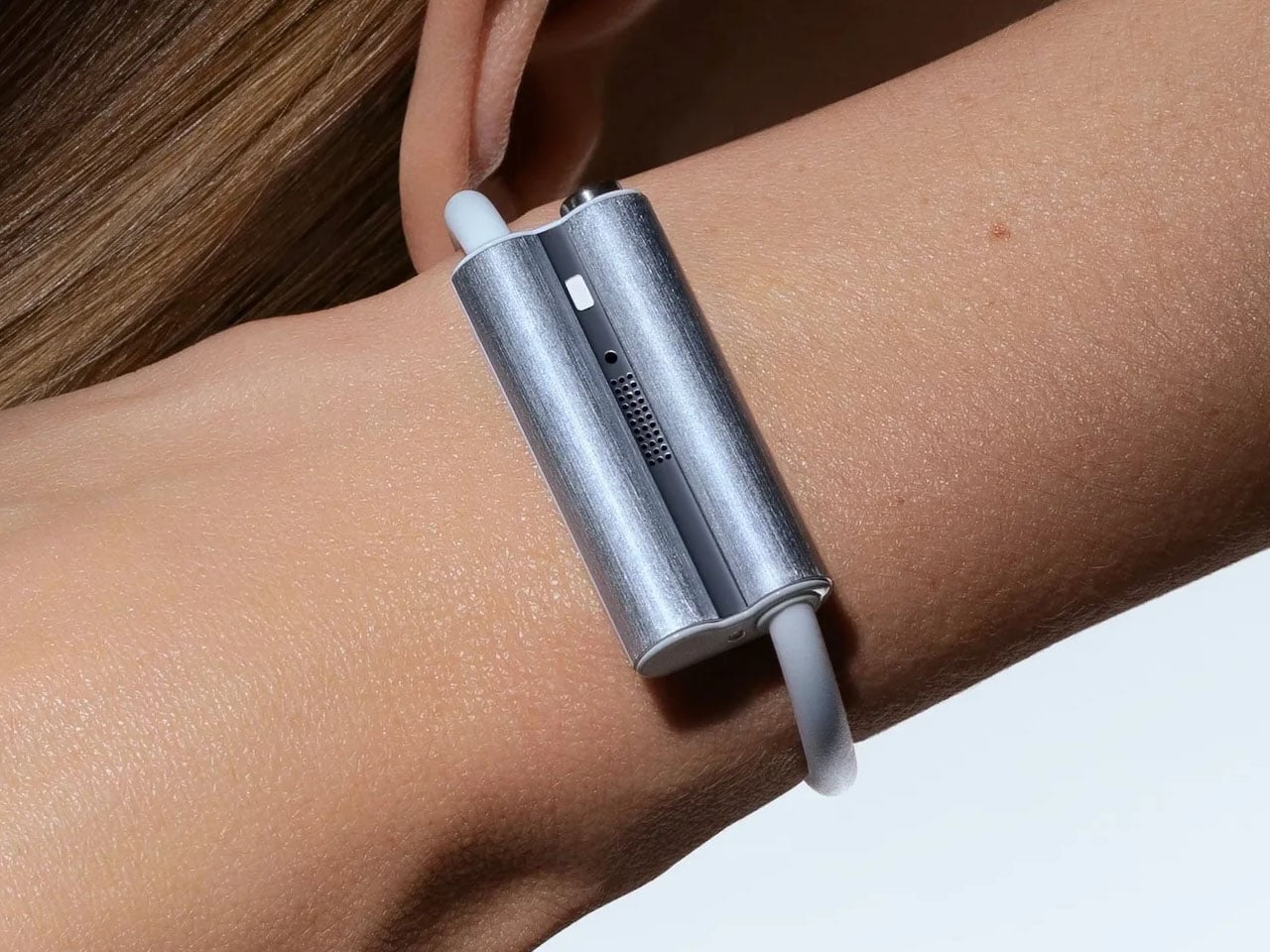
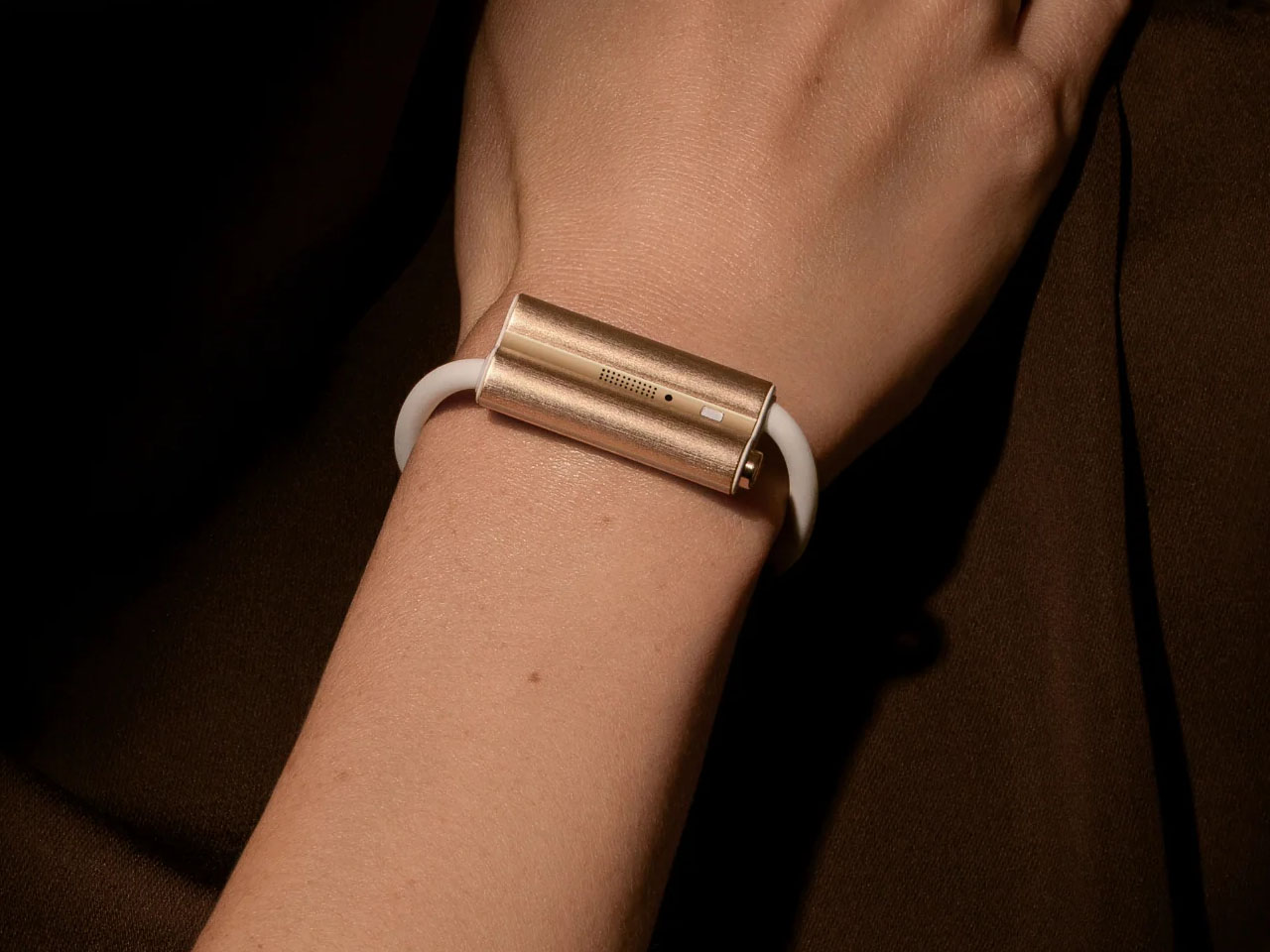
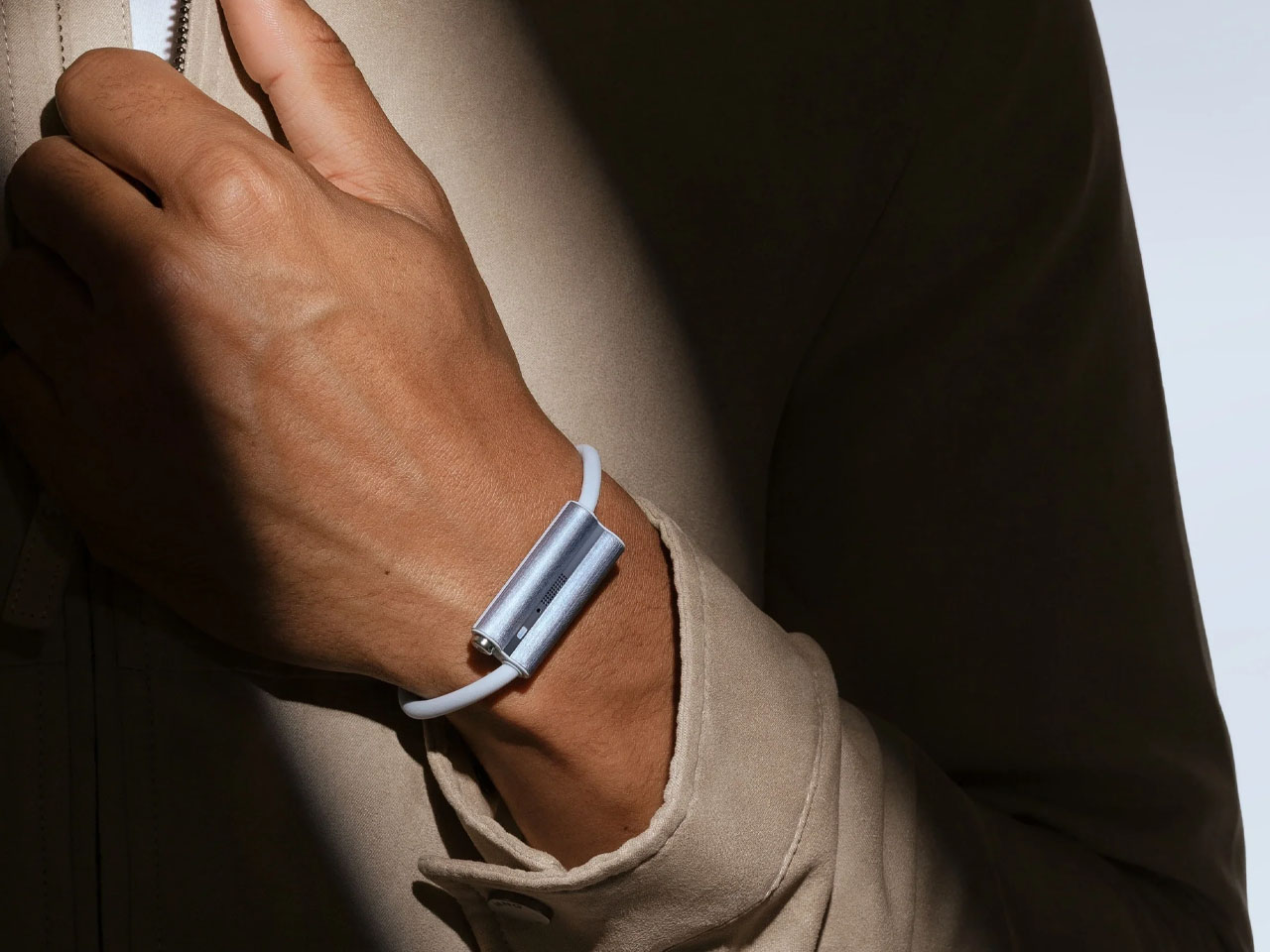
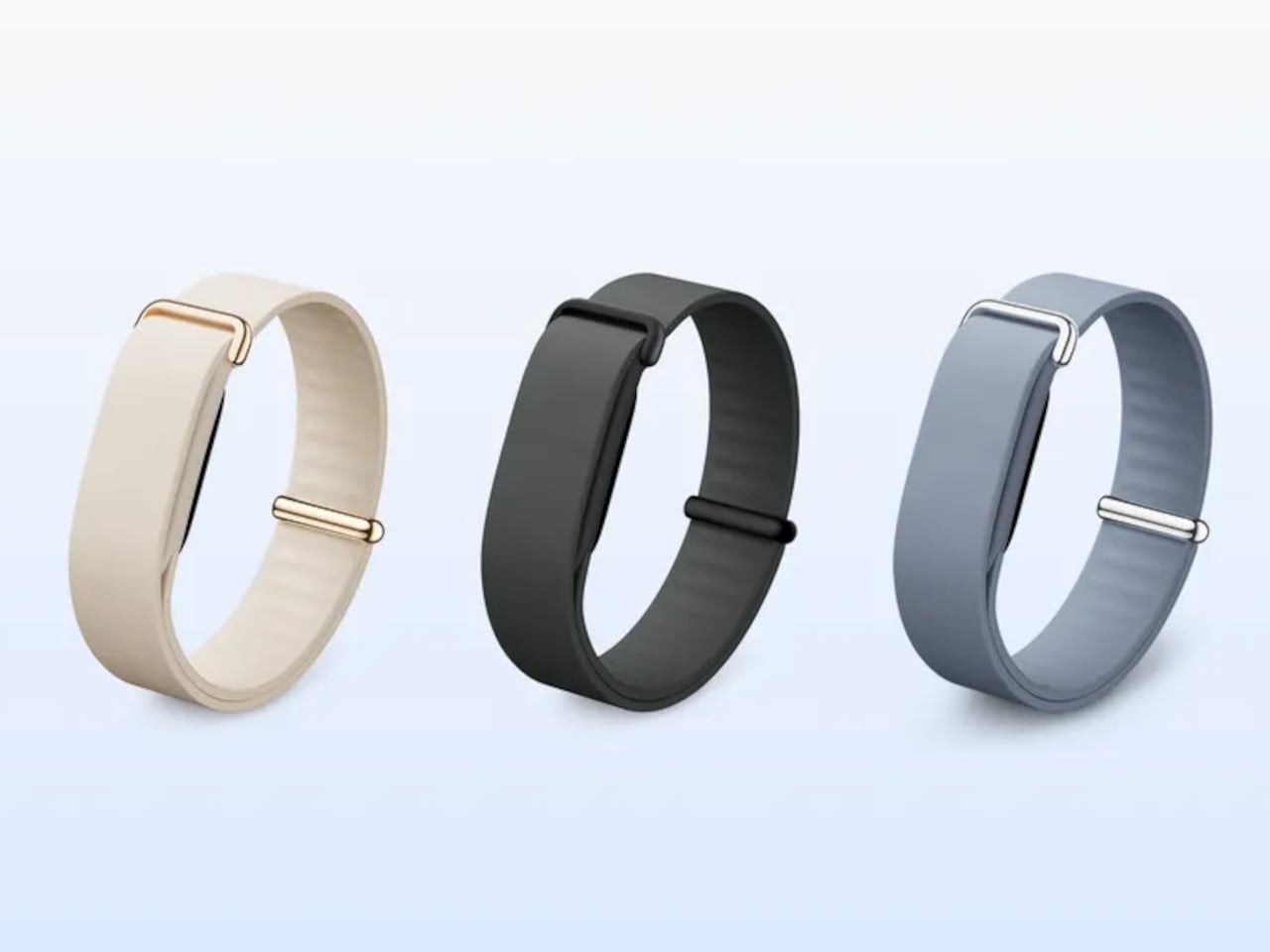
Much more than merely a smartwatch or a smart band, Luffu Link is designed to work in the background. Its slim form uses a jewelry-inspired design instead of a display, buttons, or the visual language of conventional fitness trackers. It comes in Halo Gold, Onyx Black, and Sterling Blue, with both small and large silicone bands included. The device is water-resistant to 50 meters and is rated for up to five days of battery life, depending on usage.

Designer: Luffu

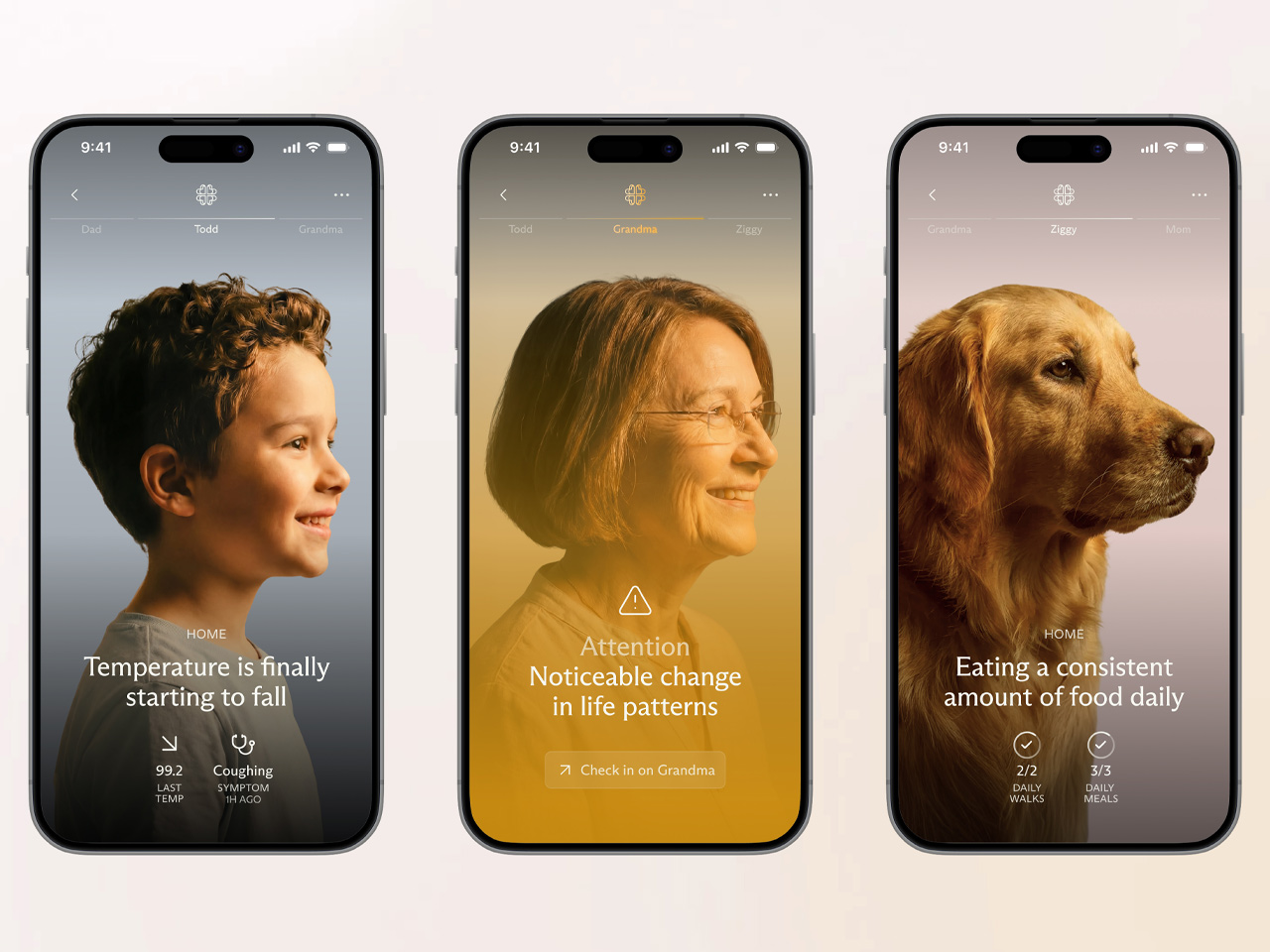
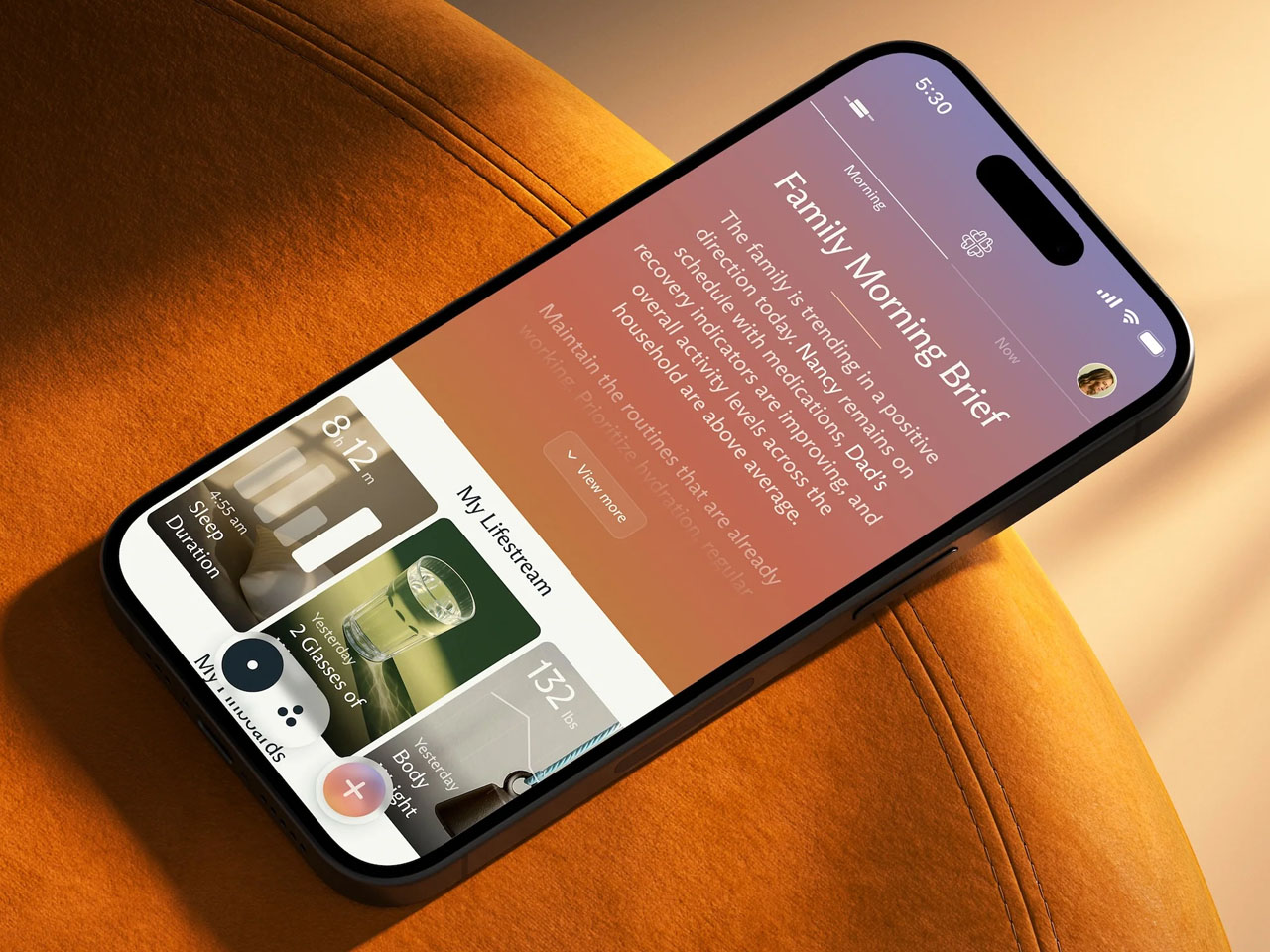
The hardware continuously tracks activity, steps, sleep, heart rate, and heart rate variability, while the accompanying Luffu app uses that data to understand a person’s usual patterns. Instead of simply presenting another collection of charts, the system is designed to identify meaningful changes over time and surface information that may warrant attention. Luffu’s broader app can also bring together details such as medications, meals, symptoms, appointments, and other health information, creating a shared picture of family wellbeing.

One of Link’s more distinctive features is its voice button. Holding the button lets users record notes about medication, symptoms, meals, mood, reminders, or anything else they want to remember. Those recordings are transferred to the Luffu app, where AI helps organize the information within the family’s wider health context. A double press can also send a simple check-in to selected contacts, providing an easy way to communicate that everything is okay.

Safety is where the LTE connection becomes particularly useful. Link has built-in GPS and cellular connectivity, allowing it to share location information and contact trusted people even when a smartphone is not nearby. If a wearer needs assistance, they can use the device to send a help request along with contextual information such as their location, battery level, heart rate, and recent activity. LTE service is included, so a separate carrier plan is not required. However, Link contacts trusted people rather than emergency services such as 911.

Luffu is targeting the device towards older adults, who intend to balance parenting, take care of their aging parents, pets, and keep a tab on their own well-being. The gadget is also well suited for independent older adults who want discreet safety support without wearing a traditional emergency pendant. The gadget reflects the Fitbit founders’ own experiences with caregiving and their belief that health management is often a shared responsibility rather than an individual task.

Luffu Link is currently available for preorder in the US at $249.99, with an expected retail price of $299.99 and shipping planned for early 2027. The gadget requires a separate Luffu Family Plan, starting at $19.99 per month for up to four members. Link currently supports iOS 18 (and later) and Android 14 (and later), with service limited to the US at launch.

The post Luffu Link is a screenless LTE wearable designed to keep your family safer and better connected first appeared on Yanko Design.

Luna Band could be the first screenless fitness tracker that actually feels worth buying

If you have been following international sports, there is one thing that you will find common across players of all disciplines. It’s not anger and aggression that we can discuss another day; it’s actually a screenless band you can see on their wrists. This is a fitness tracker, in most cases it’s from Whoop, or another company, say a Hume.

Now there are two more brands that are targeting the obvious interest space of discreet, no-display fitness trackers. After the launch of the Fitbit Air from Google, the Luna company behind the Ring smart ring brand is launching the Luna Band, first showcased to the world earlier this year at the CES 2026 in Vegas.

Designer: Luna

Despite the surge of interest in screenless fitness trackers over the past couple of years, there has been one caveat that, in my opinion, has shadowed these faceless trackers behind the smartwatches. It’s the accompanying subscription charges. For the record, a Whoop Band hits you about $30 per month in subscription. The new Fitbit Air, available for preorder at $99.99, comes with a $9.99 per month subscription.

Luna targets the masses with the launch of its new band now, which the company says will require no subscription. A big advantage for those like me who don’t prefer paying every month for a fitness tracker. Luna Band is now fully official. The makers confirm it will be available for pre-order on July 4. The band will start shipping later in the month, though the date is confirmed for July 31.

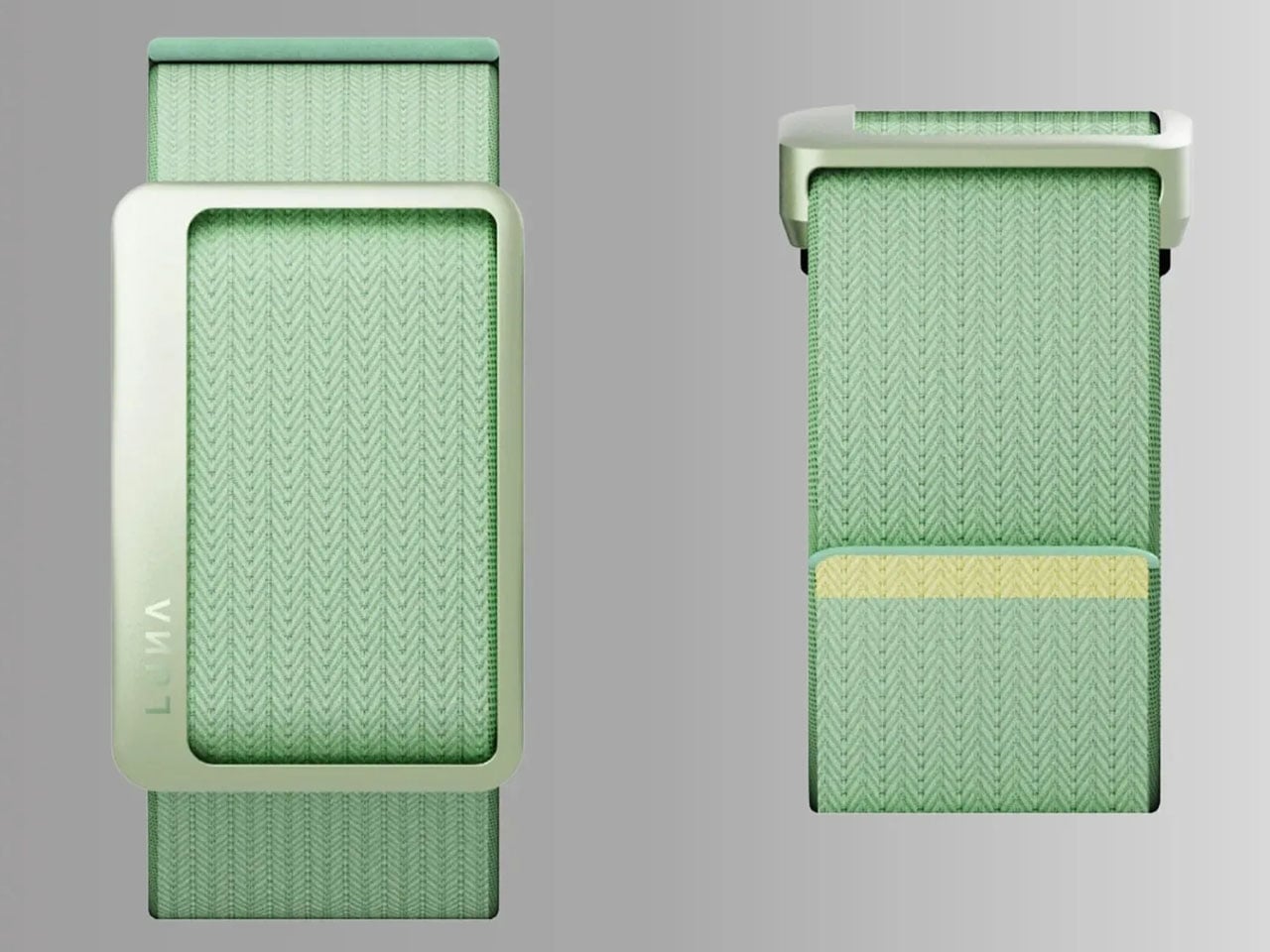
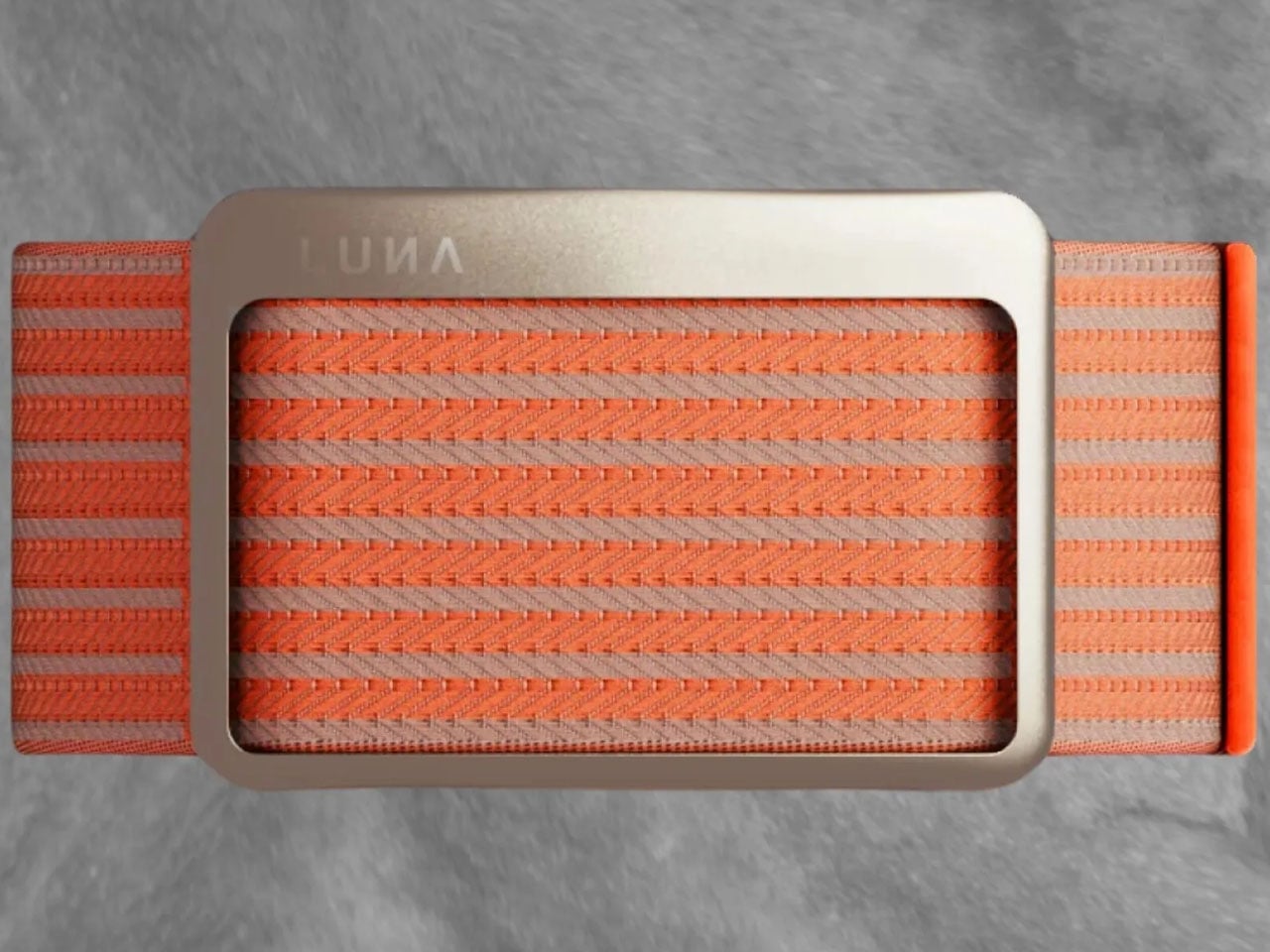
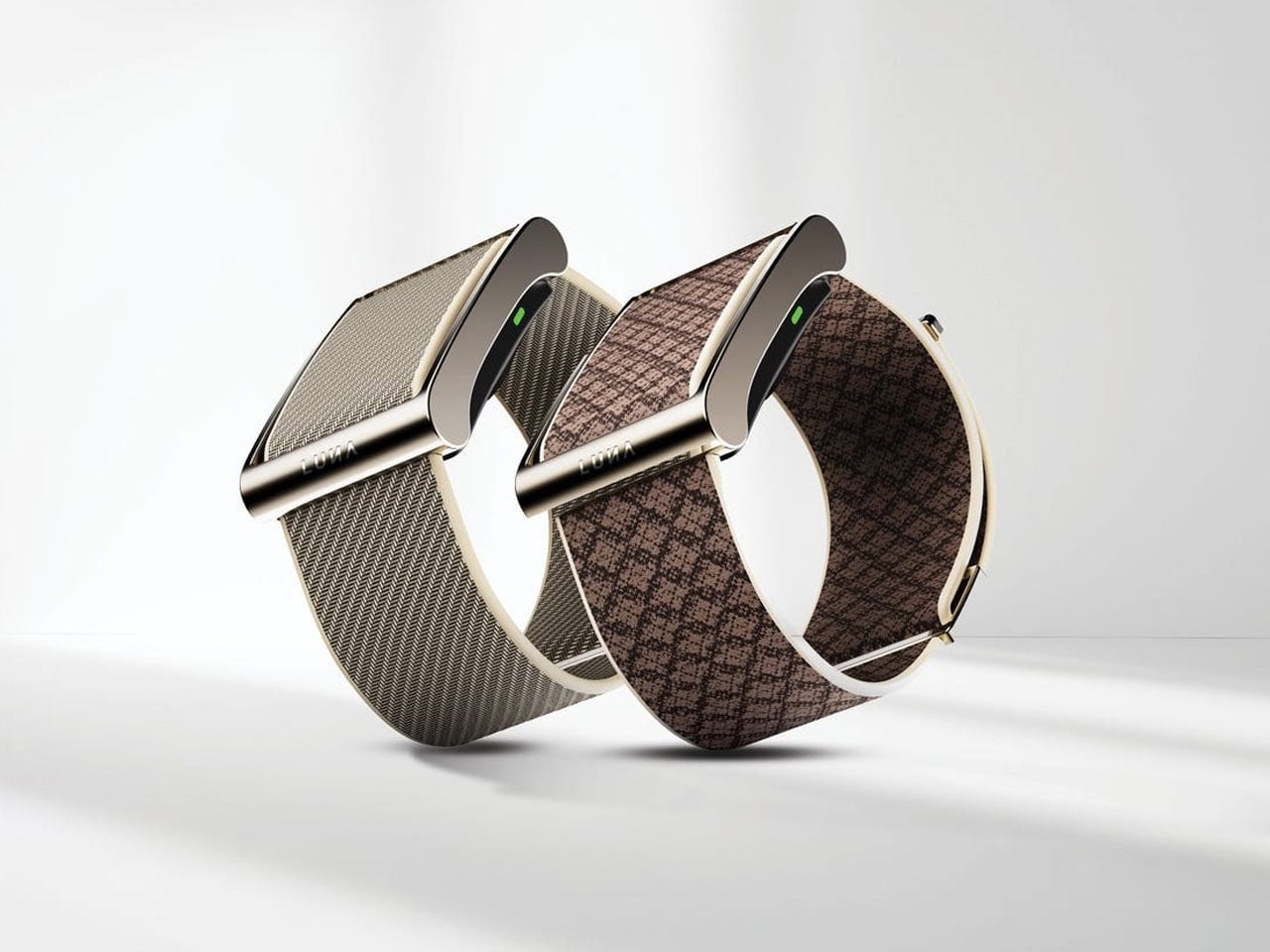
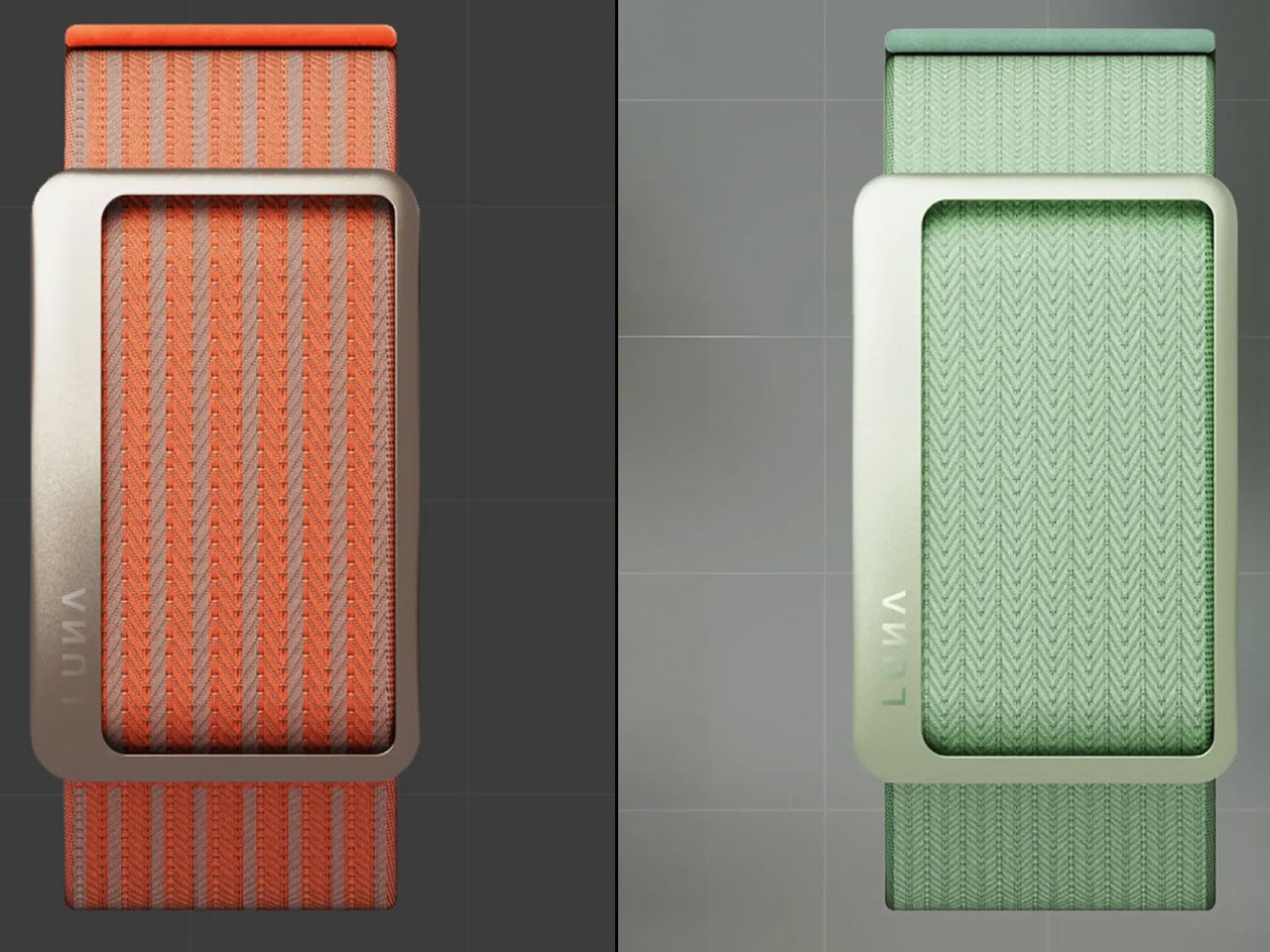
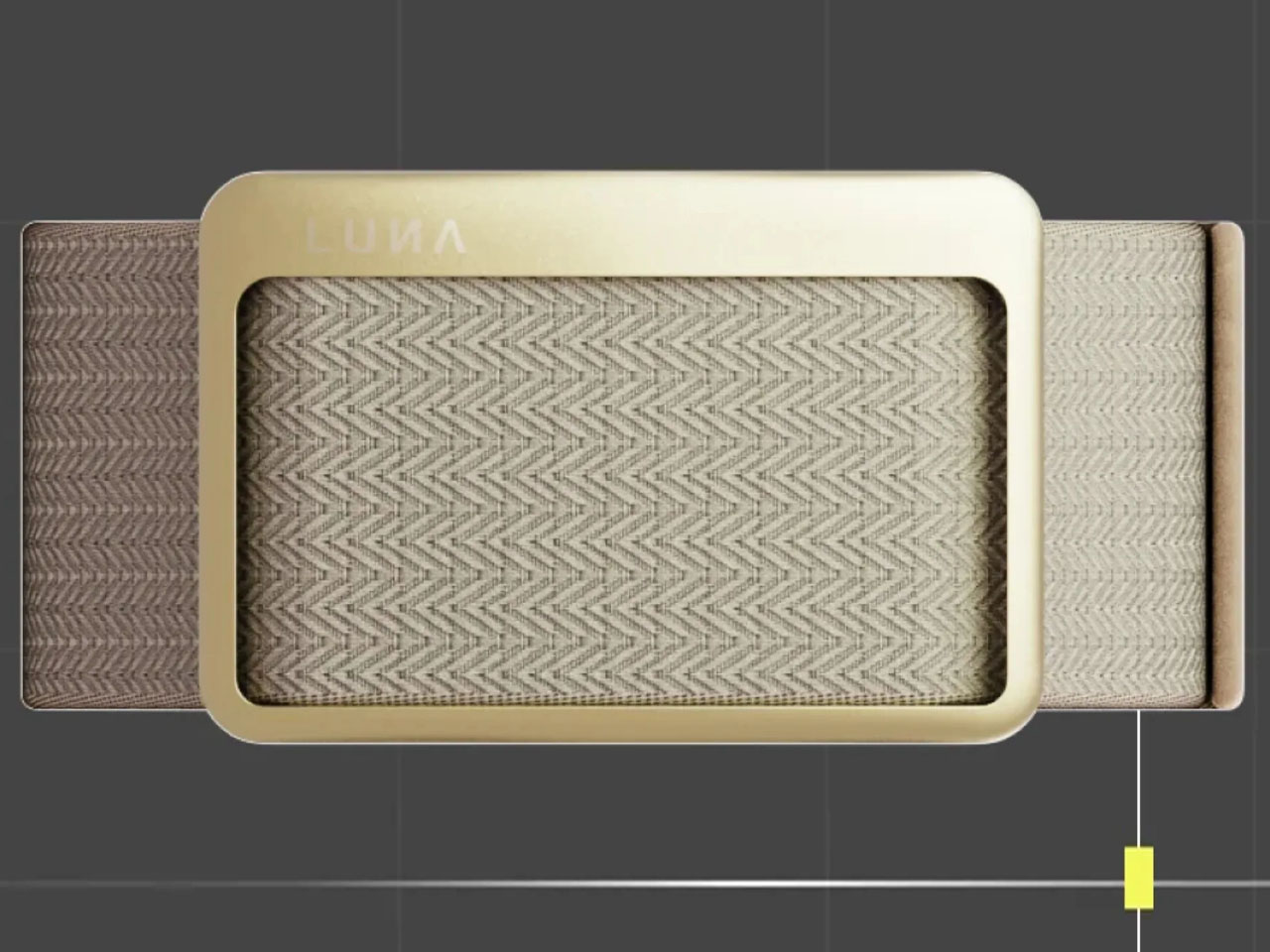
So, what are we expecting from the band? The Luna will do the basic tasks of tracking sleep and activity. It will come with Luna’s own LifeOS, which allows integration with Gemini and Siri assistants so you can take full advantage of the band via Android smartphone or iPhone. The band features a textured strap, like that of the Whoop you would have seen your favorite player wearing. It will come in a range of colors and materials, but the basic one is going to be fabric with a metal buckle.

Alongside remote access to various parameters, it’s tracking, the phone connected to the Luna Band can also allow voice-based health logging. We say it without definite confirmation, because there is no certainty, at the time of writing, whether this feature will be directly embedded in the phone with a microphone, or will it work via the phone (which is more likely to be the case). The band, additionally, early reports affirm, will log food intake, bloodwork, supplement intake, and store relevant medical data, which is new for a screenless fitness tracker.

Powered by a built-in battery, providing up to 10 days of backup, the Luna Band doesn’t have a confirmed pricing yet. Going by the features and the fact that the band will not require a subscription, we are guessing it will come for a steeper price tag than what’s prevalent for such devices in the industry.

The post Luna Band could be the first screenless fitness tracker that actually feels worth buying first appeared on Yanko Design.

Your Fitness Tracker Has Too Much Screen, The $100 Fitbit Air Has None

Most fitness trackers have followed the same design logic for years: a screen on the wrist that flashes step counts, shows incoming messages, and turns the whole device into a smaller, sweatproof version of your phone. That approach has its fans, but it also has a ceiling. Screens add bulk, drain batteries, and tempt you to keep checking things you probably didn’t need to check while trying to fall asleep.

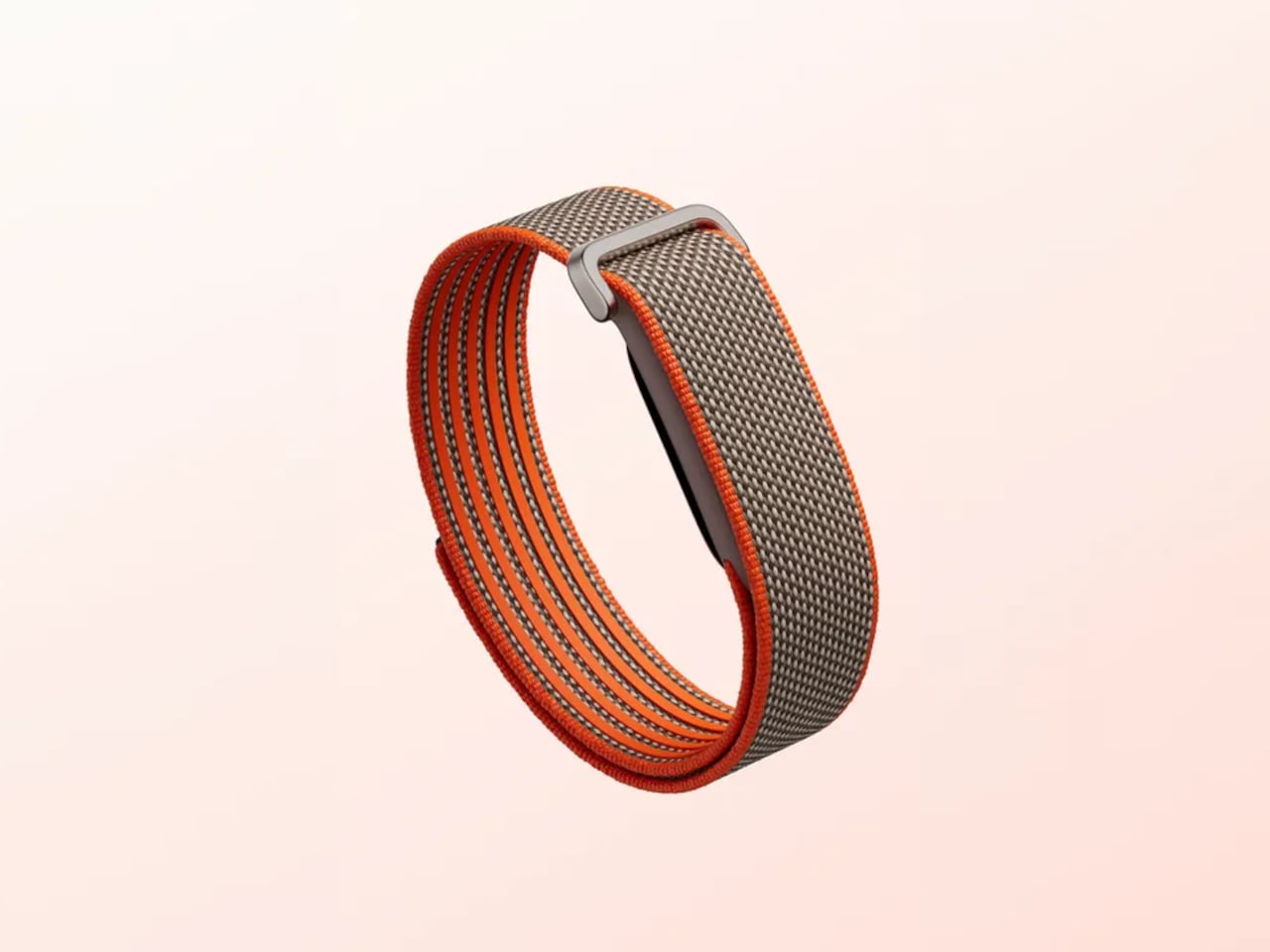
Fitbit Air is Google’s answer to what a fitness tracker looks like when the screen comes off entirely. It’s the smallest Fitbit ever made, weighing roughly five grams on its own and about 12g with a band, and it has nothing on its face except a slim oval housing made from recycled polycarbonate. No display, no haptic button, no notification feed; just sensors doing their job quietly and continuously.

Designer: Google

That doesn’t mean there’s less happening inside. The Air carries an optical heart rate monitor, a three-axis accelerometer and gyroscope, red and infrared sensors for blood oxygen monitoring, and a device temperature sensor. Together, these maintain a continuous record of heart rate, heart rate variability, resting heart rate, oxygen saturation, and sleep stages, while also flagging irregular heart rhythms along the way without any input from the wearer.

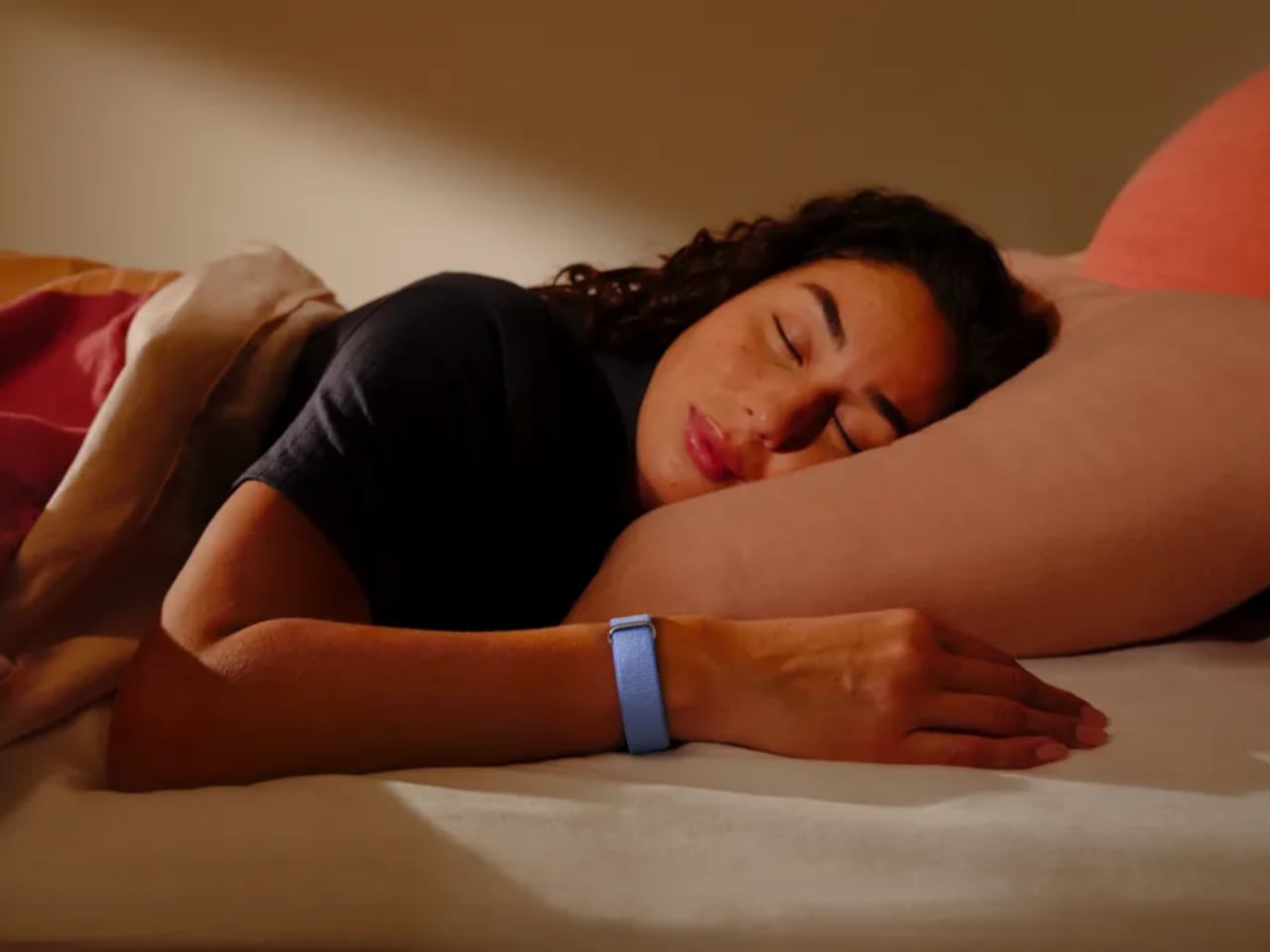
Wear it to bed, and it tracks sleep stages through the night without lighting up or buzzing. Take it through a workout, and it recognizes the activity automatically. The battery lasts up to seven days under normal use, and a five-minute top-up adds another full day when the charge runs low. Water resistance reaches 50 meters, so showers, swimming, and sweaty training sessions don’t require a second thought.

The data flows into the Google Health app, which is where the Air actually earns its keep. Built on Gemini, Google Health Coach reads everything the tracker has collected and turns it into something genuinely useful: personalized recommendations, recovery guidance, trend analysis, and answers to specific questions about why you might be feeling tired after travel or how to adjust training around an injury, all based on your actual biometrics.

The app works the same way with Pixel Watch, meaning the Air can slot into an existing Google wearables setup or work entirely on its own. Wearing both simultaneously is supported, health data syncs automatically, and the app lets you sort metrics by device. For someone who already carries a Pixel Watch but wants continuous overnight tracking without the bulk of a full smartwatch, the Air fills that gap neatly.

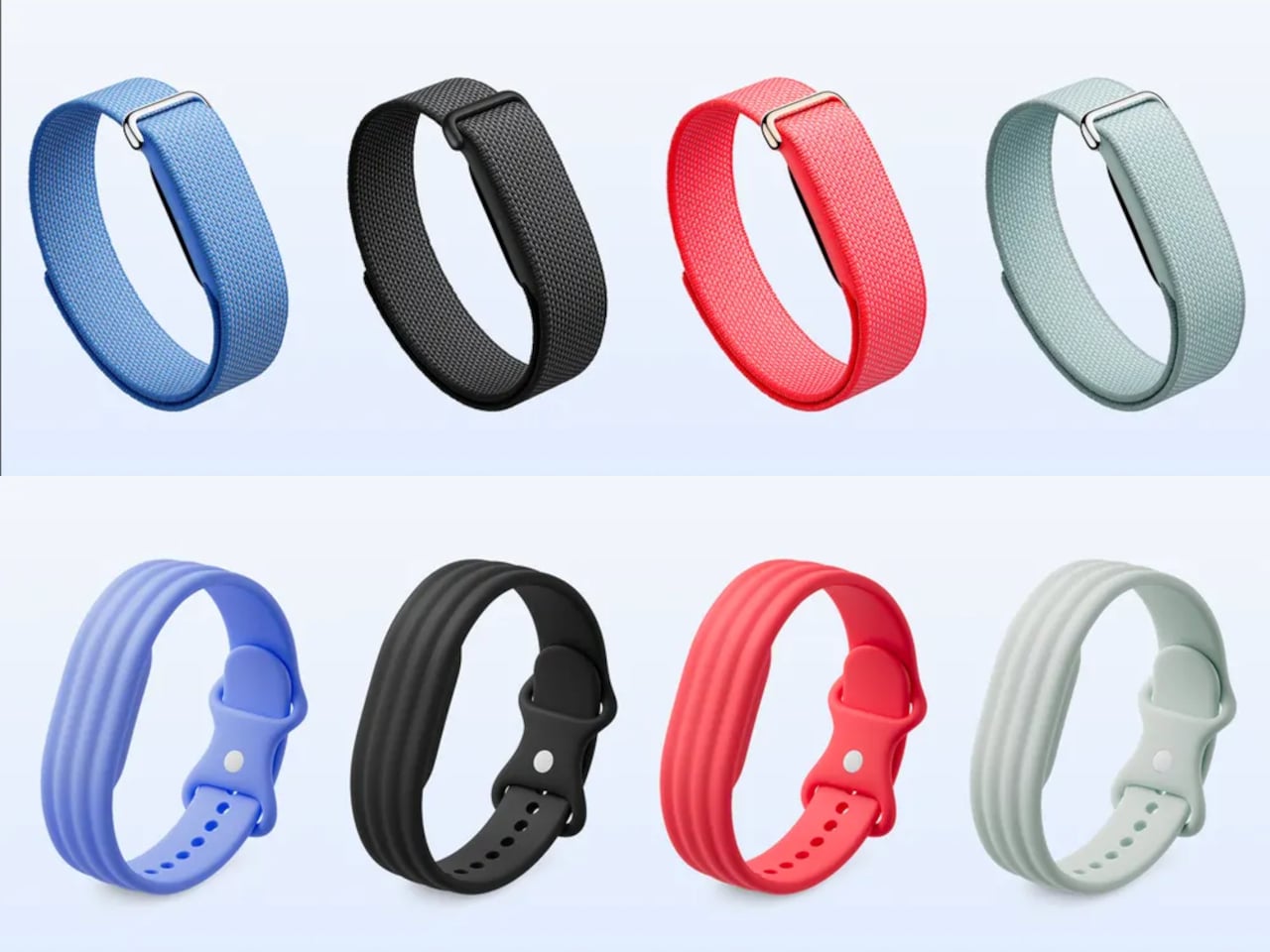
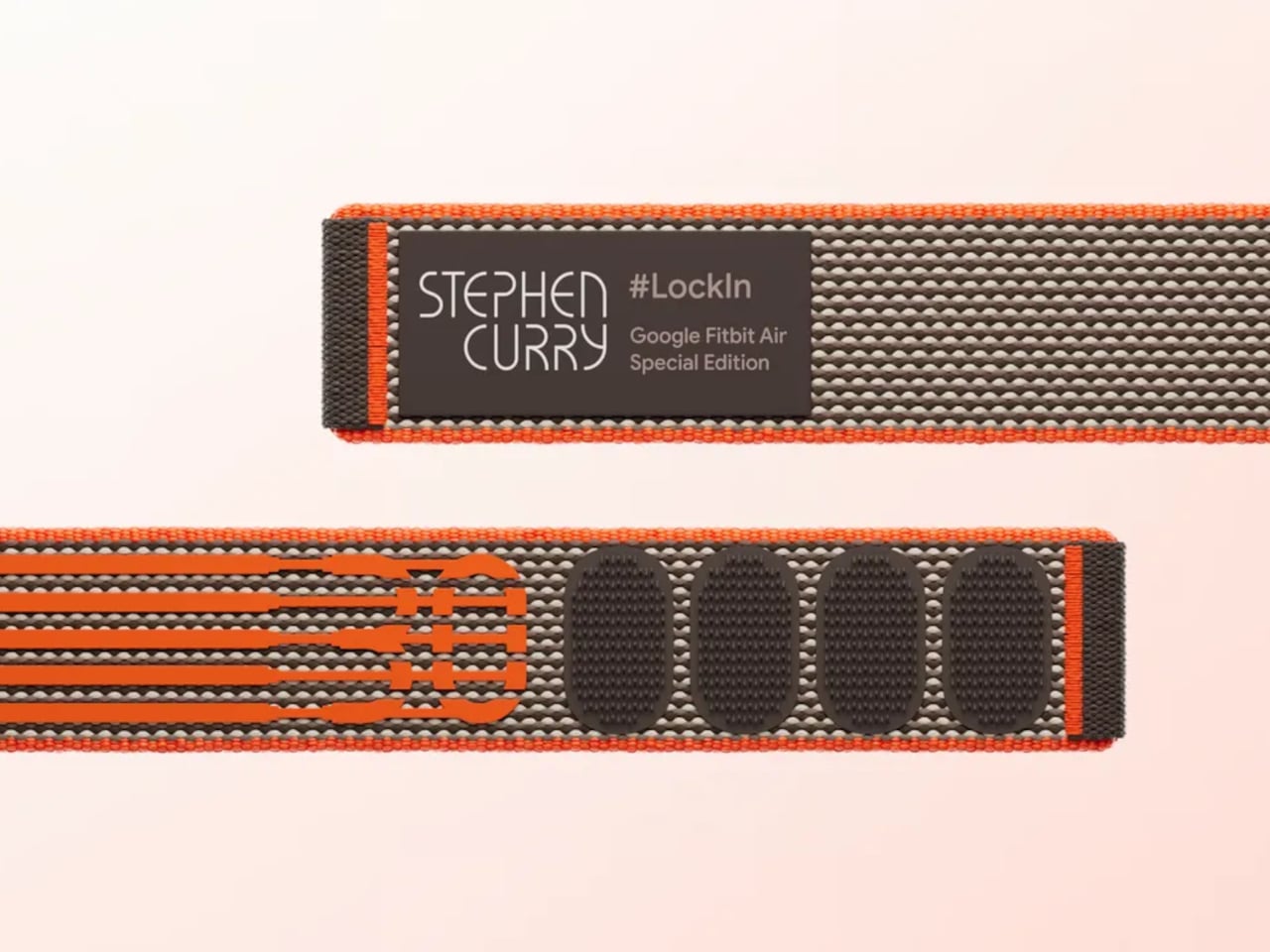
Fitbit Air is available for preorder at $99.99, with first shipments scheduled for May 26. That price includes three months of Google Health Premium, which unlocks full access to Health Coach. After the trial, continuing the service runs $9.99 per month or $99.99 per year. A Stephen Curry Special Edition runs $129.99, and interchangeable accessory bands start at $34.99, compatible with Android and iOS.

Compared to other services that charge nothing upfront but require a subscription from the start, the Air’s $99.99 entry price is a more accessible way in. As a device you’re genuinely not meant to look at, its value lives almost entirely in the software behind it; the band gathers, and Google Health interprets. For a tracker specifically designed to be forgotten on the wrist, that’s a quietly compelling arrangement.

The post Your Fitness Tracker Has Too Much Screen, The $100 Fitbit Air Has None first appeared on Yanko Design.

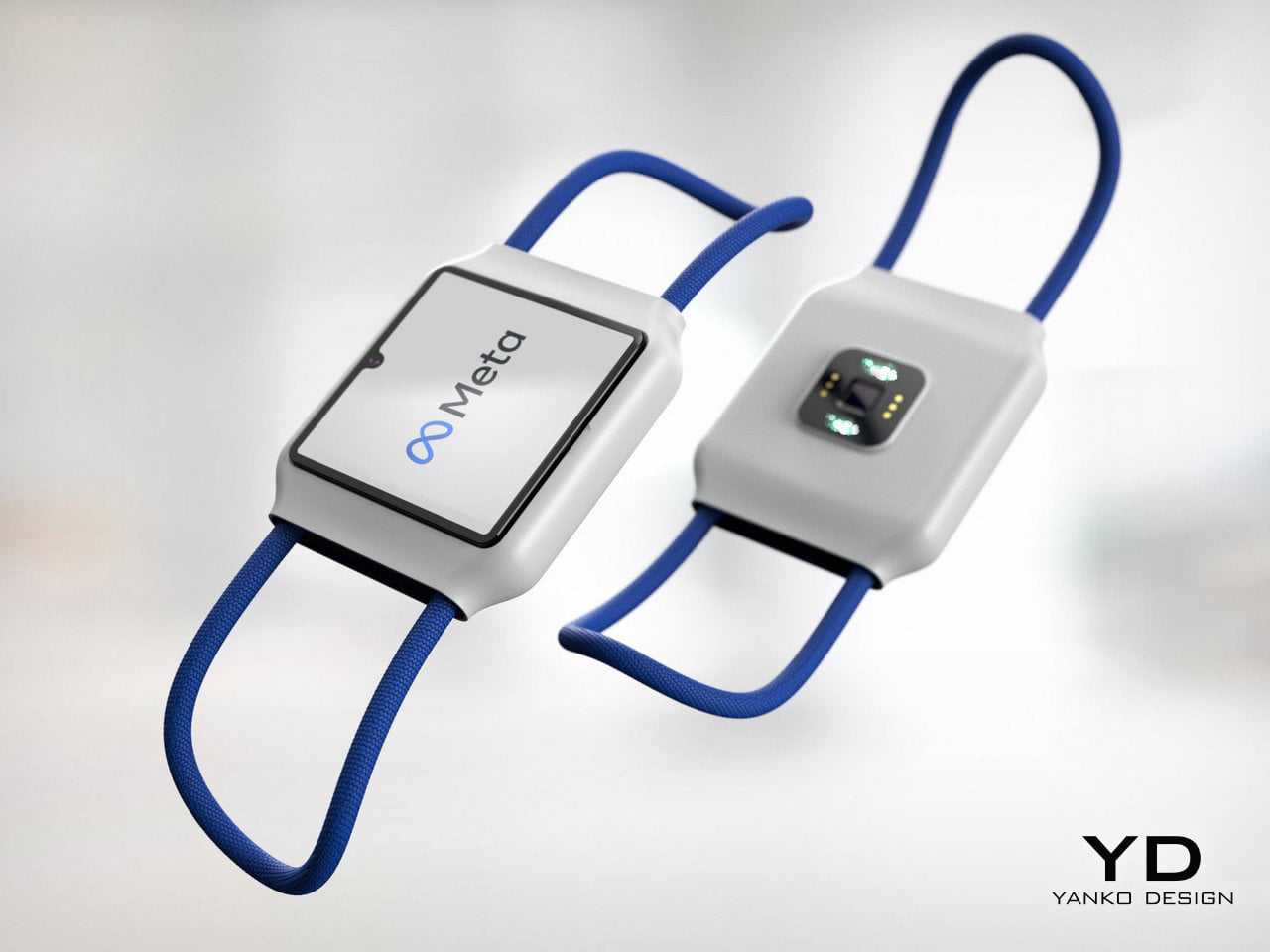
Meta Wants to Put an AI Health Tracker on Your Wrist in 2026. What Could Go Wrong??

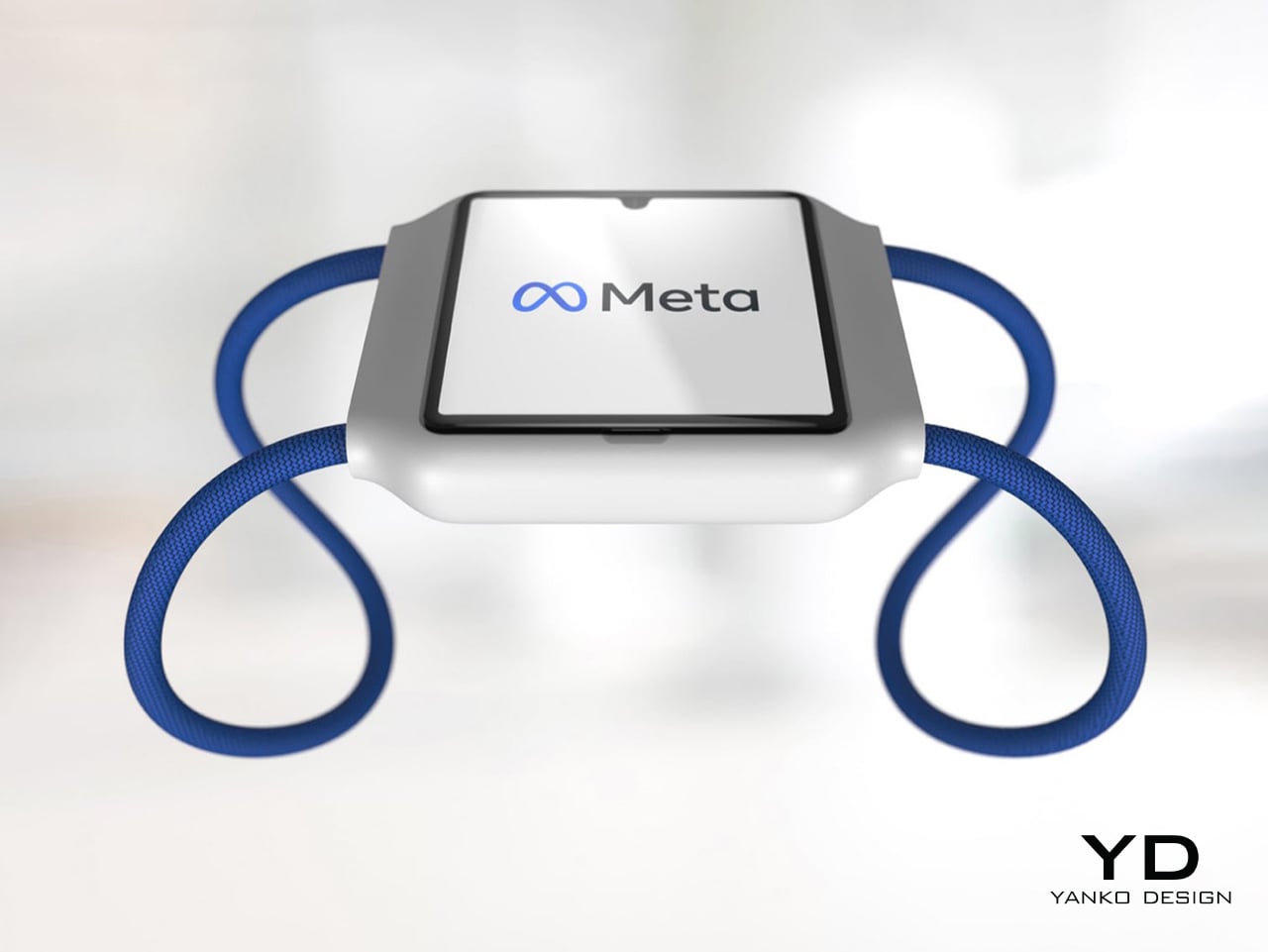
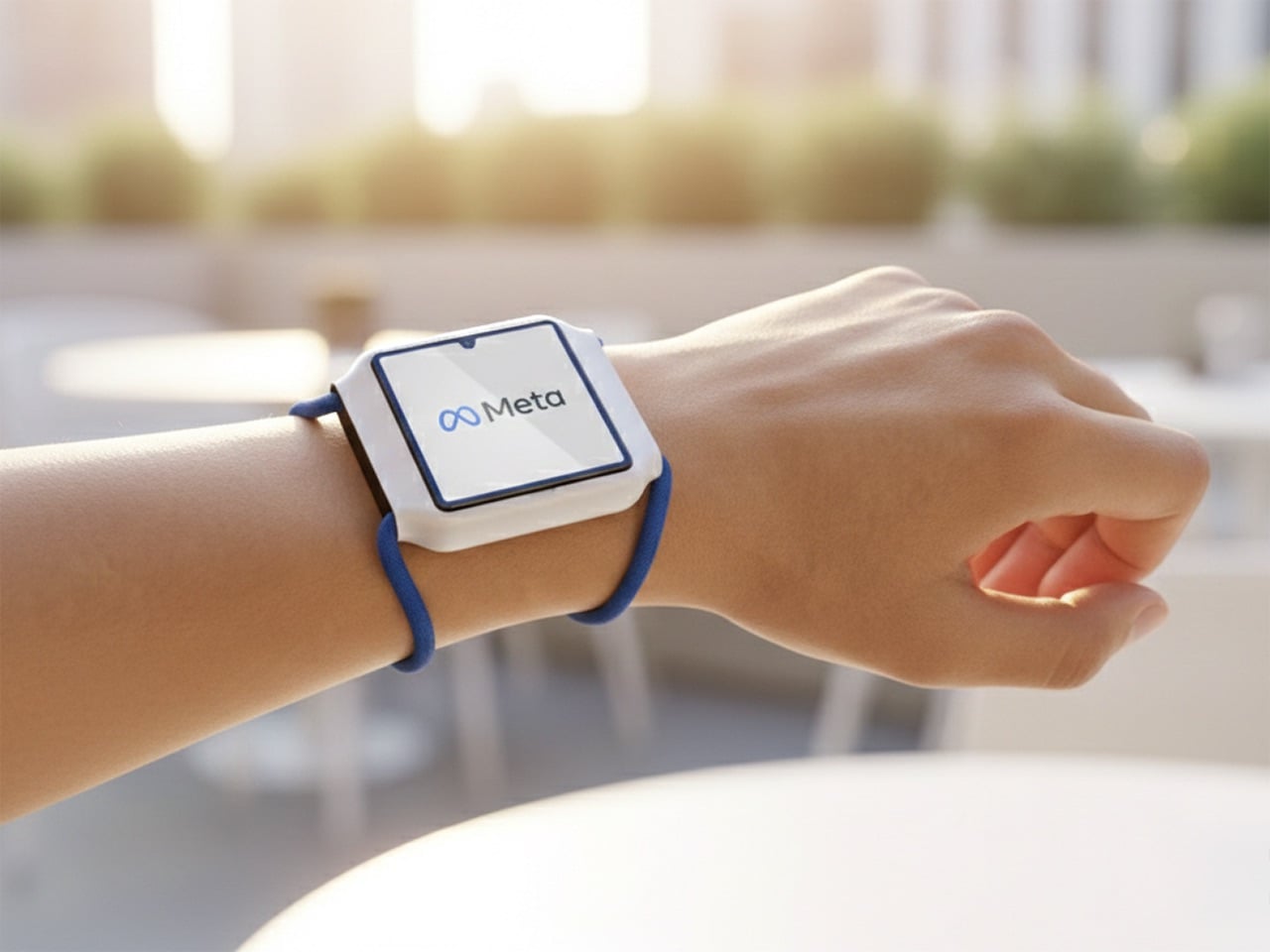
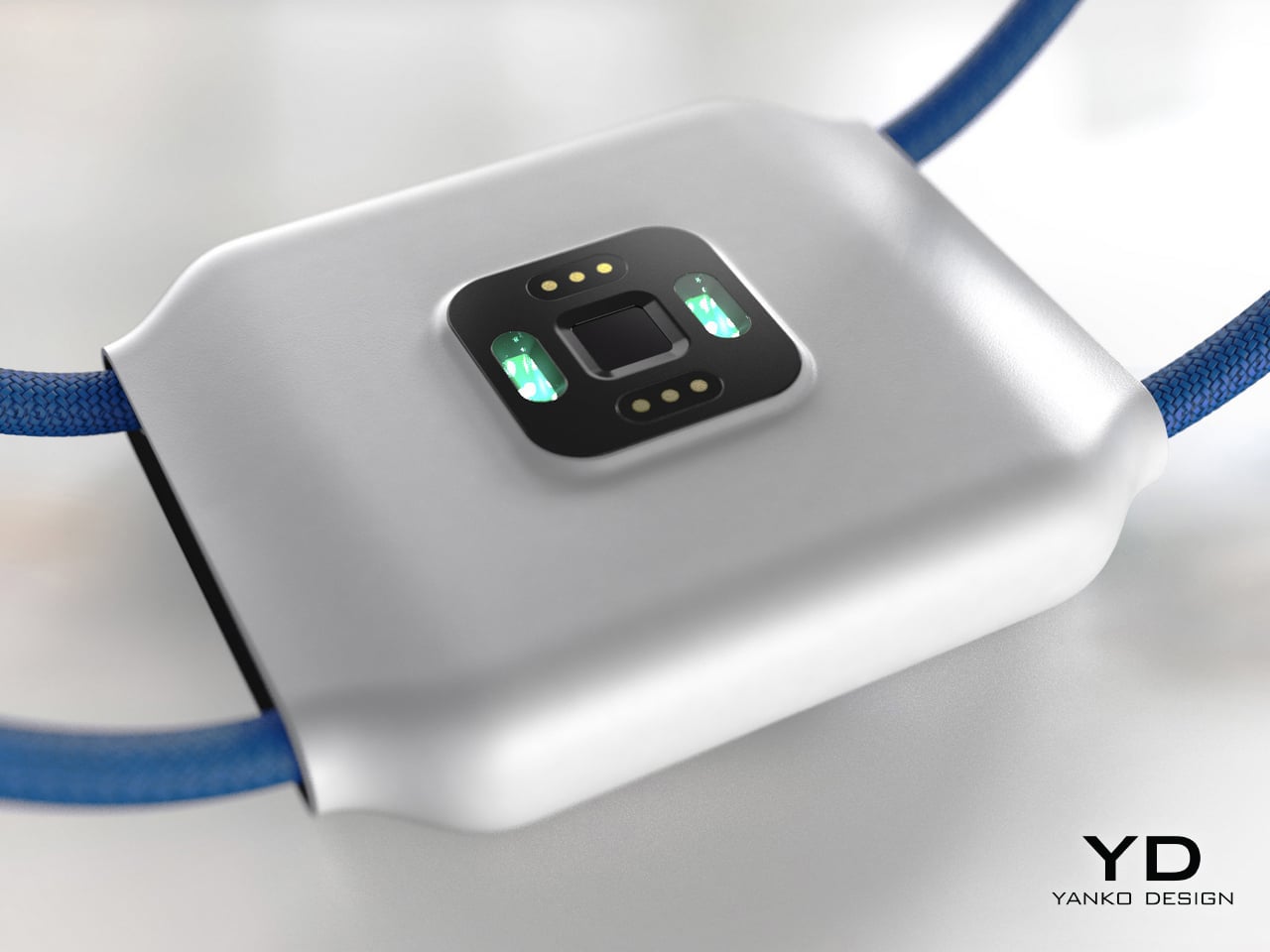
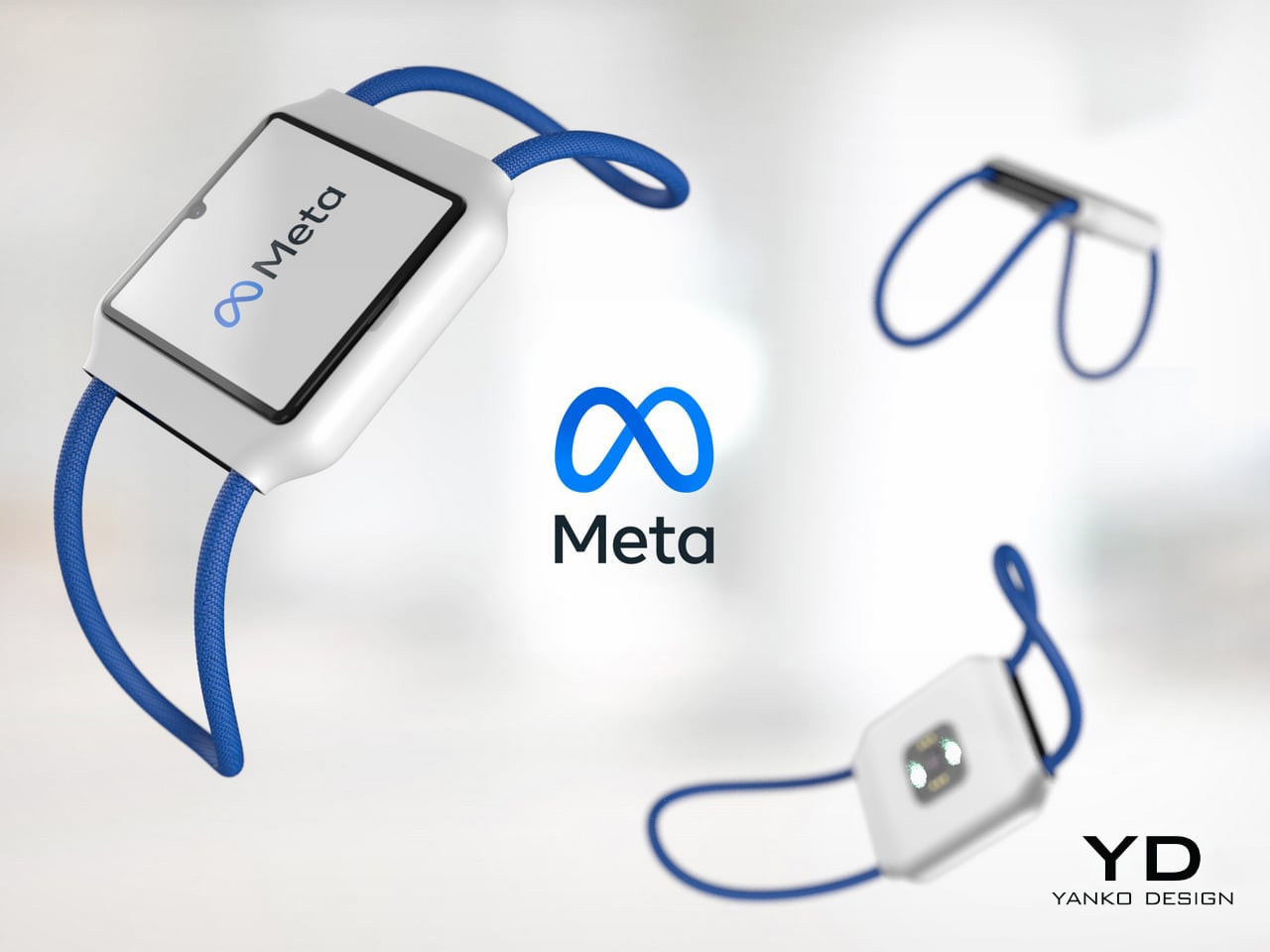
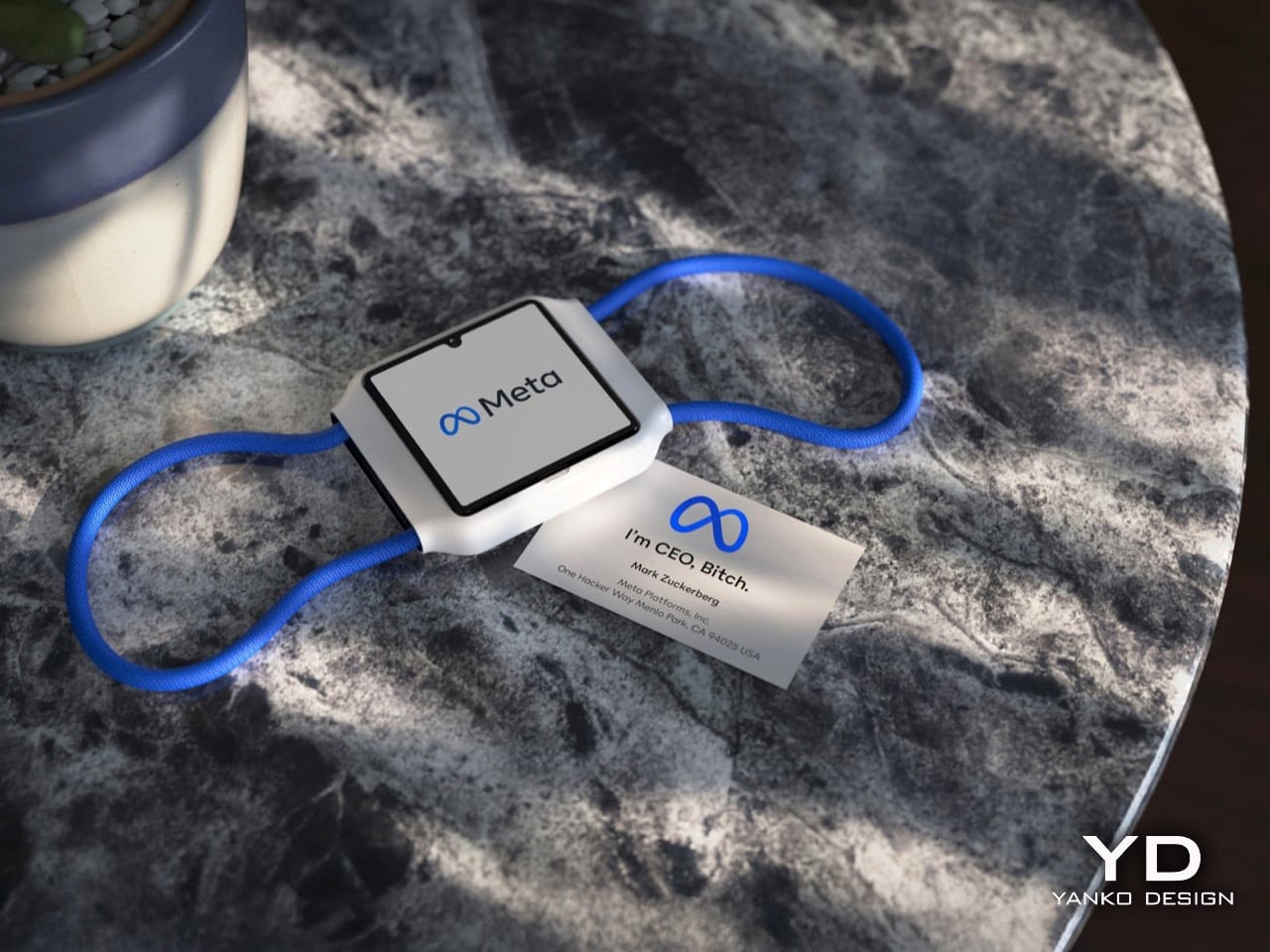
Meta is building a smartwatch, and it wants to know your heart rate, your sleep patterns, your activity levels, and whatever else it can pull from a sensor pressed against your skin all day. The device is codenamed Malibu 2, it’s targeting a 2026 launch, and by most accounts it sounds like a perfectly competent health wearable. The problem isn’t the hardware. The problem is the company attached to it.

This is the same Meta that just faced congressional scrutiny over social media addiction today. The same Meta whose smart glasses are reportedly inching toward facial recognition. The same Meta that filed a patent for Project Lazarus, a system designed to generate posthumous content from deceased users, because apparently your data doesn’t stop being useful to them just because you do. Handing your most intimate biometric information to that company is a case study in one.

Designer: Meta

To be fair, the product itself has a coherent logic behind it. Meta’s Ray-Ban Display glasses have been received surprisingly well by the press, and the neural wristband that ships with them, which uses electromyography to read muscle signals and translate them into gestures, only works with those glasses. That’s a real limitation. A smartwatch that absorbs that gesture-control functionality while adding health tracking and a persistent AI assistant would close a gap that currently makes the whole setup feel incomplete. From a pure product strategy standpoint, Malibu 2 makes sense.

The hardware ambitions have also matured since Meta’s first attempt at a smartwatch, which was scrapped in 2022 after accumulating plans for detachable cameras and metaverse tie-ins that never quite added up to a coherent device. Malibu 2 is reportedly focused on health tracking and Meta AI integration, which is a much cleaner pitch. The company already has a working partnership with Garmin, visible in the Oakley Vanguard sports glasses and a neural band demo at CES 2026 inside a Garmin-powered car concept. If there’s a natural manufacturing and platform partner for this watch, Garmin is the obvious candidate.

Meta is also reportedly developing the watch to sit alongside updated Ray-Ban Display glasses, internally called Hypernova 2, with both devices likely to be unveiled at Meta Connect in September. The Phoenix mixed reality glasses, meanwhile, have been pushed to 2027 partly because Meta’s executives were concerned about releasing too many devices at once and confusing consumers. That’s a reasonable concern. It’s also a little rich coming from a company whose current product lineup already includes smart glasses with a separate neural band that only controls one device.

The wearables market is genuinely ready for a credible third competitor alongside Apple and Samsung, and Meta has the AI infrastructure and the existing glasses ecosystem to make Malibu 2 compelling from launch. But compelling and trustworthy are different things, and Meta has spent twenty years demonstrating which one it prioritizes. Your Apple Watch data sits in Apple’s ecosystem, behind a company that has made privacy a marketing pillar and a legal battleground. Your Malibu 2 data sits with a company that patented a way to keep monetizing you after you die.

The post Meta Wants to Put an AI Health Tracker on Your Wrist in 2026. What Could Go Wrong?? first appeared on Yanko Design.

Meta Wants to Put an AI Health Tracker on Your Wrist in 2026. What Could Go Wrong??

Meta is building a smartwatch, and it wants to know your heart rate, your sleep patterns, your activity levels, and whatever else it can pull from a sensor pressed against your skin all day. The device is codenamed Malibu 2, it’s targeting a 2026 launch, and by most accounts it sounds like a perfectly competent health wearable. The problem isn’t the hardware. The problem is the company attached to it.

This is the same Meta that just faced congressional scrutiny over social media addiction today. The same Meta whose smart glasses are reportedly inching toward facial recognition. The same Meta that filed a patent for Project Lazarus, a system designed to generate posthumous content from deceased users, because apparently your data doesn’t stop being useful to them just because you do. Handing your most intimate biometric information to that company is a case study in one.

Designer: Meta

To be fair, the product itself has a coherent logic behind it. Meta’s Ray-Ban Display glasses have been received surprisingly well by the press, and the neural wristband that ships with them, which uses electromyography to read muscle signals and translate them into gestures, only works with those glasses. That’s a real limitation. A smartwatch that absorbs that gesture-control functionality while adding health tracking and a persistent AI assistant would close a gap that currently makes the whole setup feel incomplete. From a pure product strategy standpoint, Malibu 2 makes sense.

The hardware ambitions have also matured since Meta’s first attempt at a smartwatch, which was scrapped in 2022 after accumulating plans for detachable cameras and metaverse tie-ins that never quite added up to a coherent device. Malibu 2 is reportedly focused on health tracking and Meta AI integration, which is a much cleaner pitch. The company already has a working partnership with Garmin, visible in the Oakley Vanguard sports glasses and a neural band demo at CES 2026 inside a Garmin-powered car concept. If there’s a natural manufacturing and platform partner for this watch, Garmin is the obvious candidate.

Meta is also reportedly developing the watch to sit alongside updated Ray-Ban Display glasses, internally called Hypernova 2, with both devices likely to be unveiled at Meta Connect in September. The Phoenix mixed reality glasses, meanwhile, have been pushed to 2027 partly because Meta’s executives were concerned about releasing too many devices at once and confusing consumers. That’s a reasonable concern. It’s also a little rich coming from a company whose current product lineup already includes smart glasses with a separate neural band that only controls one device.

The wearables market is genuinely ready for a credible third competitor alongside Apple and Samsung, and Meta has the AI infrastructure and the existing glasses ecosystem to make Malibu 2 compelling from launch. But compelling and trustworthy are different things, and Meta has spent twenty years demonstrating which one it prioritizes. Your Apple Watch data sits in Apple’s ecosystem, behind a company that has made privacy a marketing pillar and a legal battleground. Your Malibu 2 data sits with a company that patented a way to keep monetizing you after you die.

The post Meta Wants to Put an AI Health Tracker on Your Wrist in 2026. What Could Go Wrong?? first appeared on Yanko Design.

Top Features of the Samsung Galaxy Watch FE: Sleek Design, Durability, Health Monitoring and Customization

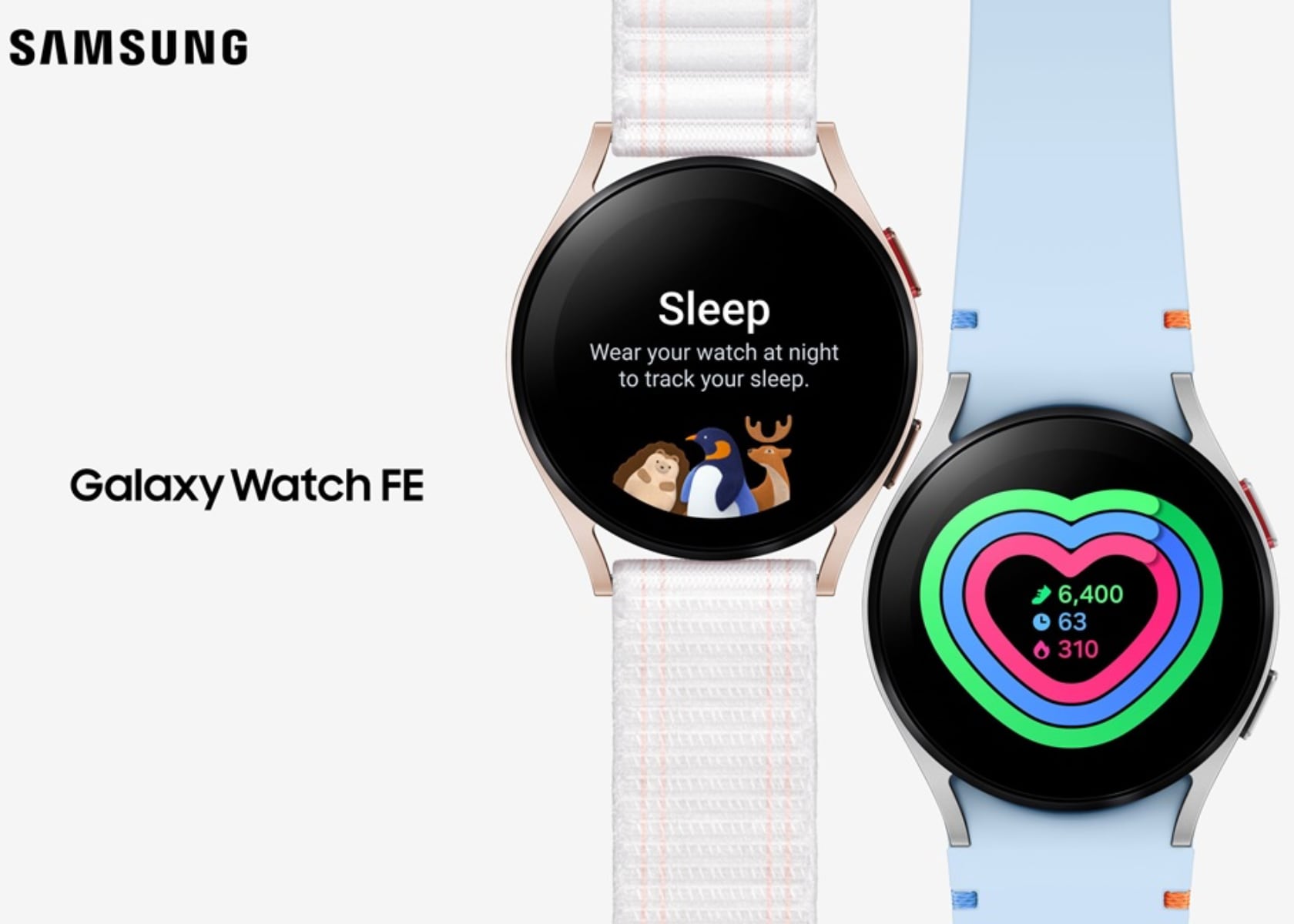
Samsung Electronics has expanded its renowned smartwatch lineup with the introduction of the Galaxy Watch FE. This new model brings Samsung’s advanced health monitoring technology and sleek design to a wider audience. Specifically crafted to resonate with the health-conscious and tech-savvy demographic, this watch offers a comprehensive and personalized wellness experience. This article digs deep into key features, stylish design, and seamless integration within the Samsung ecosystem.

Designer: Samsung

Aesthetic Appeal and Customization

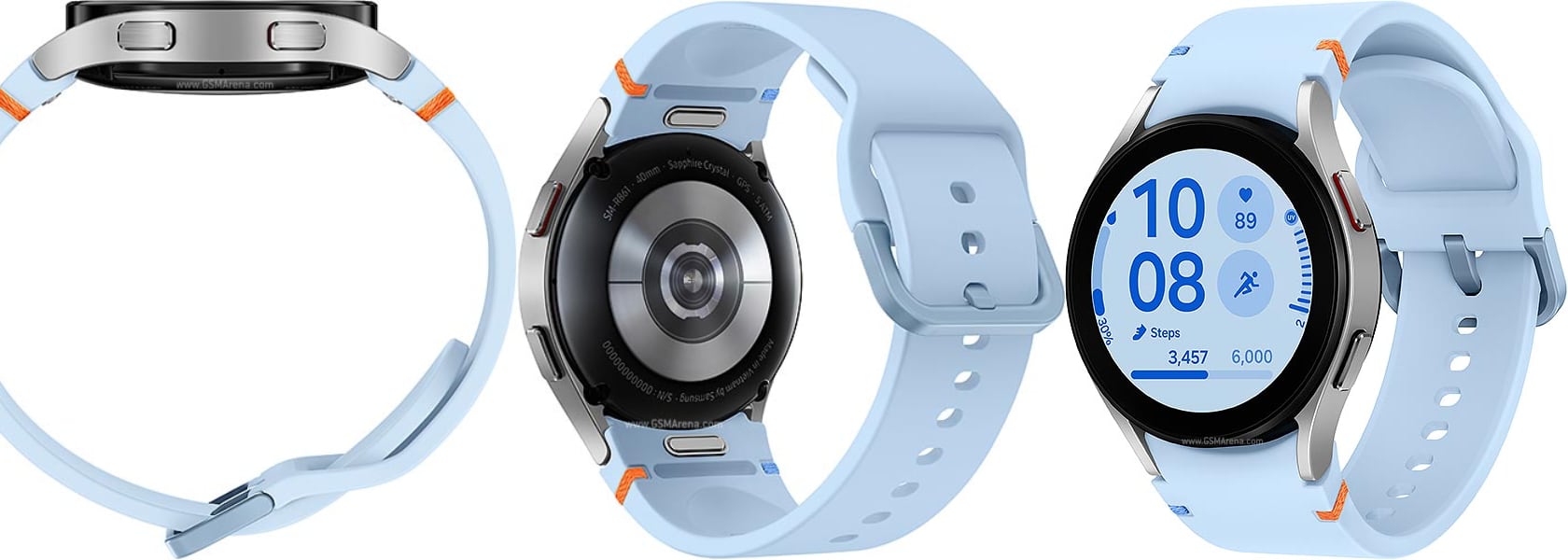
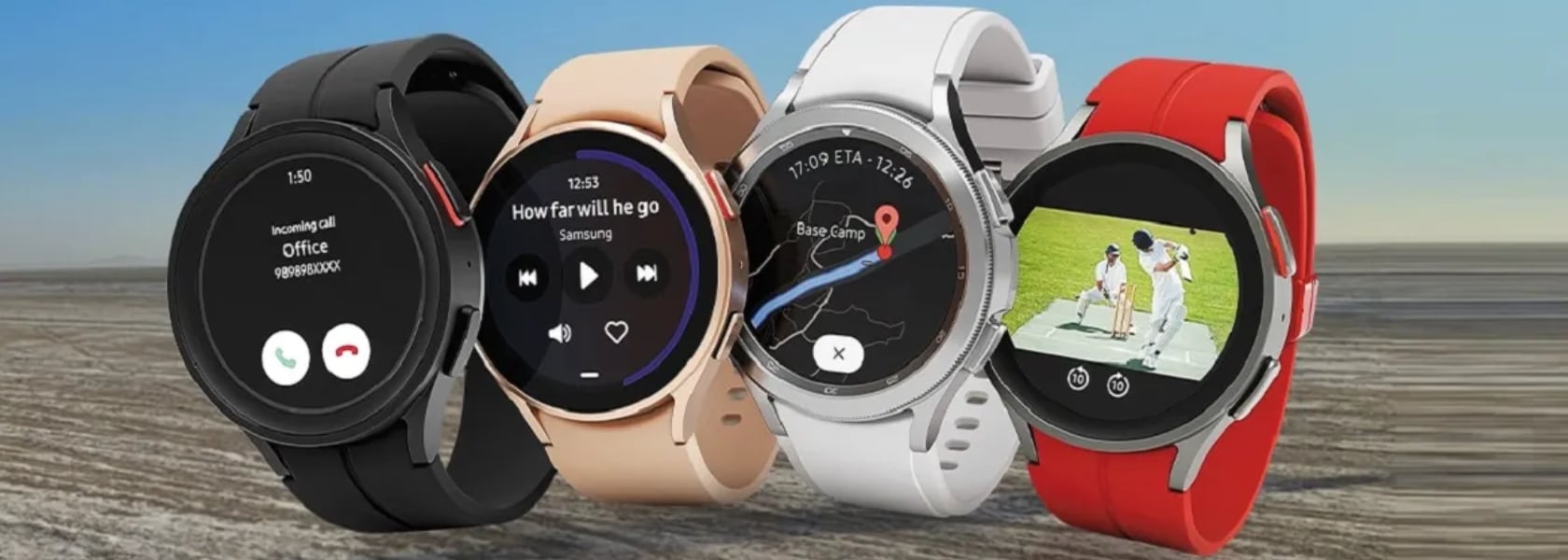
This smartwatch serves as both a tool for health monitoring and a fashion statement. Available in three striking colors—Black, Pink, Gold, and Silver—the watch is designed to complement any look. The new watch bands, featuring distinct blue and orange stitching, add a touch of modernity and style that appeals to vibrant and diverse tastes. These colors and design elements ensure it fits seamlessly into both casual and formal attire, making it versatile for any occasion.

Customization is a key aspect of this device, allowing users to express their individuality. The variety of new watch faces offers endless possibilities for personalization. Whether you prefer a minimalist design or something more colorful and dynamic, there’s a watch face for everyone. The one-click band mechanism makes it easy to switch bands, enabling users to mix and match according to their outfit or mood. This level of personalization is crucial for those who value unique and customizable products. By offering a wide range of customization options, Samsung ensures that every user can make this watch their own, reflecting their personal style and preferences.

Robust and Durable Design

Renowned for its durability, the smartwatch features sapphire crystal glass that is highly resistant to scratches, ensuring it maintains its pristine appearance over time. This is particularly important for an active generation that values both style and functionality. Its robust construction guarantees it can withstand the rigors of daily life, from intense
Samsung Galaxy Watch FE

In addition to its durability, the design focuses on comfort and ease of use. The 40mm size strikes a balance between visibility and comfort, making it suitable for both small and large wrists. Its lightweight design ensures that it can be worn all day without causing discomfort, whether you’re at the gym, at work, or out with friends. Samsung has paid close attention to the details, ensuring that the watch not only looks good but also feels good to wear, enhancing the overall user experience.

Comprehensive Health and Fitness Monitoring

At the heart of this smartwatch is Samsung’s advanced BioActive Sensor, which provides a suite of powerful health and fitness functions. These features deliver personalized and actionable insights, helping users to improve their wellness daily. For those focused on maintaining a healthy lifestyle, these capabilities are particularly appealing. The watch acts as a personal health coach, offering guidance and motivation to help users achieve their fitness goals.

Sleep Monitoring and Coaching

Good sleep is essential for overall wellness, and this device excels in this area. The watch offers advanced sleep features that monitor sleep patterns and provide detailed analysis. It also includes sleep coaching, which helps users create a sleep-friendly environment and improve their sleep habits. For individuals who often struggle with maintaining healthy sleep patterns due to busy lifestyles and screen time, these features are invaluable. By offering insights into sleep quality and actionable tips for improvement, this smartwatch helps users wake up feeling refreshed and ready to tackle the day.

Samsung’s sleep monitoring technology goes beyond just tracking sleep duration. It provides a comprehensive overview of sleep stages, including REM, light, and deep sleep. This detailed analysis helps users understand their sleep patterns and identify areas for improvement. Additionally, the sleep coaching feature offers personalized tips and routines to help users develop better sleep habits. Whether it’s adjusting bedtime routines or creating a more sleep-conducive environment, this smartwatch empowers users to take control of their sleep health.

Heart Health Monitoring

Heart health is another critical area where this device shines. It offers a range of heart health monitoring features, including HR Alert, which detects abnormally high or low heart rates, and the Irregular Heart Rhythm Notification (IHRN), which monitors for signs of atrial fibrillation (Afib). Users can also monitor their blood pressure and ECG, gaining deeper insights into their heart health. This comprehensive heart monitoring is crucial for a generation increasingly aware of the importance of preventive health measures.

The heart health features provide users with peace of mind, knowing they can monitor their heart health in real-time. The HR Alert feature notifies users if their heart rate goes above or below normal levels, allowing for immediate action if necessary. The IHRN feature is particularly beneficial for detecting early signs of Afib, a condition that can lead to serious complications if left unchecked. By providing these advanced heart health monitoring capabilities, Samsung ensures that users can take proactive steps to maintain their cardiovascular health.

Fitness Tracking and Running Analysis

This smartwatch supports more than 100 different workouts, providing detailed tracking and progress reports. For runners, the advanced running analysis is particularly beneficial. It helps analyze overall performance to maximize efficiency and provides insights to help prevent injuries. The Personalized Heart Rate Zone feature allows users to set goals based on their physical capabilities, optimizing their workouts and helping them achieve their fitness objectives. These features cater to fitness enthusiasts and their pursuit of a healthy lifestyle.

Samsung’s fitness tracking technology is designed to motivate and inspire users to stay active. This smartwatch tracks a wide range of activities, from running and cycling to swimming and yoga. Each workout is meticulously recorded, providing users with detailed feedback on their performance. The advanced running analysis feature goes a step further, offering insights into running form and technique to help users run more efficiently and reduce the risk of injury. By setting personalized heart rate zones, users can tailor their workouts to their fitness level, ensuring they get the most out of each session.
Integration with the Samsung Ecosystem

Seamless integration with other Samsung Galaxy devices offers a connected and convenient user experience. Features like Find My Phone and Camera Controller enhance everyday convenience. The watch also supports Samsung Wallet, allowing users to make payments and access identification cards directly from their smartwatch. This level of integration is a significant draw for those who value seamless technology that simplifies their lives.

Seamless Connectivity

The watch offers seamless connectivity with other Samsung devices, enhancing the overall user experience. The Find My Phone feature ensures that users can easily locate their misplaced phone, adding a layer of convenience. The Camera Controller feature allows users to control their smartphone camera remotely, making it easier to take group photos or capture shots from different angles. These features show how Samsung is dedicated to creating a cohesive and integrated ecosystem that enhances daily life.

This seamless integration extends to fitness and wellness apps, ensuring users can sync their health data effortlessly across devices. Whether tracking a workout, monitoring sleep, or checking daily activity levels, this smartwatch ensures that all this data is easily accessible on your smartphone, tablet, or other Galaxy devices.

Digital Wallet

Samsung Wallet support allows users to make payments and access identification cards directly from their smartwatch. This feature aligns perfectly with a digital-first lifestyle, offering convenience and efficiency. With Samsung Wallet, users can make purchases, store loyalty cards, and access their driver’s license or student ID, all from their wrist. This all-in-one digital wallet feature simplifies transactions and enhances the overall user experience, making this smartwatch an indispensable tool for the modern, tech-savvy user.

The digital wallet feature also supports secure transactions, ensuring that user data is protected. This is particularly important in today’s digital age, where security and privacy are paramount. Samsung’s commitment to providing secure and convenient digital solutions makes this device a reliable companion for daily transactions.

The post Top Features of the Samsung Galaxy Watch FE: Sleek Design, Durability, Health Monitoring and Customization first appeared on Yanko Design.

Top Features of the Samsung Galaxy Watch FE: Sleek Design, Durability, Health Monitoring and Customization

Samsung Electronics has expanded its renowned smartwatch lineup with the introduction of the Galaxy Watch FE. This new model brings Samsung’s advanced health monitoring technology and sleek design to a wider audience. Specifically crafted to resonate with the health-conscious and tech-savvy demographic, this watch offers a comprehensive and personalized wellness experience. This article digs deep into key features, stylish design, and seamless integration within the Samsung ecosystem.

Designer: Samsung

Aesthetic Appeal and Customization

This smartwatch serves as both a tool for health monitoring and a fashion statement. Available in three striking colors—Black, Pink, Gold, and Silver—the watch is designed to complement any look. The new watch bands, featuring distinct blue and orange stitching, add a touch of modernity and style that appeals to vibrant and diverse tastes. These colors and design elements ensure it fits seamlessly into both casual and formal attire, making it versatile for any occasion.

Customization is a key aspect of this device, allowing users to express their individuality. The variety of new watch faces offers endless possibilities for personalization. Whether you prefer a minimalist design or something more colorful and dynamic, there’s a watch face for everyone. The one-click band mechanism makes it easy to switch bands, enabling users to mix and match according to their outfit or mood. This level of personalization is crucial for those who value unique and customizable products. By offering a wide range of customization options, Samsung ensures that every user can make this watch their own, reflecting their personal style and preferences.

Robust and Durable Design

Renowned for its durability, the smartwatch features sapphire crystal glass that is highly resistant to scratches, ensuring it maintains its pristine appearance over time. This is particularly important for an active generation that values both style and functionality. Its robust construction guarantees it can withstand the rigors of daily life, from intense

Samsung Galaxy Watch FE

In addition to its durability, the design focuses on comfort and ease of use. The 40mm size strikes a balance between visibility and comfort, making it suitable for both small and large wrists. Its lightweight design ensures that it can be worn all day without causing discomfort, whether you’re at the gym, at work, or out with friends. Samsung has paid close attention to the details, ensuring that the watch not only looks good but also feels good to wear, enhancing the overall user experience.

Comprehensive Health and Fitness Monitoring

At the heart of this smartwatch is Samsung’s advanced BioActive Sensor, which provides a suite of powerful health and fitness functions. These features deliver personalized and actionable insights, helping users to improve their wellness daily. For those focused on maintaining a healthy lifestyle, these capabilities are particularly appealing. The watch acts as a personal health coach, offering guidance and motivation to help users achieve their fitness goals.

Sleep Monitoring and Coaching

Good sleep is essential for overall wellness, and this device excels in this area. The watch offers advanced sleep features that monitor sleep patterns and provide detailed analysis. It also includes sleep coaching, which helps users create a sleep-friendly environment and improve their sleep habits. For individuals who often struggle with maintaining healthy sleep patterns due to busy lifestyles and screen time, these features are invaluable. By offering insights into sleep quality and actionable tips for improvement, this smartwatch helps users wake up feeling refreshed and ready to tackle the day.

Samsung’s sleep monitoring technology goes beyond just tracking sleep duration. It provides a comprehensive overview of sleep stages, including REM, light, and deep sleep. This detailed analysis helps users understand their sleep patterns and identify areas for improvement. Additionally, the sleep coaching feature offers personalized tips and routines to help users develop better sleep habits. Whether it’s adjusting bedtime routines or creating a more sleep-conducive environment, this smartwatch empowers users to take control of their sleep health.

Heart Health Monitoring

Heart health is another critical area where this device shines. It offers a range of heart health monitoring features, including HR Alert, which detects abnormally high or low heart rates, and the Irregular Heart Rhythm Notification (IHRN), which monitors for signs of atrial fibrillation (Afib). Users can also monitor their blood pressure and ECG, gaining deeper insights into their heart health. This comprehensive heart monitoring is crucial for a generation increasingly aware of the importance of preventive health measures.

The heart health features provide users with peace of mind, knowing they can monitor their heart health in real-time. The HR Alert feature notifies users if their heart rate goes above or below normal levels, allowing for immediate action if necessary. The IHRN feature is particularly beneficial for detecting early signs of Afib, a condition that can lead to serious complications if left unchecked. By providing these advanced heart health monitoring capabilities, Samsung ensures that users can take proactive steps to maintain their cardiovascular health.

Fitness Tracking and Running Analysis

This smartwatch supports more than 100 different workouts, providing detailed tracking and progress reports. For runners, the advanced running analysis is particularly beneficial. It helps analyze overall performance to maximize efficiency and provides insights to help prevent injuries. The Personalized Heart Rate Zone feature allows users to set goals based on their physical capabilities, optimizing their workouts and helping them achieve their fitness objectives. These features cater to fitness enthusiasts and their pursuit of a healthy lifestyle.

Samsung’s fitness tracking technology is designed to motivate and inspire users to stay active. This smartwatch tracks a wide range of activities, from running and cycling to swimming and yoga. Each workout is meticulously recorded, providing users with detailed feedback on their performance. The advanced running analysis feature goes a step further, offering insights into running form and technique to help users run more efficiently and reduce the risk of injury. By setting personalized heart rate zones, users can tailor their workouts to their fitness level, ensuring they get the most out of each session.

Integration with the Samsung Ecosystem

Seamless integration with other Samsung Galaxy devices offers a connected and convenient user experience. Features like Find My Phone and Camera Controller enhance everyday convenience. The watch also supports Samsung Wallet, allowing users to make payments and access identification cards directly from their smartwatch. This level of integration is a significant draw for those who value seamless technology that simplifies their lives.

Seamless Connectivity

The watch offers seamless connectivity with other Samsung devices, enhancing the overall user experience. The Find My Phone feature ensures that users can easily locate their misplaced phone, adding a layer of convenience. The Camera Controller feature allows users to control their smartphone camera remotely, making it easier to take group photos or capture shots from different angles. These features show how Samsung is dedicated to creating a cohesive and integrated ecosystem that enhances daily life.

This seamless integration extends to fitness and wellness apps, ensuring users can sync their health data effortlessly across devices. Whether tracking a workout, monitoring sleep, or checking daily activity levels, this smartwatch ensures that all this data is easily accessible on your smartphone, tablet, or other Galaxy devices.

Digital Wallet

Samsung Wallet support allows users to make payments and access identification cards directly from their smartwatch. This feature aligns perfectly with a digital-first lifestyle, offering convenience and efficiency. With Samsung Wallet, users can make purchases, store loyalty cards, and access their driver’s license or student ID, all from their wrist. This all-in-one digital wallet feature simplifies transactions and enhances the overall user experience, making this smartwatch an indispensable tool for the modern, tech-savvy user.

The digital wallet feature also supports secure transactions, ensuring that user data is protected. This is particularly important in today’s digital age, where security and privacy are paramount. Samsung’s commitment to providing secure and convenient digital solutions makes this device a reliable companion for daily transactions.

The post Top Features of the Samsung Galaxy Watch FE: Sleek Design, Durability, Health Monitoring and Customization first appeared on Yanko Design.

This Portable Body Composition Tracker Revolutionizes Fitness and Health Monitoring

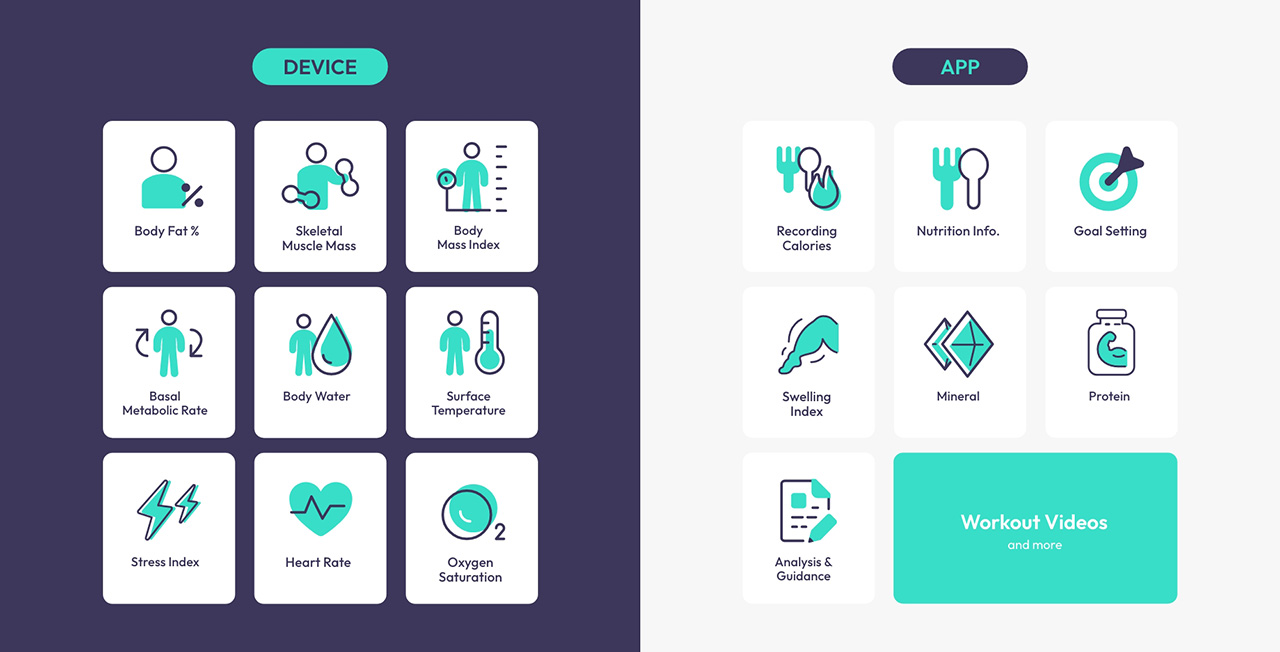
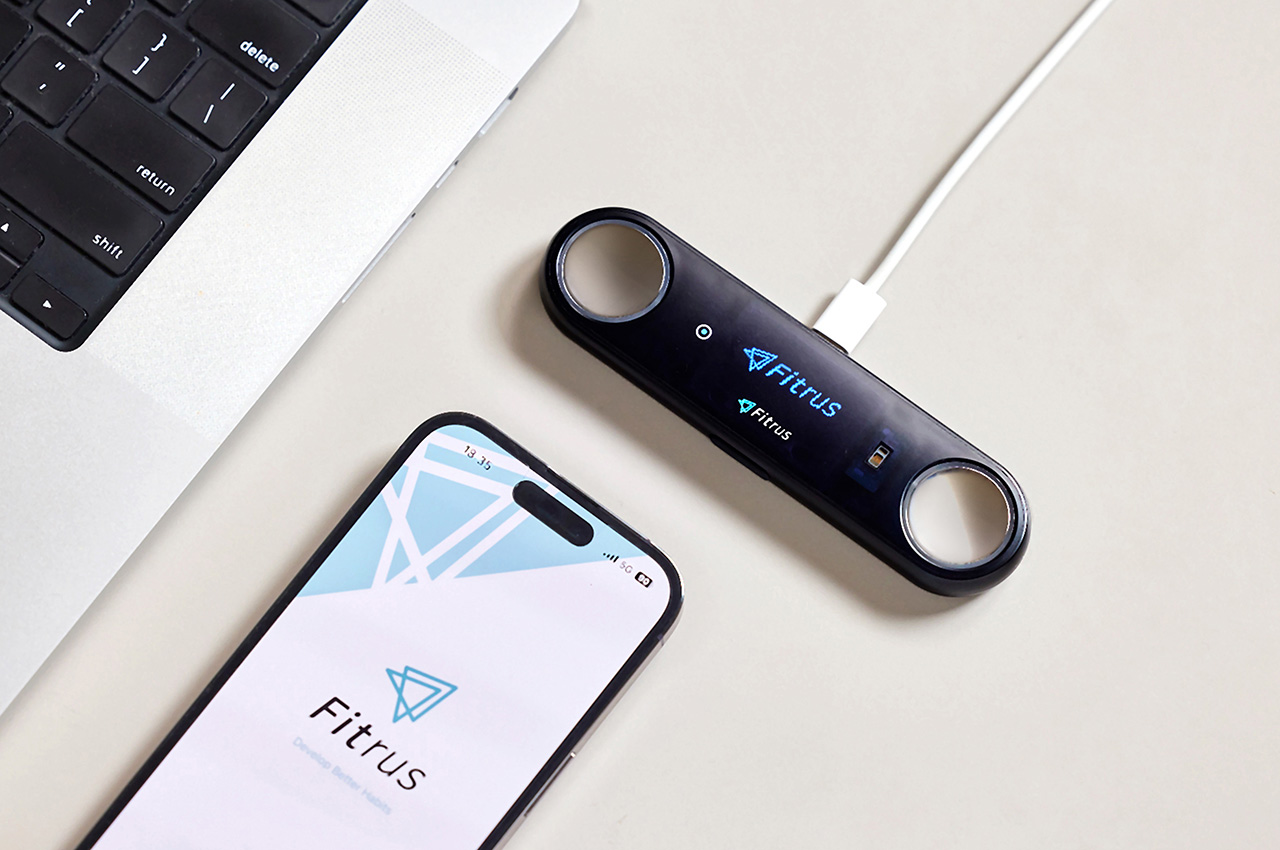
A portable body composition tracker offers detailed health insights anywhere and anytime. The third-generation Fitrus Plus 3.0 retains its portability while introducing numerous upgrades, making it a versatile health companion accessible whenever and wherever needed. It measures body fat, skeletal muscle mass, body mass index (BMI), basal metabolic rate (BMR), heart rate, and body water all at once. This tracker aids in setting attainable fitness goals and tracking progress, which helps maintain motivation and improve health outcomes. Tracking your body’s reactions is crucial for individuals following specific fitness or diet plans. With its portability, the Fitrus Plus 3.0 easily incorporates health monitoring into daily routines, thanks to the additional features of the third generation.
Designer: ONESOFTDIGM CO., LTD.
Click Here to Buy Now: $149 $249 ($100 off). Hurry, only a few left! Raised over $80,000.

Over 15+ Types of Body Data Analysis

These data are obtained from a physical tracker combined with intelligent software. The new Fitrus Plus 3.0 features a significant improvement in battery life, extending from 4-5 days on the Fitrus Plus 2.0 to 20 days. The charging port has been upgraded from Micro 5-pin to USB Type-C. A full charge takes 3 hours. The device features a 1.3” OLED display with a resolution of 128 x 64 pixels. This makes it easy to read data such as body composition, skin temperature, object temperature, heart rate, stress index, and battery life.

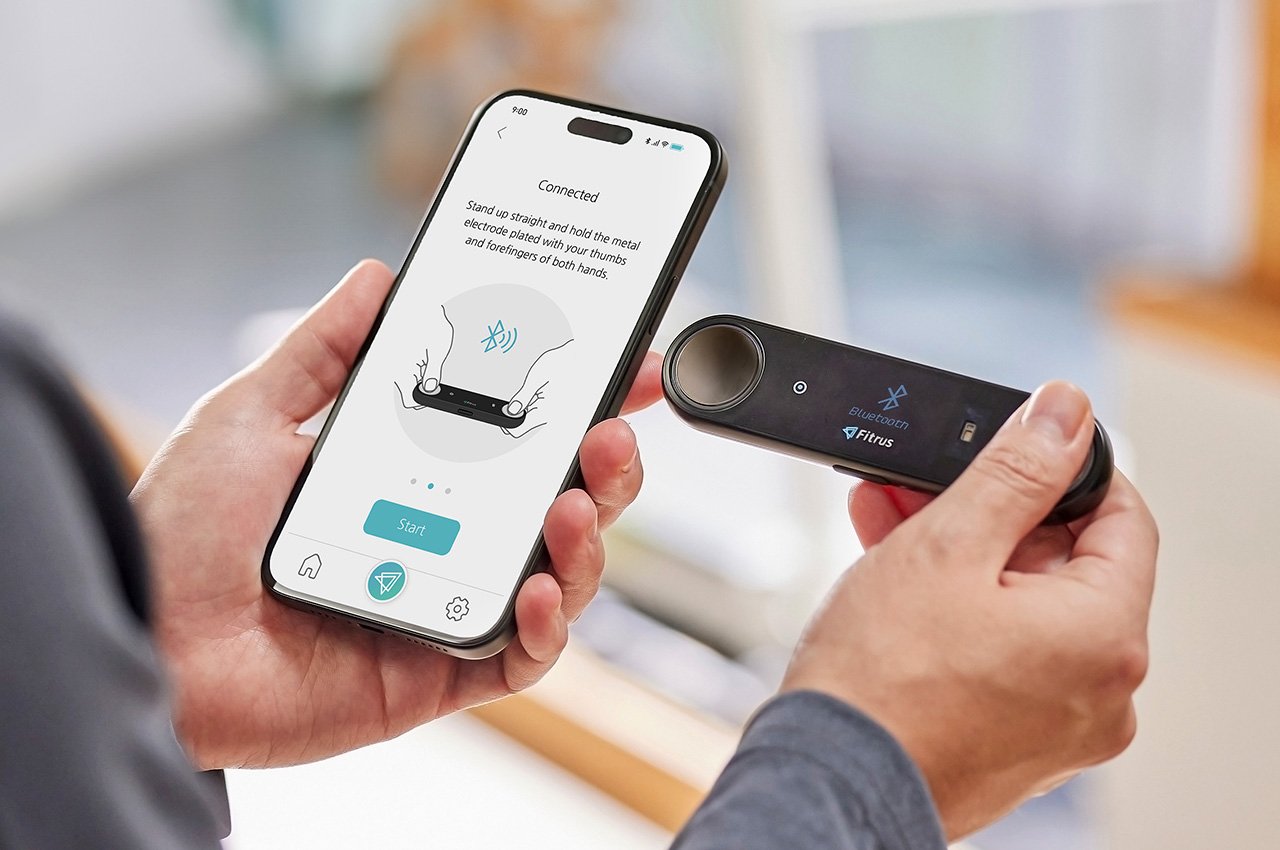
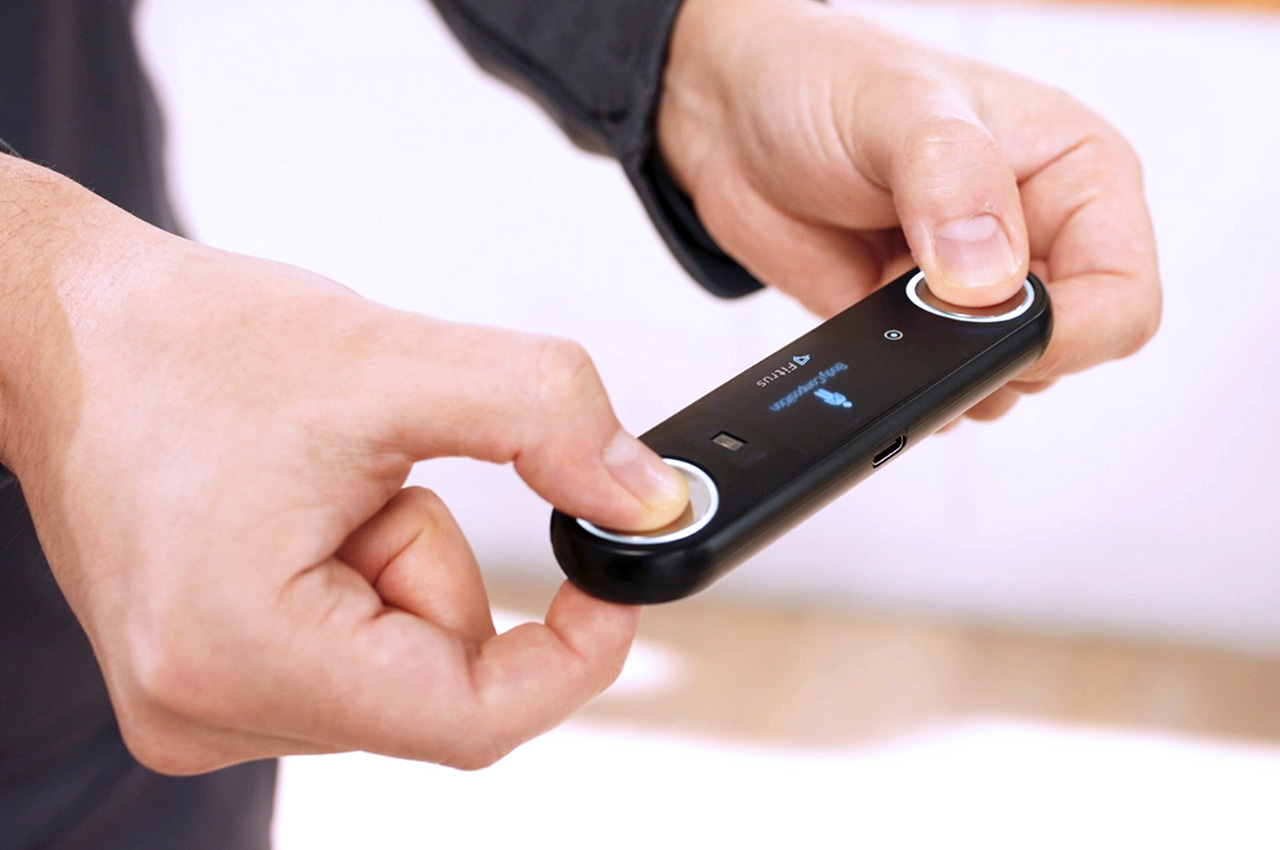
Hold the four electrodes with your thumbs and index fingers, stretch your arms forward. Keeping your elbows straight, and avoid touching your hands together. Wait until the results appears!

The new design is as smooth and user-friendly as the software that powers it. The updated health tracking functions, including protein, mineral, and swelling indexes, make the upgrade from the previous generation worthwhile. These additions allow for a more comprehensive health analysis. Gaining insights into your body’s changes is valuable. However, further benefits can be derived, such as receiving personalized health recommendations for meal plans and workout routines. These are based on the collected and analyzed data. As our bodies change over time, whether we notice it or not, these personalized recommendations continue to adapt, enabling you to achieve your best self.

Like the temperature sensor in the Google Pixel 8, an IR sensor can be used to measure skin temperature without contact. It instantly displays the temperature on the OLED screen, eliminating the need for a smartphone. This device is especially useful for parents with young children, as it can also measure the temperature of soup or milk to prevent burns. Measuring 4.96 inches long, 0.54 inches thick, and 1.34 inches wide, and weighing just 1.41 ounces, the Fitrus Plus 3.0 champions portability. Using the Fitrus is straightforward – hold the four electrodes with your thumbs and index fingers, then extend your arms forward. Ensure your elbows are straight and your hands are not touching. Maintain a straight posture and the results will display. The device automatically turns off after taking the measurement, which adds convenience as you don’t need to turn it off manually.

The Fitrus Plus 3.0 revolutionizes personal health tracking by combining portability with a rich array of health metrics, making it an essential tool for anyone committed to maintaining an active and healthy lifestyle. Its extended 20-day battery life, user-friendly USB Type-C charging, and clear OLED display ensure that users can access detailed insights into their body composition, heart rate, and more anytime and anywhere. With its enhanced features and the ability to provide personalized health recommendations, the Fitrus Plus 3.0 not only tracks health data but also helps users achieve their fitness goals with greater precision and motivation.

The Fitrus Plus 3.0 requires no subscriptions or additional payments. The application for iOS and Android is free, and the company has stated that they have no plans to implement a subscription fee in the future.

Click Here to Buy Now: $149 $249 ($100 off). Hurry, only a few left! Raised over $80,000.

The post This Portable Body Composition Tracker Revolutionizes Fitness and Health Monitoring first appeared on Yanko Design.