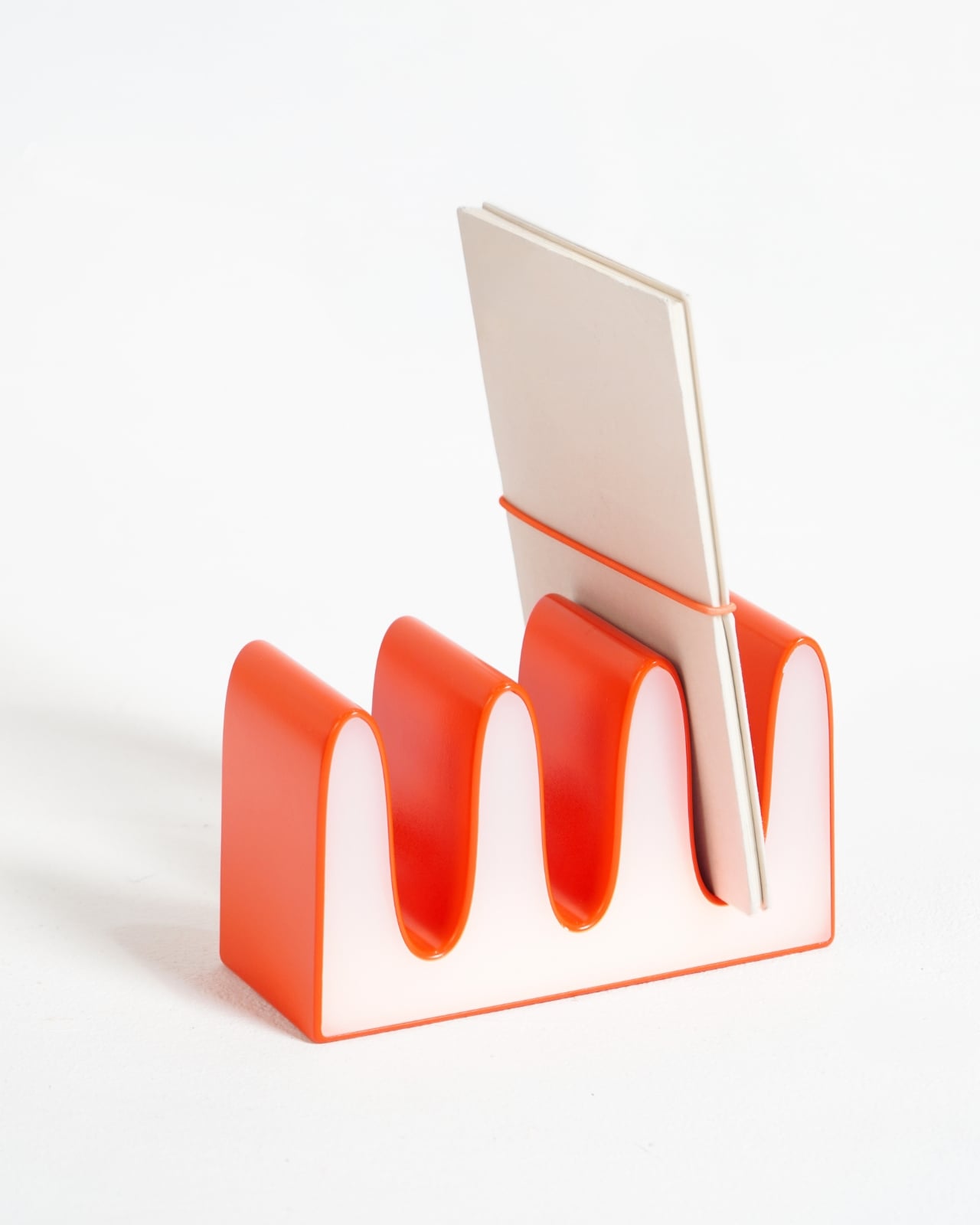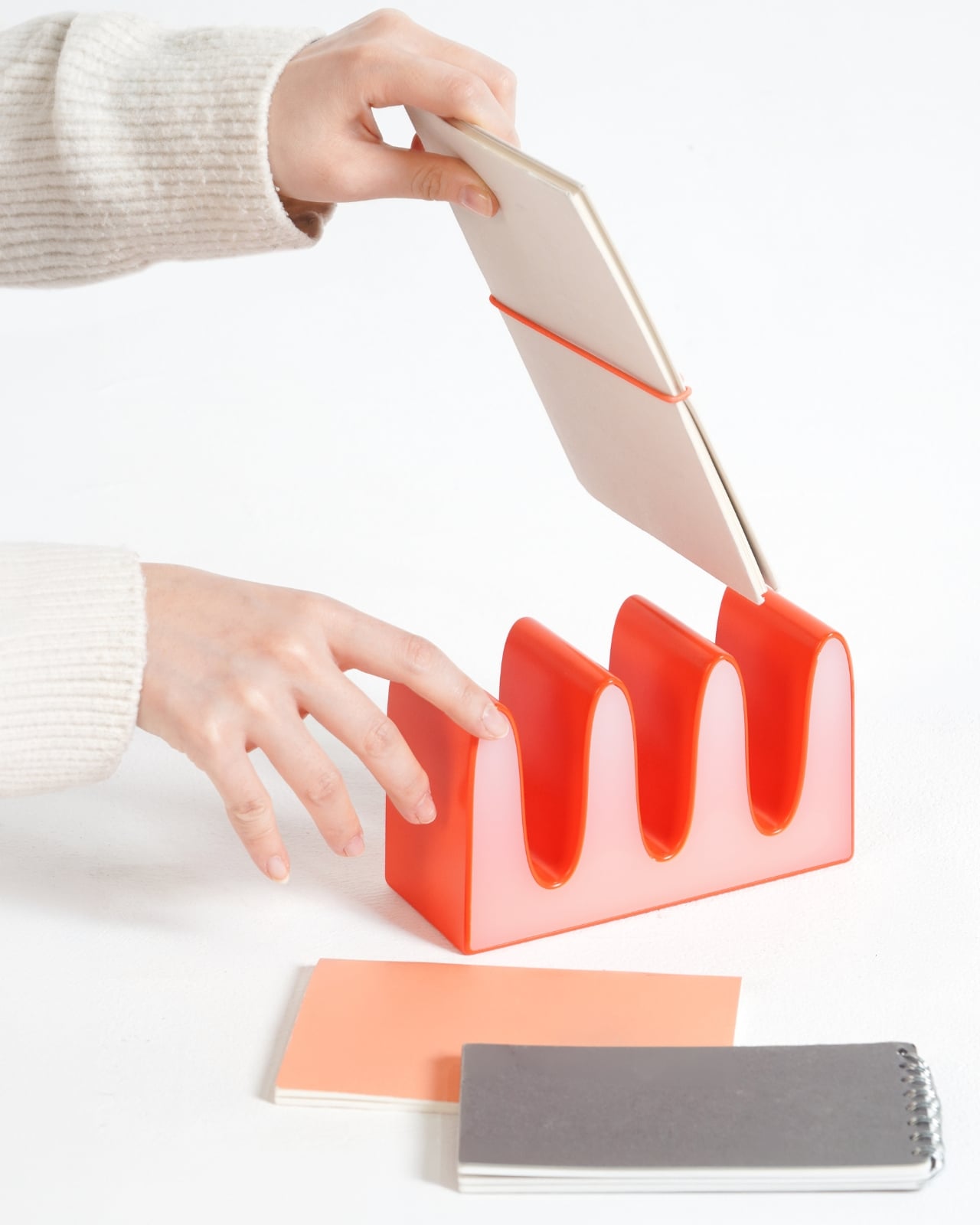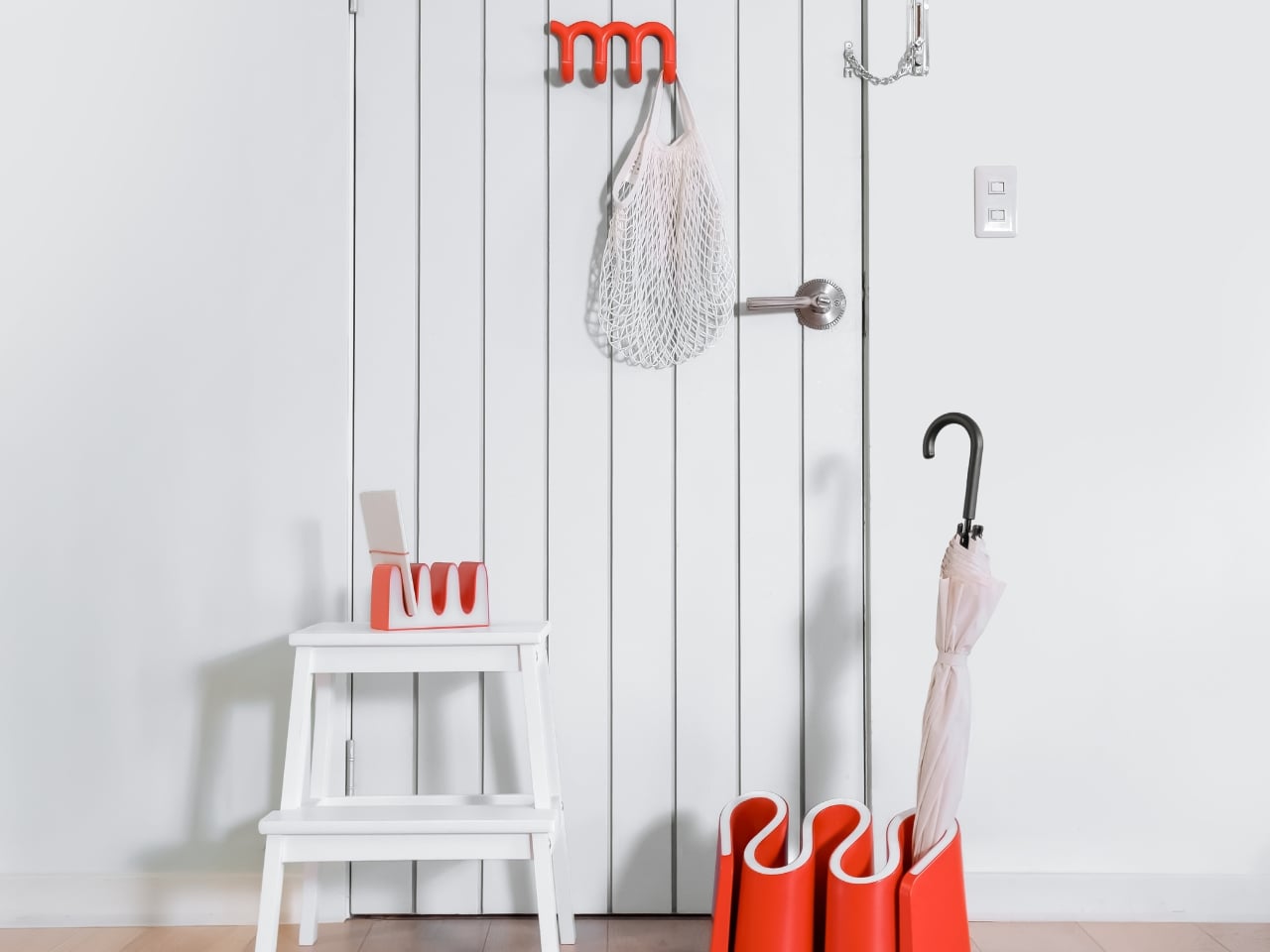
Aghsan Reimagines the Umbrella Stand as a Quiet Ritual After Rain

There is something quietly poetic about the moment you return indoors after the rain. Shoes pause at the threshold, umbrellas drip in silence, and the air briefly carries that unmistakable scent of wet earth. Yet in most homes and public spaces, this moment is interrupted by clutter. Umbrellas are stacked awkwardly in corners, water pools on the floor, and metal stands tip or rust over time. Aghsan enters this overlooked scene not simply as a solution but as a reimagining of the experience itself.

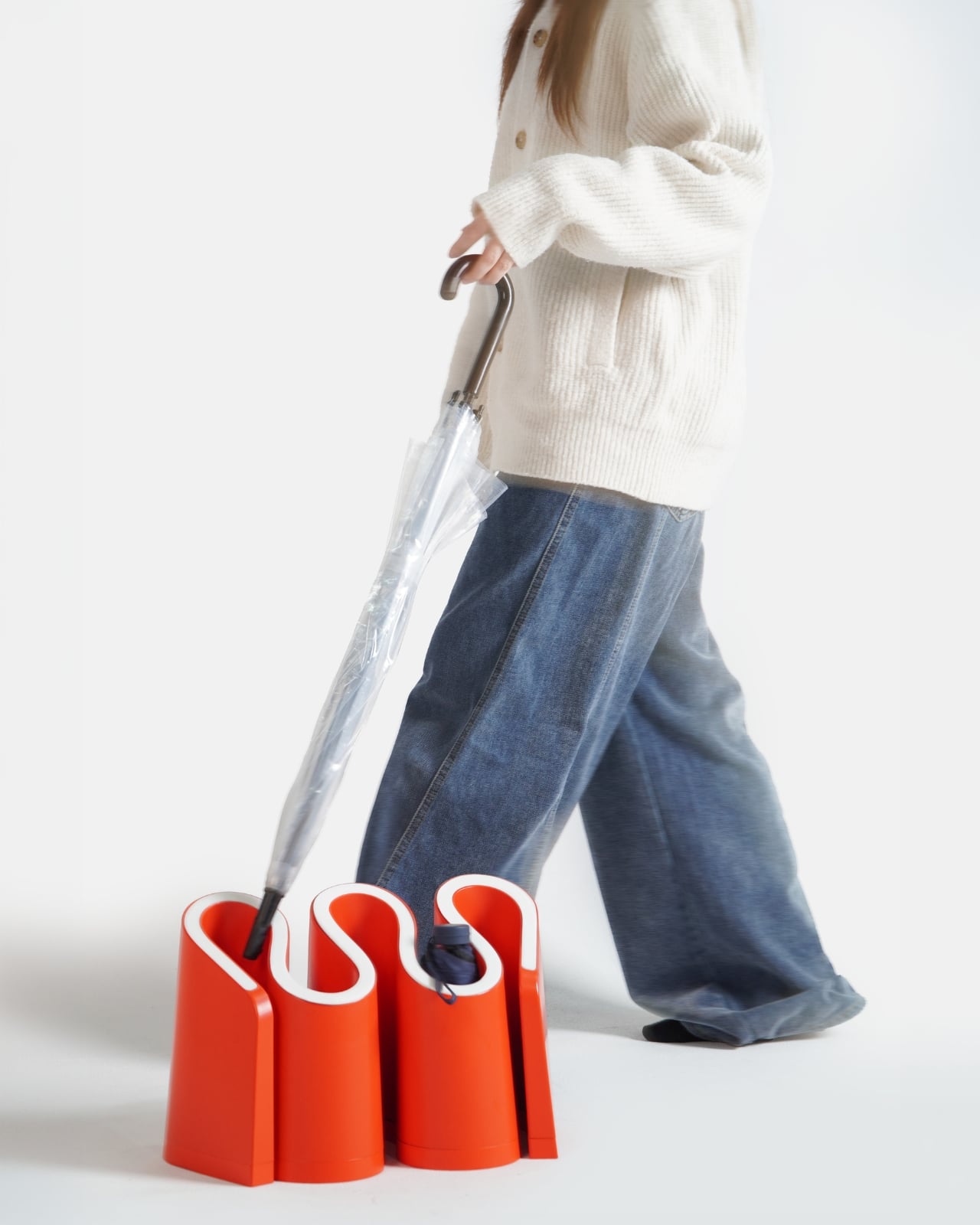
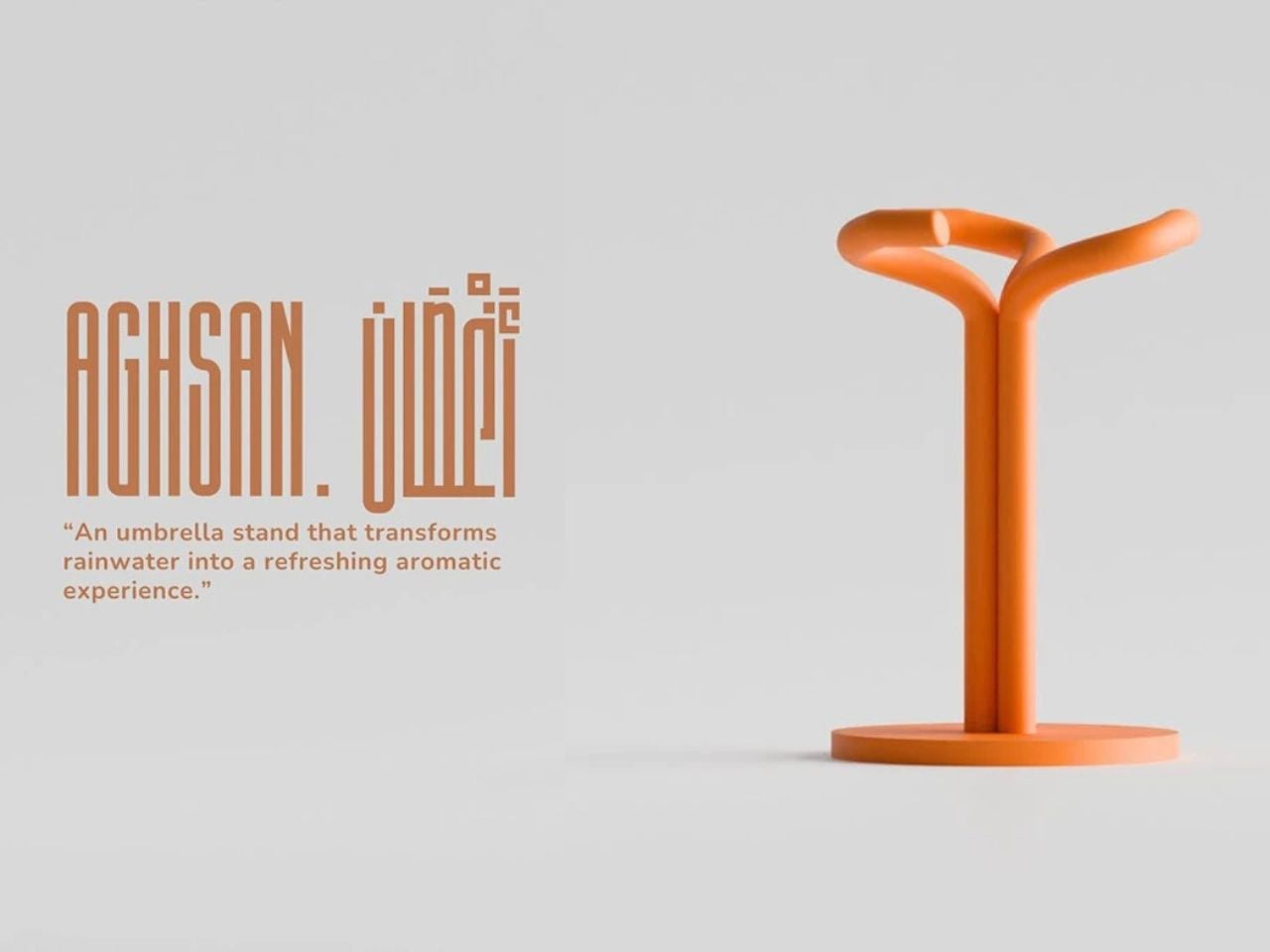
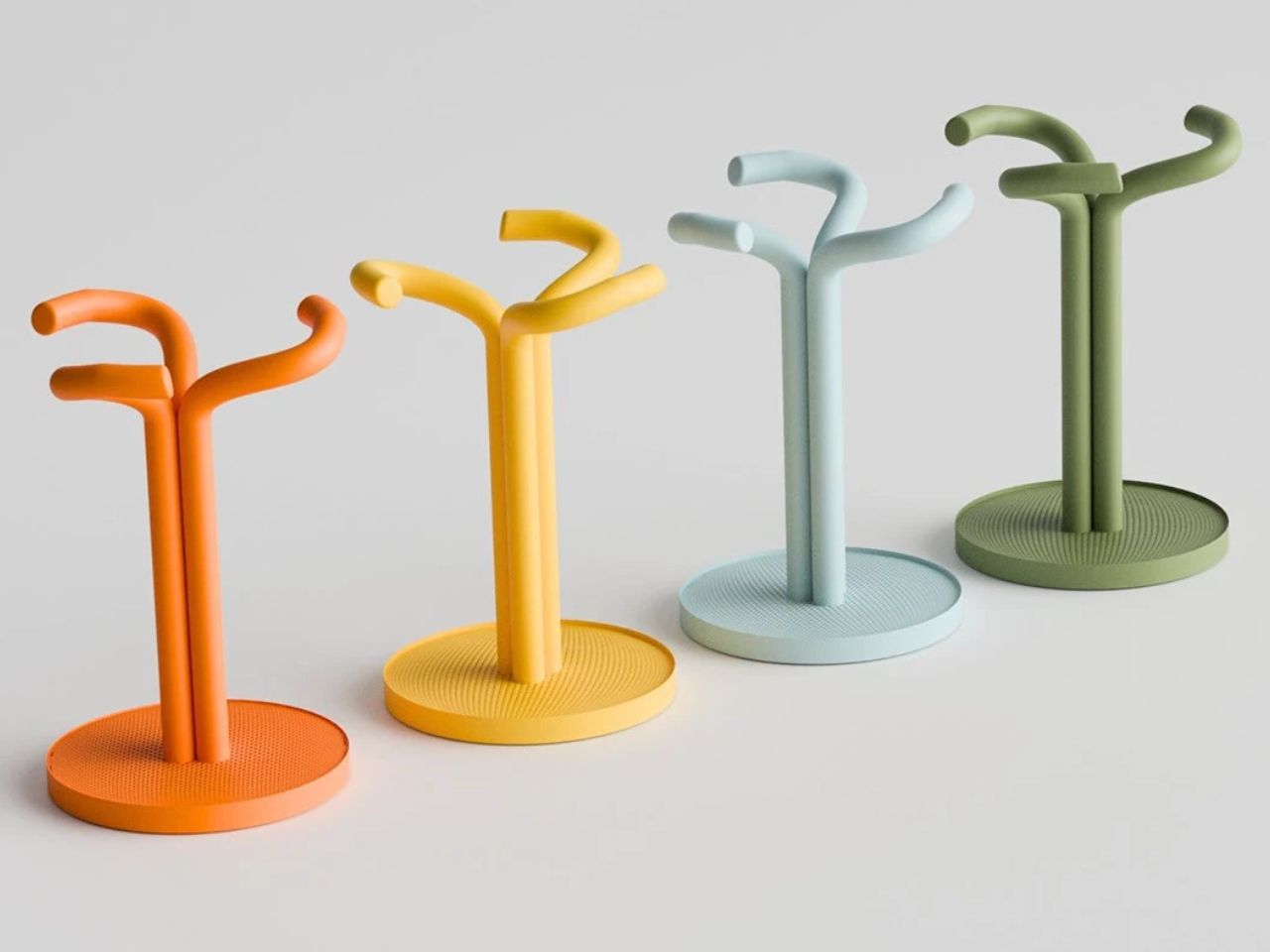
At its core, Aghsan is an umbrella stand. In spirit, it is an experience that transforms rainwater into something sensory, calm, and intentional. The name Aghsan, meaning branches, refers to the limbs of a tree reaching between earth and sky, a symbol tied to life, growth, and connection. This metaphor forms the foundation of the design, guiding both its form and its function.

Designer: Samir Hossam

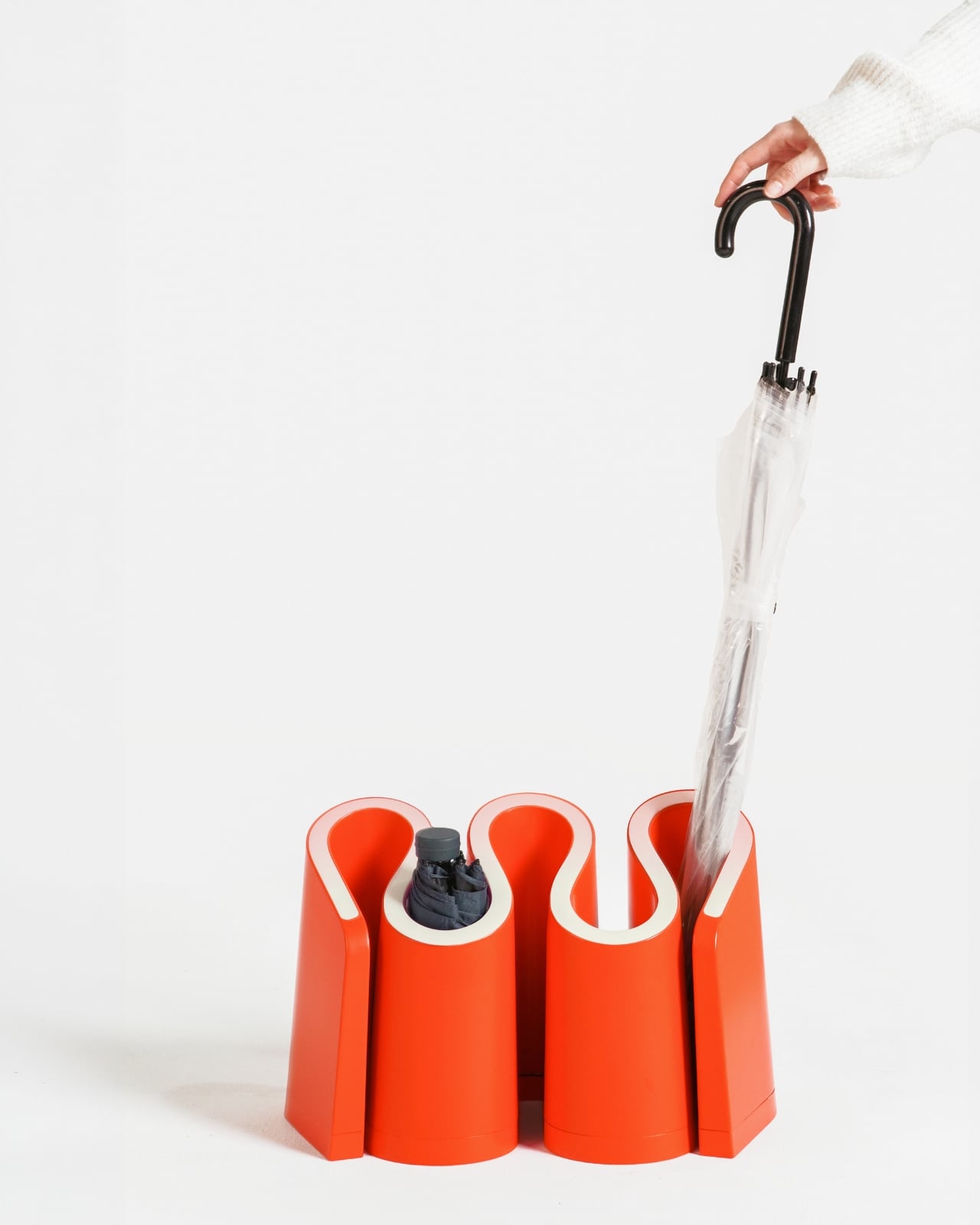
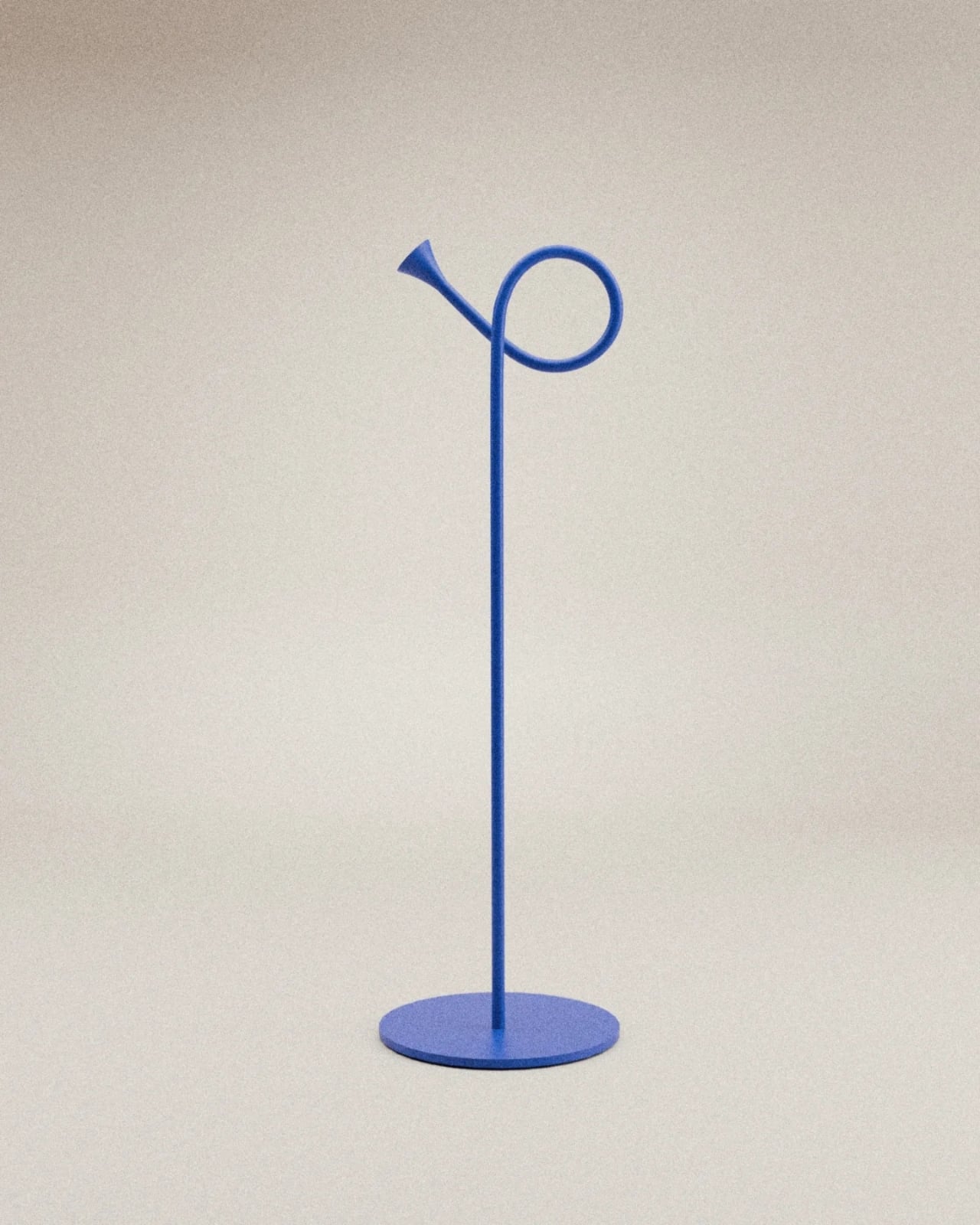
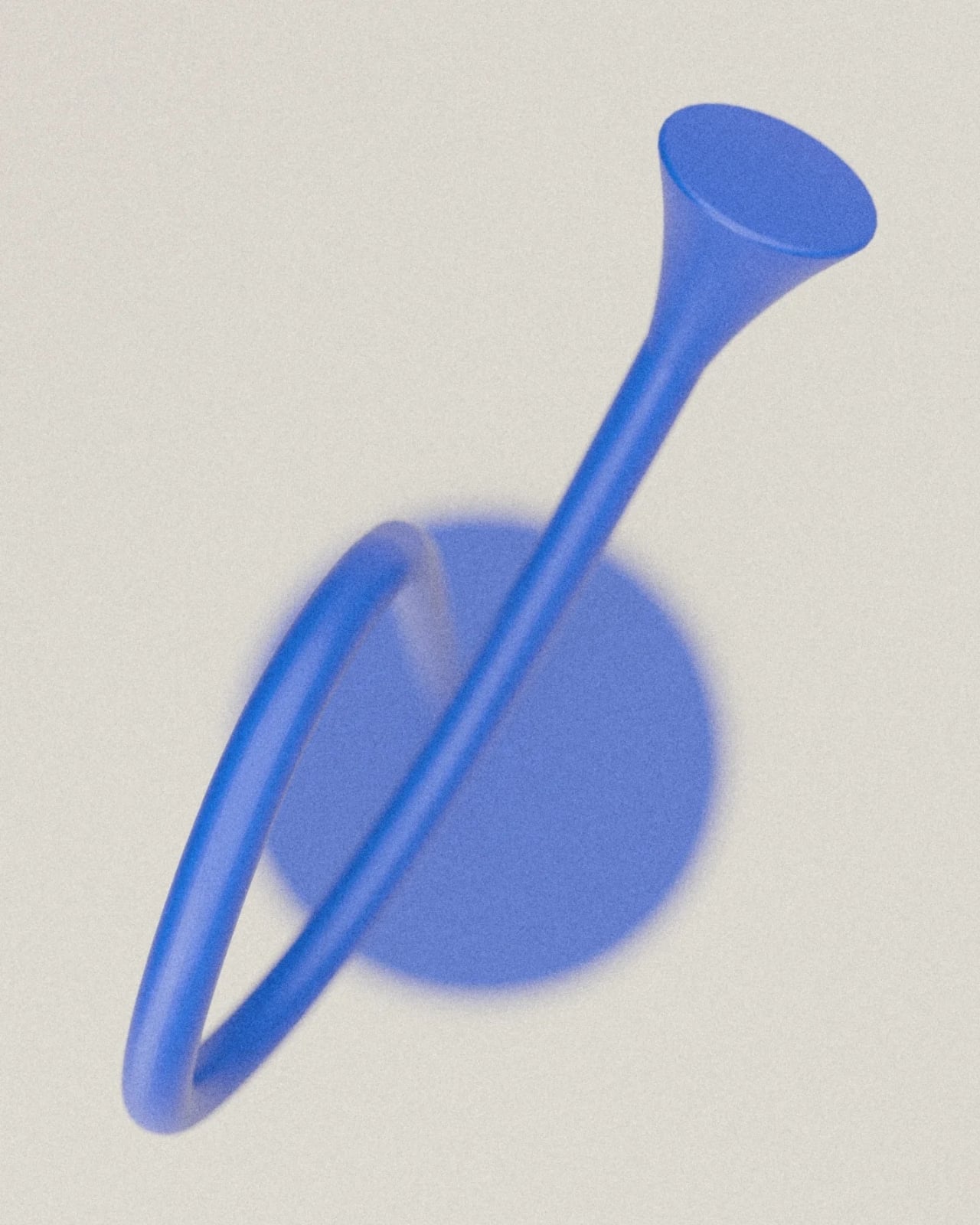
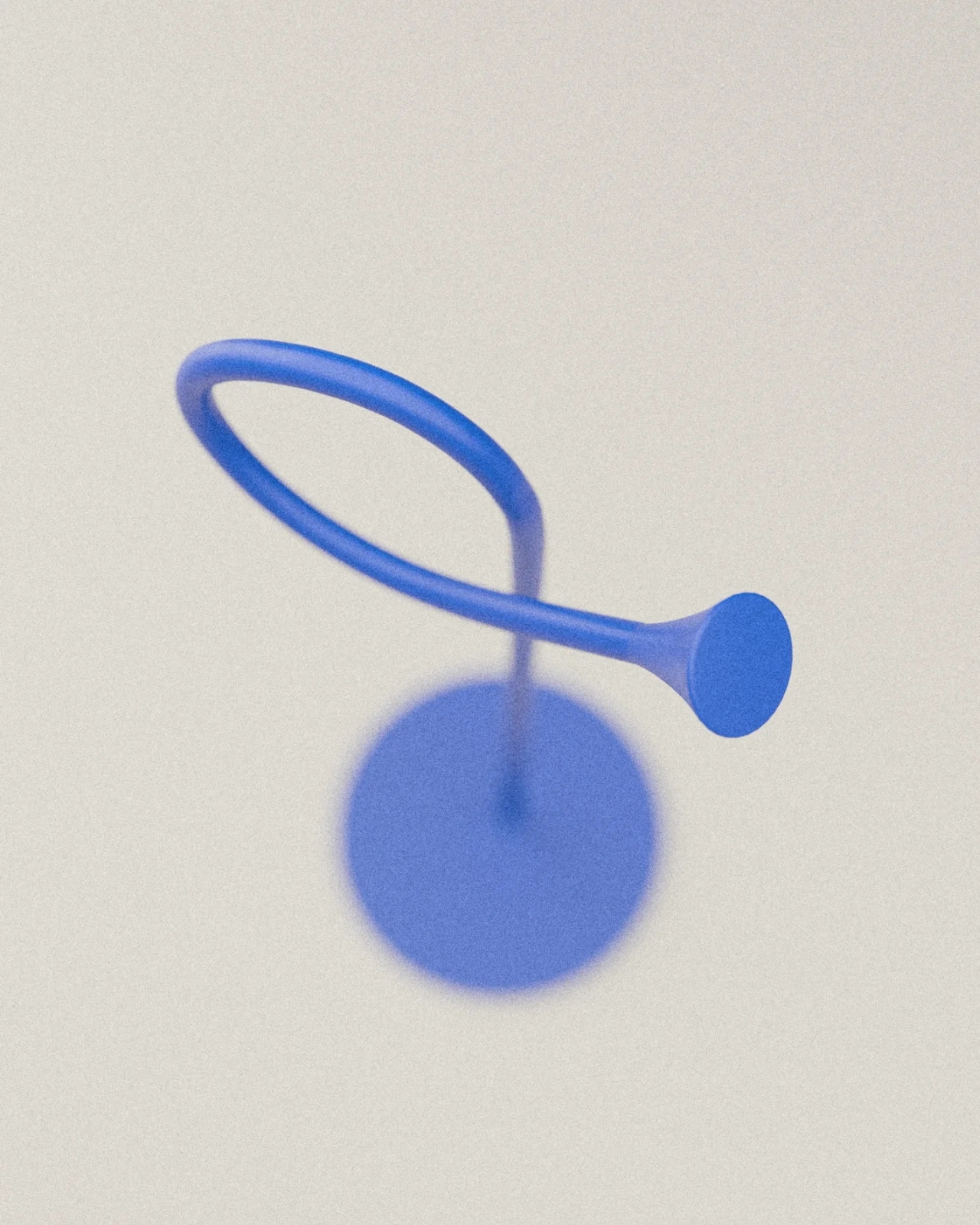
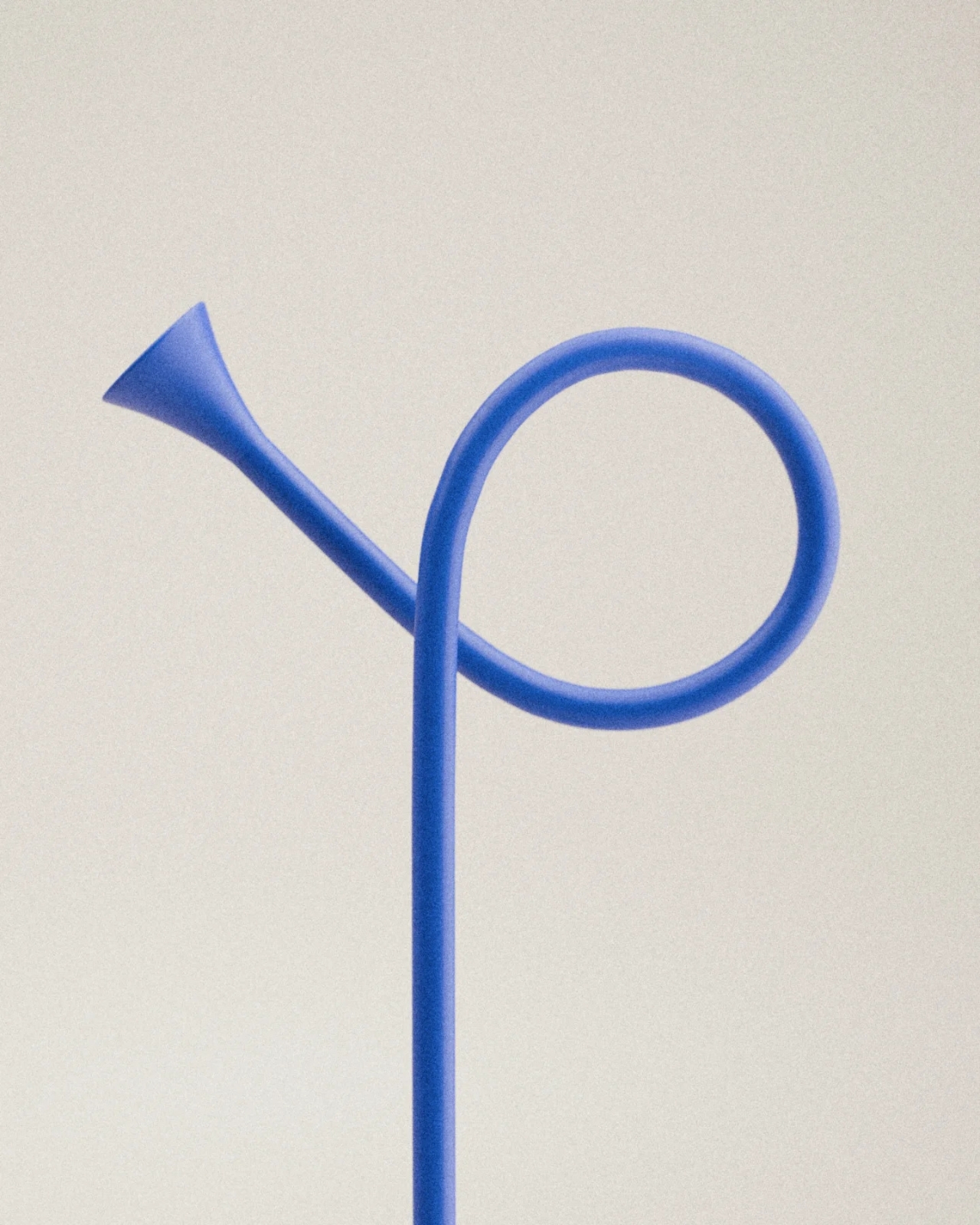
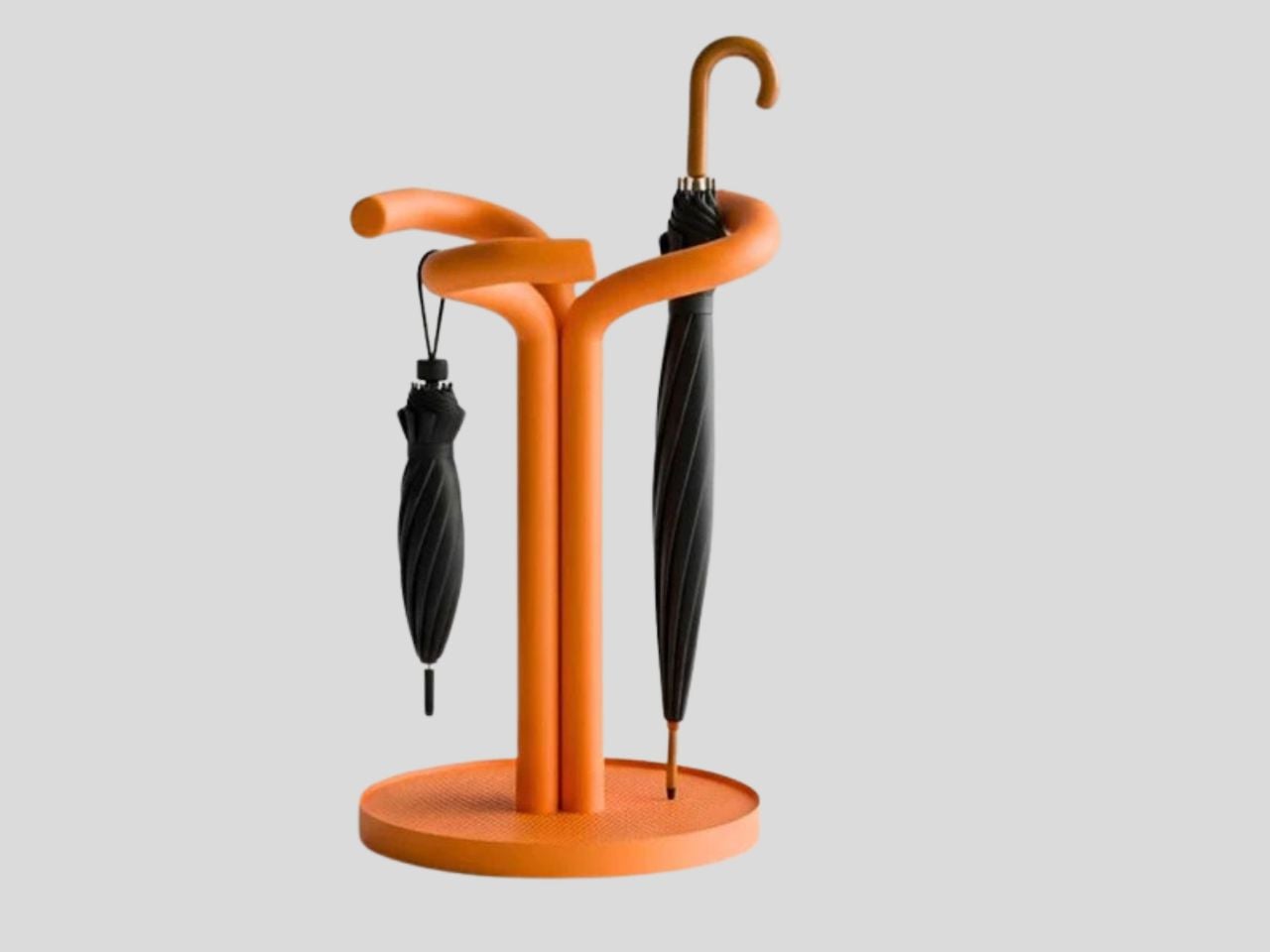
Visually, Aghsan resembles an abstract cluster of intertwining branches rising upward with lightness and balance. Each element feels deliberate, avoiding visual chaos while still expressing movement and vitality. Umbrellas are held individually rather than compressed into a single container, allowing them to dry naturally and remain visually organized. The design recognizes that disorder often comes not from excess but from poor structure, and here that structure is inspired directly by nature.

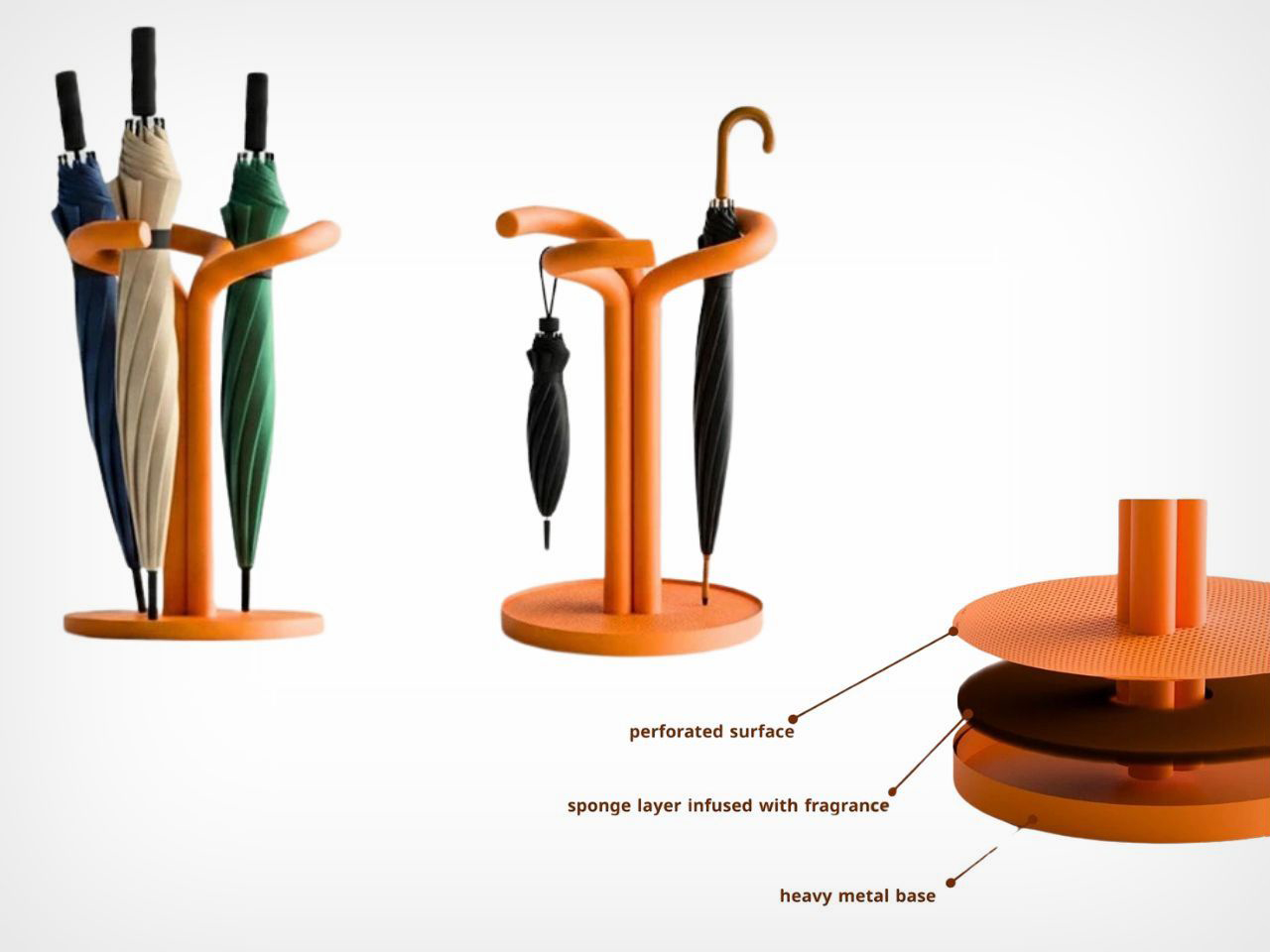
What truly sets Aghsan apart is how it engages the senses. At the base of the stand lies a water-sensitive aromatic sponge. As rainwater drips from umbrellas, it is absorbed into this layer, triggering the release of a subtle, refreshing fragrance inspired by rainfall. The result is a soft, calming scent that fills the entryway, echoing the feeling of stepping outside just after a storm. Rain is no longer treated as an inconvenience but as part of the atmosphere of the space.

This sensory layer also plays a quiet functional role. Over time, the association between the scent and the presence of an umbrella becomes ingrained. The fragrance serves as a gentle reminder to take the umbrella when leaving, relying on memory rather than instruction. It is designed to work at a subconscious level, supporting everyday behavior without demanding attention.

Functionally,y Aghsan resolves many frustrations associated with traditional umbrella stands. A heavy metal base anchors the design, ensuring stability and preventing tipping, a common issue with lightweight stands. The open perforated structure encourages airflow, while the raised edge of the base keeps umbrellas securely in place even when the stand is partially full or slightly moved. Long umbrellas can be leaned comfortably while smaller ones find their place within the branching openings above, creating intuitive organization without visual clutter.

Material choices further support durability and ease of maintenance. Unlike many metal stands that rust or lose their finish over time, Aghsan is designed to age gracefully. The sponge layer is replaceable, allowing users to refresh the fragrance or change it entirely, adding a personal and almost ritual quality to the object.

By blending organic inspiration with simple technology, Aghsan challenges expectations of everyday household products. It suggests that even the most practical objects can carry emotional value. By turning rainwater into scent clutter into order and routine into experience, Aghsan elevates the umbrella stand from a background object to a thoughtful design presence that brings calm to the threshold of daily life.

The post Aghsan Reimagines the Umbrella Stand as a Quiet Ritual After Rain first appeared on Yanko Design.
UMBRELLA+ Moves the Umbrella Stand Off the Floor and Into Your Exit Routine

Leaving the house, getting halfway down the block, and realizing it is raining, but your umbrella is still in the bucket by the door, is familiar. Traditional umbrella stands live on the floor, out of sight and out of mind, collecting drips and getting kicked aside. The problem is not just storage. It is where that storage lives in the exit routine, and how easy it becomes to completely ignore.

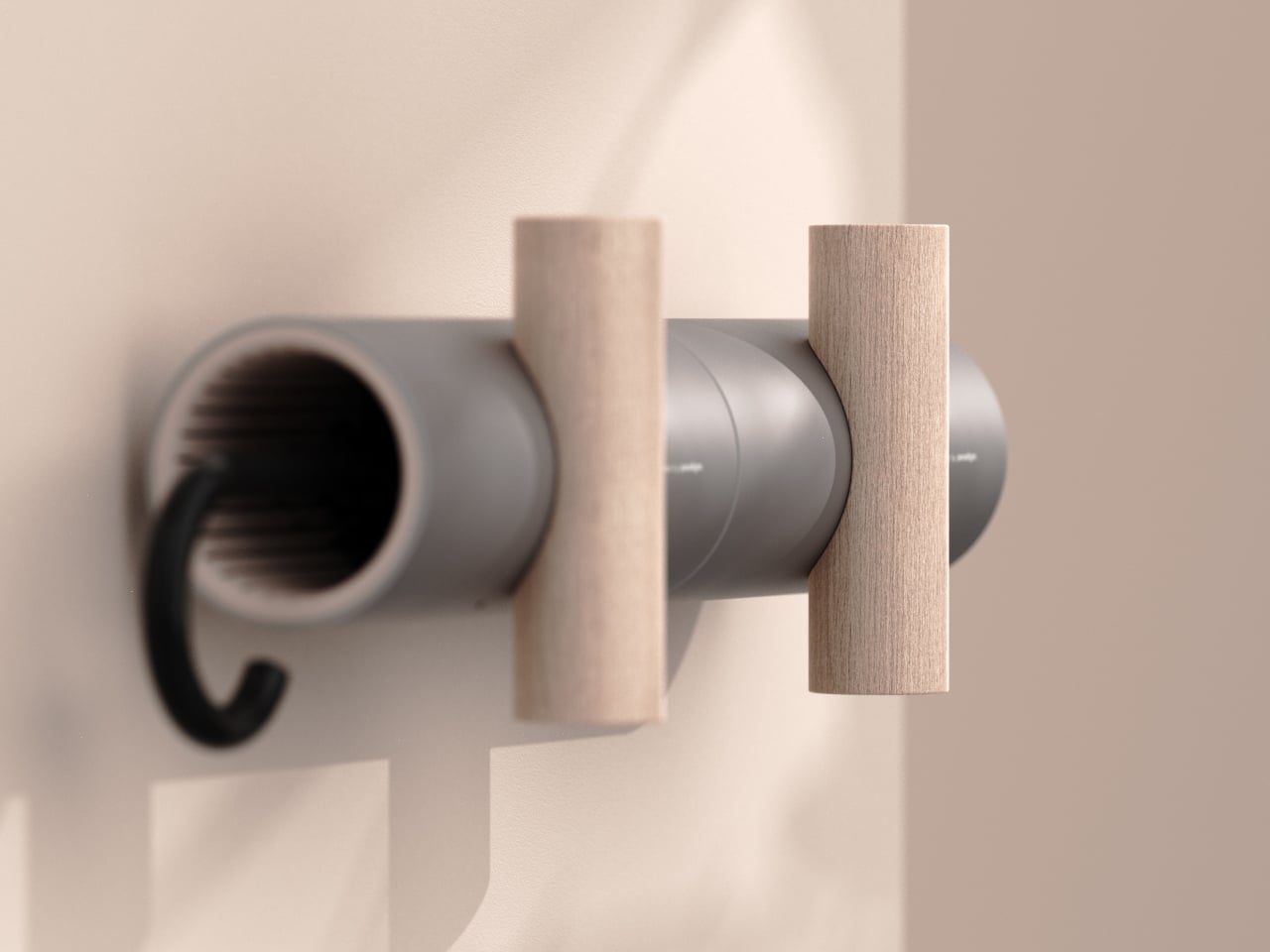
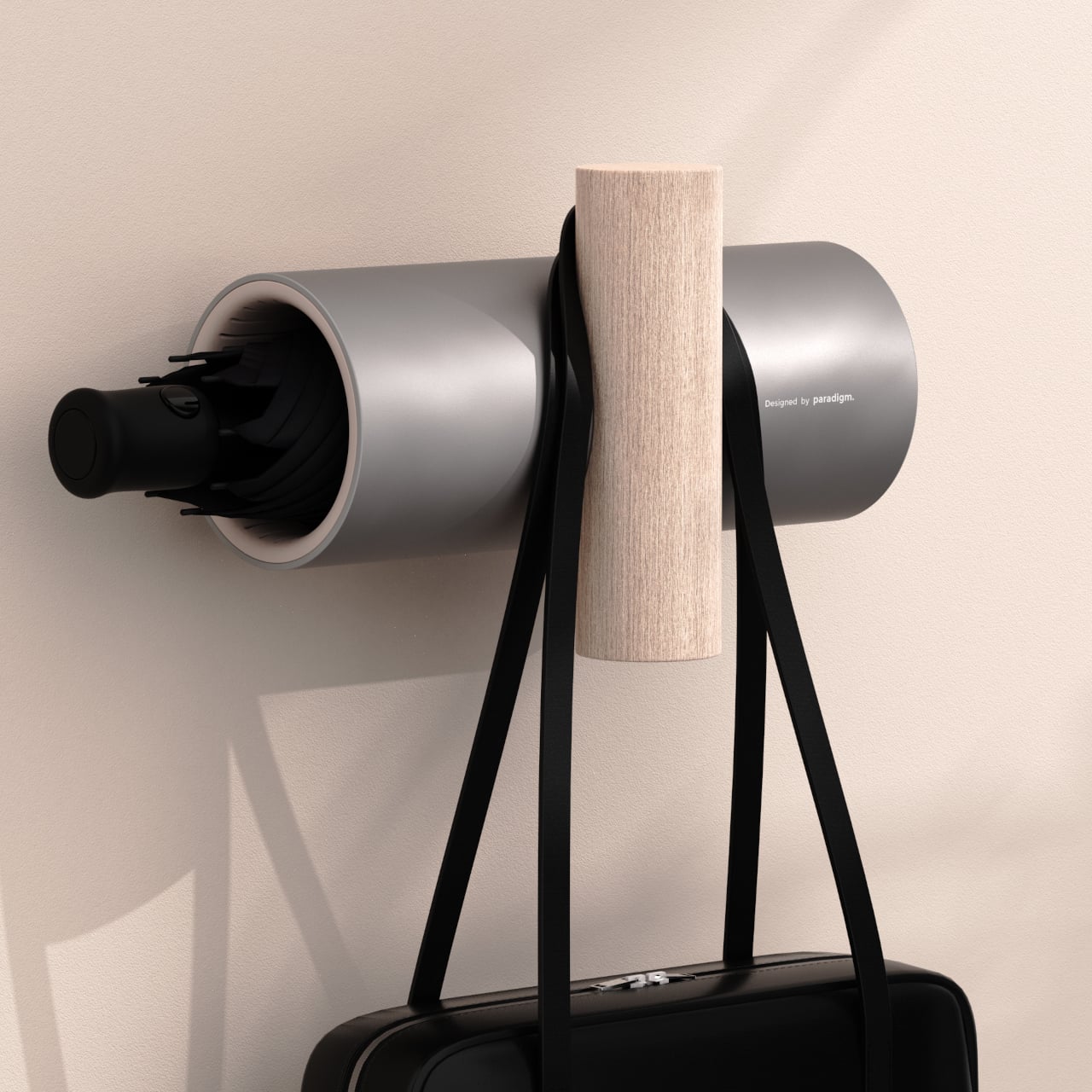
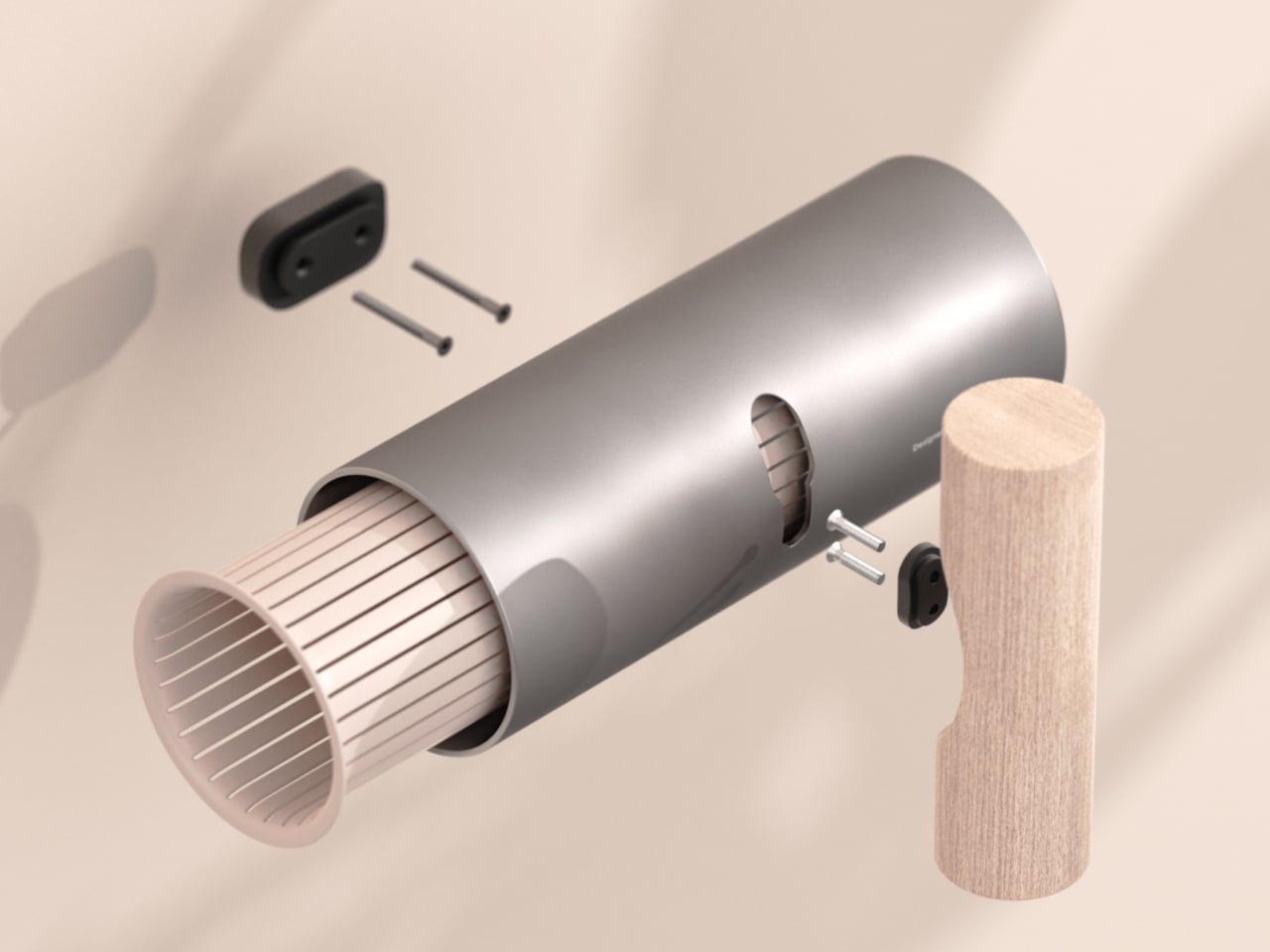
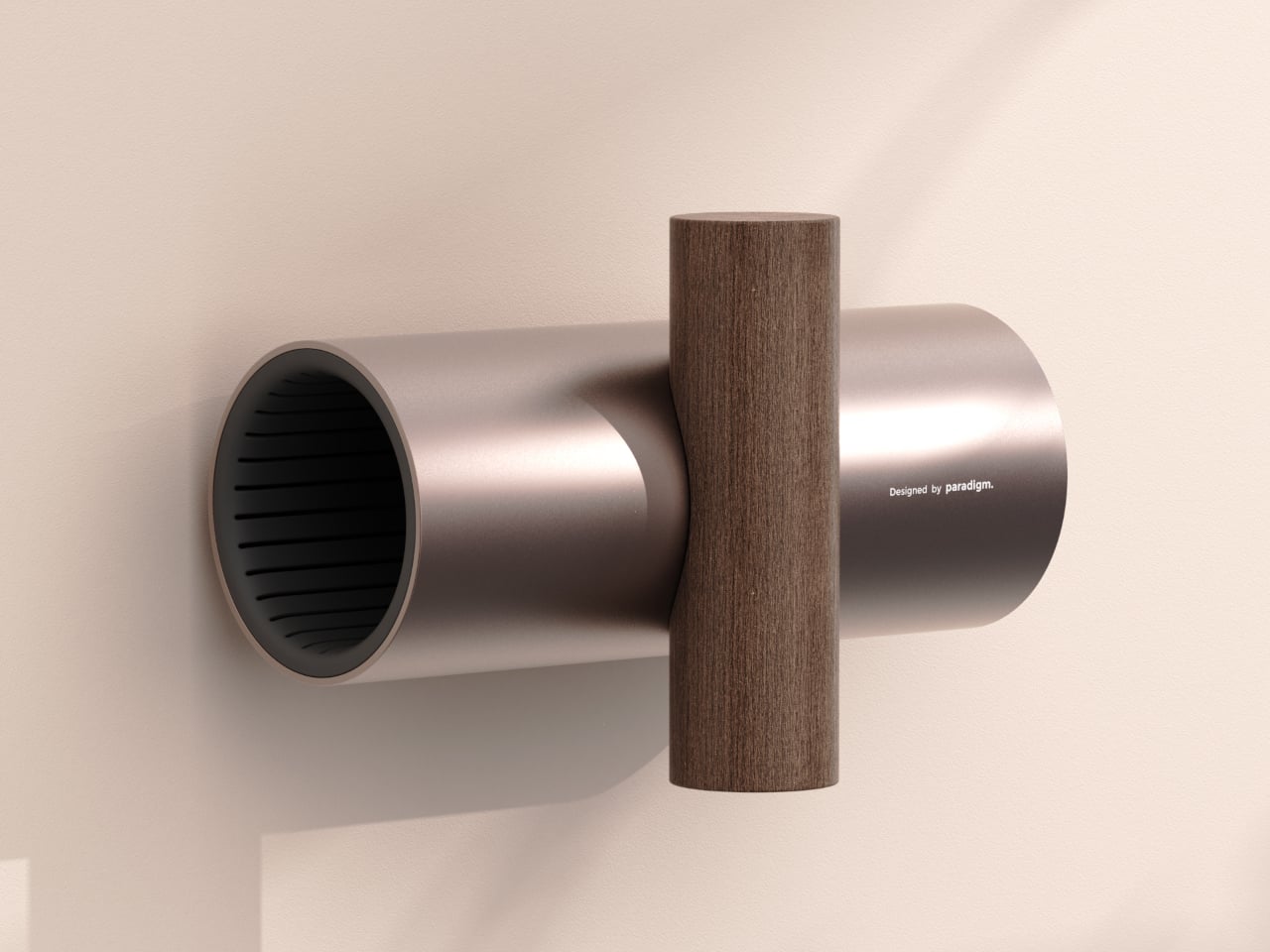
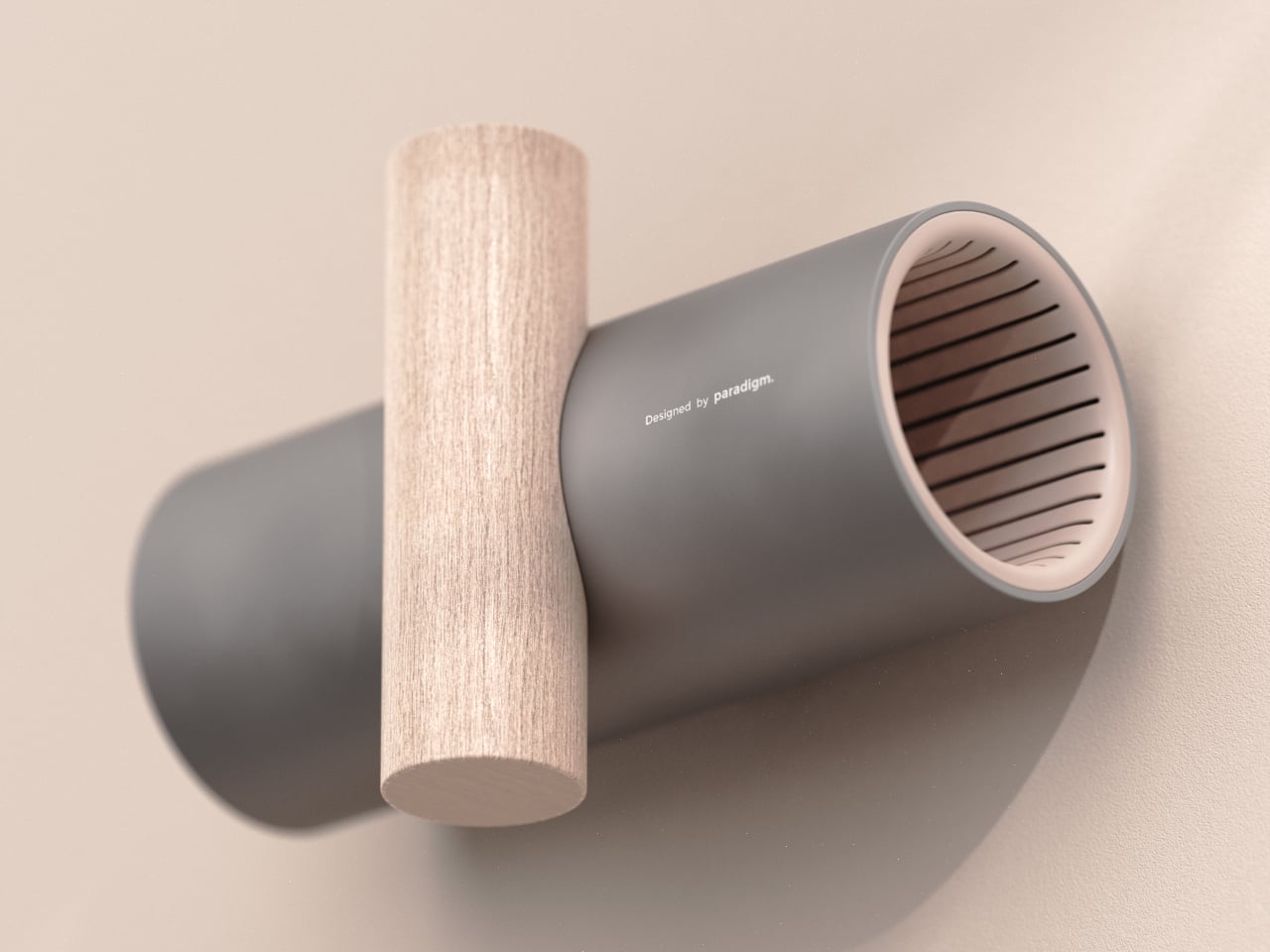
UMBRELLA+ is a concept that revisits the umbrella stand by moving it onto the wall. It is a horizontal cylinder that receives the folded umbrella, intersected by a vertical wooden element that acts as a hook for bags or coats. The T-shaped gesture pulls the umbrella into your field of view at entry height, merging storage and hanging into one coherent system.

Designer: Germain Verbrackel

Getting ready to leave, you grab your coat, loop your bag onto the vertical bar, and the umbrella is right there in the same reach, tucked into the tube or hanging by its handle. Because it sits in the same visual band as the things you already check before walking out, you are less likely to leave it behind. The object rewires the routine by placing the umbrella where your hand already goes.

Coming back wet, the umbrella slides into the tube, where internal ribbing gives the fabric somewhere to rest without collapsing and lets air circulate. It is not a sealed drip tray, so some water may reach the floor, but the design assumes the umbrella is mostly shaken off before it goes inside, which is already part of most people’s entry ritual anyway.

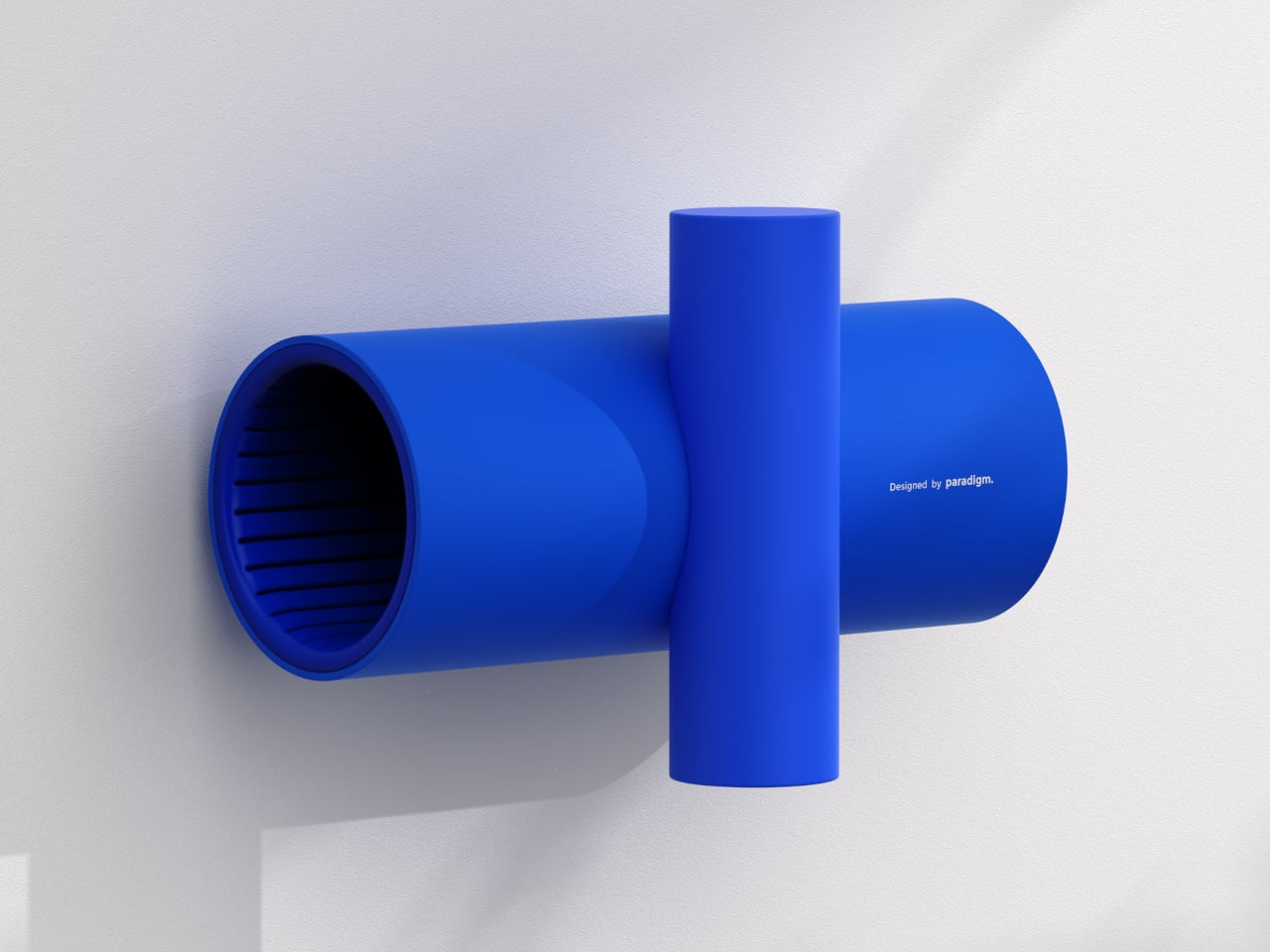
The pairing of a cool, matte cylinder with a warm wooden bar lets UMBRELLA+ slide between different moods. In neutral grey and light wood, it blends into minimal entryways. In bronze and dark wood, it feels warmer and more premium. In full blue, it turns into a playful graphic object. That flexibility lets the same form read as a quiet background or deliberate accent.

UMBRELLA+ is designed for one umbrella plus a bag or coat, not a family with multiple umbrellas fighting for space. That constraint is part of what keeps it visually clean and behaviorally focused. It is a personal entryway object, not a communal storage solution, which makes the most sense in apartments or homes where one or two people are managing their own gear.

UMBRELLA+ is less about inventing a new function and more about moving an existing one into a different part of the wall and the routine. By elevating the umbrella physically and symbolically, it turns something easy to forget into something harder to ignore. Sometimes the best way to solve small daily friction is not a smarter object, but a smarter place to put it, especially when that place is already where you reach every time you leave.

The post UMBRELLA+ Moves the Umbrella Stand Off the Floor and Into Your Exit Routine first appeared on Yanko Design.
When Function Meets Whimsy: Grid Transforms the Umbrella Stand

There’s something delightful about a design that makes you reconsider the mundane. We walk past umbrella stands every day without giving them a second thought. They’re just there, practical and forgettable, tucked into corners doing their quiet work. But what if an umbrella stand could be more than a utilitarian afterthought? What if it could be playful, sculptural, and bold enough to earn a spot in your entryway not despite being an umbrella stand, but because of it?

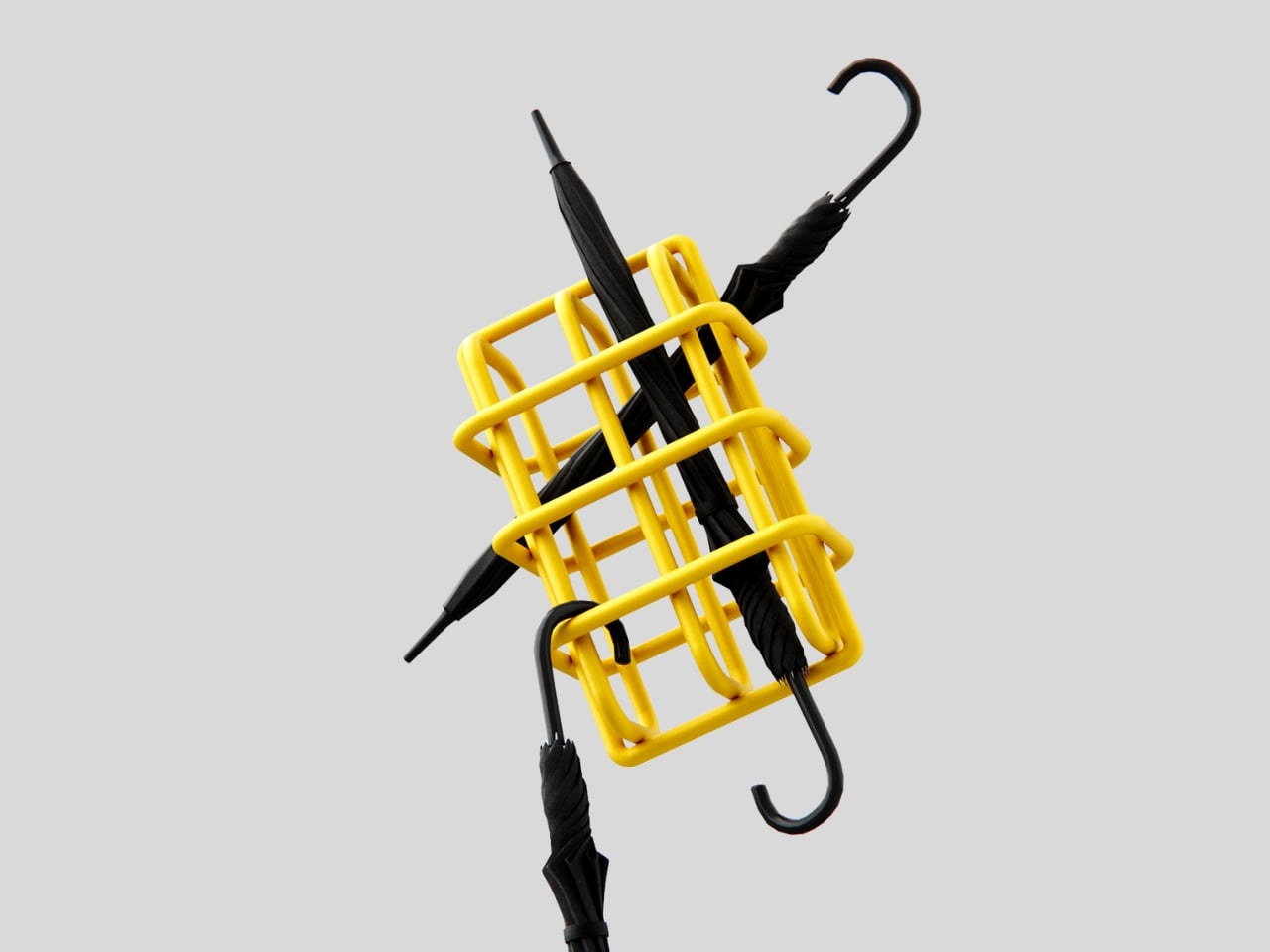
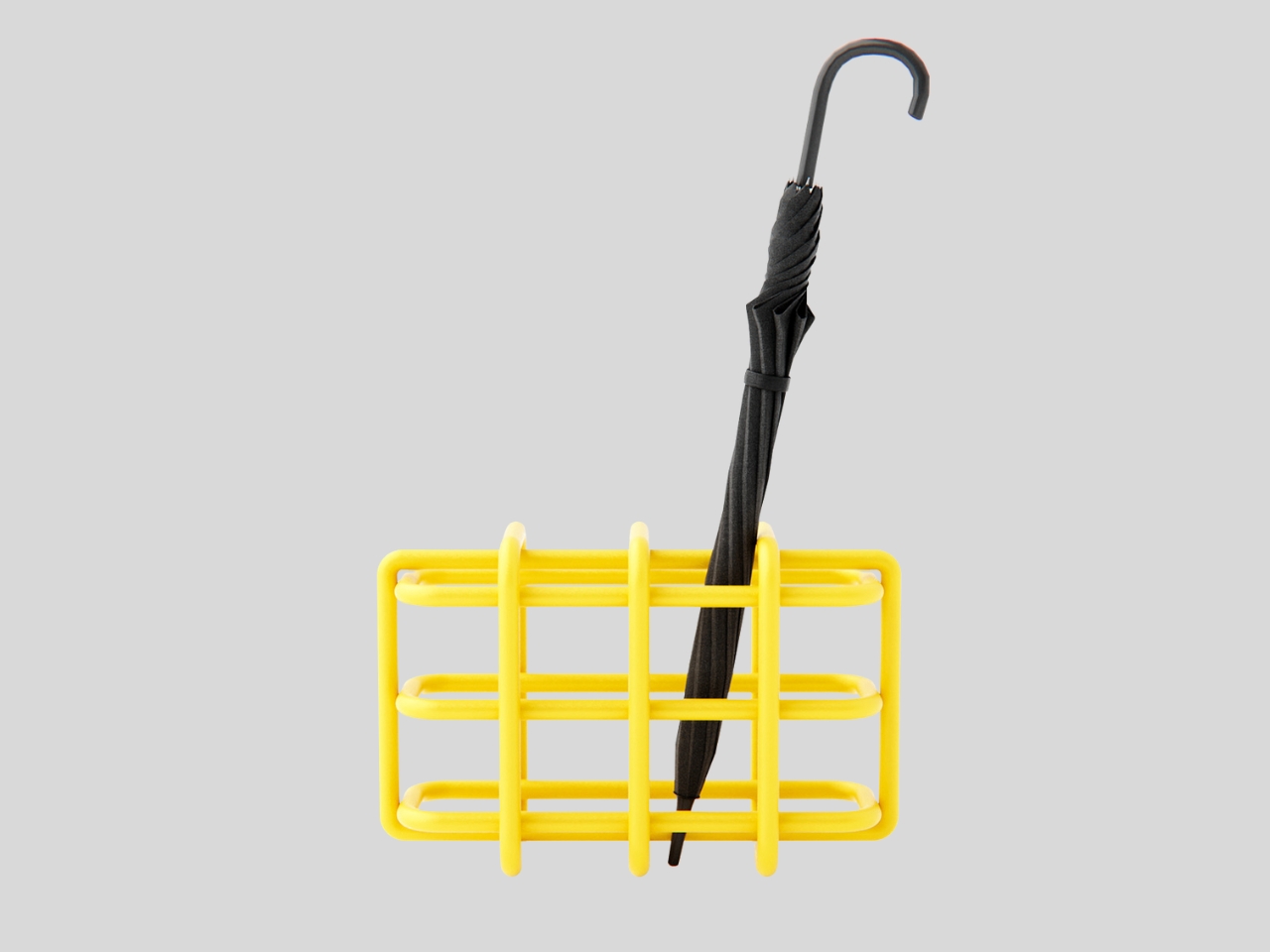
That’s exactly what Liam de la Bedoyere achieved with Grid, a minimalist umbrella stand that looks less like household furniture and more like a three-dimensional puzzle that escaped from a modern art gallery. The Essex-based industrial designer, who runs Bored Eye studio specializing in furniture and imaginative everyday objects, took inspiration from wine racks to create something that reimagines how we store our rain gear.

Designer: Liam de la Bedoyere

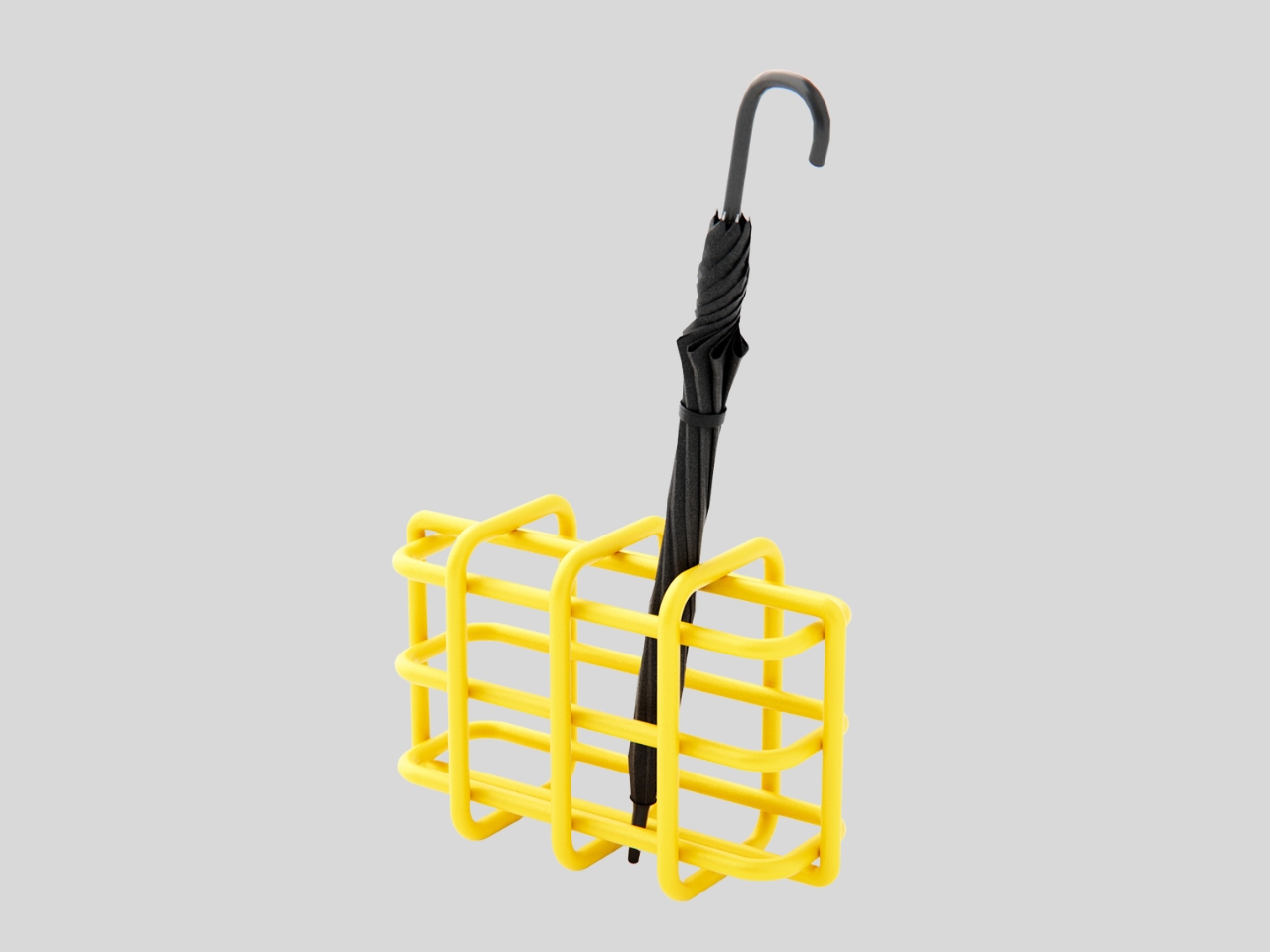
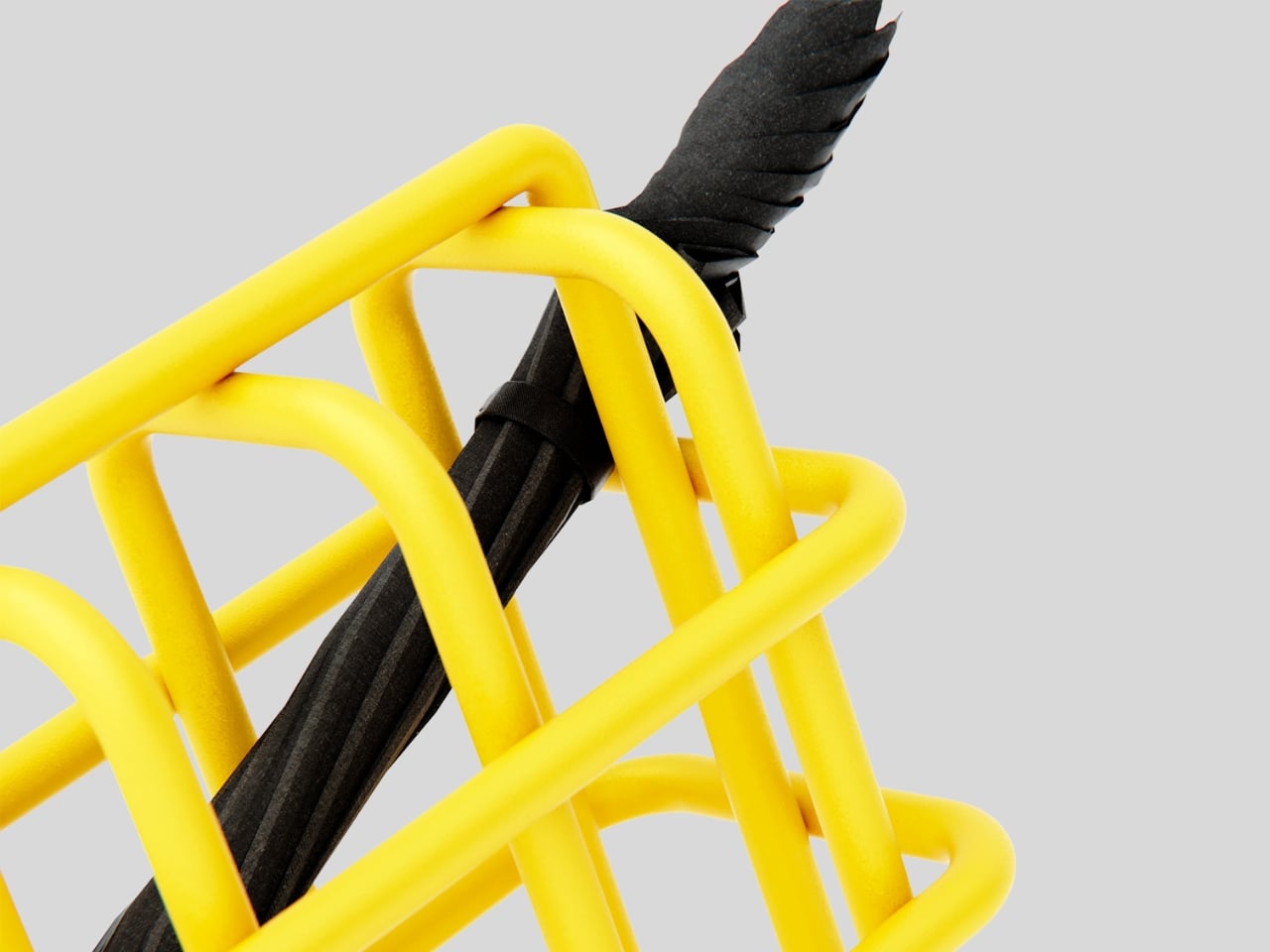
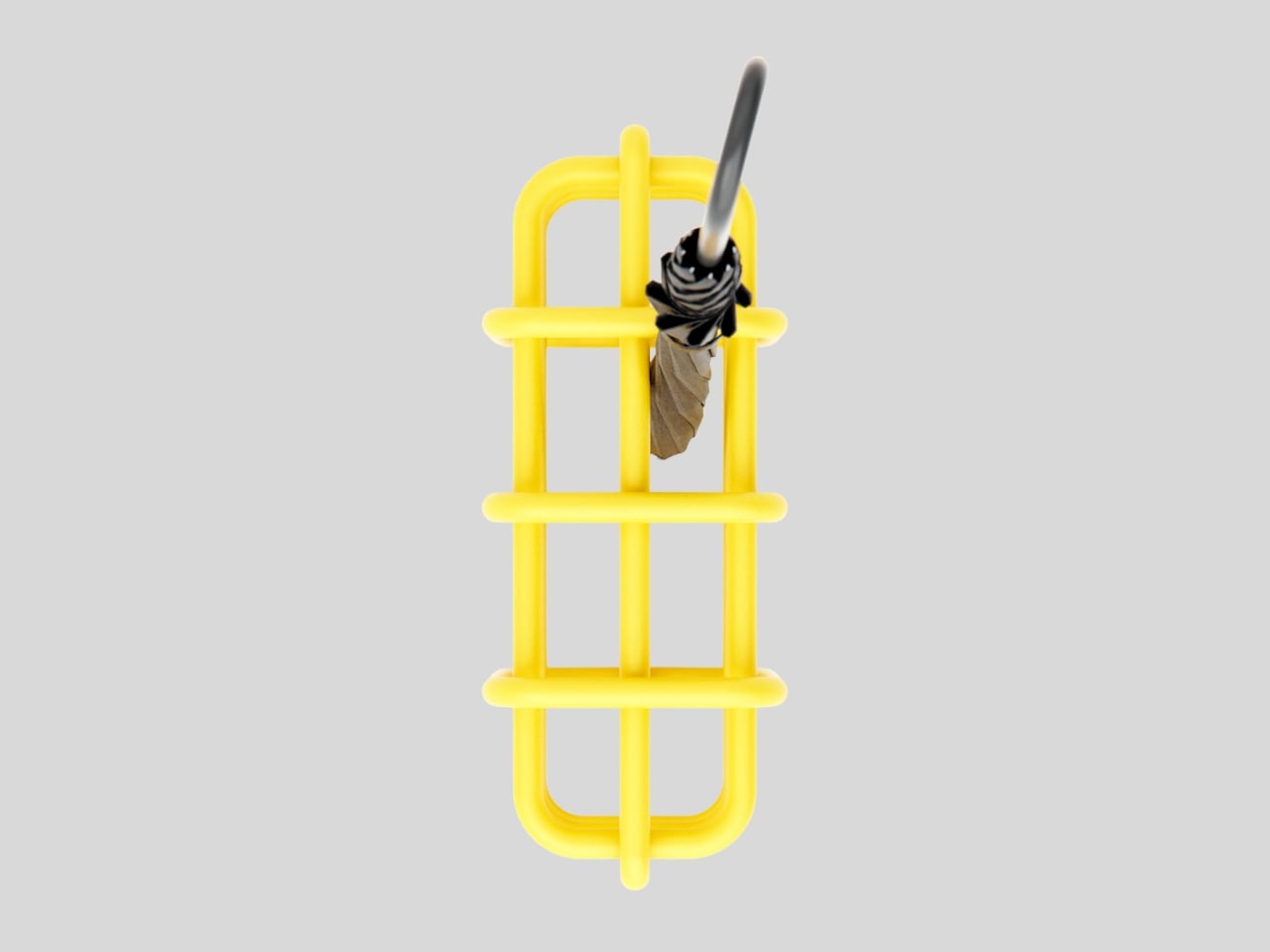
At first glance, Grid is pure visual joy. The bright yellow tubular frame weaves and loops through space, creating a geometric lattice that seems to defy its own simplicity. It’s the kind of object that makes you stop and trace the lines with your eyes, following how each rounded bar intersects and overlaps with the next. The design sits somewhere between functional sculpture and architectural model, compact enough for a small apartment yet striking enough to anchor a statement entryway.

The genius lies in how Grid holds umbrellas. Rather than forcing them into rigid slots or letting them jostle for space in a cylindrical container, this design cradles each umbrella at multiple points throughout the three-dimensional grid structure. You can slide an umbrella through at various angles, and the interwoven frame naturally supports it. The result is something unexpectedly organic: umbrellas become part of the composition, their handles and shafts creating new visual lines that play off the yellow framework.

According to the designer’s concept, Grid includes practical considerations that keep it from being merely decorative. The flat-pack construction means it arrives unassembled and space-efficient, while the powder-coated finish gives it durability and that eye-catching color depth. There’s a removable drip tray hidden at the base to catch water from wet umbrellas, solving the age-old problem of puddles forming on your floor. Even compact umbrellas get their moment, with a top peg designed specifically for them.

What makes Grid particularly appealing for design enthusiasts is how it exemplifies a broader movement in contemporary product design: the idea that everyday objects deserve creative consideration. We’re living in an era where people curate their living spaces more intentionally, where Instagram-worthy interiors have raised the bar for domestic aesthetics. Grid fits perfectly into this cultural moment, offering something that’s both genuinely useful and worth photographing.

The modularity adds another layer of interest. While the concept shows a singular yellow unit, you can imagine how multiple Grid stands might work together, creating larger installations that blur the line between storage and art installation. Picture an office lobby with several units in different colors, or a cafe entrance where the umbrella stand becomes a talking point rather than an eyesore.

There’s also something refreshing about seeing a designer tackle such an overlooked category. While the design world often focuses on chairs, lighting, and statement pieces, the humble umbrella stand rarely gets this kind of attention. De la Bedoyere’s approach suggests that no object is too ordinary to benefit from thoughtful design, that even the things we interact with for mere seconds can enhance our daily experience.

The post When Function Meets Whimsy: Grid Transforms the Umbrella Stand first appeared on Yanko Design.
This Umbrella Stand Disappears When You Don’t Need It

You know that metal umbrella stand gathering dust in your entryway? The one that’s been repurposed into a catch-all for tennis rackets, dog leashes, and that broken tripod you keep meaning to fix? Yeah, that one. Designer Aishwarya Ajith looked at this universal furniture problem and asked a brilliantly simple question: why do we need a permanent umbrella stand when rain is seasonal?

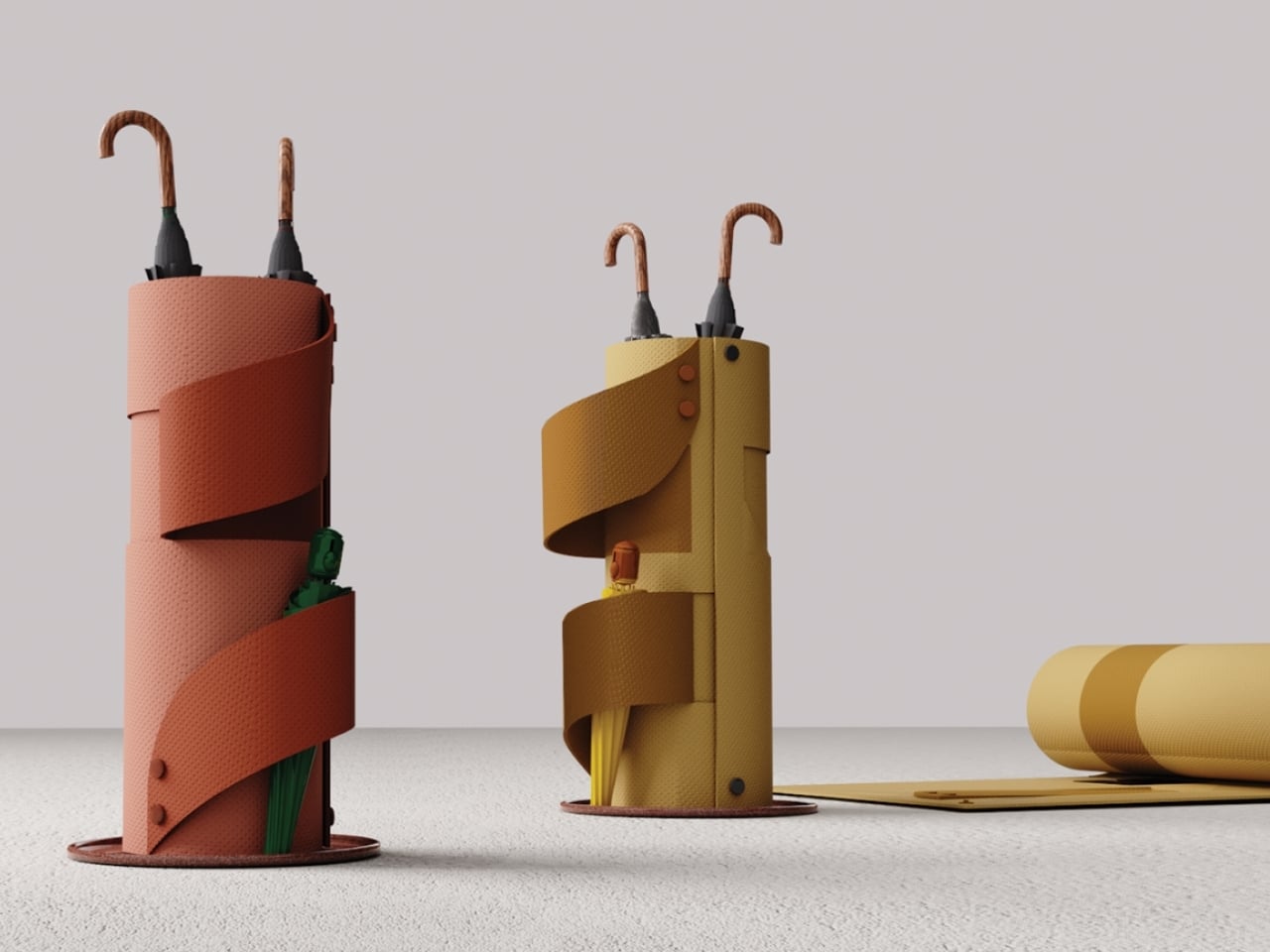
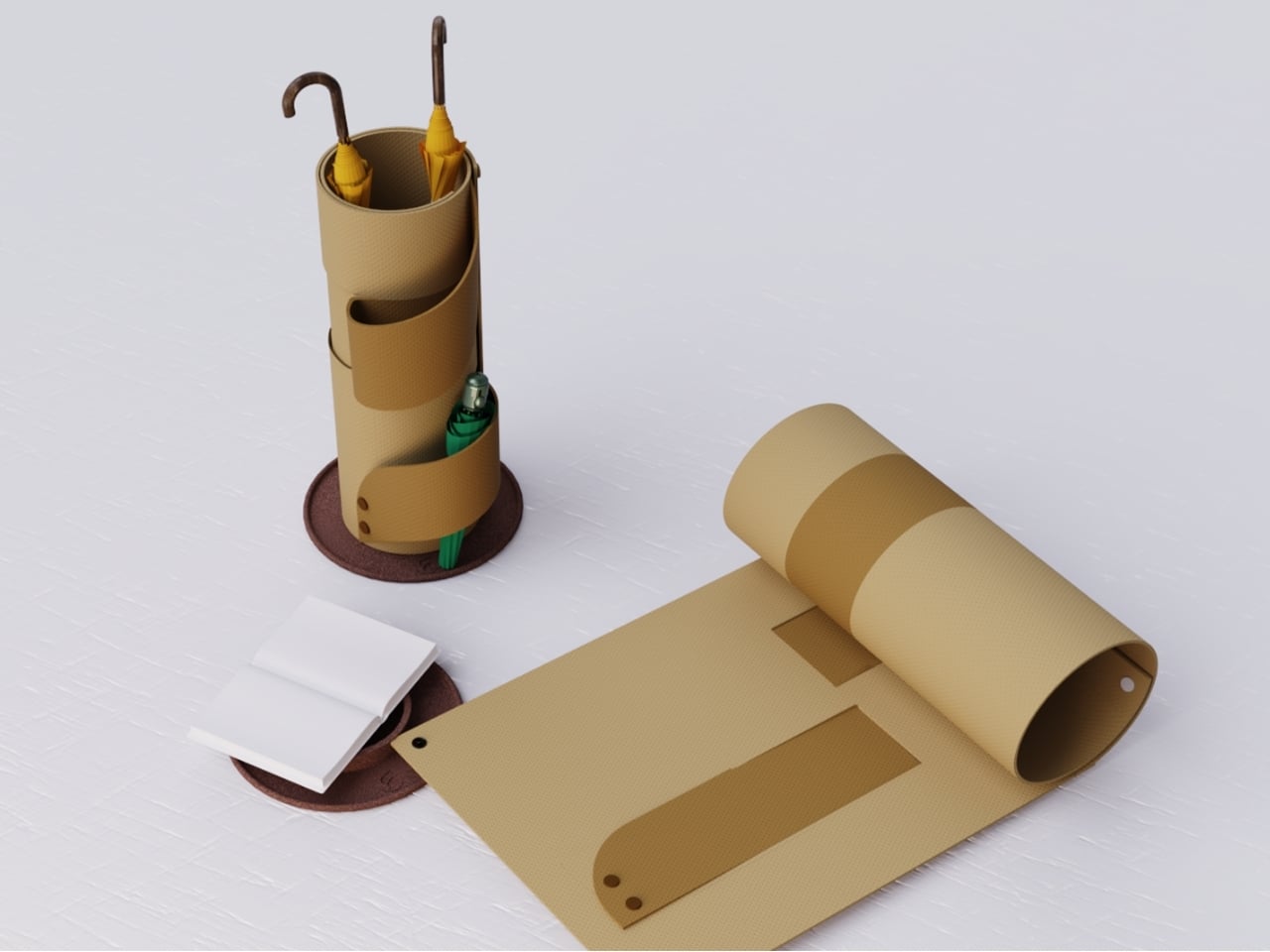
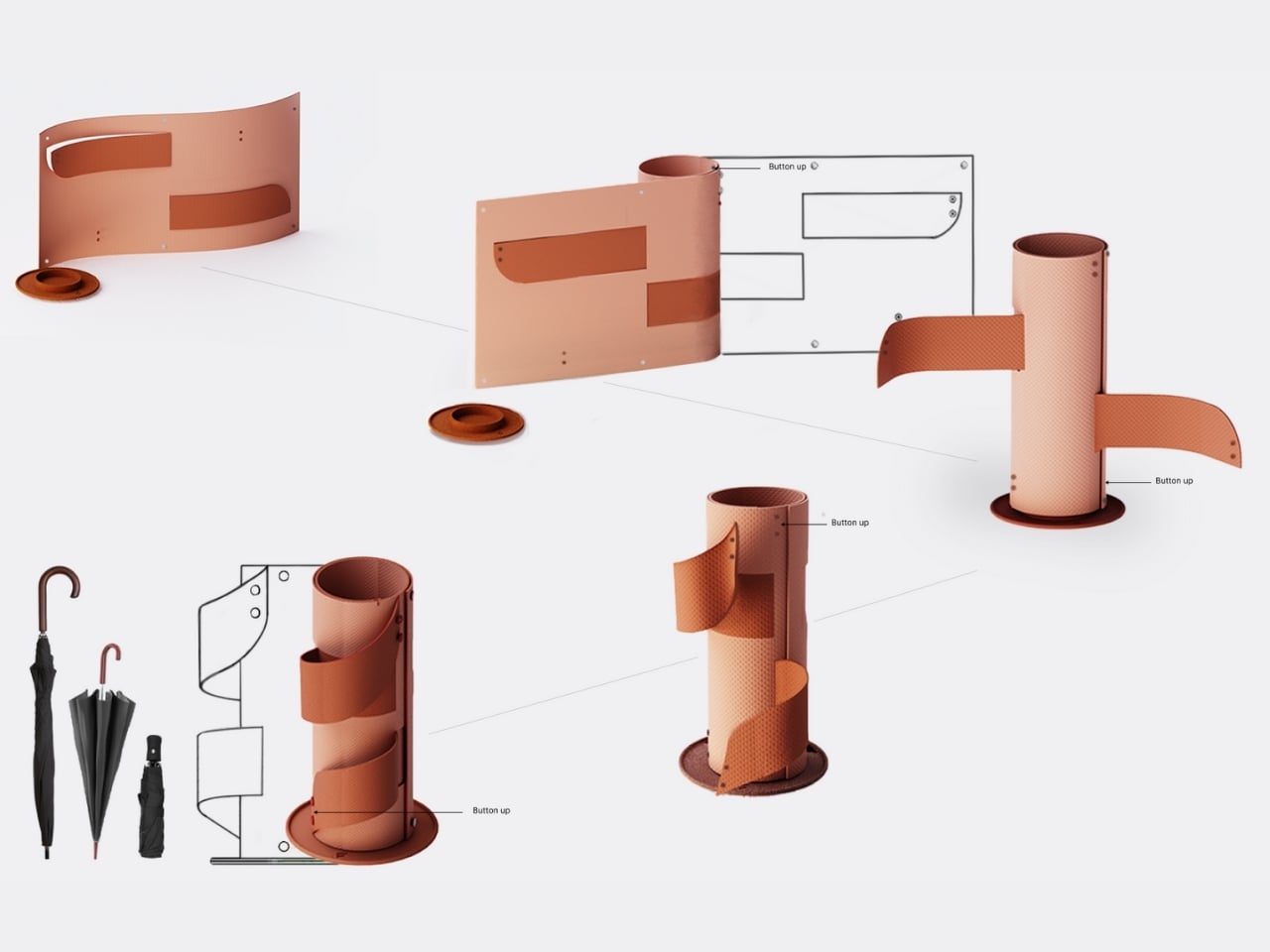
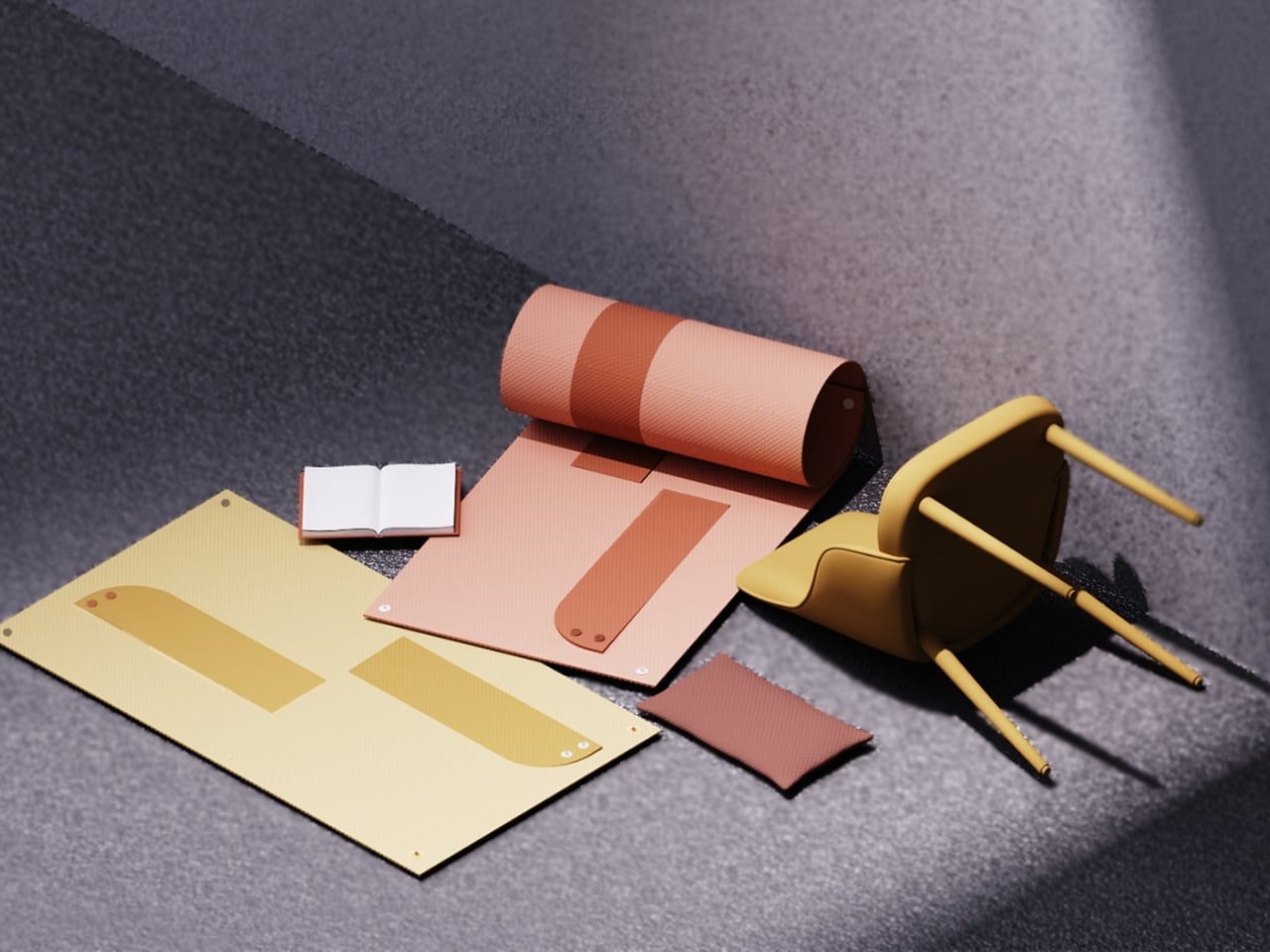
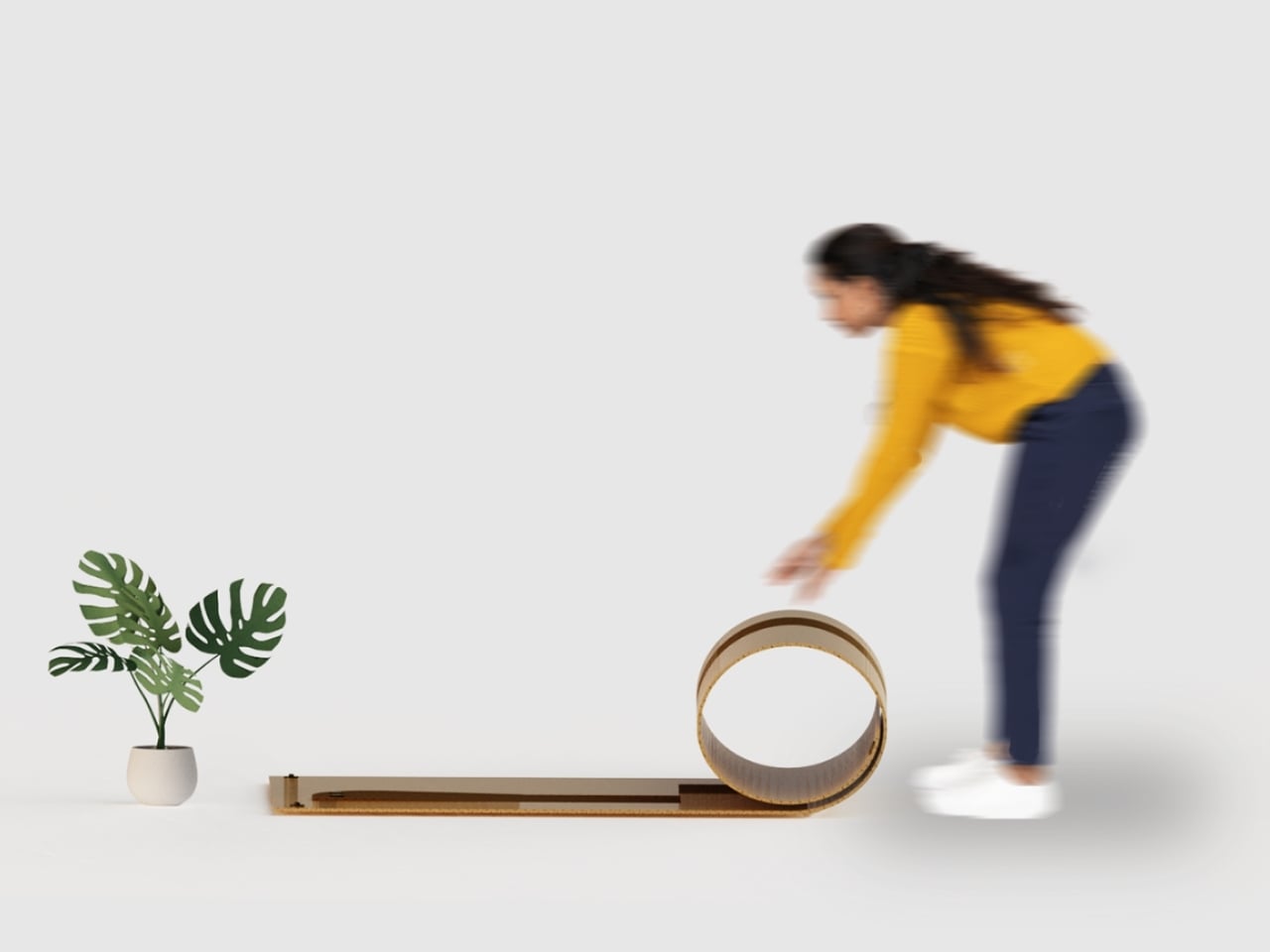
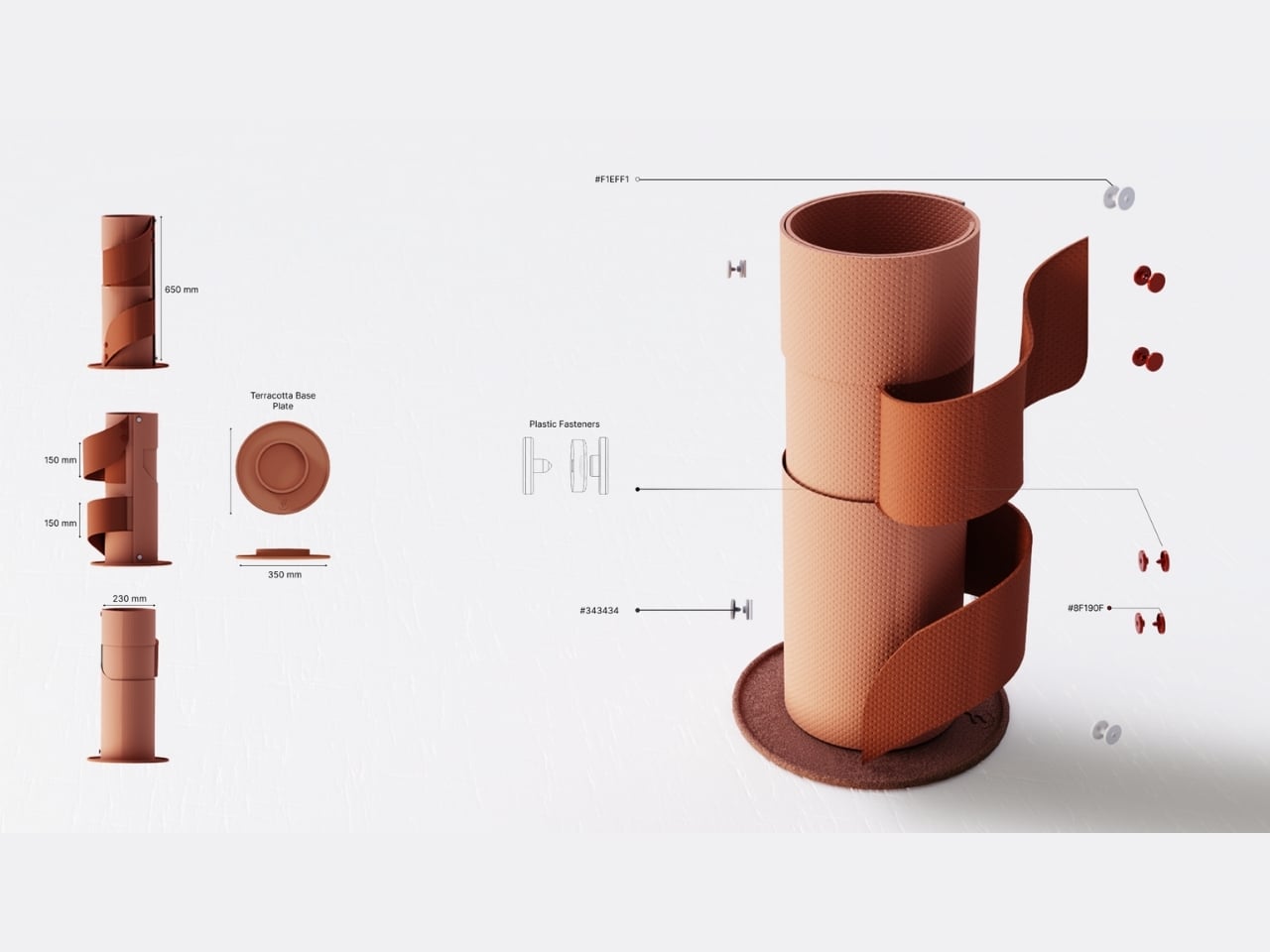
Enter Coilo, an umbrella stand that challenges everything we assume about furniture. It’s not a traditional stand at all. Instead, it’s a rollable mat that transforms into a temporary umbrella holder only when you actually need it. When the skies clear and your umbrellas are tucked away, Coilo returns to its flat form, practically disappearing from your space entirely.

Designer: Aishwarya Ajith

The concept is rooted in what Ajith calls “situational furniture,” objects that exist only when needed and remain visually unobtrusive the rest of the time. It’s a refreshingly honest approach to design that acknowledges how we actually live rather than clinging to outdated notions of what furniture should be.

The inspiration came from observing life in compact spaces, particularly in Indian hostels and shared dormitories where every square foot matters. In these environments, people routinely lay out mats on the floor for group discussions and social gatherings. During monsoon season, wet umbrellas demand immediate attention, dripping all over entryways and creating puddles. But once the rain passes, that urgency evaporates. So why should the solution take up permanent real estate?

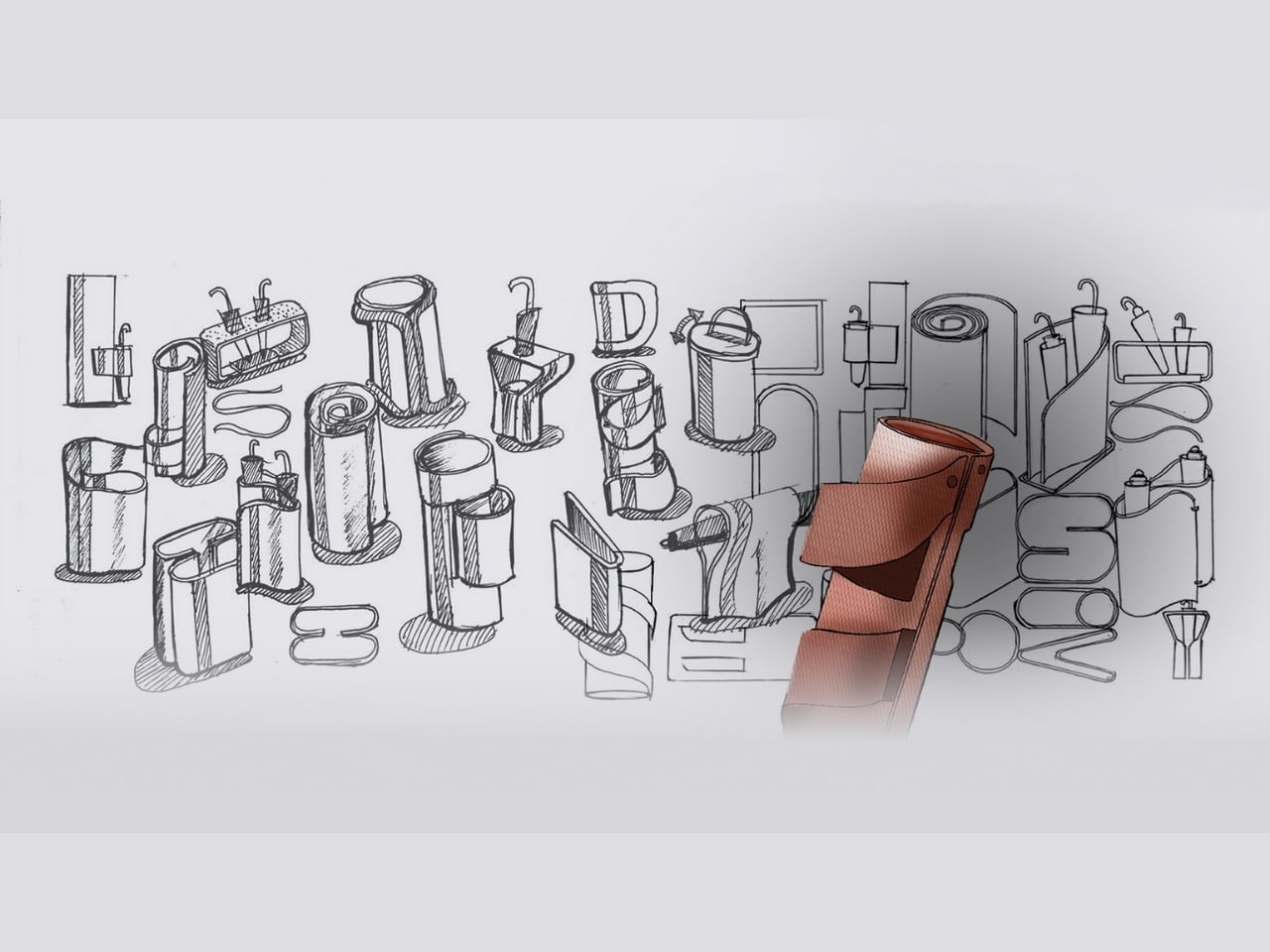
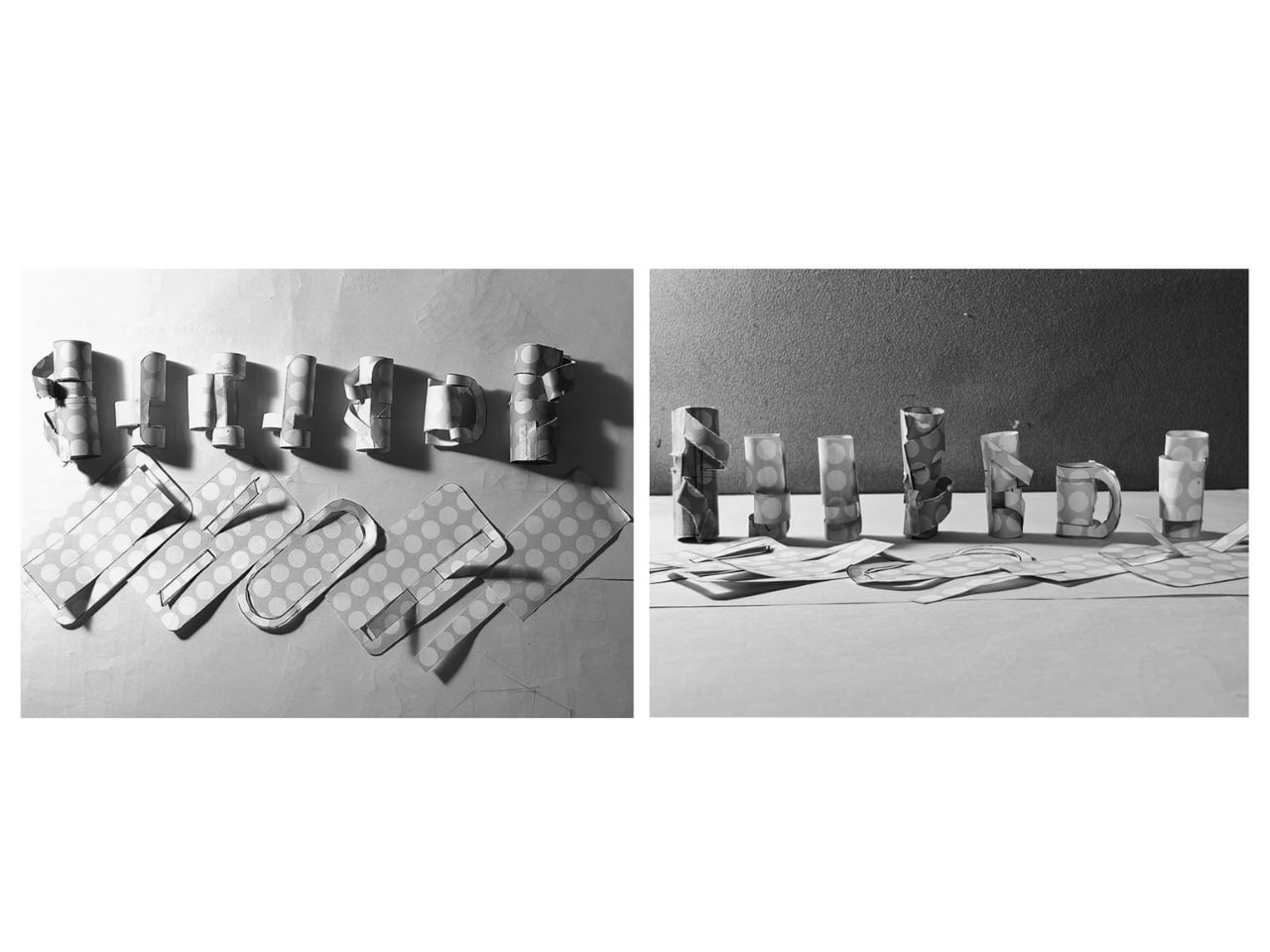
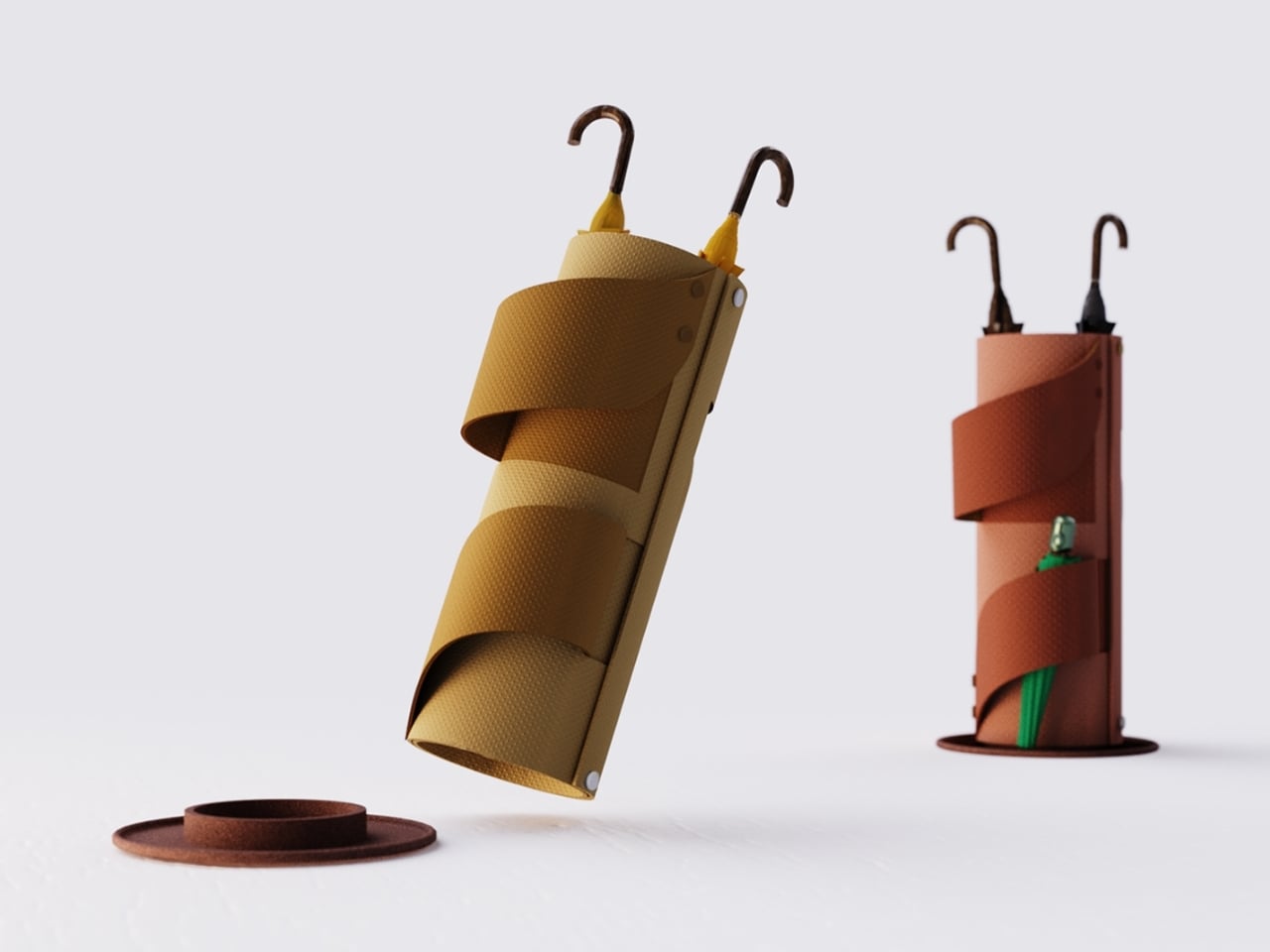
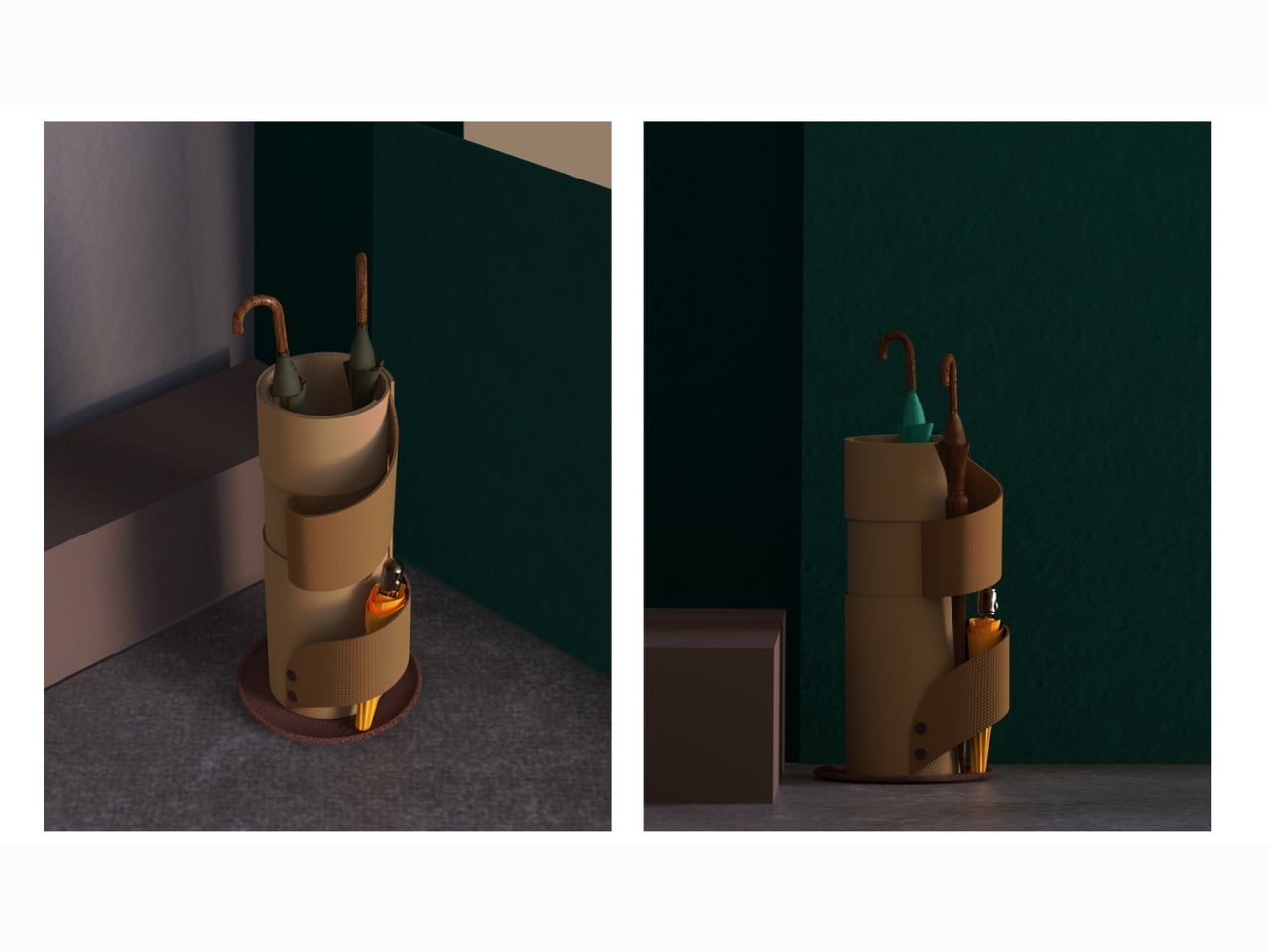
Coilo’s design is deceptively simple yet remarkably clever. The mat is crafted from flexible, water-resistant EVA foam that can be rolled into a cylindrical form. Thanks to a simple joint system, the coiled structure achieves surprising stability without requiring complex mechanisms or hardware. Supporting flaps button together in a distinctive pattern that gives the stand character and allows it to accommodate umbrellas of varying heights.

The base plate deserves special mention. It’s made from terracotta clay, a material choice that’s both practical and thoughtful. Terracotta is naturally absorbent, wicking away moisture from wet umbrellas rather than letting it pool on your floor. It’s the kind of detail that reveals genuine problem-solving rather than purely aesthetic decision-making.

What makes Coilo particularly fascinating is how it fits into broader conversations about sustainable design and conscious consumption. We’re living in an era where urban apartments are shrinking, minimalism is trending, and people are questioning whether they really need all the stuff previous generations accumulated. Coilo doesn’t just save space; it challenges the assumption that furniture must be static and permanent.

This philosophy resonates especially with younger generations navigating shared living situations, frequent moves, and smaller living quarters. Students in dormitories, young professionals in co-living spaces, and anyone dealing with limited square footage will immediately grasp Coilo’s appeal. It’s furniture that adapts to your life rather than demanding you adapt to it. The visual design also breaks from traditional umbrella stand aesthetics. Those buttoned flaps create a sculptural quality that makes Coilo a conversation piece when deployed. It looks intentional and interesting rather than purely utilitarian. When rolled flat, it could easily pass as a decorative floor mat or yoga mat, maintaining a presence without announcing itself as single-purpose furniture.

Ajith’s exploration opens up fascinating possibilities for the future of home furnishings. What else could transform and disappear? Could we design coffee tables that fold into wall art? Dining chairs that become storage? Desks that morph into room dividers? Coilo represents more than just a clever umbrella solution. It’s a prototype for how we might rethink everyday objects in an age where flexibility, adaptability, and space efficiency matter more than ever.

The post This Umbrella Stand Disappears When You Don’t Need It first appeared on Yanko Design.
Designer Turned the Boring Umbrella Stand Into Wall Art

You know that awkward moment when you walk into someone’s home and realize your dripping umbrella is about to become everyone’s problem? We’ve all been there, clutching a soggy umbrella while desperately looking for somewhere (anywhere) to stash it that won’t create a puddle or knock things over. Enter the Justin Case umbrella stand by Eduardo Baroni, a piece that proves even the most mundane household items deserve a glow-up.

First, let’s talk about that name. Justin Case. Just in case. It’s the kind of clever wordplay that makes you smile before you even see the product. And honestly, it perfectly captures the whole vibe of this design: something you keep around just in case, but that looks so good you’ll actually be glad it’s there rain or shine.

Designer: Eduardo Baroni

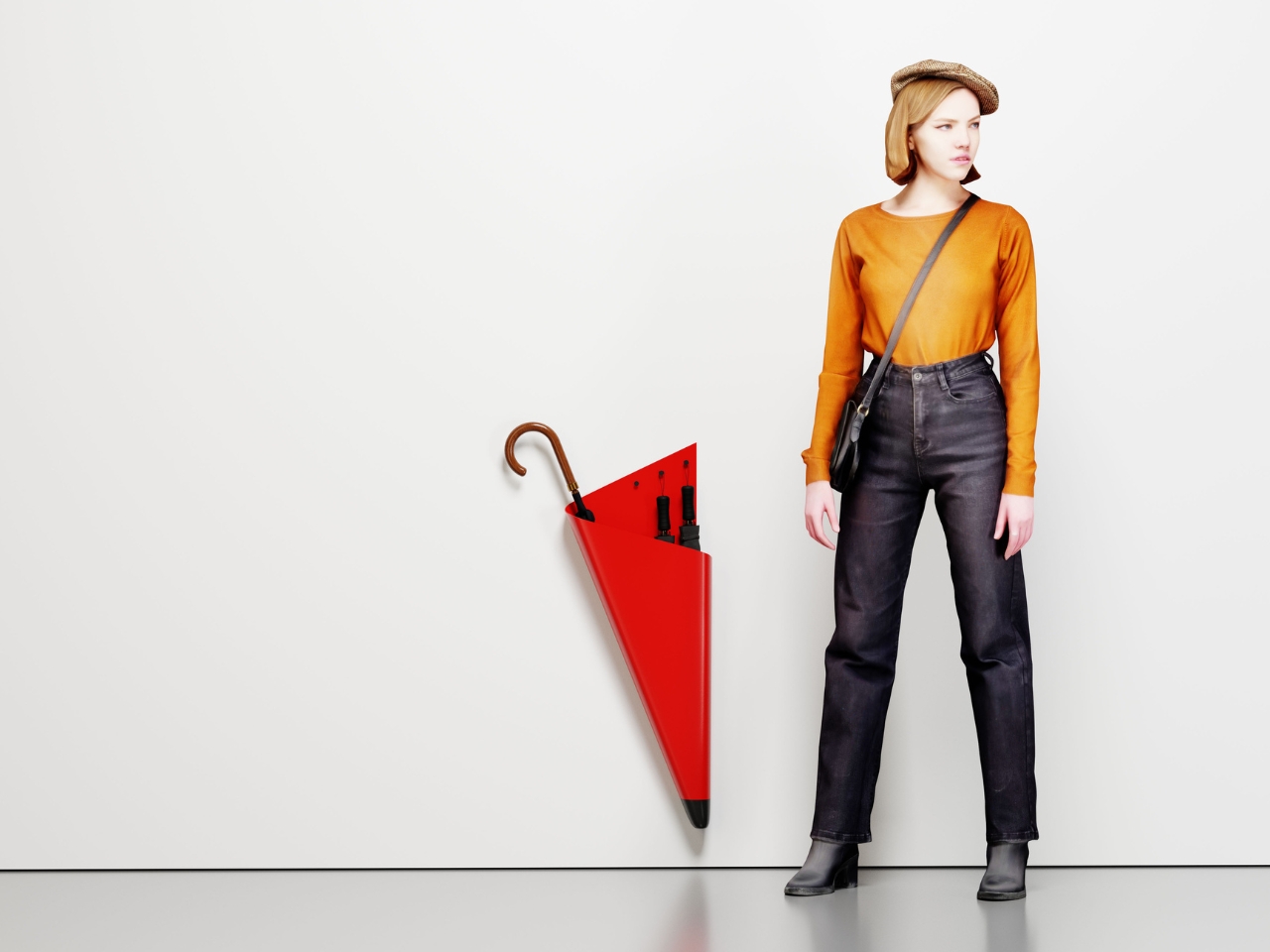
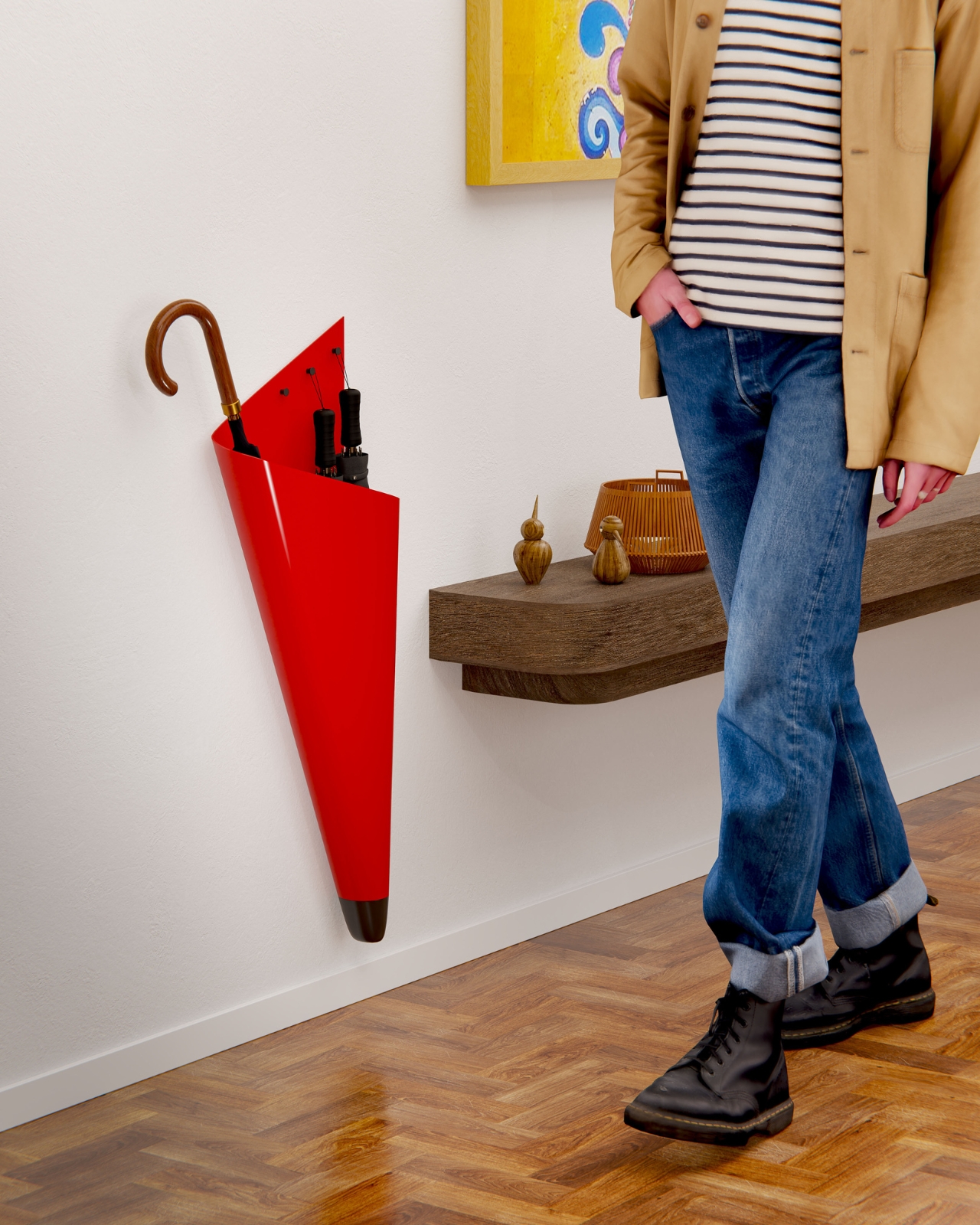
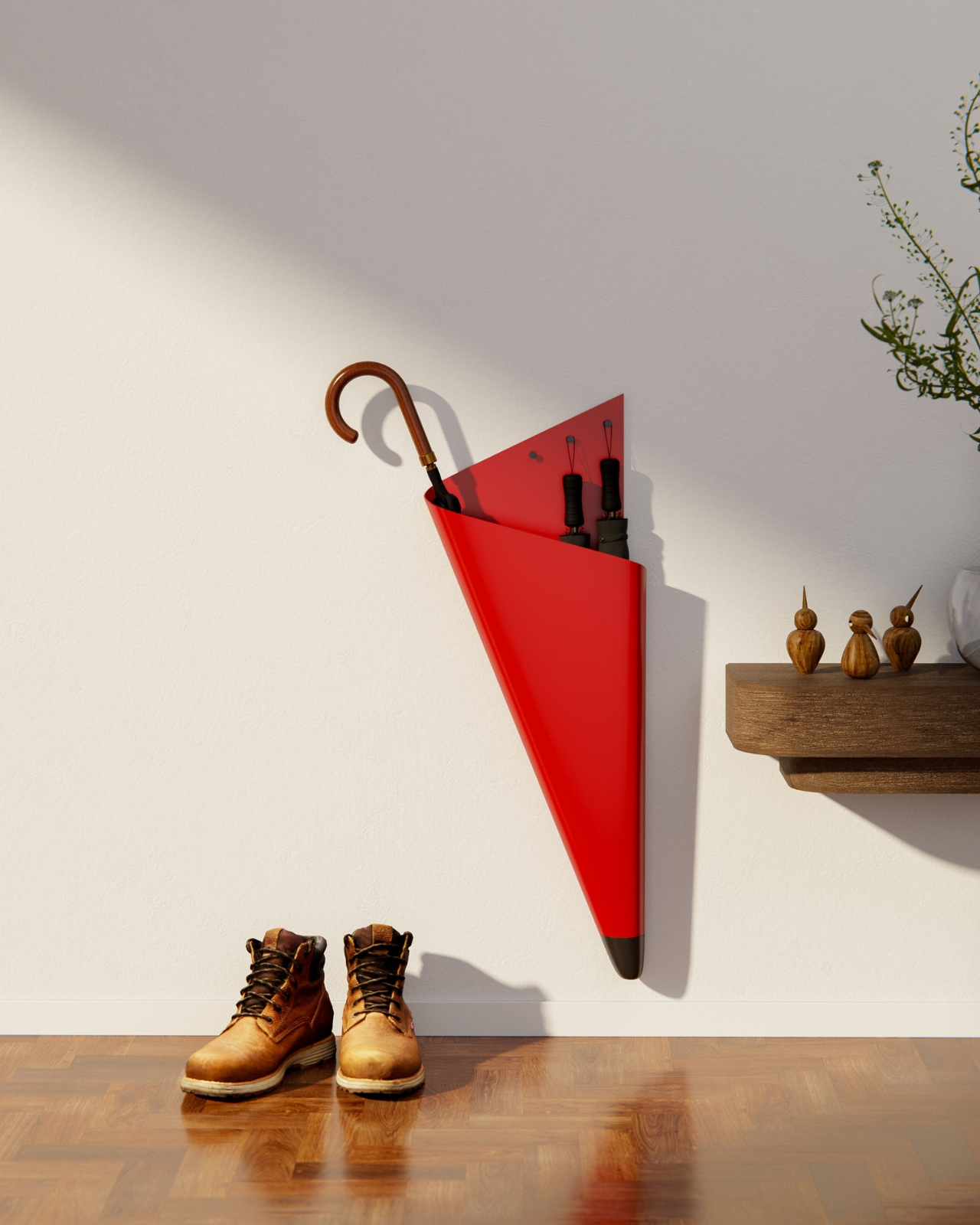
What strikes you immediately about this piece is how it refuses to be just another boring storage solution hiding in the corner. Made from powder-coated steel sheet, the Justin Case has this bold, angular presence that reads more like wall art than a utilitarian object. It’s essentially a sculptural triangle that leans away from the wall at just the right angle, creating this dynamic, almost defiant stance. You could hang it in your entryway empty and it would still make a statement.

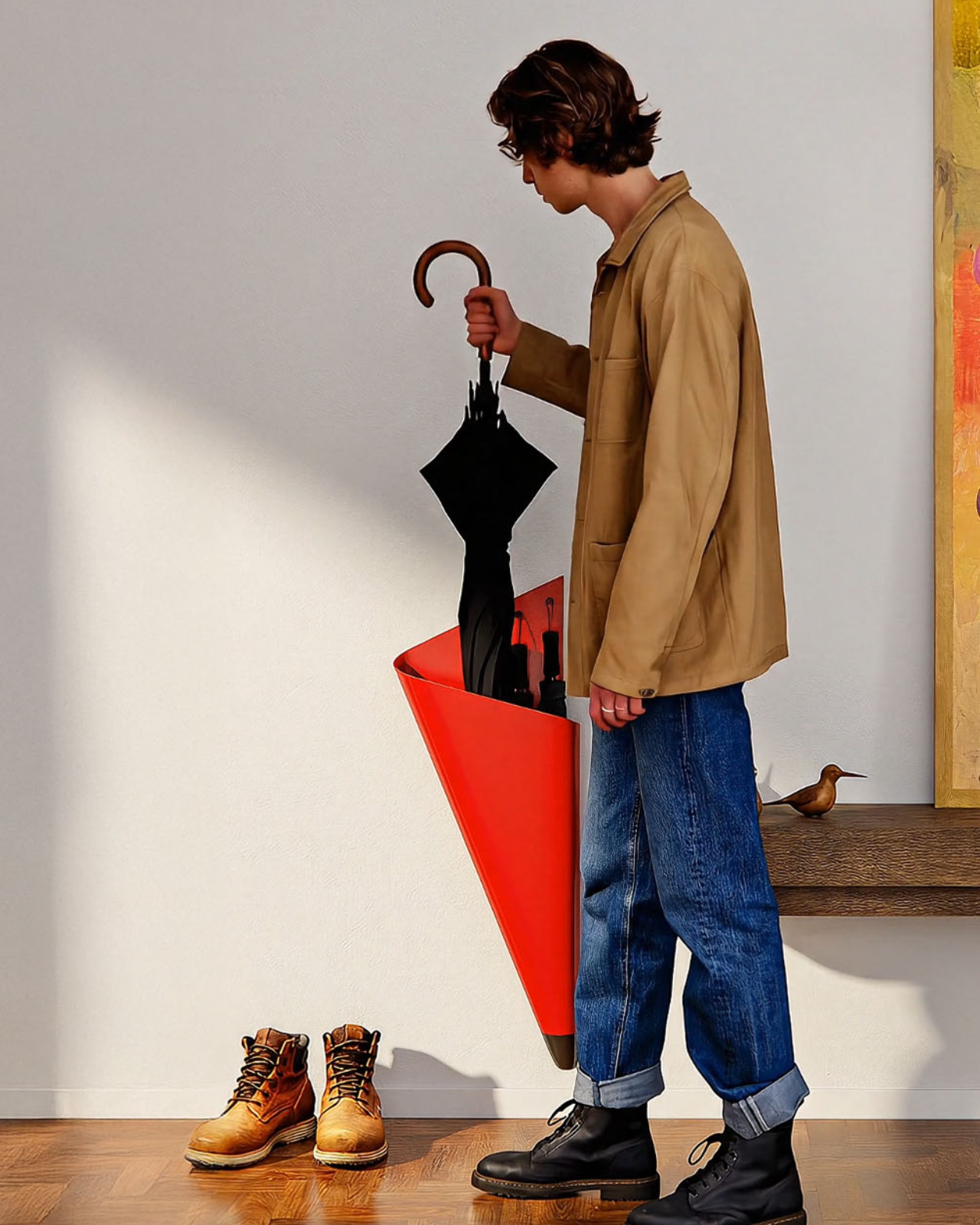
But here’s where the design gets really smart. That lateral tilt isn’t just for show. The angle naturally cradles your full-size umbrellas, keeping them secure without any fussy clips or complicated mechanisms. Gravity does the work. Meanwhile, three dedicated hooks accommodate your compact umbrellas, so you’ve got room for up to five total. It’s that perfect balance of form meeting function that makes you wonder why all umbrella stands aren’t designed this way.

The wall-mounted aspect is another game-changer, especially if you’re dealing with a small entryway or apartment living. Traditional umbrella stands take up precious floor space and always seem to be in the way, creating an obstacle course right where you’re trying to get in and out the door. By moving everything vertical, Baroni frees up that floor real estate entirely. You can mount it right next to your entrance without blocking the flow of traffic, which is pretty much the dream scenario for anyone who’s ever tripped over an umbrella stand in the dark.

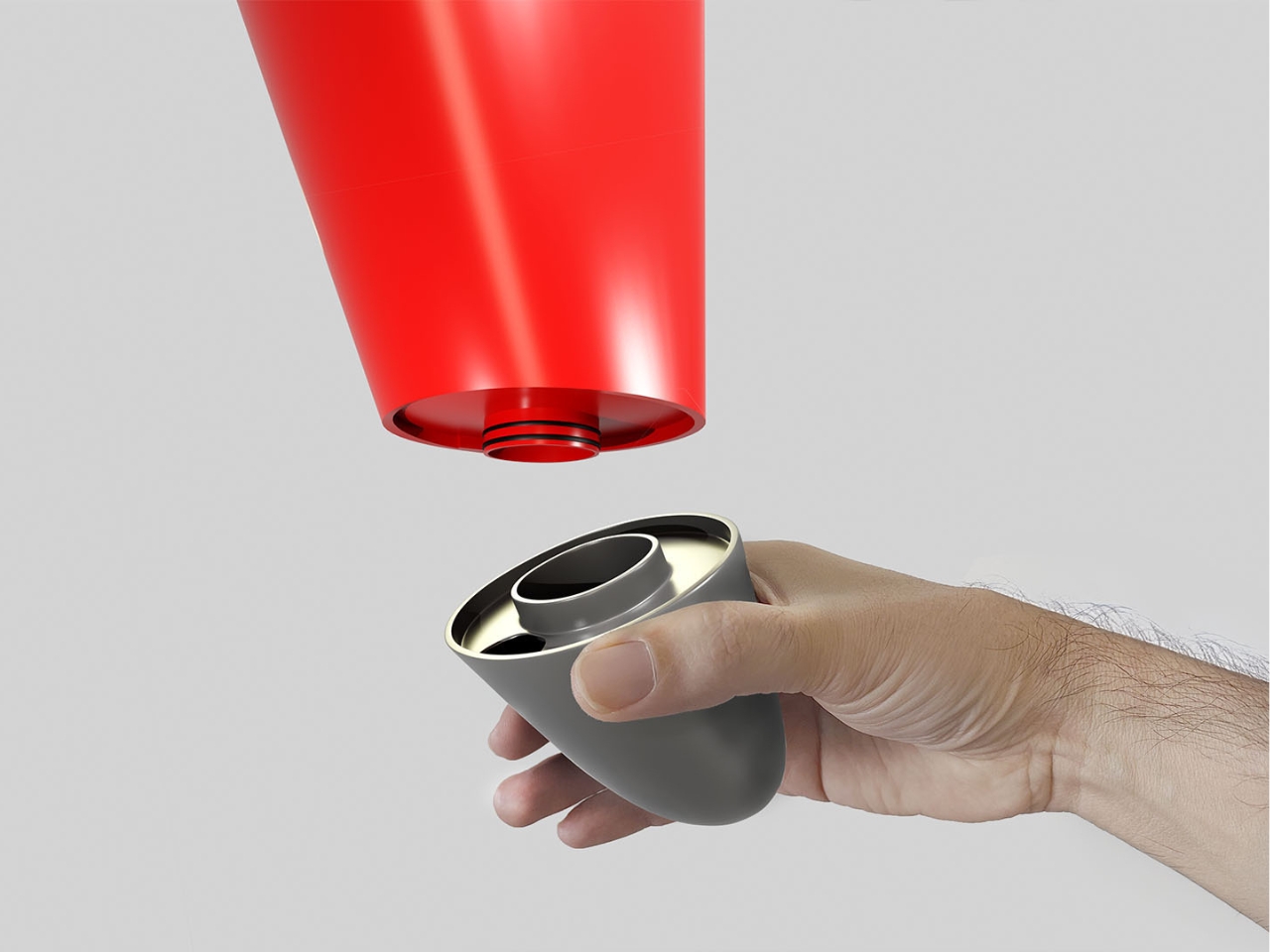
And let’s talk about the practical details, because good design isn’t just about looking cool. At the bottom of the stand sits a removable plastic reservoir that catches all the water dripping from your wet umbrellas. No more mysterious puddles forming on your hardwood floors or entryway rugs. When it fills up, you just pop it out, dump the water, and snap it back in. It’s such a simple solution, but it addresses the actual reason you need an umbrella stand in the first place: to contain the mess. The powder-coated finish means this thing is built to last, too. It’s going to stand up to the constant wet-dry cycle of umbrella storage without rusting or degrading. And while the images show it in a vibrant red that practically demands attention, the beauty of powder coating is that it can come in virtually any color to match your space.

What really makes the Justin Case stand out in the crowded world of home accessories is how it elevates something we usually try to hide. Most organizational products are designed to be invisible, to fade into the background. But Baroni took the opposite approach, creating something with such a strong visual identity that it becomes part of your home’s aesthetic narrative. It’s discreet in terms of space (that slim profile barely projects from the wall), but it’s definitely not shy about making its presence known.

This is the kind of design that makes everyday life just a little bit better. It solves a real problem without sacrificing style, proving that functional doesn’t have to mean boring. Whether you’re a design enthusiast or just someone who’s tired of umbrella chaos, the Justin Case makes a compelling argument that sometimes the smallest details make the biggest difference in how we experience our homes.

The post Designer Turned the Boring Umbrella Stand Into Wall Art first appeared on Yanko Design.
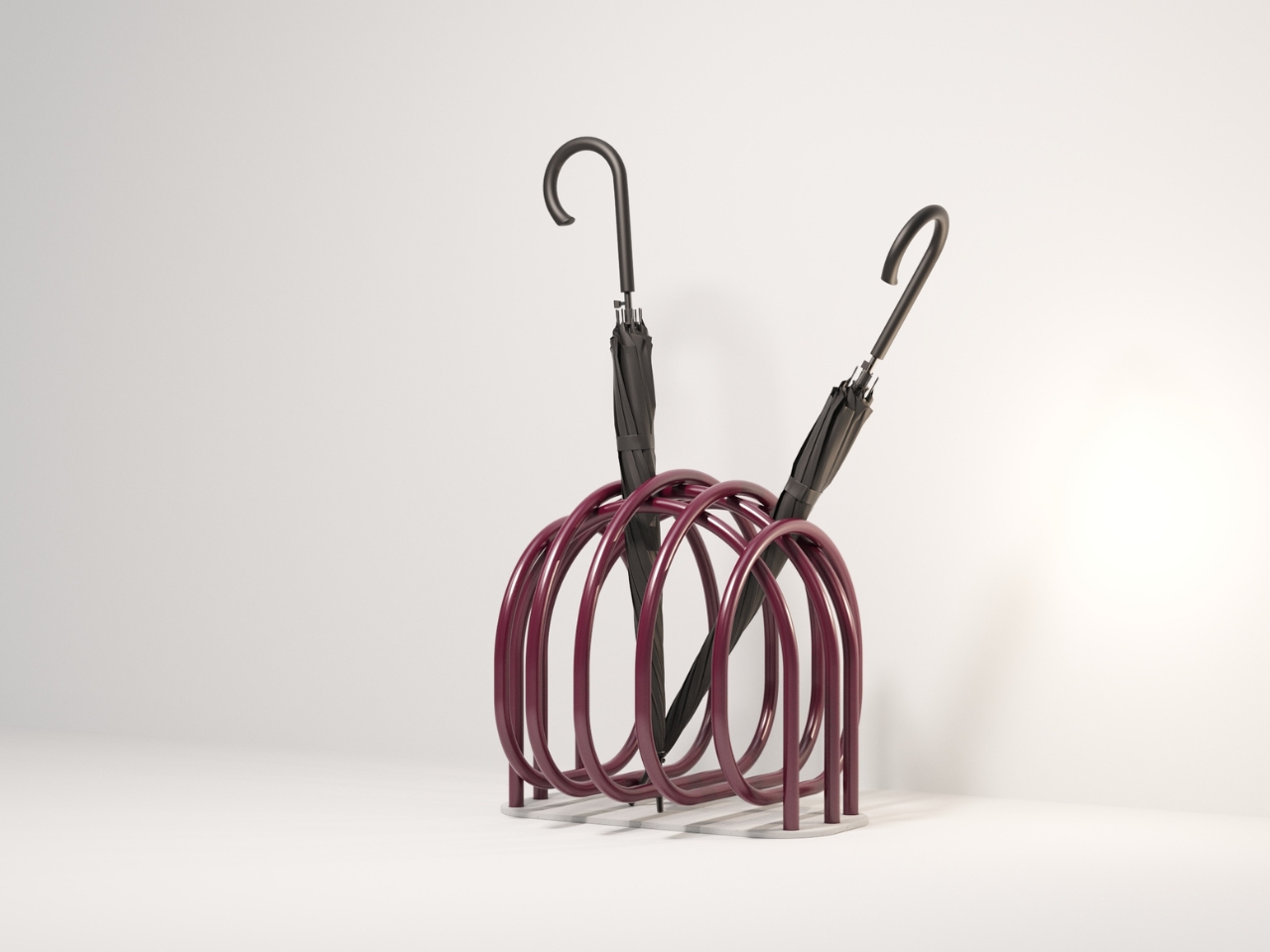
This Looped Umbrella Stand Soaks Up Rain and Looks Like Art

There’s something quietly revolutionary happening in the world of everyday objects, and it starts with something as humble as where you put your umbrella. Arihant Israni and Anoushka Braganza have created InBetween, a piece that challenges our assumptions about what functional design can be. It’s not just a place to stash wet umbrellas. It’s a whole vibe.

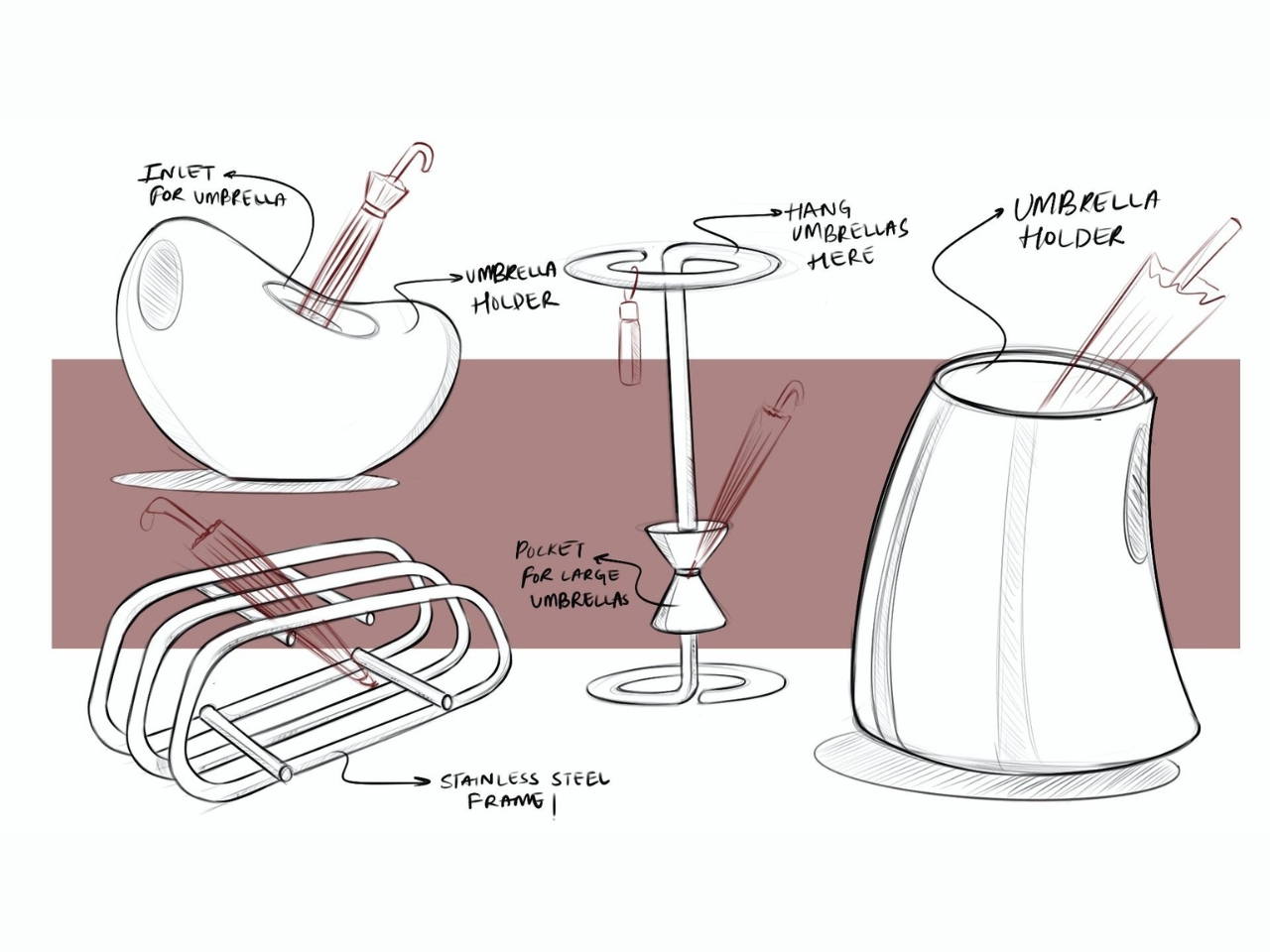
Let’s be honest: most umbrella stands are afterthoughts. They’re plastic cylinders hiding in corners, collecting dust and forgotten receipts. But what if that neglected corner could hold something beautiful? What if the act of coming home on a rainy day could feel a little more intentional, a little more like a ritual worth noticing?

Designers: Arihant Israni and Anoushka Braganza

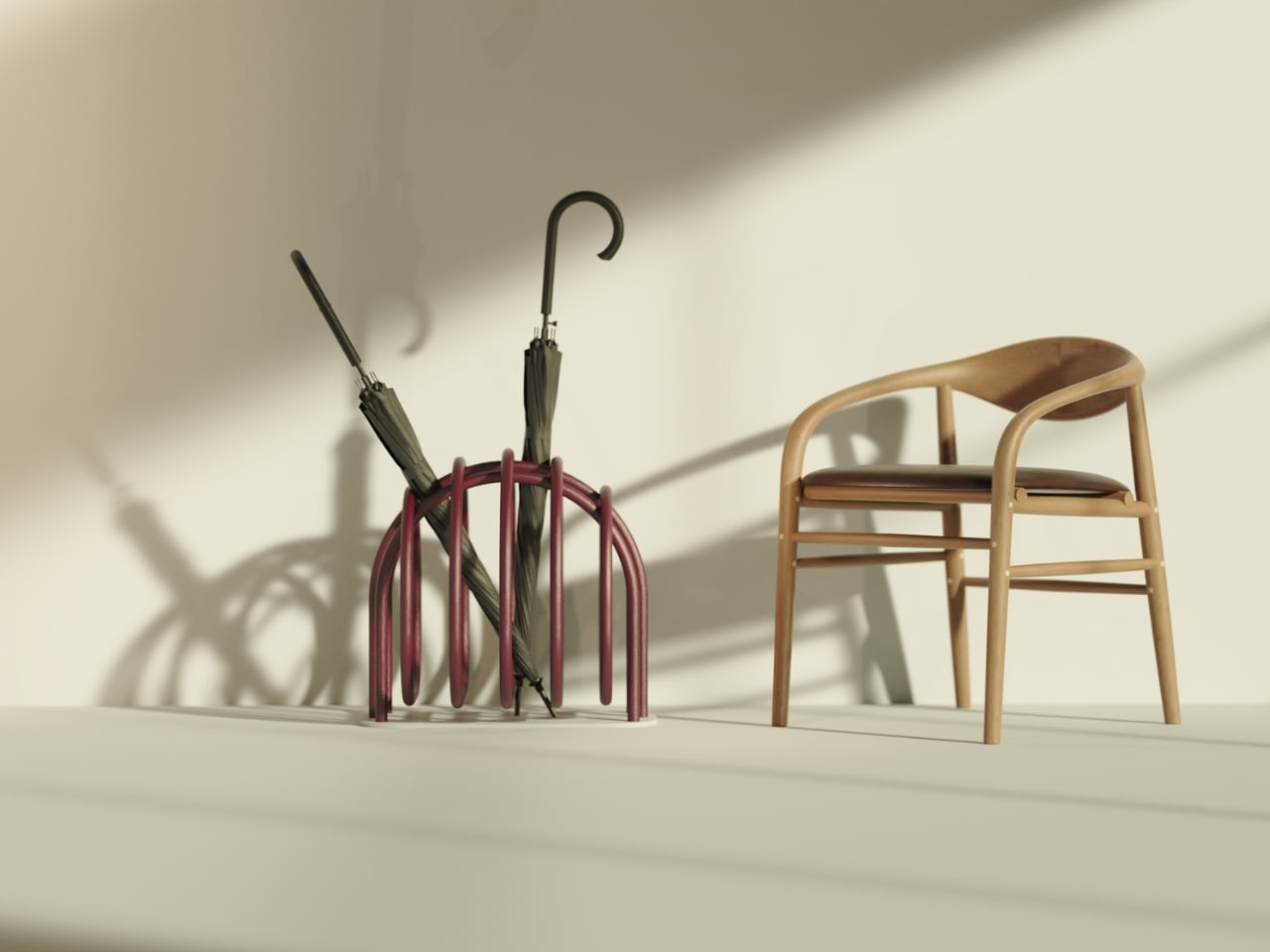
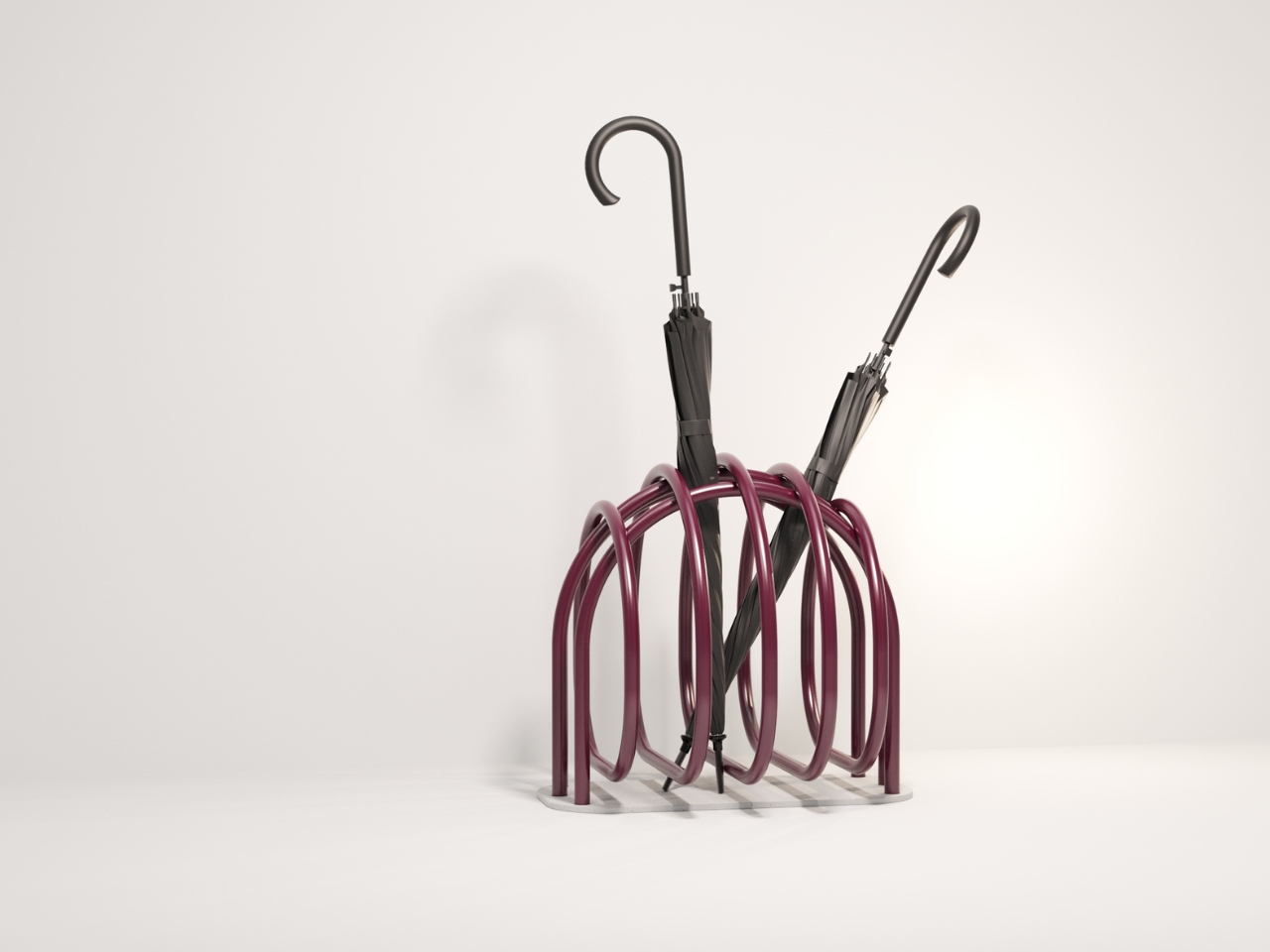
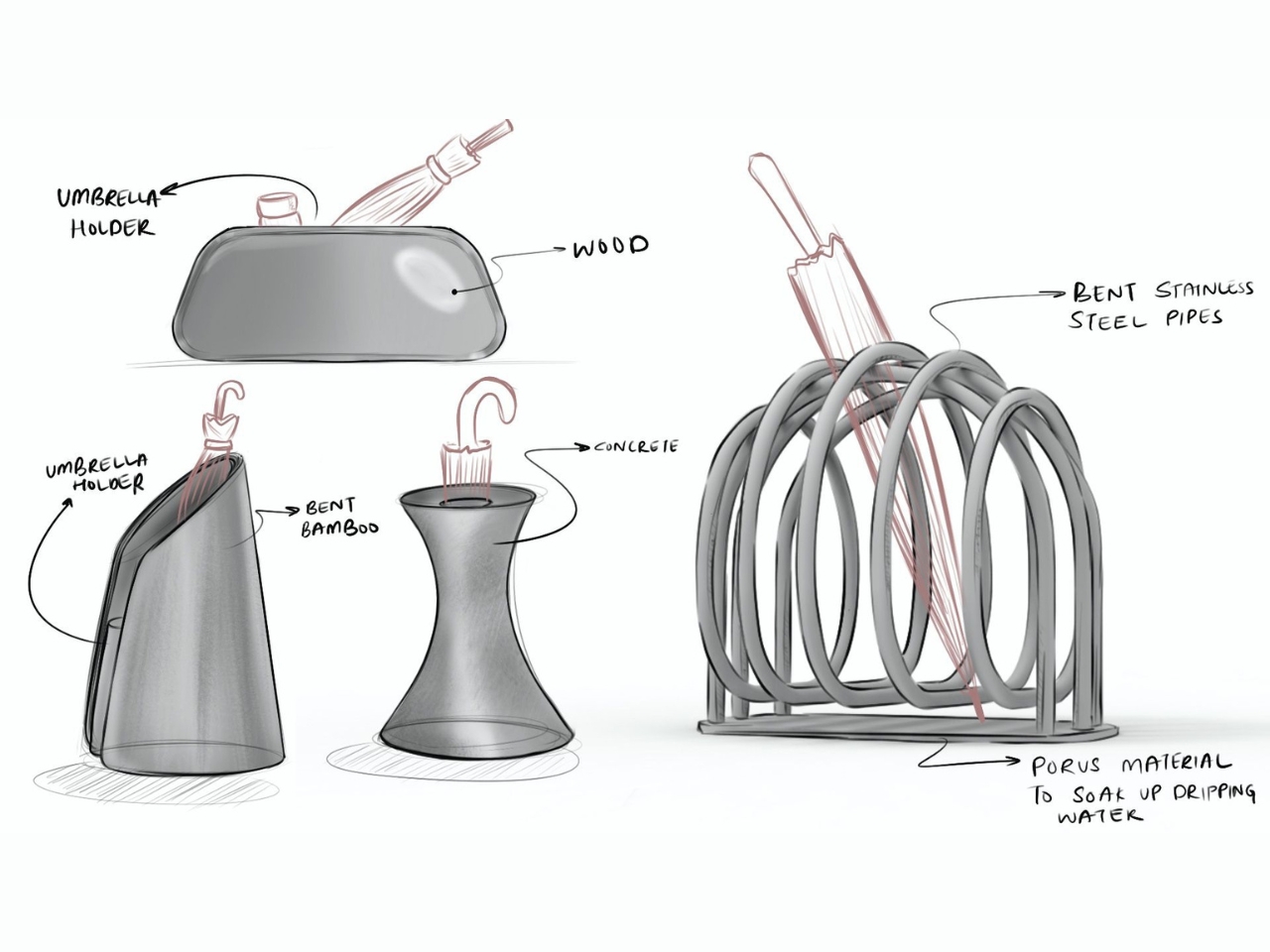
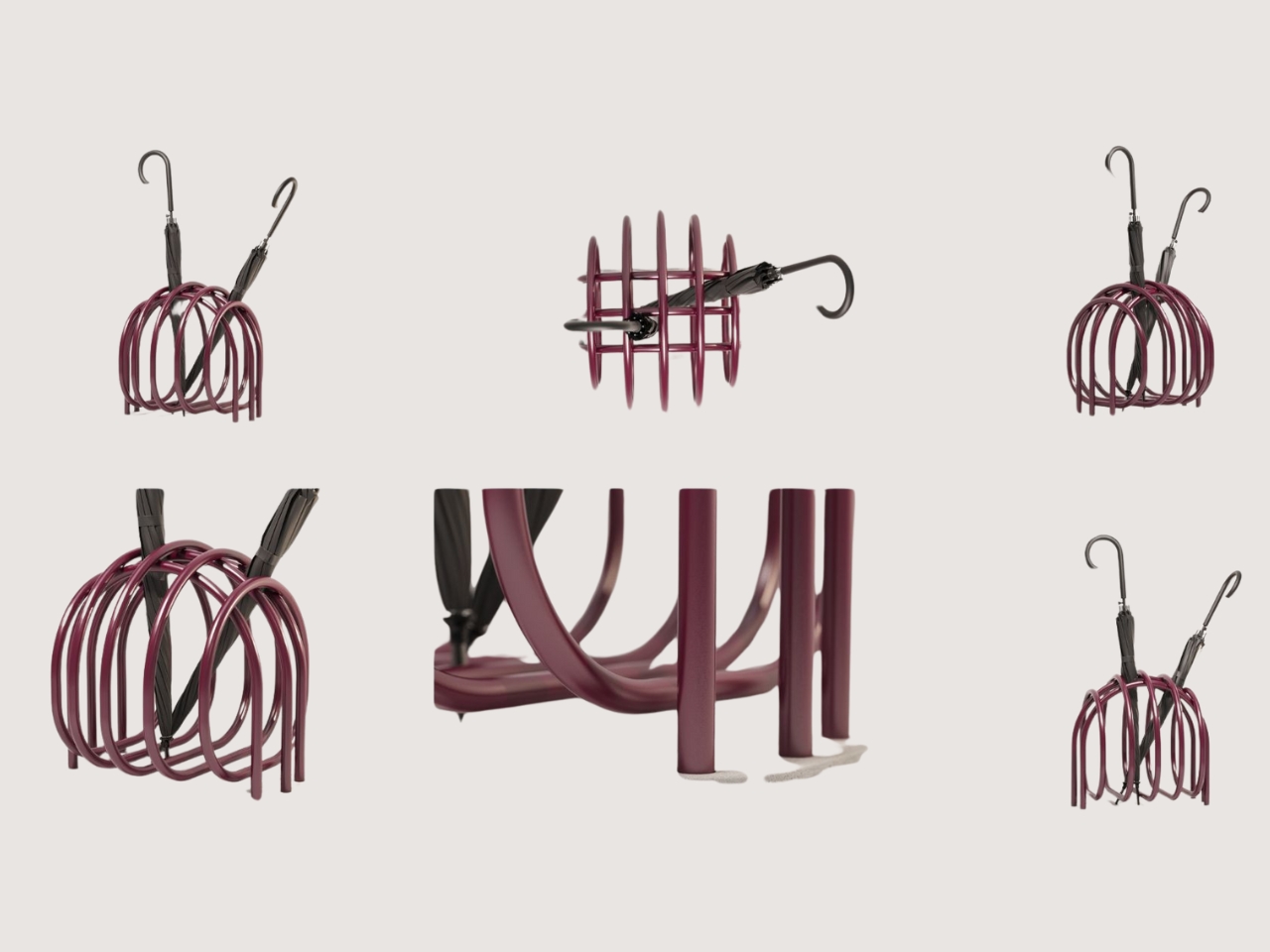
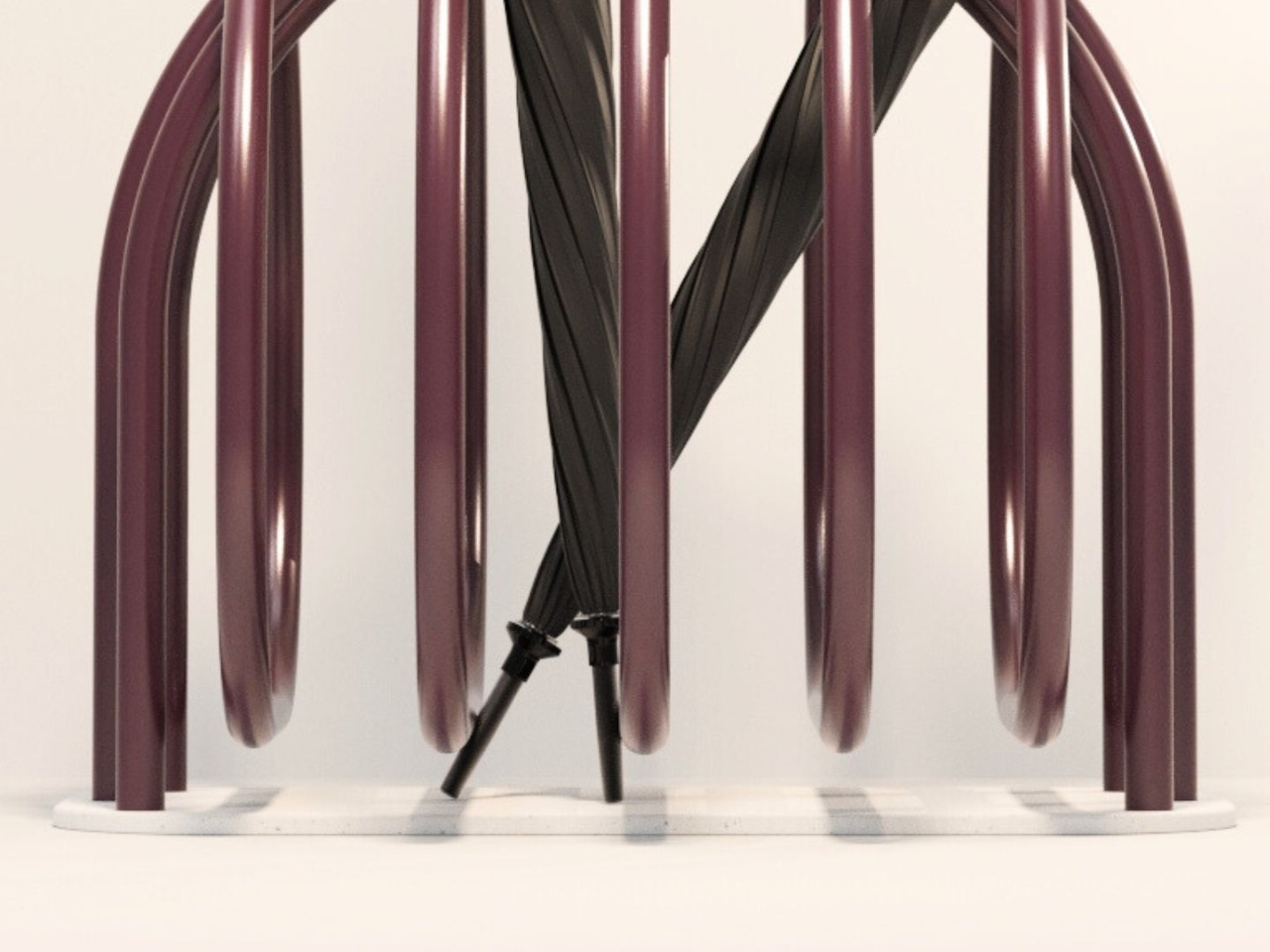
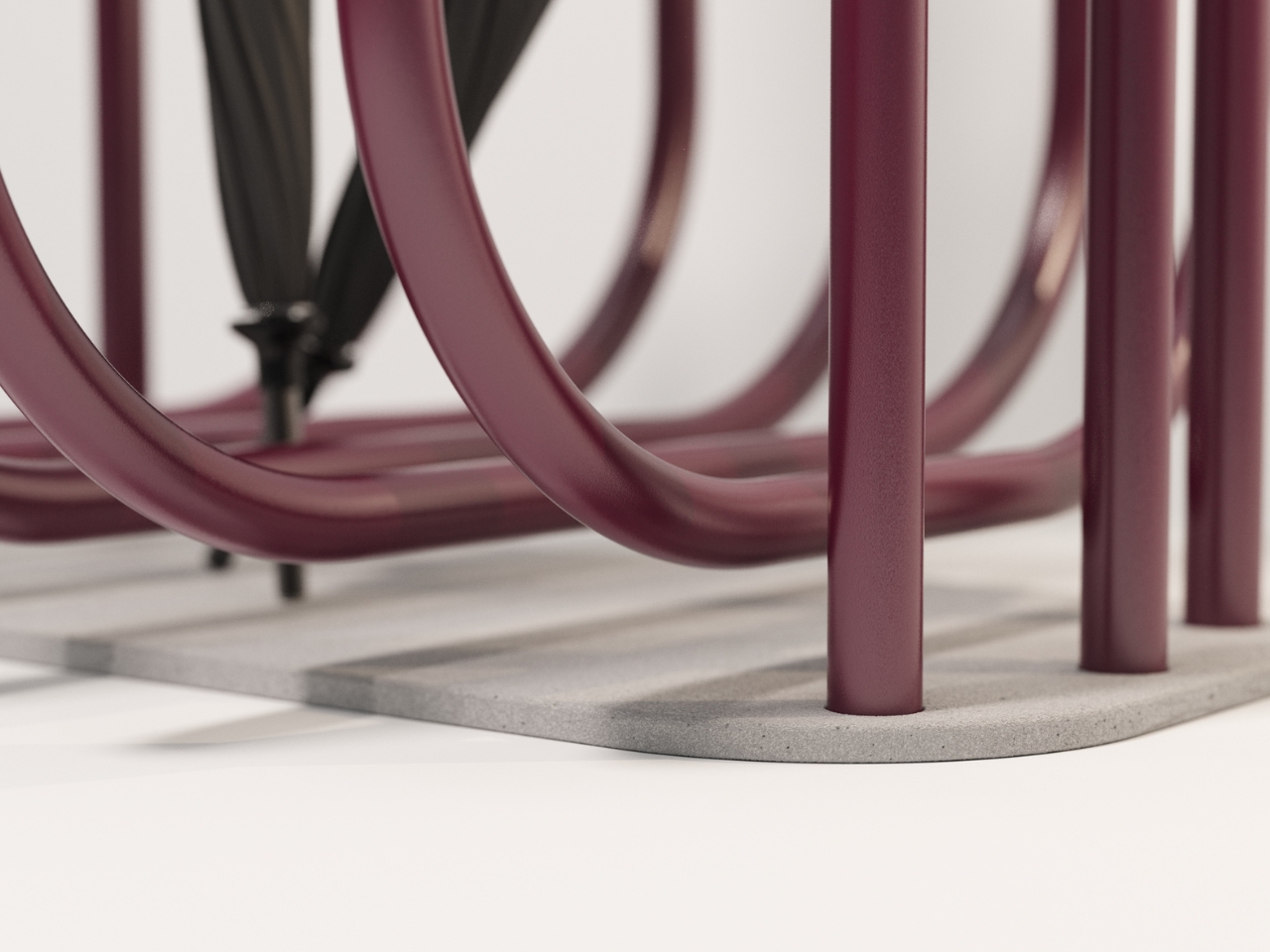
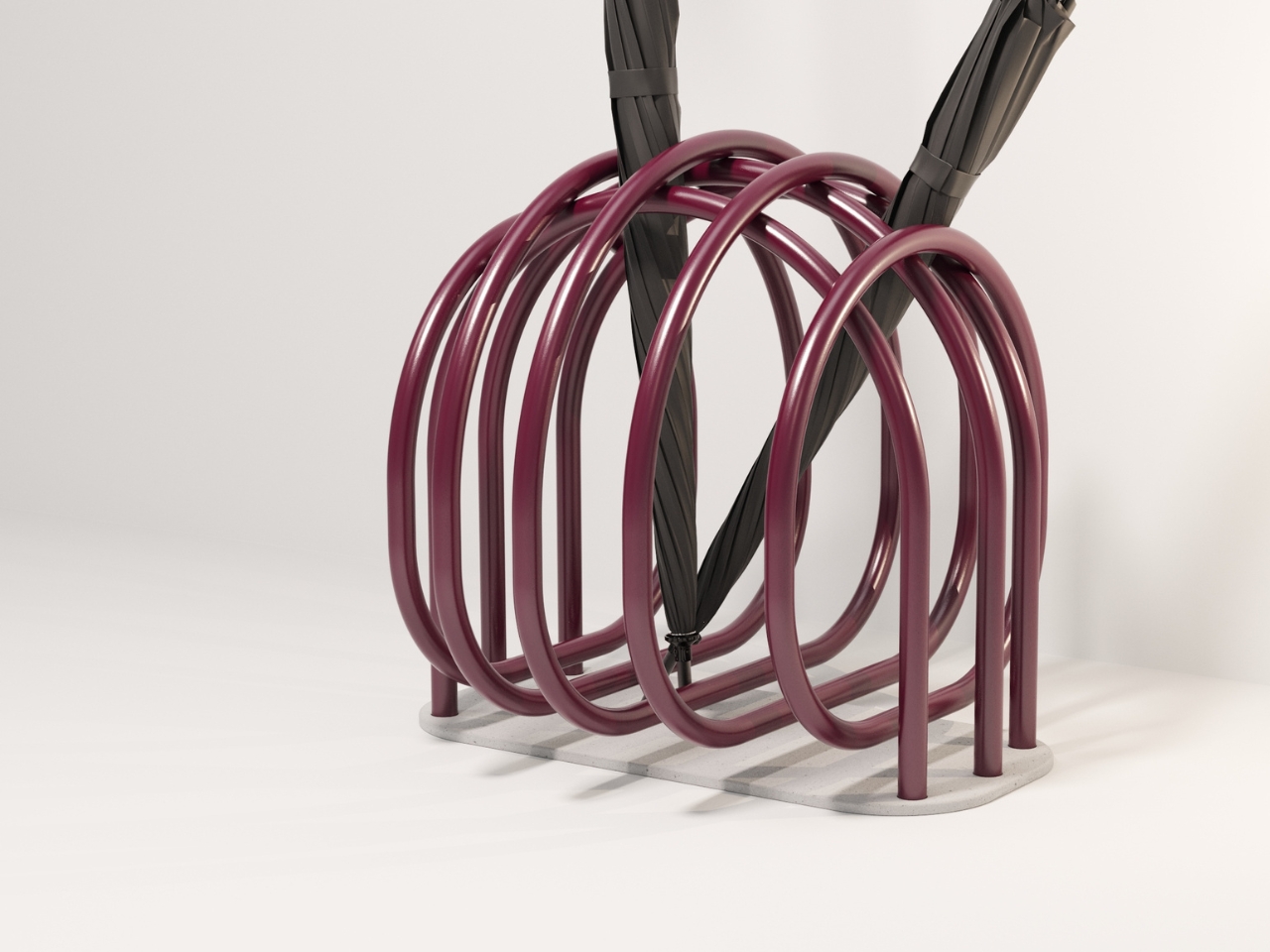
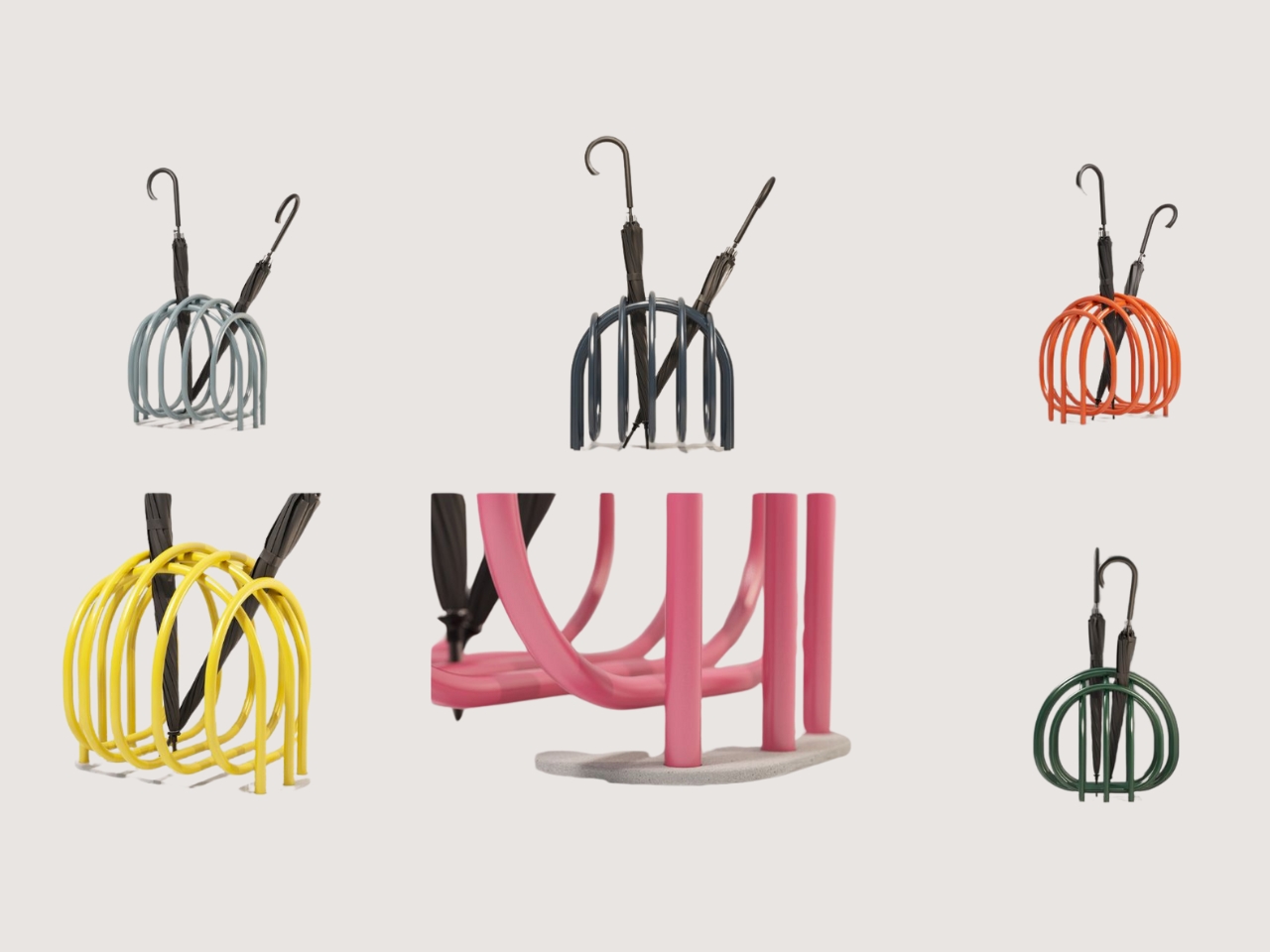
That’s where InBetween comes in. The design is built around flowing loops that curve and connect, creating this continuous rhythm that feels almost hypnotic. It’s sculptural in a way that makes you stop and look twice. The loops aren’t just aesthetic choices, they’re functional, too, each one cradling an umbrella while creating negative space that gives the whole piece a sense of movement. Even when it’s sitting still, it feels alive.
The designers say the form is inspired by the idea of transitions, those moments between leaving and arriving, between chaos and calm. And honestly? You can see it. There’s something about the way the curves flow into each other that captures that feeling of moving through your day, of pausing to shake off the rain before stepping into your space. It’s design that understands that our homes aren’t just backdrops. They’re where we reset, where we breathe.

Now let’s talk about the base, because this is where things get really interesting. It’s made from Diatomaceous Earth, which sounds incredibly science-y but is actually just fossilized algae. And here’s the genius part: it’s naturally porous and absorbent, which means it soaks up all that rainwater dripping off your umbrella without you having to do anything. No puddles, no mess, no gross waterlogged mats that smell like mildew after a week. The material is also antimicrobial, so it resists mold and odor naturally. It dries fast, stays clean, and if it ever needs refreshing, you just give it a light wipe or a gentle sanding. That’s it. In a world where everything seems to require constant maintenance and upkeep, there’s something deeply satisfying about a product that just works quietly in the background.

But beyond the practical magic, there’s a conceptual layer here that makes InBetween feel special. The base becomes this mediator between outside and inside, between the storm you just walked through and the calm you’re entering. It’s material intelligence meeting emotional design, and it works on both levels.

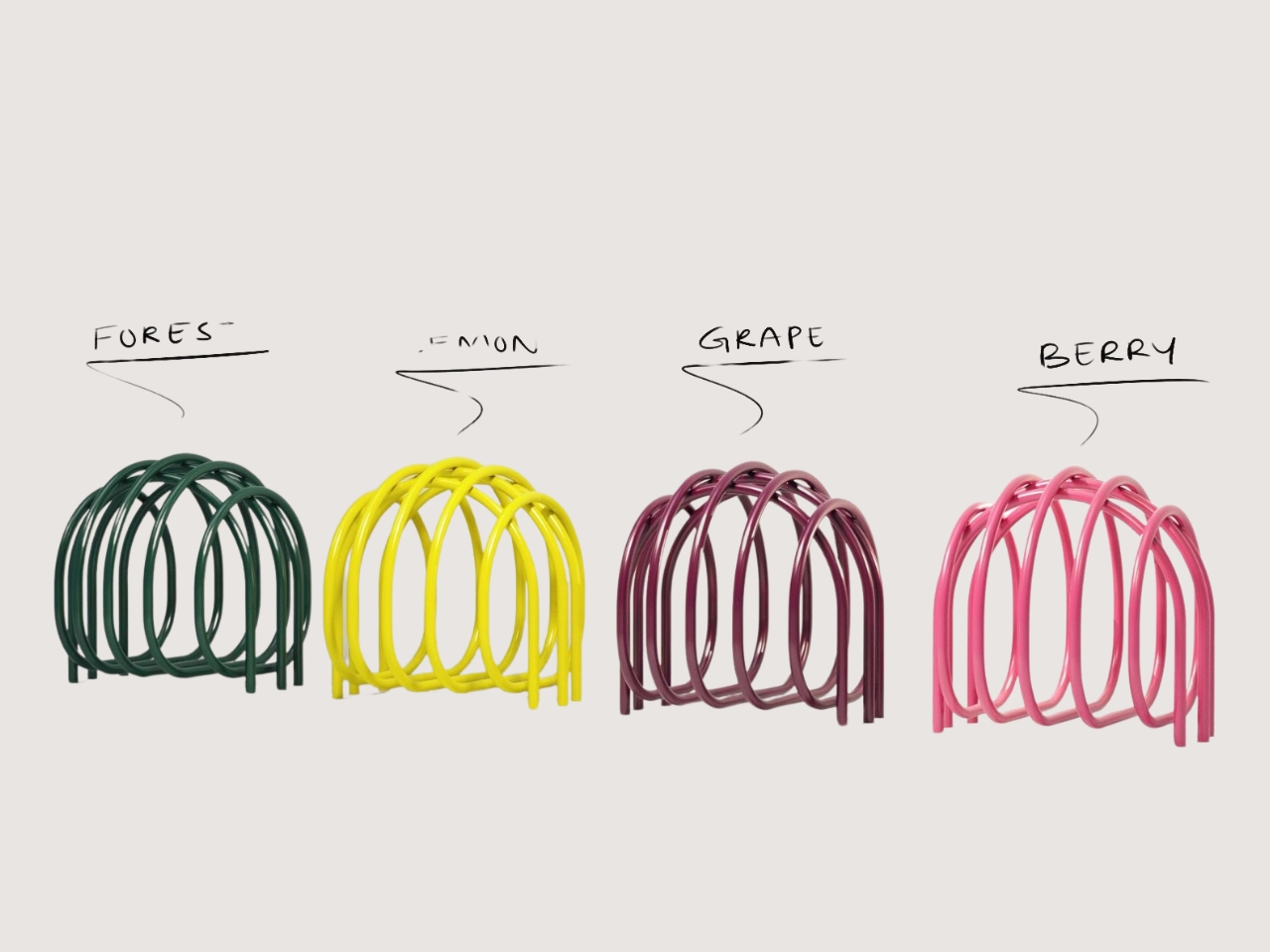
Visually, the stand fits into almost any space. The minimalist aesthetic and organic geometry mean it doesn’t scream for attention, but it definitely holds its own. Whether you’re living in a sleek modern apartment, a cozy studio, or something in between (pun intended), it adapts. The deep, muted burgundy tones in the images give it warmth without being loud. It’s the kind of piece that elevates a space just by existing in it.

What really gets me about InBetween is how it reframes something we barely think about. We’re so used to design being about big statements, about the couch or the coffee table or the art on the wall. But what about all the little moments? What about the act of setting down your umbrella when you get home, shaking off the rain, taking a breath before you move further into your day? InBetween turns that mundane gesture into something worth noticing. It’s a reminder that thoughtful design doesn’t have to be loud or expensive or complicated. Sometimes it’s just about paying attention to the details, about understanding that every object in our lives has the potential to be more than just functional.

In a culture obsessed with productivity and optimization, there’s something radical about slowing down enough to appreciate the poetry of an umbrella stand. InBetween proves that even the most ordinary objects can become opportunities for beauty, mindfulness, and a little bit of wonder. And honestly? We could all use more of that.

The post This Looped Umbrella Stand Soaks Up Rain and Looks Like Art first appeared on Yanko Design.