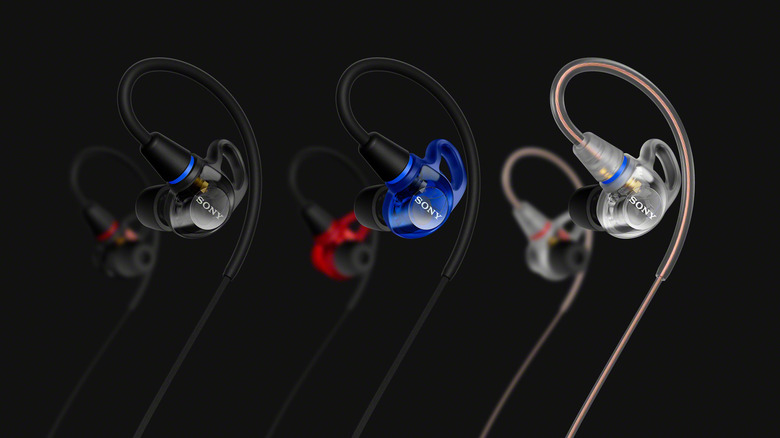
Sony launches $120 in-ear monitors for pros
The IER-M500 earphones were designed for fit and comfort during stage wear.
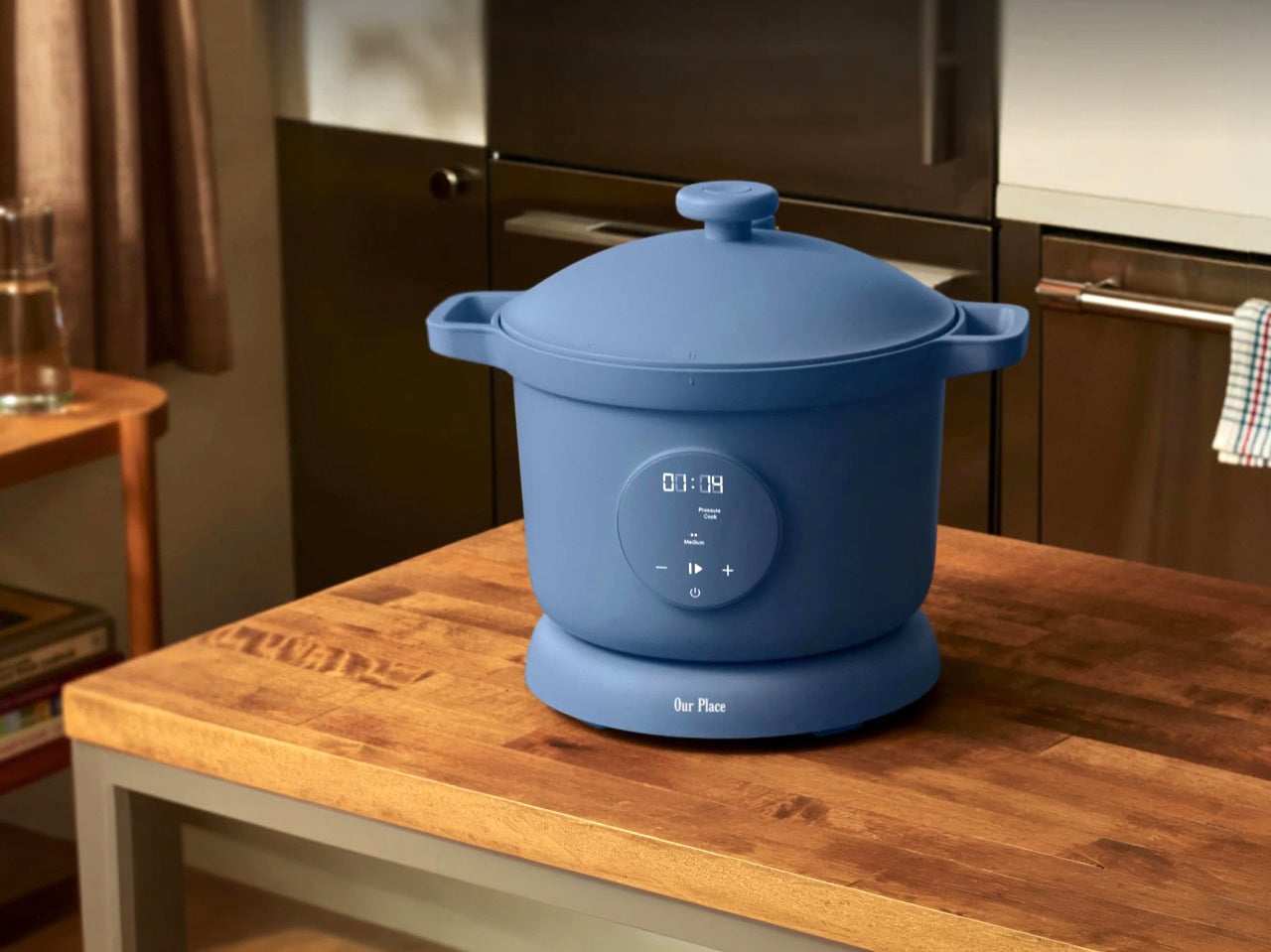
Le Creuset built its legacy on color and craftsmanship. Instant Pot built its empire on speed and convenience. Our Place just tried to merge both into a single six quart pot, and the result is the Dream Cooker, a pressure cooker that takes its name seriously, because I’d definitely have it as the centerpiece of my dream kitchen, right beside this SMEG x Porsche coffee machine.
The dome lid, the matte pastel finish, the wooden style knob on top all borrow directly from heritage cookware. But underneath that soft exterior sits a digital control panel offering pressure cooking, slow cooking, searing, sauteing, and keep warm modes, making it one of the more versatile entries in Our Place’s growing appliance lineup. The result is literally the best of both worlds – the aesthetic beauty of a wonderfully enameled Dutch oven, along with the precise cooking ability of an electric pressure cooker.
Designer: Our Place

I have owned an Instant Pot for six years and I still keep it in the cabinet under the counter, next to the waffle iron I use twice a year. It is a genuinely great appliance but I have never once wanted to look at it beyond the digital screen. That is the entire problem Our Place is trying to solve here, and honestly, it is the same problem they solved with the Always Pan back in 2019, when they figured out that people would happily pay a premium for cookware they were proud to leave sitting out. The Dream Cooker takes that exact playbook, the one that turned a nonstick pan into a genuine internet phenomenon, and points it at one of the least glamorous corners of the kitchen. Pressure cookers have never needed to be beautiful because nobody buys one for the way it looks. Our Place clearly thinks that is a market failure waiting to be corrected.
You can see the strategy in every curve of this thing. The dome lid sits high and rounded, closer to a French cocotte than anything with a locking pressure valve, and the little knob on top looks like someone turned it on a lathe rather than injection molded it in a factory in Shenzhen. The handles are chunky and soft edged, built more for the aesthetic of a farmhouse kitchen than the ergonomics of hauling a hot pot across a countertop, though they do that job fine too. None of it screams appliance, and that is precisely the point. Sit this next to an actual Dutch oven and the family resemblance is not subtle. Our Place is not hinting at heritage cookware here. They are co-opting it.

Our Place offers the Dream Cooker in 4 pastel shades – a subtle cobalt-y ‘blue salt’, a soft terracotta shade named ‘spice’, an anthracite grey/black called ‘char’, and a sandy neutral tone called ‘steam’, all finished in that chalky matte texture the brand has used since the Wonder Oven launched. Stainless steel pressure cookers disappear into a kitchen because they are trying to be invisible. These colors do the opposite. They behave like ceramic, like something a potter glazed rather than something an engineer specced, and lined up together in the marketing shots they look like a paint swatch card for a boutique hotel. Whether you find that charming or not probably depends on how many other Our Place products are already sitting on your shelves… or whether you’re hovering close to that ‘Add to Cart’ button.

Look beyond the gorgeous shell and you’ve got a six quart nonstick pot, and four modes covering pressure cooking, slow cooking, searing and sauteing, and keep warm, all controlled through a single dial instead of the twelve button command center most multicookers ship with. Our Place claims pressure mode cooks up to eighty percent faster than a stovetop, which if true puts it in the same conversation as the appliance it is clearly gunning for.
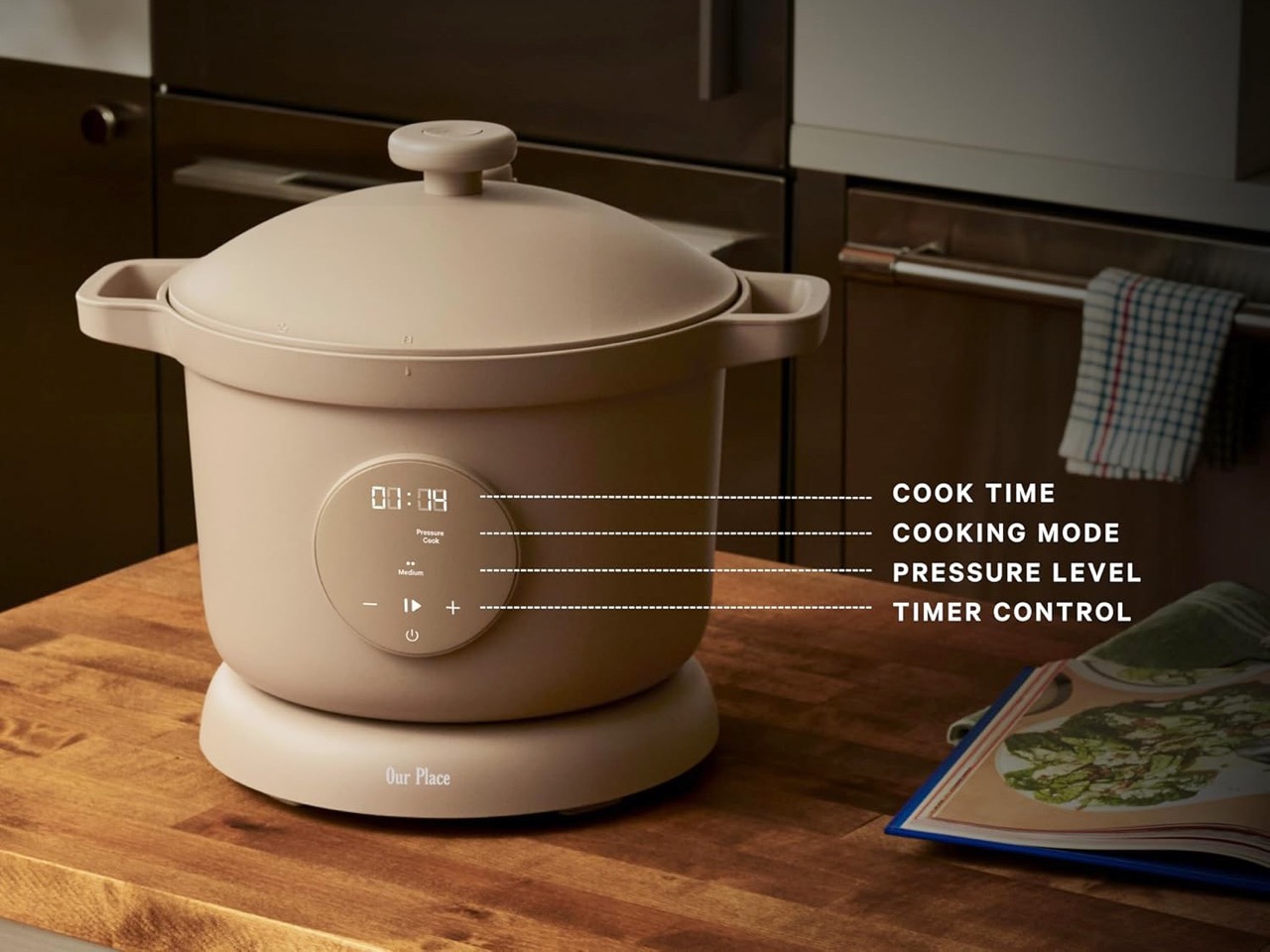
Here is my actual question, though. Instant Pot won by being the appliance nobody thought about twice, a workhorse that came, conquered, and retired back to its cabinet. Our Place is betting that a chunk of that audience actually wanted the opposite the whole time, an appliance they would leave out, photograph, maybe even feel a little smug about. That is a more interesting wager than another multicooker chasing one more preset button, and if the sear function sears the way it should and the pressure release feels as considered as the knob on top, Our Place will have done something most kitchen tech never bothers attempting. It will have given the pressure cooker a cultural makeover… here’s hoping Our Place does the Air Fryer next!
The post If Le Creuset and Instant Pot Had a Baby, It Would Look Exactly Like This $199 Pressure Cooker first appeared on Yanko Design.
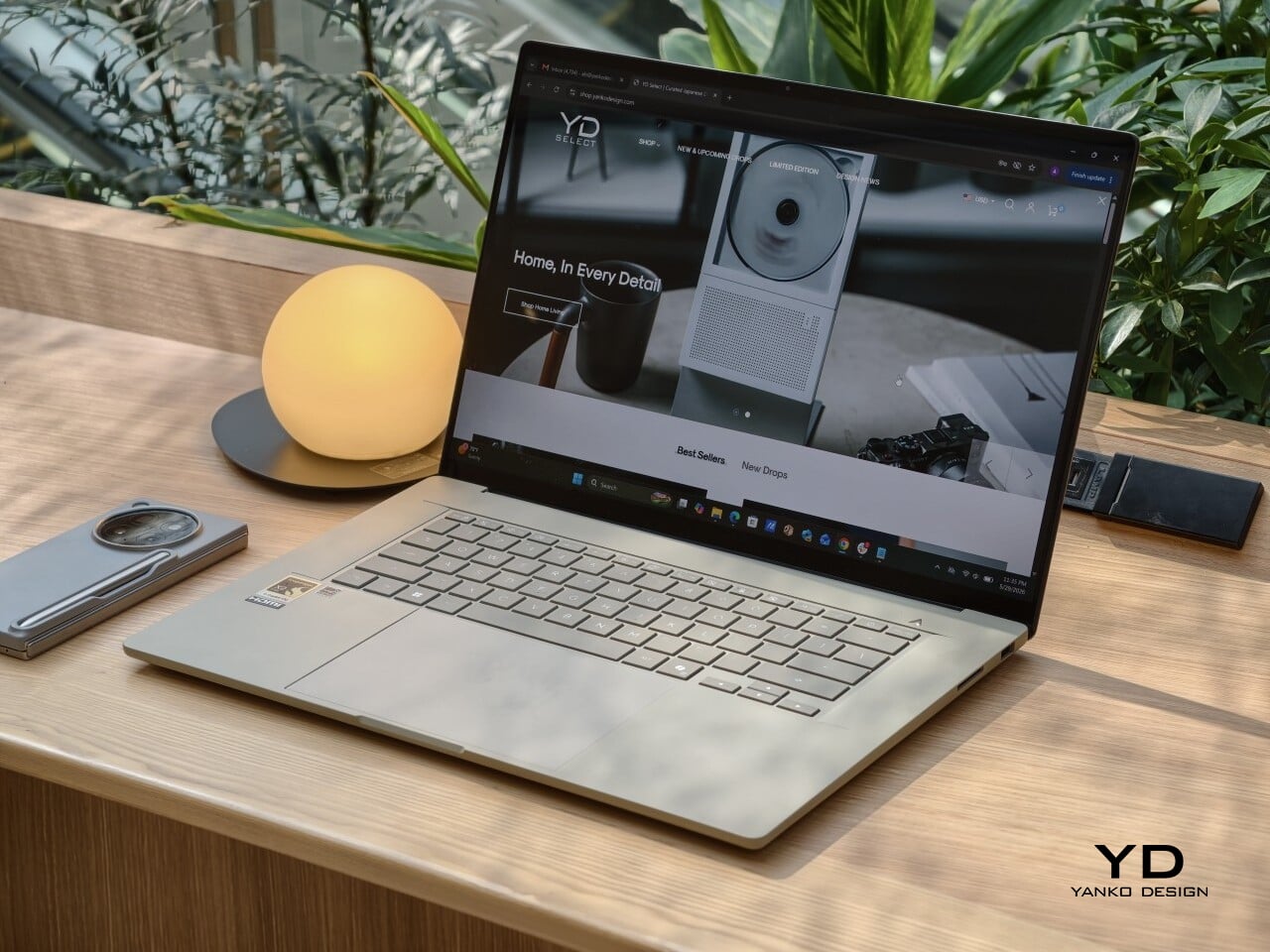
Big laptops usually ask for a compromise. You get the roomy screen, but you also get the extra weight, the larger footprint, and the feeling that you are carrying a little too much machine around every day. The ASUS Zenbook A16 UX3607 takes a different route, giving you a 16-inch canvas in a body that is startlingly light for the size, at around 1.3 kg, or 1.2 kg depending on the version.
What makes it stand out even more is that ASUS pairs that light build with Qualcomm’s Snapdragon X2 Elite platform, which still feels relatively rare. The result is a slim, polished laptop that makes a larger display feel easy, casual, and genuinely portable, while still delivering strong everyday performance. With a 16-inch 3K 120 Hz OLED panel and Snapdragon X2 Elite hardware in the latest refresh, it is clearly built for people who want comfort, battery life, and speed in one very travel-friendly package.
Designer: ASUS
I spent about a month with the laptop, including three international trips. That gave me a good sense of how it felt not just at a desk, but in transit, in hotel rooms, and in the kind of everyday situations where a large laptop usually starts to feel less convenient. Over that time, the Zenbook A16 made a strong case for itself as a big-screen machine that does not ask you to live around it.
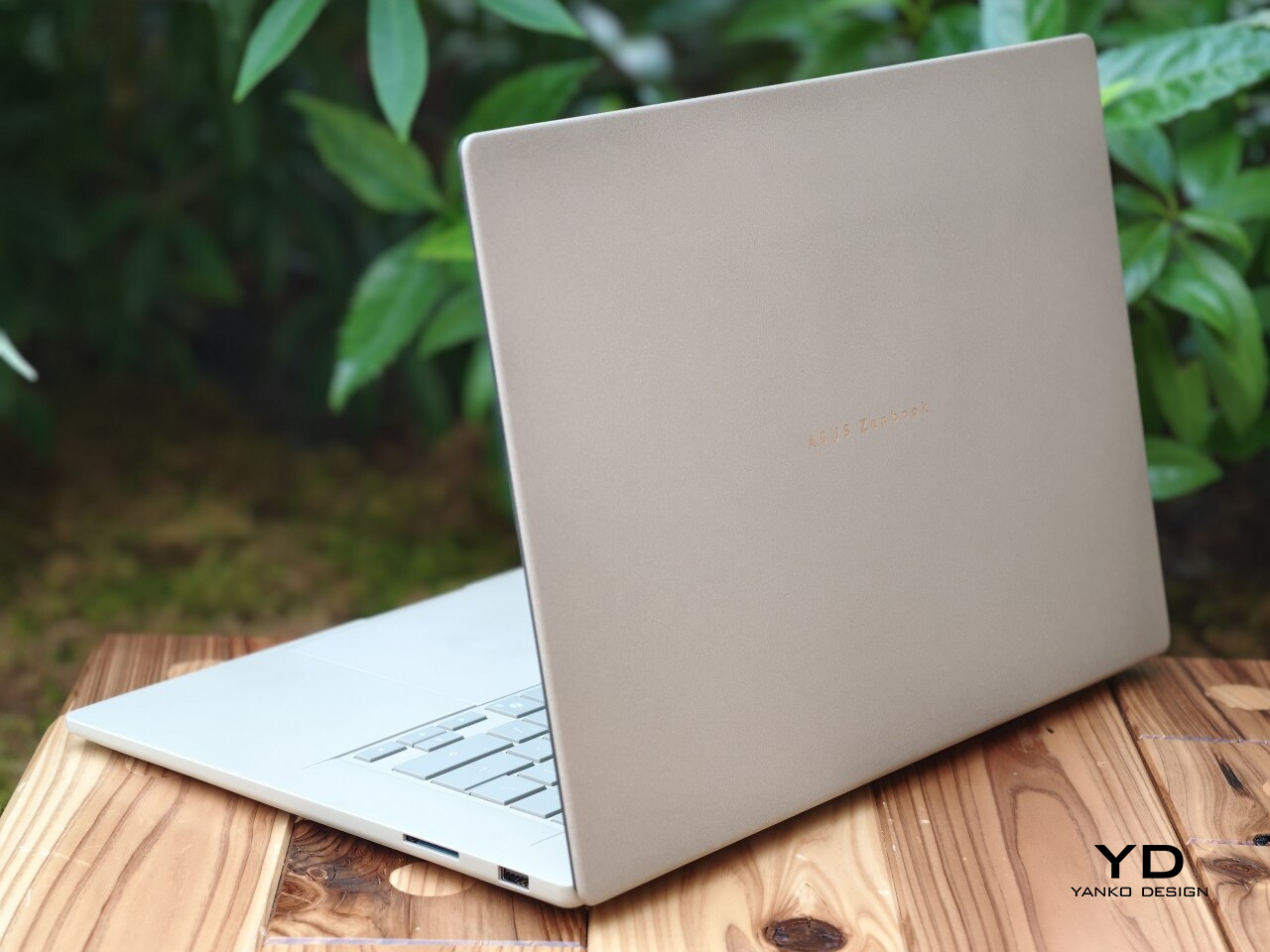
The Zenbook A16 has a clean, minimal design, but it does not feel cold. That is an important distinction because a lot of slim laptops, especially larger ones, can come across as a little sterile. This one feels softer and more inviting, with a look that is polished without being severe.
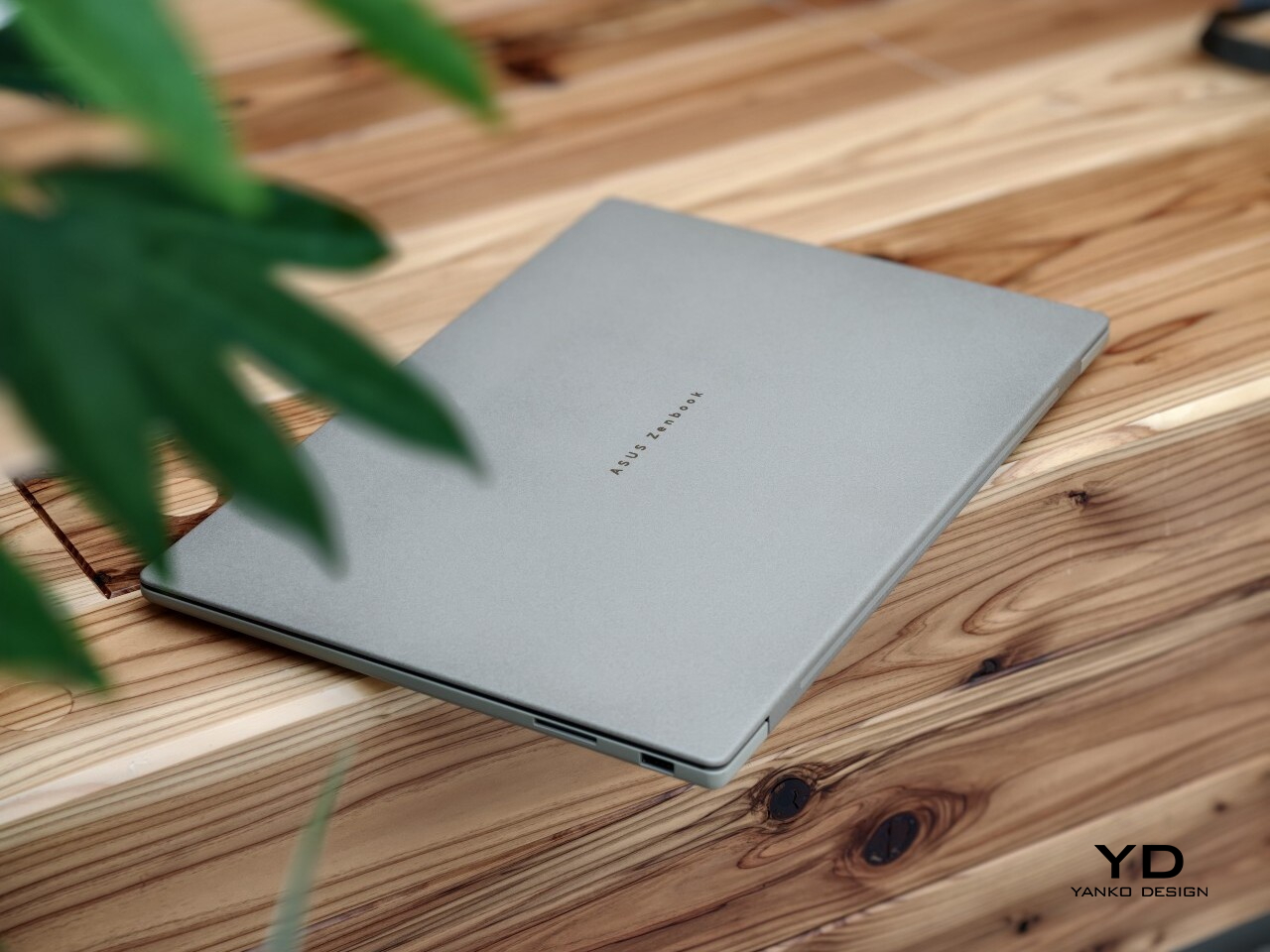
A lot of that comes down to ASUS’ patented Ceraluminum finish. ASUS gives the chassis a surface that feels less harsh than typical metal, which helps the laptop look warmer and more tactile in person. It still feels premium, but in a more relaxed and approachable way.
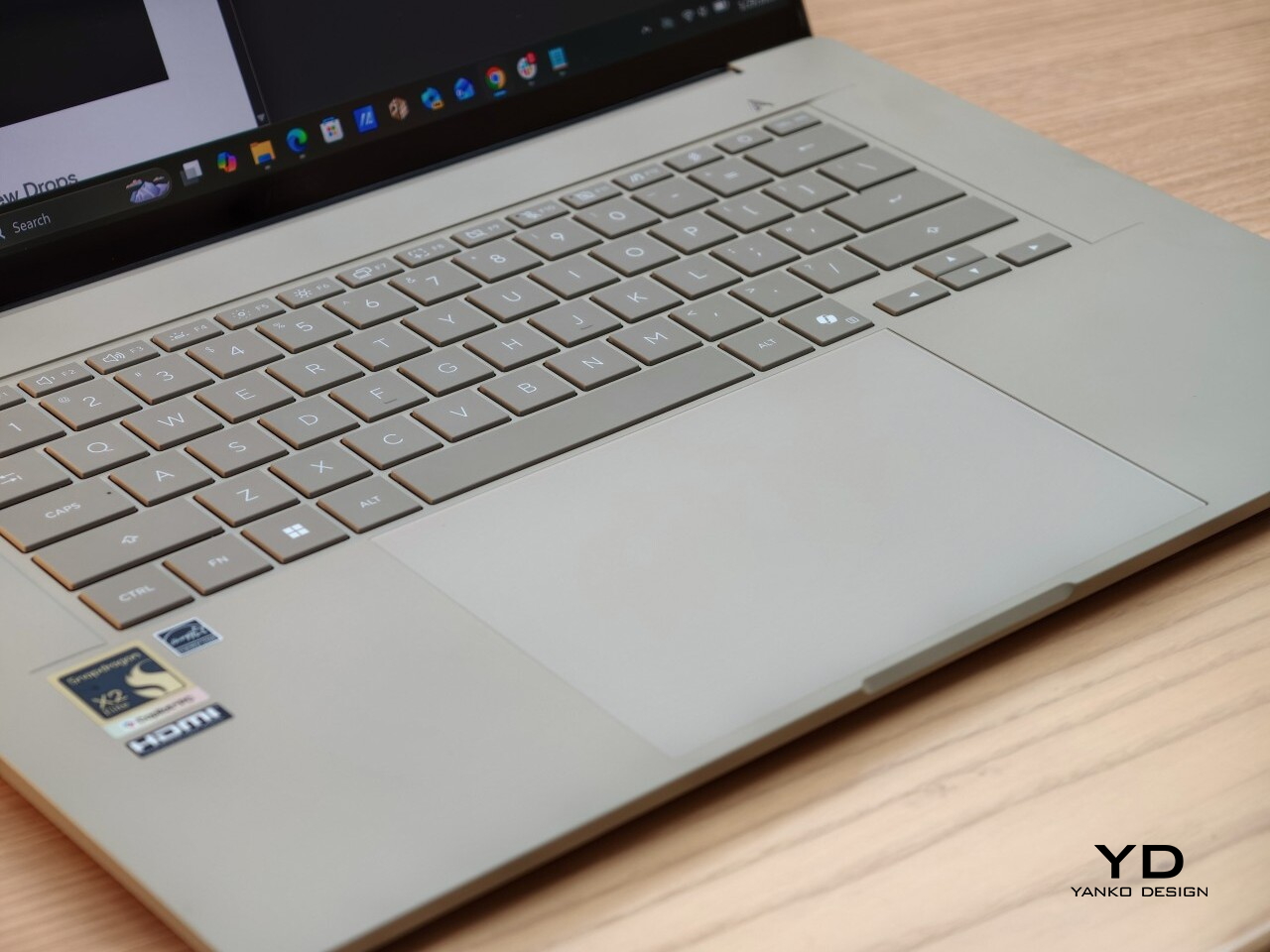
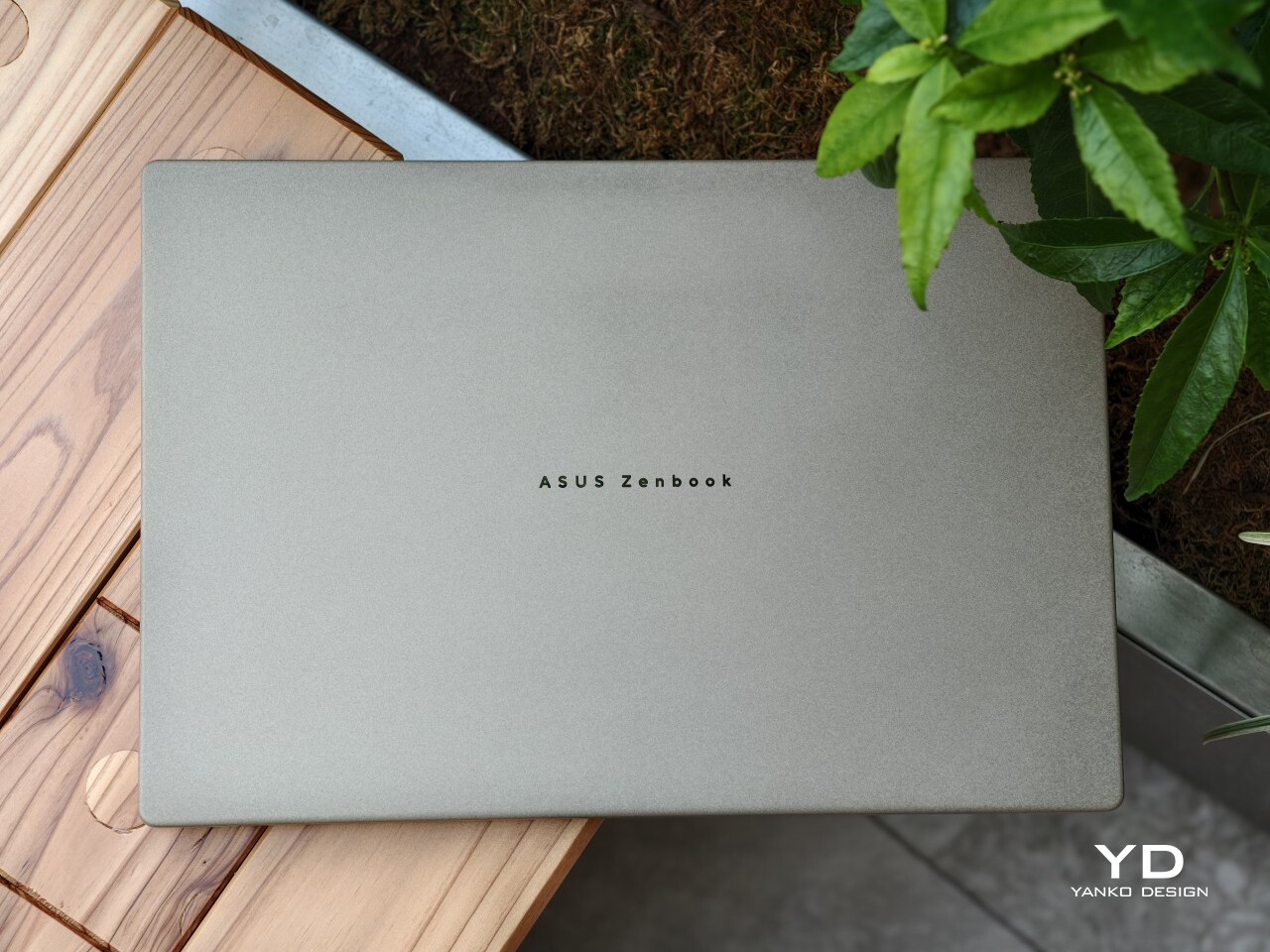
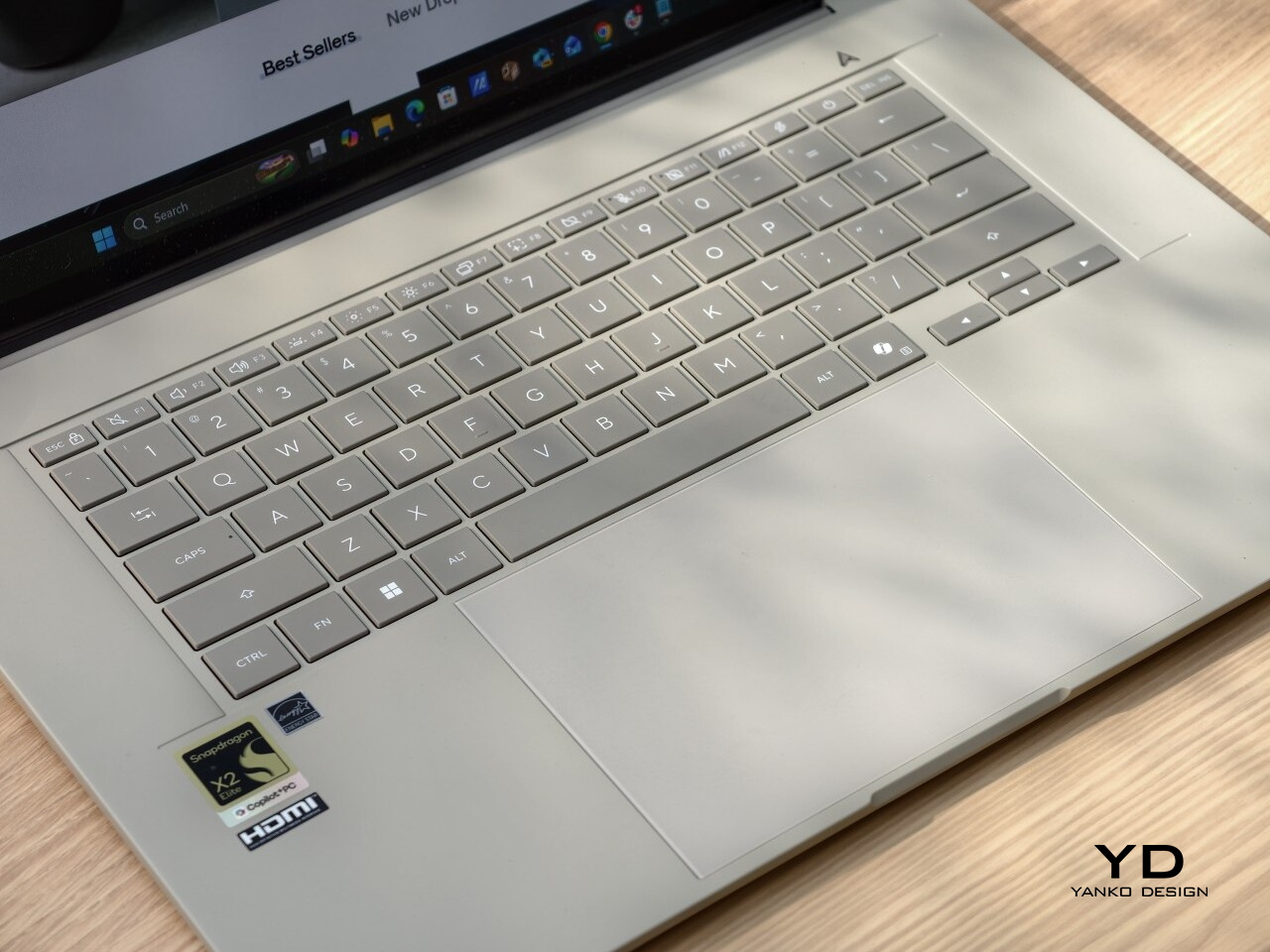
The details are subtle, but they give the laptop some character. A silver ASUS Zenbook logo sits centered on the lid, adding just enough contrast without disturbing the clean look. Open it up, and the full-sized backlit keyboard in a darker greige finish brings a bit of depth to the interior, while the stylized “A” above the right side of the keyboard adds a small touch of personality.
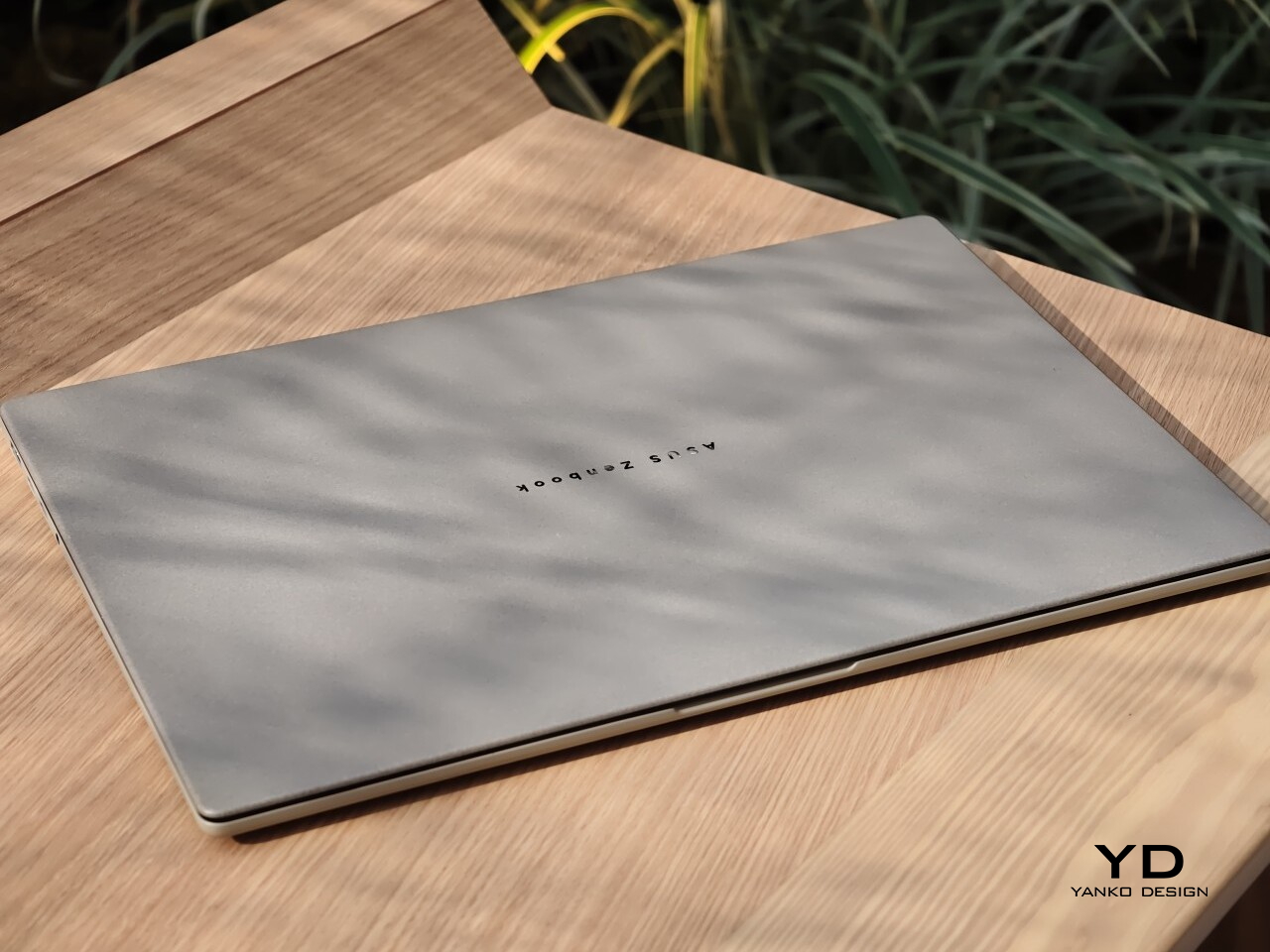
The color helps too. The review unit I received came in Zabriskie Beige, which was the only color option for this variant. It suits the Zenbook A16 especially well, giving it a softer and more distinctive look than the usual sea of silver laptops.
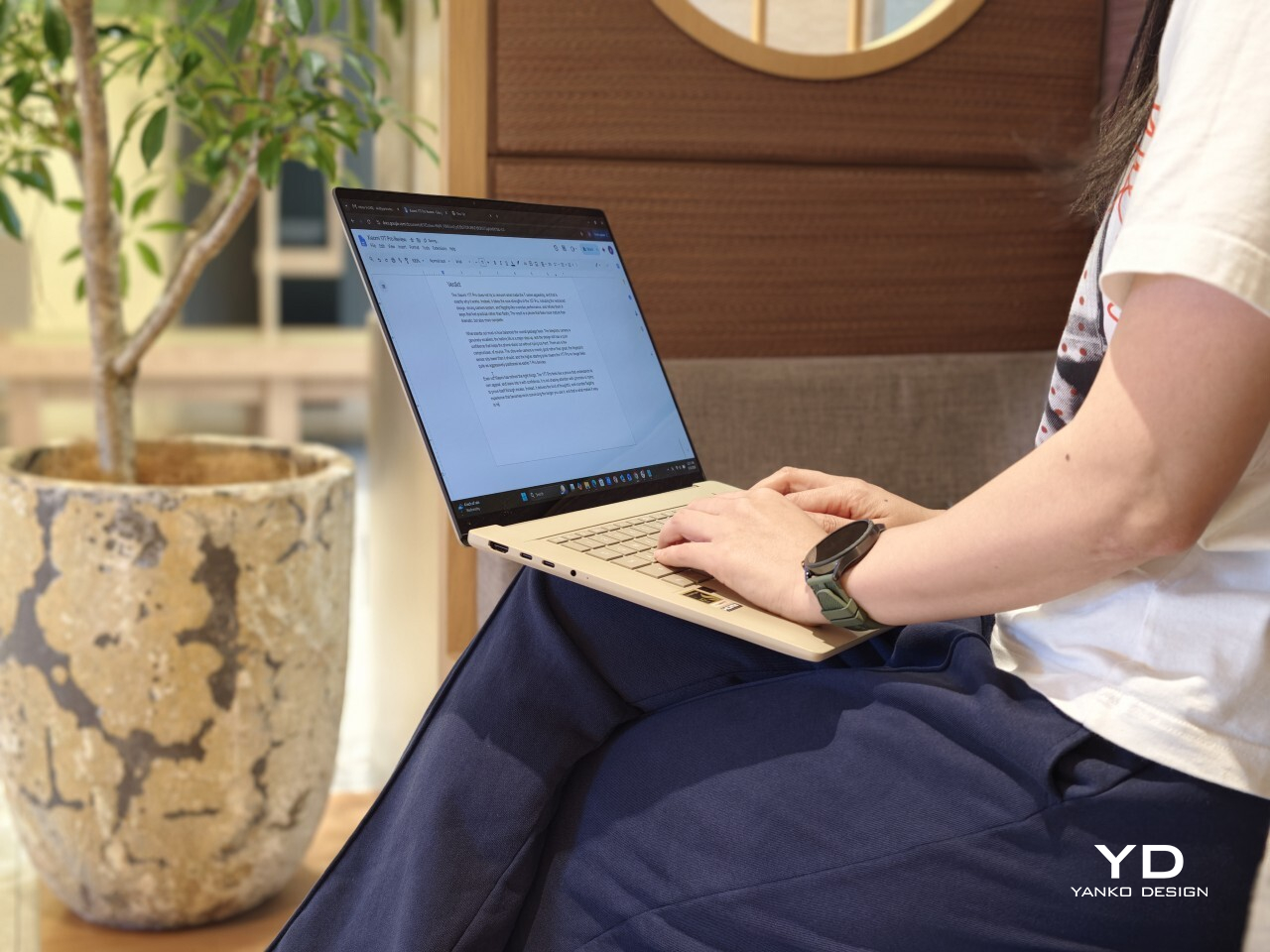
What I liked most about the Zenbook A16 was how easy it was to live with. On paper, the dimensions and weight are impressive for a 16-inch laptop at 35.35 × 24.24 × 1.65 cm and around 1.3 kg (2.87lbs), but what stayed with me more was the overall feel of using it. It never felt awkward or demanding, which is not something I can say about every large laptop.
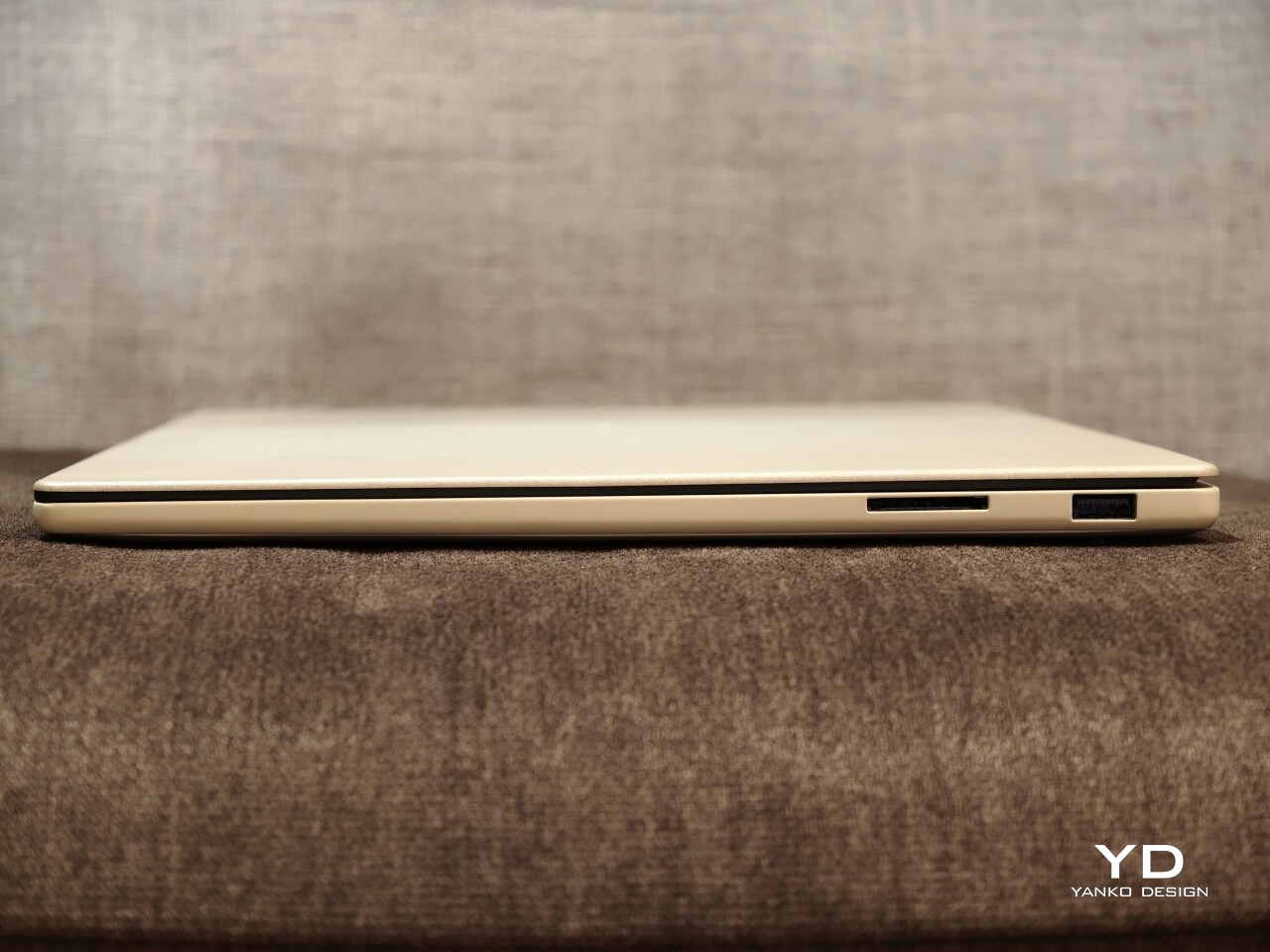
The lid is a good example of that. I could open it easily with one hand, and the hinge felt smooth and well-balanced. It is a small thing, but details like that shape your impression of a laptop very quickly. In this case, it made the Zenbook A16 feel immediately more comfortable and better resolved.
I also really liked the texture of the chassis. The Ceraluminum finish has a smooth, pebble-like texture that feels warm and pleasant under the hands. It helps the Zenbook A16 stand apart from the colder, more clinical feel that metal laptops often have. That tactile quality gives the laptop a more relaxed and welcoming character in everyday use.
The keyboard was another highlight for me. The keys are very comfortable to type on, and that became more obvious the longer I used it. Whether I was writing, replying to emails, or working through longer stretches of text, it felt like a laptop that stayed out of the way in the best sense.
The touchpad is generously sized, which suits the scale of the laptop, but I did find that it needed a bit more force than I expected to click. It was not a major issue, and I got used to it, but it did stand out at first. On a laptop that otherwise feels so easy and light in use, that slightly firmer click felt a little less effortless than the rest of the experience.
This reads well already. If you want, I can do one very light polish pass to make it sound a touch more natural and less repetitive without changing your meaning. For example, I would probably trim phrases like “what stayed with me more” and “made a difference” just to make the rhythm feel a little cleaner.
The review unit I received is the ASUS Zenbook A16 UX3607 with Qualcomm’s Snapdragon X2 Elite processor, paired with 48GB of RAM and 1TB of storage. That is a fairly premium configuration, and in everyday use, it felt quick, quiet, and consistently easy to rely on. It handled the usual multitasking of writing, research, email, an unruly number of browser tabs, streaming music, watching video, and light photo and video editing without ever feeling like it was running out of breath.
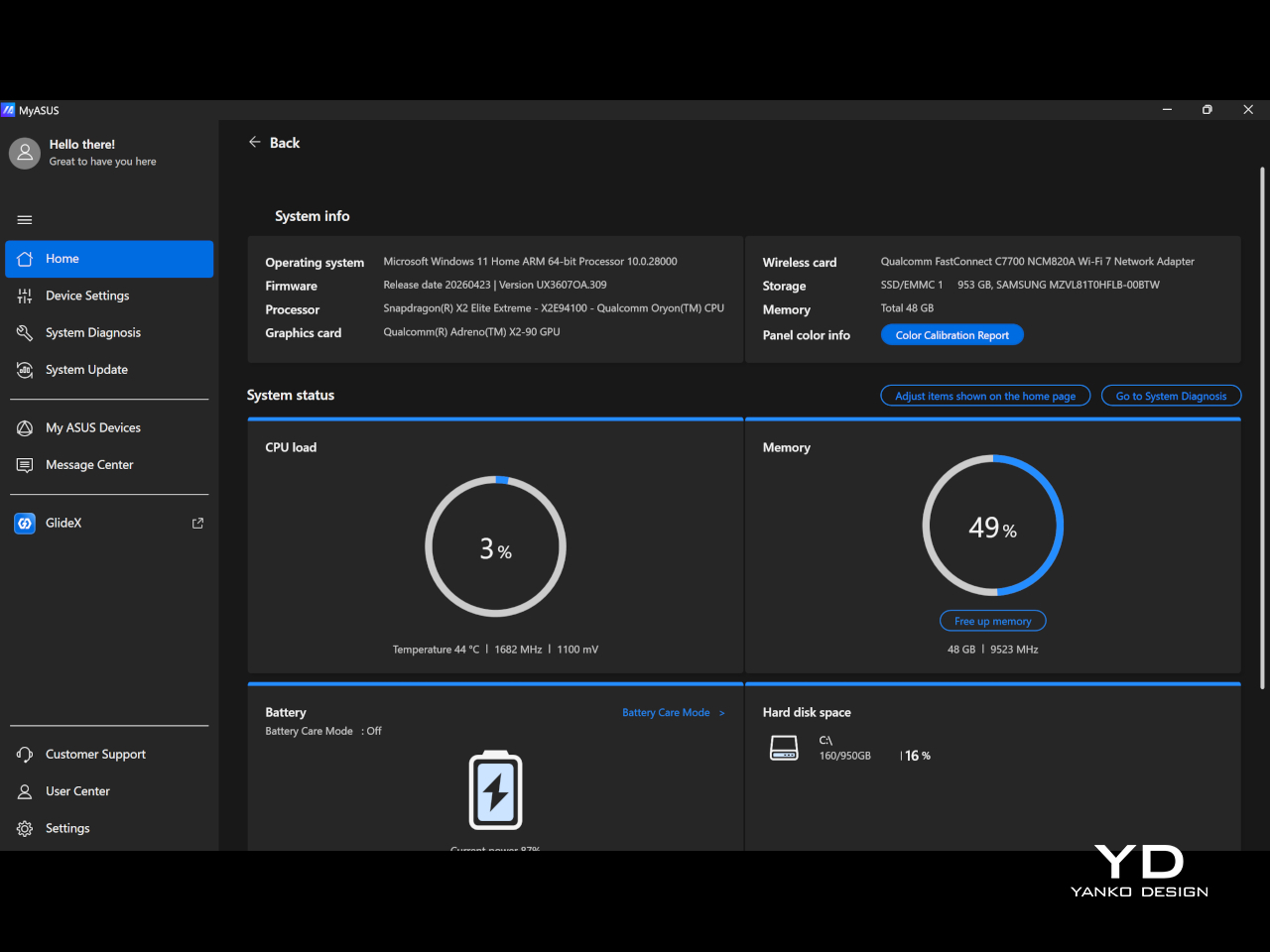
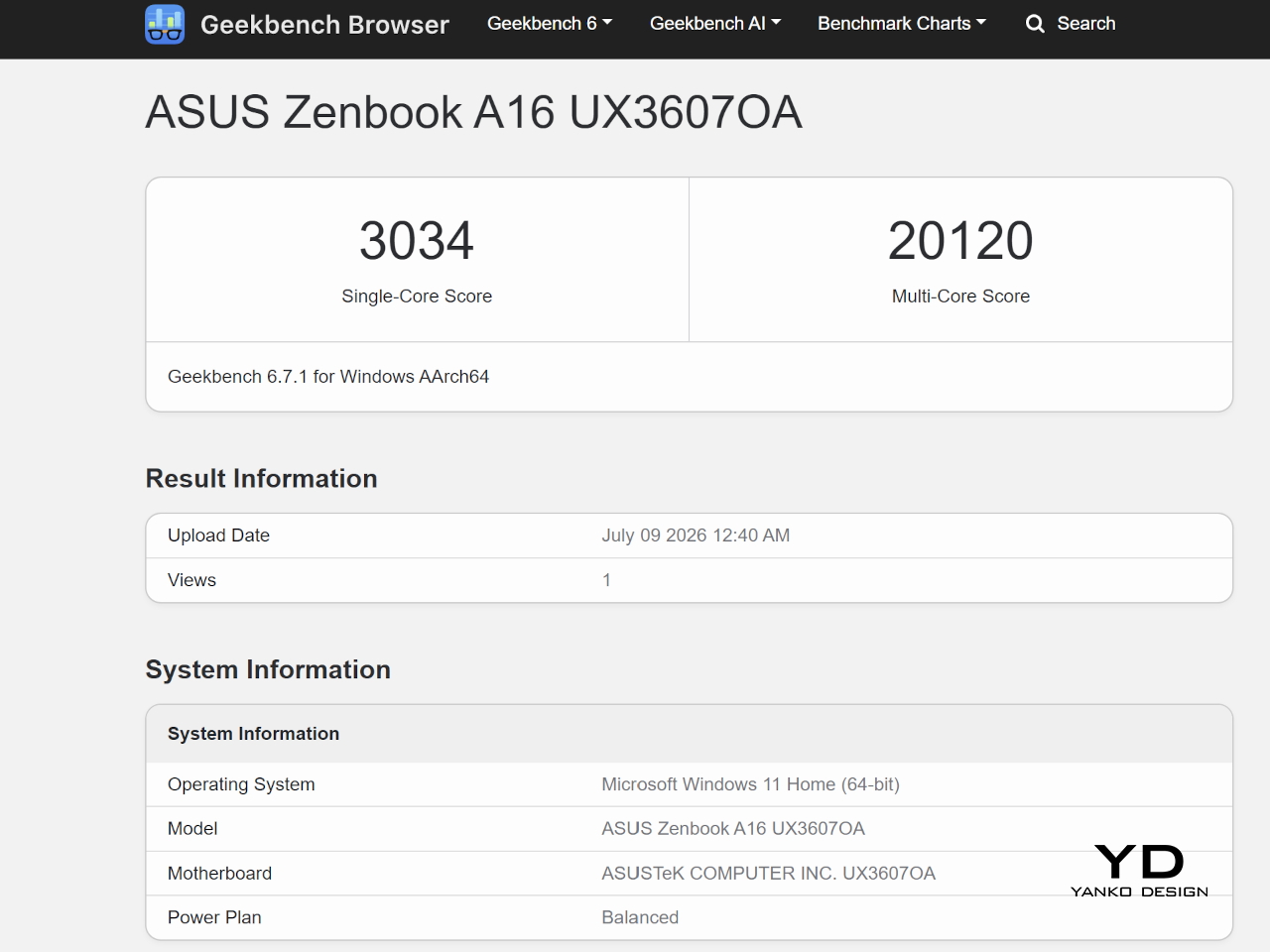
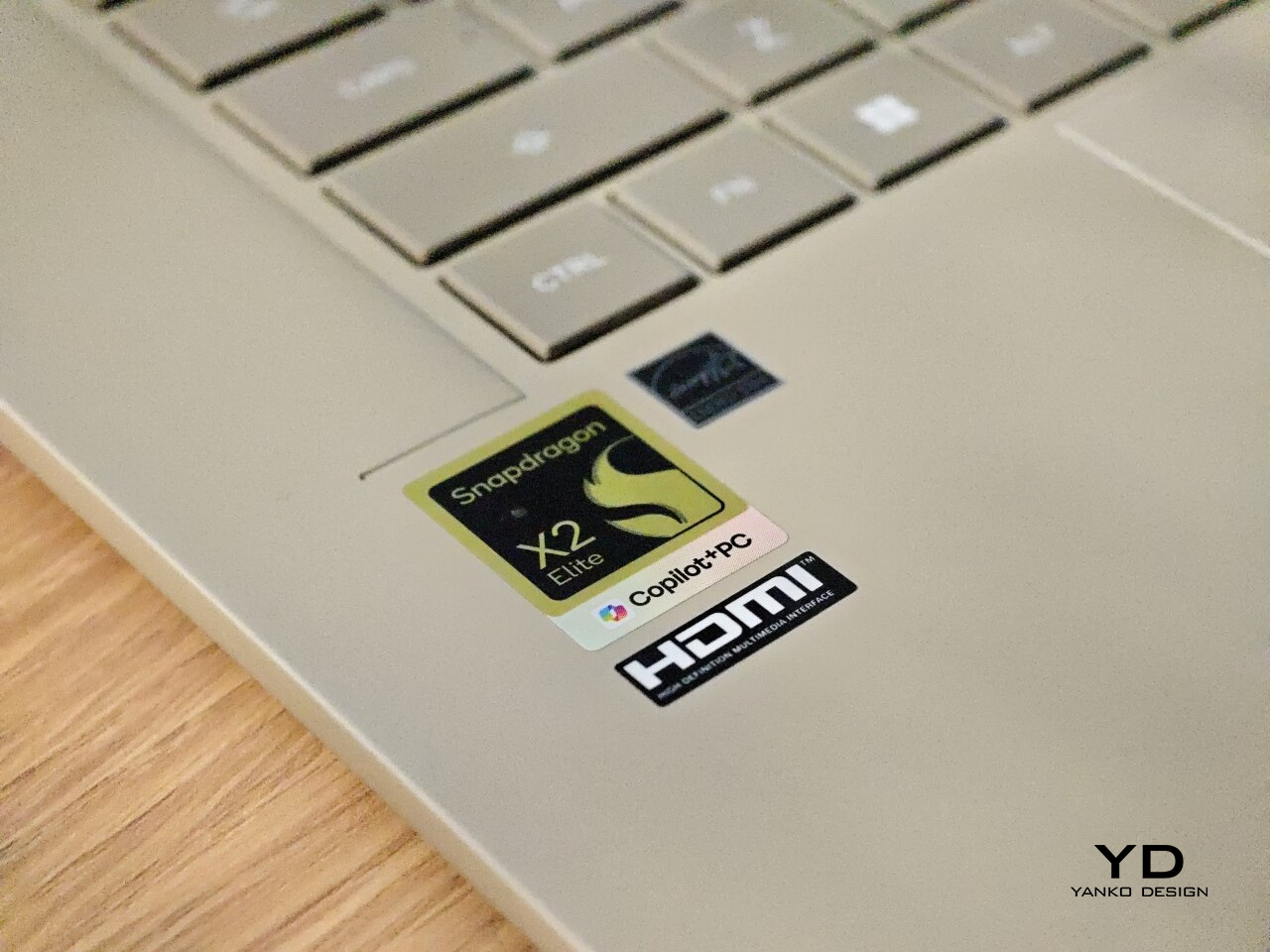
The Zenbook A16 (2026) runs Windows 11 and is part of the Copilot+ PC category. That places it firmly in Microsoft’s new AI PC push, though in daily use, the more noticeable benefit is still the machine’s general speed and efficiency. It feels modern and responsive in a very straightforward way, without constantly calling attention to the AI angle.
Although compatibility has clearly improved from Snapdragon X1 to X2, I still think it is something some buyers will worry about. Snapdragon X2 Elite gives the laptop much of its efficiency and responsiveness, but it also means this is still an ARM-based Windows machine. For general use, that was not a problem for me, but if your workflow depends on niche programs or you are into gaming, it is still worth checking that everything you need works properly before buying.
The display is one of the best parts of the Zenbook A16. The unit I tested comes with the touch-screen version of the 16-inch 3K OLED panel, and it gives the laptop a richness that you notice right away, whether you are working, streaming, or simply scrolling through photos. The 120 Hz refresh rate gives everything a welcome smoothness, while 500 nits of typical brightness, up to 1100 nits in HDR, 100% DCI-P3 coverage, and a 1,000,000:1 contrast ratio help the screen look vivid, punchy, and properly premium.
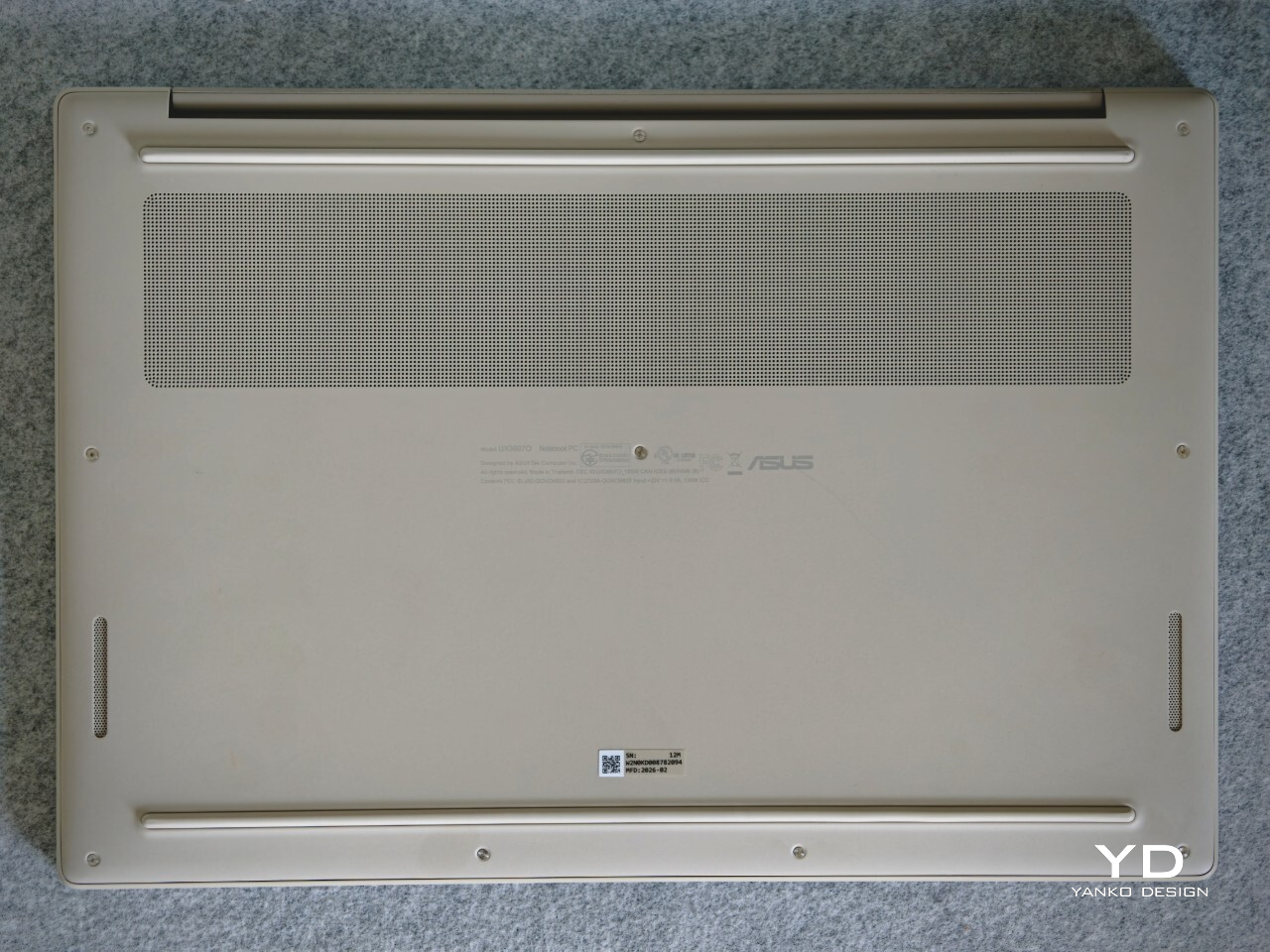
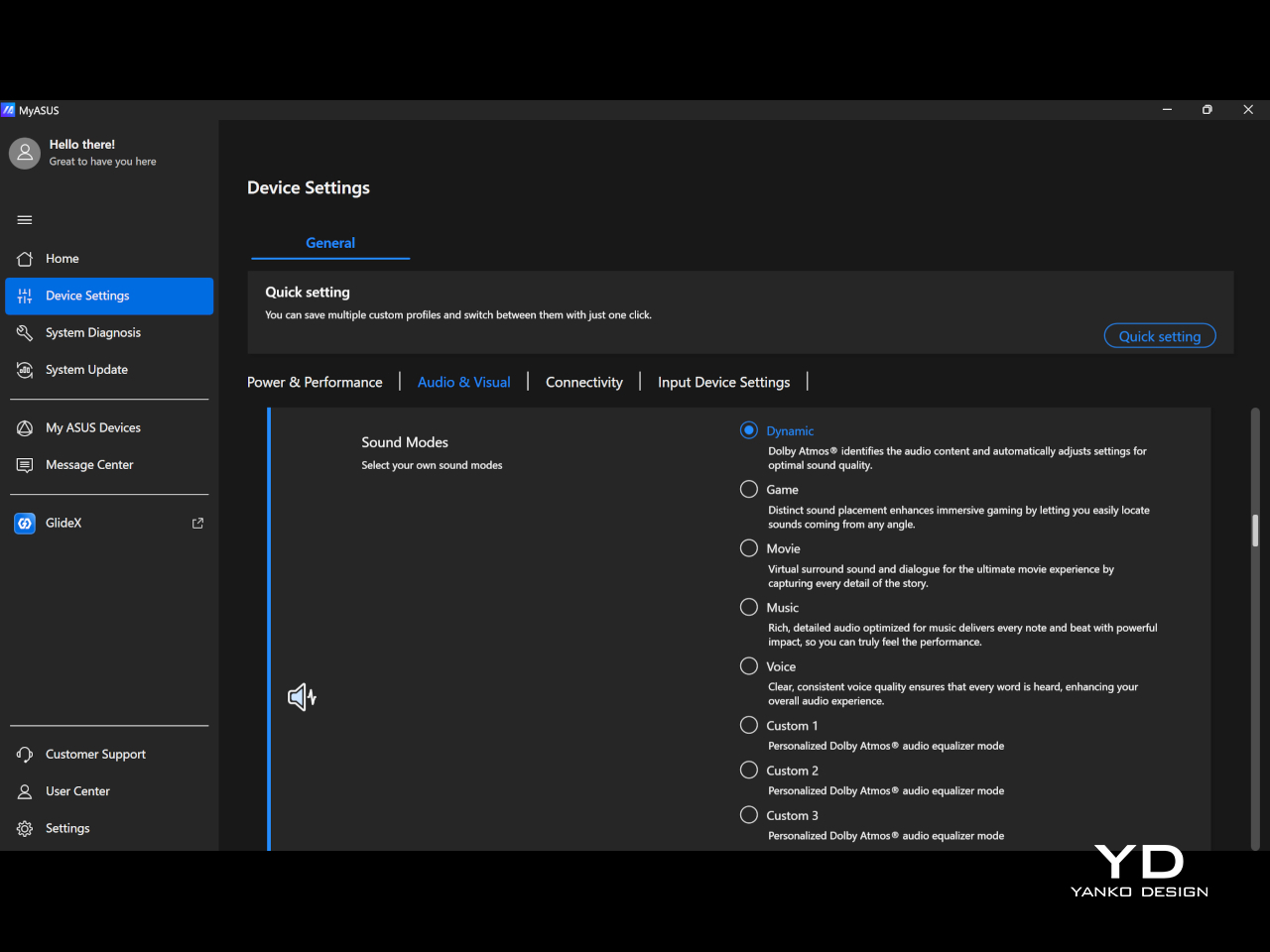
Audio is another pleasant surprise. The six-speaker array sounds full and clear, and Dolby Atmos support helps give movies, music, and even casual video watching a little more scale and dimension. I also liked that MyASUS lets you switch between sound modes like Dynamic, Game, Movie, Music, and Voice, or create up to three custom Dolby Atmos equalizer settings, which makes it easier to tune the sound to whatever you are doing.
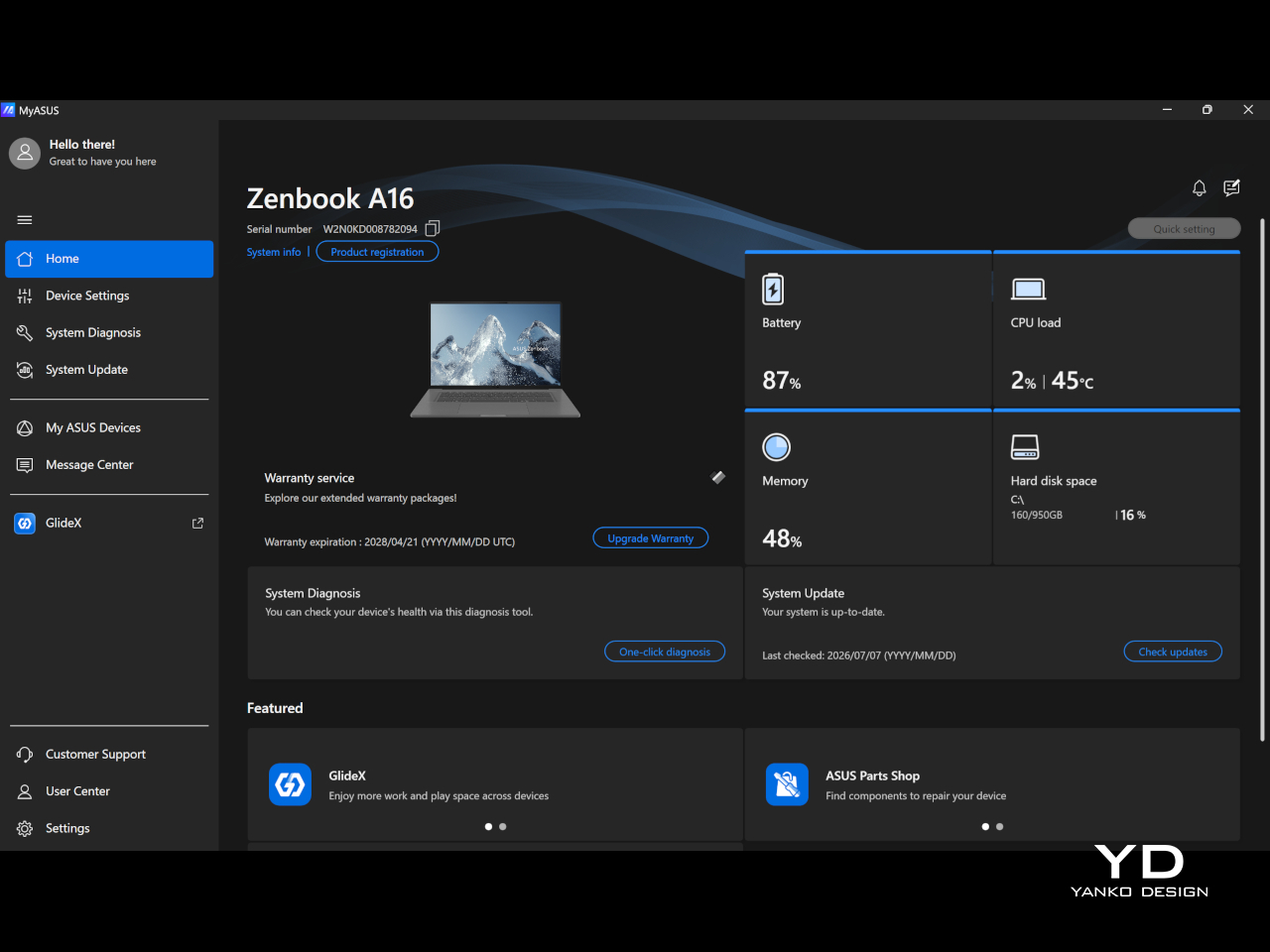
Battery life was also a strong point for me. I kept the laptop in balanced mode, and it easily lasted a full workday with eight hours or more of continuous use, which made it easy to trust when I was out and about. The included 130W charger is fast and still easy enough to carry, so the overall setup remained travel-friendly.
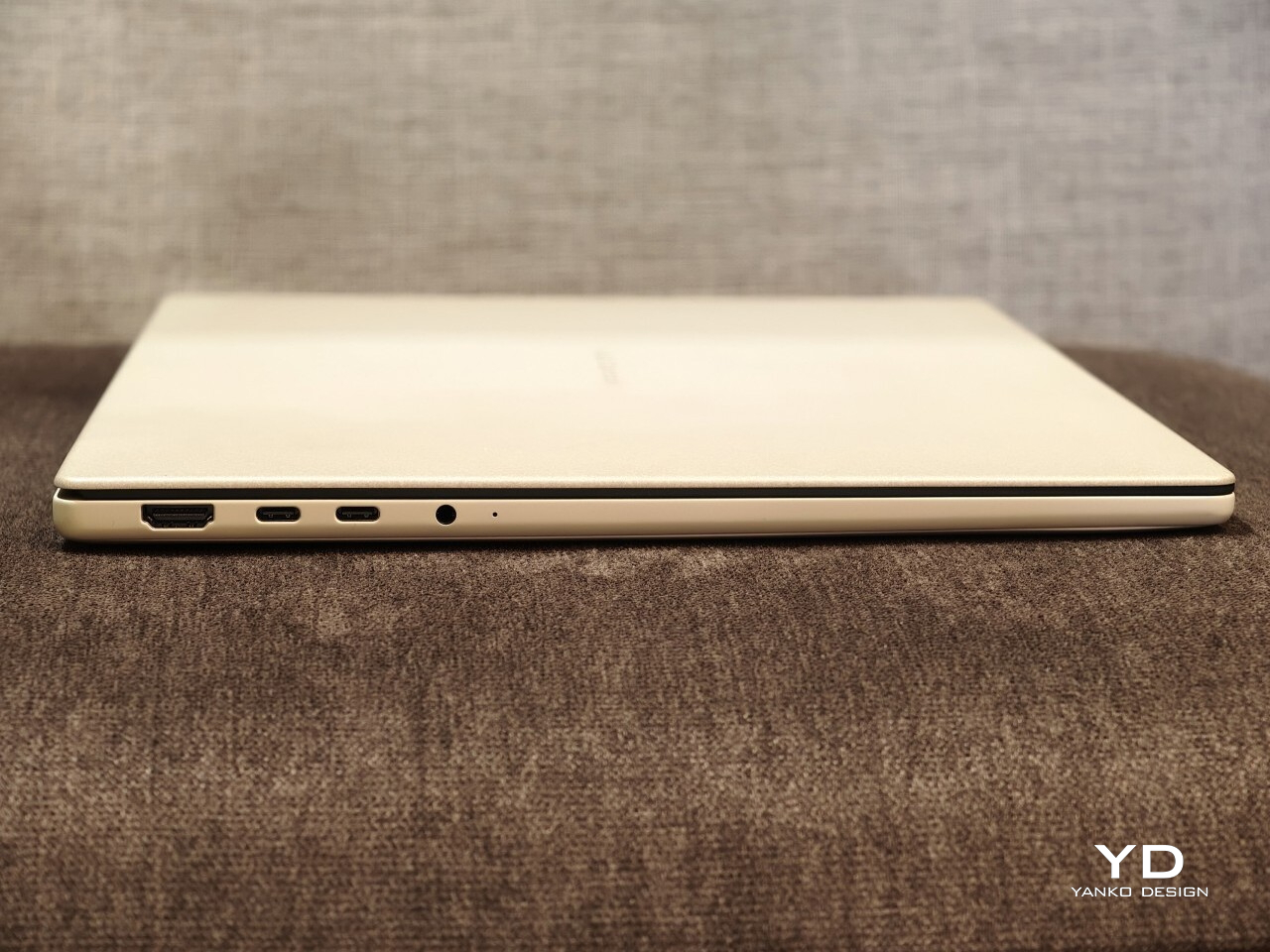
I also appreciated the port selection. ASUS includes two USB4 ports, a USB-A port, HDMI, a headphone jack, and an SD card slot, which makes the Zenbook A16 feel practical in a way many thin premium laptops no longer do. The SD card slot in particular is one of those small features that ends up being genuinely useful more often than you expect.
Sustainability is not the first thing the Zenbook A16 draws attention to, but it is part of the story. ASUS says its Ceraluminum material is made using pure water and electricity, without added organic compounds, strong acids, or heavy metals. That gives the finish a bit more substance than a purely cosmetic talking point.
There is also a more practical side to this. Battery replacements are doable, which is a plus, but the storage is not removable or serviceable. That makes the Zenbook A16 a somewhat mixed story on sustainability, with thoughtful material choices but limited repairability.
The touch-screen version I tested is the Best Buy model, priced at $1,699.99. That puts the Zenbook A16 firmly in premium laptop territory, so it is not a machine that gets by on novelty alone. At this price, it needs to justify itself through the full experience, not just one or two standout specs.
I think it mostly does. You are getting a very light 16-inch laptop with a beautiful OLED display, strong battery life, a high-spec configuration, and a design that feels thoughtful in both look and feel. Still, $1,700 is enough money that buyers are right to think carefully about software compatibility and long-term flexibility before deciding it is the right fit.
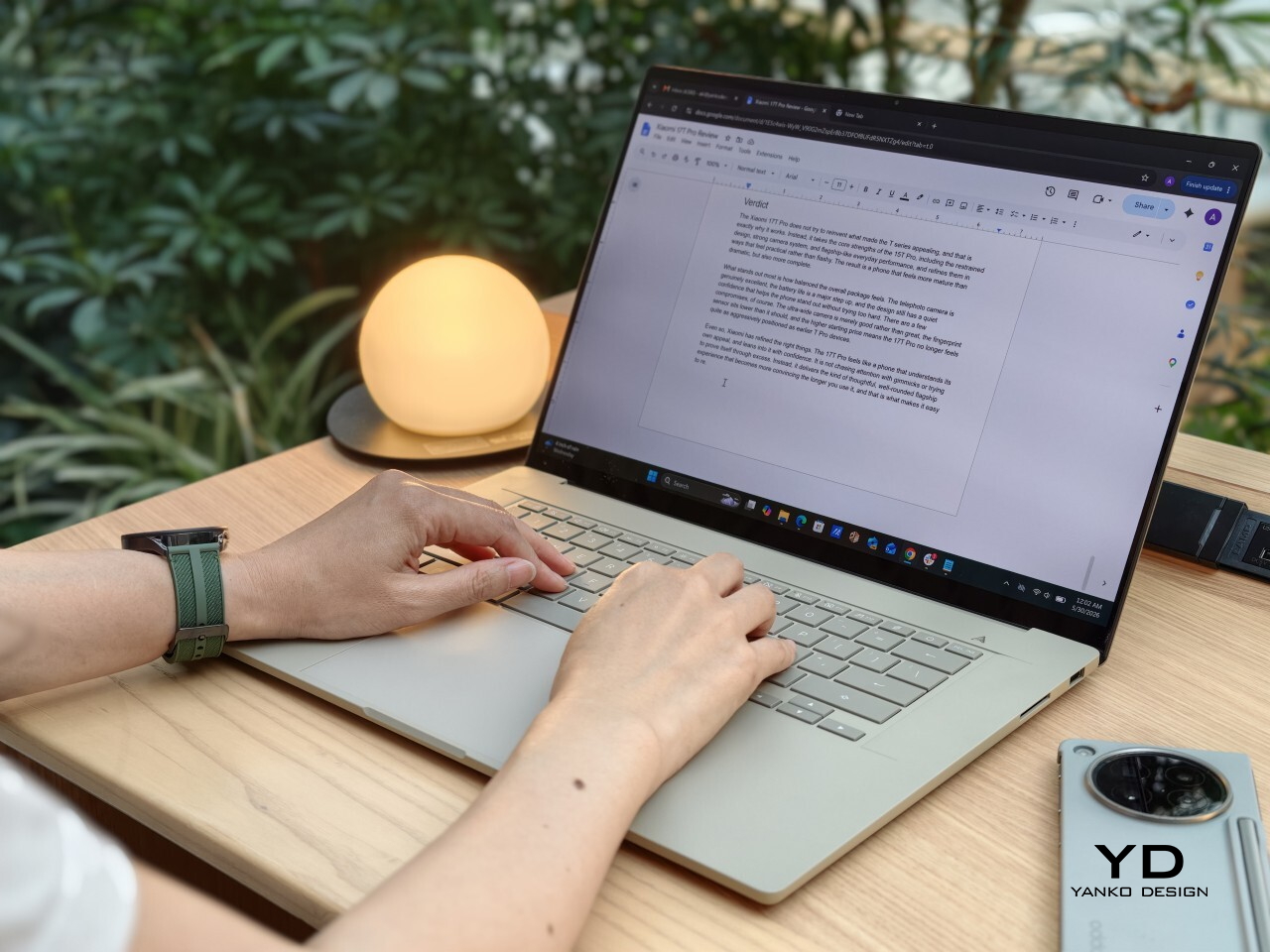
The Zenbook A16 ended up winning me over in a quiet way. It is not the kind of laptop that shouts for attention, but the longer I used it, the more I appreciated how thoughtfully it fits into everyday life. The light weight, the large and beautiful display, the warm feel of the Ceraluminum finish, and the overall ease of using it all added up to something that felt genuinely enjoyable.
What stayed with me most was how little friction there was to living with it. I liked being able to carry a 16-inch laptop without feeling weighed down, and I liked that it still felt polished and comfortable once I opened it up and got to work. The comfortable keyboard, strong battery life, good speakers, and practical port selection all helped make it feel like a machine designed by people who had actually thought about daily use.
It is not perfect, and I would still tell buyers to think carefully about software compatibility if they rely on niche programs or want a laptop for gaming. The firmer touchpad click also stood out on a machine that otherwise feels so easygoing. Even so, I came away with a lot of affection for the Zenbook A16, because it manages to feel both special and easy at the same time.
At $1,700, it is a serious purchase. But for someone who wants a premium laptop with a big OLED screen, long battery life, and a design that feels lighter and warmer than most, I think the Zenbook A16 makes a strong case for itself. It is one of those laptops that feels nicer the longer you live with it, and that may be its best quality.
The post ASUS Zenbook A16 (UX3607OA ) Review: Big screen, Surprisingly Light first appeared on Yanko Design.
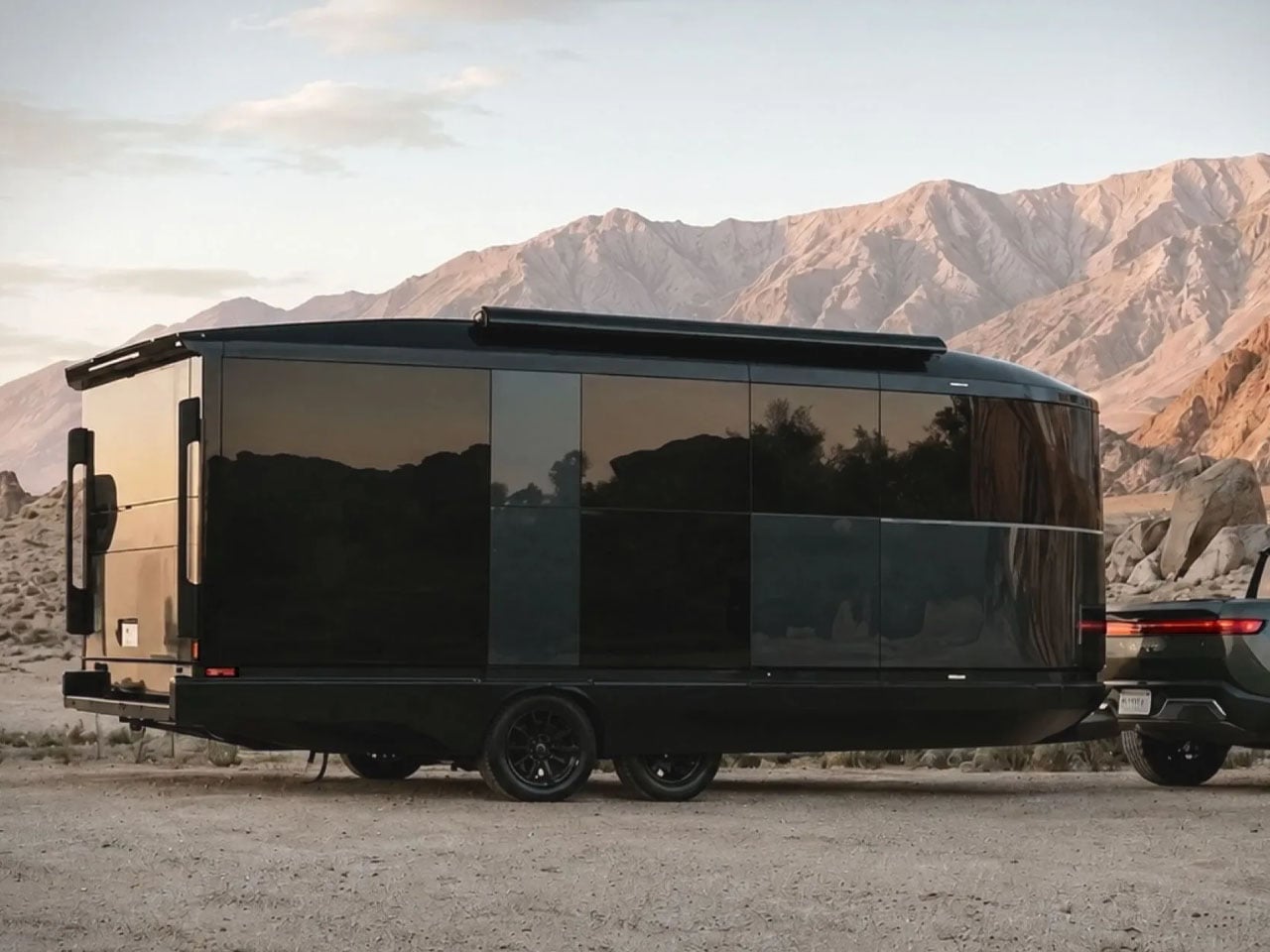
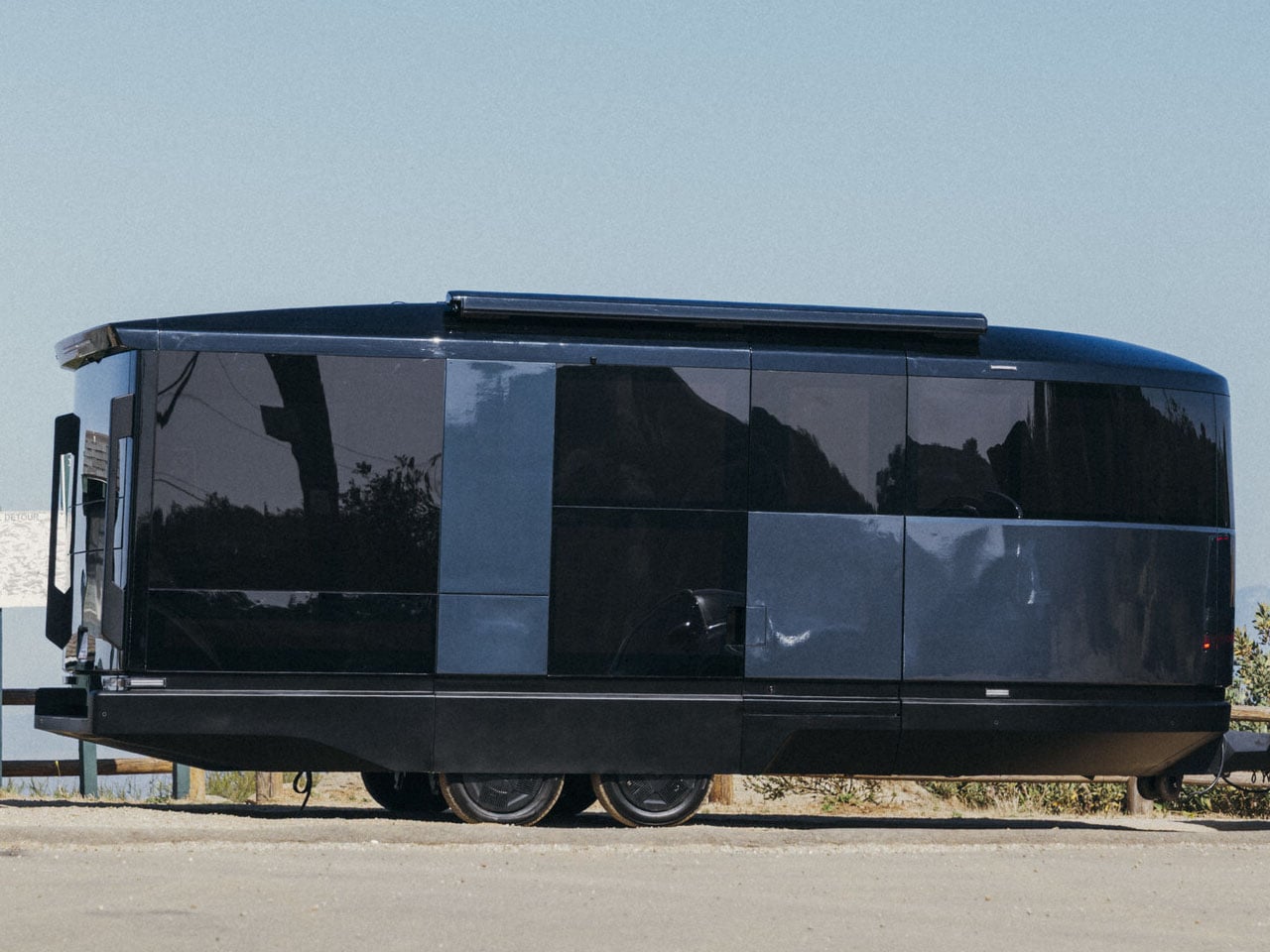
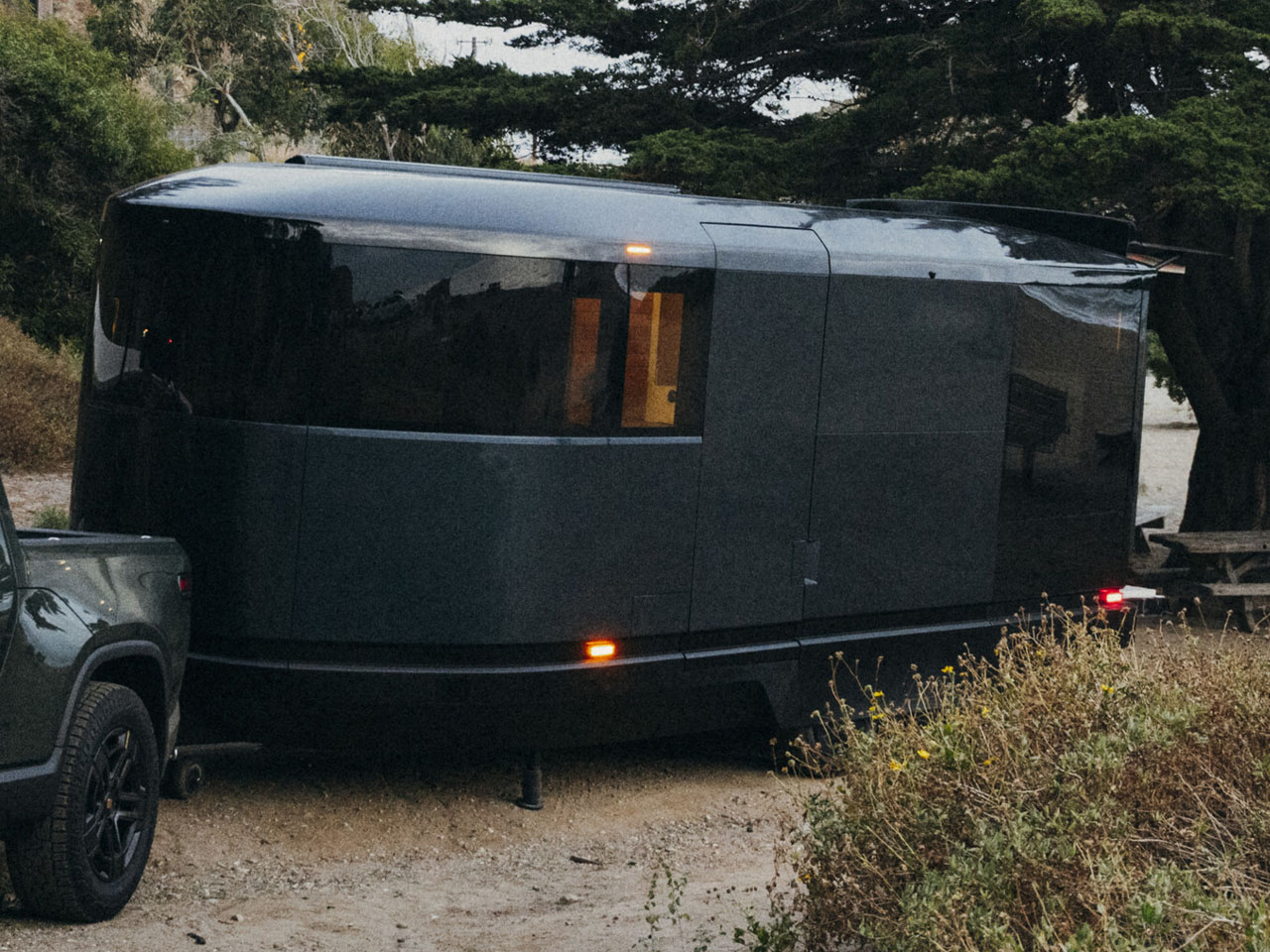
Off-grid travel is not only a buzzword lately. It’s become a way of life. Perpetuated largely by tiny houses on wheels and RVs. Amid the latter, travel trailers have an edge. They live separately from their towing vehicle and tout independent proficiency. Thus, the new form factor of trailers is smarter and more capable than ever before. Such is the case with the recently launched T4 trailer developed by California-based Aboard RV. It is an off-grid rig with an appealing aerodynamic design and a size that neatly places it between a van home and a large motorhome.
The Aboard T4 electric trailer is anything but a traditional trailer. It features more glass in construction than others would dare to go with and combines automotive engineering with a hybrid electric drivetrain to leave us with a capable RV that none of us would want to miss a chance to get on board.
Designer: Aboard RV

Besides its aerodynamic form factor, the T4 is designed for off-grid adventures. It sits on a reinforced integrated chassis and has a built-in Extended-Range Electric Vehicle (EREV) powertrain. The powered axle system allows enough energy to steer the rig while climbing without creating additional load on the towing vehicle. This is because it is engineered as a fully integrated vehicle, allowing it to self-propel, straining the tow vehicle less to increase range and reduce drag.
The trailer is designed to be about 24 feet long, and it tips the scales at 6,500 lbs. Interestingly, the T4’s hybrid platform has more than 200kWh of onboard power. It features a 41 kWh LFP battery and a 60 kW range-extending generator. Together, extending the off-grid living capability of the trailer for more than a long weekend. The generator can recharge in under 30 minutes, substantially enough to keep your devices and equipment powered during time off the grid. The trailer can, if needed, power the electric tow vehicle as well.

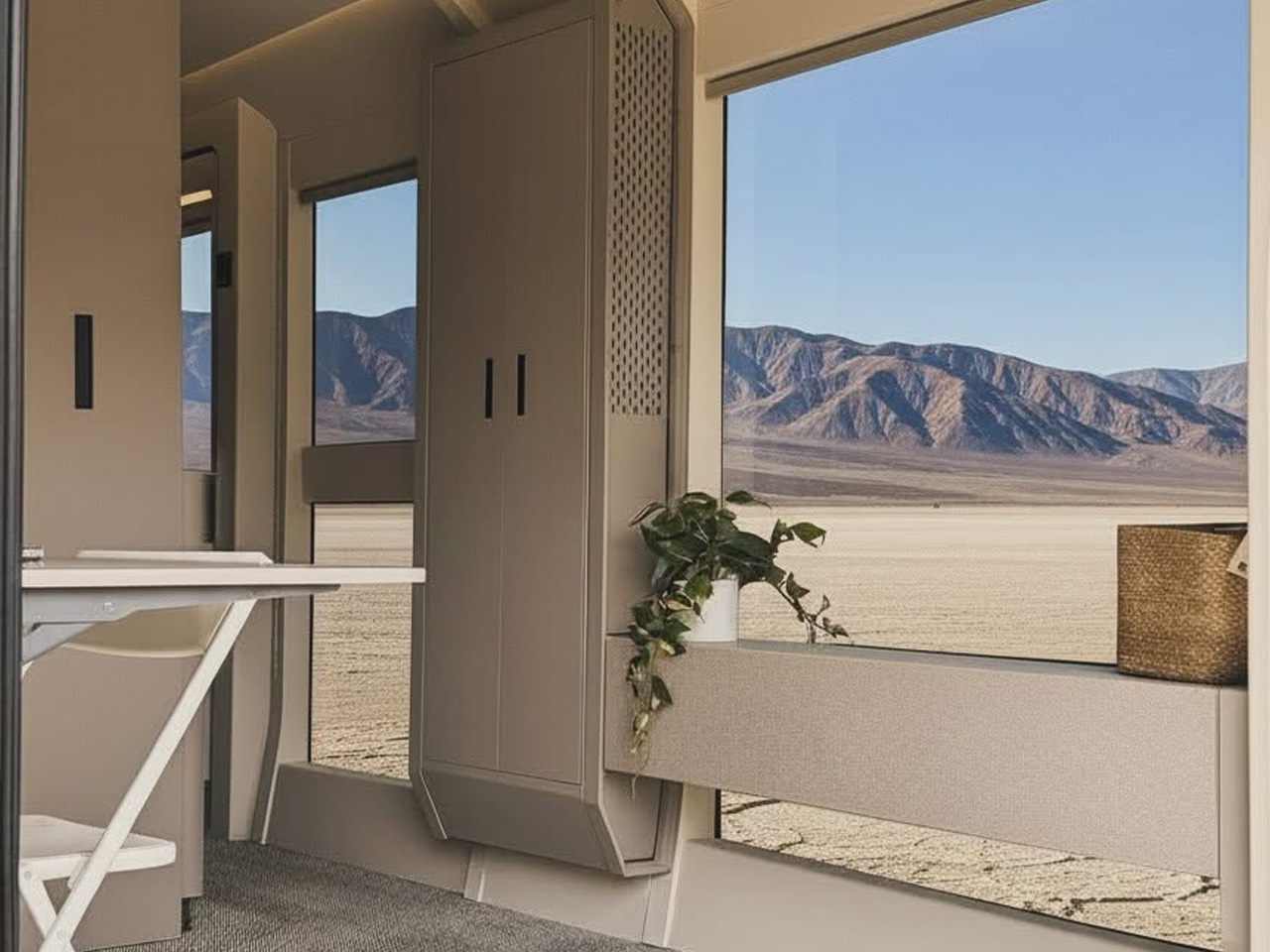
The Aboard T4 electric travel trailer has a metal-paneled body and features car-like secure doors that ensure improved durability, while providing weather protection. The smoothly glazed exterior of this trailer seems completely fashioned with glass, but it’s when you enter that you realize the panoramic windows span only 270 degrees. It may not be as much as you believe it is from the outside, but windows are still enough to fill the interiors with natural light and surrounding views.

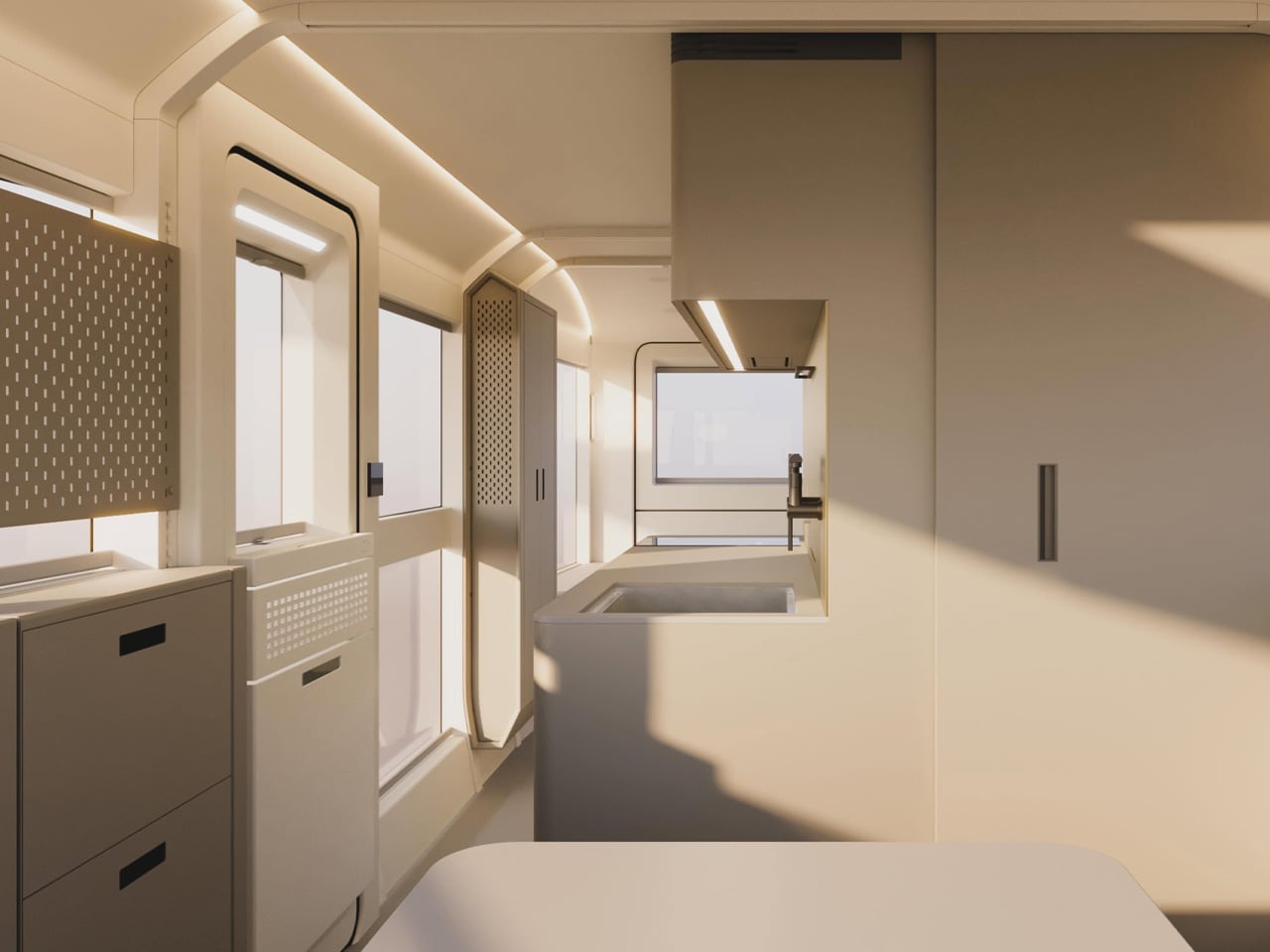
The interior space is centered around the kitchen and bathroom of the trailer, with two convertible lounges – on either side – transforming into bedrooms by night. The bathroom doubles as a mudroom accessible through two separate entries. The kitchen is equipped with an induction cooktop, refrigerator, microwave, and a lot of storage. Interestingly, the trailer is equipped with a 52-gallon fresh water tank and a 35-gallon grey water tank. Also, with a 30-gallon black water tank onboard, the trailer is fully prepared for off-grid stays. Designed to accommodate four people easily, the Aboard T4 travel trailer will be available starting at $80,000. There is no definite release date in sight, but the trailer can be reserved now for a fully refundable deposit of $100.


The post New Aboard T4 self-propelled electric travel trailer is built for extended off-grid living first appeared on Yanko Design.

Apple is preparing to unveil the highly anticipated iPhone Air 2, a device that could redefine the ultra-thin smartphone category. Expected to launch in early 2027 alongside the iPhone 18 series, the iPhone Air 2 is designed to address the limitations of its predecessor while introducing a suite of advanced features. With improvements in battery […]
The post Apple’s iPhone Air 2 Leak Claims to Fix Everything appeared first on Geeky Gadgets.