Nokia’s 4 New Dumb Phones Still Come With an AI Button

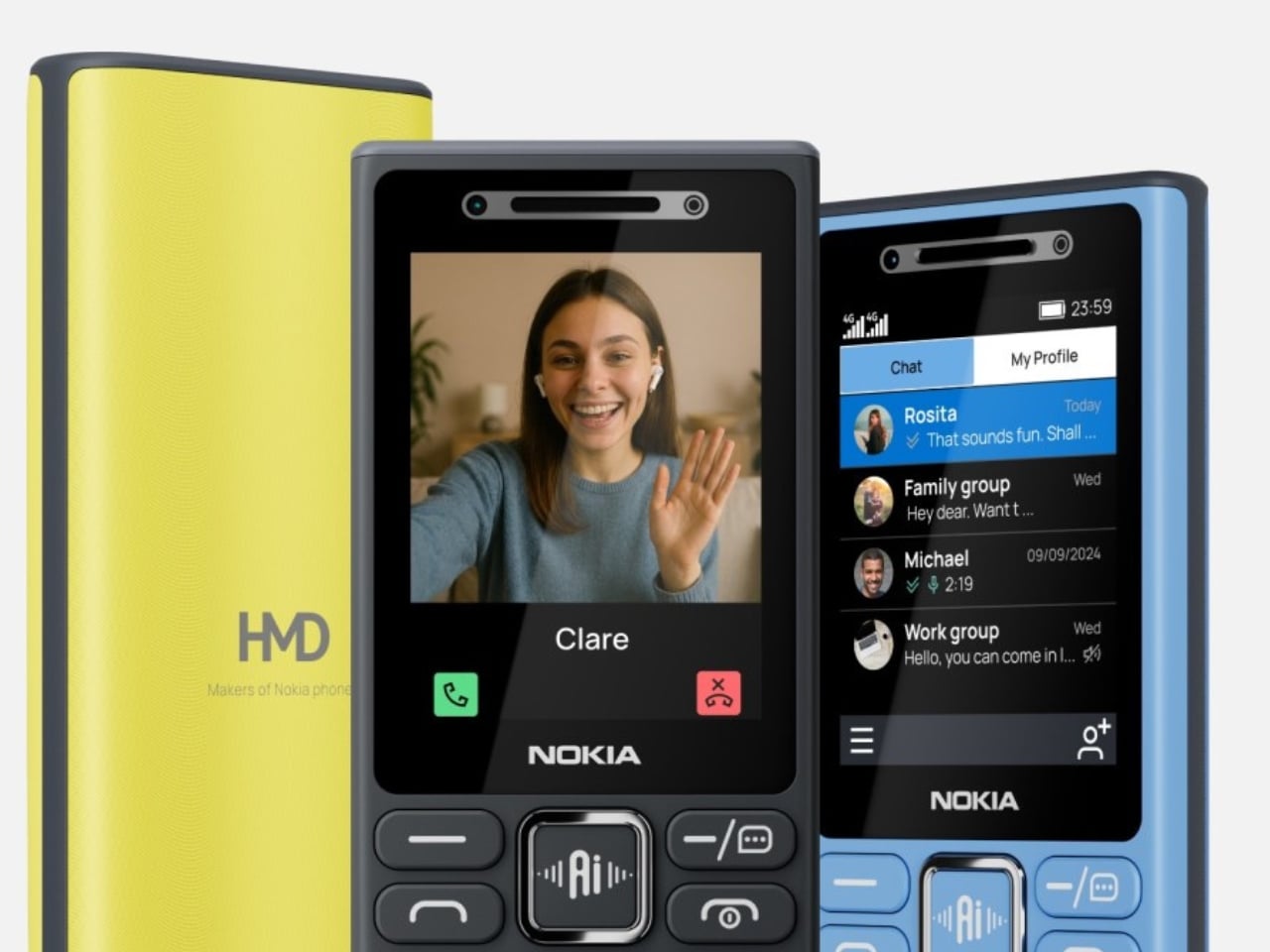
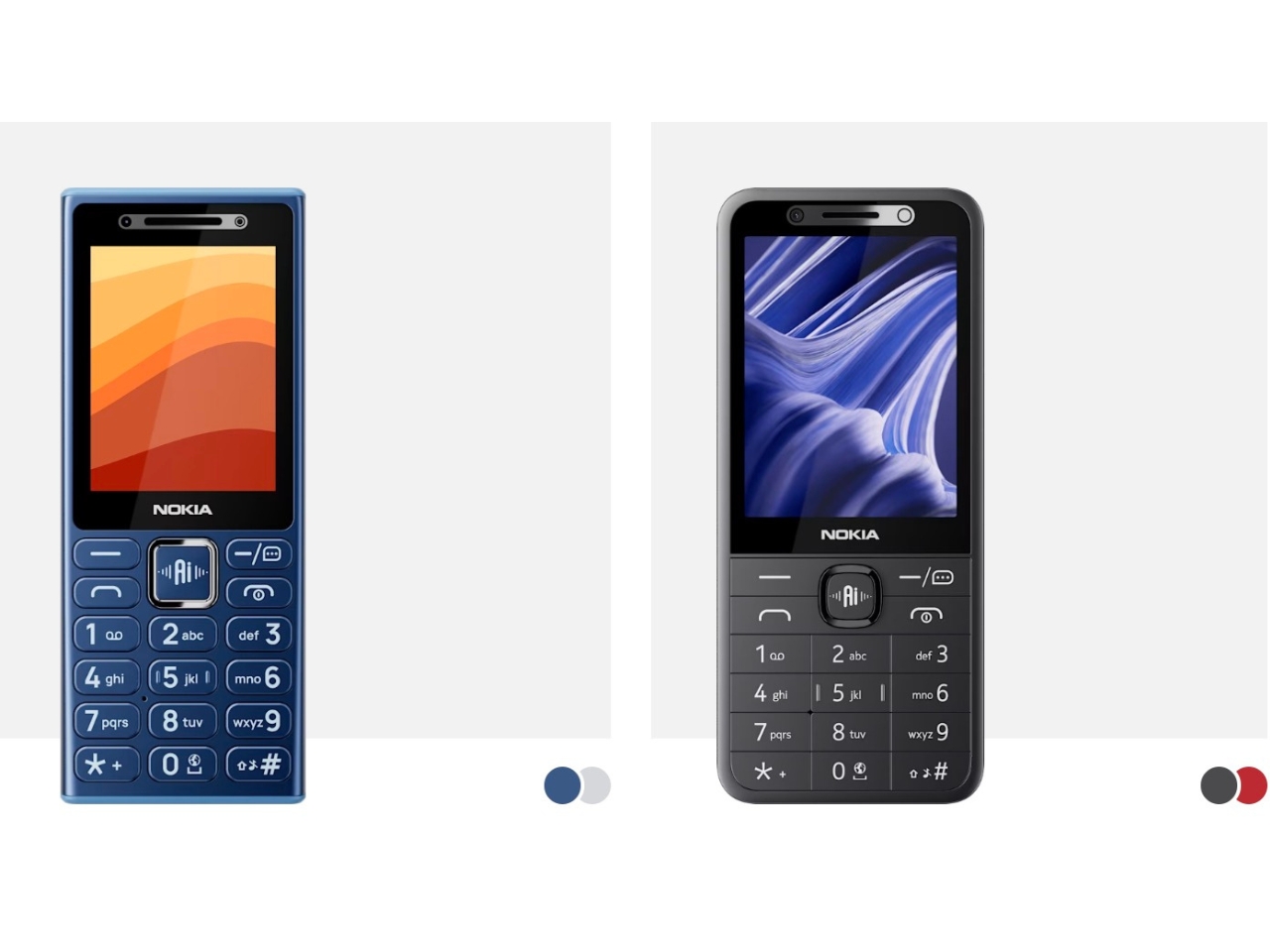
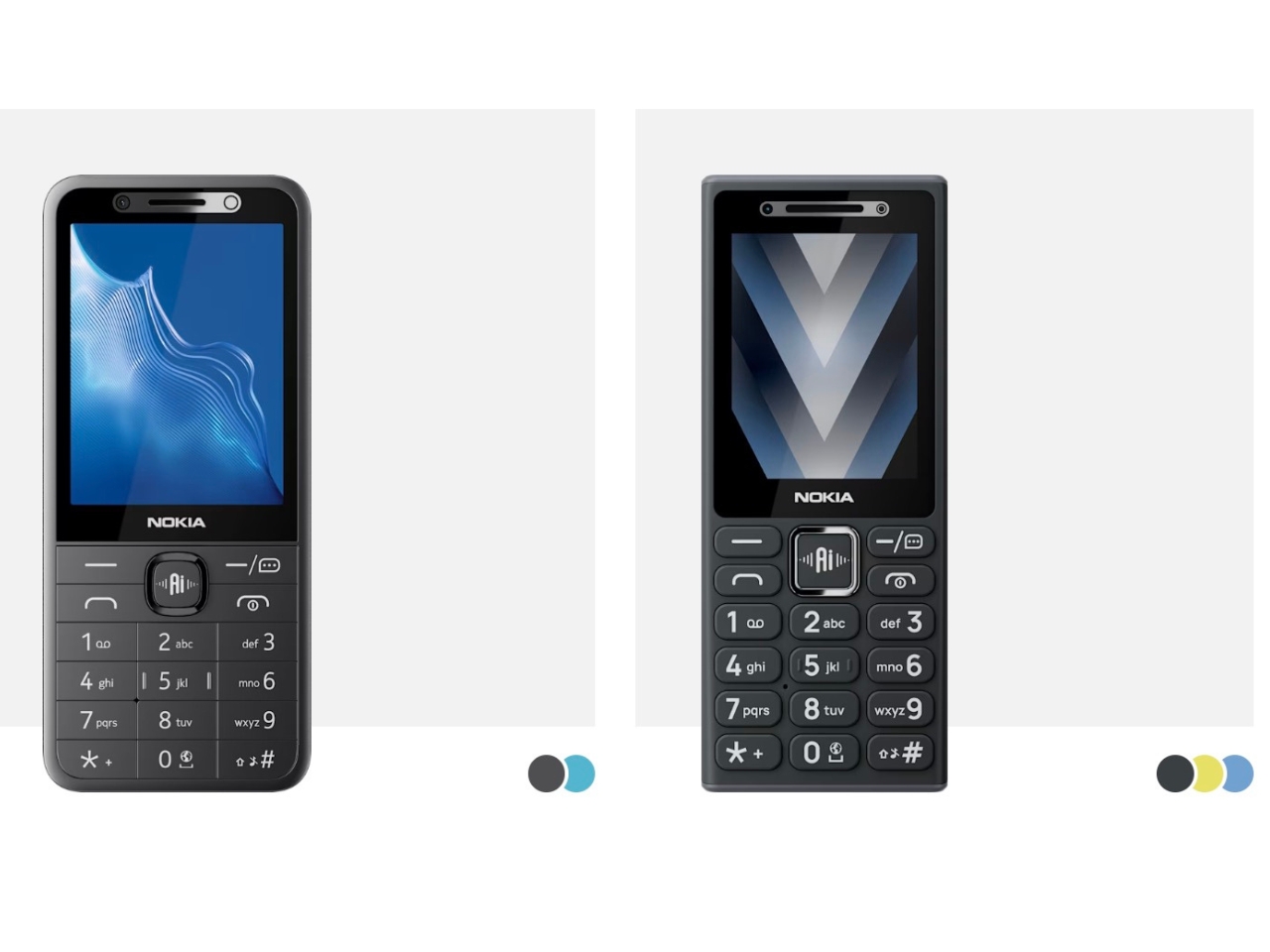
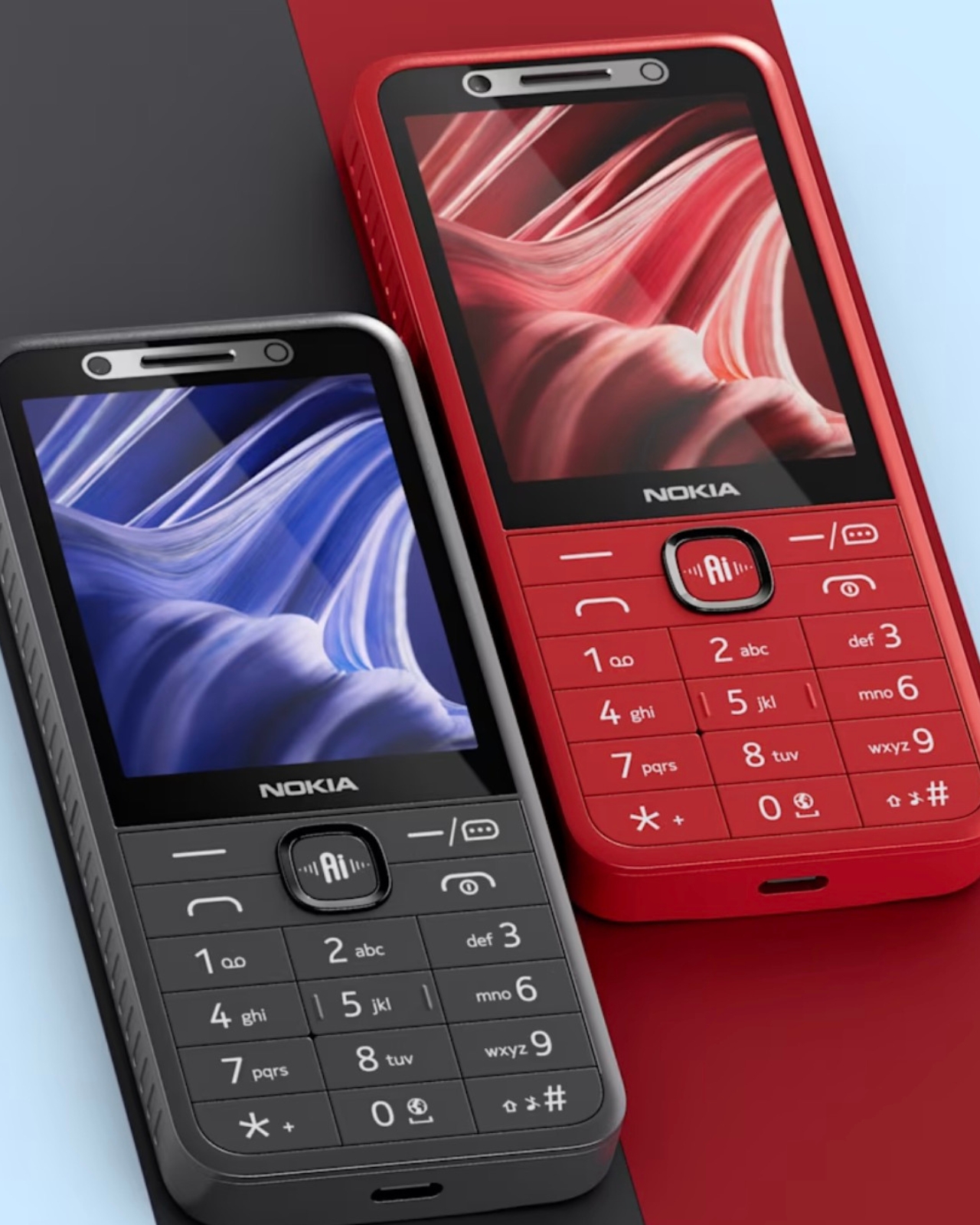
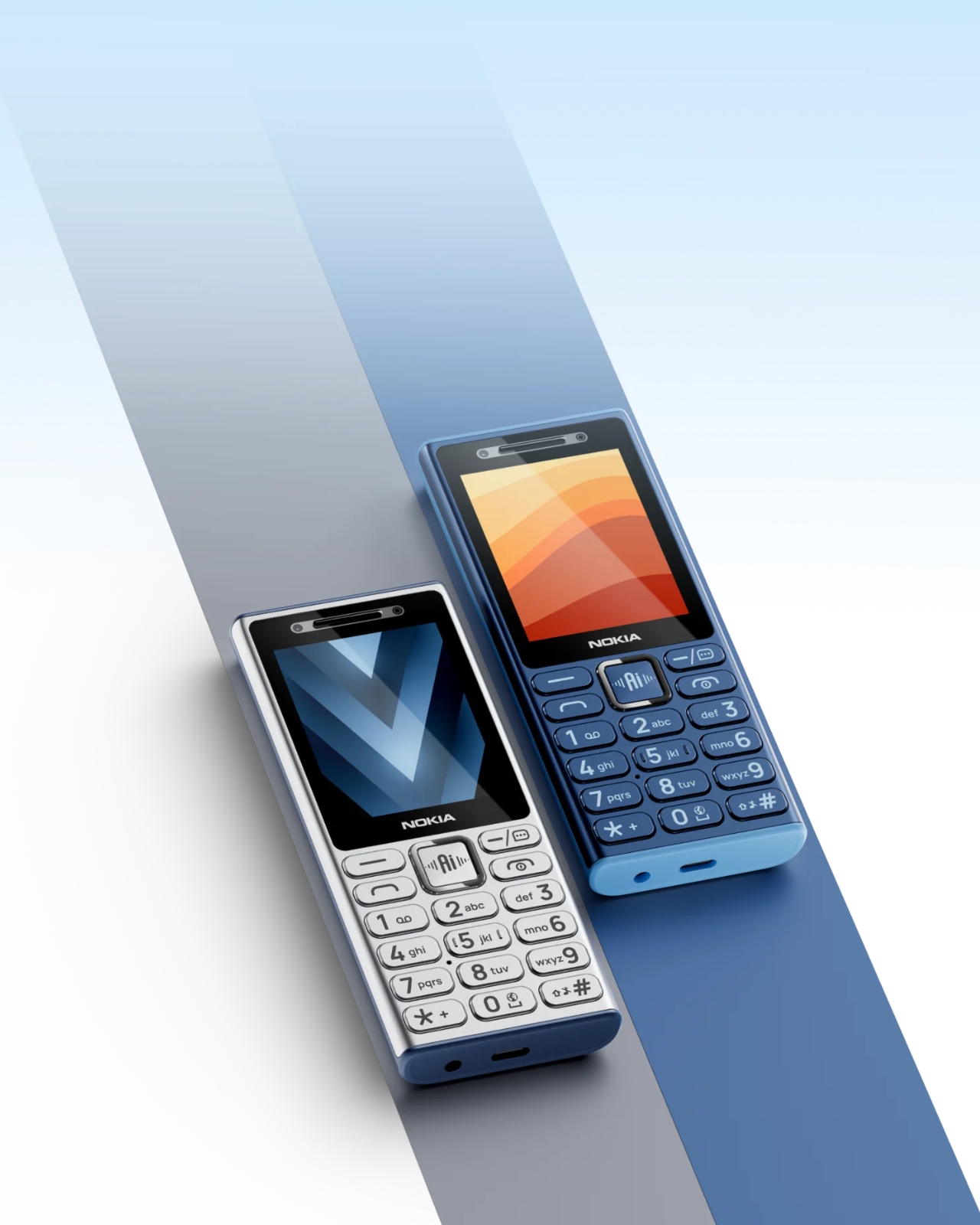
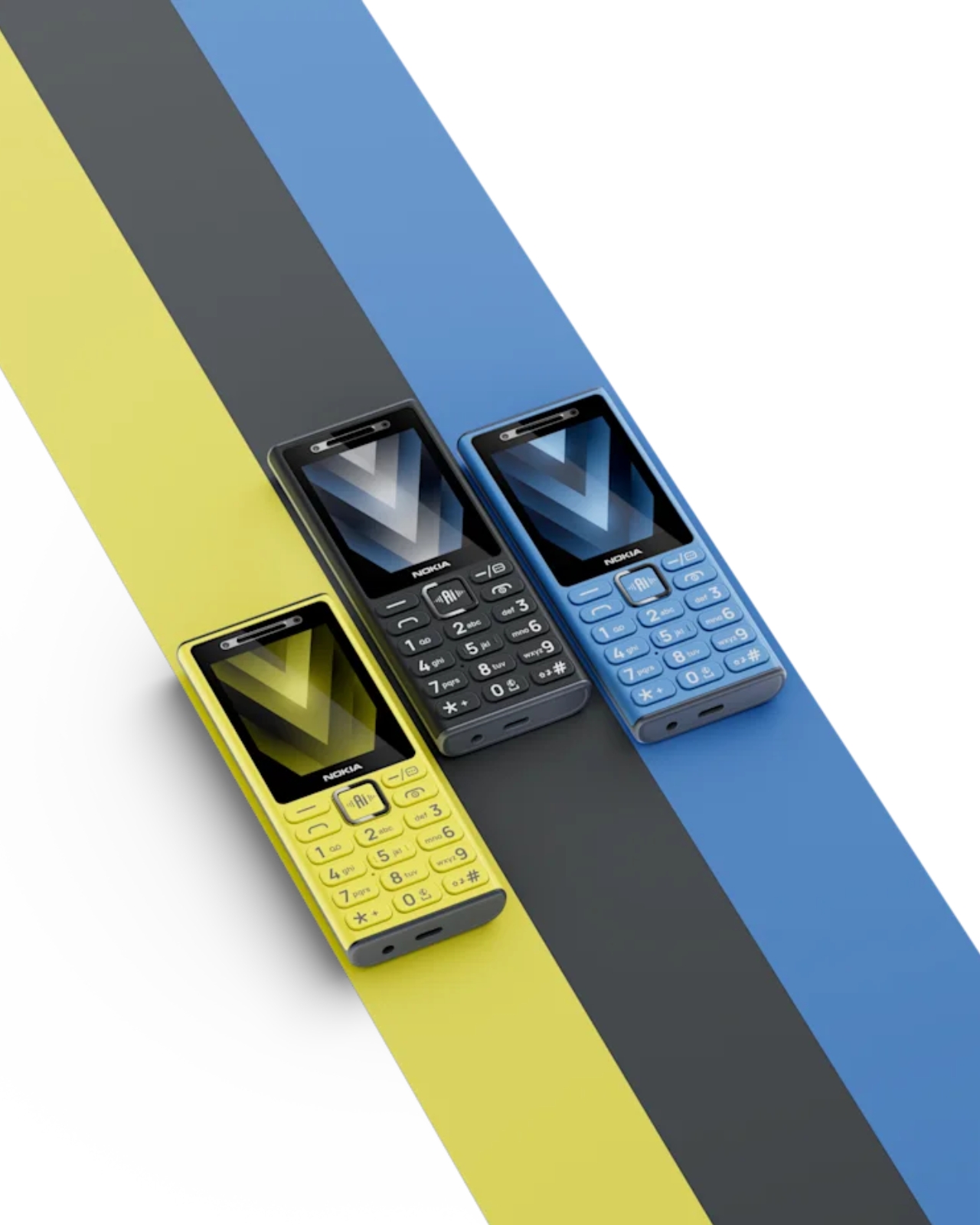
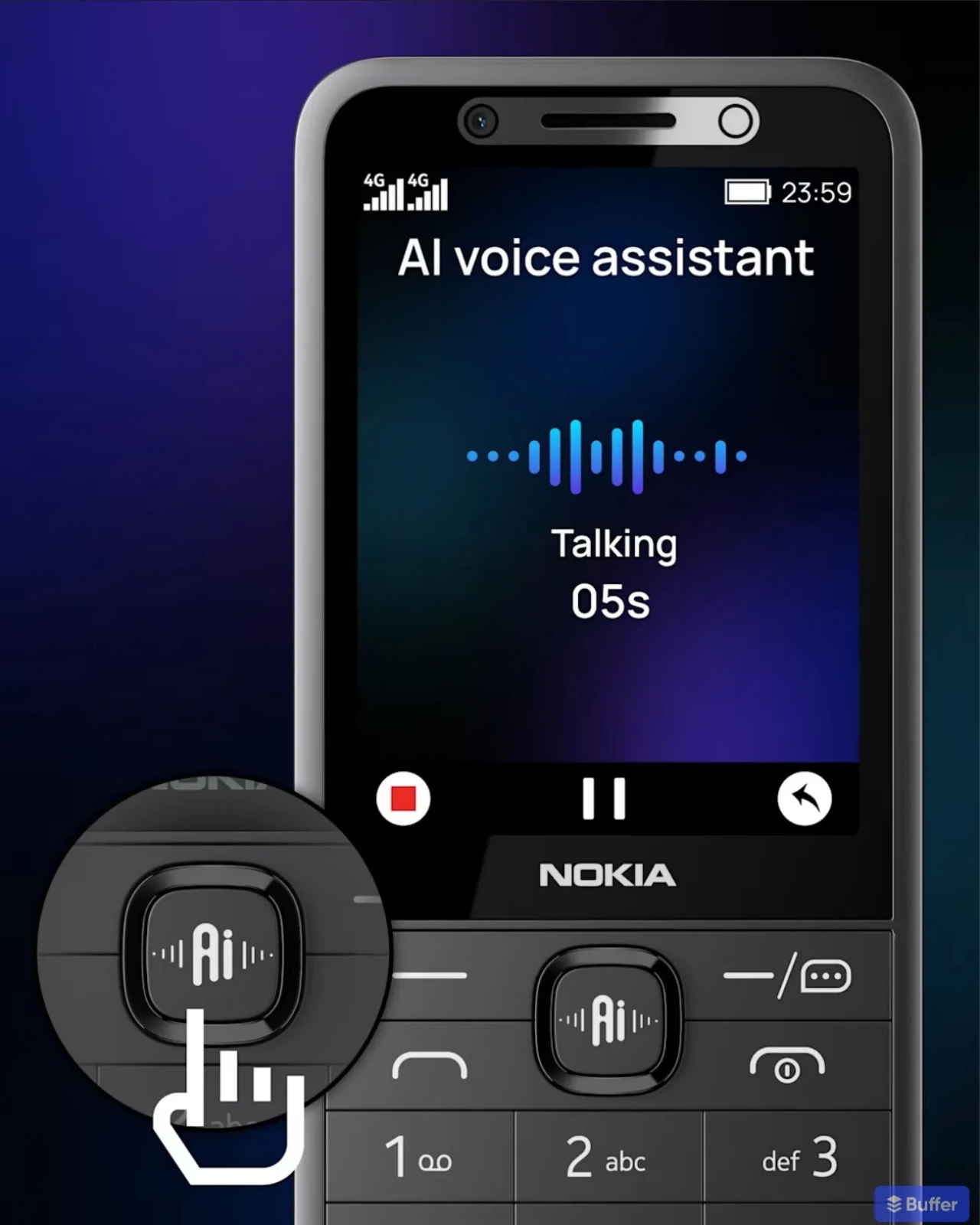
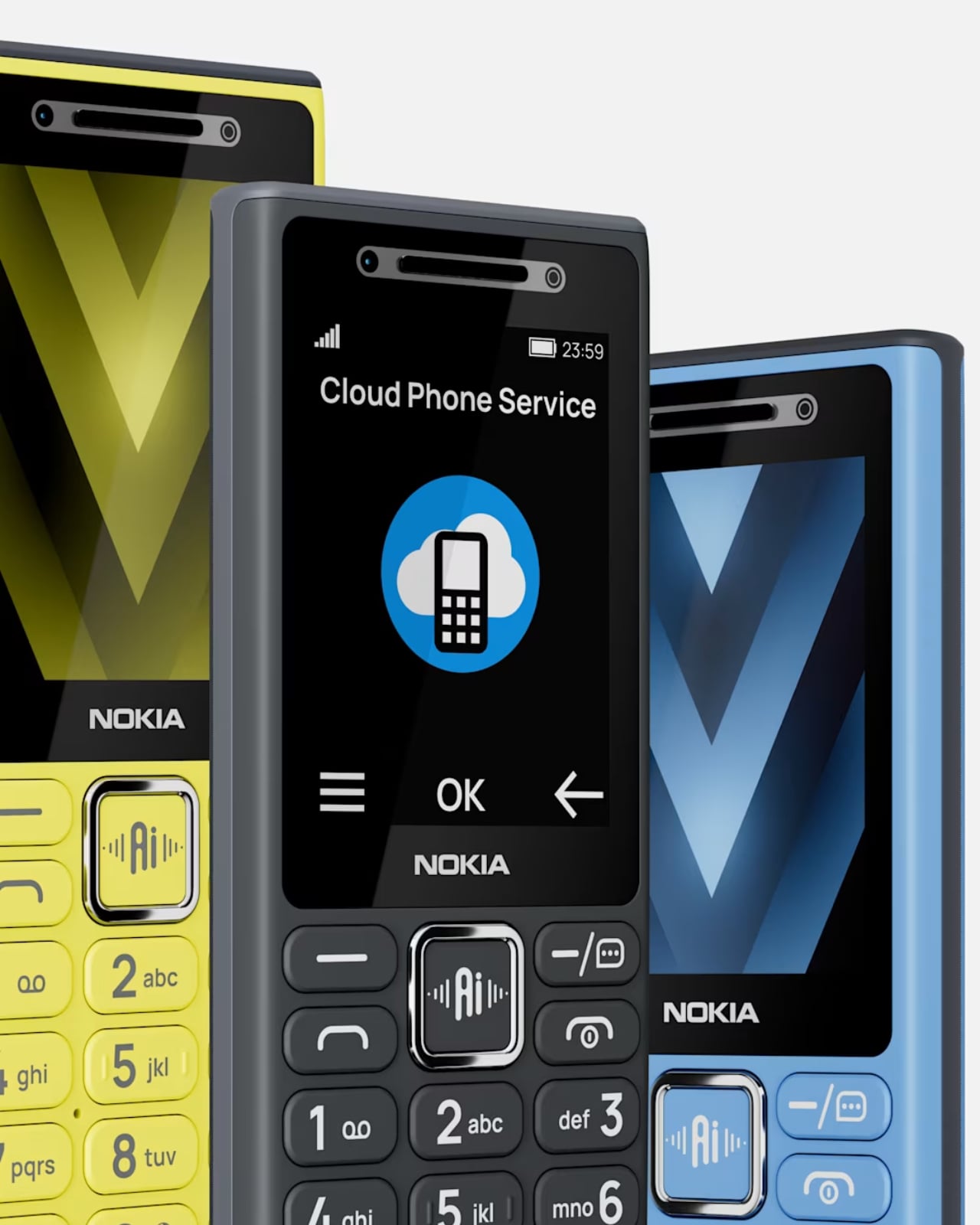
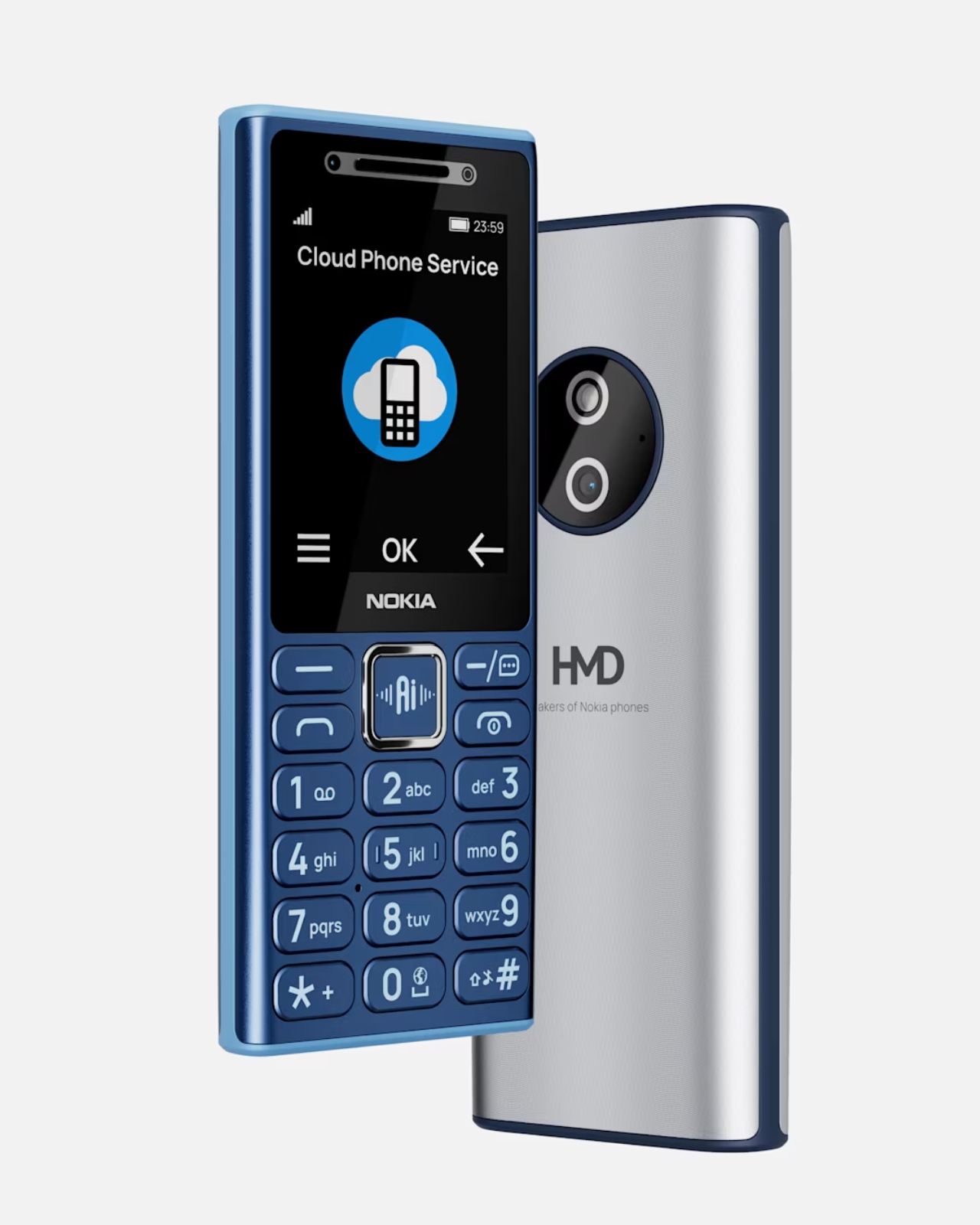
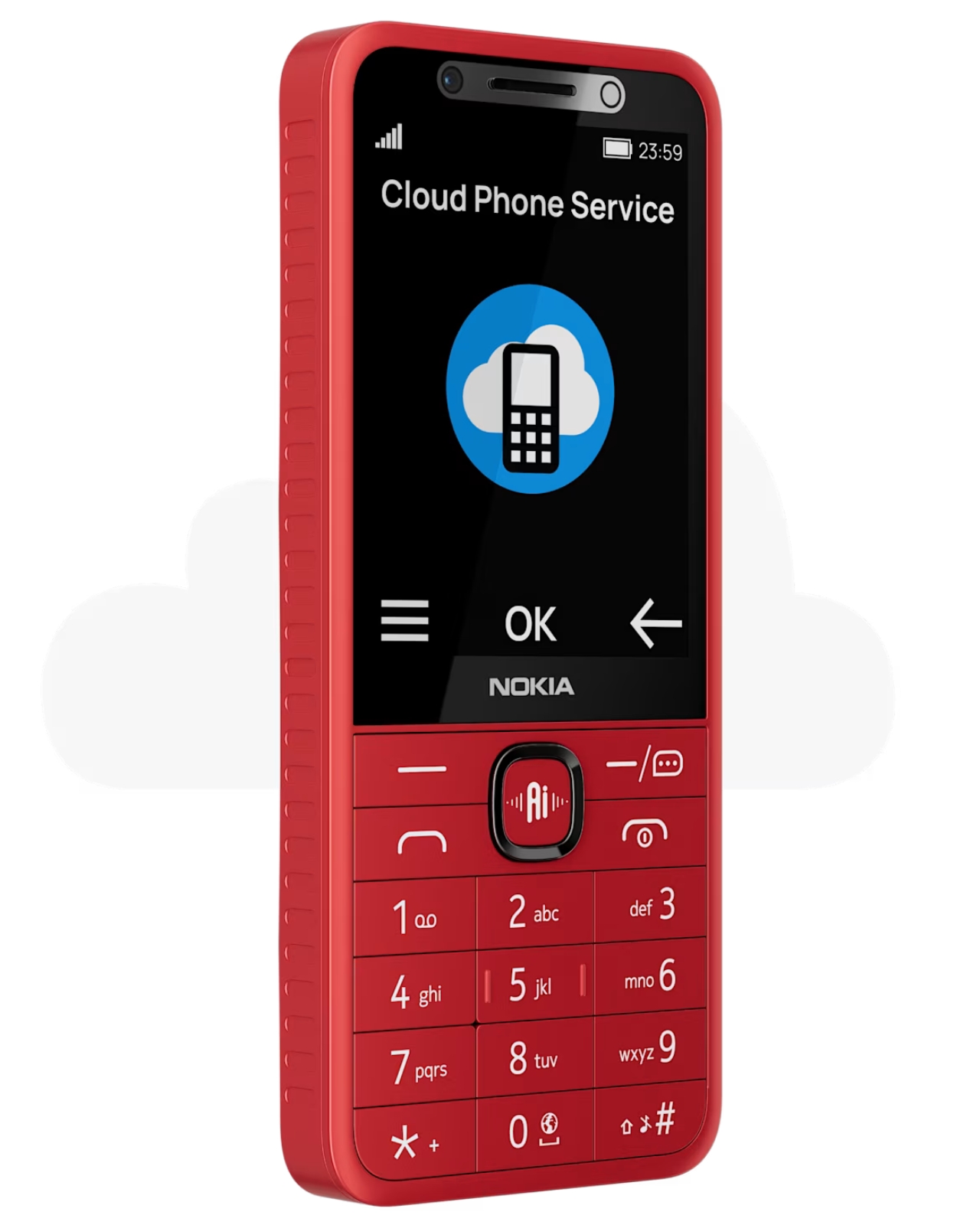
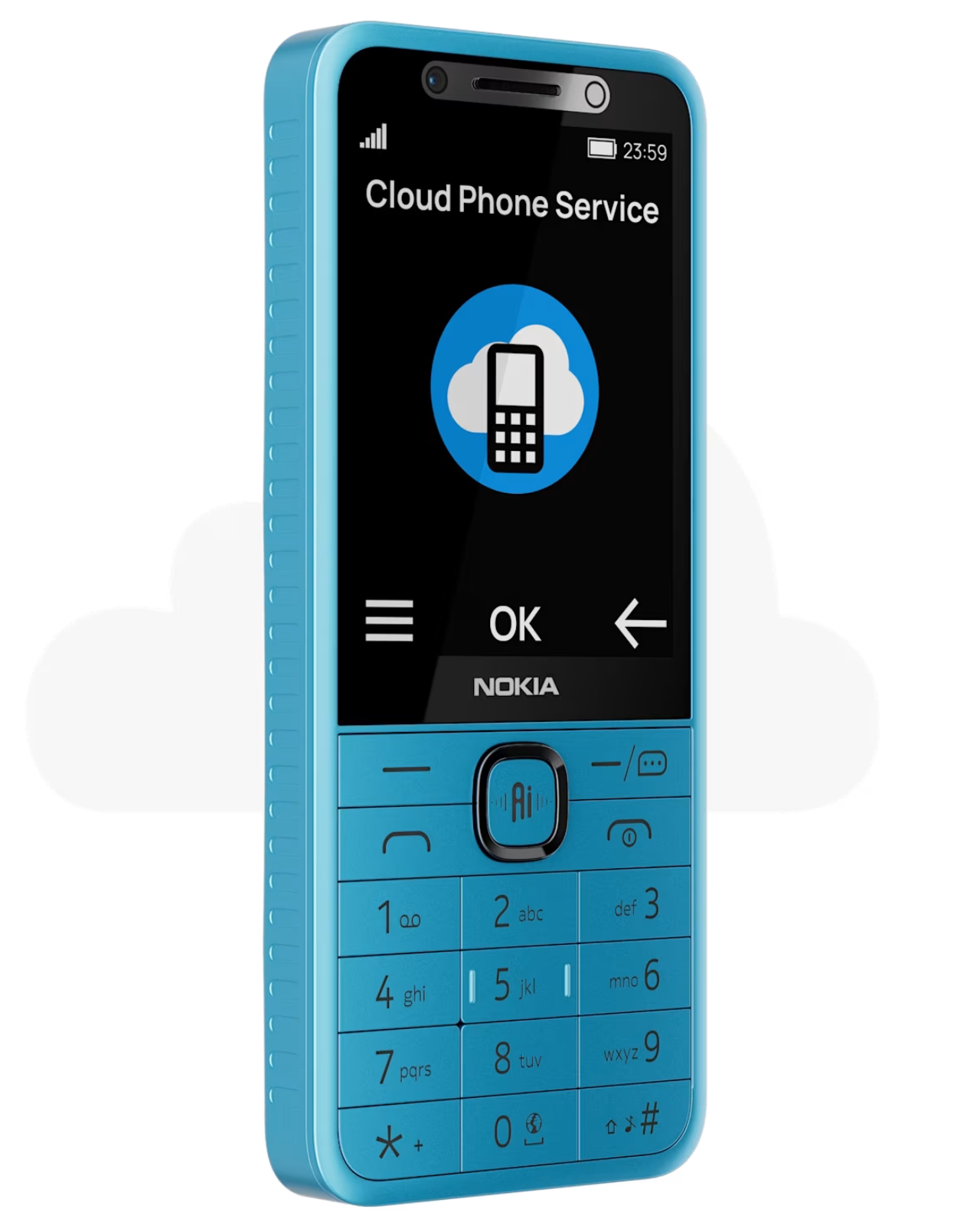
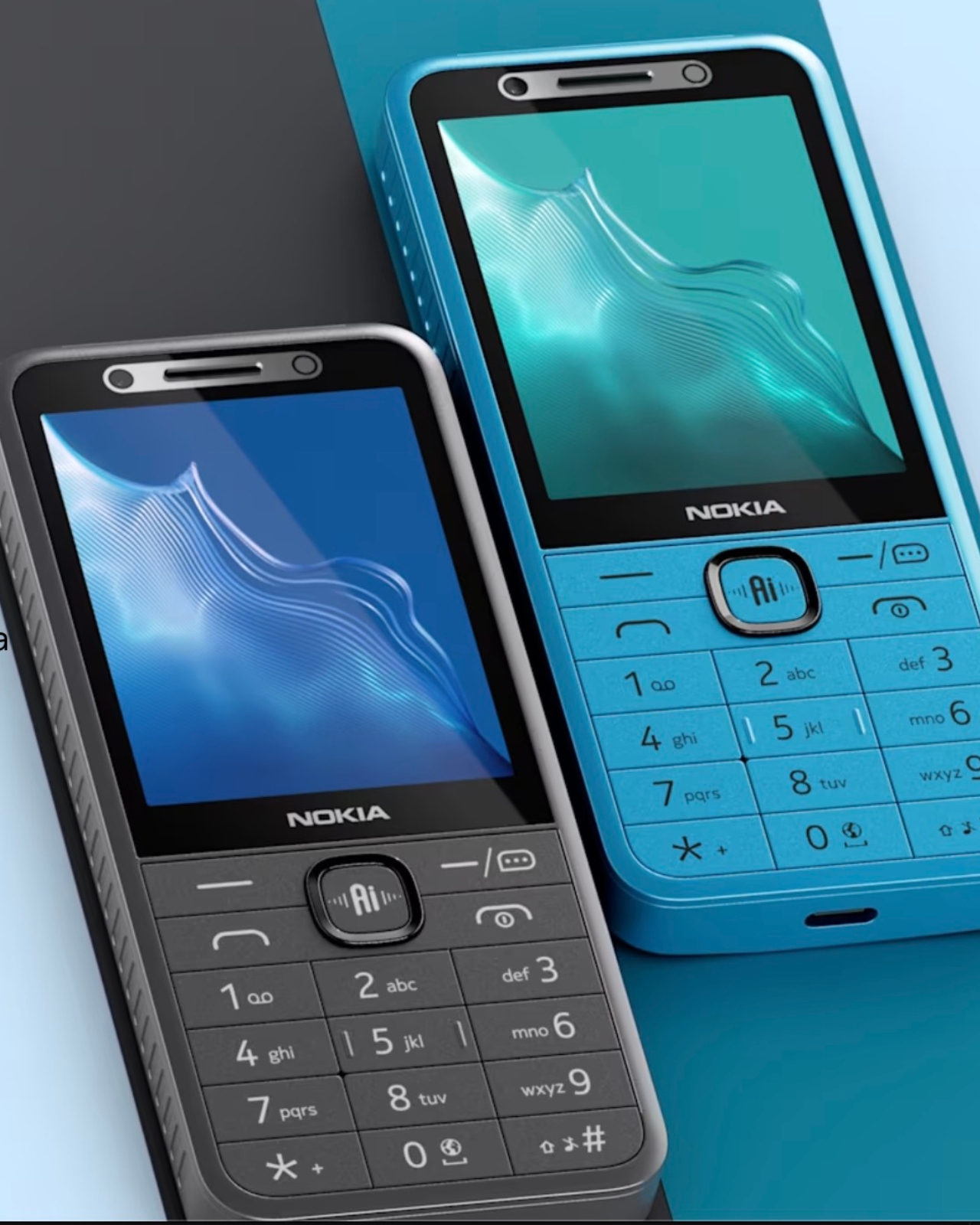
The dumb phone comeback has been one of the more quietly satisfying design stories of the last few years. People are tired. Tired of doom-scrolling, tired of notification overload, tired of carrying a pocket-sized anxiety machine everywhere. So when HMD quietly dropped four new Nokia feature phones — the Nokia 210 4G, Nokia 200 4G, Nokia 215 4G 2nd Edition, and Nokia 235 4G 2nd Edition — it felt like another chapter in that story. Except for one very notable detail sitting right on the side of each device: a dedicated AI button. Yes. An AI button. On a dumb phone.

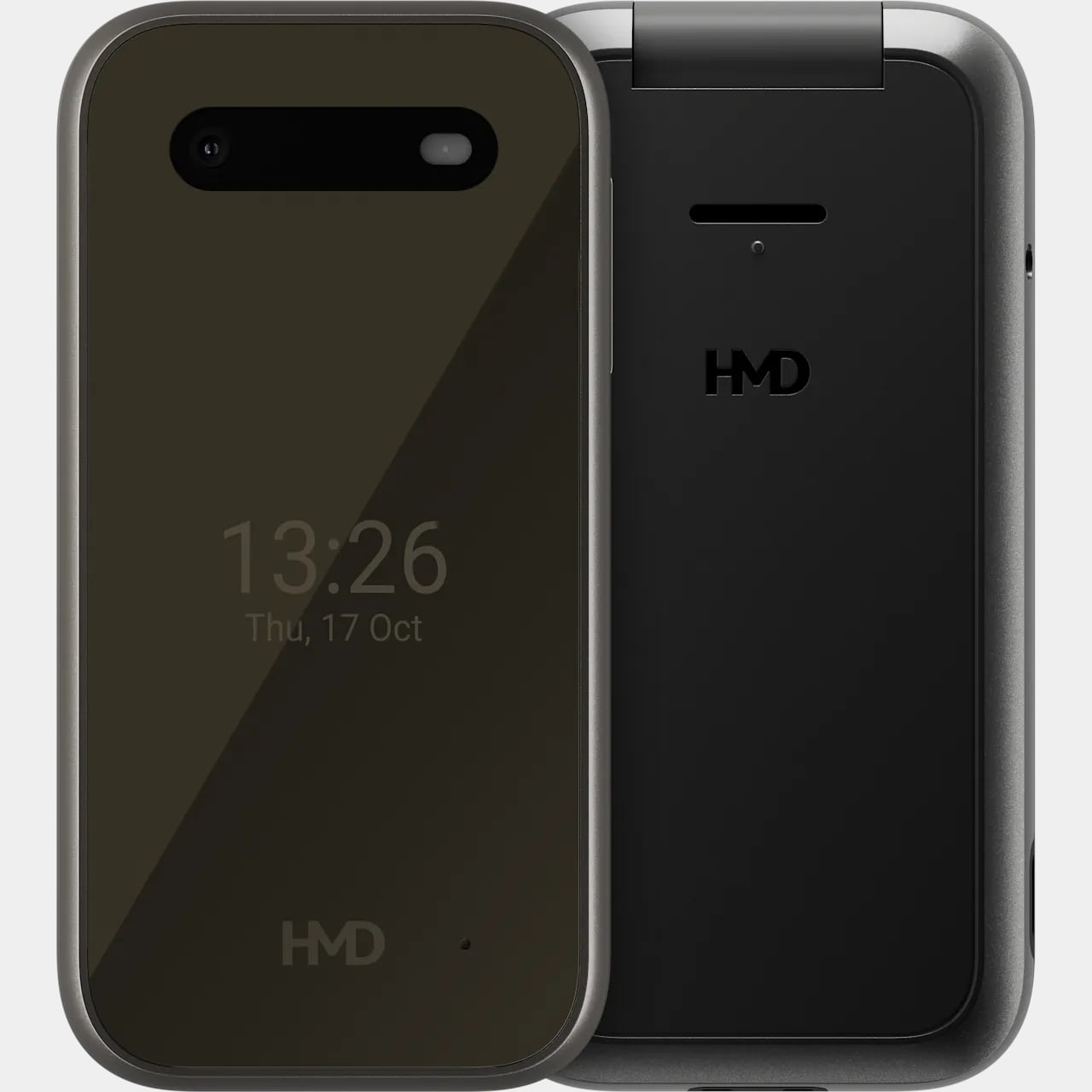
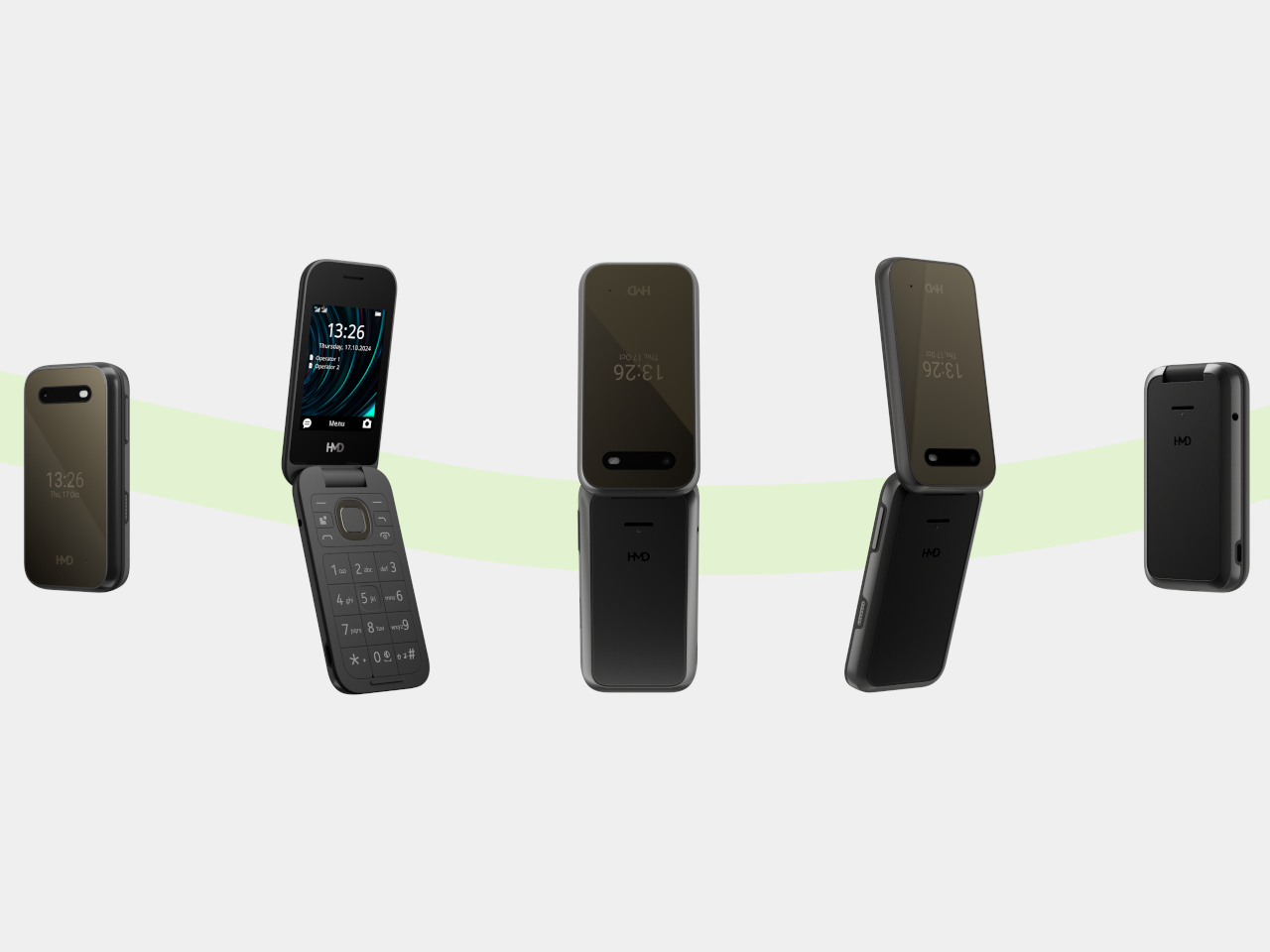
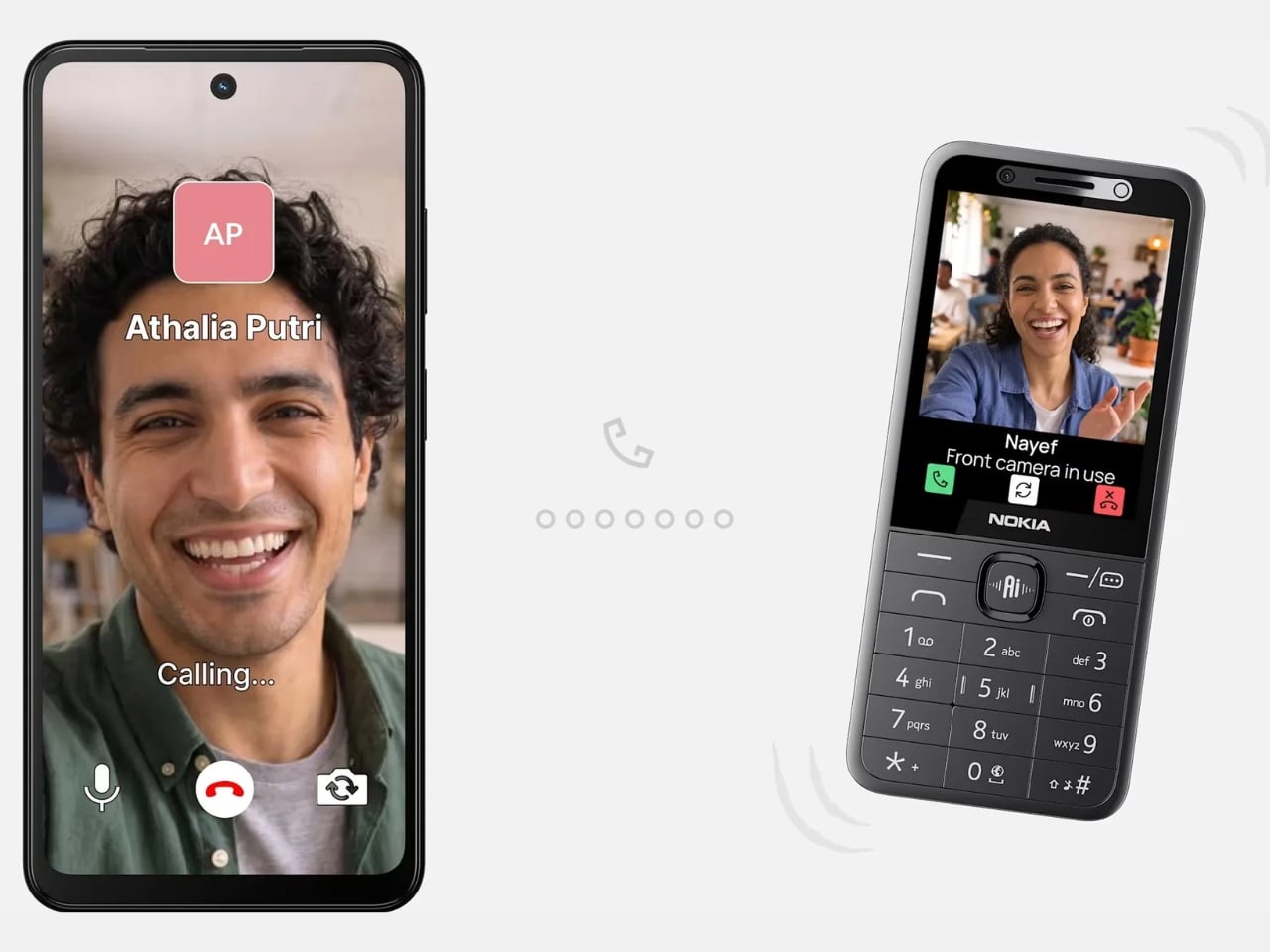
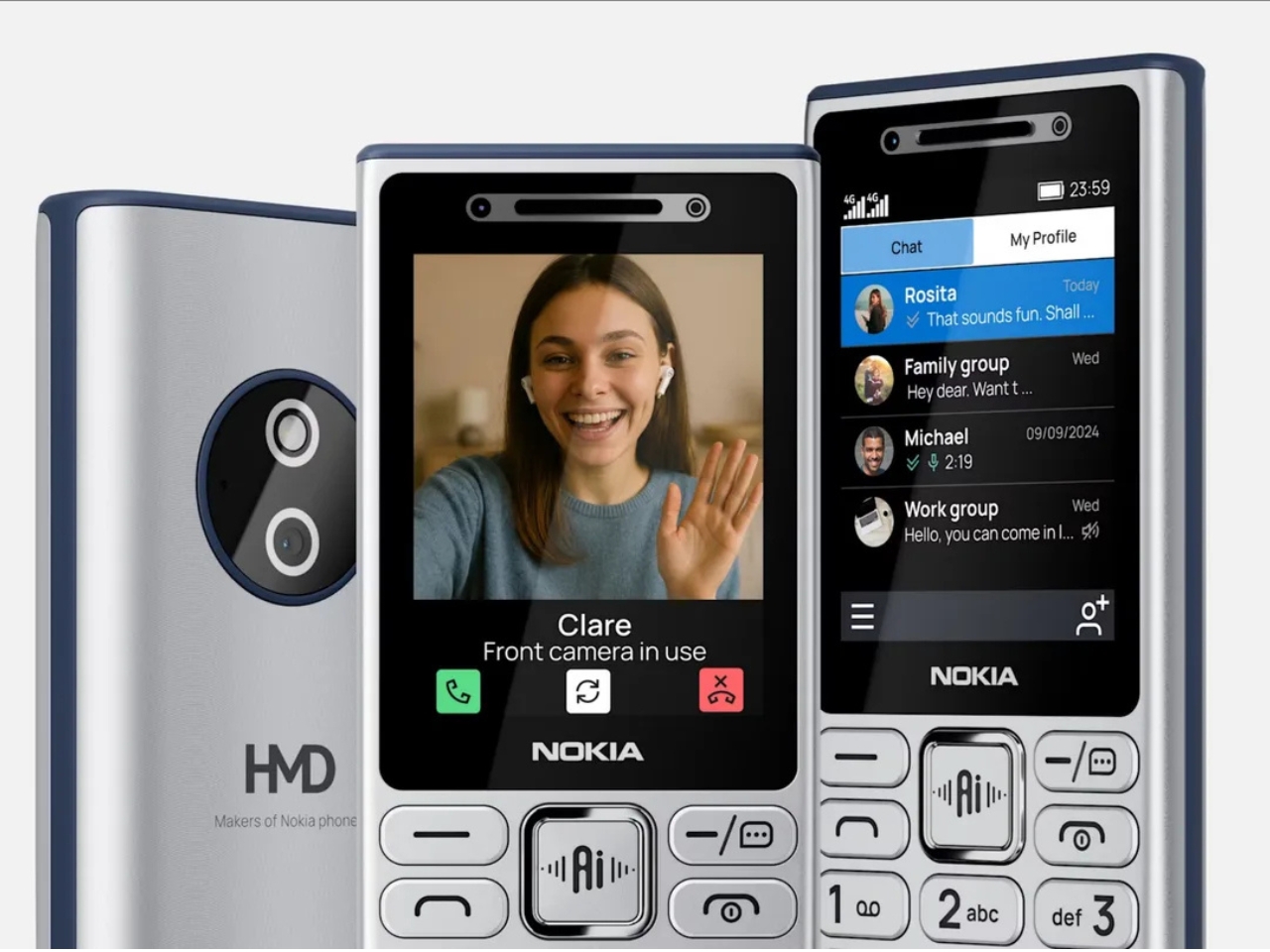
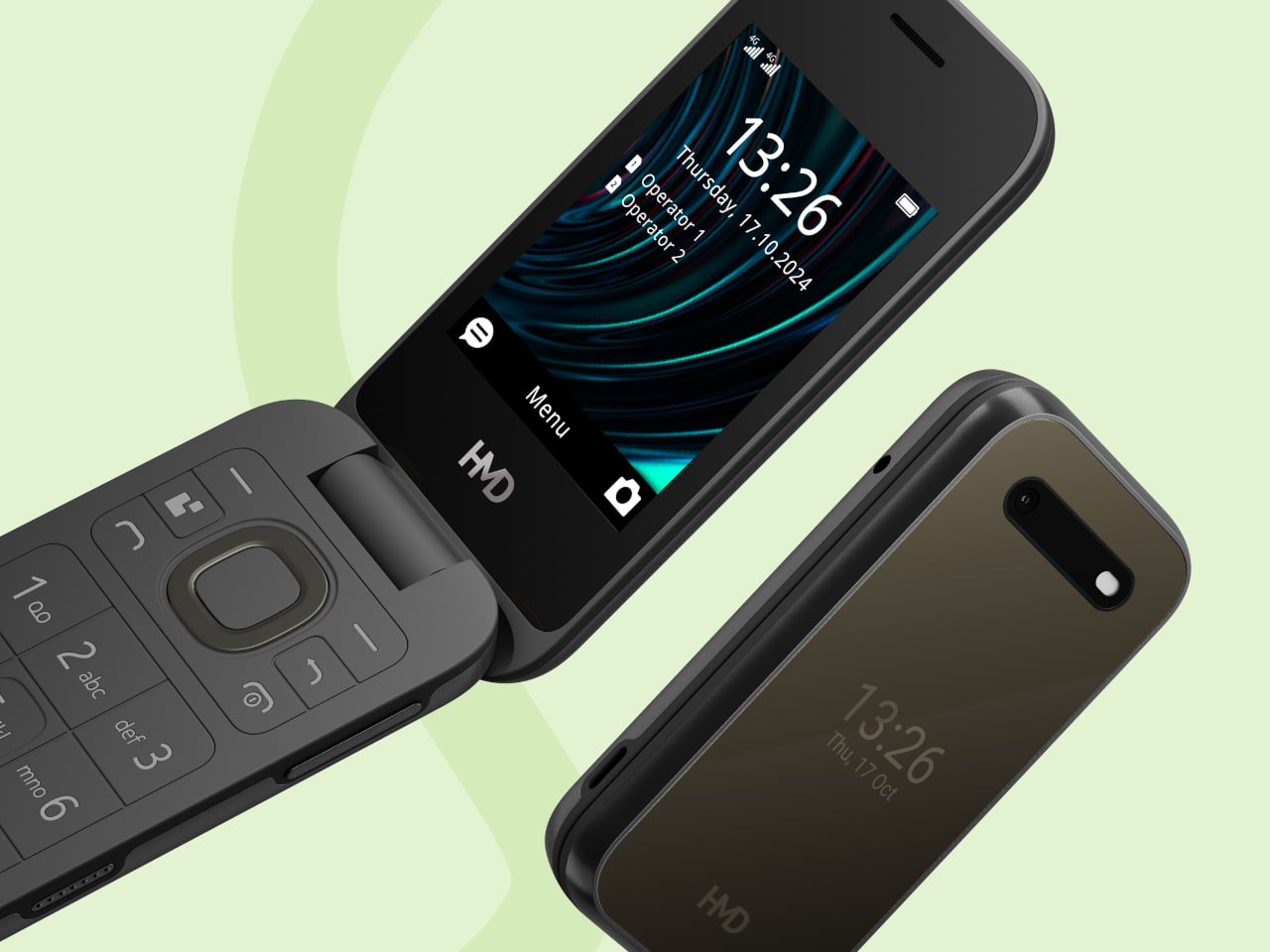
Let me back up. These phones are, by most definitions, exactly what the dumb phone crowd has been asking for. Compact candy-bar designs. That immediately recognizable Nokia build, now with a metallic frame around the selfie camera and speaker that gives it a slightly more premium feel. A 1,450 mAh battery. A 3.5mm headphone jack, because HMD remembers those exist. FM radio. USB-C charging. The Nokia 215 4G 2nd Edition and Nokia 235 4G 2nd Edition carry 2.8-inch IPS displays, while the Nokia 200 4G and Nokia 210 4G keep things even more minimal with 2.4-inch screens. You can make calls, send texts, set an alarm, and leave your house without dreading a 14-hour screen time report. Classic.

Designer: HMD

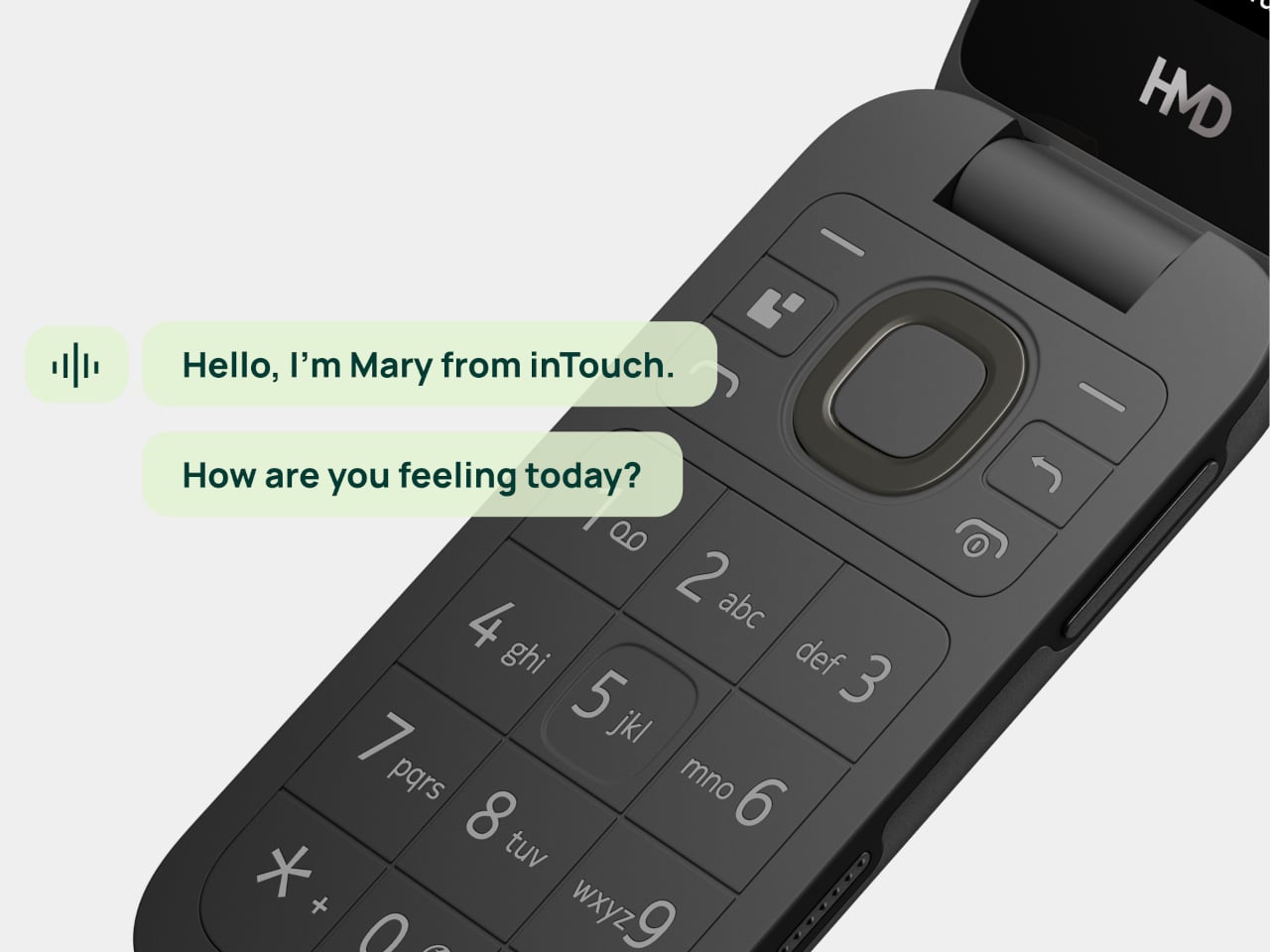
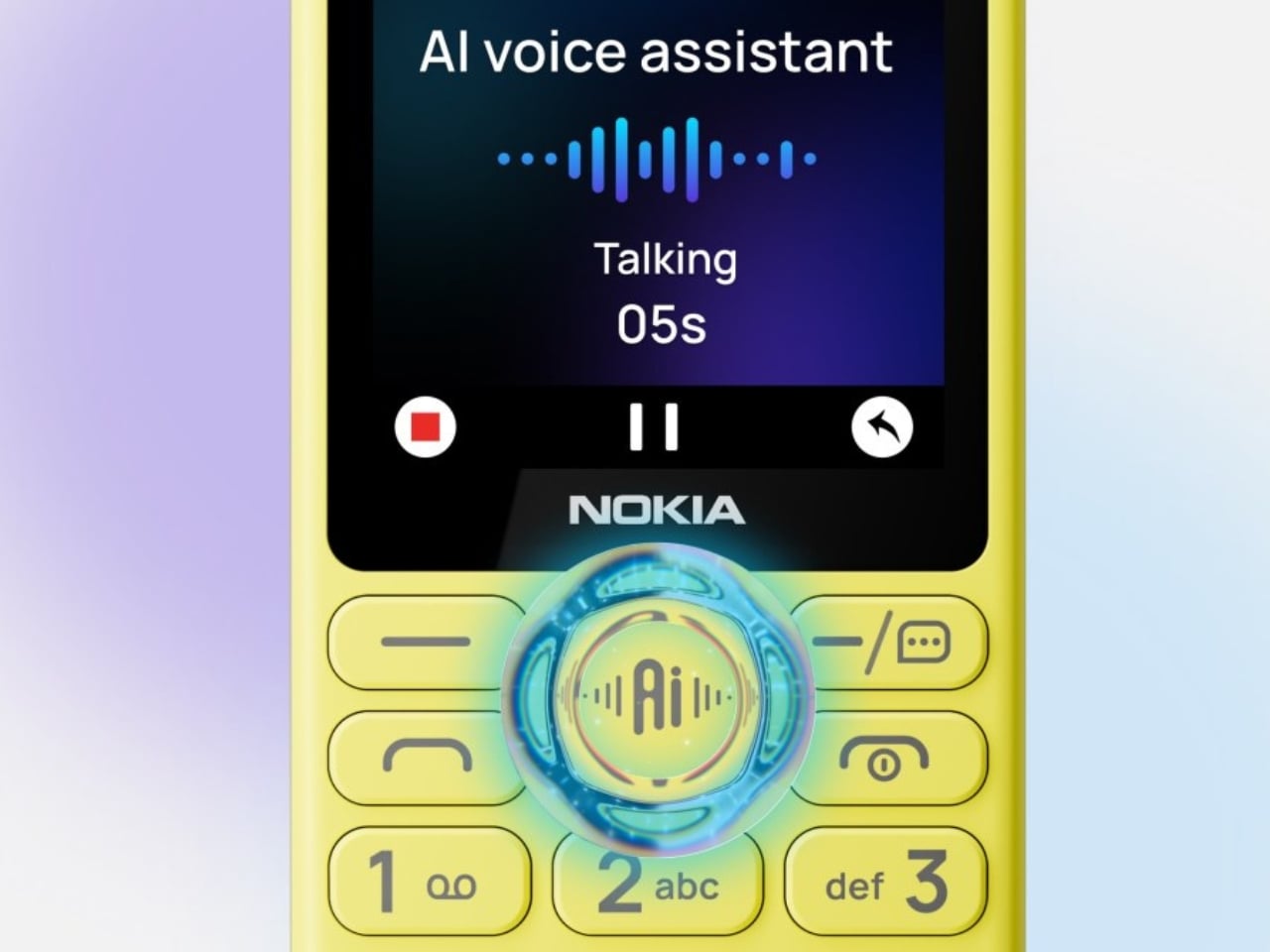
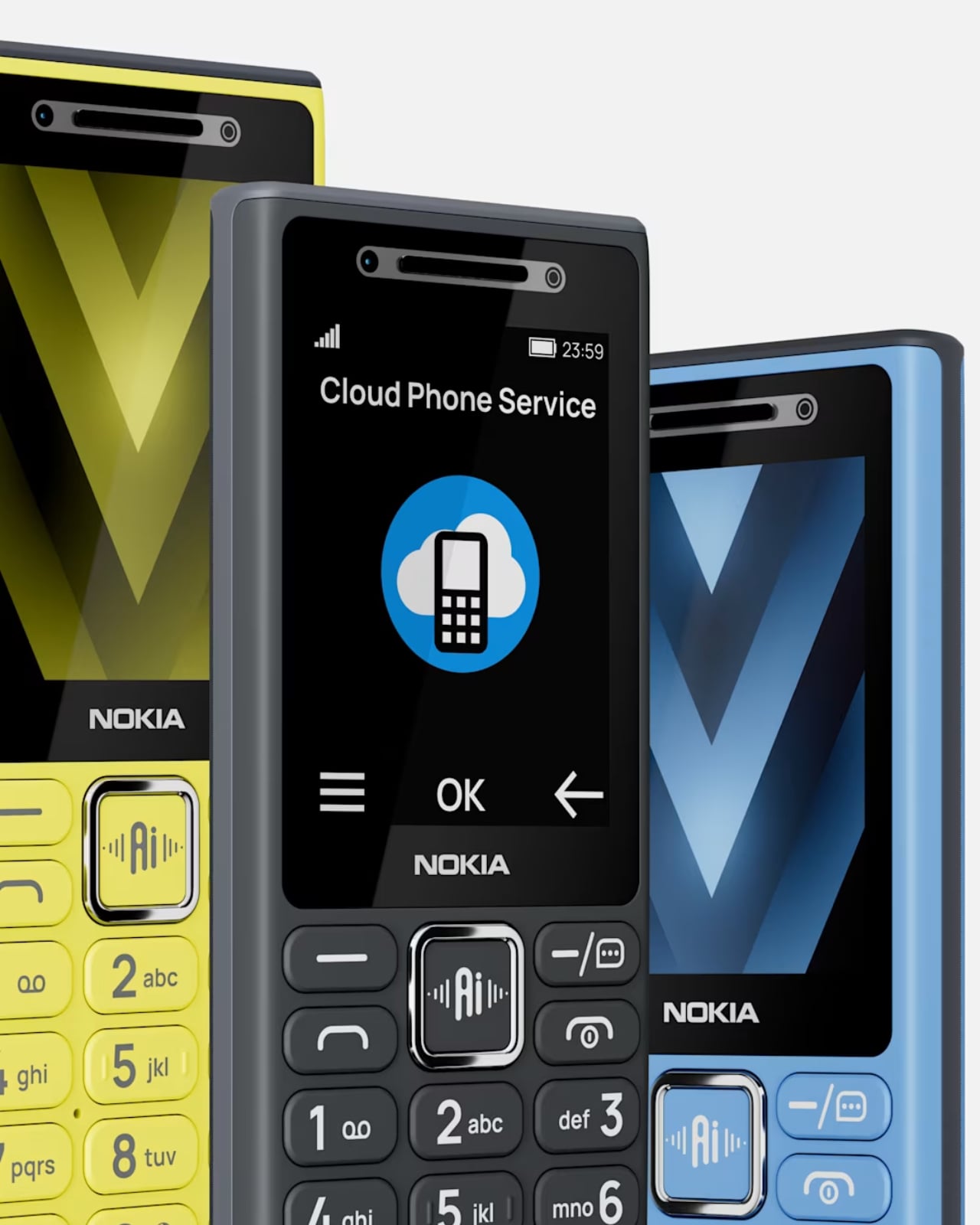
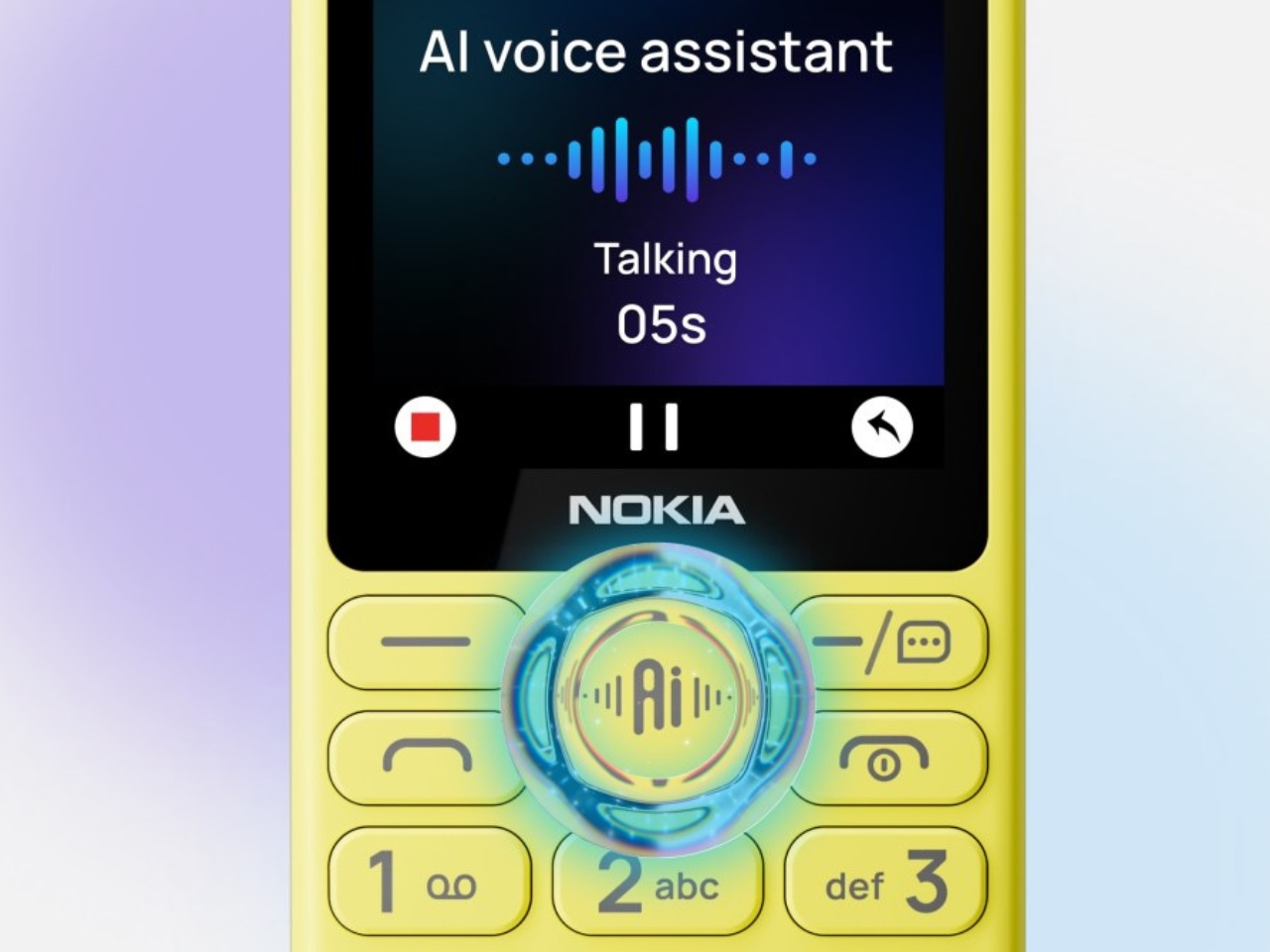
And then there’s the AI. The button accesses an on-device assistant powered by Sikey AI, which lets you do things like turn on the flashlight, set a reminder, open the camera, or place a call using voice commands. It even comes with cloud phone service support, so you can check weather forecasts, sports news, and short-form video without eating up local storage.

On paper, that sounds almost reasonable. Voice control on a small phone with no touchscreen? Fine, I get it. But the moment you start pulling on that thread, the whole premise of a “digital detox device” starts to unravel a little. A feature phone that checks your weather and streams video content via the cloud is not exactly the quiet, intentional tool that most dumb phone enthusiasts are reaching for. It starts to feel less like a step back and more like a regular phone wearing a disguise.

The subscription element makes it even more interesting. The Sikey AI features come with a free trial period, after which users need to subscribe to a paid plan. HMD notes, somewhat cheekily, that you’ll need an actual smartphone to complete that purchase. So your minimalist phone requires a smartphone to fully unlock its most marketed feature. That’s a sentence.

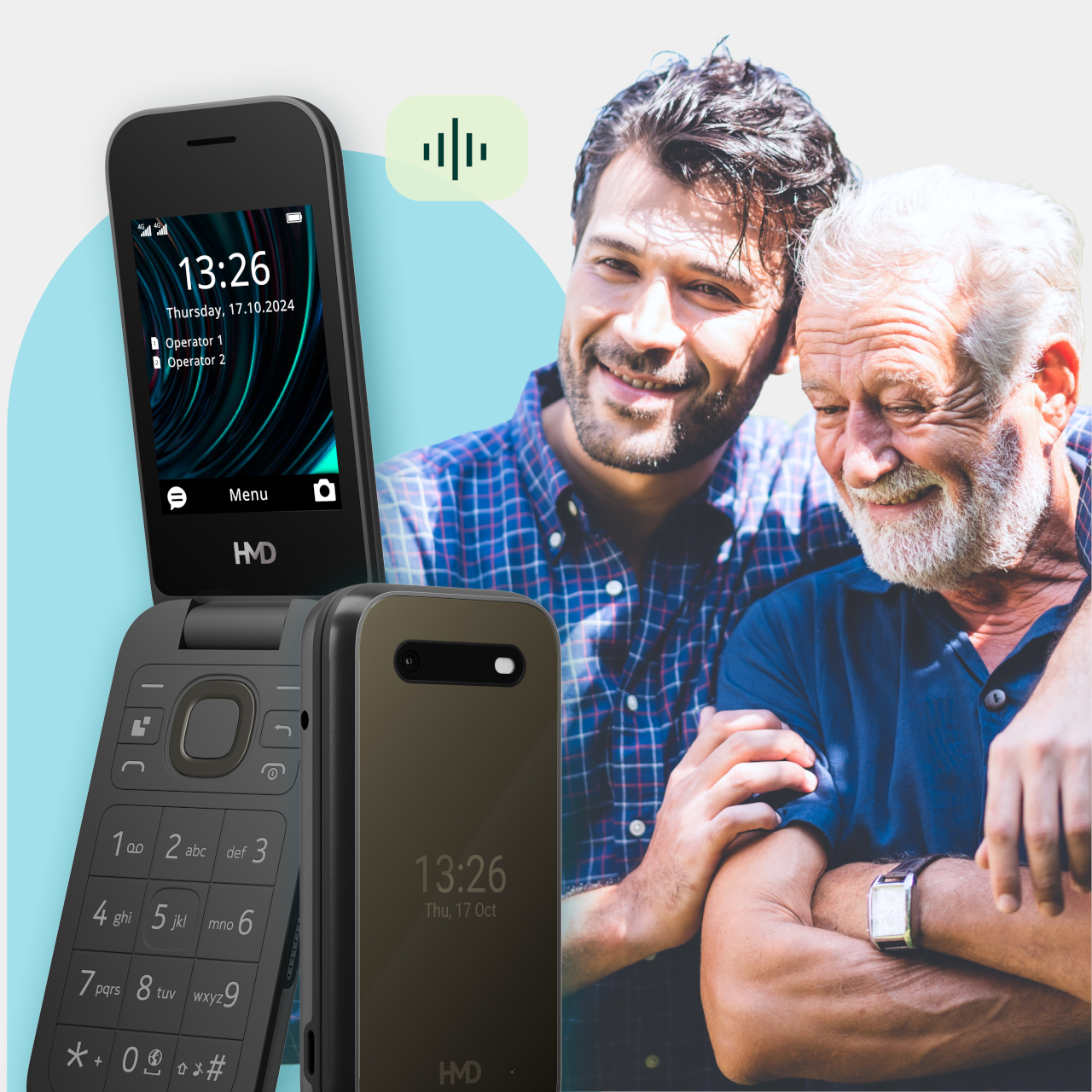
None of this makes the devices bad. For their actual intended market — likely first-time phone users, older users who want simplicity, or people in markets where smartphone data is still a real cost concern — these phones make a lot of sense. The design language is clean and familiar. The feature set is honest. And HMD has clearly put thought into making them feel more current with the USB-C port and 4G connectivity.

But I keep thinking about what the AI button is really doing here. Is it genuinely useful? For some users, absolutely. Is it a design choice that muddies the identity of a product built around the appeal of doing less? Also yes. The best thing about a dumb phone is the clarity of purpose. You pick it up, you make a call, you put it down. Every added layer of “smart” functionality chips away at that clarity, even if the layer is thin.

HMD is navigating a strange middle ground, honoring a legacy brand built on simplicity while trying to stay current in a market that rewards anything labeled AI. Whether that balance lands well depends entirely on who’s buying. For the digital detox crowd, these probably won’t scratch that itch. For everyone else, they’re solid little phones with a lot of nostalgic charm and a feature that might come in handy more often than expected.

The post Nokia’s 4 New Dumb Phones Still Come With an AI Button first appeared on Yanko Design.

HMD Terra M Can Do What Flagship Smartphones Can’t Even Handle

Most smartphones weren’t designed with construction sites or hospital wards in mind. They crack under a single bad drop, struggle with wet or gloved fingers, and can’t survive a pressure wash. Yet these are exactly the environments where reliable communication matters most. Frontline workers are often stuck choosing between powerful devices that can’t take a beating and durable ones too basic to be of any real use.

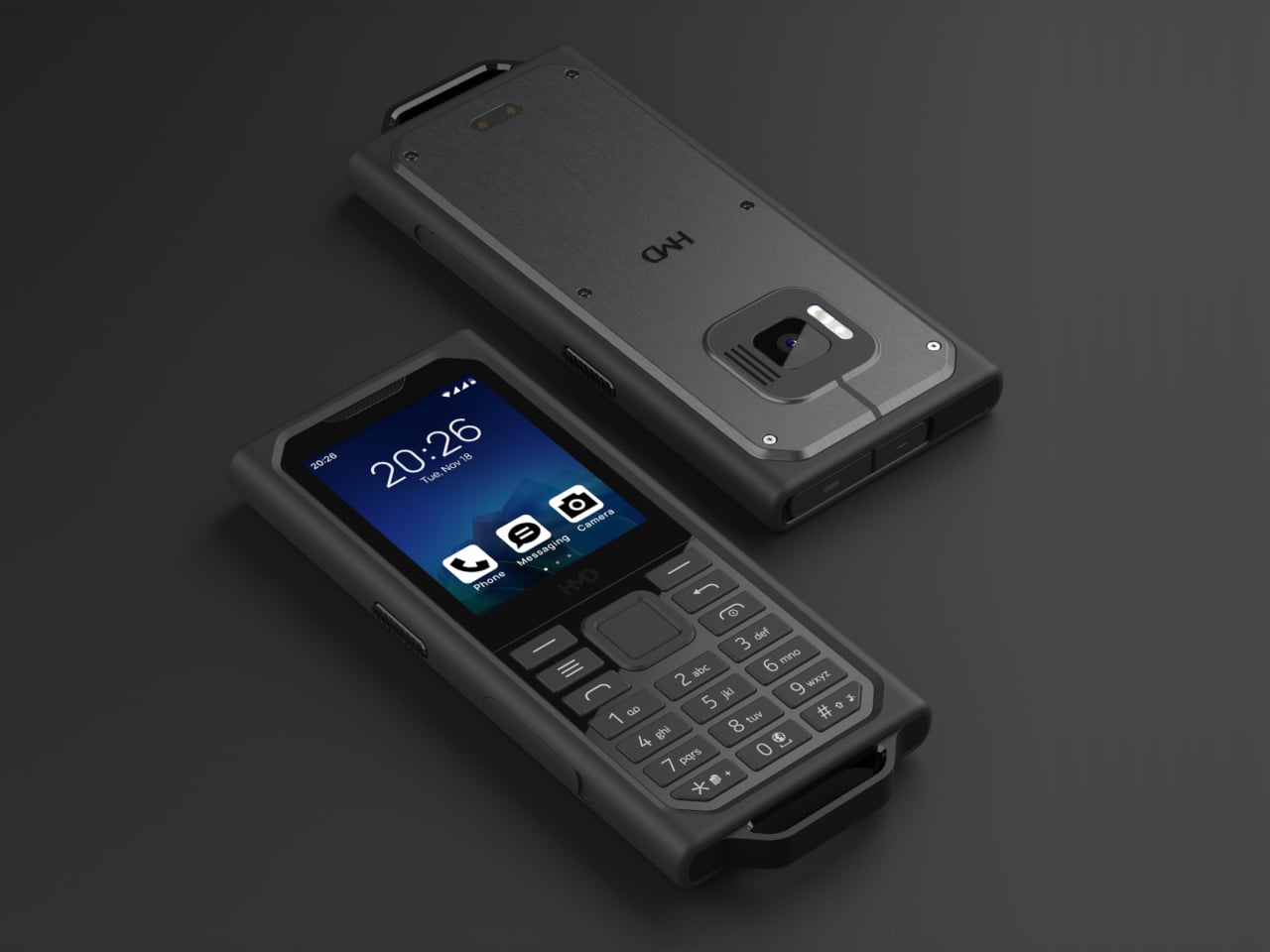
The HMD Terra M tries to close that gap without overcomplicating things. It’s a compact, ultra-rugged feature phone designed to handle the kind of punishment that leaves most consumer devices in pieces. Beyond just surviving harsh conditions, it’s built to actually work well in them, with features tailored for people who spend their shifts outdoors or in places where a dropped call simply isn’t an option.

Designer: HMD Global

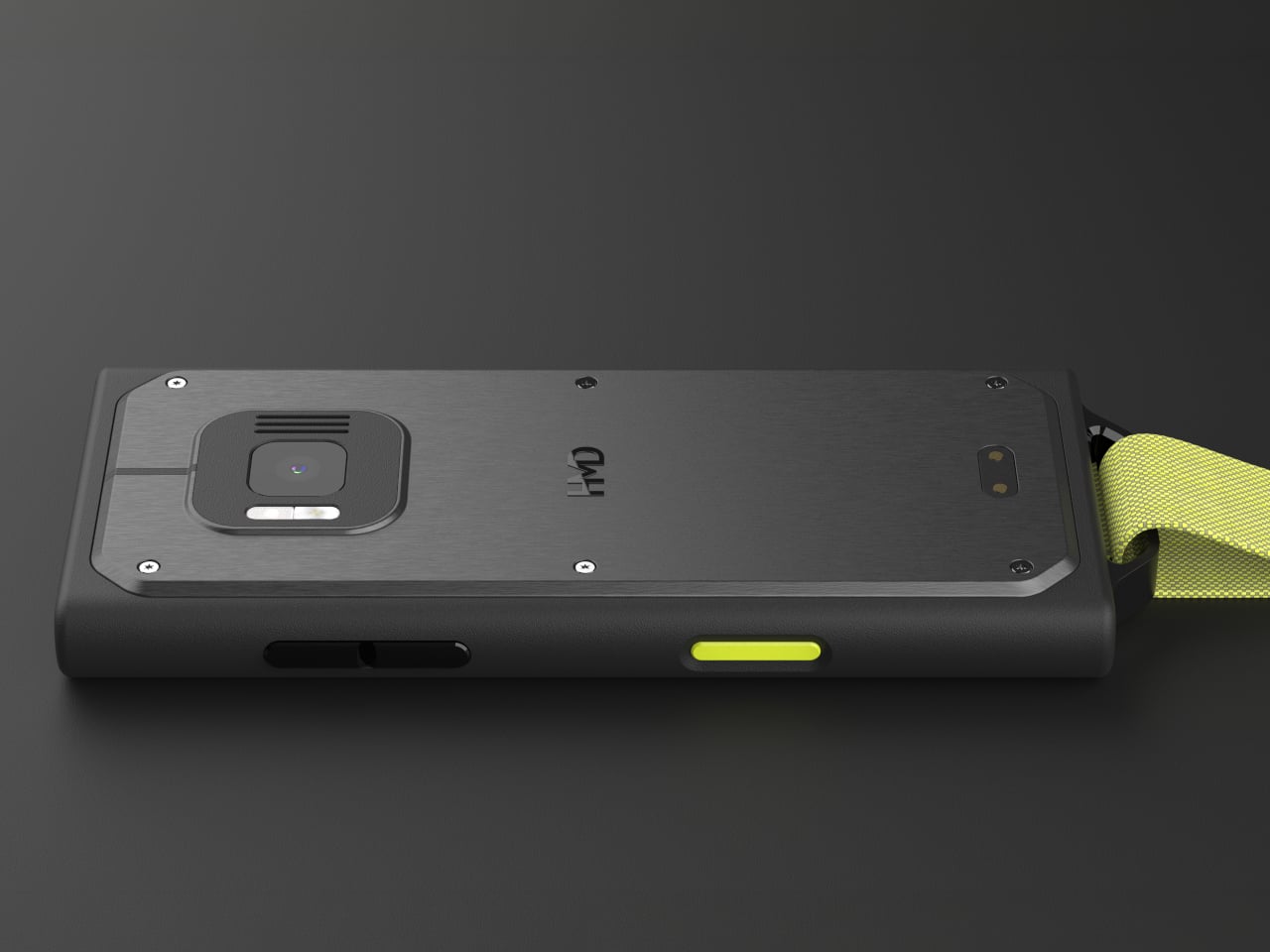
That starts with its credentials. The Terra M carries both IP68 and IP69K ratings, handling full submersion at 1.5 m for 30 minutes and high-pressure water jets at up to 100 bar and 80°C. It also meets MIL-STD-810H military standards, withstands drops from 1.8 m, and resists gasoline, industrial solvents, and medical-grade sanitizers, covering just about every hazard a field environment can throw at it.

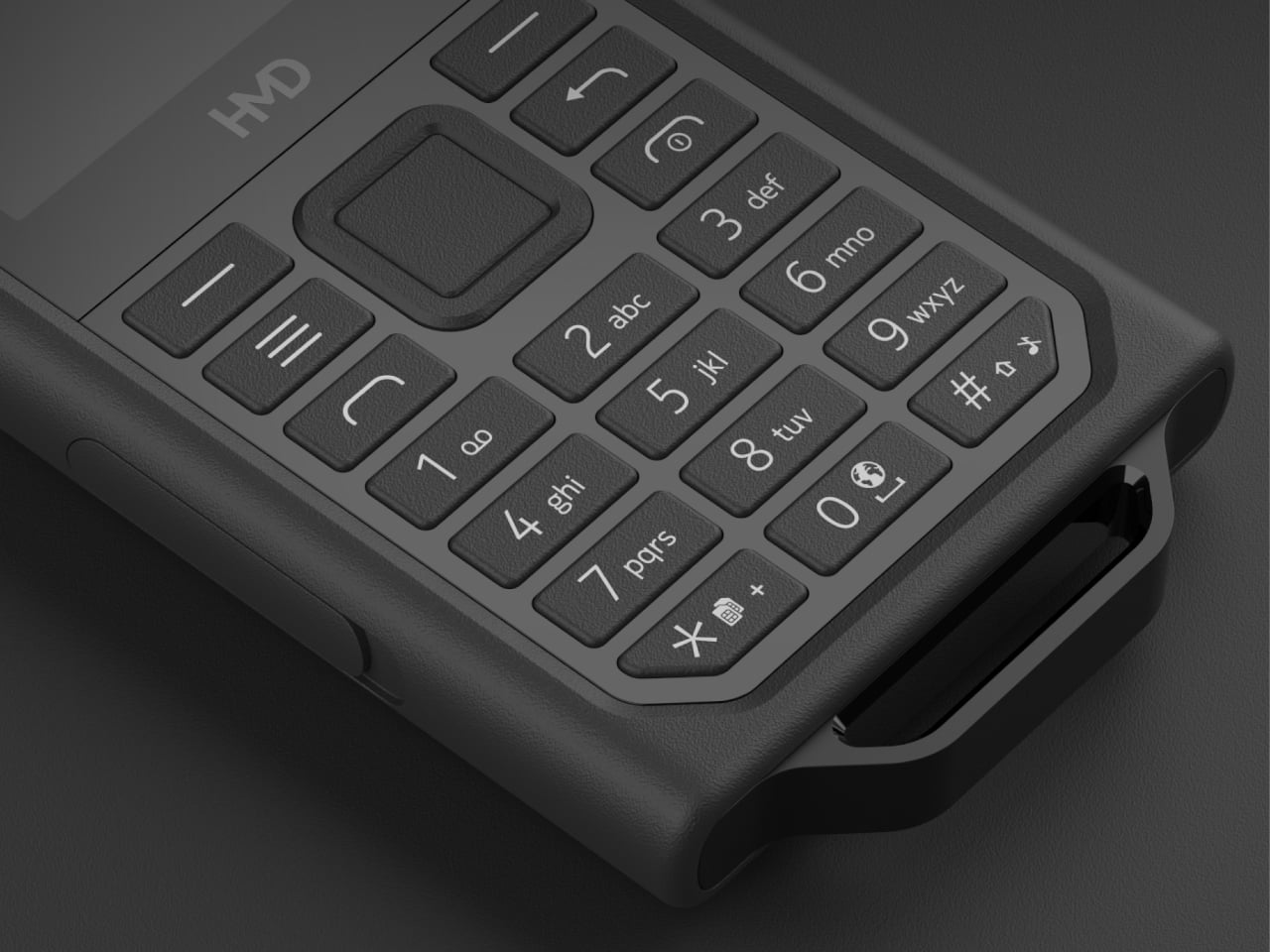
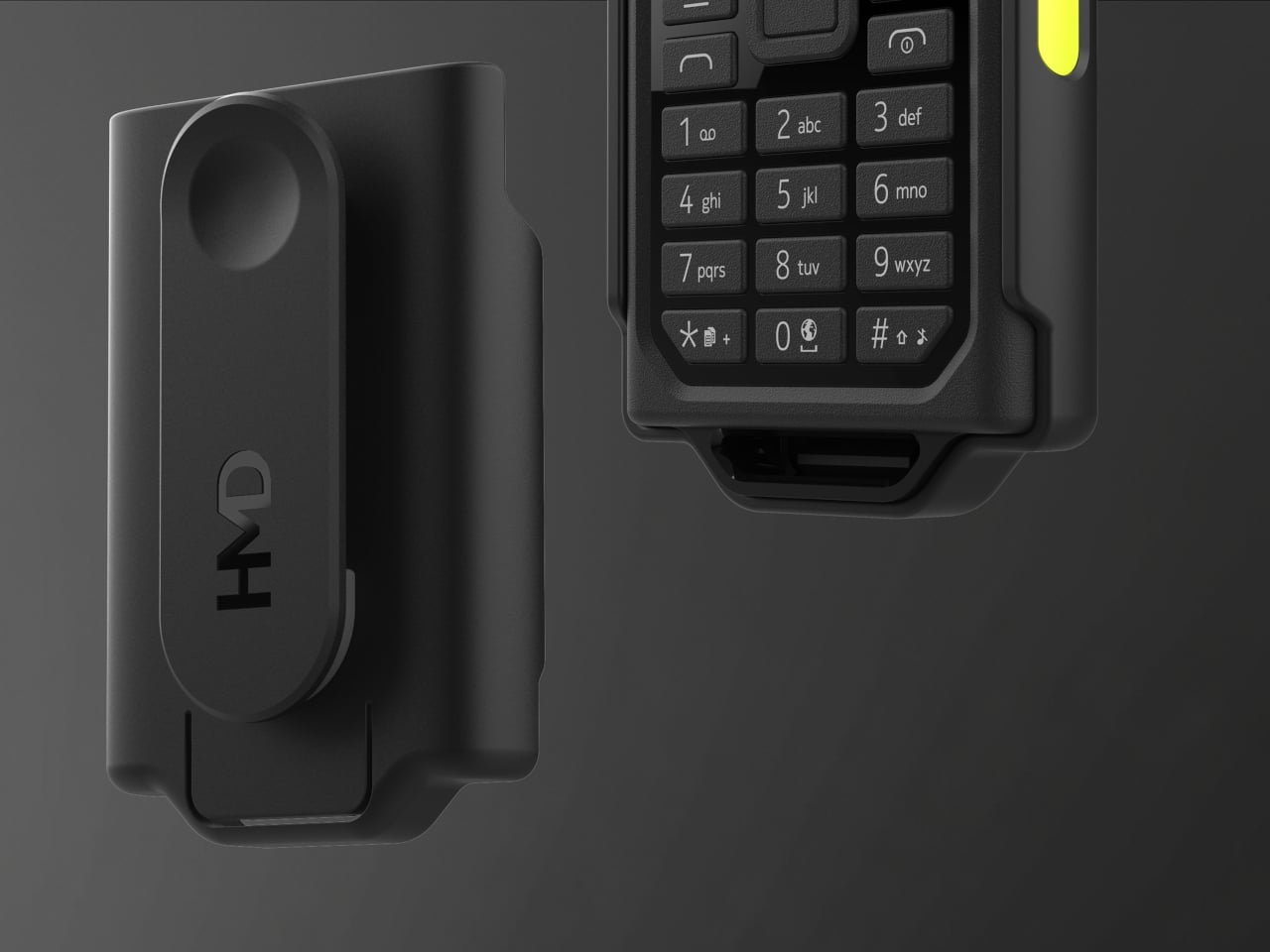
Surviving the job site is one thing, but staying useful there is another. The Terra M has a textured, non-slip grip and large physical keys that work with gloves on, which matters when you’re in the middle of a job and can’t afford to fumble. Its 2.8-inch display reaches up to 550 nits, sits behind Corning Gorilla Glass 3, and responds to both wet fingers and gloved hands.

Communication is where the Terra M earns its keep. Two programmable keys on the side give users instant, one-touch access to Push-to-Talk apps or custom shortcuts without digging through menus. The loudspeaker pushes up to 100 dB, and the microphones come with echo and noise cancellation, so you can be heard clearly even on a loud construction site or in a warehouse with heavy machinery running nearby.

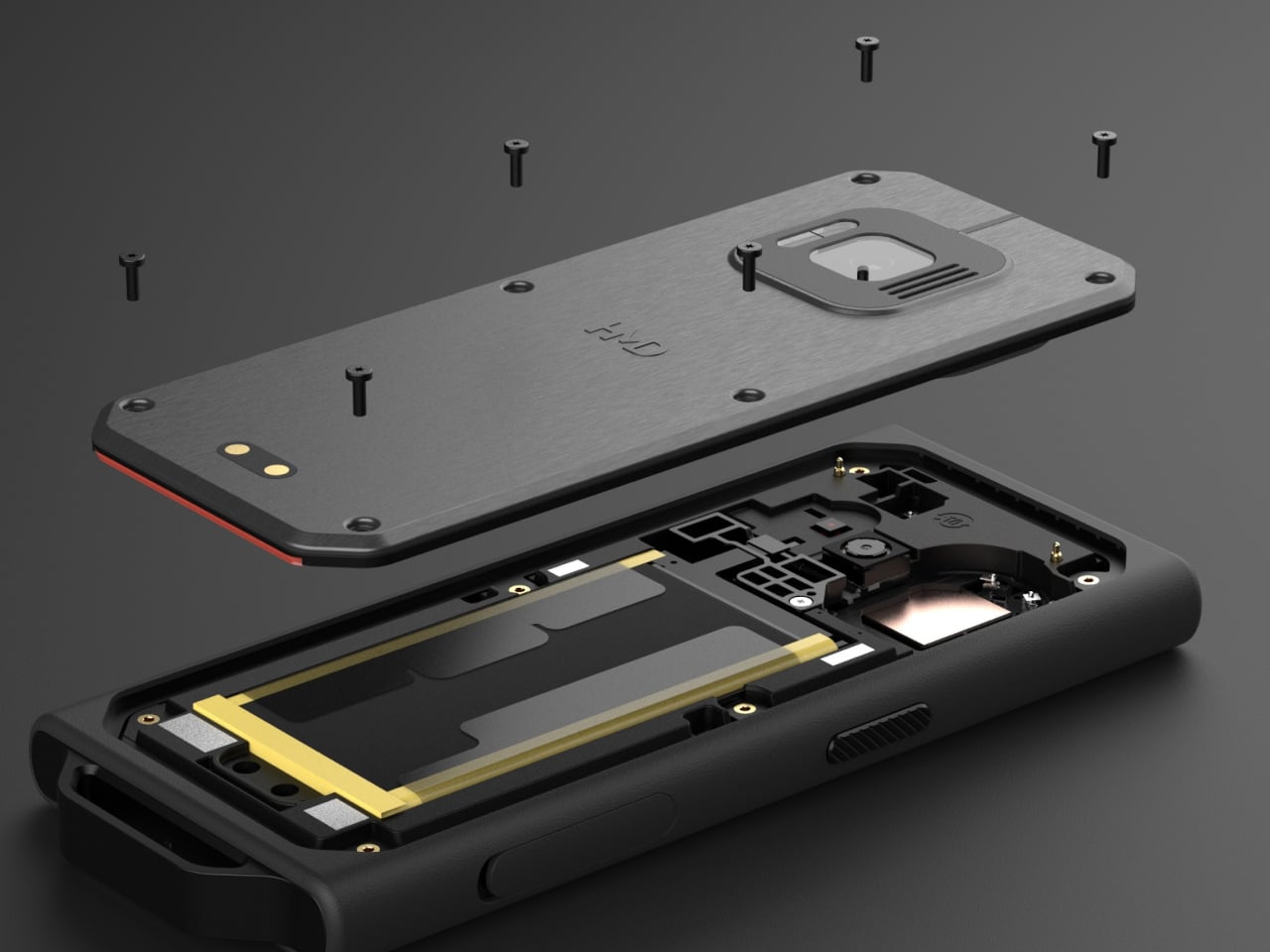
The 2,510 mAh battery is rated for up to 10 days of standby, so field workers don’t have to hunt for a charger mid-shift. Better yet, the battery is user-replaceable on-site without any special tools. Pre-loaded apps include a barcode scanner, a note taker, a sound recorder, and a web browser, among others, meaning the Terra M is genuinely ready to work straight out of the box.

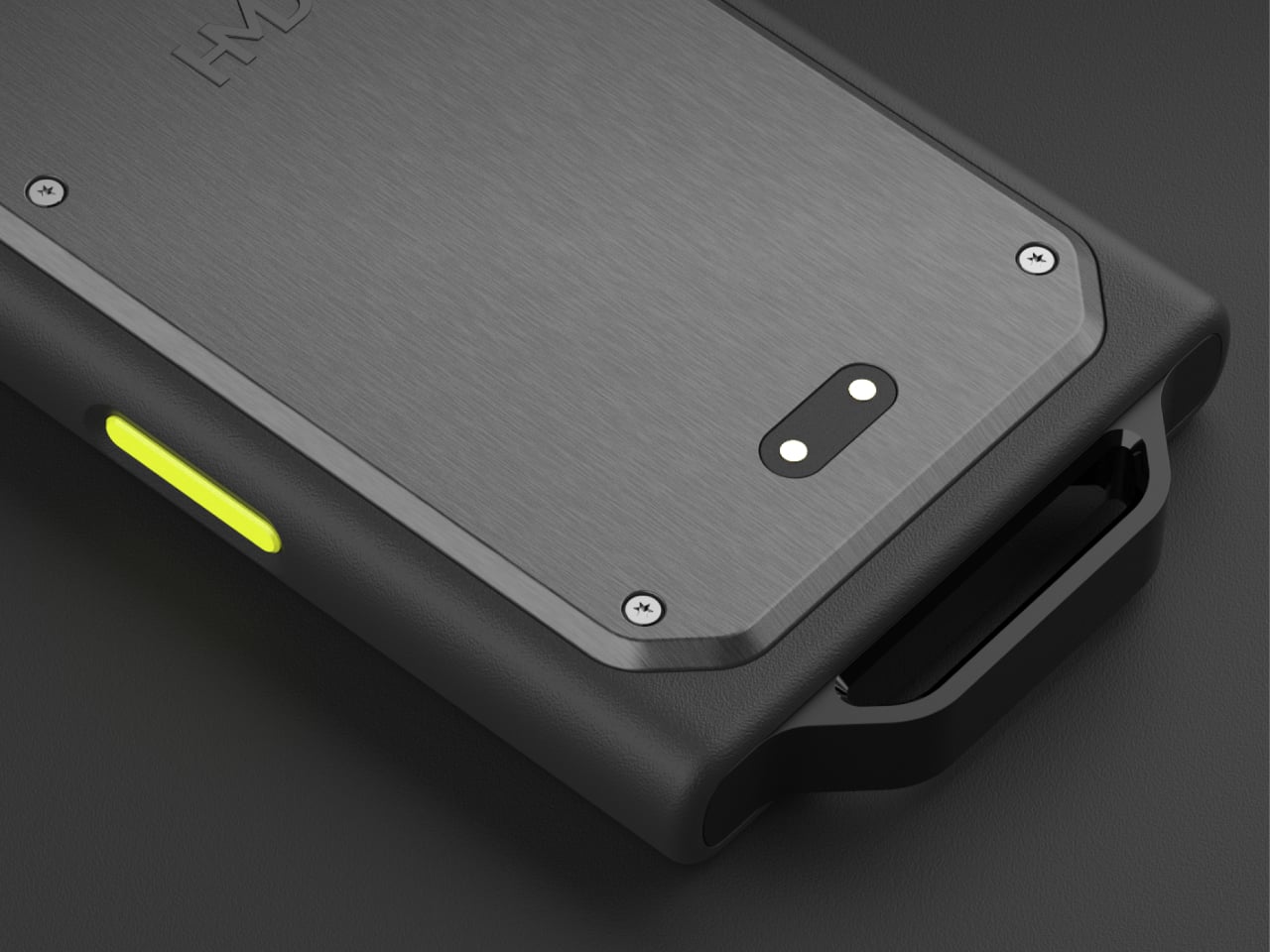
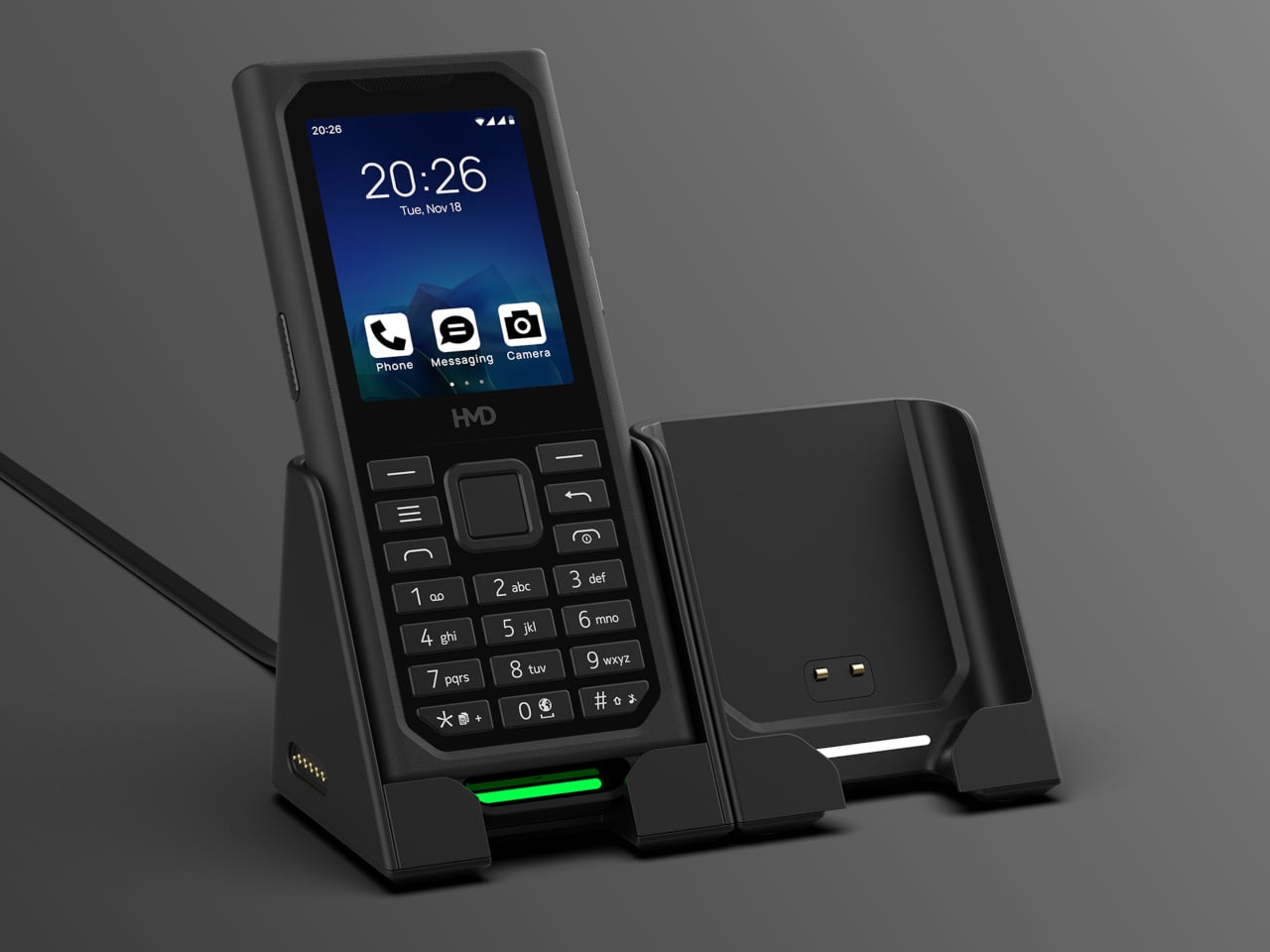
For organizations deploying multiple devices, an optional stackable docking station uses magnetic pogo-pin connectors to charge up to 10 units simultaneously, which suits logistics depots and shift-based teams well. Fleet management runs through Mobile Device Management, with remote OS and security patches delivered via HMD FOTA (Firmware Over The Air). HMD has also committed to five years of quarterly security updates, reducing the overhead of keeping a large deployment current and secure.

The Terra M isn’t trying to compete with the latest flagship smartphones. It’s a practical replacement for the aging two-way radios many frontline teams still rely on, offering modern 4G connectivity, eSIM support, and a proper touchscreen in a form that can take a beating. Priced at £179.99 and available through HMD Secure in select markets, it’s designed for people who simply can’t afford for their phone to fail.

The post HMD Terra M Can Do What Flagship Smartphones Can’t Even Handle first appeared on Yanko Design.
HMD Terra M Can Do What Flagship Smartphones Can’t Even Handle

Most smartphones weren’t designed with construction sites or hospital wards in mind. They crack under a single bad drop, struggle with wet or gloved fingers, and can’t survive a pressure wash. Yet these are exactly the environments where reliable communication matters most. Frontline workers are often stuck choosing between powerful devices that can’t take a beating and durable ones too basic to be of any real use.

The HMD Terra M tries to close that gap without overcomplicating things. It’s a compact, ultra-rugged feature phone designed to handle the kind of punishment that leaves most consumer devices in pieces. Beyond just surviving harsh conditions, it’s built to actually work well in them, with features tailored for people who spend their shifts outdoors or in places where a dropped call simply isn’t an option.

Designer: HMD Global

That starts with its credentials. The Terra M carries both IP68 and IP69K ratings, handling full submersion at 1.5 m for 30 minutes and high-pressure water jets at up to 100 bar and 80°C. It also meets MIL-STD-810H military standards, withstands drops from 1.8 m, and resists gasoline, industrial solvents, and medical-grade sanitizers, covering just about every hazard a field environment can throw at it.

Surviving the job site is one thing, but staying useful there is another. The Terra M has a textured, non-slip grip and large physical keys that work with gloves on, which matters when you’re in the middle of a job and can’t afford to fumble. Its 2.8-inch display reaches up to 550 nits, sits behind Corning Gorilla Glass 3, and responds to both wet fingers and gloved hands.

Communication is where the Terra M earns its keep. Two programmable keys on the side give users instant, one-touch access to Push-to-Talk apps or custom shortcuts without digging through menus. The loudspeaker pushes up to 100 dB, and the microphones come with echo and noise cancellation, so you can be heard clearly even on a loud construction site or in a warehouse with heavy machinery running nearby.

The 2,510 mAh battery is rated for up to 10 days of standby, so field workers don’t have to hunt for a charger mid-shift. Better yet, the battery is user-replaceable on-site without any special tools. Pre-loaded apps include a barcode scanner, a note taker, a sound recorder, and a web browser, among others, meaning the Terra M is genuinely ready to work straight out of the box.

For organizations deploying multiple devices, an optional stackable docking station uses magnetic pogo-pin connectors to charge up to 10 units simultaneously, which suits logistics depots and shift-based teams well. Fleet management runs through Mobile Device Management, with remote OS and security patches delivered via HMD FOTA (Firmware Over The Air). HMD has also committed to five years of quarterly security updates, reducing the overhead of keeping a large deployment current and secure.

The Terra M isn’t trying to compete with the latest flagship smartphones. It’s a practical replacement for the aging two-way radios many frontline teams still rely on, offering modern 4G connectivity, eSIM support, and a proper touchscreen in a form that can take a beating. Priced at £179.99 and available through HMD Secure in select markets, it’s designed for people who simply can’t afford for their phone to fail.

The post HMD Terra M Can Do What Flagship Smartphones Can’t Even Handle first appeared on Yanko Design.