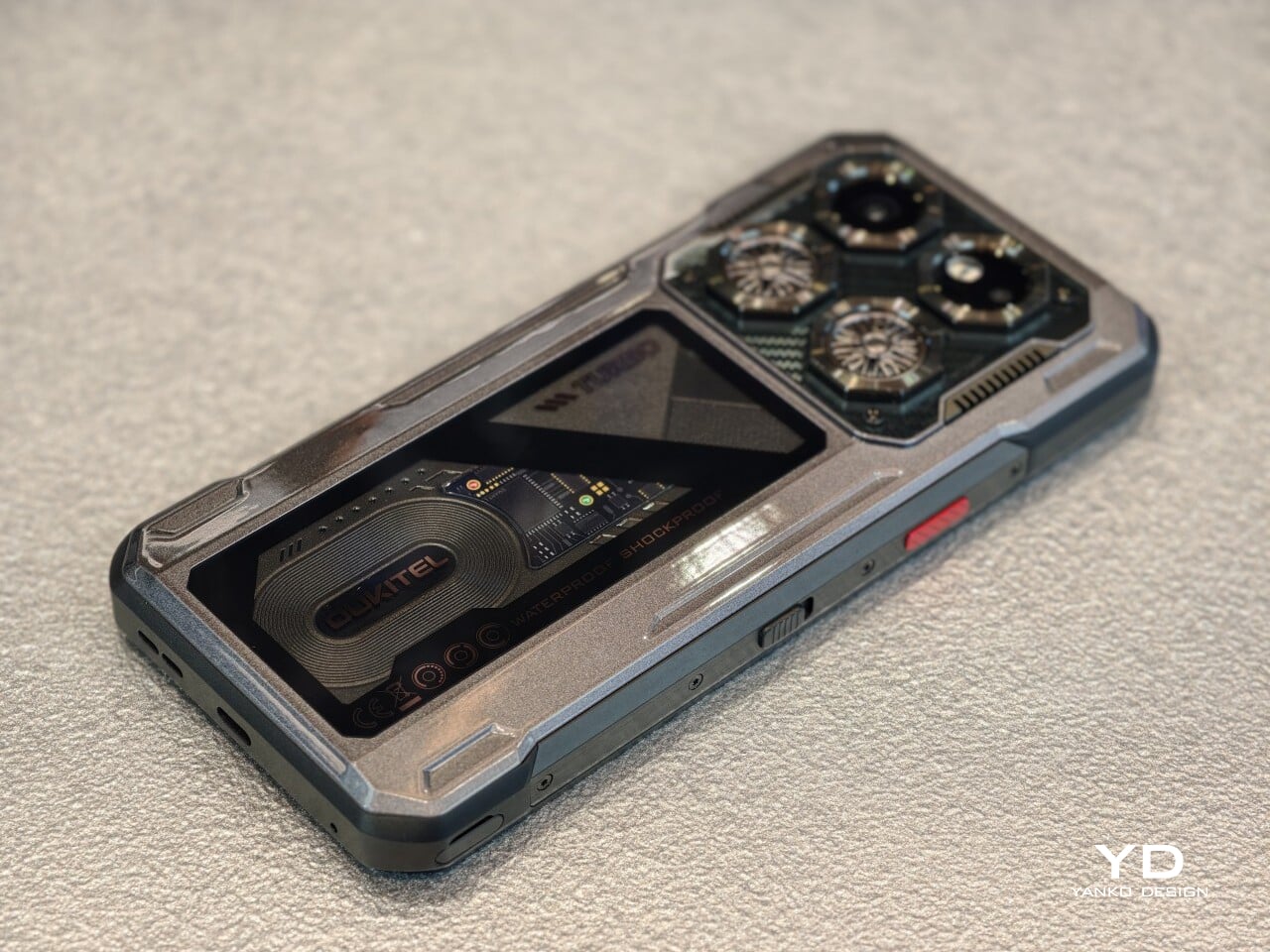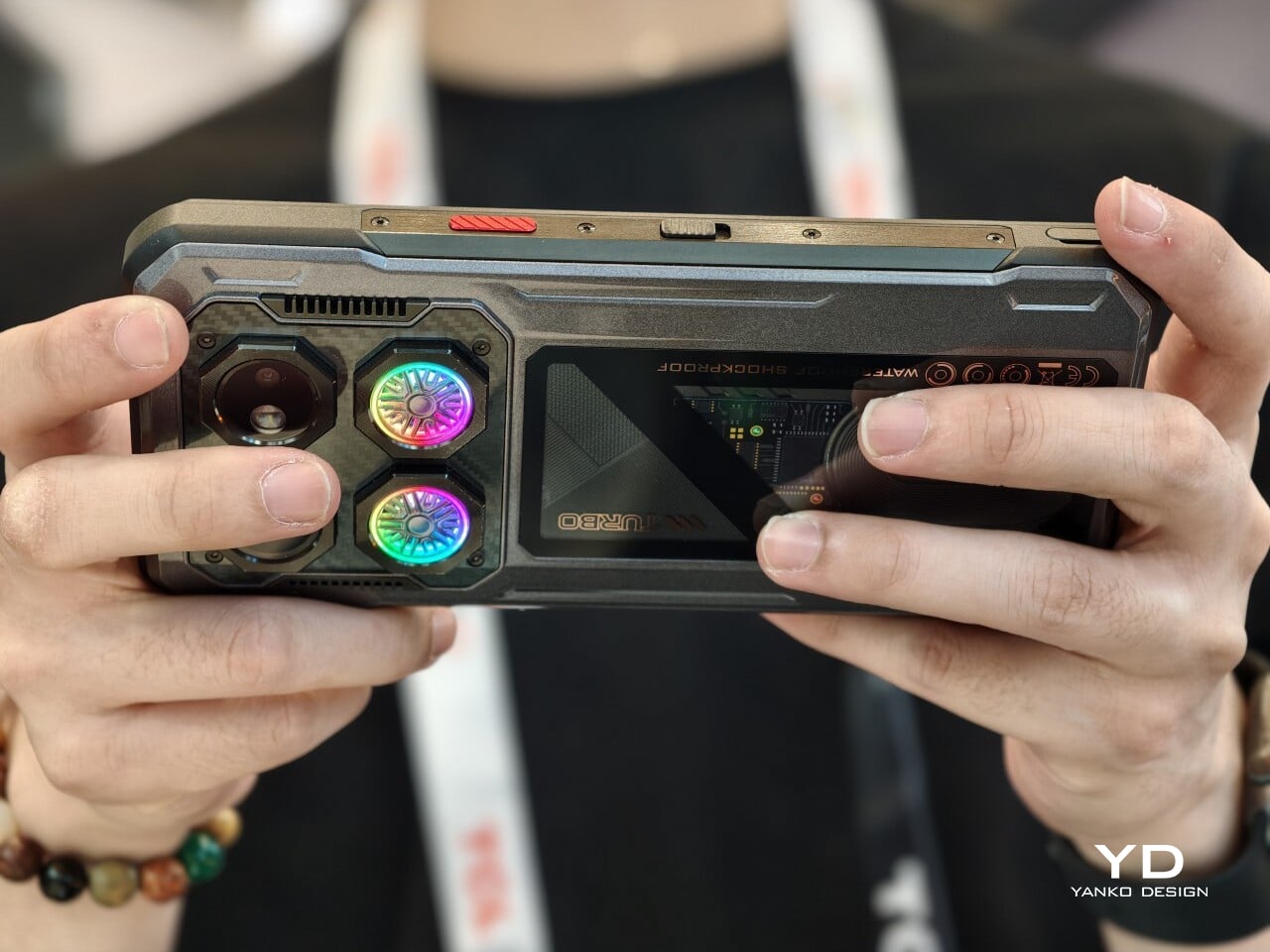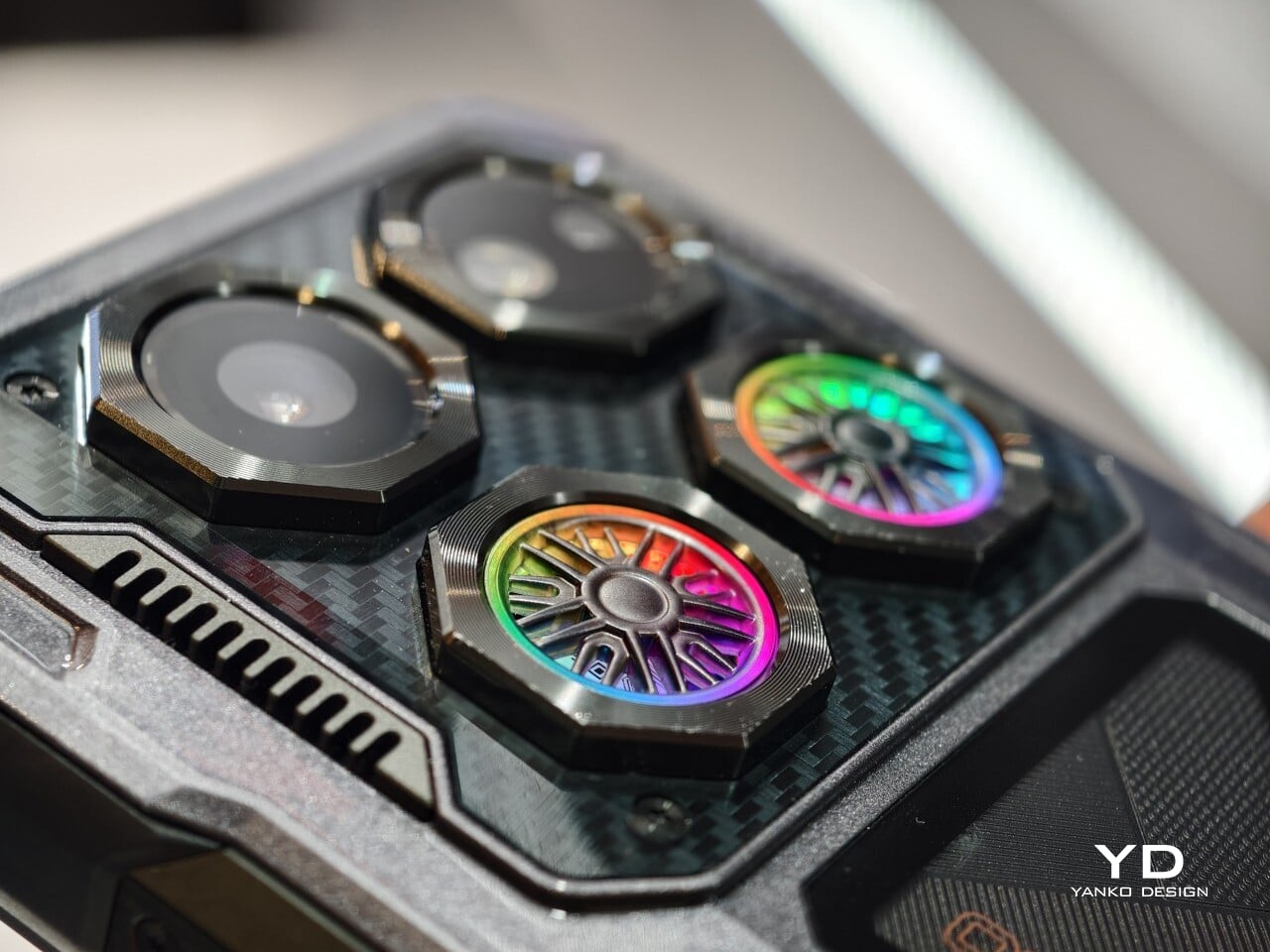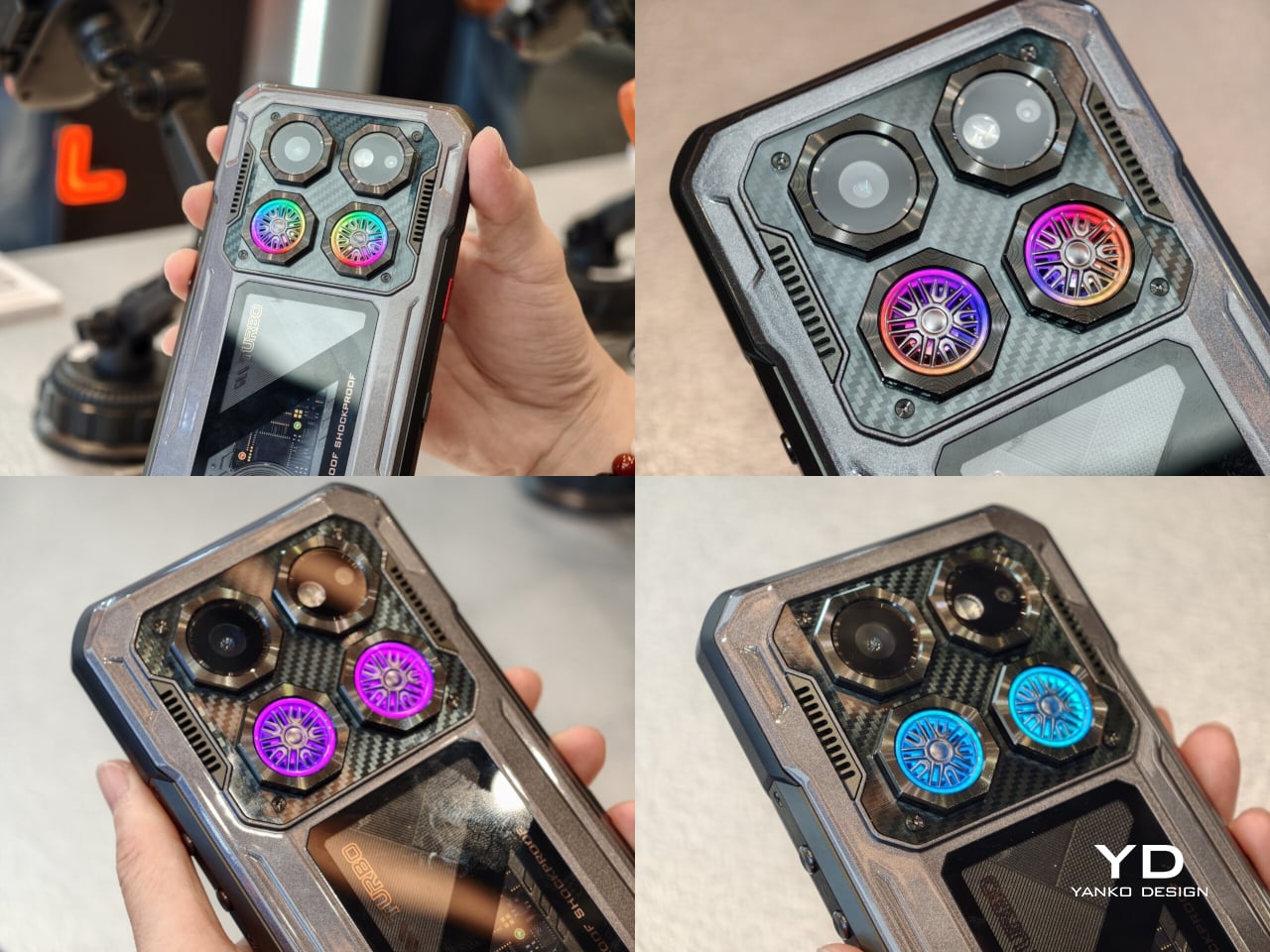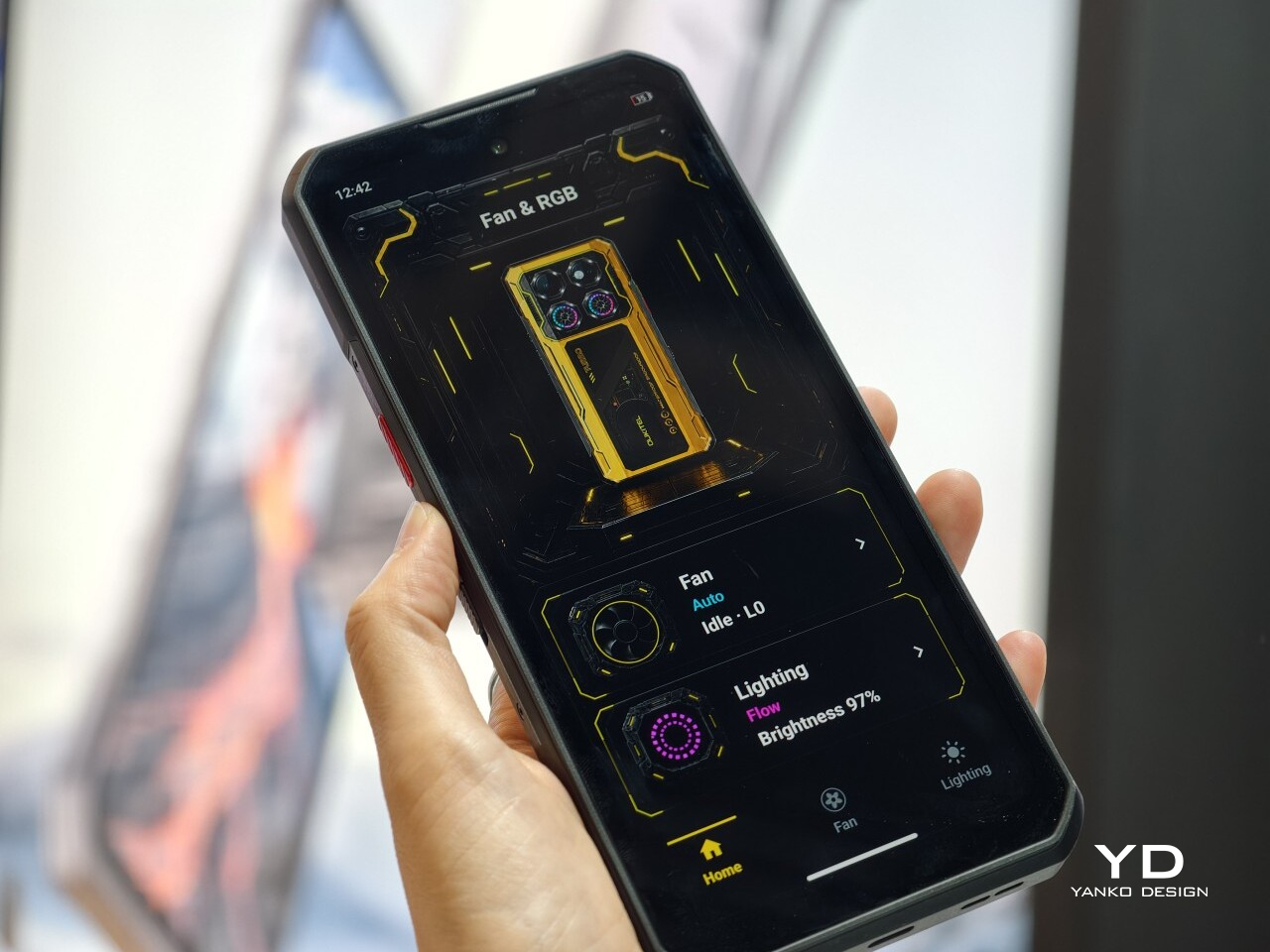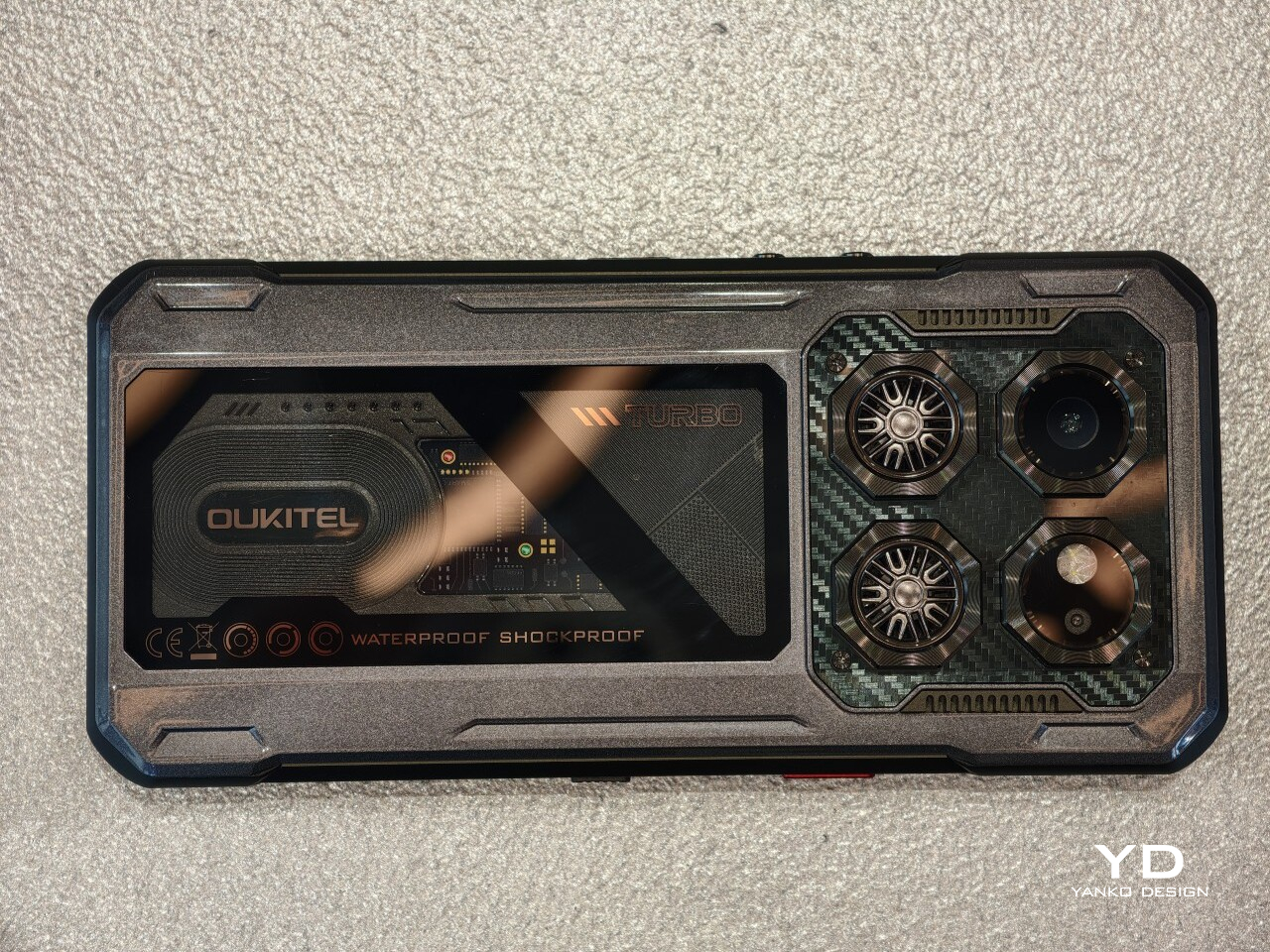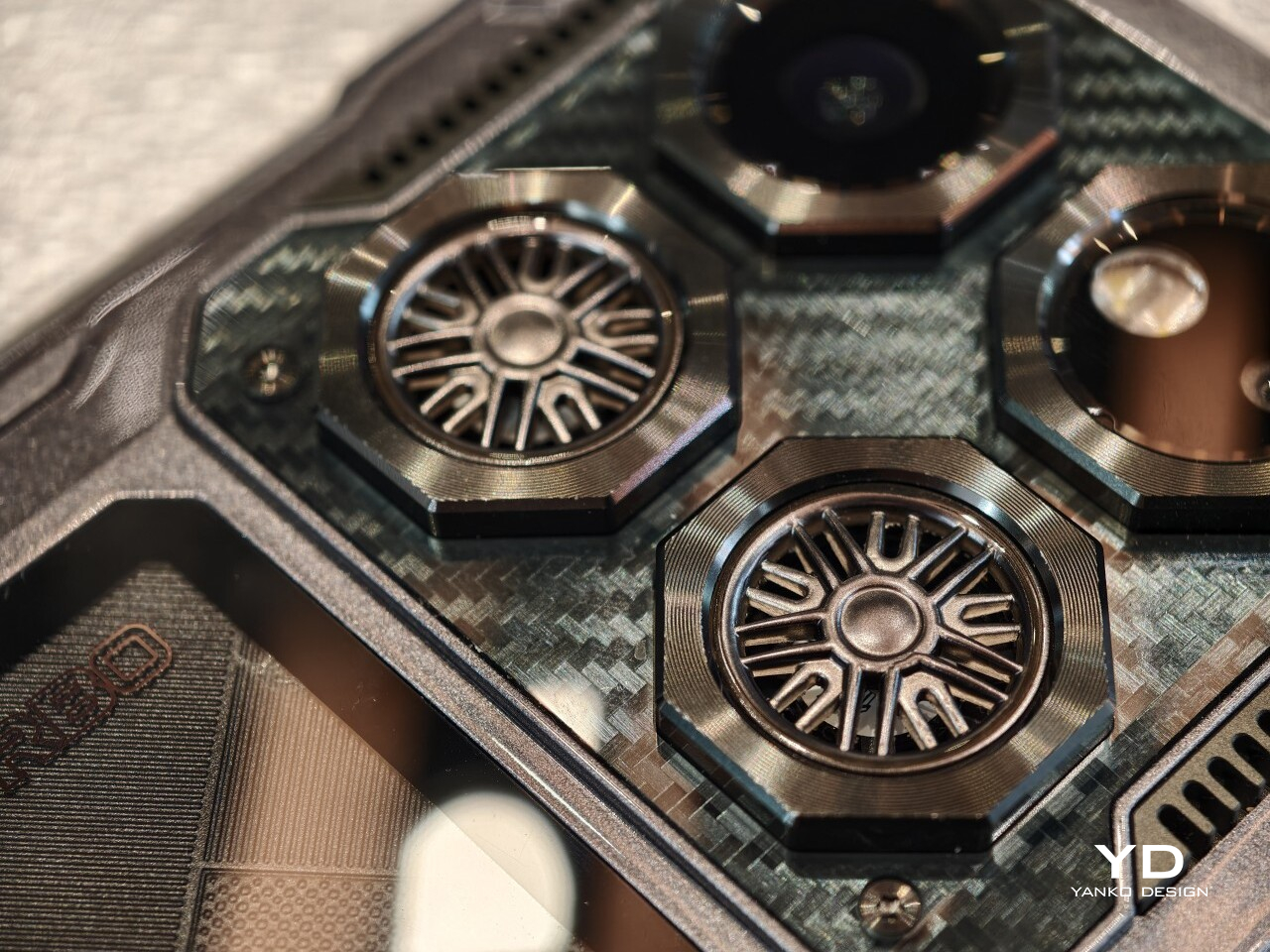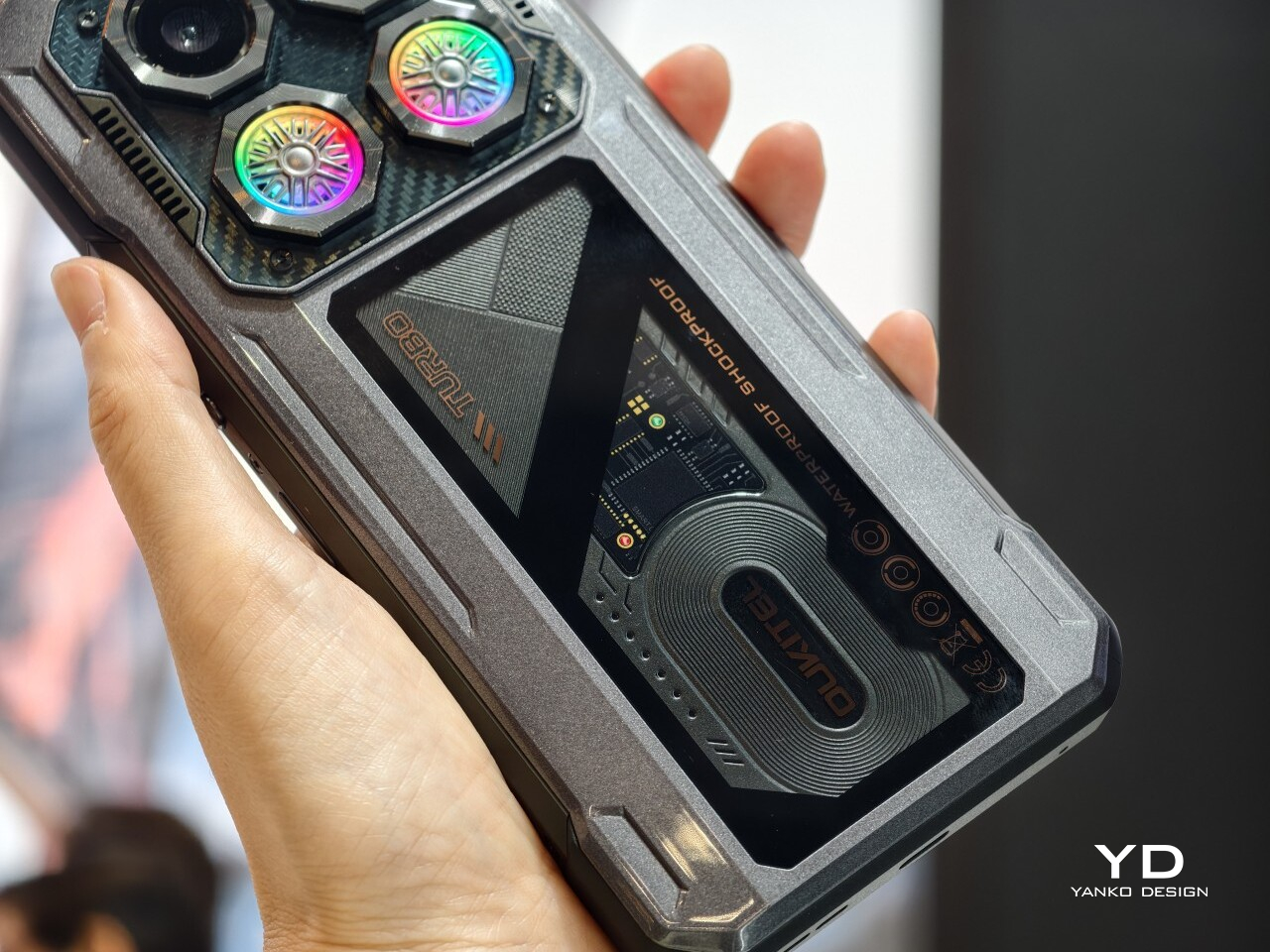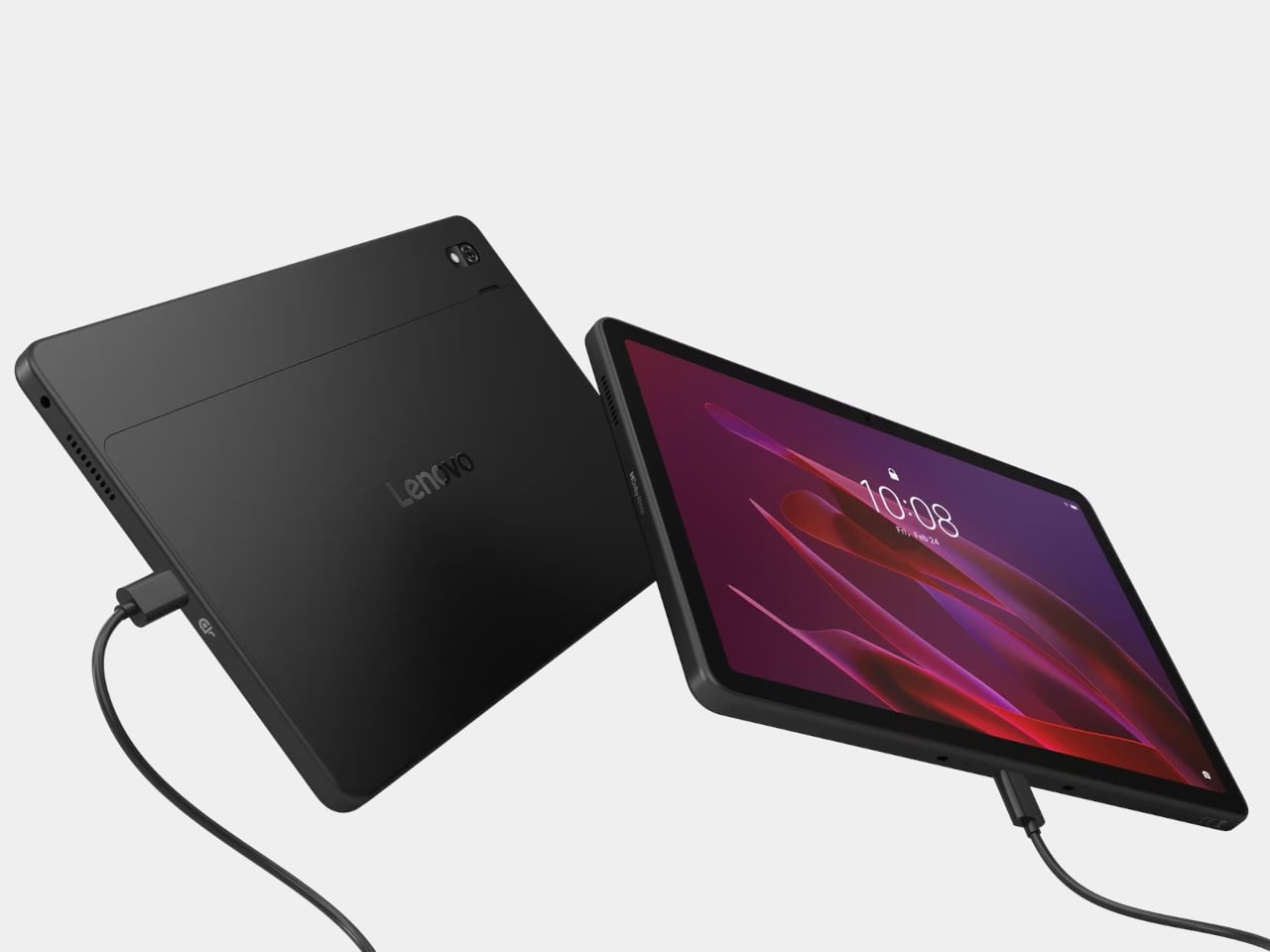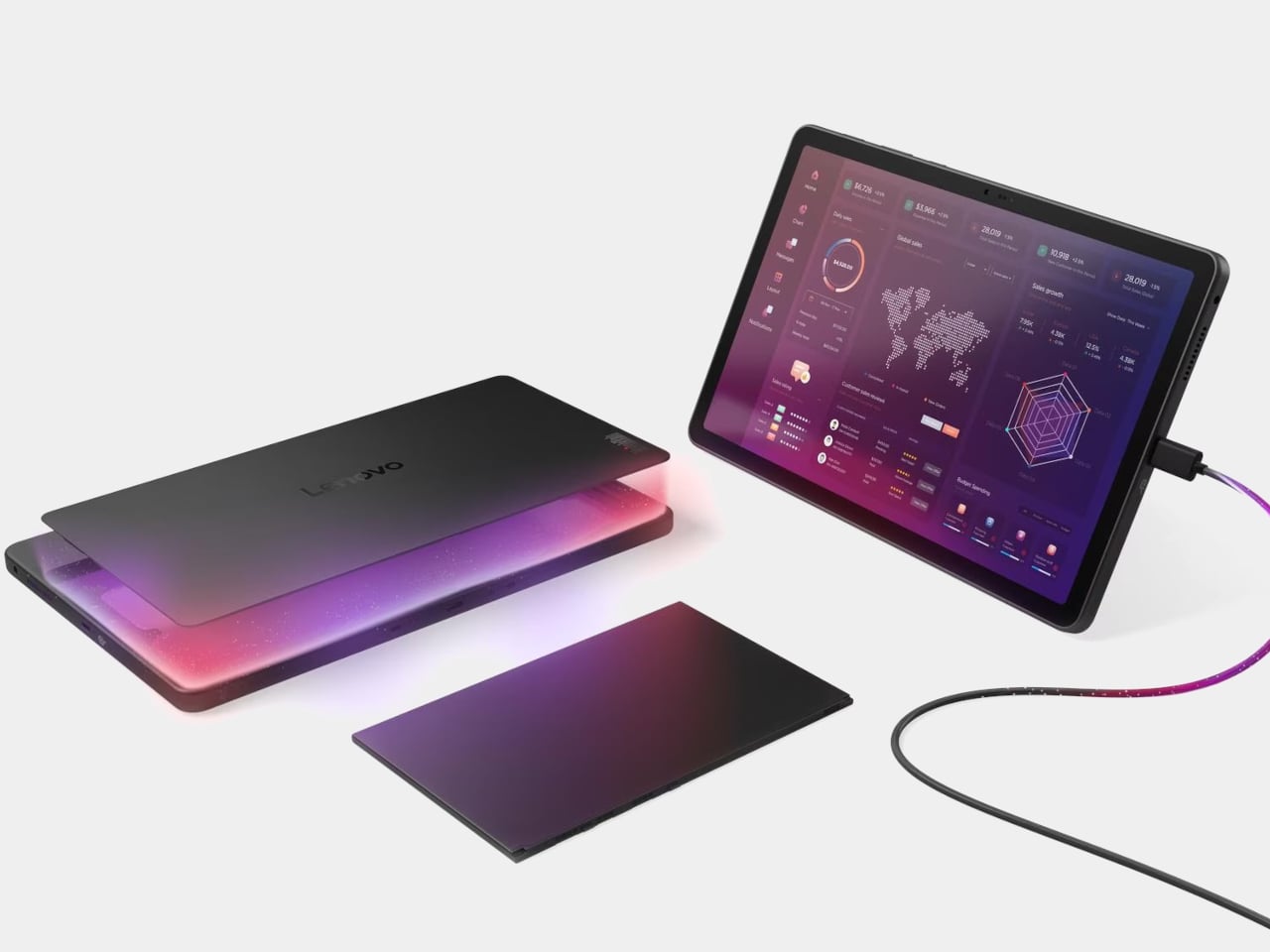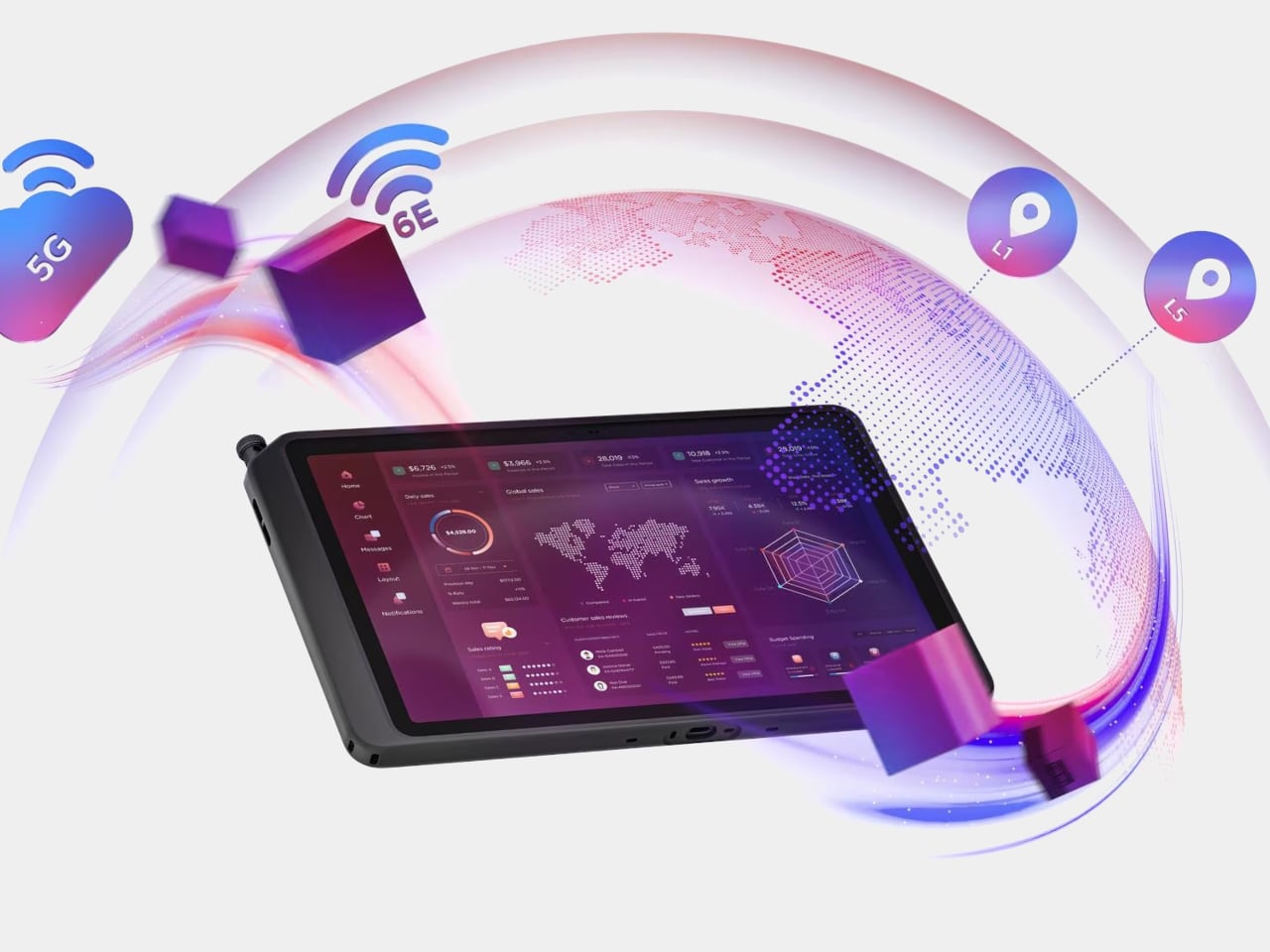
This Tiny Rugged Phone Has a 152° Action Camera and GoPro Mounts

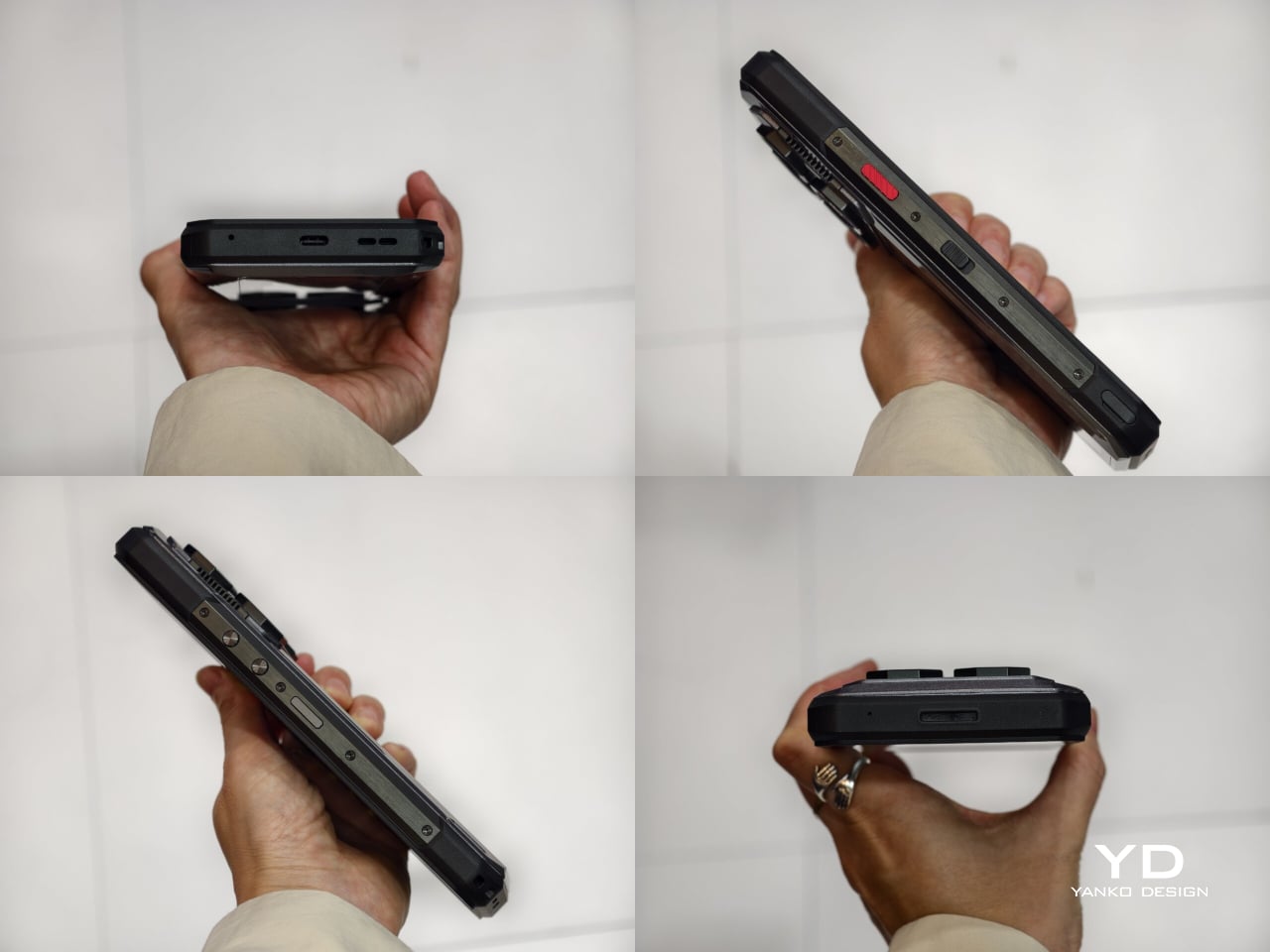
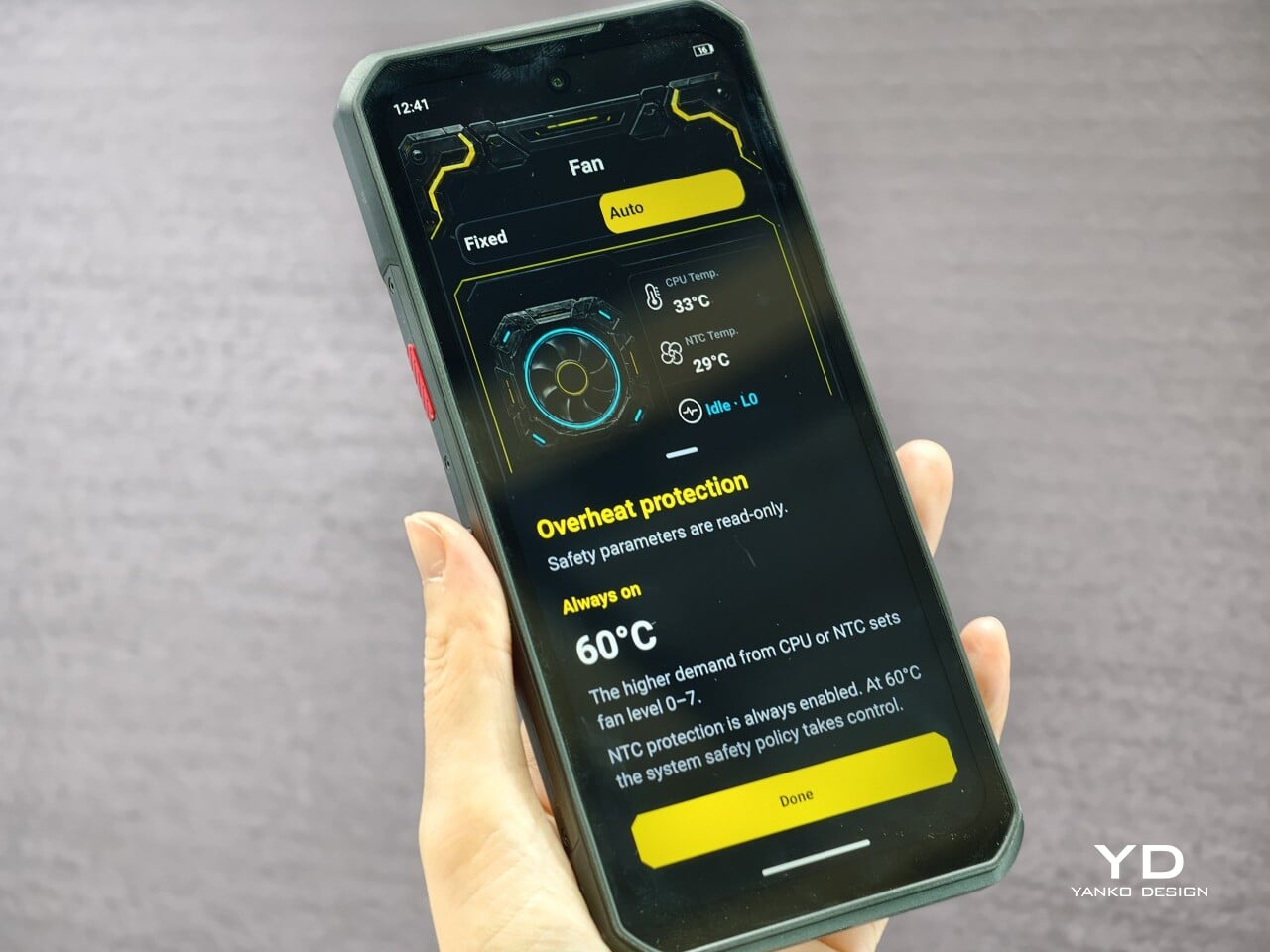
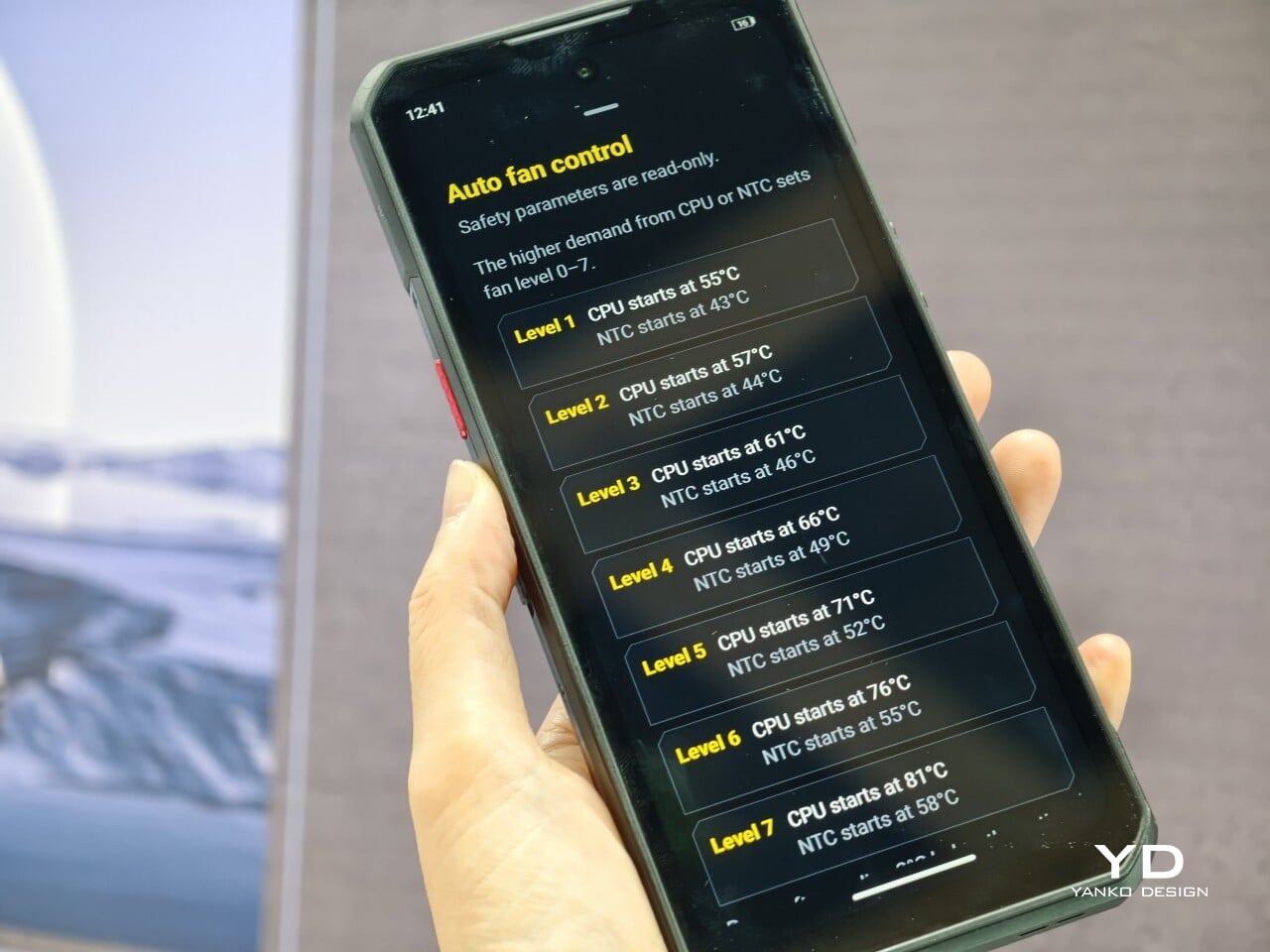
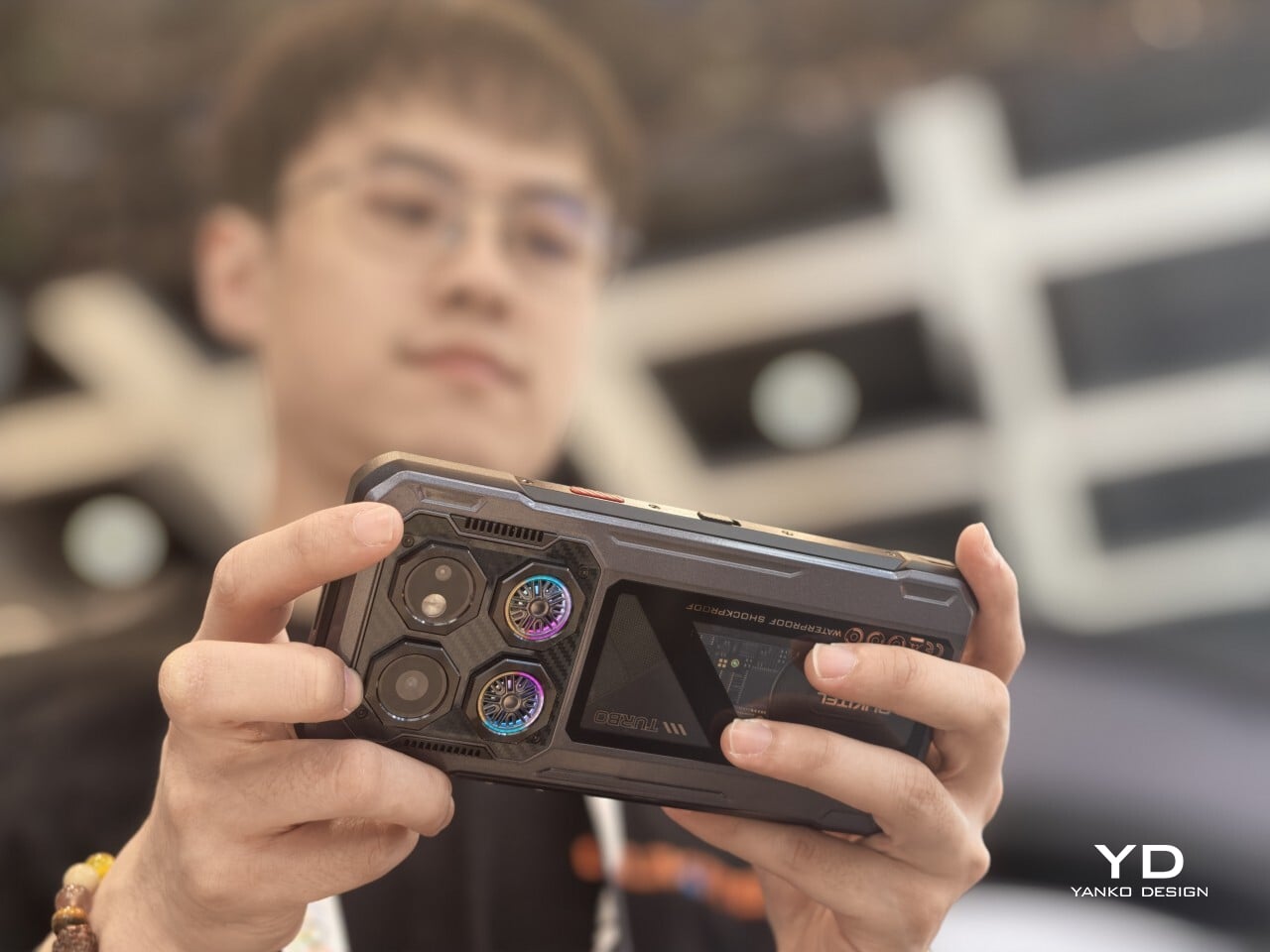
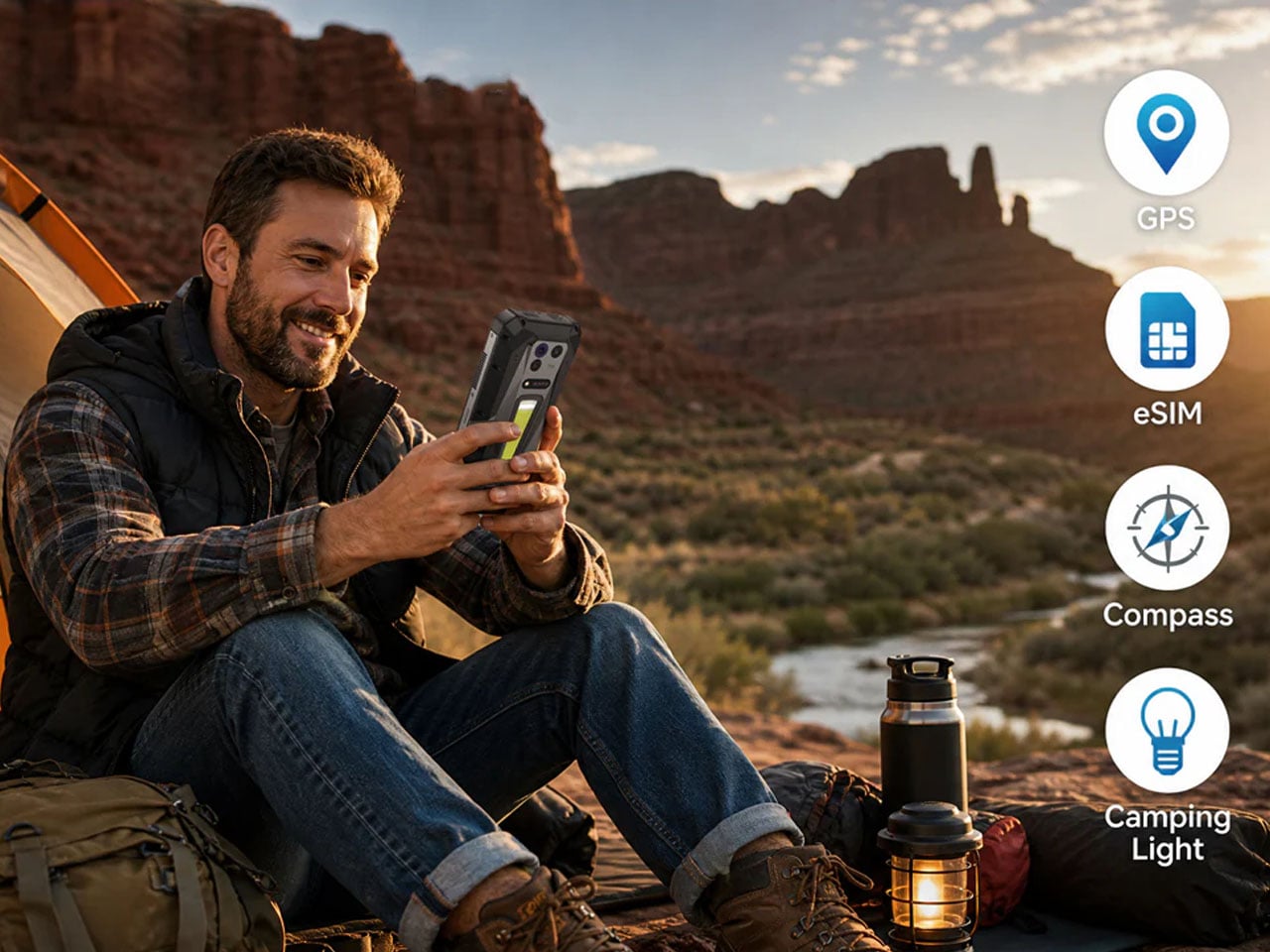
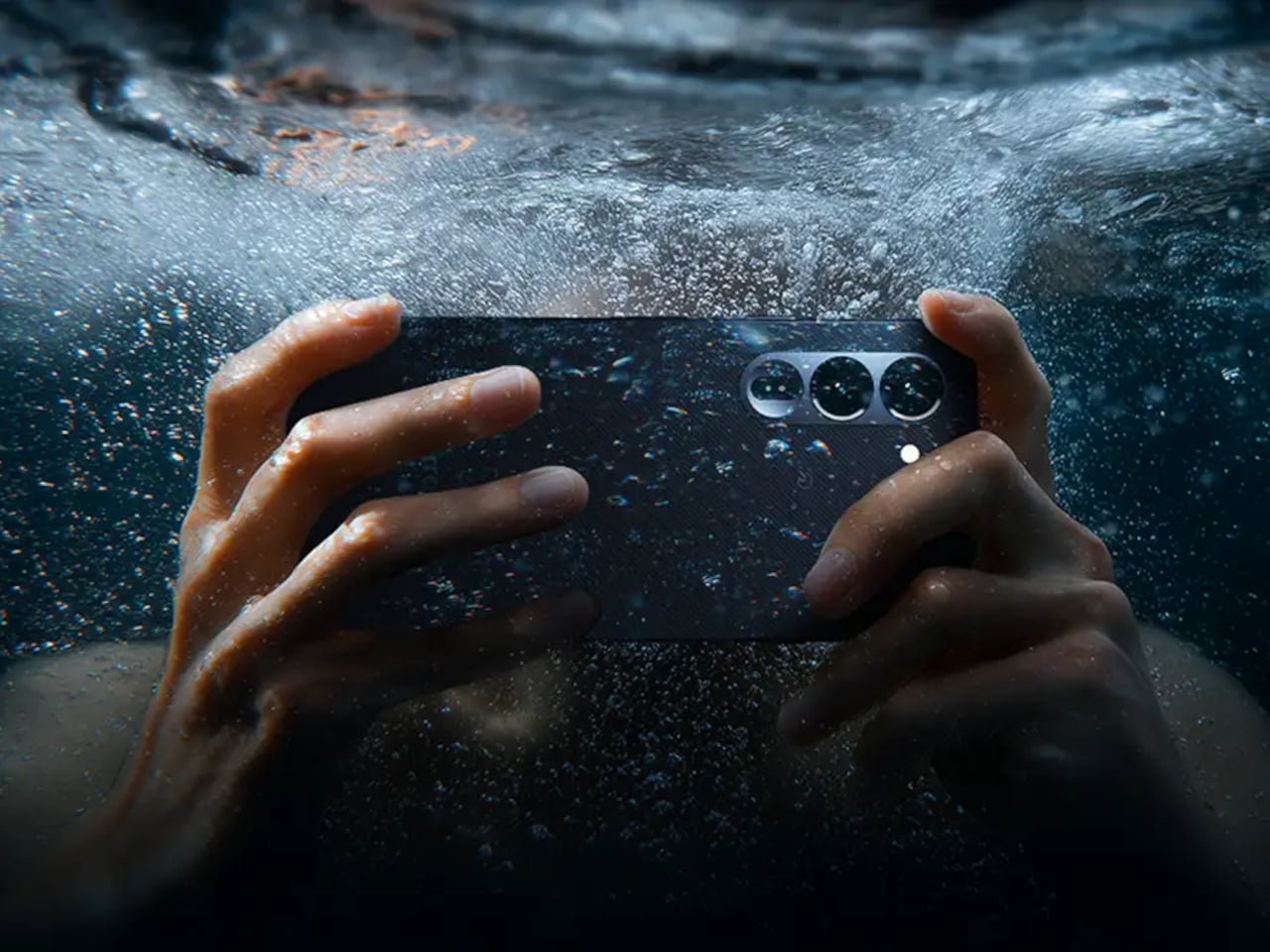
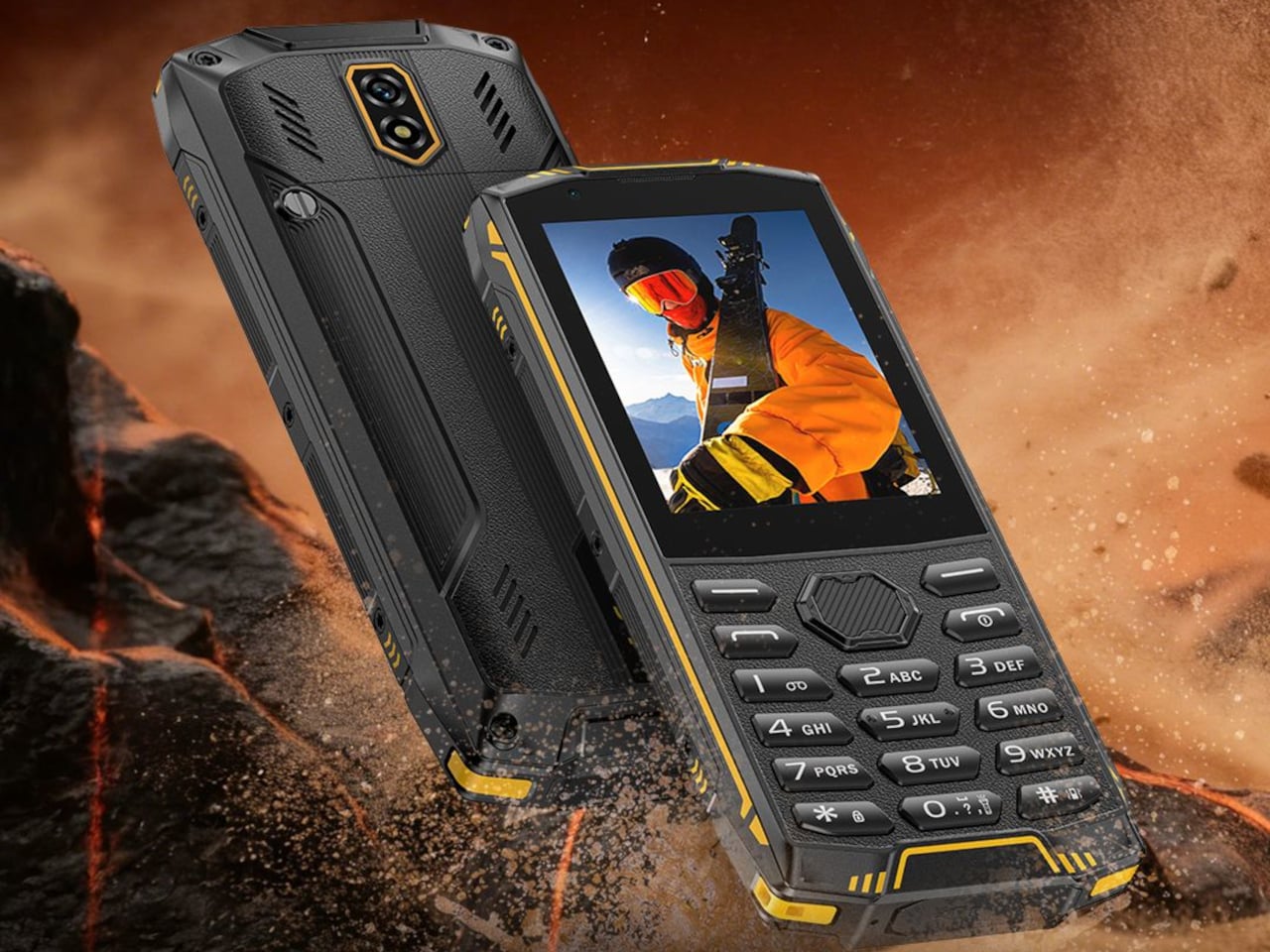
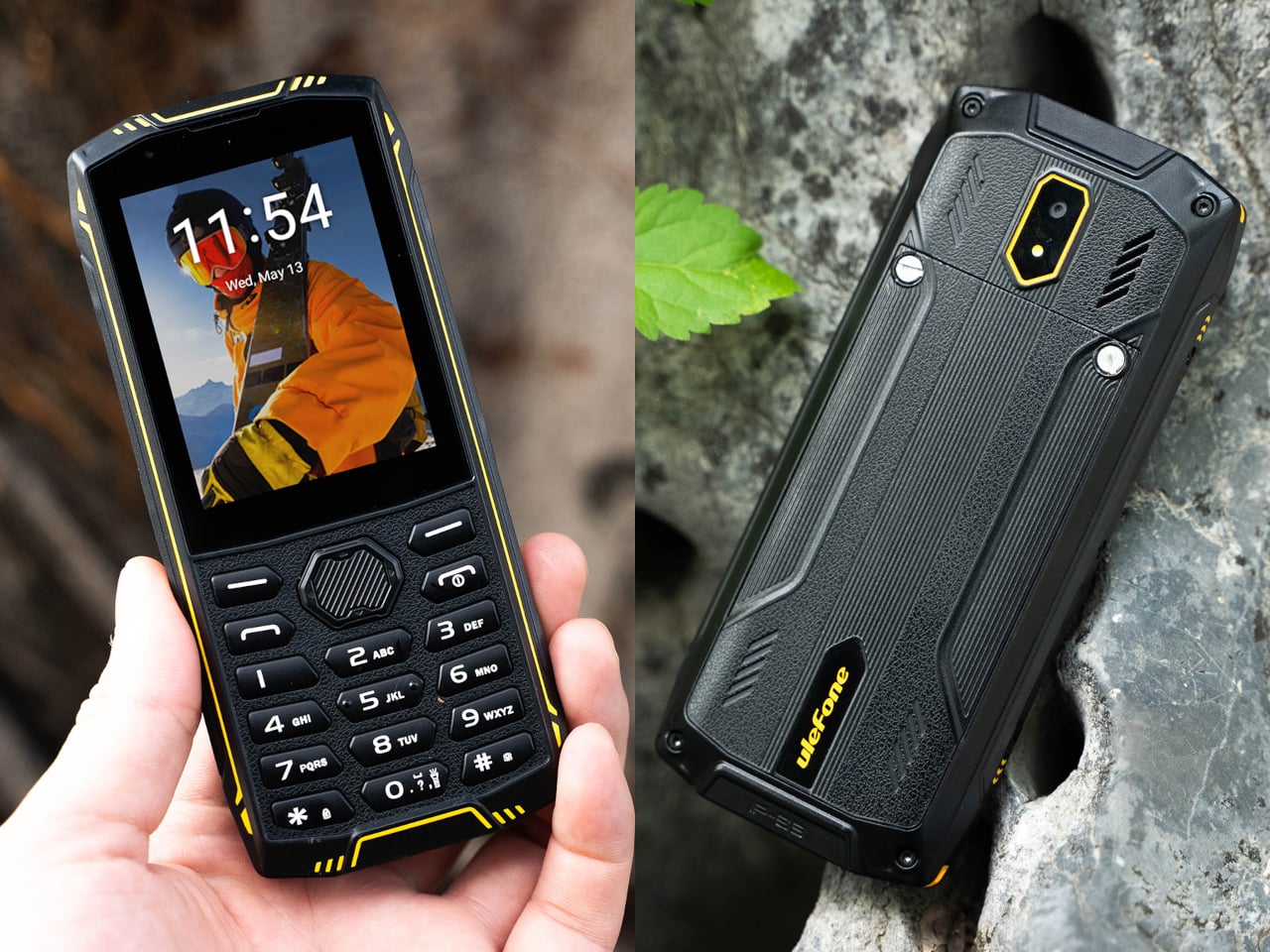
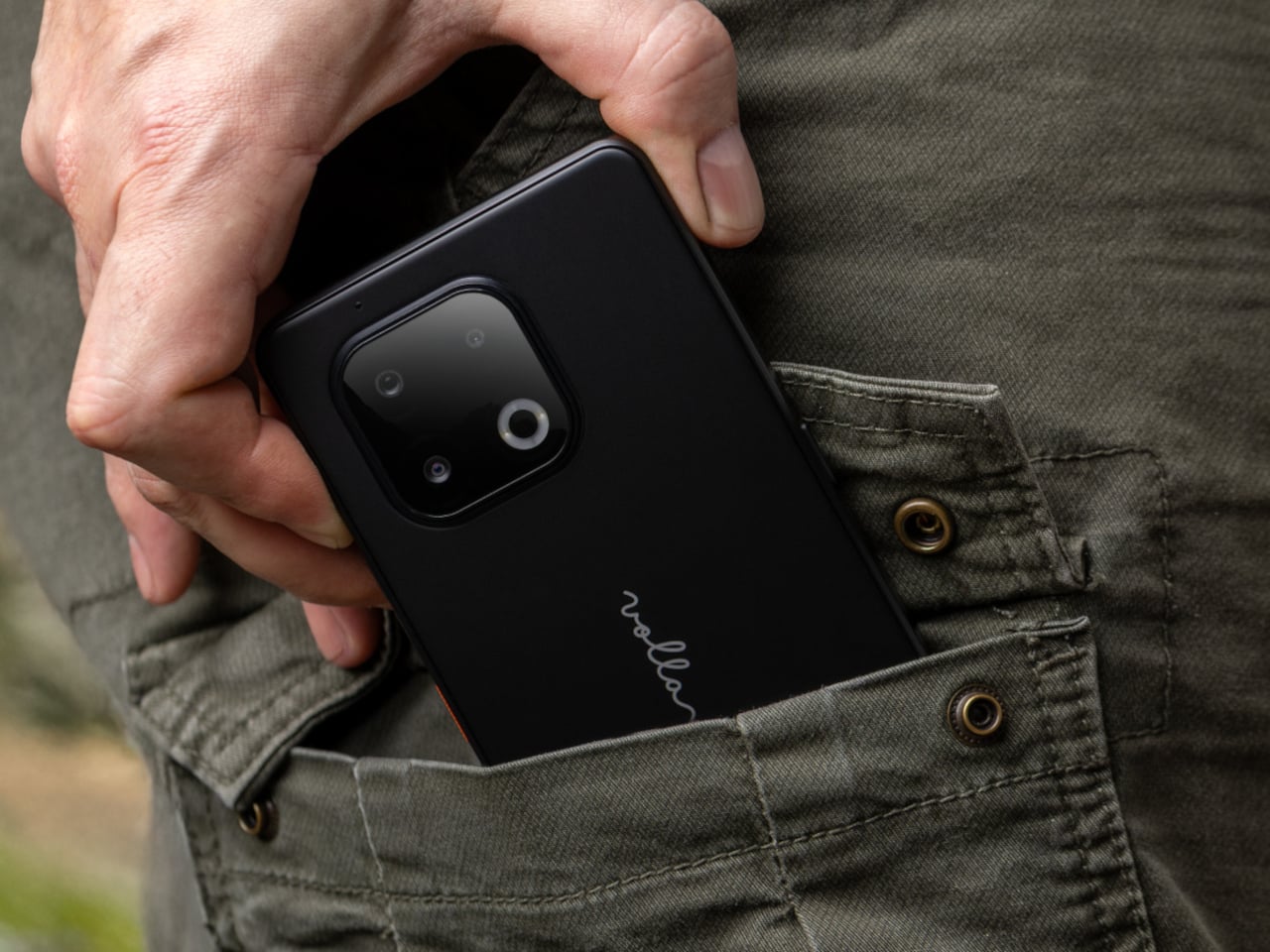
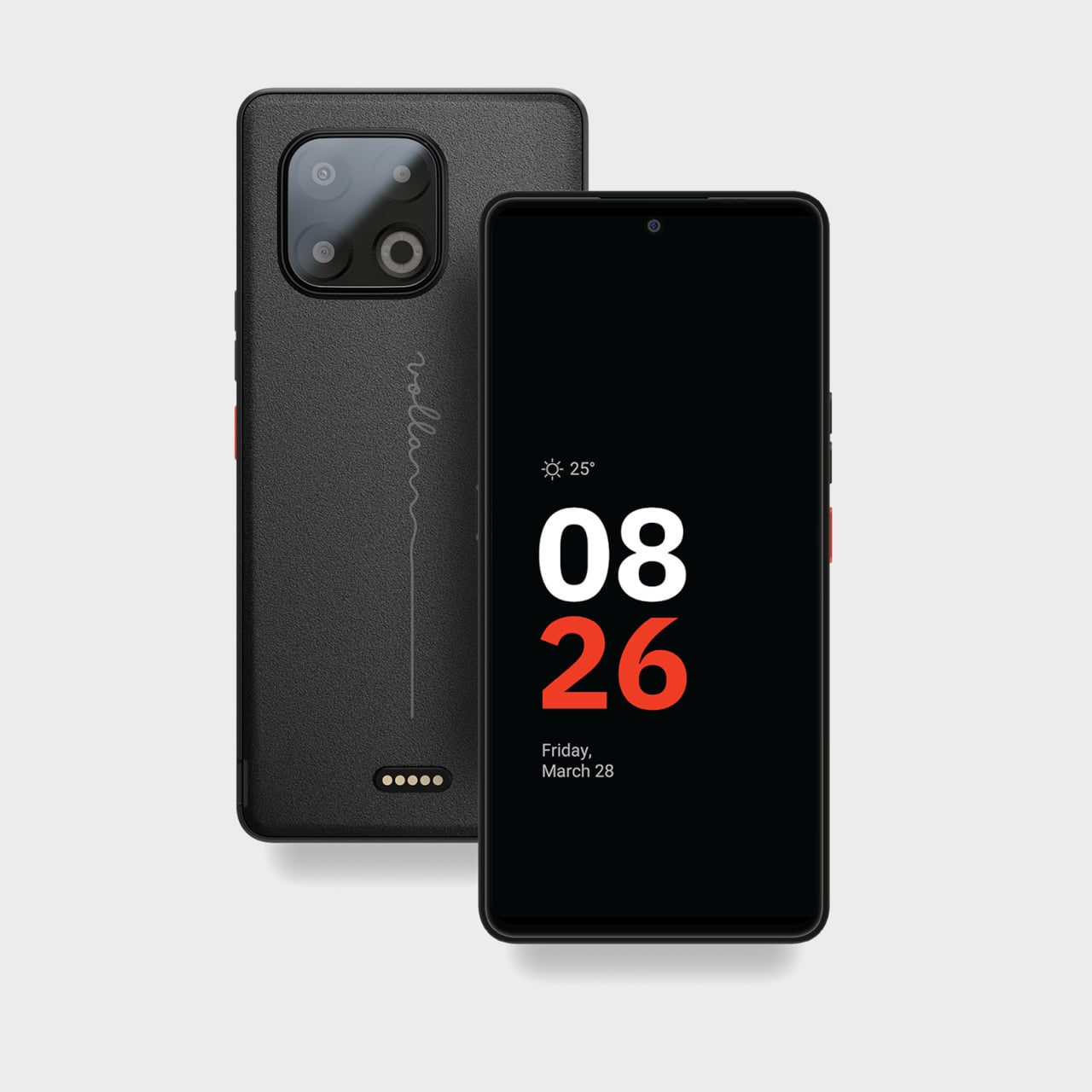
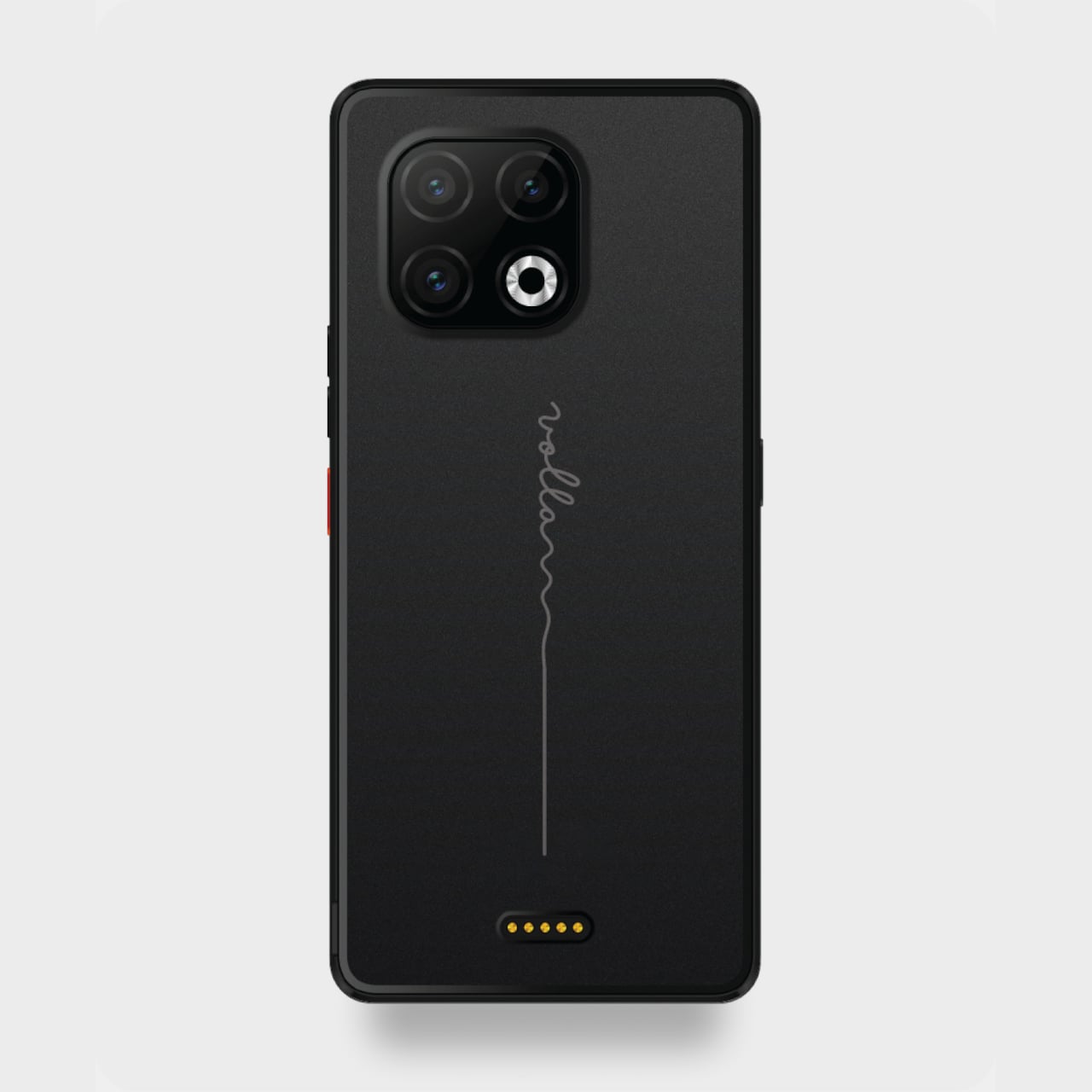
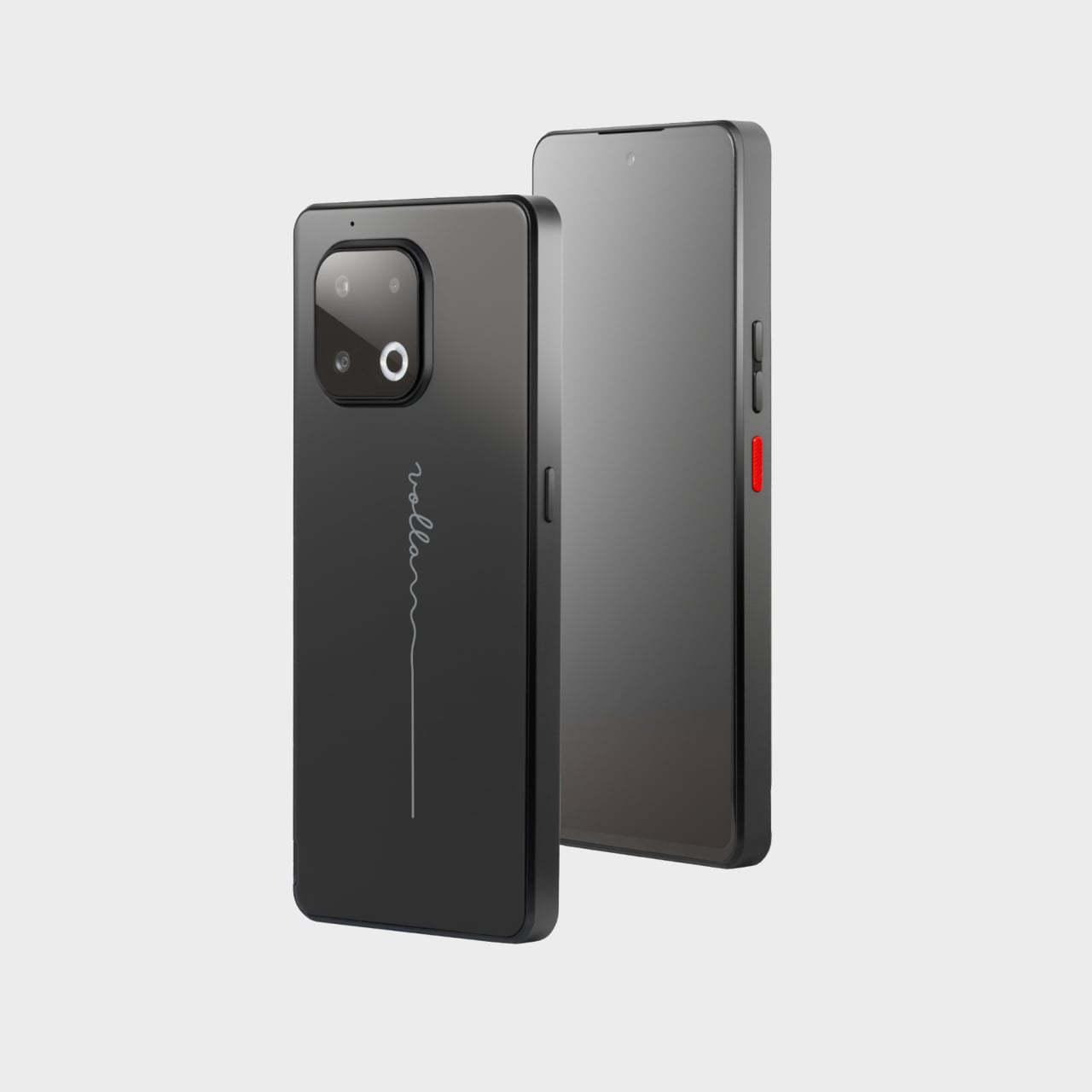
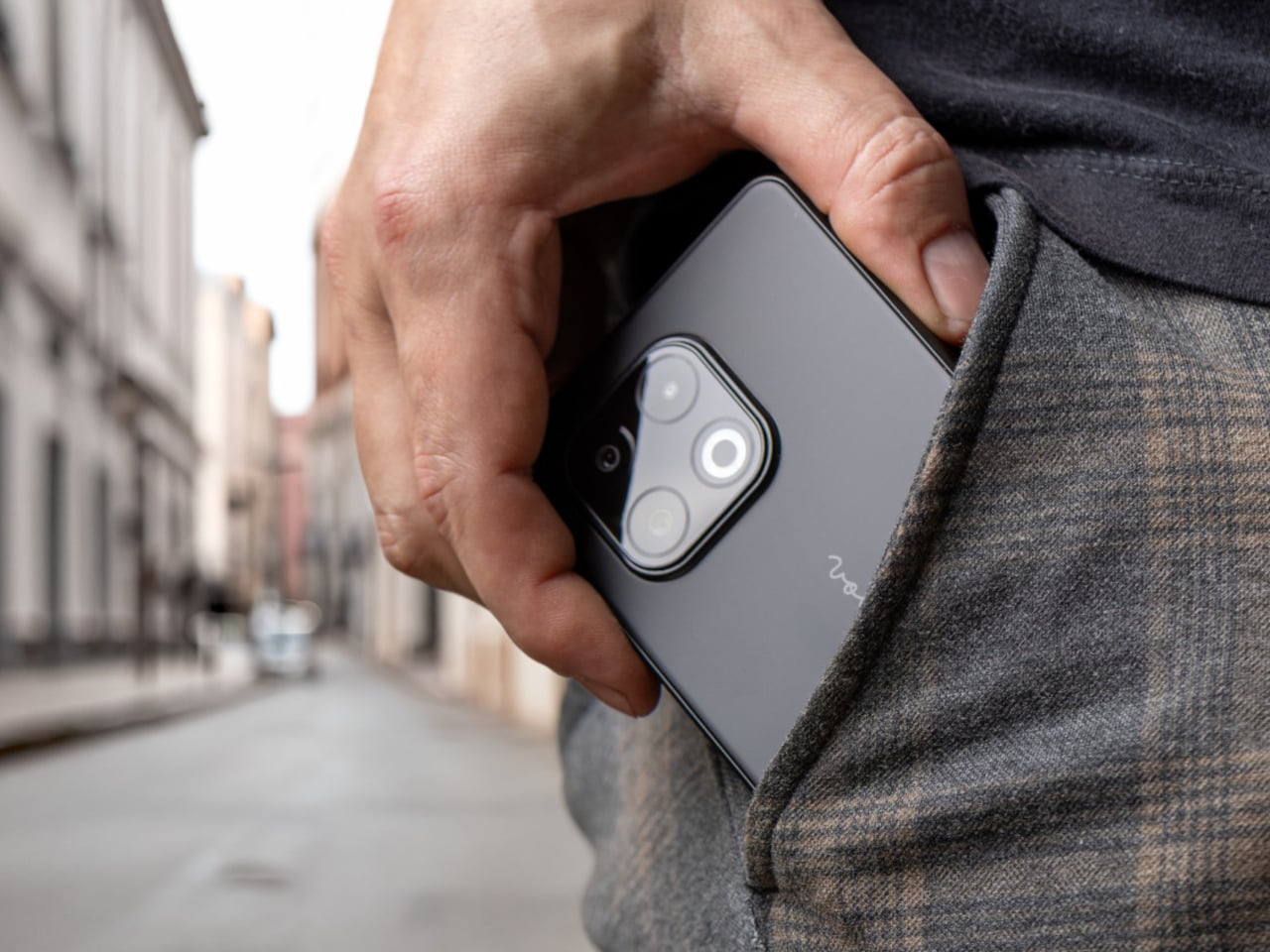
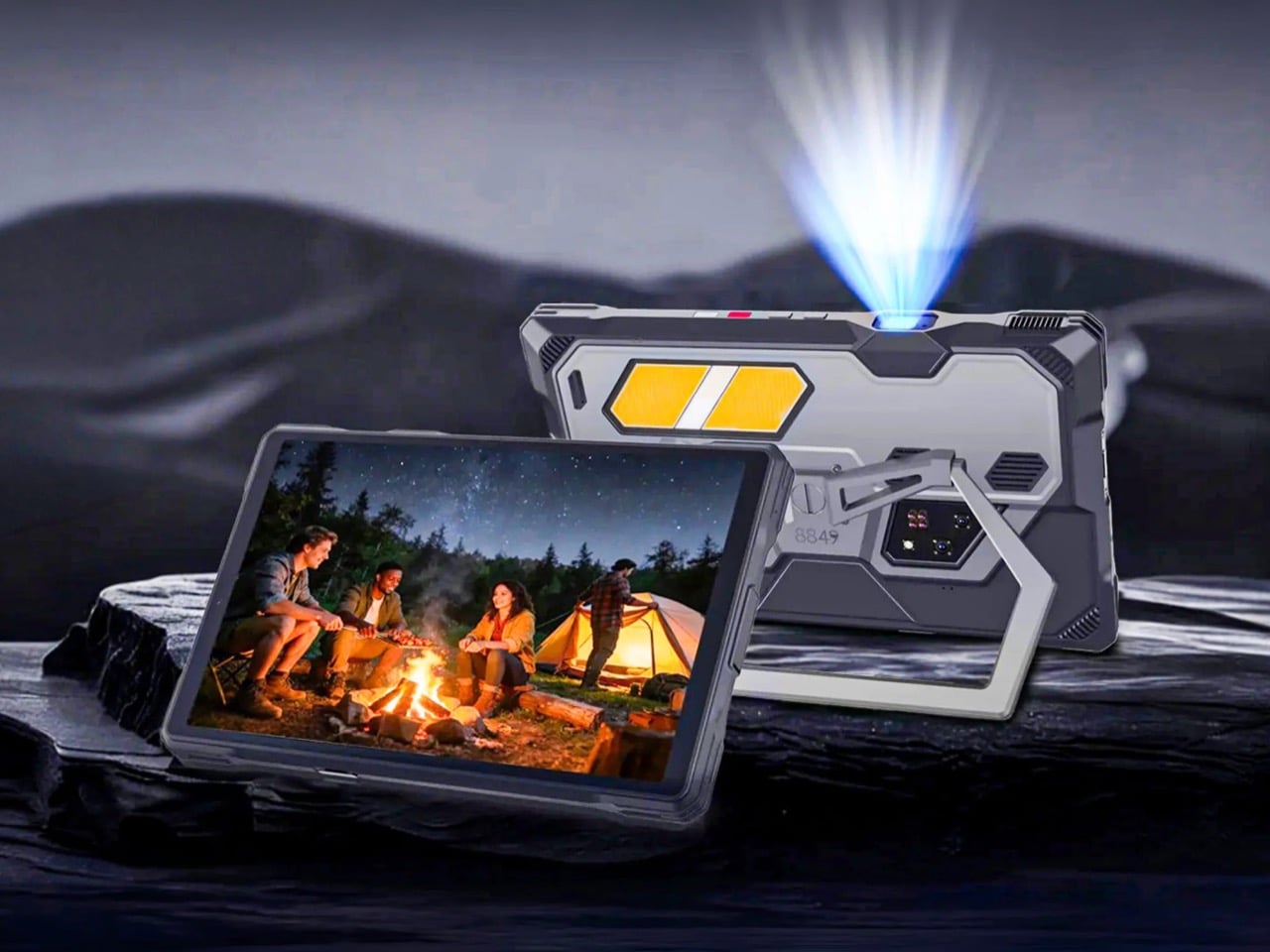
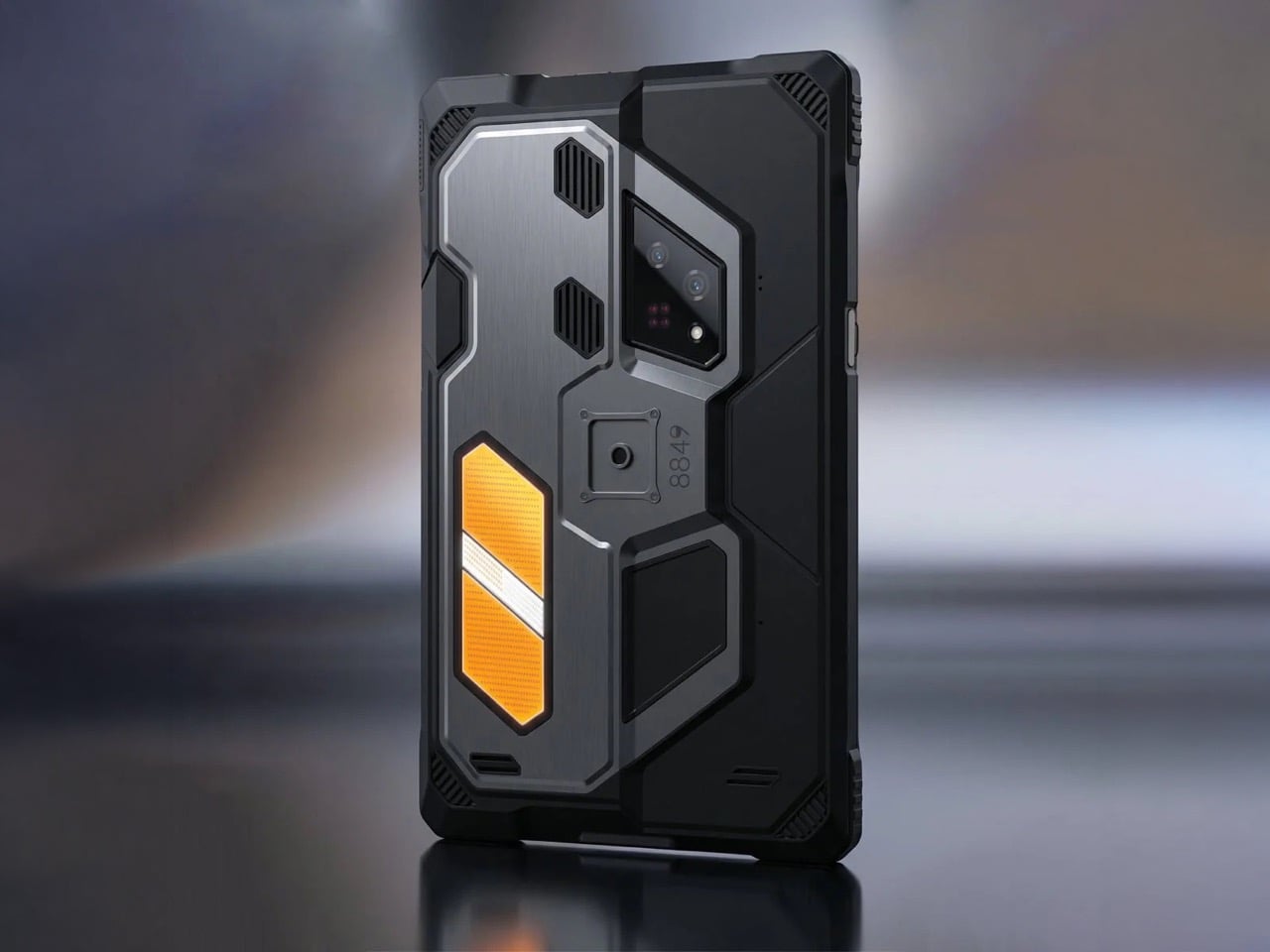
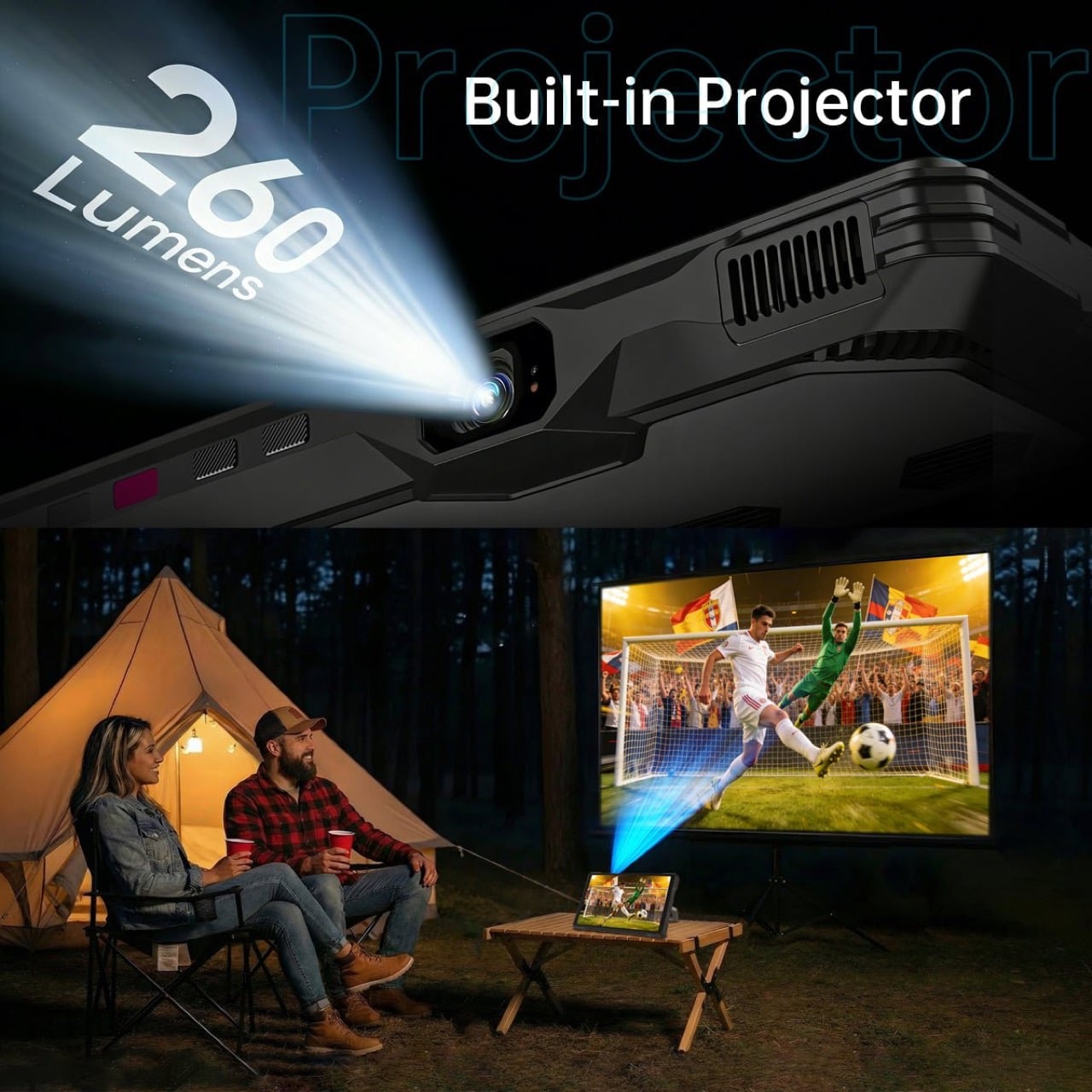
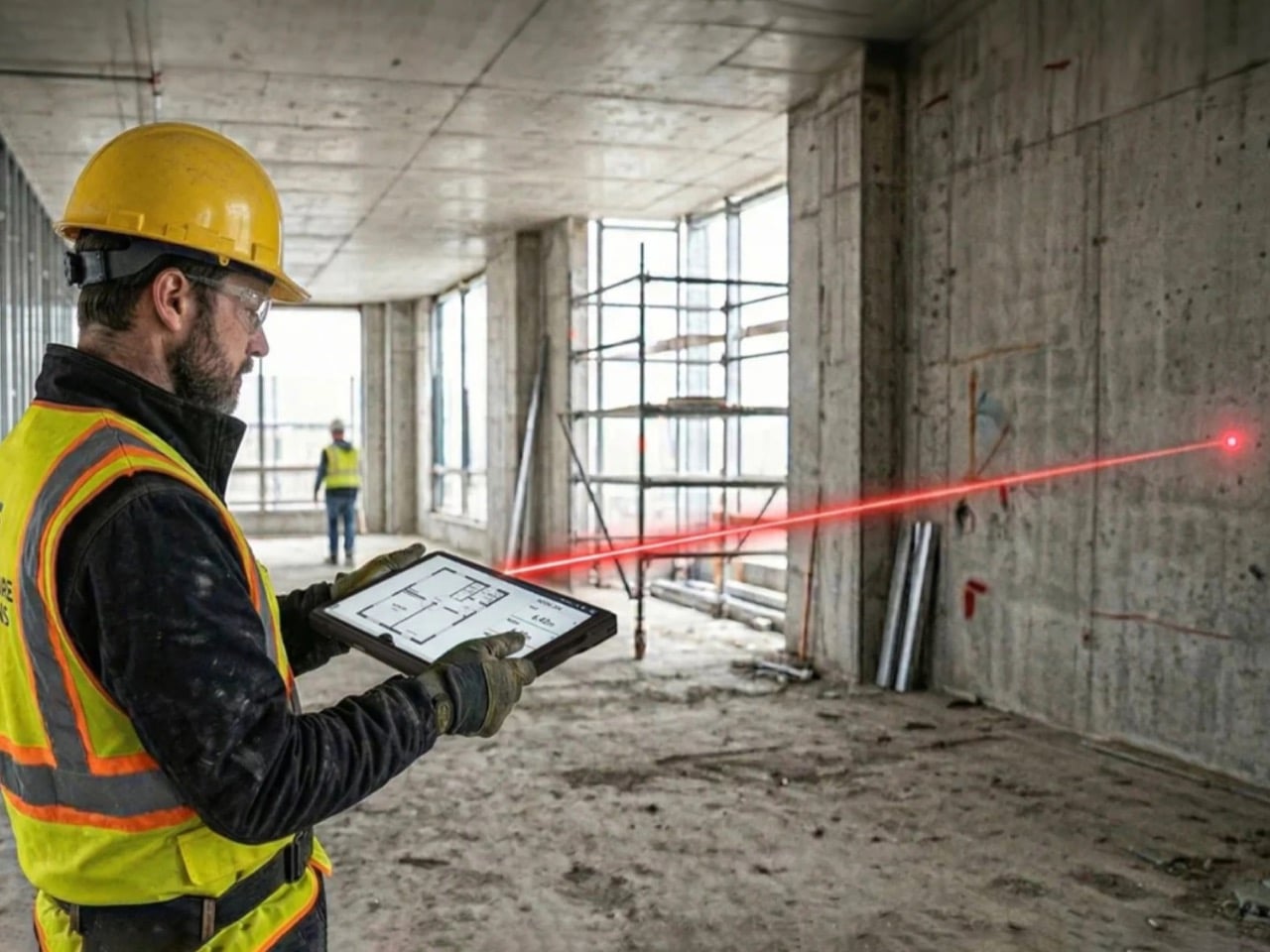
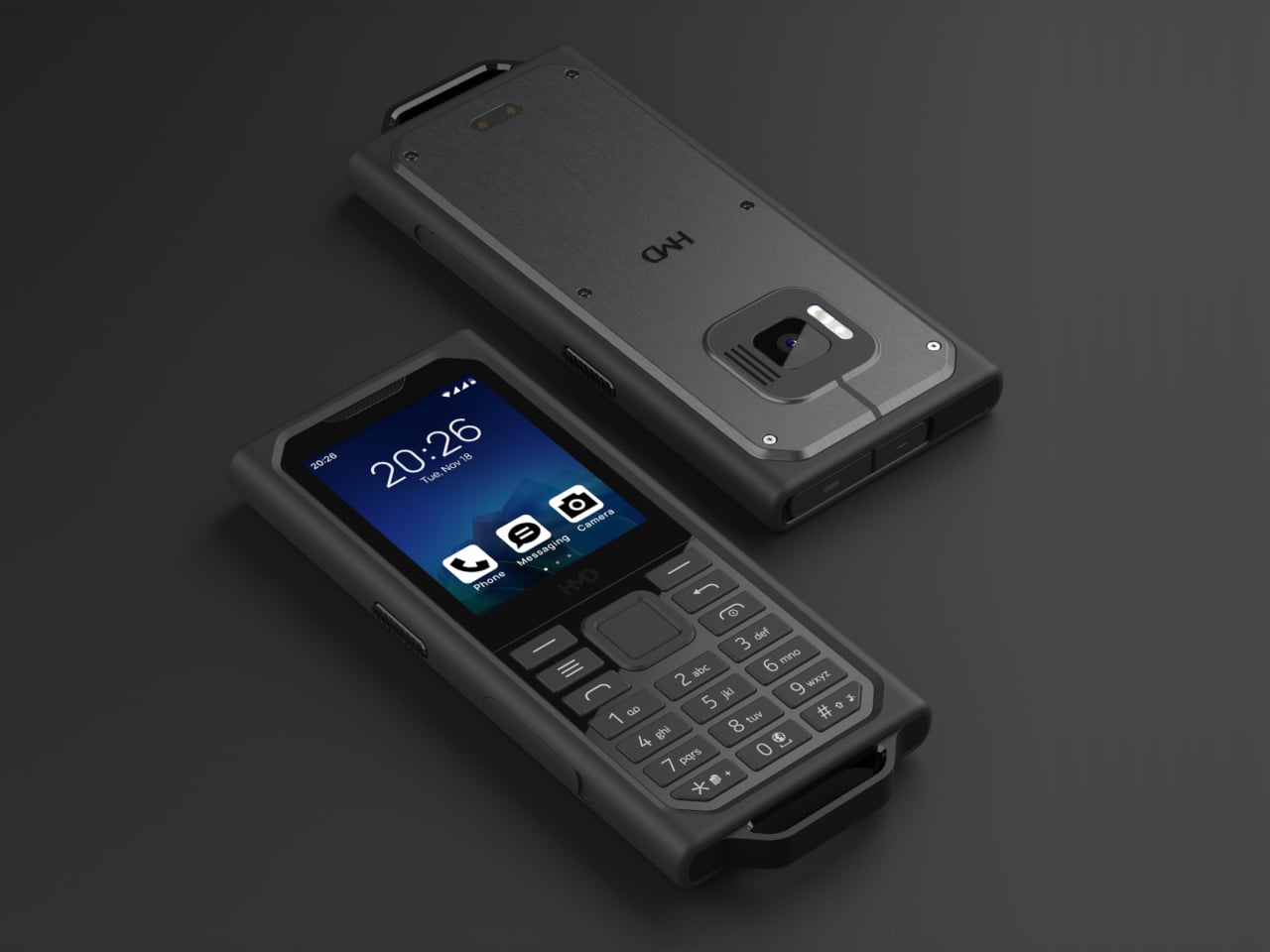
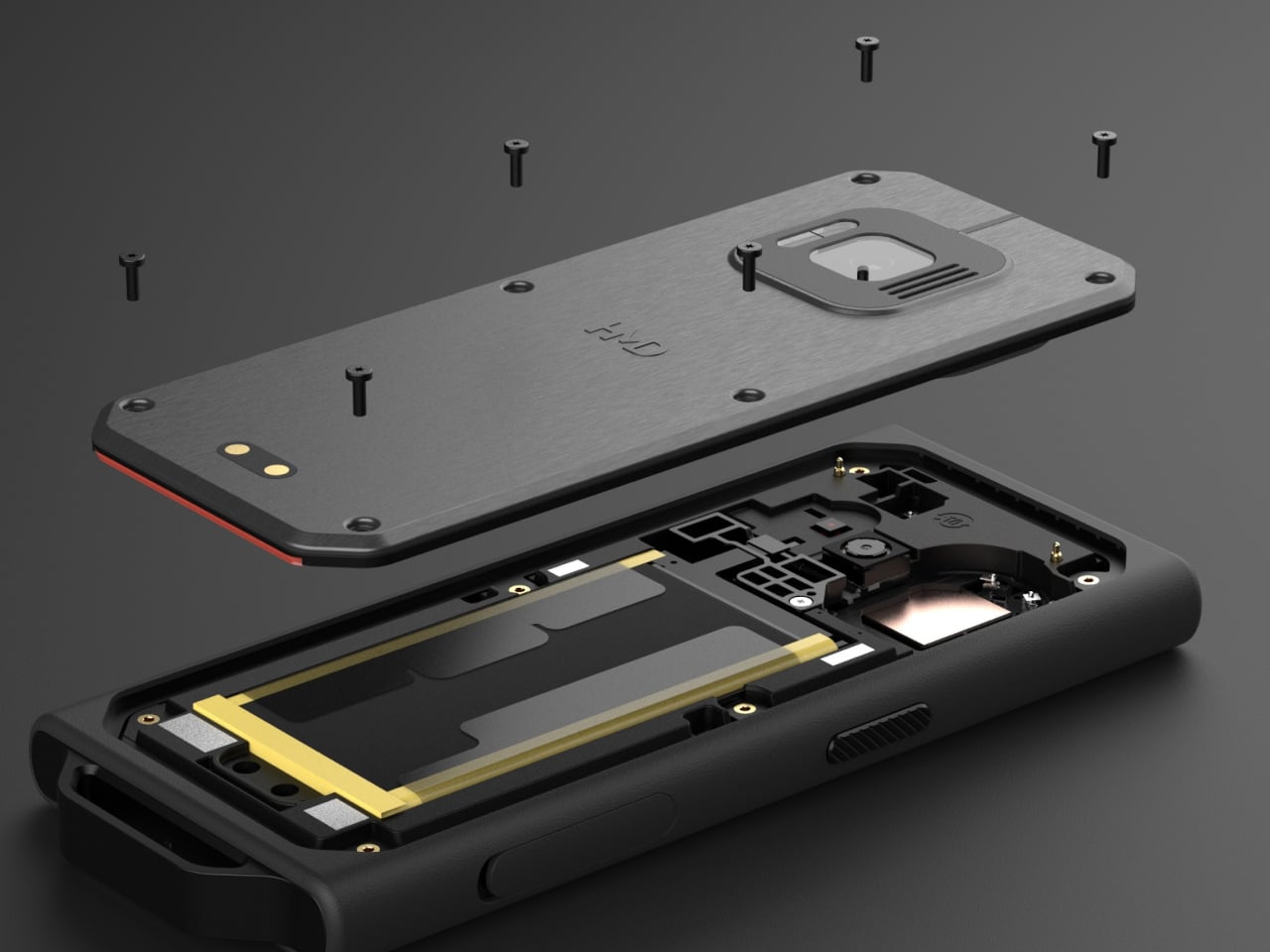
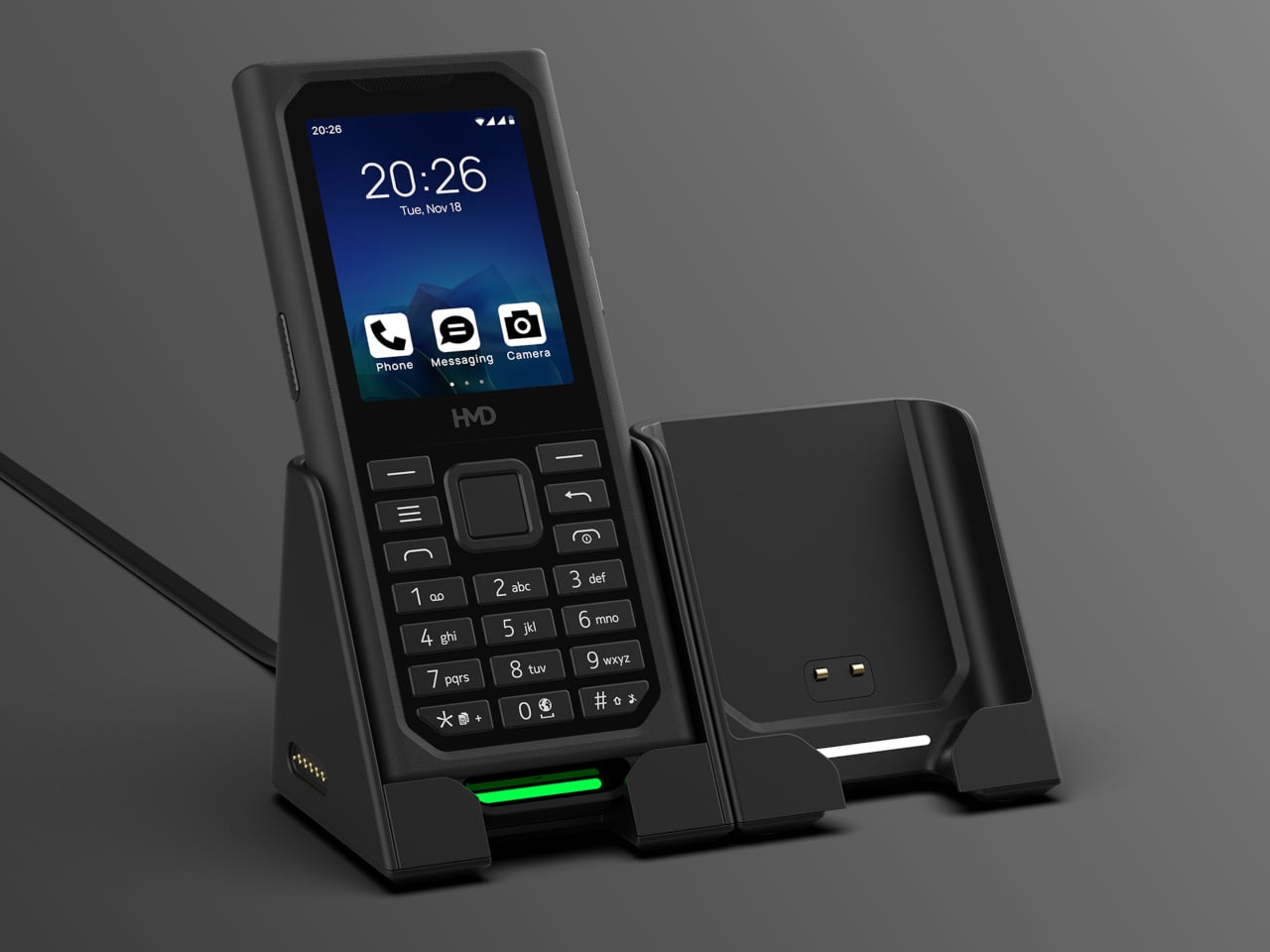
Action cameras are great until you realize you’ve left yours at home. Phones are always with you, but most of them are too big, too fragile, or too awkward to mount anywhere useful. The FOSSiBOT F116 Pro is a compact, rugged phone that tries to solve both problems at once, and the approach is specific enough to be interesting.

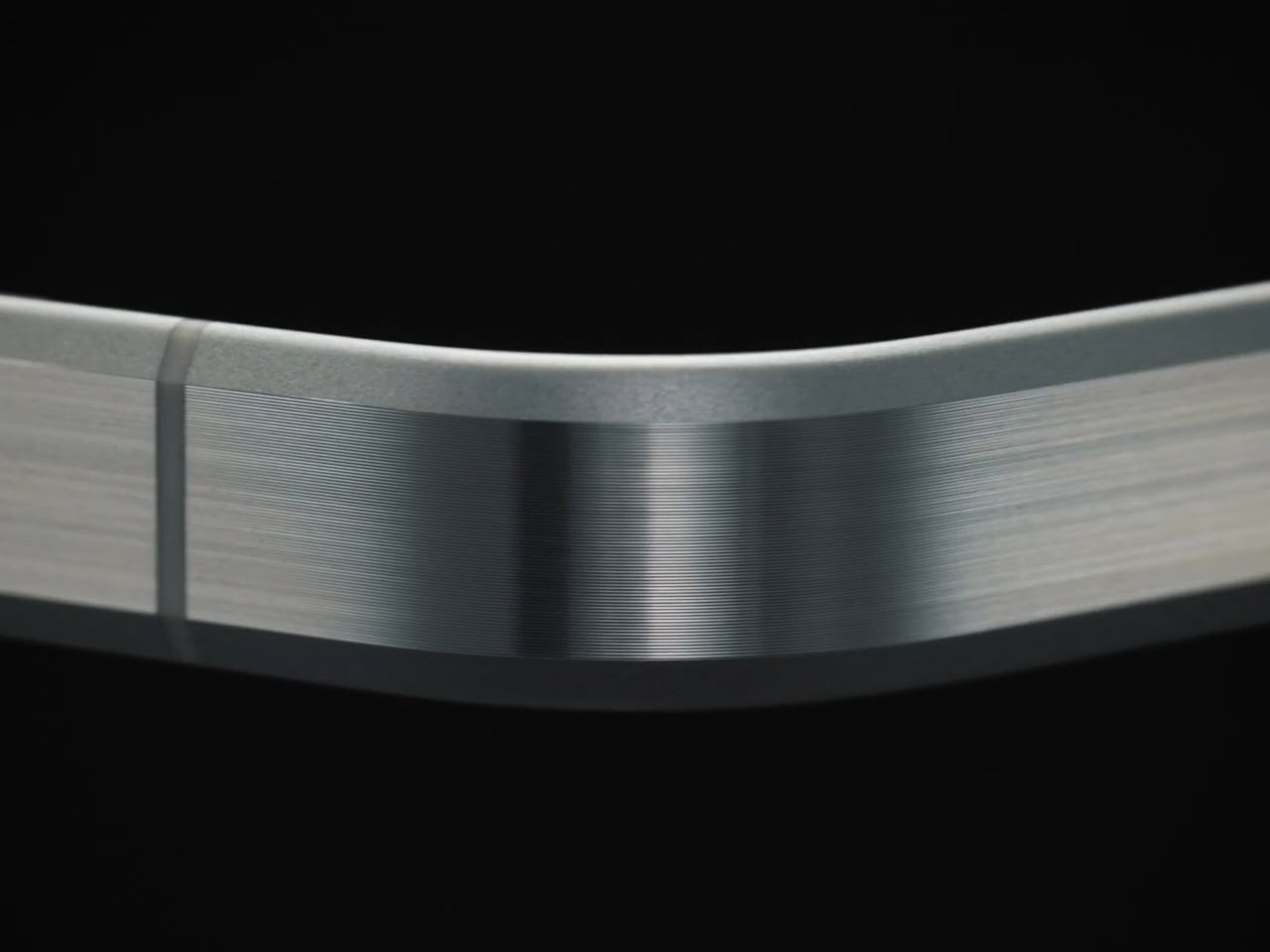
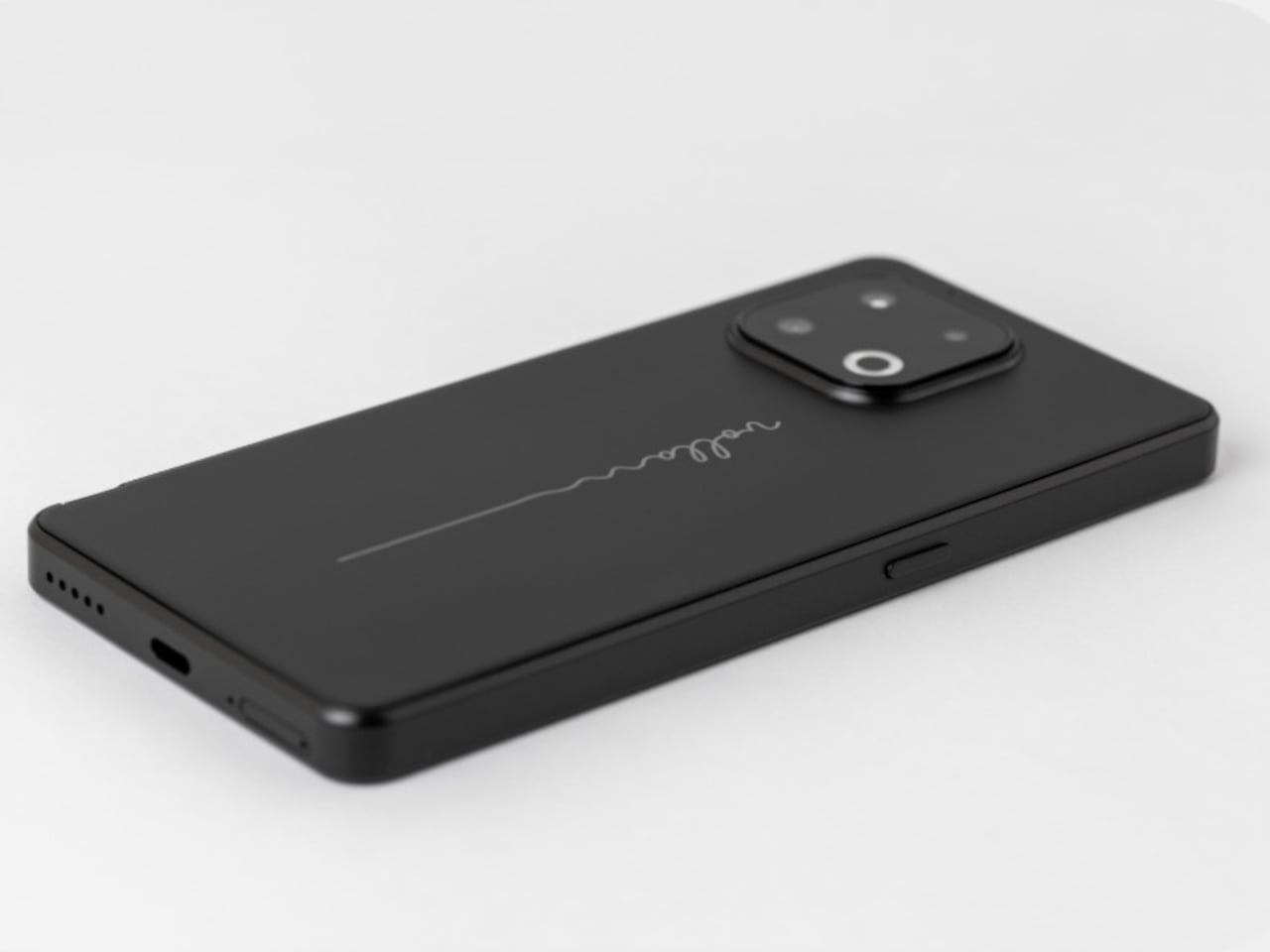
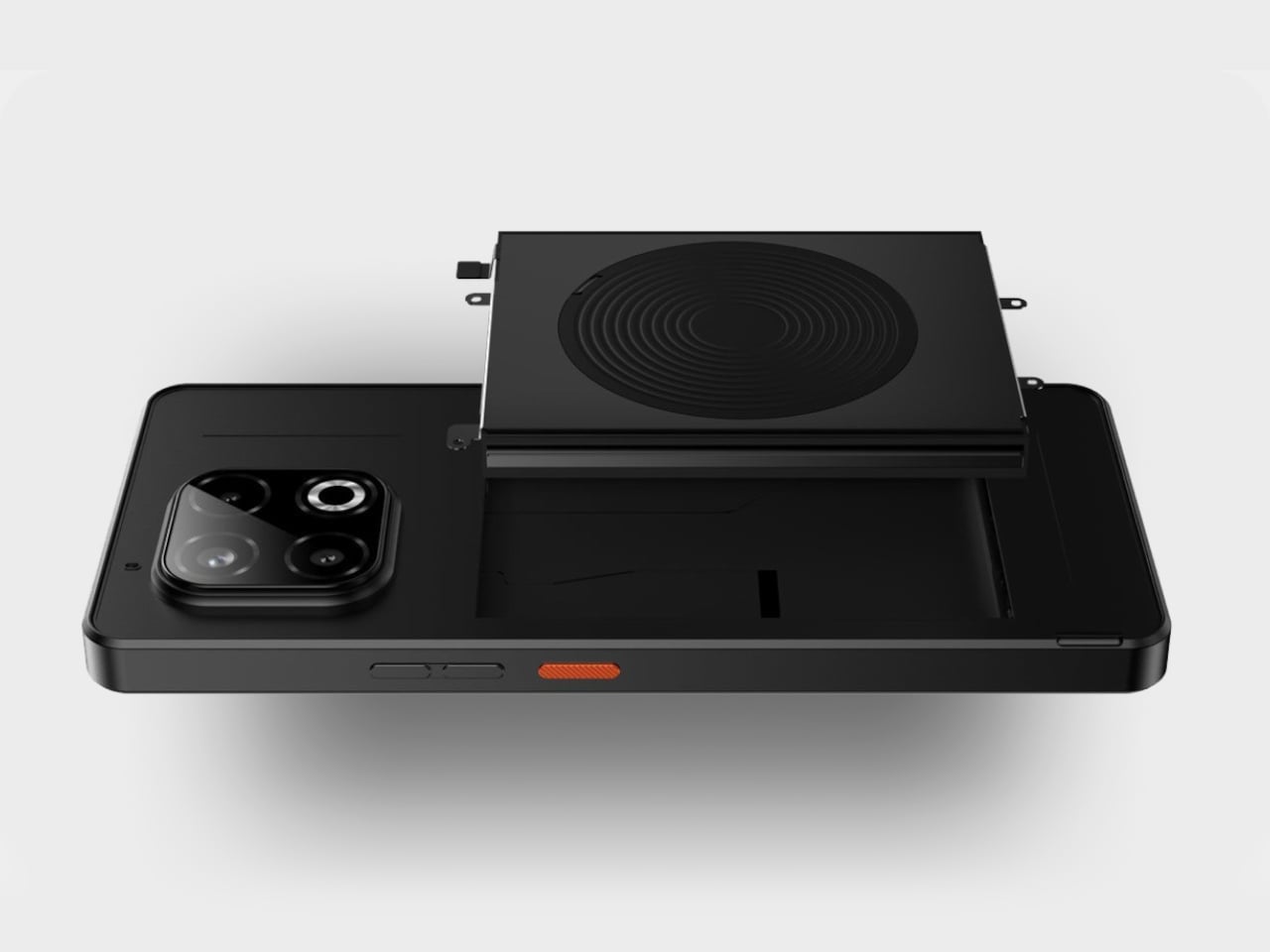
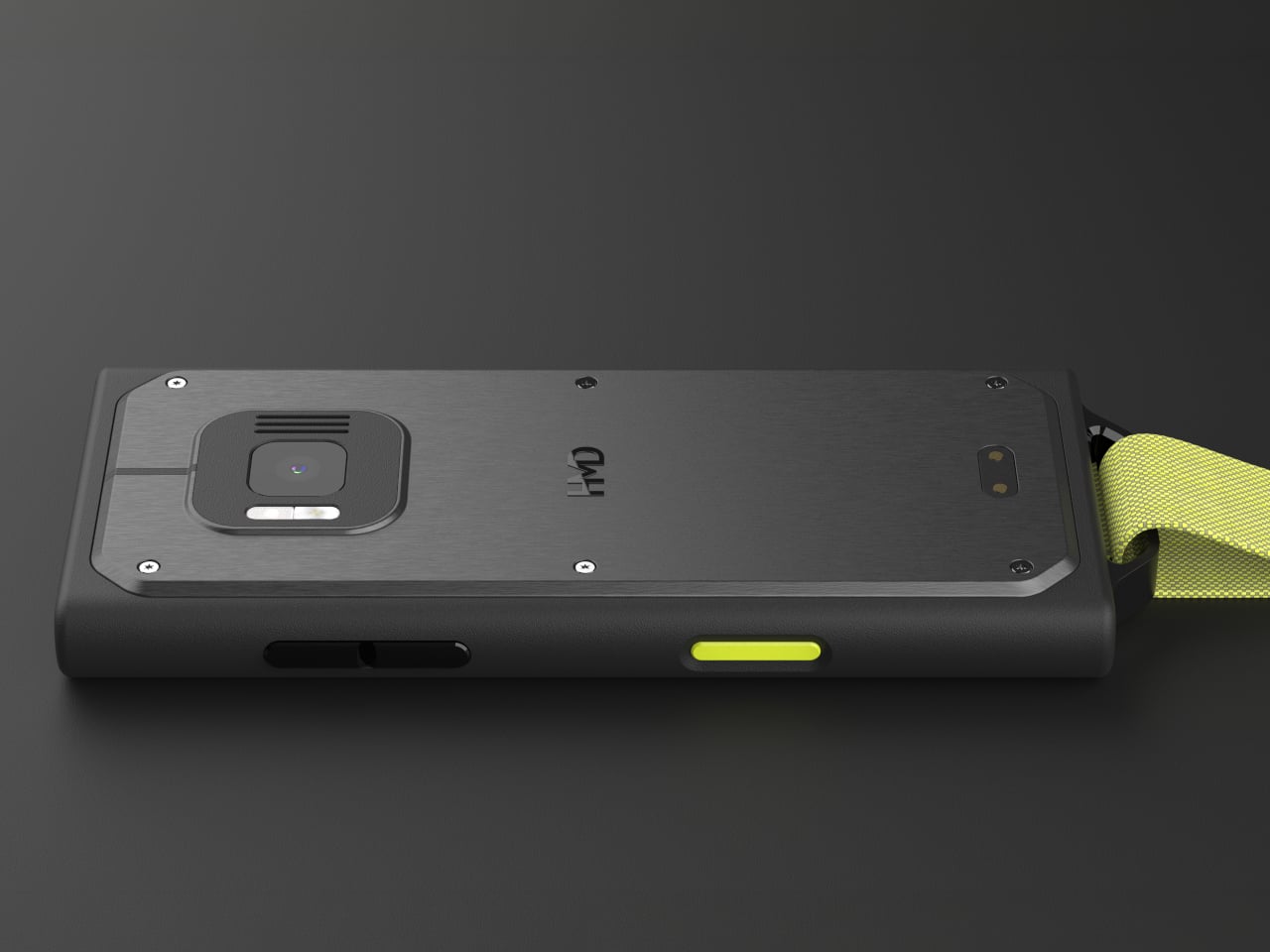
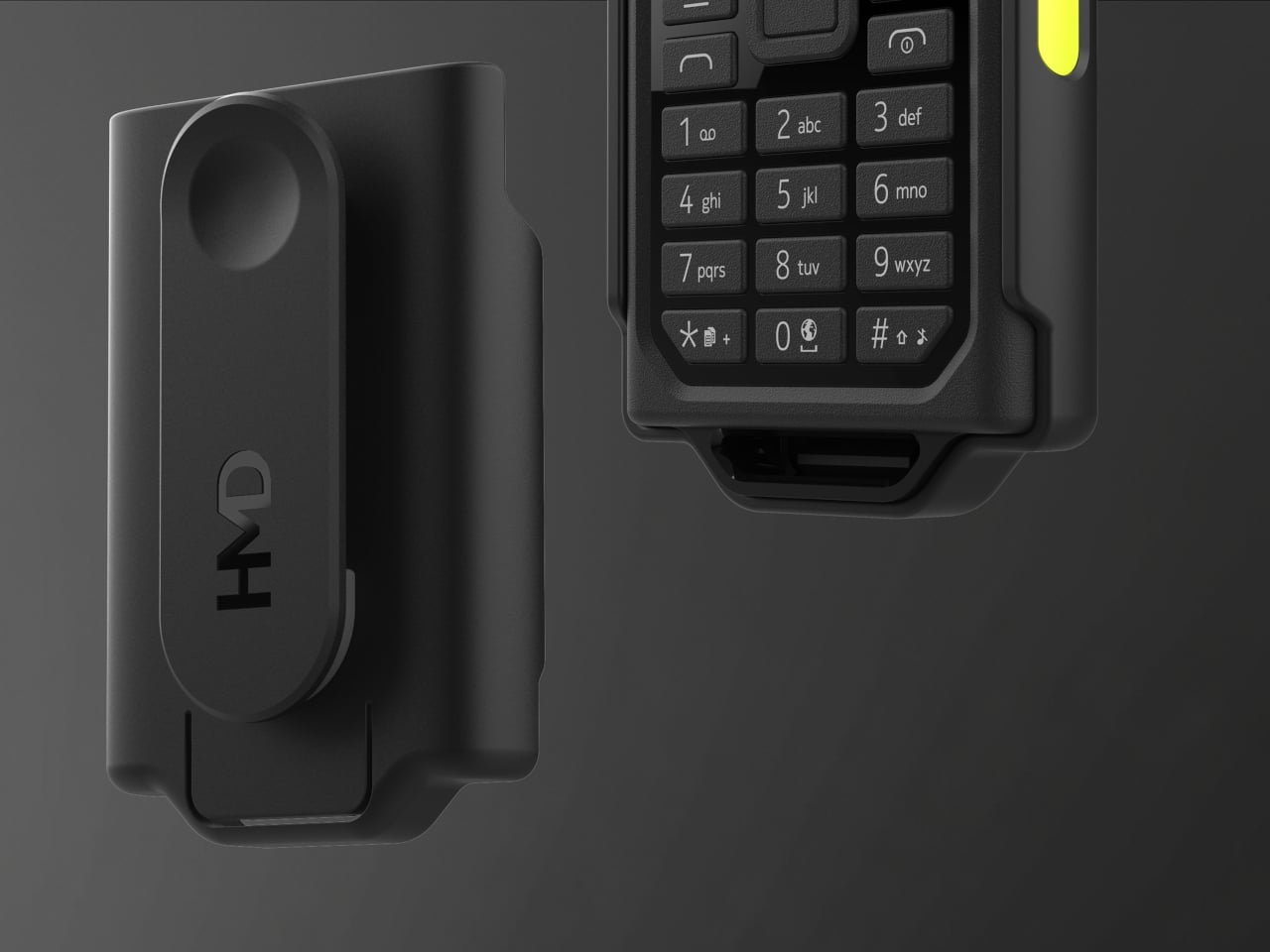
The F116 Pro is built around a 4.05-inch display and has a standard 1/4-inch screw socket at the bottom, the same thread you’d find on a tripod or a GoPro accessory. That means it works with the same ecosystem of mounts that action cameras already use: chest straps, suction cups, handheld grips, and neck mounts. The phone goes where the camera goes, instead of staying in your pocket while you film.

Designer: FOSSiBOT

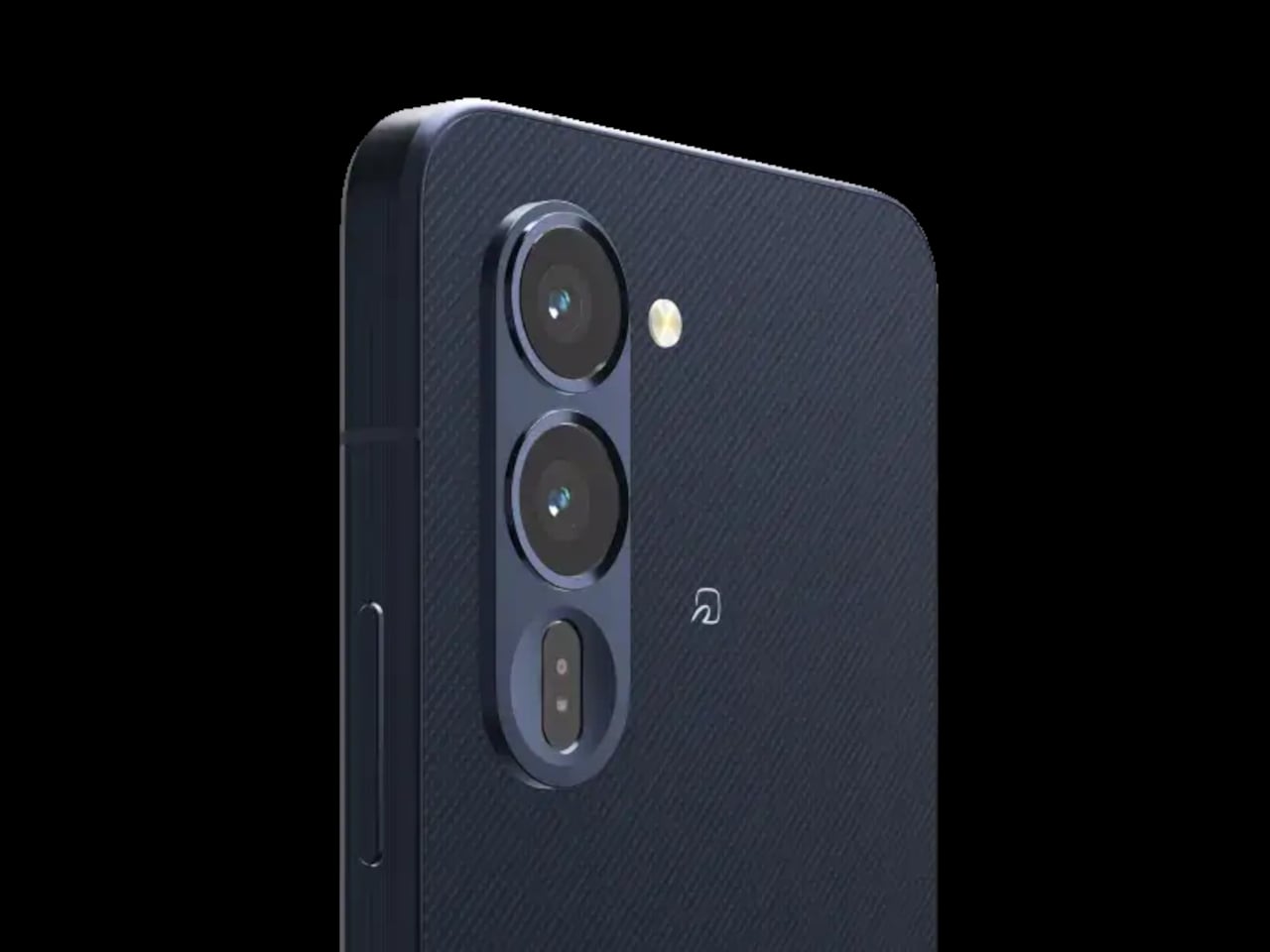
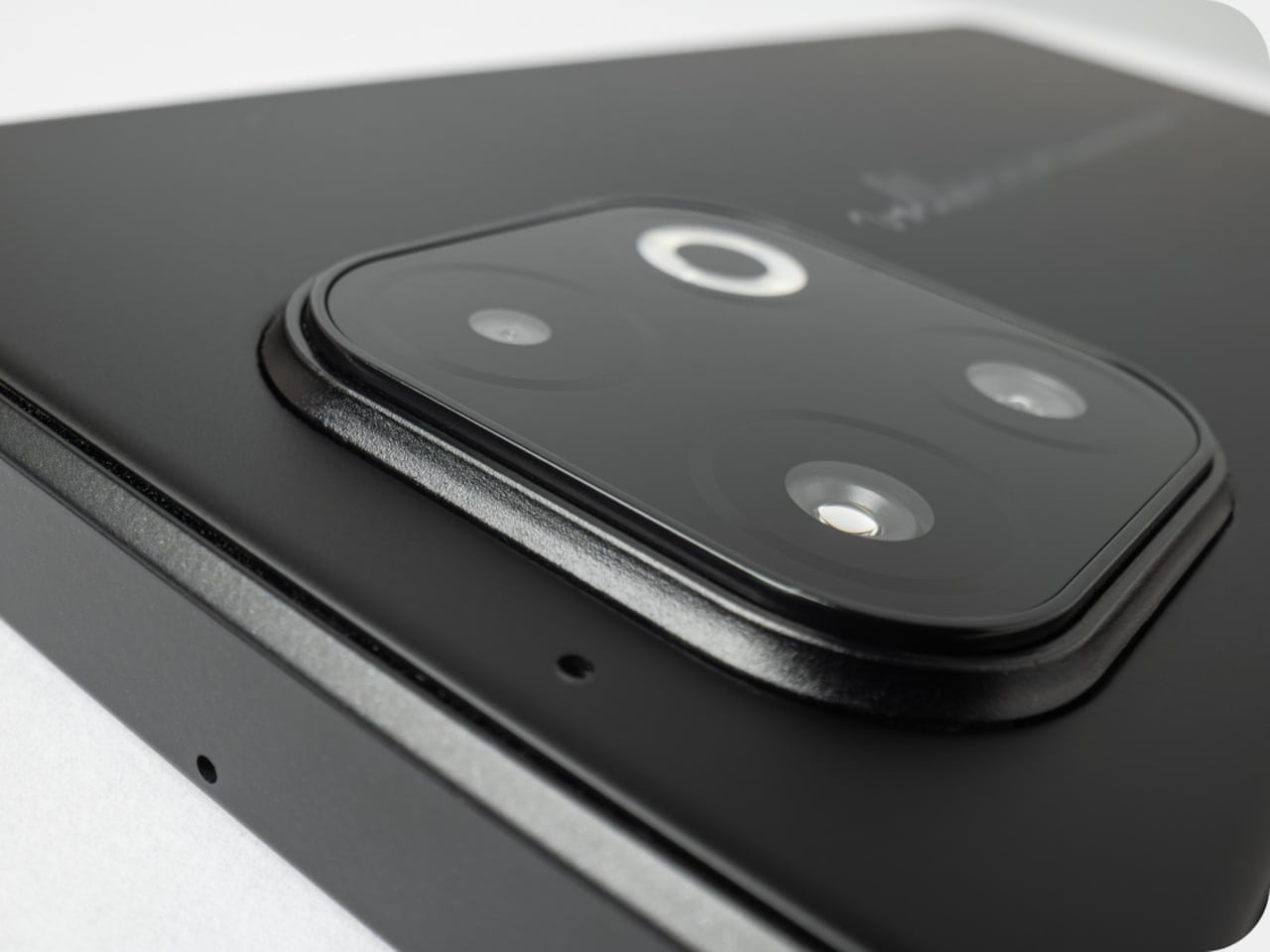
The camera is a 48 MP wide-angle unit with a 152.6-degree field of view, which is genuinely wide. Most smartphone ultrawide lenses sit somewhere between 70 and 90 degrees for comparison. Built-in stabilization smooths out footage on bumpy terrain, and a dedicated physical camera button on the body launches the camera instantly without unlocking the phone first, which matters more than it sounds when you’re actually moving.

Inside, the phone runs on a MediaTek Dimensity 7300 chipset built on a 4nm process, paired with 12GB of RAM and 256GB of storage, expandable up to 1TB with a now-rare microSD card slot. The display refreshes at 120Hz, 5G connectivity means footage can leave the device without hunting for Wi-Fi, and a 3,700 mAh battery with 33W charging keeps things moving. Modest numbers, but proportionate to a 4-inch screen and mid-range specs.

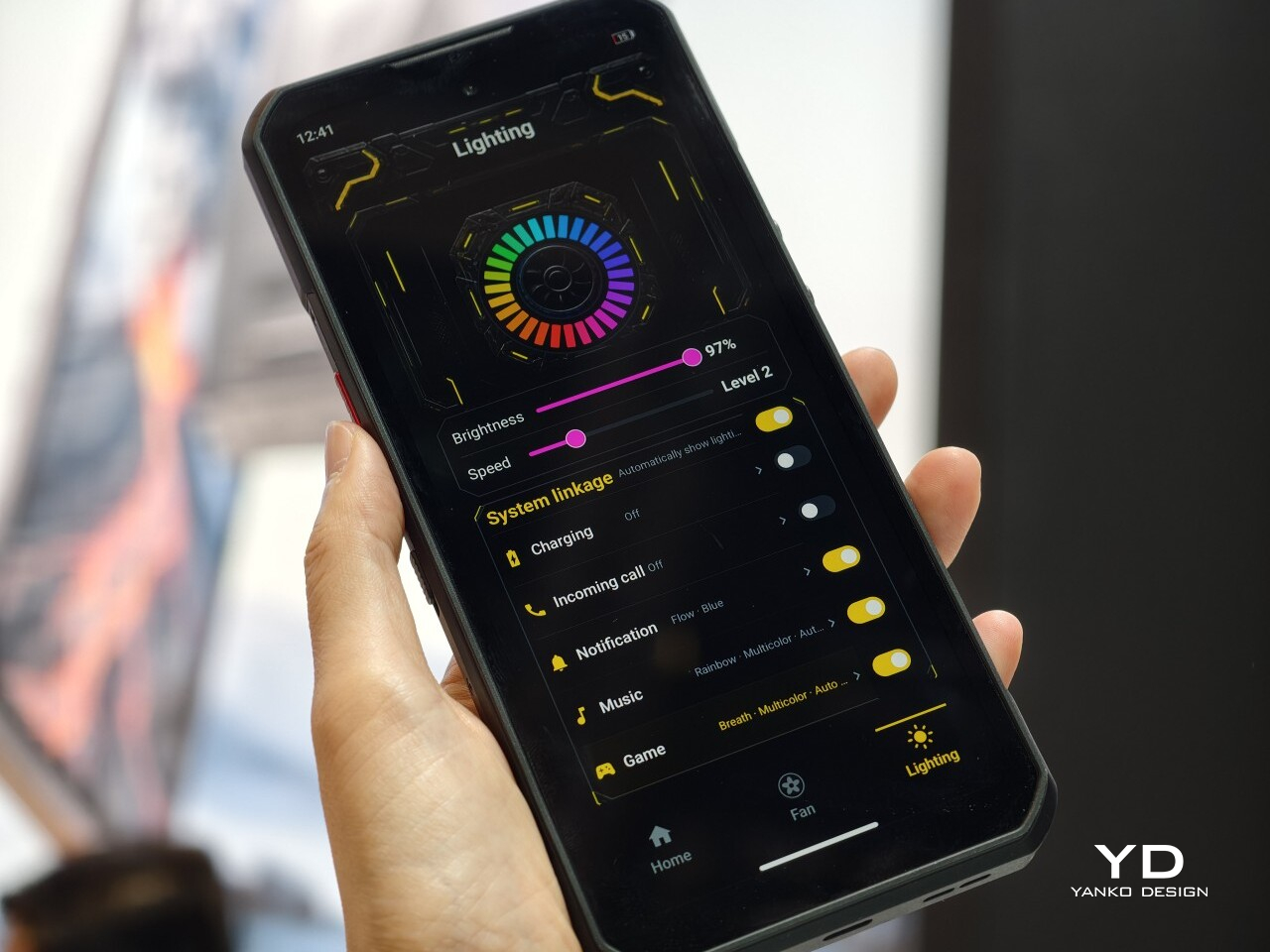
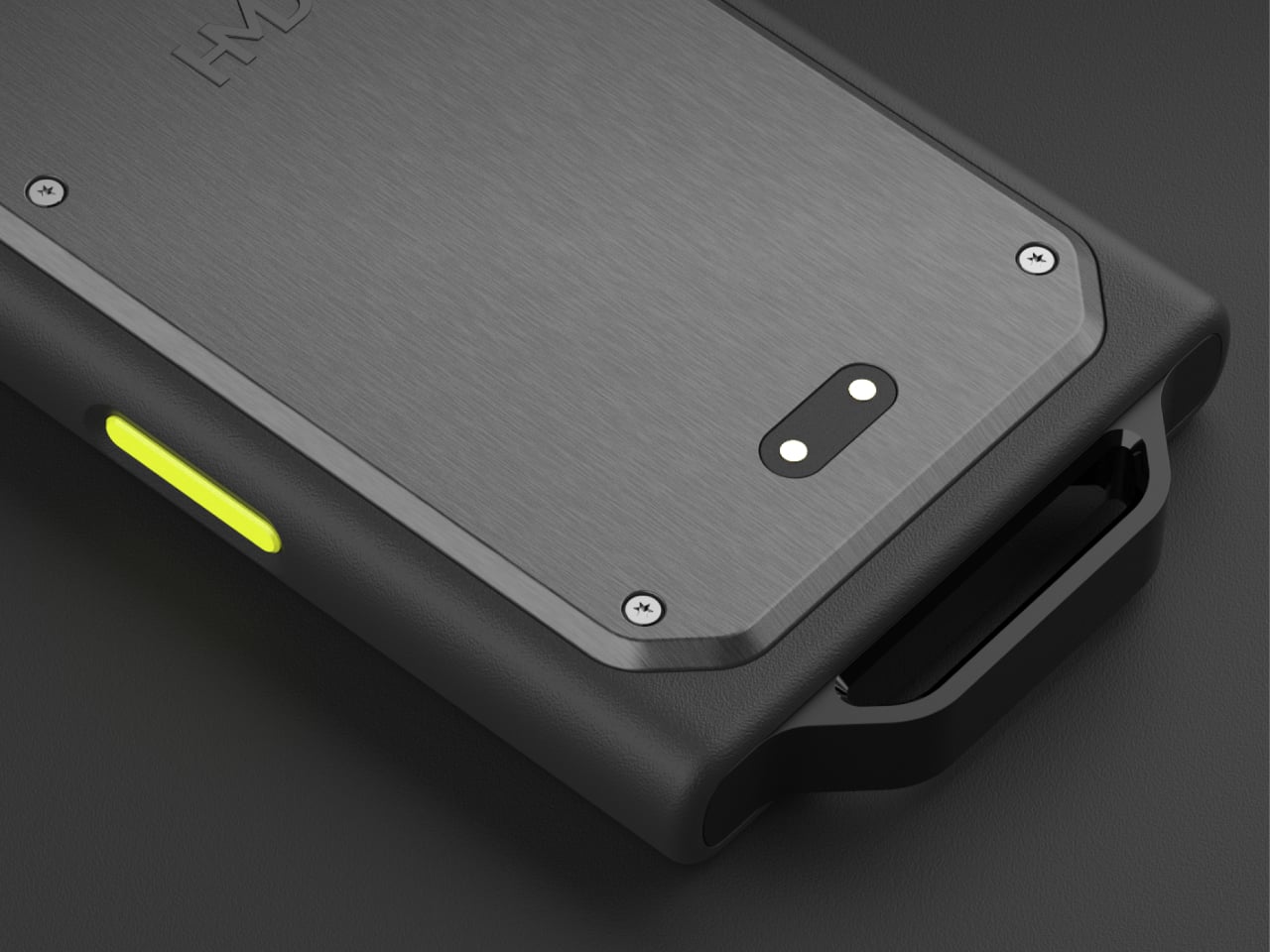
There’s also a rear circular LED that FOSSiBOT calls a “Light Signal Tower,” which cycles through colors and can be set to show notifications. It reads as a feature designed more for personality than practicality, but on a device this small, glancing at the back for alerts without waking the screen has some logic to it.

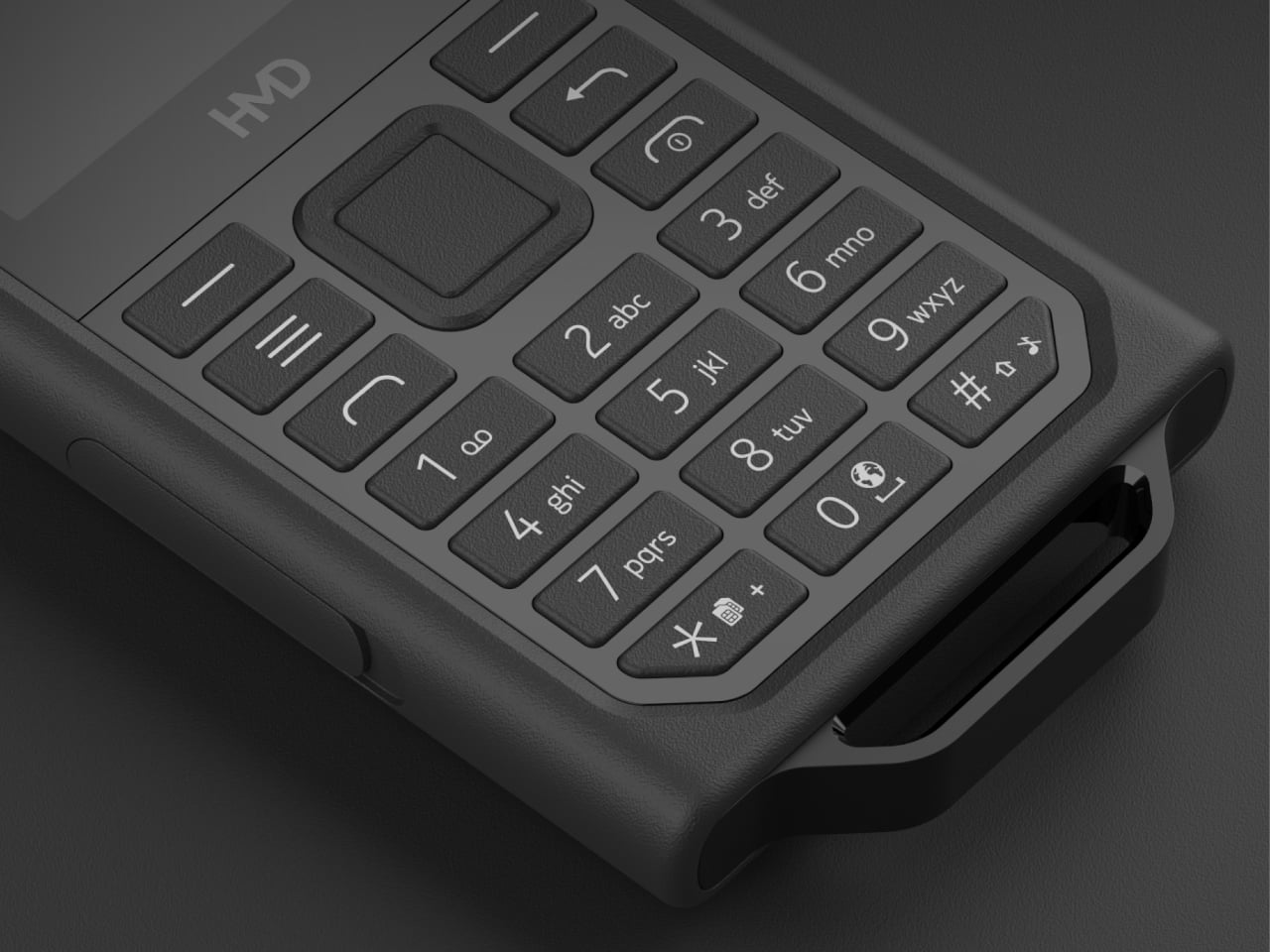
The compact body is the most interesting design choice here, and also the one that will define the experience. At 4.05 inches, the screen is smaller than almost anything else currently on the market. That’s a genuine advantage for one-handed operation and pocket carry, and a real limitation for anything that benefits from screen size: reading, navigation, video playback. The F116 Pro is betting its users want something small enough to forget they’re carrying it.

FOSSiBOT has been around since 2022 and claims more than 1.5 million users across its lineup. The F116 Pro showed up at CES earlier this year, and again at MWC 2026, which suggests the company is serious about getting it in front of people. The more honest question is whether a mountable, rugged, mini-format phone lands in a gap the market actually has, or one the market has already decided it doesn’t need.

The post This Tiny Rugged Phone Has a 152° Action Camera and GoPro Mounts first appeared on Yanko Design.

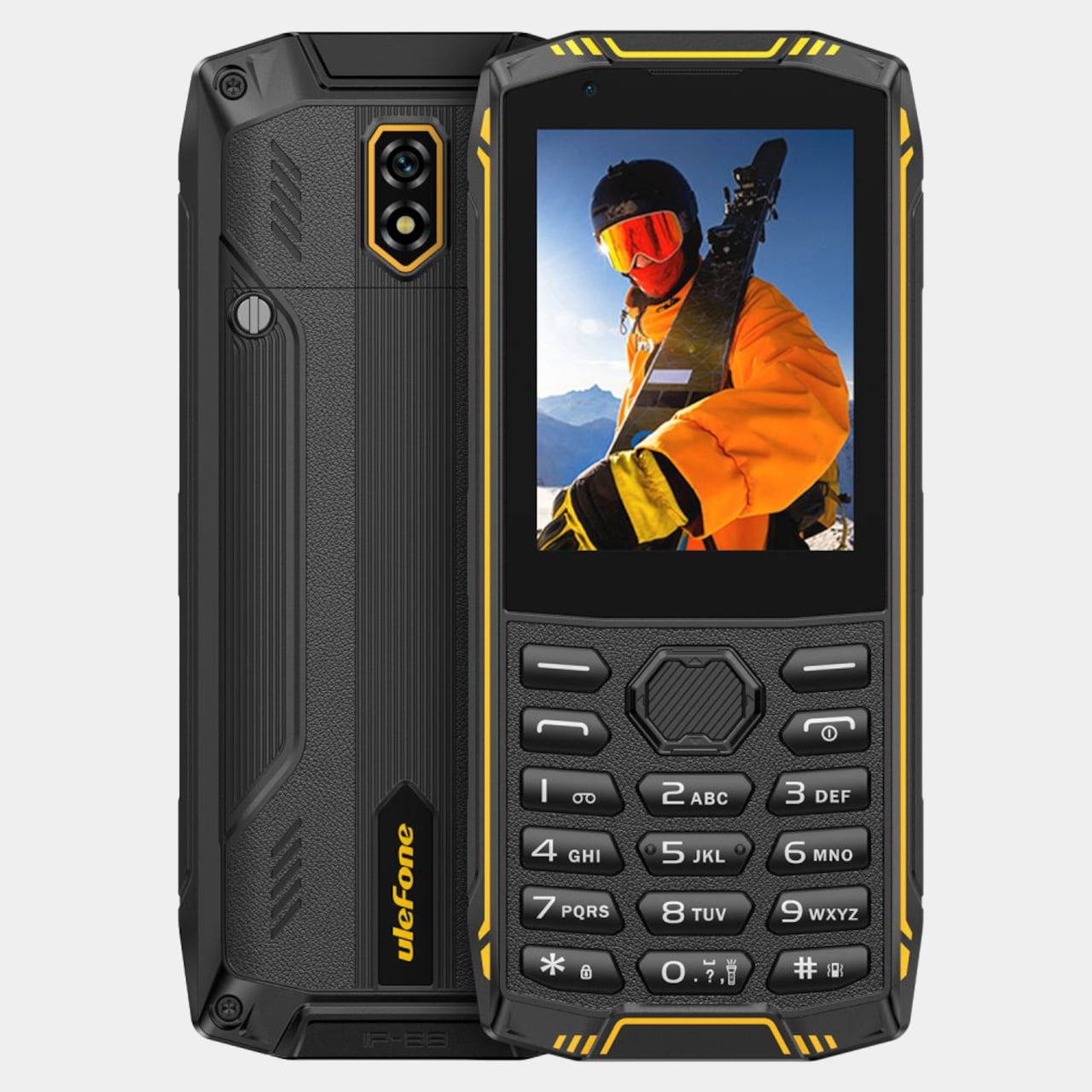
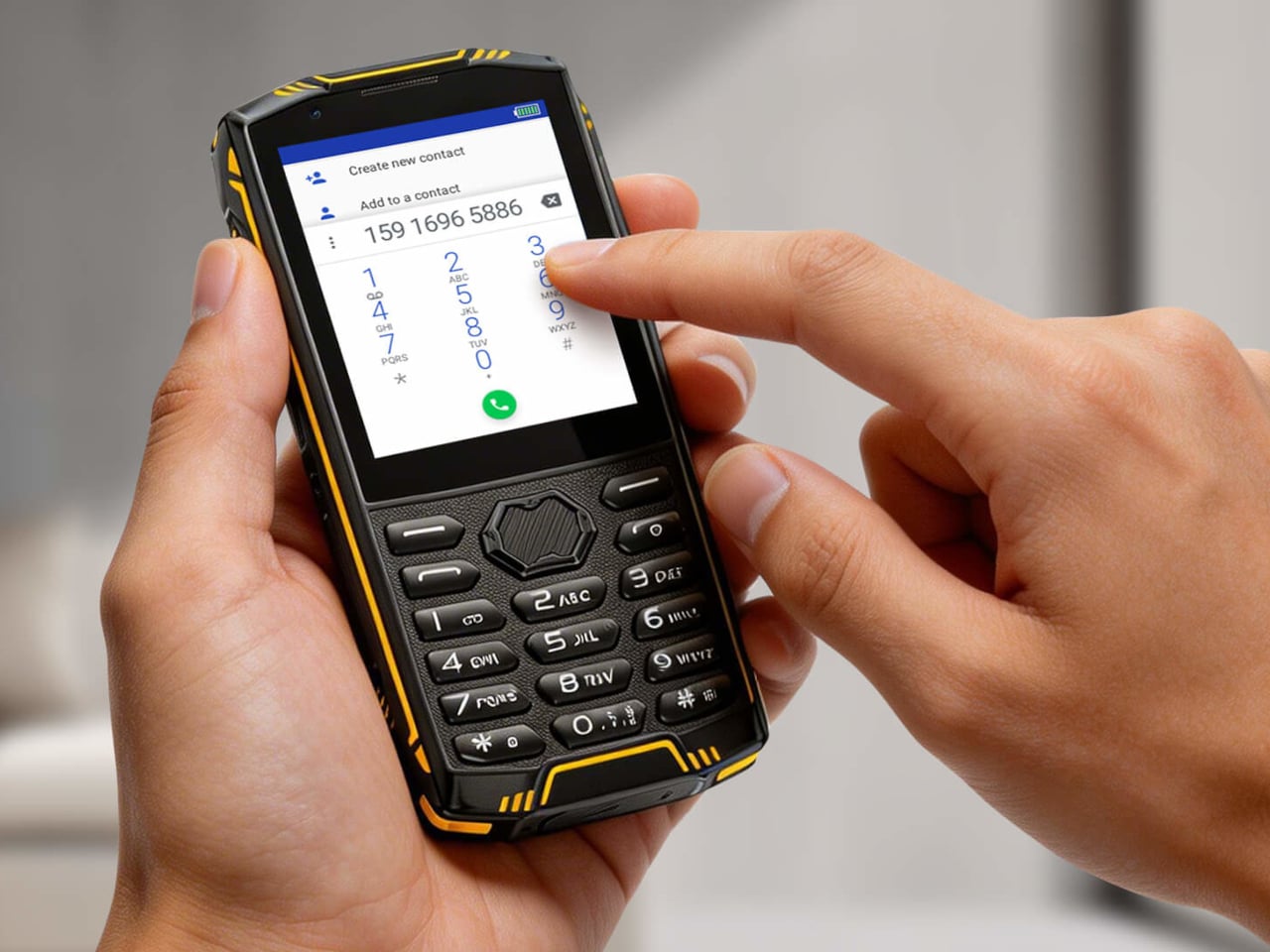
This Rugged Phone Ships With 2 Batteries You Can Hot-Swap

Dead battery anxiety is real, and for most people, the solution is either a power bank they forgot to charge or a desperate search for an outlet. Flagship phones have been getting faster at charging for years, but none of them have gone back to the one fix that actually solves the problem: a battery you can take out and replace with a fresh one, right there on the trail.

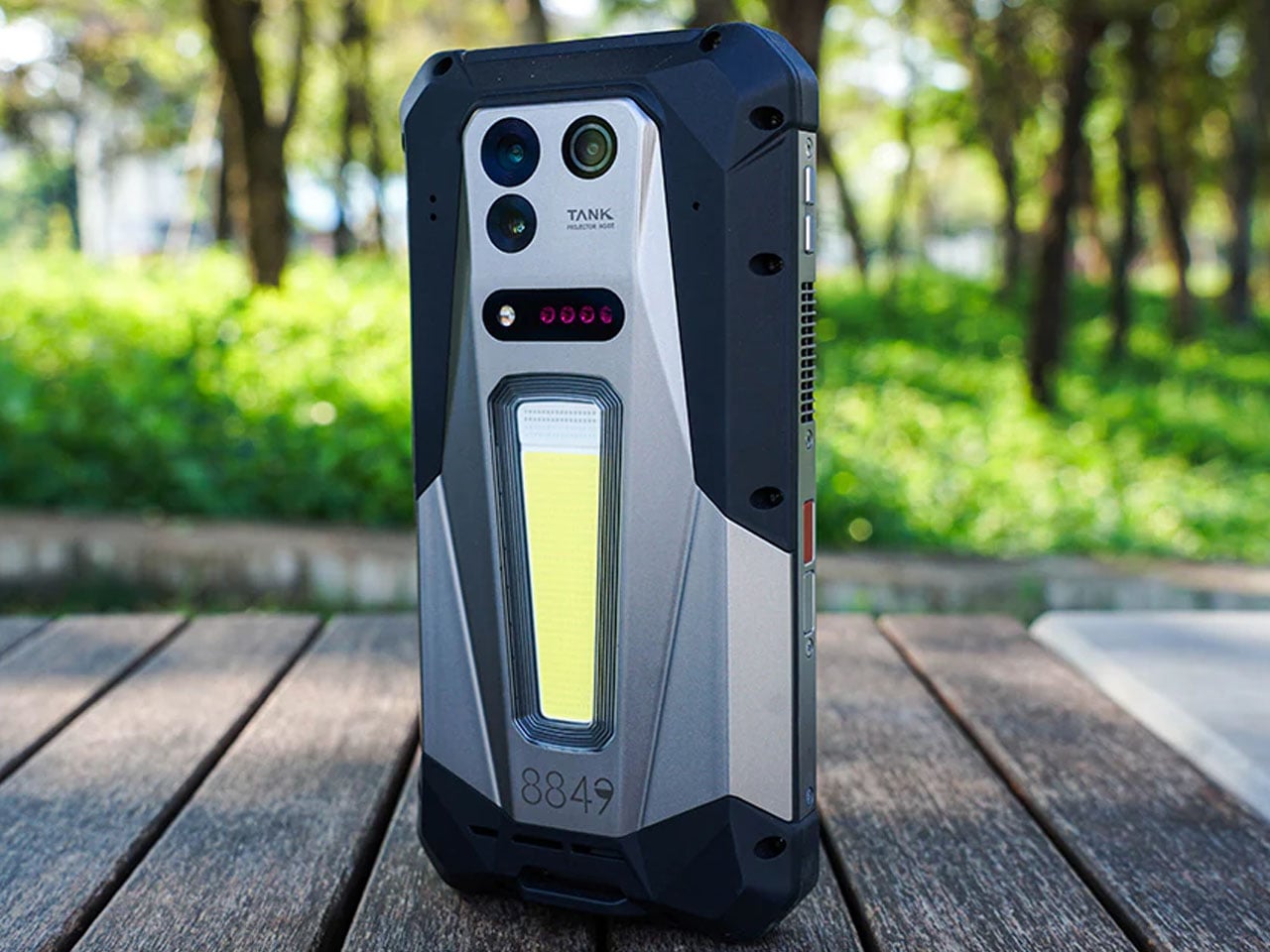
That is exactly what the RugOne Xever 7 does. It ships with two 5,550 mAh batteries and a built-in buffer cell that keeps the phone alive during the swap, so you never have to restart. The whole process takes under 180 seconds. There is no hunting for a socket, no waiting out a charging cycle, and no watching the percentage tick up while your plans sit on hold.

Designer: Ulefone

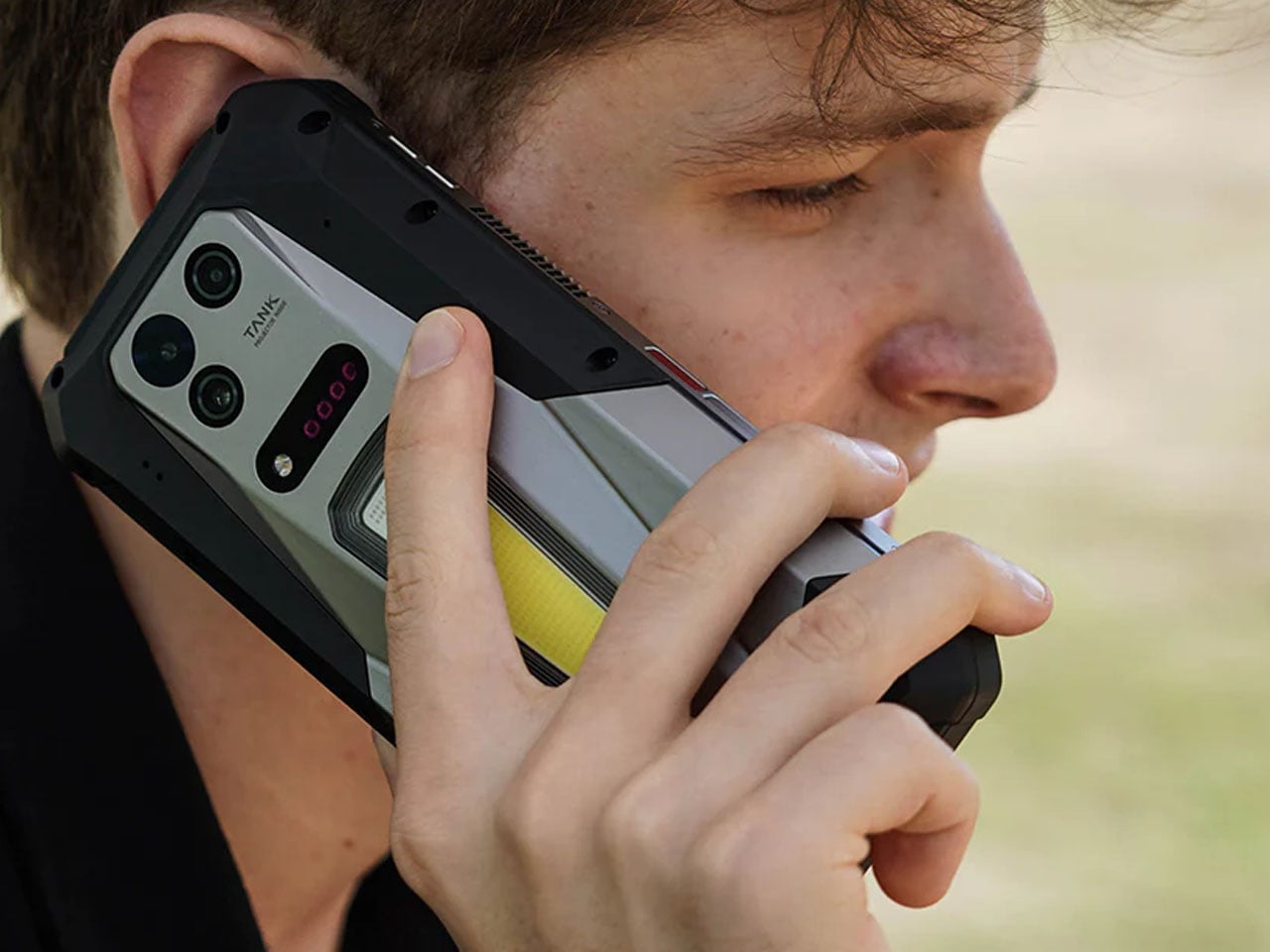
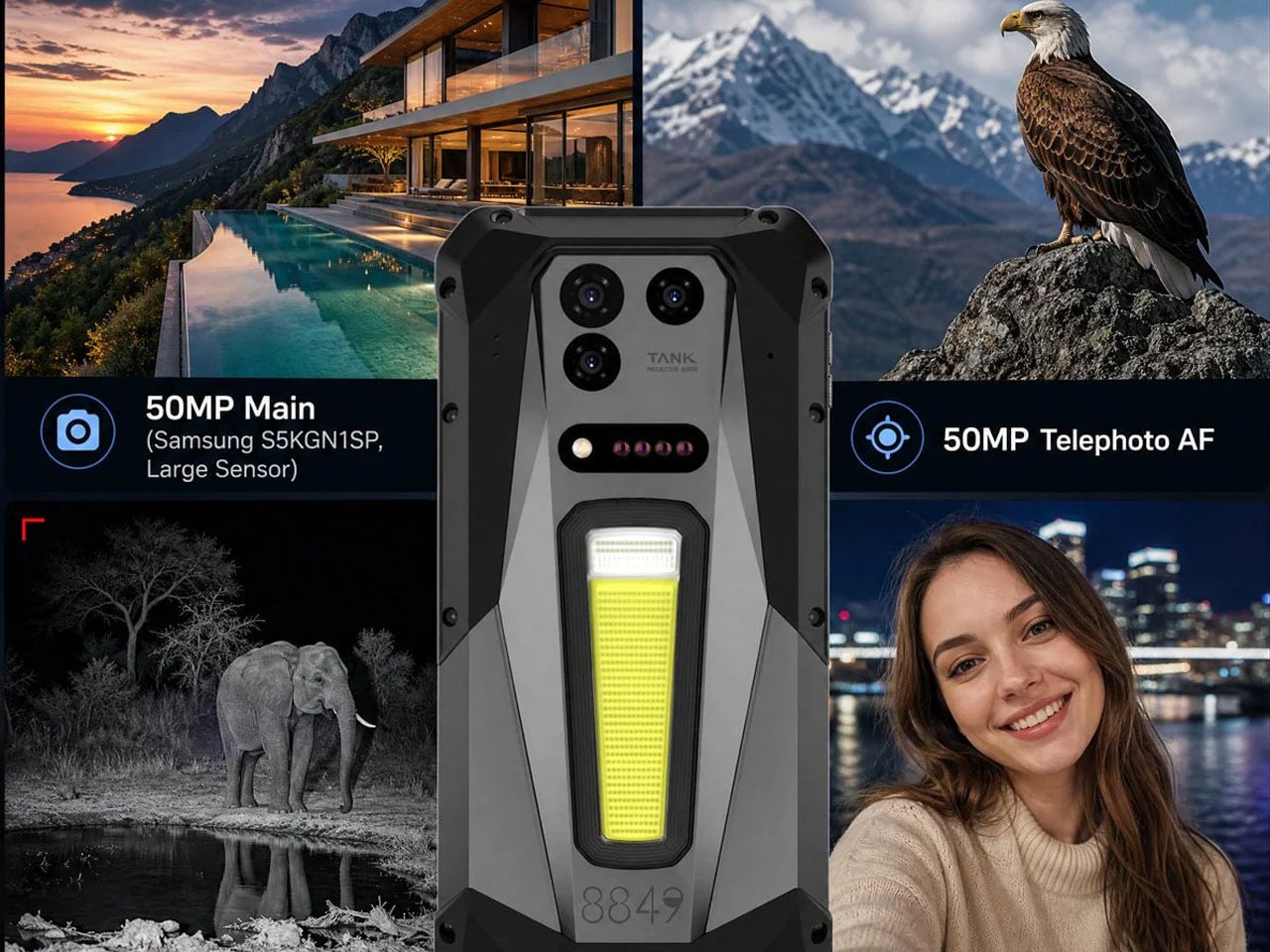
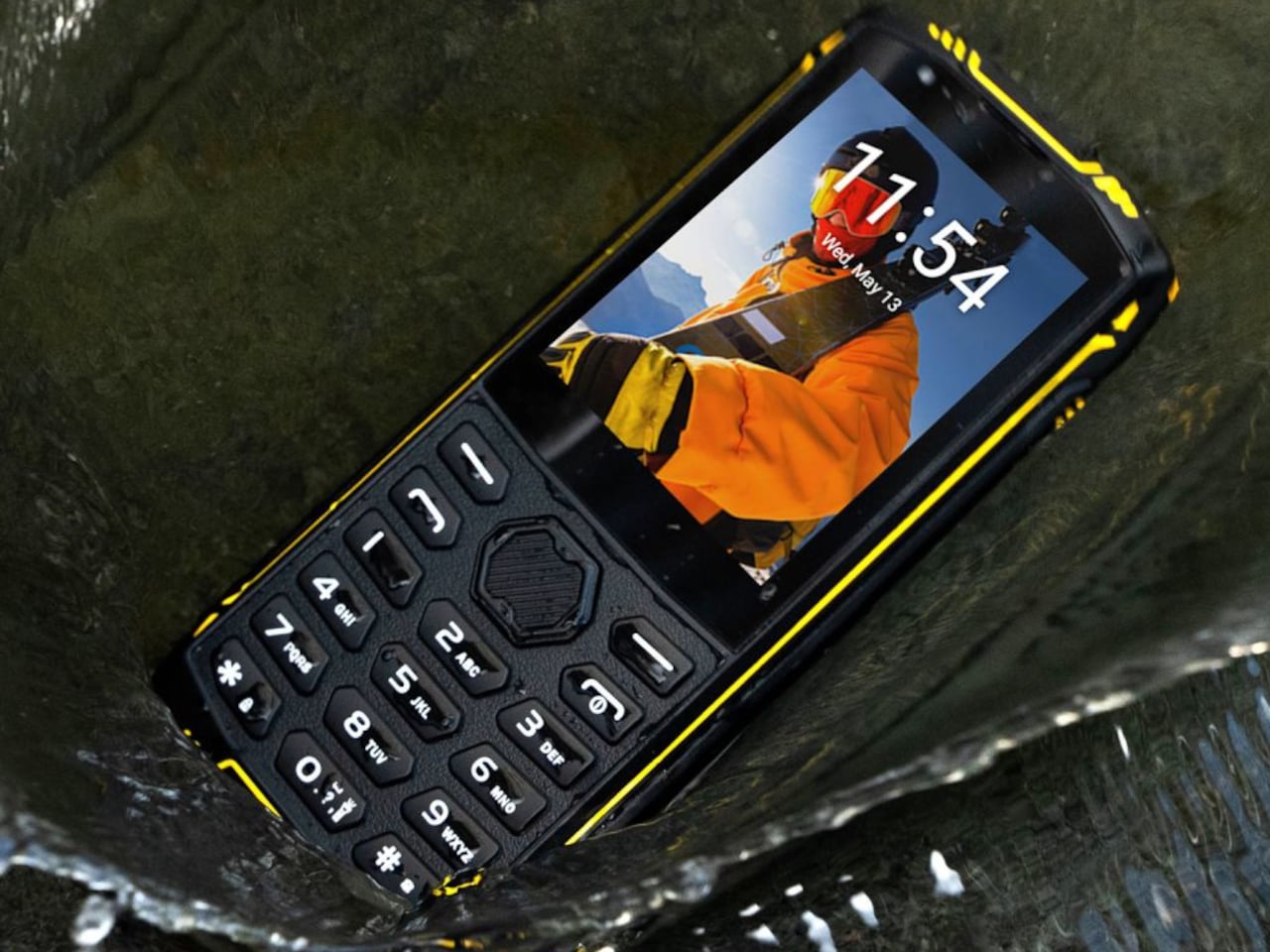
The phone is IP69K and IP68 rated, survives drops per MIL-STD-810H certification, and weighs 325 g, which is heavy but not unusual for a rugged device with this much packed inside. The 64 MP night vision camera uses four built-in infrared lights to shoot in complete darkness, which is genuinely useful if you have ever tried to photograph a campsite at 2 a.m. with a regular phone and gotten nothing.

There is also a 50 MP main camera with optical image stabilization, a 50 MP ultra-wide with a 117.3-degree field of view, and a 32 MP front camera. The phone supports underwater photography as well, with controls you can operate while submerged. Video tops out at 2K at 30 fps, which is fine for most outdoor documentation but a step behind phones at similar price points that record at 4K.

The display is a 6.67-inch AMOLED panel running at 120 Hz with a 2,200-nit peak brightness, which holds up well in direct sunlight. Inside is a MediaTek Dimensity 7025 chipset paired with 12 GB of RAM and 512 GB of storage, expandable to 2 TB via microSD. That chipset is mid-range by current standards, so this is not a performance-first phone, but it handles everyday tasks without friction.

Charging runs at 33W over USB-C or 18W through the Pogo Pin dock that comes in the box. The dock charges the spare battery simultaneously, so by the time your current battery runs low, the backup is already full and ready. That closed loop is the smartest part of the whole system, and the detail that makes the swappable battery feel like a considered design decision rather than a novelty.

Android 15 runs clean here, with Google Gemini built in, a 230-lumen flashlight, an X-axis linear vibration motor, and a 3.5 mm headphone jack that has no business still being this satisfying to find on a phone. The Xever 7 does not try to reinvent what a rugged phone is. It just fixes the one thing that frustrates people most, and lets everything else do its job quietly.

The post This Rugged Phone Ships With 2 Batteries You Can Hot-Swap first appeared on Yanko Design.
This Rugged Phone’s Action Camera Pops Off to Become a Wearable

Action cameras and rugged phones have always solved slightly different problems. One survives the adventure; the other documents it. Bringing both means two devices, two cables, and two things to lose in a river. Ulefone’s RugOne Xsnap 7 Pro tries to close that split by putting a detachable magnetic action camera directly on the back of the phone, so both jobs start from one object.

The module snaps onto the rear chassis magnetically, drawing obvious design inspiration from the Insta360 GO series, and peels off into a fully independent wearable. Stick it on a helmet or a bike frame, and it films hands-free while the phone handles viewing and charging. The two pieces are built as a single system, not as separate products that happen to coexist on the same body.

Designer: Ulefone

Ulefone has not yet disclosed the module’s sensor resolution, video specifications, or battery life. Given its thumb-sized form, runtime is likely limited; the Insta360 GO 3S manages roughly 30 minutes per charge in a comparably small body. That is workable for a short trail run or a surf session, but it will not replace a dedicated action camera for a full day out. The production specs will matter a lot once they arrive.

The phone itself is not an afterthought. A MediaTek Dimensity 8400 5G chipset sits inside, paired with a 50 MP OIS main camera, a 64 MP night vision lens, and a 9,000 mAh battery behind a 6.67-inch 1.5K AMOLED display at 120 Hz. That night vision lens is the kind of spec aimed at people who are actually outdoors after dark, not those who like to imagine they could be.

Ulefone is also pitching the magnetic dock as the base for a broader module ecosystem, with planned additions that include thermal imaging, night vision enhancement, and a professional lens suite. That framing is familiar territory in the modular phone space and has collapsed under its own ambitions before. Tracking how many of those planned modules actually ship, rather than staying on a roadmap slide, will be worth watching.

Pricing has not been set, and a mid-2026 commercial launch is the current target. The things that will actually determine the phone’s value, including how quickly the module detaches, how reliably the phone recognizes reattachment, and how cleanly footage syncs, are details that only a finished unit in regular use can settle.

Rugged phones have spent years stacking specs that most owners never actually invoke, so a design decision that changes what the phone physically does day to day is worth paying attention to. The module ecosystem is what separates a compelling demo from a genuinely useful product, and that part of the story depends entirely on whether the follow-through arrives on time and in one piece.

The post This Rugged Phone’s Action Camera Pops Off to Become a Wearable first appeared on Yanko Design.
A Laptop With a Solar Panel Lid Just Showed Up at MWC 2026: Hands-on with Oukitel RG14-P

Solar charging on a laptop lid has been a niche curiosity since Samsung tried it with the NC215S netbook in 2011, a machine that needed two full hours of midday sun to buy you a single hour of runtime. Rough trade. The idea largely disappeared after that, surfacing occasionally in concept form, most recently with Lenovo’s Yoga Solar PC at MWC 2025, which packed 84 solar cells into an ultraslim lid at a reported 24.3% conversion efficiency. Lenovo’s version was sleek, consumer-friendly, and still a concept. Oukitel’s RG14-P, shown at MWC 2026 in Barcelona, skips the concept stage entirely and ships the thing.

The RG14-P pulls 10W from its photovoltaic lid panel, enough to get the 95Wh dual-battery system to 50% in roughly six hours under optimal sunlight. That number sounds modest until you frame it correctly: this laptop is aimed at field engineers, utility inspectors, and emergency responders working in places where “finding a charging point” genuinely isn’t an option. For those people, six hours to half capacity under open sky is pretty meaningful. The dual-battery architecture pairs a 3,000mAh internal unit with a 5,200mAh hot-swappable external battery, meaning you can pull the secondary and slot in a fresh one without shutting the machine down. That feature gets requested loudly on job sites and almost never shows up.

Designer: Oukitel

Under the lid, the RG14-P runs a 14th Gen Intel Core i7, 16GB of RAM, and 512GB of expandable storage, which puts it well past basic field terminal territory and into legitimate workstation range. The 14.1-inch touchscreen hits 1,000 nits, which matters enormously when your display is reflecting blue sky back at you. There’s also a 180-degree rotating magnetic camera, dual 5W speakers for noisy industrial environments, 65W fast charging as a backup, and IP68/IP69K certification currently in testing. IP69K specifically covers high-pressure, high-temperature jet spray, the kind of thing that happens near industrial cleaning equipment. The machine weighs 3.7kg, which is heavy, but rugged laptops have always made that tradeoff and nobody who needs one complains about it.

The connectivity stack is old-school in the best way: RS232, RJ45, HDMI, NFC, and fingerprint authentication. RS232 is serial protocol territory, the kind of interface still running on factory floor equipment and field measurement tools that haven’t been updated in a decade. Its presence signals that Oukitel actually mapped out real industrial workflows before finalizing the port selection, rather than building around a mood board. Compare that to where Lenovo has been spending its MWC energy lately: a rollable laptop at CES 2026 and a modular AI laptop concept at MWC 2026 that repositions the ThinkBook as an upgradeable platform. Both are interesting industrial design exercises, but neither one is solving a power access problem. The RG14-P is.

There’s also the RG14-L variant, which drops the solar lid and adds a built-in front camping light panel instead, turning the machine into a workstation and a light source simultaneously for night operations. Carrying less gear into a remote deployment is always a win, and building the light into the device rather than handing you a separate torch is exactly the decision you make when you’ve actually talked to the people using it. Pricing and availability are still unconfirmed post-Barcelona, and the IP68/IP69K certification is still in testing, so the most important durability claims haven’t been independently validated yet. Those are real open questions worth watching. But as a product that wraps the solar laptop concept around a genuine use case, with actual hardware specs and a shipping timeline, the RG14-P makes a far stronger argument for the idea than anything that’s come before it.

The post A Laptop With a Solar Panel Lid Just Showed Up at MWC 2026: Hands-on with Oukitel RG14-P first appeared on Yanko Design.
This Rugged Braille Reader for Kids Has a Built-In Carry Handle

Blind students often rely on expensive embossers, special paper, and slow production cycles just to get a few Braille books. Most assistive tools are bulky, fragile, or designed for adults sitting at desks, not children carrying them between crowded classrooms and shoving them into backpacks. There is a clear gap between what visually impaired kids actually need and what most assistive hardware looks and feels like on a daily basis.

Vembi Hexis is a Braille reader purpose-built for children by Bengaluru-based Vembi Technologies, with industrial design by Bang Design. It turns digital textbooks, class notes, and stories into lines of Braille on demand across multiple Indian languages and English. The device had to be rugged enough for school bags, affordable enough for institutions to buy in quantity, and portable enough that children would actually want to carry it around.

Designer: Bang Design

The device is a compact, rounded rectangle with softened corners and thick bumpers that make it feel closer to a rugged tablet than a medical device. The front face is dominated by a horizontal Braille display bar, with a small speaker grille and simple control buttons kept out of the way. Branding is minimal, just small HEXIS and VEMBI marks, so the object reads as a tool for kids first rather than a piece of institutional equipment.

A built-in carry handle is carved cleanly through the top of the shell, giving children a clear place to grab and slide their hand into without straps or clip-on parts. The reading surface is sculpted with a gentle slope leading toward the Braille cells in the reading direction and a sharper drop at the far edge. Those height changes quietly guide fingers along each line and signal where to stop without needing any visual feedback at all.

The durability details acknowledge that classrooms are not gentle places. Corner bumpers extend slightly beyond the body to absorb drops from school desks, the shell is thick enough to shrug off everyday knocks, and charging ports are recessed and shielded to resist spills. This is a device meant to survive water bottles, lunch boxes, crowded bags, and everything else that happens in a normal school day without feeling like a heavy brick.

Bang Design studied how children read Braille in real schools and designed every surface with heightened touch in mind. The soft geometry avoids sharp edges that could become uncomfortable during long reading sessions, while the slope and drop around the display give constant orientation feedback. For kids who navigate the world through their fingers, those subtle contours become part of the interface just as much as the moving dots themselves.

Hexis connects over Wi-Fi to Vembi’s Antara cloud platform so teachers and foundations can push textbooks, notes, and stories directly to devices. It supports multiple Indian languages and has been widely adopted across schools and NGOs, picking up recognition from programs like Microsoft’s AI for Accessibility Grant and Elevate 100. Those signals show that the design is not just elegant on paper but is actually working in classrooms and special education centers.

Assistive technology for children rarely gets the same design attention as mainstream classroom tools, but Hexis treats ruggedness, affordability, and friendly form as equally important constraints. For blind students, having a Braille reader that feels like a normal classroom companion rather than an exception is a quiet but meaningful shift. Hexis sits in school bags next to pencil cases and notebooks, looking and feeling like it belongs there instead of standing out as something separate or clinical.

The post This Rugged Braille Reader for Kids Has a Built-In Carry Handle first appeared on Yanko Design.
This Rugged Android Tablet with 4 Speakers Is Your New All-Terrain Waterproof Entertainment Hub

It’s a tablet PC, a shower speaker, your car’s infotainment system, and a portable dashboard for everything from music to video to phone calls. Meet the Nomad – a tablet-speaker that isn’t designed for productivity… it’s designed for entertainment. With a powerful speaker system, a waterproof design, and mounts that let you place the Nomad anywhere, this device doubles as your shower speaker, your smart display, a Carplay/Android Auto-compatible infotainment system, a dedicated device for Netflix and Chill whether it’s in the bedroom, living room, or poolside, and even your perfect radio alternative when you’re camping. For ages, tablets have grown thinner and their speakers weaker… and smart speakers have remained tethered to their plug points. Nomad combines both in a durable, portable package so you can carry your entertainment with you, without compromising on literally anything.

Designer: UpBeat

Click Here to Buy Now: $249 $399 ($150 off) Hurry! Only 13 days left. Raised over $113,000

The Nomad isn’t a tablet. It isn’t a speaker. It isn’t a smart home hub like the Echo Show or the Pixel Tablet. It’s a little of everything, combined into one product that offers zero compromises if you know what you’re buying it for. It’s designed purely for entertainment, which means that sleek, laptop-bag-friendly profile is a non-issue. The device is rugged, doesn’t compromise on audio quality, and is made to be used everywhere, from in your shower to your car.

With its waterproof build and four-speaker array, the Nomad was crafted with audio at its core. This device excels as a portable entertainment hub, with an audio quality that outshines any tablet’s built-in speaker system—be it the shower, the backseat of a car, or your outdoor adventures. The 4 front-facing speakers and 2 subwoofers on the side deliver rich, resonant sound (at up to 94 decibels) that rivals traditional portable speakers. Combined with a battery life of over 20 hours for music playback, the Nomad is set to keep the party going without frequent recharges.

On the inside, the Nomad runs on Android, which means it’s ready for all your favorite streaming apps, plus it has a microSD slot for expanding storage and loading up on offline content. The 8-inch HD touchscreen has a striking brightness level of 1200 nits, 20% brighter than the iPad Pro which shines at 1000 nits, making it perfect for outdoor use. The display is responsive, has an anti-glare coating, and complements the overall build of the device—it’s rugged yet refined, a rare find in tablets with a focus on durability.

The stick-on Shower Mount lets you easily dock and use your Nomad while in the shower

The built-in speaker is supplemented by microphones too, which means the tablet lets you interact with voice assistants, leave voice notes, or even take phone calls. That’s where the powerful speakers come in handy, allowing you to talk without cupping your ear to hear what the other person is saying. If you want to have a private conversation, just connect Bluetooth earbuds, or better still, use the 3.5mm jack on the Nomad to hook up your wired headphones. The only thing missing is an on-board camera, which means no photographs or even video calls.

Mounting options for the Nomad extend its functionality even further. It comes with a shower wall mount, which lets you easily slip the Nomad in while having a bath. The tablet is fully usable while bathing, so whether you’re watching a TV show or hosting your own bathroom karaoke, the Nomad lets you stay in control, unlike your phone or your Bluetooth speaker, which won’t go in the shower with you.

Outside the shower, a built-in kickstand lets you prop the Nomad up wherever you are. If you want to tether the tablet to a tree or the back of your car-seat for in-car entertainment, the tablet comes with a strap-on mount too. An optional add-on cup-holder mount lets you bring the tablet to the front seat, substituting your in-car radio or music player. When all fails, a tripod mount on the bottom lets you screw a tripod in, allowing you to position your tablet practically anywhere. And since it’s fully waterproof, you don’t have to worry about splashes or moisture damaging the device.

For in-car use, you’ve got built-in Android Auto and CarPlay compatibility, a standout feature that elevates the Nomad from a mere tablet to a full-fledged navigation and media console for your car. CarPlay integration makes the device invaluable for on-the-go use, especially if you prefer your tech streamlined and multipurpose. Mount it on a dashboard, and you have an instant navigation system paired with immersive sound quality, all accessible through the Android interface that many users will find familiar and easy to navigate.

Under the hood, the Snapdragon 662 processor keeps the Nomad humming along smoothly. Sure, it’s not the latest SoC on the market, but in a rugged device focused on reliability and battery efficiency, the Snapdragon 662 is a solid choice that provides a good balance of performance and energy efficiency. You’ll find it more than capable for streaming, navigation, and even some light gaming if the mood strikes. Although the exact battery capacity isn’t mentioned, the Nomad delivers 20 hours of audio on a full charge, and can be doubled thanks to an optional magnetic battery that snaps right on top, bringing its output to 40 hours of music, or 10 full hours of video. Both the tablet and the magnetic battery have USB-C charging, which means you can charge your Nomad anywhere.

The basic bundle starts at $249, which includes the Nomad itself along with the shower mount. The $340 Ultimate Bundle gets you all the other accessories too, like the strap-on mount, the cup mount, and that snap-on magnetic battery. No matter which bundle you pick, the Nomad ships globally, starting February 2025.

Click Here to Buy Now: $249 $399 ($150 off) Hurry! Only 13 days left. Raised over $113,000

The post This Rugged Android Tablet with 4 Speakers Is Your New All-Terrain Waterproof Entertainment Hub first appeared on Yanko Design.
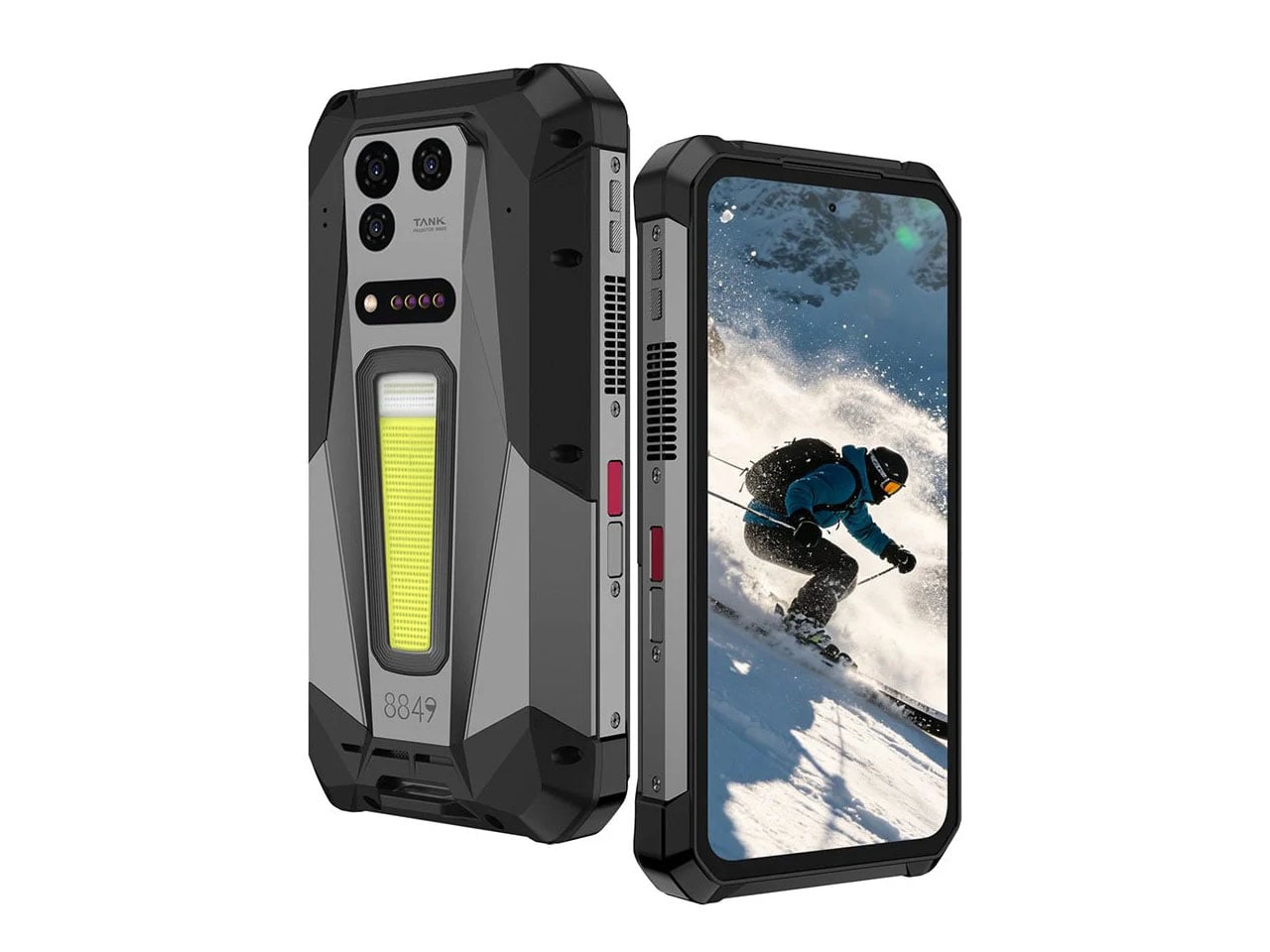
Mech-inspired smartphone Doogee S200 embraces rugged design in an interesting way

Although smartphones are logically designed to be durable and reliable, their premium appearance and elegant aesthetics give these devices a seemingly delicate character. On the opposite end of the spectrum are rugged smartphones designed like tanks and look the part, giving the impression that you can only choose one or the other. There are indeed limitations when it comes to materials that give phones added protection, but with some creative thinking, you can turn that undesirable property into a key feature. That’s exactly what this curious-looking smartphone does, eschewing luxurious aesthetics for a motif that calls to mind the battle-hardened mecha or robots of science fiction. Even better, it can definitely walk the walk as well.

Designer: Doogee

Doogee is one of the remaining smartphone brands that target a niche market that prioritizes durability and longevity over flashy designs and cutting-edge features. Although its early models did exhibit tank-like appearances, it has learned to fine-tune its designs to look more sophisticated without sacrificing its biggest strengths. The Doogee S98, for example, looked like a gadget to be used by secret agents, and that design DNA resurfaces in the brand’s newest product.

Rather than trying hard to reconcile smooth curves with rugged shells, the Doogee S200 embraces sharp angles and straight lines. But rather than leaving them at that, it transforms these design elements into geometric shapes that give the phone a sci-fi vibe, like a panel or piece of a gigantic fighting robot. Of course, that design isn’t just for show, as Doogee took the opportunity to go all out on the materials to give the S200 a much-coveted IP69 and IP69K rating for protection not just against water and dust but also from humidity, sand, and more.

A design element that the Doogee S20 carried over from its predecessors is the 1.32-inch circular AMOLED display on the back, flanked by the phone’s triple camera system and an infrared lamp for improved night sensitivity. It makes the back of the phone truly look futuristic, even if the functionality it offers is just as limited as a smartwatch with a similar circular design. It really drives home the mecha motif, making it look more interesting than other tank-like rugged smartphones.

The Doogee S200 is boasted to be the first 5G phone in Doogee’s S-letter series, which is admittedly not saying much these days. The phone’s specs, as one might expect, are hardly noteworthy, starting with a mid-range MediaTek Dimensity 7050 processor. The 12GB of RAM can be boosted to 32GB by taking some space from the already meager 256GB storage. A killer feature, however, is the gigantic 10,100 mAh battery that will unfortunately be throttled by a fast but inadequate 33W charging speed. Given the $400 price tag, however, it’s not such a bad deal, especially if you’re into phones that look like props from fiction.

The post Mech-inspired smartphone Doogee S200 embraces rugged design in an interesting way first appeared on Yanko Design.
Handsome EDC flashlight is compact, powerful, versatile, and is also a power bank

Life is like an adventure. You never know where it takes you so you best be prepared with the right tools to face anything. Everyday Carries have become popular exactly for this reason, making sure you have everything you need for any situation. Of course, not all tools are made equal, and some designs come in small packages at the expense of functionality and usefulness. A small flashlight, for example, might be able to do just one thing, and it won’t last very long on small AAA batteries. There’s no rule that says you have to pick between power and portability, and this very capable flashlight is proof of that. It crams no less than three types of very bright lights and can even function as an emergency power bank, all while sporting a compact palm-sized design that can withstand any weather condition or even an accidental drop in a puddle.

Designer: LOOP GEAR

Click Here to Buy Now: $57 $99 (43% off). Hurry, only 930/1000 left! Raised over $174,000.

EDC flashlights are quickly growing in number, and they’re defined by how small they can be to fit in your pouch or even your pocket. Most of the time, the smaller devices get, the less capable they become, but the LOOP GEAR SK05 is ready to prove them wrong. A small handheld device can function as a floodlight, a spotlight, and even a sidelight with enough brightness to let you safely see in the dark or call for help. And it’s designed to be easy to use with one hand, freeing your other hand to take action when needed.

The LOOP GEAR SK05’s ergonomic design includes grooves to rest your fingers on one side, and a rounded trim edge on the opposite side for your palm, giving you a confident grip whether you hold it with your right or your left hand. The dial ring that sits on the side is the only control you need to operate the flashlight and it’s conveniently always under your thumb, no matter how you hold it. You can easily switch from floodlight to spotlight with a turn of the dial or press the center button to activate the sidelight. There’s also lockout mode so that the flashlight doesn’t turn on accidentally in your pocket or bag and drain the battery or, worse, cause a fire hazard.

Spotlight & Floodlight Fast Switch

Sidelight

With its small size, it’s pretty mind-blowing how bright the SK05 can be. The SK05 Pro floodlight can reach a maximum of 3060 lumens output (2250 lumens for the base SK05), and the maximum beam range for the spotlight is 405 meters (370 meters for the SK05). The sidelight is no slouch either, featuring five modes (Constant Light, Flowing Light, Running Light, Night Light, and Colorful Light) and seven colors (Red, Orange, Yellow, Green, Cyan, Blue, Purple), and you can even adjust the brightness for each of these. The sidelight can be used not just to illuminate or set the mood but to also call attention in case of an emergency.

Powering the LOOP GEAR SK05 are two rechargeable 18650 batteries, but the EDC flashlight is so robust that it can even work with a single battery thanks to the SK05 Pro’s parallel circuit design. You can also easily pop off the cover and replace the batteries in a flash for continuous use. And when it comes time to charge those batteries, the onboard 20W Type-C charger can fill them up in just two hours. Thanks to that USB-C connection, the SK05 can also function as a 20W power bank, keeping your phone from draining its own battery too quickly.

If its industrial design isn’t enough proof, the LOOP GEAR SK05 is made to withstand extreme weather conditions, especially with its IP68 rating that helps it survive underwater for a while. The EDC flashlight’s versatile design includes a clip for belts and pockets as well as a magnetic tail cap that can attach to the side of cars or any metal surface, freeing your hands to do the work you need to accomplish. And if the $200,000 stretch goal is reached, LOOP GEAR will also make the A03 Sheath for even easier handling as well as protection for the EDC flashlight. With the compact and versatile LOOP GEAR SK05 EDC flashlight, no darkness or emergency will be too tough to handle, bringing not only brightness but even a bit of power to your outdoor and nighttime adventures.

Click Here to Buy Now: $57 $99 (43% off). Hurry, only 930/1000 left! Raised over $174,000.

The post Handsome EDC flashlight is compact, powerful, versatile, and is also a power bank first appeared on Yanko Design.
Bluetti AC240 All-Weather Power Station delivers reliable power, rain or shine

More people are discovering the joys of the great outdoors, but they are also learning some of the challenges that come with living off the grid, especially when it comes to the unpredictability of weather. And then there are some outdoor adventures that really expose you to the elements, whether it be on land or especially at sea. During these moments, you need more than just a portable power source that can deliver the necessities and conveniences of modern life. You also need a reliable power source that can weather any storm, almost literally. That’s the kind of power that the new Bluetti AC240 Weatherproof Portable Power Station delivers, keeping up with life’s adventures even when Mother Nature has other ideas.

Designer: Bluetti

Click Here to Buy Now: $1299 $1899 (31% off, use coupon code”yanko240″ to get an additional $100 off). Hurry, deal ends in 48-hours!

Even with all the science and technology at our disposal, changes in weather can throw a wrench in anyone’s plans, especially when those plans happen to involve staying outdoors. Traditional power stations, while extremely useful, might not be a good fit for this situation considering the safety risks involved. That’s where the Bluetti AC240 and its IP65 dust and waterproof rating come in, offering a clean, quiet, safe, versatile, and rugged power source that can withstand the harsh conditions you might find yourself in.

With the AC240’s modular design, it practically is! Stack up B210 expansion batteries and watch your power options multiply.

The Bluetti AC240 is rated IP65, which means it’s certified to withstand the intrusion of dust as well as low-pressure water jets from any angle, but that’s only the tip of the iceberg. The weather-hardened solar generator boasts a variety of patented technologies and safeguards that protect it from the elements, including independent air ducts, sealed electronic compartments, a special drainage system, vacuum-coated fans, and, since they’re always exposed to the outside world, double-layer protected ports. In the event that water does manage to get in, built-in exhaust fans and the heat dissipation system will make sure the water gets out or evaporates quickly before it does any damage.

Whether you’re basking in the sun’s energy with solar panels, plugging into a wall outlet, staying juiced on the move with a car charger, or even tapping into a lead-acid battery or shore power, the AC240 ensures you’re always powered up and good to go.

Of course, the Bluetti AC240 is more than just a large weatherproof box. It’s a portable power station first and foremost, and it does an incredible job at that as well. With an output of 2,400W and a 1,536Wh LiFePO battery, the AC240 can easily power anything from a phone charger to a 20 cubic feet fridge for at least one day. A 3,600W powerlifting mode can even power that hot plat to make sure you get warm meals even when it’s pouring outside your RV. The plethora of charging ports, which include 2 standard AC outlets, 1 NEMA TT-30 port, a car outlet, 2 USB-A ports, two USB-C ports, and a 12V/30A RV port, make sure every electronic machine is supported, even an RV or a boat.

Whether you’re navigating the high seas or driving into the unknown wilderness, the AC240 reliable enough to keep your adventures smooth from start to finish.

If that’s already impressive, then you’ll probably be blown away by what the Bluetti AC240 can do when paired with the B210 expansion battery, which itself is also IP65 weatherproof. Each B210 adds 2,150Wh of power and you can have as many as four packs connected to the AC240 for a whopping 10,135Wh total capacity. And if that weren’t enough, you can link two AC240 using Bluetti’s unique parallel technology with the Parallel Box P480, delivering 4,800W output (without expansion batteries) without doubling the voltage. With this much power and flexibility, including simultaneous connection to the power grid while powering your devices and a responsive 15ms UPS function, the Bluetti AC240 can even provide enough power to your house to weather out a storm.

When it comes to charging the power station itself, the AC240 offers a variety of options, from super-fast 1.1-hour AC charging at 2400W max input (when paired with a B210 expansion battery) to completely green solar charging at 1200W intake in just two hours. Weighing only 72 lbs (33 kg) and almost as big as a microwave, the Bluetti AC240 offers portable, reliable, and durable power that you can take with you anywhere you go, confident that it can handle anything thrown its way, whether by you or by Mother Nature herself.

Click Here to Buy Now: $1299 $1899 (31% off, use coupon code”yanko240″ to get an additional $100 off). Hurry, deal ends in 48-hours!

The post Bluetti AC240 All-Weather Power Station delivers reliable power, rain or shine first appeared on Yanko Design.
Rugged smartphone with a 5W speaker on its back looks out of this world

Although most smartphones are made to survive simple accidents (or should be), there is a certain class that takes durability to the extreme. Rugged smartphones are targeted at users who often venture into unknown territory, either for fun or for work, and need a partner that’s just as adventurous as them. These rugged phones are unapologetic in how they look like tanks ready for battle, but there have been a few that tried to break the mould and adopt designs that piqued interest without sacrificing what makes them special. That seems to be the inspiration behind what could be the weirdest rugged phone we’ve come across, built and looking like an alien or futuristic device, thanks to the rather large and very visible speaker sitting on its back.

Designer: Oukitel

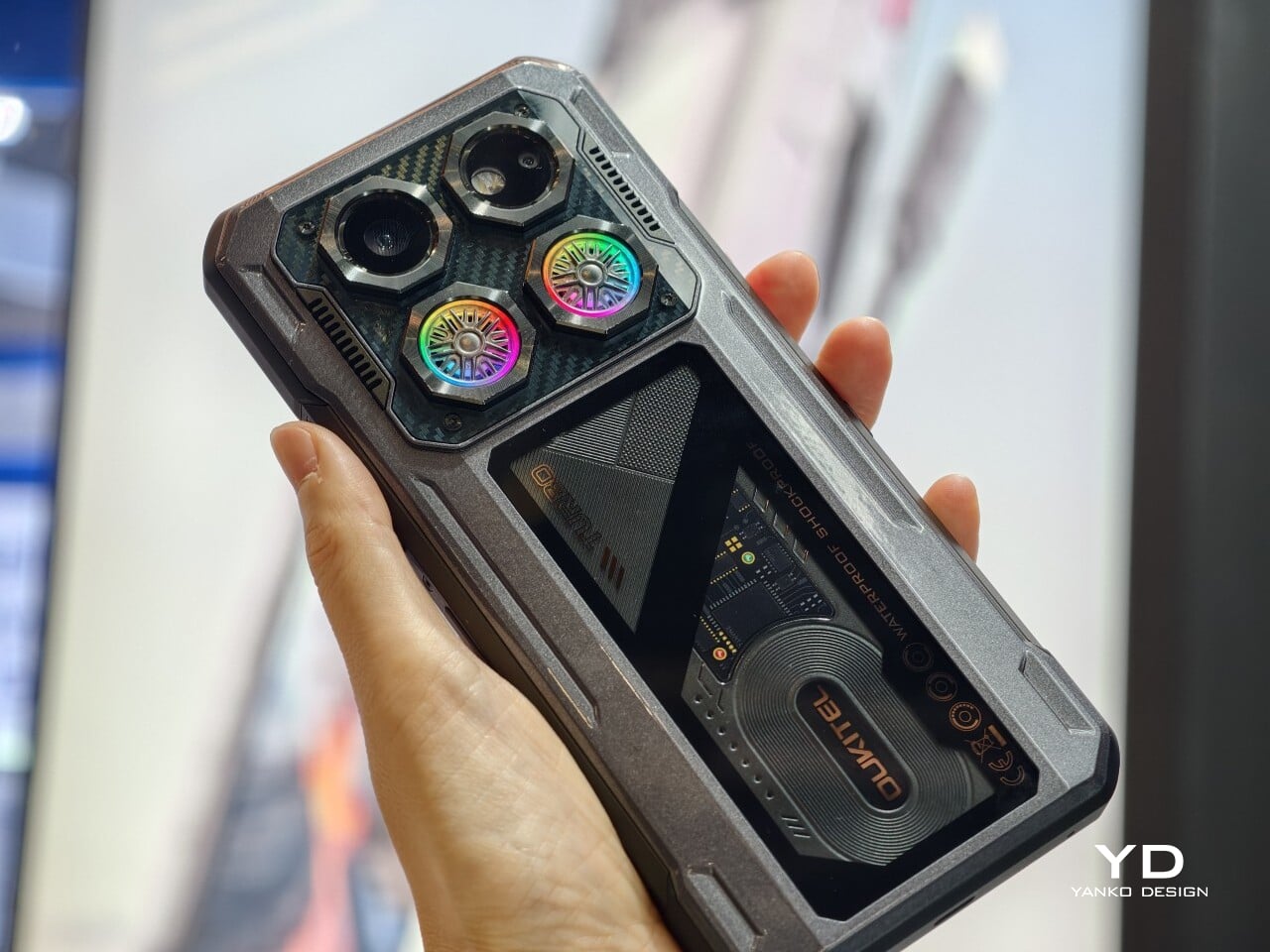
Most of the time, you’d see large camera enclosures on the back of phones. To some extent, that’s also true with the Oukitel WP33 Pro, but in reality, its cameras are actually so small that they don’t take up much space. Instead, the biggest element center of attraction is 5W speaker. Yes, this phone 36mm diameter “pro-level” speaker that’s advertised to get as loud as 136dB. That’s plenty loud, especially for a smartphone.

Rather than the industrial work settings that most rugged phones try to target, the Oukitel WP33 Pro favors more fun and adventurous activities like camping, trekking, hiking, or even wildlife photography. The speaker is then used to set the mood for parties with friends or even for your lonesome self, though the loudspeaker is probably something you shouldn’t use around wild animals, especially at night.

Oukitel wants that latter to be one of the use cases for its latest rugged phone, especially with a 20MP Sony night camera vision. The main camera is a 64MP shooter, so it should at least be decent, while a 2MP macro might satisfy your extreme nature close-up urges. Part of the reason for the phone’s size is its humongous 22,000mAh battery, which you can use to charge the regular “main” phone you might have in your other pocket.
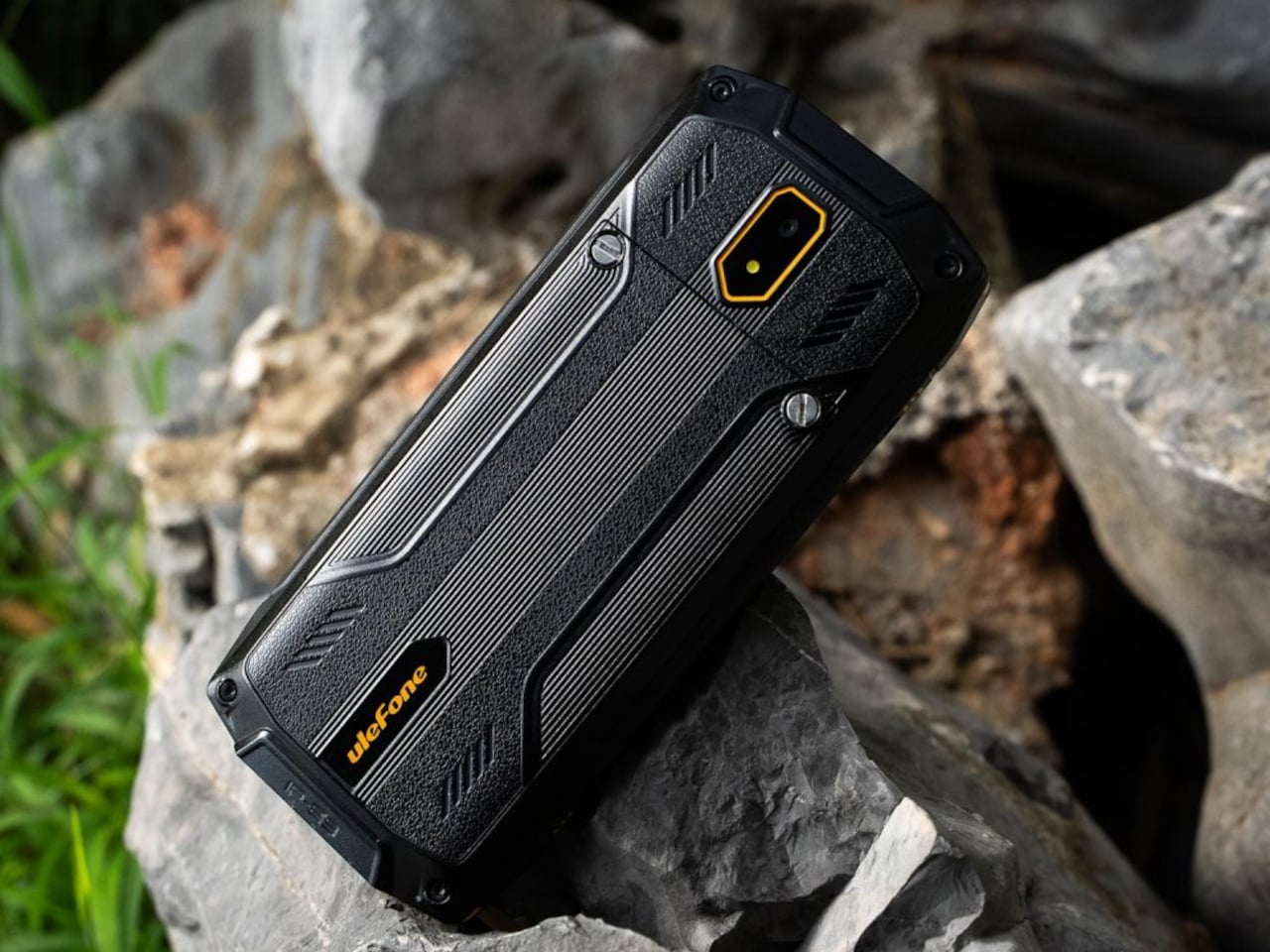
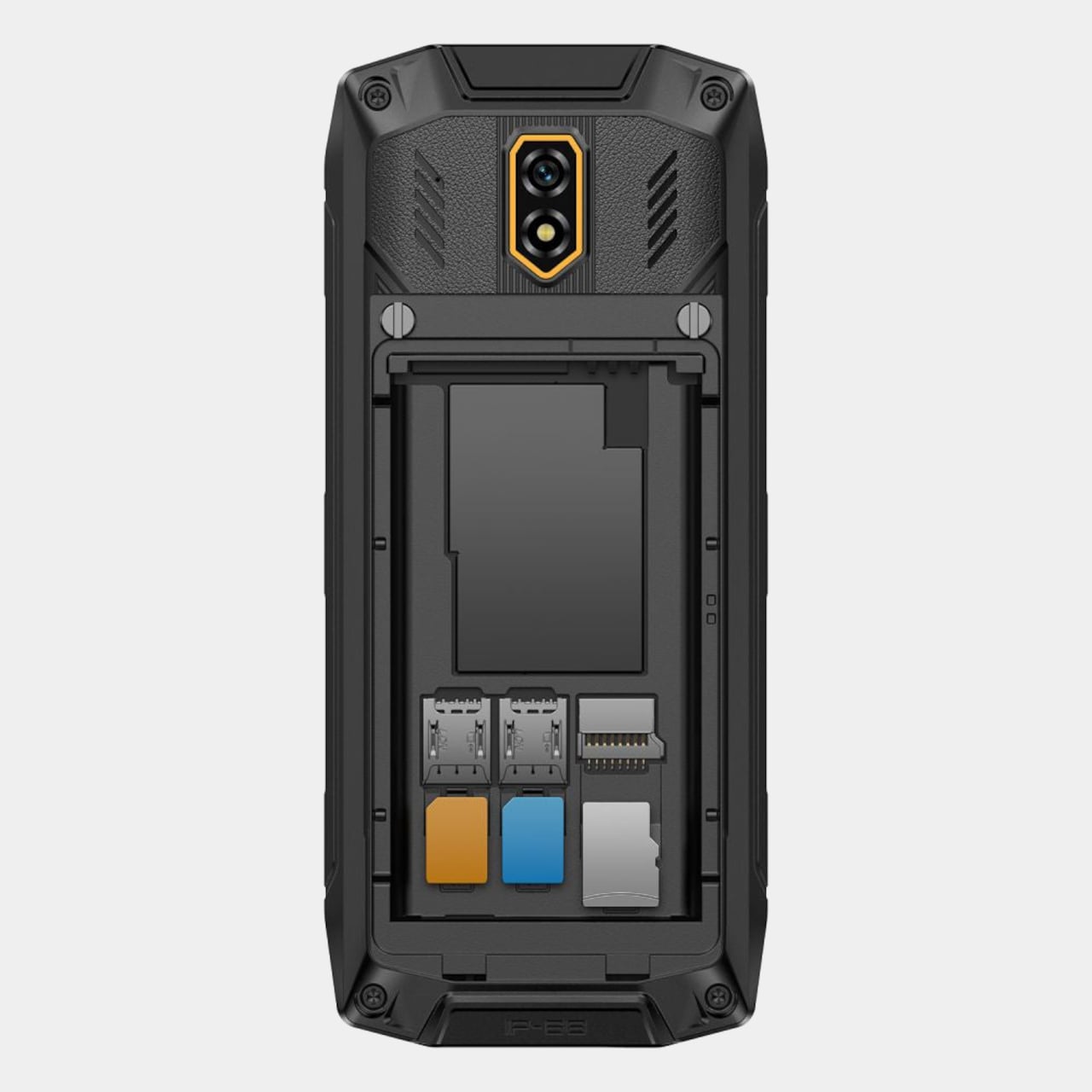
The rest of the Oukitel WP33 Pro’s specs are on par with late 2023 mid-range smartphones, so don’t expect record-breaking performance, especially for mobile games. Of course, the real value of this phone comes from its durability, with IP68 dust and water resistance rating joined by IP69K resistance against high-pressure water jets. It’s not going to win design awards, but it will definitely get you plenty of attention, especially when you start blasting out music from your rugged tank of a mobile device.

The post Rugged smartphone with a 5W speaker on its back looks out of this world first appeared on Yanko Design.