Forget Humanoids: Eno Might Be the Robot We Actually Need

The robot race has been moving in one direction for a while now: two legs, a head, and a shape that clearly spent considerable time studying what a person looks like. It’s a logical instinct. Factories, hospitals, and homes were all designed with human proportions in mind, so a robot built like a human should, theoretically, slot right in. But a growing argument exists that this whole approach might be overthought, and Genesis AI’s new Eno robot is making that case louder than most.

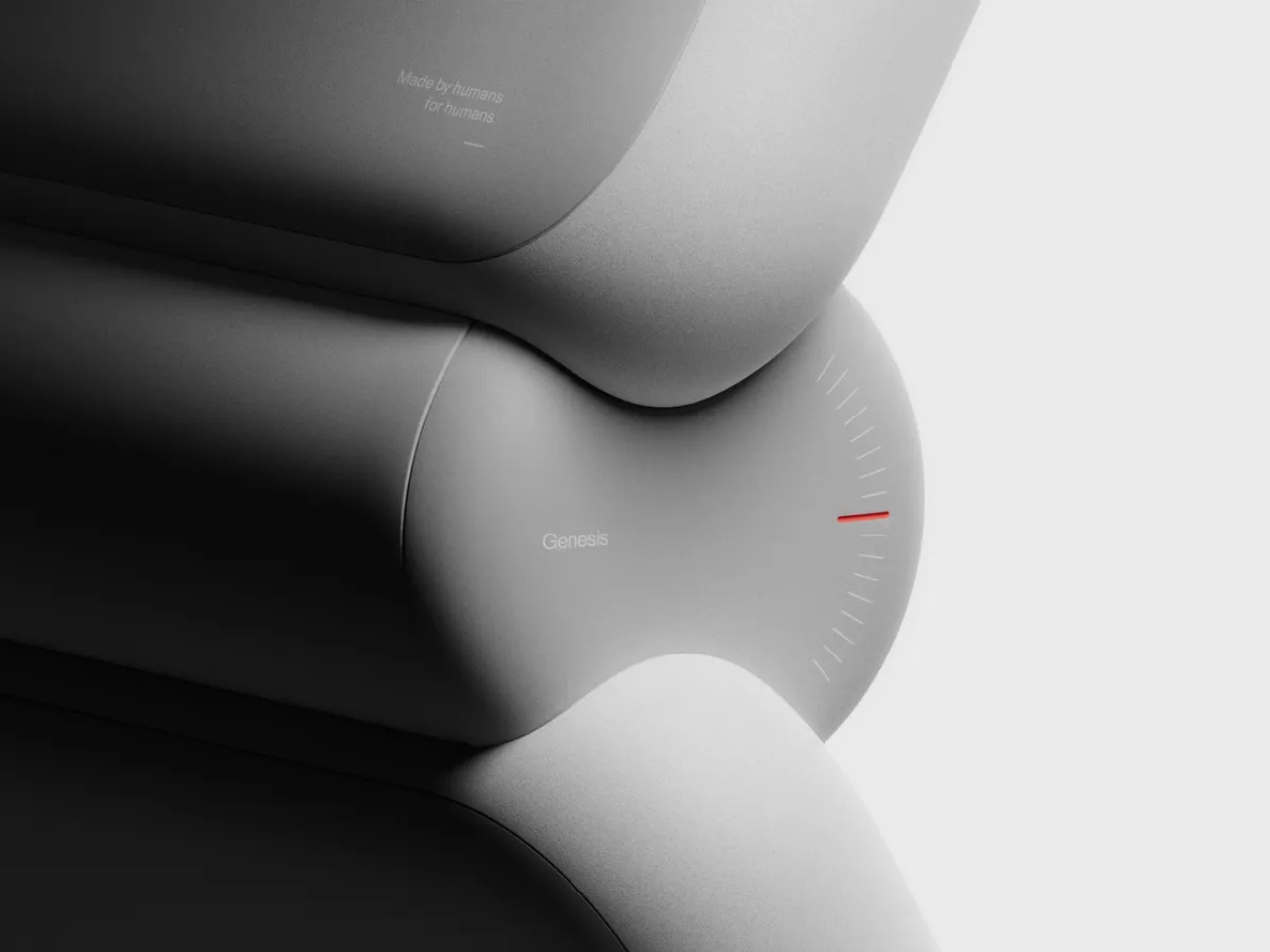
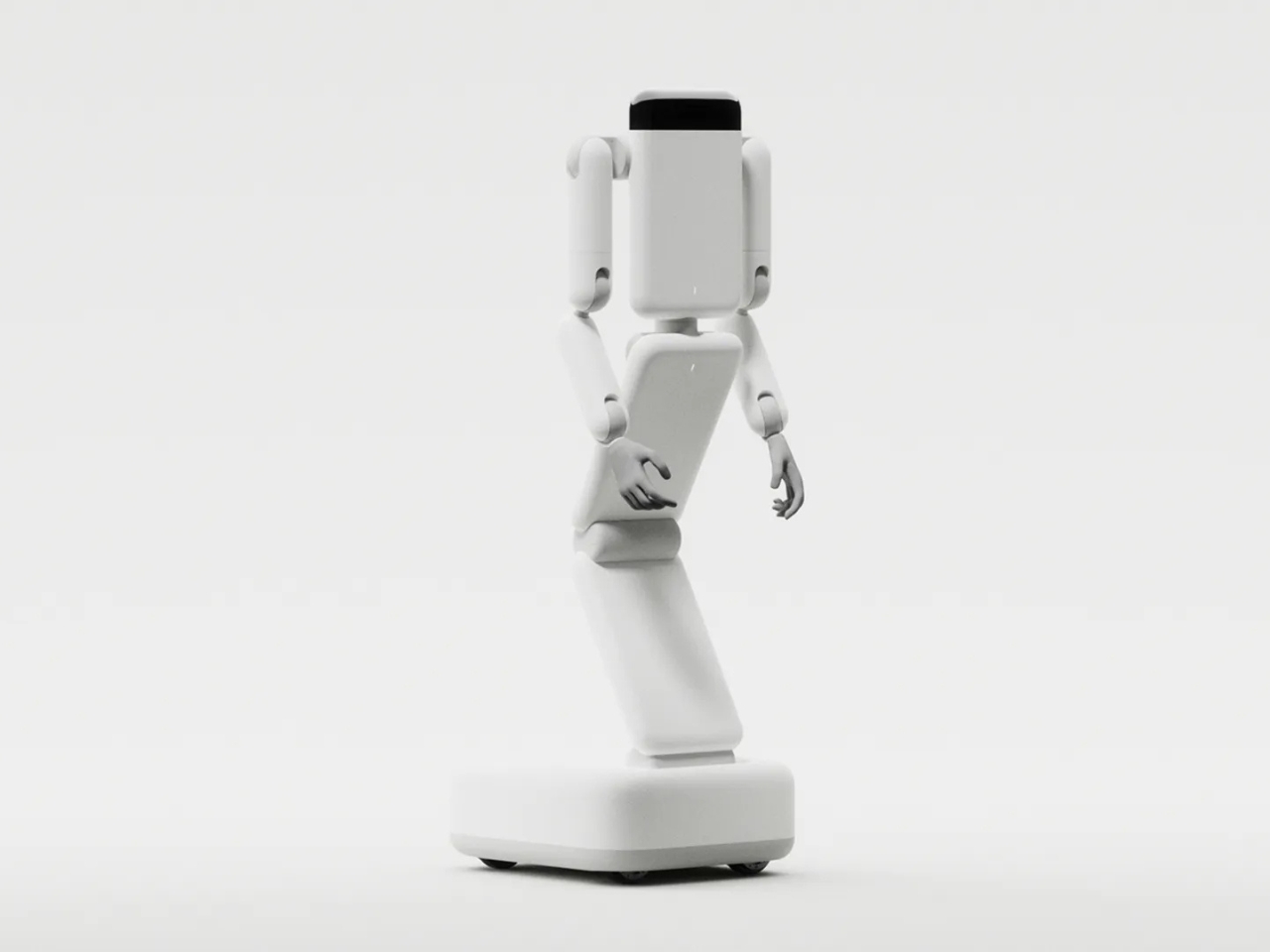
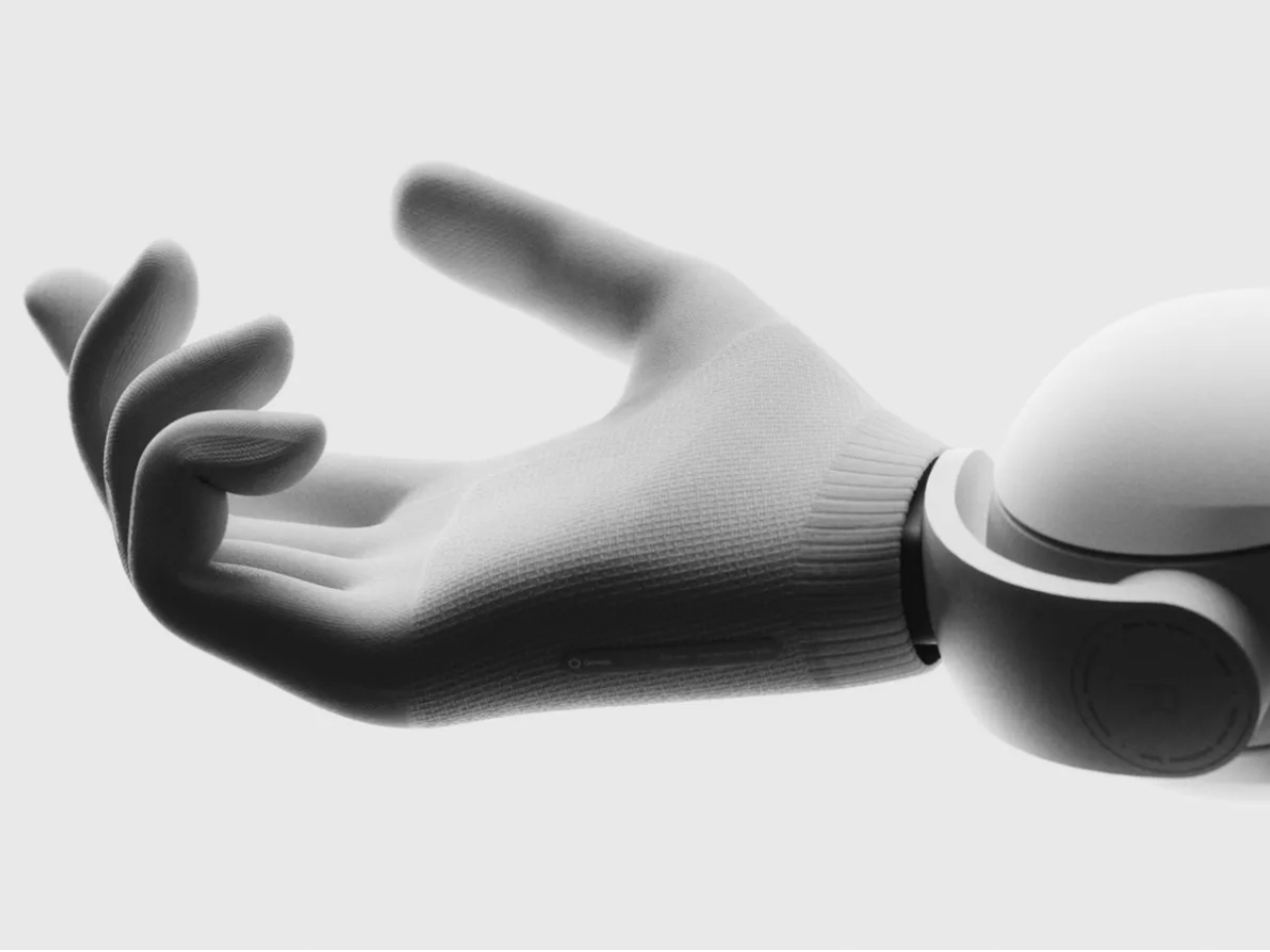
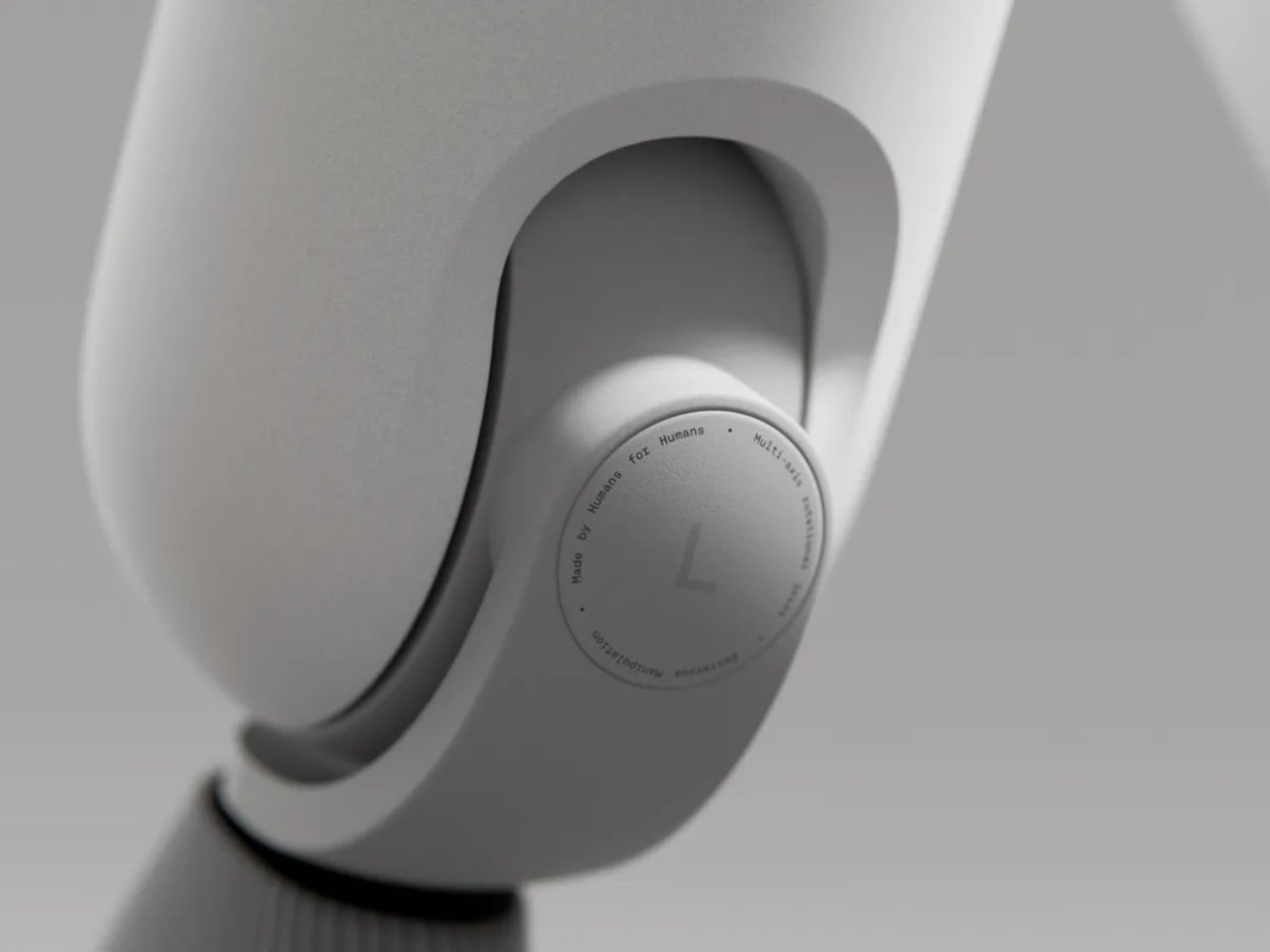
Unveiled this week, Eno is the debut robot from Genesis AI, a San Carlos-based startup that quietly raised $105 million in seed funding and spent that time building something genuinely different. Eno doesn’t walk. It rolls. Its body is a minimalist, articulated tower rising from a wheeled base, with no face and no head in sight. The form adjusts its height and reach as needed, folds down for storage, and carries a pair of proprietary dexterous hands designed to move with the kind of precision and range that human hands are capable of. The result looks more like a sleek industrial sculpture than any robot you’ve seen at a tech keynote.

Designer: Genesis AI

That feels completely intentional. Genesis AI’s head of design, Daniel Hundt, has said that Eno was built by asking a single question first: what does the robot actually need to be? The answer stripped away everything decorative and kept everything functional. No face, because a face isn’t a prerequisite for doing work well. No legs, because legs add cost, complexity, and a surprising number of ways for something to go wrong. What remained was a form built around capability, not aesthetics trying to pass as capability. That’s a meaningful distinction in an industry that sometimes confuses the two.
Eno runs on GENE, Genesis AI’s proprietary robotics-native AI foundation model, and the two were developed together as a single integrated system. This matters more than it might initially seem. A lot of robots in this space are essentially off-the-shelf AI bolted onto hardware that wasn’t designed with it in mind. GENE and Eno were built to complement each other, which means the robot can reason through multi-step tasks, adapt when conditions change, and plan across long time horizons rather than just responding to simple, pre-defined commands. That kind of sustained, adaptive thinking is what separates a useful robot from an expensive demo reel.

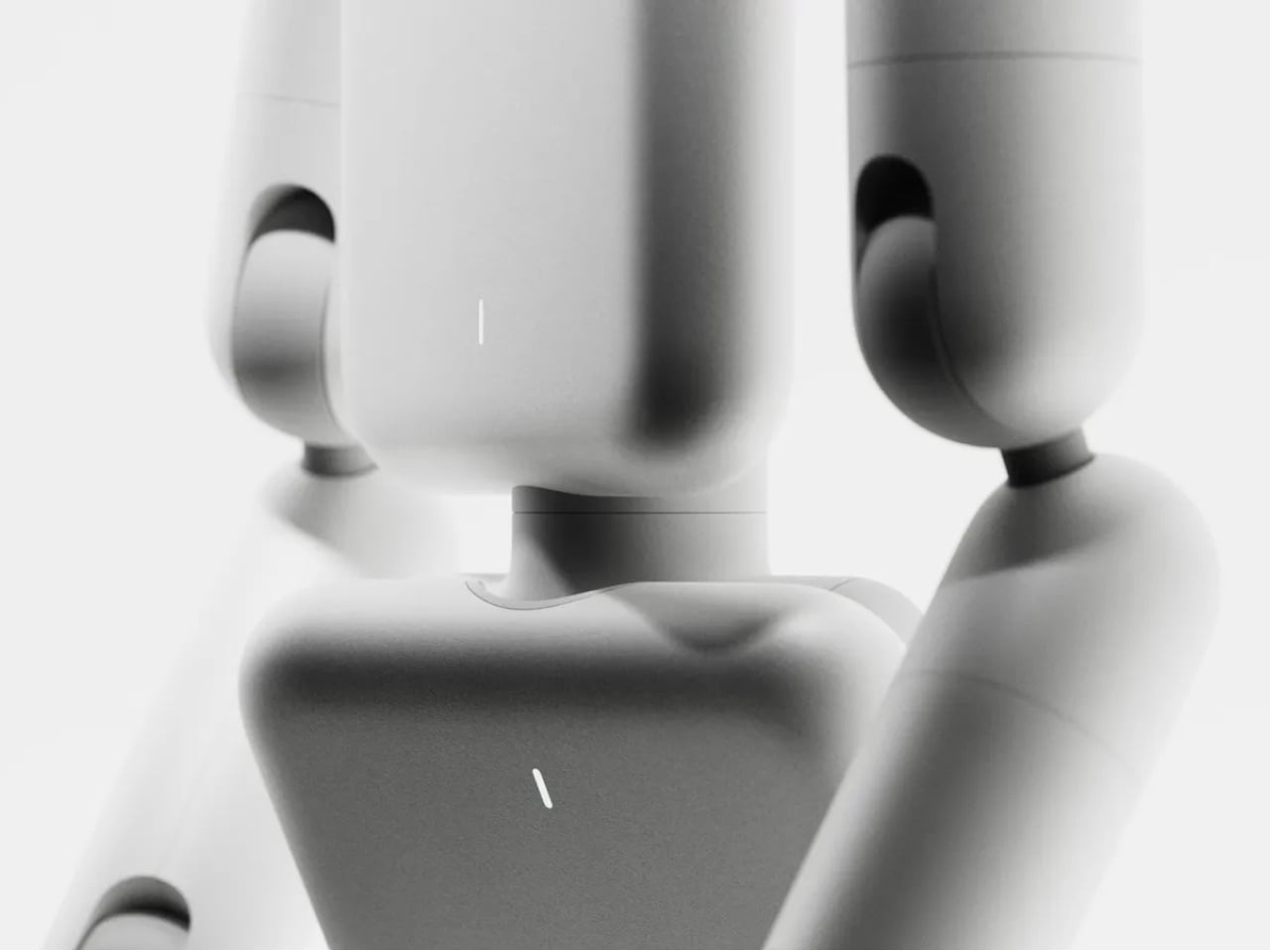
For those who want a deeper look at what’s happening under the hood, Genesis AI is offering an optional screen version of Eno featuring a cognitive interface that displays, in real time, what the robot is thinking and processing. It’s an unusual transparency move for a robotics company, and a genuinely smart one. Trust in AI systems tends to erode when people feel like they’re watching a black box make decisions. Showing the work, quite literally, is one way to build confidence in environments where precision matters, like hospitals, labs, or busy production floors.

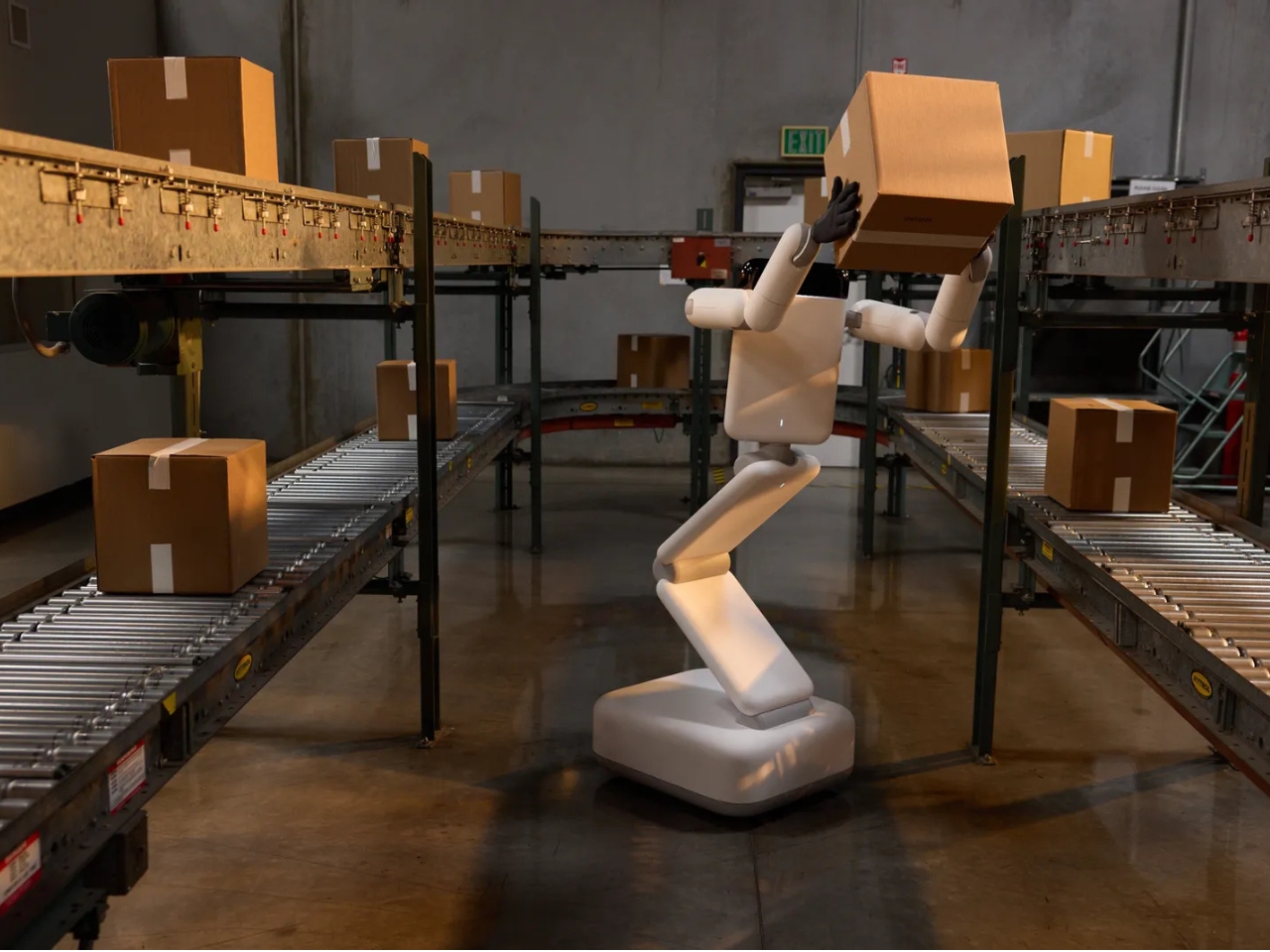
Deployment is set to begin with industrial customers by the end of 2026, starting with manufacturing, logistics, and laboratory settings before moving into service industries like hotels and hospitals, with consumer and home use following down the line. That rollout sequence makes sense. Controlled industrial environments offer a much cleaner test case for a robot learning the real world than someone’s living room does, and it gives Genesis AI the chance to refine Eno where the stakes of a miscalculation are measured in efficiency rather than anything more personal.

Whether Eno ends up being the robot that finally makes good on the promise of general-purpose robotics remains to be seen. The industry has announced breakthroughs before and delivered timelines that stretched well past the original projections. But Eno feels different in at least one significant way: it isn’t trying to win you over with its looks. It’s making a functional argument, and that alone puts it in a category of its own right now. Sometimes the smartest design choice is knowing exactly what not to include.

The post Forget Humanoids: Eno Might Be the Robot We Actually Need first appeared on Yanko Design.

What It Actually Feels Like to Hold Apple’s iPhone Ultra Fold

What It Actually Feels Like to Hold Apple’s iPhone Ultra Fold Hands-on look at the foldable iPhone Ultra dummy model.

Apple is poised to make a significant impact in the foldable smartphone market with the highly anticipated iPhone Ultra. With just three months until its official launch, early insights into a prototype reveal a carefully engineered device that blends innovative technology with a sleek design. The video below from Matt Talks Tech gives us more […]

The post What It Actually Feels Like to Hold Apple’s iPhone Ultra Fold appeared first on Geeky Gadgets.

Posted in Uncategorized

The EV Company That Just Launched a $1,990 Robot Dog

The EV Company That Just Launched a $1,990 Robot Dog Navi

Faraday Future’s June 16 event introduced humanoids, quadrupeds, education tools, and an ambitious plan to bring Embodied AI into homes and classrooms. Faraday Future has spent more than a decade working on intelligent electric vehicles. Now it wants to put that same mix of artificial intelligence, software, and physical engineering into something with legs. At […]

The post The EV Company That Just Launched a $1,990 Robot Dog appeared first on Geeky Gadgets.

Posted in Uncategorized

Why the DJI Pocket 4P Might Disappoint Modern Social Media Creators

Why the DJI Pocket 4P Might Disappoint Modern Social Media Creators Creator using the DJI Pocket 4P for travel vlogging

DJI has officially launched the Pocket 4P, a compact camera aimed at content creators who demand advanced features in a portable device. As highlighted by Tech Court, the Pocket 4P combines a dual-camera system with a 1-inch primary sensor and a 60mm telephoto lens, offering flexibility for diverse shooting scenarios. While the primary sensor delivers […]

The post Why the DJI Pocket 4P Might Disappoint Modern Social Media Creators appeared first on Geeky Gadgets.

Posted in Uncategorized

Why Your Apple Account Needs Two-Factor Authentication Today

Why Your Apple Account Needs Two-Factor Authentication Today A user approving an Apple login attempt on a trusted device

Two-factor authentication (2FA) is a crucial security feature designed to enhance the protection of your Apple account. It requires two forms of identification to verify your identity, making sure that even if someone obtains your password, they cannot access your account without completing an additional verification step. By combining your password with a six-digit verification […]

The post Why Your Apple Account Needs Two-Factor Authentication Today appeared first on Geeky Gadgets.

Posted in Uncategorized

XREAL R1 vs XREAL One Pro vs XREAL 1S : 240Hz Gaming or 1200P Clarity

XREAL R1 vs XREAL One Pro vs XREAL 1S : 240Hz Gaming or 1200P Clarity User wearing XREAL R1 glasses for high frame rate gaming

The XREAL R1, XREAL 1 Pro and XREAL 1S are three distinct models of augmented reality glasses, each tailored to different user needs. Gamers’ Generation examines their technical differences, such as display resolution, refresh rates and field of view (FOV). For example, the XREAL 1S features a 1200p micro-OLED display, making it well-suited for tasks […]

The post XREAL R1 vs XREAL One Pro vs XREAL 1S : 240Hz Gaming or 1200P Clarity appeared first on Geeky Gadgets.

Posted in Uncategorized

Why the Apple Watch Ultra 4 Redesign Changes Everything

Why the Apple Watch Ultra 4 Redesign Changes Everything Person wearing the redesigned Apple Watch Ultra 4 on their wrist

The Apple Watch Ultra 4 is poised to bring a fresh approach to smartwatch design and functionality. With a focus on comfort, durability, and advanced health monitoring, this next-generation device could address long-standing user concerns while introducing innovative features. If the rumors hold true, the Apple Watch Ultra 4 may reshape expectations for wearable technology, […]

The post Why the Apple Watch Ultra 4 Redesign Changes Everything appeared first on Geeky Gadgets.

Posted in Uncategorized

The Lamp That Turned a 100-Year-Old Rule Upside Down

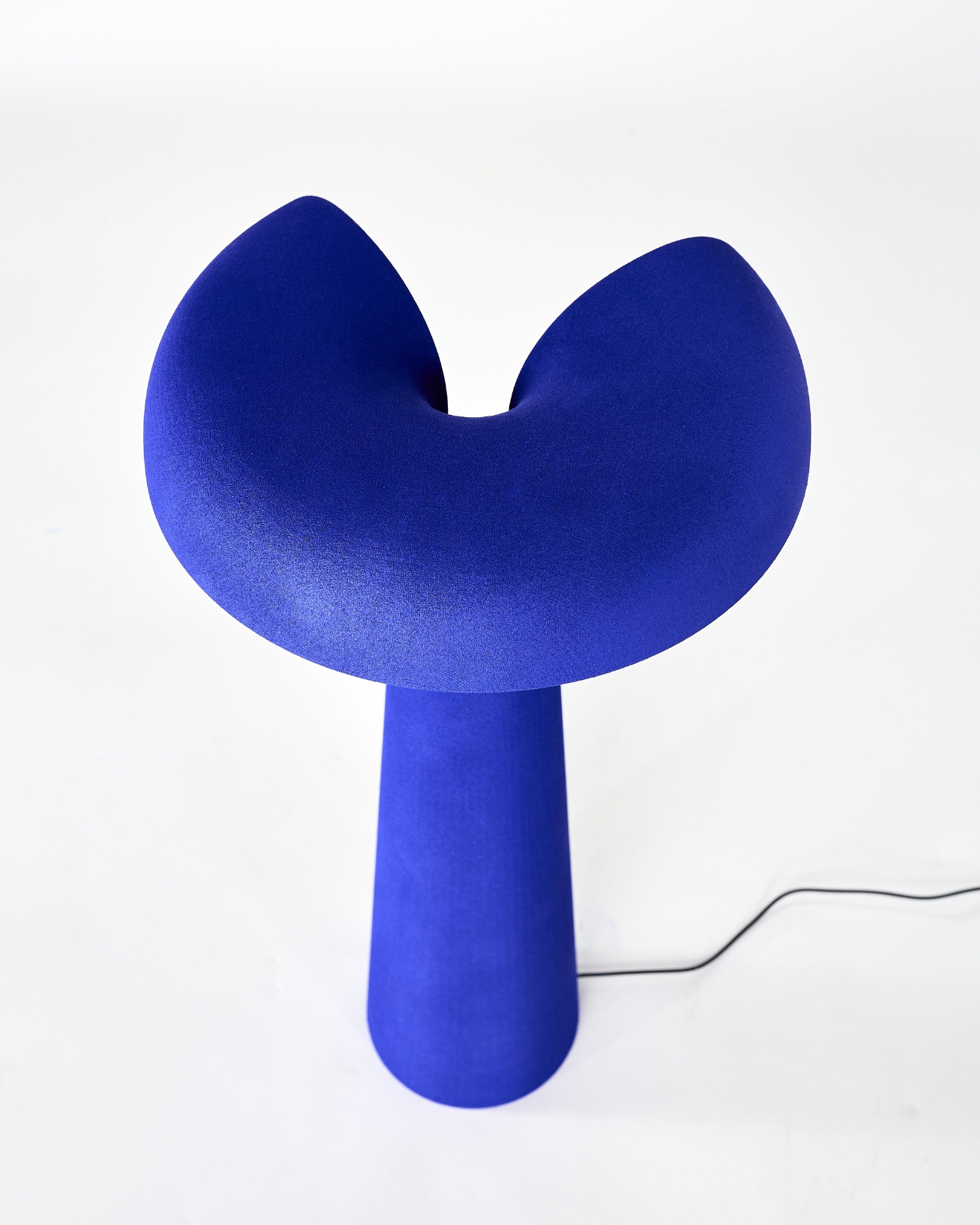
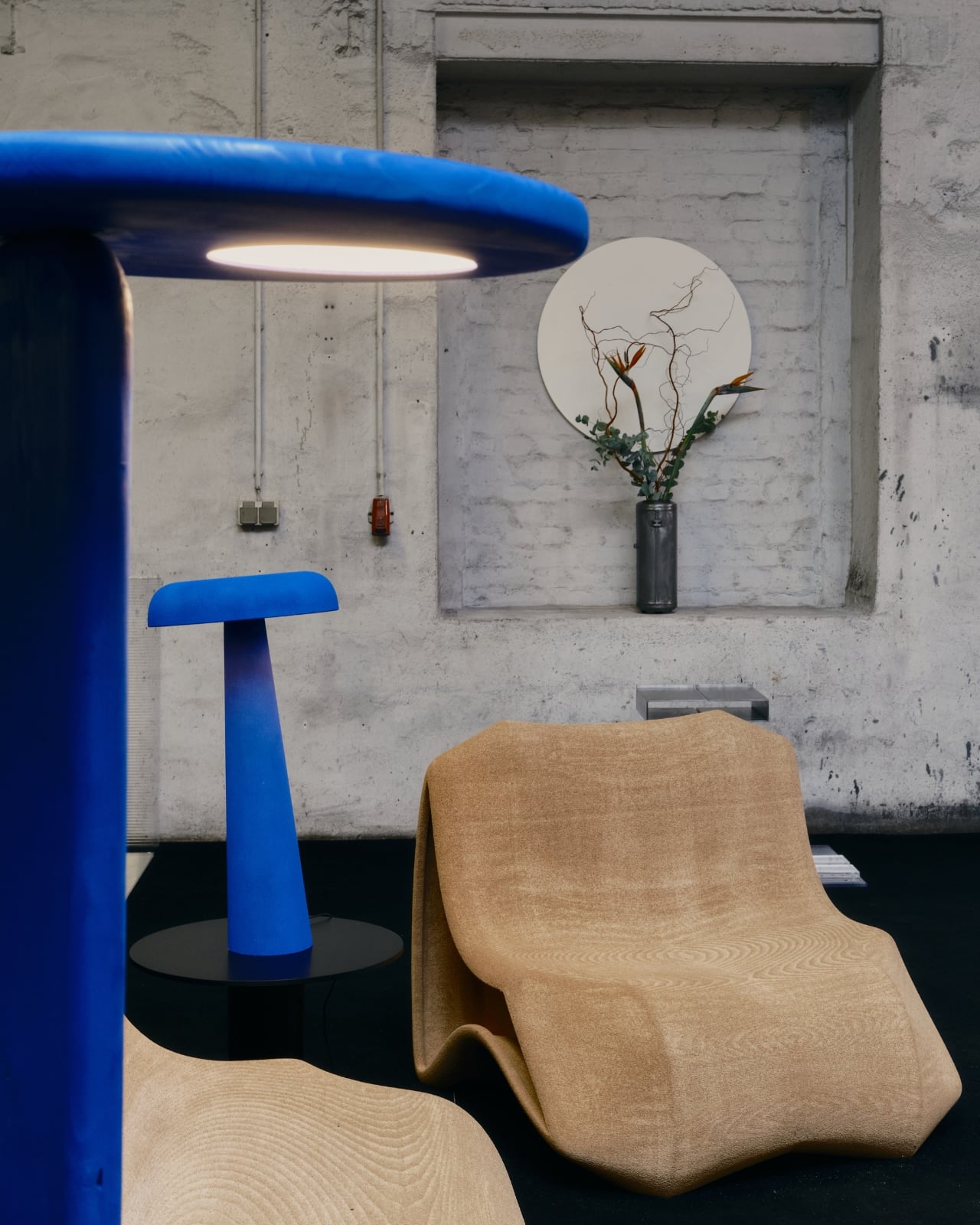
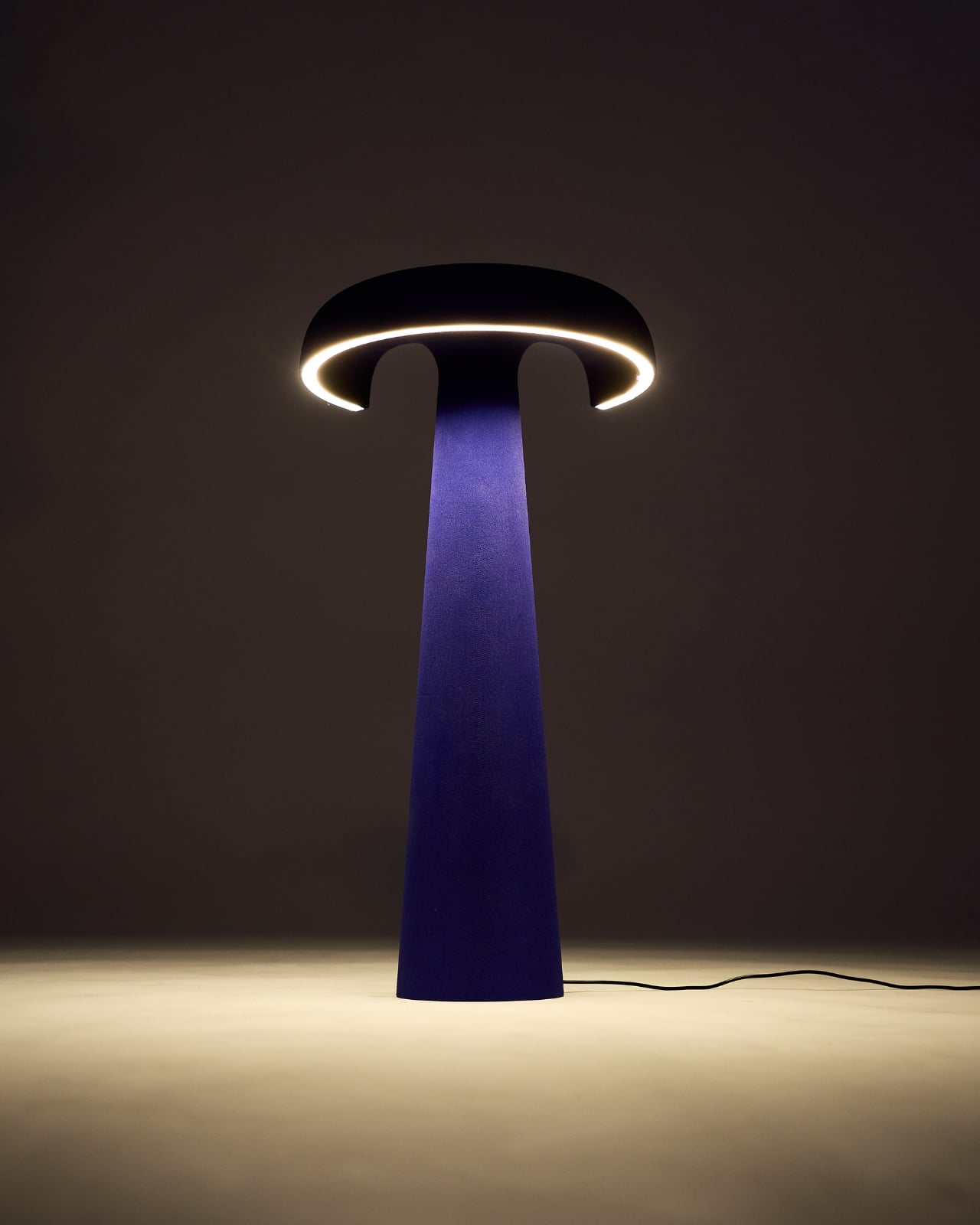
The lampshade has had one job since Edison’s era: surround the bulb, soften the glare, direct the light. It exists in service of something else, always subordinate, always secondary. Nobody really looks at a lampshade. They look at the light it produces. Raphael Klug decided that was a problem worth solving.

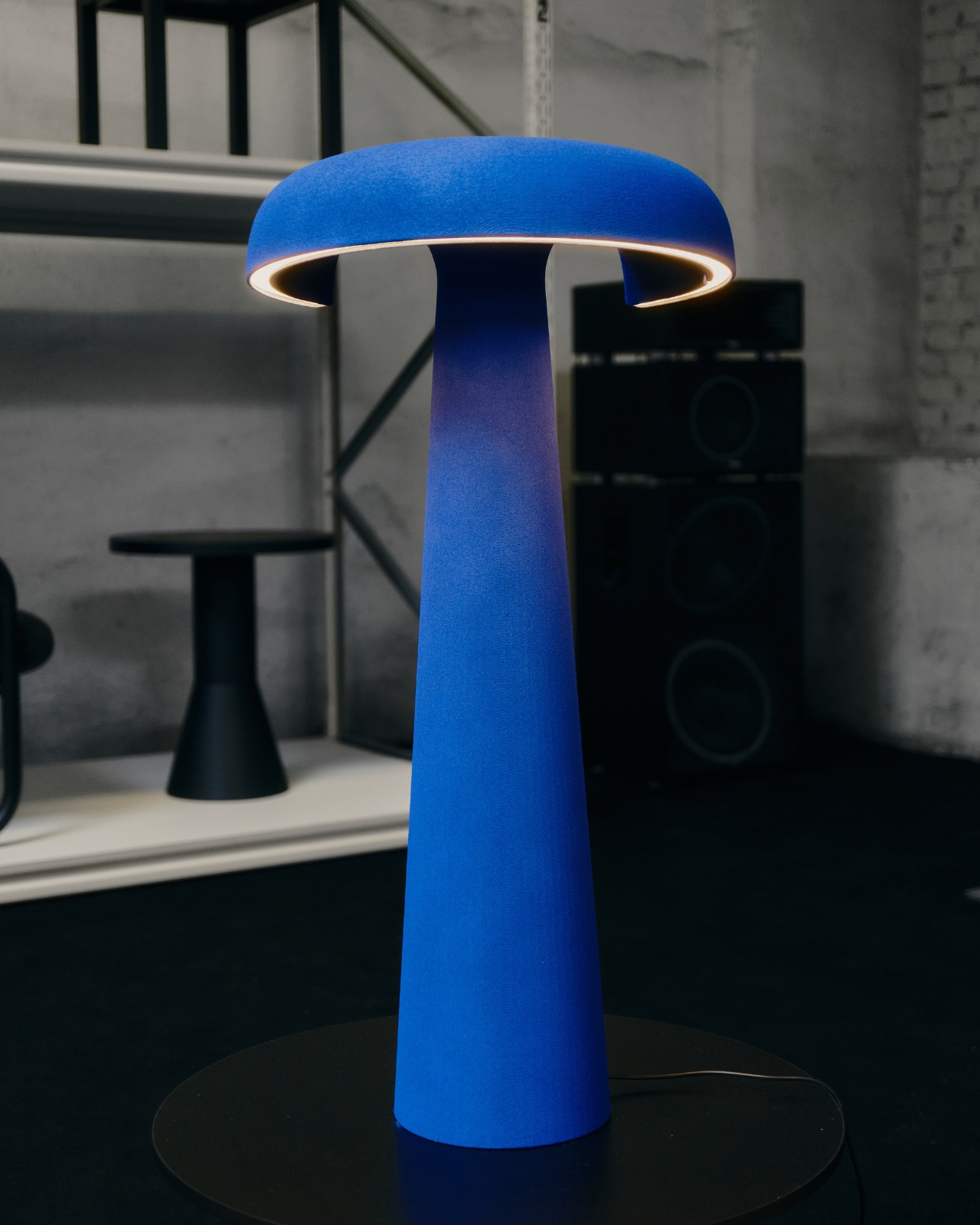
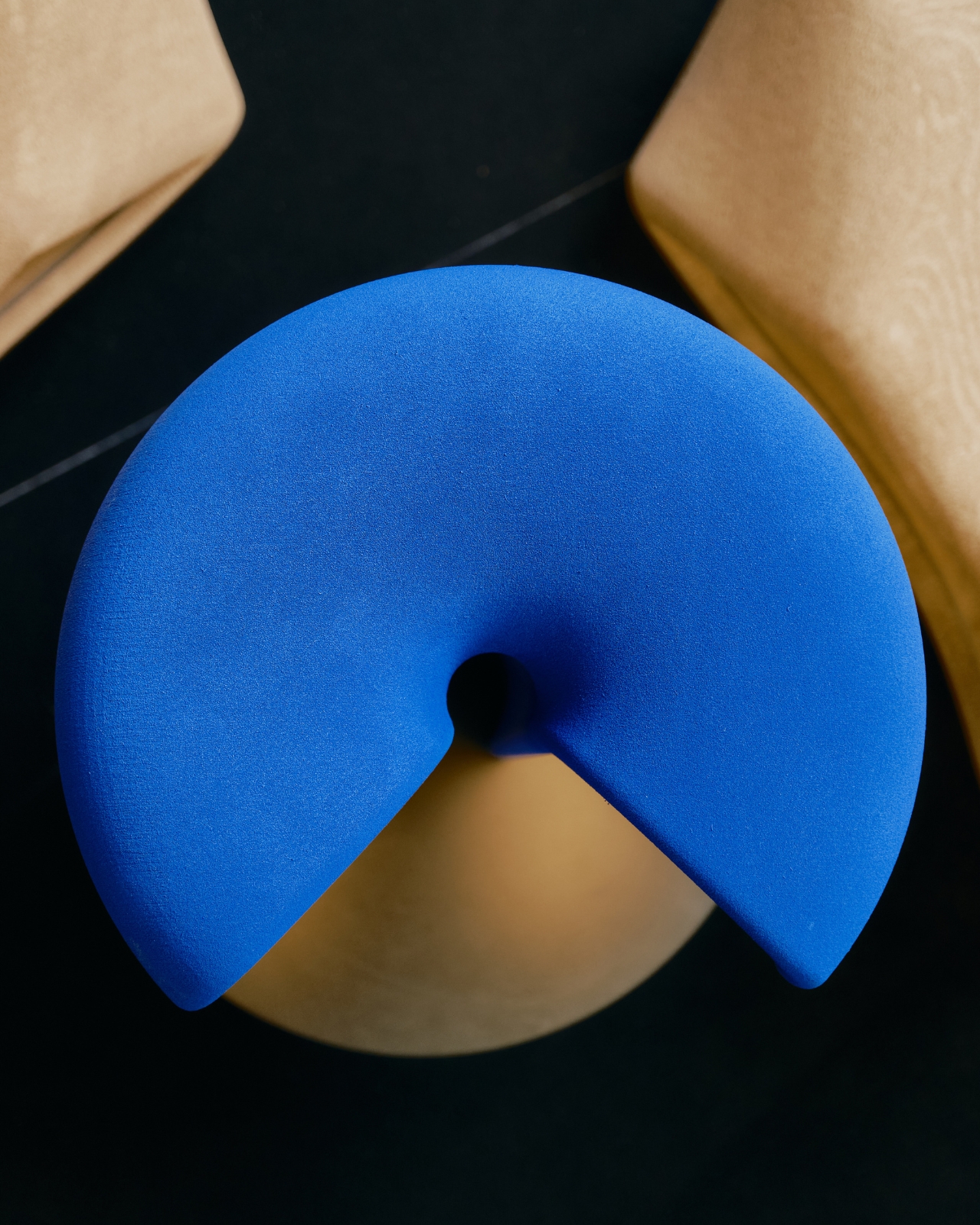
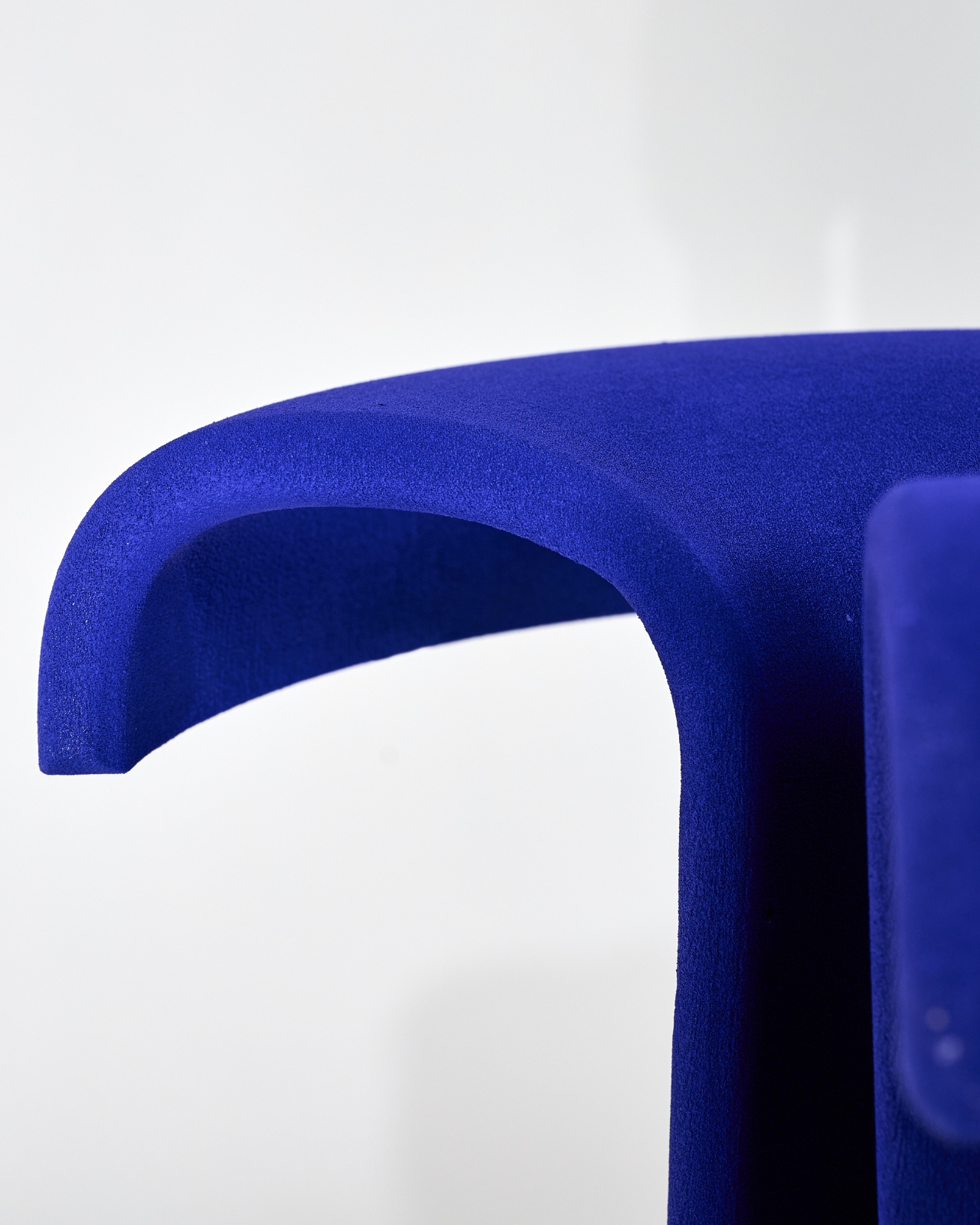
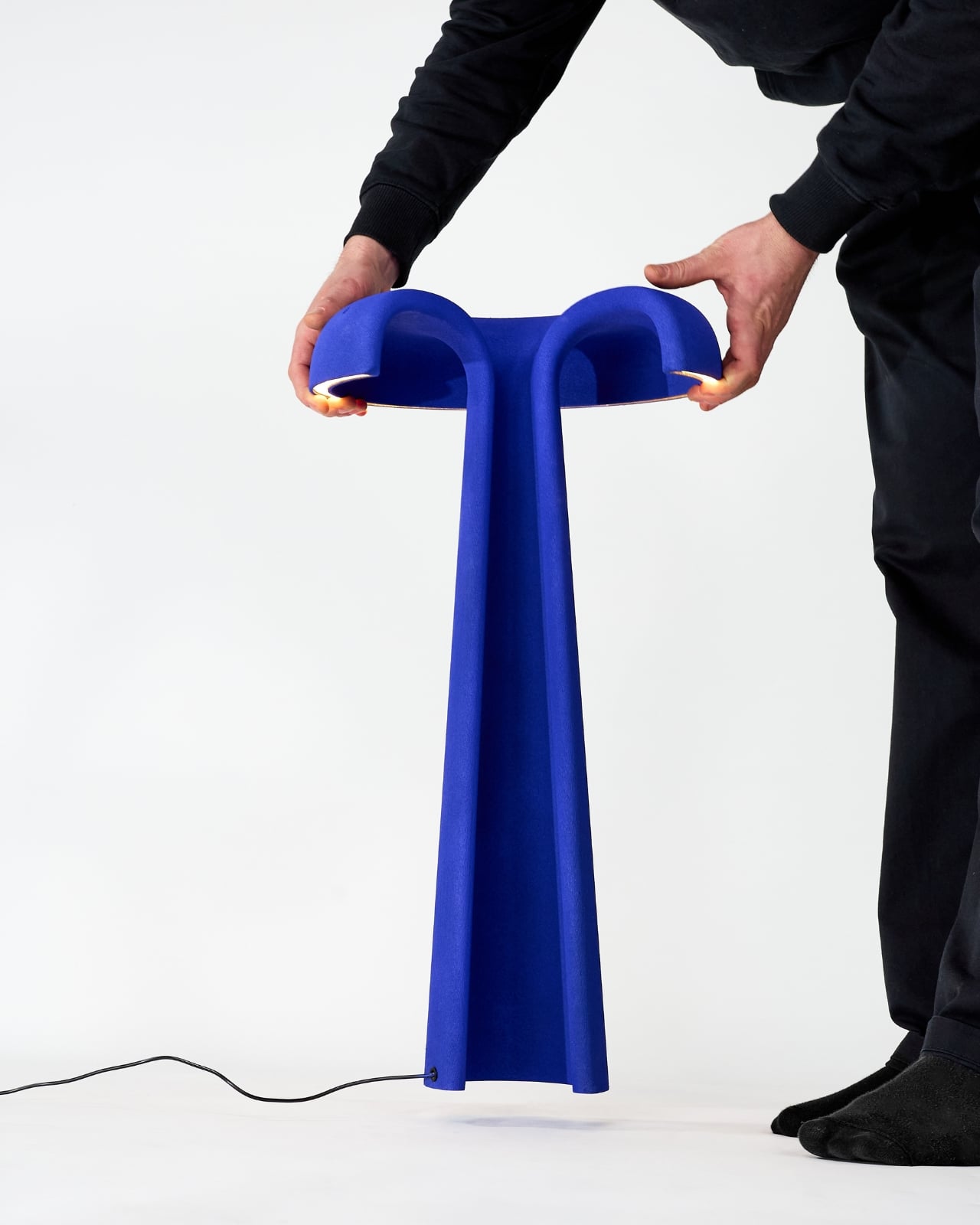
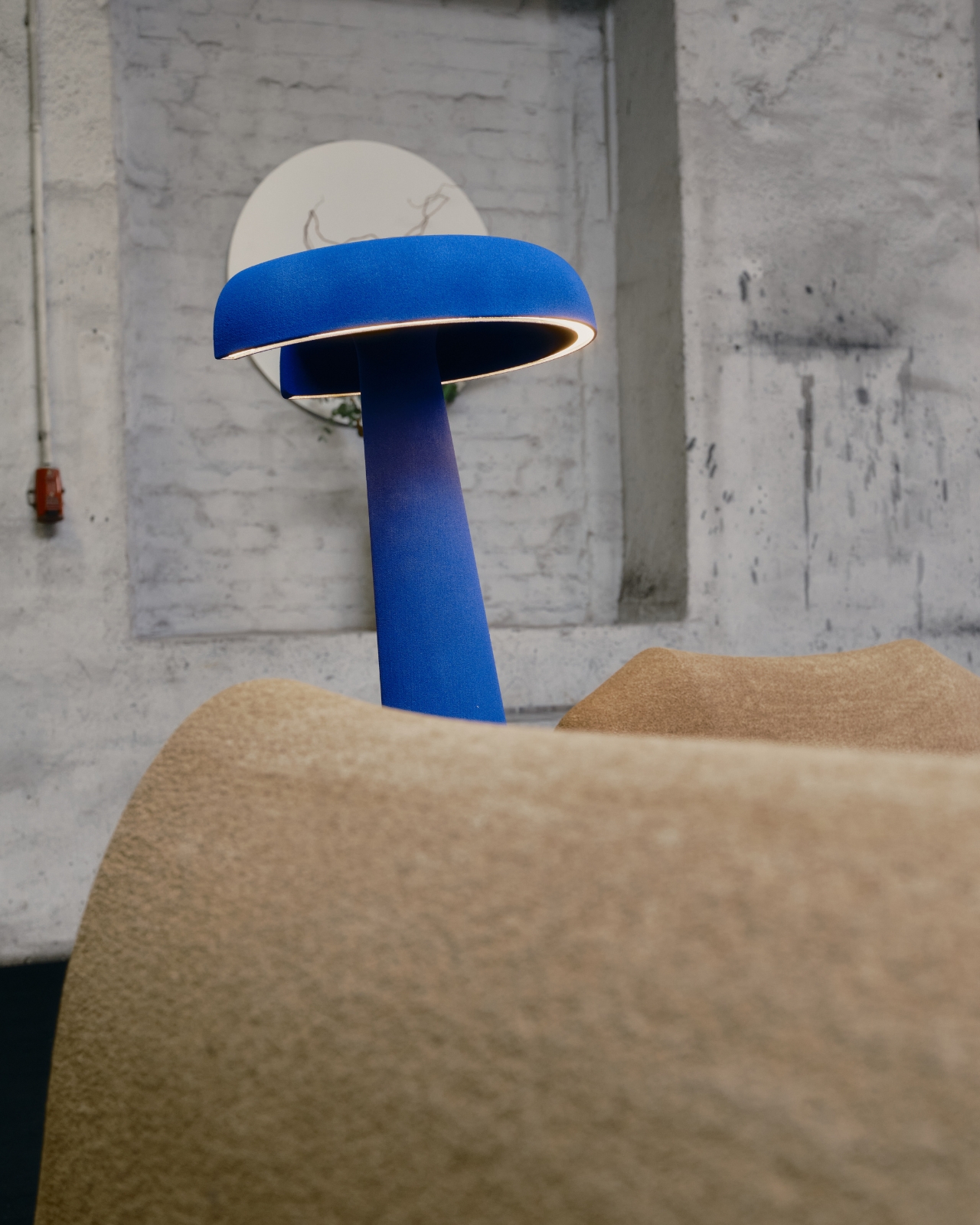
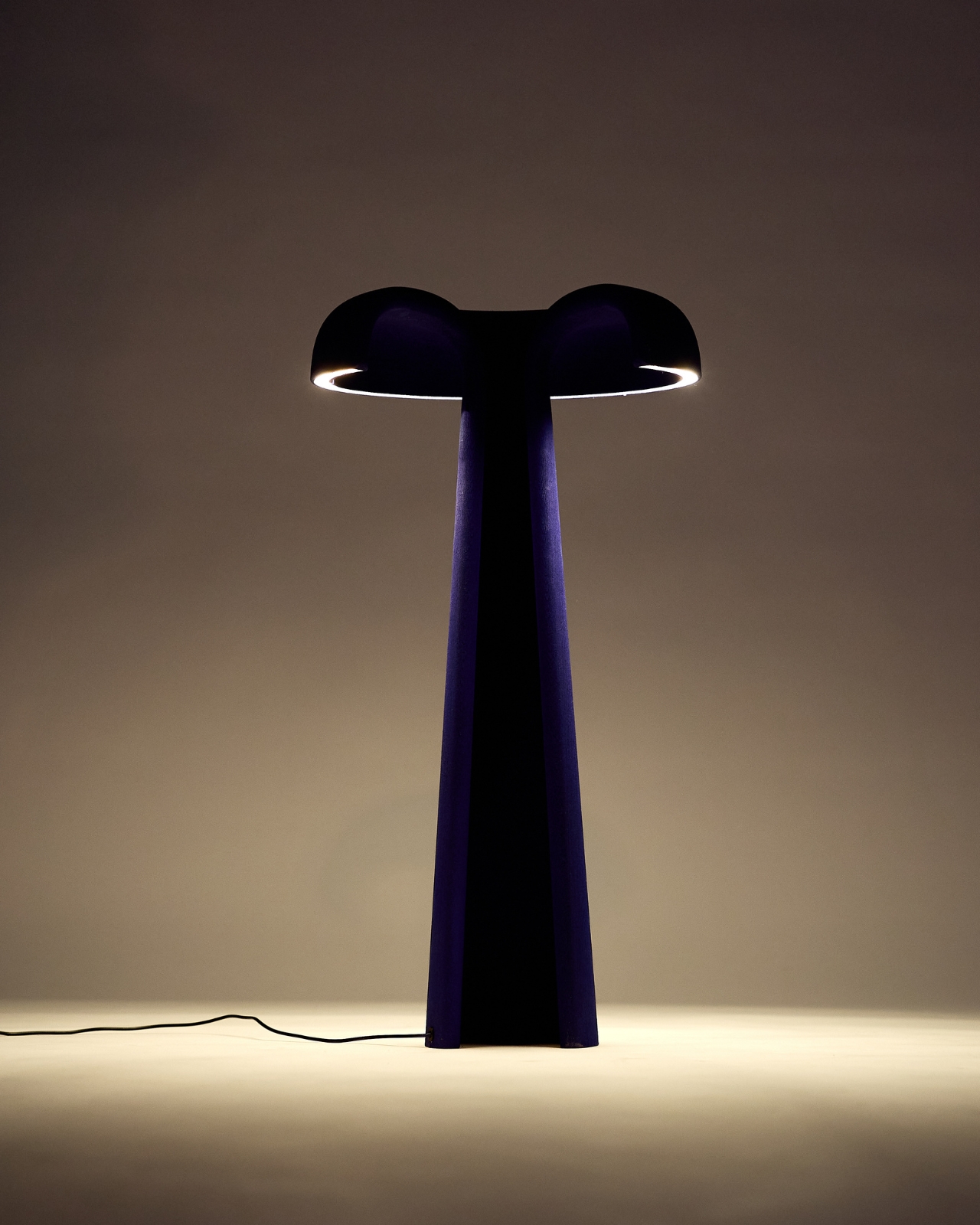
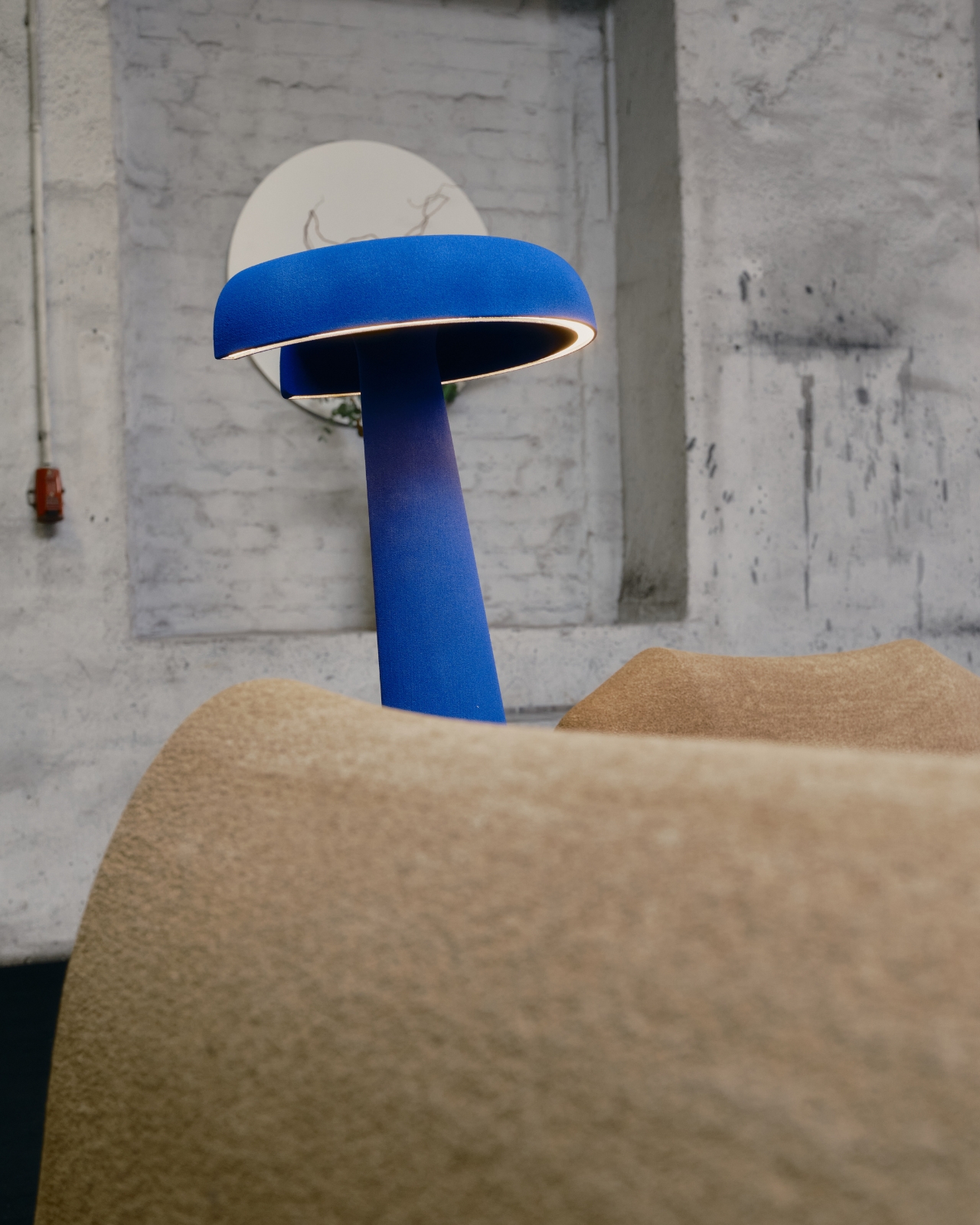
His Loop Lamp doesn’t hide the light source inside the shade. It moves the light entirely to the outside, leaving the shade hollow, open, and unapologetically empty. The shade stops being a vessel and becomes a volume. A form. An object in its own right. And when you see it in person, the effect is genuinely disorienting in the best possible way.

Designer: Raphael Klug (photography by Lisha Imani Hülser)

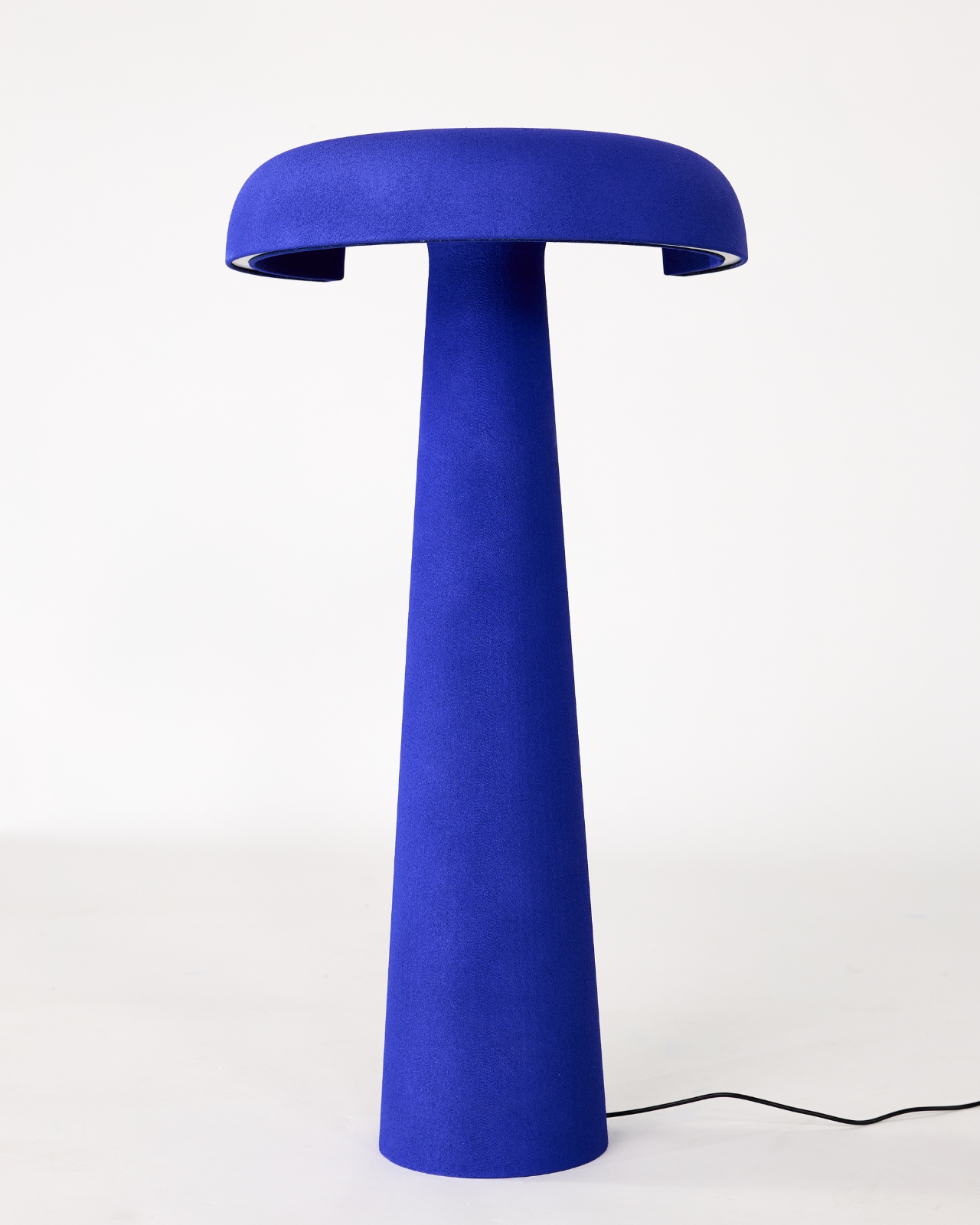
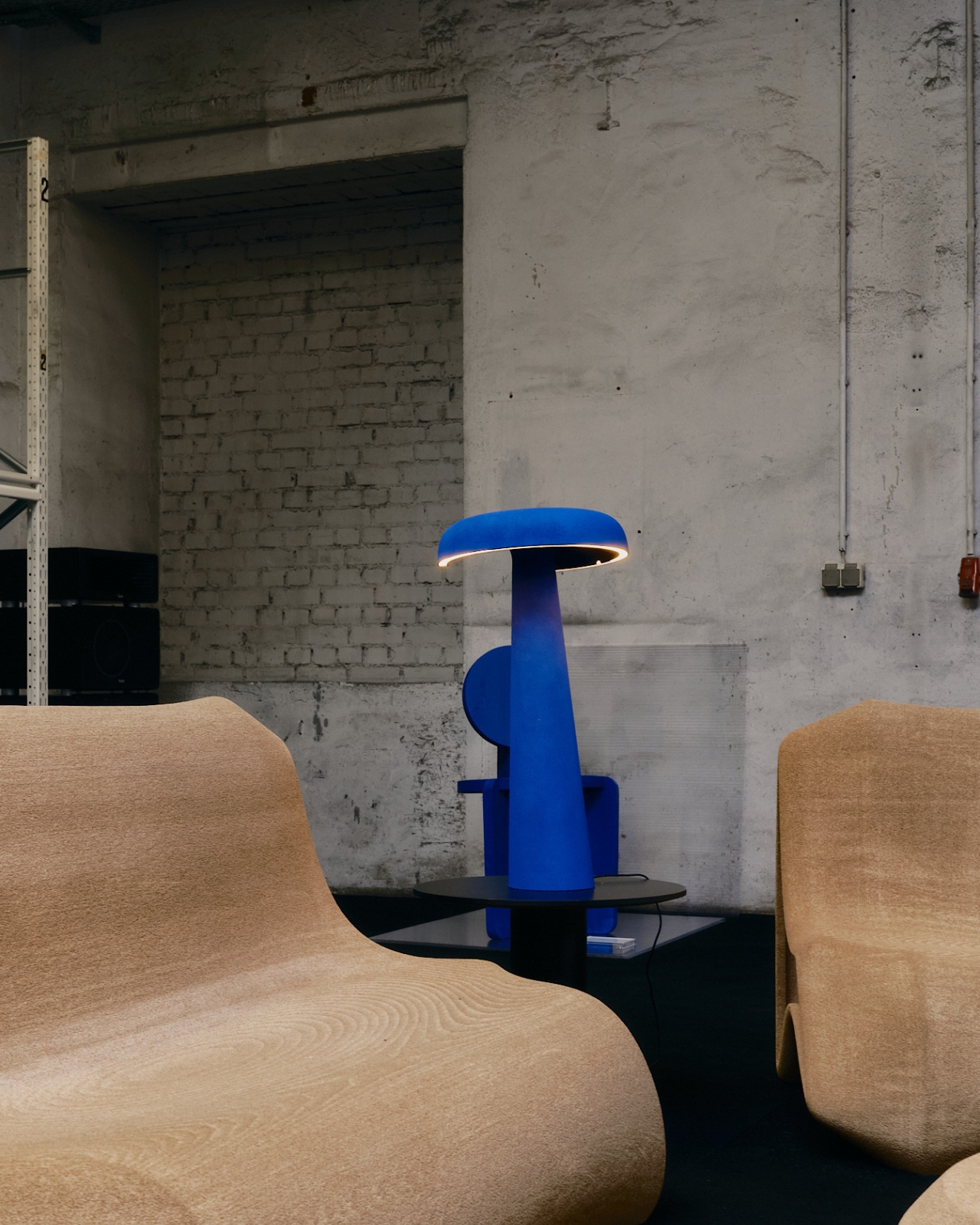
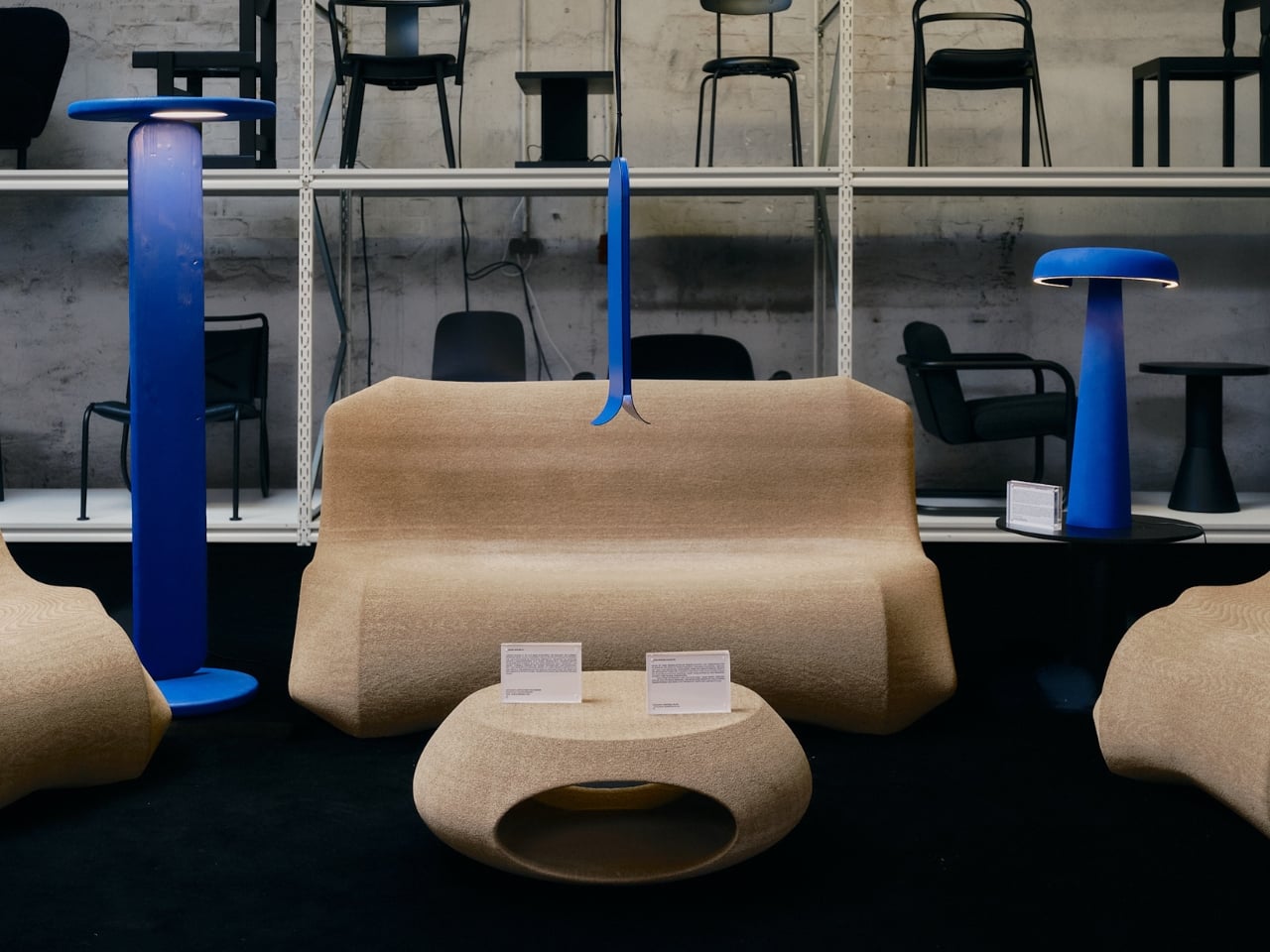
From the front, the Loop Lamp reads almost like a figure. The tapered column rises from the base, and the wide disc-like top floats above it with a thin ring of warm light glowing along the inner rim. The shade and the body connect in a way that feels less industrial and more sculptural, somewhere between a ceramic vessel and a modernist monument. You’d be forgiven for walking past it at an exhibition and thinking it was art before realizing it’s a lamp.

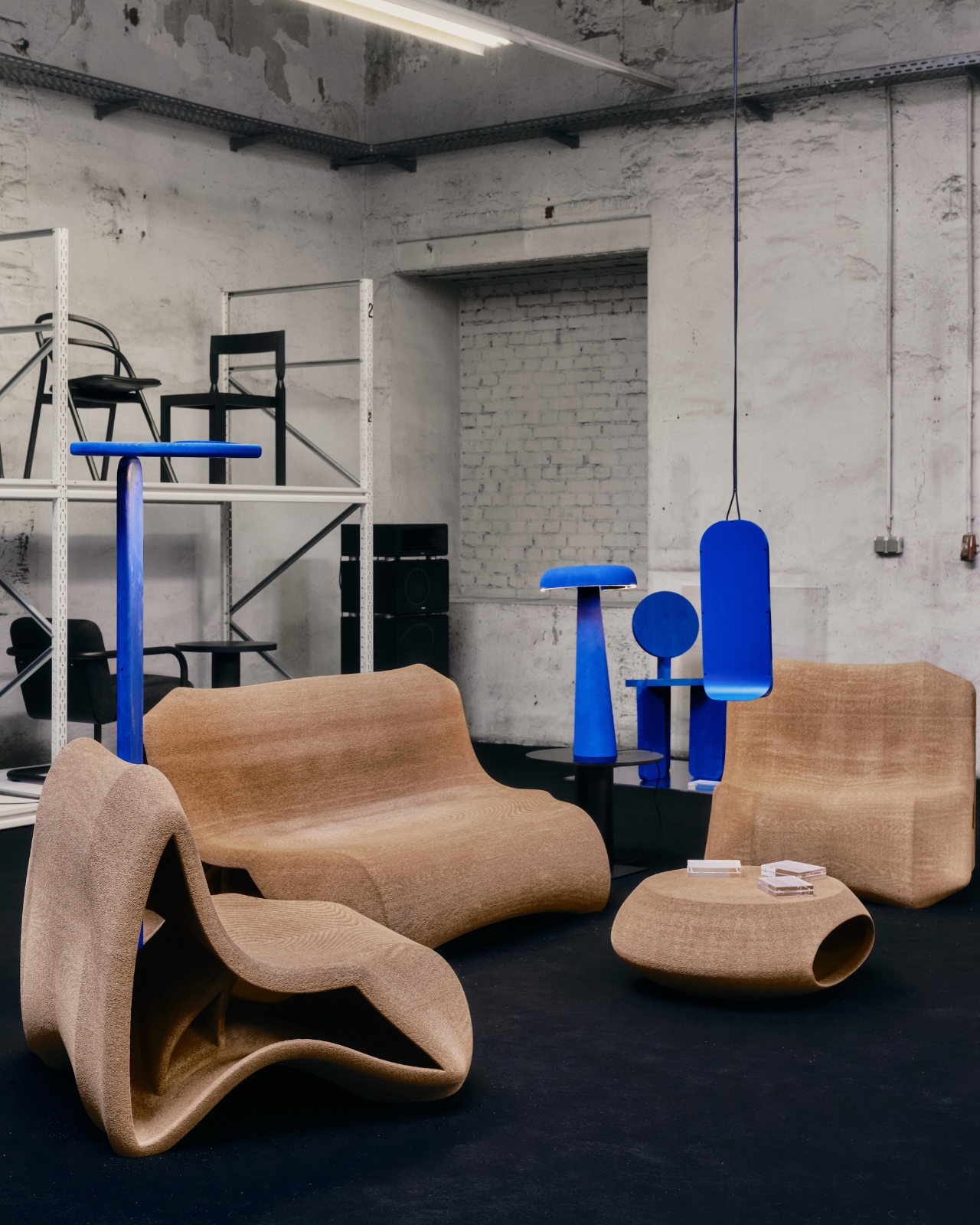
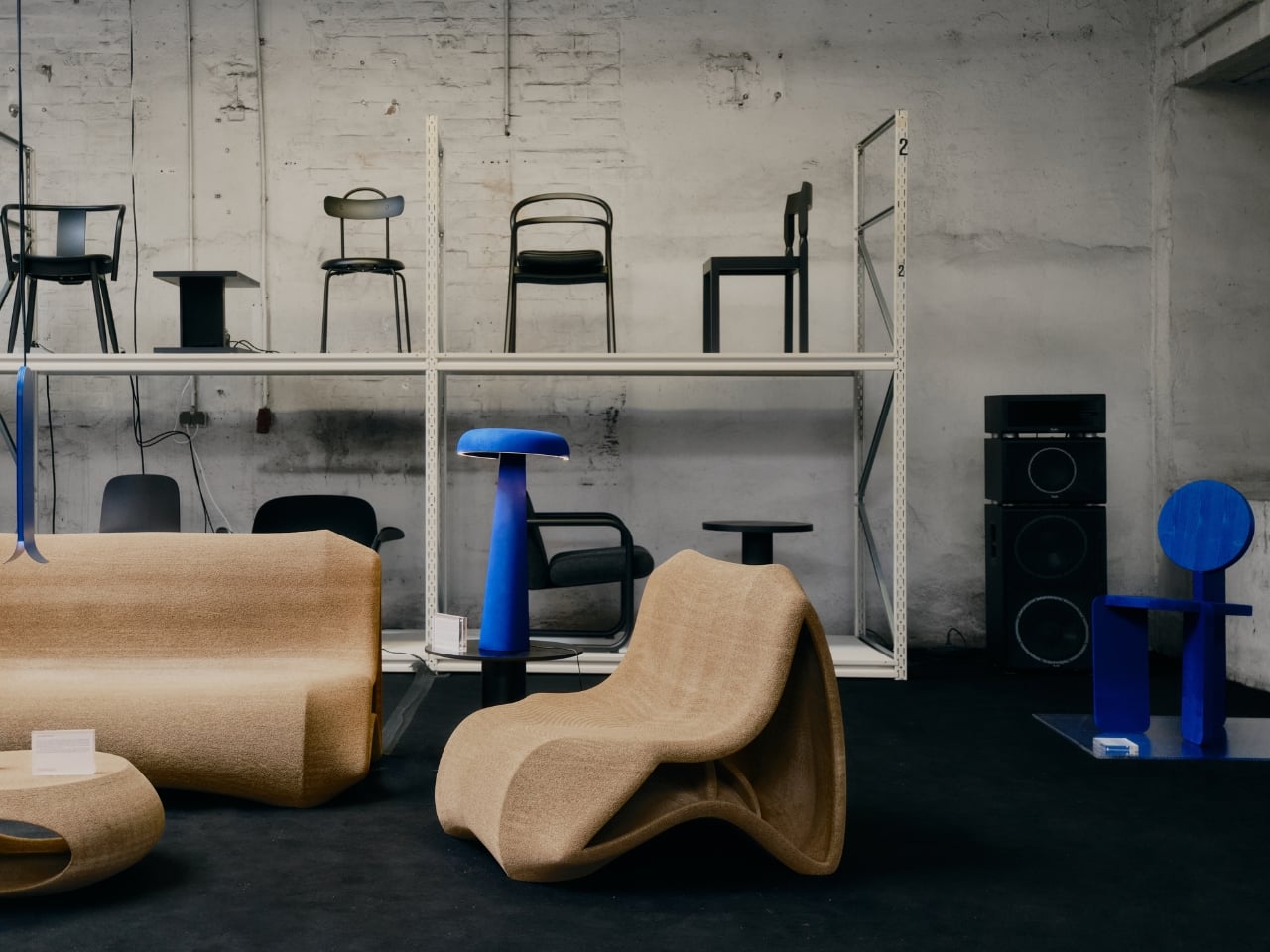
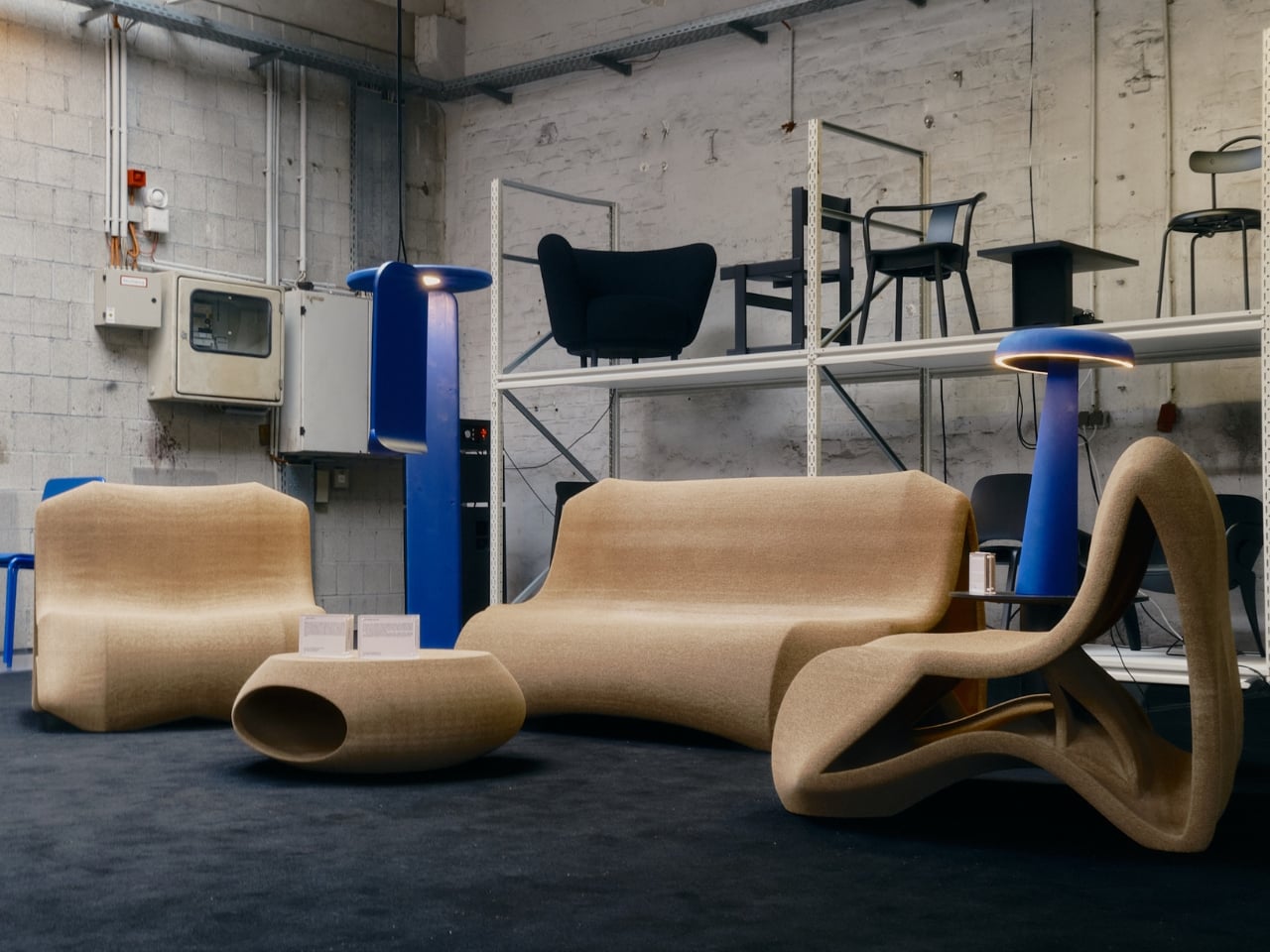
Seeing it installed alongside other furniture makes its presence even more apparent. The electric blue colorway, that deep, almost Klein-blue intensity, does a lot of the heavy lifting aesthetically. It photographs beautifully, which probably explains why it’s been circulating on design feeds. But there’s more going on here than a striking color palette.

What Klug has done is reframe the conceptual role of a familiar object. The shade, usually ignored, becomes the focal point. The light source, usually the star, steps offstage. It’s an inversion that sounds simple when you explain it but takes real design conviction to pull off without the result feeling like a gimmick. The Loop Lamp doesn’t feel like a gimmick. It feels considered, precise, and strangely inevitable once you understand the idea.

The material story adds another layer. The object was additively manufactured from quartz sand, produced in collaboration with Sandhelden, a company that specializes in 3D printing with natural sand-based materials. This isn’t just a process footnote because it shapes the object’s texture in a way that conventional molding couldn’t replicate. The surface has a slight granularity, almost matte and tactile, which contrasts beautifully with the ring of light. Under certain angles it absorbs shadow rather than reflecting it, giving the lamp a density that heavier materials don’t always achieve.

3D printing with sand also means that scale and material can shift in ways that traditional manufacturing makes difficult. Klug has already noted that the concept opens possibilities for other scales and materials, and I find that genuinely exciting to think about. A table version. A pendant version. A version in translucent composite that catches light entirely differently. The floor lamp is the proof of concept, and it’s a convincing one.

Design conversations lately tend to swing between two poles: objects that are purely functional and stripped of personality, and objects so decorative they forget to work. The Loop Lamp sits comfortably outside both camps. It functions exactly as a floor lamp should, casting a warm, ambient ring of light at the right height for a living space. But it also asks a genuine question about form, expectation, and what an object is allowed to be beyond its primary purpose.

That question is what makes it worth paying attention to. Designers interrogating the rules of familiar objects isn’t new, but doing it with this level of restraint and material intelligence is less common. Klug didn’t add more to the lampshade. He took away its responsibility and, in doing so, gave it an identity. That’s a harder thing to do than it looks. And the Loop Lamp makes it look effortless.

The post The Lamp That Turned a 100-Year-Old Rule Upside Down first appeared on Yanko Design.
Rokid AI Glasses Three Months Later: Assessing the Real Value

Rokid AI Glasses Three Months Later: Assessing the Real Value Person wearing Rokid AI Glasses recording a POV video outdoors

Three months after their release, the Rokid AI Glasses continue to be assessed for their practicality and functionality. Jasmine Uniza notes that the 2.5K resolution camera stands out as a valuable feature, particularly for content creators needing high-quality point-of-view footage. While the lightweight design allows for longer wear, some users overview that achieving a comfortable […]

The post Rokid AI Glasses Three Months Later: Assessing the Real Value appeared first on Geeky Gadgets.

Posted in Uncategorized