Crafted from robust titanium, this multitool isn’t just for show; it’s built to perform. With 17 tools integrated into its compact frame, the GH Carabiner is ready to take on a variety of challenges. Whether you’re an avid outdoors person or someone who appreciates being prepared, this device is engineered to assist you in conquering […]
Folks who like controlling aspects of their home using their voice or an app may be pleased to learn there’s a sale on Google Nest gear happening now ahead of the Amazon Spring Sale. There are some solid discounts here, including one on the Google Nest Thermostat, which is down to $100. That’s $30 off the usual price and it applies to all four colors. While that's not the lowest price we've seen for the thermostat (it has dropped to $80 in the past), it's still a solid deal.
The Nest Thermostat has been around for a few years now. It's a more affordable version of the Nest Learning Thermostat, which usually costs $249 but is also on sale for $190. Both are designed to help save energy and cut down on heating and air conditioner costs. The Energy Star-certified Nest Thermostat can automatically adjust the temperature when you leave your home to avoid wasting energy on heating or cooling.
You can use the Nest app to adjust the settings remotely, so if you're getting back earlier than usual or unexpectedly staying out late, the temperature will be just right. You can also control the thermostat using Google Assistant or another Matter-certified voice assistant (such as Alexa or Siri) as long as you have a compatible smart device. Meanwhile, the Savings Finder feature will offer you tips on how to adjust your temperature schedule to reduce costs even further.
Several Nest cameras are on sale too. The Indoor Nest Cam is down to $80, which is $20 off. If you’d prefer a camera for the exterior of your residence, the Outdoor Nest Cam has dropped from $180 to $140. Those looking for a smart doorbell, meanwhile, may want to consider the Nest Doorbell Wired. That's $20 off at $150.
This article originally appeared on Engadget at https://www.engadget.com/the-google-nest-thermostat-drops-to-100-ahead-of-the-amazon-big-spring-sale-142804063.html?src=rss
If you need to edit a PDF file but would rather not part with your hard earned cash and purchase a third-party app. If you are using an Apple Mac computer you’ll be pleased to know that there are already integrated editing features within macOS that you can use for free. Before diving into the […]
AAEON has introduced two new COM Express Type 6 Compact Size modules, the COM-RAPC6 and COM-ADNC6, designed for advanced robotics and edge gateway markets. The first module, the COM-RAPC6, is a powerhouse. It’s equipped with the latest 13th Generation Intel Core Processors, which can support up to 14 cores and 20 threads. This means you’ll […]
With the release of iOS 17.4, iPhone users are in for a treat as Apple introduces a slew of features aimed at enhancing security, personalization, and overall device functionality. If you’ve been looking to get more out of your iPhone, diving into these settings will significantly improve your user experience. The video below from iGeeksBlog […]
Conversing with your computer has been a dream of futurists and technologists for decades. When you look at 2004’s state of the art, it’s staggering to see how far we’ve come. There are now billions of devices in our hands, and homes that listen to our queries and do their very best to answer them. But for all of the time, money and effort, chatbots of any stripe have not swallowed the world as their creators intended. They’re miraculous. They’re also boring. And it’s worth asking why.
Chatbot is a term covering a lot of systems, from voice assistants to AI and everything else in the middle. Talking to your computer in the not-so-good old days meant typing into a window and watching the machine attempt a facsimile of the act of conversation rather than the real thing. The old ELIZA (1964 to 1967) trick of restating user inputs in the form of a question helped sell this performance. And this continued even as far as 2001’s SmarterChild chatbot. The other branch of this work was to digitize the analog with voice-to-text engines, like Nuance’s frustrating but occasionally wonderful product.
In 2011, the ideas in that early work joined up to make Siri for the iPhone 4S, which was quietly built on Nuance’s work. Amazon founder, Jeff Bezos, saw Siri’s promise early and launched a large internal project to make a homegrown competitor. In 2014, Alexa arrived, with Cortana and Google Assistant following in subsequent years. Natural language computing was now available on countless smartphones and smart home devices.
Companies are largely reticent to be specific about the price of building new projects, but chat has been costly.Forbes reported in 2011 that buying the startup behind Siri cost Apple $200 million. In 2018,The Wall Street Journal quoted Dave Limp, who said Amazon’s Alexa team had more than 10,000 employees. ABusiness Insider story from 2022 suggested the company pegged more than $10 billion in losses on Alexa’s development. Last year,The Information claimed Apple is now spending a million dollars a day on AI development.
So, what do we use this costly technology for? Turning our smart bulbs on and off, playing music, answering the doorbell and maybe getting the sports scores. In the case of AI, perhaps getting poorly summarized web search results (or an image of human subjects with too many fingers.) You’re certainly not having much in the way of meaningful conversation or pulling vital data out of these things. Because in pretty much every case, its comprehension sucks and it struggles with the nuances of human speech. And this isn’t isolated. In 2021,Bloomberg reported on internal Amazon data saying up to a quarter of buyers stop using their Alexa unit entirely in the second week of owning one.
The oft-cited goal has been to make these platforms conversationally intelligent, answering your questions and responding to your commands. But while it can do some basic things pretty well, like mostly understanding when you ask it to turn your lights down, everything else isn’t so smooth. Natural language tricks users into thinking the systems are more sophisticated than they actually are. So when it comes time to ask a complex question, you’re more likely to get the first few lines of a wikipedia page, eroding any faith in their ability to do more than play music or crank the thermostat.
The assumption is that generative AIs bolted onto these natural language interfaces will solve all of the issues presently associated with voice. And yes, on one hand, these systems will be better at pantomiming a realistic conversation and trying to give you what you ask for. But, on the other hand, when you actually look at what comes out the other side, it’s often gibberish. These systems are making gestures toward surface level interactions but can’t do anything more substantive. Don’t forget when Sports Illustrated tried to use AI-generated content that boldly claimed volleyball could be “tricky to get into, especially without an actual ball to practice with.” No wonder so many of these systems are, asBloomberg reported last year, propped up by underpaid human labor.
Of course, the form’s boosters will suggest it’s early days and, like OpenAI CEO Sam Altman has said recently, we still need billions of dollars in more chip research and development. But that makes a mockery of the decades of development and billions of dollars already spent to get where we are today. But it’s not just cash or chips that’s the issue: Last year,The New York Times reported the power demands of AI alone could skyrocket to as much as 134 terawatt hours per year by 2027. Given the urgent need to curb power consumption and make things more efficient, it doesn’t bode well for either the future of its development or our planet.
We’ve had 20 years of development, but chatbots still haven’t caught on in the ways we were told they would. At first, it was because they simply struggled to understand what we wanted, but even if that’s solved, would we suddenly embrace them? After all, the underlying problem remains: We simply don’t trust these platforms, both because we have no faith in their ability to do what we ask them to and because of the motivations of their creators.
One of the most enduring examples of natural language computing in fiction, and one often cited by real-world makers, is the computer from Star Trek: The Next Generation. But even there, with a voice assistant that seems to possess something close to general intelligence, it’s not trusted to run the ship on its own. A crew member still sits at every station, carrying out the orders of the captain and generally performing the mission. Even in a future so advanced it’s free of material need, beings still crave the sensation of control.
To celebrate Engadget's 20th anniversary, we're taking a look back at the products and services that have changed the industry since March 2, 2004.
This article originally appeared on Engadget at https://www.engadget.com/chatbots-promise-a-future-that-will-never-arrive-140033258.html?src=rss
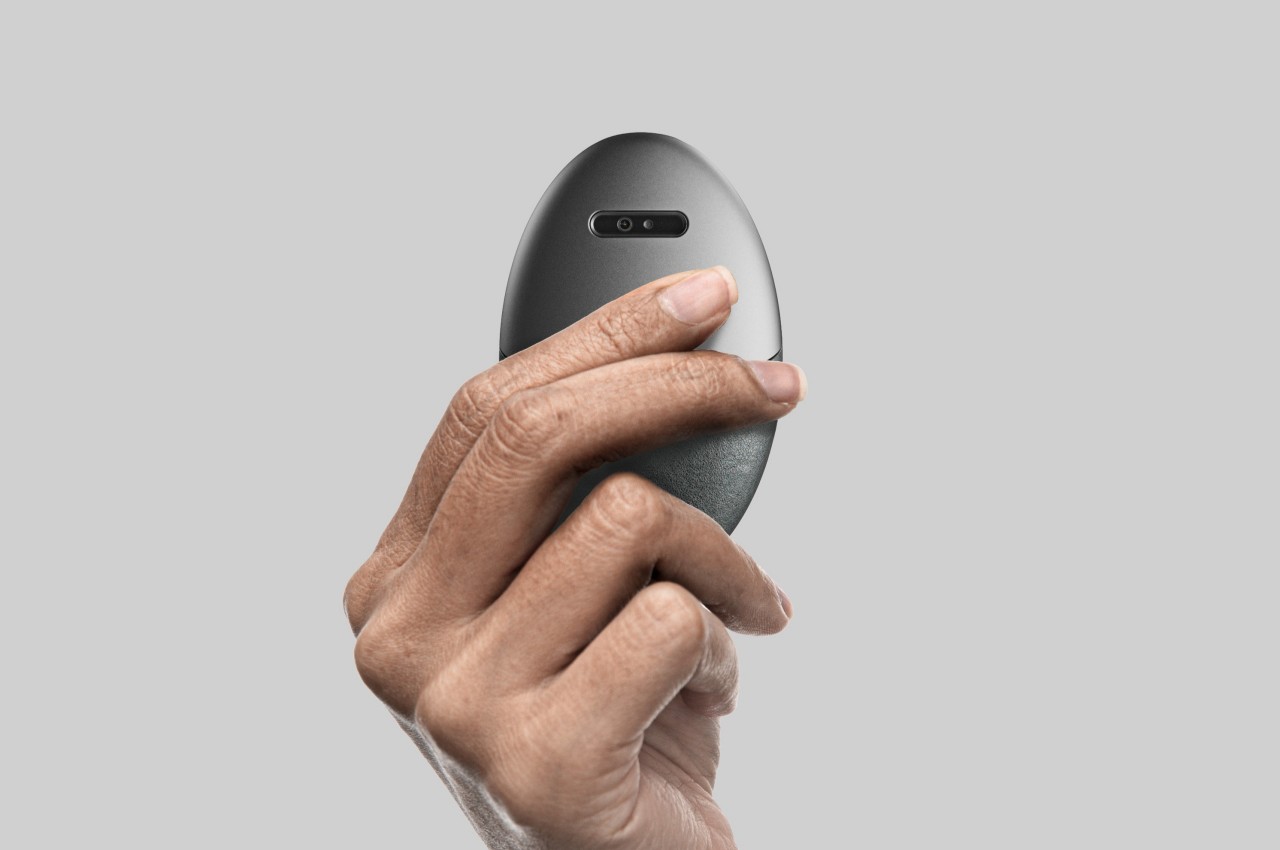
Smartphone cameras have become the primary way people record memories, whether it’s a dramatic view of a travel destination, an unforgettable snapshot of a once-in-a-lifetime stunt, or viral selfies to announce to the whole world that you are here. Given how smartphones are designed, you can only take a shot either from the rear camera or the front selfie cam, never both at the same time. There are apps that do attempt that but those are rare and they only insert a small square frame of your face like a sticker on a photo. There are, however, more artistic ways to combine opposite views of the same scene, and this camera design concept applies a particular “holographic” effect that makes each photo taken even more memorable and special.
Designers: JiHoon Park, Eojin Jeon, Jagyeong Baek, Jeseok Poong, Dongheun Kang
We often use cameras to record memories, but those memories always come with an unseen element: the person taking the picture. In many cases, it is definitely better not to see the person behind the lens if the focus is on the scene or object. There are times, however, when such moments are best remembered with your presence, but perhaps in a way that makes it more unique and distinctive, without simply slapping your face or name on the photo.
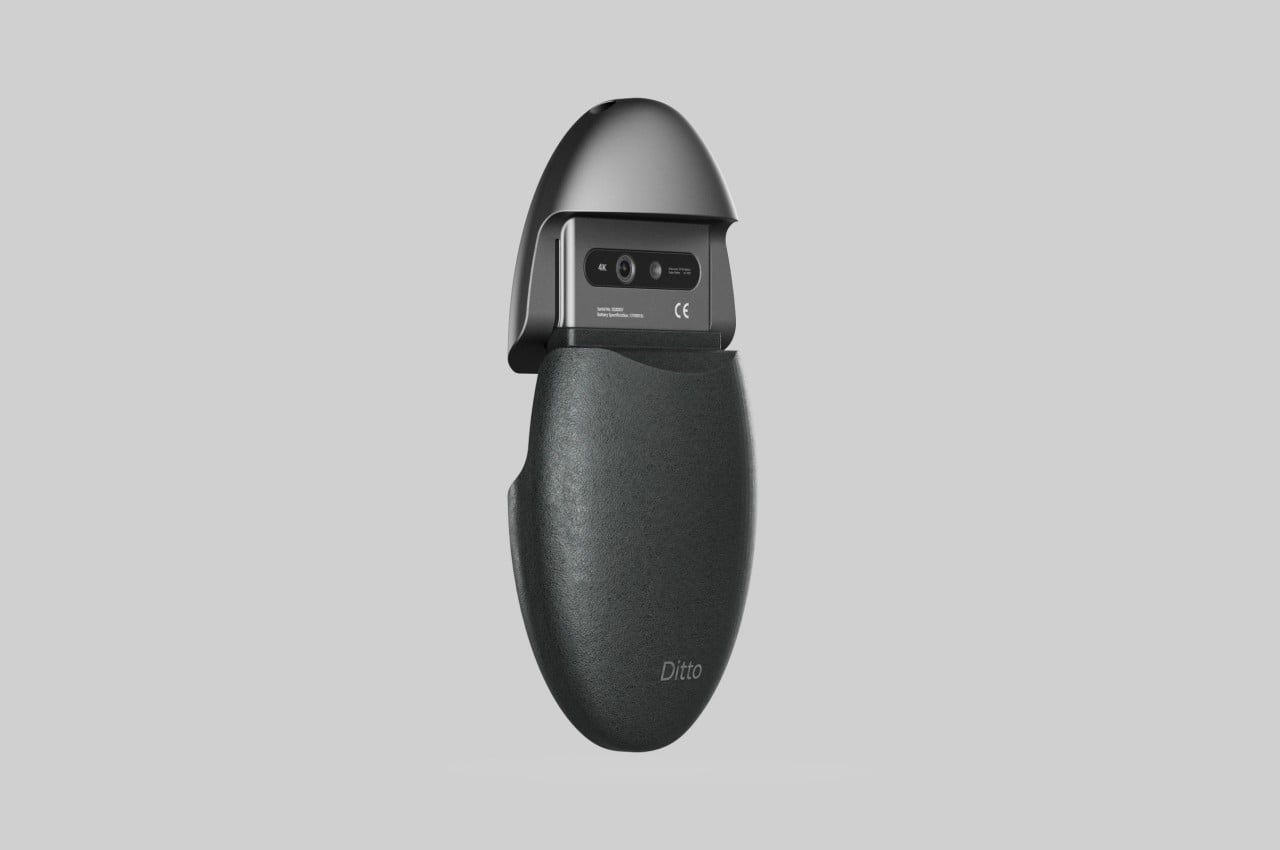
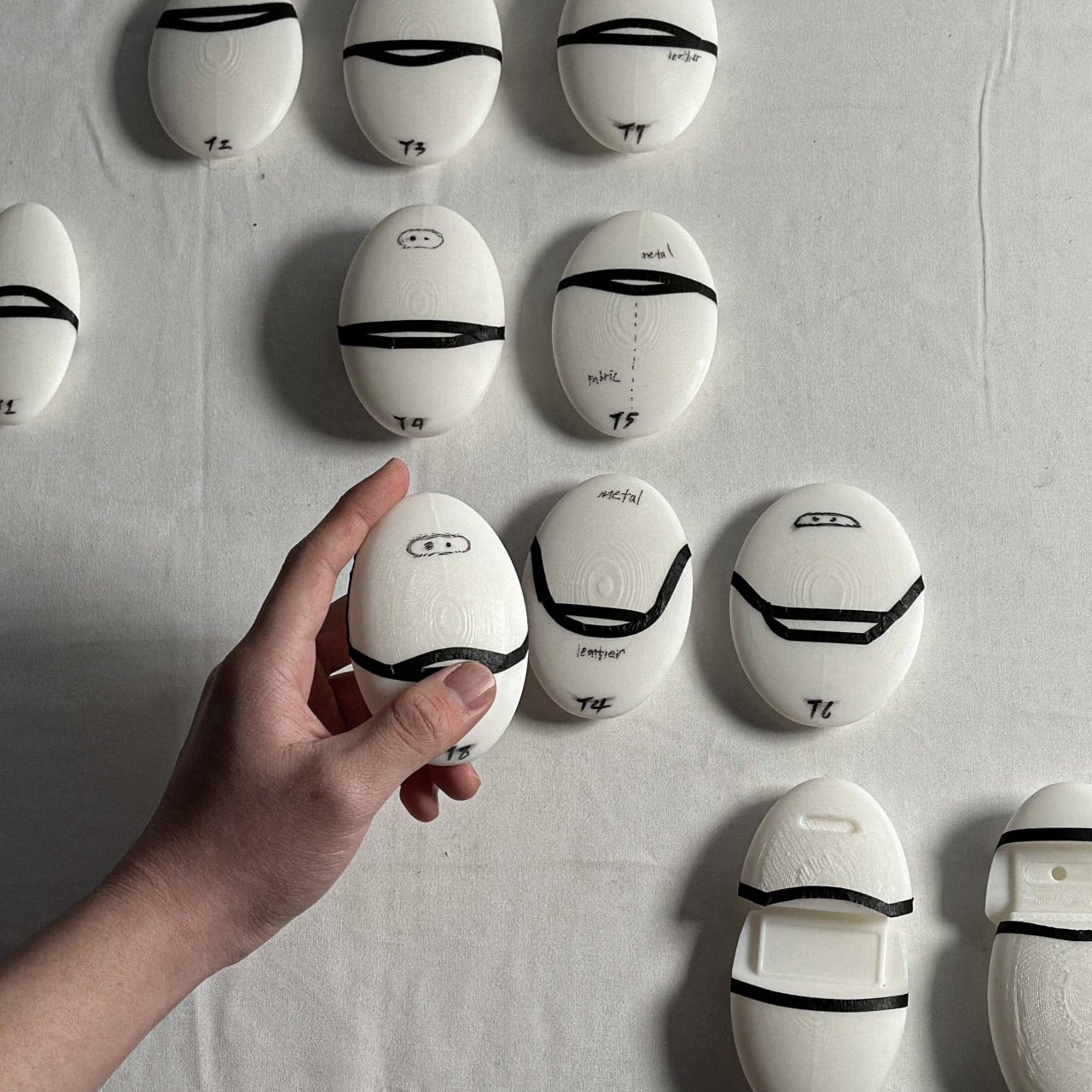
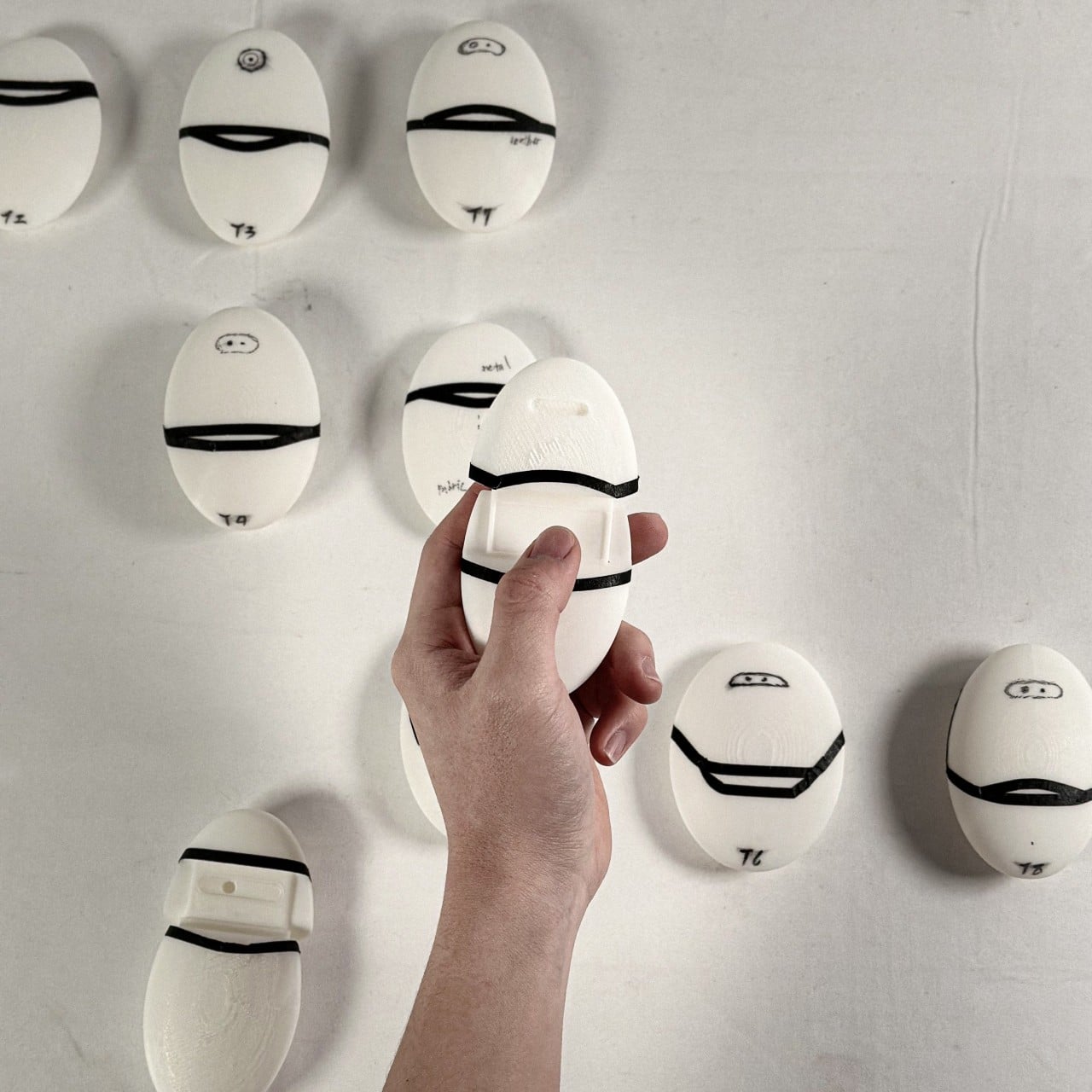
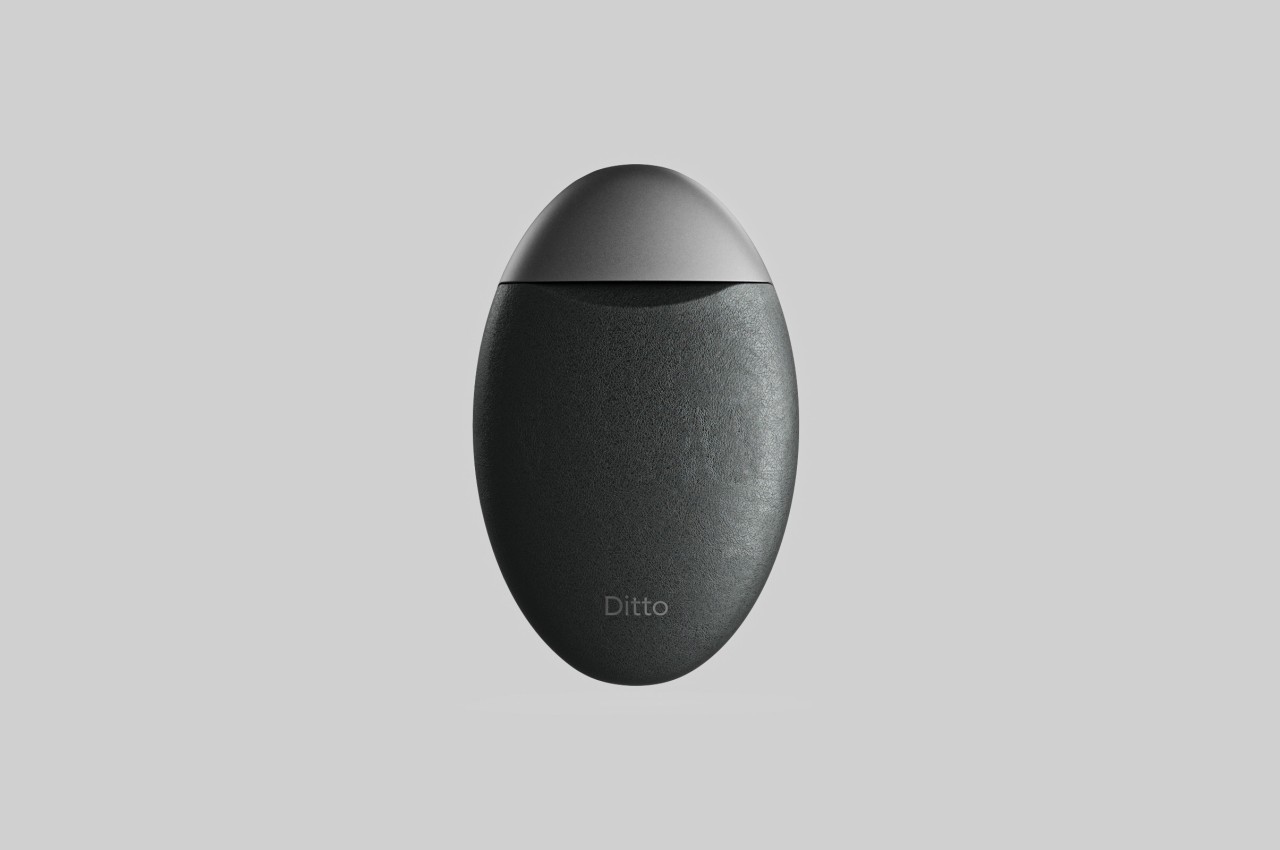
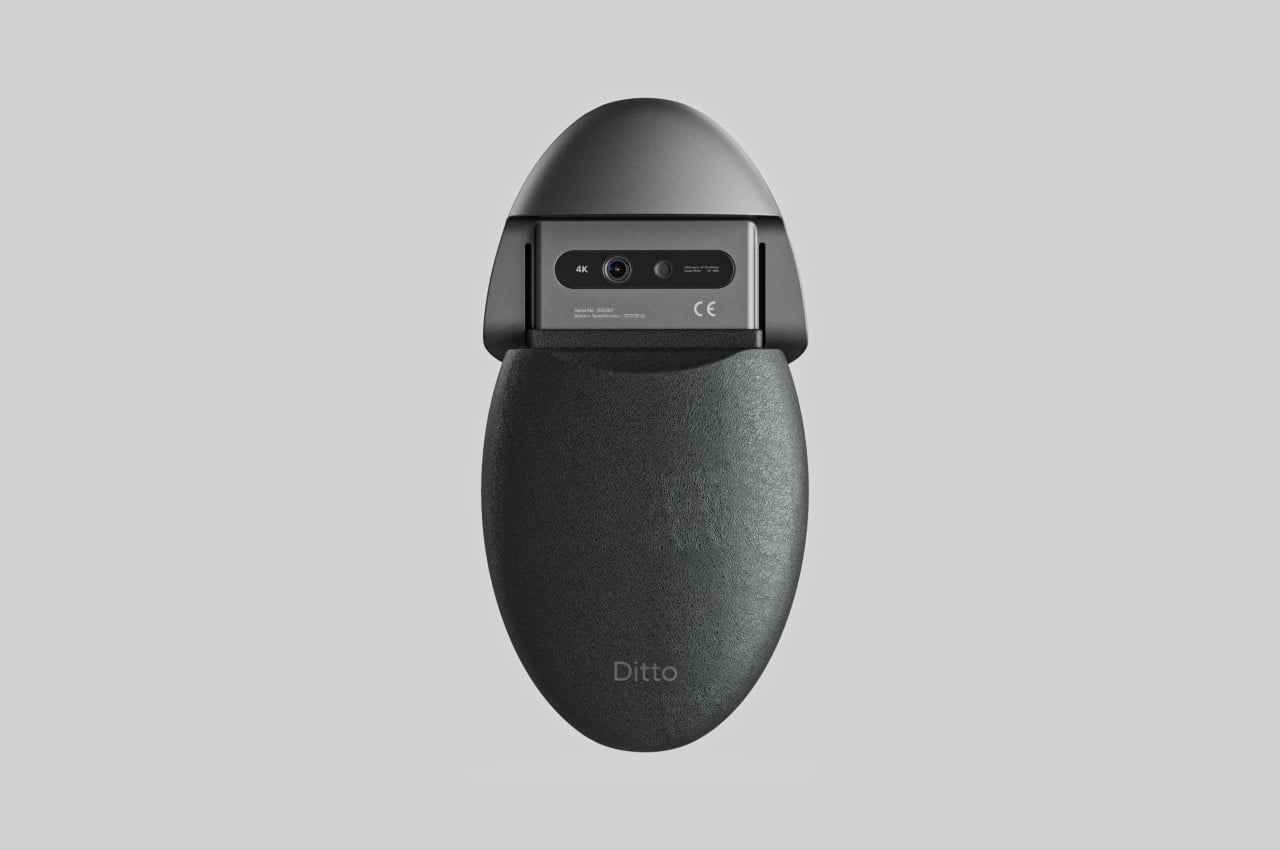
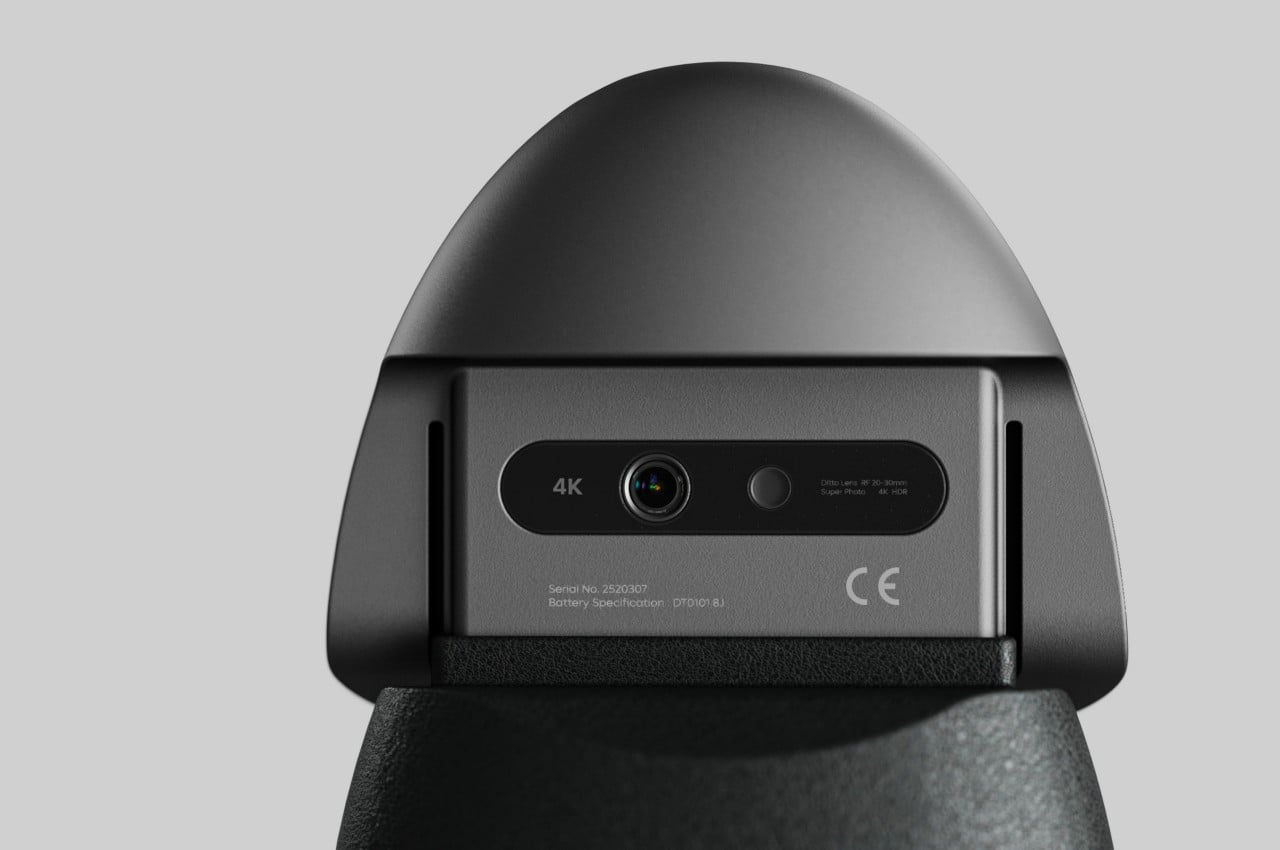
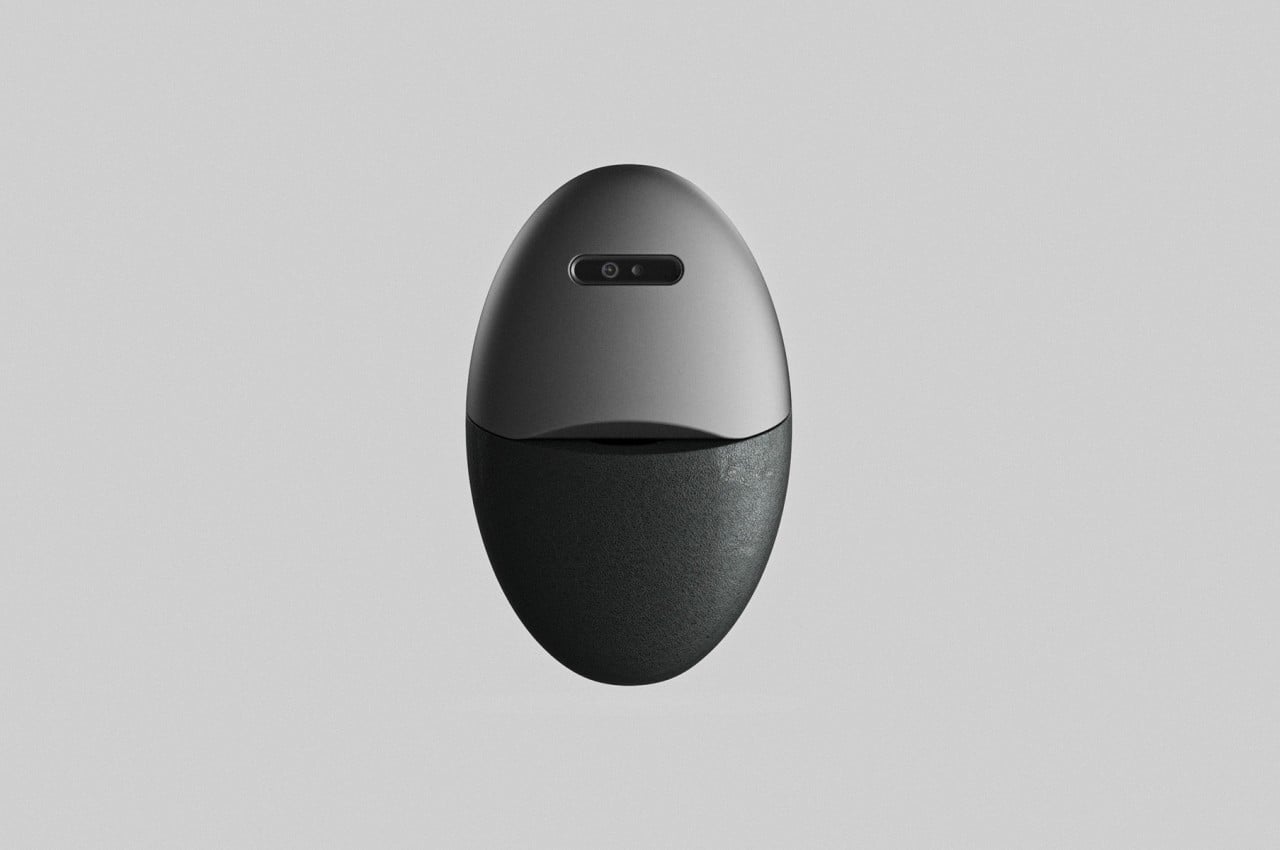
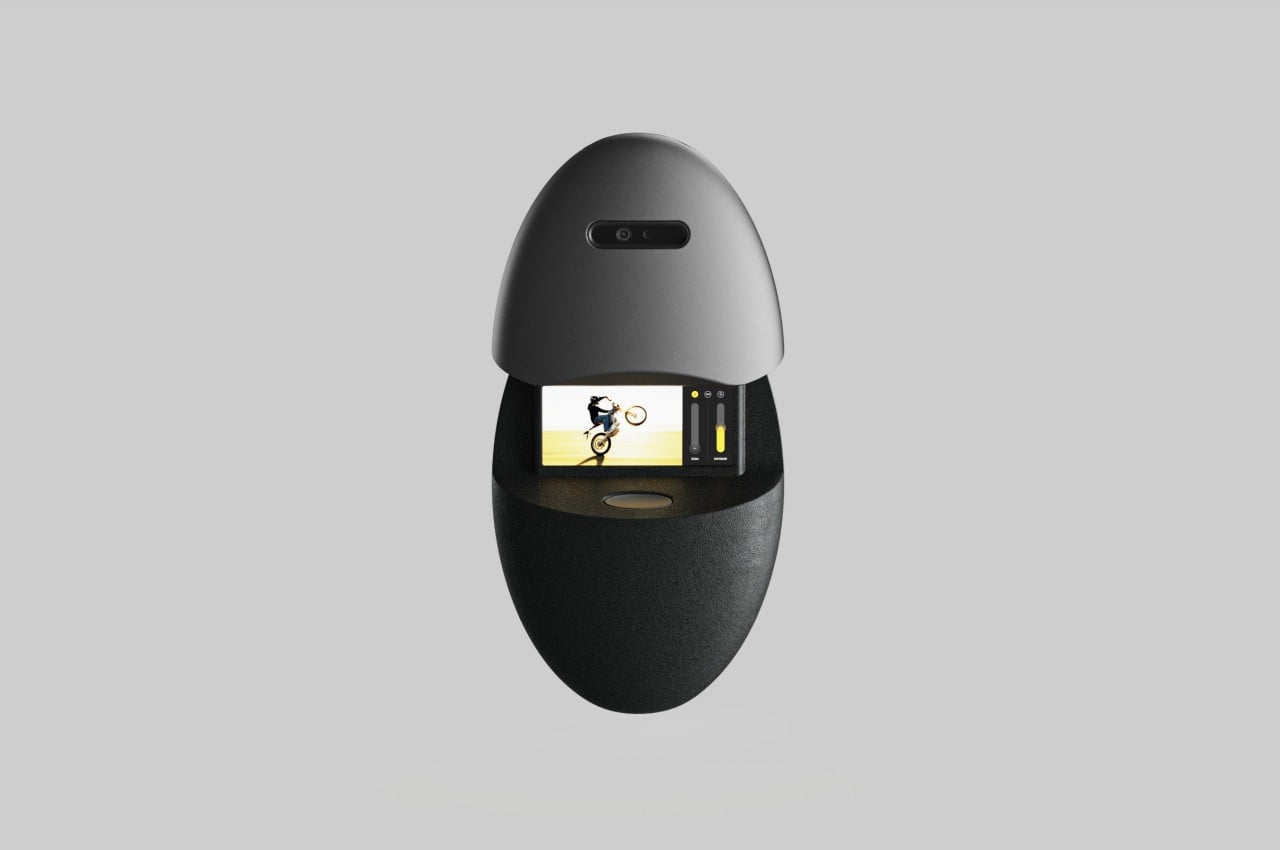
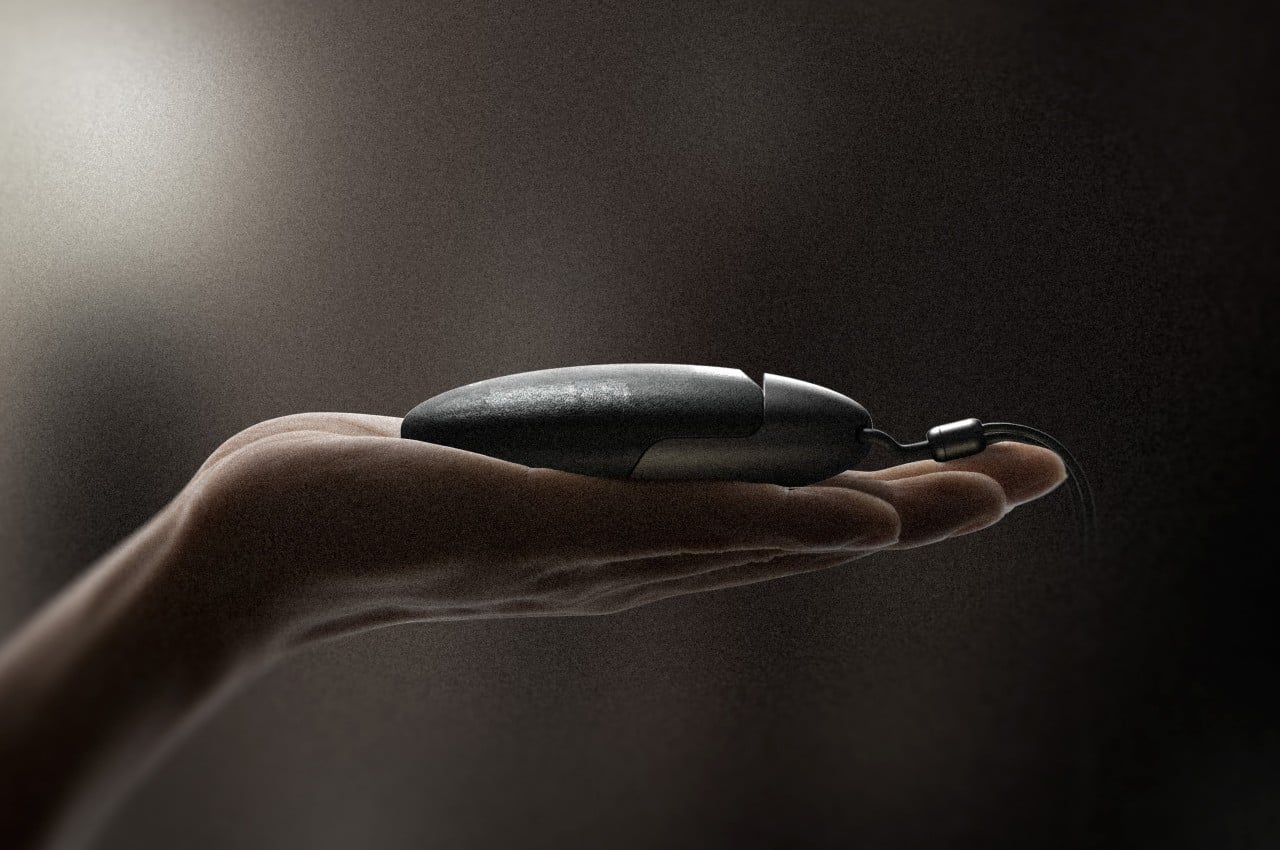
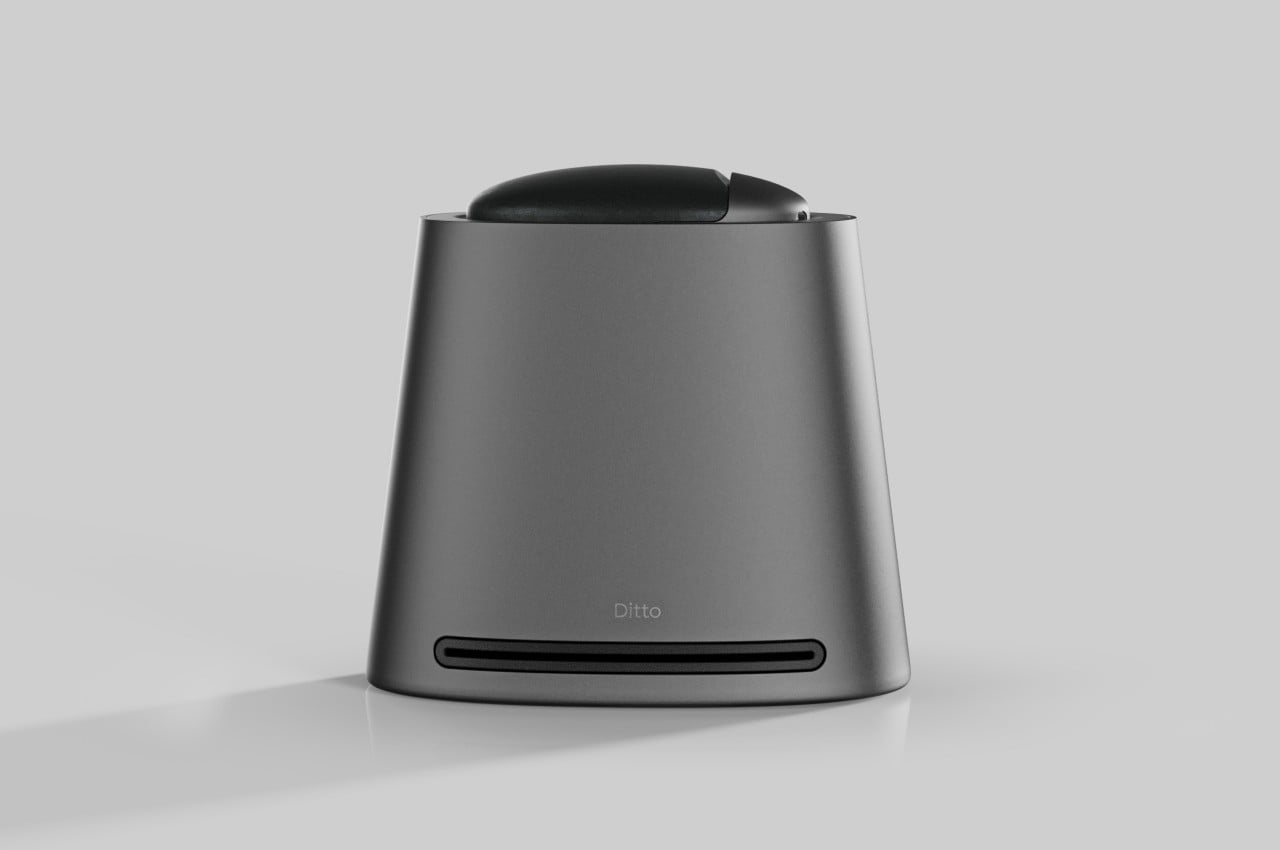
Ditto is a camera concept that takes a photo both forward and backward, capturing both the object of the photo as well as the person taking it. In some aspects, it’s almost like those 360-degree action cameras, but the focus isn’t on an all-encompassing view of the world around the camera. It isn’t even something that you wear or have powered on all the time. You have to slide its top portion up to reveal the forward-facing camera as well as the viewfinder on the back that lets you frame the shot perfectly.
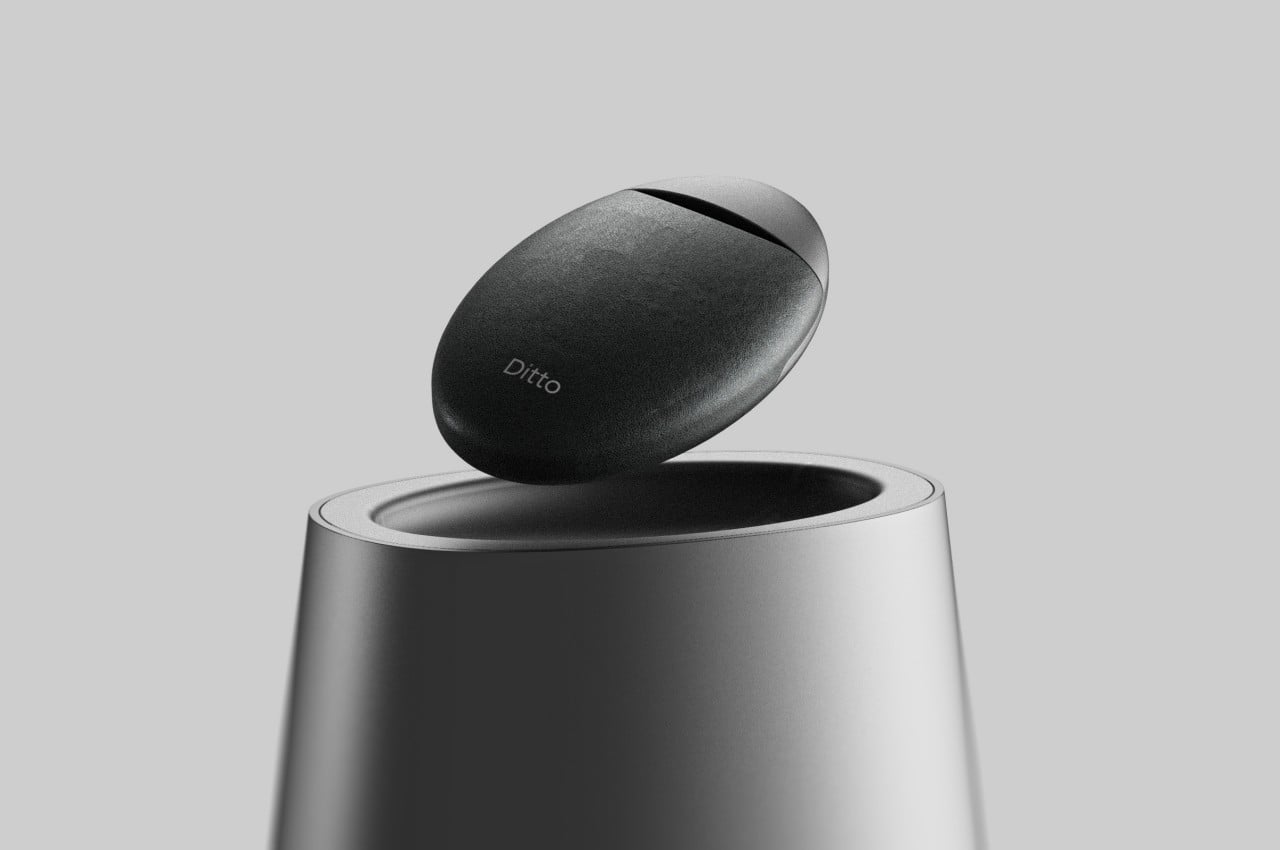
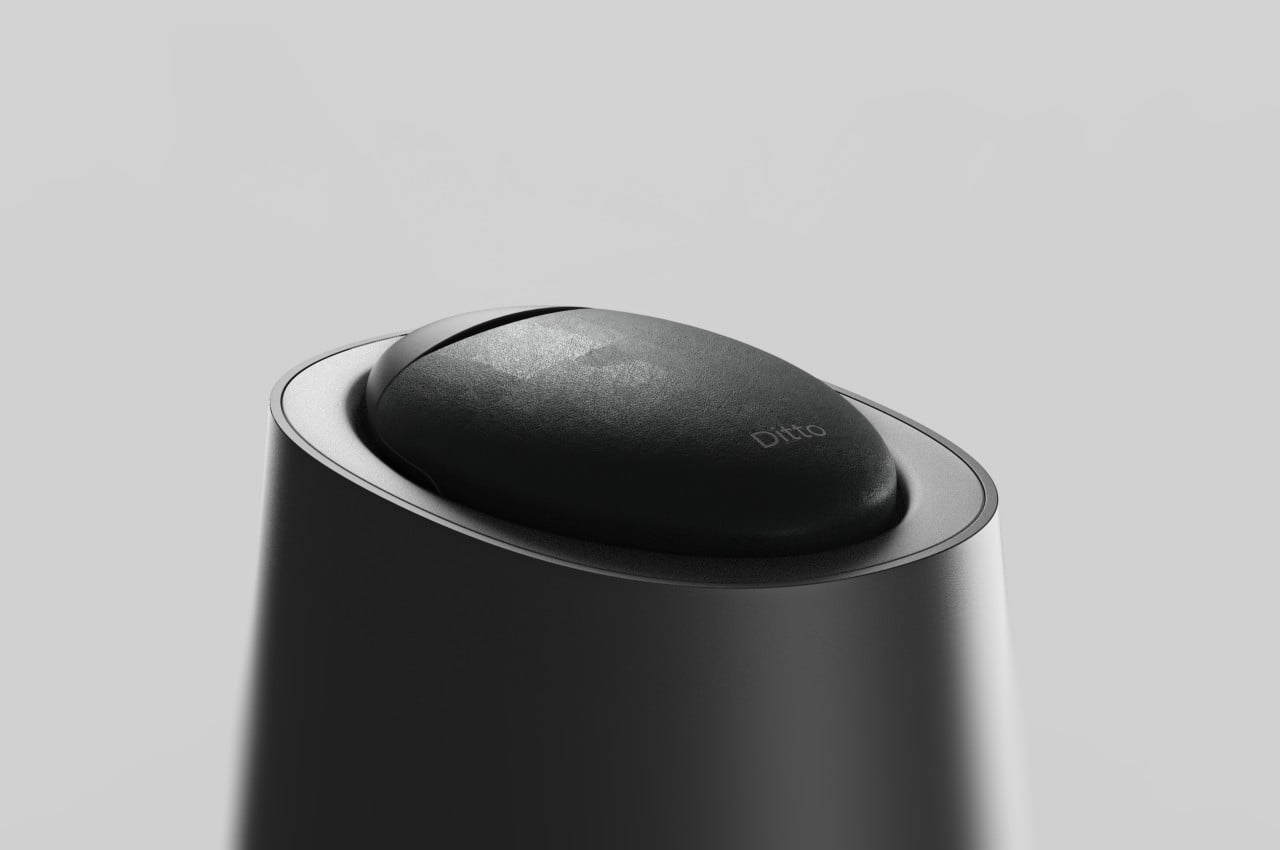
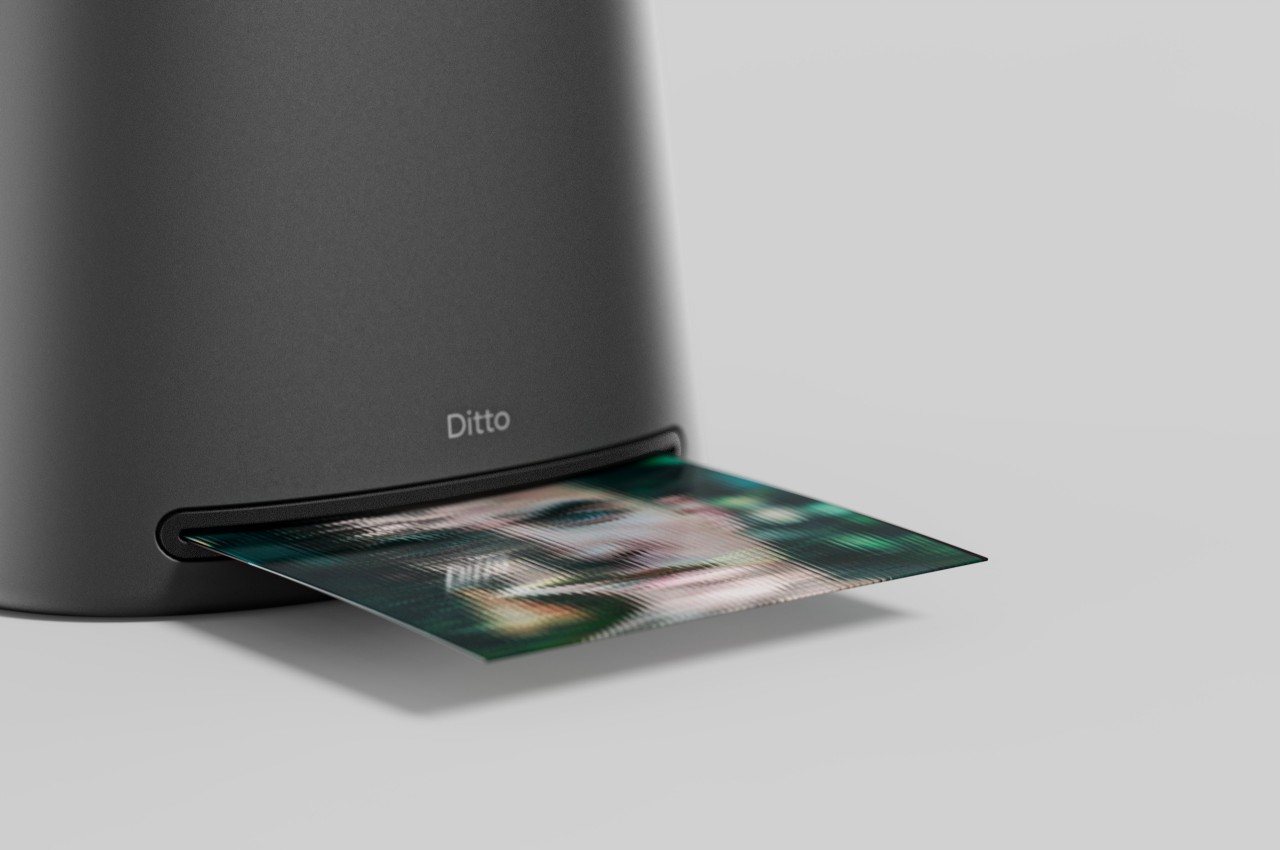
In truth, it’s not the camera itself that’s actually the most magical part of the design. It’s the conical printer that serves as the base of the camera that produces the biggest impact. It prints out the photo with a lenticular effect, so that you see either the target or yourself on the same sheet, depending on the angle you’re viewing it from. It is a less obnoxious yet also more dramatic way of embedding yourself in a scene, ensuring that your presence will be in each and every photo.
Truth be told, the same experience can probably be achieved using a specialized smartphone app and a special printer. Having a dedicated camera, however, adds a certain flavor to that moment as you slide open the camera and take a shot, either by yourself or with your friends behind you. The design of the camera itself is quite interesting to look at, removing the awkwardness that usually comes when taking photos and especially selfies with a phone. Practical or not, Ditto sparks the imagination and raises the question of what role the photographer’s presence plays in every shot, expressing the answer in an artistic and beautiful way.
The guide provides a tutorial on building an advanced artificial intelligence (AI) agent using Python and Retrieval Augmented Generation (RAG). The AI agent is capable of utilizing various tools and data sources to answer questions and perform tasks. The tutorial is designed for beginner to intermediate programmers and demonstrates the agent’s ability to interact with […]
If you are wondering which smartphone battery from the current devices will last the longest, we have an awesome video from The Tech chap that testes a wide range of the current smartphones for battery life. Are you on the hunt for the latest flagship smartphone that doesn’t just promise high performance but also boasts […]
GFlowNets, developed under the guidance of Yoshua Bengio, represent a novel training algorithm in the field of artificial intelligence (AI), distinct from neural network architectures like Transformers or ResNets. Edward Hu, a research scientist with experience at Microsoft and OpenAI, discusses the significance of GFlowNets, emphasizing their role in addressing common AI challenges such as […]