The Morning After: NASA has to make a time zone for the Moon

The White House has published a policy memo asking NASA to create a new time standard for the Moon by 2026. Coordinated Lunar Time (LTC) will establish an official time reference to help guide future lunar missions. The US, China, Japan, India and Russia have space missions to the Moon planned or completed.

NASA (and the White House) aren’t the only ones trying. The European Space Agency is also trying to make a time zone outside of Earth’s… zone.

Given the Moon’s weaker gravity, time moves slightly faster there. “The same clock we have on Earth would move at a different rate on the Moon,” NASA space communications and navigation chief Kevin Coggins told Reuters.

You saw Interstellar, right? Er, just like that. Exactly like that. No further questions.

— Mat Smith

The biggest stories you might have missed

Meta’s AI image generator struggles to create images of couples of different races

Our favorite cheap smartphone is on sale for $250 right now

OnePlus rolls out its own version of Google’s Magic Eraser

How to watch (and record) the solar eclipse on April 8

​​You can get these reports delivered daily direct to your inbox. Subscribe right here!

Microsoft may have finally made quantum computing useful

The most error-free quantum solution yet, apparently.

What if we could build a machine working at the quantum level that could tackle complex calculations exponentially faster than a computer limited by classic physics? Despite all the heady dreams of quantum computing and press releases from IBM and Google, it's still a what-if. Microsoft now says it’s developed the most error-free quantum computing system yet, with Quantinuum. It’s not a thing I can condense into a single paragraph. You… saw Interstellar, right?

Continue reading.

Stability AI’s audio generator can now create three-minute ‘songs’

Still not that good, though.

Stability AI just unveiled Stable Audio 2.0, an upgraded version of its music-generation platform. With this system, you can use your own text to create up to three minutes of audio, which is roughly the length of a song. You can hone the results by choosing a genre or even uploading audio to inspire the algo. It’s fun — try it out. Just don’t add vocals, trust me.

Continue reading.

Bloomberg says Apple is developing personal robots now

EVs schmee vees.

Apple, hunting for its next iPhone / Apple Watch / Vision Pro (maybe?), might be trying to get into robots. According to Bloomberg’s Mark Gurman, one area the company is exploring is personal robotics — and it started looking at electric vehicles too. The report says Apple has started working on a mobile robot to follow users around their home and has already developed a table-top device that uses a robot to move a screen around.

Continue reading.

Another Matrix movie is happening.

Not like this.

TMA
Warner Bros.

Whoa.

Continue reading.

This article originally appeared on Engadget at https://www.engadget.com/the-morning-after-nasa-has-to-make-a-time-zone-for-the-moon-111554408.html?src=rss

The Morning After: NASA has to make a time zone for the Moon

The White House has published a policy memo asking NASA to create a new time standard for the Moon by 2026. Coordinated Lunar Time (LTC) will establish an official time reference to help guide future lunar missions. The US, China, Japan, India and Russia have space missions to the Moon planned or completed.

NASA (and the White House) aren’t the only ones trying. The European Space Agency is also trying to make a time zone outside of Earth’s… zone.

Given the Moon’s weaker gravity, time moves slightly faster there. “The same clock we have on Earth would move at a different rate on the Moon,” NASA space communications and navigation chief Kevin Coggins told Reuters.

You saw Interstellar, right? Er, just like that. Exactly like that. No further questions.

— Mat Smith

The biggest stories you might have missed

Meta’s AI image generator struggles to create images of couples of different races

Our favorite cheap smartphone is on sale for $250 right now

OnePlus rolls out its own version of Google’s Magic Eraser

How to watch (and record) the solar eclipse on April 8

​​You can get these reports delivered daily direct to your inbox. Subscribe right here!

Microsoft may have finally made quantum computing useful

The most error-free quantum solution yet, apparently.

What if we could build a machine working at the quantum level that could tackle complex calculations exponentially faster than a computer limited by classic physics? Despite all the heady dreams of quantum computing and press releases from IBM and Google, it's still a what-if. Microsoft now says it’s developed the most error-free quantum computing system yet, with Quantinuum. It’s not a thing I can condense into a single paragraph. You… saw Interstellar, right?

Continue reading.

Stability AI’s audio generator can now create three-minute ‘songs’

Still not that good, though.

Stability AI just unveiled Stable Audio 2.0, an upgraded version of its music-generation platform. With this system, you can use your own text to create up to three minutes of audio, which is roughly the length of a song. You can hone the results by choosing a genre or even uploading audio to inspire the algo. It’s fun — try it out. Just don’t add vocals, trust me.

Continue reading.

Bloomberg says Apple is developing personal robots now

EVs schmee vees.

Apple, hunting for its next iPhone / Apple Watch / Vision Pro (maybe?), might be trying to get into robots. According to Bloomberg’s Mark Gurman, one area the company is exploring is personal robotics — and it started looking at electric vehicles too. The report says Apple has started working on a mobile robot to follow users around their home and has already developed a table-top device that uses a robot to move a screen around.

Continue reading.

Another Matrix movie is happening.

Not like this.

TMA
Warner Bros.

Whoa.

Continue reading.

This article originally appeared on Engadget at https://www.engadget.com/the-morning-after-nasa-has-to-make-a-time-zone-for-the-moon-111554408.html?src=rss

Apple AirPods 2 fall to just $89

Now's a good time to shop if you're looking for reliable earbuds that won't break the bank. There's currently a sale on Apple AirPods, including a 31 percent discount on the second-generation Apple AirPods to $89 from $129. While the second-gen Apple AirPods came out back in 2019, the entry-level option is still a great option — especially on sale. 

Apple's second-generation AirPods have an H1 headphone chip that provides a low-latency, clear sound. You can access Siri through them and control settings like pause, play and next song by double tapping one AirPod — plus customize which side does what. The second-gen AirPods hold about five hours of juice at a time and last up to 24 hours with the lightning charging case.

The entry-level AirPods are on sale alongside the third-generation Apple AirPod's 13 percent drop to $149 from $169. The newest model's improvements include much better audio quality and six hours of battery life (or 30 with the charging case). The second-gen AirPods Pro are marked down to $199 from $249 — a 20 percent discount. These AirPods are worth the extra cost if you want noise canceling, great sound with an H2 chip and a MagSafe USB-C charging case. 

Follow @EngadgetDeals on Twitter and subscribe to the Engadget Deals newsletter for the latest tech deals and buying advice.

This article originally appeared on Engadget at https://www.engadget.com/apple-airpods-2-fall-to-just-89-110000712.html?src=rss

Apple AirPods 2 fall to just $89

Now's a good time to shop if you're looking for reliable earbuds that won't break the bank. There's currently a sale on Apple AirPods, including a 31 percent discount on the second-generation Apple AirPods to $89 from $129. While the second-gen Apple AirPods came out back in 2019, the entry-level option is still a great option — especially on sale. 

Apple's second-generation AirPods have an H1 headphone chip that provides a low-latency, clear sound. You can access Siri through them and control settings like pause, play and next song by double tapping one AirPod — plus customize which side does what. The second-gen AirPods hold about five hours of juice at a time and last up to 24 hours with the lightning charging case.

The entry-level AirPods are on sale alongside the third-generation Apple AirPod's 13 percent drop to $149 from $169. The newest model's improvements include much better audio quality and six hours of battery life (or 30 with the charging case). The second-gen AirPods Pro are marked down to $199 from $249 — a 20 percent discount. These AirPods are worth the extra cost if you want noise canceling, great sound with an H2 chip and a MagSafe USB-C charging case. 

Follow @EngadgetDeals on Twitter and subscribe to the Engadget Deals newsletter for the latest tech deals and buying advice.

This article originally appeared on Engadget at https://www.engadget.com/apple-airpods-2-fall-to-just-89-110000712.html?src=rss

Create consistent characters in Midjourney V6 using reference images

Midjourney V6 consistent characters feature explained

Creating characters that remain consistent across various scenes is crucial for digital artists, storytellers and authors. Recently Midjourney V6 has been updated with advanced tools to ensure your characters retain their identity, whether they’re depicted in action or at rest. This guide provides a step-by-step approach to mastering character consistency in Midjourney V6 using reference […]

The post Create consistent characters in Midjourney V6 using reference images appeared first on Geeky Gadgets.

How to use ChatGPT for advanced data analysis

Advanced chatgpt data analysis methods

In today’s data-driven world, the ability to quickly and accurately analyze information effectively is a pivotal skill across a wide variety of different industries. If you have large amounts of data that needs to be analyzed you’ll be pleased to know that harnessing the power of OpenAI’s ChatGPT artificial intelligence (AI) can help you carry […]

The post How to use ChatGPT for advanced data analysis appeared first on Geeky Gadgets.

S20 Wireless multiroom speaker requires no complicated apps to use

S20 wireless speaker

The Petastream S20 wireless speaker is a game-changer in the world of home audio, offering high-fidelity sound and seamless multiroom capabilities. This speaker is designed to cater to the needs of both audiophiles and everyday users, providing a superior audio experience throughout your entire home. With the added functionality of doubling as an intercom at […]

The post S20 Wireless multiroom speaker requires no complicated apps to use appeared first on Geeky Gadgets.

How to take 2024 Solar Eclipse photos on iPhone and more

taking photographs of the 2024 Solar Eclipse

On April 8, the skies will darken as the Great American Eclipse graces North America, an event not to be repeated for another 20 years. If you’re planning to document this rare celestial spectacle with your iPhone or or camera of choice two photo the 2024 solar eclipse, it’s crucial to be safe and prepared […]

The post How to take 2024 Solar Eclipse photos on iPhone and more appeared first on Geeky Gadgets.

Elegant, minimalist smartphone design meets appealing features and price tag

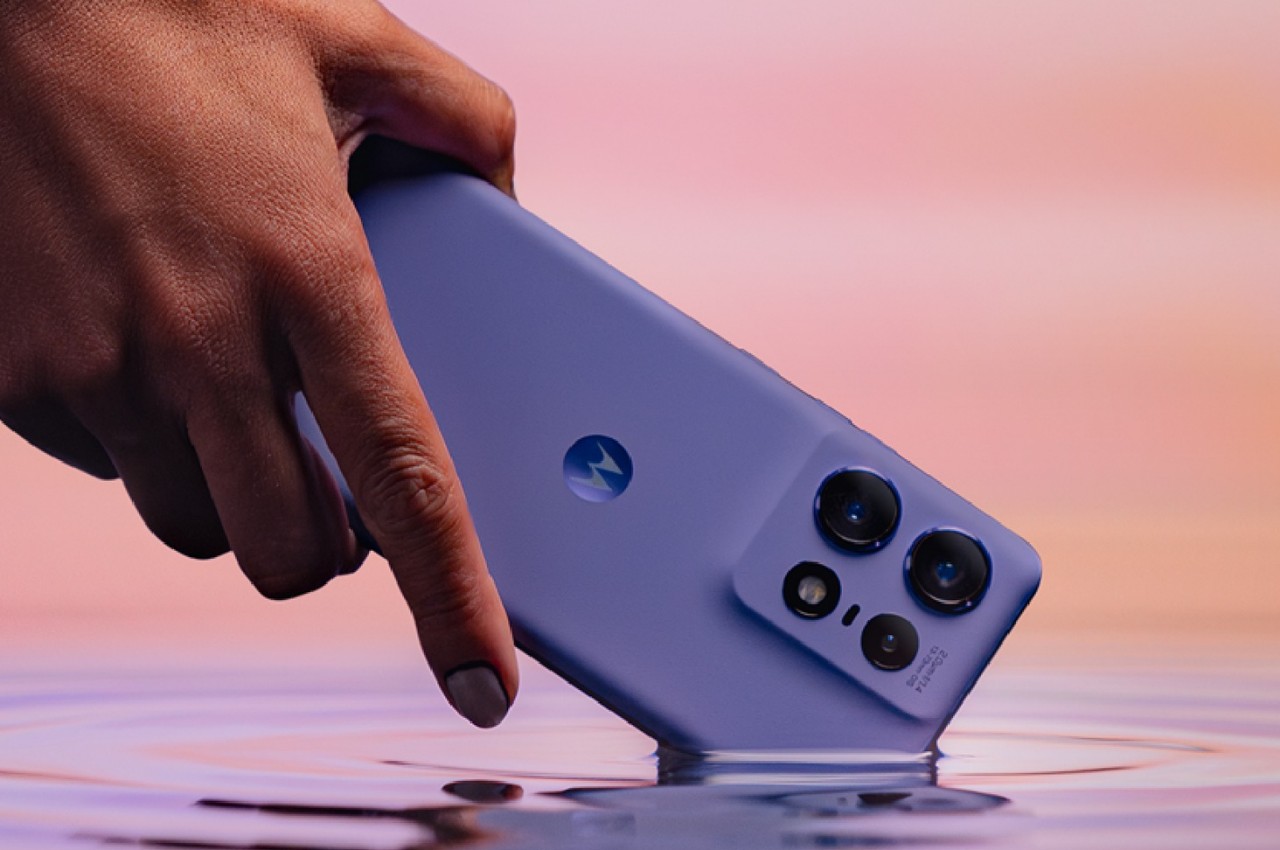
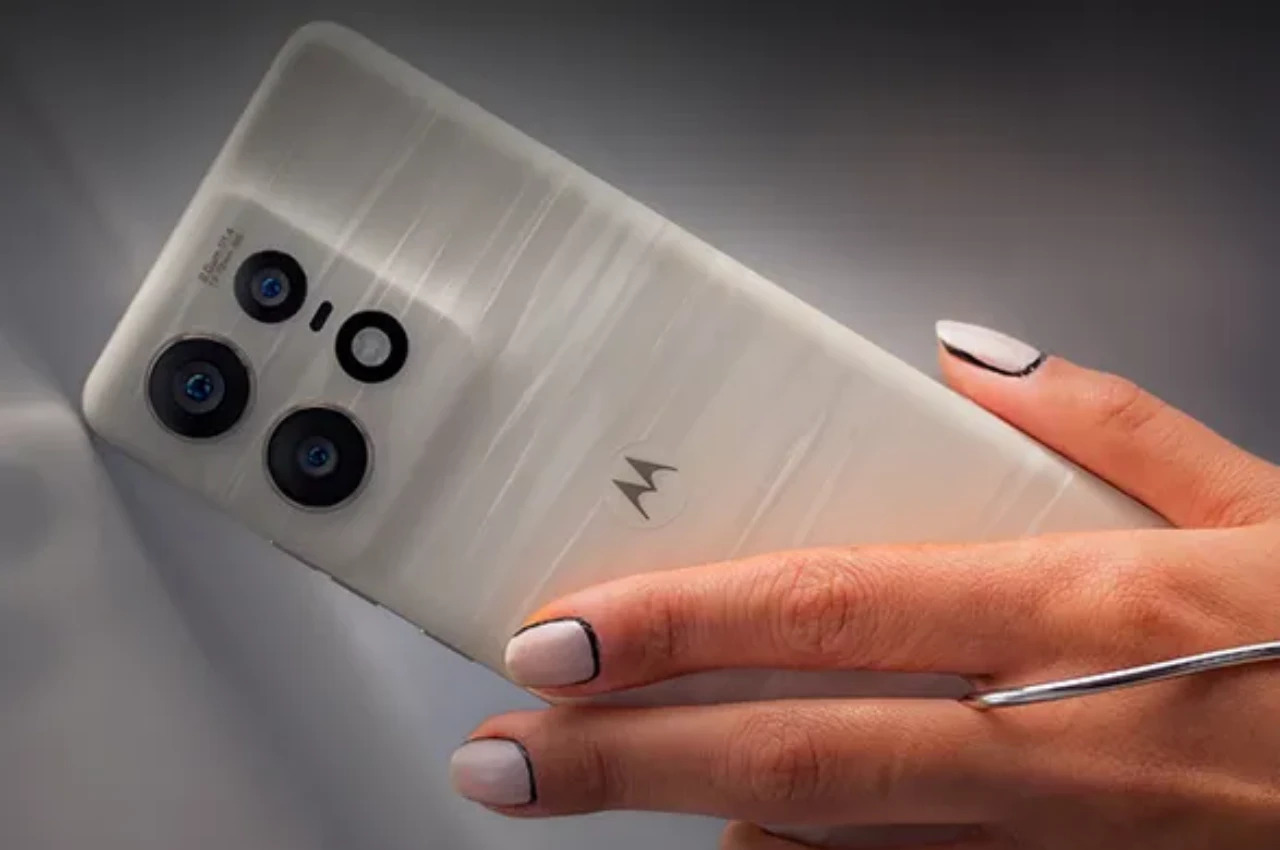
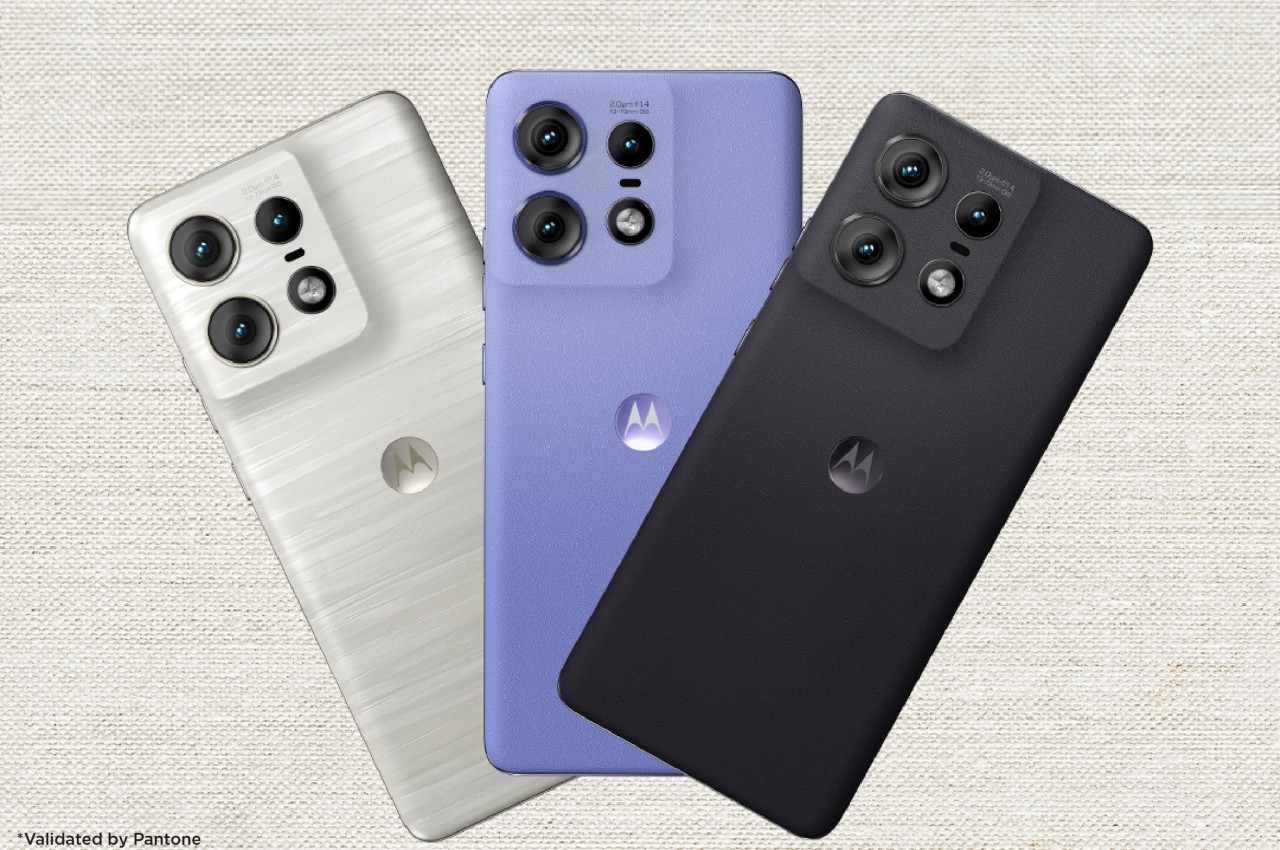
Smartphone manufacturers are now thankfully more aware of the important role that design plays in a product’s success, especially its aesthetics and materials, but some tend to go overboard with that knowledge as well. We’ve seen pretty overbearing and garish phone designs that steal your attention in an aggressive way, particularly with camera bumps that make you feel like they’re the most important feature. The smartphone design landscape right now is dynamic, exciting, and sometimes a little too lively, so there are times when you want to take a breath of fresh air and settle down with something simple yet beautiful. That’s the kind of minimalist beauty that Motorola seems to be bringing with the new Edge 50 Pro, but it’s fortunately more than a pretty face, at least for a mid-range smartphone.

Designer: Motorola

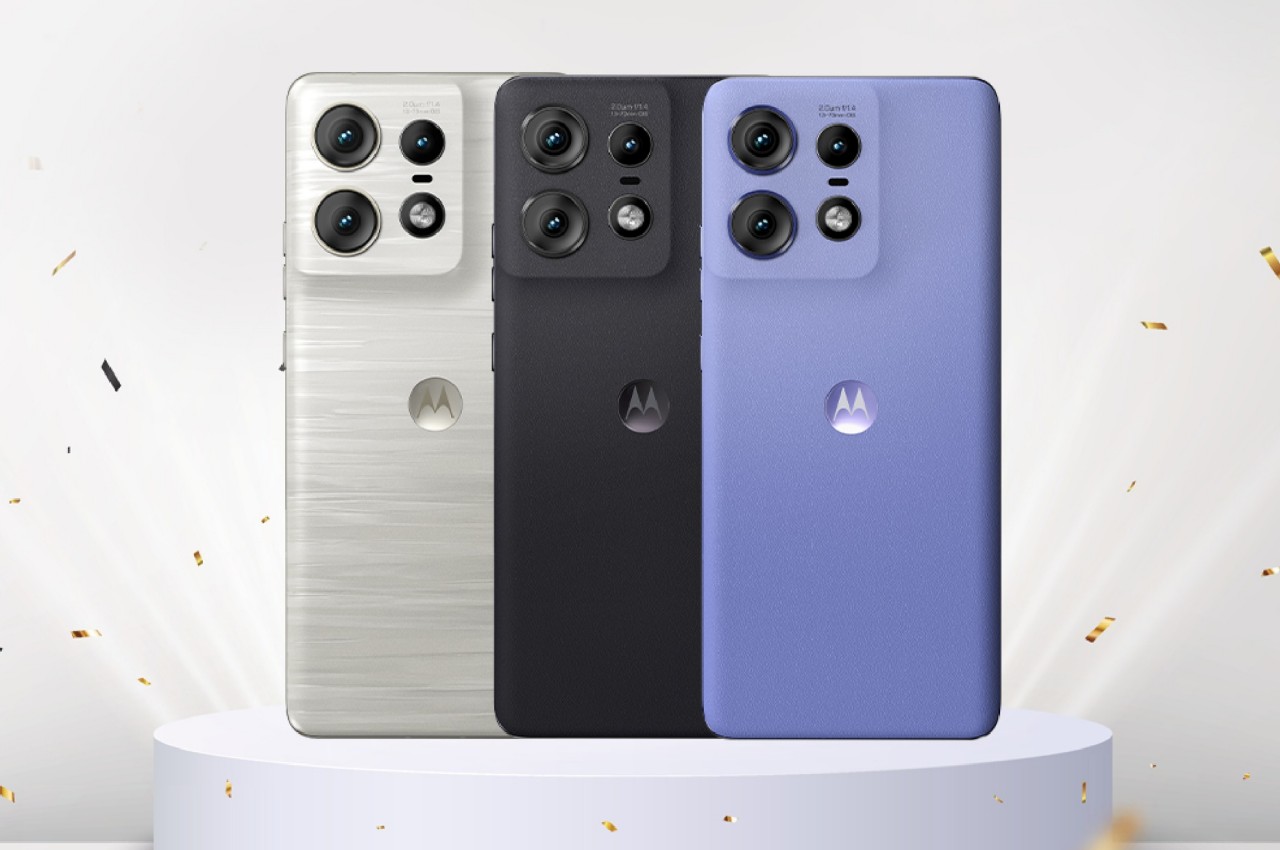
Truth be told, the Motorola Edge 50 Pro’s design looks a bit familiar, at least if you’ve been keeping watch on the key market players for the past two years or so. Back in 2022, we reviewed the OPPO Find X5 Pro, a refreshing break from the design trends of its time. What differentiated OPPO’s flagship and this new Motorola entry is that their backs are made from a single, unbroken sheet of material with no visual or material break from the rest of the panel.

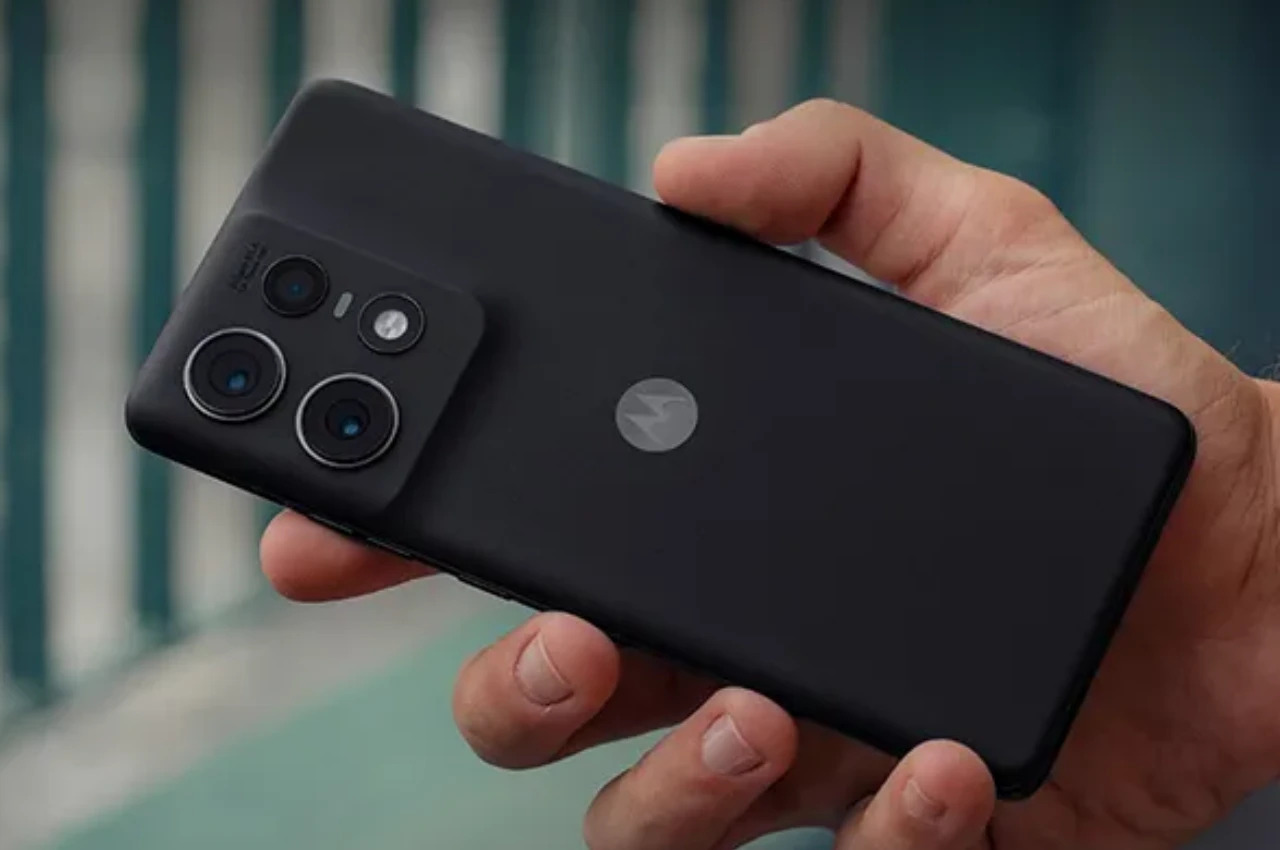
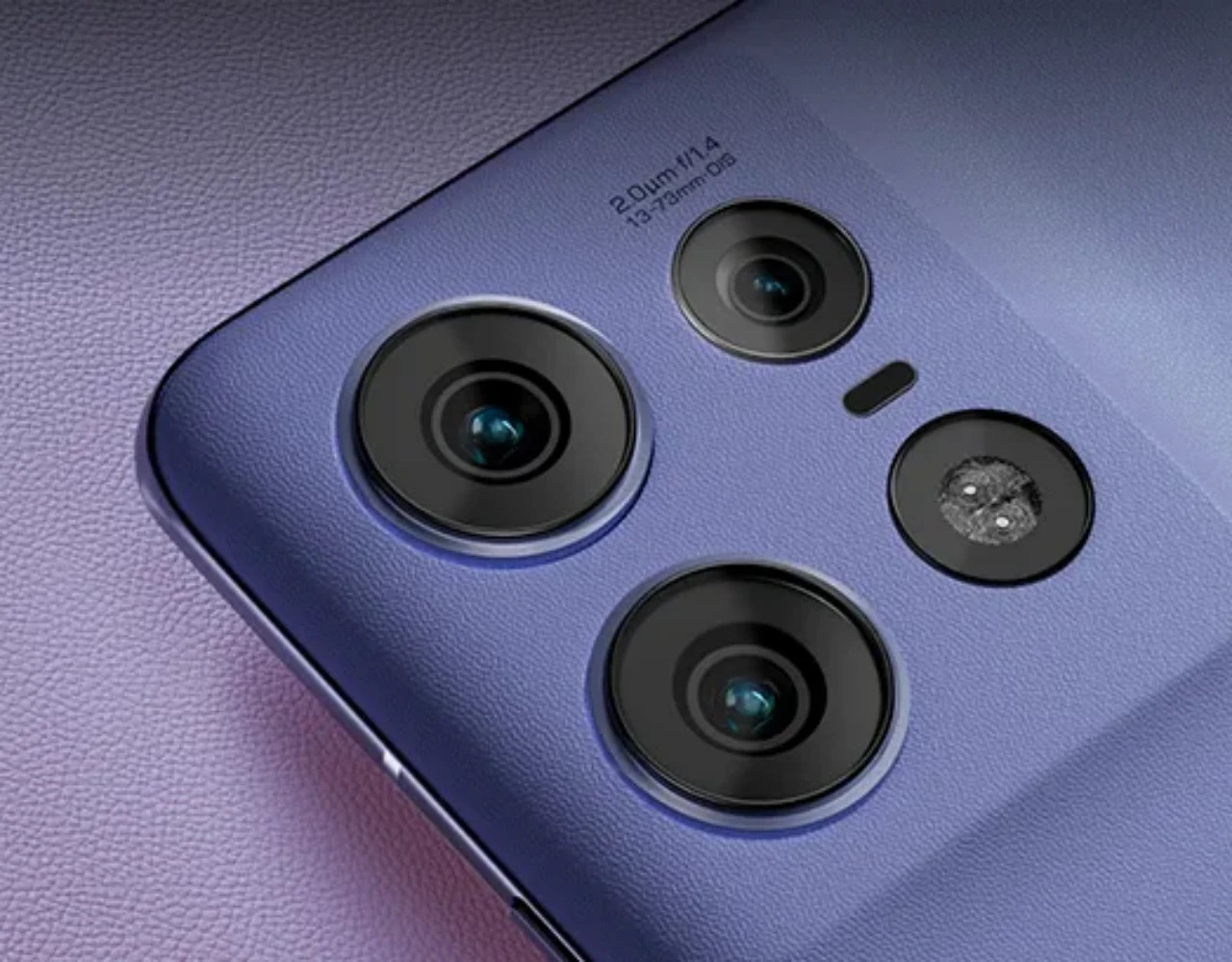
This trait gives the Motorola Edge 50 Pro a smooth and gentler aesthetic, exactly like how the cameras slope gracefully upward rather than being confined inside a metal enclosure. Other than the camera lenses and the iconic Motorola “bat logo” dimple, the phone’s back is pretty clean yet also attractive, a fitting tribute to the pervading minimalist design trend. Motorola also paid careful attention to the materials it used for the phone, which include soft vegan leather and eye-catching pearl acetate, surprising choices given the phone’s market segment.

The Motorola Edge 50 Pro runs on a Qualcomm Snapdragon 7 Gen 3 and has a decent though underwhelming set of cameras led by a 50MP main sensor. A similar 50MP selfie camera is housed in a rather noticeable punch-hole cutout on the forehead of the 6.7-inch 1220p 144Hz screen. A real killer feature, however, is the 4,500 mAh battery with a 125W super-fast charging speed and support for equally fast 50W wireless charging.

As a mid-range smartphone, the Motorola Edge 50 Pro thankfully comes with a matching price tag that starts at around $400, which is a pleasant surprise given its features. But just like the OPPO Find X5 Pro, limited availability and exposure might make this simply elegant smartphone fly under the radar despite the closer look it probably deserves.

The post Elegant, minimalist smartphone design meets appealing features and price tag first appeared on Yanko Design.

The Big Door Prize Season 2 trailer released by Apple TV

The Big Door Prize S2 release date

Apple TV+ has announced the release of the second season of the comedy series The Big Door Prize, which is set to premiere on April 24, 2024. The show, created by Emmy Award winner David West Read, features an ensemble cast led by Chris O’Dowd. The new season will consist of 10 episodes, with an […]

The post The Big Door Prize Season 2 trailer released by Apple TV appeared first on Geeky Gadgets.