Meta’s EMG wristband is moving beyond its AR glasses

Meta has been experimenting with EMG technology for years. In 2025, the company commercialized it for the first time in its Meta Ray-Ban Display glasses, which users control via a dedicated neural band that is able to interpret subtle muscle movements in the wrist.

Now, at CES 2026, the company is offering its first look at how its neural band could be used to control devices outside of its smart glasses lineup. Meta has teamed up with Garmin, as well as a handful of research partners, to explore some intriguing use cases for its wrist-based controller.

The social media company has previously worked with Garmin on fitness integrations for its glasses. But at CES, the companies were showing off a very early demo of how Meta's neural band inside of a car to control the built-in infotainment system. 

The experience is part of Garmin's "Unified Cabin" concept, which explores a bunch of AI-centric in-car experiences. The demo I tried was fairly limited: while wearing a neural band, I was able to navigate two apps on a touchscreen display in Garmin's cockpit setup. In one, I used pinch and swipe gestures to manipulate an onscreen model of a car, much like how I would use the band to zoom in and out of an image while wearing the display glasses. The second demo, somewhat bizarrely, was a game of 2048. I used the same swipe gestures to move the tiles around. 

Neither of those are the kinds of experiences you immediately think of when you imagine "in-car entertainment," but Garmin, which works with a number of major car brands on infotainment systems, seems to be thinking about some more practical use cases too. The company told me that it will explore using the neural band to control vehicle functions like rolling down windows or unlocking doors. 

Elsewhere, Meta also announced a research collaboration with the University of Utah that will explore how its EMG tech can be used to help people who have ALS, muscular dystrophy and other conditions that affect the use of their hands.

Researchers will work with Meta to test gestures that could enable people to control smart speakers, blinds, thermostats, locks and other household devices using the neural band.  "Meta Neural Band is sensitive enough to detect subtle muscle activity in the wrist — even for people who can’t move their hands," the company explains in a blog post. Researchers will also look at using the band for mobility use cases, like the University of Utah's TetraSki program, which currently uses a joystick or mouth-based controller to help participants ski.

This article originally appeared on Engadget at https://www.engadget.com/wearables/metas-emg-wristband-is-moving-beyond-its-ar-glasses-120000503.html?src=rss
Learn Smarter in 2026 : Master Money Basics, Build AI Products & Launch Lean Businesses

Learn Smarter in 2026 : Master Money Basics, Build AI Products & Launch Lean Businesses

What if the skills you choose to learn today could completely redefine your future? Tina Huang walks through how focusing on the right areas in 2026 can position you not just to survive but to thrive in a world that’s evolving faster than ever. From mastering financial independence to using artificial intelligence in ways that […]

The post Learn Smarter in 2026 : Master Money Basics, Build AI Products & Launch Lean Businesses appeared first on Geeky Gadgets.

Posted in Uncategorized

Apple Won’t Tell You, But Do THIS Once a Week in iOS 26

Apple Won’t Tell You, But Do THIS Once a Week in iOS 26

Restarting your iPhone on a weekly basis is a simple yet highly effective practice that can significantly improve its performance, optimize battery life, and enhance overall security. Even with the advanced capabilities of iOS 26, periodic restarts remain essential for maintaining your device’s efficiency and addressing common issues such as performance slowdowns, excessive battery drain, […]

The post Apple Won’t Tell You, But Do THIS Once a Week in iOS 26 appeared first on Geeky Gadgets.

Posted in Uncategorized

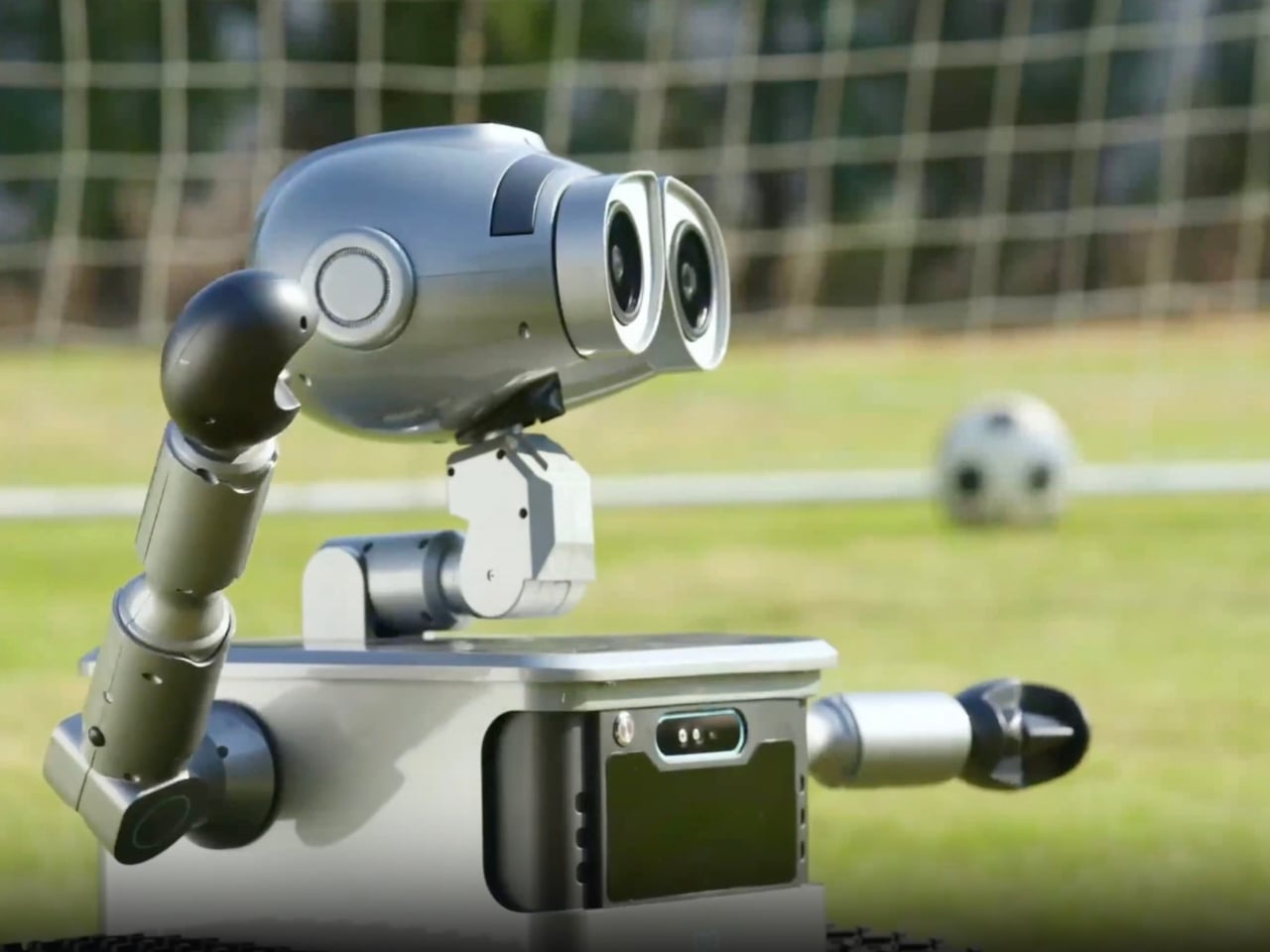
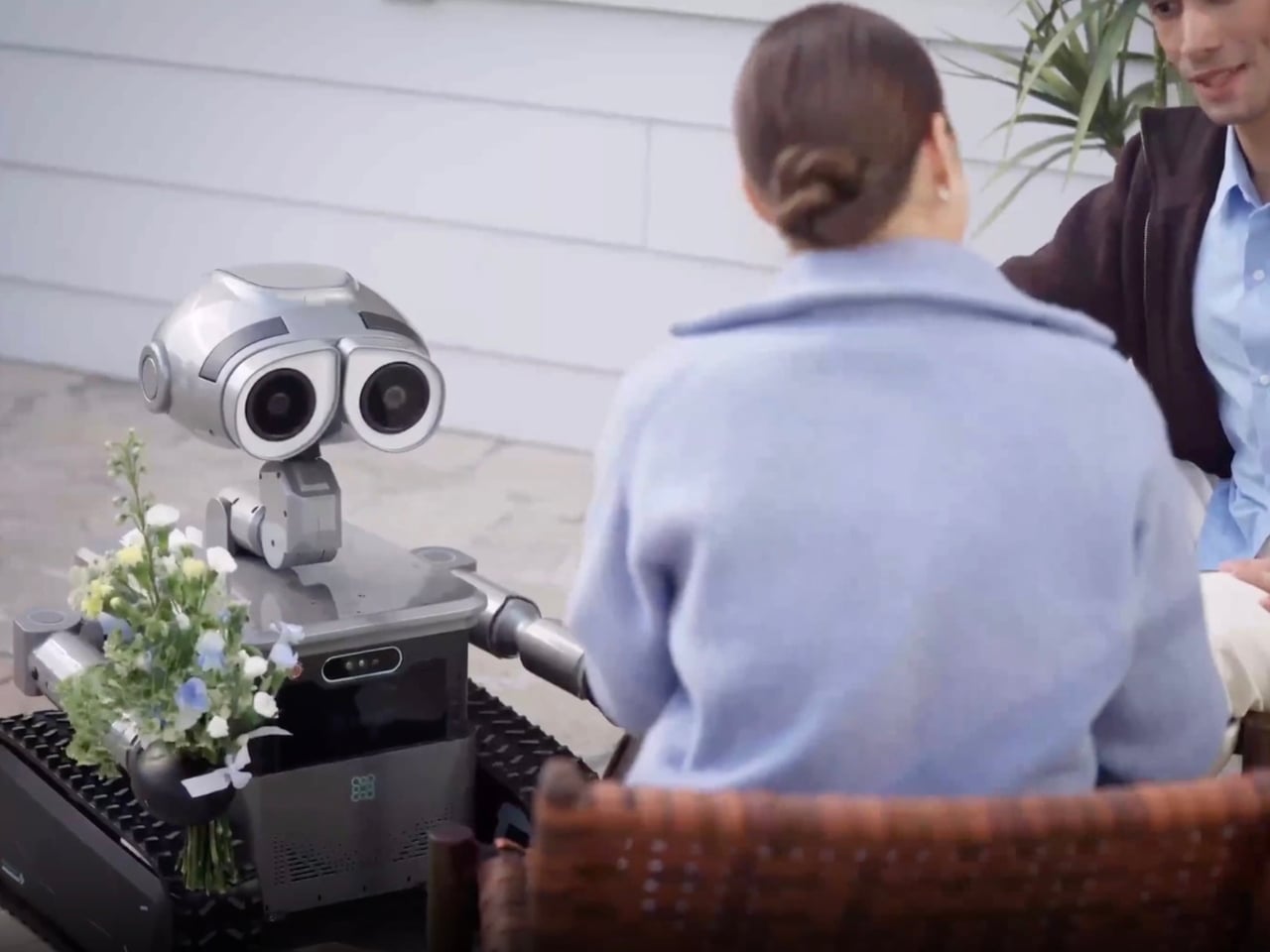
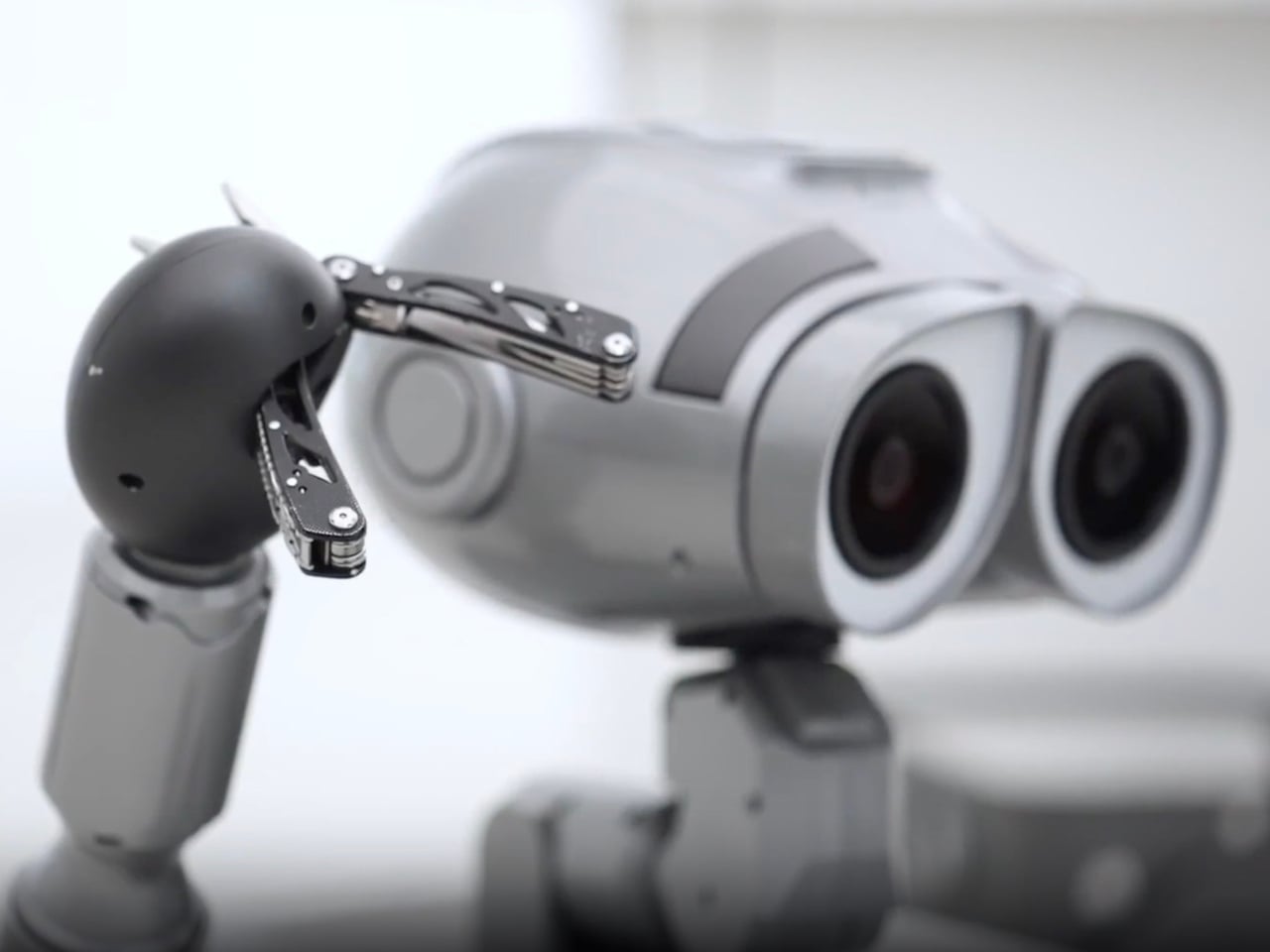
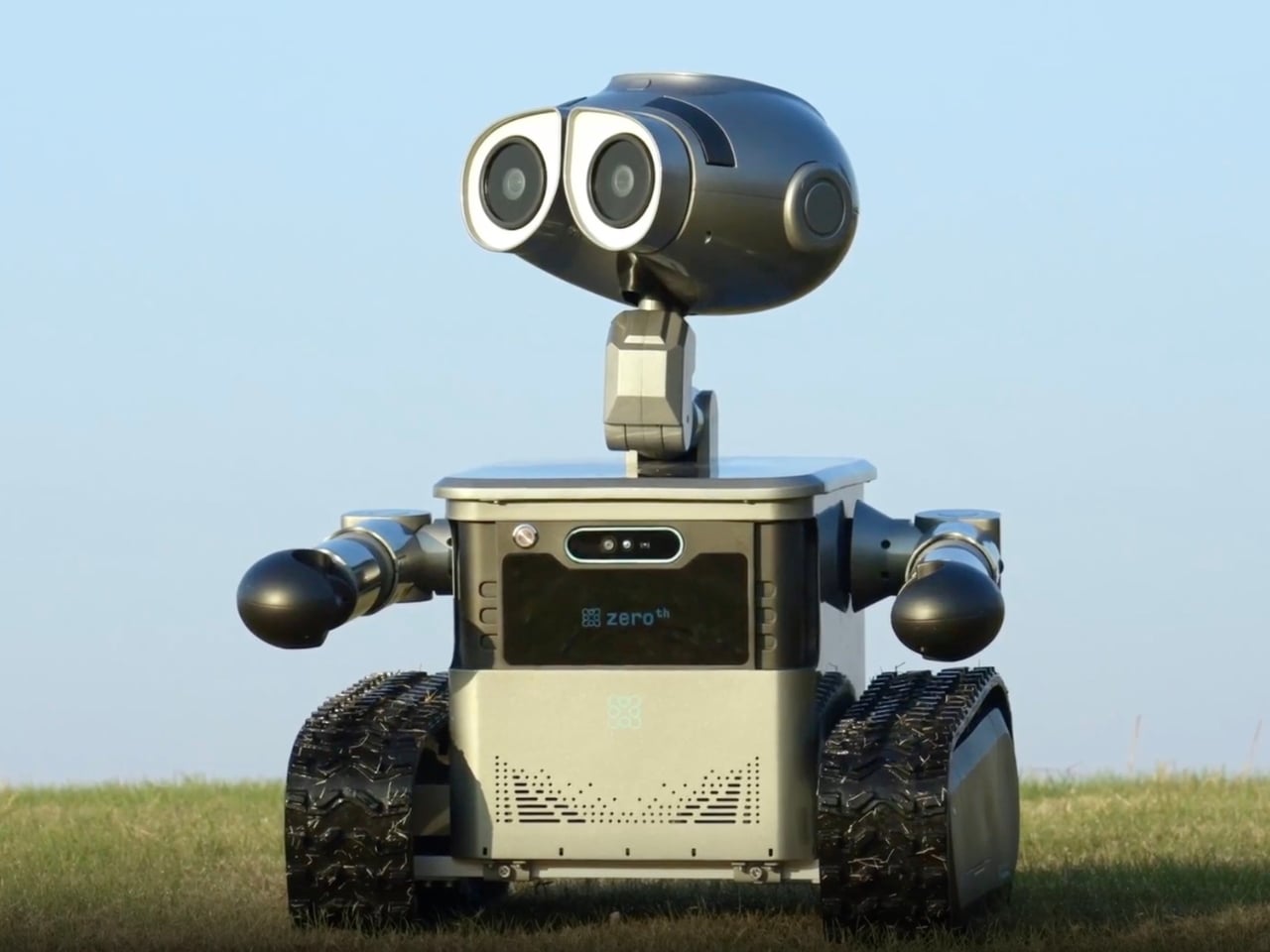
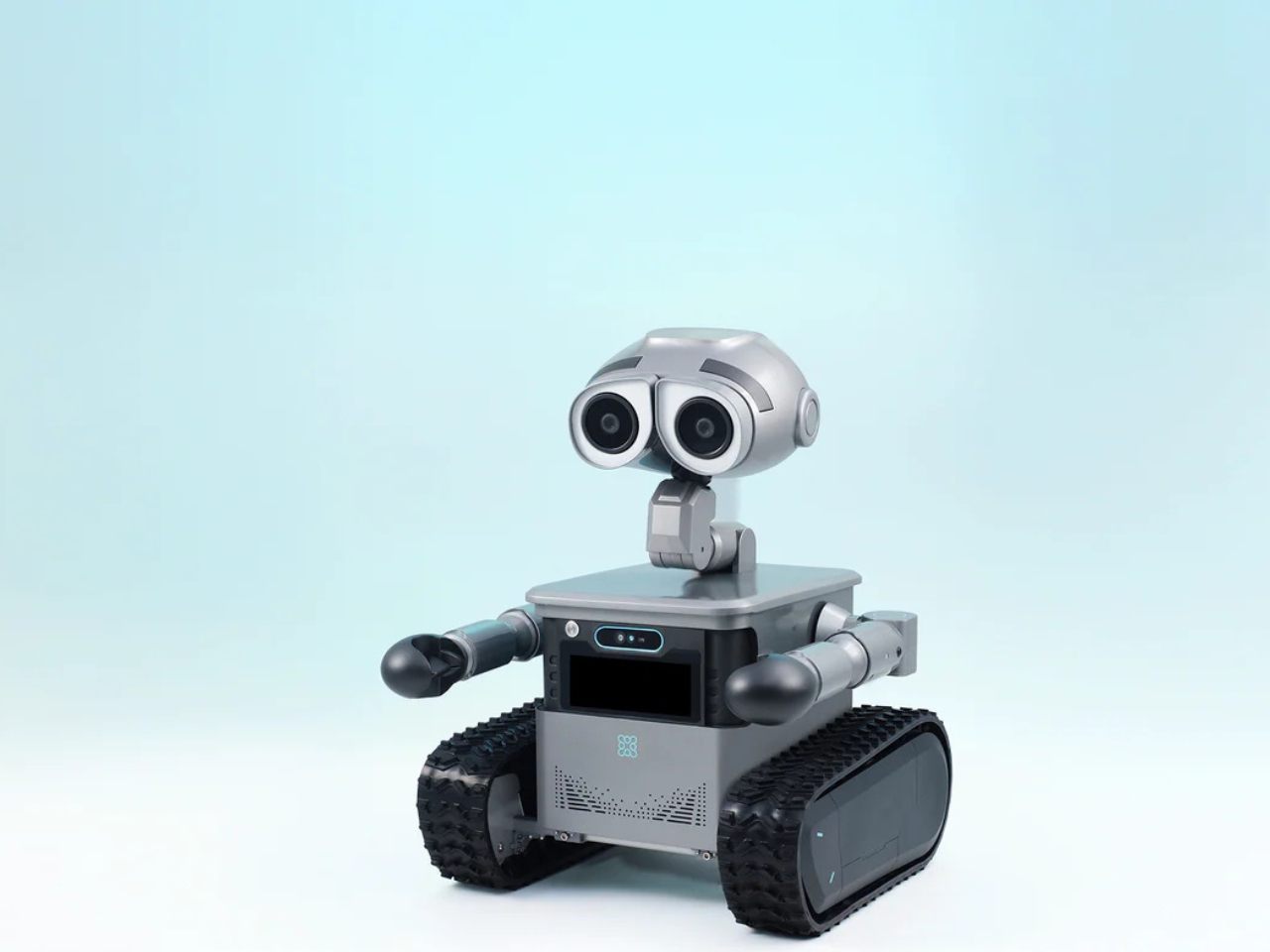
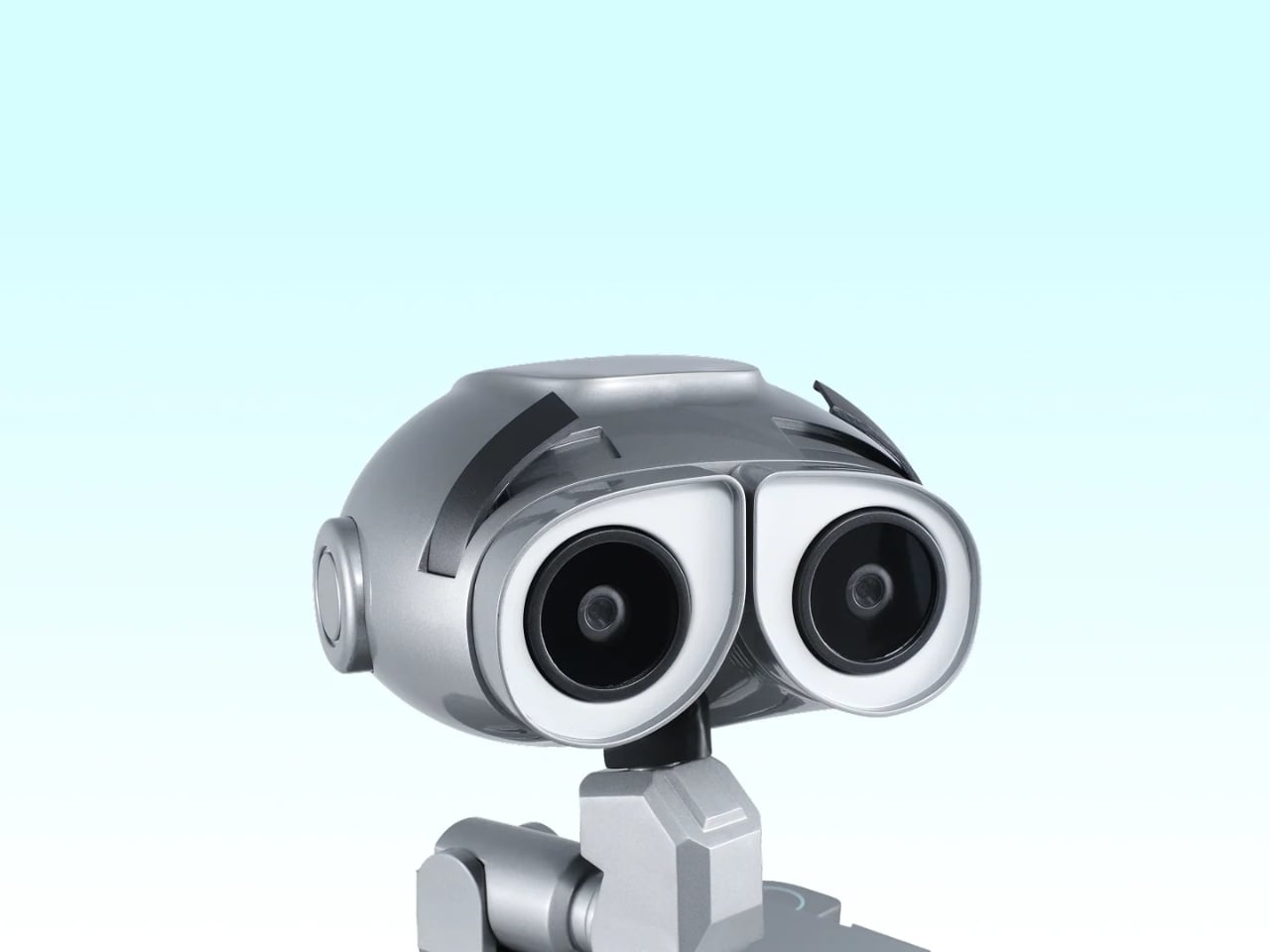
Zeroth Just Designed the WALL-E Robot Every Millennial Wanted

Remember that feeling you got watching WALL-E? That pang of desire for a loyal, expressive robot companion who could understand you and help out around the house? Well, Zeroth Robotics is betting you haven’t forgotten, because they’ve just launched the W1, and it’s basically bringing that Pixar fantasy into American homes.

Unveiled at CES 2026, the W1 isn’t Disney-licensed (that version stays in China for now), but it captures something essential that’s been missing from the “smart home” conversation. This isn’t about another voice assistant that sits in the corner. This is about a robot that moves through your space, physically interacts with your world, and yes, kind of makes you feel like you’re living in the future.

Designer: Zeroth

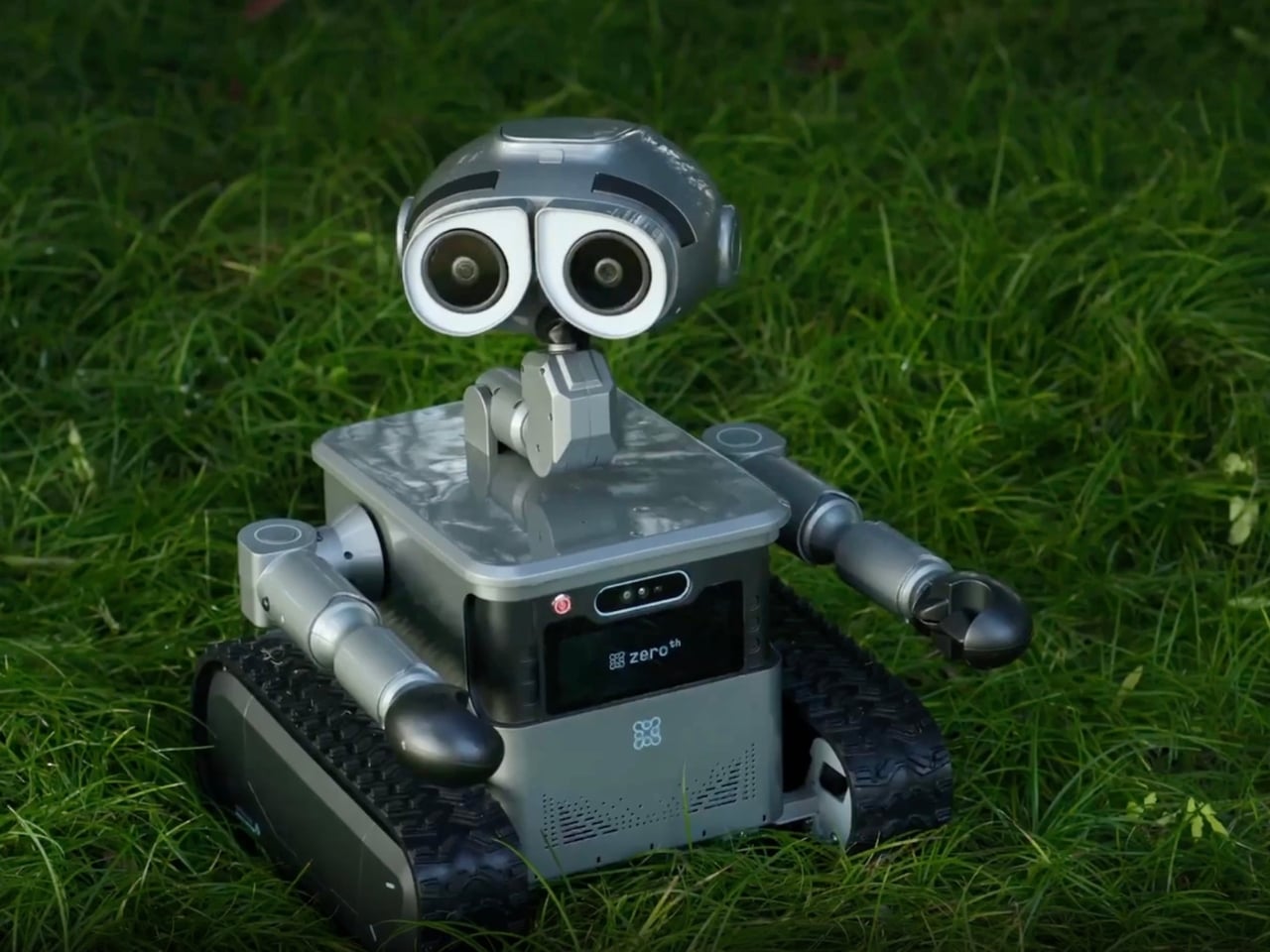
Let’s talk about what this thing actually does. At $5,599, the W1 is positioned as an autonomous, wheel-based assistant for homes and light commercial spaces. Standing 22.6 inches tall and weighing 44 pounds, it uses dual-tread wheels inspired by WALL-E’s iconic design to navigate complex terrain like grass, pavement, and gravel. That’s a bigger deal than it sounds, because most home robots panic when they encounter anything besides hardwood floors.

The navigation system relies on lidar, RGB cameras, and various sensors to understand its environment and avoid obstacles. It can carry up to 110 pounds (more than double its own weight), transport items around your home, follow you from room to room, and even snap photos with its 13-megapixel camera. The top speed is about 1.1 miles per hour, which sounds slow until you remember this isn’t a racing drone; it’s a household helper that needs to operate safely around pets, kids, and your favorite vintage lamp.

Now, here’s where we need to be honest. The W1’s task list feels limited at launch. It can transport stuff, follow you around, serve as a game host, and take pictures. That’s not exactly revolutionary. But Zeroth is building what they call a “Technology DNA,” a unified software and hardware stack that powers all their robots and can be updated over time with new behaviors and capabilities. This is the key differentiator. You’re not buying a static gadget; you’re buying into a platform that theoretically grows smarter and more useful.

What makes the W1 compelling isn’t just the adorable WALL-E aesthetics (though let’s be real, that doesn’t hurt). It’s that Zeroth seems to understand something fundamental about consumer robotics that many companies miss: emotional connection matters. People don’t just want functional robots; they want robots they can relate to, robots that feel less like appliances and more like companions. That’s why the design language echoes one of the most beloved animated characters of all time.

Zeroth Robotics, founded in 2024, is positioning itself as a company focused on “practical, emotionally aware robots” for everyday life. The W1 is part of a broader lineup that includes the M1 (a 15-inch humanoid home companion starting at $2,899), a Disney-licensed WALL-E for classrooms and retail spaces, the A1 quadruped for developers, and Jupiter, a full-size humanoid for real-world tasks. The strategy is clear: cover multiple use cases while maintaining a consistent technological foundation.

Pre-orders for the W1 are expected to open in Q1 2026, with general availability later this year. Whether the W1 becomes an essential household member or an expensive curiosity will depend largely on how well Zeroth delivers on those software updates and expanded capabilities. But there’s something undeniably exciting about a company that’s willing to make robots look and feel approachable instead of clinical. The W1 might not be saving Earth from an ecological disaster like its animated inspiration, but it might just save us from the monotony of carrying groceries from the car. And honestly? That’s a pretty good place to start.

The post Zeroth Just Designed the WALL-E Robot Every Millennial Wanted first appeared on Yanko Design.

New ROG Flow Z13 : Portable Power, AMD Ryzen AI, Radeon Graphics & 70Wh Battery

New ROG Flow Z13 : Portable Power, AMD Ryzen AI, Radeon Graphics & 70Wh Battery

What happens when innovative gaming hardware meets the visionary artistry of Hideo Kojima? The result is the ASUS ROG Flow Z13 Kojima Edition, a gaming laptop that’s as much a collector’s item as it is a technological powerhouse. Below, ETA Prime takes you through how this limited-edition device redefines performance and design, combining state-of-the-art specs […]

The post New ROG Flow Z13 : Portable Power, AMD Ryzen AI, Radeon Graphics & 70Wh Battery appeared first on Geeky Gadgets.

Posted in Uncategorized

Apple’s 2026 Lineup: Foldable iPhone, AR Glasses & More!

Apple’s 2026 Lineup: Foldable iPhone, AR Glasses & More!

Apple is preparing to launch six highly anticipated products in 2026, showcasing its ongoing commitment to innovation and user-centric design. These devices span a range of categories, from foldable smartphones to augmented reality glasses, each offering unique features that aim to enhance functionality and convenience. By blending advanced technology with practical applications, Apple continues to […]

The post Apple’s 2026 Lineup: Foldable iPhone, AR Glasses & More! appeared first on Geeky Gadgets.

Posted in Uncategorized

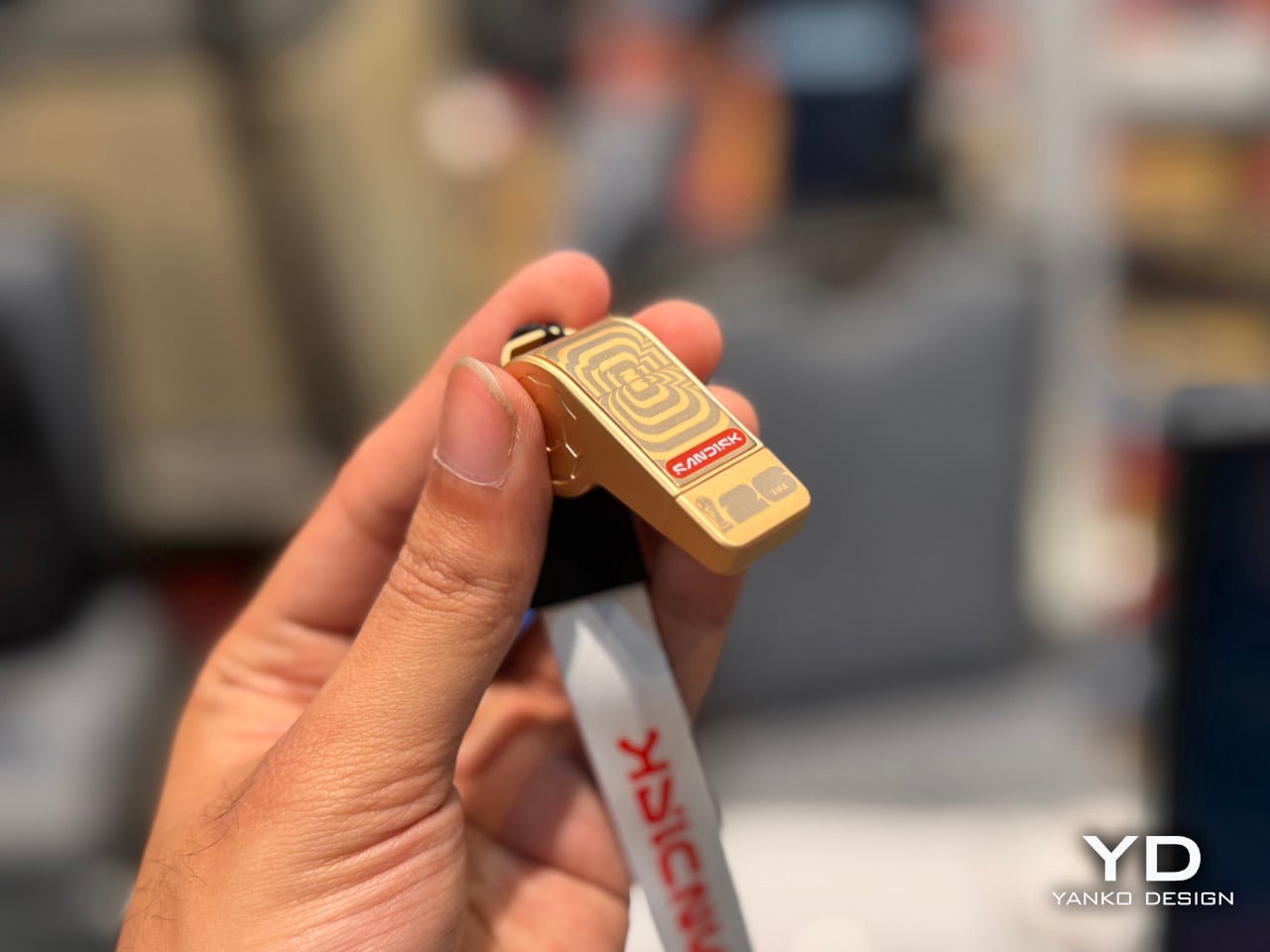
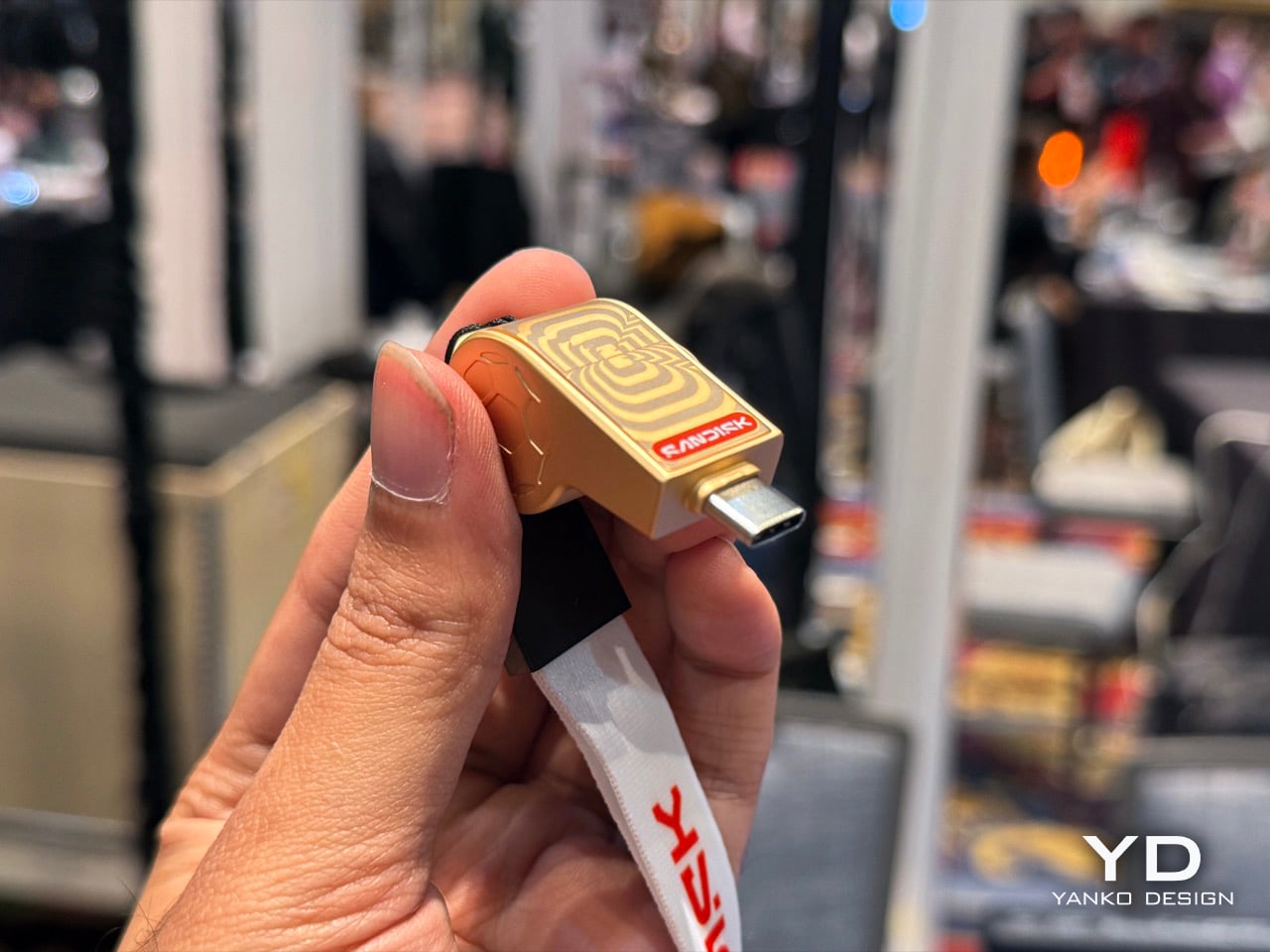
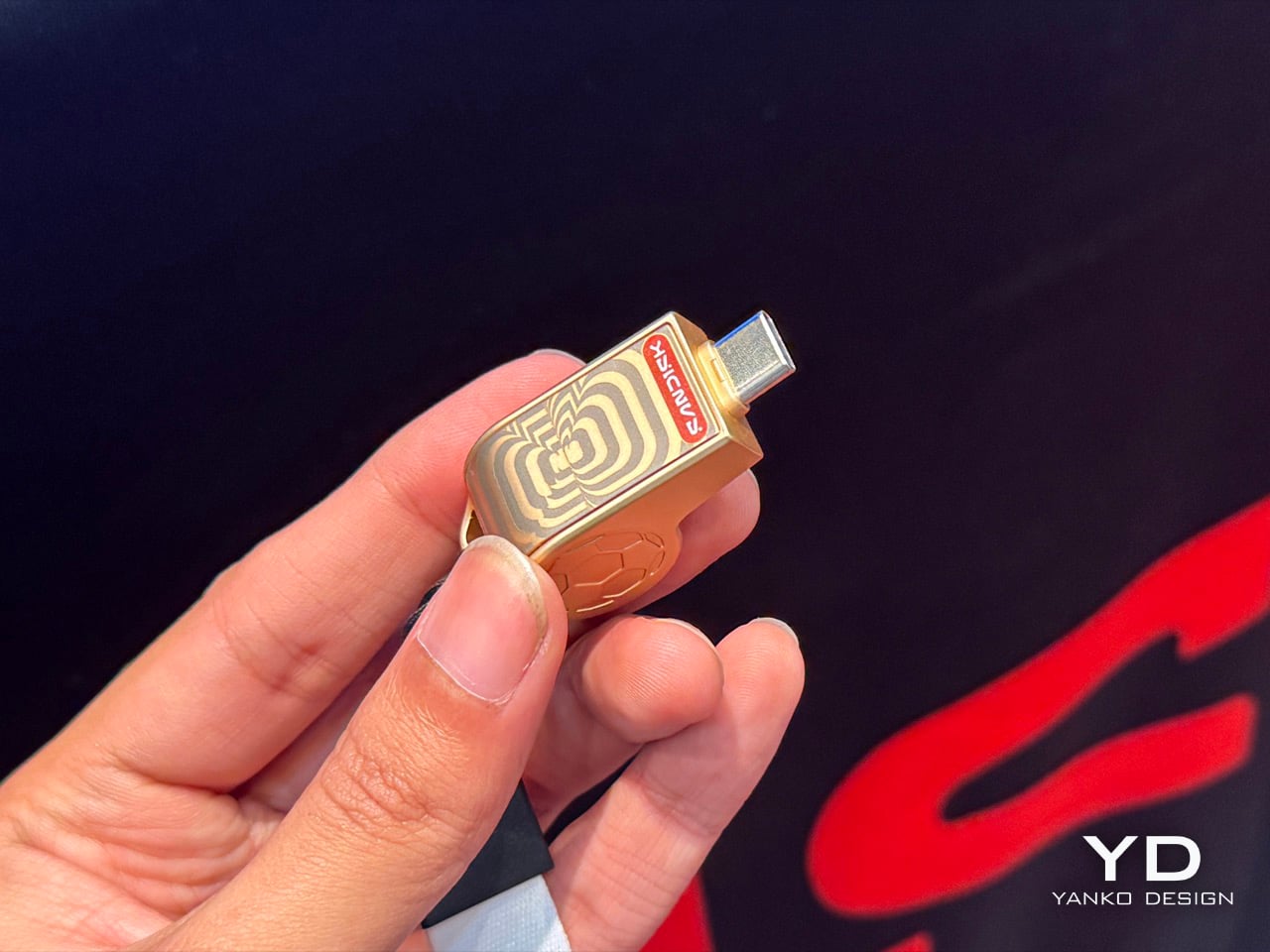
SanDisk made Whistle-shaped USB-C Drives for the FIFA World Cup: Hands-on at CES 2026

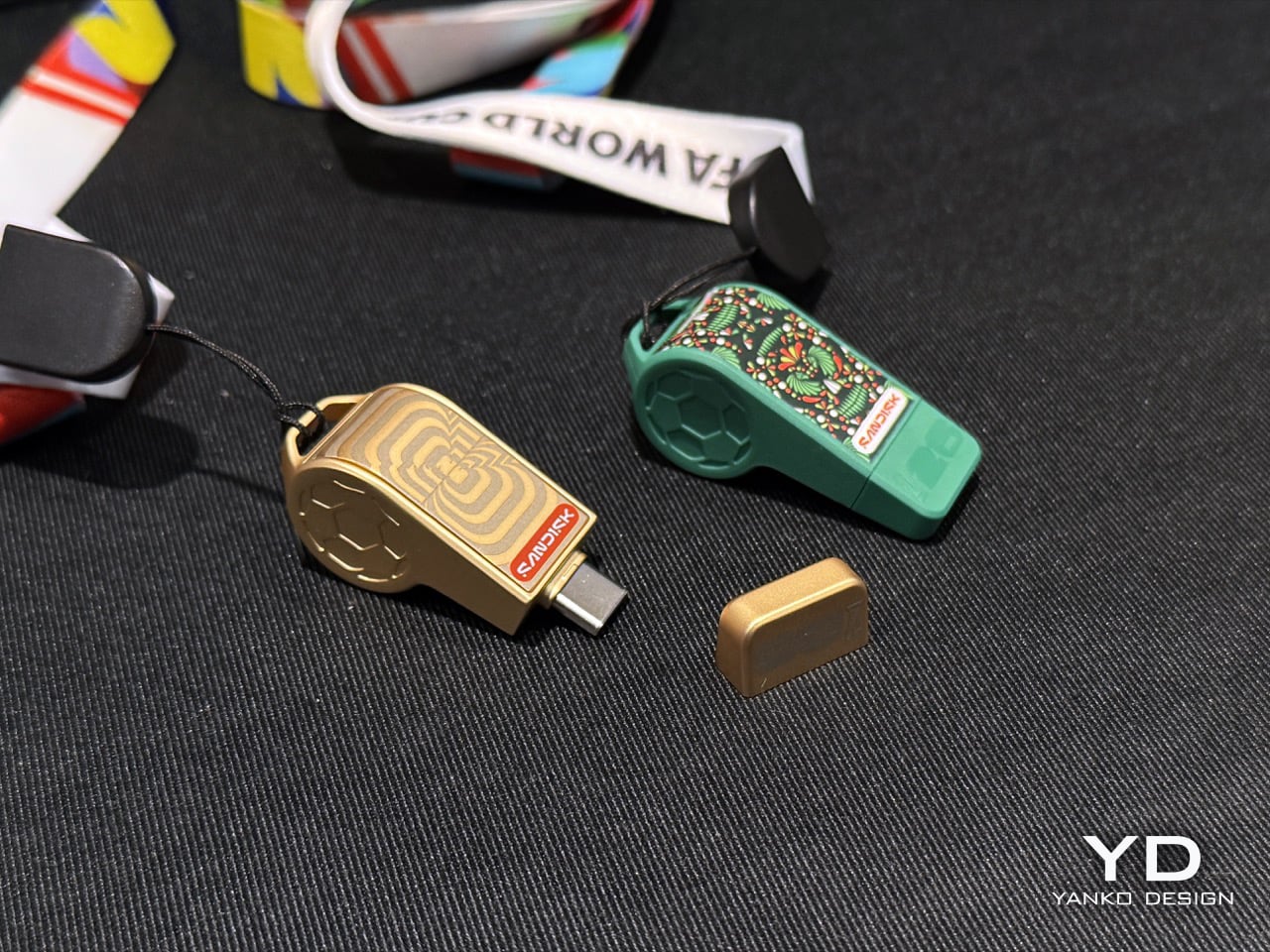
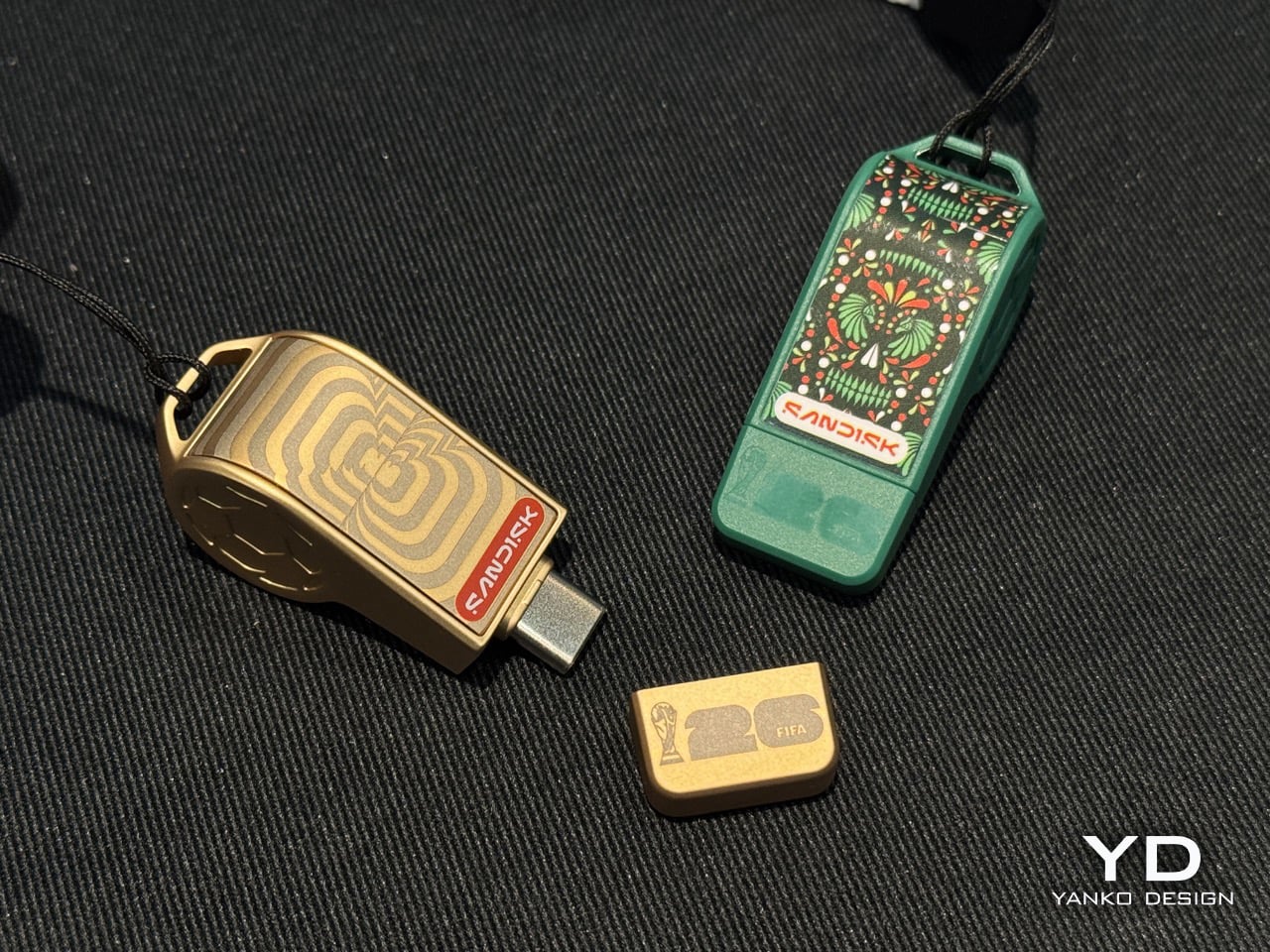
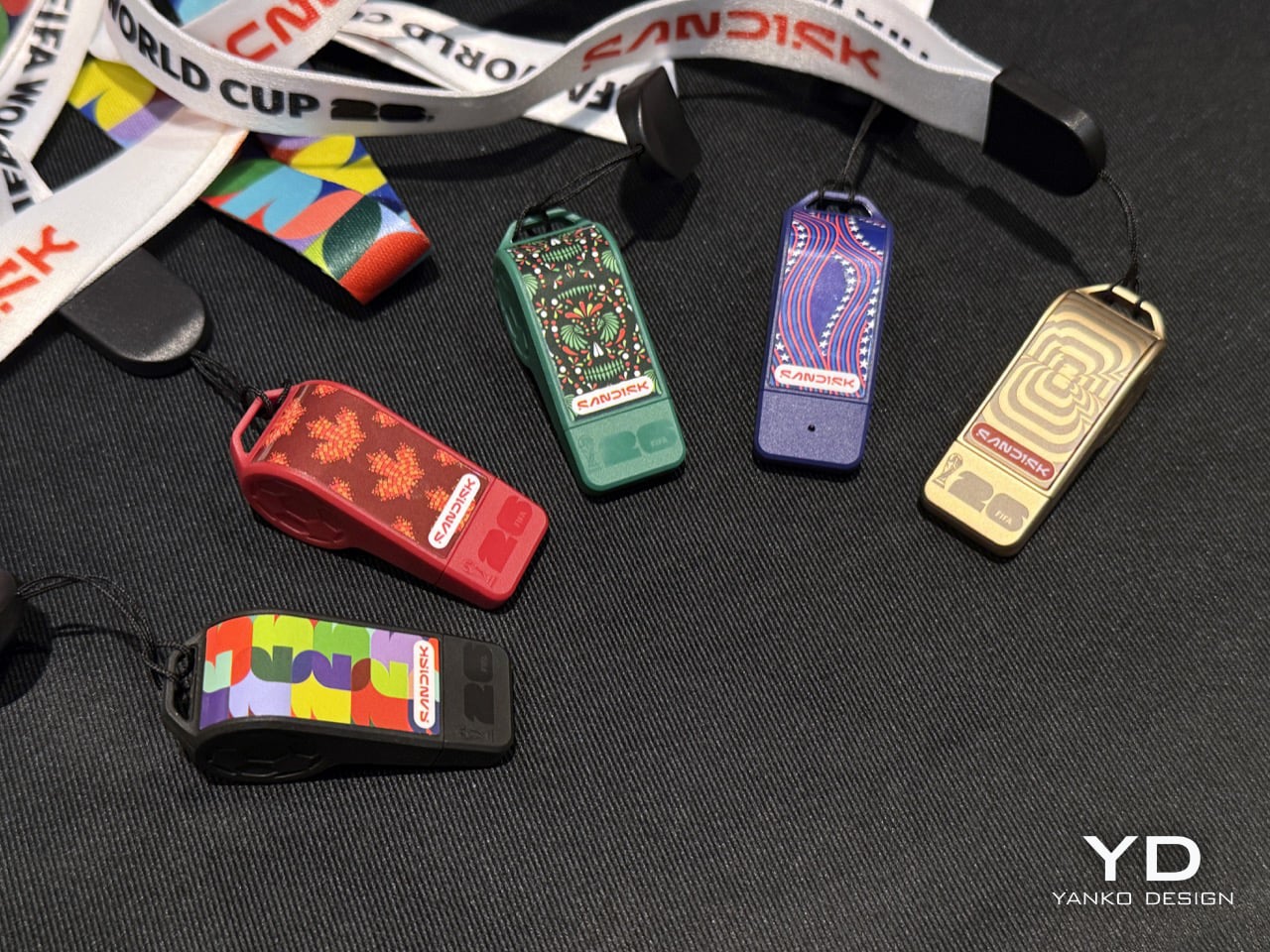
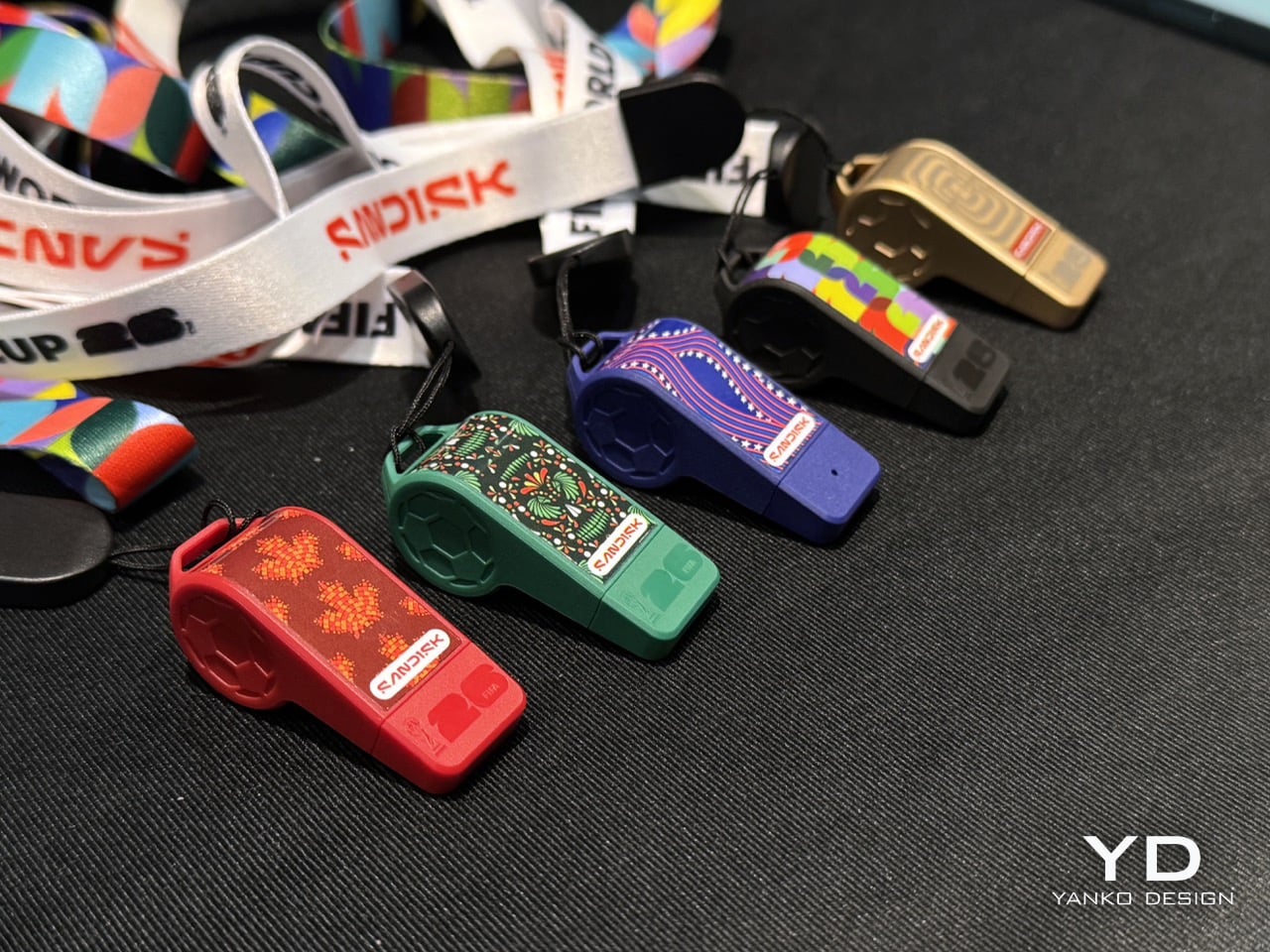
Don’t be surprised if you see a bunch of people walking around with SanDisk whistles strung around their neck this year. No, the storage behemoth didn’t get into sports accessories or football memorabilia, it just got a sense of humor and whimsy! These special-edition whistles from SanDisk are actually USB-C drives with a football theme. They’re a part of SanDisk’s broader licensing arrangement with FIFA, which also spans other SSDs and memory cards. This one, however, is easily the most adorable of the lot.

The whistle-drives come in 5 color variants – three for each of the host countries (US, Canada, Mexico) and two in ‘global’ colors that anyone can own and cherish. A lanyard lets you hang the drive around your neck, just like you would a whistle… and while it doesn’t technically function as a whistle, it does store up to 128GB of data in its tiny form factor. The best part? Probably nobody will think of stealing it because who would steal a random plastic whistle?!

Designer: SanDisk

Seeing these whistles at SanDisk’s booth at Pepcom made me wonder whether they were tiny gifts for visitors. I picked up one and felt a little heft and took a closer look. A SanDisk rep walked up to me and pointed out I wasn’t holding some giveaway plastic ball-whistle – I had a 128GB drive in my hands! Pop the whistle’s mouthpiece out and you see the USB-C drive inside – the form factor pays lip service (literally) to FIFA’s upcoming world cup, with different editions celebrating each of the host countries.

The whistles are officially licensed by FIFA, which makes this original memorabilia if you’re a football fan who needs extra storage. The drives work seamlessly with iOS and Android devices, and they’ll plug into your laptop, Smart TV, or even your Switch. The best part, like I mentioned, is that this is storage that hides in plain sight. No random mugger or stranger would ever think of stealing a whistle off your neck, which means you’re better off storing data like phone backups or other stuff on it.

Unfortunately, there’s no word on availability or pricing yet. SanDisk just showcased its Extreme Fit at CES for the first time ever, so that was easily the most exciting device on the table. The Extreme Fit is also literally available online and in stores, while SanDisk’s FIFA collab is still yet to officially hit the shelves. When it does, I’m sure there’ll be a whole slew of tech aficionados who will want to grab themselves some functional merch that will serve a grand purpose beyond the FIFA games. After all, the World Cup comes once in 4 years… USB-C storage is for life.

The post SanDisk made Whistle-shaped USB-C Drives for the FIFA World Cup: Hands-on at CES 2026 first appeared on Yanko Design.

What’s Next in AI : Gemini 3.5 Upgrades, Claude Gains, Kimi Vision, OpenAI AI Pen & More

What’s Next in AI : Gemini 3.5 Upgrades, Claude Gains, Kimi Vision, OpenAI AI Pen & More

How do you keep up when the AI world seems to evolve faster than ever? From multimodal breakthroughs to AI-powered hardware, the landscape is buzzing with innovation. Universe of AI explores how companies like Google, Entropic, Moonshot AI, and OpenAI are pushing boundaries with projects like Gemini 3.5, Claude 5.0, and the intriguing AI Pen. […]

The post What’s Next in AI : Gemini 3.5 Upgrades, Claude Gains, Kimi Vision, OpenAI AI Pen & More appeared first on Geeky Gadgets.

Posted in Uncategorized

iPhone Fold 2026: Apple’s Secret Plan to Kill the Samsung Galaxy Z Fold 8

iPhone Fold 2026: Apple’s Secret Plan to Kill the Samsung Galaxy Z Fold 8

Apple is poised to make its long-anticipated entry into the foldable smartphone market with the iPhone Fold, set for release in 2026. This strategic move positions Apple as a direct competitor to Samsung, which has maintained a dominant presence in the foldable segment since the launch of its Galaxy Z Fold series in 2019. By […]

The post iPhone Fold 2026: Apple’s Secret Plan to Kill the Samsung Galaxy Z Fold 8 appeared first on Geeky Gadgets.

Posted in Uncategorized

Build a Smooth Apple Notes System with Folders, Tags, Scans & Tasks That Stick

Build a Smooth Apple Notes System with Folders, Tags, Scans & Tasks That Stick

What if staying ahead wasn’t about working harder, but about working smarter, right from your fingertips? By Roman breaks down how Apple Notes, often dismissed as just a basic app, has evolved into a surprisingly effective way to organize your life. From creating dynamic workflows to syncing tasks seamlessly across devices, this deep dive uncovers […]

The post Build a Smooth Apple Notes System with Folders, Tags, Scans & Tasks That Stick appeared first on Geeky Gadgets.

Posted in Uncategorized