Apple’s highly anticipated iPhone 18 lineup is already generating widespread excitement, with leaks and rumors hinting at significant advancements in design, technology, and functionality. Among the most intriguing developments is the potential debut of the iPhone Fold, marking Apple’s entry into the foldable phone market. This move could signal a shift in the company’s product […]
What if you could access professional-grade apps and innovative features for less than the cost of a streaming subscription? Below, GadgetMatch takes you through how Apple’s new Creator Studio is transforming the creative world with its $12.99-per-month subscription bundle and only $2.99 for students. Featuring industry-standard apps like Final Cut Pro, Logic Pro, and Pixelmator […]
The Samsung Galaxy S26 Ultra represents a bold step forward in the evolution of smartphone technology. By tackling persistent challenges and introducing a suite of innovative features, Samsung has delivered a flagship device that excels in performance, design, and functionality. From enhanced video recording capabilities to privacy-focused display technology, this smartphone offers meaningful upgrades that […]
What happens when the simplicity of a console meets the flexibility of a PC? ConsoleDrop walks through how Valve’s reimagined Steam Machine is stepping back into the gaming arena to challenge Sony’s powerhouse, the PlayStation 5. On one side, you have the PS5, a console that has captured the hearts of millions with its exclusive […]
What if you could delegate your most tedious tasks to a virtual assistant that not only understands your workflow but actively improves it? OpenAI has today launched its new Codex app for macOS, a release that promises to redefine how developers and technical teams collaborate with artificial intelligence. With features like multi-agent management and advanced […]
Apple is preparing to redefine its product lineup by integrating OLED display technology into its flagship devices. This transition, planned to unfold between 2026 and 2028, represents a significant leap forward in display quality, energy efficiency, and feature integration. From the compact iPad Mini to the versatile MacBook Pro, this move underscores Apple’s commitment to […]
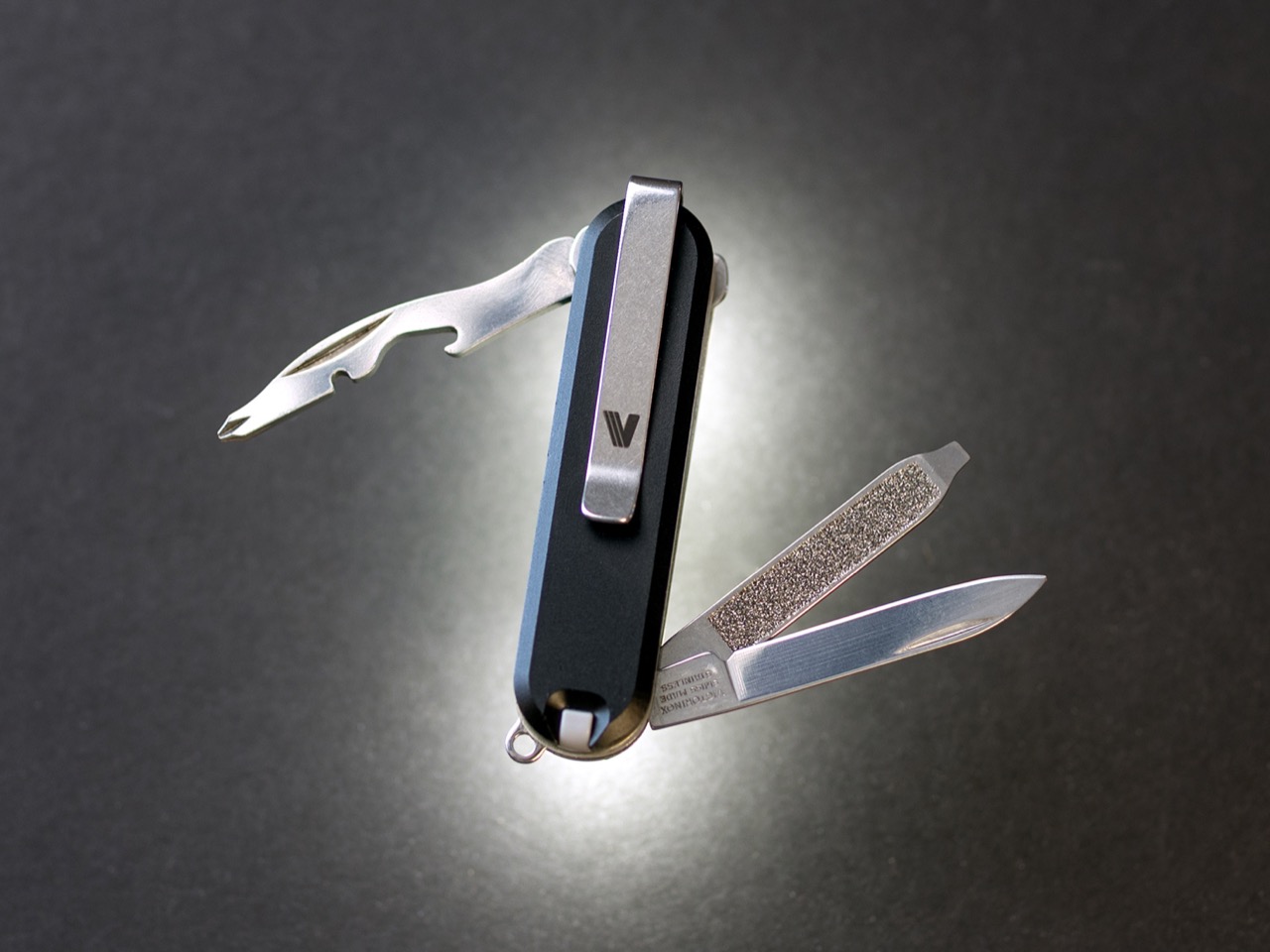
The 58mm Swiss Army Knife has occupied pockets for over a century with the same basic formula: red plastic scales, a handful of tools, and a design language that never needed to change. Victorinox perfected compact utility decades ago, and the format became so synonymous with everyday carry that entire generations never questioned whether it could evolve. But that permanence also created a constraint. Once you chose your tool configuration, you were locked in. Swapping scales meant glue, risk, or permanent modification.
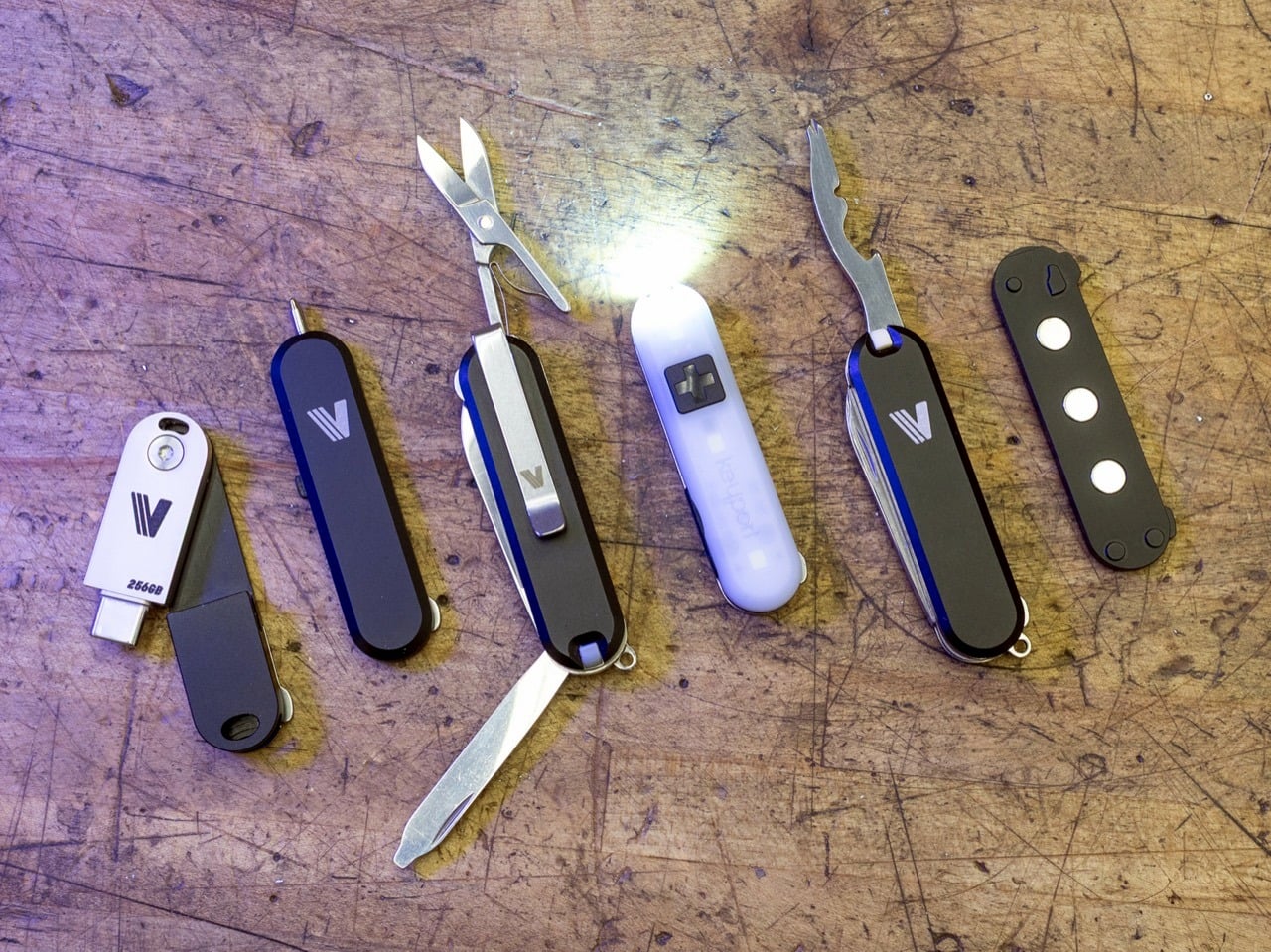
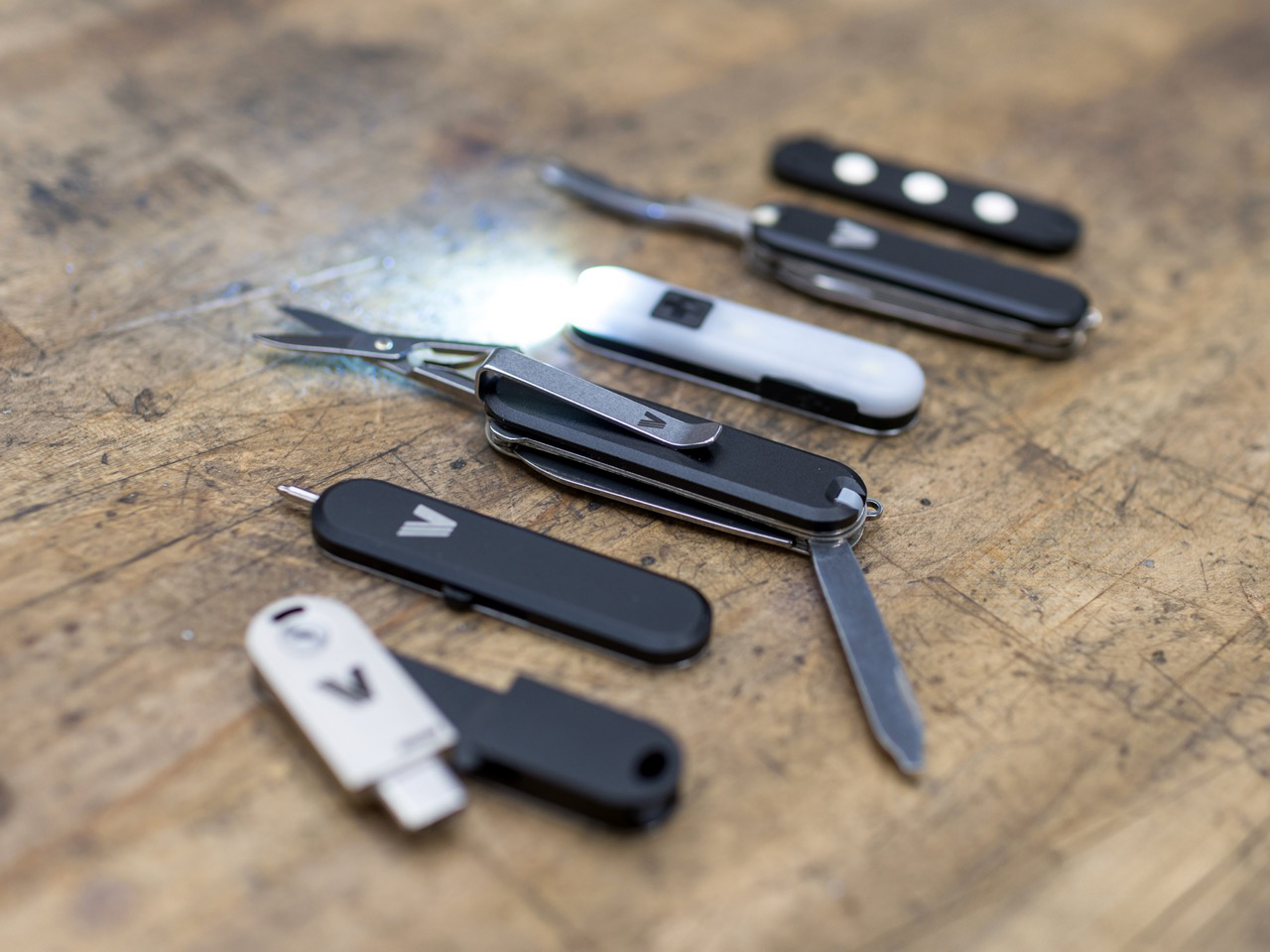
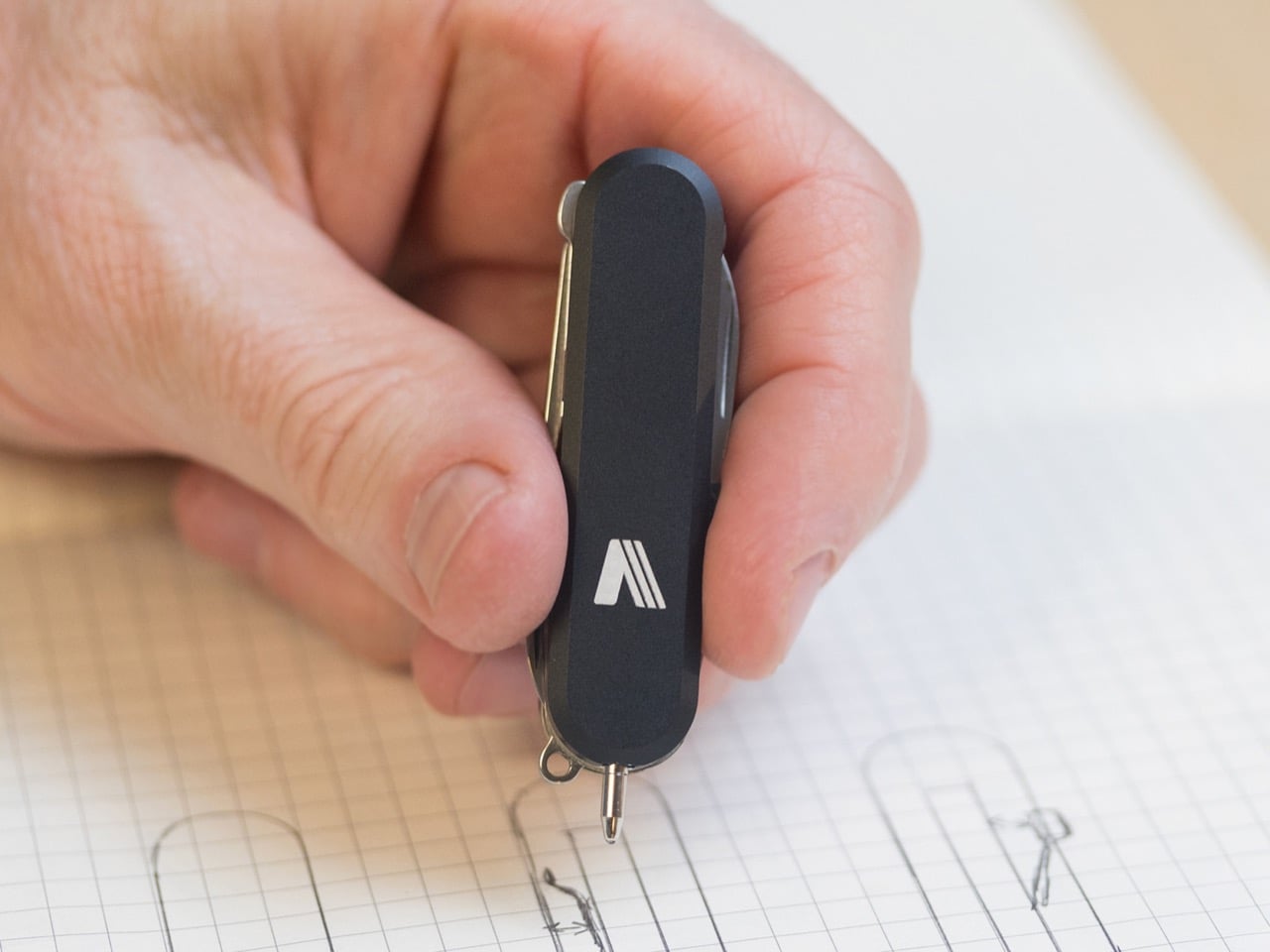
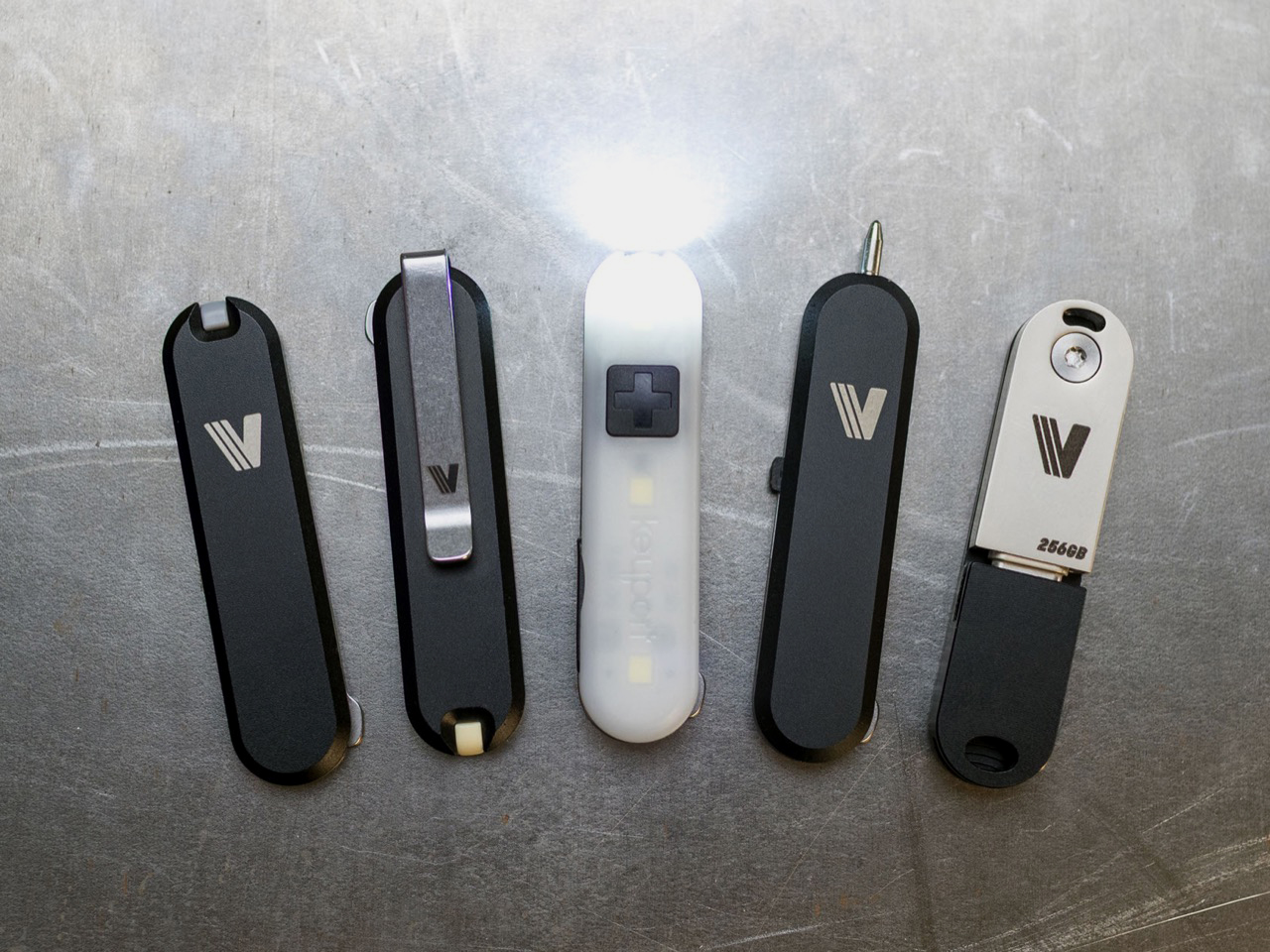
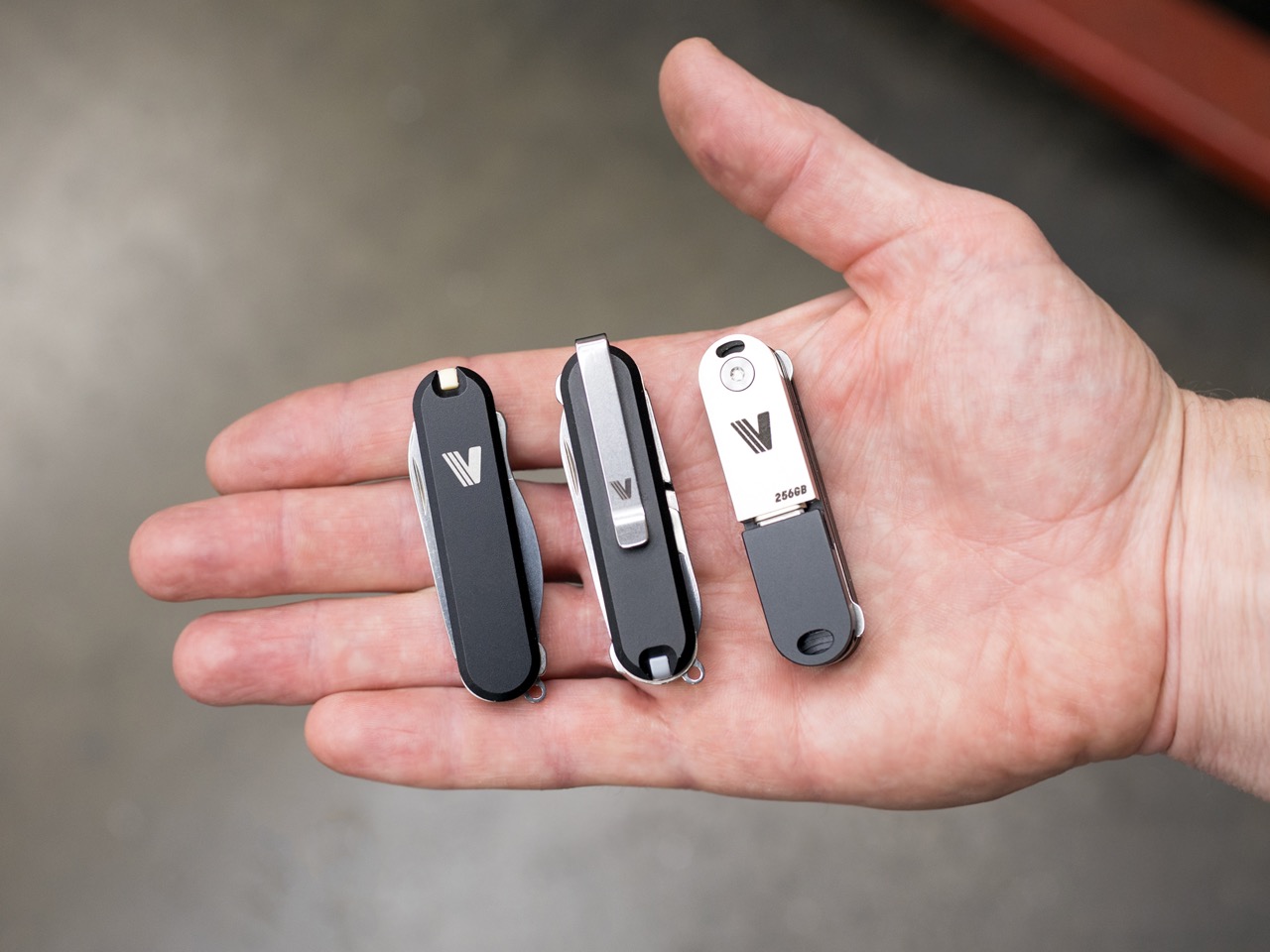
Keyport’s Versa58 system breaks that constraint without breaking the knife. The platform introduces a snap-on interface that attaches to any 58mm SAK’s existing rivets, transforming fixed scales into swappable modules. Add a rechargeable LED light, a mini pen, a USB-C flash drive, or a deep-carry pocket clip in seconds. Remove them just as fast. The knife stays intact, the heritage remains untouched, but the capabilities expand in ways the original designers never imagined. It’s modularity meeting tradition, and somehow both sides win.
The core of this entire system is a deceptively simple piece of spring steel. This patent-pending interface plate is the result of a full year of development and seven complete revisions, a process that speaks to the engineering challenge involved. The plate is engineered to flex just enough to click securely onto the mushroom-shaped rivets that hold a standard SAK together, the same ones hidden beneath the factory scales. The design had to be robust enough to handle repeated attachment cycles without loosening, yet gentle enough to avoid damaging the knife’s frame. It’s a tool-free, glue-free, and completely reversible process that takes seconds. This single component unlocks the entire platform.
Versa58 operates in two distinct universes. The first is as a direct upgrade to your existing Victorinox. You pop off the original scales and snap on the Versa58 modules you need for the day. The second universe is completely independent of the knife. Using a magnetic connector system called MagMount, any two modules can be attached to each other to create standalone tools. This dual functionality means you can either enhance the classic SAK you already own or build an entirely new, minimalist multi-tool from scratch. The system offers a level of flexibility that the 58mm format has never seen before.
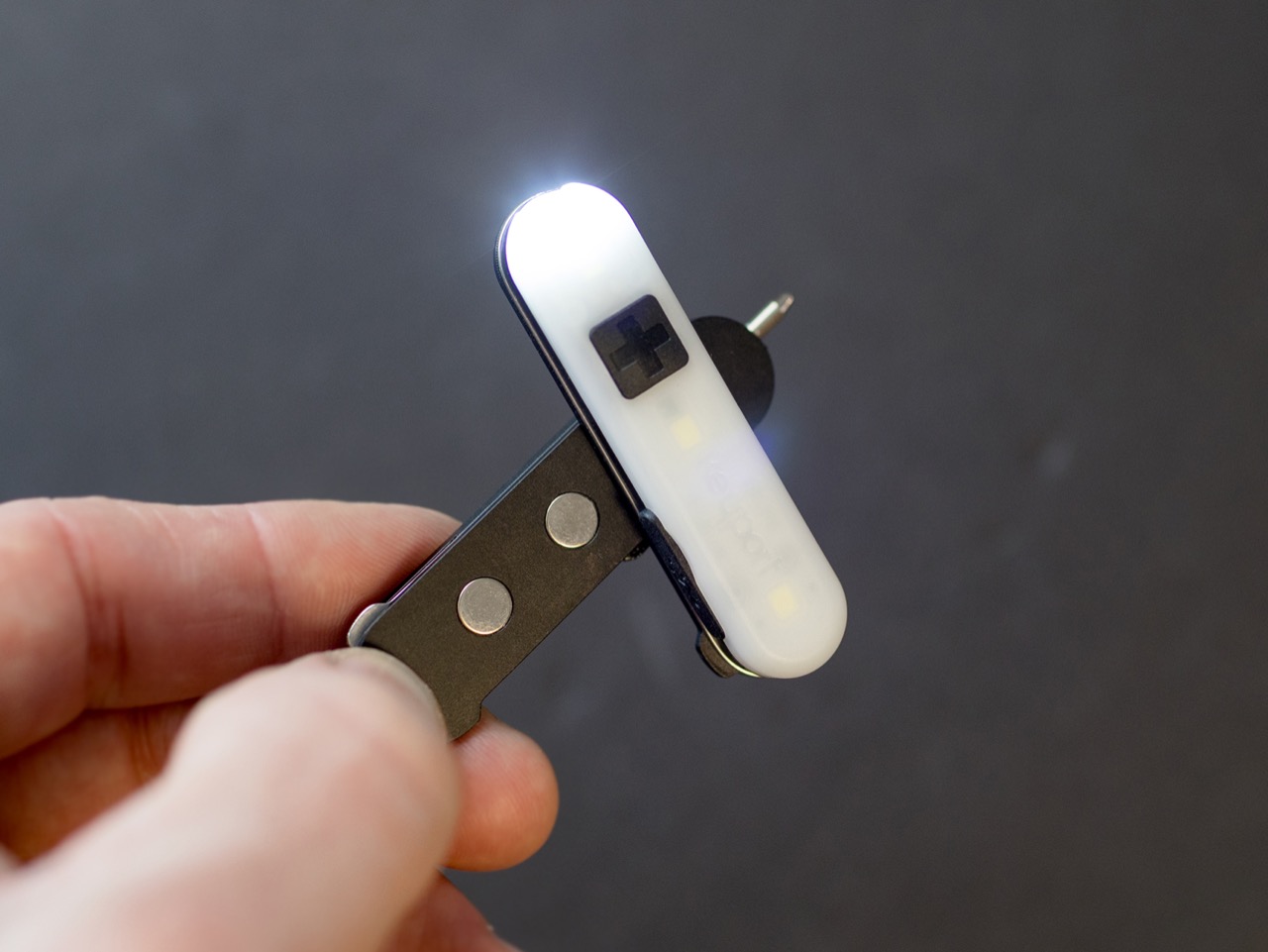
The MagMount system is absolute genius, using three tuned neodymium magnets to create a crisp, satisfying connection. This allows for the quick assembly of pocketable rigs or keychain tools. You could, for instance, snap the flashlight module to the pen module for a compact, non-knife tool perfect for travel or restrictive environments. The magnetic pull is tuned for a secure hold while still allowing for smooth rotation and easy reconfiguration. It also introduces an addictive fidget factor, turning the act of customizing your carry into something tactile and engaging. It’s a smart design that expands the ecosystem beyond the knife itself.
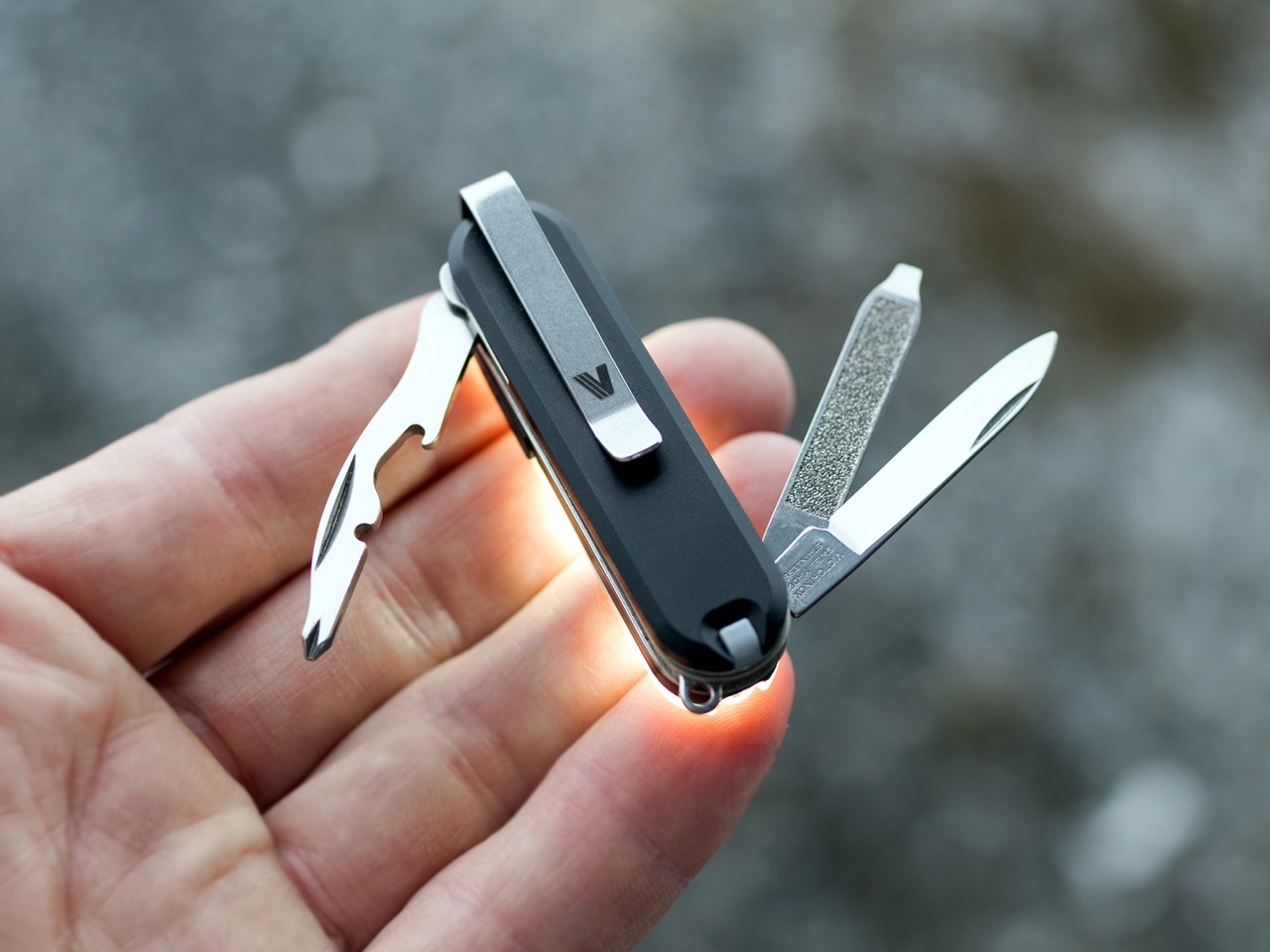
Among the first wave of modules, the Clip Scale is likely to be the most celebrated. Machined from either 6061 aluminum or Grade 5 titanium, it finally adds a clean, low-profile pocket clip to the 58mm SAK. This has been a common request in the EDC community for years. Crucially, the clip is designed to be reversible and does not interfere with the knife’s keyring, a flaw seen in some aftermarket solutions. It’s paired with a V Scale for the front, which includes a multi-use slot designed to hold the original SAK’s toothpick or tweezers, ensuring you don’t lose core functionality.
The Pocket Flare module brings modern illumination to the platform. It’s a compact, USB-C rechargeable light with a beam tuned for close-range tasks. It offers three modes: a 3-lumen low beam with a 12-hour runtime, a 43-lumen high beam that runs for two hours, and a 45-lumen side light that acts as a lamp to brighten a small area. Because it uses the MagMount interface, you can also snap it onto any metal surface for hands-free lighting, which is incredibly useful for repairs or finding something in a dark tent.
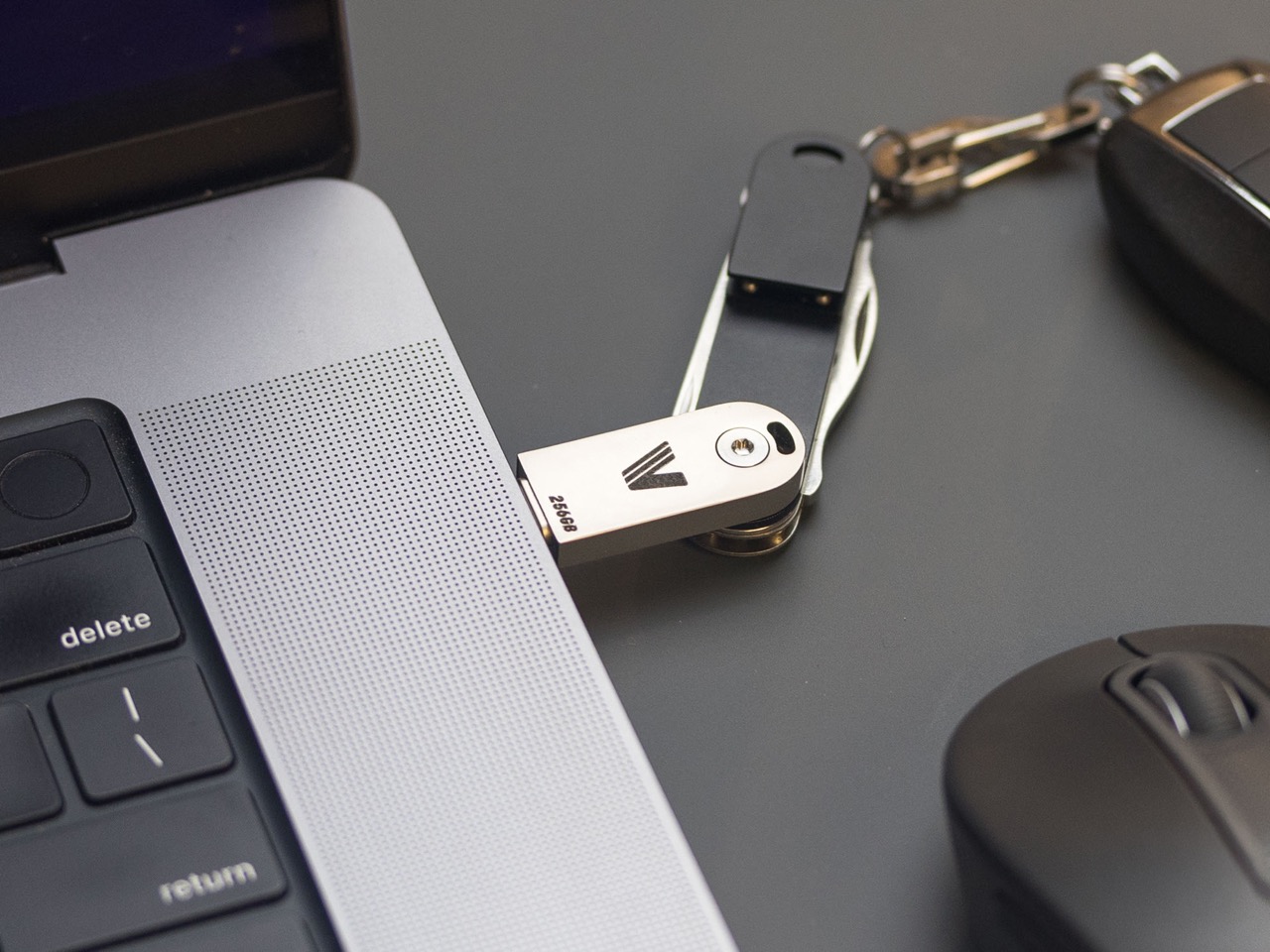
Keyport also developed modules that bridge the analog and digital worlds. The Pen Module features a precision mini pen with a premium German Troika refill, offering a smooth writing experience without any rattle. For digital needs, there is a streamlined USB-C 3.0 flash drive module available in 64GB and 256GB capacities. This flip-out drive seamlessly integrates secure, portable storage into your pocket setup for documents, media, or backups. These additions transform the classic pocket knife into a tool that feels much more relevant to modern daily life.
Perhaps the most forward-thinking aspect of the Versa58 platform is its openness. Keyport will be selling standalone interface plates, inviting makers, modders, and machinists to design their own compatible modules. This opens the door for a community-driven ecosystem of custom tools built on the Versa58 standard. It’s a canvas for creativity, allowing anyone with an idea to contribute to the platform. This move could give the system incredible longevity and a range of options far beyond what Keyport could develop on its own.
Keyport has already outlined a roadmap for future modules, showing a long-term commitment to the system. Upcoming additions being explored include a Bluetooth locator, an NFC module for digital access or automation, a craft blade for precision cuts, and even a minimalist carrier for a Bic lighter. The plan is to build Versa58 into a comprehensive platform, not just a single product release. Backer feedback from the initial campaign will help shape which of these new tools get prioritized, making early adopters part of the development process.
The Versa58 system is available for backing on Kickstarter, with special pricing tiers for early supporters. The campaign offers several bundles, including the foundational Origin Bundle with the core scales starting at $39 and the more comprehensive Apex Bundle that adds the Pocket Flare module starting at $77. All modules and scales are available in either machined 6061 aluminum or the more premium Grade 5 titanium. The Versa58 ships globally starting August 2026.
At a time when memories are increasingly flattened into folders, feeds, and cloud backups, a new experimental device from MIT Media Lab proposes a far more intimate archive: scent. Developed by Cyrus Clarke, the Anemoia Device is a speculative yet functional prototype that translates photographs into bespoke fragrances using generative AI, inviting users not to view memories, but to inhabit them through the body.
The choice of scent as a medium is deliberate. Among the human senses, smell is widely understood to be the most directly linked to memory and emotion, bypassing rational processing and triggering vivid recall almost instantaneously. Unlike images or text, scent has the ability to summon atmosphere, mood, and feeling without explanation, making it a particularly powerful carrier for both personal and imagined memories. The Anemoia Device is built around this sensory potency.
Designer: MIT Media Lab
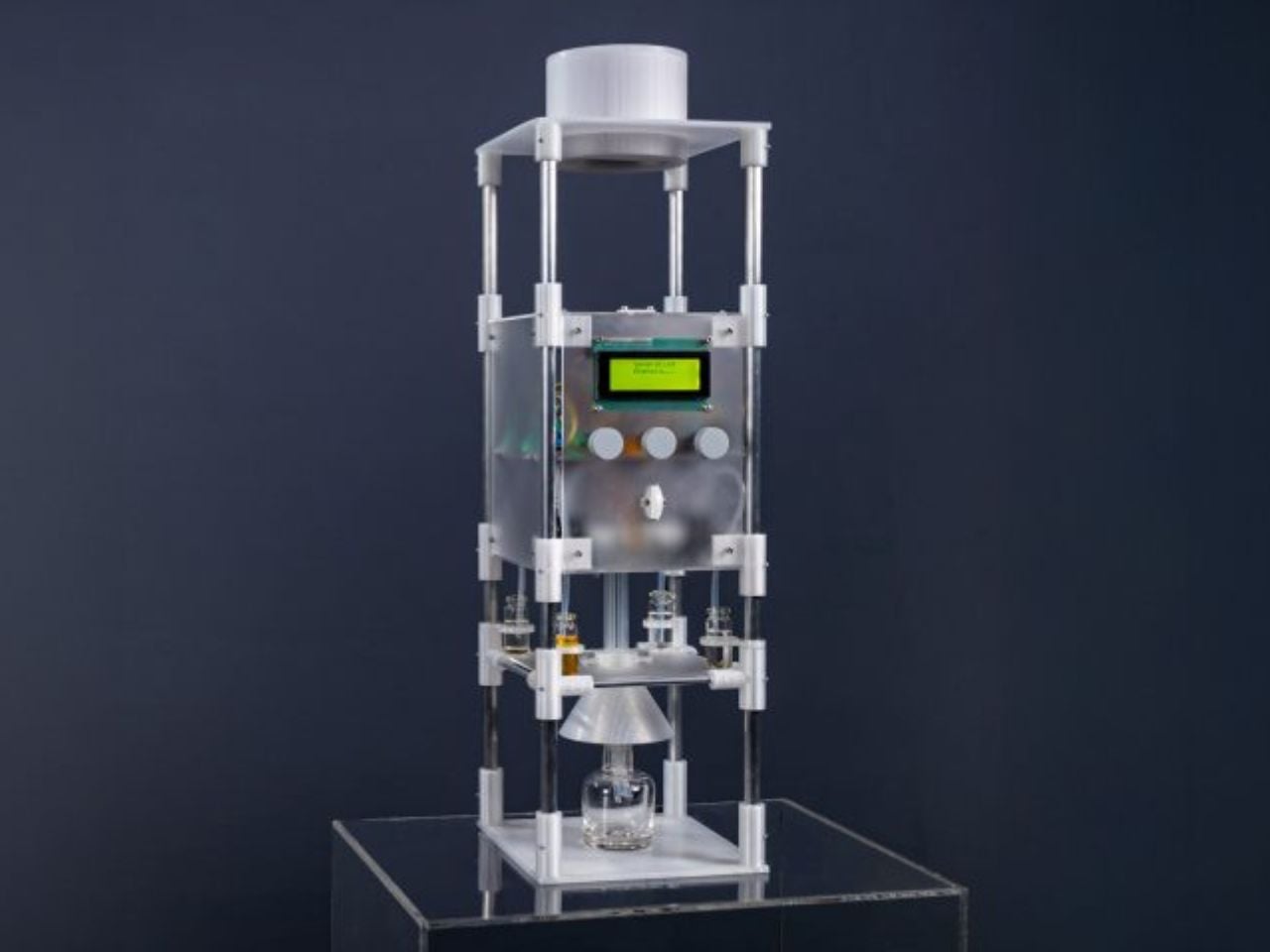
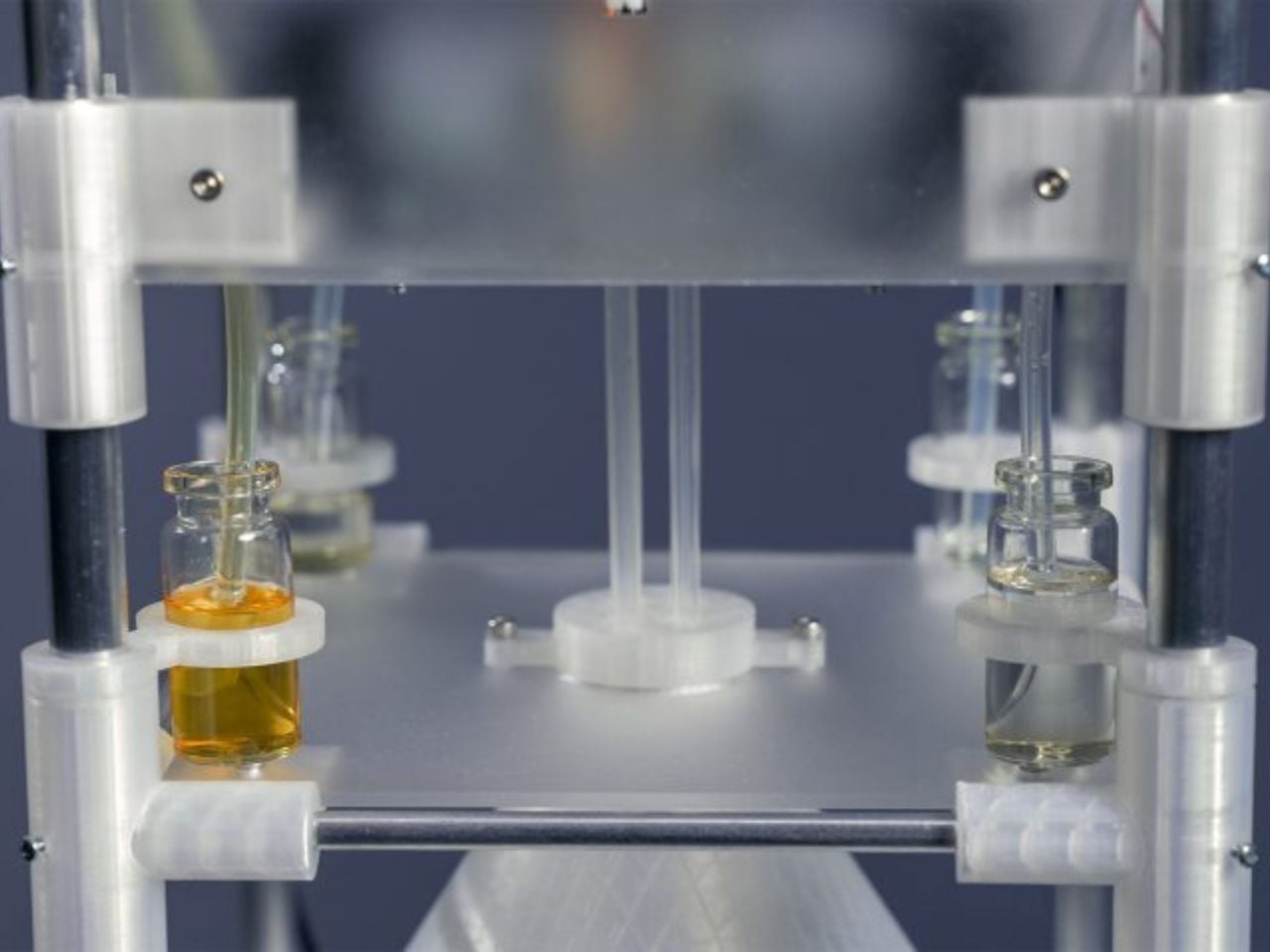
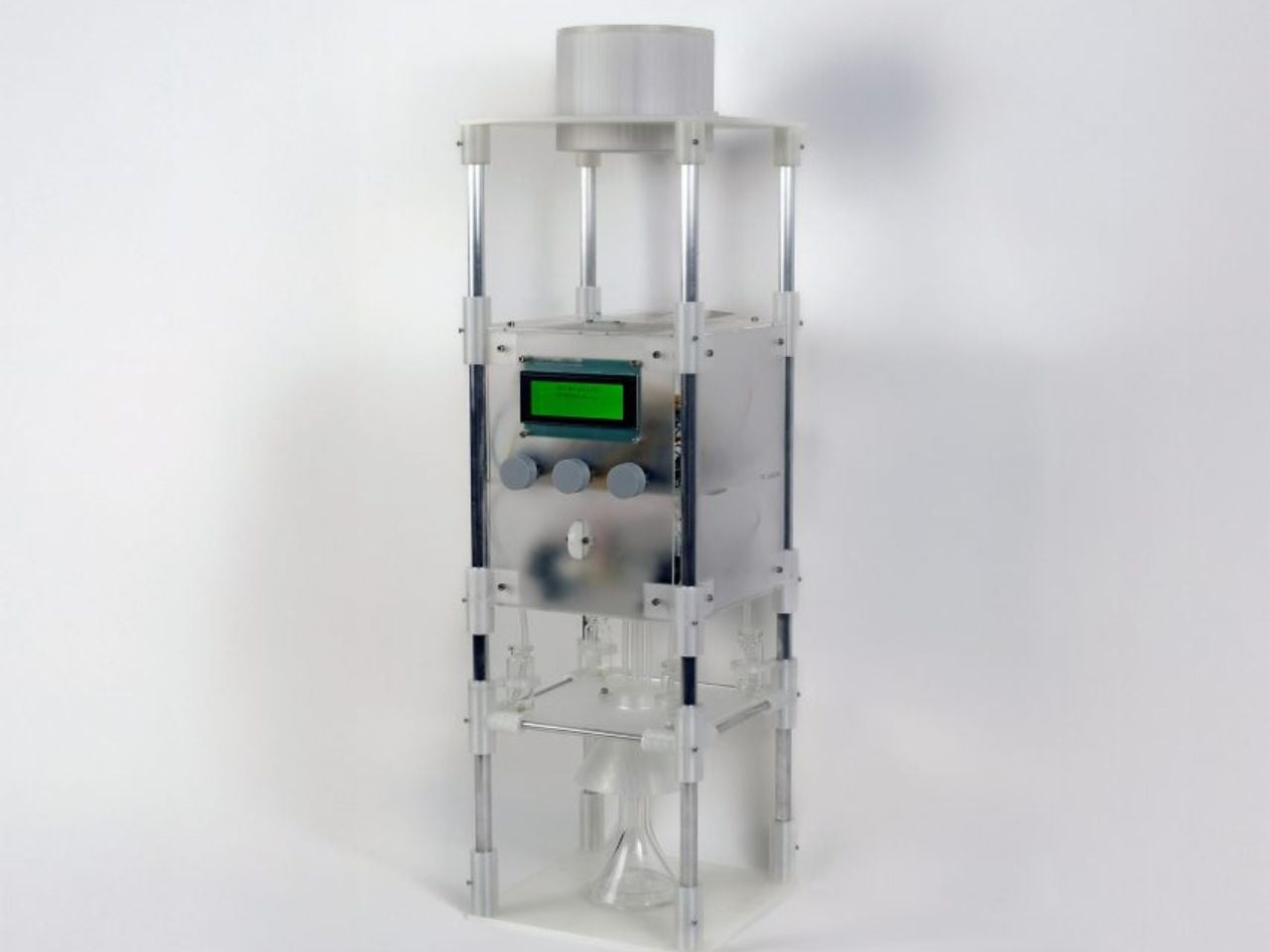
Referred to as a scent memory machine, the device operates on the metaphor of distillation. Memory is treated as something dense and layered that can be compressed into an essence. Physically, the prototype is organised as a vertical apparatus with three distinct sections. At the top, users insert an analogue photograph, a deliberate design decision that slows interaction and foregrounds tactility in contrast to screen-based memory consumption. The middle section houses an AI-powered computer that analyses the image using a vision language model. At the bottom, a series of pumps connected to fragrance reservoirs mix and release a custom scent.
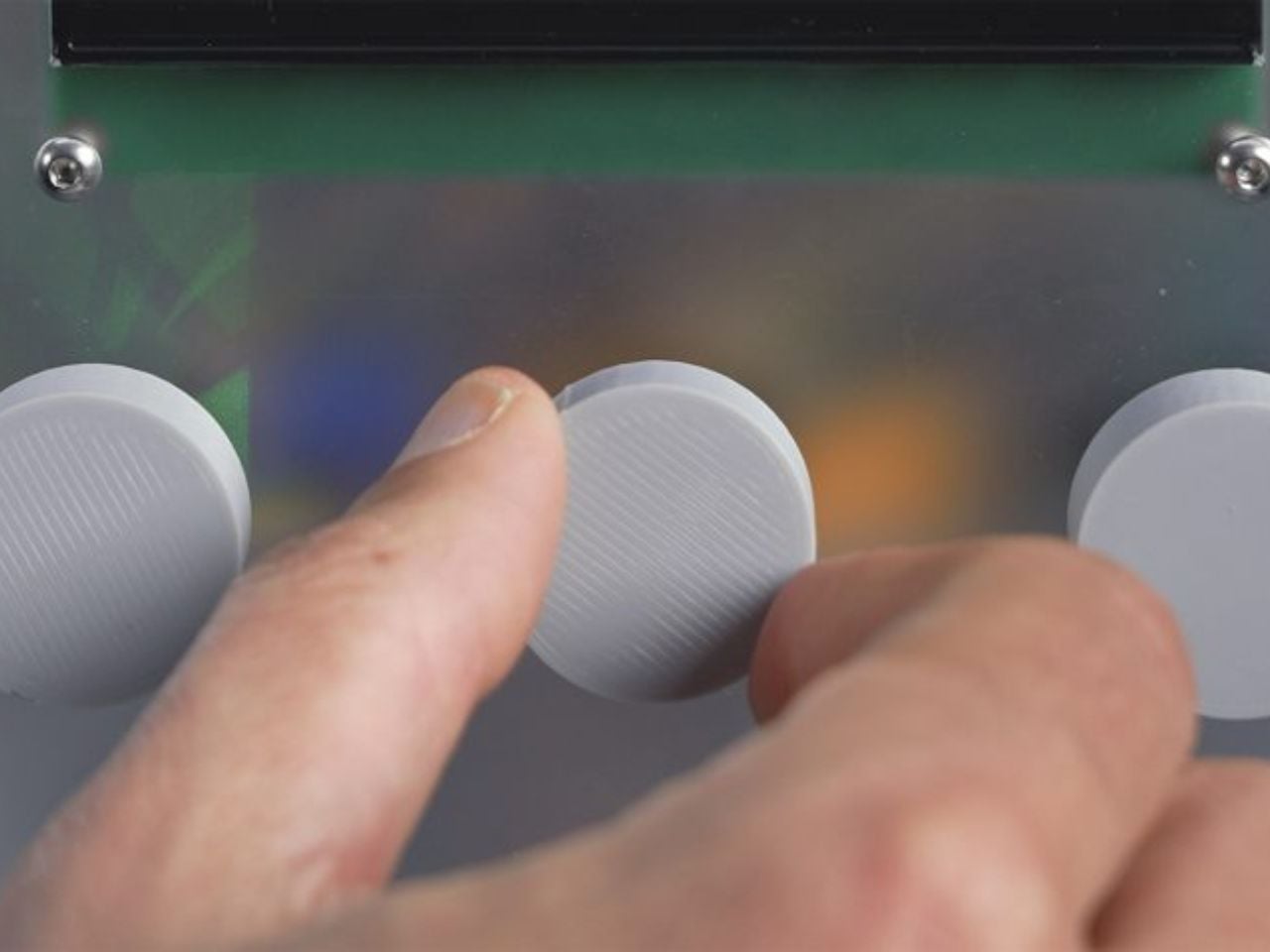
Importantly, the Anemoia Device is not designed as a fully automated image-to-scent translator. Instead, it positions the user as an active participant in shaping the final outcome. After the photograph is interpreted, users interact with three tactile dials that guide the AI’s understanding. The first establishes a point of view within the photograph, which could be a person or a non-living element such as a tree, bicycle, or piece of fruit. The second situates that subject within a lifecycle. For people, this may mean childhood or old age. For objects, the range moves from raw to in use to decay. The third dial assigns emotional tone, shaping the fragrance through mood rather than literal accuracy.
Conceptually, the project draws on anemoia, a form of nostalgia for a time one has never personally experienced. While the device can theoretically transform any photographic memory into scent, its design places particular emphasis on unlived or inherited memories. Archival photographs, family collections, and fragments of collective history become interpretive starting points rather than records to be faithfully reproduced. This framing allows the system to move fluidly between the universal and the deeply personal.
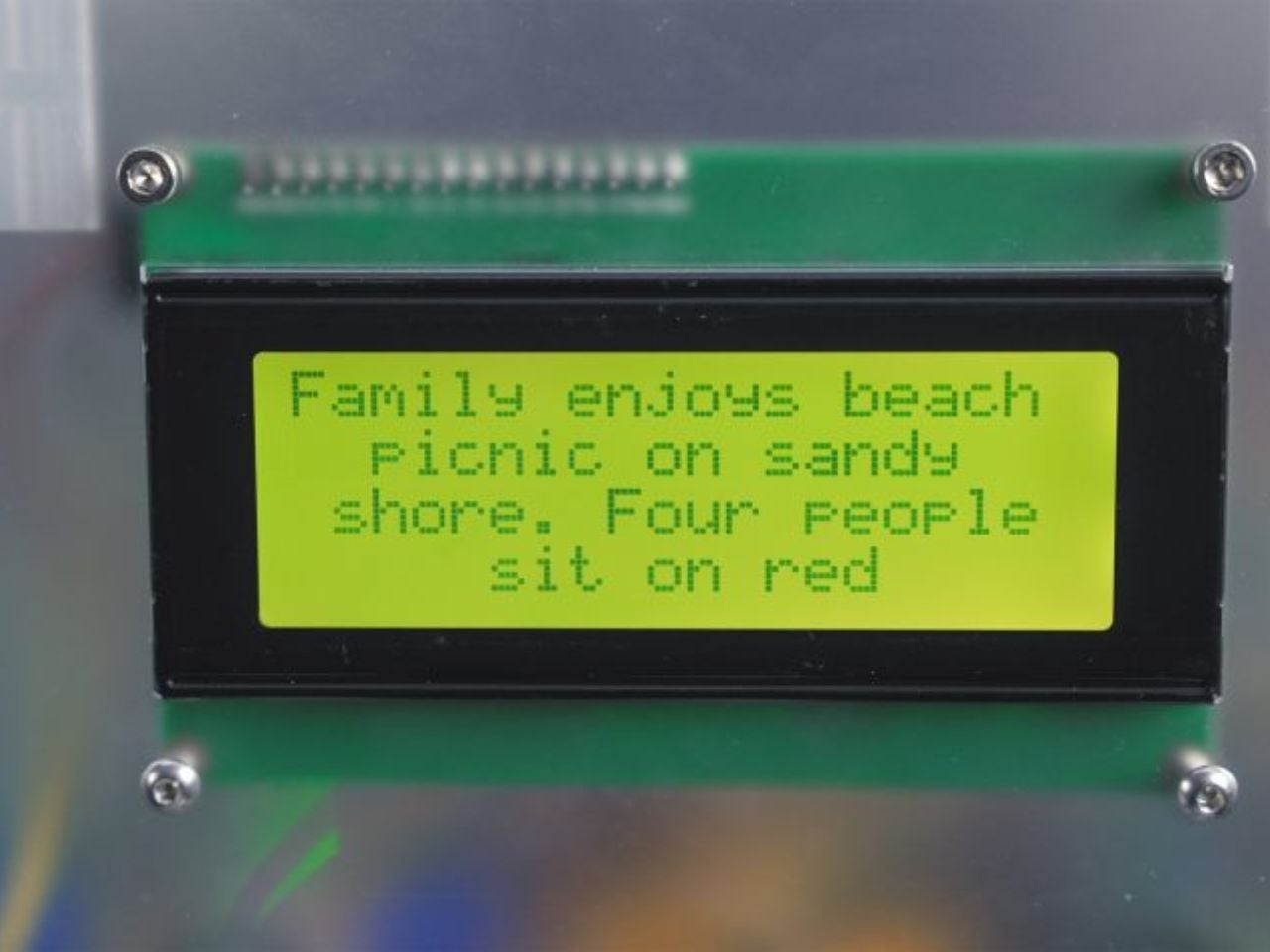
Early trial sessions illustrate how this interpretive flexibility plays out. In one example, a participant uploaded an archival photograph depicting a couple eating fruit in a garden. By selecting the fruit as the subject, defining its state as in use, and choosing a calm emotional tone, the system generated a scent combining spiced apple, pear, and earthy musk. The participant associated the fragrance with autumn, demonstrating how scent can evoke emotional landscapes rather than literal scenes.
This range is enabled by a scent library of 50 base fragrances, spanning notes such as sandalwood, pine forest, leather, old books, and sand. Each fragrance is dispensed in one-second increments, allowing for countless nuanced combinations. While the system begins with shared cultural associations, user narrative and emotional framing often push the output beyond predictable or clichéd interpretations.
The Anemoia Device builds on Clarke’s longer-standing interest in making memory tangible. Before joining MIT, he founded Grow Your Own Cloud, which explored storing digital data within the DNA of plants. Across this body of work runs a consistent critique of contemporary memory practices, which externalise experience into digital infrastructure that is accessible but largely disembodied.
Looking ahead, the project suggests multiple future directions. The prototype could evolve into a desktop-sized device for personal use, allowing people to print memories at home, or into a remote service that translates mailed or uploaded photographs into scents. While it relies on advanced technology, its ambition is notably restrained. Rather than competing for attention, the Anemoia Device gestures toward a form of computing that encourages slowness, reflection, and sensory presence.
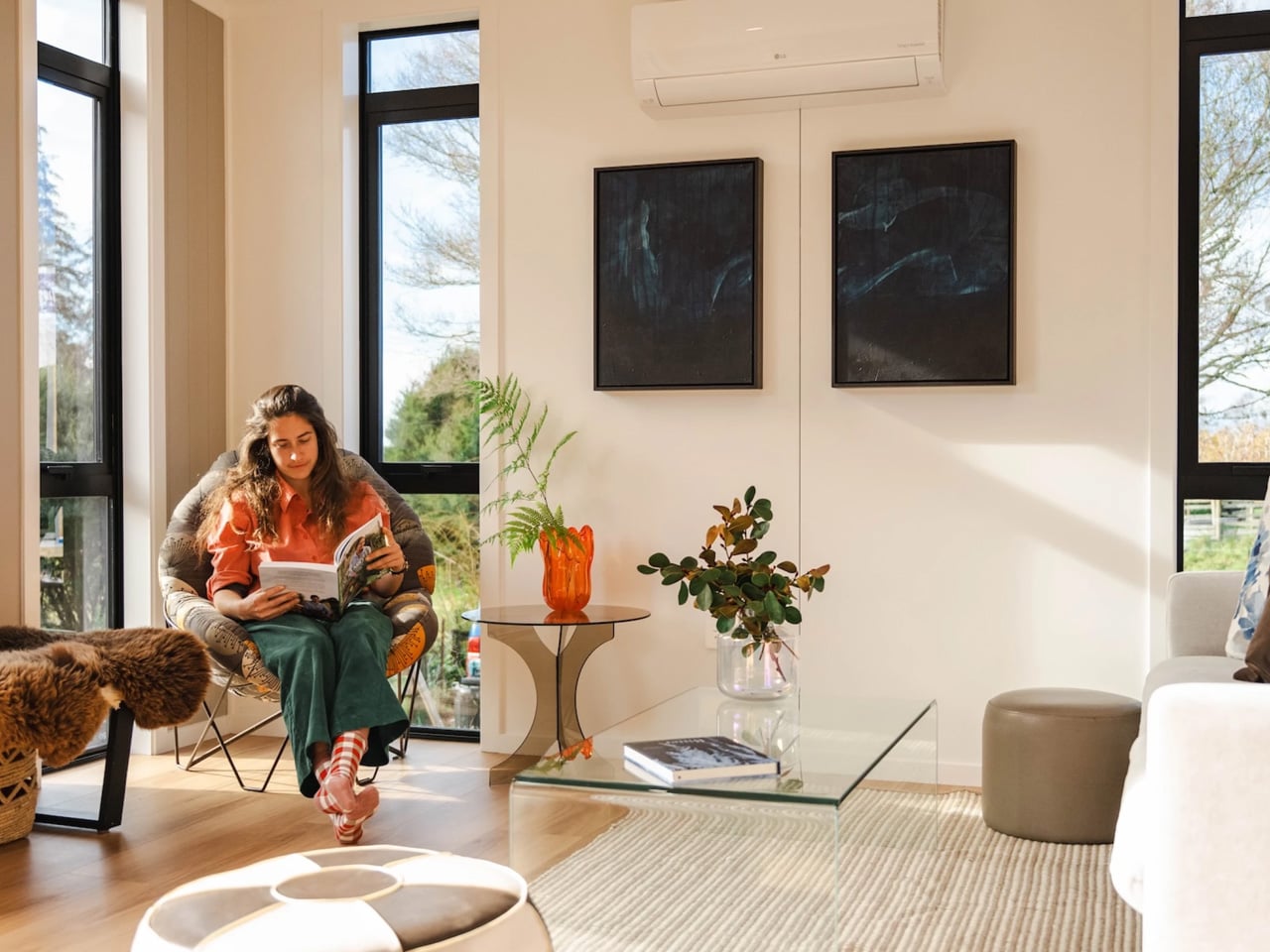
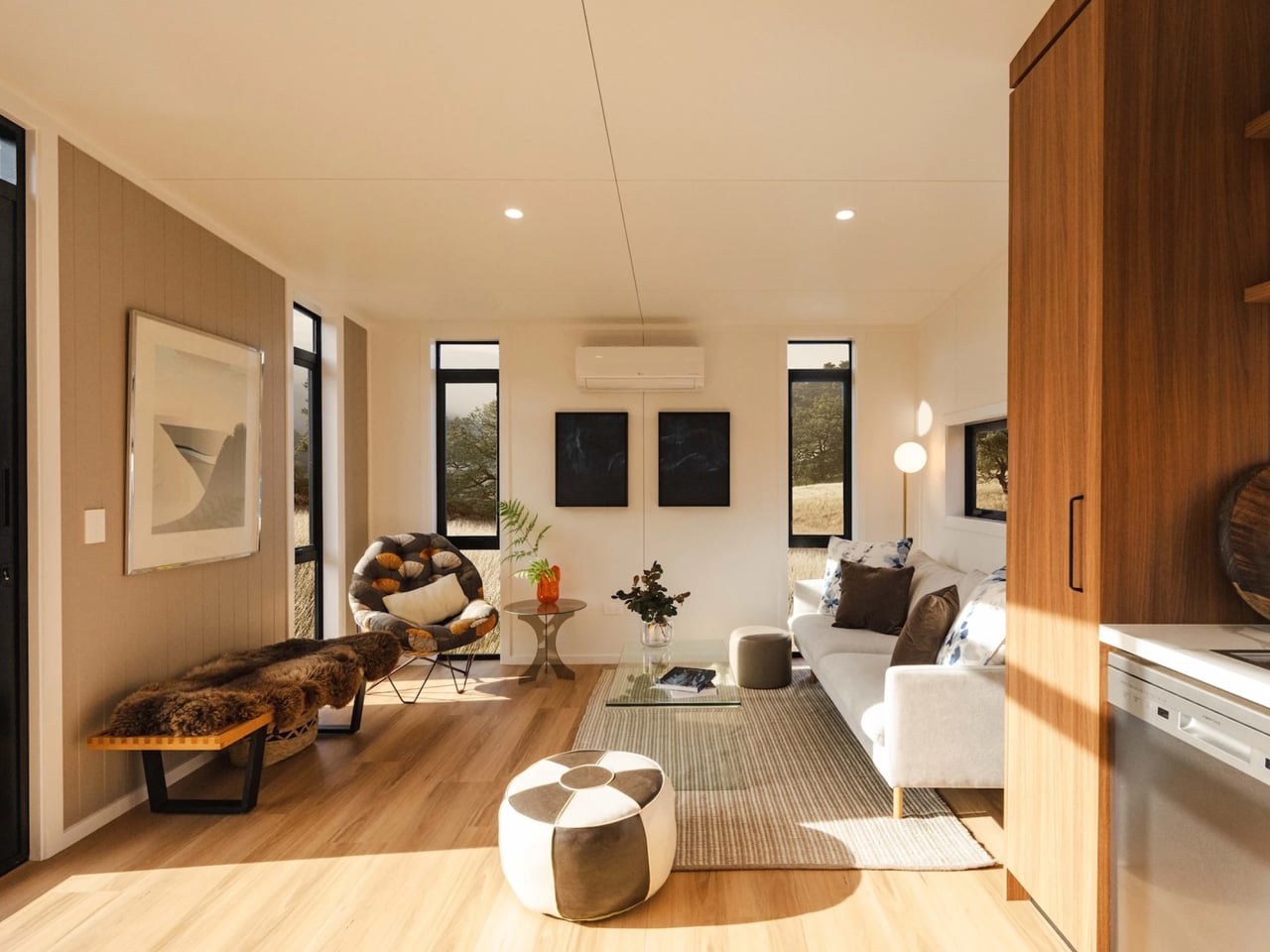
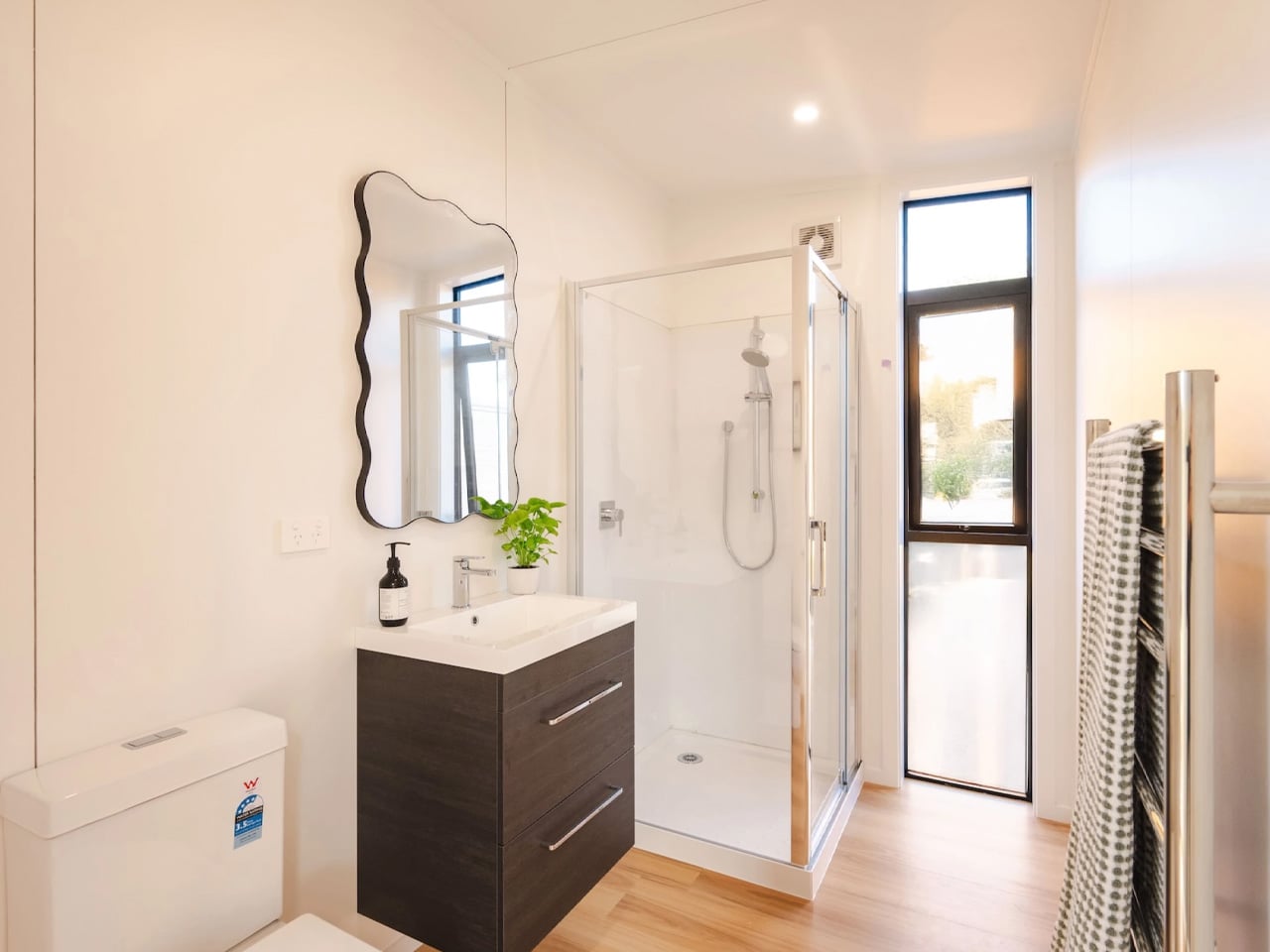
Going tiny doesn’t have to mean compromising on comfort, and the Natural Luxe by South Base Homes proves this philosophy beautifully. This single-story tiny house offers a remarkably open and spacious layout that defies its compact 48-square-meter footprint, creating a living experience that feels much larger than its dimensions suggest. Designed by New Zealand’s South Base Homes, the Natural Luxe is based on the company’s Abel model and serves as their brand new show home.
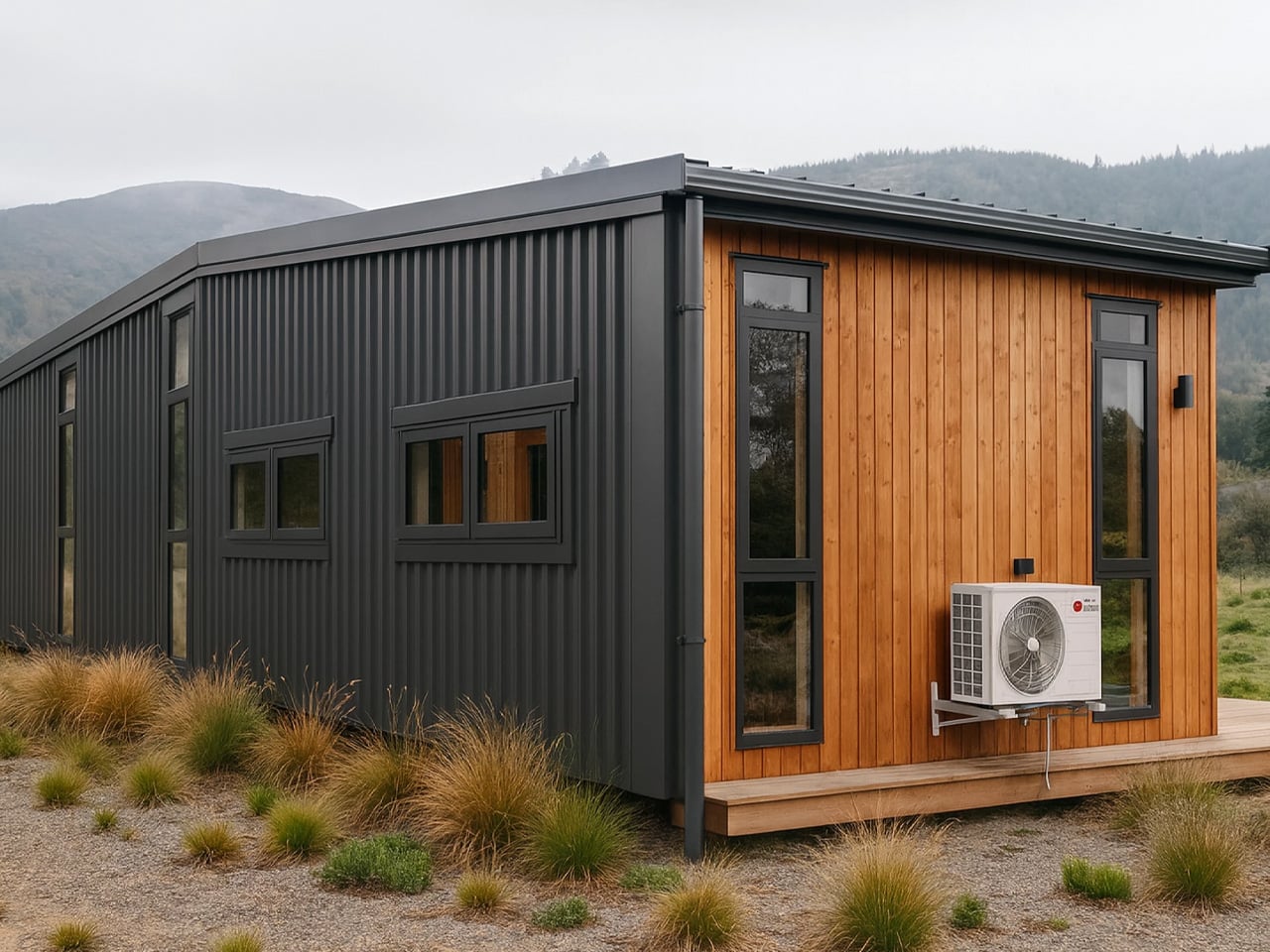
Measuring 516 square feet with a length of 12 meters and a width of 4 meters, this non-towable tiny house requires permanent installation but delivers an impressively generous living environment. The home’s exterior showcases a thoughtful combination of engineered wood and steel, complemented by a timber deck that extends the living space outdoors. This design choice creates seamless indoor-outdoor flow, enhanced by marble-look finishes that add a touch of sophistication to the compact dwelling.
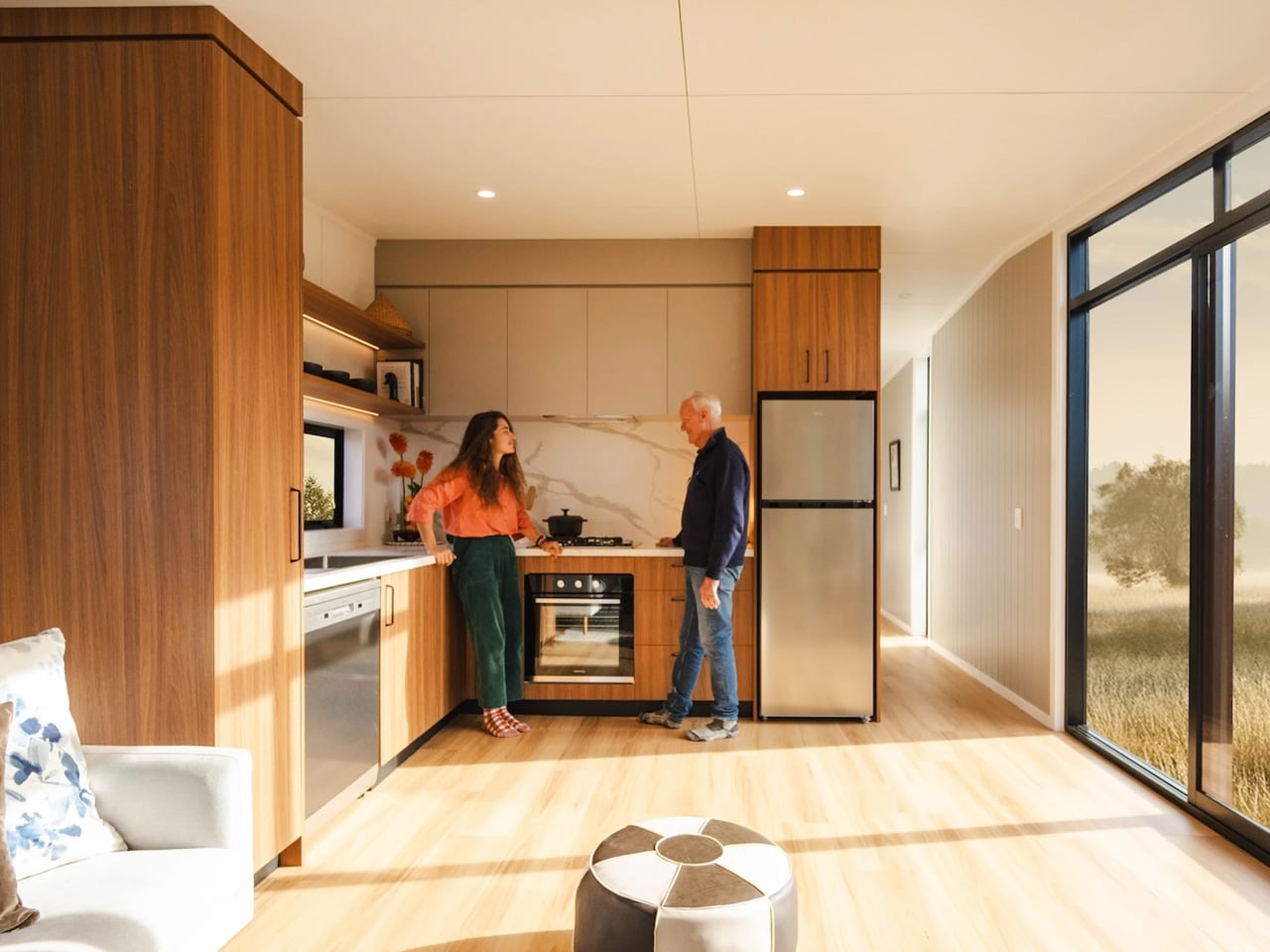
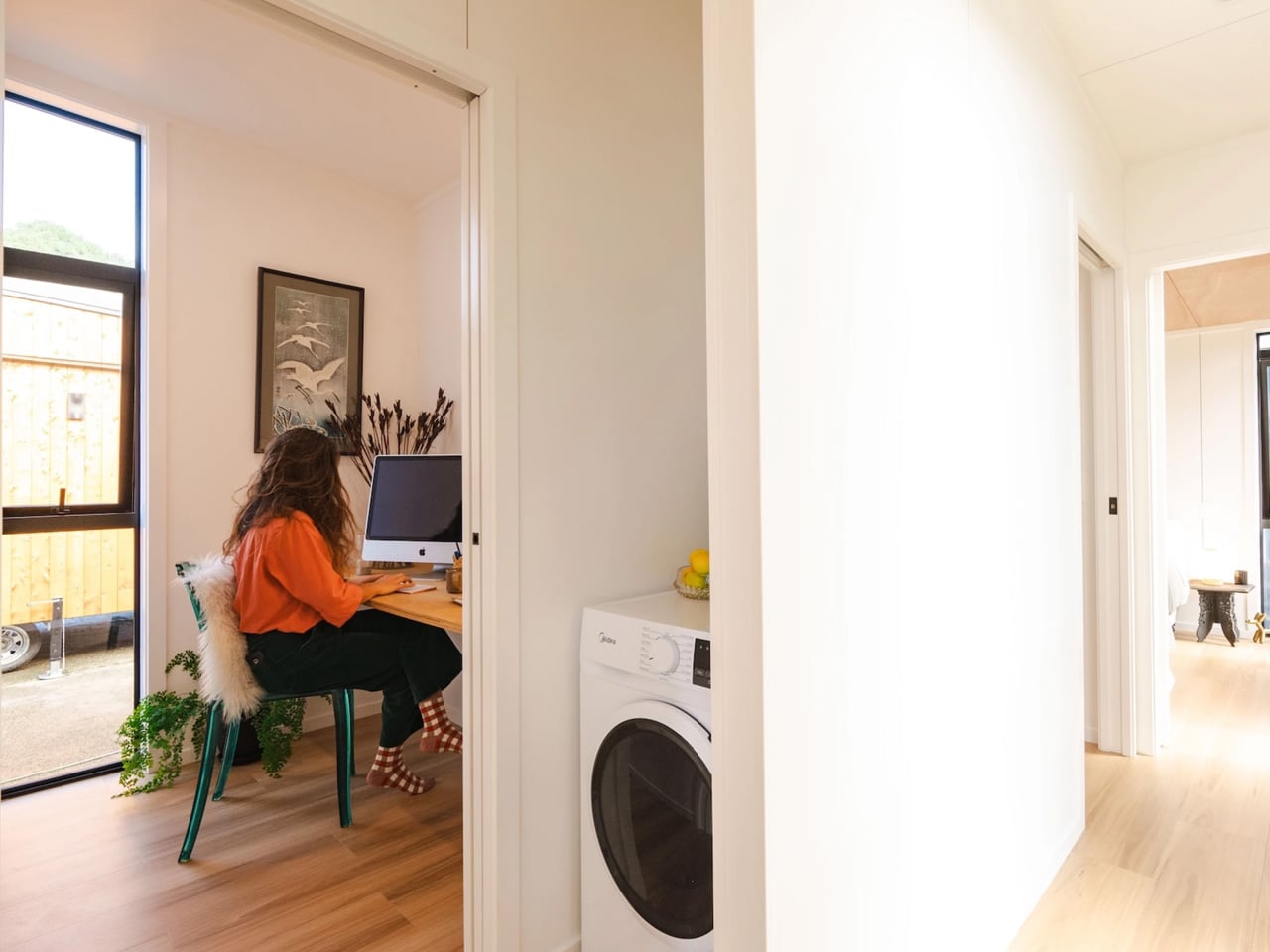
Step inside, and the Natural Luxe reveals its true genius. The open-plan layout features a large kitchen area that feels remarkably spacious for a tiny house. Every inch has been thoughtfully designed, from inbuilt kitchen shelving with soft-touch close mechanisms to a discreet laundry setup that maximizes efficiency without cluttering the space. The living room is equally well-proportioned, accommodating a sofa and several chairs without feeling cramped.
Perhaps most impressive is the inclusion of a dedicated home office, a feature that addresses the growing need for work-from-home spaces without sacrificing comfort or functionality. This thoughtful addition sets the Natural Luxe apart from many tiny house designs, recognizing that modern living often requires a dedicated workspace that doesn’t compromise the overall flow and feel of the home.
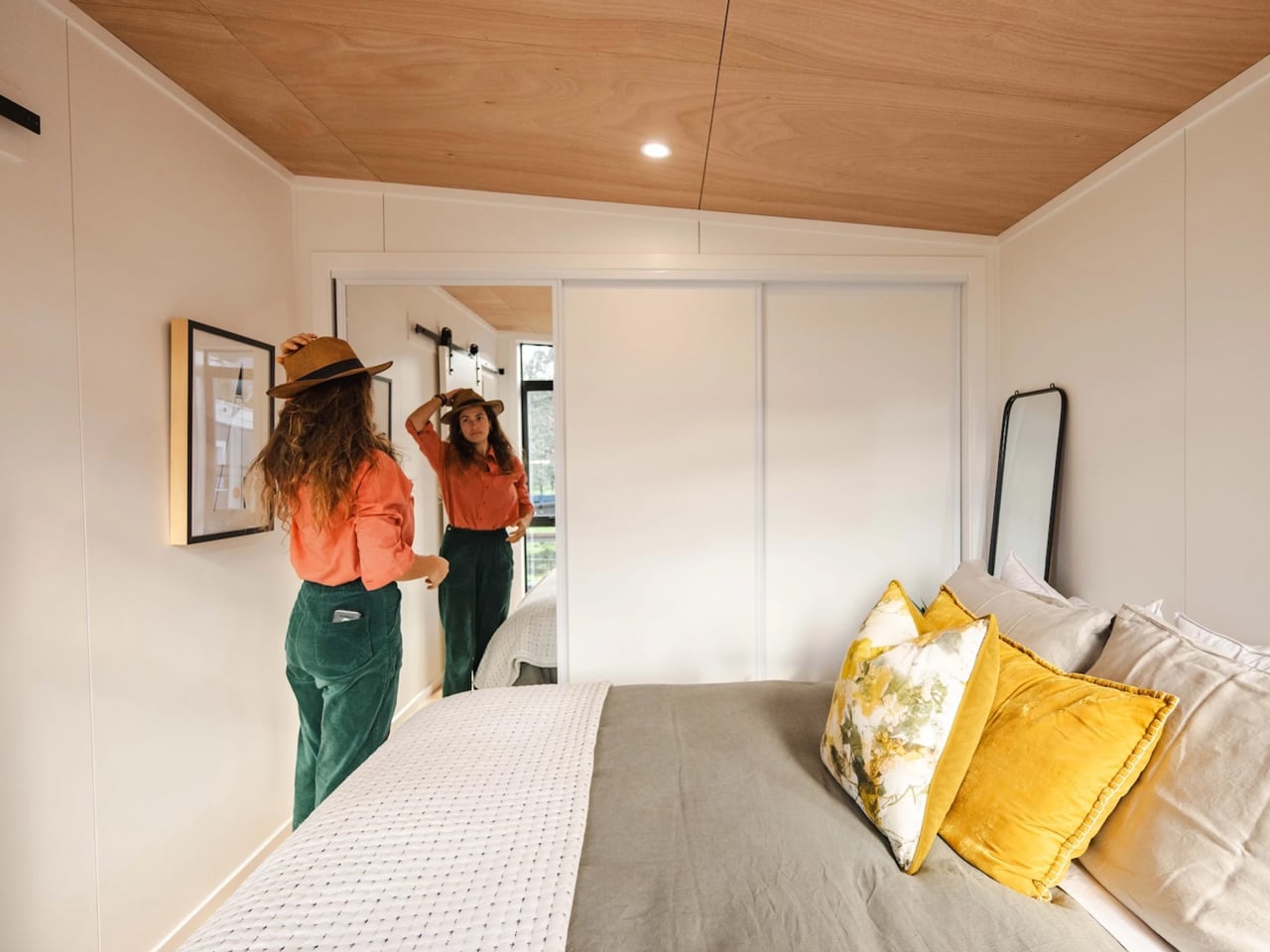
Natural light plays a starring role throughout the Natural Luxe. Floor-to-ceiling architectural-grade windows flood the space with sunshine during the day, while recessed LED strip lighting and Bluetooth-operable downlights allow residents to tailor the ambiance to their mood at night. Full-height storage solutions ensure that belongings stay organized without encroaching on the living areas, maintaining the home’s open and airy atmosphere.
South Base Homes describes the Natural Luxe as “the perfect balance of sophisticated design and practical living within 48 square metres”. Built with pride in New Zealand and engineered to meet the country’s Building Code standards, the home features top-tier insulation and comes with a five-year warranty. The Abel model, on which the Natural Luxe is based, starts at approximately $137,000 USD, with the final price varying depending on selected options and customizations. This show home demonstrates how smart architectural choices and attention to detail can create a tiny house that requires fewer sacrifices than one might expect, offering a viable solution for those seeking to live big in a smaller footprint.
Anime fans won't be getting any respite from the streaming service price hikes that now feel inevitable on every platform every couple of years. Crunchyroll announced today that it will be increasing the monthly costs for all its plans by $2. That means the Fan tier will now run you $10 a month, the Mega Fan Tier is $14 a month and the Ultimate Fan Tier is $18 a month.
The platform introduced its Mega Fan and Ultimate Fan options in 2020, with both at long last giving viewers an option to watch shows offline. The silver lining in today's price changes is that the Fan members are getting the same offline viewing option, although it's limited to one device. Crunchyroll is further enticing the people who might now be more interested in the Fan level by offering a discount on the annual plan for that tier; you can get a year's access for a limited time for $67.
This article originally appeared on Engadget at https://www.engadget.com/entertainment/streaming/crunchyroll-increases-prices-for-all-anime-streaming-plans-234231265.html?src=rss