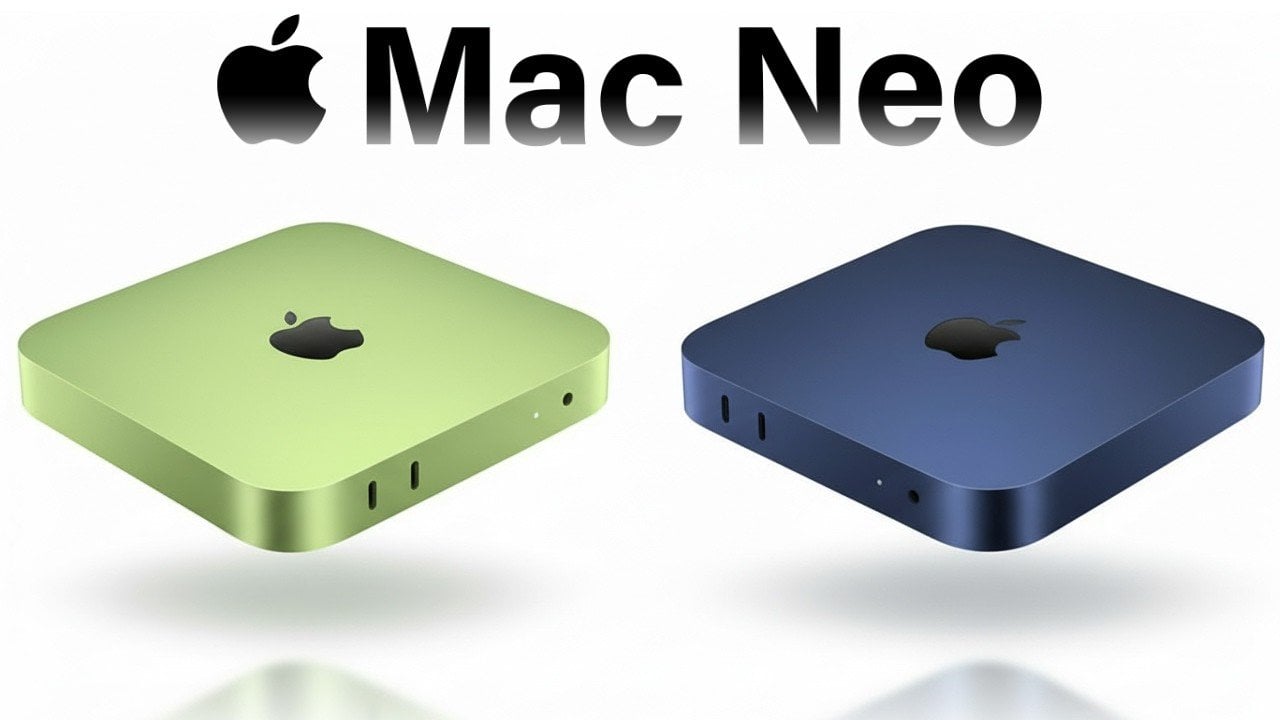
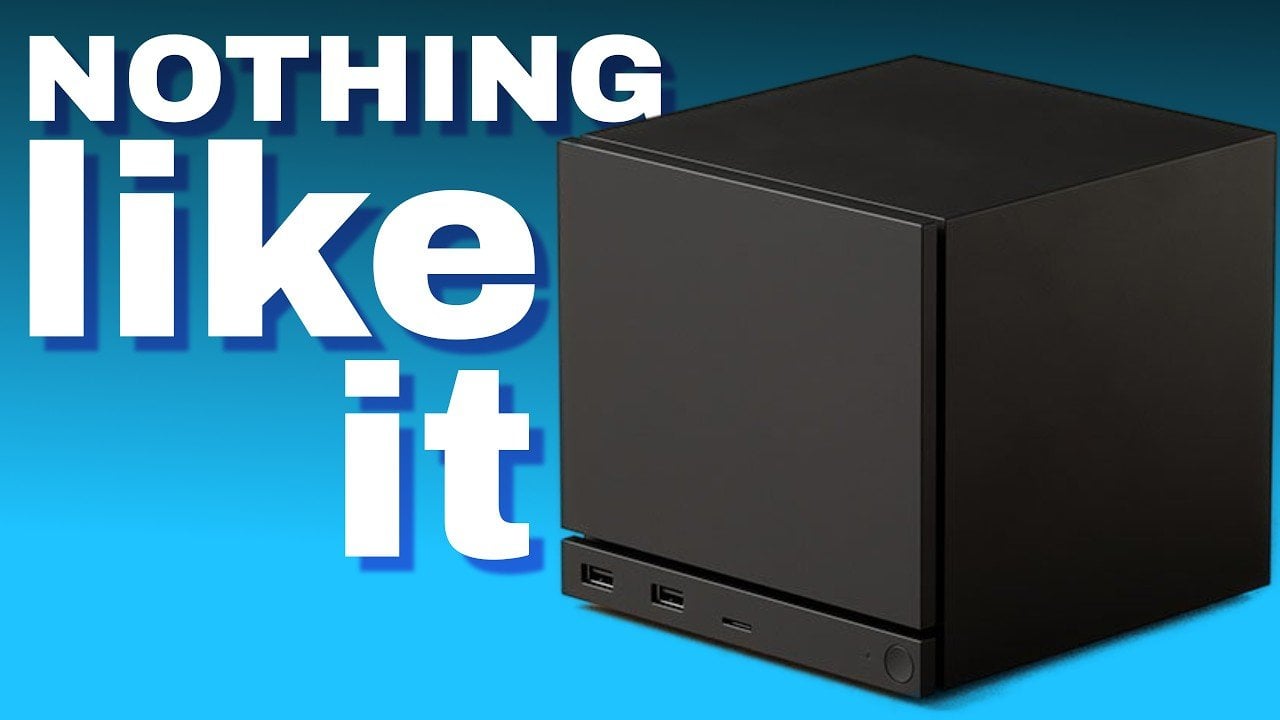
The concept of the Mac Neo has sparked widespread interest as a potential addition to Apple’s desktop lineup. Envisioned as a smaller, more affordable alternative to the Mac Mini, this hypothetical device could serve as an entry-level option for casual users. While Apple has not officially confirmed its existence, the idea aligns with the company’s […]
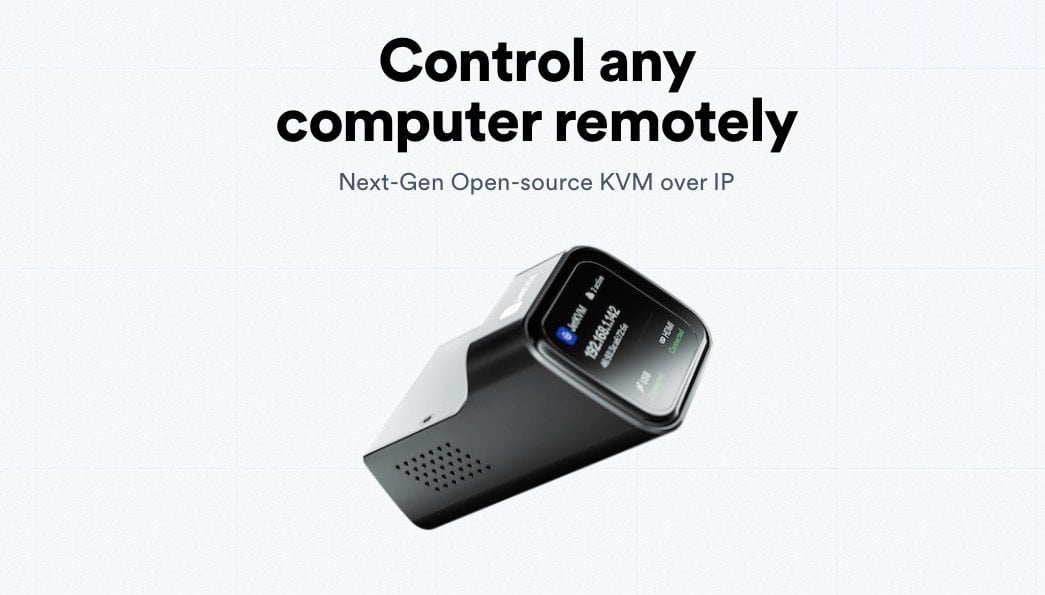
The JetKVM is a hardware-based KVM over IP device designed to provide remote access to computers at the hardware level, even when they are powered off or experiencing system failures. Unlike software-based solutions, it operates independently of the target system’s operating state, making it particularly useful for IT professionals, system administrators and home lab enthusiasts. […]
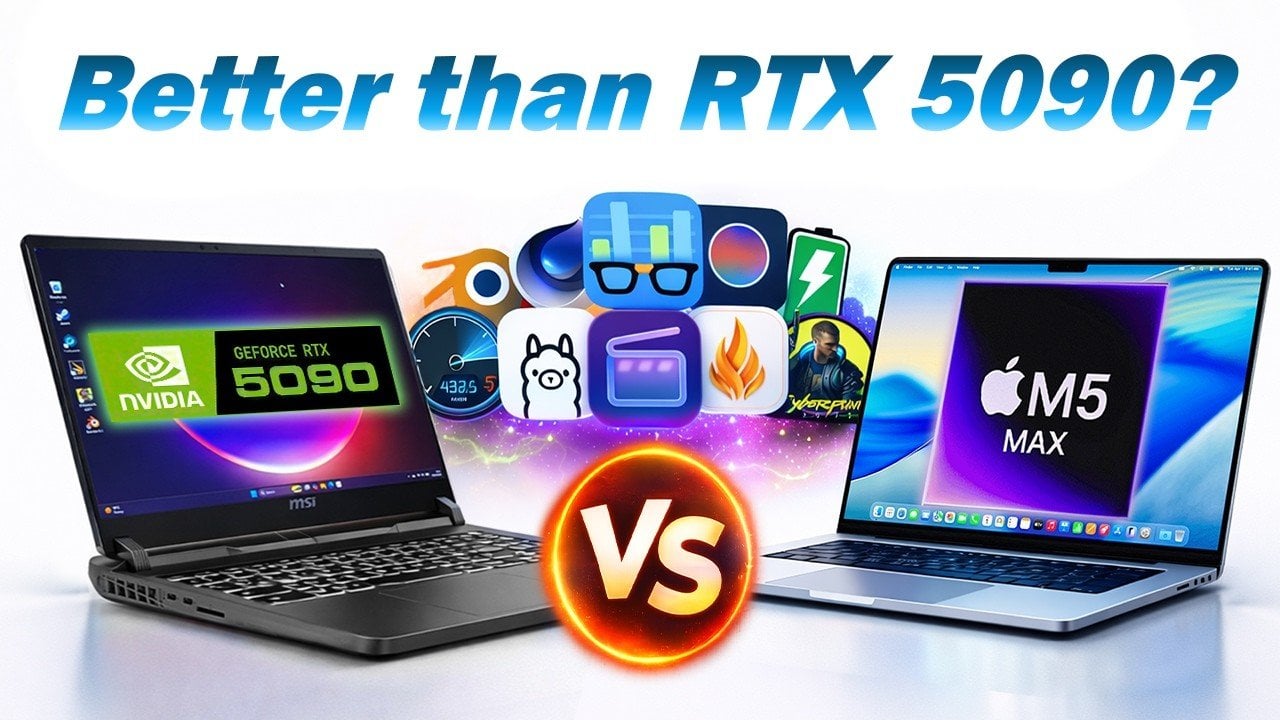
When selecting a high-performance laptop, the M5 Max MacBook Pro and an MSI laptop equipped with the RTX 5090 GPU emerge as two of the most advanced contenders. Both devices cater to users with demanding workloads, but their strengths lie in distinct areas. This comparison evaluates their performance across critical metrics, including CPU and GPU […]
The collaboration between Google Stitch 2.0 and Claude Code introduces a structured approach to web design and development by connecting visual design with backend functionality. According to Zinho Automates, Stitch 2.0 utilizes the Gemini 3.1 framework to create a `design.md` file, which serves as a centralized reference for design consistency. This file outlines specifications for […]
Battery life has been one of the laptop industry’s most persistent design headaches, especially among Windows notebooks. Despite significant gains in chip efficiency, the display consistently ranks among the biggest power consumers in any portable computer. Most laptop screens refresh at a fixed rate regardless of what’s actually on them, which means the panel keeps drawing full power even when you’re sitting completely still, reading a document with nothing on screen changing at all.
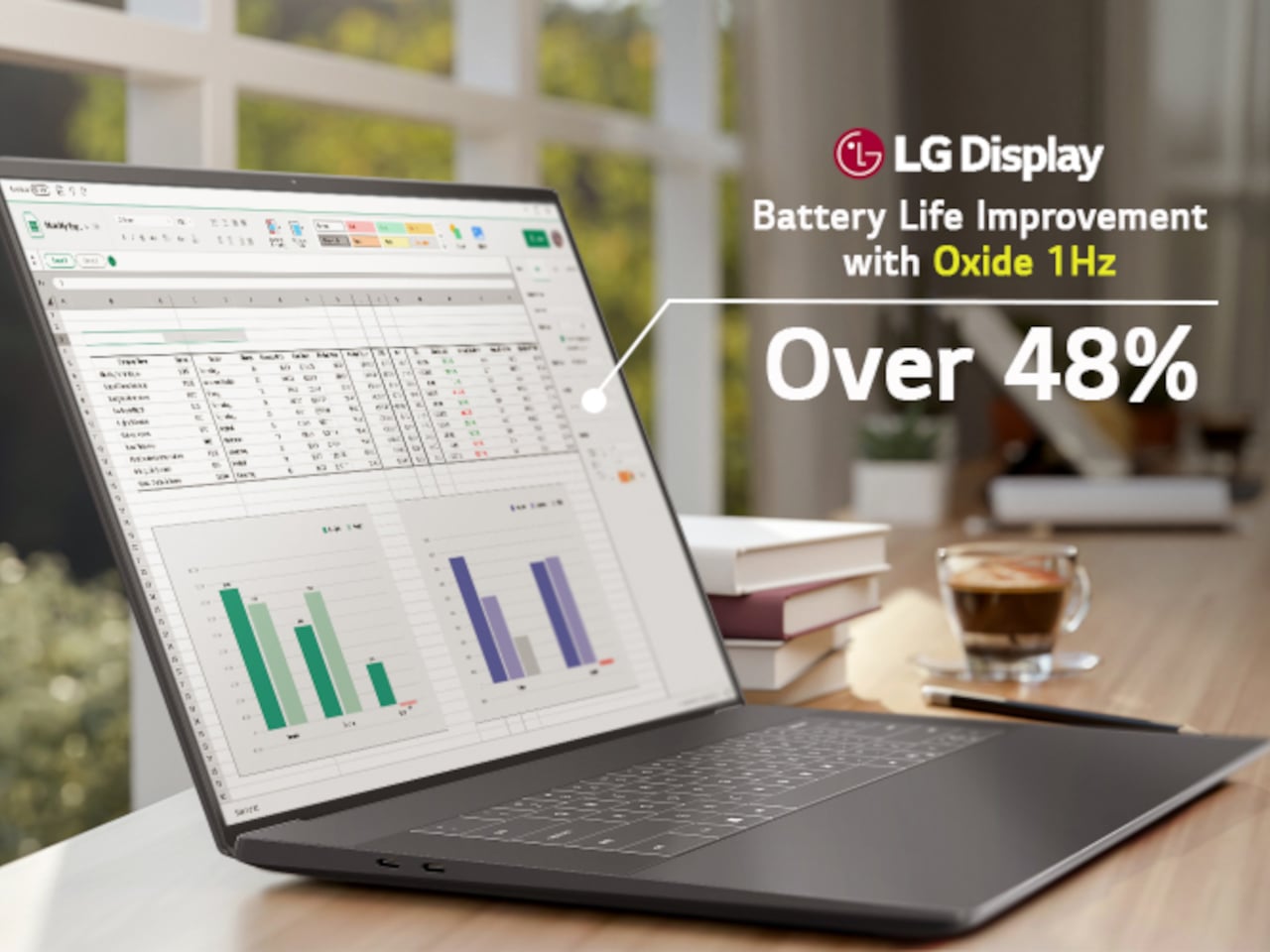
LG Display’s new Oxide 1Hz panel is the first mass-produced LCD laptop screen that doesn’t work that way. Rather than holding a fixed rate, it reads what’s on screen and drops to 1 Hz when the content is static, then scales back up to 120 Hz for video or gaming. LG began mass production on March 22, 2026, claiming the first-ever achievement of this at scale.
The technology relies on custom circuit algorithms and a new oxide material applied to the panel’s thin-film transistor. That oxide holds an electric charge longer than conventional LCD materials, letting the screen maintain a still image without continuously refreshing it. LG claims the result is up to 48% more use on a single charge versus existing solutions, which is a significant number if it holds up in everyday use.
In practice, this matters most during the parts of a workday you spend the bulk of your time in. Checking emails, reading through documents, and sitting on a static slide during a meeting are all moments where a 60 Hz or 120 Hz screen burns power for no real benefit. The Oxide 1Hz panel handles those scenarios at a fraction of the usual draw without any visible difference.
When you do pull up a video or launch something that demands smooth motion, the panel doesn’t hesitate. It detects the change and jumps back up to 120 Hz automatically. There’s no mode to switch into, no setting to toggle, and no trade-off to manage. It just adjusts based on what’s happening on screen, which is how this kind of feature should work in the first place.
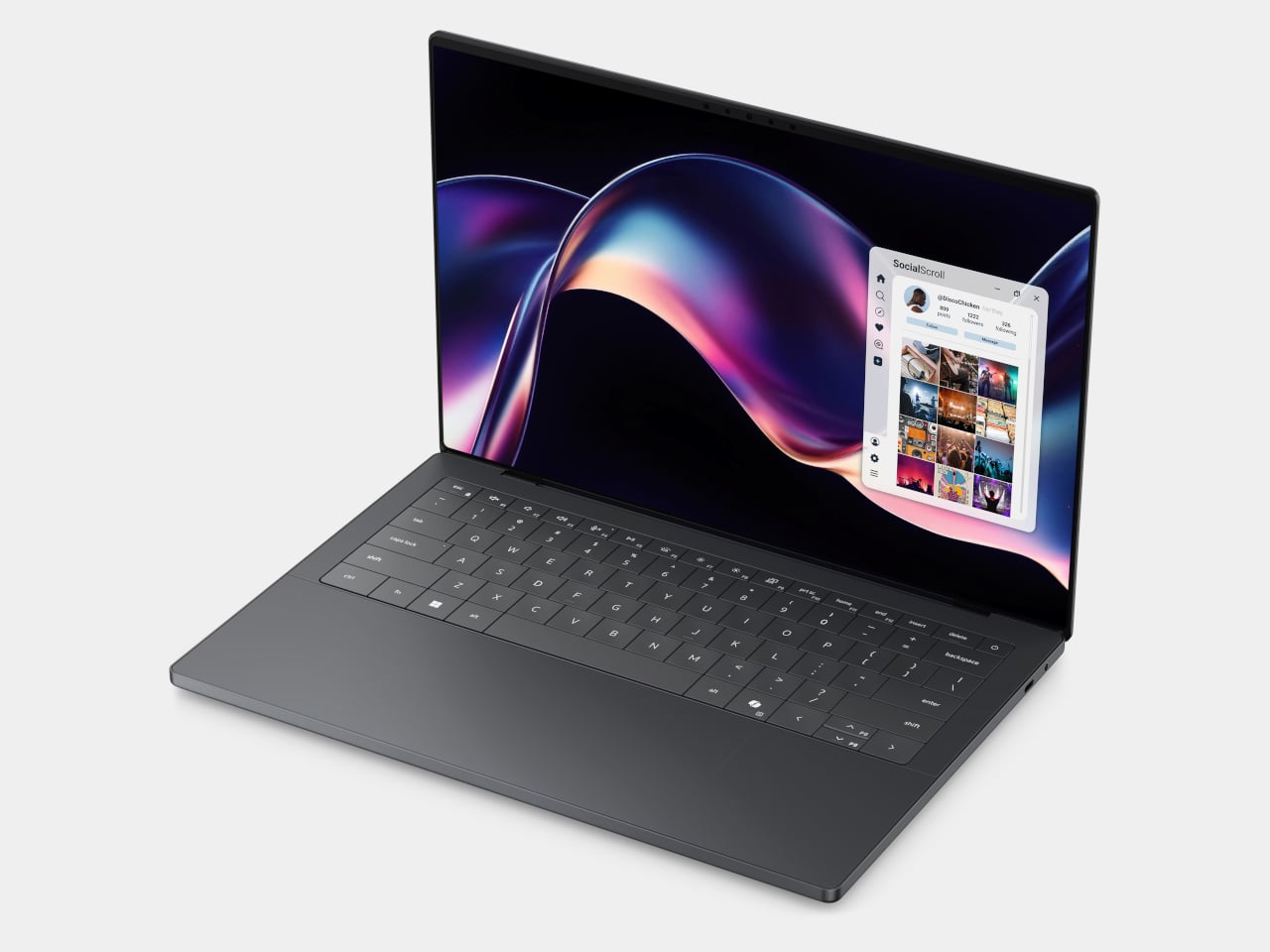
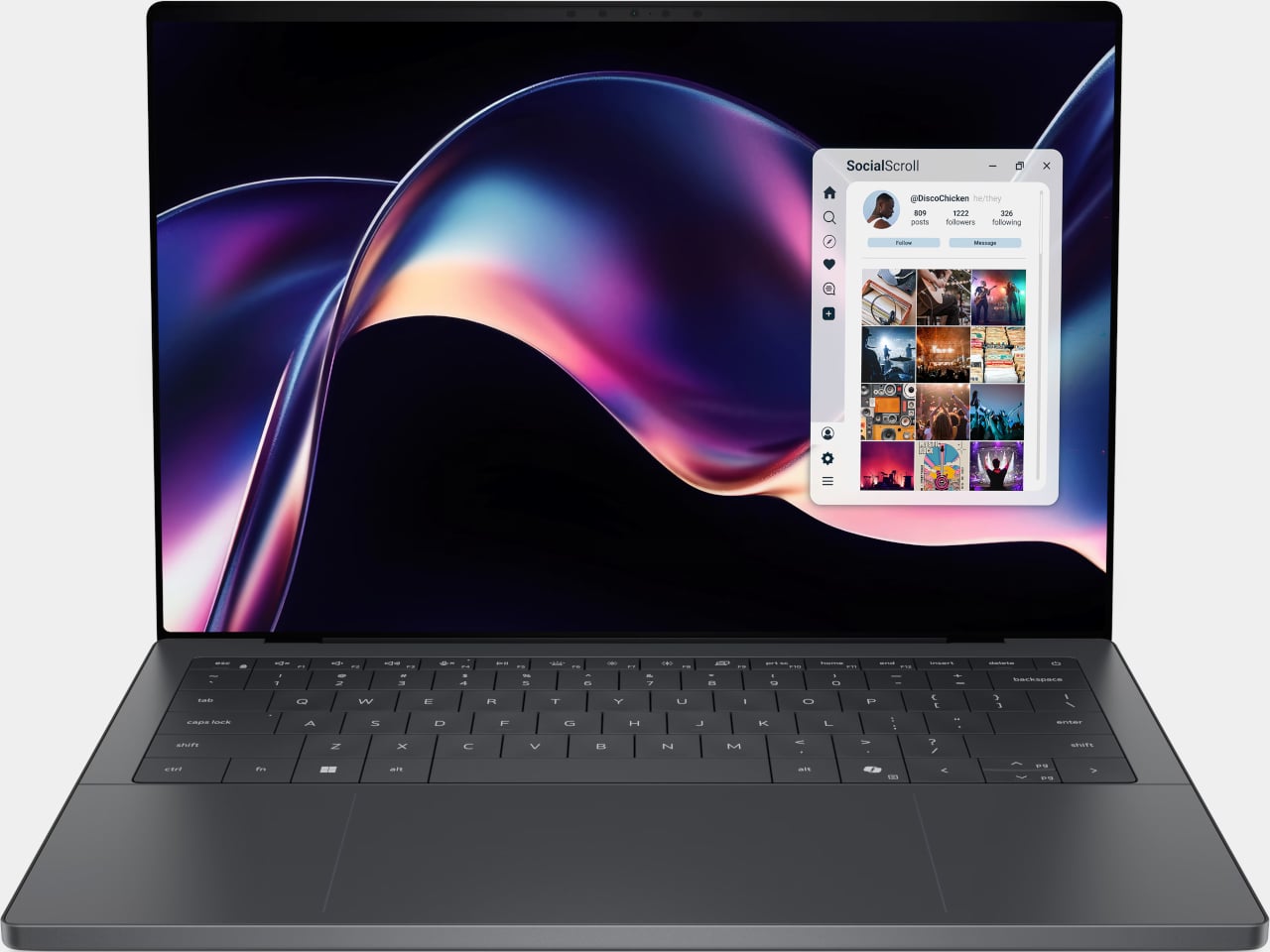
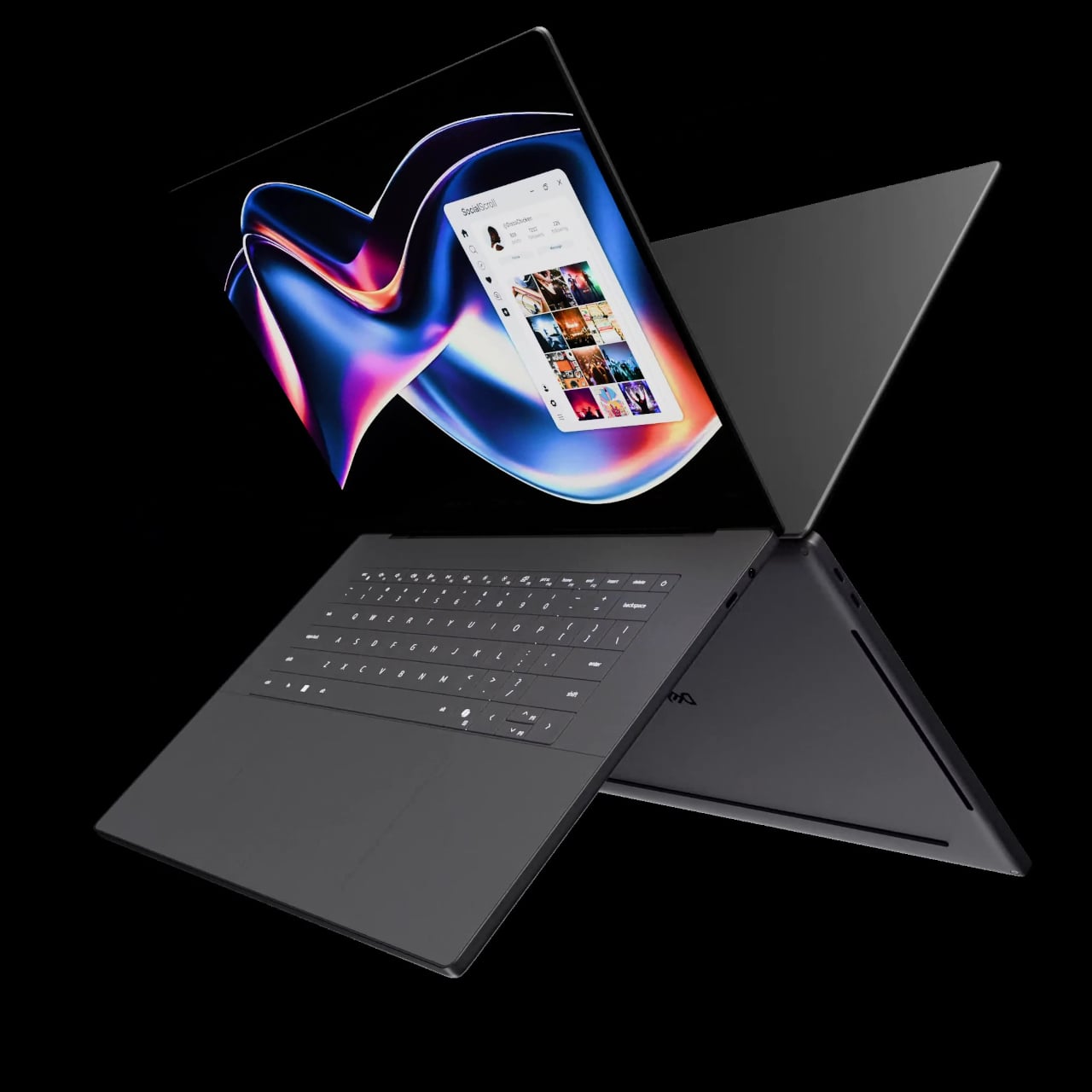
The first laptops to ship with this panel are the Dell XPS 14 and Dell XPS 16 for 2026, both unveiled at CES 2026 in January. The LCD option on both models runs at 1920 x 1200 pixels and 500 nits of brightness. Dell’s OLED option only drops as low as 20 Hz, which means the more affordable LCD configuration actually wins on low-power behavior.
Here’s where it gets interesting from a design standpoint. The display is one of the biggest power consumers in any laptop, so a screen drawing significantly less power during typical use creates real headroom for designers. They can use that headroom to maintain battery size and gain extra runtime, or to trim the battery slightly for a lighter, thinner chassis without giving up the battery life buyers already expect.
Of course, LG is already planning a 1 Hz OLED version of this technology for 2027, which is when things could get more interesting. OLED handles contrast and color in ways LCD can’t match, and pairing that quality with proper low-refresh-rate behavior could push portable laptop design further than it’s been able to go. For now, the Oxide 1Hz LCD is in something you can actually go out and buy.
Sony Honda Mobility, the automotive venture from two of Japan’s most storied companies, has swung the axe on its EV project. In a statement, it said it would “discontinue the development and launch” of the Afeela 1 and 2, its long-in-development electric cars. The company added it would review its “business direction,” and announce its future plans “at the earliest possible opportunity.” Which, if we’re honest, probably means the whole thing is going to be shut down, or scaled back so much it’s no longer worth talking about.
2026 has not been a great year for Honda. On March 12, it posted an up-to $15.7 billion loss as it wrote off a big chunk of its investment in EVs. The US’ pivot toward fossil fuels, removal of federal EV tax credits and the imposition of tariffs has hit its business pretty hard. Not to mention the high-profile embarrassment of its current F1 engine project with Aston Martin, which promised so much and has delivered less than nothing.
Sony’s journey into the automotive world began six years ago with the announcement of the Vision-S, the car which would eventually be re-christened Afeela. But while the product looked good on trade show stands, it stood still while the rest of the car world sprinted ahead. In January, Tim Stevens said Afeela 1 looked a little dated, and a little lacking in emotion, and a lot more expensive than comparable models from rivals. It’s also worth noting Sony and Honda’s vision of a smart device on wheels is hardly a novel concept these days.
Not to mention that Afeela 1 is a sedan, being sold to a world that’s increasingly fallen out of love with the type in favor of higher-riding SUVs. In Sony's statement, however, the SUV-aping Afeela 2 didn't even get a mention by name, which hints that it was as much an afterthought for the company as we might have guessed when it was announced.
This article originally appeared on Engadget at https://www.engadget.com/transportation/evs/sony-and-honda-kill-its-afeela-evs-100426852.html?src=rss
Sony Honda Mobility, the automotive venture from two of Japan’s most storied companies, has swung the axe on its EV project. In a statement, it said it would “discontinue the development and launch” of the Afeela 1 and 2, its long-in-development electric cars. The company added it would review its “business direction,” and announce its future plans “at the earliest possible opportunity.” Which, if we’re honest, probably means the whole thing is going to be shut down, or scaled back so much it’s no longer worth talking about.
2026 has not been a great year for Honda. On March 12, it posted an up-to $15.7 billion loss as it wrote off a big chunk of its investment in EVs. The US’ pivot toward fossil fuels, removal of federal EV tax credits and the imposition of tariffs has hit its business pretty hard. Not to mention the high-profile embarrassment of its current F1 engine project with Aston Martin, which promised so much and has delivered less than nothing.
Sony’s journey into the automotive world began six years ago with the announcement of the Vision-S, the car which would eventually be re-christened Afeela. But while the product looked good on trade show stands, it stood still while the rest of the car world sprinted ahead. In January, Tim Stevens said Afeela 1 looked a little dated, and a little lacking in emotion, and a lot more expensive than comparable models from rivals. It’s also worth noting Sony and Honda’s vision of a smart device on wheels is hardly a novel concept these days.
Not to mention that Afeela 1 is a sedan, being sold to a world that’s increasingly fallen out of love with the type in favor of higher-riding SUVs. In Sony's statement, however, the SUV-aping Afeela 2 didn't even get a mention by name, which hints that it was as much an afterthought for the company as we might have guessed when it was announced.
This article originally appeared on Engadget at https://www.engadget.com/transportation/evs/sony-and-honda-kill-its-afeela-evs-100426852.html?src=rss
Sony Honda Mobility, the automotive venture from two of Japan’s most storied companies, has swung the axe on its EV project. In a statement, it said it would “discontinue the development and launch” of the Afeela 1 and 2, its long-in-development electric cars. The company added it would review its “business direction,” and announce its future plans “at the earliest possible opportunity.” Which, if we’re honest, probably means the whole thing is going to be shut down, or scaled back so much it’s no longer worth talking about.
2026 has not been a great year for Honda. On March 12, it posted an up-to $15.7 billion loss as it wrote off a big chunk of its investment in EVs. The US’ pivot toward fossil fuels, removal of federal EV tax credits and the imposition of tariffs has hit its business pretty hard. Not to mention the high-profile embarrassment of its current F1 engine project with Aston Martin, which promised so much and has delivered less than nothing.
Sony’s journey into the automotive world began six years ago with the announcement of the Vision-S, the car which would eventually be re-christened Afeela. But while the product looked good on trade show stands, it stood still while the rest of the car world sprinted ahead. In January, Tim Stevens said Afeela 1 looked a little dated, and a little lacking in emotion, and a lot more expensive than comparable models from rivals. It’s also worth noting Sony and Honda’s vision of a smart device on wheels is hardly a novel concept these days.
Not to mention that Afeela 1 is a sedan, being sold to a world that’s increasingly fallen out of love with the type in favor of higher-riding SUVs. In Sony's statement, however, the SUV-aping Afeela 2 didn't even get a mention by name, which hints that it was as much an afterthought for the company as we might have guessed when it was announced.
This article originally appeared on Engadget at https://www.engadget.com/transportation/evs/sony-and-honda-kill-its-afeela-evs-100426852.html?src=rss
Apple’s iOS 26.4 update delivers a suite of features aimed at enhancing personalization, productivity, and convenience. Whether you’re a music enthusiast, a multitasker, or someone who enjoys customizing their device, this update offers something for everyone. Below is an in-depth look at the top features you’ll want to explore to make the most of your […]
Valve’s Steam Machine offers a unique approach to gaming by combining the ease of a console with the flexibility of PC gaming. As highlighted by NerdNest, one standout feature is its Consumer Electronics Control (CEC) technology, which allows users to power on the device, TV and sound system simultaneously with a single controller. This thoughtful […]