
An hour-long PlayStation State of Play is set for June 2
State Of Play will feature a fresh peek at Marvel's Wolverine.

The Galaxy Z Fold 8 represents a significant step forward in foldable smartphone technology, offering a more refined design and improved usability. With its slimmer profile, lighter build, and enhanced battery life, the device caters to users seeking portability and convenience. However, these advancements come with certain compromises, such as the removal of S Pen […]
The post The Galaxy Z Fold 8 Brings a Thinner Design, but There is Bad News for S Pen Fans appeared first on Geeky Gadgets.
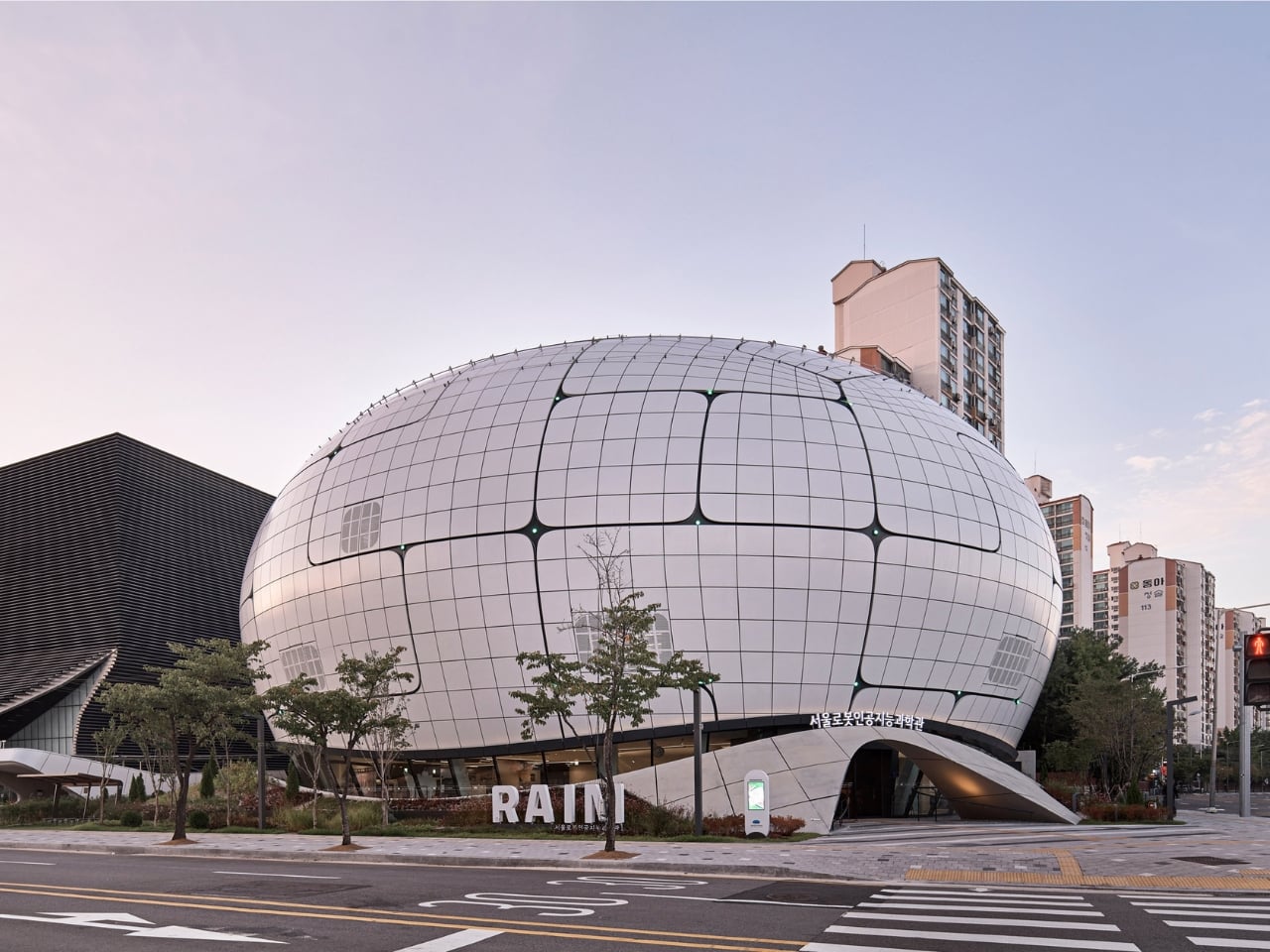
The Seoul Robot & AI Museum is the definitive parametric architecture reference of 2026, and it’s easy to understand why the design world keeps returning to it. Every few years, a building comes along that doesn’t just represent a movement; it is the argument. RAIM is that building right now, and the reason has less to do with how it looks and more to do with how it got made.
Opened in 2024 in the Chang-dong district of northeast Seoul, the museum was designed by Turkish studio Melike Altınışık Architects. From the street, it reads like something that landed rather than was built: a spherical, mirror-finish shell that catches the sky and refuses to look like any cultural institution you’ve encountered before. The facade is wrapped in 3,422 double-curved metal panels, each one a unique geometry, each one positioned according to a structural logic you can actually read from the outside. The gridded surface pattern isn’t decorative. It follows the structural steel grid concealed behind it, making the building’s skeleton visible through its skin. That level of architectural honesty is rarer than it should be.
Designer: Melike Altınışık Architects
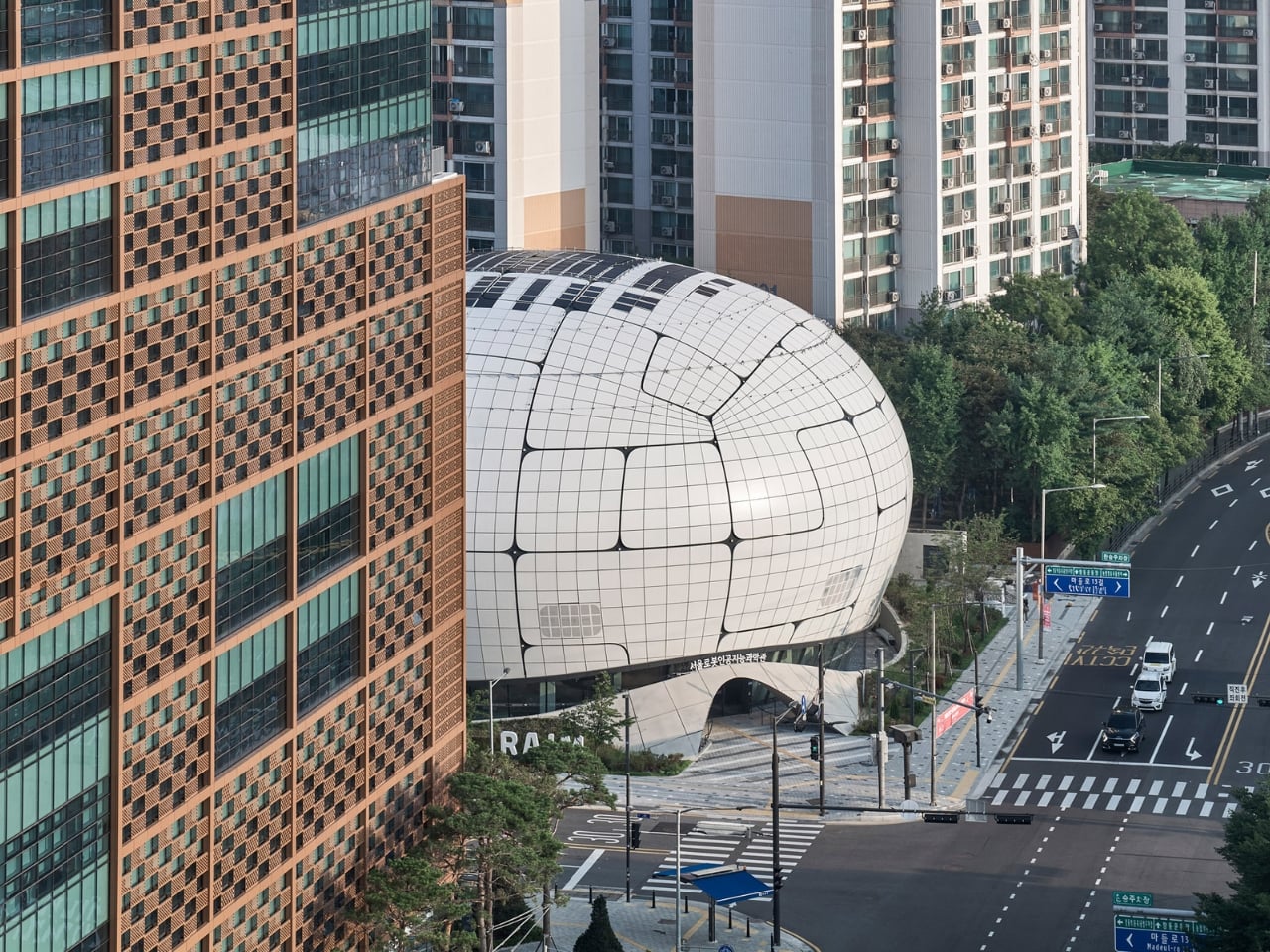

The geometry didn’t come from sketching. Melike Altınışık and her team scripted the form parametrically, then reverse-engineered the entire envelope to make it buildable. That second part is where most parametric ambitions historically die. Double-curved panelization at this scale is the kind of thing that gets value-engineered into something flatter and sadder during construction documentation. But Melike Altınışık Architects designed specifically for fabrication from the start, using a methodology called DFMA (Design for Manufacture and Assembly), which meant the form and the production method evolved together rather than fighting each other.
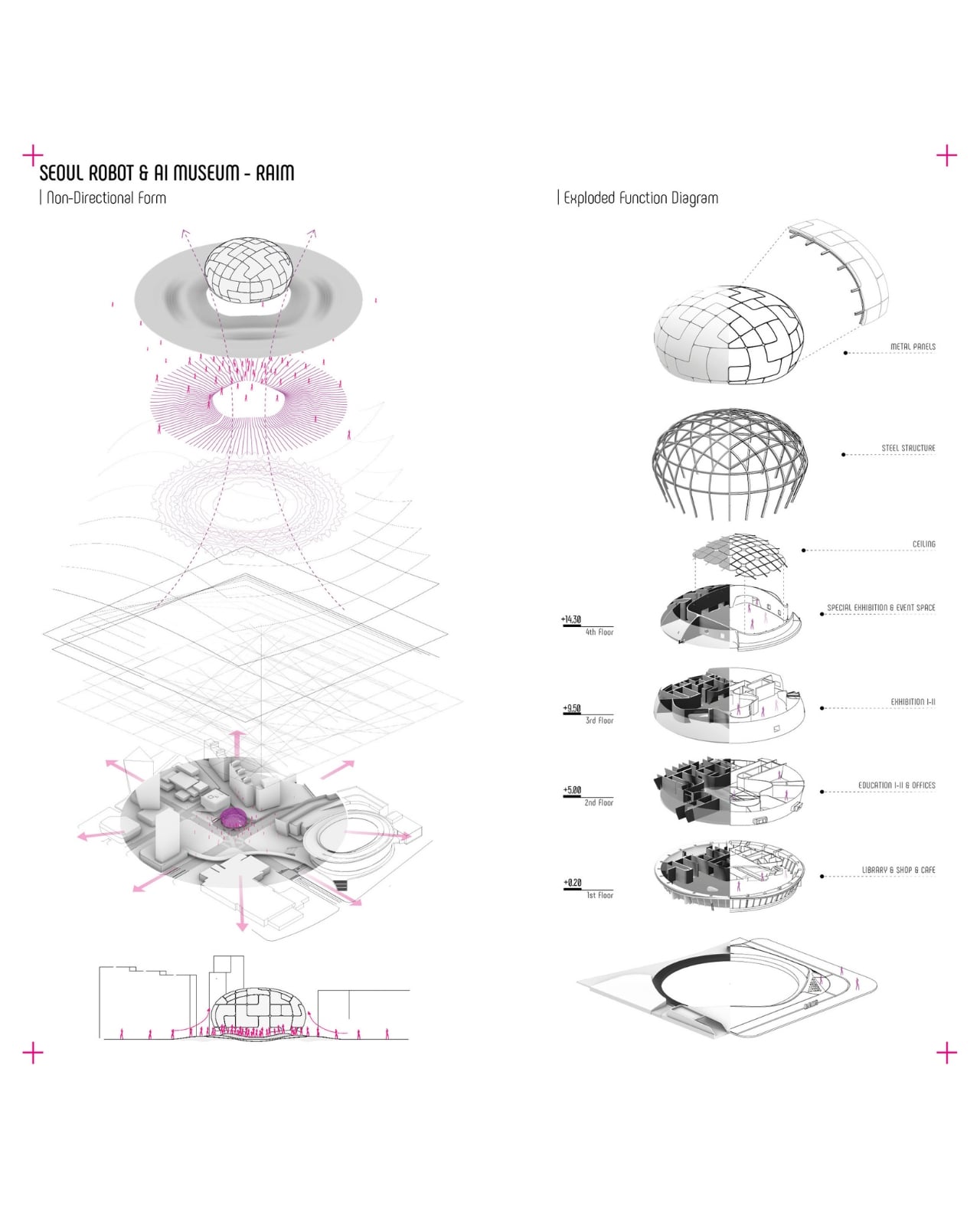
The fabrication pipeline is where the story gets genuinely interesting. The panels were cut using laser CNC machines and welded using industrial robots. On-site, 3D scanning ensured alignment that human measurement couldn’t consistently achieve at that tolerance. What this unlocks, practically, is that double-curved metal panelization stops being a budget line reserved for landmark commissions and becomes something mid-scale cultural buildings can actually afford. Robot welding doesn’t get tired. It doesn’t accumulate small errors across 3,422 repetitions. The precision holds, and holding precision across a spherical envelope is a very different proposition from getting it right once.
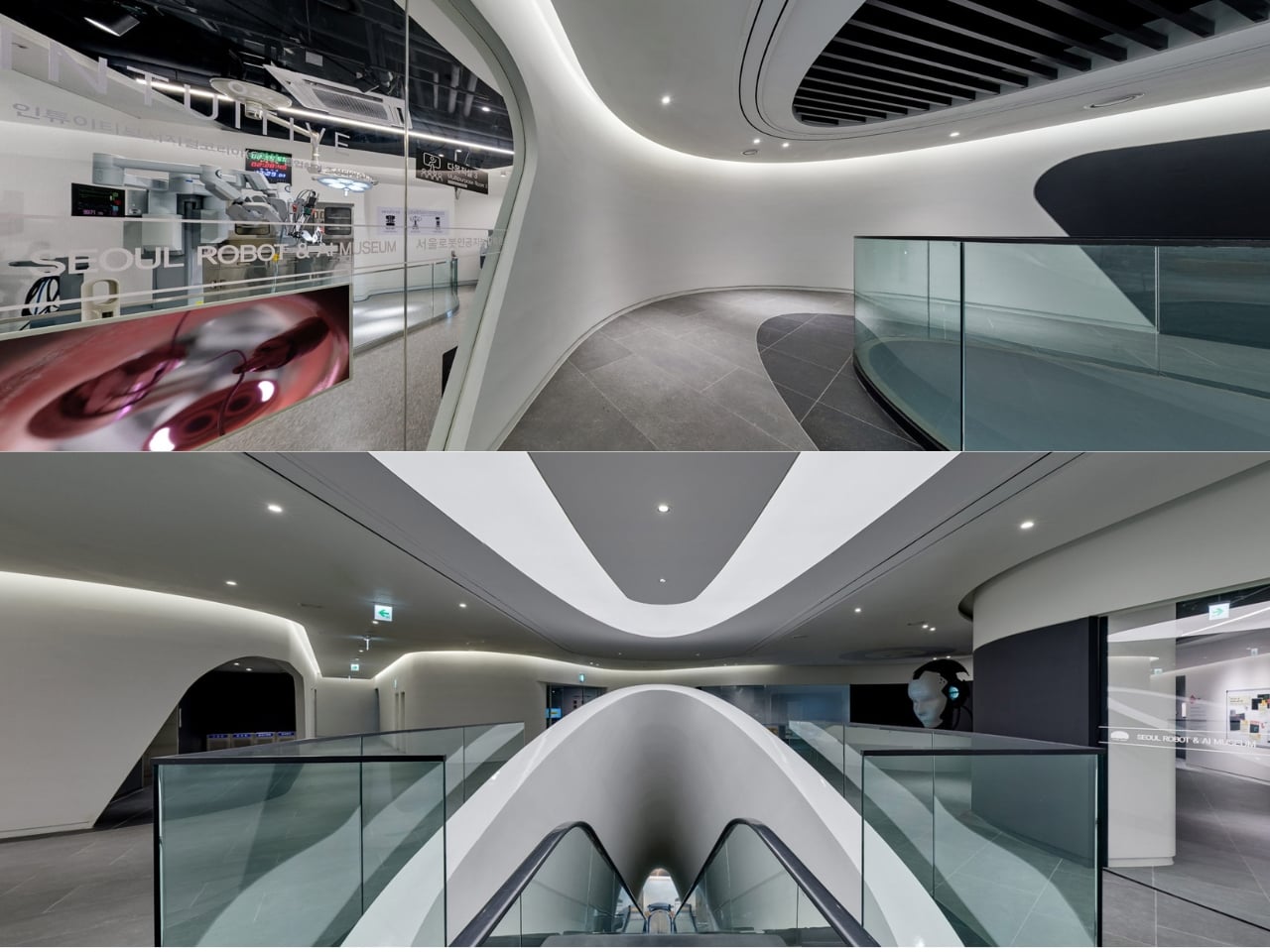
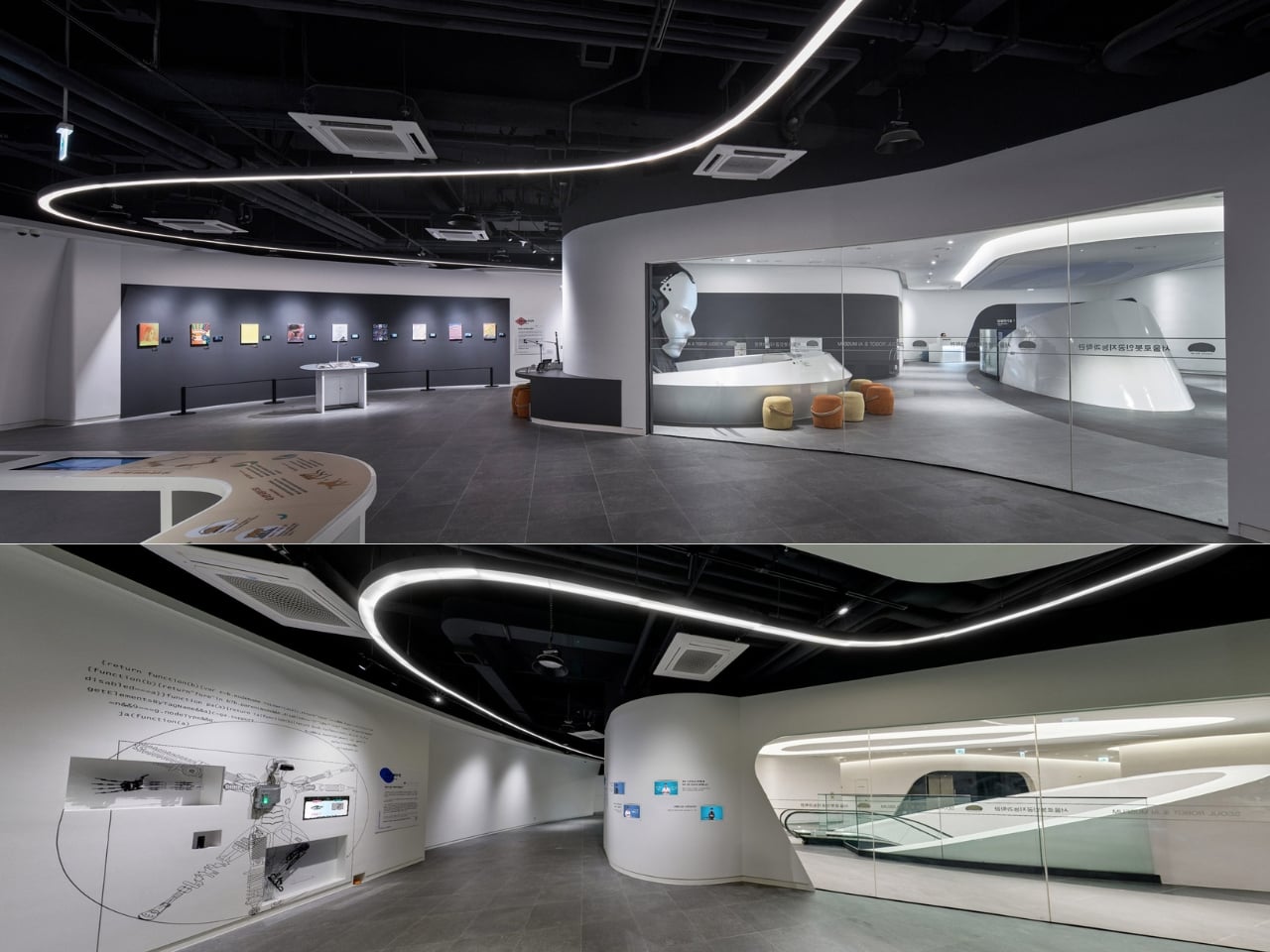
Now layer in the subject matter of the museum itself. RAIM is dedicated to robotics and artificial intelligence. Its permanent exhibitions trace the evolution of AI from predictive fraud detection systems to generative models. Robots greet visitors at the entrance. The interior reads like a spaceship, with a vertical exhibition tunnel at the building’s center blurring the boundary between the physical and the technological. So when you consider that robots also assembled the facade above your head, the recursion is almost too neat. Architect Altınışık framed it clearly: the architecture is “both shelter and pedagogy.” The building doesn’t just house the argument. It makes it.

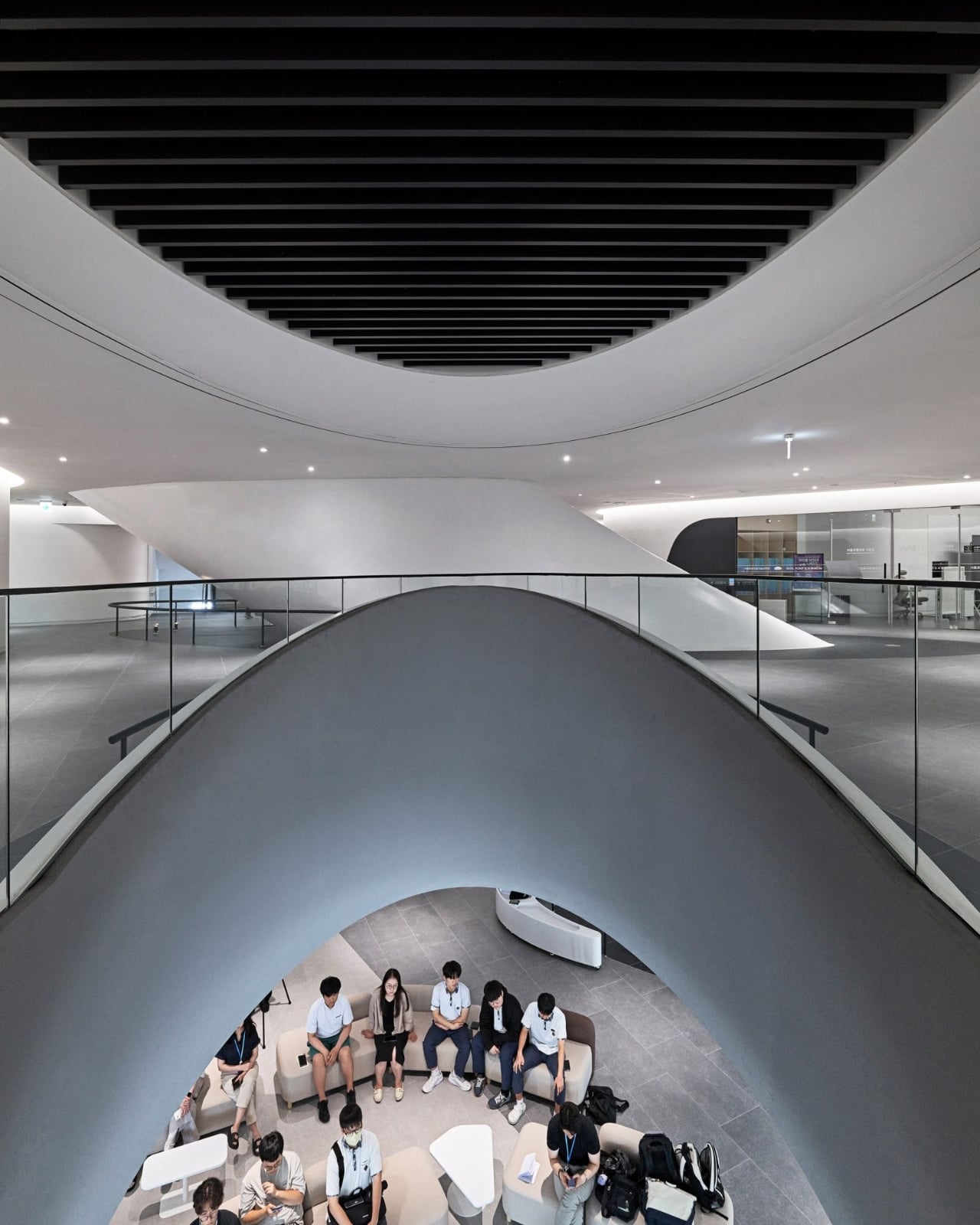
Parametric facades are having a genuine cultural moment in 2026, and it’s not limited to the usual European flagships. Studios in South Korea and India are pushing computational design into more projects, and the international awards circuit is beginning to reflect that geographic shift. The conversation has moved from “can parametric architecture actually be built?” to “what does it cost, and who controls the pipeline?” RAIM answers both questions at once, which is probably why it’s the reference point of record for this particular moment.
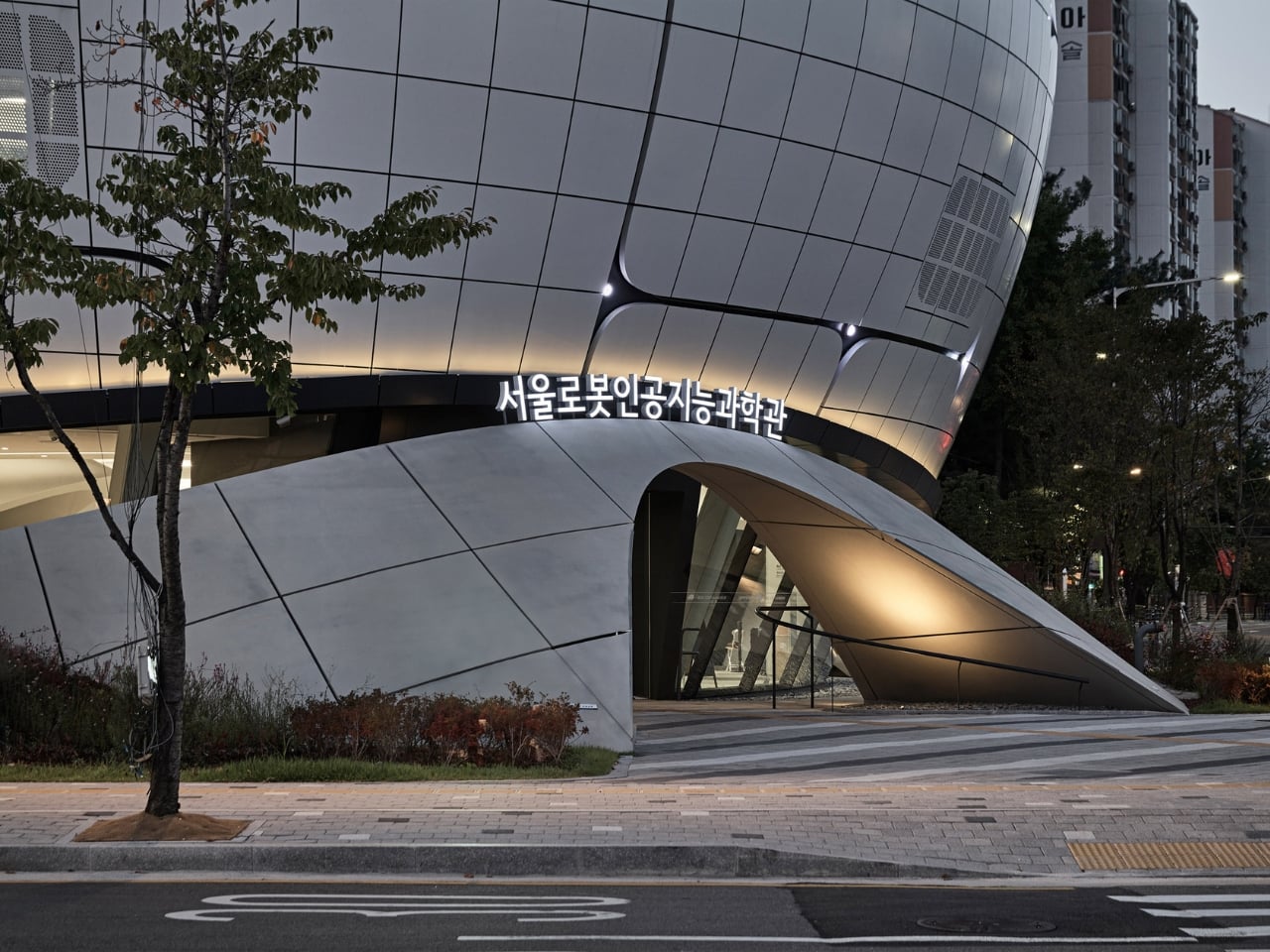
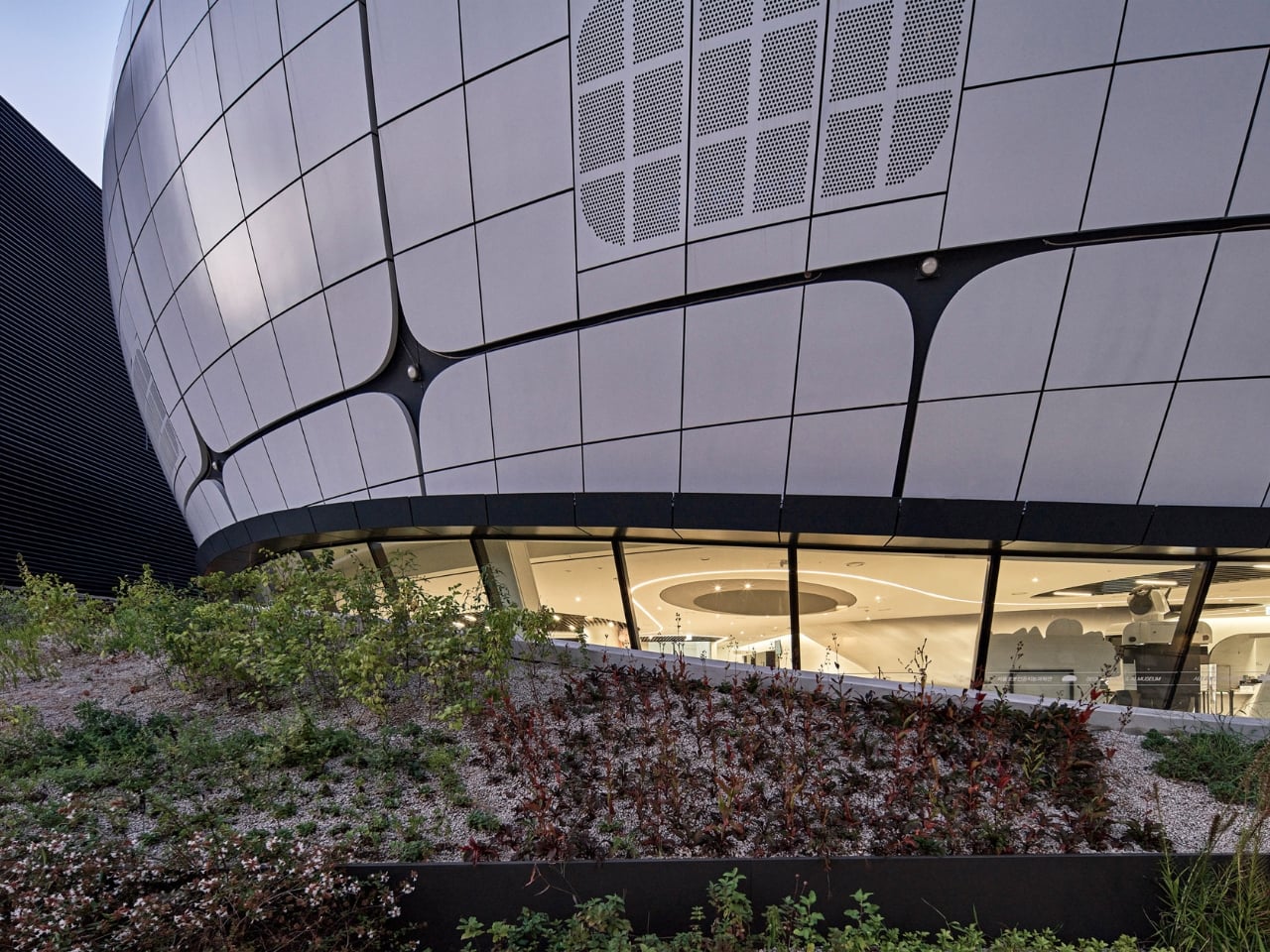
That shift is worth paying attention to. For decades, the most ambitious architectural geometries required either enormous budgets or a willingness to absorb serious construction risk. Robotic fabrication and CNC manufacturing are quietly changing that calculus. In Altınışık’s own words, “the division between design and construction is becoming obsolete. The parametric model becomes not just a design tool but a construction platform.” The next wave of museums and civic buildings won’t choose simpler geometry because they have to. They’ll choose the complex version because their fabricators can deliver it, and because, as RAIM proves, the building becomes a more interesting object for it. Seoul’s robot museum was built by robots. The next one might be anywhere.

The post The Robots That Built Seoul’s Robot Museum first appeared on Yanko Design.

Xbox has reached a new milestone, breaking records and solidifying its influence in the gaming industry. As highlighted by Colt Eastwood in latest episode of the awesome XNC Podcast, this achievement is supported by standout successes like Forza Horizon 6, which has set a high bar with its expansive design and refined mechanics. Meanwhile, PlayStation […]
The post Why Xbox is Breaking Records While PlayStation Faces Pricing Backlash appeared first on Geeky Gadgets.

The Samsung Galaxy S27 Ultra is poised to redefine flagship smartphones, offering innovative technology that pushes the boundaries of performance and design. However, these advancements come with a potential downside: a higher price tag. With the integration of the Snapdragon 8 Elite Gen 6 Pro processor and significant improvements in Exynos chip technology, production costs […]
The post This Single Hardware Change Could Drive Up the Samsung Galaxy S27 Ultra Price appeared first on Geeky Gadgets.


The recent leak of the Insta360 Luna Ultra, covered by TechAvid, sheds light on a modular camera that combines flexibility with advanced features. One of the standout details is its dual-battery system, which separates power management between the main camera body and a detachable module. This design allows for independent operation, allowing creators to swap […]
The post New Insta360 Luna Ultra Leak Answers a Major Camera Question appeared first on Geeky Gadgets.


The Minisforum M2, powered by Intel’s Panther Lake architecture, emerges as a compact and budget-friendly option for users seeking a versatile mini PC. In a recent review by ETA Prime, the device’s barebones configuration is highlighted as a key feature, allowing users to save costs by using their own RAM and storage. With a 16-core […]
The post Minisforum M2 : Most Affordable Panther Lake Mini PC Yet appeared first on Geeky Gadgets.

Apple is reportedly preparing to make a significant shift with its upcoming iPhone 18 series by replacing Qualcomm modems with its own custom-designed technology. This move is expected to deliver several key advantages, including improved battery life, enhanced efficiency and strengthened privacy features. It also aligns with Apple’s long-term strategy of gaining greater control over […]
The post Why Everyone is Talking About the Leaked iPhone 18 Pro Upgrade appeared first on Geeky Gadgets.