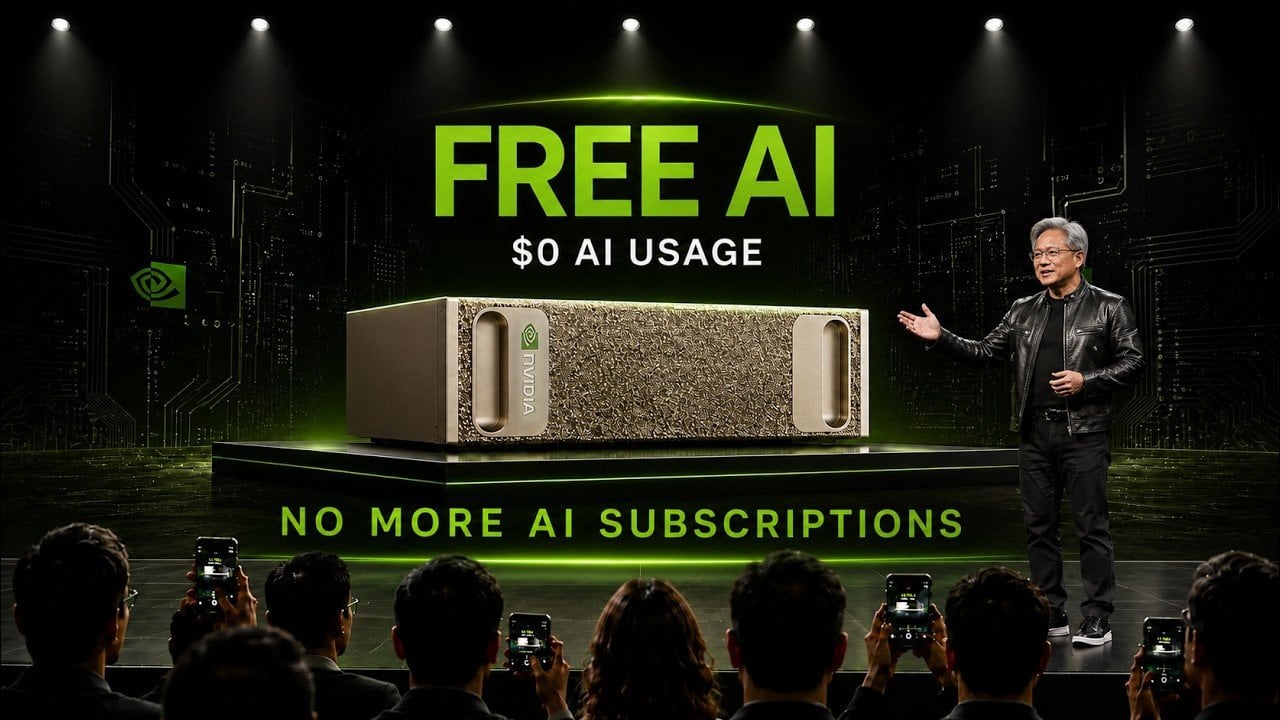
The NVIDIA DGX Spark has sparked considerable discussion in the AI development community since its release and for good reason. Marketed as a personal AI supercomputer, it aims to bring high-performance computing to individual developers and small teams. However, as AI Master explains, the DGX Spark’s appeal is limited by its high price point—now $4,699, […]
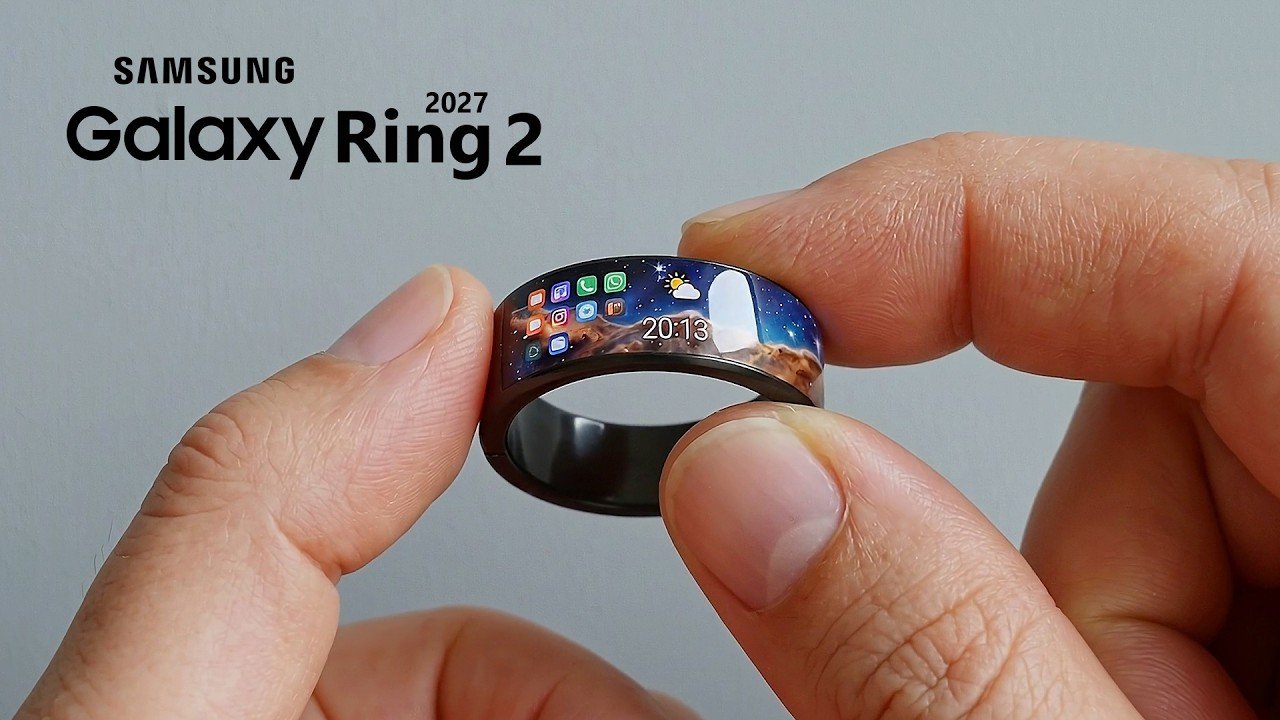
Samsung has officially confirmed the development of the Galaxy Ring 2, a next-generation smart ring designed to push the boundaries of wearable technology. This announcement has generated significant interest, though the company has stated that the device’s release will take longer than initially anticipated. By prioritizing product quality and advanced functionality, Samsung has set its […]
Meta’s latest release, Muse Glimmer 30B, marks a significant development in the open AI landscape. With a dense architecture using all 30 billion parameters during inference, the model is optimized for tasks requiring multi-step reasoning and long-term decision-making. Sam Witteveen explores how Muse Glimmer, licensed under Apache 2.0, is designed for local deployment, with quantized […]
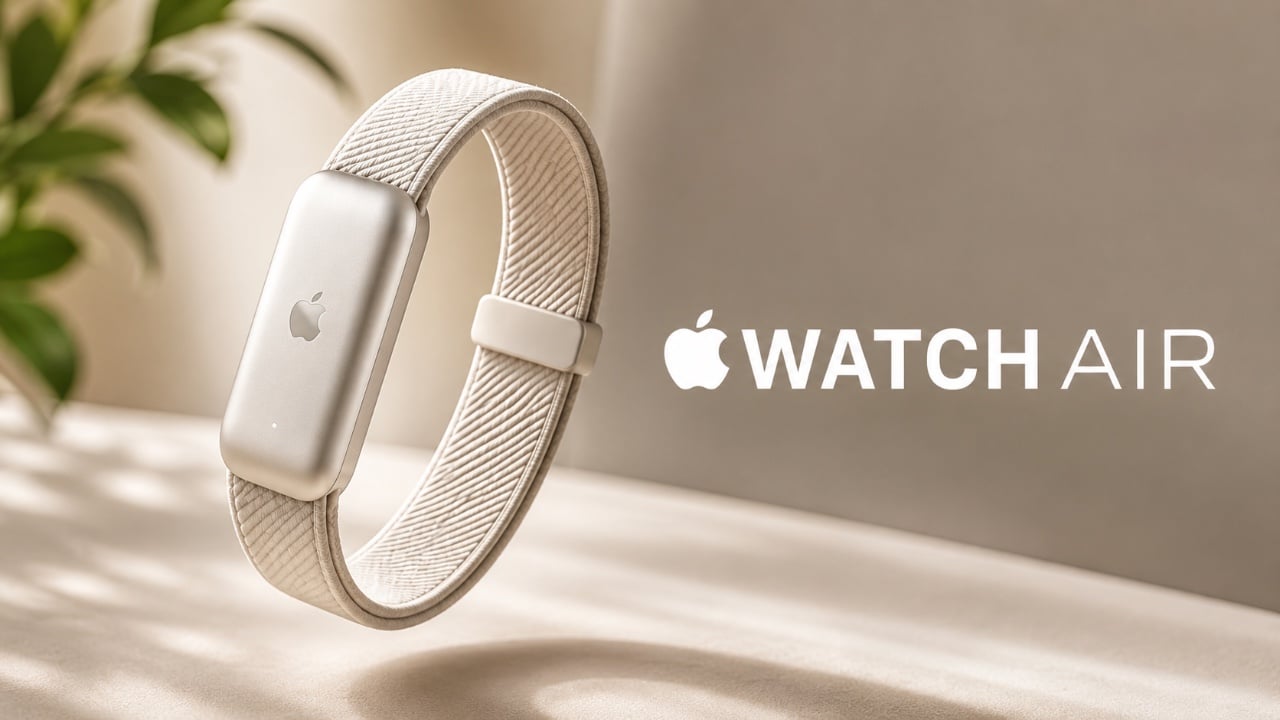
Apple is reportedly developing an innovative wearable concept known as the “Apple Watch Air.” This device could transform how you engage with health and fitness tracking by eliminating traditional features like screens, apps, and notifications. Unlike conventional smartwatches, the Apple Watch Air focuses exclusively on core health metrics, offering a distraction-free and streamlined experience. This […]
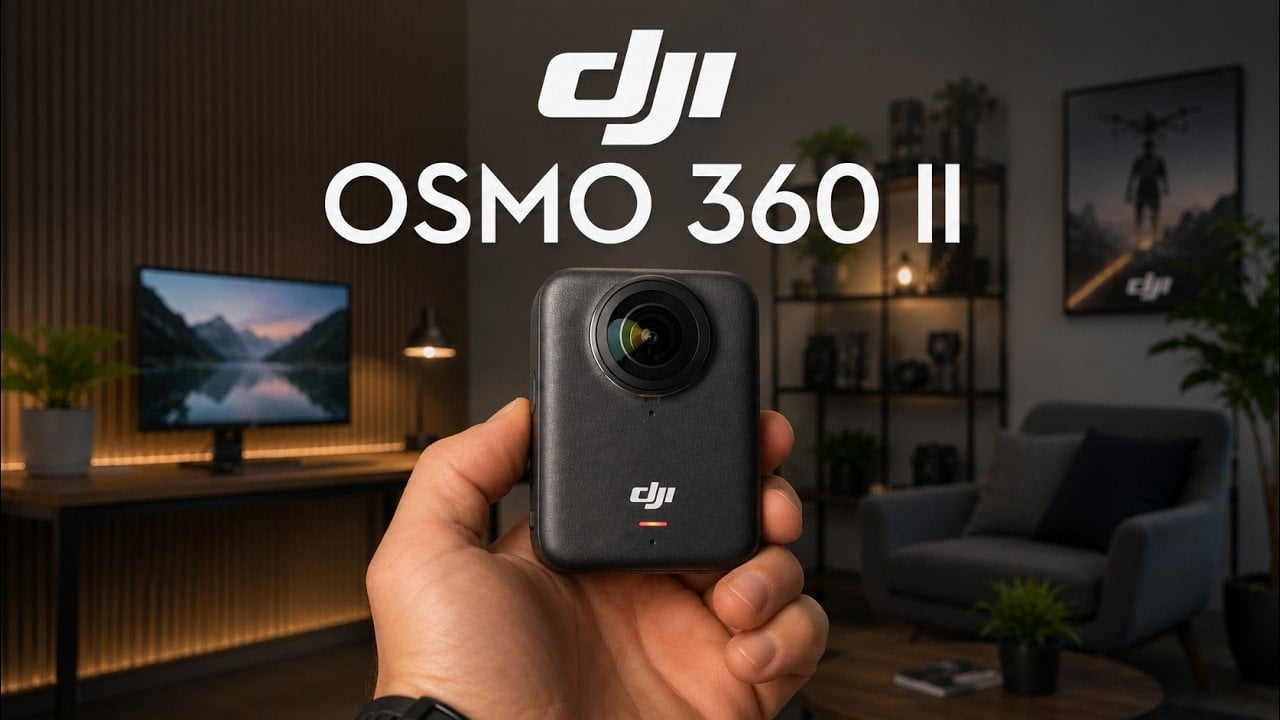
The DJI Osmo 360 II is set to launch tomorrow, introducing a range of updates that refine its predecessor’s design while addressing evolving user needs. According to TechAvid, one of the most notable upgrades is the inclusion of an 8K video recording capability at 60fps, offering ultra-smooth, high-resolution footage ideal for dynamic action scenes or […]
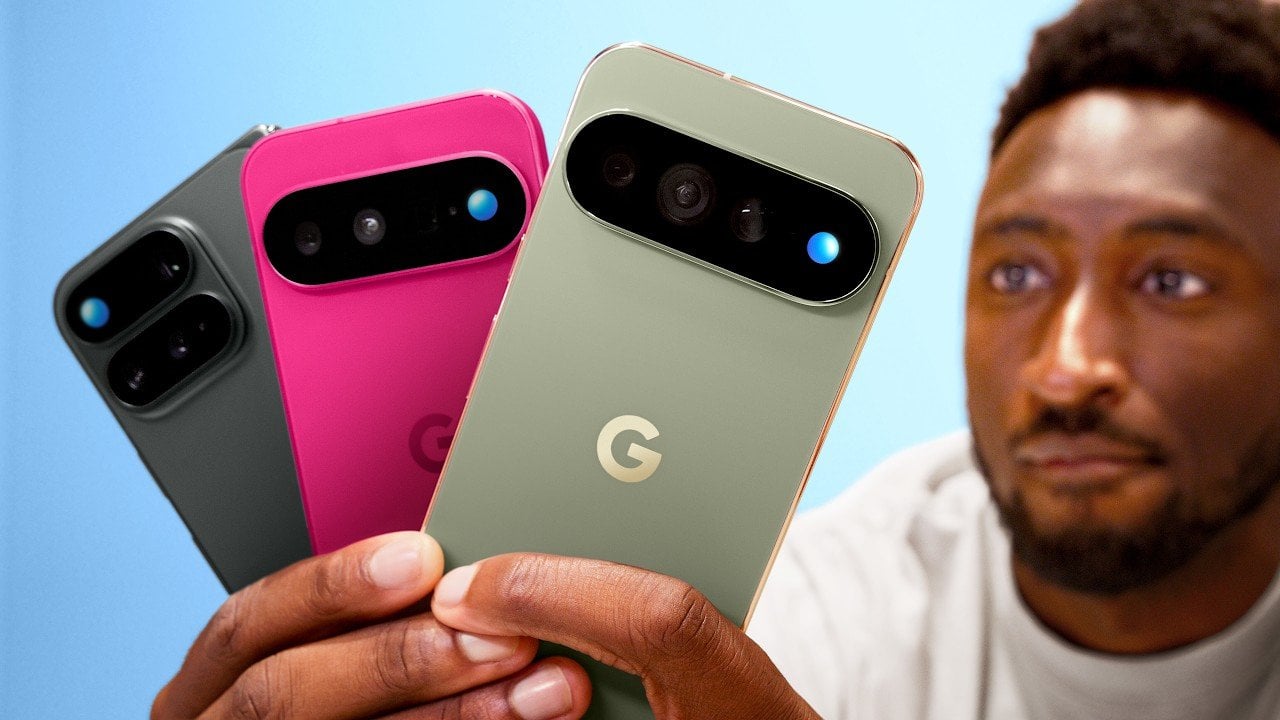
The Google Pixel 11 lineup, which includes the Pixel 11, 11 Pro, 11 Pro XL, and 11 Pro Fold, represents Google’s ongoing commitment to using software innovation as its primary differentiator. While the series introduces some hardware refinements, these changes are largely incremental. With noticeable price increases and modest upgrades, the Pixel 11 series raises […]
The new Grok Bot from X.AI and Elon Musk offers a streamlined way to create and manage AI agents tailored to your specific needs, all within a short setup time. In a recent feature by Nate Herk, the platform’s key strengths are explored, including its ability to automate tasks like scheduling meetings, managing emails and […]
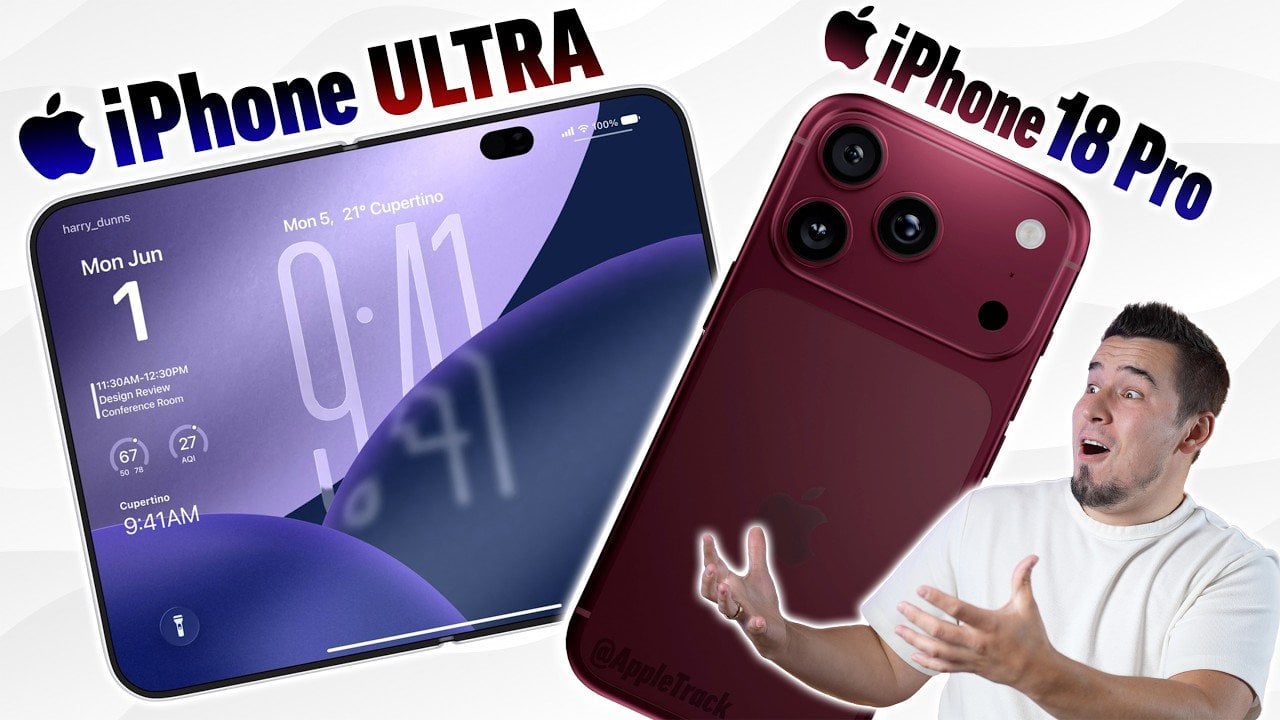
Apple’s much-anticipated September event is poised to unveil significant advancements across its flagship devices, including the highly awaited iPhone 18 Pro Max and the innovative iPhone Ultra. With a focus on innovative technology, refined design and enhanced user experience, Apple is set to make a bold statement in the tech industry. Below is a detailed […]
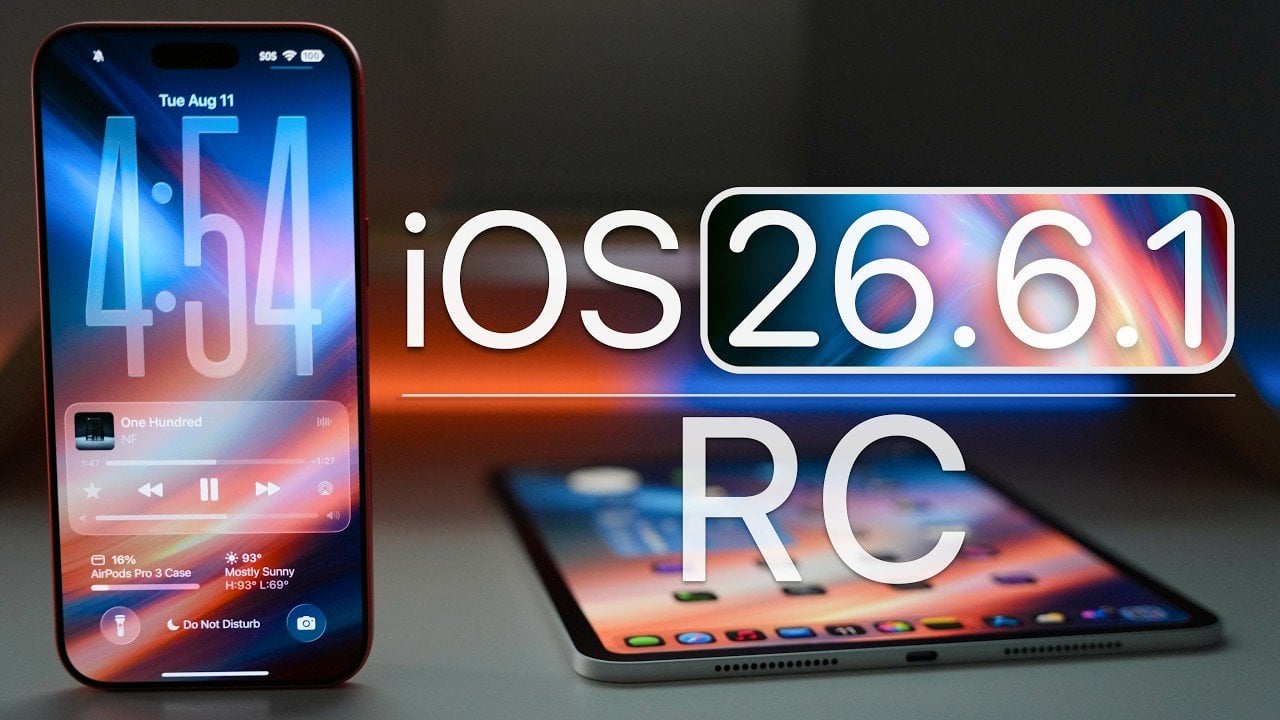
Apple has officially released iOS 26.6.1 RC (Release Candidate), marking the final stage before the public rollout. This update is now available to developers and public beta testers, emphasizing critical security patches and system refinements. While it doesn’t introduce major new features, it plays a pivotal role in making sure your device’s stability, security and […]
Smartphones have never been smarter, but they’ve also never been more demanding. Bigger screens, algorithmic feeds, and relentless notifications aren’t design oversights. They’re deliberate, built to keep you engaged for as long as possible. The prevailing logic is that longer screen time is better, and most phones are optimized around that, pulling you back in every time you try to put them down.
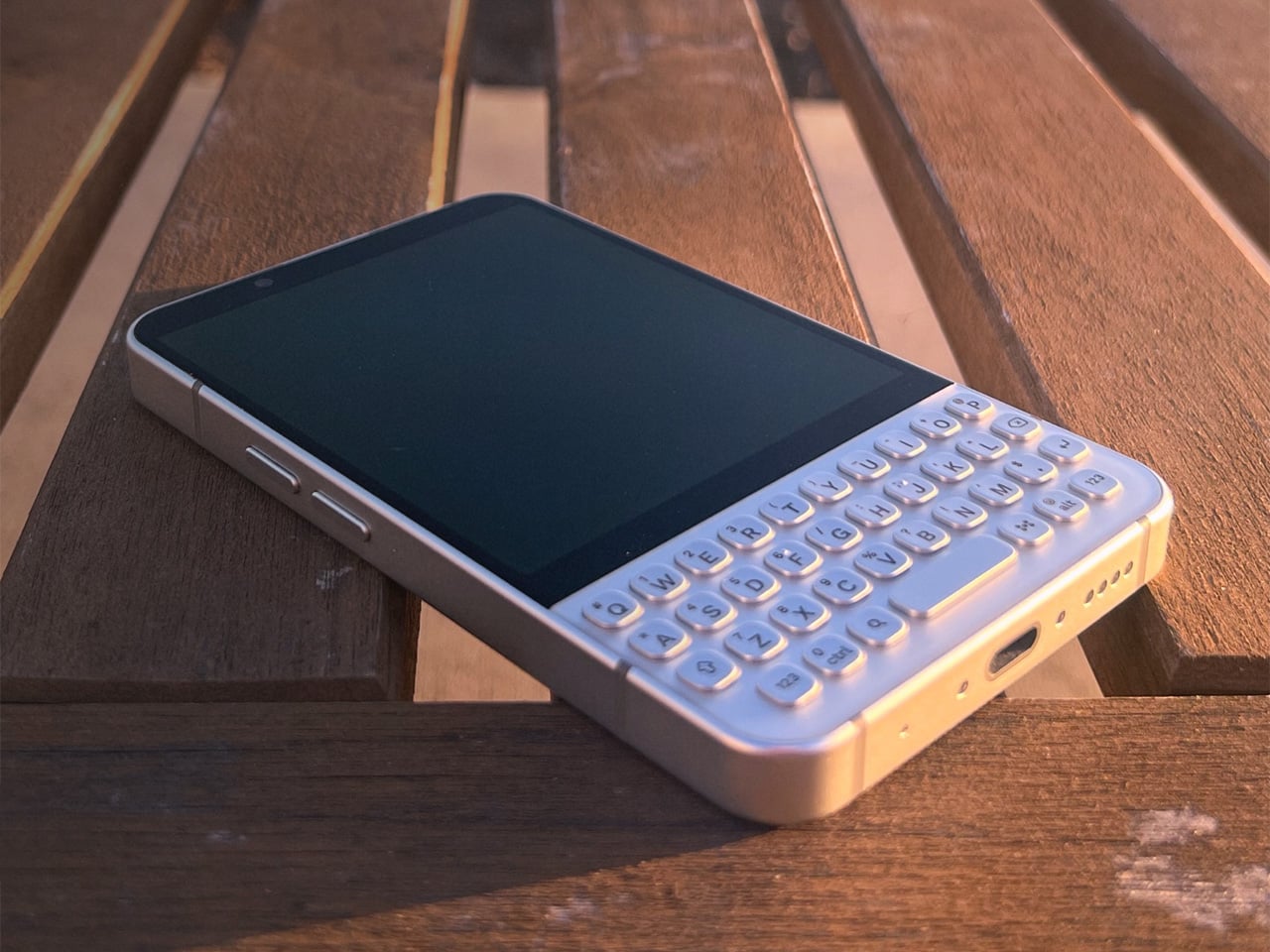
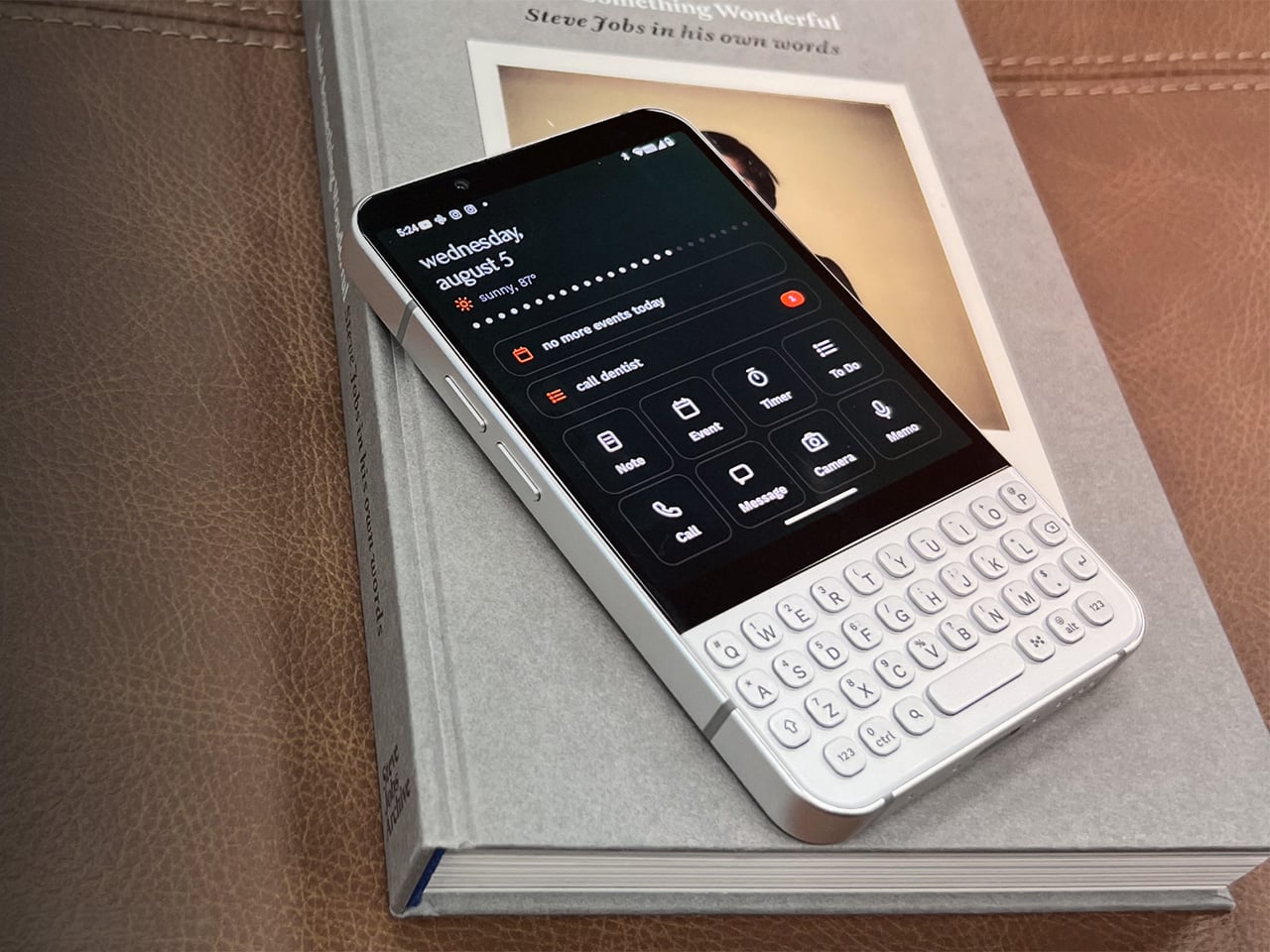
The Minimal Phone 2 is a different kind of proposition. It’s a modern 5G Android phone built around the opposite idea: that a phone should serve you and then get out of the way. It pairs a compact AMOLED display with a full physical QWERTY keyboard and a custom OS called Minimal OS, designed to make daily interactions faster, more deliberate, and less compulsive.
The keyboard is the phone’s most striking feature, and also its most considered. It’s a full QWERTY board integrated directly into the phone, about 69mm wide, with backlit keys whose legends are laser-etched into the keycap surface rather than printed on top, so they won’t fade with use. Each row fans outward slightly, and the keycaps are sculpted to guide your thumbs naturally.
What a physical keyboard really changes is the relationship between picking up your phone and doing something on it. When the keyboard is always there, typing becomes the default instinct instead of scrolling. You reach for the phone with something in mind, do it, and put it down. That shift sounds subtle, but over the course of a day, it changes how the device feels.
Minimal OS reinforces that instinct with its command bar, which lets you do most things without opening an app at all. Start with a symbol, type what you want, and the OS handles the rest. Typing “@jason on my way” sends a text. Typing “#lauren” places a call. A hyphen adds a to-do, an asterisk creates a calendar event, and an exclamation mark saves a note.
Communication is pulled together in something called the Minimal Hub. Swipe right from the home screen, and you get a single, unified list of everything that’s come in: emails from every account, texts, missed calls, voicemails, and calendar invitations. You can read and reply without opening a separate app, which makes a full inbox feel like clearing a short list rather than bouncing between five different places.
Two quieter features round out the software side. The Activity Bar puts 24 dots on the home screen, one per hour. Each turns white when your time stays focused, and red when the hour slips into social apps or media. The notification LED lets you assign colors and patterns to specific contacts and apps, so a glance at your desk tells you what’s actually waiting.
The hardware underneath makes it a credible daily driver. A 3.92-inch AMOLED at 1080×1240 pixels and 90Hz, a MediaTek Dimensity 8300 processor, 8GB of RAM, and 256GB or 512GB of storage make up the core. Connectivity covers 5G, Wi-Fi 6E, and NFC. The rear camera is 50MP, the front has a 20MP shooter, and there’s both 27W wired and 15W wireless charging, as well as a 3.5mm headphone jack.
The phone sits in an aluminum frame measuring 122.6mm x 72mm x 9.48mm, in three finishes. Pearl is a brushed light alloy in a warm off-white. Onyx is an anodized alloy in a deep near-black. Ember is an anodized minimal orange, offered as a launch exclusive. The design language is restrained throughout, with nothing calling for attention except the keyboard, which announces itself plainly.
What’s interesting about the Minimal Phone 2 is that its restraint doesn’t feel punishing. It still runs full Android, so banking apps, navigation, music, and messaging are all there. What changes is how you arrive at them. Rather than a phone that sprawls into your day uninvited, this one waits to be needed, which in a landscape of devices competing for attention, feels unusual.