Honda has a new partner for the advancement of solid-state battery technology
The automaker is gearing up to make some big changes to its EV line in the near future. Here's what to expect.
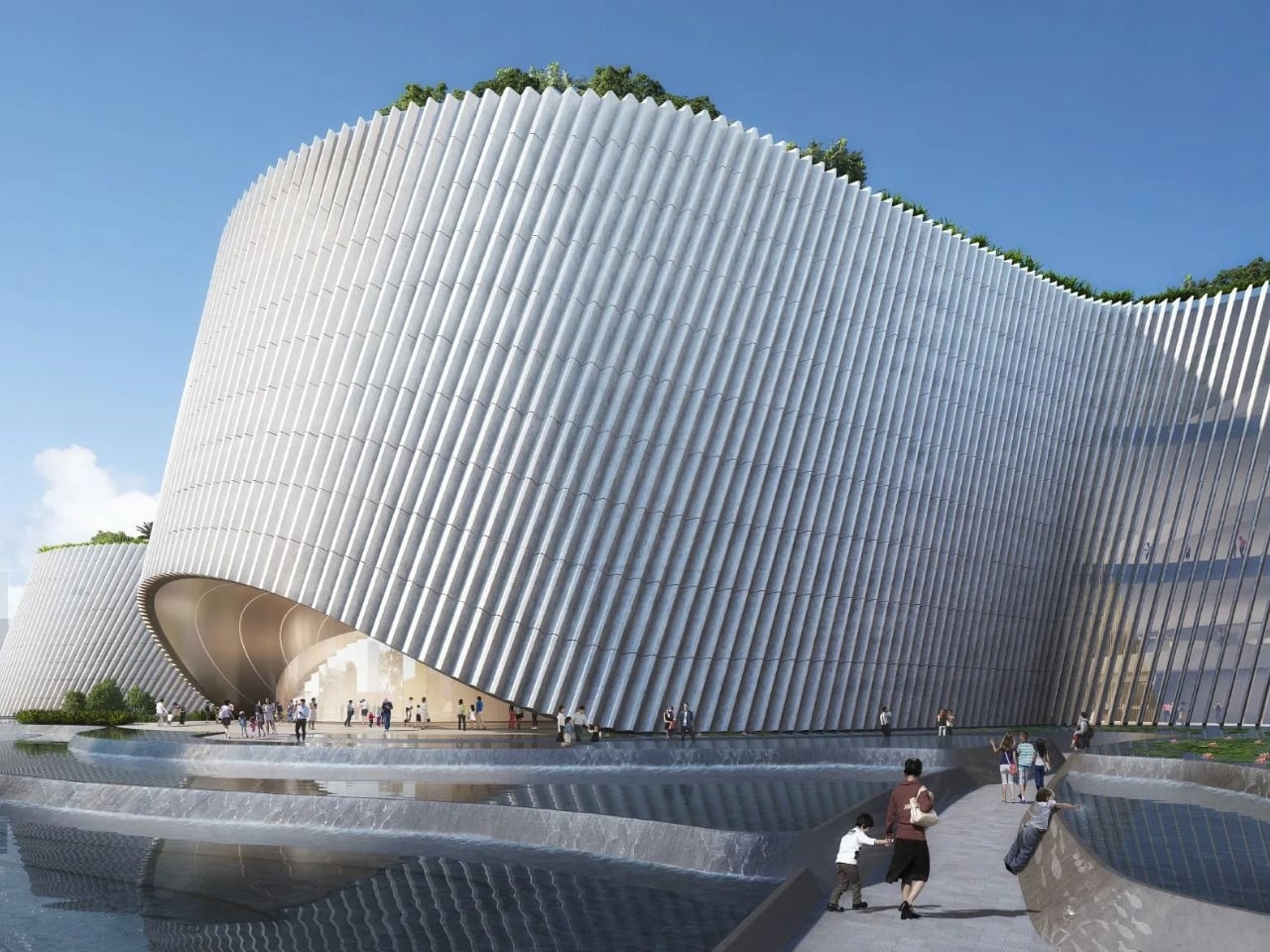
Museums have a reputation problem. For decades, they’ve been temples of quiet reverence: boxy, imposing, slightly intimidating buildings that seem to announce, before you’ve even walked through the door, that you should already be taking notes. So when a museum opens that genuinely looks like the Earth just pushed it out of the ground, it’s worth paying attention.
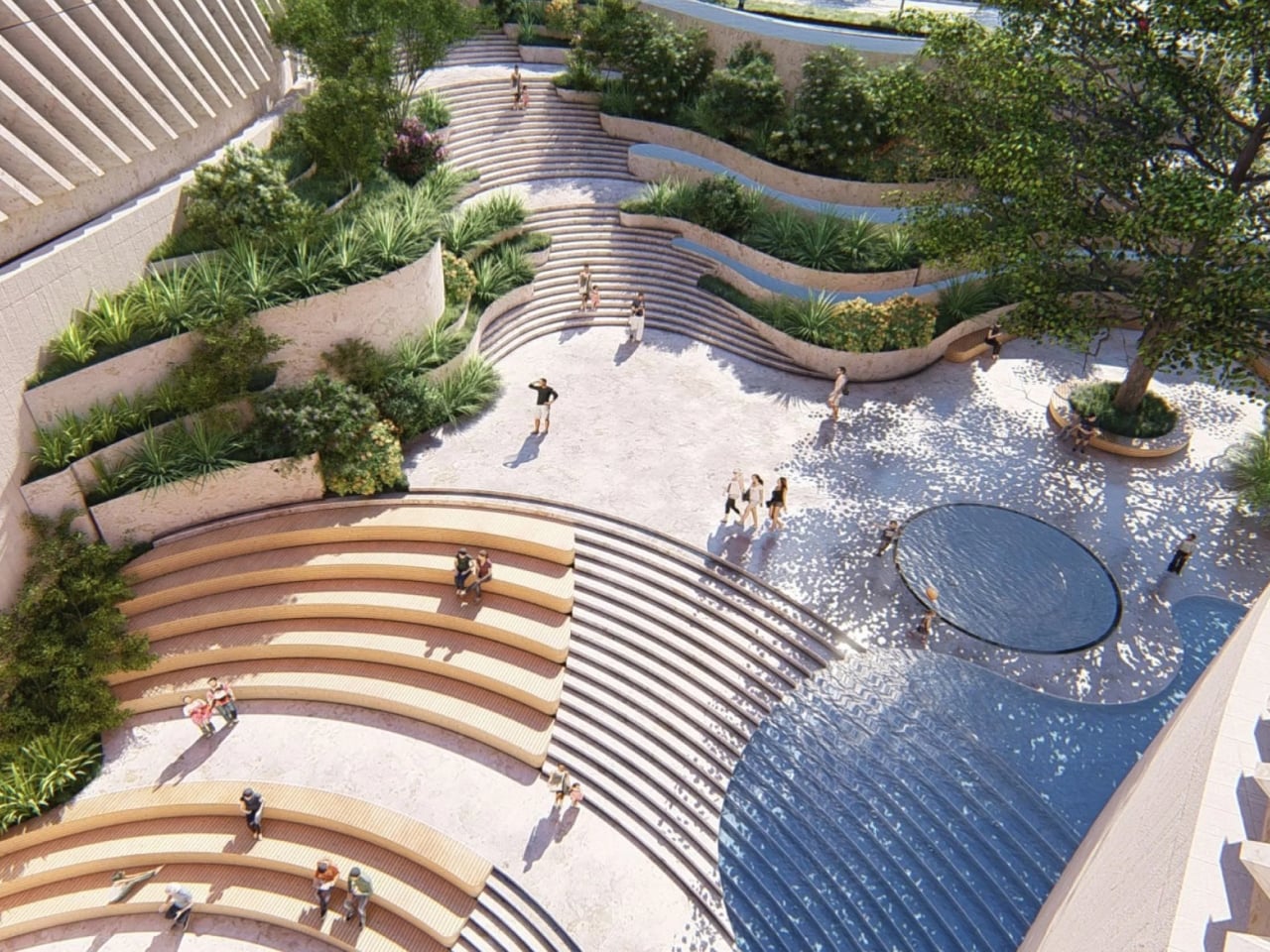
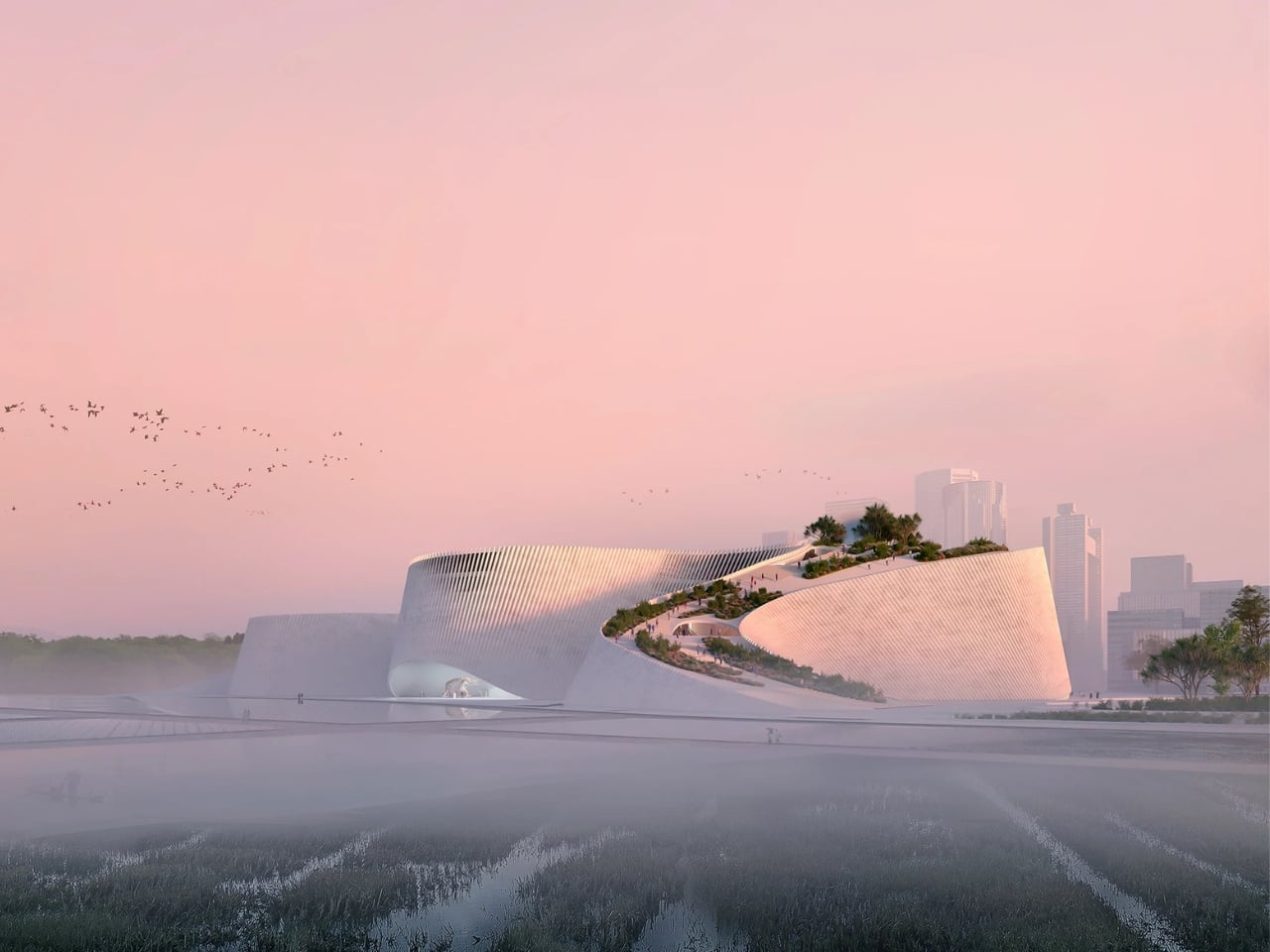
The Shenzhen Natural History Museum officially opened on July 28, 2026, in the Pingshan District of Shenzhen, China, and from the very first image you see of it, you understand that something fundamentally different was intended here. Designed by a consortium of 3XN, B+H Architects, and Zhubo Design, the 105,300-square-meter complex sits beside Yanzi Lake and rises in a series of fluid, granite-clad forms that look less like architecture and more like an ancient geological formation that was always meant to be there. That’s not an accident.
Designers: 3XN with B+H Architects and Zhubo Design

“Nothing in nature is square,” said 3XN founder Kim Herforth Nielsen. “Nature is amorphous, dynamic, and always in formation. From the beginning, the ambition was to create not a building, but a piece of landscape that had always been there, shaped by local geology, water and time.” That quote does a lot of heavy lifting, and the building earns it.
The design process was genuinely collaborative in a way that large-scale architecture rarely manages. 3XN led the concept design. B+H Architects handled project delivery, landscape, and interior expertise. Zhubo Design brought the local technical knowledge that a project of this scale in China absolutely requires. Construction began in March 2022 and wrapped up four years later. For a building that looks like a mountain range and functions like a public park, a museum, and a walking route all at once, that timeline is actually impressive.
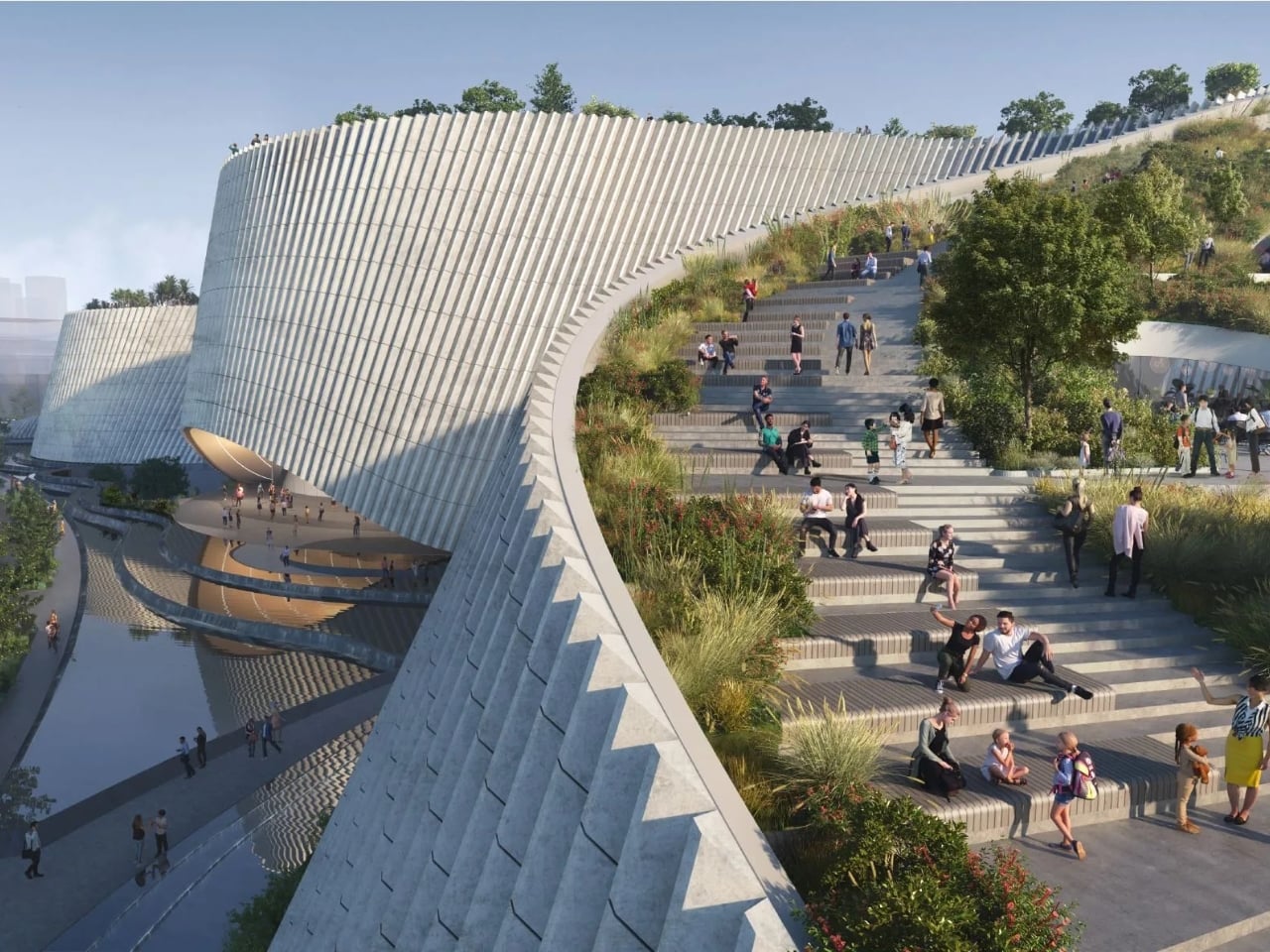
And yes, it functions like all three of those things simultaneously. The roof is walkable. The grounds are public. The building isn’t sitting behind a fence waiting for you to purchase a ticket before you’re allowed anywhere near it. It opens itself to the city, which feels like a deliberate philosophical statement about who science and natural history actually belong to. I appreciate that enormously. Too many cultural institutions operate like exclusive clubs dressed up as public spaces.
Inside, the experience continues the logic of the exterior. The exhibitions were developed with Atelier Brückner and Museum Studio, and the approach integrates the scenography directly with the architecture. Displays curve along the walls, rising through cone-shaped gallery spaces. Cinematic projections and immersive light installations make the galleries feel like environments you move through rather than rooms you stand politely in. If the outside of the building asks you to rethink what architecture looks like, the inside asks you to rethink what a museum visit feels like.
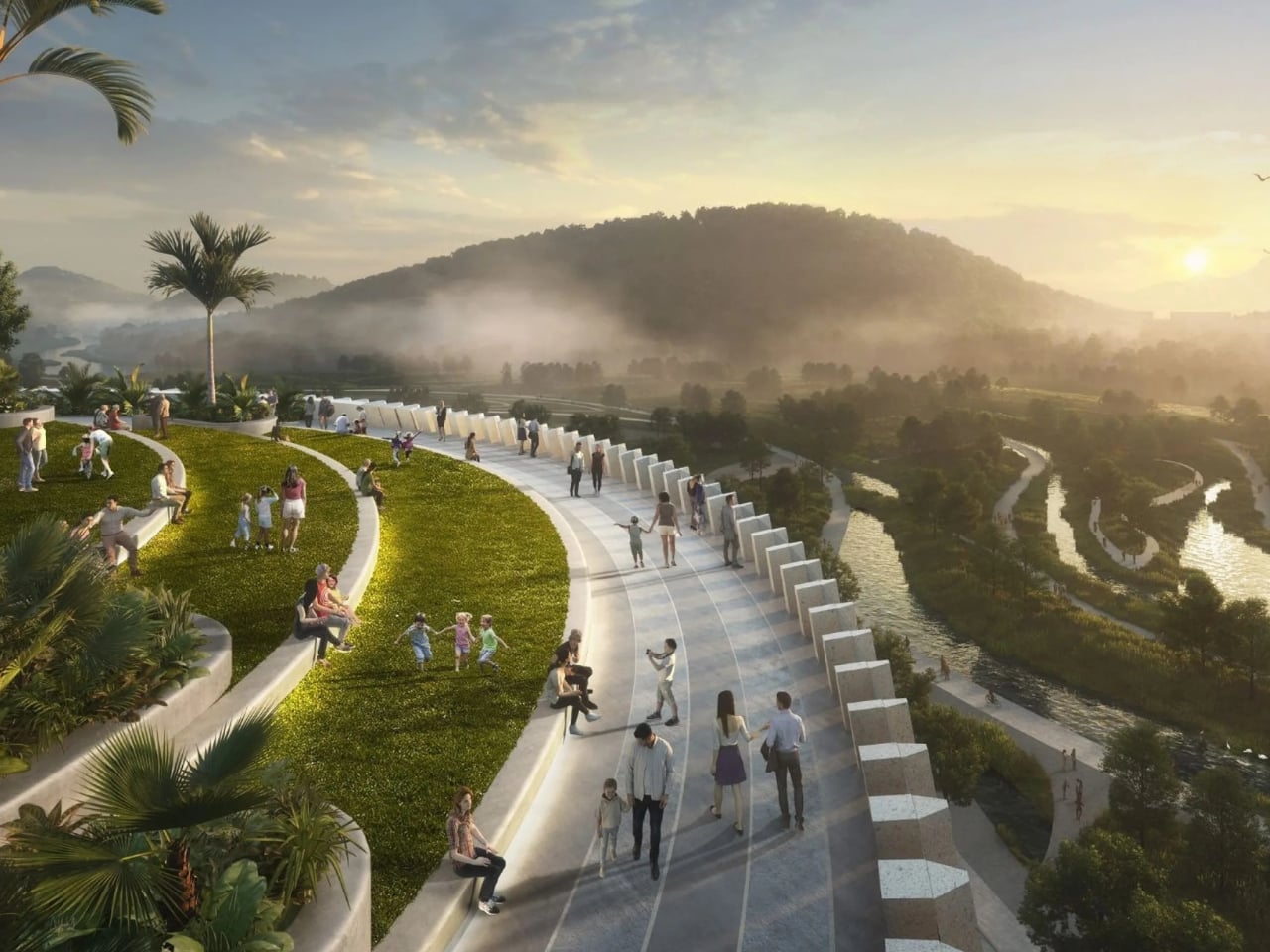
I’ll be transparent: I’ve seen the images, not the building. And images of architecture, especially this kind, are always a bit of a seduction. Photographs flatten and idealize. The real test of a building like this is whether it holds up over time, whether the crowds and the heat and the ordinary chaos of a functioning public institution diminish what feels, right now, like something genuinely extraordinary. That’s a fair question to hold.
But even accounting for that skepticism, the Shenzhen Natural History Museum makes a compelling argument for what museums can be when they stop treating their buildings as containers and start treating them as part of the story. Natural history is a story about a planet forming itself over billions of years. The building looks like a chapter of that story. That coherence is rare, and when architecture and content align that cleanly, it tends to produce something that lasts.
Shenzhen already has a reputation as a city that builds fast and builds bold. It’s the place where skylines get reinvented in a decade. But this museum isn’t bold for the sake of attention. It’s bold because the subject demanded it. And that distinction, quiet as it is, makes all the difference.
The post A Natural History Museum That Actually Looks Like Nature first appeared on Yanko Design.
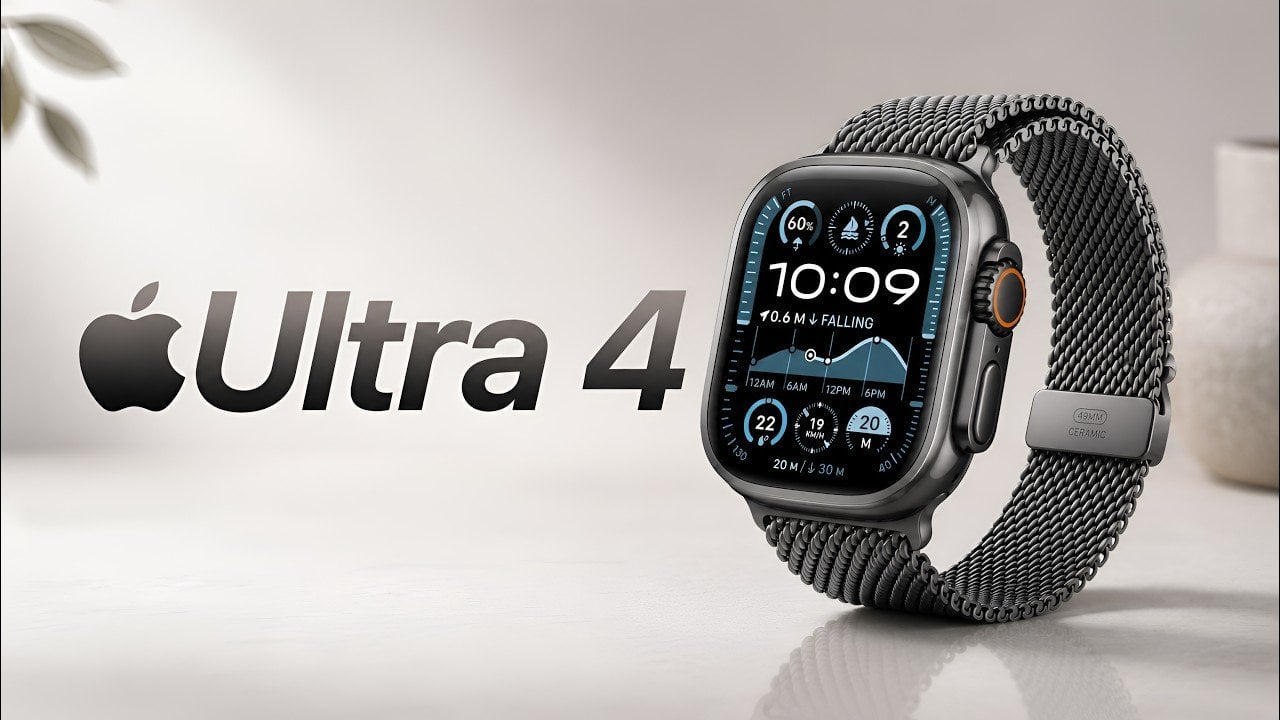
The Apple Watch Ultra 4 represents a significant step forward in wearable technology, blending advanced health tracking, enhanced performance, and a refined design. While some rumored features, such as Touch ID, are absent, the watch introduces meaningful upgrades in sensors, satellite connectivity, and AI-powered functionalities. These improvements solidify its position as a leader in the […]
The post Everything Rumored for Apple Watch Ultra 4 Before Launch appeared first on Geeky Gadgets.

ThinkingCap, as introduced by Sam Witteveen, builds on the Qwen 3.6 27B model to deliver a more resource-efficient approach to coding and reasoning tasks. By focusing on reducing “thinking tokens”—the computational steps required for problem-solving, ThinkingCap achieves comparable accuracy while cutting token usage by an average of 46%. This optimization not only lowers latency and […]
The post ThinkingCap Cuts Qwen 3.6 27B Token Usage by 46% for Coding appeared first on Geeky Gadgets.

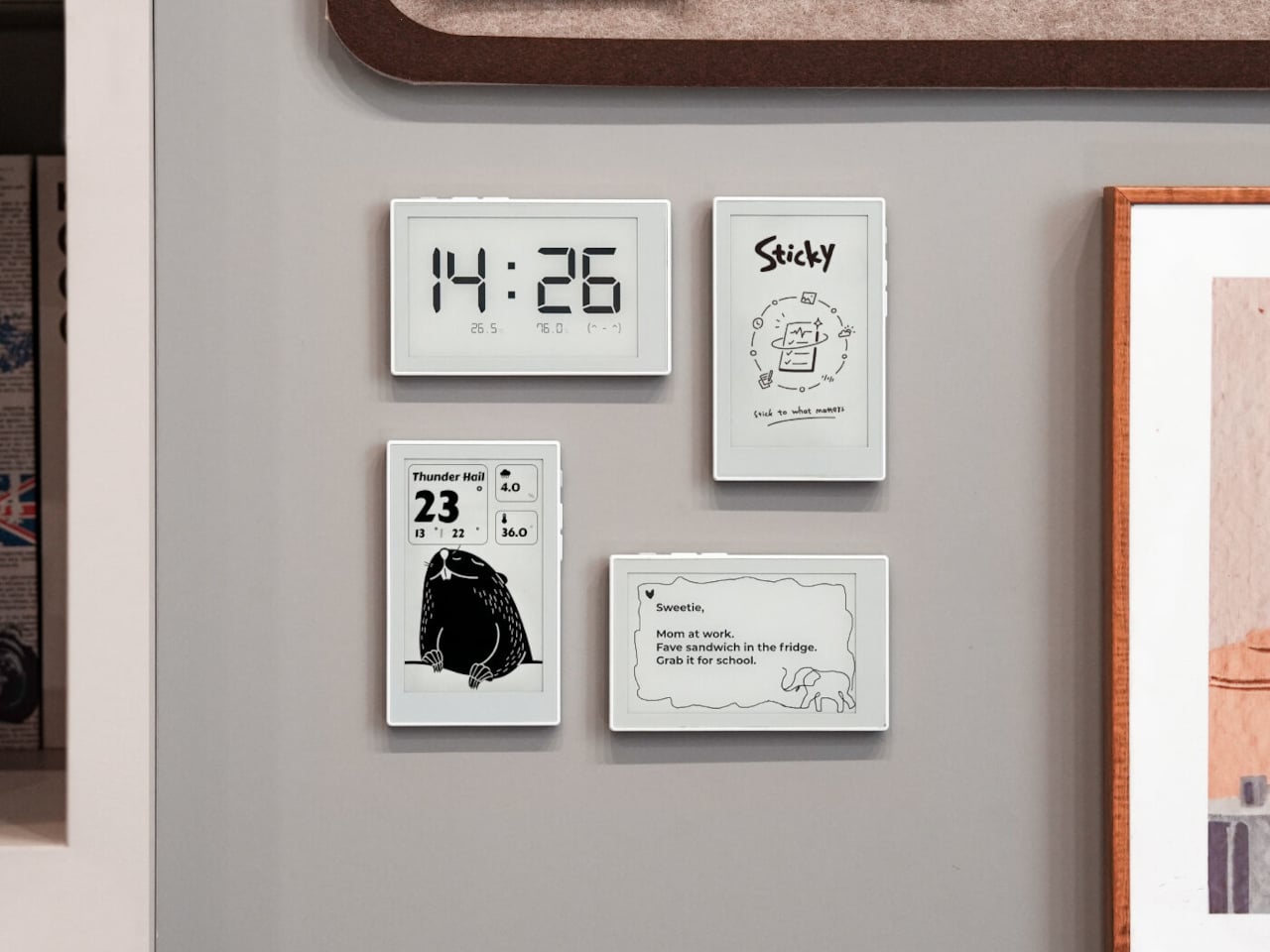
The shared household notice board is one of those ideas that never quite works the way it’s supposed to. Paper notes fall off, whiteboards get ignored once the novelty fades, and the natural alternative, a group chat, keeps everything buried where nobody looks unless they’re already on their phone. The problem isn’t that families don’t communicate; it’s that the display for that communication isn’t in the right place or form.
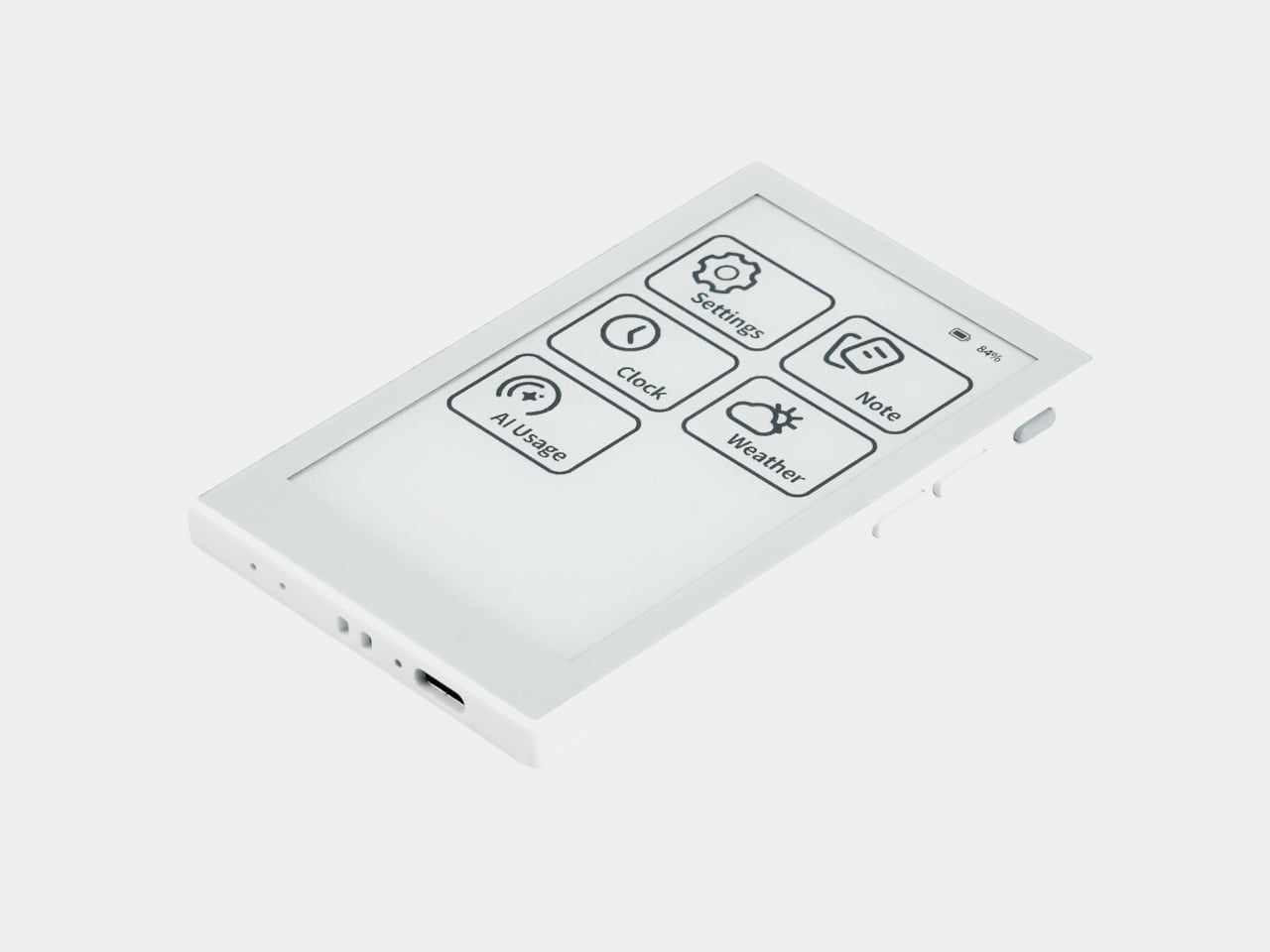
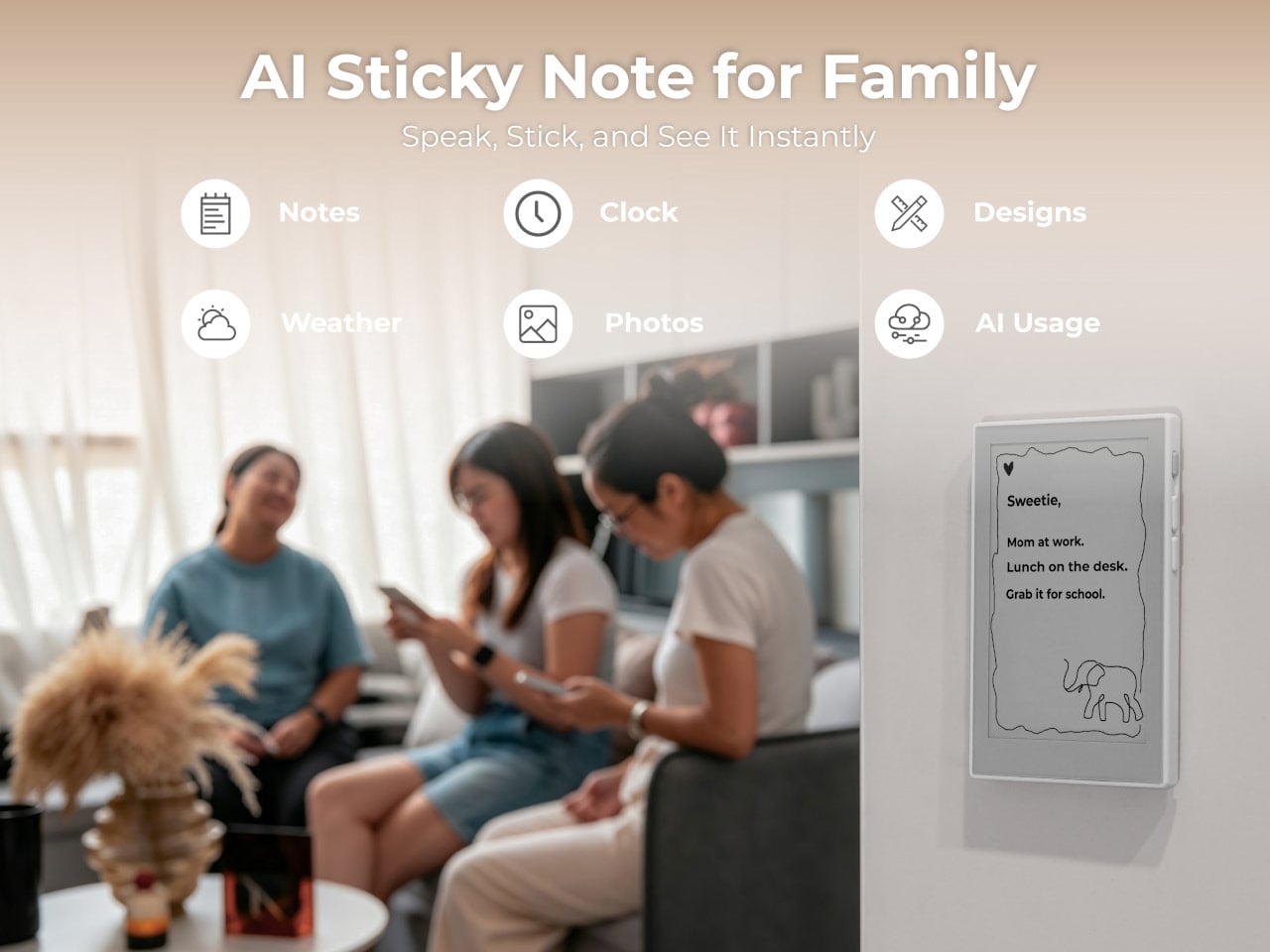
The reTerminal Sticky is a compact e-paper display built specifically for that gap. It magnets directly to a refrigerator or any metal surface, runs for days on a single charge, and shows notes, reminders, weather, and messages sent from a phone. The idea is simple: a screen that stays in plain sight and updates without demanding attention in return.
Designer: Seeed Studio
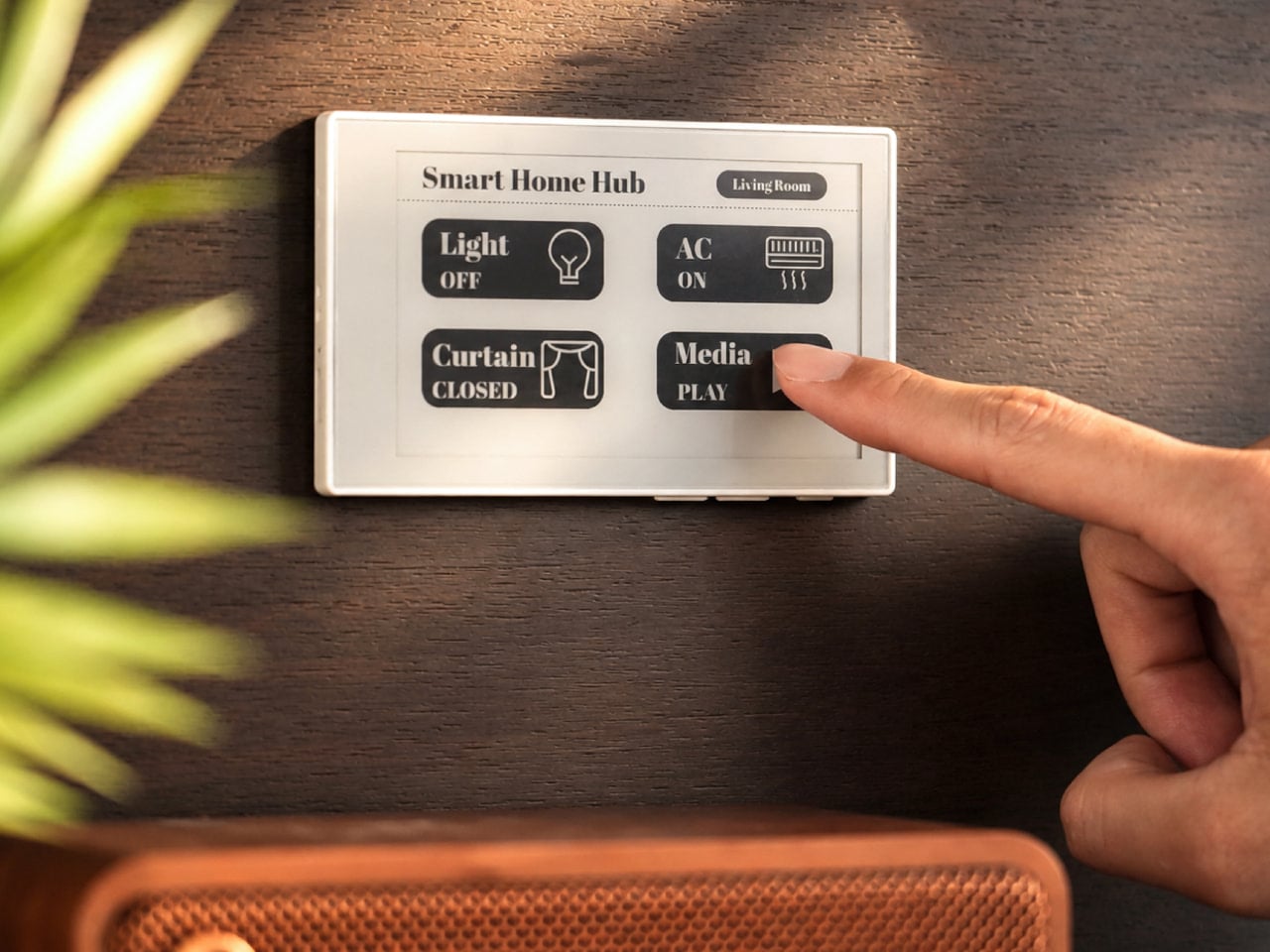
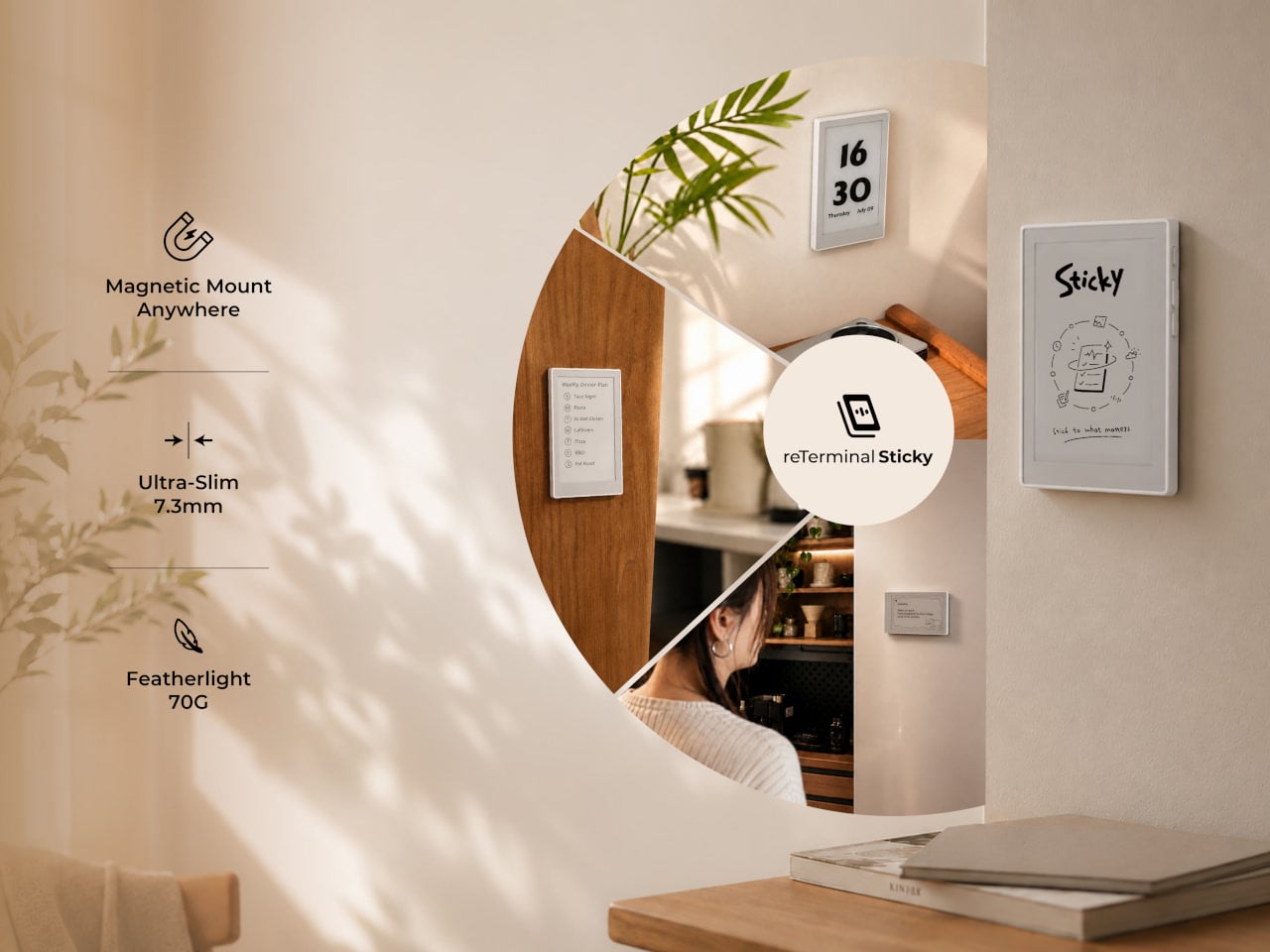
The display is a 3.97-inch monochrome E-Ink touchscreen at 800×480 resolution, set into a 106mm x 65.5mm x 7.3mm body that sits flush against a surface without protruding noticeably. E-Ink suits the application well because it holds whatever’s on screen without drawing power to maintain the image, which is why the 750mAh battery lasts up to a week under normal use and potentially months in Battery Saver Mode.
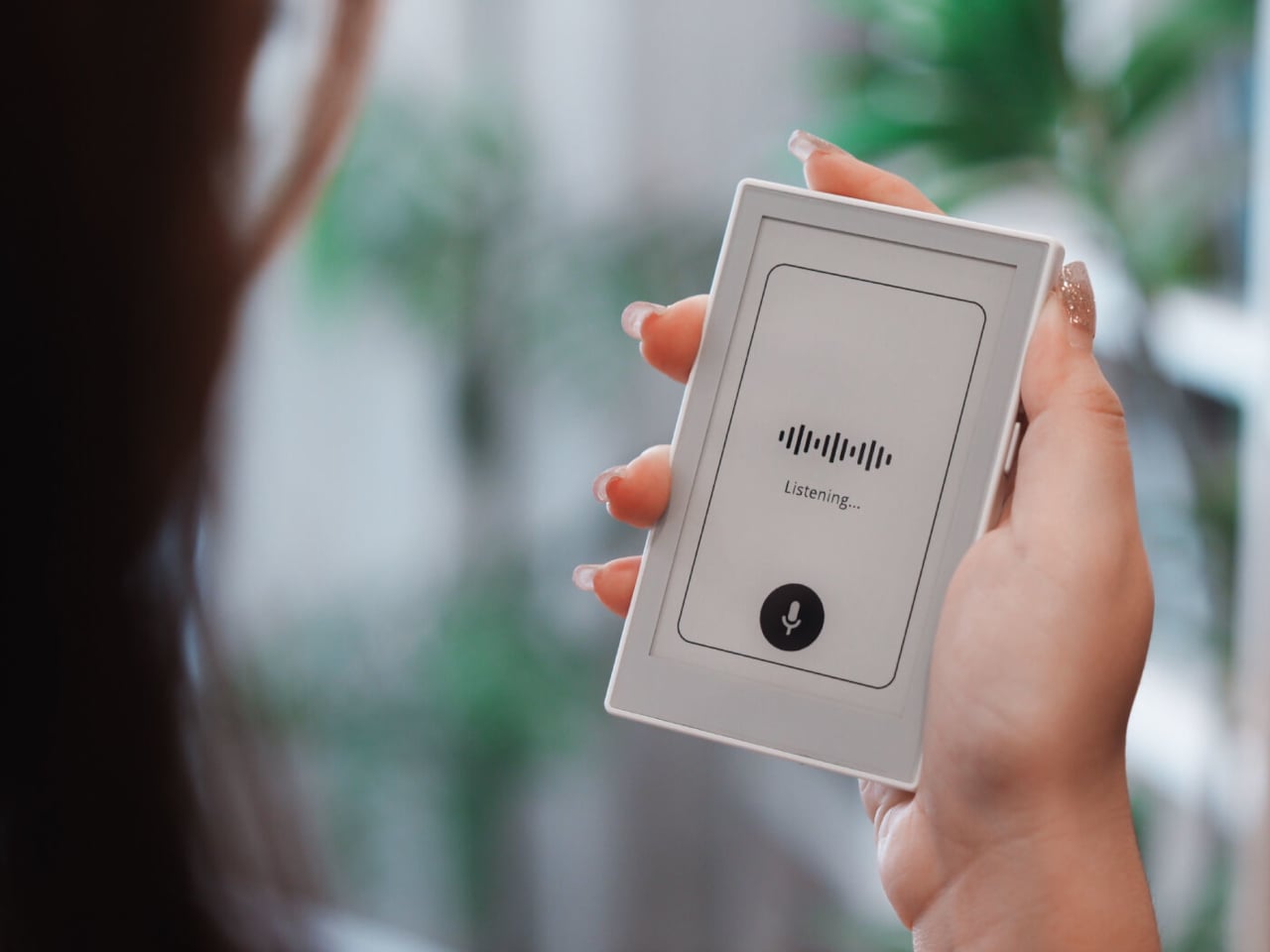
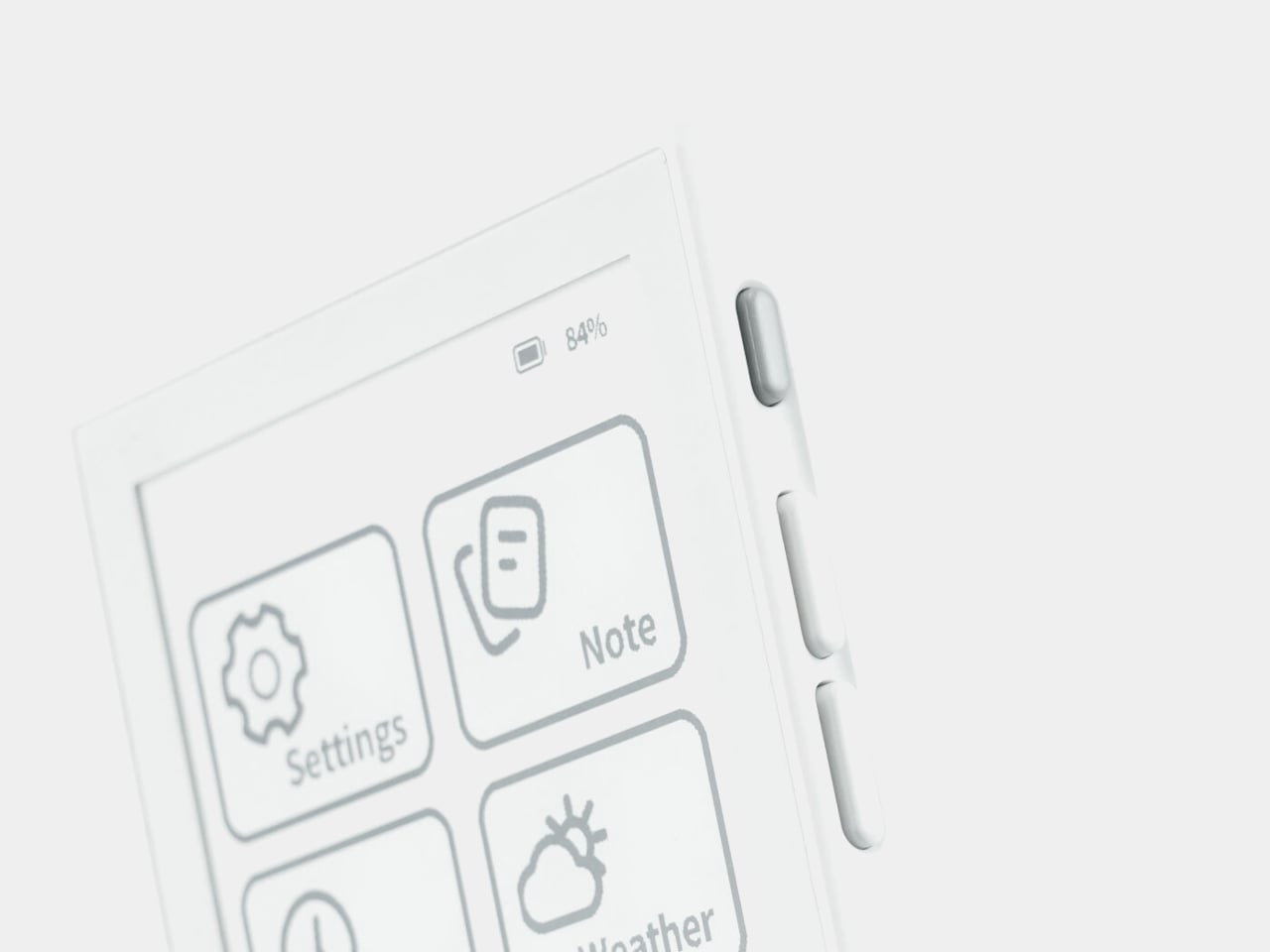
Creating a note doesn’t require opening an app first. An onboard physical button lets you press and speak; the device transcribes the voice directly into a note or to-do list on screen. Voice input works in English and Chinese. For sending notes remotely, the companion Seeedash app handles it over Wi-Fi or cellular, so someone at work can post a dinner reminder to the home screen without a text chain.
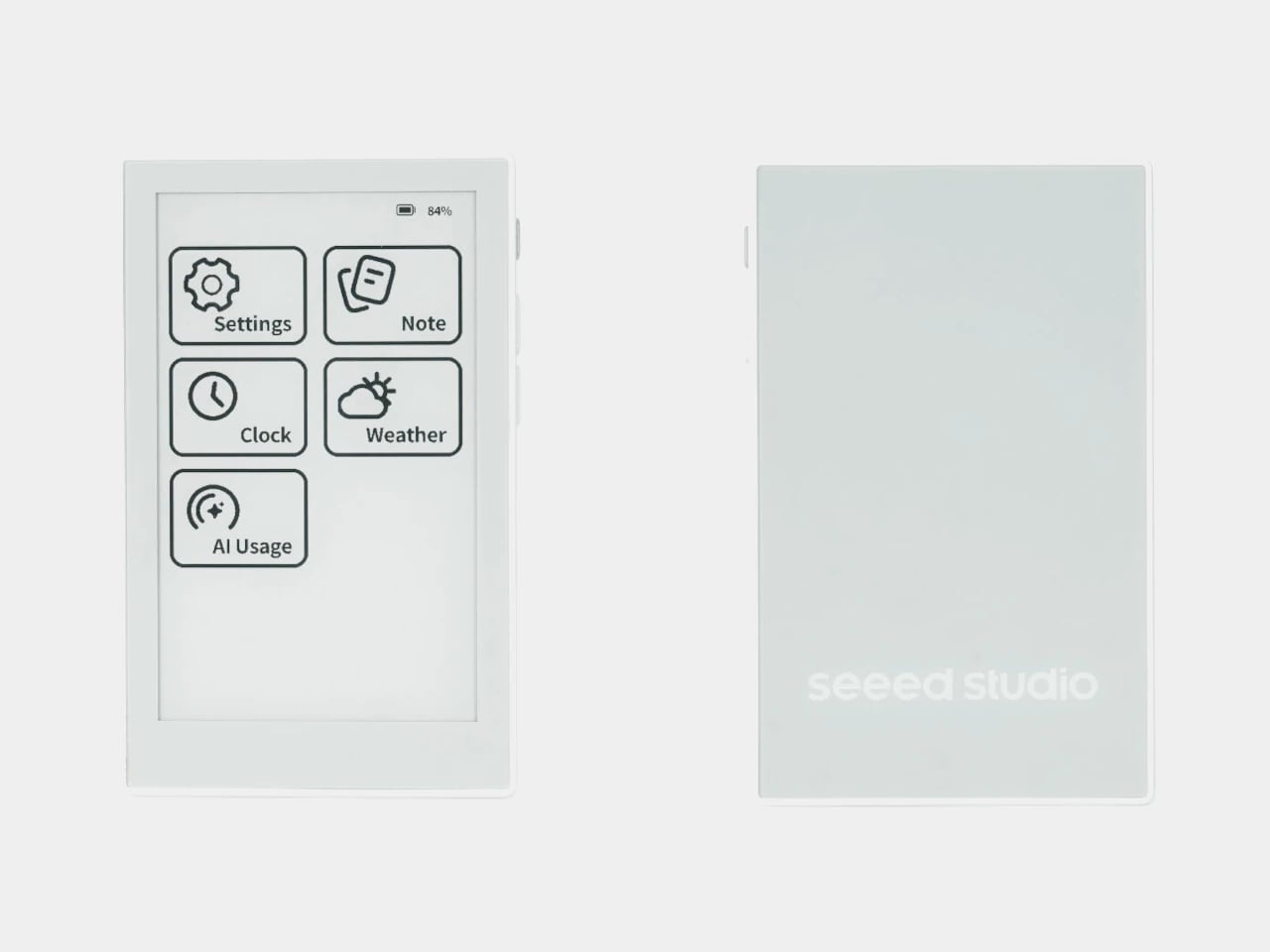
The Seeedash app is also where most of the management happens. It pairs initially over Bluetooth, sets the Wi-Fi network, and after that the device runs independently without the phone needing to stay nearby. Content can include typed notes, weather pulled from a set location, a clock, a calendar, or custom designs and photos uploaded from the app or the Seeedash web platform.
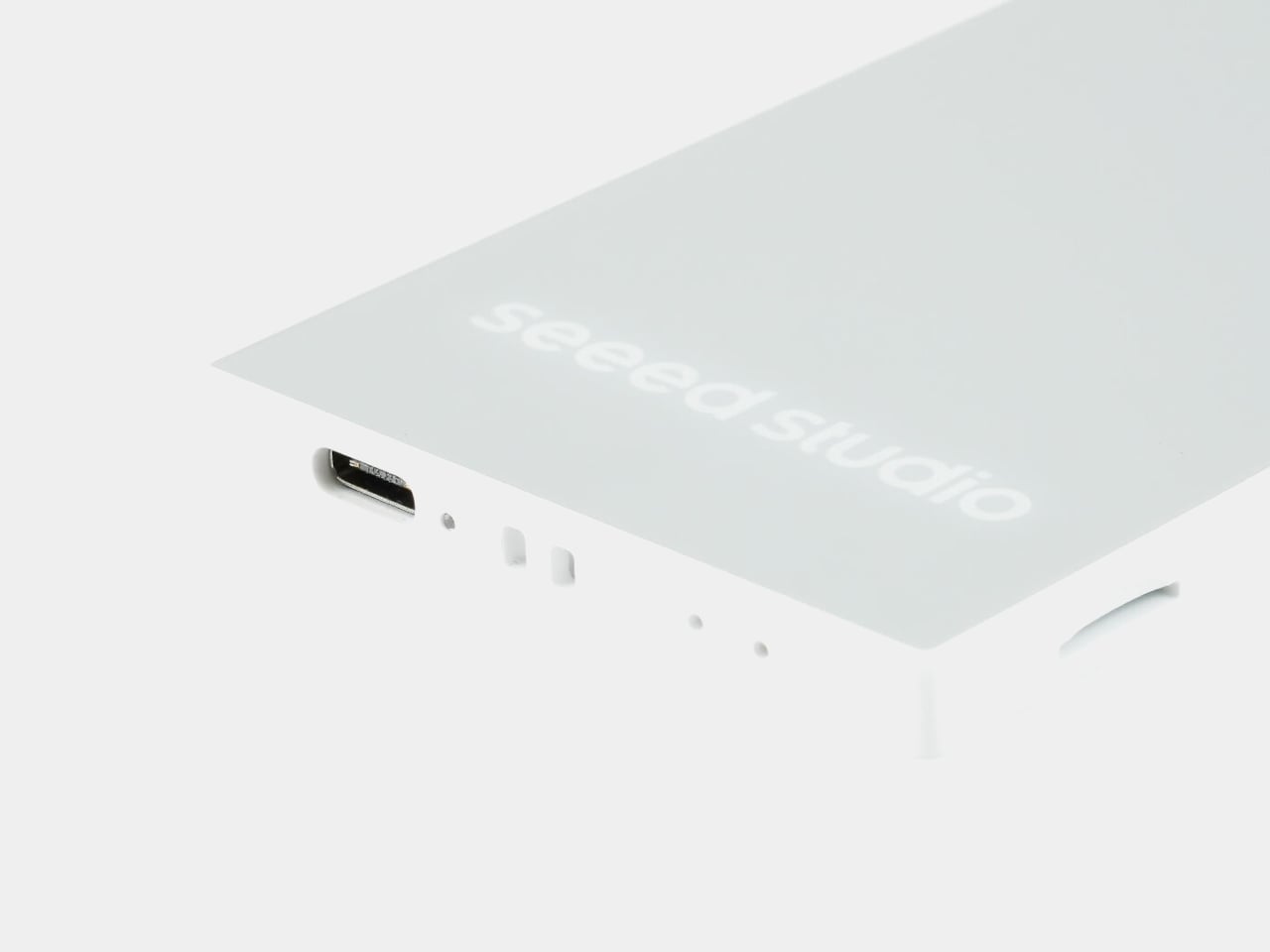
Mounting is toolless in either direction. The built-in magnetic backing attaches to any metal surface directly. For non-metal walls, the box includes an adhesive magnetic ring that goes up once and lets you reposition the Sticky freely afterward. For users who want to go further with the hardware, the device also supports custom firmware flashing, making it compatible with the broader SenseCraft ecosystem and developer-friendly by design.
The monochrome E-Ink display trades color for legibility and battery life, two properties that matter more than vibrancy when the screen is sitting on a kitchen appliance across the room. The low-power nature of the display also means it can show a full week’s worth of reminders without needing to be charged mid-week, which removes the main reason most desk gadgets get quietly retired after a month.
The post The Fridge Screen Your Family Can Update From Anywhere Without Texting first appeared on Yanko Design.

Apple is preparing to make a significant impact in the smartphone industry with its highly anticipated foldable iPhone, rumored to be named the iPhone Ultra. This device is expected to debut during Apple’s annual September event, scheduled for September 9th, alongside the iPhone 18 Pro lineup. Reports suggest a tentative release date of September 18th, […]
The post iPhone Ultra Fold Launch Date Reportedly Confirmed by Leak appeared first on Geeky Gadgets.