Microsoft has introduced a streamlined way to create AI agents with its new Agent Builder in Microsoft Copilot. This feature allows users to design, customize and deploy AI agents in just minutes, making it accessible for both technical and non-technical professionals. For instance, you can use pre-designed templates or create custom prompts to define an […]
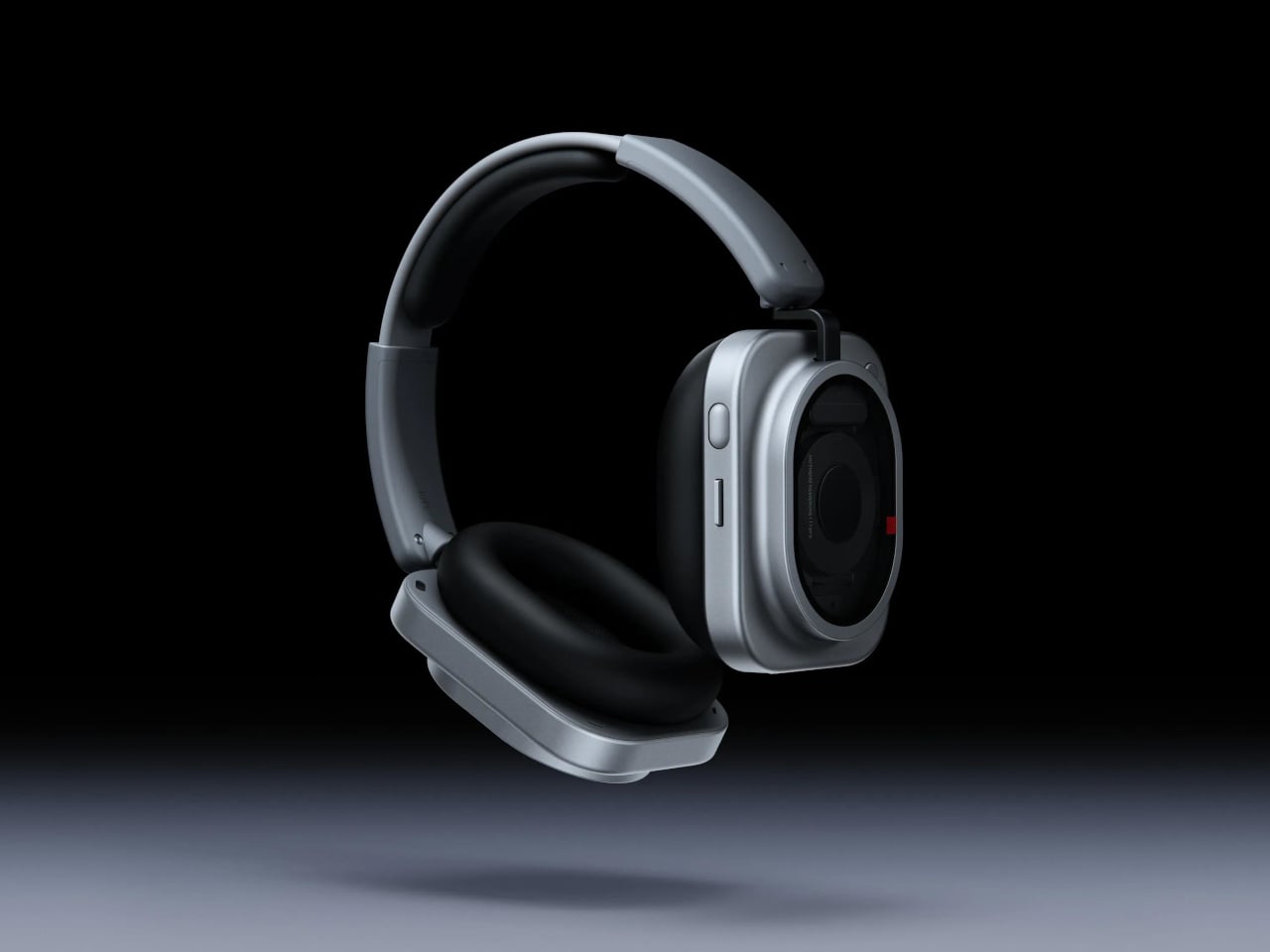
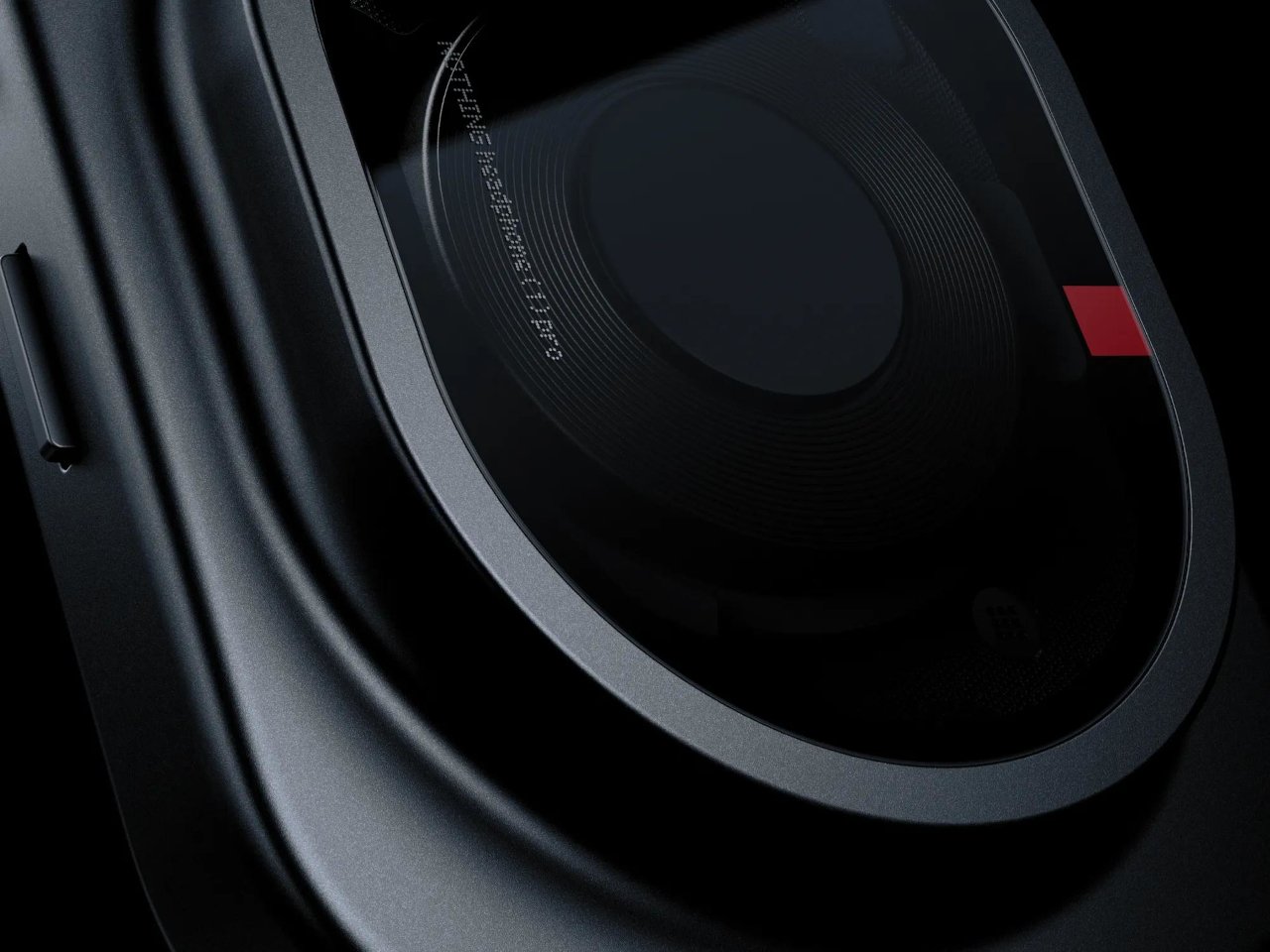
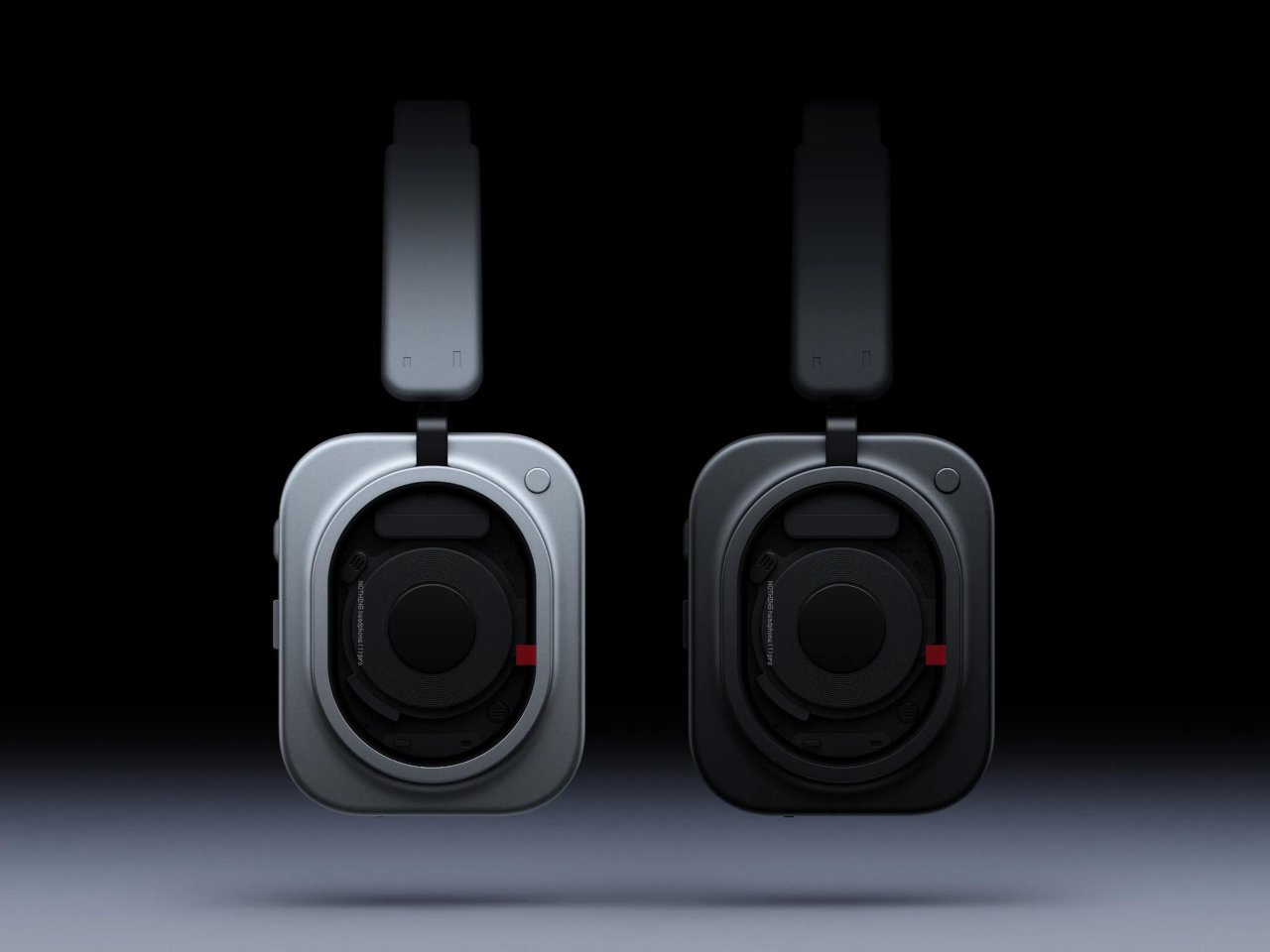
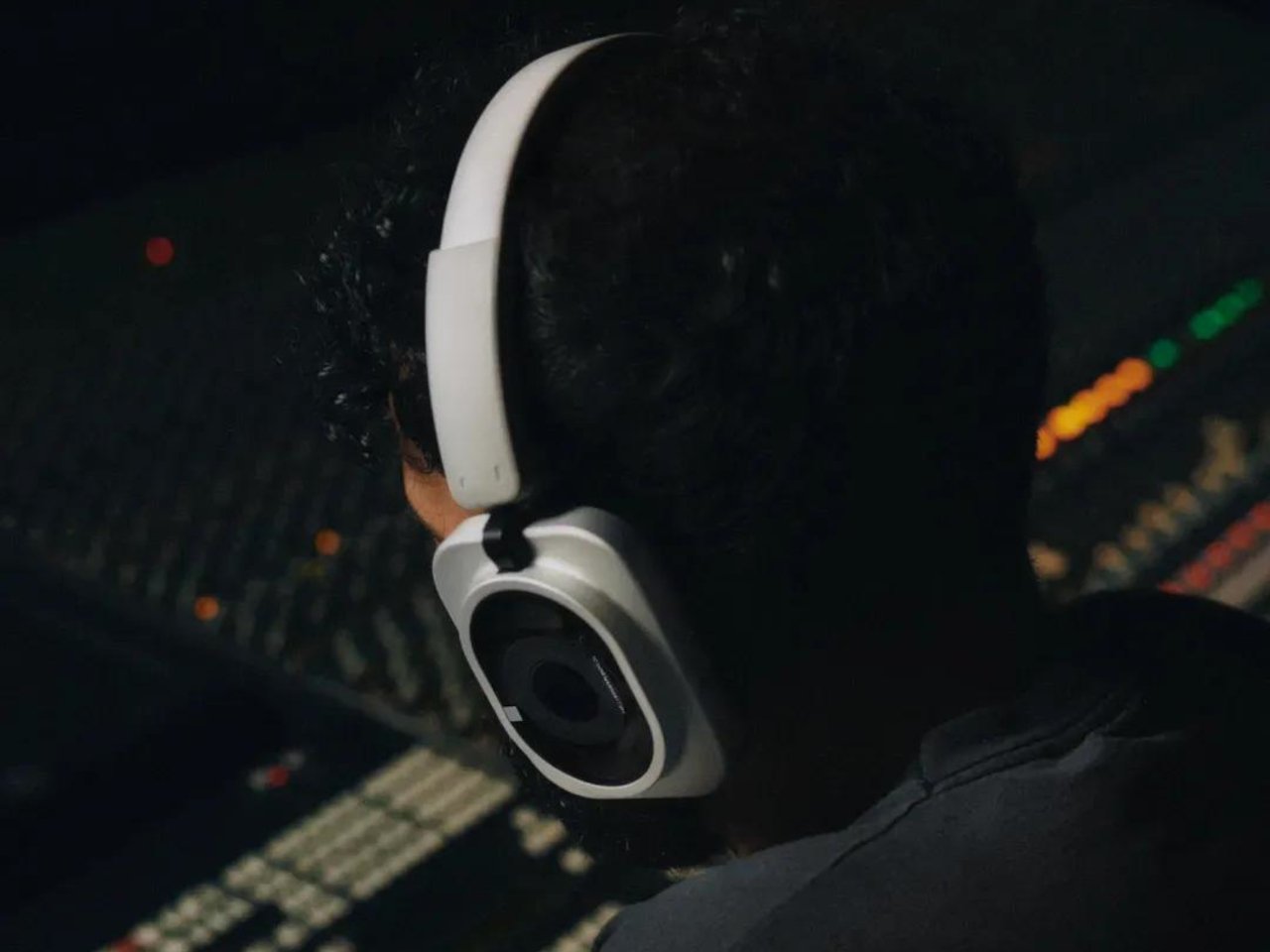
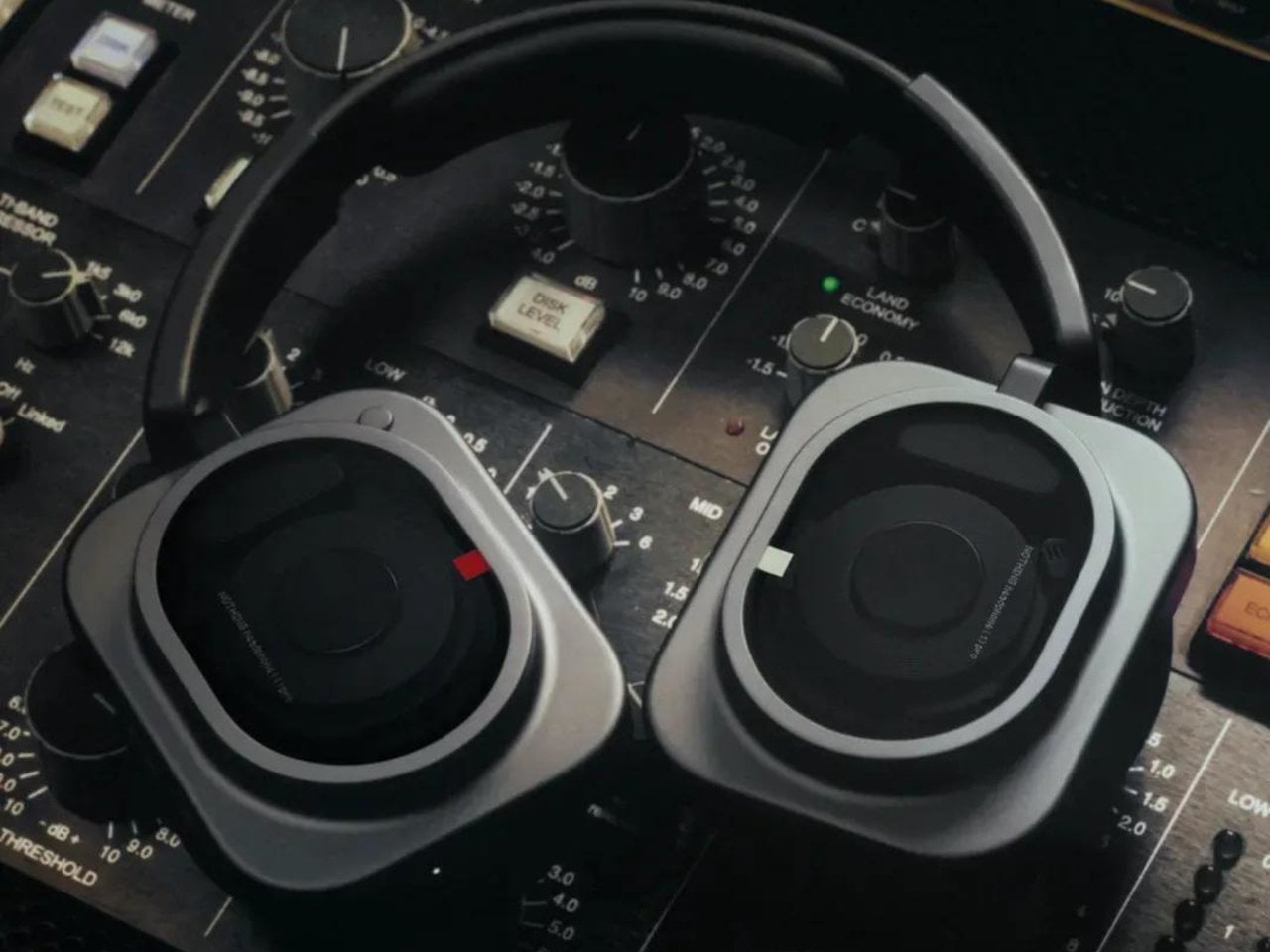
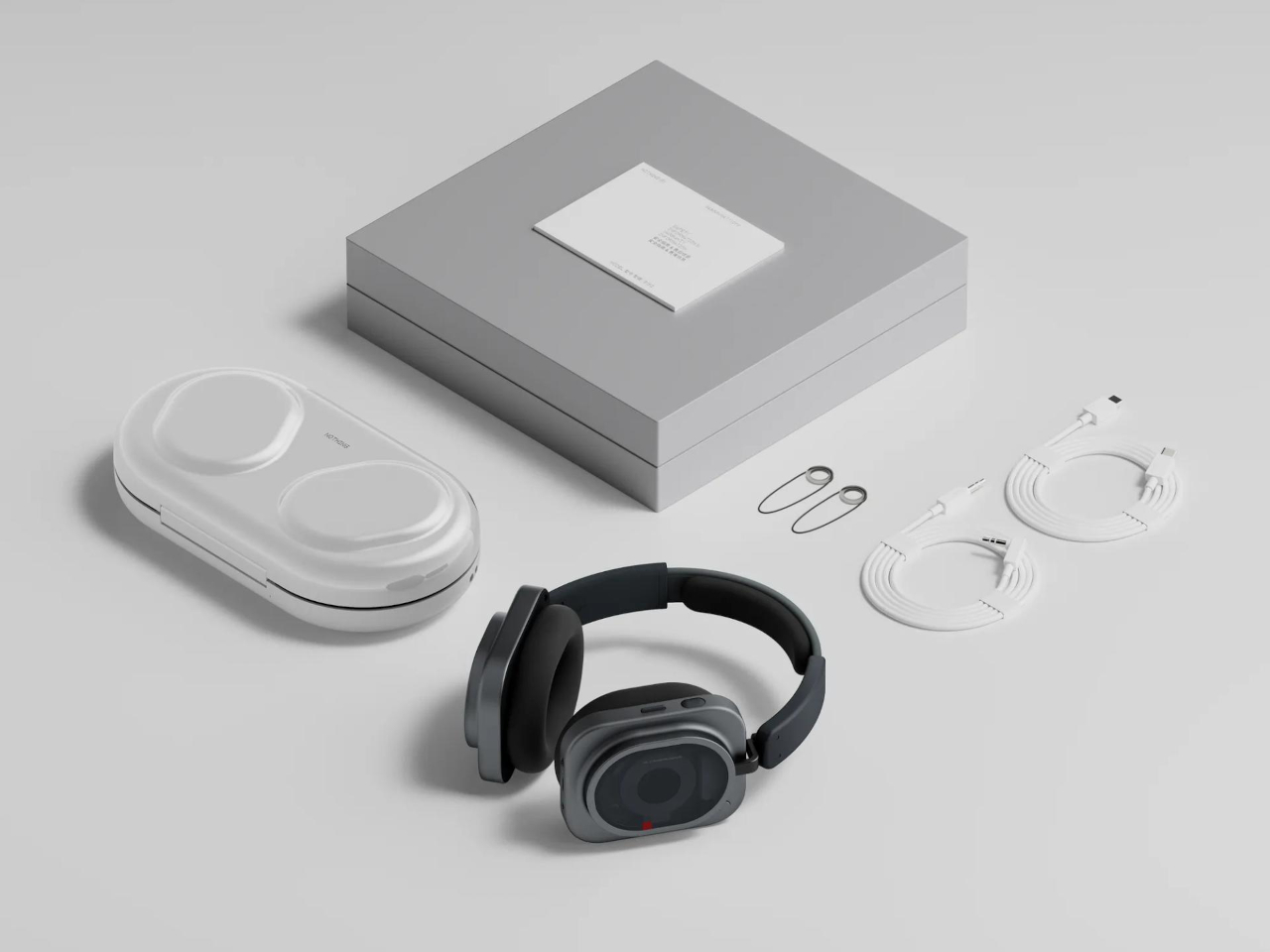
Consumer electronics have usually been opaque, literally and figuratively, but there was a time when manufacturers actually glorified transparent designs. Nothing tried to bring back that design, as well as that culture, including its first over-ear headphones that let you see part of what makes it tick. The new Headphones (1) Pro pushes that even further by cramming three separate drivers in each cup, then pricing it at only $399. It’s clearly aiming for the likes of Sony, Bose, and Apple, but with an important promise: better sound should look like something rather than nothing at all.
Three drivers isn’t merely a “more is better” kind of deal. It drastically changes how a cup functions by splitting roles: a 40 mm dynamic driver handles bass, a smaller precision driver takes the mids, and a solid-state xMEMS unit with a silicon diaphragm covers treble. This helps avoid muddiness that results from a single driver trying to cover the entire frequency range, especially at the same time.
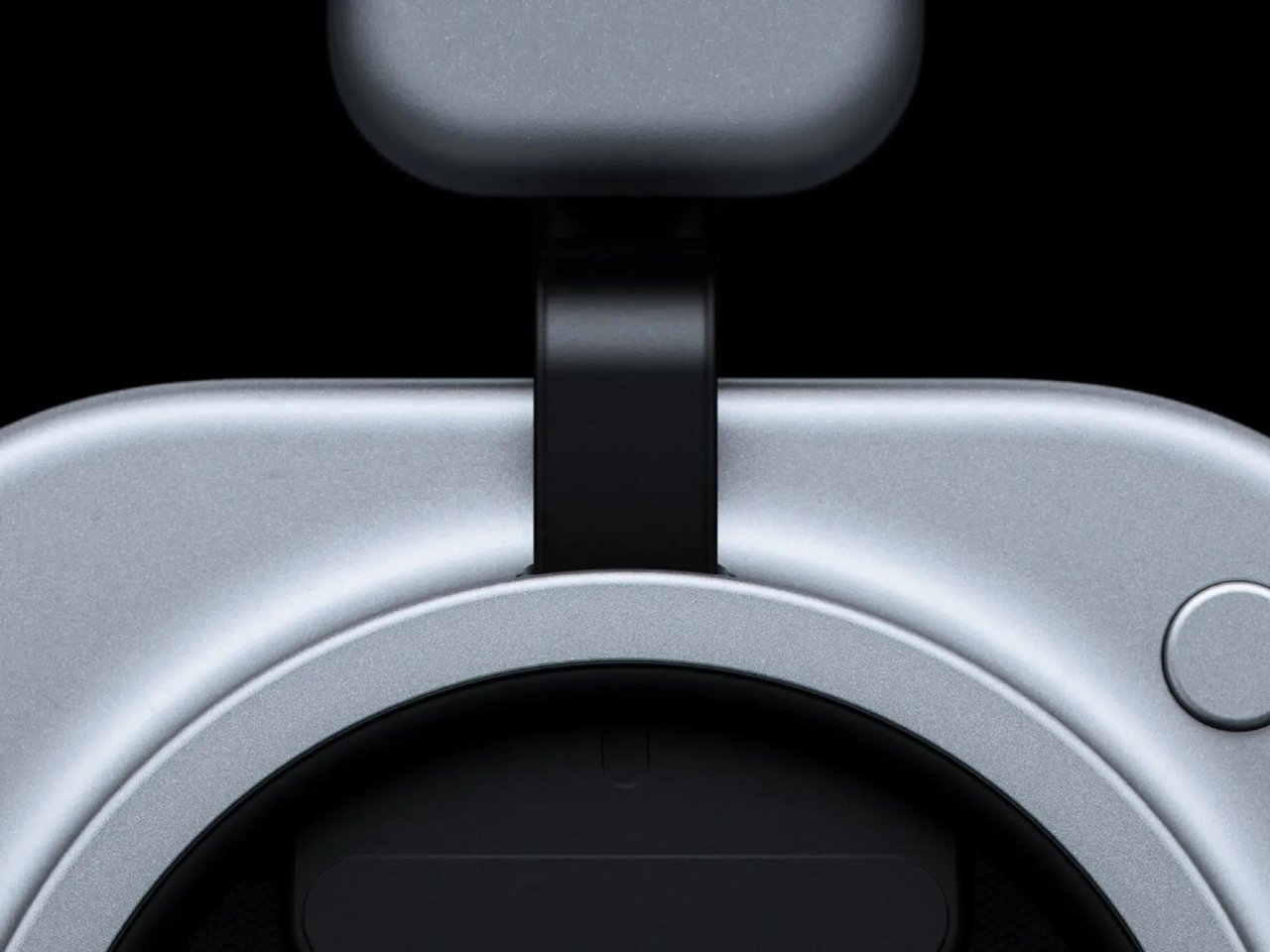
With titanium arms and glass panels, it’s a design and engineering miracle that the Headphones (1) Pro is actually 2 grams lighter than its predecessor at 327g. That’s thanks to Nothing’s typical outside-the-box thinking, modifying the internal frame structure rather than simply swapping out materials. It might sound over-engineered, but your head and ears will thank Nothing for it, especially during a long cross-country flight.
Those additions don’t come at the cost of comfort, thankfully. With a 10% wider headband, softer cushions, and an 8mm silicone baffle inside each ear pad to improve the seal against your skin, Nothing wants to make you feel like you’re wearing nothing at all, pardon the pun.
Glass sounds like a disaster waiting to happen, but Nothing’s got you covered here as well with drop tests to ensure its survivability. Even if it does crack, a plastic film still keeps things working so you don’t have to weep over your new travel companion. Plus, the panels are designed to make it easy for a technician to heat it from the outside and remove it, both for replacement as well as for repairing parts inside.
You might think that over-ear headphones wouldn’t need much noise cancellation, but Nothing wasn’t leaving things to chance. A total of 10 microphones are employed for adaptive noise cancellation, advertising a whopping 46db of reduction. There’s a new Flat EQ switch as well, giving listeners a bit more control over tuning, an appeal to those who need to work with sound rather than just listen to it.
The one thing that does take a bit of a hit is battery life, now down to around 30 to 68 hours, with and without noise cancellation, respectively. That said, Nothing makes up for it with super-fast charging that juices up the headphones for around four hours of playback with just five minutes of charging. The Nothing Headphones (1) Pro doesn’t just bump up the specs but has also redesigned the lifestyle accessory to fade into the background, leaving nothing between you and the music you love.
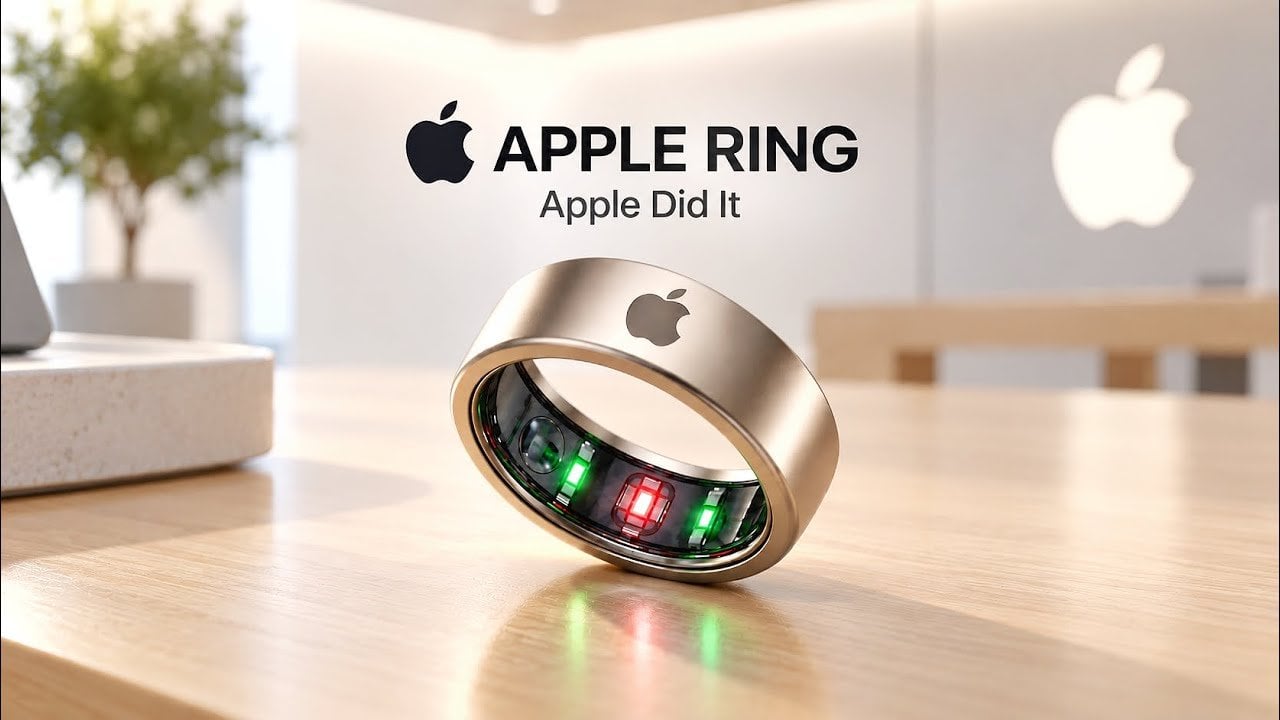
Apple is reportedly developing a new smart ring, tentatively referred to as the Apple Ring. While the company has not officially confirmed its existence, leaks and patent filings suggest that this device could significantly enhance the wearable technology landscape. Compact, lightweight and deeply integrated into Apple’s ecosystem, the Apple Ring is rumored to feature advanced […]
Running AI models locally has become more feasible than ever, with hardware options ranging from microcontrollers to high-performance GPUs. Tina Huang explores this diverse landscape, breaking down how devices like the Arduino R4 Uno or RTX 4090 cater to vastly different AI needs. For instance, while microcontrollers excel at lightweight tasks like object detection in […]
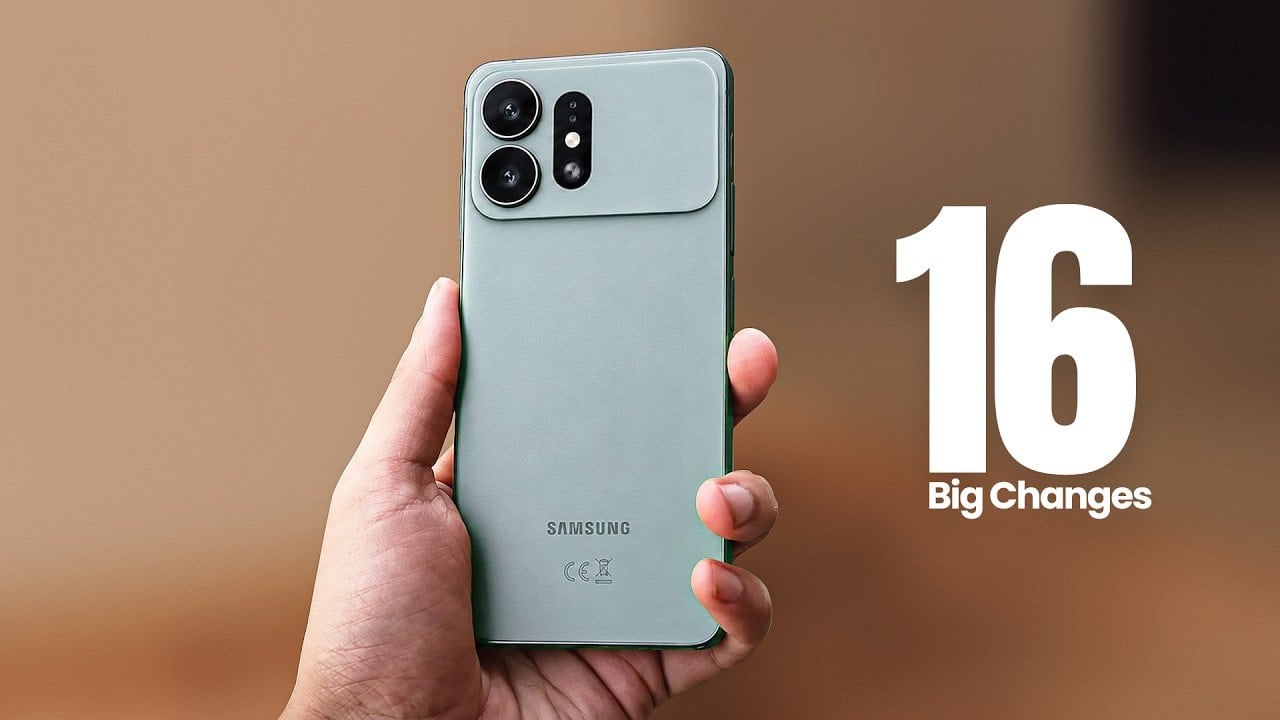
The Samsung Galaxy S27 Ultra introduces a range of advancements, redefining what users can expect from a flagship smartphone. With a focus on design, performance and usability, this device aims to cater to both tech enthusiasts and everyday users. However, certain compromises, such as regional chipset variations and the potential use of older memory standards, […]
ETA Prime demonstrates the process of installing SteamOS on the GPD Win Max 3, a device that blends handheld gaming with the functionality of a compact laptop. Using the Steam Deck recovery image, the installation enables features such as full Wi-Fi and Bluetooth support, adjustable screen brightness and a gaming-focused interface. While minor adjustments like […]
Every hobby has its unicorns. Pokémon cards are not the trophy cards handed out at 1998 Japanese tournaments, which change hands privately and rarely. They are the cards that were printed for retail, pulled from packs by ordinary people, and have since become almost impossible to find in perfect condition. CardTrack tracks 2,141 cards from […]
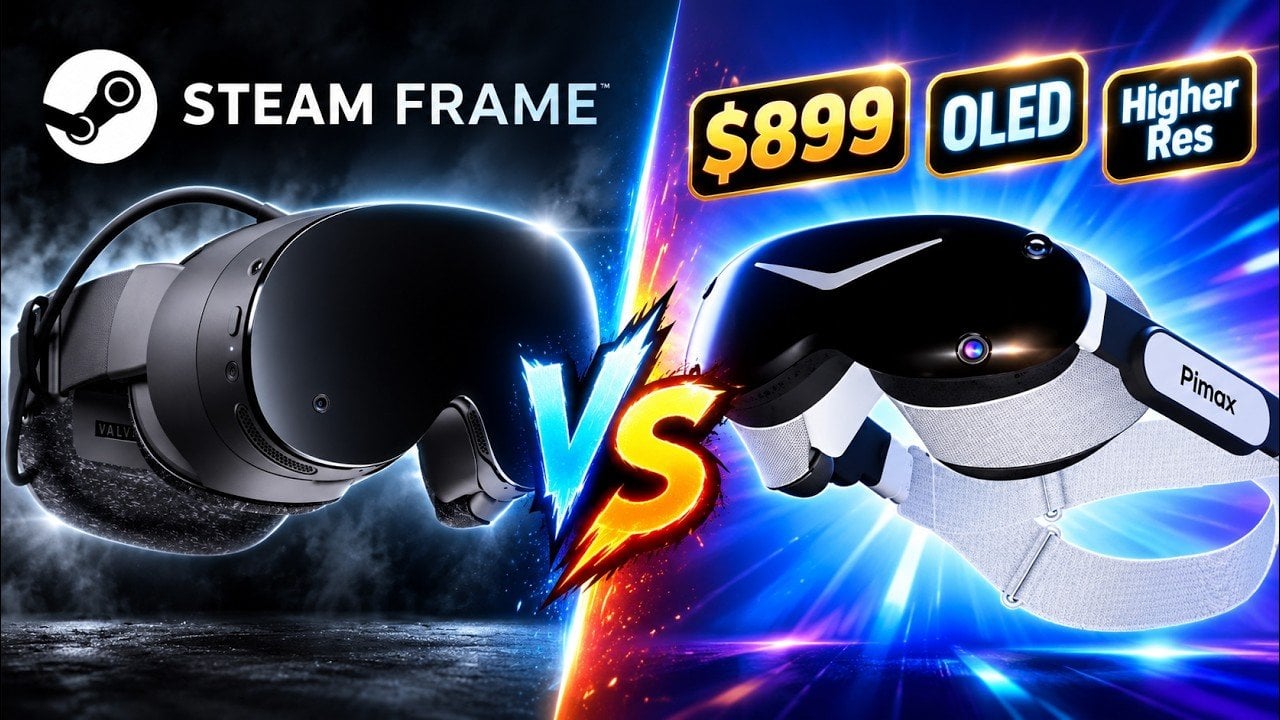
The Pimax Dream Air SE is positioning itself as a serious competitor in the PC VR space, particularly for users seeking high-resolution visuals at a competitive price. Priced at $899 for the Lighthouse version, this headset features advanced micro OLED displays with a resolution of 2560×2560 per eye, offering vibrant colors and deep blacks that […]