The iPhone 18 Pro Max Just Fixed Apple’s Biggest Design Mistake

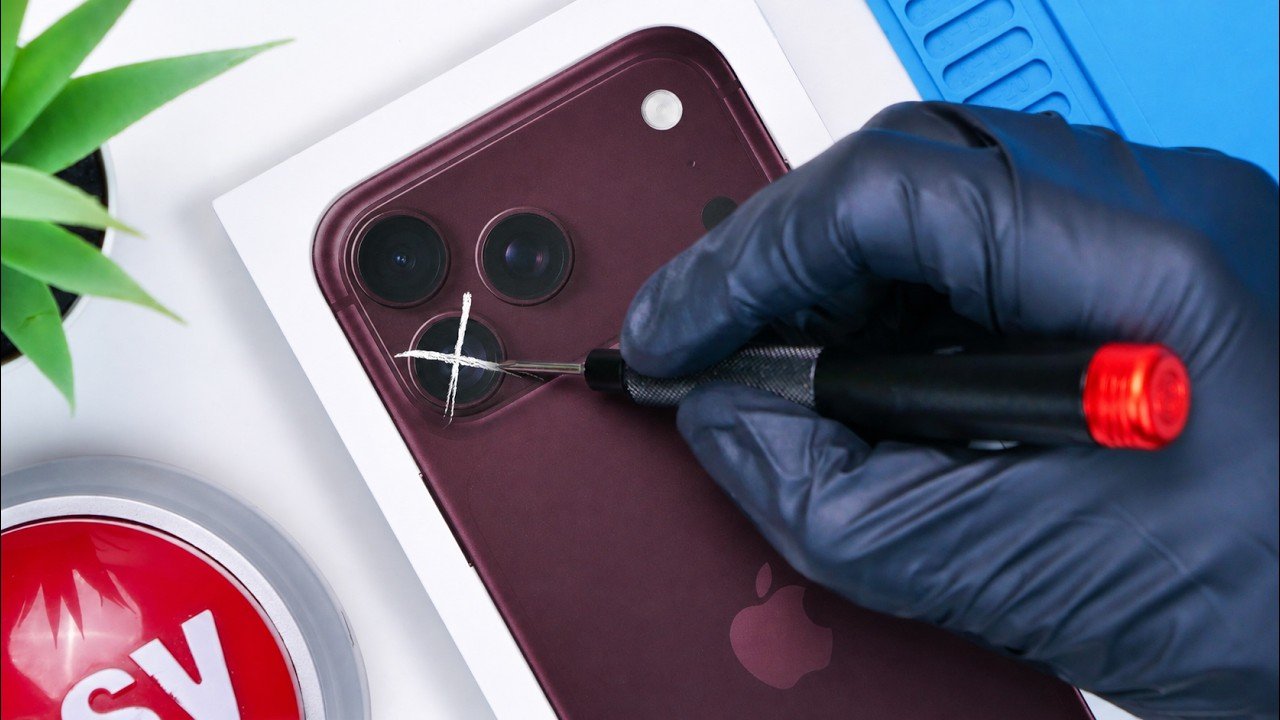
The iPhone 18 Pro Max Just Fixed Apple’s Biggest Design Mistake Concept image focusing on internal Apple components in iPhone 18 Pro Max, with camera and performance upgrades noted.

The iPhone 18 Pro Max is shaping up to be a pivotal addition to Apple’s smartphone lineup, combining subtle design enhancements with meaningful internal upgrades. While it may not introduce a radically new aesthetic, the device is expected to deliver improvements that enhance both usability and performance. These updates reflect Apple’s commitment to refining its […]

The post The iPhone 18 Pro Max Just Fixed Apple’s Biggest Design Mistake appeared first on Geeky Gadgets.

Posted in Uncategorized

All Google users in the US can now change their Gmail address

As of April 1, Gmail will have been around for 22 years. Many of us have a poorly chosen email address that's laced with regret, but we're now stuck with it. We've perhaps had it for longer than most college students have been alive and that's how others get in touch with us. Google is now giving us a chance to move on and change our Gmail address to something more appropriate.

All users in the US can now change their Google Account username — the bit before the @ in your Gmail address. Google said in December that it was gradually rolling out this option to all users.

To change your Google Account username, go to the email settings page. From there, click or tap on Personal info > Email > Google Account email. If the ability to alter your username has been enabled on your account, you'll see a Change Google Account email option. Click on this to start modifying your username.

You'll only be able to change your username once every 12 months. If you do change the address, Gmail will retain all of your previous emails. Handily, your former Gmail name will remain as an alternate email address. As such, people will be able to get in touch with you via either address. You can also sign into Google services using both email addresses.

This article originally appeared on Engadget at https://www.engadget.com/computing/all-google-users-in-the-us-can-now-change-their-gmail-address-141818676.html?src=rss

Samsung Galaxy Z Wide Fold 8 Release Date Tipped: Mark Your Calendars for Late August

Samsung Galaxy Z Wide Fold 8 Release Date Tipped: Mark Your Calendars for Late August Samsung Galaxy Z Wide Fold 8

Samsung’s Galaxy Z Wide Fold 8 is set to bring a refined approach to foldable smartphones, combining advanced features with a focus on affordability. Expected to launch in late August 2026, this device aims to enhance the foldable experience while maintaining a competitive price point. Here’s an in-depth look at what this highly anticipated release […]

The post Samsung Galaxy Z Wide Fold 8 Release Date Tipped: Mark Your Calendars for Late August appeared first on Geeky Gadgets.

Posted in Uncategorized

Prattline Launches $55K Low Tow caravan with rugged build and two-shell expanding design

The trailer industry is moving beyond wooden and wood-based, aluminum-skinned caravans toward more rugged, corrosion- and rot-resistant hard-bodied construction. Other features gaining popularity in hard-sided trailers include auto-lifting roofs and compact models that expand at the sides and rear to increase living space. A pioneer of the former, Prattline in Australia, is revisiting its lineup of lifting-roof models with the launch of the new Low Tow for off-road travel.

The 2026 Low Tow is a compact off-roading camping trailer designed for lightweight towing. It is cut out for the farthest and remotest adventures with a two-shell design featuring sliding walls for low drag and a comfortable ride on all types of roads.

Designer: Prattline RV

The Low Tow with its dual shell body – an upper shell that resides over the lower shell – can ride low, and when at the camp, the upper shell can lift up to create a full-height camping form factor. The past generations of the Prattline Low Tow travel trailers used hydraulic cranks to lift the roof. The new generation model does the lifting and lowering of the roof electronically at the touch of a button. Resulting in a swift and instant transition.

The trailer measures under 23 feet in length, and with the roof open, the caravan becomes 9.2 feet tall. When the upper shell is closed, it is only 6.2 feet high on the inside. It folds down without disturbing the layout, furniture, or any other element on the inside. A highlight here is the caravan’s two-piece Dutch door. The vertically sliding two-part door closes and opens without hindrance of any kind, and stays flush to the body for ease of driving.

The Low Tow features a fiberglass frame, has double-glazed windows, and an anti-rot honeycomb flooring on the inside. Since it is built for off-roading, the caravan is based on a tapered galvanized chassis, features a 2,600 kg rated independent coil suspension, and twin shock absorbers. The caravan, characterized by a high ground clearance chassis, has a slide-out galley complete with a four-burner gas stove, sink, and an expandable worktop with drying rack below.

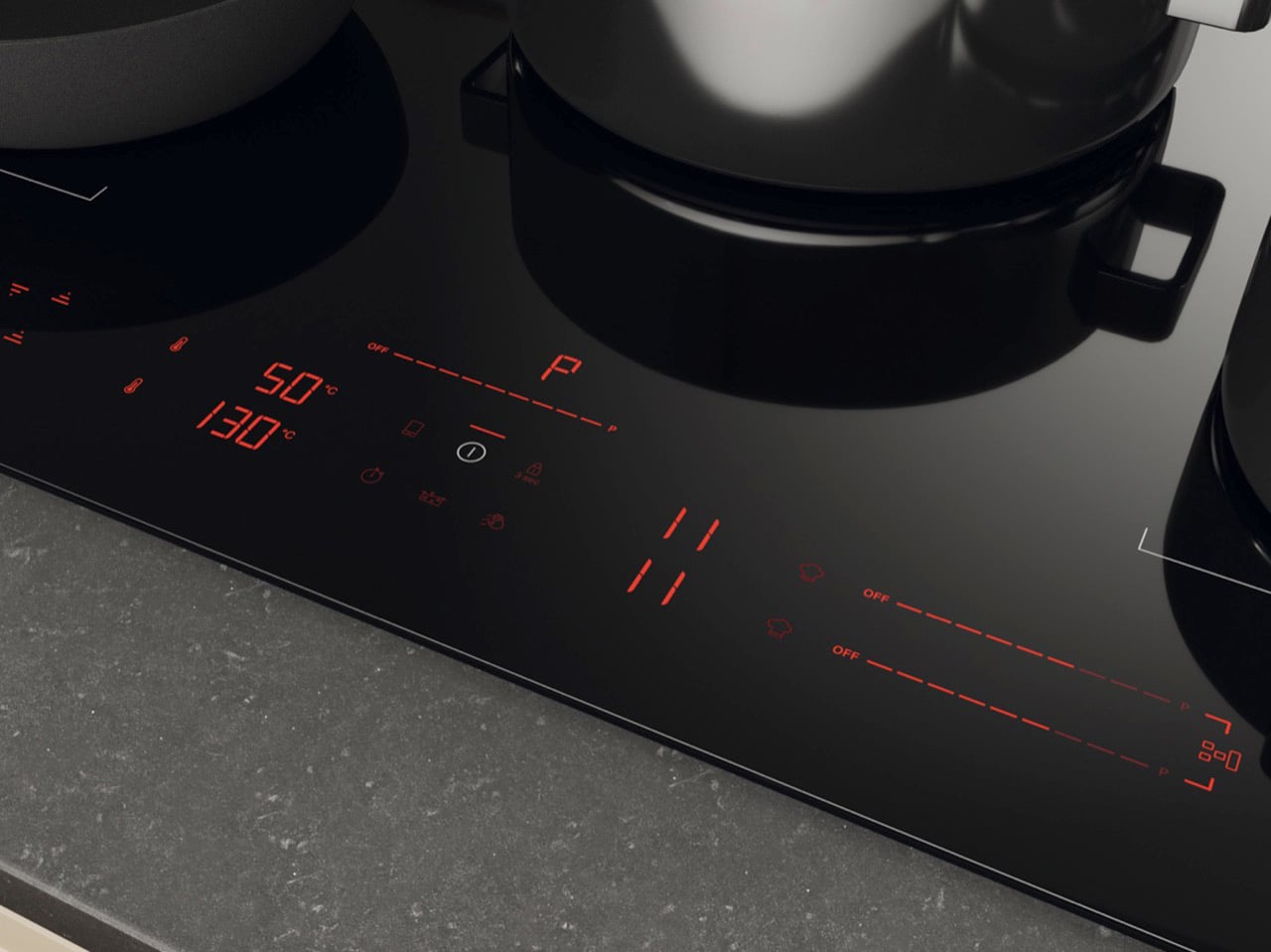
It doesn’t mean the interior is devoid of a kitchen. A little section on the inside is earmarked for the kitchen, equipped with a dual-burner induction, 12V compressor fridge, and a sink with a cover to double as a prep area. The temperature indoors is maintained by an air-conditioning and heating unit, while its 80L fresh and gray water tanks take care of the water requirements. Power needs are handled by a 600Ah LFP battery powered by a 600W solar panel and a 2,000W inverter.

A wet bathroom with a fabric upper body that collapses when lowering the roof is an interesting part of the Low Tow, which resides next to the primary bed. The cabin, outlined with modern furnishing and interlocking cabinetry, has a double island bed with a high-density foam mattress measuring 200 cm × 150 cm. A dinette just nearby can be converted to create a second bed. Other interesting features of the new AU$79,990 (about $55,000) Low Tow include an outdoor shower and a smart TV for entertainment.

The post Prattline Launches $55K Low Tow caravan with rugged build and two-shell expanding design first appeared on Yanko Design.
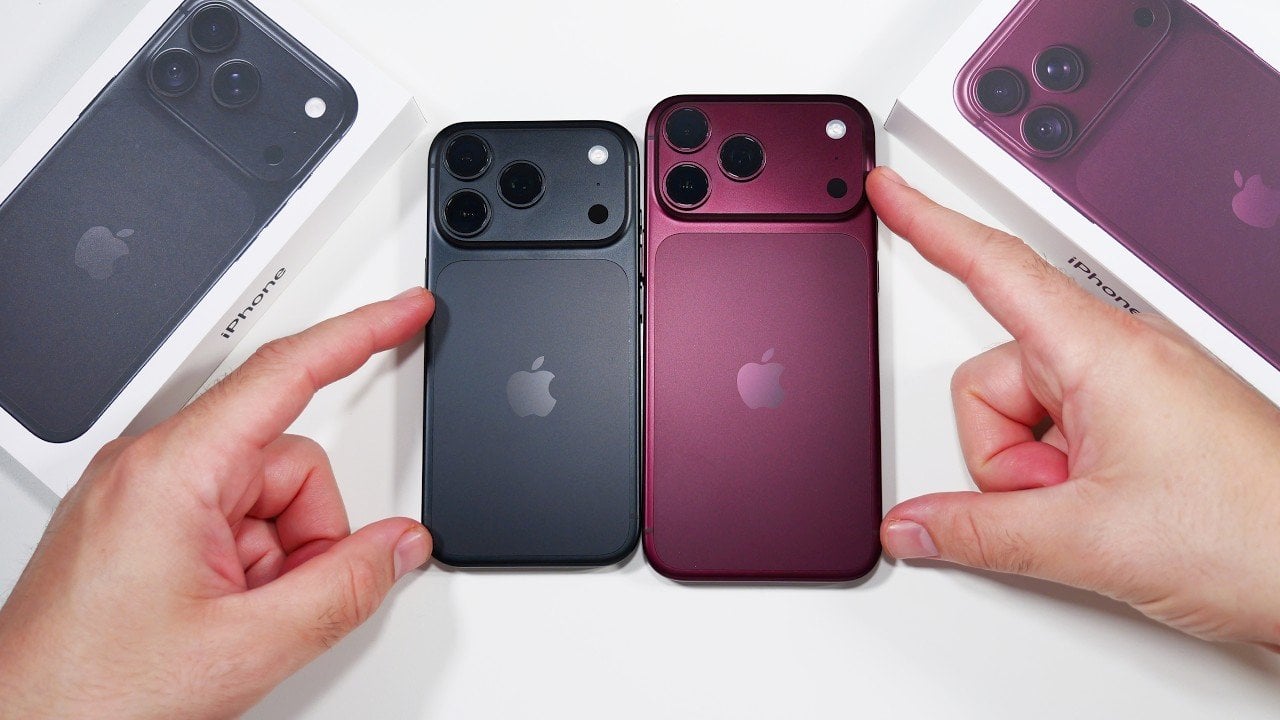
Leaked: Why Apple Delayed the 2026 Apple TV (and Why the Wait is Worth It)

Leaked: Why Apple Delayed the 2026 Apple TV (and Why the Wait is Worth It) Close view of an Apple A17 Pro chip graphic, representing the expected processor upgrade for Apple TV.

Apple is reportedly gearing up to launch a new Apple TV in April or May 2026, strategically timed just ahead of its annual Worldwide Developers Conference (WWDC) in June. This calculated release window could provide developers with the opportunity to test and optimize their applications on upgraded hardware before the debut of tvOS 27. With […]

The post Leaked: Why Apple Delayed the 2026 Apple TV (and Why the Wait is Worth It) appeared first on Geeky Gadgets.

Posted in Uncategorized

New Gemini 3.5 Stealth Model & Gemini 3.1 Flash "White Water”

New Gemini 3.5 Stealth Model & Gemini 3.1 Flash Arena battle mode screen showing Gemini 3.1 Flash matchups, rankings, and response speed results.

World of AI examines the Gemini 3.5 Stealth model, the latest addition to Google’s Gemini AI series, designed with a focus on speed and adaptability in dynamic settings. Building on the Gemini 3.1 Flash, this version has shown promise in generating functional outputs like SaaS landing pages and Mac OS-inspired systems during testing. While it […]

The post New Gemini 3.5 Stealth Model & Gemini 3.1 Flash “White Water” appeared first on Geeky Gadgets.

Posted in Uncategorized

NVIDIA’s DLSS 4.5 Multi Frame Generation tech is now available to boost your Hz

After releasing DLSS 4.5's Super Resolution feature earlier this year, NVIDIA has released an update with DLSS 4.5 features designed to boost frame rates on RTX 50 series cards. Those include DLSS 4.5 Dynamic Multi Frame Generation and DLSS 4.5 Multi Frame Generation 6X. With those, NVIDIA is promising the "smoothest path-traced gaming yet" to unlock the potential for high-refresh 4K 240Hz OLED gaming displays, or 1080p and 1440p monitors at 360Hz and beyond. 

The first feature, DLSS 4.5 Dynamic Multi Frame Generation, is like an "automatic transmission" for your RTX 50 series card, NVIDIA said. Rather than multiplying the frame rate by a fixed amount, the AI-powered feature changes it dynamically to strike a balance between refresh rate, image quality and responsiveness. To optimize computing power, it ensures that a game's frame rate doesn't exceed your monitor's native refresh rate, so you won't play at 240 fps on a 120Hz monitor.

The other key feature, Multi Frame Generation 6X, is designed to deliver even higher levels of performance. Based on NVIDIA's second-gen transformer model, along with frame pacing and image quality improvements, the feature boosts the maximum multiplier to 6X, generating up to five extra frames for every natively rendered frame on GeForce RTX 50 series GPUs. That will boost 4K frame rates up to 35 percent "with minimal impact to responsiveness," NVIDIA wrote. 

As with Super Resolution, the native frame rate of a game is not accelerated by these features. Rather, the DLSS 4.5 feature uses AI to create interpolated intermediate frames the machine "thinks" should be there. Normally this works fine, but the scheme can create odd artifacts in certain types of scenes, particularly with fine details like rain, hair and phone wires.

Still, the tech allows for smoother gaming with a minimal increase on your GPU's burden. It's now available for NVIDIA RTX 50 series cards, and as NVIDIA announced earlier, there are a number of games supporting the MFG features. Those include 007 First Light (May 27th), CONTROL Resonant, Directive 8020 (May 12th) and Tides of Annihilation

This article originally appeared on Engadget at https://www.engadget.com/gaming/pc/nvidias-dlss-45-multi-frame-generation-tech-is-now-available-to-boost-your-hz-130035249.html?src=rss

Beyond the Phone Screen: Why the Xtra Camera Ecosystem is the Ultimate Coachella 2026 Essential

Beyond the Phone Screen: Why the Xtra Camera Ecosystem is the Ultimate Coachella 2026 Essential Xtra 360

The countdown to the Empire Polo Club is on. Coachella 2026 is shaping up to be a historic milestone—the festival’s 25th anniversary, headlined by Sabrina Carpenter, Justin Bieber, and Karol G. But as you finalize your packing list of desert-ready outfits and hydration packs, there is one “essential” that might actually be sabotaging your weekend: […]

The post Beyond the Phone Screen: Why the Xtra Camera Ecosystem is the Ultimate Coachella 2026 Essential appeared first on Geeky Gadgets.

Posted in Uncategorized

The latest Ray-Ban Meta smart glasses are more customizable and expensive

The latest iteration of Meta's smart glasses has arrived and, as rumored, they are more customizable, particularly for people who need prescription lenses. Meta and Ray-Ban parent company EssilorLuxottica revealed two new styles of frames: the Ray-Ban Meta Blayzer Optics and Scriber Optics, which will start at $499 a pair. 

The latest glasses are still considered to be part of the "Gen 2" Ray-Ban Meta glasses, but they do come with a few upgrades that make it easier to get a personalized fit. According to EssilorLuxottica, both styles have somewhat slimmer frames, swappable nosepads and adjustable temple tips so wearers can get a better fit. And, as the "optics" branding implies, the new frame styles are also compatible with a wider variety of prescription lenses, including progressive lenses and transition lenses. 

The Blayzer style frames are more square, similar to the existing Wayfarer glasses, while the Scriber version is a little more rounded, like the "Headliner" style frames. Both come in a variety of colors including some translucent styles and are available now for pre-order on Meta's website and will be on sale April 14. The "optics" lineup will also be sold at more physical retail stores, including LensCrafters, Sunglass Hut, Salmoiraghi & Viganò, Apollo, Grand Vision Optical, Vision Express and other locations that are part of EssilorLuxottica's distribution network.

The round, "Scriber" frames.
EssilorLuxottica

The new lineup of glasses is also more expensive, with a starting price of $499, compared with Meta's standard Wayfarer Gen 2 model, which starts at $379. That price doesn't include prescription lenses either, which can easily run $200-$300 or more, depending on your setup. 

One benefit of that investment, though, is that Meta has consistently added new features to its smart glasses. And with the latest frames, the company is bringing some additional capabilities to all users. These include new translation support for Japanese, Mandarin and Arabic; as well as Meta AI-enabled food and nutrition tracking. Meta AI can also summarize longer message threads rather than simply reciting a long string of messages in a given chat.

This article originally appeared on Engadget at https://www.engadget.com/wearables/the-latest-ray-ban-meta-smart-glasses-are-more-customizable-and-expensive-130000553.html?src=rss

The RAM crisis is Apple’s best chance in decades to capture the PC market

In the current RAM crisis, no company is better positioned to not only weather the storm but turn it to its advantage like Apple. It proved that when it released the MacBook Neo in early March. Despite only including 8GB of RAM, the Neo doesn't feel compromised, a testament to the company's silicon and software engineering. For Apple, it may be tempting to treat its latest MacBook as a one-off. That would be a mistake, because at this moment, the business decisions that made the Neo possible represent a once-in-a-generation opportunity to become a bigger player in the PC market. 

If you read Engadget, there's a good chance you know the contours of the global memory shortage, but it's worth repeating just how bad things have become in recent months. Just three companies — SK Hynix, Samsung and Micron — produce more than 90 percent of the world's memory chips. At the end of last year, Micron announced it would end its consumer-facing business to focus on providing RAM and other components to AI customers.  

Citing data from TrendForce, The Wall Street Journal reported in January that data centers would consume 70 percent of the high-end memory produced in 2026. As the Big Three shift more of their production to meet enterprise demand, they're allocating fewer wafers for consumer products, leading to dramatic price increases in that market segment. According to data from Counterpoint Research, the price of memory — including consumer RAM kits and SSDs, as well as LPDDR5X memory for smartphones — increased by 50 percent during the final quarter of 2025. Before the end of the current quarter, the firm predicts prices will increase by another 40 to 50 percent, and the CEO of SK Hynix recently warned shortages could last until 2030

Since nearly all consumer electronics need some amount of RAM and storage, the trickle-down effects have come fast and hard. In December, before the situation got as bad as it is now, TrendForce warned that most of the major PC manufacturers were either considering, if not already planning, price hikes. This month, the firm warned laptop prices could increase by as much as 40 percent if manufacturers and retailers moved to protect their margins. Such a scenario would send the cost of a $900 model to about $1,260.

Amid all that, Apple added another point of pressure: the $600 MacBook Neo. During a recent investor call, Nick Wu, the chief financial officer of ASUS, described the Neo as "a shock to the entire market," adding "all PC vendors, including upstream vendors like Microsoft, Intel and AMD" are taking the cute device "very seriously." Wu warned ASUS would "need more time" before it could ready a response.         

For ASUS and other Windows manufacturers, any response realistically may take a year or more to formulate. That's because the Neo represents both a technical and logistical hurdle. 

To start, it's a fundamentally different machine from the one most Windows OEMs are making right now. It has the advantage of using "unified memory" instead of a set of traditional RAM modules. The 8GB of RAM the Neo has is shared between the A18 Pro's CPU and GPU, meaning it can more efficiently use the RAM that it does have. That's part of the reason the Neo doesn't feel like a Windows PC with 8GB of RAM. Apple didn't get to the A18 Pro and the MacBook Neo by accident. It has spent more than a decade designing its own chips. 

Since 2024, Microsoft has mandated 16GB of RAM — and 256GB of solid-state storage — for PCs that are part of its Copilot+ AI program. That branding effort may not have amounted to much, with Copilot+ AI PCs accounting for just 1.9 percent of all computers sold in the first quarter of 2025, but it did push OEMs, including ASUS, Dell and others to make more capable machines. It also saw Microsoft rework Windows to better support ARM-based processors from Qualcomm. Still, it's hard to see how Windows manufacturers can challenge Apple by going back to existing or older x86 chips with with less RAM. 

Qualcomm's Snapdragon X2 processors could offer a potential response, but there are question marks there too. At CES 2026, the company announced the Snapdragon X2 Plus, a pared down version of its X2 Elite chipset with a six-core CPU. On paper, it should offer similar performance to the A18 Pro, but it doesn't seem Qualcomm has produced the chip at scale or that Windows OEMs have shown much interest in it. As of the writing of this story, the company's website lists just four X2 Plus-equipped models. I was only able to find one of those in stock, the $1,050 HP Omnibook 5. It has an OLED screen and more RAM than the Neo. Could HP repurpose something like the Omnibook 5 to take on the Neo? Maybe, but I'm not sure there's getting around the need for 16GB to get Windows 11 running decently.    

Even if the Snapdragon X2 Plus offers a stopgap measure, no company operates a supply chain quite like Apple. It has spent billions of dollars to make itself independent of companies like Qualcomm by designing its own Wi-Fi and Bluetooth chips, for example. It also doesn't need to pay Microsoft a licensing fee to use a bloated Windows 11. Those are all factors that lead to OEMs like ASUS and Lenovo operating on razor thin margins.  

Per Statista, Apple earned a nearly 36.8 percent gross profit margin on its products in 2025. That's almost exactly half as much as the gross margin it made on services, which grew to a record 75.4 percent last year. For comparison, ASUS has seen its profit margins erode to about 15.3 percent in recent quarters, or less than a third of Apple's 2025 average of 46.9 percent. For ASUS and other Windows OEMs, the short-term outlook isn’t good. HP recently told investors RAM now accounts for more than a third of the cost of its PCs. And if memory shortages continue, many of them will be forced to raise their prices to protect their margins. 

Apple is in no such position. The iPhone recently had its best quarter ever, contributing $85.27 billion to the company's Q1 revenue. The fact that Mac revenue declined from $8.9 billion to $8.3 billion year-over-year didn't make a dent to Apple's bottom line. For the companies that must now compete against the Neo, it's not a fair playing field. To Lenovo, Dell, HP and ASUS, PC sales are almost everything to their business. For Apple, it's a side hustle.       

As the company prepares to kick off its 51st year, it should consider it may never be in a better position to claw ahead in the market where it all started for the company. In both the PC and smartphone segments, Apple's market share has always been a distant second (and sometimes third and forth) to Windows and Android, in part because commoditization has consistently worked against the company. But when a single part now accounts for a third of the cost of a new PC, the regular rules don't apply. 

It's not just that the company is better insulated than nearly every other player against runaway RAM costs, it's that it also has a technological edge and the profit margins to compete on price at the same time. In recent quarters, the company's share of the PC market has hovered around the 9 to 10 percent mark, meaning it's consistently been about the fourth largest manufacturer. 

For as long as the RAM shortage continues, Apple should seriously consider sacrificing some of its PC profits to become a bigger player. So far, the company has moved to protect the margins on its more expensive devices. For example, it increased the price of the latest MacBook Air and MacBook Pro by $100. The company doubled the amount of base storage to make up for the hike. 

Moving forward, it should do everything it can to maintain, and maybe even lower the price of its computers to a point where its competitors can't meet it. If the Lenovos and HPs of the world can't compete on either price or performance, consumers will move to Mac computers. As Apple looks to the next 50 years, it may not get another opportunity like the one it has right now. 

This article originally appeared on Engadget at https://www.engadget.com/computing/laptops/the-ram-crisis-is-apples-best-chance-in-decades-to-capture-the-pc-market-130000672.html?src=rss