This Teenage Engineering inspired laptop is a creative sound engineers dream come true

One thing all digital creatives need is a good machine to support their endeavors. The same holds true for music that pleases our ears, and no one knows it better than Teenage Engineering. The Swedish consumer electronics brand has made a name for itself in the last couple of years courtesy of its unique design language and the sublime ability to blend visually striking form factor with the musical experience.

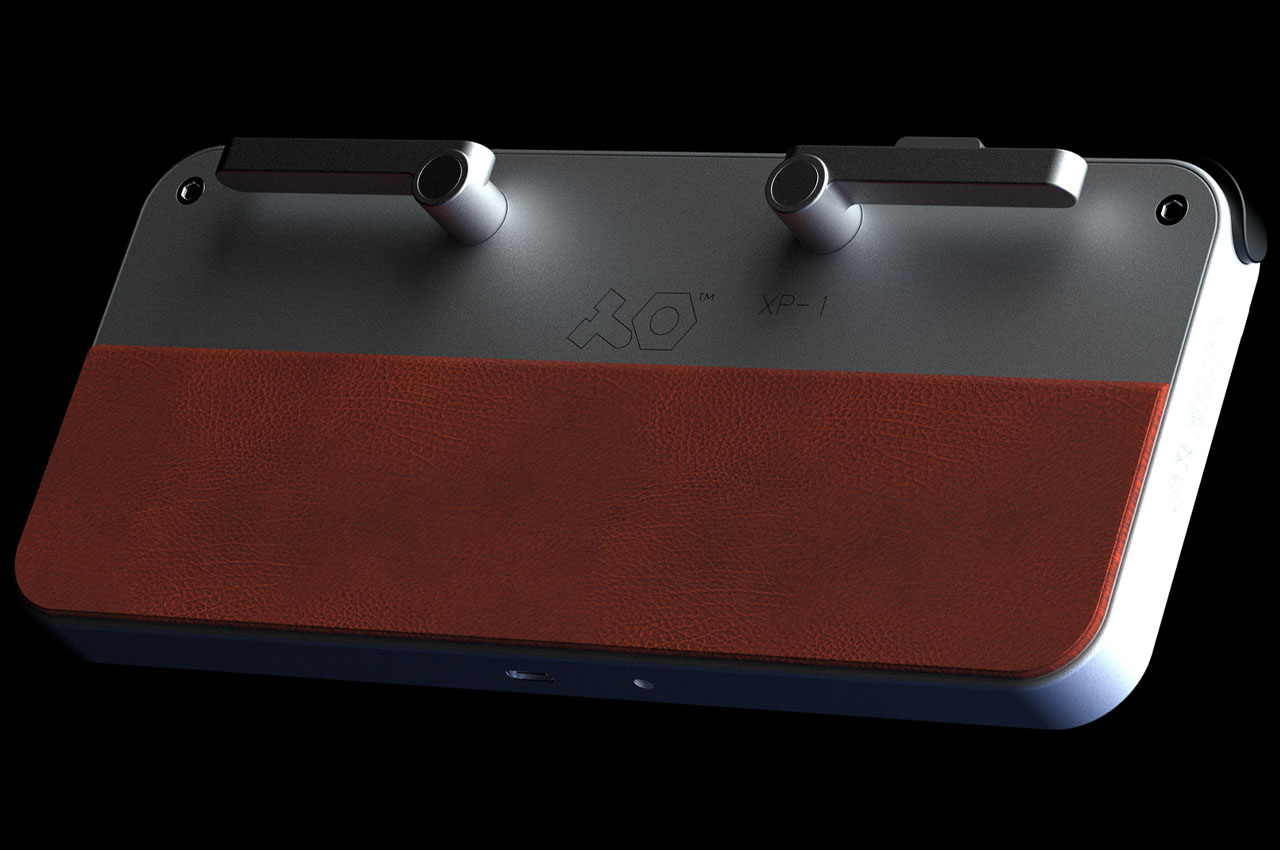
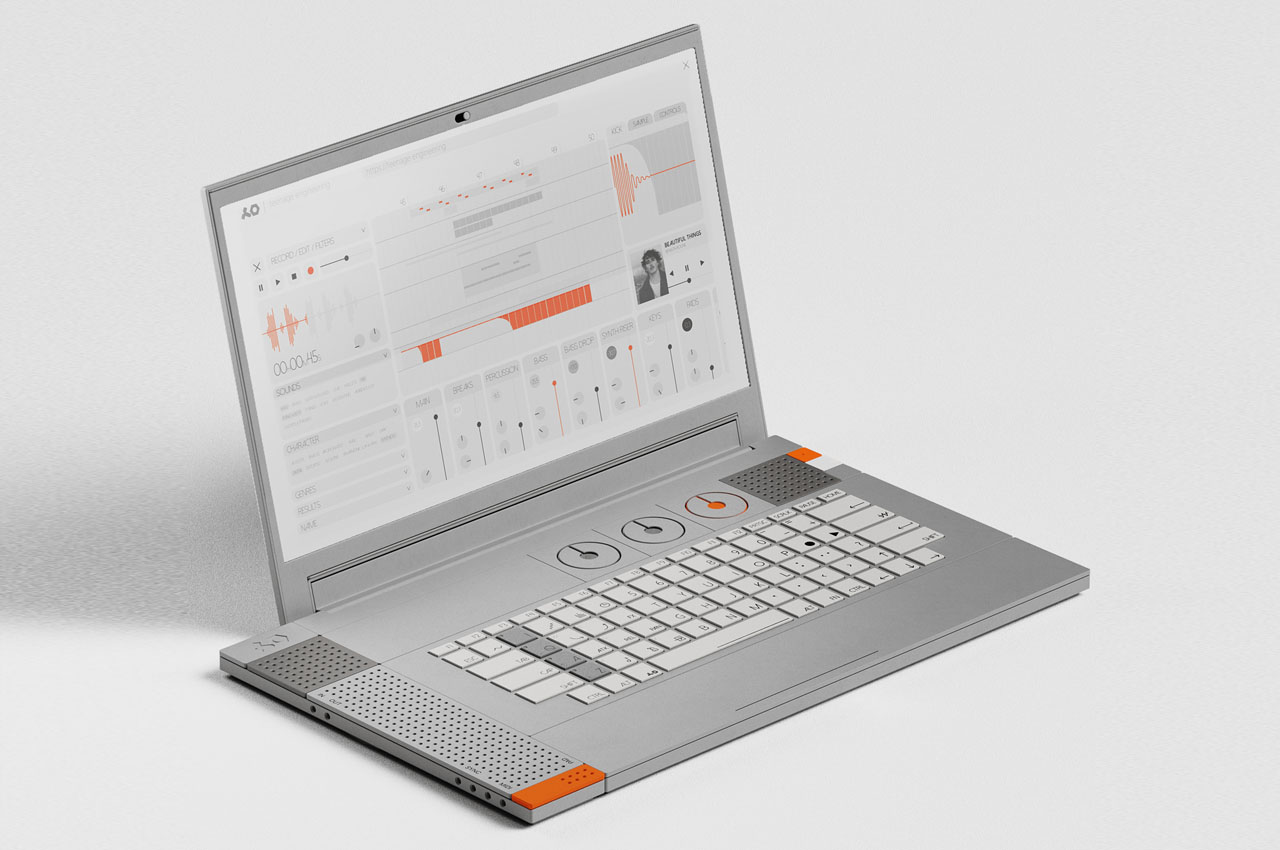
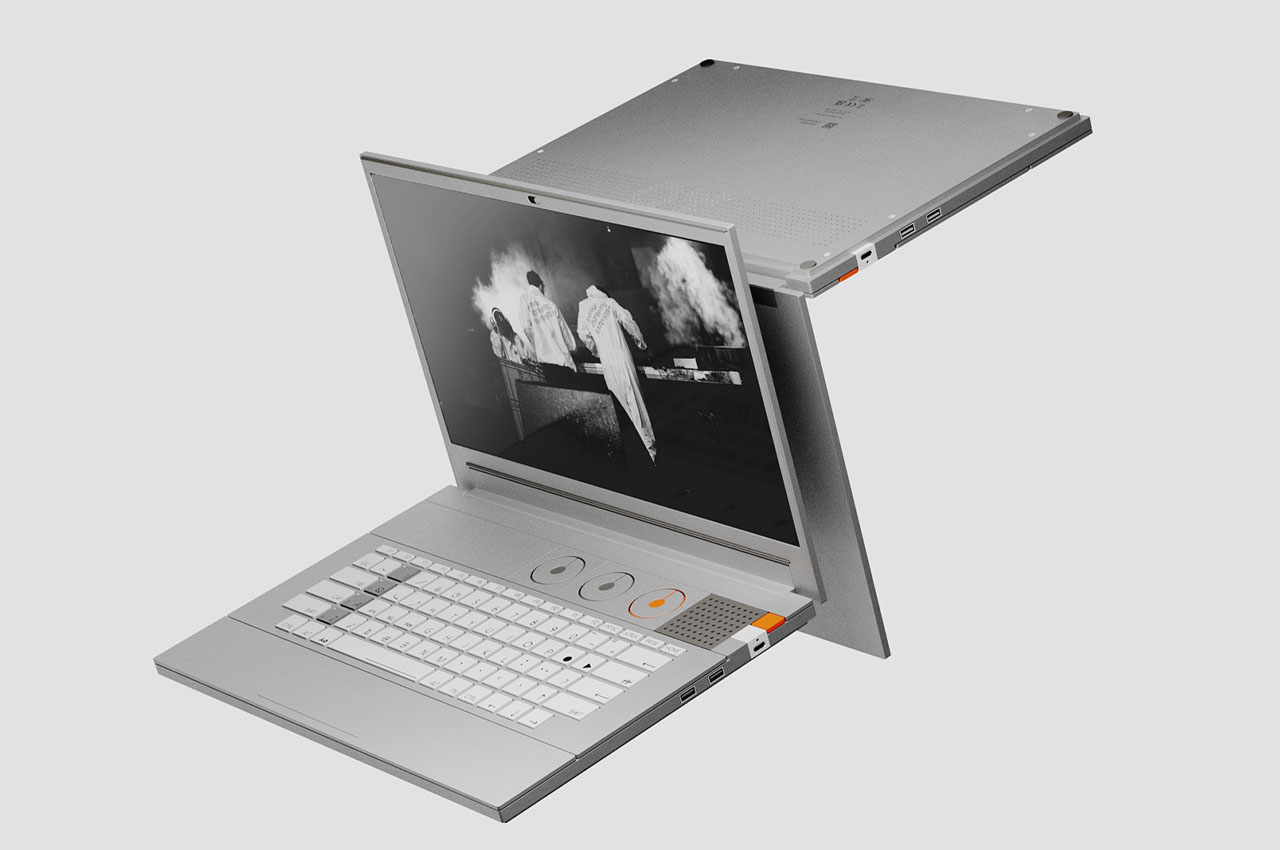
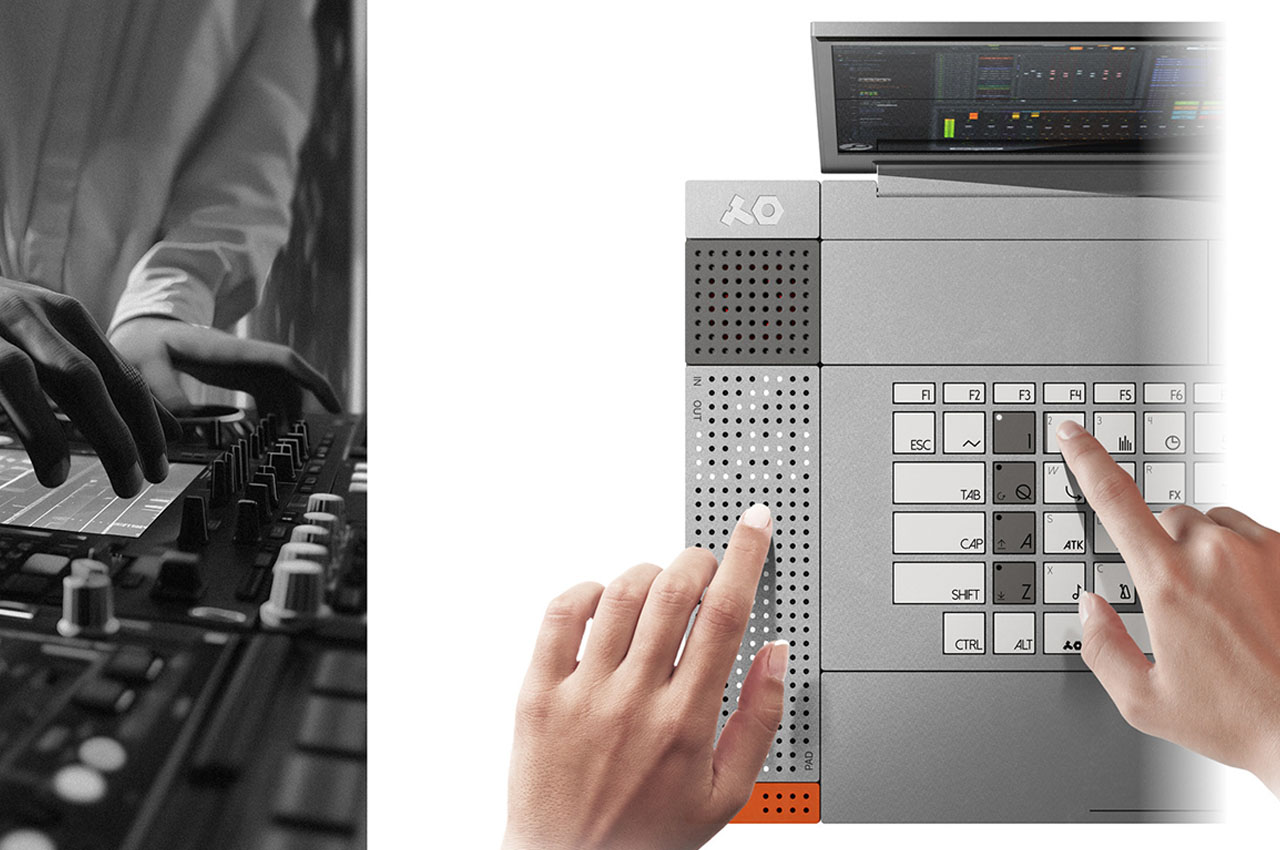
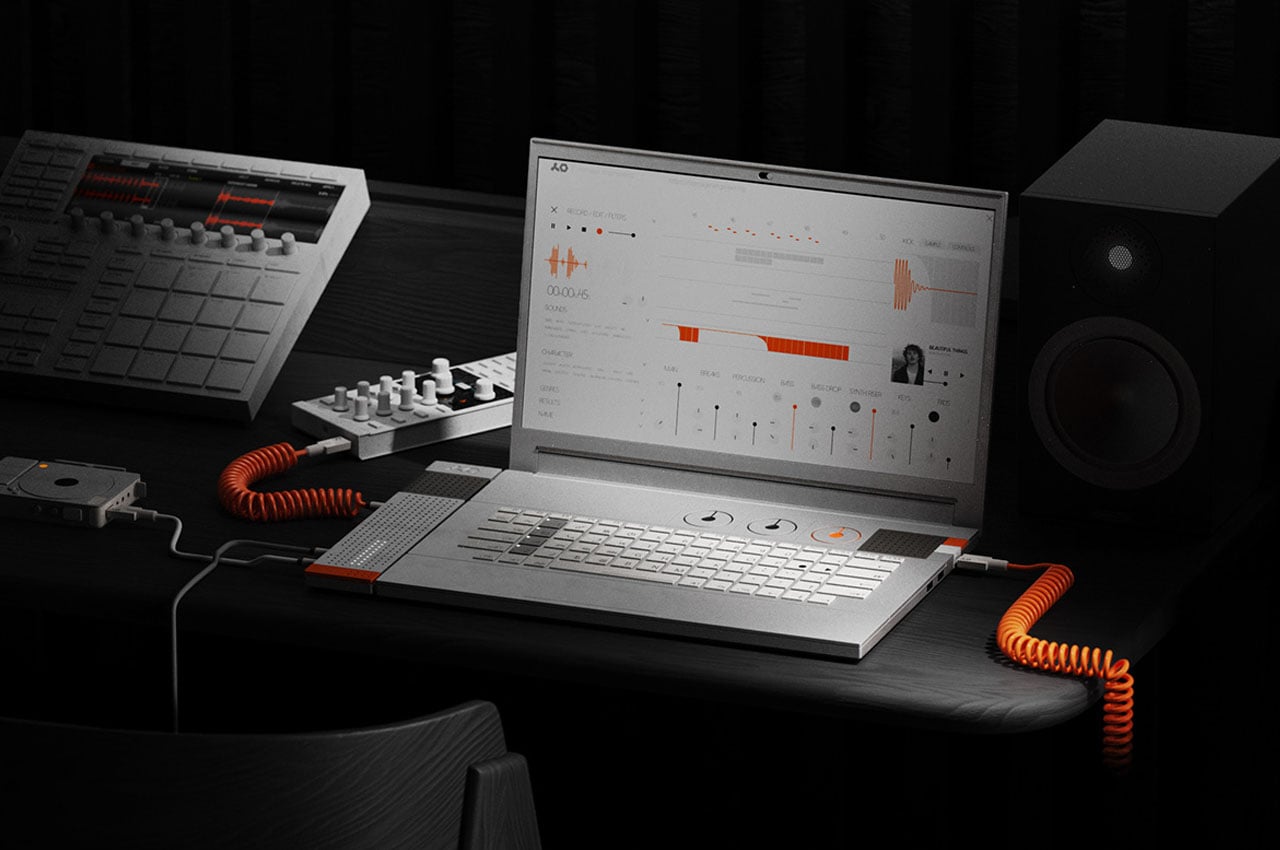
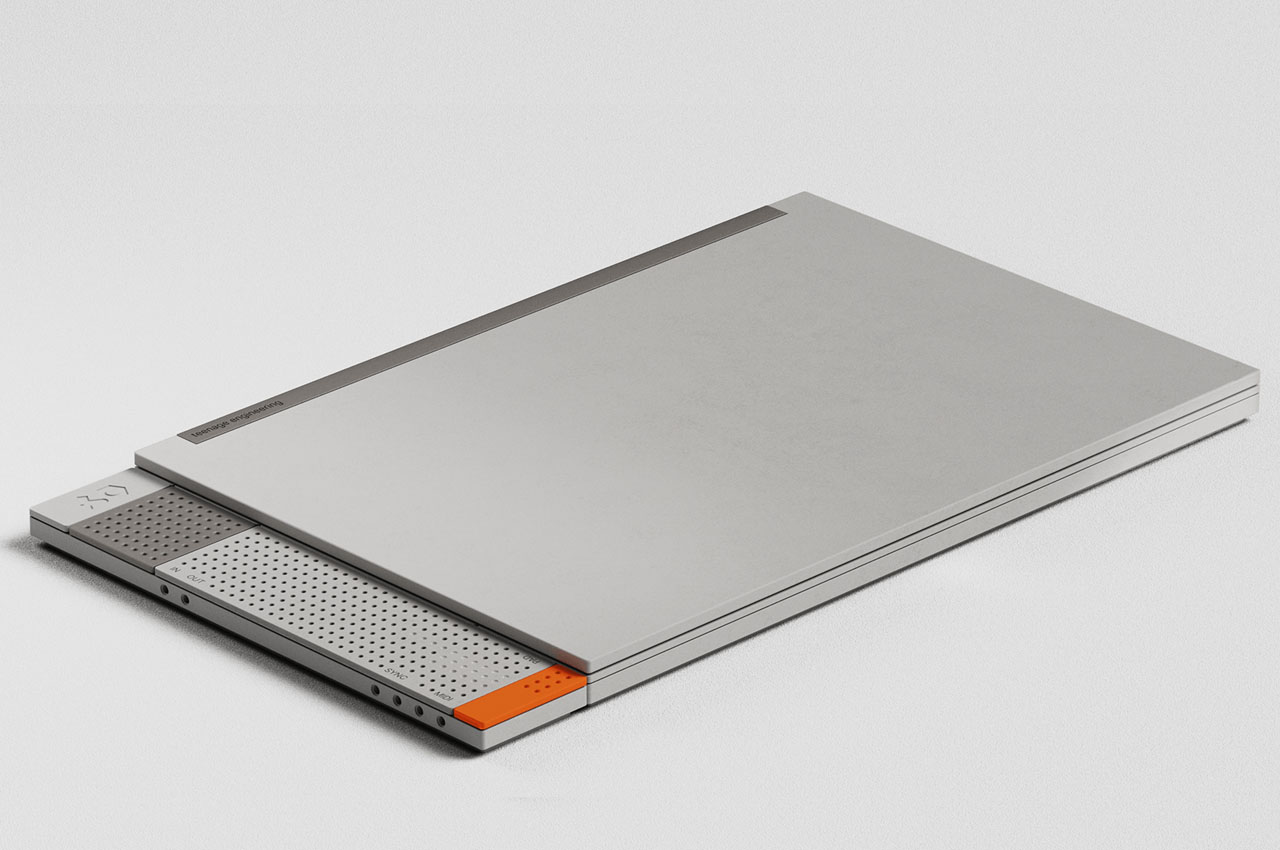
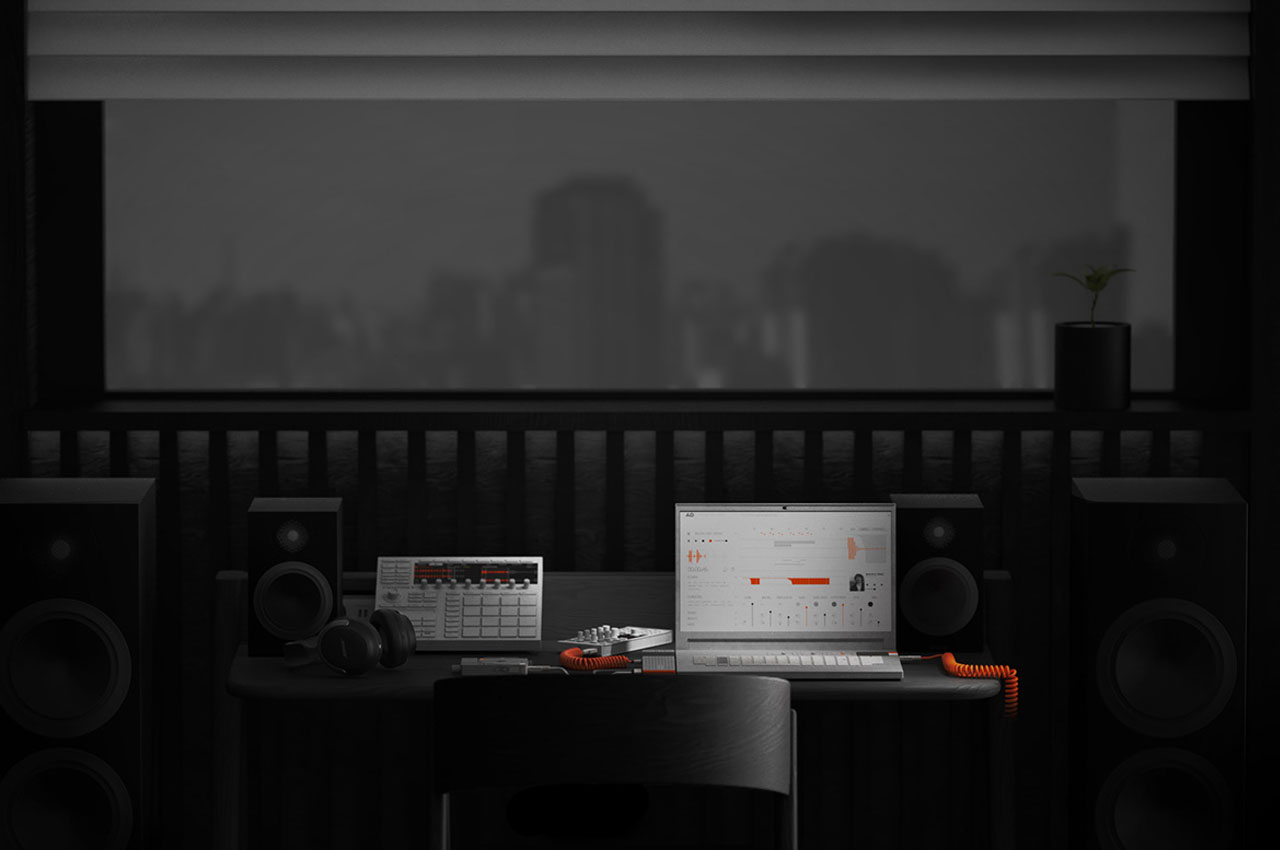
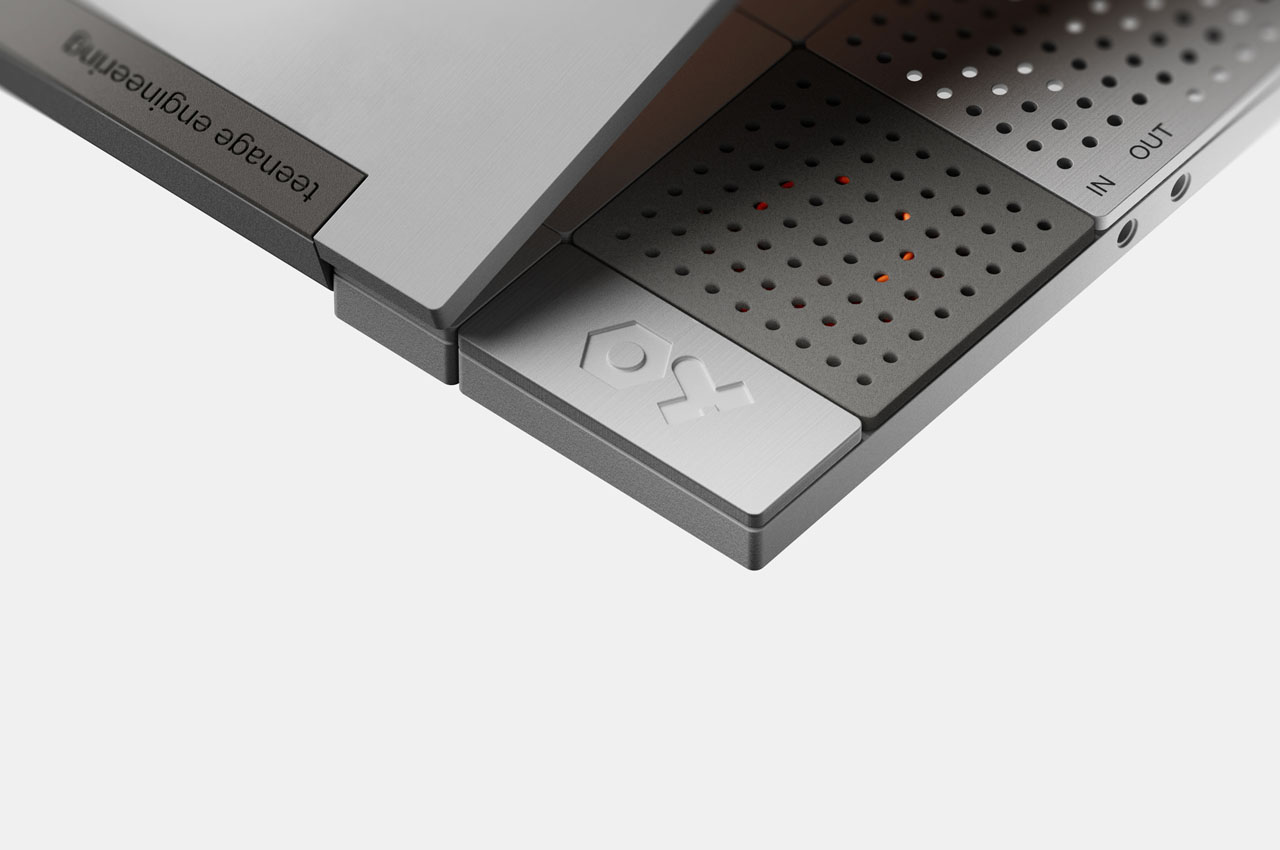
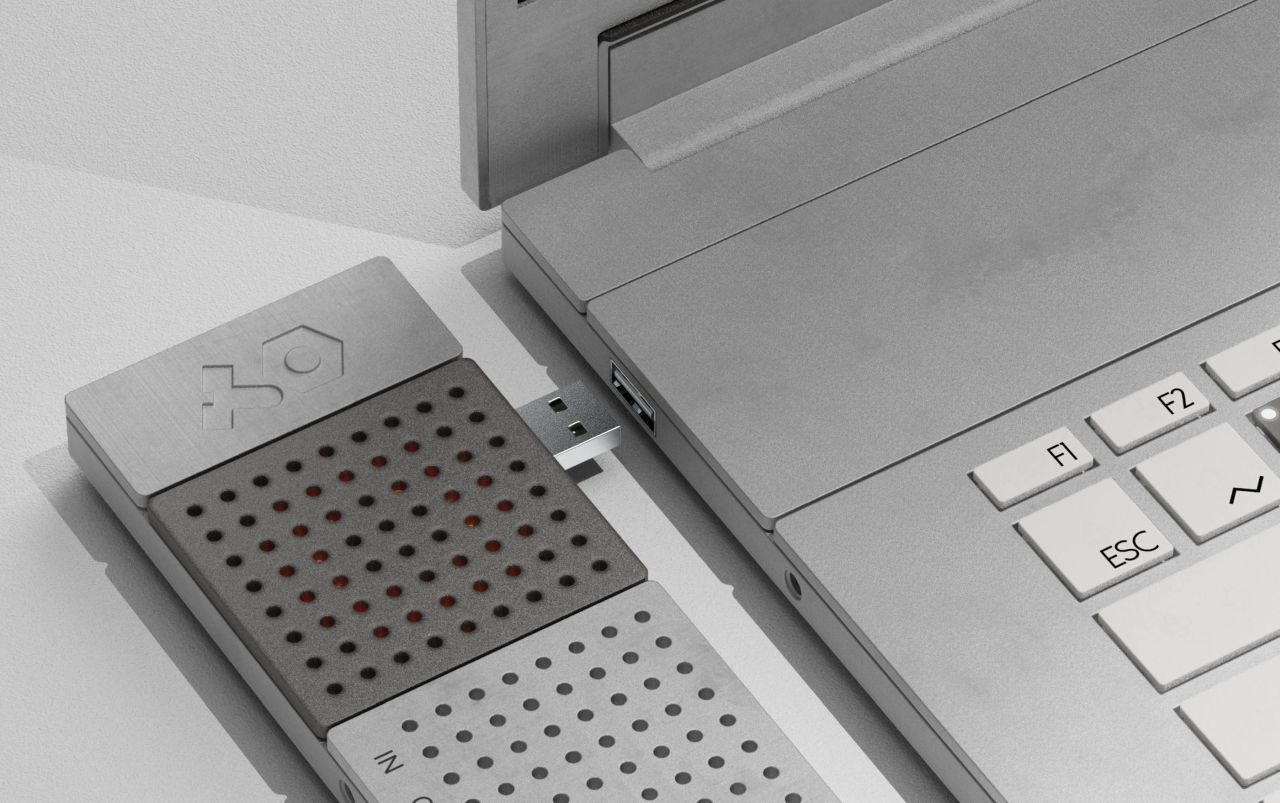
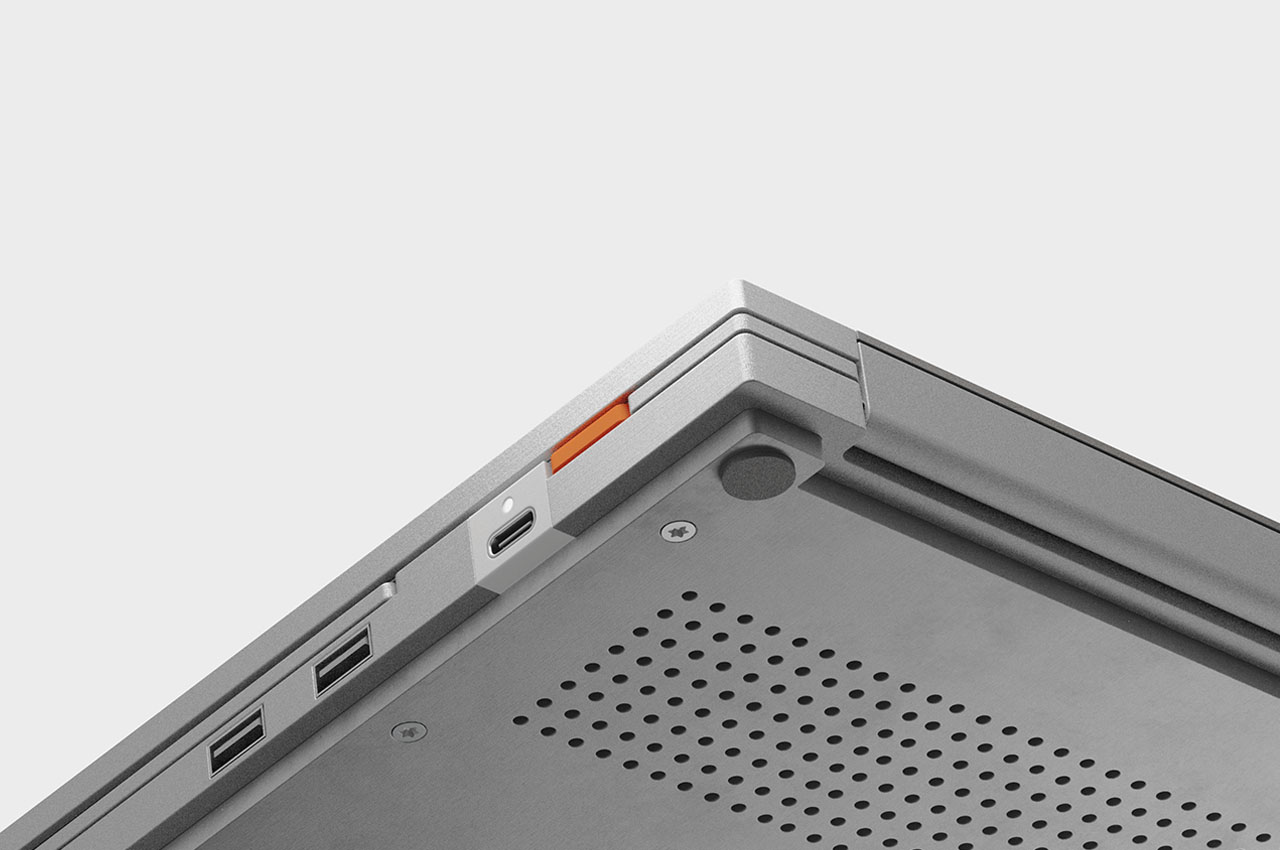
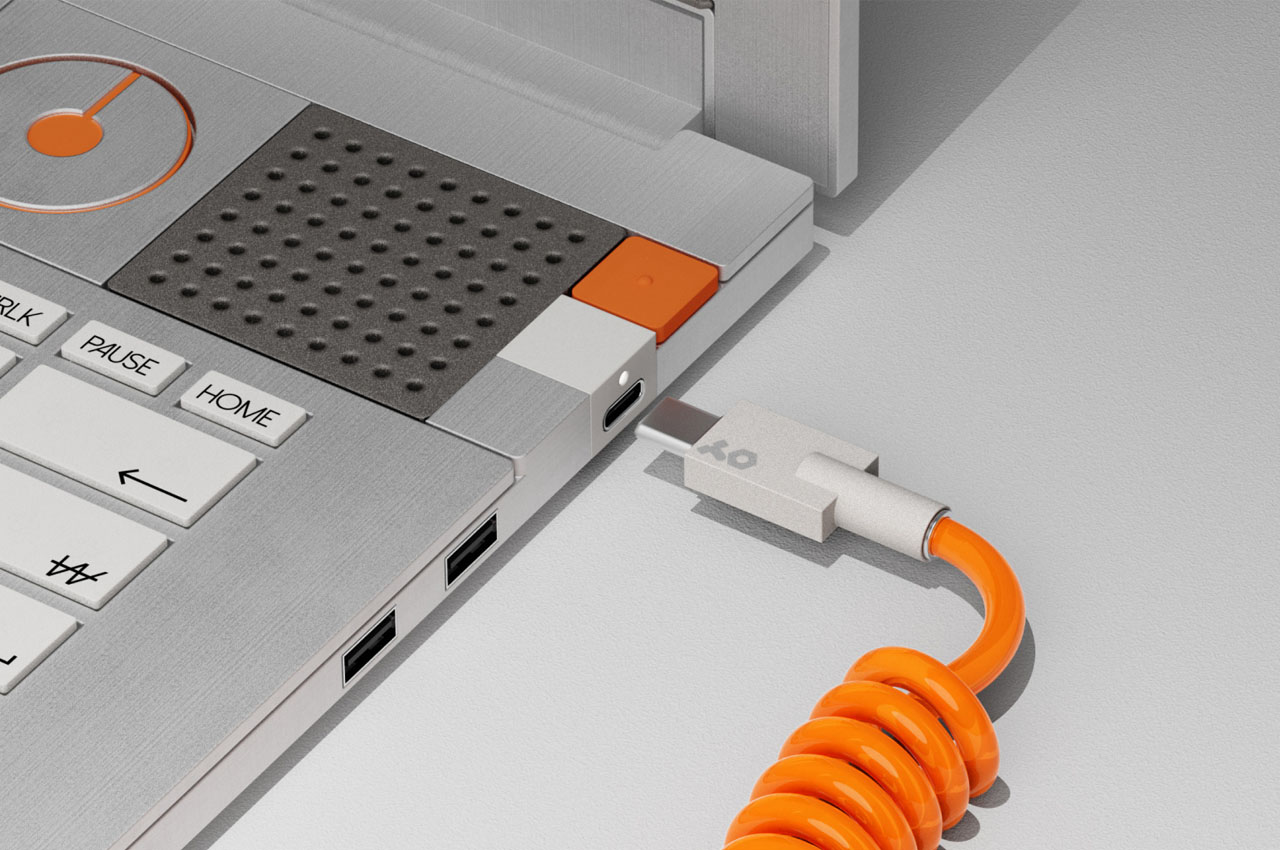
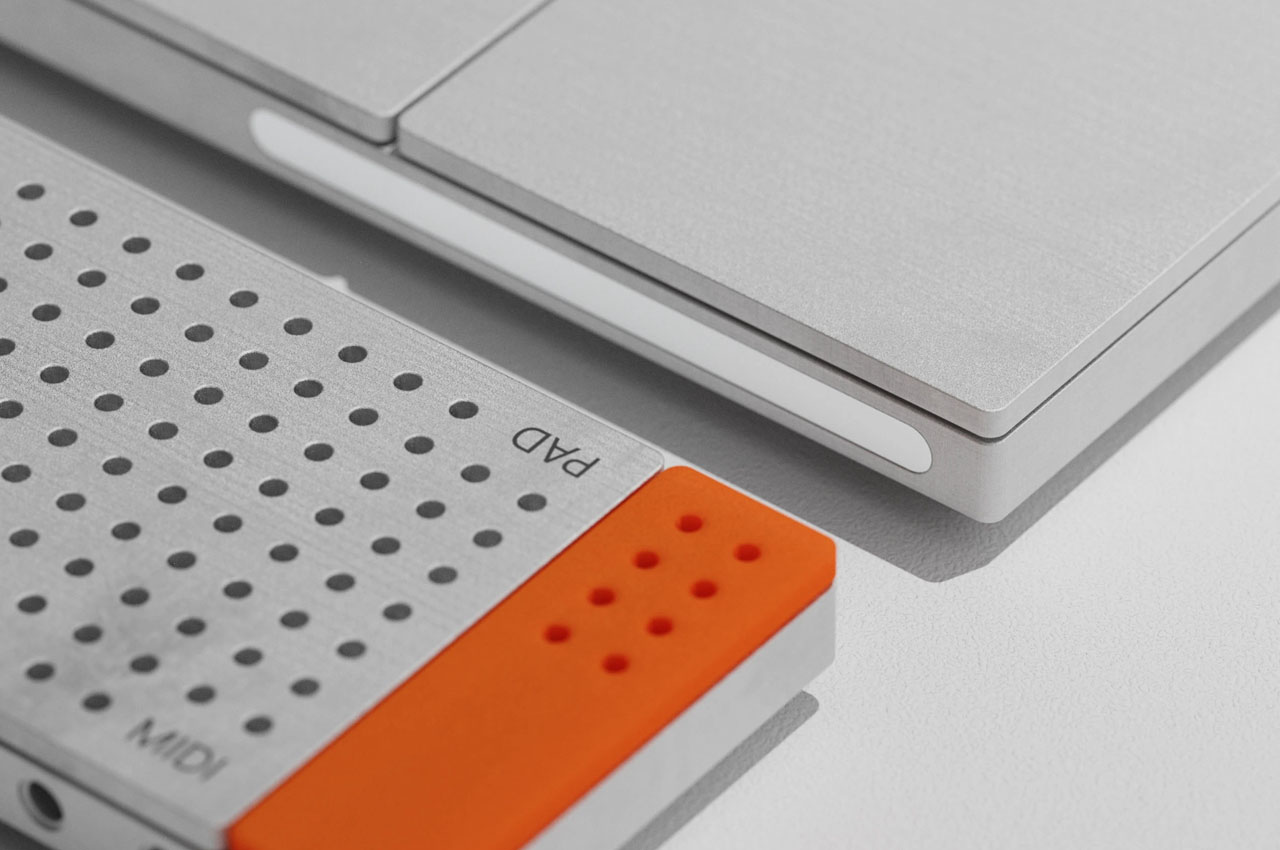
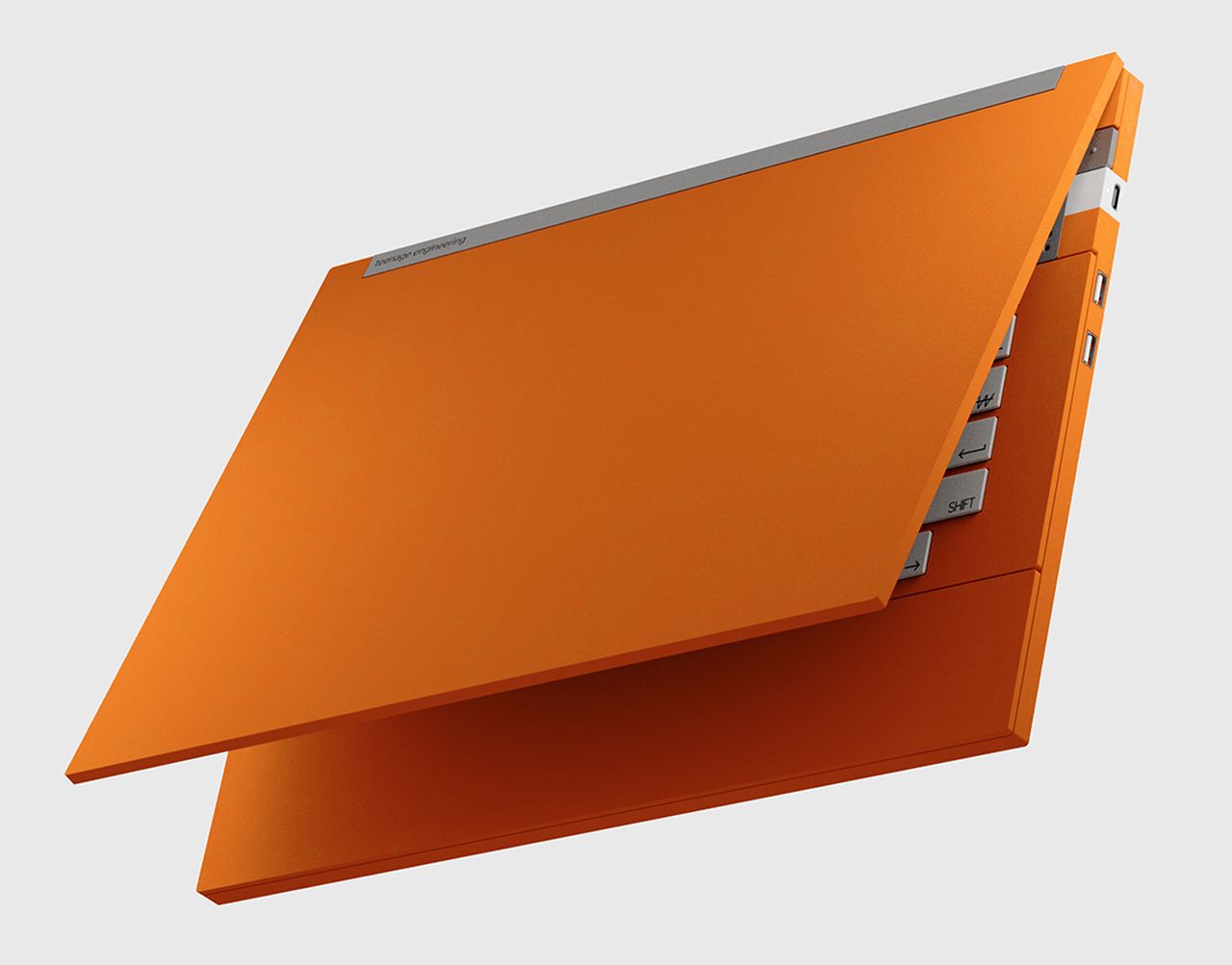
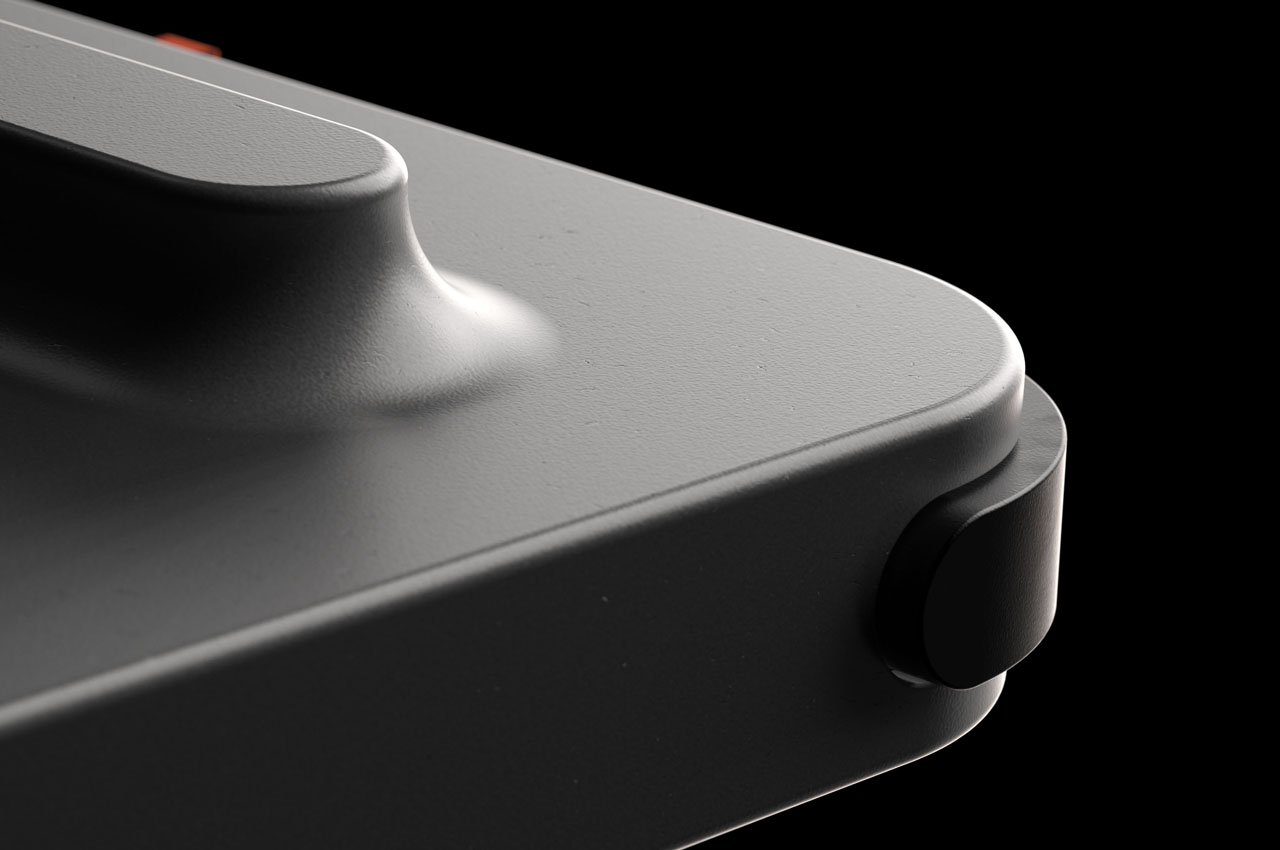
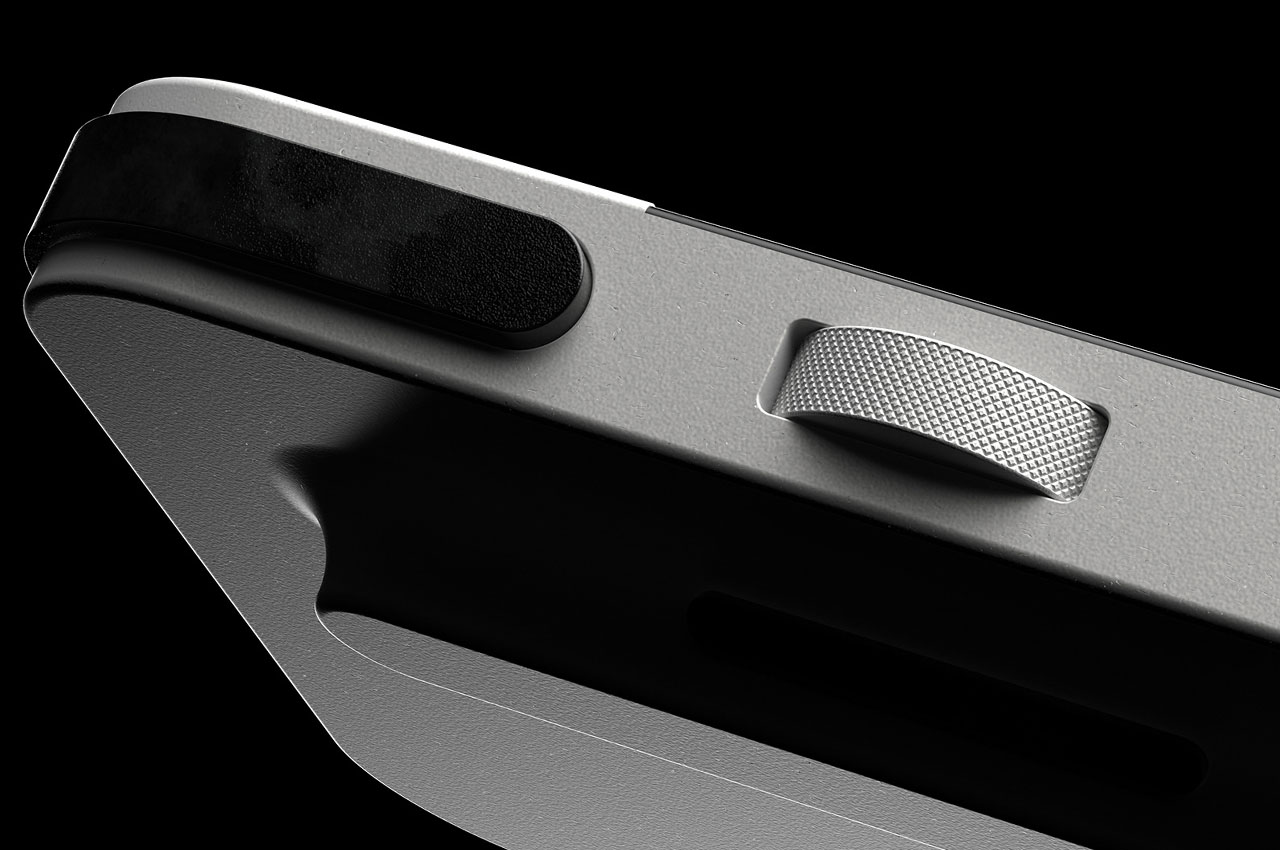
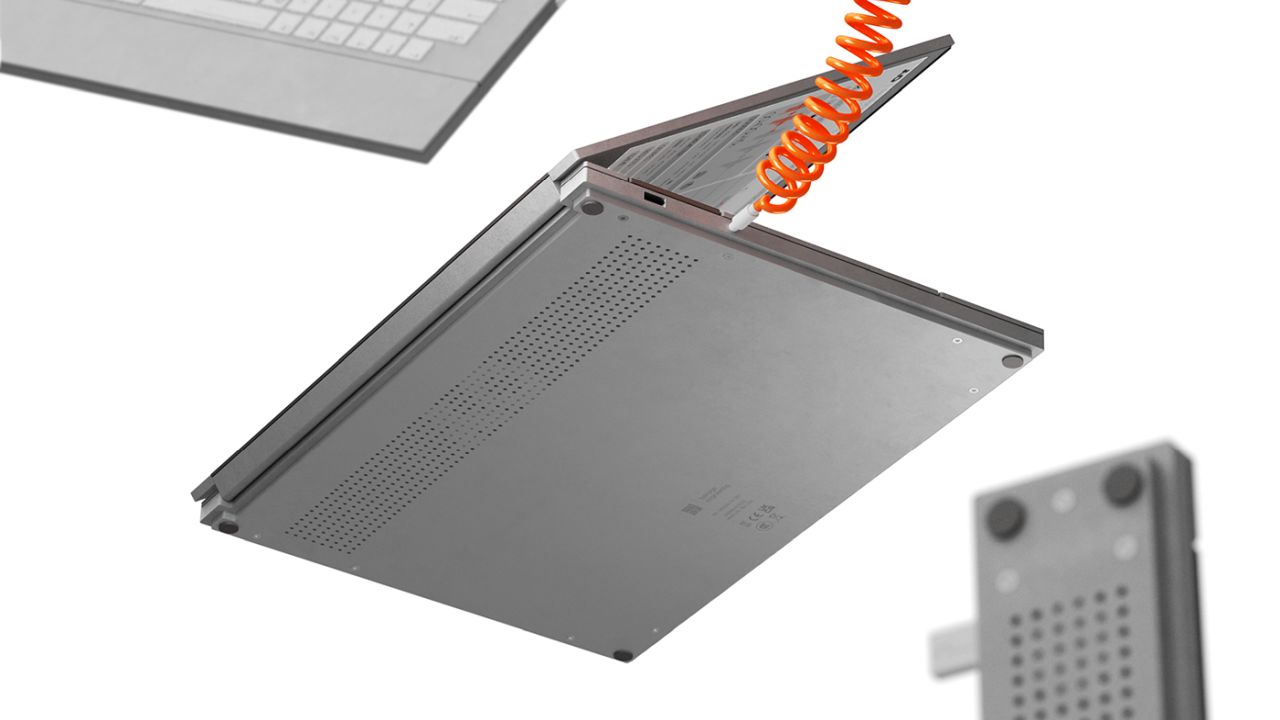
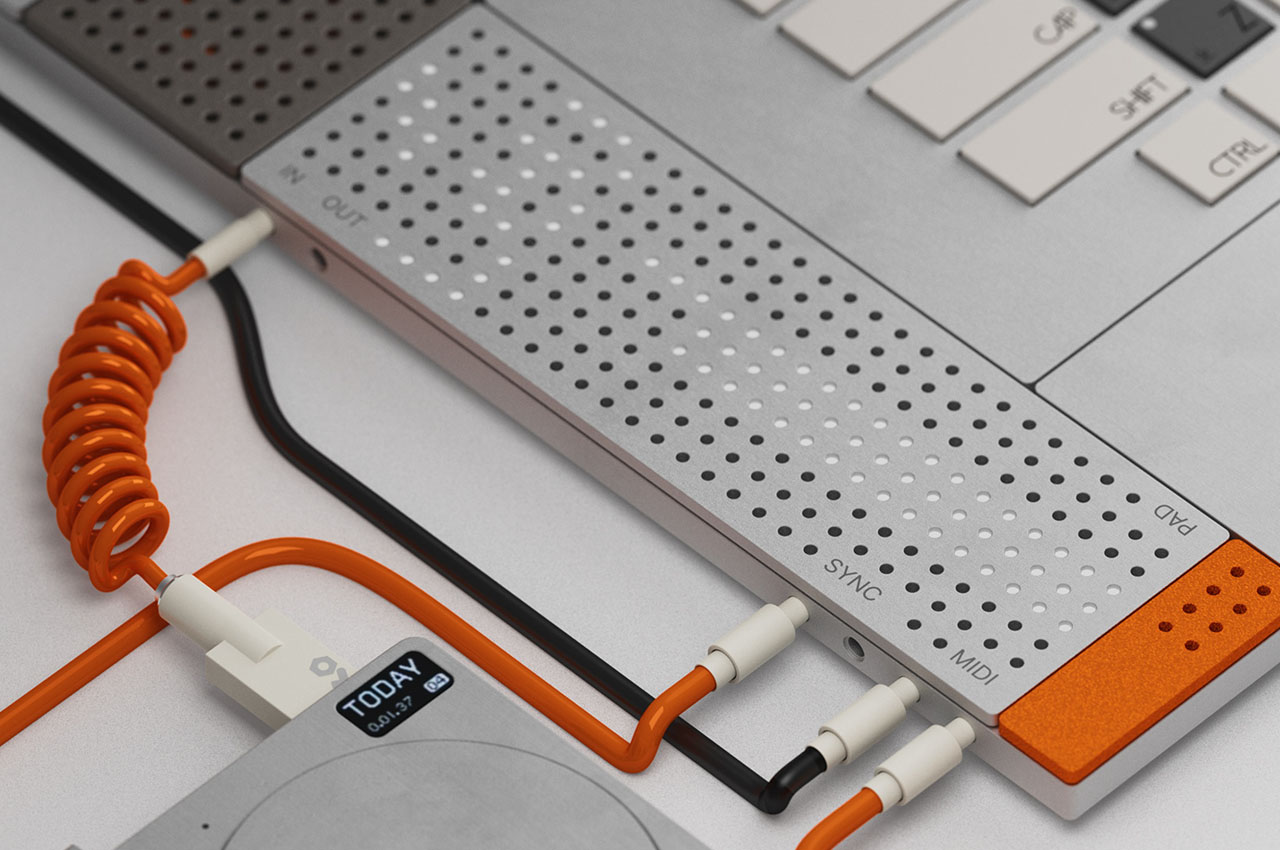
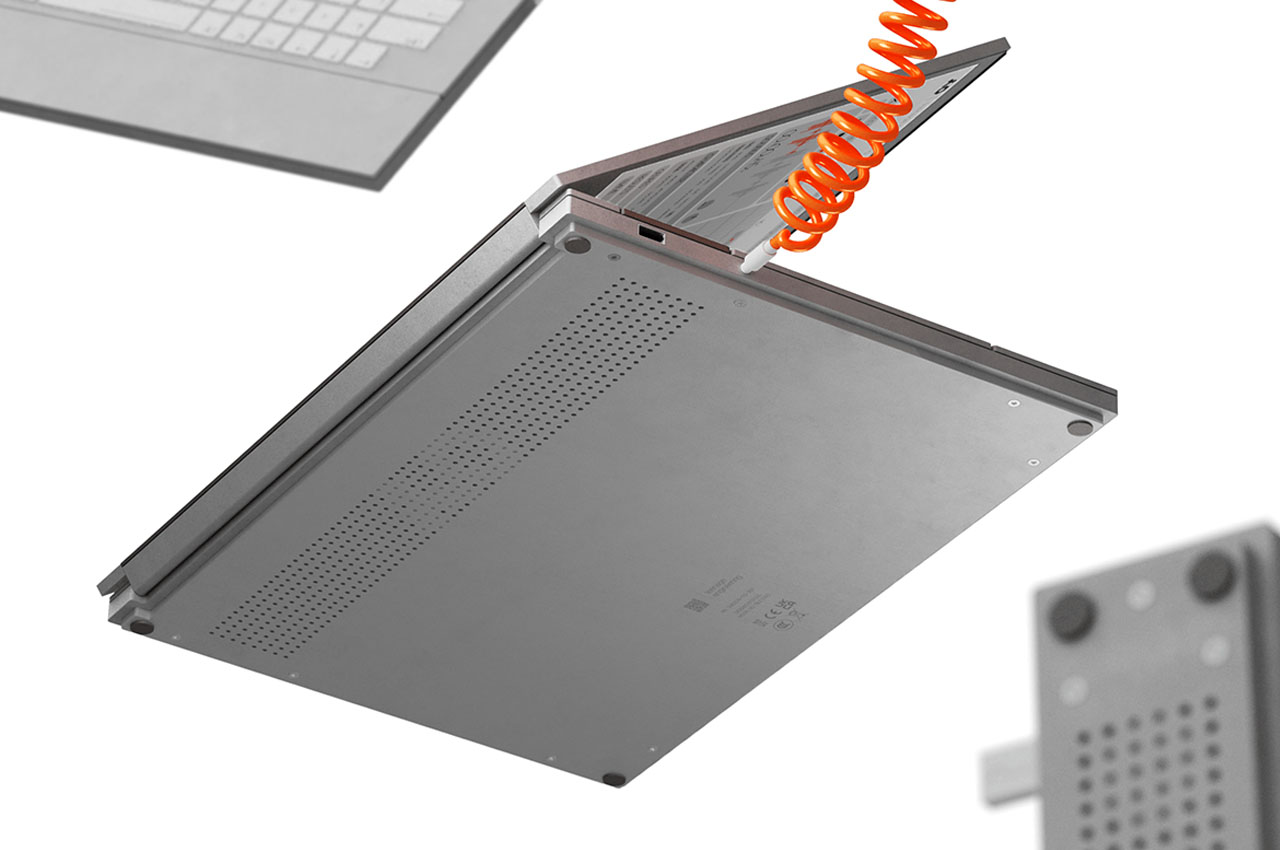
This music editing laptop based on the TE philosophy of instant musical immersion, is all about music immersion, portability of use and flexible connection options to connect audio devices to create and edit music. It comes with a unique DJing method to control multiple controllers simultaneously by pressing the keys and adjusting the dot-shaped touchscreen.

Designer: PDF Haus

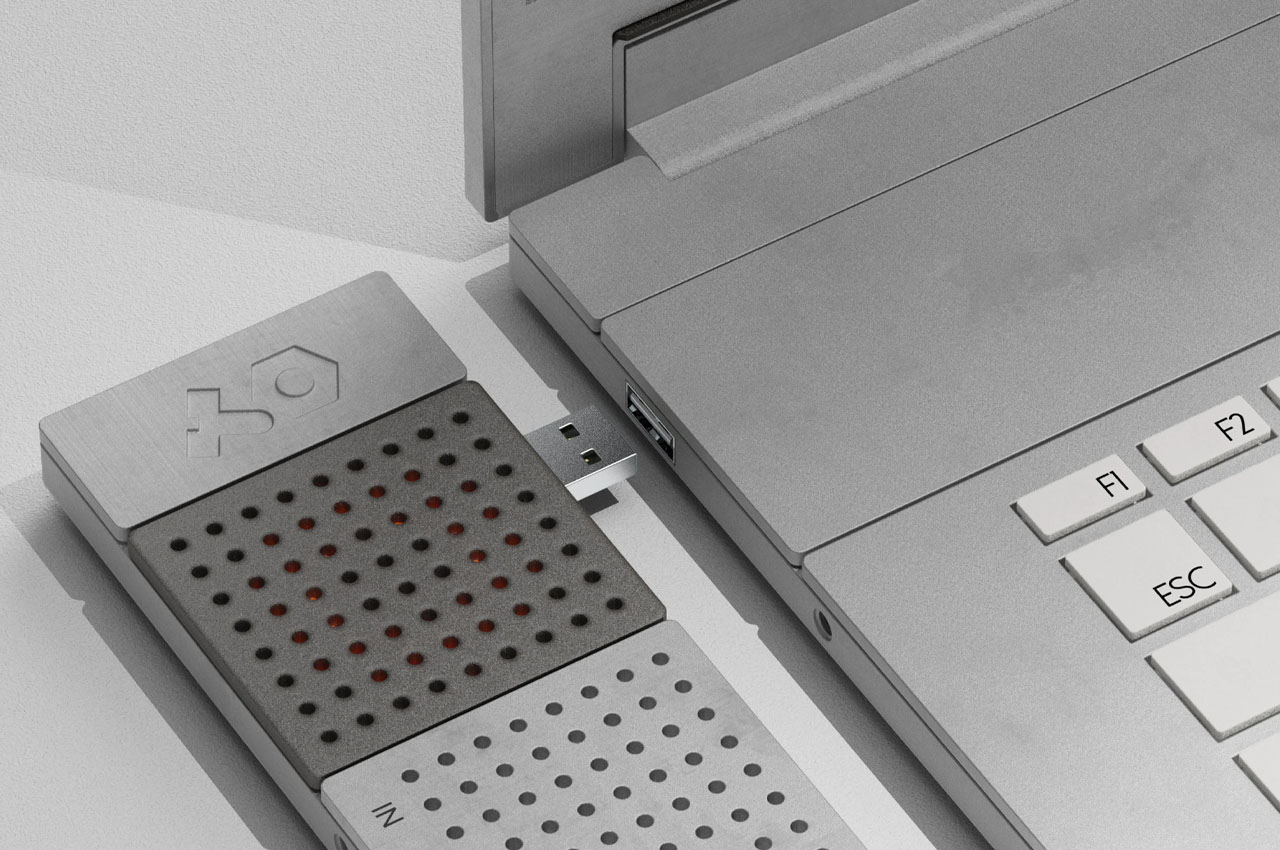
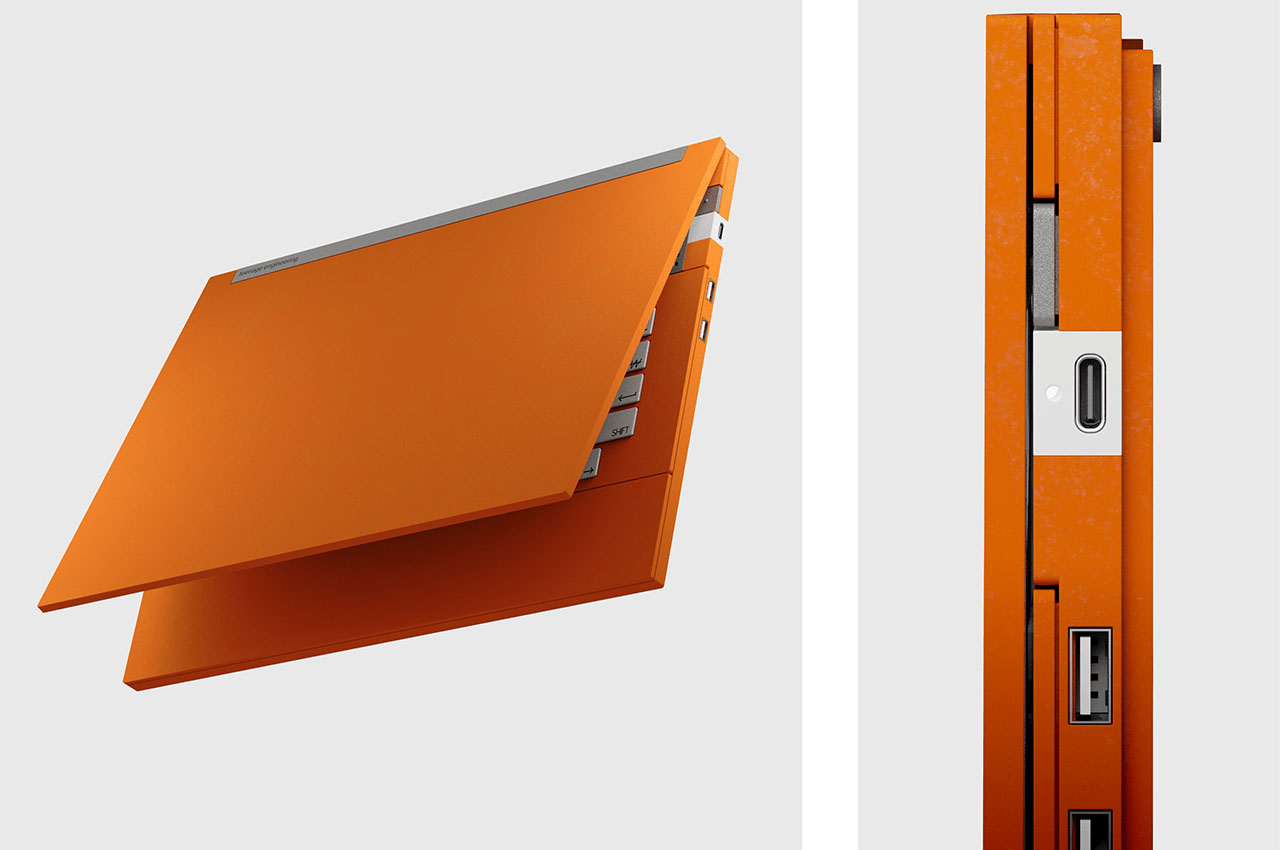
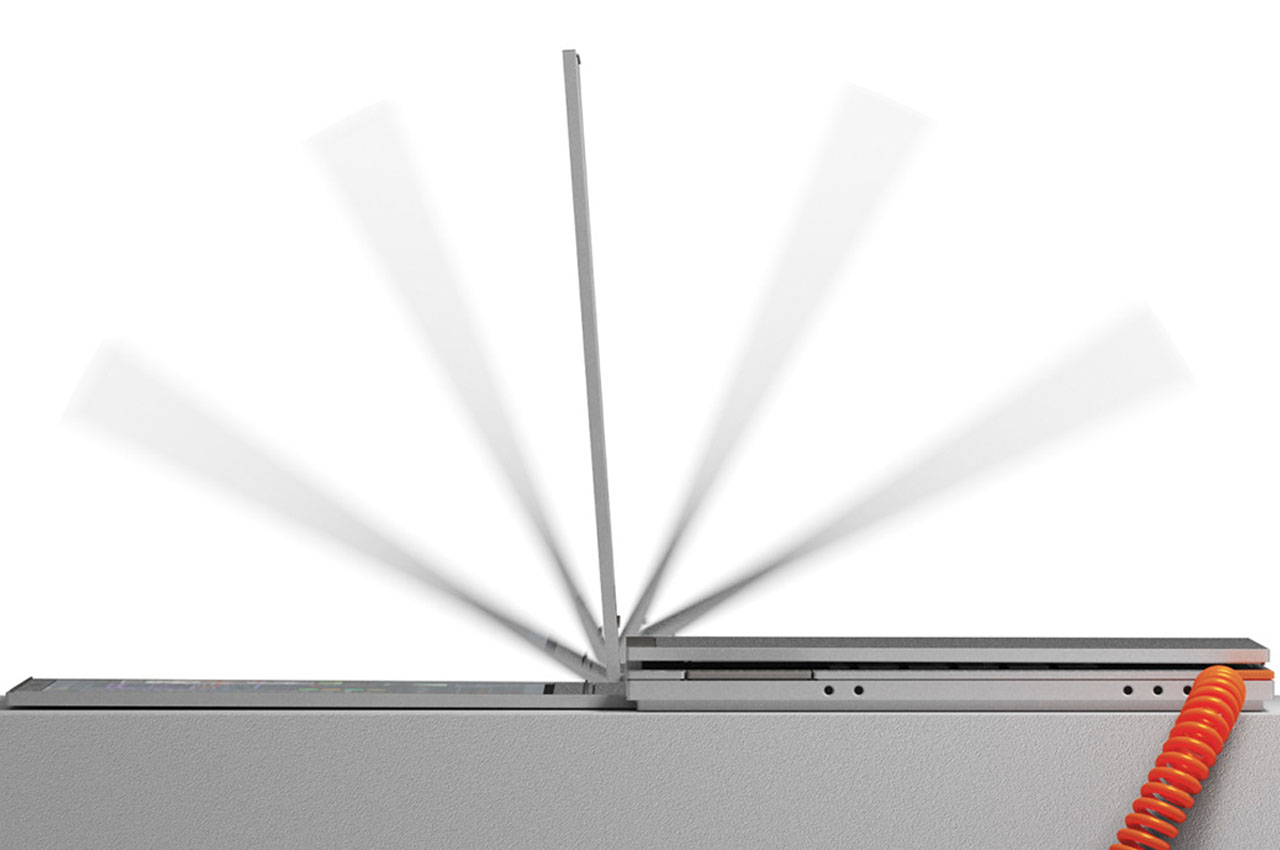
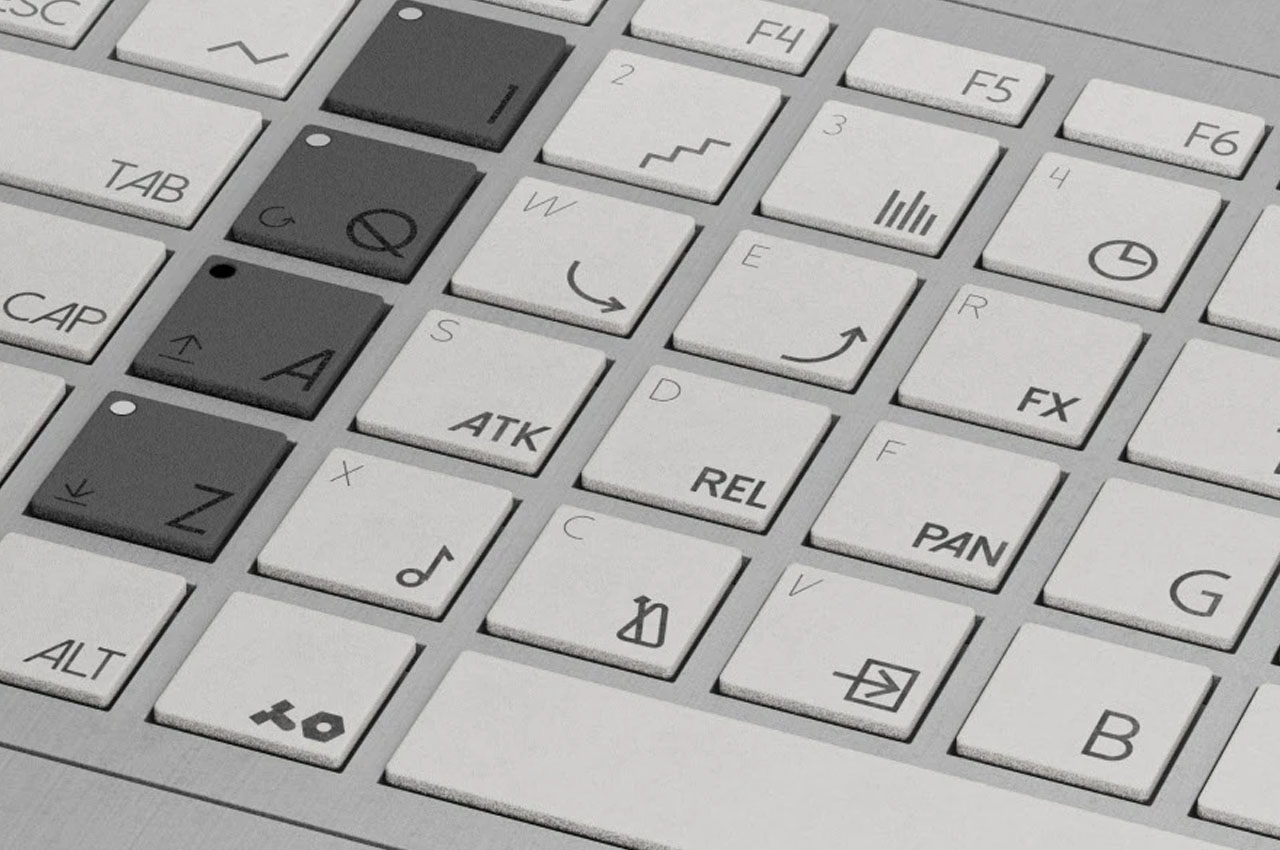
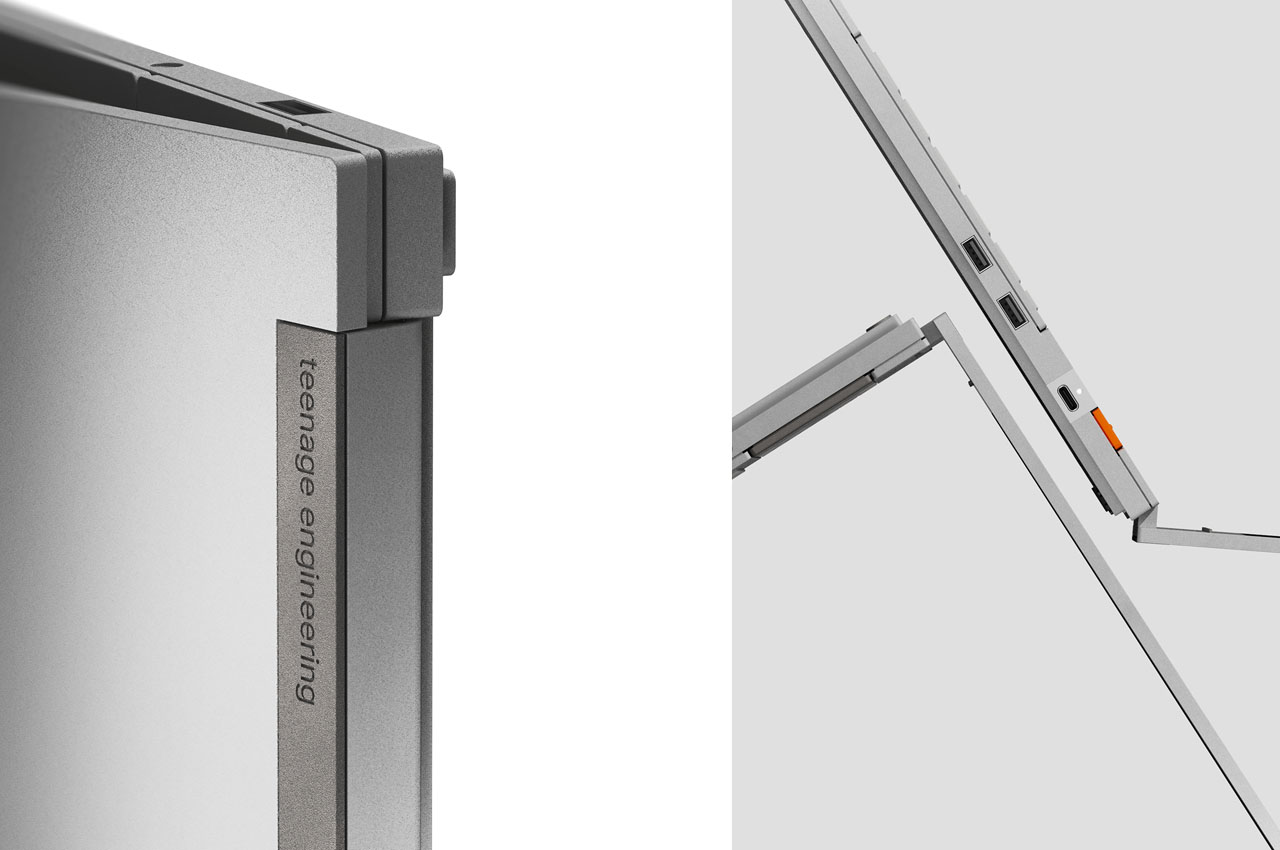
The motivation behind designing this compact music-creating machine is to cut down the clutter of various instruments and give audio engineers the ability to work on their projects anytime, anywhere. There are dedicated control wheels and keypads for editing the music files with ease. Those detachable sound sampler modules that act as a sound device to record or send edited samples, extend the usability of the machine without the need for a dedicated sampler. Thus, making it a one-stop-shop gadget for sound editing, audio creation and more. Everything is a lot more fun with the 180-degree hinge that allows one to work on it like contemporary audio-creating equipment.

That detachable interaction UI system brings a whole lot more to the fore than expected. Things like Low Pass Filter, High Pass Filter, pitch controller, and much more. While one could go on talking about the multifaceted use of keys and buttons that music makers will instantly relate to, we’ll appreciate the whole design aspect of it. Especially the achromatic and orange point tones emphasizing its Teenage Engineering DNA.

The post This Teenage Engineering inspired laptop is a creative sound engineers dream come true first appeared on Yanko Design.
Teenage Engineering-inspired Nintendo Switch feels like the minimalist handheld console we deserve

Teenage Engineering has created a niche in the music tech market with rule-defiying products that tap into the inquisitive nature of things. No matter if it’s a field system, wireless audio, or synthesizers; if it’s from Teenage Engineering, it’s got to be worth talking about. That’s the sole reason we just love everything from the Stockholm-based audio wizard.

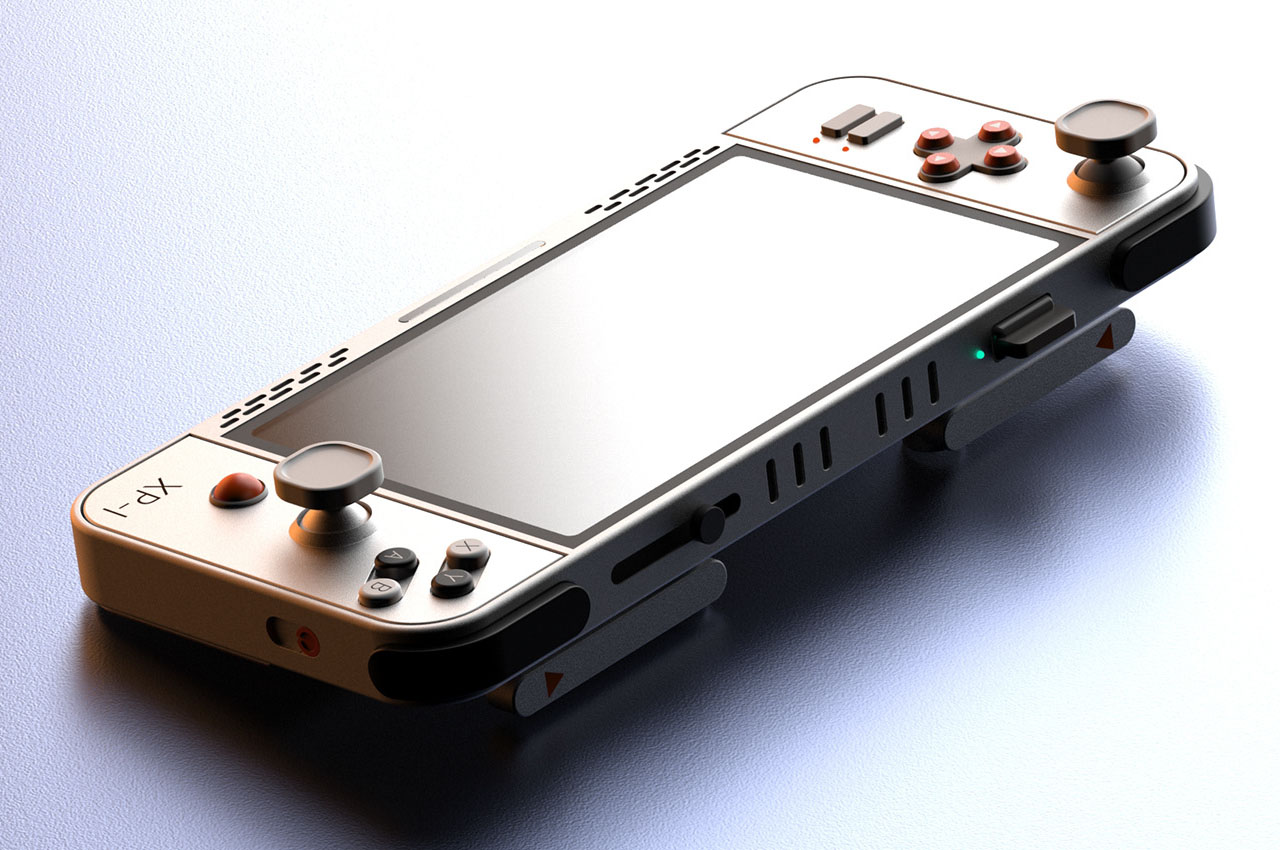
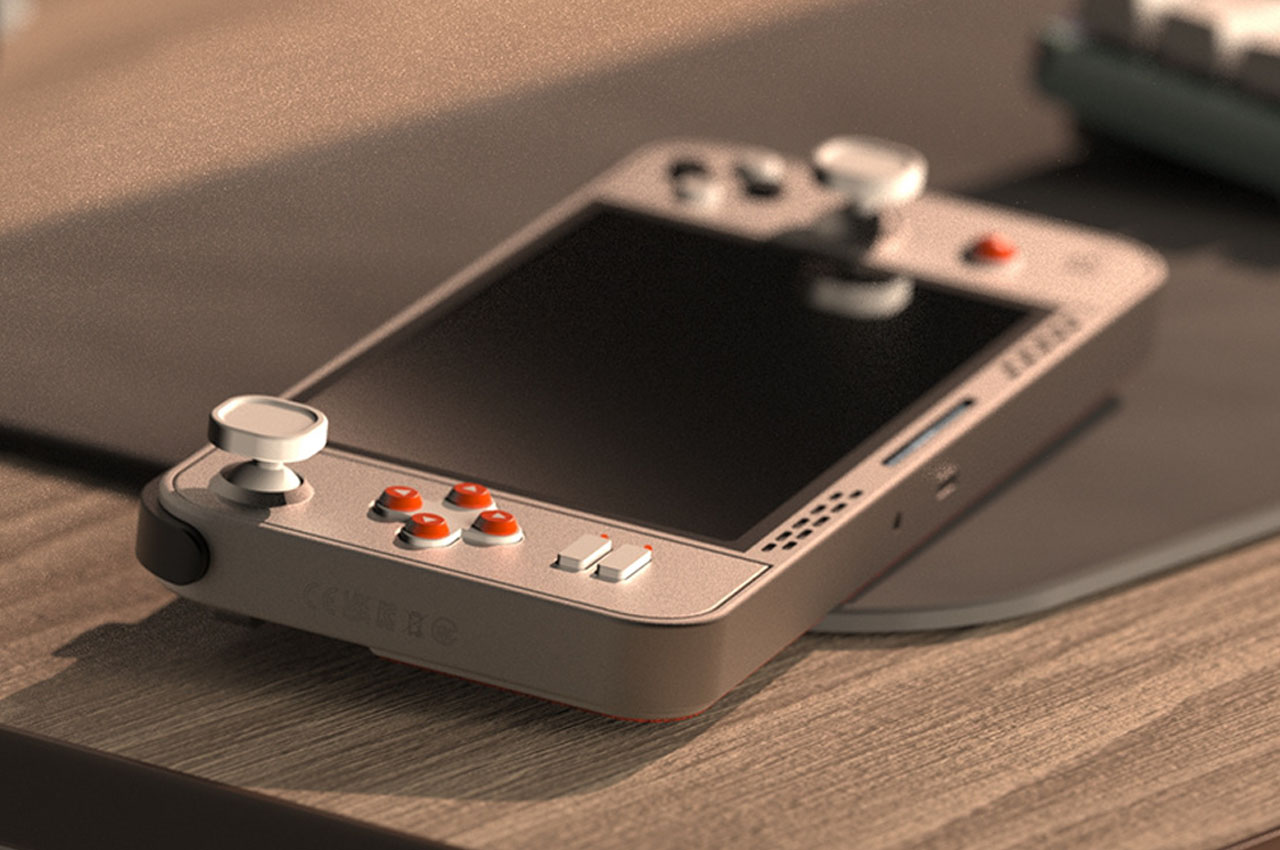
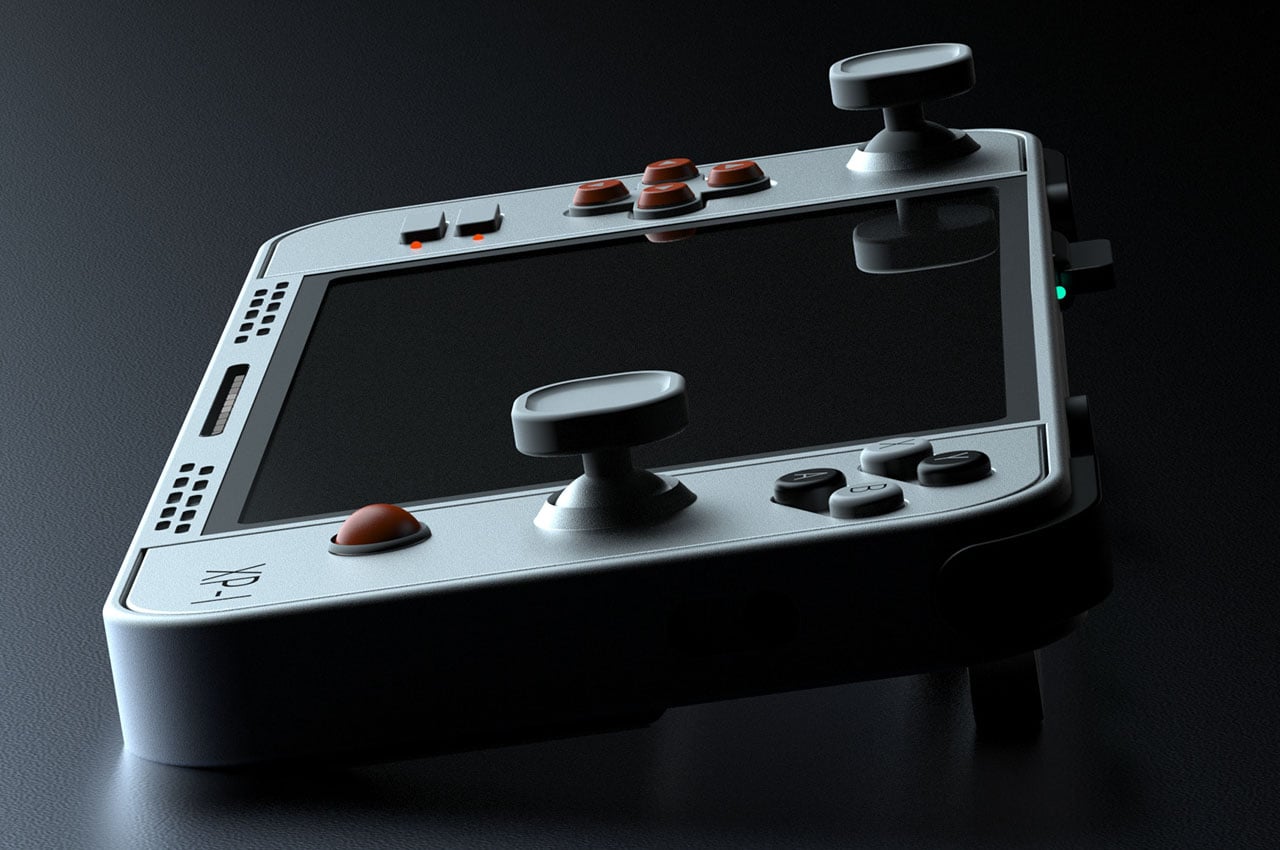
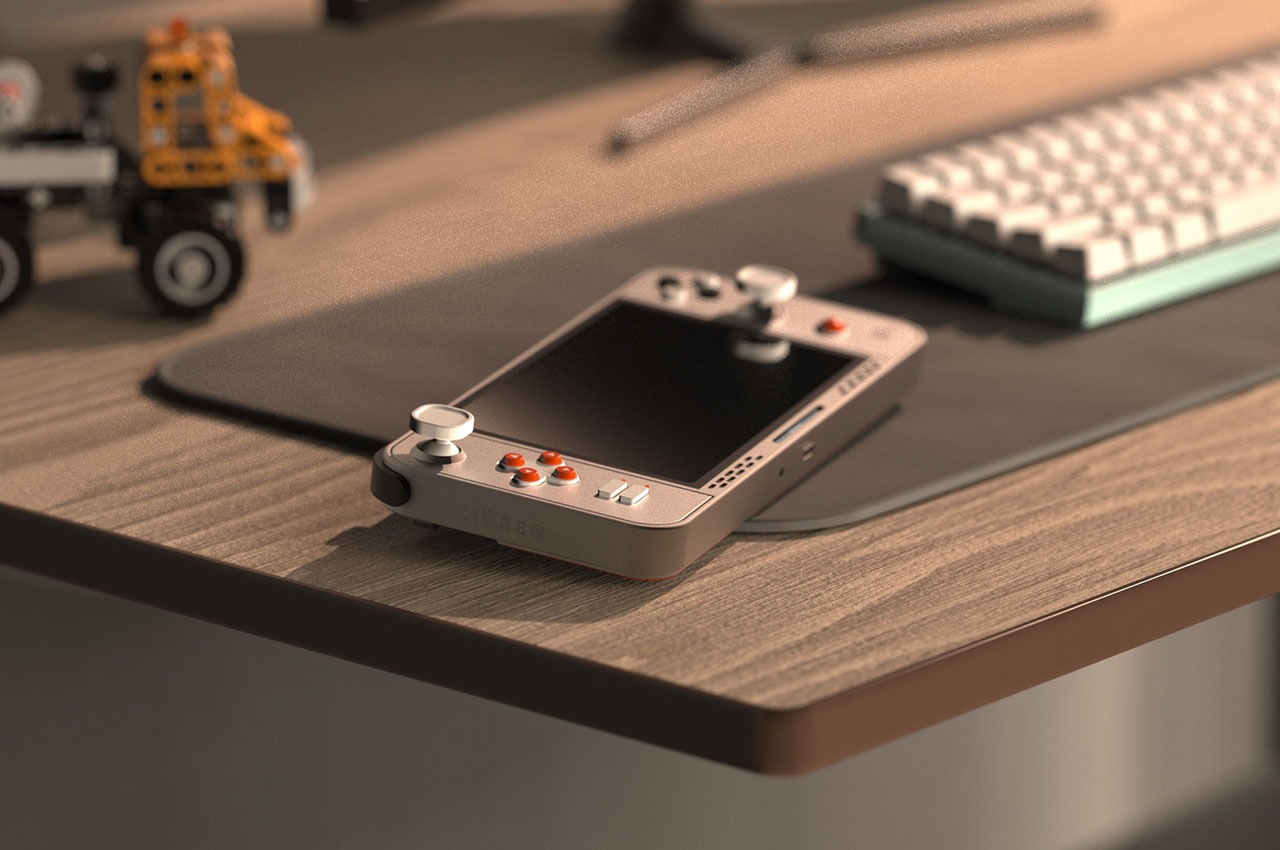
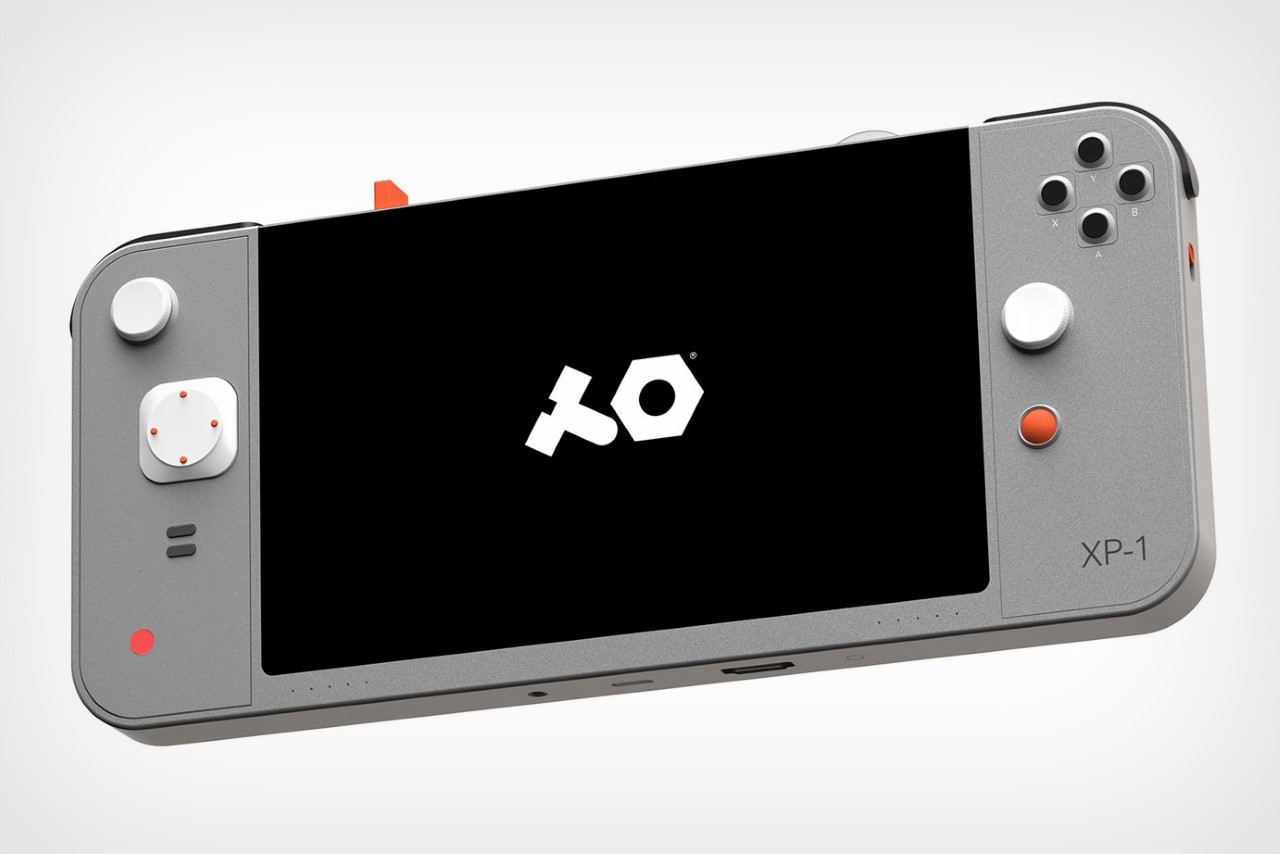
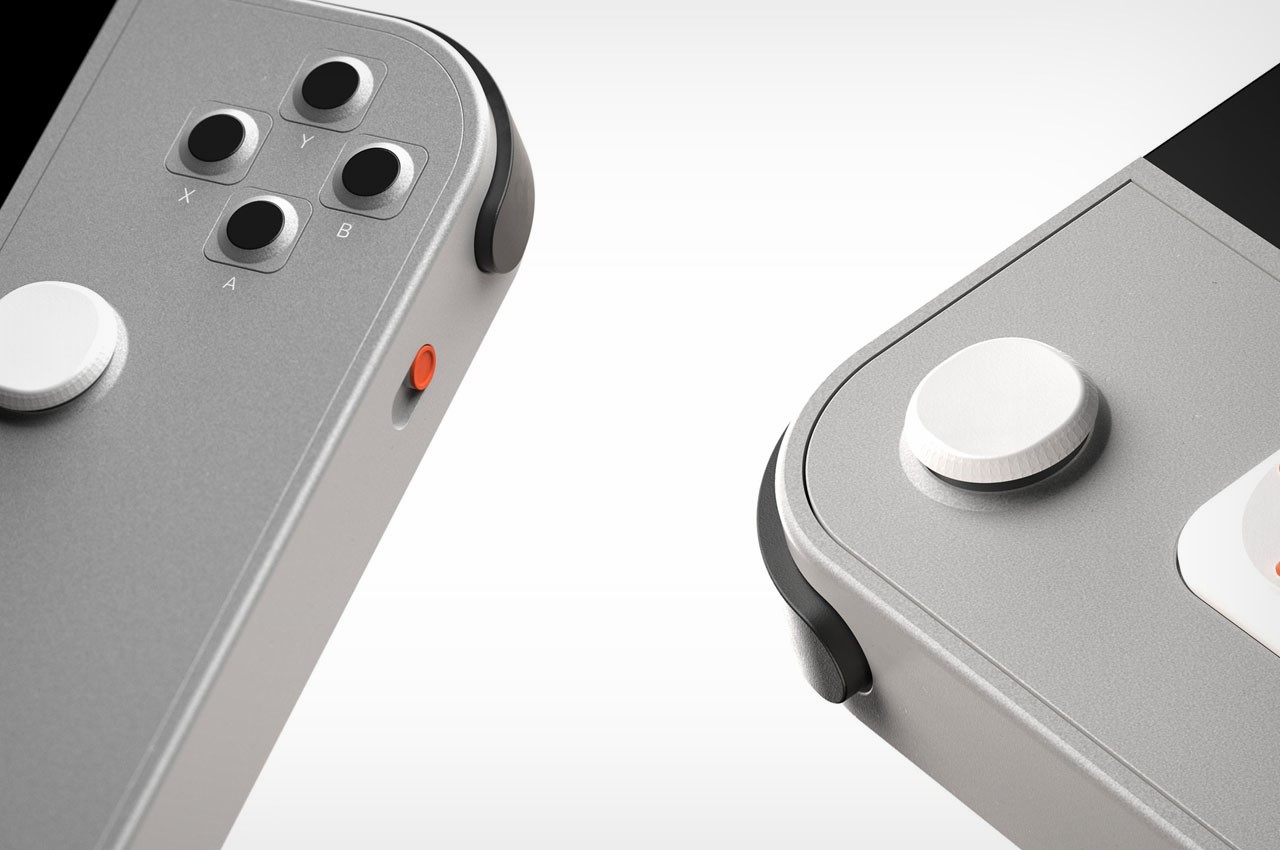
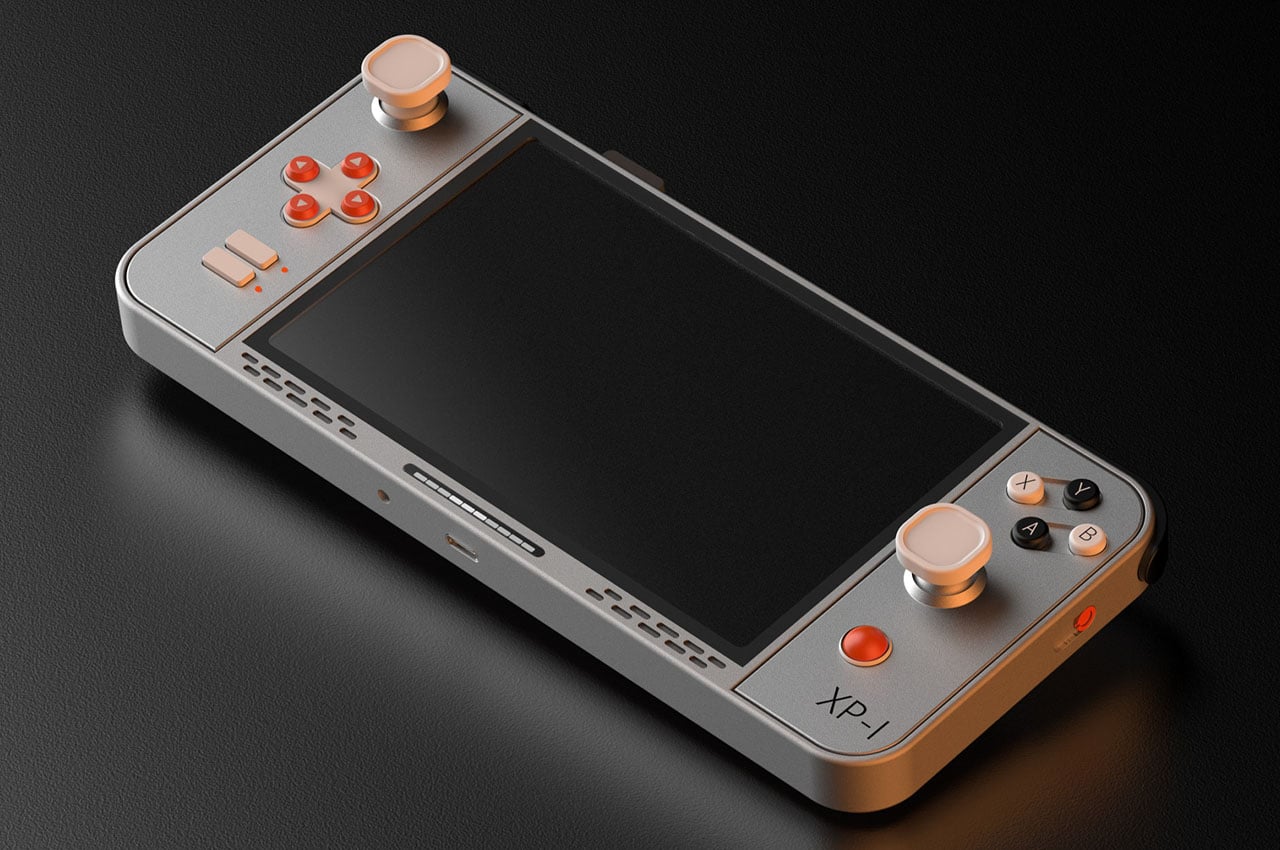
This time around though, it’s not something coming out of their creative factory, but rather a culmination of creative thoughts from a designer to muster up a winning product envisioned for TE. A handheld gaming console that’s fun to play around with and also one that doesn’t deviate from the core ethos of the brand. According to the designer the handheld blends into any environment, “triggering the nostalgic feeling and providing fun to the users.”

Designer: Nidharshan Suresh

The primary motivation behind this concept gaming console carrying the DNA of Teenage Engineering is to break the monotony in the design of current handheld consoles and refresh the market with a product that’s a delight to savor. The initial research identified the reason for playing games as an escape from the daily stresses of life. Another couple of motivators are the ability to boost problem-solving capabilities and live a story in pseudo-reality. One fact that was clear from the data was the end-users who are either on-the-go gamers, tech geeks, softcore gamers, or socializers.

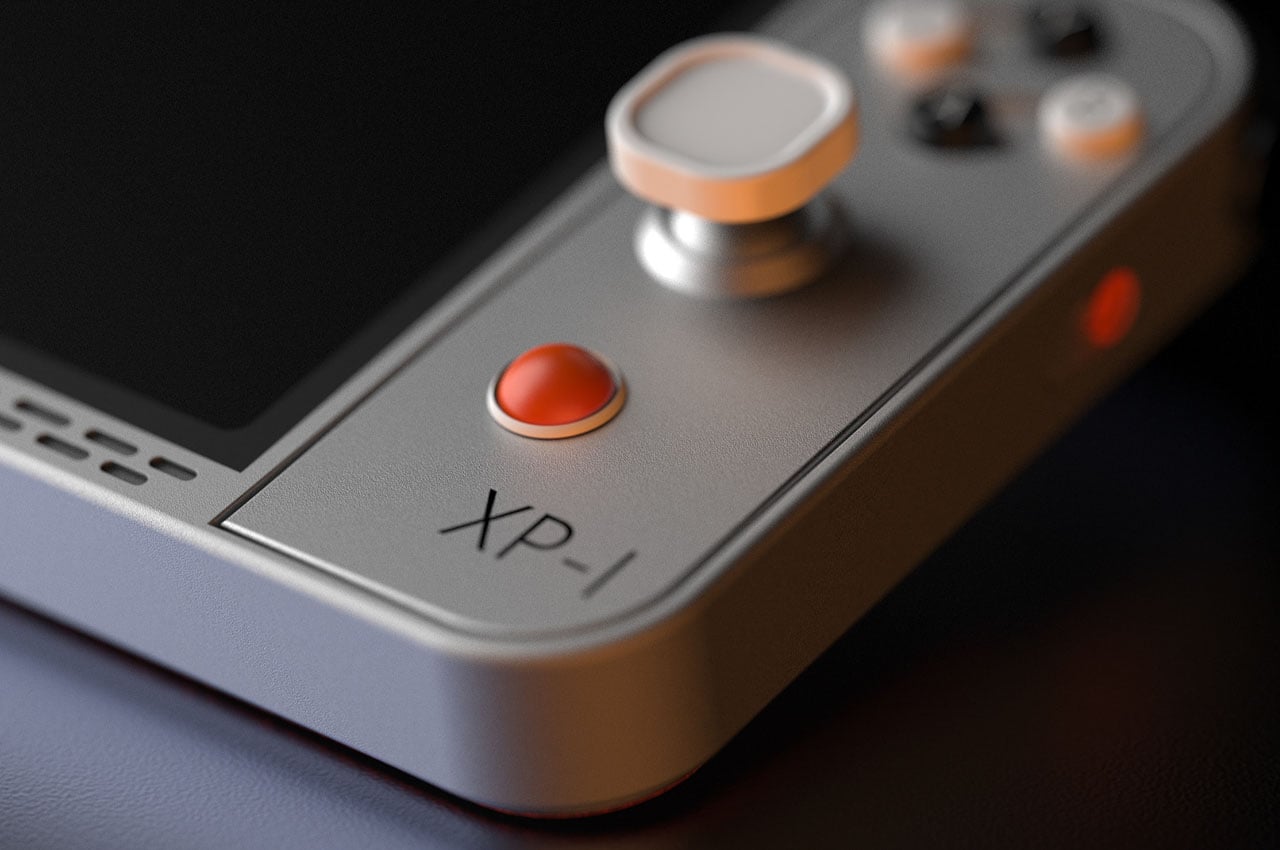
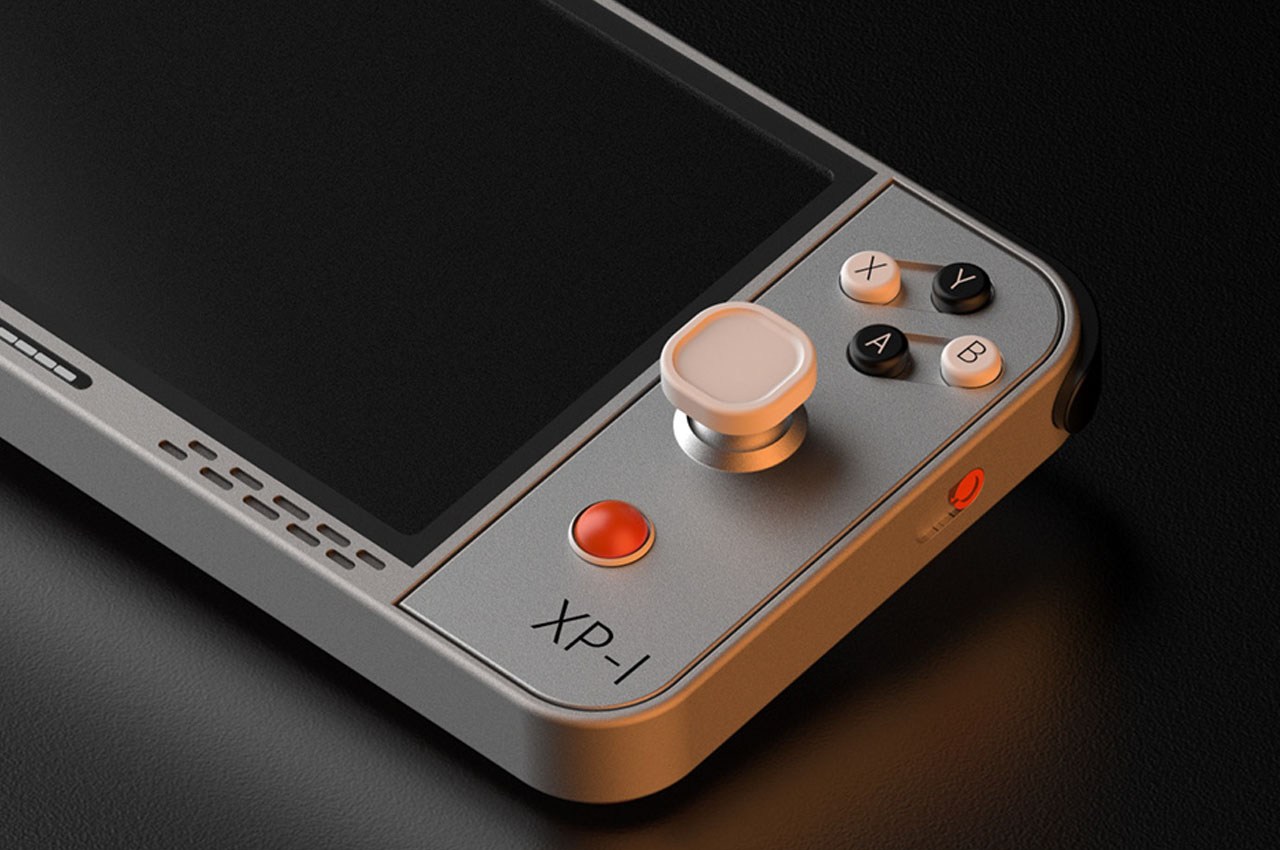
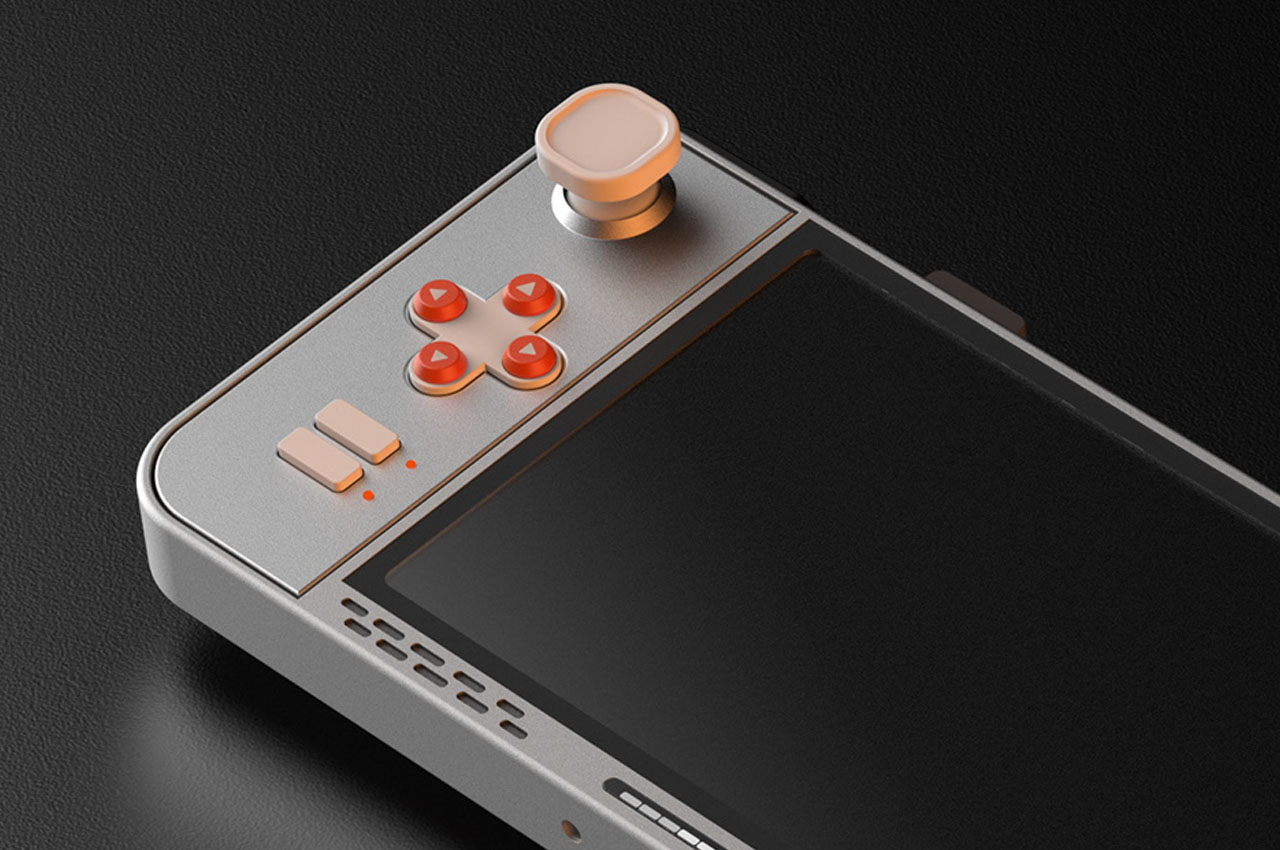
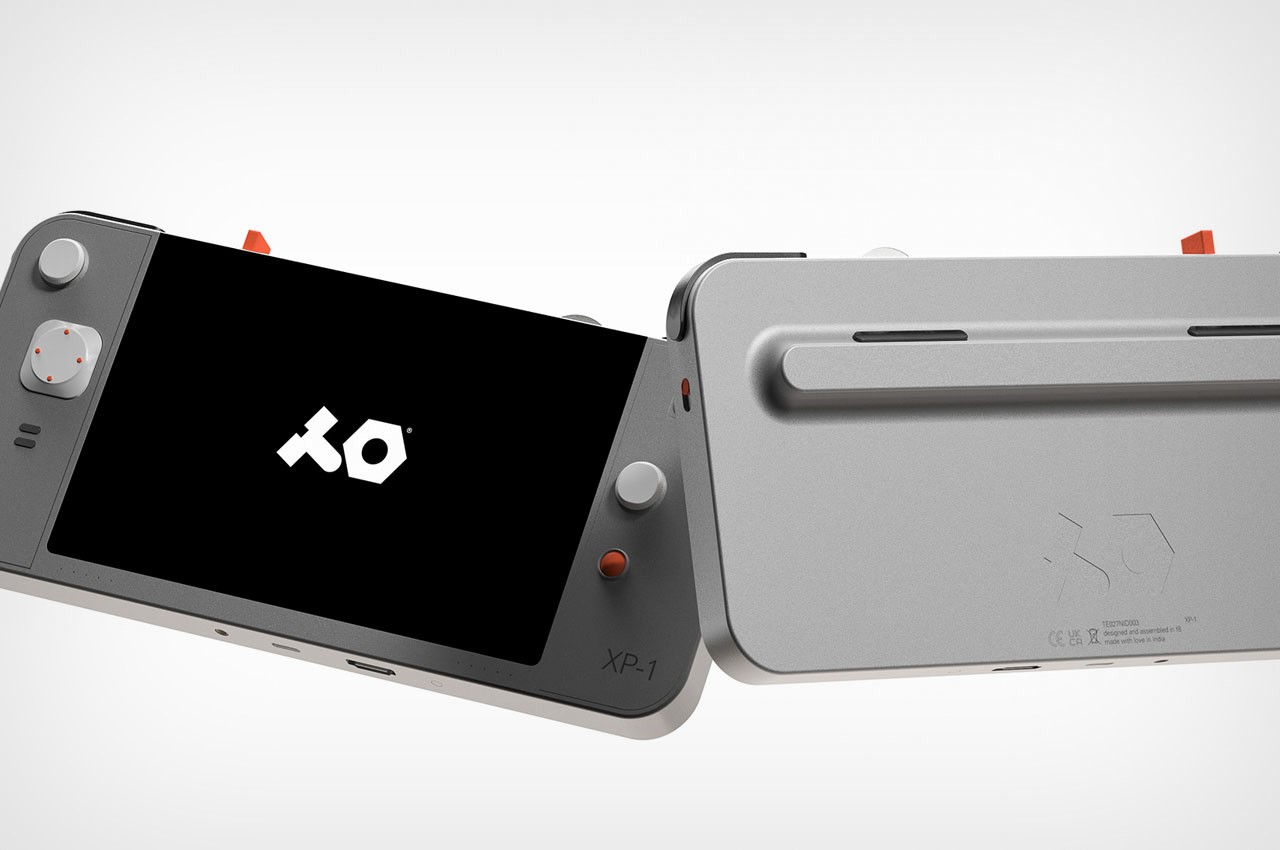
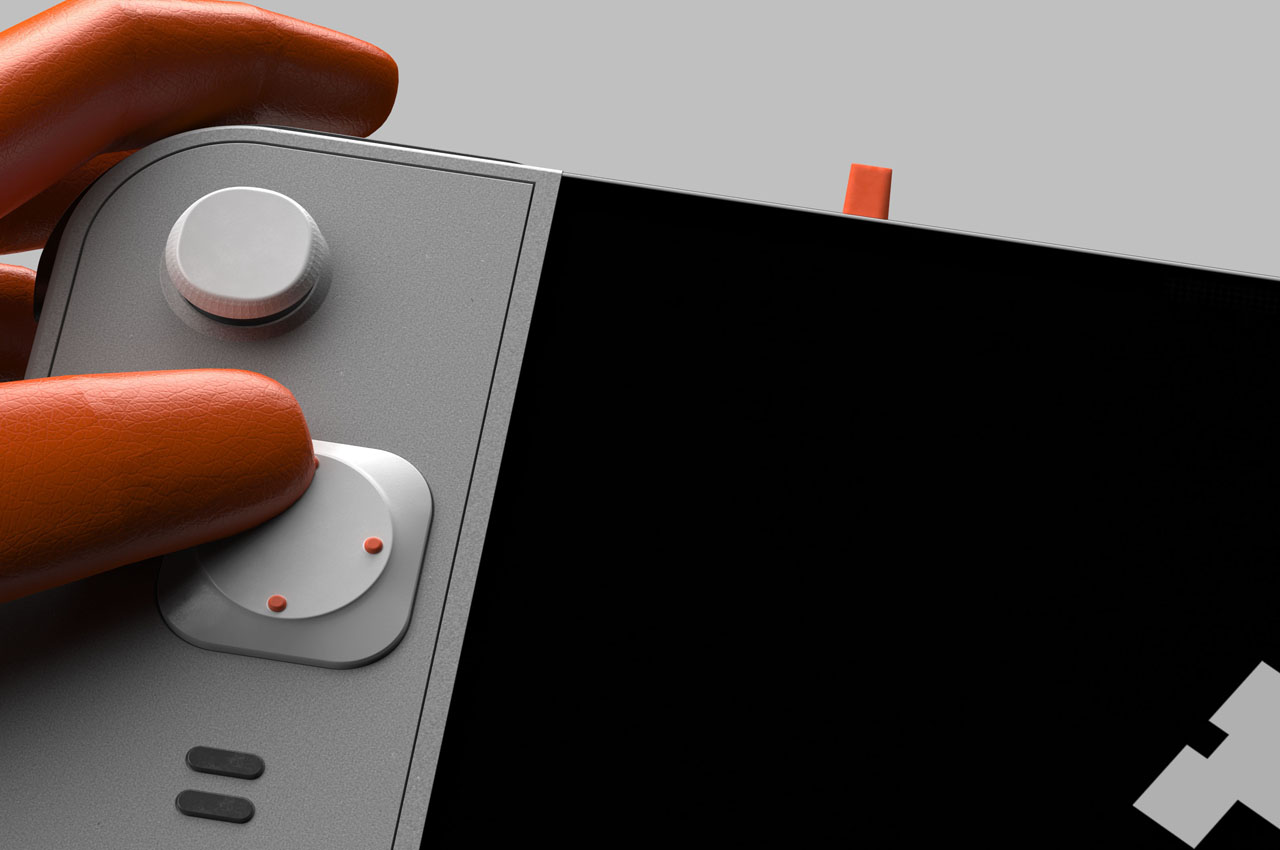
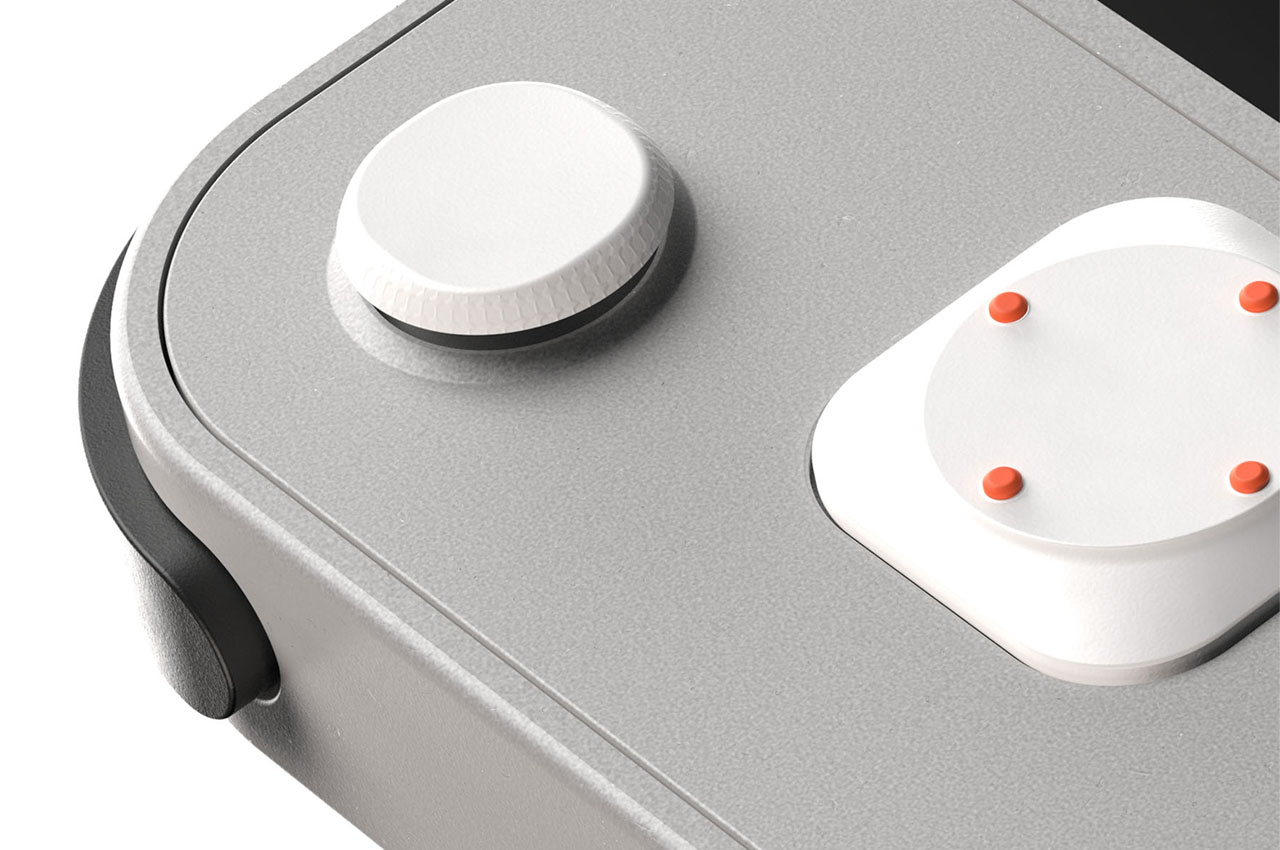
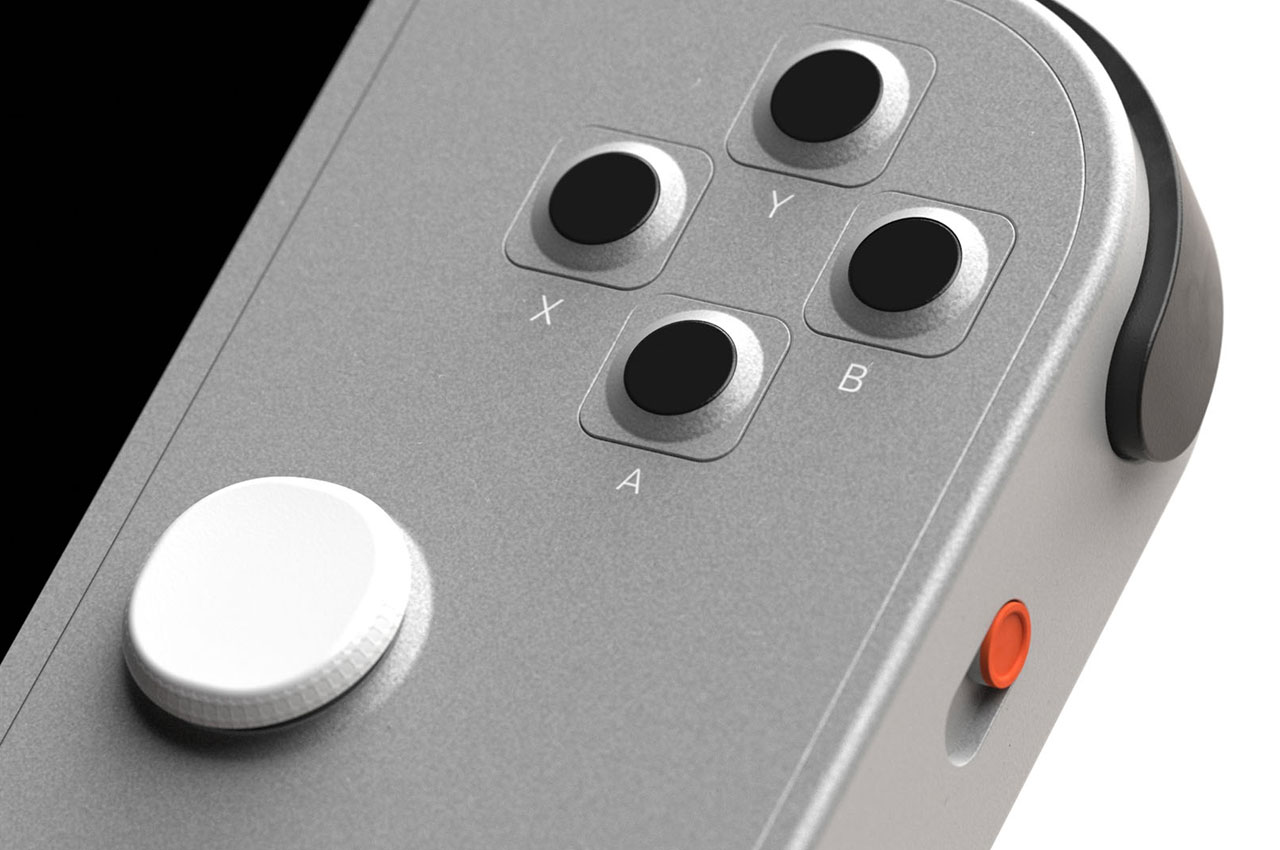
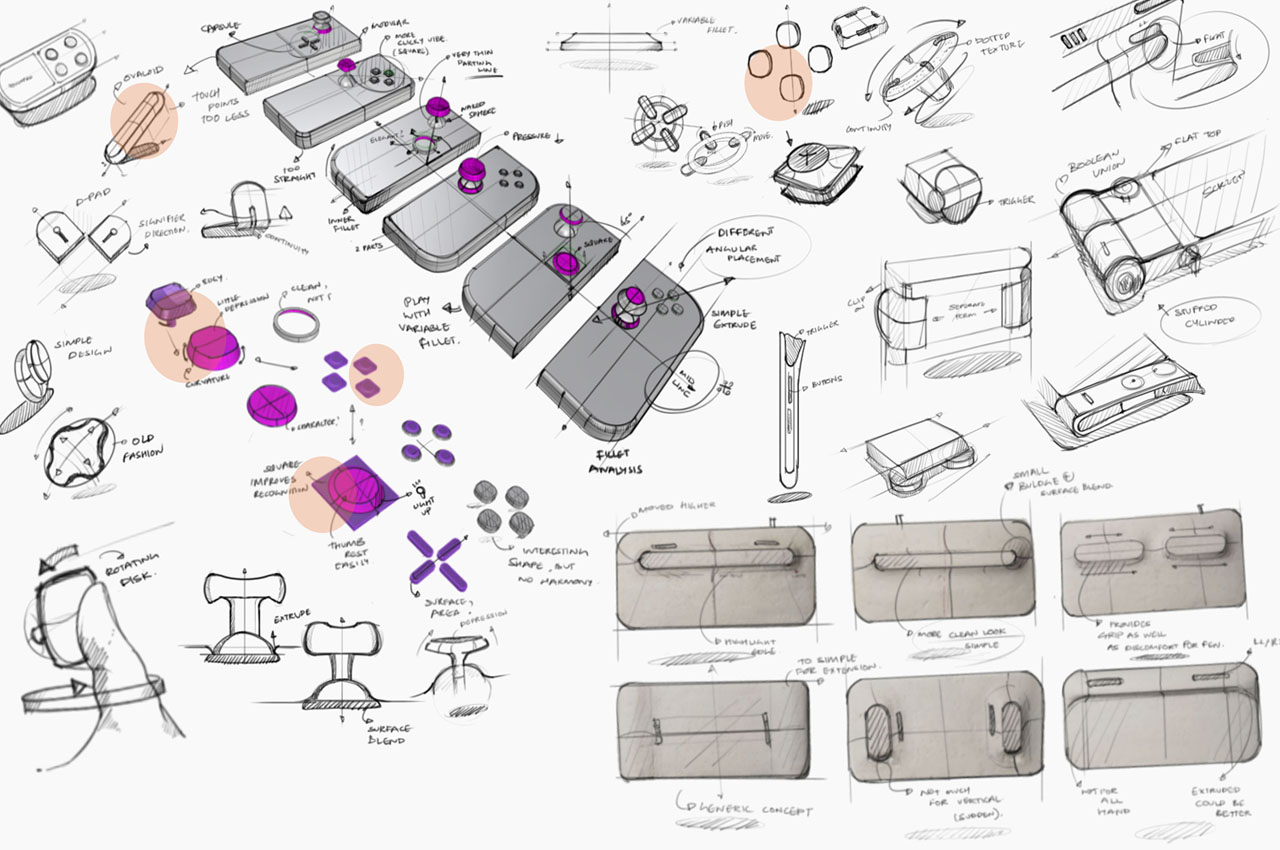
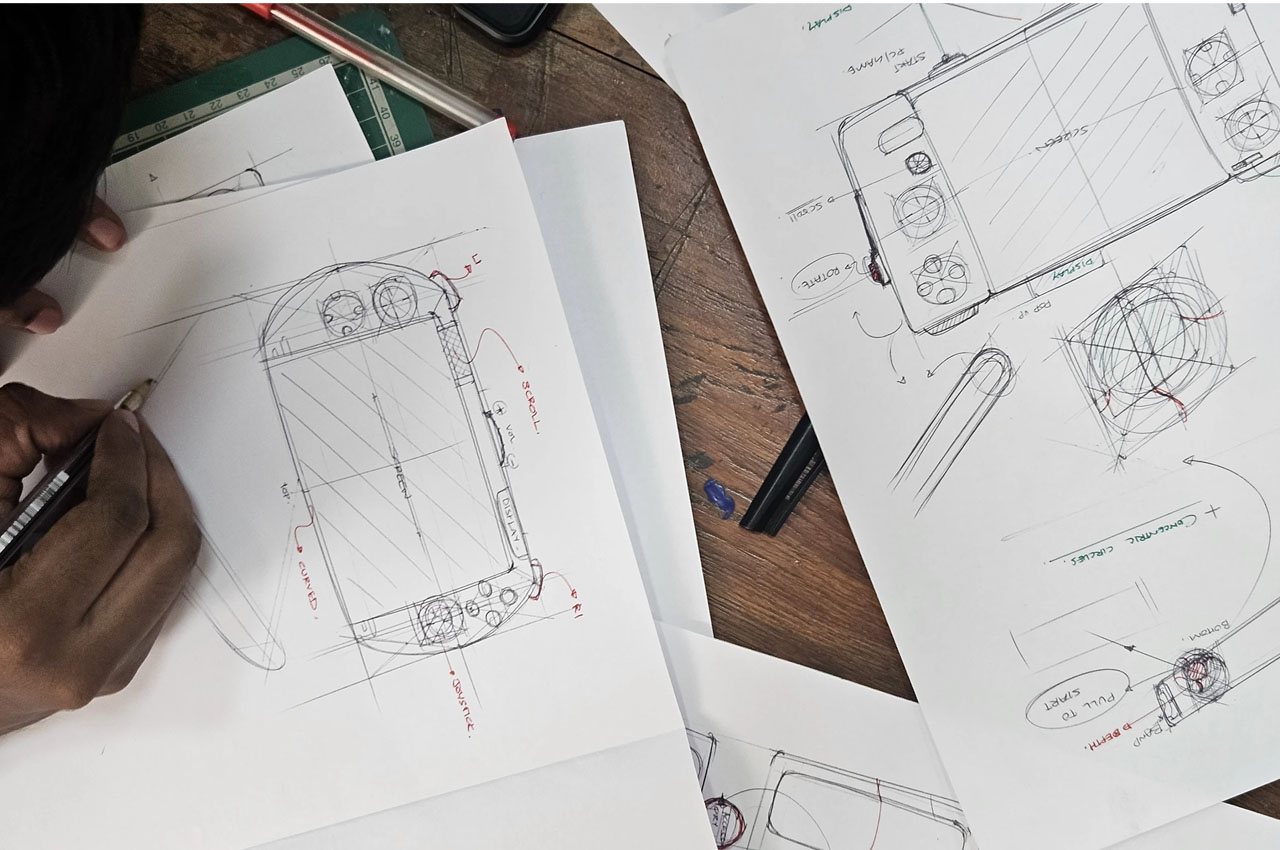
Nidarshan employed parallel prototyping using thermocol models to fine-tune the final handheld design that falls right into place. As a TE fan, I immediately found a connection between two different worlds of audiophile bliss and gaming frenzy in this product. A cohesive form that’s minimal while retaining the ergonomic comfort of playing games for extended sessions. The color theme also piques interest in the form of orange, black and white buttons for the joystick and D-pad buttons.

The slim form factor ensures your fingers never get fatigued from constantly hitting the trigger buttons on the top. From what’s apparent this handheld gaming console is quite compact compared to the current market leaders like Steam Deck, Asus ROG Ally, or Nintendo Switch. That alone is a win for someone like me with small hands.

The titanium silver grey finish brings a new look to the arena which I absolutely love. Whether or not such a handheld is going to disrupt the market, only time will tell, that is if, Teenage Engineering ever designs a handheld gaming console in the near future!

The post Teenage Engineering-inspired Nintendo Switch feels like the minimalist handheld console we deserve first appeared on Yanko Design.
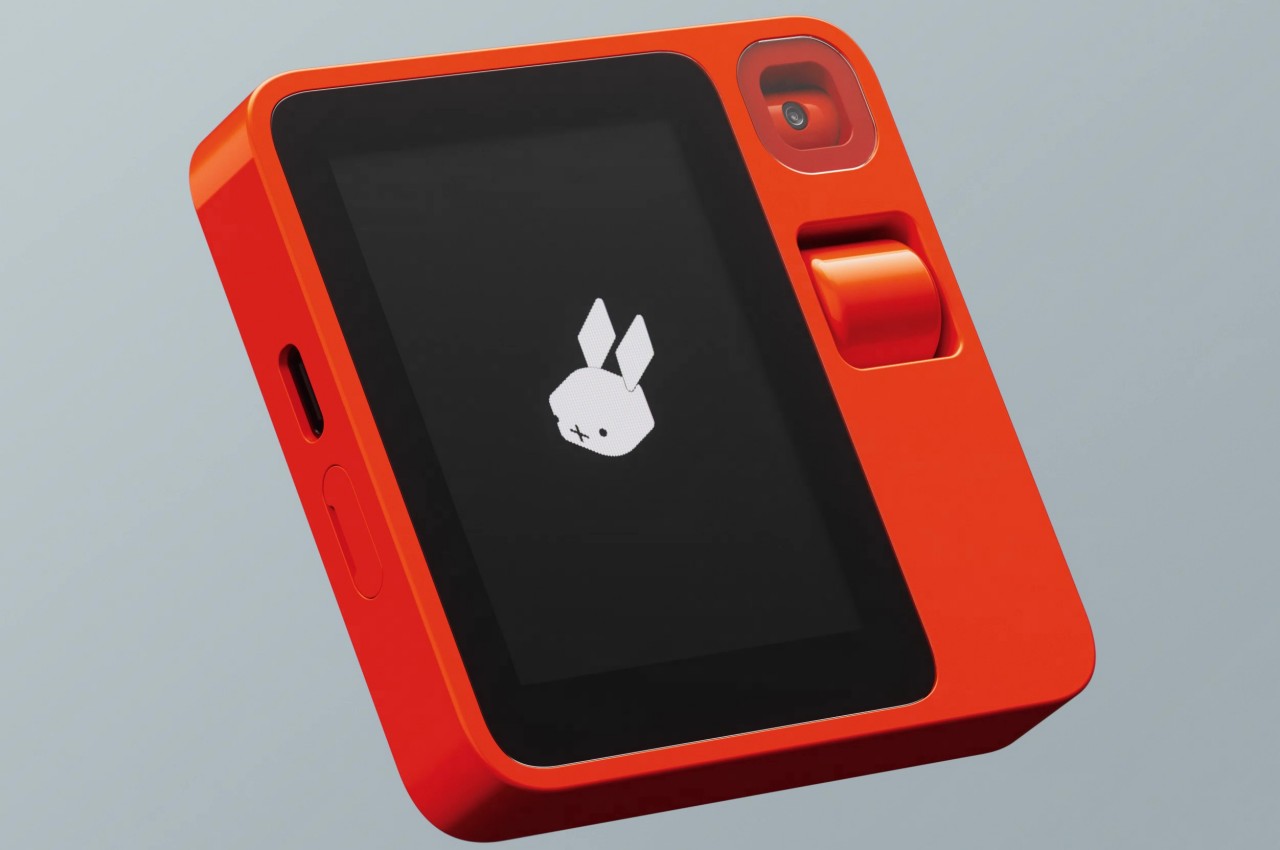
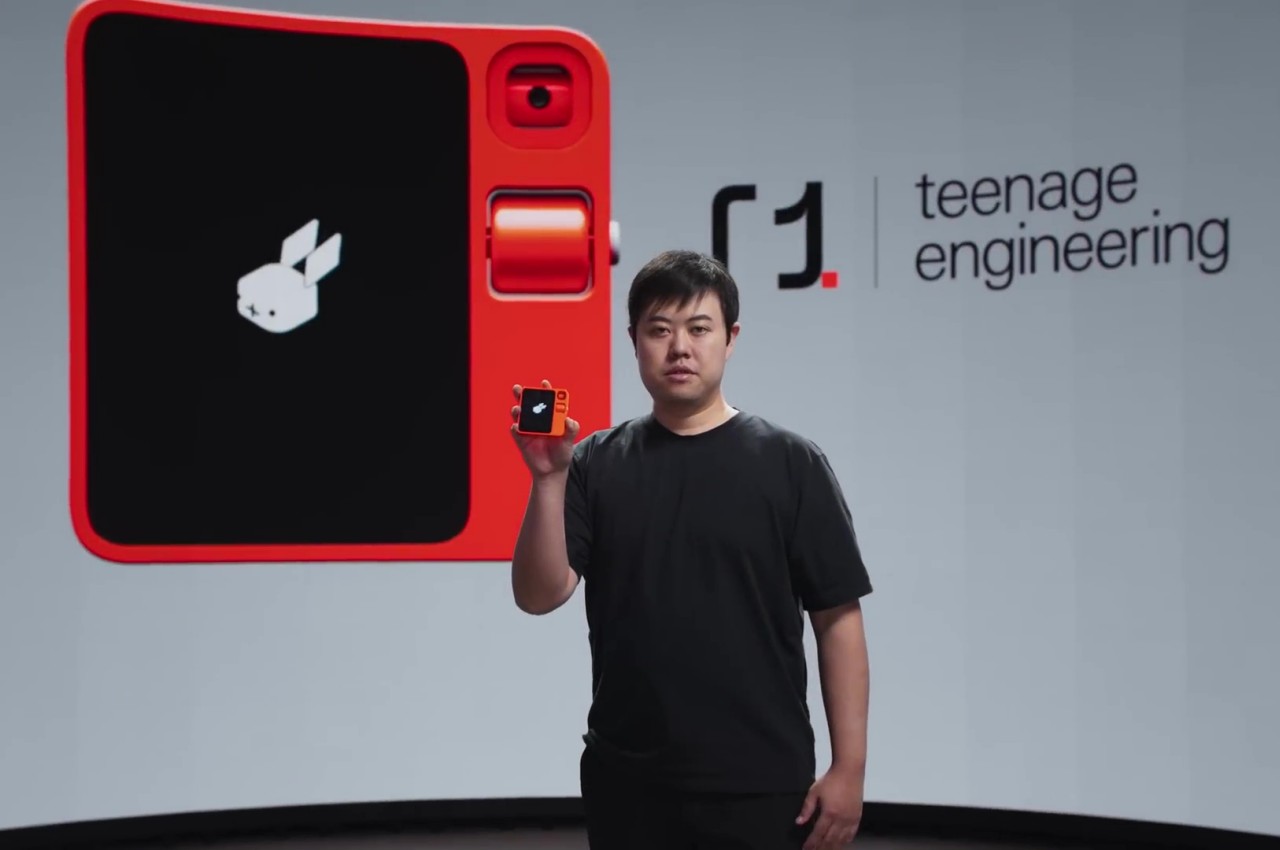
Rabbit r1, co-designed with Teenage Engineering, is a cute pocket AI assistant

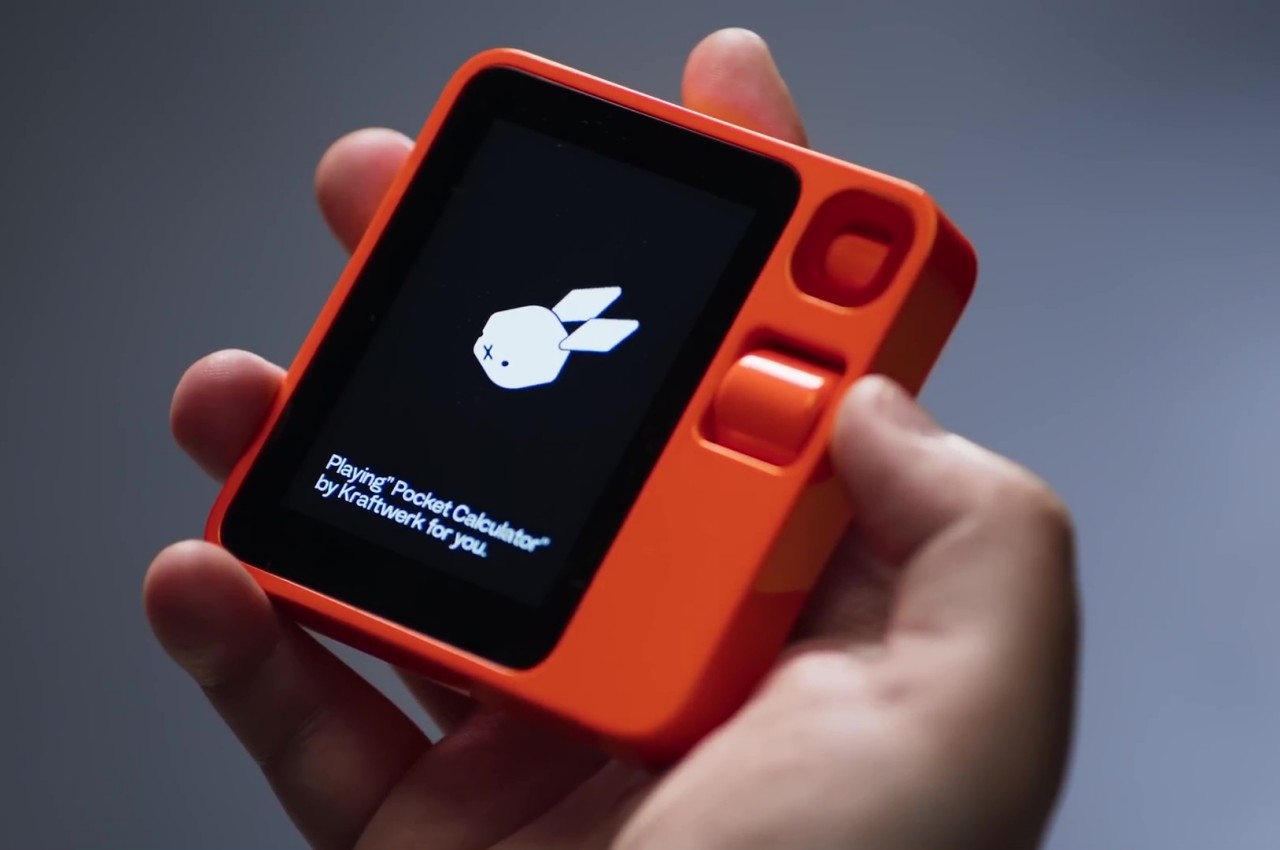
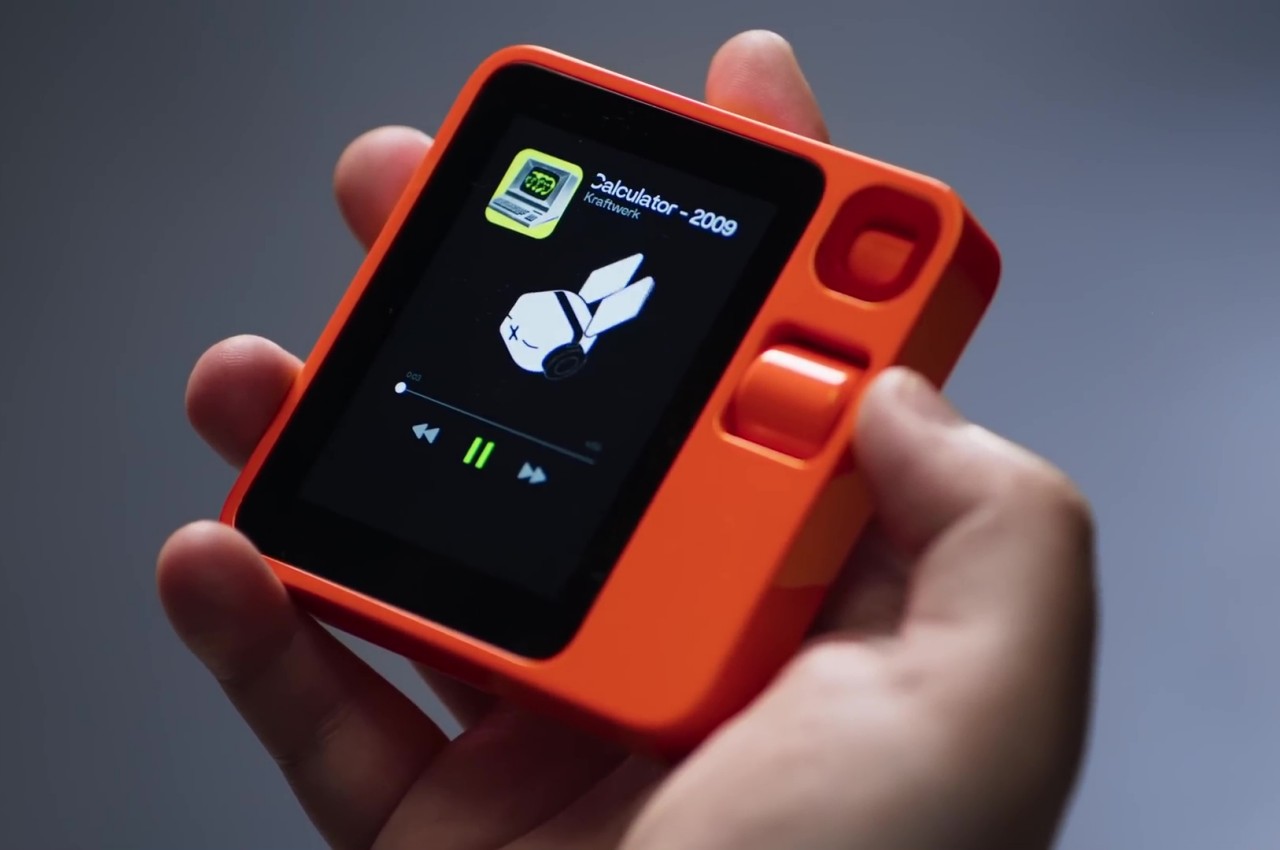
Before the current craze of ChatGPT, image generators, and AI-powered services, the world was obsessed with personal assistants like Siri, Alexa, and Google Assistant. That fad has died down a bit, though mostly because these voice-controlled disembodied voices have become so common and so ubiquitous in many smart home devices these days. That said, most personal AI assistants can only be accessed either from a stationary device at home, such as a smart speaker or TV or from your smartphone, which means you can’t call on your digital friend when you’re outside and can’t pull your phone out. That’s the problem that the Rabbit r1 aims to solve by putting a smart, AI-powered personal assistant in a cute little gadget that feels like a Tamagotchi made for serious purposes.

Designers: Rabbit x Teenage Engineering

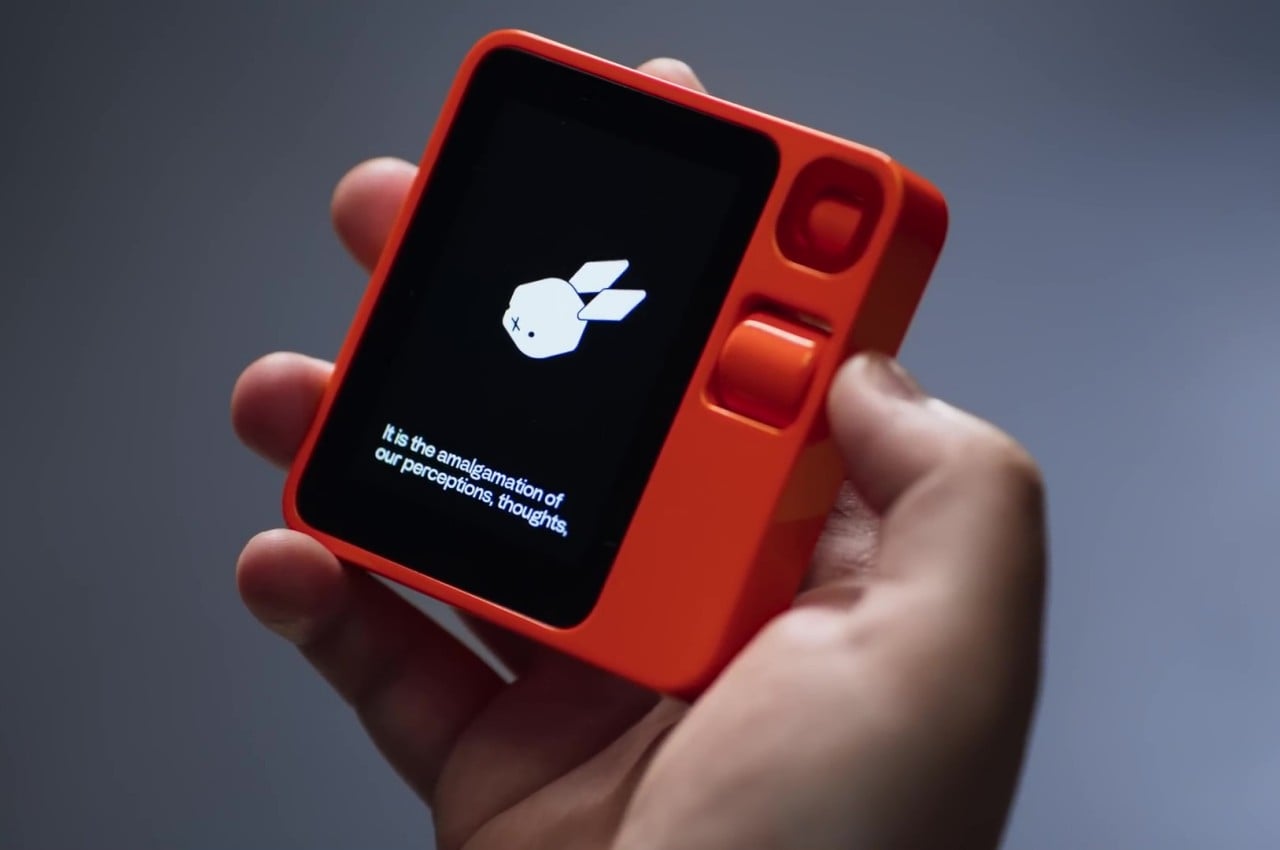
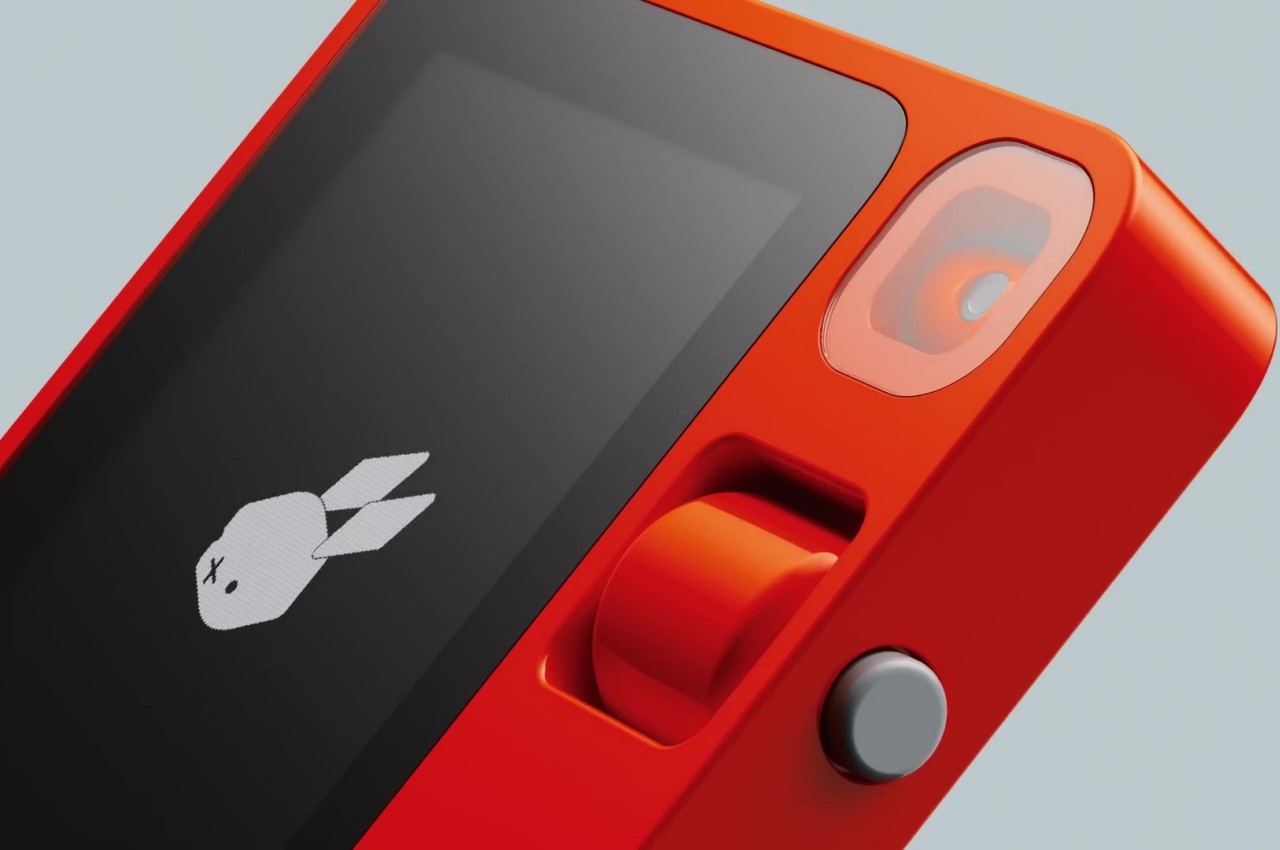
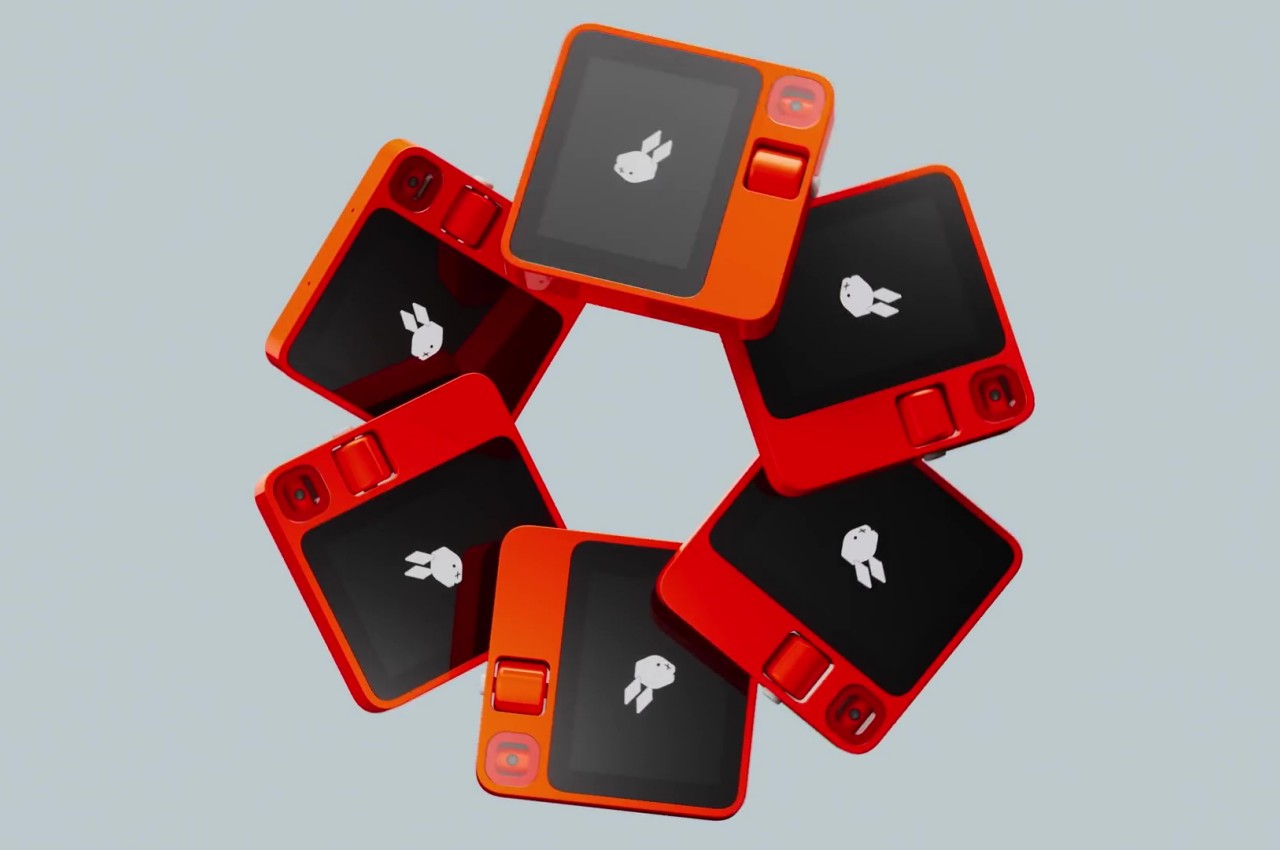
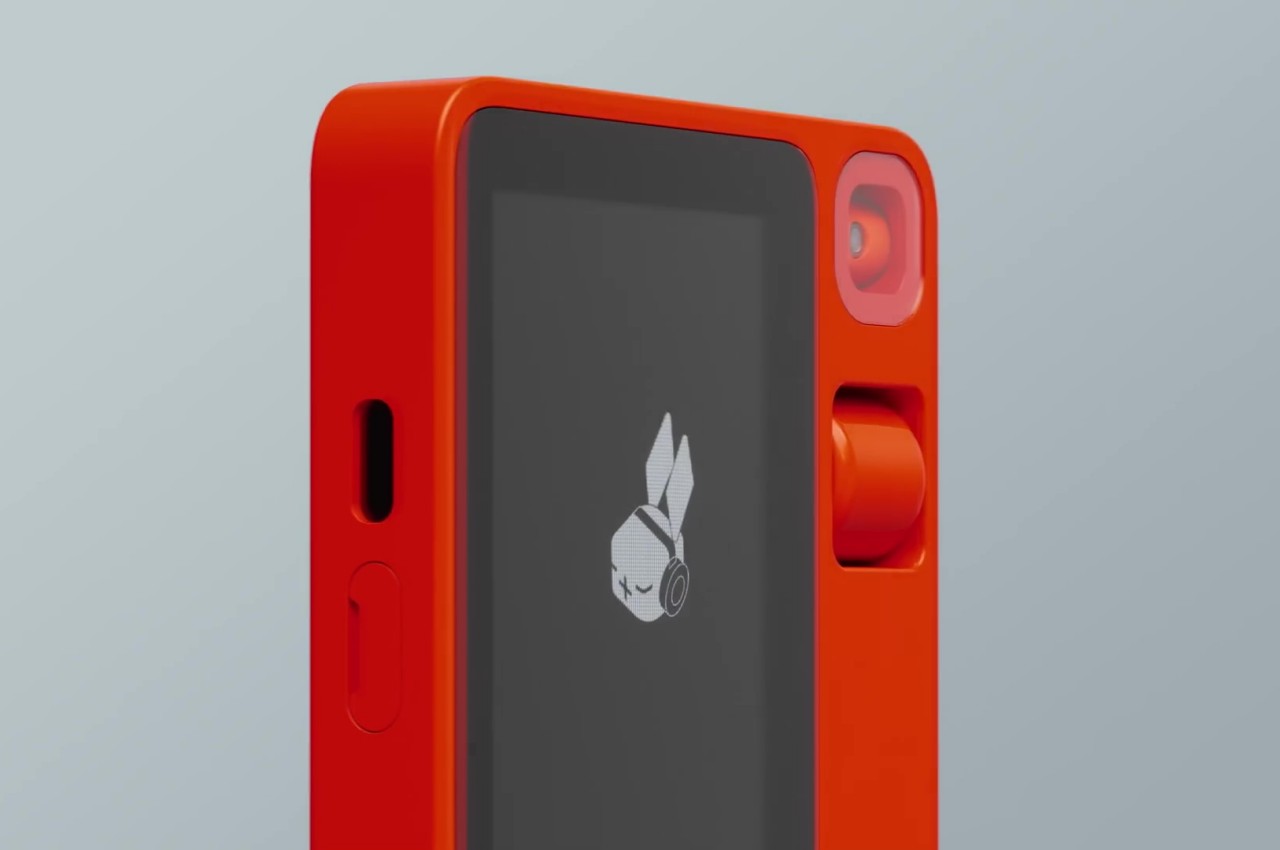
You wouldn’t immediately associate the Rabbit r1 with AI when you first see it. It initially looks like a simple toy with a pixelated rabbit that’s actually just a blocky head with long ears in a square orange device that fits in your hand nicely. That this rabbit head can show some expressions, blink, wink, or even wear headphones further cements its image as a toy, but it’s actually the face, or rather the head, of what may be the cutest AI assistant to grace the market.

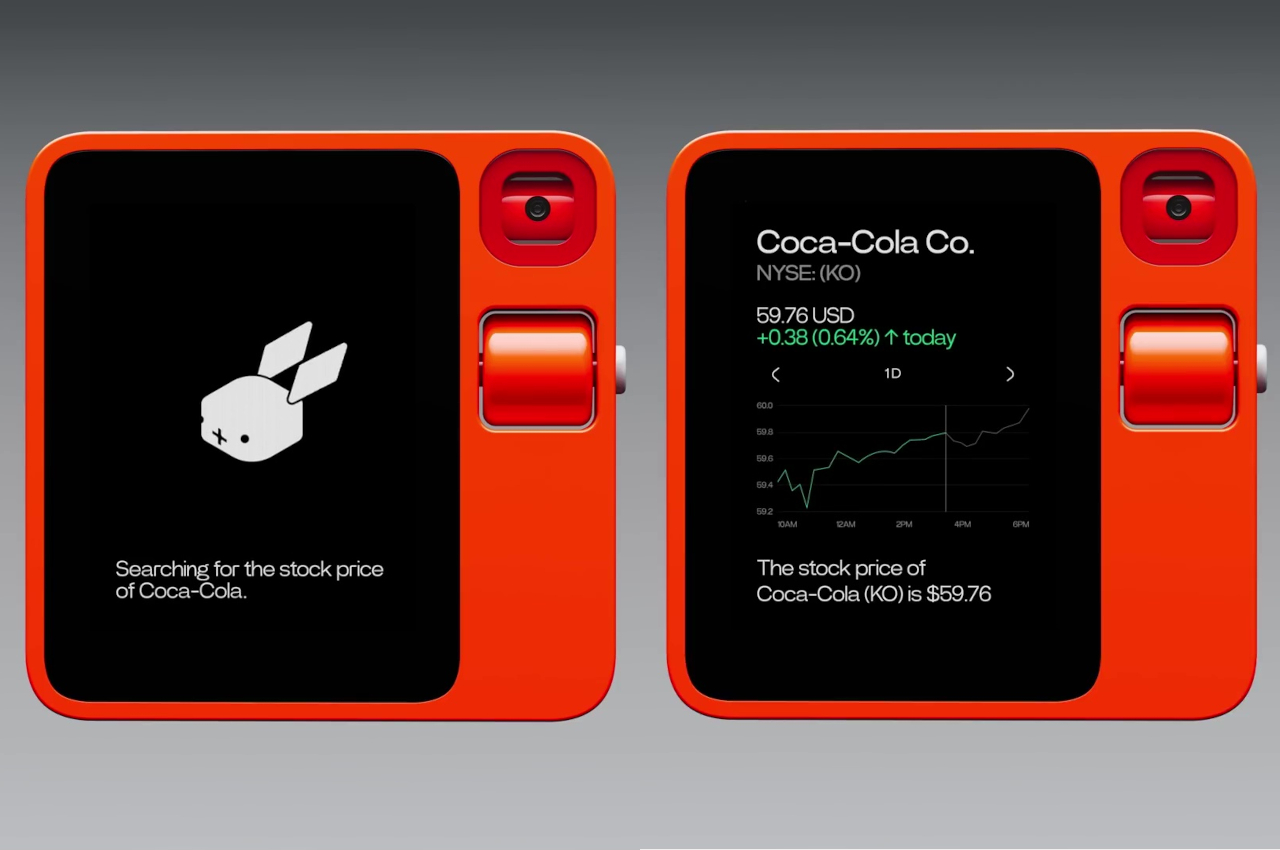
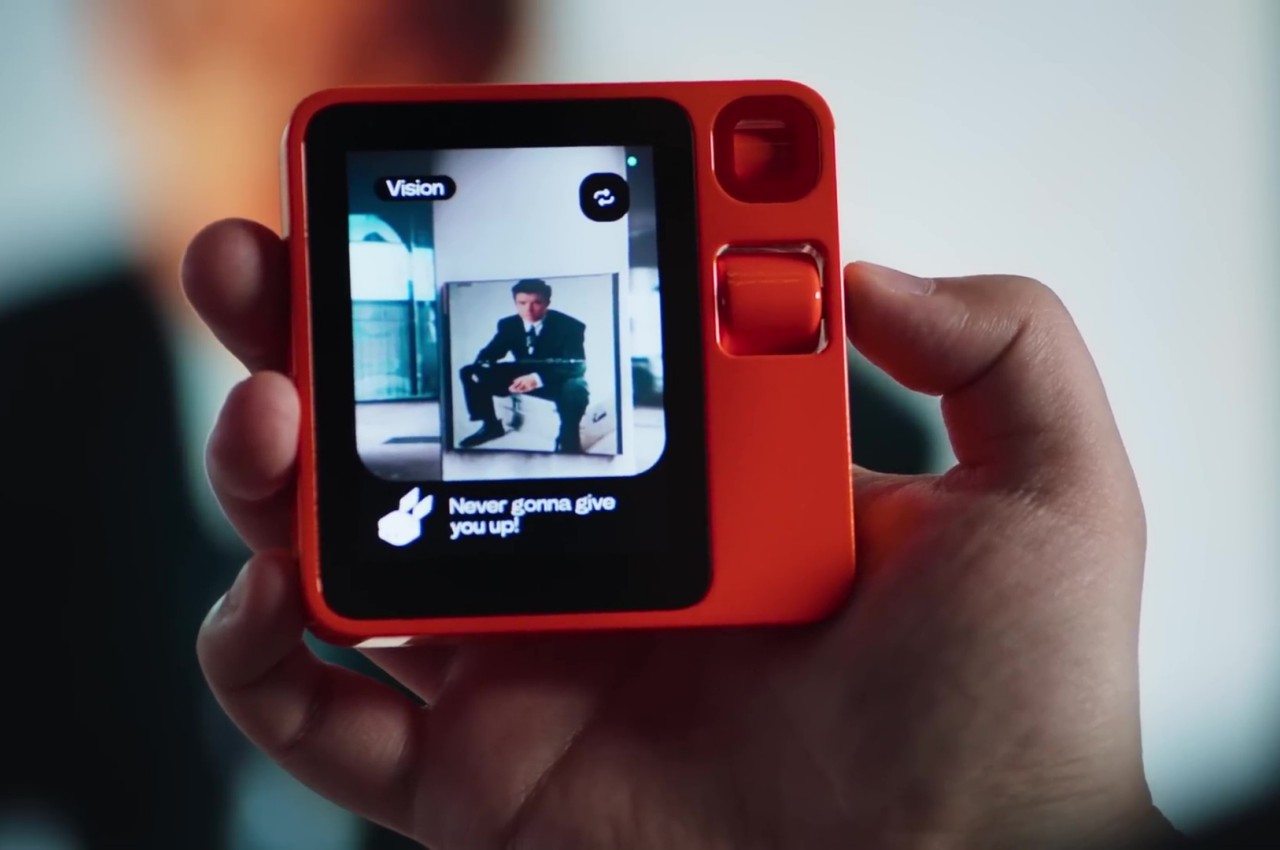
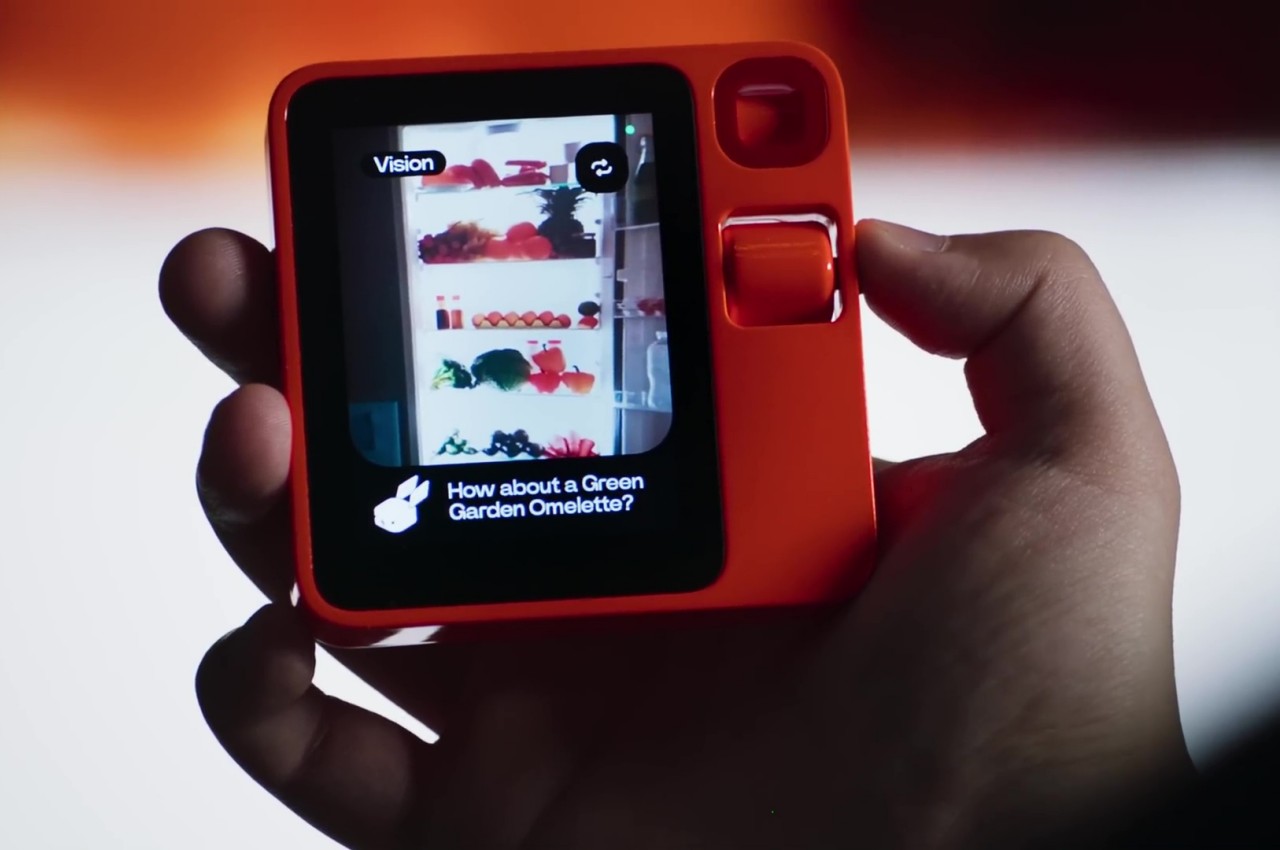
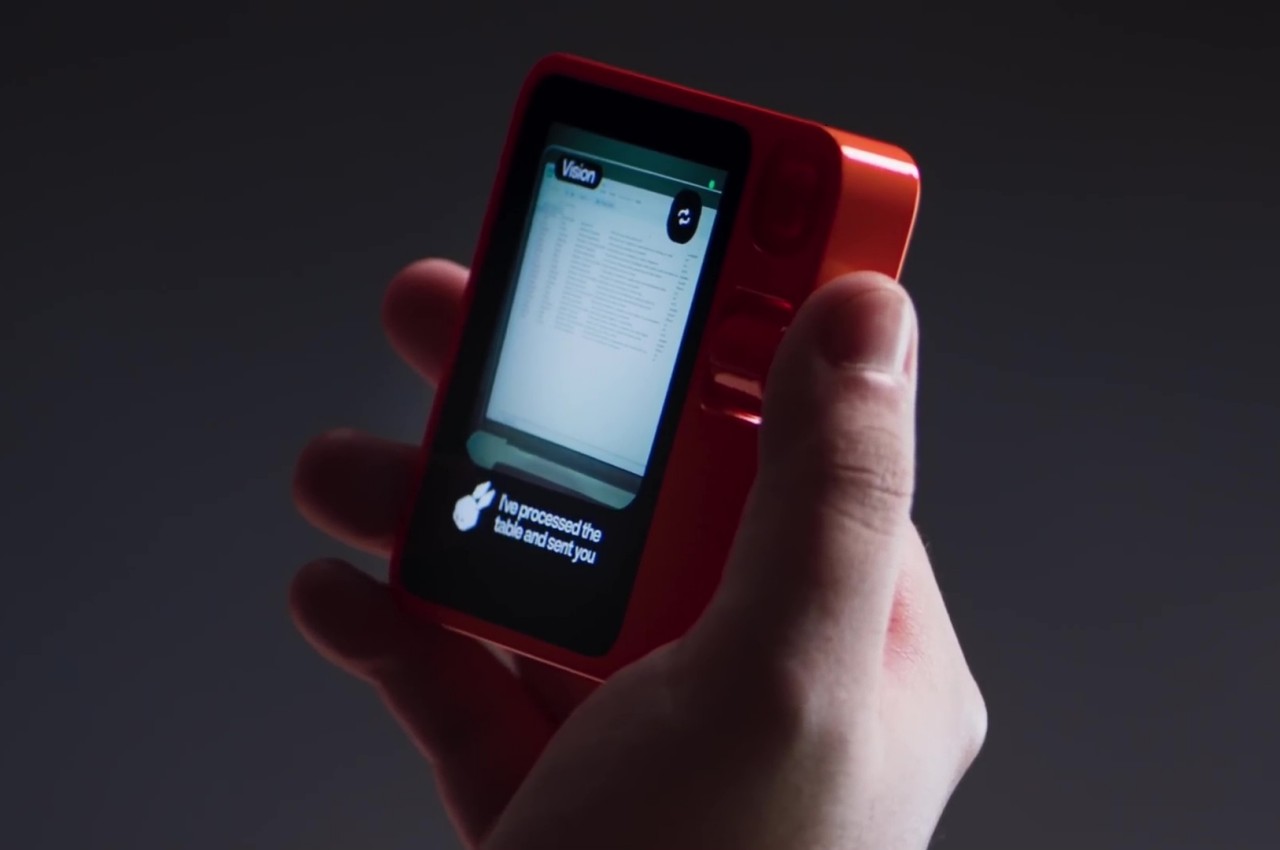
The Rabbit r1 is basically a dedicated AI-powered assistant, formally marketed as “your pocket companion,” that makes the usual AI features more accessible by divorcing them from your phone or home speaker. The idea is that you’d simply pull this less conspicuous (if not for its bright orange color) device out of your pocket or bag, push and hold down a button to talk to the rabbit, and then wait for its response both on the screen as well as via audio. Rabbit OS, as the software platform is being called, seems plenty capable and can answer almost any question, and the rotating camera even does image recognition so you can identify viral personalities or get a suggestion on what to cook based on what you have in your fridge.

If the r1’s aesthetic looks familiar, then you might have recognized Teenage Engineering’s design DNA in it. The Swedish company is best known for its distinctive music-creation devices, and it is indeed the creative genius behind this pocket AI device’s equally distinctive design. Suffice it to say, you won’t be embarrassed to be seen in public using this device, especially in places where a smartphone would be even more impolite or impossible.

The Rabbit r1 is designed to be super simple to use, which is why it only has a single push button and an analog scroll wheel, though the screen is, of course, touch-enabled. In addition to the usual queries, Rabbit OS will also be able to connect with the same apps and services as typical AI assistants, though it’s still a work in progress. It seems that the concept and the design have resounded with many people and the initial batch of 10,000 pre-orders for this $199 sold out on the first day. Whether it will be able to deliver on its promise, we’ll have to wait for initial reviews to see, and hear.

The post Rabbit r1, co-designed with Teenage Engineering, is a cute pocket AI assistant first appeared on Yanko Design.
Teenage Engineering made a tricorder-like gadget that’s actually a portable synthesizer

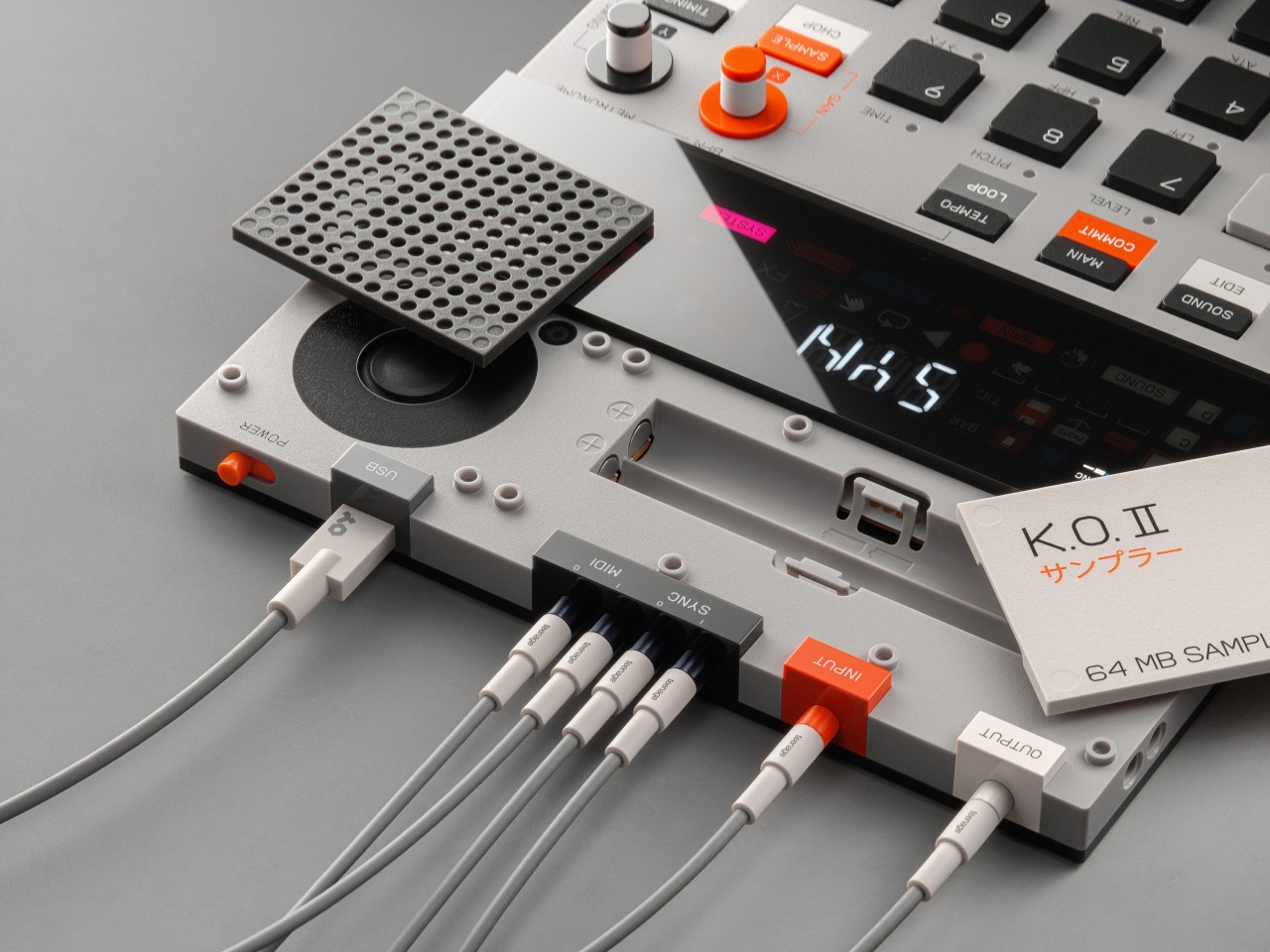
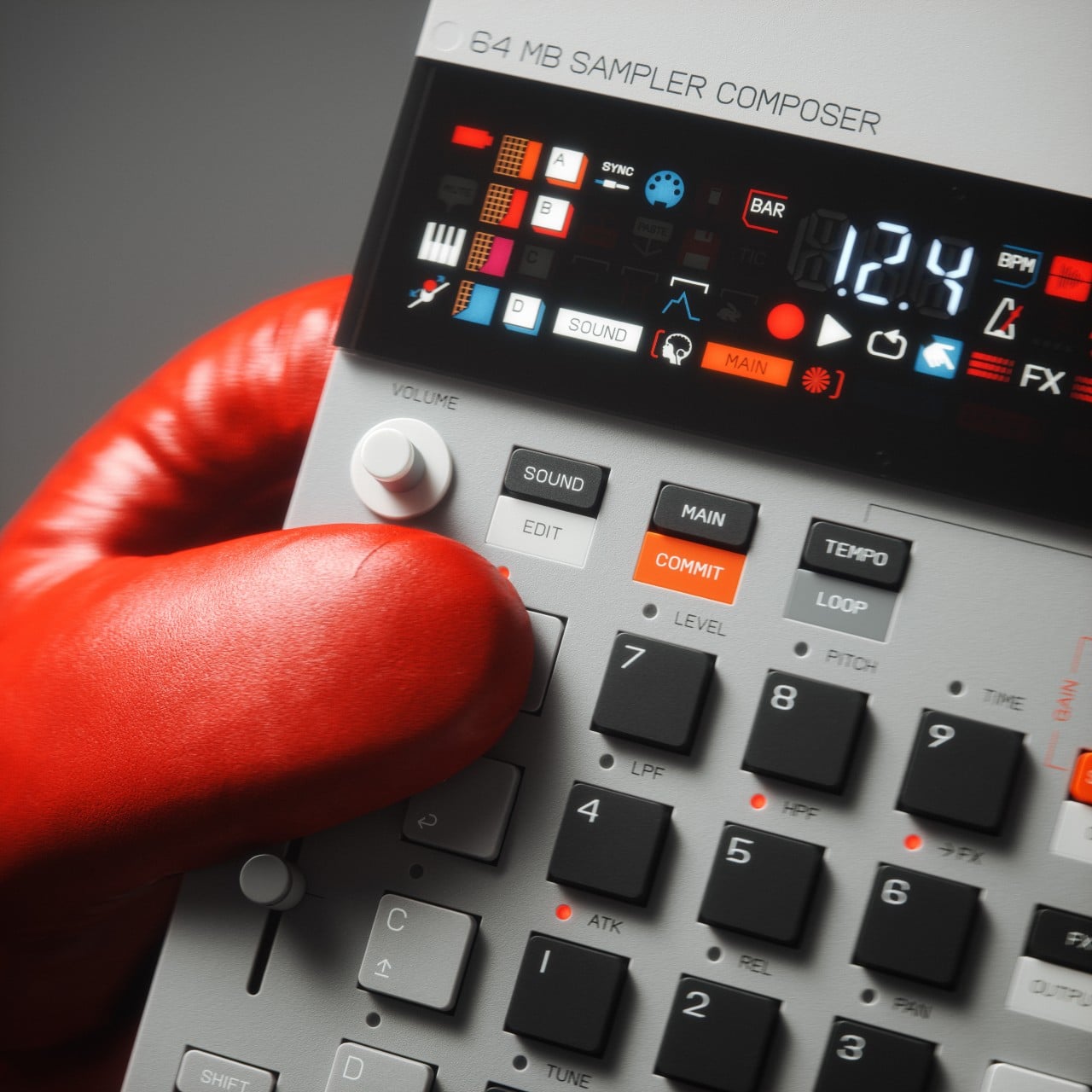
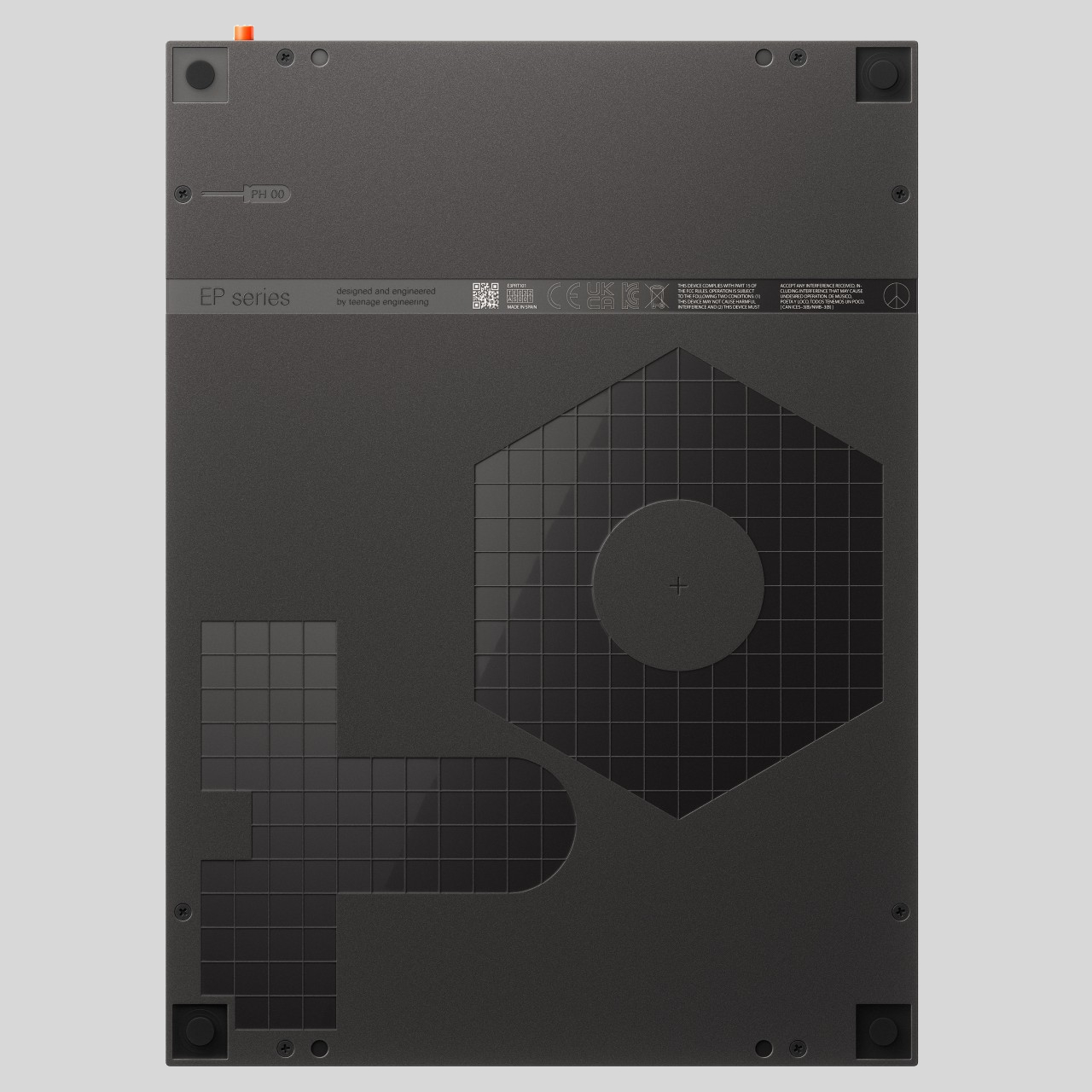
Teenage Engineering is best known for audio equipment with unique aesthetics, though it does sometimes put out unrelated products, such as a desktop PC tower, wooden “choir” mini figurines, and a toy car. That last one was its prelude to the real product launch it had planned, a product that seemed to straddle the line between a full-fledged tool and a sophisticated toy. Given its size, design, and pedigree, Teenage Engineering’s shiny new EP-133 K.O. II is something you might find hard to take seriously at first glance. Fortunately, it seems to have just the right knobs and buttons, literally, to make it a real tool for music makers, at least those that will be able to shoulder its price.

Designer: teenage engineering

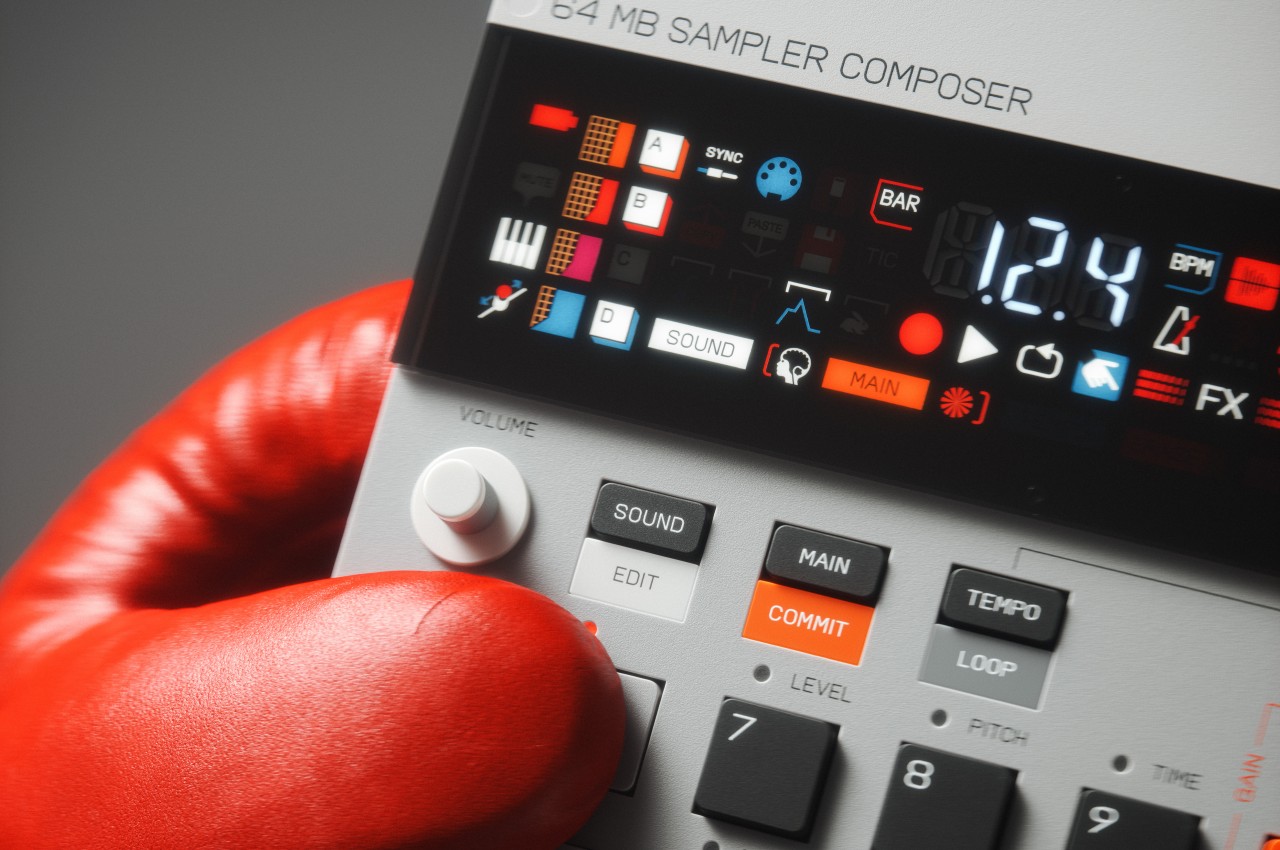
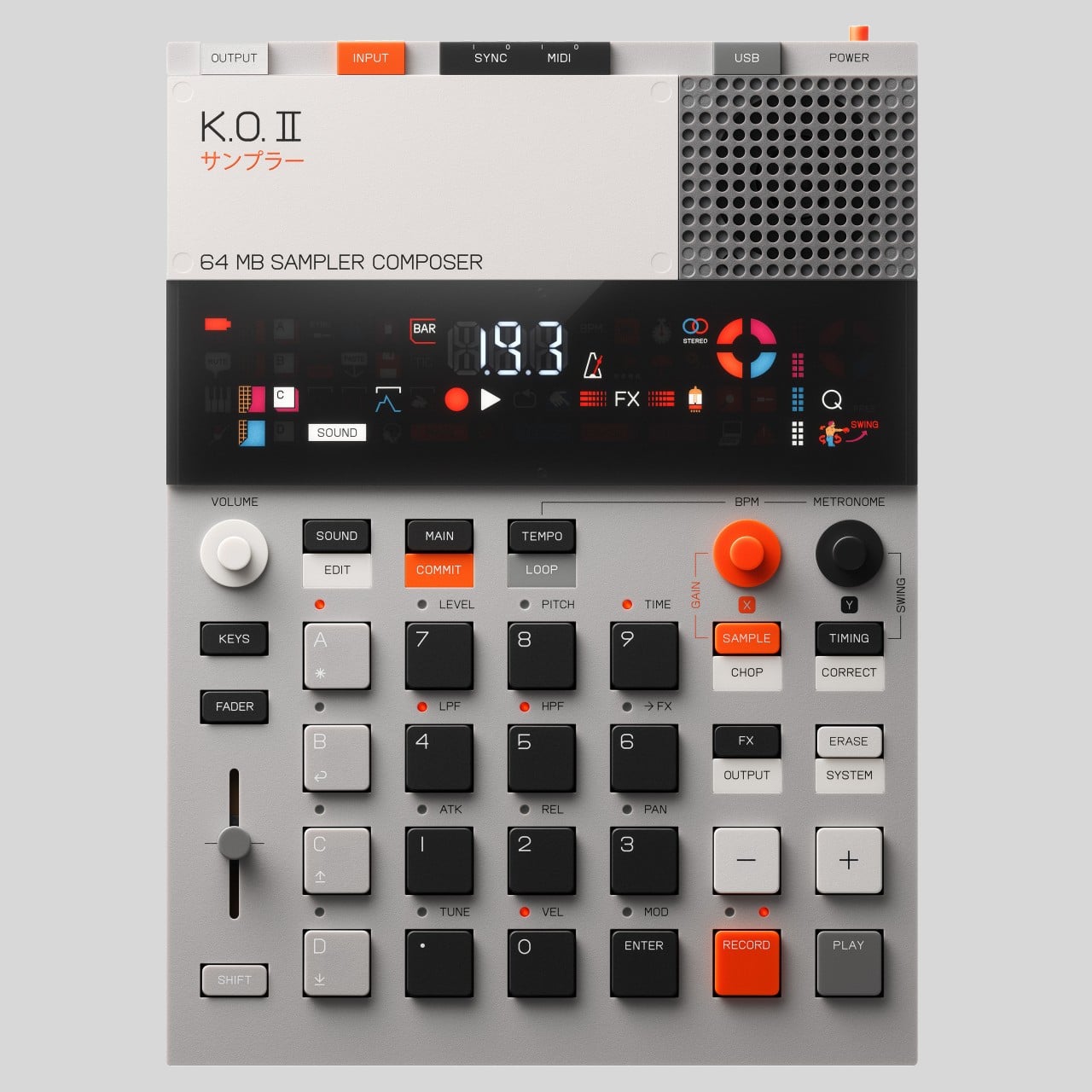
This new sampler, sequencer, and composer takes its inspiration from the brand’s Pocket Operator PO-33 K.O. I back in 2015. This device’s small, calculator-like design and accessible price point really made it look and feel more like some fun gadget for some whimsical music mixing. In contrast, the EP-133 K.O. II, or just KO II, for short, is way too large to fit in your pocket, which is the price you’ll have to pay for significantly more functionality that makes this portable synthesizer worth its weight in gold.

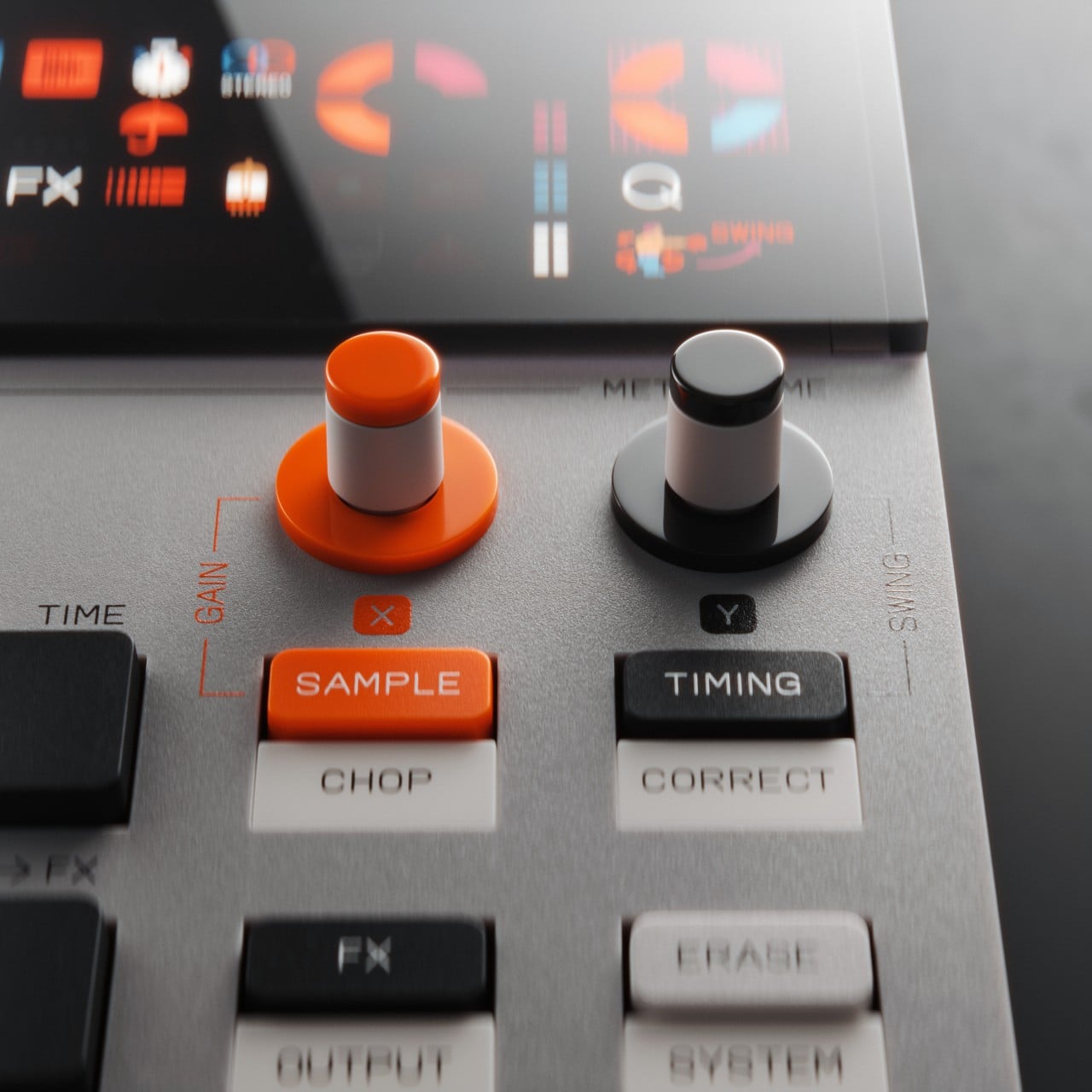
The aesthetics are also worlds apart as well. While the Pocket Operators really looked more like black Pocket Calculators, the KO II more than doubles the size and injects a mix of grays, whites, and oranges all over the place. The large buttons, tall knobs, and industrial aesthetic might remind some of the props from sci-fi shows during the 60s, specifically those from Star Trek. The rectangular screen’s choice of colors and shapes to display the user interface is also reminiscent of the show’s LCARS user interface. It might even be able to play those tricorder sound effects because, after all, it is a portable synth anyway.

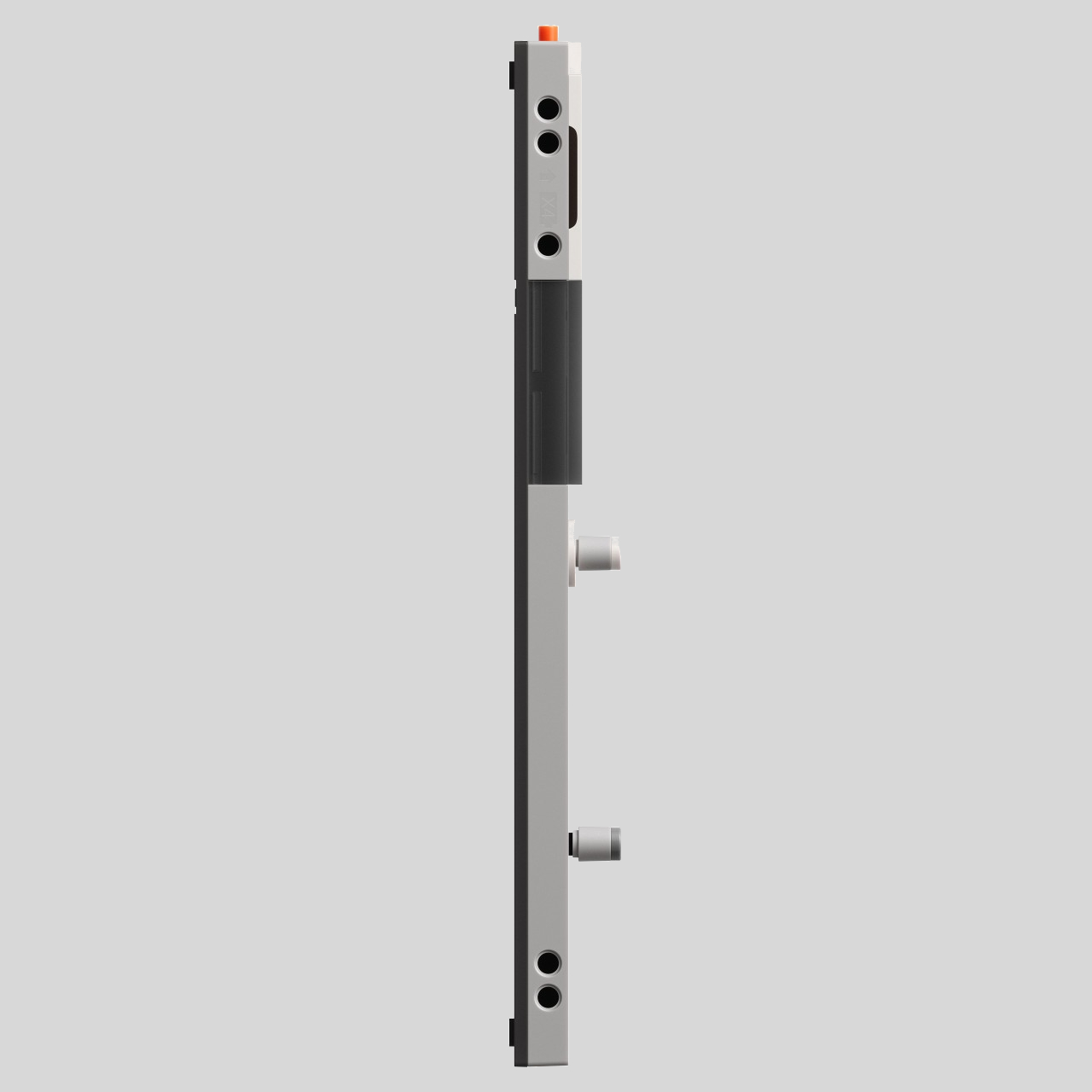
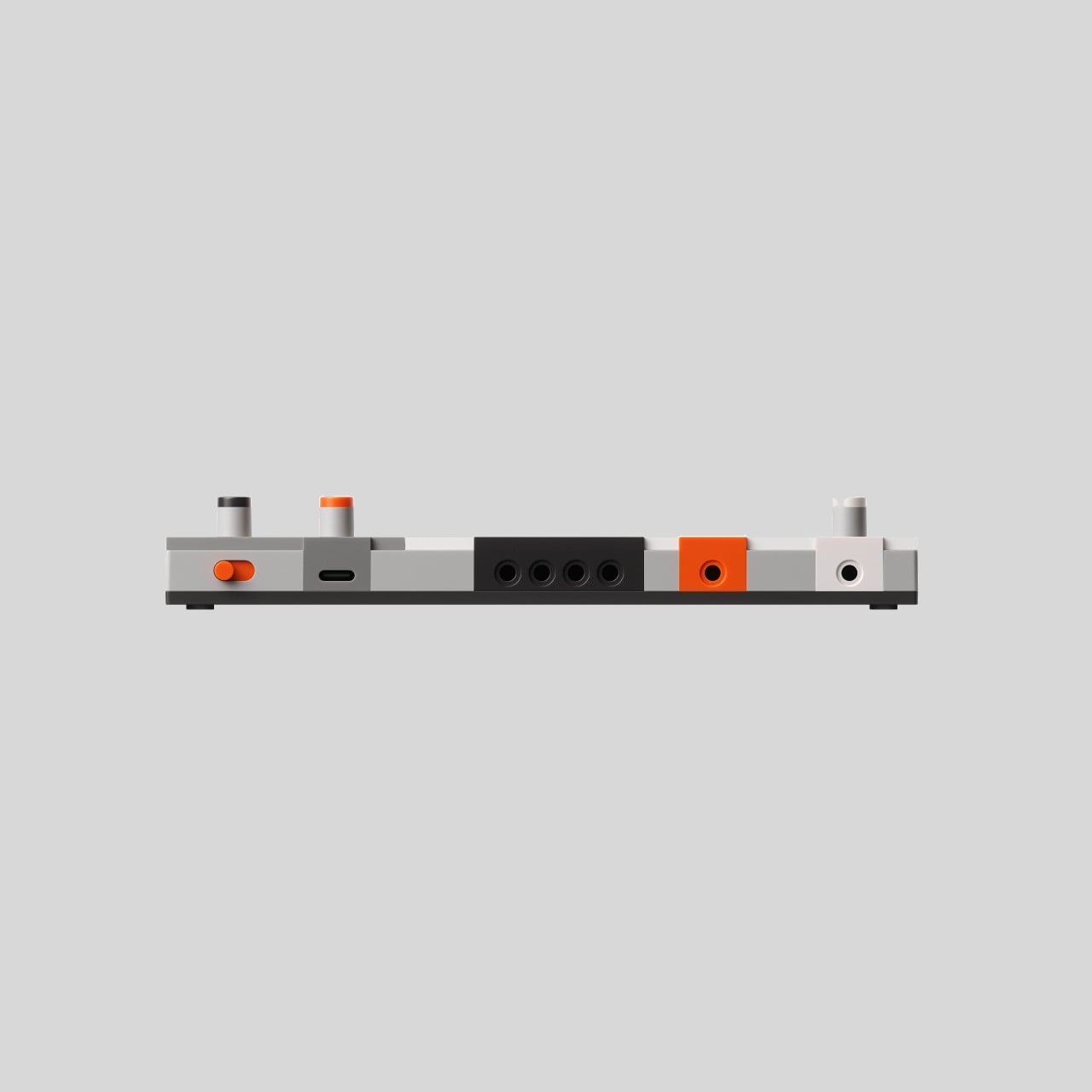
It actually has quite a lot of features for that purpose, including 999 sample slots and a built-in speaker. There’s also a built-in mic to let you record your own samples right then and there, as well as a selection of drums, bass, and keys to help you get started. There’s a 3.5mm headphone jack in case you want to extend the sampler’s features, but do note it only has 64MB of memory, which is probably the biggest deal-breaker for this product. Apparently, the limitation is there to encourage musicians to finish their creations in one go rather than delaying them forever.

Teenage Engineering is slapping a $299 price tag on the EP-133 K.O. II, amusingly just $50 more than its toy Grip Car. It’s still considerably lower than its other synths, enough to entice music makers of all skill levels, but still quite a hefty investment. Then again, it’s a fully functional portable groove box that has quite a distinctive design you can flaunt around, giving you an image of a retro-futuristic music genius controlling the beat with your hi-tech tool.

The post Teenage Engineering made a tricorder-like gadget that’s actually a portable synthesizer first appeared on Yanko Design.
Teenage Engineering Grip Car tests how far your minimalism loyalty can go

The minimalism design trend is still going strong, especially because of how it leans toward an economy of resources and production. Of course, it isn’t the only design paradigm around, nor is it always the best for every kind of product. Cars, for example, don’t easily lend themselves to minimalism because of the assortment of complex parts, some of which are required to be designed in a certain way to be safe and legal. Toy cars, on the other hand, don’t have such limitations, and aside from faithfully recreating existing cars, they can come in a variety of designs and interpretations. This particular “doodad,” for example, probably stretches the definition of a car while also trying to see how much people will be willing to pay for an odd yet beautifully minimalist toy car.
Designer: Anders Hermansen for Teenage Engineering

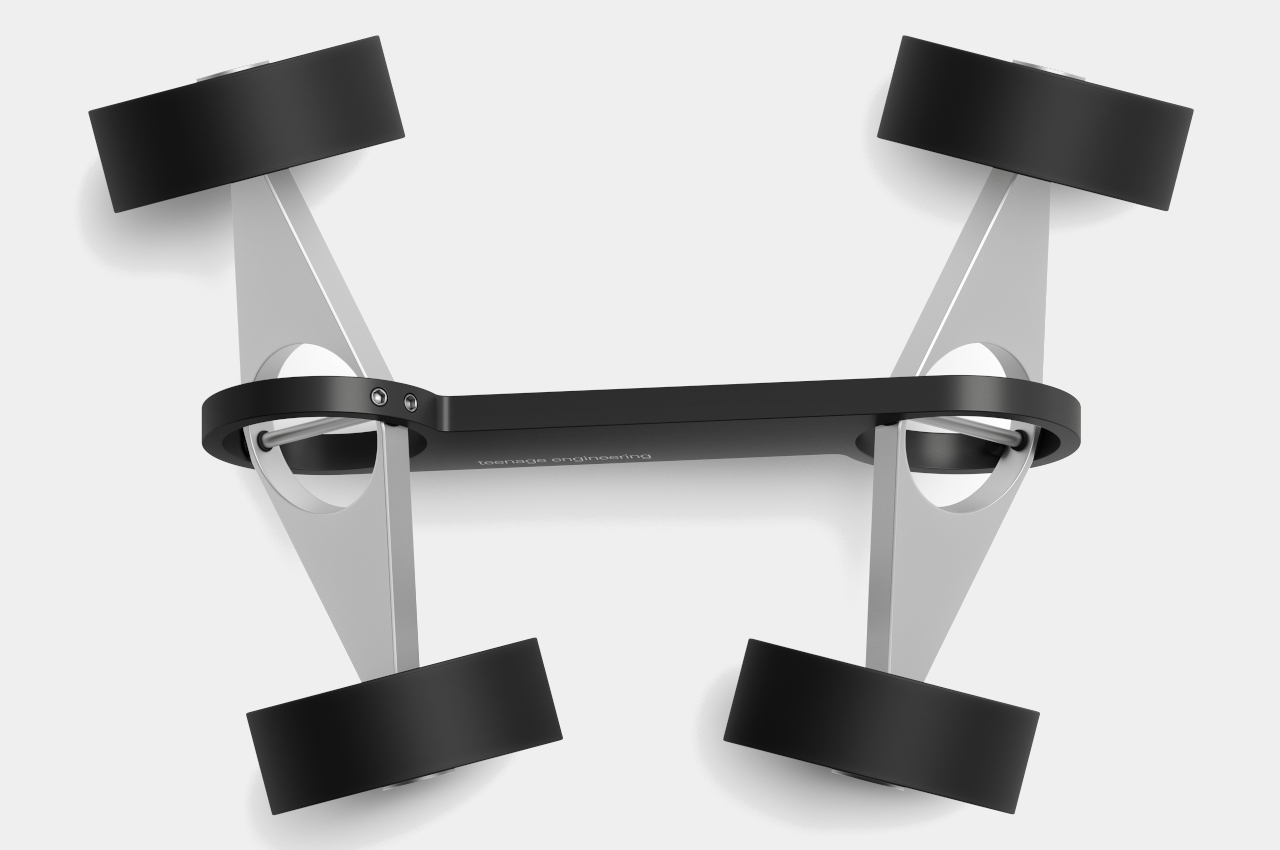
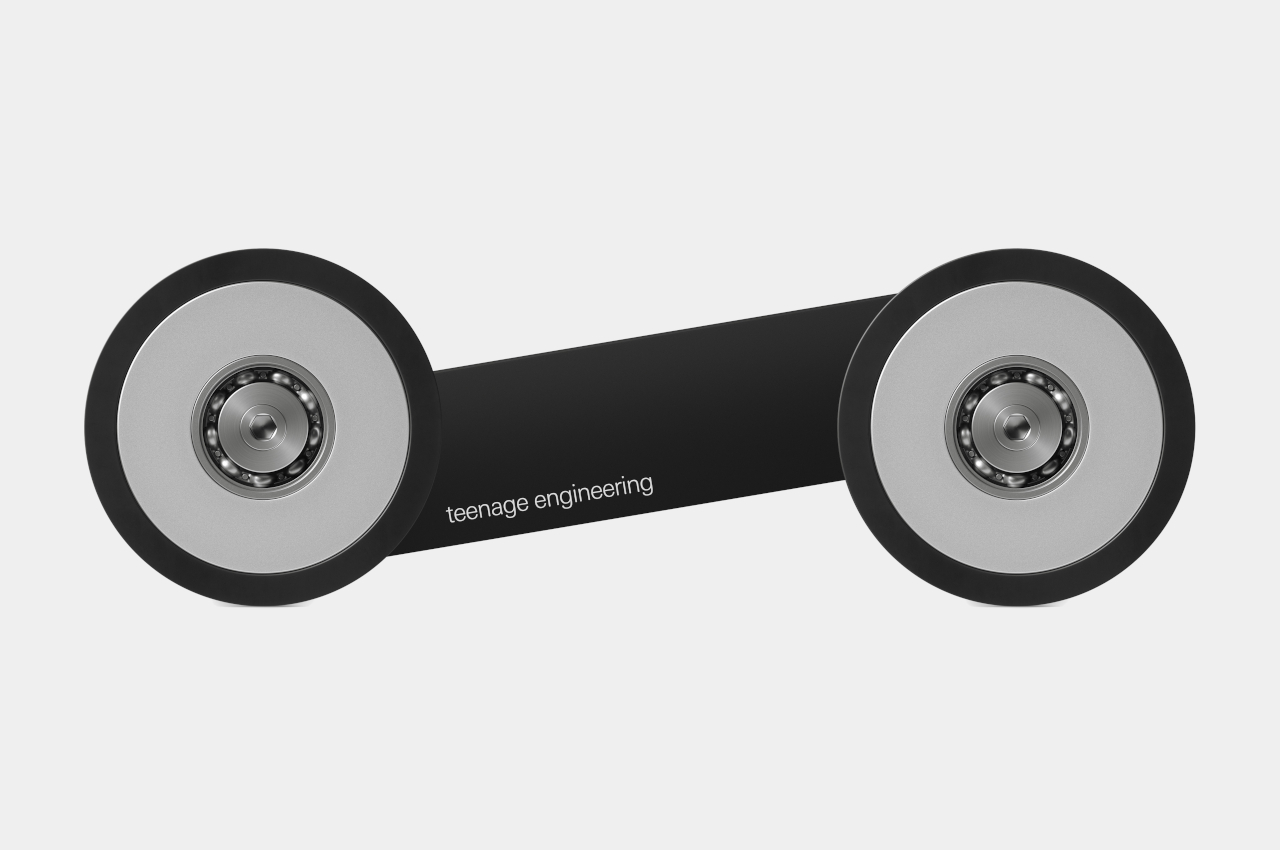
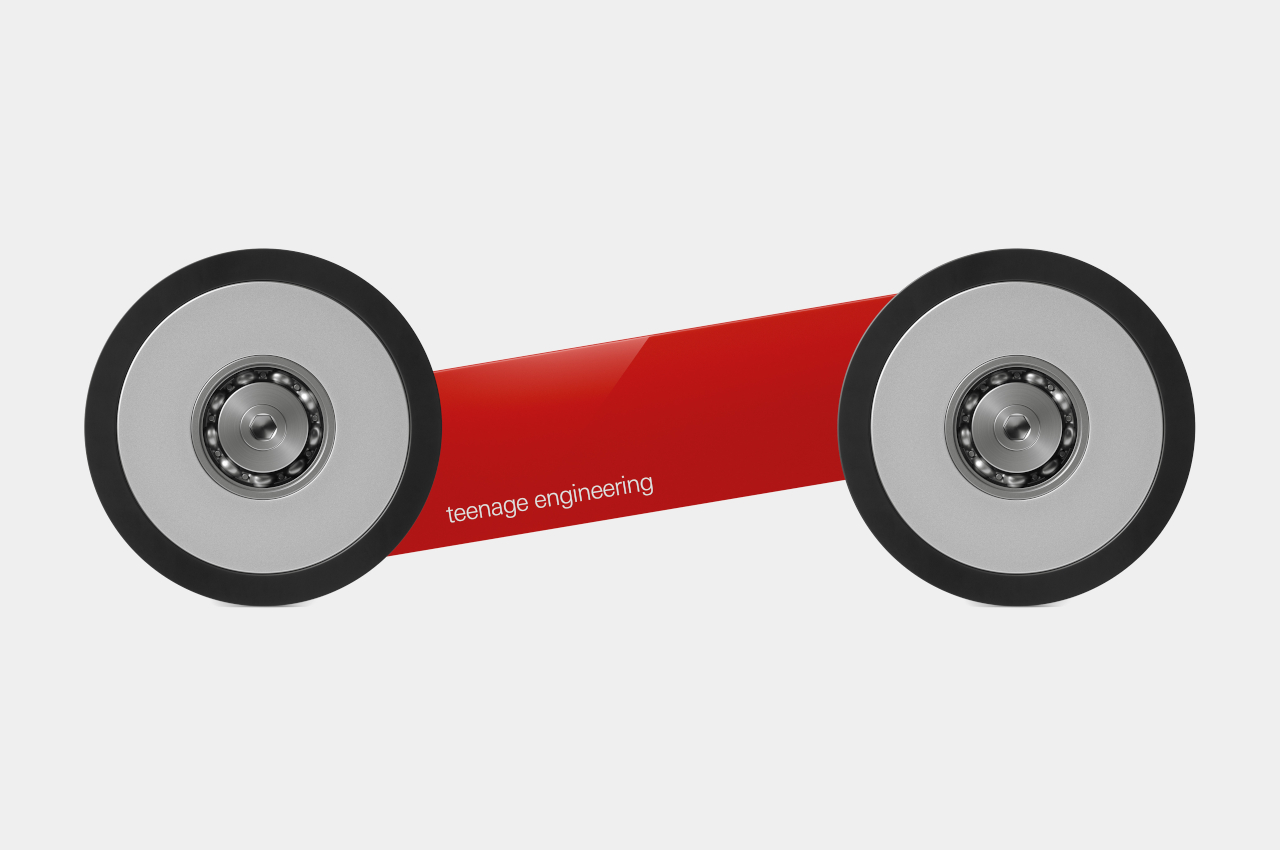
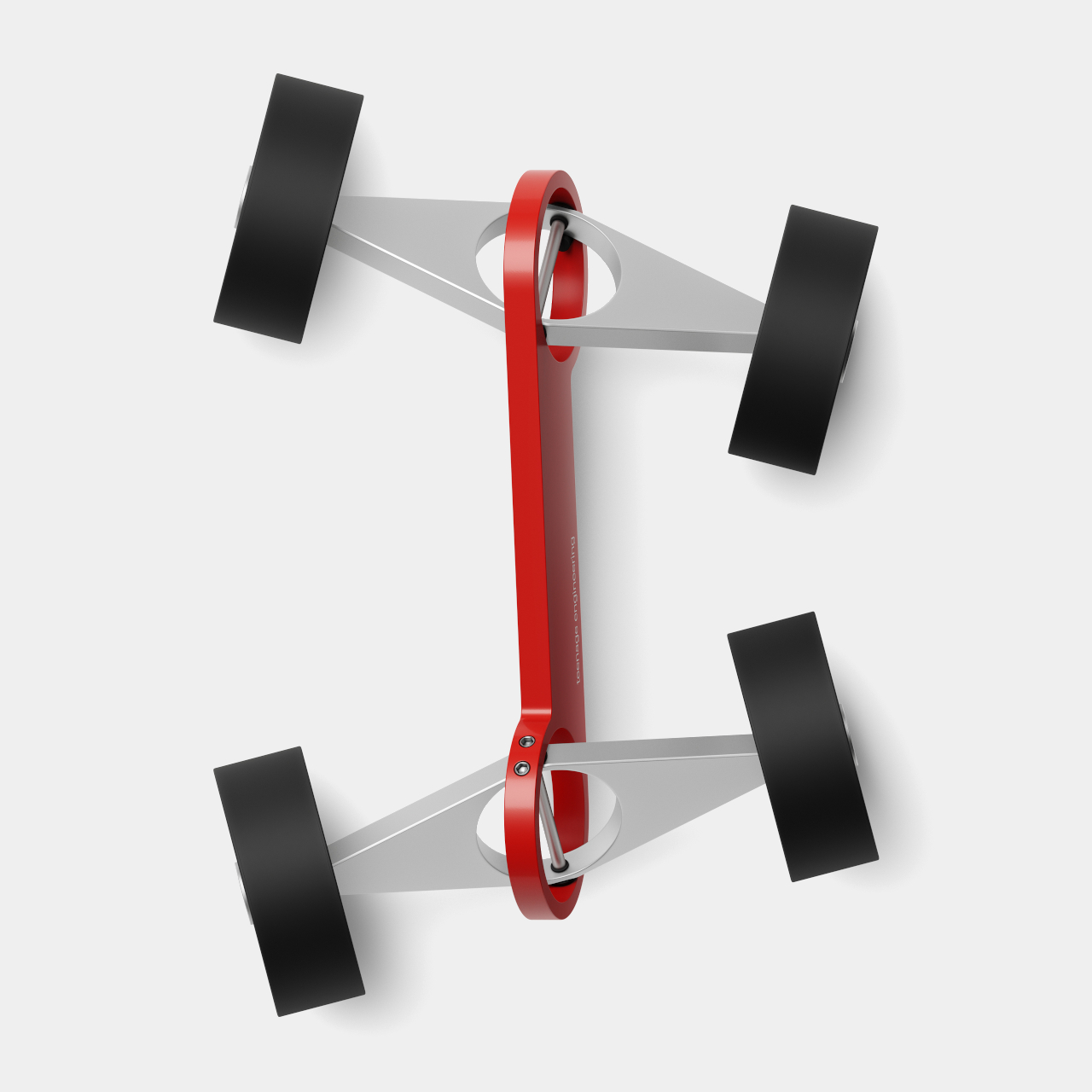
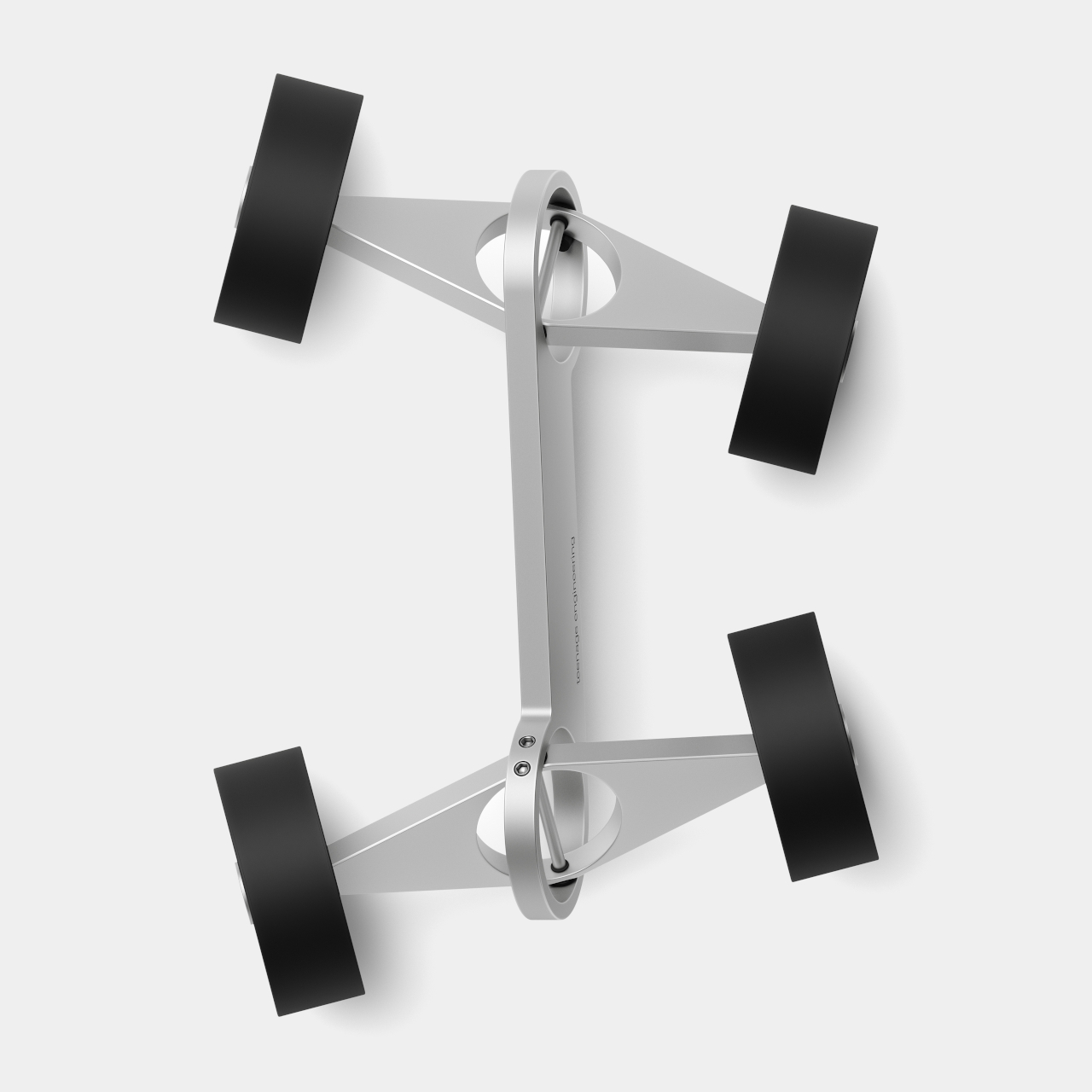
There’s a standard definition for a car, but that doesn’t apply to toys, especially not this one. In fact, the only semblance it has to a car is having four wheels, two on each side of an elongated body. This “grip car,” as it is called, doesn’t even run on its own, unlike the more advanced battery-powered vehicles that kids (and some adults) clamor for during holiday sales. It’s more like those wooden or plastic cars for toddlers that you grip by the body and move using your own power. You can push it forward or backward, spin it around, and turn it in any direction, but that’s pretty much it.

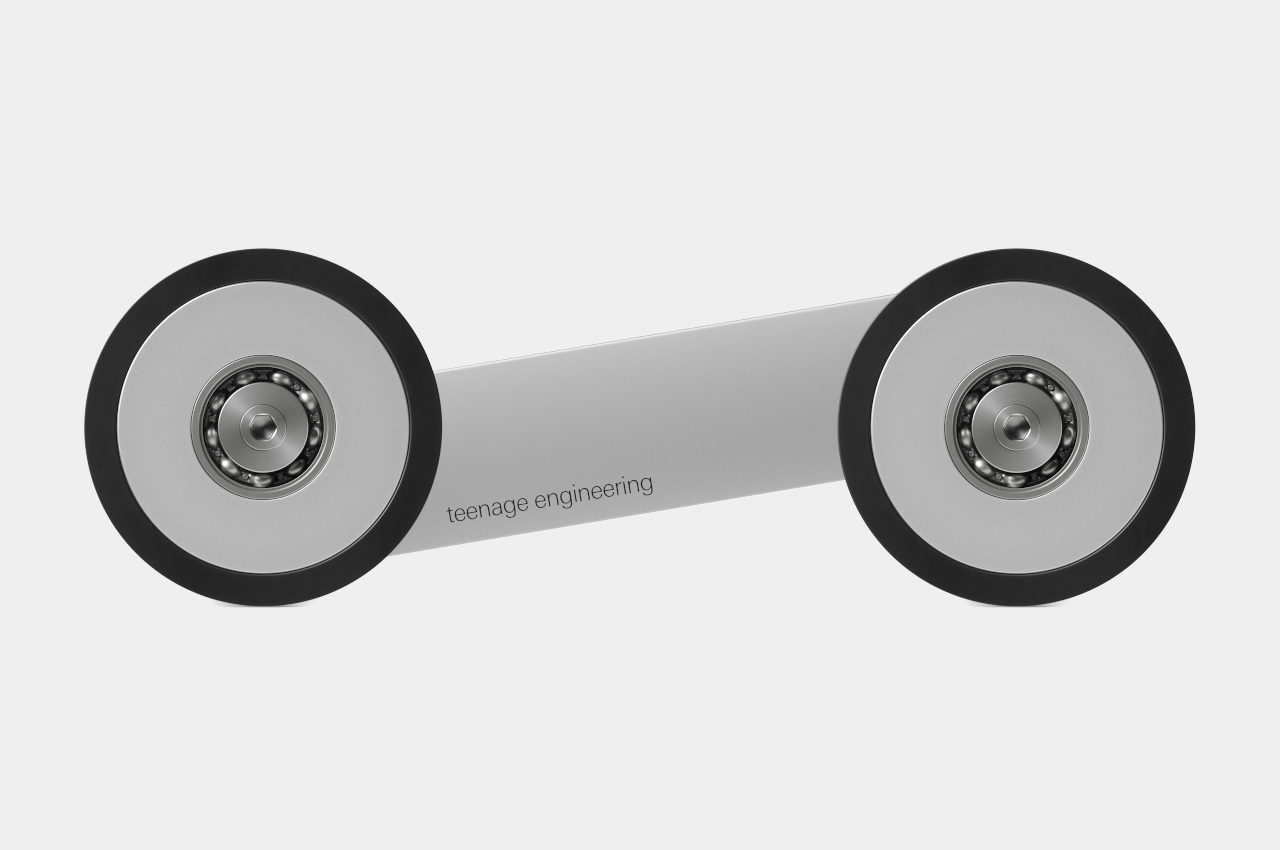
Of course, teenage engineering didn’t earn its fame from making toys. Like its other electronic products, the Grip Car is a glowing example of fine engineering and meticulous design, without the electronics in this case. The parts are CNC machined from 6063-T6 aluminum as well as stainless steel while utilizing rubber for parts like the tires. The red model gets a glossy paint job while the black and aluminum versions sport a matte surface instead. No matter at which angle you look at it, it hardly looks like a car, unless you’re simply talking about the undercarriage or even just the axles.

What differentiates the Grip Car even further from other toy cars is its mechanics, particularly the ball bearings that allow the car to spin 360 degrees while still keeping all four wheels grounded. This is the part where the “engineering” in teenage engineering really shines, even when there are none of the brand’s usual electronics involved. Thanks to this smooth movement and physical interaction, the toy car really encourages playful moments, making the Grip Car both a striking desk decoration as well as an addictive desk fidget toy.

The slight bump on the road is the Grip Car’s $250 price tag, an amount that sounds almost ridiculous for a beautiful yet still crude toy car. People have paid more for well-designed products, of course, but there will always be a point when it gets a little excessive. teenage engineering has established quite a name for itself, especially in the high-end audio equipment market, but it remains to be seen how well this super-minimalist and super-expensive doodad will sell.

The post Teenage Engineering Grip Car tests how far your minimalism loyalty can go first appeared on Yanko Design.