Google’s Android OS to Get New AI Features

Android

Google’s Android operating system has come a long way since its inception, and the latest AI-powered updates are set to transform the way users interact with their mobile devices. By integrating advanced artificial intelligence features directly into the operating system, Google aims to make everyday tasks more intuitive and efficient, ultimately enhancing the overall user […]

The post Google’s Android OS to Get New AI Features appeared first on Geeky Gadgets.

Chaos V-Ray 6.1 free hardware benchmarking tool released

free benchmarking tool released

The V-Ray 6 Benchmark, a free standalone application from Chaos, has emerged as a catalyst for professionals seeking to evaluate the rendering speeds of their hardware. This powerful tool allows users to quickly and efficiently assess the capabilities of leading CPUs and GPUs, making it an essential resource for anyone involved in the field of […]

The post Chaos V-Ray 6.1 free hardware benchmarking tool released appeared first on Geeky Gadgets.

Data Scientist vs AI Engineer what’s the difference?

Data Scientist vs AI Engineer

In the rapidly evolving world of technology, two roles have gained significant prominence of late: Data Scientist vs AI Engineer. While these positions share some similarities, they also have distinct responsibilities, skill sets, and work environments. Understanding the differences and overlaps between these roles is crucial for organizations looking to leverage data and artificial intelligence […]

The post Data Scientist vs AI Engineer what’s the difference? appeared first on Geeky Gadgets.

Posted in Uncategorized | Tagged

Phone-sized mini PC lets you take your computer and your work anywhere

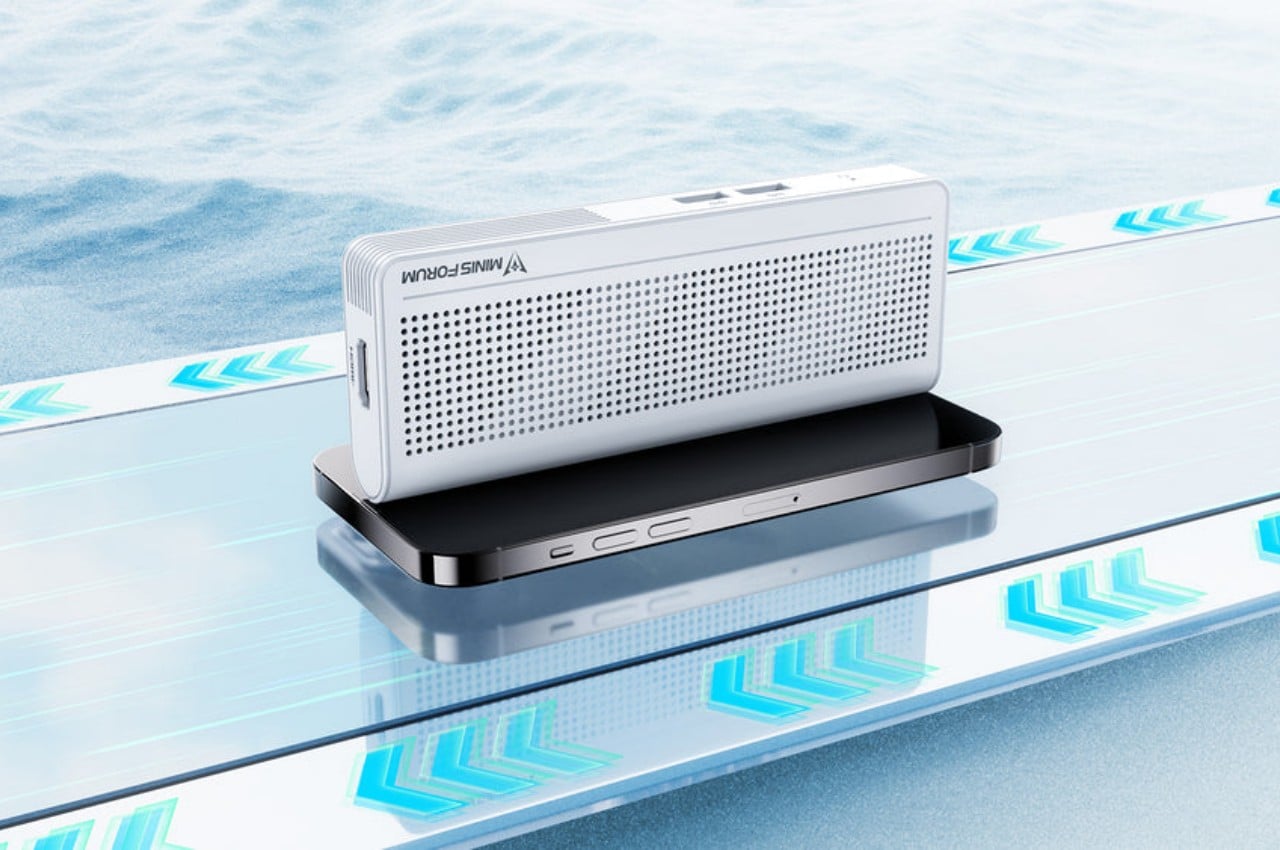
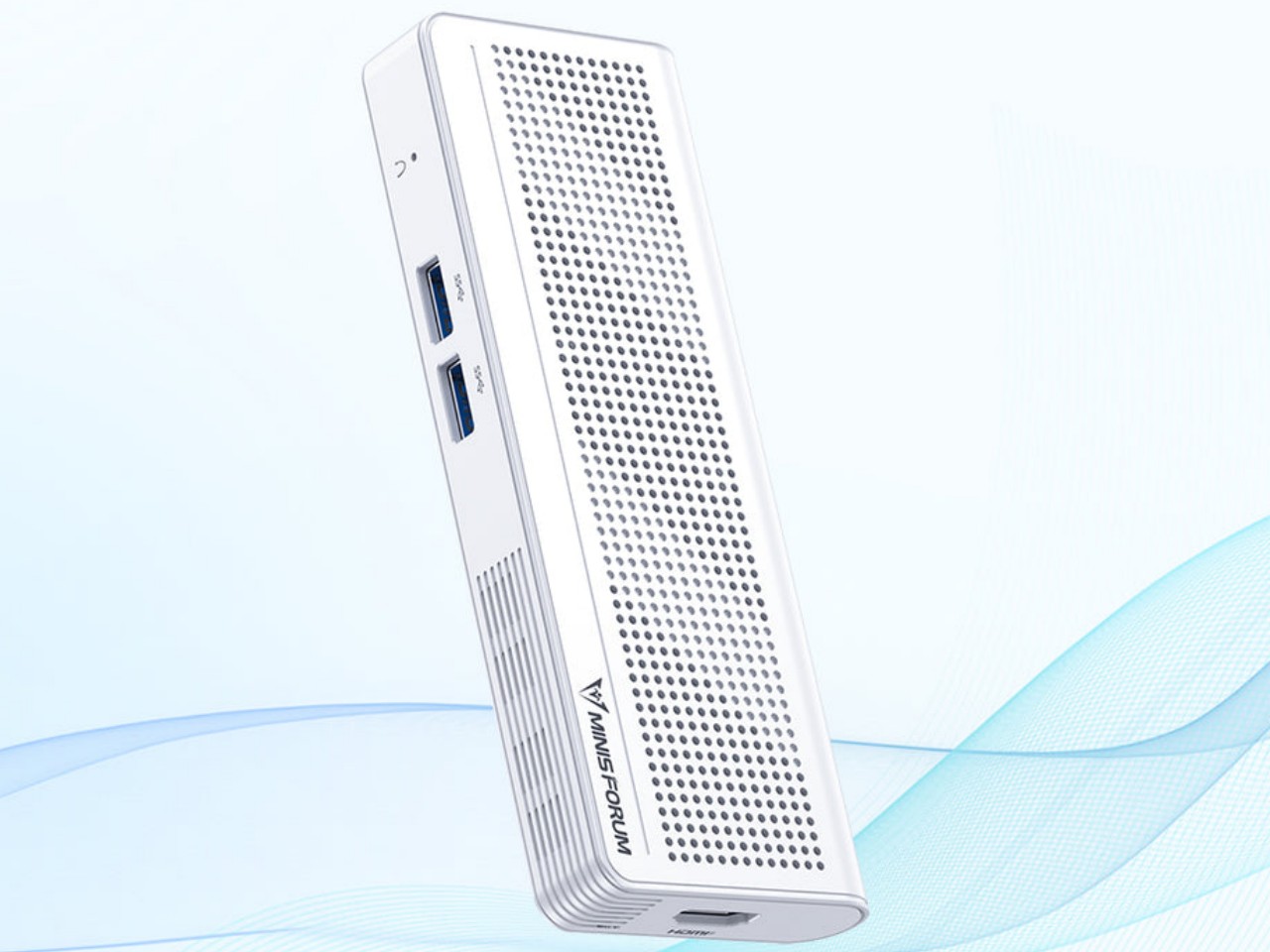
Our smartphones have become so powerful that, in theory, they have hardware equivalent to entry-level laptops from a few years back. But despite all that silicon muscle, they can’t really replace our everyday PCs mostly because of the operating system that’s used on most of these computers: Windows. Small, portable, and inconspicuous computers have always been a dream for both users and business owners, whether it’s for working on the go or setting up kiosks, security systems, or space-efficient workstations. This small brick tries to deliver exactly that, giving you the flexibility you need for any kind of computing in almost any context in a size that’s no larger than high-capacity power banks.

Designer: Minisforum
With the popularity of the Apple Mac Mini and, now, the Mac Studio, mini PCs have become more visible in the market. These desktop alternatives, however, are still meant to sit on a table or even on a shelf despite their small sizes. But while these small computers do offer plenty of power to support even some content creation or light gaming, that hardware also closes the door on many possible use cases that would have required them to be less tied down to a table.
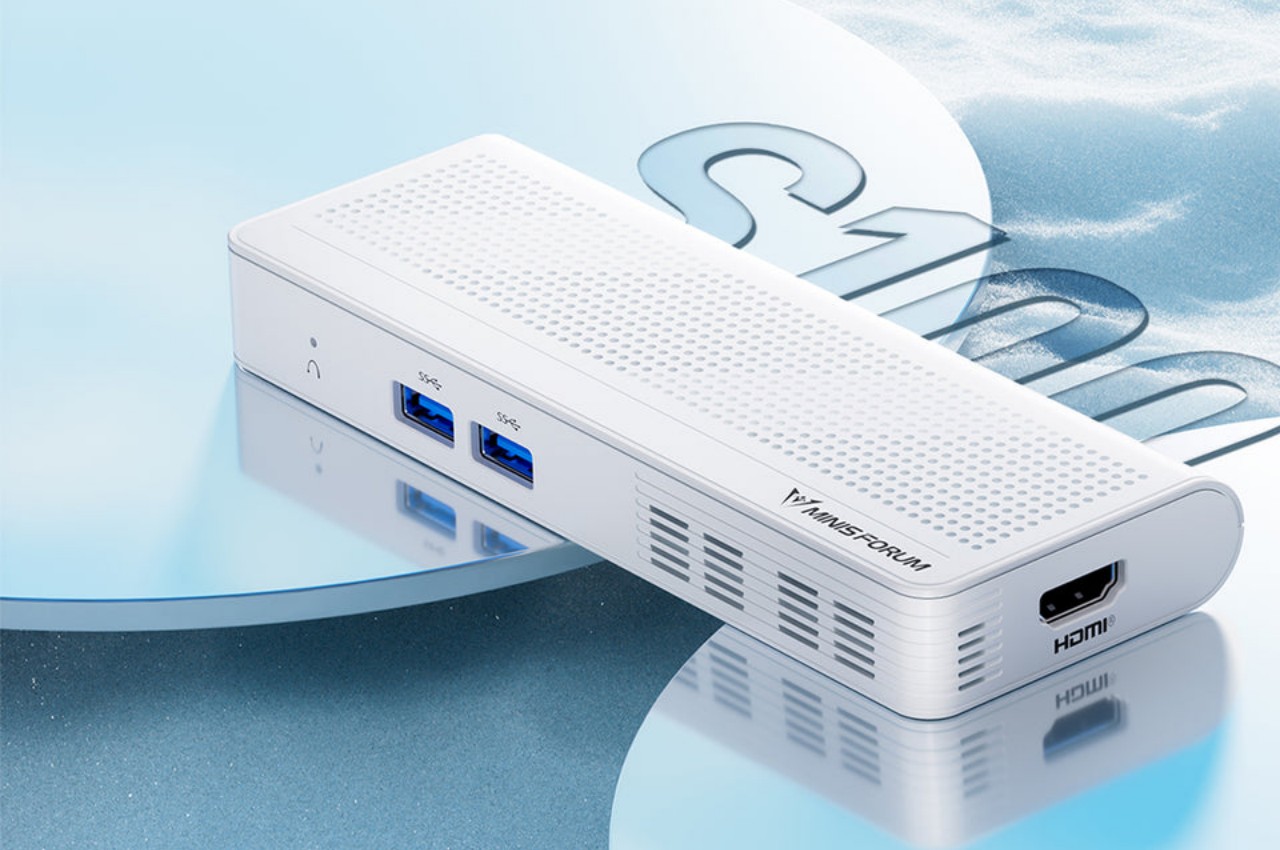
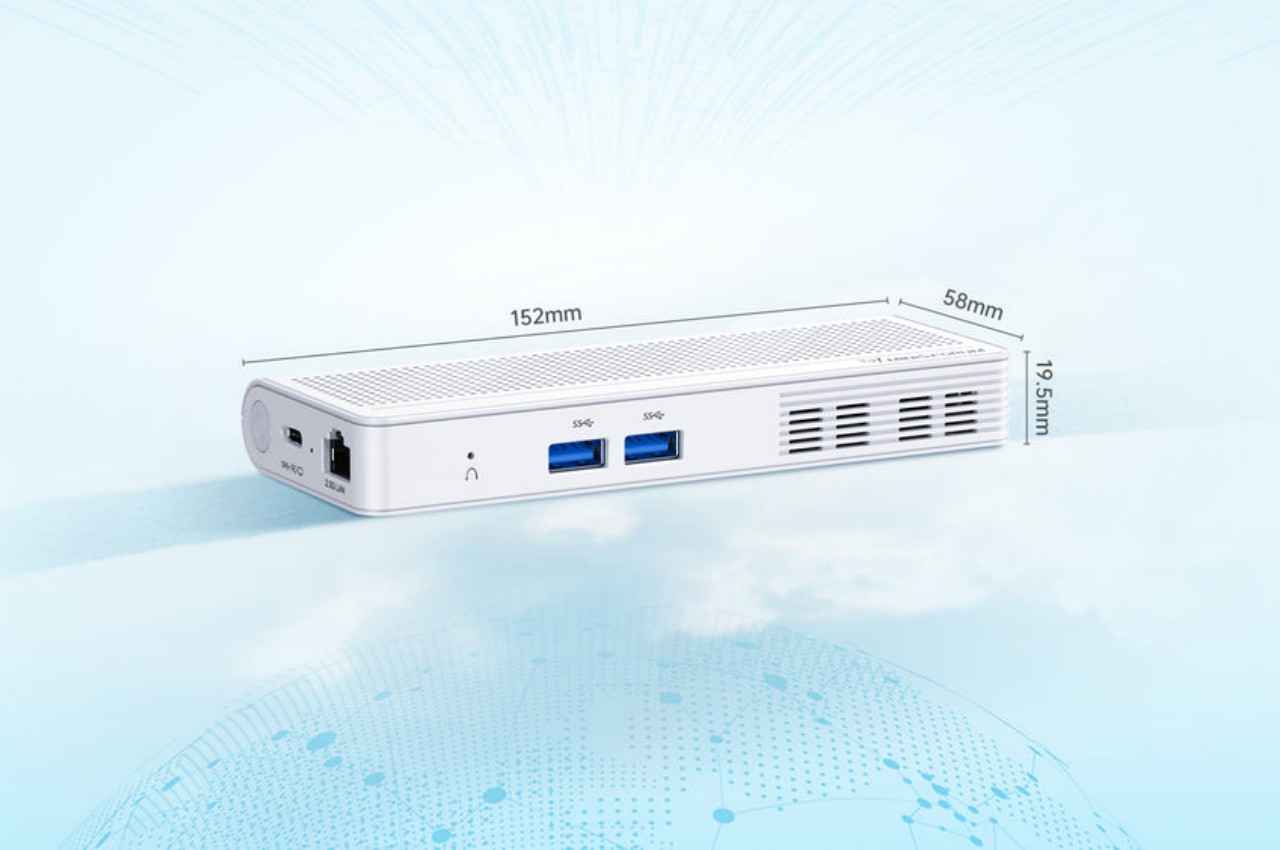
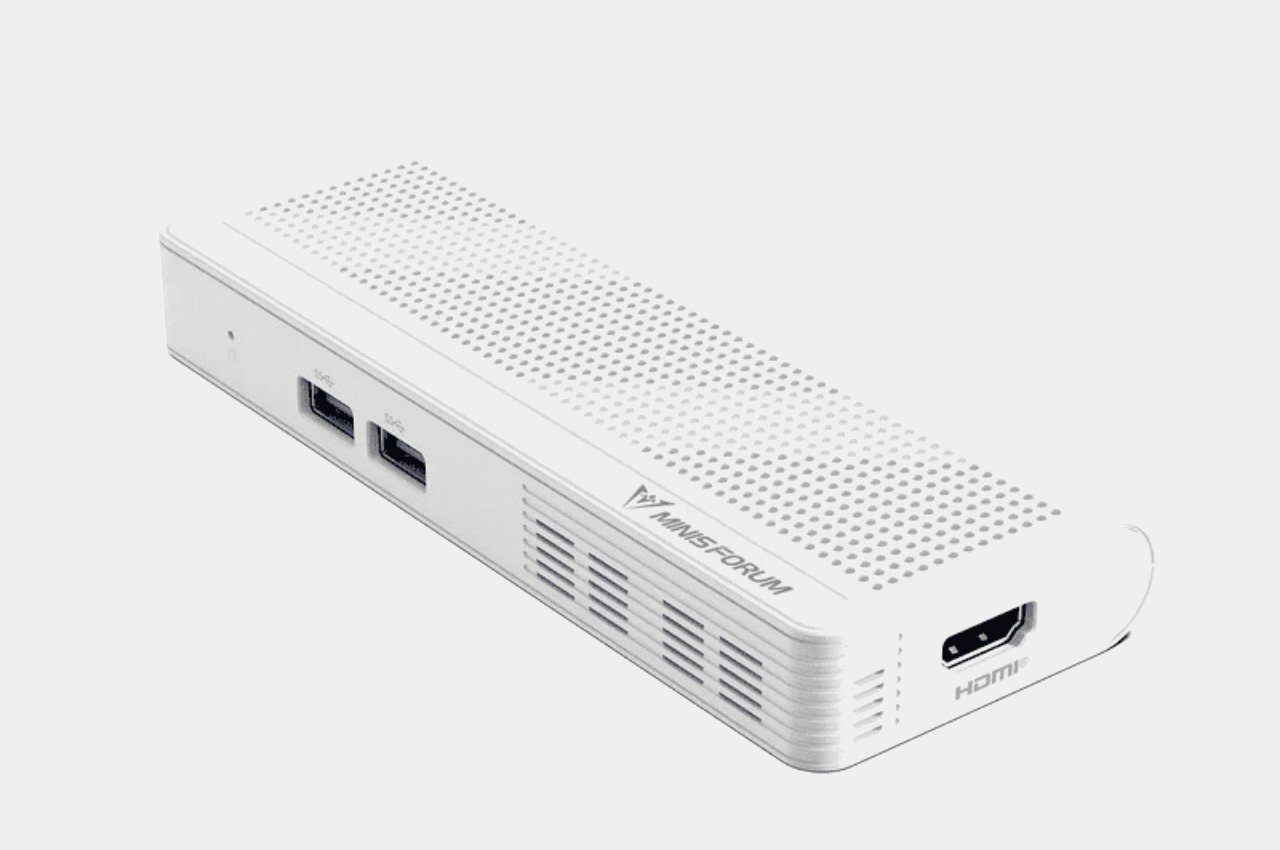
The Minisforum S100 is a small, sleek box that you might easily mistake for a power bank. Ironically, it doesn’t actually have its own battery but is a mini PC that you can bring along with you or install in the narrowest of spaces. Despite its small size, it actually boasts a complete set of standard connectivity options, including Wi-Fi 6, Bluetooth 6.2, 2.5 Gbps Ethernet, USB-A ports, HDMI, and 65W USB-C.
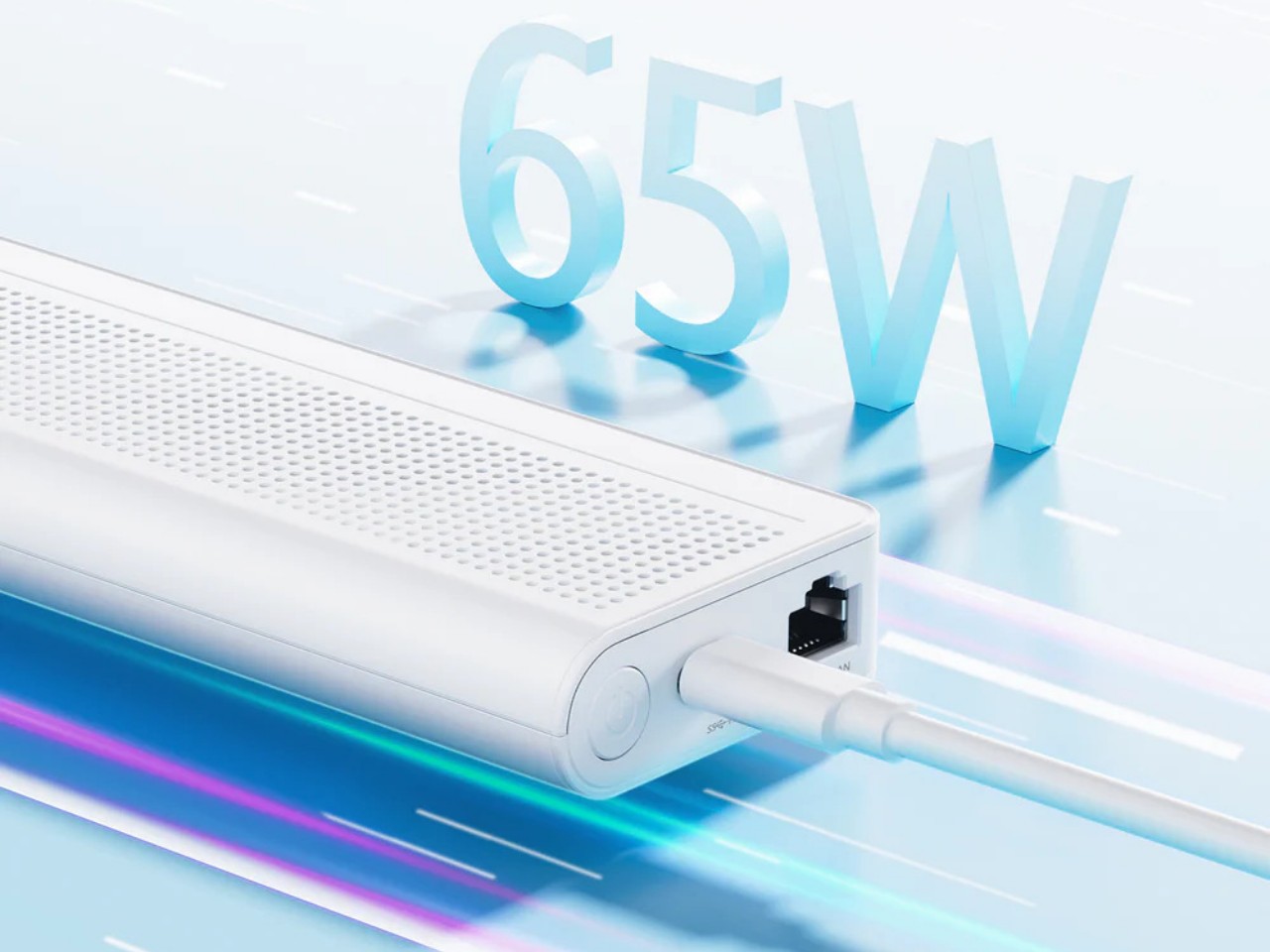

The latter two are what make this design so portable and flexible. On a typical desktop, you can connect it to a USB-C monitor that supports USB-C PowerDelivery so that you don’t even have to plug the S100 into an outlet. You can connect another monitor via HDMI to have a dual-screen setup for increased productivity. And when you’re done for the day, you can pick up the palm-sized mini PC and go, maybe even work or chill in a cafe by connecting an external display and a power bank. The Ethernet port also supports Power-over-Ethernet or PoE, so you can use the S100 as the brains behind a camera security system and not have it plugged in at all.
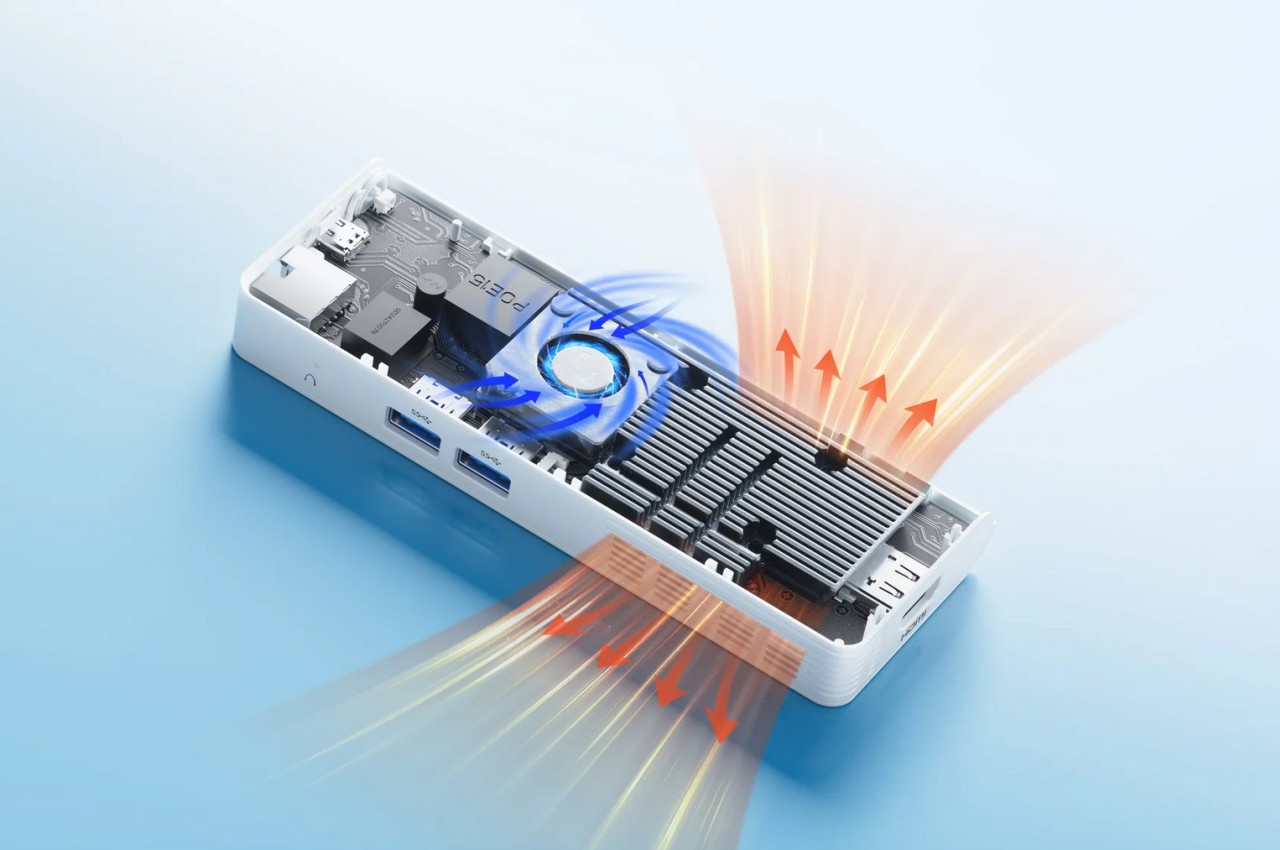
Despite the flexibility that the Minisforum S100 offers, its performance is hampered a bit by the quad-core Intel N100 processor that runs the show, definitely not the best among the chip maker’s “mobile” processors. Its lower-power operation, however, does allow the mini PC to sip rather than chug electricity and keep thermals equally low. You definitely won’t be running heavy applications, but for $189, a Windows 11 computer you can easily slip into your bag or even your pocket might actually be worth the price.
The post Phone-sized mini PC lets you take your computer and your work anywhere first appeared on Yanko Design.

Sony Xperia 10 VI Smartphone Unveiled

Sony Xperia 10 VI

The Sony Xperia 10 VI is a mid-range smartphone that offers an impressive array of features and capabilities, making it an excellent choice for everyday use. With its blend of performance, durability, and user-friendly features, the Xperia 10 VI is designed to cater to the needs of a wide range of users, from tech enthusiasts […]

The post Sony Xperia 10 VI Smartphone Unveiled appeared first on Geeky Gadgets.

Threads gets its own fact-checking program

This might come as a shock to you but the things people put on social media aren't always truthful — really blew your mind there, right? Due to this, it can be challenging for people to know what's real without context or expertise in a specific area. That's part of why many platforms use a fact-checking team to keep an eye (often more so look like they're keeping an eye) on what's getting shared. Now, Threads is getting its own fact-checking program, Adam Mosseri, head of Instagram and de-facto person in charge at Threads, announced. He first shared the company's plans to do so in December. 

Mosseri stated that Threads "recently" made it so that Meta's third-party fact-checkers could review and rate any inaccurate content on the platform. Before the shift, Meta was having fact-checks conducted on Facebook and Instagram and then matching "near-identical false content" that users shared on Threads. However, there's no indication of exactly when the program started or if it's global.

Then there's the matter of seeing how effective it really can be. Facebook and Instagram already had these dedicated fact-checkers, yet misinformation has run rampant across the platforms. Ahead of the 2024 Presidential election — and as ongoing elections and conflicts happen worldwide — is it too much to ask for some hardcore fact-checking from social media companies?

This article originally appeared on Engadget at https://www.engadget.com/threads-gets-its-own-fact-checking-program-130013115.html?src=rss

SIRUI Night Walker 16mm and 75mm T1.2 S35 camera lenses

SIRUI camera lenses

If you are a filmmaker or photographer, constantly seeking tools that elevate your creative vision while seamlessly integrating into your dynamic shooting environment. The new SIRUI Night Walker Cine Lenses might be worth further investigation and offer an innovative addition to your filmmaking arsenal. Providing photographers and video refers with unparalleled performance and versatility. With […]

The post SIRUI Night Walker 16mm and 75mm T1.2 S35 camera lenses appeared first on Geeky Gadgets.

Google’s Project Gameface hands-free ‘mouse’ launches on Android

At last year's Google I/O developer conference, the company introduced Project Gameface, a hands-free gaming "mouse" that allows users to control a computer's cursor with movements of their head and facial gestures. This year, Google has announced that it has open-sourced more code for Project Gameface, allowing developers to build Android applications that can use the technology. 

The tool relies on the phone's front camera to track facial expressions and head movements, which can be used to control a virtual cursor. A user could smile to "select" items onscreen, for instance, or raise their left eyebrow to go back to the home screen on an Android phone. In addition, users can set thresholds or gesture sizes for each expression, so that they can control how prominent their expressions should be to trigger a specific mouse action. 

The company developed Project Gameface with gaming streamer Lance Carr, who has muscular dystrophy that weakens his muscles. Carr used a head-tracking mouse to game before a fire destroyed his home, along with his expensive equipment. The early version of Project Gameface was focused on gaming and uses a webcam to detect facial expressions, though Google had known from the start that it had a lot of other potential uses. 

For the tool's Android launch, Google teamed up with an Indian organization called Incluzza that supports people with disabilities. The partnership gave the company the chance to learn how Project Gameface can help people with disabilities further their studies, communicate with friends and family more easily and find jobs online. Google has released the project's open source code on GitHub and is hoping that more developers decide to "leverage it to build new experiences."

Catch up on all the news from Google I/O 2024 right here!

This article originally appeared on Engadget at https://www.engadget.com/googles-project-gameface-hands-free-mouse-launches-on-android-123029158.html?src=rss