
Google will pay SpaceX $920 million a month to use xAI’s data centers
Google has just signed a $30 billion AI computing power deal with SpaceX.
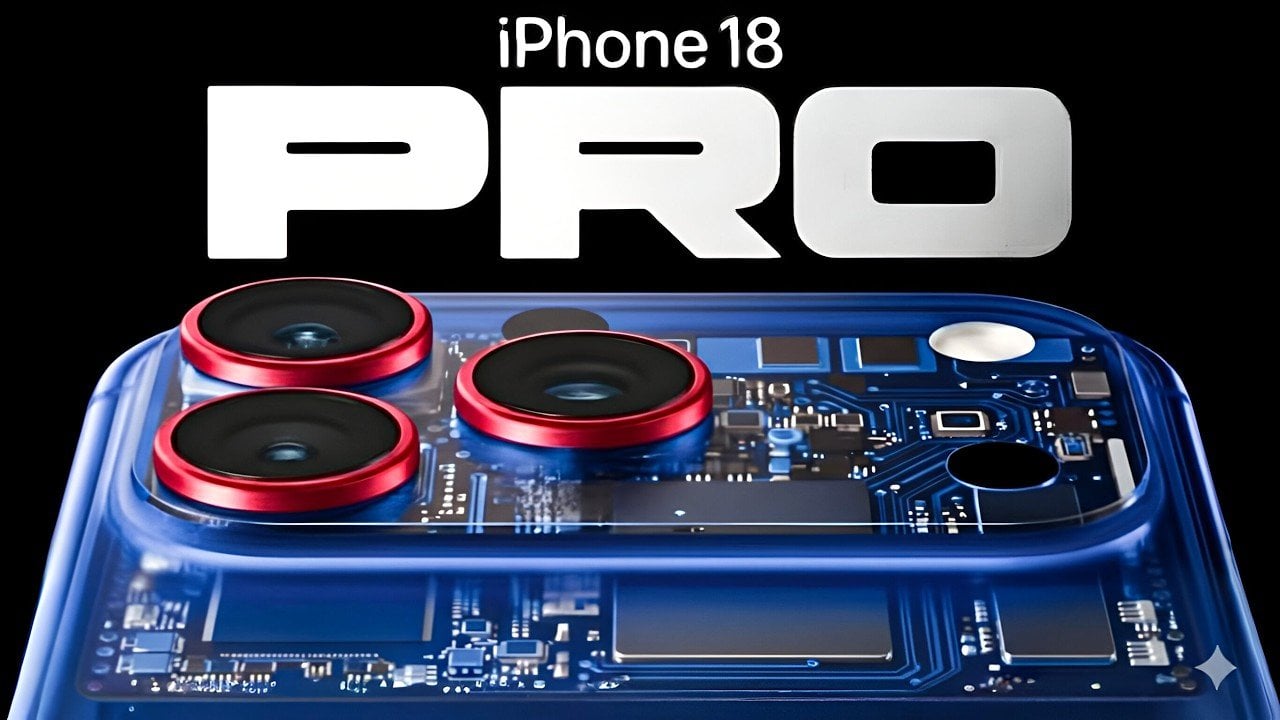
The iPhone 18 Pro Max, Apple’s latest flagship device, has sparked widespread debate among tech enthusiasts and industry analysts. While the phone is expected to deliver advancements in chip technology and software efficiency, its relatively modest battery capacity upgrades have drawn mixed reactions. In a competitive market where rivals are making significant strides in battery […]
The post Apple’s iPhone 18 Pro Max Battery Leaks—And It’s Not the News Fans Wanted appeared first on Geeky Gadgets.

After wearing the Rokid AI Glasses Style for 30 days, David Manning examines how these lightweight, AI-driven glasses compare to the Ray-Ban Metas. A key detail is their 38.5-gram frame, which is noticeably lighter than the 51-gram Ray-Bans, offering greater comfort during prolonged use. Features such as live translation in 89 languages, customizable lenses and […]
The post Rokid AI Glasses Worn for 30 Days : Why Ray-Ban Meta Should Be Worried appeared first on Geeky Gadgets.


Meta has introduced an AI-powered pendant designed to passively capture and process audio from conversations, meetings and other interactions. The device uses natural language processing (NLP) to transcribe recordings, summarize key points and connect the data with calendars and emails. According to AI Grid, the pendant incorporates technology from Limitless, a startup previously acquired by […]
The post Meta’s New AI Pendant : Features, Privacy Risks and Release Date appeared first on Geeky Gadgets.
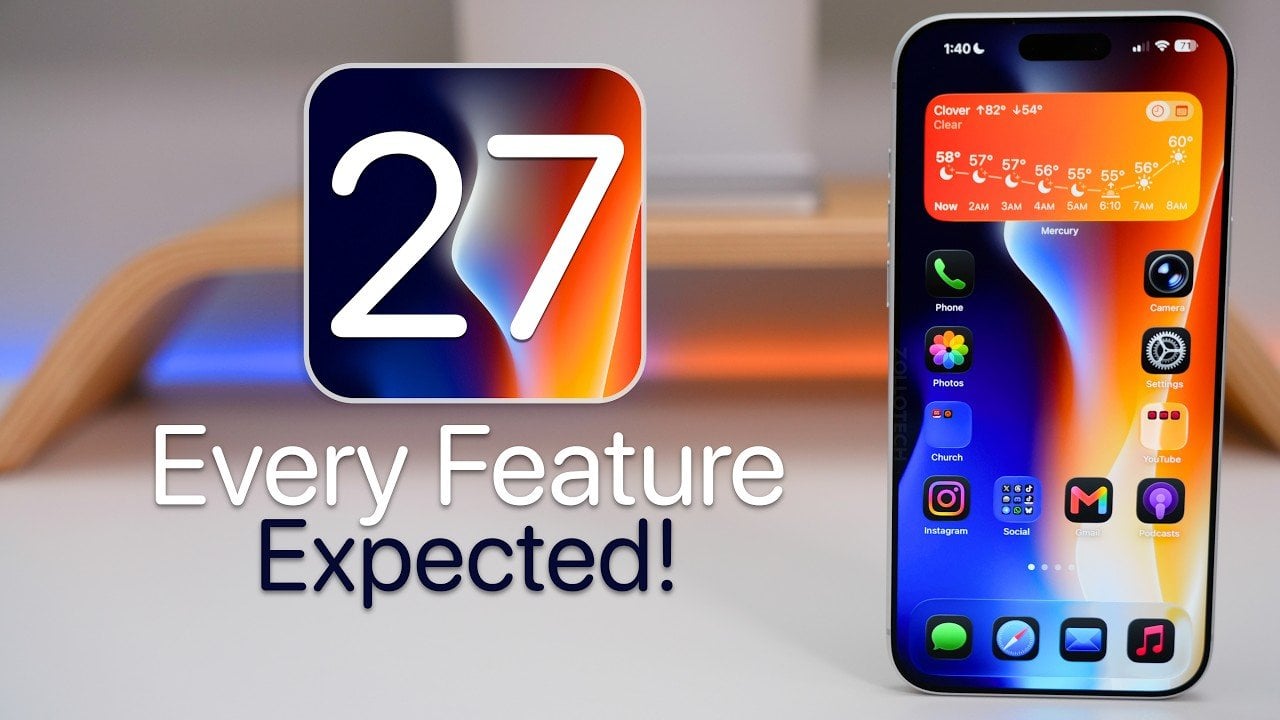
iOS 27 represents a significant step forward in Apple’s commitment to delivering a refined, stable, and user-focused operating system. While the update may not boast an extensive list of new features, its emphasis on stability, accessibility, and practical enhancements ensures a meaningful upgrade for users. Below is a detailed exploration of what iOS 27 brings […]
The post What to Expect from Apple’s Massive iOS 27 Update appeared first on Geeky Gadgets.
Steve Jobs pulled the original MacBook Air out of a manila envelope in 2008 and the laptop industry never recovered. What followed was nearly two decades of manufacturers treating thinness as the primary measure of ambition. Apple refined the aluminum unibody chassis into a design language so influential that Dell, Samsung, HP, and virtually every other PC maker began chasing the same silhouette. The problem was that aluminum unibody construction left almost no room for battery expansion. The chassis became the constraint, and battery capacity was the thing that gave way. Users got a premium-feeling machine that needed a charger by mid-afternoon.
Krafted Edge, from a London-based team currently 14x funded on Kickstarter, takes that surrendered battery volume and turns it into a dedicated companion slab. At 12.88mm thin, matched to a laptop’s footprint, it slides into the same bag sleeve and sits flush underneath the machine on any desk. The 65W USB-C output handles a MacBook or Dell XPS at full charge speed, and a user-replaceable battery module means the unit survives well beyond the obsolescence cycle that Apple’s own design philosophy helped normalize.
Designer: Krafted
Click Here to Buy Now: $139.99 $200 (30% off) Hurry! Only 5 days left.
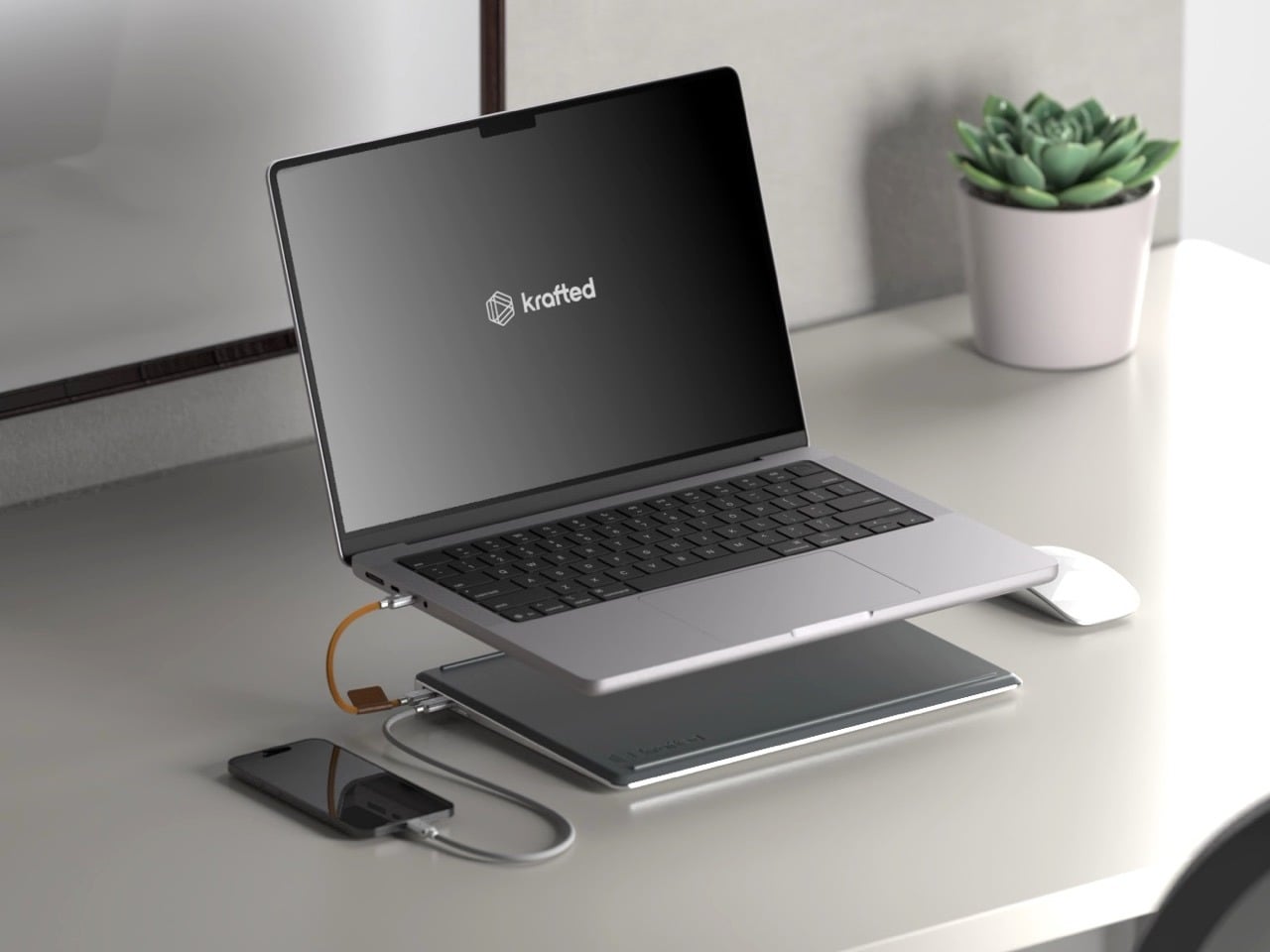
Most power banks are designed as self-contained objects, with their own visual identity, their own color language, their own form factor logic. Edge is designed to be a subordinate layer, a second slab that borrows the laptop’s rectangle and adds nothing extraneous. Silicone ventilation bars on the underside keep the laptop’s chassis from sitting flush against the battery surface, managing heat without vents or fans. That is a detail most companies would have skipped in the name of simplicity, and Krafted chose to solve it instead.

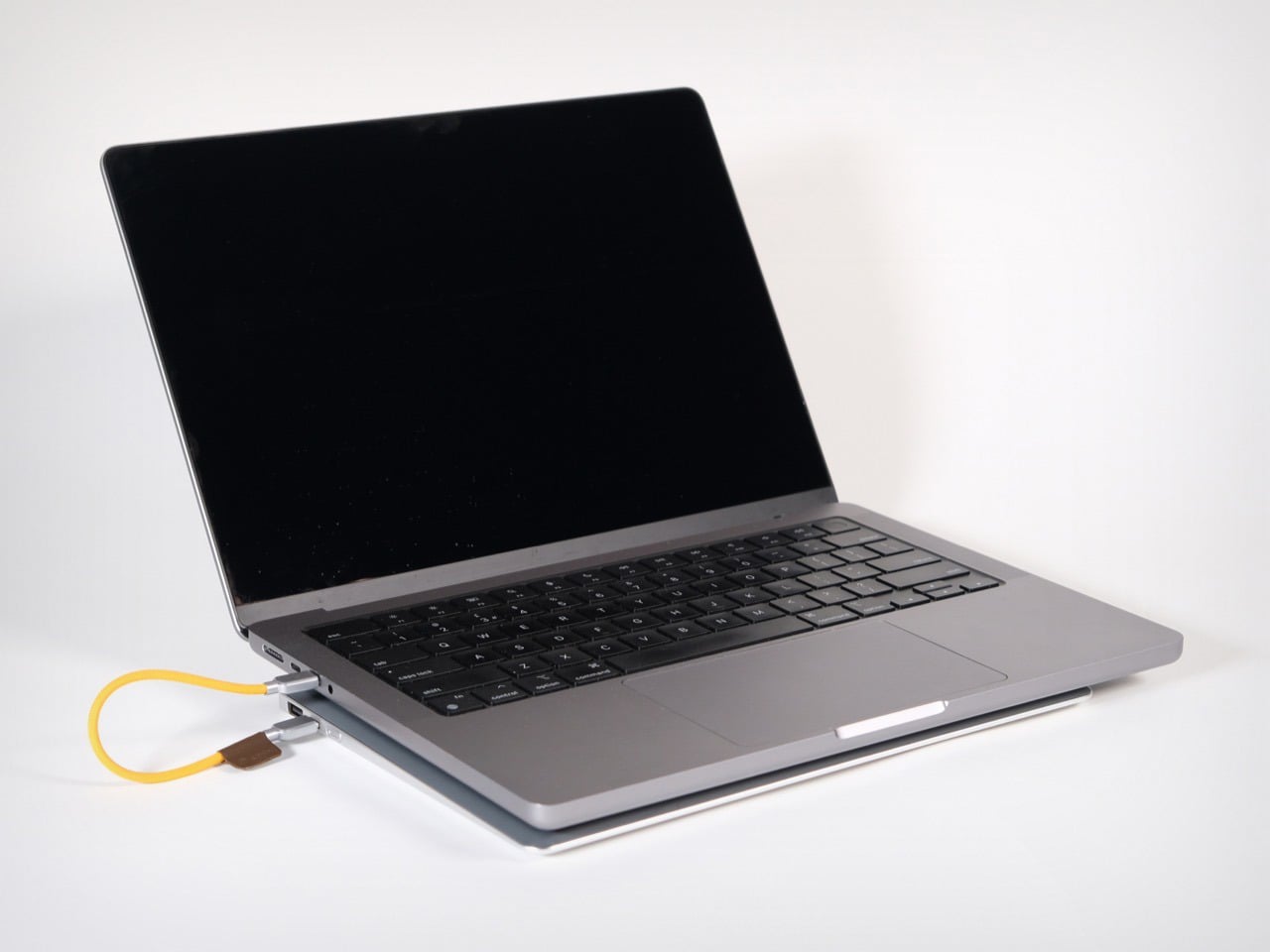
Twenty thousand milliamp hours at 65W USB-C output means Edge can push full-speed charging to a MacBook Air or Dell XPS, a level of output most portable batteries cannot match for laptop use. In practical terms, that translates to up to three full laptop charges, four phone charges, and thirty-five headphone charges from a single Edge. The USB-C and USB-A ports run simultaneously, meaning a laptop and phone can charge at the same time, the actual use case for anyone working through a long travel day. The USB-A port covers older devices and accessories from the same slim device. The spec sheet reads like something Krafted reverse-engineered from real-world work patterns rather than from what was cheapest to manufacture at a given wattage.
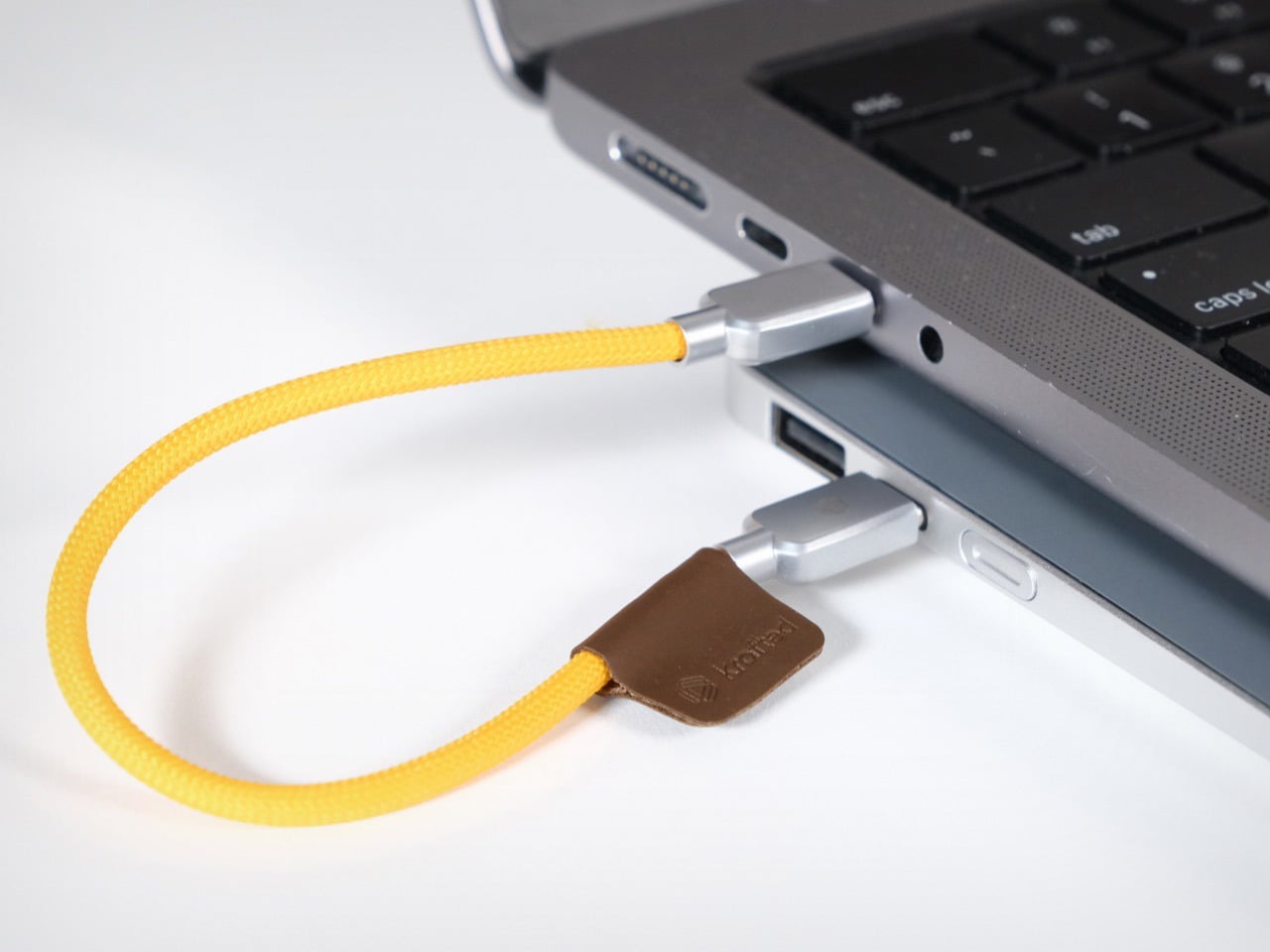
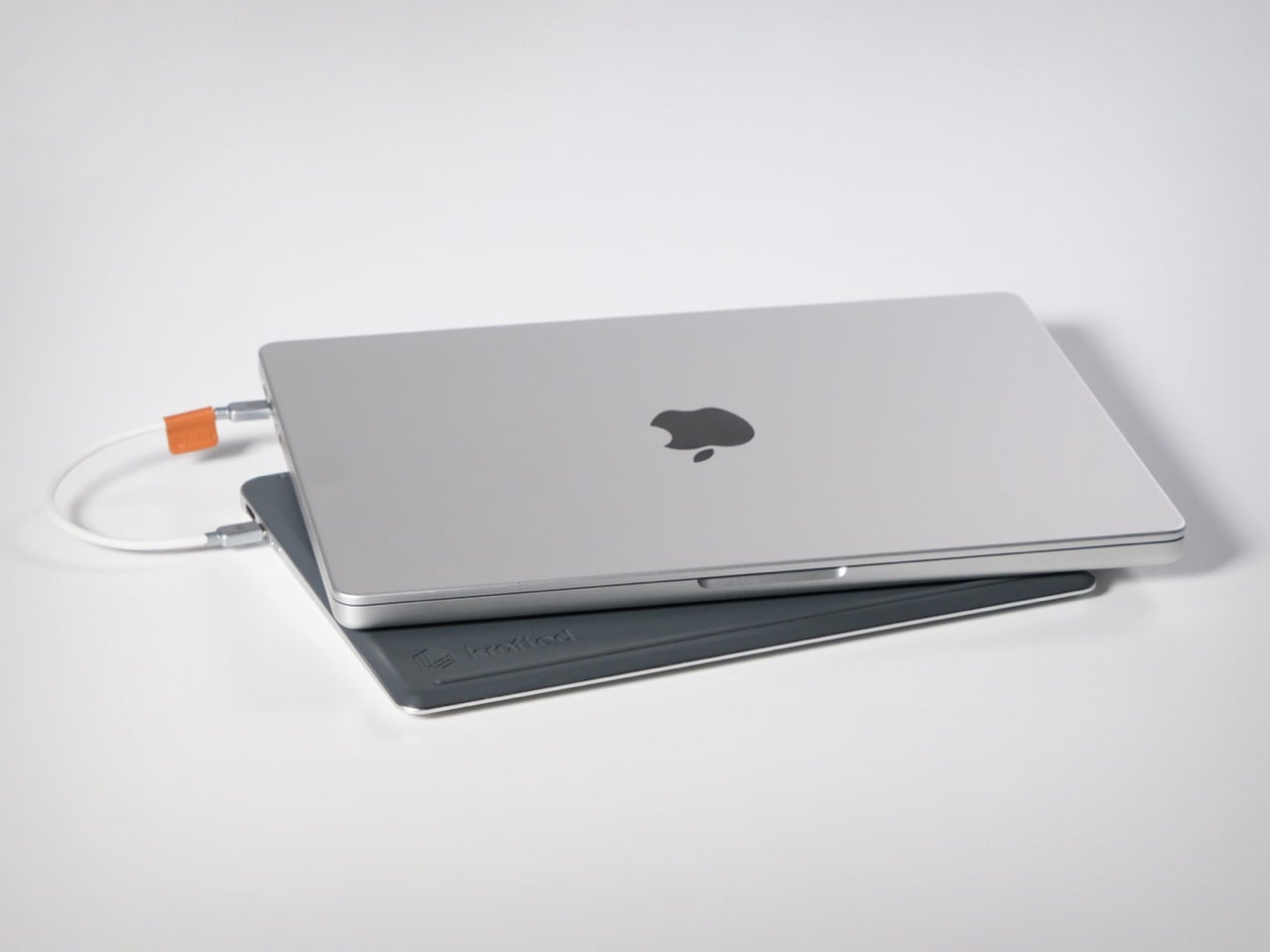
Aircraft-grade aluminium forms the housing, with ocean-bound plastic components used for the detailing, braided metal connectors on the cable, and a plant-based leather tag, meaning the material story carries a traceable supply chain rather than a footnote about corporate responsibility. On the certification side, Edge carries CE, UKCA, and UN38.3 compliance, and at approximately 74Wh, it falls comfortably below the 100Wh threshold that most international airlines enforce as the carry-on limit for lithium battery devices, no special permission required. That number matters more than it might seem right now. Airlines across multiple jurisdictions have been tightening restrictions on portable power devices in cabin luggage, and the last thing a frequent flyer needs is a power bank confiscated at security. Edge is built to travel as cleanly as the laptop it supports, which is the whole point of matching its form factor in the first place.

The replaceable battery system means Edge has a limitless lifespan. You do not throw it away when the battery degrades, you replace the module. Krafted breaks the single-use cycle that defines the category, so the aluminium chassis, the cables, the connectors, and the circuitry all outlive the cells inside them. That is a sustainability argument, but also a value proposition, because an object built to outlast a single battery’s lifespan is fundamentally different from a disposable product dressed up in premium materials. For a category historically treated as a commodity, the replaceable module puts Edge in the same conversation as tools you service rather than gadgets you replace. In a world where Apple sells its own batteries as non-serviceable components and charges accordingly, that philosophy lands as a genuine design position.

The Krafted Edge is available at a discounted $139 price tag, while the MSRP reads $200 if you wait to buy it after the Kickstarter campaign ends. A dual pack costs you $249 right now, netting you 37% savings. The Krafted Edge ships globally, with deliveries set for July 2026.
Click Here to Buy Now: $139.99 $200 (30% off) Hurry! Only 5 days left.
The post This 20,000mAh Ultra-Slim Power Bank Gives MacBook Users the Battery Apple Wouldn’t first appeared on Yanko Design.
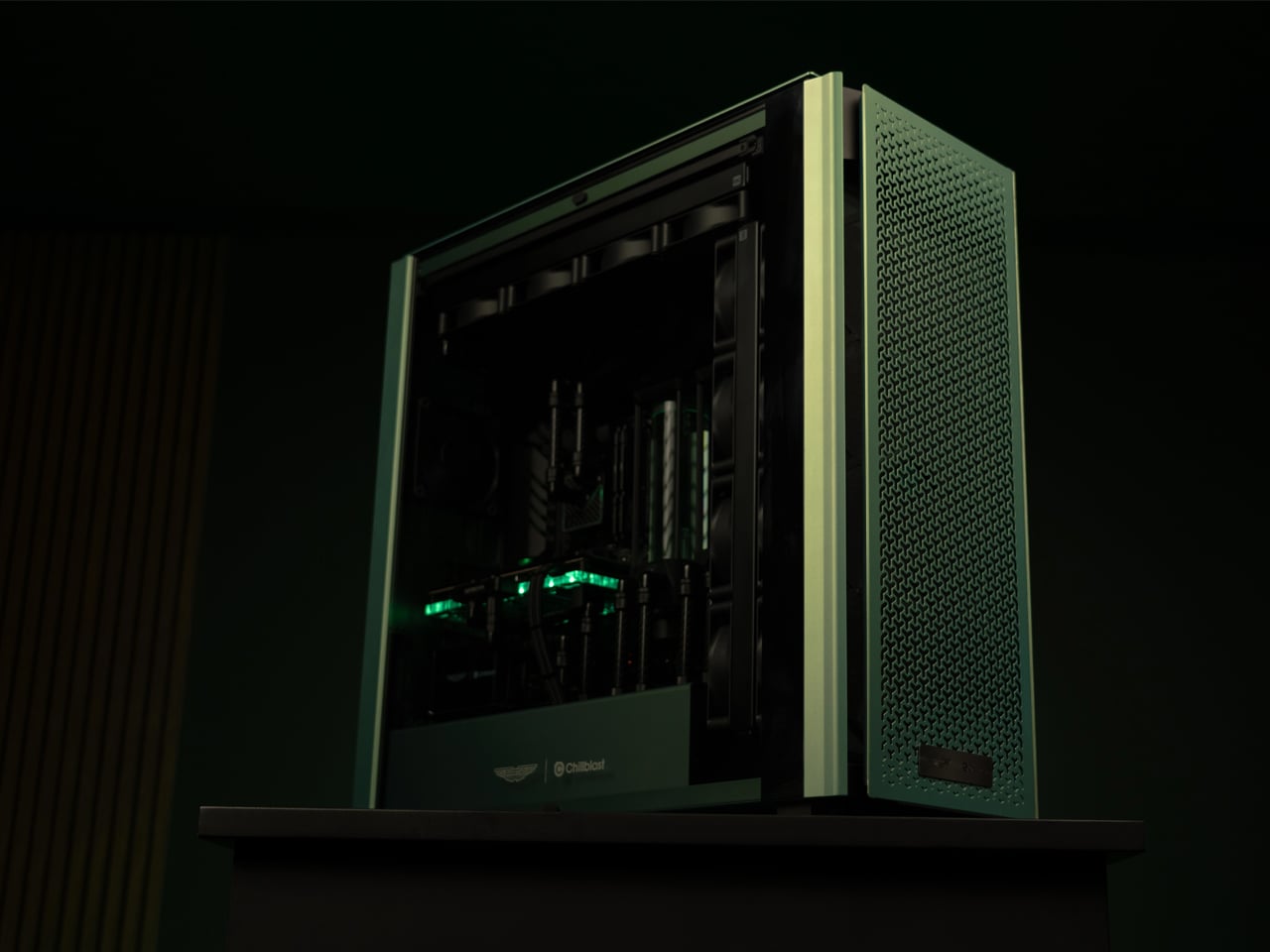
Let’s be honest, gaming PC case designs have gone overboard over the last few years. There’s too much RGB involved, and most gamers enjoy it for a few days before the blinding lights become more distracting than immersive. Somewhere along the way, many PC makers seem to have forgotten that not every enthusiast wants their setup to look like a nightclub.
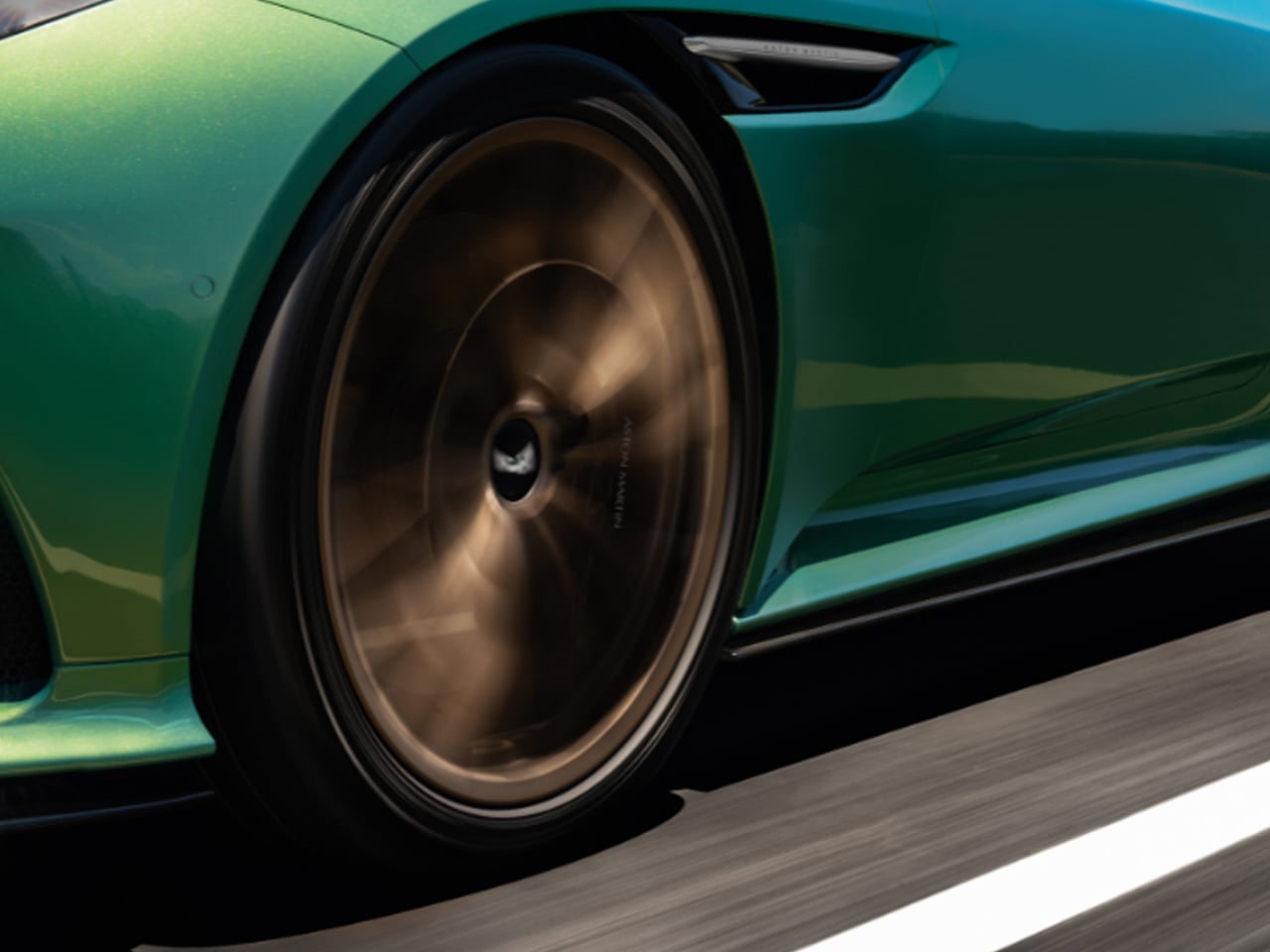
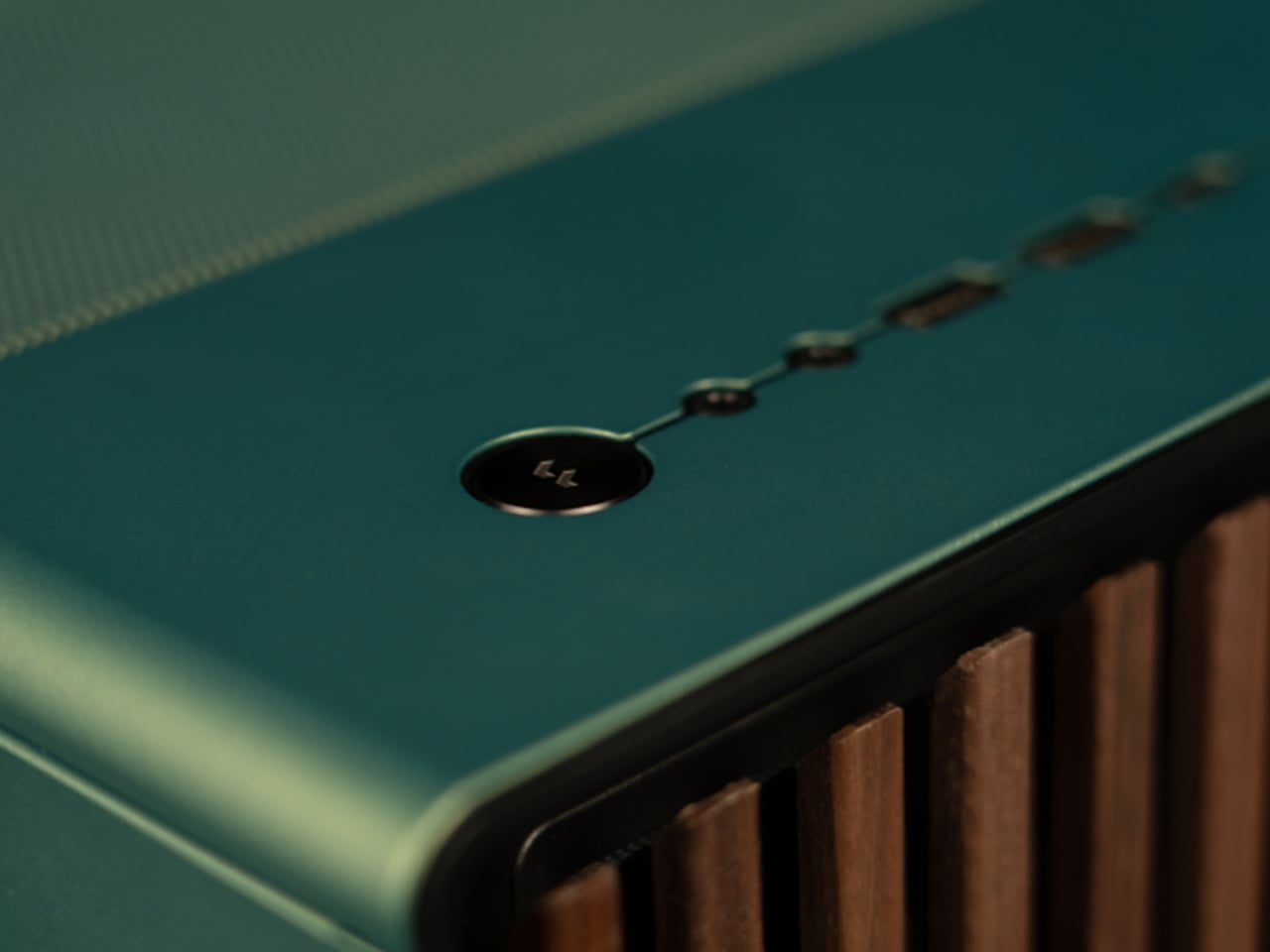
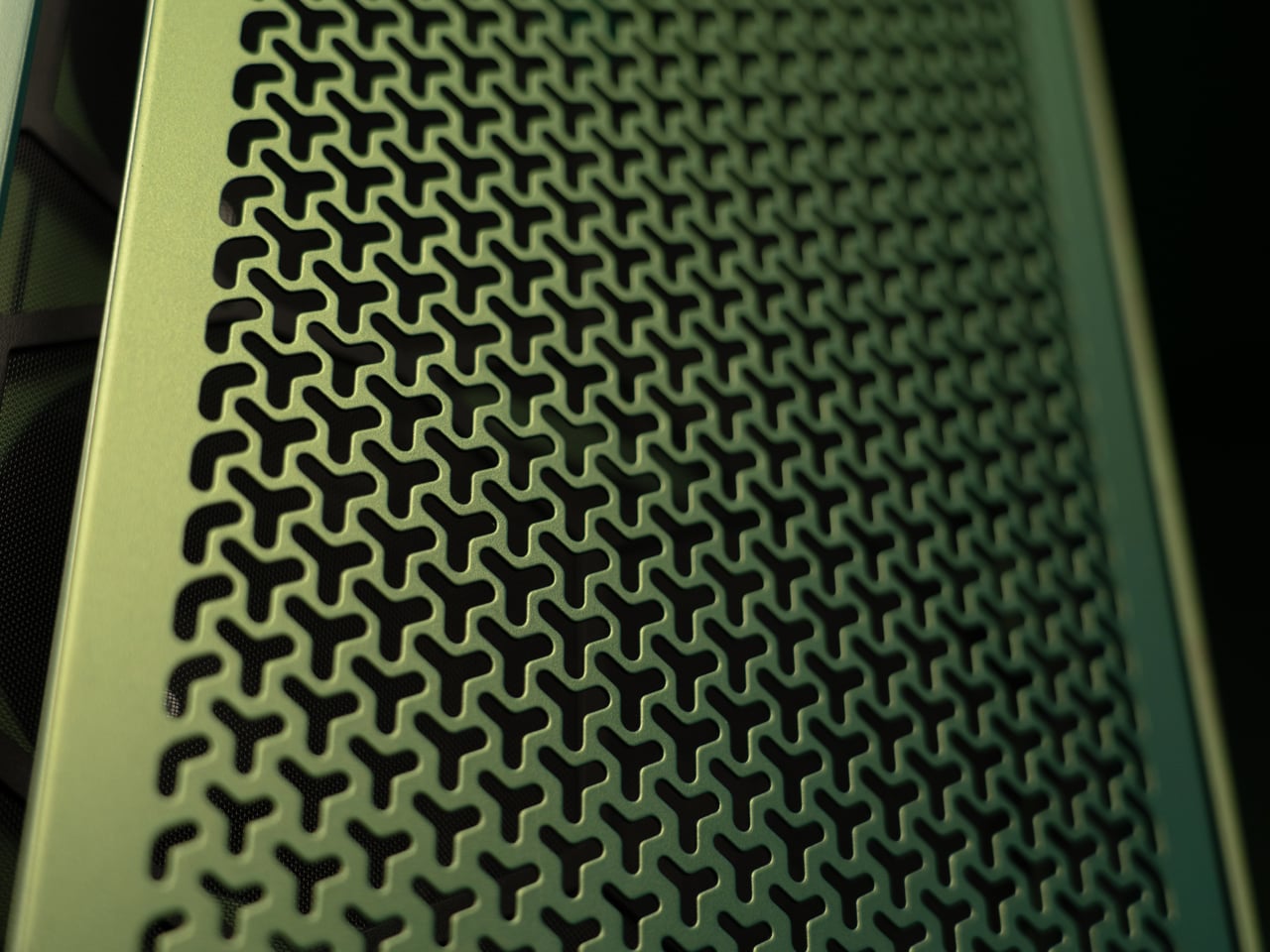
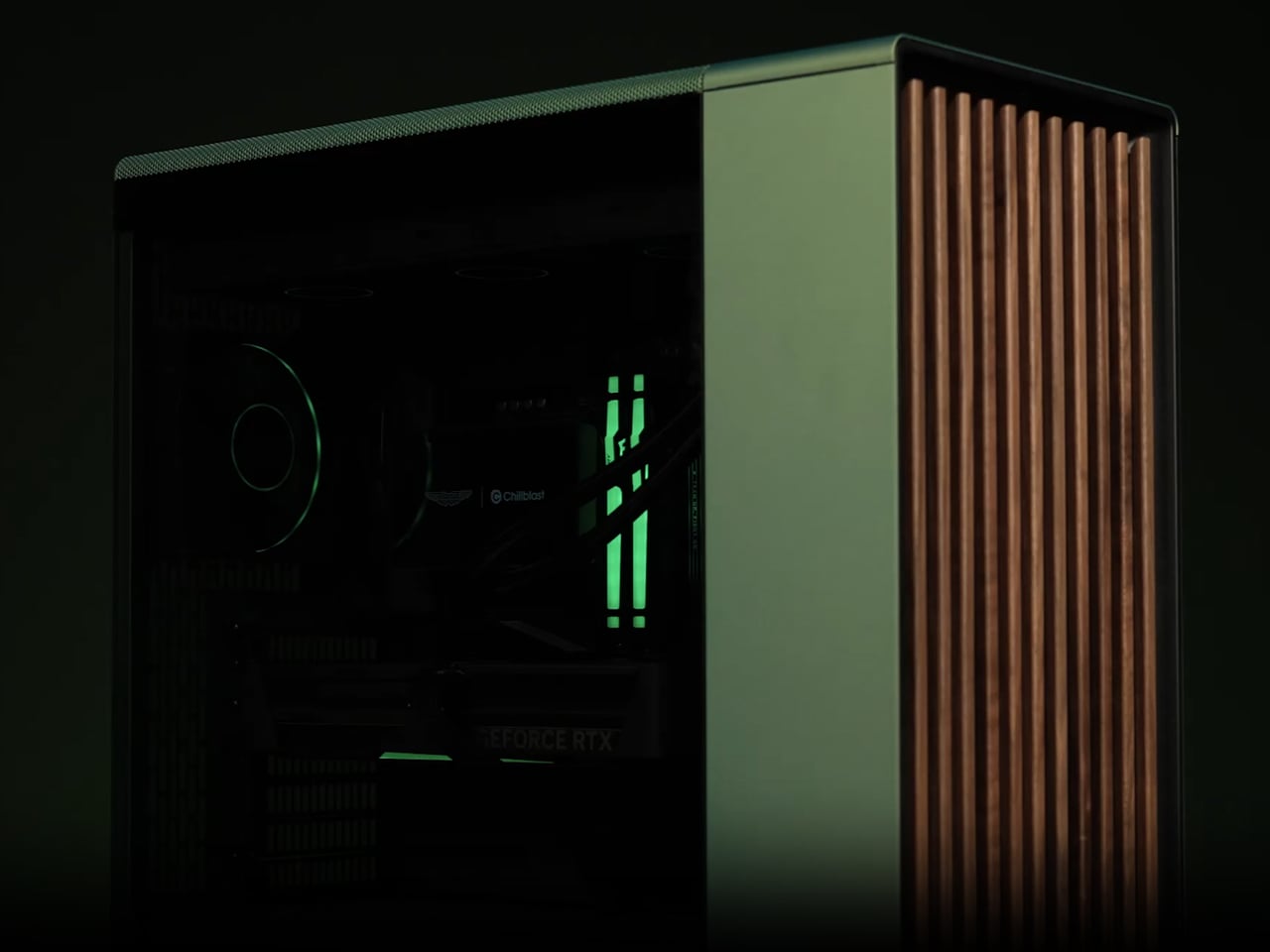
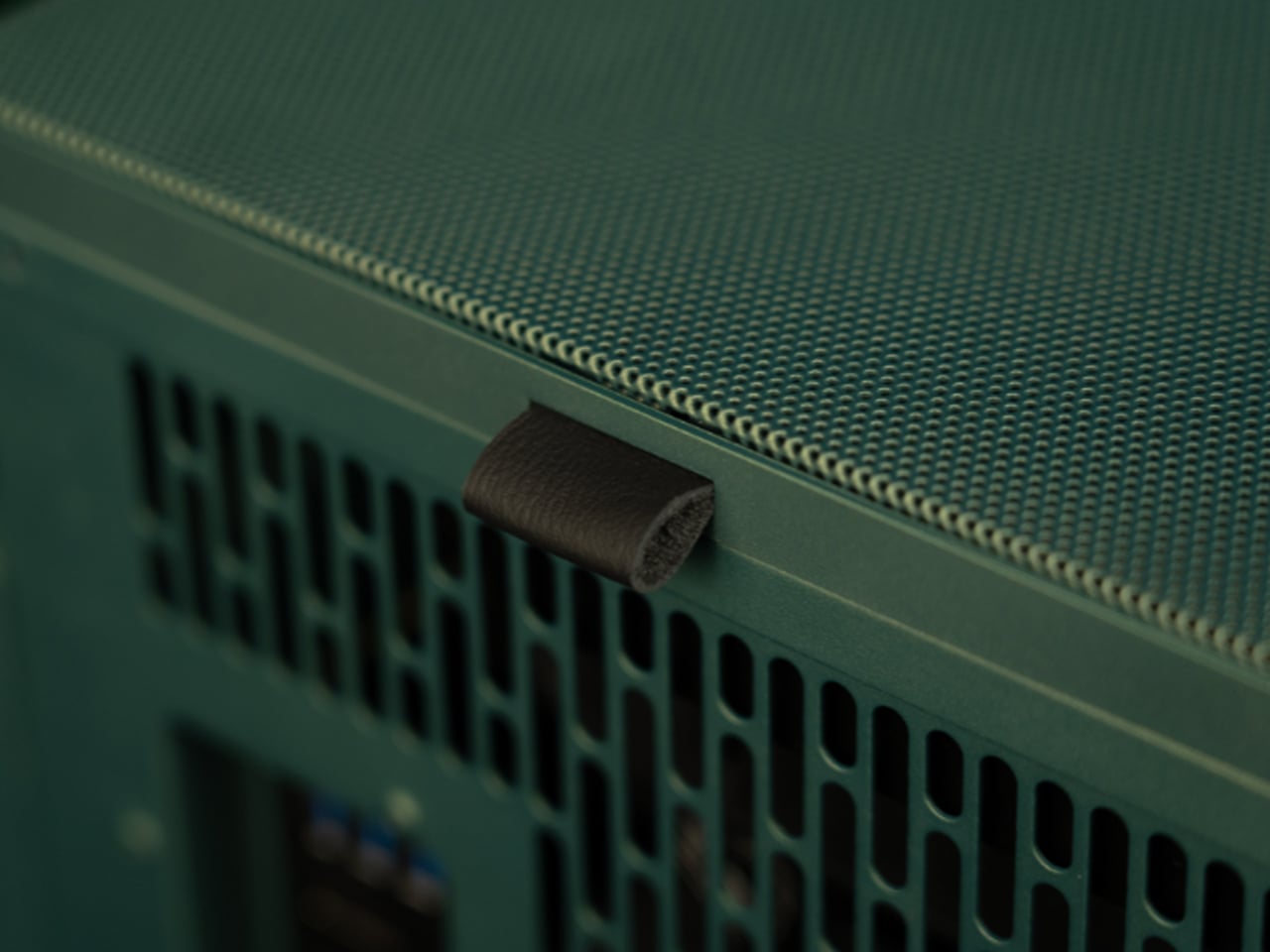
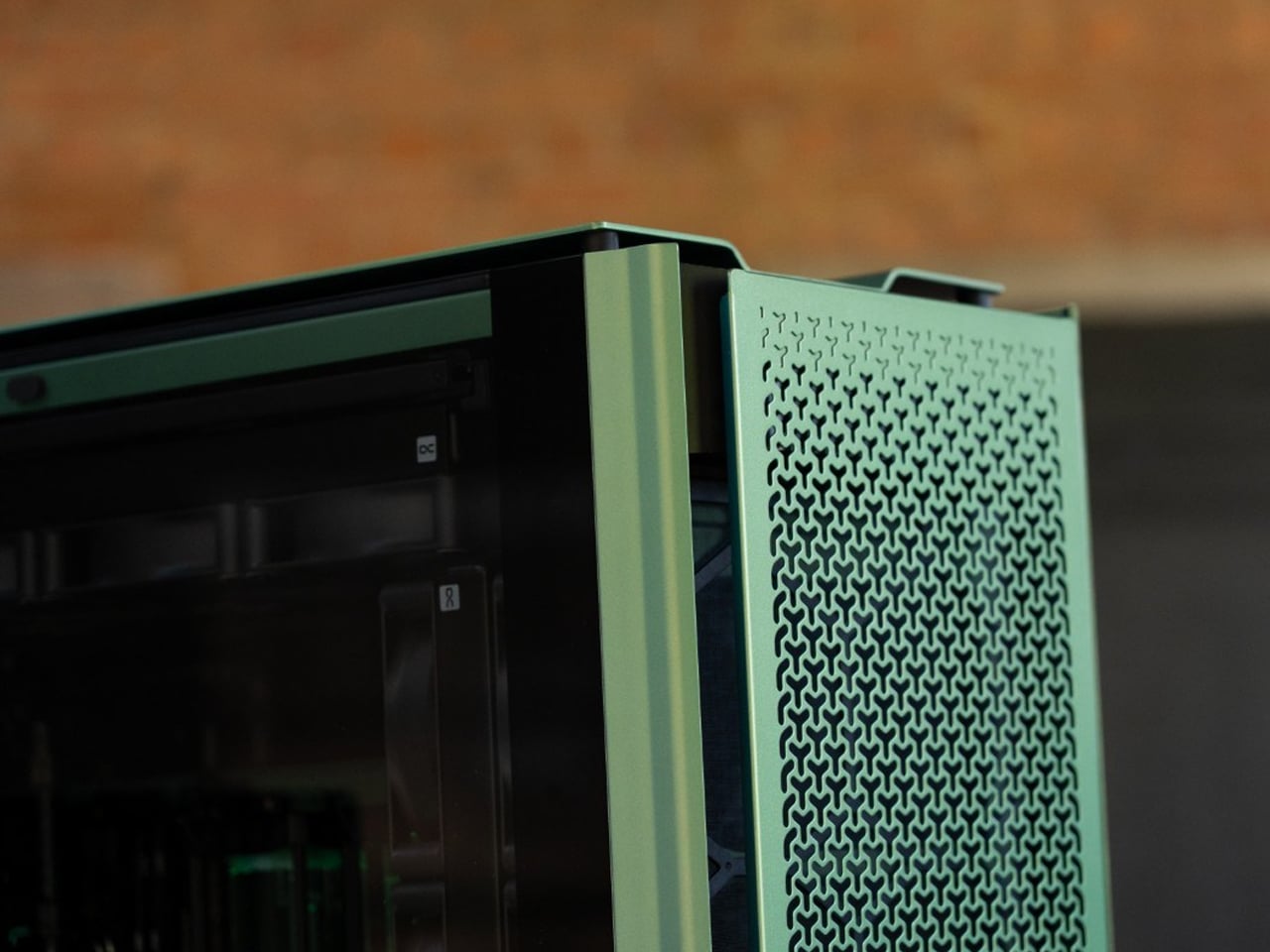
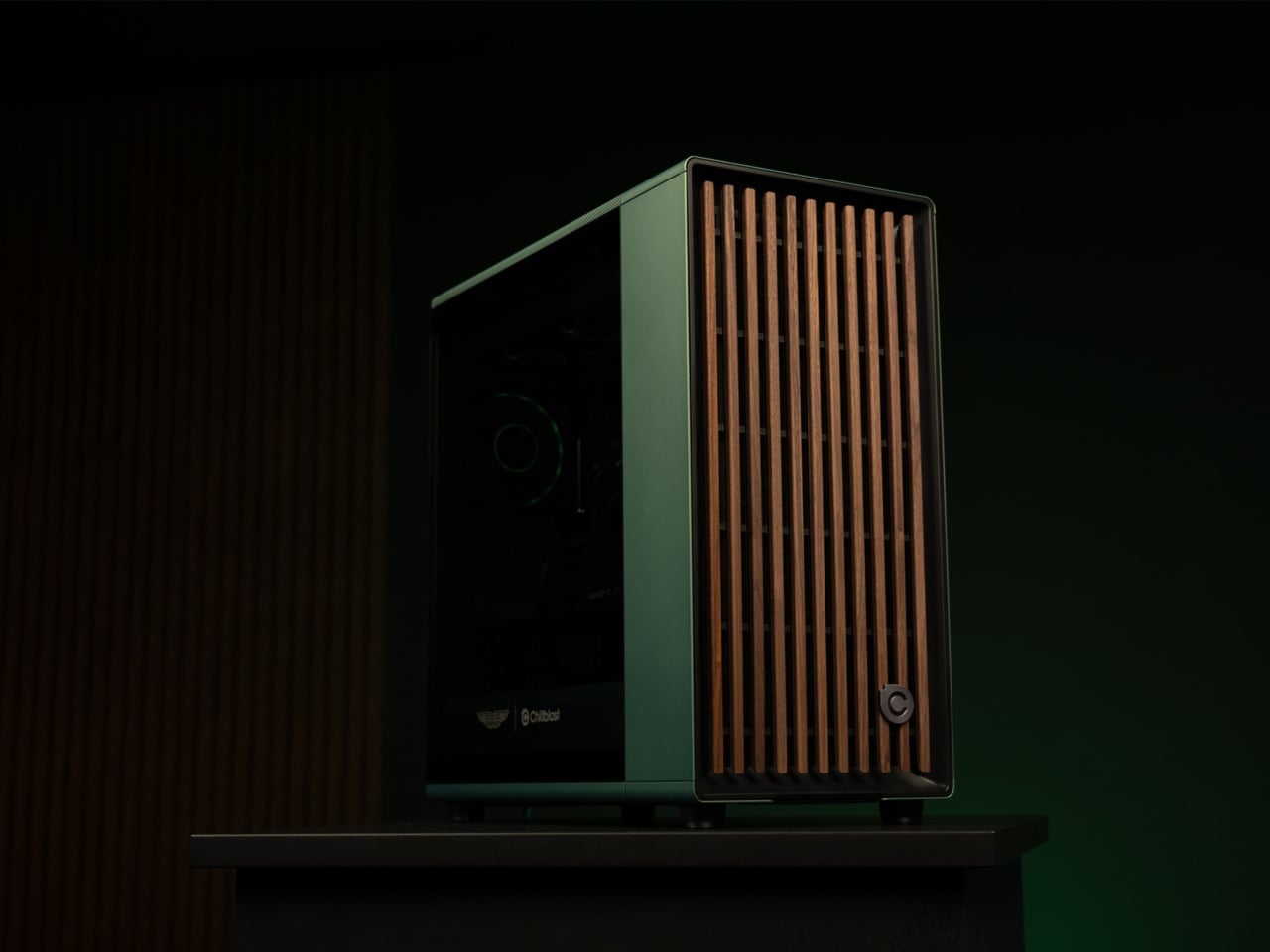
There’s still room for designs that are restrained and still genuinely premium. When I first laid eyes on the Aston Martin collaboration with Chillblast, it was refreshing to see a gaming PC that embraced elegance instead of excess. Finished in Aston Martin’s satin Iridescent Emerald paint and crafted with the same attention to detail associated with the British marque’s grand tourers, these machines look less like gaming hardware and more like automotive sculptures.
Designer: Aston Martin x Chillblast

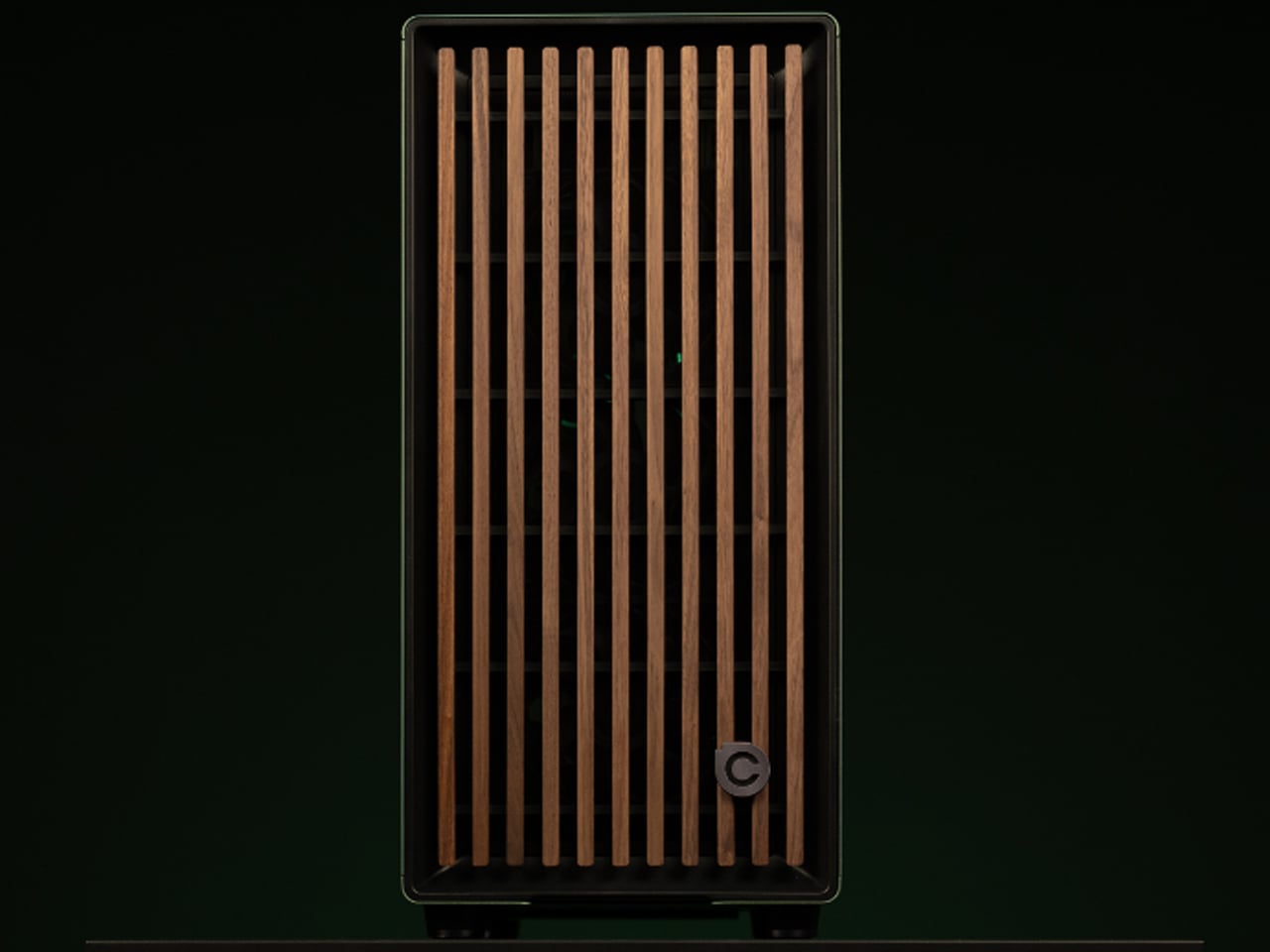
The British PC builder has created three limited-edition gaming systems inspired by Aston Martin’s design philosophy. Prices start at £3,749 and climb all the way to £15,999, placing them firmly in luxury territory. Yet for buyers seeking exclusivity and top-tier performance in equal measure, these systems offer something that few gaming PCs even attempt.
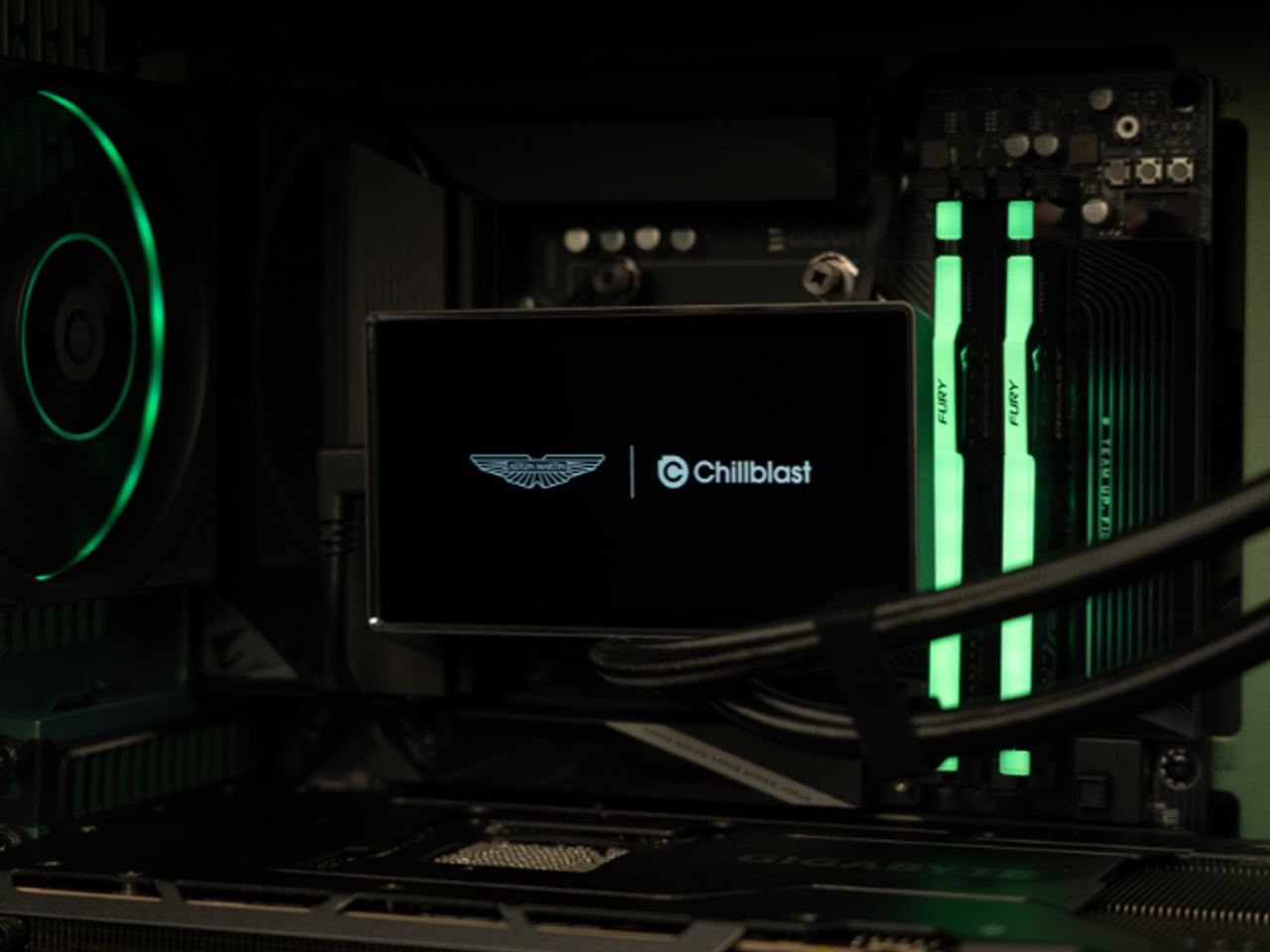
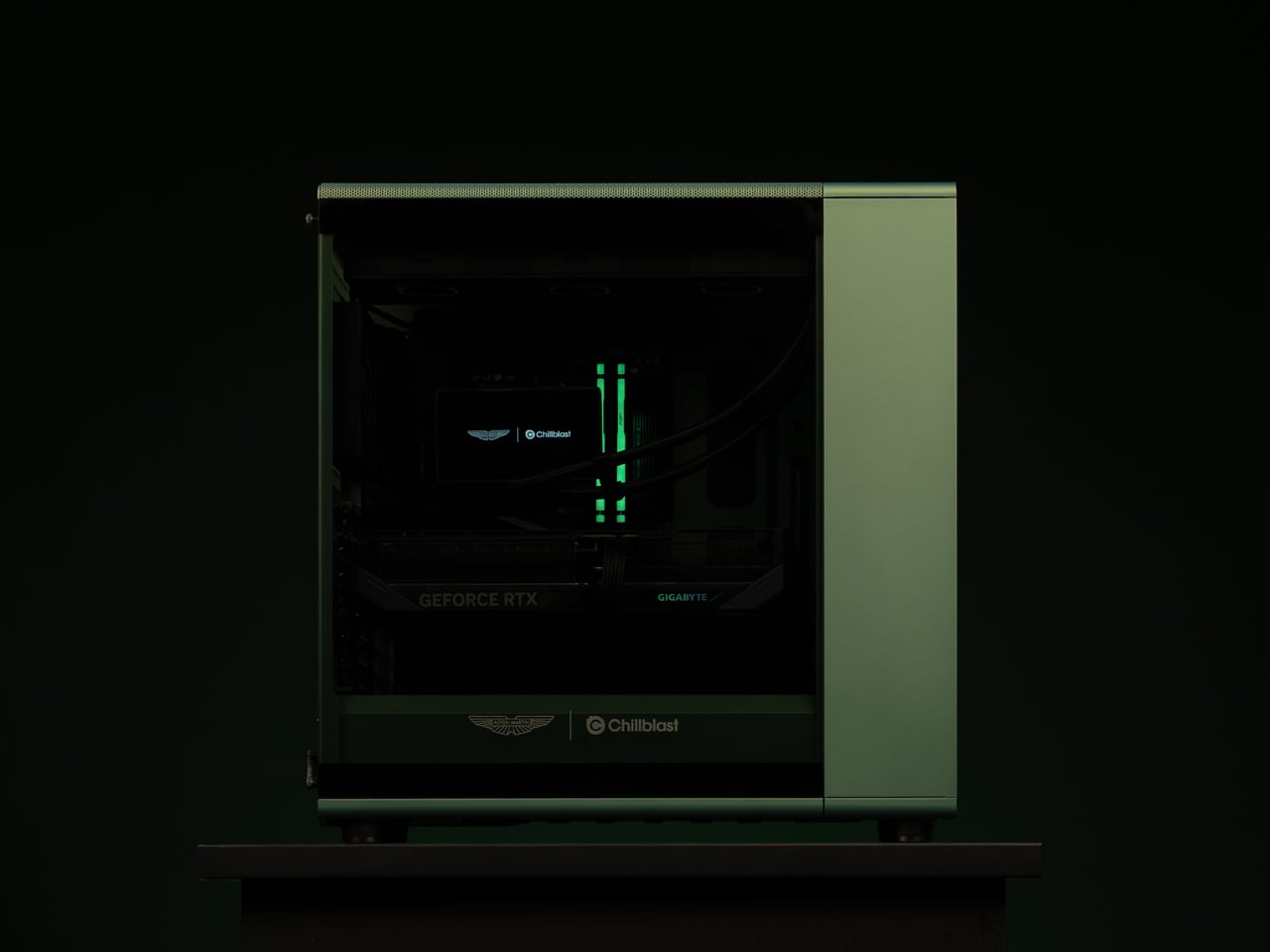
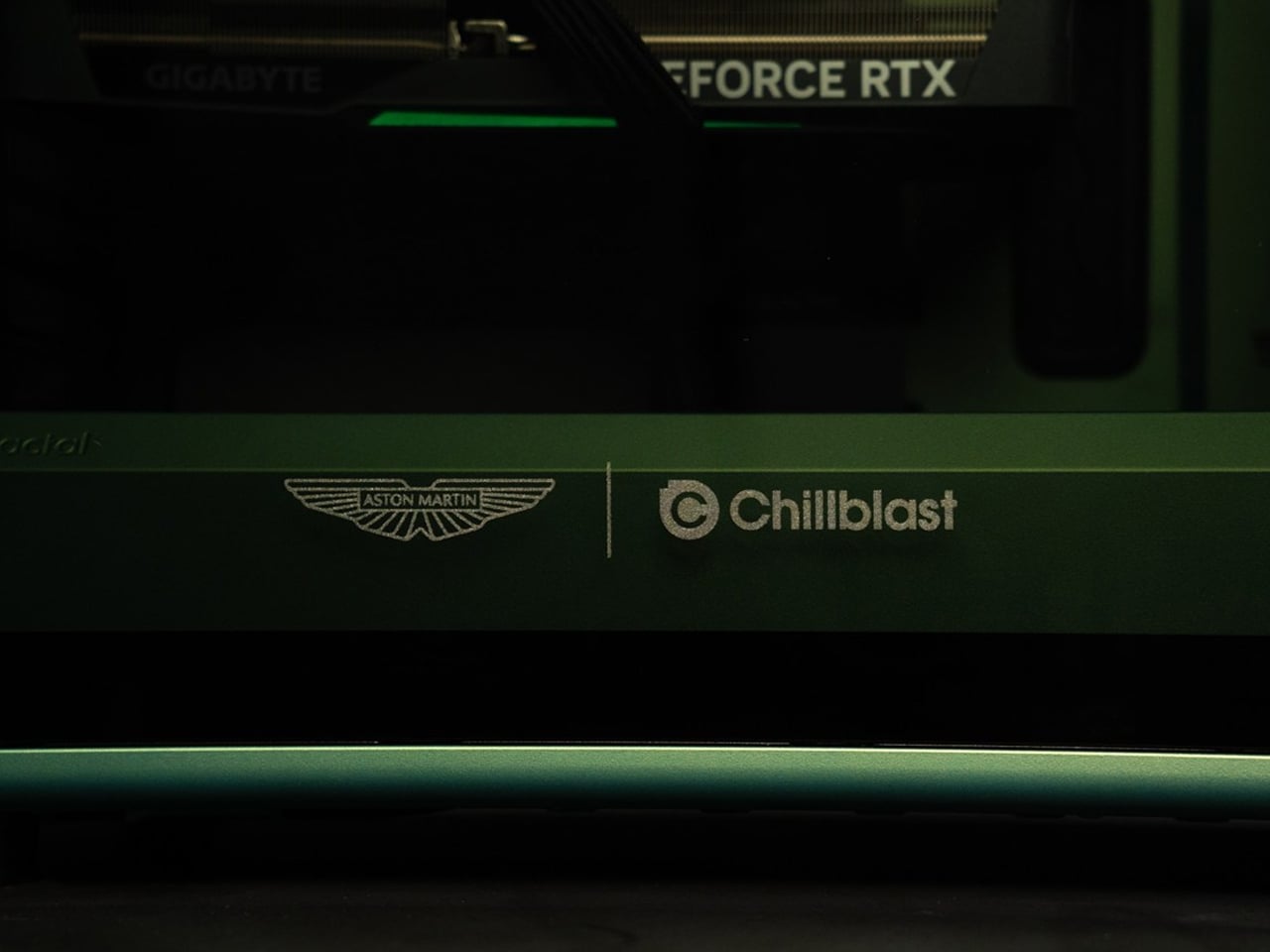
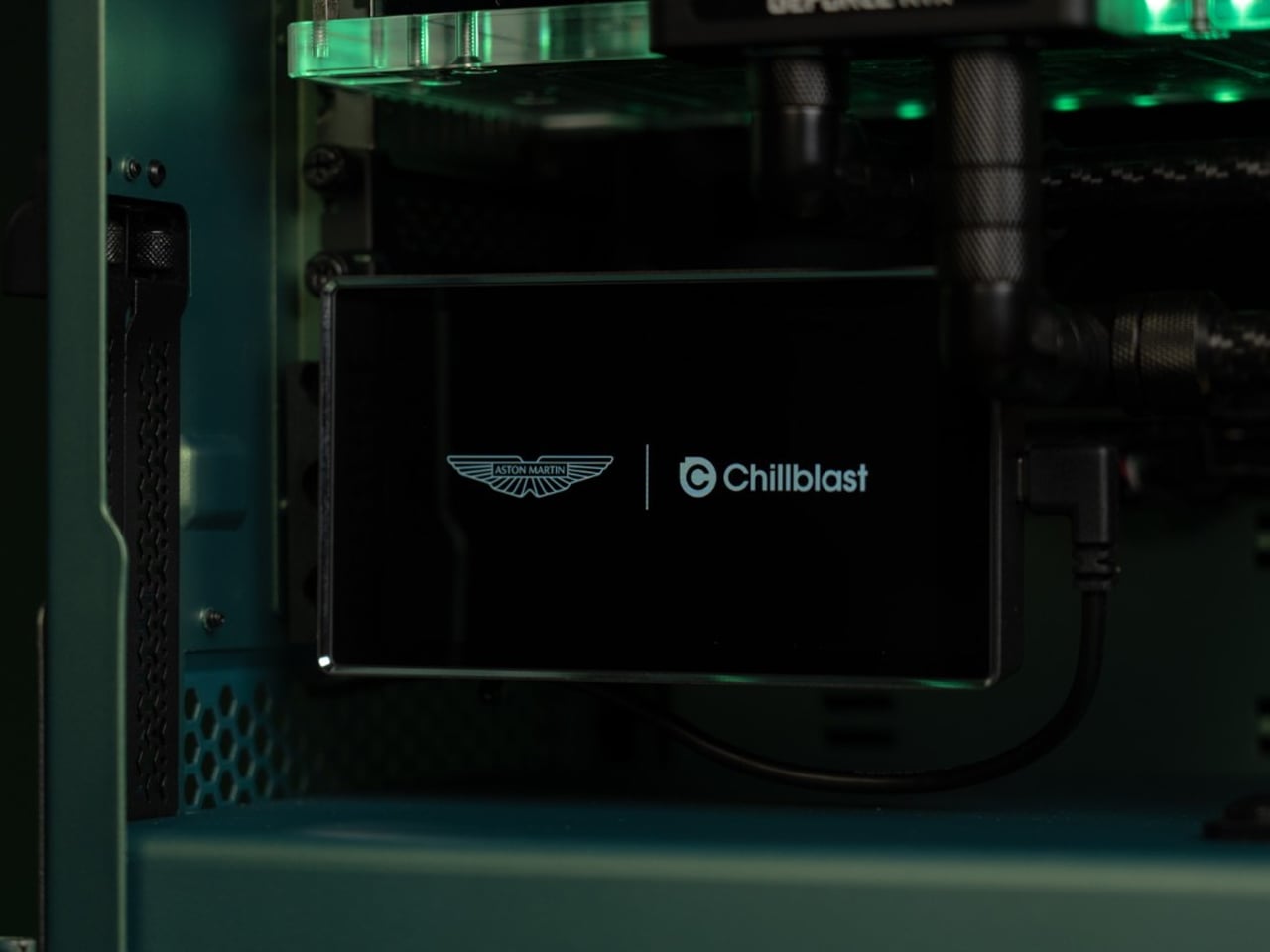
What makes the collaboration interesting is that Aston Martin’s involvement goes beyond simply lending a badge. The design team worked closely with Chillblast to create a collection that reflects the same principles found in the company’s sports cars. The signature Iridescent Emerald finish immediately sets the systems apart, shifting subtly under different lighting conditions much like it does on Aston Martin vehicles. Copper-toned accents and carefully integrated branding further reinforce the automotive connection without feeling forced or overly decorative.
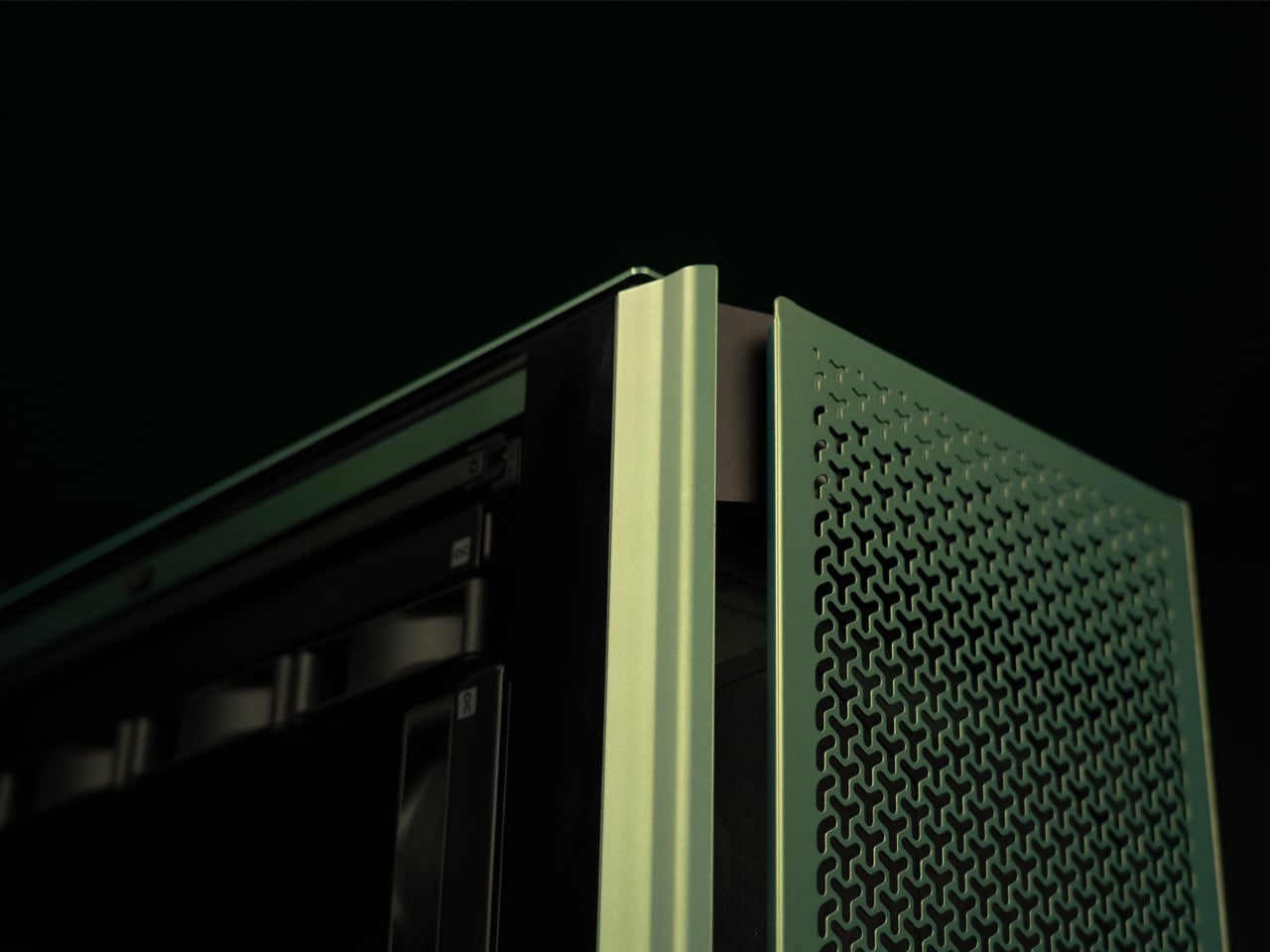
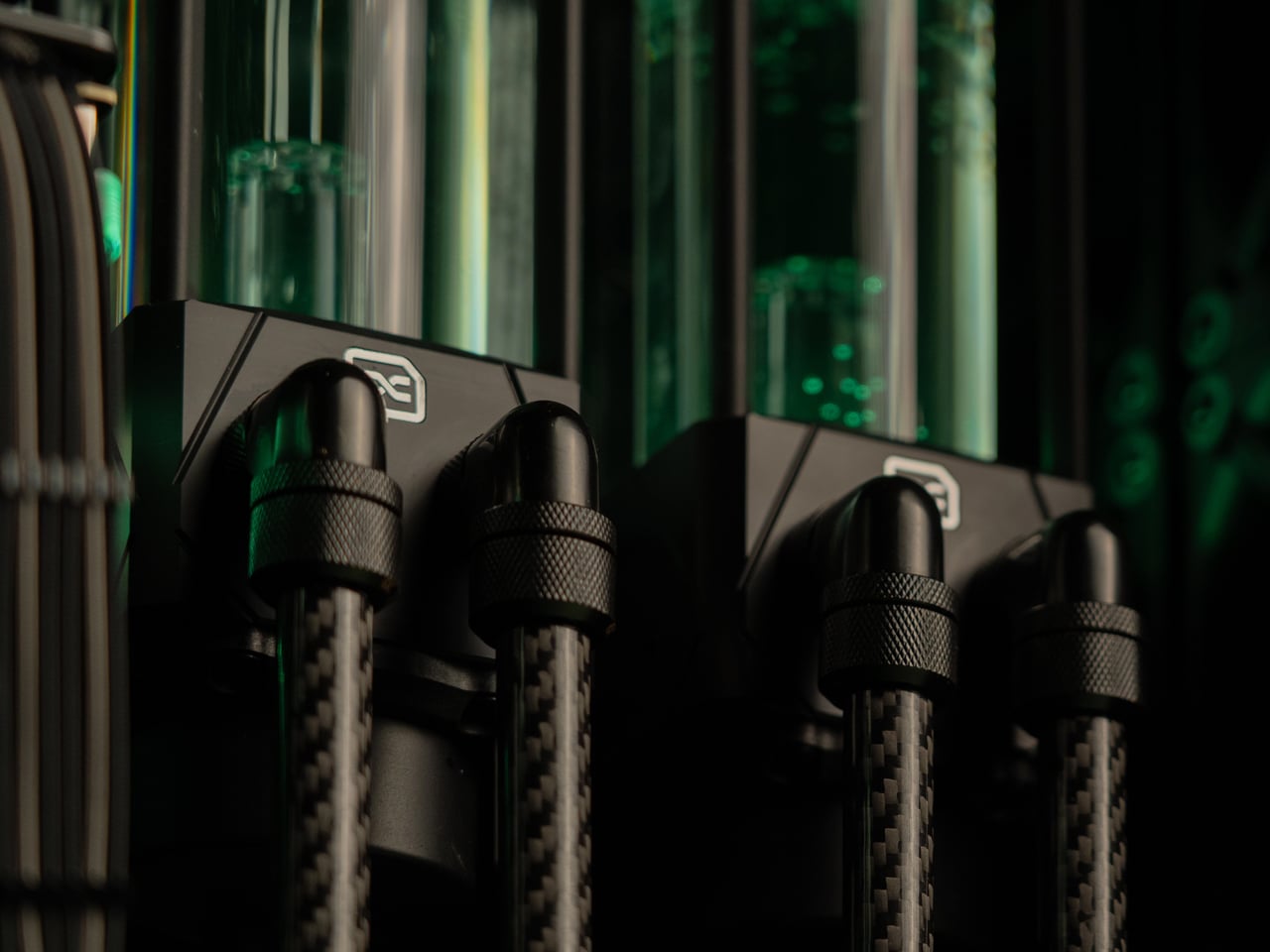
The range consists of three models, each targeting a different type of enthusiast. At the entry point sits the Icon Edition, offering high-end gaming credentials while introducing the collection’s distinctive design language. Moving up the ladder is the Iconic Edition, which balances premium styling with even more powerful hardware. At the top is the truly extravagant Ultimate Edition, a machine that combines uncompromising performance with collector-grade exclusivity.
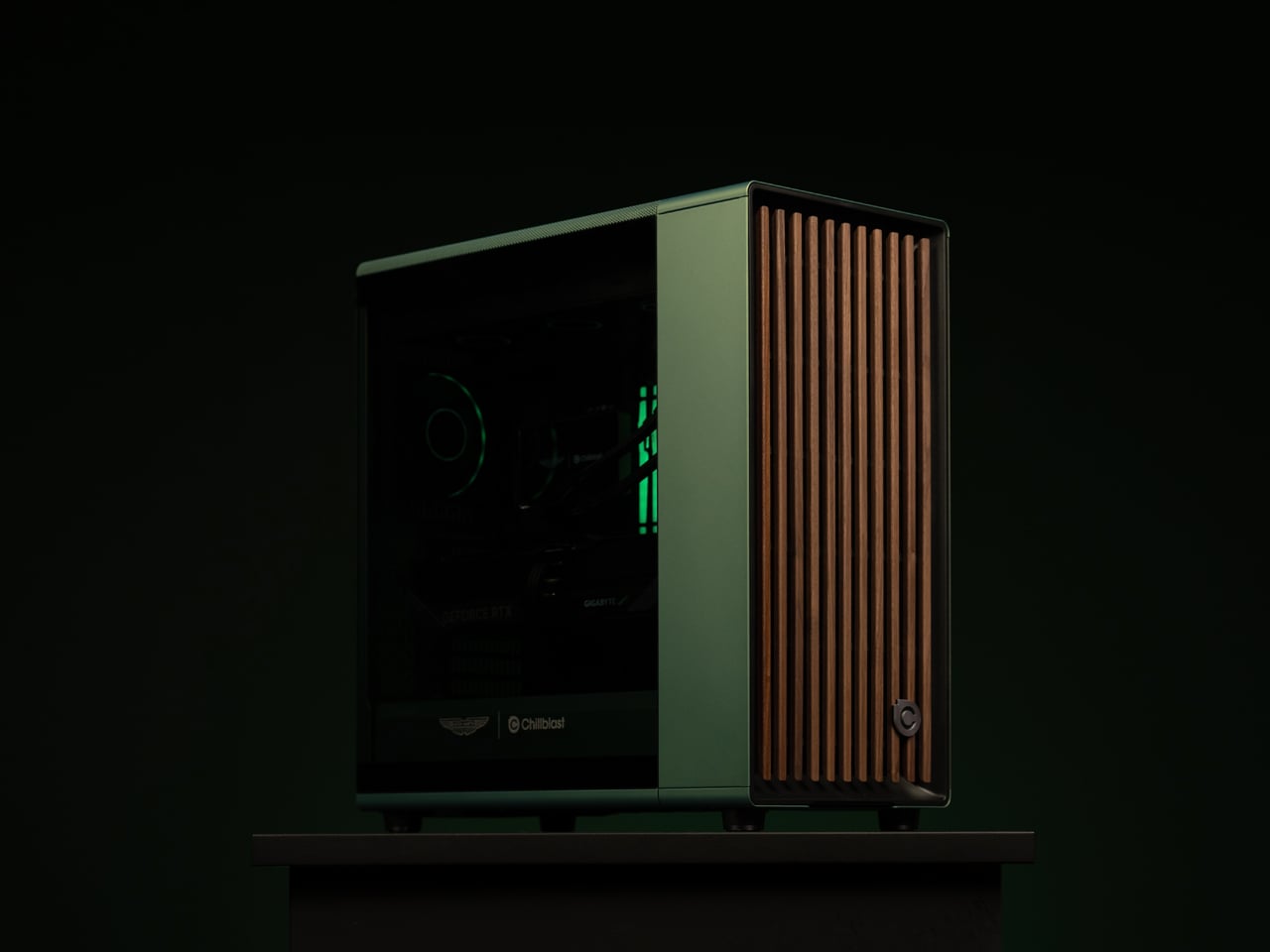
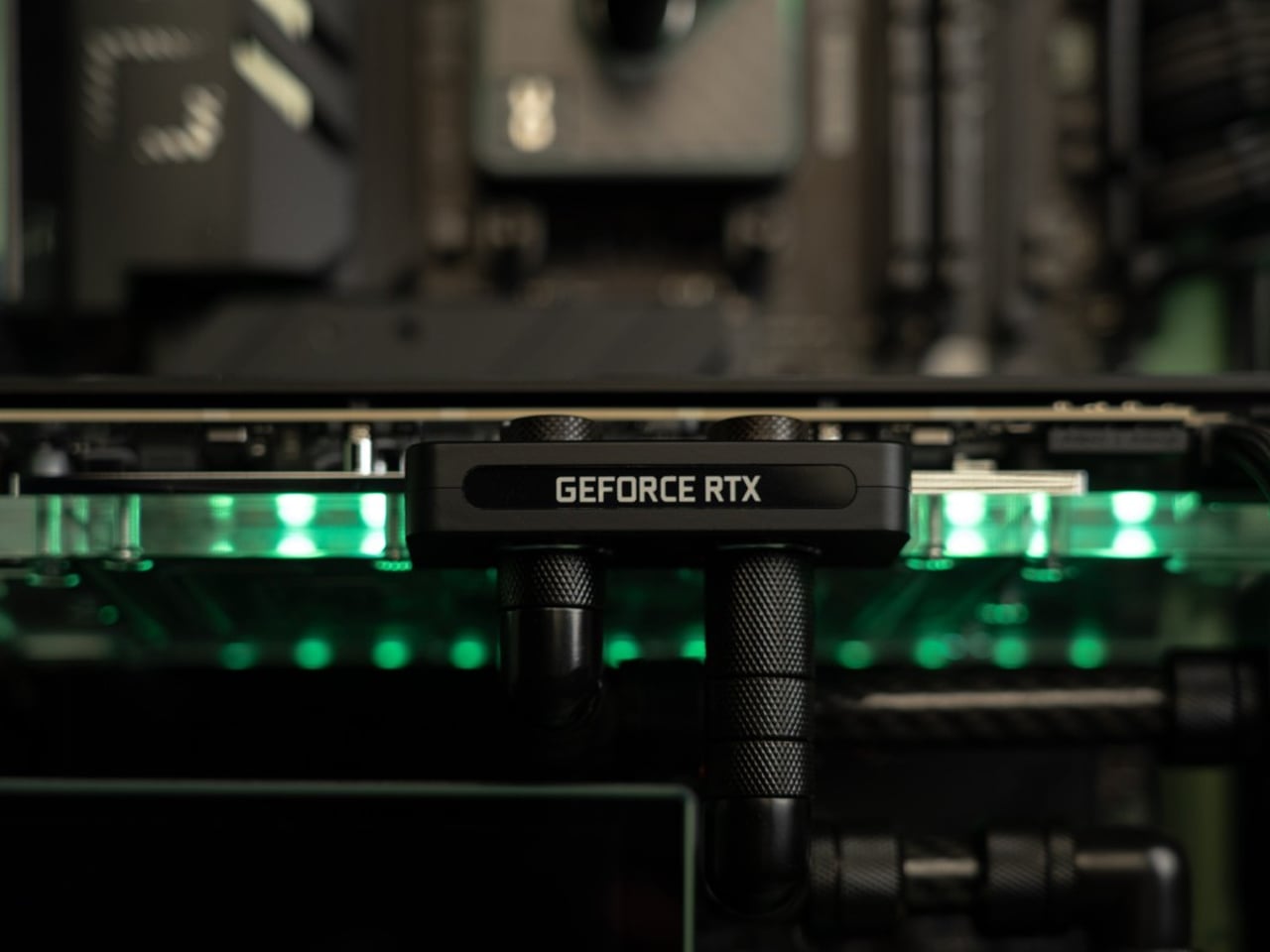
Underneath the custom exterior panels lies hardware that can rival some of the most powerful gaming systems available today. Depending on configuration, buyers can expect flagship AMD processors, NVIDIA GeForce RTX graphics cards, generous amounts of DDR5 memory, and high-capacity NVMe SSD storage. Advanced cooling solutions ensure the systems maintain peak performance during extended gaming sessions, content creation workloads, or demanding professional tasks.
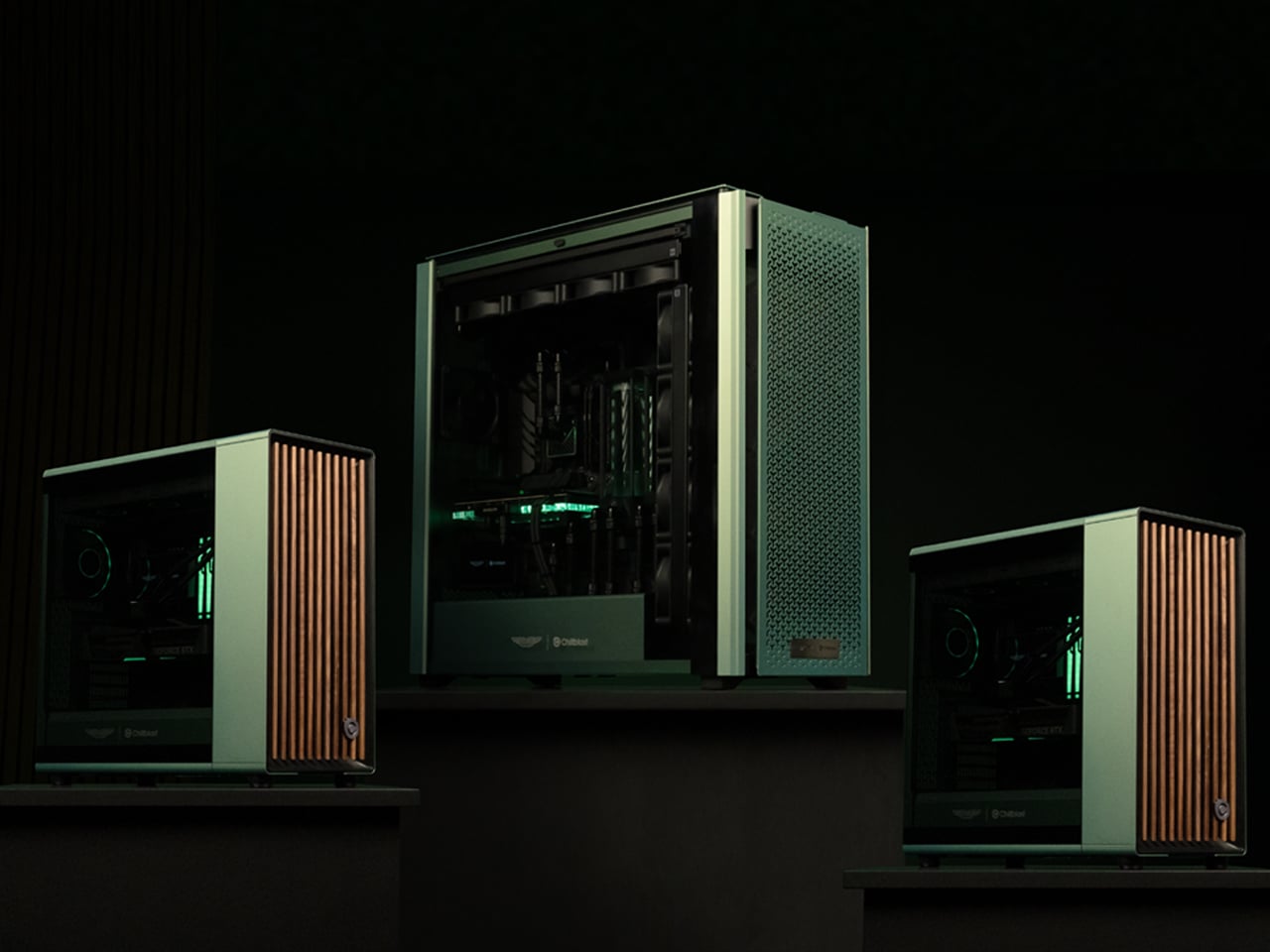
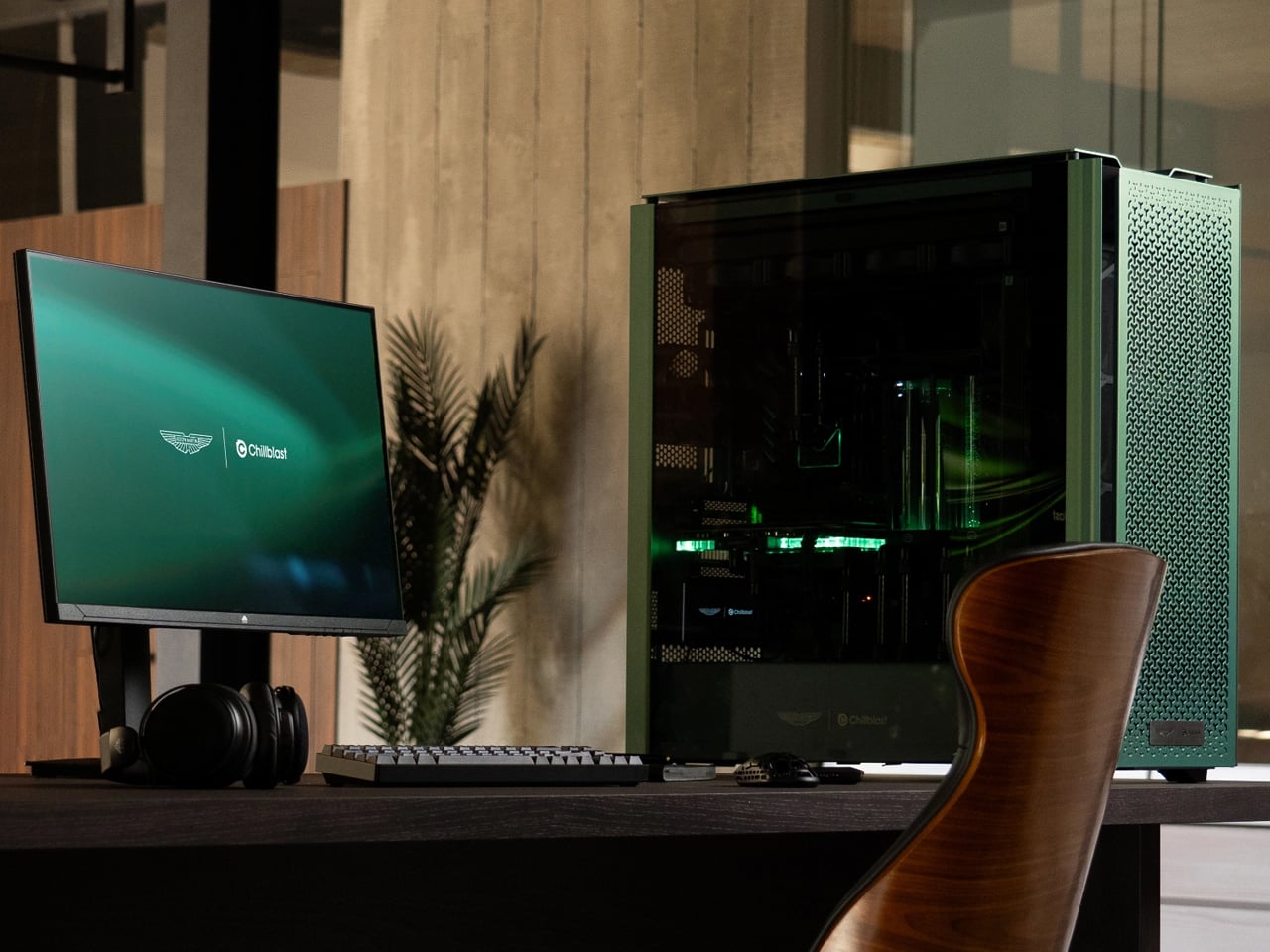
What stands out most, however, is the restraint. Instead of relying on aggressive angles, oversized vents, or endless RGB strips, these PCs demonstrate that gaming hardware can feel mature and luxurious. They look equally at home in a high-end office, a modern living room, or an Aston Martin showroom. The Aston Martin x Chillblast collection won’t be for everyone, as the pricing alone ensures that. But that’s also the point. These machines occupy the same space as luxury watches or limited-edition supercars!
The post Aston Martin themed Chillblast gaming PCs are fit for a Bond flick first appeared on Yanko Design.