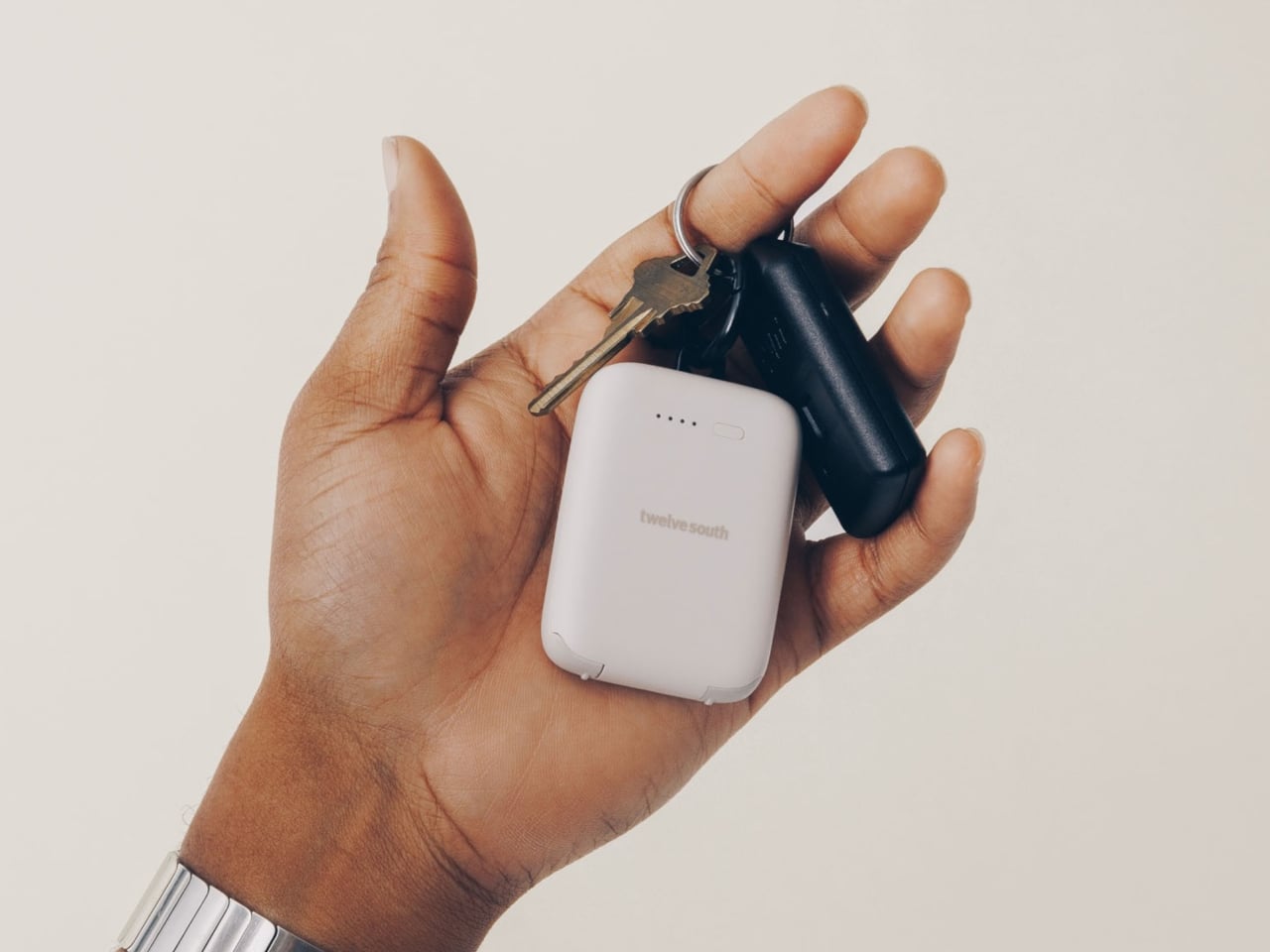
Pocket-sized Unix UX-1519 NEOM power bank is your reliable go to gadget

Power banks rely heavily on utility and the portability aspect, so much so that virtually all of them look like a knock-off version of the trusted offerings. Many of these power banks are MagSafe compatible for handy use, while others bump up the battery capacity, fit for power users. Still, most of the available options go for the proven form factor.

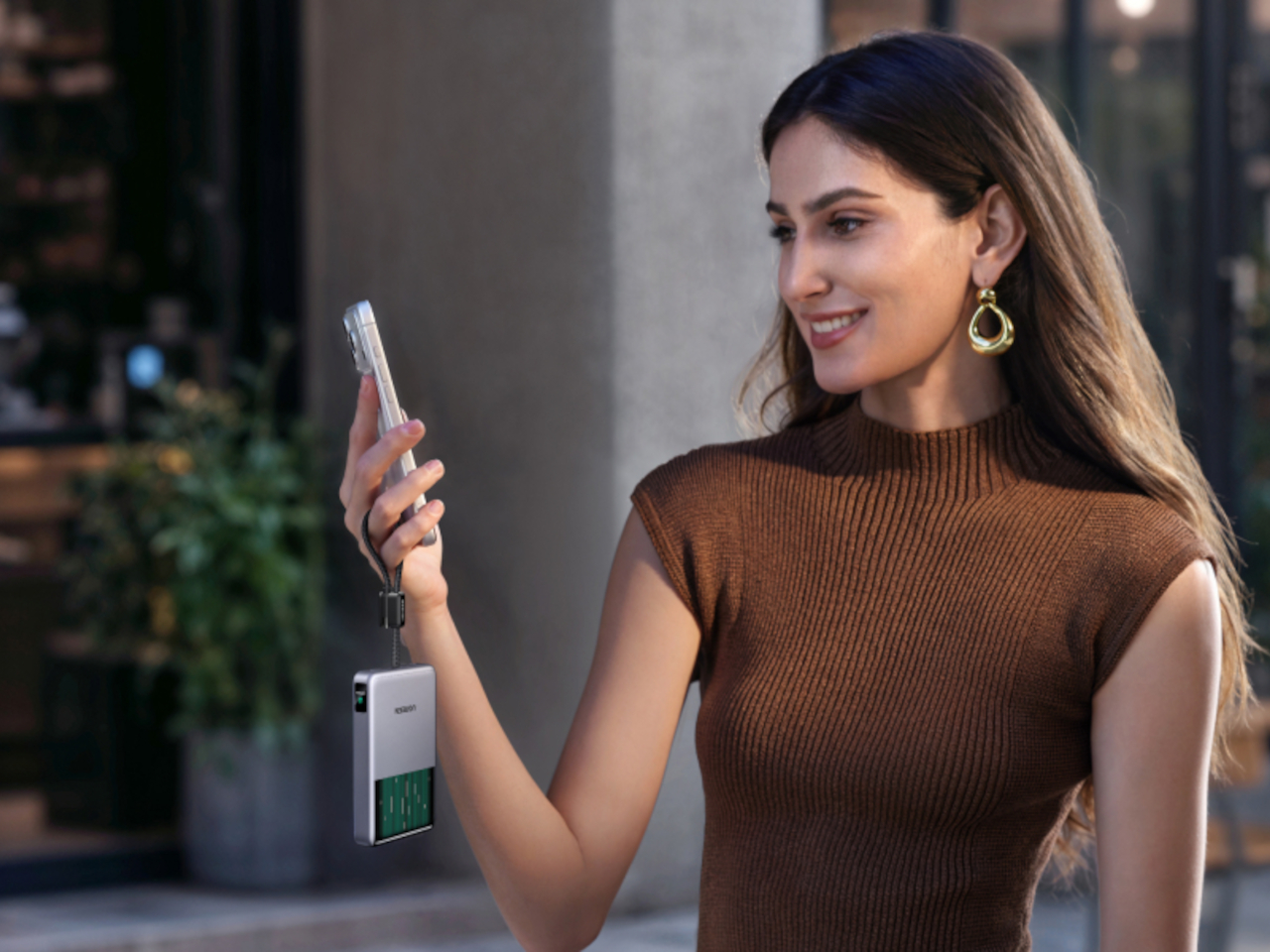
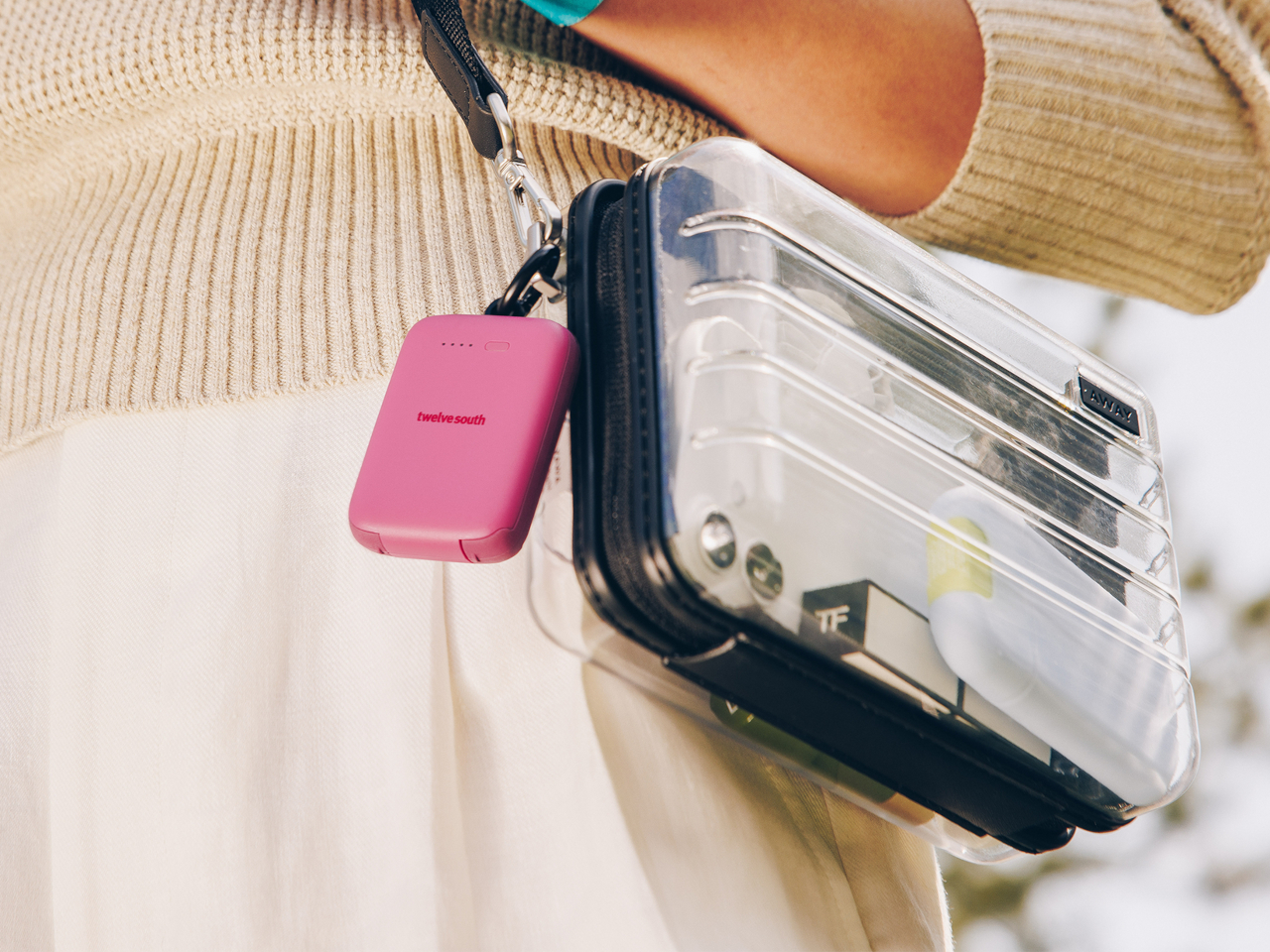
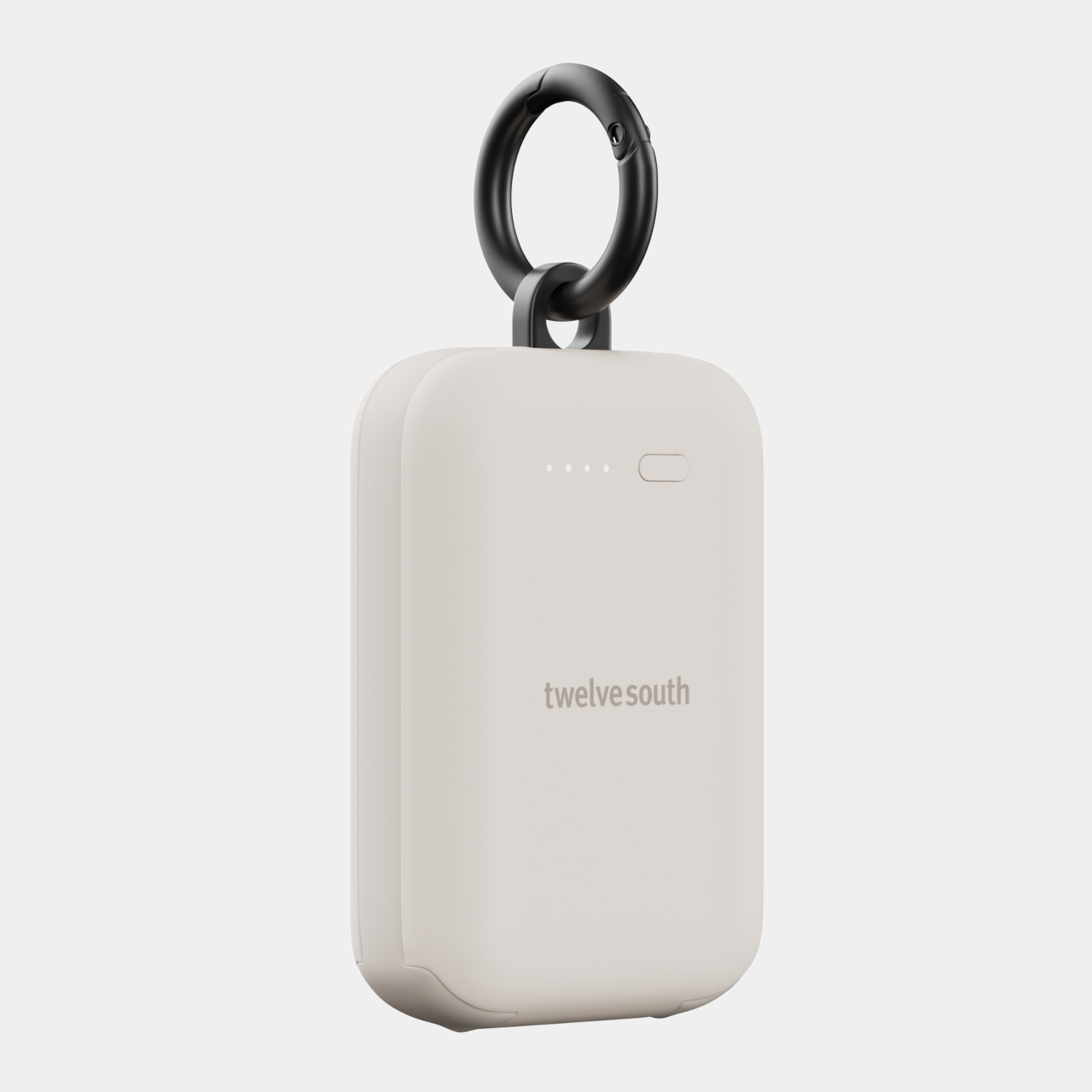
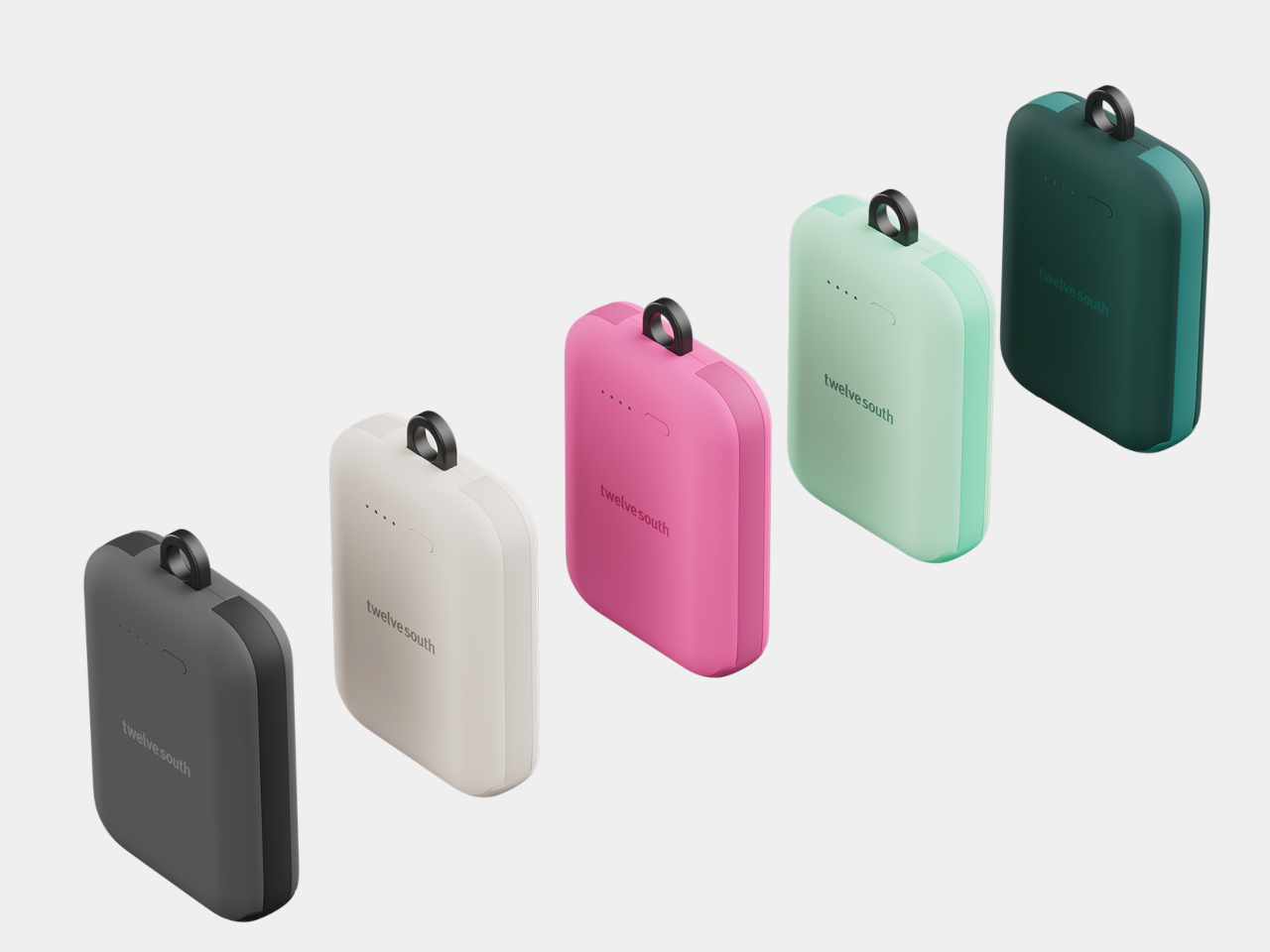
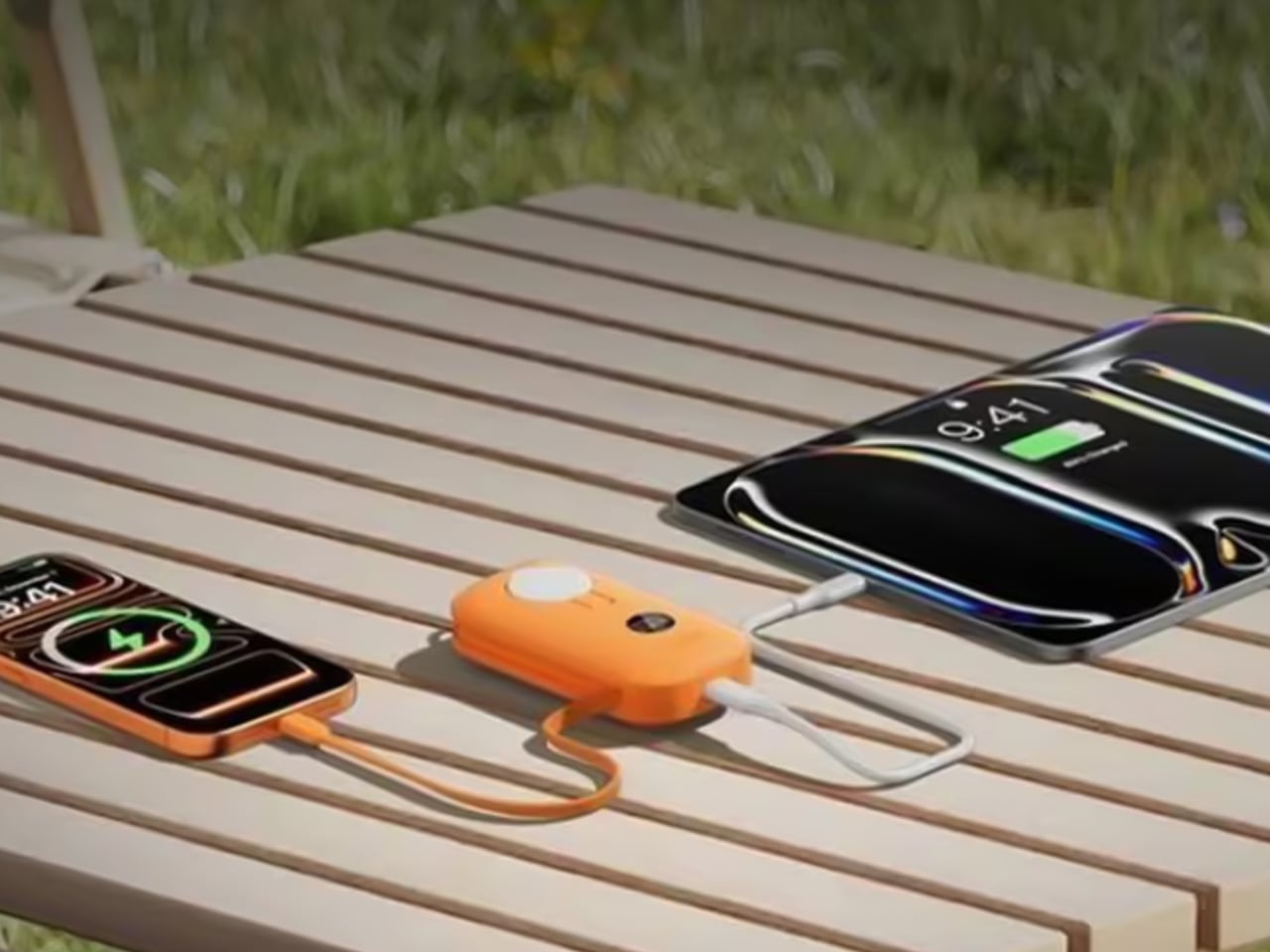
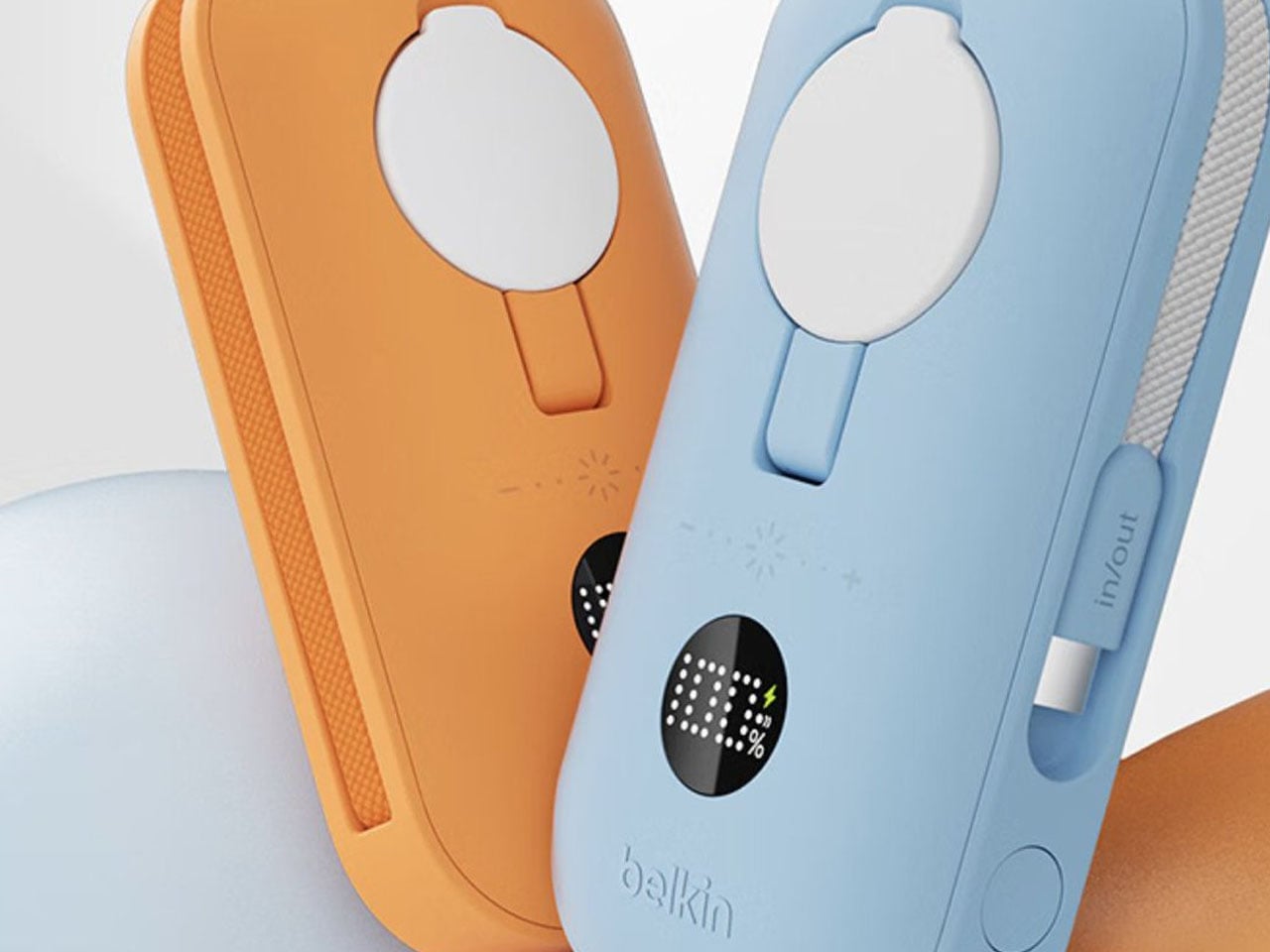
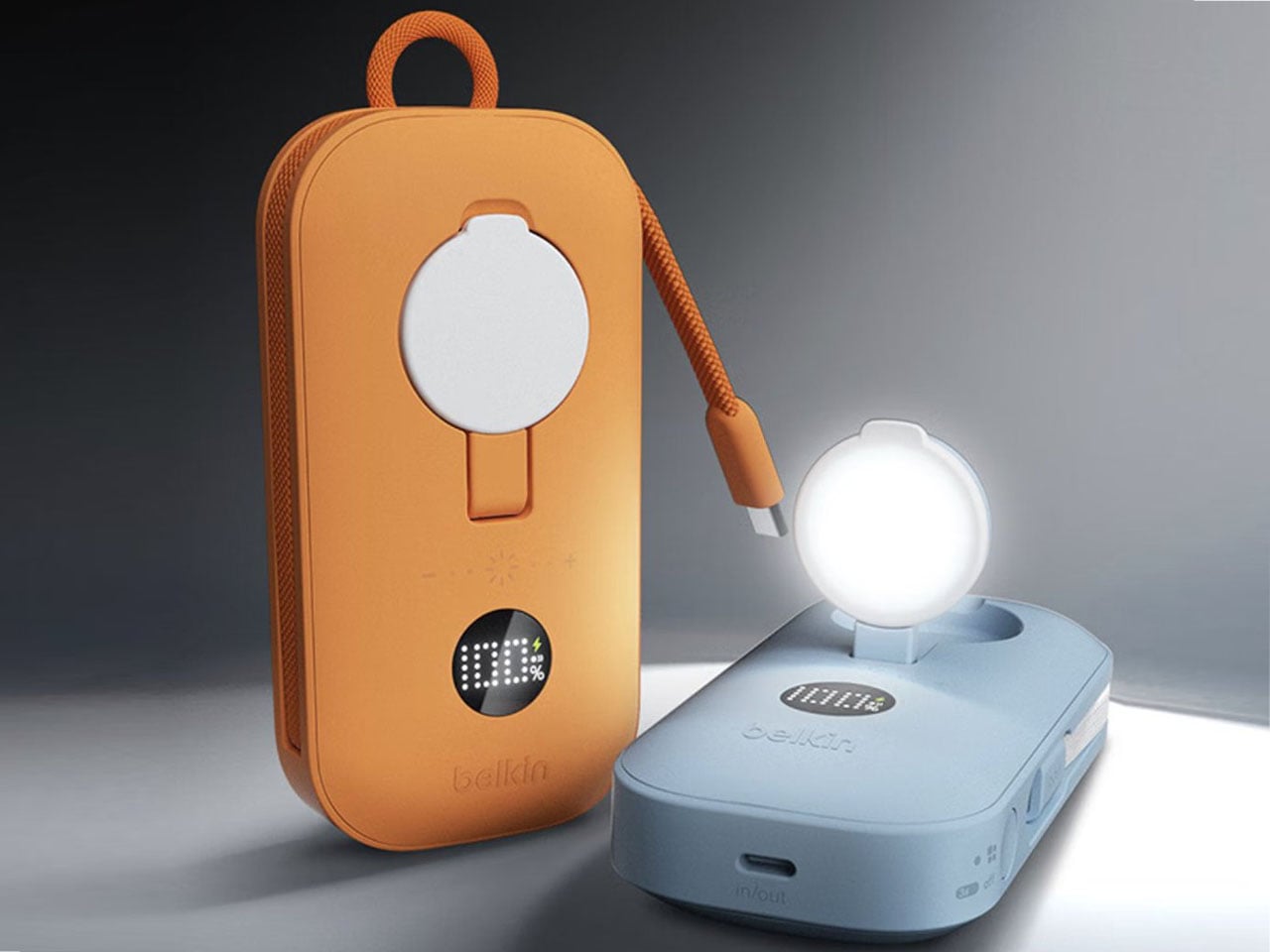
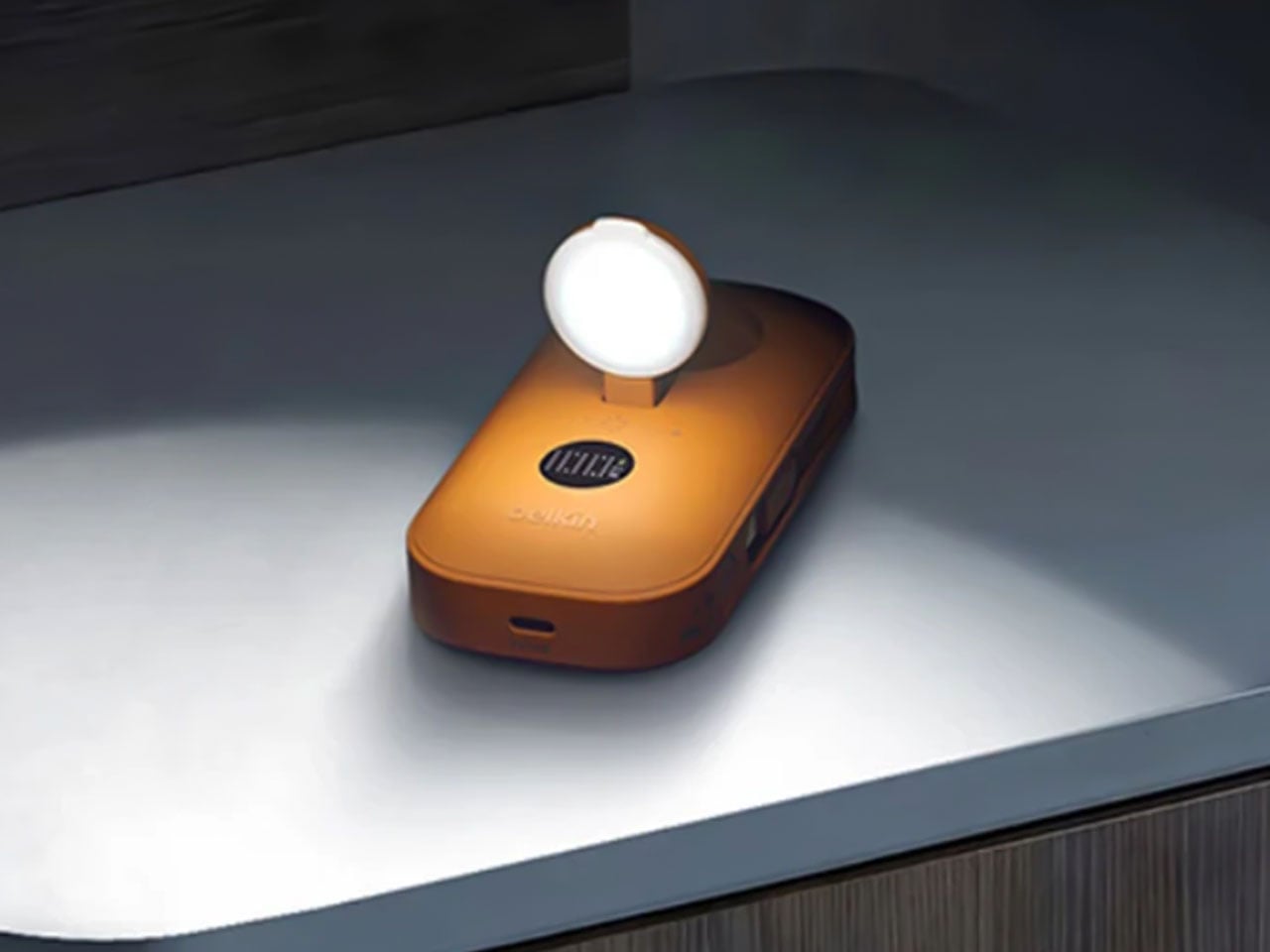
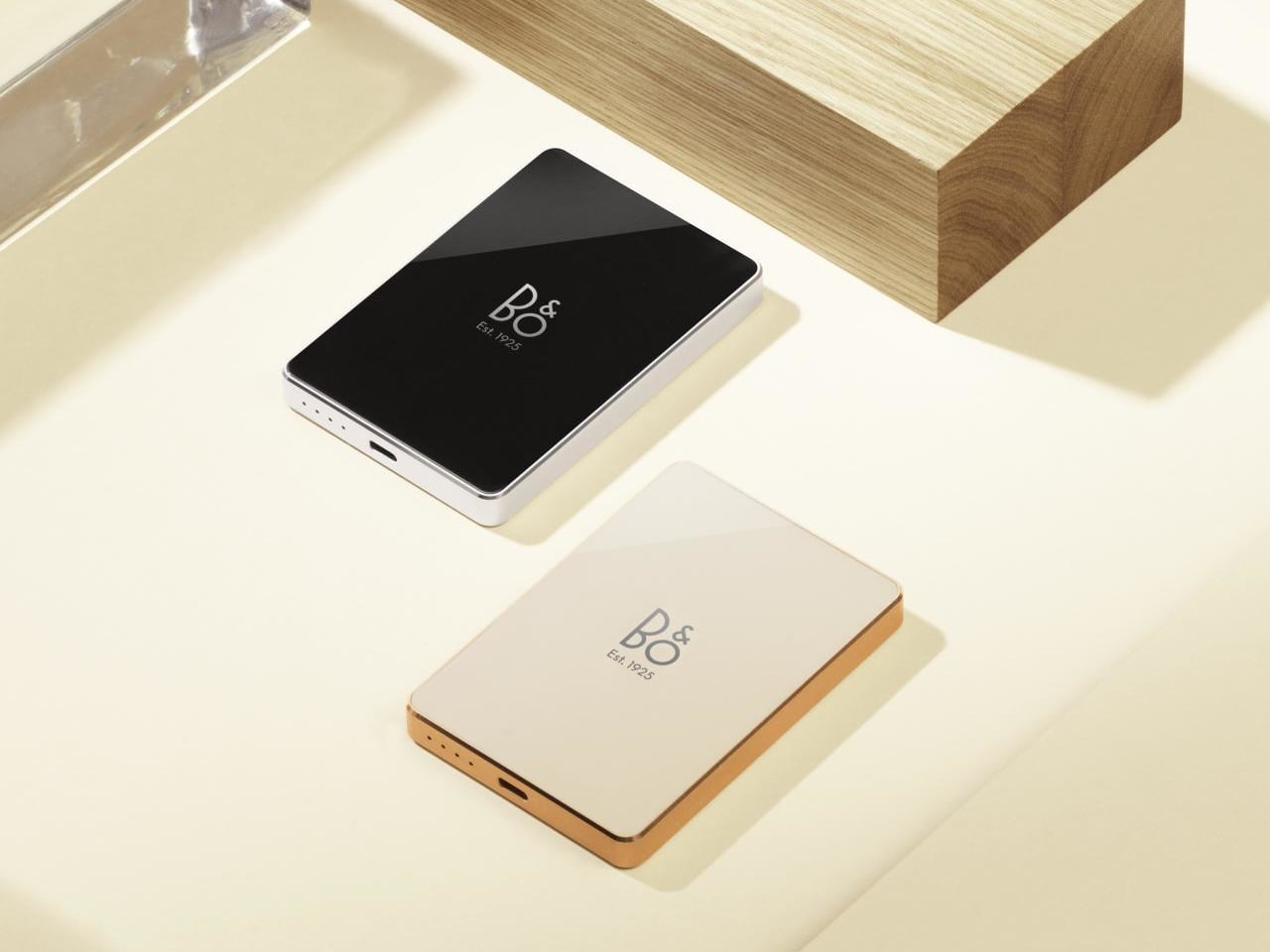
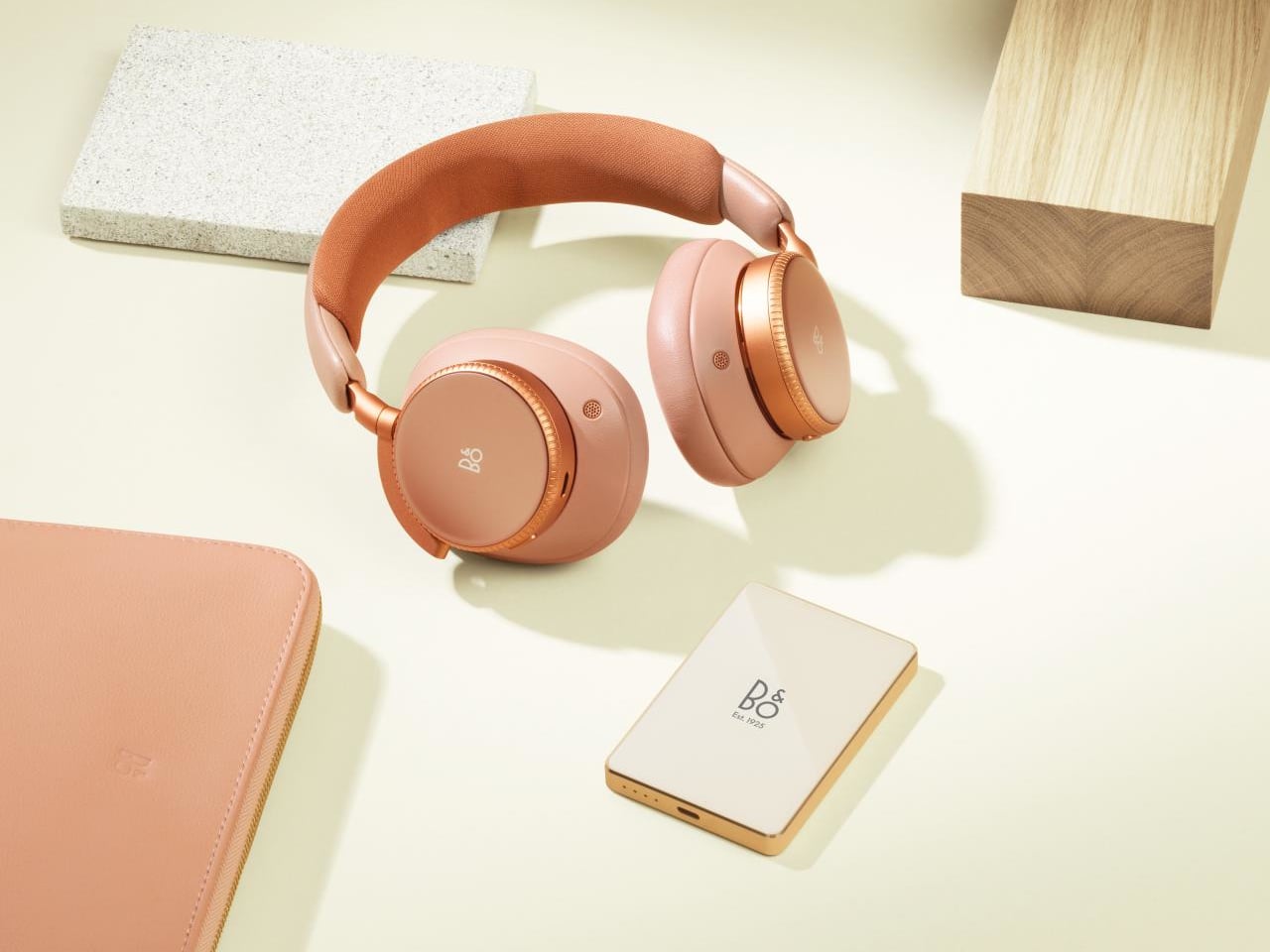
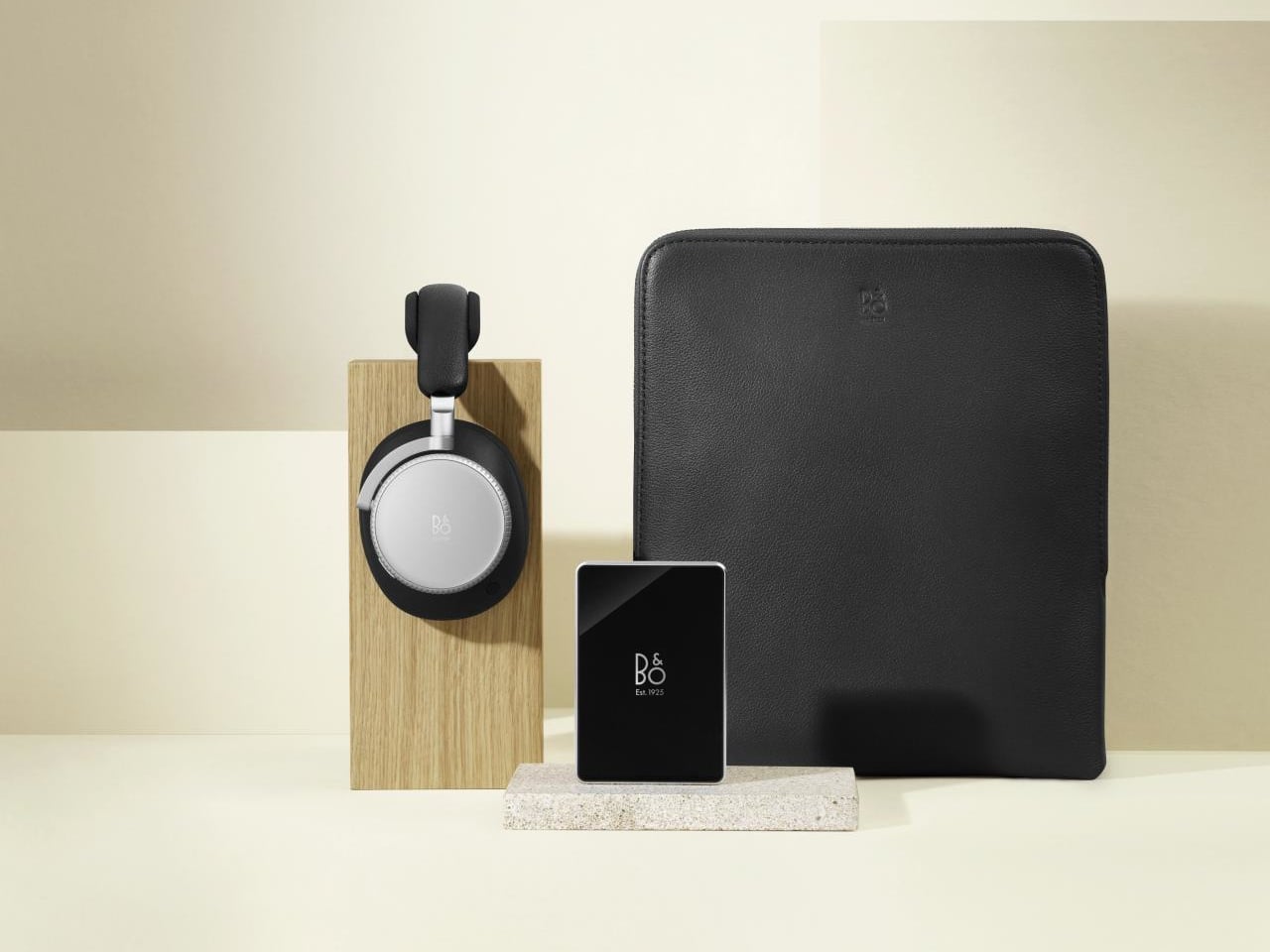
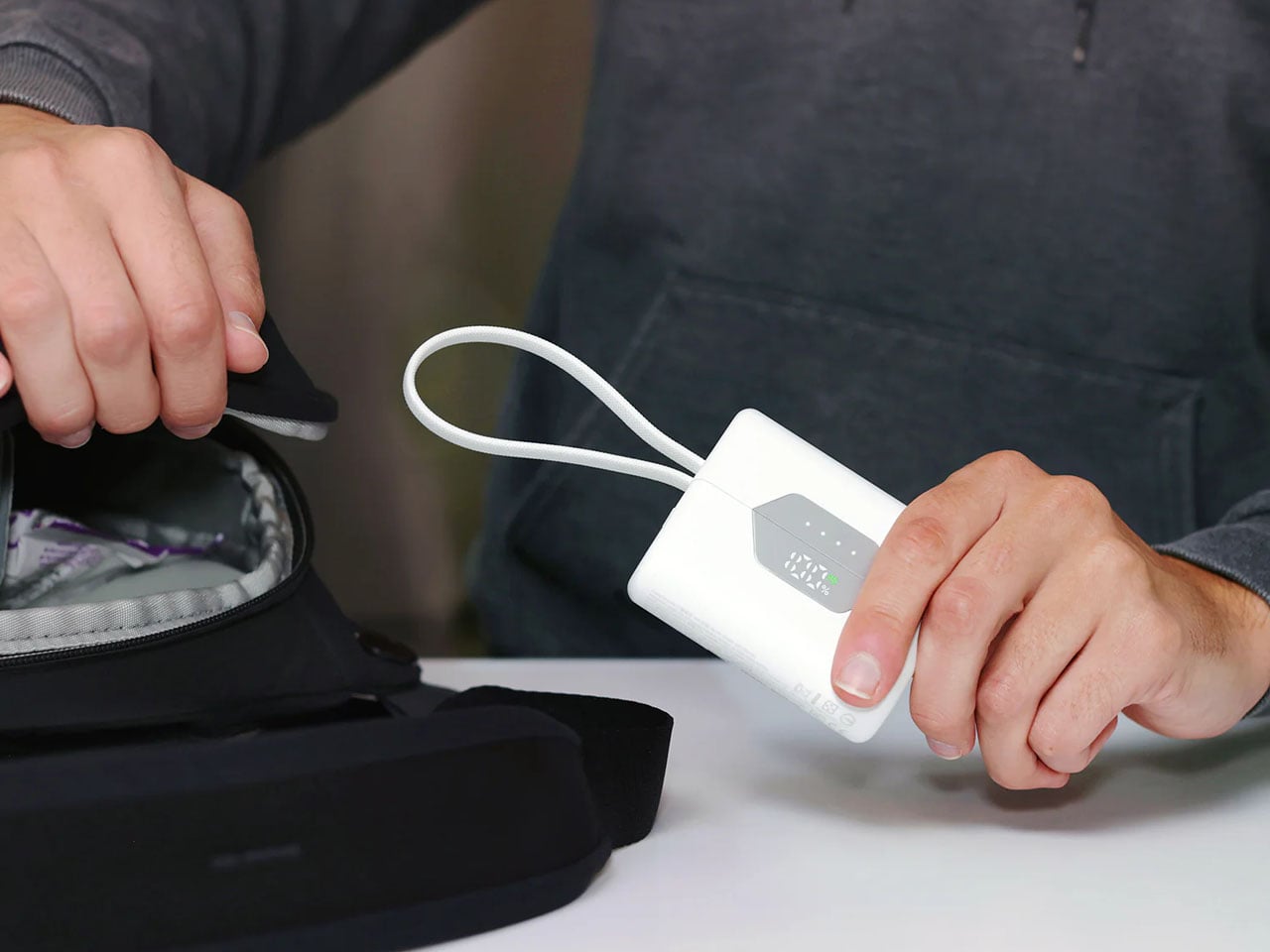
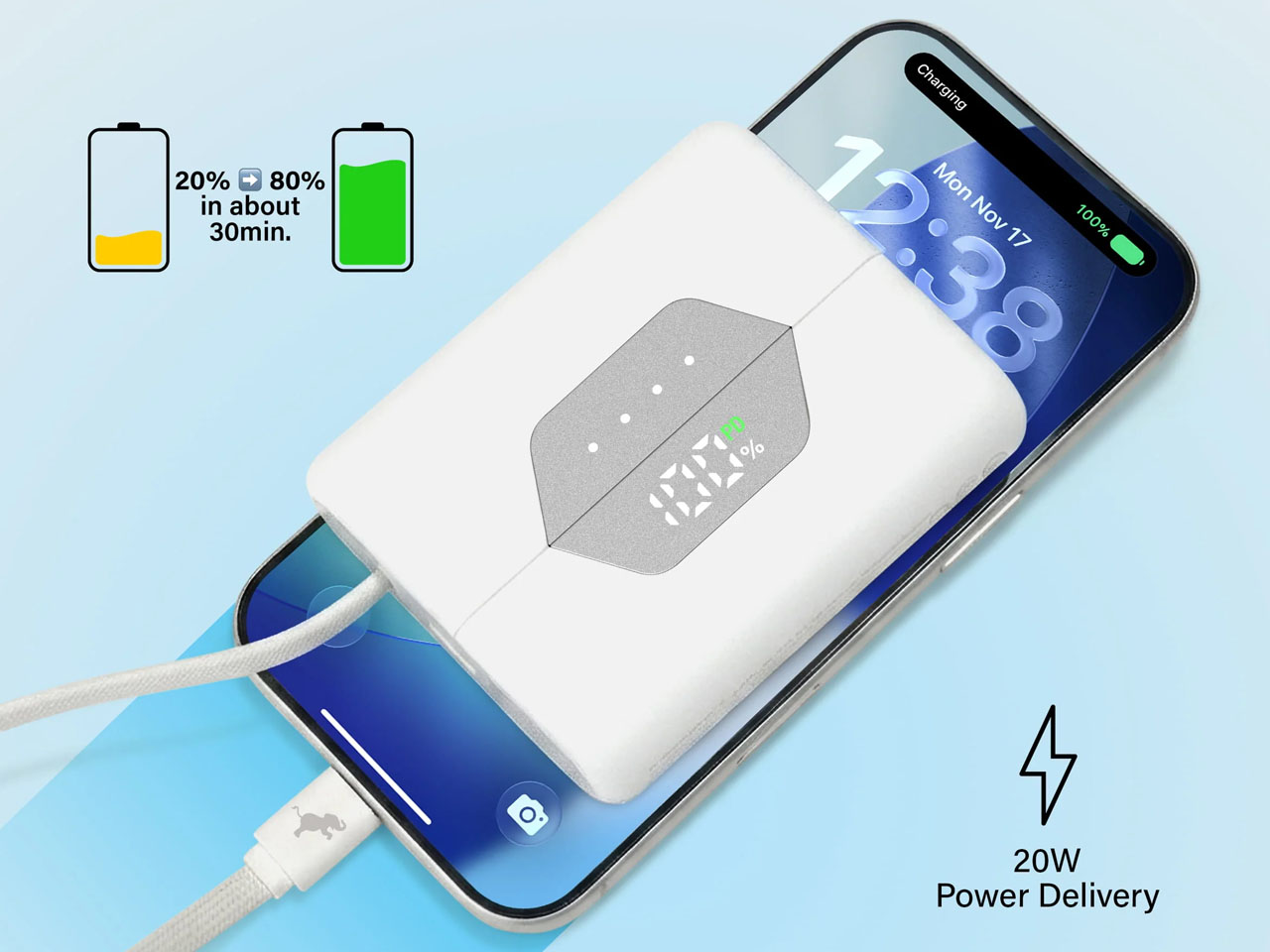
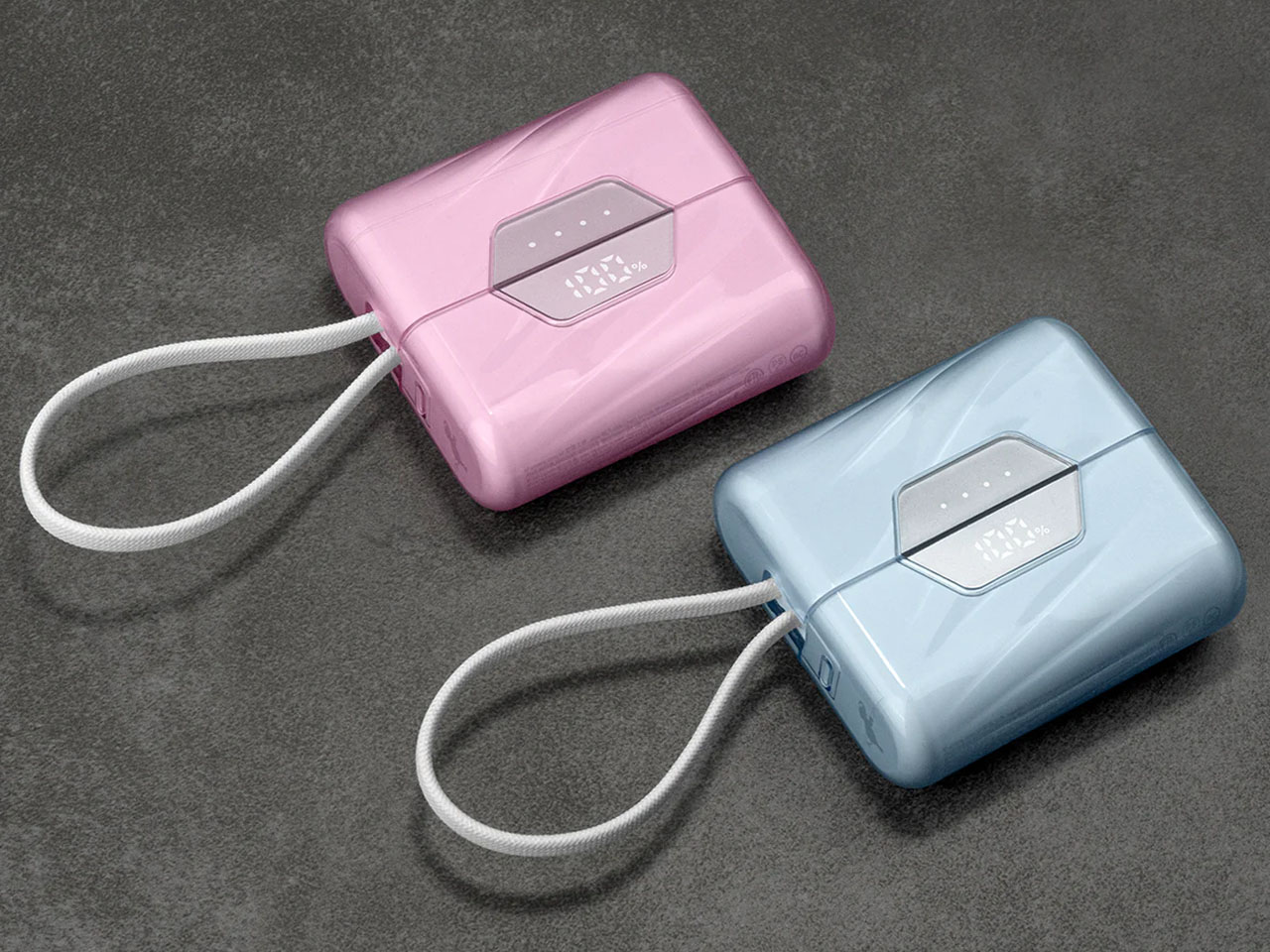
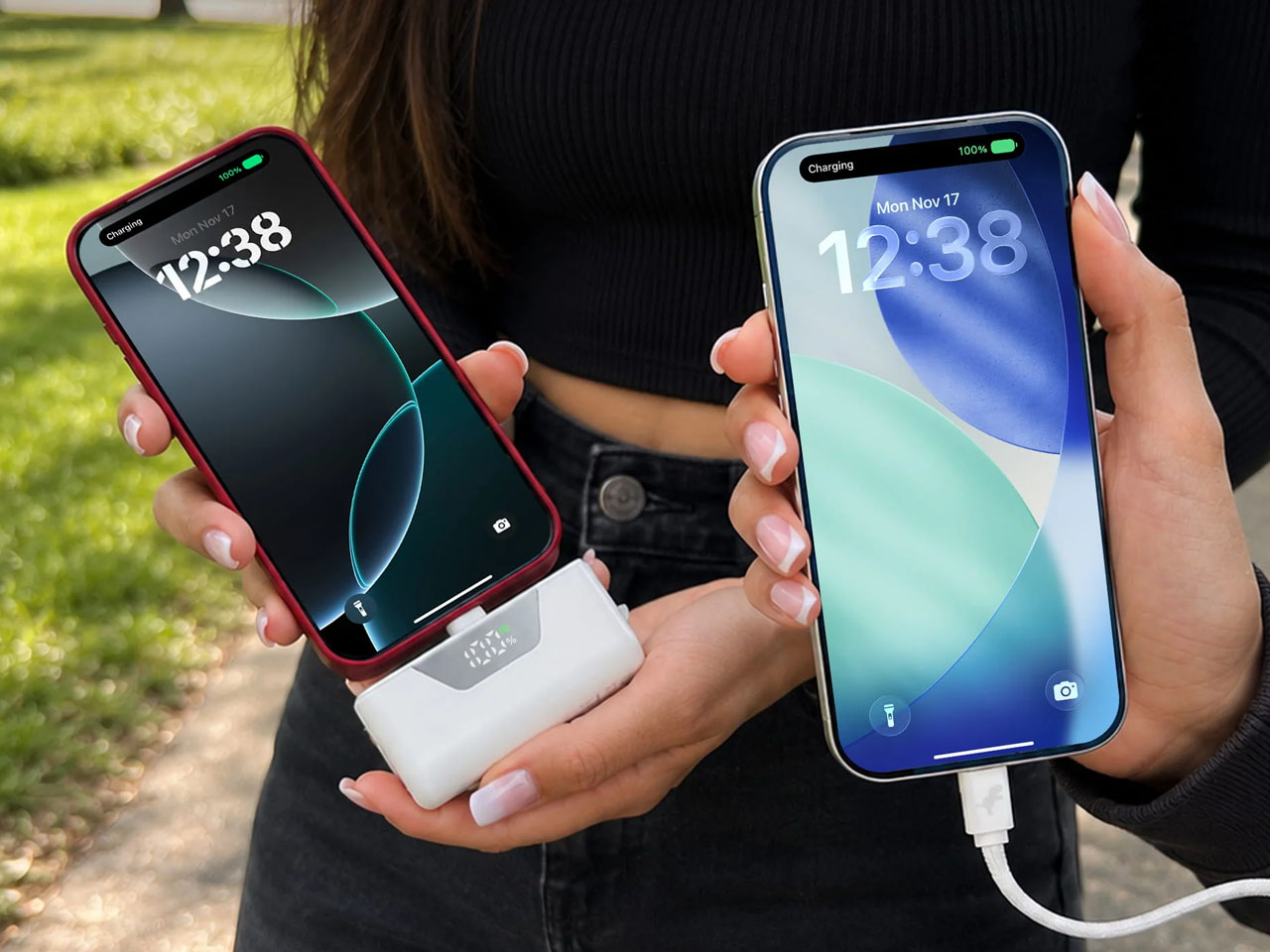
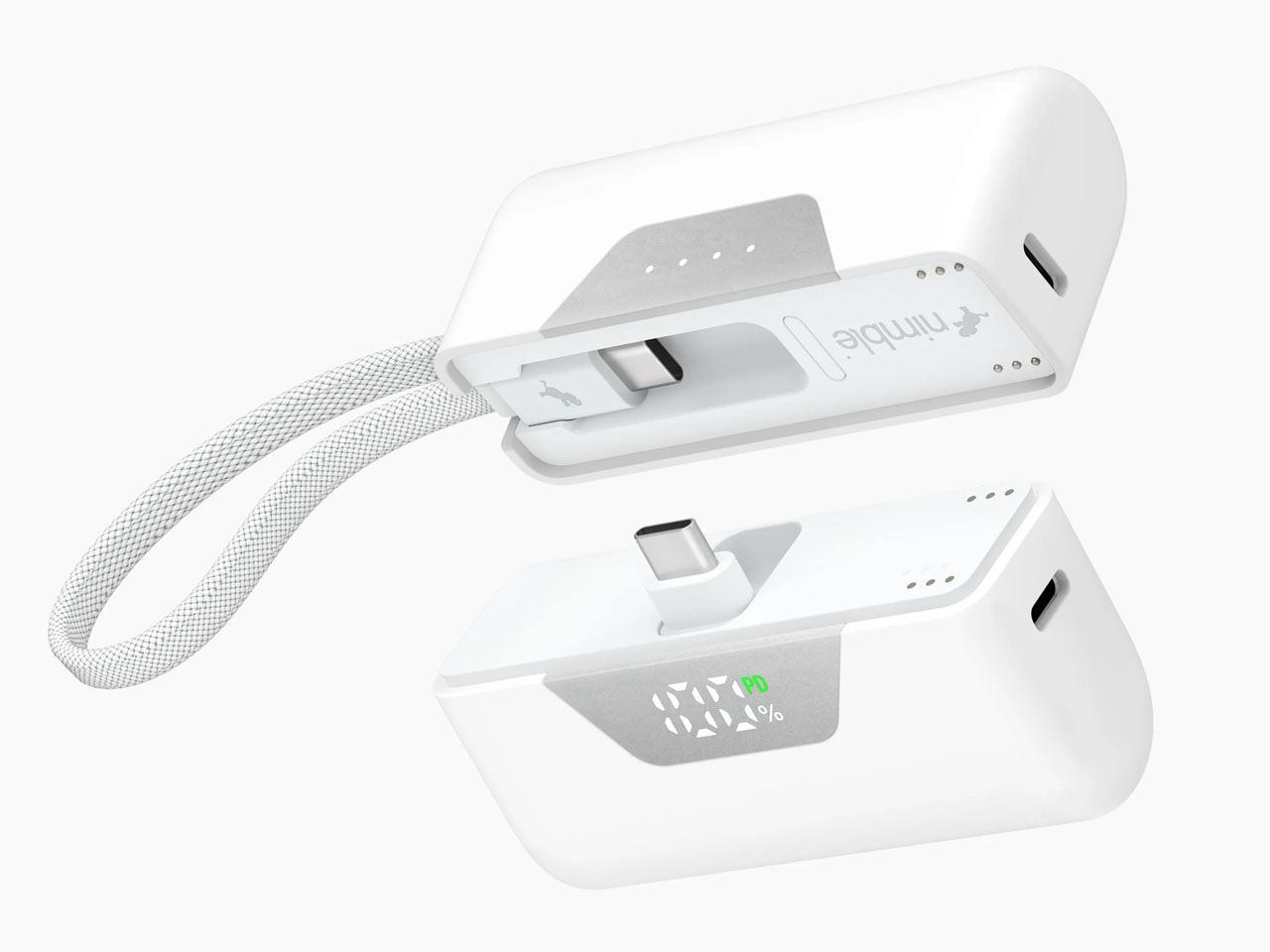
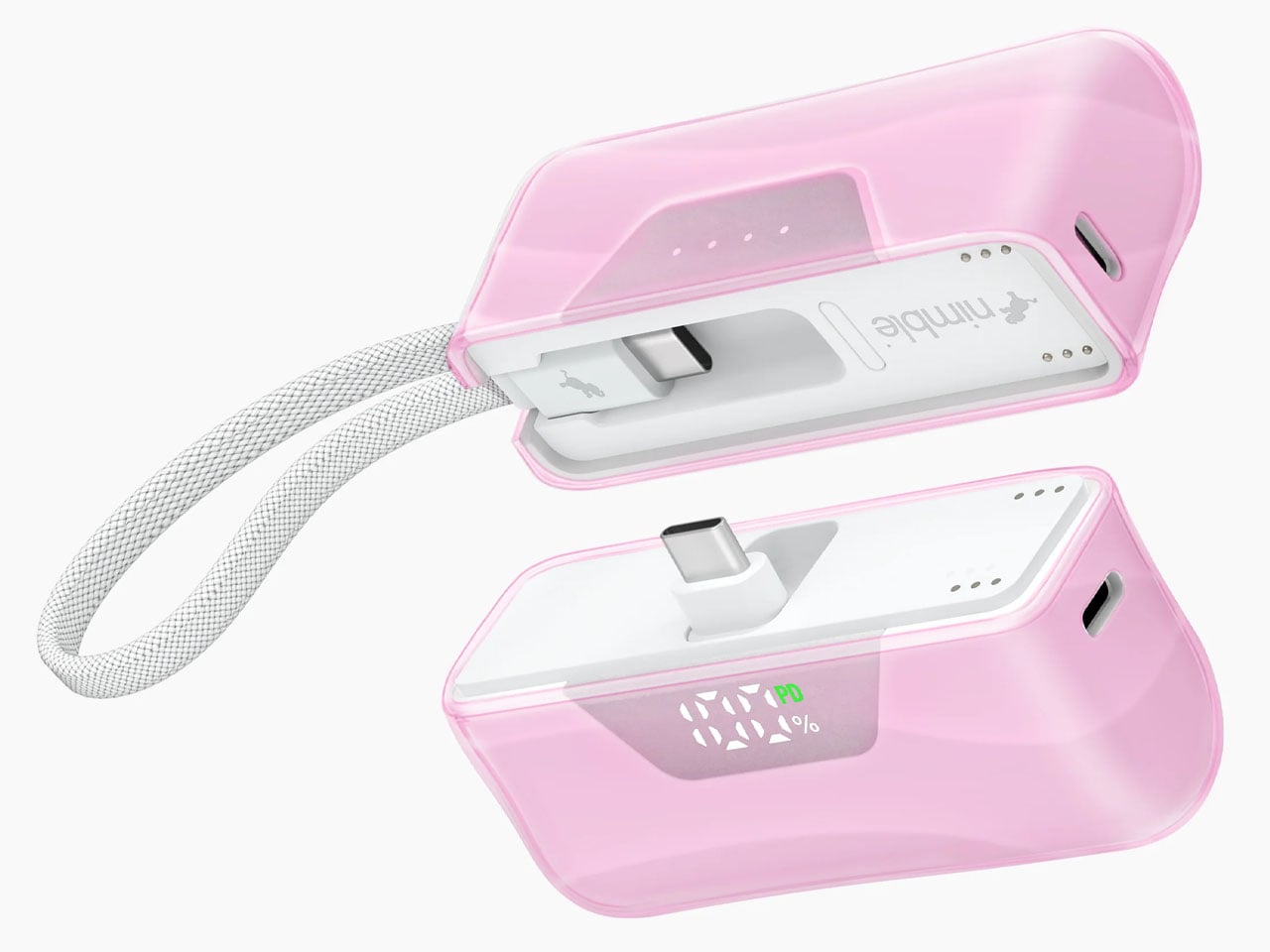
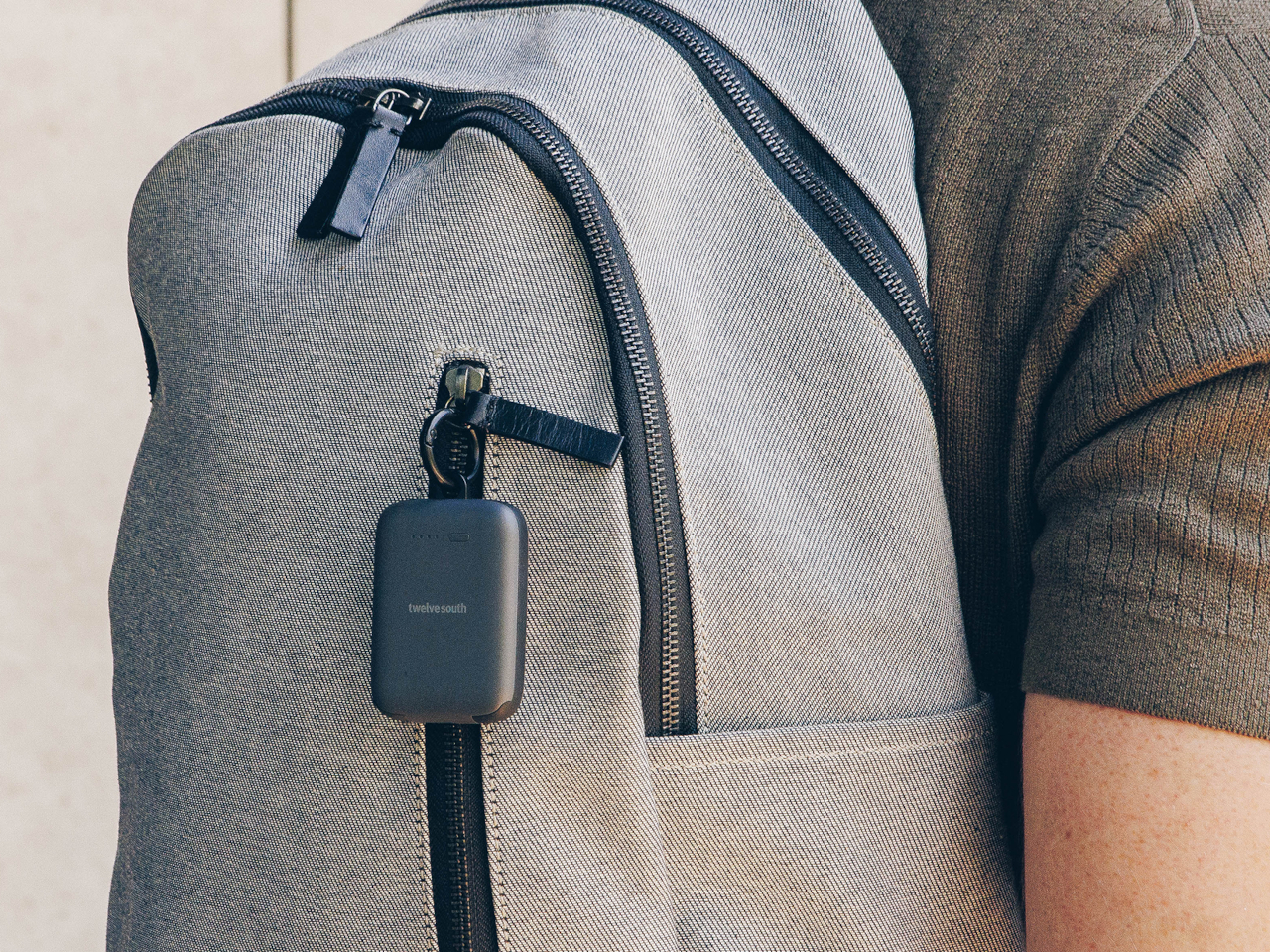
The Unix UX-1519 NEOM power bank is different as it takes industrial design into the mix of solid functionality, often customary to a battery bank. If you are already wondering this is a cool concept, the power bank is a real product in fact. The 10,000mAh battery bank for your power-hungry gadgets delivers 22.5W fast charging for compatible devices, never letting you down when on-the-go.

Designer: Unix

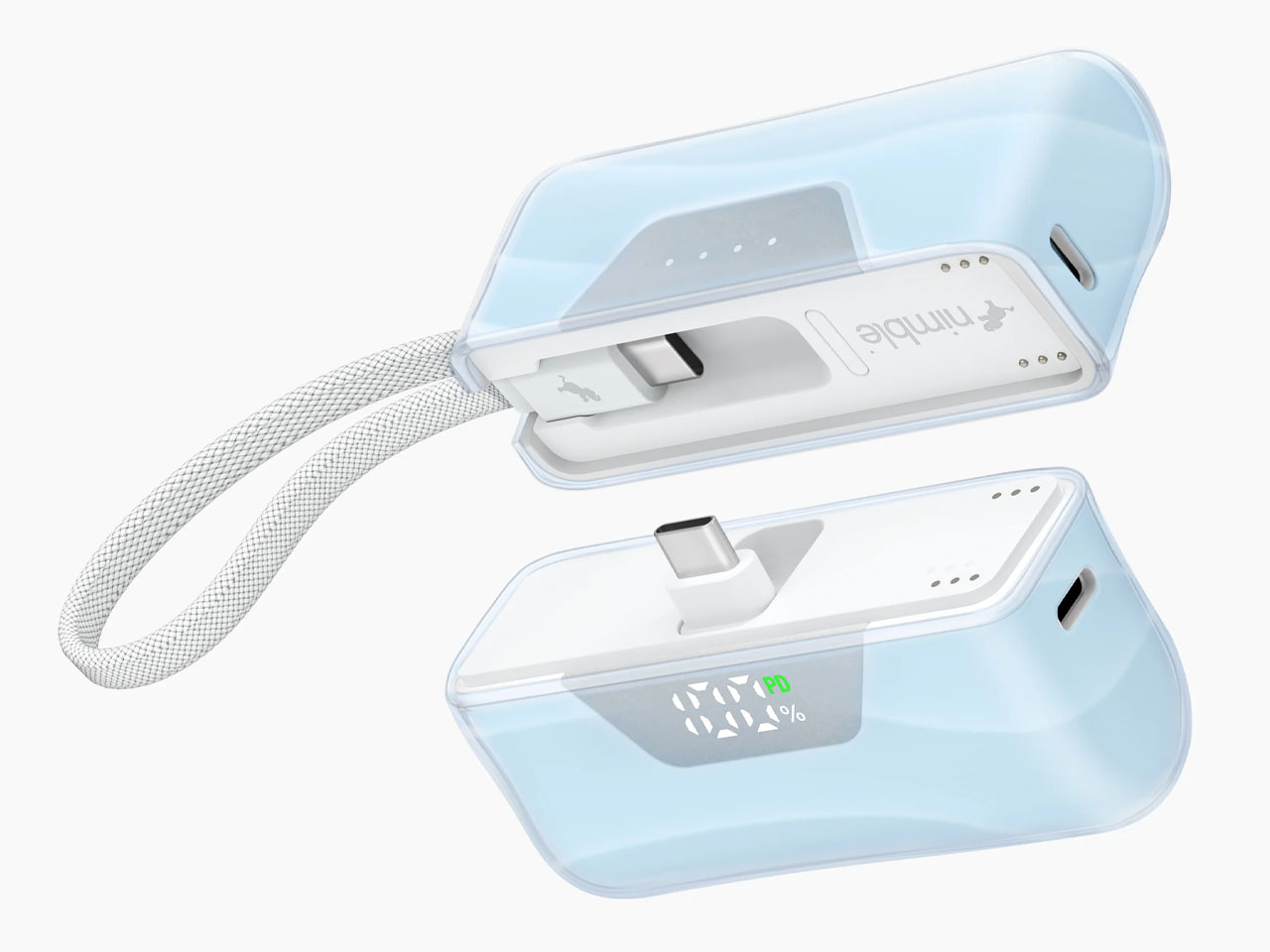
This retro modern gadget for your suite of gadgets fits well in the industrial design-inspired universe. That makes it the perfect fit for your existing devices, carrying the same vibe. Imagine a Nothing phone, a Teenage Engineering synthesizer, a Casio Flare Red G-Shock watch, and this power bank to complete the daily driving arsenal. The power bank has a high-density Lithium Polymer battery, which is longer lasting and less susceptible to blasts and fires.

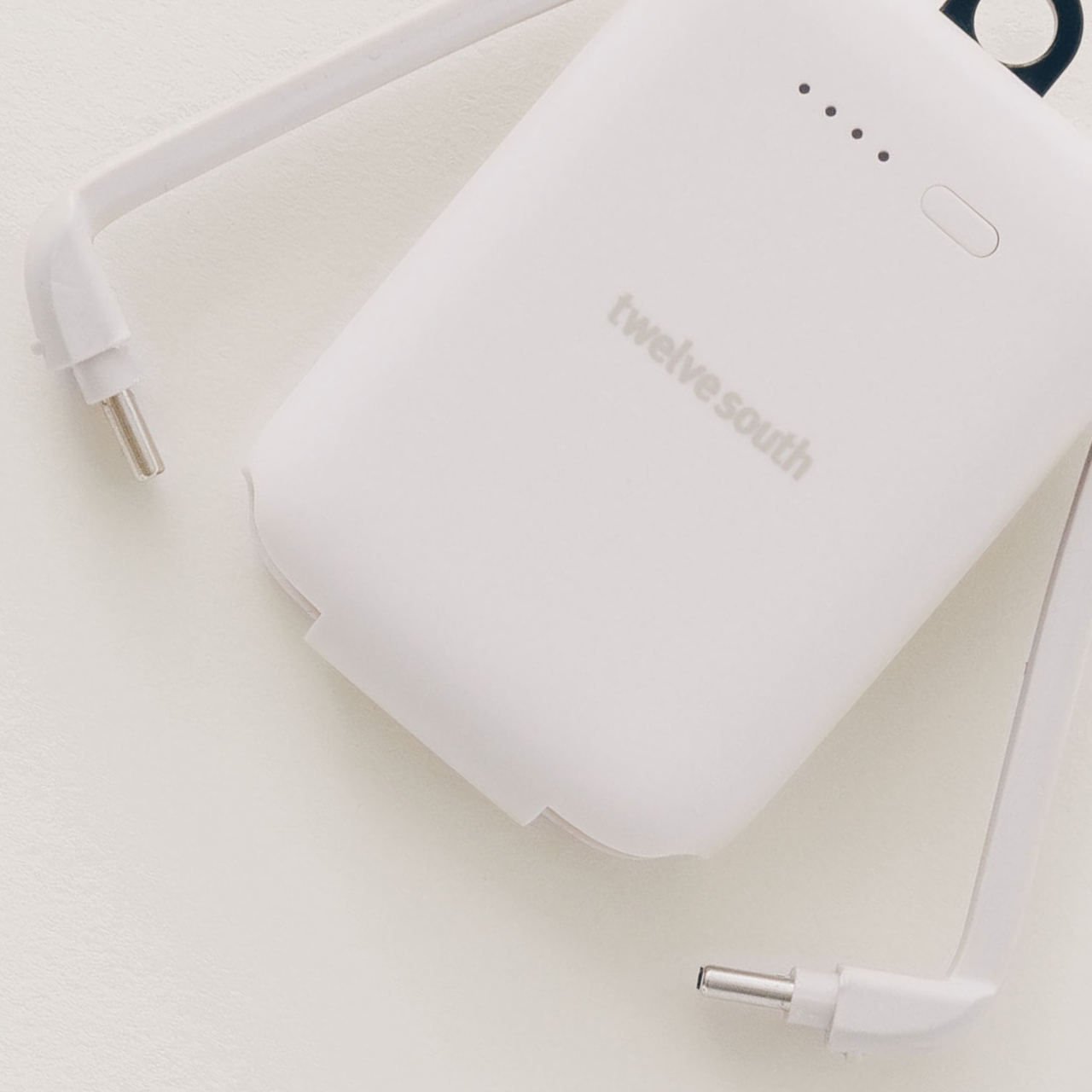
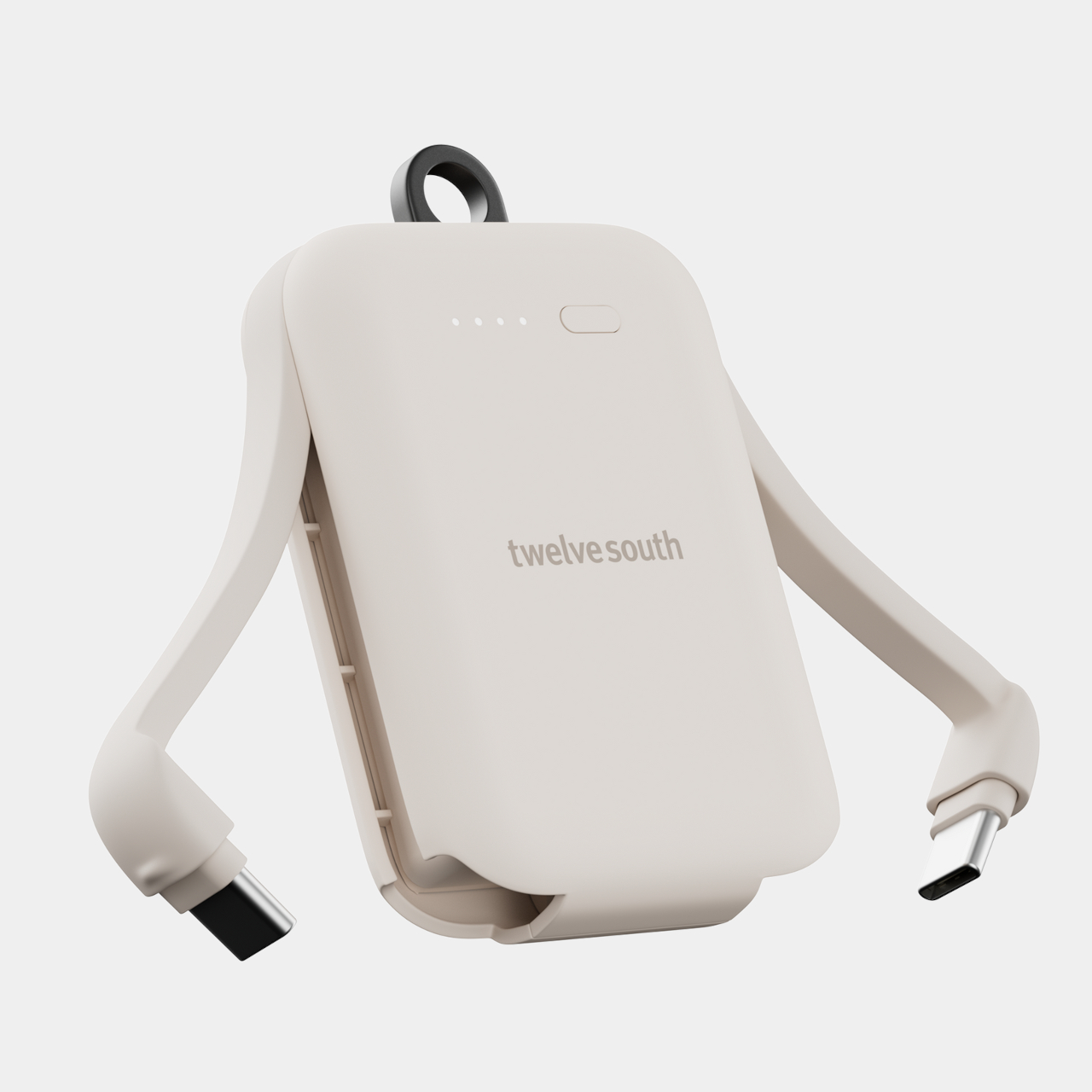
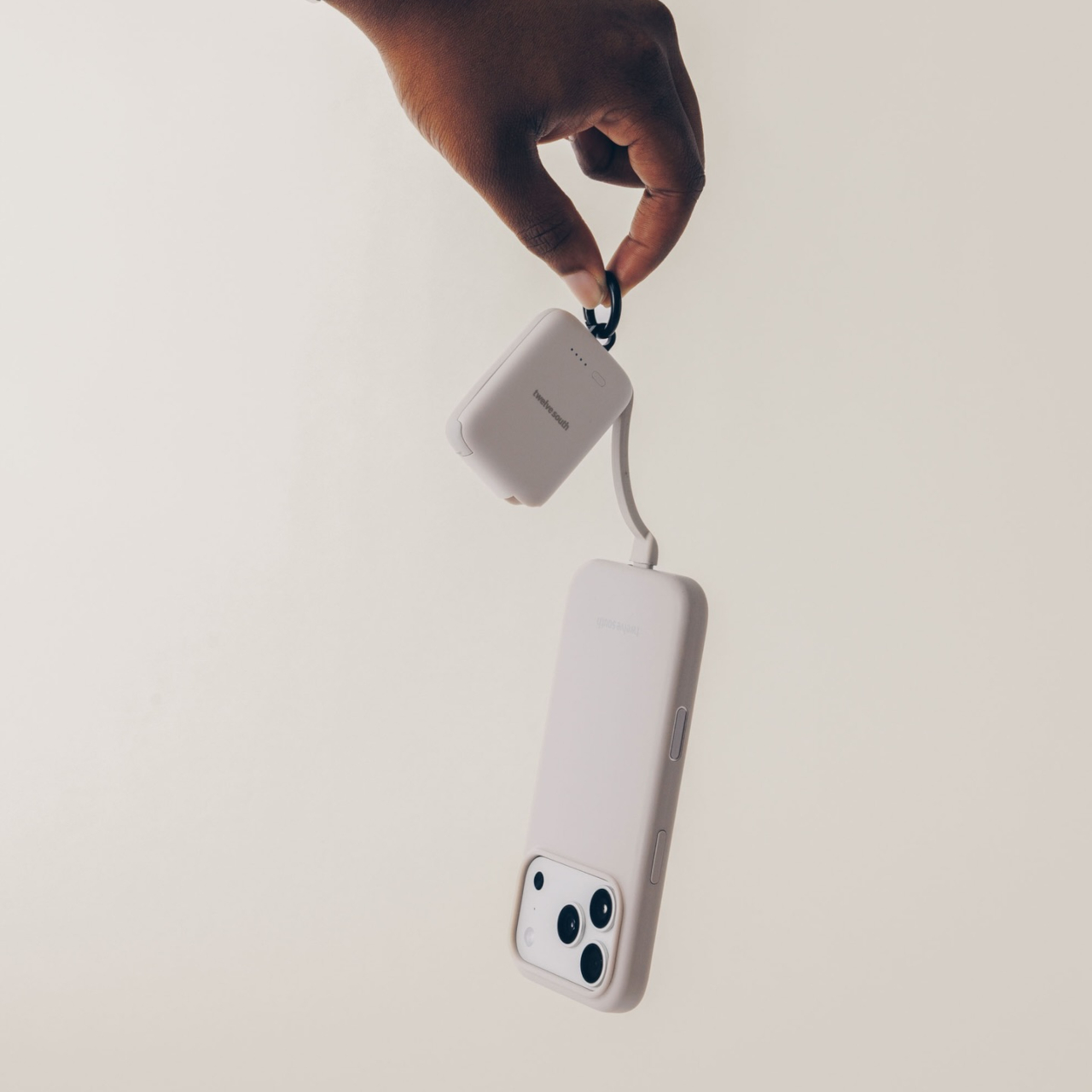
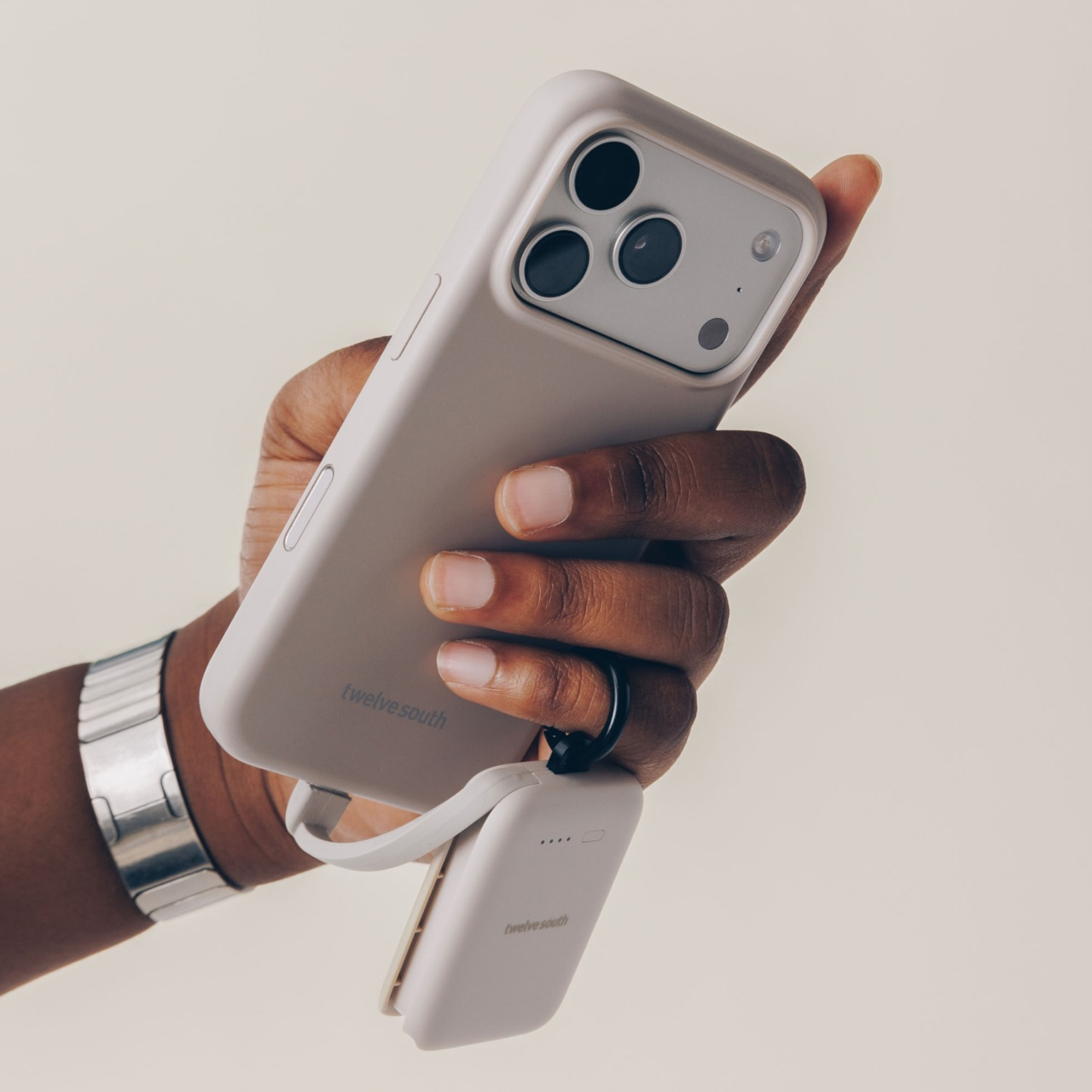
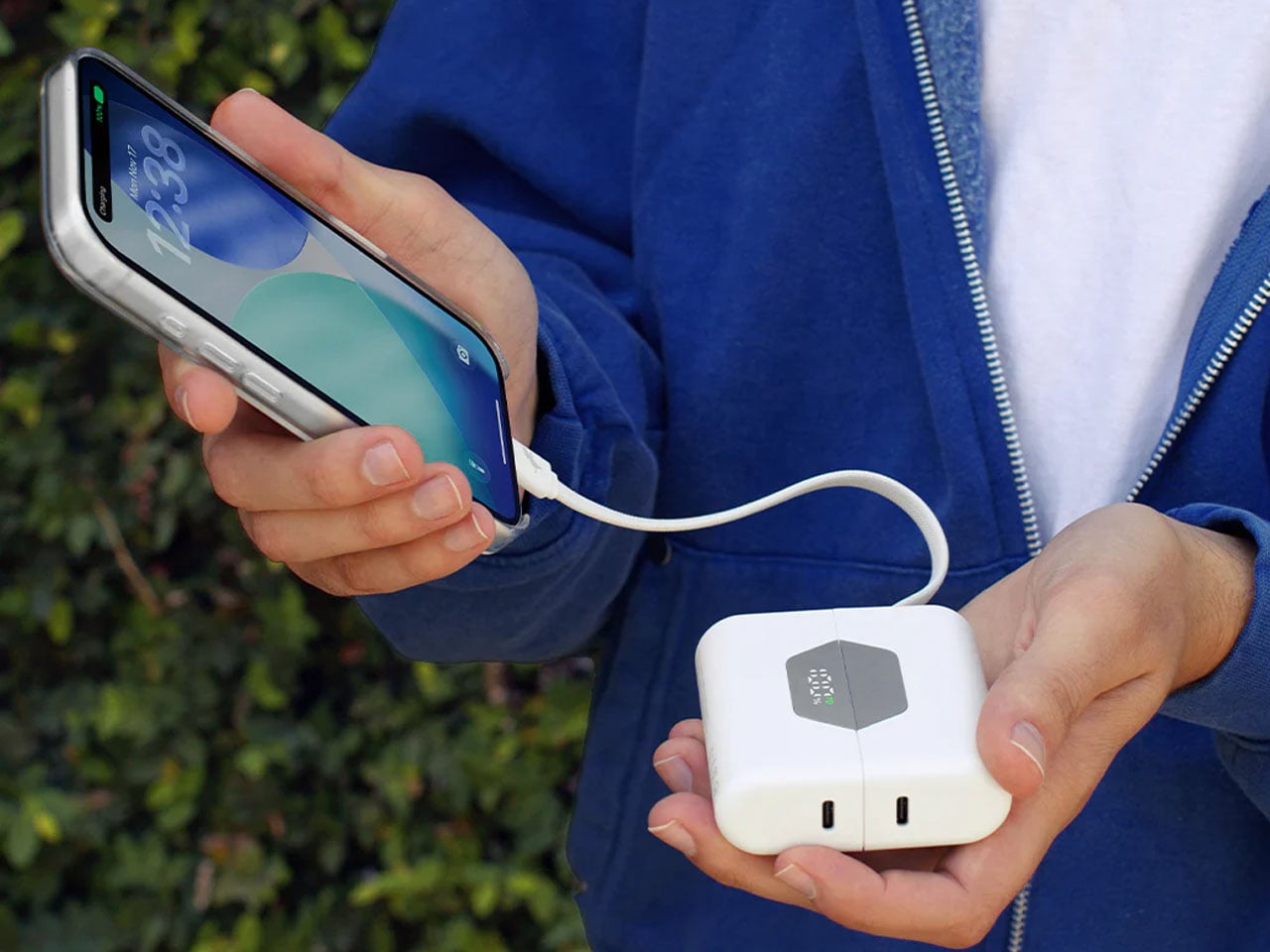
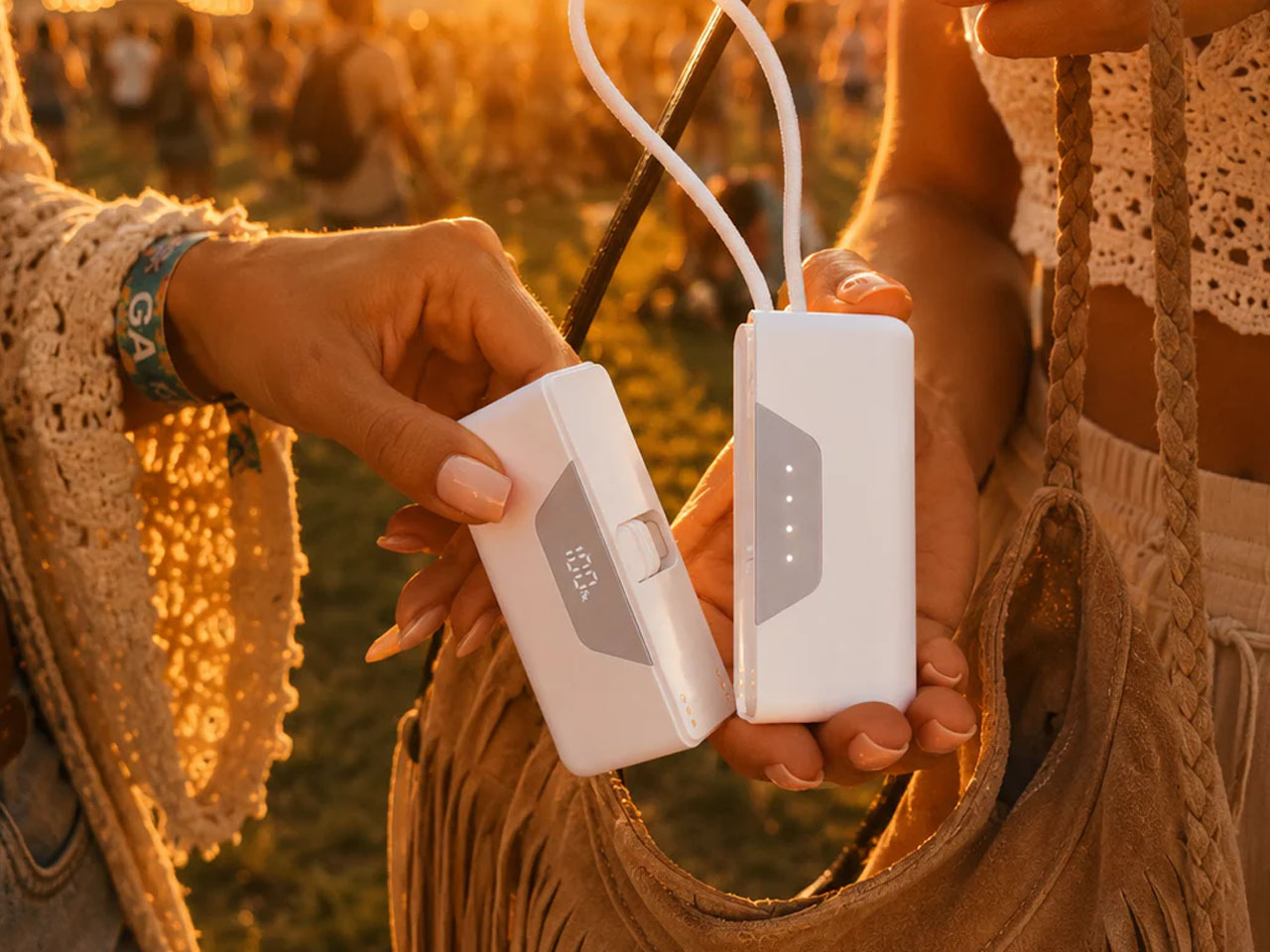
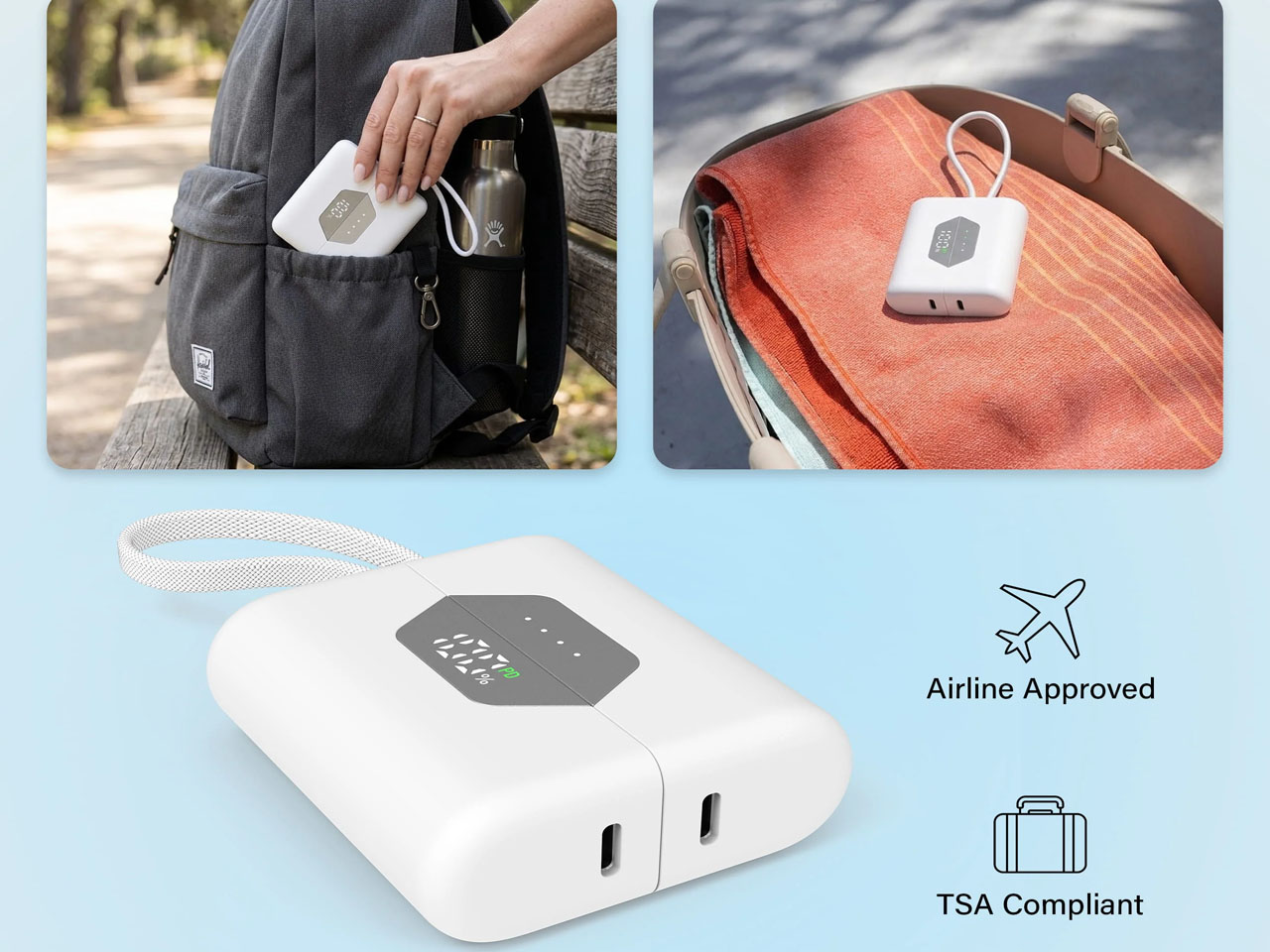
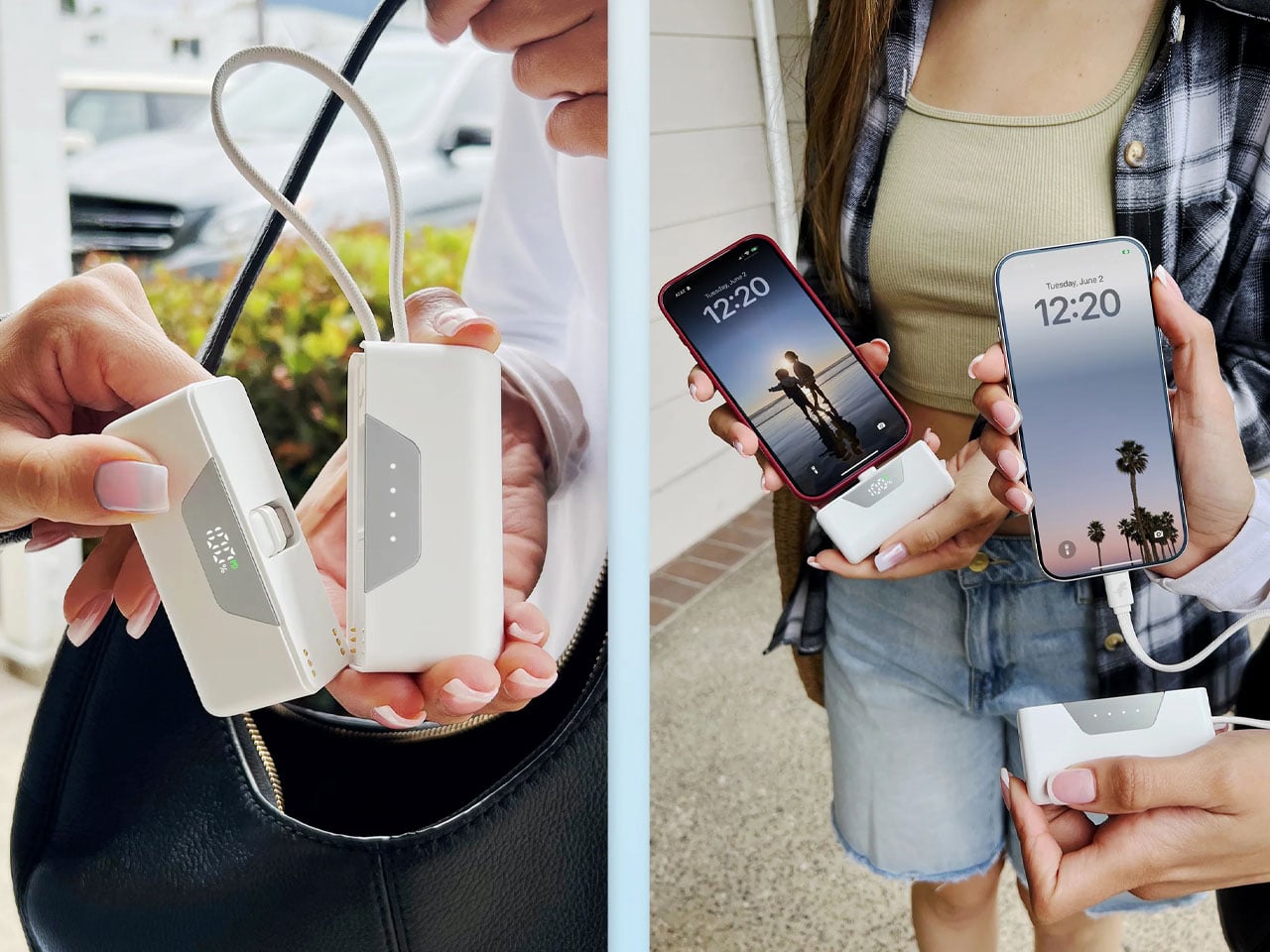
UX-1519 NEOM comes with a Type-C output cable, which doubles as a carry loop. This small detail adds so much value to this already value-for-money gadget. The cable in question supports 12V/1.5A and outputs up to 12V/1.67A for fast charging of your gadgets. It also comes with a USB output port with smart power management to charge two devices simultaneously. To top it off, the power bank has the in-built S-Power smart chipset that ensures stable performance and discharge efficiency. Multiple safety protocols are in place to prevent overcharging, voltage surge or current drops.

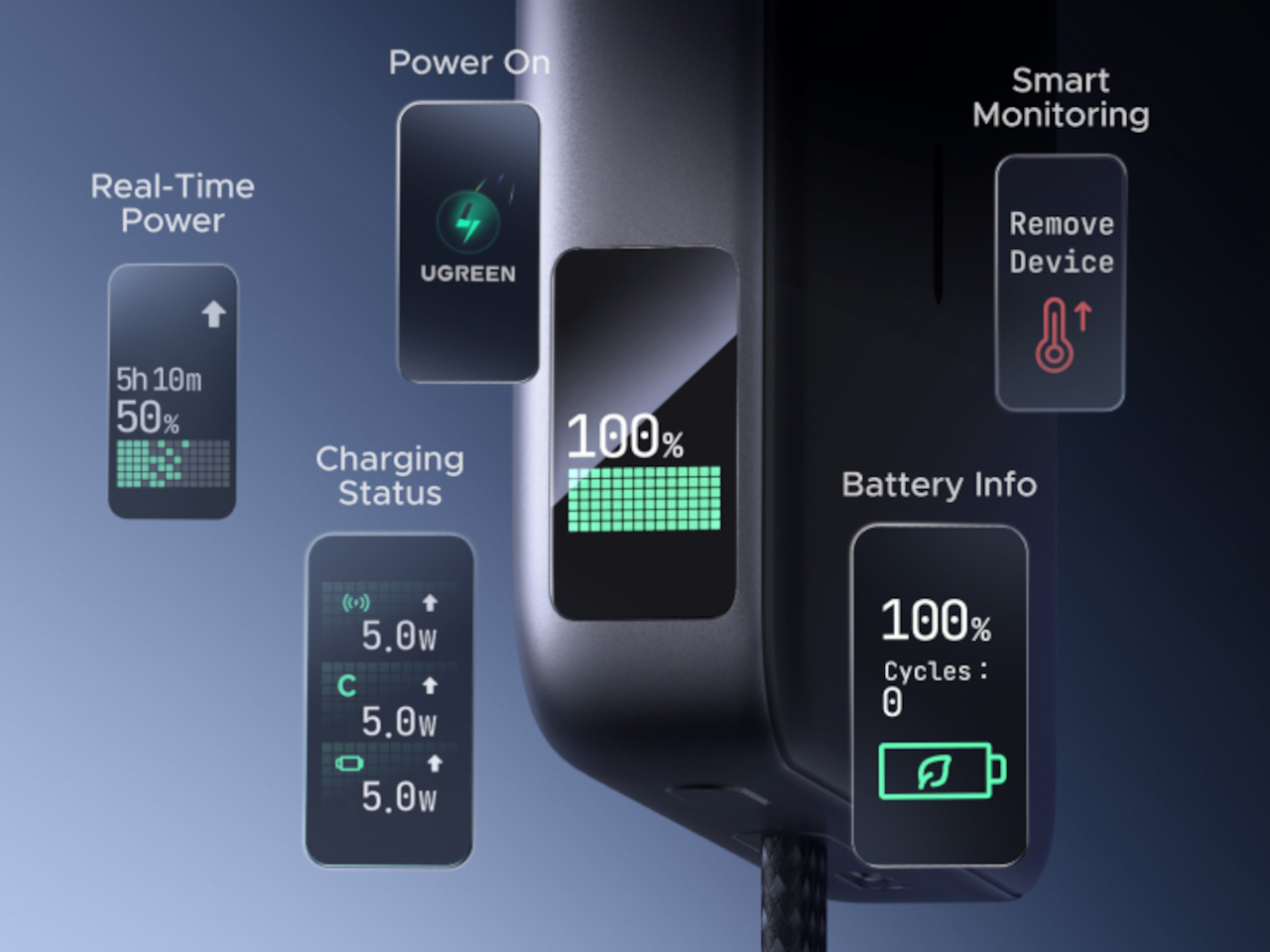
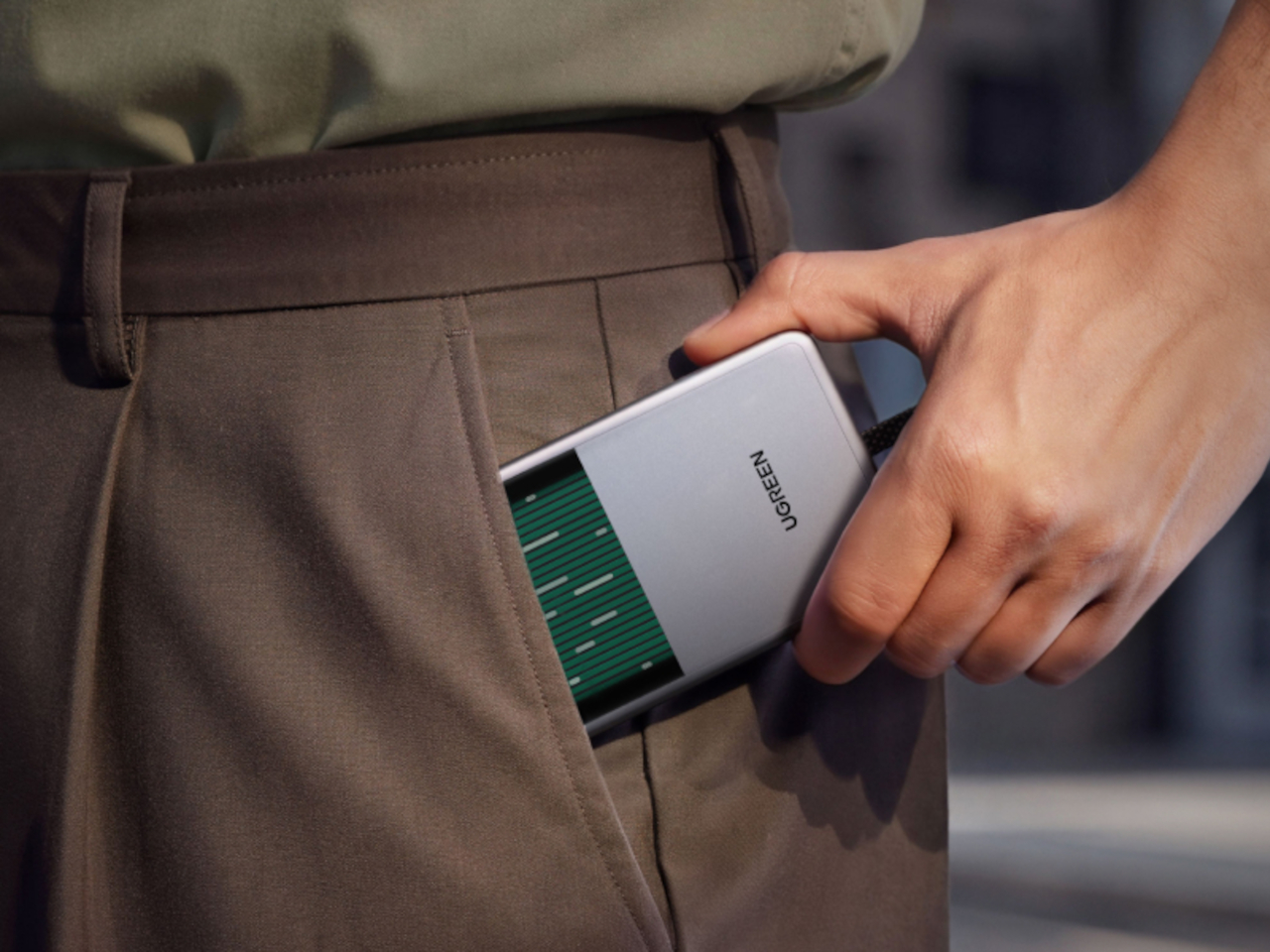
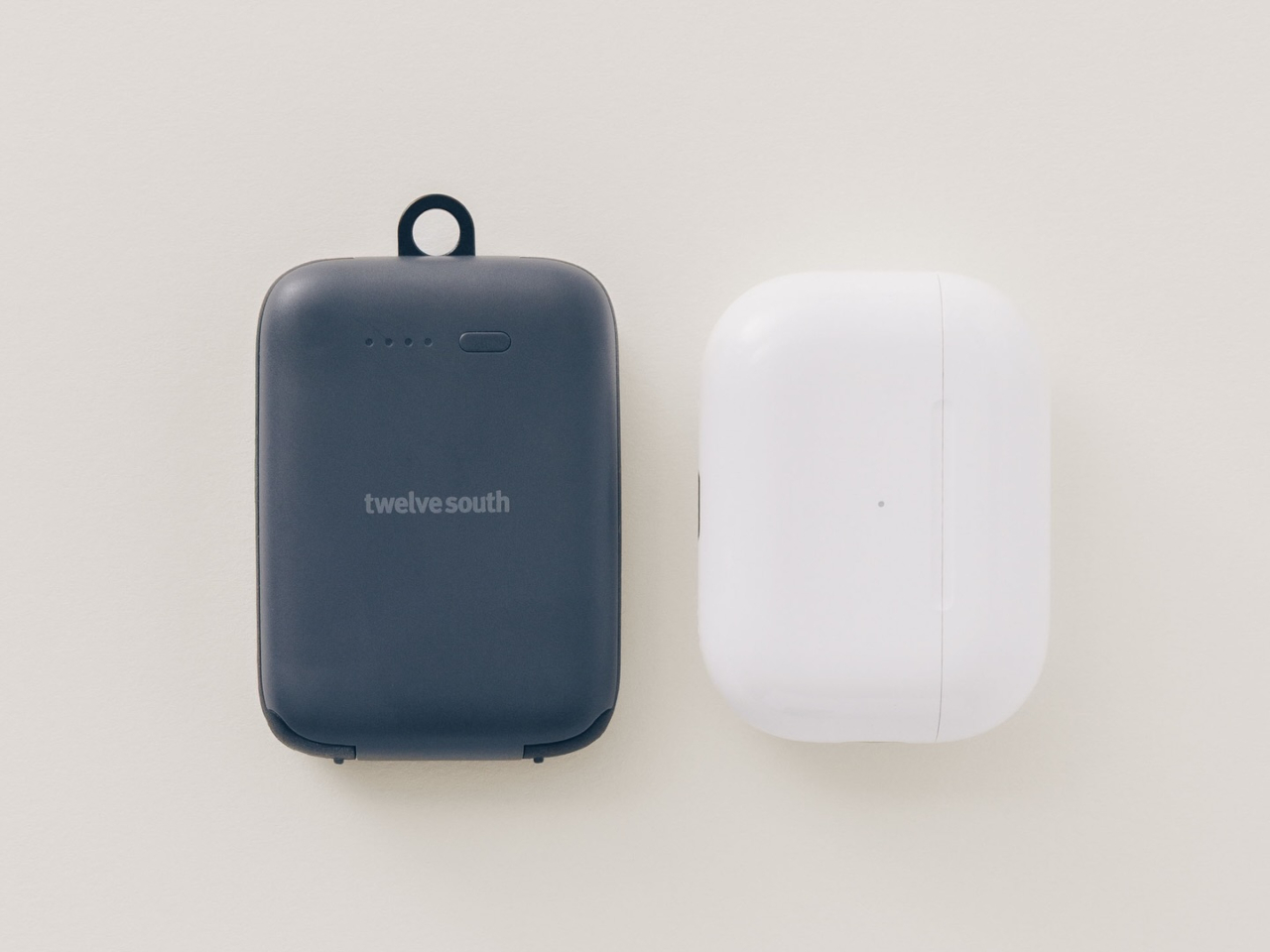
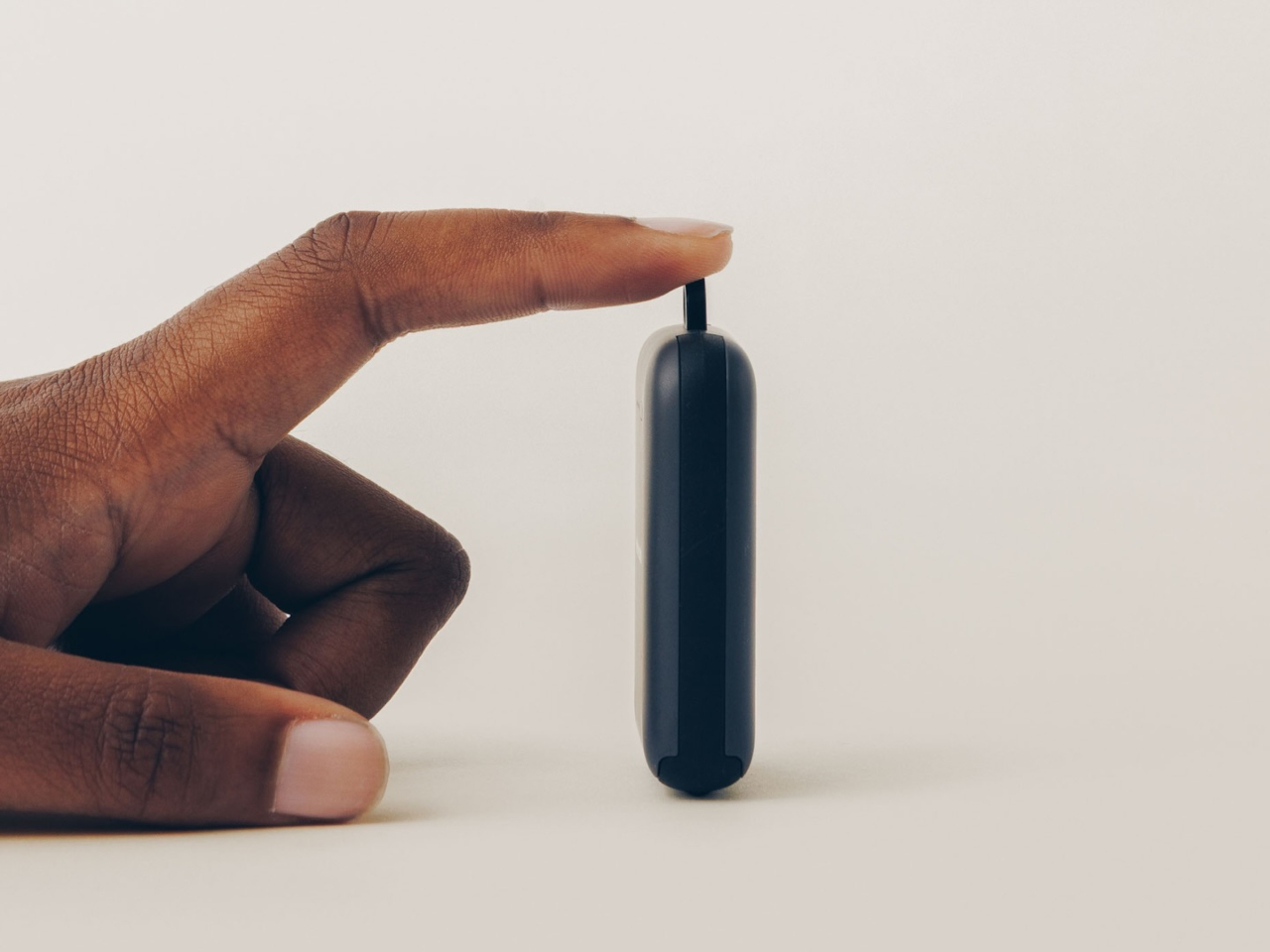
The accessory measuring 7.5 × 6.5 cm has a distinct squarish form, unlike other power banks. It has a digital display screen on the top right corner to show the current battery level. According to Imran Kagalwala, Founder and CEO of Unix, “The industrial design reflects that intent, drawing from systems that powered critical infrastructure, while the technology inside meets the expectations of today’s fast-charging ecosystem.” UX-1519 NEOM is priced at a modest $21, which is worth every penny given how this power bank performs, safety and of course the looks.

The post Pocket-sized Unix UX-1519 NEOM power bank is your reliable go to gadget first appeared on Yanko Design.
Custom-built 96,000mAh power bank charges your laptop, phone, and even runs small appliances off-grid

For power users loaded with a laptop, tablet, drone, a robot, and, of course, a smartphone, the ordinary power bank options do not make the cut. The amount of power required to keep these gadgets juiced up is considerable, especially when on the go. The only solution is a custom-made power bank that suffices all the needs of your power-hungry gadgets.

A custom-built portable power station offers a high-capacity solution for people who need to run multiple devices without reliable access to wall power. Standard consumer power banks are often too limited for users carrying a laptop, phone, tablet, router, and other gear at the same time, especially in remote or mobile situations. To solve this problem, creator Luq1308 developed the Omnibus 4×8, a DIY backpack-friendly power bank with enormous capacity and flexible output options.

Designer: Luq1308

The heart of this project is a dense battery pack made from 32 brand-new 18650 lithium-ion cells arranged in a 4S8P configuration. Each cell is rated at 3000 mAh, and when assembled into the pack and scaled for usable voltage, the complete system delivers roughly 96,000 mAh, equivalent to about 345 watt-hours (Wh) of stored energy. This substantial capacity makes it suitable for powering a range of electronics for prolonged periods without recharging. Critical to the build is a battery management system (BMS) rated for 4S and 30 amps. The BMS monitors and balances the individual cells, prevents overcharging and deep discharge, and includes multiple safety fuses. The system also draws very little power at rest, with a standby current of less than 400 microamps, helping to preserve stored energy when the unit is not in active use.

The Omnibus 4×8 offers a wide range of outputs to suit both everyday gadgets and more demanding equipment. There are four USB-C ports, each capable of delivering up to 36 watts, which is enough to charge phones and tablets simultaneously. A 100 W bidirectional USB-C port supports fast laptop charging and can also accept power input from compatible charging sources. For broader custom needs, a DC jack provides adjustable outputs between 2.7 V and 20 V, and a high-wattage XT60 connector can handle loads exceeding 400 W. A dedicated 150 W AC outlet enables the use of small appliances through an inverter, expanding the range of devices that can be supported.

Inside the power station, an ESP32-C3 microcontroller oversees system operations. It reads real-time data such as voltage, current, and temperature from sensors and displays this information on a 1.3-inch OLED screen with simple navigation buttons. Four temperature sensors monitor the battery pack, heatsinks, and inverter, and dual 40 mm cooling fans are triggered as needed to manage heat during high loads. Custom aluminum heatsinks with thermal pads are included to further reduce thermal stress.

The enclosure combines hand-cut G10 fiberglass plates for strength with 3D-printed ABS plastic sides in a subdued matte black finish. Brass spacers and mesh vents enhance airflow and protect internal components while maintaining a rugged aesthetic suitable for outdoor use. Internally, thick-gauge silicone wiring and a perfboard distribution bus with fuses connect the various modules safely and efficiently.

One notable feature of this DIY build is its adaptability. The inverter was modified to work across the full battery voltage range, and the system can accept solar input with maximum power point tracking (MPPT) for efficient off-grid recharging. All design files have been made open source on GitHub, allowing others to replicate or expand on the concept.

The post Custom-built 96,000mAh power bank charges your laptop, phone, and even runs small appliances off-grid first appeared on Yanko Design.
This 10,000mAh power bank with pull-out cable is designed for all-day reliability

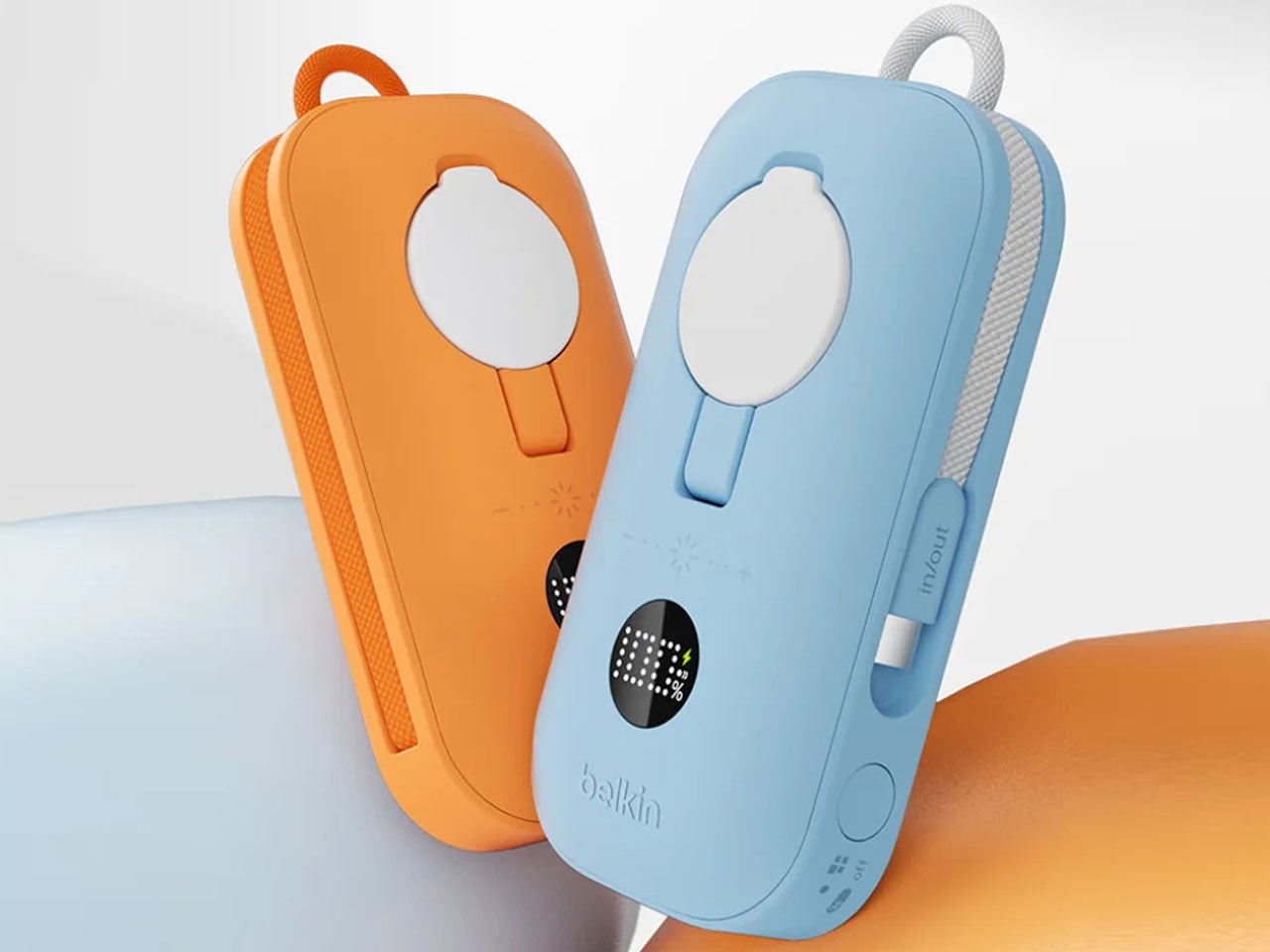
I miss the point-and-shoot cameras of days gone by. They offered a level of convenience that smartphones have hogged over the past two decades. Yet many designers and creators believe those cameras had something in their design that can still influence modern devices and their form. Case in point: the D90 Block Power Bank by D MOOSTER. It resembles a digicam without the lens, but with the same comfortable, convenient handling.

D MOOSTER, established in 2020, is a design agency born during the pandemic. Since then, it has been moving forward with concepts that have the power to mesmerize, and this new power bank with its timeless appearance and state-of-the-art features embodies that spirit, and is a compelling device to behold. If you’re not convinced, we’ll walk you through its aesthetic and functional features below to show why it truly lives up to the hype.

Designer: Eric Cheng 

You cannot afford to have your phone run out of power in the middle of doomscrolling or when you’re in no man’s land without a power connection in the vicinity. And it goes without saying that the case is similar when you are working remotely and are involved in back-to-back meetings. A reliable power bank can be the much-needed lifeline when such a situation strikes and you should be ready with a contemporary device, which can offer more power, with maximum convenience and still have a showstopping design to flaunt.

The D90 Block Power is all of the above. A device with the primary idea of keeping your portable devices going through the day. It can work hard and last long with up to 20W fast charging support and a capable 10,000 mAh battery, which can juice up your iPhone fully at least twice before requiring a charge. When it comes to devices like a power bank, we rely on reputable brands for their capacity, power output, and durability.

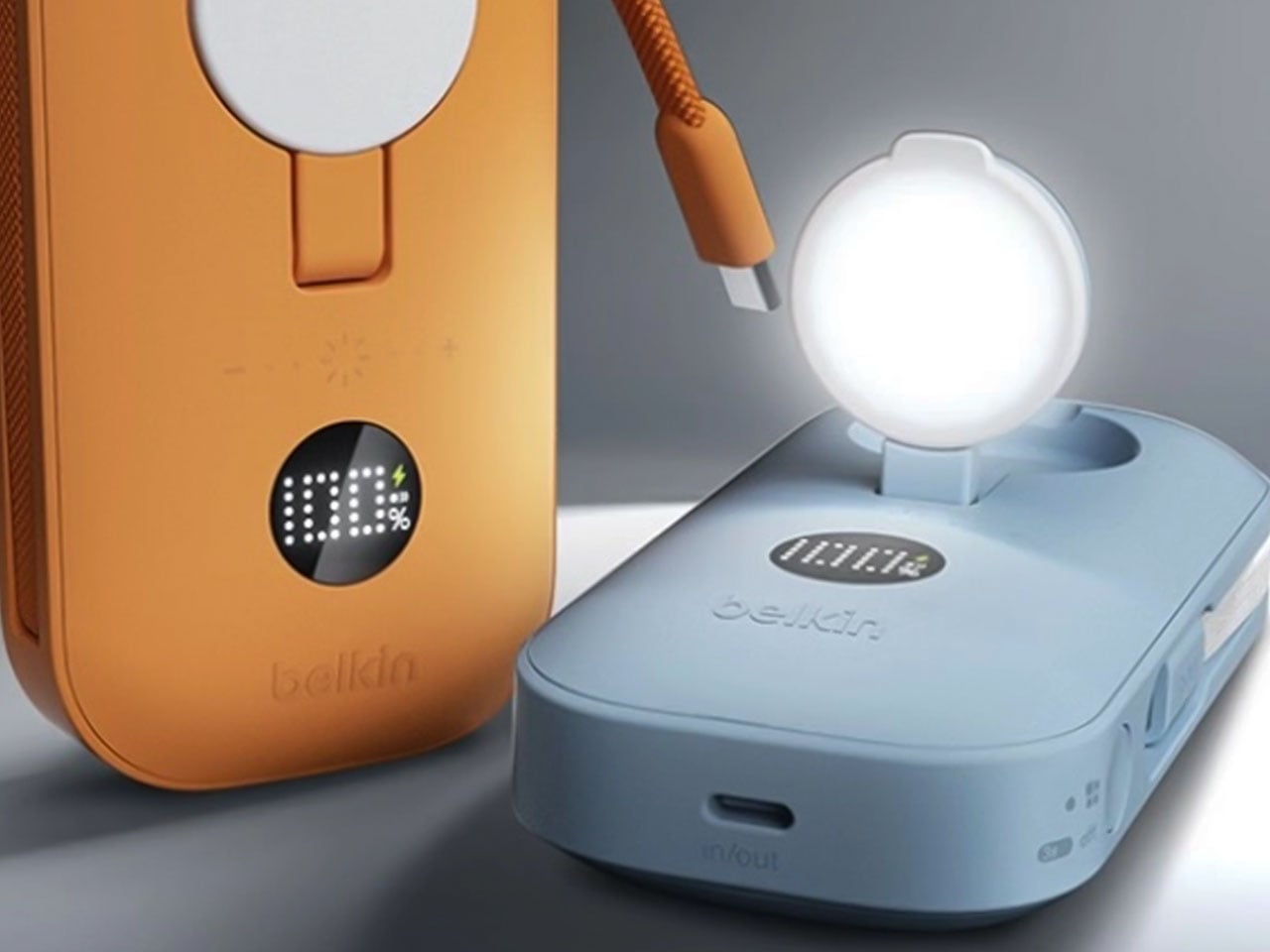
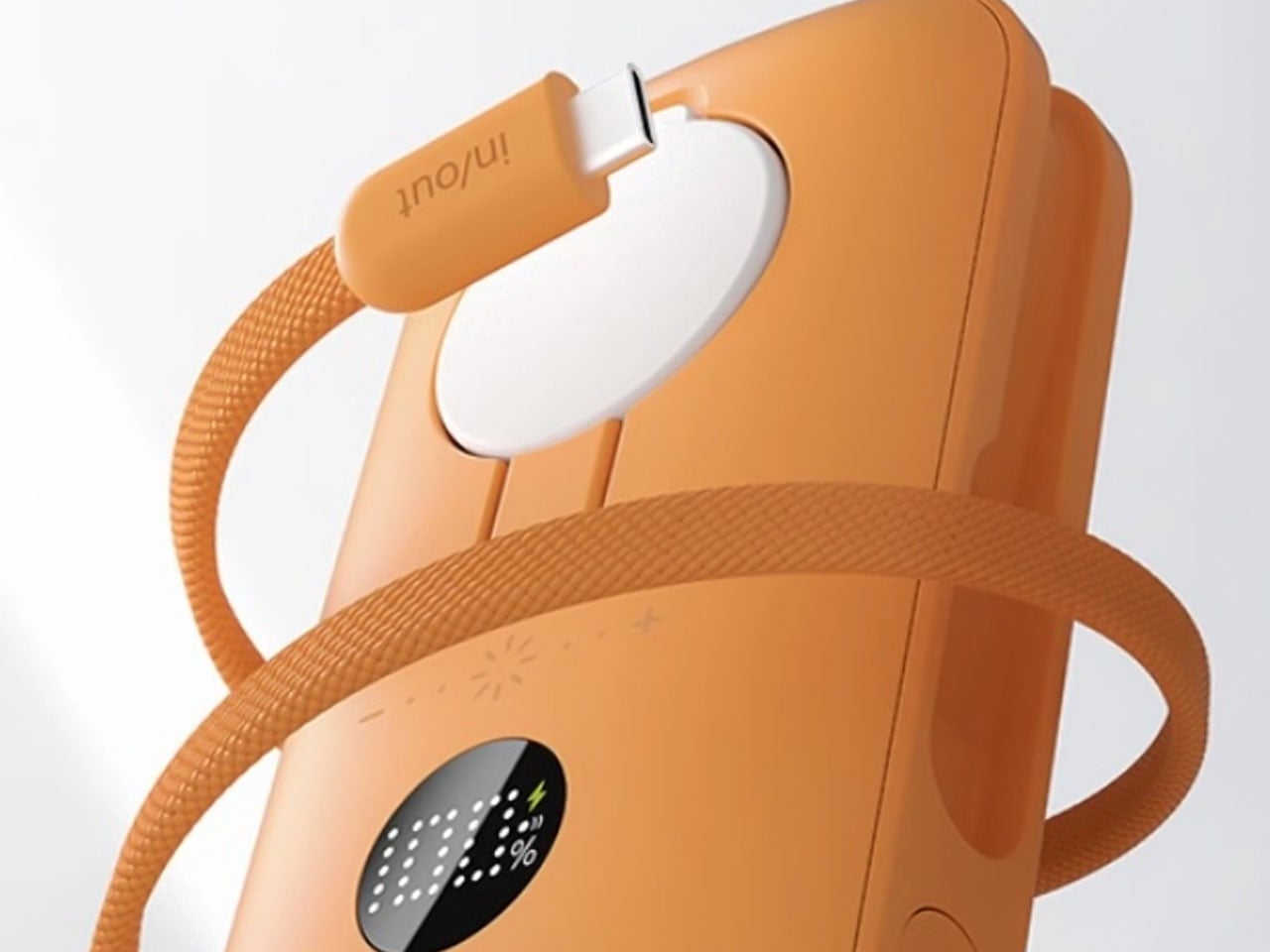
With its new power bank concept, D MOOSTER ensures each of these parameters is checked and consumers have no reason to shy away from its appeal. And when that’s ensured, the convenience of the pull-out cable kicks in. The device flaunts a one-meter-long cable, which pulls out of its housing within the power bank, when you need it. With a USB Type-C on its connecting end, the power bank is made compatible with almost all the new iPhones and an entire collection of smartphones under the Android umbrella.

Featuring an enticing three-module design, one each for branding, specifications, and information (inspired by the Fibonacci golden ratio) the D90 Block Power has a power button and an USB A port alongside on one side. Designed in three colors: orange, gray, and blue, the power bank from D MOOSTER is conceptualized with natural materials and a size that is handy to carry and use.

The post This 10,000mAh power bank with pull-out cable is designed for all-day reliability first appeared on Yanko Design.
World’s Slimmest AC Power Bank Can Run Appliances And Charge Your Laptop At Just 0.6 Inches Thick

Digital nomads, field photographers, and mobile creatives share a common frustration: needing wall outlet power in places that don’t have walls. USB power banks handle phones and tablets, but cameras, projectors, and portable monitors still demand actual AC power. The world’s slimmest AC power bank exists because someone finally asked the right question: why do portable power stations look like car batteries instead of something you’d actually pack? The Noomdot N1 brings 70W of pure sine wave AC output to a device thin enough to slip into the laptop sleeve of a standard backpack.

At 16mm thick, it’s built around portability rather than maximum runtime. The semi-solid-state battery delivers approximately 40 minutes of continuous output at full 70W load, or several hours for lower-draw devices like LED lights or camera batteries. That’s not camping-weekend capacity, it’s designed for day trips, flights, and situations where outlets exist but aren’t convenient. The unit stays flight-safe under 100Wh limits, recharges in 90 minutes, and includes both USB-C PD output and pass-through charging. It’s live on Kickstarter at early pricing before the $259 retail launch.

Designer: PB-ELE

Click Here to Buy Now: $169 $259 ($90 off) Hurry! Only 17 of 200 left.

Years ago, a company called Memobottle had a brilliant, simple idea: since our bags are full of flat things like books and laptops, why are our water bottles round? The Noomdot N1 is the Memobottle of portable power, born from that same flash of spatial intelligence. It abandons the dense, pocket-bulging brick in favor of a slim slab of milled aluminum designed to slide into the forgotten spaces of a laptop sleeve or document pouch. This design is not an aesthetic choice; it is a fundamental understanding of the modern carry ecosystem. The N1 is engineered to be a good citizen in a world of flat devices, integrating seamlessly rather than demanding you build your bag around its awkward shape.

The use of a semi-solid-state battery is what enables this form factor without compromising on safety or longevity. While not a true solid-state cell, this hybrid chemistry significantly reduces the amount of volatile liquid electrolyte, leading to better thermal stability and a much slower rate of degradation. The claim of retaining 99% capacity after 100 full charge cycles is a direct benefit of this technology. For anyone who has felt the disappointment of a lithium-ion pack that barely holds a charge after a year, this focus on durability is a welcome and practical innovation. It reframes the device as a lasting piece of essential kit.

The main event is, of course, the 70W AC outlet. Its pure sine wave inverter is the kind of detail that professionals appreciate, ensuring clean, stable power that will not harm sensitive electronics. This is what separates it from cheaper, modified sine wave alternatives that can introduce electrical noise or even damage delicate circuits in cameras and audio gear. The inclusion of a 60W USB-C PD port is a nod to modern workflows, allowing it to charge a laptop directly or be slowly recharged itself. For a quick turnaround, the dedicated DC input remains king, refueling the entire 20,000mAh capacity in a scant 90 minutes.

Packing an inverter into a 16mm-thin chassis is a thermal challenge, and the N1 addresses this with a feature I’ve never seen in a power bank: an active cooling fan. An internal 6000 RPM fan kicks in during AC output to pull heat away from the core components, ensuring the device can sustain its peak performance without overheating. It is a pragmatic, if slightly brute-force, solution. The tradeoff is acoustics. While the fan is likely tuned to be as quiet as possible, it will not be silent… but that’s honestly a tiny price to pay for running a bunch of appliances or charging gadgets off a ‘wall-less power outlet’.

The N1 is a tool for a very specific mission: bridging the gap when AC power is needed for a short, critical period. It is for the wedding photographer who needs to juice up strobe batteries between the ceremony and reception. It is for the consultant who needs to run a projector for a 30-minute pitch in a conference room with no available outlets. Its 40-minute runtime at maximum load defines its purpose clearly. This is not an off-grid power solution for a weekend in the woods; it is a mobile professional’s get-out-of-jail-free card, ensuring a dead battery never becomes a single point of failure.

An IPX4 rating means it can shrug off a sudden rain shower, and passing a 1-meter drop test suggests it can survive being fumbled out of a backpack. These are not features one typically finds on power banks, and they speak to an understanding of the chaotic nature of travel and fieldwork. Combined with its TSA-friendly sub-100Wh capacity, the N1 is one of the few AC power sources truly designed from the ground up to leave the house and see the world, legally and safely.

You get to choose between two variants – 110V and 220V (depending on the country you live in and the rated voltage its appliances operate on). The Noomdot N1 ships along with a DC adapter for charging it, at a fairly discounted price of $169 ($90 less than its MSRP of $259). The device ships globally starting May 2026.

Click Here to Buy Now: $169 $259 ($90 off) Hurry! Only 17 of 200 left.

The post World’s Slimmest AC Power Bank Can Run Appliances And Charge Your Laptop At Just 0.6 Inches Thick first appeared on Yanko Design.
This $17 Power Bank (20,000mAh) can charge a MacBook Air and it’s cheaper than Apple’s cleaning cloth

Apple sells a polishing cloth for about twenty bucks. TESSAN is out here offering a 20,000 mAh power bank with 30 watt USB C charging and built in USB C and Lightning cables for less than that. One cleans fingerprints off your screen. The other can recharge your phone several times, top up a thin and light laptop, and keep a tablet alive through a long flight. It is hard not to see the contrast as a snapshot of the current accessory market.

For roughly the price of Apple’s most meme worthy add on, you can buy a brick that quietly solves the most common charging headaches. No extra cables to pack, no hunting for outlets in crowded airports, no arguing over the one free plug at a conference. Just a single charger that covers most of the devices you actually carry. The polishing cloth may be softer. The value proposition is not.

Designer: TESSAN

Click Here to Buy Now

The built in cables are what make this thing actually useful instead of just another rectangular battery that sits in a drawer. You get a Lightning cable and a USB C cable permanently attached to the bank itself, plus a separate USB C port and USB A port on the side. So you can charge an iPhone, an Android phone, and something like a tablet or a laptop all at once without carrying a single extra cord. The 30 watt output means you can actually fast charge modern phones or keep a thin laptop limping along during a long meeting. TESSAN says it will push an iPhone 15 Pro to 53 percent in half an hour, which tracks with standard USB C PD speeds.

The 20,000 mAh capacity is enough to fully charge a MacBook Air once with a bit left over, or get about three to four full phone charges depending on your device. Real world usable capacity will be closer to 13,000 or 14,000 mAh after conversion losses, but that is normal for every power bank on the market. You are still looking at multiple days of phone backup or one solid laptop rescue. The whole thing weighs enough that you will know it is in your bag, but it fits under most airline carry on battery limits, so you can actually travel with it.

At 17 dollars, this feels like one of those weird Amazon lightning deals where the price accidentally makes sense for about 48 hours before it jumps back up. Most 20,000 mAh banks with any kind of name recognition sit closer to 40 or 50 bucks, and the ones with built in cables usually add another 10 or 15 on top of that. TESSAN is an Amazon brand that does travel adapters and charging accessories, so you are trading some of the premium build quality and safety margin you would get from Anker or Belkin for a price that just barely registers as a purchase. If the cables fray in a year, you discard it as e-waste and buy another one for less than the cost of replacing a single USB C cable from Apple. Sounds bonkers, no?

Click Here to Buy Now

The post This $17 Power Bank (20,000mAh) can charge a MacBook Air and it’s cheaper than Apple’s cleaning cloth first appeared on Yanko Design.
Xiaomi Made a 6mm Magnetic Battery That’s Thinner Than Most Phone Cases

Watching your phone battery slide toward single digits on a late commute is a familiar kind of dread. The usual answer is a chunky 10,000mAh brick plus a cable, great for weekend trips, but it lives in your bag rather than on your phone. You pull it out, plug it in, and wait, tethered to an accessory that feels more like emergency gear than something you want to carry daily.

Xiaomi’s UltraThin Magnetic Power Bank offers a different trade. It measures just 6 mm thick and weighs 98g, closer to a slim phone case than a battery pack. The 5,000mAh cell snaps onto the back magnetically and supports 15W wireless charging on Xiaomi 17 series devices, 7.5W on iPhones, and up to 22.5W over USB-C when you need a faster wired boost.

Designer: Xiaomi

That 6mm profile matters once you start carrying it. Most magnetic packs are comfortable for a few hours, but eventually feel like strapping a deck of cards to your phone. This one reads closer to a thin case, so the phone still slides into a pocket without turning into a sandwich. The aluminum alloy shell and fiberglass phone side keep it rigid and cool, with four LEDs and a button handling the basics.

The appeal becomes clear when you spend a day with it snapped on. You can top up during a train ride or while answering emails at a café, wireless charging happening in the background without cables snagging on jackets. The 5,000mAh capacity is not a weekend solution, but it rescues a modern flagship from the red and carries it through the evening without hunting for an outlet.

Charging behavior splits along ecosystem lines. Xiaomi’s own phones get the full 15W wireless speed, while iPhones are capped at 7.5W, which lines up with how Apple treats non-MagSafe Qi chargers. You can also plug a second device into the USB-C port for up to 22.5W, turning the pack into a tiny hub when you are carrying earbuds or a second phone that needs a quick wired charge.

Xiaomi built in a graphite sheet and dual NTC temperature sensors to manage heat, along with ten layers of protection covering overvoltage, overcurrent, and foreign-object detection. This is the quiet engineering that lets you forget the pack is there, rather than something you babysit, especially when it is charging wirelessly against glass and metal in a pocket or on a crowded train where airflow is minimal.

The UltraThin Magnetic Power Bank leans hard into comfort and daily carry, accepting a modest 5,000mAh capacity to hit that 6 mm profile. People who live in cities often bounce between power sources all day, and mostly need a safety net rather than a suitcase battery. This battery pack that feels like part of the phone instead of an accessory might be the more useful kind of upgrade, even if it means plugging in overnight.

The post Xiaomi Made a 6mm Magnetic Battery That’s Thinner Than Most Phone Cases first appeared on Yanko Design.
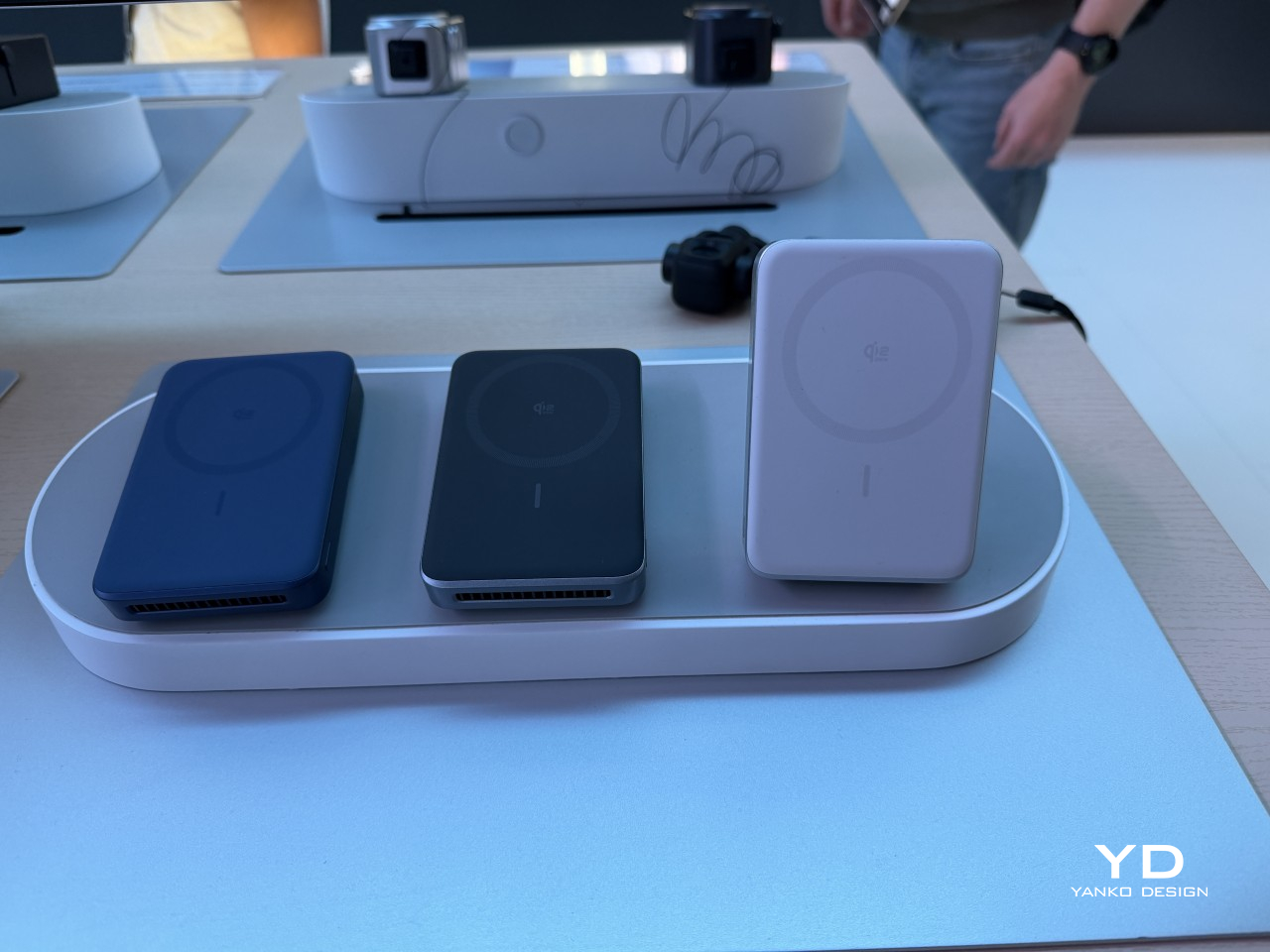
UGREEN built an AI Recorder into its 10,000mAh Power Bank and I don’t know if that’s genius or crazy…

Representational Image

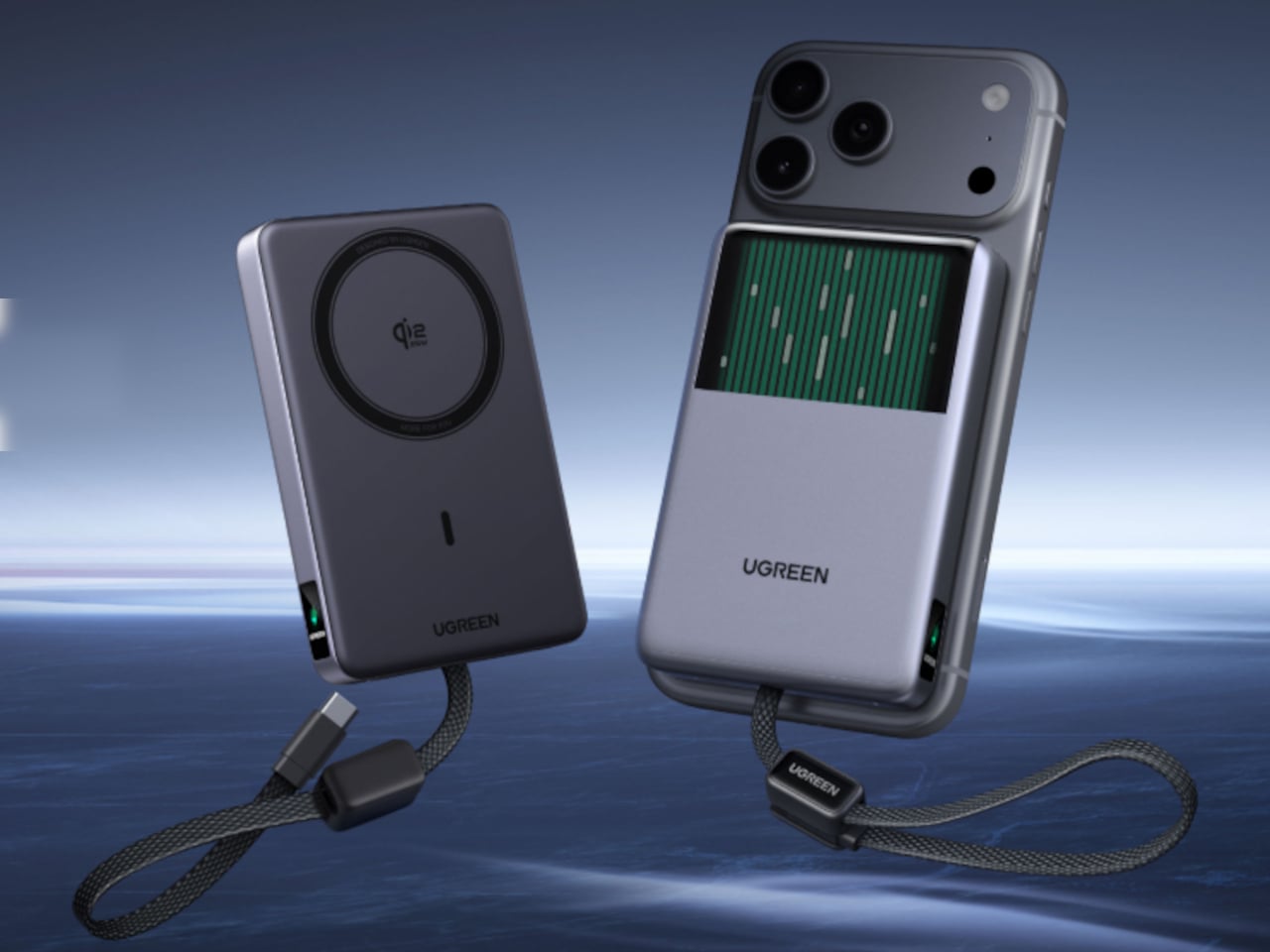
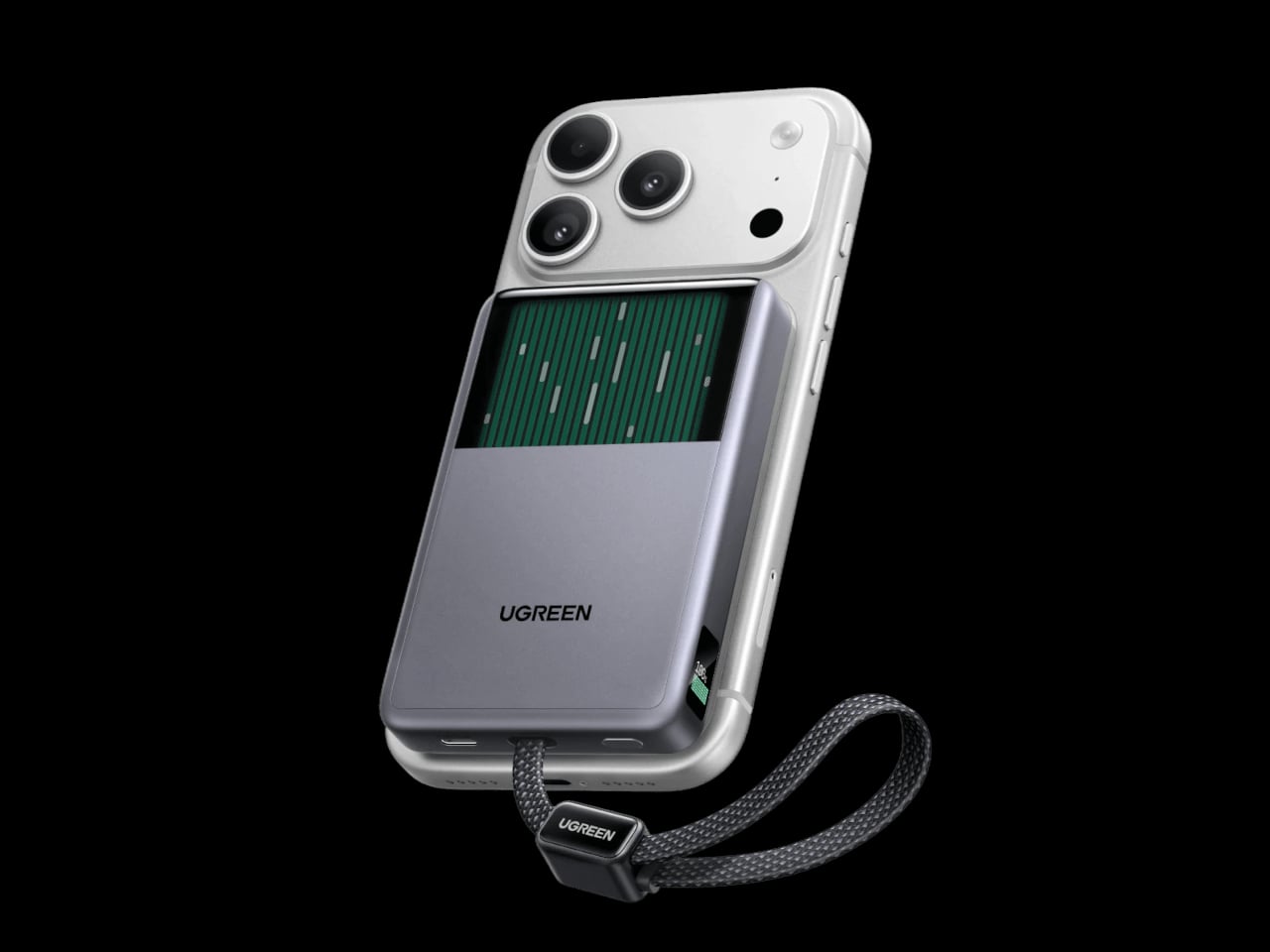
At CES 2026, where every tech company seemed legally obligated to add AI to something, Ugreen announced a power bank with voice recording. The MagFlow AI Voice Recording Magnetic Power Bank packs 10,000 mAh, wireless charging, and AI-powered note-taking into one device. It’s either brilliantly practical or completely unnecessary, depending on how often you find yourself needing both a dead phone and a voice memo at the exact same moment.

The real question is what market Ugreen’s actually targeting. Dedicated AI recorders like Plaud and Limitless offer superior transcription and integration with productivity tools. Meanwhile, power bank buyers are mostly obsessed with capacity, charging speed, and MagSafe compatibility. Ugreen’s product sits awkwardly between these worlds, somehow simultaneously targeting both the serious note-taker as well as the charging purist. Maybe that’s the genius: creating a category where none existed, or maybe it’s just feature creep with good intentions.

Designer: Ugreen

Representational Image

You’ve got 10,000 mAh, which is respectable but standard for MagSafe-compatible power banks in 2026. Wireless charging is included, though the company hasn’t confirmed whether there’s a USB-C port for wired fast charging. A digital display shows battery level and presumably real-time charging stats. Then there’s the voice recording hardware with built-in AI for translation and summarization, which sounds impressive until you realize Ugreen hasn’t explained how you’ll actually access these recordings. Is there an app? Does it sync to your phone? Do you have to plug it into a computer and dig through files like it’s 2015?

Representational Image

Compare this to something like the Plaud NotePin, which costs around $169 and is purpose-built for recording. It connects seamlessly to your phone, transcribes in real time, integrates with LLMs like ChatGPT for summaries, and weighs practically nothing. Or look at the power bank side of things. Ugreen’s own Qi2 25W MagFlow Power Bank retails for $89.99 (currently $69.99 on Amazon) and does one thing exceptionally well: charges your devices fast. This new AI version will almost certainly cost more, probably around $120 to $150 if I had to guess, which puts it in direct competition with premium power banks that offer higher capacity or faster charging speeds. Not to mention most AI services do come with the looming threat of a subscription fee at some point. Imagine subscribing to a power bank…

Jokes aside, the bundling makes sense if you’re the kind of person who carries too much stuff and wants to consolidate. A journalist running between interviews could theoretically use this to charge their phone while recording background audio for articles. Students might appreciate having one device that keeps their laptop alive during lectures while capturing notes they can summarize later. But these use cases feel niche, and niche products need exceptional execution to justify their existence. Ugreen hasn’t shown us that yet. The company has a solid track record with GaN charging technology and their NASync NAS series crushed it on Kickstarter with $6.6 million raised. They know how to build hardware. Whether they can build software that makes voice recording feel natural on a battery pack is the real test.

The post UGREEN built an AI Recorder into its 10,000mAh Power Bank and I don’t know if that’s genius or crazy… first appeared on Yanko Design.
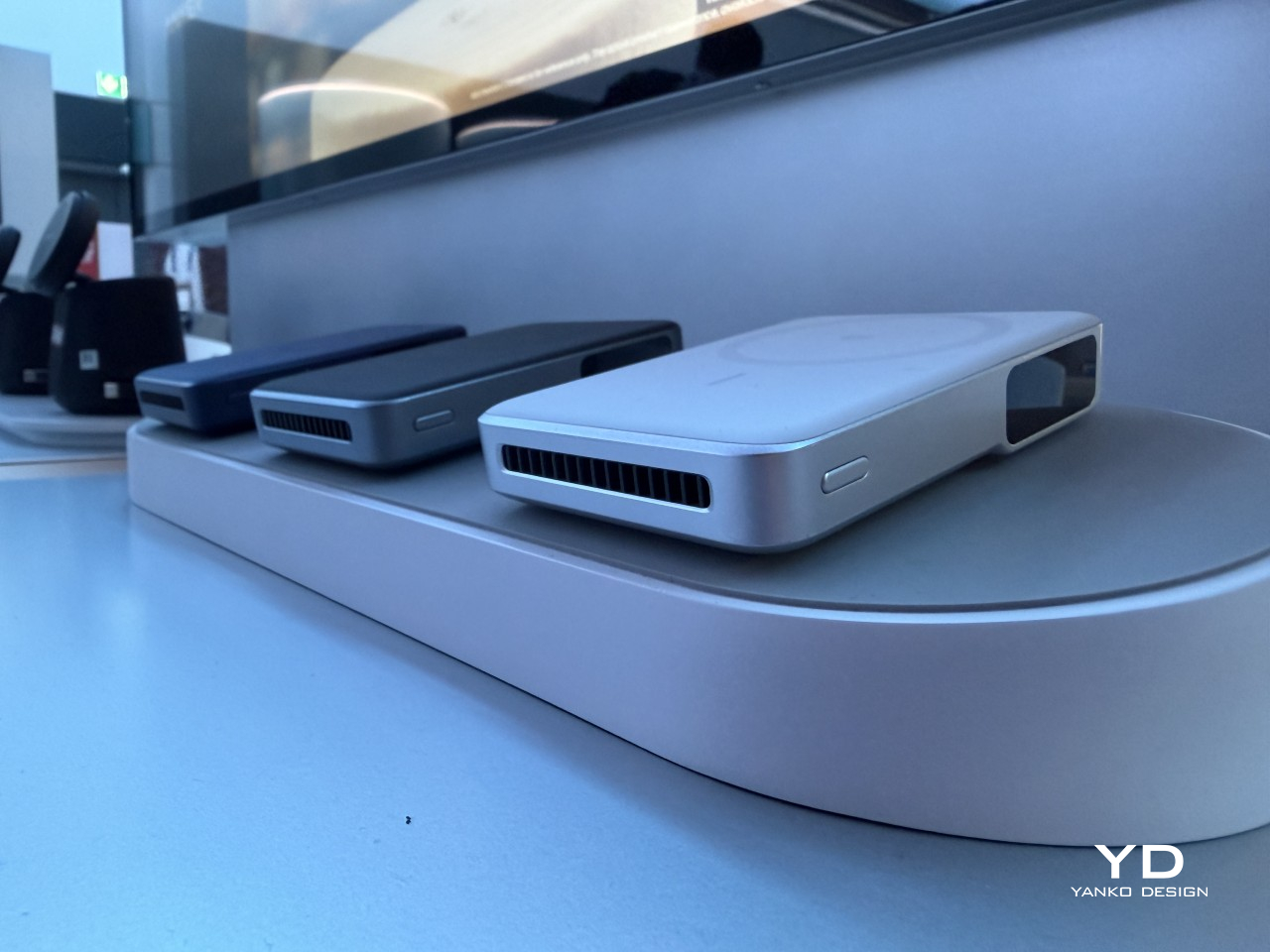
This $28 Power Bank Accidentally Recreated the iPhone 3G Design

Cuktech just dropped their 10 Air magnetic power bank in China, and honestly, the most interesting thing about it has nothing to do with the specs. Sure, it’s got a 10,000mAh battery with 55W wired fast charging and 15W wireless, and yeah, the CNY 199 price tag (roughly $28) is aggressively reasonable. But look at the damn thing. That silver body with the black magnetic strip running across the bottom? Slap this on the back of your iPhone and you’ve accidentally recreated the iPhone 3G’s iconic two-tone design.

I can’t tell if this is deliberate nostalgia bait or a happy accident, but either way, it’s working. The iPhone 3G had that silver aluminum back with the black plastic bottom for the antennas, and this power bank’s layout mirrors it almost perfectly. It’s like wearing your phone’s ancestral portrait as a backpack. The magnetic strip sits right where that glossy black section used to be, and suddenly your sleek 2025 smartphone is cosplaying as a 2008 legend.

Designer: Cuktech

Beyond the accidental throwback aesthetic, Cuktech packed in a built-in display that shows actual charging data instead of making you interpret cryptic LED blinks like you’re reading Morse code. The brand claims it can take an iPhone 17 from zero to full about 1.8 times, the Galaxy S25 Ultra gets 1.3 cycles, and the Xiaomi 17 Pro manages 1.1. These numbers track for a 10,000mAh capacity when you account for conversion losses, so at least they’re not inflating claims. Most flagships hit 50 percent in around 30 minutes with this thing, which is solid performance for something this affordable. The 55W wired output does the heavy lifting here since the 15W wireless is more about convenience than speed.

The bundled USB-C cable has a self-storing design, which sounds gimmicky until you’ve untangled your charging cable from your keys for the thousandth time. Cuktech also mentions their “OPC worry-free charging” technology for battery health, though I’m skeptical of proprietary acronyms until I see independent testing. What matters is that the fundamentals are sound: decent capacity, legitimate fast charging, and a price that doesn’t require a mortgage. The fact that it accidentally turns your modern phone into a design artifact from the Steve Jobs era is just a bonus. No word on global availability yet, but Cuktech usually brings their products international eventually, and this one deserves the trip.

The post This $28 Power Bank Accidentally Recreated the iPhone 3G Design first appeared on Yanko Design.
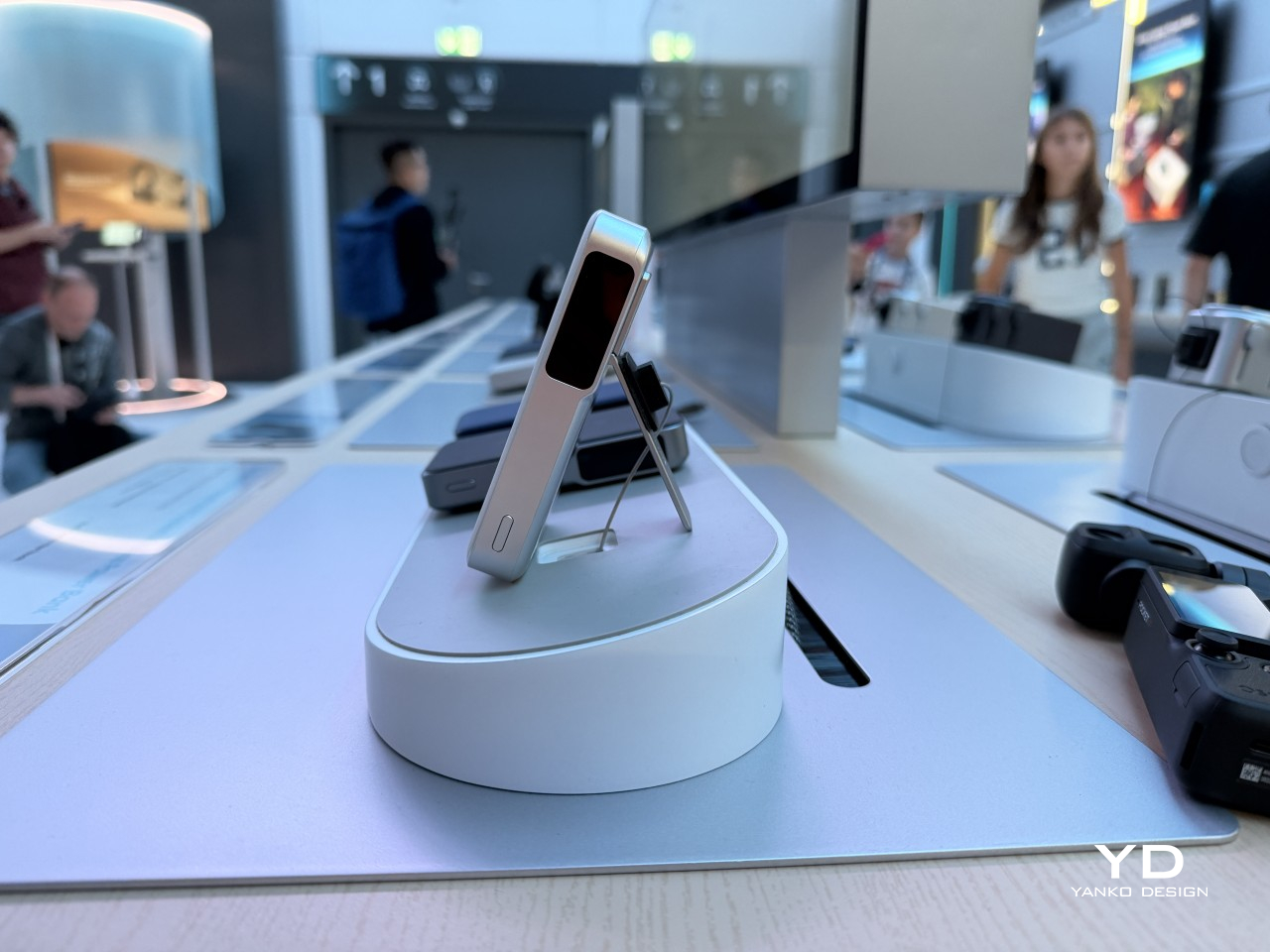
MagSafe Power Bank with Built-in Ring Light and Kickstand is a Vlogger’s dream-come-true

You know those ‘Shot On iPhone’ images and videos you see? What they don’t tell you is that they didn’t just use an iPhone to shoot the content, they used an entire ecosystem of rigs, lights, lenses, dongles, microphones, stabilizers, and a bunch of other tech alongside the iPhone. ‘Shot On iPhone’ implies that all someone did was use their phone and nothing else, but the reality is more ‘Shot On iPhone using thousands of dollars worth of other gear’. While most content creators can’t afford that entire setup, one humble power bank hopes to make things easier.

The ‘Creator Beauty’ power bank may sound like a Chinese product name translated rather poorly, but this little device promises to uplift your iPhone’s video and photo capabilities significantly. Most MagSafe power banks snap on and begin charging – this one snaps on and turns your iPhone into a vlogging machine. Aside from giving your iPhone juice while it films, the Creator Beauty power bank packs a swivel-able light-source, and a kickstand that lets you prop your phone either vertically or horizontally, depending on what content you’re creating.

Designer: Max

The entire power bank has a Leica meets retro Polaroid aesthetic. You’ve got a two-tone beige/grey body with a red dot on the corner that you’d think was a Leica logo (but it just has Max written on it, i.e., the designer’s name). Meanwhile, the light itself sits on a swiveling joint, connected by an arm that has Polaroid’s original candy-colored rainbow printed on it. The visual beauty of the light is that, when closed, it sits at the center of the power bank, looking quite literally like a camera. Swivel it out, however, and it becomes an adjustable light source that’s softer-yet-stronger, perfect for filming content without relying on your phone’s flash.

What you see as a fairly novelty-ish light source is, in fact, a true content creator’s dream – because it’s dual-sided. On the outer side, it’s a disc-shaped light, capable of providing a broader wash of light while filming… but look on the other side and you’ve got a ring light, designed to make content creation a breeze without needing to invest in a separate ring light accessory. Buttons on the rim of the light let you toggle between front and rear lights, as well as brightness. The lights draw power from the power bank itself, making the entire arrangement super convenient – and the swiveling design gives you the ability to uniquely position the light source anywhere around the camera to get the right lighting angle or to avoid glare.

The kickstand is icing on the cake. Instead of being one of those flip-out kickstands, this one stays tucked inside the power bank itself, so it isn’t really visible until you need it. Pull it out like you would a drawer in a cabinet and position it at a 90° angle and the kickstand can be used either for docking your phone vertically or horizontally. Together, the three features give the Creator Beauty power bank quite the edge over other power banks. You practically don’t need an extra light or a tripod while recording – just snap the power bank on, swivel the light out, knock out the kickstand, and hit record!

The post MagSafe Power Bank with Built-in Ring Light and Kickstand is a Vlogger’s dream-come-true first appeared on Yanko Design.
Remember Apple’s AirPower Mat? Dreame Built A MagSafe Power Bank That Does The Same Thing

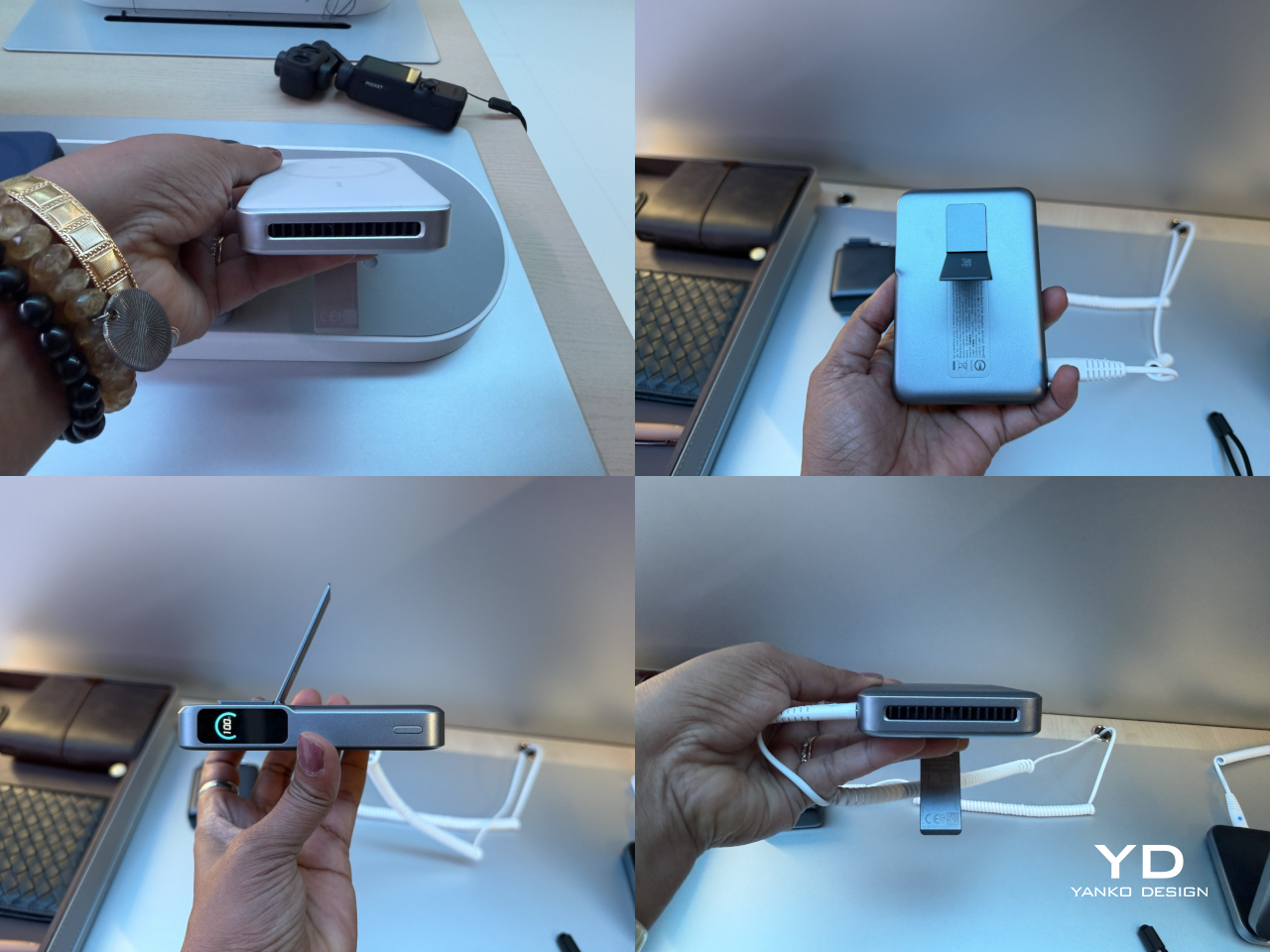
Dreame built its name on robot vacuums and smart cleaning stations, but its newest release does not clean your floors at all. Dreame’s Air Power 17 arrives as a magnetic portable power bank with a surprisingly polished feel, pairing an aluminum frame with AG glass and a footprint barely larger than a bank card. It clicks into place on an iPhone 17 or any Qi2 compatible phone, then quietly delivers up to 15 watts wirelessly or 20 watts over USB-C. But that’s not what’s so surprising about the power bank (apart from the fact that the parent company also manufactures robot vacuums)… it’s that the AirPower 17 also charges your TWS earbuds AS WELL AS your Apple Watch, right through the same wireless charging surface.
The name is a clever dig at Apple’s own AirPower disaster from 2017, when the company announced a charging mat that could handle 3 devices at once. Now, it seems like Dreame’s taken the mantle of making that happen, that too in a compact form factor that still feels decidedly premium, thanks to the slim design, the aluminum alloy frame, and AG glass back. Now, the obvious question is why a vacuum company thinks it can waltz into a market already flooded with Anker, Baseus, and a hundred Shenzhen generics. Here’s the thing: Dreame has been on an absolute tear since July, dropping or teasing products in personal care, large appliances, consumer electronics, and even automotive adjacent gear. This power bank feels like part of a coordinated land grab, and the clever multipurpose design genuinely feels like a consumer-focused product aimed at winning hearts, not just adding small numbers to a company’s profits.

Designer: Dreame

The Air Power 17’s design is fairly simple and straightforward, packing one USB C port, Qi2 wireless at 15 watts max, and that integrated kickstand. The 5,000 milliamp hour version comes in at just 8 millimeters thick and 125 grams, which is borderline remarkable when you consider it includes a stand mechanism and a full magnetic ring. The 10,000 milliamp hour Pro is predictably chunkier at 12.8 millimeters and 189 grams, but still compact enough that you could daily carry it without hating your life. Both share the exact same 103 by 58.4 millimeter footprint, so your choice really comes down to whether you value slimness or capacity more.

The winning feature, however, is the power bank’s ability to charge both smartphones as well as an Apple Watch from the same charging surface. Snap the Air Power 17 to the back of your phone, or just place it on a surface and rest your Apple Watch on the watch symbol and you’re good to go. Right below the Watch symbol is also a TWS earbud case symbol, which means you can even charge your AirPods or other earbuds on the power bank. I’ve yet to see a single power bank this slim so elegantly cover all bases. The fact that a robot vacuum company pushed this first seems odd but hey, the consumer in me is happy he doesn’t need dongles, cables, and other paraphernalia to keep his devices charged.

The built in stand is the sneaky detail that turns the power bank into a proper desk accessory, the kind of thing you slap your phone onto during a video call or while following a recipe. Most magnetic power banks treat the stand as an afterthought, a flimsy plastic hinge that wobbles under the weight of a phone. Dreame integrated it into the rear housing with their branding stamped right on it, so it doubles as brand presence and functional hardware. Wireless efficiency is rated above 60 percent, which tracks with Qi2 standards but also means you lose about 40 percent of capacity to heat and conversion losses when charging wirelessly. If you want the full 10,000 milliamp hours, you need to cable up.

The catch is availability. Right now this lives exclusively in China, sold on platforms like JD.com with zero confirmed timeline for a global rollout. Dreame already sells robot vacuums in the US and Europe, so the infrastructure exists, but consumer electronics accessories face different certification hoops than home appliances. At 219 yuan for the 5,000 milliamp hour model and 259 yuan for the 10,000 milliamp hour Pro, Dreame is pricing aggressively enough to make established brands nervous while keeping enough margin to signal this is a real product line. Here’s to hoping for a global rollout soon – maybe this is the AirPower Mat we truly deserve!

The post Remember Apple’s AirPower Mat? Dreame Built A MagSafe Power Bank That Does The Same Thing first appeared on Yanko Design.