Google Just Put NotebookLM Inside Gemini: Here’s What You Can Do Now

Google Just Put NotebookLM Inside Gemini: Here’s What You Can Do Now B2B sales prospecting setup using NotebookLM sources to draft tailored outreach messages inside Gemini chat.

Google’s integration of NotebookLM with the Gemini AI platform introduces a structured way to handle information and streamline tasks. As explained by Universe of AI, one standout feature is persistent memory, which allows the system to remember details from previous interactions. This is particularly useful for long-term projects, as it reduces repetitive data entry and […]

The post Google Just Put NotebookLM Inside Gemini: Here’s What You Can Do Now appeared first on Geeky Gadgets.

Posted in Uncategorized

Engadget review recap: ASUS ZenBook A16, AirPods Max 2, Sonos Play and LG Sound Suite

Spring has certainly sprung here at Engadget. Well, it has in terms of reviews, at least. We’ve put over a dozen devices through their paces since my last roundup, which gives you a lot to catch up on over the weekend. Read on for the rundown of all the reviews you might’ve missed.

ASUS’ ZenBook A14 didn’t live up to our expectations last year, but now the company is back with a 16-inch machine and a shot at redemption: the A16. “Compatibility issues aside, the ZenBook A16 delivers just about everything I want in an ultraportable,” senior reporter Devindra Hardawar said. “It’s got a gorgeous OLED screen and all of the ports you need. Qualcomm’s Snapdragon X2 Elite chips also give it a much-needed power boost. And best of all, it's one of the lightest and sleekest 16-inch Windows laptops I've come across.”

Until this year, Apple’s only updates to the AirPods Max were new colors and a USB-C port. The company finally gave its pricey over-ear headphones the powerful H2 chip, delivering a host of handy features from the AirPods Pro. “The H2 chip brings Apple’s over-ear headphones on par with the rest of the AirPods lineup, namely the AirPods Pro 3,” I said. “And since I don’t expect Apple to announce new earbuds this year, that parity should remain for a while.”

Sonos badly needed a win. Thankfully, the company regained some of its mojo with a new portable speaker that offers the best of Bluetooth and Wi-Fi in the same device. “The latest Sonos speaker offers impressive sound quality, flexibility and portability, and it’s the kind of product that can help Sonos rebuild its reputation after its recent difficulties,” deputy editor Nathan Ingraham said.

After an impressive CES debut, LG’s Sound Suite was my most anticipated review of the year. Despite impressive sound quality and Dolby Atmos FlexConnect, there are still some kinks to work out in both the setup and general use. “There’s no denying that LG has created a powerful and immersive living room experience with its Sound Suite lineup,” I said. “While I did experience some setup and software issues, those are things LG can iron out over time — Sound Suite is still brand new, after all.”

The last few weeks have been pretty audio-heavy here at Engadget, including the first headphones and speakers from Fender Audio, two sets of headphones from JBL and the Roland Go: Mixer Studio. I also reviewed the first of Sony’s 2026 soundbars, the Bravia Theater Bar 5, and contributing reporter Steve Dent reviewed the Anker Soundcore Nebula X1 Pro all-in-one projector.

Senior reporter Sam Rutherford really took one for the team and spent some time with the Robosen Soundwave Transformers robot. Lastly, Steve took flight with the DJI Avata 360 drone, which is a direct answer to Insta360’s Antigravity A1.

This article originally appeared on Engadget at https://www.engadget.com/engadget-review-recap-asus-zenbook-a16-airpods-max-2-sonos-play-and-lg-sound-suite-133000521.html?src=rss

Gadhouse’s $99 Miko Is the Cassette Player the Revival Needed

Cassette tapes are having a moment, and that moment is refusing to end. According to Billboard, cassette sales have grown more than 440% over the past decade, and in the first quarter of 2025 alone they more than doubled, hitting numbers not seen in 20 years. This isn’t a blip or a quirky indie niche. It’s a full-on cultural movement, and whether you’re old enough to remember rewinding a tape with a pencil or you’ve been hunting down limited editions on Bandcamp, you’ve probably felt its pull.

Gadhouse, the audio lifestyle brand behind some genuinely good-looking retro-inspired gear, clearly felt it too. The result is Miko, their first cassette player, and it arrives looking like it has a point to make. The design alone earns attention. Gadhouse drew heavily from the 1985 to 1995 era, a decade widely considered the peak of expressive, personality-driven consumer electronics. Miko carries that DNA through a translucent front cover that lets you watch the cassette move, an aluminum logo detail, and a compact form factor that sits satisfyingly in the hand.

Designer: Gadhouse

It comes in two colorways, Smoke and Mint, and both feel deliberately considered rather than arbitrarily chosen. The Mint version especially hits that sweet spot between vintage and current that a lot of retro-inspired products spend significant design budgets trying and failing to achieve.

Beyond the looks, Gadhouse made a smart decision not to stop at aesthetics. The Miko runs on Bluetooth 5.3, which means you can pair it with wireless headphones and walk out the door untethered. There is also a 3.5mm stereo output for those who prefer a wired setup or own a vintage pair they’re not ready to part with. Both options coexist without one feeling like an afterthought, and that kind of functional honesty is rarer than it should be in products that trade so heavily on nostalgia.

The five-button control system handles play, fast-forward, rewind, stop, and record. That last button deserves its own moment. Miko includes a built-in directional microphone, which means you can record directly onto cassette. Voice notes, song ideas, a mix tape for someone you want to impress, or a playlist you’ve actually curated rather than algorithmically generated. The format shifts from relic to creative tool pretty quickly once you remember that capability is built right in. Gadhouse has also announced plans to release their own line of blank cassette tapes and accessories later this year, which suggests they’re approaching this as a longer-term ecosystem rather than a one-and-done launch.

At 192 grams, Miko is light enough to drop into a bag without thinking twice. It runs on AA batteries and accepts USB-C power input, including directly from an iPhone, which is exactly the kind of considered detail that signals a team that actually thought about how people use things in the real world. The campaign imagery reinforces the tone they’re going for: youthful, a little editorial, tactile. It reads less like a tech launch and more like a lifestyle statement, which, for this kind of product, is probably the right call.

The cassette revival isn’t going anywhere because it was never purely about audio quality. It’s about ownership, tactility, and a kind of deliberate listening that streaming has made increasingly rare. When you play a cassette, you commit to it. You flip it, you fast-forward past songs you skipped last time, you sit with the imperfections. Holding a tape, choosing it, pressing play. That sequence means something to people. That’s not nostalgia talking, that’s human behavior. Miko seems to understand this, and it packages that understanding into something that actually functions well in 2026, without trying to be a museum piece or a tech gimmick.

The Gadhouse Miko Cassette Player is priced at $99/£59.99 and available now from the Gadhouse website and global partners, with major retailers including Amazon, HMV, Currys, Tesco, and John Lewis expected to follow. Starting April 30th, it can be bundled with Gadhouse’s Wesley Retro Headphones for $149/£109. For anyone already deep into the format or simply cassette-curious, this might be the most considered entry point on the market right now.

The post Gadhouse’s $99 Miko Is the Cassette Player the Revival Needed first appeared on Yanko Design.

Gadhouse’s $99 Miko Is the Cassette Player the Revival Needed

Cassette tapes are having a moment, and that moment is refusing to end. According to Billboard, cassette sales have grown more than 440% over the past decade, and in the first quarter of 2025 alone they more than doubled, hitting numbers not seen in 20 years. This isn’t a blip or a quirky indie niche. It’s a full-on cultural movement, and whether you’re old enough to remember rewinding a tape with a pencil or you’ve been hunting down limited editions on Bandcamp, you’ve probably felt its pull.

Gadhouse, the audio lifestyle brand behind some genuinely good-looking retro-inspired gear, clearly felt it too. The result is Miko, their first cassette player, and it arrives looking like it has a point to make. The design alone earns attention. Gadhouse drew heavily from the 1985 to 1995 era, a decade widely considered the peak of expressive, personality-driven consumer electronics. Miko carries that DNA through a translucent front cover that lets you watch the cassette move, an aluminum logo detail, and a compact form factor that sits satisfyingly in the hand.

Designer: Gadhouse

It comes in two colorways, Smoke and Mint, and both feel deliberately considered rather than arbitrarily chosen. The Mint version especially hits that sweet spot between vintage and current that a lot of retro-inspired products spend significant design budgets trying and failing to achieve.

Beyond the looks, Gadhouse made a smart decision not to stop at aesthetics. The Miko runs on Bluetooth 5.3, which means you can pair it with wireless headphones and walk out the door untethered. There is also a 3.5mm stereo output for those who prefer a wired setup or own a vintage pair they’re not ready to part with. Both options coexist without one feeling like an afterthought, and that kind of functional honesty is rarer than it should be in products that trade so heavily on nostalgia.

The five-button control system handles play, fast-forward, rewind, stop, and record. That last button deserves its own moment. Miko includes a built-in directional microphone, which means you can record directly onto cassette. Voice notes, song ideas, a mix tape for someone you want to impress, or a playlist you’ve actually curated rather than algorithmically generated. The format shifts from relic to creative tool pretty quickly once you remember that capability is built right in. Gadhouse has also announced plans to release their own line of blank cassette tapes and accessories later this year, which suggests they’re approaching this as a longer-term ecosystem rather than a one-and-done launch.

At 192 grams, Miko is light enough to drop into a bag without thinking twice. It runs on AA batteries and accepts USB-C power input, including directly from an iPhone, which is exactly the kind of considered detail that signals a team that actually thought about how people use things in the real world. The campaign imagery reinforces the tone they’re going for: youthful, a little editorial, tactile. It reads less like a tech launch and more like a lifestyle statement, which, for this kind of product, is probably the right call.

The cassette revival isn’t going anywhere because it was never purely about audio quality. It’s about ownership, tactility, and a kind of deliberate listening that streaming has made increasingly rare. When you play a cassette, you commit to it. You flip it, you fast-forward past songs you skipped last time, you sit with the imperfections. Holding a tape, choosing it, pressing play. That sequence means something to people. That’s not nostalgia talking, that’s human behavior. Miko seems to understand this, and it packages that understanding into something that actually functions well in 2026, without trying to be a museum piece or a tech gimmick.

The Gadhouse Miko Cassette Player is priced at $99/£59.99 and available now from the Gadhouse website and global partners, with major retailers including Amazon, HMV, Currys, Tesco, and John Lewis expected to follow. Starting April 30th, it can be bundled with Gadhouse’s Wesley Retro Headphones for $149/£109. For anyone already deep into the format or simply cassette-curious, this might be the most considered entry point on the market right now.

The post Gadhouse’s $99 Miko Is the Cassette Player the Revival Needed first appeared on Yanko Design.

Move Over Pro Max: Why the Foldable iPhone Ultra Is Apple’s New $2,000 Flagship

Move Over Pro Max: Why the Foldable iPhone Ultra Is Apple’s New $2,000 Flagship Close-up concept of the iPhone Ultra liquid metal hinge with 3D-printed internal parts to reduce screen creasing.

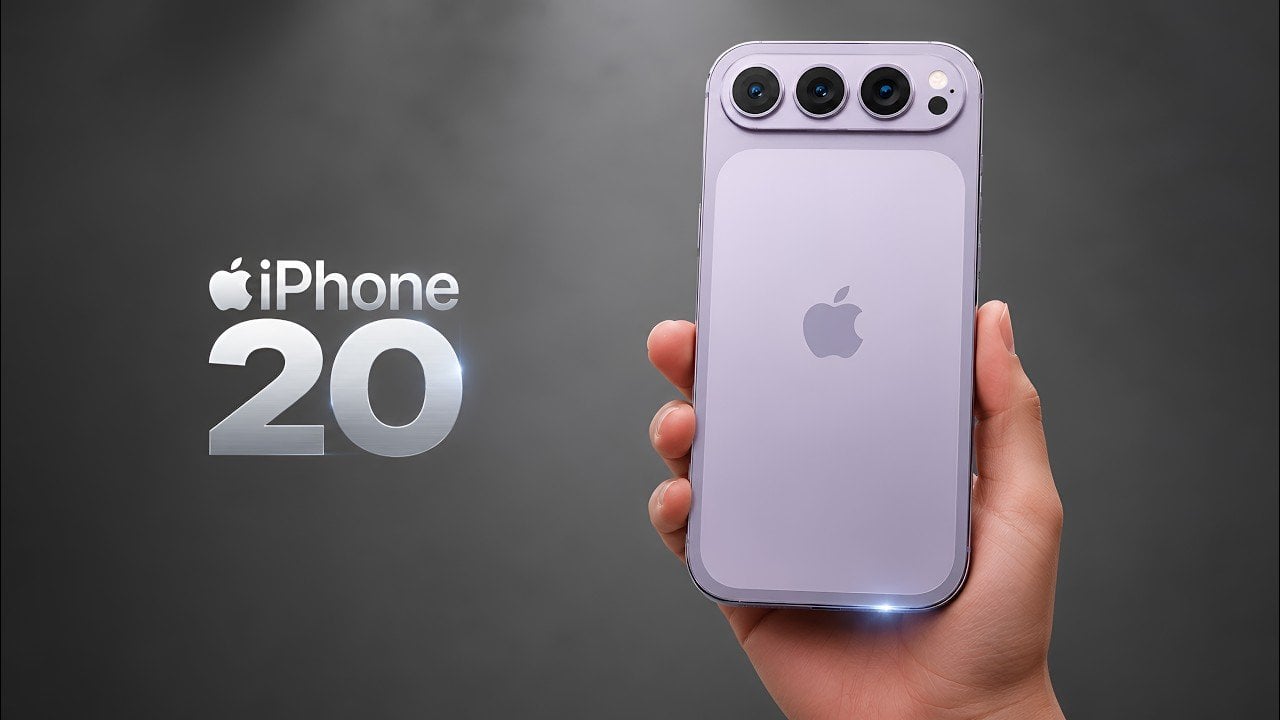
Apple is preparing to make a significant impact on the smartphone market with its upcoming iPhone lineup, which includes the iPhone 18 Pro, iPhone 18 Pro Max and the highly anticipated iPhone Ultra. Scheduled for release this September, the iPhone Ultra is positioned as the flagship model, offering a foldable design, innovative performance and a […]

The post Move Over Pro Max: Why the Foldable iPhone Ultra Is Apple’s New $2,000 Flagship appeared first on Geeky Gadgets.

Posted in Uncategorized

Move Over Pro Max: Why the Foldable iPhone Ultra Is Apple’s New $2,000 Flagship

Move Over Pro Max: Why the Foldable iPhone Ultra Is Apple’s New $2,000 Flagship Close-up concept of the iPhone Ultra liquid metal hinge with 3D-printed internal parts to reduce screen creasing.

Apple is preparing to make a significant impact on the smartphone market with its upcoming iPhone lineup, which includes the iPhone 18 Pro, iPhone 18 Pro Max and the highly anticipated iPhone Ultra. Scheduled for release this September, the iPhone Ultra is positioned as the flagship model, offering a foldable design, innovative performance and a […]

The post Move Over Pro Max: Why the Foldable iPhone Ultra Is Apple’s New $2,000 Flagship appeared first on Geeky Gadgets.

Posted in Uncategorized

Ray-Ban Meta Blazer Optics & Scribe Optics Add Prescription-First Fit

Ray-Ban Meta Blazer Optics & Scribe Optics Add Prescription-First Fit Ray-Ban Meta Scribe Optics displayed with rounded frame shape, adjustable nose pads, and flexible hinges for all-day wear.

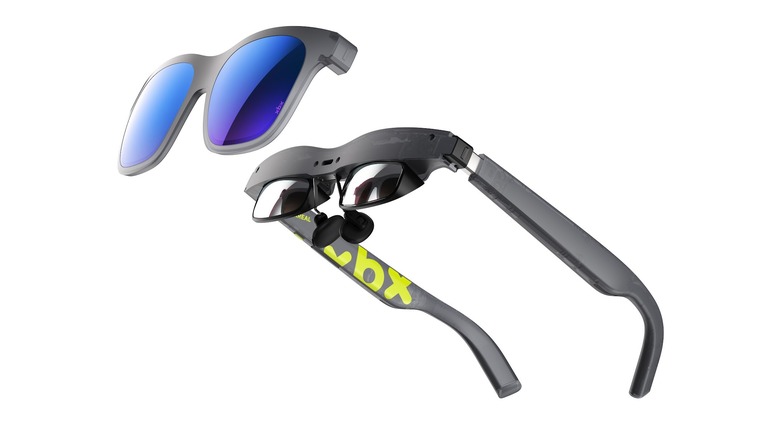
Meta’s latest smart glasses, the Ray-Ban Meta Blayzer Optics and Scriber Optics, combine advanced functionality with practical design. As noted by TechAvid, these second-generation glasses emphasize user comfort through features like slimmer frames and adjustable temple tips, making sure a secure and lightweight fit. They also support prescription lenses, accommodating both single-vision and progressive options, […]

The post Ray-Ban Meta Blazer Optics & Scribe Optics Add Prescription-First Fit appeared first on Geeky Gadgets.

Posted in Uncategorized

X’s messaging app, XChat, may be available soon

XChat is now on the App Store, where its listing says that it’s expected to be available for download on April 17. This isn’t the same IRC app from the early aughts, which you may remember if you’re of a certain age. This is a messaging app specifically for X users. X chief Elon Musk first talked about rolling out a new version of his social network’s direct messaging feature in mid-2025. In a series of posts back then, he said the new version would be encrypted and would feature a “whole new architecture.” He also said all X users were getting XChat in June last year, but Musk is pretty infamous for being overly optimistic about timelines.

Now, instead of an upgraded DM feature on X, users are getting a standalone app. It allows them to chat with anybody on X and call each other across devices. The app is end-to-end encrypted and will let users edit and delete their messages for all participants in the conversation. It will also allow users to block screenshots and enable disappearing messages if they want the sensitive details they send in-chat to vanish within five minutes. The app allows users to create massive group chats with up to 481 members, as well. X promises in the App Store listing that XChat will not have ads and will not be tracking users.

Users can now pre-order XChat for iPhones and iPads so that it automatically downloads on their device when it comes out.

This article originally appeared on Engadget at https://www.engadget.com/apps/xs-messaging-app-xchat-may-be-available-soon-114722904.html?src=rss

X’s messaging app, XChat, may be available soon

XChat is now on the App Store, where its listing says that it’s expected to be available for download on April 17. This isn’t the same IRC app from the early aughts, which you may remember if you’re of a certain age. This is a messaging app specifically for X users. X chief Elon Musk first talked about rolling out a new version of his social network’s direct messaging feature in mid-2025. In a series of posts back then, he said the new version would be encrypted and would feature a “whole new architecture.” He also said all X users were getting XChat in June last year, but Musk is pretty infamous for being overly optimistic about timelines.

Now, instead of an upgraded DM feature on X, users are getting a standalone app. It allows them to chat with anybody on X and call each other across devices. The app is end-to-end encrypted and will let users edit and delete their messages for all participants in the conversation. It will also allow users to block screenshots and enable disappearing messages if they want the sensitive details they send in-chat to vanish within five minutes. The app allows users to create massive group chats with up to 481 members, as well. X promises in the App Store listing that XChat will not have ads and will not be tracking users.

Users can now pre-order XChat for iPhones and iPads so that it automatically downloads on their device when it comes out.

This article originally appeared on Engadget at https://www.engadget.com/apps/xs-messaging-app-xchat-may-be-available-soon-114722904.html?src=rss

7 Best Eco-Friendly Designs That Celebrate Earth Day Better Than Any Campaign Ever Could

Earth Day has always had a visibility problem. It falls on 22nd April, and every April the campaigns are loud, the graphics are reliably green, and the sentiment fades well before the month comes to an end. Real change lives somewhere quieter; in the materials a designer chooses, in the lifecycle of an object, in the exact moment a product earns a permanent place in your life rather than a landfill. The seven designs here do more for the planet in daily use than most campaigns ever will.

Each one proves that sustainability is not a compromise; it is a design brief. The most honest form of environmentalism isn’t a hashtag or a product badge. It’s a cutlery set that removes the temptation of a plastic fork, a lamp that burns clean. These are objects built around ecological thinking, not layered over it. And on a day the world pauses to consider the planet, they make the most compelling case of all.

1. Wasteland Nomads: Bionic Tumbleweed Sower System – The Wind-Powered Desert Healer

Designer Guo, a graduate of Central Saint Martins’ Material Futures program and a former collaborator with Google DeepMind, developed Wasteland Nomads alongside Daheng Chu through the University of the Arts London and Imperial College London. The premise is rooted in one simple observation: the tumbleweed has always worked with the desert, not against it. Her question was whether a designed object could do the same. The answer took the form of a biomimetic seeding device built entirely on passive robotics, with no batteries, no circuits, and no external power source required.

The structure is a lightweight biodegradable sphere of tensile support rods, with an outer skin of moisture-responsive biodegradable composite that houses seeds. When the device rolls into an environment where the humidity is right, the skin begins to break down, releasing seeds directly into the soil. It boosts soil oxygen, supports carbon sequestration, and by the end of its journey, the entire device has merged with the earth it traveled across. No waste, no remnants. Just restored land.

What We Like

  • Fully passive design requires zero energy input or an external power source
  • Completely biodegradable and leaves no trace after its journey ends

What We Dislike

  • Dependent on wind conditions, limiting use to specific arid environments
  • Still a design concept rather than a widely deployed practical solution

2. Earth-Friendly Stacking Cup – Sipping Without the Guilt

Most eco-friendly drinkware performs its sustainability too loudly or sacrifices aesthetics entirely in the process. The Earth-Friendly Stacking Cup does neither. Made from plant-derived biodegradable resin, it delivers a tactile experience closer to ceramic or wood than anything associated with conventional plastic. A harmless urethane coating adds matte black texture and water resistance, giving the cup a finish that feels genuinely premium. It’s the kind of object you keep on the counter, not buried at the back of a cabinet.

The material biodegrades through natural microbial action into water and CO2, meaning its end-of-life story is as clean as its visual identity. It’s safe for warm drinks and entirely free from plastic, making each use a quiet departure from the disposable cycle. For anyone who wants their daily rituals to carry a little more intention, this cup delivers that feeling without demanding any sacrifice in experience or design quality.

Click Here to Buy Now: $25.00

What We Like

  • Fully plastic-free and biodegrades naturally into water and CO2
  • Matte tactile finish rivals ceramic and wood in sensory quality

What We Dislike

  • Biodegradable resin may have durability limitations with prolonged heat exposure
  • Urethane coating requires gentle care to maintain its finish over time

3. Manu Matters Homeware – Waste Elevated Into Objects Worth Keeping

Swedish studio Manu Matters has earned recognition as a leading innovator in eco-friendly design by doing something most studios won’t attempt: making waste beautiful enough to keep. Using 3D printing, the studio transforms lemon peels, PET bottles, and cornstarch into durable, aesthetically striking home accessories. Each piece isn’t sold as a product but adopted, a deliberate shift in framing that encourages owners to form an emotional attachment, extending the object’s lifespan through connection rather than obligation.

The collection includes table lamps and vases, among them the “Teen Betty” in Klein Blue, Mustard, and Olive, and the “Lady Betty” in Peach and Eggshell. Both are priced at $250 USD and produced to order, reinforcing a small-batch, low-impact production model. Transparency labels on each piece detail the local production, upcycled materials, and independent-artist ethos behind the work. It is Scandinavian minimalism filtered through ecological conscience, resulting in objects that feel considered rather than compromised.

What We Like

  • Made-to-order production model eliminates overproduction and excess inventory entirely
  • Transparency labels provide full material and production process disclosure

What We Dislike

  • A $250 price point limits accessibility for a wider everyday audience
  • Made-to-order timelines may not suit buyers seeking immediate delivery

4. ARLT Paper Cleaner – The Lint Roller Redesigned From Scratch

Nobody redesigns the lint roller. It works, so it stays. ARLT looked at that logic and disagreed. The Paper Cleaner is built entirely from molded pulp and bonded with a water-based adhesive, replacing conventional plastic tape with something fully recyclable and zero-waste. The cleaning surface is gentle enough for delicate fabrics and effective enough to handle the kind of lint situation that surfaces right before an important meeting. It does its job quietly and leaves nothing behind.

The design carries none of the apologetic quality that tends to follow eco-friendly alternatives. Sleek and minimal, the ARLT Paper Cleaner positions itself as a “Green High-End Brand for Life,” and it earns that positioning through both its material choices and its visual identity. It is the kind of everyday object that quietly raises expectations for what sustainable design can look like in the most ordinary corners of daily life.

What We Like

  • 100% paper-based and fully recyclable with a zero-waste end-of-life story
  • Gentle on delicate fabrics while remaining effective on dark clothing

What We Dislike

  • Paper construction may perform less reliably in humid or damp environments
  • Adhesive surface may vary in strength compared to traditional plastic tape rollers

5. Harmony Flame Fireplace – Sustainable Fire, Real Atmosphere

There is no good substitute for a real flame. Electric simulations flicker unconvincingly, and candles burn out, but the Harmony Flame Lamp delivers the genuine article through a brass body crafted by artisans who make musical instruments. That construction heritage lends the piece a precision and resonance that mass-produced alternatives simply cannot replicate. Whether on a dining table or a patio, it transforms the mood of a space the moment it catches light and begins its play of shadow.

The fuel is bioethanol, a clean-burning option that produces no odor, no smoke, and no harmful emissions, removing the air quality concerns that come with traditional open flames indoors. No installation is required. The reflective brass surface amplifies the flame’s movement, turning light and shadow into a feature worth watching long after the meal is over. For anyone who values atmosphere without environmental compromise, the Harmony Flame Lamp makes fire a genuinely sustainable choice.

Click Here to Buy Now: $240.00

What We Like

  • Bioethanol fuel burns cleanly with no odor, smoke, or harmful indoor emissions
  • Handcrafted by instrument artisans for exceptional material quality and precision

What We Dislike

  • Bioethanol fuel is a recurring purchase that adds to the ongoing cost of use
  • Open flame requires careful placement and consistent supervision at all times

6. Da Vinci Pencil

The most sustainable object is always the one you never have to replace. The Da Vinci Pencil builds its entire identity around that idea, using 3D printing technology to form a minimalist writing tool from PLA-CF, a composite of Polylactic Acid and Carbon Fiber that delivers strength and featherlight performance in equal measure. Under normal use, it lasts seven to ten years, quietly replacing dozens of conventional pencils over its lifespan without sharpening, refilling, or any of the routine waste that traditional writing tools generate.

The high-performance metal alloy nib writes with the smoothness of graphite, while the thin ergonomic profile doubles as a bookmark, sitting cleanly between pages without stretching the spine or preventing the cover from closing. It is the kind of dual-purpose thinking that makes a product feel genuinely considered rather than cleverly marketed. The Da Vinci Pencil doesn’t ask you to compromise on the writing experience in exchange for its environmental credentials. It makes the case that the two have never needed to be in conflict.

What We Like

  • Metal alloy nib lasts 7-10 years without sharpening or refilling, eliminating ongoing waste
  • Dual function as a writing tool and a bookmark maximizes utility in a single, minimal form

What We Dislike

  • Higher upfront cost compared to conventional pencils may be an initial barrier, despite the long-term value
  • PLA-CF construction lacks the familiar wood texture that many associate with a quality pencil feel

7. Lollo – The Cutlery Set That Actually Lives in Your Bag

Lollo addresses the most consistent failure point in sustainable eating on the move: the moment when a plastic fork is the only available option, and you take it anyway. The set houses a spoon, fork, and knife in durable stainless steel, each with a subtly concave handle that allows all three pieces to nest into one compact, stackable unit. It’s a travel cutlery set that functions as a genuine daily carry item rather than a well-intentioned purchase gathering dust in a drawer.

A circular silicone cap made from recycled materials keeps the set clean between meals and contains mess after eating. The design makes no demands beyond the simple ask of being carried. In doing so, it removes one of the most common sources of single-use plastic waste from daily life, one meal at a time. Nothing about Lollo requires a lifestyle overhaul. It just works, quietly and consistently, every time you reach for it.

What We Like

  • Silicone cap made from recycled materials extends the set’s eco-friendly credentials
  • Stainless steel construction ensures durability across years of daily use

What We Dislike

  • A three-piece set may not cover every utensil need across all meal occasions
  • The silicone cap requires thorough cleaning to prevent residue buildup over time

Design Is the Most Honest Form of Earth Day Activism

Earth Day names the problem. Design addresses it. Each of the seven products featured here does something campaigns rarely achieve: it changes behavior without demanding awareness. The choice of a paper lint roller over a plastic one, a bioethanol flame over a synthetic glow, a stainless steel cutlery set over a disposable fork. These aren’t symbolic gestures. They are durable, daily decisions made possible by designers who treated the planet as a material constraint, not a marketing opportunity.

The most powerful shift in sustainable living isn’t ideological. It’s object-level. When the things you use every day are built with ecological thinking embedded into their design, the environmental impact accumulates quietly and consistently. These seven objects make that kind of living feel less like a discipline and more like a preference. That is what great eco-friendly design actually does. It removes the effort from the right choice and makes it the obvious one.

The post 7 Best Eco-Friendly Designs That Celebrate Earth Day Better Than Any Campaign Ever Could first appeared on Yanko Design.