AWOL Valerion Pairs Big-Screen NFL Viewing With More Picture Control

Watching football at home can quickly turn into a group activity, even when some people are more interested in the snacks than the score. A large projected picture gives everyone something to gather around, and AWOL Valerion’s Max and Pro 2 projectors add more ways to shape that experience through OTA3, a firmware update focused on picture controls and everyday operation.

Of course, bringing a projector into the living room involves more than finding an empty wall. Both models pair RGB triple-laser light sources with 4K UHD projection, while optical zoom helps adjust image size from a given position. That flexibility matters when the furniture already has its place, and rearranging the entire room for an NFL game probably wasn’t part of the plan.

Designer: AWOL Valerion

Click Here to Buy Valerion Max: $3499 $3699 ($200 off). Click Here to Buy Valerion Pro2: $2299 $2999 ($700 off). Hurry, deal ends on 30th October 2026!
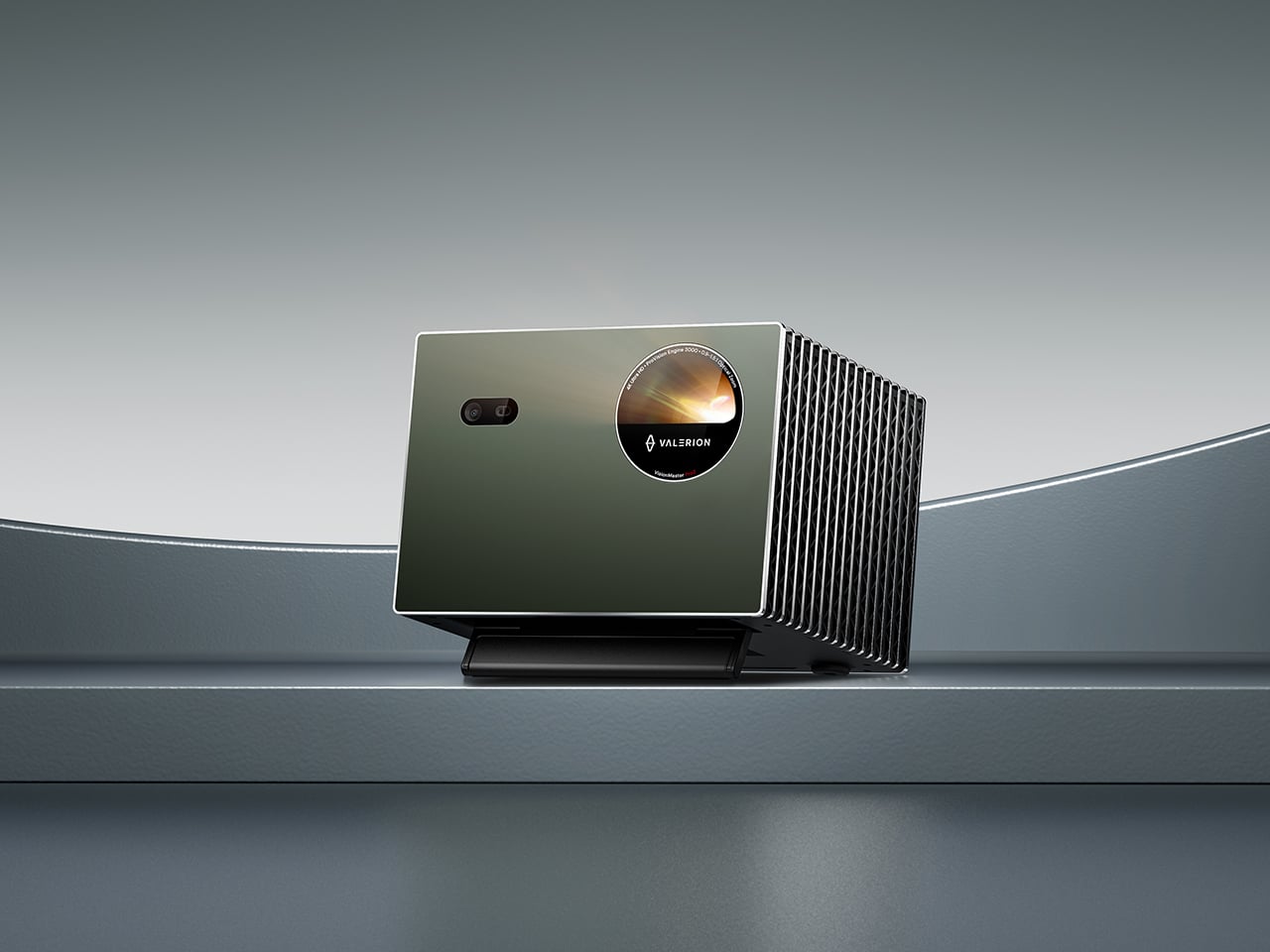
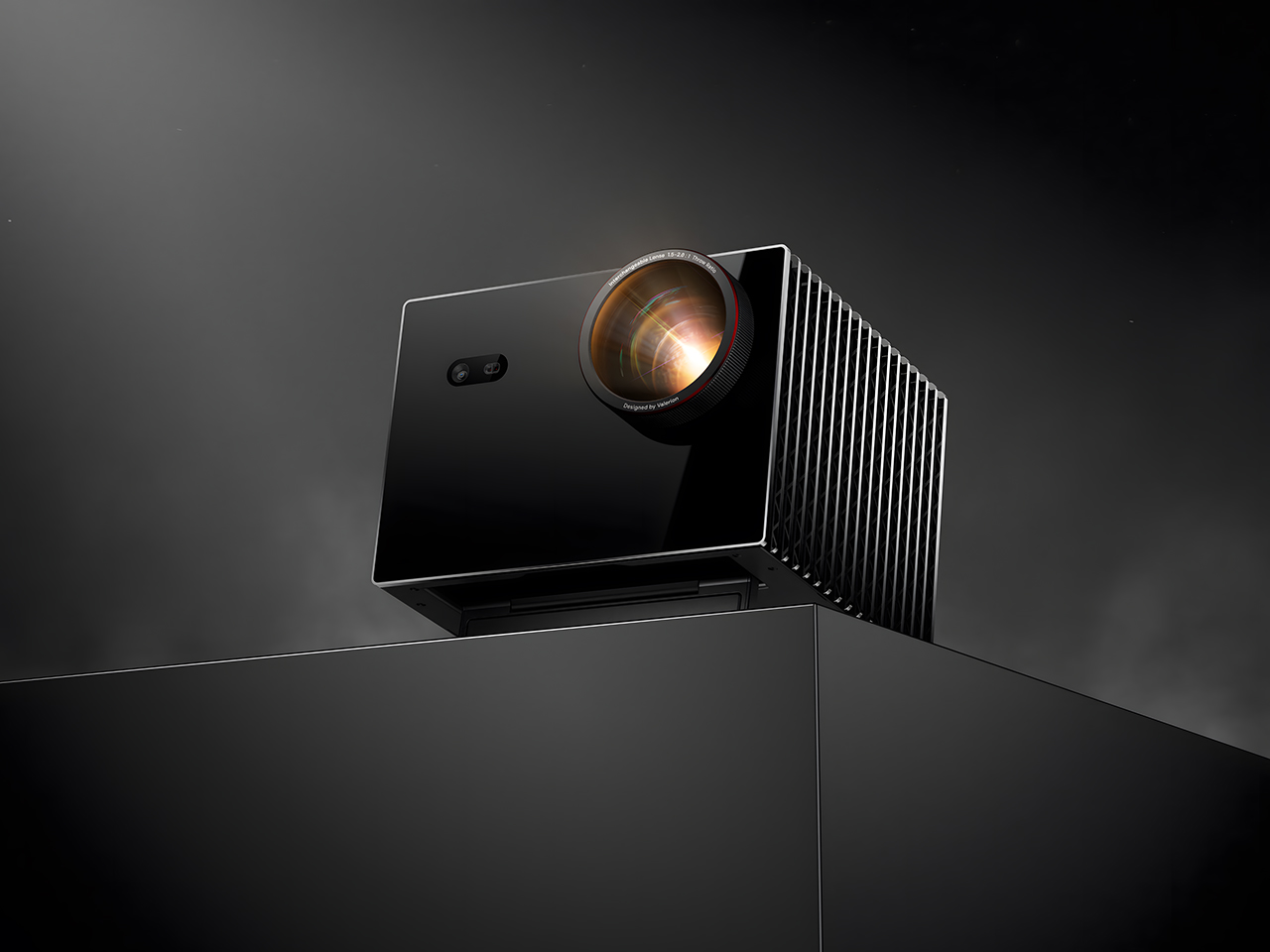
AWOL Valerion Max

The physical setup is only part of the experience, however. A football broadcast moves from wide field views to sideline close-ups, with replays and studio segments mixed in along the way. OTA3, also called Firmware Q0718, brings additional settings to these existing projectors, giving owners more say in how the picture is presented without having to change the hardware itself.

One of those settings is Enhanced Black Level, or EBL, which adjusts laser brightness to influence contrast in darker scenes. The existing Low and High options differ in how aggressively they make those adjustments. Low takes a gentler approach, while High applies a stronger response. The choice comes down to how much adjustment you prefer and how noticeable you find the resulting brightness changes.
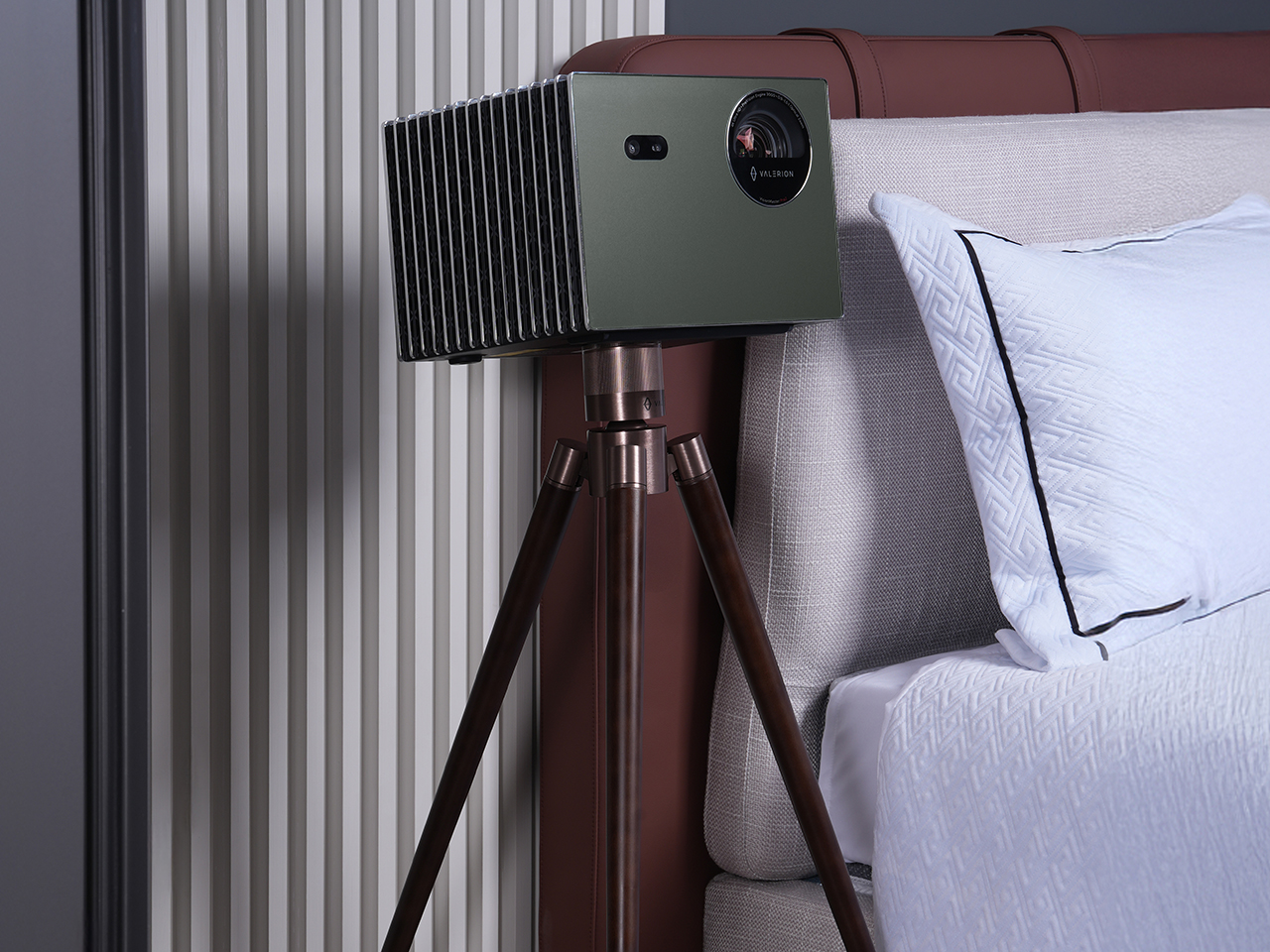
AWOL Valerion Pro 2

With OTA3, both Max and Pro 2 gain a Medium option that sits between those two settings. It provides a moderate laser adjustment intended to balance dark-scene contrast with less noticeable brightness fluctuation. It’s a small addition that makes the controls more accommodating, especially when you’d rather settle on a comfortable picture than spend halftime comparing one setting with another.

This goes hand-in-hand with the Valerion Max’s new Dynamic Iris, which automatically adjusts its optical aperture according to the brightness of the picture. EBL changes laser output, while the iris controls light through that physical opening. This Max-exclusive feature gives the projector another way to respond to changing content, with the mechanism working automatically once enabled rather than requiring repeated adjustments from the couch.
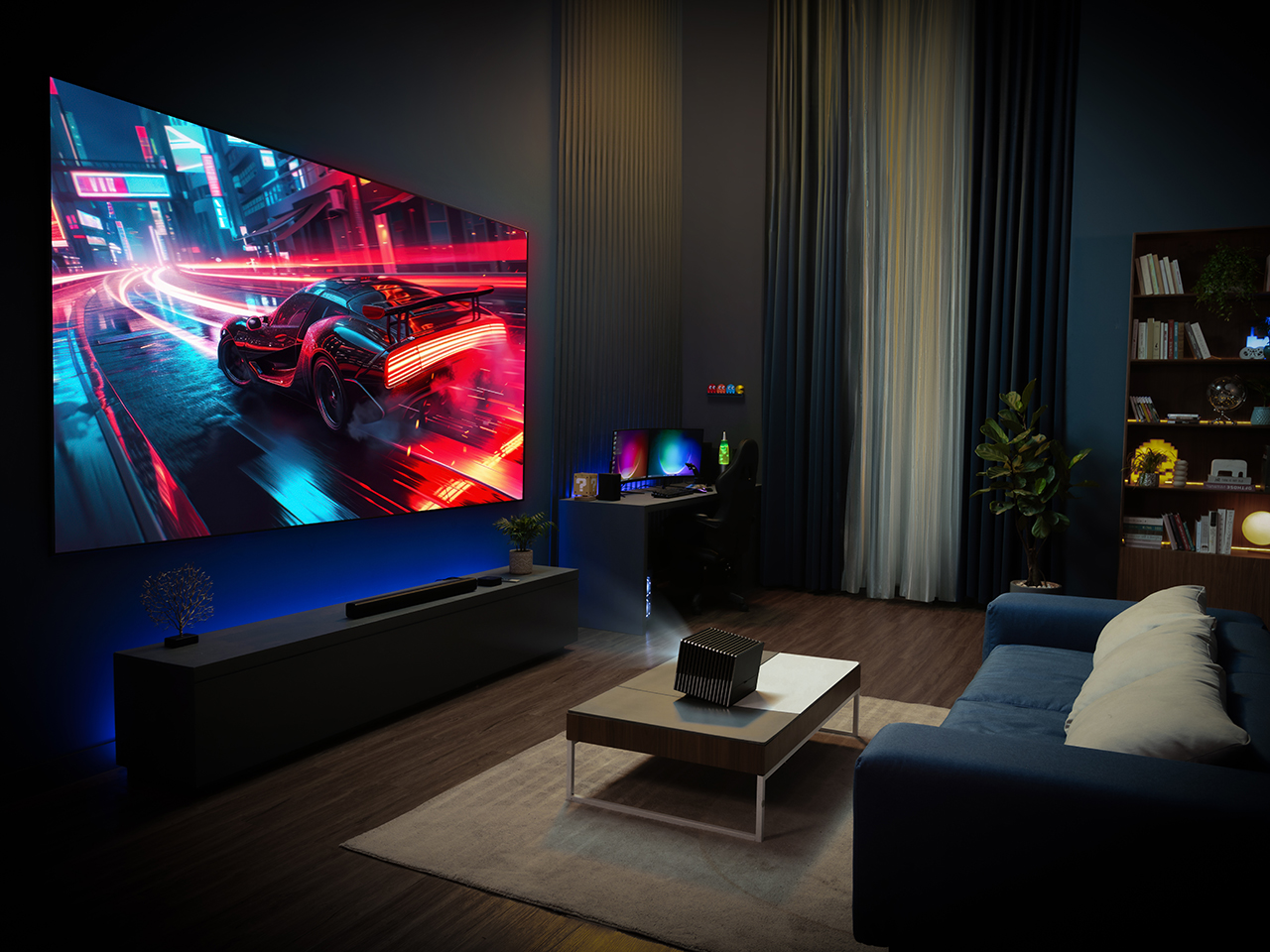
A projector also makes its presence known through sound, particularly when it sits near the seating area. Low Noise Mode, available on both models through OTA3, is designed to reduce fan noise while automatically managing laser luminance. It should be noted that manual adjustment of laser luminance isn’t available in this mode, making it an alternative operating option for evenings when quieter operation is the priority.

Getting the image to sit neatly on the screen receives some attention, too. OTA3 adds eight-point manual keystone correction, providing adjustment points beyond the four corners for refining the image’s shape. Careful placement remains the starting point, but those extra controls offer more flexibility when aligning the picture in a room that still needs to function as a living space between games.
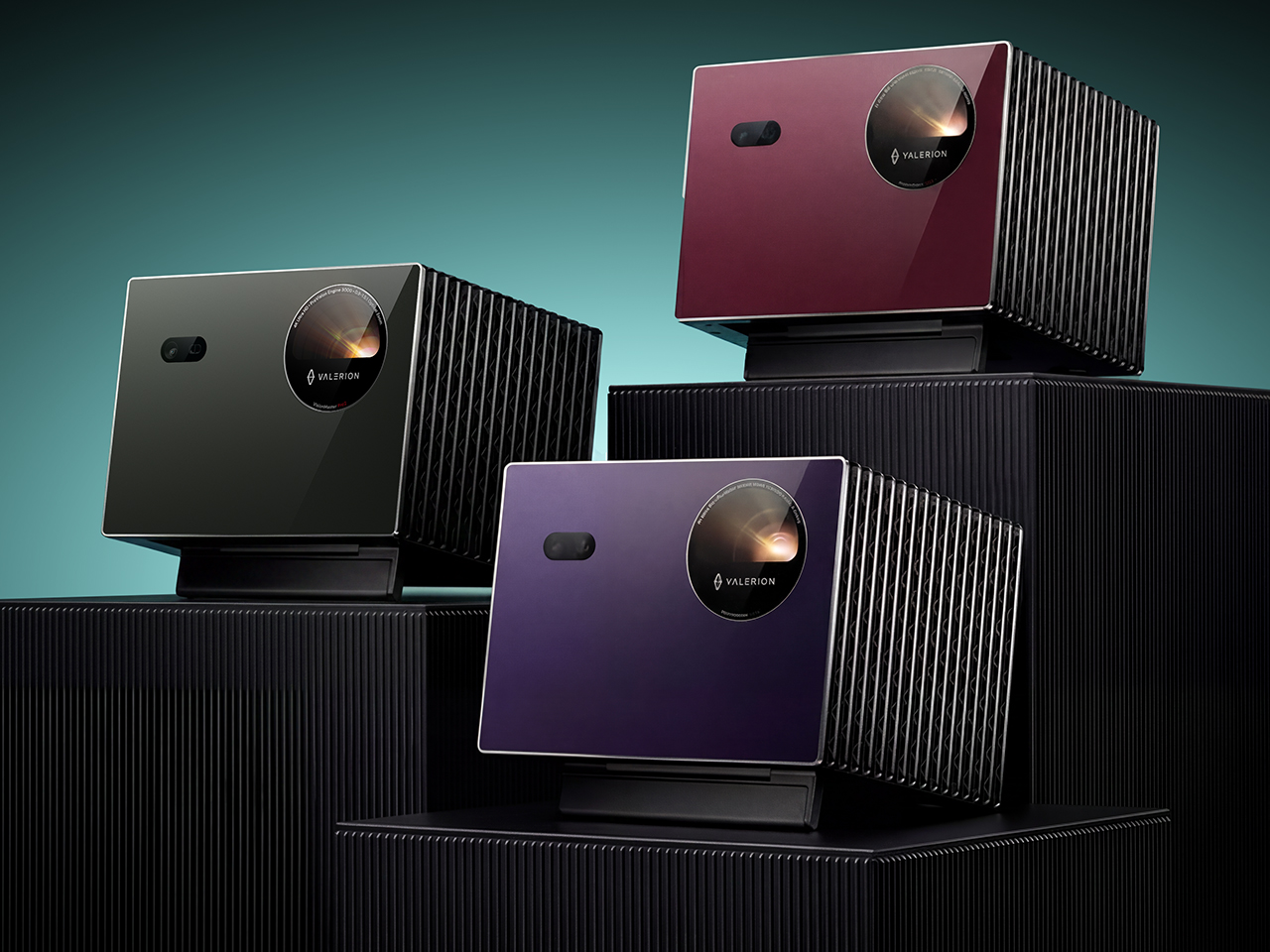
And if the game gives way to a movie afterward, the update has something for that, too. OTA3 allows picture-size adjustment while watching in Dolby Vision mode, extending a familiar kind of control into that viewing format. Dolby Vision was already an existing feature, but the added flexibility allows sizing the picture without leaving the mode, which is handy once the postgame discussion winds down.

A shared living room rarely belongs to one activity for very long, and its technology shouldn’t need to be treated as a separate project every evening. AWOL Valerion’s OTA3 gives existing owners more choices within the device they already know. After the final replay and the inevitable debate over that last call, the same projector can settle into movie duty without anyone needing to rearrange the furniture.

Click Here to Buy Valerion Max: $3499 $3699 ($200 off). Click Here to Buy Valerion Pro2: $2299 $2999 ($700 off). Hurry, deal ends on 30th October 2026!

The post AWOL Valerion Pairs Big-Screen NFL Viewing With More Picture Control first appeared on Yanko Design.
A Fan Actually Designed Man City’s Third Kit With Puma’s AI Platform

No matter how you feel about generative artificial intelligence, you can’t deny the fact that it has democratized creativity. Whether you have design experience or an art background, or neither, you now have tools you can use to bring your creative juices to life. Popular English club Manchester City and PUMA developed a platform to help fans express their fandom through original kit designs, and now they’ve actually let one lucky fan’s concept become the club’s official third kit.

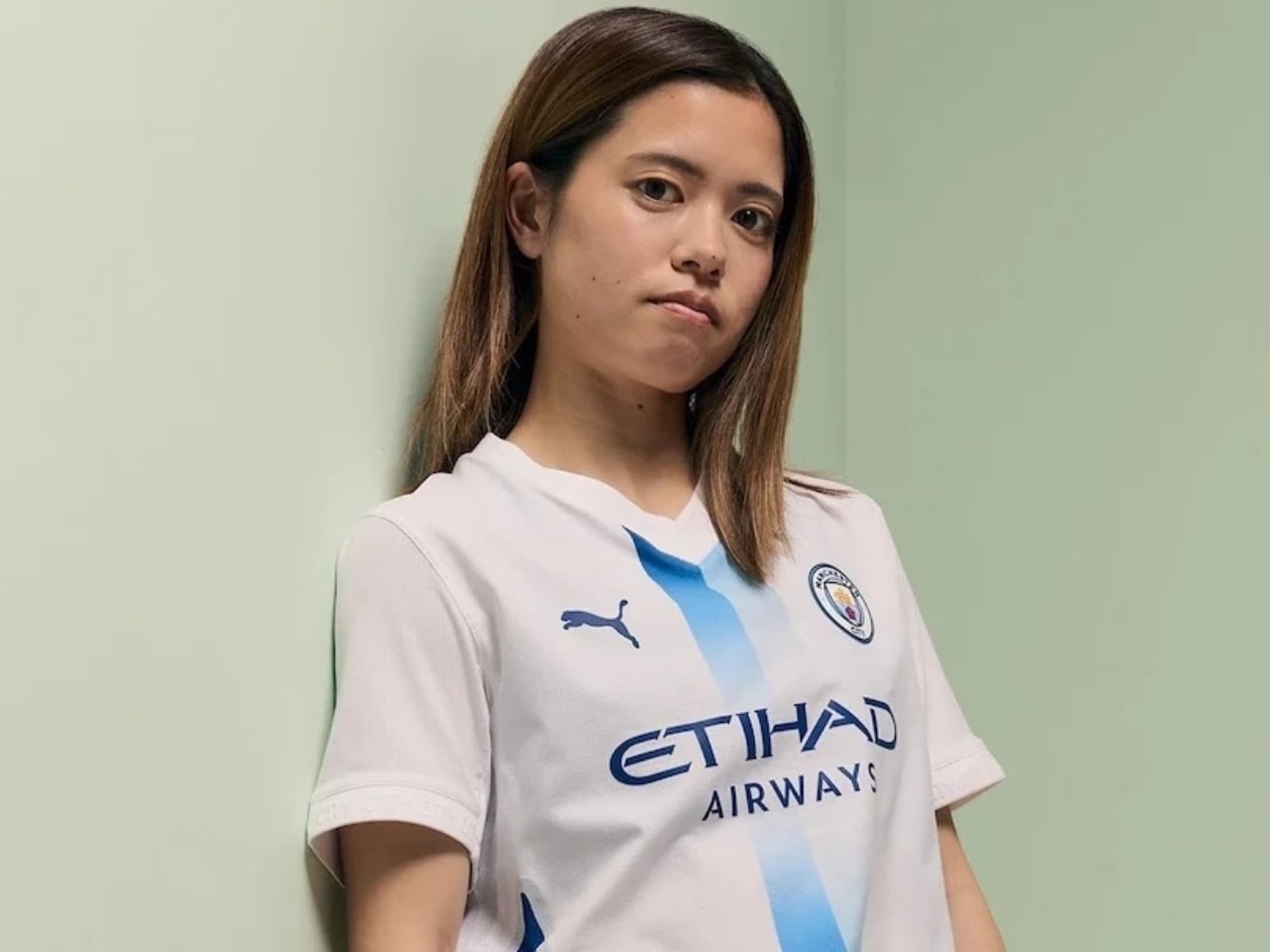
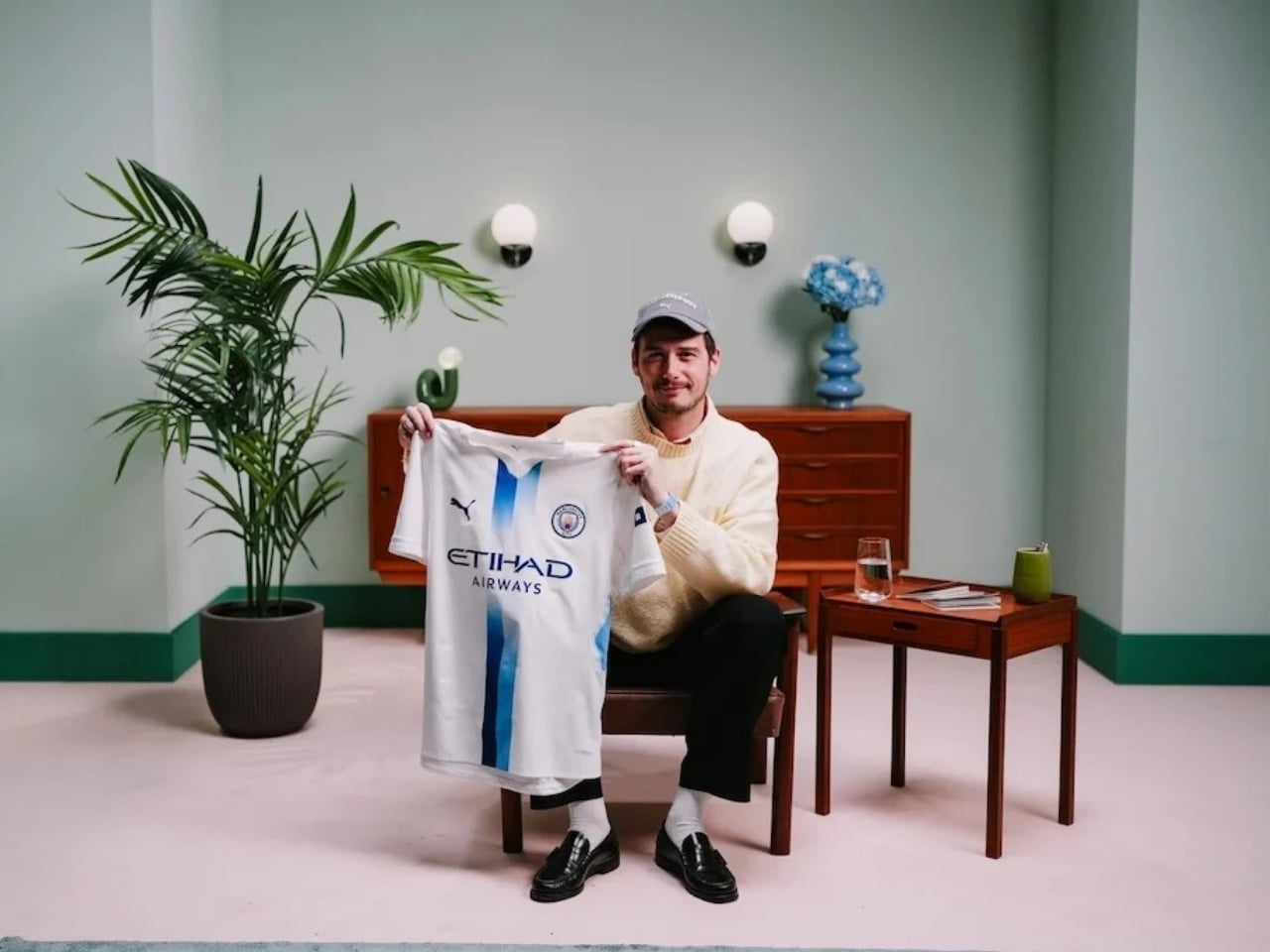
Manchester City’s 2026/27 Third Kit is the first AI-generated fan design to be worn by a professional football club on the pitch and sold commercially. It was created using the PUMA AI Creator, a tool that turns written prompts into full kit designs in just a few seconds. Lifelong Manchester City fan and photographer Elliott Lacey’s creation was chosen from more than 180,000 designs submitted on the platform.

Designer: Elliott Lacey and PUMA

For those not familiar with football (soccer, to American audiences), a club’s third kit is just as important as its home and away kits, and it sometimes even outsells the two, provided it’s well designed, of course. Lacey used the platform to design his submission during his lunch break, and PUMA brought it to life with the brand’s signature quality. The project reflects a broader push by the sportswear brand to blend technology, football culture, and fan community in a way that hasn’t really been attempted before at this level of professional sports.

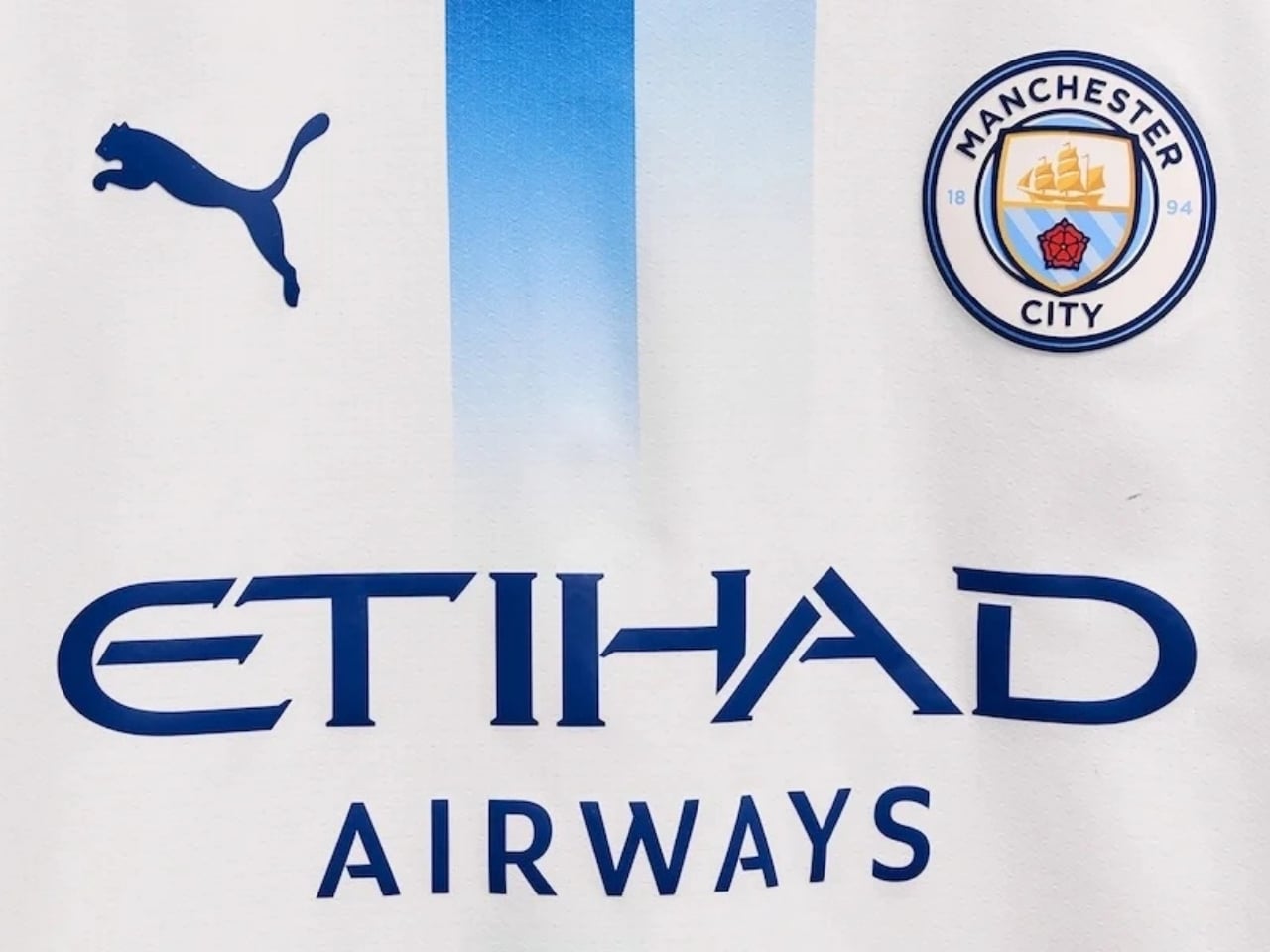
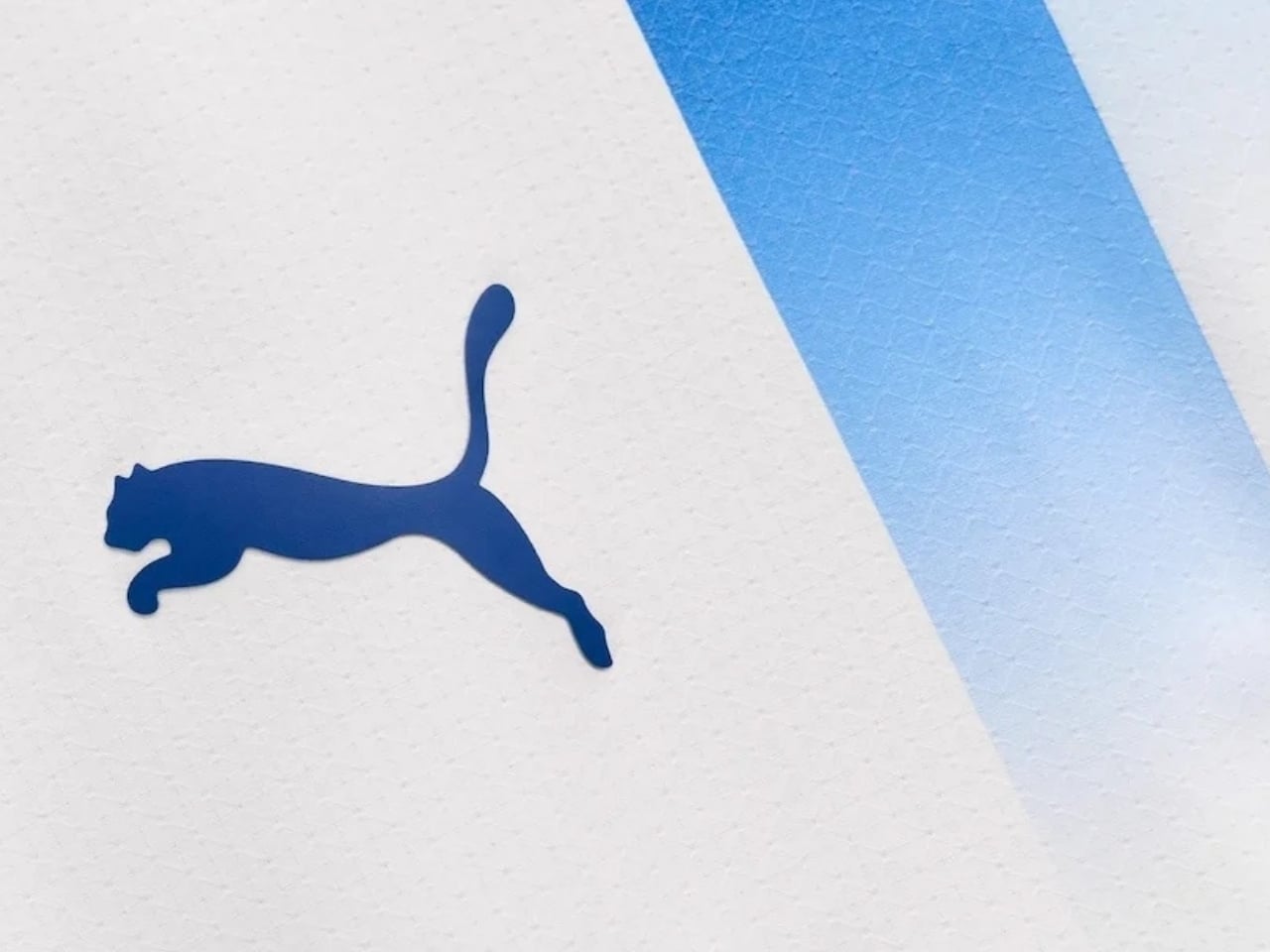
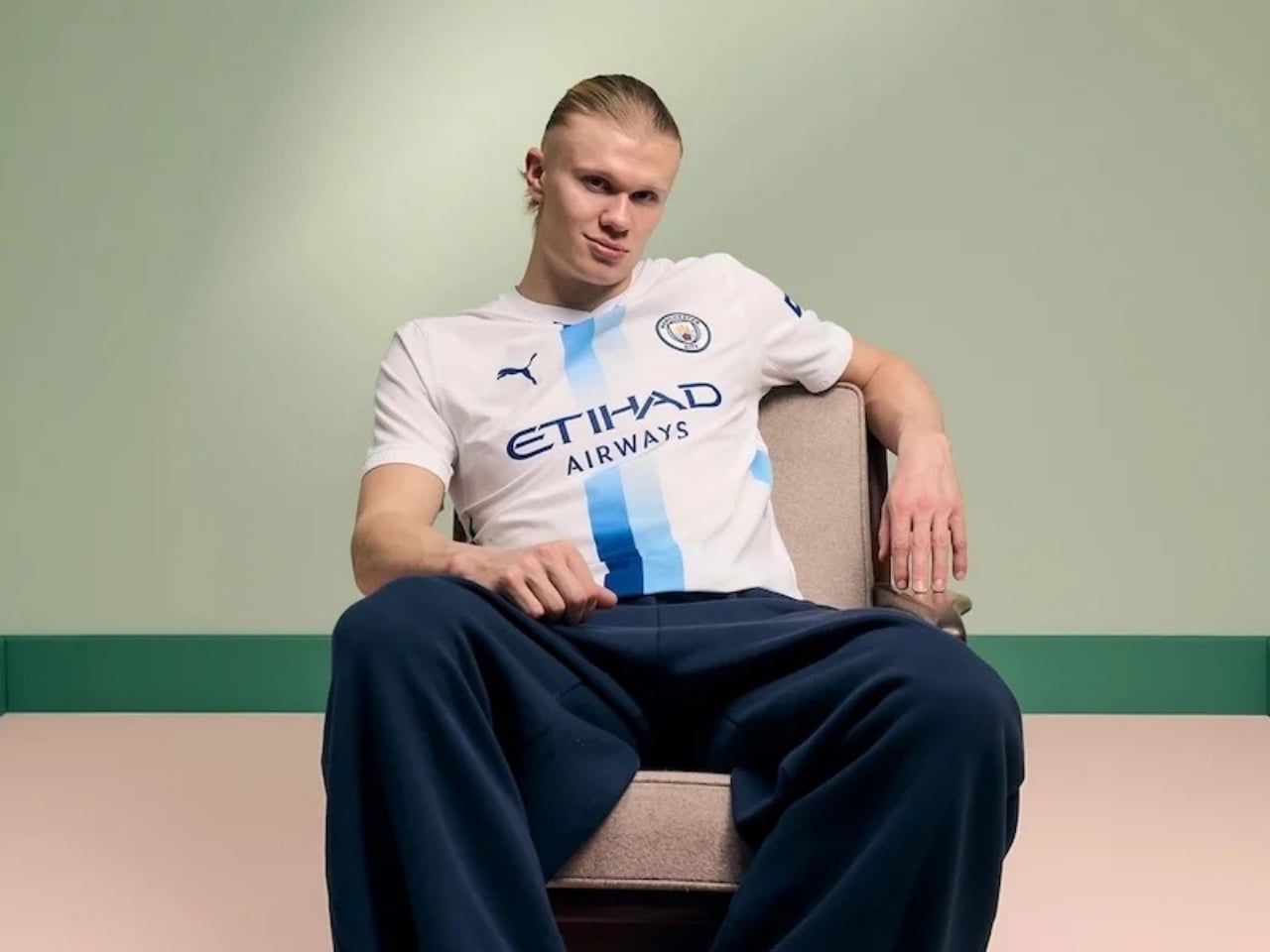
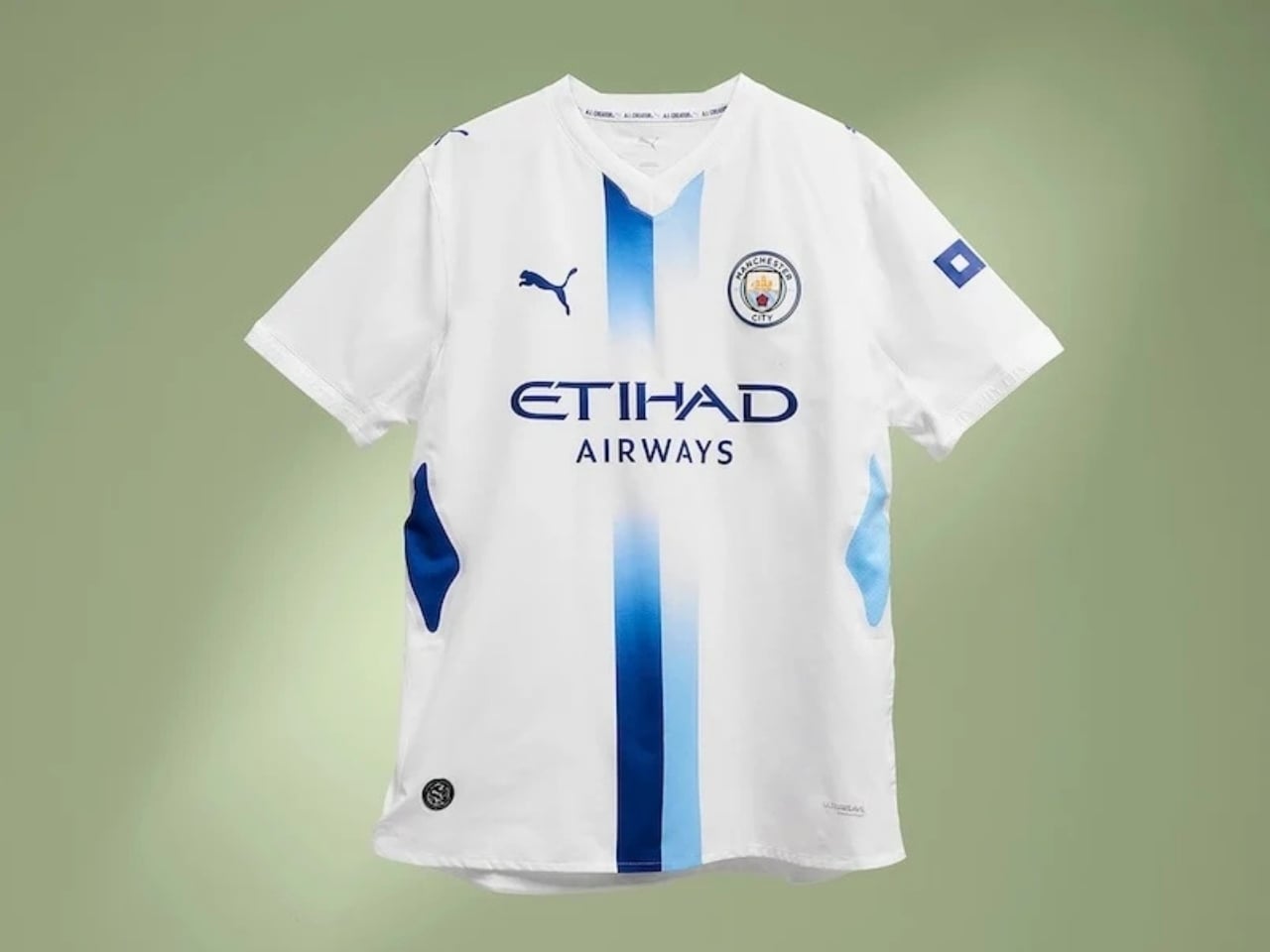
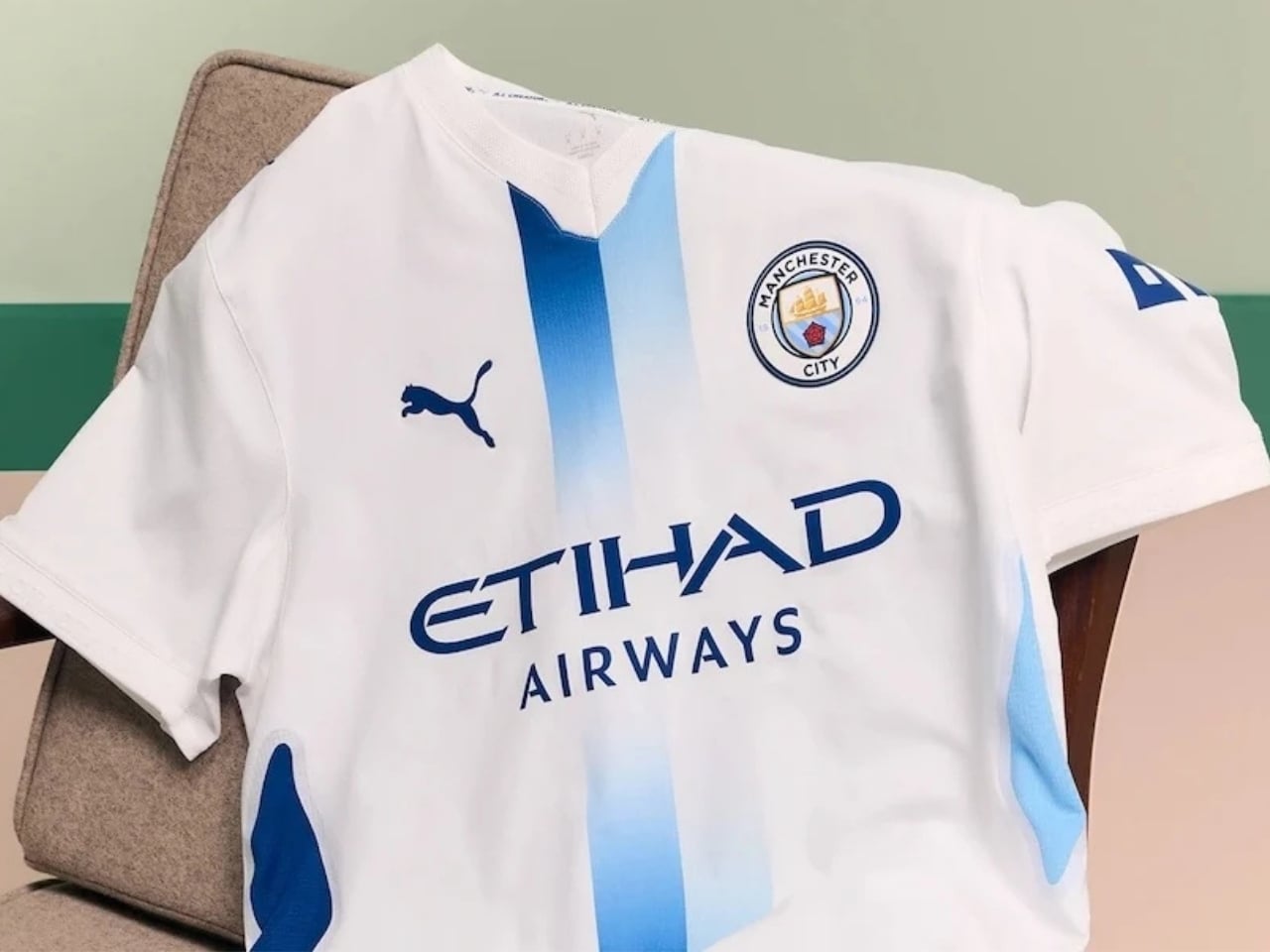
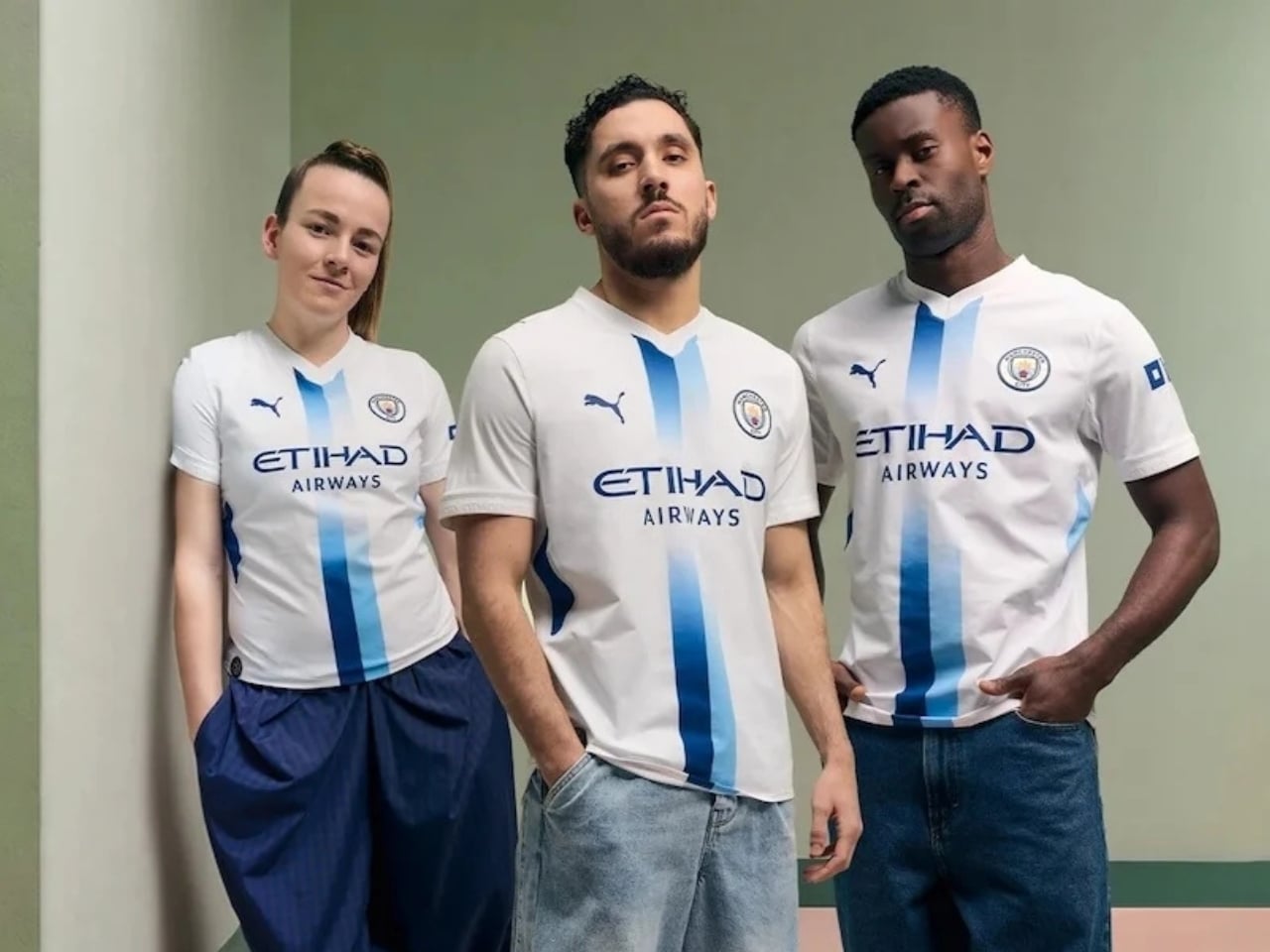
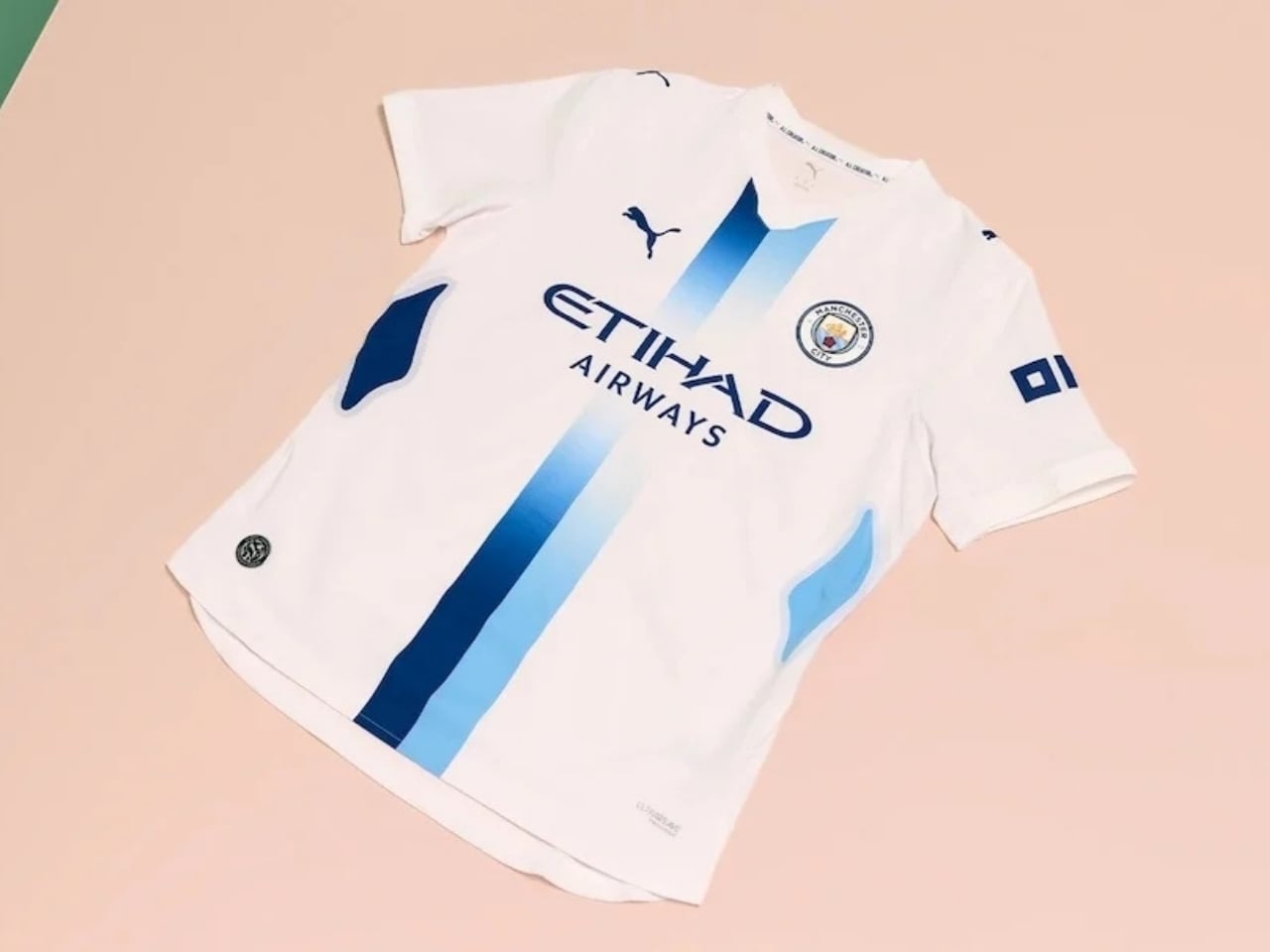
The design itself features a white base split by a central two-tone sash in sky blue and dark navy, finished with a gradient technique that shifts the pattern’s dimension depending on the light and viewing angle. Manchester City fans are used to seeing the club sporting an almost pure sky-blue kit, so this white base with blue accents, while still very much true to the club’s identity, feels like a refreshing twist.

What makes this launch even more compelling is the scale of fan involvement behind it. Over 180,000 designs were submitted through the PUMA AI Creator, generating 1.7 million platform ratings from supporters worldwide before the field was narrowed down to a final ten for a public vote. That kind of grassroots participation shows this wasn’t just a marketing gimmick, it was a genuine, global collaboration between a club and the people who love it most.

Manchester City’s marketing leadership framed the project as an extension of the deep bond between the club and its global fanbase, describing the initiative as a way of turning ordinary supporters into designers for a day, with AI as the bridge that made it possible. On the PUMA side, leadership described the collaboration as sitting squarely at the intersection of technology, football, and community, a rare combination that doesn’t come together often in professional sports branding.

For Lacey himself, the experience was described as surreal and deeply personal. Having grown up as a City supporter, he never expected that a design he put together on a lunch break would end up gracing the shirts of the players he idolized. It’s the kind of story that turns an everyday supporter into part of club history, and it’s exactly the sort of narrative that makes this kit special beyond its good looks.

For collectors, this kit represents something more than fresh apparel for the upcoming season. It’s a cultural milestone, the first tangible proof that AI-assisted design can move from novelty experiment to something worn by elite athletes and cherished by fans around the world. Owning one means owning a piece of a genuine “first” in sports history, not just another seasonal jersey.

Whether you’re a die-hard Cityzen, a design enthusiast curious about where AI creativity is headed, or simply someone who appreciates a good underdog story, this kit checks every box. It’s proof that passion, paired with the right tools, can turn an ordinary lunch break into a legacy moment. And as more clubs watch how enthusiastically fans embraced this process, don’t be surprised if Elliott Lacey’s story becomes the blueprint for how sports brands invite their communities into the creative process for years to come.

The post A Fan Actually Designed Man City’s Third Kit With Puma’s AI Platform first appeared on Yanko Design.

Morocco’s 115,000-Seat Stadium Is 30% Built and Ahead of Schedule

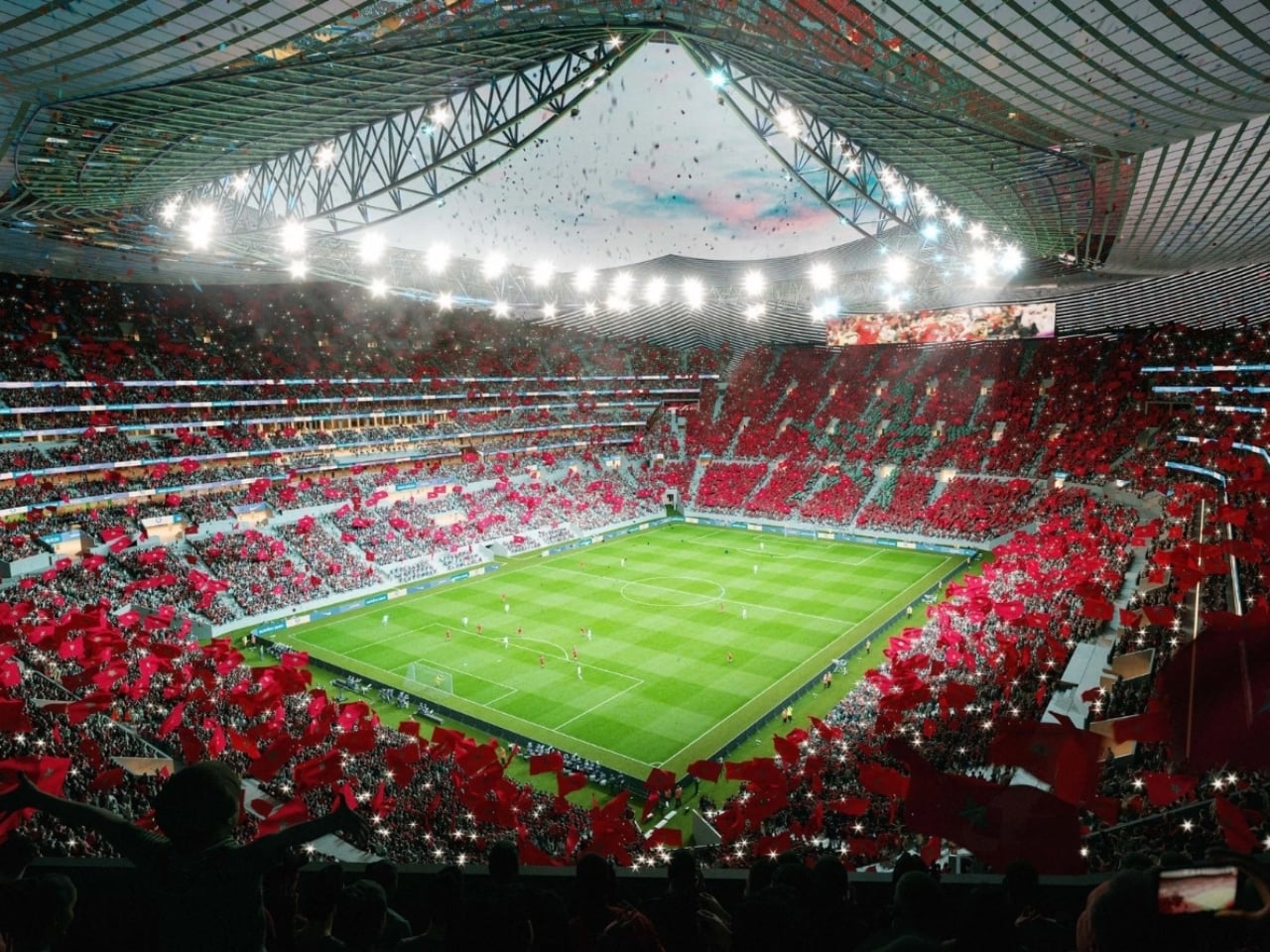
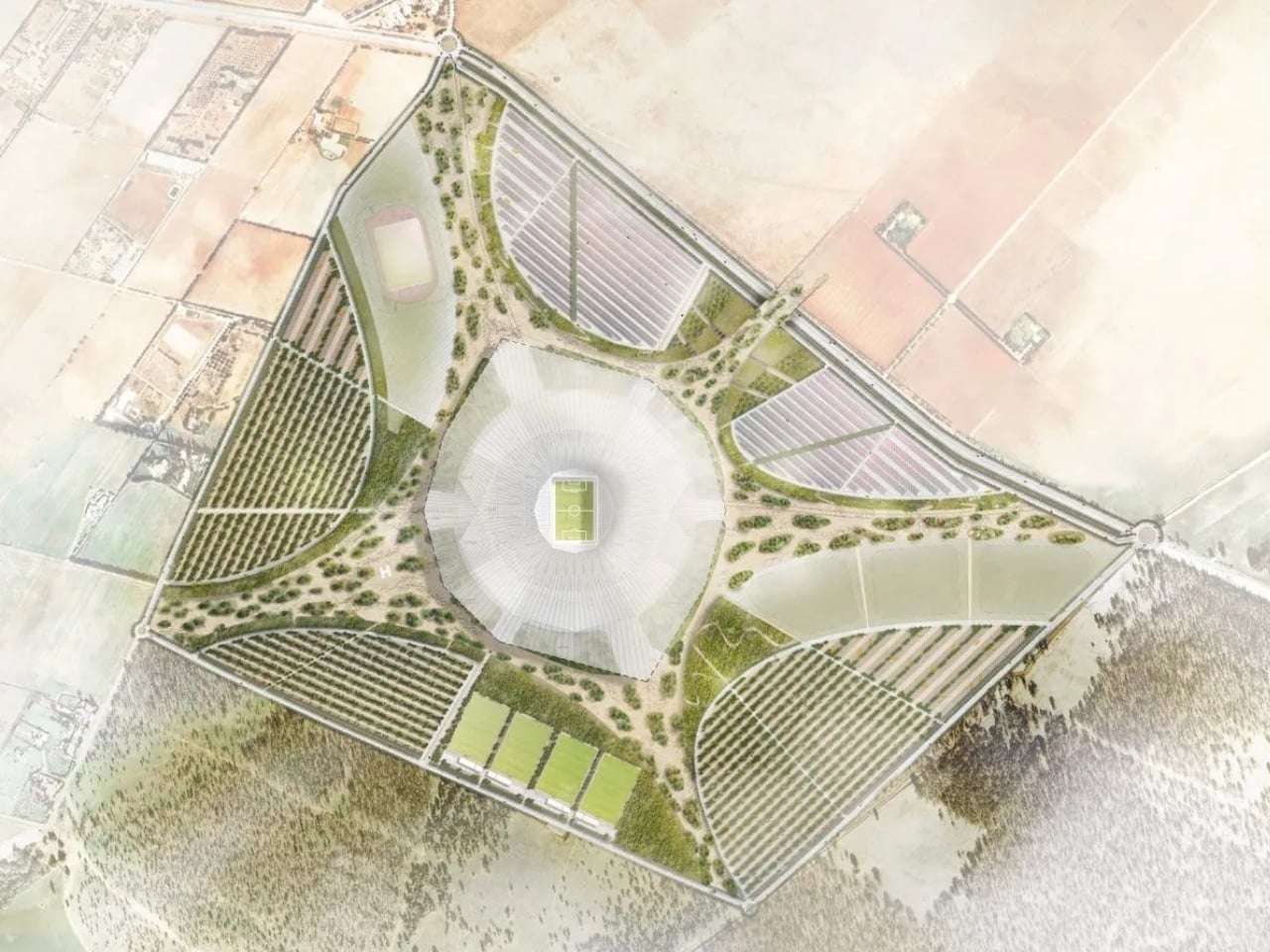
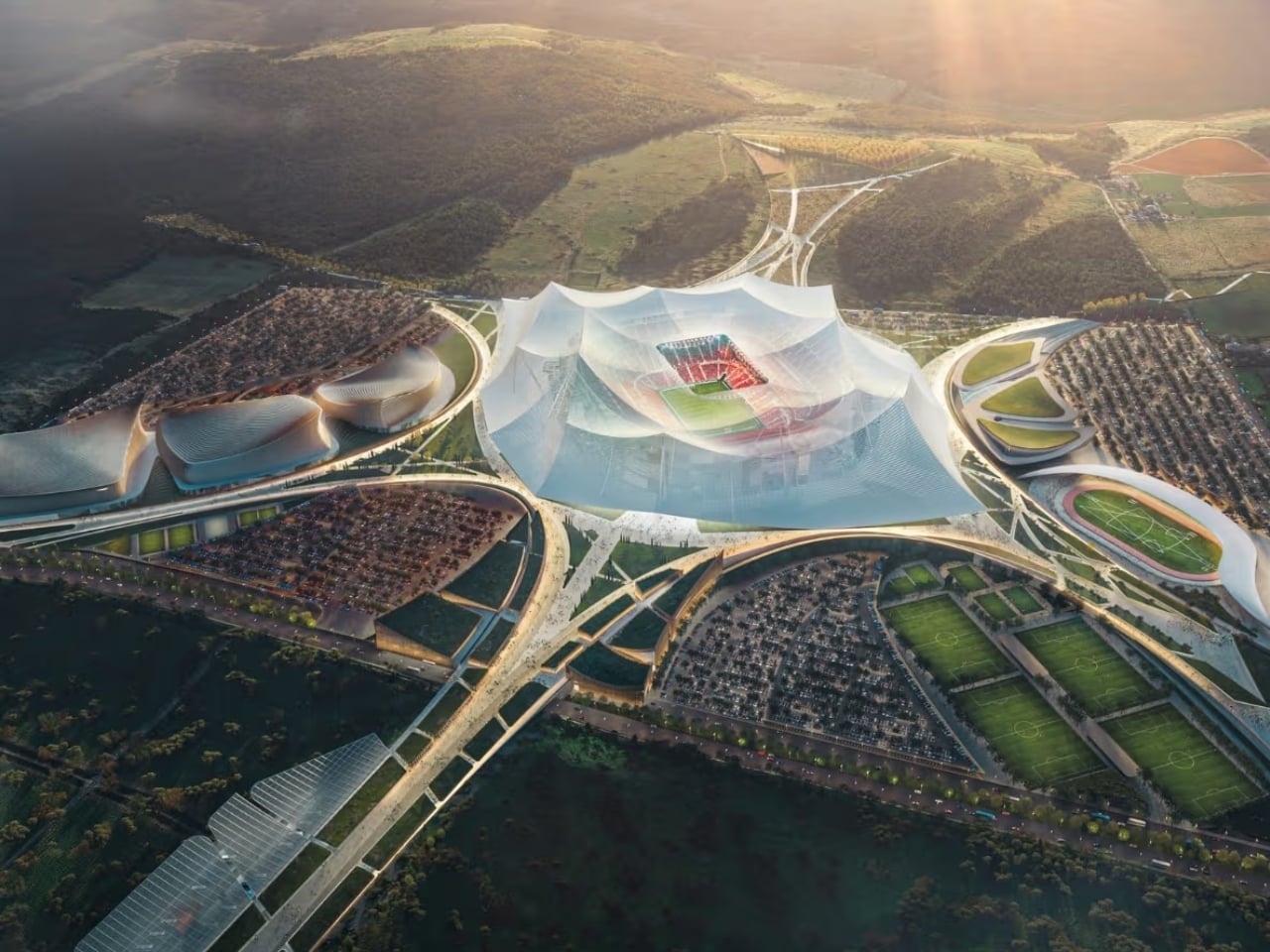
When Morocco and Spain co-hosted the 2030 World Cup bid announcement back in 2022, Grand Stade Hassan II was the kind of promise that sounded almost too big to keep. A 115,000-seat stadium shaped like a tent, rising from a forested site 38 kilometers north of Casablanca, designed to become the largest purpose-built football venue on the planet. You could have been forgiven for filing it under “ambitious concept” and moving on.

That filing cabinet is looking a little embarrassed right now. Nine months into active construction, Grand Stade Hassan II is approximately 30% complete, with around 40% of its tribunes already built. The team is operating across three continuous shifts a day, seven days a week, targeting full completion by the end of 2027. For a stadium of this scale, that is not a slow-burn project. That is a sprint, and by all accounts, it is on pace.

Designers: Oualalou + Choi and Populous

Morocco has committed roughly €1 billion in public funding to the project, with Phase 2 construction carrying a budget of $320 million alone. A $35.6 million earthworks package was awarded to local firm SGTM and is near completion. New highways and rail links are being built alongside the stadium to handle the infrastructure demands of 115,000 people arriving for a match. When you commit at that level, you are not hedging. You are building for a legacy.

The design itself was covered here when it was first announced, but seeing it move from render to reality changes what you’re looking at. Populous and Oualalou + Choi built the concept around the idea of arrival over access, where the experience begins well before anyone finds their seat. Gardens, shaded walkways, and vast public concourses sit beneath a continuous aluminium canopy, elevated platforms bring greenery 28 metres above ground, and the whole structure feels more like a destination than a stadium. Renders only go so far. Construction footage is different.

What’s changed since the announcement is the stakes. For a long time, the 2030 World Cup Final looked like a formality for Real Madrid’s Estadio Bernabeu. Spain co-hosting the tournament made that assumption feel almost automatic. But as Grand Stade Hassan II has moved from concept to construction with speed and seriousness, the conversation around the final has quietly shifted. Sources cited by The Athletic have noted that Casablanca is now a genuine challenger, with Morocco’s investment and its growing influence within global football making what once looked like a straightforward decision into something far more competitive.

I’ll be upfront: I want Morocco to host the final. Not because of any particular rivalry with Spain, but because the moment Grand Stade Hassan II opens, it will be unlike any stadium that has ever hosted a World Cup final. The Bernabeu is iconic. Camp Nou is historic. Grand Stade Hassan II would be something with no real comparison, a stadium built from cultural memory, designed as a gathering place rather than just an arena, and carrying with it the full weight of a country’s decades-long pursuit of this exact moment.

Morocco first proposed a major Casablanca stadium in its bid for the 2010 World Cup. Then again for 2026. Both times, the bid fell short and the stadium remained a drawing. This is the third attempt, and unlike the previous two, the cranes are actually there.

After the 2030 tournament, the stadium will become home to Raja Club Athletic, Wydad Athletic Club, and the Moroccan national team. The €1 billion investment doesn’t disappear after the closing ceremony. It stays, and it becomes the foundation for football in a country that has spent a generation proving it belongs at the top table. Whether FIFA ultimately awards Morocco the final or not, Grand Stade Hassan II is real, it is rising, and it is moving faster than almost anyone expected. Some big promises actually get kept.

The post Morocco’s 115,000-Seat Stadium Is 30% Built and Ahead of Schedule first appeared on Yanko Design.

This $13,130 Samsung Galaxy Z Fold 8 Ultra Has Messi in 24K Gold

The World Cup is officially over and some people are still having a well-documented hangover from the 39-day football tournament. While Argentina failed to win their fourth star, the GOAT Lionel Messi did manage to break several records in the 2026 edition after winning the 2022 crown. What makes this all the more memorable is that it is probably the 39-year-old’s swan song from representing his country after a tumultuous and memorable stint for the national team.

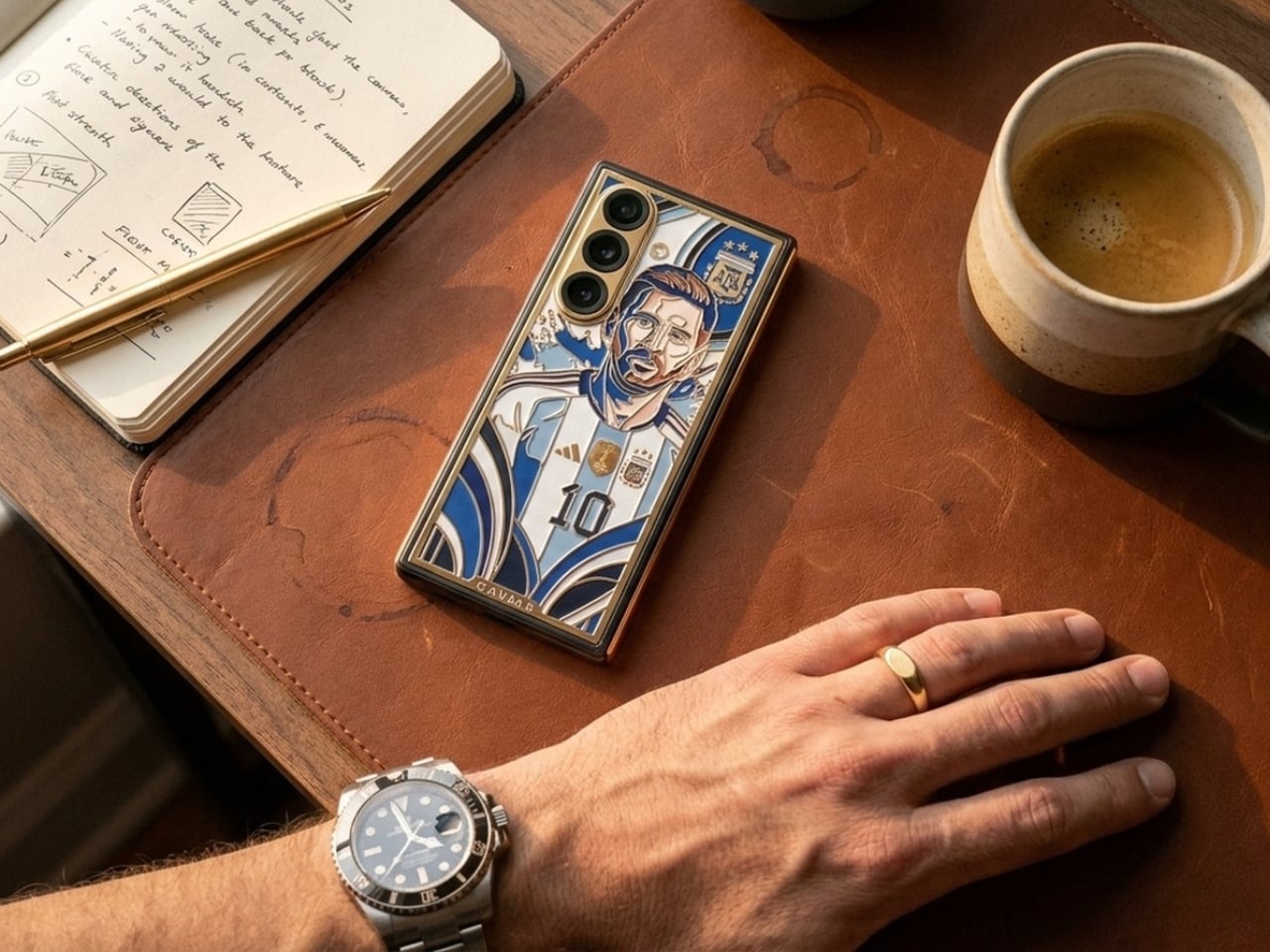
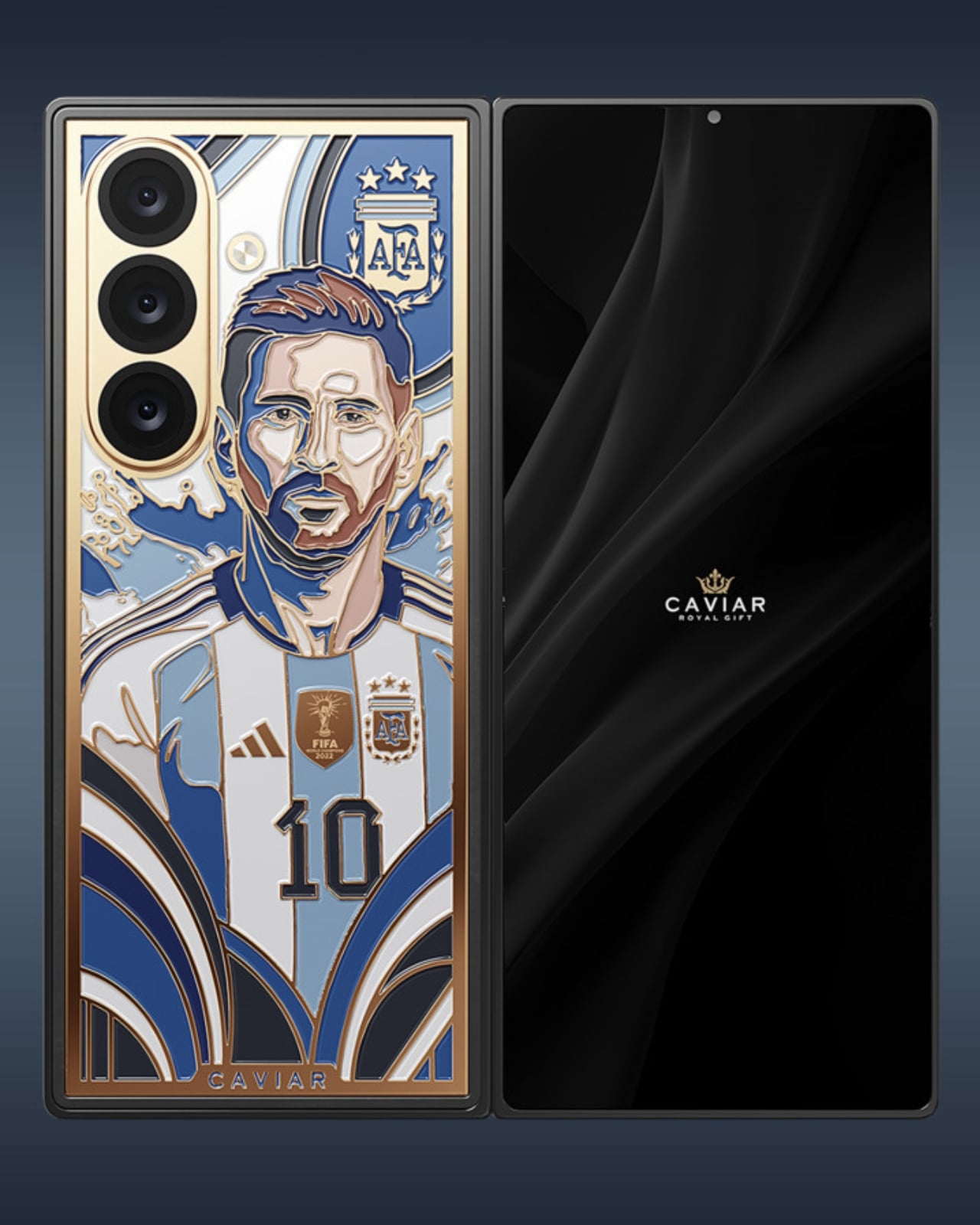
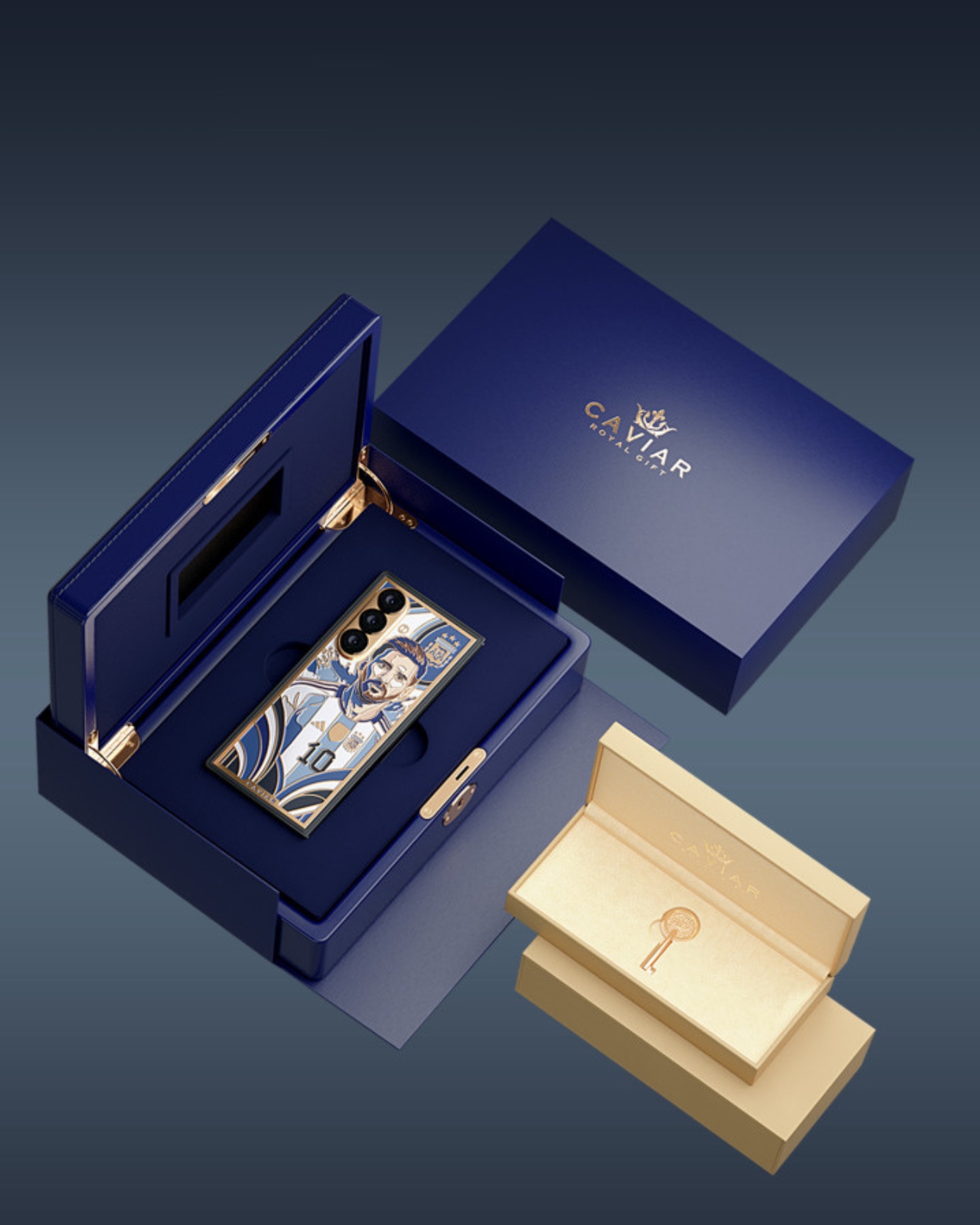
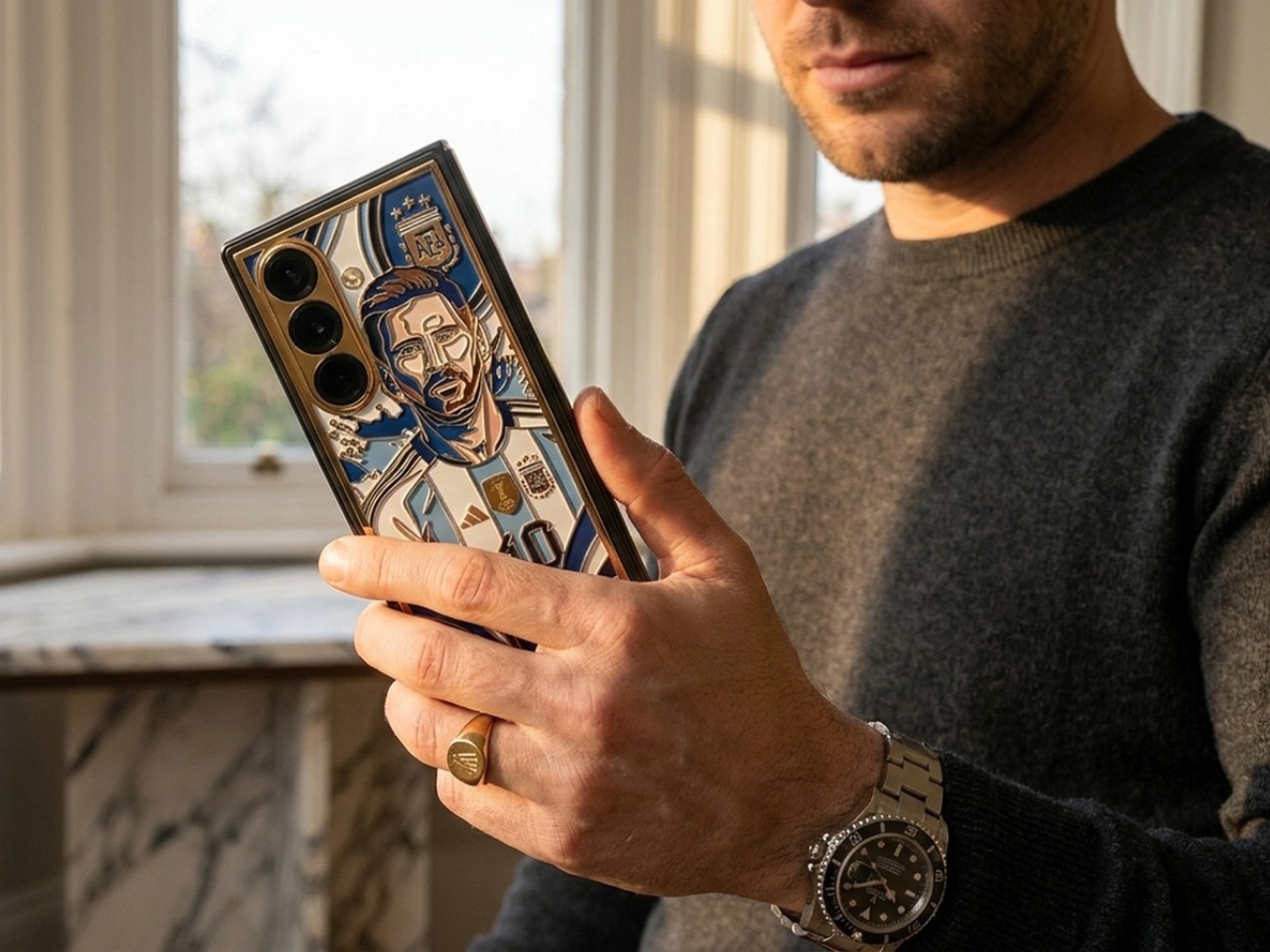
If you want to have something to keep your memories of Messi in an Argentina jersey alive and you have $13k lying around, this special edition Samsung Galaxy Z Fold 8 Ultra from Caviar is something for you. Aside from the exquisite design that comes with the phone, the device was listed and shown on the Caviar website nearly a week before Samsung officially unveiled their new device, so that means some of the features were “accidentally” leaked through the images on the product page.

Designer: Caviar

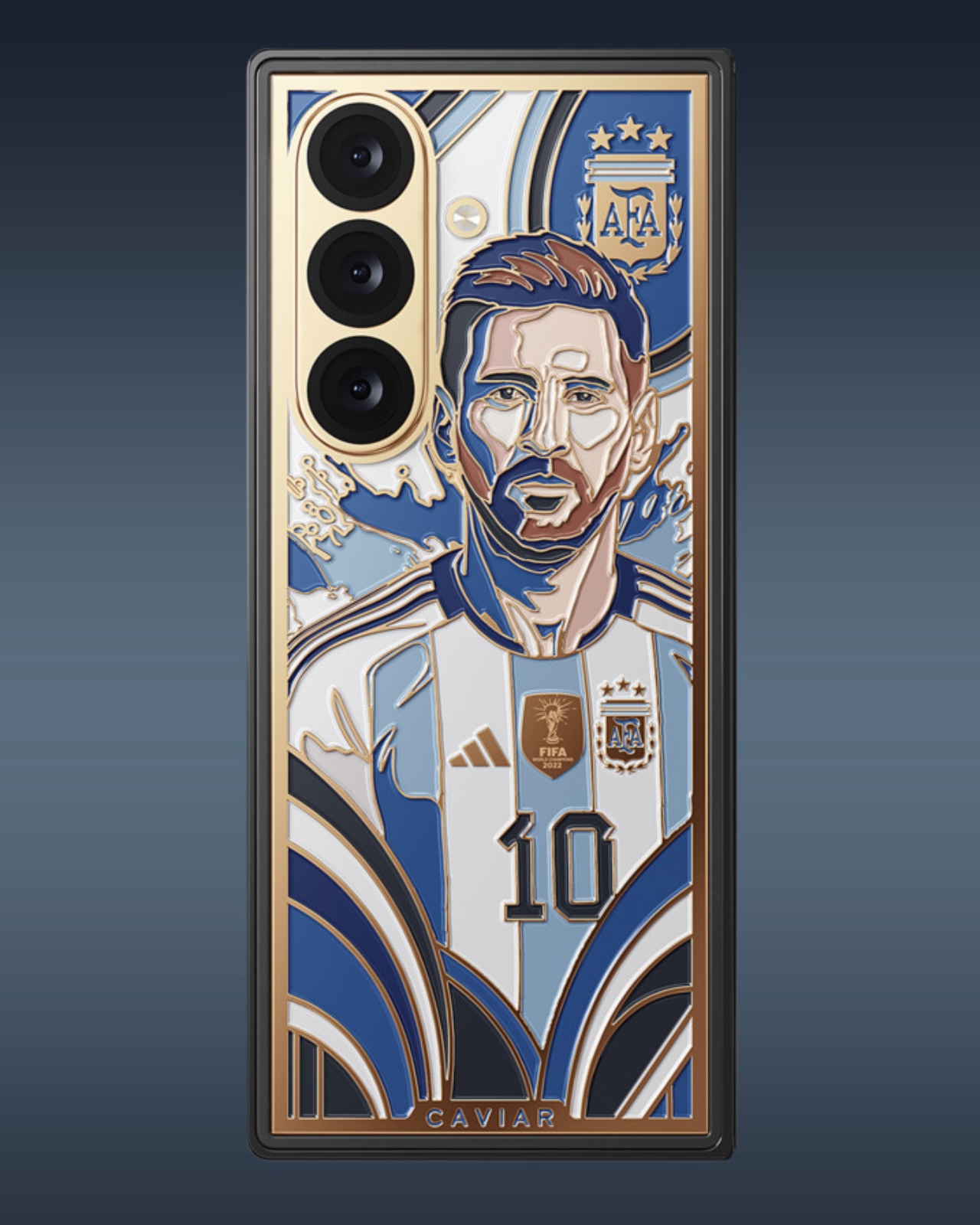
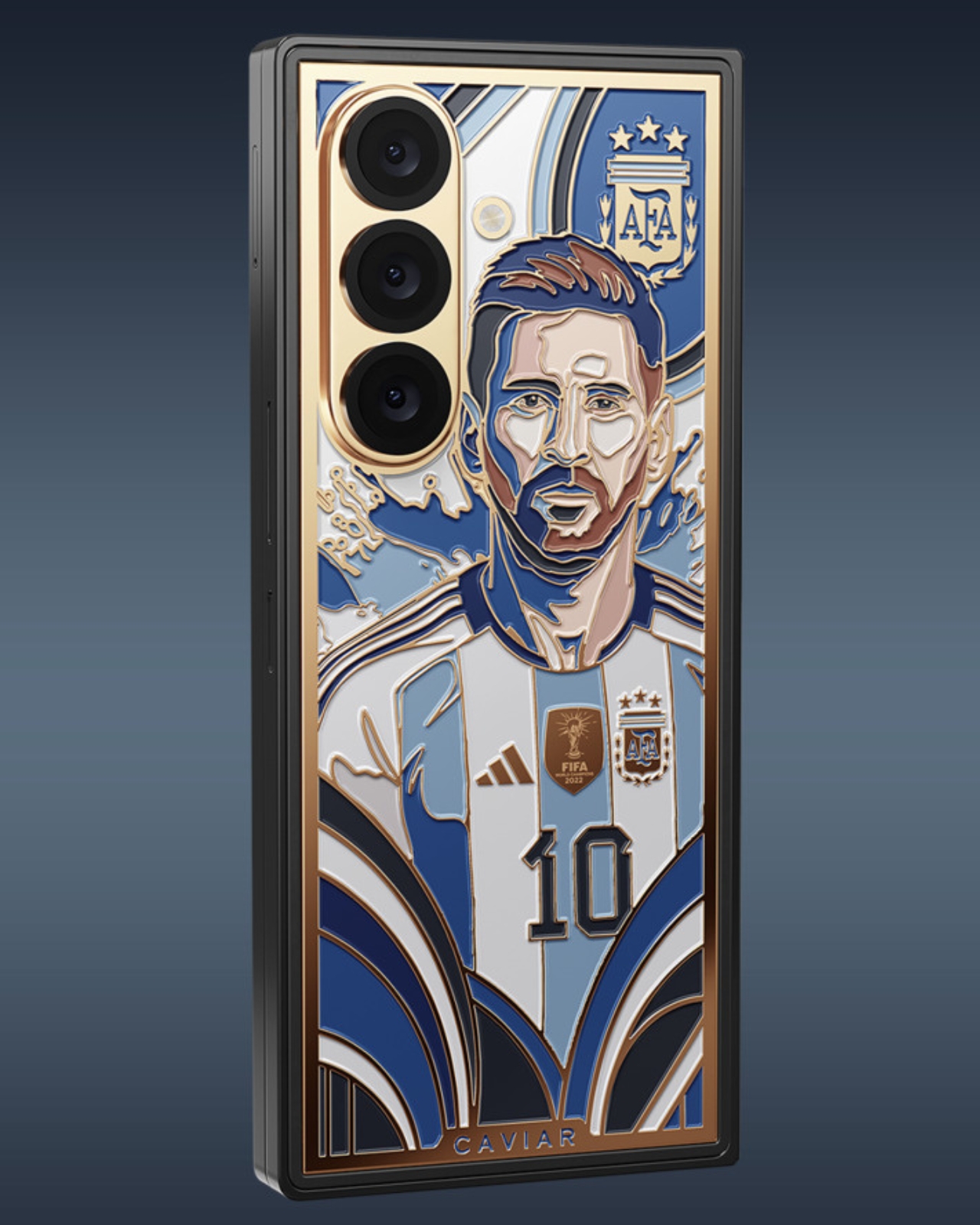
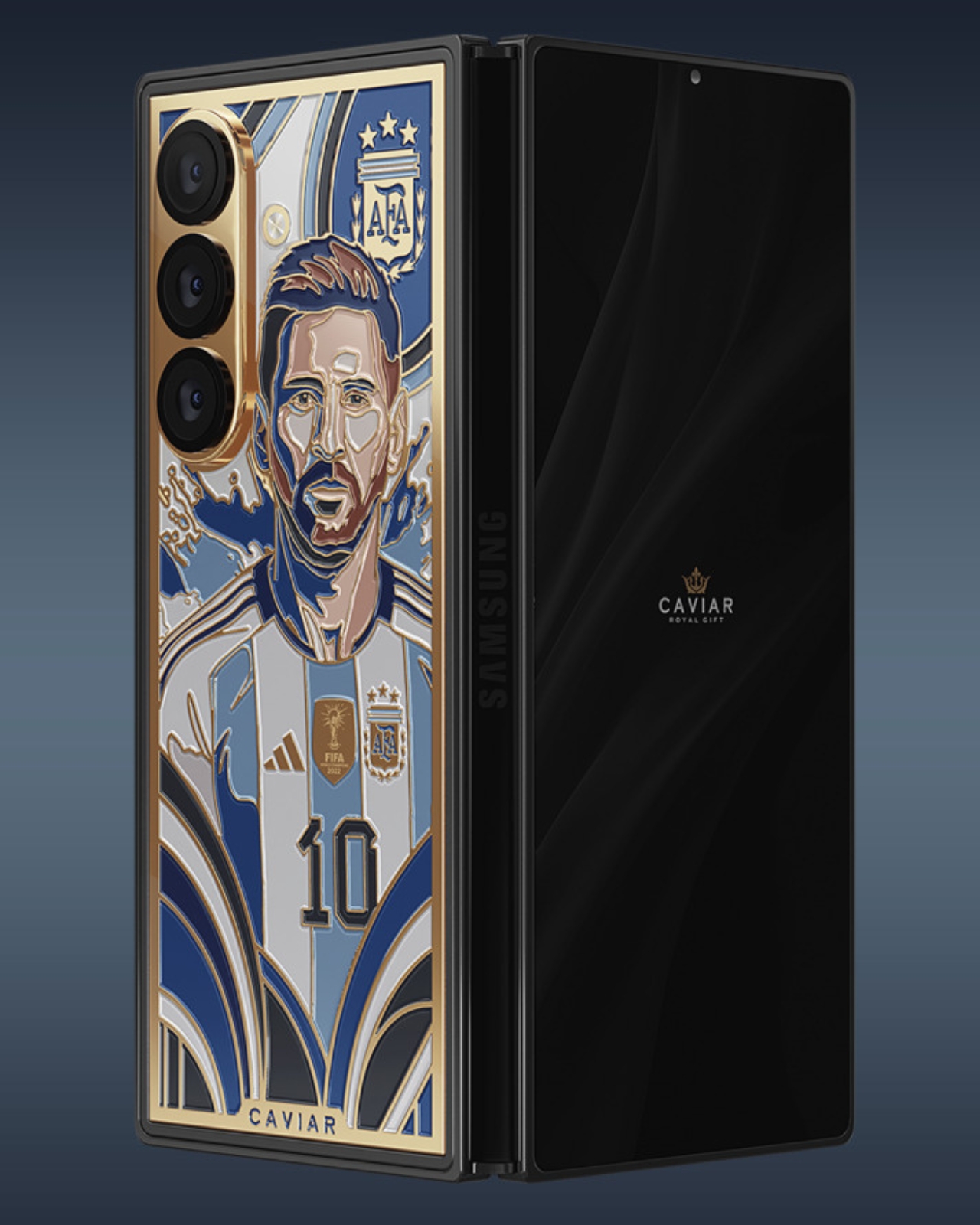
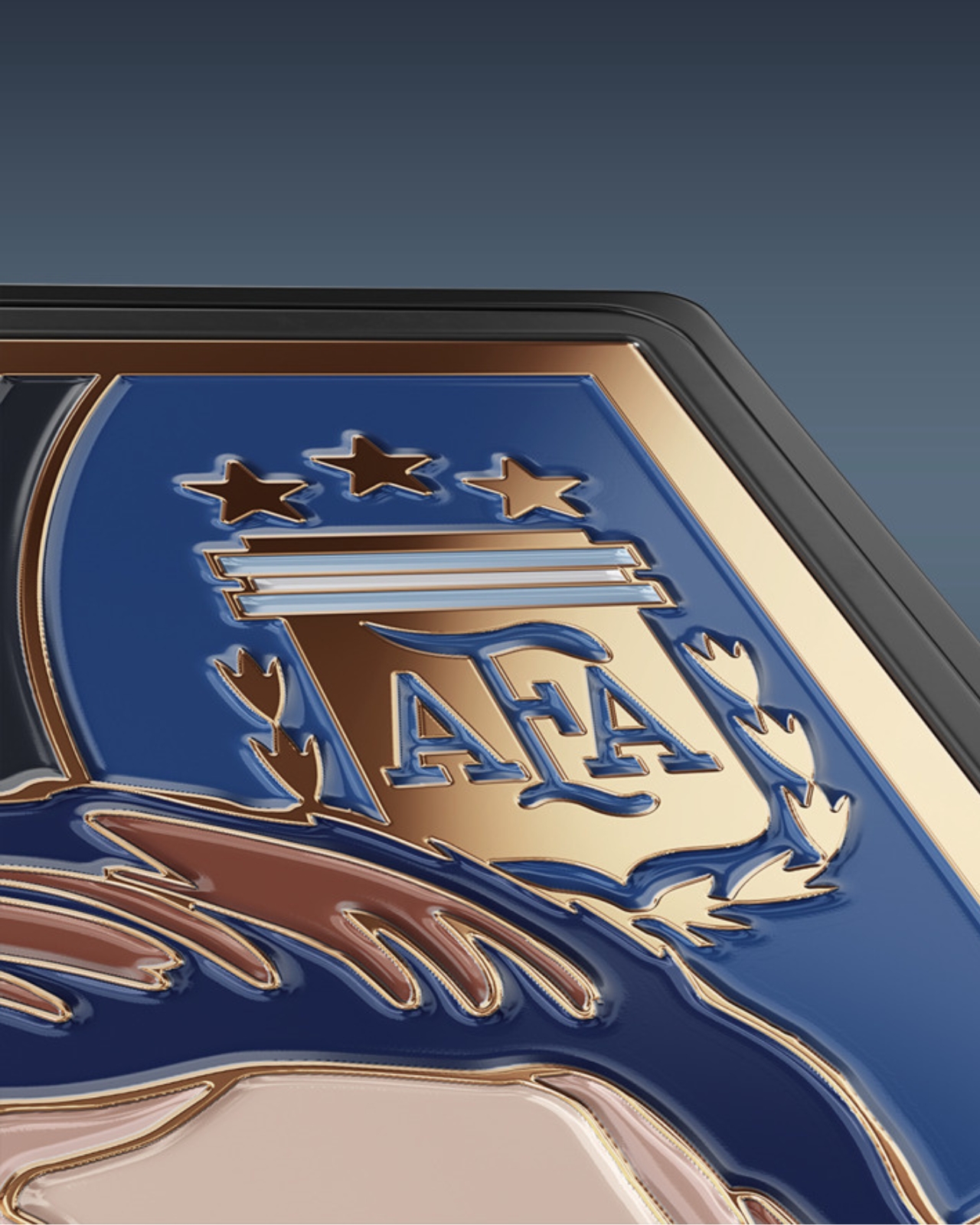
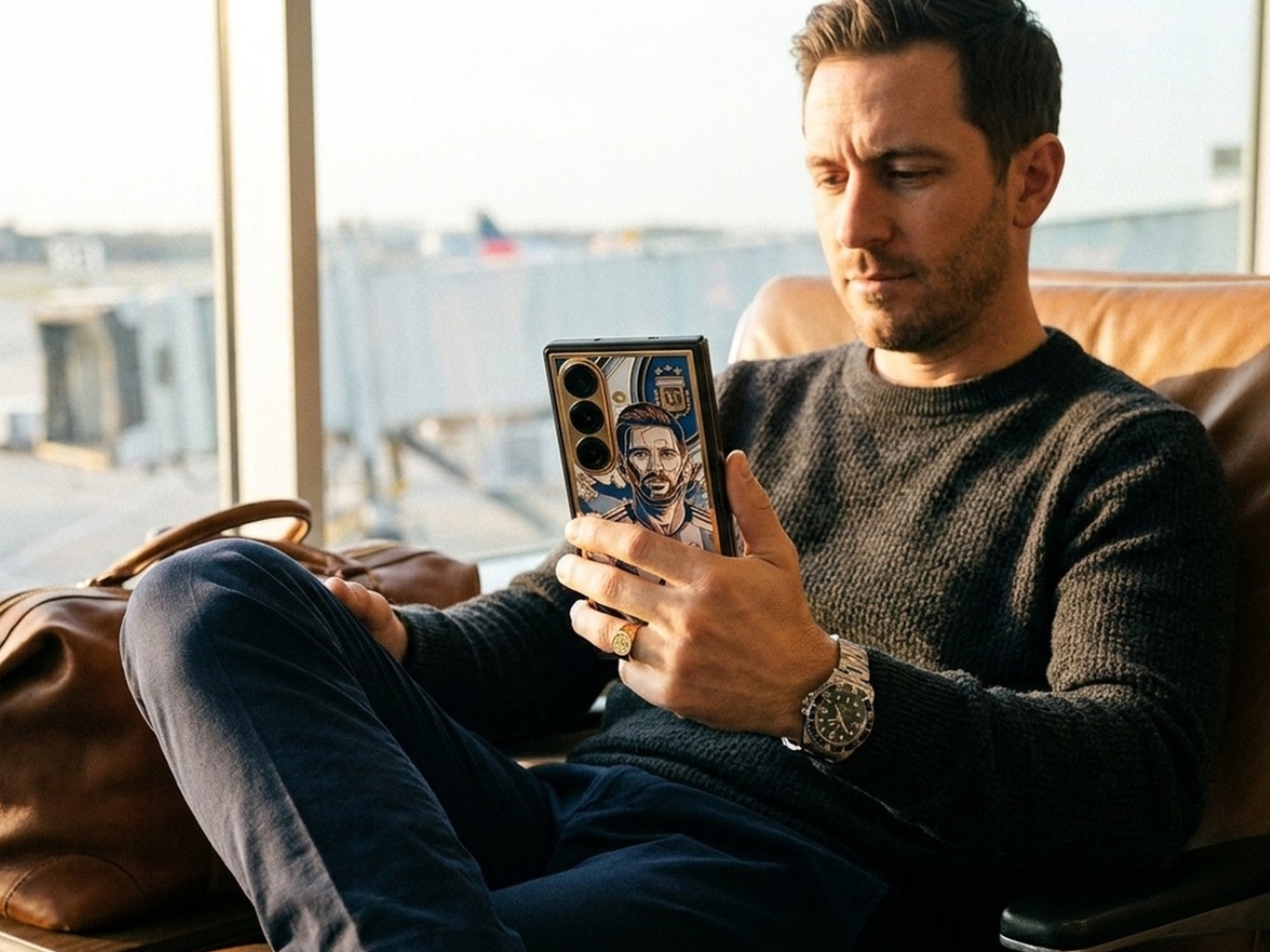
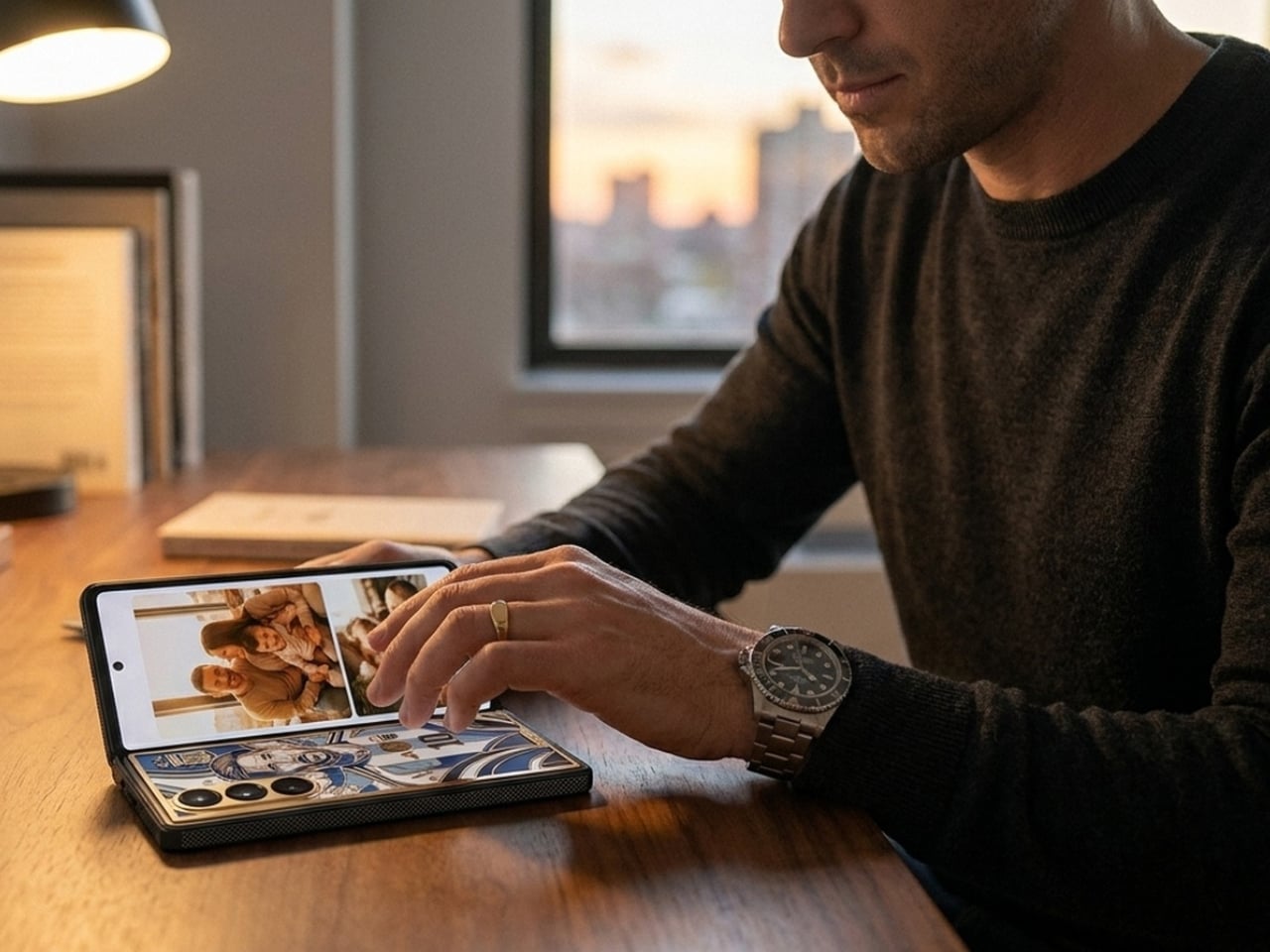
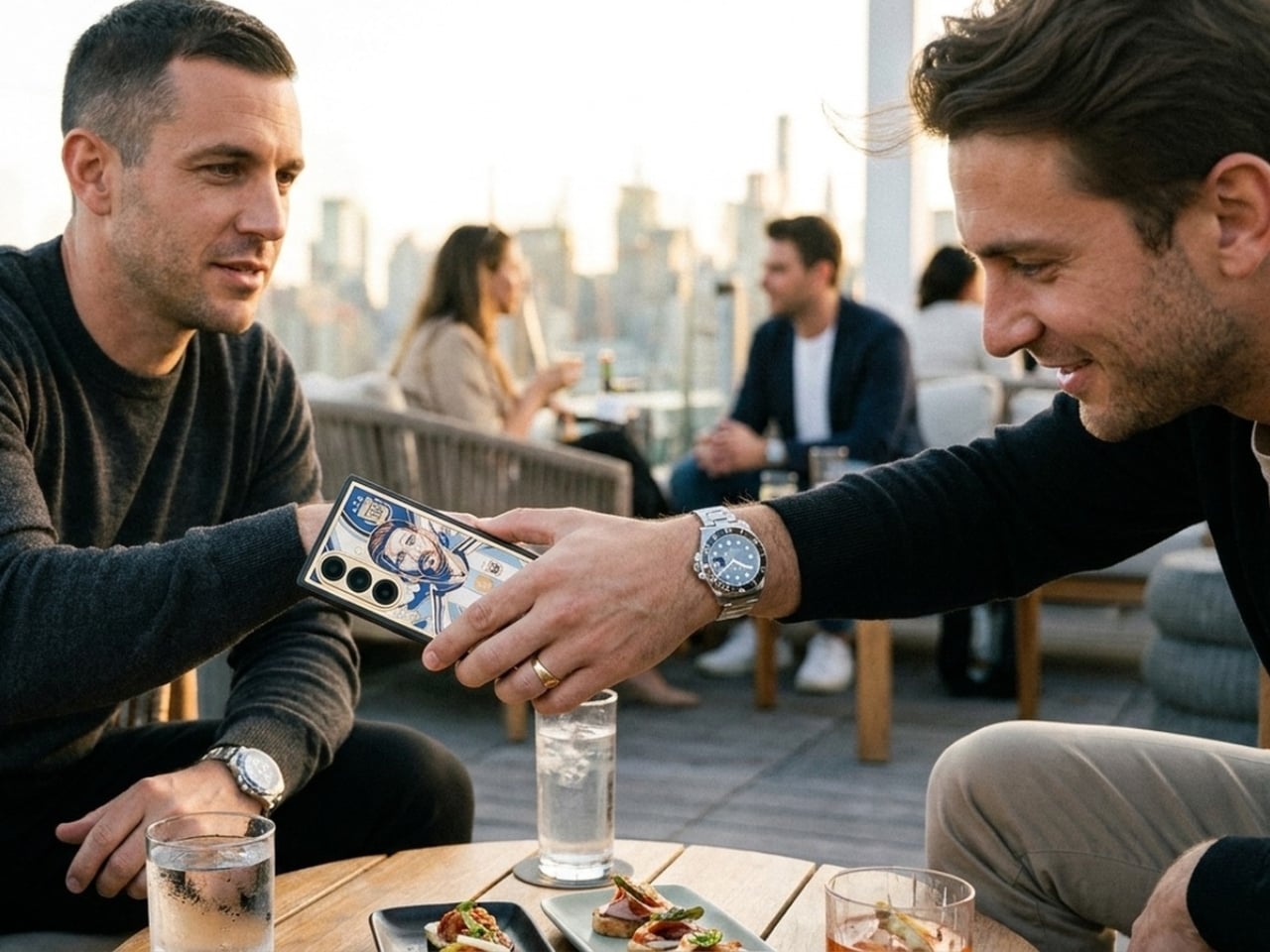
Leaks aside, if you’re a true football and Messi fan, you probably wouldn’t notice that, as you’ll be focused on how beautiful the luxury custom phone looks. Messi’s likeness in an Argentina jersey is handcrafted onto the phone using the intricate, centuries-old technique of cloisonné enamel, rendered in the traditional blue-and-white colors of the Albiceleste. Elements like the frame, key contours, Messi’s iconic number 10 jersey, national symbols, and framing details are highlighted with 24k gold.

To make it even more official looking, you get official badges like the FIFA badge for Argentina’s 2022 World Cup-winning run, the Adidas logo, and the official national crest. It also comes with custom packaging, as it is encased in a royal blue custom box with 24-karat gold plating and a signature Caviar Key. Of course, with all these details, you can’t expect this to be cheap. The $13,130 price tag is 5x the expected price tag of the yet-to-be-officially-announced Galaxy Z Fold 8 Ultra. And even if you have $13k to spend, there will only be 19 pieces available, so you’ll have to be early to shell out that money.

What’s particularly impressive is that Caviar didn’t just slap Messi’s face on a phone and call it a day. The luxury atelier has built a reputation for transforming high-end devices into genuine works of art, and this piece is no exception. The cloisonné enamel technique used here is the same method found in fine jewelry and ancient decorative arts. It involves painstakingly separating colored enamels using thin metal wires before firing them at high temperatures. The result is a vivid, jewel-like finish that no digital print or laser engraving could ever replicate. Holding this phone feels less like holding a gadget and more like cradling a piece of history in the palm of your hand.

That sense of history is exactly what makes this edition so compelling. Messi’s journey with the Argentine national team has been nothing short of a rollercoaster, from heartbreaking World Cup final losses to the ultimate redemption in Qatar in 2022. Watching him grace the global stage one final time in 2026 was an emotional farewell that millions felt deeply. This phone captures that entire arc: the number 10, the Albiceleste colors, the World Cup crest, all immortalized in gold and enamel.

For collectors, the rarity factor alone is enough to justify the price. Only 19 units will ever be made, which means this phone will likely appreciate in value over time. Think of it less as buying a smartphone and more as acquiring a limited-edition sculpture that also happens to fold in half. And with storage options ranging from 256GB up to 1TB, the Samsung Z Fold 8 Ultra underneath the artistry is still a powerhouse device worth using, if you can bring yourself to take it out of the box.

Whether you’re a die-hard Messi fan, a tech enthusiast with a taste for the extraordinary, or a collector hunting for the next great statement piece, the Caviar Lionel Messi Samsung Z-Fold8 Ultra checks every box. It is, quite literally, 24-karat iconic.

The post This $13,130 Samsung Galaxy Z Fold 8 Ultra Has Messi in 24K Gold first appeared on Yanko Design.

Louis Vuitton unveils bespoke Trophy Trunk for FIFA World Cup 2026 ahead of the final

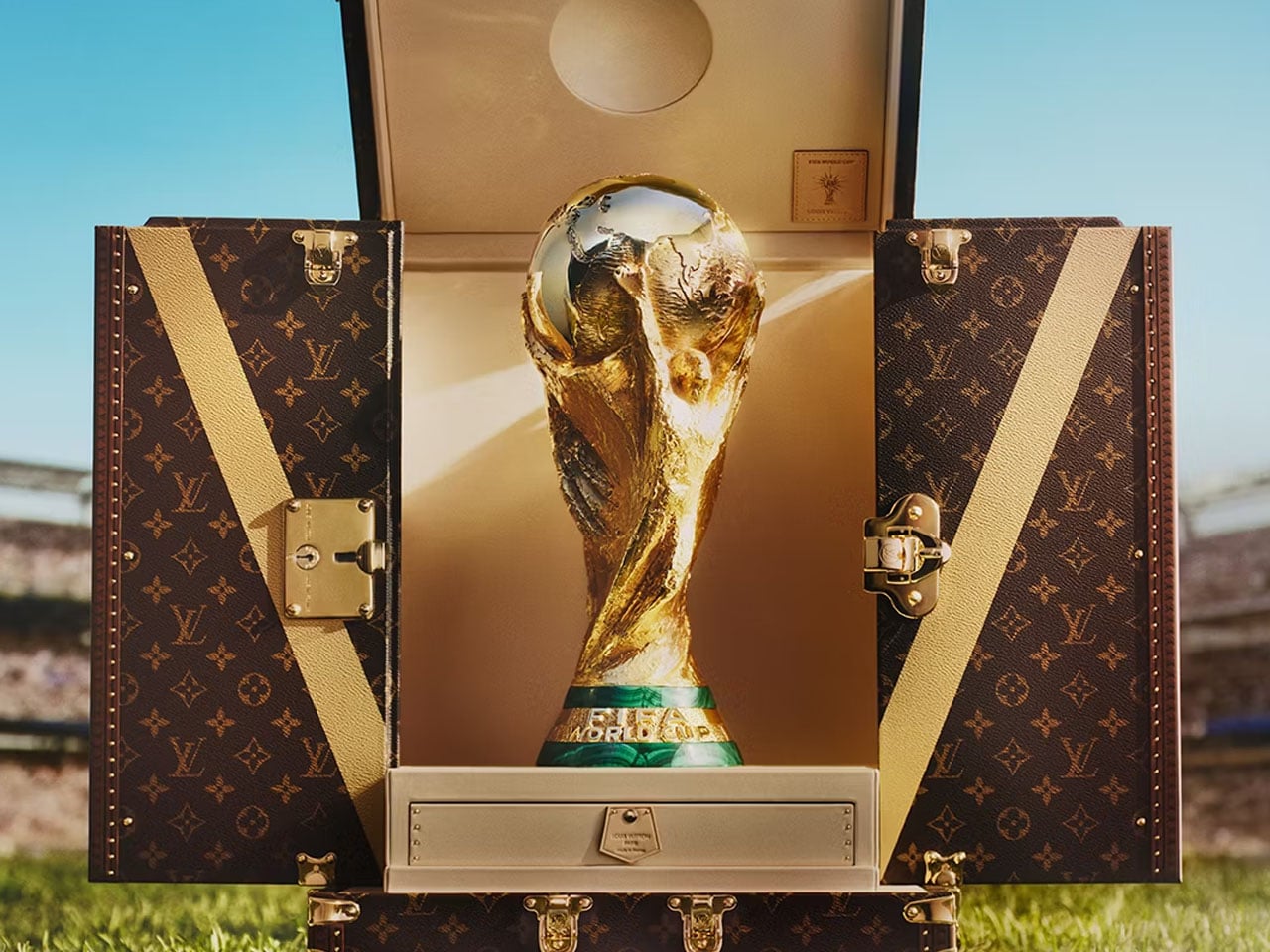
France is shown the door, and Spain has triumphed into the final of the FIFA World Cup, now waiting patiently for either England or the favorites, Argentina. While who will make it to the final to contest for the most coveted trophy against Spain remains uncertain, at the time of writing, what’s certain is that Louis Vuitton has readied the bespoke trunk that will be used by the winners to carry the golden trophy out of the New York New Jersey Stadium on Sunday, July 19.

Like it has been doing in the last four editions, LV has unveiled its licensed 2026 FIFA World Cup Trophy Trunk to showcase and transport the most iconic cup in sports. It has previously designed trophy trunks for the 2010 edition of the FIFA World Cup in South Africa, followed by the 2014 Brazil, 2018 Russia, and 2022 Qatar editions.

Designer:  FIFA and Louis Vuitton

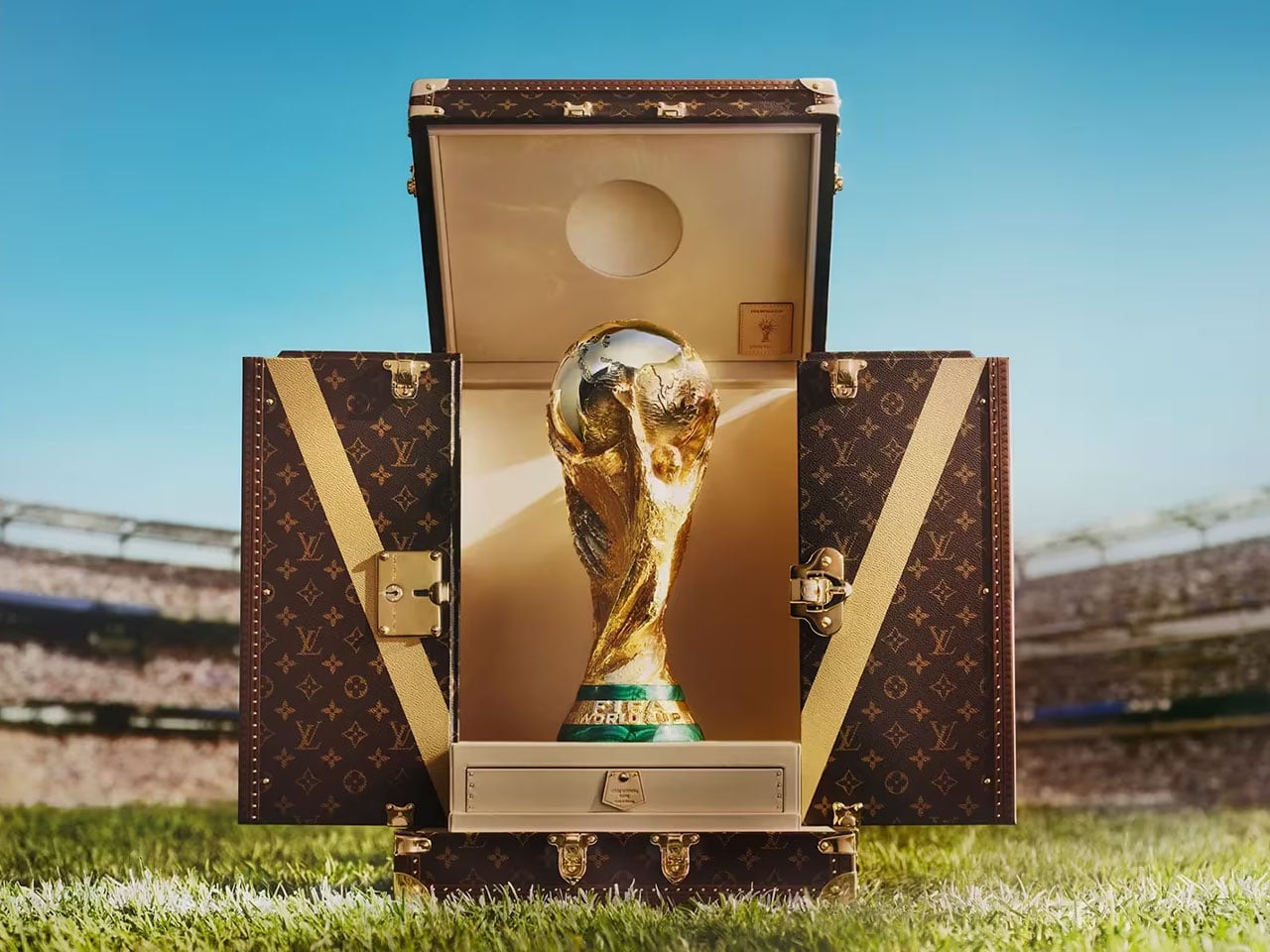
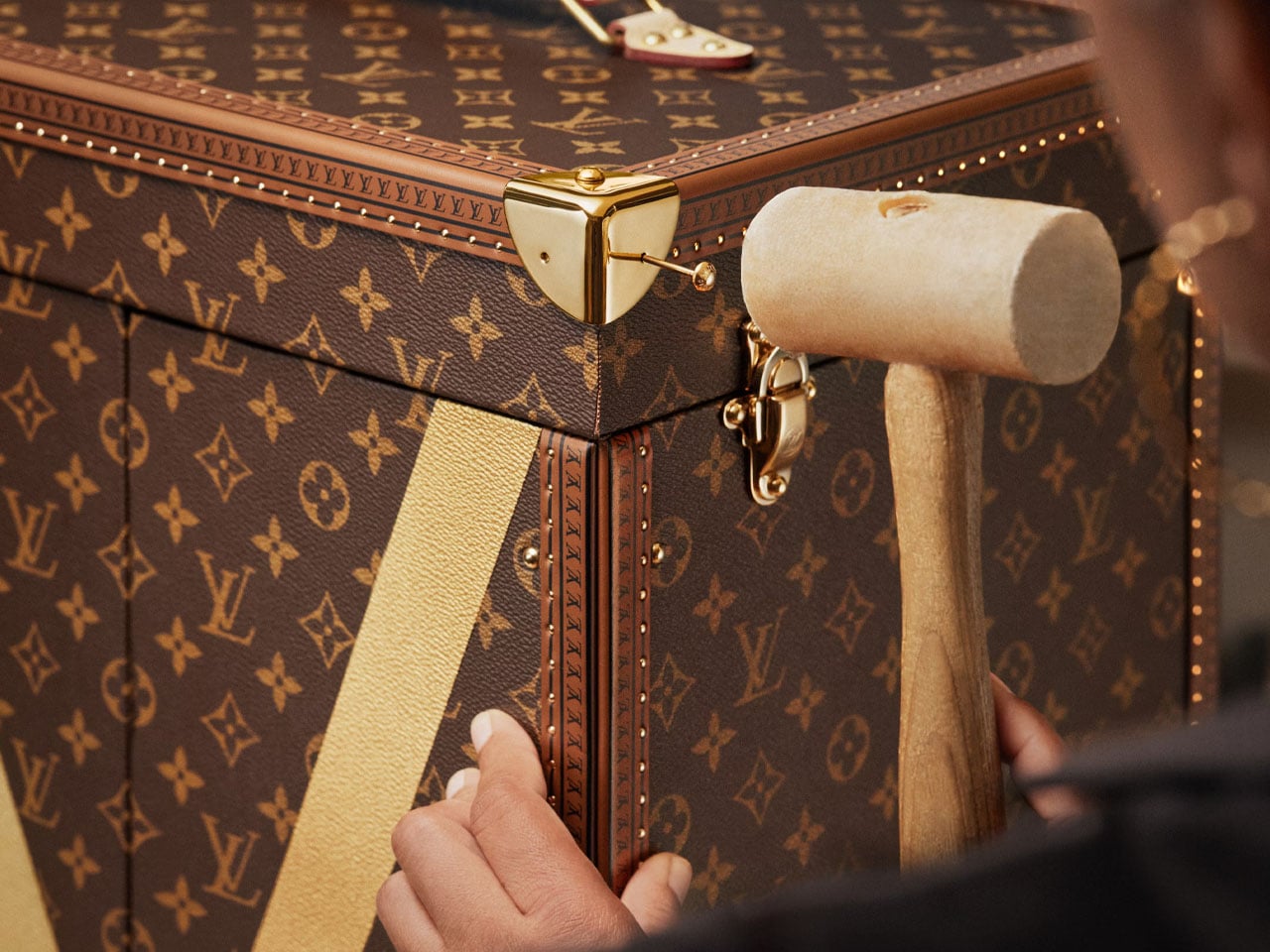
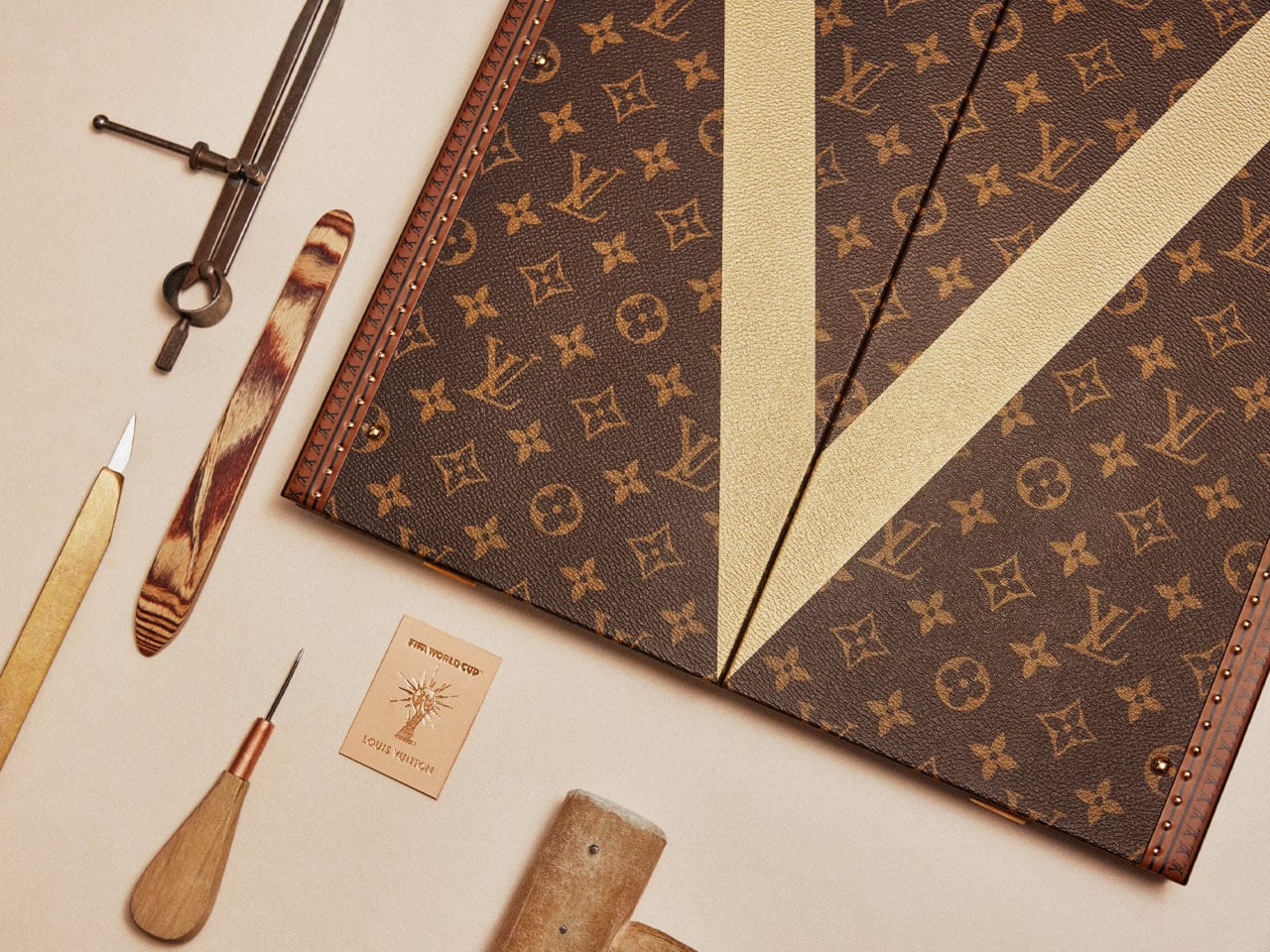
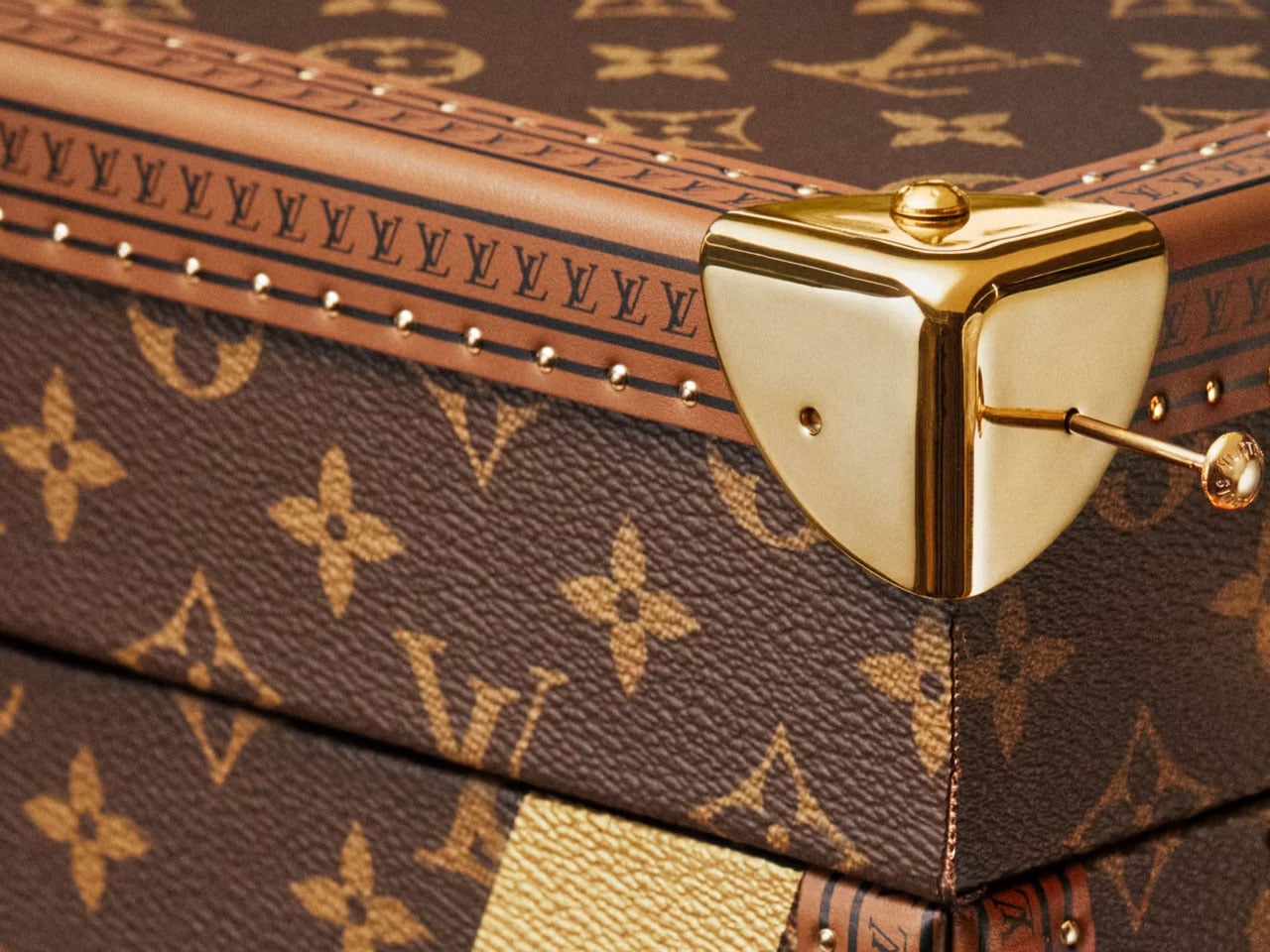
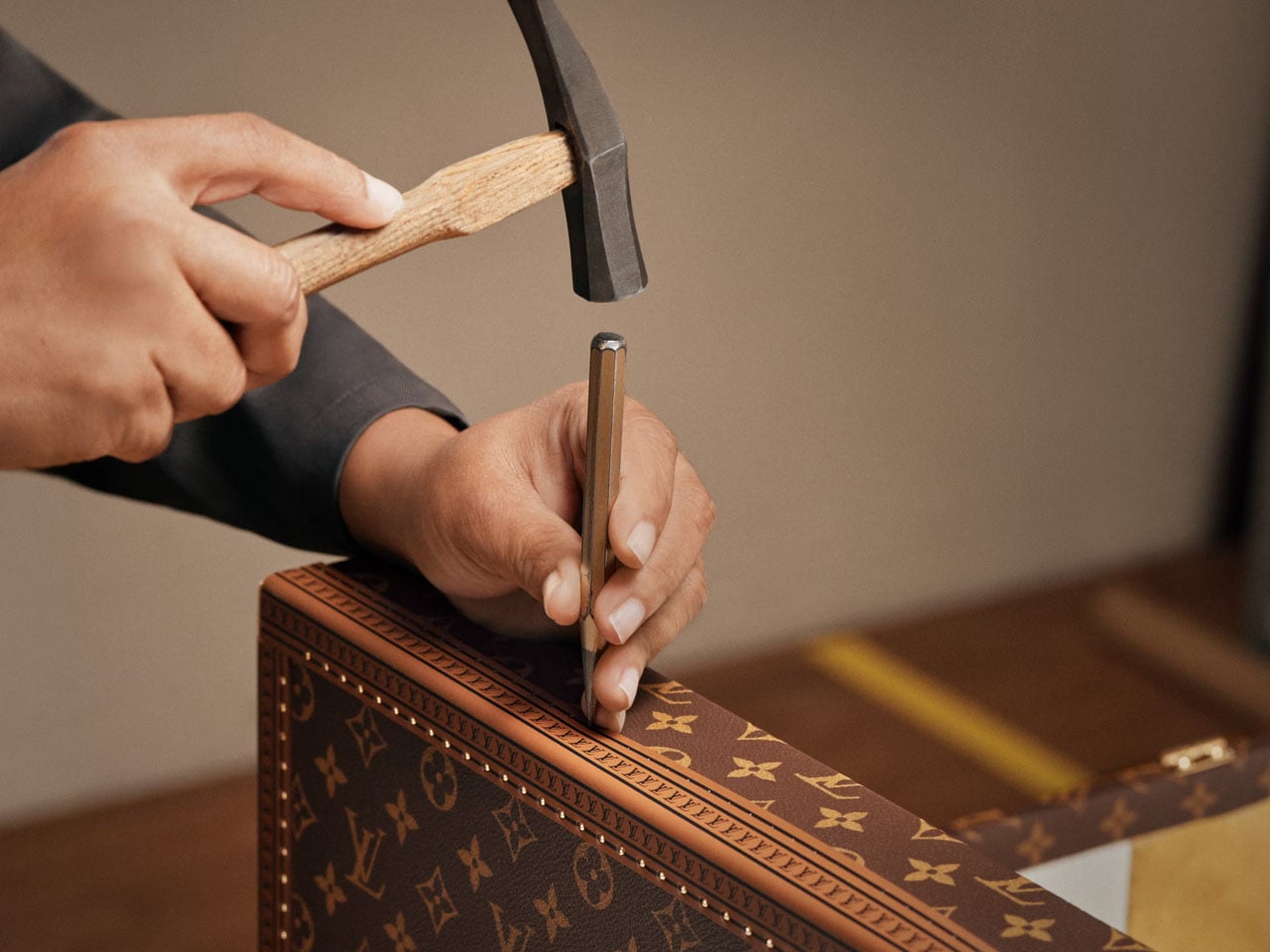
The fifth such trunk, in as many editions of the World Cup, is made by Maison’s artisans in its Asnières-sur-Seine workshops near Paris. It is meticulously covered in the iconic Louis Vuitton monogram canvas and will, for the first time, be officially disclosed at the final match of the World Cup.

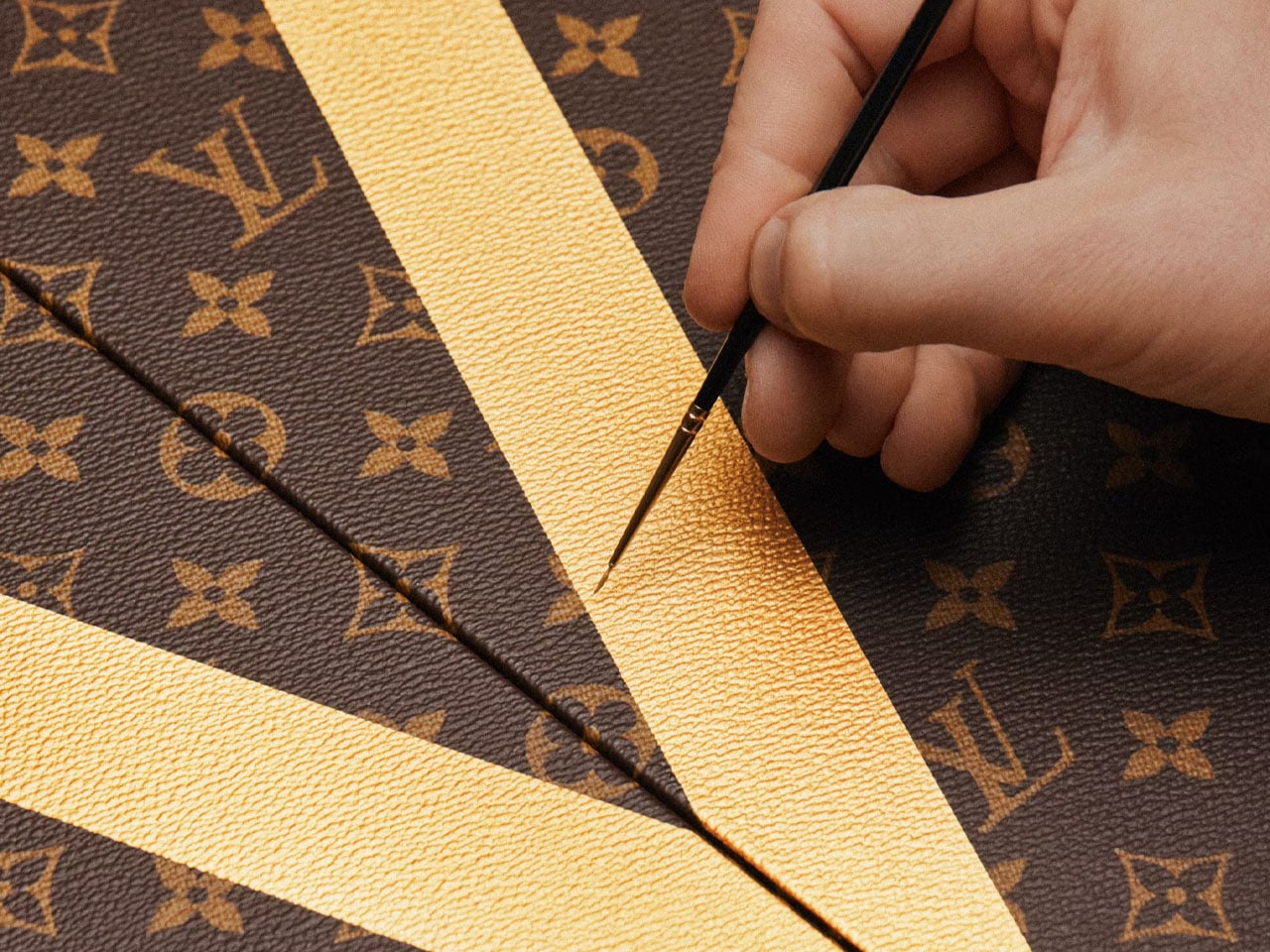
The 2026 FIFA World Cup Trophy Trunk will be brought onto the pitch for the finals ceremony and will become part of the music and entertainment programs when football’s greatest achievement is celebrated. Making its presence etched in the annals of history, the 2026 FIFA World Cup Trophy Trunk comes enclosed in an all-LV Monogram canvas cover and features a pair of front panels adorned with a golden “V,” which, according to the press statement, stands for both Vuitton and Victory.

The exterior doesn’t give out much about the official partnership. It is more reserved for the interior, which is done in light beige leather and a space in the center for the “world’s most coveted trophy—a symbol of dedication, collective ambition, and the ultimate celebration of victory.” Here, a patch on the lid is used to showcase the partnership logo between Louis Vuitton and FIFA.

Returning to the exterior, it features LV’s signature leather trim known as “lozines.” The trunk corners are protected with gold-plated brass, while clasps and a lock are used to secure the precious trophy inside. Lock and clasp design is reminiscent of those used by the maison since the 1860s.

Unless you are the FIFA museum in Zurich, Switzerland, there is no chance you can keep the trophy or the trunk. Louis Vuitton understands it better than any of us and has therefore created three look-alike limited edition trunks. Since each of these is inspired by the trunk designed for the original solid gold trophy, they feature monogram canvas, a hand-painted FIFA World Cup logo, and the golden “V”.

The first of the three iterations is the Coffret 8 Montres, made to hold eight watches; the Cotteville 16 Montres is designed for the same purpose but with the capacity to store 16 watches. Malle Courrier Lozine 110 is a different breed; it is a trunk for the purpose of carrying luggage. There is no word on how each of these will be priced, but we learn that users will have an option to personalize their purchase with their initials.

The post Louis Vuitton unveils bespoke Trophy Trunk for FIFA World Cup 2026 ahead of the final first appeared on Yanko Design.
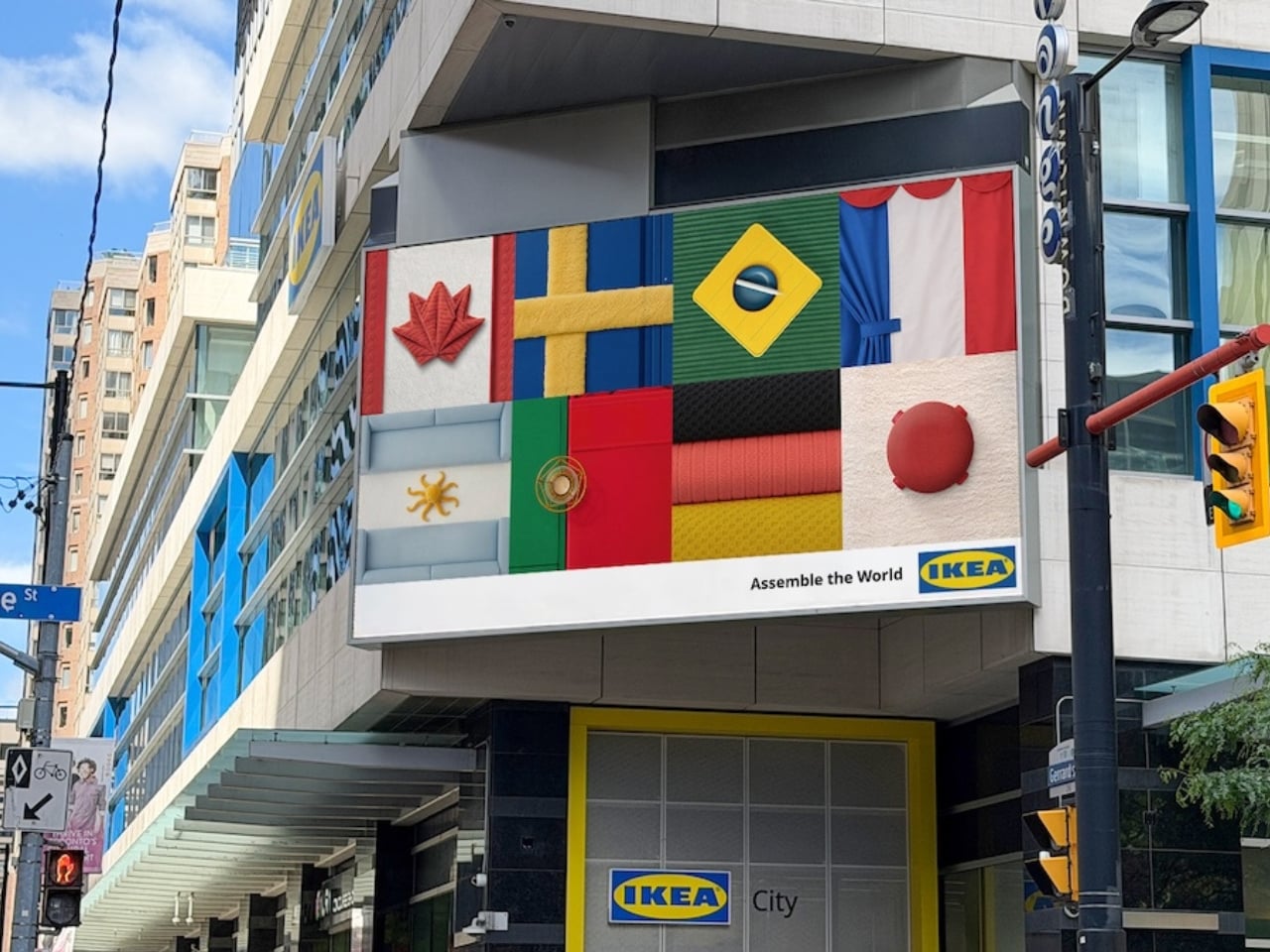
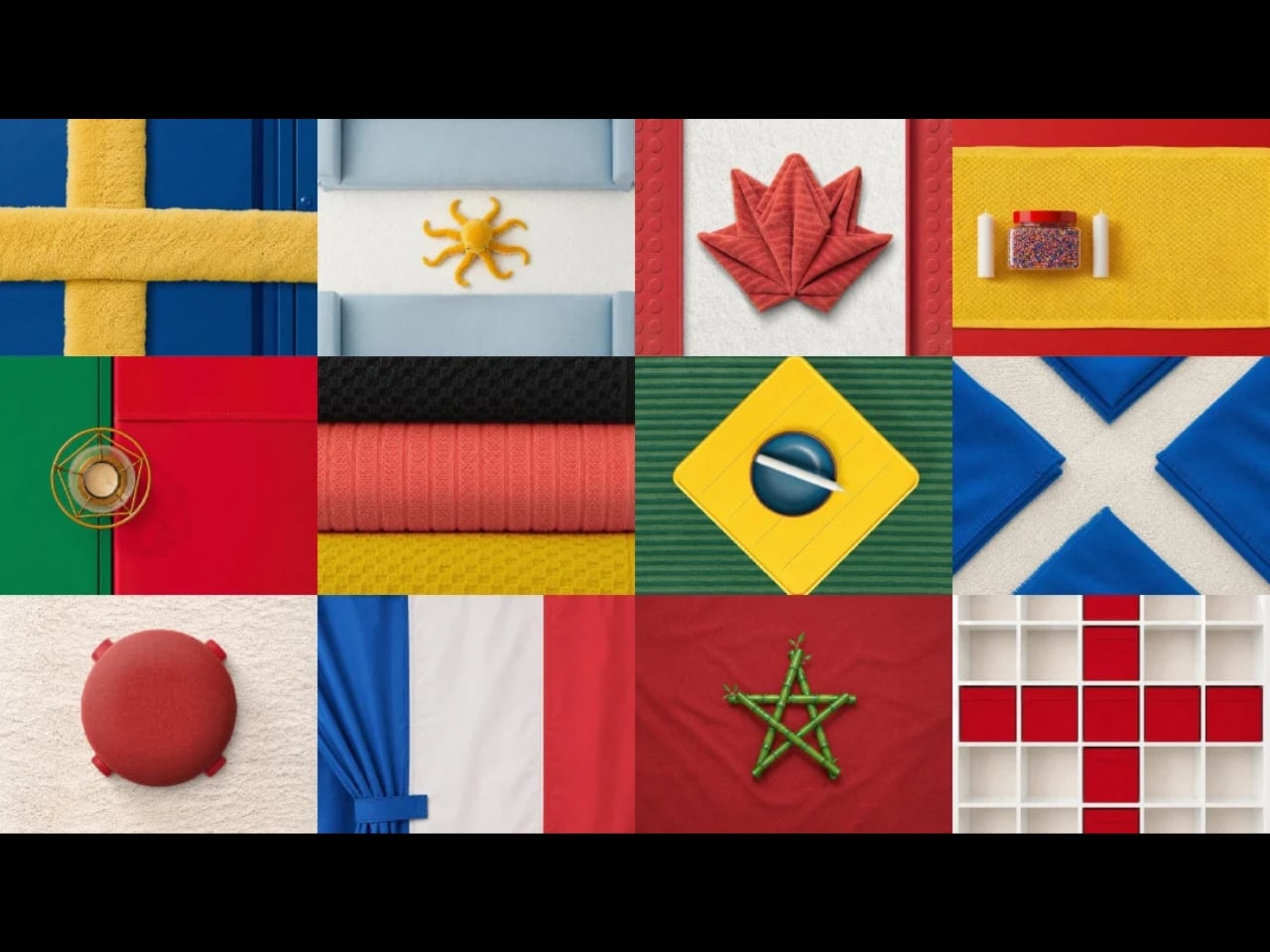
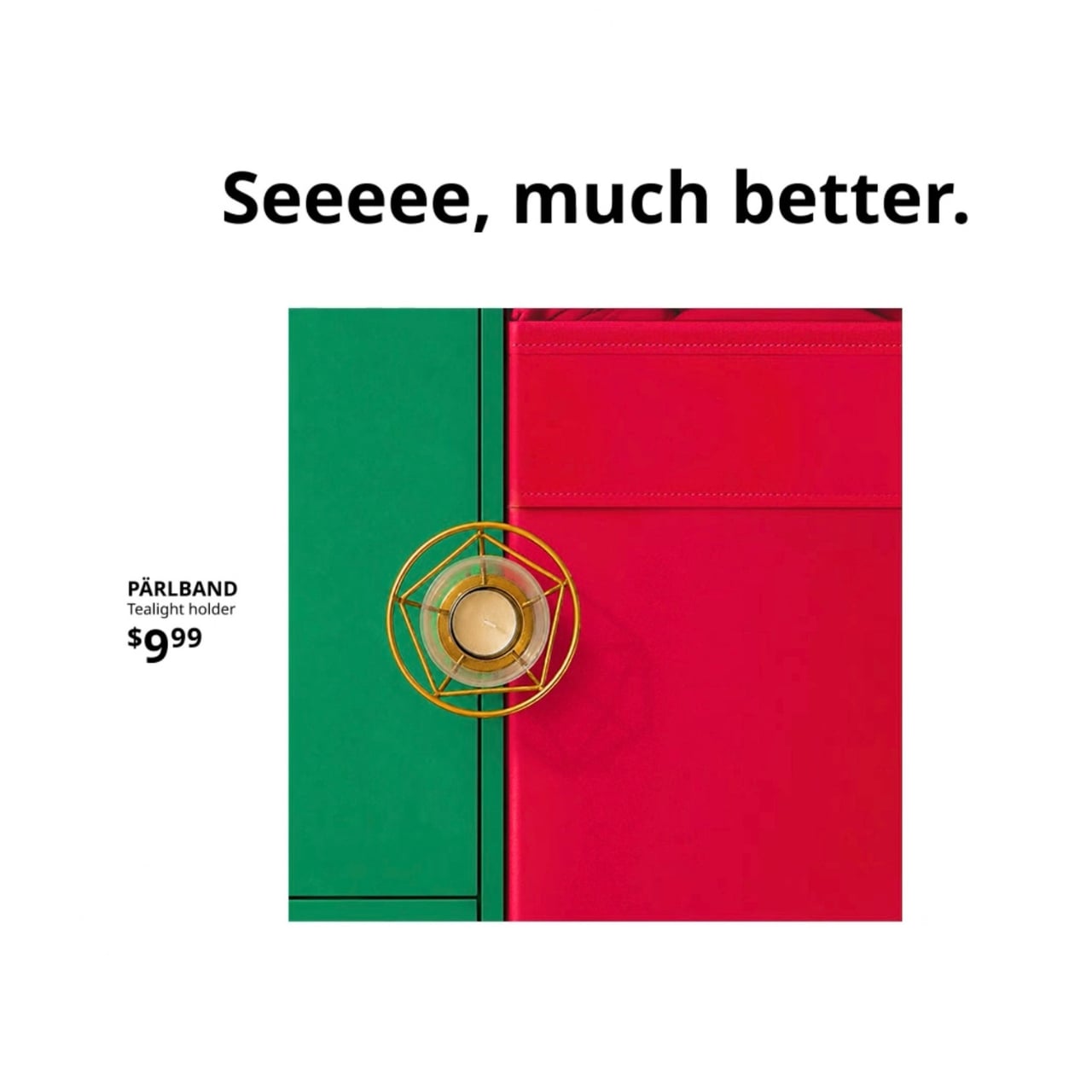
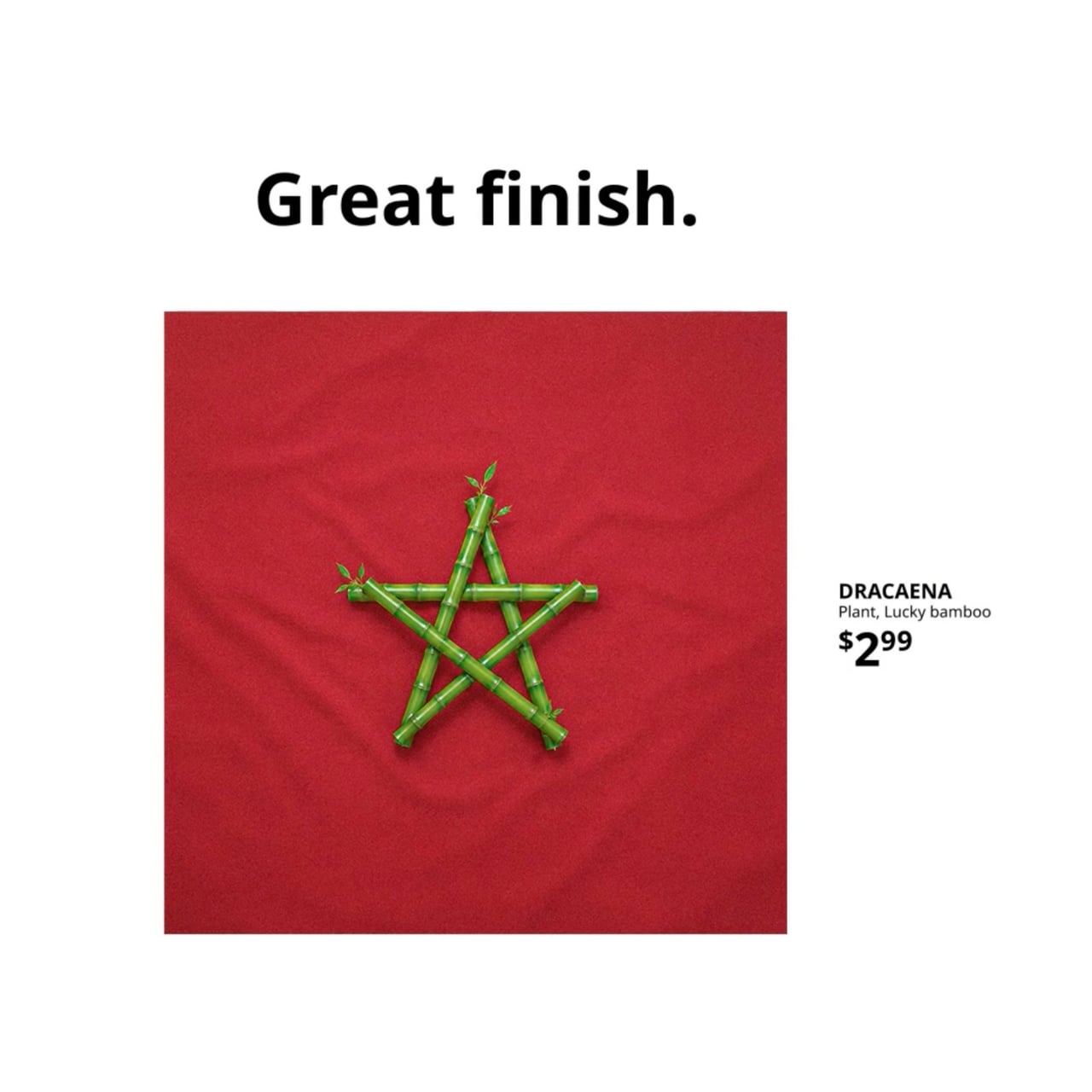
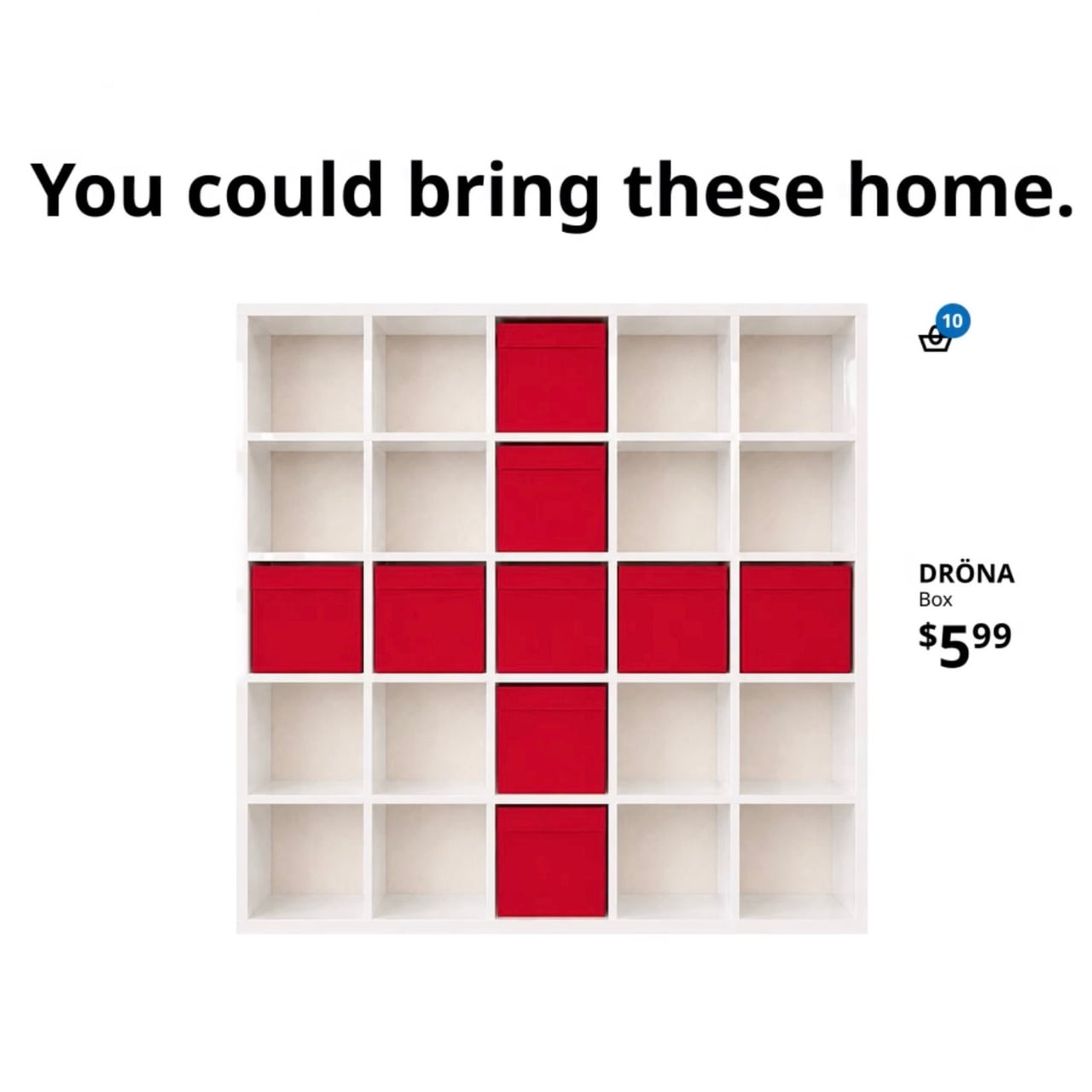
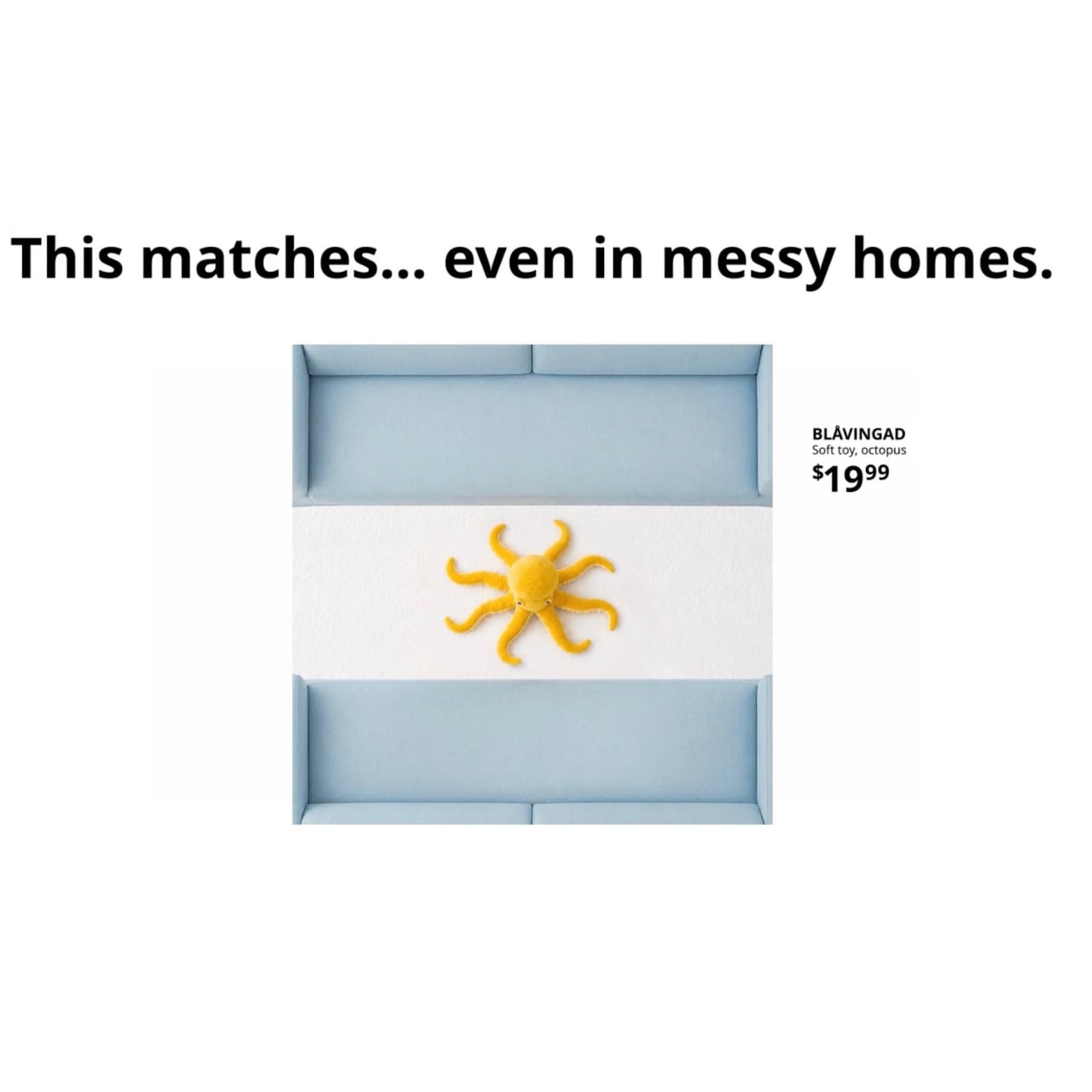
IKEA Just Built 18 World Cup Flags Out of Furniture

Every few years, the FIFA World Cup does what few things can: it makes the whole planet pay attention to the same thing at the same time. Brands, naturally, line up to be part of that moment. Most of them shouldn’t bother. The average World Cup campaign is either a celebrity-filled spectacle that forgets to say anything, or a half-hearted logo slap on a football kit. And then IKEA Canada goes and does something genuinely clever.

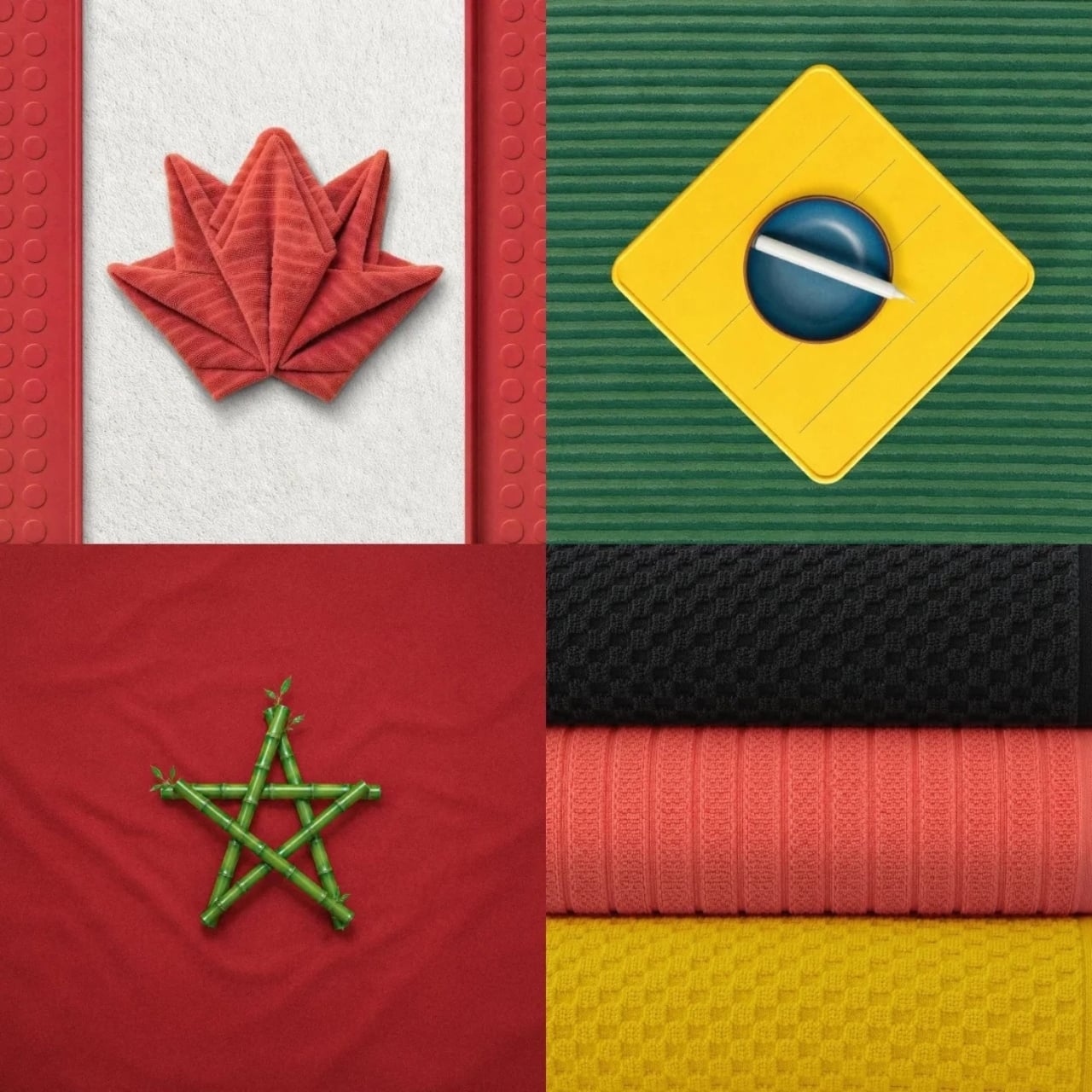
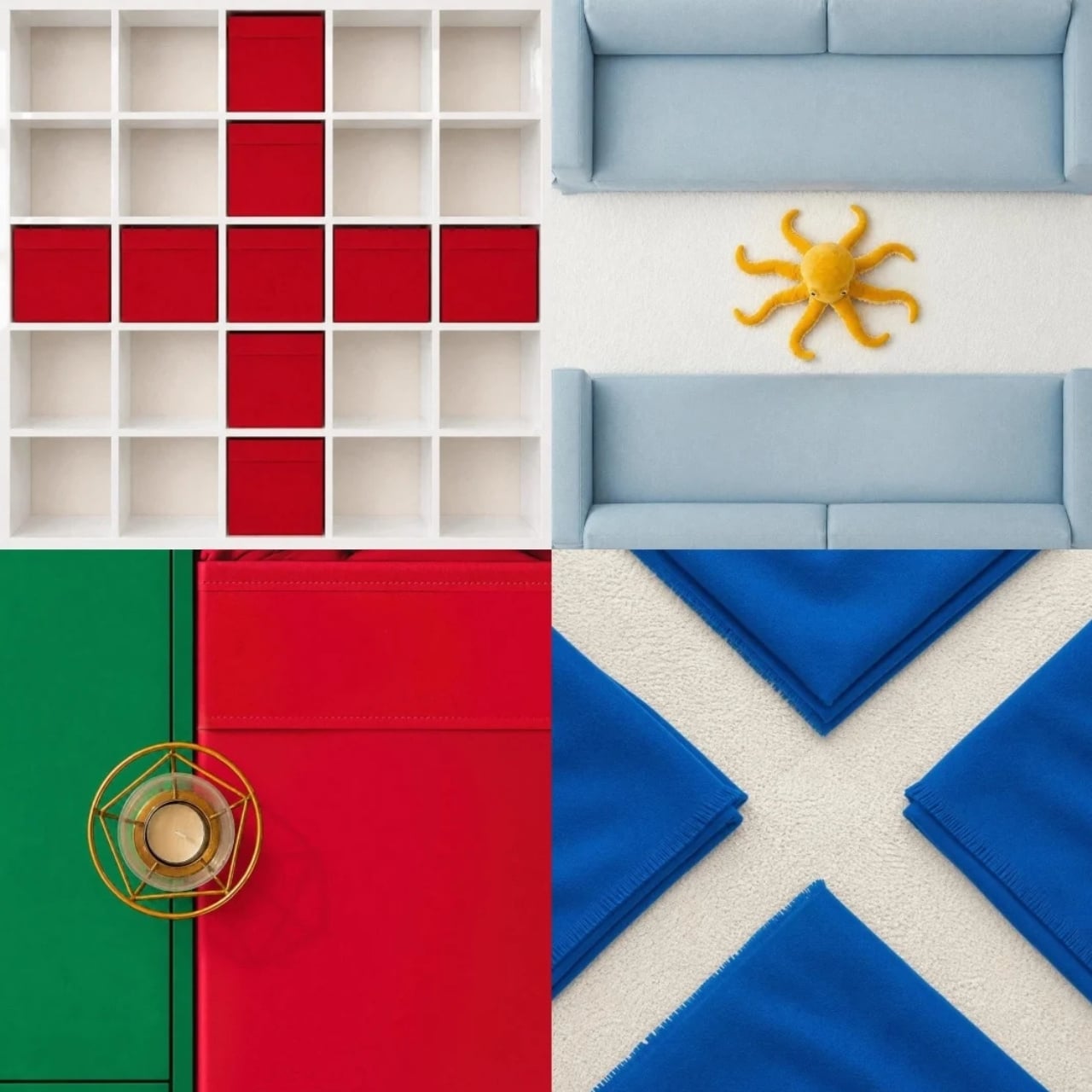
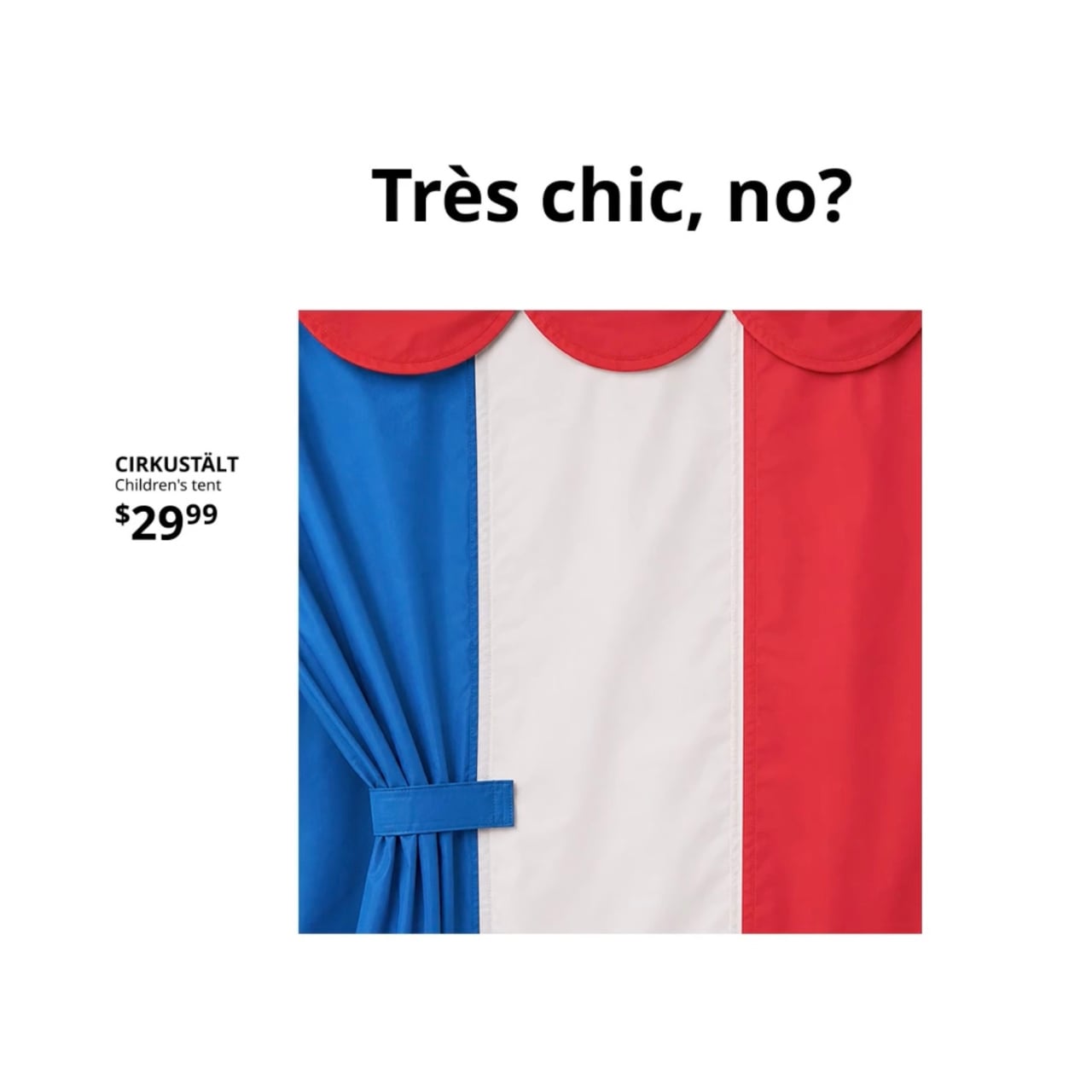
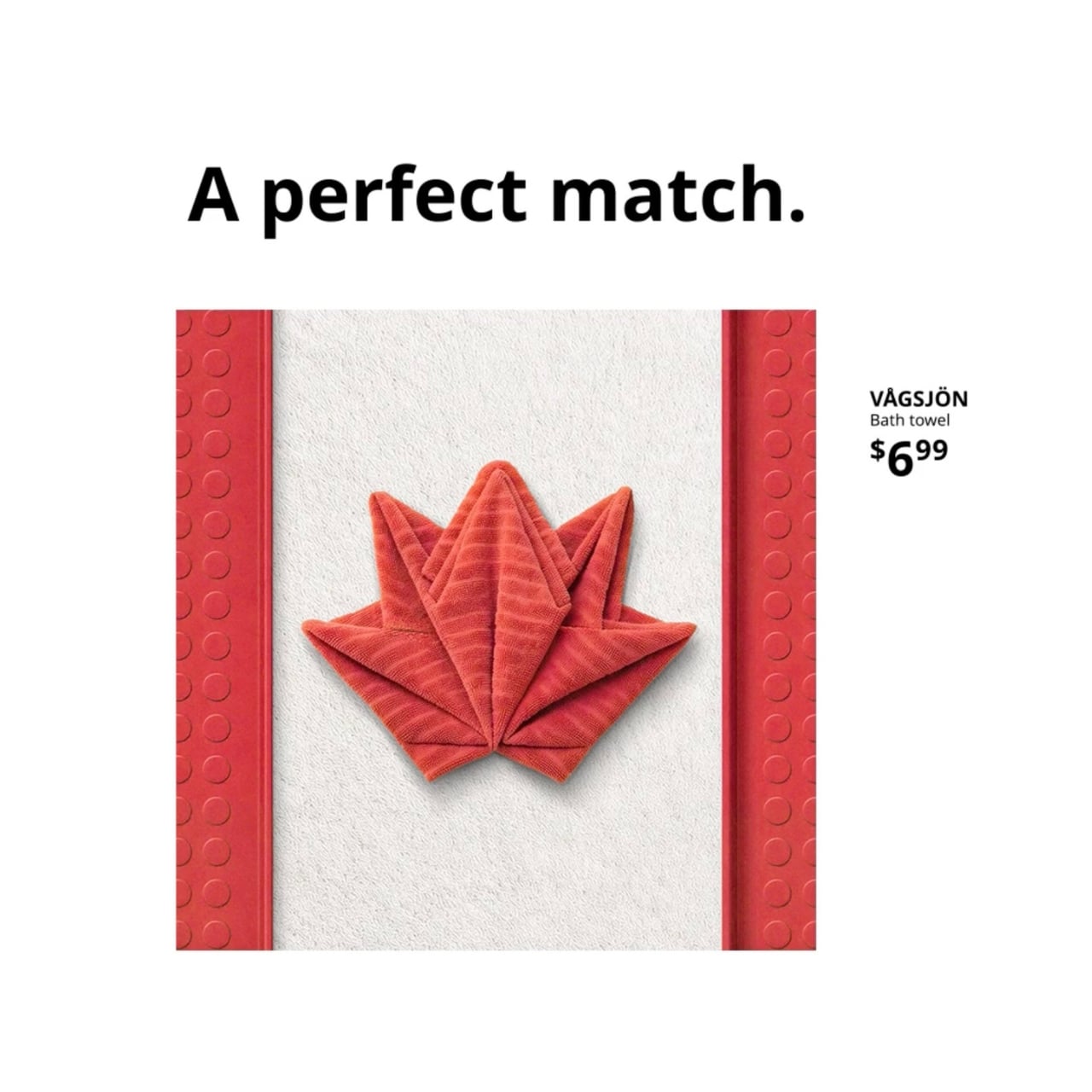
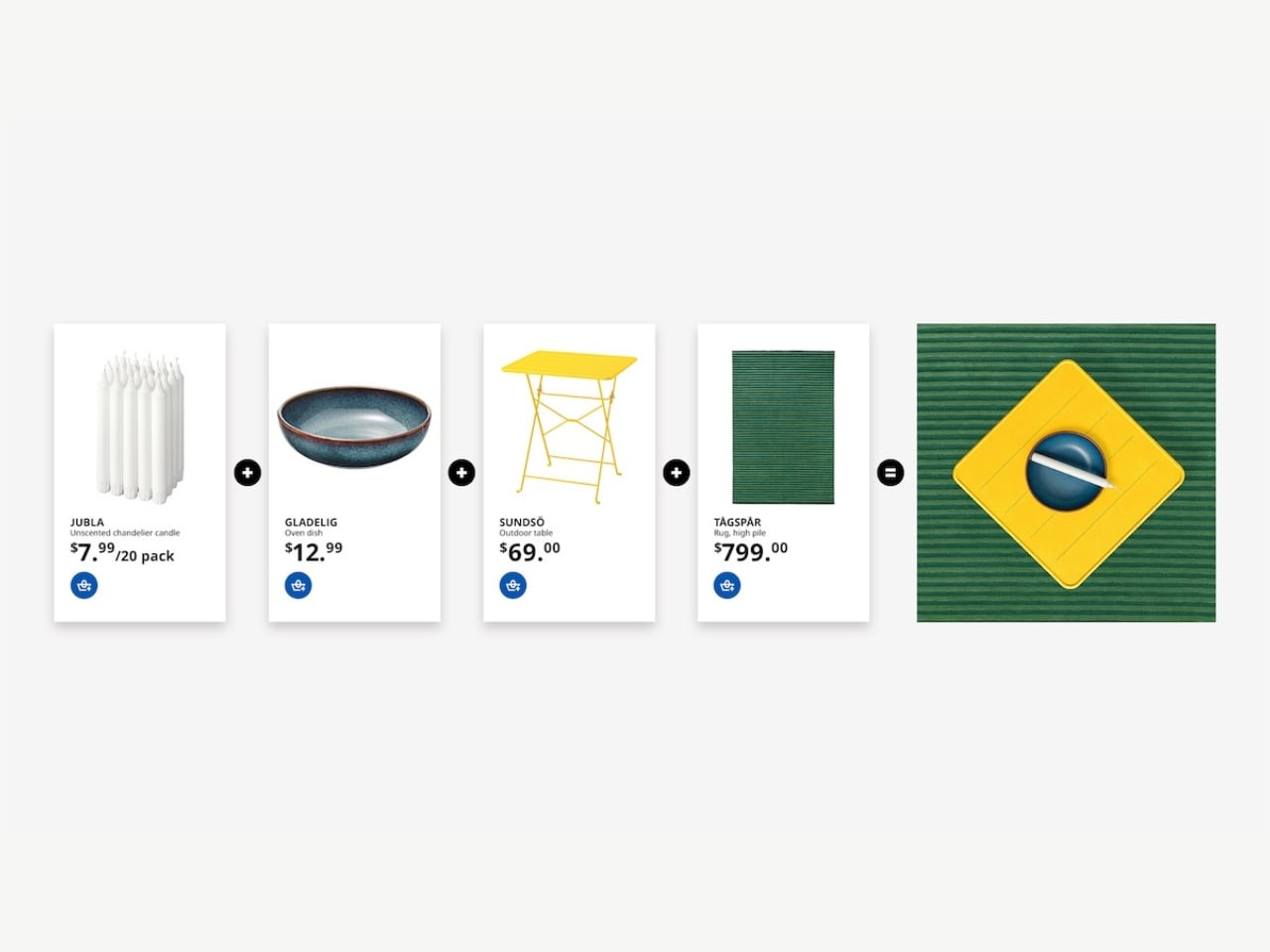
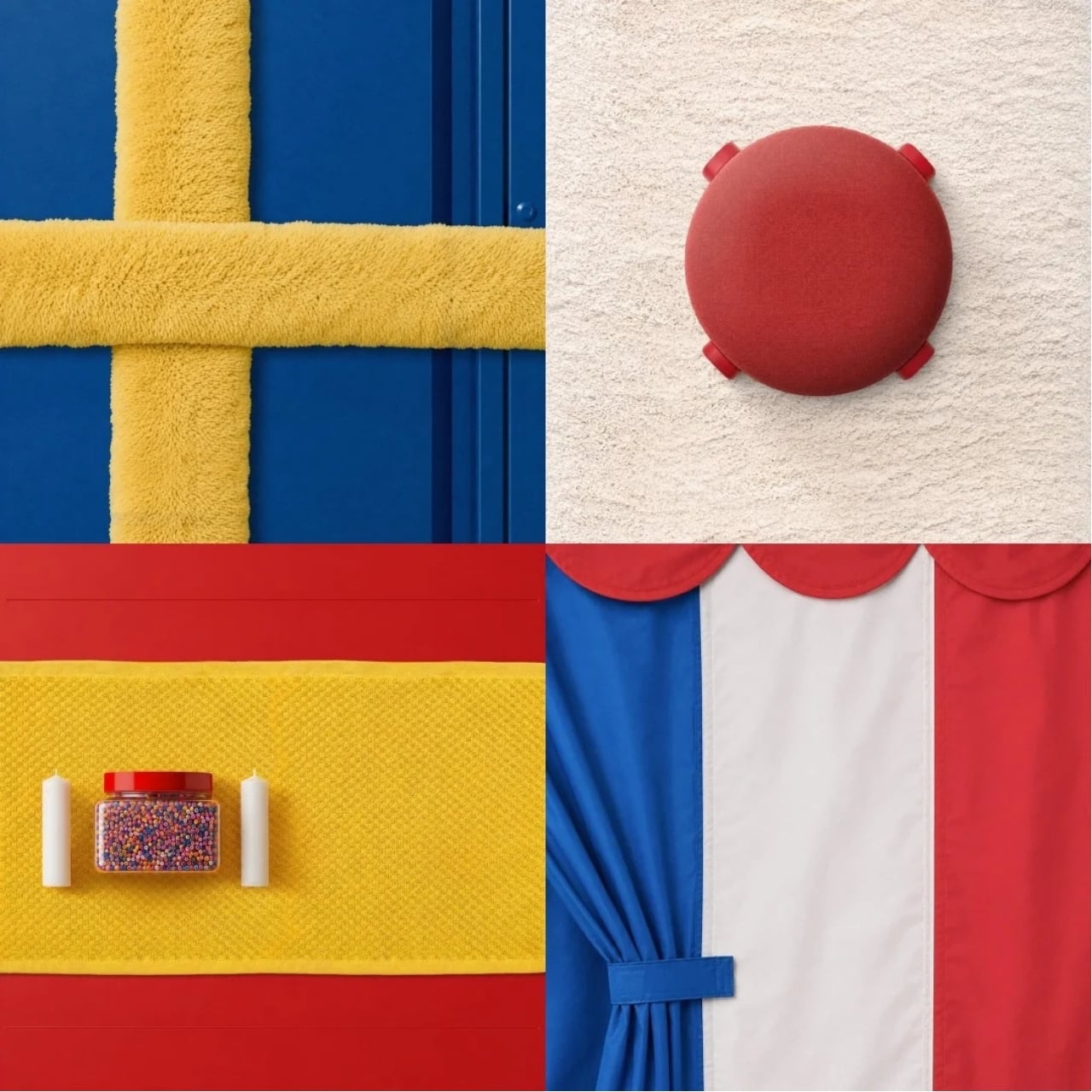
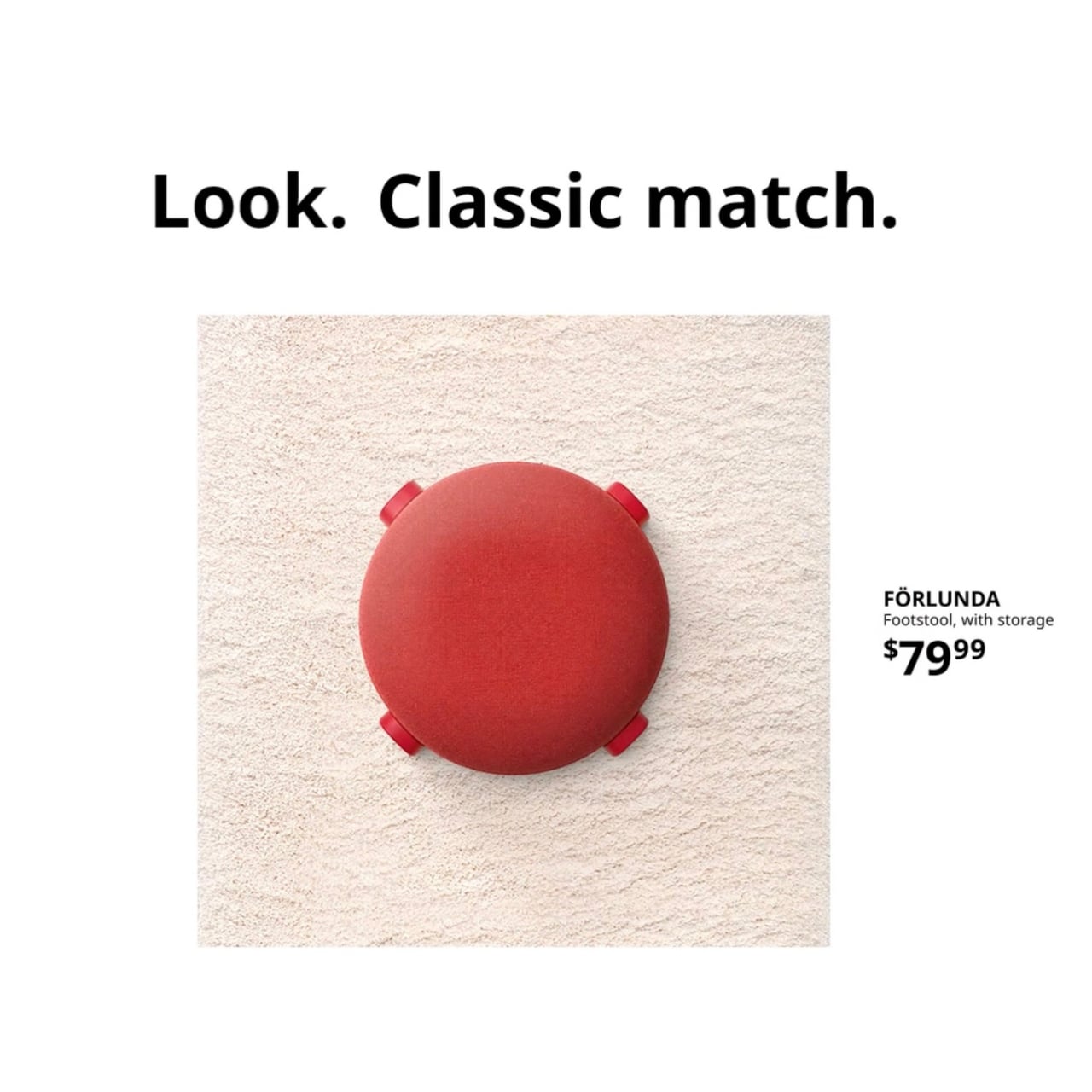
Assemble the World is a social-first campaign created with Dentsu Creative, and the premise is almost embarrassingly simple: take IKEA products and arrange them to look like national flags from competing World Cup nations. Cushions, rugs, lamps, candles, cabinets, plush toys, outdoor tables. All laid out, stacked, and styled until they read as the flag of Brazil, or Japan, or Morocco. Eighteen flags in total, each one built entirely from items you could actually buy.

Designer: IKEA Canada

The execution matters here. These aren’t mood board collages or loosely themed flat lays. The compositions are precise enough to be immediately recognizable, and playful enough to make you smile. Part of the campaign’s appeal is that you have to look closely. Each image invites you to spot the products before clicking through to shop them. It’s a scavenger hunt, a flag quiz, and a product catalogue all at once.

That last part is worth sitting with for a moment. The campaign has a shoppable component baked directly into every piece of content, which means the fun and the commerce aren’t separate experiences. They’re the same experience. That’s a much harder thing to pull off than it sounds. Most branded content either prioritizes entertainment at the expense of the product, or prioritizes the product so heavily that the entertainment evaporates. Assemble the World manages to keep both plates spinning.

What makes it land, I think, is that it doesn’t pretend to be something it’s not. It doesn’t position IKEA as a football brand or manufacture a deep emotional connection to the beautiful game. It just borrows the World Cup’s energy and applies IKEA’s own visual language to it. The result feels authentically IKEA, which is a genuinely difficult thing to achieve during a moment when every brand is trying to sound like it belongs at the stadium.

Canada is also a meaningful backdrop for this, as one of the three host country’s for this year’s edition of the World Cup. The country’s multicultural makeup is part of what the campaign quietly gestures toward, giving the flag concept a layer of relevance that goes beyond the tournament. For a lot of Canadians watching the World Cup, those flags represent personal histories, not just national teams. IKEA leaning into that feels less like a marketing angle and more like an honest observation about who their customers actually are.

The campaign runs across social media, digital channels, and outdoor advertising near IKEA store locations throughout the summer. The call to action, “Click, Buy, Wave,” is a bit cheeky, maybe a little too tidy, but it doesn’t take away from what the campaign does well overall.

Not every brand moment during a major sporting event needs to be profound. Sometimes the best thing a brand can do is show up with something that’s visually satisfying, conceptually tight, and worth two minutes of your time. Assemble the World is exactly that. It doesn’t overstay its welcome, it doesn’t overclaim, and it makes a catalogue of household items feel genuinely festive. In a summer already crowded with World Cup content, that’s no small thing. IKEA found the version of this campaign that only IKEA could do, which is the goal every brand chases and very few actually reach.

The post IKEA Just Built 18 World Cup Flags Out of Furniture first appeared on Yanko Design.
adidas Trionda Pro brings connected-ball technology to the FIFA World Cup 2026

The much-awaited FIFA World Cup kicks off with an opener between co-hosts Mexico and South Africa at Mexico City Stadium on 12 June. While the fandom and the love for the most popular sport on earth remain constant off the field, there is a lot that’s changing on the field. The Virtual Assistant Referee (VAR) is getting more control of the game, with the power to intervene in spotting fouls and also identify real-time data from the specially designed football to make faster offside decisions, or pick out individual ball touches in a crowded set piece.

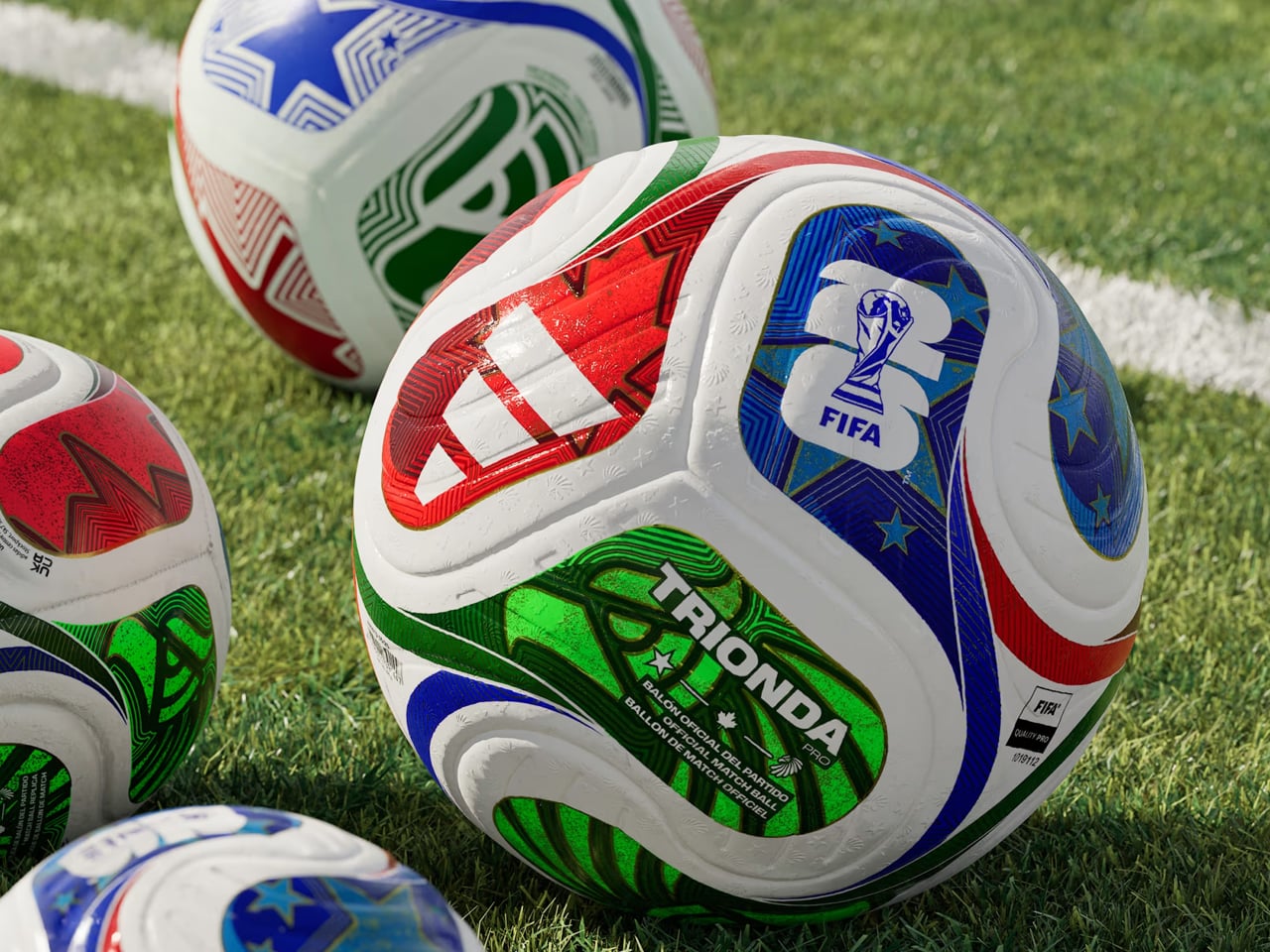
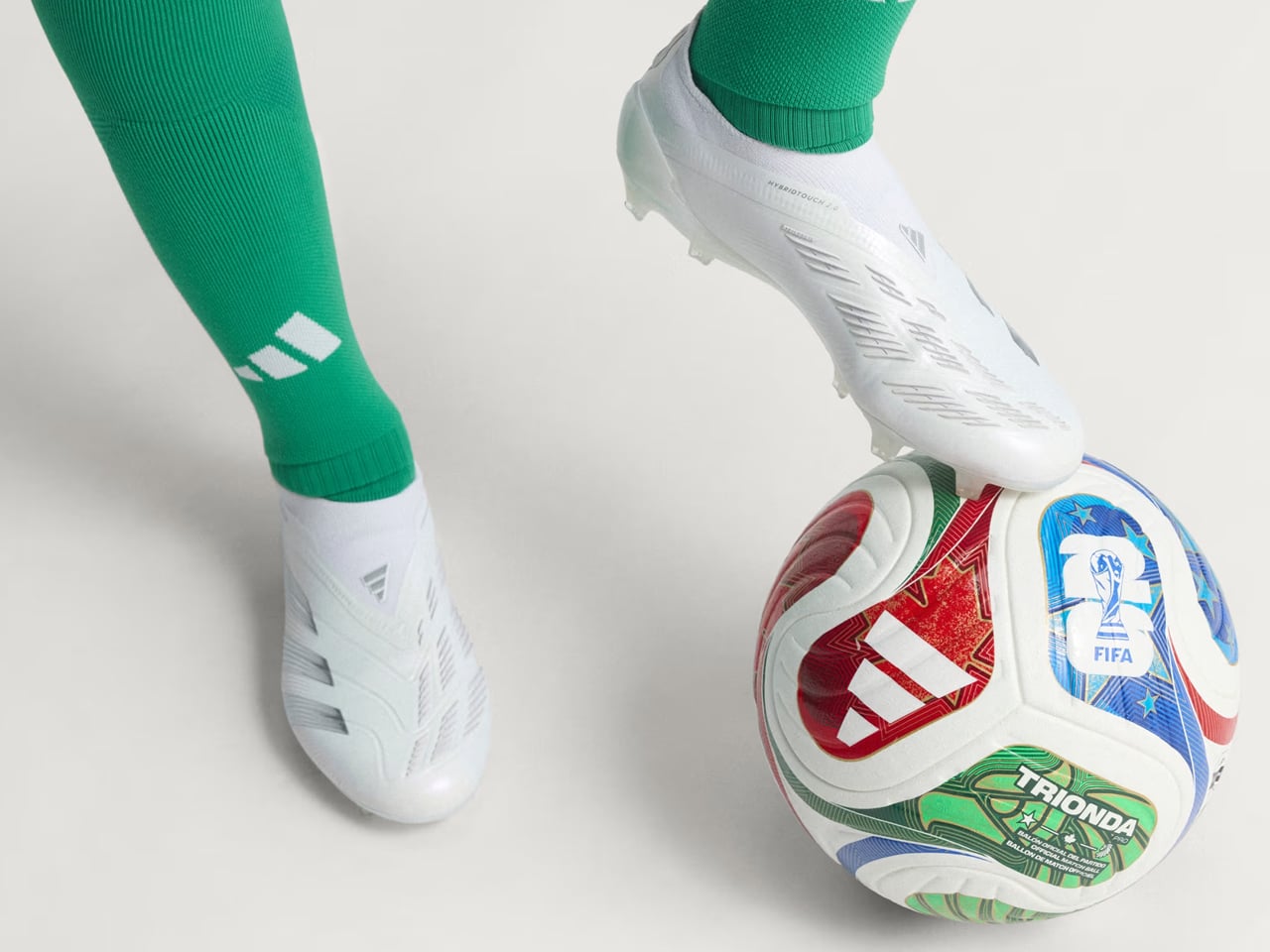
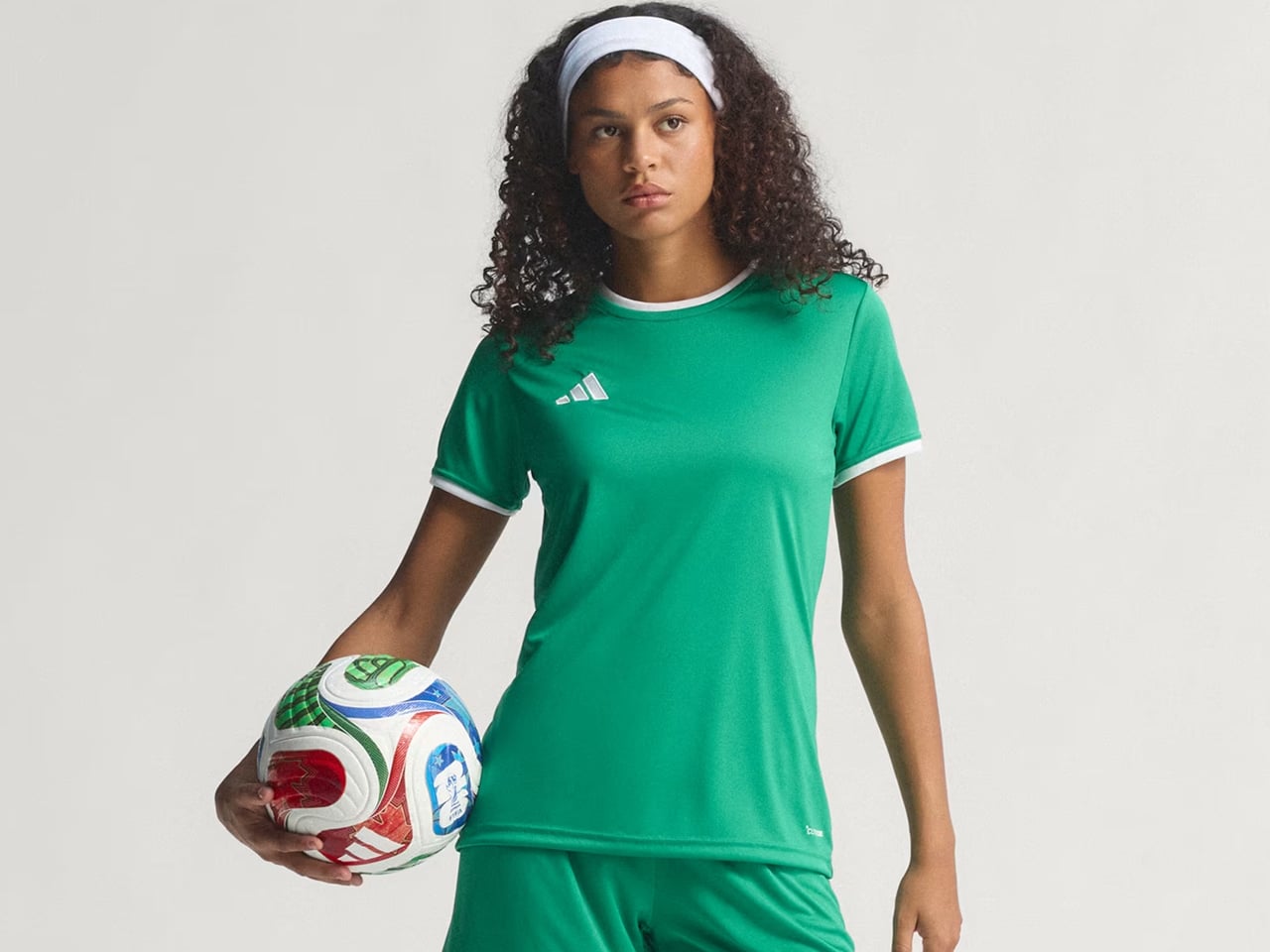
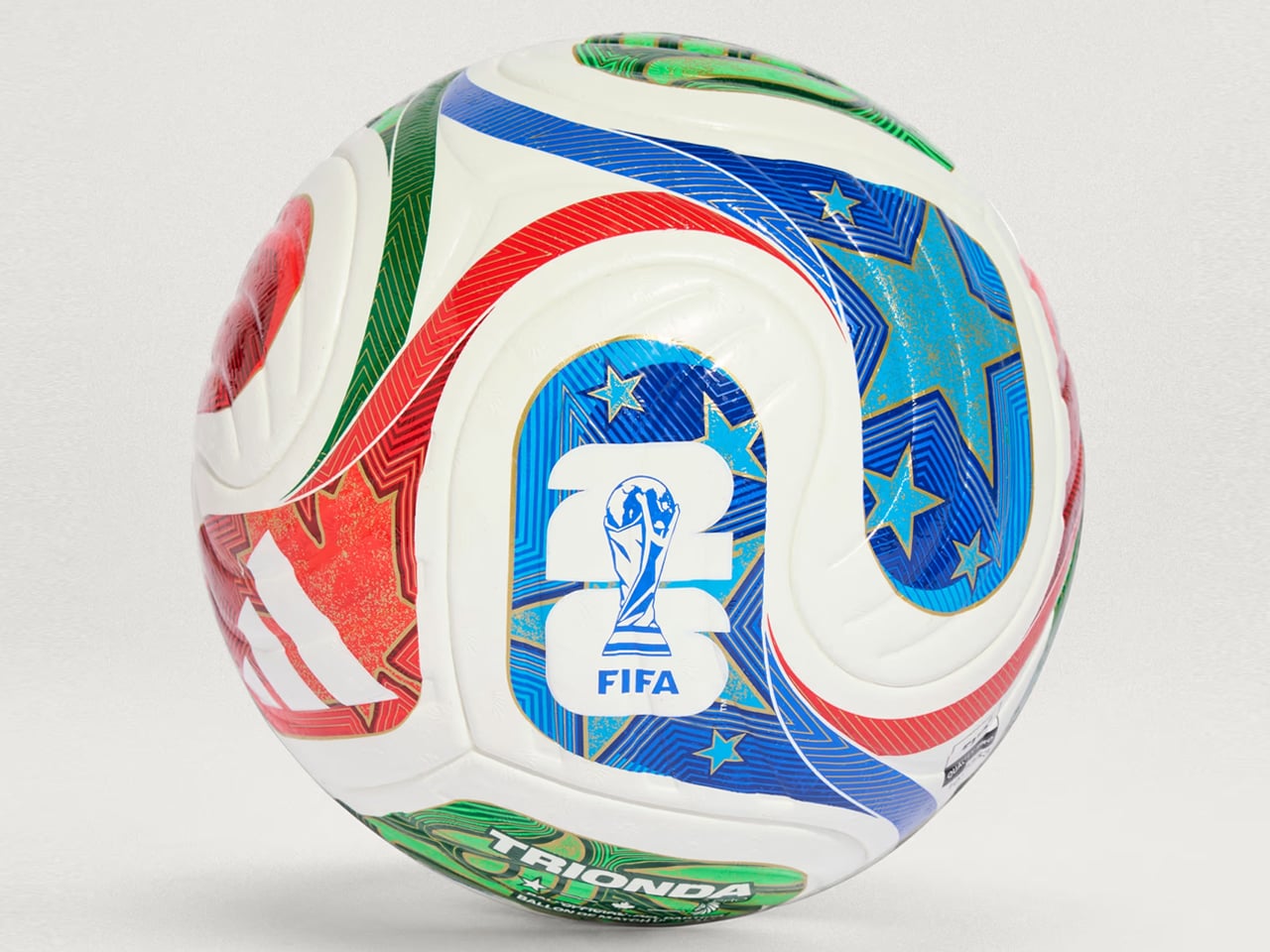
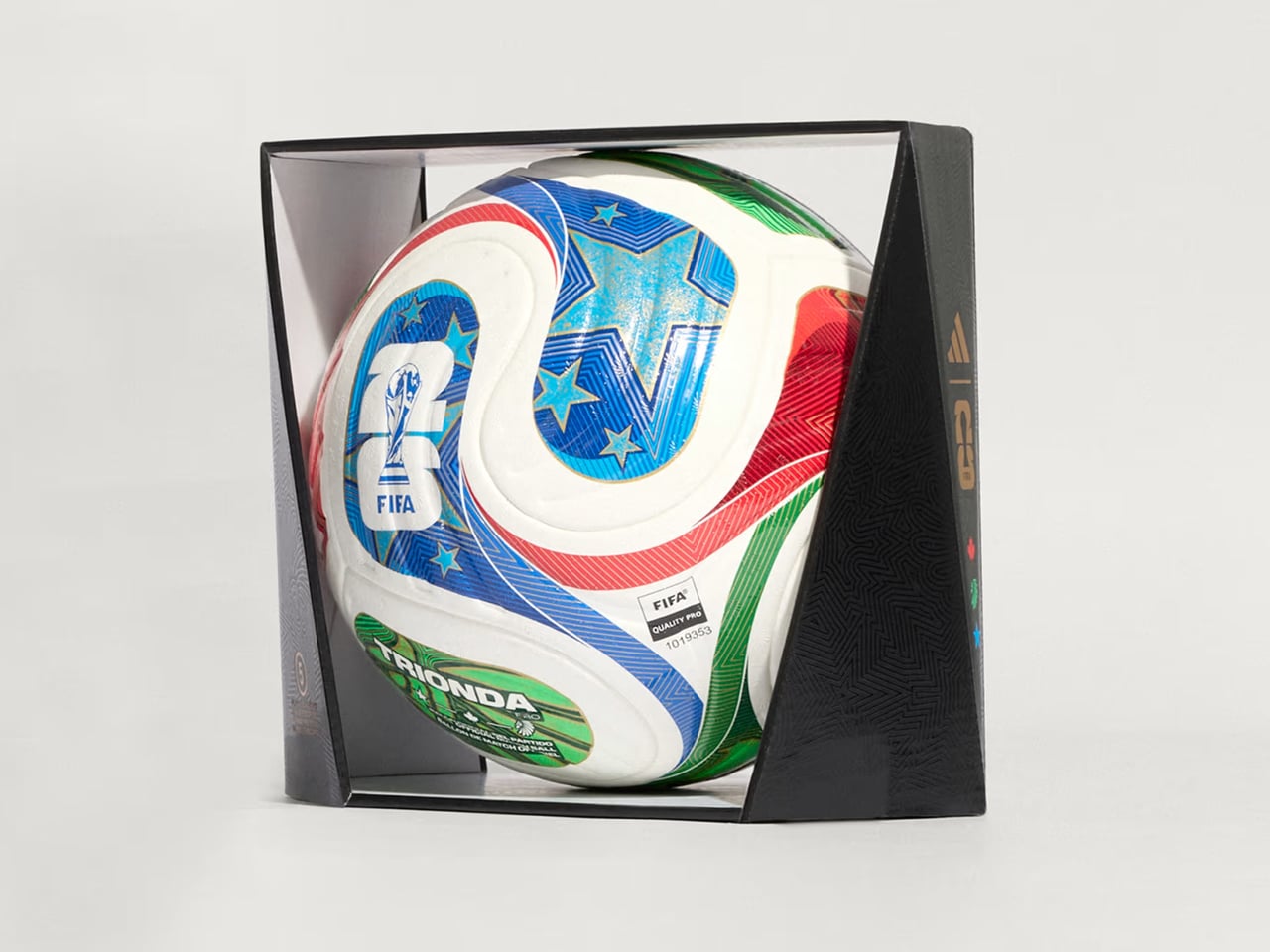
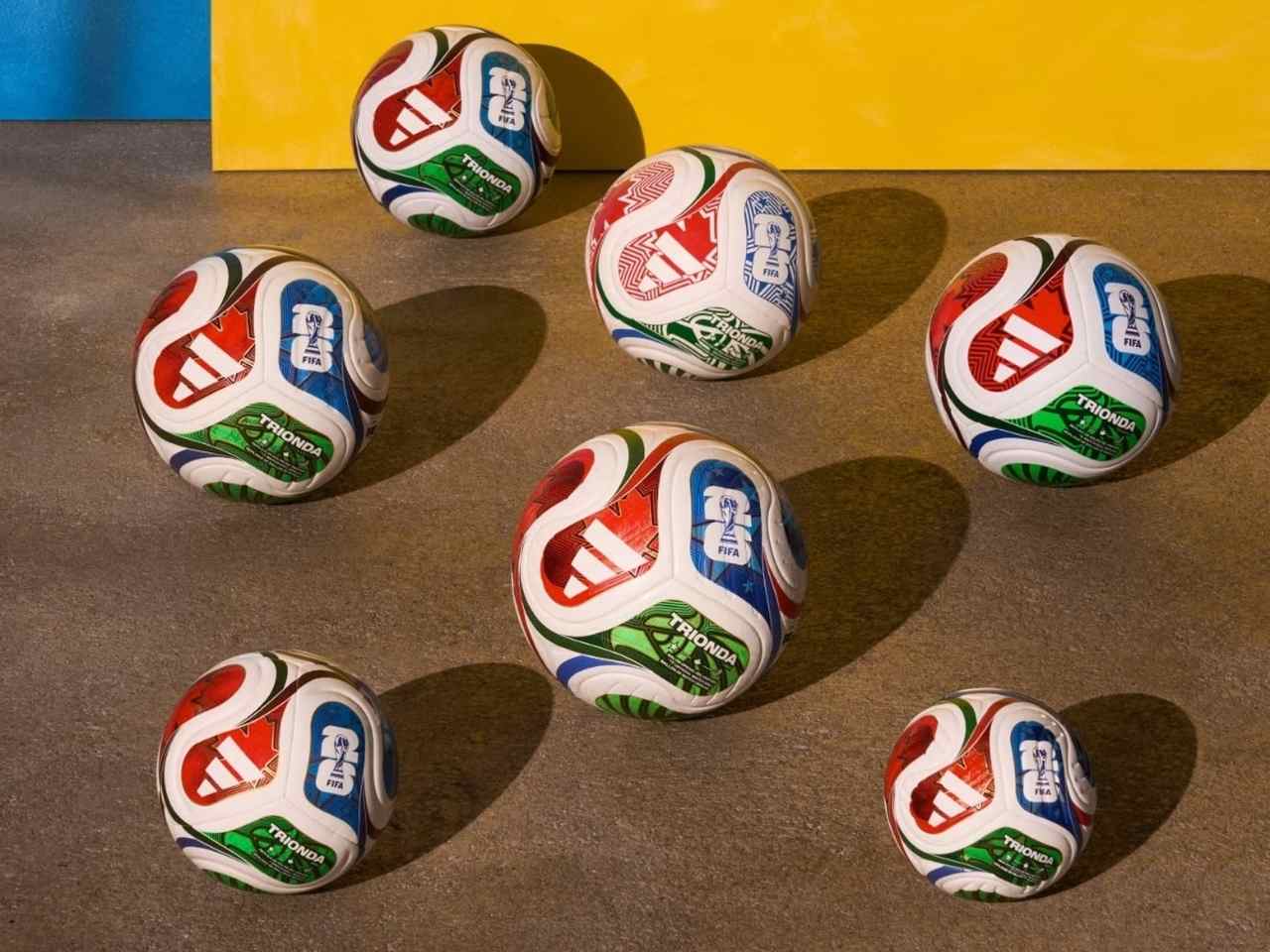
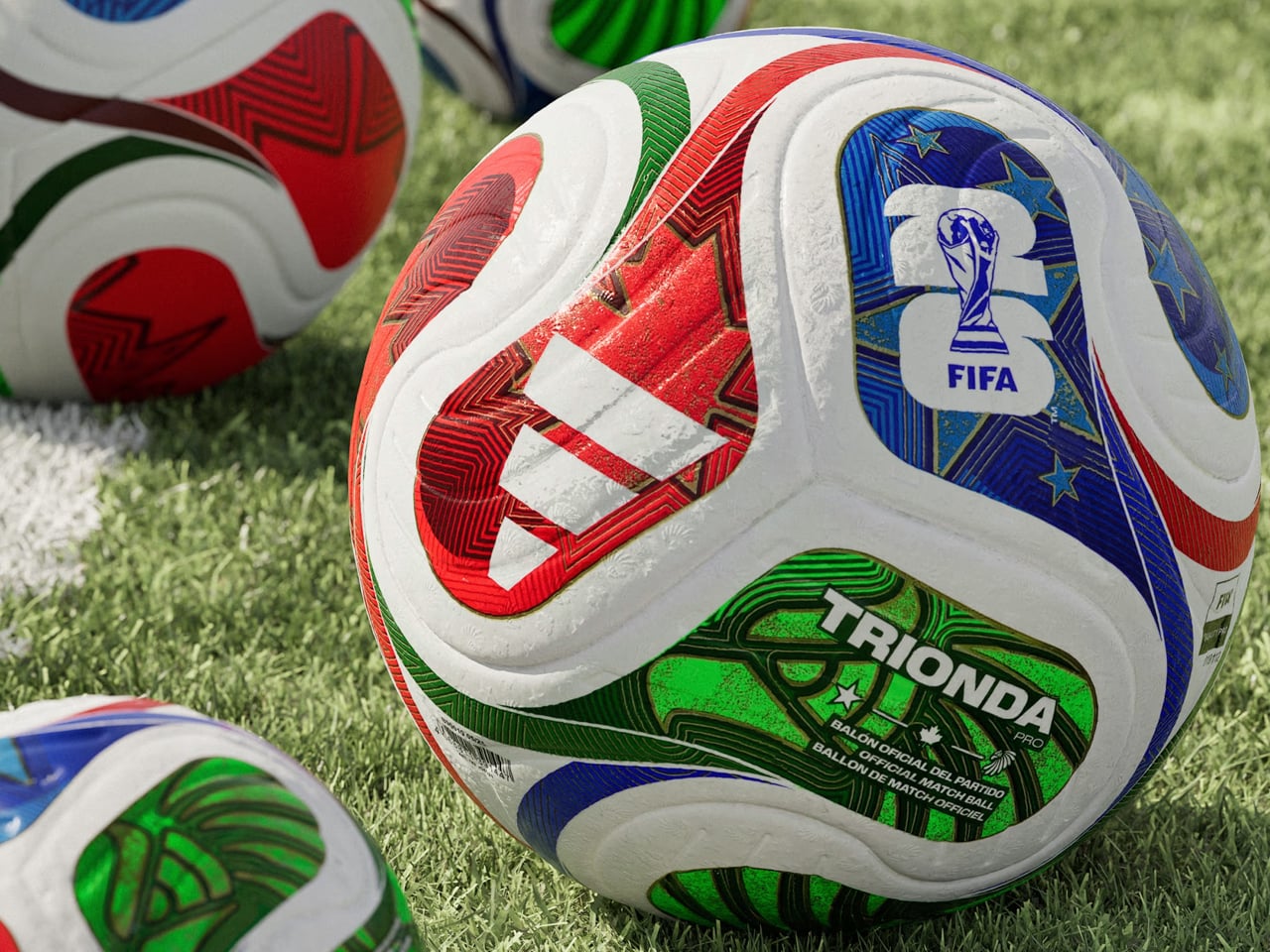
The football designed especially for match day is called Trionda Pro, which means “three waves.” It is styled in the colors and motifs of the three co-hosting nations, Mexico, Canada and the United States of America, and is said to arrive with a built-in motion sensor, which would send real-time ball data to VAR. The ball is now available for $170.

Designer: adidas

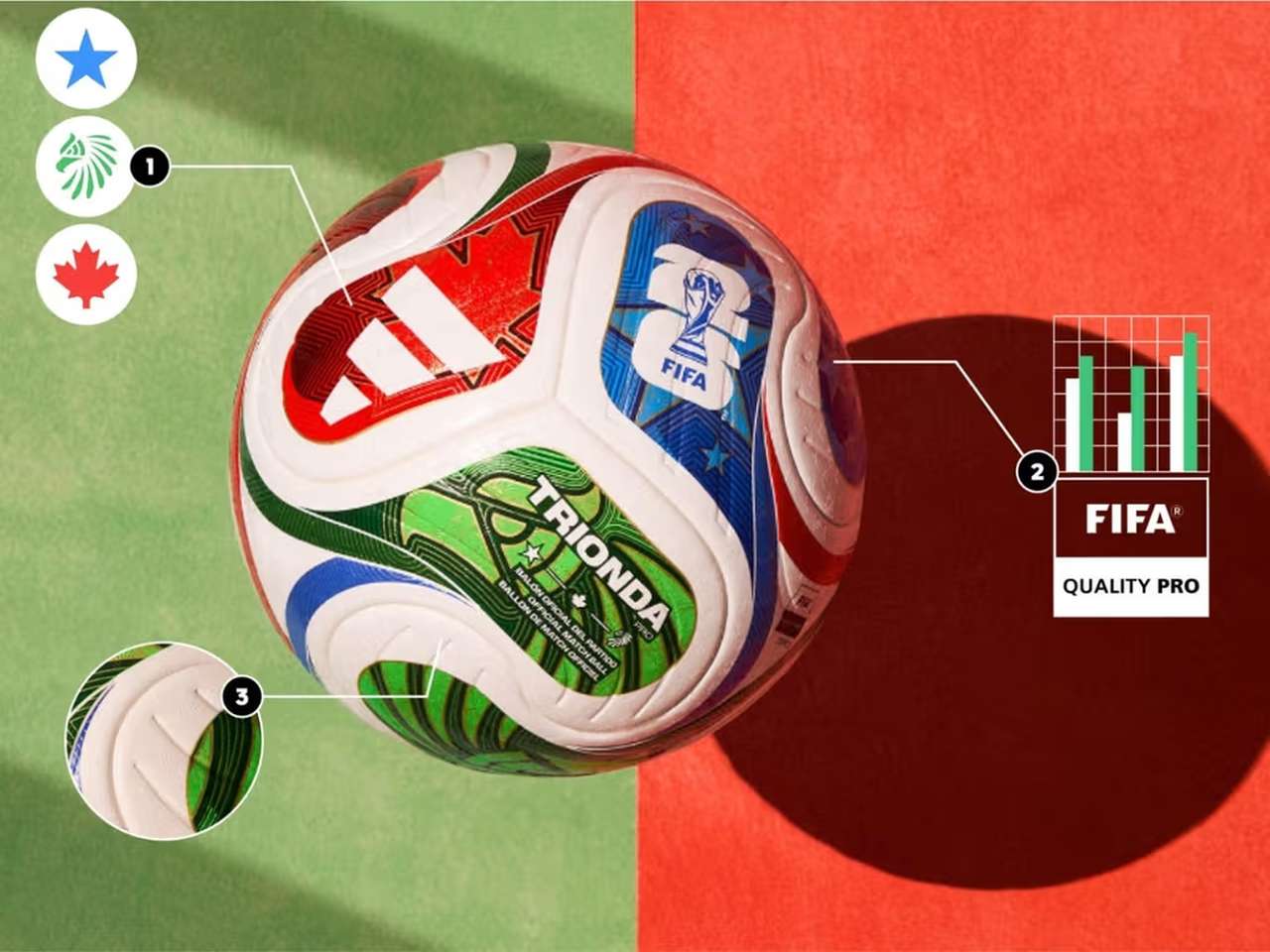
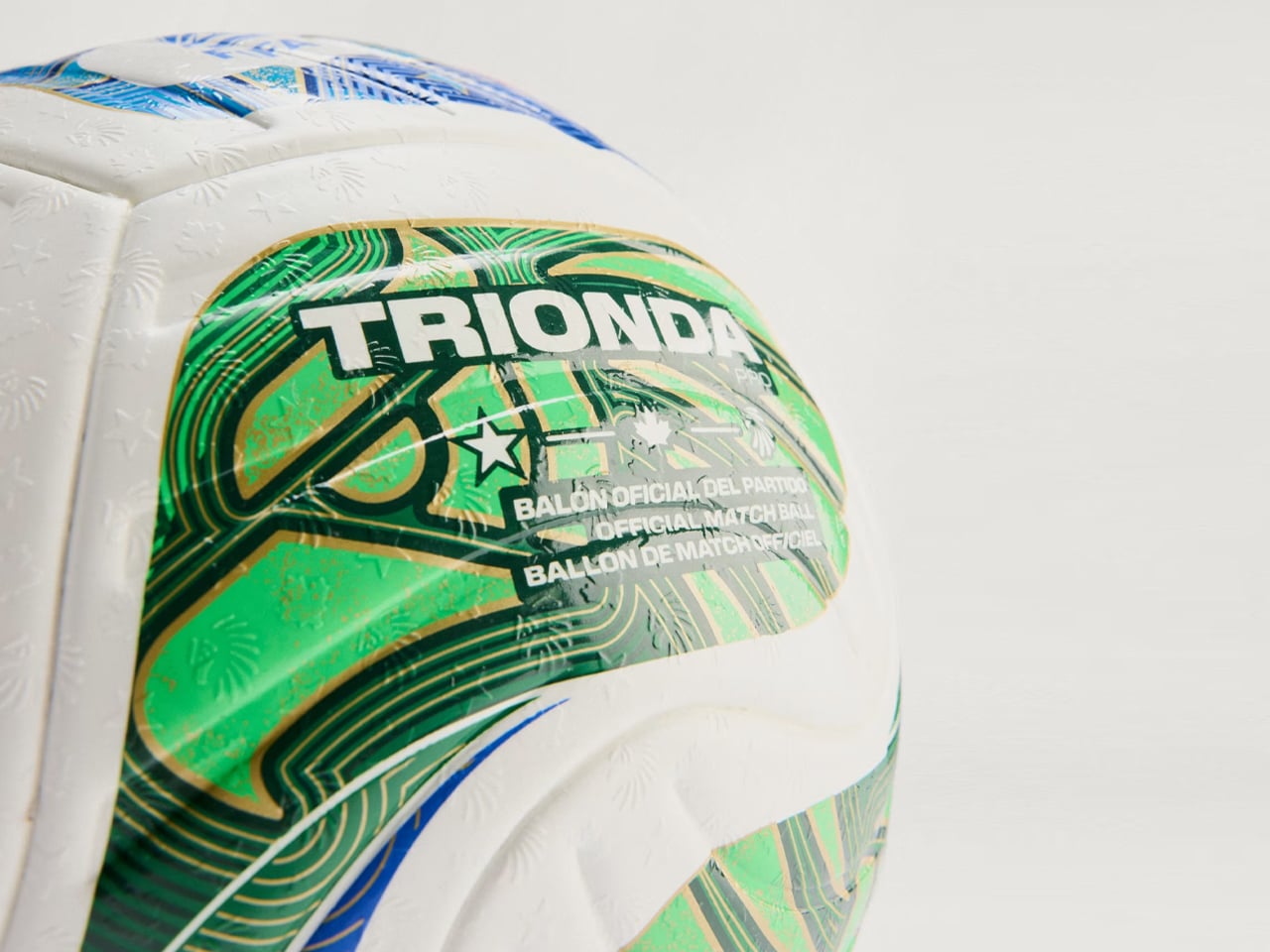
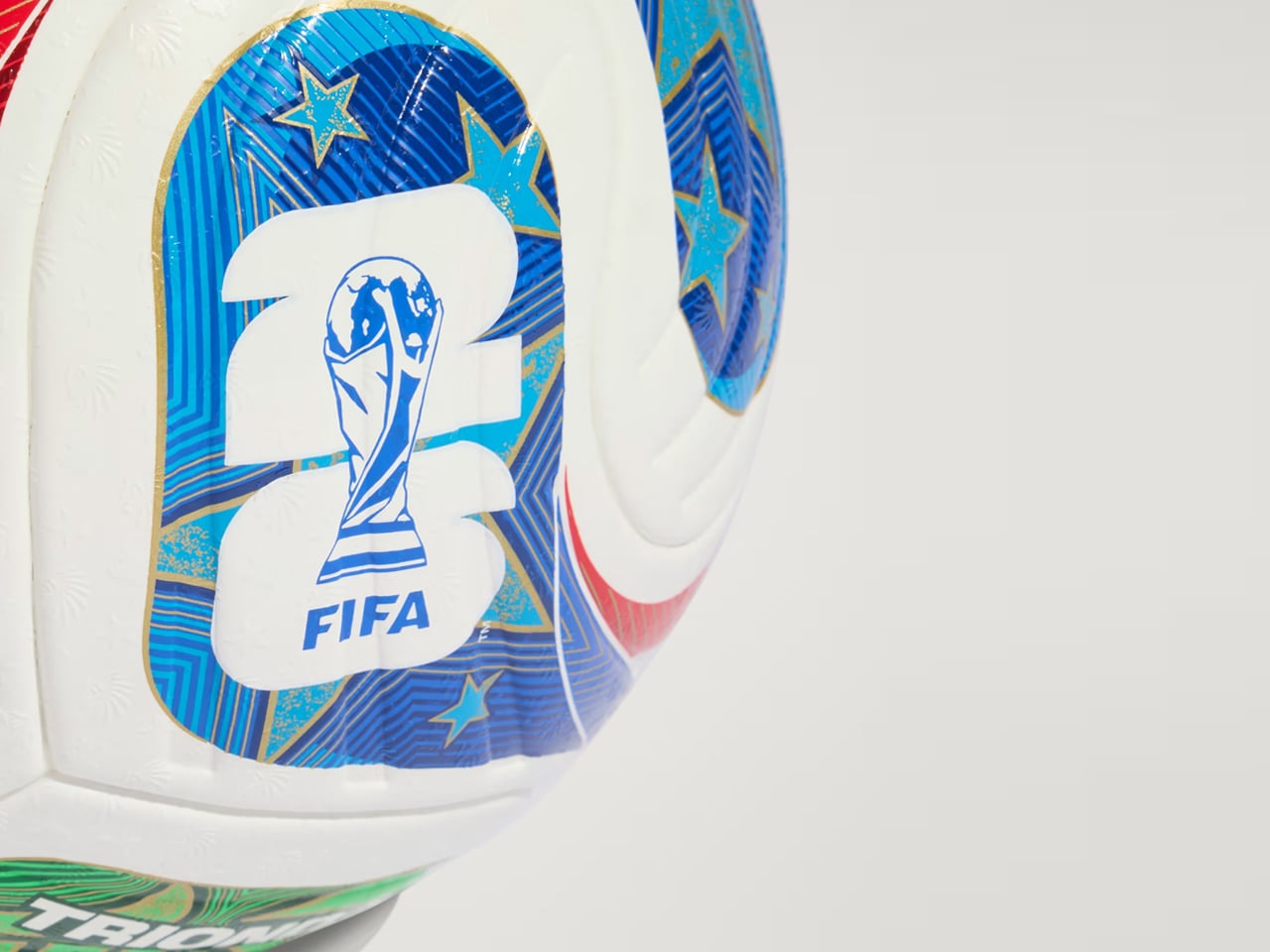
Created by adidas for the FIFA World Cup 2026, Trionda Pro is the official match ball of the tournament. It will arrive in a tricolor wave panel design with red, green, and blue graphics, which pays tribute to Canada, Mexico and the USA. The ball also features maple leaf, eagle, and star – again representing the nations – visible across the four-panel construction of the ball.

“The Trionda Pro has a textured surface for a more predictable trajectory, better touch and lower water uptake, combined with a thermally bonded seamless construction for added performance and design benefits,” adidas notes on its webpage dedicated to the match ball.

Even though the impactful silhouette makes the ball pretty identifiable on the ground, adidas and FIFA wanted more from it. To that accord, Trionda Pro features a 500Hz motion sensor installed inside of its specially created layer in one of the four panels. The other three panels are provided with counterbalances ensuring flight stability in all playing conditions. The sensor is part of adidas’ in-house Connected Ball Technology and used in the match ball. It sends accurate ball movement analytics to the VAR in real time and also helps identify individual touches precisely.

The data of the ball movement, then combined with AI and player-positioning data, can allow the virtual referee to assist with correct offside calls and also identify a handball from headers in a crowded space on the field. Accurate and fast decisions regarding off-sides and fouls can make a big difference in high-octane games, especially on the world stage. So, Trionda Pro is a viable tech upgrade to the sport, which is going into a mega tournament for a period of 39 days starting 11 June through 19 July, 2026.

The post adidas Trionda Pro brings connected-ball technology to the FIFA World Cup 2026 first appeared on Yanko Design.
Louis Vuitton Just Made a One-of-a-Kind Clock for UNICEF

Not every luxury piece earns the word “meaningful.” Beautiful, yes. Covetable, absolutely. But meaningful is a harder category to land in, and the Louis Vuitton Unity Time Object lands there without trying too hard about it.

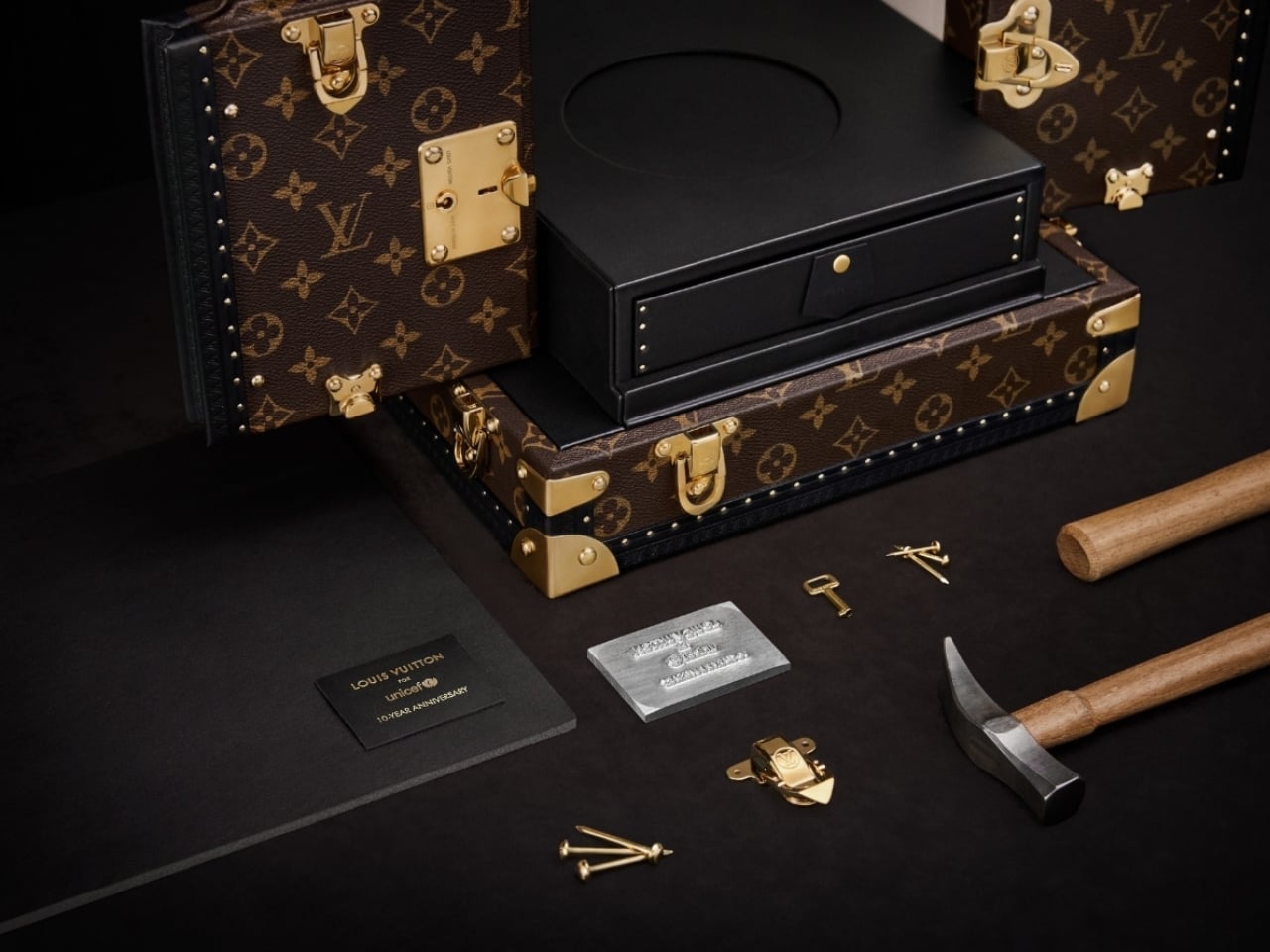
Unveiled at the Fall-Winter 2026 Men’s Fashion Show in Paris, the piece was created to mark ten years of the Louis Vuitton for UNICEF partnership. A decade of fundraising, direct action, and advocacy for vulnerable children around the world. That’s the kind of milestone that deserves more than a press release, and Louis Vuitton clearly agreed.

Designer: Louis Vuitton

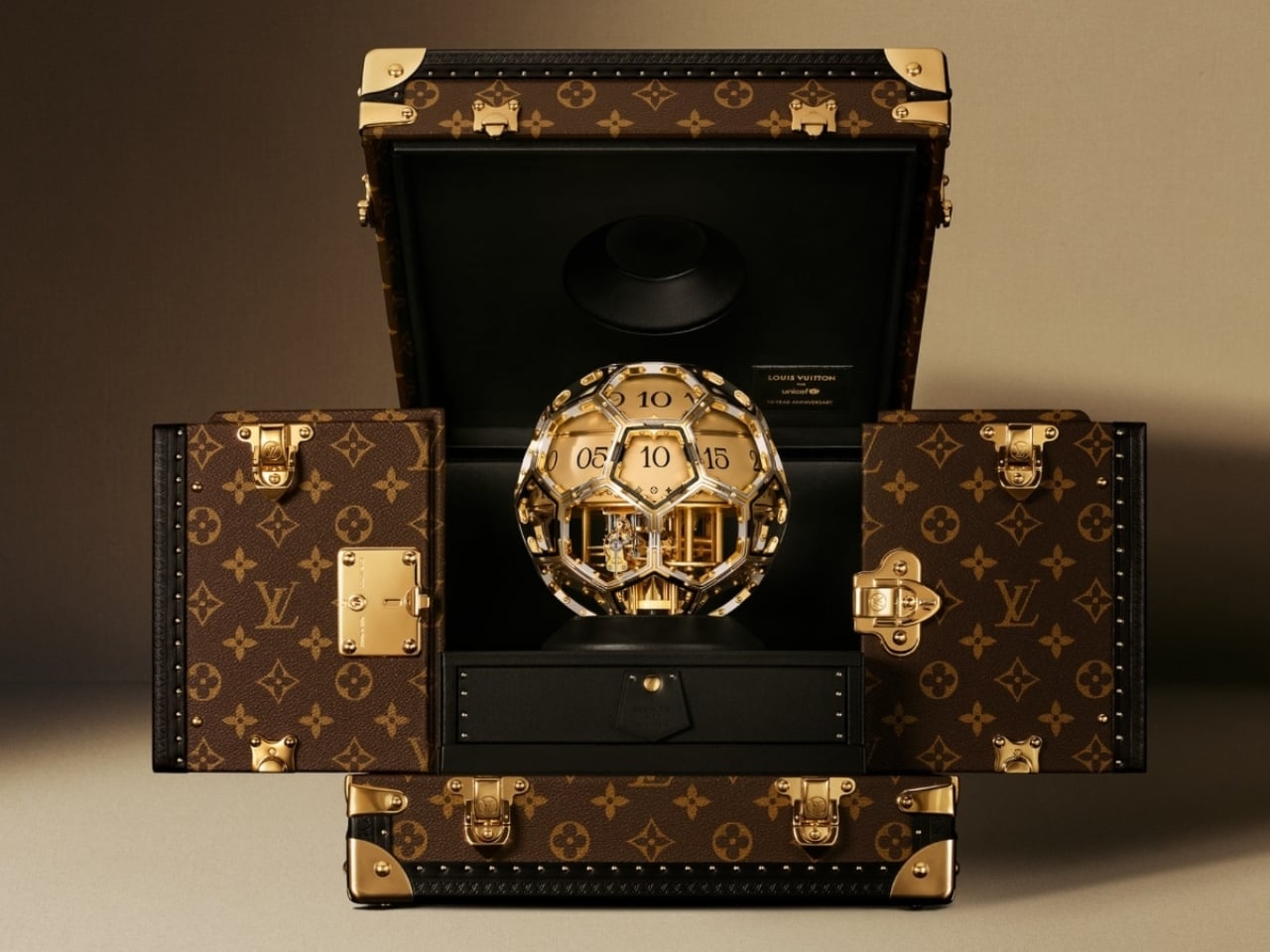
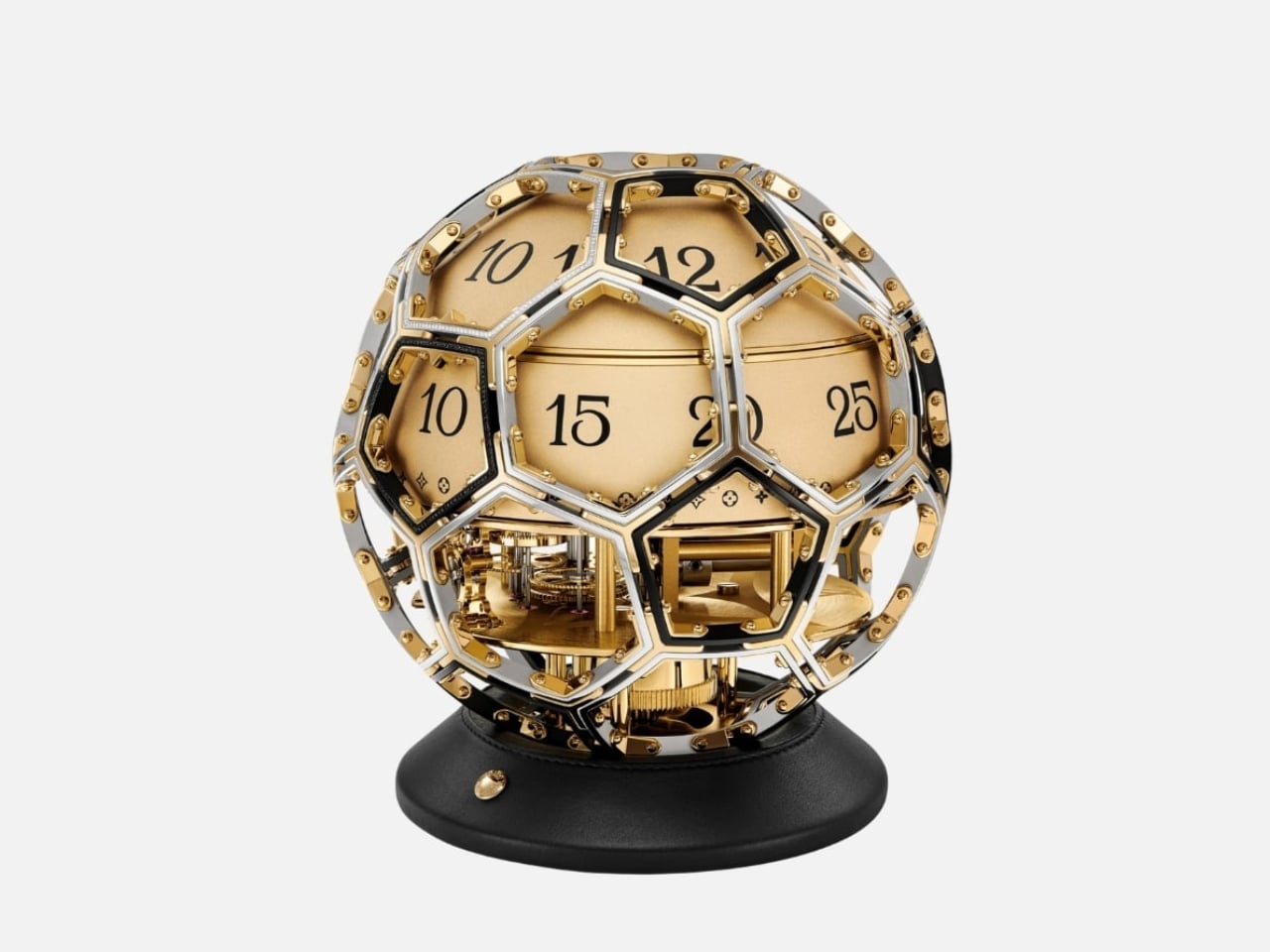
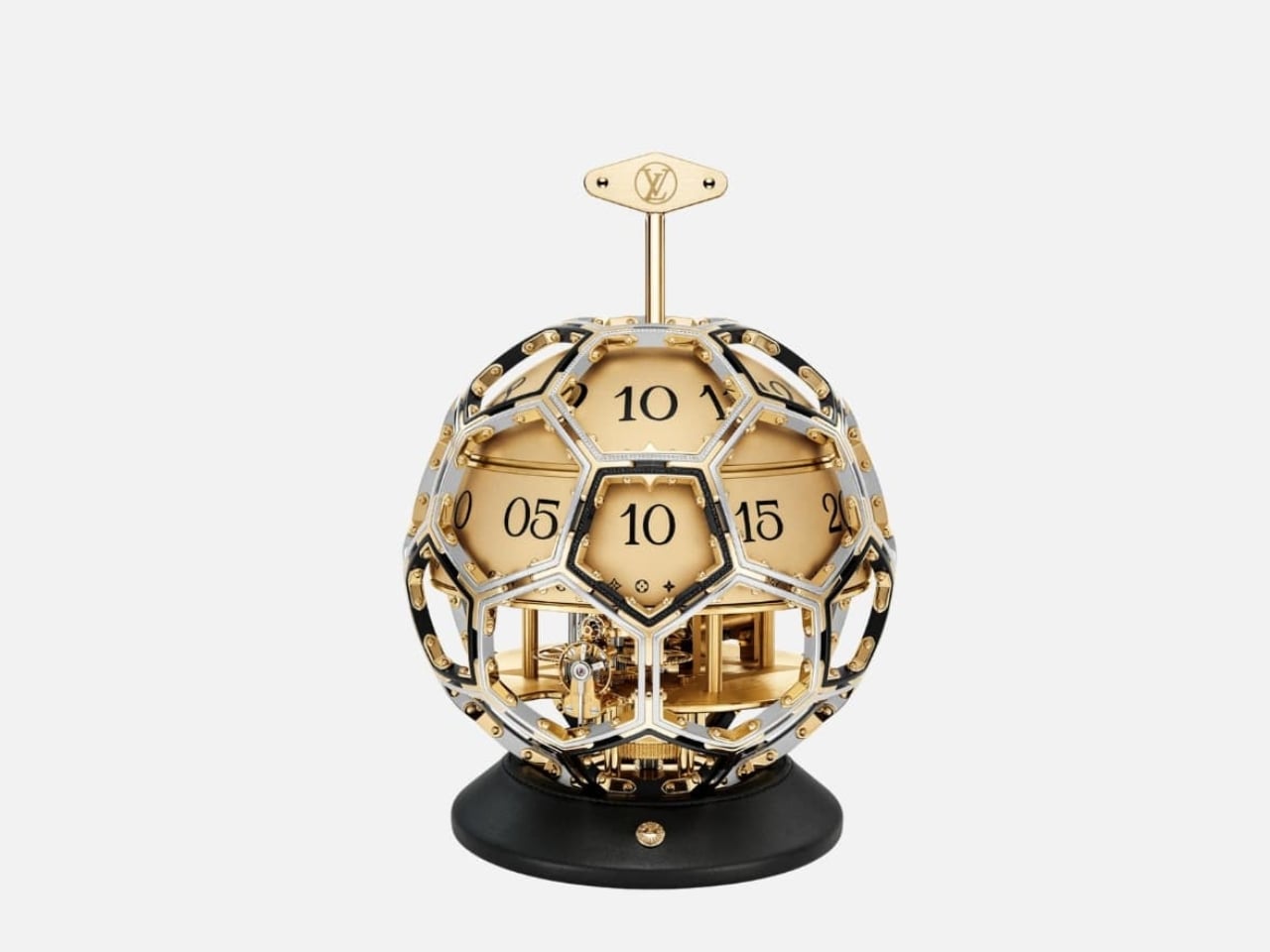
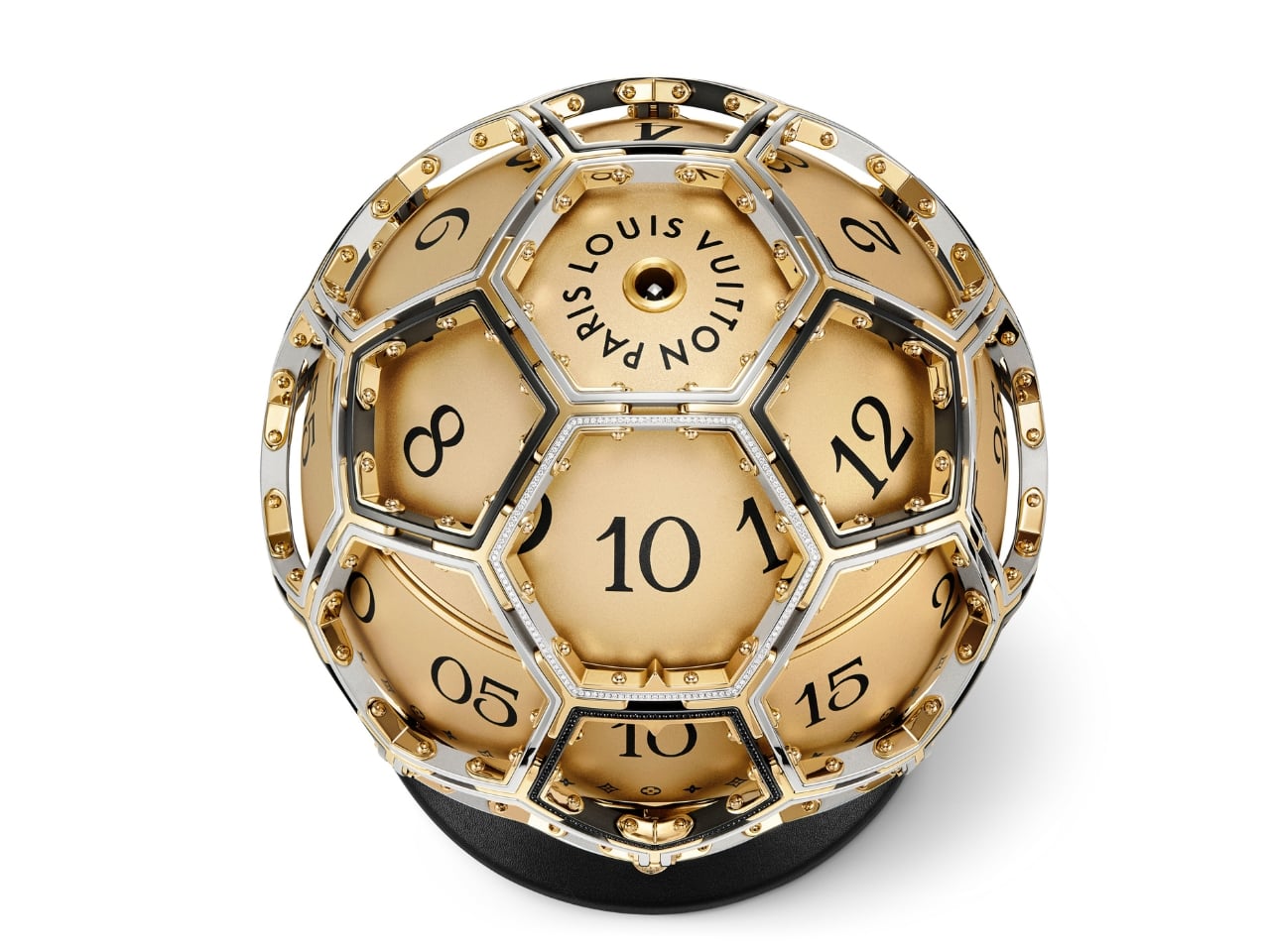
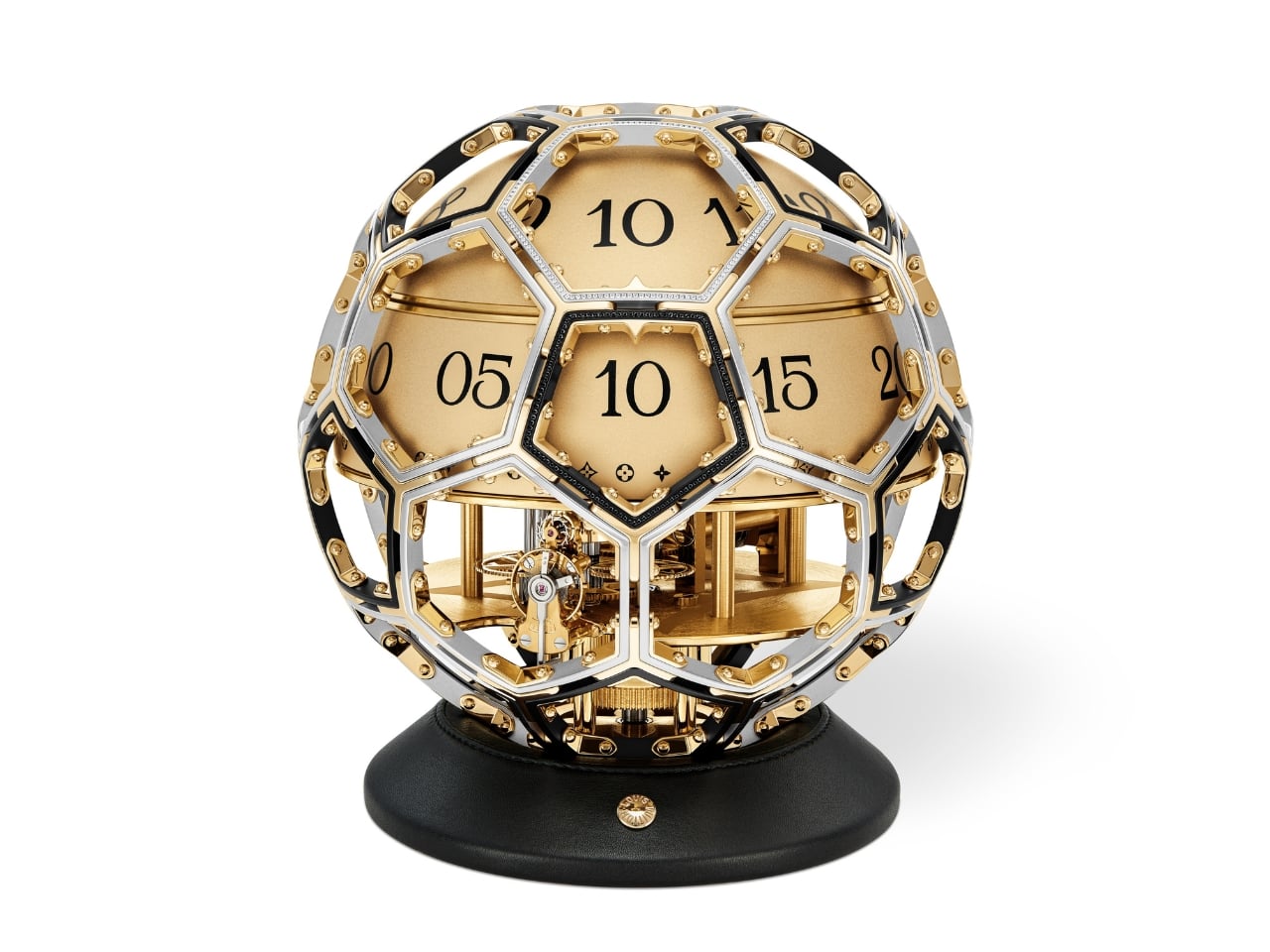
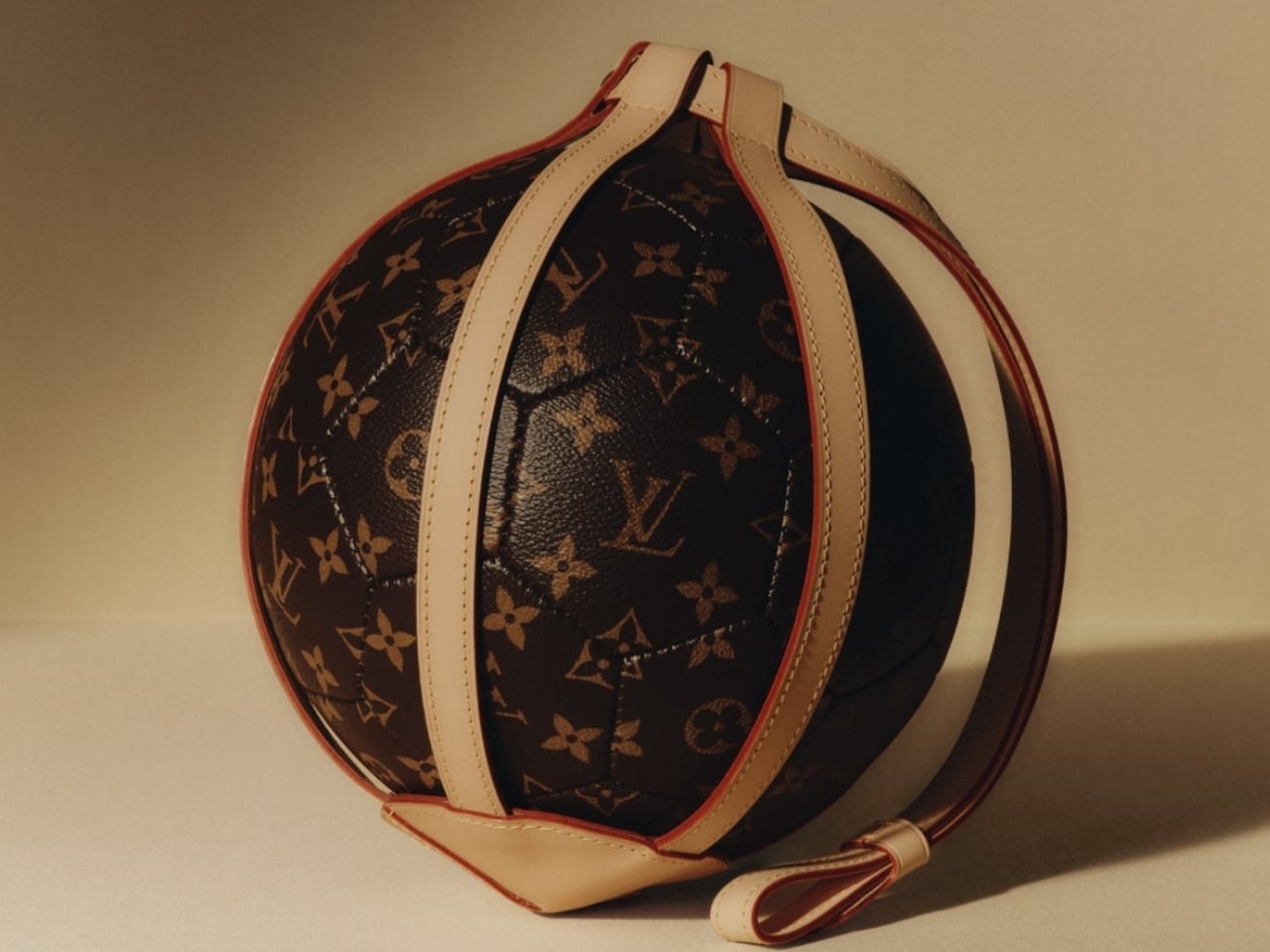
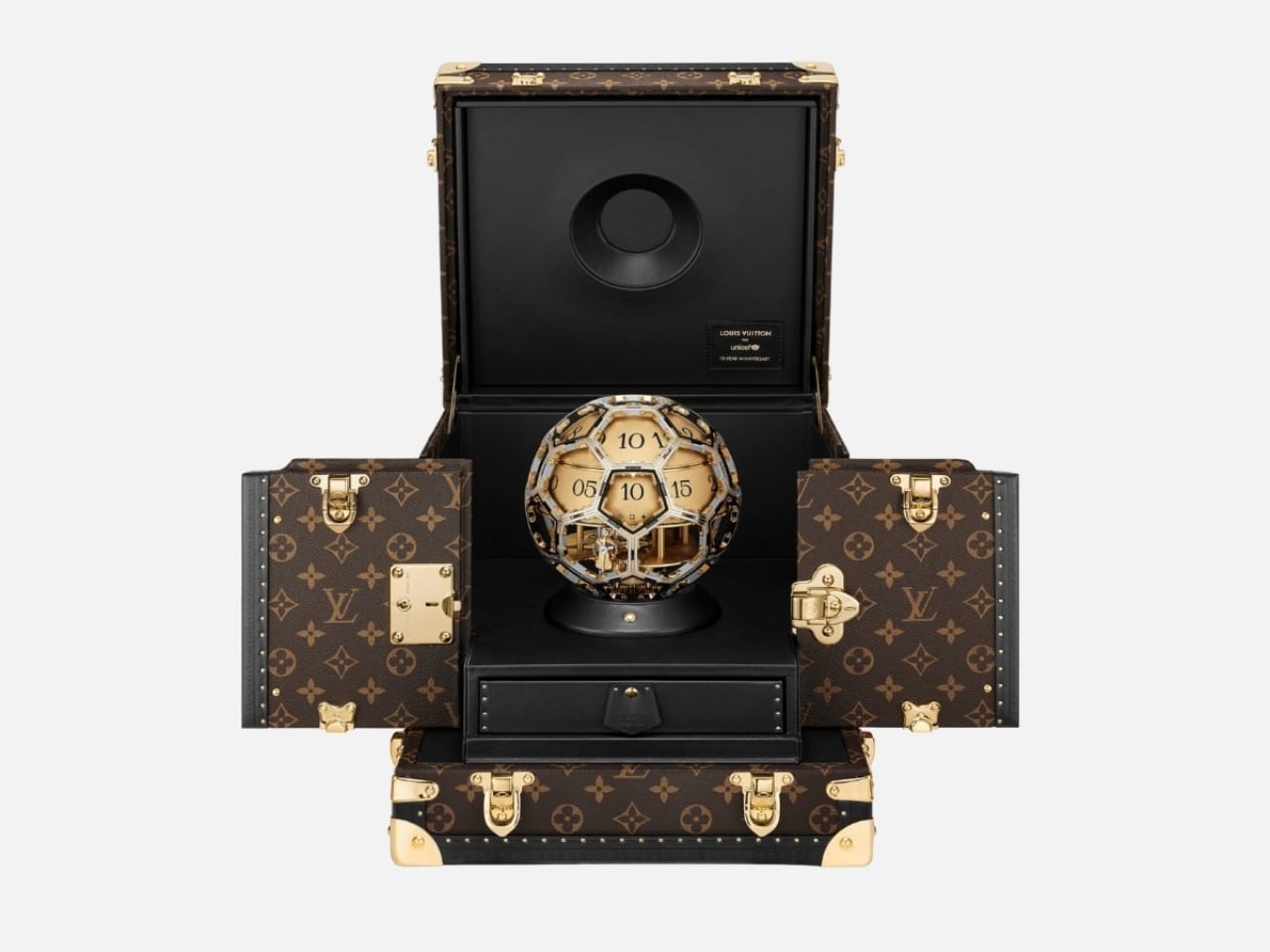
The form alone is worth sitting with for a moment. The clock takes its shape from the LV Soccer Ball, one of the house’s most recognized sporting objects, now reimagined as a sculptural timepiece that functions equally as objet d’art and design statement. A sphere has no front or back, no implied hierarchy, no right way to face. It looks the same from every corner of the room, every corner of the world. For a partnership rooted in the idea that every child deserves access and dignity regardless of where they were born, the shape isn’t just aesthetic. It’s a quiet argument made in steel and gold.

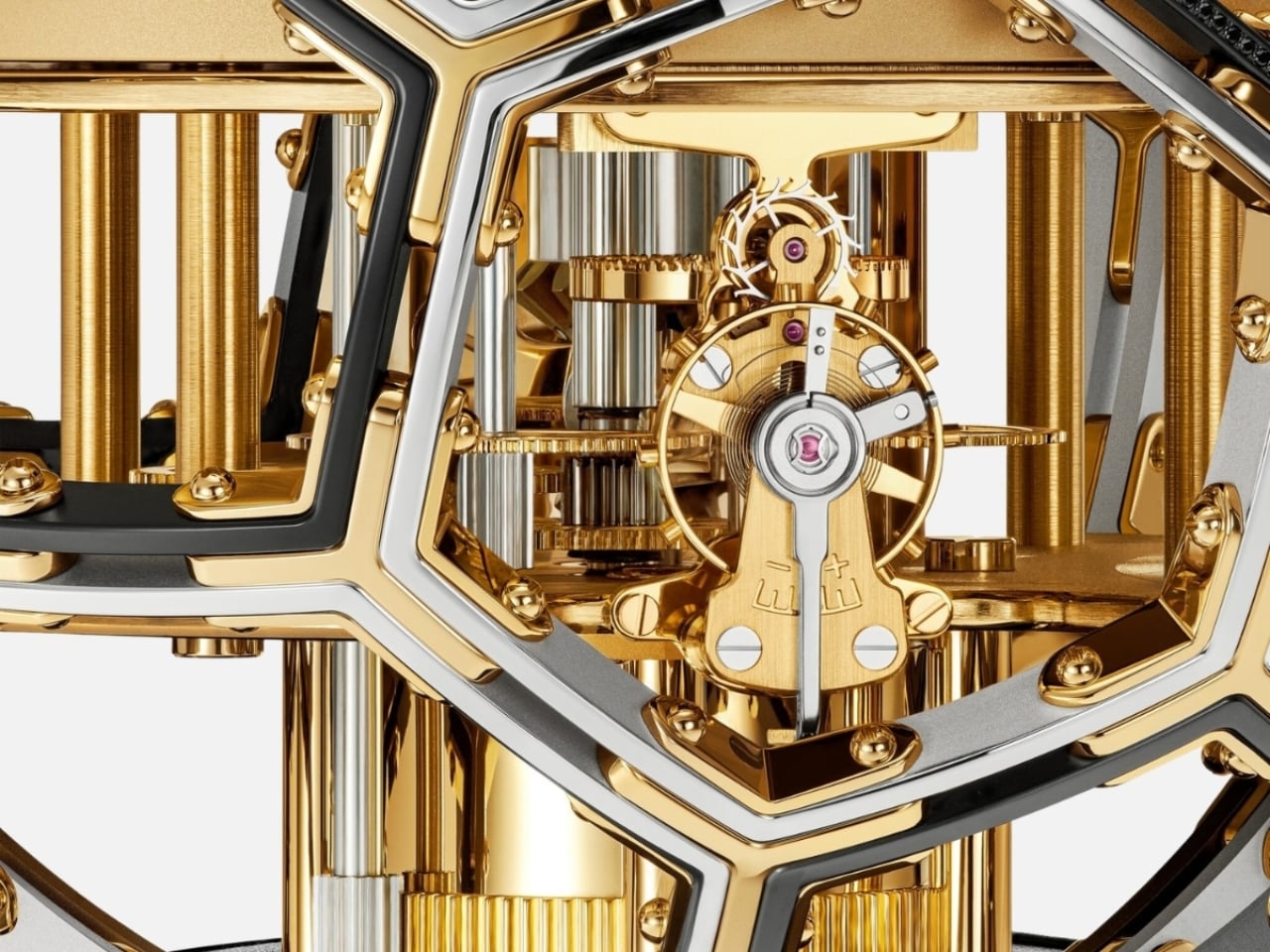
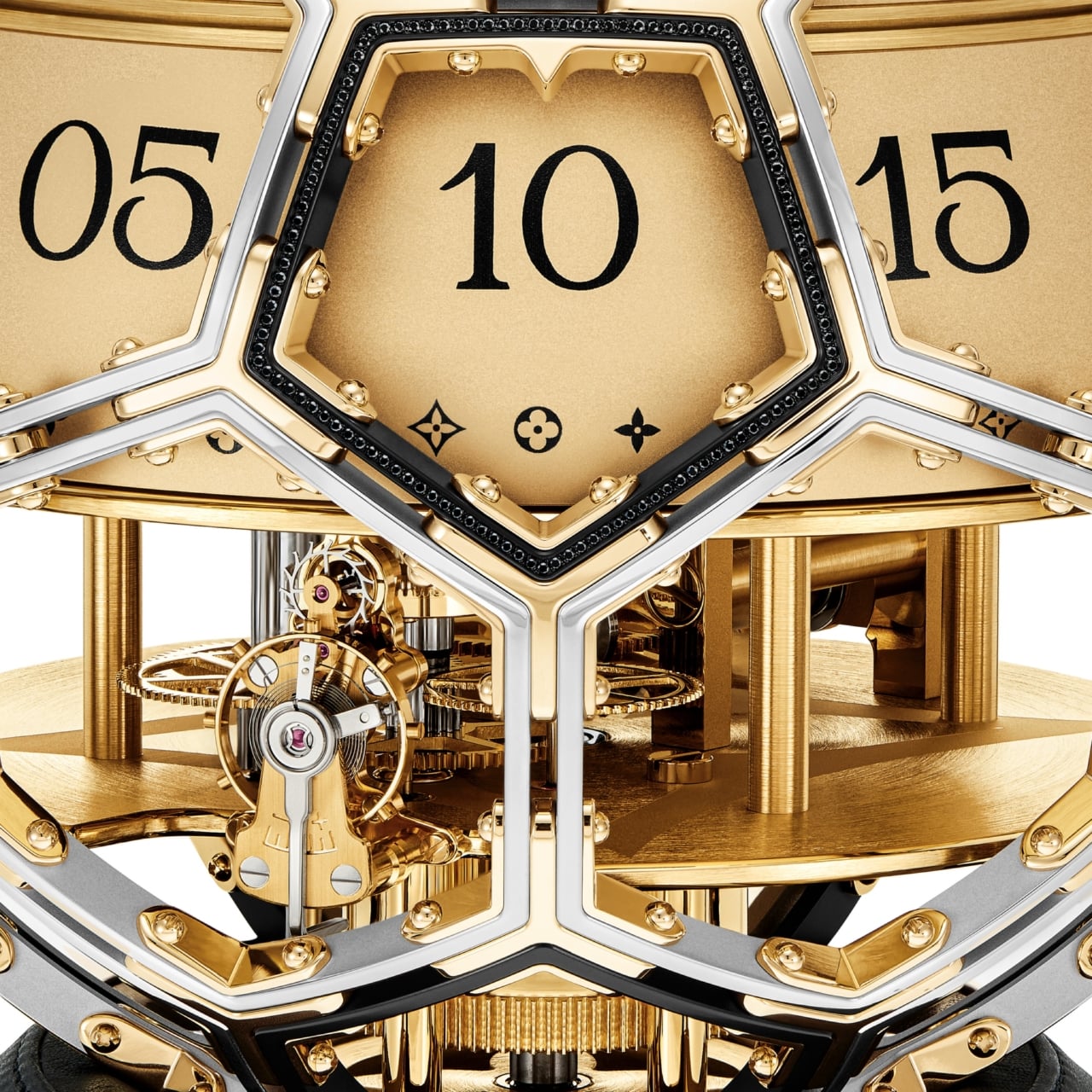
Time on the Unity Time Object is told through two rotating cylinders rather than conventional hands. A sculpted golden steel dome forms the upper half of the clock, and beneath it, one cylinder tracks the hours while the other handles the minutes. The minute cylinder is engraved with Louis Vuitton’s Monogram motif and flowers, with “Louis Vuitton Paris” running along its top. You wind it with a key inserted at the side or top, and the act carries an almost ceremonial quality. It asks you to slow down, to pay attention. In a product era built on digital convenience, that small ritual feels genuinely countercultural.

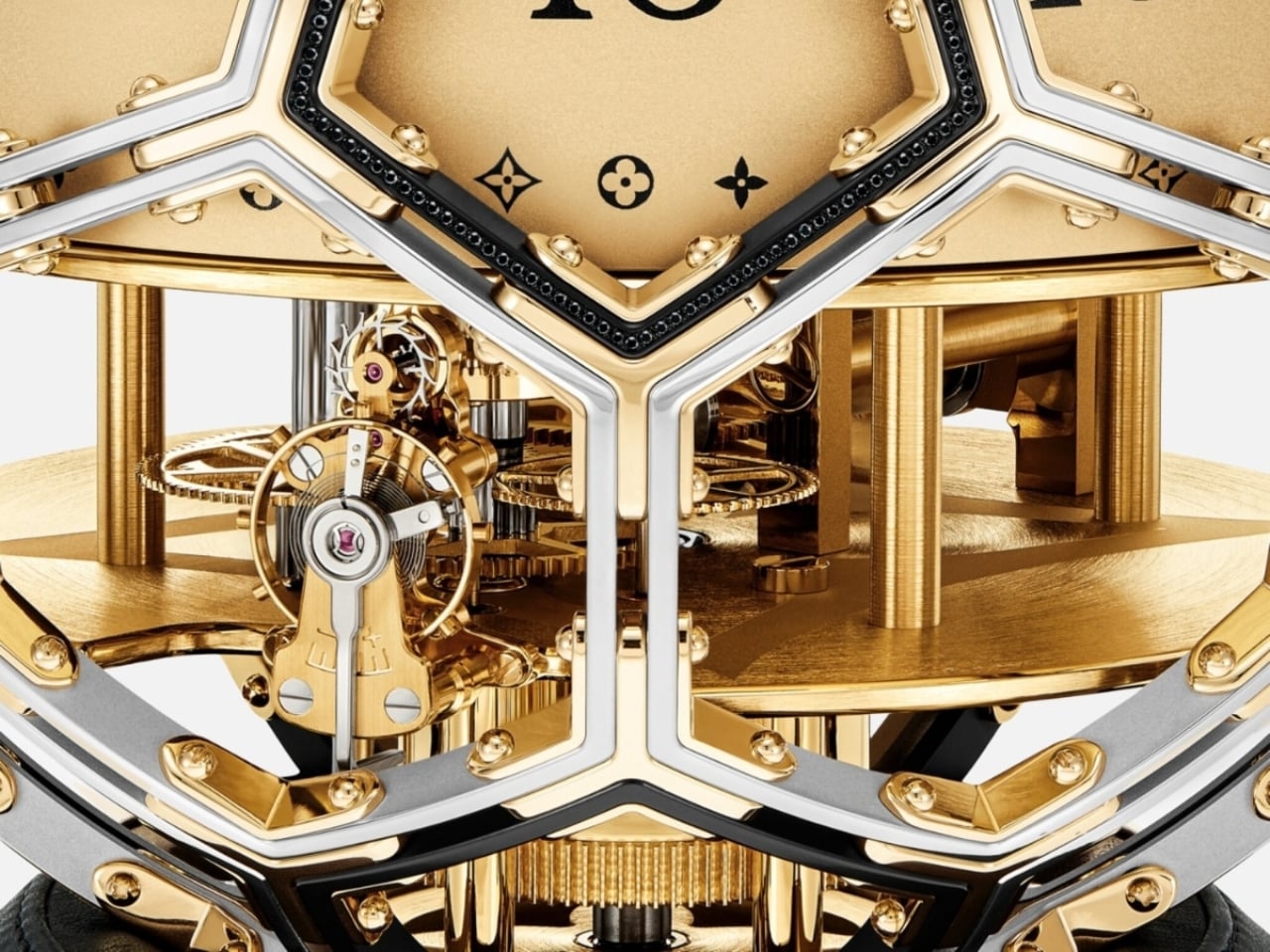
The movement was developed in collaboration with L’Épée 1839, the Swiss clockmaker with nearly two centuries of history behind it. It’s entirely visible through the skeletonized structure, with every screw and movement plate worked with the Monogram flower. Diamond-set details add richness without overwhelming the mechanical poetry underneath. The whole piece reads like a conversation between decoration and precision, and neither side loses.

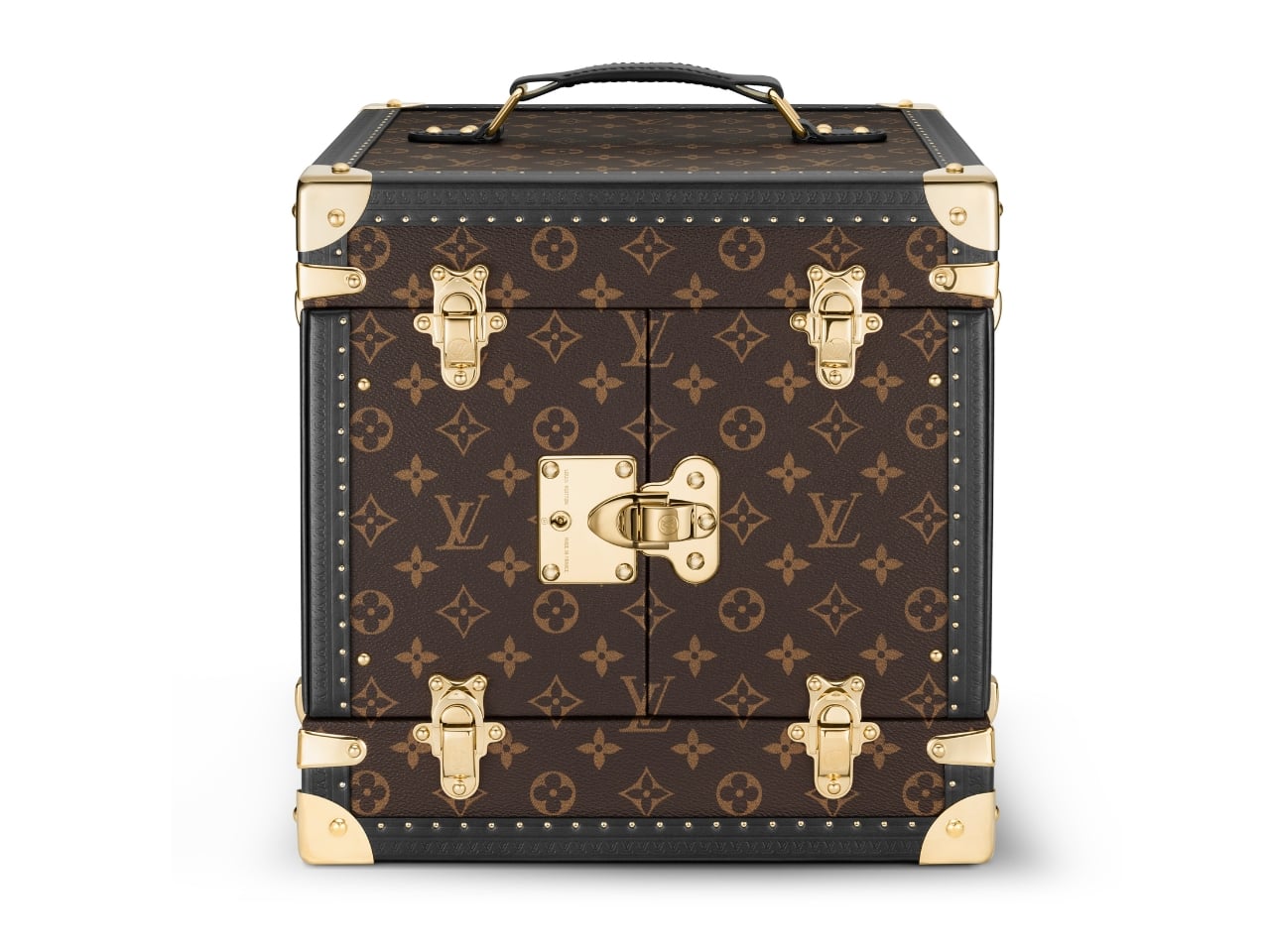
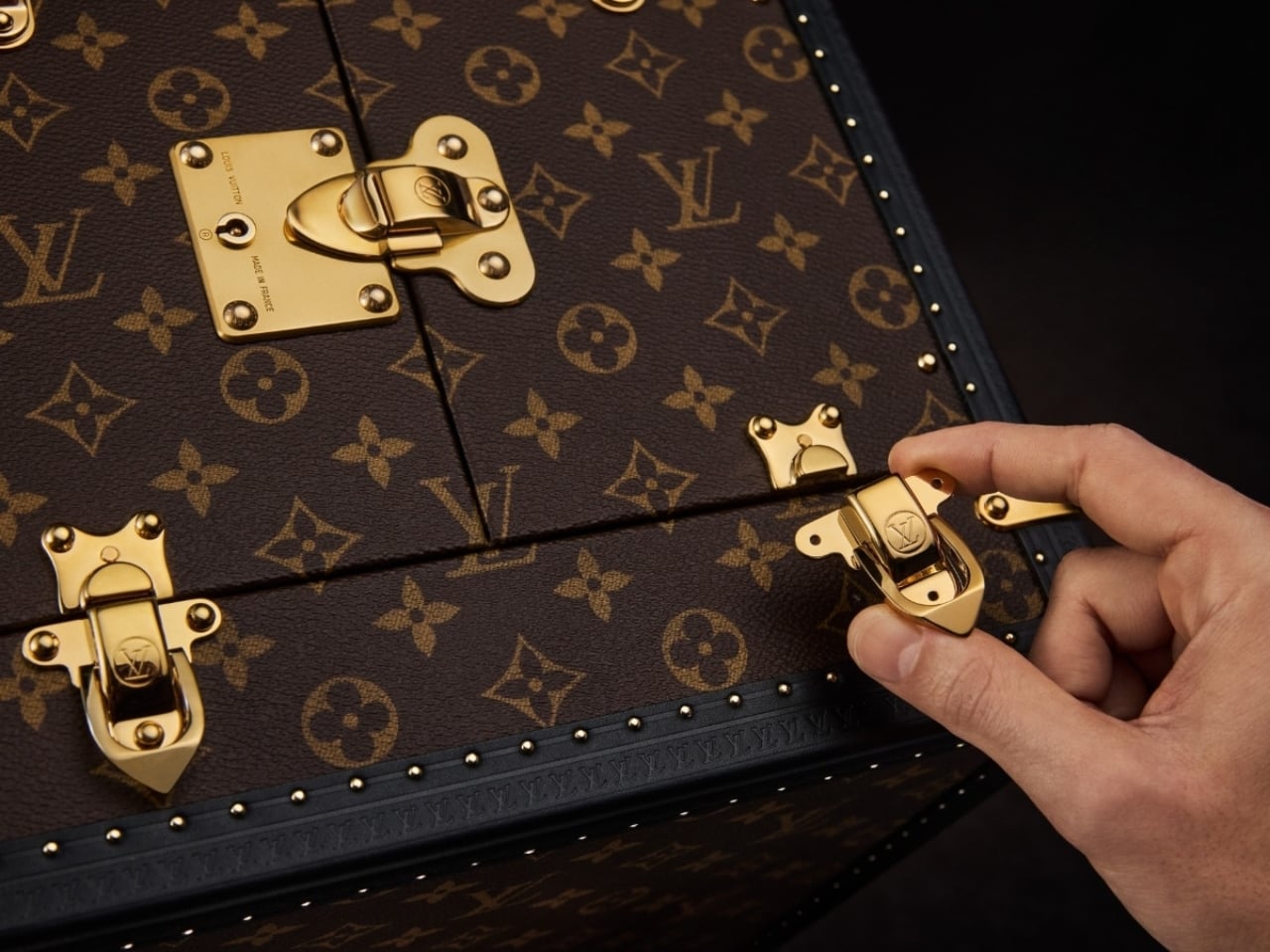
The clock arrives in a trophy-style trunk made from Louis Vuitton’s Monogram canvas, handcrafted at the house’s historic Asnières workshop. The brass corner protectors, lock, and clasps are the same ones found on Louis Vuitton trunks going back to the 1860s. A display case built with 160 years of muscle memory, housing an object shaped like a ball. It shouldn’t cohere as well as it does, and yet here we are.

The Unity Time Object is classified as a pièce unique at Sotheby’s, meaning one exists in the world, full stop. It goes to auction on June 9, 2026, with the sale closing June 18, and all proceeds going directly to UNICEF and its work supporting children globally. The estimate is available upon request, which is auction-house language for a number most of us should simply appreciate from a respectful distance.

What I keep returning to is the simplicity of the choice. Louis Vuitton could have marked a ten-year UNICEF partnership with a capsule line or a limited-edition accessory. Something accessible, something scalable. Instead, they made a single, unrepeatable object with no commercial return for the house. Every dollar from the sale goes to the cause. That kind of gesture is rare in luxury, where even the most philanthropic moves tend to benefit the brand as much as the cause.

Good design holds meaning without over-explaining it. The Unity Time Object doesn’t need paragraphs of context to communicate its weight. A sphere. A clock. A trunk built by the same craftspeople who have been making trunks for generations. Whether you’re drawn to the horology, the design, or just the idea of what luxury could stand for at its very best, the Unity Time Object makes a compelling case that beauty and purpose don’t have to be separate conversations.

The post Louis Vuitton Just Made a One-of-a-Kind Clock for UNICEF first appeared on Yanko Design.
NESCAFÉ Just Replaced Beer at Your World Cup Party for $10

The world’s most-watched sporting event is about to kick off in less than a month. This means that World Cup watch parties are probably being set up in various households for football fans who won’t actually be able to make it to the stadiums in the U.S., Canada, or Mexico. While beer is probably the drink of choice for most of these events, NESCAFÉ wants to begin a new tradition for those who want to have a livelier, but probably safer, discussion amongst family and friends.

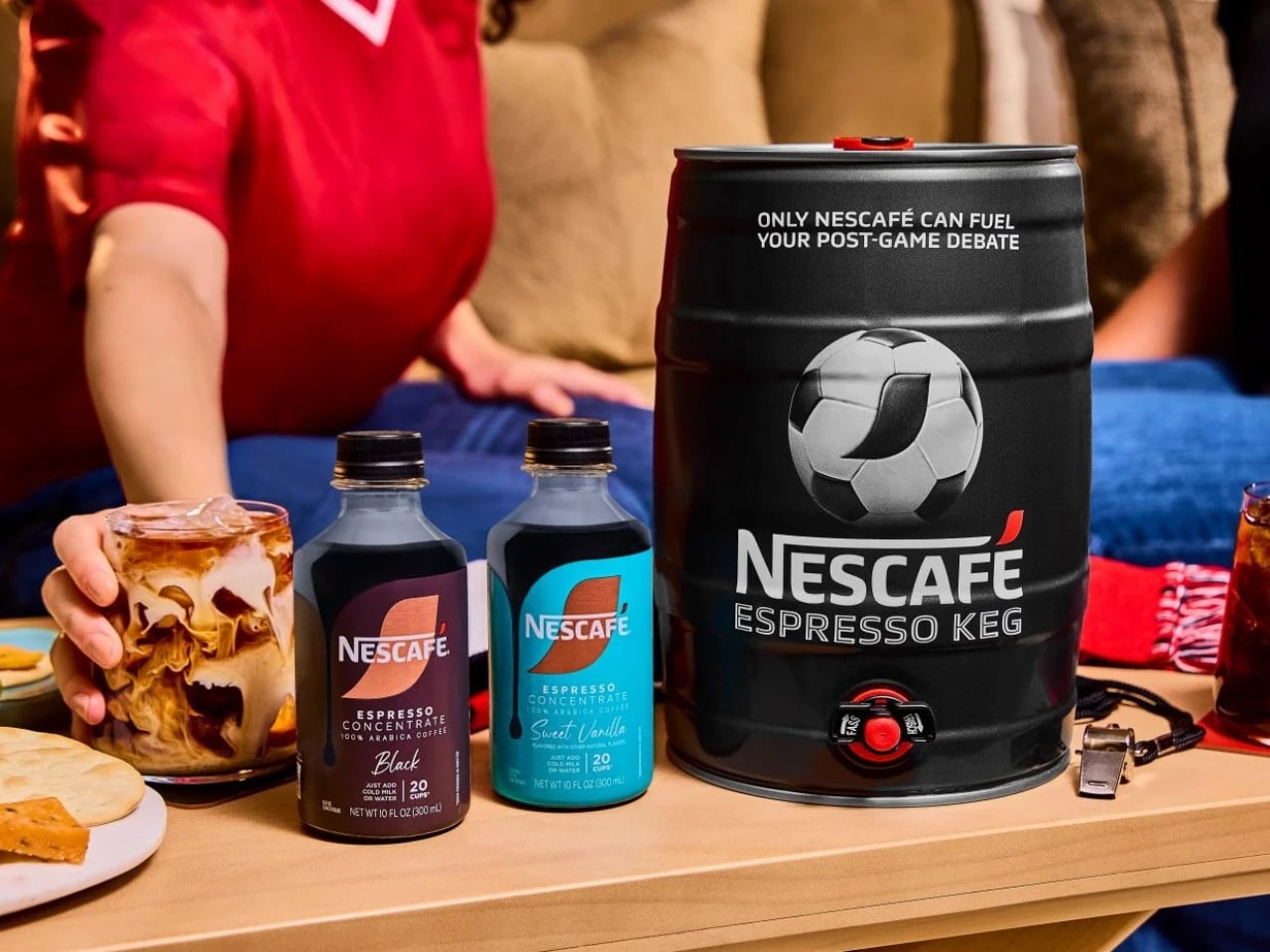
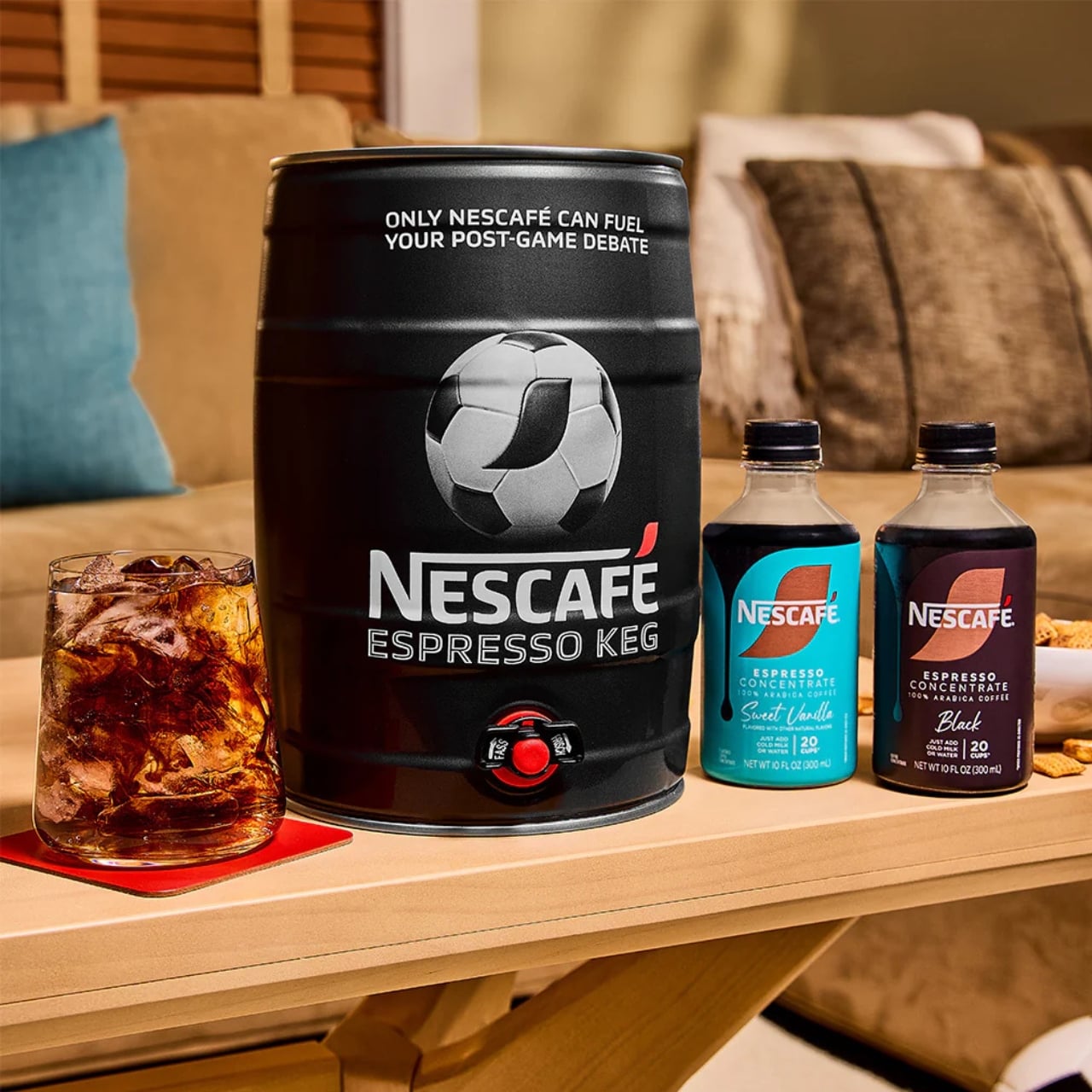
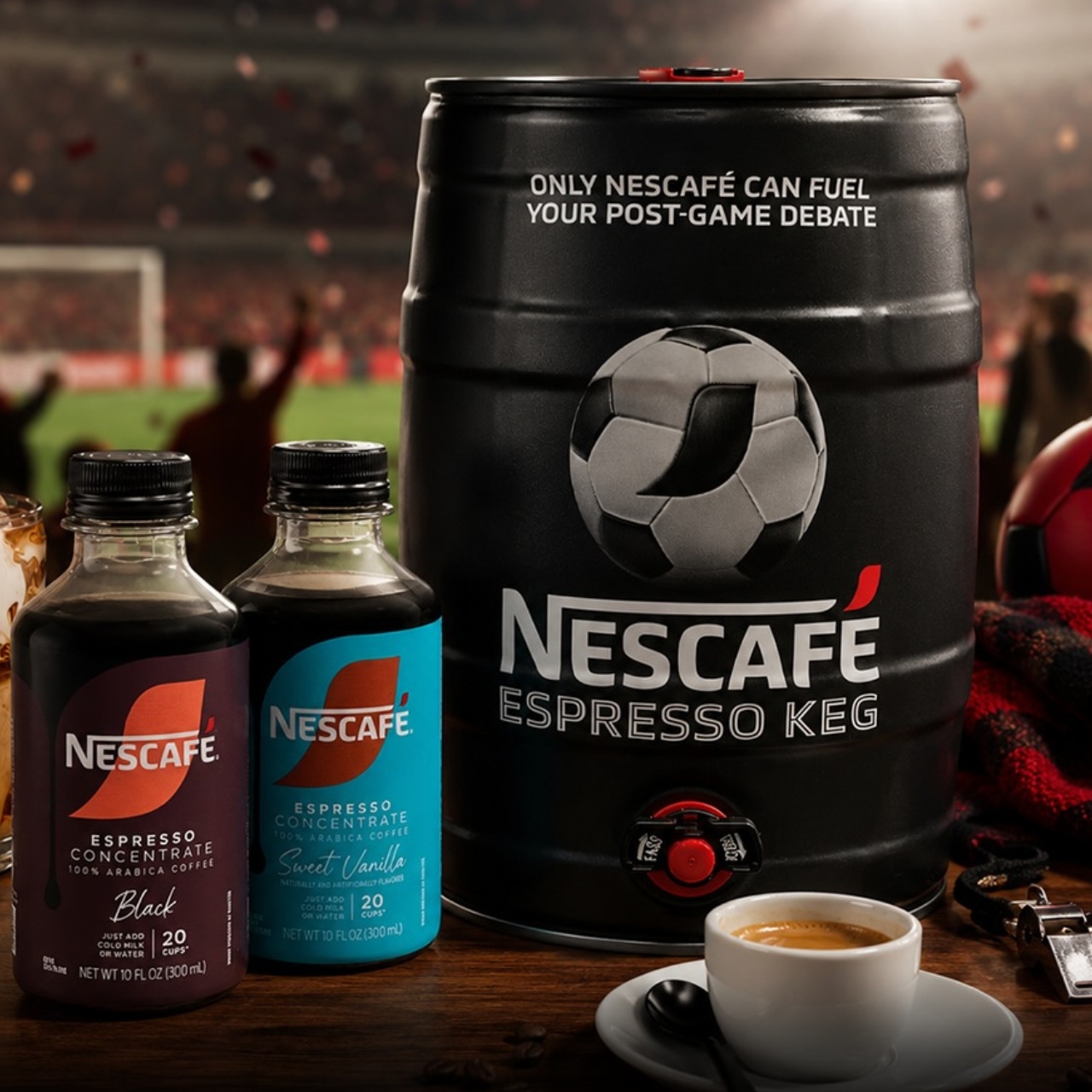
The coffee brand is introducing the NESCAFÉ Espresso Keg, a limited-edition World Cup special designed to help you get into the “Third Half.” This is a ritual they want to start, and caffeine may be the perfect companion as you get talking about the 90-minute-and-change match you just finished watching. They believe that “the conversation doesn’t end after the game,” and it should be helped along over a cup of coffee.

Designer: NESCAFÉ

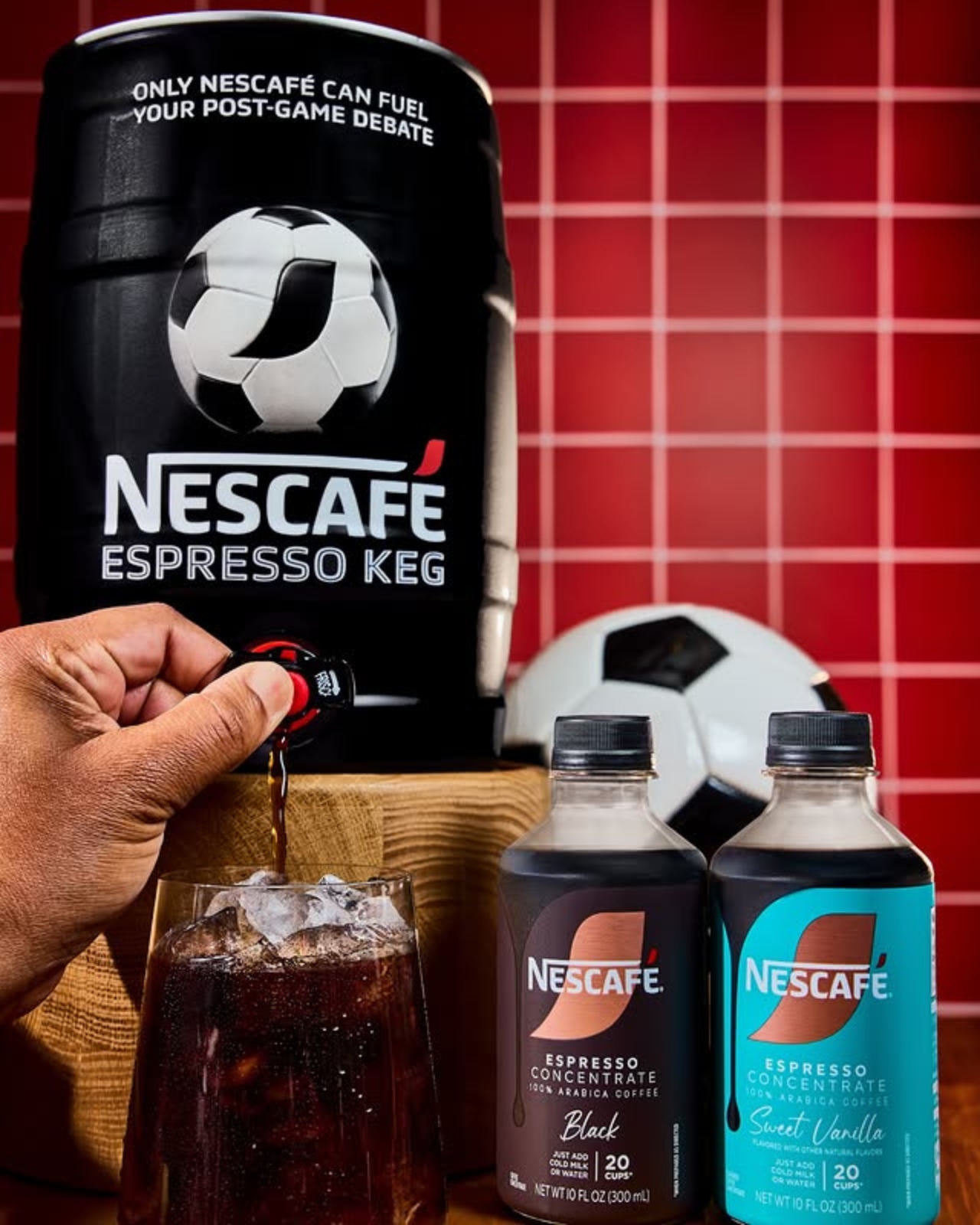
The keg actually looks like your usual beer keg, but instead of dispensing beer, you’ll have coffee pouring out of it as you discuss every goal, call (or non-call), and every exciting and controversial thing that happened during the match. Each package comes with a 5L keg and two 10oz bottles of NESCAFÉ Espresso Concentrate in Black and Sweet Vanilla flavors. In case you don’t know how to mix it up, it also comes with instructions and recipes so you can “brew” the perfect cup for your Third Half. You’ll be able to serve around 20 cups with the package, so you may need to stock up on more concentrate if you have a larger crowd attending your watch party.

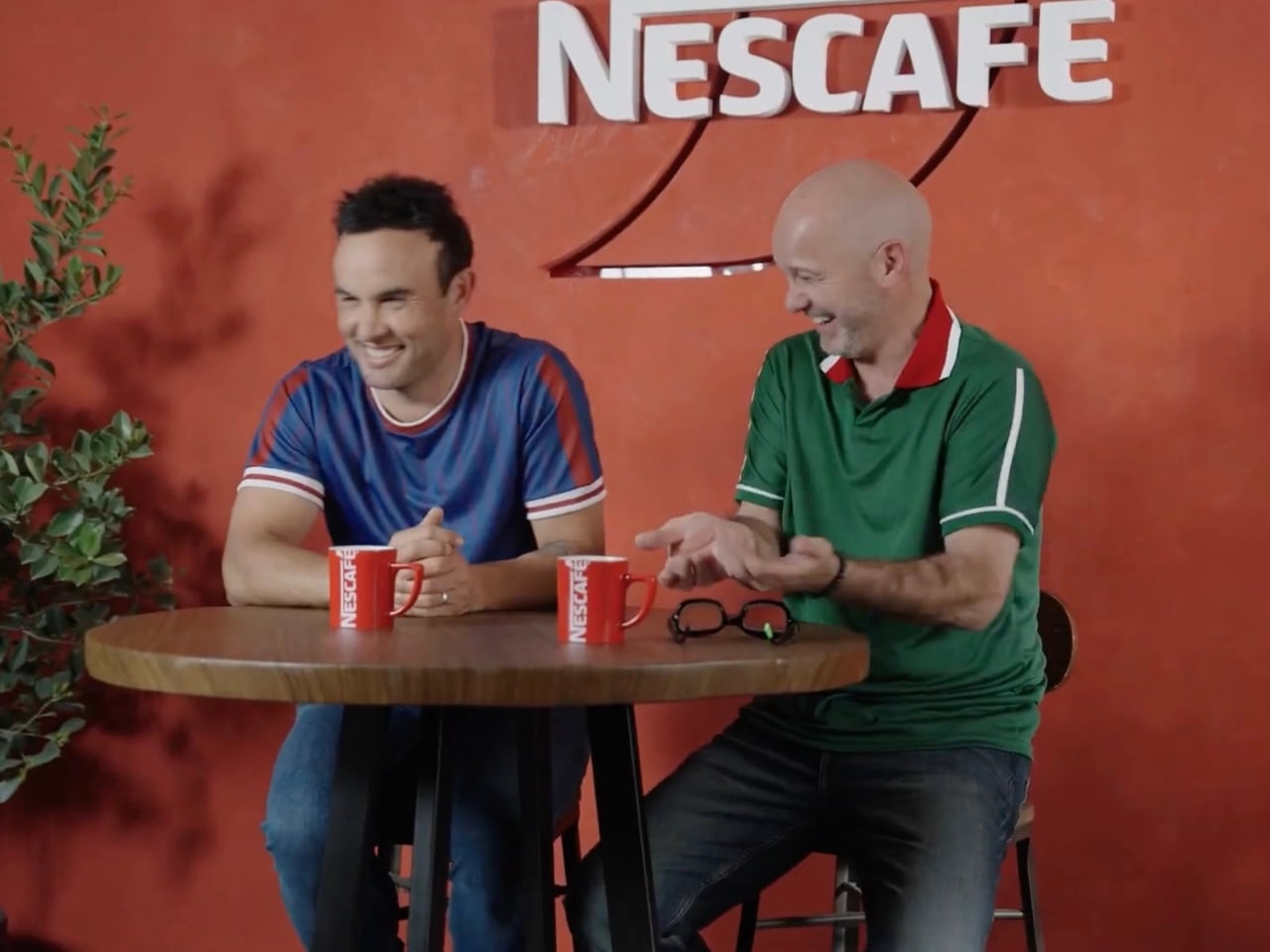
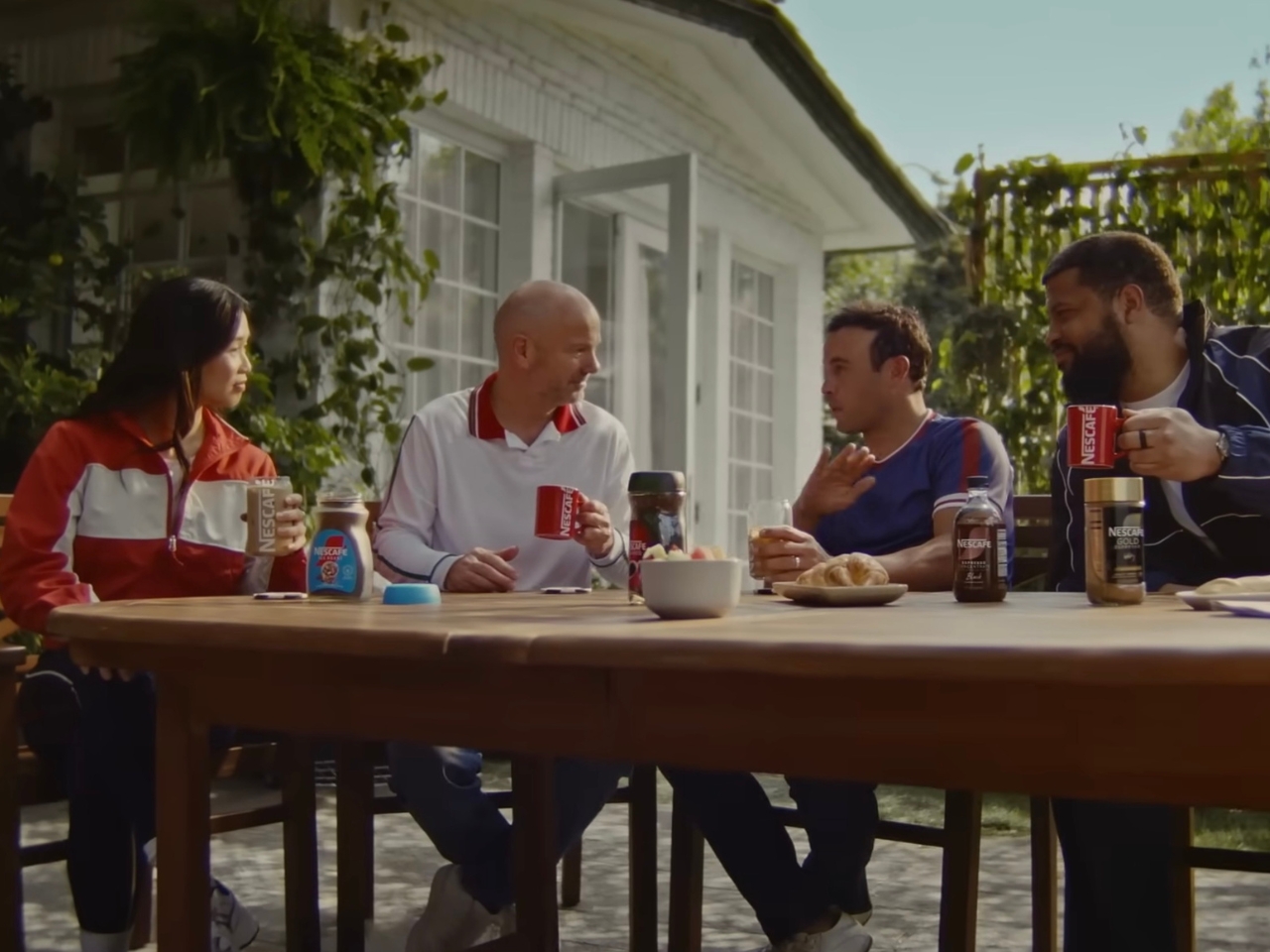
There is a special bi-cultural campaign to promote this limited-edition keg. We’re not sure why Canada was left out of the equation, but U.S. soccer legend Landon Donovan and Mexican fútbol icon Luis García are the faces of the campaign, representing their two countries. It’s priced at $10 as a tribute to Donovan’s jersey number, the iconic number 10 he wore while bringing glory to the U.S. Men’s National Team. To make it even more of a must-have item, there will be three separate drops, and the last one is this coming June 10, just a few days before the start of the World Cup.

And it turns out the concept isn’t just a clever marketing angle, as the numbers actually back it up. According to NESCAFÉ, 73% of soccer fans already drink coffee during game time, making it a surprisingly natural fit at any watch party table. Rob Marsh, NESCAFÉ’s Marketing Director, summed it up well: “We’ve coined a new half, ‘The Third Half,’ to represent the moments after and in-between games when passionate debates peak. Like any good conversation, these often take place over a beverage, making our coffee and the Nescafé Espresso Keg the perfect fuel to keep things flowing.”

It’s a fun and genuinely refreshing idea, especially for watch parties where not everyone is reaching for a beer, particularly during those early-morning kick-offs that come with a global tournament spanning multiple time zones. The Espresso Keg gives you that same communal, tap-style energy of a classic keg party, just with a serious caffeine boost instead of a headache waiting to happen. Whether you’re a black coffee purist or someone who loves a touch of Sweet Vanilla in their cup, there’s a flavor to match every personality and every strongly-held opinion about the offside rule.

The limited-edition nature of this release makes it all the more exciting. With earlier drops reportedly selling out quickly, demand has clearly been there. If you missed the first rounds, don’t sleep on that final June 10 drop. It’s the kind of collectible that doubles as a genuinely useful party accessory, a rare combination at any price point, let alone $10.

If you’re serious about hosting the ultimate World Cup watch party this summer, the NESCAFÉ Espresso Keg might just be the most unexpected and delightful centerpiece you didn’t know you needed. So mark the date, set up those fold-out chairs, hang your team’s flag, and get ready to debate every single moment of the beautiful game, one perfectly poured cup at a time.

The post NESCAFÉ Just Replaced Beer at Your World Cup Party for $10 first appeared on Yanko Design.
adidas Just Made the Best World Cup Drop for Your Dog

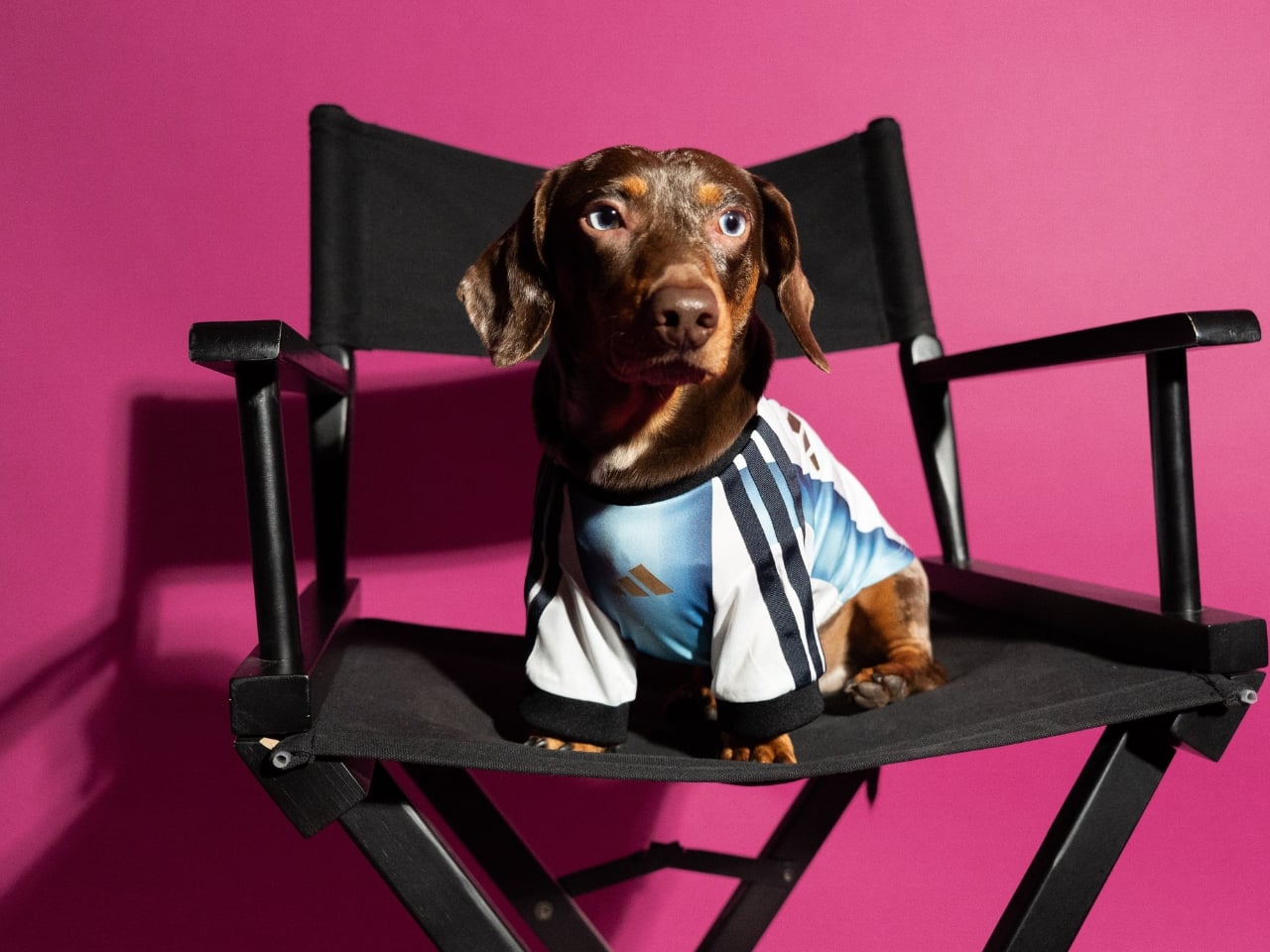
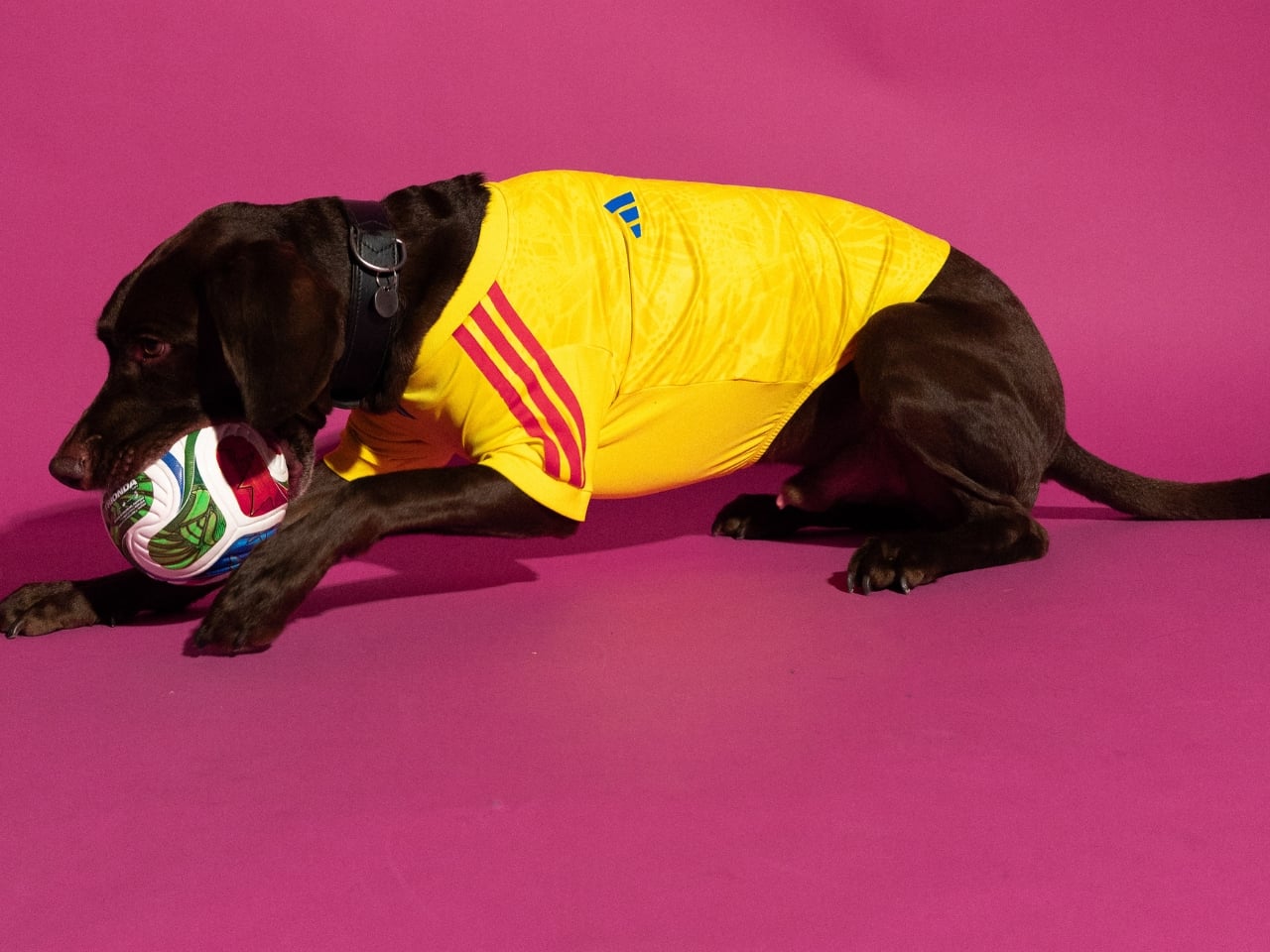
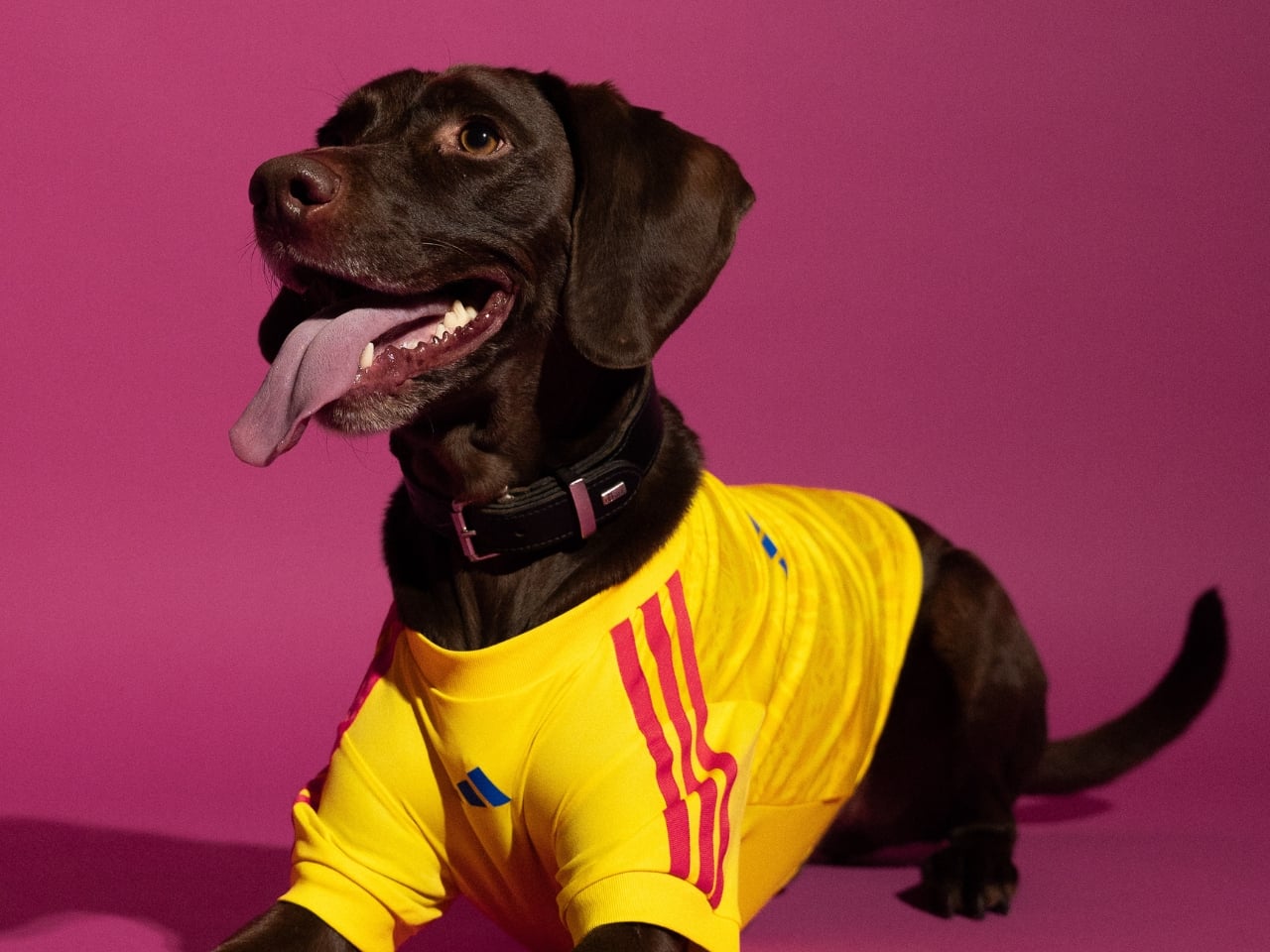
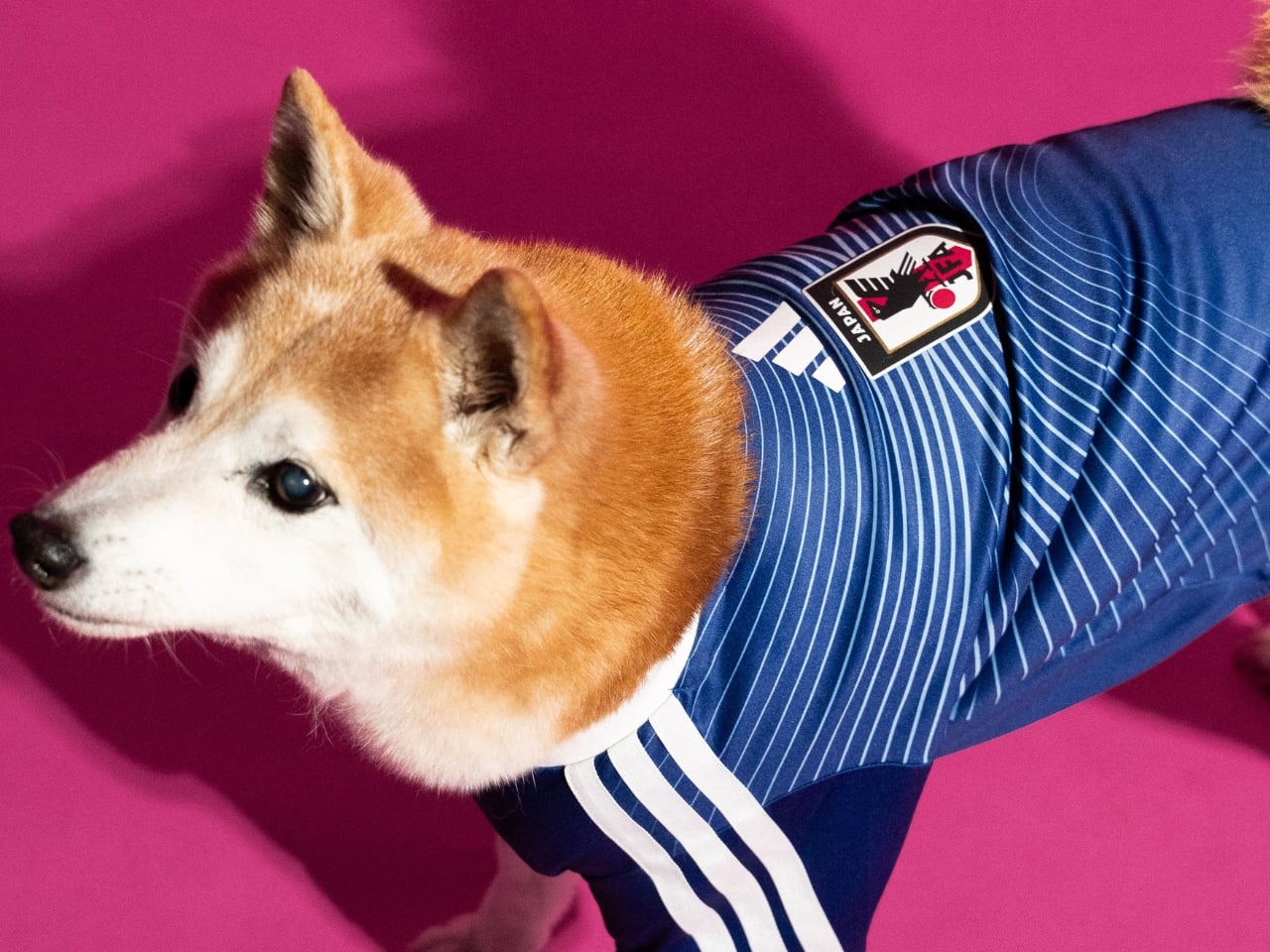
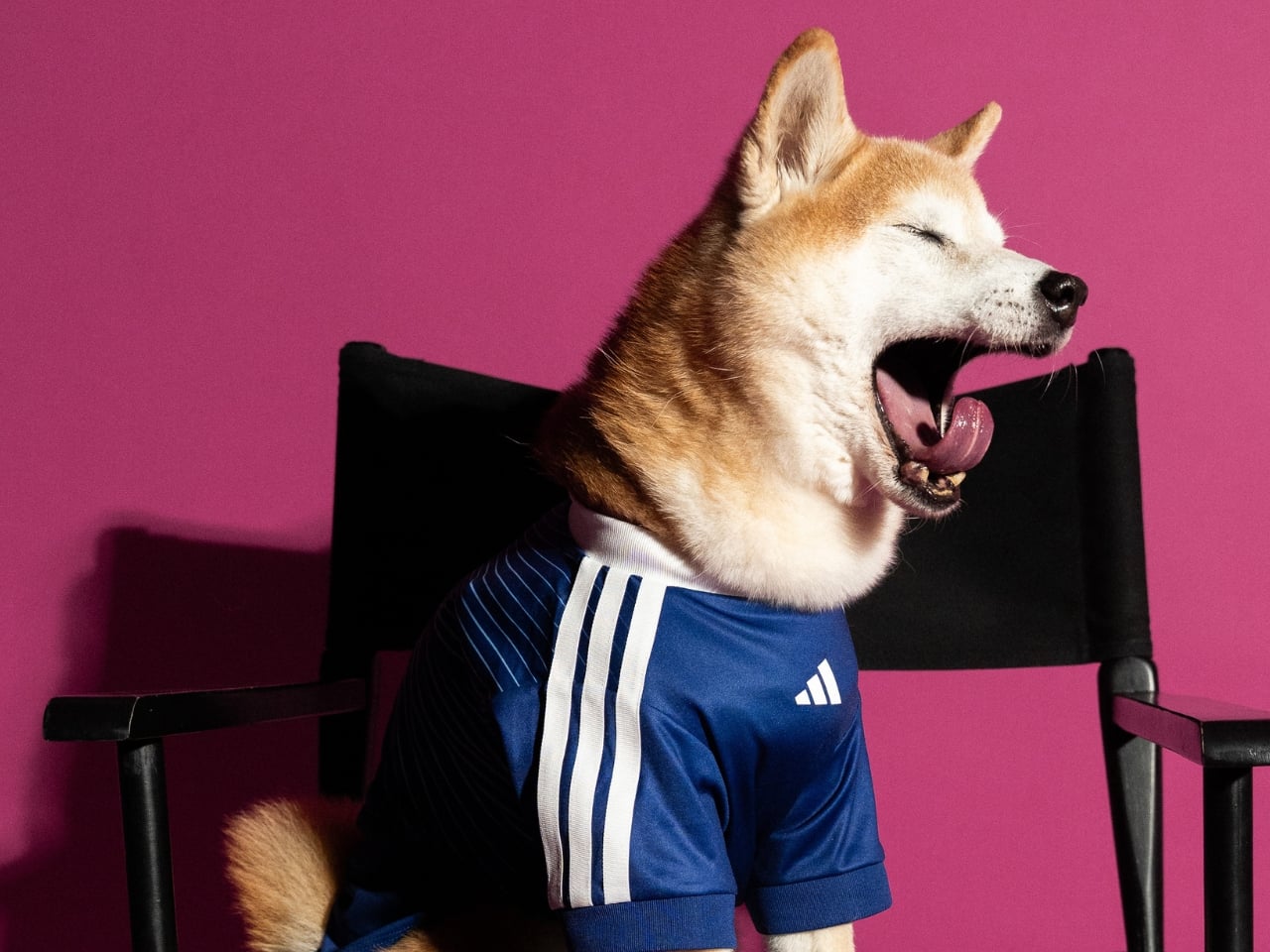
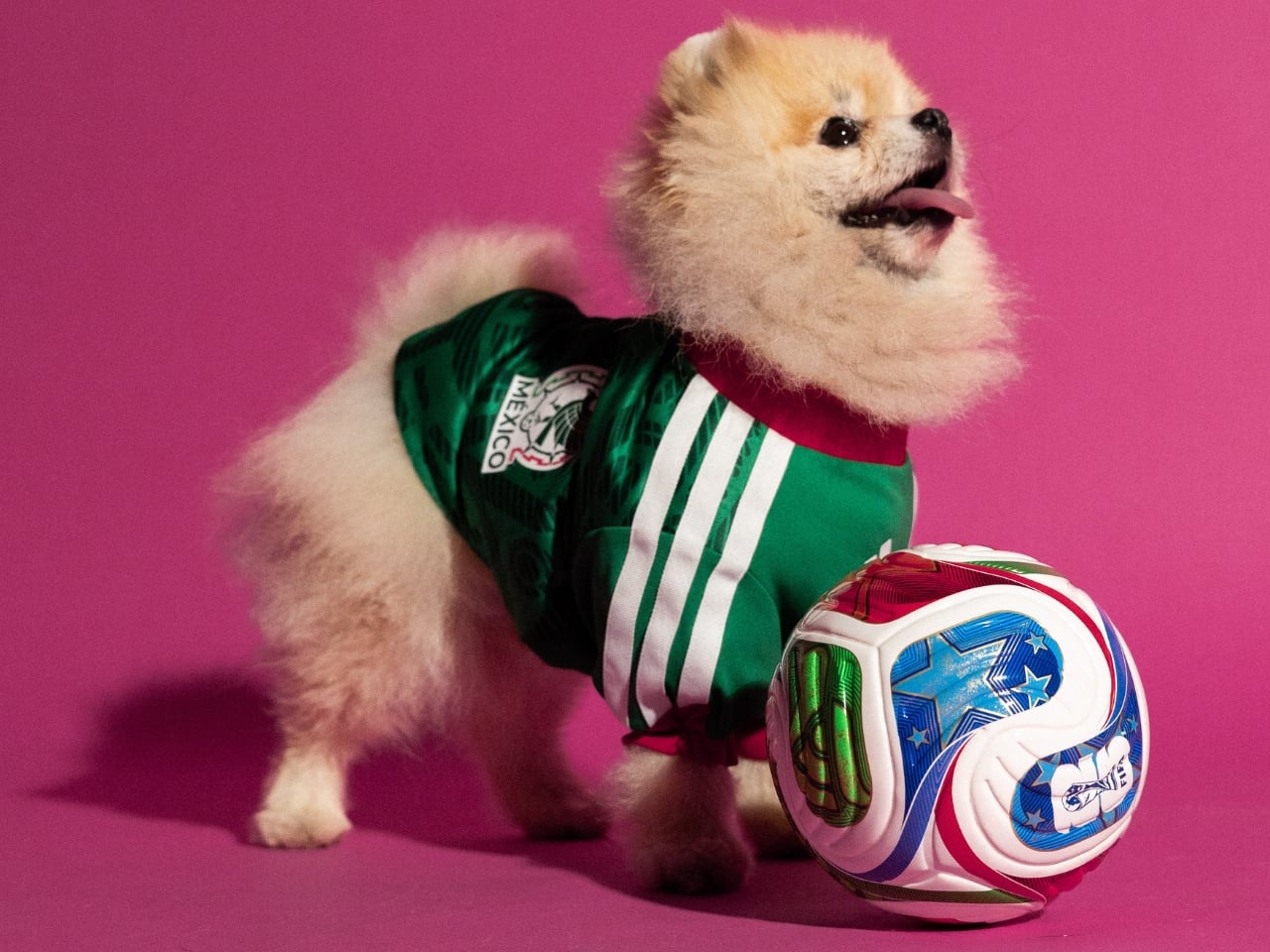
adidas dropped a pet jersey collection for the FIFA World Cup 2026 and I genuinely cannot decide if it’s brilliant or completely unhinged. Maybe both. That tension is precisely what makes it worth paying attention to.

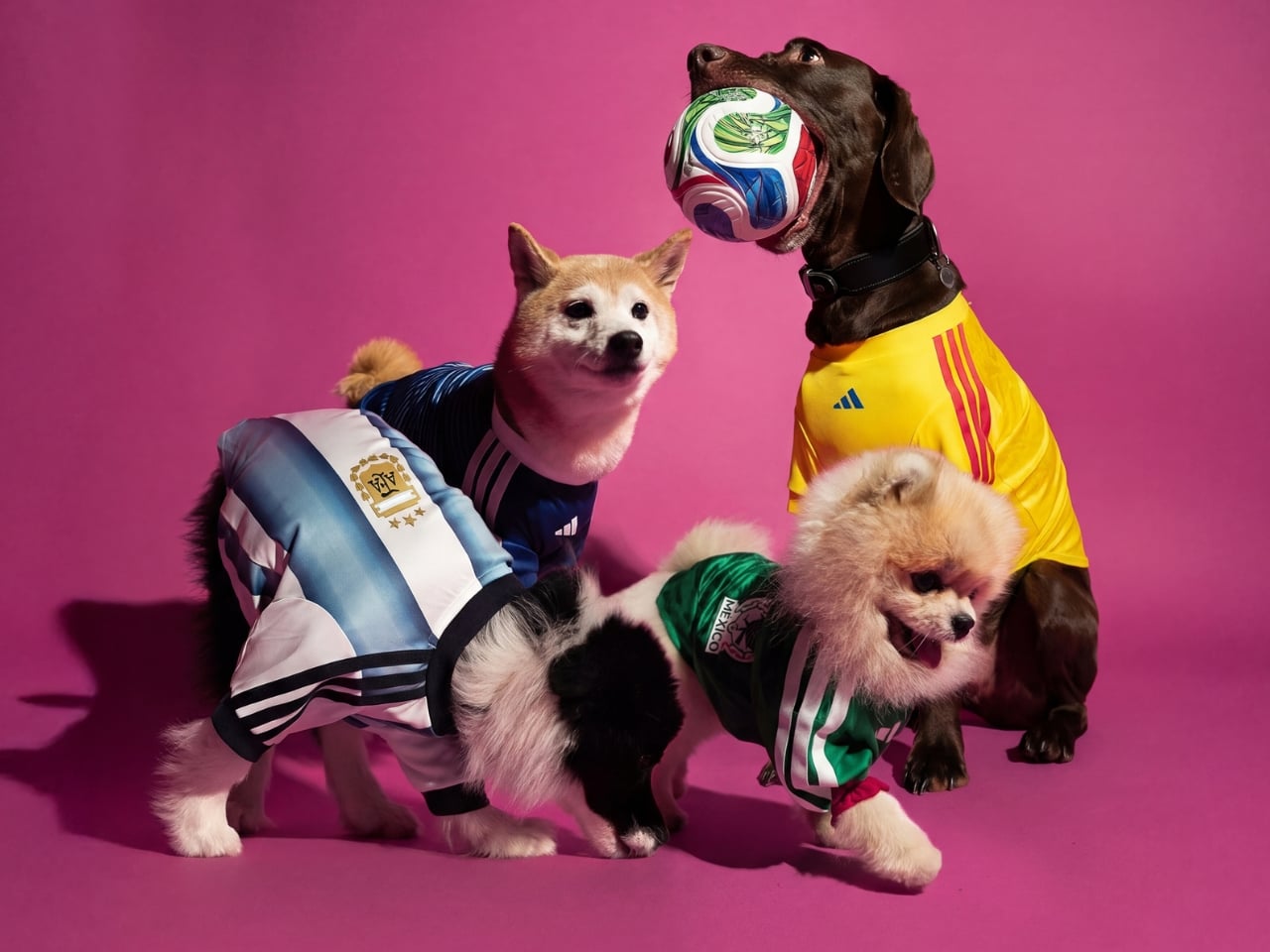
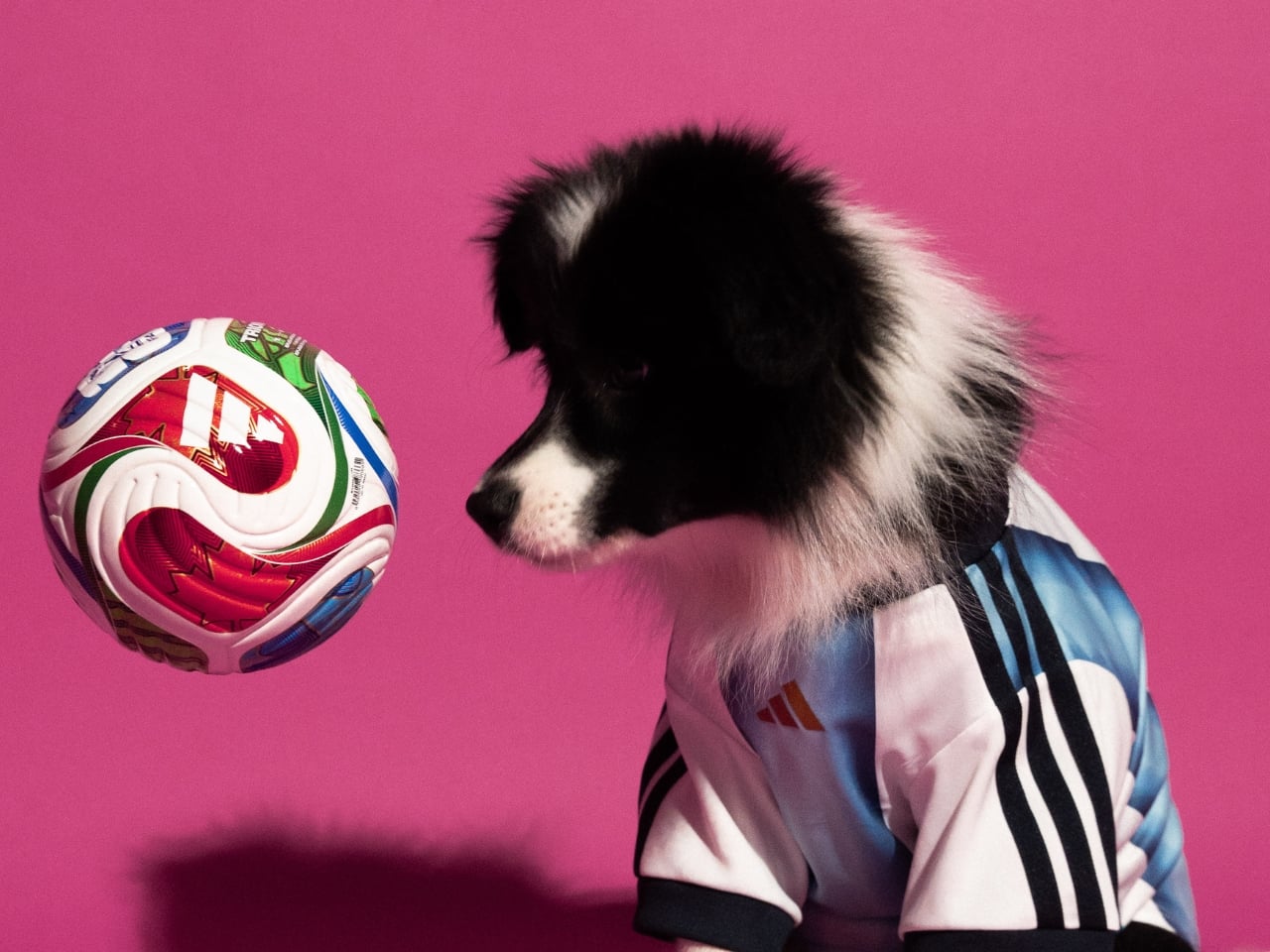
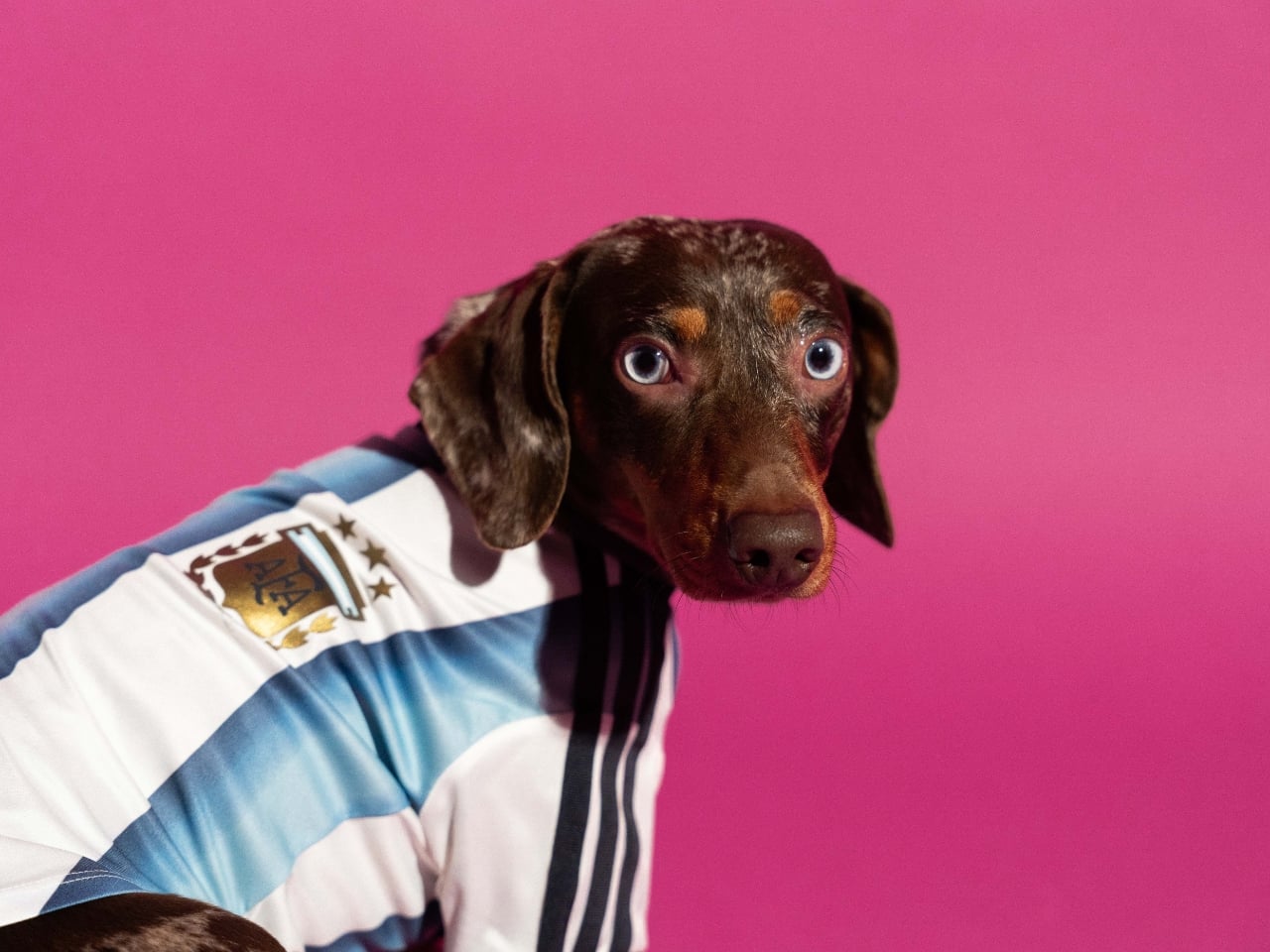
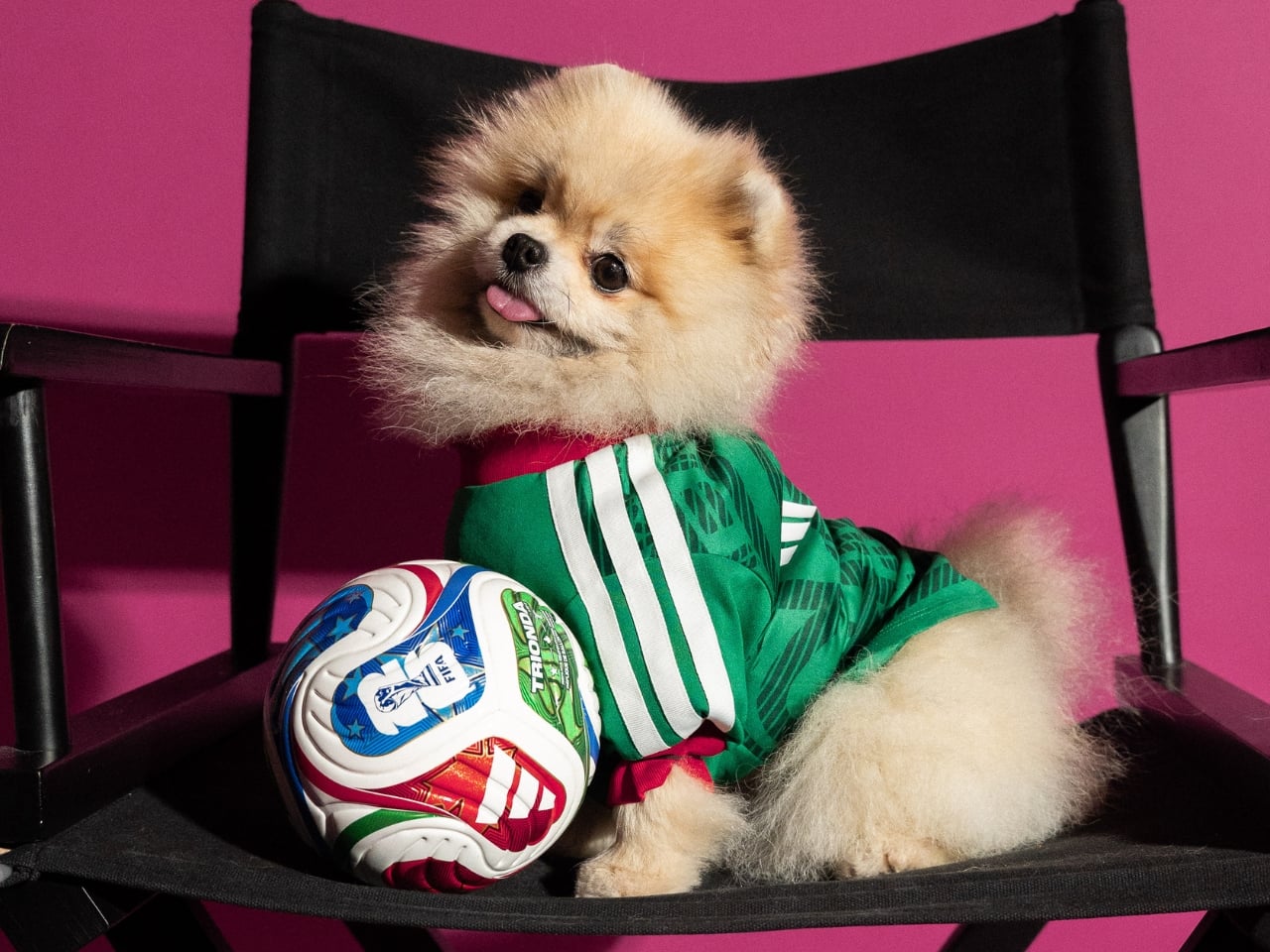
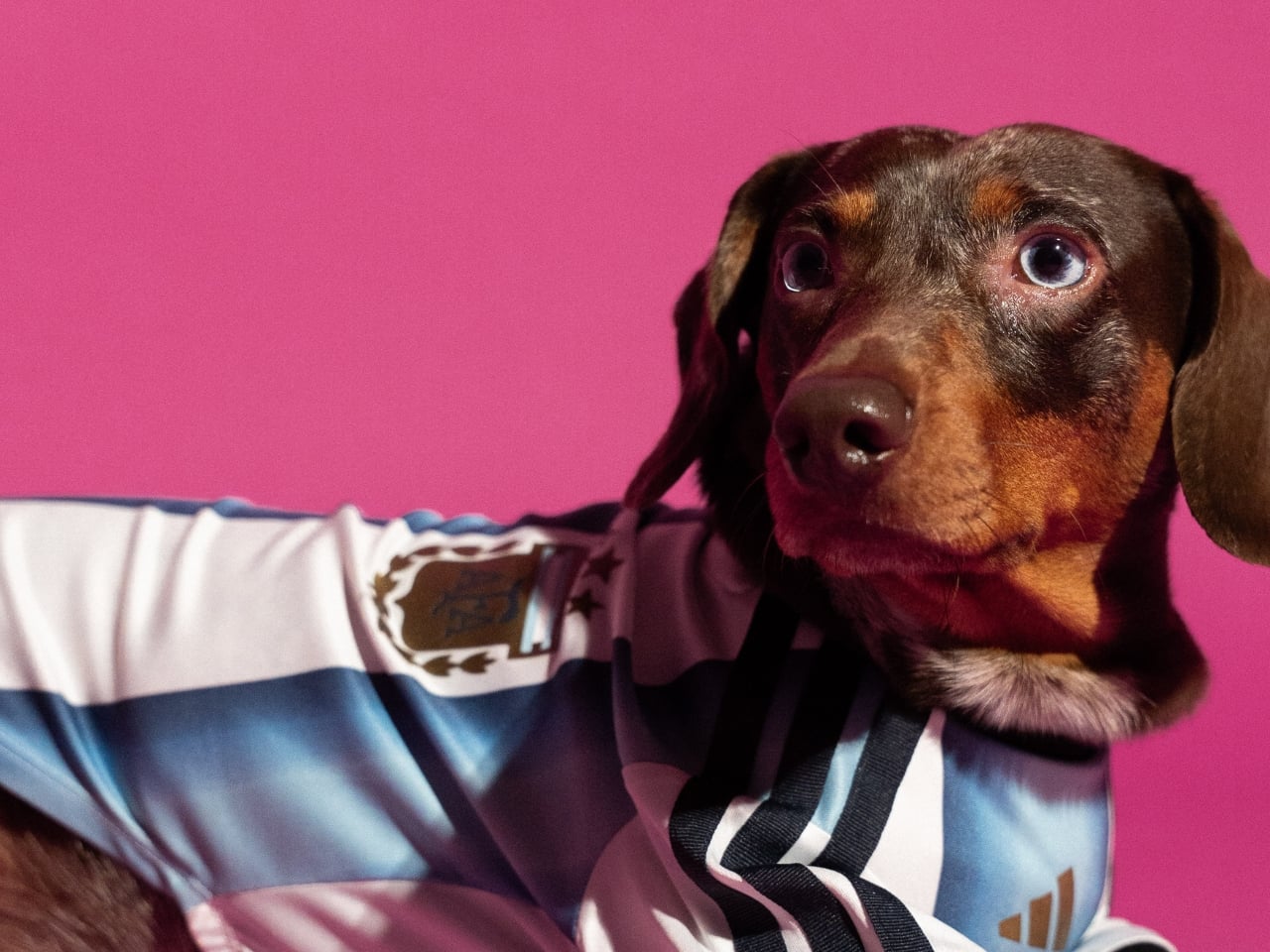
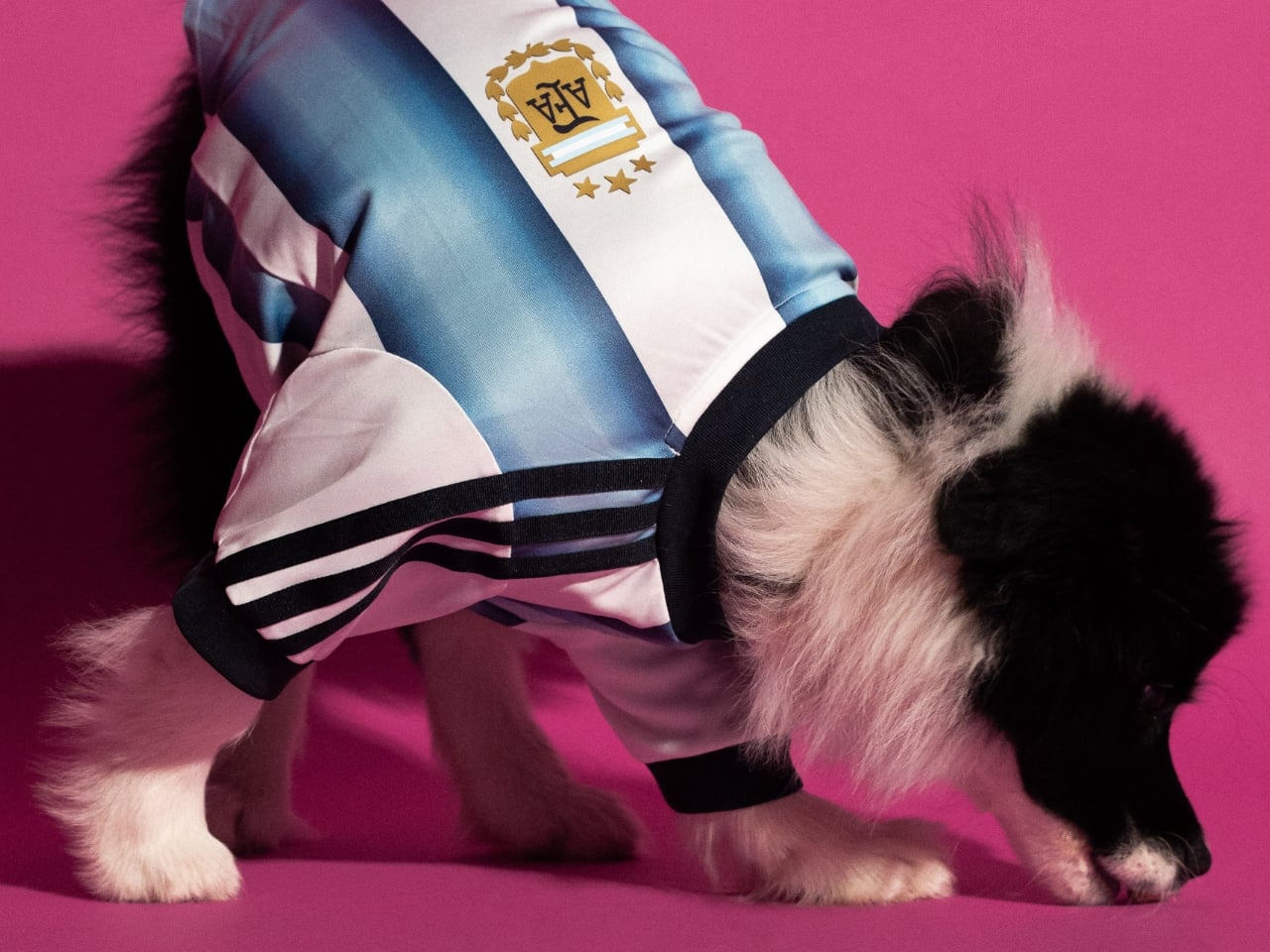
The collection features scaled-down versions of the official home kits for four national federations: Argentina, Mexico, Colombia, and Japan. Each jersey is made with interlock fabric, finished with heat-transferred federation crests and the adidas logo, and sized to fit pets of varying builds. On paper, it reads like a novelty item, the kind of thing that gets a cute Instagram moment and then disappears. But the more I think about it, the more I suspect adidas is operating on a level most people aren’t fully registering yet.
Designer: adidas

This isn’t the brand’s first move into pet fashion. They released a pet tracksuit collection in late 2025 and followed it up with Lunar New Year designs in early 2026. The World Cup drop is the third chapter, and it’s by far the most culturally loaded. Attaching pet merchandise to the biggest sporting event on the planet isn’t a gimmick. It’s a calculated bet on where consumer culture is right now. People don’t just watch the World Cup. They host parties, coordinate outfits, wear matching kits with their kids, and increasingly treat their pets as full participants in the whole ritual. adidas saw that behavioral shift and decided to meet the moment rather than wait for someone else to.

The design fidelity is where I think they actually earned some genuine respect here. These aren’t generic jerseys with a crest slapped on. The Argentina kit carries the iconic Albiceleste stripes. The Mexico jersey features the Piedra del Sol, the same Aztec sun stone print embedded in the human version. The Colombia and Japan kits follow the same logic: faithfully reproduce the visual DNA of the official tournament kits, just at a smaller scale. That level of attention to detail signals that adidas isn’t treating the pet market as an afterthought. They’re treating it as a legitimate extension of the product line, and that’s a meaningful distinction.

Whether that’s the right move commercially is a separate conversation. The pet economy has been growing steadily for years, and premium pet accessories have become a real, serious category. But there’s also a risk of diluting what a World Cup kit means. A national team jersey carries history, identity, and a specific kind of weight. Putting it on your Corgi is either a celebration of that connection or a softening of it, depending on how you feel about football culture to begin with. I lean toward the former, mostly because fandom has always been about emotional inclusion rather than gatekeeping.

What adidas is really selling here is a shared experience. The visual of a fan and their dog in matching kits is immediately legible as a moment of joy, and that’s not nothing. The FIFA World Cup 2026 runs from June 11 to July 19 across the United States, Canada, and Mexico, which means there’s an entire summer of viewing parties and matchday gatherings where this collection becomes exactly the kind of organic conversation starter that no marketing budget can easily manufacture. You don’t need a big campaign when your product photographs that naturally.

The collection became available on May 1st across North America, Latin America, and selected markets in Asia including Japan, China, Vietnam, the Philippines, and Indonesia, through adidas stores, retail partners, and online. The timing gives fans about six weeks to get their pets game-ready before the opening match. That’s enough runway to make it feel intentional rather than rushed. Is it the most important design release of 2026? Obviously not. But it’s a genuinely smart piece of brand work that understands its cultural moment, respects its source material, and executes with more craft than the premise suggests it deserves. Sometimes that’s enough. Sometimes that’s actually the point.

The post adidas Just Made the Best World Cup Drop for Your Dog first appeared on Yanko Design.