A Jewelry Artist Just Turned a 50-Cent Coin Into a World Cup Ball

The 2026 FIFA World Cup is already one of the most logistically ambitious tournaments in the sport’s history. Three host nations. Forty-eight teams. One official ball. And now, one very tiny, very gorgeous golden replica made from spare change.

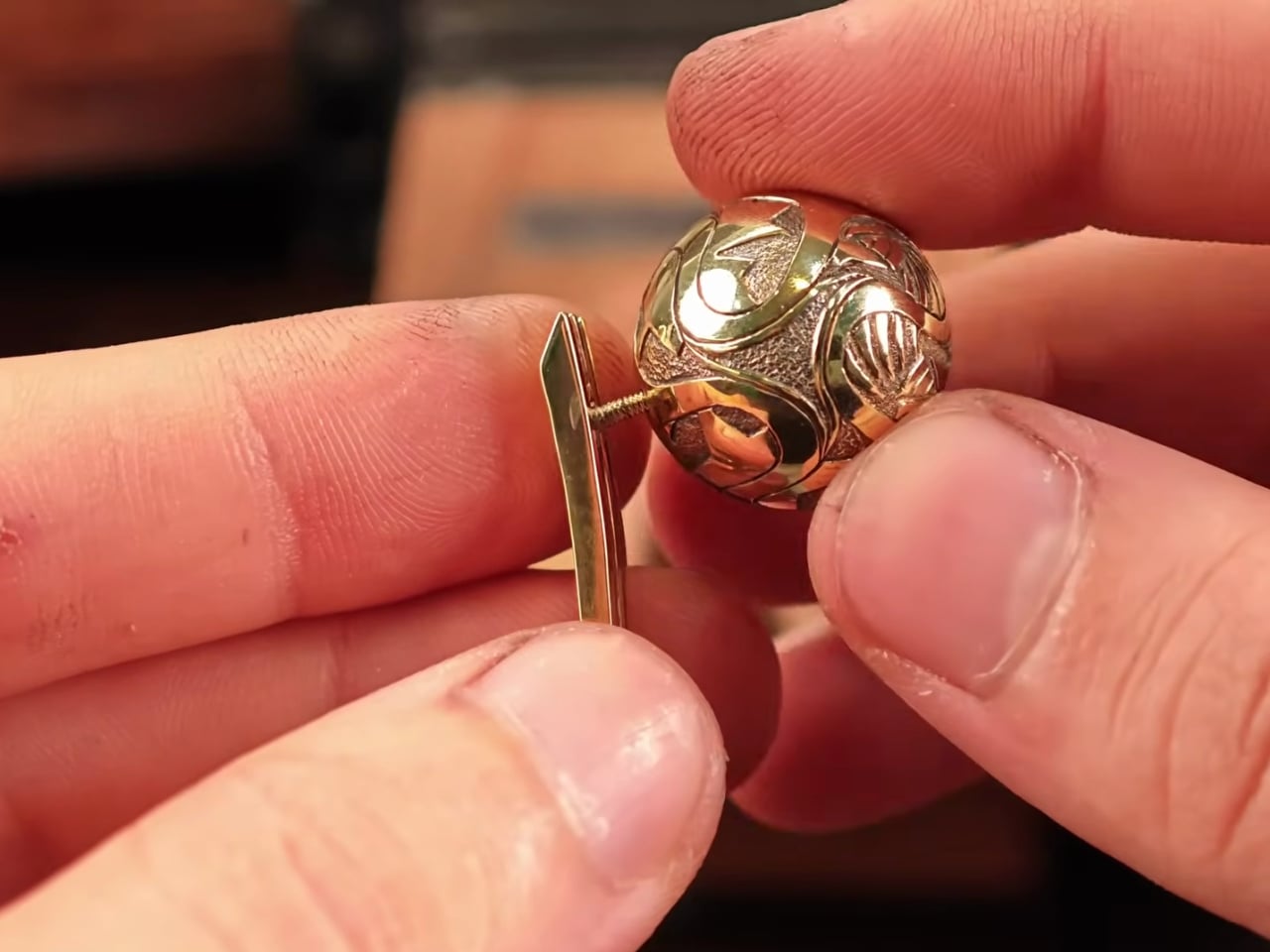
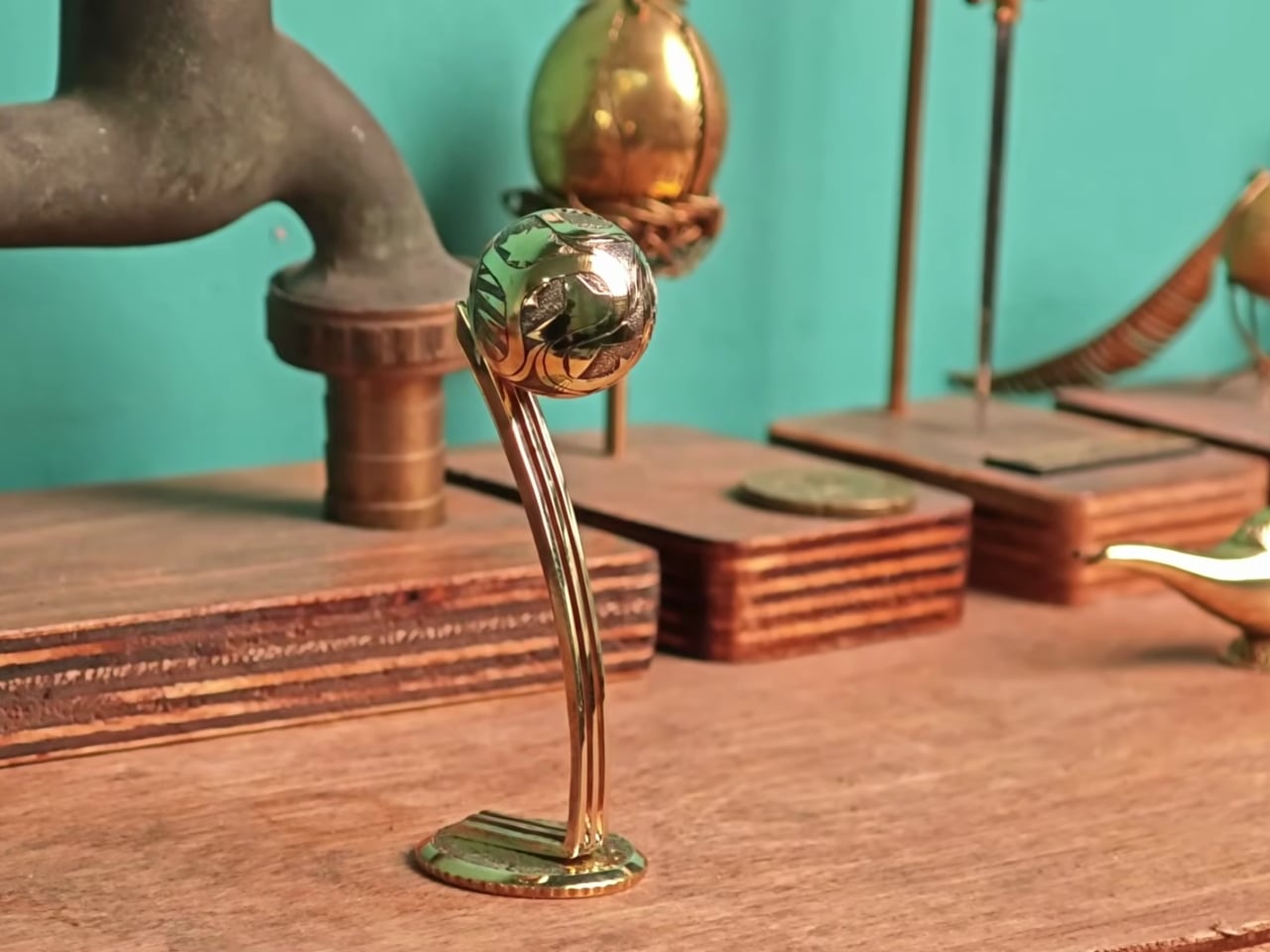
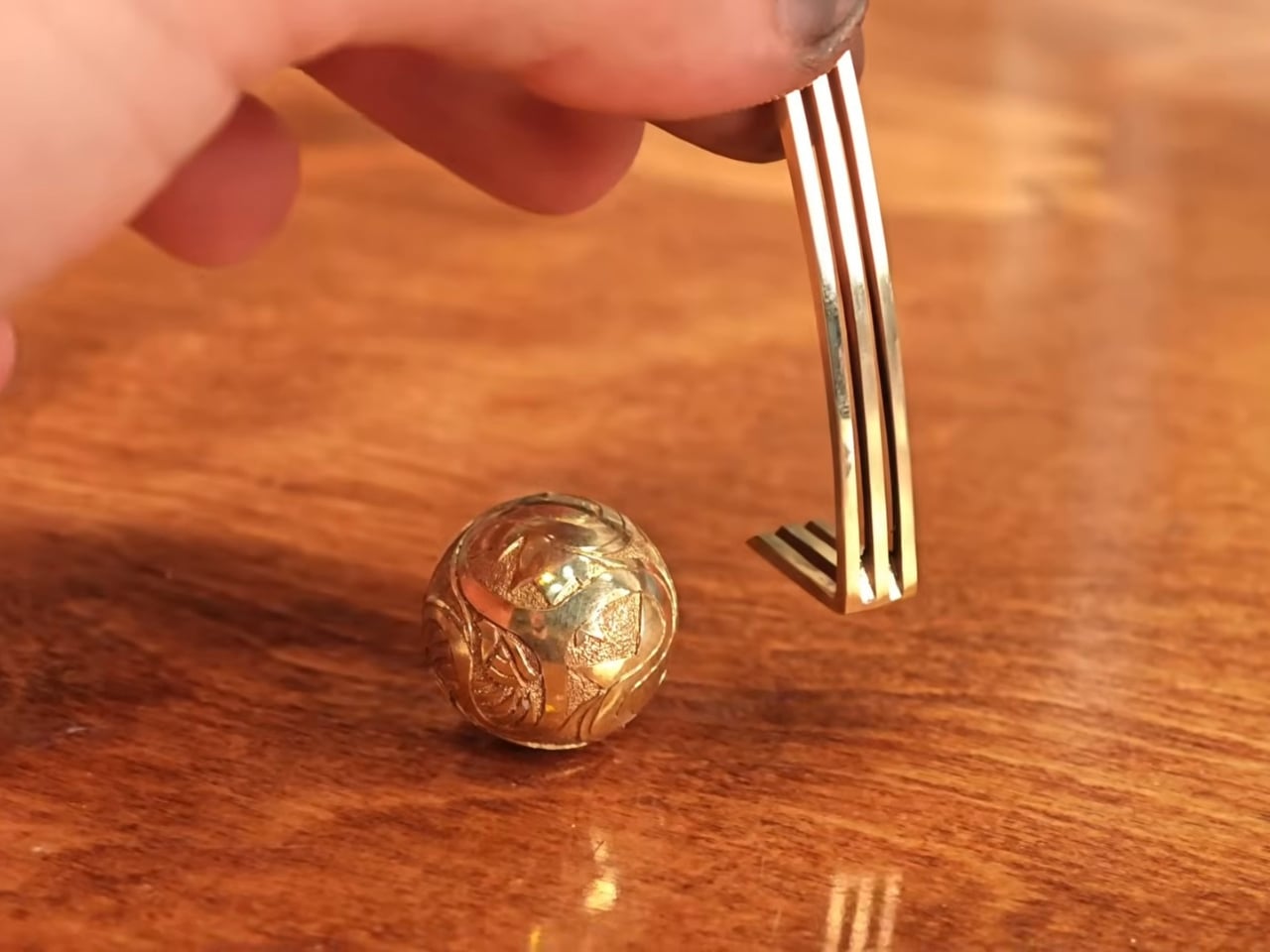
Jewelry artist Soroush JWL recently released a video documenting his process of turning 50-cent Euro coins into a miniature version of the Trionda, Adidas’ official match ball for the 2026 FIFA World Cup. The result is exactly as compelling as it sounds: a palm-sized golden sphere that perfectly mirrors the Trionda’s distinctive flowing panel pattern. It shouldn’t work as well as it does, but it does.

Designer: Soroush JWL
For those not yet deep in the World Cup rabbit hole, the Trionda is a ball worth knowing. Adidas unveiled it in October 2025, and its design carries real intention behind it. The name nods to the three host nations (Canada, Mexico, and the United States), while the curving four-panel form was inspired by “la ola,” the wave. It actually holds a small record: with only four panels, it’s the fewest a FIFA World Cup ball has ever used. Each panel carries iconography tied to a host country. A maple leaf for Canada. An eagle for Mexico. A star for the United States. The craftsmanship baked into the original ball already had layers of meaning long before Soroush got near it with his tools.
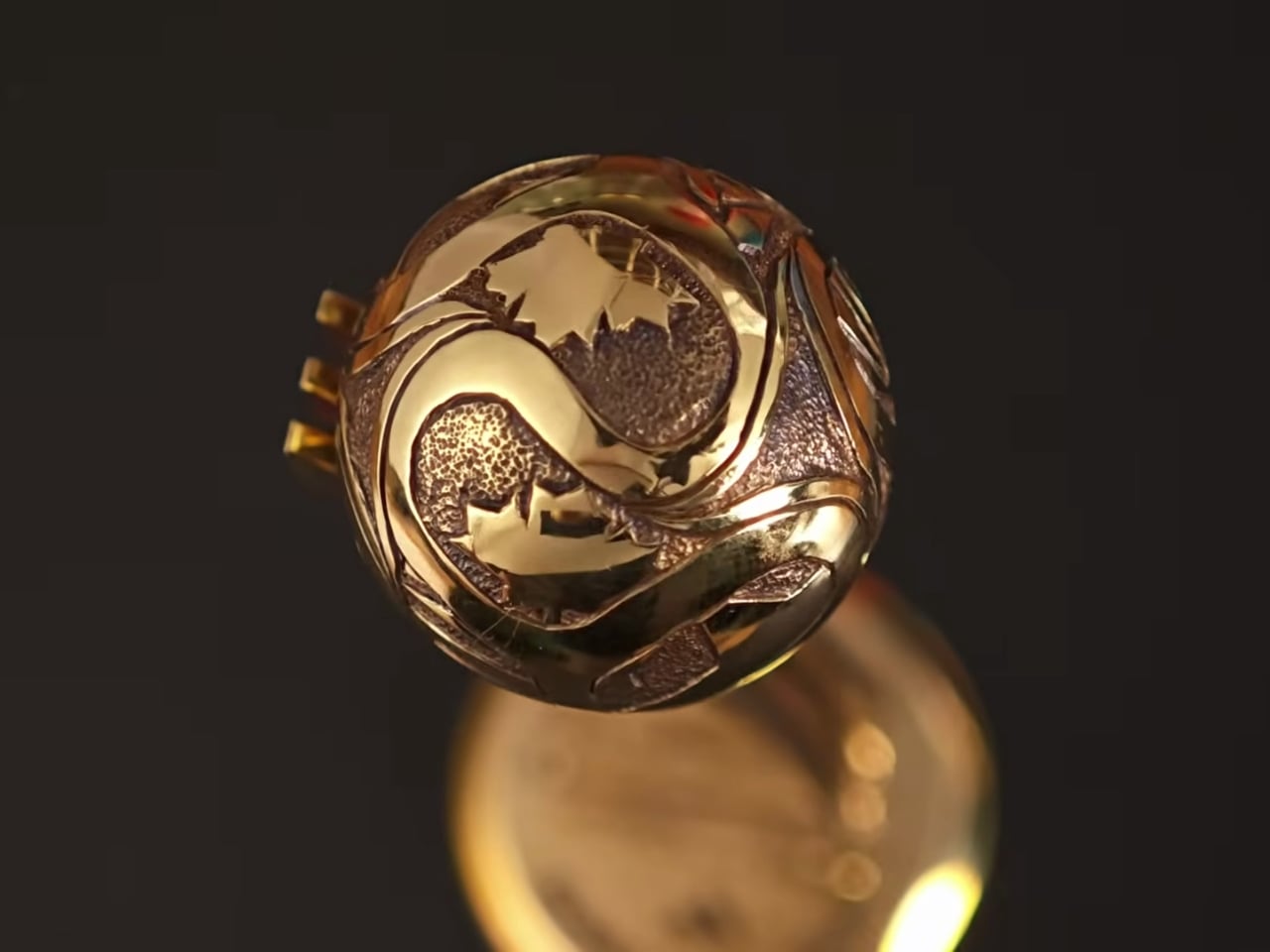
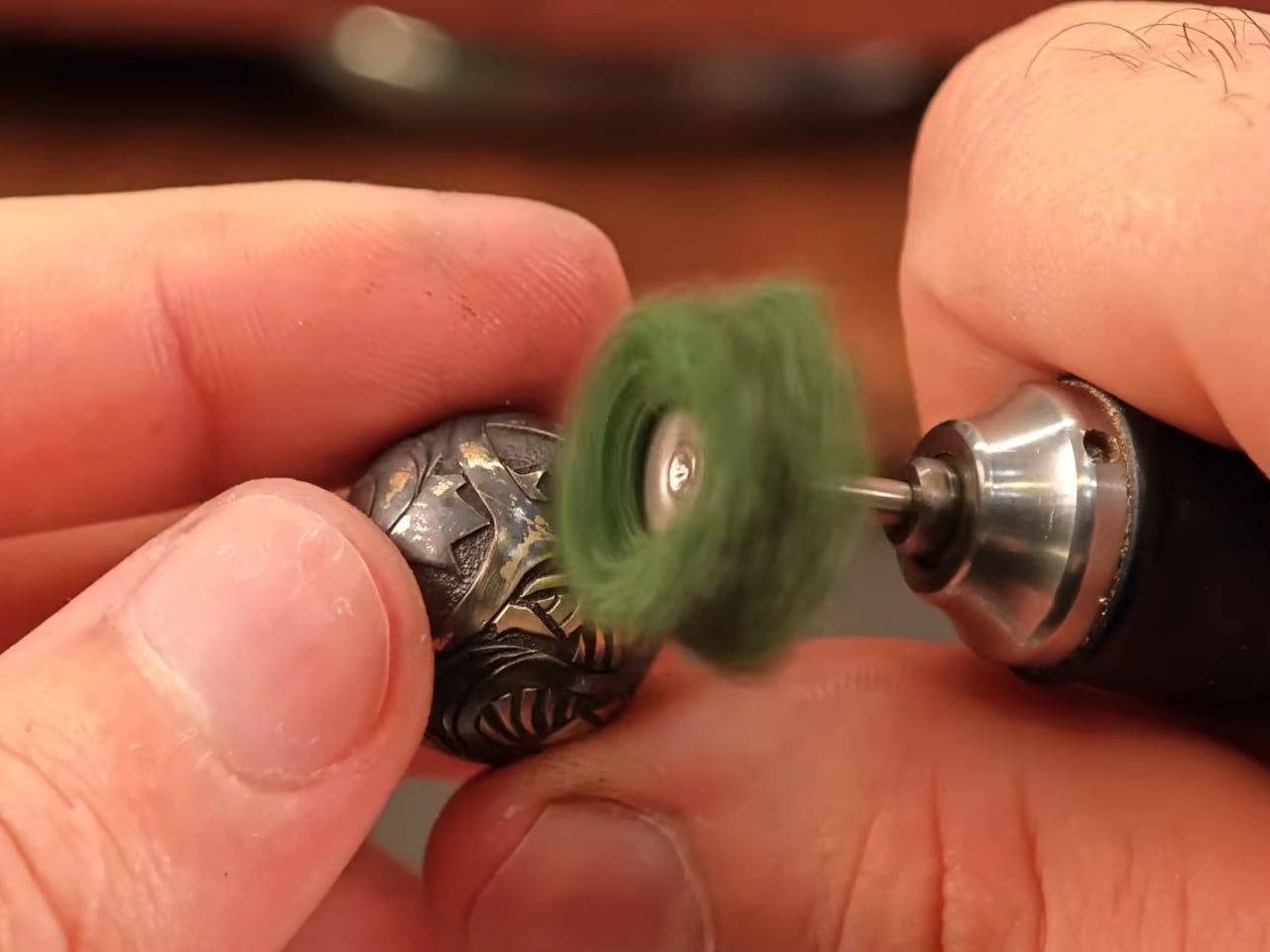
Which is probably part of what makes his replica so satisfying to watch take shape. He splits the coins down the middle, hammers each half into a custom mold, solders the halves together into a sphere, and then begins the painstaking work of hand-carving the Trionda’s twisting surface pattern directly into the metal. No CNC machine. No shortcuts. Just hands, tools, and a very deliberate commitment to getting every curve right.
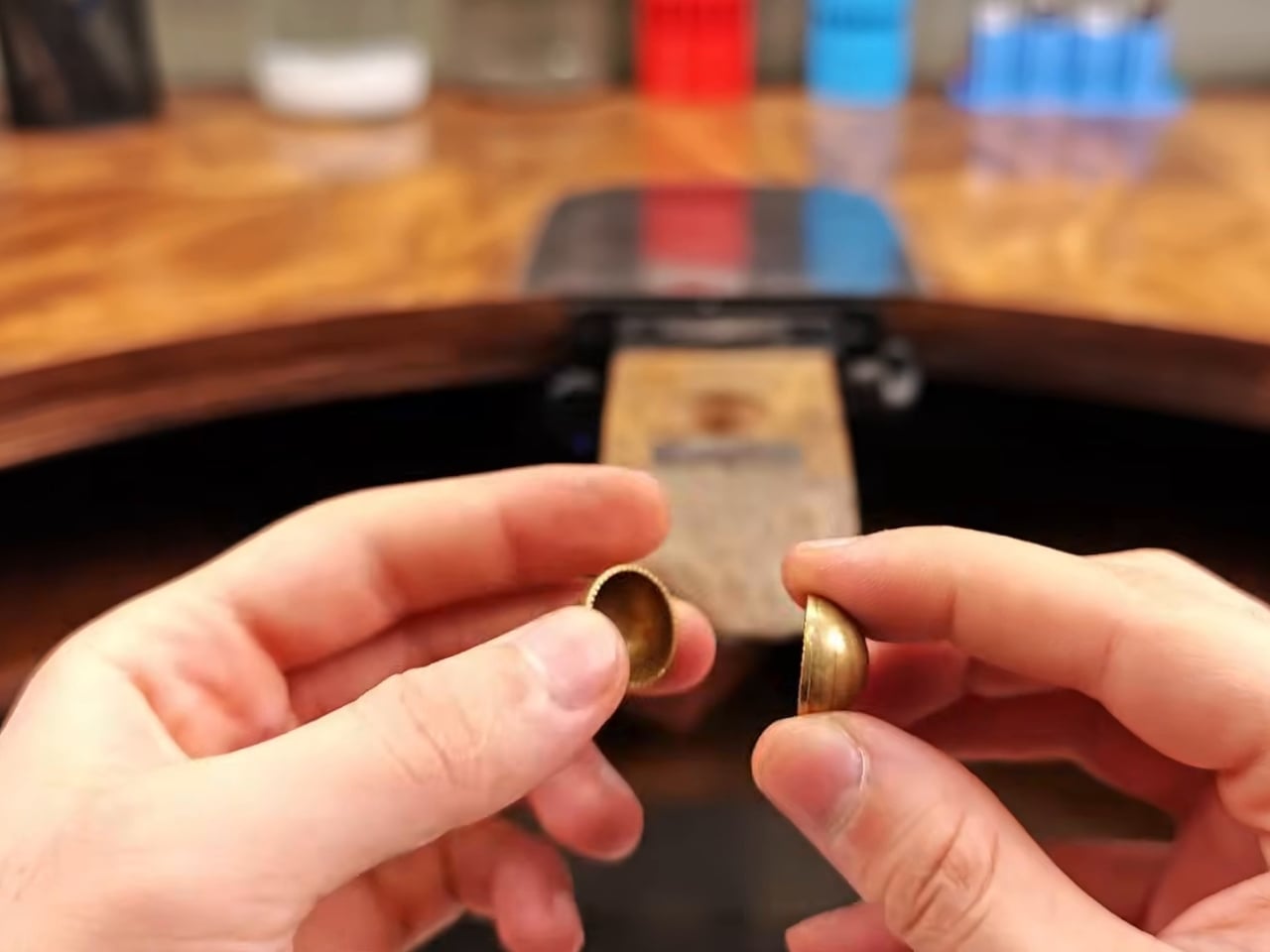
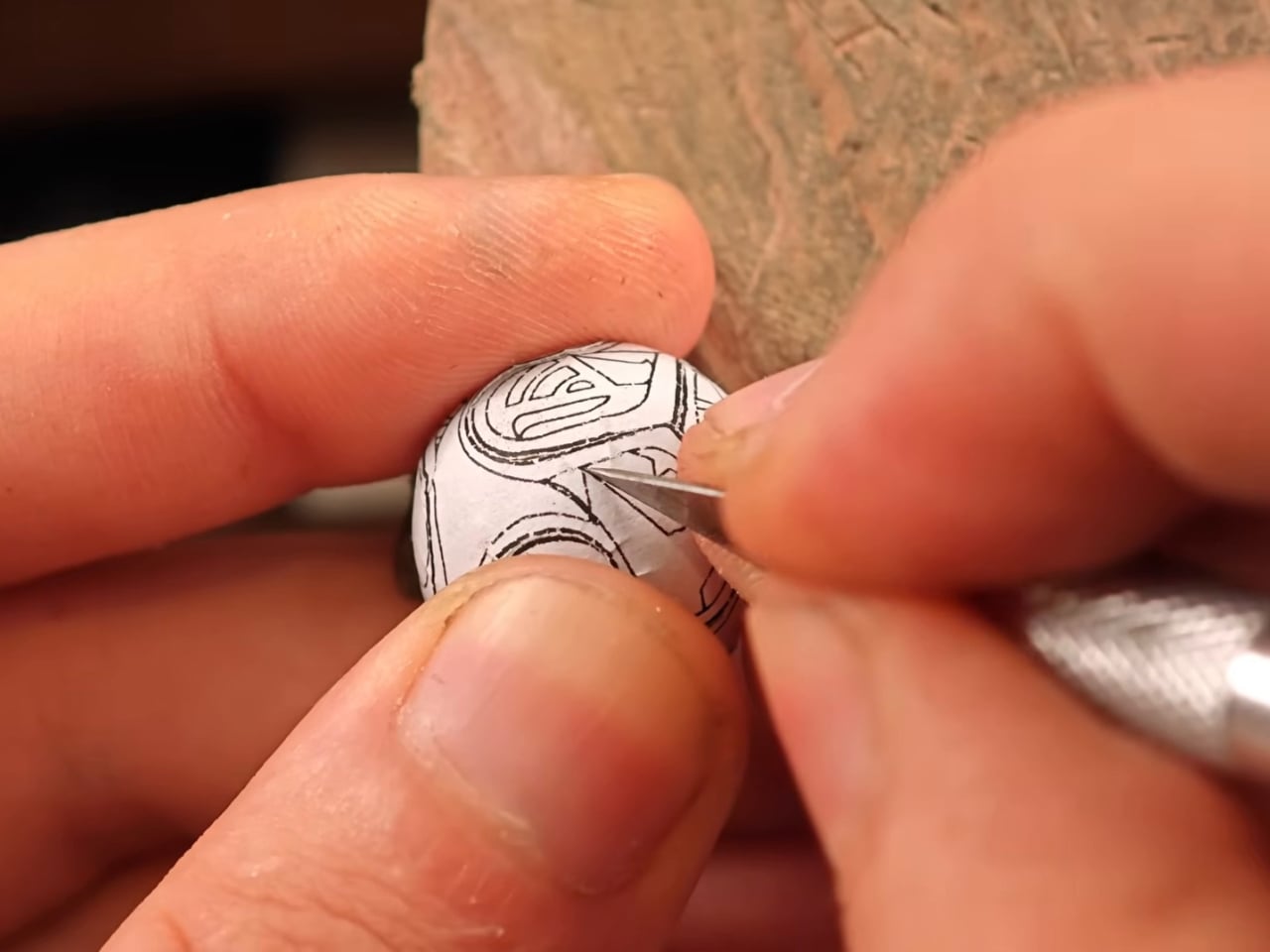
I have a lot of appreciation for this kind of project because it does two things at once. It is a genuine craft exercise, the kind that demands patience and precision without any automated assist. And it is also a design exercise in disguise. To carve a pattern convincingly, you first have to understand it completely. Soroush had to deconstruct the Trionda’s geometry before he could reconstruct it at a fraction of its size. That level of attention to an object most people only interact with as background detail during a broadcast is, by itself, a kind of tribute.
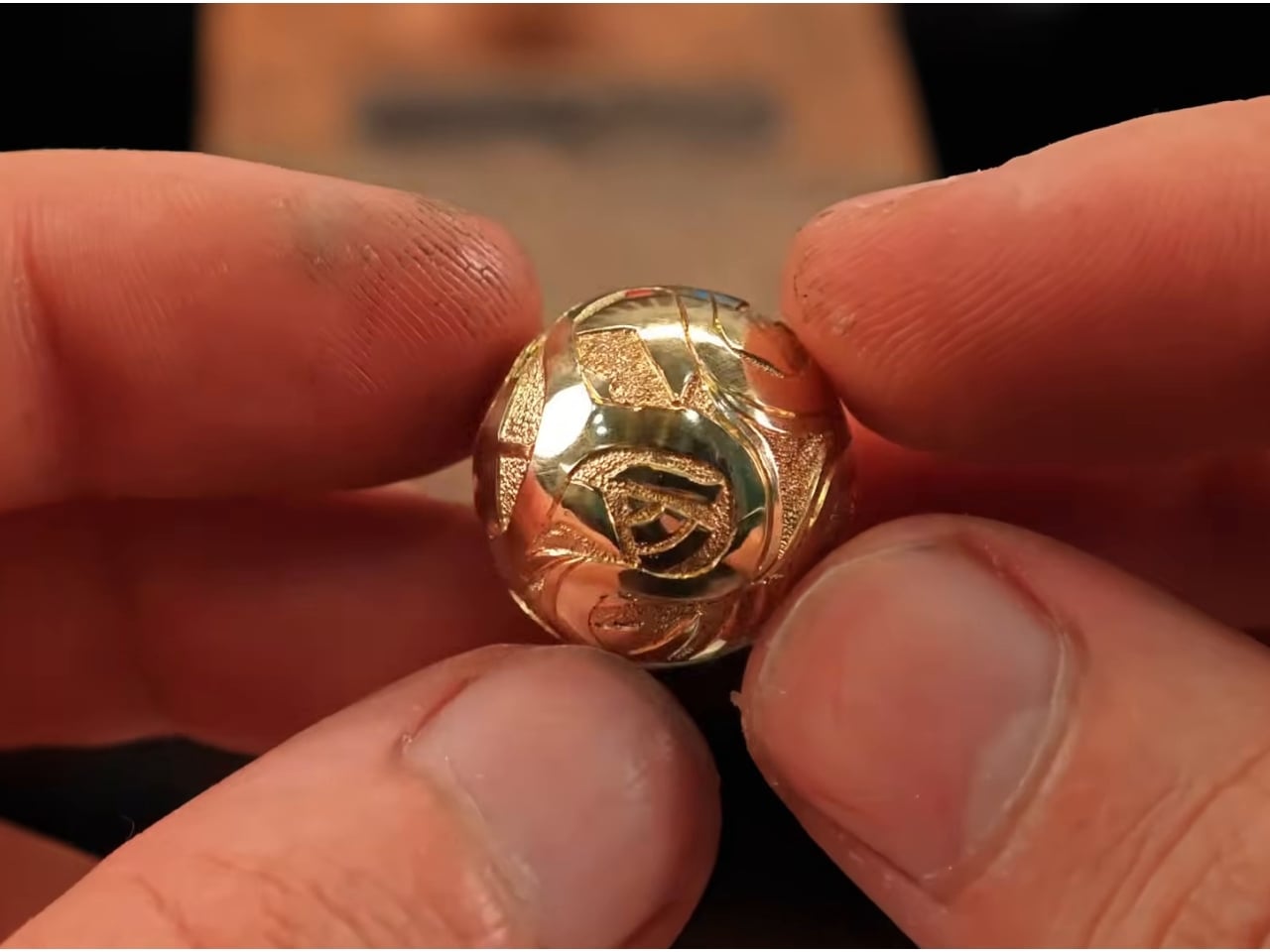
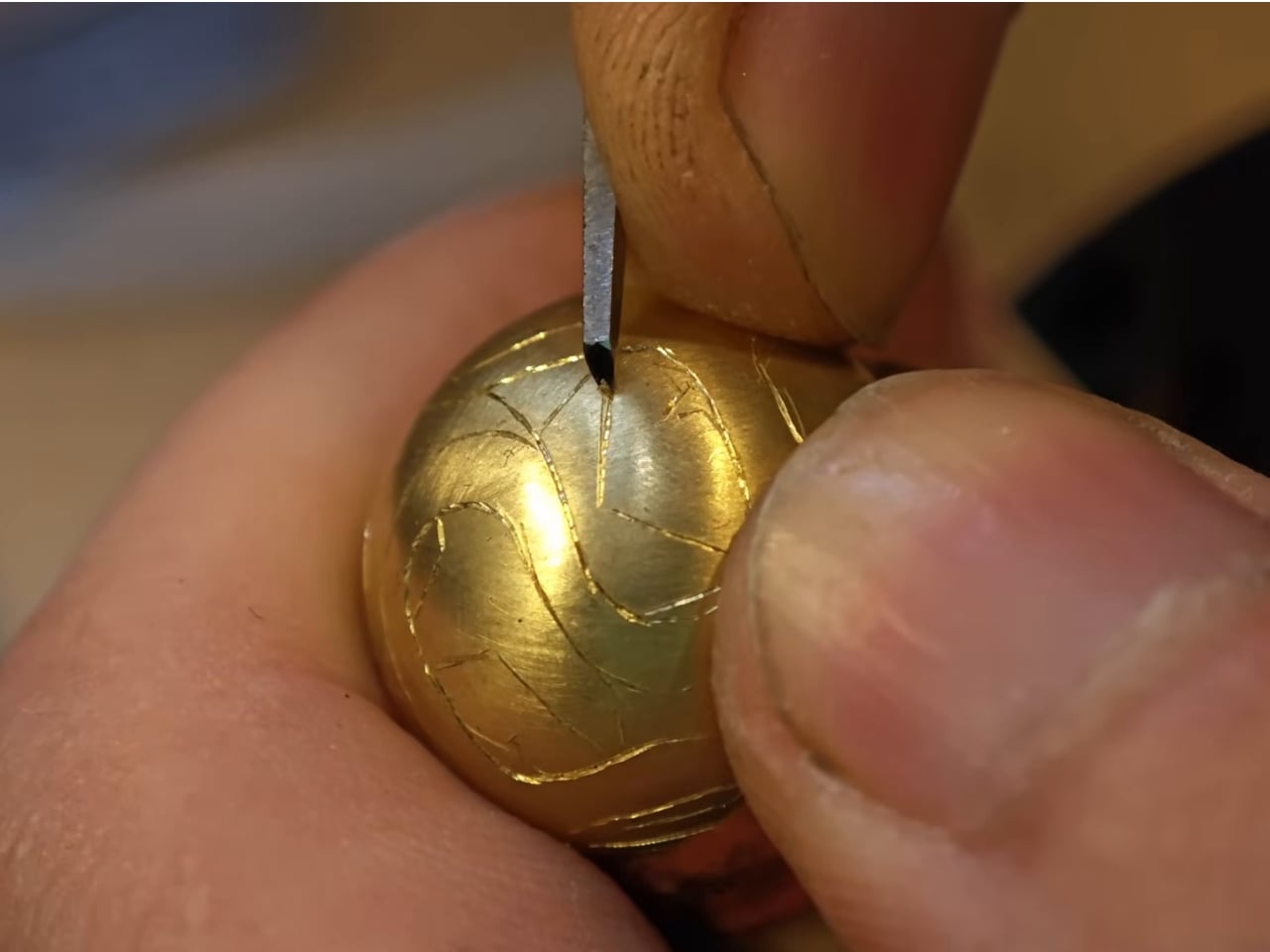
Soroush JWL has built a following on exactly this kind of work. Previous projects have included a ring engineered to unfold into a bracelet through a series of interconnected scissor mechanisms, a miniature Aladdin’s lamp, and a bolt transformed into a sword. The common thread across all of it is a delight in transformation and an insistence on doing it by hand. His YouTube channel has grown to over 123,000 subscribers, and it is easy to understand why. Watching raw metal become something recognizable, even beautiful, hits a very specific satisfaction center in the brain that almost nothing else does.
More than the craftsmanship, though, it is the timing that makes this feel significant. The World Cup is one of those rare events that genuinely pauses the world for a few weeks and creates objects that carry collective memory. Jerseys. Stickers. Posters. The balls themselves. Soroush took one of those objects and translated it into something permanent and personal, a keepsake that will outlast the tournament by decades.
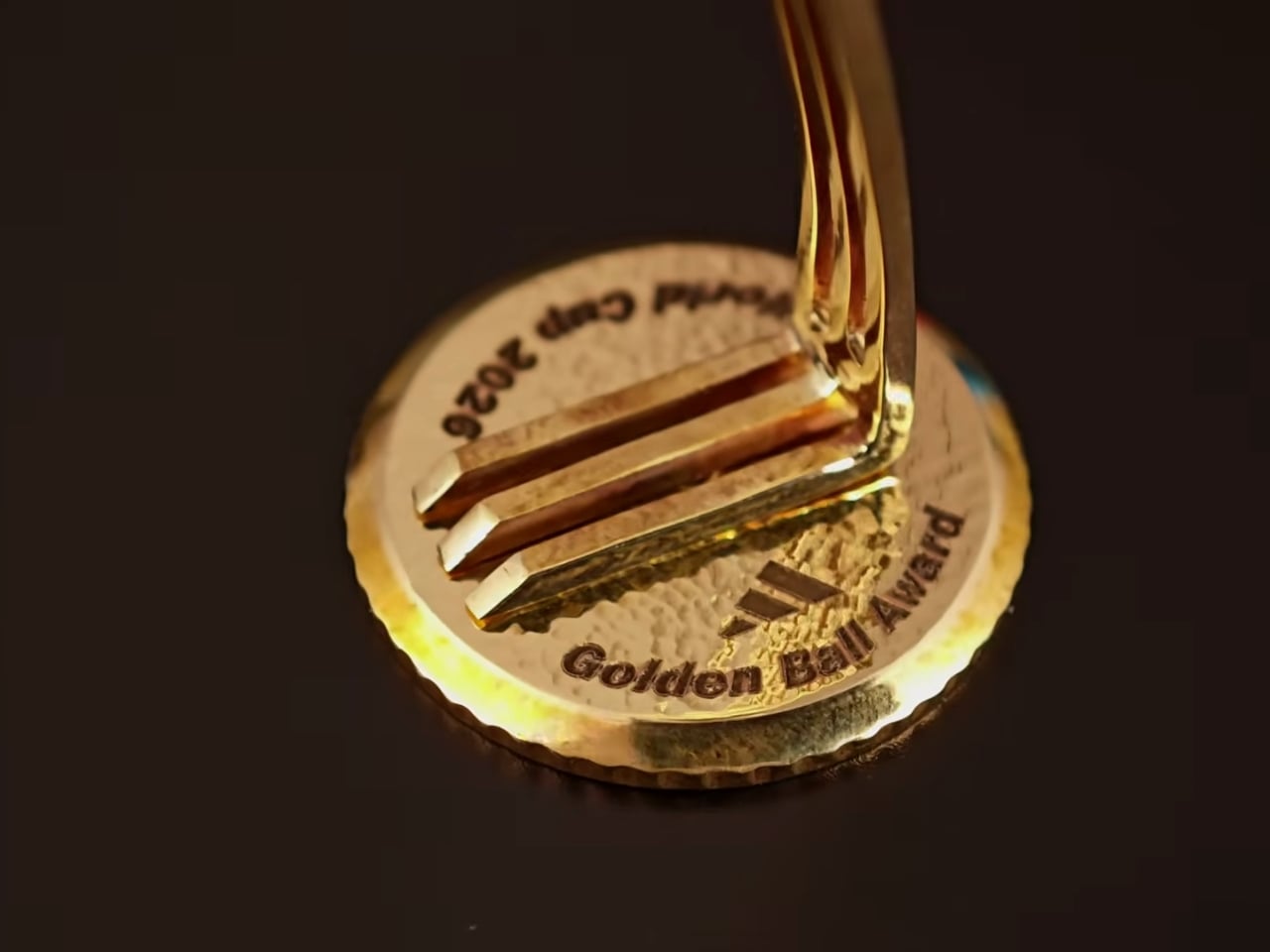
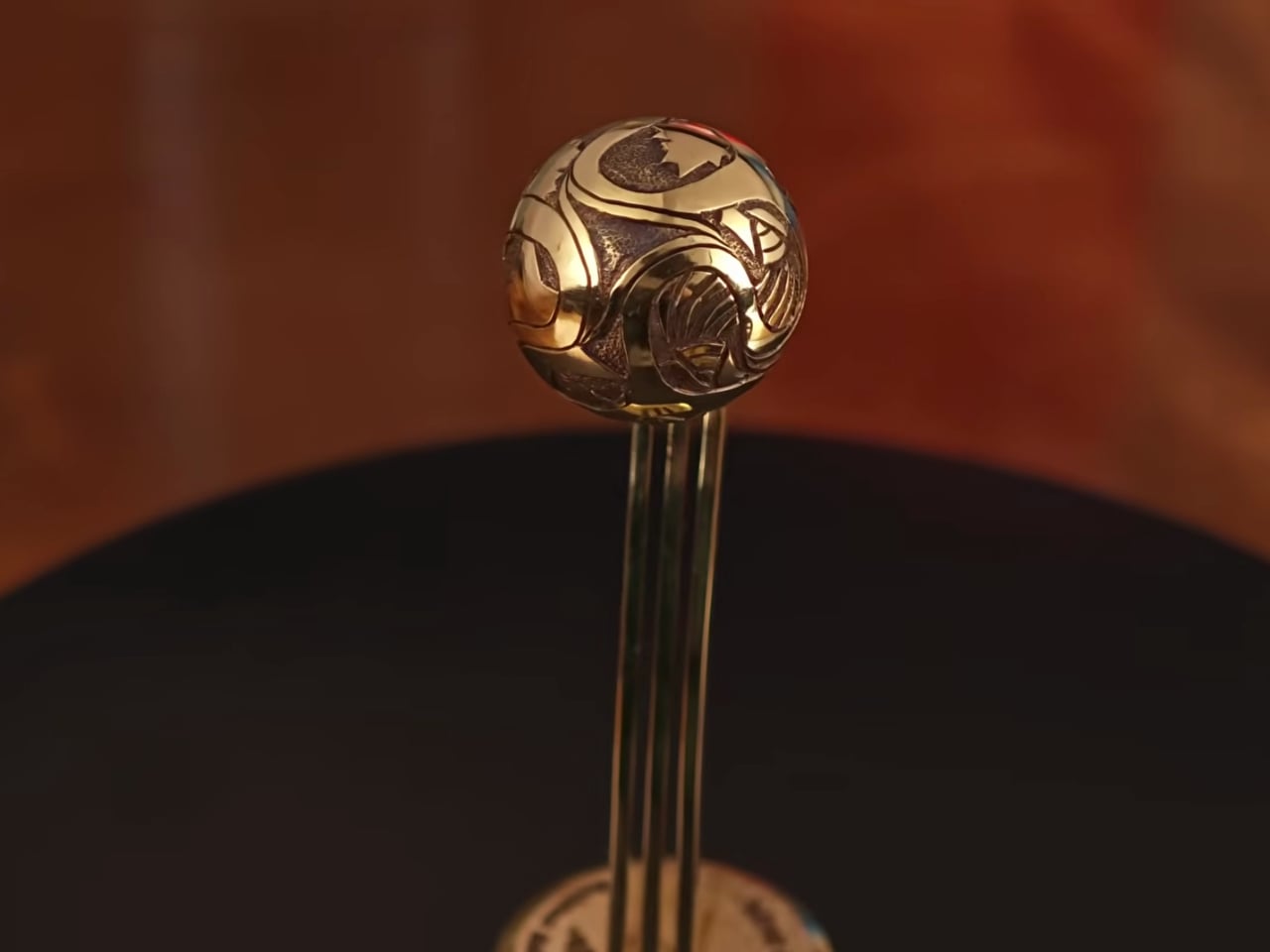
There is also something quietly ironic about the material choice. The Trionda is engineered for elite play, designed to perform under the highest standards of precision and durability on the world’s biggest stage. Soroush’s version will never see a pitch. It will sit in someone’s hand, catch the light, and make whoever holds it think about what it represents. In some ways, that is its own kind of performance. The World Cup is a design event as much as it is a sporting one. Soroush JWL just made a tiny, golden argument for that point.

The post A Jewelry Artist Just Turned a 50-Cent Coin Into a World Cup Ball first appeared on Yanko Design.
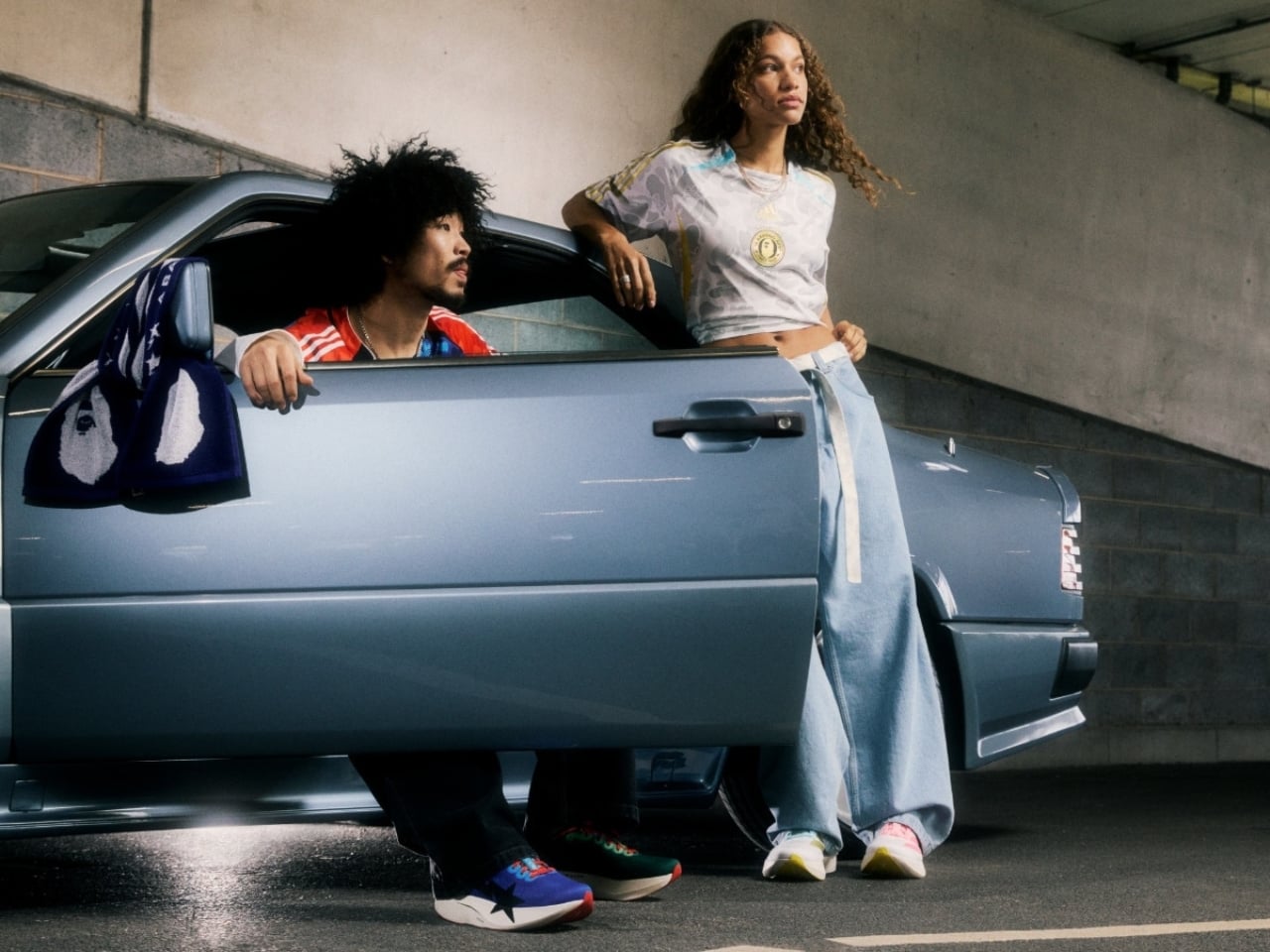
BAPE x adidas Just Dropped the World Cup Collab No One Expected

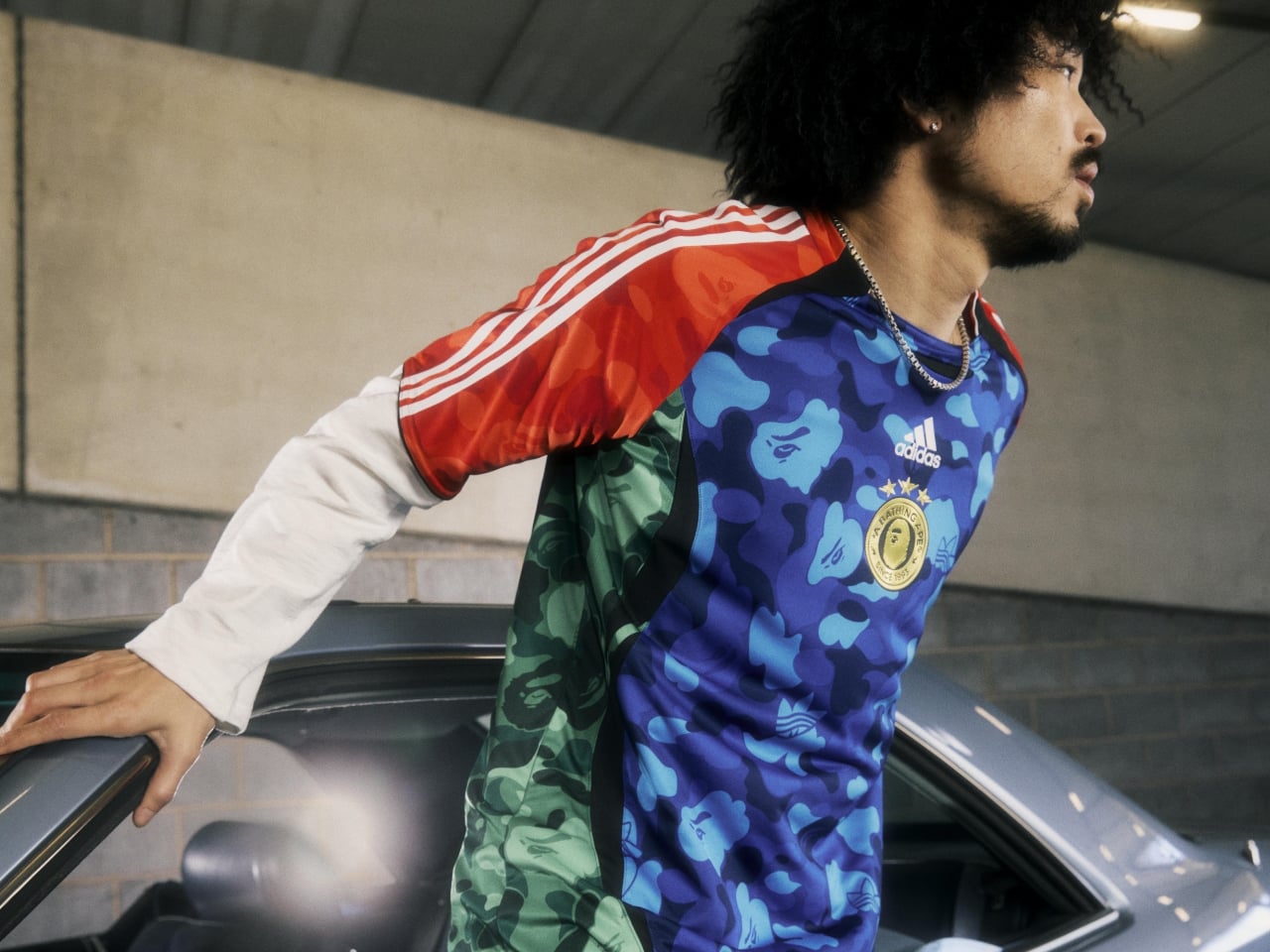
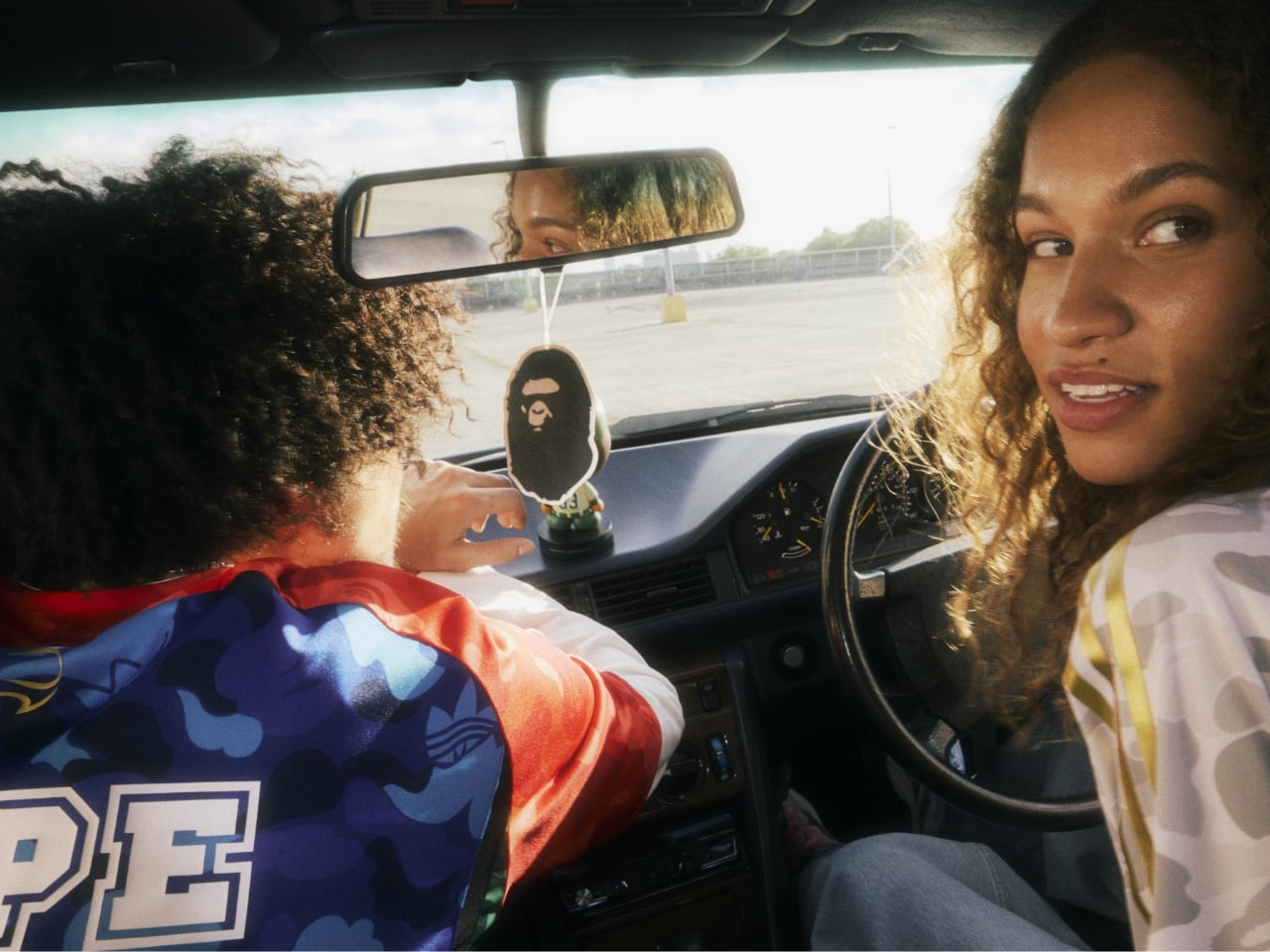
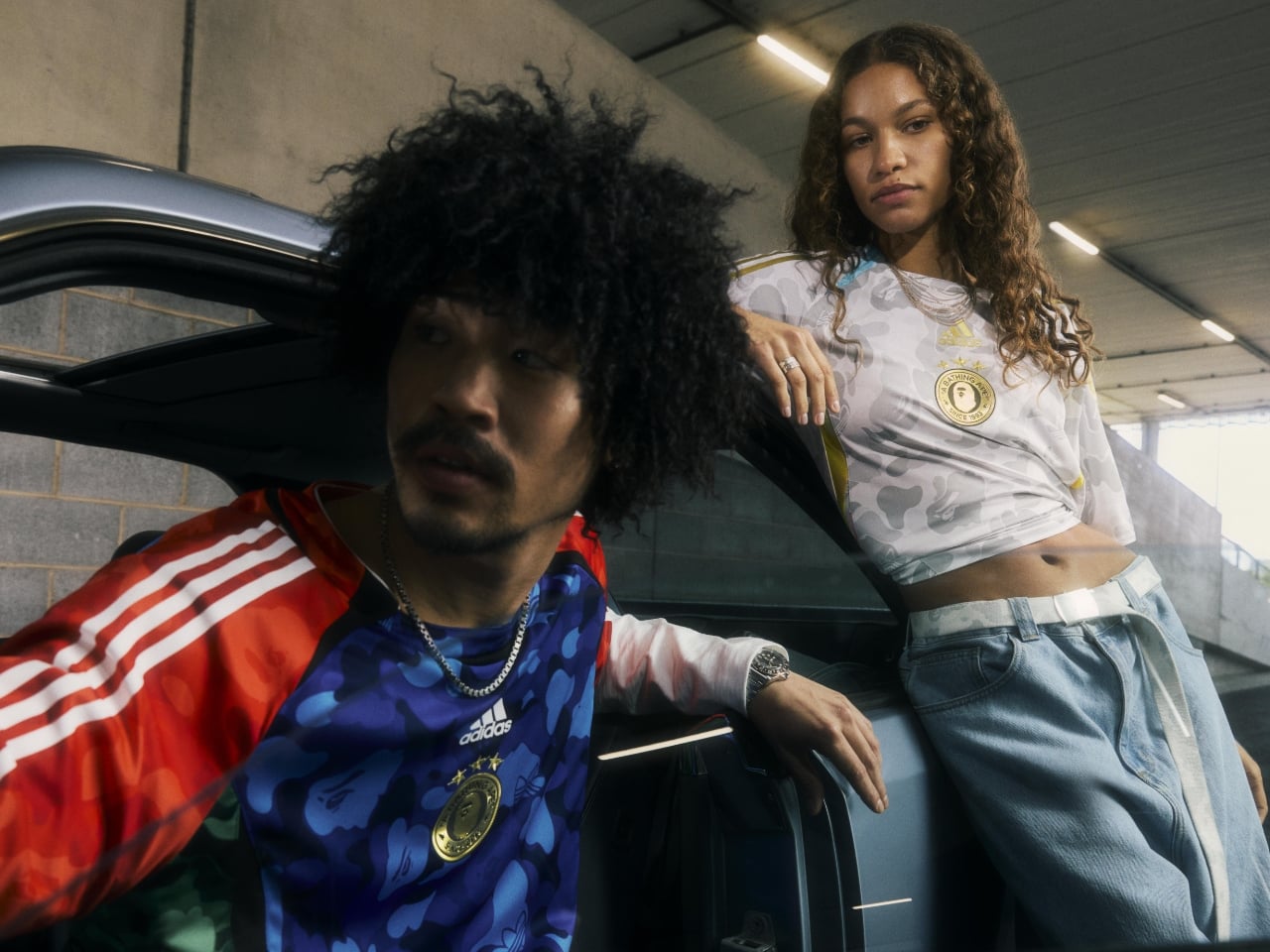
World Cup fever is still very much here and while most brands scramble to slap national flags on whatever they can find, adidas Originals and BAPE® took a very different road. Their latest collaboration for FIFA World Cup 2026 doesn’t just dress you for the occasion. It makes a case for why football culture and street culture were never really separate to begin with, and it does so through some of the most deliberately designed pieces either brand has produced together.

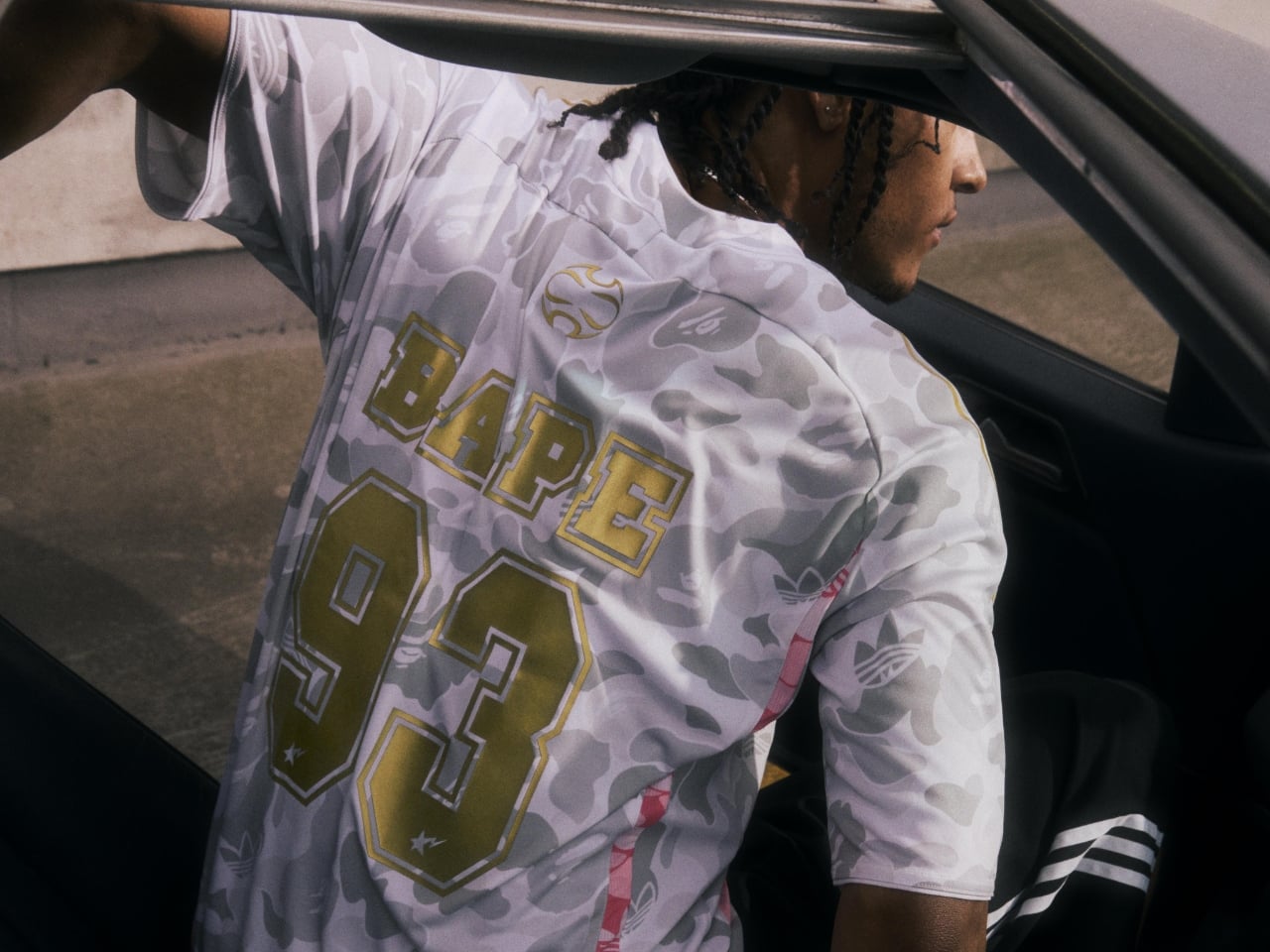
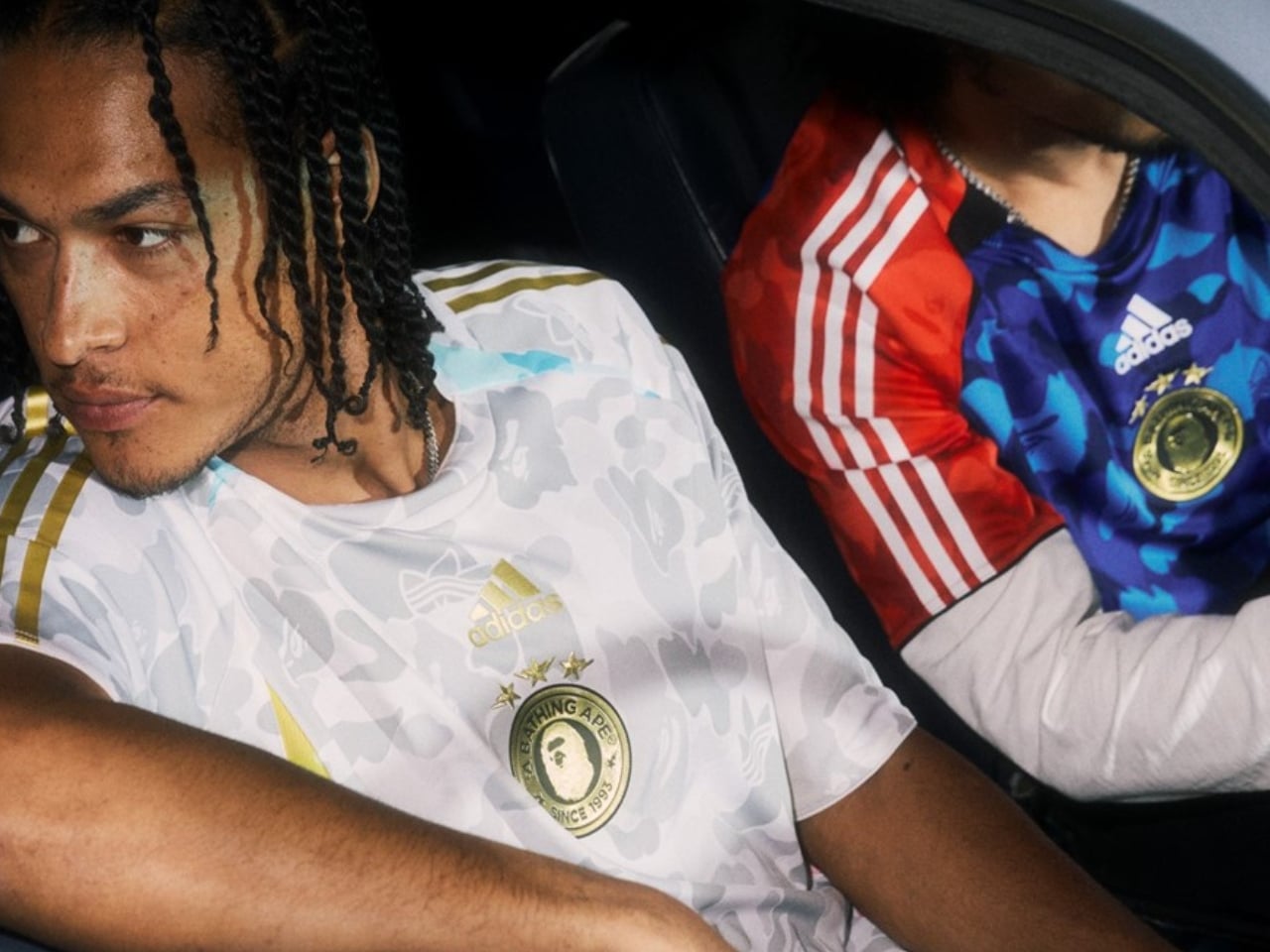
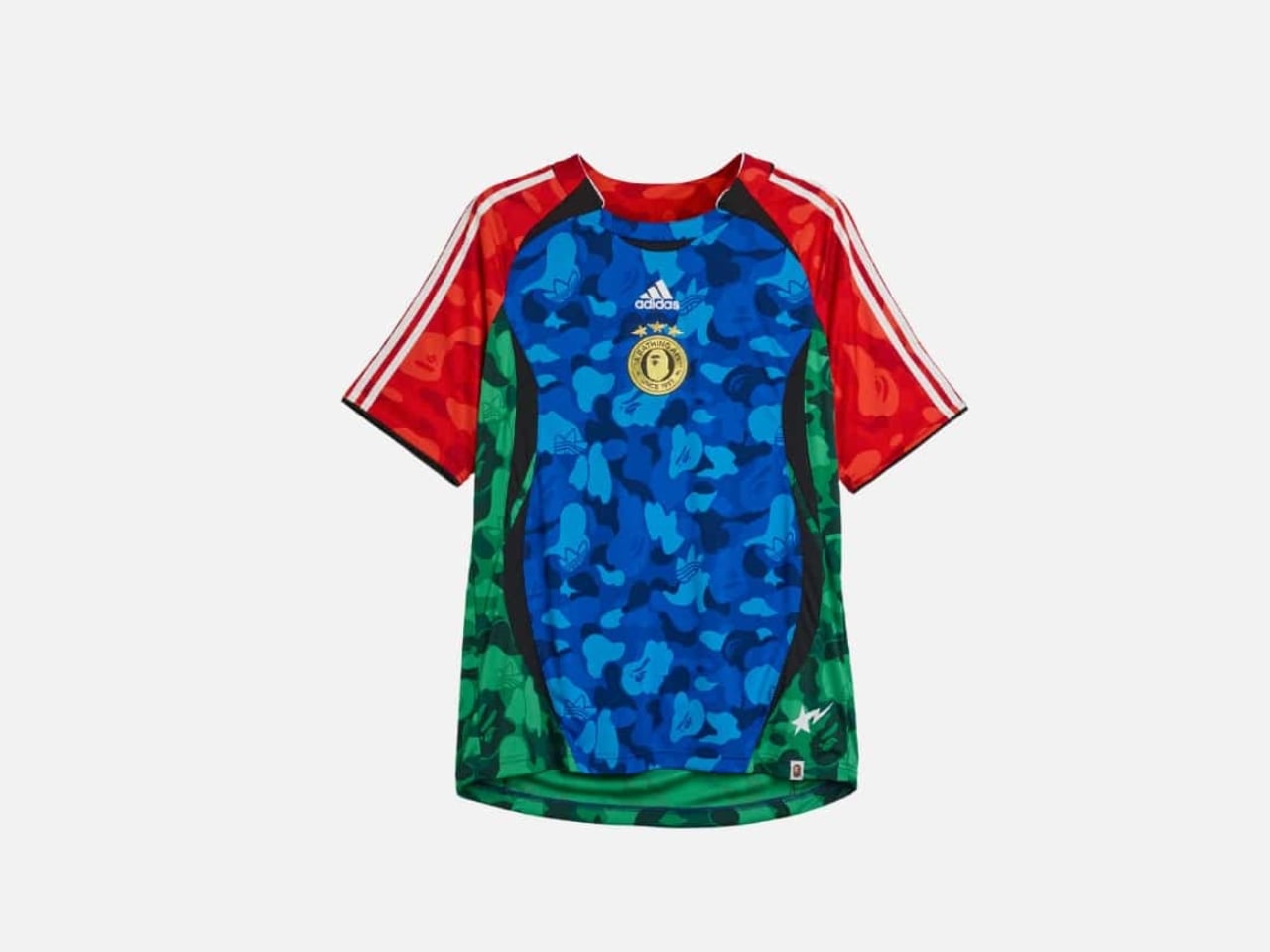
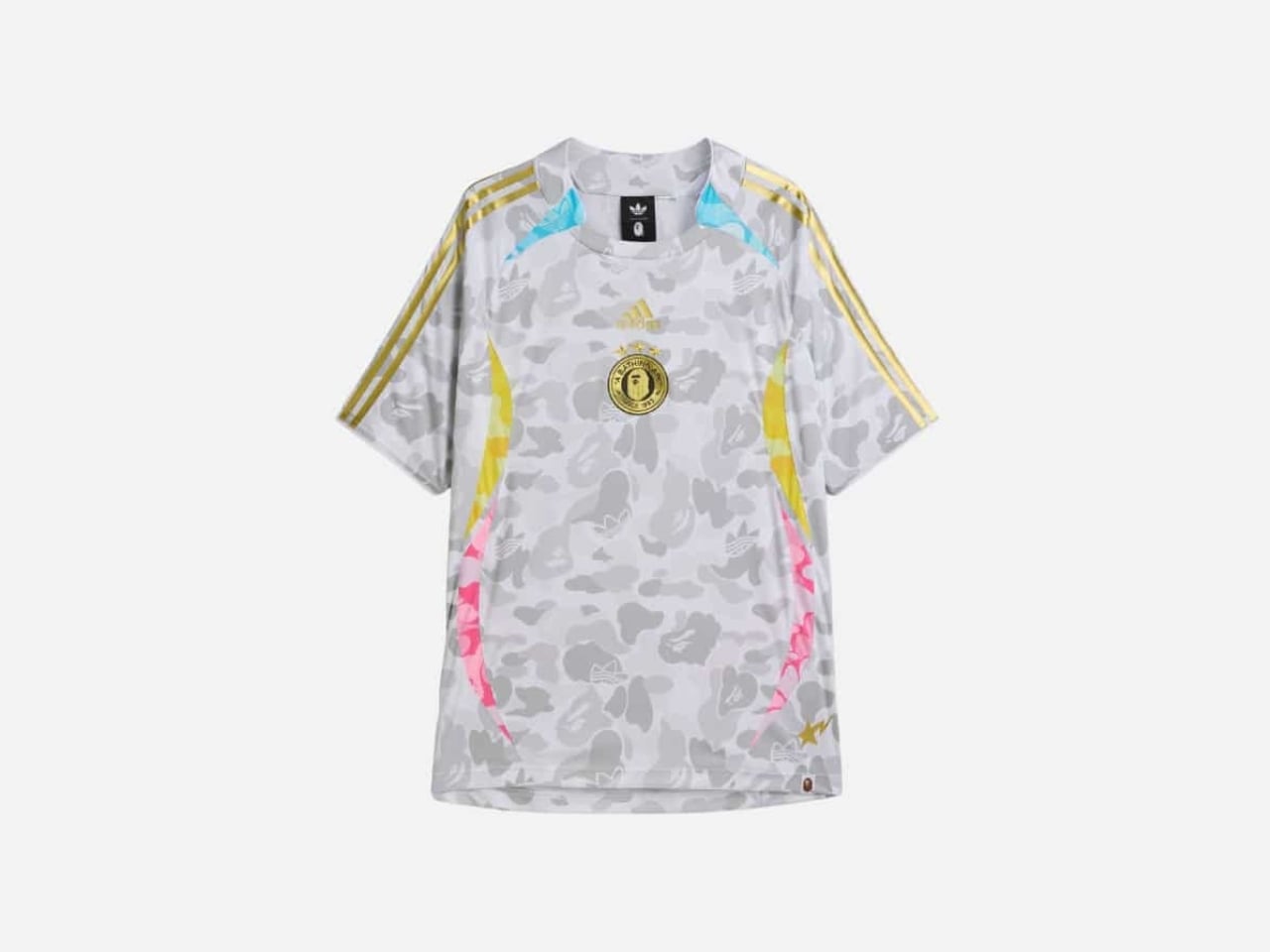
The collection splits into two sets: Home and Away. That familiar football divide becomes the entire creative brief here, and both sides carry it out with real conviction. The Home Set draws from a green, red, and blue Trefoil ABC Camo palette inspired by the World Cup host nations, and looking at the jersey up close, it earns every bit of that boldness. The body runs ABC Camo in blue and green, the raglan sleeves come in red with white adidas Three Stripes, and the whole thing is anchored by a gold BAPE crest badge at the chest. It’s loud in exactly the right way, like something designed to be spotted from three rows back in a stadium. The Away Set takes a gray, gold, and pink Trefoil ABC Camo palette for a more tonal result. The grey camo runs across the entire body, broken up by gold Three Stripes at the shoulders and flashes of yellow and pink at the sides. It’s the quieter of the two, but quieter is relative when BAPE’s involved.

Designers: adidas x BAPE

Both jerseys share the same Teamgeist base, which brings a mid-2000s football silhouette into the picture. The curved panelling and construction feel genuinely archival, not in a nostalgic way, but in the way that certain shapes simply never stopped working. Tucked into the details are BAPE STA™ branding on the chest, the number 93 referencing the year the Japanese brand was founded, and a release-specific code “2W0G2M6” inscribed on the lower back. Those kinds of details matter. They’re the difference between a collab that’s worn and one that’s kept.
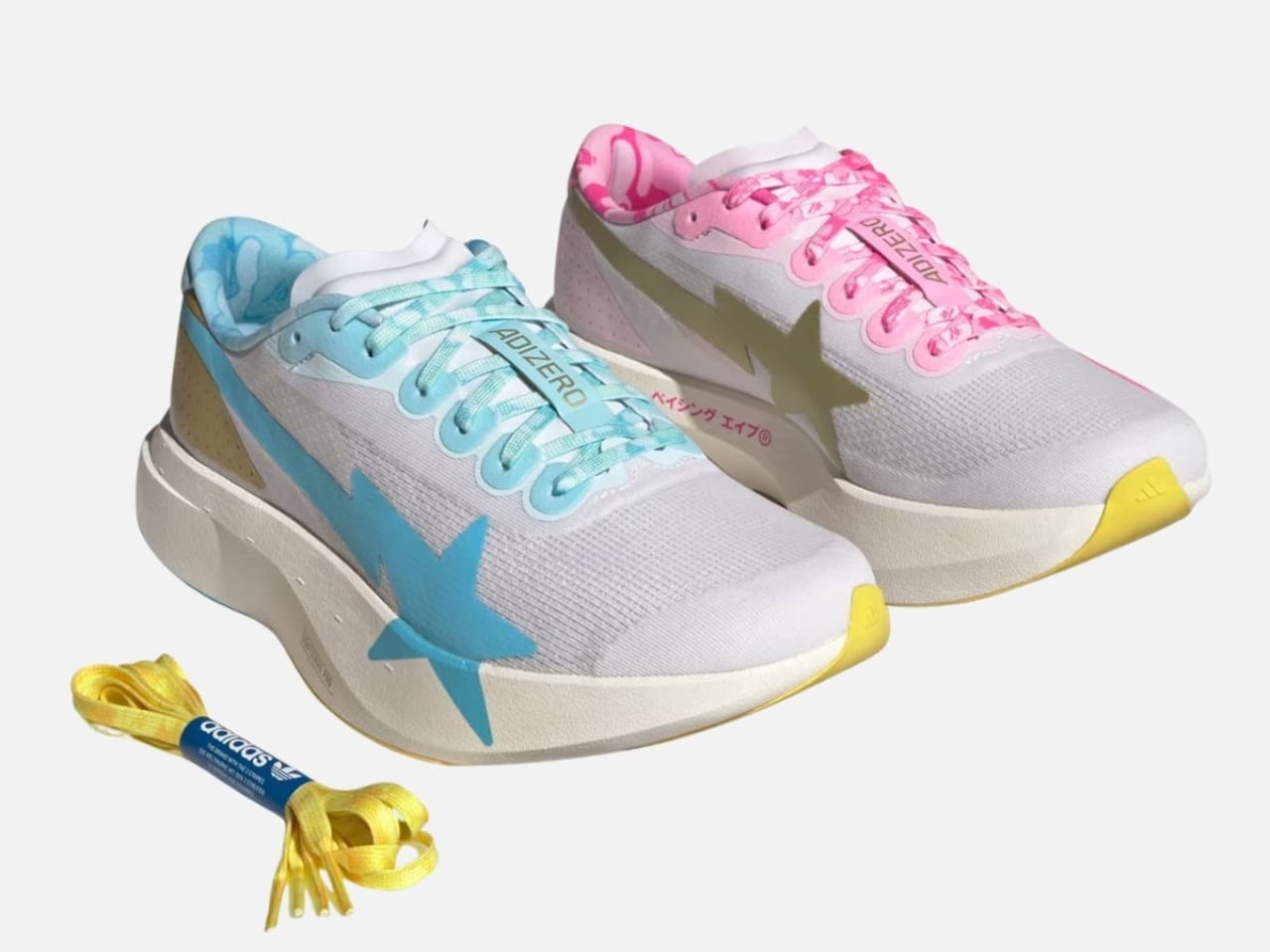
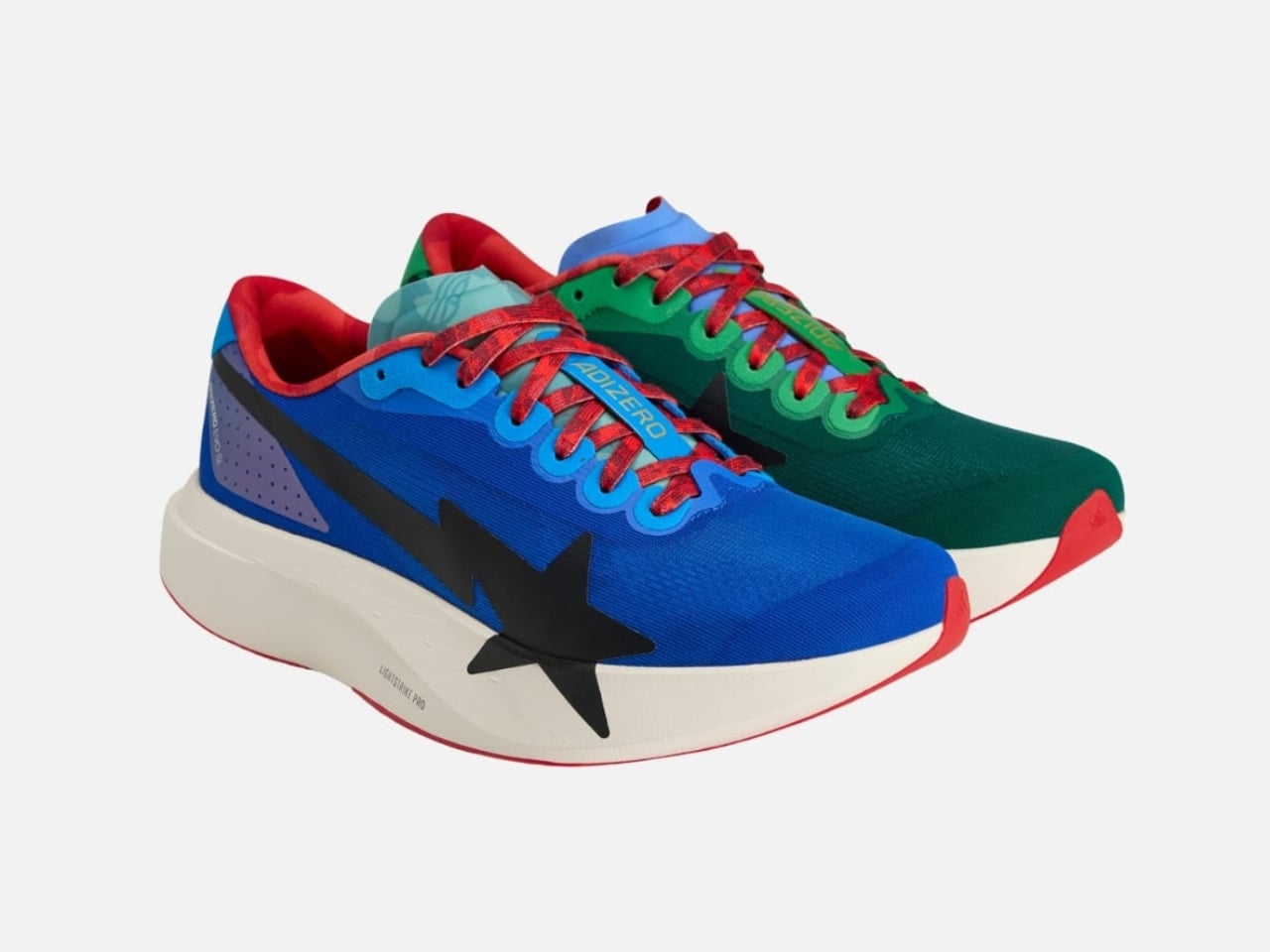
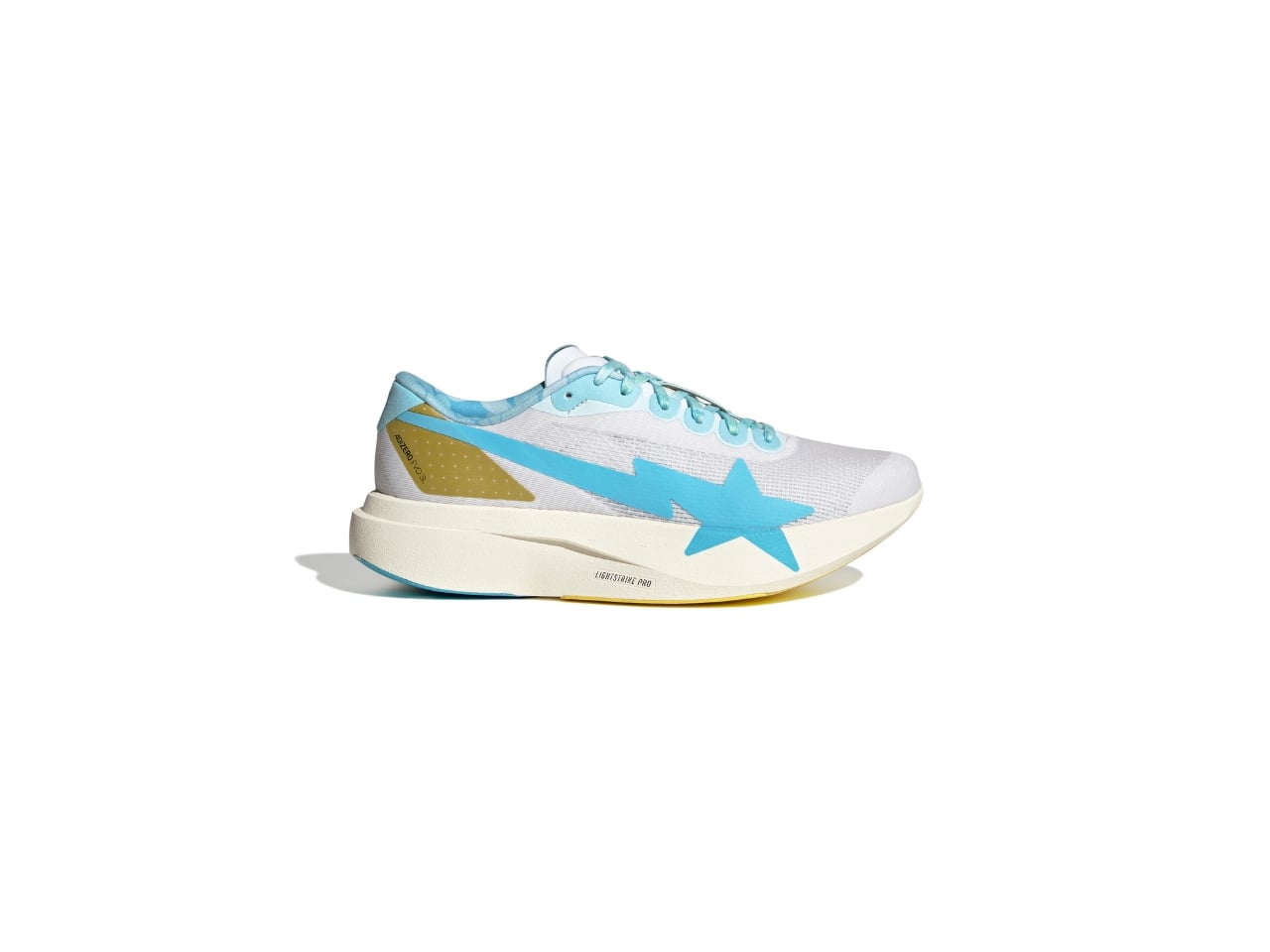
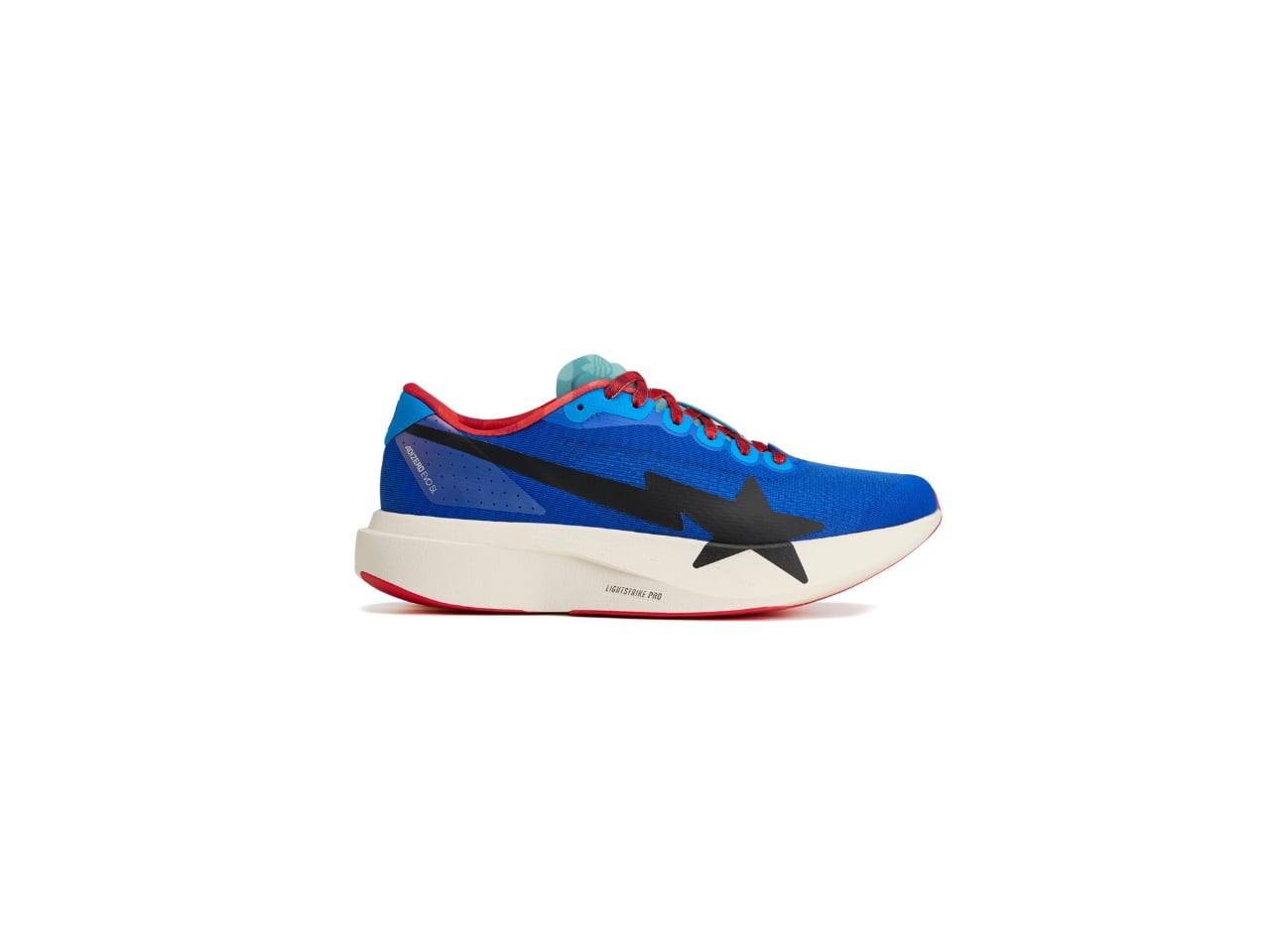
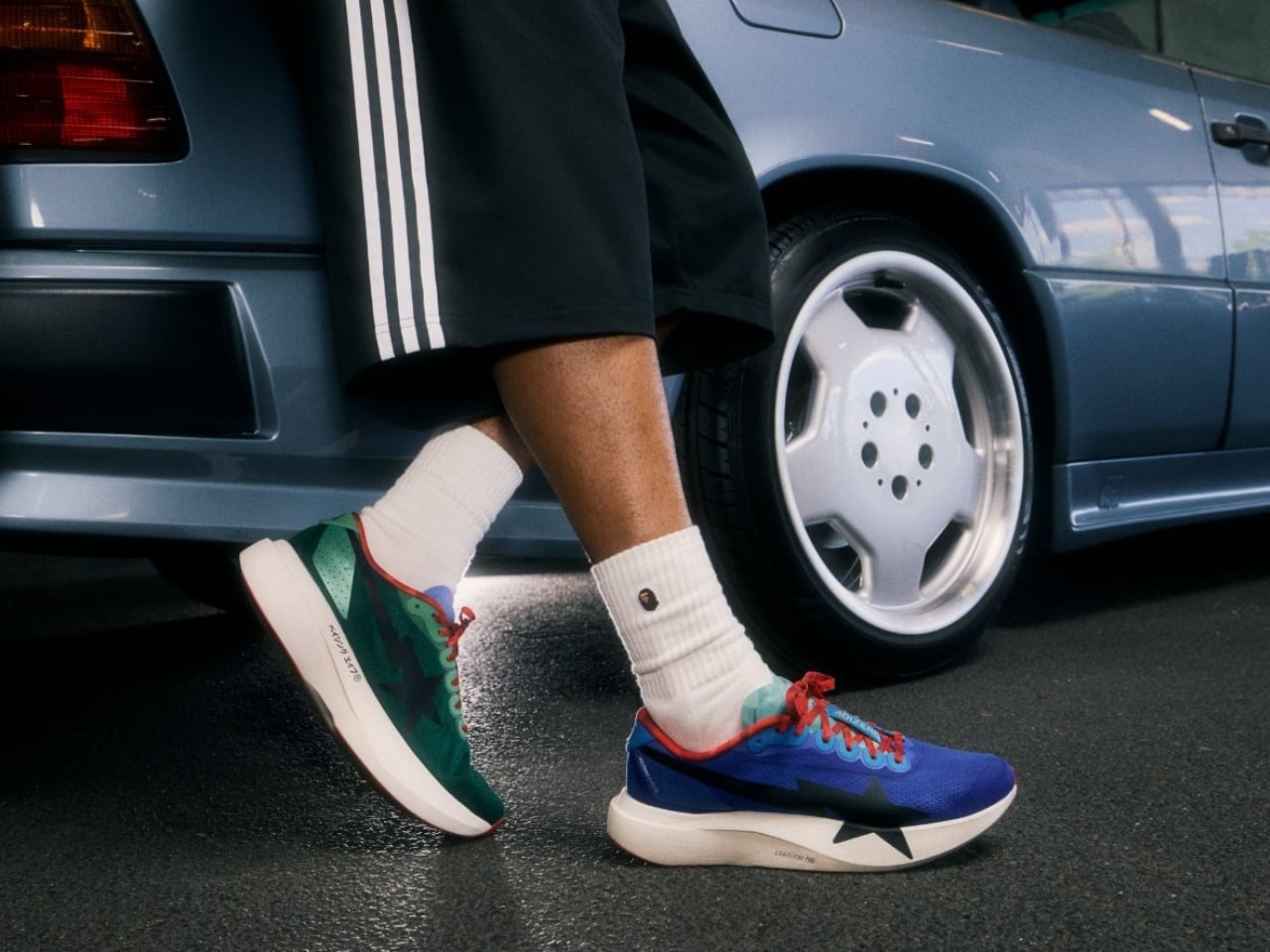
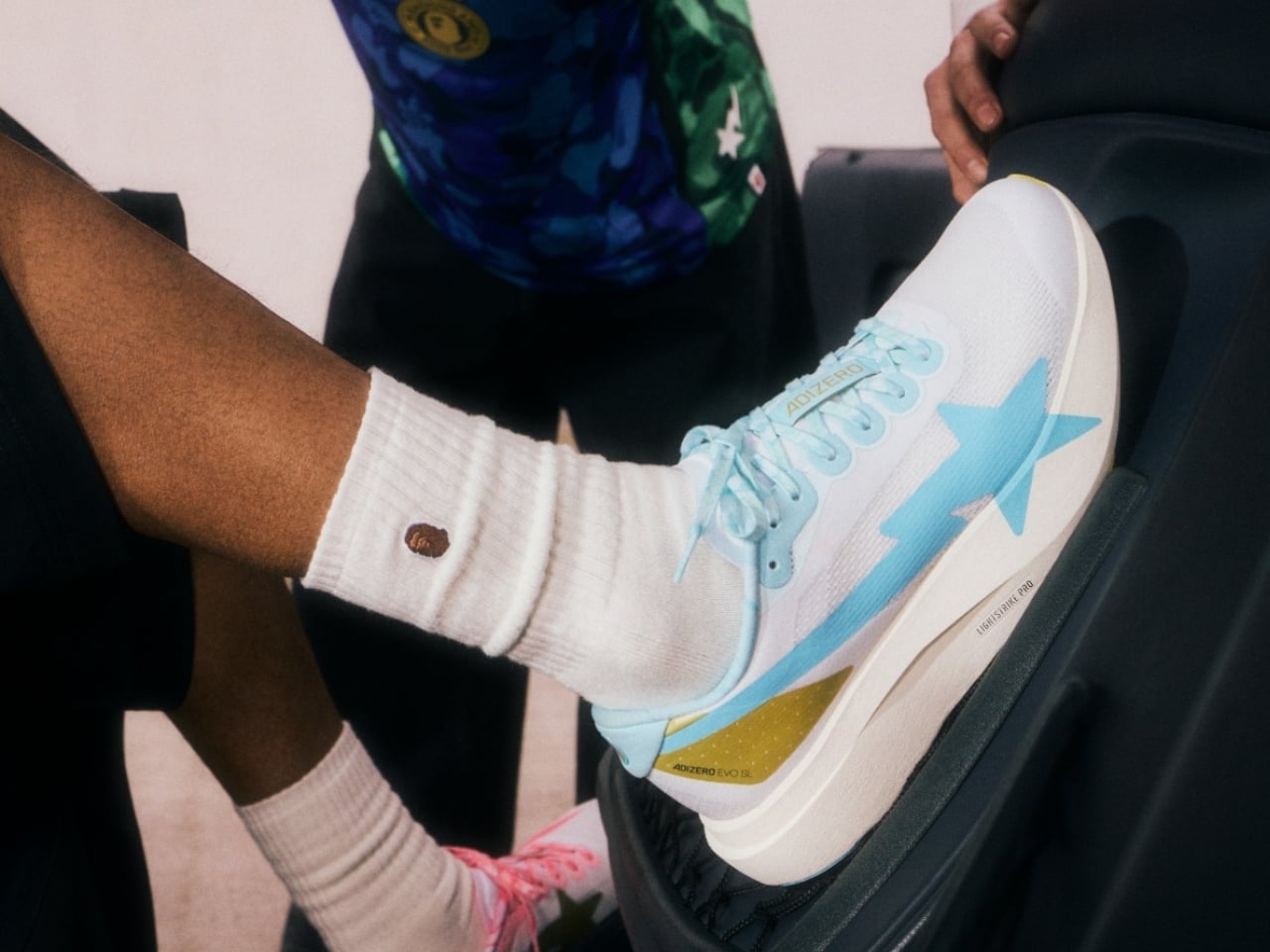
Then there are the shoes, and the shoes might be the real story. The EVO SL follows a deliberate mismatched design formula, with the Home colorway dressing the left shoe in pine green and the right in royal blue. BAPE’s ABC camo appears on the red shoelaces, the tongue, and sockliners, while a white Lightstrike Pro midsole sits below. The Away colorway takes a completely different approach. The right shoe runs in sky blue with BAPE’s Shooting Star on the lateral, the left goes pink with the Three Stripes taking the lead, and ABC camo hits the laces, collar, and liner on both shoes with gold accents running through the branding details. The bilingual touch is one of my favorite things about the Away pair specifically: “A Bathing Ape” appears across alternate feet in English and Japanese, which feels like a genuinely considered design decision rather than a detail added at the end.

The mismatched format is worth sitting with for a moment. Sneaker collaborations usually play it safe by keeping both shoes identical. Choosing to make each foot its own thing is a creative risk, and it pays off because it mirrors the home-away split of the collection itself. You’re not just wearing two colors, you’re wearing a concept.
The Home set is only available in North America and Latin America, while the Away set is available worldwide, excluding those regions. That regional exclusivity adds another layer to the storytelling, making geography part of the design language.

BAPE® and adidas have been at this since 2003, which means they’ve had more than twenty years to develop a shared creative vocabulary. You can feel that here. Neither brand is overexplaining itself or trying to dominate the other. The ABC Camo sits comfortably inside the Teamgeist template. The BAPE STA lives naturally on the EVO SL’s lateral. Two very distinct design languages, sharing space without either one losing its voice. At $200, the shoes aren’t a casual purchase, but as a design object tied to a specific cultural moment, they make a strong case for themselves.

The post BAPE x adidas Just Dropped the World Cup Collab No One Expected first appeared on Yanko Design.

IKEA Just Built 18 World Cup Flags Out of Furniture

Every few years, the FIFA World Cup does what few things can: it makes the whole planet pay attention to the same thing at the same time. Brands, naturally, line up to be part of that moment. Most of them shouldn’t bother. The average World Cup campaign is either a celebrity-filled spectacle that forgets to say anything, or a half-hearted logo slap on a football kit. And then IKEA Canada goes and does something genuinely clever.
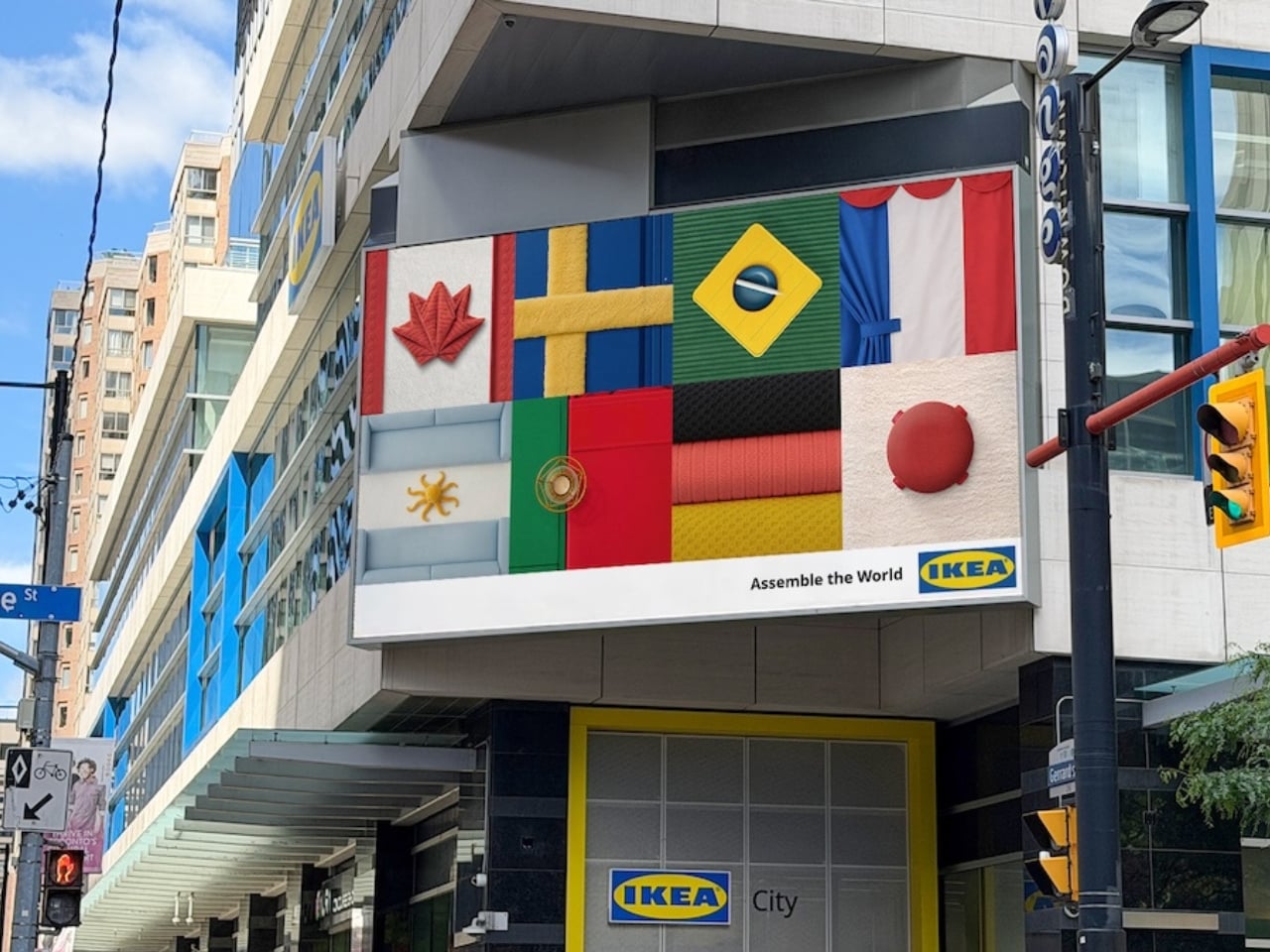
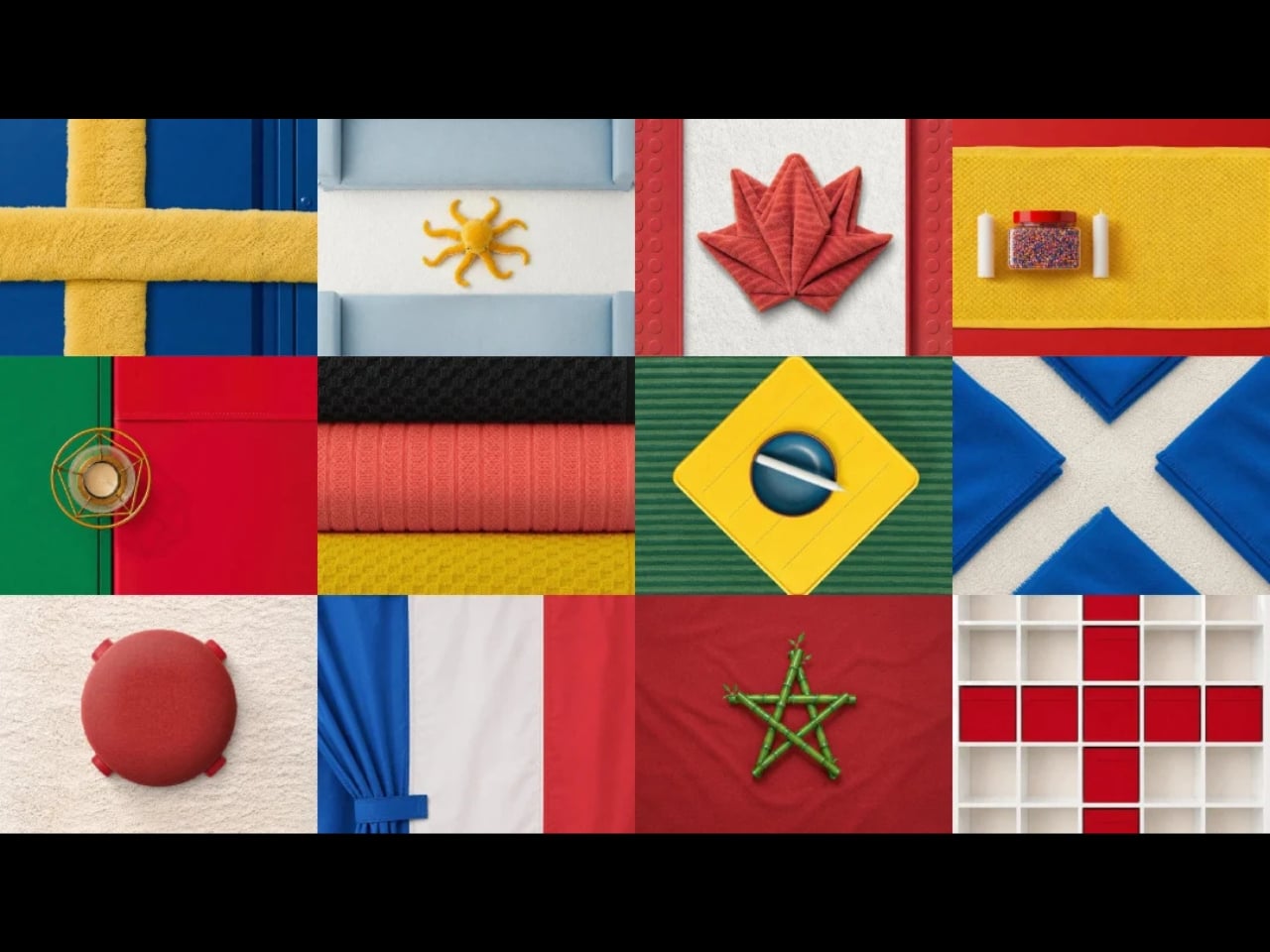
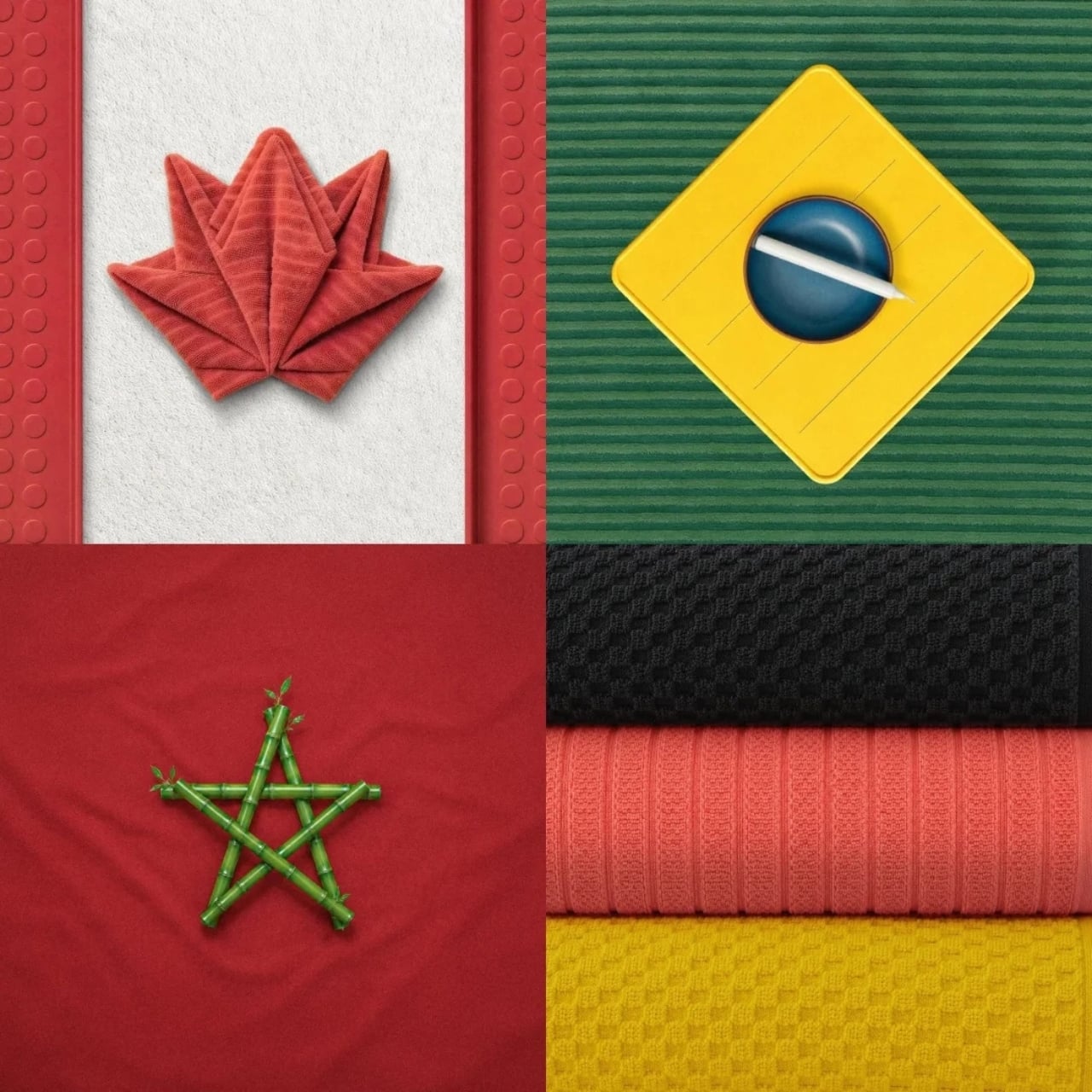
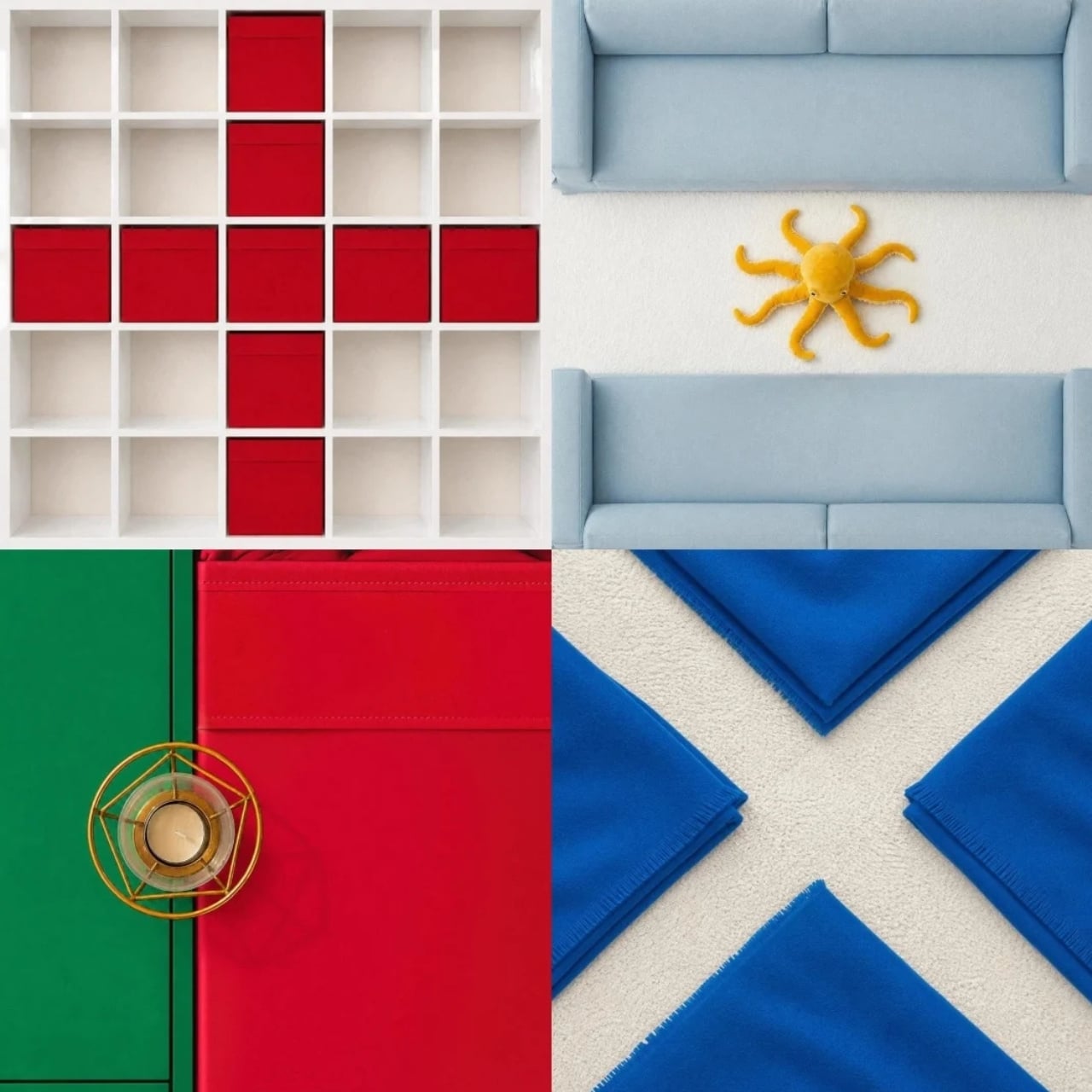
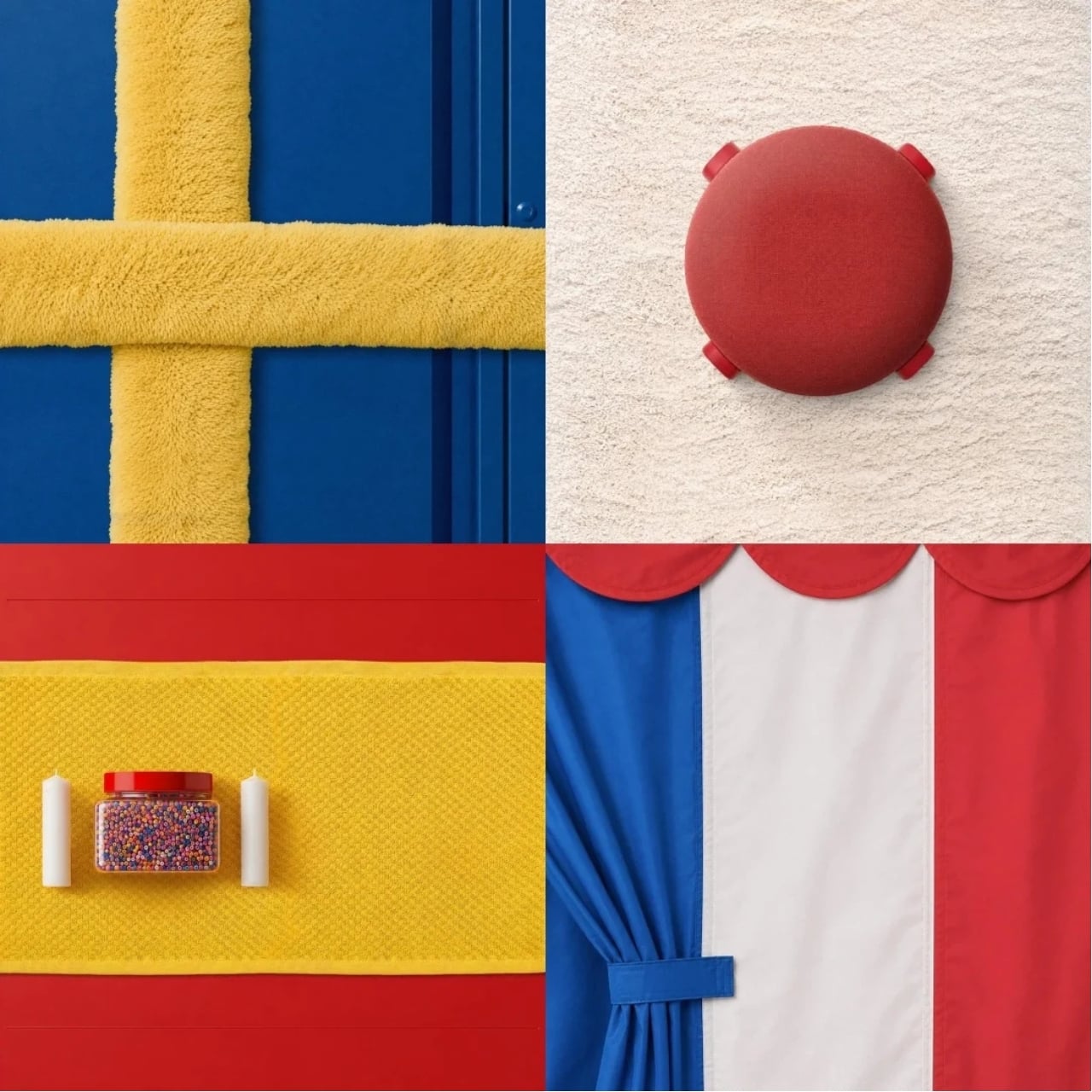
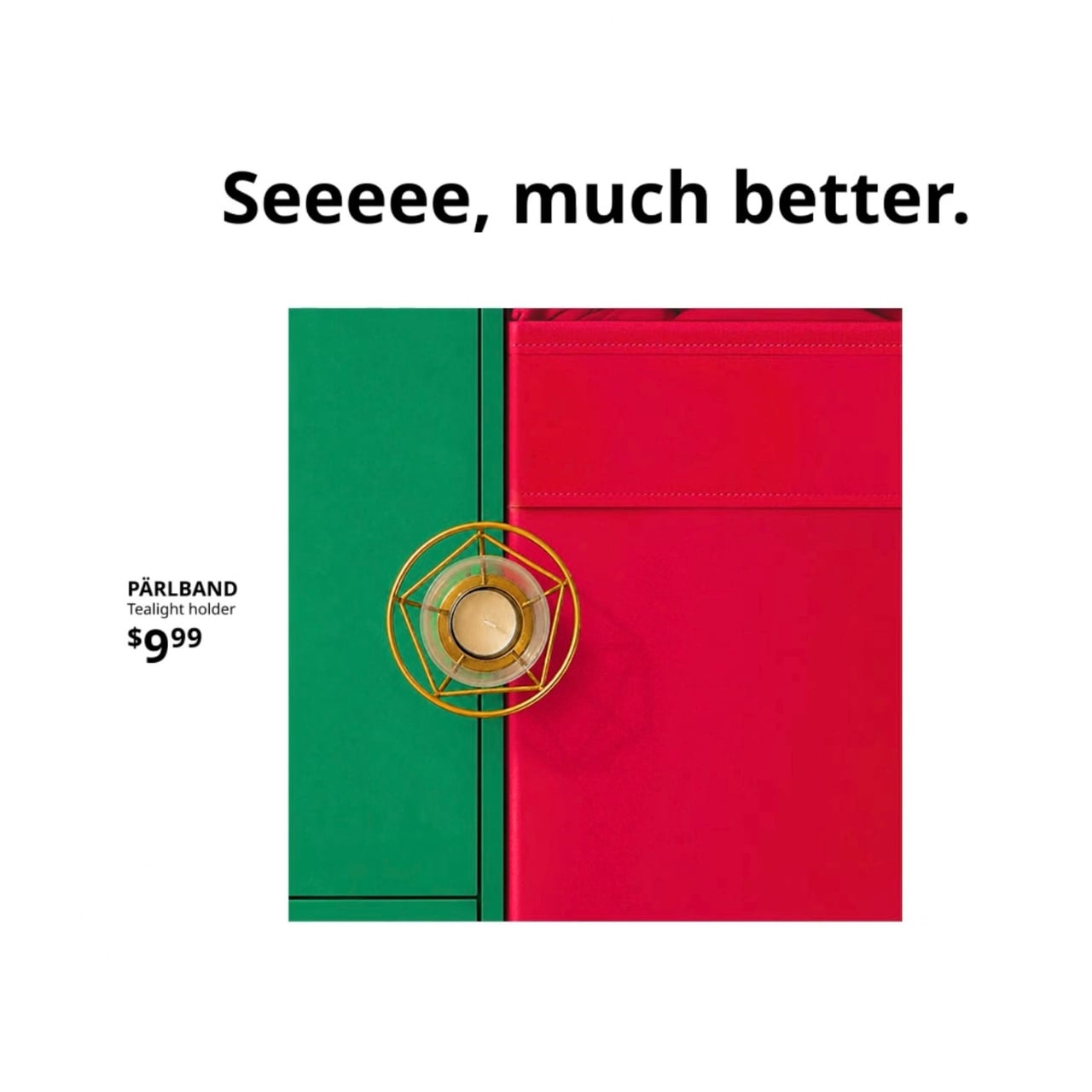
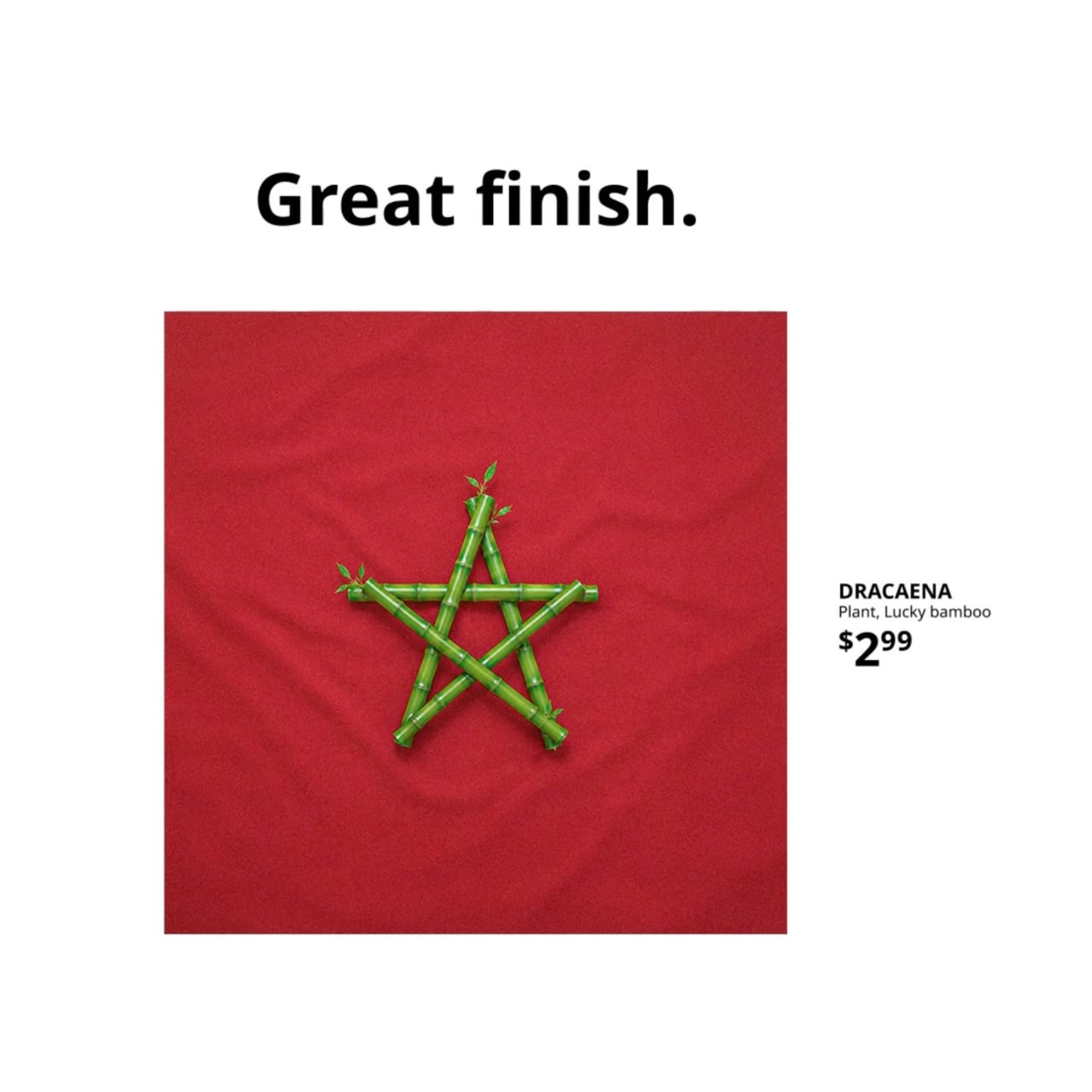
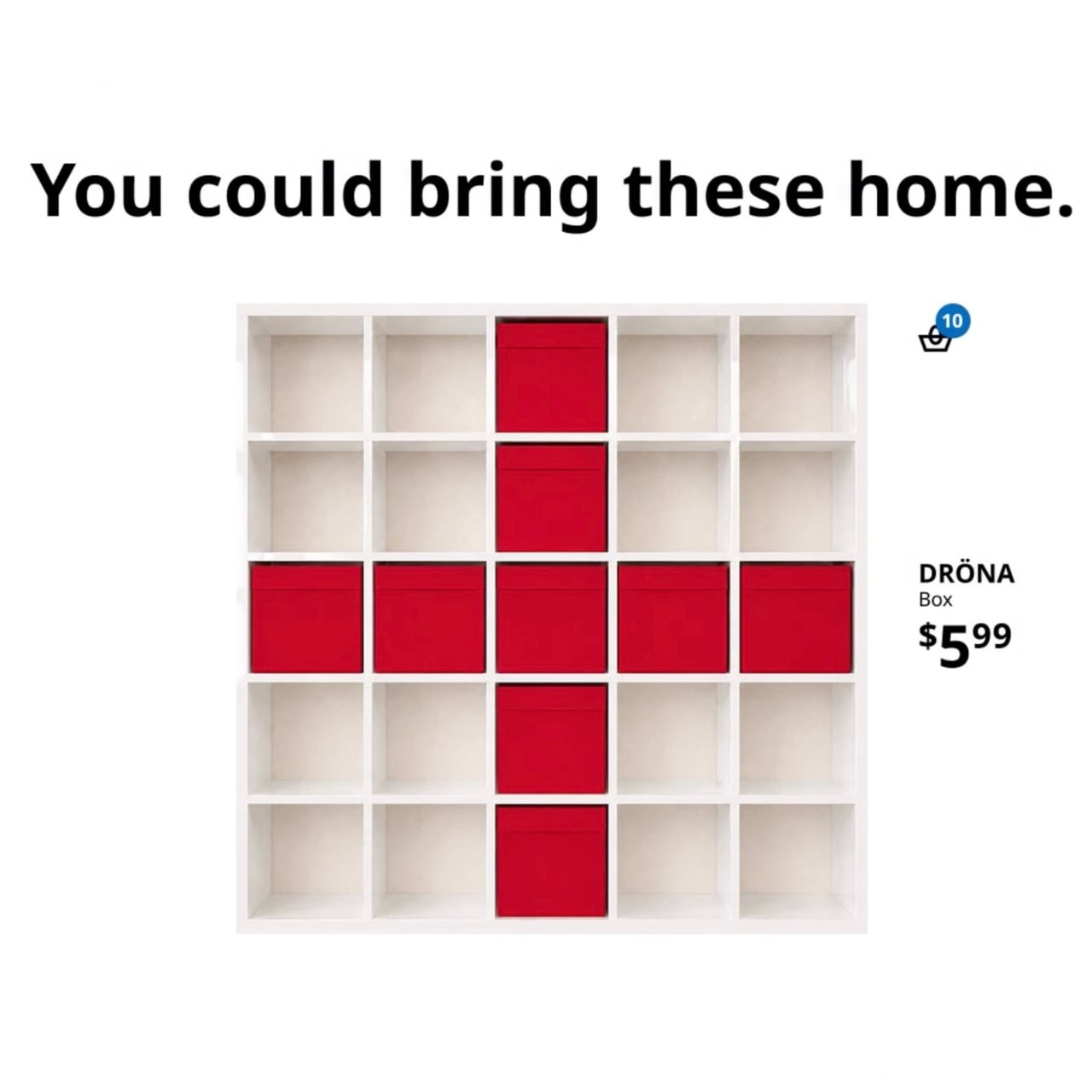
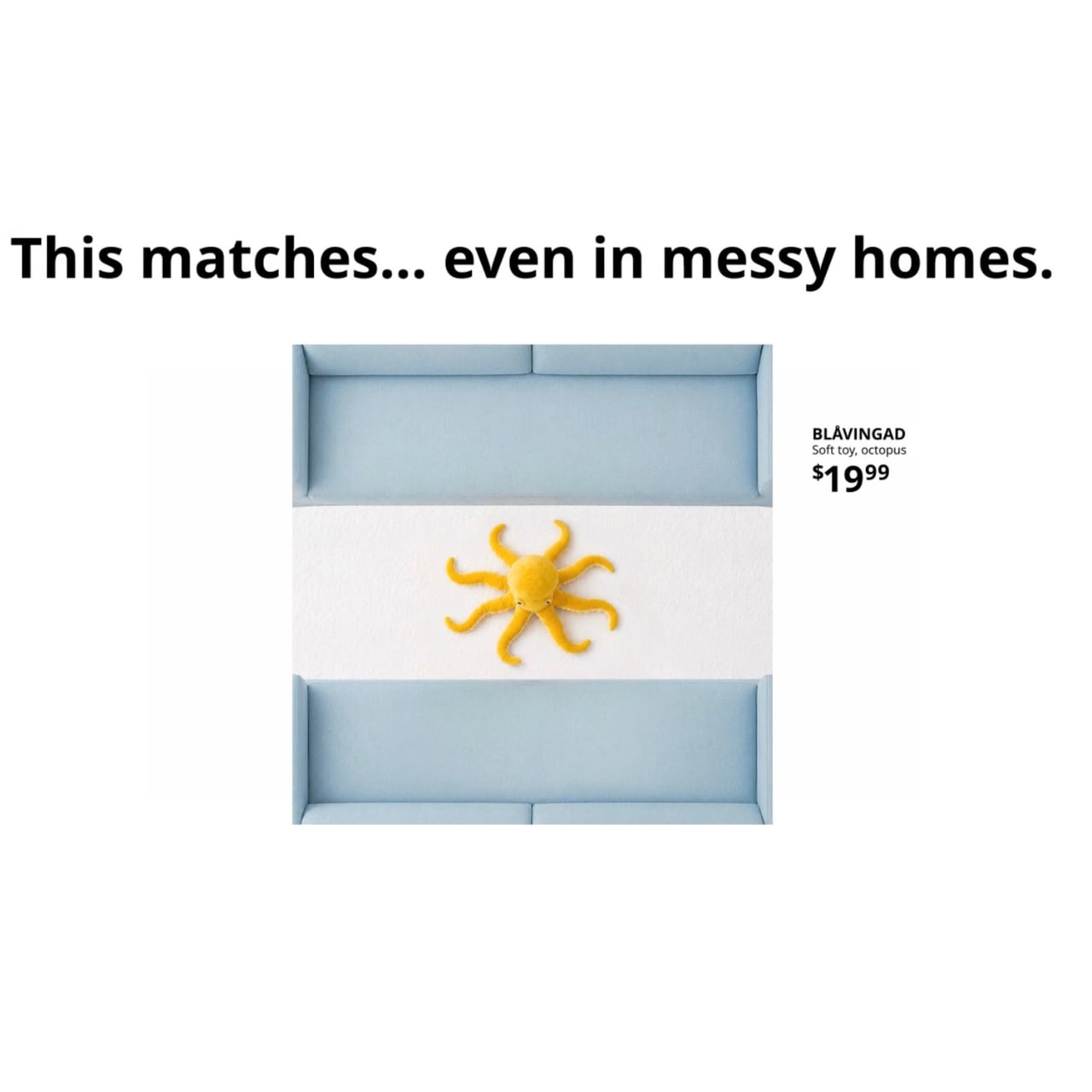
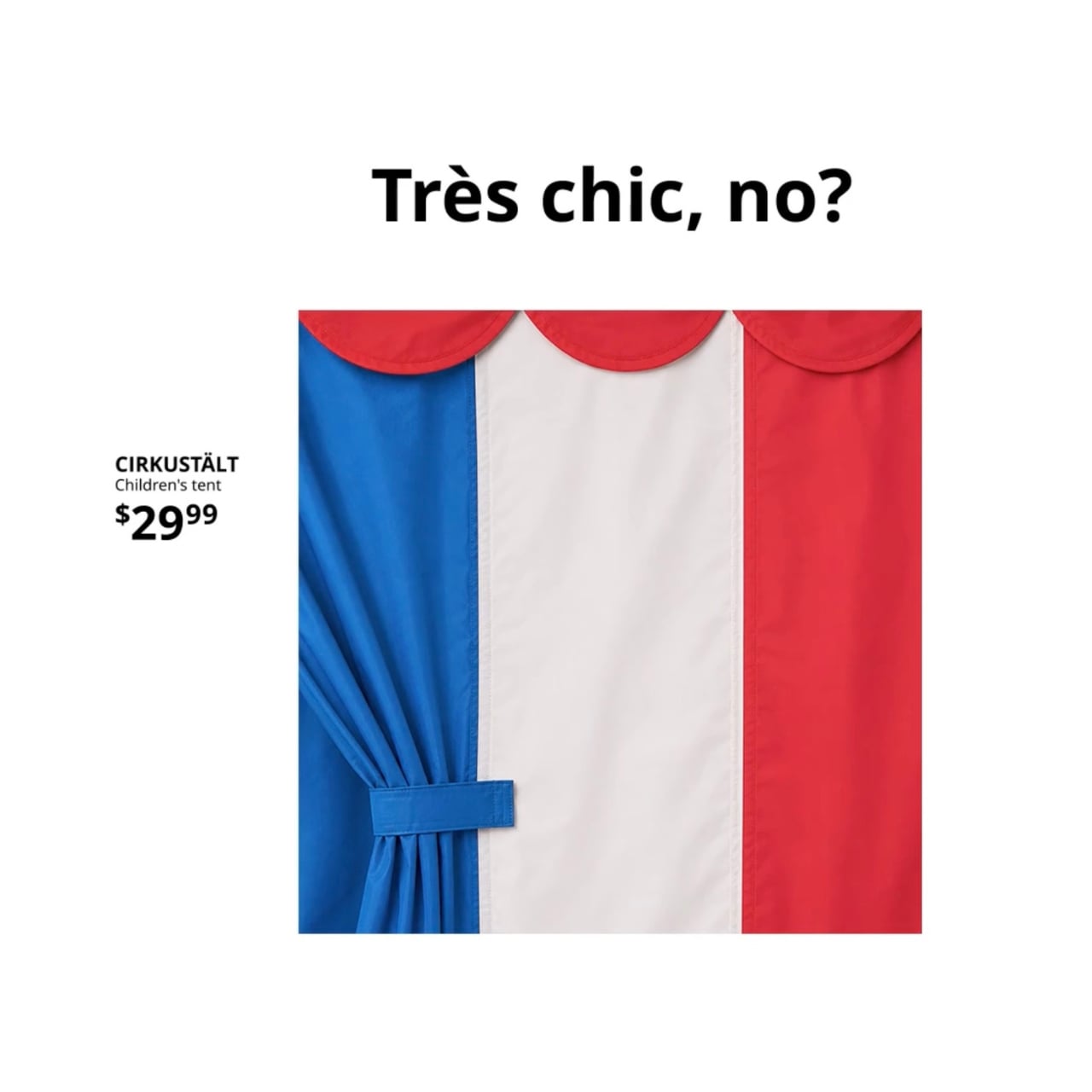
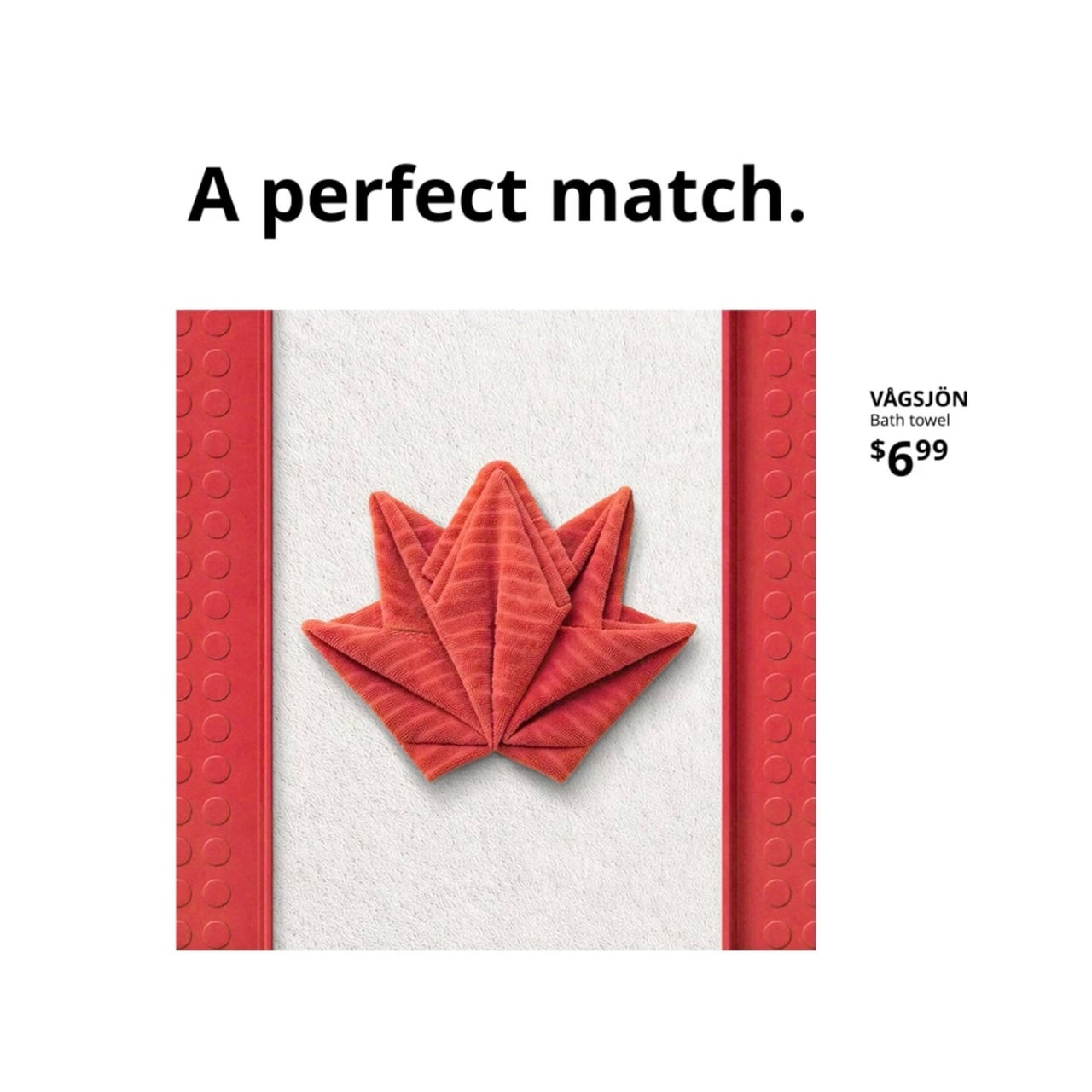
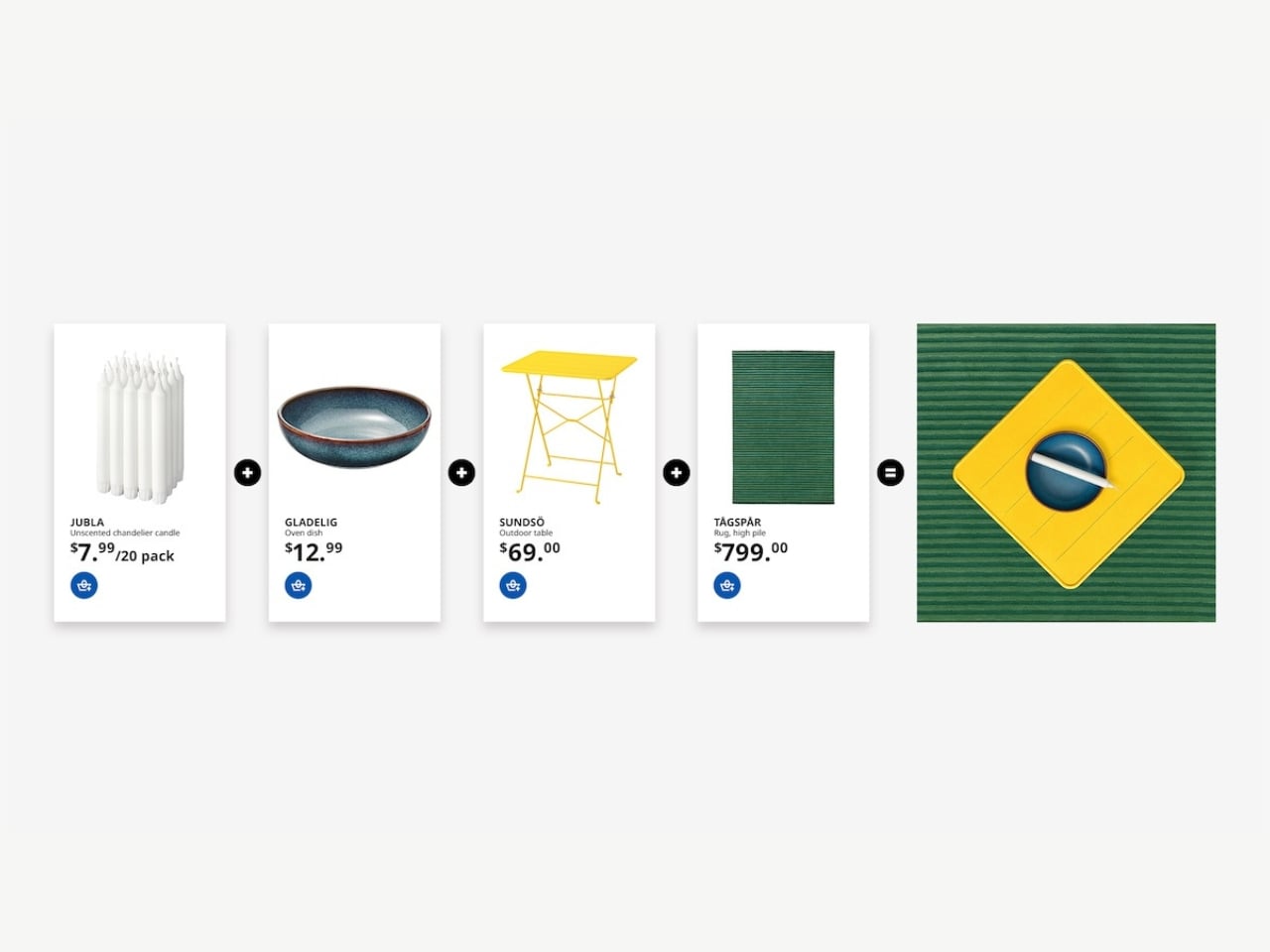
Assemble the World is a social-first campaign created with Dentsu Creative, and the premise is almost embarrassingly simple: take IKEA products and arrange them to look like national flags from competing World Cup nations. Cushions, rugs, lamps, candles, cabinets, plush toys, outdoor tables. All laid out, stacked, and styled until they read as the flag of Brazil, or Japan, or Morocco. Eighteen flags in total, each one built entirely from items you could actually buy.

Designer: IKEA Canada

The execution matters here. These aren’t mood board collages or loosely themed flat lays. The compositions are precise enough to be immediately recognizable, and playful enough to make you smile. Part of the campaign’s appeal is that you have to look closely. Each image invites you to spot the products before clicking through to shop them. It’s a scavenger hunt, a flag quiz, and a product catalogue all at once.

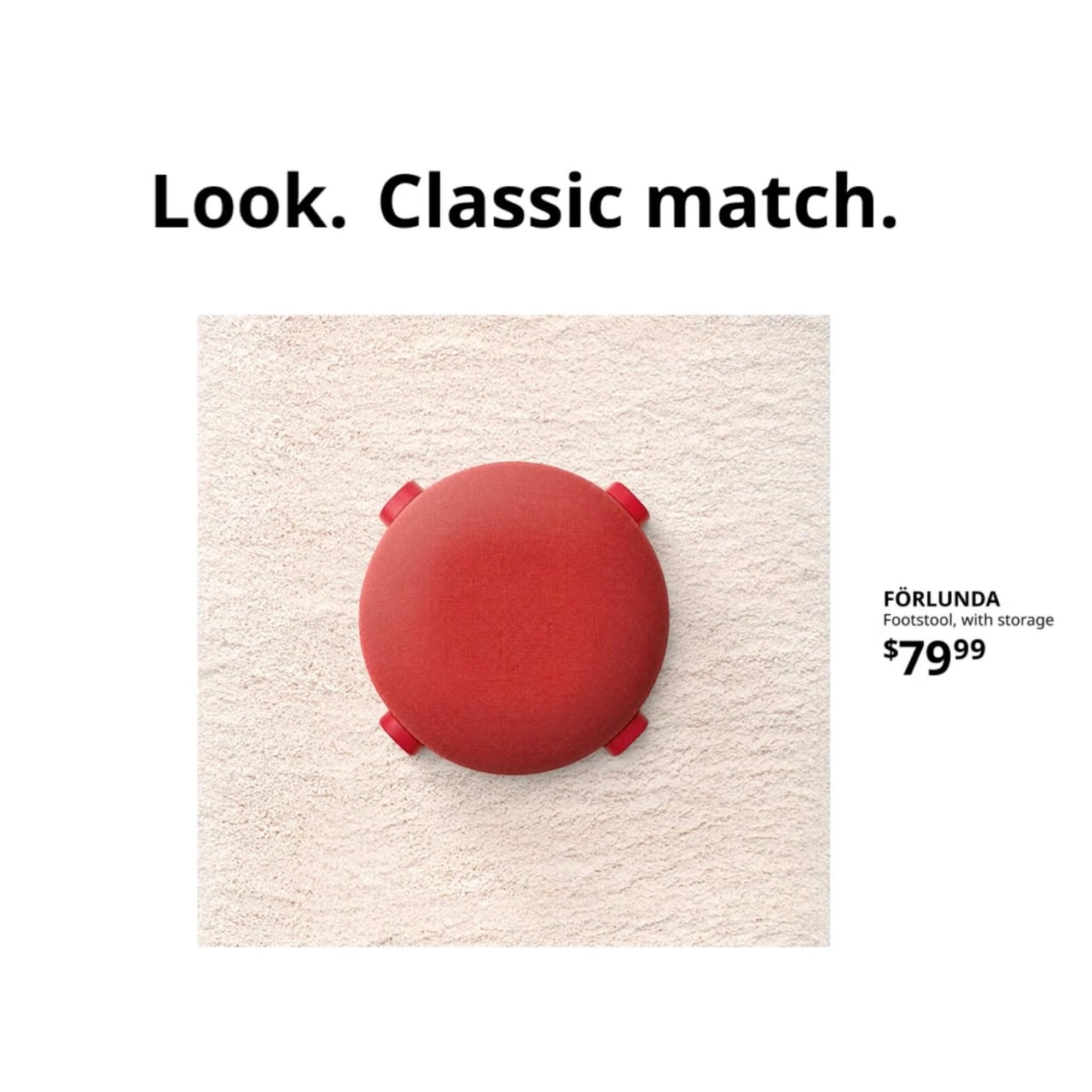
That last part is worth sitting with for a moment. The campaign has a shoppable component baked directly into every piece of content, which means the fun and the commerce aren’t separate experiences. They’re the same experience. That’s a much harder thing to pull off than it sounds. Most branded content either prioritizes entertainment at the expense of the product, or prioritizes the product so heavily that the entertainment evaporates. Assemble the World manages to keep both plates spinning.

What makes it land, I think, is that it doesn’t pretend to be something it’s not. It doesn’t position IKEA as a football brand or manufacture a deep emotional connection to the beautiful game. It just borrows the World Cup’s energy and applies IKEA’s own visual language to it. The result feels authentically IKEA, which is a genuinely difficult thing to achieve during a moment when every brand is trying to sound like it belongs at the stadium.

Canada is also a meaningful backdrop for this, as one of the three host country’s for this year’s edition of the World Cup. The country’s multicultural makeup is part of what the campaign quietly gestures toward, giving the flag concept a layer of relevance that goes beyond the tournament. For a lot of Canadians watching the World Cup, those flags represent personal histories, not just national teams. IKEA leaning into that feels less like a marketing angle and more like an honest observation about who their customers actually are.

The campaign runs across social media, digital channels, and outdoor advertising near IKEA store locations throughout the summer. The call to action, “Click, Buy, Wave,” is a bit cheeky, maybe a little too tidy, but it doesn’t take away from what the campaign does well overall.

Not every brand moment during a major sporting event needs to be profound. Sometimes the best thing a brand can do is show up with something that’s visually satisfying, conceptually tight, and worth two minutes of your time. Assemble the World is exactly that. It doesn’t overstay its welcome, it doesn’t overclaim, and it makes a catalogue of household items feel genuinely festive. In a summer already crowded with World Cup content, that’s no small thing. IKEA found the version of this campaign that only IKEA could do, which is the goal every brand chases and very few actually reach.

The post IKEA Just Built 18 World Cup Flags Out of Furniture first appeared on Yanko Design.

Pepsi Max’s New Can Turns Blue When It’s Cold Enough to Drink

Most of us don’t think twice about the can we grab from the fridge. You reach, you pop, you drink. But Pepsi Max is betting that at least some of us will stop, look twice, and maybe even squeal a little when the can in our hand starts changing colour right before our eyes.

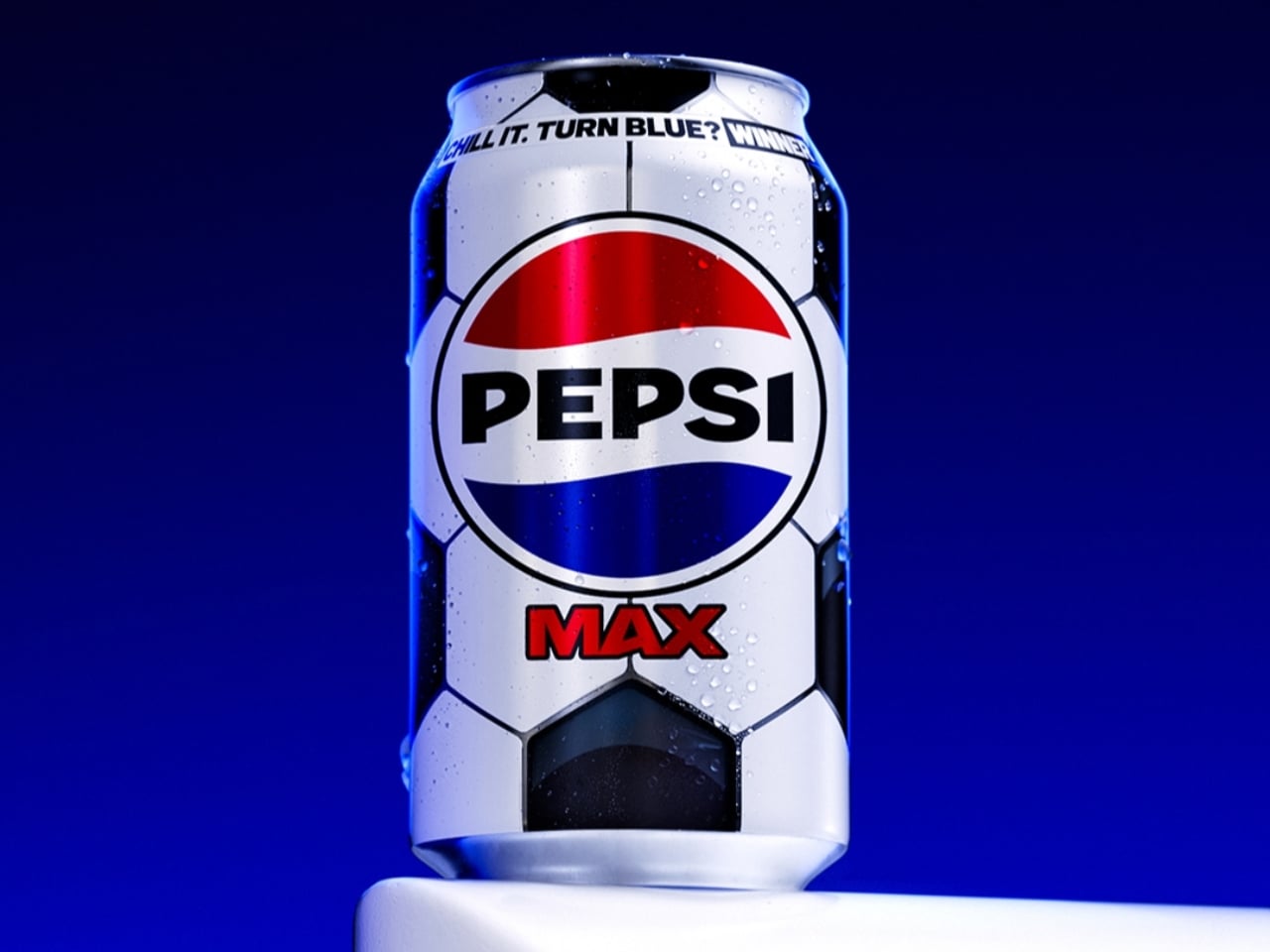
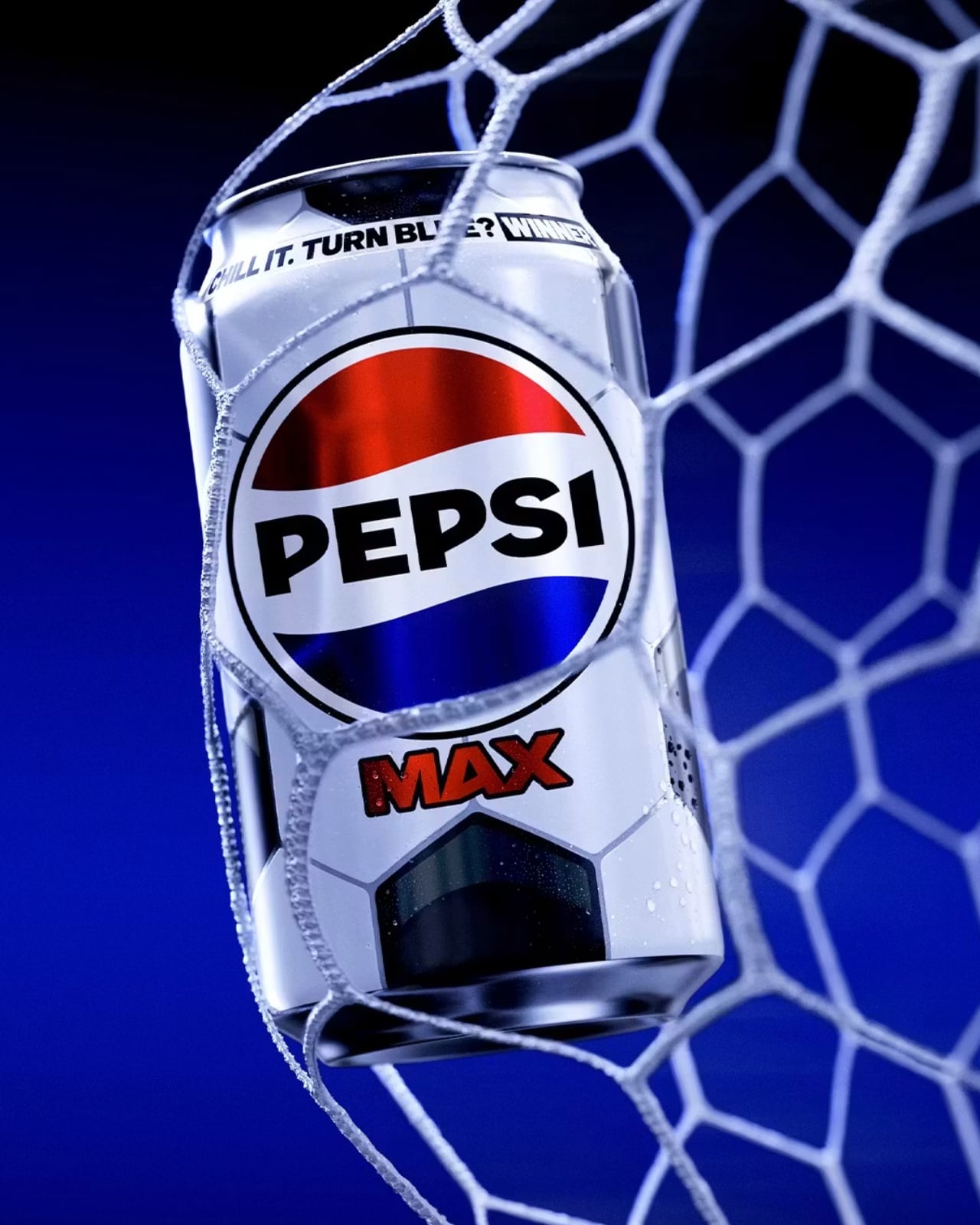
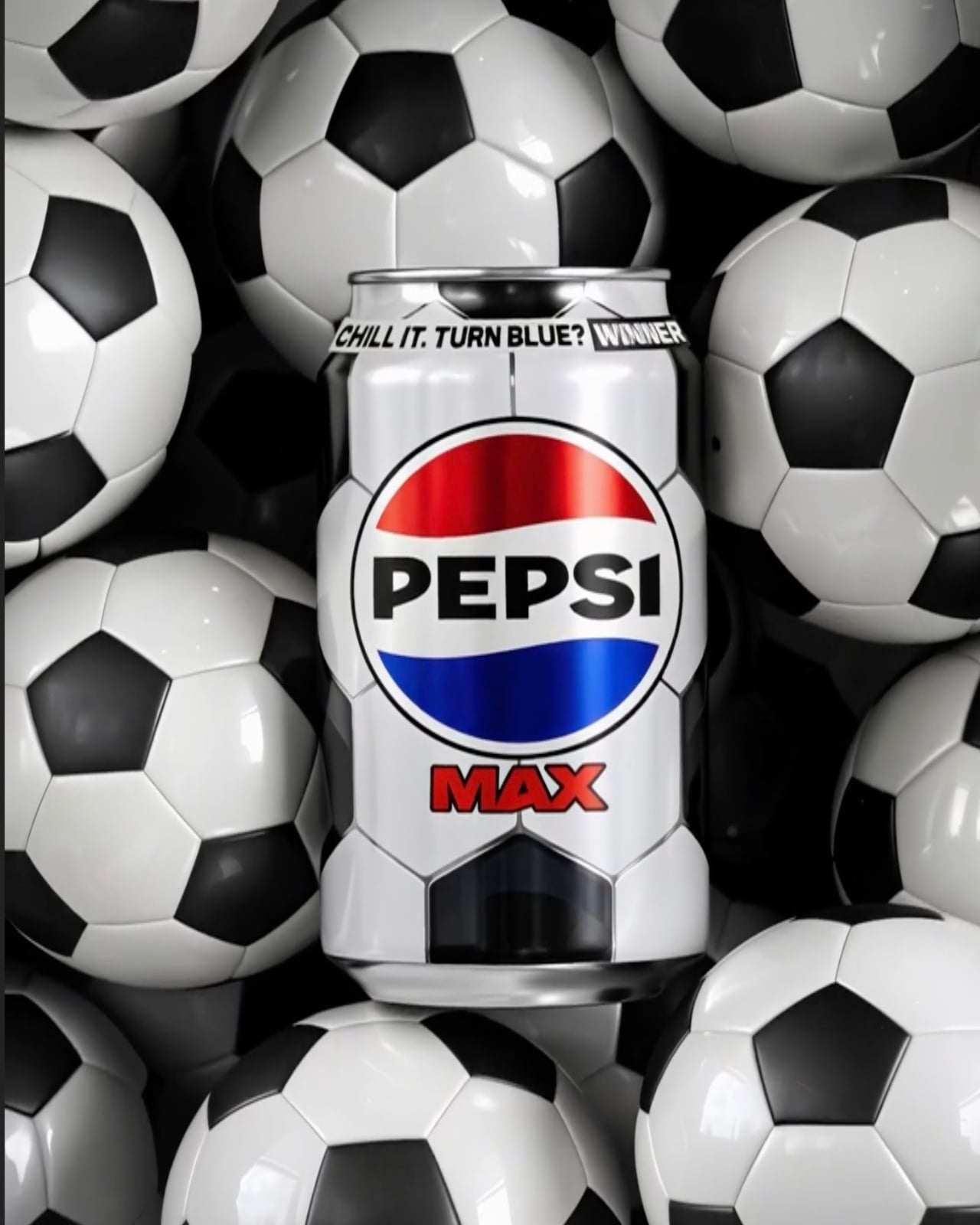
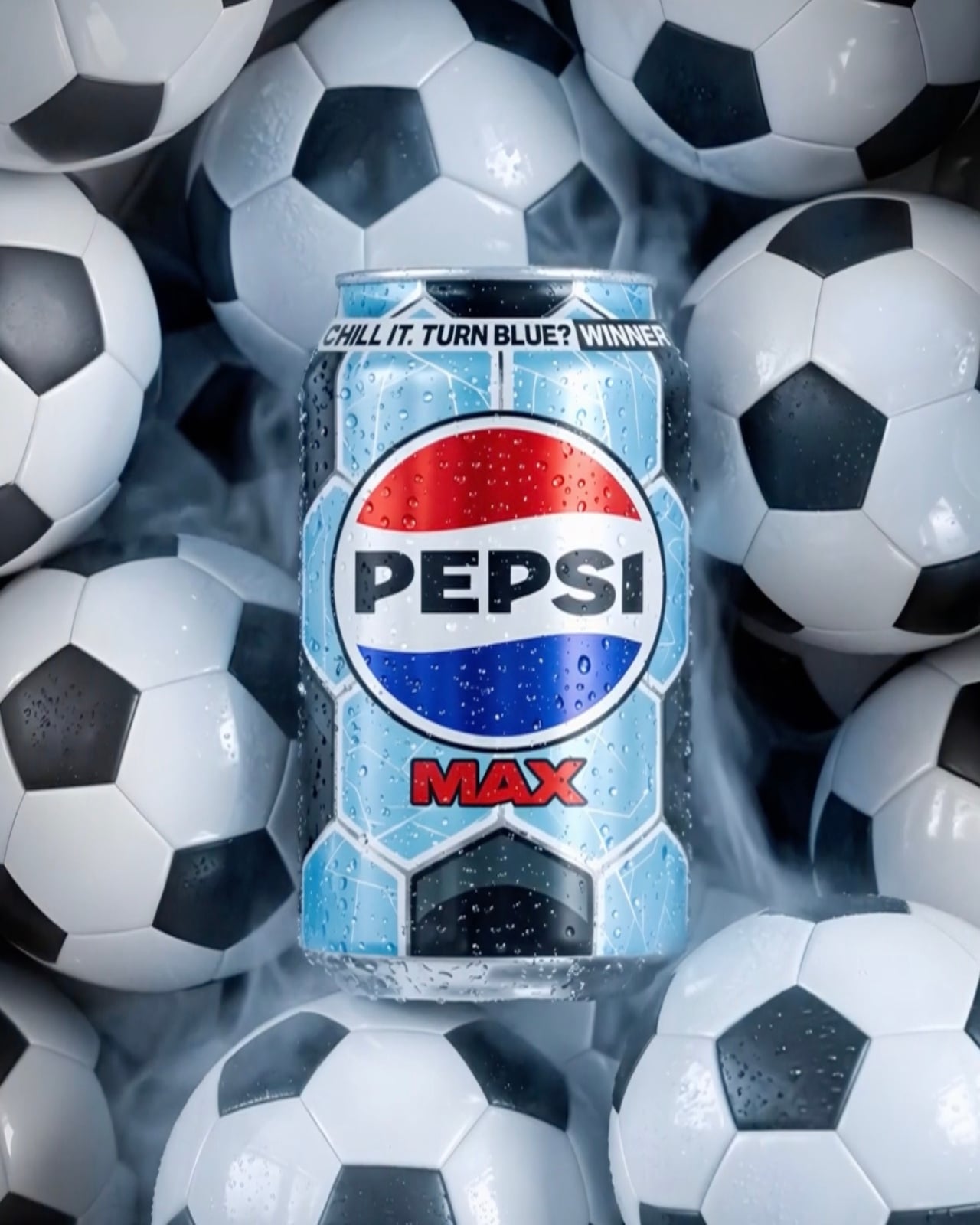
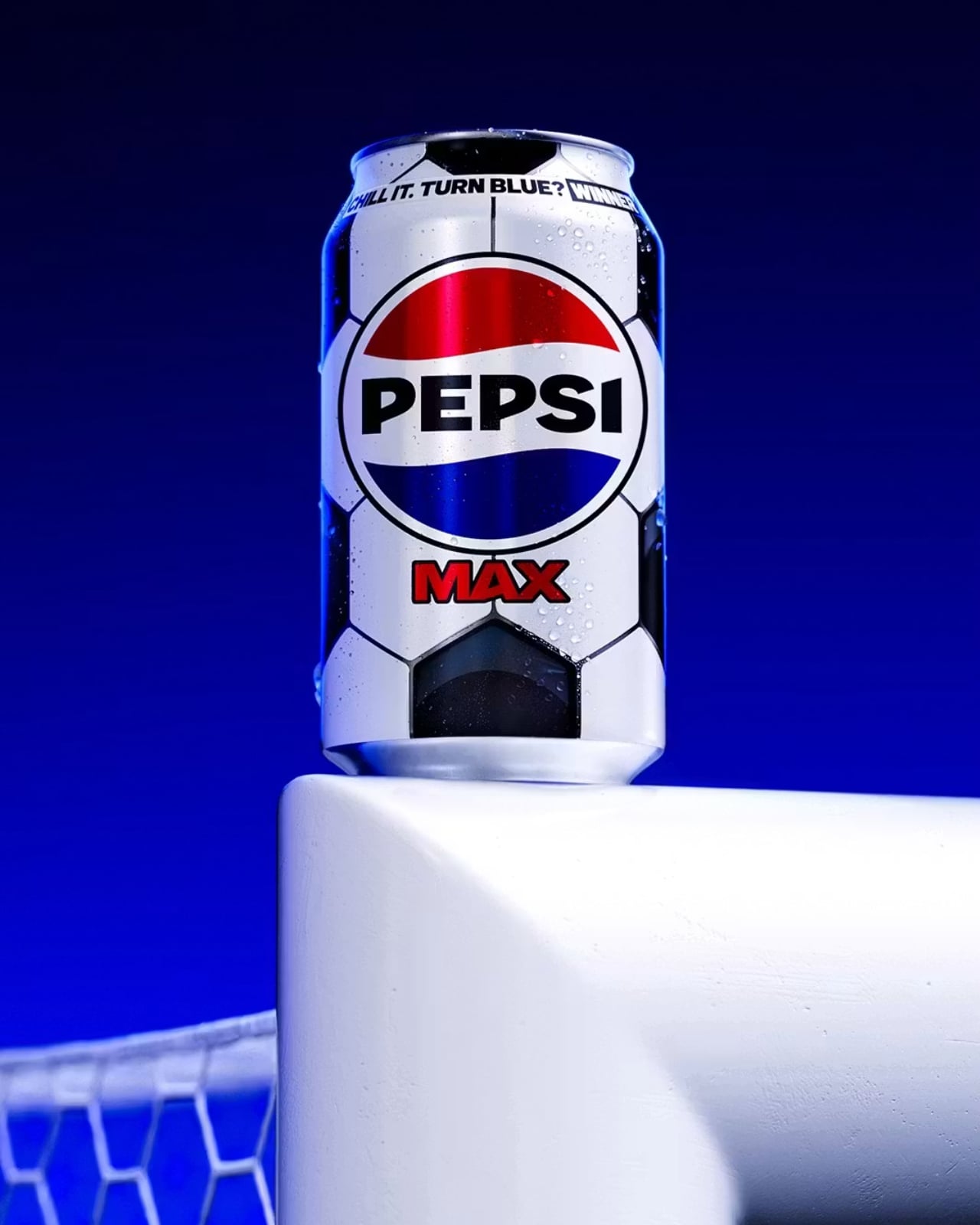
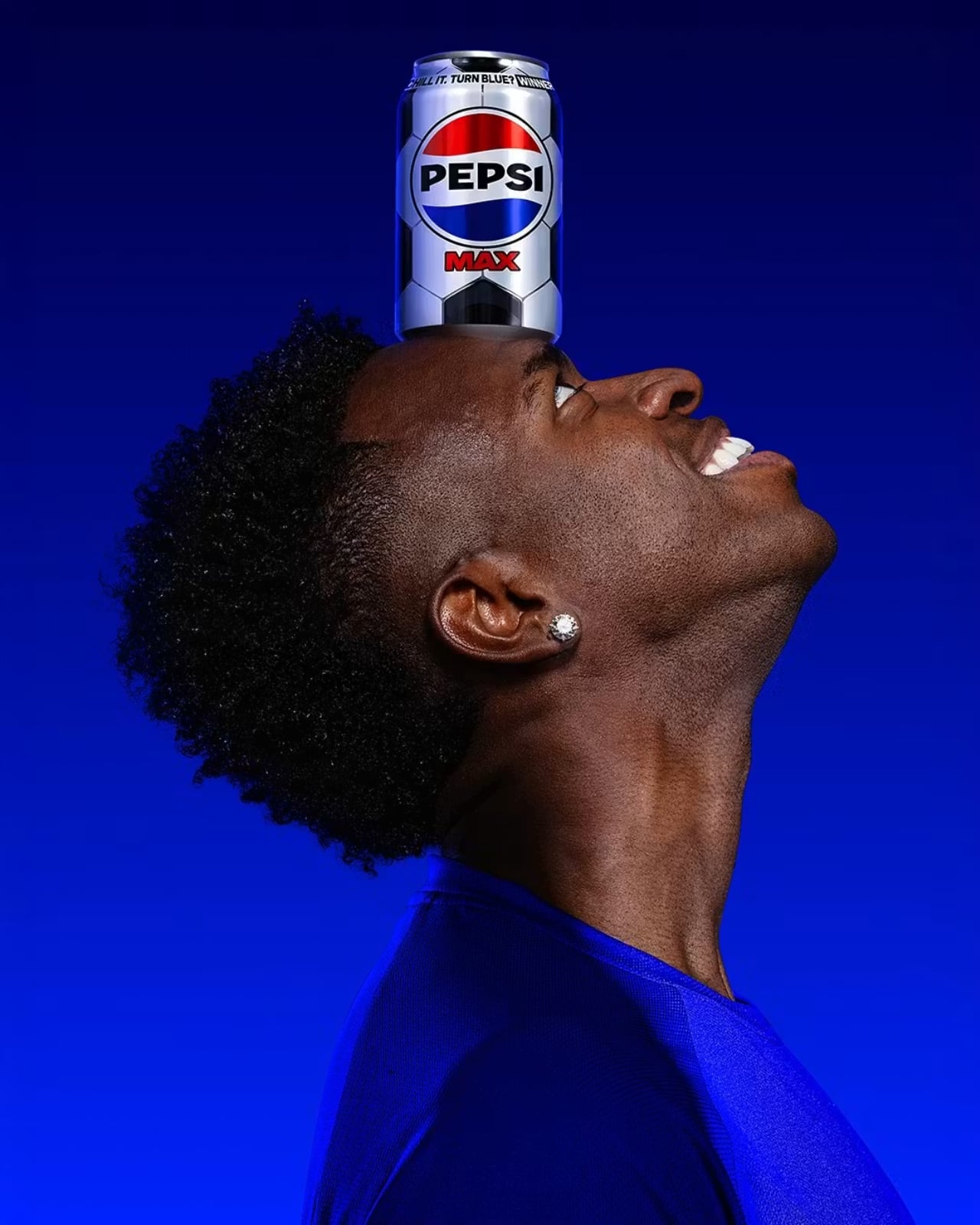
That’s the premise behind Pepsi Max’s new Perfect Chilled variant, launched as part of the brand’s wider Pepsi Football Nation campaign ahead of the 2026 FIFA World Cup. Out of 86 million football-themed cans hitting shelves across the UK, only 150,000 carry something extra: thermochromic ink that begins to shift at 12°C and turns a full, vivid blue at 8°C, the temperature Pepsi considers optimal for drinking. In other words, the can tells you when it’s ready.

Design: Pepsi

The design itself is clean and considered. The 330ml can wears the classic black-and-white pentagon pattern of a traditional football, a smart visual shorthand that doesn’t need any explanation. It’s immediately recognisable, seasonally relevant, and works beautifully with the colour-change mechanic. The graphic language is minimal without being plain, and the blue reveal against the black-and-white base is genuinely satisfying. When that blue kicks in, it’s not subtle. It’s the kind of visual shift that makes you want to show someone standing next to you.

The Perfect Chilled variant also doubles as a prize trigger. Finding one means you’re entered into a competition where prizes include £5,000 towards a home entertainment bundle, football tickets, Pepsi Football Nation merchandise, and vouchers. So the colour change does two things at once: it signals peak drinking temperature, and it reveals whether you’re holding a winner. That’s a neat piece of design thinking, making a single moment do a lot of heavy lifting without feeling gimmicky.

I’ll admit I have a soft spot for thermochromic packaging. It made waves in mainstream consumer consciousness back in the 2000s with Coors Light’s cold-activated mountains, and various brands have been picking it up ever since. But Pepsi’s version feels more purposeful than most. Rather than just being a party trick, the temperature cue here is tied to a genuine product promise: that Pepsi Max is best at 8°C, and the can will tell you when you’ve hit it. That’s functional design, not just fun design, and the difference matters.

The scarcity piece is where the campaign gets genuinely clever. At 150,000 Perfect Chilled cans out of 86 million, the odds aren’t outrageous, but they’re not guaranteed either. It creates just enough tension to make you actually look at the packaging, which is something brands have been desperately trying to achieve in the era of eyes-down, scroll-while-shopping retail behaviour. When your product can make someone pause on the way to the checkout, you’ve done something right.

Pepsi didn’t stop at the can, either. The campaign includes a browser extension for Chrome and Firefox that replaces the word “soccer” with “football” on any webpage, a nod to the ongoing, completely unresolvable debate that football fans clearly feel strongly enough about to install software over. It’s a small touch, but it speaks to the same sensibility running through the whole campaign: know your audience, and then give them something that feels made for them specifically.

Packaging rarely gets the cultural credit it deserves. It’s the thing you throw away, the design you never frame, the object that lives in your hand for about four minutes before it goes in the recycling. But at its best, it does what this Pepsi Max can does: it turns a routine moment into a small, unexpected experience. For a product that’s been on shelves since the 1990s, making a can feel exciting again is no small feat. And if the price of admission is putting your Pepsi in the fridge before a football match, well, you were probably doing that anyway.

The post Pepsi Max’s New Can Turns Blue When It’s Cold Enough to Drink first appeared on Yanko Design.

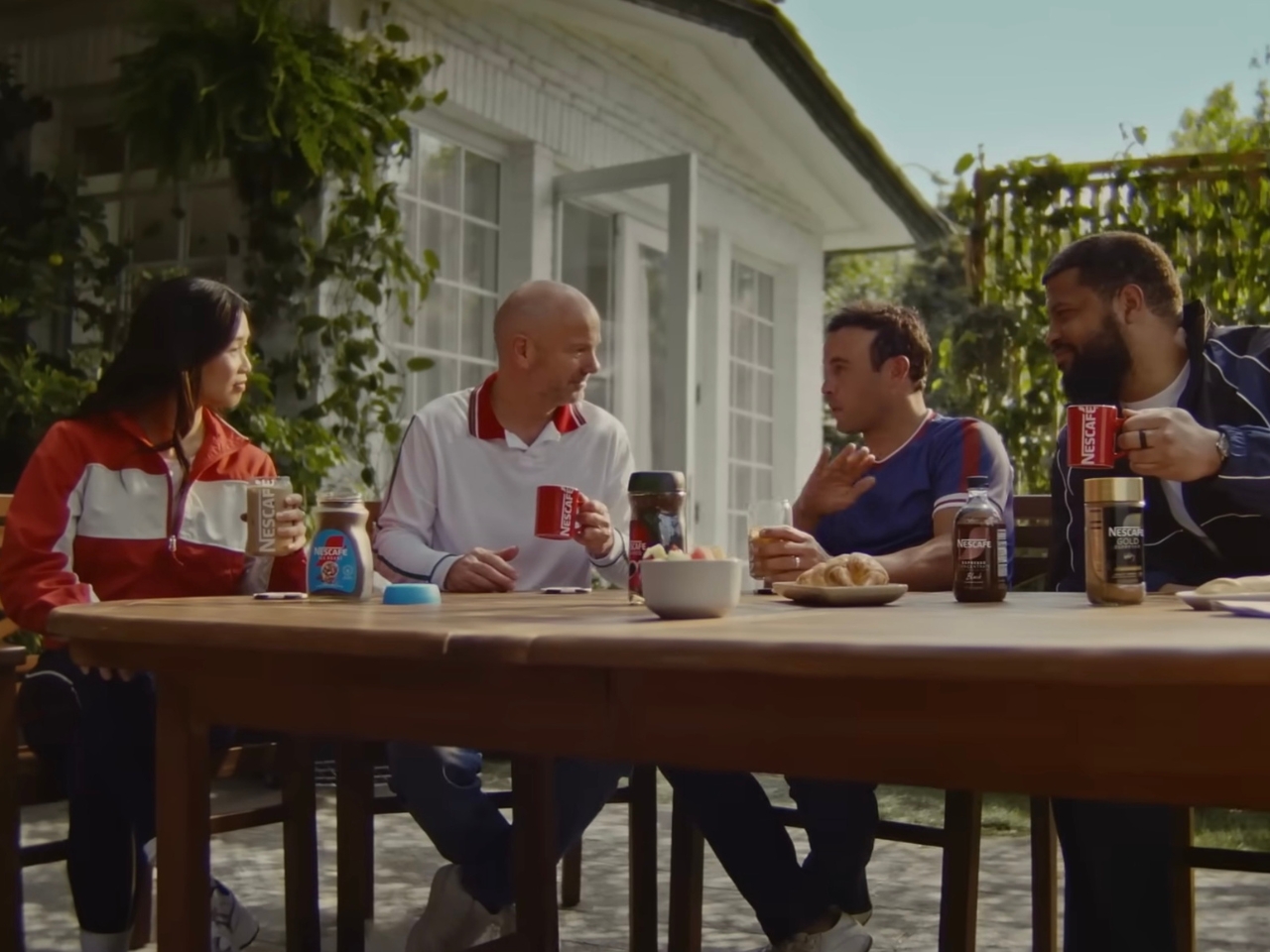
NESCAFÉ Just Replaced Beer at Your World Cup Party for $10

The world’s most-watched sporting event is about to kick off in less than a month. This means that World Cup watch parties are probably being set up in various households for football fans who won’t actually be able to make it to the stadiums in the U.S., Canada, or Mexico. While beer is probably the drink of choice for most of these events, NESCAFÉ wants to begin a new tradition for those who want to have a livelier, but probably safer, discussion amongst family and friends.

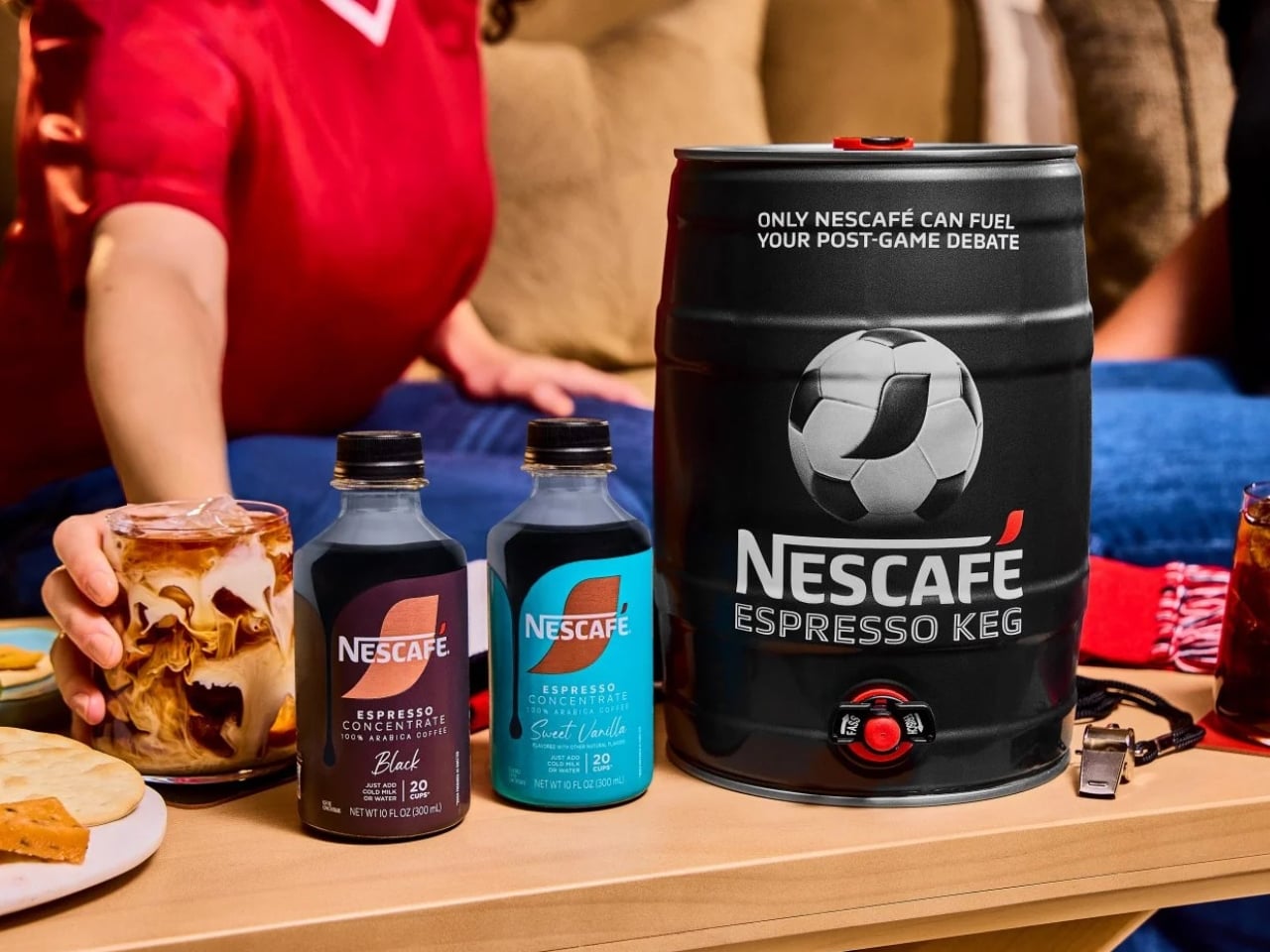
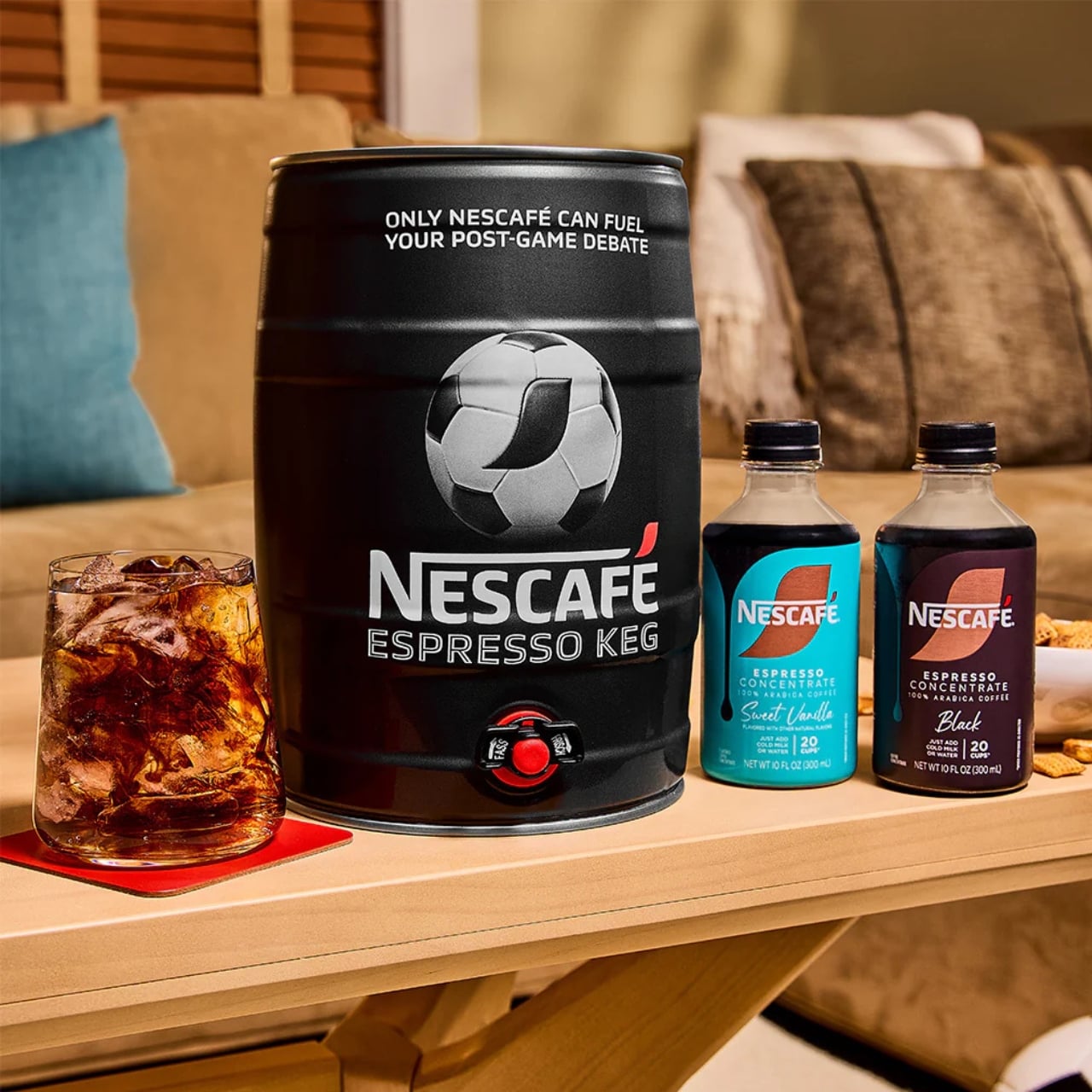
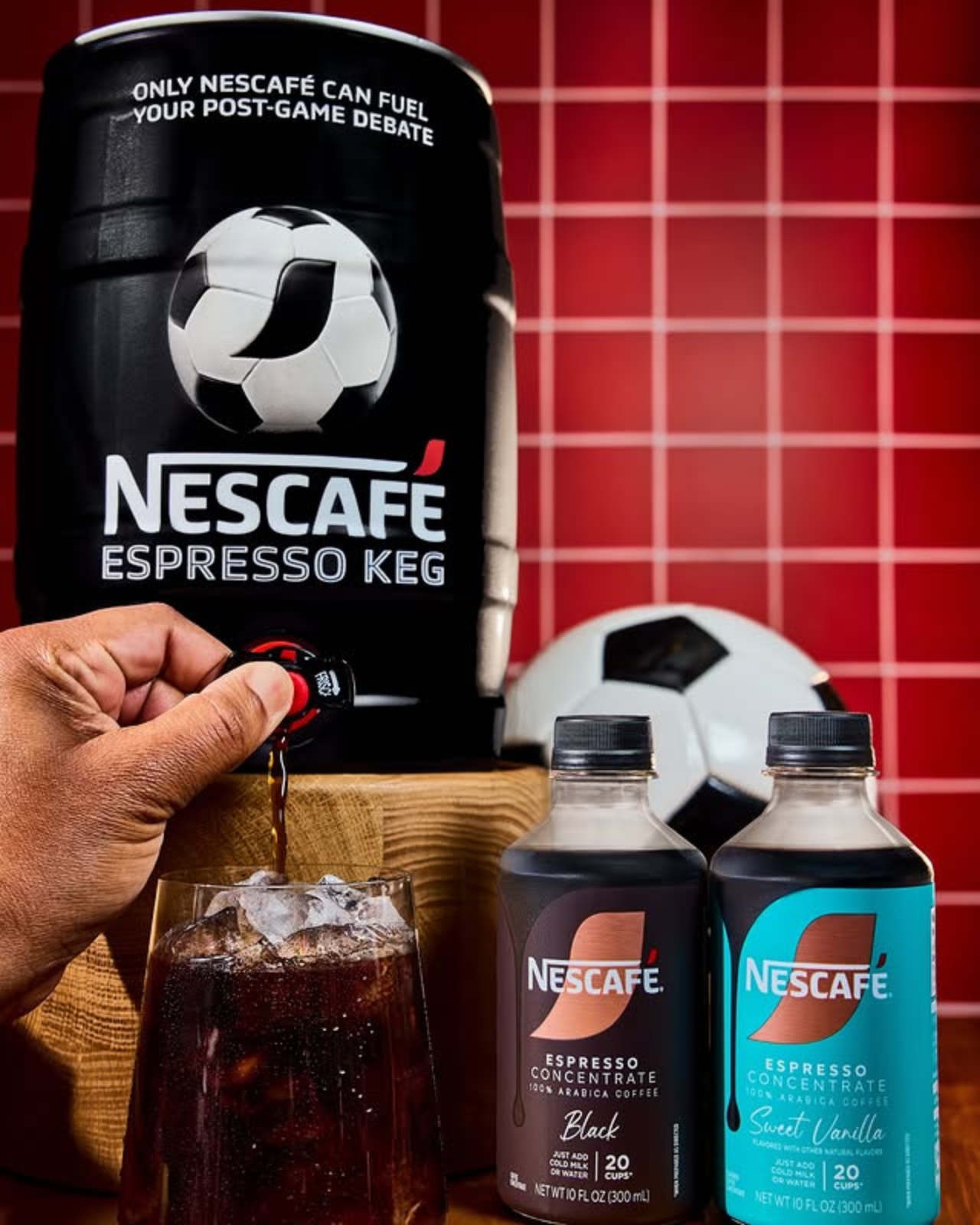
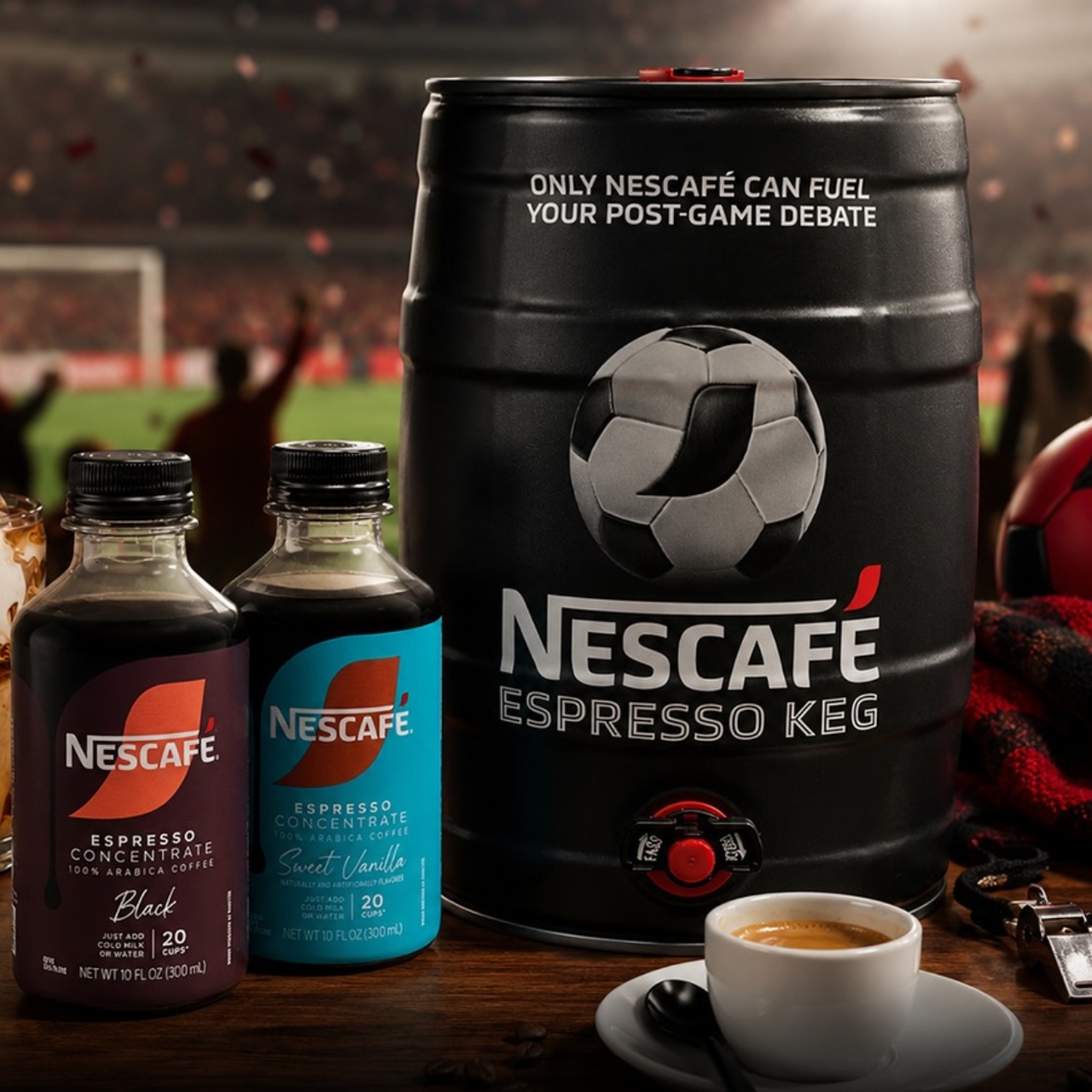
The coffee brand is introducing the NESCAFÉ Espresso Keg, a limited-edition World Cup special designed to help you get into the “Third Half.” This is a ritual they want to start, and caffeine may be the perfect companion as you get talking about the 90-minute-and-change match you just finished watching. They believe that “the conversation doesn’t end after the game,” and it should be helped along over a cup of coffee.

Designer: NESCAFÉ

The keg actually looks like your usual beer keg, but instead of dispensing beer, you’ll have coffee pouring out of it as you discuss every goal, call (or non-call), and every exciting and controversial thing that happened during the match. Each package comes with a 5L keg and two 10oz bottles of NESCAFÉ Espresso Concentrate in Black and Sweet Vanilla flavors. In case you don’t know how to mix it up, it also comes with instructions and recipes so you can “brew” the perfect cup for your Third Half. You’ll be able to serve around 20 cups with the package, so you may need to stock up on more concentrate if you have a larger crowd attending your watch party.

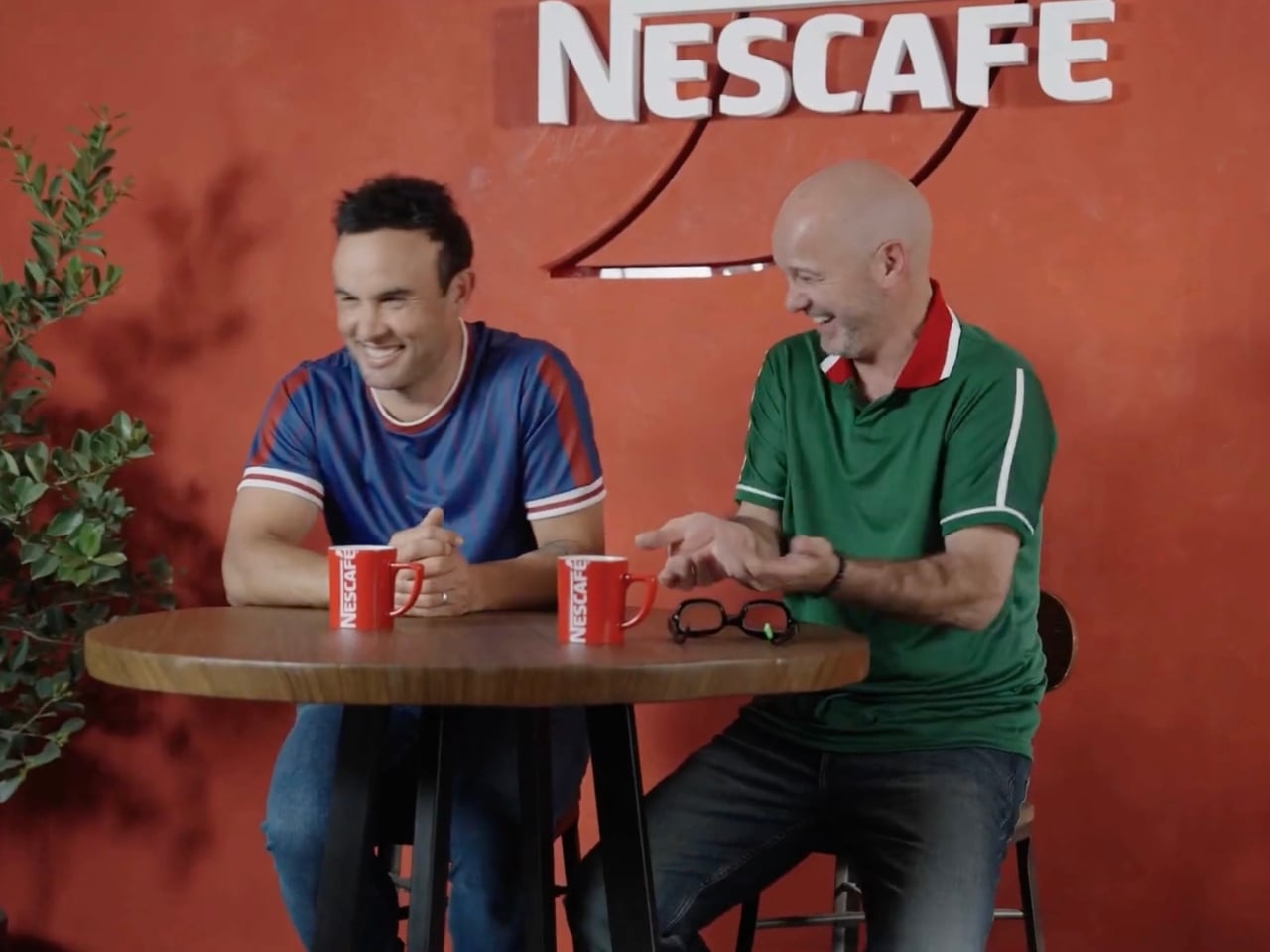
There is a special bi-cultural campaign to promote this limited-edition keg. We’re not sure why Canada was left out of the equation, but U.S. soccer legend Landon Donovan and Mexican fútbol icon Luis García are the faces of the campaign, representing their two countries. It’s priced at $10 as a tribute to Donovan’s jersey number, the iconic number 10 he wore while bringing glory to the U.S. Men’s National Team. To make it even more of a must-have item, there will be three separate drops, and the last one is this coming June 10, just a few days before the start of the World Cup.

And it turns out the concept isn’t just a clever marketing angle, as the numbers actually back it up. According to NESCAFÉ, 73% of soccer fans already drink coffee during game time, making it a surprisingly natural fit at any watch party table. Rob Marsh, NESCAFÉ’s Marketing Director, summed it up well: “We’ve coined a new half, ‘The Third Half,’ to represent the moments after and in-between games when passionate debates peak. Like any good conversation, these often take place over a beverage, making our coffee and the Nescafé Espresso Keg the perfect fuel to keep things flowing.”

It’s a fun and genuinely refreshing idea, especially for watch parties where not everyone is reaching for a beer, particularly during those early-morning kick-offs that come with a global tournament spanning multiple time zones. The Espresso Keg gives you that same communal, tap-style energy of a classic keg party, just with a serious caffeine boost instead of a headache waiting to happen. Whether you’re a black coffee purist or someone who loves a touch of Sweet Vanilla in their cup, there’s a flavor to match every personality and every strongly-held opinion about the offside rule.

The limited-edition nature of this release makes it all the more exciting. With earlier drops reportedly selling out quickly, demand has clearly been there. If you missed the first rounds, don’t sleep on that final June 10 drop. It’s the kind of collectible that doubles as a genuinely useful party accessory, a rare combination at any price point, let alone $10.

If you’re serious about hosting the ultimate World Cup watch party this summer, the NESCAFÉ Espresso Keg might just be the most unexpected and delightful centerpiece you didn’t know you needed. So mark the date, set up those fold-out chairs, hang your team’s flag, and get ready to debate every single moment of the beautiful game, one perfectly poured cup at a time.

The post NESCAFÉ Just Replaced Beer at Your World Cup Party for $10 first appeared on Yanko Design.

adidas Just Made the Best World Cup Drop for Your Dog

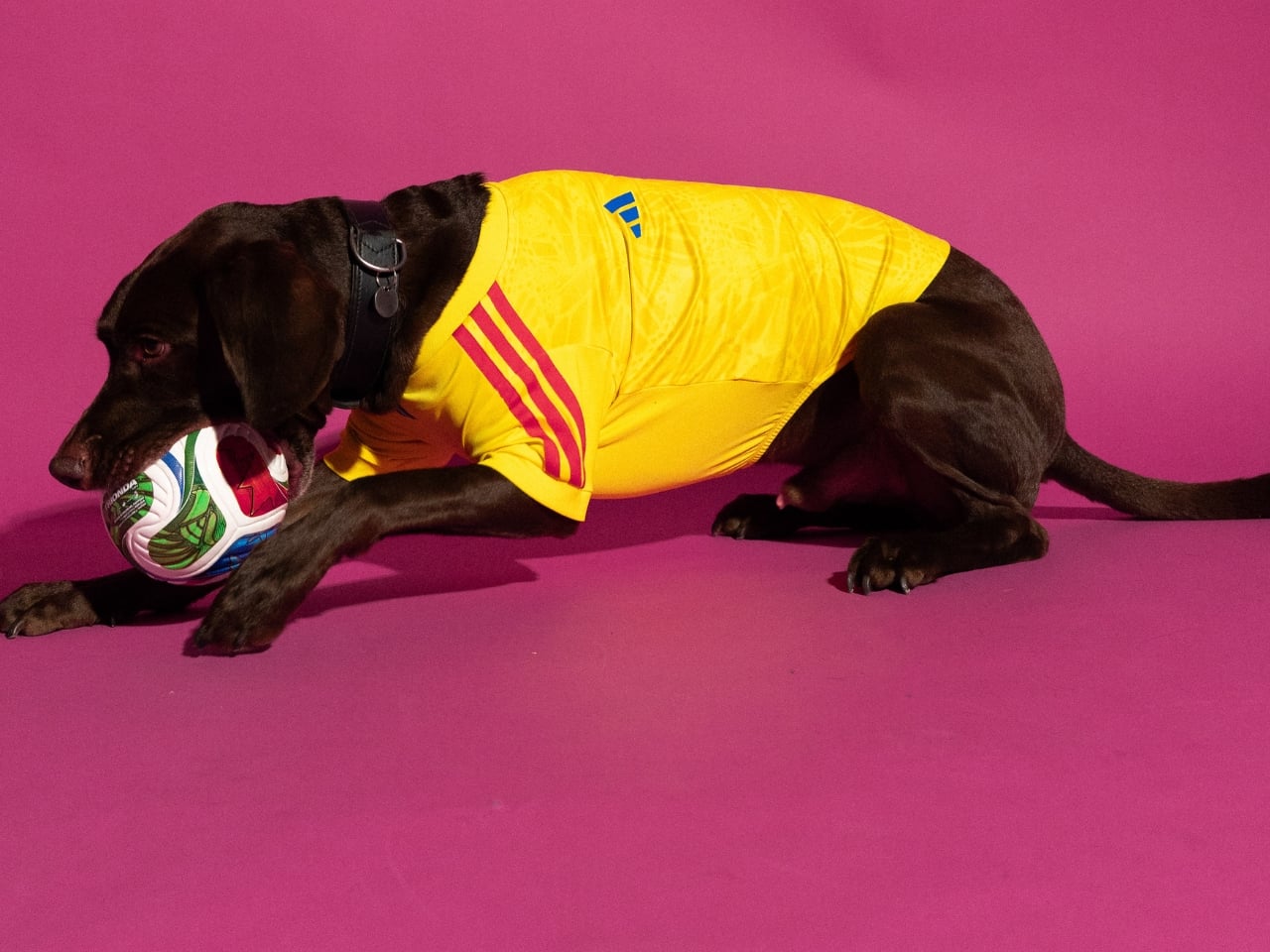
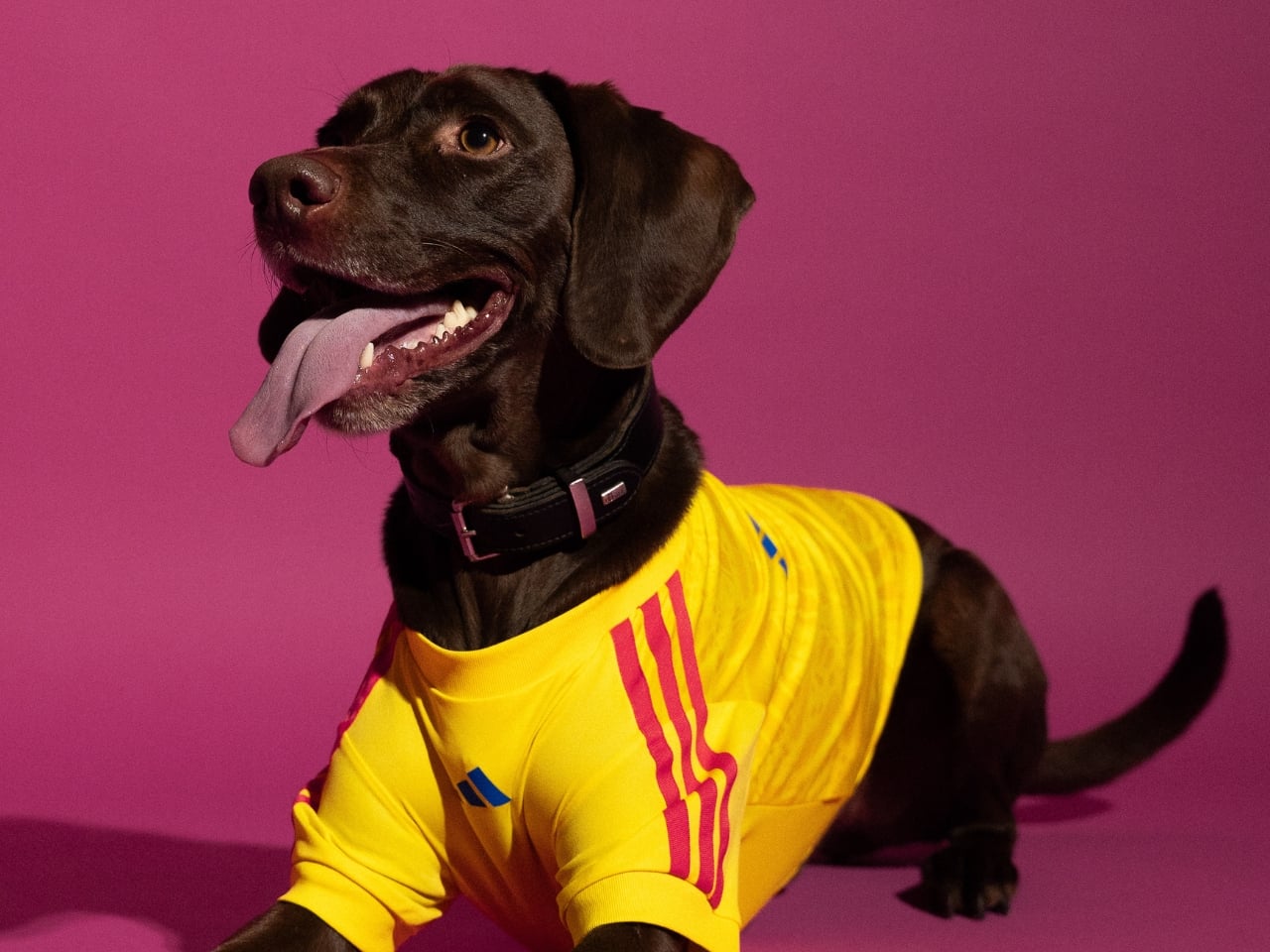
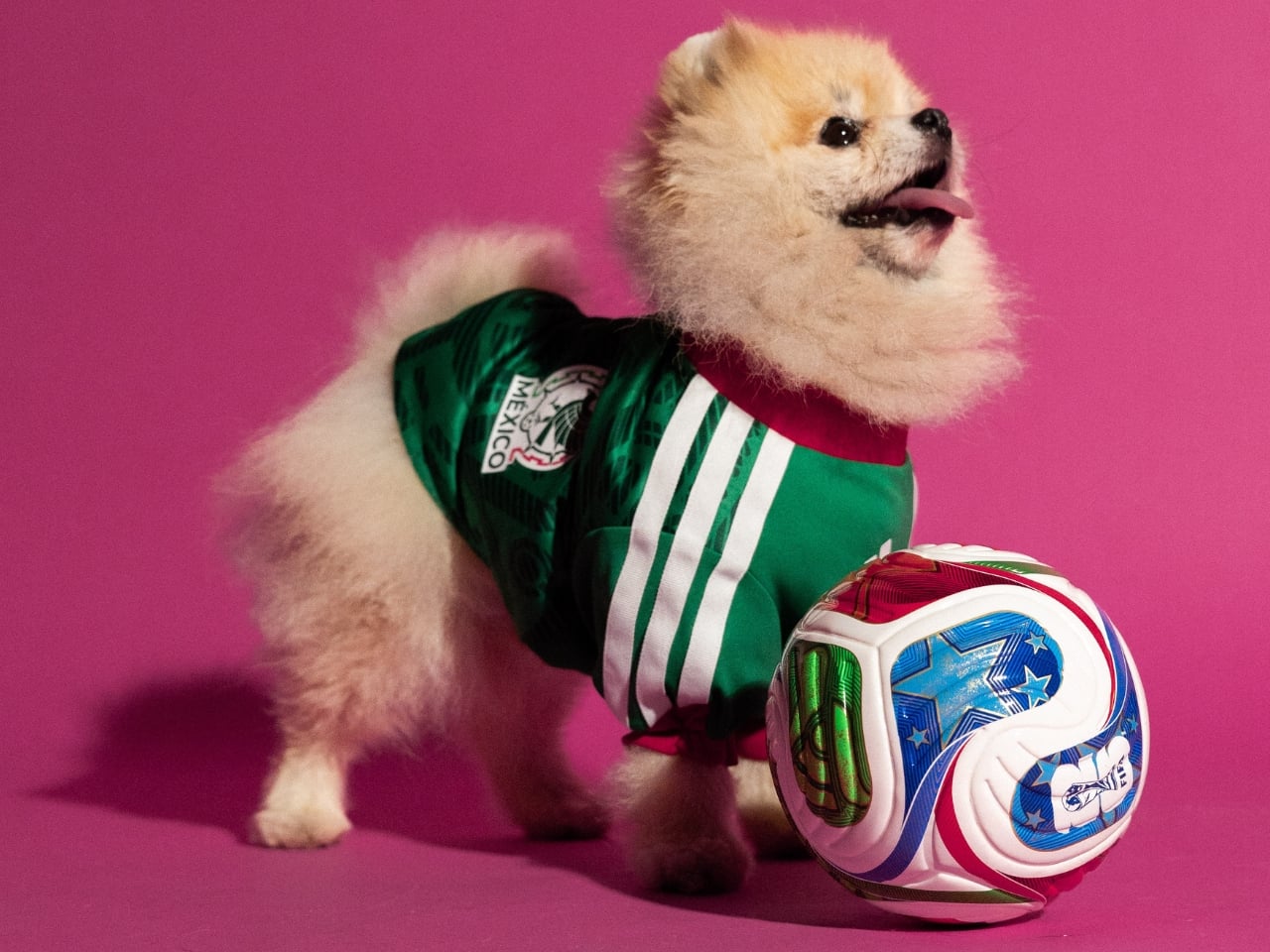
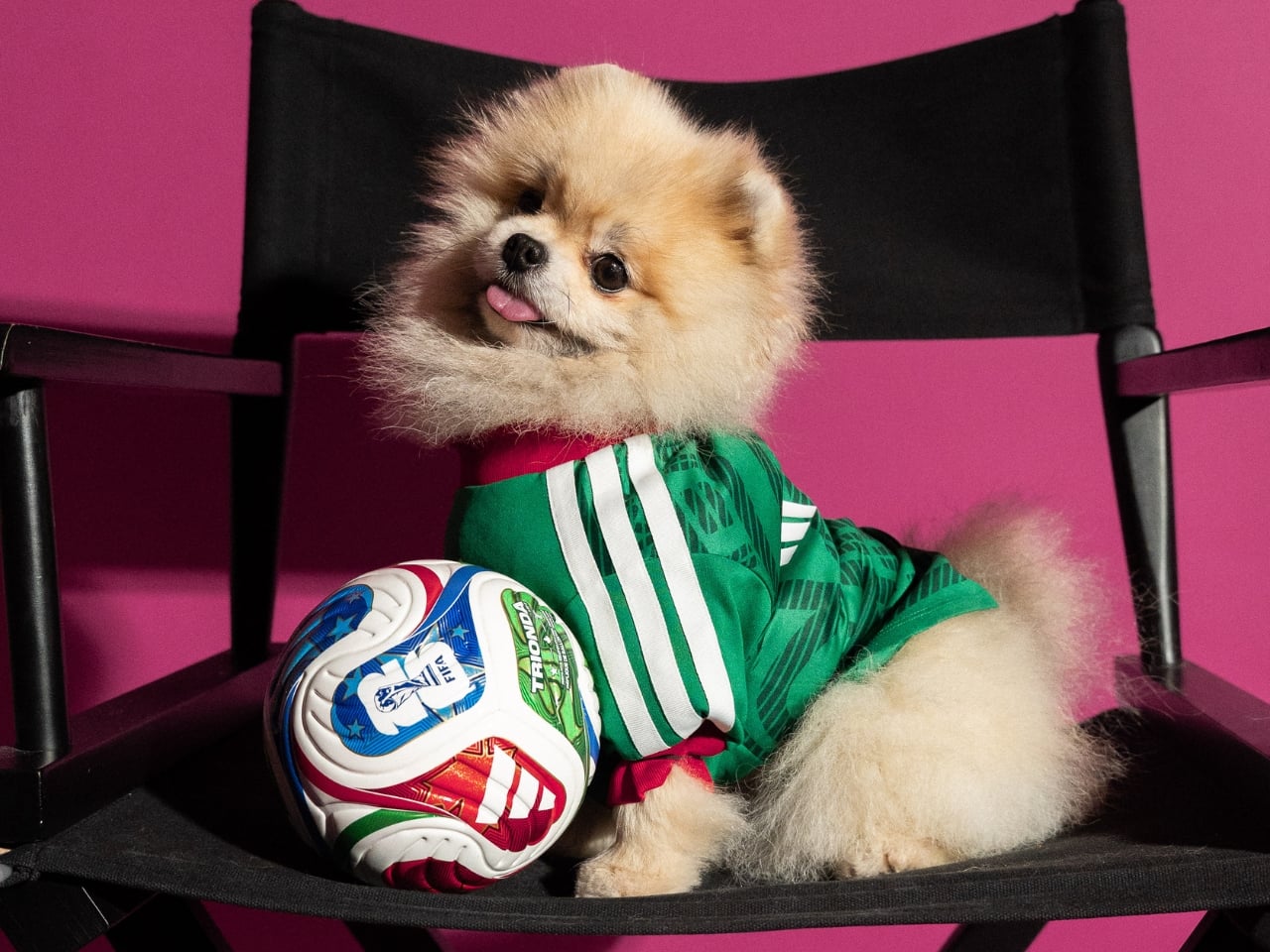
adidas dropped a pet jersey collection for the FIFA World Cup 2026 and I genuinely cannot decide if it’s brilliant or completely unhinged. Maybe both. That tension is precisely what makes it worth paying attention to.

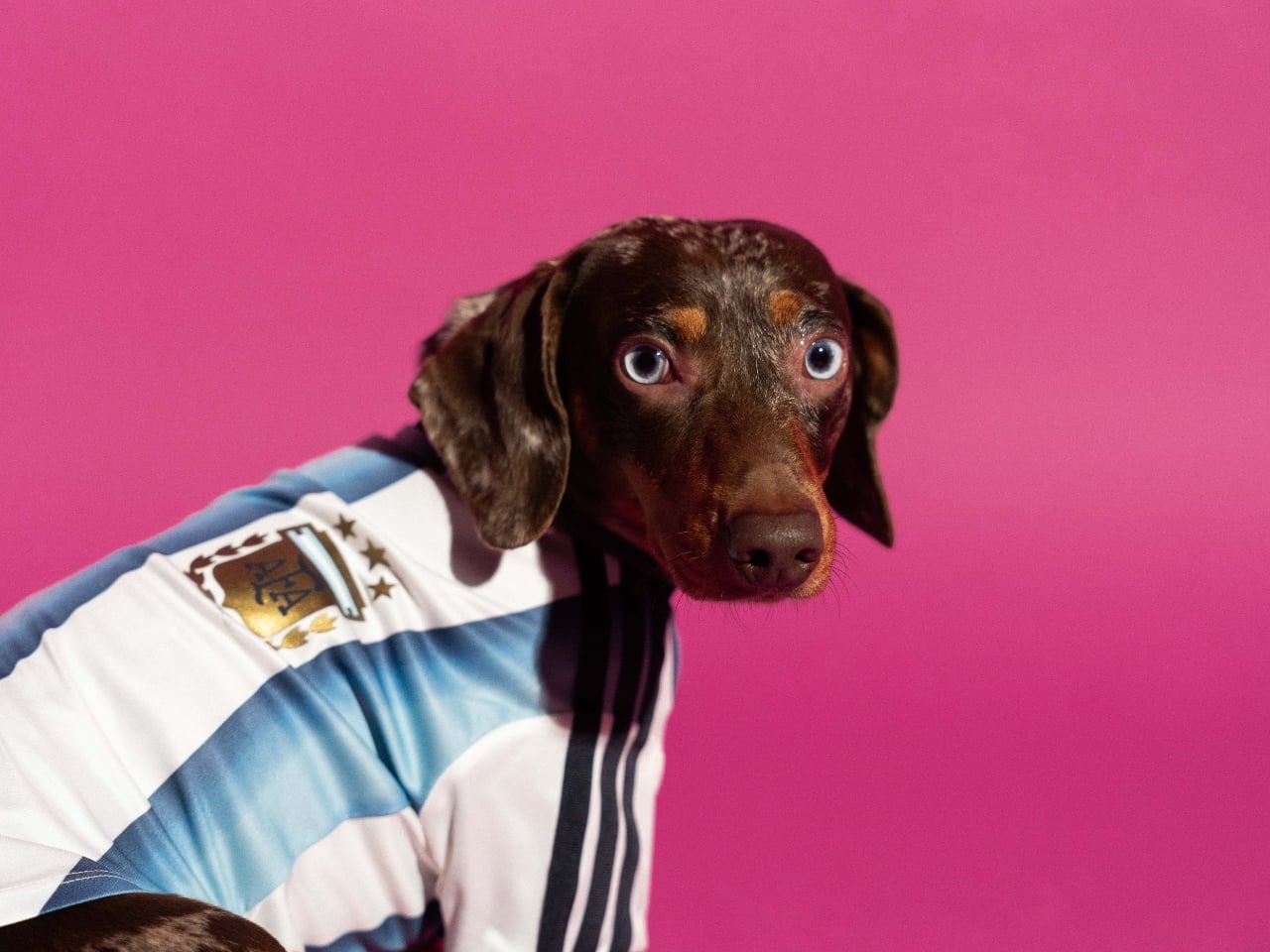
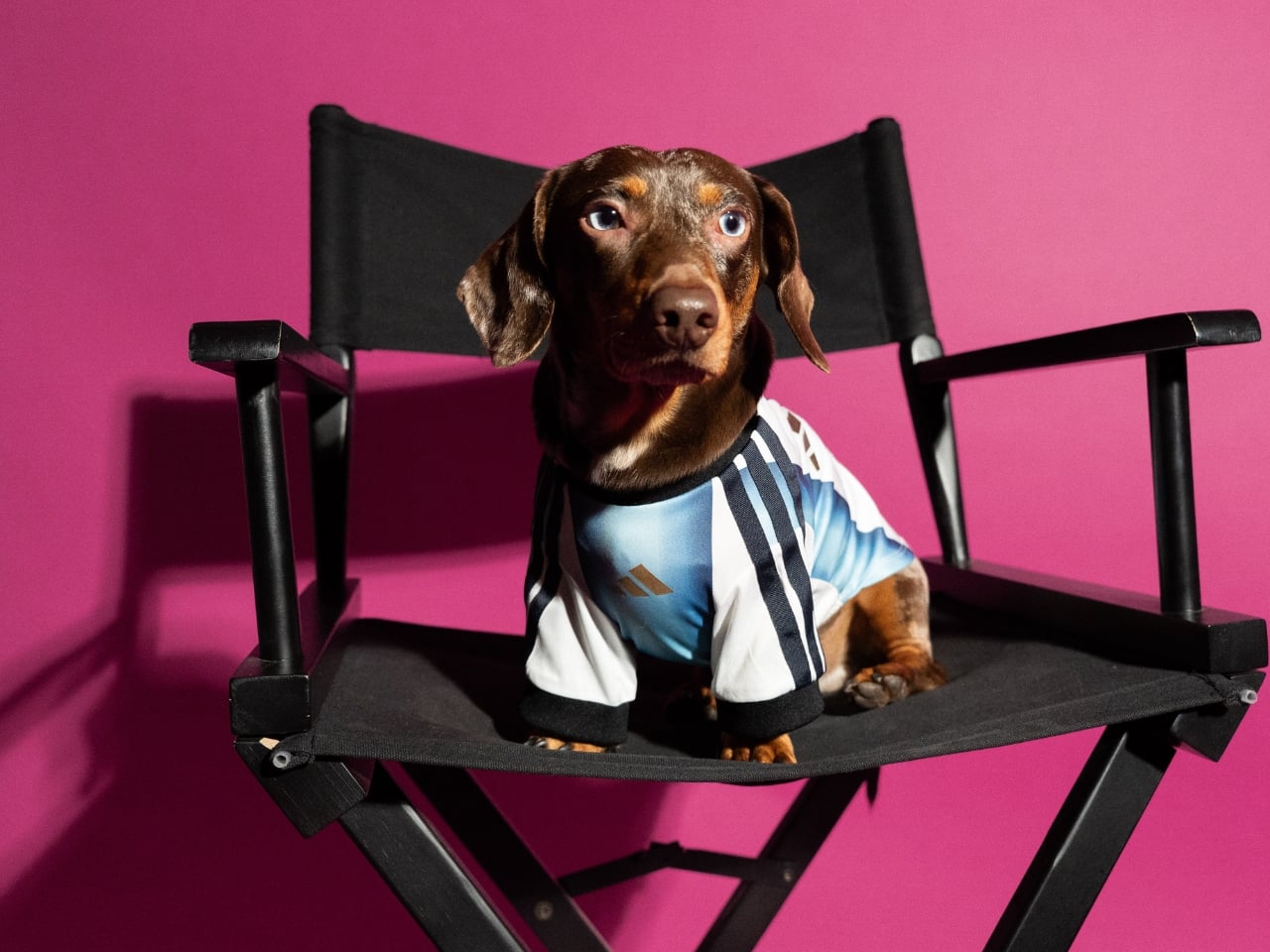
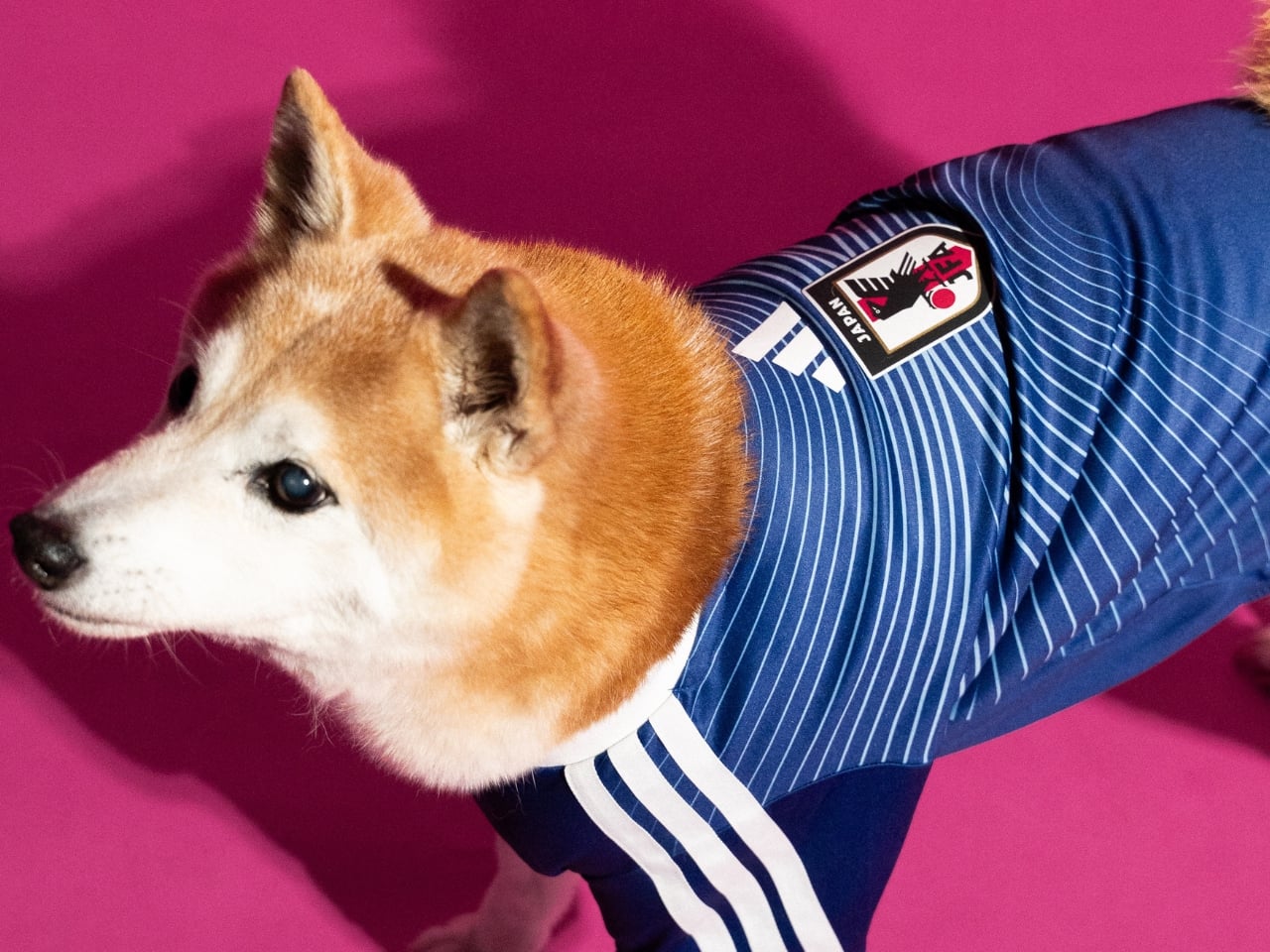
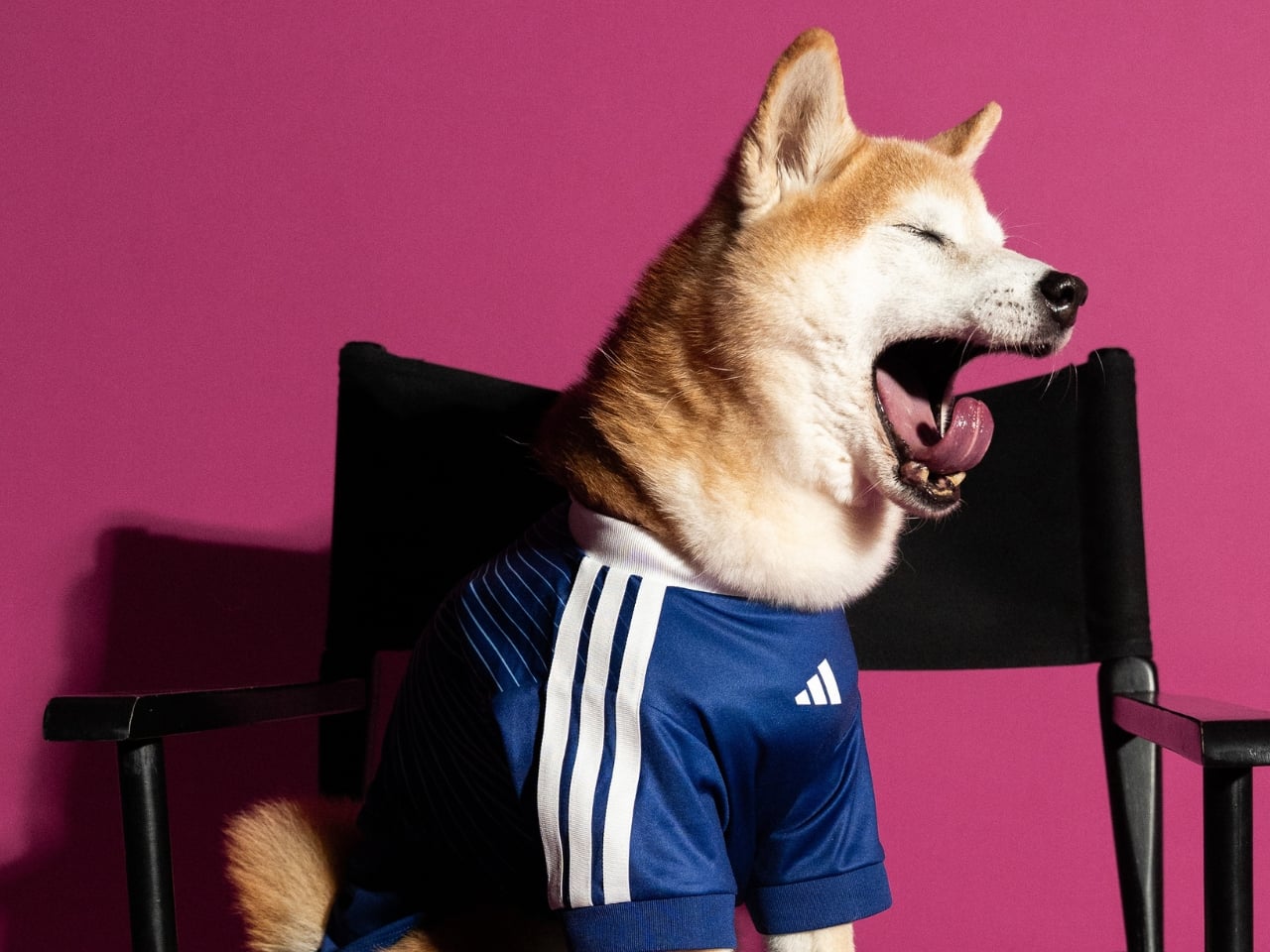
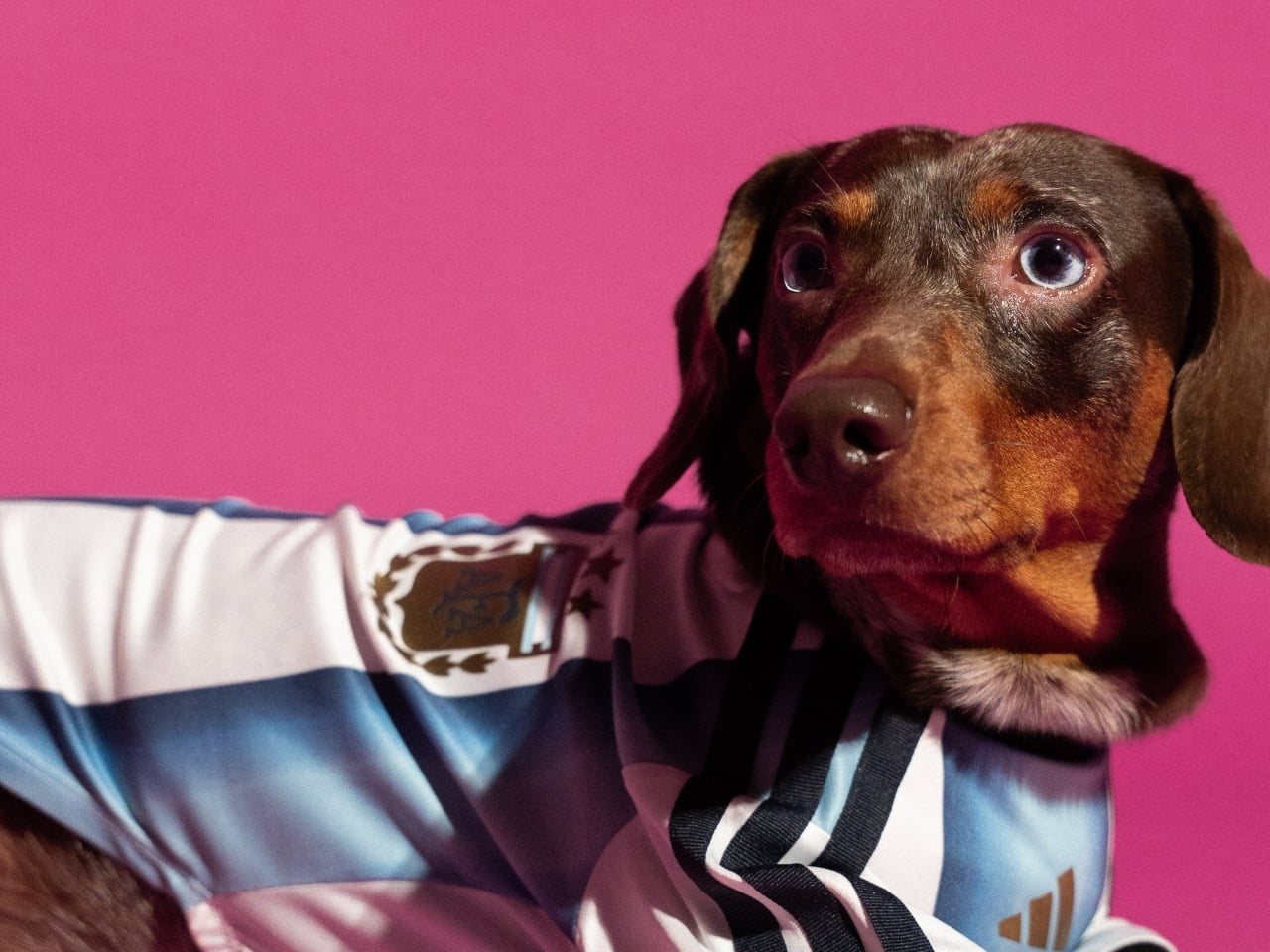
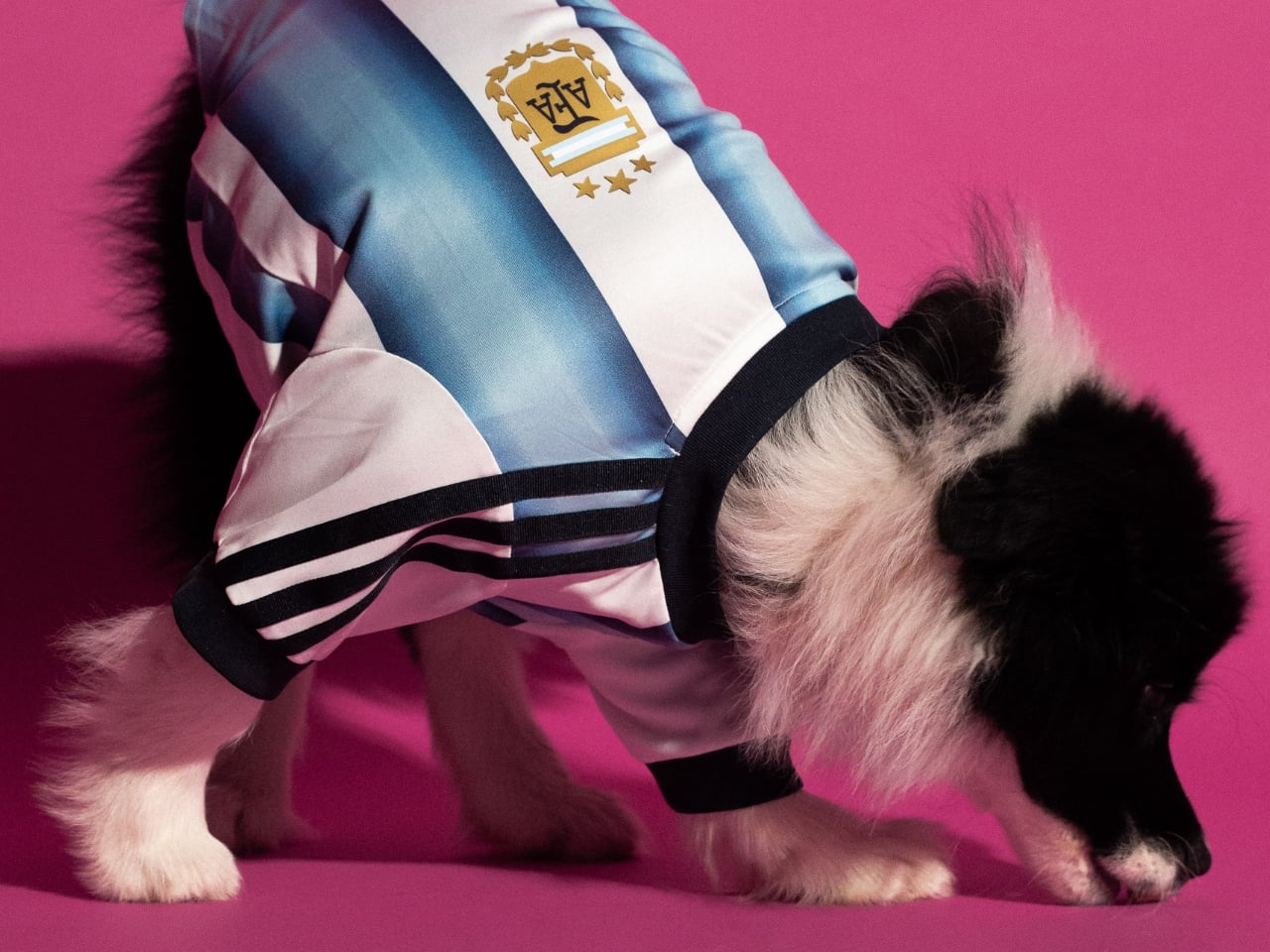
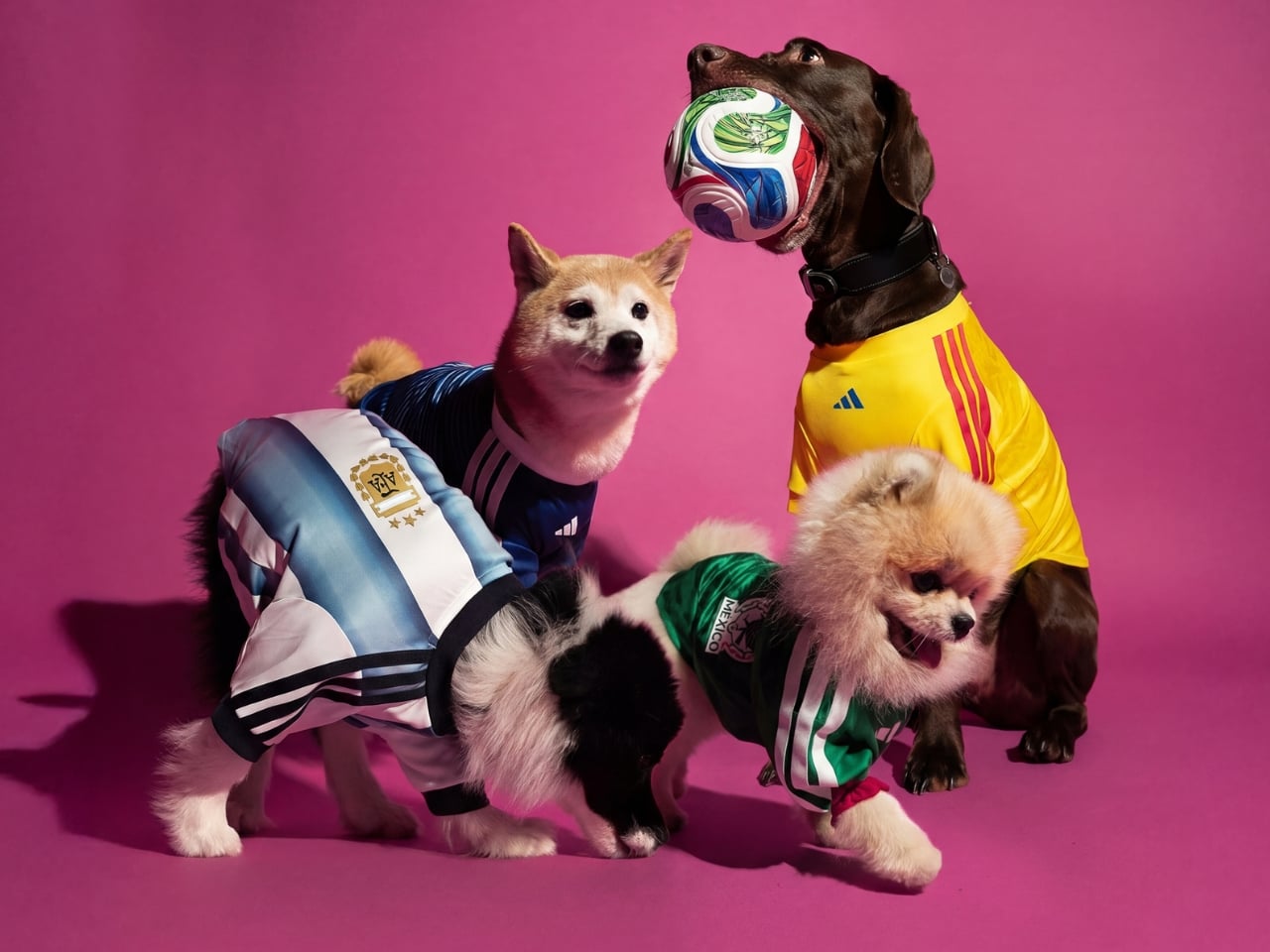
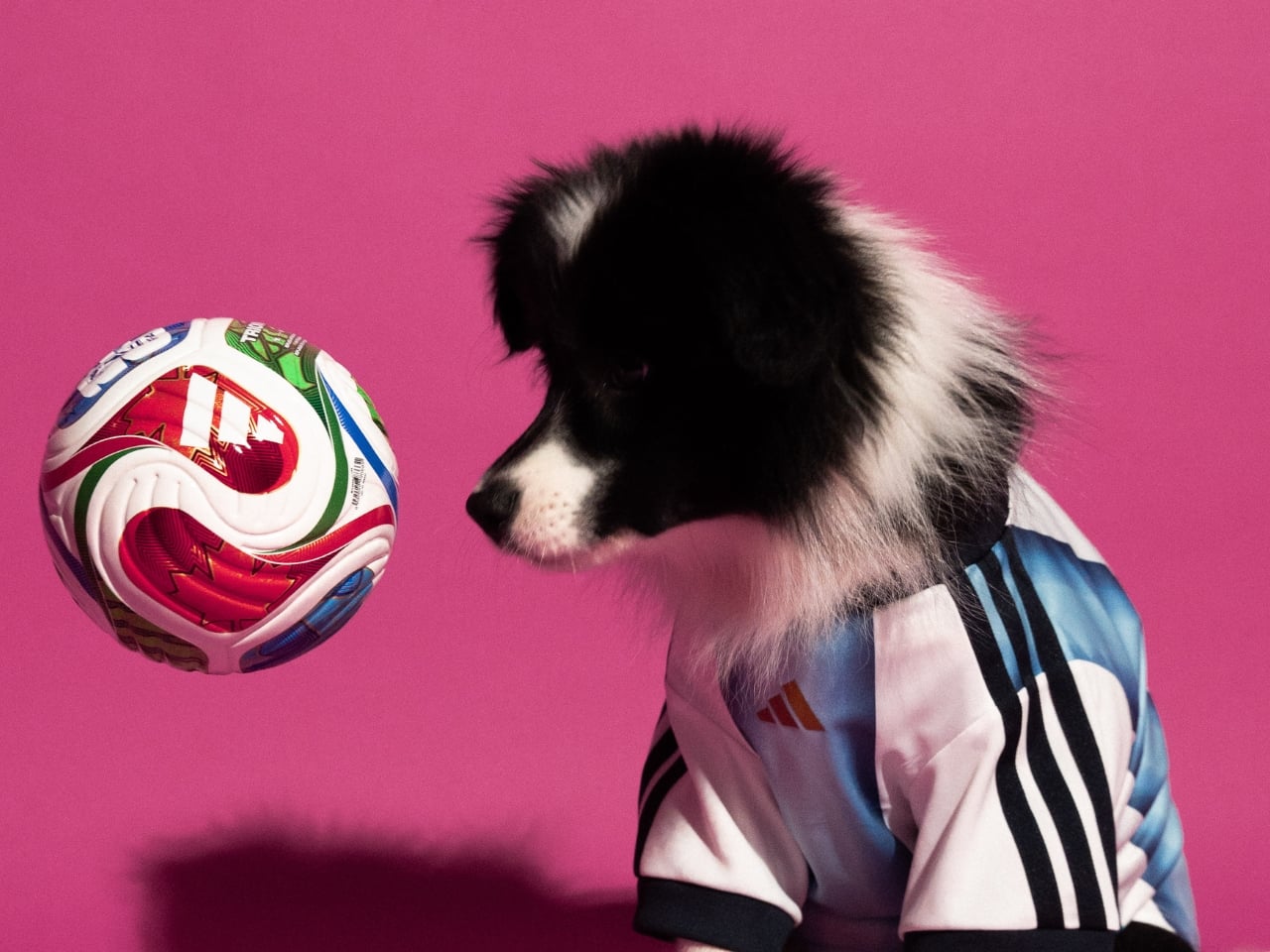
The collection features scaled-down versions of the official home kits for four national federations: Argentina, Mexico, Colombia, and Japan. Each jersey is made with interlock fabric, finished with heat-transferred federation crests and the adidas logo, and sized to fit pets of varying builds. On paper, it reads like a novelty item, the kind of thing that gets a cute Instagram moment and then disappears. But the more I think about it, the more I suspect adidas is operating on a level most people aren’t fully registering yet.

Designer: adidas

This isn’t the brand’s first move into pet fashion. They released a pet tracksuit collection in late 2025 and followed it up with Lunar New Year designs in early 2026. The World Cup drop is the third chapter, and it’s by far the most culturally loaded. Attaching pet merchandise to the biggest sporting event on the planet isn’t a gimmick. It’s a calculated bet on where consumer culture is right now. People don’t just watch the World Cup. They host parties, coordinate outfits, wear matching kits with their kids, and increasingly treat their pets as full participants in the whole ritual. adidas saw that behavioral shift and decided to meet the moment rather than wait for someone else to.

The design fidelity is where I think they actually earned some genuine respect here. These aren’t generic jerseys with a crest slapped on. The Argentina kit carries the iconic Albiceleste stripes. The Mexico jersey features the Piedra del Sol, the same Aztec sun stone print embedded in the human version. The Colombia and Japan kits follow the same logic: faithfully reproduce the visual DNA of the official tournament kits, just at a smaller scale. That level of attention to detail signals that adidas isn’t treating the pet market as an afterthought. They’re treating it as a legitimate extension of the product line, and that’s a meaningful distinction.

Whether that’s the right move commercially is a separate conversation. The pet economy has been growing steadily for years, and premium pet accessories have become a real, serious category. But there’s also a risk of diluting what a World Cup kit means. A national team jersey carries history, identity, and a specific kind of weight. Putting it on your Corgi is either a celebration of that connection or a softening of it, depending on how you feel about football culture to begin with. I lean toward the former, mostly because fandom has always been about emotional inclusion rather than gatekeeping.

What adidas is really selling here is a shared experience. The visual of a fan and their dog in matching kits is immediately legible as a moment of joy, and that’s not nothing. The FIFA World Cup 2026 runs from June 11 to July 19 across the United States, Canada, and Mexico, which means there’s an entire summer of viewing parties and matchday gatherings where this collection becomes exactly the kind of organic conversation starter that no marketing budget can easily manufacture. You don’t need a big campaign when your product photographs that naturally.

The collection became available on May 1st across North America, Latin America, and selected markets in Asia including Japan, China, Vietnam, the Philippines, and Indonesia, through adidas stores, retail partners, and online. The timing gives fans about six weeks to get their pets game-ready before the opening match. That’s enough runway to make it feel intentional rather than rushed. Is it the most important design release of 2026? Obviously not. But it’s a genuinely smart piece of brand work that understands its cultural moment, respects its source material, and executes with more craft than the premise suggests it deserves. Sometimes that’s enough. Sometimes that’s actually the point.

The post adidas Just Made the Best World Cup Drop for Your Dog first appeared on Yanko Design.

This $699 FIFA World Cup Phone Is a Limited-Edition Collector’s Dream

The FIFA World Cup 2026 edition is just a few months away, so we can expect that these first few months of the year, we’ll get a lot of product tie-ups and merchandise. After all, the world’s most-watched sports event will be held in the US, Canada, and Mexico. If you plan to watch any of the matches in person or you’ll just be sitting pretty from the comfort of your own home while streaming, Motorola’s newest smartphone may be the device that you need to enjoy the game more.

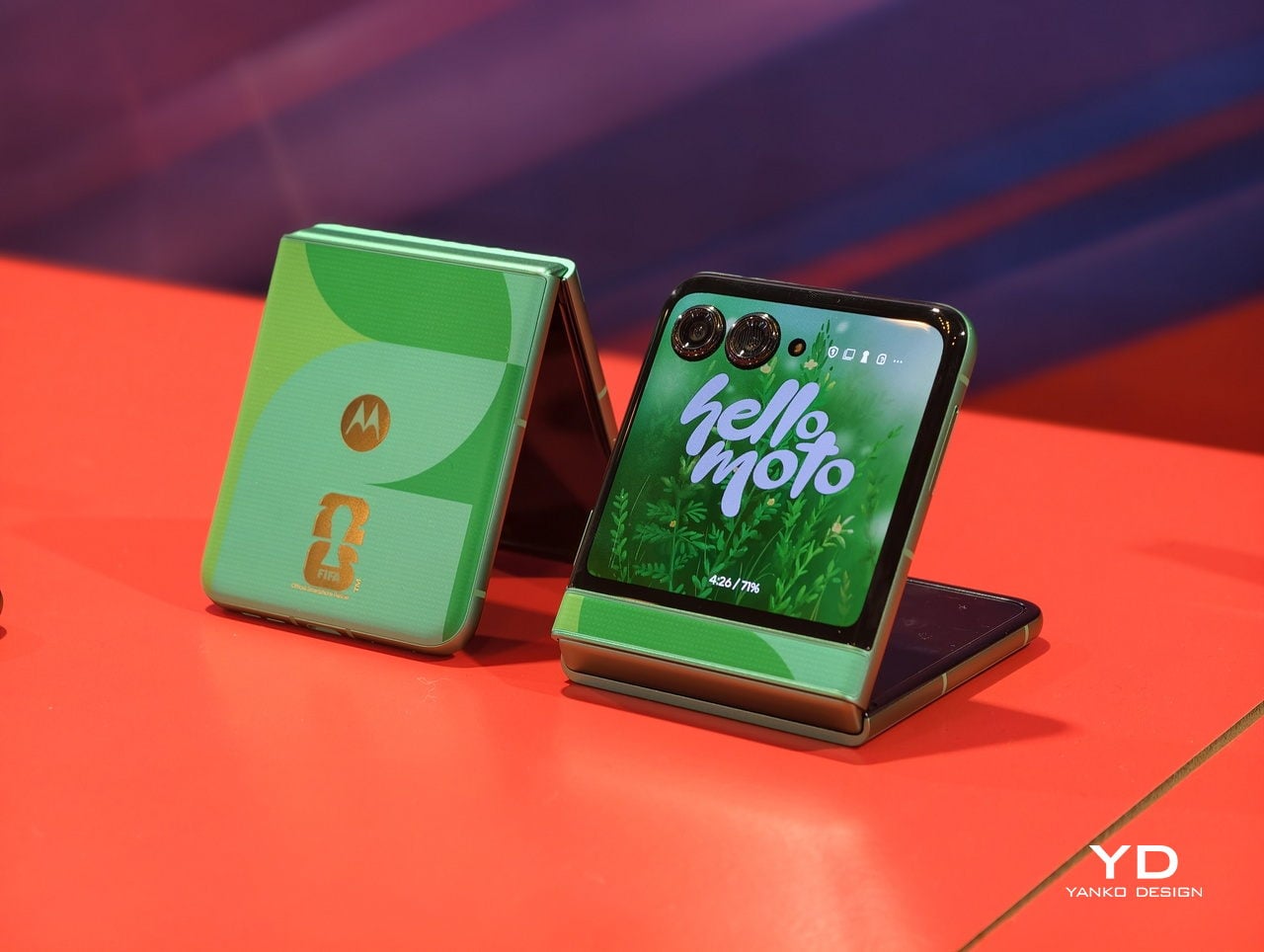
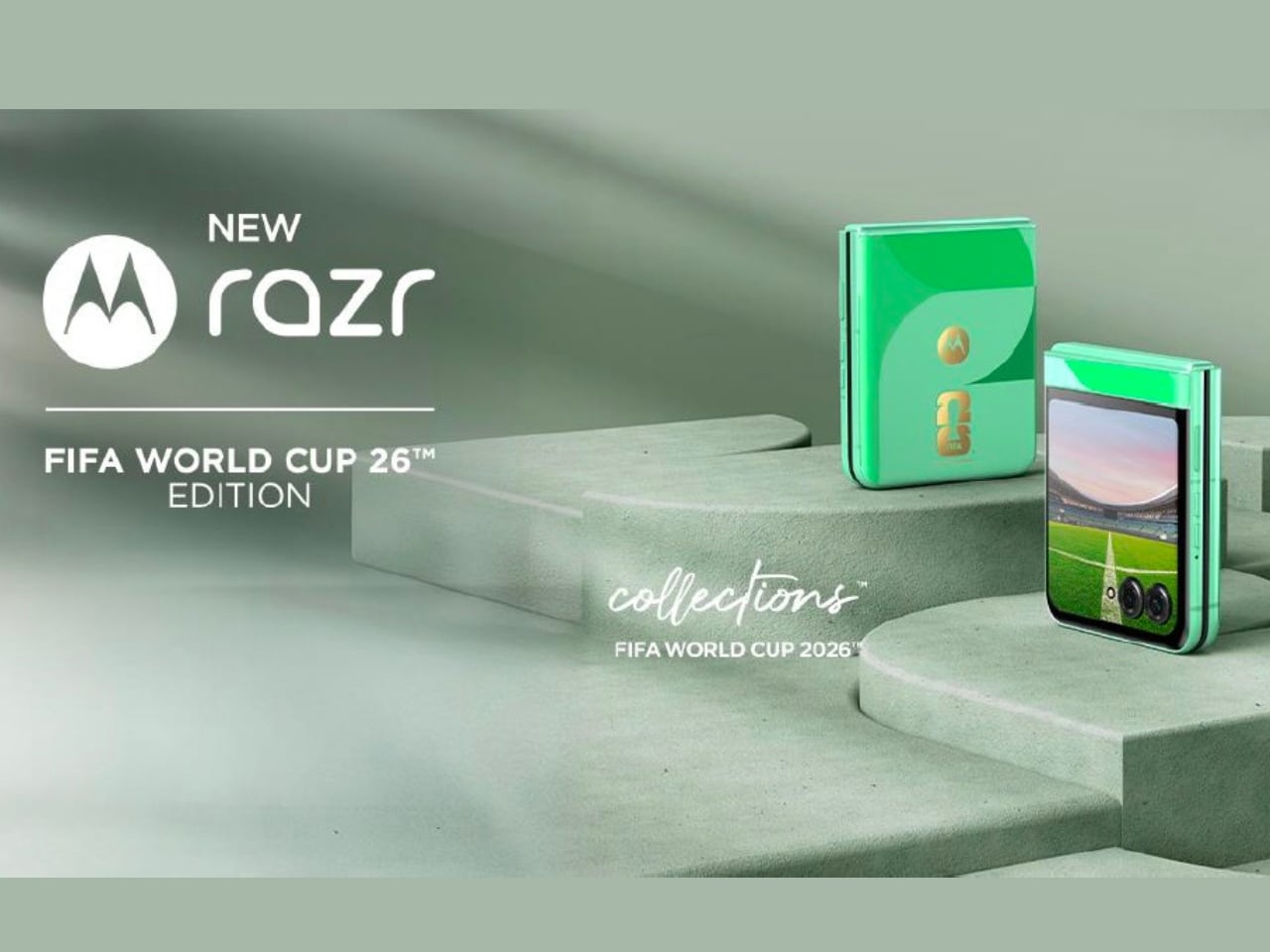
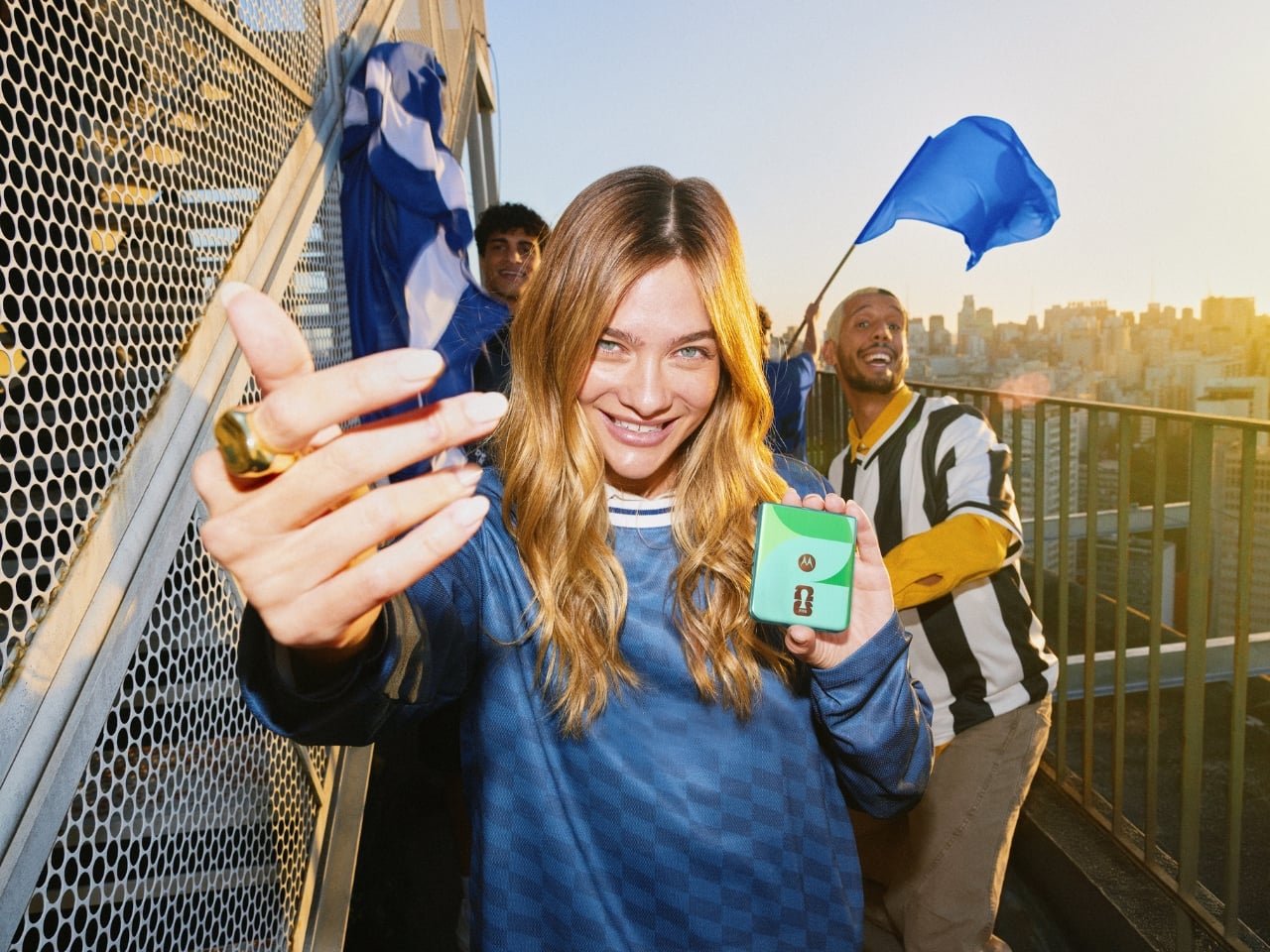
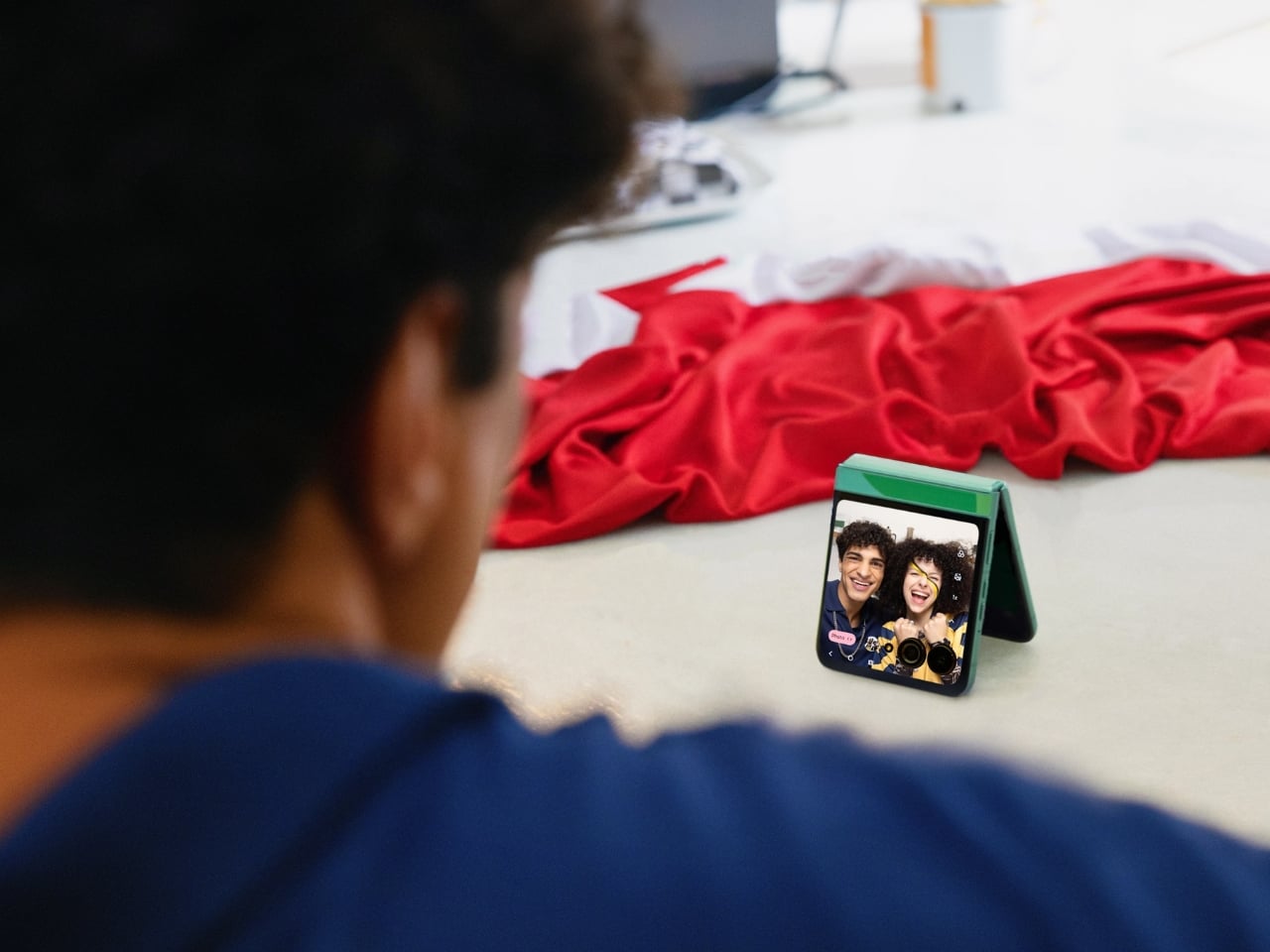
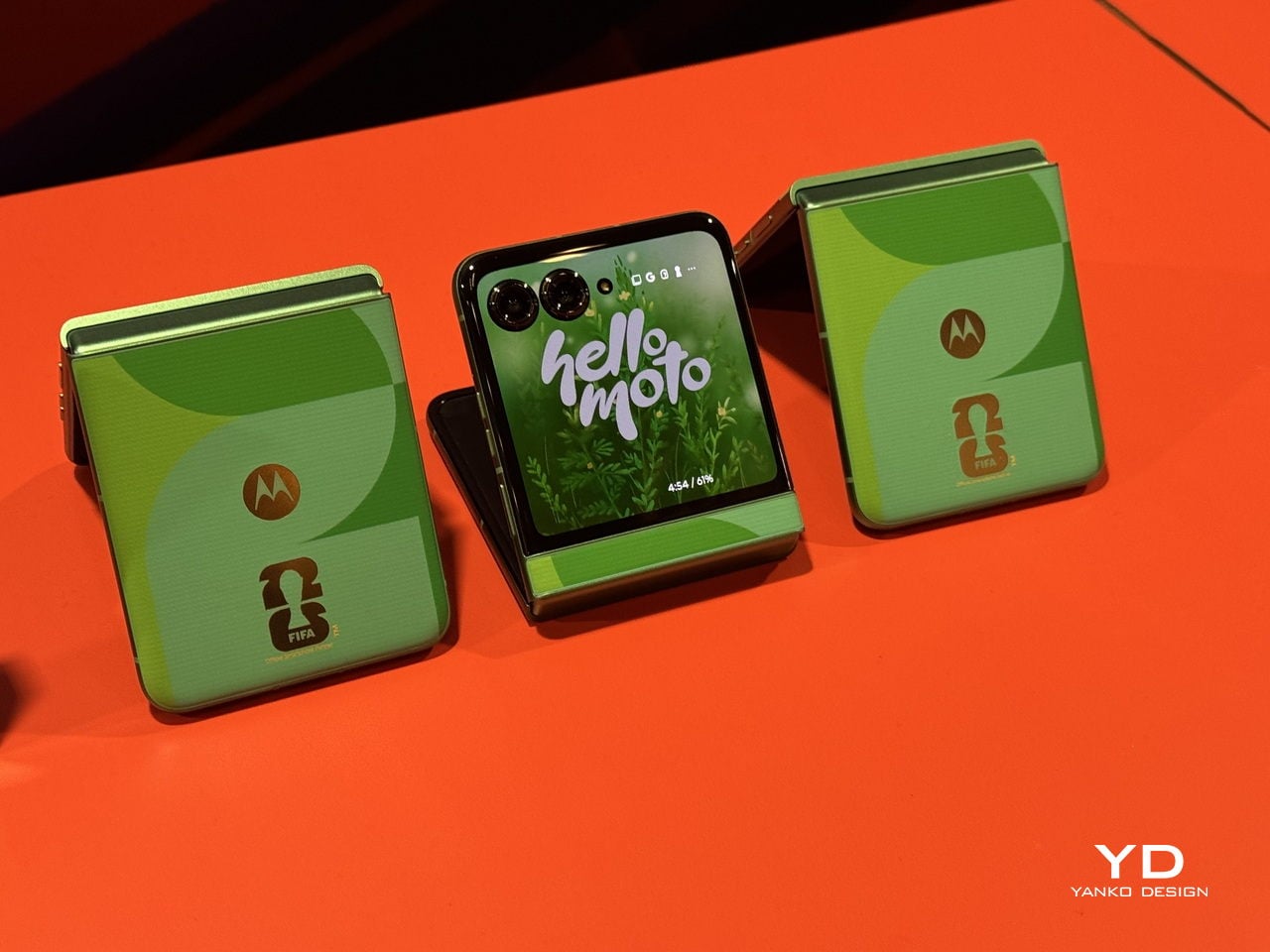
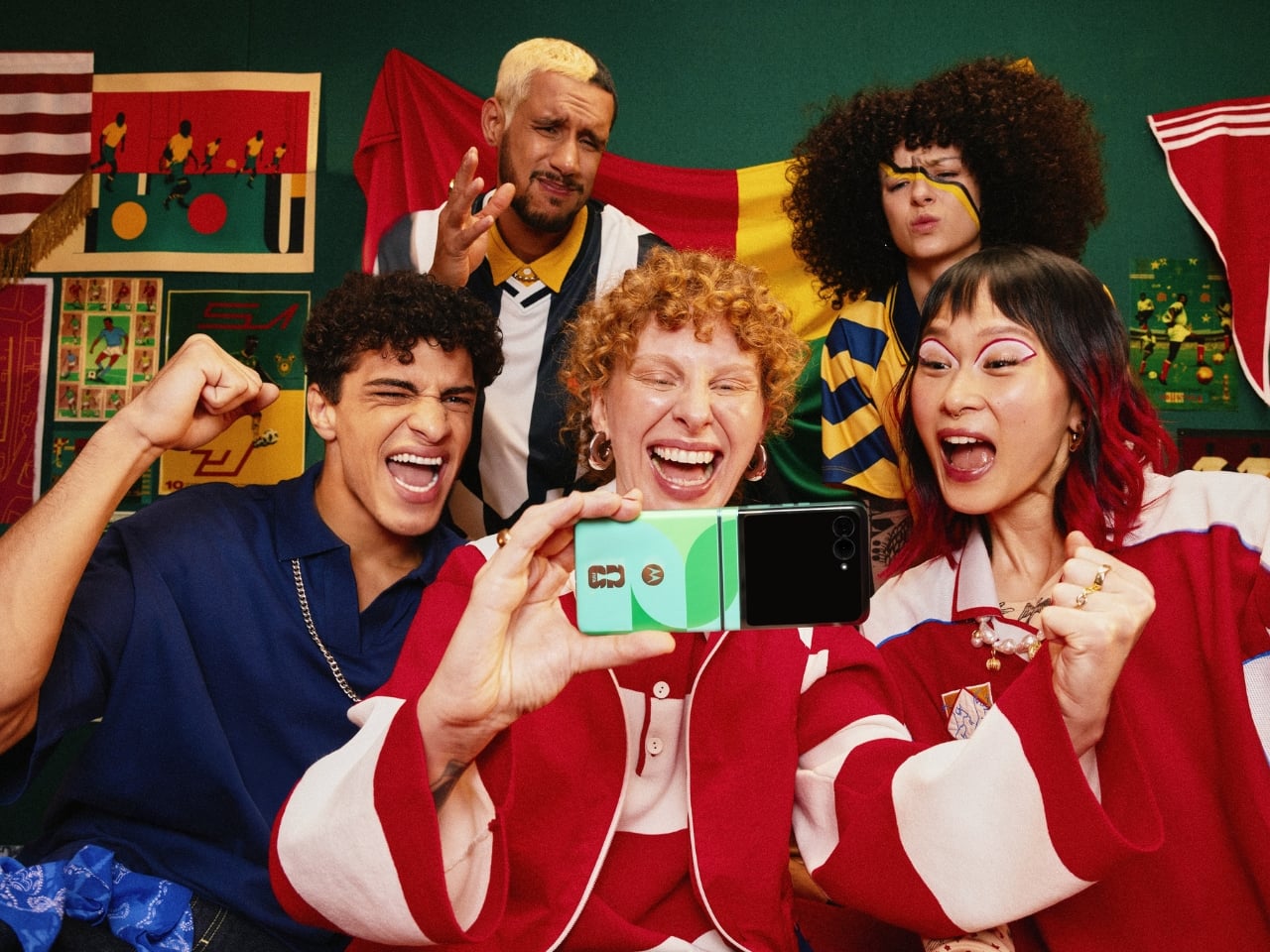
The Motorola razr FIFA World Cup 26™ Edition is a limited-edition collectible device that celebrates the first-ever 48-team FIFA World Cup. It is a mobile phone that’s designed for soccer fans who are excited about the upcoming tournament and for anyone who loves things where technology meets sports culture.

Designer: Motorola

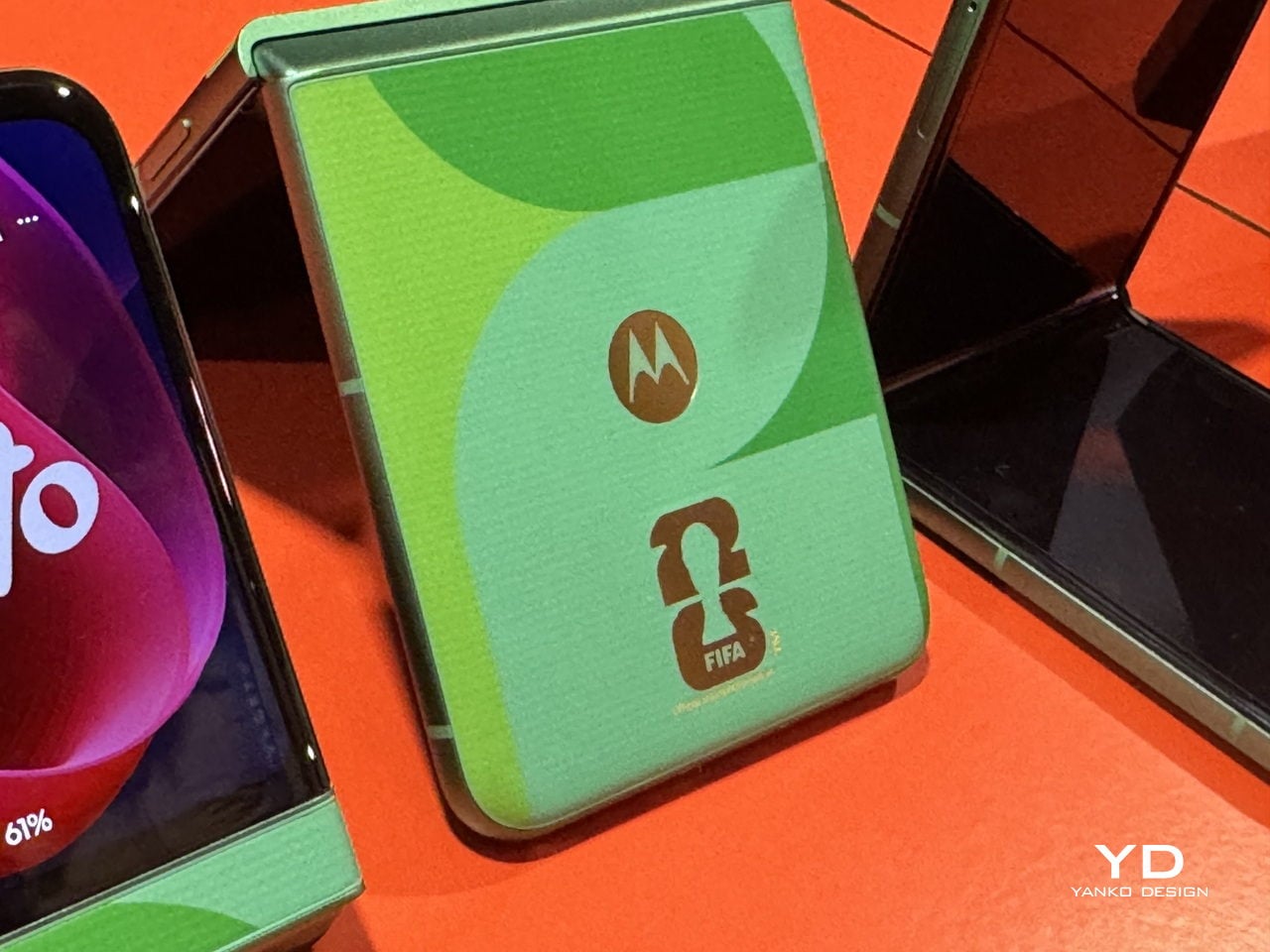
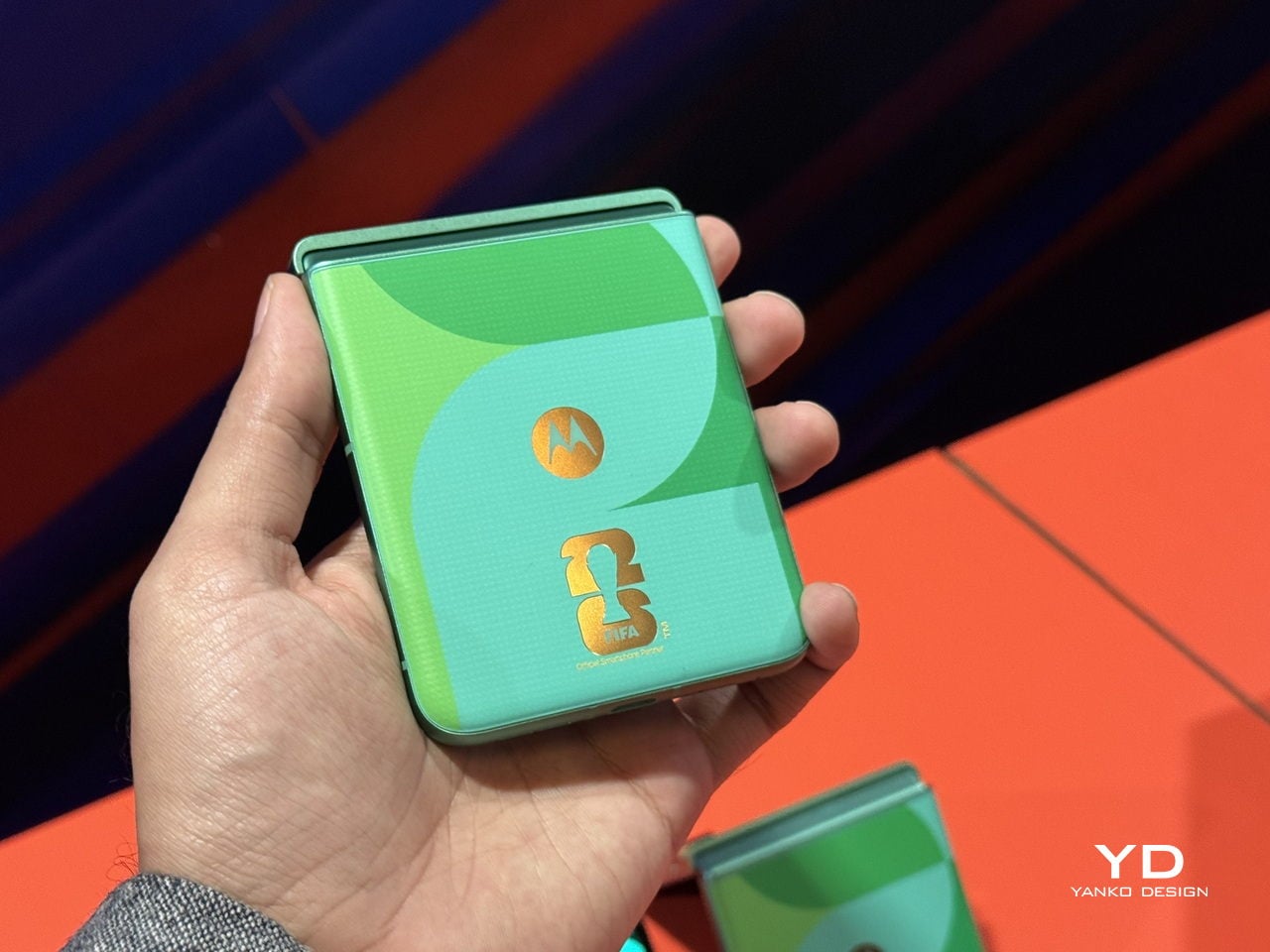
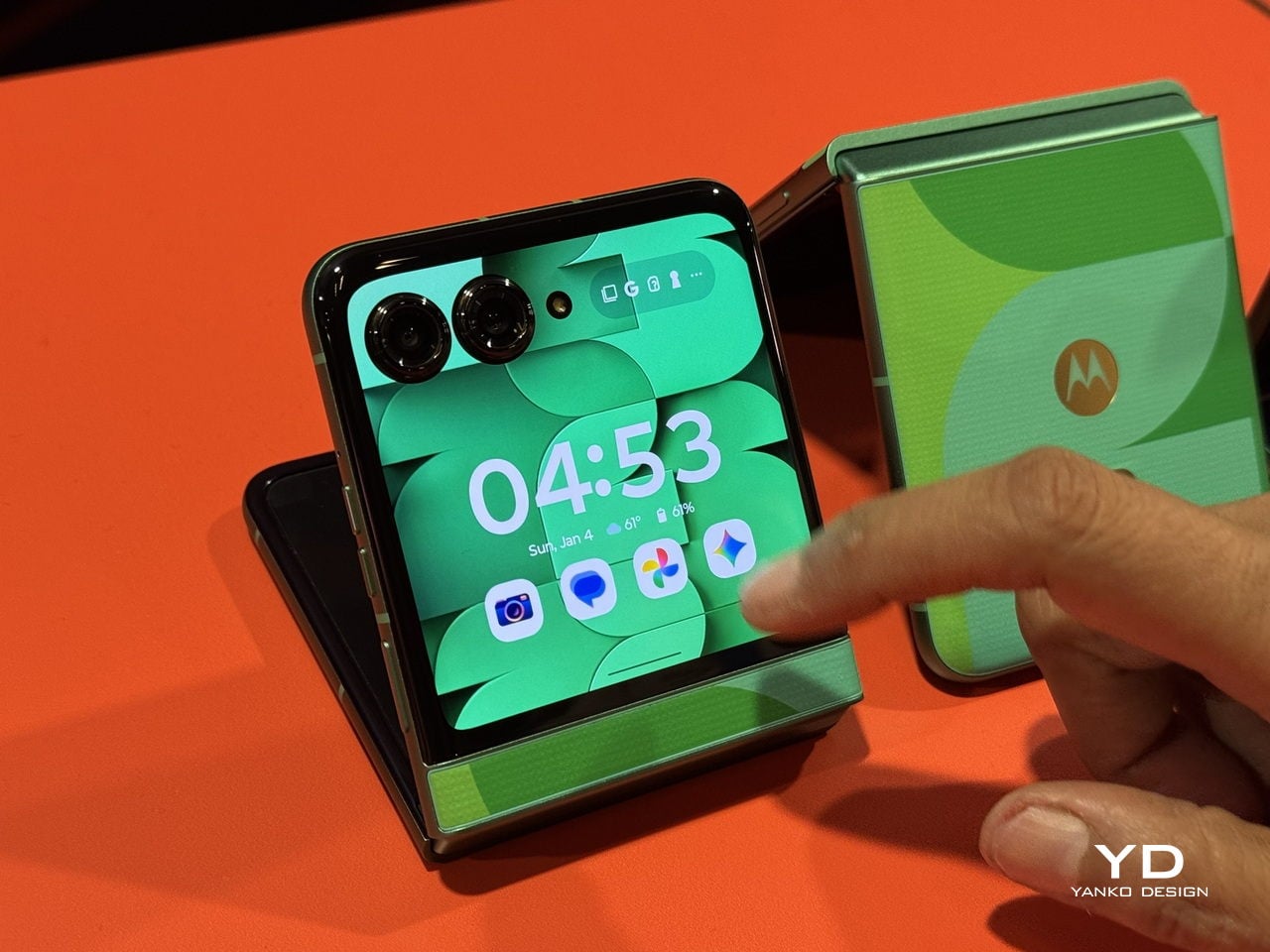
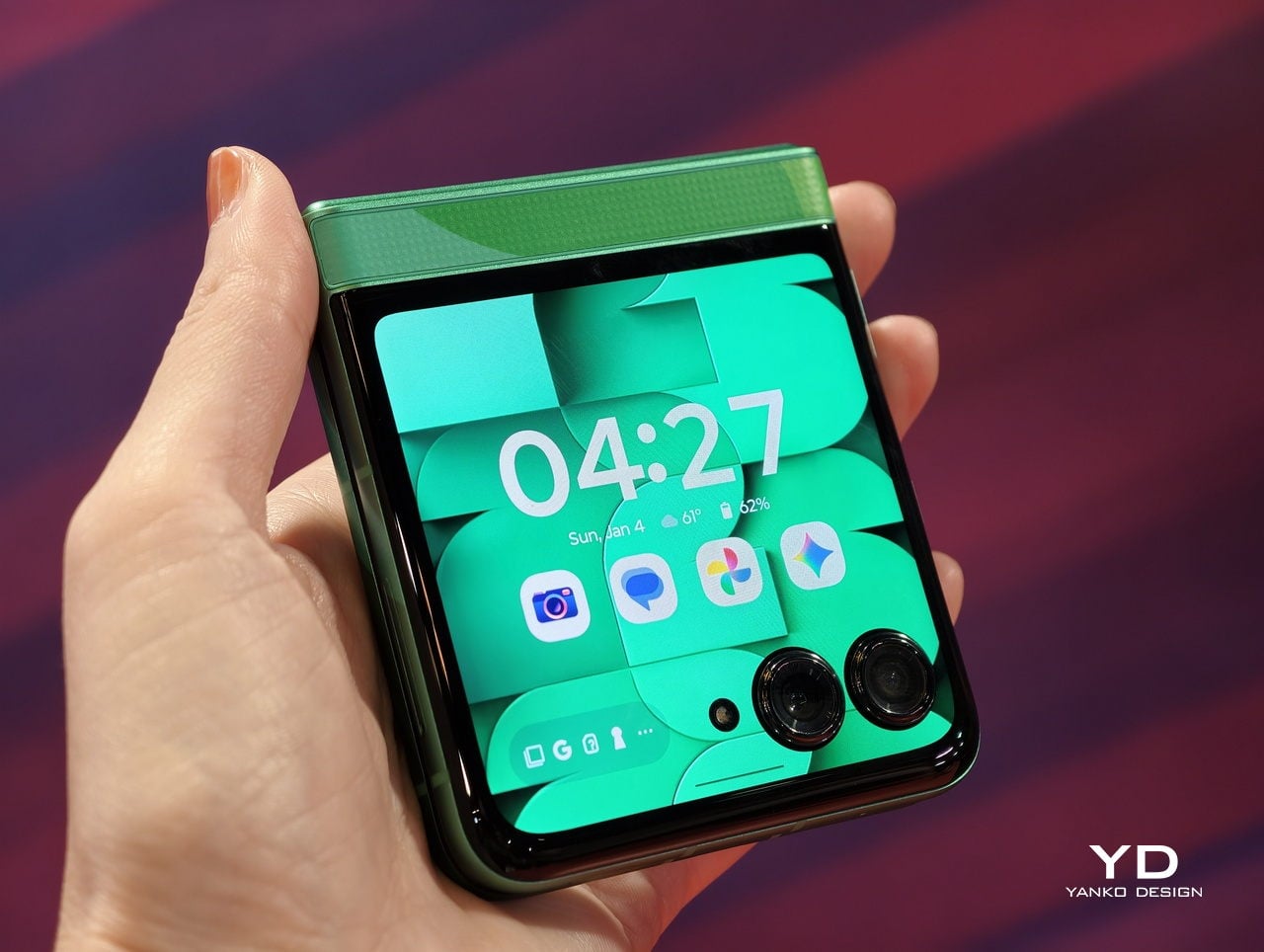
This special razr edition boasts a stunning vibrant green shade reminiscent of a football pitch where all the action takes place. It has a soft-touch vegan leather back cover with multicolor geometric patterns, showing off fluid motion representing energy and inclusivity. Since this is a foldable phone, the pattern is designed to flow seamlessly across the device, giving you a unified, continuous look whether it’s folded or open.

The main display is a 6.9″ Foldable AMOLED screen with HDR10+, FHD+ resolution, adaptive refresh rate up to 120Hz, and stunning 3000 nits peak brightness. This should be perfect for when you’re watching the football matches on your smartphone. The external display has a 3.6″ pOLED with adaptive refresh rate up to 90Hz and 1700 nits peak brightness. You can stay connected with the latest scores and notifications even without having to open your phone.

If you’ll be watching the matches live, Motorola wants to make sure your camera system is perfect for those match-day memories. It has a 50MP main camera with a 13MP Ultrawide + Macro Vision Camera with a 120° field of view and a 32MP front camera for those reaction shots. It also has some creative features like Auto Night Vision, 4K UHD video at 30fps, Adaptive Stabilization, and Horizon Lock to get smoother videos. The main camera even includes OIS (Optical Image Stabilization) and Pantone™ Validated Color, ensuring your photos look professional and true to life.

Under the hood, the razr FIFA World Cup 26™ Edition runs on Android™ 15 with a MediaTek Dimensity 7400X chipset and comes with 8GB of RAM and 256GB of storage in the US and Canada. The 4500mAh battery will keep you powered throughout the day, from kickoff to the final whistle, and when you do need to charge, the 30W TurboPower™ charging gets you back in action quickly. There’s also 15W wireless charging for added convenience.

What really makes this device stand out is its durability. It features a titanium-reinforced hinge and IP48 dust and water protection, meaning it can handle submersion in up to 1.5 meters of fresh water for up to 30 minutes. Whether you’re celebrating a goal with friends or caught in unexpected rain while heading to a viewing party, this phone is built to last. The audio experience shouldn’t be overlooked either. With dual stereo speakers tuned by Dolby Atmos® and three microphones, you’ll get immersive sound whether you’re watching matches, making video calls with fellow fans, or recording your own commentary.

Of course, since this is a special edition smartphone, you get FIFA World Cup features that only this phone has. You have exclusive wallpapers to celebrate the tournament, an official tournament theme ringtone, and a FIFA Watermark feature that you can add to your photos and videos before sharing them on your socials.

The Motorola razr FIFA World Cup 26™ Edition will be available starting February 12, 2026, with an MSRP of $699.99 in the United States and $999.99 CAD in Canada. In the US, Verizon will serve as the exclusive carrier partner during the introductory month, and unlocked models will be available on motorola.com, with Amazon.com availability coming later.

For collectors and football enthusiasts alike, this limited-edition device represents more than just a smartphone. It’s a piece of World Cup history you can carry with you. With its eye-catching design, powerful features, and exclusive FIFA content, the razr FIFA World Cup 26™ Edition is the perfect companion for experiencing the tournament’s excitement, whether you’re in the stadium or streaming from home. If you want to showcase your passion for the beautiful game while staying connected in style, this collectible device deserves a spot in your hands and your collection.

The post This $699 FIFA World Cup Phone Is a Limited-Edition Collector’s Dream first appeared on Yanko Design.

This 2,842-Piece LEGO Is the Closest You’ll Get to the FIFA World Cup

I’ve accepted the fact that in my lifetime, my home country will probably never win the World Cup, seeing as we’ve never come close to qualifying for one. So the next best thing would be to see the World Cup trophy in person, although that is also still a long shot given that the trophy tour will never pass by this side of the world. So the next best thing would be to see a replica of some sort and as I’m a LEGO fan as well, this newest build would be the perfect thing to own. It’s one of those rare occasions where my love for collecting LEGO sets and my passion for football intersect in the most beautiful way possible.

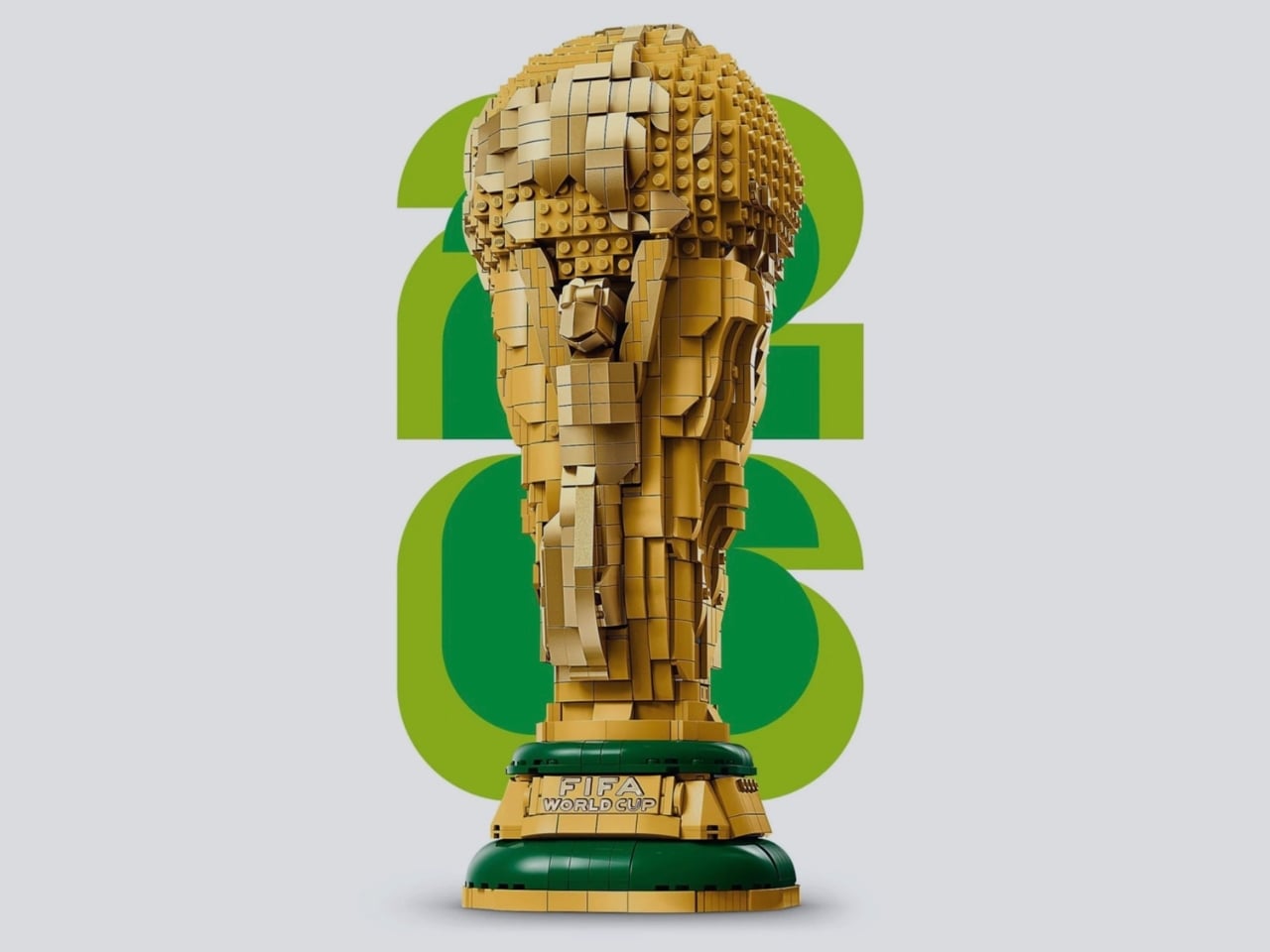
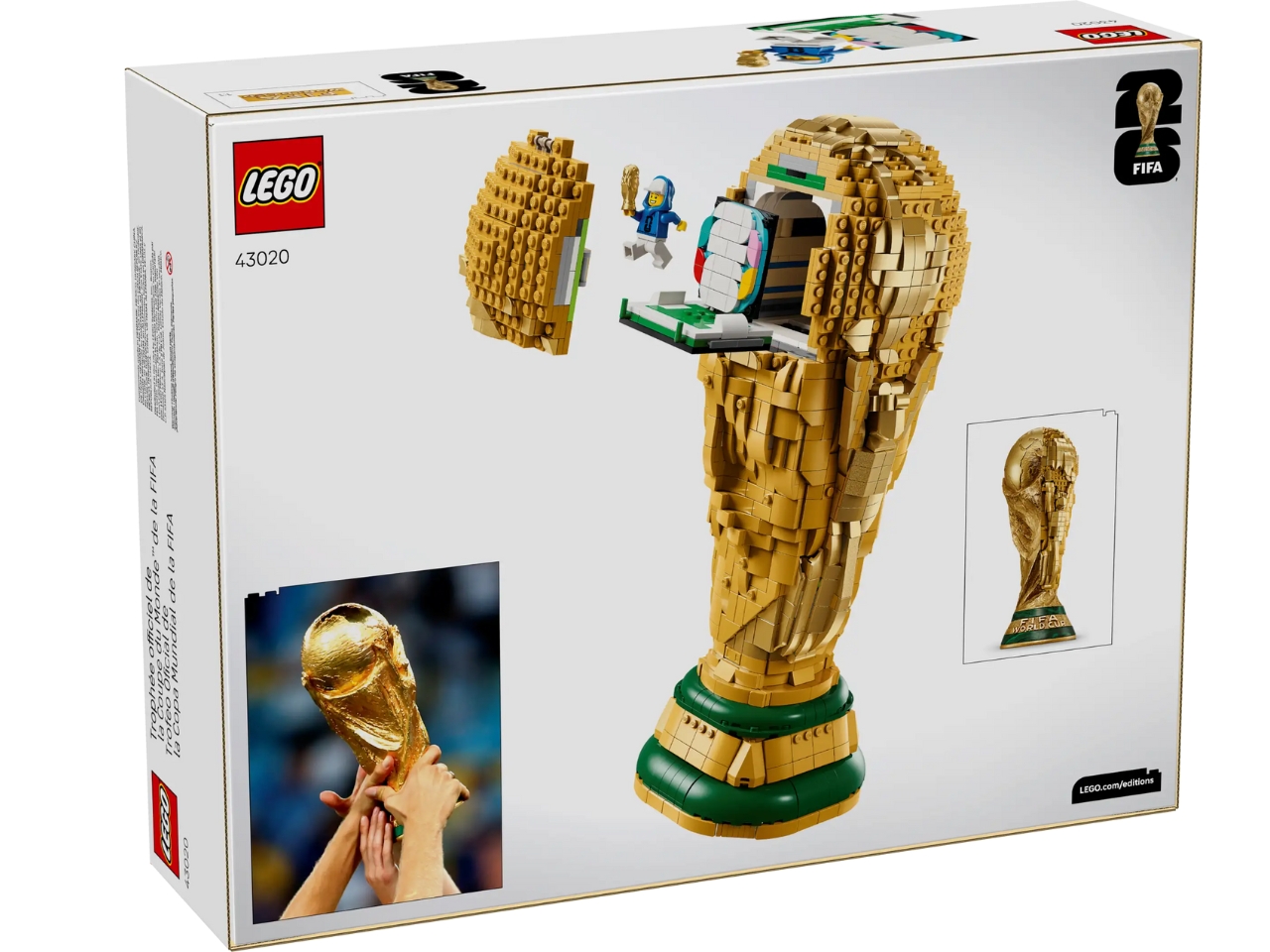
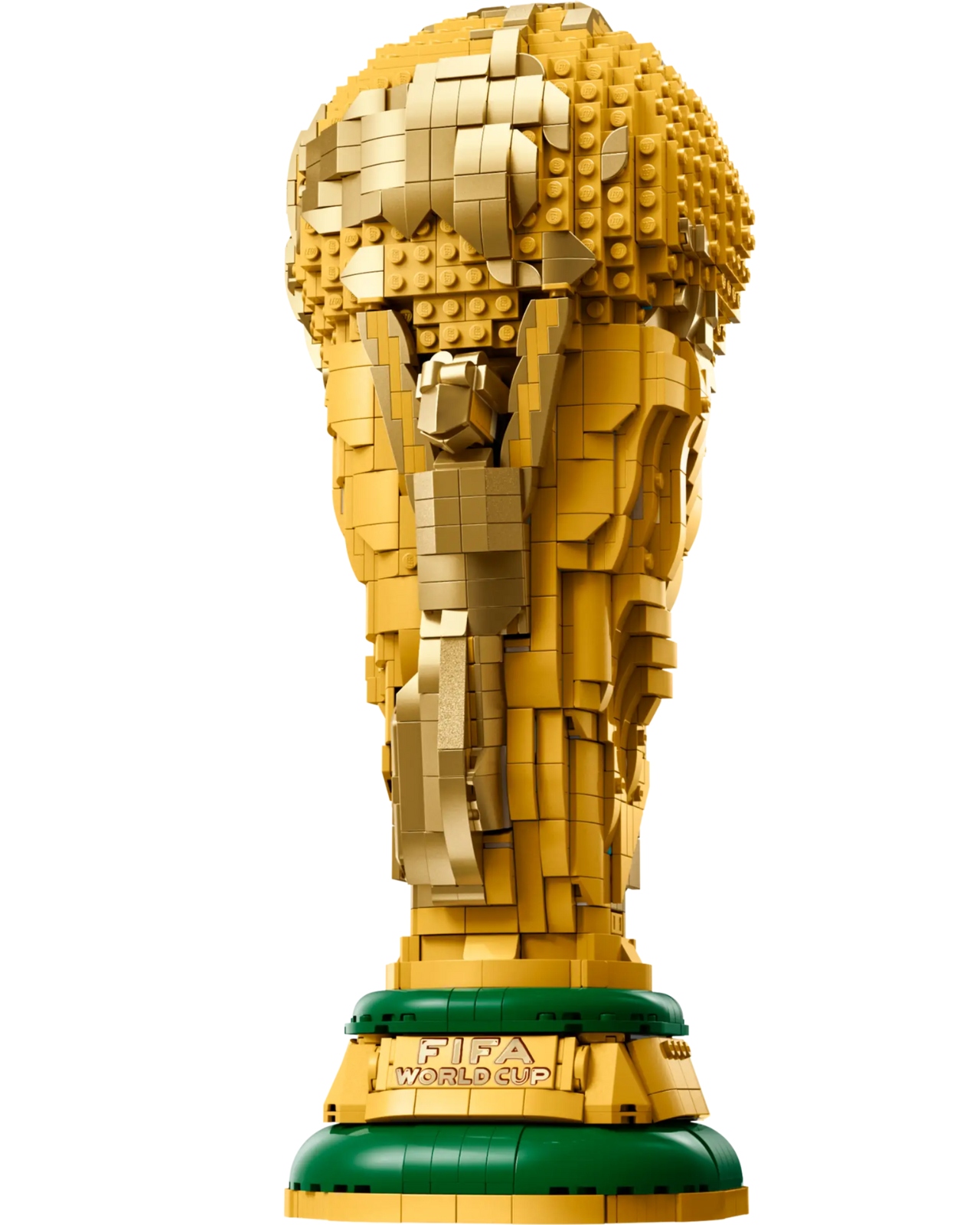
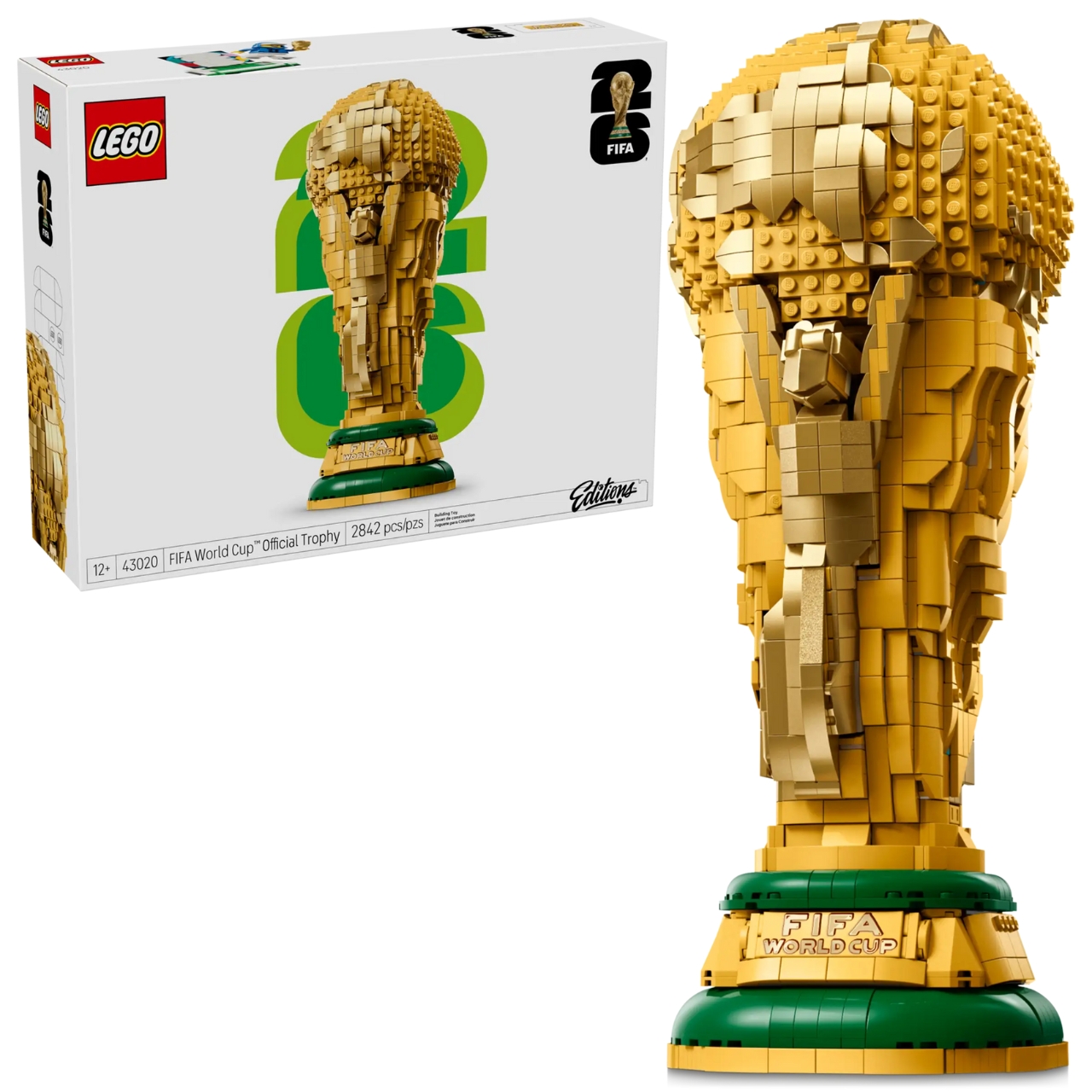
The LEGO® Editions FIFA World Cup™ Official Trophy (43020) is for the soccer (or football, as the rest of the world calls it) fan in you that would love to display the trophy on your shelf. It’s meant to hype up the 2026 World Cup tournament happening in the US, Canada, and Mexico in June-July 2026, which is one of, if not the world’s most popular sporting tournament. It’s a LEGO-fied replica of the trophy, featuring authentic details that capture the essence of the real thing. In case, like me, this is the closest you’ll ever come to actually touching this prestigious trophy, at least you can say you built it brick by brick with your own hands.
Designer: LEGO

Even though the World Cup is one of the most-watched sporting events every four years, drawing billions of viewers from around the globe, this is actually the first time that football fans will be able to build an official replica 1:1 scale model of the trophy. The iconic design features two human figures holding up the earth, symbolizing the global unity that football brings. The build is made up of 2,842 LEGO elements, making it a substantial and satisfying project that will keep you engaged for hours. What’s particularly impressive is that it has the highest number of gold-colored bricks used in a single LEGO set, giving it that authentic metallic sheen that makes the real trophy so mesmerizing under stadium lights.

The attention to detail is remarkable. The build also includes a printed plaque under the base which lists all the countries that have lifted the current trophy design since it was introduced in 1974. This includes legendary winners like Brazil, Germany, Argentina, France, and Italy. It’s a nice touch that adds historical context and makes the replica feel more authentic and commemorative. For collectors and football historians, this detail alone makes the set worth having.

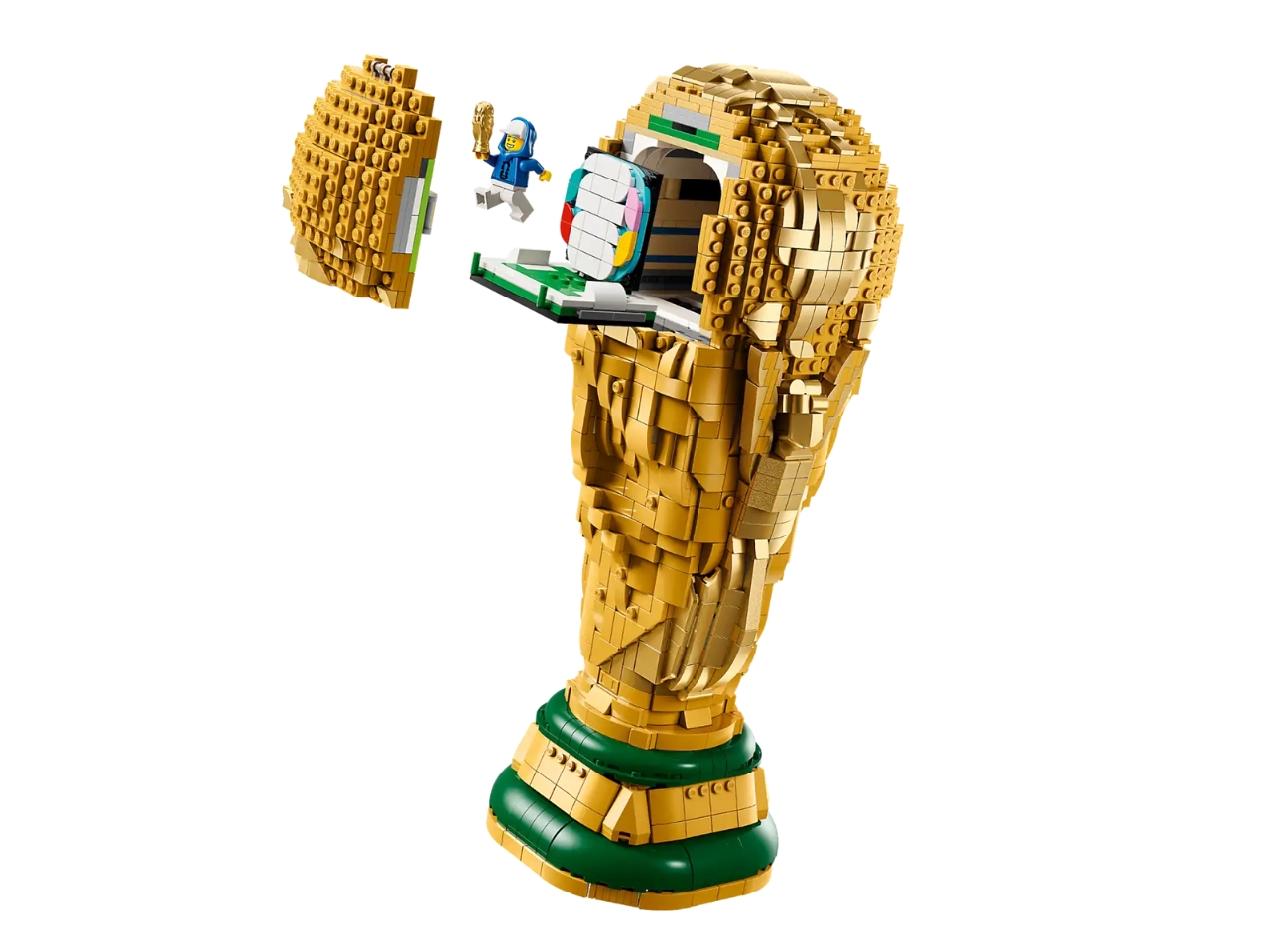
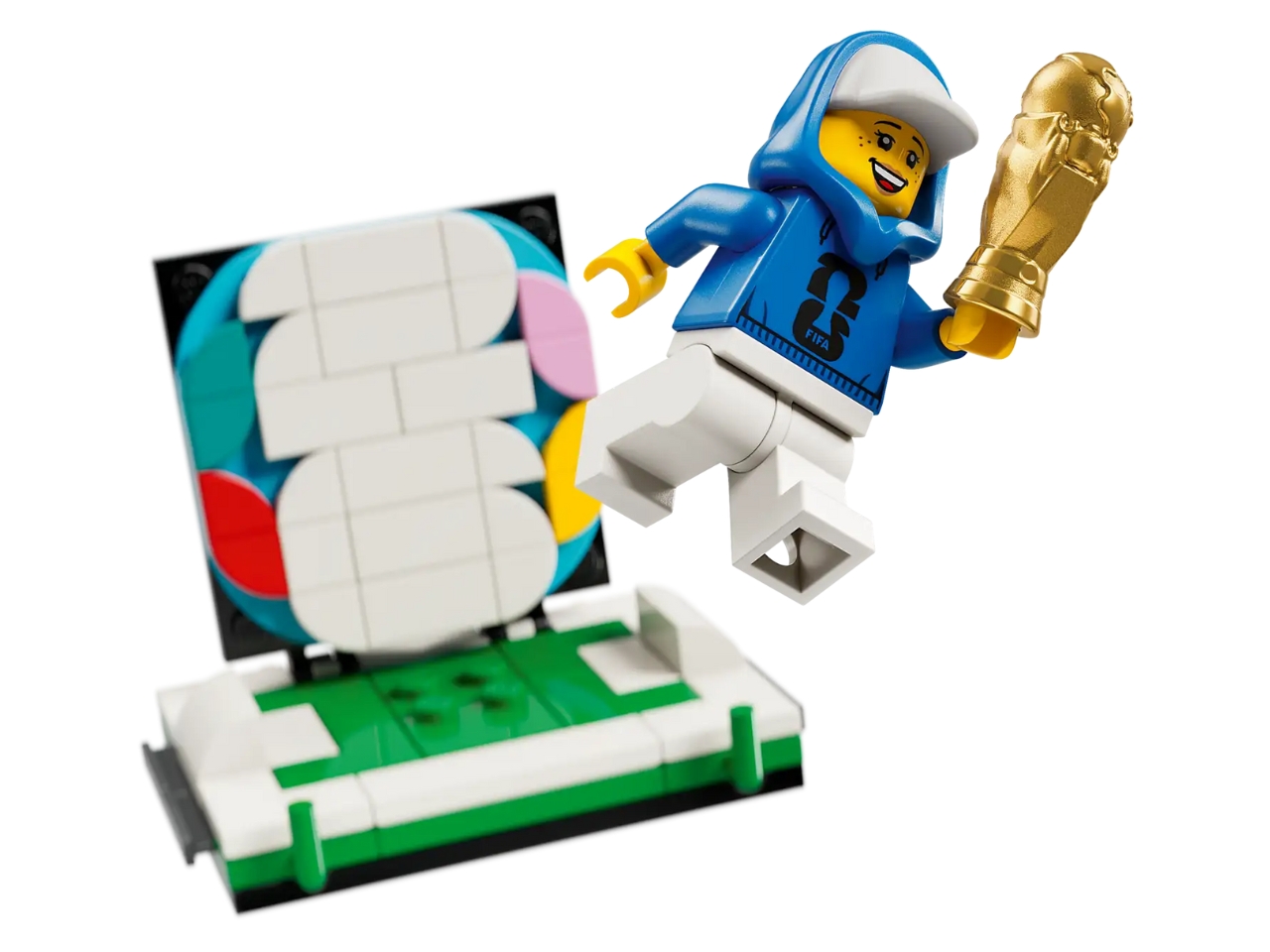
You even get a special easter egg when you pull out the slip in a hidden compartment in the upper globe section. You’ll see the actual FIFA World Cup 2026 logo and a cute branded minifig holding up a mini trophy toy. Basically you get a small trophy within the trophy replica, kind of like an inception-style setup. You can pull out this mini scene and display it next to the trophy replica so you sort of get two kinds of decorations. It’s these thoughtful little surprises that LEGO is known for, and they really enhance the overall building experience and display value.

The building process itself is designed to be both challenging and rewarding. With nearly 3,000 pieces, you’ll need to set aside several hours to complete it, but the step-by-step instructions make it accessible even if you’re not a LEGO expert. The modular construction means you build from the base up, just like the journey teams take to reach the final. There’s something meditative about clicking those golden bricks into place, watching the trophy take shape before your eyes.

The main trophy itself measures around 14.5 inches high once finished, making it a substantial display piece that commands attention without overwhelming your space. It’s a perfect gift for kids aged 12 and above or adults like me who are fans of both the sport and LEGO builds. Whether you display it in your living room, office, or dedicated collection space, it’s sure to be a conversation starter, especially during World Cup season.

It will be available for purchase starting March 2026 in the lead up to the tournament, giving fans plenty of time to build and display it before the first match kicks off. LEGO also said they will be rolling out new products and experiences to celebrate this momentous tournament that will feature 48 teams, the most of any edition. This expansion makes the 2026 World Cup historic in its own right, and having this replica feels like owning a piece of that history.

The post This 2,842-Piece LEGO Is the Closest You’ll Get to the FIFA World Cup first appeared on Yanko Design.

Saudi Arabia Is All Set To Construct The World’s Largest Sports Stadium

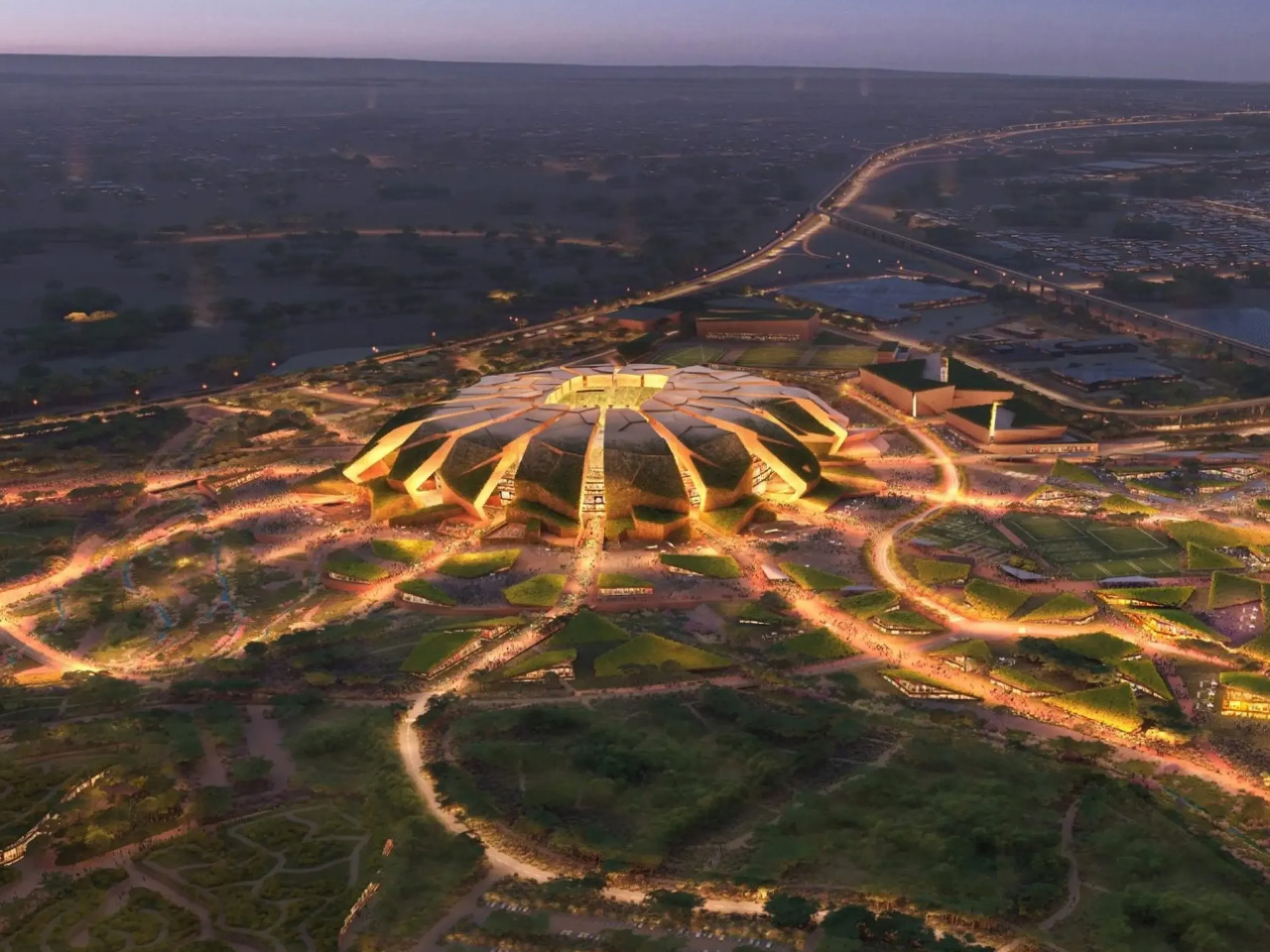
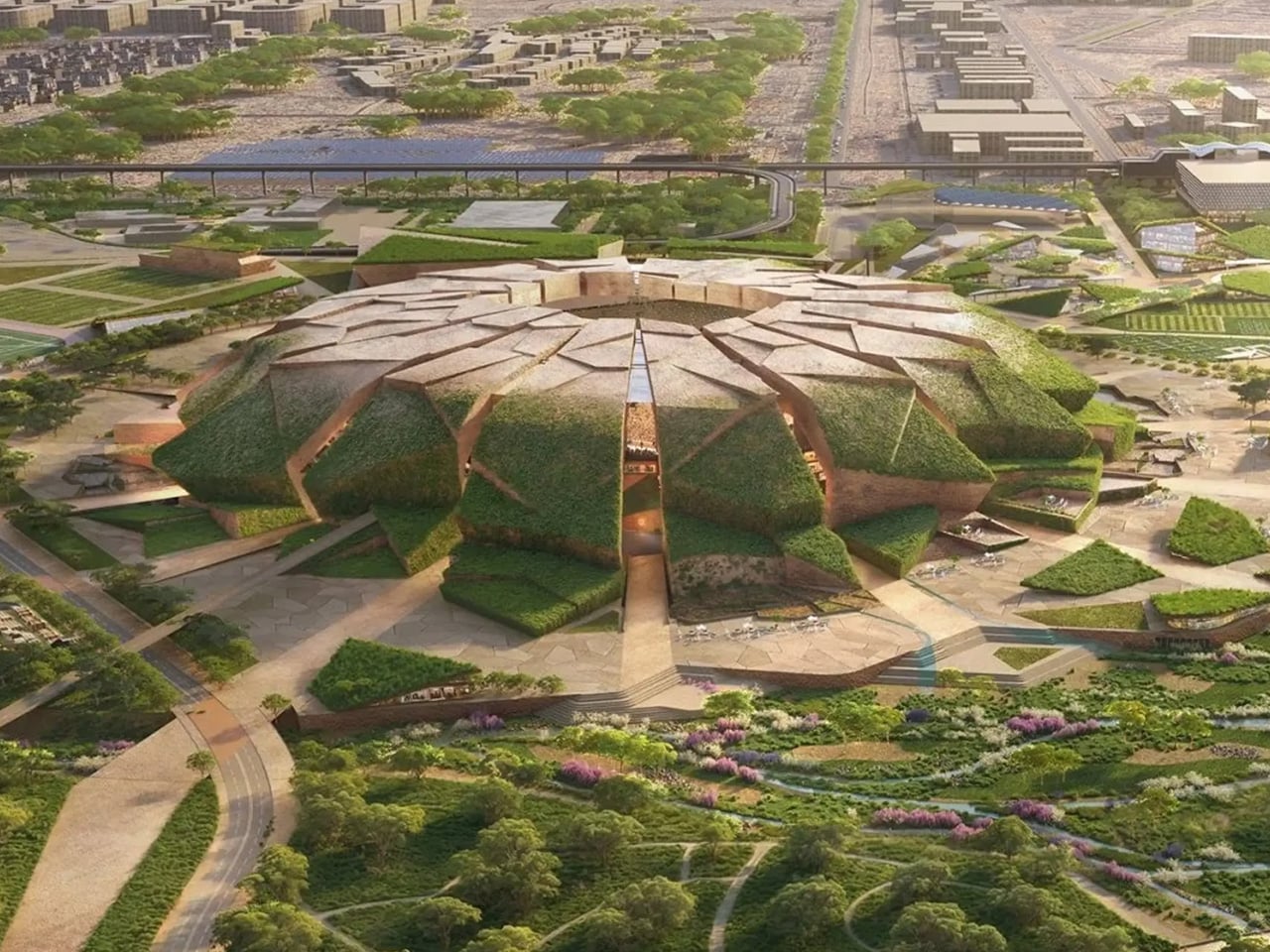
Saudi Arabia has been unveiling quite a few impressive constructions and structures recently, and they don’t seem to be slowing down. They recently announced another project – a massive and impressive stadium that is supposed to be the world’s largest once constructed. It is designed to mimic a seed germinating in the desert. Populous unveiled the plans for the stadium called the King Salman Stadium and Masterplan. It will be located in Riyadh, near a big park area that is under construction at the moment.

Designer: Populous

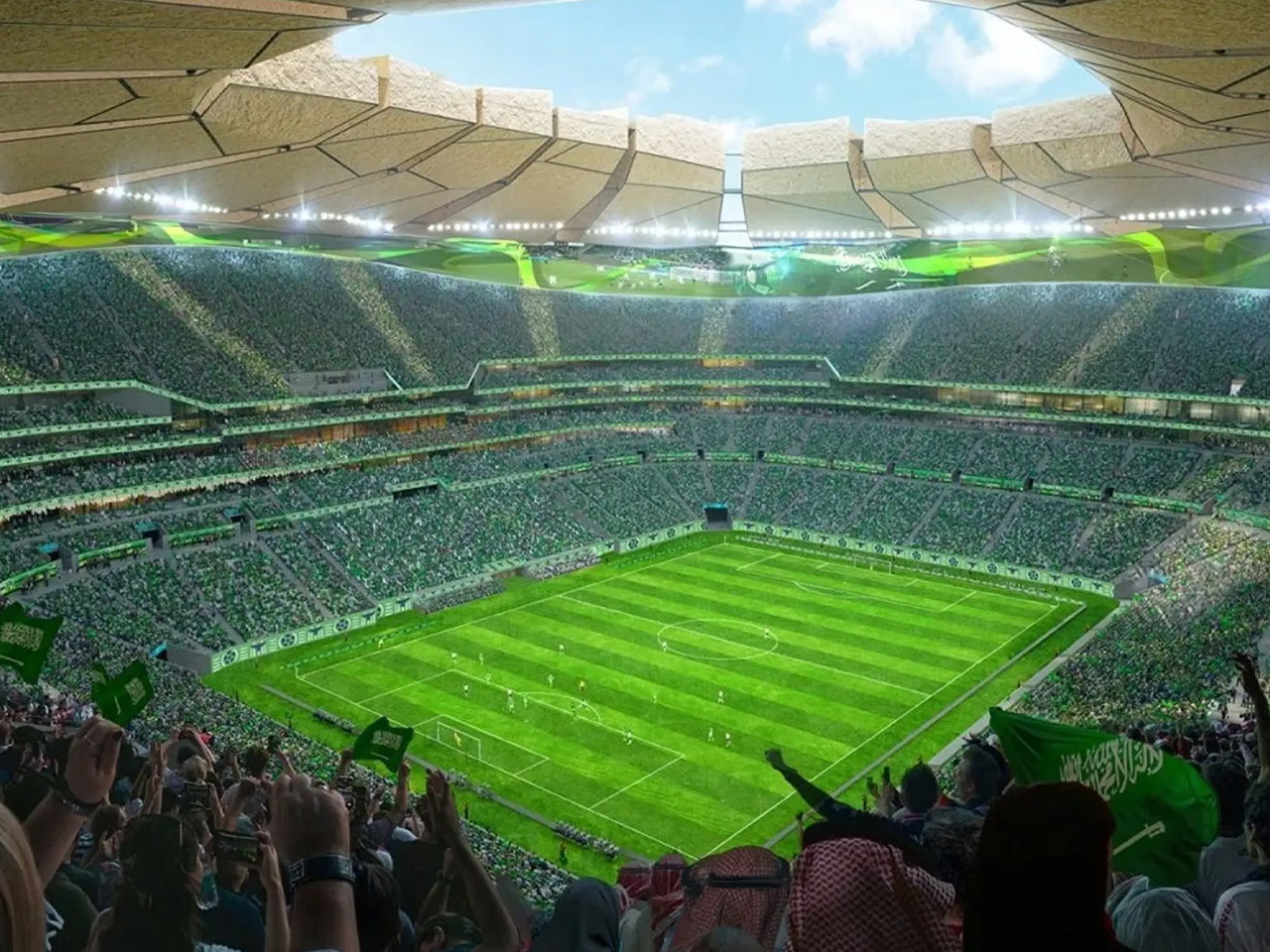
The stadium will include a circular building consisting of segmented sections with green walls and green roof spaces. The roof will also include walking paths. It will be able to seat over 92,00o, making it the largest stadium in Saudi Arabia and one of the largest in the world. It will contain the main seating, a royal box, hospitality skyboxes, and lounges.

It will also hold 2,200 VIP seats and 300 “VVIP” seats. It will be integrated with internal screens, climbing walls, gardens, and an aquatics center with an Olympic-sized swimming pool, and a small athletic stadium. The stadium will also include a running track. The structure is heavily inspired by Saudi Arabia’s natural landscapes, and it will resemble seeds emerging from the Earth, thereby showcasing the country’s initiative to encourage sports participation.

“Inspiration for the design is drawn from Saudi Arabia’s mesmerizing natural landscape, with the symbolic concept of each venue within the masterplan representing a seed that germinates, cracks the earth, and emerges as a dynamic yet seemingly natural intervention,” said Populous. “The planting of these ‘seeds’ symbolizes Saudi Arabia’s commitment to nurturing and growing sports participation across the country, from the grassroots to the elite level.”

The stadium is expected to be completed in late 2029, and it will function as the primary headquarters for the national soccer team. The King Salman Stadium and Masterplan is a part of a whole bunch of stadiums that are currently being constructed in Saudi Arabia – they’re being designed by Populous as well.

The post Saudi Arabia Is All Set To Construct The World’s Largest Sports Stadium first appeared on Yanko Design.