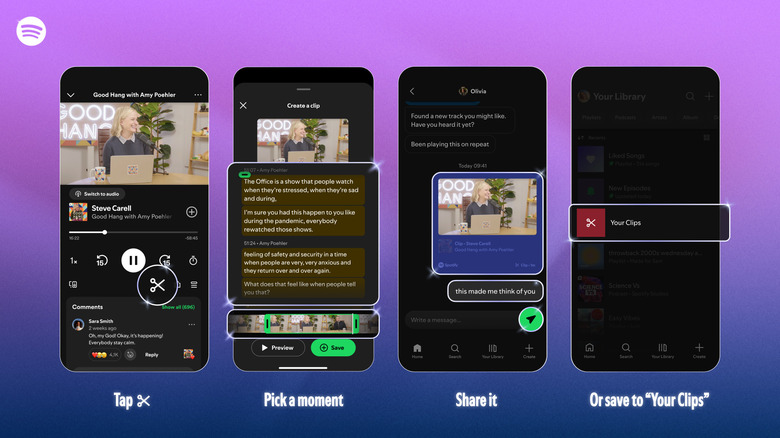
Spotify’s latest feature makes it easier to share podcast clips
Spotify just released a new feature that find and share specific podcast moments.
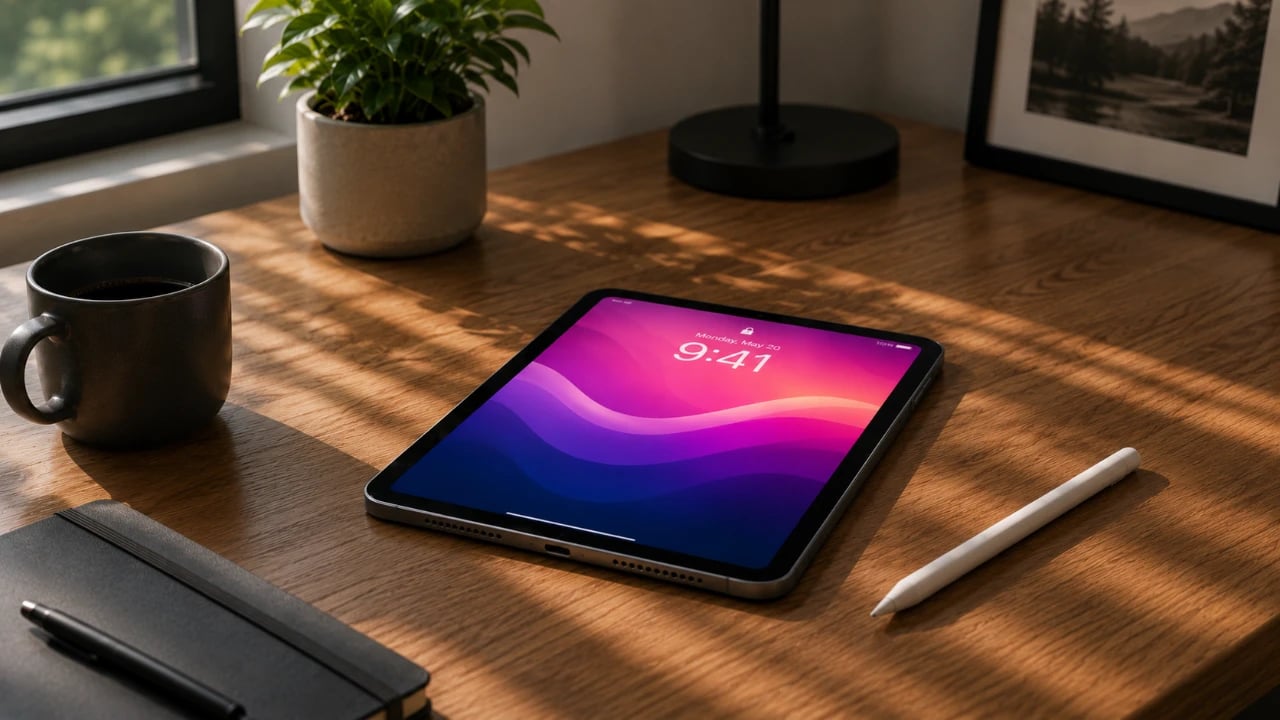
Apple’s iPad Mini 8 is set to elevate the compact tablet experience with a blend of advanced technology and thoughtful design improvements. This latest iteration promises to deliver a premium user experience, combining portability with powerful performance. Whether you’re a tech enthusiast or someone seeking a versatile device for work, entertainment, or creativity, the iPad […]
The post iPad mini 8 Leak Reveals a Larger OLED Display and Upgraded Processor appeared first on Geeky Gadgets.

Xbox is shifting its strategy with a renewed emphasis on exclusive titles and potential adjustments to its Game Pass subscription model. According to Colt Eastwood, the company is focusing on revitalizing key franchises and delivering exclusives to strengthen its position in the gaming market. At the same time, Xbox is exploring the possibility of moving […]
The post Why Xbox is Rethinking Game Pass Day-One Releases appeared first on Geeky Gadgets.

Building your own Steam Machine offers a unique opportunity to create a gaming system that balances performance, cost and personal preferences. In a recent explainer by Level1Techs, the process of designing a custom Steam Machine is broken down into practical steps, including repurposing older hardware and using Linux-based systems like Bedrock or Bazzite. For instance, […]
The post The Secret to Getting the Ultimate Steam Machine? Build It Yourself appeared first on Geeky Gadgets.
Most premium smartphones are converging toward the same design language: a glass sandwich, a growing camera island, and a polished finish that looks good in press photos but feels indistinguishable from everything else on the shelf. The harder question has always been whether a phone can look genuinely different without feeling like a novelty, which gaming phones have always struggled to answer.
REDMAGIC has been building gaming-first phones since 2018, and the 11S Pro is the brand’s most coherent statement yet. It doesn’t try to disguise its identity with a mainstream-friendly exterior. Instead, it leans into its engineering, turning the cooling system and gaming hardware into the visual story. But does that actually work in its favor? We spend time with it if it’s truly a deliberate choice or just an accident.
Designer: REDMAGIC
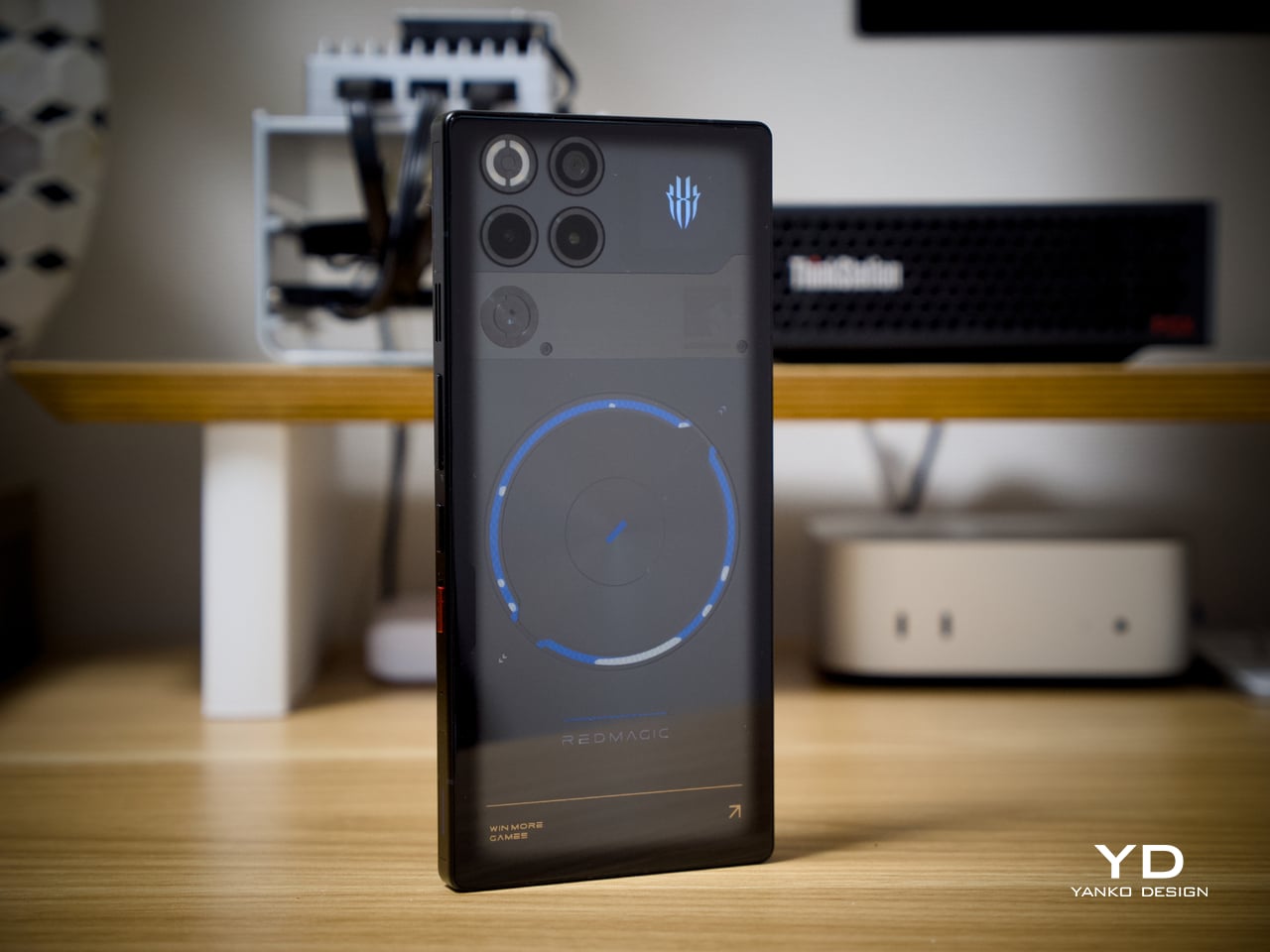
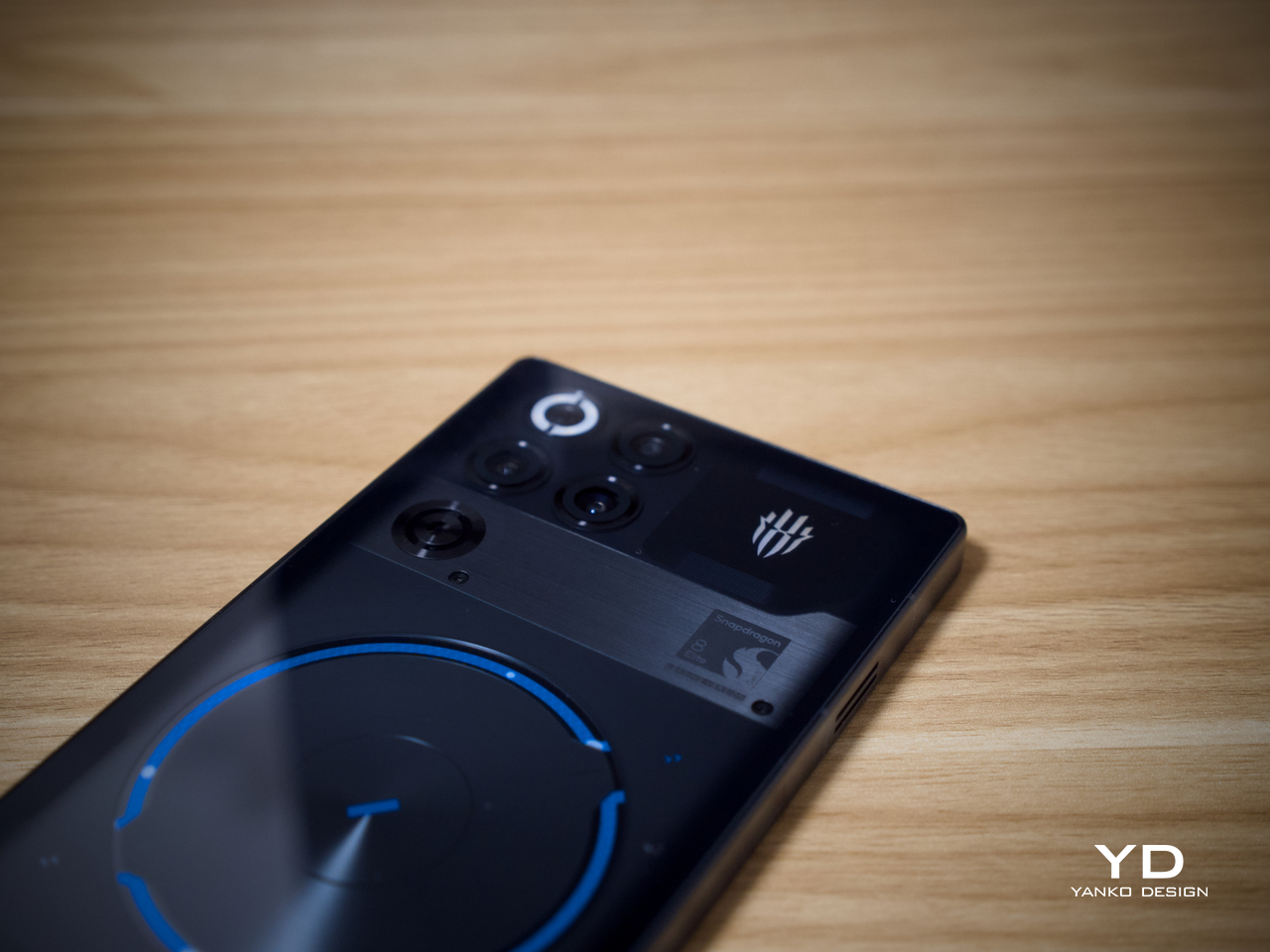
The first thing that stands out about the REDMAGIC 11S Pro is that it doesn’t look like anything else. The transparent rear in the Nightfreeze colorway exposes the internal structure, giving the phone a graphic, almost industrial quality. A large circular motif sits centered on the back, and blue accents run through the design with enough restraint to feel technical rather than theatrical.
The flat back makes an immediate impression. Without a protruding camera module, the rear reads as a unified composition. The camera cluster sits quietly in the upper corner, which keeps the visual hierarchy centered on the cooling hardware and transparent body rather than the lens arrangement. It’s a deliberate order of priority that gaming phones rarely manage to get right.
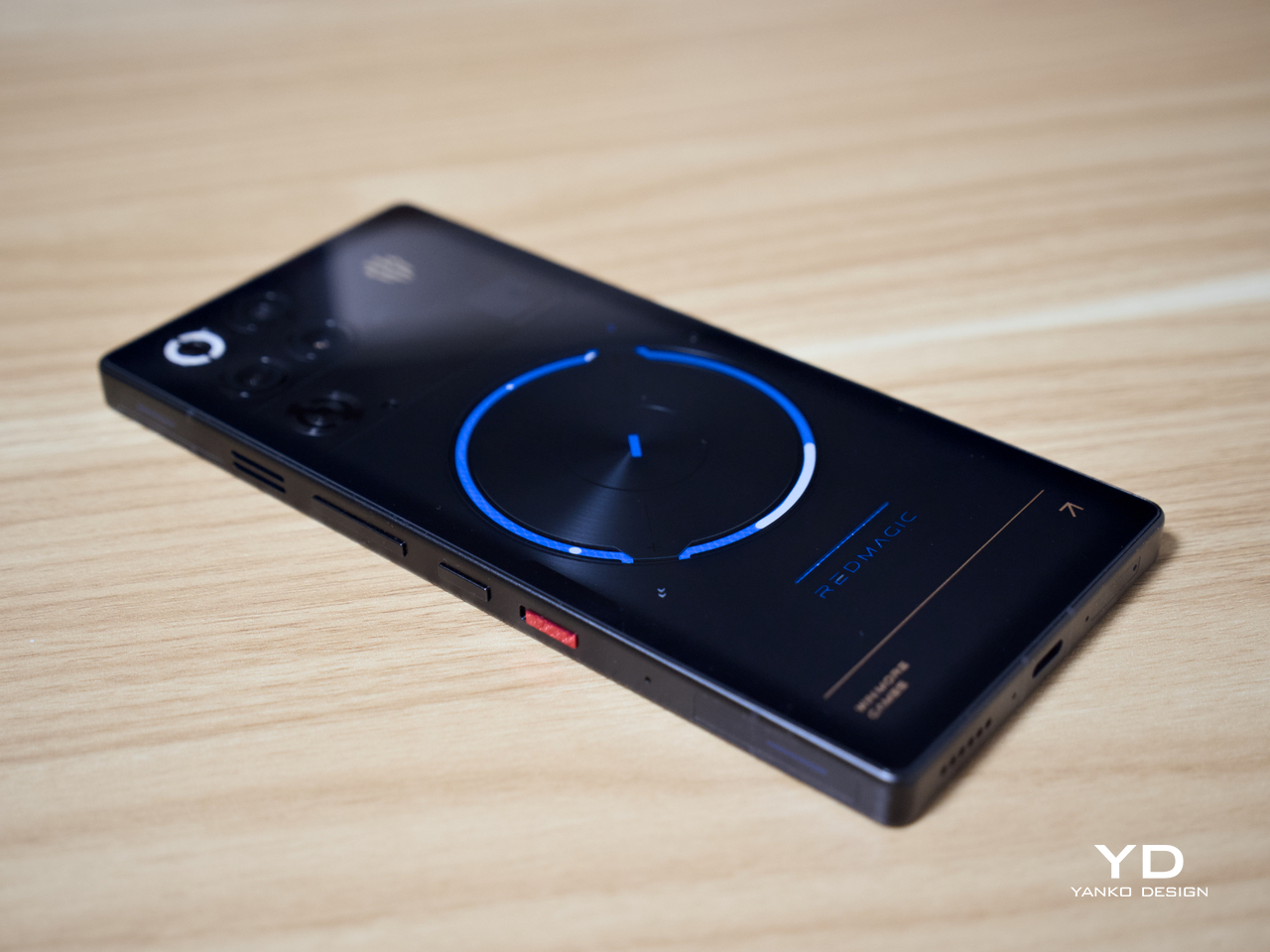
Of course, the real standout is that the visible liquid cooling system isn’t decorative at all. The AquaCore’s structure shows through the transparent body, meaning the design and engineering are the same thing. Most phones hide their thermal management entirely, but the 11S Pro treats it as something worth showing, giving the phone an architectural confidence that’s hard to ignore.
The Nightfreeze black colorway reads quietly, which is a little surprising for a gaming phone. The RGB lighting strip adds presence without being overbearing, and the blue accents feel more mature than typical gamer aesthetics. It’s a design that rewards a closer look rather than demanding attention from across the room, setting it apart from most flagships chasing the same polished minimalism.
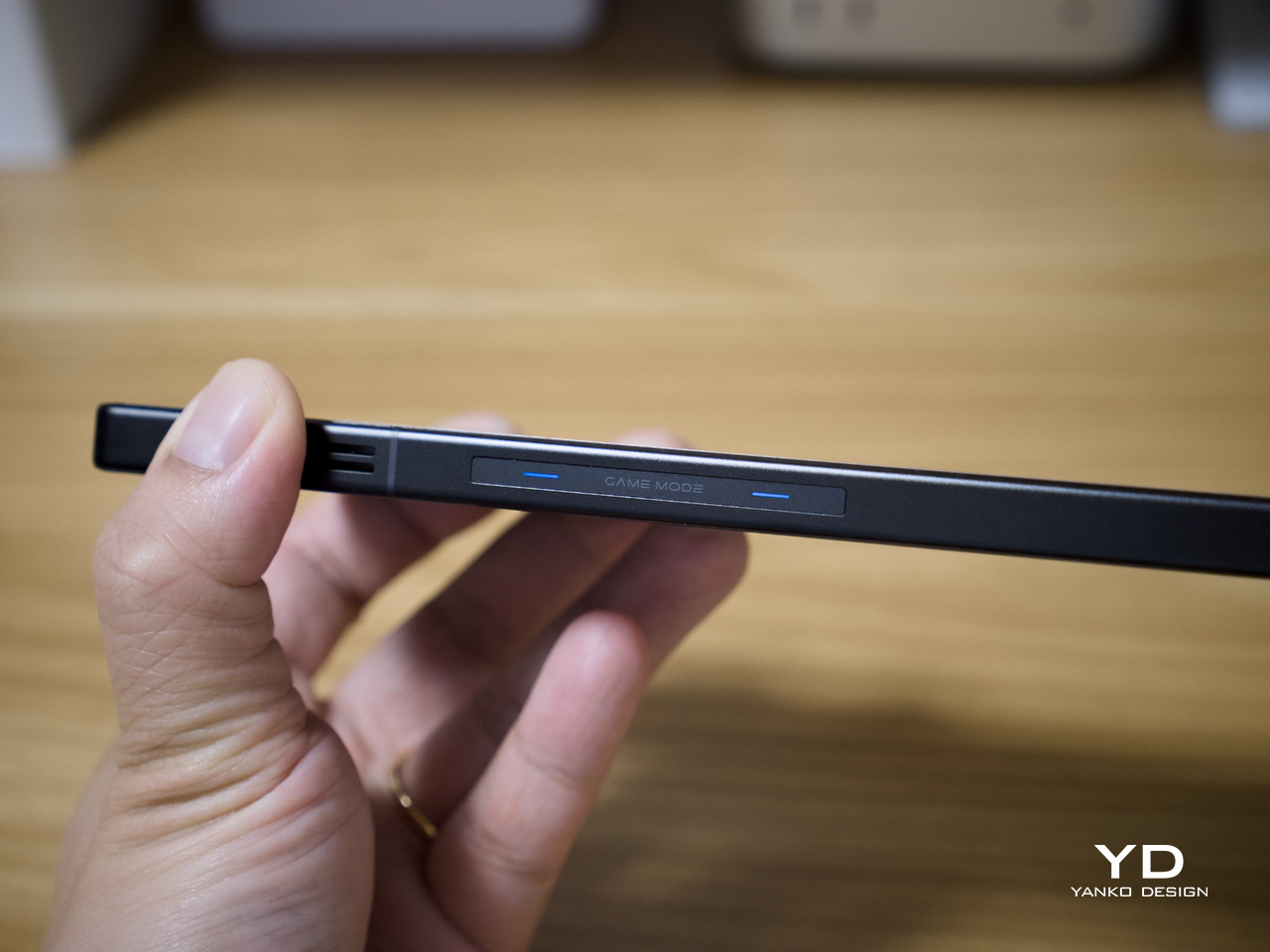
Holding the 11S Pro makes clear it’s a substantial phone, though not in a way that feels unintentional. The weight reflects the 7,500mAh battery and the active cooling system tucked inside, and the flat sides with squared-off edges create a secure, confident grip. It doesn’t try to disappear in the hand the way ultra-thin phones do, which feels appropriate given what’s inside.
In landscape orientation, which is where the 11S Pro truly comes into its own, the balance improves noticeably. The flat rear makes it easy to steady the device during long sessions, and the 520Hz capacitive shoulder triggers sit exactly where the fingers fall. If you’ve played competitive titles without a controller nearby, those triggers aren’t a nice addition. They’re a genuine advantage.
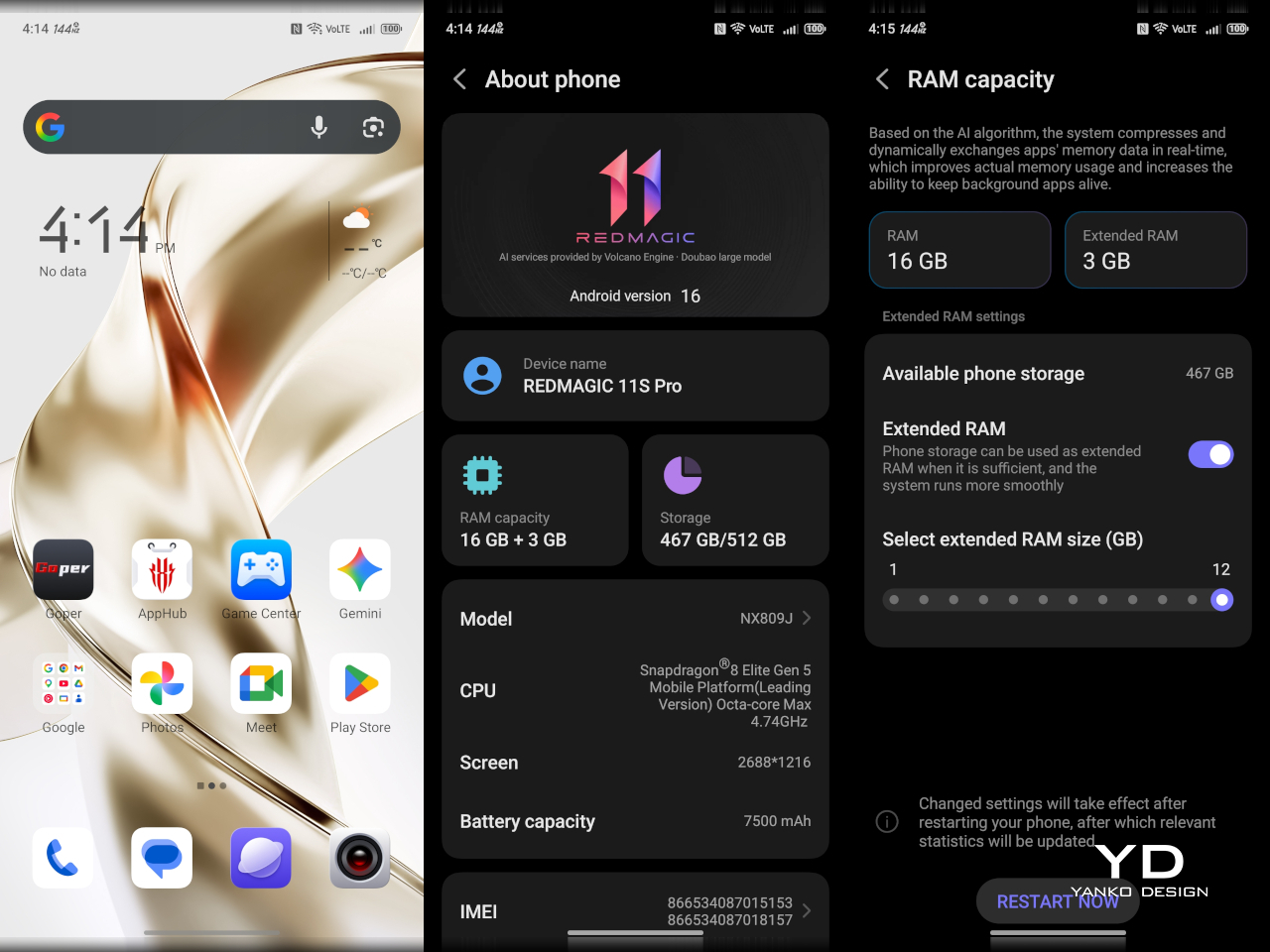
Under the hood, the REDMAGIC 11S Pro runs on the Snapdragon 8 Elite Gen 5 Leading Version, Qualcomm’s highest-binned variant of the chip, paired with the brand’s own RedCore R4 co-processor. Storage configurations go up to 16 GB of RAM, and the full package includes a 144 Hz AMOLED display and the AquaCore active cooling system, keeping performance from overreaching its own thermal limits.
The performance story here isn’t really about peak benchmark numbers. It’s about whether the phone can maintain that output through a two-hour ranked session or a streaming marathon without throttling back to catch its breath. In testing, the 11S Pro handles sustained workloads with a composure that most phones struggle to match, frame rates staying consistent, and the device never getting uncomfortably warm.

That’s largely down to the AquaCore cooling system, which combines a 13,116mm² vapor chamber, a built-in fan spinning at up to 24,000 RPM, and a liquid metal thermal layer. The fan operates below 30dB, so it’s audible but not distracting. What matters most is that the thermal management works as claimed, keeping temperatures controlled even through extended, back-to-back gaming sessions.

The 6.85-inch BOE X10 AMOLED panel is easy to understate. At a 2,688×1,216 resolution with a 95.3% screen-to-body ratio and a peak brightness of 1,800 nits, the display holds up in virtually any lighting condition. Paired with shoulder triggers and a retained 3.5mm headphone jack, the complete control package covers every input a serious mobile gamer could reasonably ask for.
Battery life is where the REDMAGIC 11S Pro makes a strong case beyond gaming. The 7,500mAh cell supports both 80W wired and 80W wireless fast charging, and endurance in mixed usage stretches comfortably into the following day. In FPS gaming at full frame rates, testing ran for several hours before significant drain, making the phone practical well outside a dedicated desk setup.
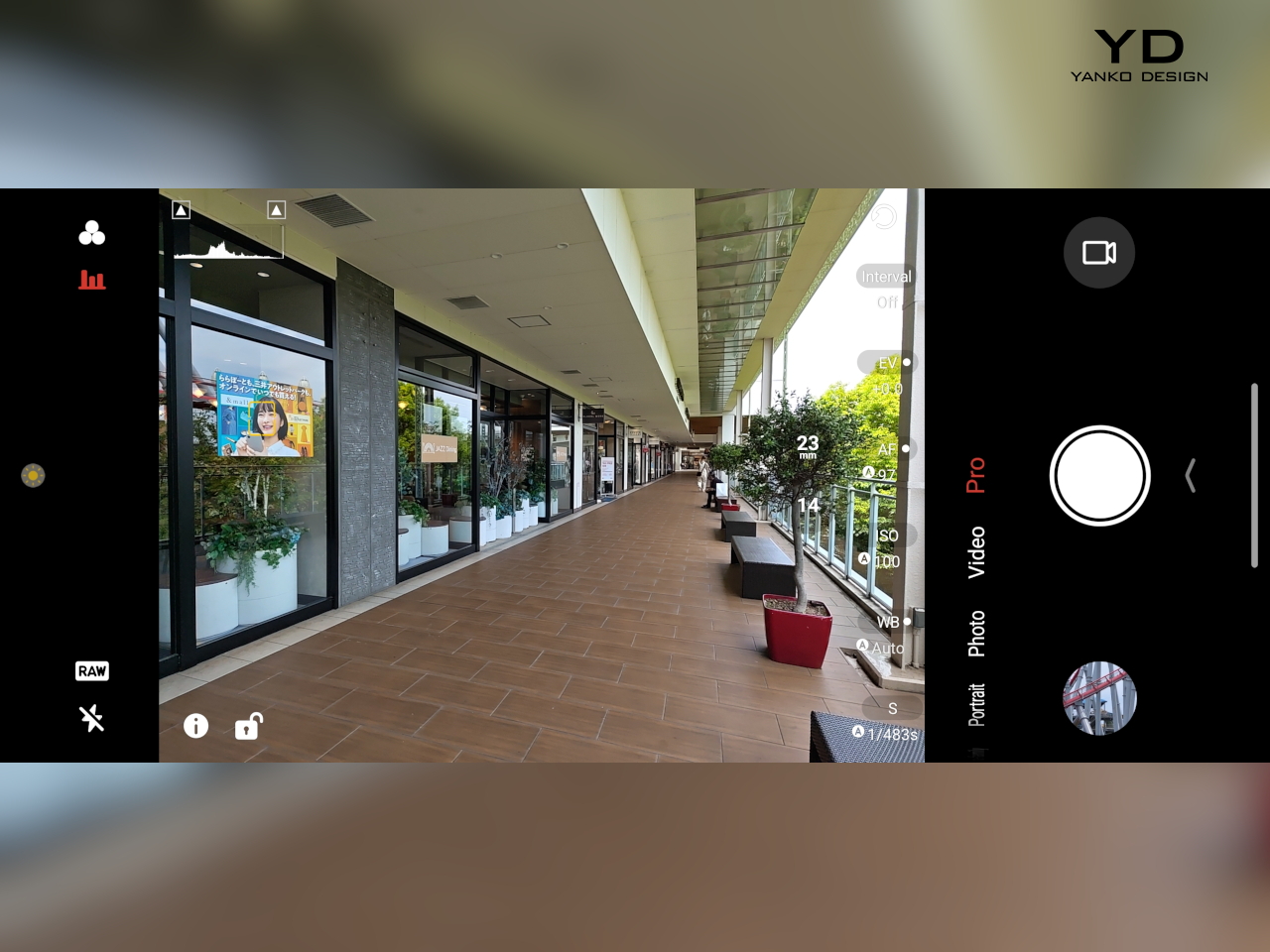



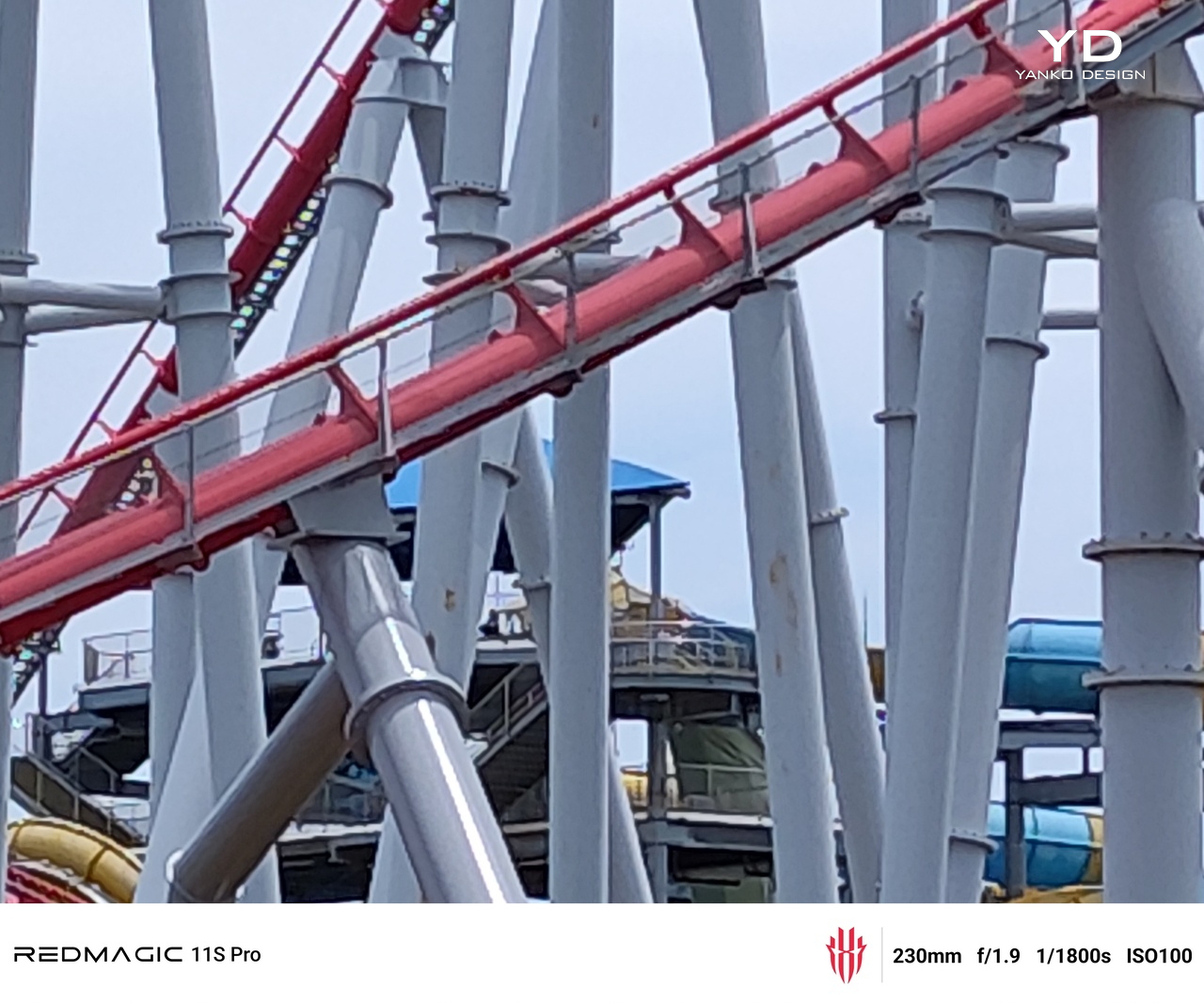
The cameras are capable, without being the main attraction here. The 50MP primary sensor with optical image stabilization delivers dependable photos in most conditions, and the 50MP wide-angle lens handles everyday shooting well enough. Low-light results are solid rather than exceptional, which is perfectly respectable for a phone that’s investing this heavily in sustained performance, active cooling, and battery endurance.



The REDMAGIC 11S Pro isn’t marketed as a sustainability story, and it doesn’t need to be. The aluminum alloy frame, Corning Gorilla Glass protection, and IPX8 water resistance contribute to a phone built to survive more than just a few drops. A dust-resistant design alongside full water resistance means the device holds up under conditions where most flagships would start showing wear considerably sooner.
There’s a longer-term argument here, too. Better thermal management means the internals aren’t running at temperatures that accelerate degradation. A 7,500mAh battery means fewer charge cycles per year compared to smaller cells. Combined with robust construction, the 11S Pro has a credible case for lasting beyond the typical two-year upgrade cycle, which is its own kind of sustainability without the marketing language.
It’s worth considering what comes with the REDMAGIC 11S Pro as a complete package. The Snapdragon 8 Elite Gen 5 Leading Version sits at the top of the current chip hierarchy. The 7,500mAh battery with dual-mode 80W fast charging is a meaningful inclusion. Add a 144 Hz display, active cooling, shoulder triggers, a 3.5mm jack, and NFC, and the list leaves very little out.
Most premium phones ask buyers to make trade-offs: a thinner profile at the cost of battery life, a camera upgrade at the cost of gaming performance, or a mainstream look at the cost of personality. The 11S Pro doesn’t follow that logic. The transparent design and visible cooling system aren’t decorative flourishes. They’re central to what makes the phone feel worth its position.
Buyers looking for a camera-centric flagship would feel better served elsewhere. But for anyone drawn to gaming performance, long battery life, tactile controls, and a design grounded in its own hardware, the REDMAGIC 11S Pro makes a concentrated argument. The trade-offs are real but narrow, and the things it does well, it does with enough clarity that the package feels specialized without feeling limited.
The REDMAGIC 11S Pro is a refinement of an idea that’s been building for years: that a gaming phone doesn’t have to apologize for what it is. The AquaCore cooling, the transparent body, the shoulder triggers, and the sustained performance all point in the same direction. It’s a phone that knows its priorities and has the engineering to back them up coherently.
It won’t be for everyone, and it doesn’t try to be. That clarity is actually what makes it interesting as a design object. Gaming flagships often struggle to find an identity that doesn’t feel borrowed from PC hardware aesthetics or overstyled past the point of reason. The 11S Pro avoids both traps, and that’s harder to pull off than it looks.

The post REDMAGIC 11S Pro Review: Gaming Phone That Shows Its Worth, Literally first appeared on Yanko Design.

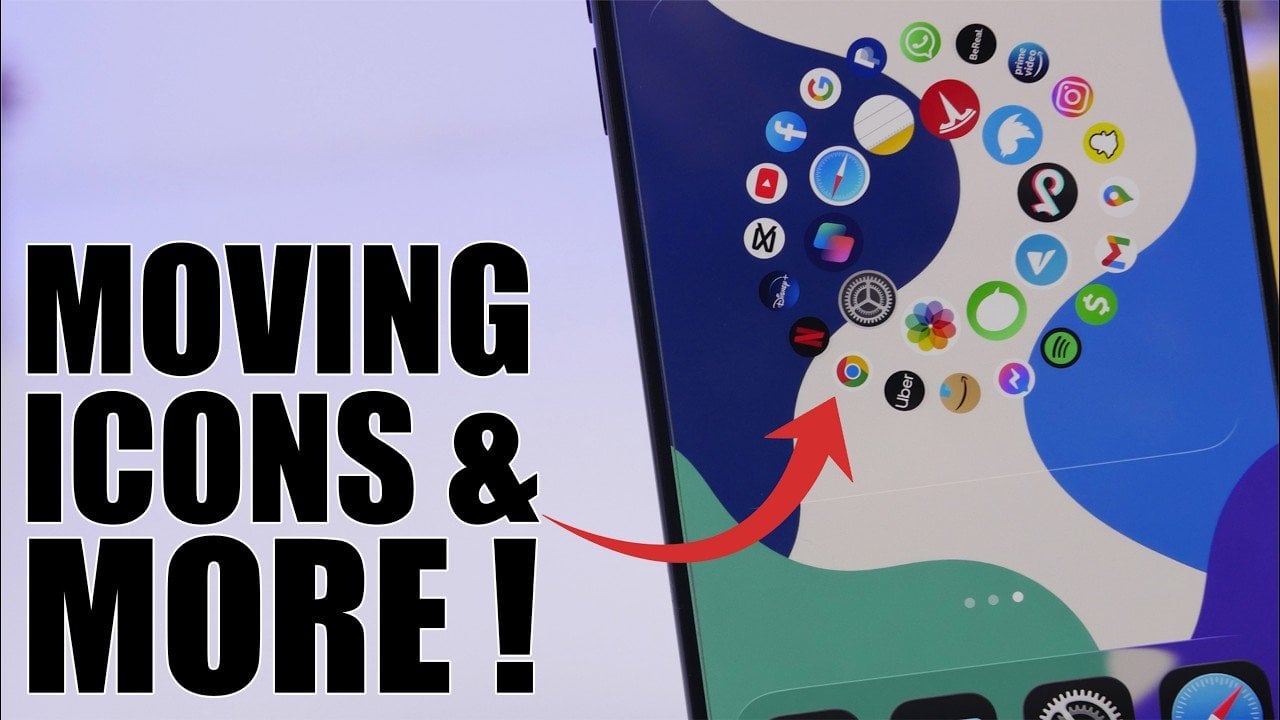
Your iPhone is more than just a communication device; it’s a versatile tool designed to adapt to your lifestyle. By implementing a few practical hacks, you can enhance its functionality, improve accessibility, and streamline your daily tasks. From customizing your Control Center to organizing your contacts, these tips will help you unlock the full potential […]
The post 5 Hidden iPhone Features Most Users Don’t Know About appeared first on Geeky Gadgets.

The Hermes AI agent system has quickly become a standout in the AI development space, earning 40,000 GitHub stars in just 46 days. Its appeal lies in features like memory systems for efficient data handling, identity layers for personalized interactions and self-learning loops that enable ongoing improvement. However, as Simon Scrapes explores, these pre-built capabilities […]
The post How Modular Claude Code Frameworks Fix Hermes AI Scalability Issues appeared first on Geeky Gadgets.


Gemini’s usage limits play a crucial role in determining how effectively you can use its AI capabilities for various tasks, from text generation to video creation. As Paul Lipsky explains, these limits are divided into current usage, which resets every five hours and weekly usage, which refreshes at the start of each week. For instance, […]
The post Why You Keep Hitting Gemini’s Usage Limits and How to Stop appeared first on Geeky Gadgets.