HoverAir Versa Combines a 3-Axis Gimbal and Flying Drone

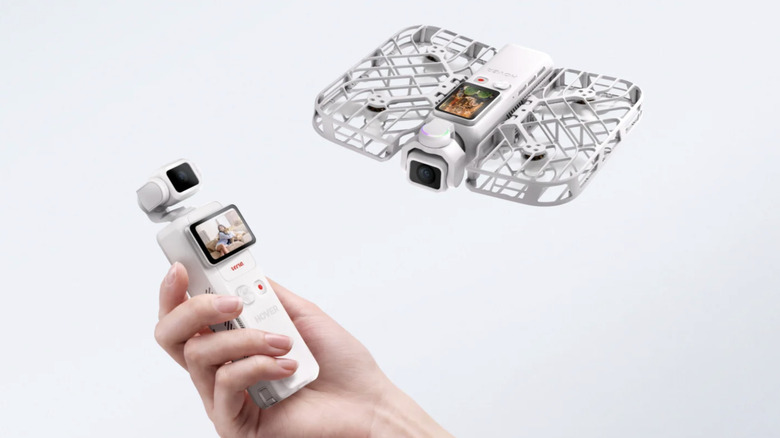
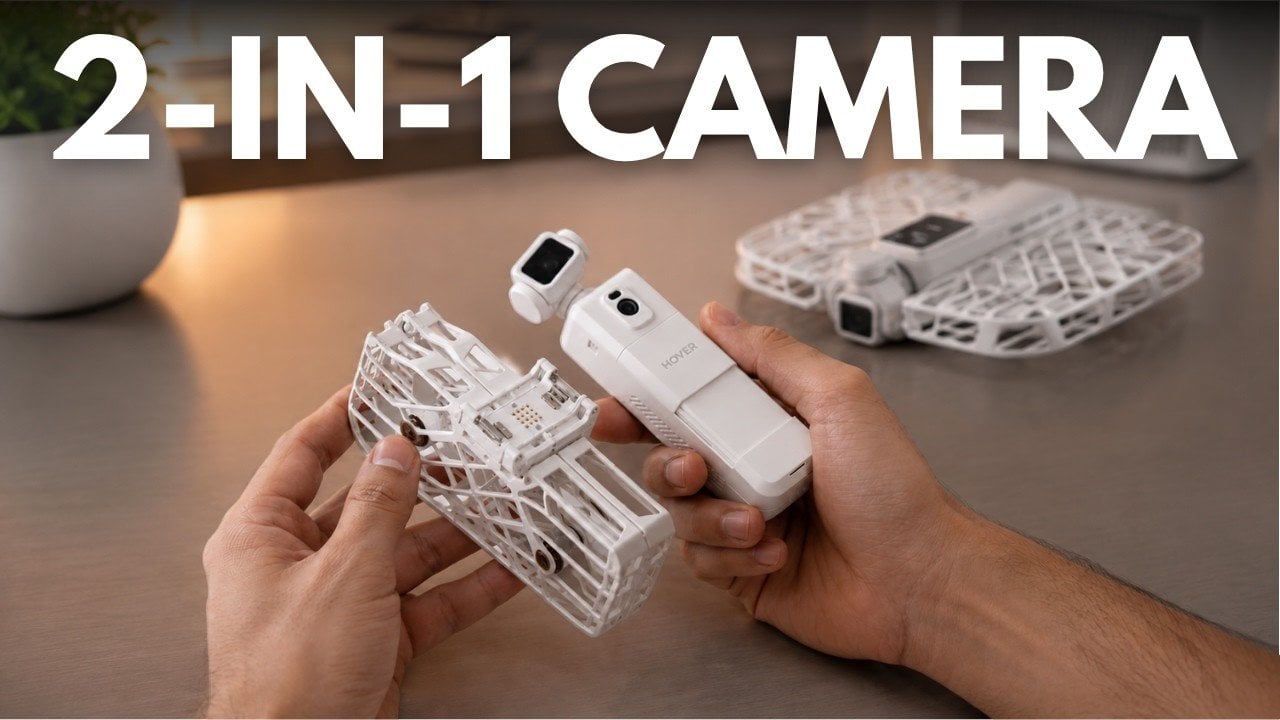
HoverAir Versa Combines a 3-Axis Gimbal and Flying Drone The HoverAir Versa camera in its fully assembled hybrid drone form.

The HoverAir Versa introduces a compact hybrid device that combines the functionality of a pocket gimbal camera and a self-flying drone. Designed with modularity in mind, this system allows users to switch seamlessly between handheld and aerial modes, offering stabilized footage through a three-axis gimbal or autonomous flight with subject tracking. As highlighted by Tech […]

The post HoverAir Versa Combines a 3-Axis Gimbal and Flying Drone appeared first on Geeky Gadgets.

Posted in Uncategorized

Students Built the Best Seat at This Music Festival From Scraps

Music festivals spend a lot of money on stages. Big rigs, elaborate lighting systems, branded tents that block your view of the mountains. And then someone comes along with 4-meter timber beams, an orange safety net, and a sheet of reflective construction foil, and quietly outdoes all of it.

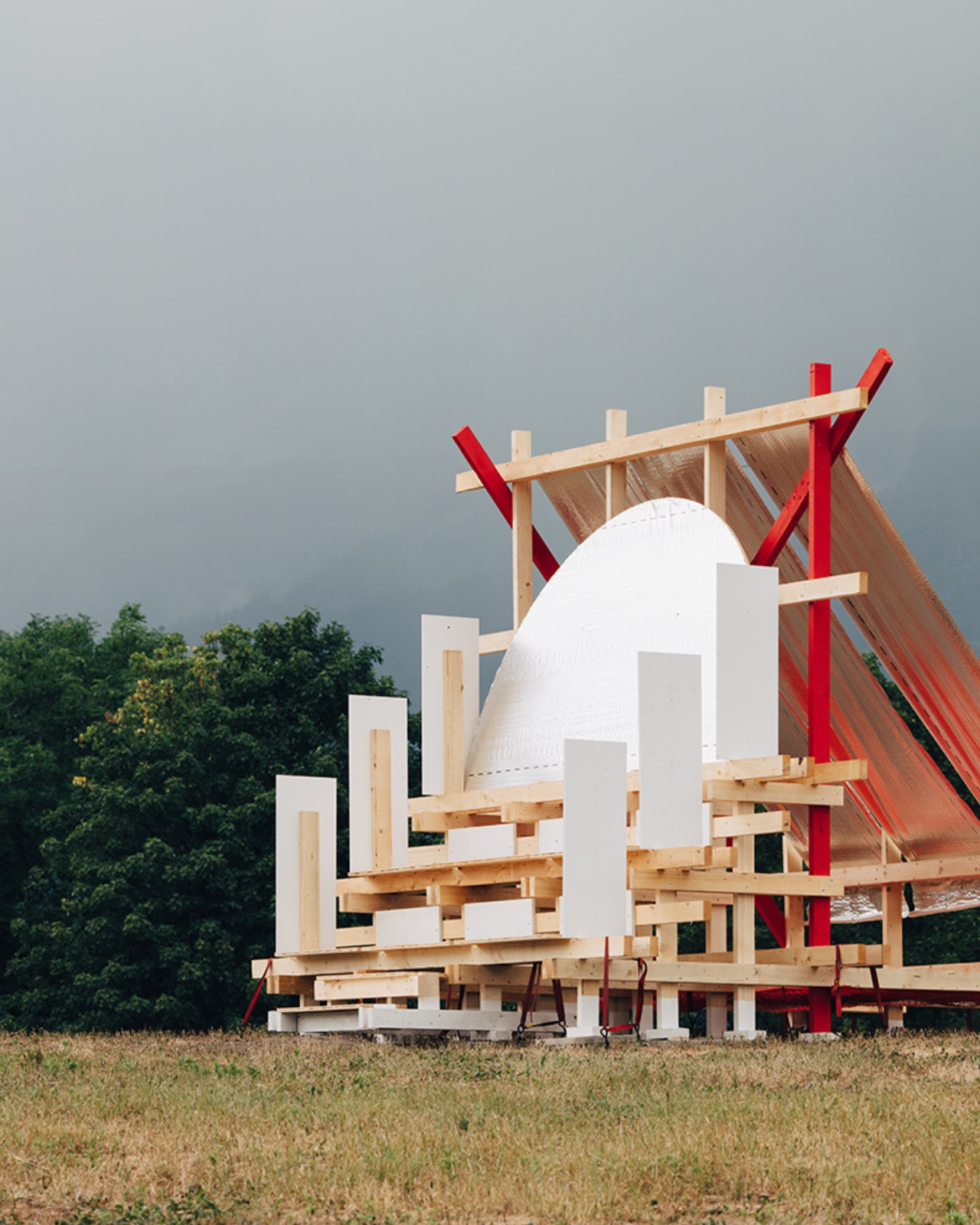
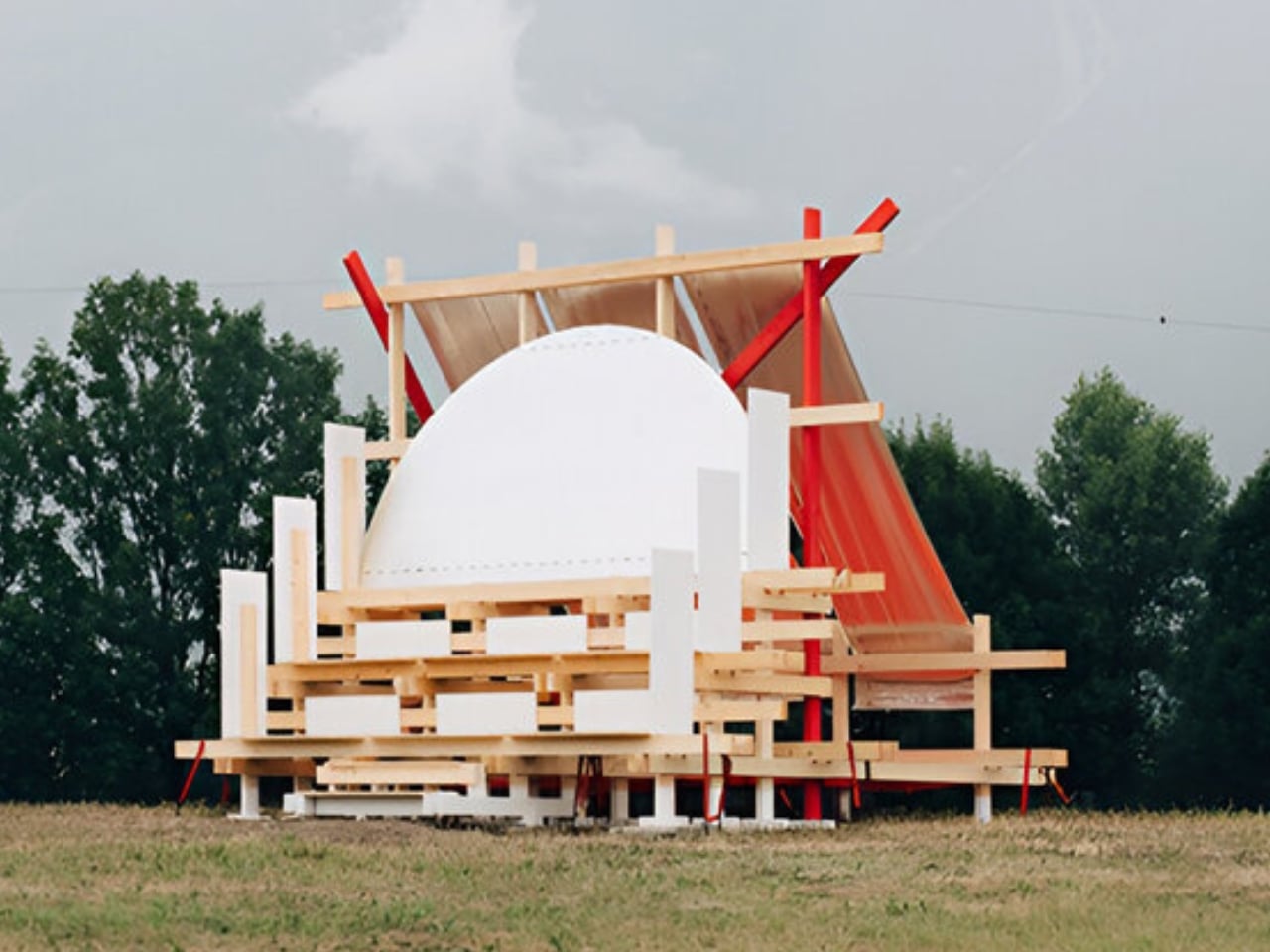
The Gabonsa Pavilion is exactly that kind of project. Designed and built by architecture students from Hochschule Kaiserslautern University of Applied Sciences, in collaboration with Innsbruck-based collectives Gans Anders and Bonanza, this 16-square-meter structure showed up at the Gabonsa Music Festival in Innsbruck, Austria, and became the most interesting thing on the grounds. Not because it was the biggest or the most polished, but because it was genuinely, almost stubbornly, thoughtful.

Designer: Hochschule Kaiserslautern University of Applied Sciences
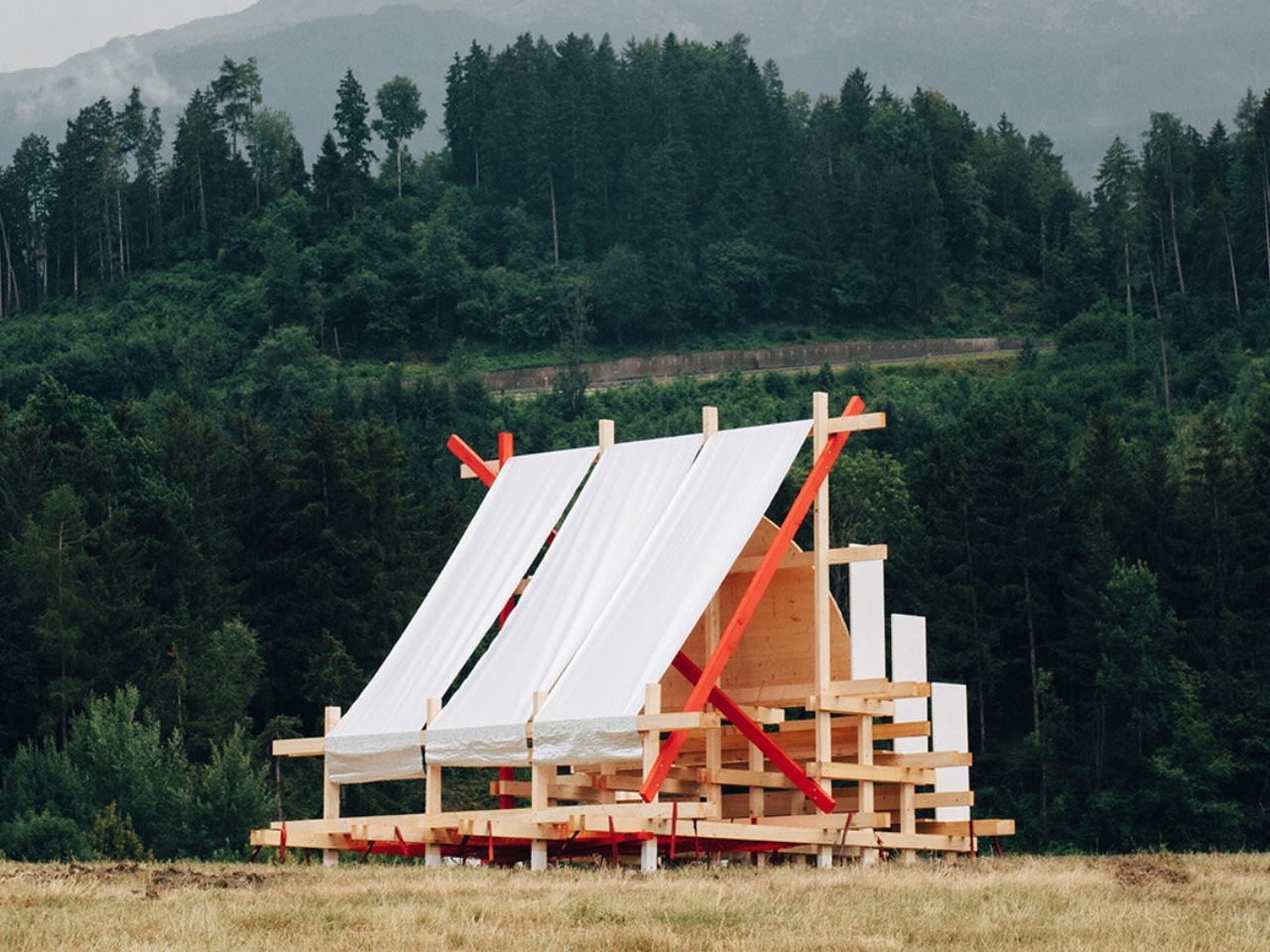
The festival itself is held at the Rossau Recreation Centre, a former municipal landfill site that the collectives have been working to reactivate as a public space through cultural events. That context matters. You’re not designing for a pristine meadow or a curated urban plaza. You’re working with land that carries industrial history, that still has a certain transience to it. The students leaned into that instead of fighting it.
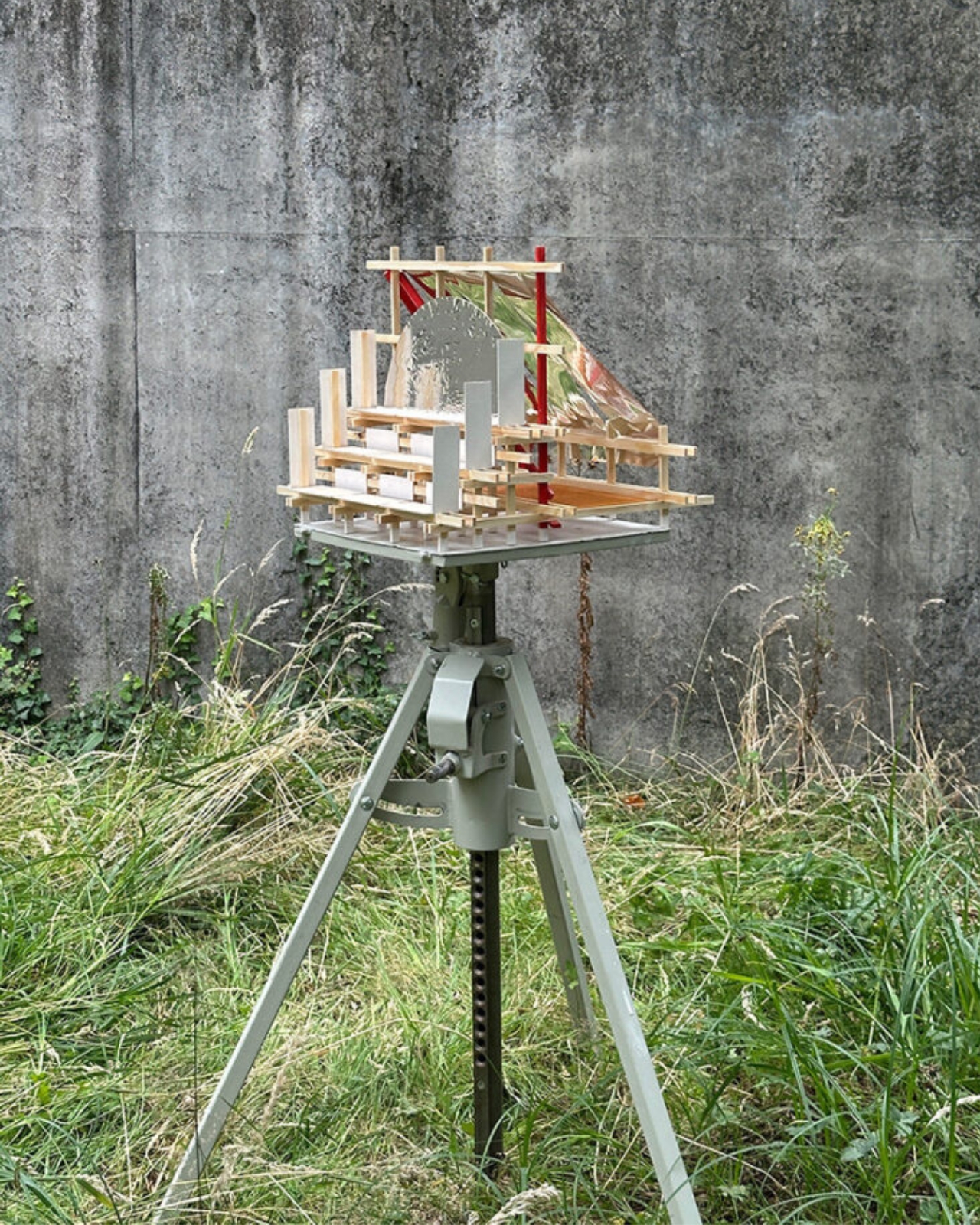
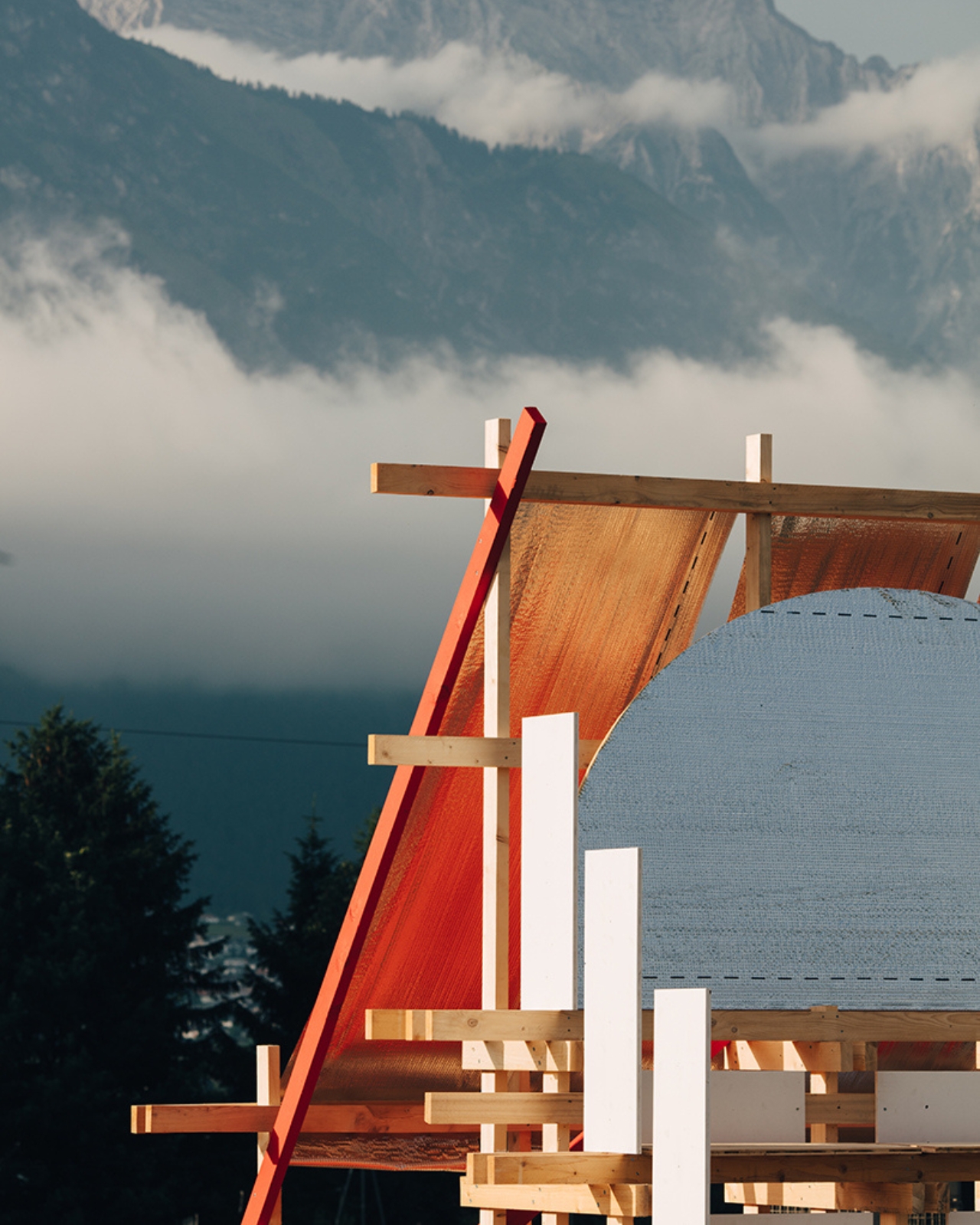
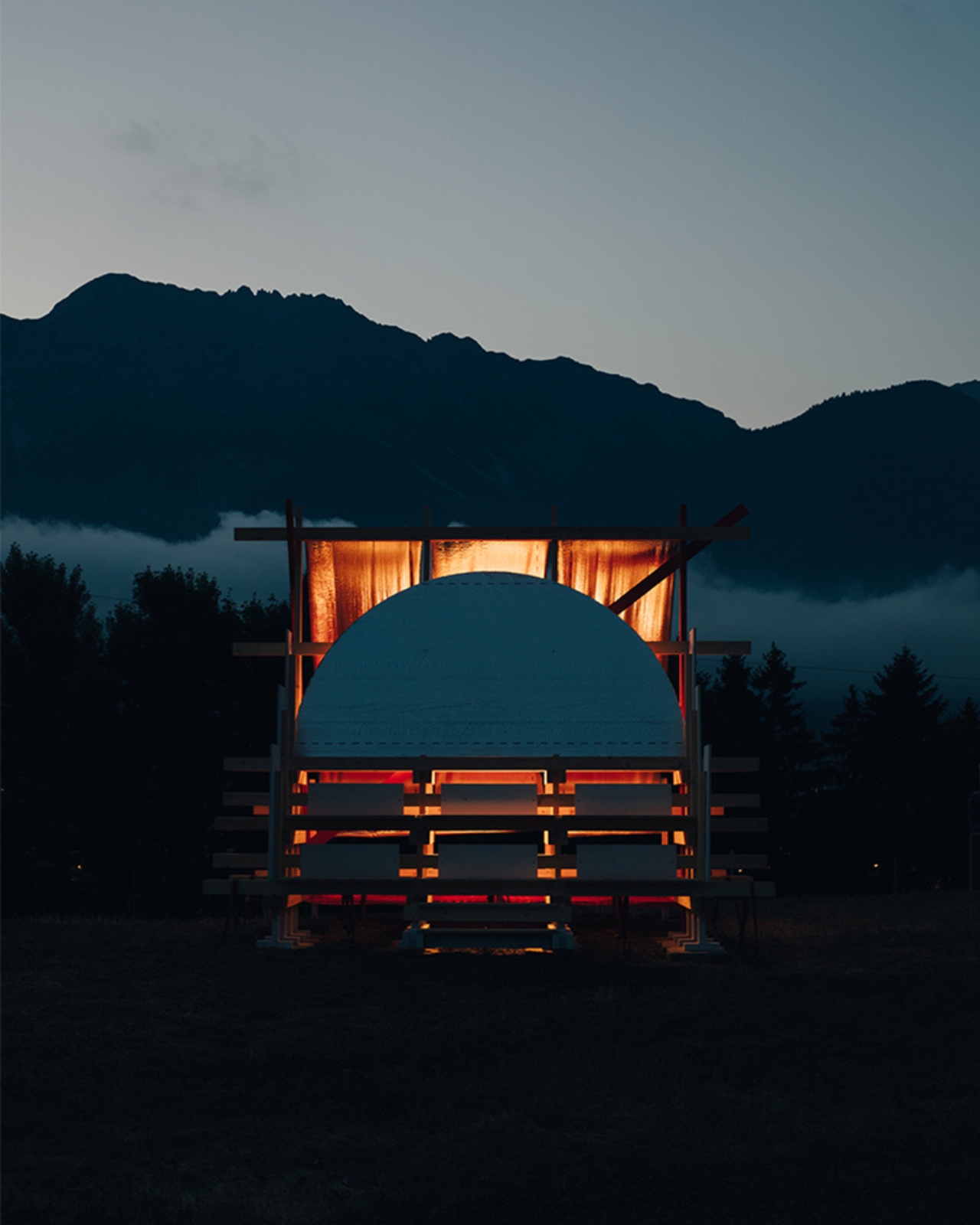
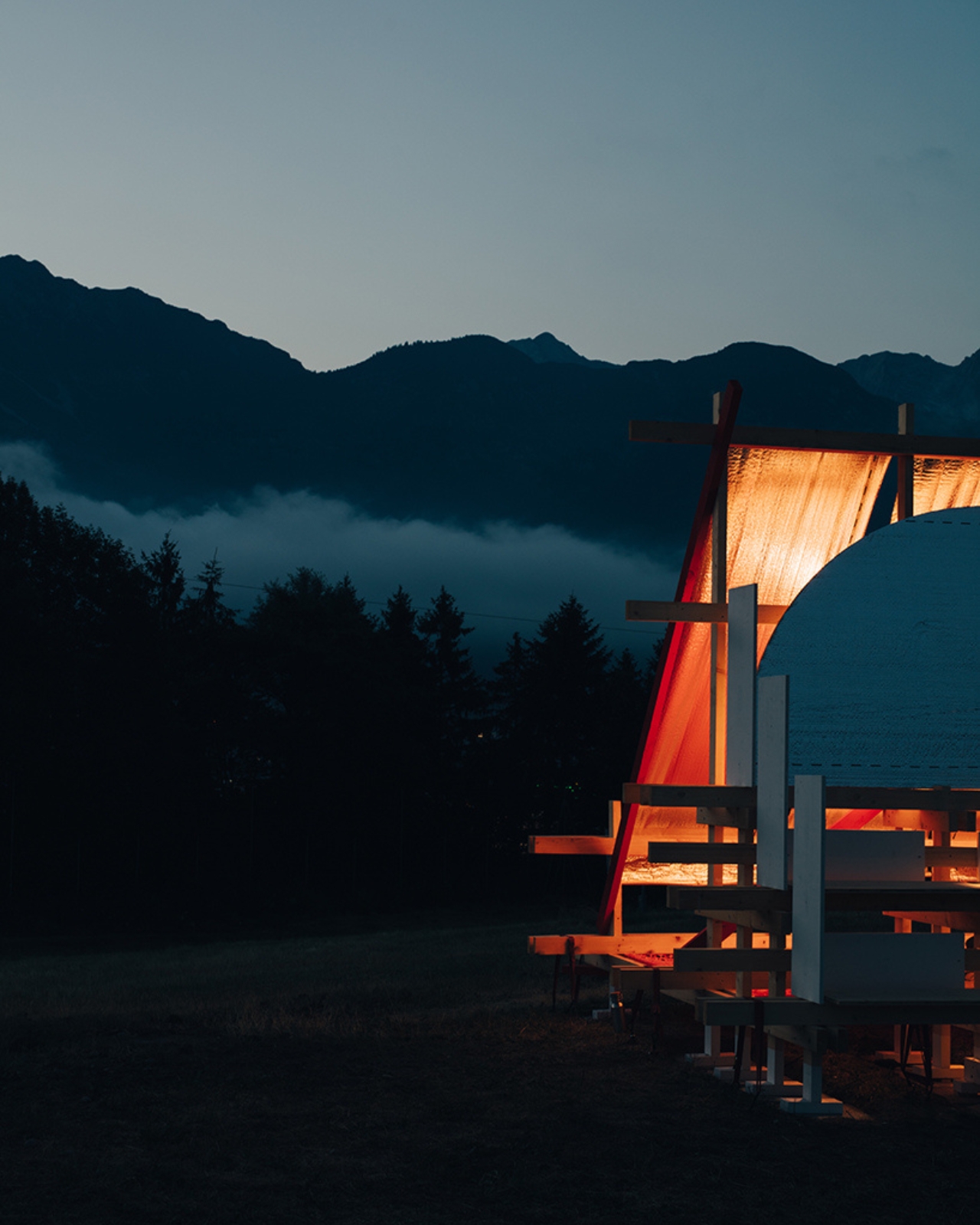
The pavilion is hard to place in a single category. The architects describe it as a hybrid structure at the intersection of furniture, installation, and architecture, and that’s probably the most accurate way to put it. It’s terraced and positioned on a small hill between the festival’s main stage and workshop area, so it functions as a seating landscape, a gathering point, a vantage spot, and a visual landmark, all at once. On paper, that sounds like a design student brief. In practice, it actually works.
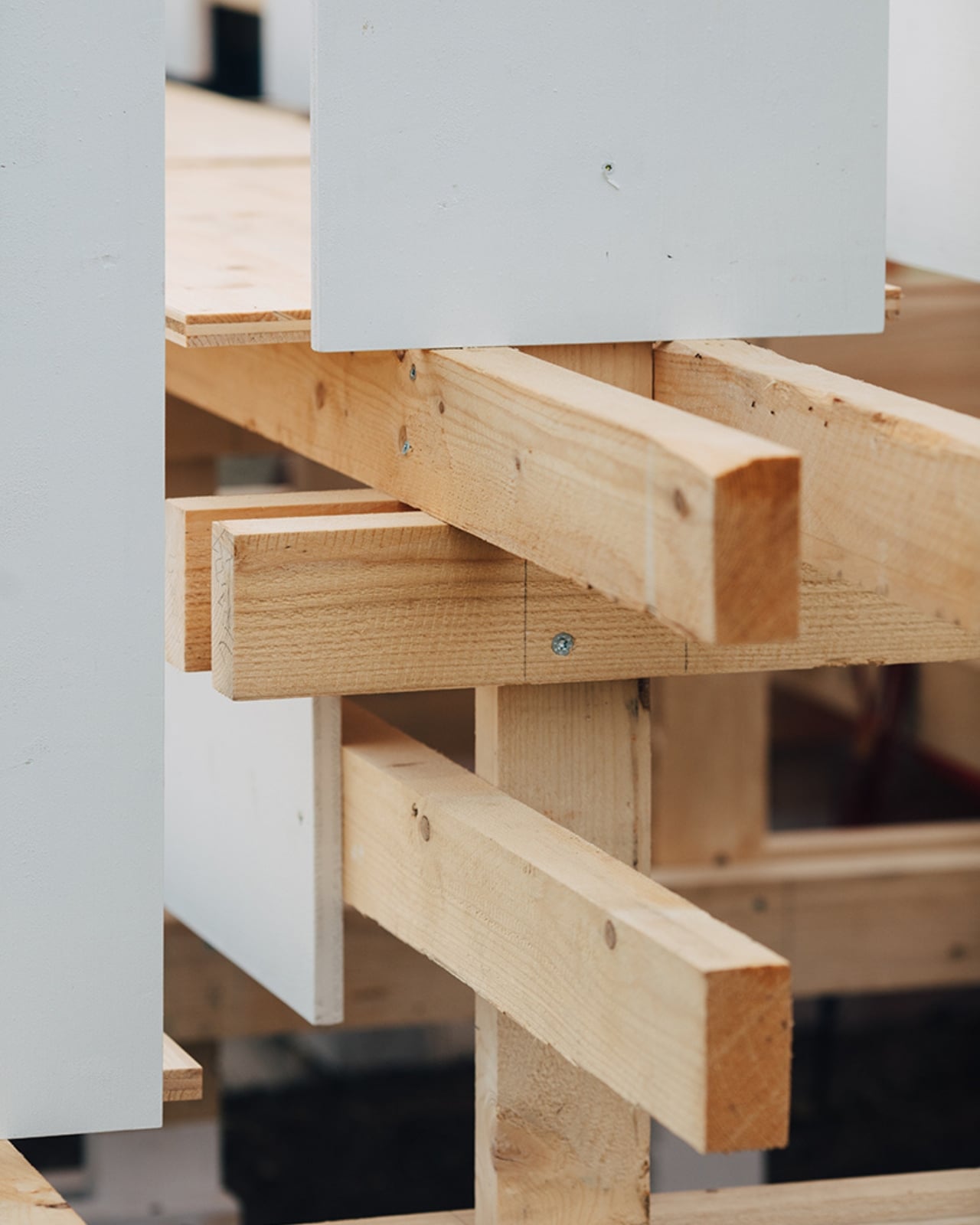
What makes it interesting isn’t the scale. It’s the material logic. The whole thing is built from 4-meter timber beams connected with screw joints, no adhesives, no cast connections, nothing that would prevent you from taking it apart later. Most of the timber was cut only where structurally necessary, meaning the beams can be reused after the festival in nearly their original form. For a student project, that level of discipline around circular construction is impressive. It’s one thing to talk about sustainability in a presentation. It’s another to build it into the fasteners.
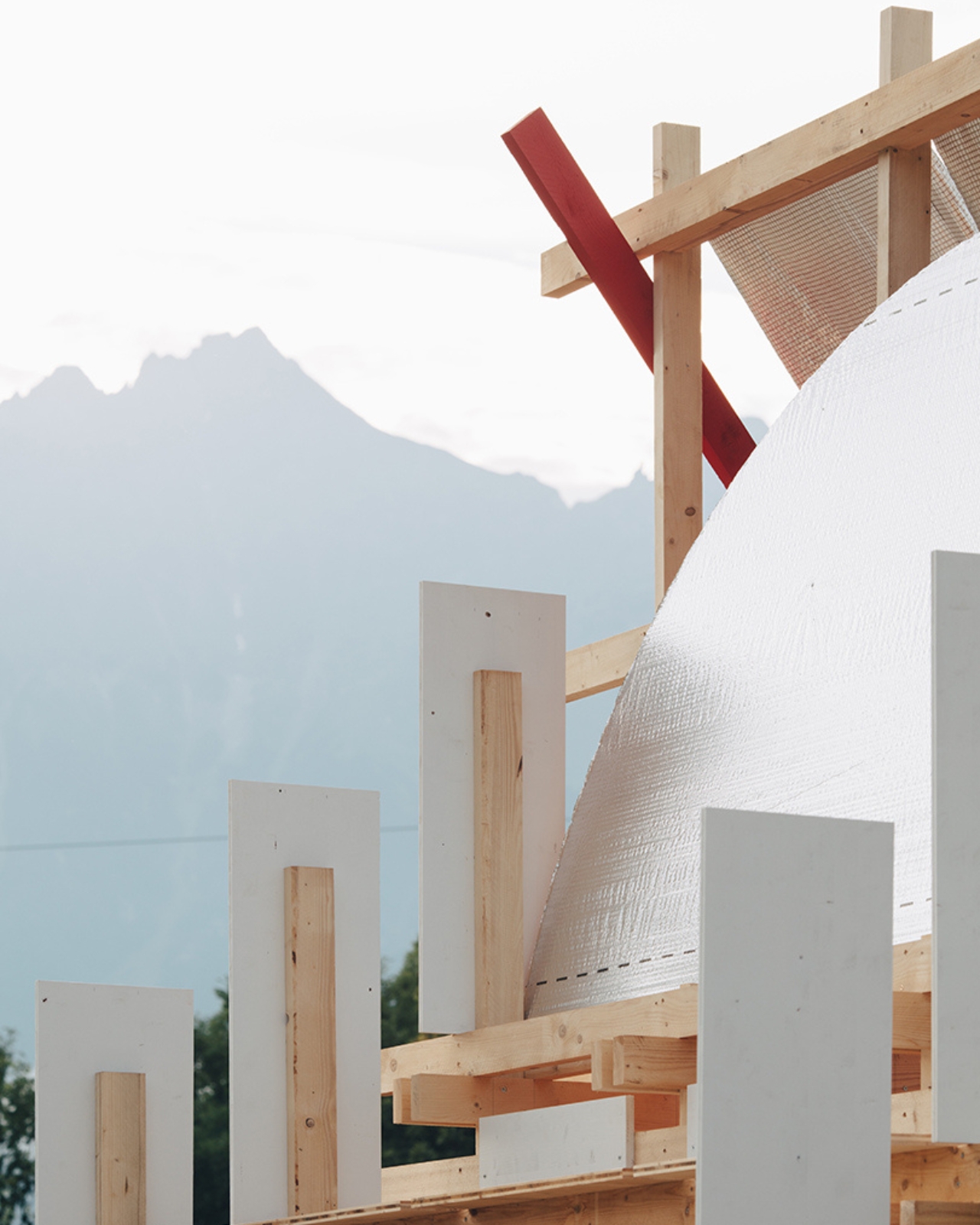
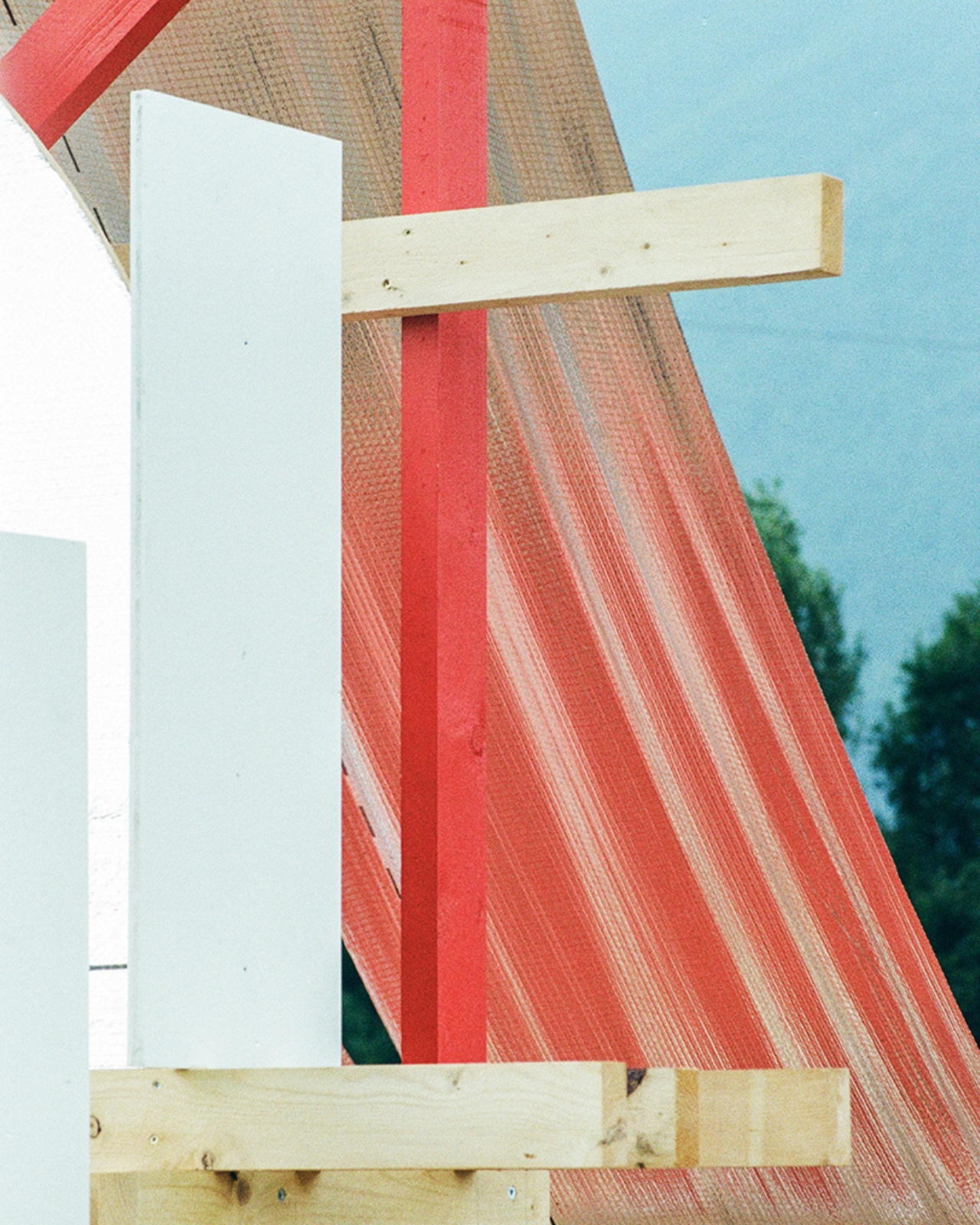
The materials push it further. A semicircular element clad in reflective construction foil catches the sky and the surrounding mountain landscape, turning an ordinary building wrap into something that genuinely earns its place on the site. A canopy made from aluminium vapour barrier creates shade. Hanging beneath that canopy is an orange construction safety net, repurposed as a hammock. Red-painted bracing elements make the structure legible, turning the engineering into part of the aesthetic. None of these are precious materials. They’re the kind of things you’d find on any construction site. But here they’ve been treated with enough intention that they read as deliberate design, not improvisation.
I think that’s what distinguishes student work at this level: the willingness to be modest about means without being modest about ideas. The Gabonsa Pavilion is not trying to be a statement pavilion. It’s not angling for an architecture prize or an Instagram moment. It’s trying to do a specific job well, serve people at a festival, occupy a complicated site with some grace, and leave without making a mess of it. That’s a harder design brief than it sounds.
The project also says something worth noting about the current direction of temporary architecture. Festival infrastructure has long defaulted to either the spectacular (giant LED structures with five-figure budgets) or the disposable (generic tents and fencing that treat space as neutral background noise). The Gabonsa Pavilion proposes a third option: something careful, context-aware, and genuinely reusable. Whether that becomes a model or remains an exception probably depends on whether the people commissioning festival spaces start asking different questions. For now, 16 square meters of timber, foil, and net made one Innsbruck landfill feel worth sitting in. That’s not nothing.
The post Students Built the Best Seat at This Music Festival From Scraps first appeared on Yanko Design.
12 Overlooked Details on the Samsung Galaxy Z Fold 8 Ultra

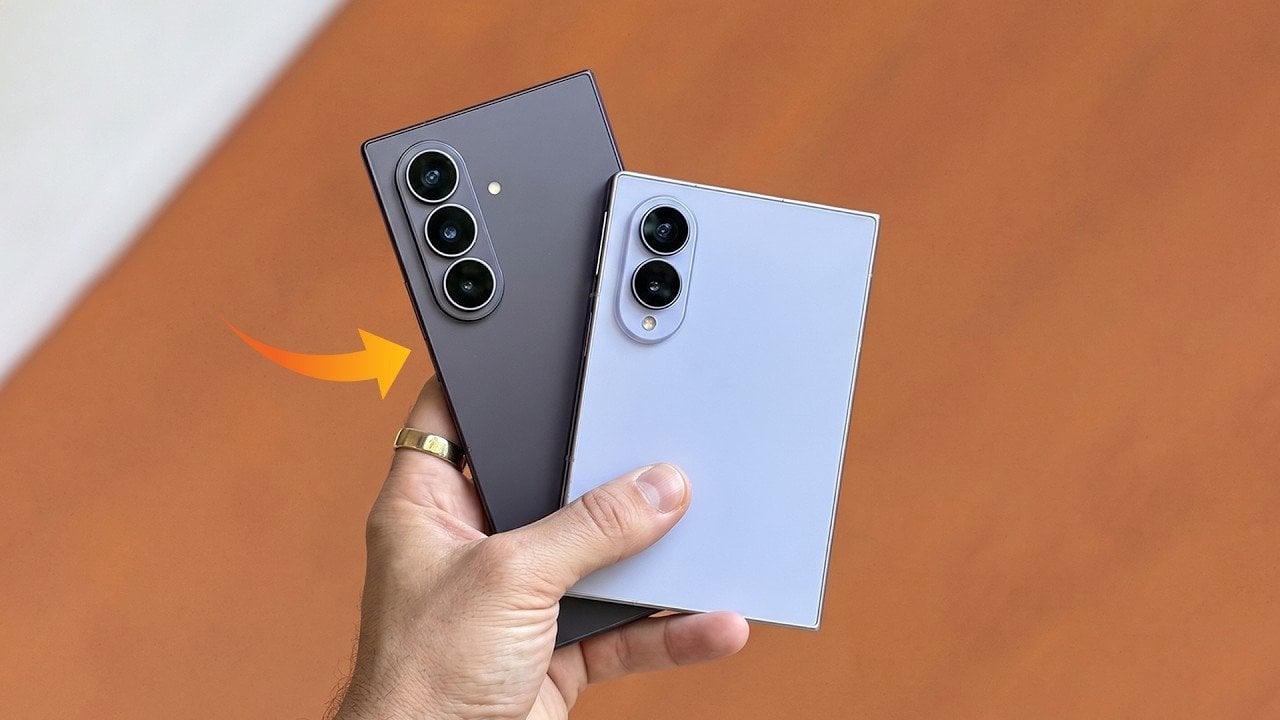
12 Overlooked Details on the Samsung Galaxy Z Fold 8 Ultra The inner folding display of the Samsung Galaxy Z Fold 8.

The Samsung Galaxy Z Fold 8 and Z Fold 8 Ultra represent the forefront of foldable smartphone technology, showcasing a mix of innovative features and controversial design decisions. These devices highlight Samsung’s ongoing efforts to balance aesthetics, functionality, and user expectations in a competitive market. Below, we explore the most significant aspects of these models, […]

The post 12 Overlooked Details on the Samsung Galaxy Z Fold 8 Ultra appeared first on Geeky Gadgets.

Posted in Uncategorized

Install OpenClaw on Even Realities G2 for AI Task Support

Install OpenClaw on Even Realities G2 for AI Task Support Even Realities G2 smart glasses resting on a desk next to a smartphone.

Running an AI assistant on Even Realities G2 smart glasses involves integrating specific frameworks and secure networking solutions to create a functional system. According to Tech with Spencer, this process combines OpenClaw, which manages AI sessions and communication with providers like OpenAI and OpenClaw, which adapts these capabilities for use with smart glasses. For example, […]

The post Install OpenClaw on Even Realities G2 for AI Task Support appeared first on Geeky Gadgets.

Posted in Uncategorized

Apple Releases macOS 26.6 Tahoe With Important Security Features

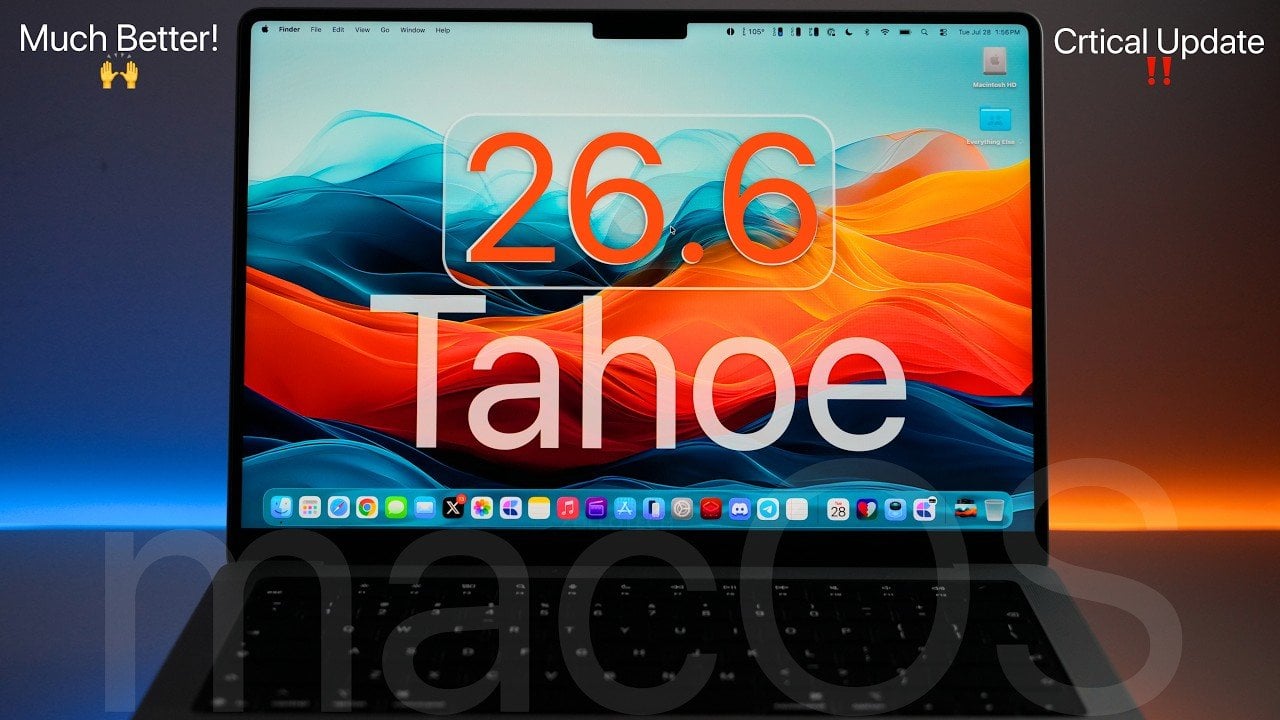
Apple Releases macOS 26.6 Tahoe With Important Security Features The macOS software update screen showing the Tahoe download

Apple has officially rolled out macOS 26.6 Tahoe, marking a significant update for all devices running macOS 26. This release focuses on enhancing security, stability, and performance, while also laying the groundwork for the upcoming macOS 27 Golden Gate. With over 150 security patches and a host of bug fixes, this update is essential for […]

The post Apple Releases macOS 26.6 Tahoe With Important Security Features appeared first on Geeky Gadgets.

Posted in Uncategorized

6 Home Wind Turbines from $900: the Future of Home Power?

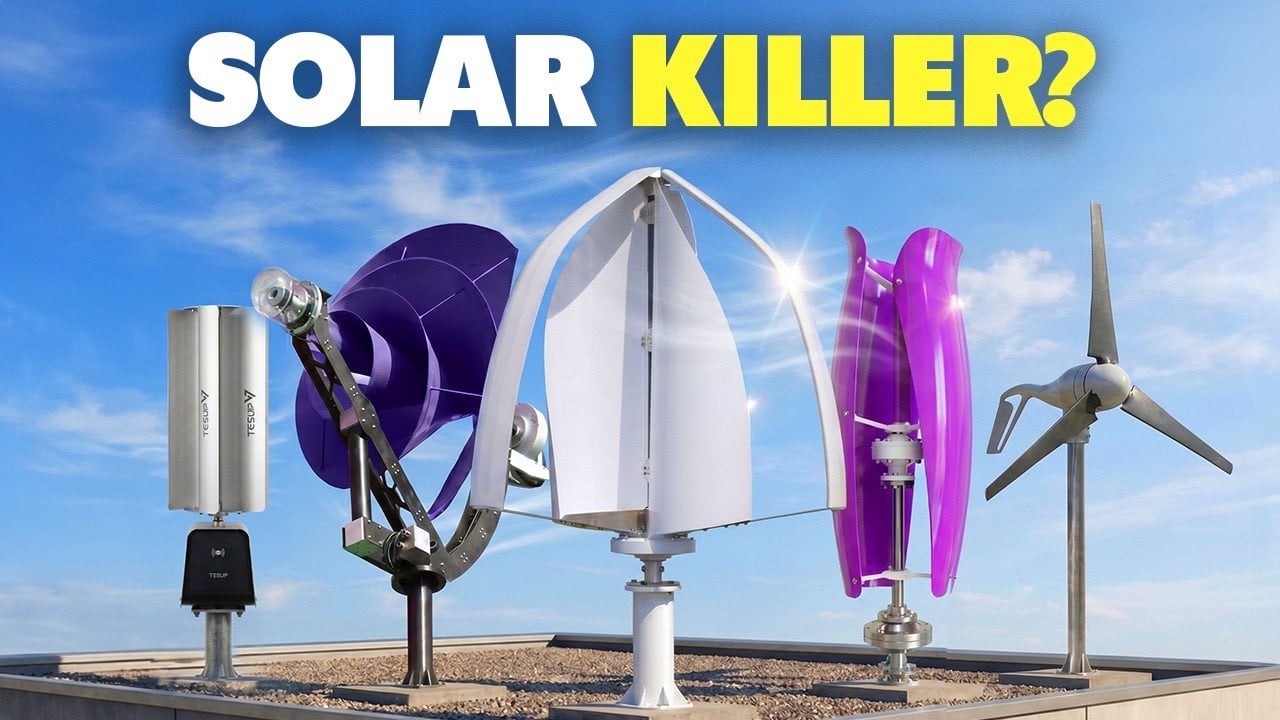
6 Home Wind Turbines from $900: the Future of Home Power? The Tessup Atlas vertical axis wind turbine spinning on a residential roof.

Wind turbines are emerging as a practical solution for homeowners seeking renewable energy and Wild Line explores six designs that stand out for their efficiency and adaptability. Among them, the Tessup Atlas offers a compact vertical axis design, ideal for urban and suburban areas with turbulent or low-altitude winds. With minimal noise and vibration, it […]

The post 6 Home Wind Turbines from $900: the Future of Home Power? appeared first on Geeky Gadgets.

Posted in Uncategorized

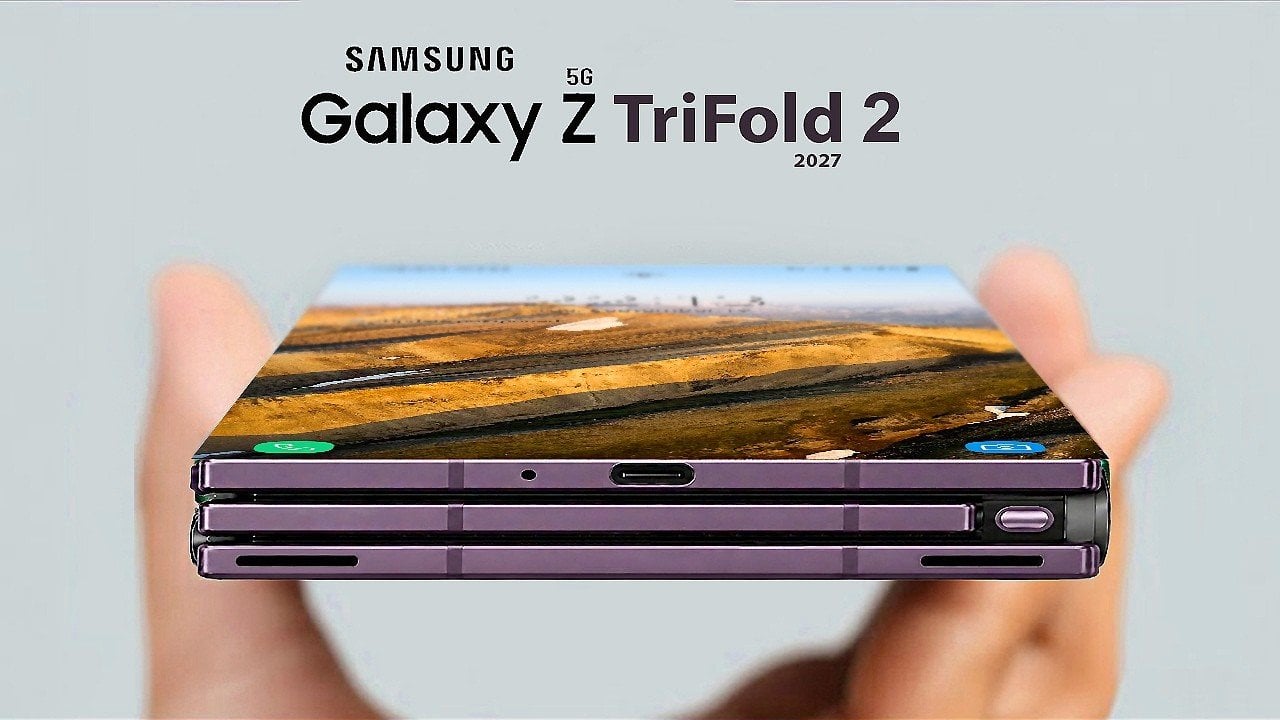
Latest Release Date Rumors for Samsung Galaxy Z Trifold 2

Latest Release Date Rumors for Samsung Galaxy Z Trifold 2 A conceptual rendering of the upcoming Samsung Galaxy Z Trifold device.

Samsung is preparing to unveil the Galaxy Z Trifold 2, the successor to its new trifolding smartphone concept. Expected to debut as part of Samsung’s 2027 foldable lineup, this device aims to refine its trifolding display technology while appealing to a broader audience. This development highlights Samsung’s ongoing commitment to advancing foldable technology and addressing […]

The post Latest Release Date Rumors for Samsung Galaxy Z Trifold 2 appeared first on Geeky Gadgets.

Posted in Uncategorized

This Pen Case and Desk Stand Are the Same Object, and It’s Magnetic

The pen case is one of those objects that nobody seems to have genuinely rethought. The standard design is a zippered pouch: pens go in, pens pile up, you dig through until you find the right one, and then you close it again. That sequence repeats itself a dozen times a day, and most of the friction happens in that brief moment between needing a pen and actually having it in hand.

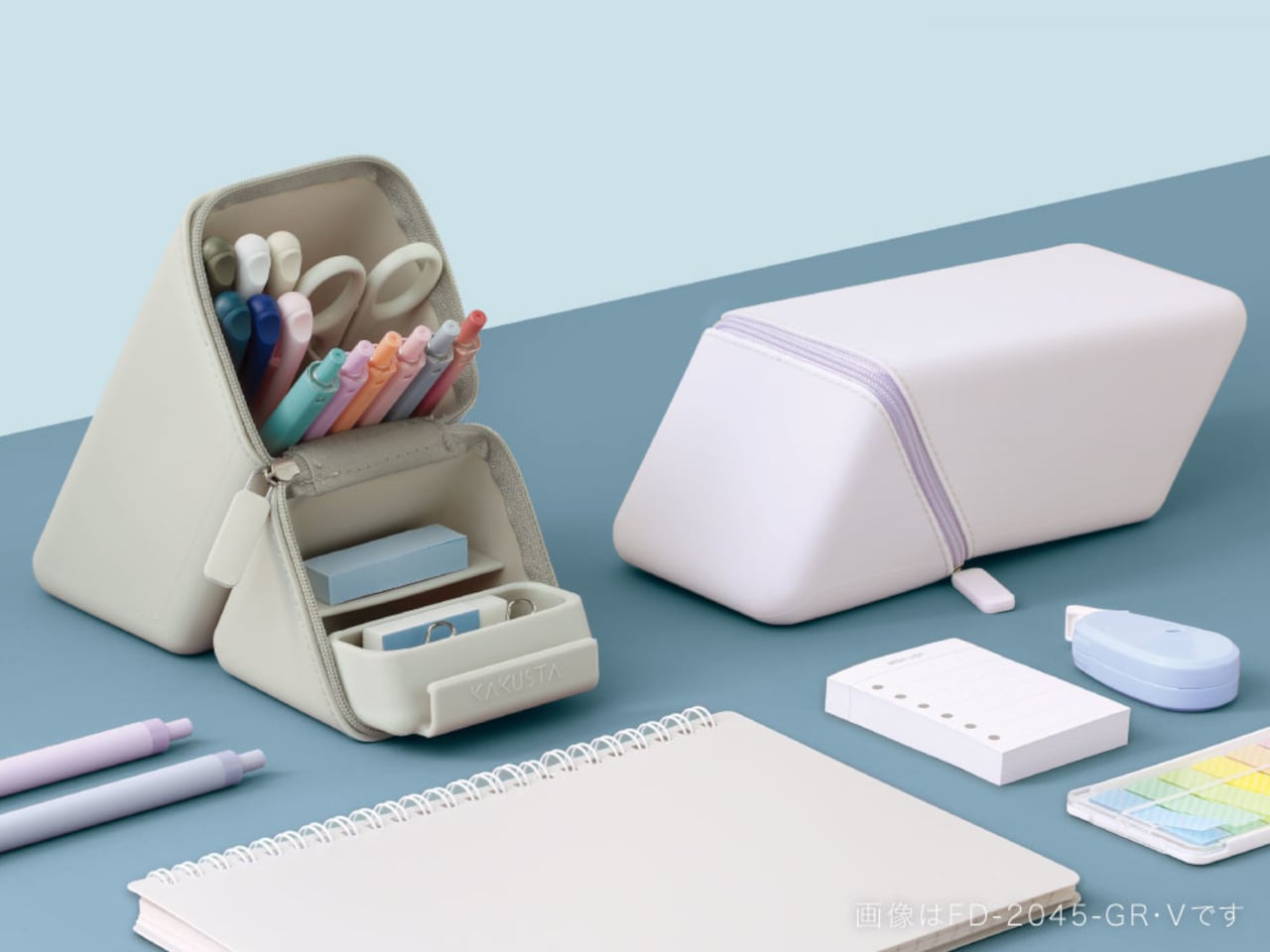
Sonic, a Japanese stationery manufacturer, focused specifically on that moment. Their Kakusta Portable Pen Holder is a silicone case that converts into an upright pen stand with a single unzip and fold. The idea isn’t just about carrying pens more conveniently; it’s about changing how you interact with them once you sit down to work, which is a different design problem entirely from making a better pouch.

Designer: Sonic

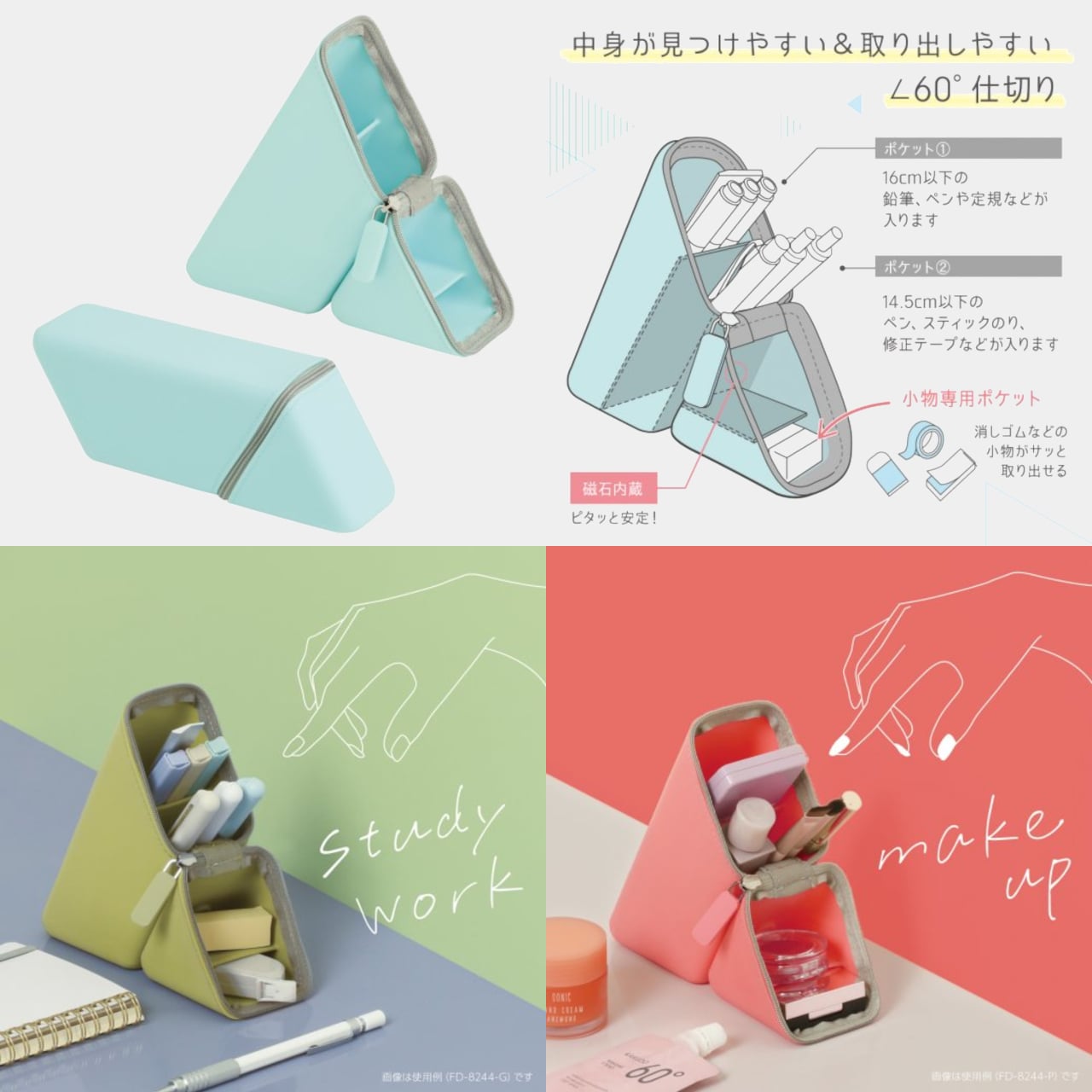
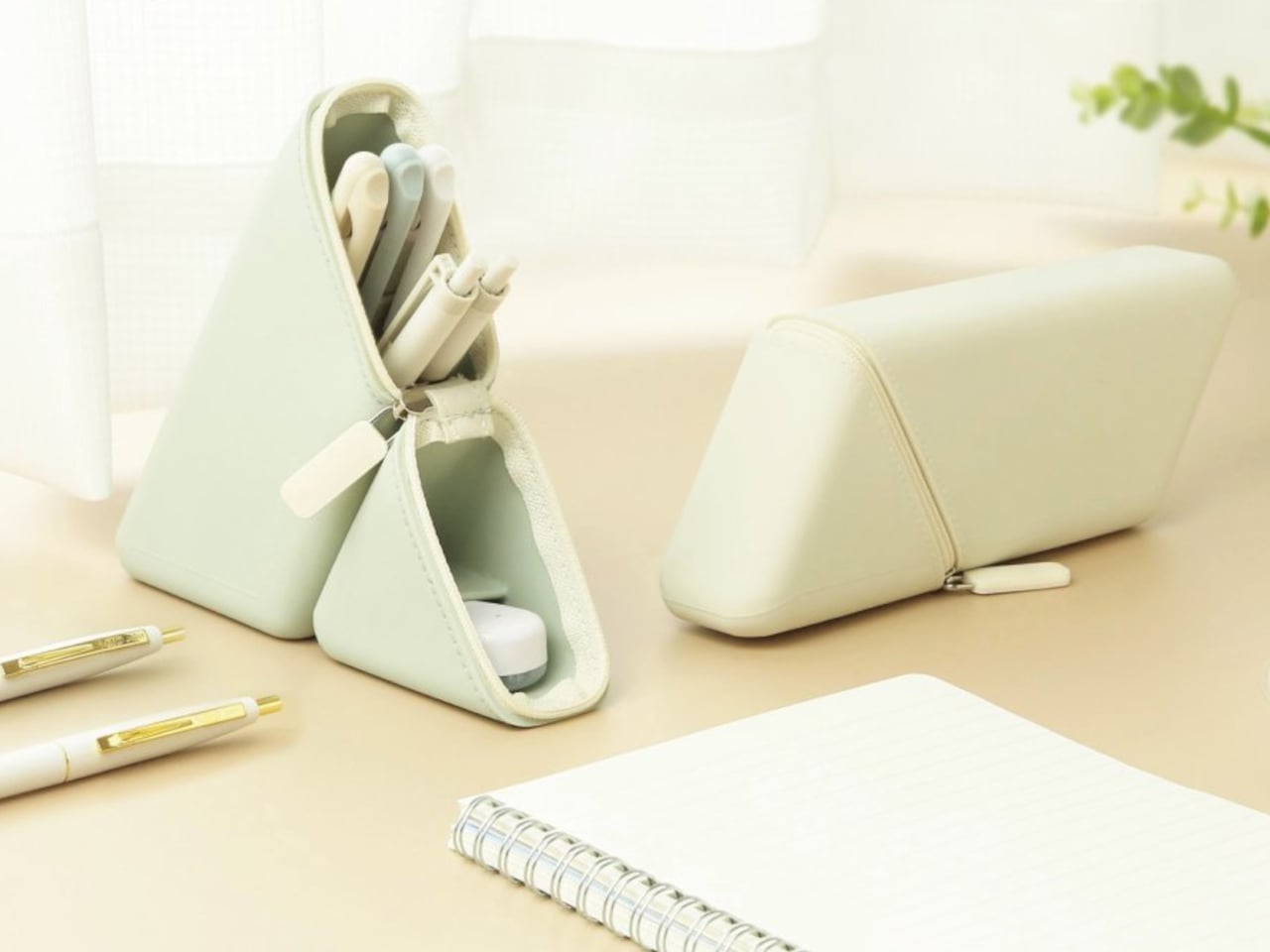
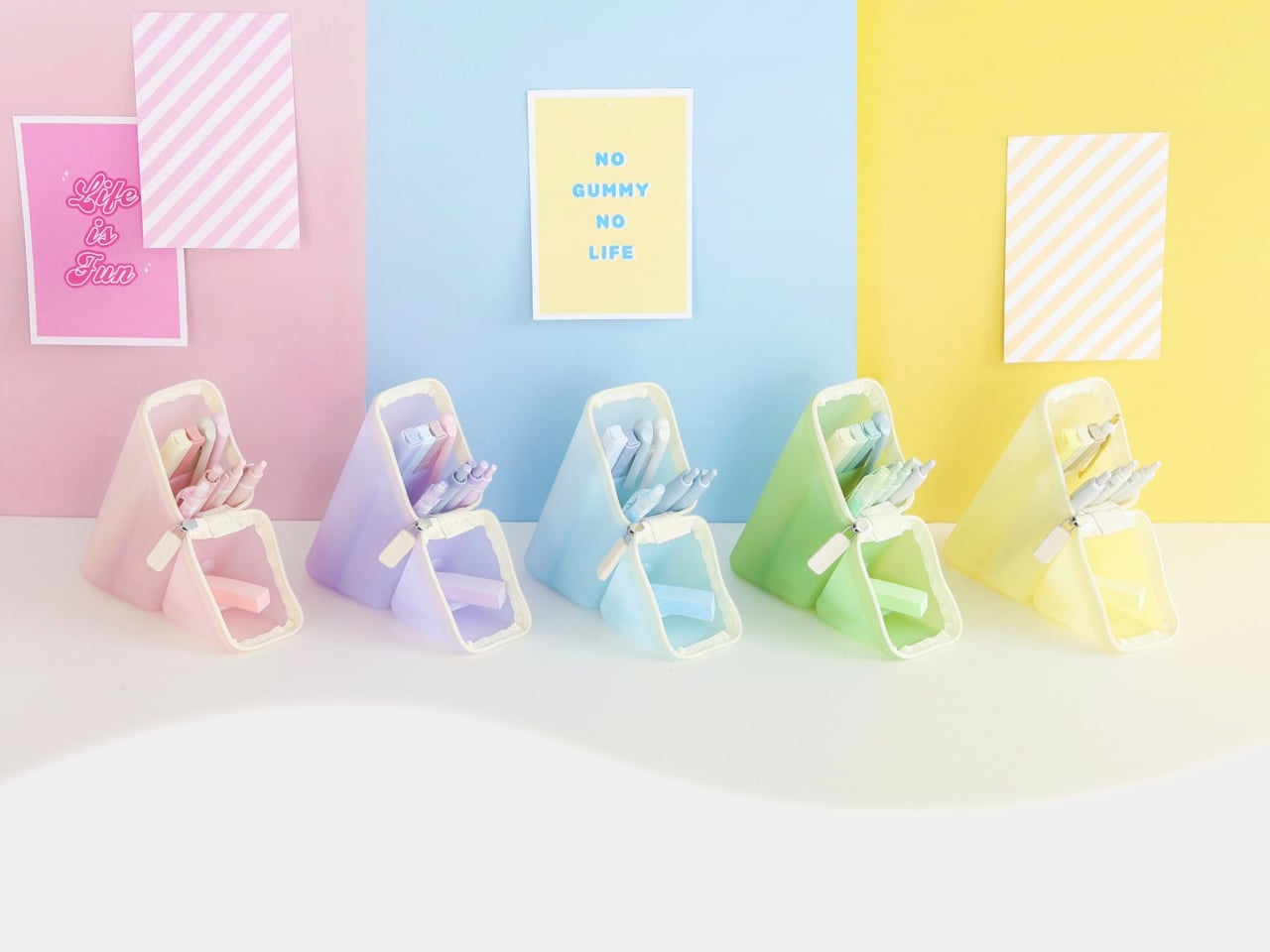
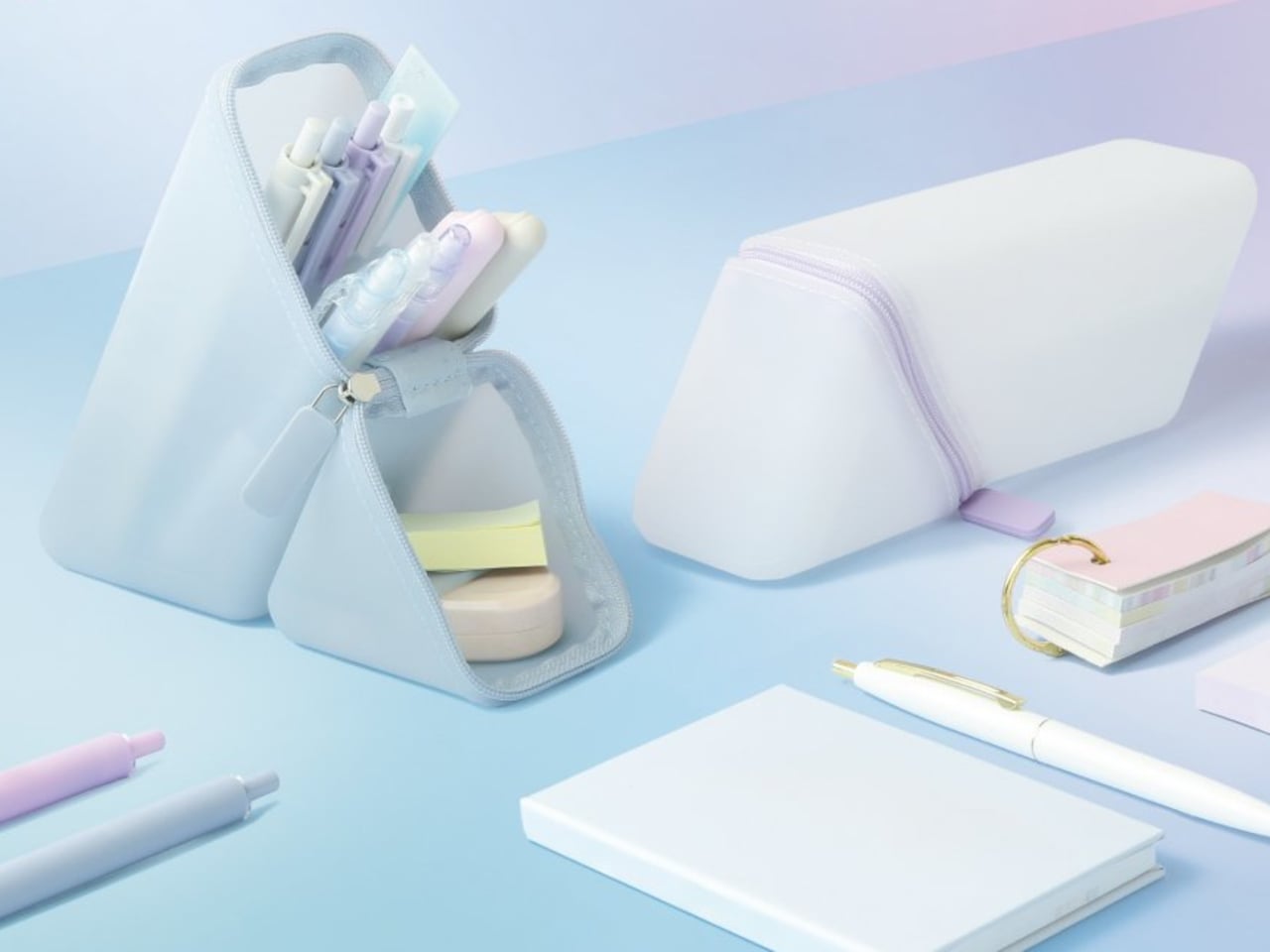
The transformation is central to the whole concept. When closed, the Kakusta is a flat, parallelogram-shaped case that fits easily in a bag pocket. Unzip it, fold the lid back, and it forms a triangular stand held in position by built-in magnets. Nothing needs to be assembled, no extra base is required, and there’s nothing to lose. The carrying case and the desktop holder are the same object.

The interior follows the same logic. The 60-degree angled dividers run across the base of the stand, keeping each pen tilted and visible rather than lying flat against the others. In a conventional pen pouch, finding a specific pen means pulling out several to get to it. The angled dividers let you see everything at a glance, a small improvement that adds up over a full working day.

The silicone body is flexible enough to accommodate pens of varying sizes and soft enough to compress in a bag without warping. The triangular form is stable by geometry, and the magnets keep the folded lid from springing back while you’re working. A matte surface treatment on the exterior resists dust and fingerprints, which matters for something that moves between a bag and a desk multiple times daily.

The magnets also allow the standing Kakusta to attach to metal surfaces, which is a small but genuinely useful detail. A student moving between classrooms can stick it to a locker door; someone working in an office can place it against a filing cabinet when desk space is limited. It’s the kind of secondary function that doesn’t announce itself in the pitch but gets used regularly once you notice it.

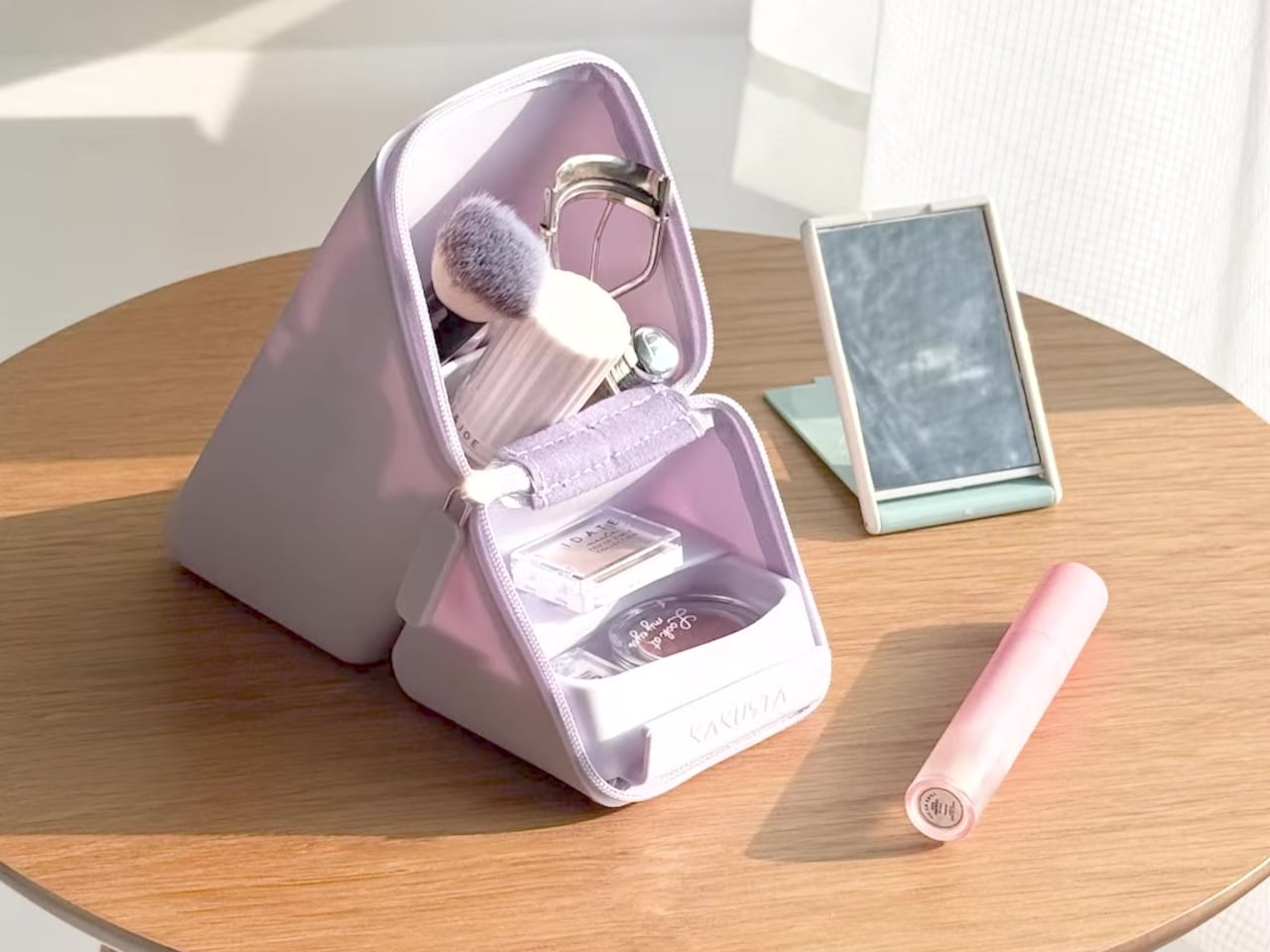
The case is compact enough to fit in a bag pocket without taking space meant for something else. Color options are restrained enough to sit on any desk without looking out of place. The palette leans toward the kind of tones that blend into a workspace rather than call attention to themselves. Kakusta is versatile enough to be used for other things, like holding makeup, proving that good design allows objects to extend beyond their initial purpose.

The post This Pen Case and Desk Stand Are the Same Object, and It’s Magnetic first appeared on Yanko Design.