Tilta’s modular iPhone case lets you swap a card holder for a kickstand

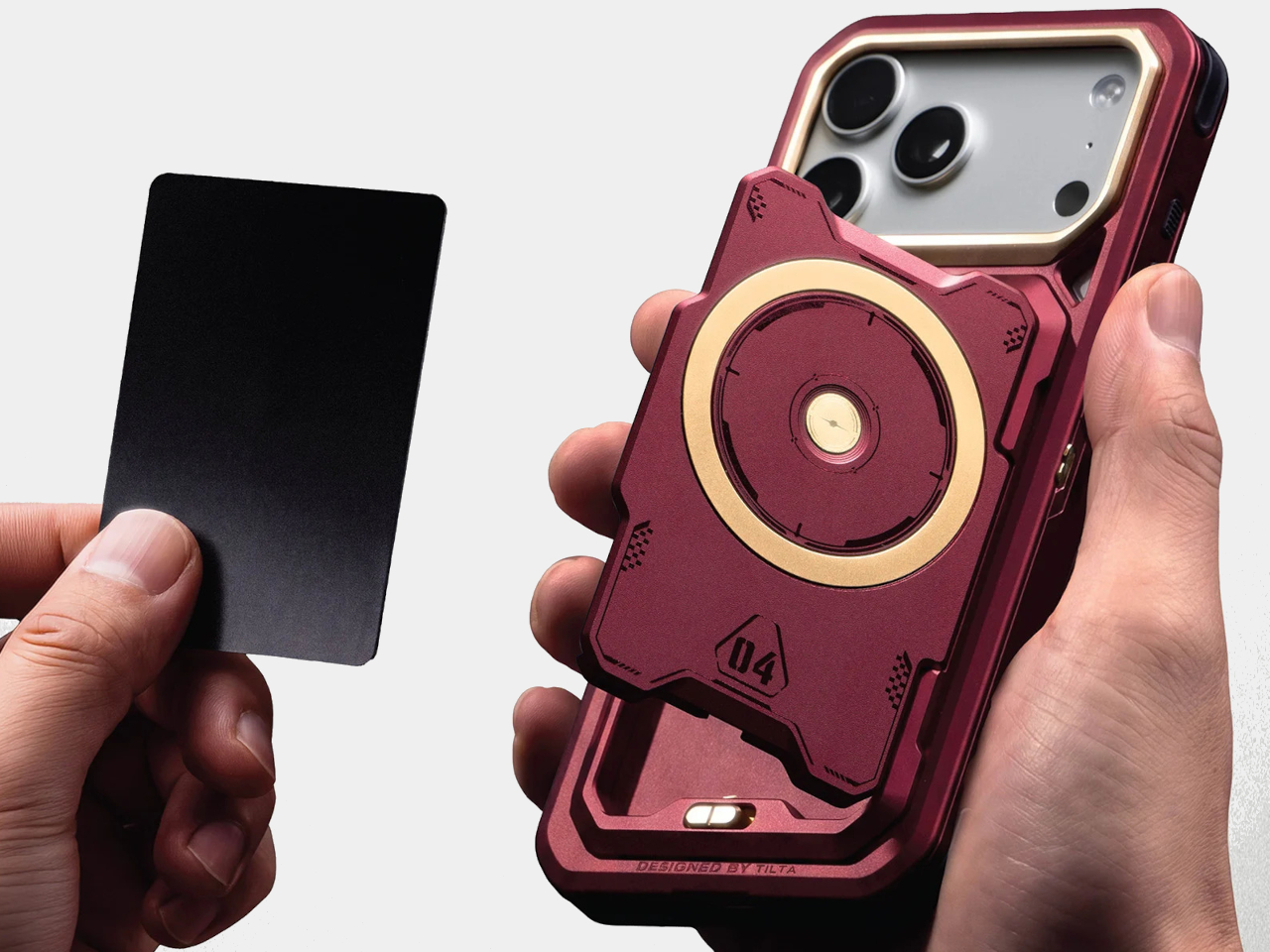
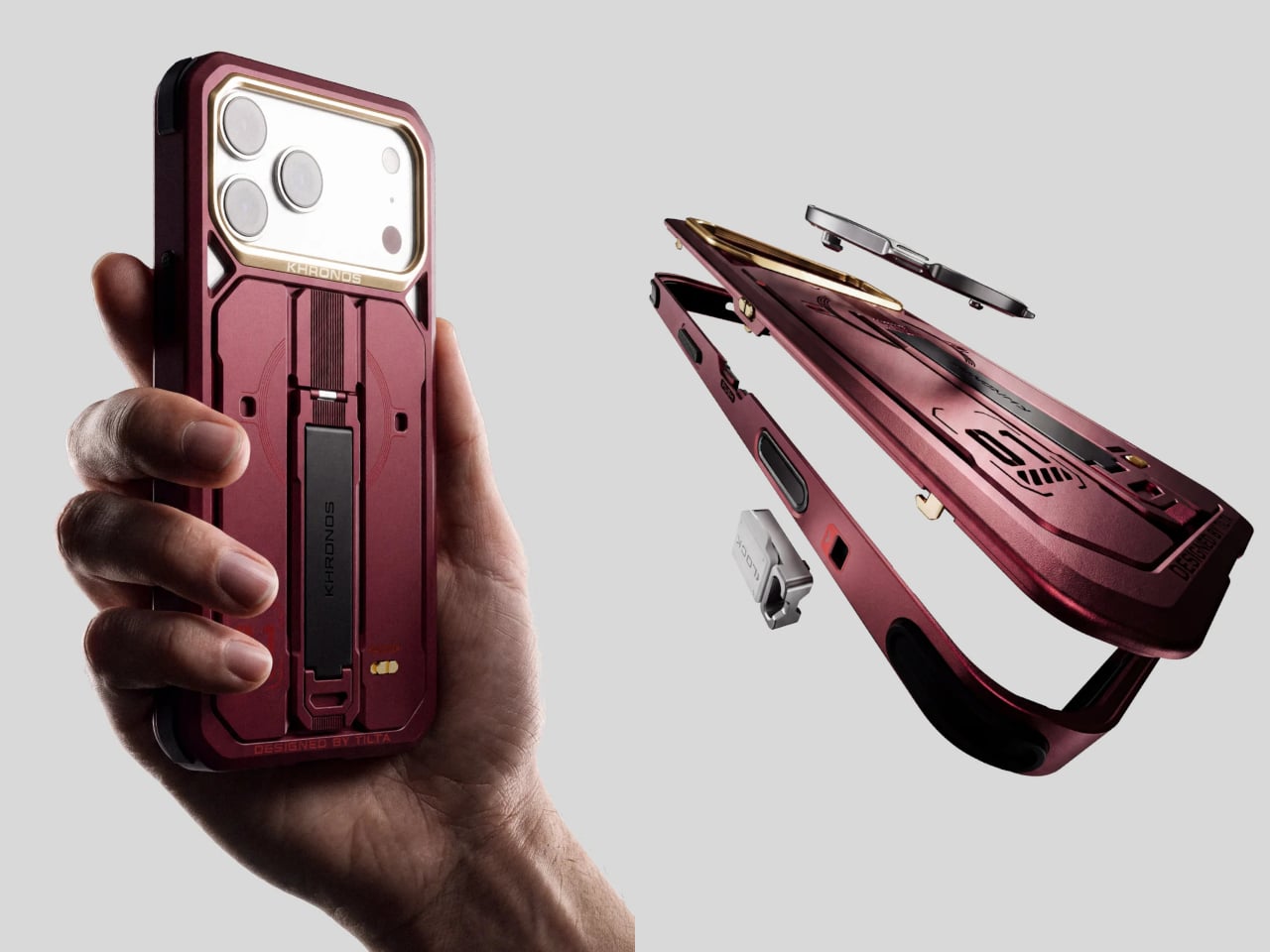
Phone cases have become accessories with accessories, from folding stands to little wallets stuck on the back. Useful as those extras can be, you might not want the same arrangement every day. To address that need, Tilta’s Khronos Core Limited Edition Kit offers four interchangeable backplates for the iPhone 18 Pro and Pro Max, changing its everyday functions without replacing the metal frame itself.

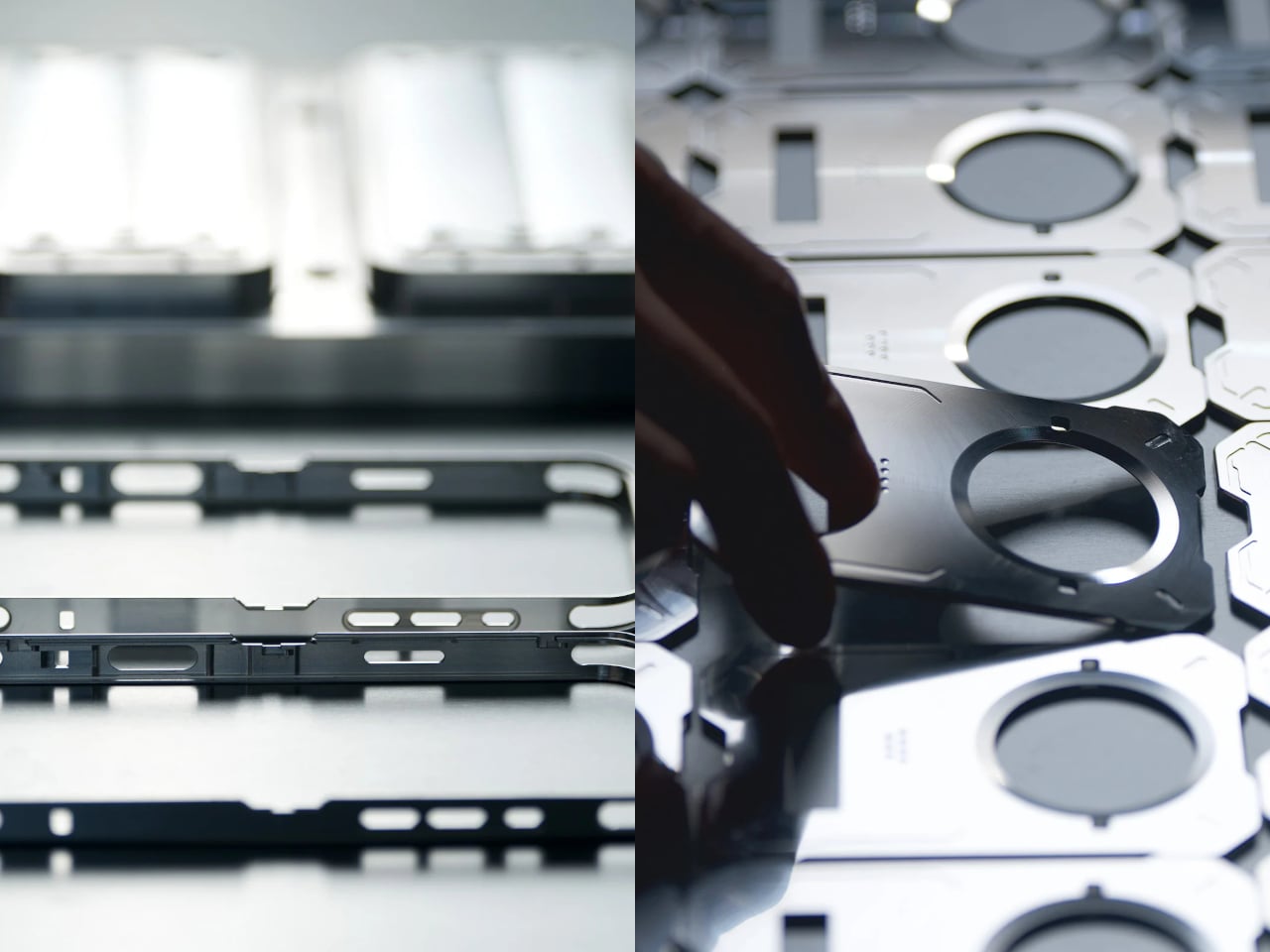
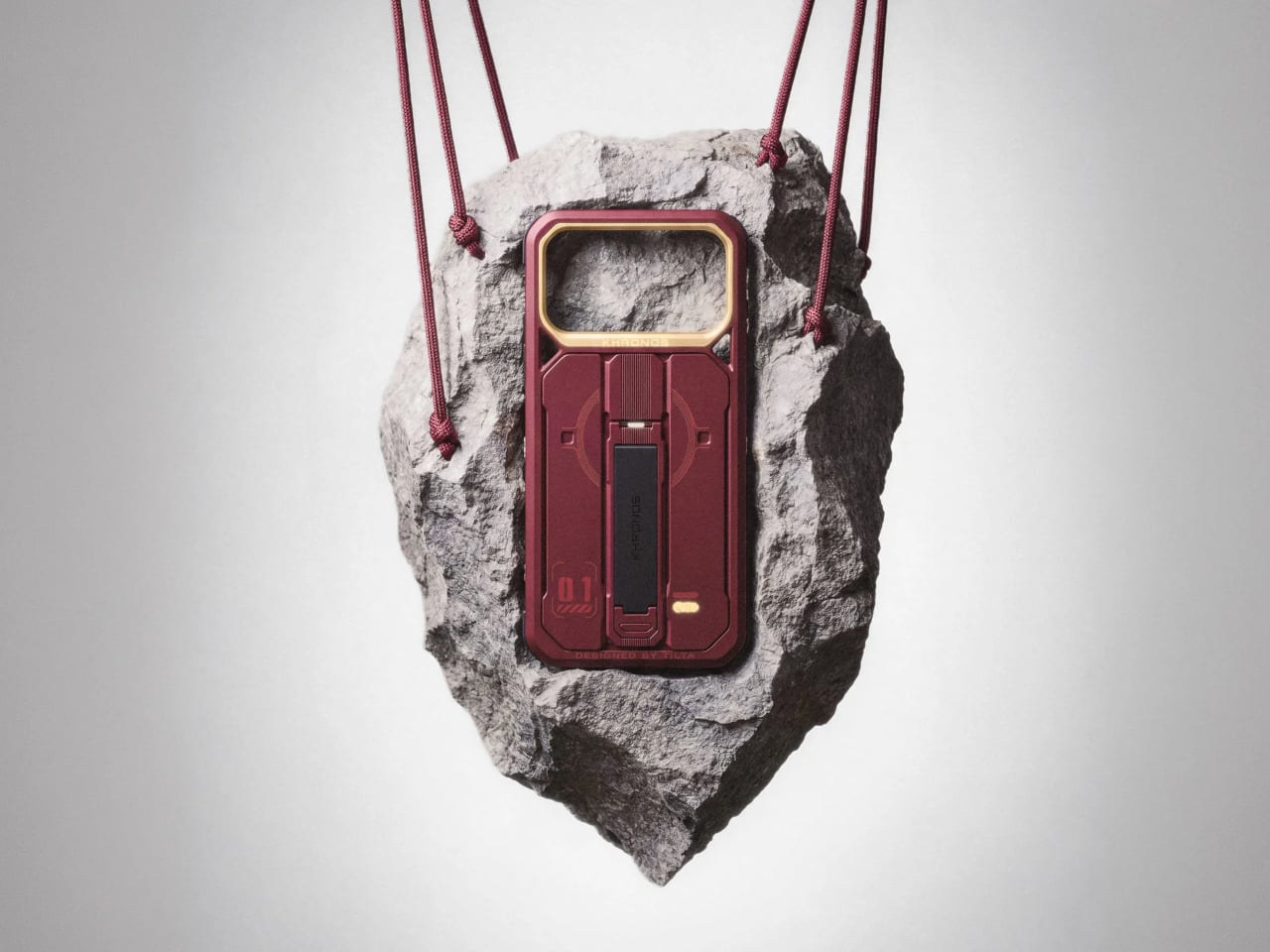
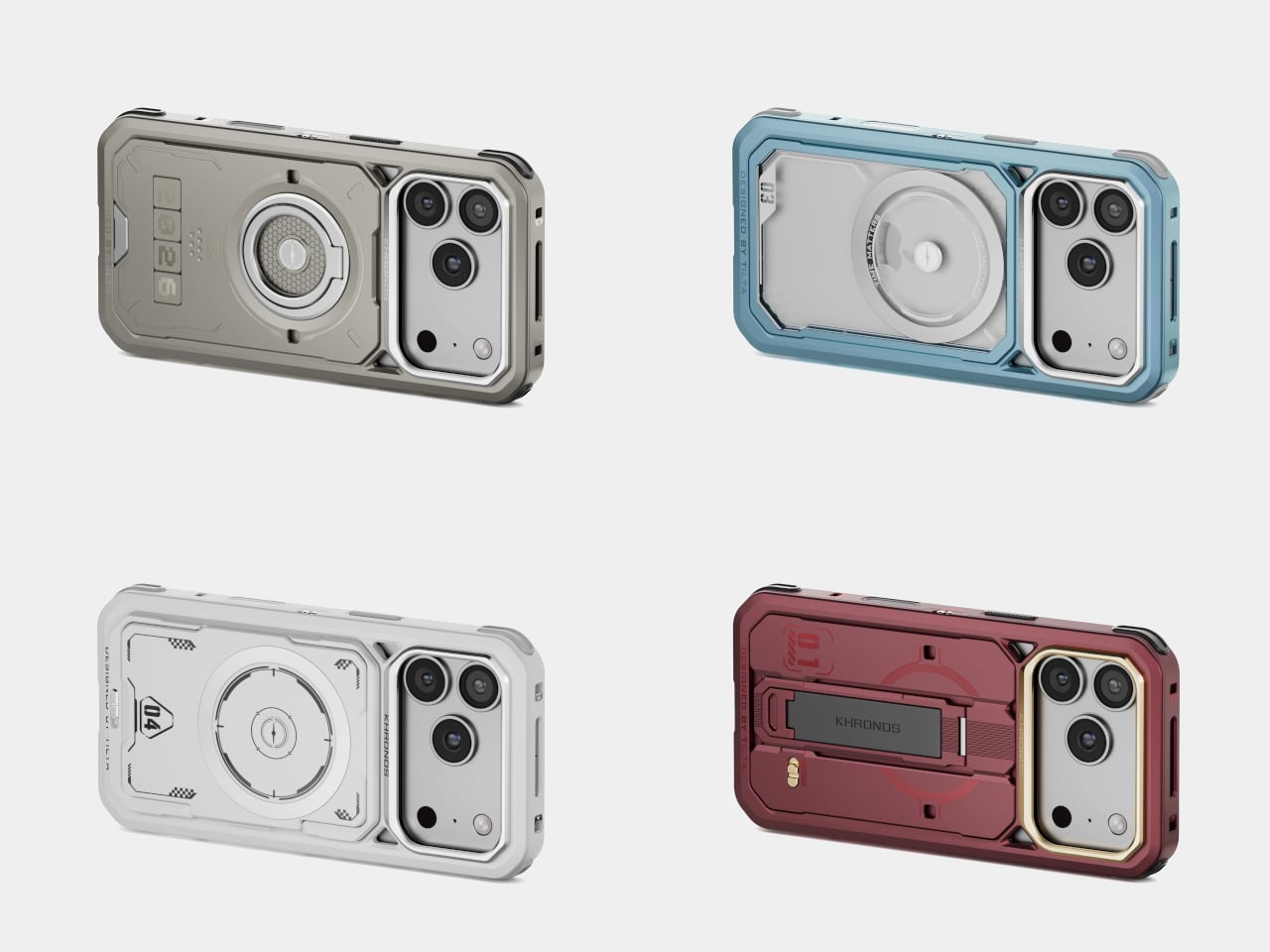
The case starts with a single block of aluminum, shaped through CNC machining rather than molded into a soft cover. Recessed panel outlines and an angular camera surround give it a distinctly mechanical appearance. Burgundy makes that character particularly noticeable, while Glacier, Lunar Silver, and Titanium Gray offer alternatives. That last name describes a color, of course, not a different metal hiding underneath.

Designer: Tilta

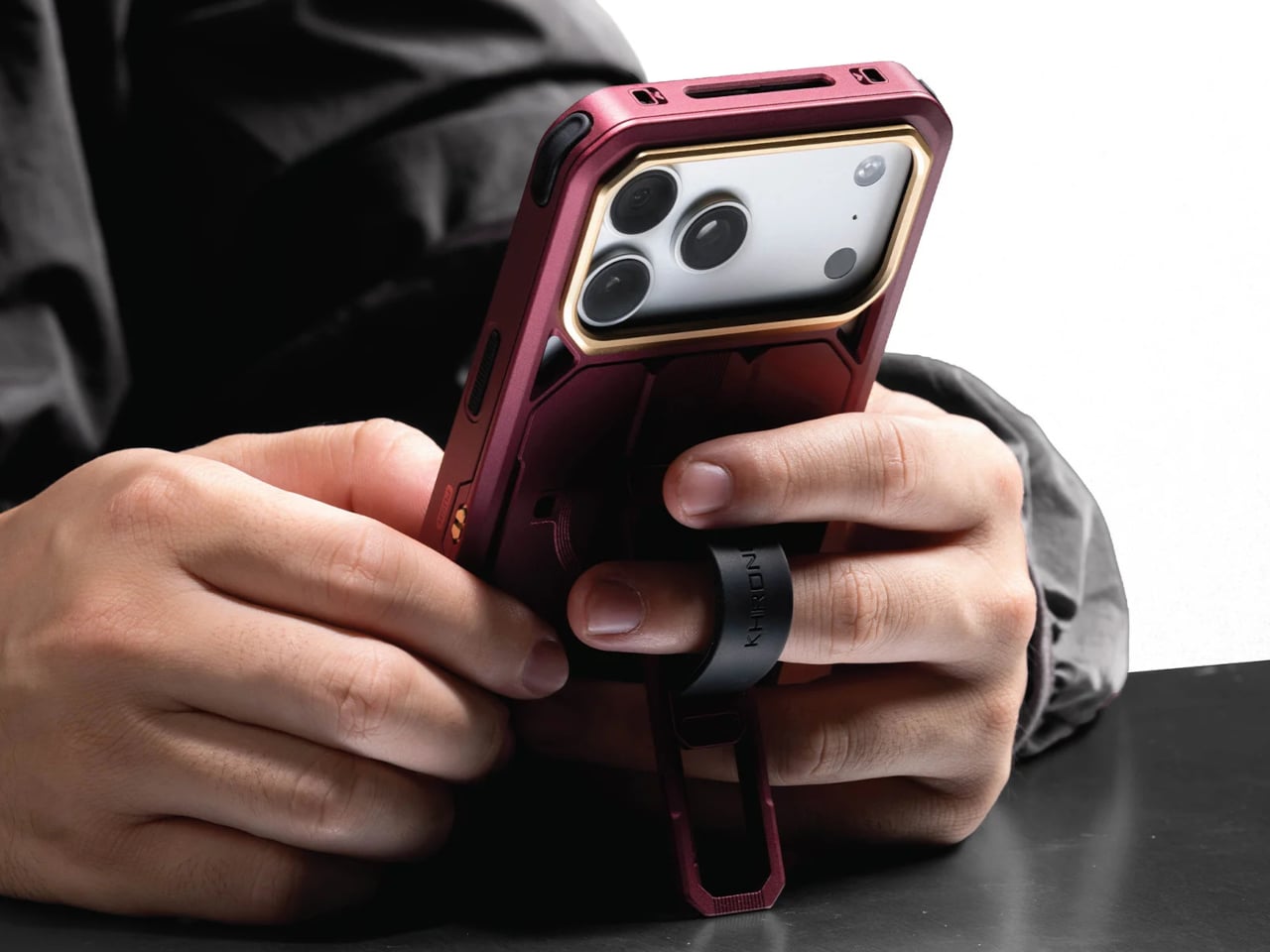
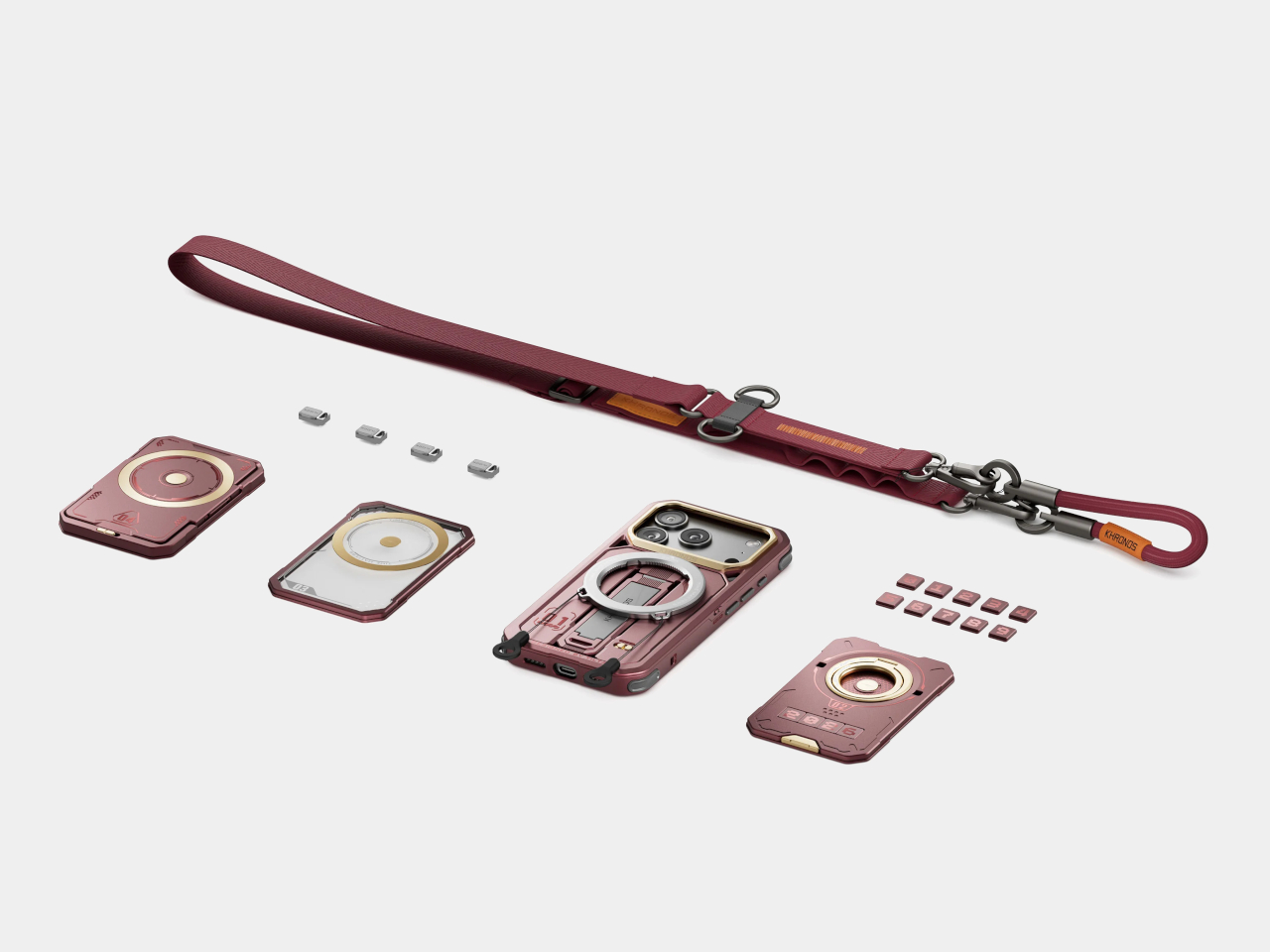
The Kickstand Backplate combines a folding support with a silicone finger ring, keeping two familiar additions in one panel. Prop the phone up for a video call, then use the ring when you’re holding it again. This plate also comes with the standard case. The kit’s other three backplates are what make the tool-free swapping system worth exploring beyond that initial setup.

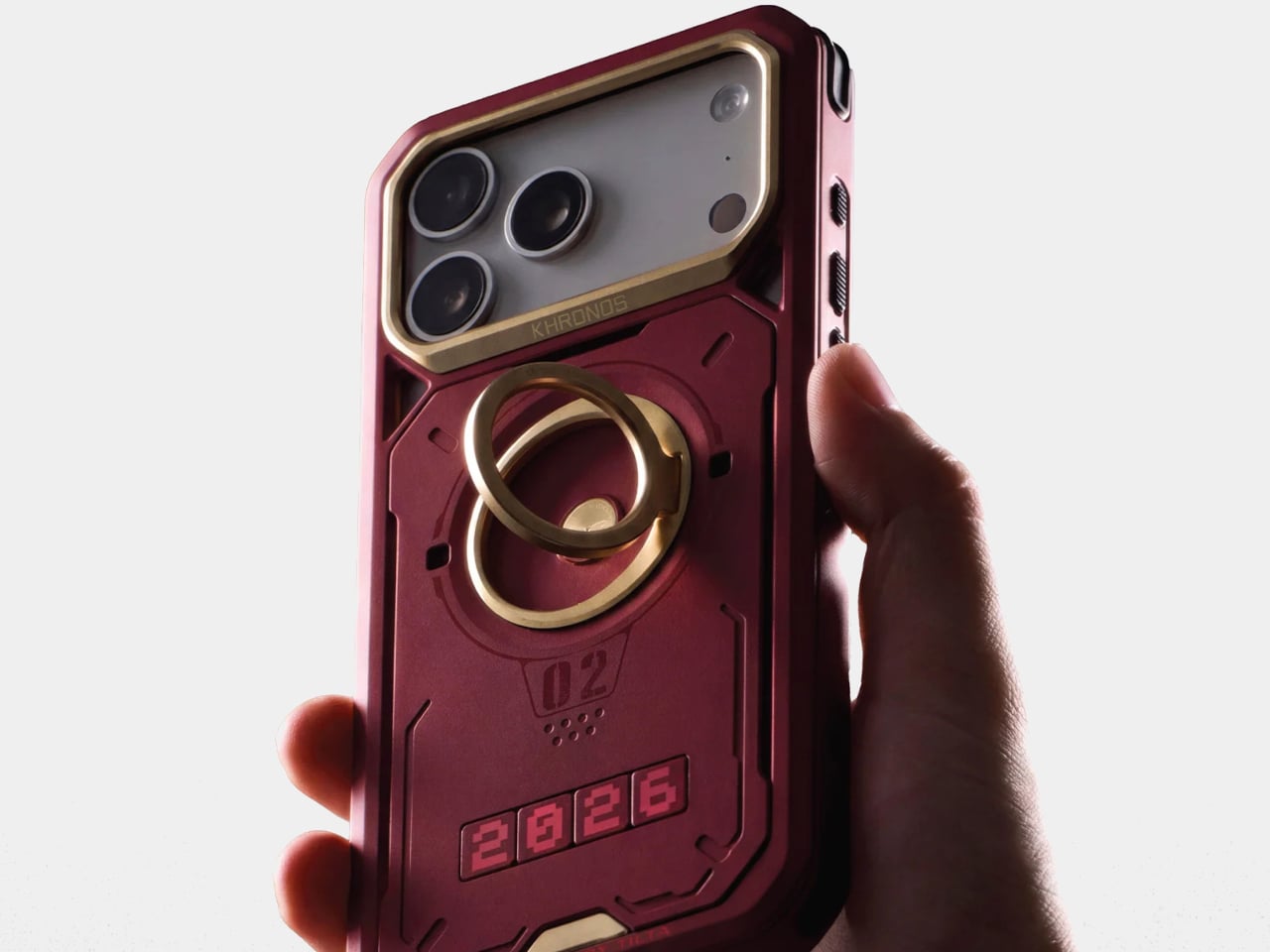
The Ring Backplate replaces that setup with a metal finger ring that rotates through 360 degrees. You can change its angle as you reposition the phone, rather than having your grip follow a fixed loop. Interchangeable number tags give the panel a more personal touch. They look a little like an equipment label, except you’re choosing the numbers rather than reading specifications.

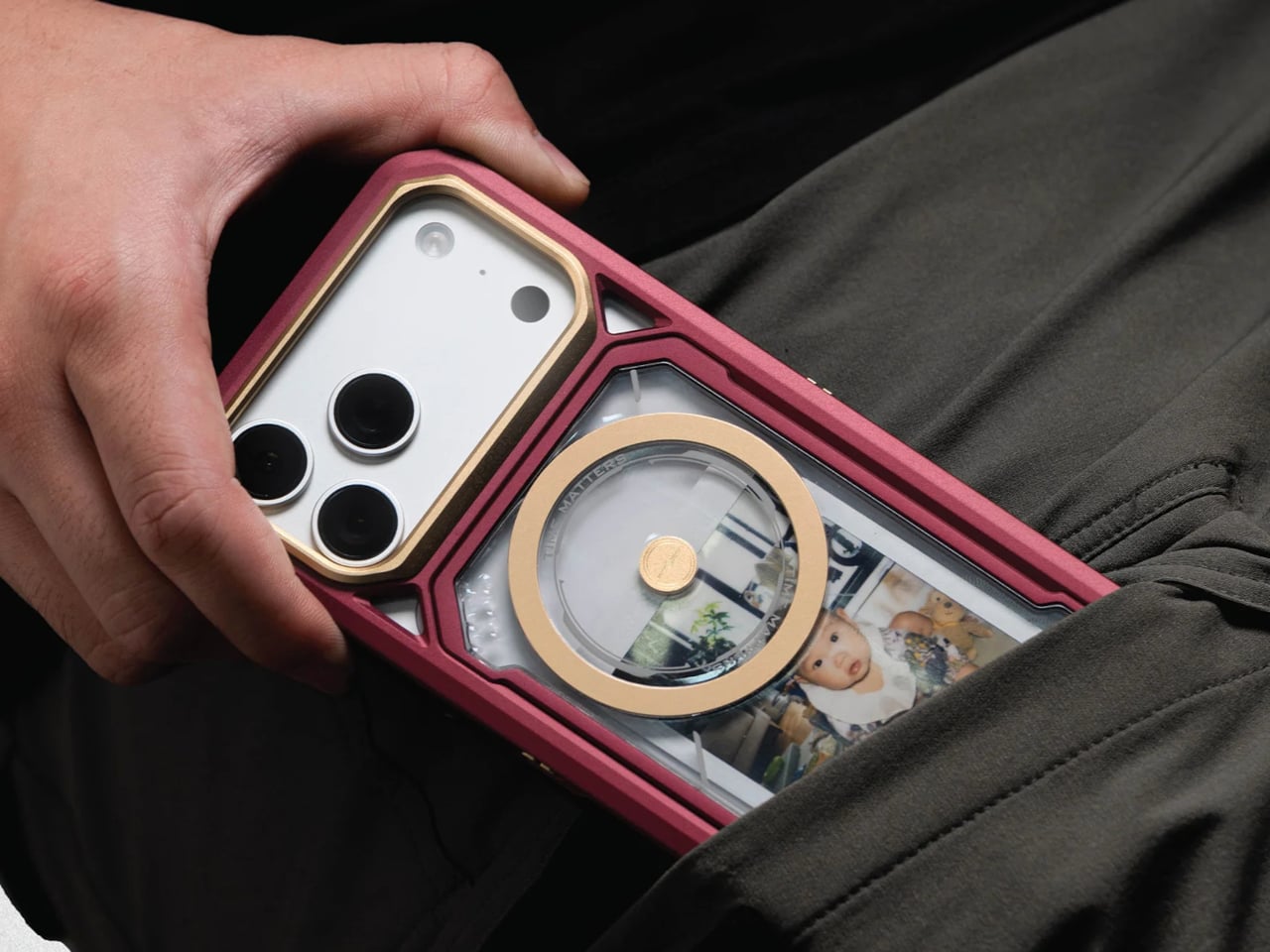
Personalization takes a rather different turn with the Transparent Backplate, which has a windowed compartment for photographs and small keepsakes. Your phone might already contain thousands of pictures, but this gives one of them a place outside the screen. A printed family photo can stay visible without waking the display, bringing something sentimental to an exterior that otherwise resembles professional camera equipment.

The Card Holder Backplate is less about decoration and more about leaving something at home. A latched cover encloses space for up to three cards, enough for an ID, bank card, and transit pass. That could spare you a separate wallet on a short outing. Losing the phone would also mean losing those cards, so keeping everything together has its own compromise.

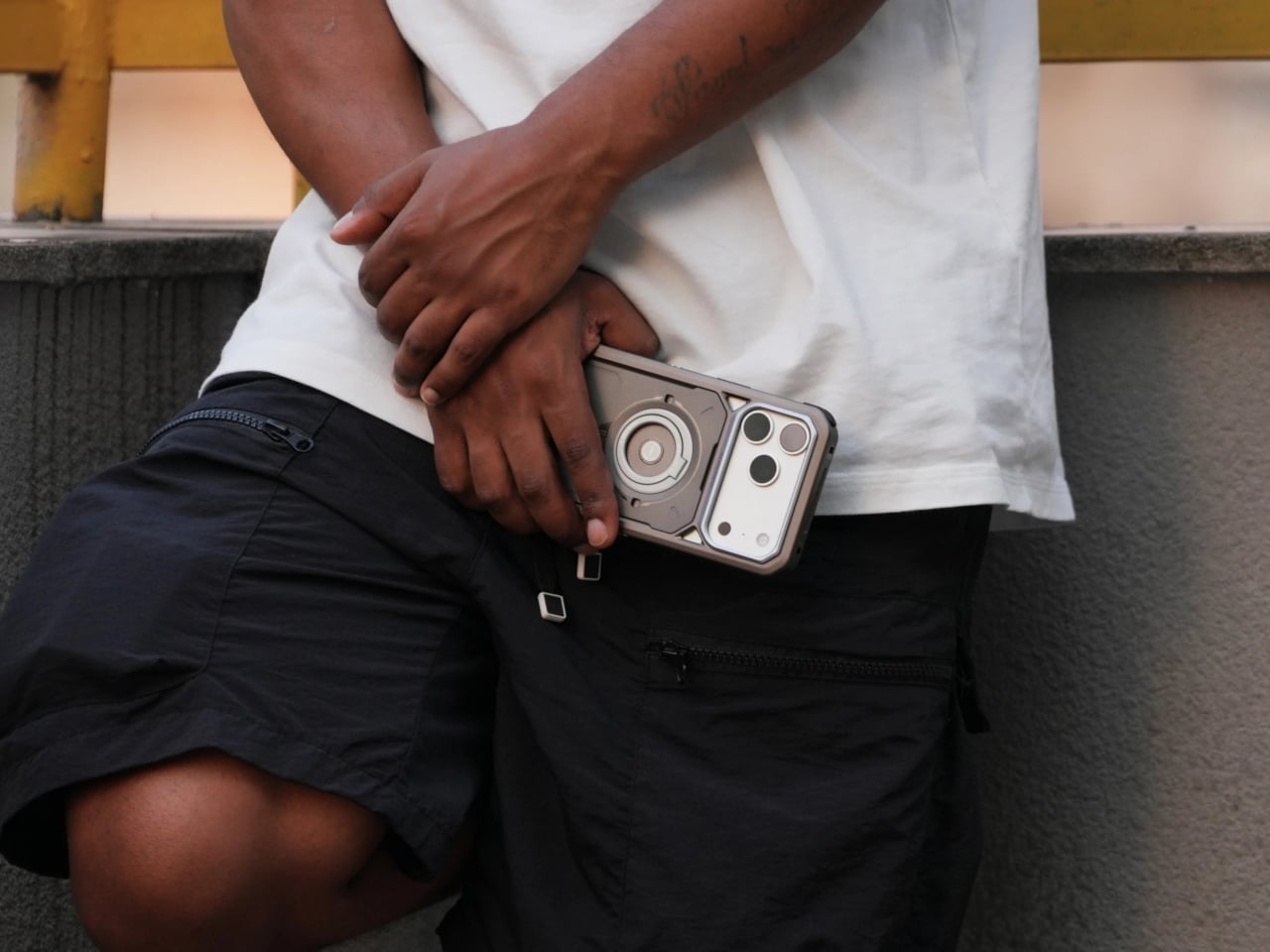
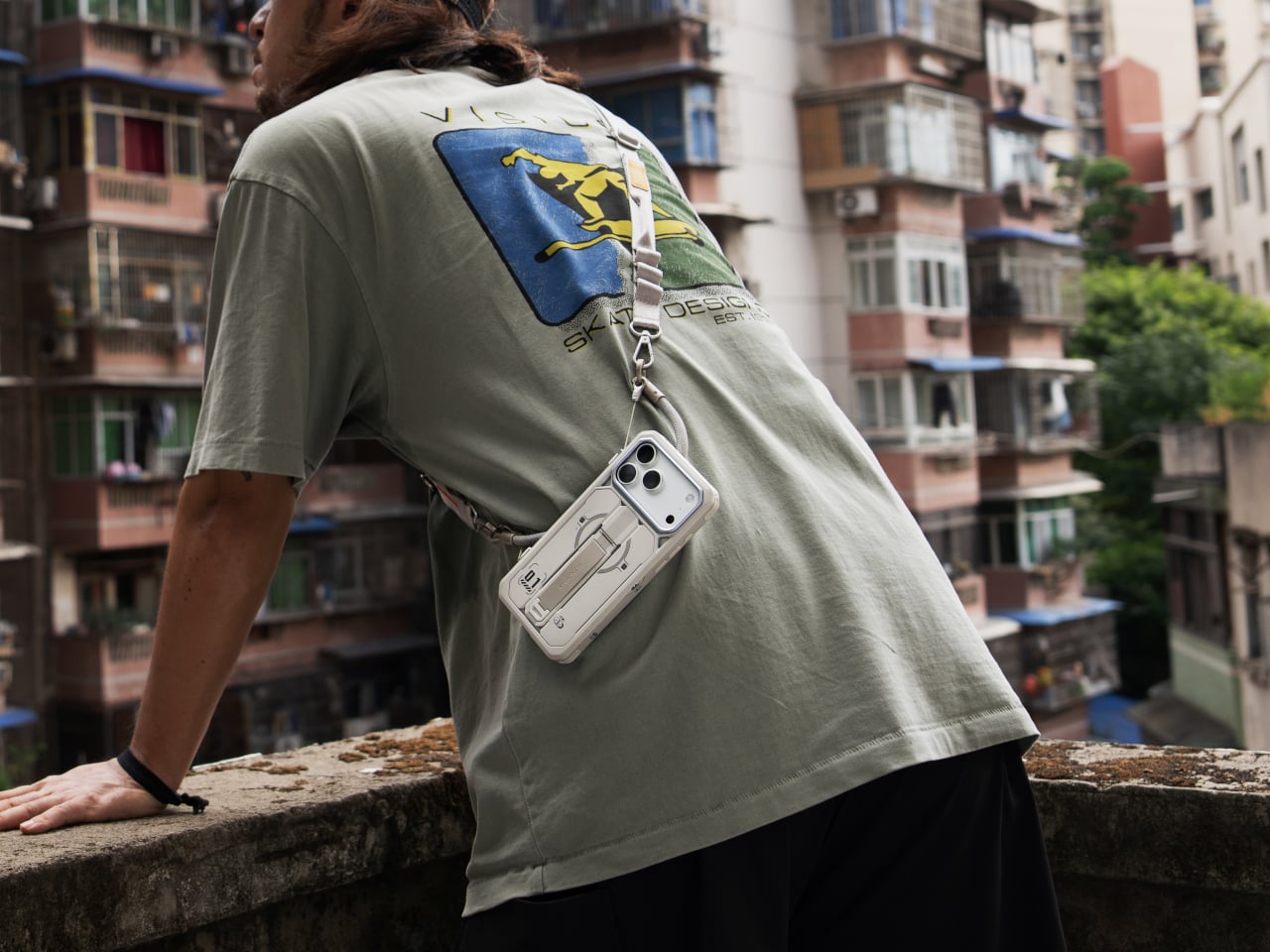
The kit also includes short and long straps, with magnetic quick-release connections and multiple mounting points on the frame. Use the shorter option for everyday carrying, or wear the phone across your body with the longer one. That’s handy when you’re carrying bags and have nowhere convenient to put the phone, although turning it into a dangling accessory won’t suit every outfit or activity.

Of course, buying the complete kit means paying for choices you might not use. The US list price is $249, with a current $224.10 sale price. Leave three backplates in a drawer, and most of that flexibility stays there too. If all you want is a folding stand, the standard case already includes it, without three spare backplates taking up room at home.

The post Tilta’s modular iPhone case lets you swap a card holder for a kickstand first appeared on Yanko Design.

4 ESR Accessories Worth Getting for the iPhone Duo and iPhone 18 Pro

Apple’s iPhone Duo folds into a shape phones haven’t really had before, and that changes what a case, a charger, or a screen protector needs to do. ESR noticed. Its accessory lineup for the iPhone Duo and the iPhone 18 Pro and Pro Max doesn’t treat these phones like slightly bigger versions of last year’s model. It builds around the hinge, the fold, and how people actually hold these things.

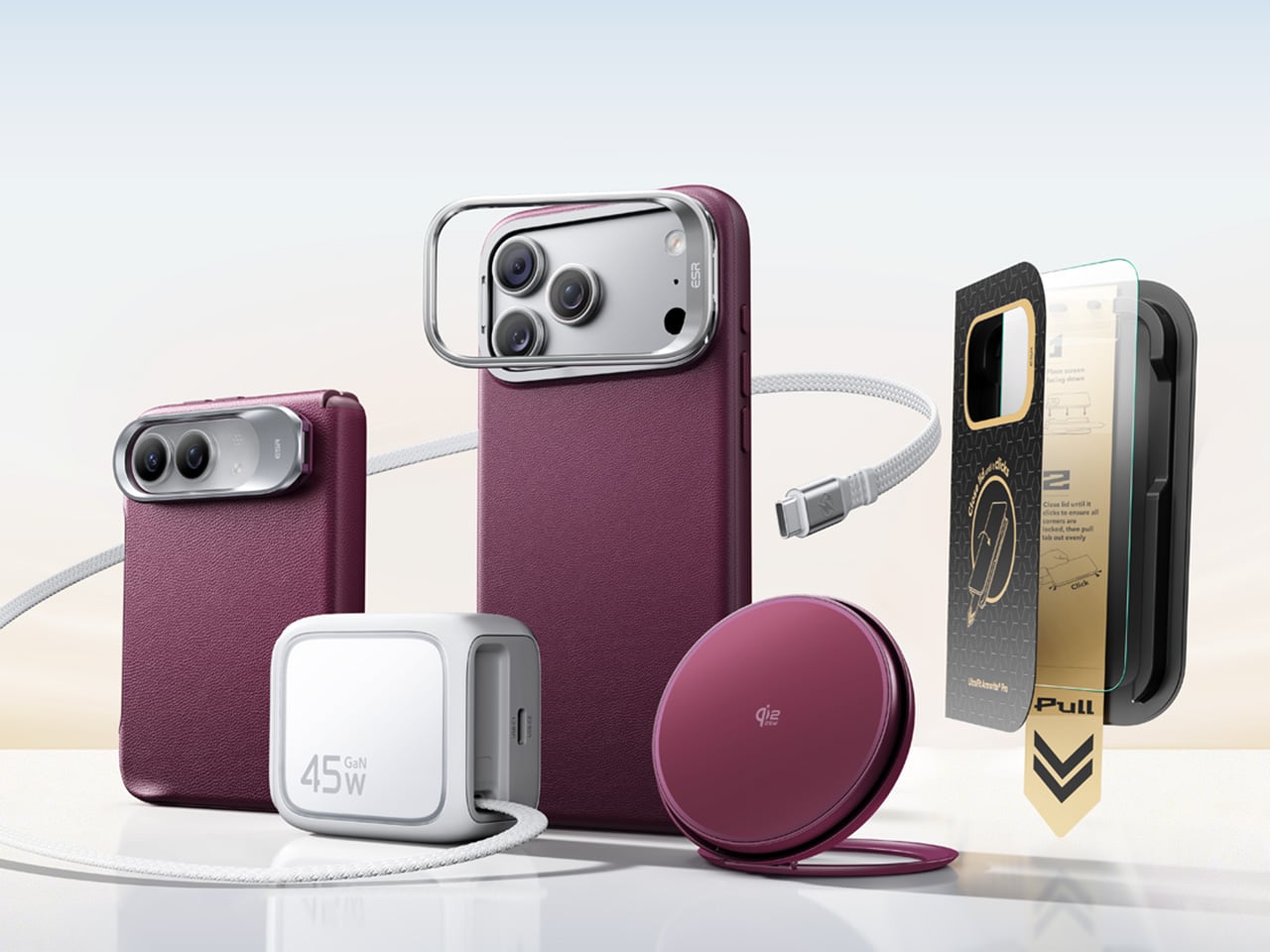
ESR has been making phone accessories since 2009, and it shows in how confidently this lineup comes together. Four products anchor it: a vegan leather case with a built-in stand, a screen protector built around Corning glass, a magnetic charging pad with active cooling, and a retractable wall charger made for travel. Each one solves a different part of daily life with the new iPhone, starting with the case.

ESR Atelier Magnetic Case with Flex Stand

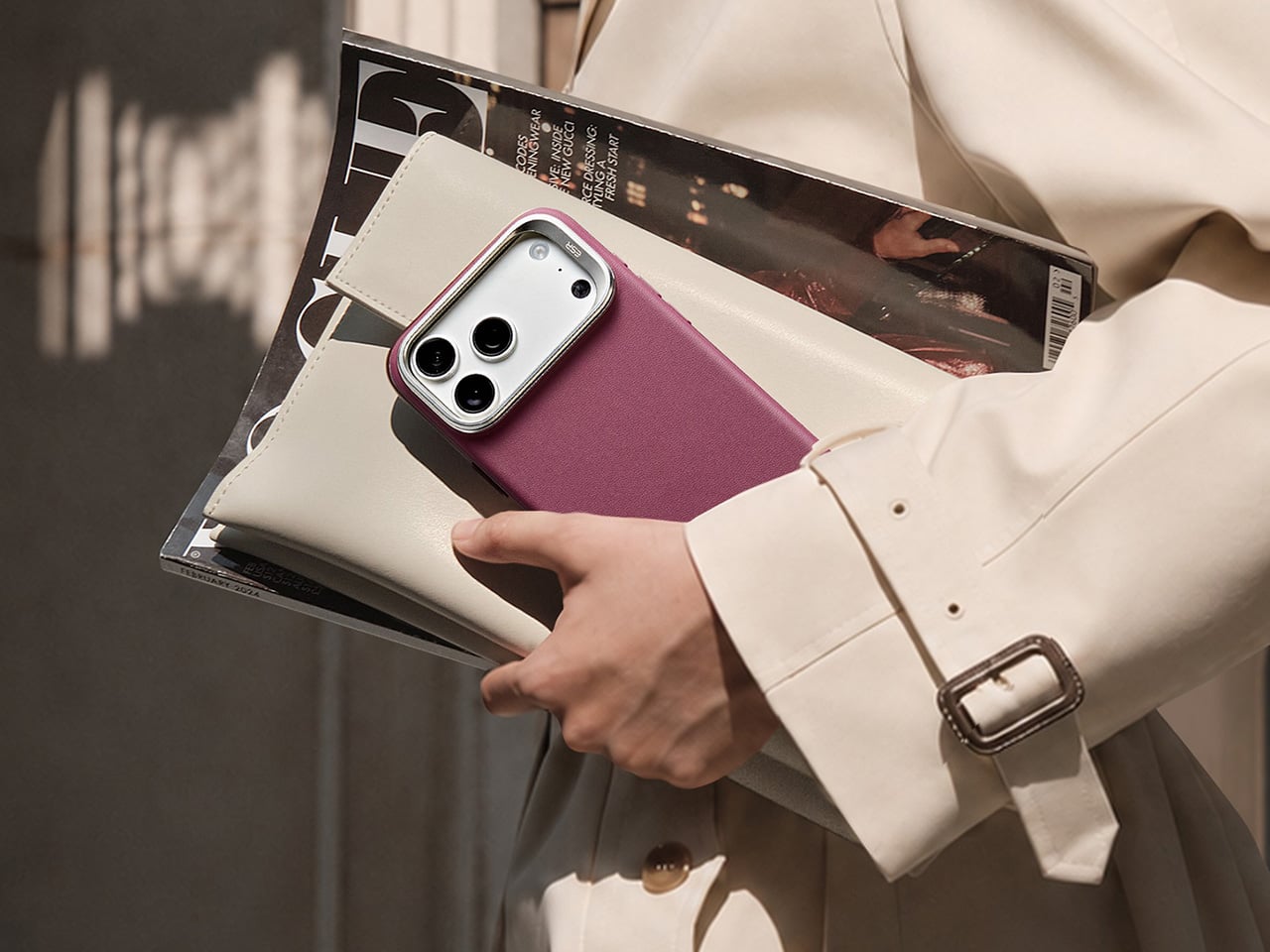
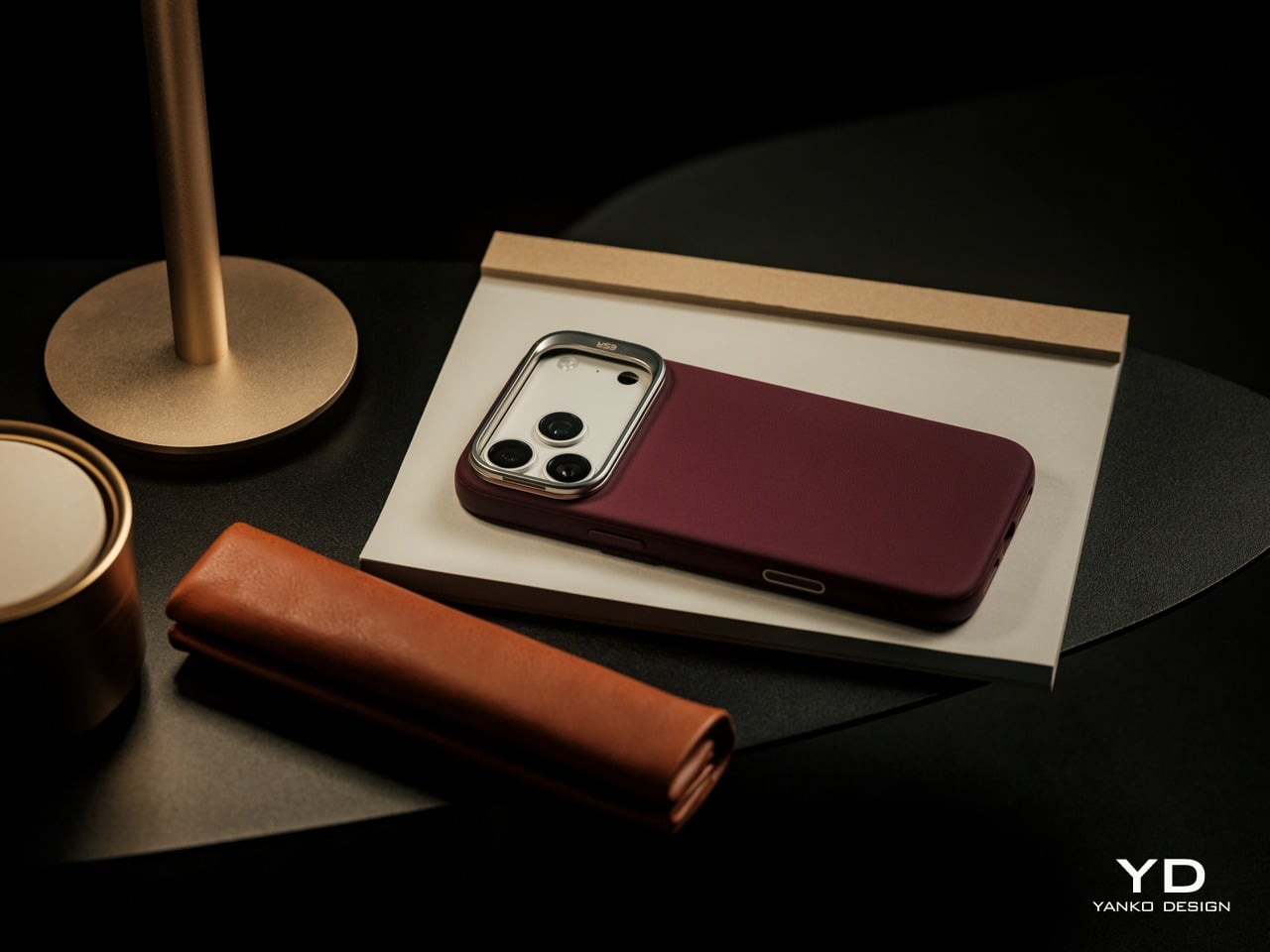
The Atelier case is where ESR’s design ambitions show up first, and the Deep Burgundy finish makes the case, pun intended. It uses organic silicone leather that feels closer to a wallet than a phone shell, soft to the touch with a grain that resists fingerprints and daily grime. An anti-fouling coating keeps the lighter trim looking new, so it ages more like a handbag than plastic.

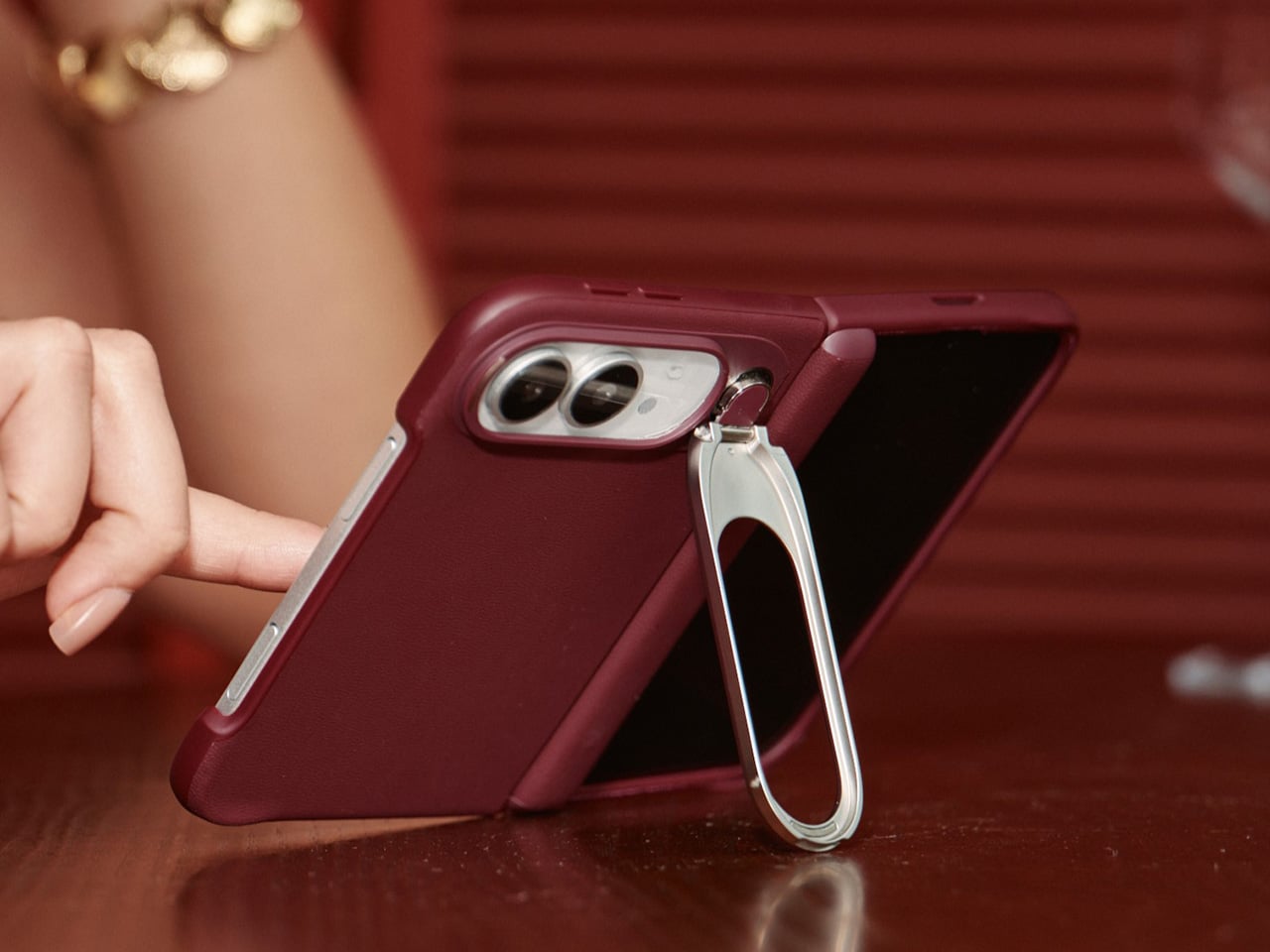
The iPhone Duo version centers on a Flex Stand that finally makes sense on a folding phone. When opened, it can rotate a full 180 degrees, supporting portrait and landscape viewing whether the phone is folded shut or opened flat, and doubles as a secure grip in hand. Zinc alloy and a damping hinge keep it locked at any angle, and ESR says it survives 3,000 open-and-close cycles without loosening.

Closing the stand also forms a lip around the camera lenses, shielding them from direct contact with tables or countertops. The rest of the case follows the same foldable logic, with hinge padding, a soft microfiber lining, a TPU frame, and raised edges around the screen. A 1,400g magnet on the back locks onto MagSafe chargers, car mounts, wallets, and power banks.

The iPhone 18 Pro and Pro Max version sports the same dual-function Flex Stand but trades the grip function for a simpler adjustable stand, tilting between 15 and 69 degrees for portrait or landscape viewing. A built-in cover keeps the Camera Control button protected without getting in the way, while the same 1,400g magnet, aligned by a precise ring layout, locks onto MagSafe gear just as securely.

Click Here to Buy Now: iPhone Duo | iPhone 18 Pro & Pro Max (Amazon)

ESR UltraFit Armorite® Pro Screen Protector

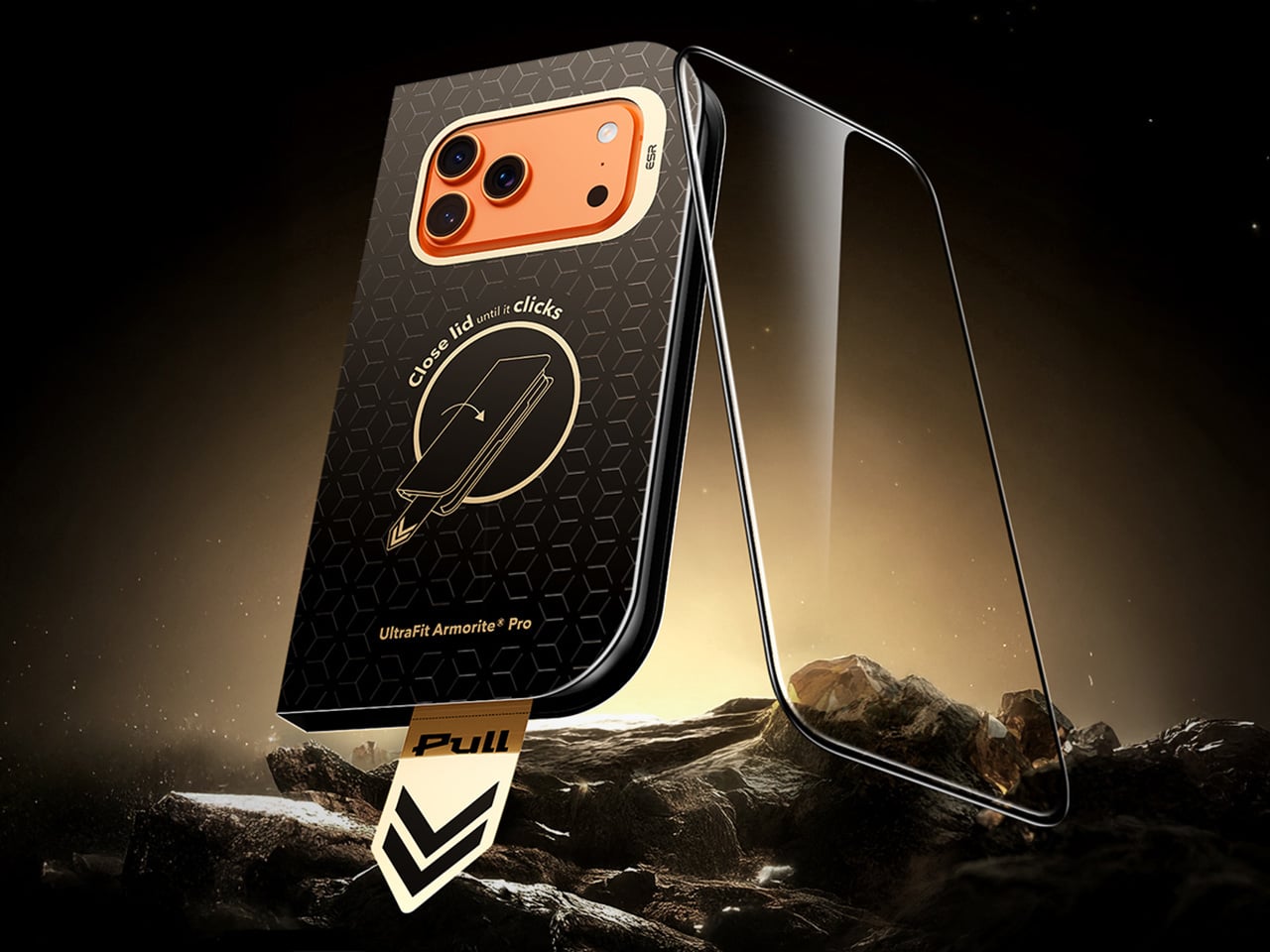
Screen protectors usually get bolted on as an afterthought, but this one leads with durability first. It’s built from Accessory Glass by Corning, the same company that’s supplied Apple’s cover glass since the very first iPhone, and ESR rates it at up to 10 times the impact absorption of generic protectors. Corning’s own testing also credits it with up to twice the scratch resistance of standard glass.

That toughness doesn’t come at the cost of clarity. An anti-reflective coating tunes light reflection down to just 3.75%, with 94% optical transmittance, so colors read truer and glare backs off in bright rooms or direct sun. Installation skips the bubble wrestling match: a tray system aligns the protector automatically, and pulling one tab clears dust and pushes out air for a clean, edge-to-edge fit in two steps.

Click Here to Buy Now: Website | Amazon

Cyclone 25W Magnetic Charging Pad with CryoBoost

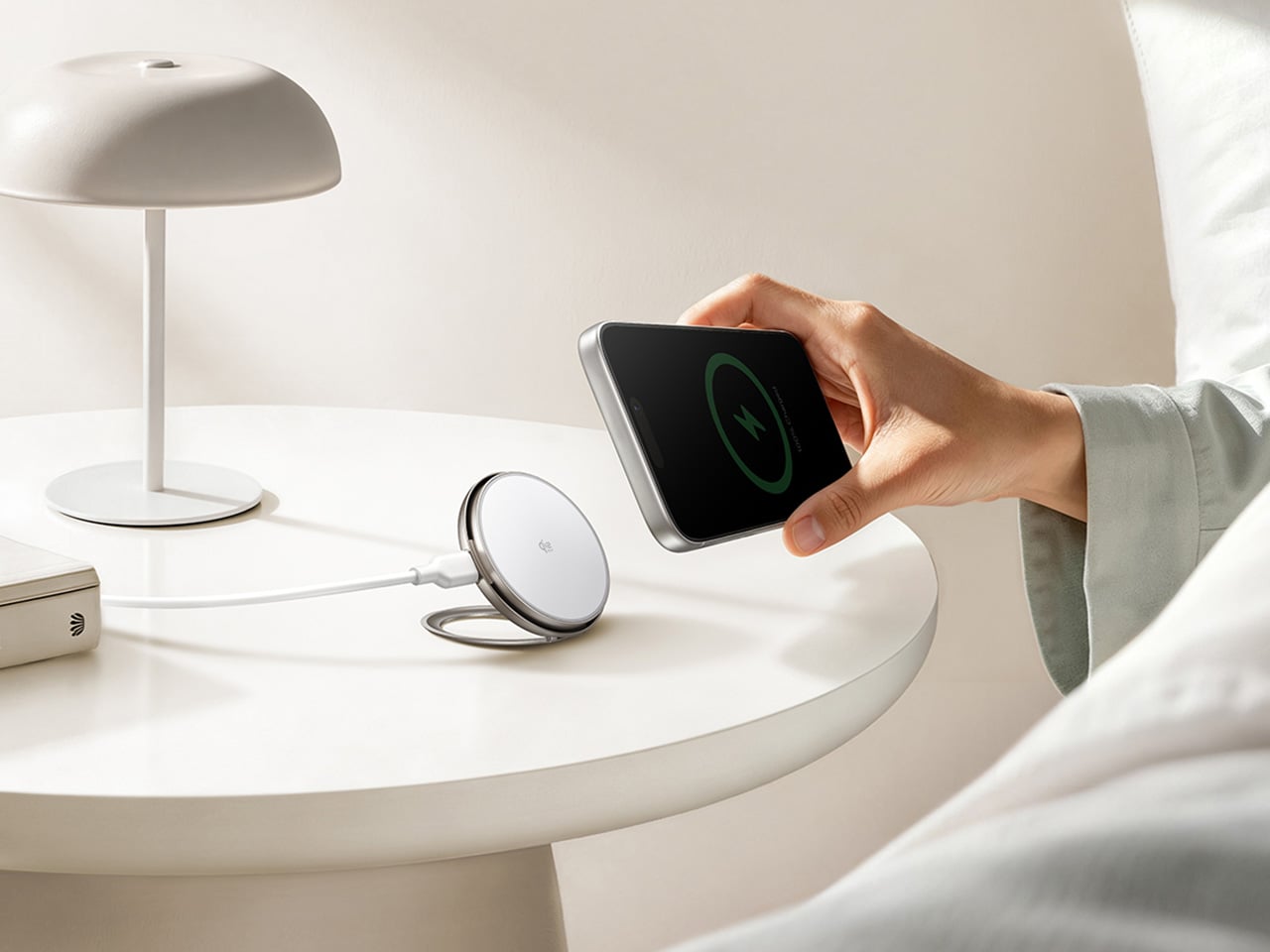
The Cyclone’s real advantage becomes clear before the battery bar even climbs halfway. Its Qi2 25W charging combines with a CryoBoost fan that pulls heat off the phone’s back, a pairing ESR says charges a phone to 50% noticeably faster than Apple’s own charger. That same active cooling drops temperatures by about 11.7°F, easing the heat buildup that erodes battery health over time.

Beyond the charging speed, the Cyclone earns its desk space with practical touches. Its built-in stand tilts from 0 to 150 degrees, supporting both portrait and landscape viewing; the latter also enables StandBy mode. It stays whisper-quiet under 25dB even overnight, which also makes it a perfect bedside accessory. Paired with an ESR magnetic case, the pad delivers a 2,000g magnetic hold to keep the phone locked in place, while a 5.9-ft cable adds slack for charging without unplugging.

Click Here to Buy Now: Website | Amazon

ESR Xtend 45W Retractable Charger

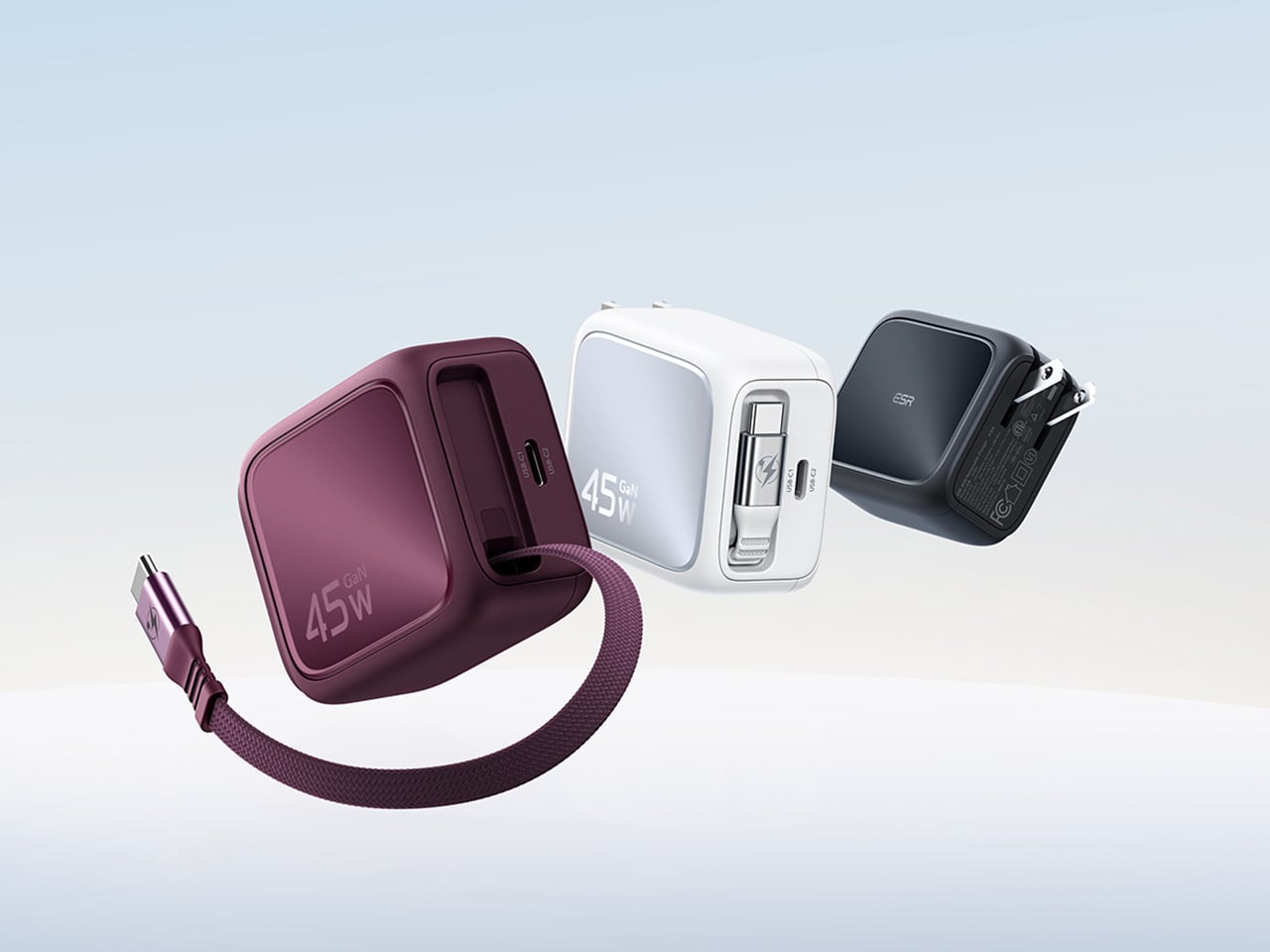
The Xtend charger solves a smaller but familiar annoyance: the loose cable that always ends up tangled at the bottom of a bag. It has a cable built right into the block, one that pulls out to 3.1 ft when needed and retracts back in when it’s not. ESR says the braided cord can handle 20,000 pulls and 10,000 bends, which is a lot of trips through airport security.

Powered by the PD 3.2 AVS protocol, the Xtend charger delivers up to 60W of dynamic power, enough to fast-charge laptops, phones, and other smart devices without swapping bricks between them. ESR says it can push an iPhone 18 Pro to 50% in about 15 minutes, a pace that turns a quick coffee break into enough juice to get through the rest of the day without reaching for an outlet.

A second USB-C port sits tucked onto the side, so a set of earbuds or a smartwatch can top up alongside the phone without hunting for another outlet or unplugging anything else first. TÜV certification backs up the over-voltage, under-voltage, and temperature safeguards built into a charger small enough to disappear into a jacket pocket without adding any noticeable bulk. All these features are packed into a compact, travel-ready shell that’s easy to swap in for the bulkier charger-and-cable combo most people pack for a trip, making it especially convenient for travel and on-the-go use.

Seeing the iPhone Duo and the iPhone 18 Pro paired with accessories built around their actual design makes it easier to skip the usual guesswork of a phone setup. ESR treats the hinge, the screen, and the charging cable as design decisions rather than afterthoughts. Anyone curious about how the lineup comes together can browse ESR’s iPhone Duo and iPhone 18 Pro collection to see where a new setup might start.

Click Here to Buy Now: Website | Amazon

The post 4 ESR Accessories Worth Getting for the iPhone Duo and iPhone 18 Pro first appeared on Yanko Design.

This 2.58oz MOFT Case Guards, Props, and Grips an iPhone Duo at Once

A folding phone creates a folding problem for accessory makers, and MOFT’s answer for the iPhone Duo is to lean into that shape rather than fight it. The Dynamic Folio wraps the Duo in a single continuous flap of vegan leather that does triple duty, guarding the shell from scratches, propping the phone up on demand, and giving your hand something secure to hold onto. One fold, three jobs, no extra parts bolted on.

That fold takes its cue from origami, the same paper-based logic MOFT has applied to its iPad cases for years. Here it collapses down to a razor-thin 0.07 inches and adds just 2.58 ounces to the phone, numbers that matter enormously on a device already carrying two screens and a hinge. The case disappears into pocket space rather than fighting for it, staying close to the Duo’s own profile instead of doubling it.

Designer: MOFT

Unfold that flap, and it becomes a kickstand positioned dead center on the back of the phone, a deliberate placement that keeps the Duo balanced rather than tipping toward one edge. Four viewing angles come out of that single hinge point, covering both portrait and landscape orientations. One of those positions lays the phone nearly flat, built specifically for reading in bed or setting the Duo on an uneven surface without it sliding away.

That same centered geometry solves a smaller but real annoyance. Most phone grips assume you’re right-handed, forcing lefties to awkwardly reposition their thumb. Because the fold sits in the middle rather than off to one side, switching hands takes no adjustment at all. It’s a detail easy to overlook in a product photo but immediately noticeable the first time you actually use it one-handed on a crowded train.

Color plays into the case’s identity as much as its geometry. Rather than a single flat shade, the Dynamic Folio pairs contrasting tones between its exterior and the interior of the fold itself, so the moment you deploy the stand, a second color flashes into view. It’s a small piece of theater built into a purely functional motion, turning something as mundane as propping up your phone into a tiny visual reveal.

Wireless charging still works with the case installed, and the vegan leather shell is built to protect both the Duo’s inner and outer displays from scratches, not just the one you’d normally think to guard. At $69.99, the Dynamic Folio also marks the opening move in a larger accessory lineup MOFT has planned around the Duo, with a modular protective case, a rotating grip stand, and a card wallet still to come before the end of the year.

The post This 2.58oz MOFT Case Guards, Props, and Grips an iPhone Duo at Once first appeared on Yanko Design.

ESR Atelier Magnetic iPhone 17 Pro Max Case Review: Vegan Leather Done Right

PROS:


  • Refined and elegant aesthetic with no visible magnetic ring

  • Animal-free silicone-based vegan leather with soft, warm feel

  • Built-in FlexStand doubles as camera guard when closed

  • Military-grade protection that stays out of sight

CONS:


  • Kickstand doesn't support full vertical placement

RATINGS:

AESTHETICS
ERGONOMICS
PERFORMANCE
SUSTAINABILITY / REPAIRABILITY
VALUE FOR MONEY

EDITOR'S QUOTE:

The ESR Atelier Magnetic Case is protection that's actually worth touching.

Phone cases occupy a strange middle ground in the accessories market. The more protective options tend to look utilitarian, all rugged textures and chunky frames that trade elegance for toughness. The ones that do look refined often use faux leather, which can stain, fade, or scuff with daily handling. Finding something that sits comfortably between both worlds has always been easier said than done.

ESR’s Atelier Magnetic Case for the iPhone 17 Pro and iPhone 17 Pro Max tries to answer that question. It’s the brand’s first vegan leather iPhone case, built from a silicone-based material that carries the soft, warm feel of leather without the upkeep that usually comes with it. Paired with an integrated FlexStand, strong MagSafe magnets, and layered protection, it feels more personal and more resolved than a typical protective shell. But is it all just marketing speak, or does it really pack more than what our eyes, and hands, perceive? We slap this bold new case on our large iPhone to find out.

Designer: ESR

Click Here to Buy Now: $45.99

Aesthetics

The ESR Atelier’s back is its most immediate and telling detail. The silicone-based vegan leather carries a refined grain texture and a warmth to the touch that doesn’t register as plasticky or clinical, the way many textured phone cases can. It’s the kind of surface that encourages contact rather than avoiding it, settling naturally into the hand in a way that plain silicone and polycarbonate cases rarely manage.
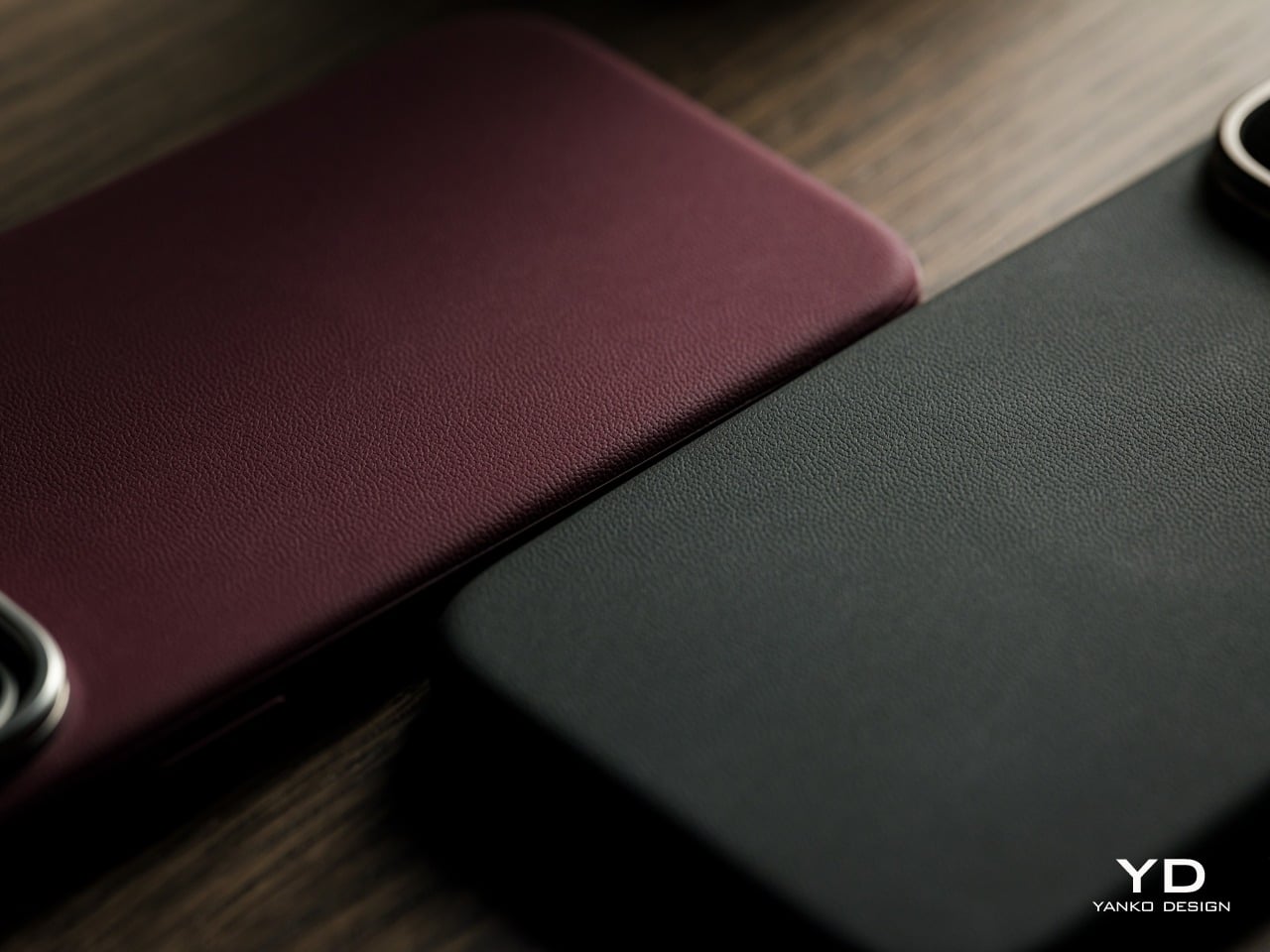
The leather finish is only part of what sets the back apart. Equally notable is what’s absent. Many MagSafe-compatible cases leave a visible circular ring pattern on their backs, a telltale sign of the magnets beneath. The Atelier keeps its rear surface completely smooth and unbroken, with no ring to interrupt the leather. That absence alone makes the overall look feel more cohesive and considered.

One of the more practical arguments for the Atelier’s vegan leather material is longevity. Designed for long-lasting everyday use, the material resists scratches, wear, and fading while maintaining its appearance over time. Traditional faux leather cases often start showing their age within months from regular holding and pocket wear, which means the case is likely to look considerably better after a year of daily handling than many alternatives in the same category.
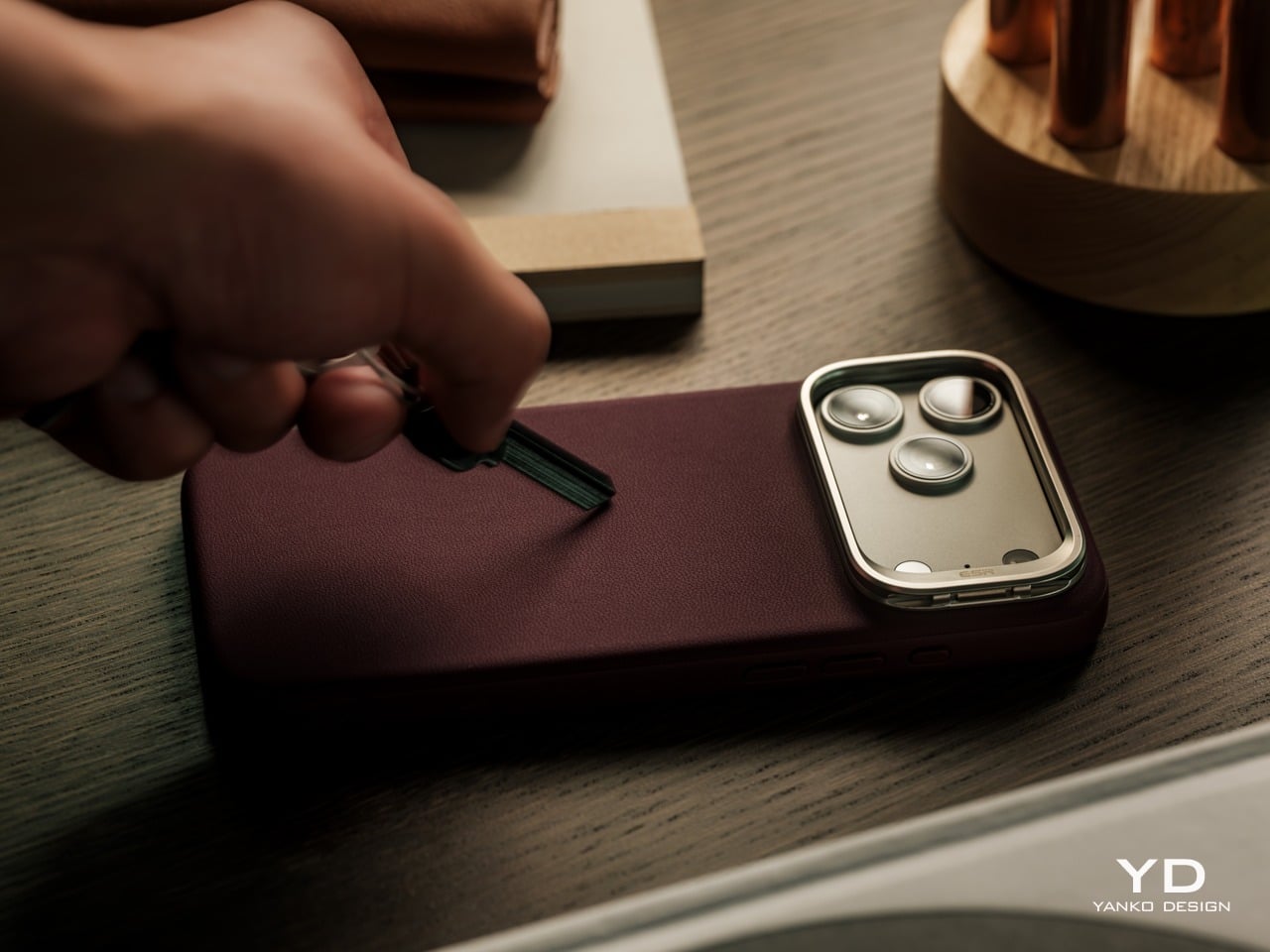
An anti-fouling surface coating and stain-resistant frame treatment add to that picture. Spills and smudges wipe away easily with a soft cloth, without needing specialized cleaning products. This silicone-based vegan leather, similar to the material pioneered in high-contact automotive interior surfaces, is designed to maintain its appearance under the kind of daily conditions that would visibly wear down most conventional leather finishes over time.

The camera surround anchors the Atelier’s visual identity while adding practical function. Rather than hiding the iPhone 17 Pro Max’s large camera island behind a flush cutout, ESR frames it with a distinctive metallic guard that immediately draws the eye and doubles as a camera-protecting stand. In its closed position, the guard sits flat and clean, giving the case a confident, top-weighted silhouette. When opened, it provides a convenient way to prop up the phone. It’s a design detail that does more than make the Atelier stand out; it makes the case stand out with purpose.
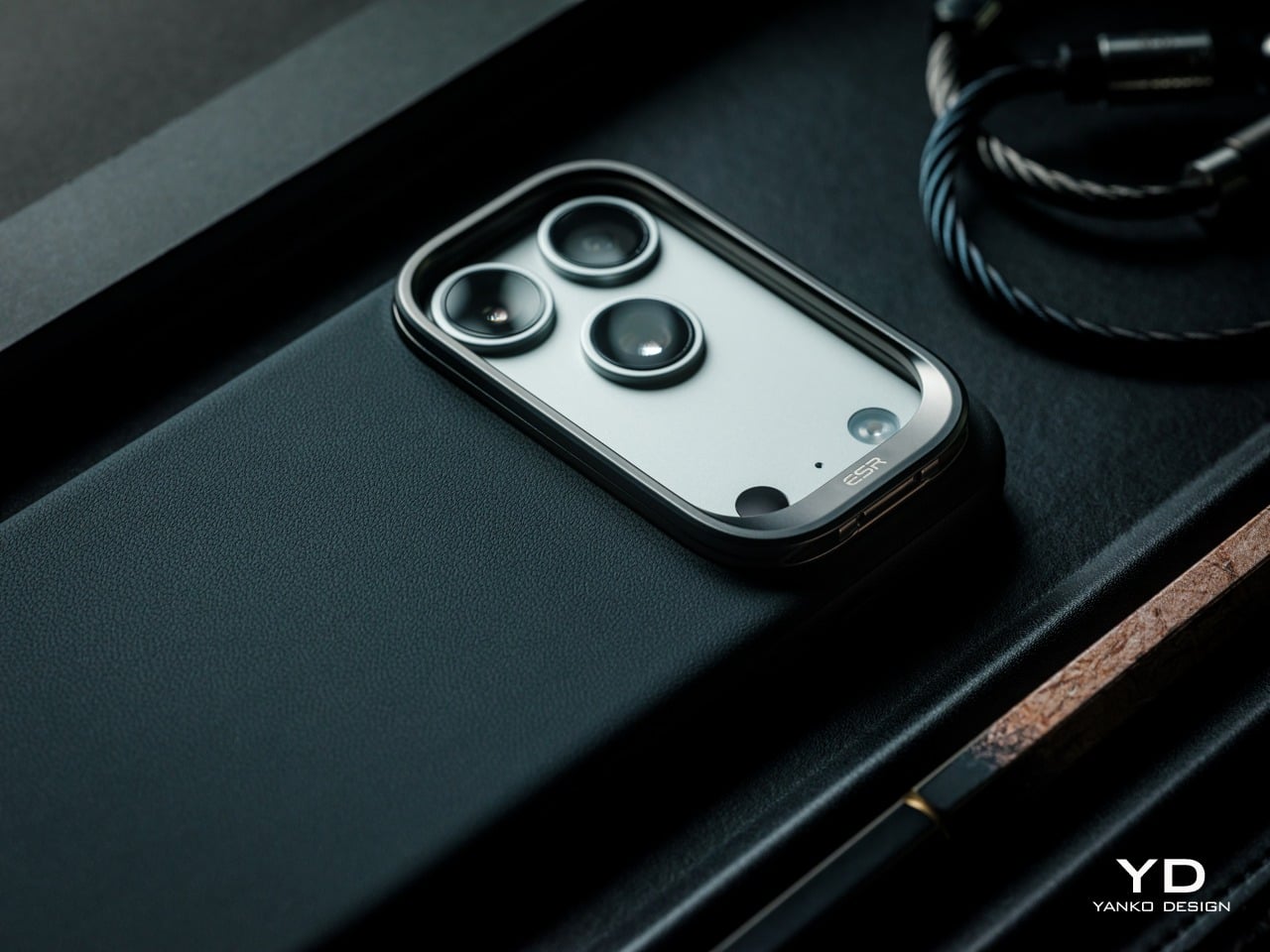
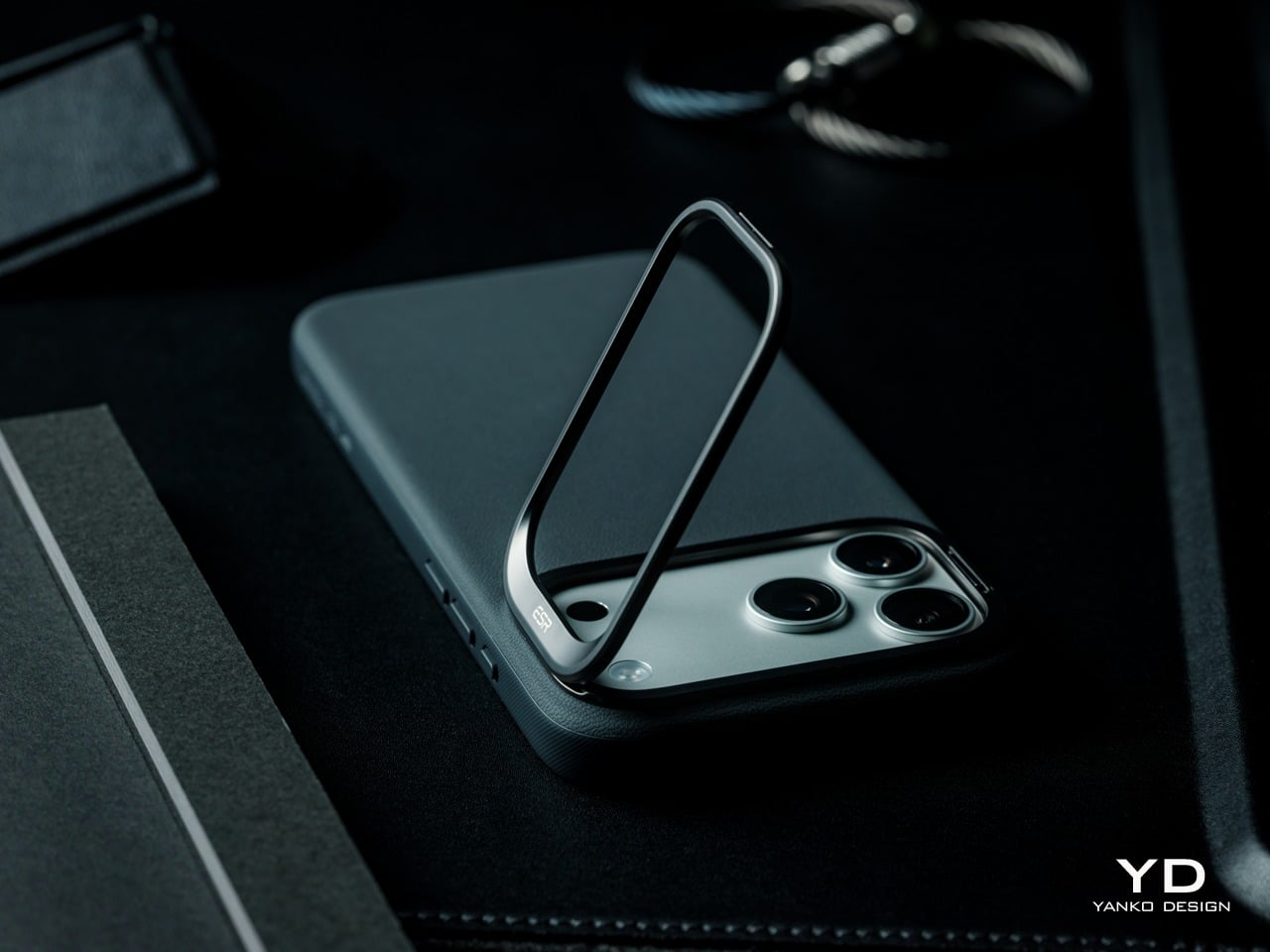
Running a thumb along the side reveals what the back suggests: the Atelier is more carefully constructed than it might initially seem. The TPU frame has a subtle micro-texture that feels slightly different from the smoother leather panel, providing grip without calling attention to itself. That material contrast is understated, but it adds some welcome depth to what is otherwise a clean and quiet form.

Two colors were available for this review, Black and Deep Burgundy, and both make a strong case for the Atelier’s design language. Black keeps things understated and versatile, almost disappearing as a deliberate choice. Deep Burgundy, on the other hand, is far more expressive, with a rich, wine-like tone that brings out the warmth and softness of the vegan leather even more.
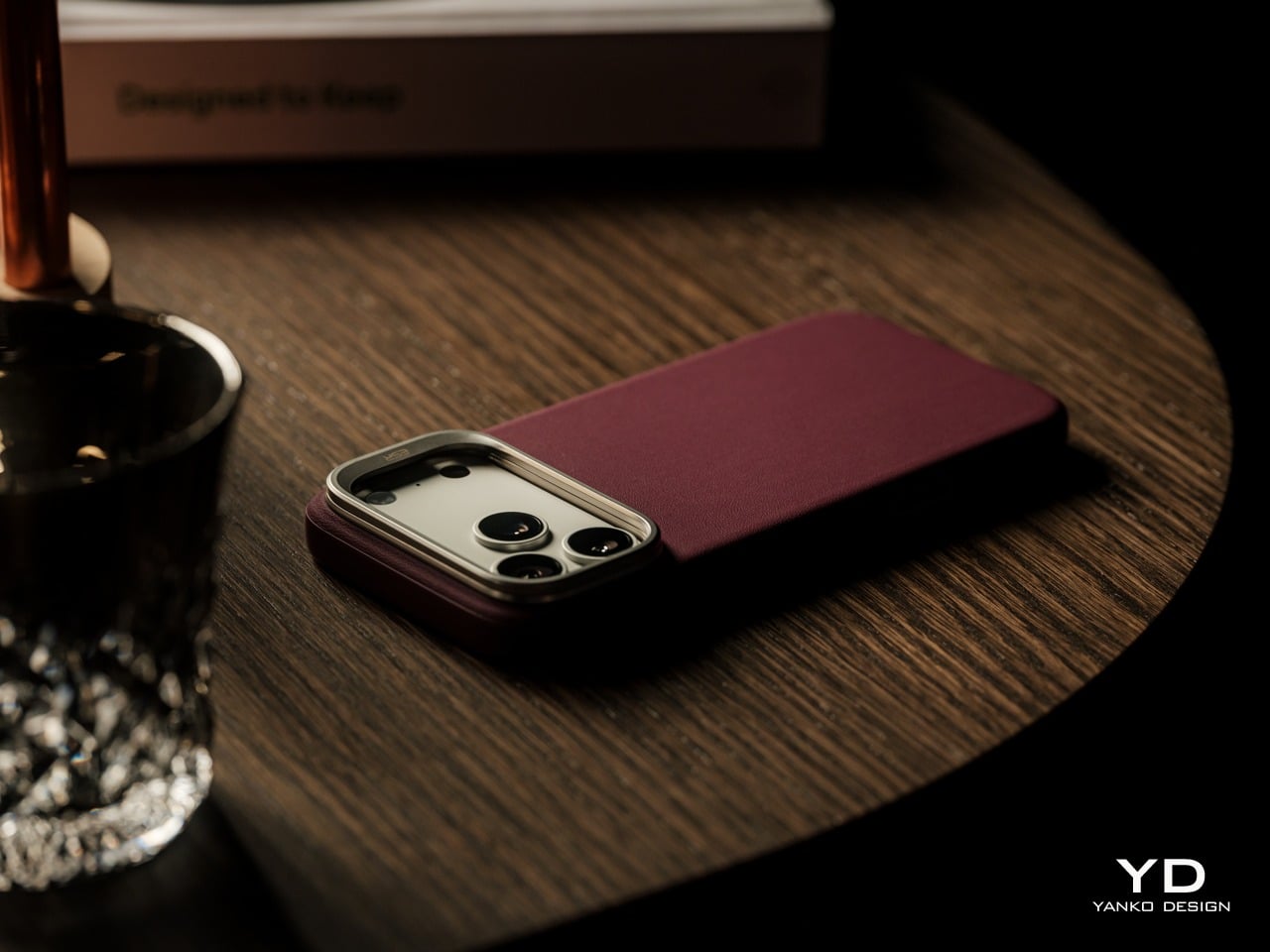
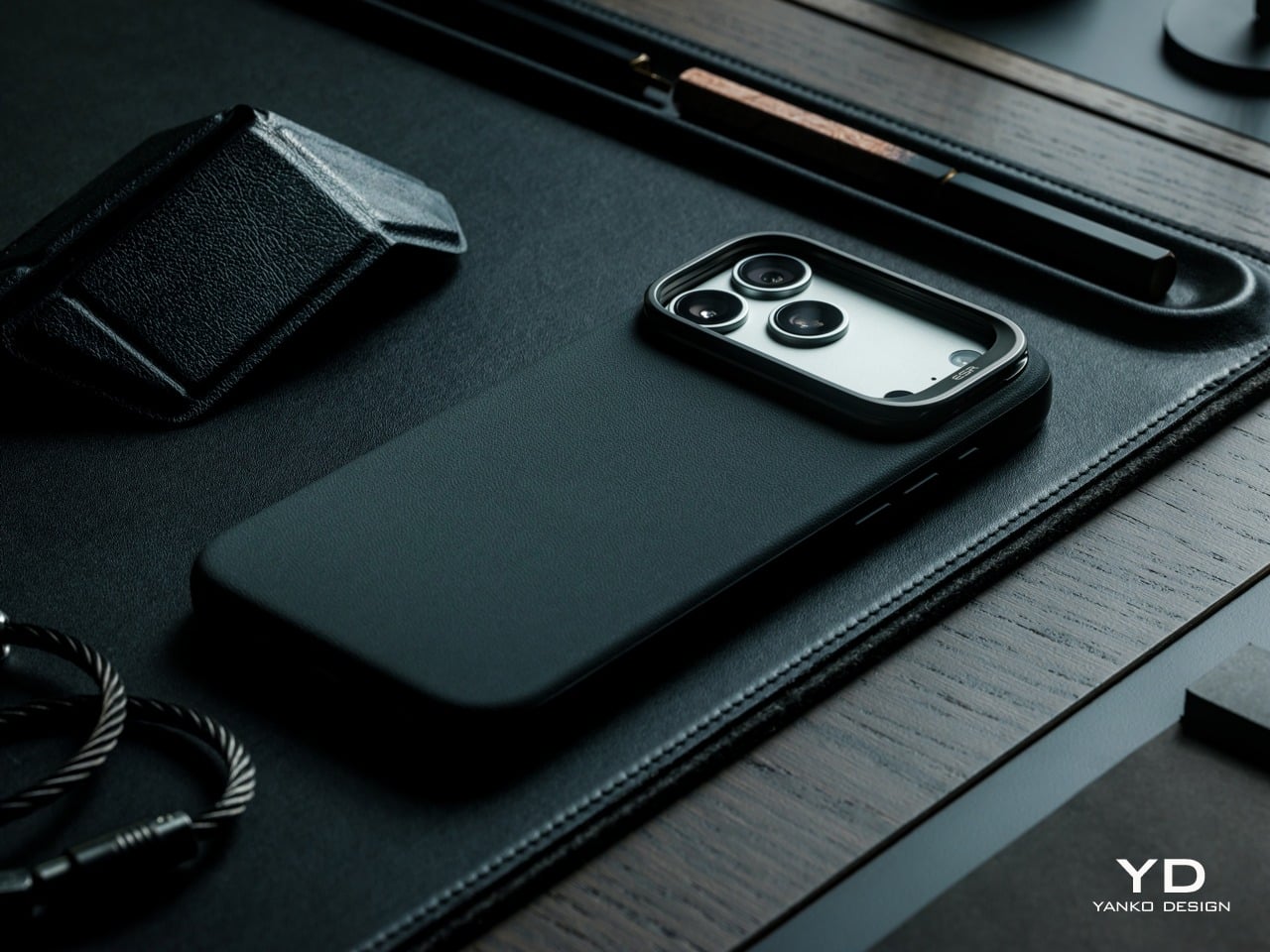
The Atelier rounds out its lineup with four colors in total, Light Gray and Misty Blue joining the Black and Deep Burgundy reviewed here. The palette is deliberately quiet and wear-anywhere, skipping bold or trend-chasing tones in favor of shades that feel considered rather than seasonal. That restraint runs through the whole design, where nothing on the surface feels accidental or arbitrarily decorative.

Ergonomics

Slipping the Atelier onto the iPhone 17 Pro Max for the first time, the fit is snug and confident. The case doesn’t shift or creak under pressure, and the soft microfiber lining helps the phone slide in cleanly. Button access is well handled, with the case’s profile keeping all controls accessible and tactile, so there’s no need to press hard through a thick wall of material just to adjust volume.
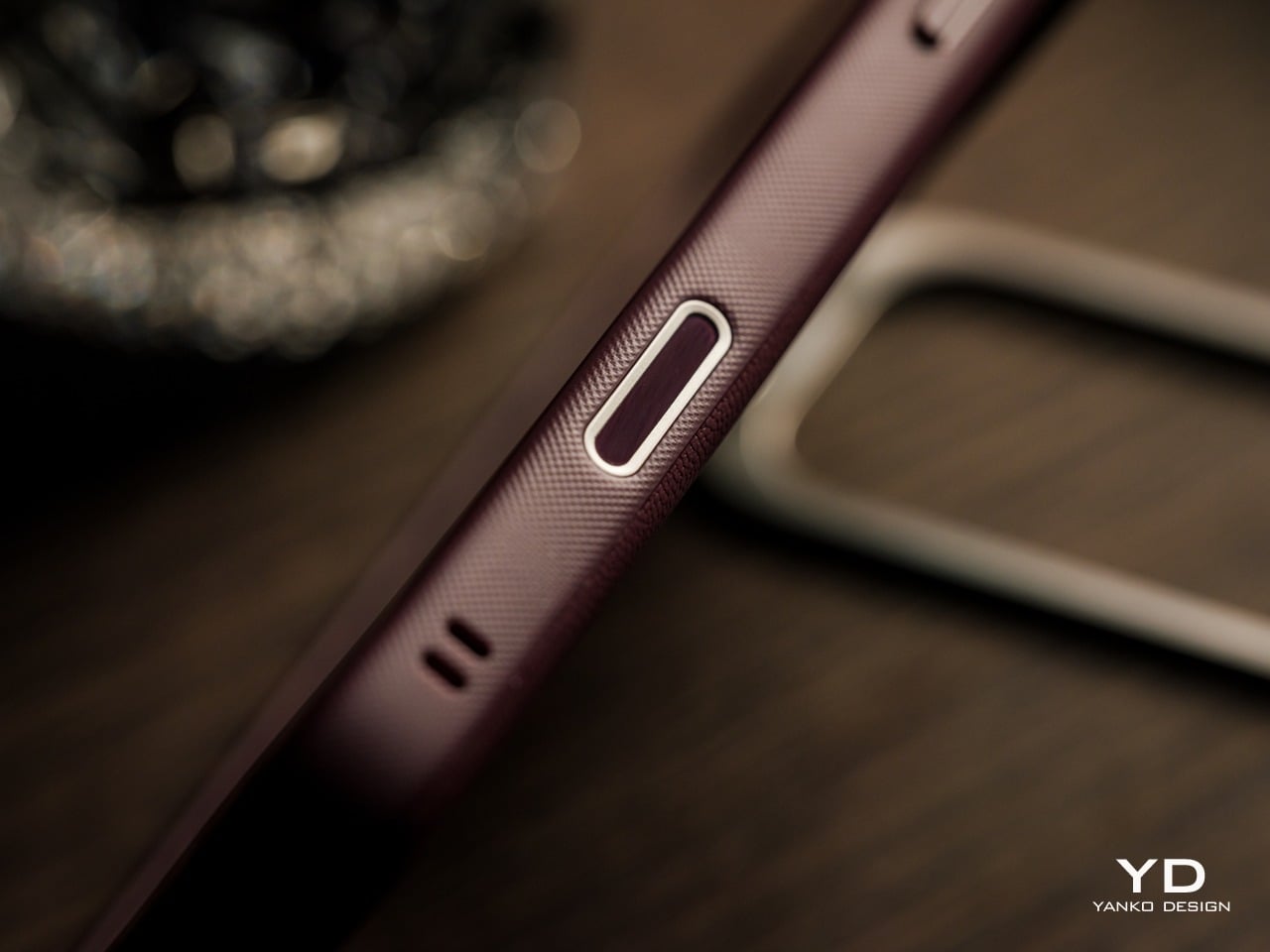
ESR includes a built-in Camera Control cover on the case’s side, a detail that’s easy to overlook but matters for anyone using that feature regularly. The cover preserves access without leaving an awkward gap in the frame. For a phone this size, the Atelier also adds enough grip to make single-handed use feel more manageable, without the bulk that typically comes with heavily protective cases.

Carrying the phone in a pocket with the Atelier on feels different from a plain silicone case. The material has a subtly grippier quality that keeps the phone from sliding around freely, and it doesn’t attract lint or dust the way softer cases sometimes do. Set it down on a desk or table, and it stays put, which is a small but consistently welcome trait.
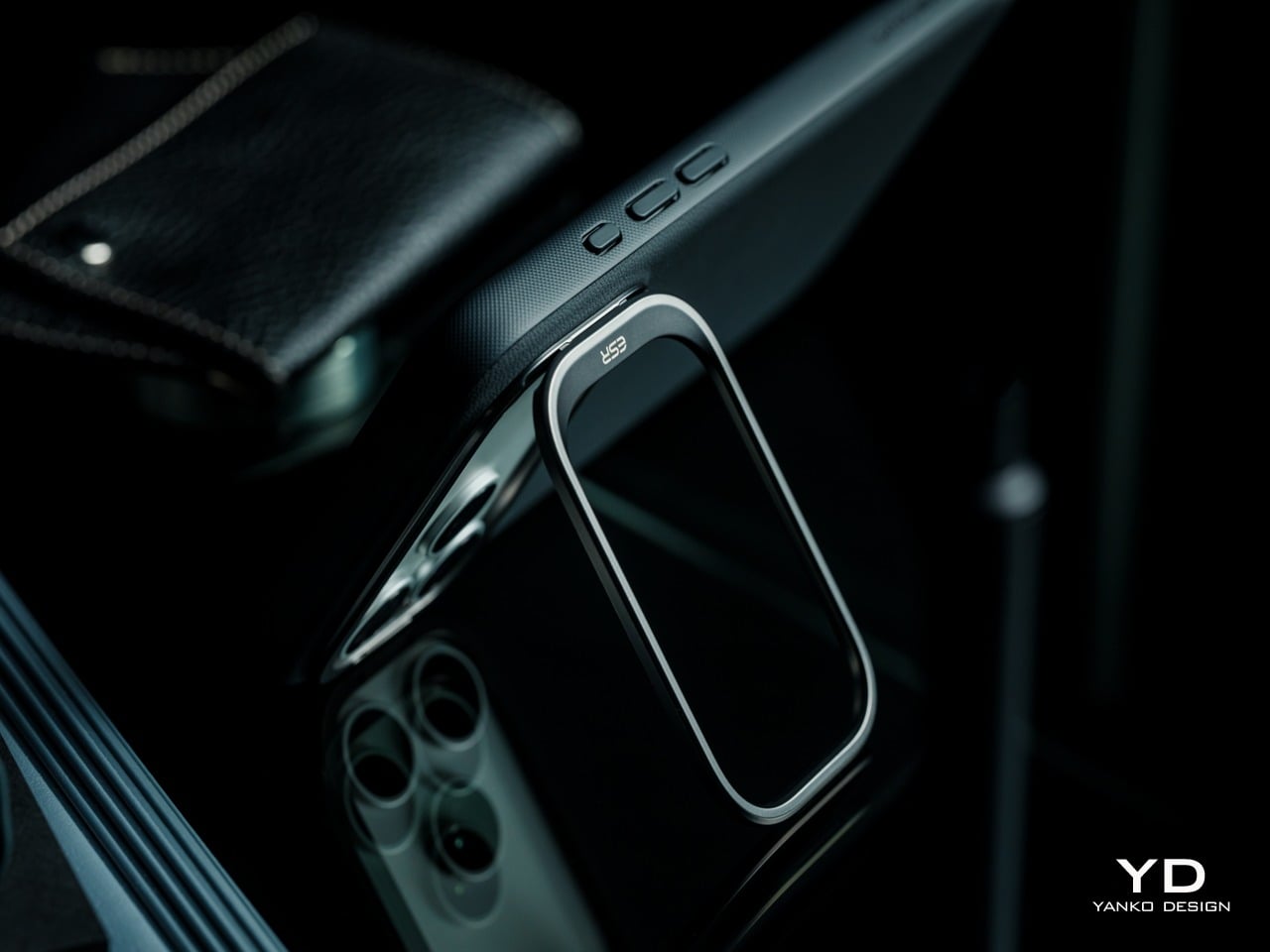
In practice, the headlining FlexStand’s mechanism feels smooth. Opening the guard takes a deliberate nudge rather than snapping open accidentally, and once propped, the stand supports both landscape and portrait viewing, with angles from 15 to 69 degrees. It works in landscape for video calls just as well as in portrait for reading or scrolling. When closed, the guard does raise the camera’s profile even higher than what it already has without any case, a necessary tradeoff for a creative solution to two problems in one.

Performance

The FlexStand is the Atelier’s most interesting functional detail, because it solves two problems at once. ESR’s FlexStand combines a camera guard to protect the device’s camera lenses when closed and an adjustable stand for hands-free viewing when open. On a phone with a camera island this large, exposed lenses are a genuine vulnerability, and folding that protection into the stand mechanism itself is a smarter solution than treating them as separate concerns.
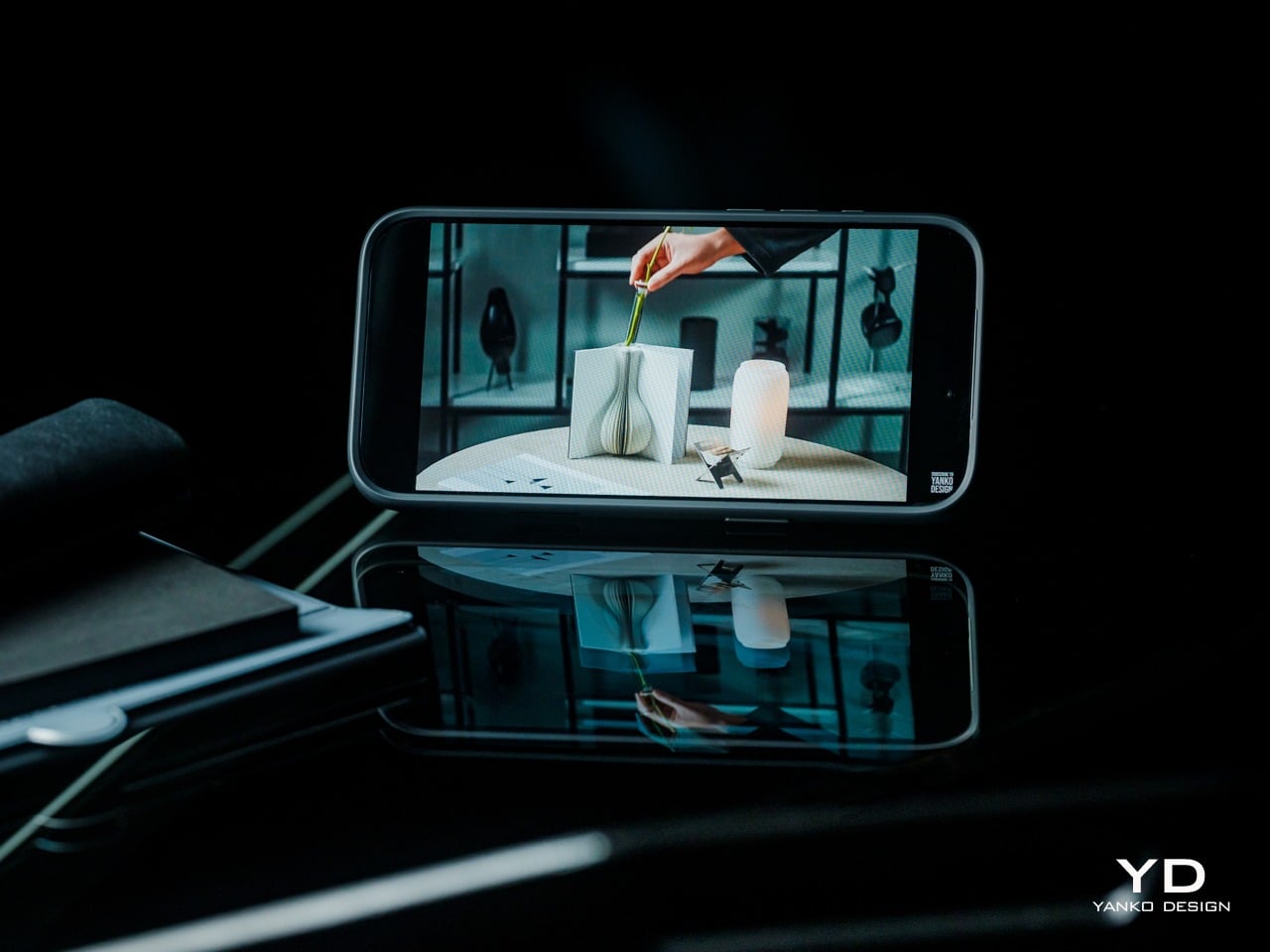
The stand supports viewing angles from 15 to 69 degrees, which covers enough range for upright reading and low-angle watching from across a desk. Shallower angles work well on uneven surfaces like an airplane tray table or a lap, while steeper ones put the screen more directly in view. Both portrait and landscape orientations are supported, with no additional mechanism or adjustment needed between the two. That said, vertical orientation pretty much means just tilting the back of the phone up, enough for scrolling or reading but definitely not for video calls.
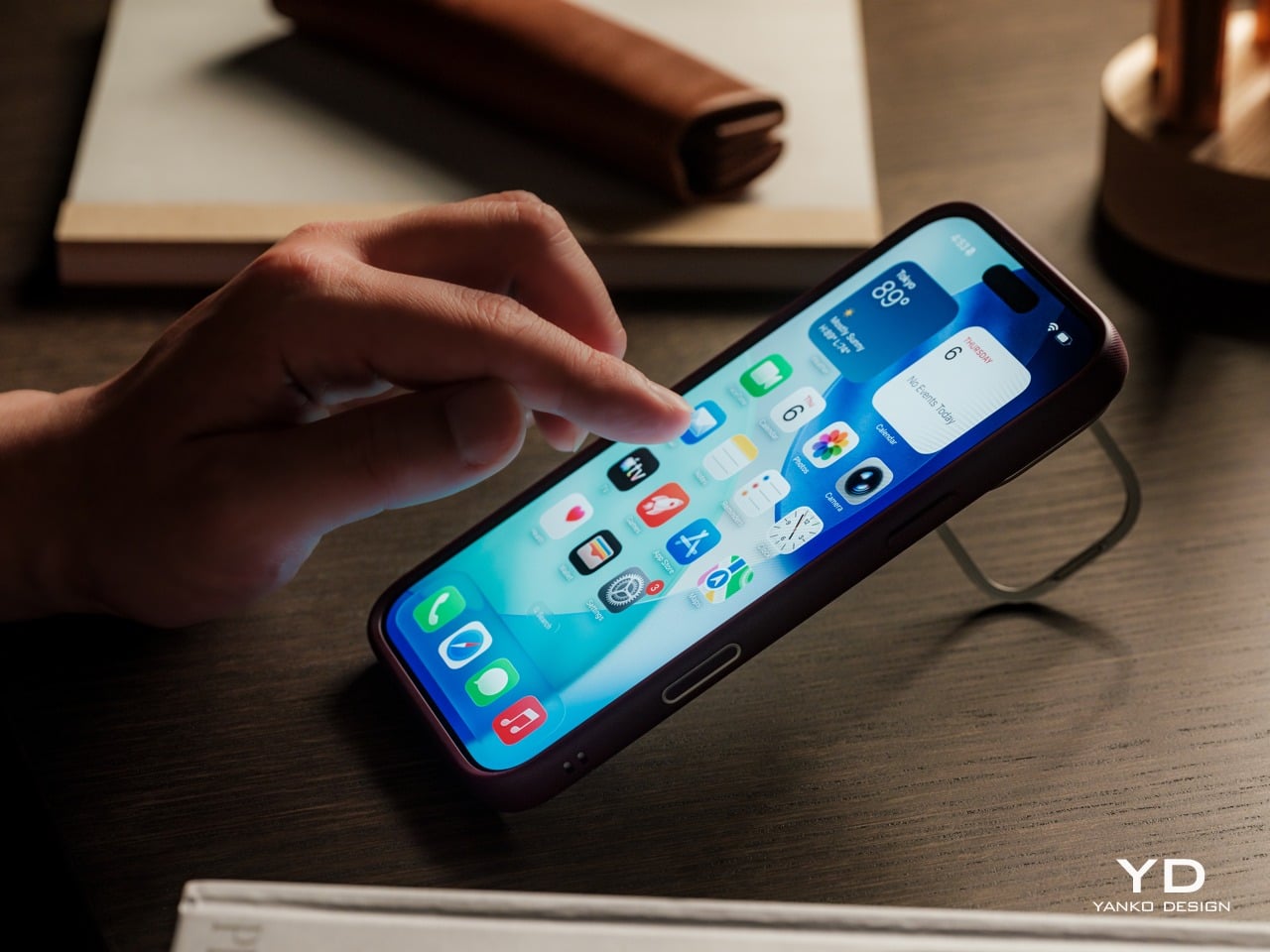
Beyond the stand, the Atelier handles everyday protection through a combination of a shock-absorbing TPU frame, and raised-edge protection. ESR rates the case for 3x military-grade protection, and the overall construction feels solid and deliberate rather than rubbery or flimsy. You can expect some added bulk and heft, but not more than any rugged protective case worth its salt.

MagSafe performance is strong. The Atelier uses built-in magnets rated at 1,400g of force, and compatible chargers and accessories snap on with a reassuring click. Because the back panel carries no visible ring or hardware, the magnetic experience feels clean and uncluttered from the outside.

Sustainability

Most phone cases don’t come with a sustainability story worth telling, and the ones that do tend to lean on recycled packaging rather than anything in the product itself. The Atelier’s more grounded argument is that a case built to resist early aging is more responsible than one that looks worn within months of purchase, and the silicone-based vegan leather is central to that reasoning.
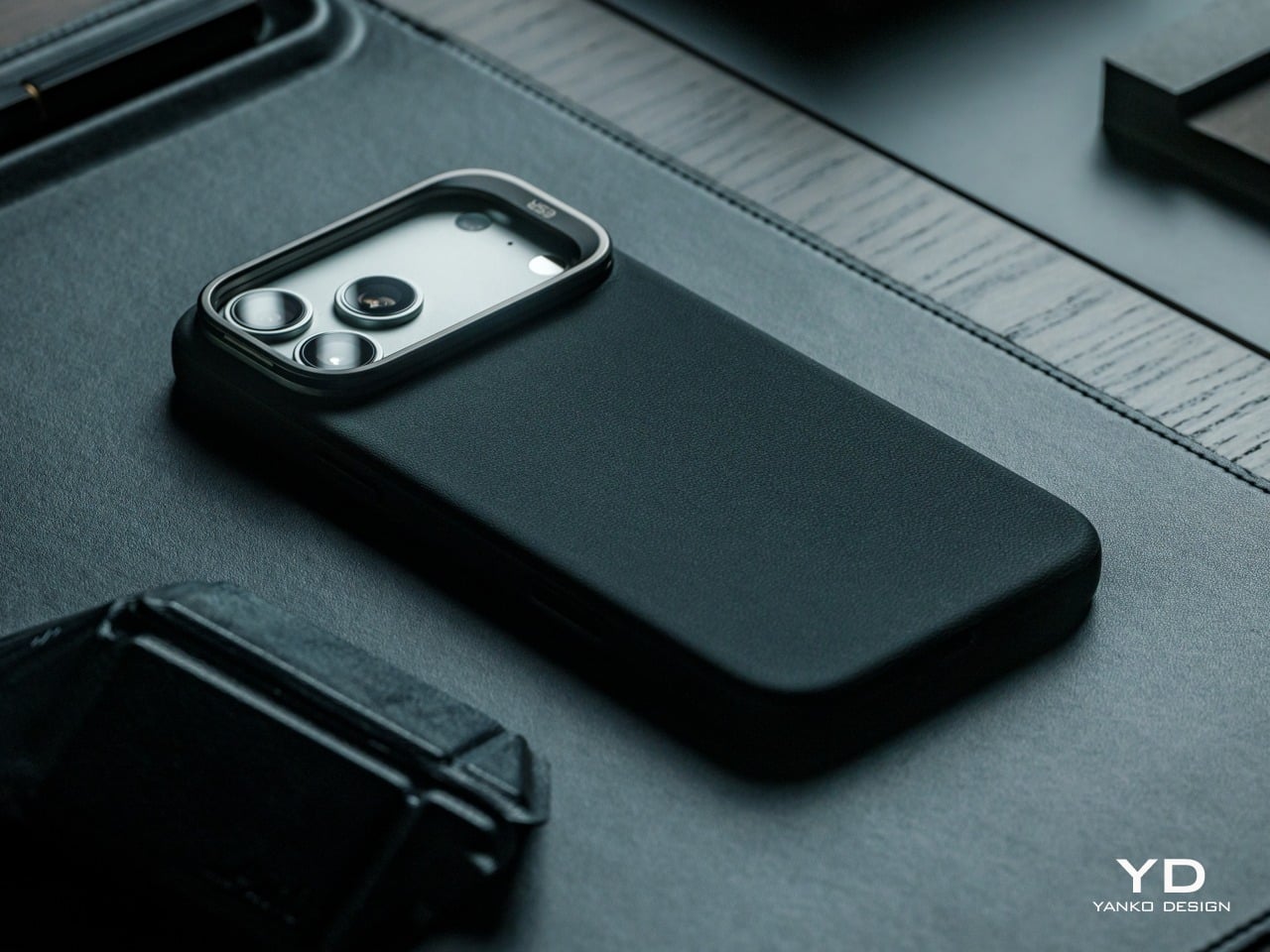
Being animal-free by construction, the vegan leather adds appeal for buyers thoughtful about materials but still wanting a leather-like aesthetic. It isn’t positioned as an environmental product in the way that a recycled-material case might be, but choosing a durable, easy-care surface that resists early replacement adds up meaningfully over time. A case that doesn’t need swapping out every few months is quietly a more sustainable choice.

Value

The Atelier is priced at $42.99 for Black and $45.99 for the remaining three colorways, including Deep Burgundy. Those figures sit toward the upper end of what most buyers expect to spend on a phone case, but the price reflects a package that bundles considerably more than leather. A built-in stand, strong MagSafe compatibility, and multi-layer protection are all part of what that cost covers.
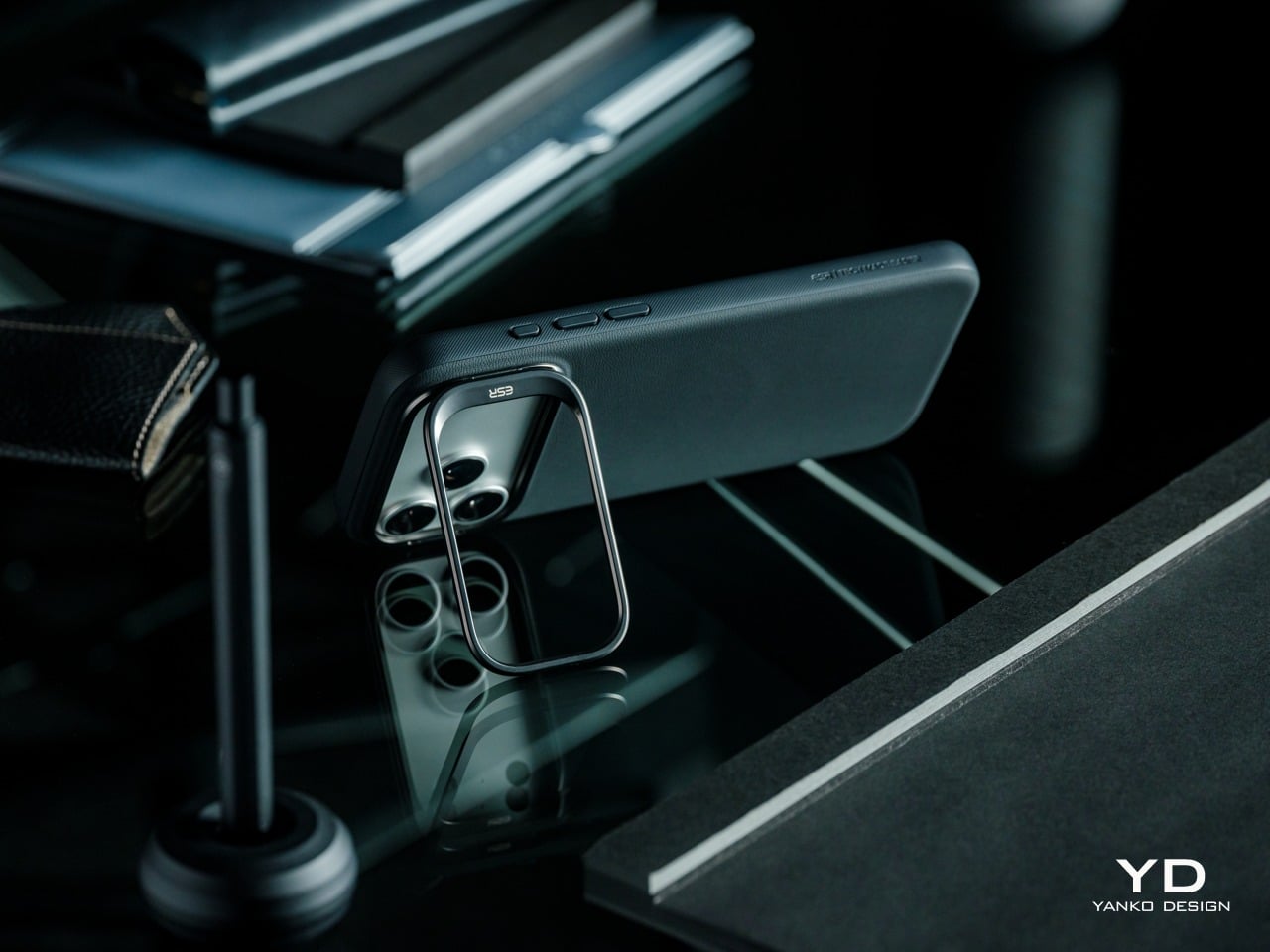
For comparison, many premium leather-style cases fall into a similar price range, but often without integrated stand functionality, and a dedicated kick grip would be an added accessory on top of that. The Atelier handles both without making the back look overcrowded or adding any structural compromise. That combination, at this price, represents a reasonably compelling package for buyers who care about aesthetics and functionality in equal measure.
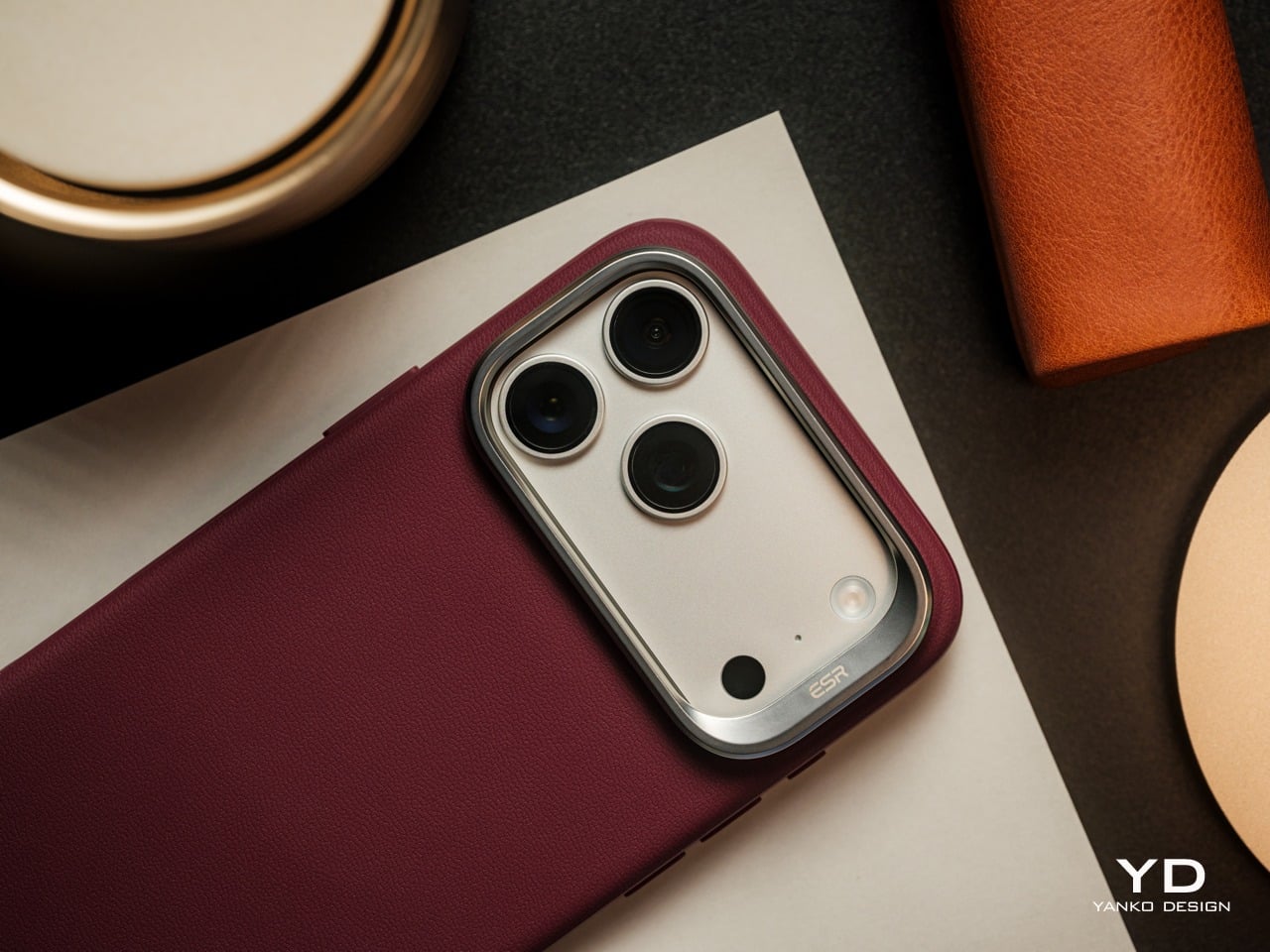
Where the Atelier’s value becomes most clear is in how long it’s designed to hold up. Buyers who regularly replace cases because of fading, stains, or surface wear will likely get considerably more time out of this one before that becomes a concern. That longevity also means less time hunting for a replacement case that ticks the same boxes, which is rarely as easy as it sounds.

Verdict

The ESR Atelier Magnetic Case finds its innovation in restraint, representing a new design direction for ESR’s protective case lineup and combining a more refined aesthetic with the everyday functionality ESR is known for. It finds a more sensible middle ground through better material choices, a stand that genuinely belongs to the case’s geometry, and a visual language that doesn’t rely on aggressive branding or drama to make an impression.
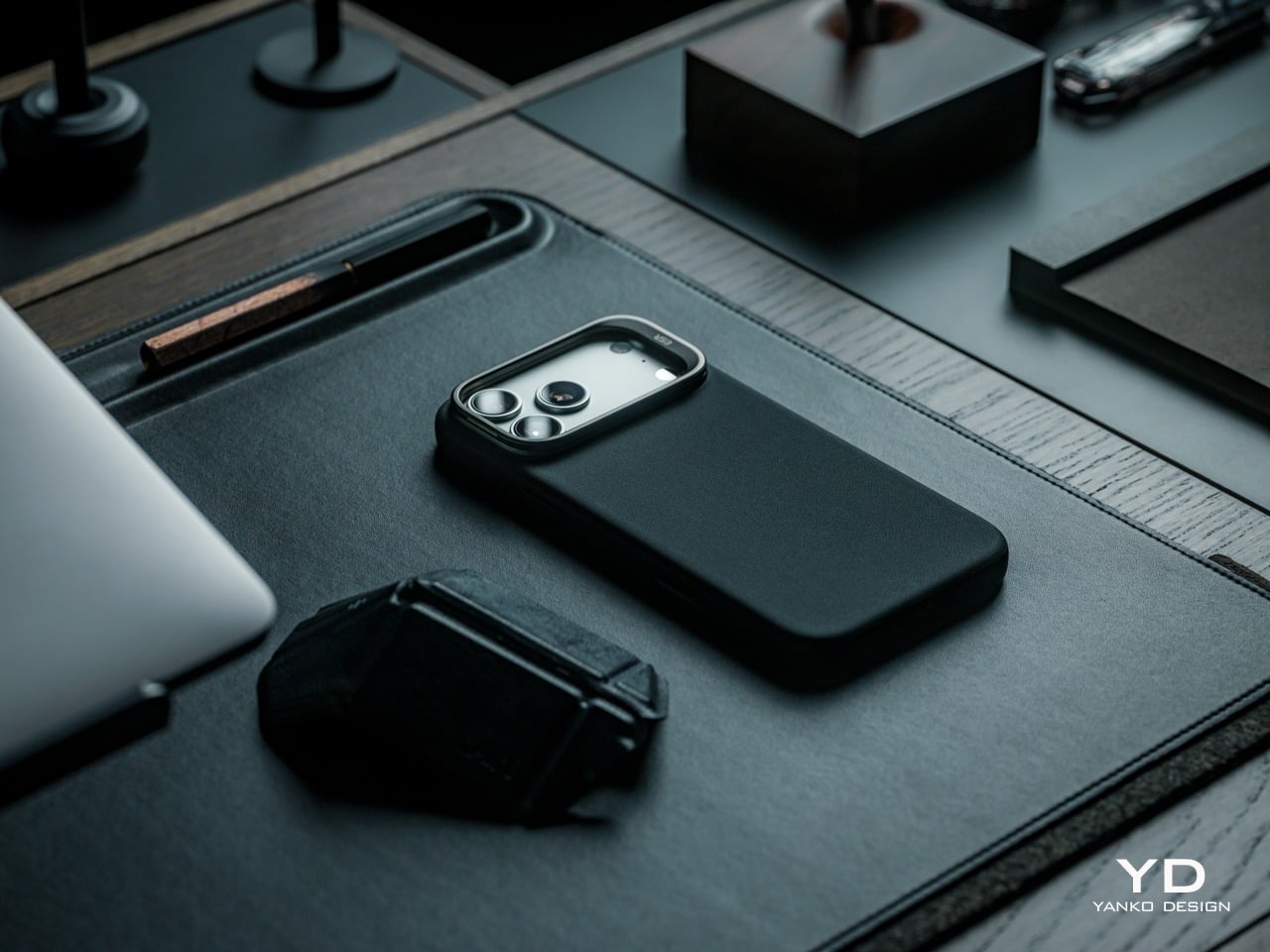
It suits buyers who want their iPhone 17 Pro Max to feel considered at every touchpoint, designed for users who appreciate the premium look and feel of leather but want a more durable and easy-to-maintain alternative for daily use. The Deep Burgundy variant, in particular, carries a character and warmth that’s genuinely hard to find in most protective cases, making it a compelling choice for sophisticated buyers who have grown tired of flashy and gimmicky accessories.

Click Here to Buy Now: $45.99

The post ESR Atelier Magnetic iPhone 17 Pro Max Case Review: Vegan Leather Done Right first appeared on Yanko Design.
This Pen Case and Desk Stand Are the Same Object, and It’s Magnetic

The pen case is one of those objects that nobody seems to have genuinely rethought. The standard design is a zippered pouch: pens go in, pens pile up, you dig through until you find the right one, and then you close it again. That sequence repeats itself a dozen times a day, and most of the friction happens in that brief moment between needing a pen and actually having it in hand.

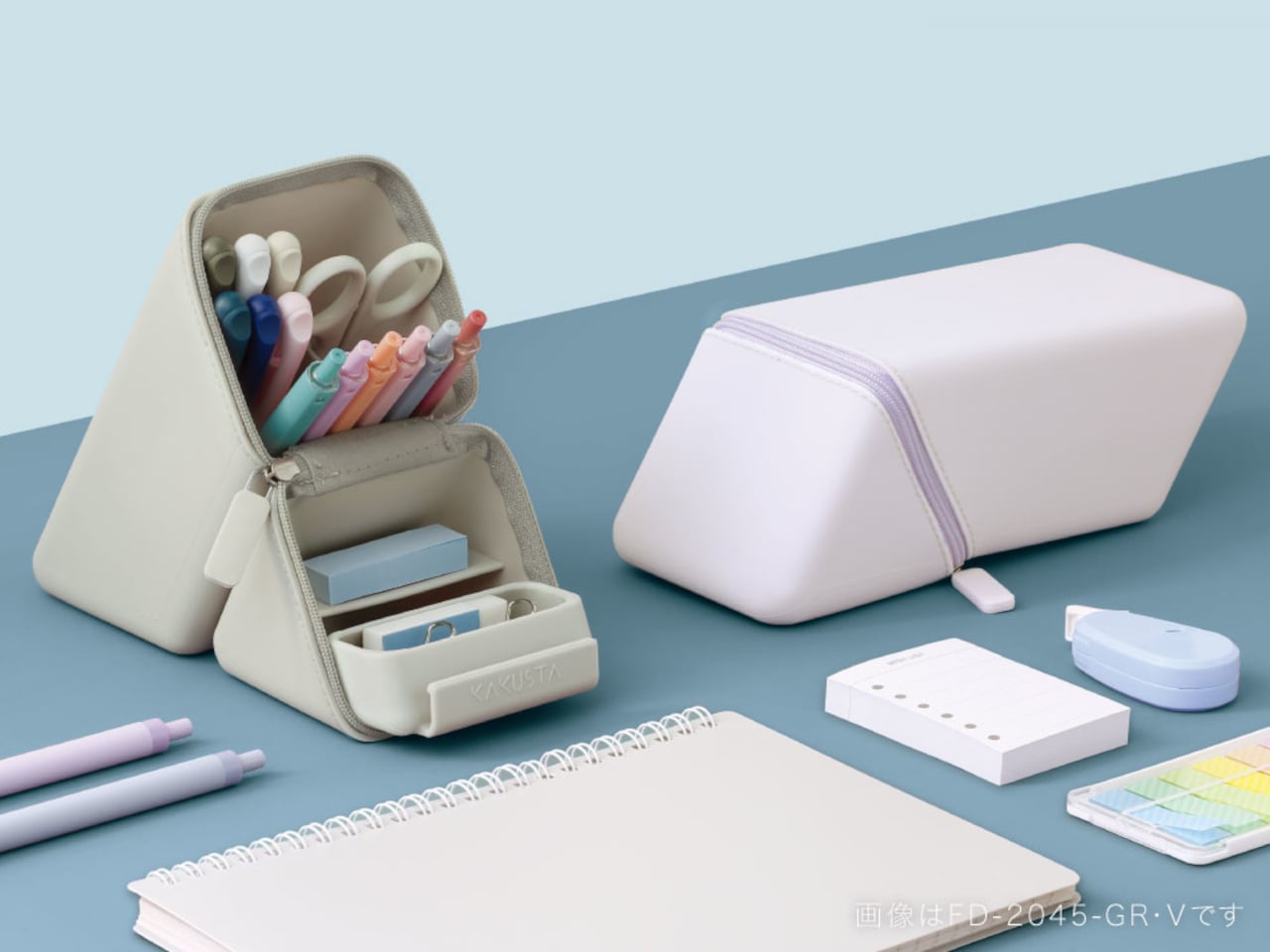
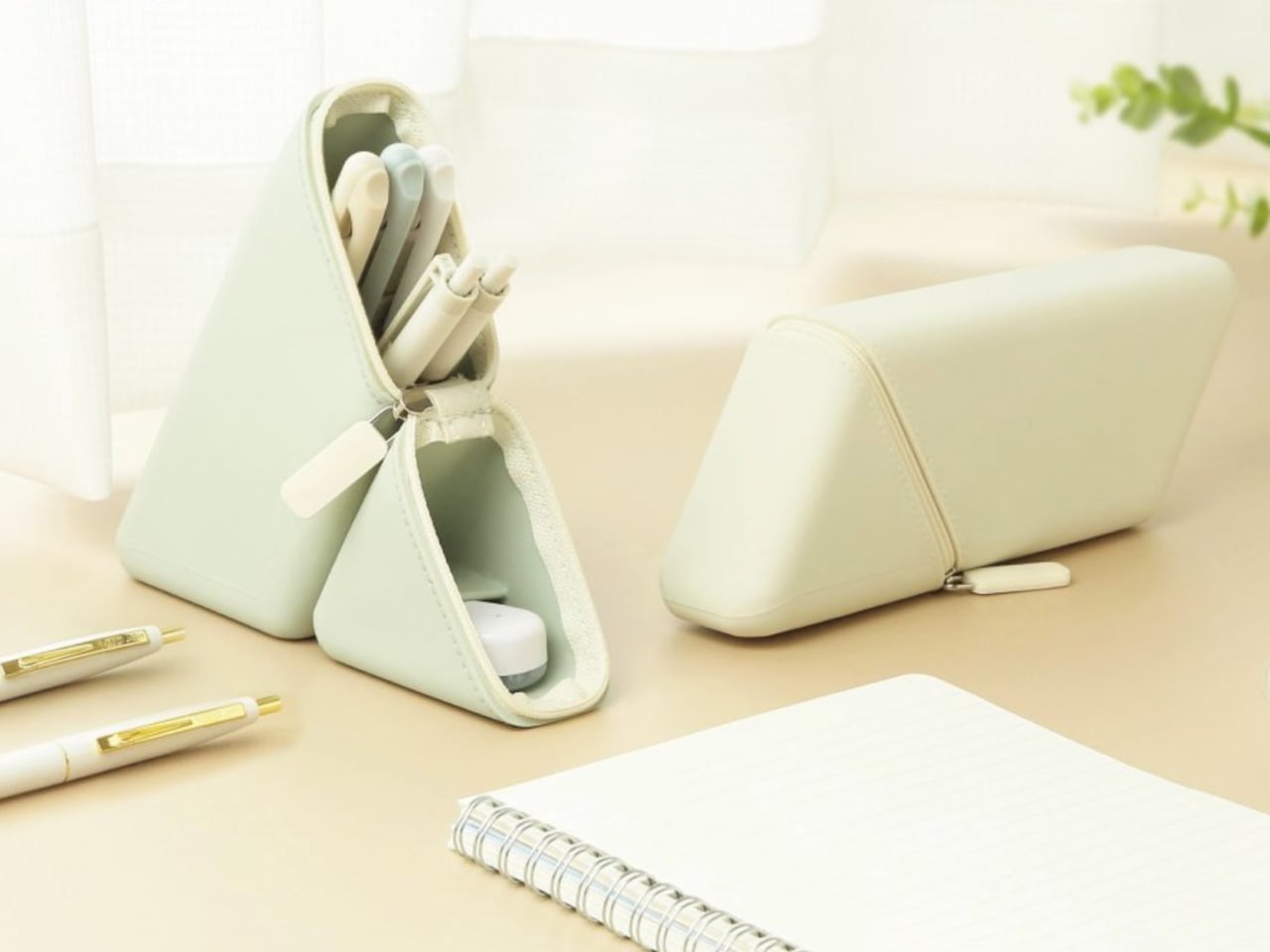
Sonic, a Japanese stationery manufacturer, focused specifically on that moment. Their Kakusta Portable Pen Holder is a silicone case that converts into an upright pen stand with a single unzip and fold. The idea isn’t just about carrying pens more conveniently; it’s about changing how you interact with them once you sit down to work, which is a different design problem entirely from making a better pouch.

Designer: Sonic

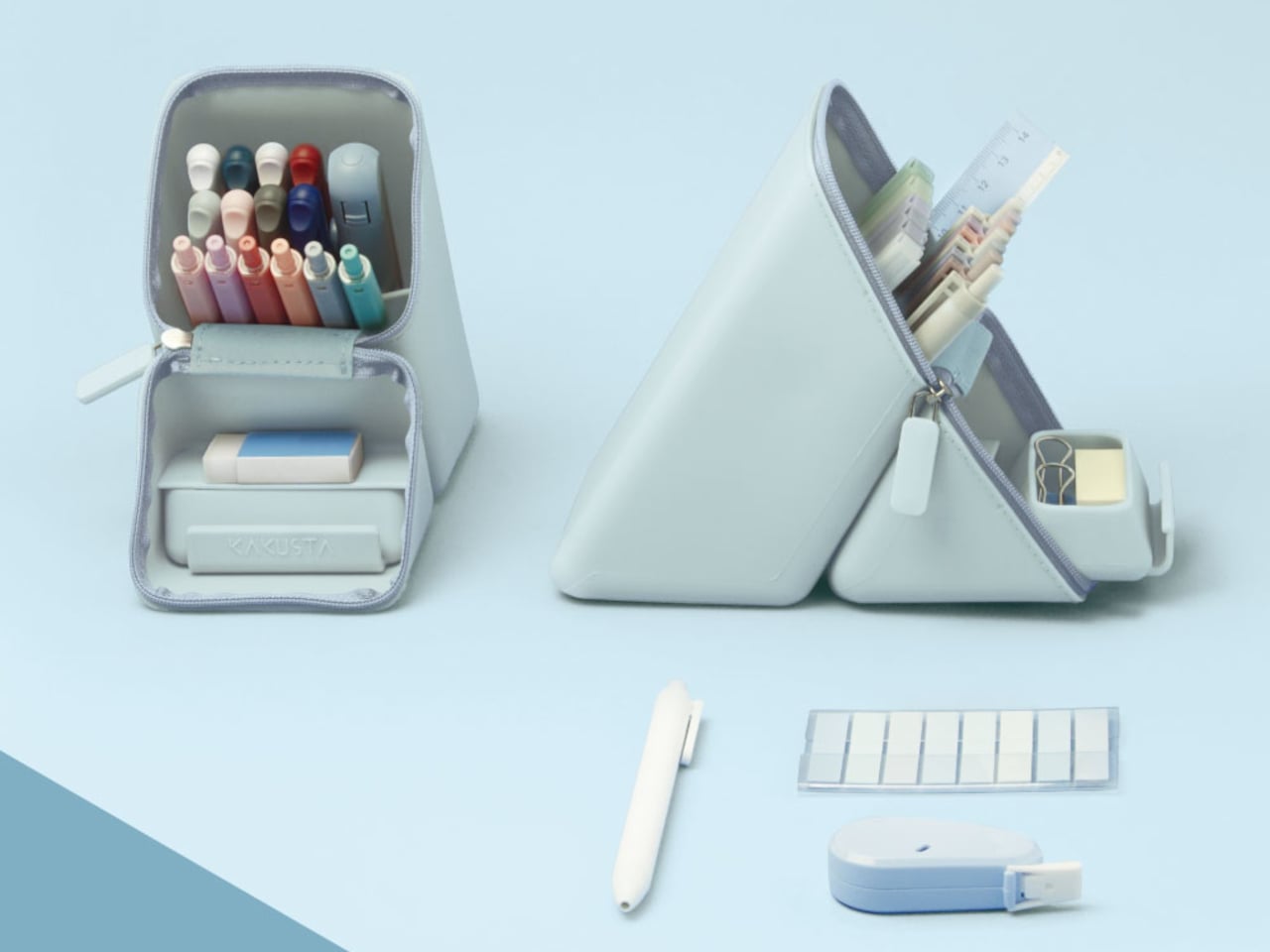
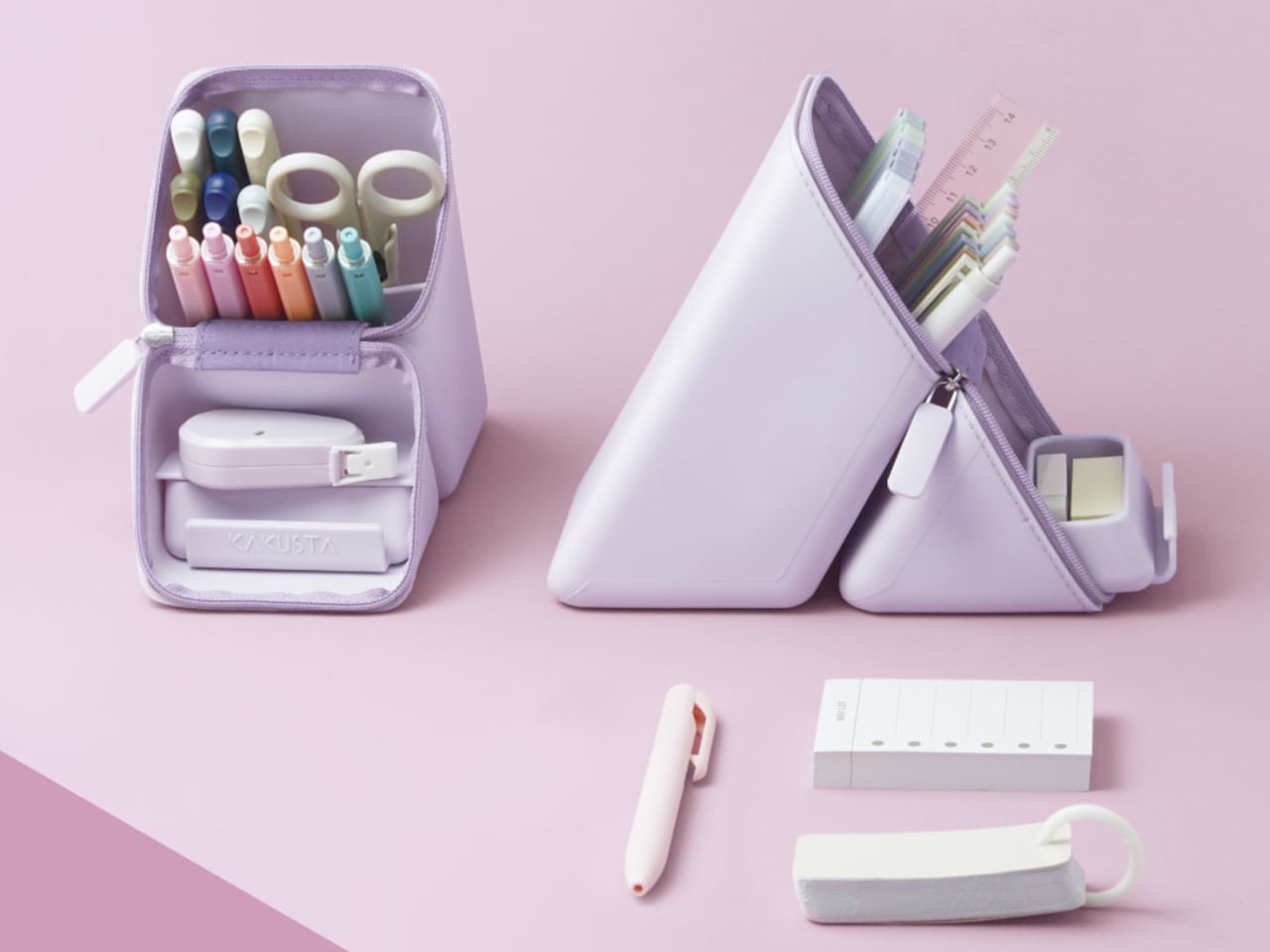
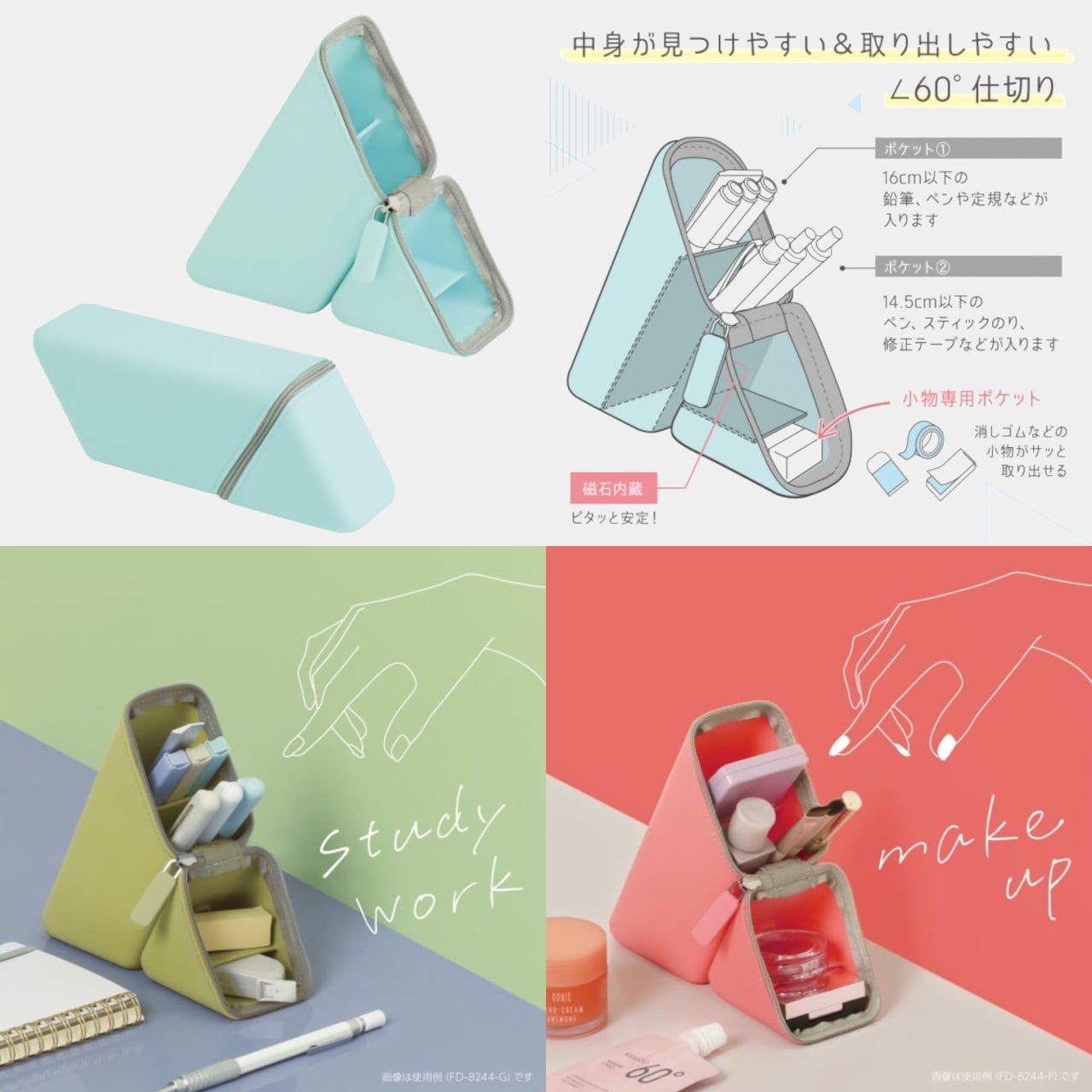
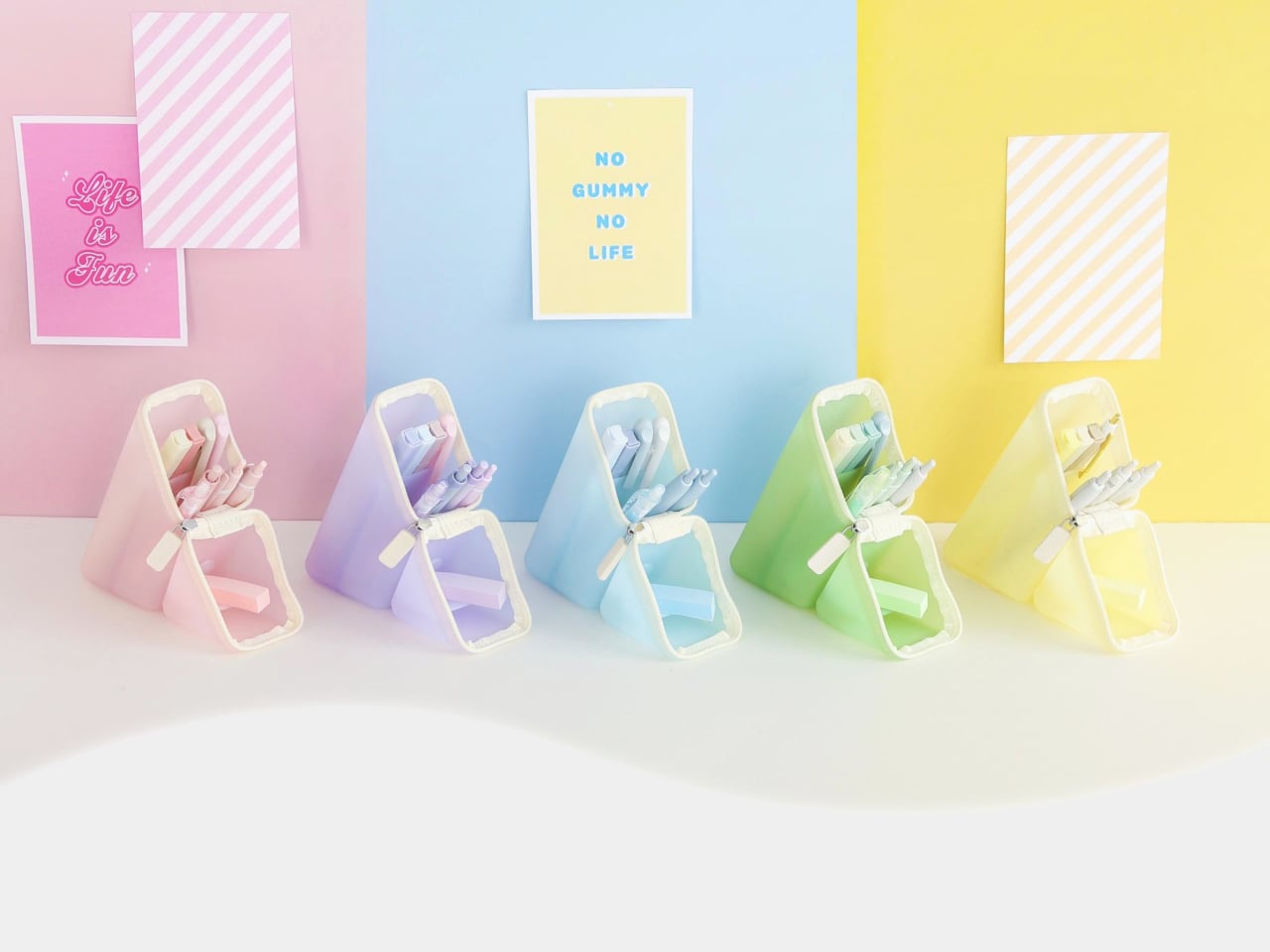
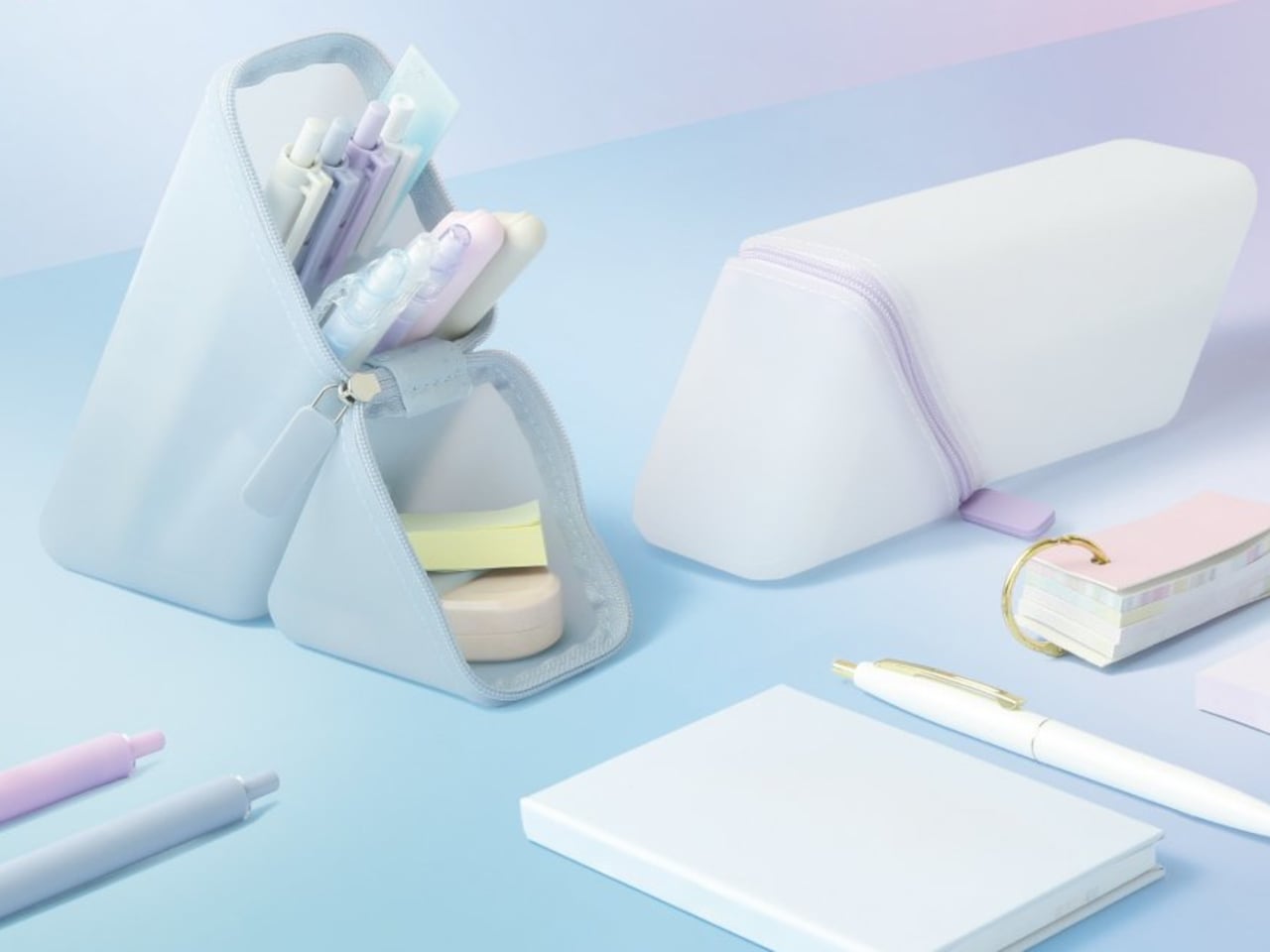
The transformation is central to the whole concept. When closed, the Kakusta is a flat, parallelogram-shaped case that fits easily in a bag pocket. Unzip it, fold the lid back, and it forms a triangular stand held in position by built-in magnets. Nothing needs to be assembled, no extra base is required, and there’s nothing to lose. The carrying case and the desktop holder are the same object.

The interior follows the same logic. The 60-degree angled dividers run across the base of the stand, keeping each pen tilted and visible rather than lying flat against the others. In a conventional pen pouch, finding a specific pen means pulling out several to get to it. The angled dividers let you see everything at a glance, a small improvement that adds up over a full working day.

The silicone body is flexible enough to accommodate pens of varying sizes and soft enough to compress in a bag without warping. The triangular form is stable by geometry, and the magnets keep the folded lid from springing back while you’re working. A matte surface treatment on the exterior resists dust and fingerprints, which matters for something that moves between a bag and a desk multiple times daily.

The magnets also allow the standing Kakusta to attach to metal surfaces, which is a small but genuinely useful detail. A student moving between classrooms can stick it to a locker door; someone working in an office can place it against a filing cabinet when desk space is limited. It’s the kind of secondary function that doesn’t announce itself in the pitch but gets used regularly once you notice it.

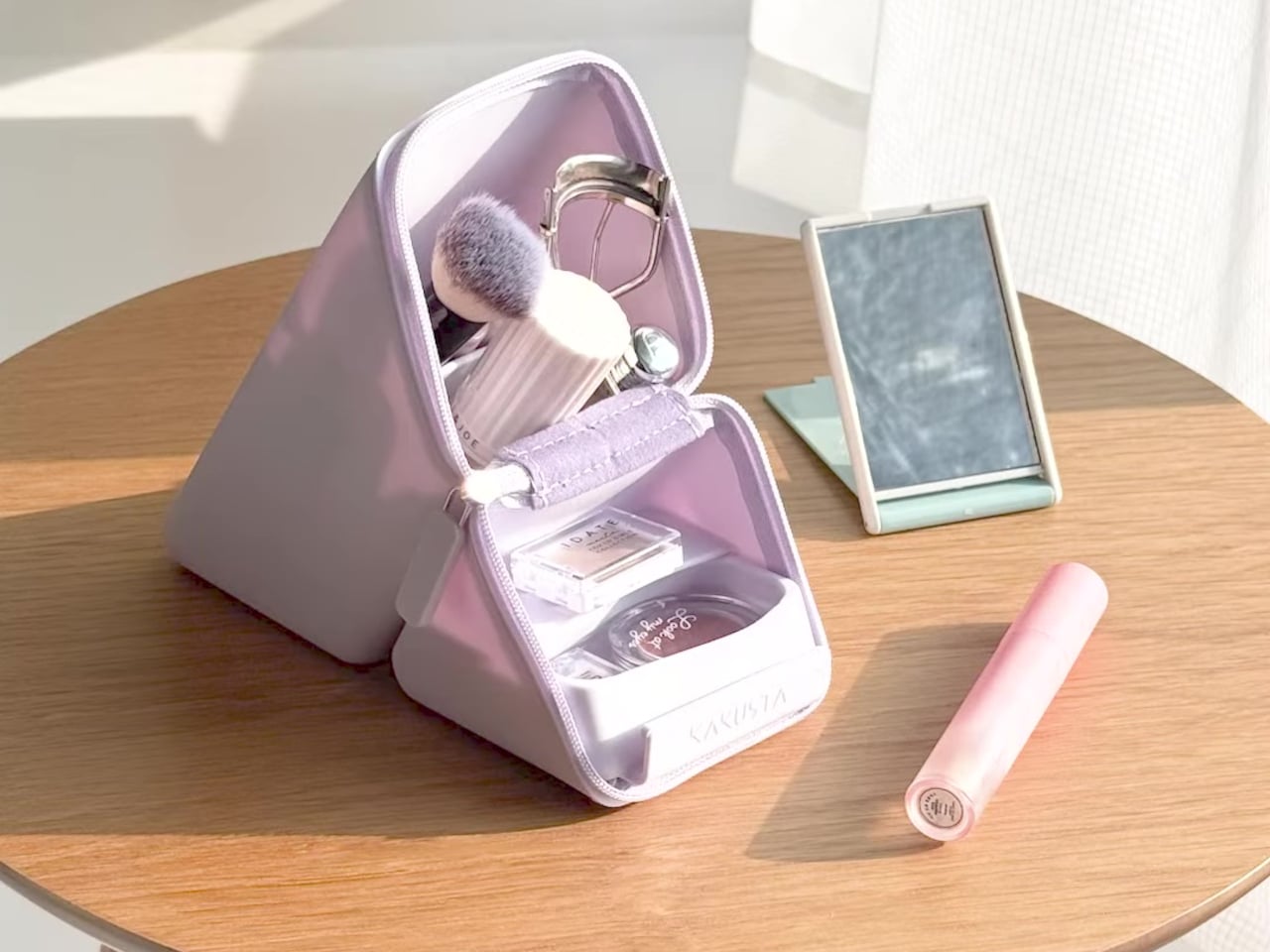
The case is compact enough to fit in a bag pocket without taking space meant for something else. Color options are restrained enough to sit on any desk without looking out of place. The palette leans toward the kind of tones that blend into a workspace rather than call attention to themselves. Kakusta is versatile enough to be used for other things, like holding makeup, proving that good design allows objects to extend beyond their initial purpose.

The post This Pen Case and Desk Stand Are the Same Object, and It’s Magnetic first appeared on Yanko Design.
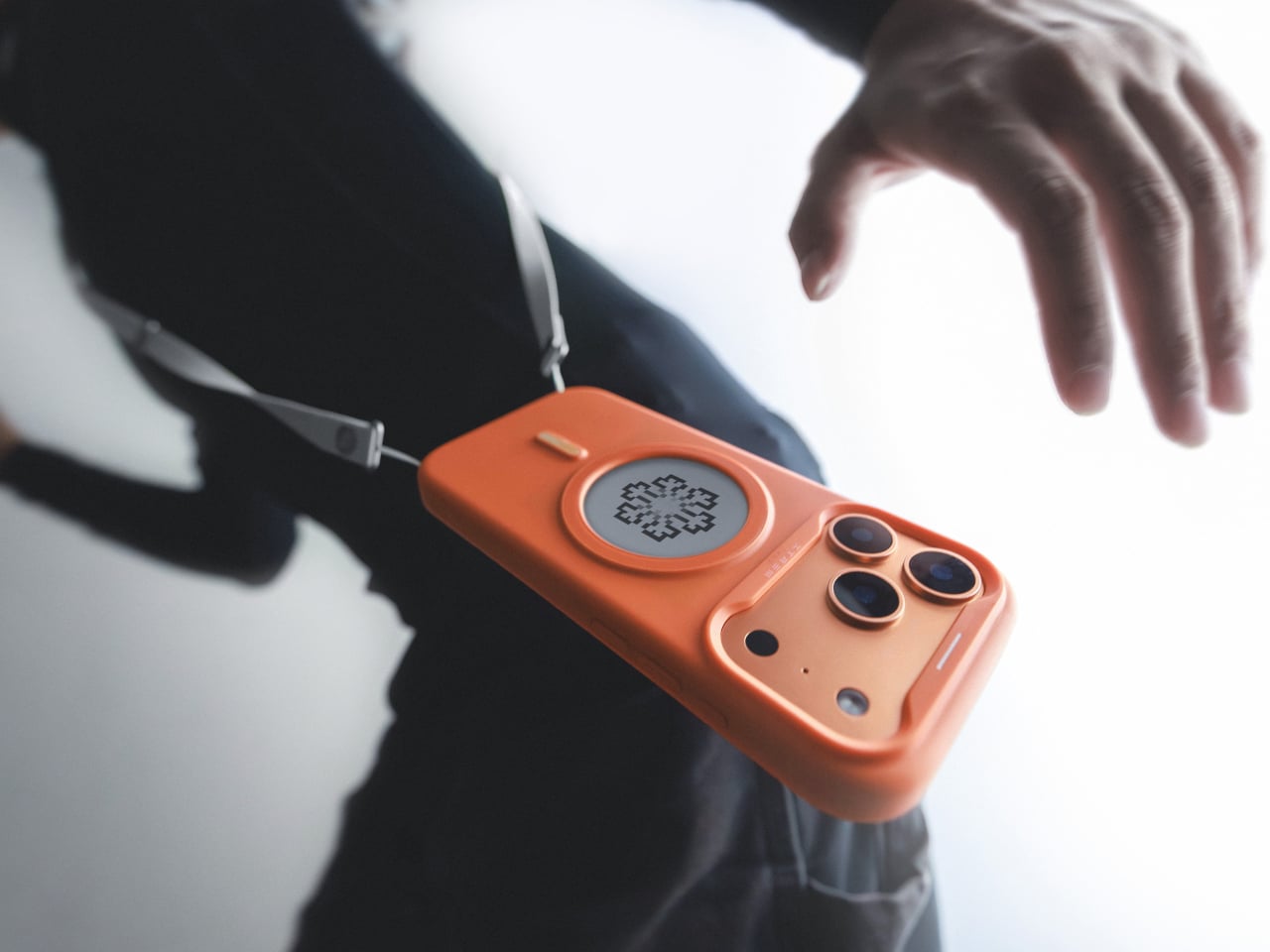
This iPhone Case Shows Any Photo You Want, Even With the Phone Off

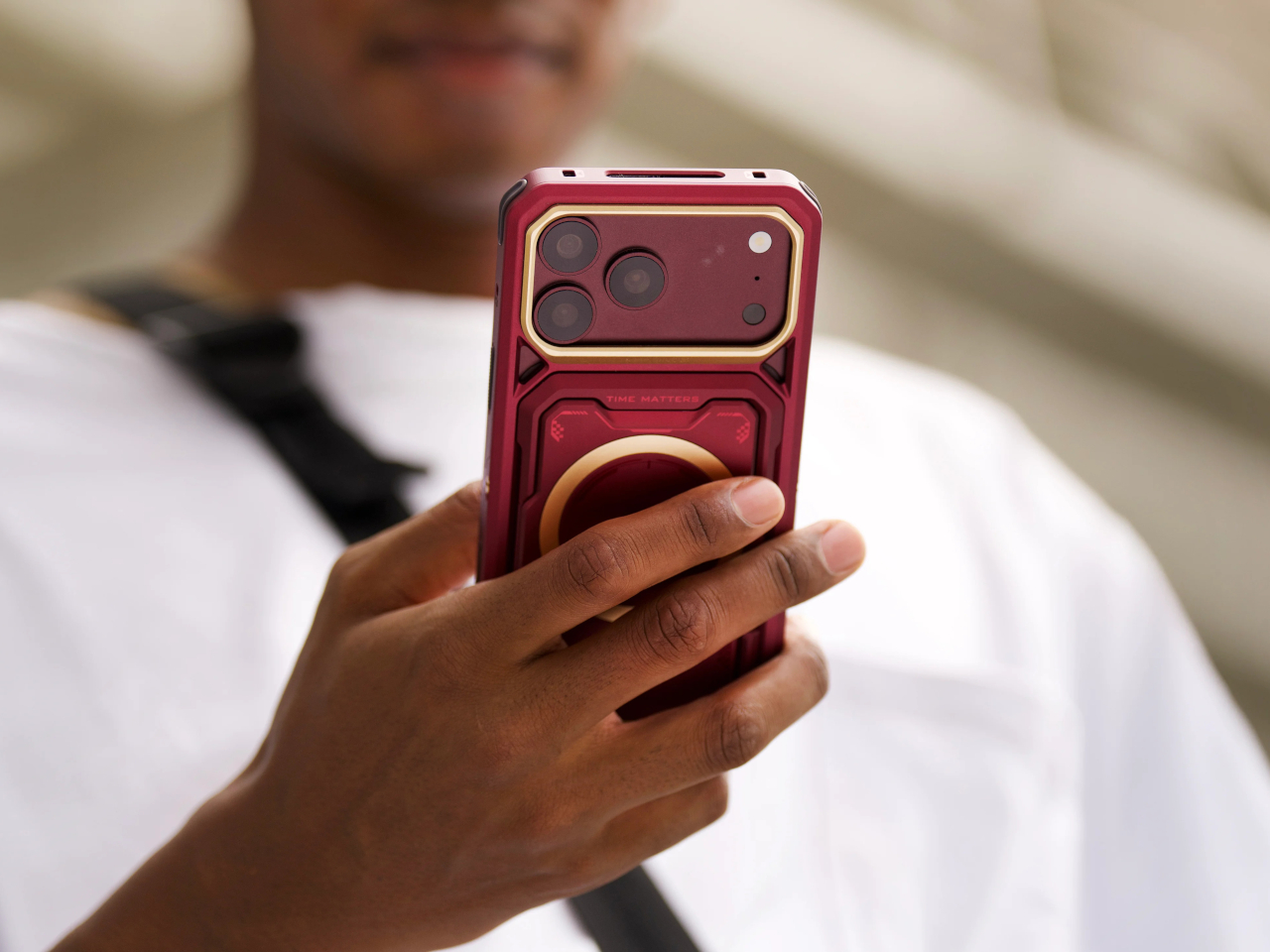
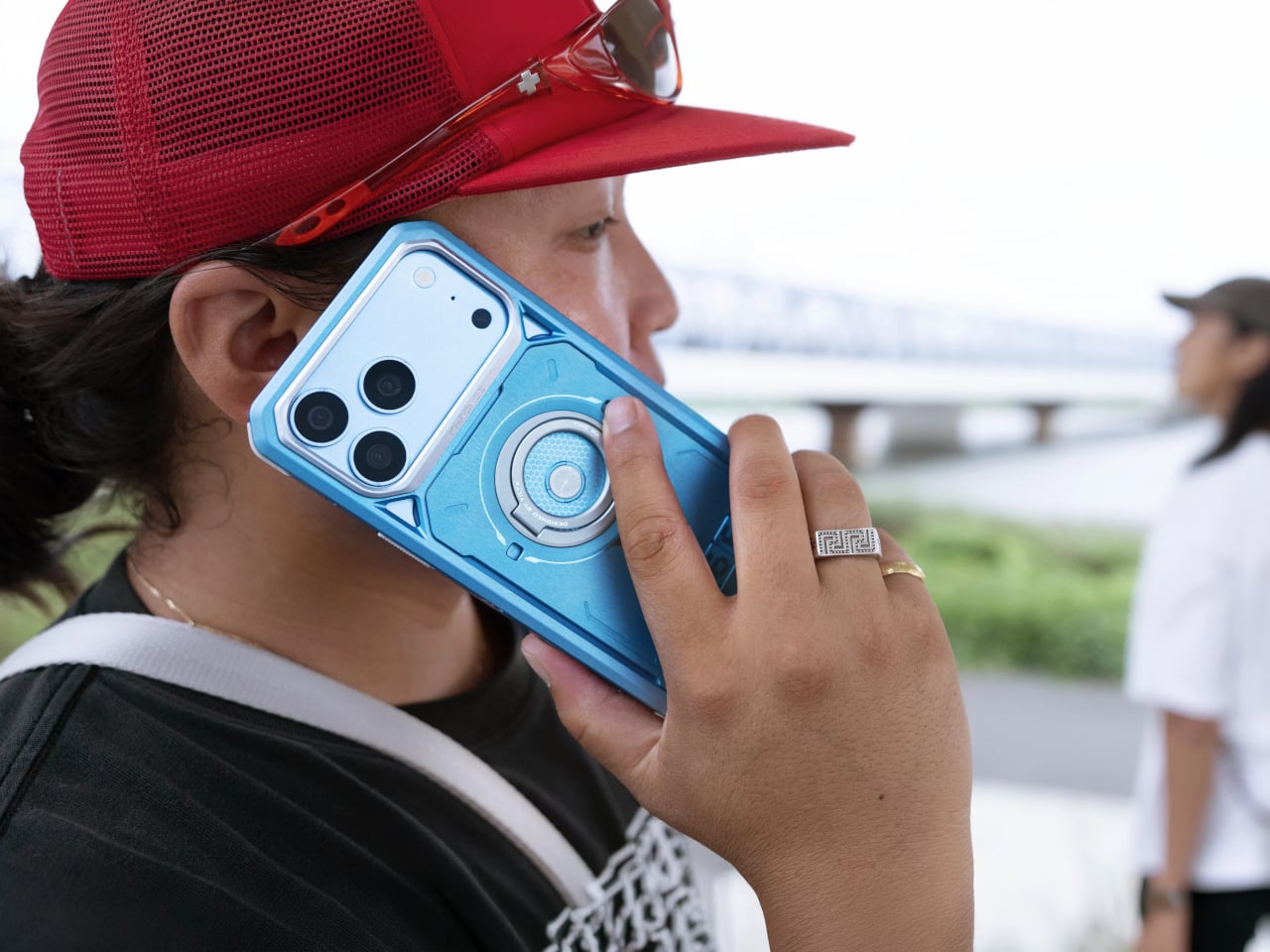
Phone cases have been a stubborn category for personalization. Swapping the look of your phone has traditionally meant buying a different case altogether, waiting for it to arrive, and committing to whatever fixed image or color you chose until you get tired of it again. Custom print-on-demand cases get closer, but they’re still a one-and-done commitment once the ink is on the plastic.

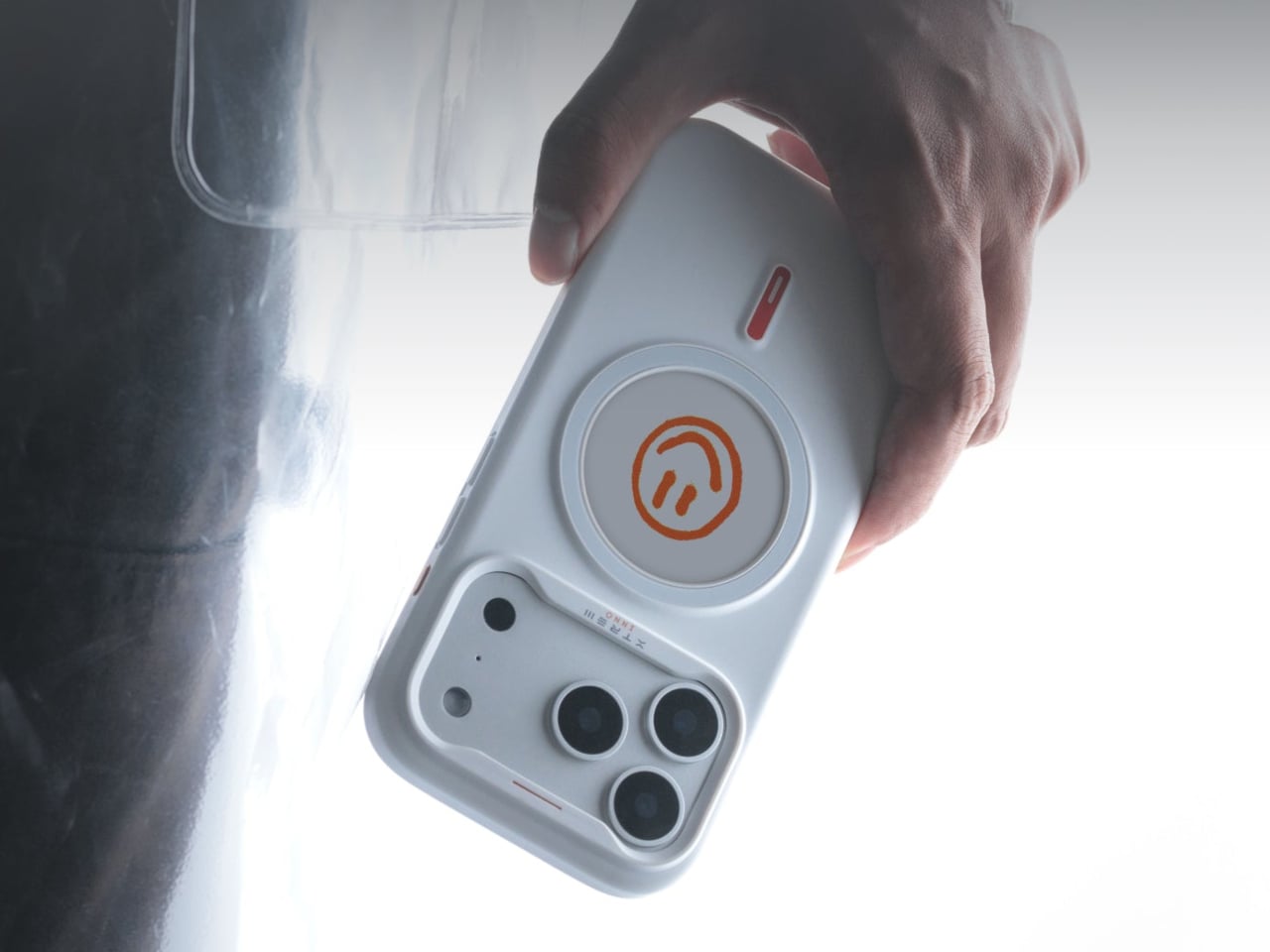
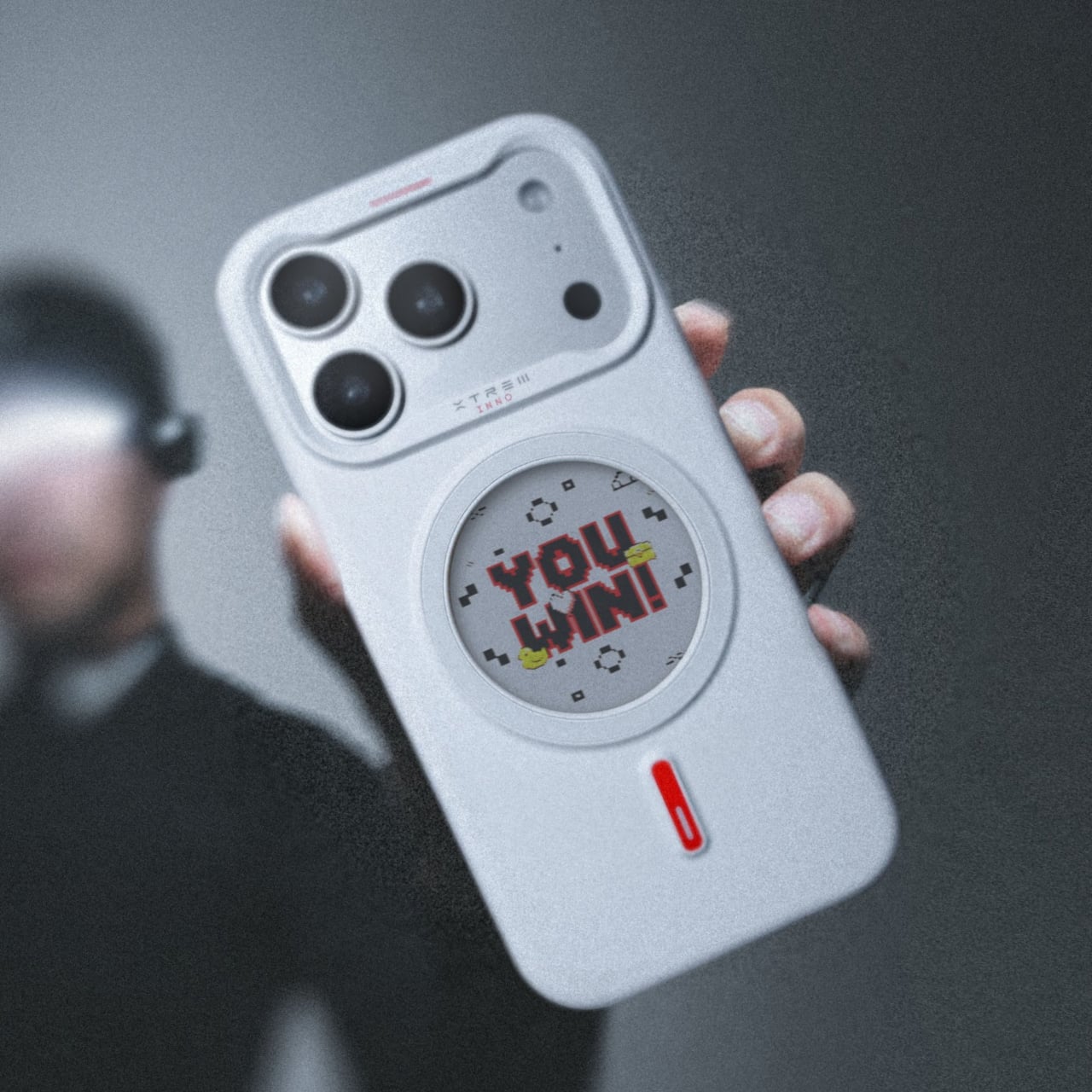
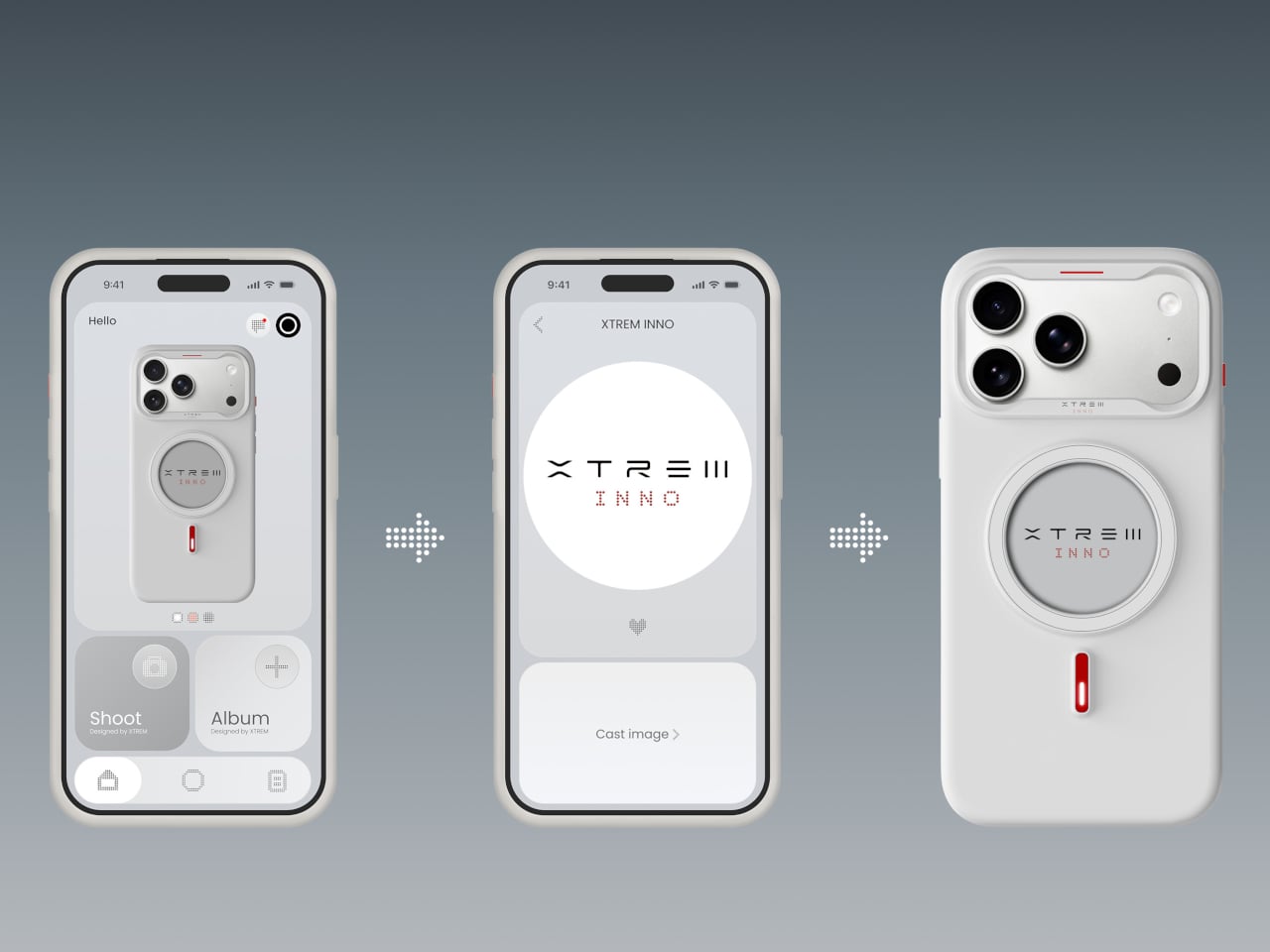
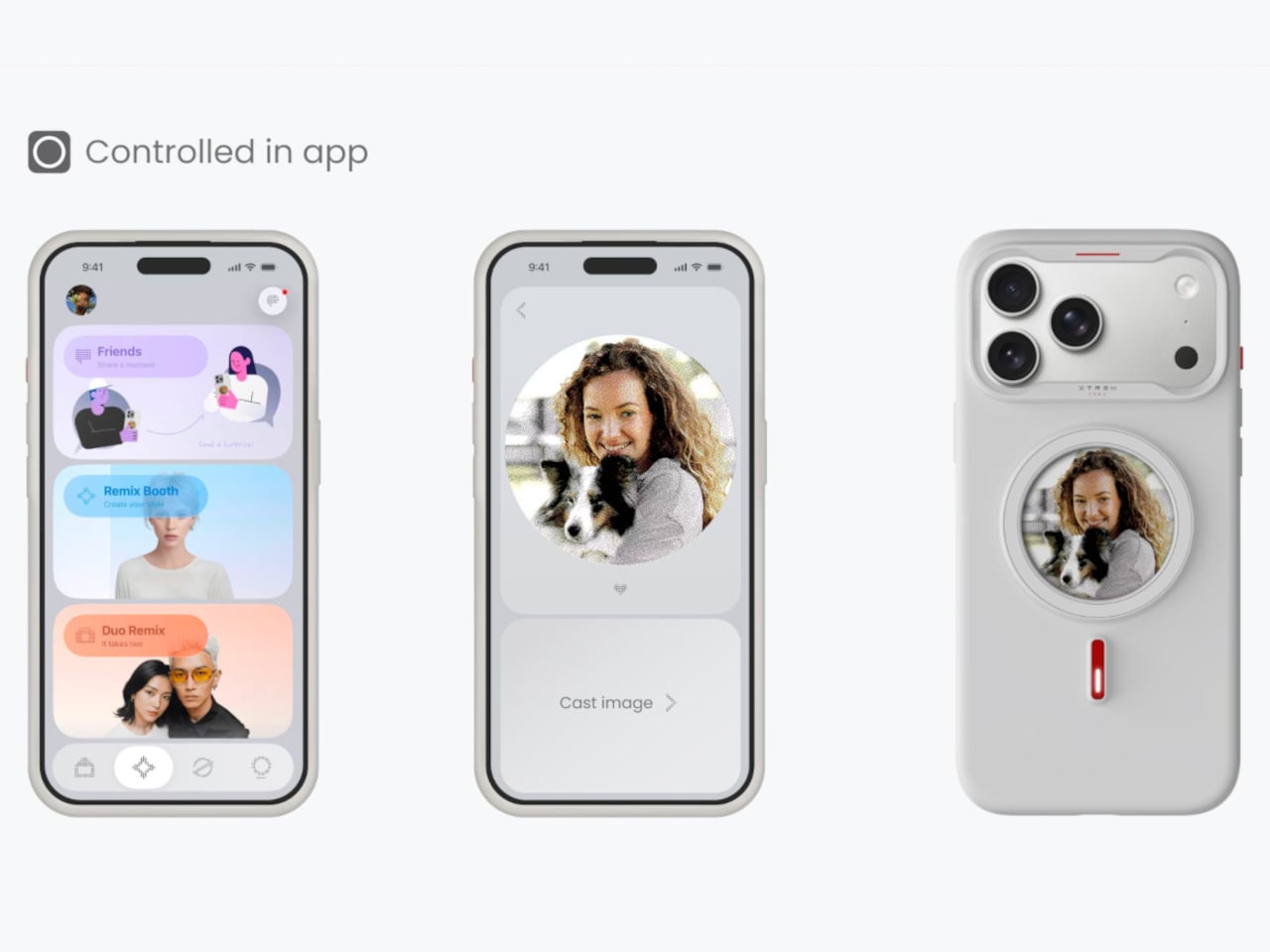
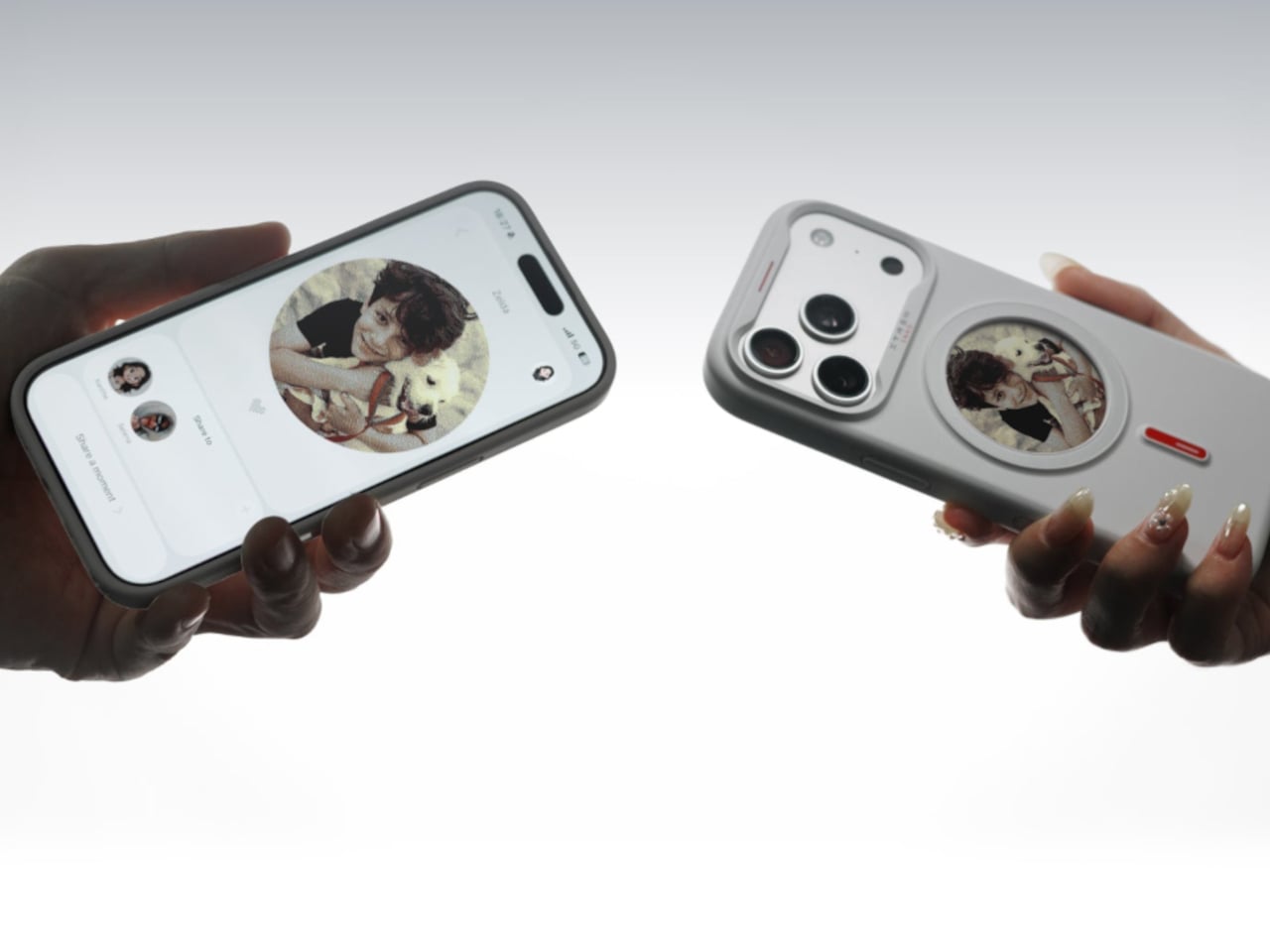
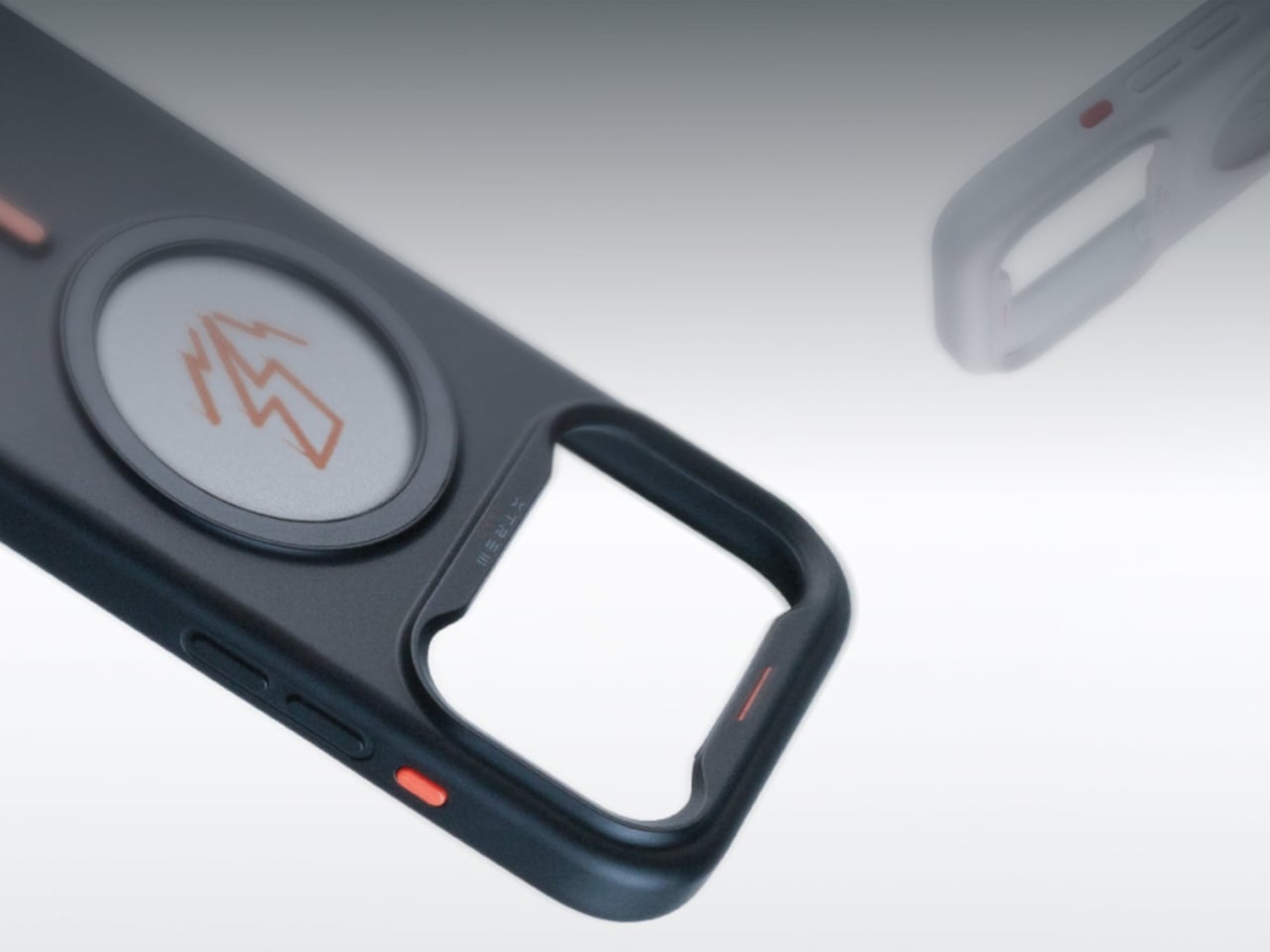
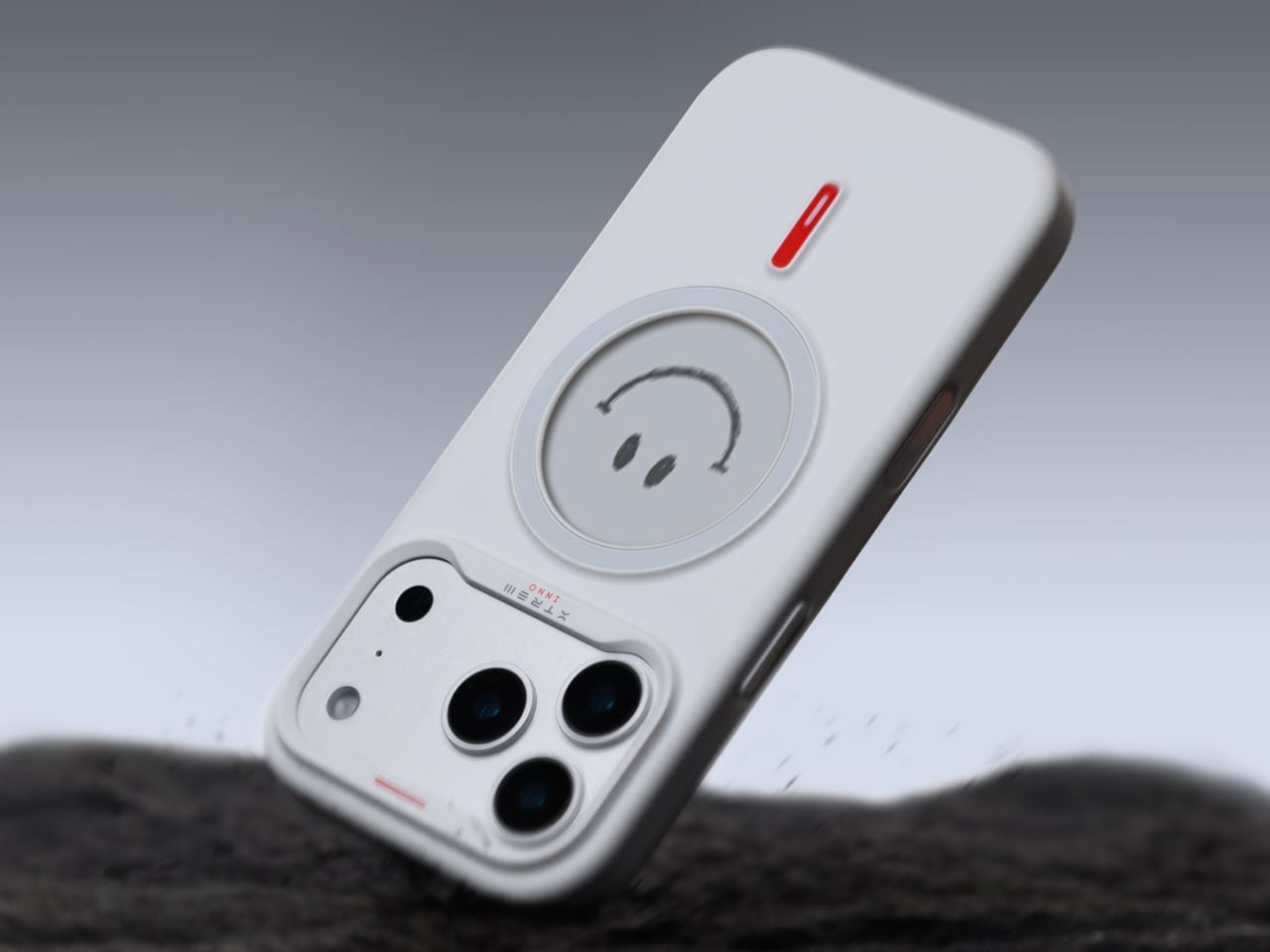
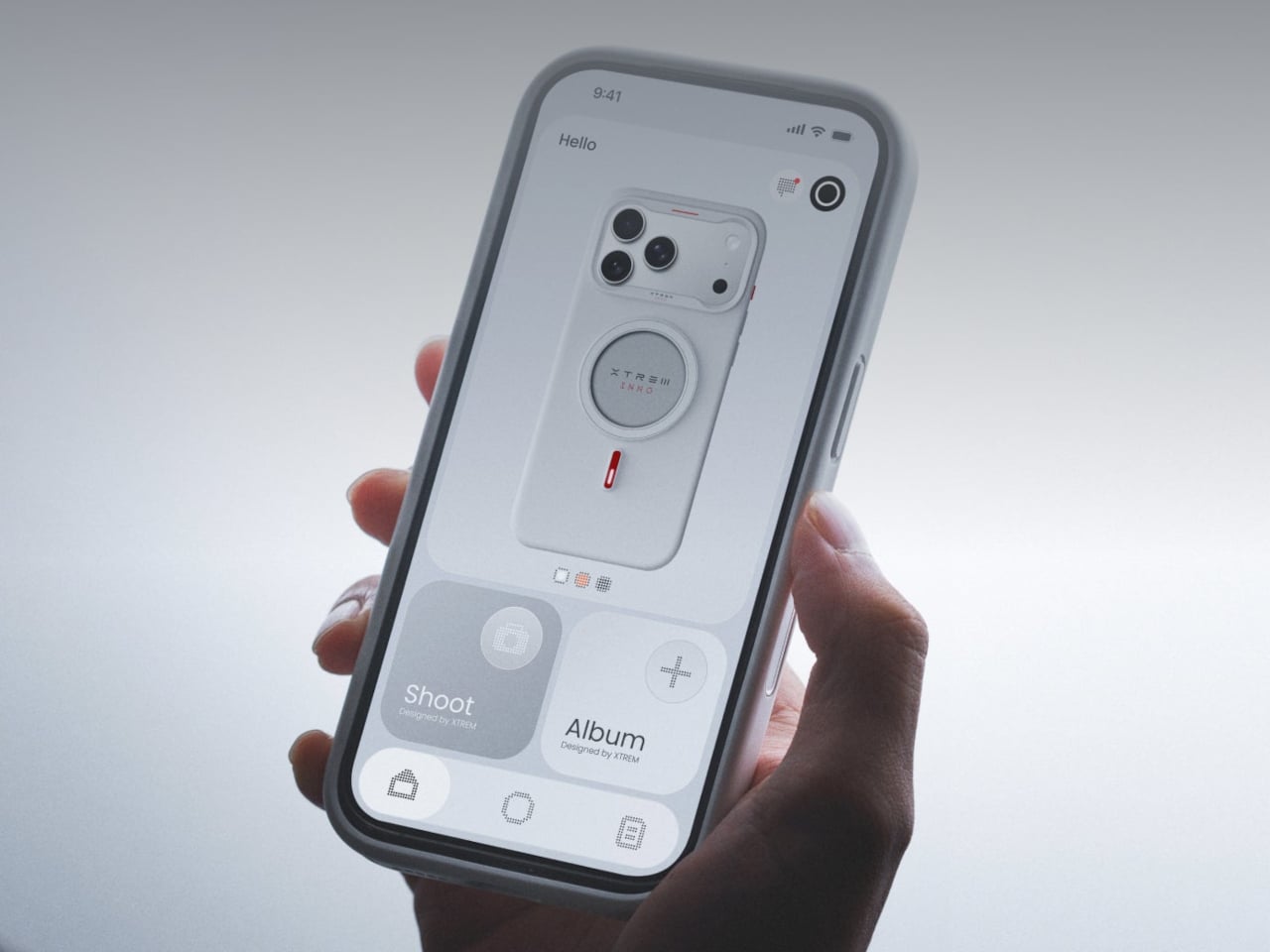
The XTREM INNO Instant Custom Case takes a different approach entirely by putting a live E-Ink display on the back of the case. The circular screen sits on the rear of the case and can be updated anytime using the companion G-SHELL app. Pick a photo from your camera roll, tap “Cast Image,” and within seconds the display updates to show it. No charging cables, no dongle, no separate battery to keep alive.

Designer: XTREM

That last part is the piece worth pausing on. The display uses passive NFC technology, which means the case draws what it needs from the phone only during the update and then holds the image indefinitely using essentially zero power. The photo stays visible even with the phone switched off or the case detached entirely. It doesn’t dim, doesn’t drain the phone’s battery, and doesn’t require any kind of maintenance.

The E-Ink screen itself runs at 212 PPI with a four-color system covering black, white, red, and yellow. That palette is wider than most standard tri-color E-Ink screens, though it’s worth noting the display doesn’t replicate photorealistic color the way a phone screen would. Images take on a quality closer to a printed photograph or a high-contrast graphic, which has its own particular appeal depending on what you’re putting on the case.

A more recent feature lets users link their case with a friend’s and cast photos directly to each other’s displays. Send a selfie, a shared joke, a matching photo, or anything else from your camera roll straight to someone else’s phone case without going through a message thread first. It’s a genuinely odd little communication channel, and a lot more tactile than a reaction emoji.

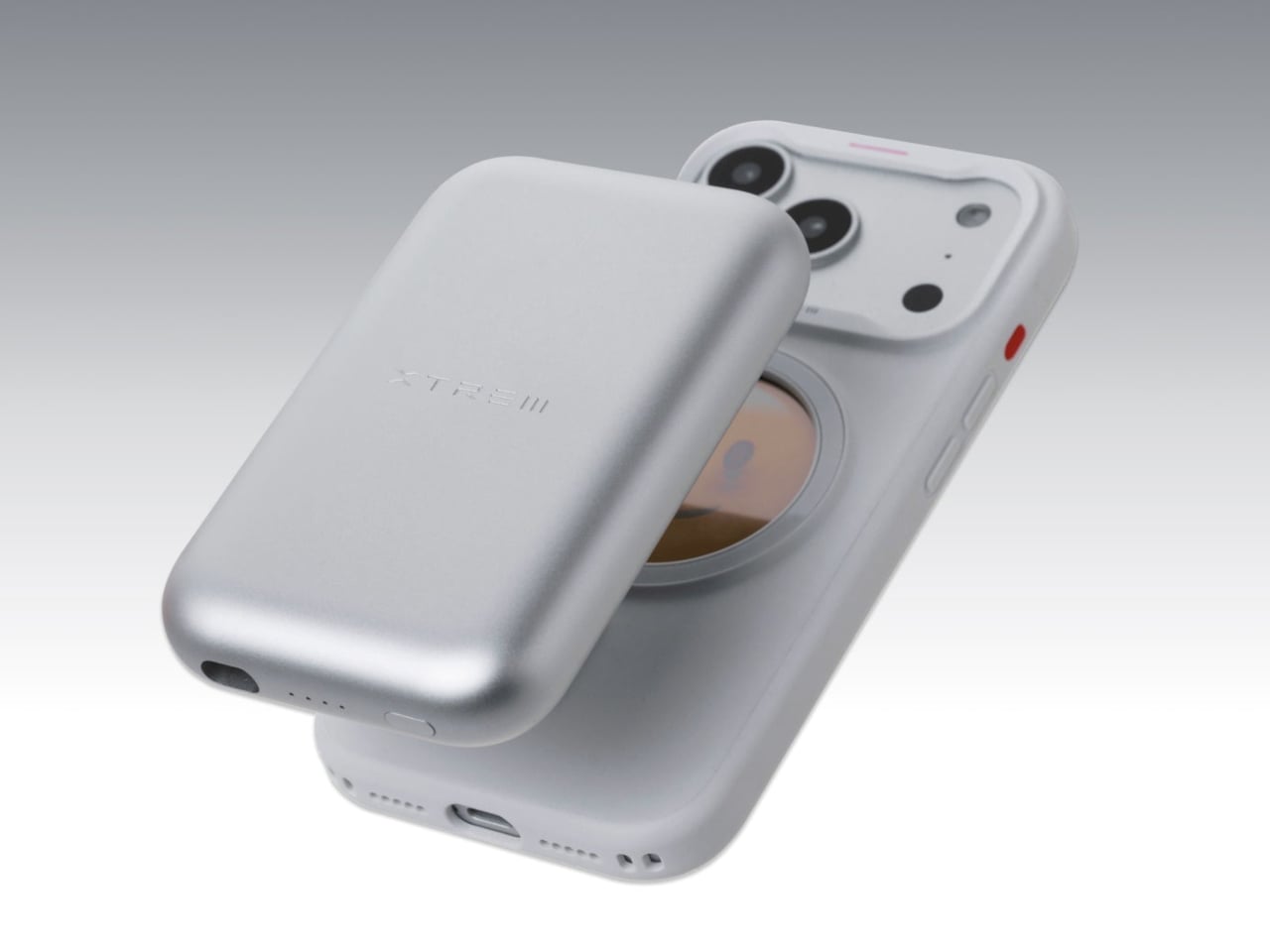
The case itself is built around a sandwich structure that the company says improves wireless charging efficiency and heat dissipation compared to a standard case. It weighs just 40g, clears MagSafe compatibility fully, and has passed drop testing with reinforced corners and a patented frame. The material is treated against yellowing, which is one of the more persistent grievances with transparent cases over time.

Available for iPhone 15 through iPhone 17 models, the XTREM INNO case comes in Nova White, Noir Black, and Cosmic Orange. The circular E-Ink panel is the same across all variants; the color options refer to the frame and body of the case itself. A single case retails at $69.99, which is more than a typical protective case but significantly less than replacing an entire case every time you want a different look.

For people who already change their phone lock screen frequently or rotate between a few different photos they actually care about, the logic of a case that does the same thing doesn’t take much convincing. The technology’s already proven in e-readers; applying it to the back of an iPhone case turns out to be a surprisingly sensible place to put it.

The post This iPhone Case Shows Any Photo You Want, Even With the Phone Off first appeared on Yanko Design.
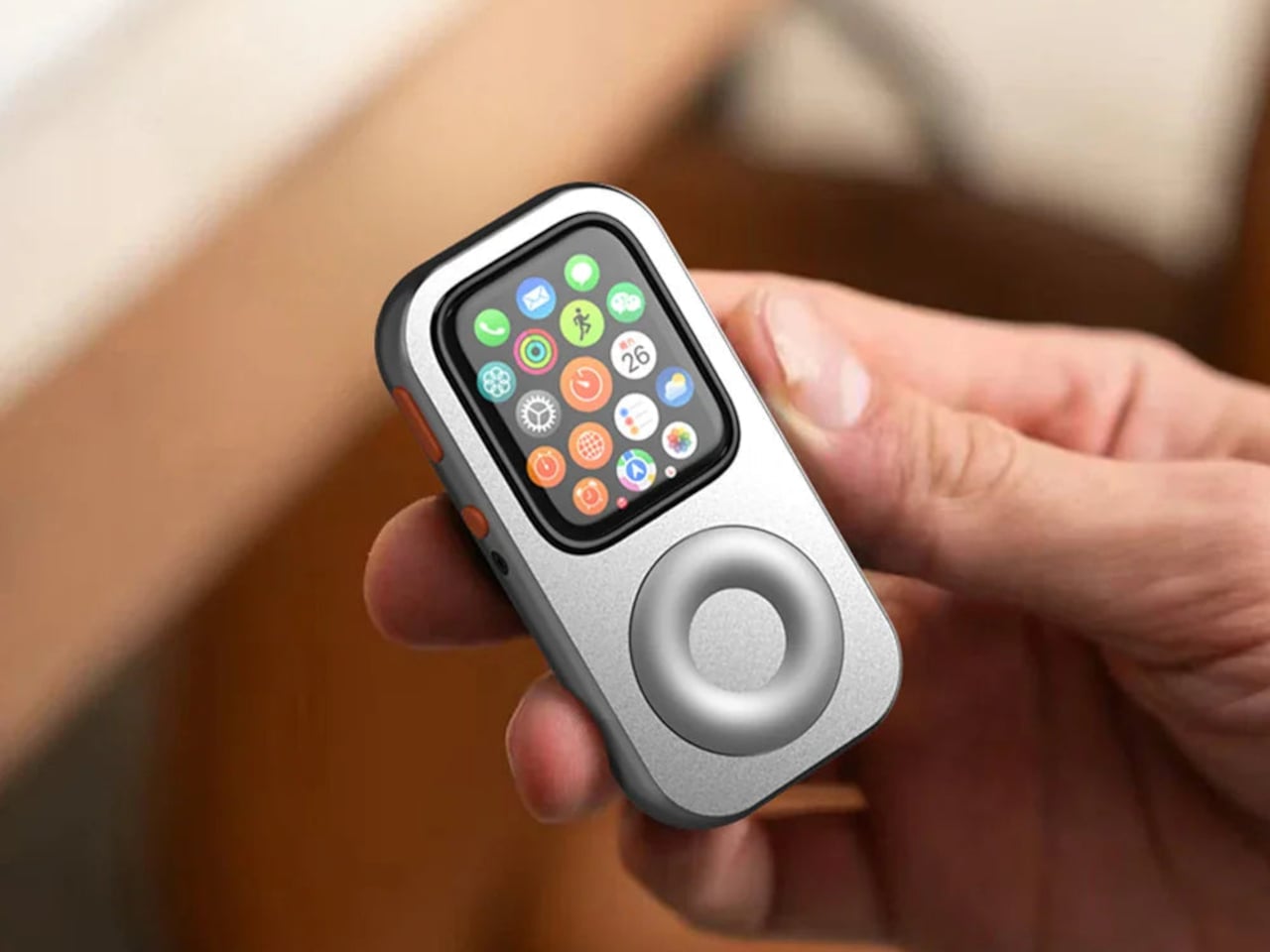
This $60 Apple Watch Case Is the iPod Apple Never Replaced

There’s a specific kind of nostalgia attached to the original iPod’s click wheel that has very little to do with the music. It had to do with the feeling. Scrolling through a playlist with a thumb, hearing and feeling that resistance, navigating a menu without looking away from the wheel; it was one of the few moments in early consumer electronics where a device felt as good to hold as it did to use. Touchscreens solved a lot of problems, but they quietly retired that particular quality.

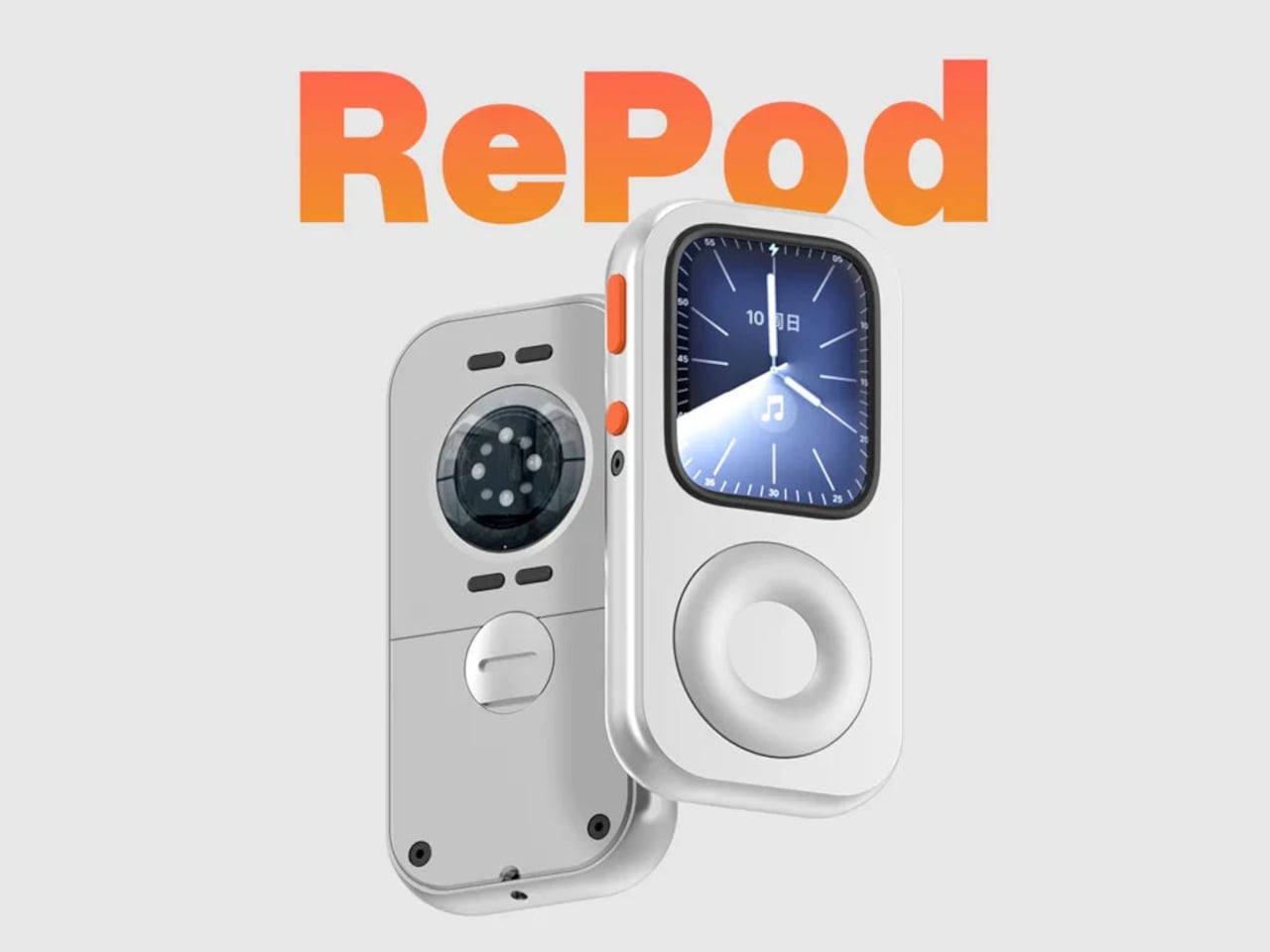
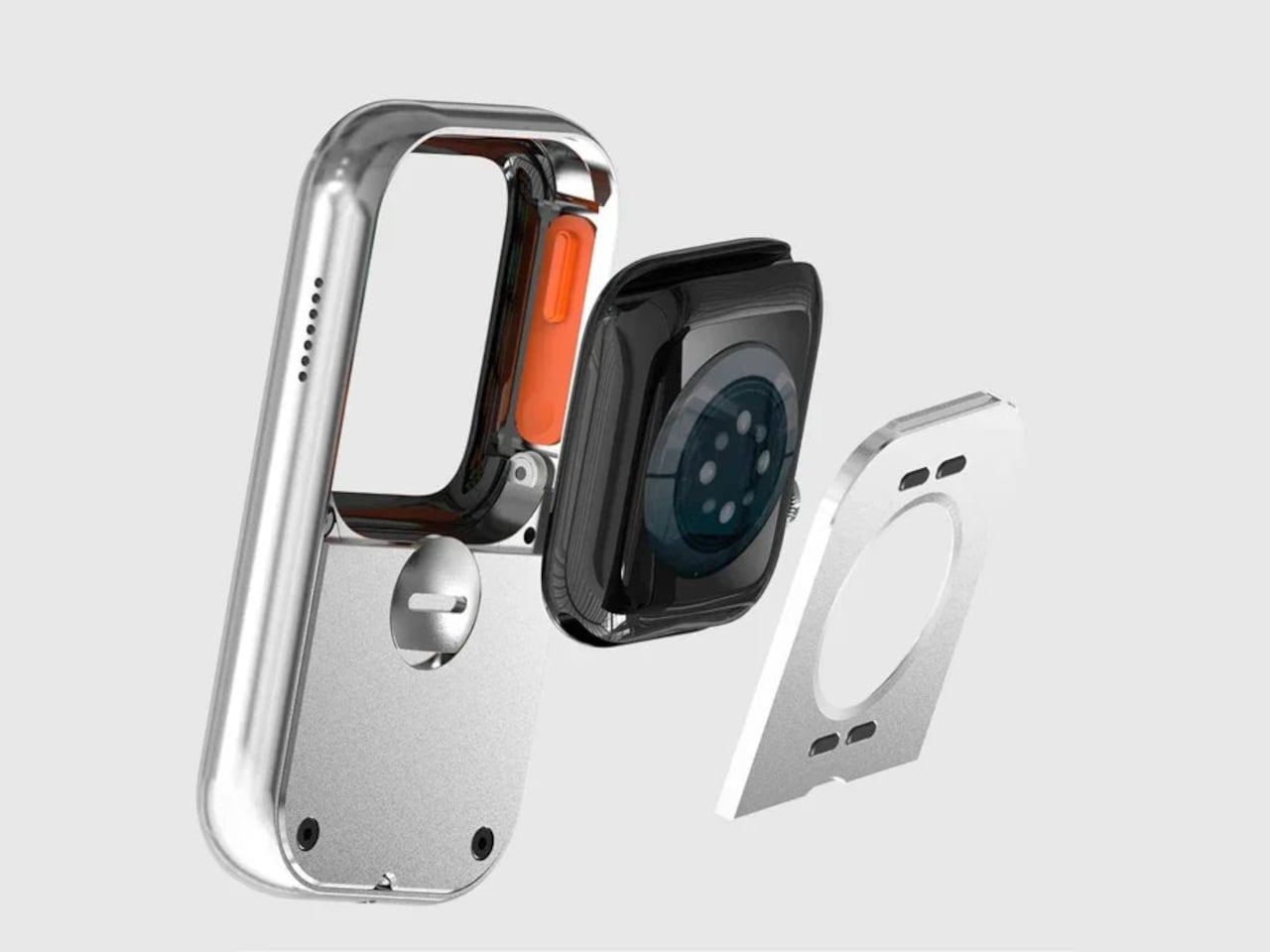
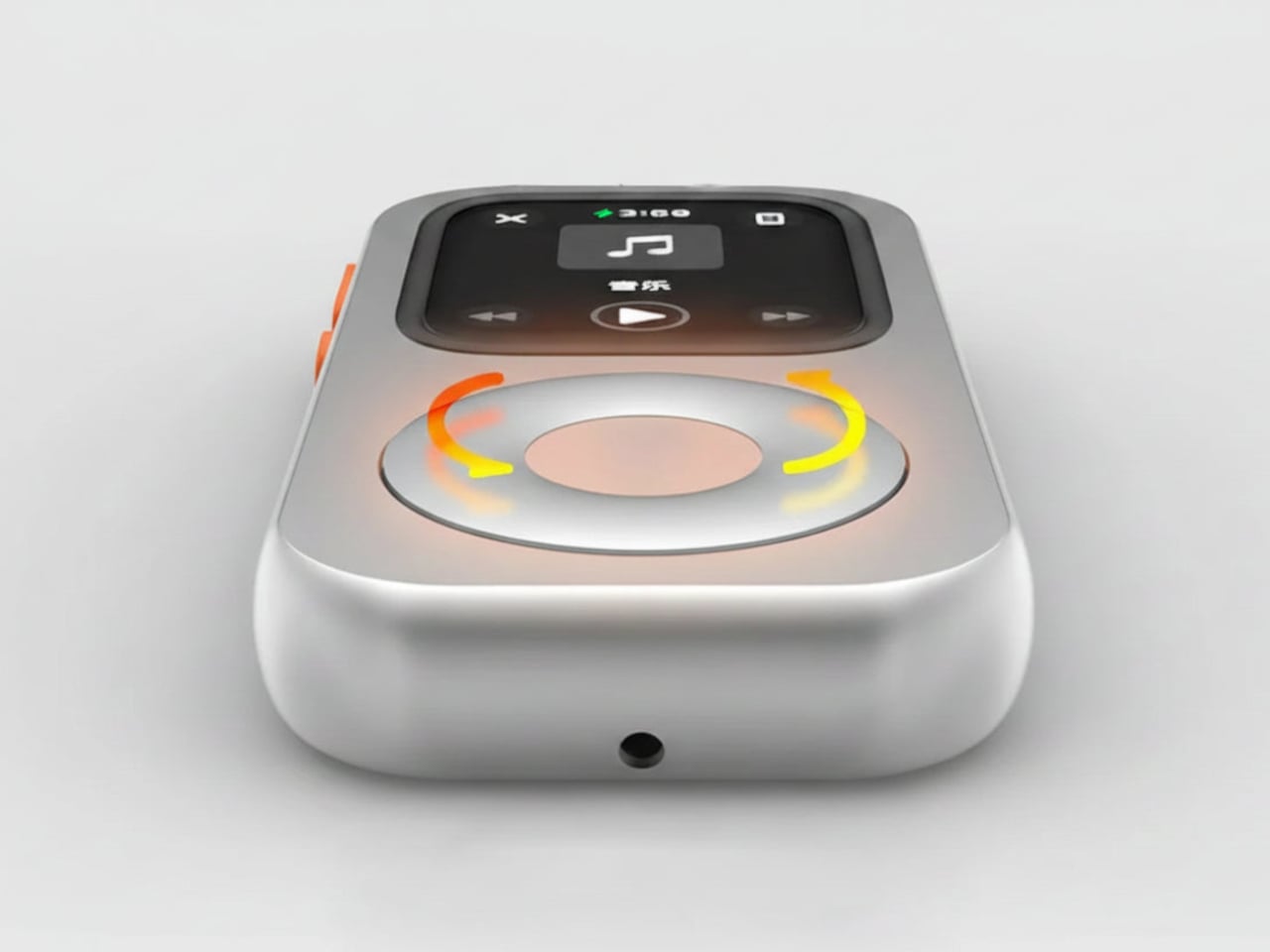
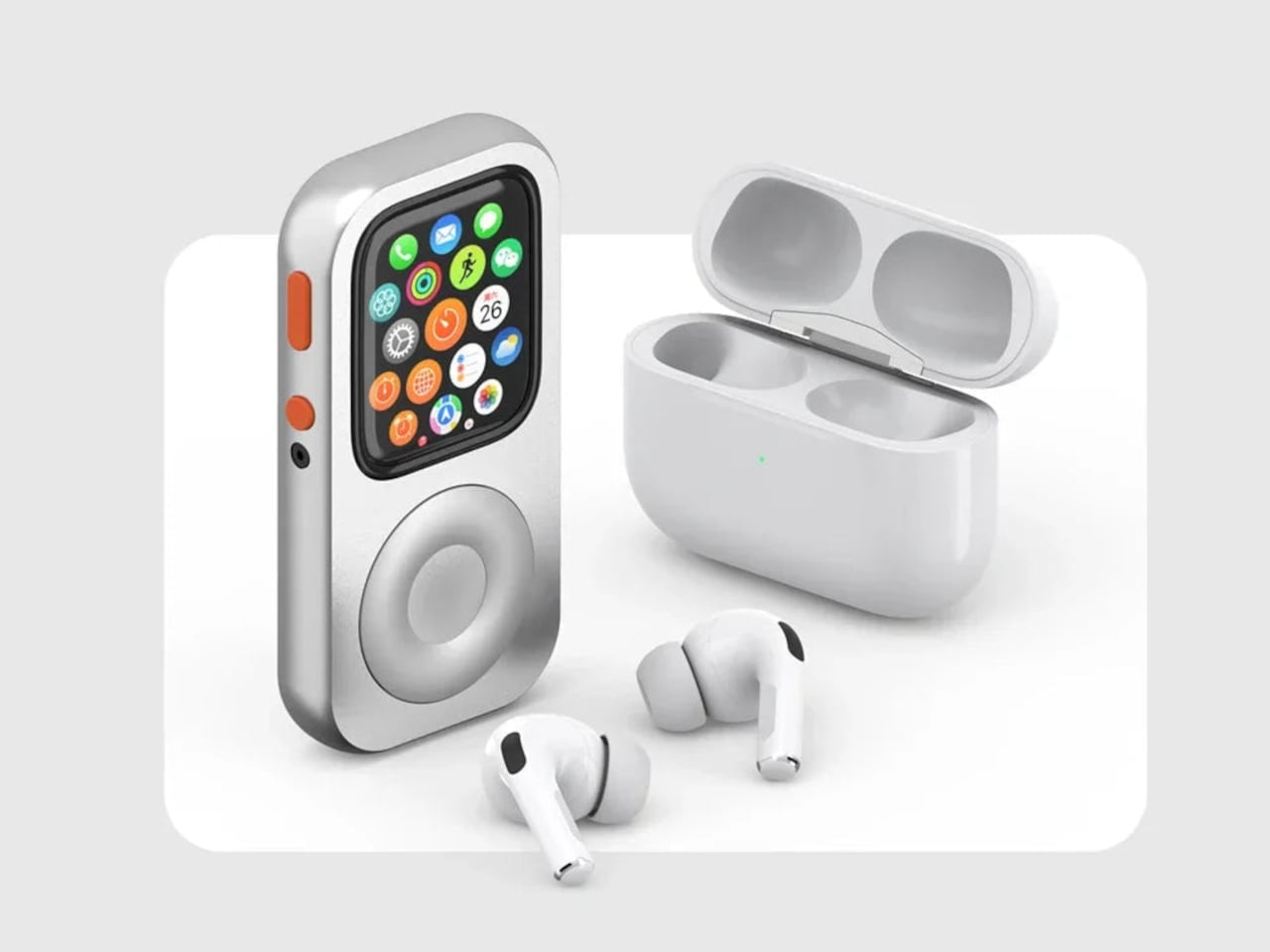
The RePod C1 is a CNC-machined aluminum case for the Apple Watch that rebuilds that tactile experience from scratch. The outer shell gives the watch the proportions and visual language of a classic iPod, and the click wheel around it is mechanically linked to the Apple Watch’s Digital Crown, so turning it actually does something. It’s not decorative. The scroll feedback comes from real physical interaction with the watch’s native controls, which makes the nostalgia feel a bit less hollow than it might have been.

Designer: Techpod

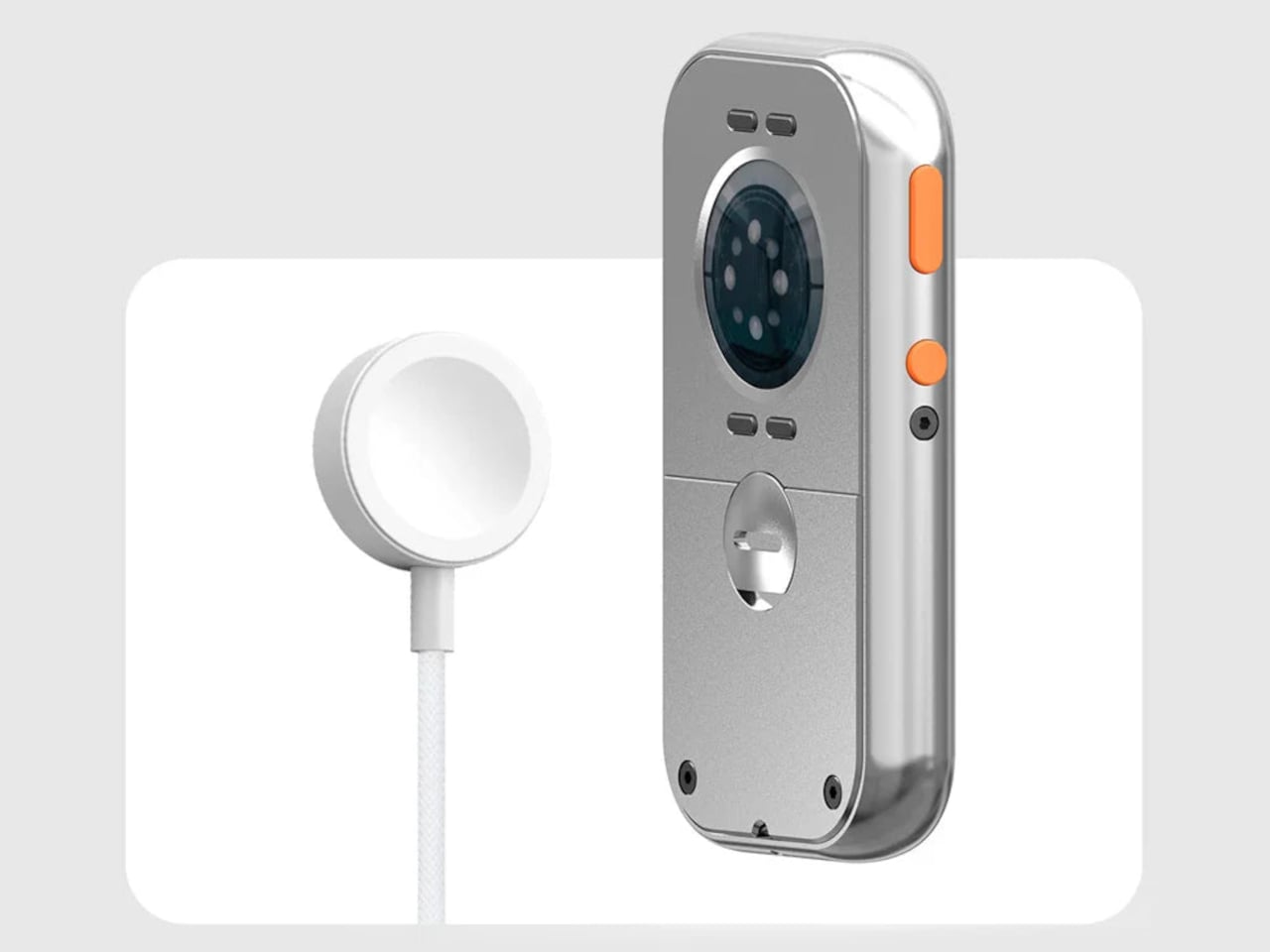
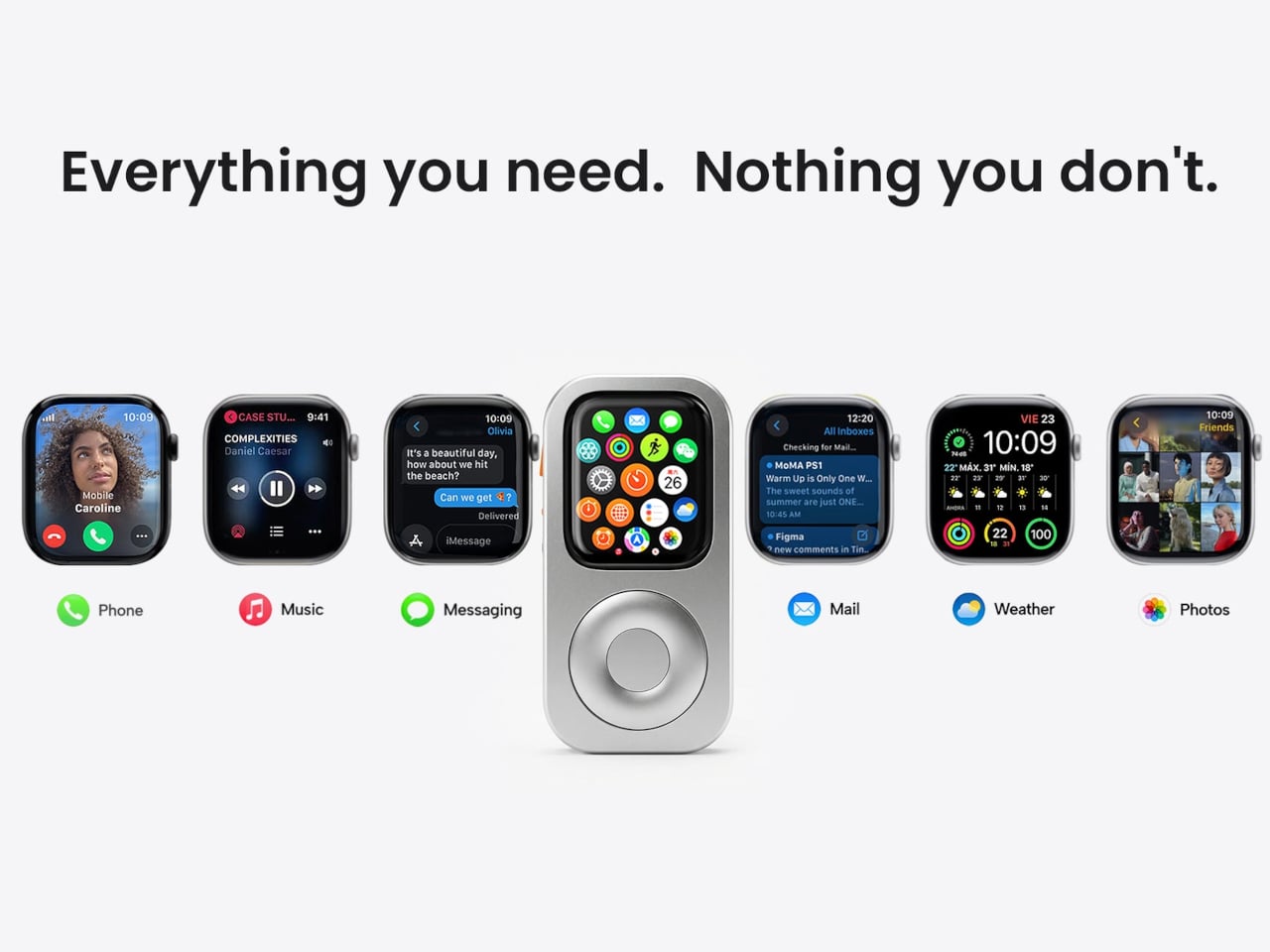
The case doesn’t ask the Apple Watch to give anything up. All of its sensors remain accessible through an open-back design, which means heart rate monitoring, ECG, and NFC for Apple Pay all continue to work normally. Antenna cutouts preserve Wi-Fi, Bluetooth, and cellular connectivity, so messages, calls, and Siri stay intact. The only thing that changes is the shell around the watch and the way it sits in your hand.

That second part matters more than it sounds. One of the more interesting things the RePod C1 does is turn the Apple Watch into a pocket device rather than exclusively a wrist device. Slide it into a pocket during a run, a commute, or an errand where pulling out a phone feels like too much, and the watch does most of what needs doing. Music plays back offline with Apple Music or Spotify Premium, notifications come through, and payments work at the counter. The phone can stay home, or at least in a bag.

Charging works through a built-in magnetic connector that sits flush in the frame, so the case doesn’t have to come off to top up the battery. The aluminum body also helps manage heat during fast charging, which the original iPod obviously never had to think about. The case is available in sizes covering everything from the Apple Watch Series 4 through the Series 11 and both Apple Watch Ultra models, with prices starting at $59.90 for standard sizes and $69.90 for the 49mm Ultra variant.

The iPod itself was discontinued in 2022 after 21 years, and Apple made no announcement about anything replacing it. The click wheel, as a piece of interaction design, has no current first-party home in any product. The RePod C1 doesn’t try to be a real iPod or pretend the Apple Watch needs help. It’s just a case that noticed the gap between what modern devices can do and what they feel like to use, and made a deliberate choice about which side it wanted to be on.

The post This $60 Apple Watch Case Is the iPod Apple Never Replaced first appeared on Yanko Design.
CASETiFY releases an original Tamagotchi, phone cases, charms, and exclusive accessories to pique nostalgia

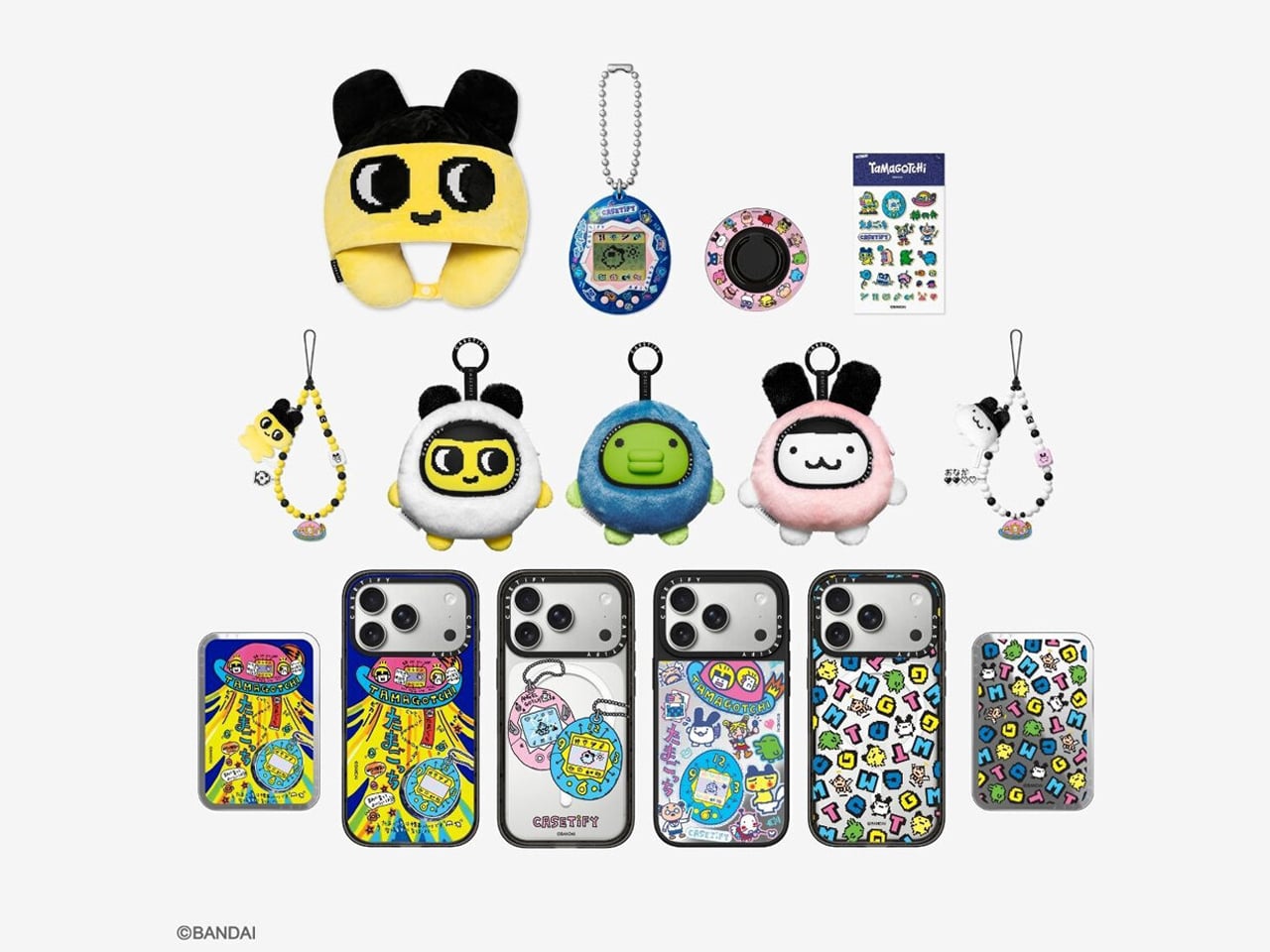
Tamagotchi, the virtual pet created by Bandai, a Japanese toy manufacturer, was seen constantly hanging from schoolbags in the late 1990s and early 2000s, when I was growing up. As brands now consistently mine millennial nostalgia for Gen-Z delight, many collaborations in the recent past have given birth to or revived the Y2K-era devices, of which the new Tamagotchi x CASETiFY collaboration is a true testament.

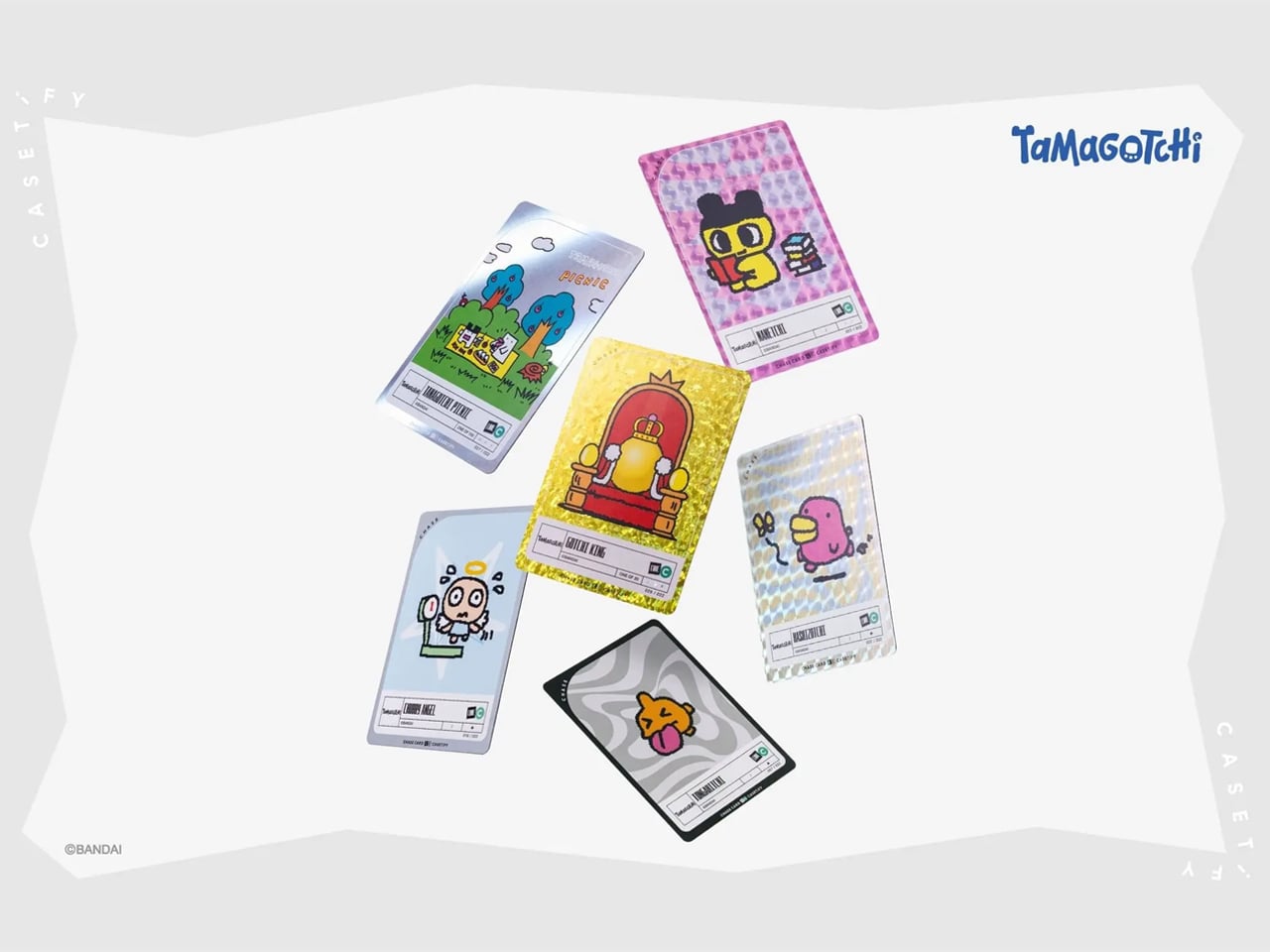
The device, which was a consistent charm for people, especially the kids, appeared clipped onto keychains or held as fidgets in the hand, is now getting a new life through the charismatic collaboration. The collection transforms the favorite nostalgic character into smartphone and tablet cases, charms, collectible accessories, and Tamagotchi chase cards.

Designer: CASETiFY

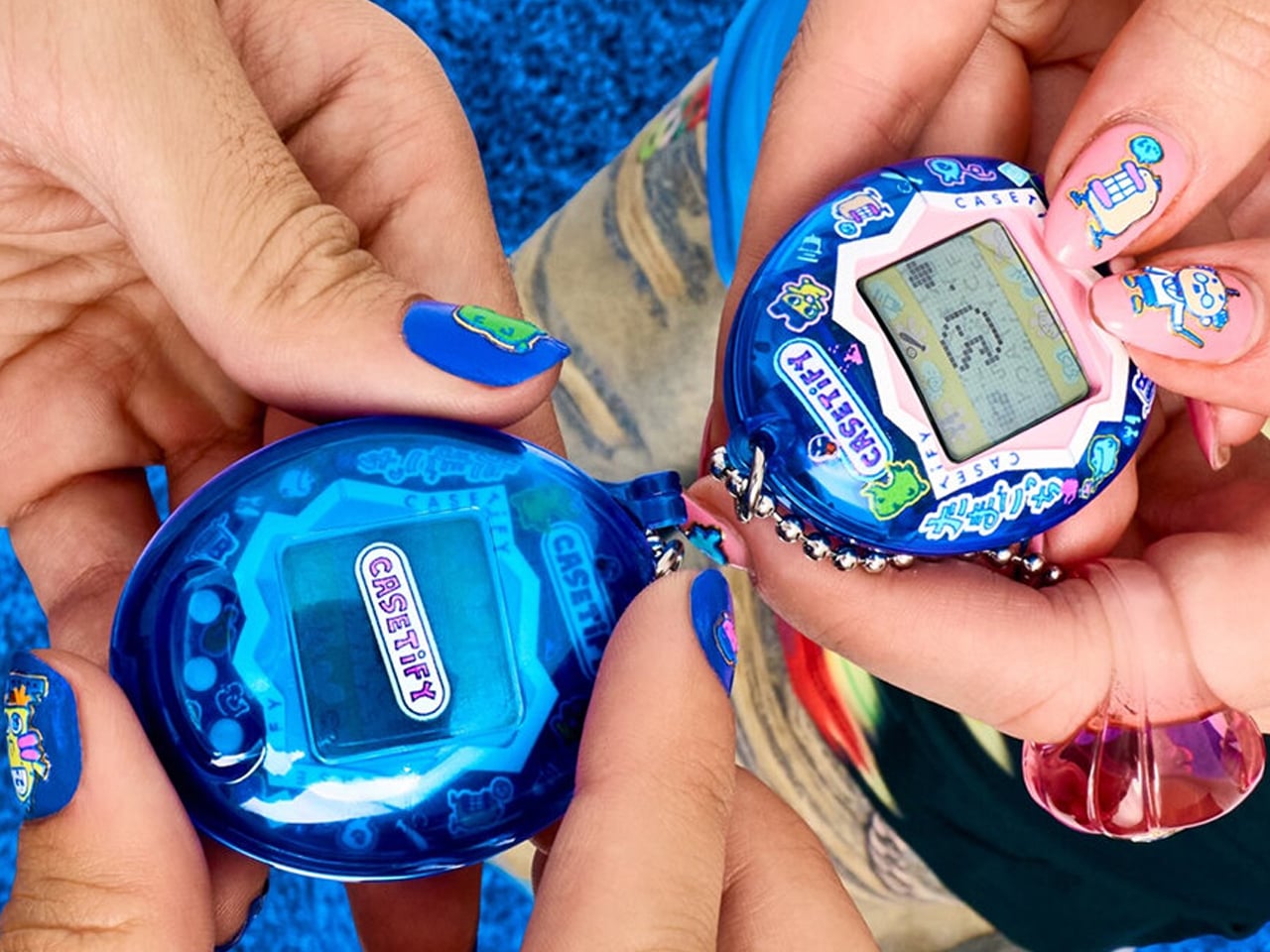
Officially launched on May 29, 2026, the CASETiFY’s Tamagotchi lineup includes customizable phone cases, earbud pouches, charms, a carry-on suitcase, and also features an original, limited-edition Tamagotchi device, each designed to be styled with interchangeable modular accessories. The exclusive range of products starts at roughly around $15 and goes up to $799.

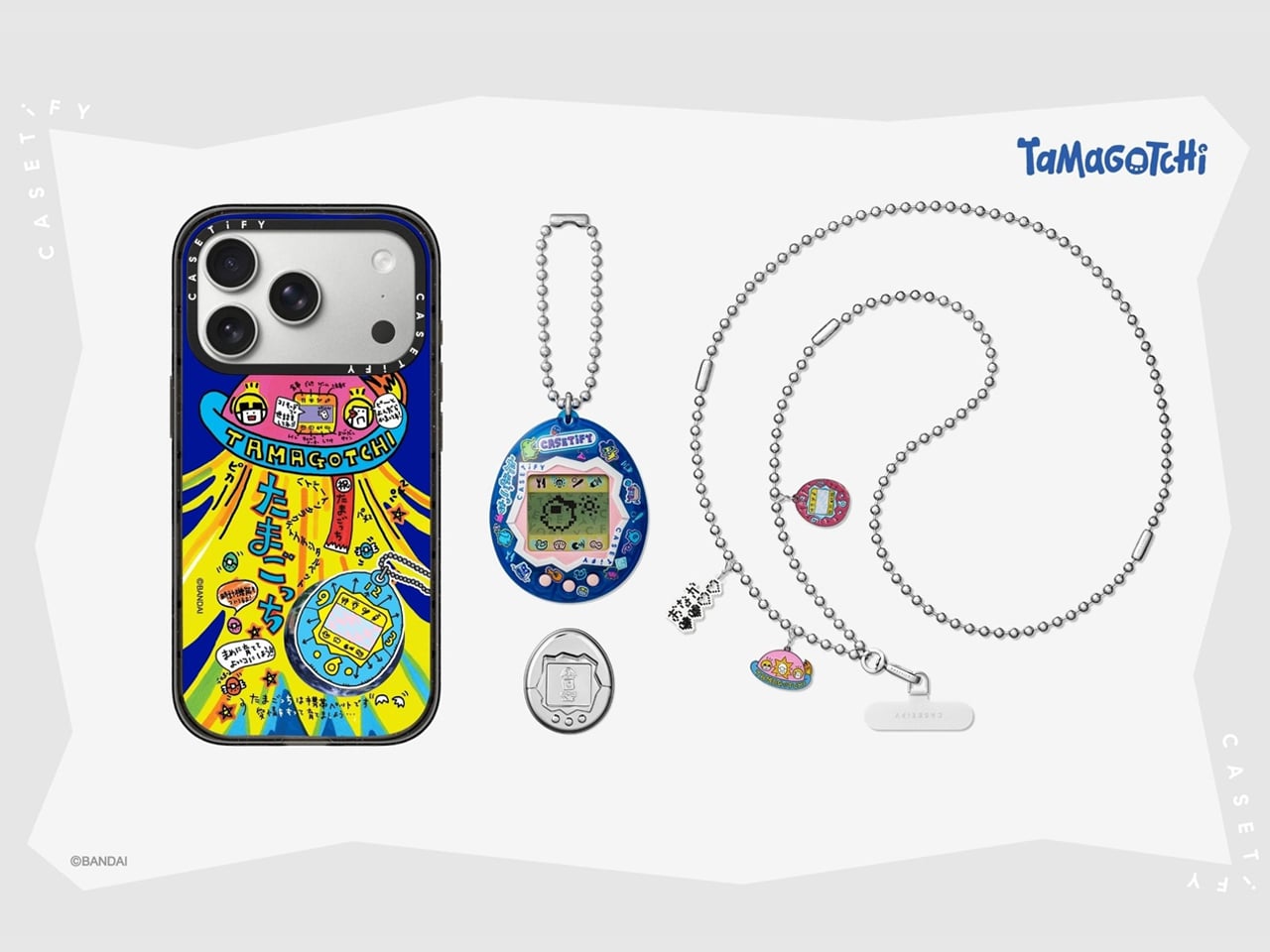
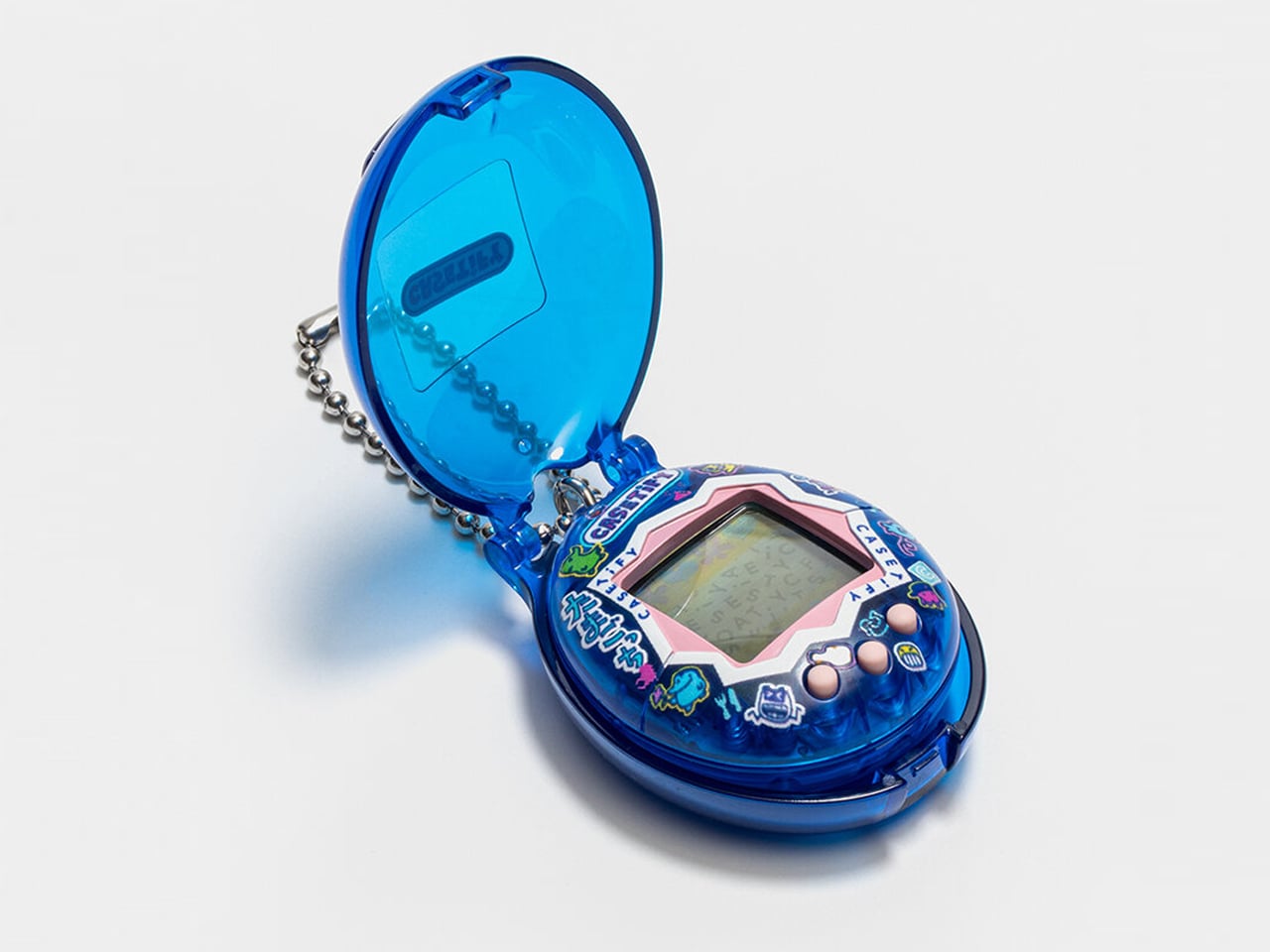
The highlight here, of course, is the release of the Original Tamagotchi Casetify Limited Edition. This collectible object, reimagined as a usable tech accessory, is priced at $45, and comes in a small, egg-shaped form factor with three buttons, just like the real thing launched in 1996. This playable device will be available in a strictly numbered quantity through CASETiFY.

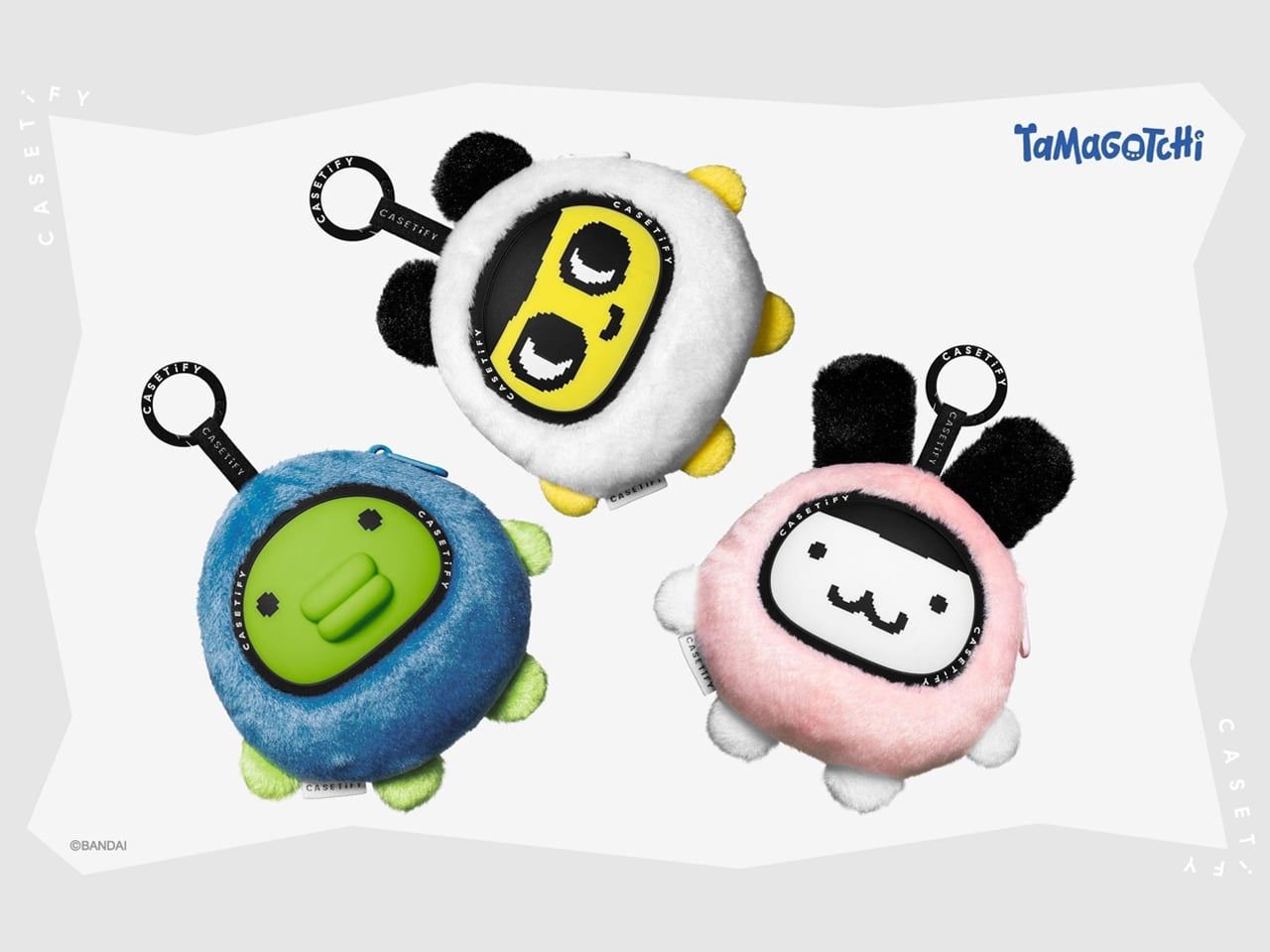
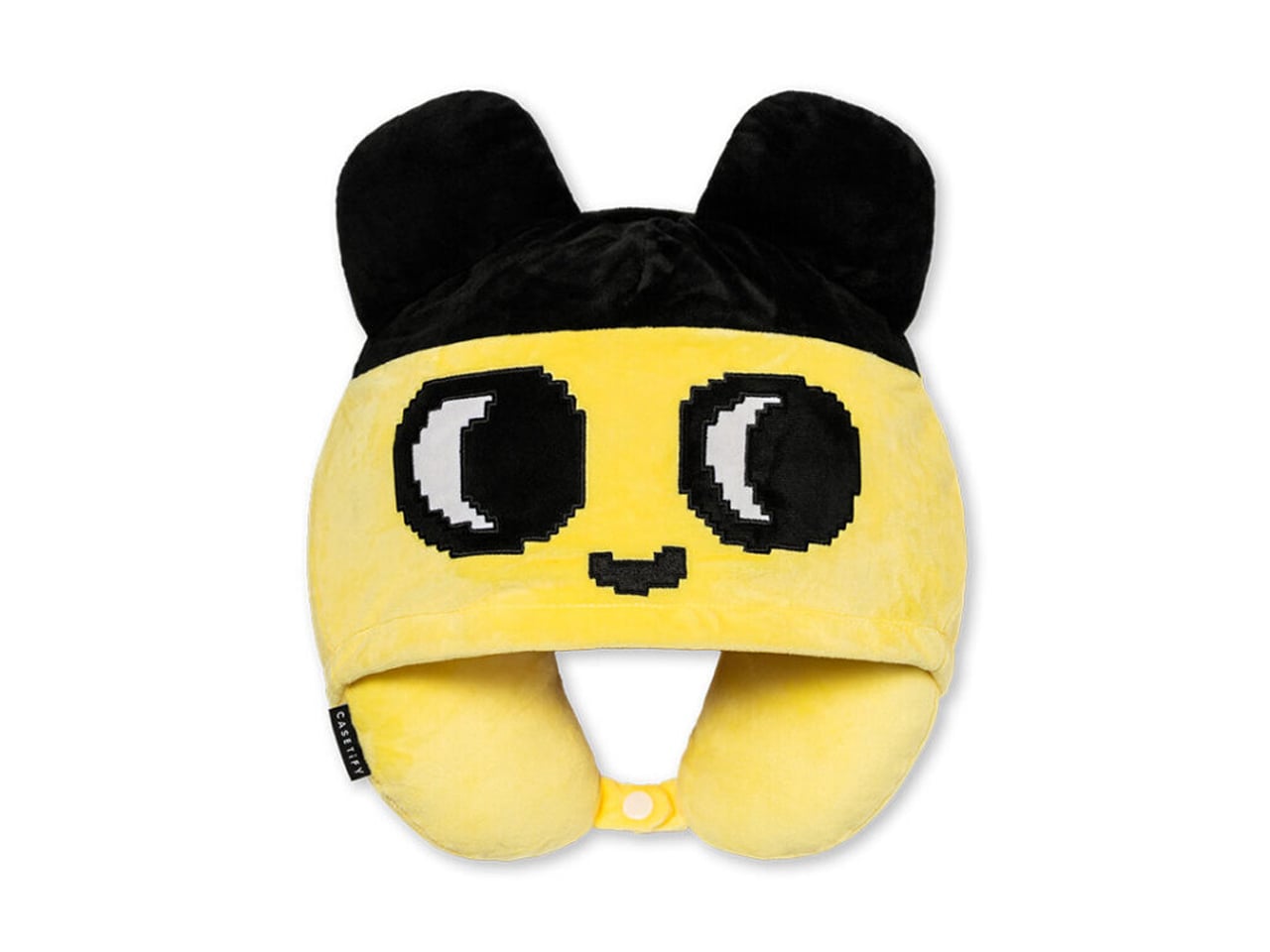
The full collection, including the original Tamagotchi, is now available at casetify.com and CASETiFY stores worldwide. Besides the rare piece, the collaboration, reviving the retro gaming imagery includes, Tamagotchi Collectible Plush Charm for $70, Tamagotchi Jumbo Pattern Snappy Cardholder Stand (MagSafe compatible) for $40, and Egg Tablet Case for the iPad at $79.

A restoration of the bright colors, character graphics, and the pixilated interfaces that made the Tamagotchi a force to reckon with is seen in the accessories covered in the character’s motifs, beyond the phone, tablet cases, detachable phone charms, and patterned straps. Amid these, the plush pouches designed to hold earbuds really stand out.

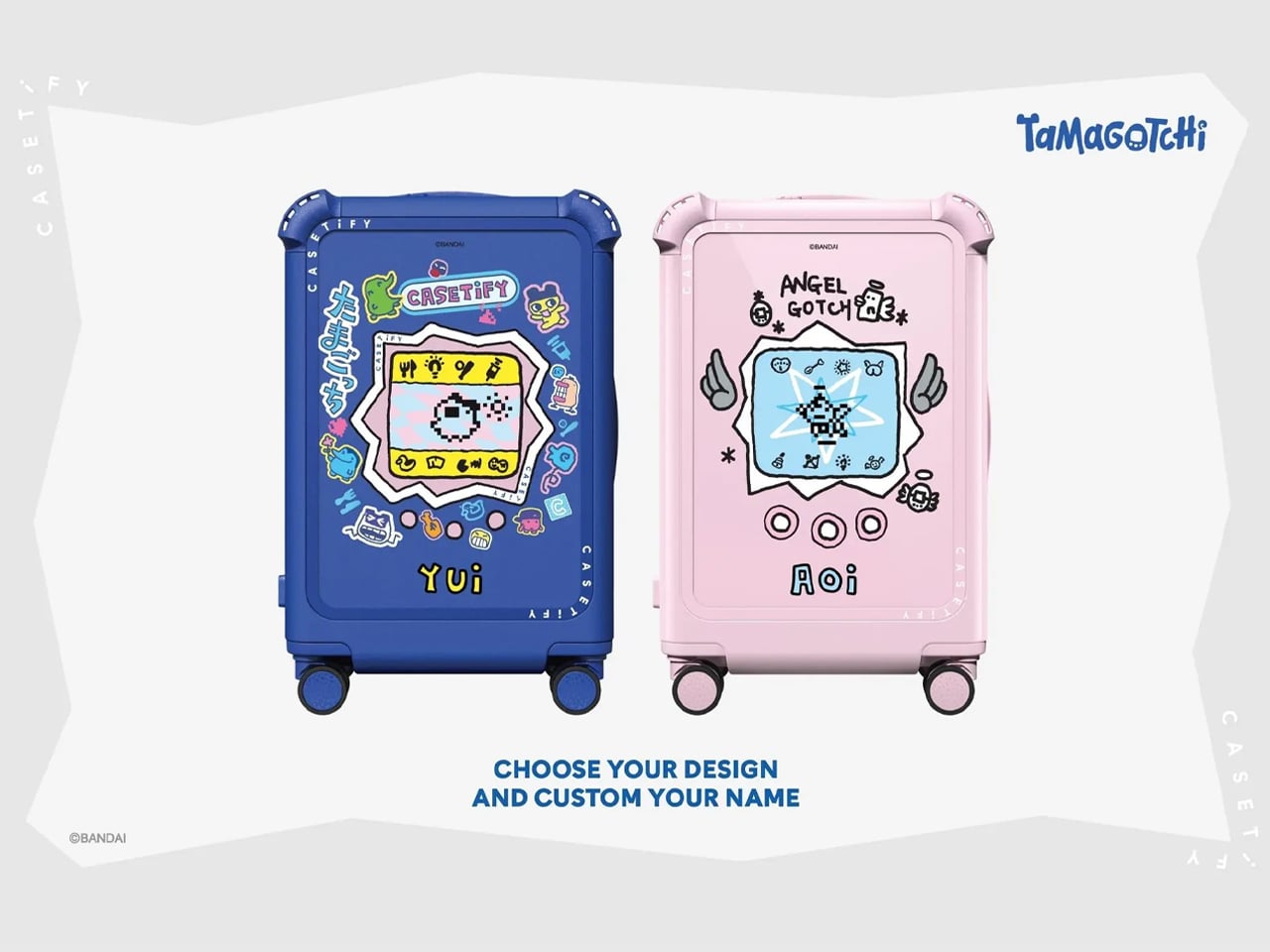
The collection, however, is not just about these smaller accessories. In fact, it comprises a customizable carry-on luggage from the CASETiFY Travel Tamagotchi luggage series. Using different Tamagotchi characters and retro typography, the appeal of the suitcase, available in pink and blue colors, can be enhanced to a decorative height that fans cannot deny.

It is difficult to point directly at what instigated Bandai for this collaboration with CASETiFY. But how it stands out, Tamagotchi nostalgia is seeing a rise in Japan. Themed displays inspired by Tamagotchi’s cute universe are everywhere, from cafes to parties. Reminding us that even after 30 years of its launch, Tamagotchi continues to have a fan following, which the two companies are leveraging through this collaboration.

The post CASETiFY releases an original Tamagotchi, phone cases, charms, and exclusive accessories to pique nostalgia first appeared on Yanko Design.
Phone Cases Are Boring, This One Puts a Living Terrarium Inside

Phone cases have largely settled into two camps: the ones that protect your phone without anyone noticing they exist, and the ones that make a statement with printed graphics, colors, or textures. Neither approach has found a way to make the back of a phone genuinely interesting rather than just decorated. Designer Daniel Idle found a third option that neither camp seems to have considered.

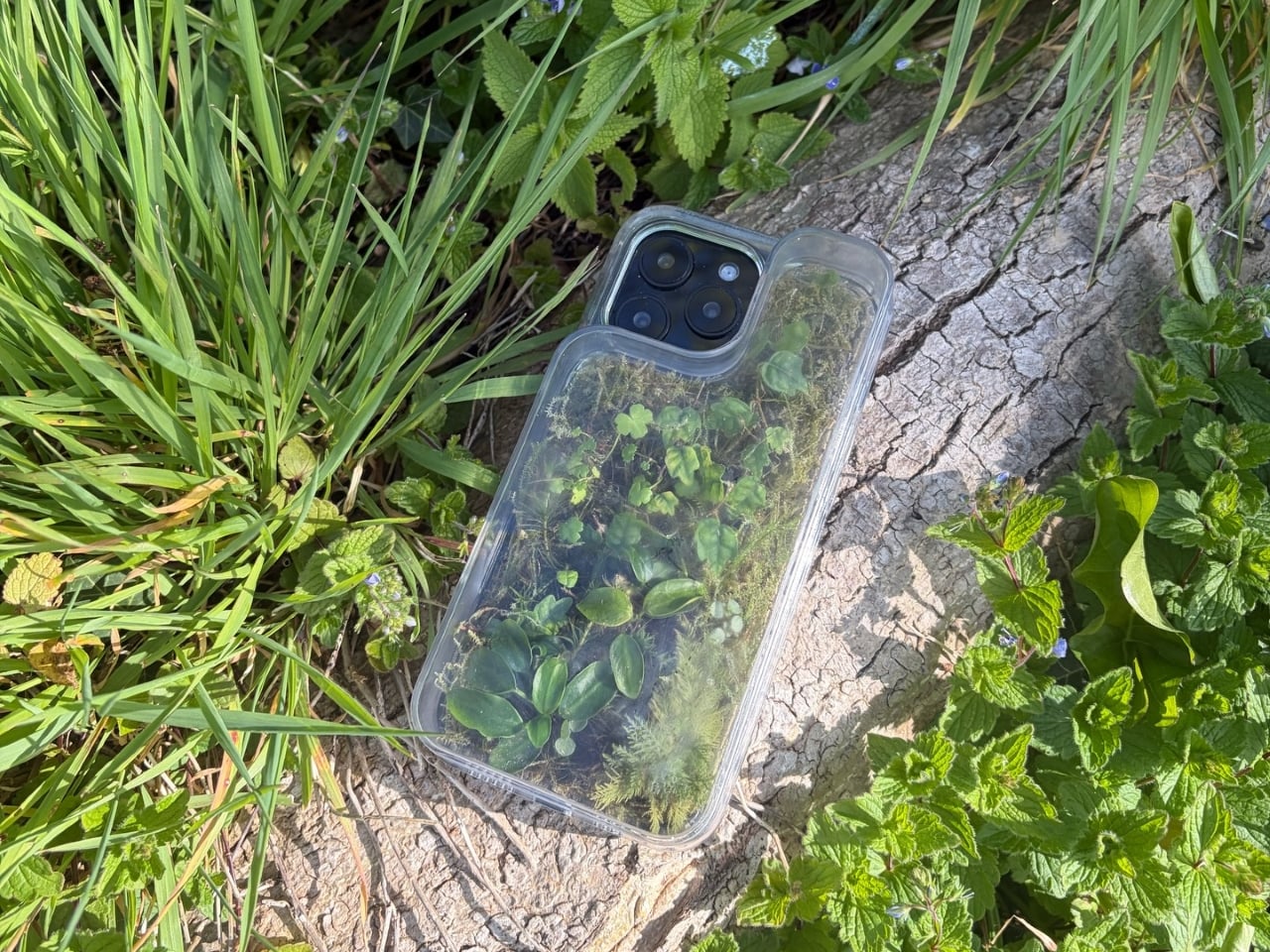
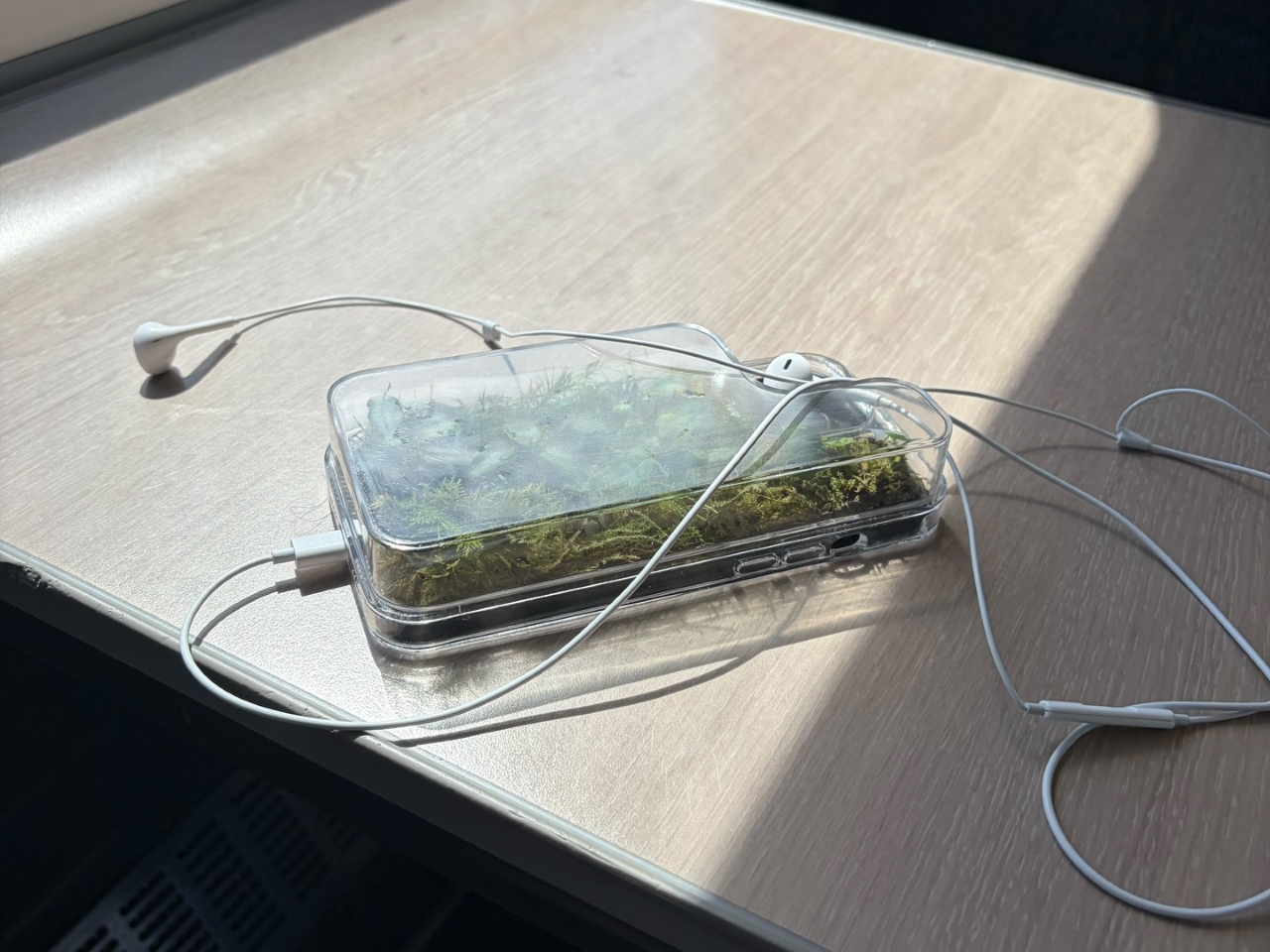
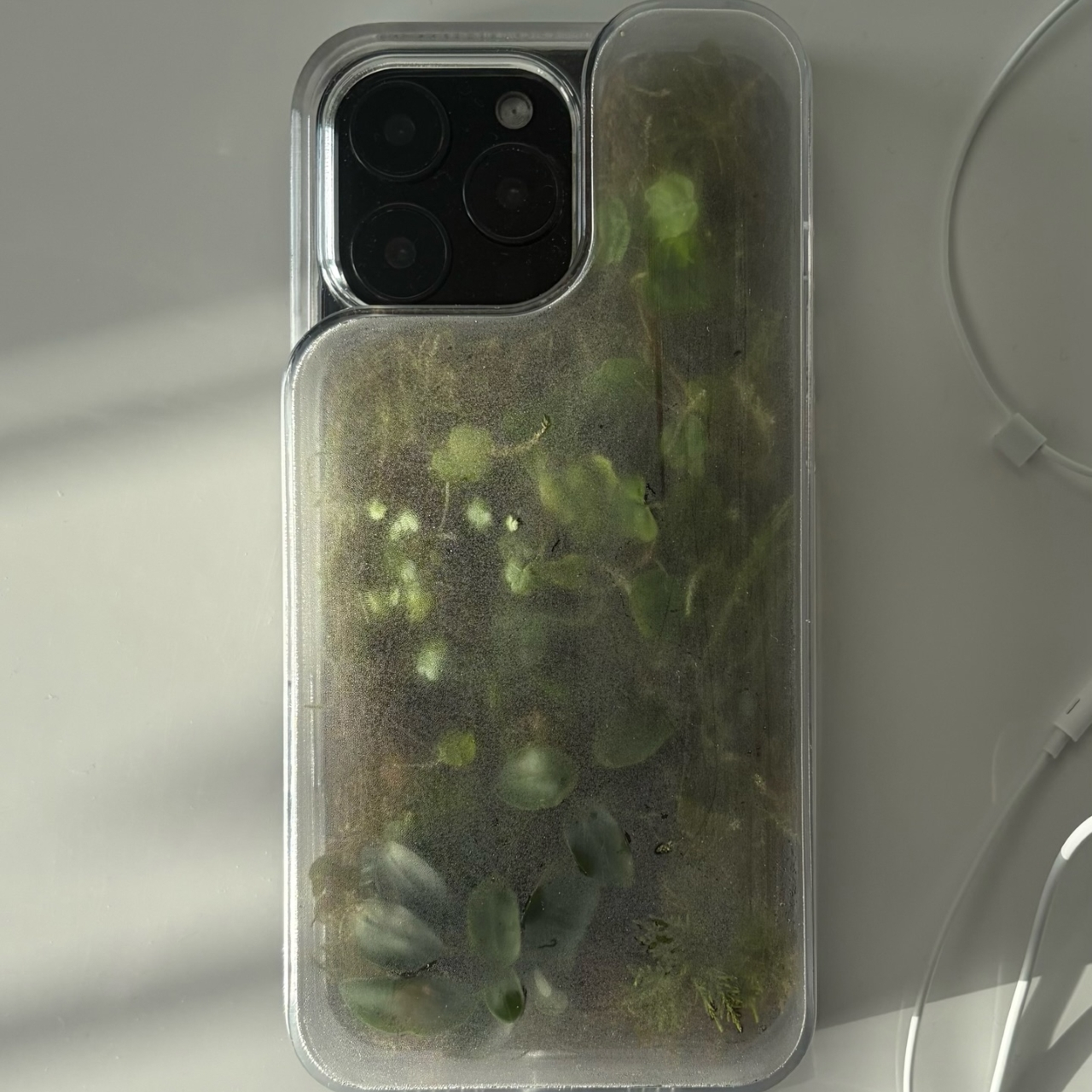
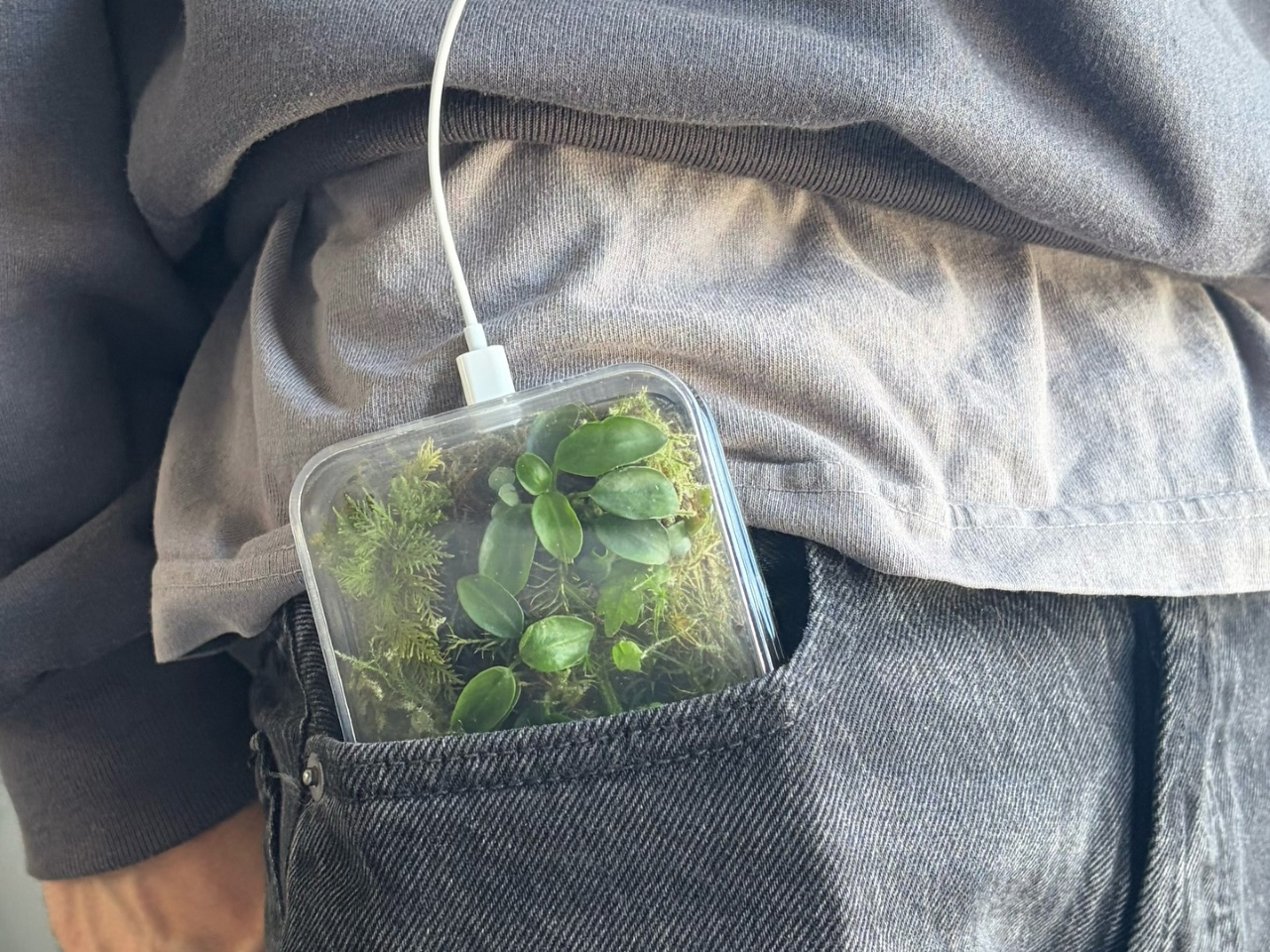
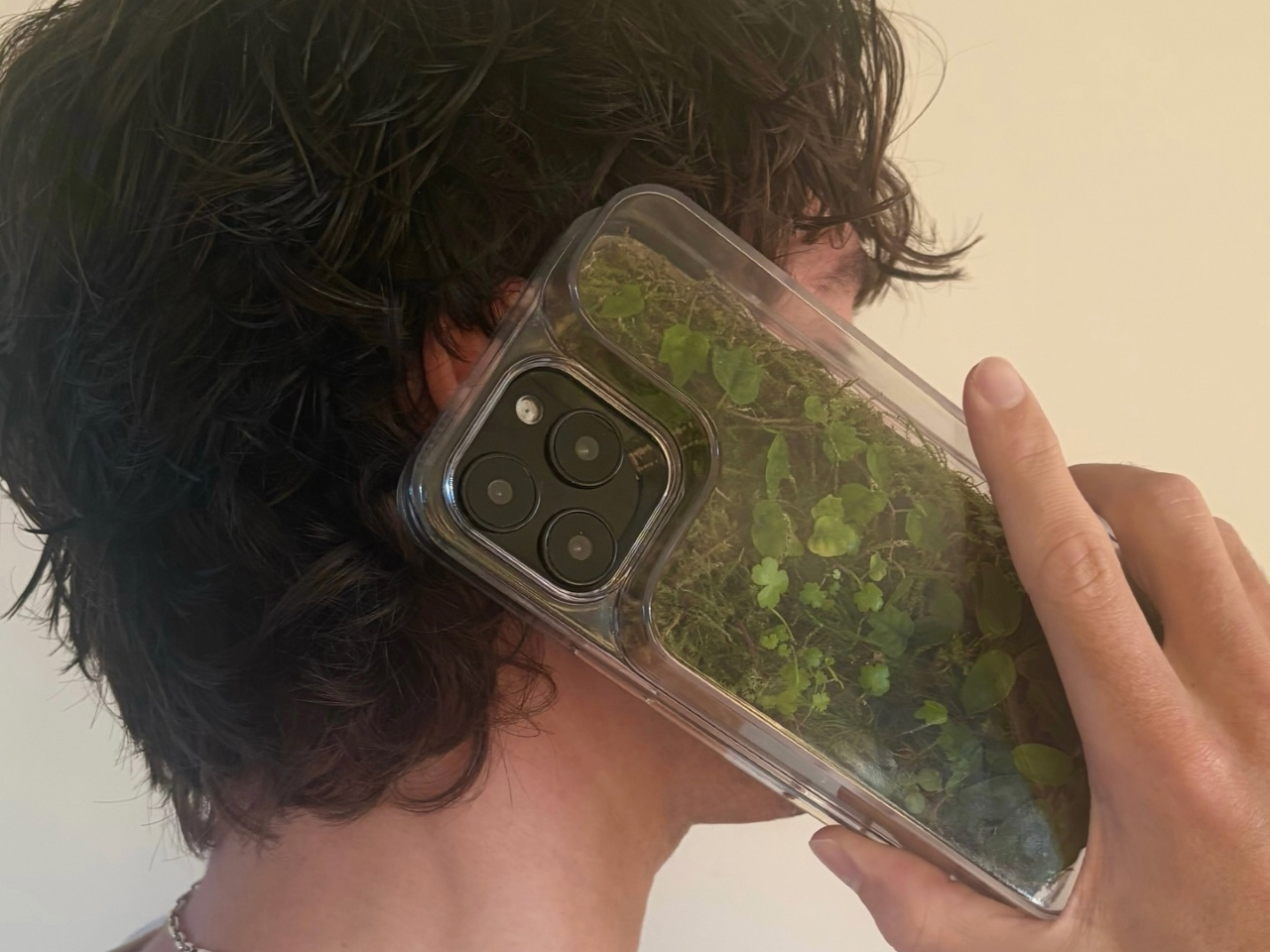
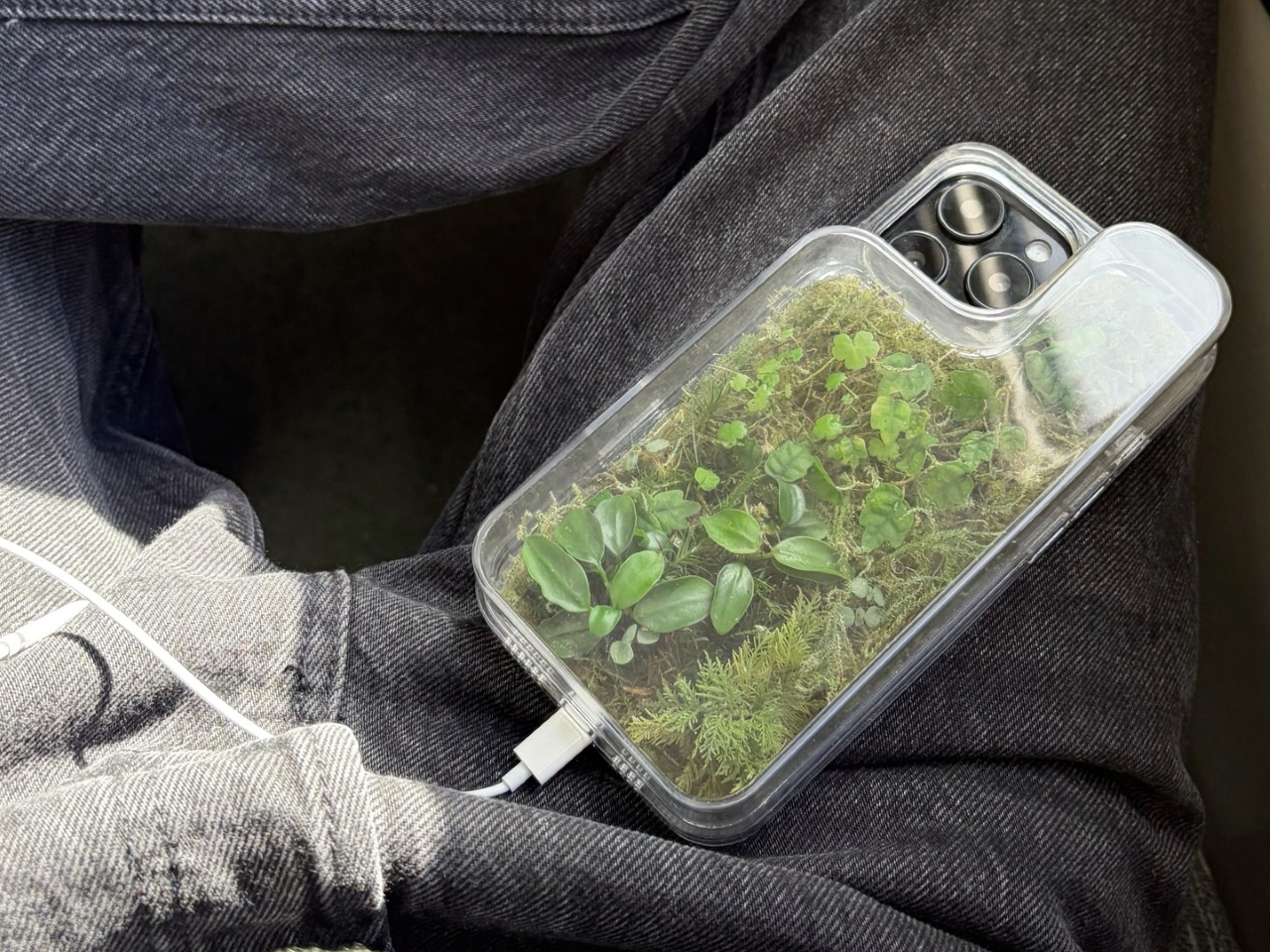
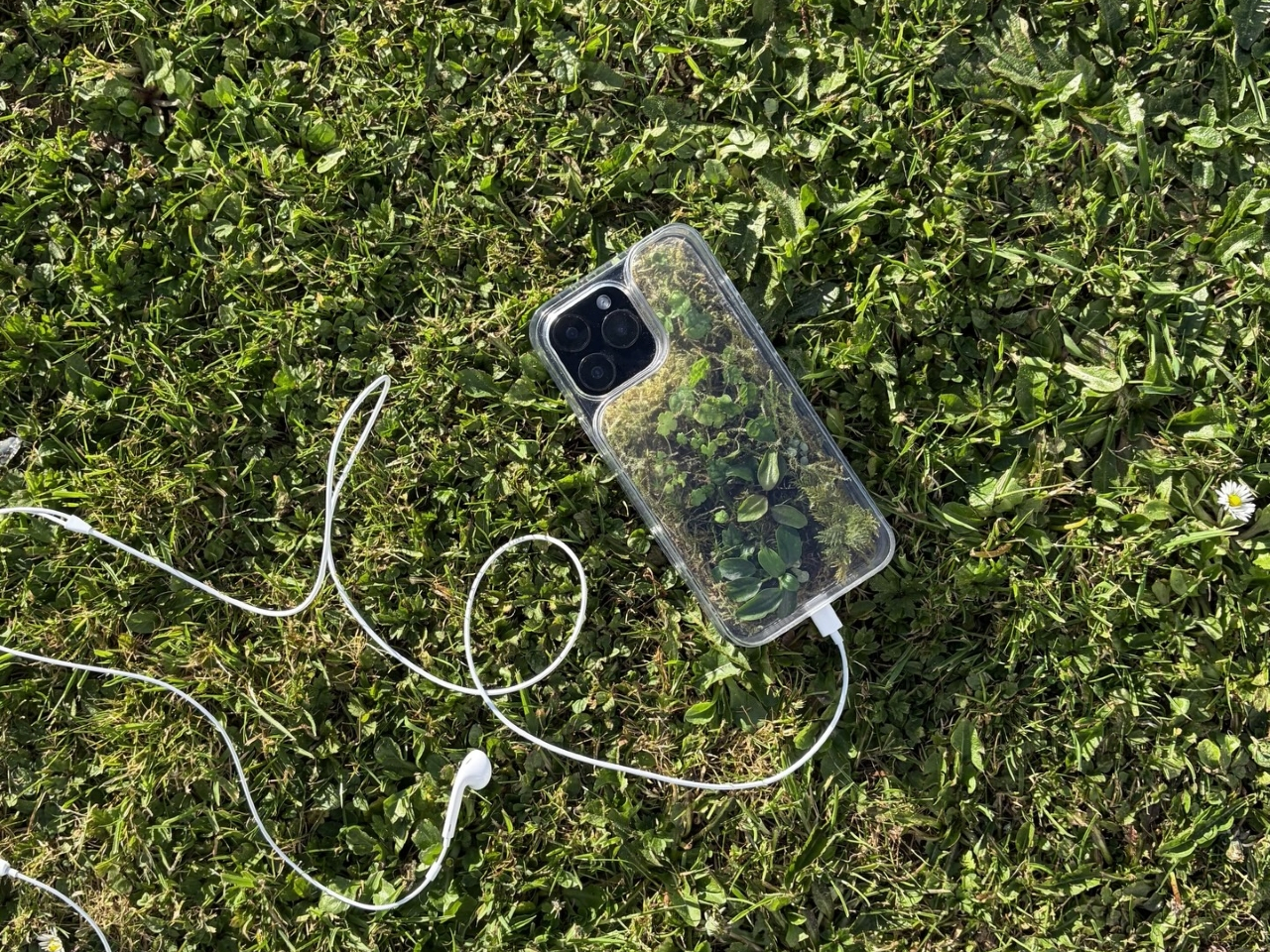
The Terrarium Phone Case is a clear resin case for the iPhone 16 Pro Max with an actual planted environment sealed inside the back cavity. Moss, small-leafed plants, and a stabilized soil substrate are embedded within the transparent shell, creating a thin cross-section of living terrain that you carry around with you wherever the phone goes. It’s a working phone case, a functional terrarium, and an oddly calming thing to have in your pocket all at once.

Designer: Daniel Idle

The construction involved 3D modeling and fabrication in clear resin, producing a case with enough depth in the back wall to house soil, roots, and plant matter. The plants are packed using a stabilized substrate that keeps the arrangement intact when the phone is picked up, rotated, tilted, or slipped into a bag. The camera cutout is fully preserved; the charging port at the bottom remains accessible; the phone continues to work exactly as it always did.

What keeps everything alive inside the sealed cavity is a closed-loop moisture system. The plants and soil generate humidity, which evaporates toward the inner surface of the resin, condenses back into droplets, and cycles down again. Light passing through the clear shell feeds the plants from outside, while the substrate provides gradual nutrient release. The whole thing is, in a fairly literal sense, a miniature ecosystem that sustains itself without any intervention from the person carrying it.

The condensation that forms on the inside of the shell during high-humidity moments is part of the visual appeal rather than a flaw to be engineered away. Seeing that vapor cycle through the case is a reminder that something in there is alive, actively breathing and responding to its environment, in the same pocket or bag as a device specifically engineered to minimize all biological interference.

There’s a running thread through design culture about bringing nature back into objects and spaces that have drifted too far from it. Biophilic design has become a recognizable term for everything from moss walls in offices to plant-filled shelving in apartments. Most of those applications treat plants as decoration layered on top of an existing design. Idle’s approach is different because the plant system isn’t decoration; it’s structural, sealed directly into the object’s body as a core component rather than an afterthought.

Of course, there will be some reservations about putting moisture and soil so close to your phone, which might be resistant to water and dust, but only from brief encounters. Good thing, then, that it’s still a concept project right now. But as a thought experiment about what a phone case could reasonably contain, it lands somewhere between genuinely novel and gently absurd, which is probably the most honest place for a good idea to start.

The post Phone Cases Are Boring, This One Puts a Living Terrarium Inside first appeared on Yanko Design.
Logitech Just Built an iPad Case Tested for 10,000 Backpack Drops

School tech accessories live and die by one rule that has nothing to do with specs: can they survive a school day? That’s not a small ask. It means tolerating backpack tosses, spilled drinks, a constant rotation of different hands, and the kind of daily disregard that would disqualify most consumer products after a semester. Keyboard cases designed for classrooms have to think about all of that before they think about typing feel.
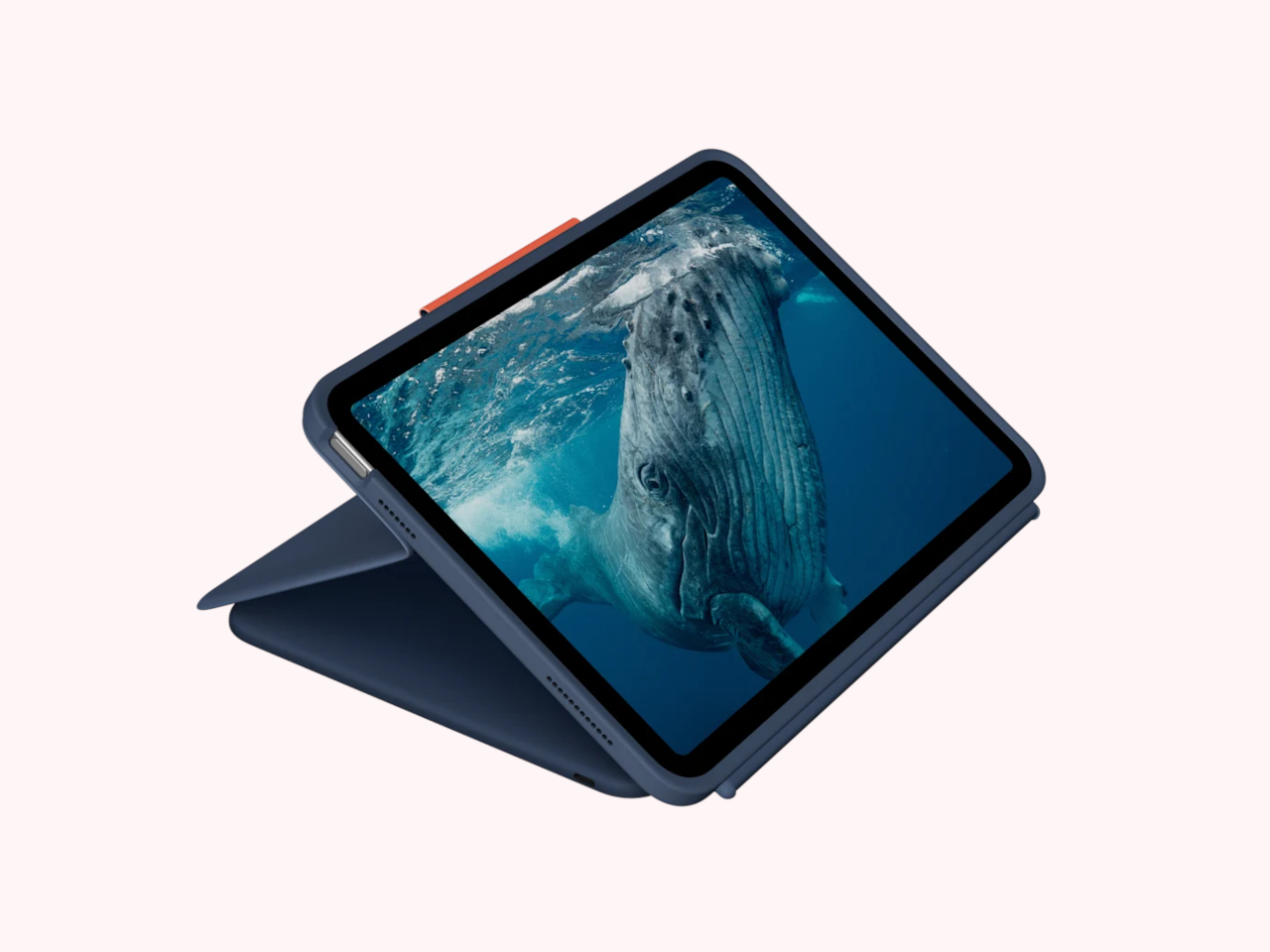
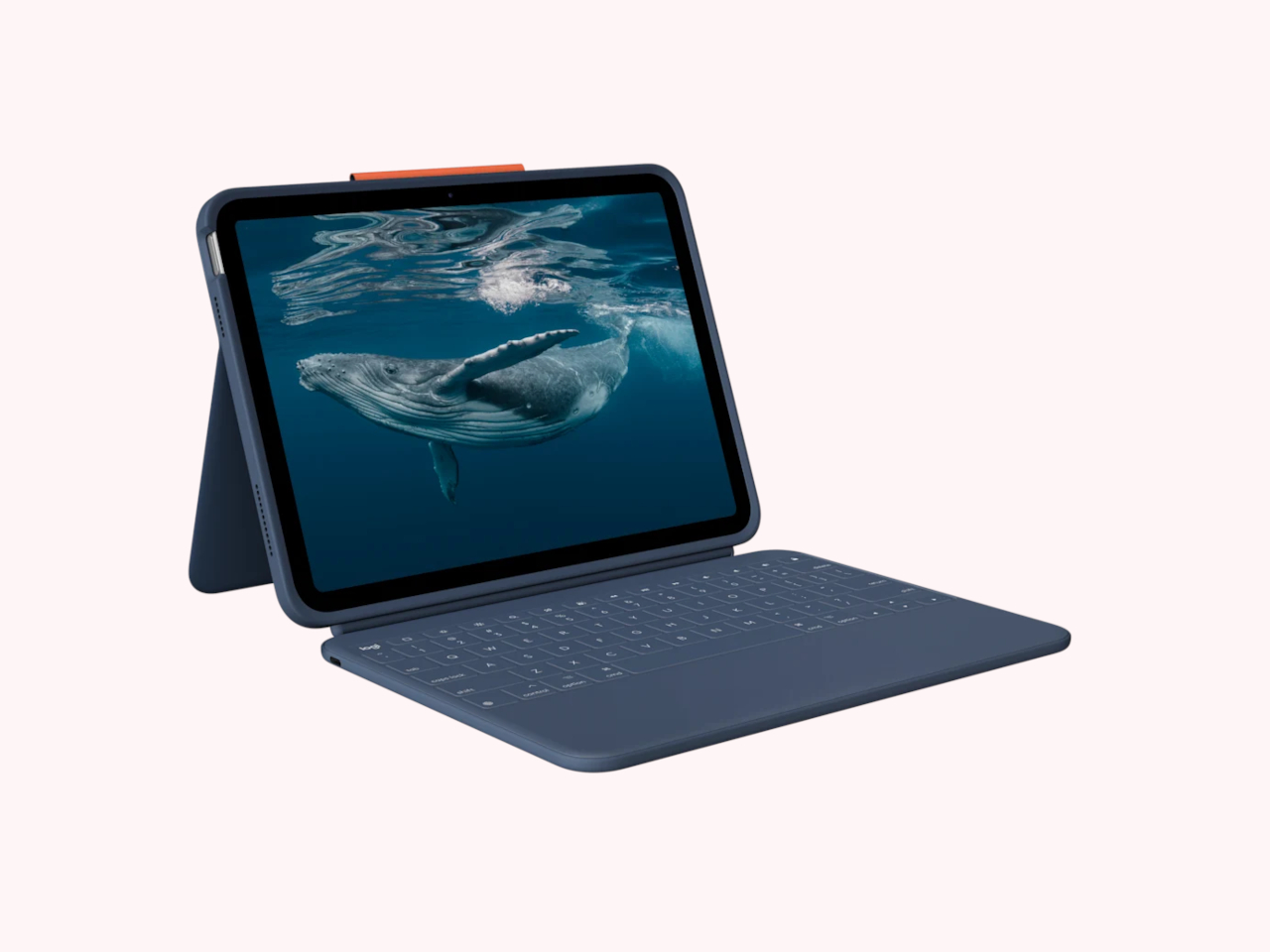
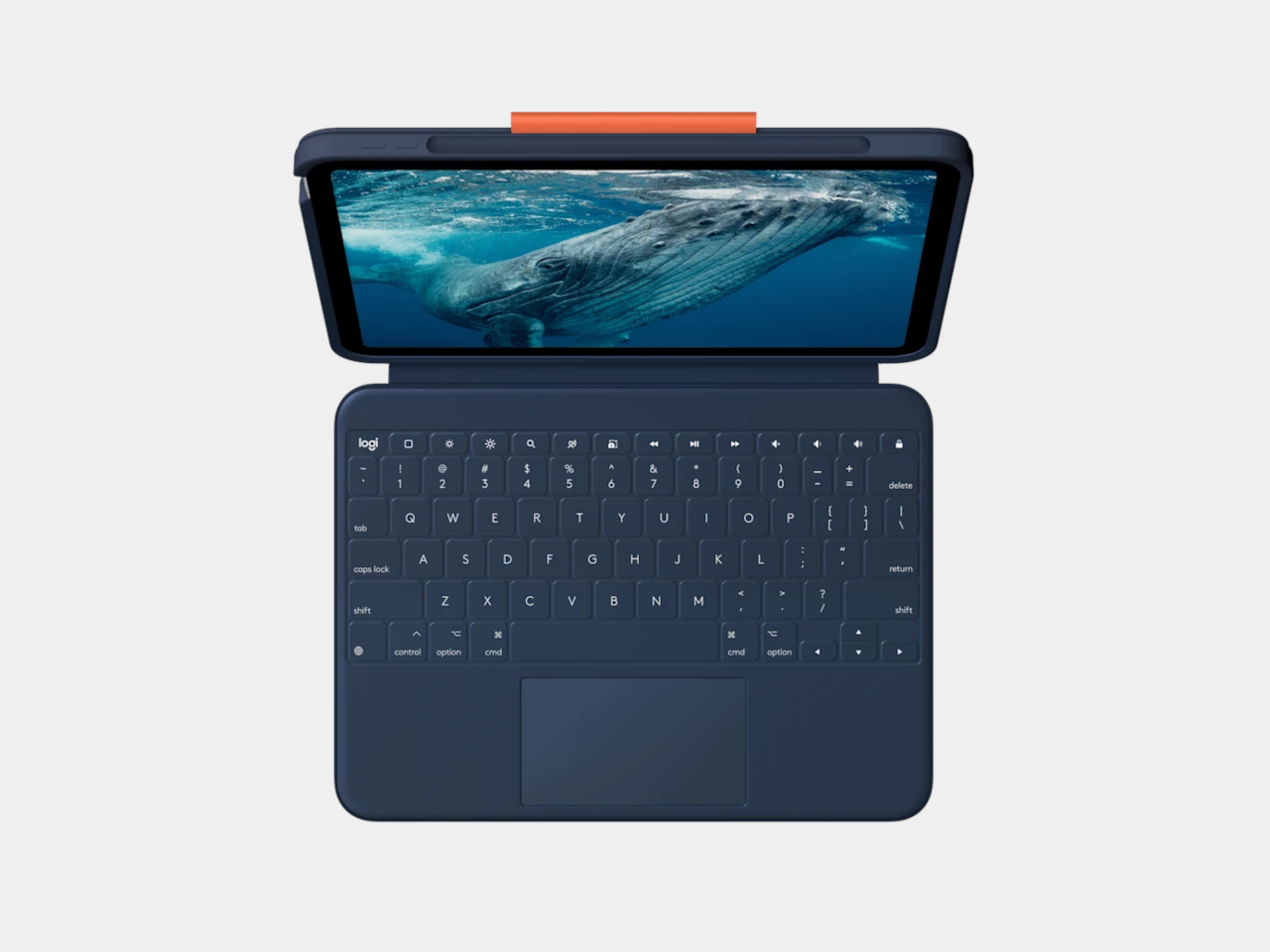
Logitech’s new Rugged Combo 4c and Rugged Combo 4c Touch are the latest additions to the company’s Rugged Combo lineup, designed for the iPad (A16) and iPad (10th generation). Both cases are built explicitly around the realities of student life, and a few of their design choices reflect how thoroughly the company thought about where and how these devices actually get used.

Designer: Logitech

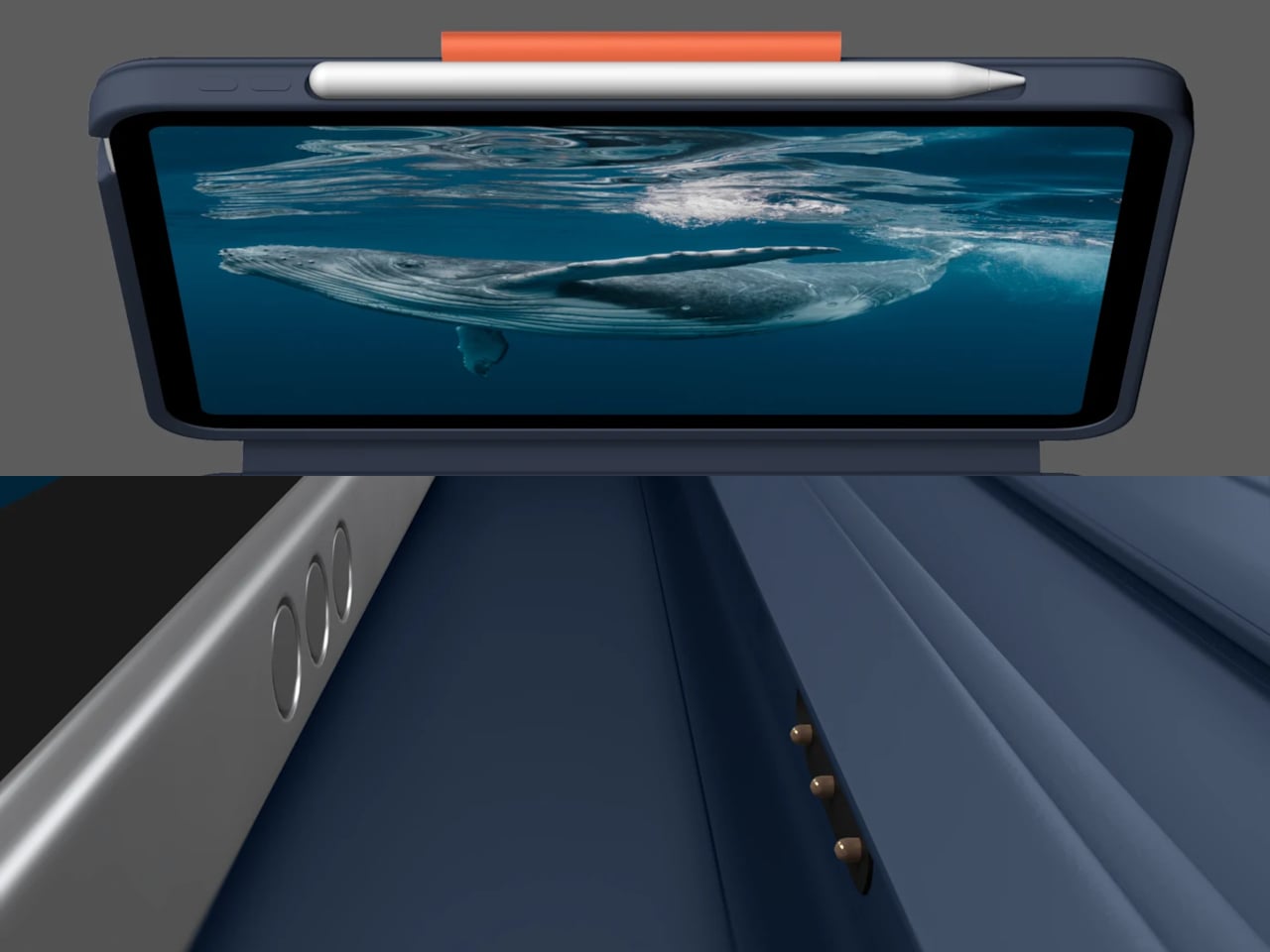
The most immediately useful upgrade in both models is the dedicated USB-C port. Audio has become central to how students learn, with literacy programs, digital assessments, and language learning all increasingly depending on wired headphones. Previously, plugging in headphones often meant going without charging, or the other way around. The USB-C port eliminates that choice by handling both simultaneously without any adapters.

The keyboard itself is fully sealed and spill-resistant, which handles the inevitable water bottle incident, and the case is made from material tested to survive more than three years of daily cleaning at school facilities. Drop protection reaches up to 6.6 ft, and the case has also been backpack drop-tested 10,000 times, addressing the specific scenario where a bag hits the floor from a hook or desk. That’s a meaningfully different durability benchmark than a standard drop test.

Both cases connect via Smart Connector, which means instant pairing without any Bluetooth setup and no separate charging required since the case draws power directly from the iPad. Four use modes, Type, View, Read, and Sketch, support a variety of classroom activities, including compatibility with Apple Pencil and Crayon for note-taking and drawing. There’s also a window for iPad asset tags and a built-in QR code to simplify IT tracking and deployment across a school fleet.

The main distinction between the two models is the Rugged Combo 4c Touch’s large, high-precision multi-touch trackpad. For students who’ve grown up navigating touchscreens, a trackpad offers a more familiar cursor-based experience that fits naturally into typing sessions. It’s one of those additions that sounds modest but actually changes how students interact with the device during longer tasks like writing assignments or research.

Logitech designed both products with school-wide deployment in mind rather than individual purchase, which explains features like the asset tag window and the clean construction that holds up to institutional cleaning protocols. Both cases are available through Logitech’s authorized education distributors. For any IT administrator who has ever had to account for hundreds of devices scattered across dozens of classrooms, that kind of practical thinking ends up mattering more than any single feature on the spec sheet.

The post Logitech Just Built an iPad Case Tested for 10,000 Backpack Drops first appeared on Yanko Design.