The Must‑Have Portable Power Station Setup Every Household Should Own For Storms And Blackouts

This is not a normal cold snap. The polar vortex that usually stays locked over the Arctic has split and sagged south, dragging temperatures in parts of the Midwest and East Coast to levels that feel closer to the Far North than to cities where millions live. Across affected regions, the results have been immediate and severe. Hypothermia deaths in Louisiana. Rolling blackouts. Ice storms that shatter tree limbs and bury power infrastructure under frozen weight. Nearly 250,000 people in Tennessee alone woke up this week without electricity, and utilities are warning that repairs could take days.

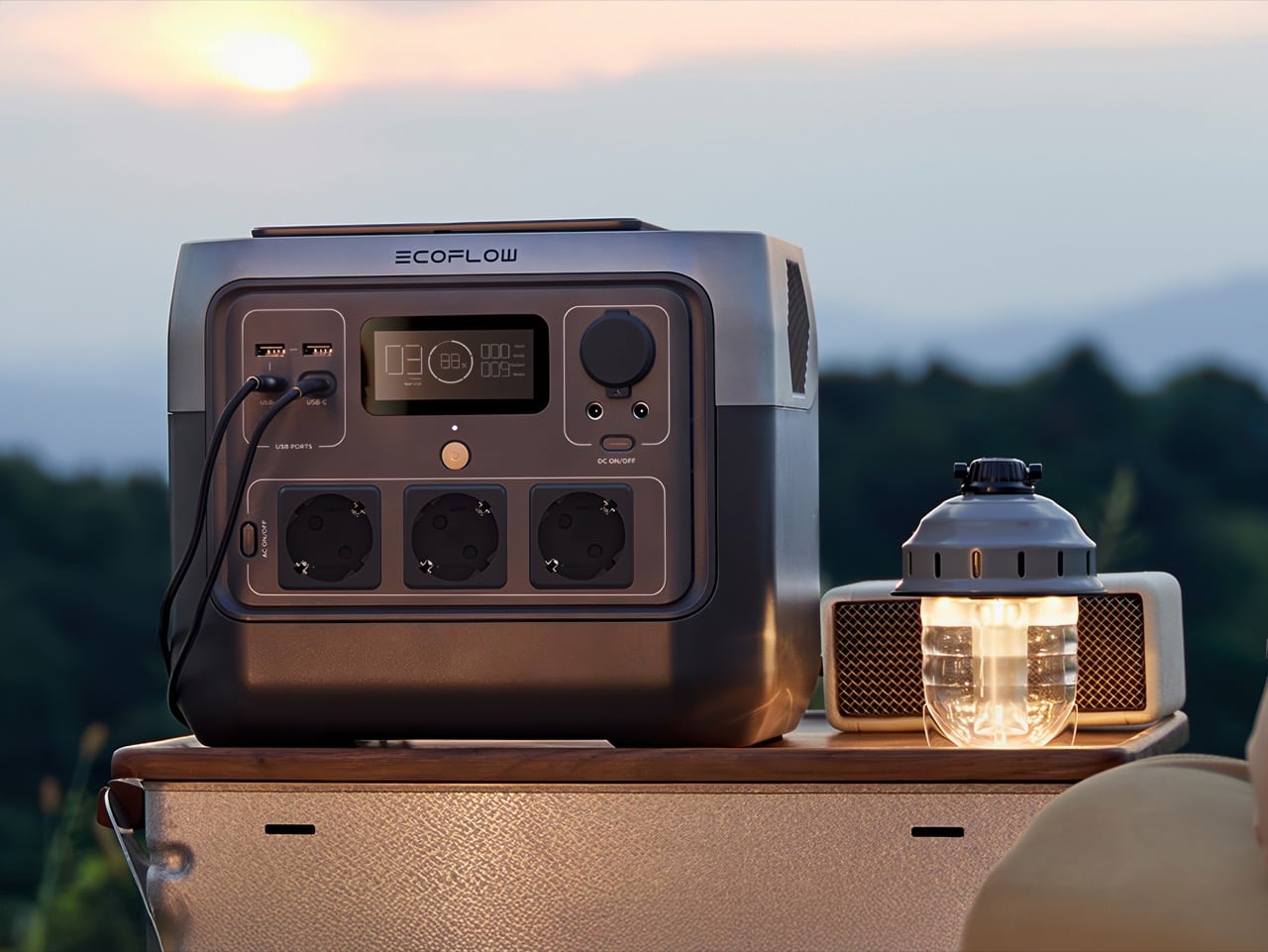
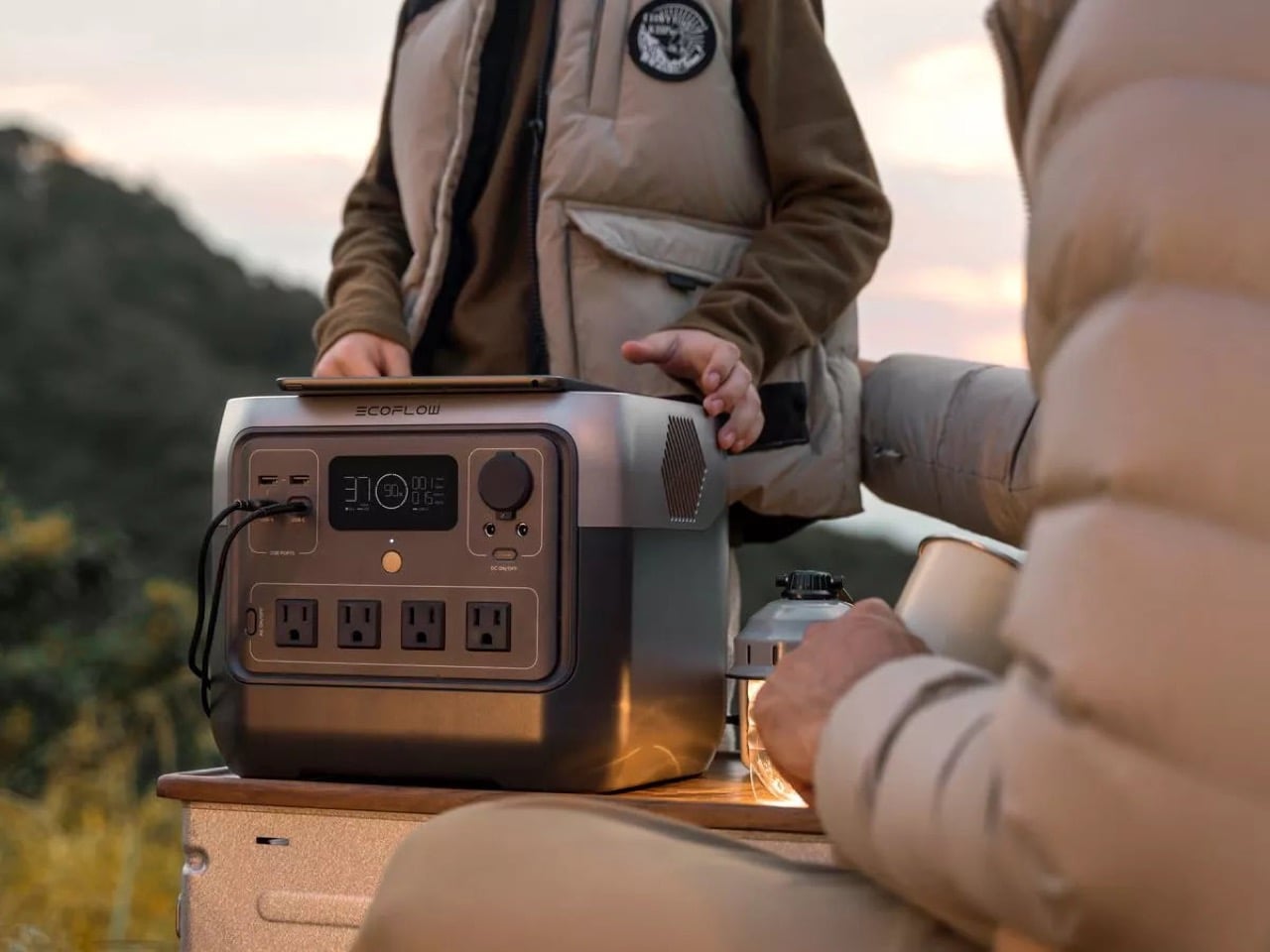
If you are watching the forecast from a warm, lit room, it is worth asking what happens if your block goes dark. Your thermostat stops, your phone begins to drain, your internet dies, and you lose access to weather updates and family check‑ins just when you need them most. For people in small apartments or older homes without backup systems, this is not a thought experiment, it is the reality playing out at this moment. A compact, indoor‑safe power station is one of the few tools that can soften that blow, quietly keeping phones, medical devices, and a few essential lights running while the grid catches up.
Click Here to Buy Now

Why the Mid‑Size Power Station Makes Sense for Most Households

Portable power stations fall along a spectrum, and most of them do not fit the use case of a typical household facing a winter outage. The small units, typically in the 200 to 300 watt‑hour range, are barely larger than heavy‑duty power banks. They can charge phones and tablets, maybe run a laptop for a few hours, but they lack the capacity and output to keep anything more demanding alive. A router pulls too much. A CPAP machine drains them in a single night. A small electric blanket finishes them off in two or three hours. They are fine for a day hike or an overnight car trip, but in a multi‑day blackout during freezing weather, they run dry too quickly to matter.

On the other end, the large systems in the 2,000 to 4,000 watt‑hour class are designed for off‑grid living, RV installations, or whole‑home backup with automatic transfer switches. They can run refrigerators, sump pumps, and multiple high‑draw appliances at once, but they weigh 50 to 100 pounds, cost as much as a used car, and take up serious floor space. For someone in a studio apartment or a rented house, they are impractical both financially and logistically.

The mid‑size tier, roughly 700 to 1,000 watt‑hours with 800 watts of continuous output, occupies the useful middle ground. These units are light enough to move with one hand, affordable enough to justify as a one‑time purchase rather than a major investment, and powerful enough to keep the essentials running for several days if used carefully. They are not designed to replace the grid. They are designed to bridge the gap between when the grid fails and when it comes back online, which is exactly the scenario playing out across the East Coast right now.

What the River 2 Pro Brings Over Its Predecessor

We reviewed the standard EcoFlow River 2 a couple of years back and liked it for what it was: a genuinely portable, well‑designed 256 watt‑hour unit that charged fast and looked good doing it. The dual‑tone design was sharp, the handle redesign made it easier to store, and the price was right for weekend adventurers. But 256 watt‑hours is just not enough capacity to be useful in a real emergency. You could maybe get through one cold night if you were very, very careful.

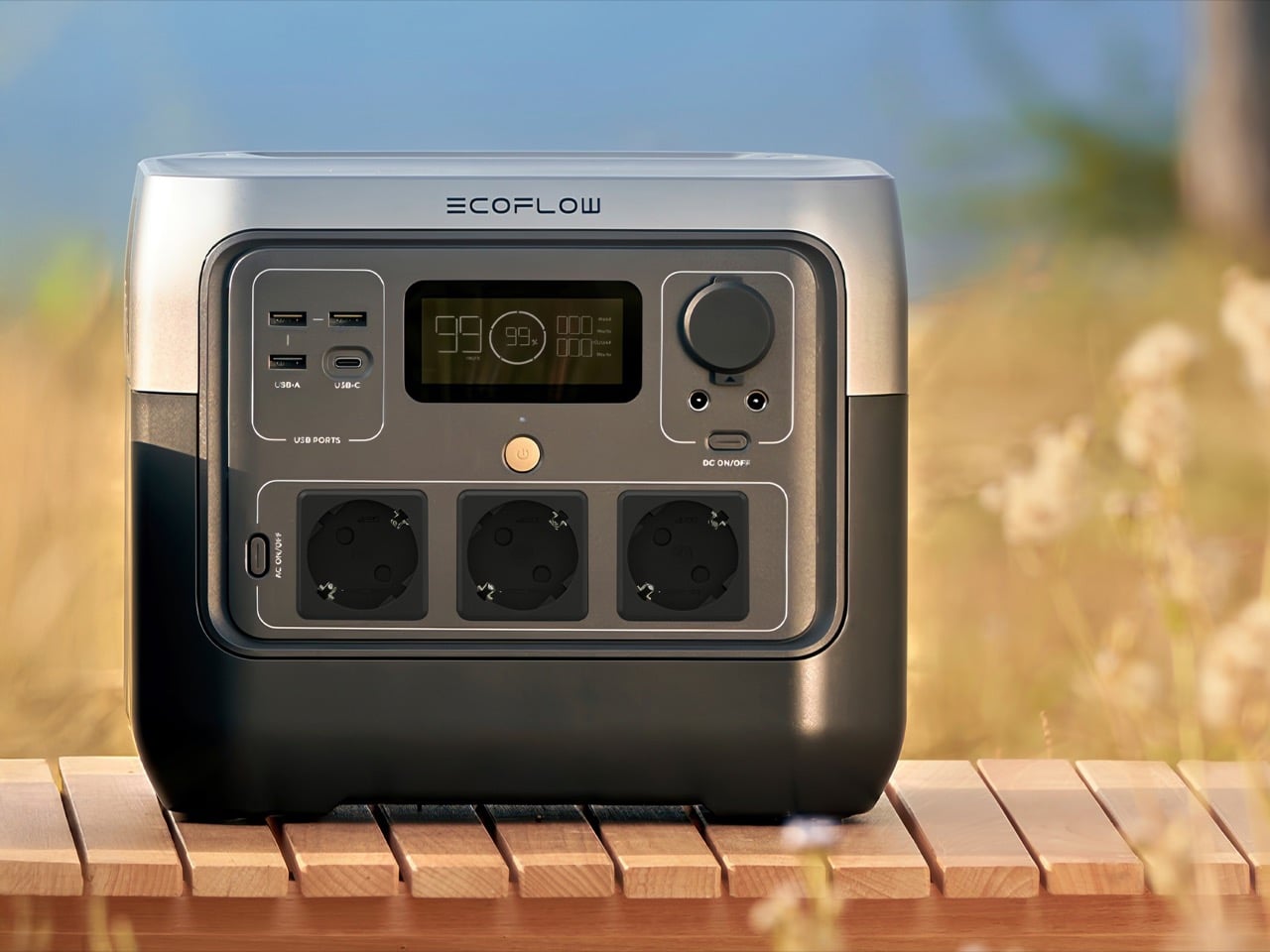
The Pro triples that to 768 watt‑hours and bumps the continuous AC output from 300 watts to 800 watts, all while adding only about 11 pounds to the overall weight. That capacity jump is not incremental, it is transformational. Now you are talking about running a CPAP for multiple nights, keeping a router alive for over a week of intermittent use, and still having juice left for phone charging and LED lights. The original River 2 was a nice‑to‑have for camping trips. The Pro is something you can actually rely on when the infrastructure around you stops working.

EcoFlow also stuck with LiFePO₄ chemistry, which is the right call here. These cells handle temperature swings better than standard lithium‑ion, they are safer, and they are rated for over 3,000 cycles before they start losing capacity. If you are buying this as a piece of emergency gear that might sit unused for months or years at a time, that longevity matters. This is not a gadget you replace every couple of years. It is something you buy once and forget about until the lights go out.

70 Minutes from Empty to Fully Charged

EcoFlow has been pushing fast charging as a selling point across their lineup for a while now, and in the River 2 Pro it is not just a spec sheet flex, it is genuinely useful. The unit goes from dead to full in about 70 minutes off a standard wall outlet. In normal times, that is convenient. During a rolling blackout, it is the difference between a functional backup and a paperweight.

Think about how most grid failures actually play out in populated areas. Power does not just drop and stay off for three days straight. It flickers. It comes back for an hour, goes out again, comes back for two hours overnight. If your power station takes five or six hours to charge, you are constantly playing catch‑up and never actually filling the tank. With the River 2 Pro, every time the grid comes back on, you have a realistic shot at getting back to 100 percent before it drops again. That changes the whole strategy of how you manage an outage.

The unit also takes up to 220 watts of solar input, so a pair of decent folding panels can top it off in four or five hours under good sun. Winter solar is sketchy, clouds and short days mean you are not going to get reliable full charges, but even partial sun can stretch your runtime by enough to matter. It is not a primary charging method in January, but it is a useful fallback if the outage drags on longer than expected.

What It Costs and How That Compares

Online pricing on the River 2 Pro right now is hovering around the $315 mark, depending on where you shop. The MSRP is technically $549, but there’s almost always a discount running somewhere.

Compare that to a Jackery Explorer 1000 V2, which offers about 1,070 watt‑hours and usually runs $500 to $600. Or the Bluetti AC180, which is in the same ballpark for capacity and price. The River 2 Pro is giving you about 70 percent of the capacity at roughly half the cost, which for most apartment and small‑home use cases is the right tradeoff. You are not powering a refrigerator for a week either way, so the extra 300 watt‑hours does not fundamentally change what you can do. What changes is whether you can justify the expense as a one‑time purchase or if it feels like a luxury you will never pull the trigger on.

The really small units, the 200 to 300 watt‑hour boxes, run $150 to $250. So you are paying maybe $100 to $150 more to triple your capacity and double your output. That is an obvious upgrade if you are serious about emergency preparedness. The giant 2,000+ watt‑hour systems start north of $1,200 and climb fast from there, which is a completely different budget conversation.
What It Can Actually Power During an Outage

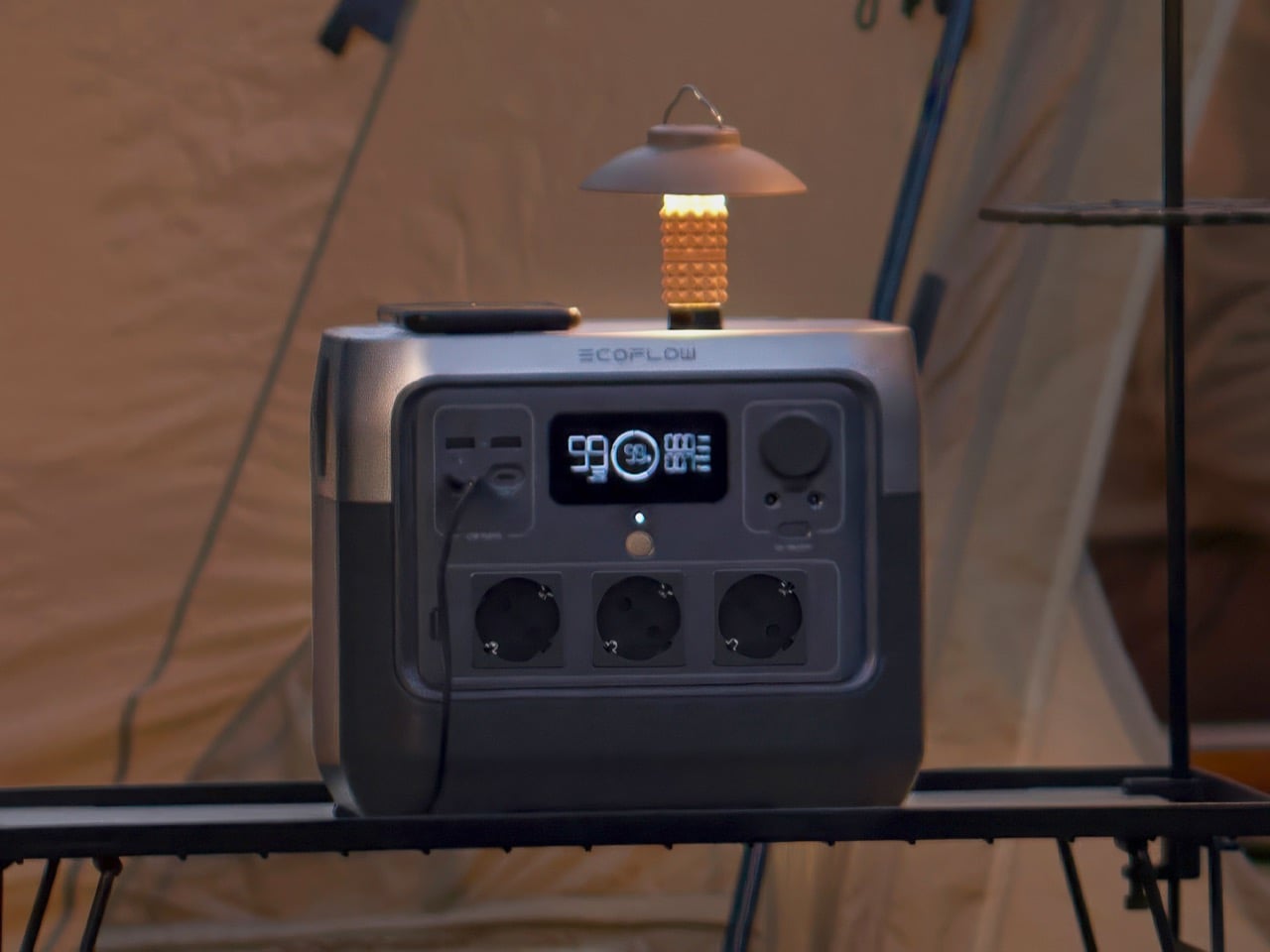
The numbers on a spec sheet do not always translate clearly to real‑world use, so it helps to think in concrete scenarios. A fully charged River 2 Pro, used carefully, can sustain:

Communication and information: A smartphone pulls maybe 10 to 15 watt‑hours per full charge. You could recharge your phone 50 times off a full River 2 Pro. A typical Wi‑Fi router and modem together draw 15 to 25 watts while they are on. Run them three hours a day to pull weather updates, check news, coordinate with family, and you are using about 60 watt‑hours daily. That gives you a week and change of intermittent connectivity from a single charge.

Medical devices: A CPAP machine is slightly trickier because the power draw varies wildly depending on your model and settings. If you are running a basic unit without the heated humidifier, you might pull 30 to 40 watts. With the humidifier cranked, that can jump to 60 watts or more. Let us say you are at 40 watts for eight hours a night. That is 320 watt‑hours per night, so you get two full nights of sleep therapy before you need to recharge. Not great if the power is out for a week, but enough runway to get through the worst of a storm without ending up in an ER.

Targeted warmth: Low‑wattage electric blankets and heated throws usually run 50 to 100 watts. A 75‑watt throw for three hours in the evening is 225 watt‑hours. Combine that with CPAP and phone charging and you are looking at maybe 600 watt‑hours total per day, which gives you a full day of decent comfort before you need to think about recharging.

Lighting: LED lighting is almost free by comparison. A 10‑watt bulb for five hours a night is 50 watt‑hours. You could light up a small apartment every night for a week and barely dent the battery.

The key here is prioritization. You shouldn’t be running everything at once. Keep the critical stuff alive, lights, communication, medical devices, and use targeted warmth instead of trying to heat the whole space. That is what makes a mid‑size unit like this viable, and truly accessible to the vast population who can divert sub-$500 on a moment’s notice. The power station might be tiny, but it forces you to be smart about power – which is exactly what you need to do in a real outage anyway.

Need More Power? Just Buy A Second One And Connect Them

One feature that does not get talked about enough is that you can actually chain two River 2 Pro units together for expanded capacity. EcoFlow builds this into their ecosystem, so if you find yourself consistently running up against the limits of a single 768 watt‑hour unit, you are not stuck buying a completely different, more expensive system. You just add a second River 2 Pro and suddenly you are working with over 1,500 watt‑hours of usable capacity. That is enough to stretch a multi‑day outage without obsessively rationing every watt, or to run slightly higher‑draw appliances that a single unit would struggle with.

The math here is quite interesting because it gives you a more flexible upgrade path than most power station ecosystems offer. Instead of dropping $1,200 to $1,500 on a single large unit right out of the gate, you can start with one River 2 Pro, see how it performs in real‑world use, and then add a second one later if you need the extra capacity. You end up spending around $630 total for a combined system that gives you more modularity than a single giant battery box. If one unit dies or needs servicing, you still have backup power. If you only need light capacity for a short trip, you take one and leave the other at home. That kind of flexibility is genuinely underrated.

It also means the River 2 Pro scales better for different household sizes and needs. A single person in a studio apartment might never need more than one unit. A family of four in a larger house might find that two units let them cover essentials in multiple rooms without running extension cords everywhere or constantly shuffling devices between outlets. The ability to grow the system incrementally, rather than making one big all‑or‑nothing purchase decision, makes it a lot easier to justify the initial investment and adapt as your needs change.

How to Use It Effectively in Cold Weather

Store and operate it indoors. LiFePO₄ cells can discharge in cold temperatures, but they should not be re-charged when the internal temperature is below freezing.

Most modern power stations, including the River 2 Pro, have battery management systems that will flat‑out refuse to charge if the cells are too cold. So keep the unit inside, away from exterior walls and drafty windows, and you will be fine.

Turn things off when you are not using them. That sounds obvious, but in the chaos of a blackout it is easy to leave the router on all day or forget a phone plugged in after it hits 100 percent. The River 2 Pro has a small parasitic draw just from being powered on, so if you are not actively using an outlet, shut it down and save every ounce of power you can.

And for the love of all that is holy, do not try to heat your apartment with this thing. Yes, the 800‑watt continuous output can technically run a small space heater. Yes, the X‑Boost mode can push that to 1600 watts for short bursts. But a 1,500‑watt space heater will drain the entire battery in about 30 minutes. That is not a strategy, that is just lighting your stored energy on fire. Layer up, use blankets, deploy a low‑watt heated throw for targeted warmth if you need it, but resistive heating is a losing game with battery power.
What It Cannot Do

The River 2 Pro is not a whole‑home backup system. It will not keep your refrigerator running for days, it will not power your furnace, and it definitely will not run a sump pump if your basement starts flooding. If those are your needs, you are shopping in the wrong category. You want a 2,000+ watt‑hour system, probably with a transfer switch and professional installation, and you are going to spend a lot more money.

The usable capacity is also not quite the advertised 768 watt‑hours. Independent testing puts the real‑world output closer to 620 watt‑hours, which is about 81 percent of the rated capacity. That is normal for the industry, battery management systems always hold back some reserve to protect longevity, but it is worth knowing so you do not plan your runtime calculations around the full number.

And while the unit is rated for 3,000+ cycles, that assumes you are not constantly hammering it from zero to 100 percent under extreme conditions. If you want to maximize lifespan, try to keep the charge between 20 and 80 percent when you can, and store it at around 50 percent if it is going to sit unused for months. Treat it like a piece of infrastructure, not a toy, and it will last you a decade.

Preparing Before the Next Storm

Hundreds of thousands of people are sitting in the dark tonight while the cold keeps piling on. More are watching the forecast and realizing their block could be next. The grid is not built for this. It was not designed to handle ice storms in places that rarely freeze, or sustained cold snaps in cities where winter is usually mild. And when it fails, the gap between “uncomfortable” and “dangerous” closes fast.

A power station like the River 2 Pro does not fix the underlying problem. It does not make the grid more resilient, and it does not replace the need for serious infrastructure investment. What it does is give you a buffer. A way to keep the essentials running while you wait for the repair crews to get the lines back up. A way to avoid the kinds of decisions that turn a bad night into a genuine emergency.

For $315, that is not a bad insurance policy to have sitting in your closet, charged and ready, before the next storm rolls in.

Click Here to Buy Now

The post The Must‑Have Portable Power Station Setup Every Household Should Own For Storms And Blackouts first appeared on Yanko Design.

10 Best Pocket-Worthy Valentine’s Day Gifts for Men Who Love EDC

Valentine’s Day gifts for men don’t have to mean another wallet or generic watch. For the guy who lives by the everyday carry philosophy, the perfect gift slips into his pocket and earns its place through daily use. These aren’t decorative tokens that live in a drawer. They’re precision tools that become extensions of his routine, carried with intention and reached for without thinking.

The best EDC gear strikes a balance between form and function, proving that thoughtful design doesn’t sacrifice practicality. This Valentine’s Day, skip the predictable and opt for something he’ll actually treasure. These pocket-worthy essentials combine craftsmanship with genuine utility, turning everyday moments into opportunities to appreciate both smart engineering and the person who knew exactly what he needed. Each piece here fits the EDC lifestyle without compromise.

1. Cubik

The Cubik rewrites pocket knife conventions by eliminating the mechanisms that typically complicate blade deployment. Press the trigger, hold it upside down, and gravity does the work. The blade emerges smoothly, locks securely with trigger release, and requires zero maintenance for springs, ball bearings, or complex internal parts that eventually fail. This simplicity translates to reliability that outlasts flashier alternatives, making it the kind of tool that becomes indispensable precisely because it never demands attention or special care.

Beyond its gravity-powered elegance, the Cubik delivers genuine heavy-duty performance. That secure lock isn’t just for show—it holds firm enough for piercing hardwood without blade wobble or mechanism stress. The tungsten carbide glass-breaker integrated into the rear end transforms this gentleman’s EDC into genuine emergency equipment. It’s the kind of thoughtful design detail that matters most when situations turn serious, proving that innovation doesn’t require complexity, just smarter thinking about fundamental mechanics.

What We Like

  • The gravity deployment system eliminates failure-prone mechanisms entirely
  • Tungsten carbide glass-breaker adds genuine emergency utility
  • Simple design requires zero maintenance or special care
  • Secure locking mechanism handles heavy-duty tasks confidently

What We Dislike

  • Gravity deployment requires a specific orientation to operate
  • An unconventional mechanism might confuse first-time users

2. 8-in-1 EDC Scissors

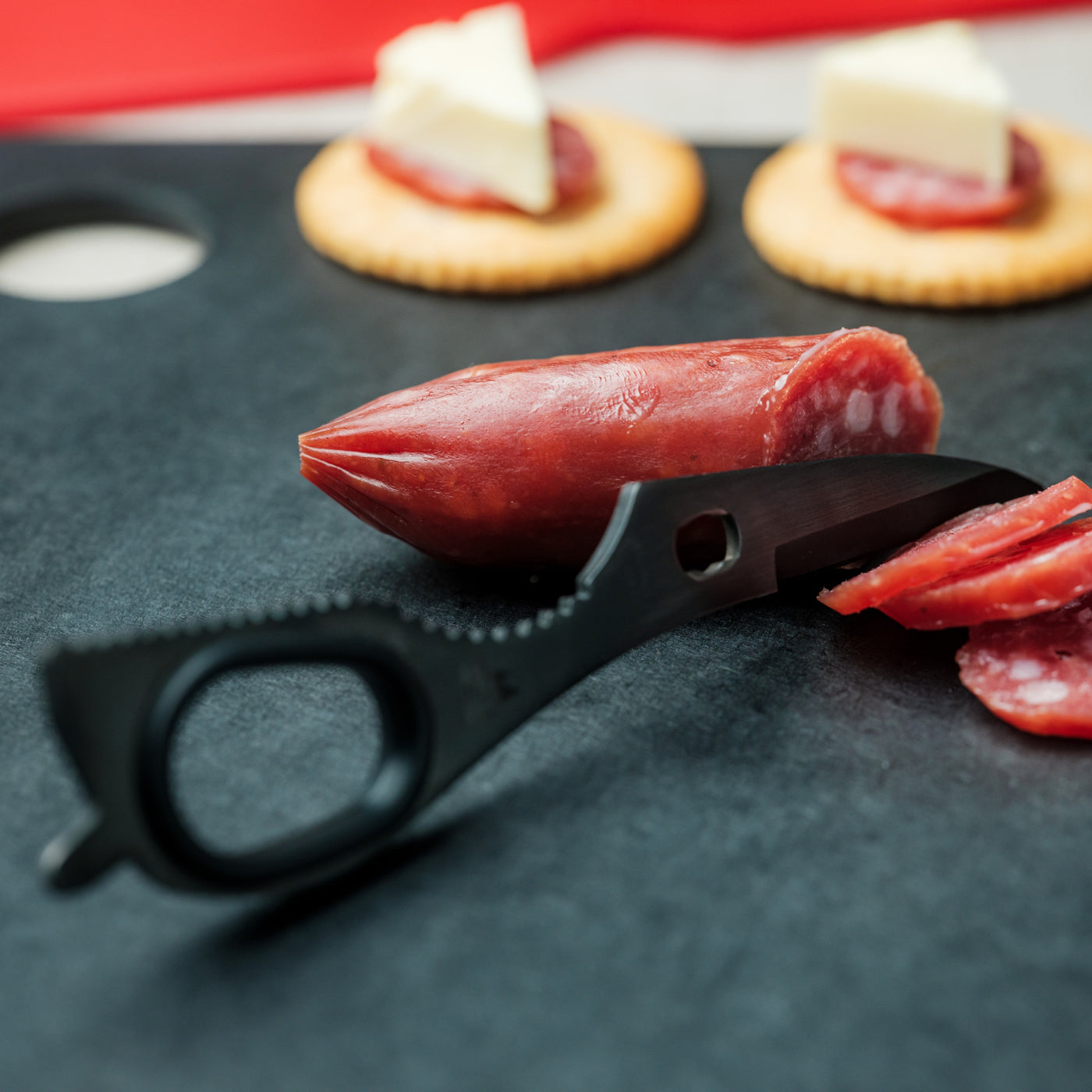
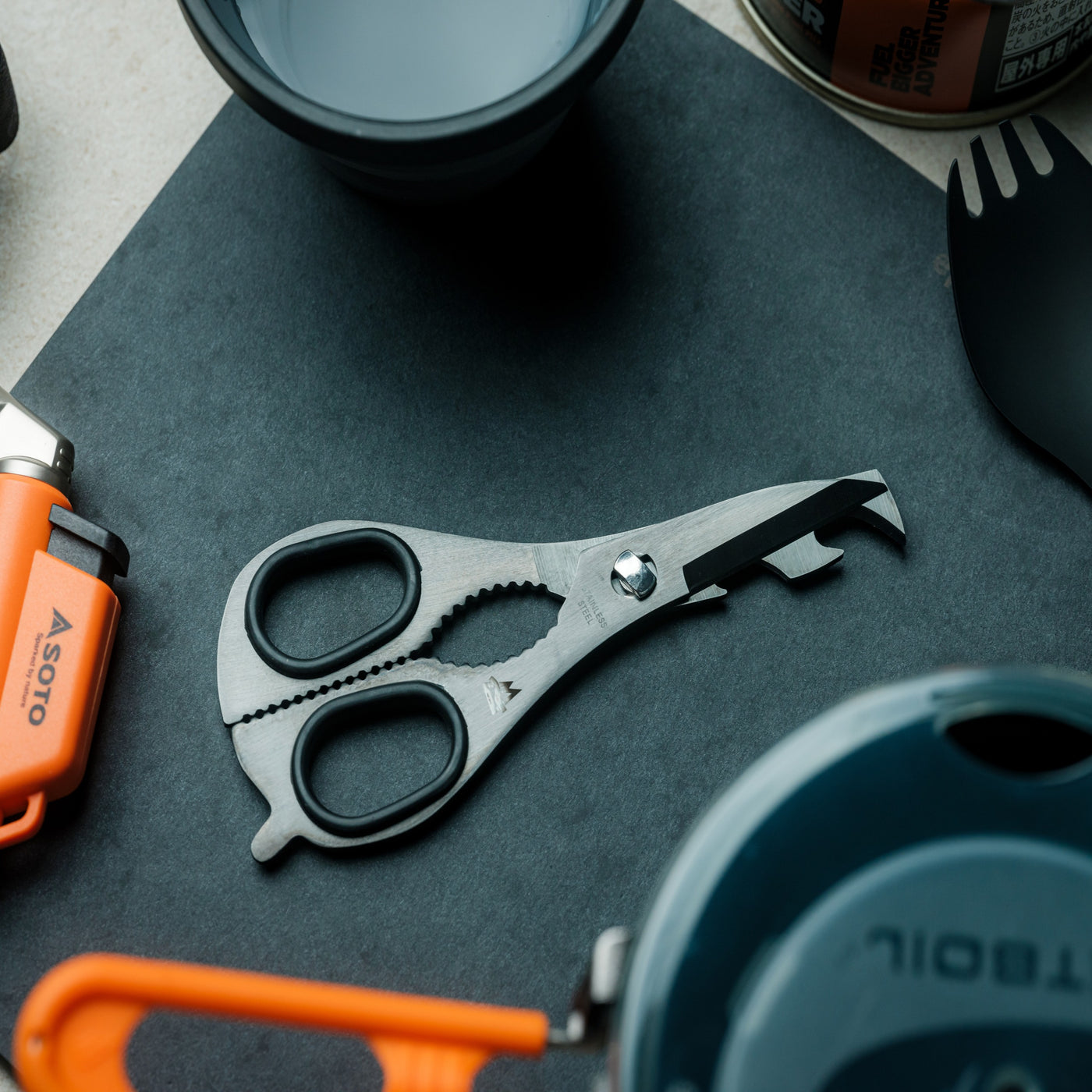
Multitool skepticism usually comes from bloated designs that sacrifice usability for feature counts, but these palm-sized scissors prove compactness doesn’t limit capability. Eight distinct functions—scissors, knife, lid opener, can opener, cap opener, bottle opener, shell splitter, and degasser—fit into a 13cm package that disappears into pockets without bulk. The oxidation film treatment delivers rust resistance while creating that handsome matte black finish that ages gracefully rather than showing wear as a weakness.

The real genius lies in how frequently these tools get reached for. Scissors alone justify pocket space, but having a proper knife blade and multiple opening mechanisms means this compact EDC solves problems before they escalate into frustrations. Package delivery, impromptu picnics, daily tasks that demand the right tool—this unassuming multi-tool handles them without ceremony. It’s the kind of gift that generates quiet appreciation every time it proves useful, which for EDC enthusiasts happens more often than most people realize.

Click Here to Buy Now: $59.00

What We Like

  • Eight functions in genuinely pocket-sized form factor
  • Oxidation film provides rust resistance and attractive finish
  • The function of scissors alone justifies an everyday carry
  • Multiple opener types handle various bottle and can styles

What We Dislike

  • Small size might feel awkward for larger hands during extended use
  • Individual tools sacrifice some leverage compared to dedicated versions

3. BlackoutBeam Tactical Flashlight

Tactical flashlights often promise military-grade performance while delivering consumer-grade disappointment, but the BlackoutBeam backs its claims with 2300 lumens that cut through darkness with surgical precision. That 300-meter throw distance isn’t marketing fluff—it genuinely illuminates distant targets with clarity that transforms nighttime navigation or emergency response. The 0.2-second response time eliminates lag entirely, delivering instant illumination exactly when situations demand immediate light without hesitation or warm-up delays that compromise effectiveness.

The IP68 waterproof rating and durable aluminum construction mean this flashlight survives submersion, impact, and weather conditions that would kill lesser lights. It’s serious durability packaged in a form that never feels excessive or tactical-cosplay ridiculous. Power outages, roadside emergencies, wildlife encounters, or simply navigating dark spaces—the BlackoutBeam handles varied scenarios without requiring different gear. For the EDC enthusiast who values preparedness, this flashlight delivers professional capability in everyday-appropriate packaging that justifies its presence whether clipped to a pocket or stored in a go-bag.

Click Here to Buy Now: $89.00

What We Like

  • 2300 lumens provide genuinely blinding brightness when needed
  • 0.2-second instant-on response eliminates dangerous delays
  • IP68 waterproof rating survives submersion and harsh conditions
  • 300-meter throw distance handles long-range illumination needs

What We Dislike

  • Maximum brightness drains batteries quickly during extended use
  • Premium performance comes with a premium price point

4. AirTag Carabiner

Forgetting where you left your bag, or keys, transforms from mild frustration to a genuine problem surprisingly quickly, but this Duralumin composite alloy carabiner harnesses Apple AirTag technology to eliminate that anxiety. The same material used in aircraft, spaceships, and boats delivers strength that contradicts its lightweight feel, creating a clip that’s tough enough for serious use yet comfortable for everyday carry. Each carabiner is crafted by hand, bringing artisan quality to functional hardware that typically gets treated as a disposable commodity.

The genius here lies in making tracking invisible. Snap this onto bags, bikes, umbrellas, or anything that tends to wander, and Apple’s Find My network provides location awareness without requiring dedicated attention. It’s passive security that works silently until the moment you need it, then delivers precise location data that transforms panic into calm retrieval. For the EDC enthusiast who carries multiple bags or frequently moves between locations, this carabiner provides peace of mind that scales across possessions without cluttering pockets with separate trackers.

Click Here to Buy Now: $149.00

What We Like

  • Duralumin alloy provides aircraft-grade strength at minimal weight
  • Hand-crafted quality elevates functional hardware to premium status
  • Works with Apple AirTag for seamless location tracking
  • Available in multiple metal finishes including brass and stainless steel

What We Dislike

  • Requires separate Apple AirTag purchase for tracking functionality
  • Limited to Apple ecosystem users for Find My network benefits

5. ScytheBlade

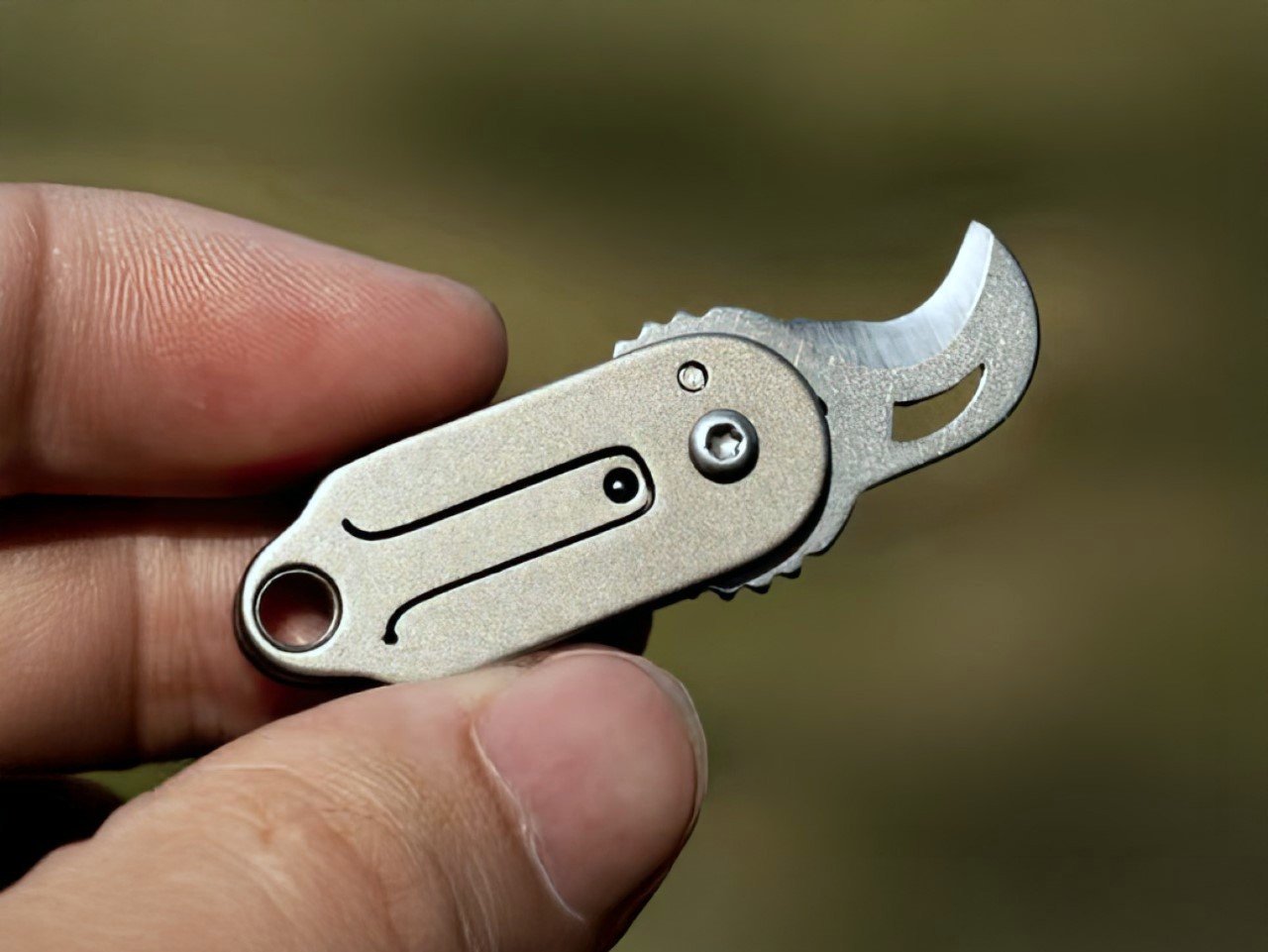
The scythe blade profile seems impractical for pocket carry until you actually handle the ScytheBlade and realize how that aggressive curve concentrates cutting force in ways straight edges can’t replicate. At just 46mm deployed length and weighing only 8 grams, this titanium folder achieves what most manufacturers consider impossible—a genuinely effective blade in micro format. The curved profile resembles a tiger claw, looking dangerous because the geometry delivers cutting performance that exceeds expectations set by conventional blade shapes.

Titanium construction brings natural corrosion resistance that requires zero maintenance while delivering strength that feels disproportionate to the minimal weight. You genuinely forget this knife clips to your pocket until the specific moment demands that curved blade’s unique capabilities. The ScytheBlade proves unconventional designs can work at miniature scales when engineering supports the ambition. For the EDC enthusiast who appreciates distinctive tools that perform despite—or perhaps because of—their radical departure from standard designs, this tiny scythe represents exactly the kind of pocket-worthy innovation that sparks conversation and delivers results.

What We Like

  • Titanium construction keeps the weight at a mere 8 grams
  • Curved blade profile concentrates cutting force effectively
  • Natural corrosion resistance requires zero maintenance
  • Radical miniaturization proves unconventional shapes can work at the micro scale

What We Dislike

  • Aggressive blade profile might face legal restrictions in some jurisdictions
  • Tiny size requires precision handling during use

6. DraftPro Top Can Opener

Drinking beer or sparkling water straight from the can robs you of aroma and a full flavor experience, but the DraftPro Top Can Opener transforms any can into a glass-like drinking vessel by removing the entire top. Designed by award-winning Japanese designer Shu Kanno, this compact tool creates smooth-edged, wide-mouth openings that let you catch scent notes and taste complexity brewers intended. That first crisp snap becomes prelude to genuinely elevated drinking experience that honors the beverage rather than compromising it through narrow can apertures.

The utility extends beyond refined sipping. Add ice cubes directly into summer beers for rapid chilling when the fridge fails. Mix cocktails directly in the can without shakers, glasses, or cleanup that transforms simple drinks into production events. The DraftPro fits domestic and international can formats, making it universally useful whether you’re enjoying local craft brews or imported specialties. For the EDC enthusiast who appreciates how small tools can upgrade daily rituals, this opener proves intentional design can transform mundane moments into something worth savoring properly.

Click Here to Buy Now: $59.00

What We Like

  • Removes entire top for draft-style drinking experience
  • Designed by award-winning Japanese designer Shu Kanno
  • Enables direct ice addition for quick drink chilling
  • Universal fit works with domestic and international can formats

What We Dislike

  • Requires practice to achieve a perfectly smooth edge removal
  • A single-purpose tool might not justify pocket space for minimalists

7. Painless Key Ring

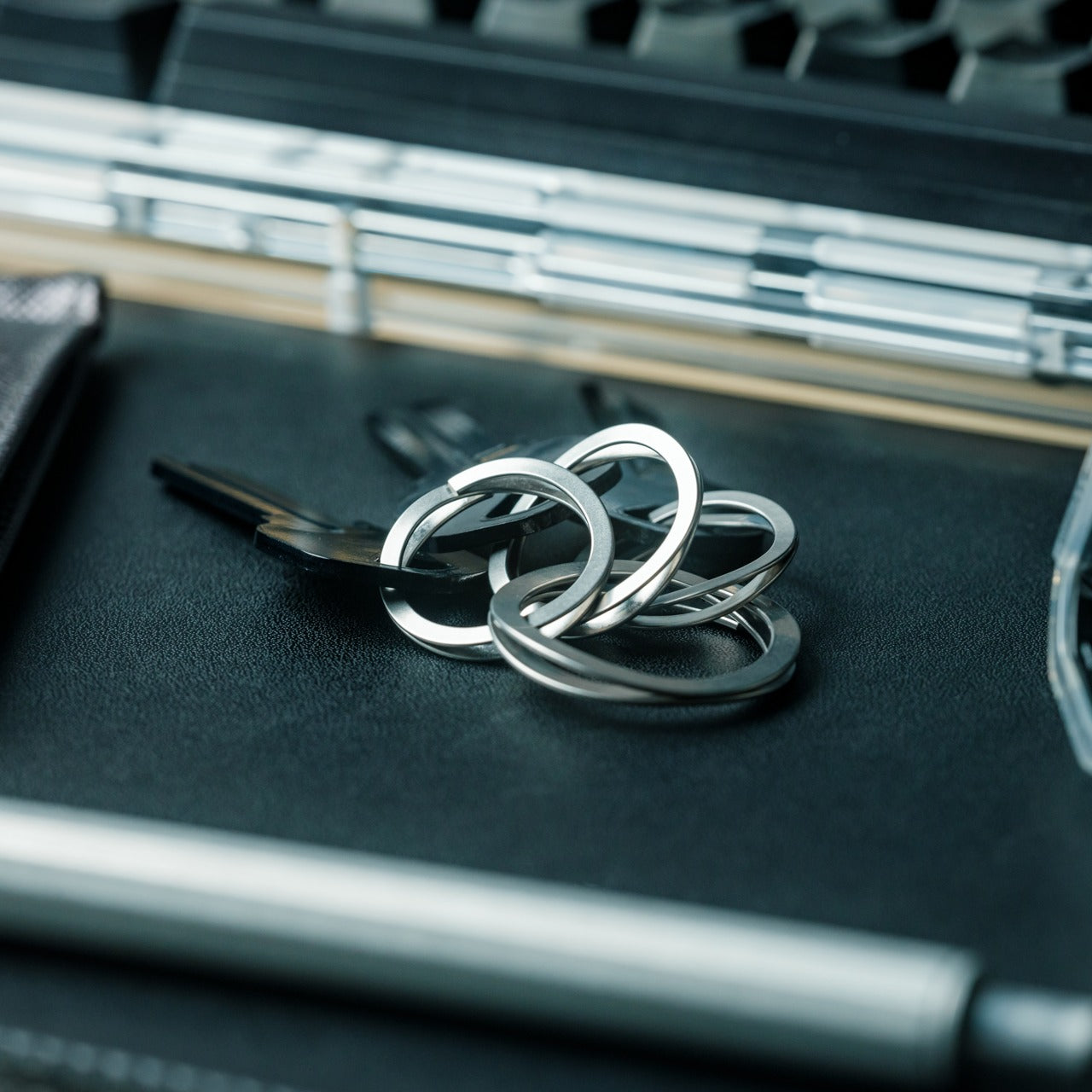
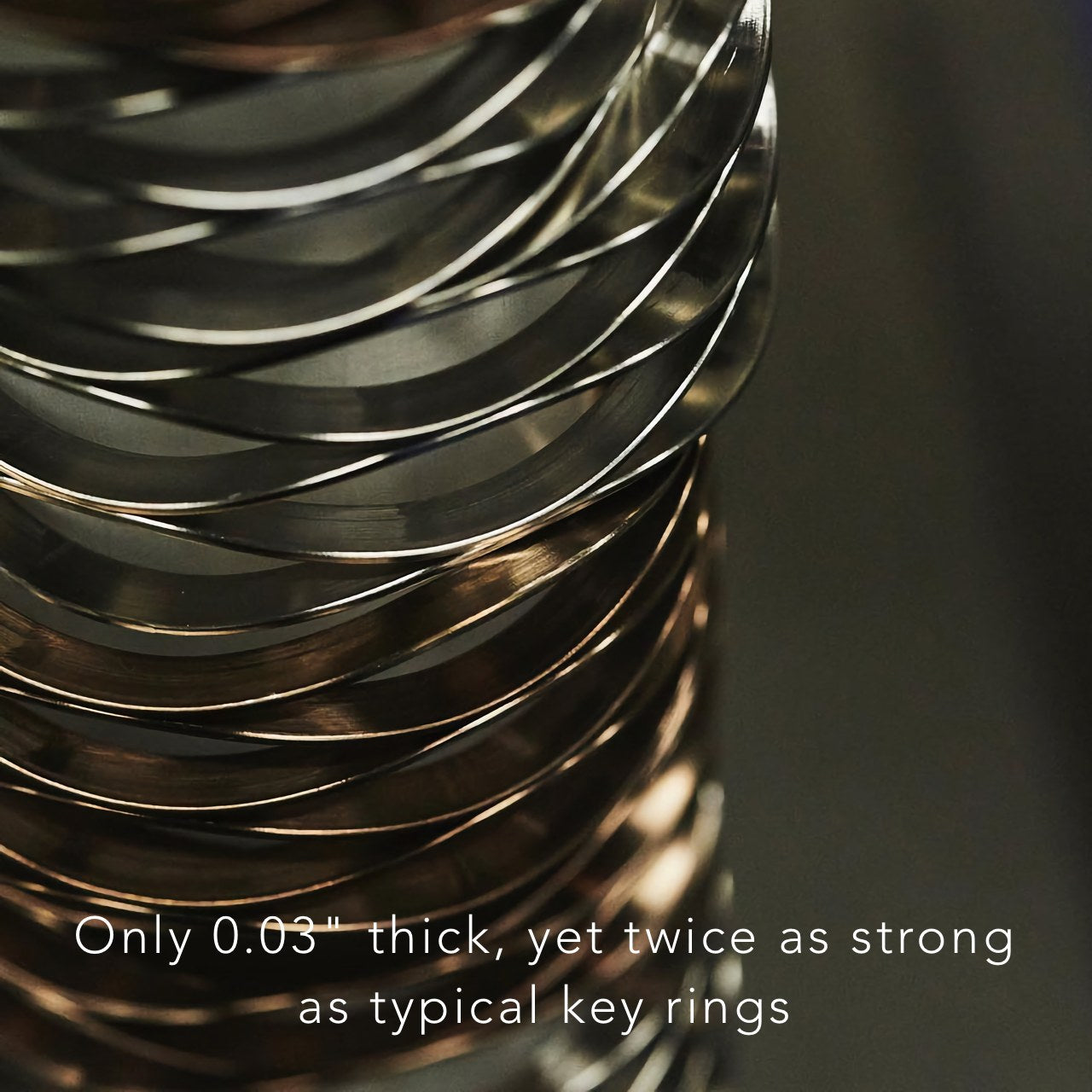
Breaking fingernails or bending rings just to add a single key represents exactly the kind of daily friction that accumulates into genuine frustration over time. This wave spring key ring borrows its mechanism design from aerospace equipment and automotive engineering to eliminate that stress. The innovative coil design makes adding and removing keys genuinely effortless while maintaining lighter weight and superior durability compared to standard pressed rings that deform under pressure from thicker keys.

The engineering elegance lives in how something this simple solves a problem most people accept as inevitable. Keys slide on smoothly, stay secure during carry, and come off without requiring tools, damaged nails, or muttered curses. Available in silver and black finishes, the wave spring ring delivers both aesthetic options and functional superiority that proves sometimes the best innovations target overlooked frustrations. For the EDC enthusiast who organizes multiple key sets or frequently rotates keys based on needs, this ring transforms key management from minor irritation into satisfying precision.

Click Here to Buy Now: $29.00

What We Like

  • Wave coil design makes key addition and removal effortless
  • Lighter weight yet more durable than conventional key rings
  • Inspired by aerospace and automotive engineering principles
  • Available in silver and black color options

What We Dislike

  • Premium pricing for what remains fundamentally a key ring
  • Wave design might catch on fabric in shallow pockets

8. VSSL Java G25 Manual Coffee Grinder

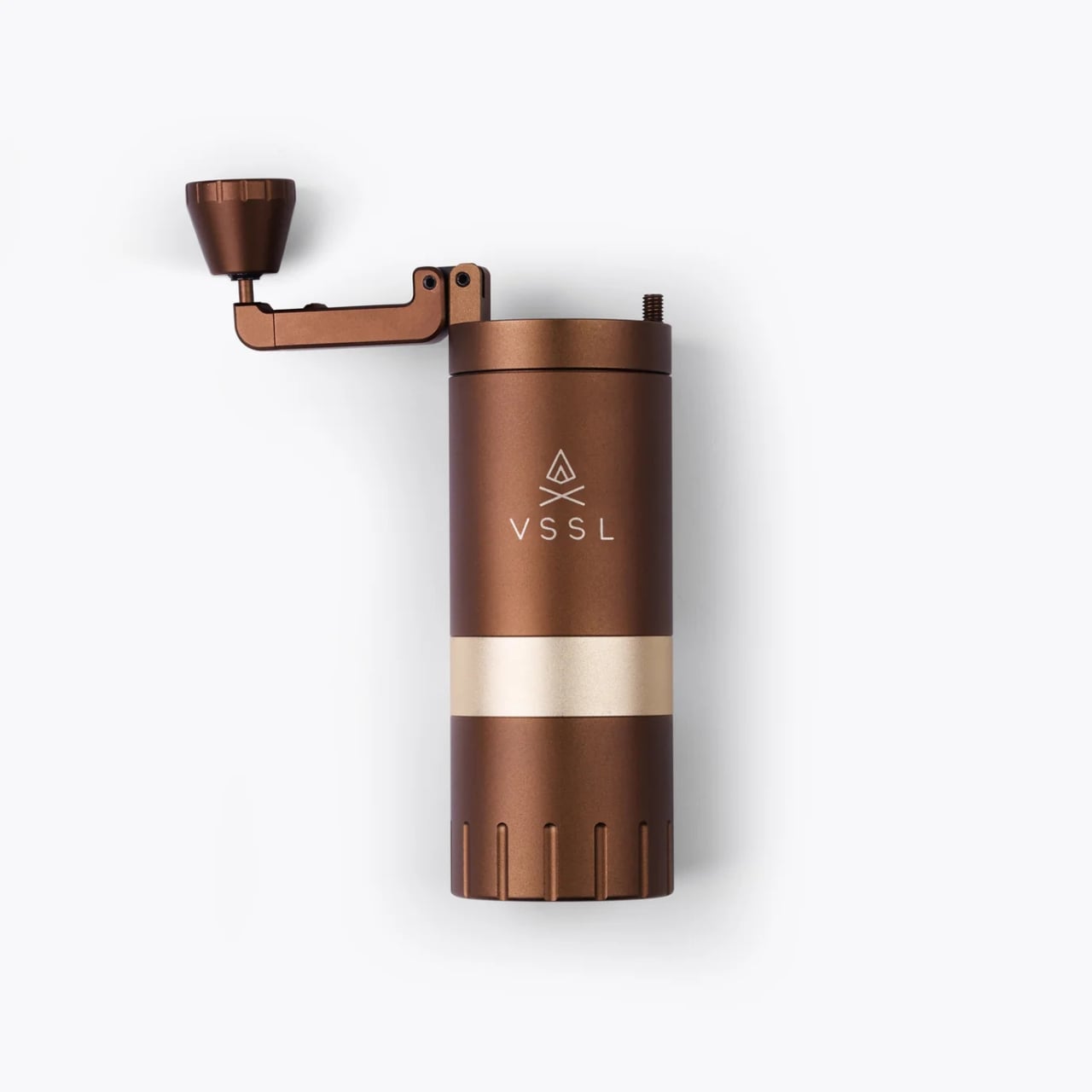
Manual coffee grinders traditionally demanded choosing between bulky plastic contraptions or fragile glass-and-wood designs that felt like a compromise rather than a choice. The VSSL Java G25 rewrites that narrative entirely, delivering rugged construction and refined aesthetics that transform grinding from a tedious chore into an enjoyable tactile ritual. The 25 distinct grind settings provide a range from espresso-fine to French press coarse, but the real achievement lies in making that adjustment feel intuitive rather than requiring an engineering degree to comprehend dials and knobs.

Fresh-ground coffee delivers flavor complexity that re-ground bags can’t match, and the G25 makes that quality accessible anywhere. The durable construction survives travel conditions that would destroy lesser grinders, while the compact form fits bags without dominating pack space. For the EDC enthusiast who refuses to compromise on morning coffee quality regardless of location, this grinder represents exactly the kind of refined tool that enhances daily rituals. The learning curve becomes part of the adventure rather than a barrier to entry, mastering a finely tuned instrument that rewards attention with consistently excellent results.

What We Like

  • Rugged construction survives travel and outdoor conditions
  • 25 grind settings cover full range from espresso to French press
  • Transforms grinding into an enjoyable tactile ritual
  • Compact form factor fits bags without excessive bulk

What We Dislike

  • Manual grinding requires effort compared to electric alternatives
  • Premium pricing reflects high-quality construction and materials

9. Craftmaster EDC Utility Knife

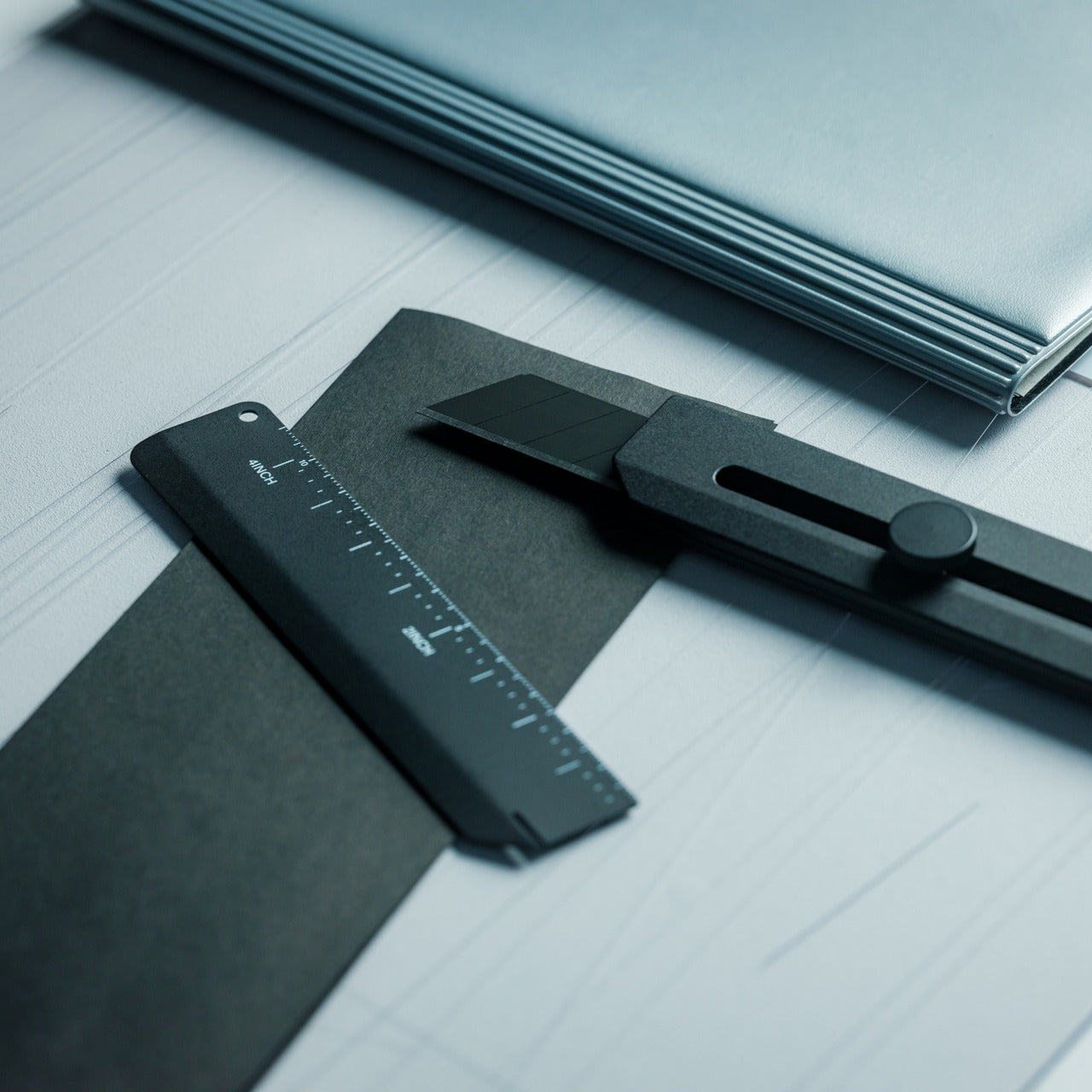
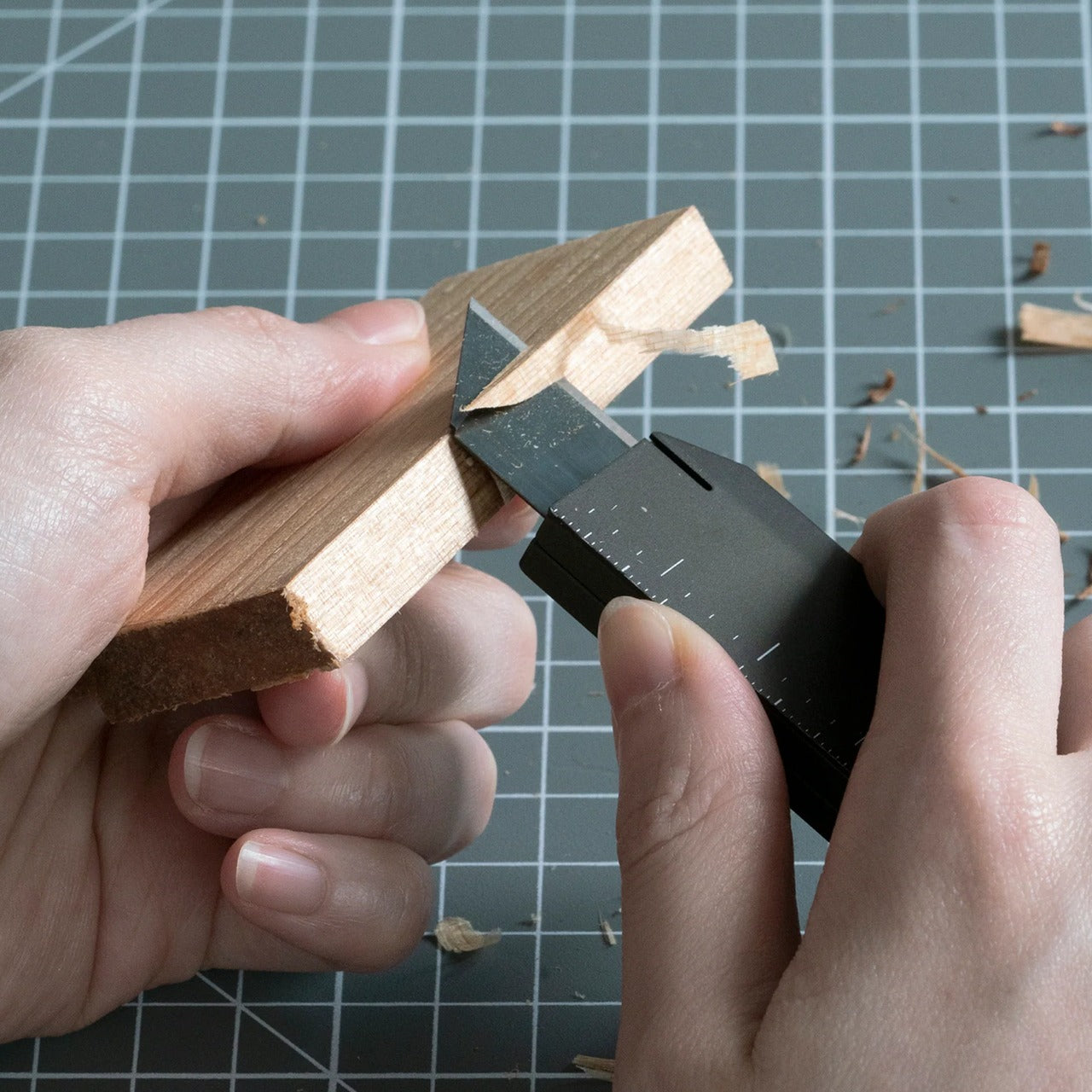
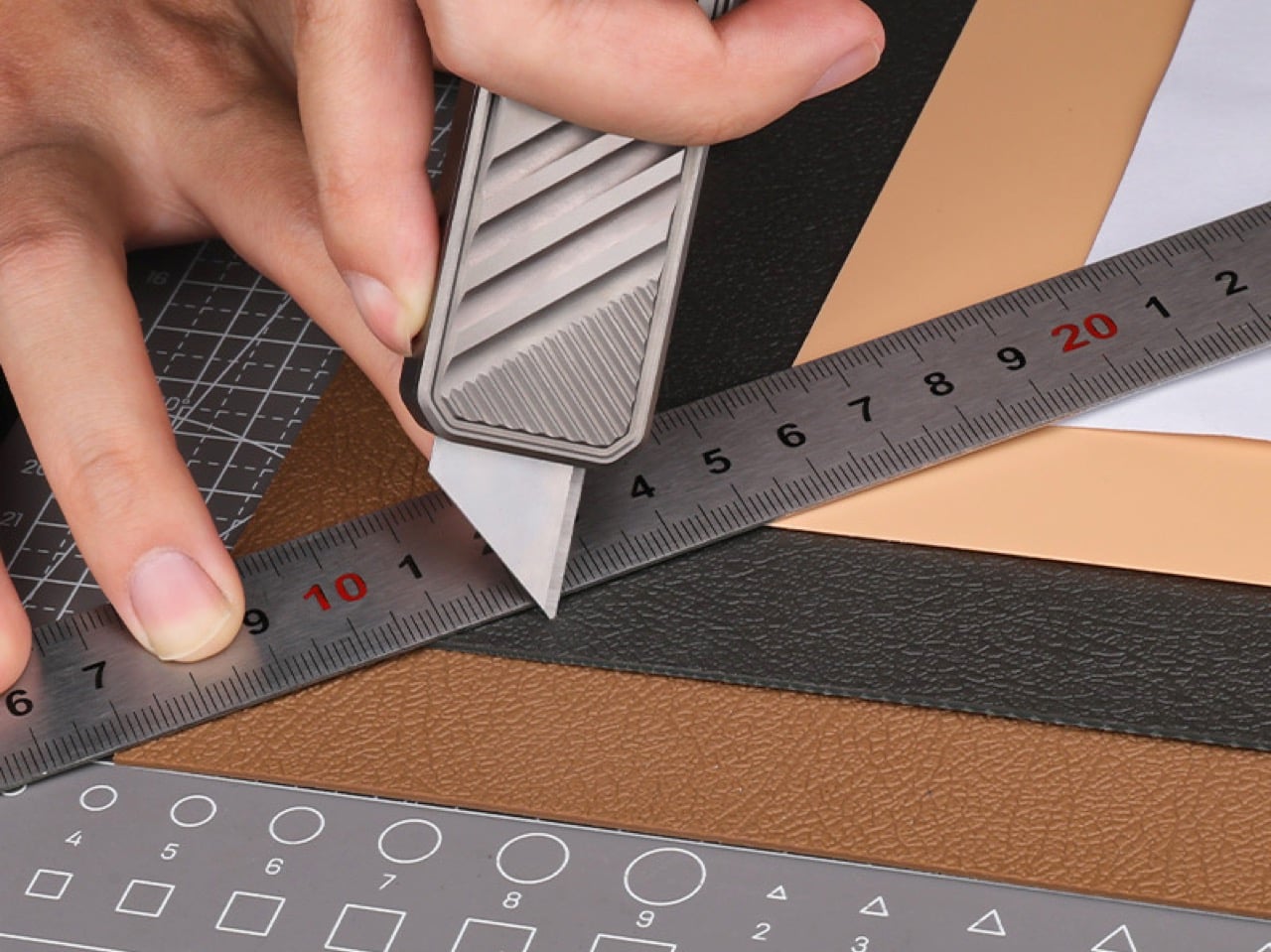
Utility knives typically sacrifice aesthetics for pure function, but the Craftmaster proves that clean, minimalist design can coexist with genuine utility. The metallic form measures just 0.3 inches thick and 4.72 inches long, disappearing into pockets while housing an OLFA blade deployed via a satisfying tactile rotating knob. The magnetic back serves a dual purpose—docking the knife to any metal surface and securing its companion metal scale that sports both metric and imperial markings for precision measuring during cutting tasks.

That included scale brings unexpected utility through thoughtful details. The raised edge makes lifting from flat surfaces effortless, while the integrated blade-breaker lets you snap off dulled OLFA blade edges to restore sharpness instantly. The 15-degree curvature prevents finger cuts during extended cutting sessions, and the 45-degree inclination protects box contents during package opening. For the EDC enthusiast who values tools that combine form with layered functionality, this utility knife represents exactly the kind of refined everyday carry that solves problems before they register as problems.

Click Here to Buy Now: $79.00

What We Like

  • Mere 0.3-inch thickness enables effortless pocket carry
  • The OLFA blade can be easily replaced when dull
  • Magnetic back docks on metal surfaces conveniently
  • The included scale provides a measurement tool with a blade-breaking function

What We Dislike

  • The rotating deployment mechanism is slower than quick-release alternatives
  • Small companion scale easy to misplace separately

10. Fingertip-Sized Rechargeable Flashlight

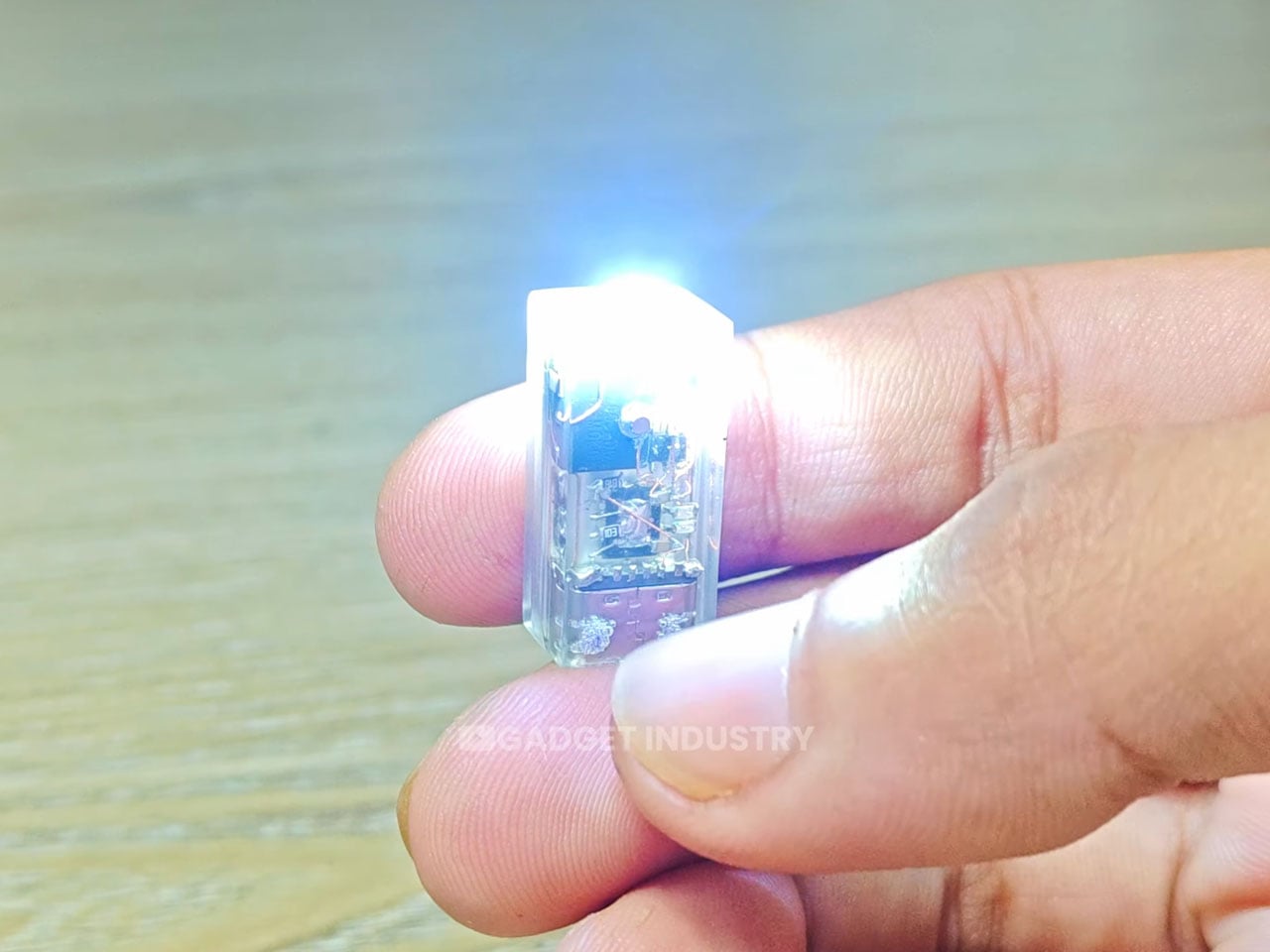
World’s smallest claims usually mean compromised functionality, but this fingertip-sized rechargeable torch by Gadget Industry pushes miniaturization to an obsessive extreme without sacrificing core capability. A lithium-polymer battery, charging circuit, touch-based control system, and white LED all seal into a compact resin shell that sits comfortably on a fingertip. It’s innovation through subtraction rather than addition, stripping everything down to absolute essentials and proving presence and accessibility can matter more than raw lumens.

The scale alone challenges assumptions about minimum viable flashlight dimensions. This micro torch takes the opposite route from bulky EDC lights, promising extreme brightness and endless modes, prioritizing availability over power. It’s the flashlight you actually have when you unexpectedly need light, precisely because you forget you’re carrying it. For the EDC enthusiast who believes the best tool is the one you actually carry, this rechargeable micro light represents the logical conclusion of pocket-worthy philosophy—making the tool so unobtrusive that excuses for leaving it behind simply don’t exist.

What We Like

  • Genuinely fingertip-sized form factor enables ubiquitous carry
  • Rechargeable design eliminates battery replacement hassles
  • A touch-based control system requires no mechanical switches
  • Sealed resin construction provides durability at minimal size

What We Dislike

  • Limited brightness compared to full-sized flashlight alternatives
  • Tiny form factor makes it easy to misplace when not clipped

Finding the Right Pocket-Worthy Gift

Valentine’s Day gifts work best when they demonstrate understanding of how someone actually lives their daily life. For the EDC enthusiast, that means tools that earn permanent pocket placement through consistent utility rather than novelty that fades. These ten designs represent that philosophy—gear refined enough to appreciate yet practical enough to justify carrying every single day without exception or second thought.

The best EDC gifts become invisible through constant presence, noticed only when they solve problems or make tasks slightly smoother. These pocket-worthy essentials transform Valentine’s Day from an obligatory gesture into a genuine expression of knowing what matters to him. Choose tools that match his carry style, and you’re giving something more valuable than objects—you’re showing you understand the intention behind his everyday choices. That recognition resonates long after Valentine’s Day passes.

The post 10 Best Pocket-Worthy Valentine’s Day Gifts for Men Who Love EDC first appeared on Yanko Design.

RitFit Buffalo Wild: Dual Cables, Weight Stacks in 2,200lb Smith Rack

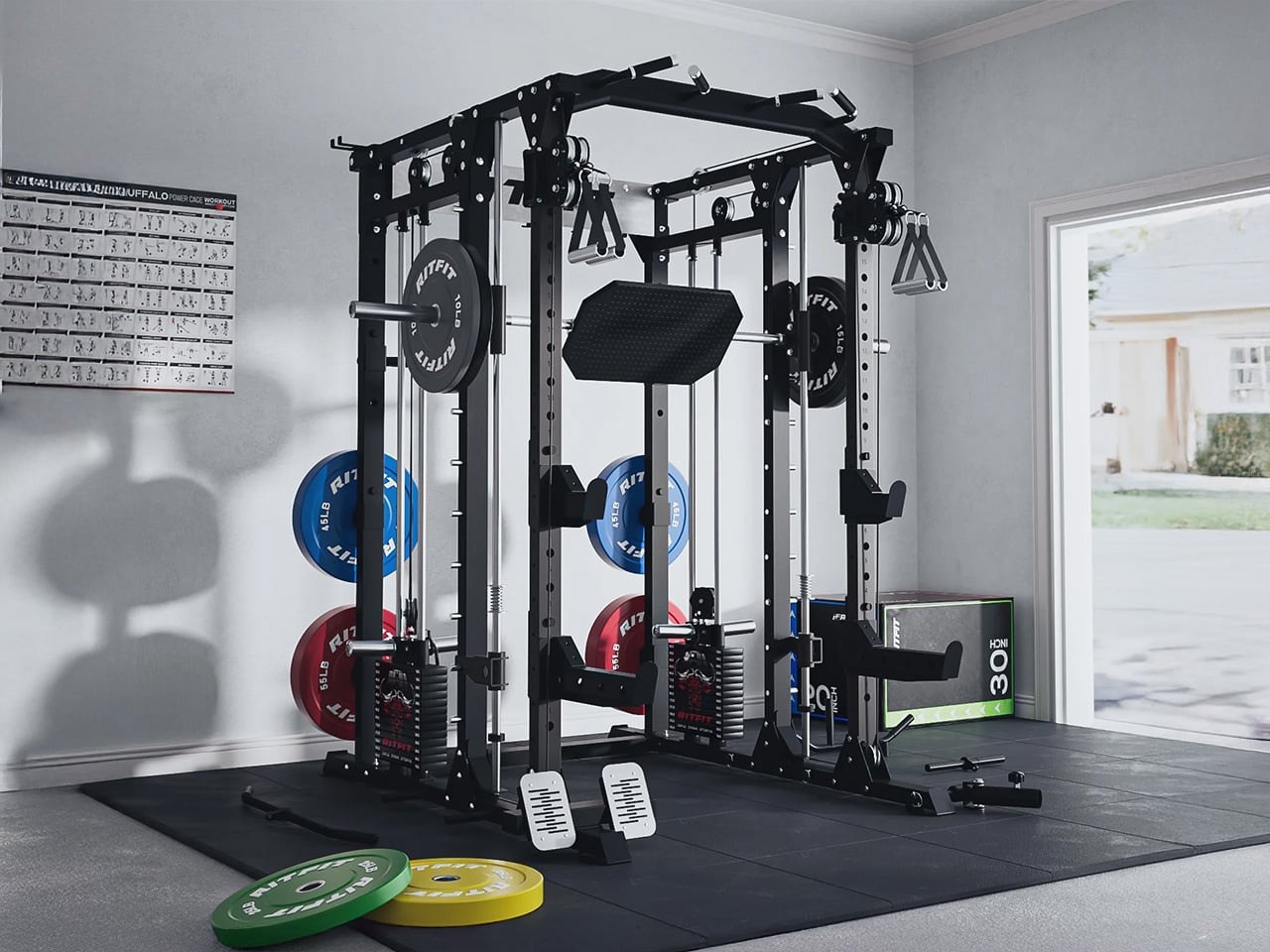
Many home gyms grow sideways, a basic rack here, a cable tower there, a bench in the corner, and plates leaning against walls. That patchwork setup works for a while, but that also makes it hard to move smoothly from warm-up to heavy work, especially if more than one person trains. A single, well-equipped frame can simplify that without feeling like a commercial monster dropped into a spare room, turning scattered gear into a system that actually flows.

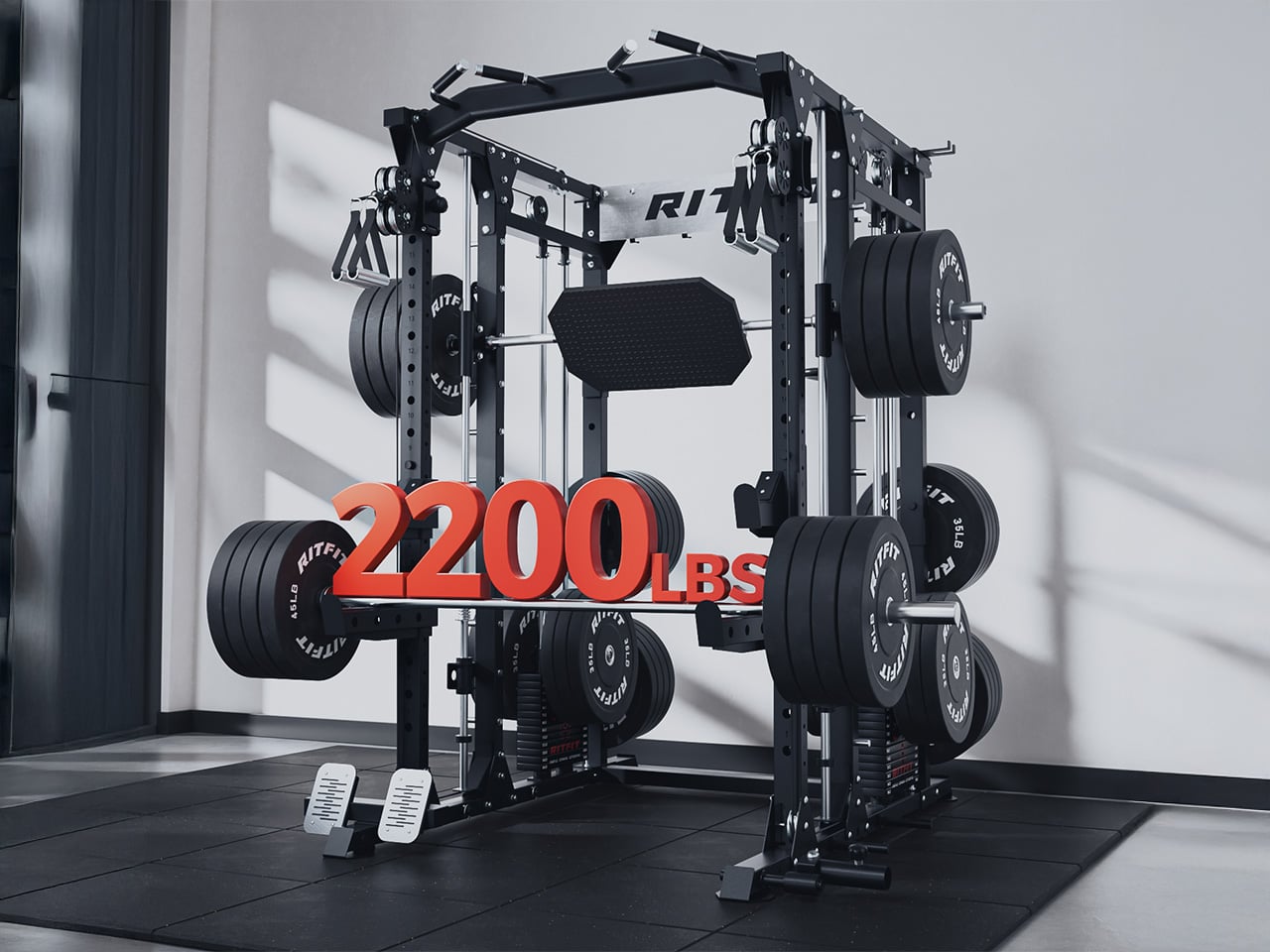
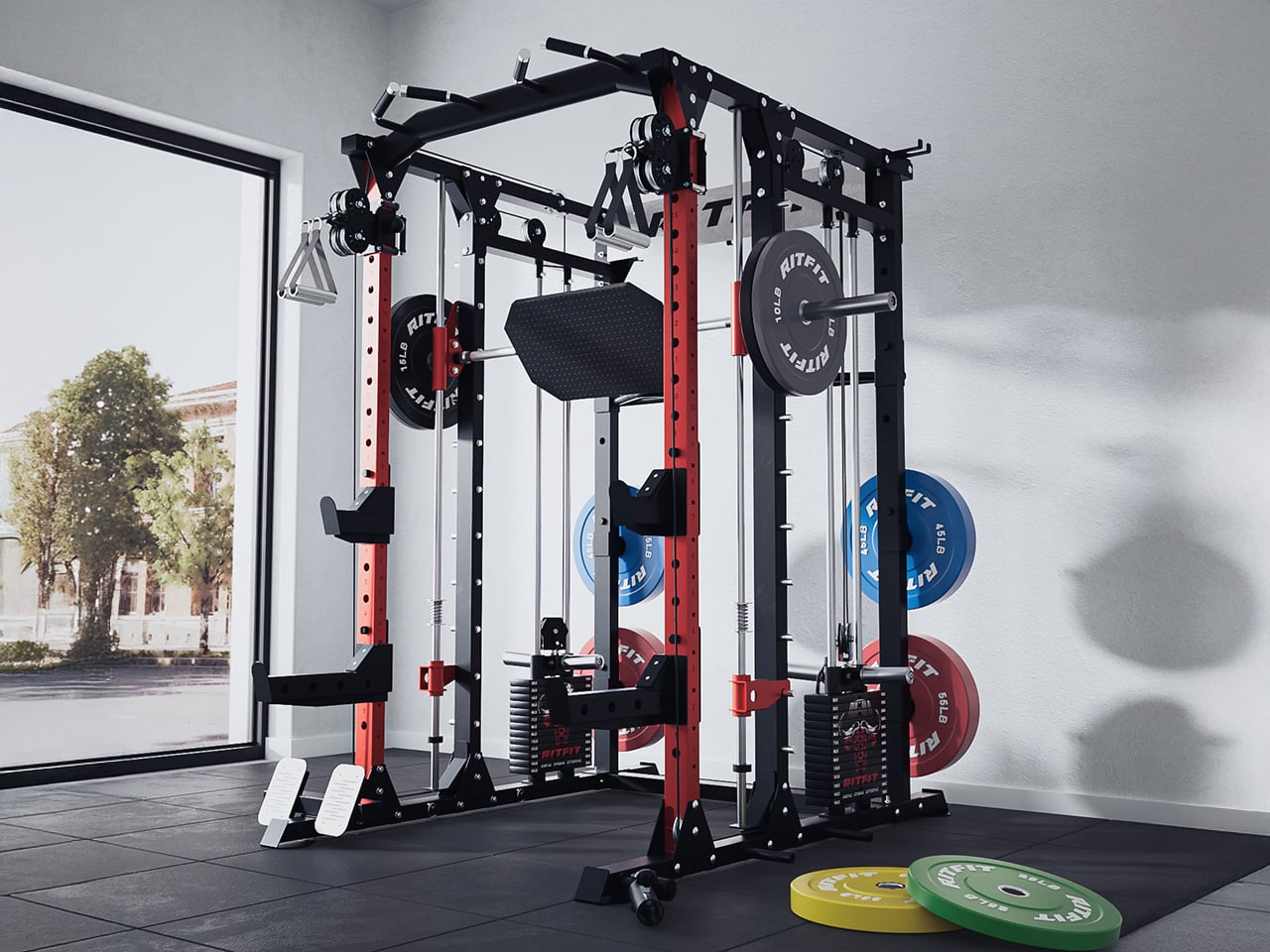
The RitFit Buffalo Wild Smith Machine with Adjustable Dual Cable System is that backbone, a rack that combines a Smith machine, dual adjustable cables, hybrid weight resistance, and storage into one footprint. It is meant to feel like a compact commercial station, with a frame capacity around 2,200lb, 2.5mm uprights, and reinforced joints, so it does not flinch when you actually load it the way you would in a gym that sees hundreds of sessions per week.

Designer: RITFIT

Click Here to Buy Now: $2610 $2899.99 (10% off, use coupon code “YANKO”). Hurry, deal ends in 48-hours!

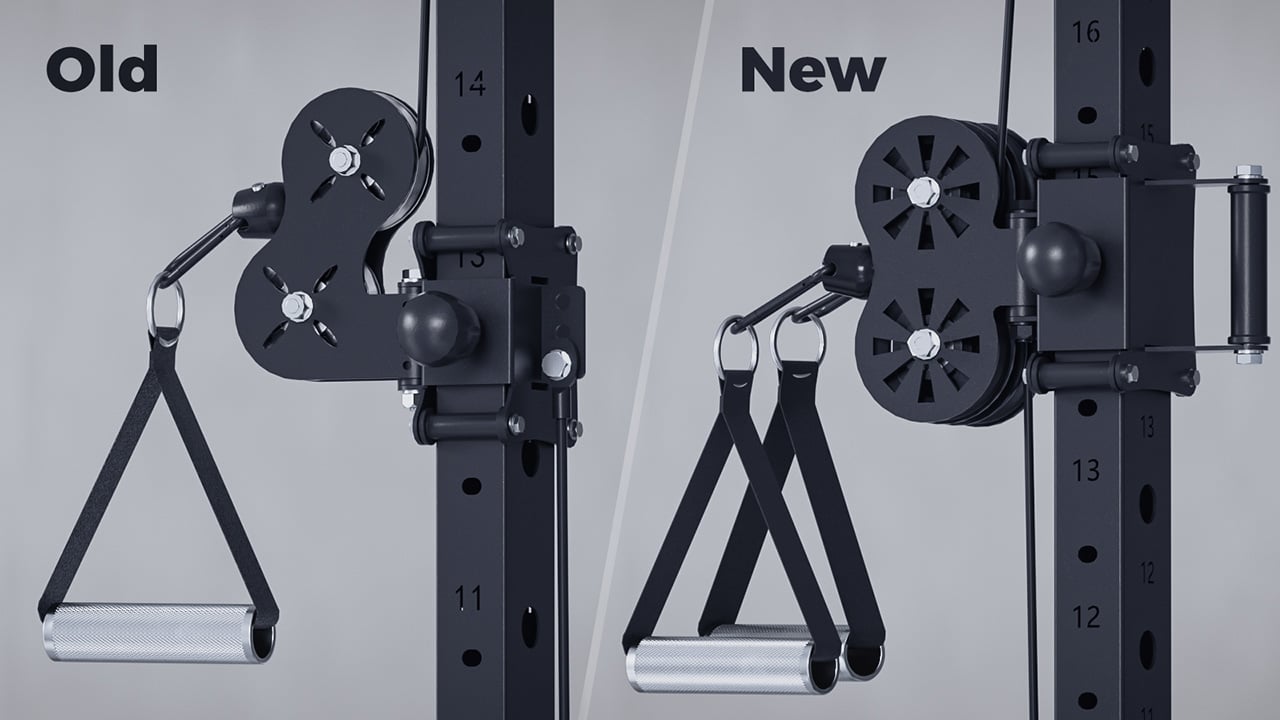
Each side of the rack runs on independent dual cable tracks, giving true unilateral control and smoother, more natural movement. The adjustable 1:1 and 2:1 pulley ratios let you switch between lighter, longer-range motion and heavier, more direct resistance without changing machines. That means you can move from precision control work to strength-focused sets by changing the ratio, not the equipment, which keeps sessions flowing and makes the rack useful for everyone from beginners to strong lifters.

The Smith side offers a taller frame, closer hole spacing, and a lowered Smith bar engineered for greater depth. That extra space opens up rows, hip thrusts, deadlifts, and crossovers with better form and deeper ranges, instead of forcing you to work around awkward start positions. The Smith has a capacity of about 352lb with 12 adjustable positions per side, enough for serious pressing and squatting while still giving you the guided path many people want when pushing near limits.

The hybrid weight system combines weight stacks with plate-loaded options, making it easy to change resistance quickly and safely. Single-side pulley load capacity is around 450lb, including a 70kg stack, while the frame itself is rated to 2,200lb. That mix gives you fine-tuned isolation work on the stacks and raw power for compound lifts on the plates, without feeling like you are outgrowing the machine as your numbers climb over months.

Rounded, de-burred J-hooks and spotter arms protect bars and hands during heavy racking, and the thicker uprights and reinforced rear cross-beam keep the rack steady under load. Built-in barbell holders, plate pegs, and accessory hooks keep everything organized, and the Smith bar can park on a top hanger to free space inside the frame. With four plate storage bars rated around 330lb each, the rack keeps weight where it belongs instead of scattered on the floor or tucked into corners.

Buffalo Wild makes sense in a shared space, where one person is running cable rows on one side while another sets up for Smith squats or pull-ups, and the transition between movements is a matter of moving a handle, not walking across the room. Instead of a garage full of mismatched stations, you get a single frame that can handle warm-ups, accessory work, and heavy lifts, and that feels stable and organized enough to be worth building the rest of the room around, whether that room is a dedicated gym or a garage that still needs to park a car on weekends.

Click Here to Buy Now: $2610 $2899.99 (10% off, use coupon code “YANKO”). Hurry, deal ends in 48-hours!

The post RitFit Buffalo Wild: Dual Cables, Weight Stacks in 2,200lb Smith Rack first appeared on Yanko Design.

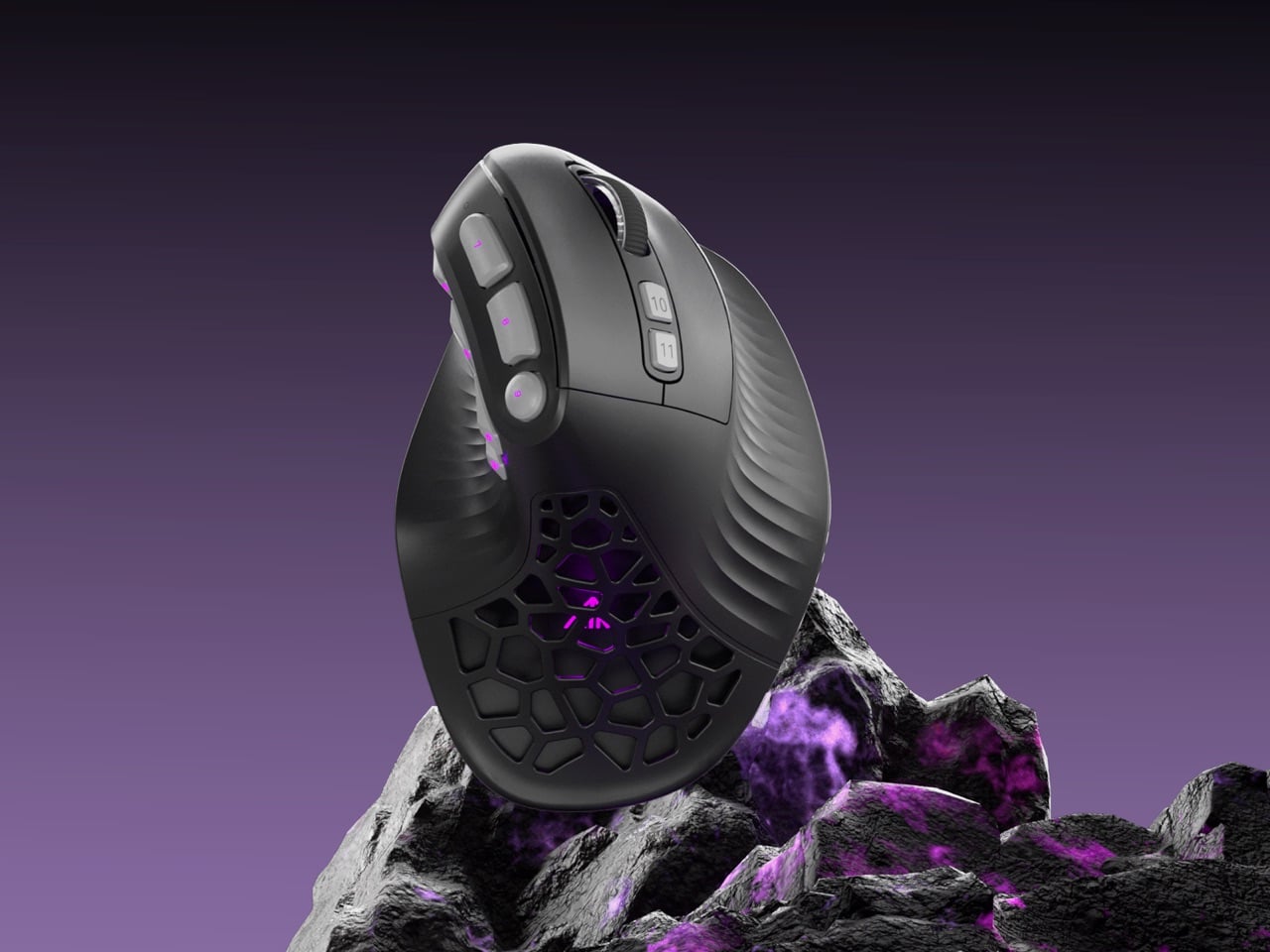
This Insane Vertical MMO Mouse Packs 10 Thumb Buttons And A 45-Degree Grip For Your Wrist

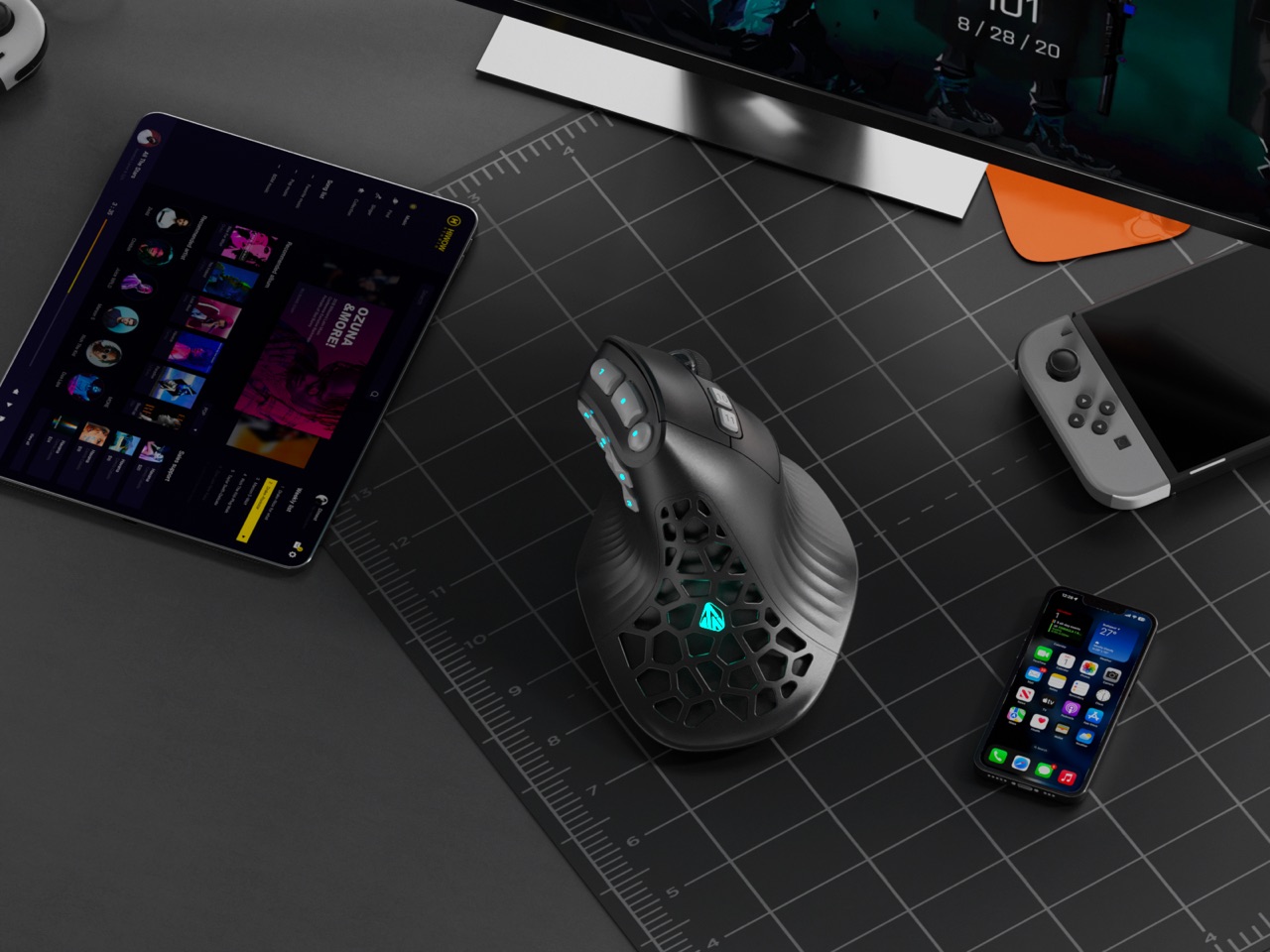
Vertical mice promise ergonomic relief. MMO mice deliver tactical control. Pick one, because the market says you can’t have both. Except SOLAKAKA apparently didn’t get that memo. The E9 Pro arrives as the first vertical MMO mouse, featuring a 45 degree ergonomic grip alongside a 10 button thumb panel that would make World of Warcraft players weep with joy. It feels like the peripheral equivalent of discovering your favorite coffee shop also serves excellent ramen.

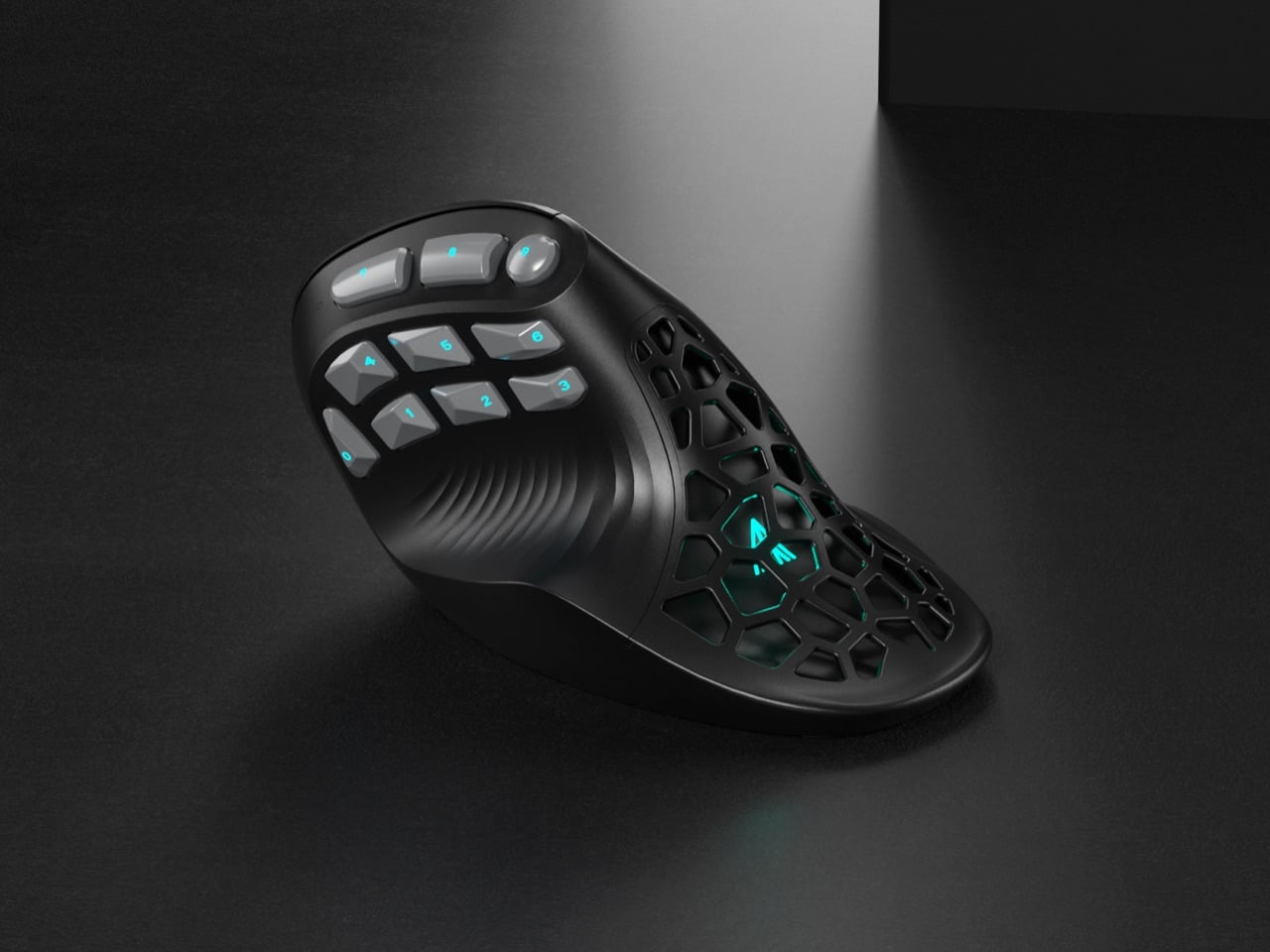
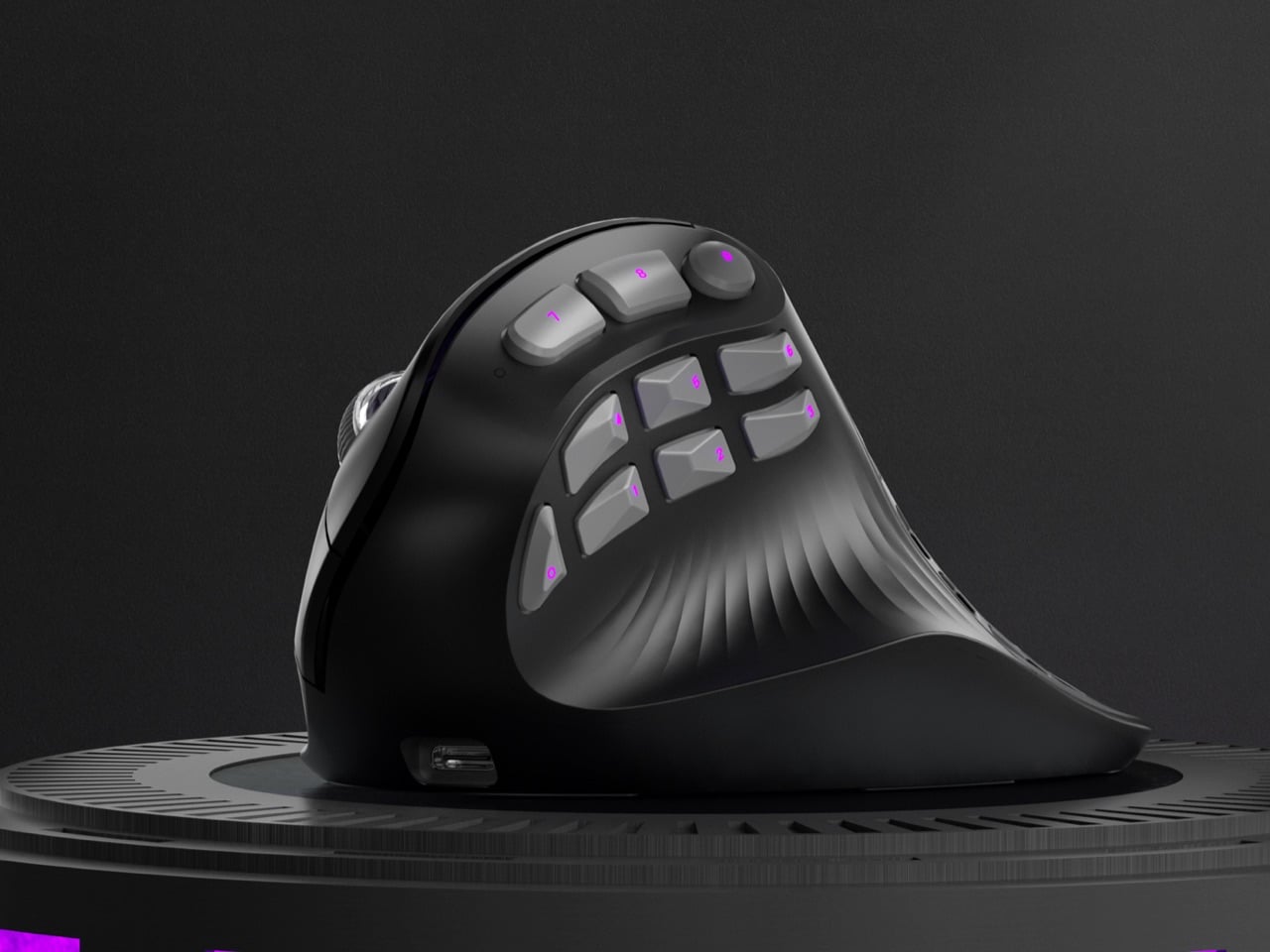
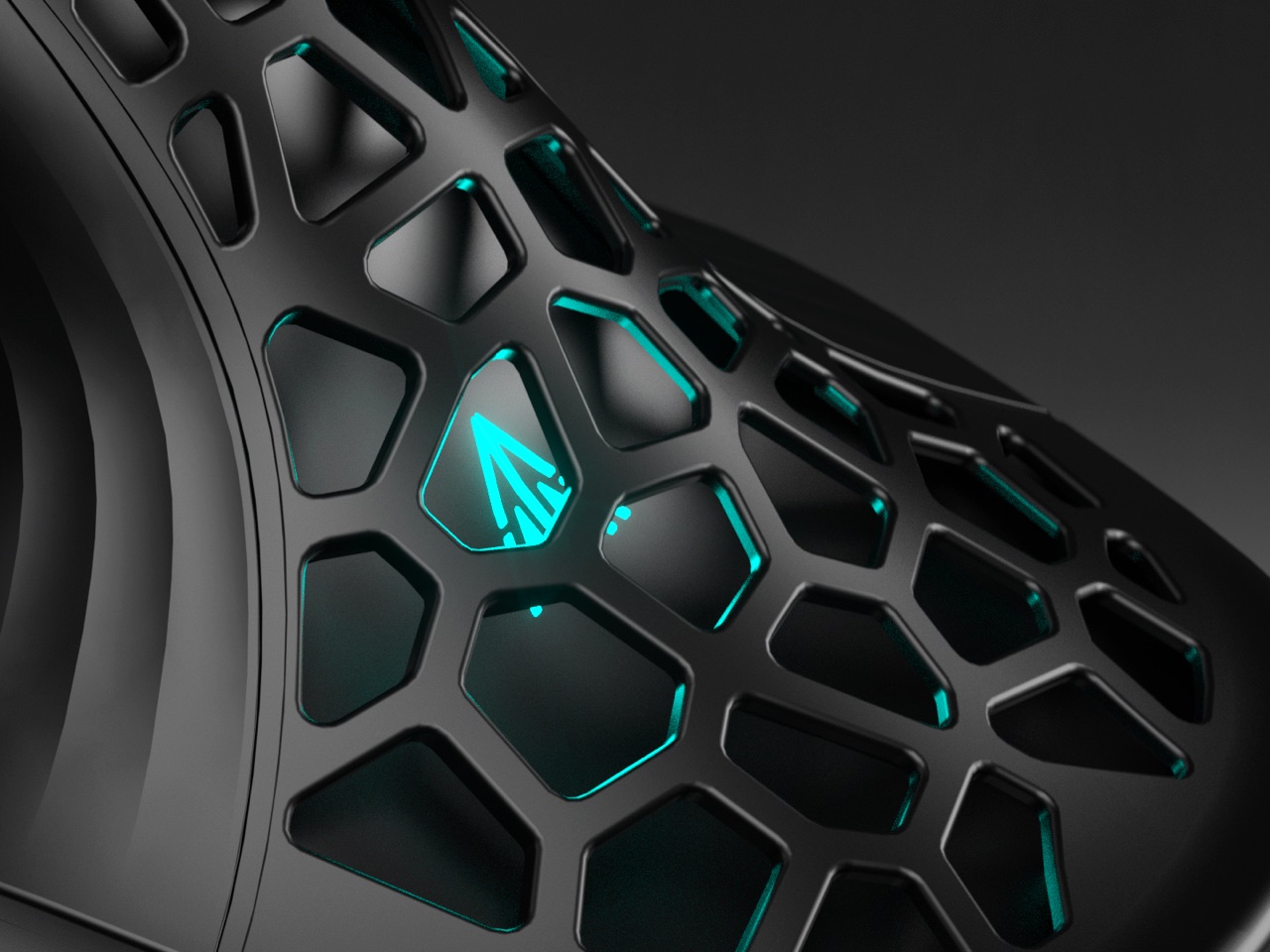
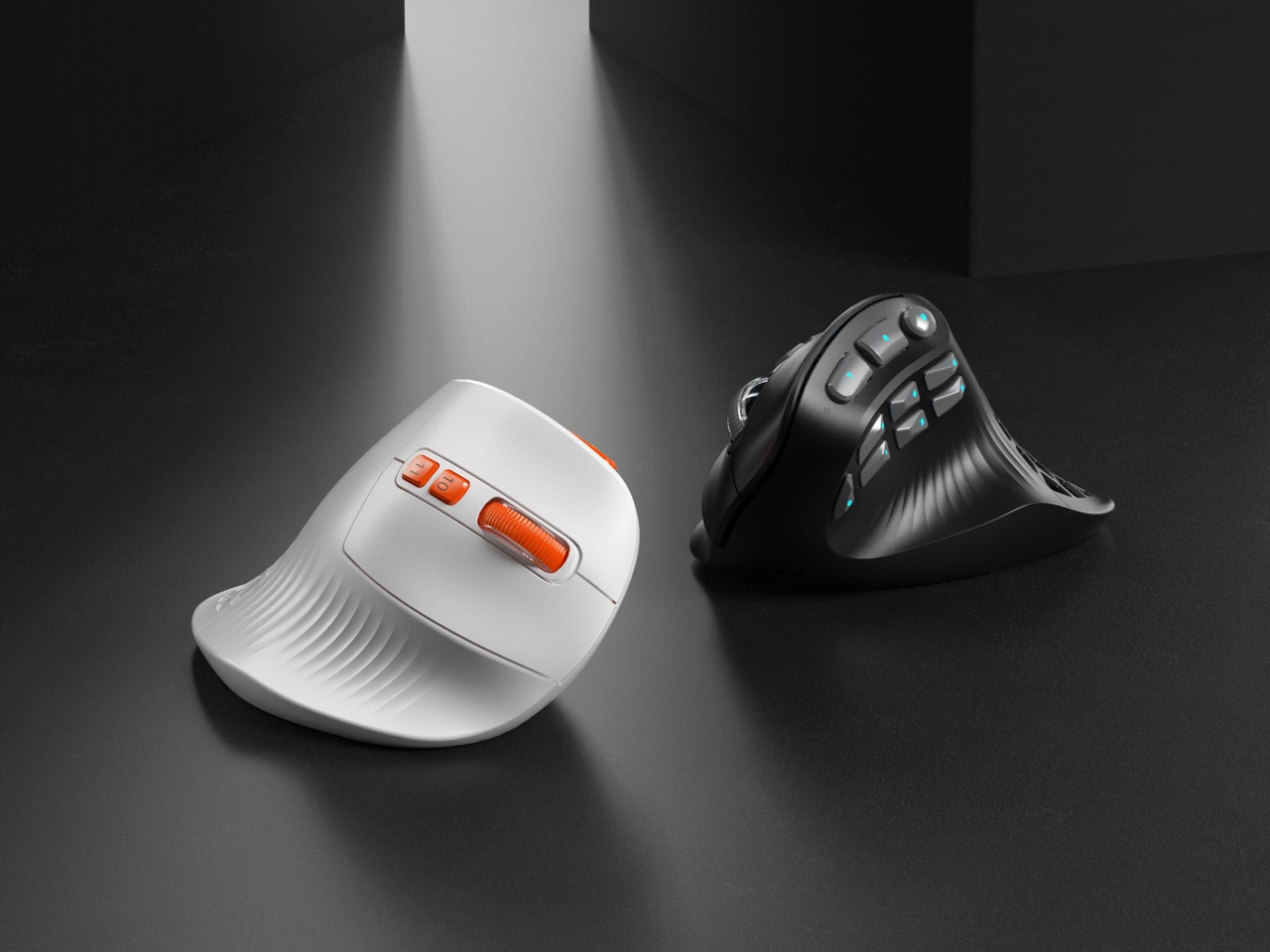
The design centers on a tactical thumb zone where all 10 side buttons follow the natural arc of your thumb movement. No stretching, no hunting, just muscle memory doing its thing. The vertical orientation keeps your wrist in a handshake position rather than the pronated twist that causes repetitive strain. A grille style cutout pattern ventilates the palm rest while dropping weight to 97 grams, and the PAW3395 sensor handles up to 36,000 DPI for people who like their precision surgical. Offered in understated black gray and louder white orange colorways, the E9 Pro targets anyone who refuses to choose between comfort and capability.

Designer: SOLAKAKA

Click Here to Buy Now: $69 $89 ($20 off) Hurry! Only 41 left of 850.

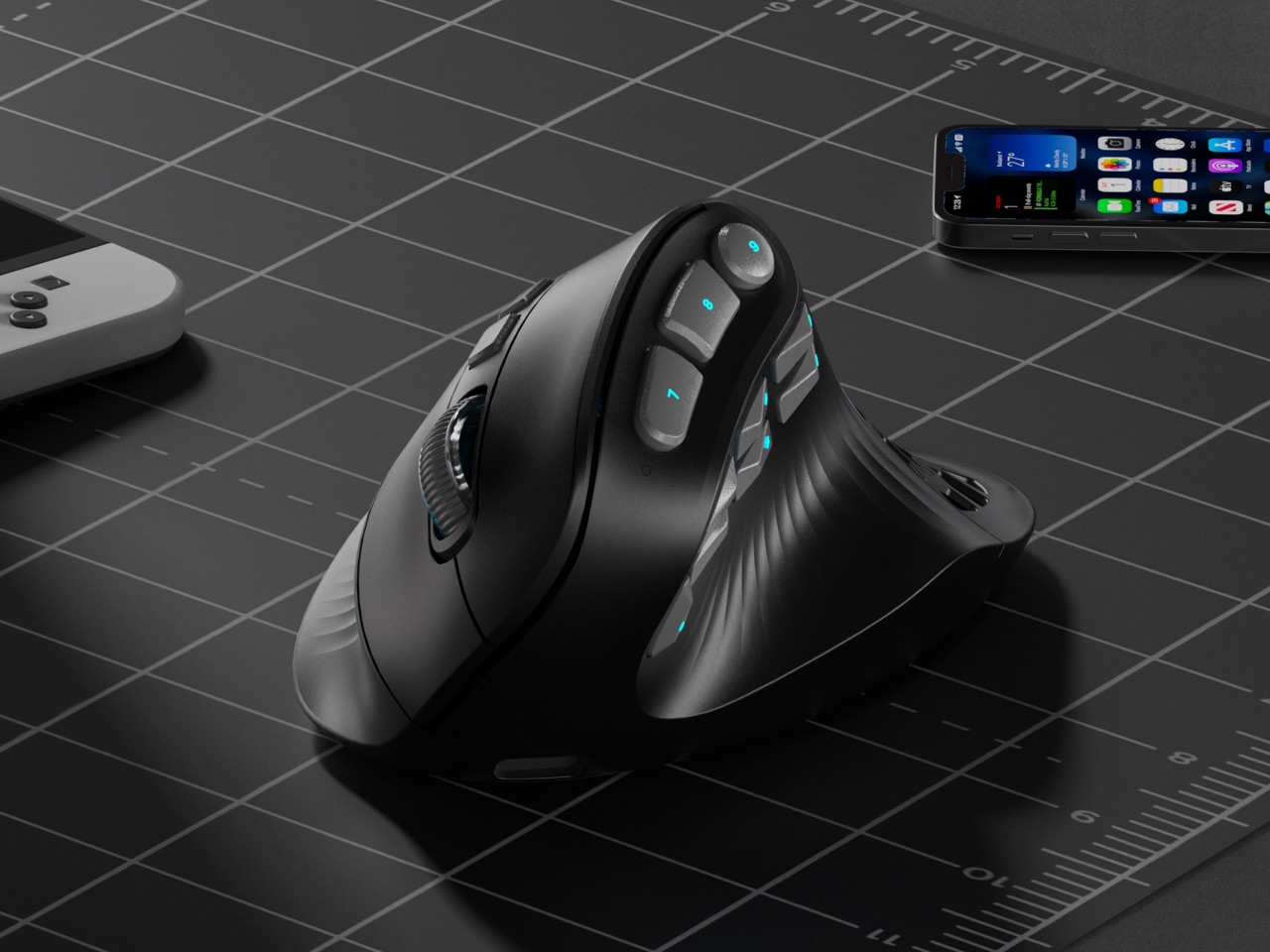
You just have to admire the silhouette for a second. Most ergonomic mice look like orthopedic devices that got lost on the way to the pharmacy. The E9 Pro, however, still reads as a performance machine. Its shell is all sharp planes and deliberate curves, giving it a confident, architectural presence on a desk. That grille cutout on the palm rest is a brilliant piece of multi-tasking design; it slashes weight, creates a distinct visual identity, and provides some welcome ventilation for those marathon gaming sessions. It’s a design that feels both aggressive and intelligent, which is a tough needle to thread.

That 45 degree tilt is the perfect middle ground, offering a natural handshake grip that takes the strain off your forearm without feeling as alien as some of the more extreme 90 degree vertical mice. You can feel the logic behind it instantly. SOLAKAKA says they landed on this angle after 300 hours of testing across gaming, coding, and design, and it shows. The sculpted palm and thumb supports provide a secure anchor for your hand, letting you relax your grip instead of constantly pinching the mouse. It feels less like you’re holding a device and more like the device is an extension of your hand’s natural posture.

But let’s be real, we’re all here for that thumb cluster. Ten buttons on a vertical mouse sounds like a recipe for chaos, but the execution is incredibly clever. Instead of a boring grid, the buttons are laid out in a gentle arc that follows the natural sweeping motion of your thumb. It’s a racetrack for your digit, with each button acting as a distinct landmark. This is a massive leap forward for muscle memory, turning what could be a fumbling mess into an intuitive control panel. For anyone juggling macros, creative tool palettes, or complex skill rotations, this layout is a game changer.

And the performance hardware inside is absolutely top-tier. The PixArt PAW3395 is the same flagship sensor you find in elite esports mice, capable of a wild 36,000 DPI, 650 IPS tracking, and 50g of acceleration. This isn’t an ergonomic mouse with gaming parts bolted on; it’s a legitimate performance mouse built on an ergonomic chassis. The polling rate ramps up to 8,000 Hz in wired mode for near-zero latency, and the tri-mode connectivity gives you the freedom to switch between a lag-free 2.4 GHz dongle, Bluetooth, and a direct USB C connection. A beefy 1000 mAh battery keeps the whole operation running for ages.

This brings us to the weight. Vertical mice with this many features often have some heft, easily tipping the scales at 120 grams or more. The E9 Pro comes in at a nimble 97 grams, and that makes a world of difference. The lighter weight, combined with the ergonomic grip, means less inertia and less torque on your wrist when you’re making fast, sweeping movements or quick flick shots. It’s a detail that shows a deep understanding of how ergonomics and performance are intertwined. That grille isn’t just for looks; it’s a core part of a thoughtful weight-reduction strategy that pays off every time you move the mouse.

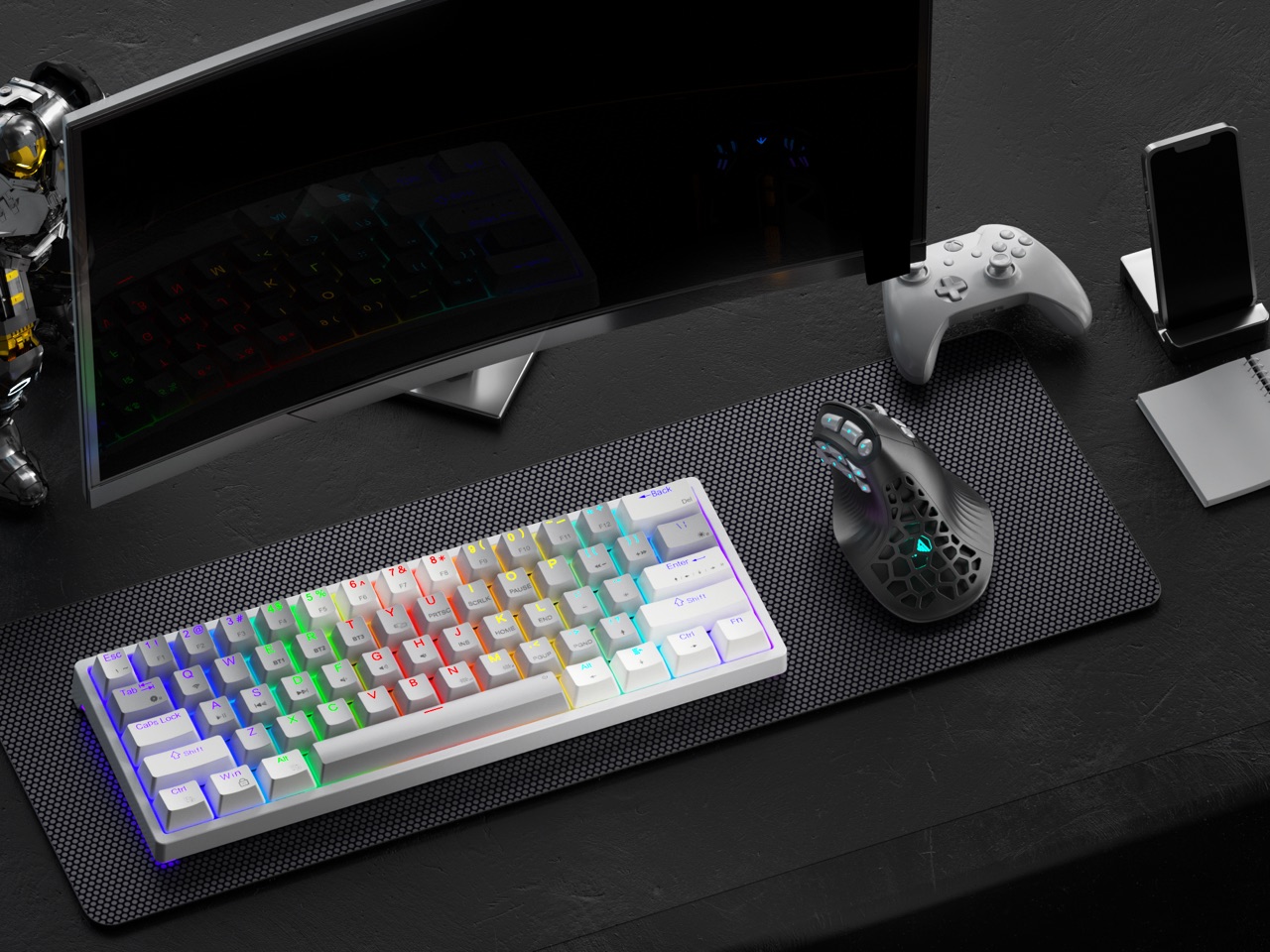
The whole package comes in two distinct flavors. The black and gray model is pure stealth, ready to blend into a professional workstation or a minimalist gaming setup. Then you have the white and orange version, which looks like it drove right off a sci-fi movie set, with vibrant orange accents highlighting the buttons and grille. It’s a fantastic bit of personality. Through its Kickstarter campaign, the E9 Pro is available for around $69 for early backers, which is an incredibly competitive price for a mouse that’s not just entering a category but creating a new one. This is one of those designs that feels so right, you wonder why nobody did it sooner.

Click Here to Buy Now: $69 $89 ($20 off) Hurry! Only 41 left of 850.

The post This Insane Vertical MMO Mouse Packs 10 Thumb Buttons And A 45-Degree Grip For Your Wrist first appeared on Yanko Design.
The Most Addictive EDC Tool of 2026: A $45 Magnetic Fidget Knife You Can’t Put Down

Most utility knives work perfectly fine. They cut boxes, strip packages, slice tape, then disappear into drawers or pockets until the next mundane task arrives. They’re functional, reliable, forgettable. The problem isn’t that they fail at their job. The problem is they offer nothing beyond the cut itself, no texture or personality, no reason to reach for them when they’re not strictly necessary. They exist in a utilitarian void where efficiency trumps experience.

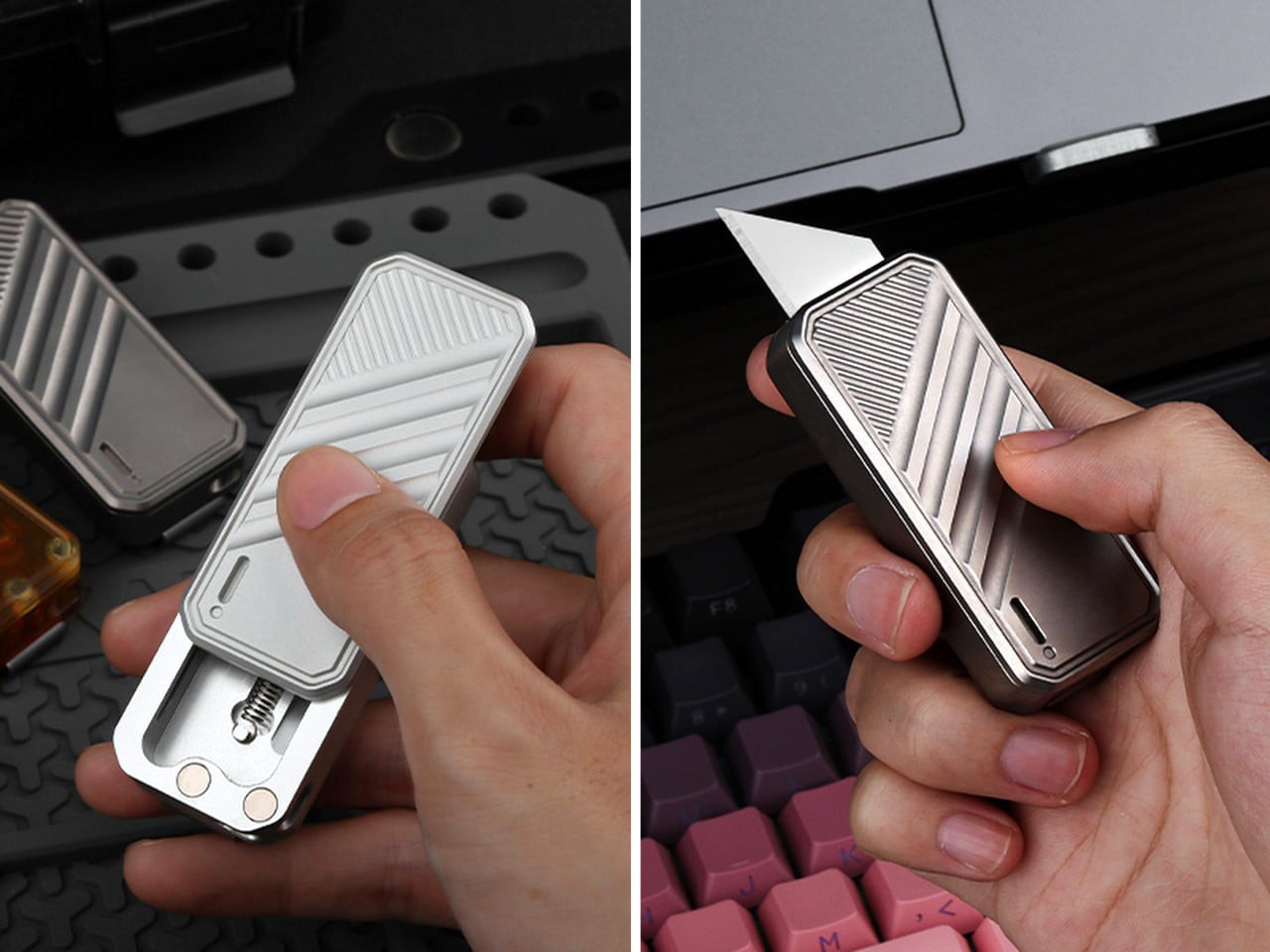
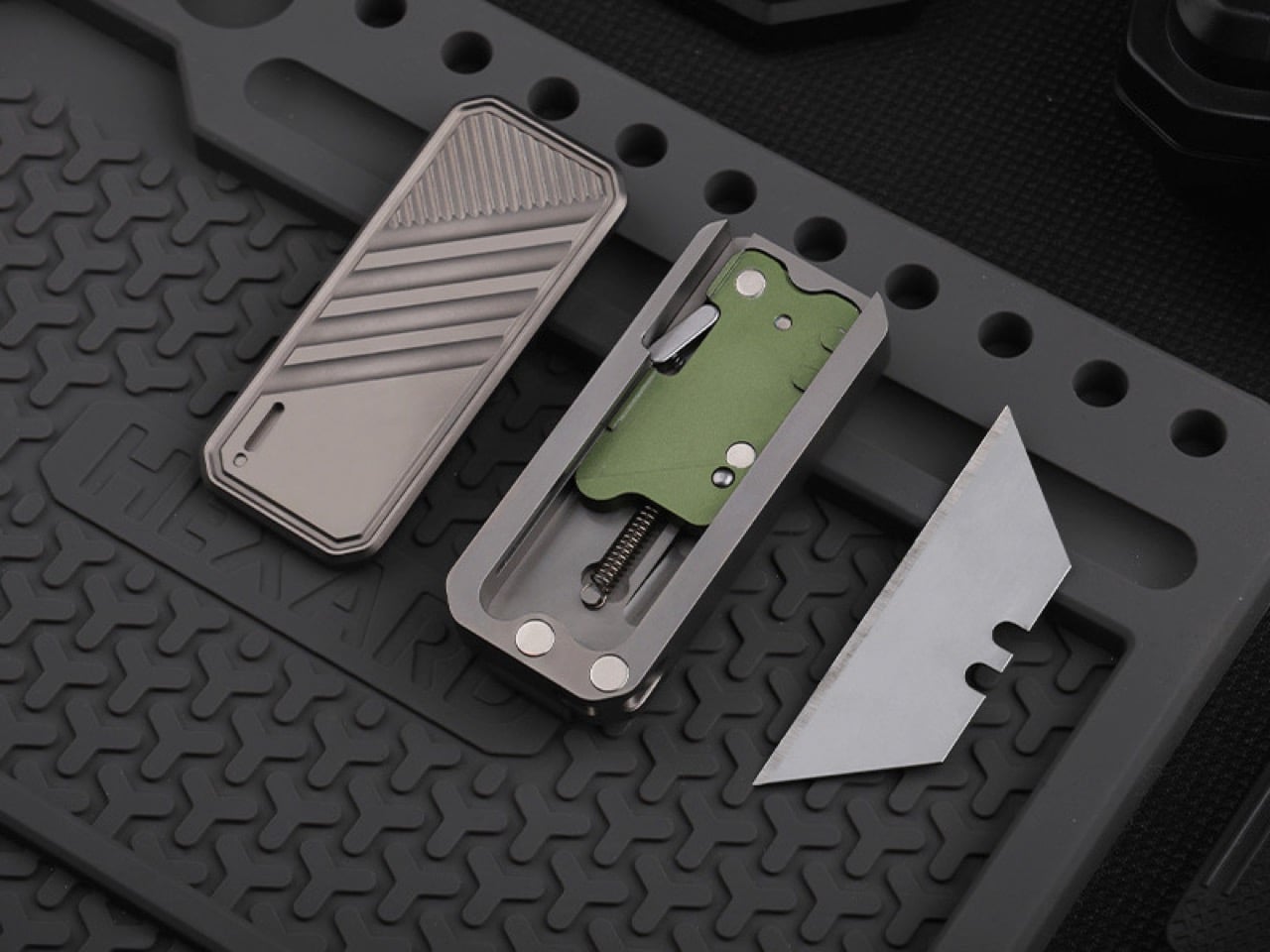
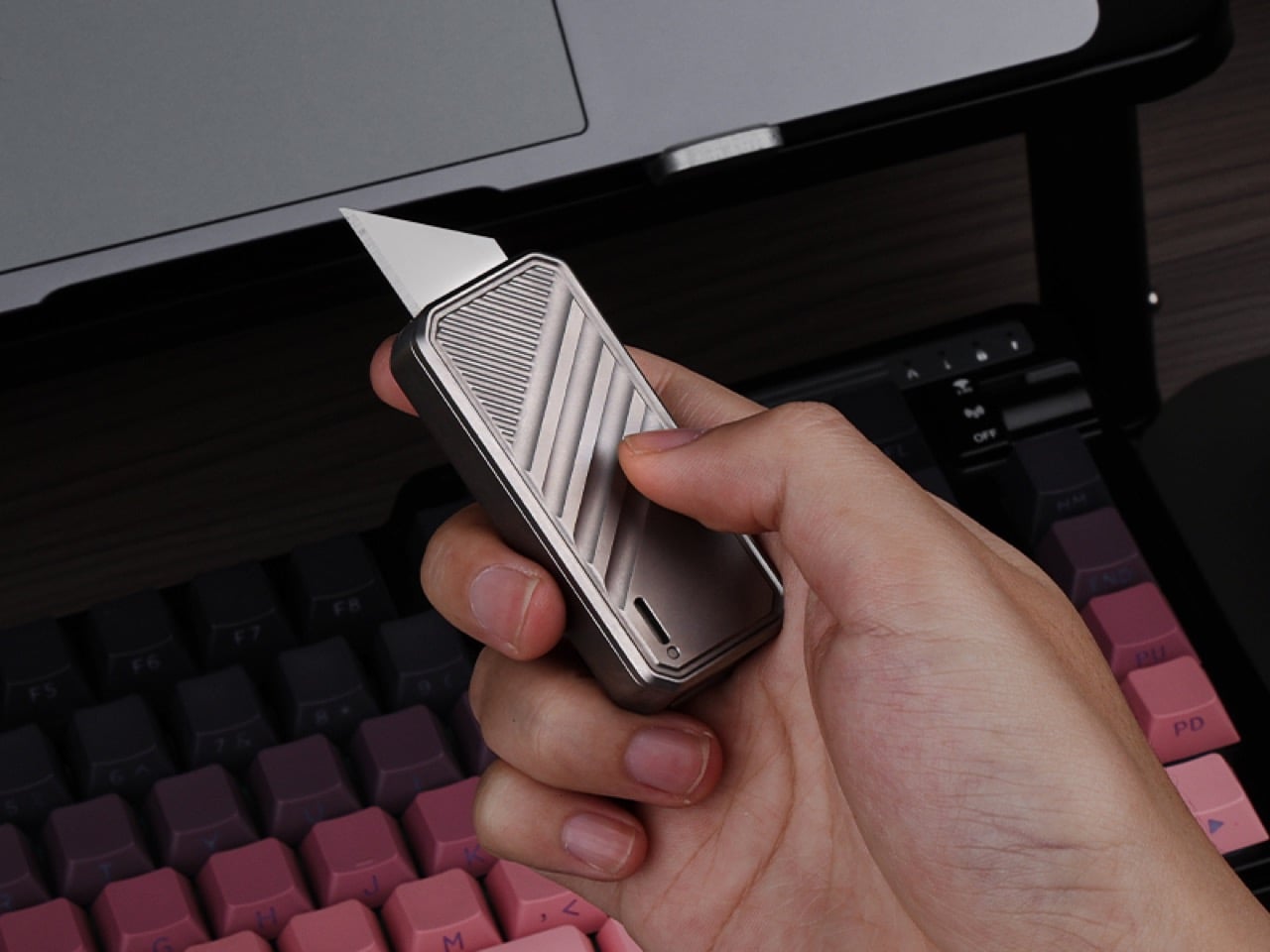
DeckShiv by ActMax takes a different approach entirely. This magnetic fidget slider utility knife was designed to stay in your hand long after the cutting is done. The sliding mechanism deploys and retracts a standard utility blade, but the real story lives in the magnetically guided movement itself. Every slide forward feels intentional, controlled, deliberate. Every return journey happens smoothly, pulled back by magnetic force into a soft, satisfying click. It’s a utility knife that doubles as a fidget device, built for people who appreciate tactile feedback in their everyday tools.

Designer: ActMax

Click Here to Buy Now: $45 $55 (18% off) Hurry! Only 32 of 120 left.

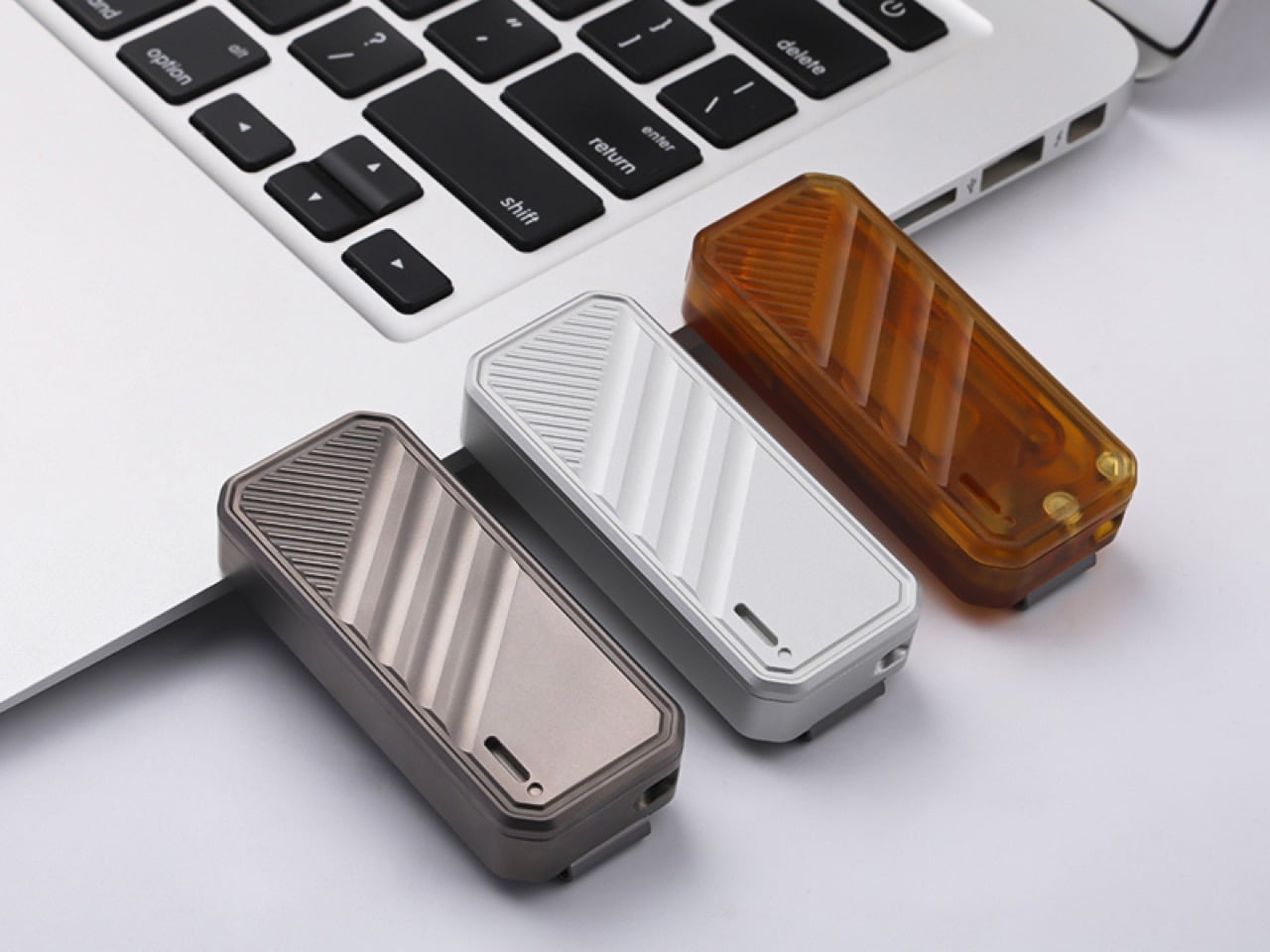
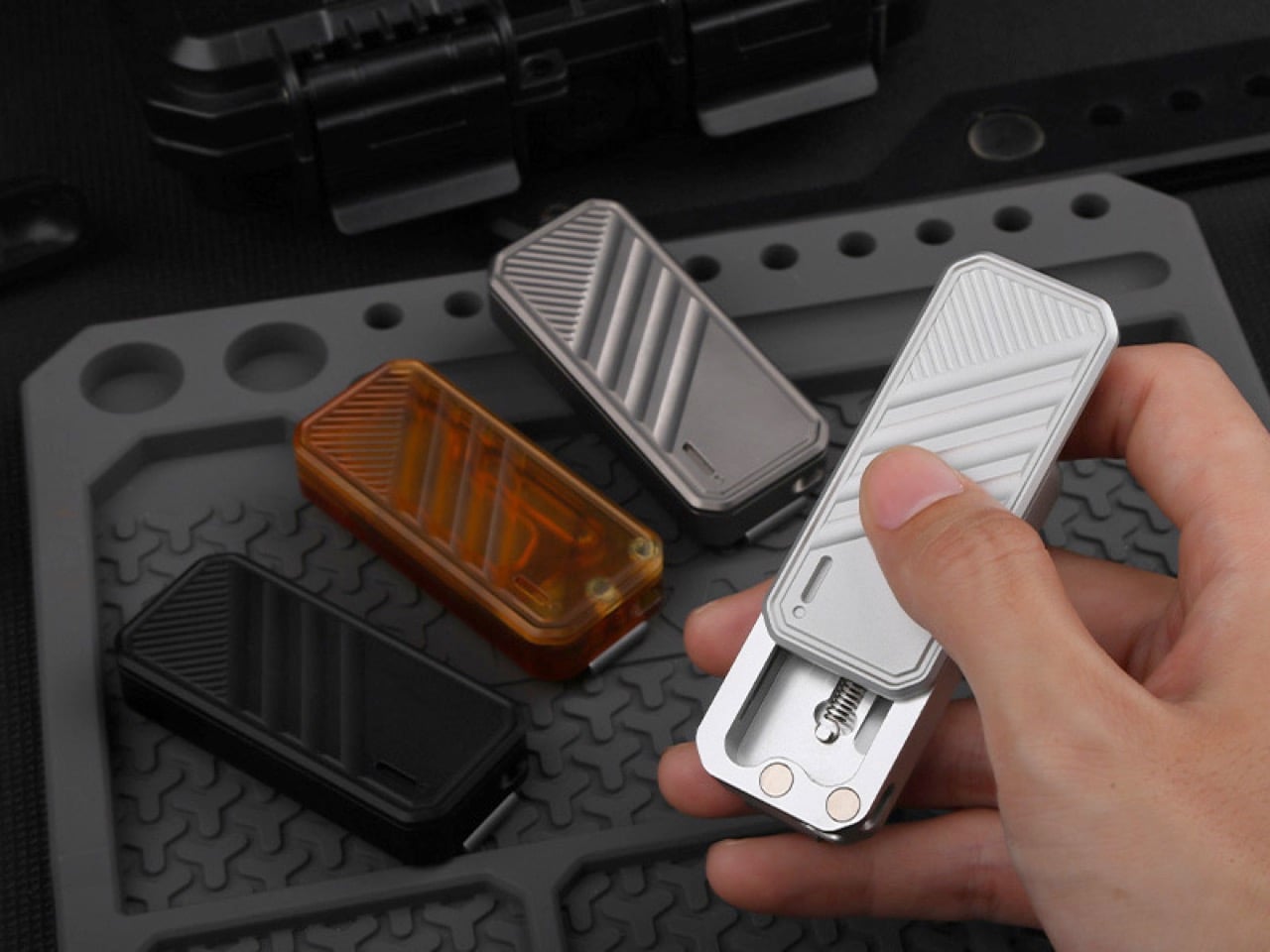
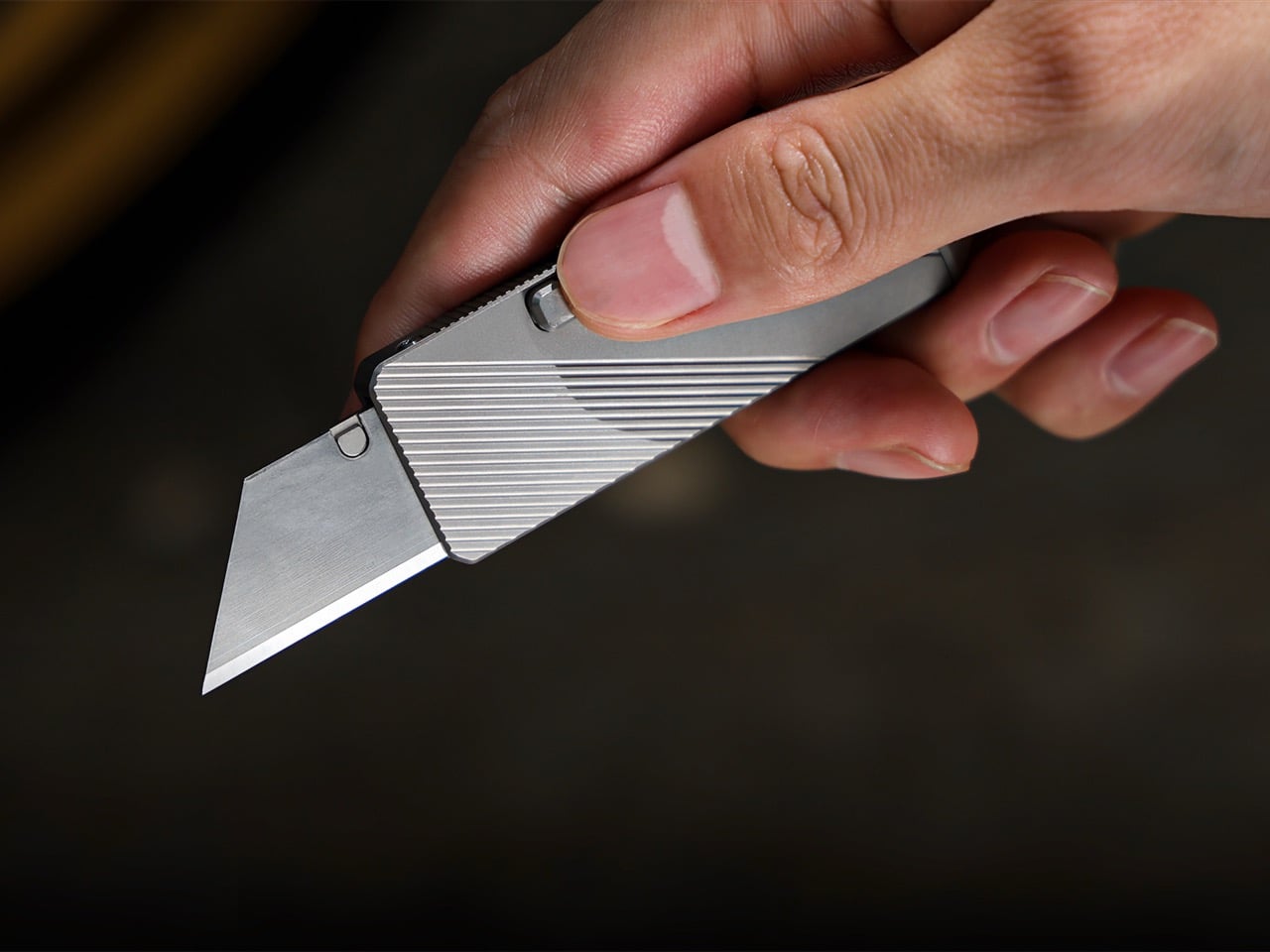
The slider doesn’t just glide loosely; magnets guide the path with a controlled drag that lets you precisely meter out blade exposure. When you let go, that same system pulls the blade back home without any of the jarring snaps common in cheaper auto-retractors. The whole package is just 67mm long by 29mm wide, a palm-sized 12mm thick, so it feels more like a Zippo than a piece of hardware. The body is covered in CNC-machined diagonal lines that give your thumb a natural track to follow, a smart touch that makes the action feel even more intuitive.

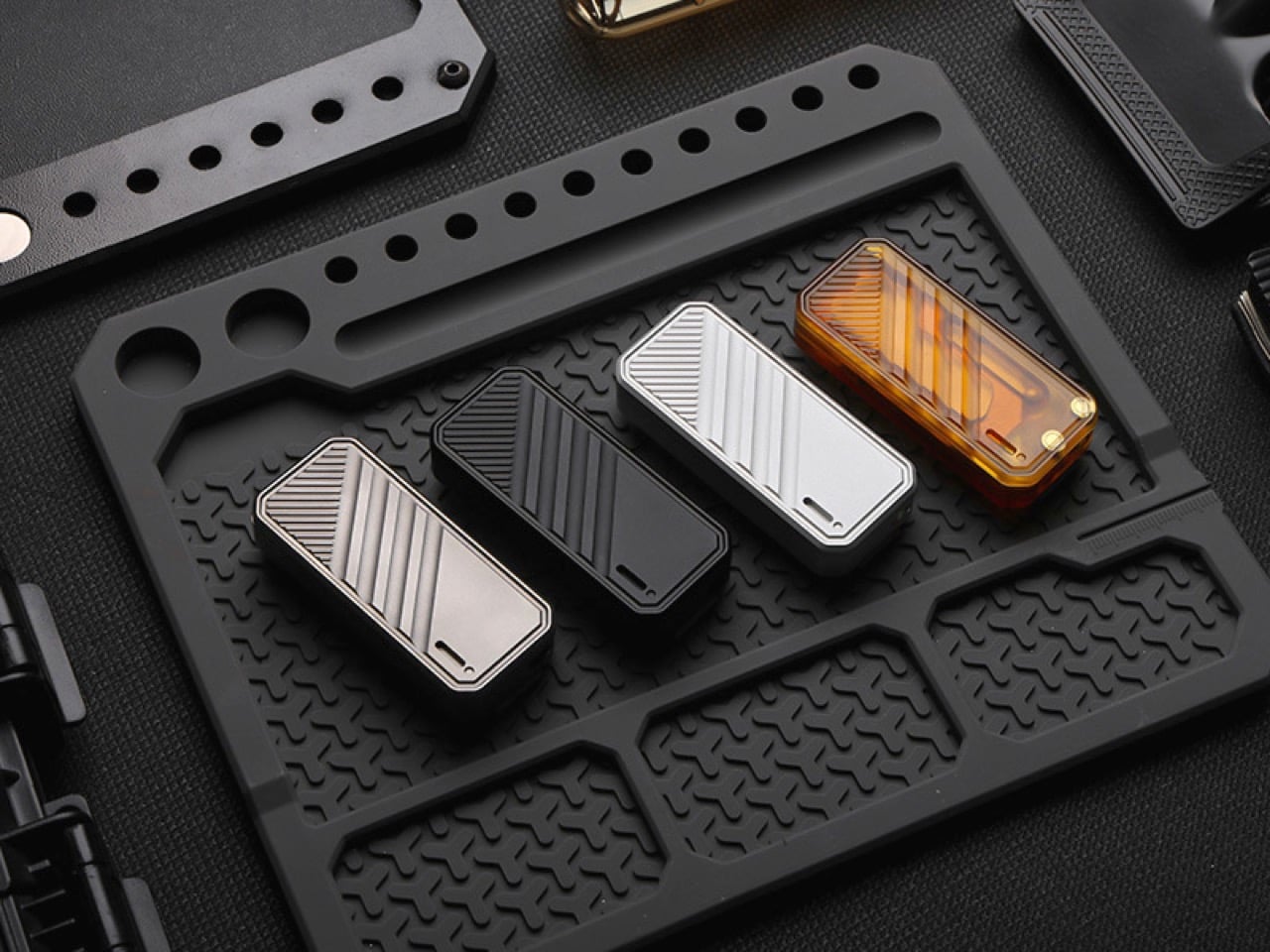
Of course, that whole tactile experience changes depending on what you’re holding. The titanium alloy version has a satisfying heft that adds a certain gravitas to the sliding motion; its momentum feels deliberate and smooth. Dropping down to the aluminum alloy model shaves off significant weight for a much lighter carry, making the action feel a bit quicker and snappier. Then there’s the PEI option, a high-performance polyetherimide that feels warm to the touch and has a unique, semi-transparent amber look. The choice isn’t just cosmetic, it fundamentally alters the knife’s presence and the feedback you get from the mechanism.

For all the fidget-friendly engineering, it still needs to cut things. ActMax wisely stuck with standard SK5 utility blades, the trapezoidal workhorses you can find anywhere. The blade itself is seated magnetically, which is a clever bit of design that completely eliminates the annoying rattle you get with a lot of replaceable-blade knives. It feels solid, locked in place until you decide to remove it. Because the blade only extends as far as you push, there’s little chance of accidental full deployment, a crucial safety feature for a tool designed to be handled constantly.

And you’ll be swapping blades often if you’re actually using it on cardboard. The process here is dead simple, taking about two seconds with no tools. The same magnetic system that holds the blade secure also makes it easy to pop out and replace. This is one of those small quality-of-life details that becomes a huge deal with long-term use. There’s nothing worse than having to hunt down a tool just to maintain your tool, and ActMax completely sidestepped that headache.

The body itself is clearly built for the long haul, especially the titanium version, which is famously resistant to corrosion and abuse. This feeds directly into a more sustainable ownership model; instead of tossing an entire knife when the edge dulls, you’re only swapping out a small, recyclable sliver of steel. The real genius, though, is its travel-readiness. Pop the blade out, and the DeckShiv body becomes a completely harmless metal slider. The TSA won’t look twice at it, meaning you can carry the handle in your pocket and just buy a new blade for a couple of bucks when you land. That’s a level of everyday practicality most fixed-blade EDCs simply can’t offer.

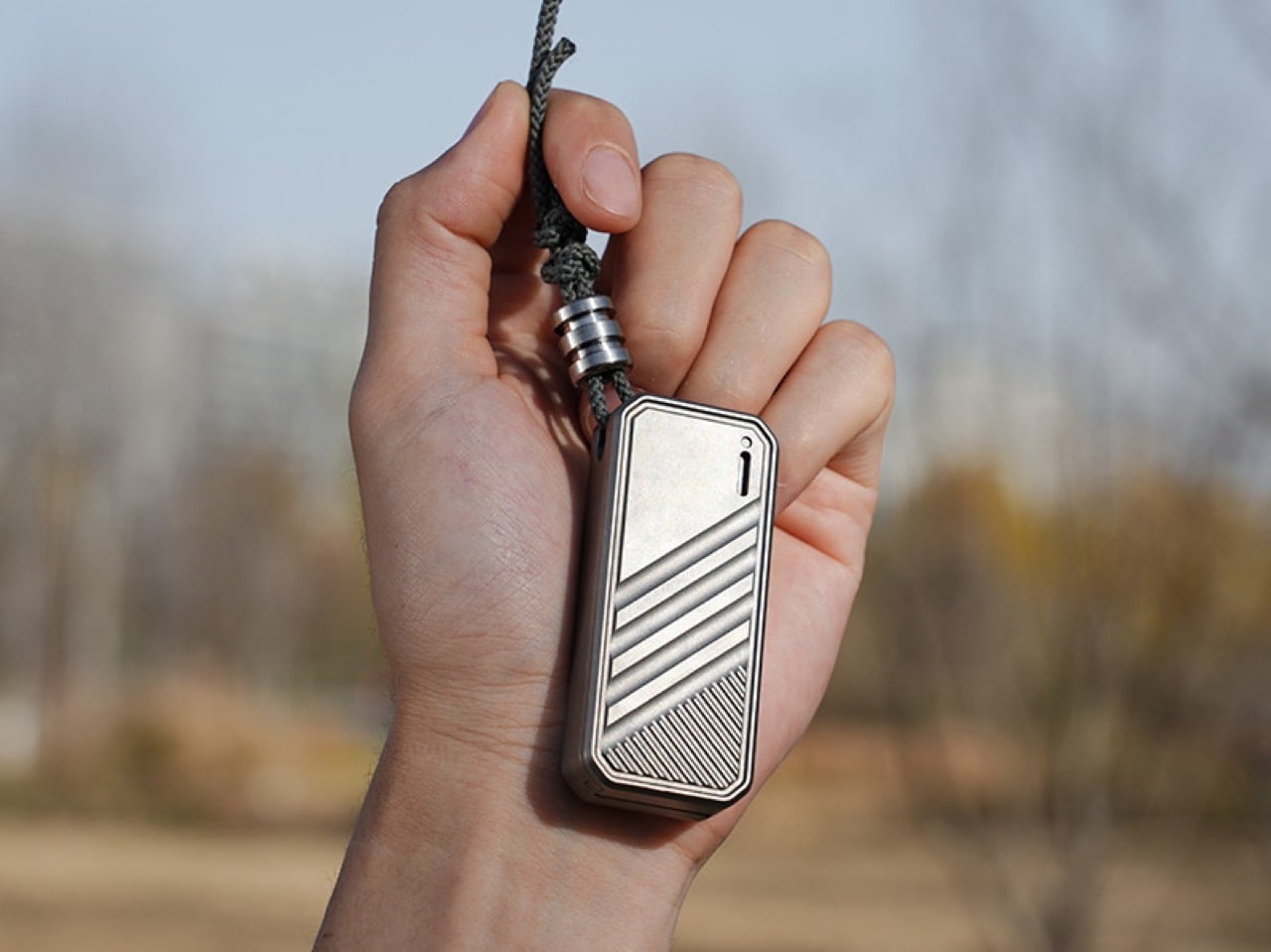
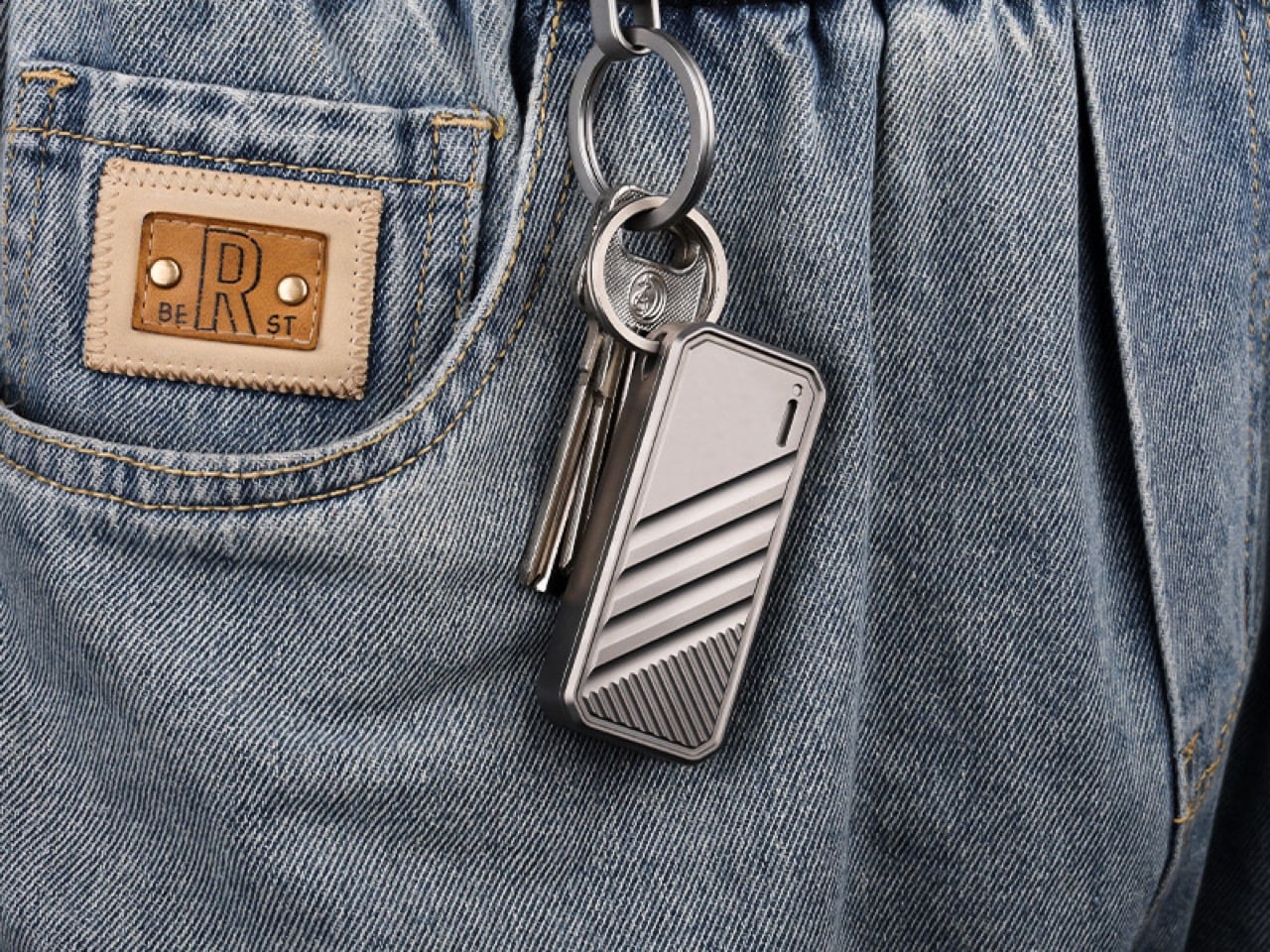
The final decision really comes down to aesthetics and carry style. You can get the titanium and aluminum versions in either a raw metal or a stealthy black finish, while the PEI comes in its natural amber hue. There’s a small slot for a 1.5mm by 6mm tritium vial if you want a constant low-light glow, plus a removable pocket clip and a keychain loop. The Kickstarter pricing is aggressive, starting at $45 for aluminum and topping out at $75 for titanium, with free worldwide shipping starting June 2026.

Click Here to Buy Now: $45 $55 (18% off) Hurry! Only 32 of 120 left.

The post The Most Addictive EDC Tool of 2026: A $45 Magnetic Fidget Knife You Can’t Put Down first appeared on Yanko Design.

7 Best Minimalist Home Decor Swaps To Declutter Your Space

Decluttering your home doesn’t mean emptying it. The real transformation happens when you replace bulky, single-purpose objects with designs that work harder, look better, and take up less mental space. Minimalist home decor swaps prioritize intention over accumulation, choosing pieces that blend function with form so seamlessly they feel like they’ve always belonged there. Each item earns its place not through compromise but through clarity.

These seven swaps prove that less isn’t about deprivation. It’s about choosing objects that serve multiple roles, disappear when not in use, or turn everyday rituals into moments worth noticing. From shoehorns that vanish into the background to mirrors that double as vases, each design replaces clutter with calm. Your space becomes easier to navigate, simpler to maintain, and infinitely more intentional in how it supports your daily life.

1. Invisible Shoehorn

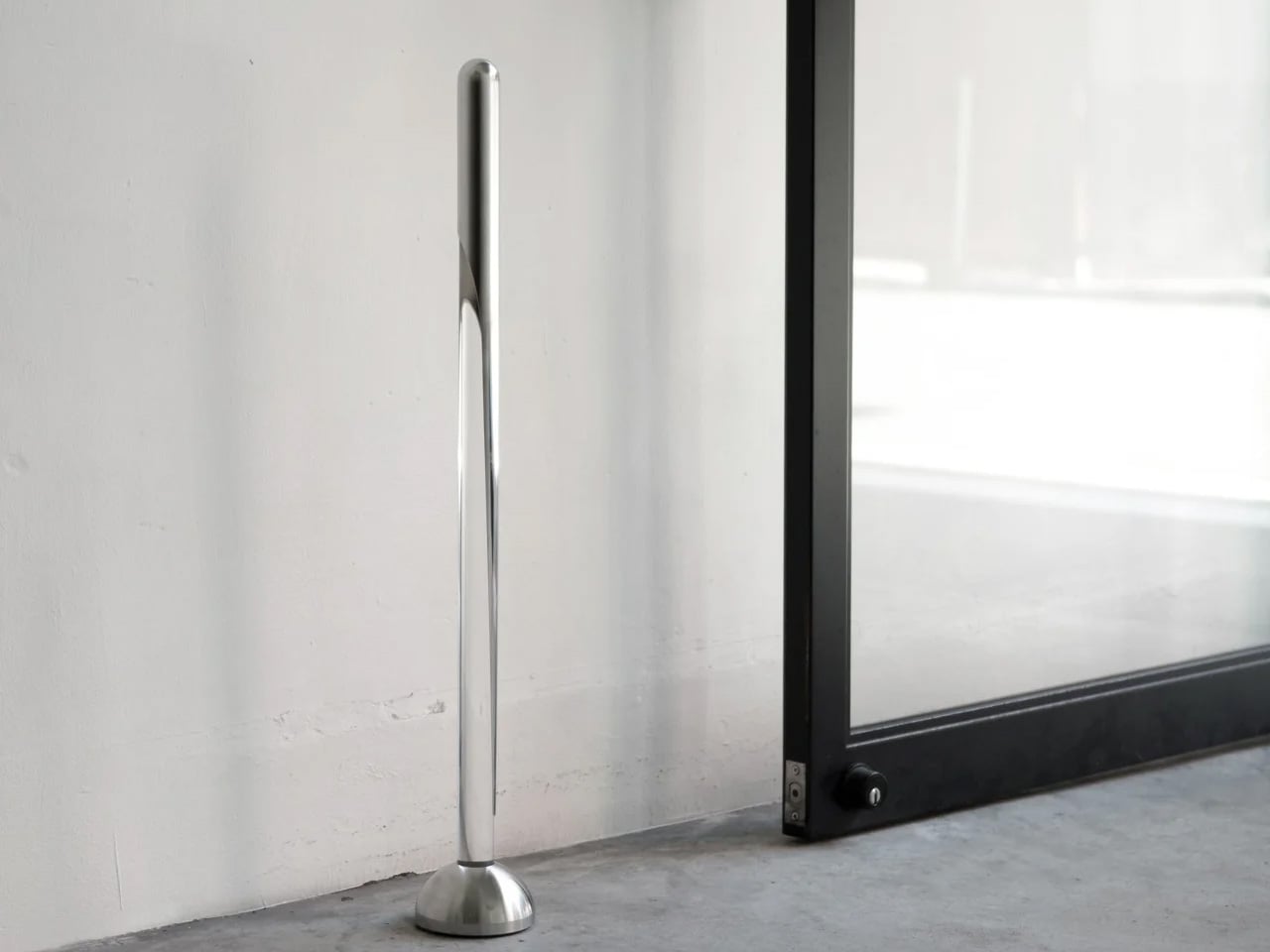
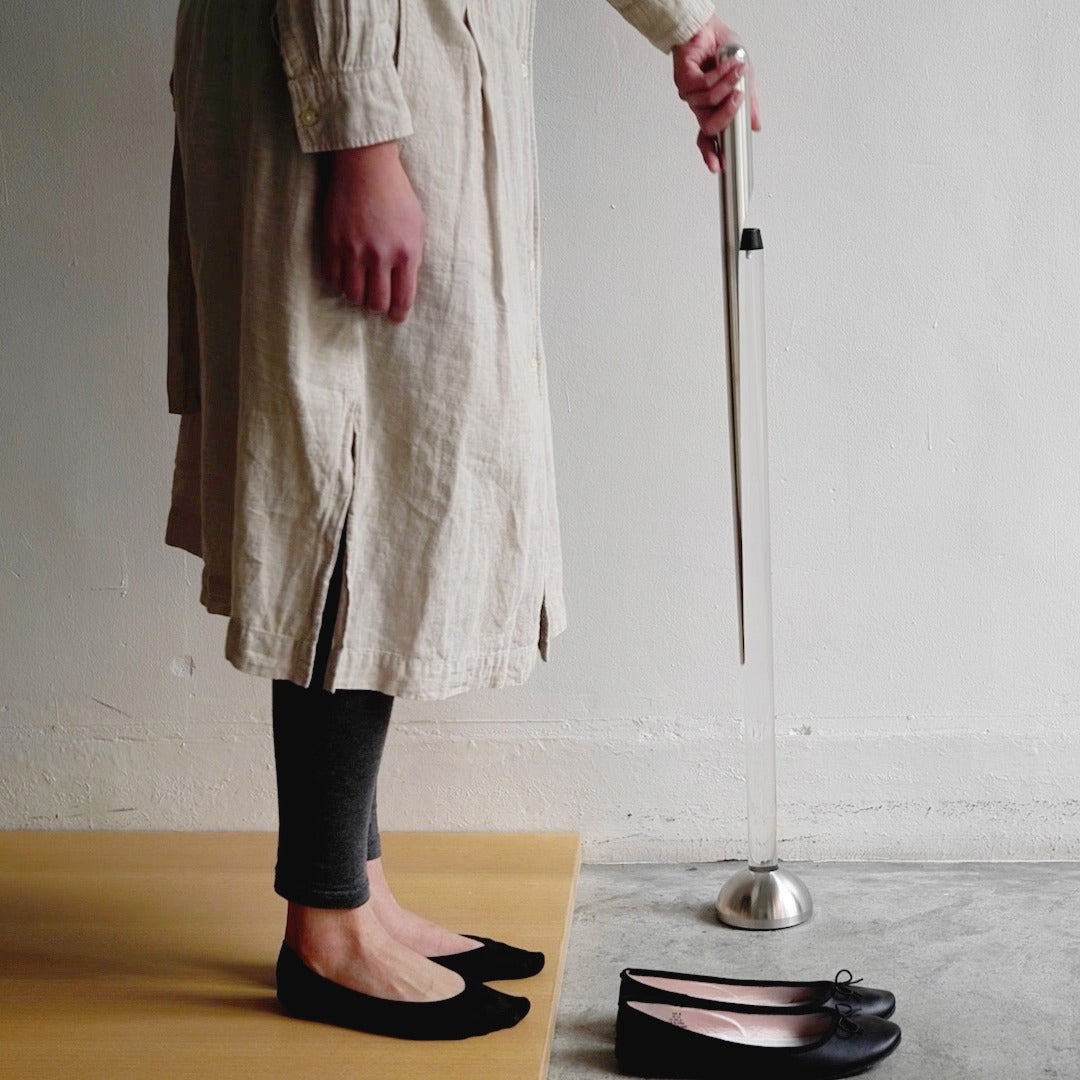
Most shoehorns live in that awkward space between useful and ugly. They lean against walls, slide under furniture, or get tossed into closets where you can never find them when your hands are full. This shoehorn takes a different approach entirely. Its long stainless steel body handles the practical work of protecting your footwear and your lower back, while its transparent stand makes the whole thing look like a sculptural accent rather than a utilitarian tool.

The magic happens when you step back and realize you’re not looking at a shoehorn at all. The clear stand holds the polished metal at just the right angle, creating visual interest without announcing its purpose to everyone who walks past your entryway. It replaces the need for a separate decorative object while solving the chronic problem of where to put the shoehorn when you’re done with it. You get function and form occupying the same footprint.

Click Here to Buy Now: $299.00

What We Like

  • The transparent design hides the shoehorn in plain sight, eliminating visual clutter.
  • The extended length means you can put on shoes without bending or straining your back.
  • The polished surface slides smoothly without catching on delicate socks or stockings.

What We Dislike

  • The transparent stand may require occasional cleaning to maintain its clarity.
  • Some might prefer a shorter version for travel or smaller spaces.

2. Key Holder Wakka

Keys create chaos in ways that seem disproportionate to their size. They end up on kitchen counters, buried in bags, or tossed onto random surfaces throughout your home. The Wakka Key Holder turns the simple act of putting your keys away into something you’ll actually want to do. The wooden base anchors the design with natural warmth, while the magnetic ring creates a satisfying connection that you can hear and feel.

That audible tap when metal meets magnet becomes a tiny ritual that marks your arrival home. The sound itself is calming, almost meditative, turning a forgettable action into a moment of intentional pause. The key ring works independently when you need it, and the wooden base stands alone as a sculptural element even when the keys are gone. This swap replaces messy key bowls or hooks that accumulate clutter with a singular object that does one thing exceptionally well.

Click Here to Buy Now: $45.00

What We Like

  • The powerful neodymium magnet keeps keys secure without fumbling.
  • The brisk tapping sound creates a satisfying sensory experience.
  • Available in Silver/Maple and Silver/Walnut to match different interior styles.

What We Dislike

  • The magnetic system is only compatible with the included keyring design.
  • The wooden base requires a dedicated surface spot rather than wall mounting.

3. Penguin x MOEBE Book Stand

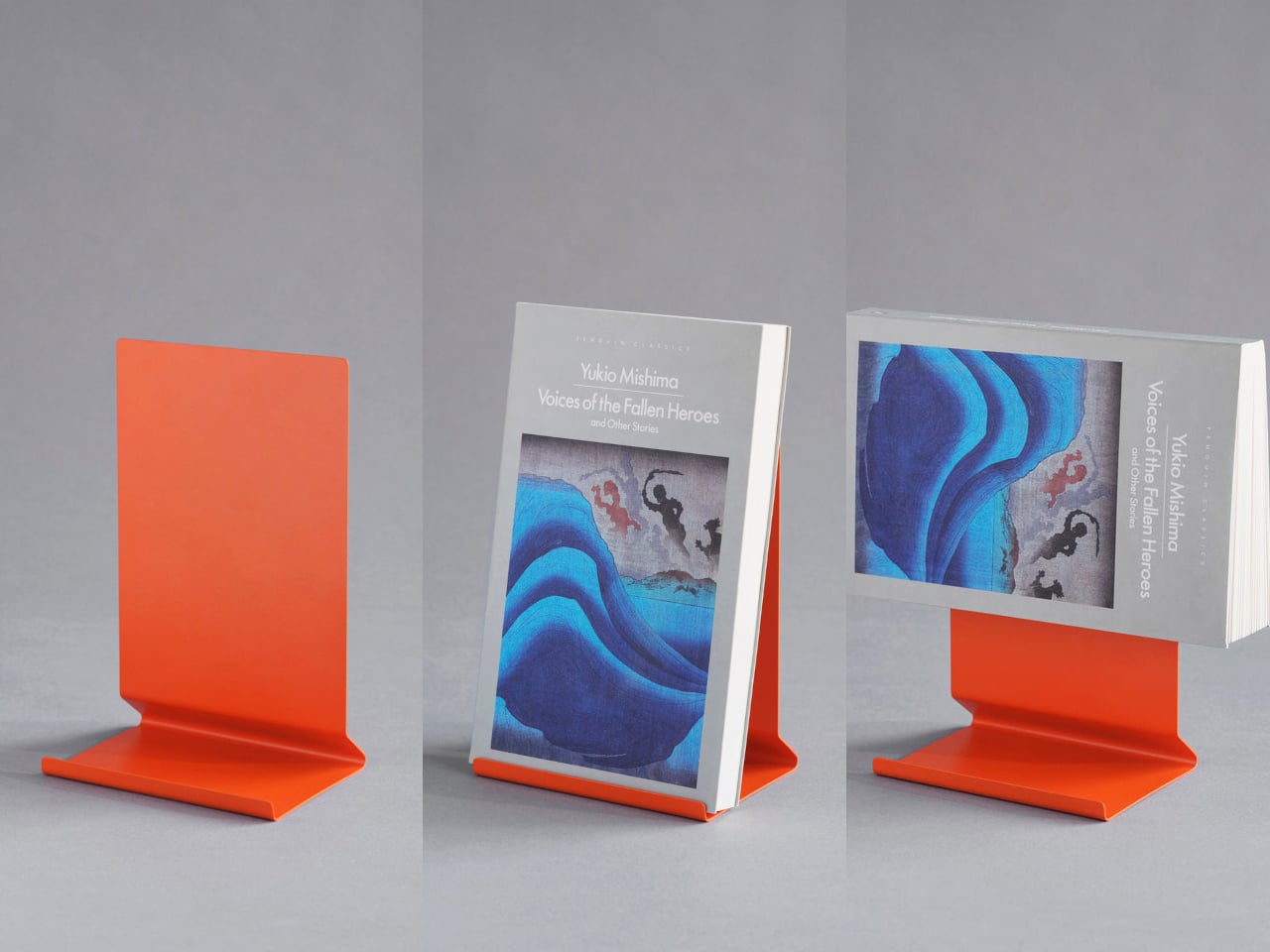
Books pile up in ways that make spaces feel chaotic even when everything else is tidy. Stacks lean precariously on nightstands, current reads disappear into shelves, and bookmarks slip out when you’re trying to remember your place. This bent steel stand treats books as objects worth displaying rather than just storing. It holds volumes open for reading, props single books upright for visibility, or works in pairs as bookends, depending on your needs.

The single-sheet construction means no visible fasteners or complicated assembly to wrestle with. The matte finish in stainless steel, cream, black, or Penguin orange stays visually quiet while the angled base supports different book thicknesses without wobbling or tipping. It replaces bulky bookends, flimsy wire stands, and the habit of leaving books face-down to hold your place. Your reading material gets a dedicated home that makes returning to the page feel natural.

What We Like

  • The versatile design works as a reading stand, display prop, or bookend.
  • The seamless bent steel construction creates clean lines without hardware.
  • Multiple color options coordinate with different interior aesthetics.

What We Dislike

  • The minimal footprint works best with standard book sizes.
  • Pairs are needed for full bookend functionality.

4. Miniature Bonfire Wood Diffuser Set

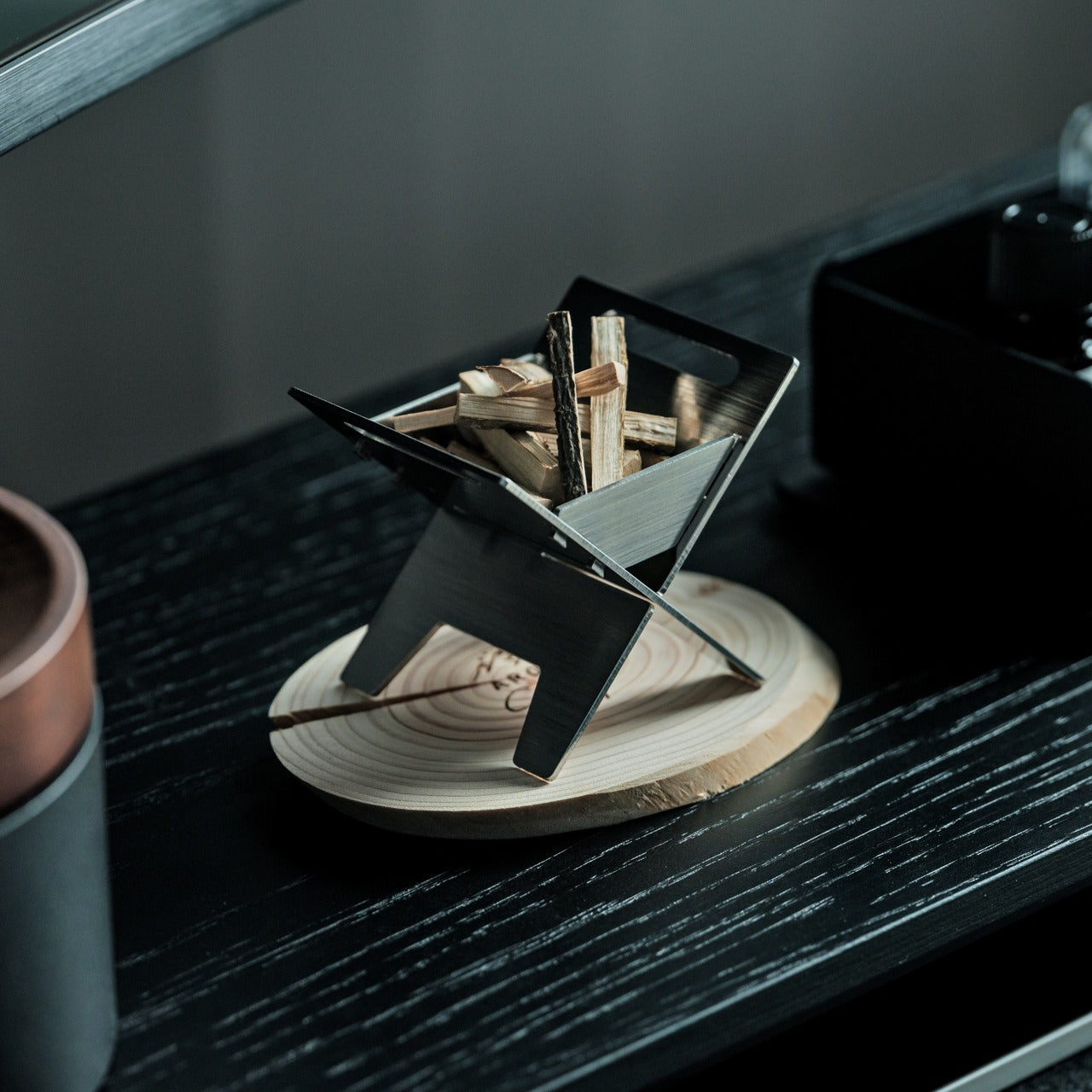
Traditional diffusers either look clinical or try too hard to blend in, taking up counter space without contributing much to the room’s atmosphere. This miniature bonfire flips that equation completely. The stainless steel construction creates a tiny sculptural fire pit that doubles as an essential oil diffuser, with miniature firewood pieces that spread fragrance as gently as an actual forest breeze. The camping aesthetic brings outdoor calm indoors without requiring commitment to literal nature decor.

The real versatility shows up when you realize the trivets transform the whole setup into a functional pocket stove. You can use it to warm small amounts of food or create an authentic camping experience right at your table. This single object replaces conventional diffusers, decorative candles, and even emergency heating elements. The rust-resistant material means it lasts, and the bundled firewood pieces with their tiny tying knots add handmade charm that mass-produced diffusers can’t match.

Click Here to Buy Now: $99.00

What We Like

  • The rust-resistant stainless steel ensures lasting durability.
  • The included trivets convert the diffuser into a functional pocket stove.
  • The Mt. Hakusan essential oil captures authentic forest fragrance.

What We Dislike

  • The compact size limits oil capacity for larger rooms.
  • The campfire aesthetic may not suit all interior styles.

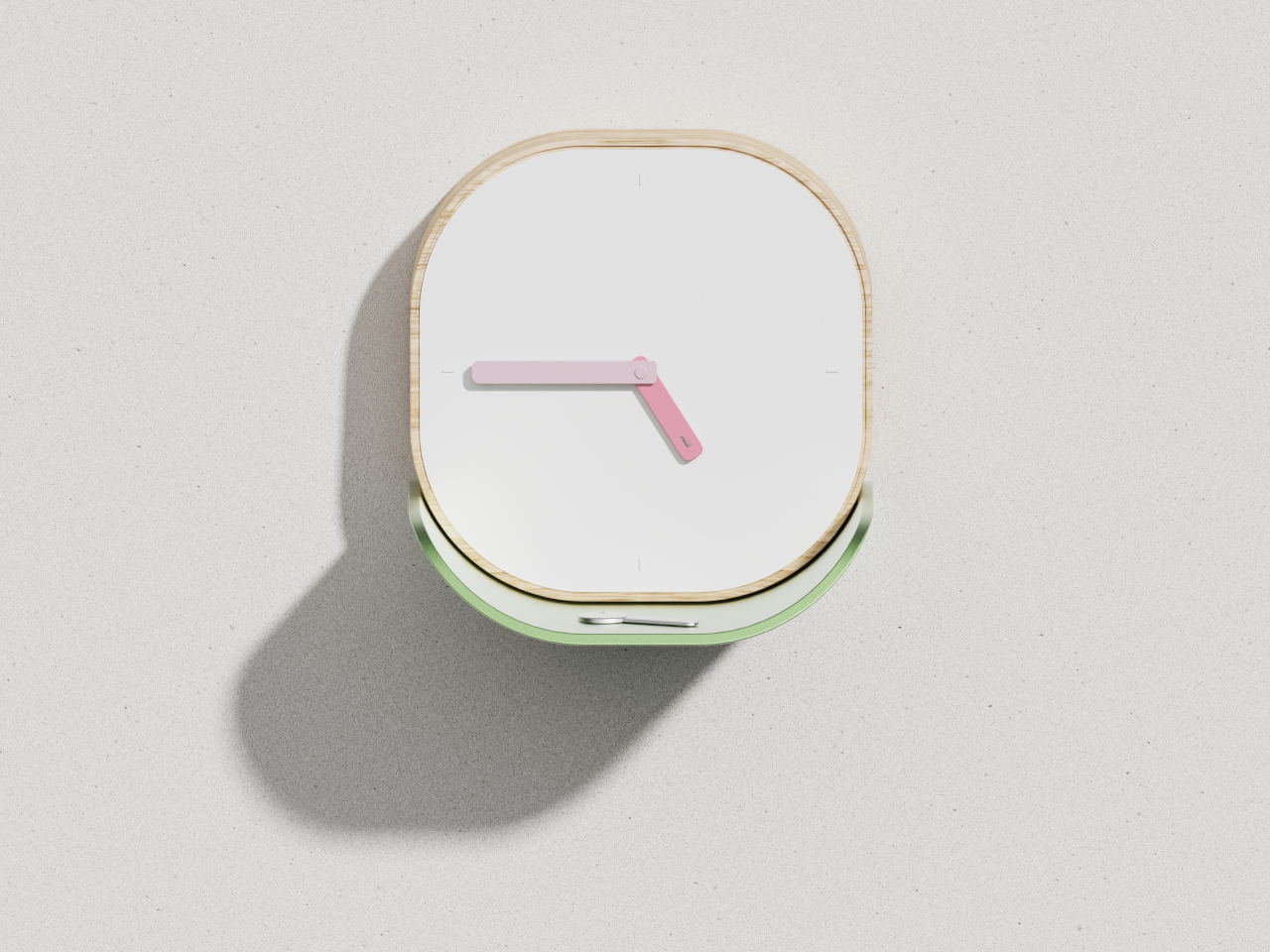
5. Lotus Clock

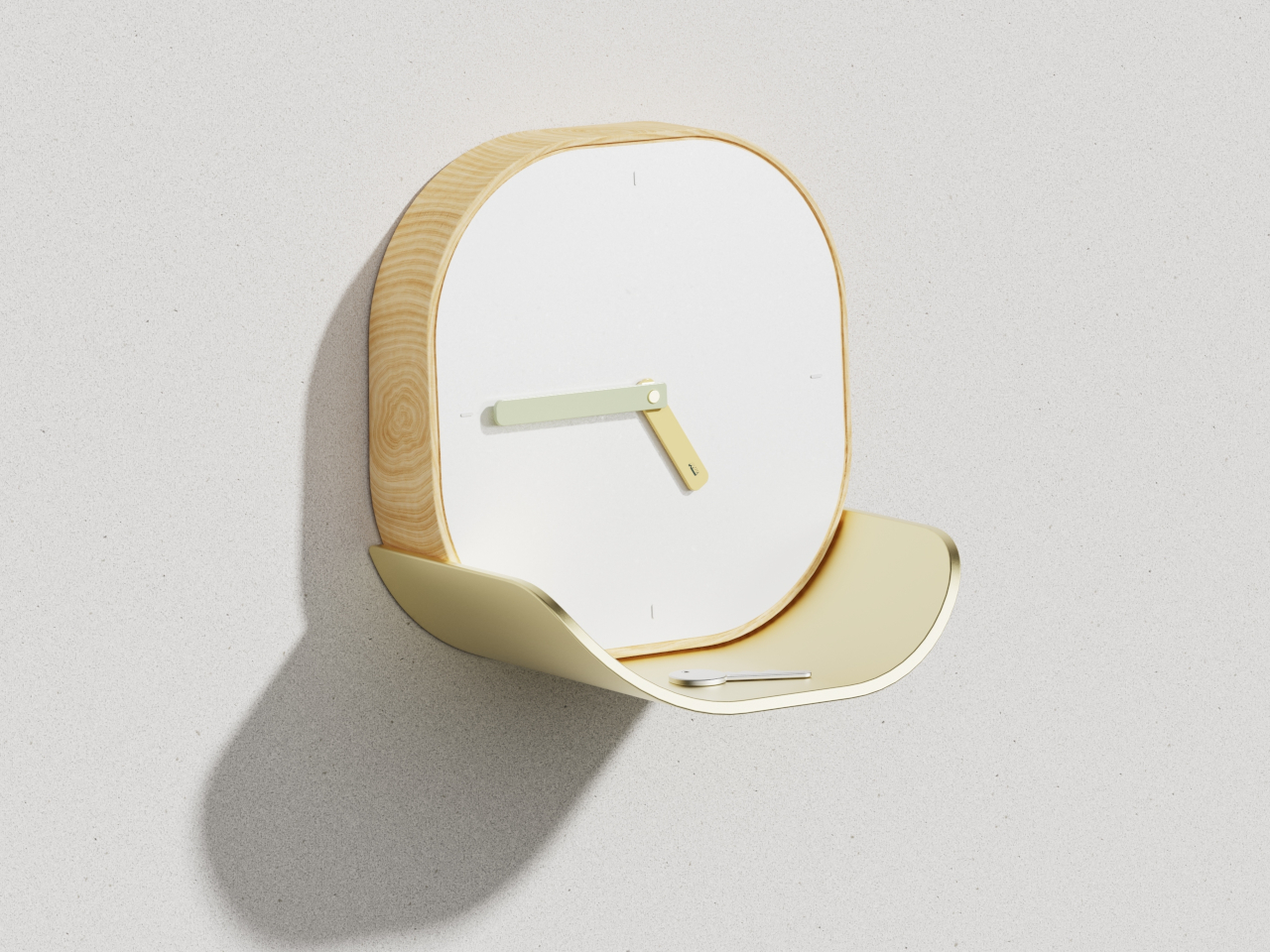
Wall clocks usually do one thing, and catchall dishes do another, which means you end up with both competing for wall and surface space. The Lotus Clock merges these functions into a single design that draws inspiration from nature’s problem-solving. The curved metal tray sits beneath the clock face like a lotus leaf collecting morning dew, creating a natural resting spot for keys, coins, and the small items that usually scatter across entryway tables.

The biomimetic approach makes the dual functionality feel intentional rather than forced. The wooden frame features soft rounded corners that read as approachable, while the clean white face keeps time-reading effortless even from across the room. The broad flat hands coordinate with the tray’s finish, whether you choose soft gold or gentle green, creating visual harmony between timekeeping and storage. This swap eliminates the need for separate wall clocks and entryway organizers, freeing up both vertical and horizontal real estate.

What We Like

  • The integrated tray provides dedicated storage for daily carry items.
  • The biomimetic design feels both poetic and practical.
  • Multiple colorway options allow personalization while maintaining minimalist aesthetics.

What We Dislike

  • The tray size limits what can be stored there comfortably.
  • Wall mounting is required, which may not work for renters.

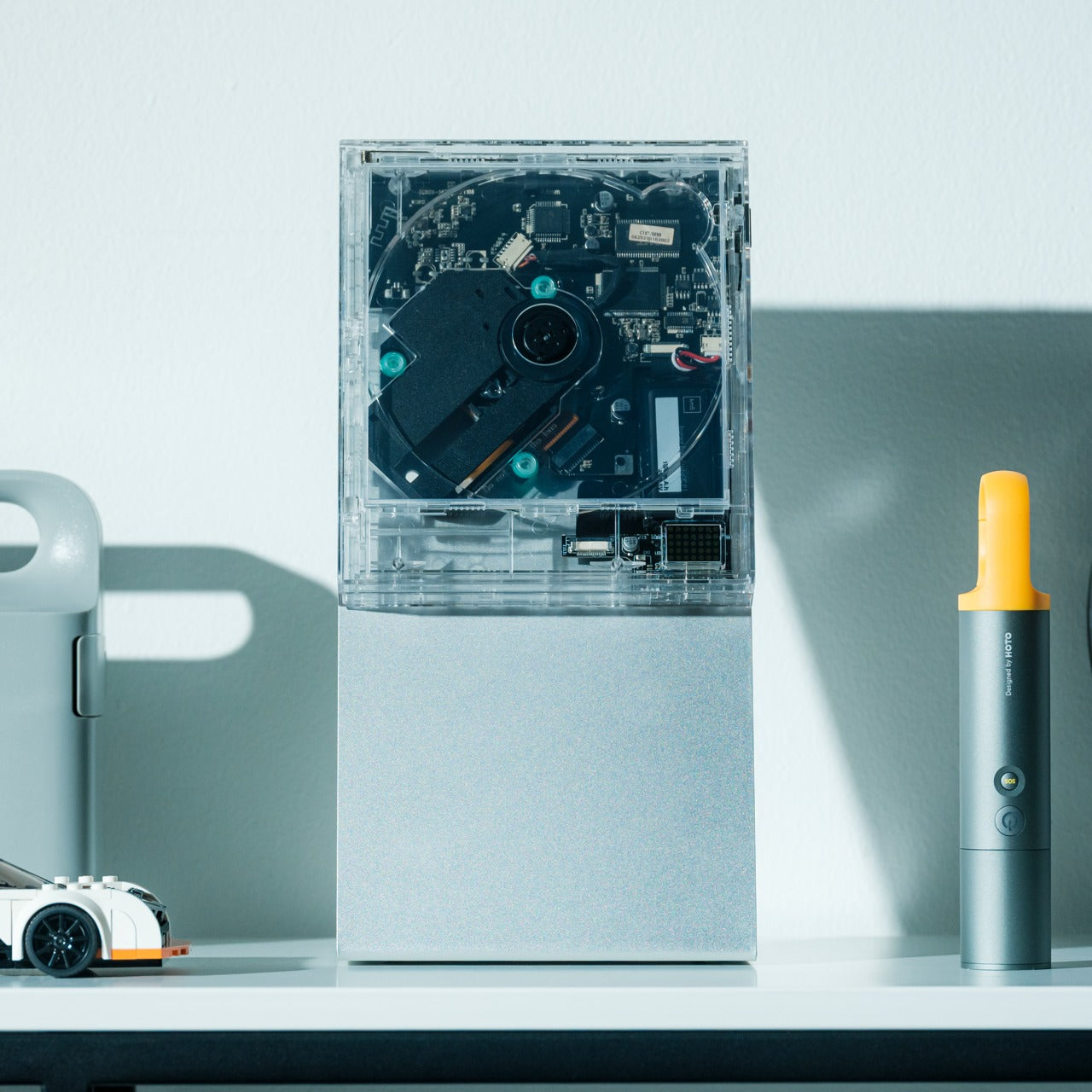
6. ClearFrame CD Player

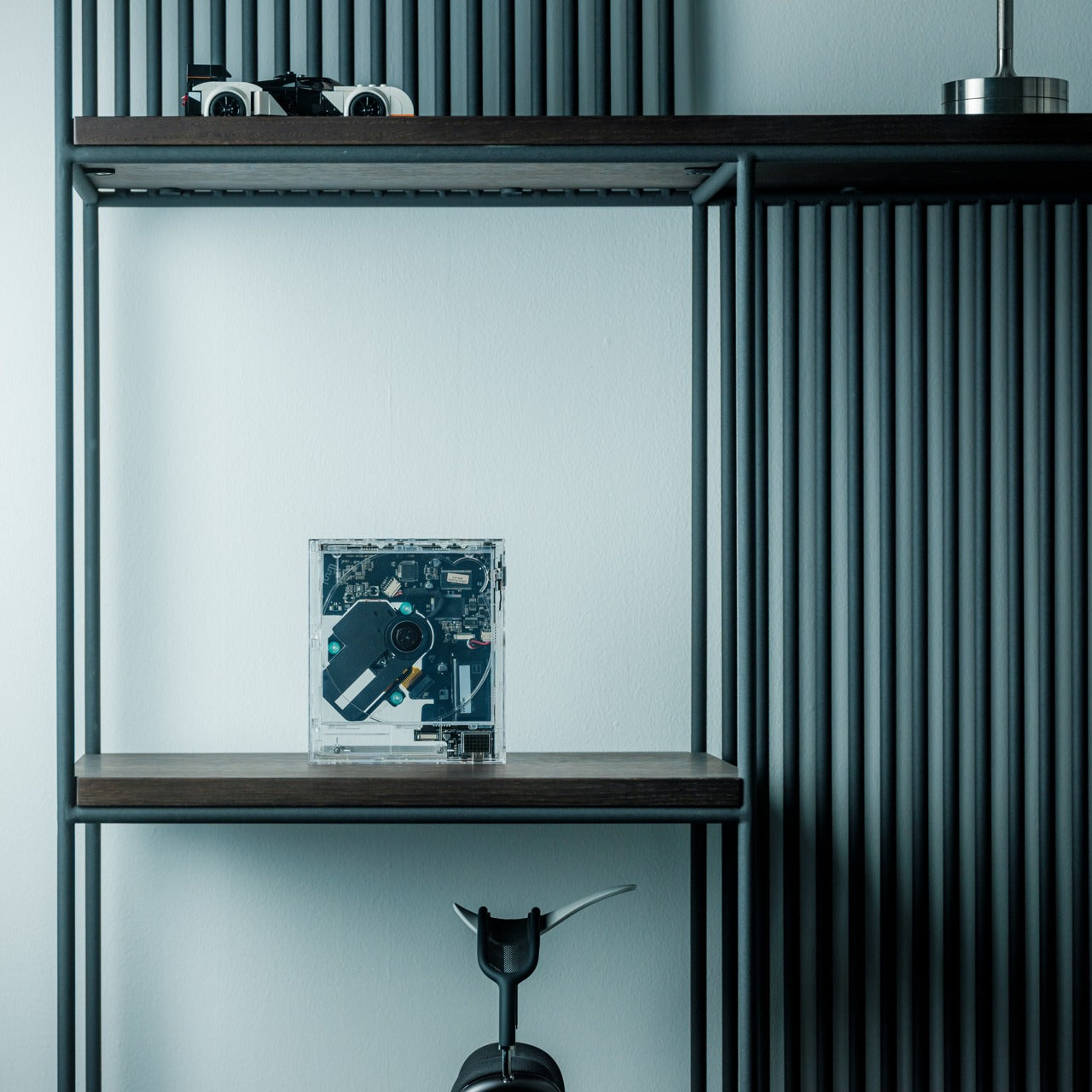
Physical media creates display challenges that streaming never will. CD collections sit in drawers or bulky towers that broadcast “clutter” even when organized. The ClearFrame CD Player reframes music as something worth exhibiting. The crystal-clear polycarbonate body turns the disc and album artwork into a miniature gallery, while the exposed black circuitry invites you to appreciate the engineering as part of the aesthetic rather than something to hide away.

The transparent design means the player becomes part of your decor, whether it’s playing or silent. Bluetooth connectivity, seven-hour battery life, and wall-mount capability give it flexibility that traditional players lack. It works on shelves, desks, or mounted as wall art, adapting to your space rather than demanding accommodation. This swap replaces both oversized stereo systems and hidden-away music players with something that celebrates physical media while taking up minimal space and maximum attention.

Click Here to Buy Now: $199.00

What We Like

  • The transparent polycarbonate showcases both album art and internal engineering.
  • Bluetooth connectivity and a rechargeable battery offer placement flexibility.
  • Multiple mounting options adapt to different room configurations.

What We Dislike

  • The focus on CDs excludes vinyl collectors.
  • The transparent design shows dust and fingerprints more readily.

7. JewelVase Mirror Stand

Mirrors, accessory storage, and vases typically occupy separate zones in your home, each claiming surface area and visual attention. The JewelVase collapses these categories into a single polyhedron form that functions as all three. The mirror reflects light and lets you check your appearance, the structure holds rings and bracelets, and the basin accepts water for fresh flowers. Each function enhances the others rather than competing for dominance.

The bioplastic construction contains rice husks, bringing material sustainability into the minimalist equation without sacrificing durability. The unique angled shape creates visual interest that earns its spot on any desk, table, or shelf, while the reflective surface doubles whatever beauty you place in front of it. Even pouring water becomes a small meditative ritual when the mirror shows you the flower from both sides simultaneously. This swap eliminates multiple accessories, consolidating them into one elegant object that does more with less.

Click Here to Buy Now: $59.00

What We Like

  • The multipurpose design combines a mirror, an accessory stand, and a vase.
  • The bioplastic material incorporates sustainable rice husk content.
  • The polyhedron shape creates sculptural presence without bulk.

What We Dislike

  • The vase capacity suits single stems rather than large arrangements.
  • The angled mirror may not work for full-face viewing.

Making Space by Choosing Better

These seven swaps share a common philosophy. They refuse the false choice between function and beauty, instead insisting that thoughtful design delivers both simultaneously. Each piece earns its place by doing more than one thing well, by disappearing when appropriate, or by transforming mundane tasks into moments worth savoring. Your space becomes less about what you’ve removed and more about what you’ve chosen to keep.

Decluttering through minimalist swaps creates lasting change because you’re not fighting against your needs. You’re meeting them with objects designed to take up less room, require less maintenance, and contribute more to the atmosphere you’re trying to create. The result feels lighter, not because you’re doing without, but because everything present is pulling its weight. That’s where real minimalism lives, in the space between empty and intentional.

The post 7 Best Minimalist Home Decor Swaps To Declutter Your Space first appeared on Yanko Design.

This 6‑in‑1 wireless HDMI hub with 100W PD will practically replace every dongle in your bag

Your laptop gets thinner every year and your tablet ditches another port with each refresh. Meanwhile, the actual work you do requires more connectivity than ever. Photographers need fast SD card access during client reviews. Presenters need a clicker and a thumb drive while streaming to the big screen. Educators move between rooms with different projectors and zero time to fumble with settings. The gap between sleek hardware and messy reality keeps widening.

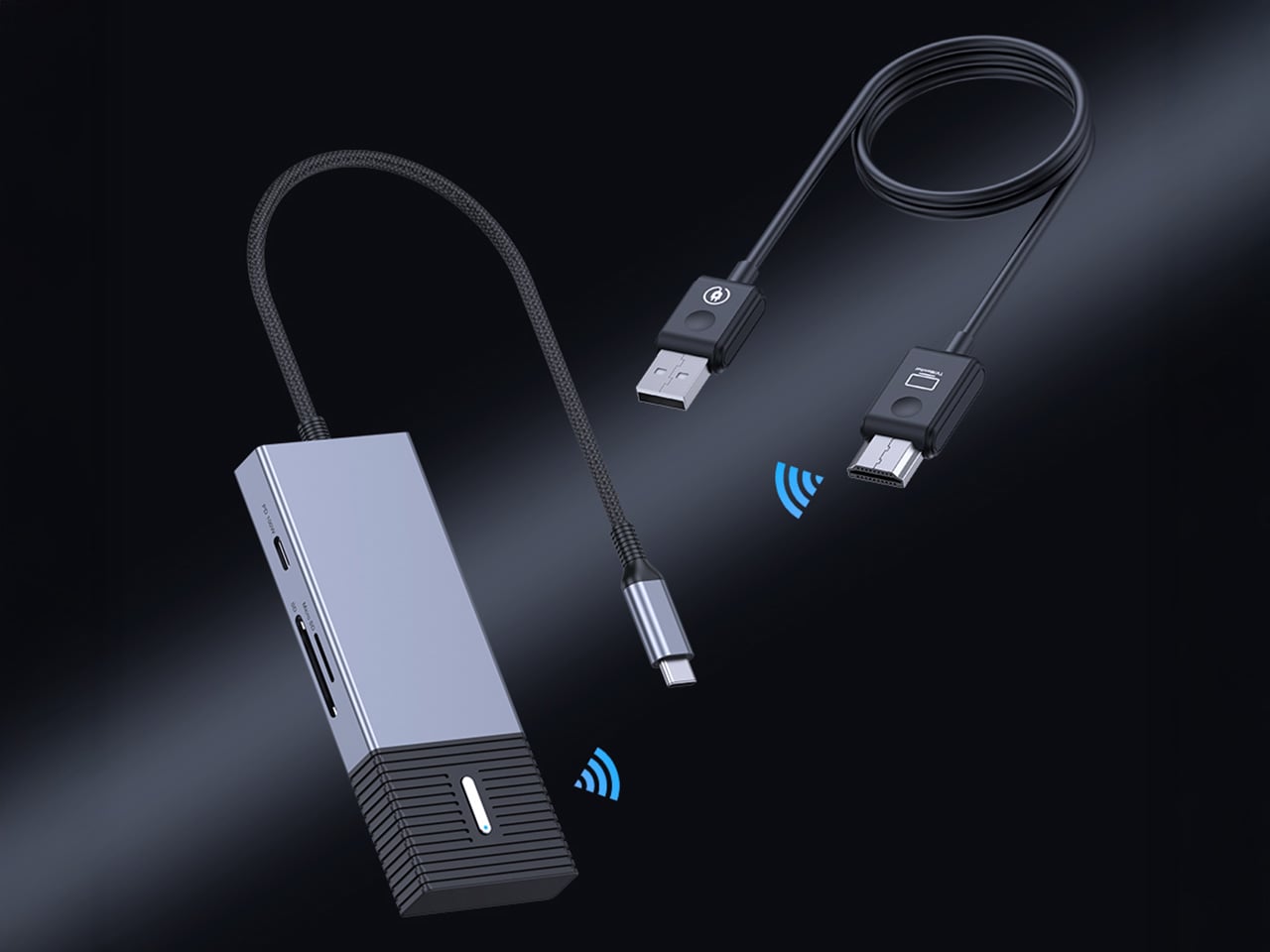
4URPC built the Gen 3 to close that gap entirely. The system pairs a plug-and-play wireless HDMI link with a genuinely useful hub, all in a single piece of kit. Plug the USB-C transmitter into your device and the HDMI receiver into any display. You get wireless 1080p 60Hz video in 0.02 seconds, plus immediate access to SD/TF cards, three high-speed USB ports, and 100W power delivery. No apps, no network dependency, no compromise. Just the screen and the tools you actually need, working together the way they should.

Designer: 4URPC

Click Here to Buy Now: $99 $198 (50% off). Hurry, only 132/500 left! Raised $50,000.

You can see the direct line from user feedback to this design. Their Gen 2 was a solid wireless 4K transmitter, but it was a single-purpose tool. People clearly pointed out that the moment they went wireless, their other ports were still occupied by hubs for storage, peripherals, and power. 4URPC took that to heart, building the new SP06 model around a complete workflow. They collapsed the entire dongle ecosystem into the transmitter itself, which is a far more practical solution for anyone working outside of a fixed desk setup.

The integrated hub is built with professional-grade specs. We are looking at two 10Gbps USB-A ports and a 10Gbps USB-C data port, which provides plenty of speed for fast external SSDs or multi-channel audio interfaces. The SD and TF card slots run at a respectable 5Gbps, fast enough for offloading photos and video without a huge bottleneck. Critically, the 100W USB-C power delivery input means you can run all of this connectivity and still keep a MacBook Pro or a powerful Windows laptop fully charged through a single connection.

All that local I/O becomes even more useful in a collaborative setting. A single HDMI receiver can pair with up to eight different transmitter hubs, completely changing the dynamic in a meeting room. Instead of passing a cable around or fighting with clunky software casting, each person can switch to become the active presenter with a button press. The 0.02-second switching time they claim makes the handoff nearly instant. This hardware-based approach sidesteps the need for everyone to be on the same Wi-Fi network or have specific apps installed, which is a constant headache in corporate or guest environments.

Packing a dual-band Wi-Fi module, a high-speed USB controller, and a PD circuit into one chassis generates serious heat, so the move to an aluminum alloy casing is a practical necessity. The metal body functions as a heat-sink, which should lead to more stable performance during long sessions where you are pushing 1080p video and transferring data simultaneously.

Super early backers can snag the complete system for $99, which includes the wireless transmitter/hub unit, the HDMI receiver, and the necessary cables. That is a 50% discount off the planned $198 retail price, limited to the first 500 backers. After that, early bird pricing sits at $109, and there are multi-pack options if you want to outfit an entire team or multiple rooms. The 4URPC G3 ships globally, starting April 2026.

Click Here to Buy Now: $99 $198 (50% off). Hurry, only 132/500 left! Raised $50,000.

The post This 6‑in‑1 wireless HDMI hub with 100W PD will practically replace every dongle in your bag first appeared on Yanko Design.
This Pocket Titanium Ruler Has a Level, Protractor, and Pen Built In

Projects pile up on the bench with a ruler that stops at 30 cm, a square for right angles, a separate protractor for odd cuts, a level somewhere in a drawer, and a pencil that has wandered off. Those small frictions add up when you are trying to stay in a flow state, and most rulers can measure but do not really help you think through the layout. You end up switching between tools, rechecking marks, and occasionally cursing when parallels drift, or angles end up slightly crooked.

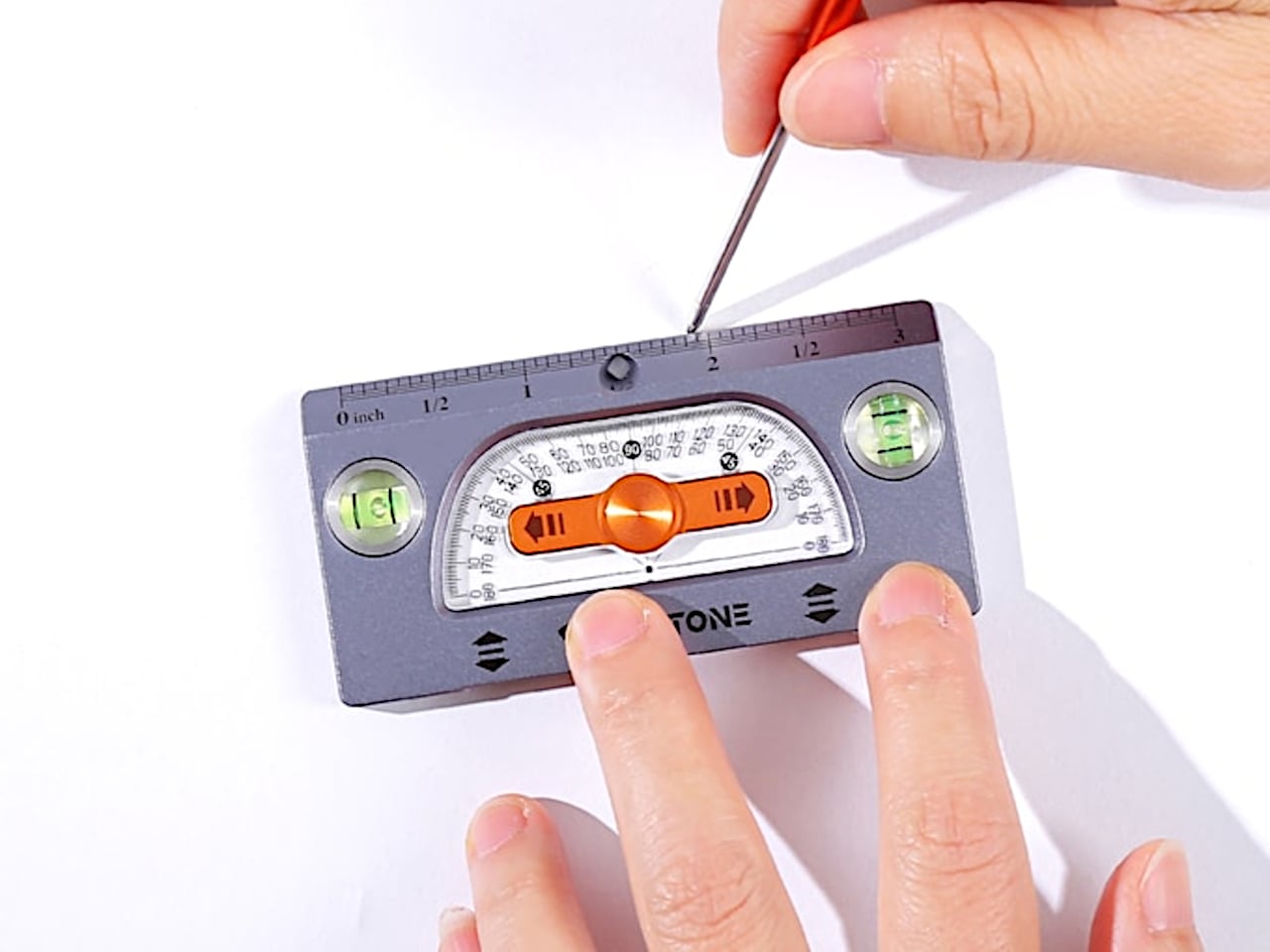
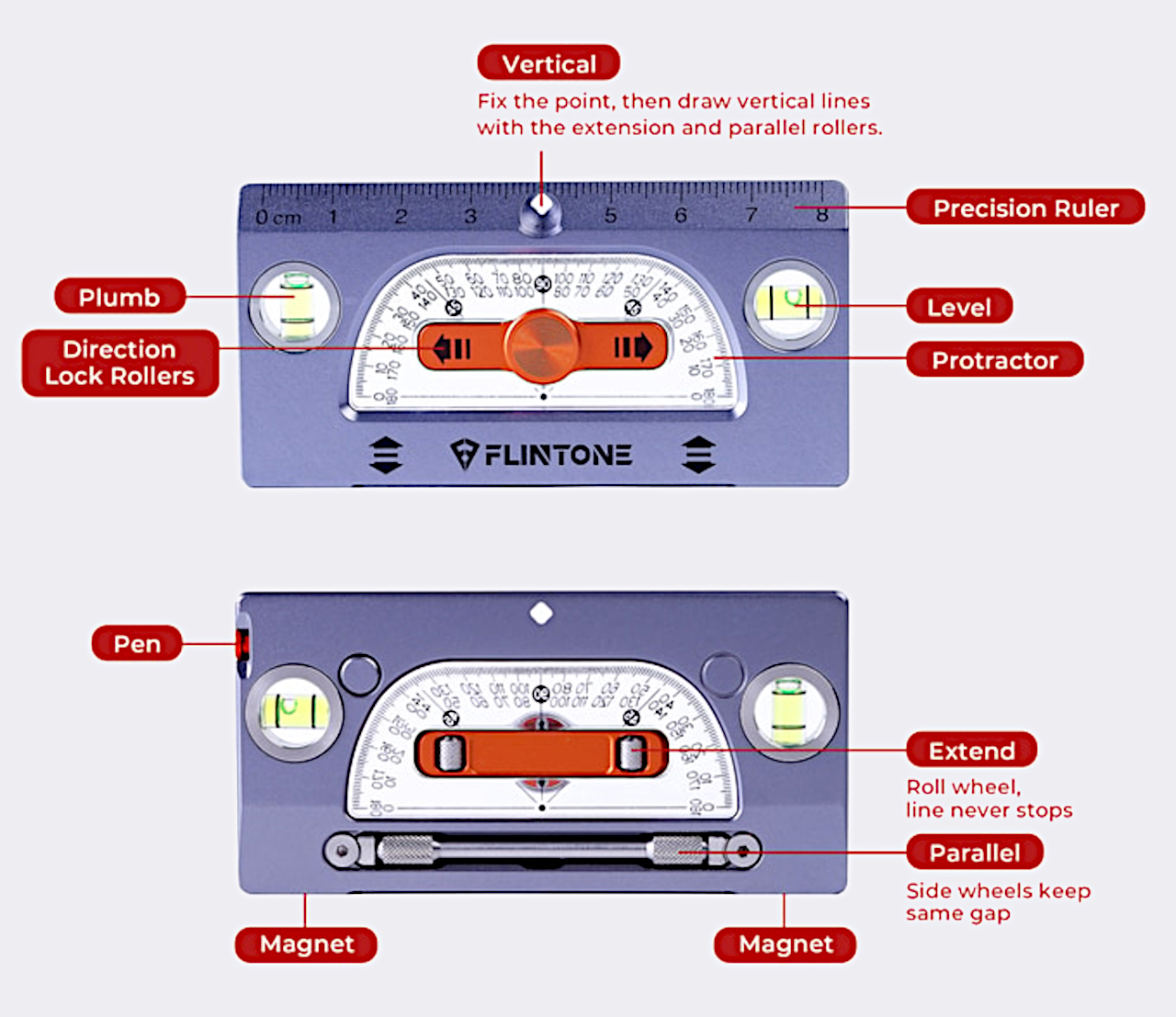
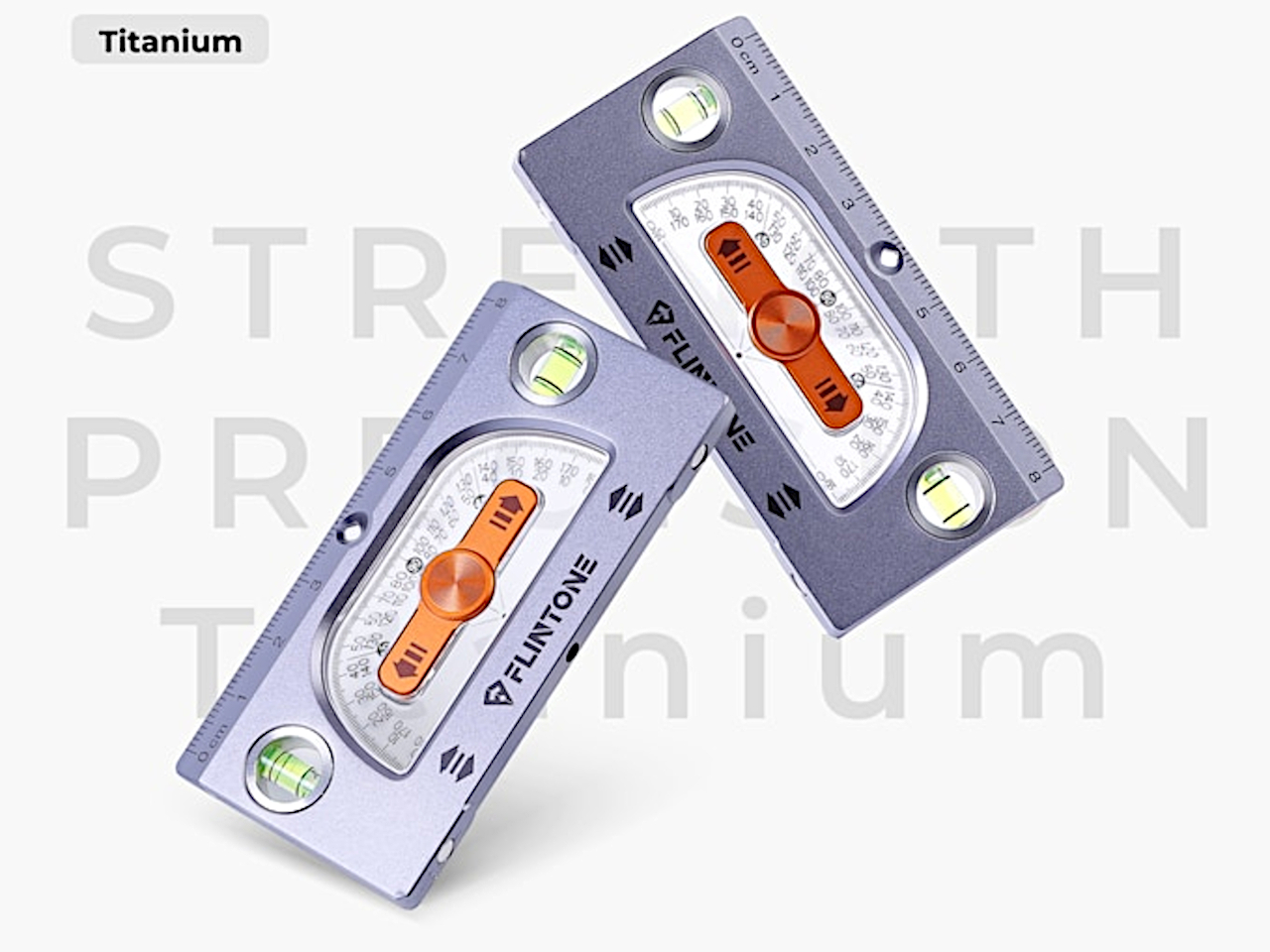
The FLINTONE MegaRuler is a titanium 9-in-1 drawing master that tries to compress a whole layout kit into something smaller than a phone. It is designed for garage tinkerers, designers, woodworkers, model builders, electronics people, and 3D-printing geeks who want strength, accuracy, and versatility in one object. The body is machined from titanium, so it feels like a small instrument rather than a disposable ruler, and it packs infinite extension lines, perfect parallels, angles, levels, magnets, and a built-in pen into a single pocket-sized block.

Designer: FLINTONE

Click Here to Buy Now: $69 $99 (30% off). Hurry, only 223/500 left! Raised over $150,000.

1

The infinite extension feature uses a central roller that lets you draw a straight line as long as you need by rolling the tool along the surface. You can dock the ruler end-to-end 27 times with less than 0.1mm cumulative error, enough to lay out an 8m straight line without a laser or chalk box. For framing, cabinetry, set building, or large-format graphics, that kind of repeatable accuracy means less rework and fewer compromises when the layout determines everything downstream.

The side wheels hug a reference line, so every new line stays exactly the same distance away. In testing, drawing 50 parallel lines produced a maximum drift of 0.07mm, which is effectively negligible for most jobs. That lets you stop measuring every joist, slat, or tile and simply roll the MegaRuler along, trusting it to keep spacing consistent for grooves, stitch lines, or printed patterns. The result feels less like measuring and more like running a tiny machine that thinks about geometry for you.

1

MegaRuler handles angles by letting you draw any-angle slanted lines from 1° to 179° in one smooth motion. The integrated protractor is laser-etched with a high-contrast scale that remains readable in bright light, dust, or glare, so you can lean the body to the exact angle you want and draw without switching tools. For miters, chamfers, or odd-angle joints, it becomes the single reference you reach for instead of juggling a ruler and a protractor and hoping the alignment holds while you mark.

1

Dual bubble vials turn the tool into both a horizontal level and a plumb checker. Standing it up gives true vertical in half a second, laying it flat gives an instant surface check. N52 magnets are flush-mounted in the body, so it sticks to steel beams, machines, or a shop cabinet, allowing hands-free marking and storage. A small marking pen lives inside the ruler itself, sliding out to mark and back in when you are done, so measuring and marking are finally in the same place instead of scattered across the bench or lost in pockets.

1

MegaRuler might live clipped to a pocket on a jobsite, sitting next to a sketchbook on a designer’s desk, or magnetized to a drill press in a home workshop. Instead of reaching for a different tool every time you need a line, angle, or level check, you grab the same titanium block and let its rollers, vials, magnets, and pen handle the details. It earns its space by doing many jobs well, feeling less like a novelty and more like the ruler you wish you had from the start, compact enough to forget until you need it and precise enough to trust when accuracy actually matters.

Click Here to Buy Now: $69 $99 (30% off). Hurry, only 223/500 left! Raised over $150,000.

The post This Pocket Titanium Ruler Has a Level, Protractor, and Pen Built In first appeared on Yanko Design.
This Oreo-shaped Tea Infuser Retains The Dunking Ritual With A Twist!

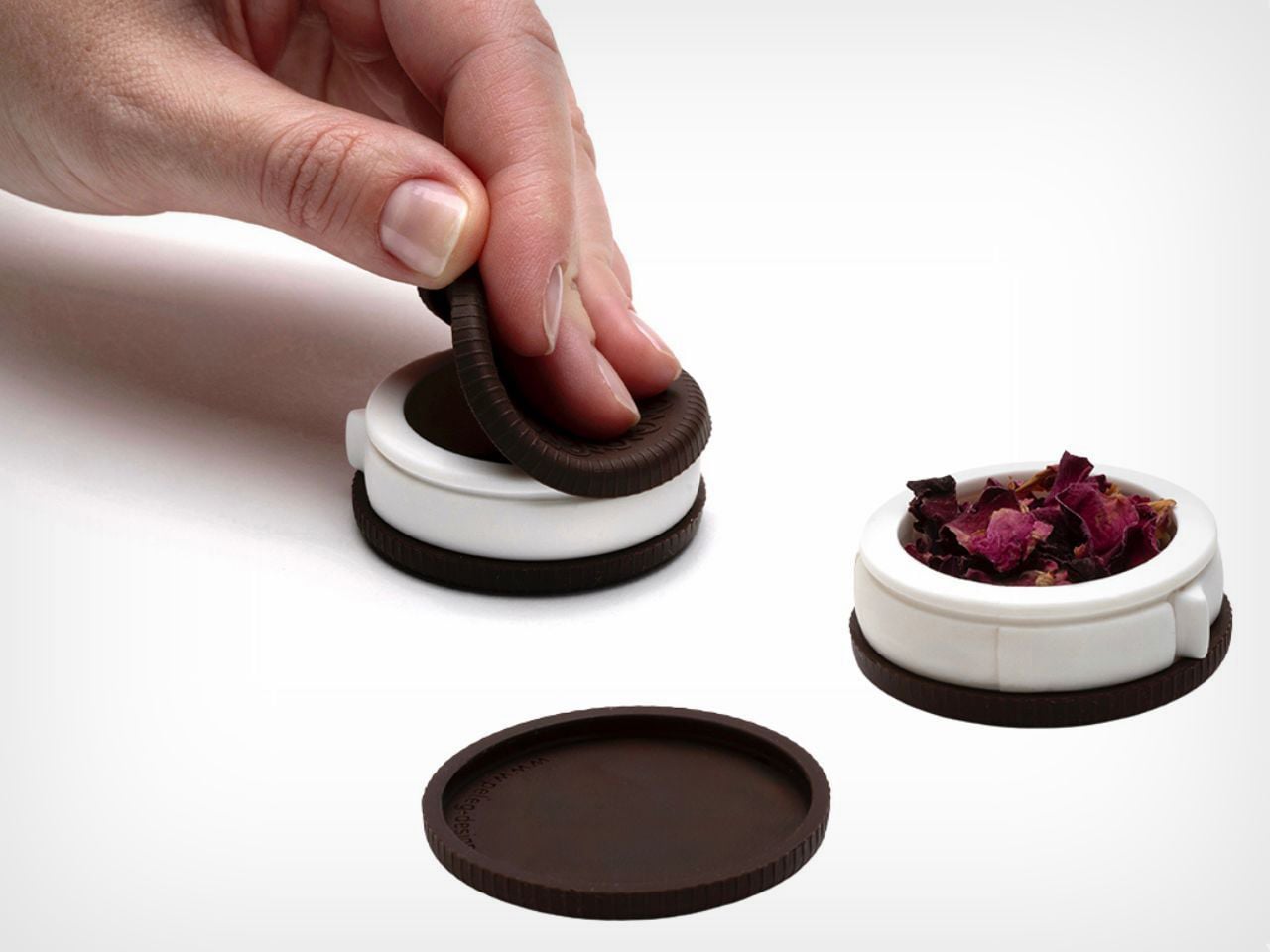
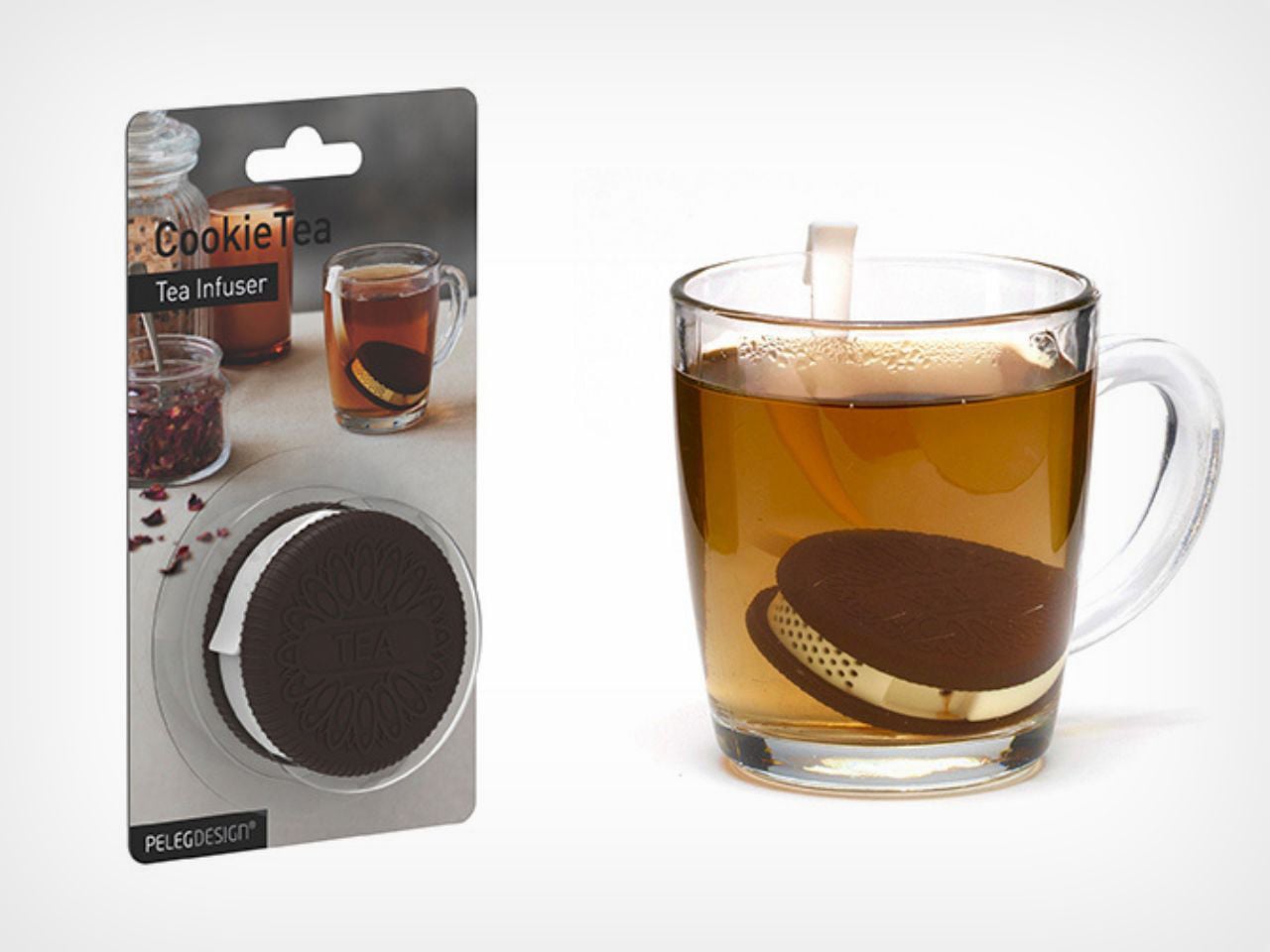
There’s something deeply comforting about a cup of tea, especially when it’s paired with an object that makes you smile before you even take the first sip. CookieTea, a tea infuser designed by Peleg Design, turns a familiar daily ritual into a small, joyful moment. Shaped like a classic sandwich cookie, it brings warmth, humor, and intention to the simple act of brewing tea.

At first glance, CookieTea looks almost edible. The resemblance to a real cookie is so convincing that you might hesitate for a second before dropping it into your cup. That playful confusion is part of its charm. Unlike regular tea bags, which tend to disappear into the mug, this infuser is meant to be seen. When dunked into hot water, it looks deliberate and thoughtfully placed, as if it belongs there by design rather than necessity. The act of steeping suddenly feels visual and expressive, not just functional.

Designer: PELEG DESIGN

Click Here to Buy Now

The experience goes beyond appearance. CookieTea is genuinely easy to use, even for someone who does not usually reach for loose-leaf tea. One side of the cookie lifts open effortlessly, creating a small compartment where you can add your preferred tea leaves. Once filled, it seals back securely with a simple press. There is no struggle, no fiddling, and no sense of fragility. The interaction feels natural and intuitive.

The cream layer of the cookie hides one of the smartest details of the design. A peelable strip controls how the tea infuses. When closed, it keeps the interior clean and contained. When opened, tiny perforations allow the flavor and aroma of the tea to mix with the water gently. This thoughtful mechanism ensures that the infuser performs just as well as it looks, balancing cleanliness with proper brewing.

Another small but meaningful detail is the hook-shaped edge built into the peelable strip. This allows CookieTea to rest securely on the rim of the cup, preventing it from sinking to the bottom or floating around while steeping. It also makes removing the infuser effortless once the tea is ready. It solves a common annoyance so quietly that you only realize how useful it is once you experience it.

After brewing, CookieTea continues to add value. Instead of feeling like something to hide away, it fits perfectly on a plate beside your cup. It adds to the overall table setting, enhancing the visual experience rather than disrupting it. Whether used during a quiet afternoon break or while hosting guests, it naturally becomes part of the moment.

CookieTea does not try to redefine tea drinking. It simply makes it more pleasant, more intentional, and more human. It is a reminder that good design lives in the details and that even the smallest everyday rituals deserve objects that spark joy.

Click Here to Buy Now

The post This Oreo-shaped Tea Infuser Retains The Dunking Ritual With A Twist! first appeared on Yanko Design.

7 Best 2026 Gadgets & Tools Every Digital Nomad Needs in Their Backpack

The digital nomad lifestyle thrives on contradiction. You need professional-grade tools that disappear into a carry-on. Power without bulk. Connection without cables. The freedom to work from a Bali café or a Berlin co-working space demands gear that adapts as quickly as your location changes. The right equipment doesn’t just make remote work possible—it makes it effortless, turning any corner of the world into your office.
This year’s standout gadgets understand that nomadic work isn’t about compromising between portability and performance. These seven designs solve real problems that emerge when your desk is wherever you set down your laptop. They’re built for the constant motion between airports and coffee shops, for the moments when a stable internet connection matters more than a stable address, for professionals who measure workspace in grams and millimeters.

1. HubKey Gen2: Your Entire Setup in a Cube

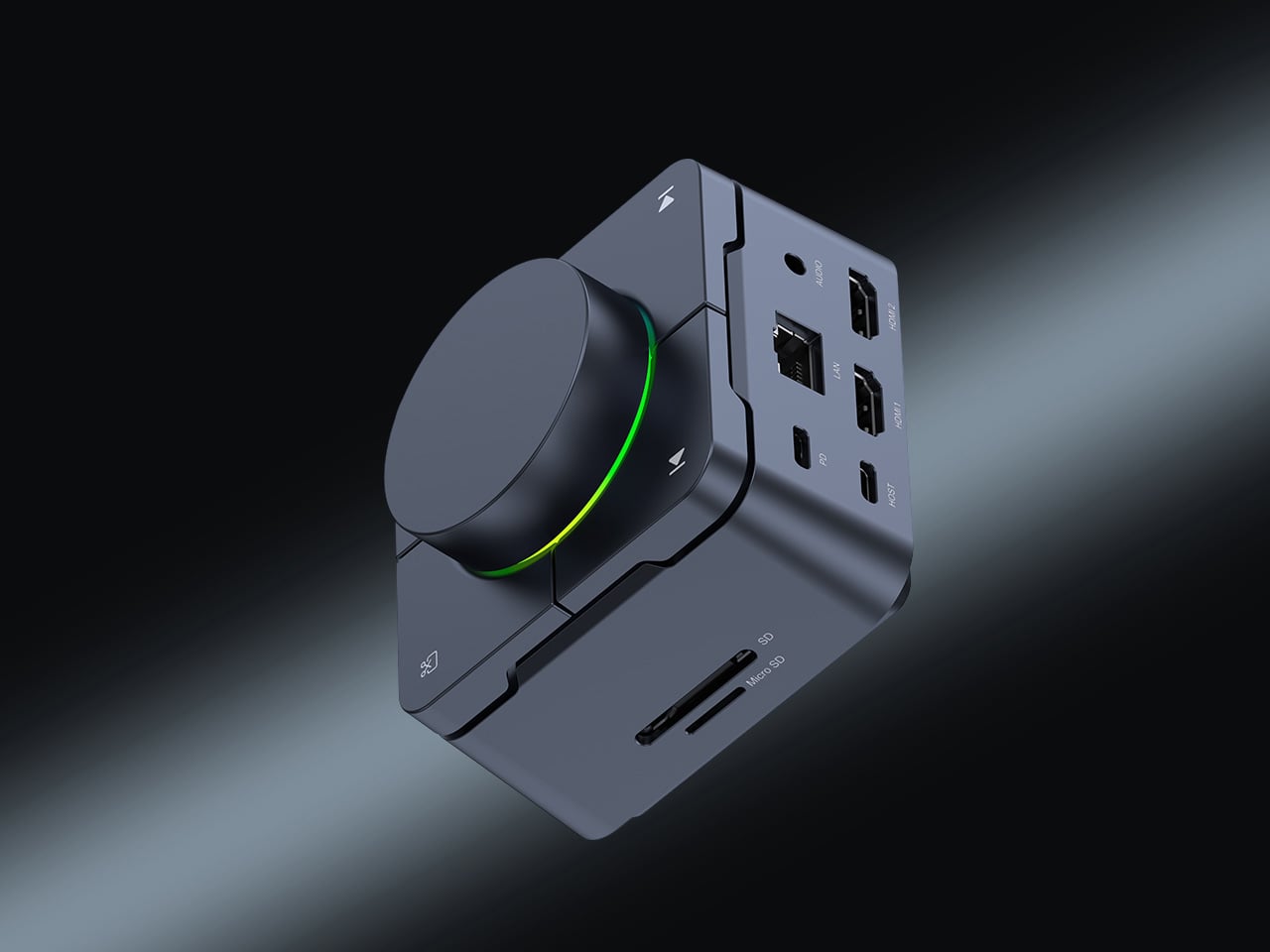
The chaos of the modern nomadic workspace often comes down to ports. Your sleek ultrabook offers maybe two USB-C connections, yet you’re constantly reaching for monitors, ethernet reliability, external drives, and power. What begins as minimalist hardware design becomes a tangle of dongles and adapters stuffed into every pocket of your tech pouch. HubKey Gen2 rethinks this entirely, consolidating 11 different connections into a palm-sized cube that sits exactly where you need it.

Beyond the connectivity sprawl, this device addresses another friction point: the small actions buried in menus and keyboard shortcuts that disrupt your workflow. Four programmable keys and a central control knob transform software commands into physical gestures. Mute your microphone, adjust volume, toggle camera privacy, or switch between tasks with tactile certainty. For someone working across time zones and video calls, having media controls at your fingertips rather than three clicks deep makes the difference between smooth professionalism and fumbling mid-presentation.

What We Like

  • The 11-in-1 hub eliminates the need for multiple adapters, significantly streamlining your packing list.
  • Dual 4K display support means you can plug into external monitors at co-working spaces or client offices without compromise.
  • Physical shortcut keys and a control knob bring immediate access to privacy toggles and media controls.
  • The compact cube design fits easily in a backpack’s tech compartment without adding bulk.

What We Dislike

  • The stationary cube format works best on stable desks, which isn’t always guaranteed in nomadic setups.
  • At a premium price point, it’s an investment that may not suit budget-conscious travelers.

2. OrigamiSwift Folding Mouse: Full-Size Precision in Your Pocket

Laptop trackpads work fine until they don’t. After hours of detailed work—editing photos, building spreadsheets, designing mockups—your fingers cramp and precision suffers. Full-sized mice offer the ergonomic relief you need but consume precious backpack real estate. OrigamiSwift solves this spatial puzzle with origami-inspired engineering that lets a complete mouse fold completely flat, transforming from 40 grams of barely-there weight into a proper productivity tool the moment you need it.

The transformation happens in under half a second. One flip and the mouse springs into an ergonomic form that fits naturally in your palm, ready for extended work sessions, whether you’re at a standing desk in Bangkok or a wobbly café table in Lisbon. When you pack up, it collapses just as quickly into a profile thin enough to slide into a notebook pocket. The Bluetooth connection means one less cable to manage, and the full-size functionality means you’re not sacrificing comfort for convenience.

Click Here to Buy Now: $79.00

What We Like

  • The foldable design delivers genuine full-size mouse comfort without occupying significant bag space.
  • Weighing only 40 grams, it’s essentially weightless in your daily carry.
  • The instant transformation in under 0.5 seconds means you can deploy it as quickly as you open your laptop.
  • Ergonomic shaping provides the comfort needed for extended work sessions across multiple time zones

What We Dislike

  • Bluetooth connectivity requires occasional charging, adding one more device to your power management routine.
  • The folding mechanism, while durable, introduces moving parts that could potentially wear over time.

3. StillFrame Headphones: Creating Focus Anywhere

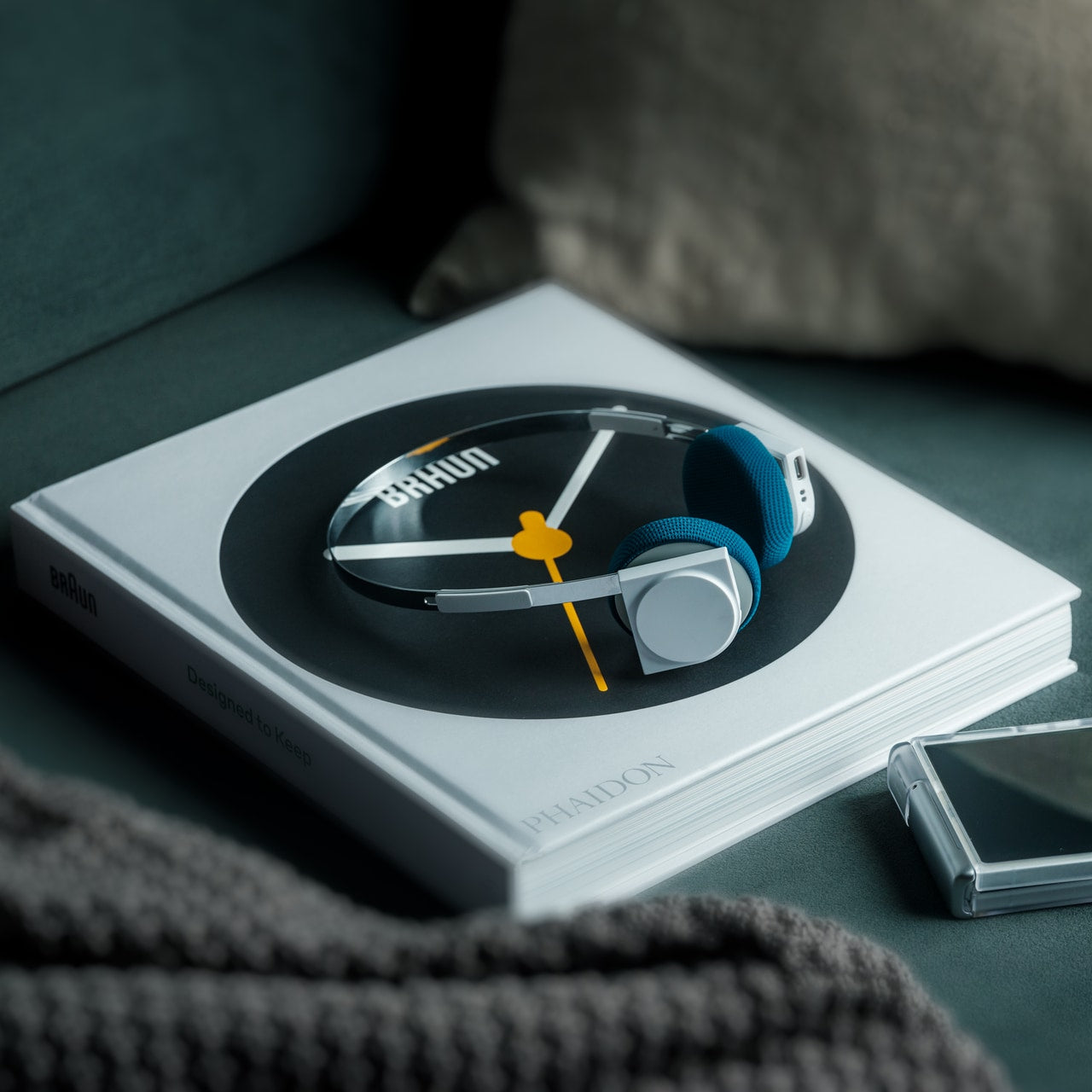
Airports, cafés, co-working spaces—the nomadic office is rarely quiet. Concentration becomes a portable skill, and headphones evolve from accessory to essential tool. StillFrame approaches audio with a design philosophy borrowed from the deliberate era of physical media, when albums were objects you held, and listening was an intentional act. The result sits comfortably between in-ears and over-ears, at just 103 grams, with 40mm drivers that open up soundscapes rather than just pumping audio into your ears.

The real utility emerges in the switching. Active noise cancellation erases the chaos when you need to disappear into deep work. Transparency mode keeps you connected to your surroundings when you’re waiting for a gate announcement or want to stay aware in an unfamiliar city. Twenty-four hours of battery life means you can travel from New York to New Delhi without reaching for a charging cable, maintaining your focus through layovers and long-haul flights.

Click Here to Buy Now: $245.00

What We Like

  • The 24-hour battery life eliminates anxiety about running out of power during long travel days.
  • Weighing just 103 grams, these headphones stay comfortable through marathon work sessions.
  • Both noise-cancelling and transparency modes adapt to shifting environments from silent libraries to bustling streets.
  • The 40mm drivers create an open soundstage that makes both music and podcasts more immersive.

What We Dislike

  • The on-ear design may not provide the same noise isolation as full over-ear models in extremely loud environments.
  • The retro-inspired aesthetic, while distinctive, may not appeal to those preferring more modern styling.

4. Memento Business Card Log: Analog Memory in a Digital World

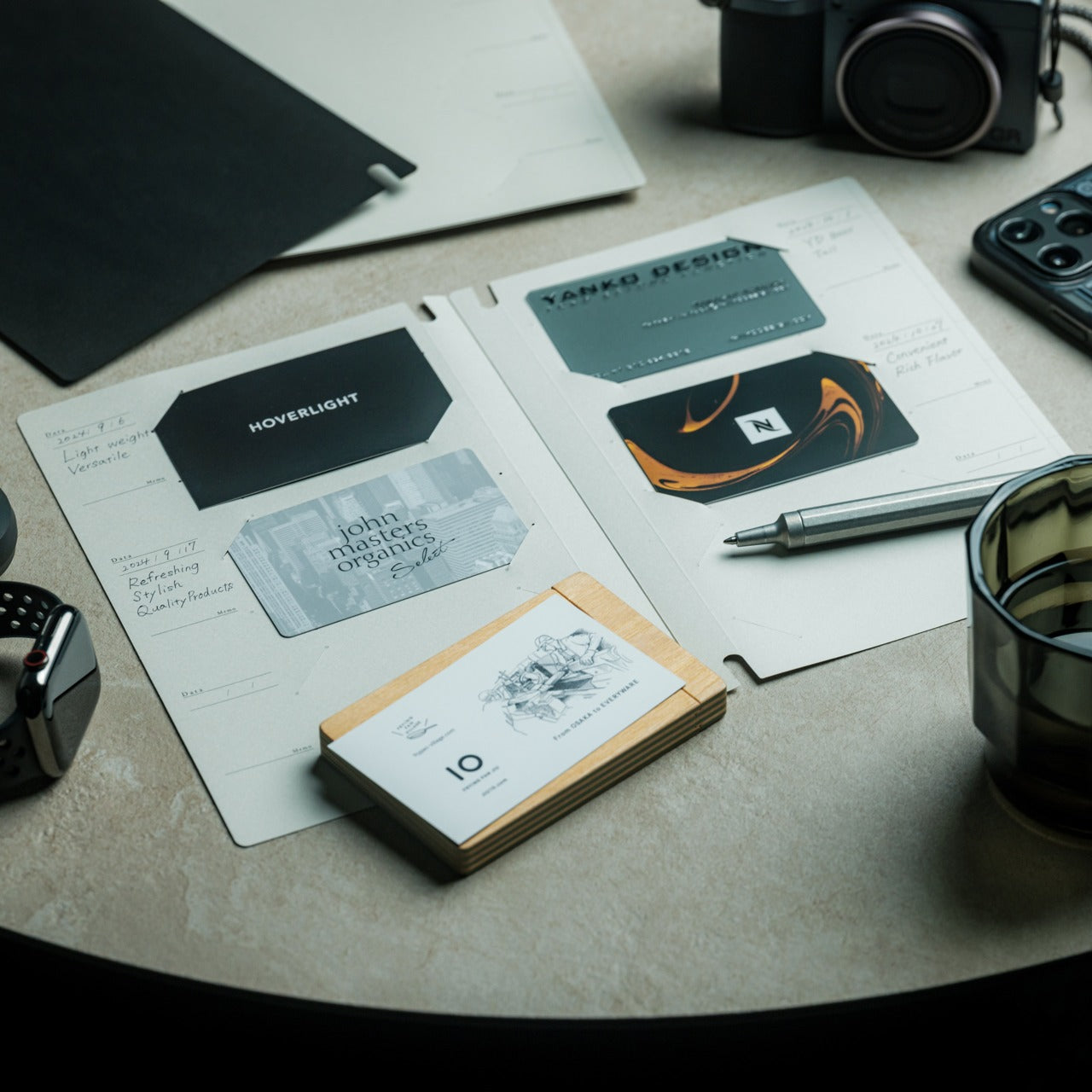
Digital contacts sync across devices, but they don’t capture the texture of a conversation. The nomadic lifestyle means constantly meeting collaborators, clients, and fellow travelers—connections that could turn into partnerships if you remember not just names but contexts. The Memento Business Card Log stores up to 120 business cards using a binding system that lets you reorganize and reference them easily, but more importantly, it provides space for the handwritten details that transform a card into a memory.

Japanese brand Re+g built this organizer around the idea that writing things down changes how you remember them. After a chance meeting at a conference in Singapore or a productive coffee chat in Copenhagen, you can note what you discussed, ideas that emerged, or even just the person’s working style. These annotations become retrieval cues that software contact lists can’t replicate. When you reconnect weeks or months later, those handwritten notes help you pick up the conversation with genuine context rather than generic pleasantries.

Click Here to Buy Now: $35.00

What We Like

  • The capacity for 120 business cards means you can collect connections throughout extended trips without needing to transfer them.
  • Handwritten note space beside each card captures conversational context that digital contacts miss.
  • The unique binding system allows easy reorganization as your network and priorities evolve.
  • Minimal, tactile paper design from Re+g elevates organization into something you’ll actually enjoy using.

What We Dislike

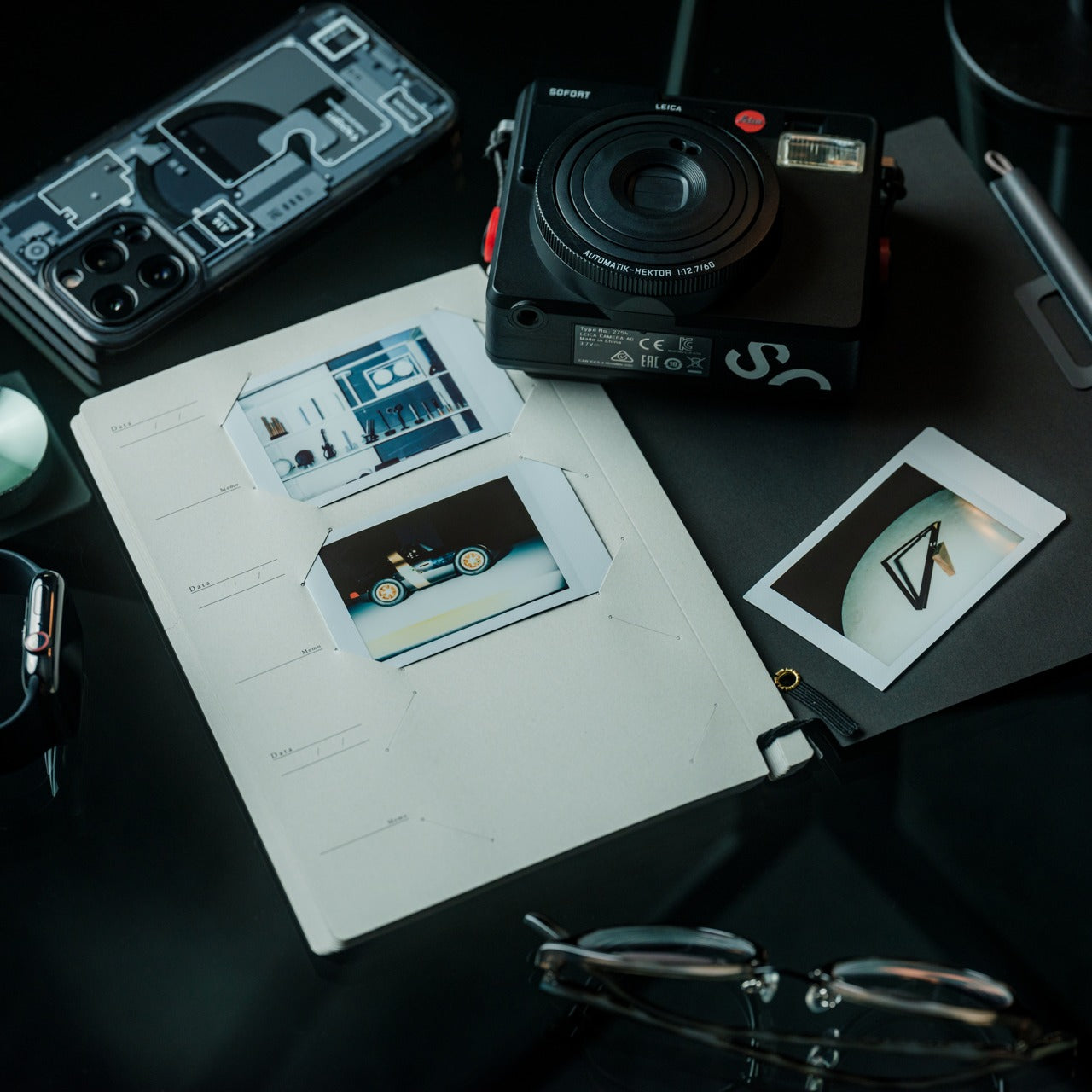
  • The analog format means cards aren’t automatically backed up if the log is lost or damaged.
  • Physical storage takes up more space than purely digital contact management.

5. Inseparable Notebook Pen: Never Hunt for a Pen Again

The friction of creativity often isn’t the idea—it’s the split second when you can’t find something to write with. Inspiration arrives during a walking tour, mid-conversation, or while half-asleep on a red-eye flight. By the time you’ve rummaged through your bag for a pen, the thought has scattered. The Inseparable Notebook Pen uses a magnetic clip that attaches securely to your notebook, ensuring your writing tool lives exactly where you reach for it.

The design focuses on seamless integration. A built-in silencer makes attaching and detaching the pen a quiet, satisfying gesture rather than a clumsy snap. The minimalist form fits any notebook style without visual clash, and the smooth ink flow handles everything from quick notes to detailed sketches. For digital nomads who alternate between typing and handwriting—brainstorming on paper before building in software—this pen becomes an extension of your process rather than something you have to think about.

Click Here to Buy Now: $19.95

What We Like

  • The magnetic clip ensures the pen is always exactly where your notebook is, eliminating lost-pen frustration.
  • The built-in silencer creates a refined, quiet attachment experience.
  • Minimalist design complements any notebook without stylistic compromise.
  • Smooth ink flow handles varied writing needs from rapid note-taking to careful sketching.

What We Dislike

  • The pen is designed specifically for notebooks with compatible magnetic areas, limiting versatility.
  • As a single pen solution, you’ll need backup options if the ink runs out mid-journey.

6. MagBoard Clipboard: Flexibility Without Binding

Traditional notebooks lock you into linear page order and permanent binding. That structure helps for continuous journals but frustrates project-based thinking where ideas need to be rearranged, removed, or reordered. MagBoard uses a magnet and lever mechanism to secure up to 30 loose sheets, letting you compose, decompose, and reorganize pages however your thinking demands. The hardcover backing means you can write standing, leaning against a wall, or anywhere without a stable surface.

For nomads juggling multiple projects, this flexibility becomes essential. Keep client notes separate until a meeting, then compile them in order. Sketch design concepts on individual sheets and arrange them spatially before committing to a sequence. Remove finished work without the orphaned pages that haunt traditional notebooks. The water-resistant cover handles the unpredictability of working outdoors or in transit, and the simple cleaning means coffee spills don’t become permanent damage.

Click Here to Buy Now: $45

What We Like

  • The magnetic lever system holds up to 30 sheets securely while allowing instant reorganization.
  • Hardcover design enables writing anywhere, even standing or without a desk surface.
  • Water-resistant and easy-to-clean materials protect your work in unpredictable environments.
  • Complete flexibility to add, remove, or rearrange pages matches project-based workflows.

What We Dislike

  • Loose sheets can be lost more easily than bound pages if not carefully managed.
  • The hardcover adds some weight compared to lighter, flexible notebooks.

7. Rolling World Clock: Time Zones at a Glance

Working across continents means constantly calculating time zones. Is it too late to call your client in Tokyo? When does your team meeting in New York start relative to your current location in Cape Town? Digital clocks and apps provide answers, but they require pulling out your phone and breaking focus. The Rolling World Clock offers a tactile, immediate solution: a 12-sided desktop piece that displays the current time in major cities simply by rolling it to the desired timezone.

Each of the twelve sides represents a location—London, Paris, Moscow, Los Angeles, Karachi, Mexico City, New York, Shanghai, Tokyo, Sydney, Cape Town, and New Caledonia. A single hand shows the hour for whichever city faces up. The minimalist design eliminates digital distractions while adding a physical, almost playful element to time awareness. When you’re working from temporary desks and rented apartments, this small object becomes both functional tool and a reminder of the global nature of your work.

Click Here to Buy Now: $49

What We Like

  • The twelve-sided design covers major global time zones in one compact object.
  • Physical rolling creates a tactile, screen-free way to check international times.
  • Minimalist aesthetics work as both functional tool and desk decoration.
  • Available in black and white options to match different workspace styles.

What We Dislike

  • Limited to twelve preset cities, which may not include all the locations you coordinate with.
  • The single-hand design requires some interpretation compared to digital displays showing exact minutes.

Building Your Mobile Office

The nomadic workspace is personal, built piece by piece until it reflects exactly how you work rather than where. These seven gadgets share a common understanding: that portability and capability aren’t opposites. They fit into the rhythms of constant movement, solving the small frictions that accumulate when your office exists in a backpack. Connection without cables. Writing without searching. Time awareness without screens.

The best gear for digital nomads doesn’t announce itself. It disappears into your process, working so seamlessly you forget it’s there until you need it. Whether you’re coordinating across twelve time zones, capturing ideas before they evaporate, or creating focus in chaotic airports, these designs adapt to your location rather than constraining it. Your backpack becomes not just luggage but the architecture of your professional life, carefully curated for the work that matters wherever it happens.

The post 7 Best 2026 Gadgets & Tools Every Digital Nomad Needs in Their Backpack first appeared on Yanko Design.